“Male nursing graduates of the future need mentors and support to inspire, affirm, and nurture them.”
“This
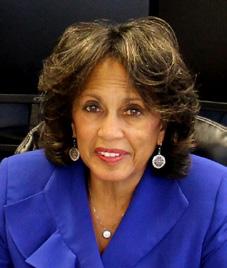
Beverly Malone, Ph.D., RN, FAAN, President and CEO, National League for Nursing
Medical Mysteries Still Exist, and Physician-
Scientists Are Here to Solve Them
One of the biggest medical mysteries of the past 50 years has been HIV. The story of our progress shows why physicianscientists are vital.
When AIDS first emerged, it was frightening, deadly, and poorly understood. An early breakthrough occurred when physician-scientist Dr. Robert Gallo (in the United States) and scientists Françoise BarréSinoussi and Luc Montangier (in France) co-discovered HIV as the cause of AIDS.
The next twist came from a curious observation: Some people exposed to HIV never got sick, even after repeated exposure. Physician-scientist Dr. Paolo Lusso, M.D., Ph.D., helped uncover why. The key was a protein on the surface of immune cells called CCR5.
The CCR5 breakthrough was a pivotal moment. In 2007, physician-scientist Dr. Gero Hütter met Timothy Ray Brown, an individual with HIV who also had leukemia. Dr. Hütter recalled that the CCR5-Δ32 mutation was the key to HIV resistance. He and his team wondered: What if they treated Brown’s leukemia with a bone marrow transplant from a donor with the CCR5-Δ32 mutation? Could this also cure his HIV infection? The outcome was remarkable. Timothy Ray Brown was treated for his leukemia and was also cured of HIV.
The ongoing story of HIV and AIDS highlights how crucial physician-scientists are in connecting patients’ experiences to scientific advances, transforming clues into cures. Medical mysteries still exist, and physician-scientists are here to solve them.
Written by Elias Wisdom, M.D.-Ph.D. Student, Oregon Health & Science University; Member,
Men in Nursing: Making Strides and Picking Up the Pace
Bringing more men into nursing goes beyond addressing shortages; it represents a critical step toward a more balanced and equitable healthcare system.
In its early history, the field of nursing was dominated by men. All that changed when men went off to fight the Civil War, and women stepped in to take their places in hospitals on the battlefield and on the home front.
After that, the scarcity of men in nursing has persisted for 165 years and counting. In 1970, when men in nursing hit an all-time low, only 2.7% of the nursing workforce was male, according to the American Nurses Association.
With increased attention to this imbalance, the number of men choosing to enter nursing has been inching upward. Now, the Bureau of Labor Statistics shows about 12% of nurses are male.
The National League for Nursing’s annual survey of Schools of Nursing confirms this promising trend, with increasing male enrollment in basic RN programs. In 2022-23, the latest survey data available, just over 14% of nursing students identified as men, an uptick from the prior year.
Building a more balanced workforce
It may be asked, “Why is it even important to attract more men to nursing?” In the current nursing shortage, our nation cannot afford to ignore a potentially enormous job applicant pool.
Beyond sheer numbers, men of all racial and ethnic backgrounds bring to the profession different life experiences and perspectives. Research indicates that patients tend to be more open and responsive to health professionals who share physical, psycho-social, and cultural characteristics with them. So, with the need for greater diversity in nursing, how can we move the needle even more quickly?
Public service campaigns targeted specifically to men that promote the career pathways, benefits, and rewards
of nursing can be effective and should be amplified across both traditional and social media. This will require sustained, coordinated efforts and financial investment by all stakeholders, including health and hospital systems, schools of nursing, professional associations, federal and state agencies, public health foundations, and industry partners.
As matters stand, men are vastly underrepresented among nurse educators, comprising only 8% of full-time faculty.
Another key to making the nursing workforce more diverse and inclusive is to diversify nursing faculty and leadership in nursing education. As matters stand, men are vastly underrepresented among nurse educators, comprising only 8% of full-time faculty. But opportunities abound, with more than 800 vacant positions budgeted and 86% of programs that participated in the National League for Nursing survey pursuing new hires. Male nursing graduates of the future need mentors and support to inspire, affirm, and nurture them, and to guide them to achieve their full potential to make a real difference in the health of the nation and the global community.
to Getty Images unless otherwise specified. This section was created by Mediaplanet and did not involve USA Today.
American Physician Scientists Association
WRITTEN BY Beverly Malone, Ph.D., RN, FAAN President and CEO, National League for Nursing
Innovation and Collaboration: Shaping the Future of Nursing Education
The next generation of nurses will need to master not only clinical skills, but also technology, compassion, and cultural awareness.
Across the country, the nursing profession stands at a pivotal moment. Hospitals and communities are grappling with workforce shortages, an aging population, and rapid technological advances that are redefining how healthcare is delivered. The nurses of tomorrow must be clinically skilled, culturally aware, and technologically fluent — ready to care for patients with both competence and compassion.
To meet this demand, nursing education is undergoing a transformation. Programs and nursing educators nationwide must reimagine how students learn, practice, and collaborate, weaving innovation and inclusion into every aspect of training. Simulation labs, artificial intelligence, and virtual reality are no longer optional enhancements — they are essential tools that prepare nurses to deliver safe, effective, and equitable care in an increasingly complex health system.
Leading the way
One school helping lead this transformation is Purdue University’s School of Nursing, where innovation is shaping what it means to prepare tomorrow’s
healthcare professionals. With the new Nursing and Pharmacy Education Building scheduled to open in spring 2027, Purdue will unite students, faculty, and research under one roof.
The four-story facility is designed for collaboration and connection, featuring modern classrooms, study spaces, and simulation environments that replicate real-world medical situations.
“Our goal is to create a space that feels like an academic home — comfortable, collaborative, and equipped for the future of healthcare,” said Libby Richards, interim head of the School of Nursing.
Technology is central to this vision.
The building will include advanced simulation systems and immersive virtual and augmented-reality labs, allowing students to practice complex procedures and develop clinical judgment in a safe, hands-on environment. Through programs like The Heart Through Virtual Reality, nursing students can explore the inner workings of the human heart — watching chambers contract and valves open in real time to deepen understanding of cardiac care.
Purdue’s innovation also extends to representation within the profession.
Faculty member and assistant head for graduate programs Julian Gallegos leads initiatives to recruit and support men in nursing, encouraging representation and mentorship through Purdue’s chapter of the American Association for Men in Nursing and his research focus on men’s health. “We need to ensure that all students see themselves reflected in this profession,” Gallegos said.
Research within Purdue’s School of Nursing reflects this same forward momentum. Doctor of Nursing Practice student Tyson Magee is studying how AI-generated exercise plans can improve patient engagement and outcomes. “AI won’t replace the nurse,” Magee said. “But nurses who understand it will deliver more individualized care.”
When the new building opens, Purdue Nursing expects to expand enrollment to help address critical workforce needs across Indiana and beyond. The investment underscores a lasting commitment to preparing healthcare professionals who merge innovation with empathy — defining not only the future of nursing education, but the future of care itself.
learn more, visit hhs.purdue. edu/nur
Purdue University’s new Nursing and Pharmacy Education Building, scheduled to open in spring 2027
|Photo courtesy of Purdue University School of Nursing
To
INTERVIEW WITH Libby Richards, Ph.D. Interim Head and Professor, Purdue University School of Nursing
INTERVIEW WITH Julian Gallegos, Ph.D. Assistant Head for Graduate Programs and Assistant Professor, Purdue University School of Nursing
INTERVIEW WITH Tyson Magee Doctor of Nursing Practice Student, Purdue University School of Nursing
WRITTEN BY Purdue University School of Nursing, West Lafayette, IN
Purpose, Progress, and Patient Care: Inside Today’s Healthcare Roles
Our panel of experts shares how healthcare careers offer purpose, growth, and meaningful daily impact.
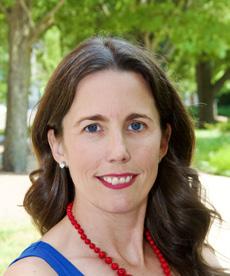
Priya Parthasarathy, D.P.M. President, Maryland Podiatric Medical Association; Partner, US Foot & Ankle Specialists; National Spokesperson, American Podiatric Medical Association
What makes a career in healthcare such a meaningful and rewarding path for today’s professionals?
Priya Parthasarathy: In podiatry, you get to literally help people move forward. There’s something so powerful about that. We take patients who are in pain or afraid they’ll lose their independence and give them back mobility and confidence. You see the difference right away. Every day, I get to use my skills to make someone’s life better, and I walk away each day knowing I truly made an impact.
Raymond Brown-Riley: A career in healthcare is especially meaningful because every day offers a chance to protect dignity, relieve suffering, and support recovery. The reward — seeing progress and knowing our actions create safer beginnings and healthier futures — is priceless.
As healthcare needs evolve and demand grows, why is it so important that we inspire more students and young professionals to pursue careers in this field?
RBR: As the population ages, the need for
prepared and compassionate nurses and healthcare providers keeps growing. Inspiring students to choose healthcare is not only about staffing; it is about building systems that are safer, more equitable, and innovative. Developing new nurses and professionals today improves outcomes for communities tomorrow. It’s imperative that we continue to produce new graduates who have the tools to handle the challenges before them, the knowledge to avoid the mistakes of the past, and the wisdom to know the difference.
How does working in healthcare allow you to make a tangible impact on people’s lives while continuing to grow and learn professionally?
PP: What I love about podiatry is that you get to see progress in real time. Someone comes in limping or unable to wear shoes comfortably, and weeks later, they’re walking pain-free or running again. That’s the immediate impact. The field never stops evolving, whether it’s regenerative medicine, new technology, or surgical innovation, so there’s always
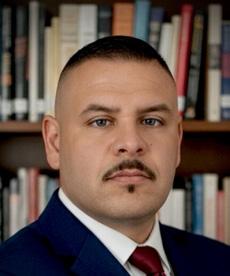
Raymond K. Brown-Riley, B.S.N., RNC-NIC, NPT, NNIC NICU Assistant Director of Nursing and NICU Transport Coordinator, MedStar Georgetown University Hospital
something new to learn. It keeps me motivated and constantly growing.
What advice would you give to someone considering a future in healthcare about finding purpose and fulfillment in this work?
PP: Find your “why,” and hold on to it. The path isn’t always easy. There are long days and tough cases, but when you see a patient light up because they can walk without pain, it reminds you why you started.
RBR: I would tell anyone considering a future in healthcare to reflect on where their passions lie. The healthcare industry is broad and diverse, so it’s important to hone in on what fulfills you personally. Start by shadowing clinicians and asking questions about workload, emotional demands, scheduling, and opportunities for advancement. Find mentors who challenge you and a specialty that matches your strengths and passions. It’s cliché, but true, that when you love what you do, you’ll never work a day in your life.
How Healthcare Professionals Can Thrive in a Digital Era
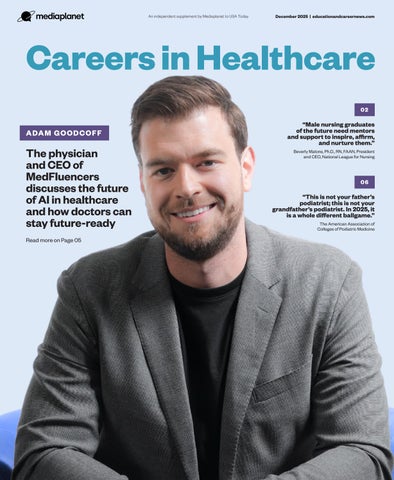
Healthcare professional (HCP) influencer, emergency medicine physician, and CEO of MedFluencers, Dr. Adam Goodcoff, shares insights on embracing AI and evolving career pathways to help healthcare professionals stay adaptable and future-ready.
Social media has revolutionized healthcare by providing HCPs with tools to educate peers and patients faster, more directly, and more accessibly than ever.
As someone who has successfully merged clinical practice with digital innovation, how do you believe emerging healthcare professionals can best position themselves to thrive in this evolving landscape?
The best thing someone can do is keep an open mind, and have a hunger for new skills and knowledge. Look at the way machine learning has come into our lives in the last two or three years. If you had asked a clinician three years ago if they found AI helpful, they could not tell you where AI was in the mix. Today, there are tools like the ambient AI scribes and various platforms that are now making their way into healthcare. We need to have hunger and interest in discovering these new tools and consider how we could integrate them into our day-to-day workflow. I think having an open mind is the best way to do that.
What key skills or mindsets do you think are essential for those entering healthcare today?
Be hungry and be open to change. Medicine is well known for being slow to change and slow to adopt, and there are reasons for that; there’s safety and security in the way we’ve done things. However, now at a time when innovation is so rapid, it’s important to consider the ways we might be able to integrate that into our workflow.
Can you share some examples of how social media and digital platforms have created
new career pathways within healthcare?
Social media has revolutionized healthcare by providing HCPs with tools to educate peers and patients faster, more directly, and more accessibly than ever. At MedFluencers, we’ve seen how these platforms allow HCPs to share knowledge in real time, build personal brands, and connect with larger audiences. This shift creates opportunities for collaborations with brands that value medically accurate, compliant content. It’s an exciting time, where real impact is being made, and HCPs are shaping how we communicate in this digital-first world.
What trends or opportunities do you think healthcare students should be preparing for to maximize their impact and career satisfaction?
I think healthcare careers are changing. On the technology side, there’s tremendous enablement, but the way the healthcare system works is constantly evolving. When I was in high school, thinking about becoming a physician, it’s different today than it was then. In an equal amount of time, it will be radically different again. We’re at such a quick and exciting evolutionary pace here.
I’d invest in your own learning, especially understanding a bit more about machine learning and AI. I think it’s become a part of all of our lives, and there are so many folks who just quickly label it AI and write it off. What is the AI doing? Why is it different than traditional search? What are we doing differently with these tools?
Dr. Adam Goodcoff | Photo courtesy of MedFluencers
Breaking Barriers: How Dr. Joel Bervell Is
Reimagining
Inclusive Medicine
Content creator Dr. Joel Bervell shares how his experiences and advocacy are reshaping equity and empathy in healthcare.
What drew you to the healthcare profession in the first place?
Growing up, I saw people in my family and community struggle with access to care. Sometimes it was in ways that were devastating. I didn’t want to just practice medicine; I wanted to help make it fairer, more accurate, and more reflective of the communities we serve.
How do you see social media changing careers in medicine?
Social media has democratized access to role models in a way that traditional institutions never could. For decades, the image of a doctor was limited. If you didn’t fit that mold, it was hard to imagine yourself in a white coat. I often say, “You can’t be what you can’t see.” Social media has changed that.
What advice would you give to students who might not see themselves reflected in traditional healthcare pathways?
The thing that makes you feel like you don’t belong is actually your greatest asset. For too long, medicine has been taught and practiced through a narrow lens, and the result is a system full of blind spots. Your lived experience, whether it’s growing up in a community with limited access to care or navigating the healthcare system in ways others haven’t had to, is a form of expertise that medicine desperately needs.
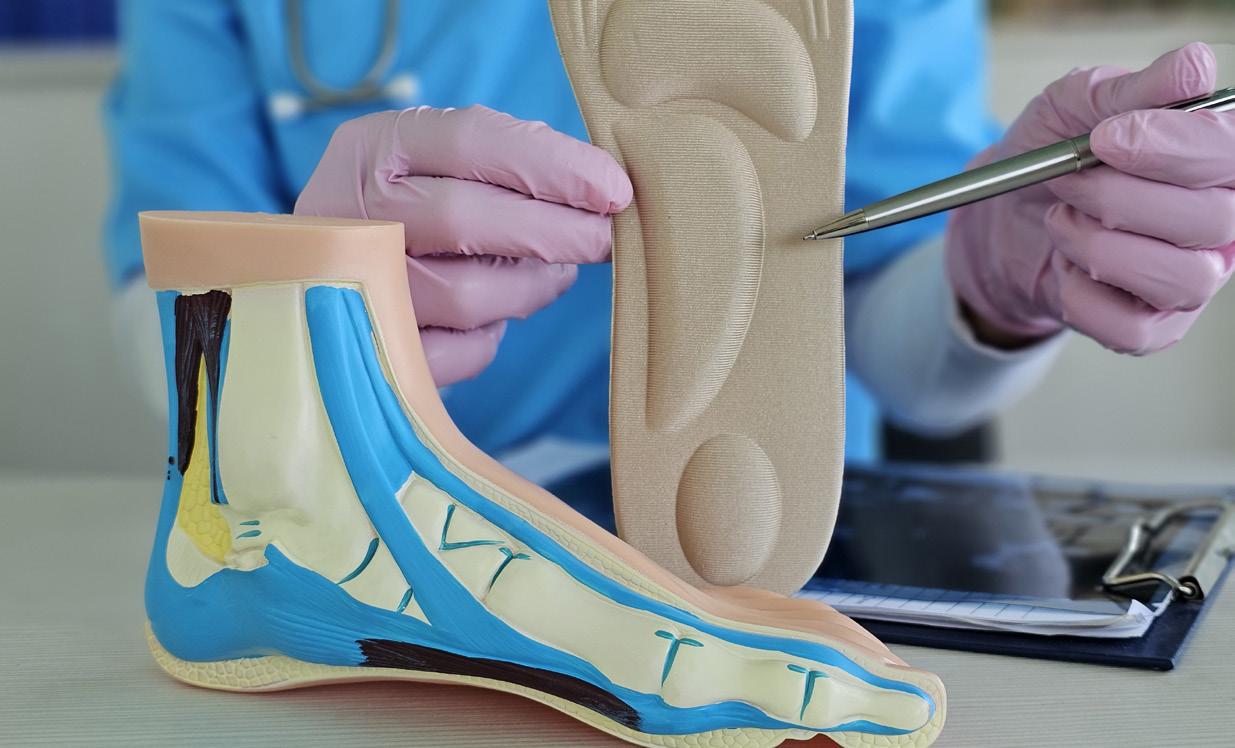
Podiatric Medicine: An In-Demand Surgical Field to Know More About
Podiatric medicine is a highly rewarding health career with a variety of specialty areas to serve patients with diverse needs.
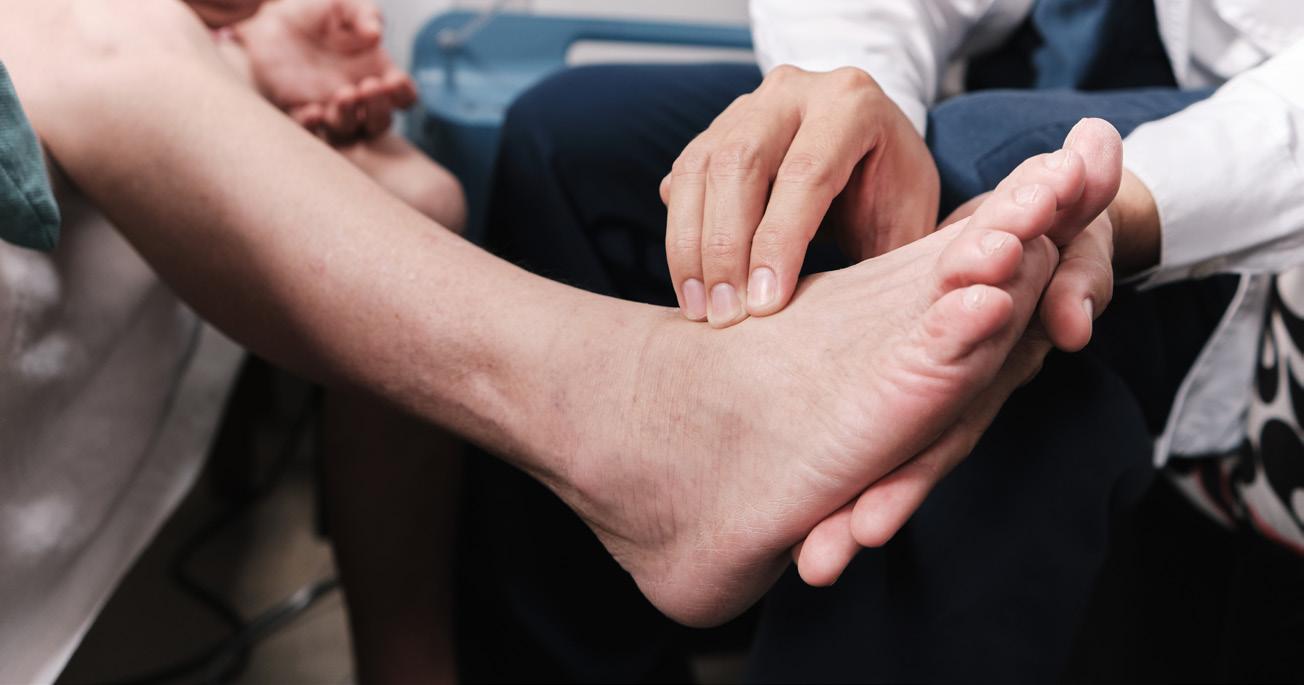
Aprofessional basketball player who tore their achilles tendon during a game, a diabetic patient at risk of losing their foot, and an older woman with a painful bunion who wants to get back to her daily walks. These are all patients served by Doctors of Podiatric Medicine (D.P.M.) who can not only get them back on their feet but also help prevent future medical issues.
By going directly into a specialty at the time they begin podiatric medical school, D.P.M.s are qualified by their education and training to diagnose and treat conditions affecting the foot, ankle, and related structures of the leg.
“It’s a profession that really encompasses all of the aspects of medicine in one unique profession,” said Dr. John Steinberg, system chief for the MedStar Health Division of Podiatric Surgery and the program director of the MedStar Health Georgetown University Podiatric Surgery Residency program. “It’s just such a unique profession that blends the capabilities of medicine and surgery into a skill set for a practitioner that can really make a big difference in a patient’s life.”
There are nine accredited colleges and schools of podiatric medicine in the United States offering the four-year D.P.M. program. Graduates are then placed into a three-year, hospital-based, comprehensive medical and surgical residency
with a nearly 100% residency match rate. Podiatric medicine is the quickest pathway to becoming a surgeon, as D.P.M.s specialize from day one.
The modern podiatrist For Steinberg, it was an easy decision to go into podiatric medicine, as he was exposed to the field at a young age. His son is now applying to podiatric medical schools, and when he finishes school, he will be the fourth generation of podiatric physicians in the family.
“My son sees what I do, how content I am, and how much fulfillment I get from my work, and he says, ‘Why would I want to do anything different?’” Steinberg said.
Podiatric medicine offers a faster entry to start a career as a physician than traditional medical school or osteopathic medical school programs, which means earlier access to ancillary sources of income.
Podiatric medicine also offers autonomy and the ability to choose an ideal practice setting. D.P.M.s can work in hospitals, outpatient settings, athletic departments, private practice, or academia.
“This is not your father’s podiatrist; this is not your grandfather’s podiatrist. In 2025, it is a whole different ballgame,” Steinberg said.
Written
by The American Association of Colleges of Podiatric Medicine
INTERVIEW WITH Dr. Joel Bervell The Medical Mythbuster
Your Foundation for a Life-Changing Healthcare Career Starts Here
In a healthcare landscape facing critical workforce shortages, one medical specialty offers something extraordinary: the ability to transform lives instantly while building a sustainable, fulfilling career. Welcome to podiatric medicine — where clinical excellence meets meaningful patient relationships, and where your impact is both immediate and lasting.
At Kent State University College of Podiatric Medicine — founded in 1916 and one of the nation’s oldest podiatric medical schools — we’ve prepared over 7,000 physicians who don’t just treat conditions: they restore mobility, prevent devastating complications, and give patients their lives back.
Kent State’s campus is located just outside a medical mecca, offering clinical rotations through world-class hospitals including the Cleveland Clinic, University Hospitals, MetroHealth, and the VA, to name a few. This unmatched network ensures students gain diverse, high-caliber experiences. Our reach also expands globally, with opportunities to experience podiatric medicine abroad — including in Arezzo, Italy.
Meet Dr. Nick Campitelli, a 2001 graduate practicing in Fairlawn, Ohio. “What’s cool about podiatry is people usually come in with pain, and if you can relieve it instantly, they walk out thrilled because they can get back to their life,” he explained. Dr. Campitelli built a thriving practice while maintaining work-life balance. His innovative
social media presence educates millions about foot health while building patient trust. Beyond practice, he mentors Kent State students during surgical externships at world-class facilities.
Dr. Crystal Holmes, a 2002 graduate, demonstrates podiatric medicine’s academic reach. Now a Clinical Professor at the University of Michigan Medical School and chair of Kent State’s Advisory Board, she specializes in diabetic foot care — preventing the devastating complications she witnessed affecting family members. “At Kent State, I developed my interviewing skills and those soft skills for building relationships, delivering news with respect and calm,” she said.
Why choose podiatric medicine?
Choosing podiatric medicine means choosing your specialty from day one. Unlike many other medical paths, you’ll have the flexibility to shape your career — whether through surgical practice, sports medicine, wound care, biomechanics, pediatrics, or diabetic limb preservation. You’ll treat a diverse patient population while enjoying a
desirable work-life balance that supports both professional success and personal well-being.
This specialty uniquely combines surgical expertise with longitudinal patient care. Podiatric physicians are the only doctors receiving specialized medical and surgical training specifically in lower extremity care. You can specialize in sports medicine, diabetic wound care, pediatrics, or surgery — working in private practices, hospitals, or academic settings.
And the advantages are compelling, including:
• Competitive salaries averaging over $200,000
• Flexible scheduling and autonomy in practice style
• The ability to provide instant relief that changes lives
The Kent State difference
Kent State’s dedicated faculty and counseling staff focus exclusively on podiatric medical students — no competing obligations. They offer tutoring at no charge and comprehensive faculty mentorship guiding students through curriculum, clinical experiences, and residency selection. Kent State is also one of just two podiatric medicine programs based at a top-tier, R1 research university.
Your journey starts with one step. Take it at Kent State.
Written by Dr. Allan M. Boike, D.P.M., Dean, Kent State University College of Podiatric Medicine
Ready to explore this rewarding specialty? Visit Step Into Podiatry to shadow a practicing DPM or contact us at 216-231-3300 or podiatry@kent.edu. Read Dr. Campitelli’s and Dr. Holmes’s full stories in the February 2025 issue of Kent State Magazine:
INTERVIEW WITH Dr. Nick Campitelli 2001 Graduate, Kent State University College of Podiatric Medicine
INTERVIEW WITH Dr. Crystal Holmes 2002 graduate, Kent State University College of Podiatric Medicine