CASE STUDY
The smaller property with Nu Image Nails and UI Health Miles Square Clinic was the first parcel purchased, acquired while in foreclosure. Prior to the acquisition, the developer confirmed with Jewel-Osco that their store was performing well and had no plans to close. However, within two years, Jewel closed the location and withheld it from sale, citing competition with their store at 62nd and Western.
At the time, Back of the Yards was largely a walkable community, and the closure created a significant gap in grocery access. The City of Chicago, recognizing the site’s importance within a TIF zone, pressured retailers such as Jewel, Target, and Walgreens to stop holding vacant buildings off the market. With the city’s support, we were able to bring Jewel back to the table, but they imposed restrictions on the property, limiting any future grocer to 20,000 square feet with no bakery and no pharmacy. Despite the higher purchase price, we proceeded, already in negotiations with Aldi, whose footprint fit the size limitation.
Shortly after, Aldi pivoted and purchased land at 1542 W. 47th Street
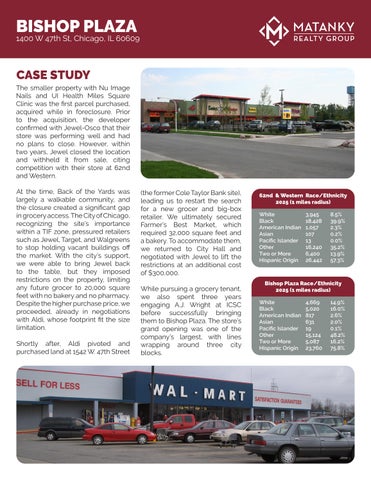
(the former Cole Taylor Bank site), leading us to restart the search for a new grocer and big-box retailer. We ultimately secured Farmer’s Best Market, which required 32,000 square feet and a bakery. To accommodate them, we returned to City Hall and negotiated with Jewel to lift the restrictions at an additional cost of $300,000.
While pursuing a grocery tenant, we also spent three years engaging A.J. Wright at ICSC before successfully bringing them to Bishop Plaza. The store’s grand opening was one of the company’s largest, with lines wrapping around three city blocks.
BISHOP PLAZA
$2.5M TIF Funds Secured
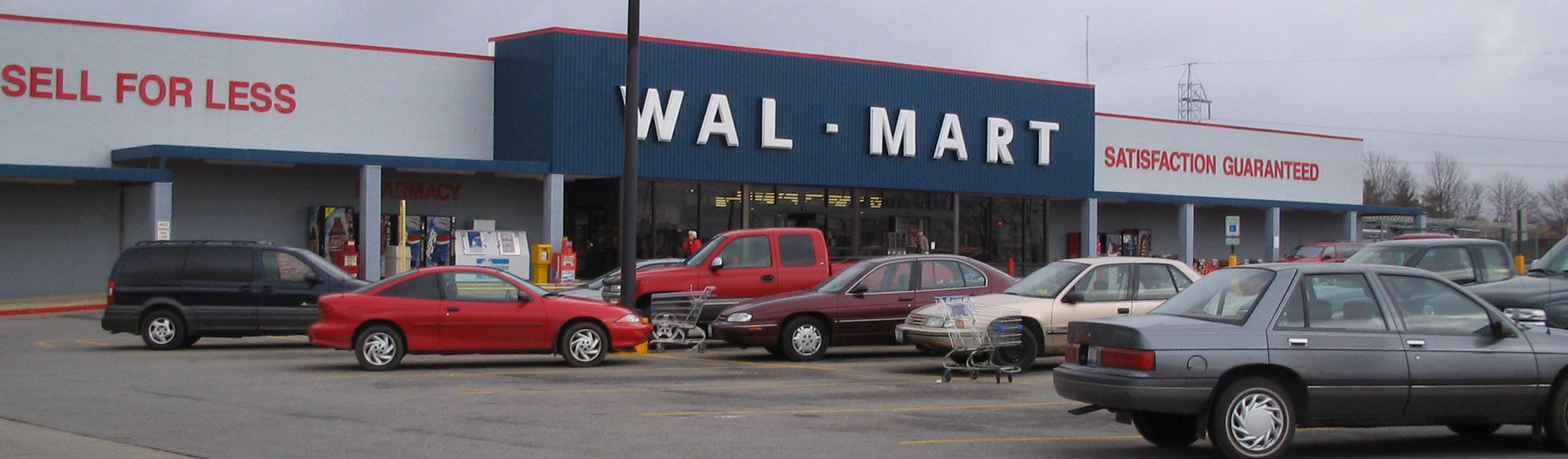
The project received $2.5 million in self-funded TIF assistance, discounted by Harris Bank, resulting in 75 percent of the total funds being disbursed. Over time, Farmer’s Best was sold to a less experienced operator, which led to a closure. Super Mas Market later opened with the goal of creating a Hispanic grocery chain similar to those in Texas and California, investing several million dollars into renovations. However, the community perceived the store as too upscale, and sales lagged.
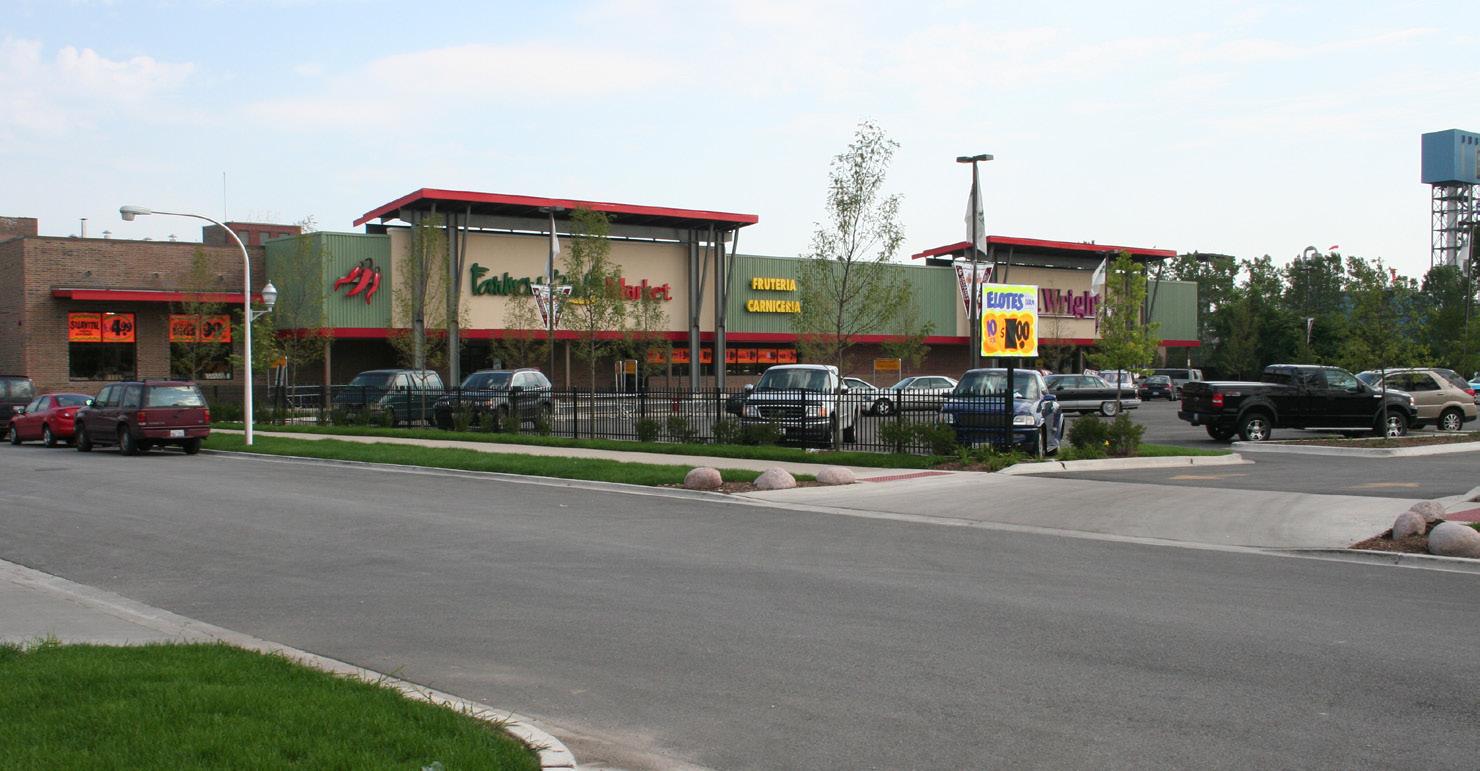
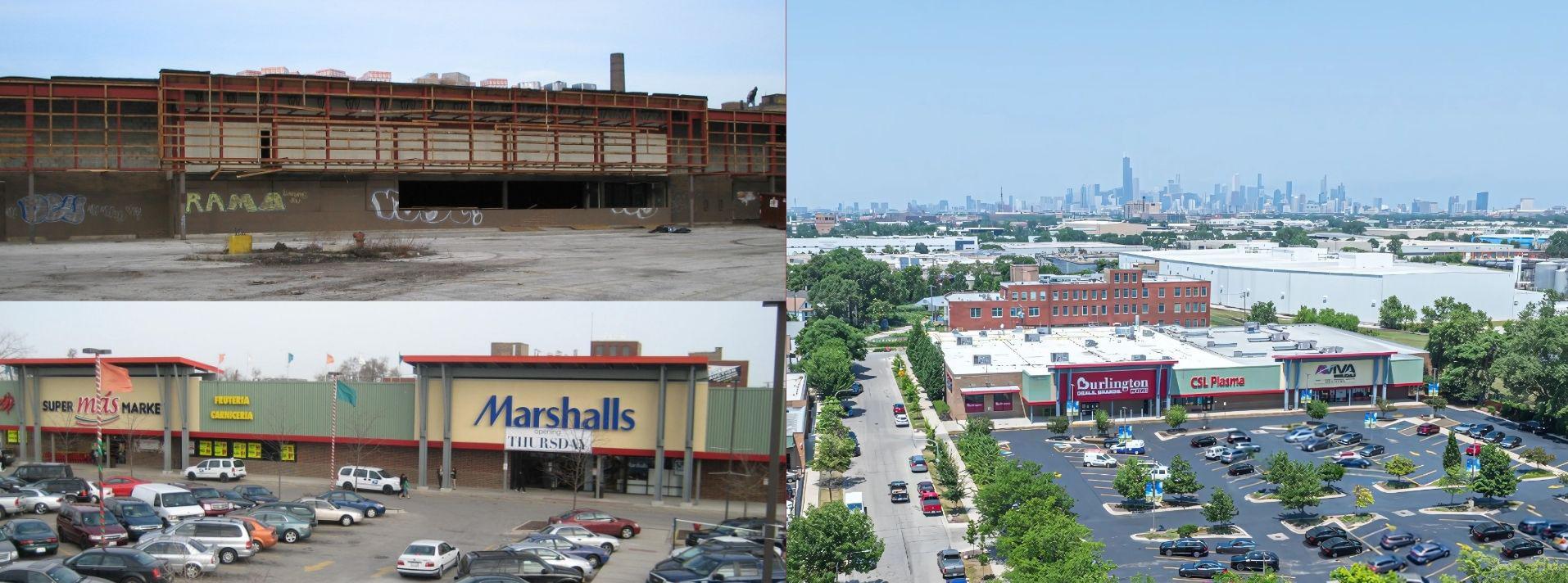
During this period, A.J. Wright’s parent company converted select stores to Marshalls, including ours. Soon after, Walmart Neighborhood Market took over the grocery space and performed extremely well, averaging $20 million in annual sales ($625 PSF). Despite this, the concept failed nationally, and Walmart closed after fewer than five years, followed by Marshalls.
Today, the property has been successfully redeveloped once again and is anchored by Burlington, CSL Plasma, and Aviva, with additional tenants America’s Best and Little Caesars occupying the outlot on the east side of the property.
It has been a long and challenging redevelopment journey, but one that reflects persistence, adaptability, and a lasting commitment to community revitalization.
DIXIE HIGHWAY
14710 Dixie Highway, Harvey, IL 60426
CASE STUDY
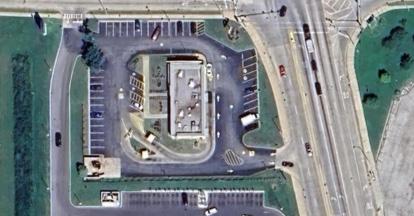
The second project I would like to discuss is located at 14710 Dixie Highway in Harvey, Illinois. The land had been vacant for more than 20 years, despite sitting at a prime intersection with approximately 55,000 vehicles per day and visibility from I-57, which carries more than 105,000 vehicles per day. The surrounding trade area includes 102,989 households within three miles and a population of 264,179 within five miles.
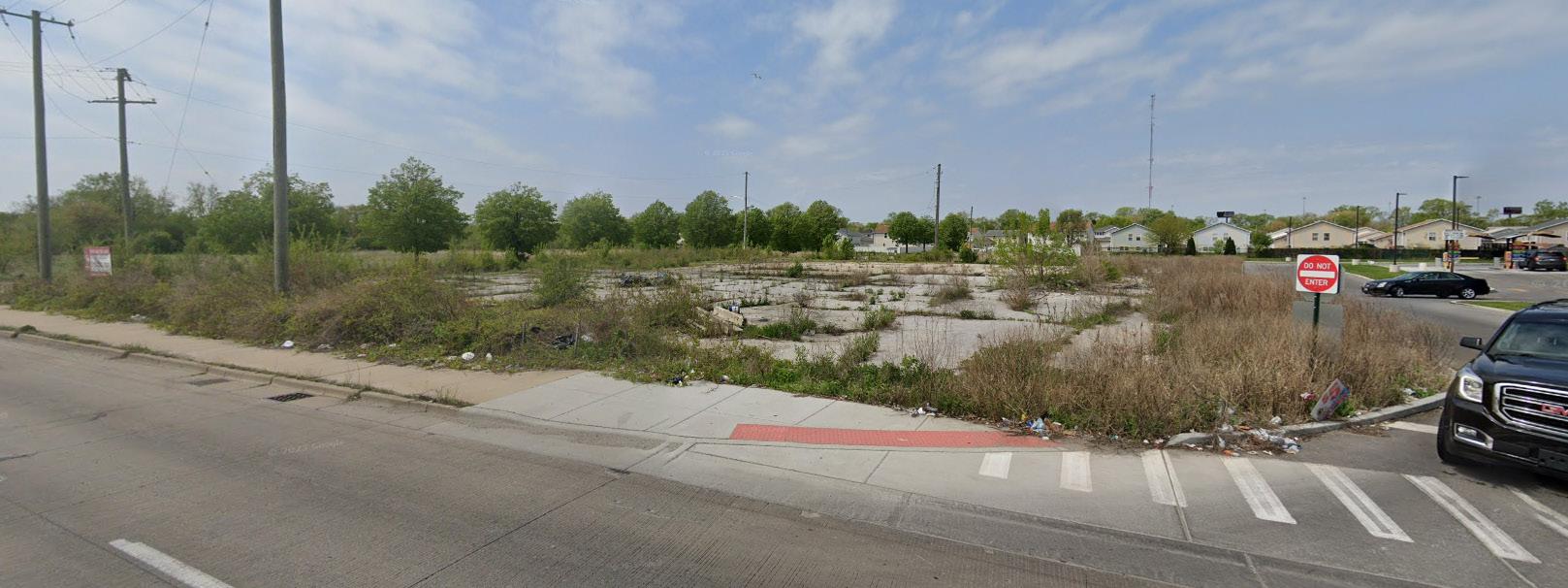
Given these strong fundamentals and a successful McDonald’s operating on the corner, it is surprising that the site remained undeveloped for so long. The property consists of two parcels divided by 148th Street: a 2.16-acre site to the north and a 7.3acre site to the south.
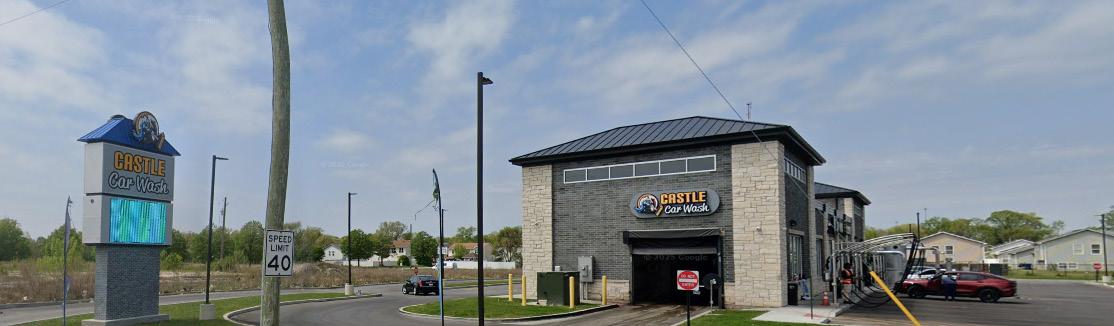
I have marketed this property for about five years, and while it has been one of the more challenging projects I have worked on, it is finally taking shape. Castle Car Wash, completed in 2023, marks the first new commercial building constructed in Harvey since 1985. The project represented a $5 million investment, including land costs. Incentives were limited, as negotiations with the city were strict, yielding approximately $300,000 in
TIF assistance and a Class 8 tax reduction of 60 percent for 10 years.
The deal took about two years to assemble, initially including Burger King, which planned to occupy one acre of the 2.16acre site. Unfortunately, they withdrew shortly before closing due to internal ownership issues. Despite this, Castle Car Wash moved forward independently, absorbing the full costs of the detention pond and access road that were originally intended to be shared.
DIXIE HIGHWAY SUMMARY 2025 (3 miles radius)
DIXIE HIGHWAY BROCHURE
$5.0M
Today, the former Burger King parcel and the 7.3-acre site are both under contract, with closings anticipated before year-end.
This project represents the gateway to Harvey and is expected to catalyze additional development along the corridor. Redevelopment begins with establishing a strong node; once the first few businesses open and operate successfully, it becomes easier to attract more. By working closely with the community to identify unmet retail and service needs, projects like this can spark ongoing economic momentum and revitalization.
In today’s market, incentives remain a critical tool for success. Rising land and construction costs, combined with fewer active national tenants, make creative public-private partnerships essential to bringing new projects to life.