Reevaluating the Mental and Behavioral Environment for Pediatric Inpatients
An analysis on pediatric inpatients built environment to better serve their mental and emotional recovery when experiencing a crisis
By Madeline Bradley
An analysis on pediatric inpatients built environment to better serve their mental and emotional recovery when experiencing a crisis
By Madeline BradleyFor the pediatric age group, infancy through eighteen, mental and behavioral health has a profound impact on their wellbeing. Especially after Covid-19, mental disorder awareness had more attention and outlets after tragic events. Youth and young adults, aged six through eighteen, experienced a unique set of challenges during and after the pandemic. They were more isolated from peers they surrounded themselves with daily, a new platform for learning rapidly took shape by going virtual, and daily routines and schedules that youth were accustomed to shifted overnight. These factors had an impact on their mental health and different support spaces needed to be accessed to help. During 2020, among the United States adolescents, one in six experienced a major depressive episode, three million had serious thoughts of suicide, one in ten under the age of eighteen experienced a mental health condition following a COVID-19 diagnosis, and there was a thirty-one percent increase in mentalhealth related emergency department visits (NAMI 2022).
When anyone is experiencing a mental crisis, usually emergency departments in hospitals are the quickest outlet to receive help. But that is not always the right healing environment for a patient trying to come down from a health crisis. Over the past two decades, mental and behavioral health in relation to emergency department visits have continuously risen (Schultz_2021).
How people receive care when they are experiencing the worst day of their life has an impact on their
Backgroundwell-being and their recovery plan.
All age groups experienced mental and behavioral issues after the pandemic but the pediatric group, especially adolescents, is a unique demographic because often their opinions are ignored due to their comparatively small demographic for mental illness (Hutton 2021). Psychiatric environments can provide a better healing environment and immediate aid for users but how can we design with sensitivity to a young demographic in a space that they are unfamiliar with? In the hospitals built environment, it is becoming more common to create floors specifically catering to pediatric users, aged five to seventeen. This floor provides a stable base for care and assisting this demographic with the hospitals policies and routine. It is a unique dynamic mainly because aged five to seventeen is such a big gap and the different age ranges have different needs upon arrival when experiencing a mental crisis. Specific design considerations must have special attention for young people to create a healing space for recovery. The different developmental characteristics, risk mitigation, safety promotion, and staff satisfaction are important factors when designing for this built environment.
Literature that played a big hand in analyzing these findings such as: Comfort Equals Nurturing: young people talk about mental health ward design by Alison Hutton, Rhonda Wilson, and Maralyn Fouruer, used the method of interviewing adolescents in mental and behavioral wards to
get their point of view of how it is being in a ward when experiencing a crisis. This lens allowed me to consider certain factors that positively and negatively impact their length of stay and recovery. I took note of knowledge gaps within the literature that should be documented and considered moving forward for both mental and behavioral health wards and specific pediatric patients to implement in their spaces to better serve them and benefit their overall experience.
I analyzed case studies in addition to literature reviews to examine the pros and cons of mental and behavioral pediatric psychiatric wards, to see the effects it has on the user and staff. I actively worked on a project during my externship, that aligns with my research thesis. The project was in partnership with CoreWell Health Devos Children’s Hospital. They are renovating their eleventh floor into a Pediatric Inpatient Psychiatric Unit in Grand Rapids, Michigan. The 12,500 BGSF unit is being designed to provide for patients as young as five through seventeen years of age. I will be analyzing CoreWell’s floorplan keeping in mind lighting, privacy, biophilic materials, and additional factors. This will result with design criteria to provide considerations for mental and behavioral health facilities who wish to update their model and have design interventions to resonate with its users better.
An analysis on pediatric inpatients built environment to better serve their mental and emotional recovery when experiencing a crisis

Aim
The aim of this research is to better understand and cater to pediatric inpatients mental and behavioral health design. In addition to understanding the design intent, desired outcomes, and knowledge gaps of the built environment is crucial. I aim to gain perspective of the user and understand what makes a space effective and a beneficial therapeutic environment for their well-being. I would like to consider these factors when their length of stay has an impact on their day-to-day routine. A question I hope to give way to a bigger discussion regarding mental and behavioral health is:
How can the environment for pediatric inpatients be designed to better serve their mental and emotional recovery when experiencing a crisis?
“How can the environment for pediatric inpatients be designed to better serve their mental and emotional recovery when experiencing a crisis?”
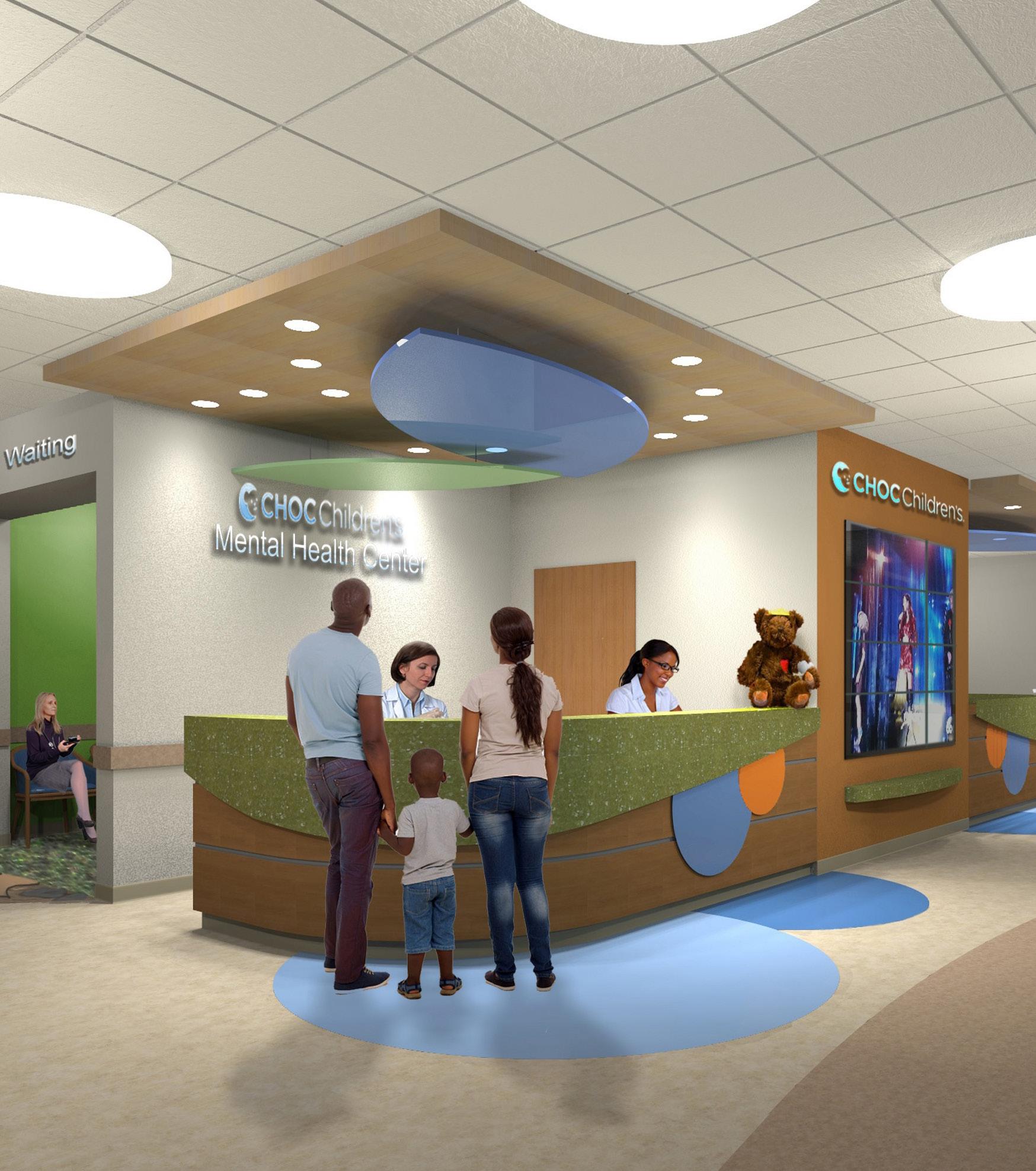
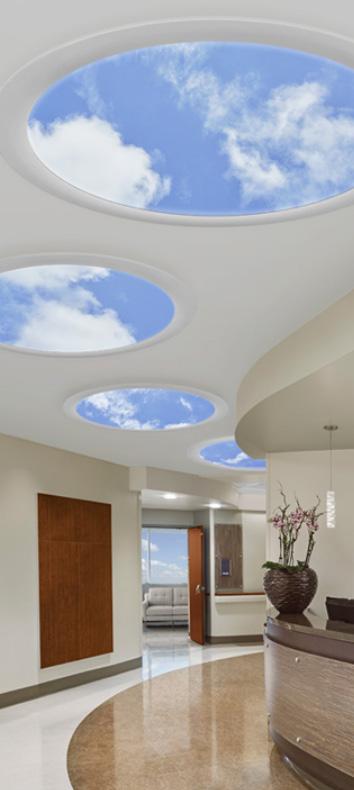
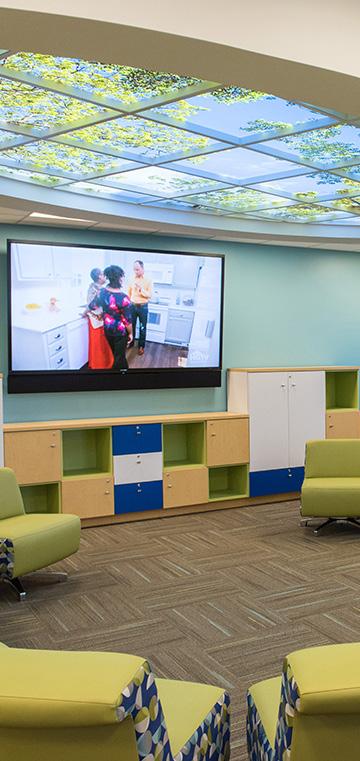
Paying special attention to lighting design in psychiatric wards are very important due to the user being confined to stay indoors during their mental crisis. Artificial and natural lighting has a profound impact on all ages but can have serious effects on children and their developmental growth. Natural light and window views of at least 50 feet can enhance children’s cognitive performance (Tanner, 2008).
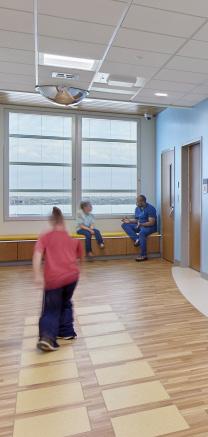
Larger windows, skylights and similar means could cut the rate of myopia in children, or nearsightedness.
Hobday states, “A century ago, it was widely believed that high levels of daylight in classrooms could prevent myopia. Myopia is an eye condition that makes far-away objects look blurry. This practice continued until the
1960s, from which time myopia was believed to be an inherited condition. In the years that followed, less emphasis was placed on preventing myopia. It has since become more common, reaching epidemic levels in east Asia. Recent research strongly suggests that the number of light children get as they grow determines whether they will develop short sightedness. The results regarding test of intense ambient lighting on laboratory animals suggest that outdoor light levels are required to prevent onset of myopia.”
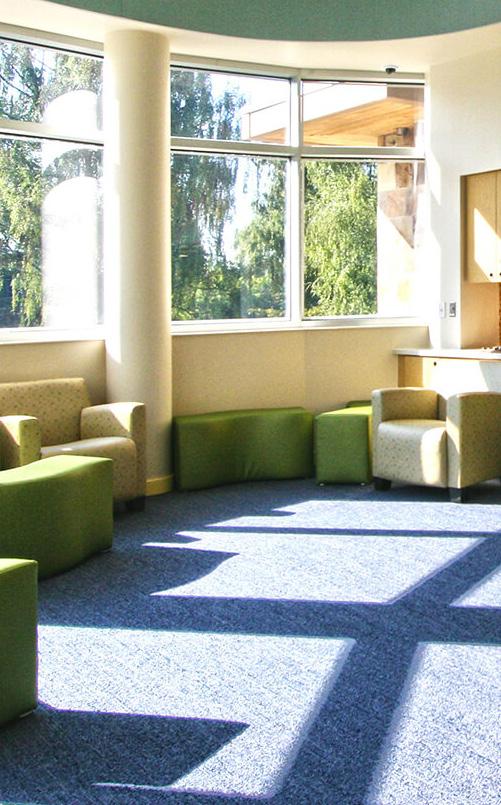
Natural light is important for children’s cognitive development, but it also has immense impact on the mood. Exposure to natural and bright light has been linked to reduce depression,
have improvements in sleep, decreased length of stay in health care facilities, and reduced cost of pain medications (Ulrich et al. 2004). Even though children won’t be able to interact with the outdoors physically, being able to connect with it through natural lighting and having clear vision of the seasons and weather gives the child autonomy and connection to nature.
Color, art, and material choices can have profound impact on the cognitive mood. For children, outlets of expression in art, music, and what those sequence of spaces resemble can take the focus away from their illness and make them feel better. From a study conducted at a referral hospital in New South Wales, Australia that houses 668 adults and 126 pediatric beds. The pediatric mental health unit interviewed adolescents’ patients on what positive distraction worked best for them. Adolescents wanted a variety of activities to relieve boredom and motivate them during their length of stay. Most of the activities they suggested were locked up and had to be used with permission of a staff member. Some participants suggested cooking, a treadmill, a basketball hoop, music, or a space to have quiet time. Positive distractions enhance good moods and, in a stress freeway, capture people’s attention, blocking negative thoughts. (Pati, 2010) Music is
a good choice for a therapeutic activity. Exposure to music has increased self-reported feeling of comfort, a better play activity, a positive distraction, reduced anxiety, and positive changes in mood for children (Barrera, Rykov and Doyle 2002). Music is a healthy outlet for children, allowing them to listen and play to have a desirable emotional experience. Finnish researchers found that adolescents used music in a few different ways to control and enhance their moods. It can be a source of entertainment for restoration, when performed, it provides strong emotional sensations, diversion through discharge, and provides comfort (Saarikallio and Erkkila, 2007). Having places in the ward for high levels of play and noise and low levels of noise and quiet can allow agency for children to have spaces for their day-to-day needs.
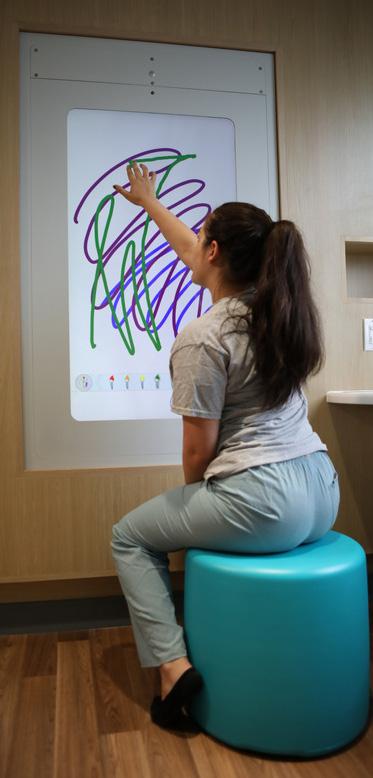
“Positive distractions enhance good moods and, in a stress freeway, capture people’s attention, blocking negative thoughts”
 Inpatient Behavioral Health Unit -Dayton Children
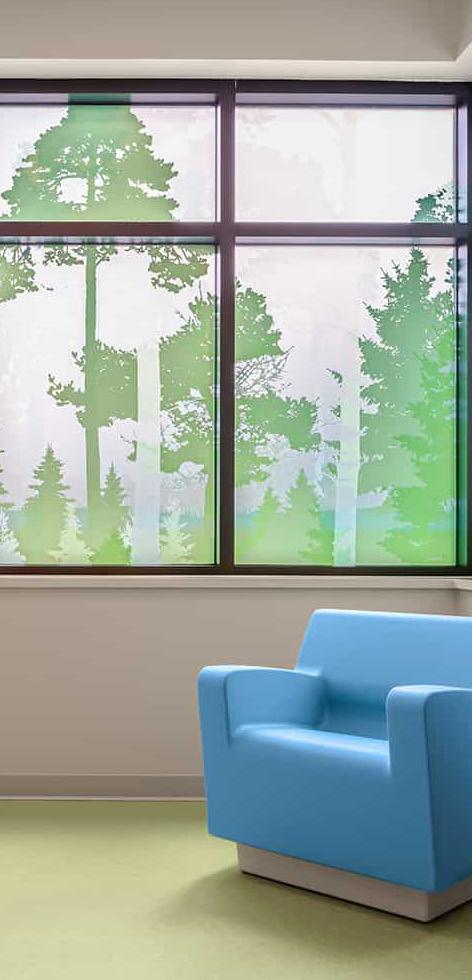
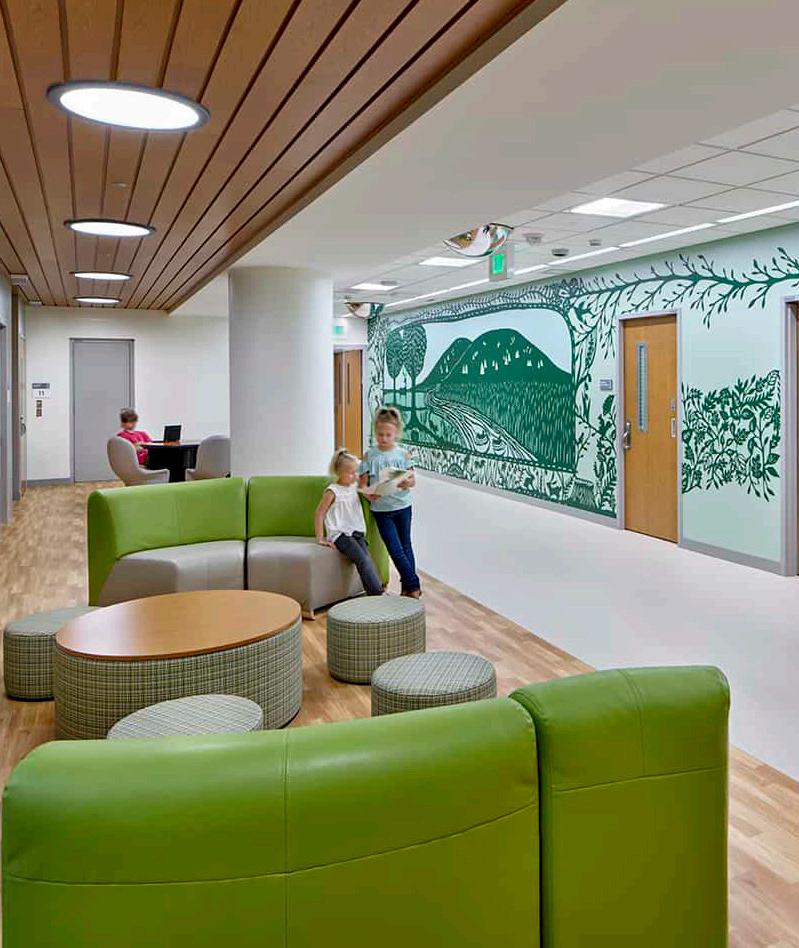
The physical environment can affect the emotional state of any user, good or bad. It is important to ensure that elements in a ward that doesn’t allow access to the outdoors, architecturally is designed to create an optimal restful environment for patients. Nature has a healing quality and has been discussed in many different literatures. The reduction of stress and fewer incidents of violence is evident when nature elements are provided (Connellan et al., 2013). Having access to view the outside world in comparison to four walls all day are two different experiences. Connection to seasons, animals, and even feeling plants create a therapeutic aspect to recovery. In pediatric wards images with lots of blue and green are very popular amongst this demographic. (Peck, 2010). Having stationary plants or even a living green wall could enhance the therapeutic environment and imitate the feeling of being outside. Subtle art selection that ties into nature are good
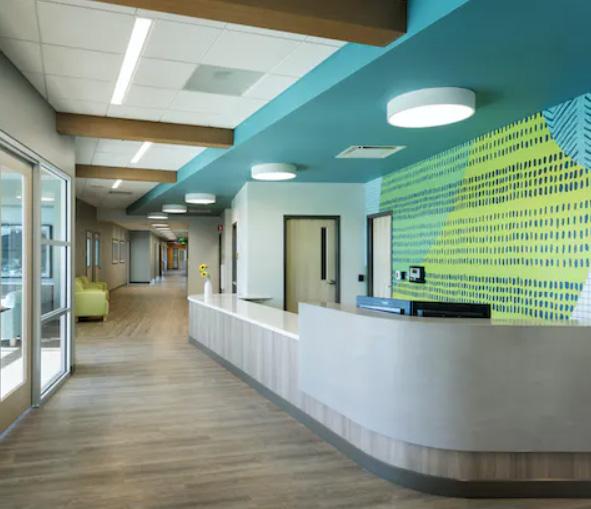
choices to bring tranquil elements indoors. Material choices such as woods, a natural color pallet, and not too much visual complexity can produce a healing environment. Artistic depictions of nature through wall coverings and floor texture are also great considerations to mimic being outside. In one study of a pediatric healing garden, patients reported that the garden improved their mood and satisfaction with the hospital, and that it was important to “get away” from the hospital’s built environment (Whitehouse et al. 2001). Having access to take care of something, like plants, can allow the patient responsibility, agency, and selfworth to successfully care for something else that is living. Having views of nature has significant beneficial impact on the psychological, cognitive, and behavioral function (Faber Taylor et al. 1998, 2001; Wells 2000; Wells and Evans 2003).
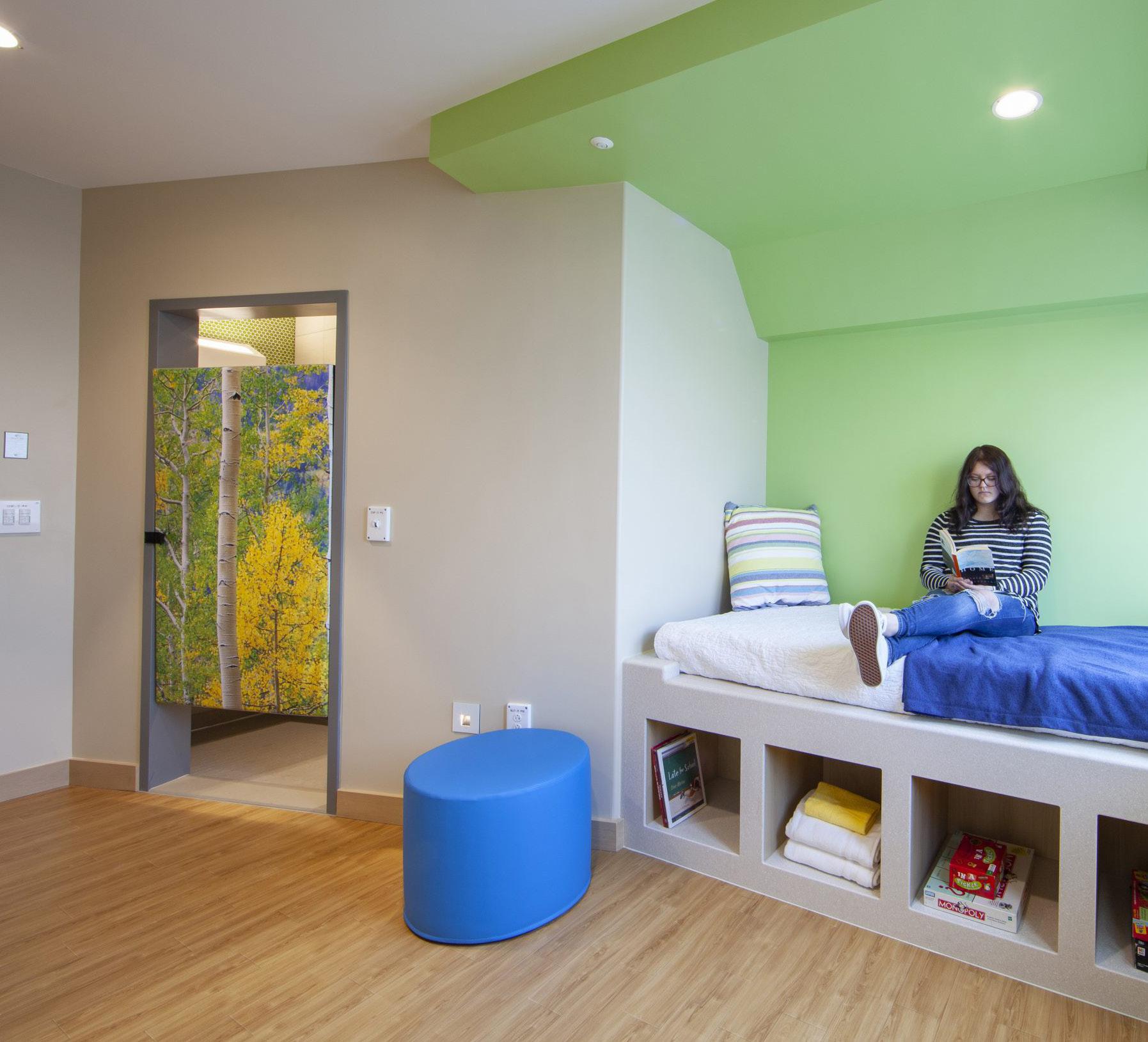
 Adolescent MBH Inpatient Psych Unit - UMD Medical
For older pediatric patients, privacy becomes more of a higher need depending on their length of stay in an inpatient ward. Locked doors anywhere in the facilities causes safety risk, so its important to have twentyfour-hour supervision on the patient. Even though patients have their own private toilet and shower, by removing the lock, it may remove minor trust between patient and staff member, and(or) other patients in the ward when a person is doing those private things in the bathroom.
The mental and behavioral bathroom design is created to keep all persons safe of their bodies. One of the first considerations is to minimize the ability to fasten a ligature to any of the furnishings and hardware such as door latches, closers, and hinges. Anti-ligature design takes a lot of special attention within the facility, various degrees of hardening and tamper proofing will be required. All of these risk considerations fall under ergonomic safety. Usually, additional furniture is built in and stationary to provide a safe environment for staff and person. To ensure staff safety, its important for the nurse station to have visual and physical control over the major functions and spaces within the ward. Generally, nurse stations are centrally located to be able to view where the patient is always.
In the patient’s point of view this may feel as if they have lost privileges of privacy, but it is for their own safety during their stay. Most pediatric inpatient wards have a family room for patients to visit with family members and provide them comfort during the hardest time in their life. A staff member is present in the room to ensure everyone remains safe.
In the New South Wales, Australia mental and behavioral pediatric inpatient ward, patients stressed how there was a lack of auditory privacy when they were on the phone with a family member or friend:
“I have to go up to the nurse station and then have a phone pass through the hole, I have to stand there and talk to my friends in the middle of the social area, there was no privacy. It felt like you are on a prison phone, passing through plexiglass.” (Hutton et al. 2021).
As sad as a reality like this example is, supervision even for a phone call is important to maintain. A suggestion could be to have a quiet room with staff supervision where patients can take phone calls with mild privacy from other patients in the ward. This specific study found that, in its current form, the unit revolves around routines and patient safety, which in turn are driven by secure spaces and surveillance
of the patients. Aspects of patient care such as individual needs and personal impetus are lost (Hutton et al.,2009). In smaller scale pediatric inpatient wards, it is important to have more human-centered recovery. The built environment should ideally support the personcentered mental healthcare practice by accommodating physical and emotional space to support therapeutic relationships that promote recovery (Wilson and Riley, 2017).
“Accommodating physical and emotional space to support therapeutic relationships that promote recovery”
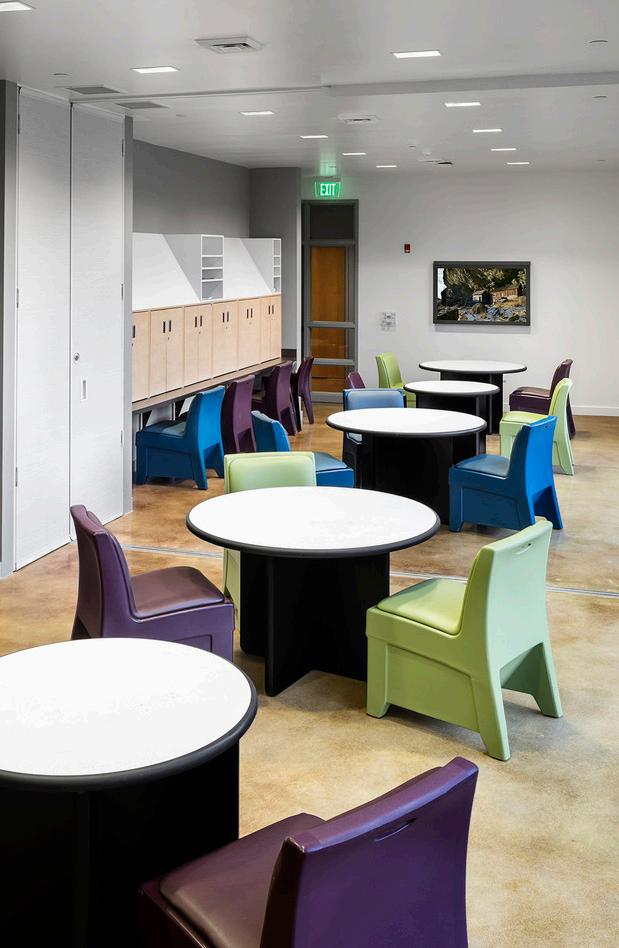 Trillium Secure Adolescent Inpatient Facility - TVA
Moving forward, it is important to establish design criteria that can enhance the users experience when experiencing a crisis. I put together a experience mapping checklist in hops for future psychiatric wards for pediatric patients, to consider the pros and cons of their designed built environment. This checklist was based off of the literature reviews that I used to define the trends but also knowledge gaps pertaining to the mental and behavioral health for adolescents.
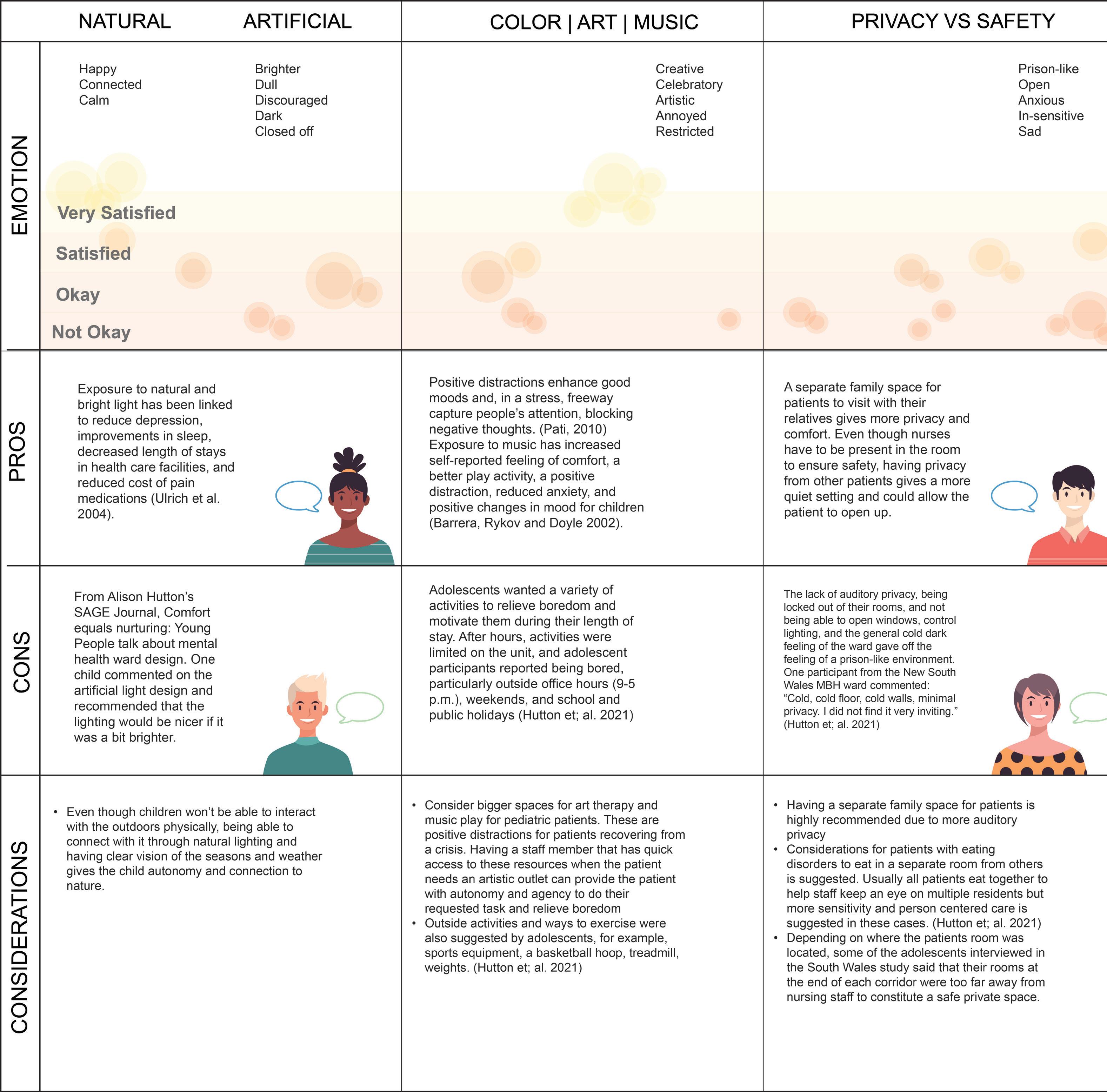
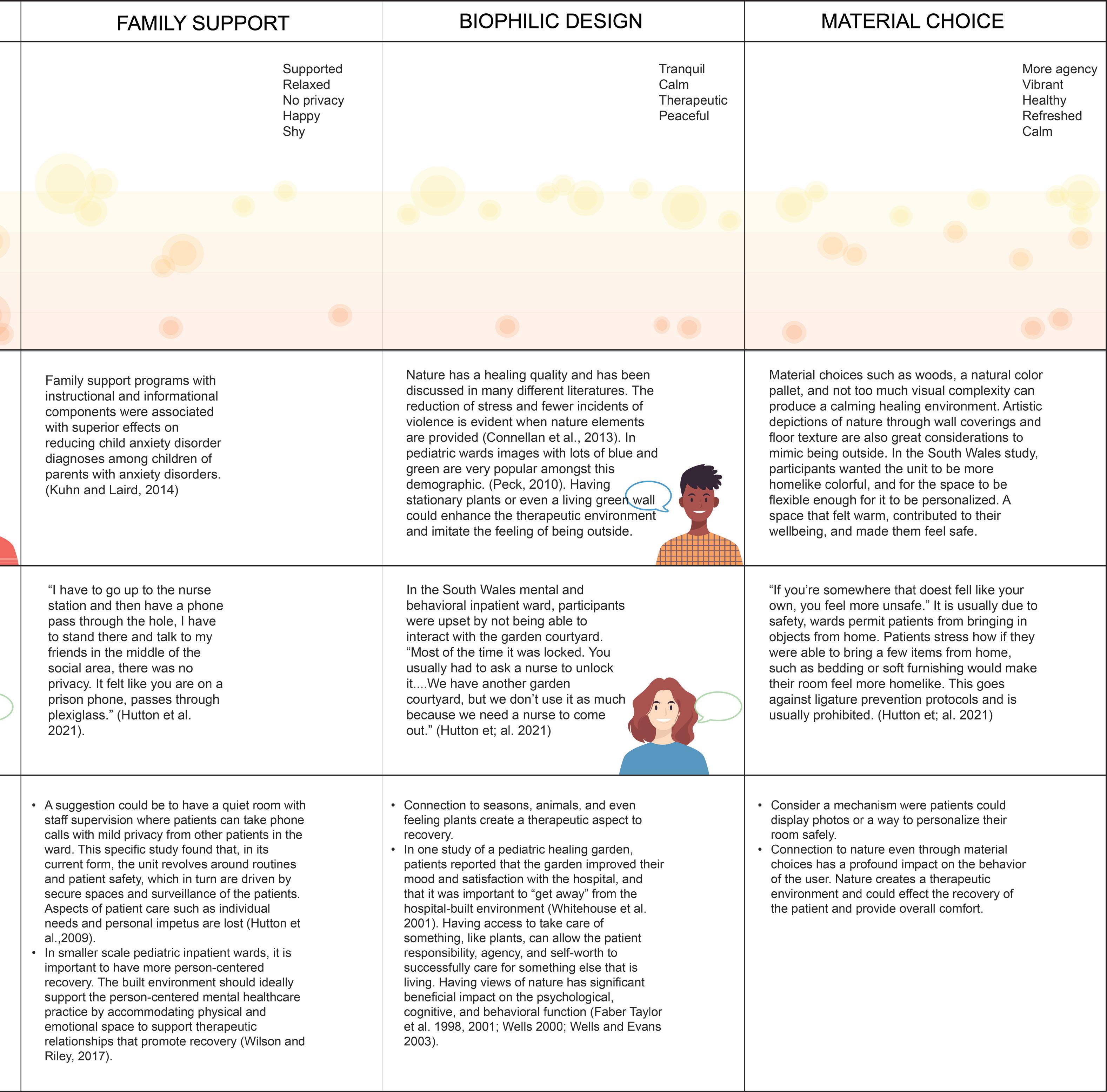
Reinventing the design of mental and behavioral units for pediatric patients is becoming more popular in recent years. The best feedback is from the patients themselves. By being able to ask the user and staff members their experience and what supported their recovery is the best start to providing human-centered care for future users. In addition, taking note of the knowledge gaps and what is missing from literature reviews can help studies consider and add these outliers to the current trends.
When analyzing the trends of mental and behavioral pediatric units, auditory privacy seemed to not have many studies considering this factor, yet it seemed like a big negative experience from numerous patient reports. In general, privacy is a hard outcome for a patient to achieve when staff members are required to monitor them during a crisis.
When it comes to older patients, especially staff members listening in on phone calls or family sessions. Patients might not have as much trust, less autonomy, and agency in who they want to hear in on their conversations. Considering a space where patient has privacy to talk and staff still has vision of patient
less noticeable, could be a nice solution. Safety is key at the end of the day.
Out of the mental and behaviral units for pediatric patients, a majority of the wards were on the top or second to top floor of hospitals. Having access to the outdoors and fresh air can help with reduction in depression and anxiety. In addition, being able to nurture and take care of something can be a positive distraction and gain responsibility for children and adolescents. There is information on the benefits of children interacting with therapeutic gardens but not pertaining to specific mental and behavioral unit patients. Designing spaces such as a roof garden or aviary in or above the unit could be a nice outlet for patients. Especially in locations when the seasons get colder, an aviary could allow children to have the simulation of being outdoors with plants when they are not alloted due to cold weather. Biophilic design is a huge trend in mental and behavioral health units but having tactile biophilic elements can enhance the calming atmosphere and support the recovery process.
One of the main concerns in regards to lighting was in renovated floors with existing standard hospital lighting aids. Patients felt that the long corridors were too dark and not inviting. Newer units are installing digital skylights to mimic the outdoor seasons. Lighitng has a profound impact on the recovery and cognitive development for children. Having sensitivity and paying more attention to the artificial aspect is crucial for patients who have an extended length of stay.
Moving forward, I would like to visit a pediatric mental and behavioral unit to further understand and fill in the knowledge gaps that I concluded with. It would be beneficial to interview patients and further understand what design interventions could facilitate an enhanced therapeutic environment. Gaining perspective and answers from the user directly is key in my next steps to better understand how to design with sensitivity and better serve pediatric inpatients mental and emotional recovery when experiencing a crisis.
“The best feedback is from the patients themselves”
Augustine, S. (n.d.). Designing for Children. HKS | Designing for Children. https://doi.org/https://hksinc.sharepoint.com/sites/ research/Shared%20Documents/Forms/AllItems.aspx?id=%2Fsites%2Fresearch%2FShared%20Documents%2FDesigning%20for%20 Children%2Epdf&parent=%2Fsites%2Fresearch%2FShared%20Documents\
Child & adolescent behavioral health services. architecture+, Lomonaco & Pitts, Architects PC. (n.d.). Retrieved October 17, 2022, from https://www.aplususa.com/project/child-adolescent-behavioral-health-services/
Child and adolescent inpatient psychiatry unit renovation. BWBR. (2022, March 7). Retrieved October 17, 2022, from https://www.bwbr.com/ portfolio/child-and-adolescent-inpatient-psychiatry-unit-renovation/
Child and adolescent psychiatry. University of Maryland Medical Center. (n.d.). Retrieved October 17, 2022, from https://www.umms.org/ummc/ health-services/psychiatry/services/child-adolescent
Contributor, G. (n.d.). Nature-inspired healing environments. Nature-Inspired Healing Environments. Retrieved October 17, 2022, from https://blog. array-architects.com/kc/nature-inspired-healthcare-interiors
Huang, K.-Y., Lee, D., Nakigudde, J., Cheng, S., Gouley, K. K., Mann, D., Schoenthaler, A., Chokshi, S., Kisakye, E. N., Tusiime, C., & Mendelsohn, A. (1AD, January 1). Use of technology to promote child behavioral health in the context of pediatric care: A scoping review and applications to low- and middle-income countries. Frontiers. Retrieved October 17, 2022, from https://www. frontiersin.org/articles/10.3389/fpsyt.2019.00806/full
Hutton, A., Wilson, R., & Foureur, M. (2021). Comfort Equals Nurturing: Young People Talk About Mental Health Ward Design. The Center for Health Design, 2–12. https://doi.org/https://hksinc.sharepoint.com/sites/research/Shared%20 Documents/19375867211022684.pdf
Kuhn, E. S., & Laird, R. D. (2014, July 14). Family Support Programs and adolescent mental health: Review of evidence. Adolescent health, medicine and therapeutics. Retrieved October 17, 2022, from https://pubmed.ncbi.nlm.nih.gov/25177156/
Medicine at Michigan. (n.d.). Retrieved October 17, 2022, from https://www.medicineatmichigan.org/
Mental health by the numbers. NAMI. (n.d.). Retrieved October 17, 2022, from https://nami.org/mhstats
Schultz, H. (2020). Designing for a Crisis. HKS, 1–12. https://doi.org/https://hksinc.sharepoint.com/sites/TopProjects/Top%20Projects%20 2021%20Documents/Forms/AllItems.aspx?id=%2Fsites%2FTopProjects%2FTop%20Projects%202021%20 Documents%2FDesigningforCrisisCare_Research%2Epdf&parent=%2Fsites%2FTopProjects%2FTop%20Projects%202021%20 Documents
Sherman, S. A., Shepley, M. M. C., & Varni, J. W. (2005). Single sign-on. Children’s Environments and Health-Related Quality of Life: Evidence Informing Pediatric Healthcare Environmental Design. Retrieved October 17, 2022, from https://www-jstor-org. www2.lib.ku.edu/stable/10.7721/chilyoutenvi.15.1.0186?seq=4#metadata_info_tab_contents
Staff, V. M. S. D. (2022, July 27). Aperture SkyCeilings from Sky Factory. Visual Merchandising and Store Design. Retrieved October 17, 2022, from https://vmsd.com/aperture-skyceilings-from-sky-factory/
Williams, K., Levine, A. R., Ledgerwood, D. M., Amirsadi, A., & Lundahl, L. H. (n.d.). Characteristics and triage of children presenting in Mental Health Crisis to emergency departments at Detroit Regional Hospitals. Pediatric emergency care. Retrieved October 17, 2022, from https://pubmed.ncbi.nlm.nih.gov/28221282/