From: Lin Lin Htet
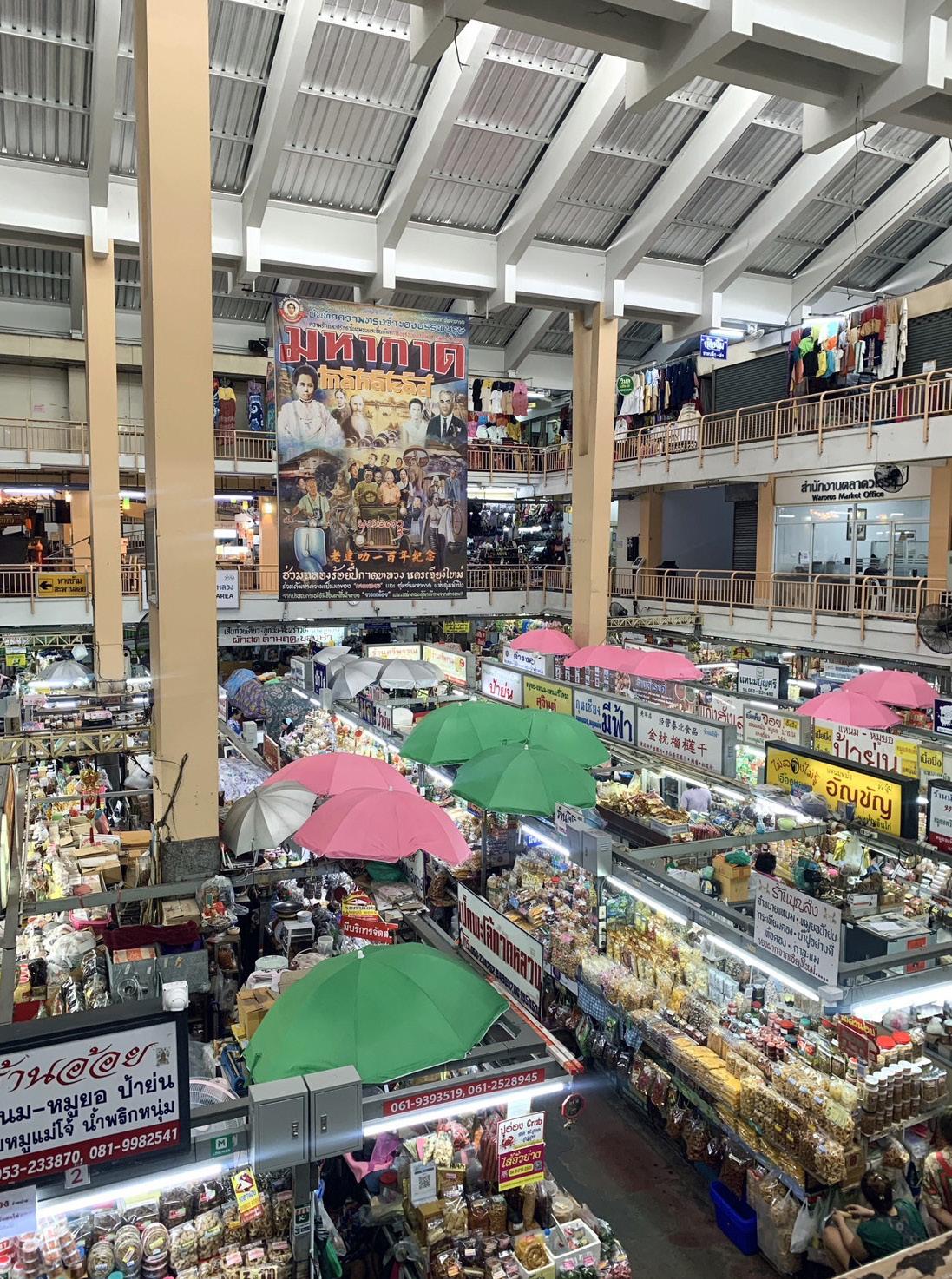
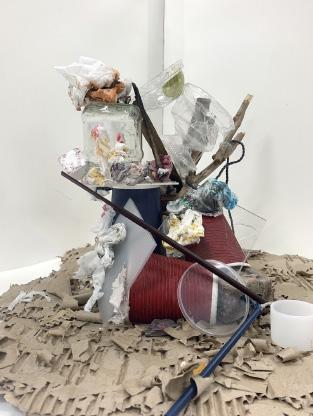
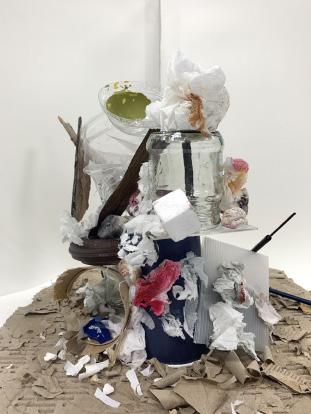
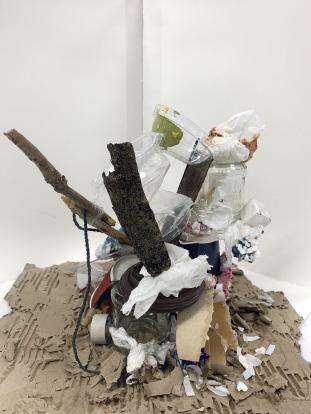
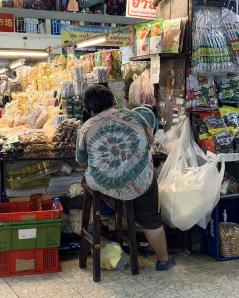
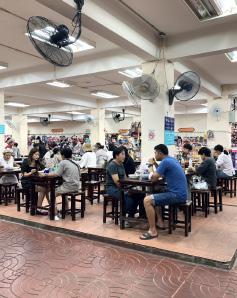
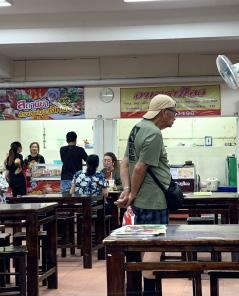
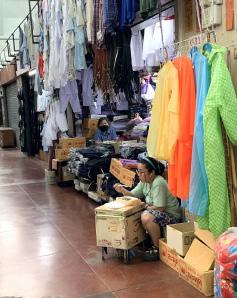
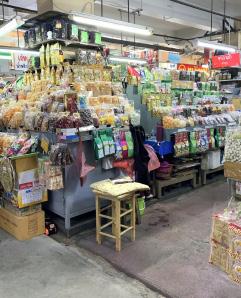
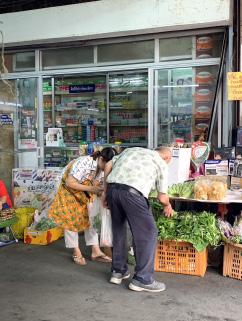
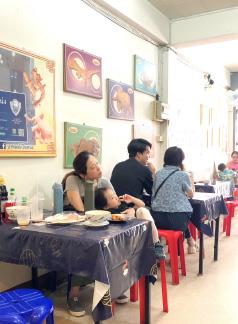
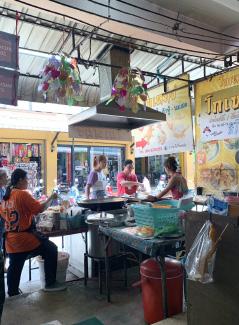
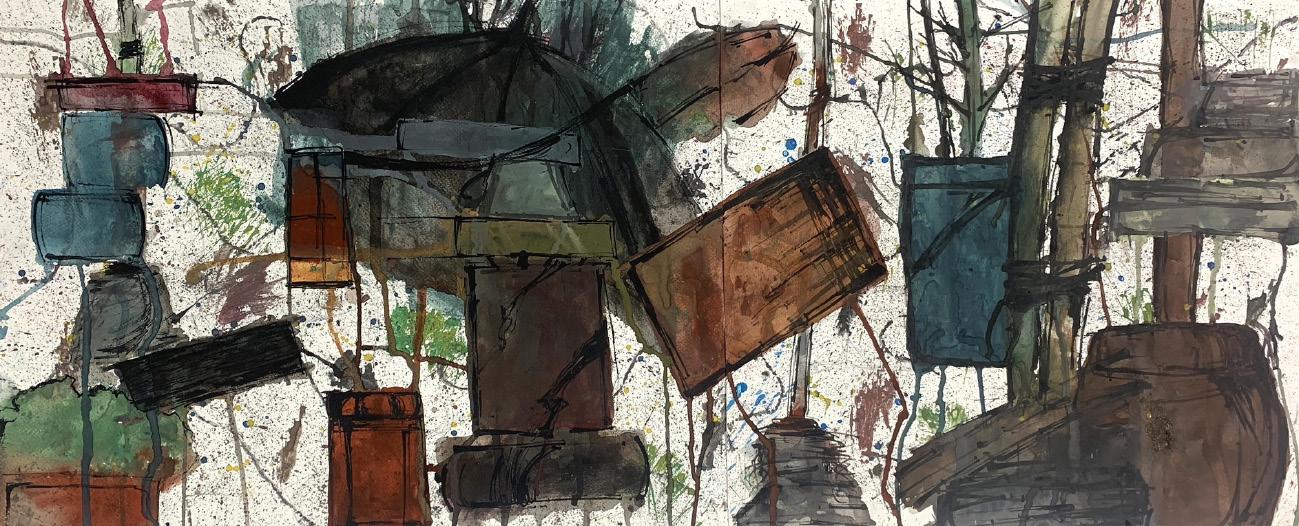
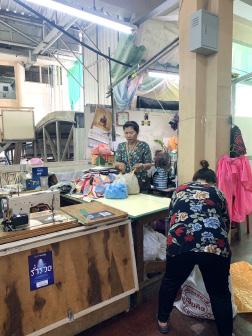
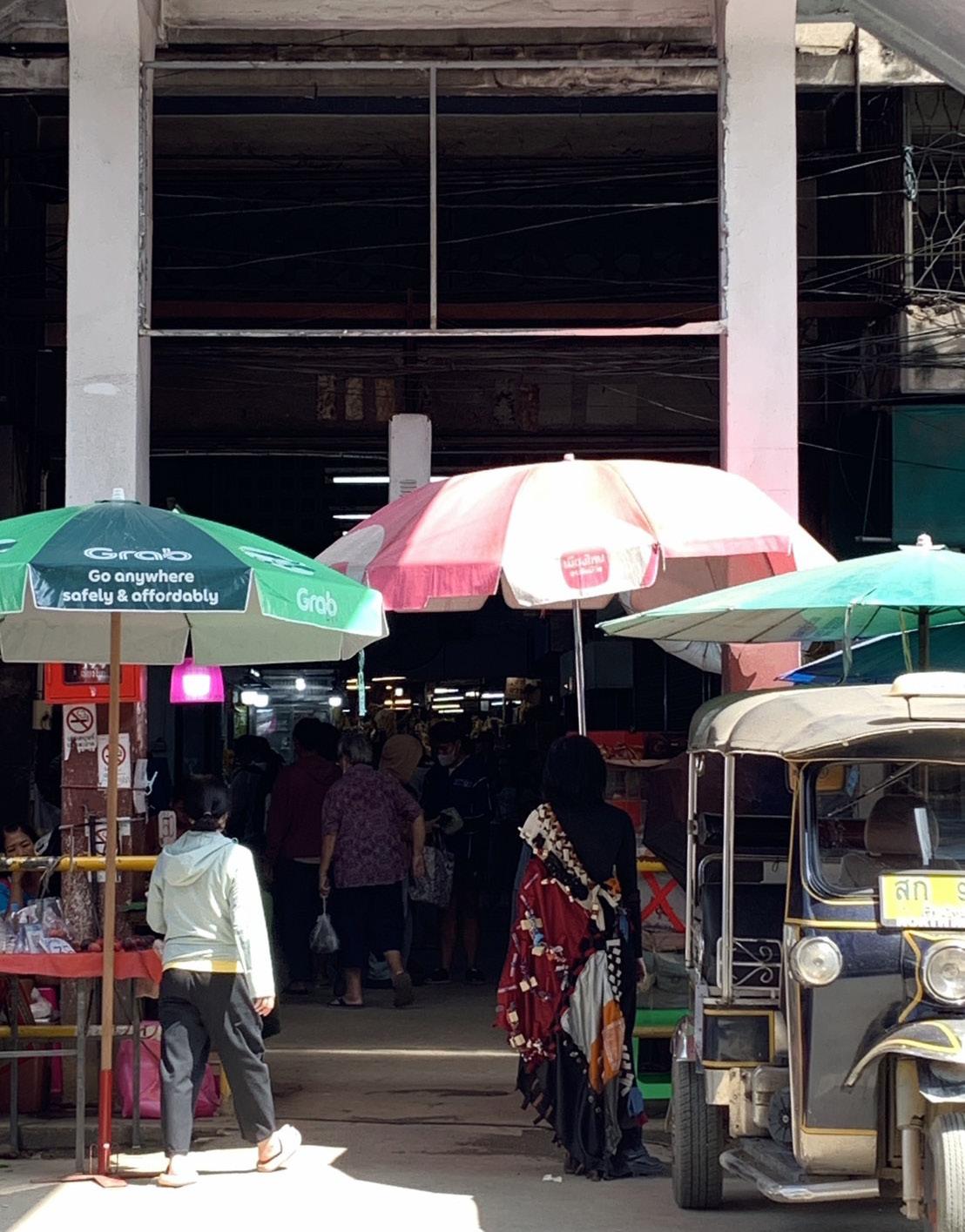
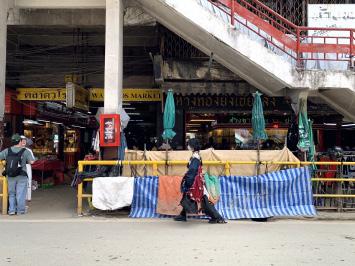
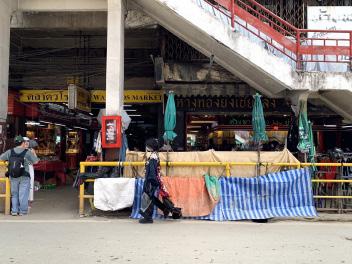
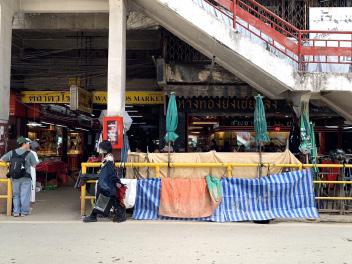
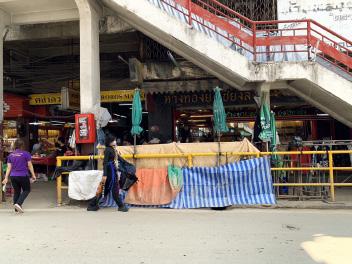
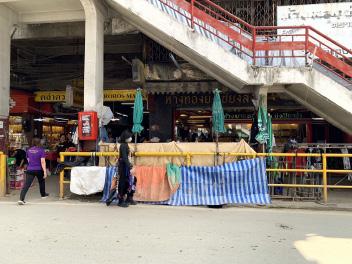
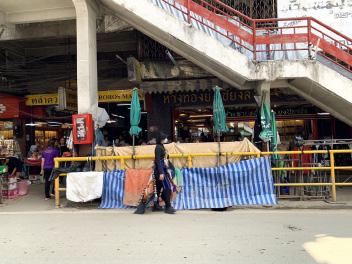
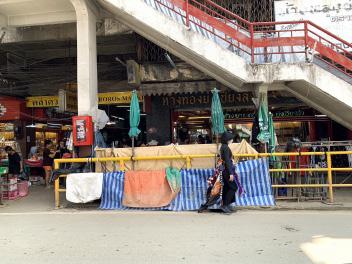
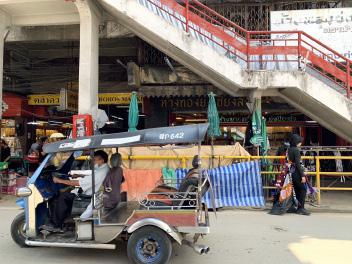
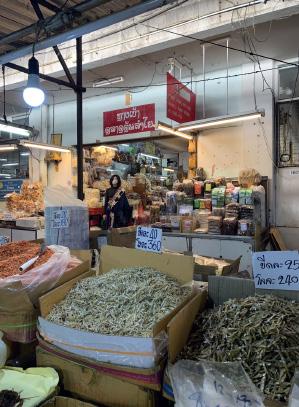
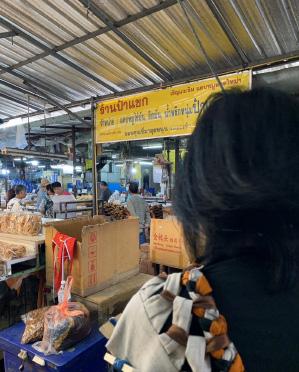
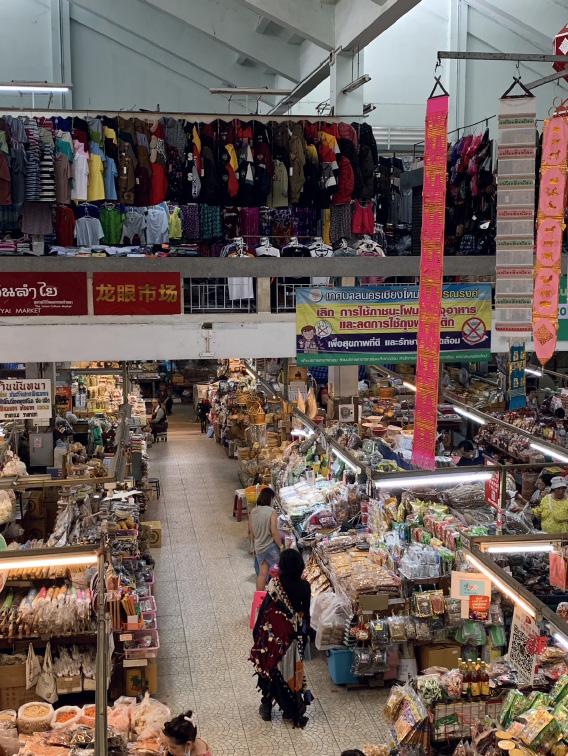
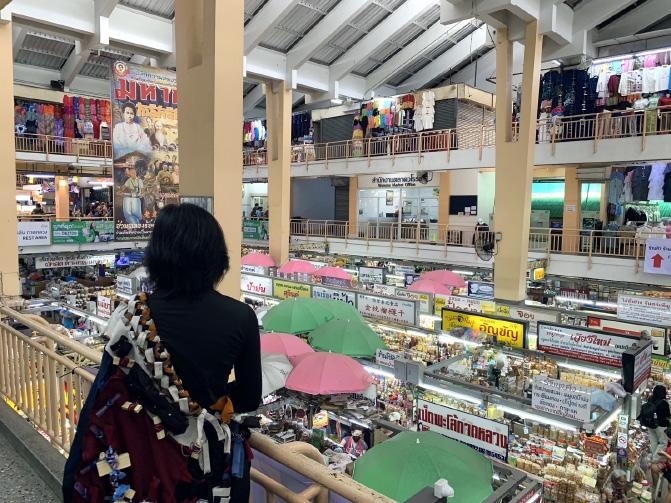
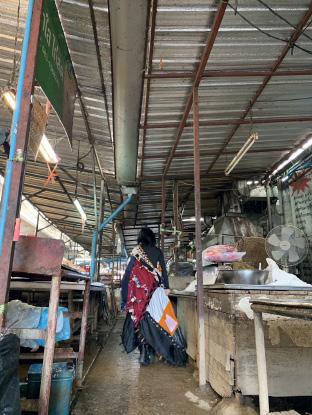
Kad Luang is a place where junk is transformed into treasures. Objects that are typically considered worthless, abandoned, or trivial find new life there. At first glance, the market seems stuffed with ragged junk and unappealing. Actually, the charm of Kad Luang lies in the humble beauty of all these random junk harmonizing in the bustling atmosphere.
Part I : The Supports
What is Support?
Support is the assistance which enables to function or act.
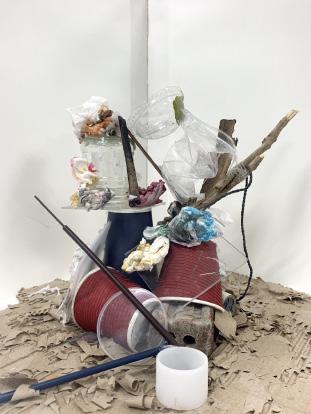
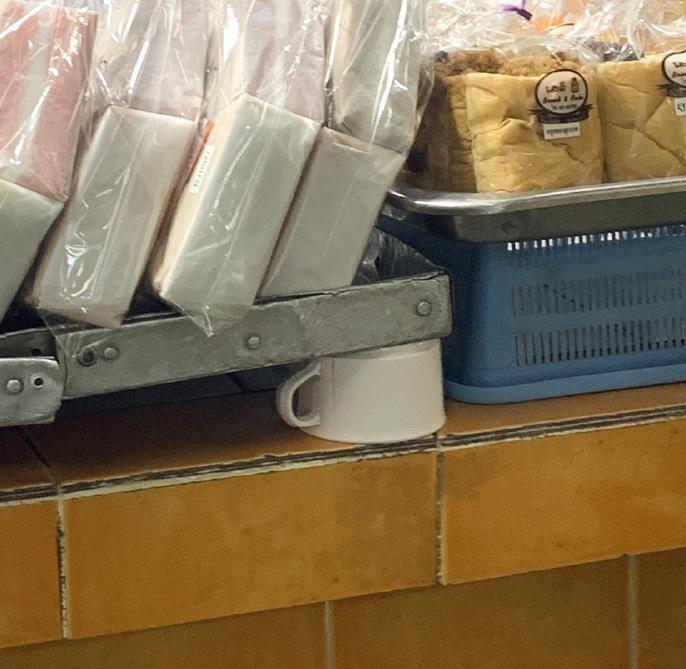
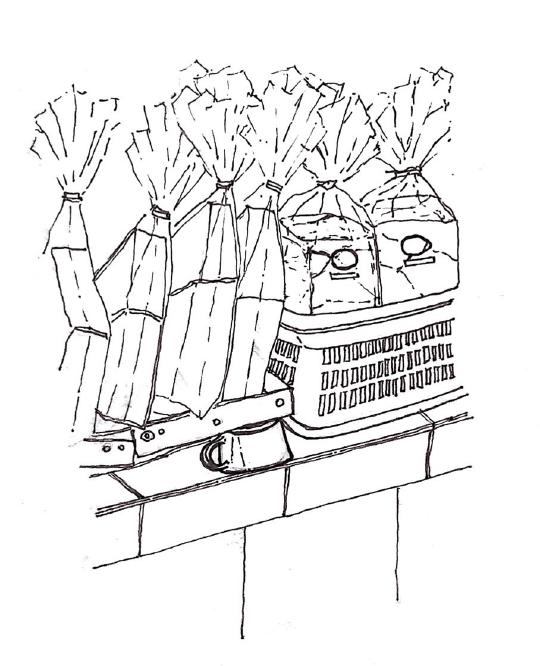
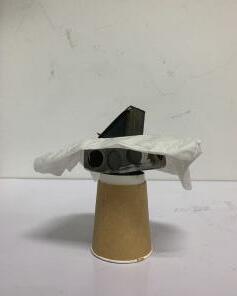
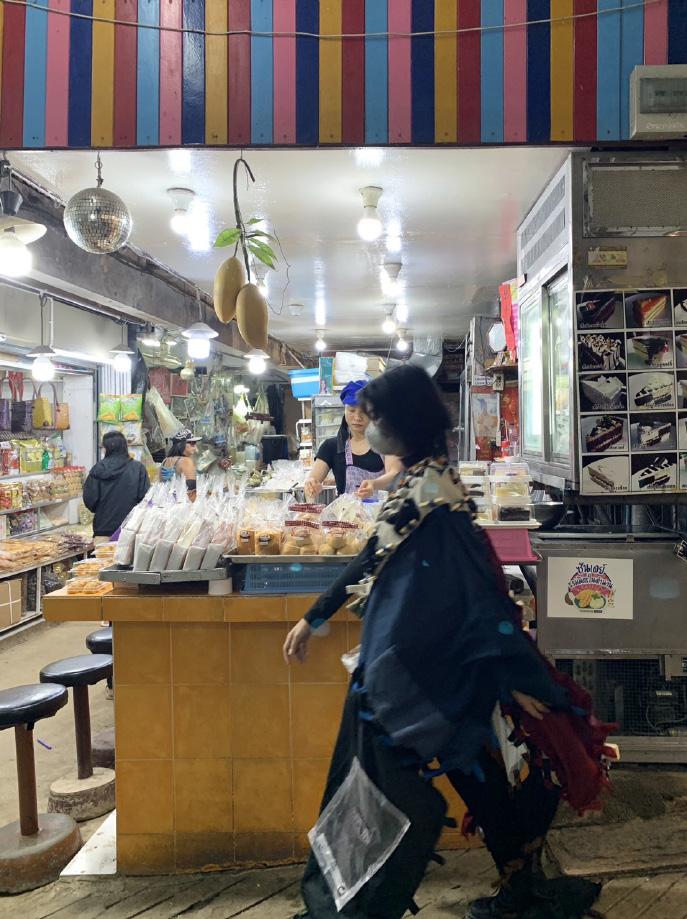
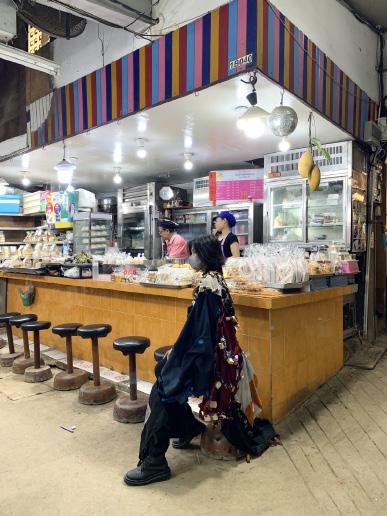
I saw a small plastic cup being used as a support under the tray of delicacies at a bakery. Clearly, that little cup was not intended to be used as a supporting element, yet it effortlessly fulfilled its new role as an essential support. Not only was it sturdy enough to support the tray, but it also enhanced the sense of harmony within the surroundings. No one knows how the cup will be transformed next; its potential is limitless and priceless. That’s how my journey “ Heaven of Junk “ begins.
#A cup supporting the tray of food # Balance #Harmony #Identity
Various
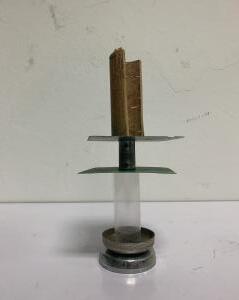
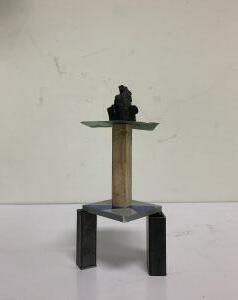
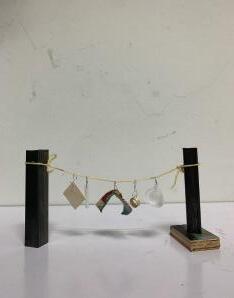
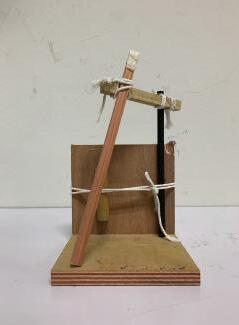
kinds of supports using different materials and different methods
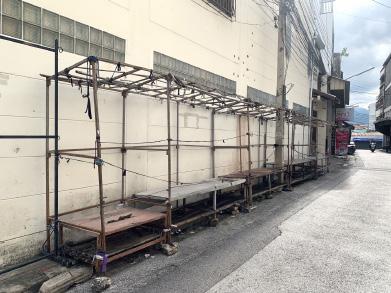
The vendors transform the junk that they can easily find in their surroundings into necessary supporting elements for their stalls or shops. These junk items may seem useless, but they transform their properties and adapt to their given environment. Their value is upgraded by the touch of vendors.
# Accumulation
# Conscious and Unconscious mind
#Physical Supports
#Use of material considering both practicality and aesthetics
#Improvisation
#Intution
#Body parts supporting each other
#Objects supporting Human
#Joints # Ease #Medium
#Human to Human
#Emotional Support
#Helping
#Sharing
#Leaning
#Sense of Touch
Accumulation
of Supports in Kad Luang
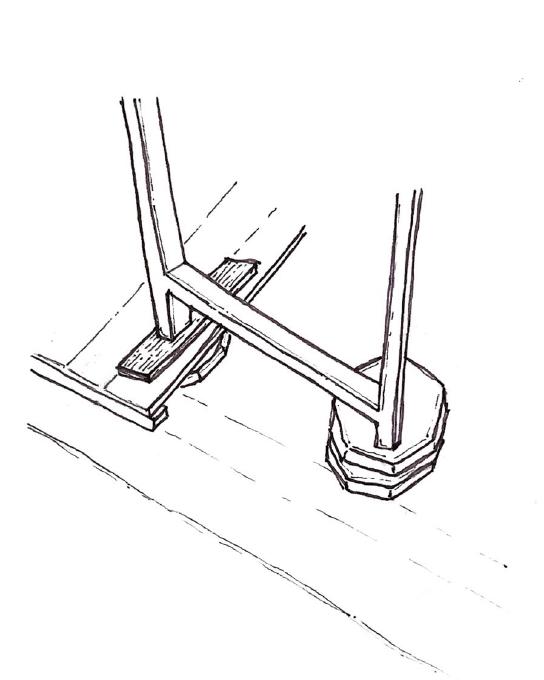
Block of wood, for the stability of the table
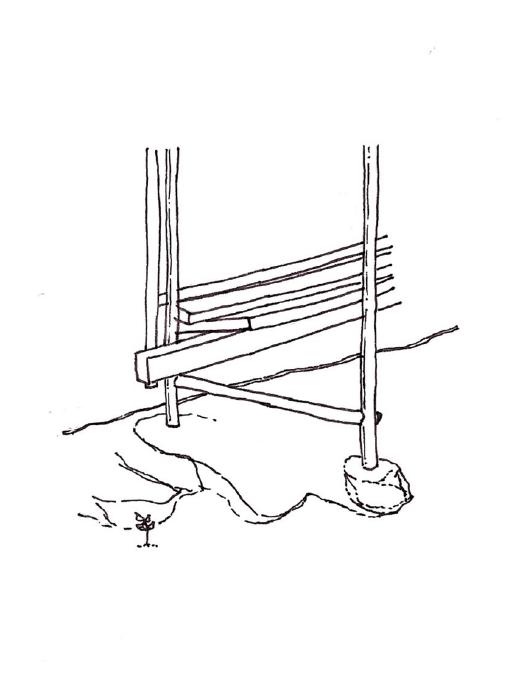
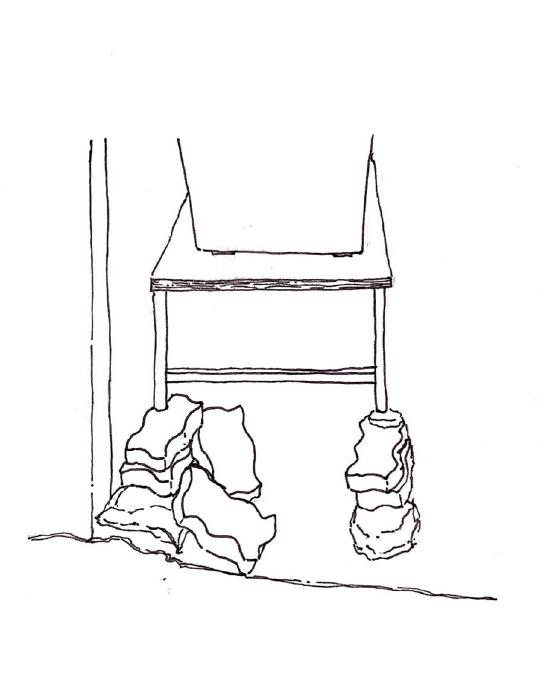
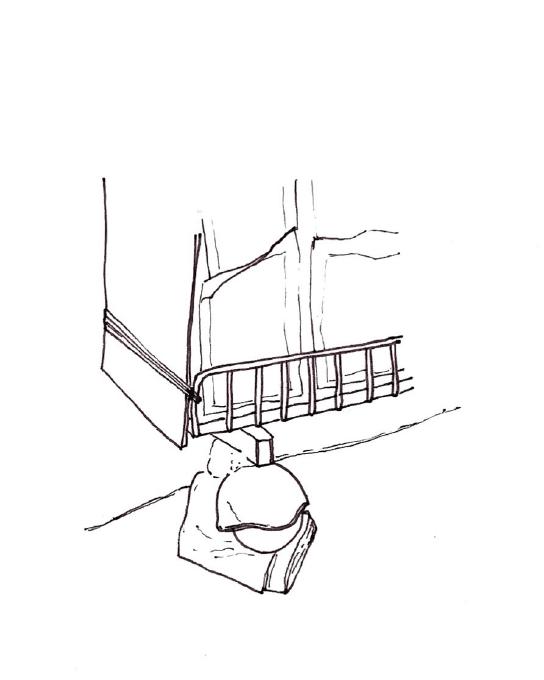
A lump of stone, on the sloping floor, to adjust the leg of the vendor table
A lump of stone, for the stability adjusting one leg of the table
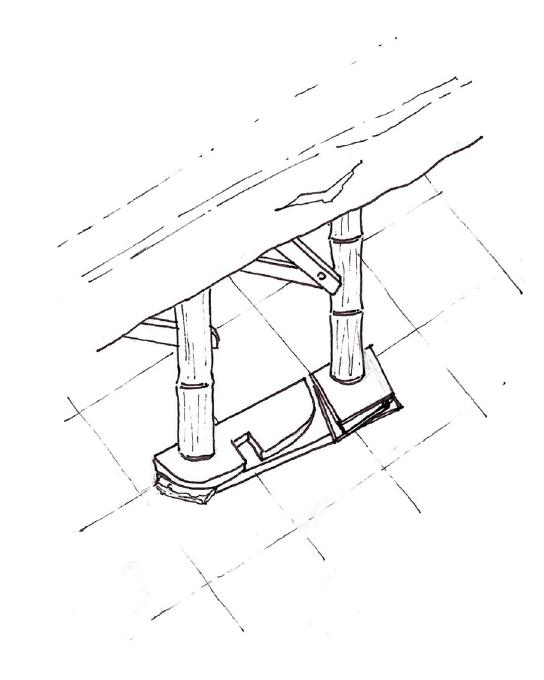
Pieces of different materials adjusting the level of the vendor table
Combination of wood and paper, for the stability of the table
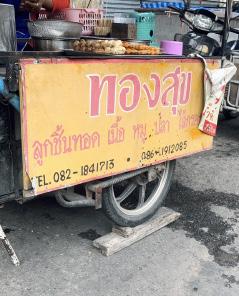
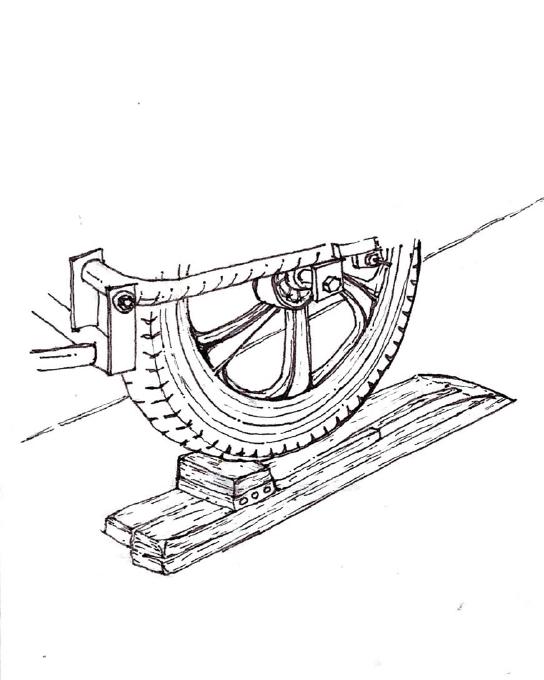
Blocks of wood stop the motion of the wheel, the slope makes it easier to roll
Steps of bricks, to adjust the leg of vendor table
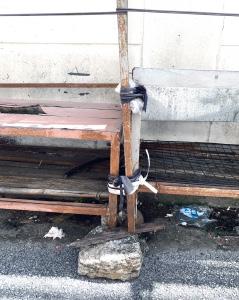
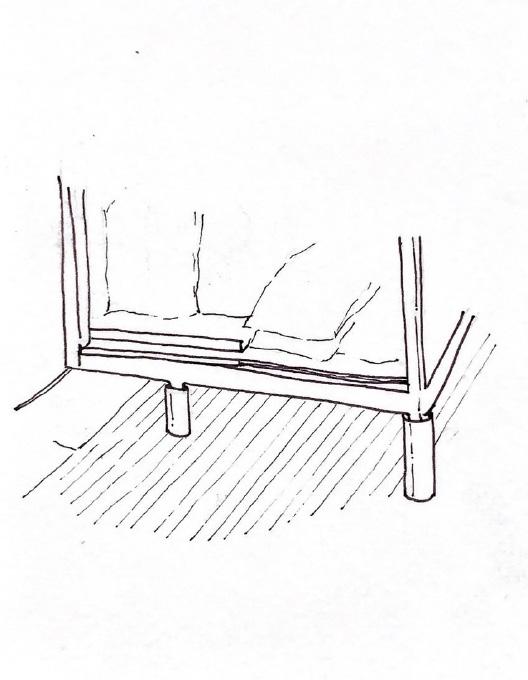
The legs of the table are covered with iron cylinder scraps on the sloping floor
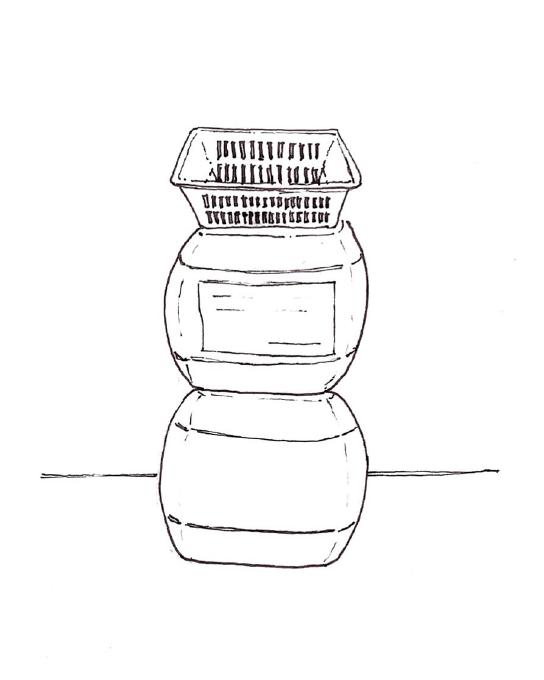
Steps of two big containers to elevate the display basket
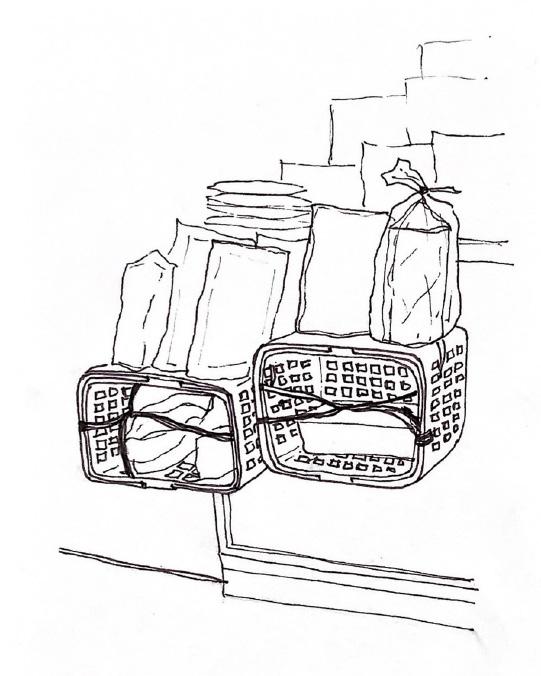
The baskets are used to display the items by rotating them, for the food packages
A plastic cup is used under the tray of bread, elevating the food display
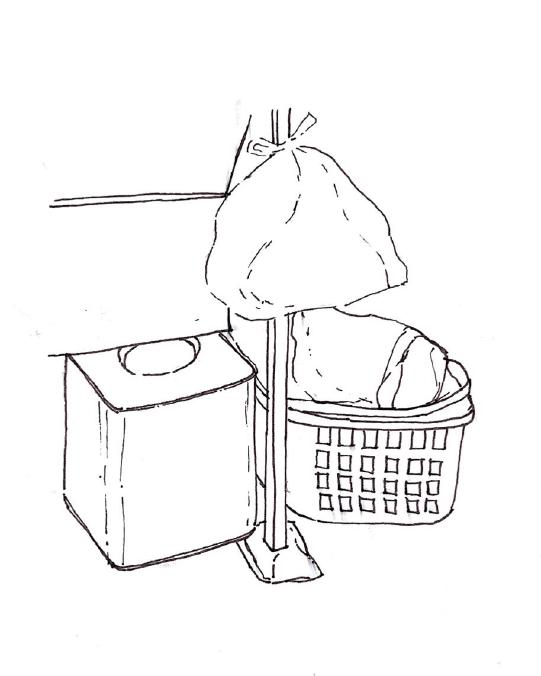
Piece of paper for the stability, a plastic bag hanging, and the food container elevating the box.
The paper for the stability of the wheel, and the string ties the card for cover.
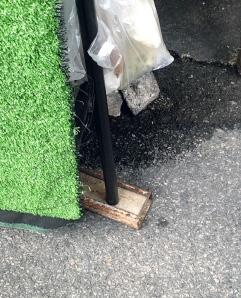
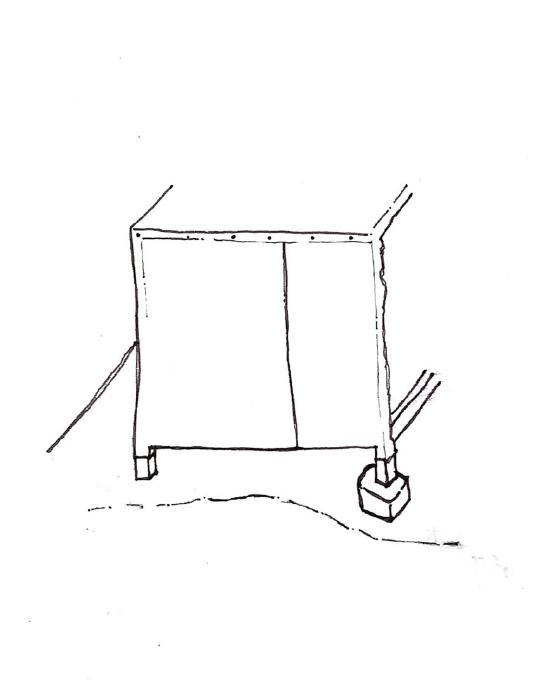
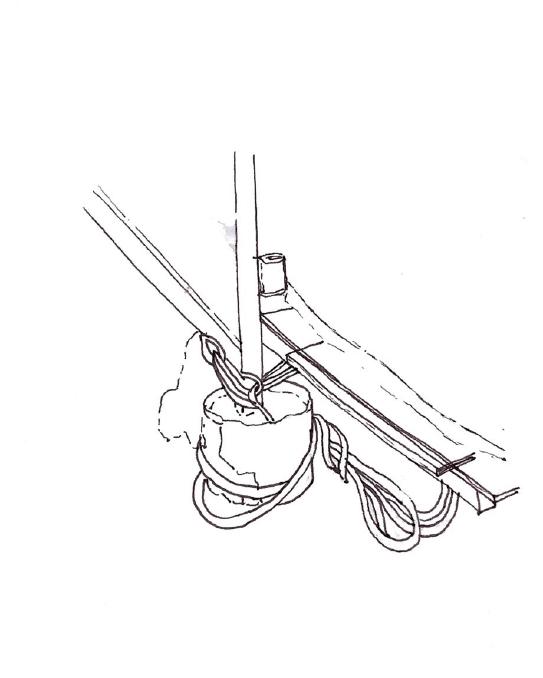
A plastic bottle scrap is filled with concrete and reinforced at the leg of vendor table
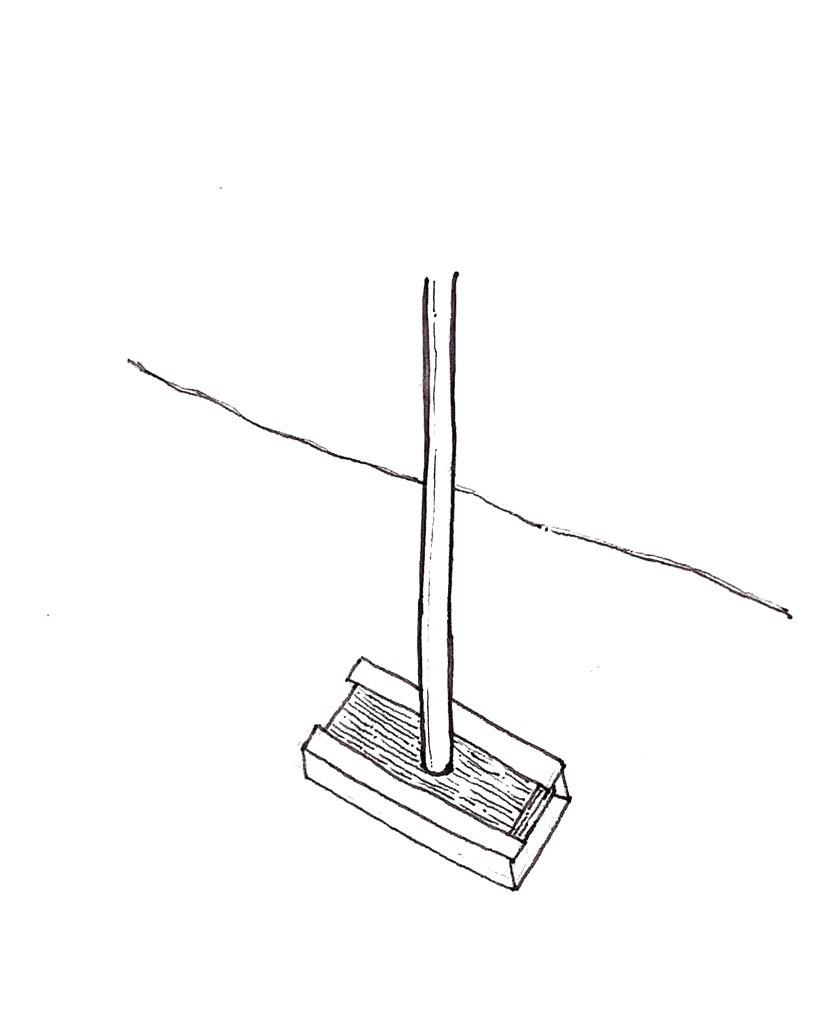
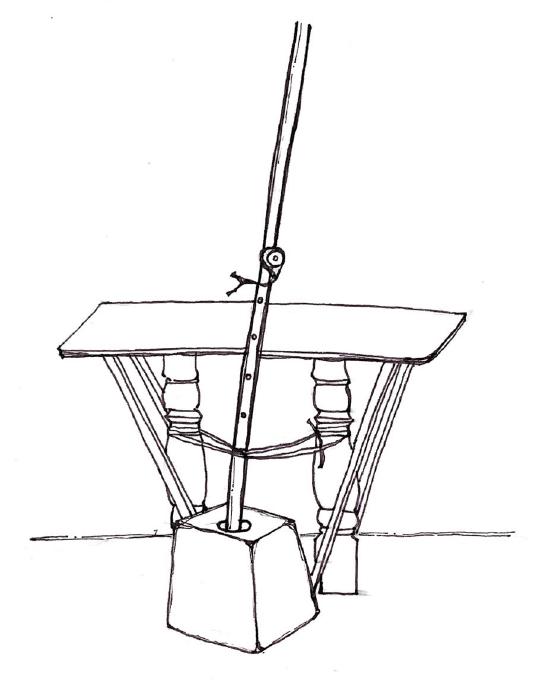
A parasol is inserted to the hole of the concret block and tied with pieces of rope
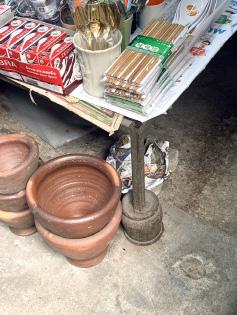
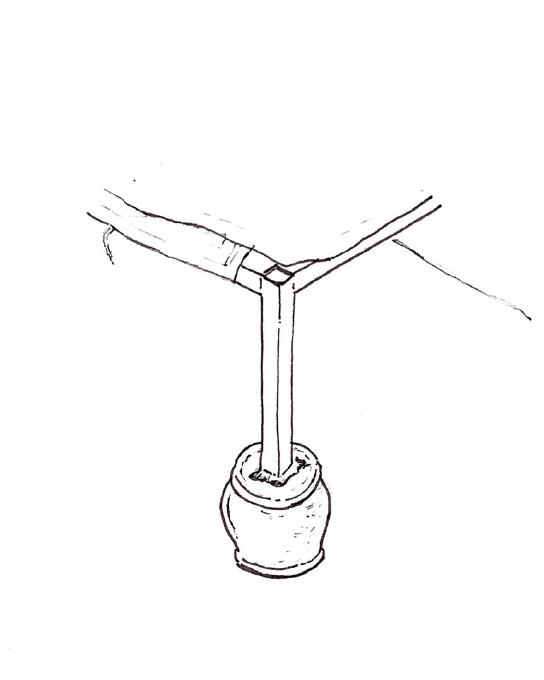
A pot is reinforced at the leg of the table
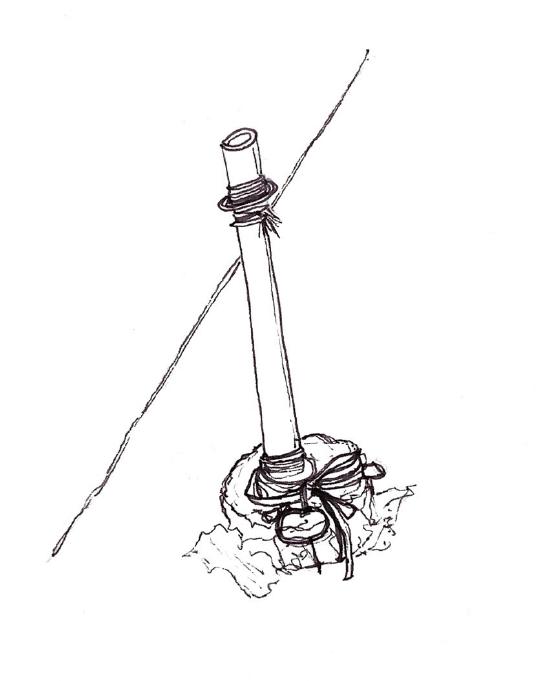
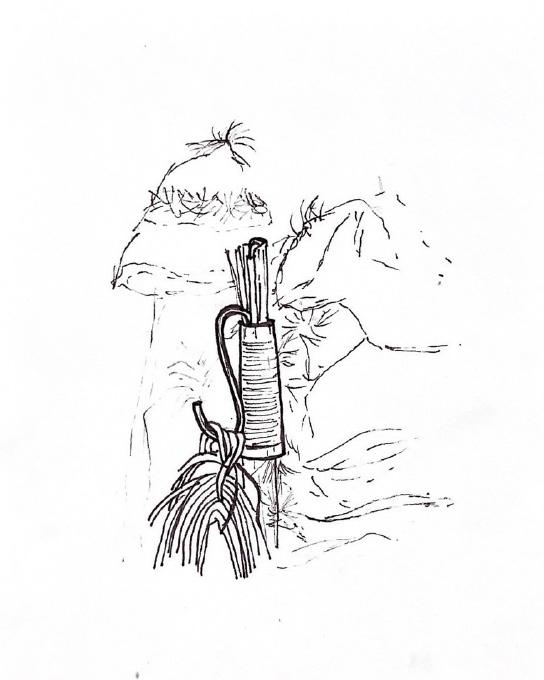
PVC plastic pipe is reinforced with block of concrete, wrapped with rope, and handle with rope
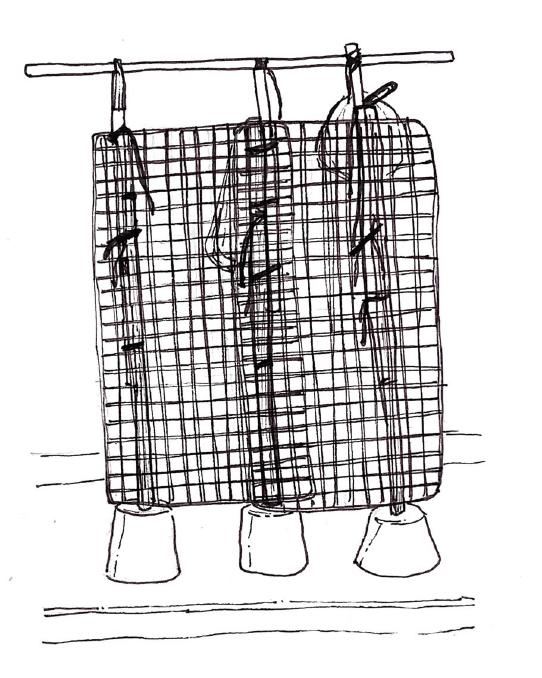
The sticks of bamboo are reinforced with blocks of concrete and tied with iron net, plastic bags
A cut plastic bottle is filled with concrete, reinforced at the leg of the table and tied
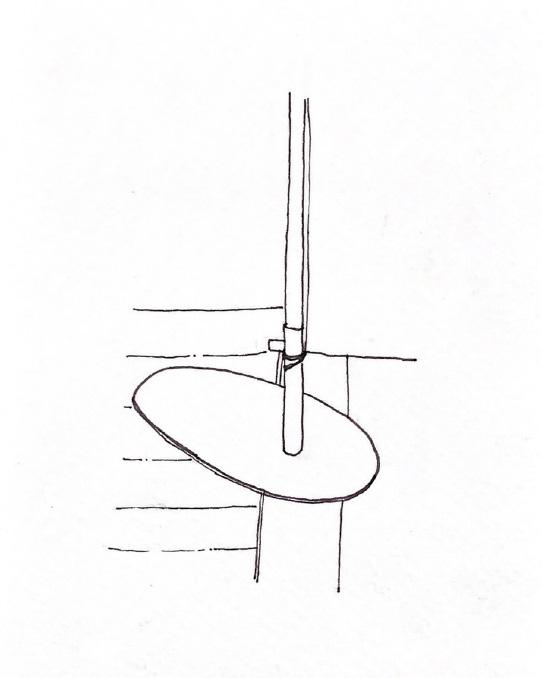
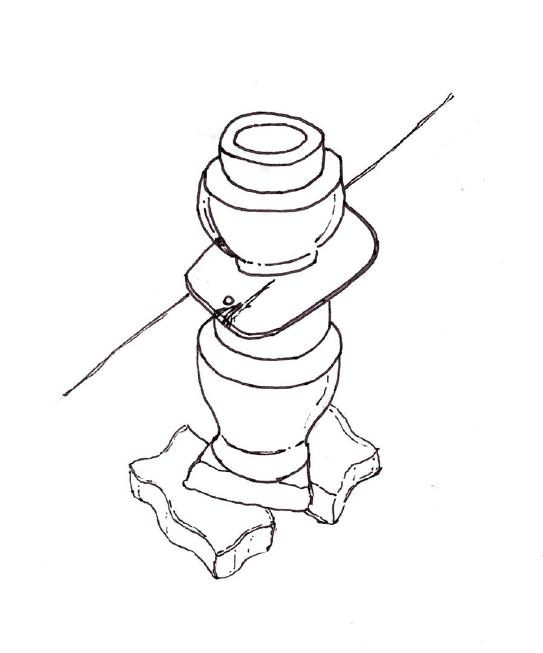
A flat iron across the gap for the pole
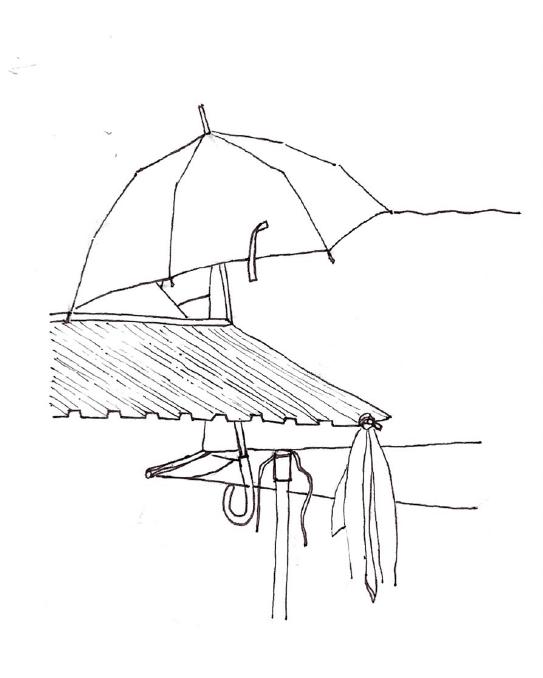
An old umbrella across the gap of the roofs for coverage
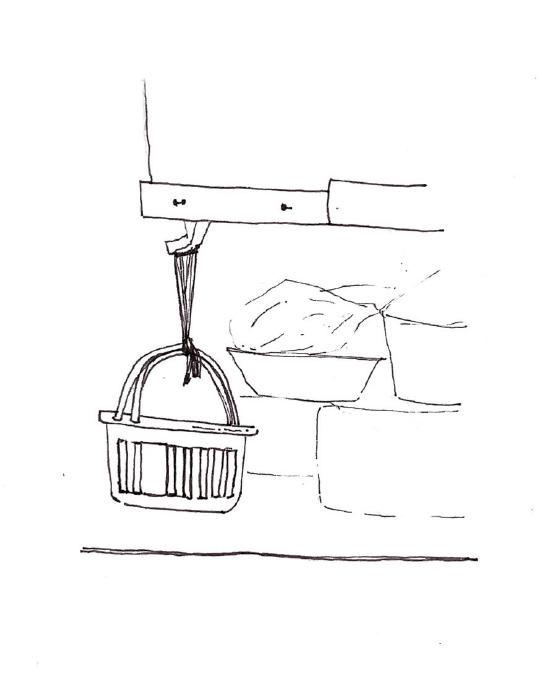
An old basket is tied with plastic rope and hung at the hook
A cracked wooden cutting board acting as a surface for displaying the items
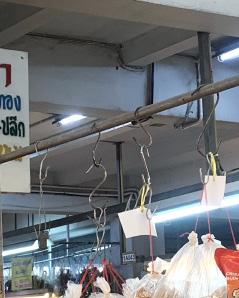
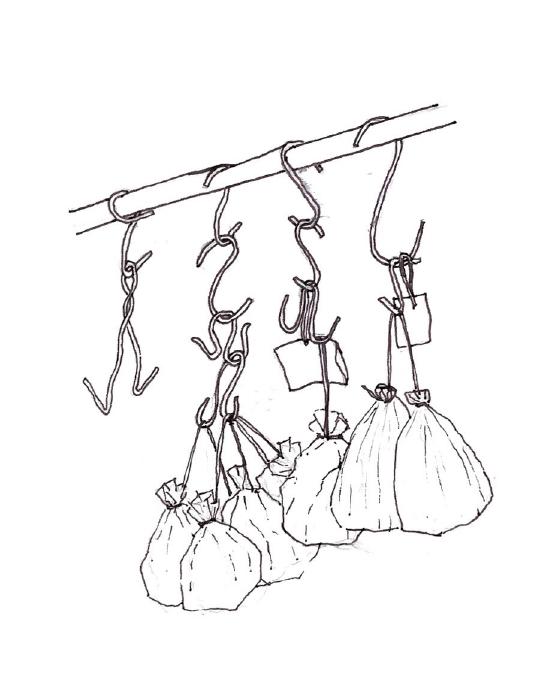
Hanging of iron hooks for the plastic bags of food, tied with rope
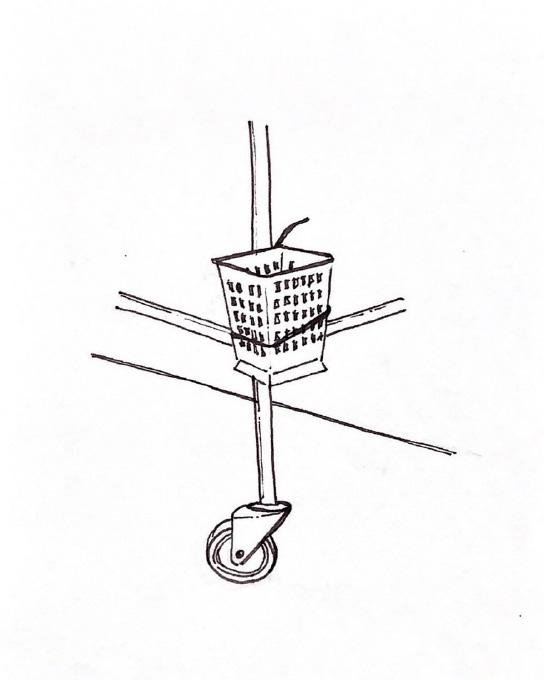
A small basket is tied at the leg of the table
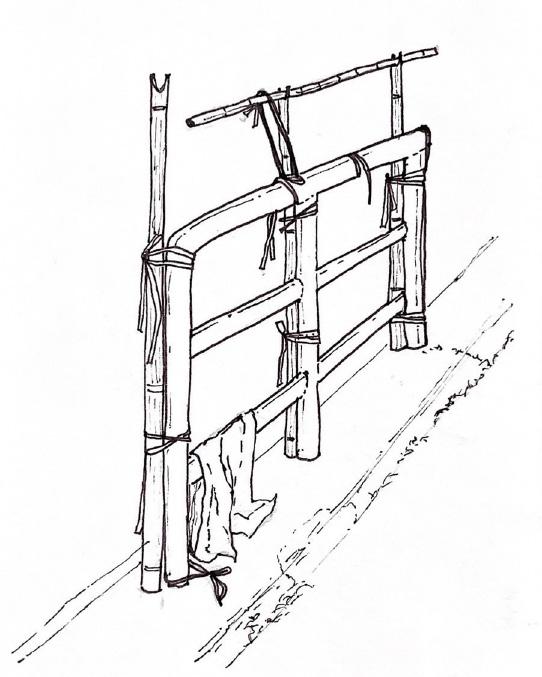
Sticks of bamboo are tied at the bar for displaying clothes
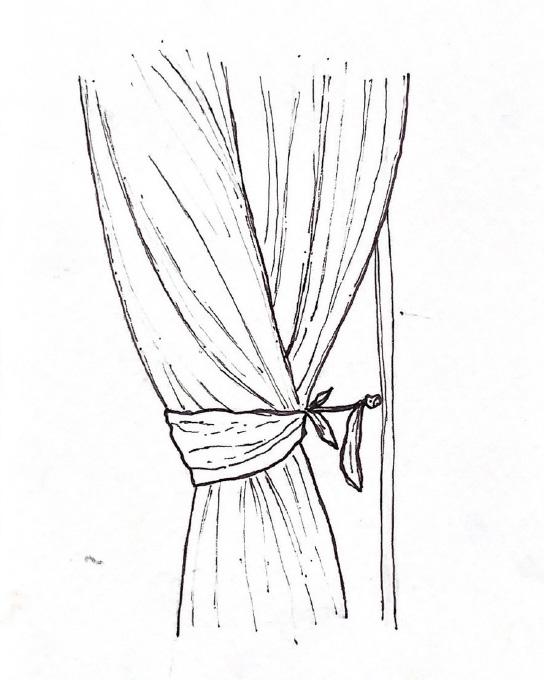
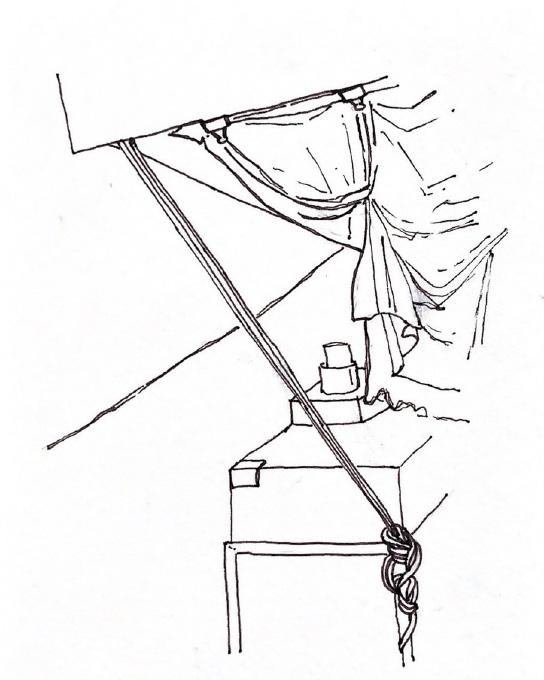
The curtain wrapped and tied with a piece of fabric
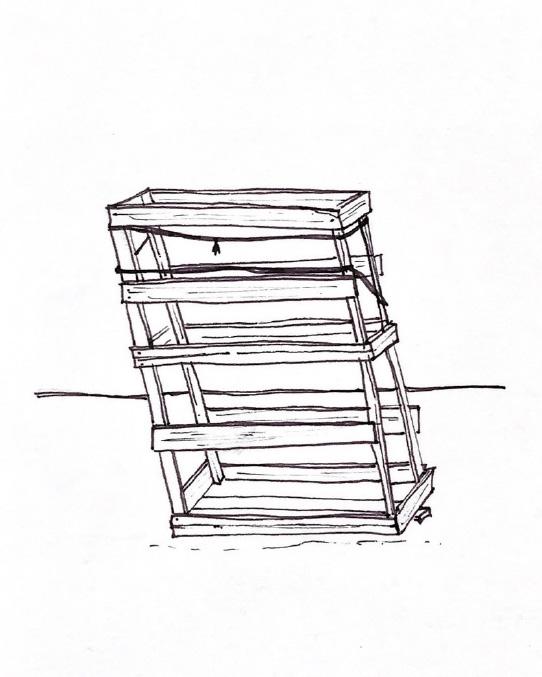
The leaning pieces of wood are tied with rope for stability
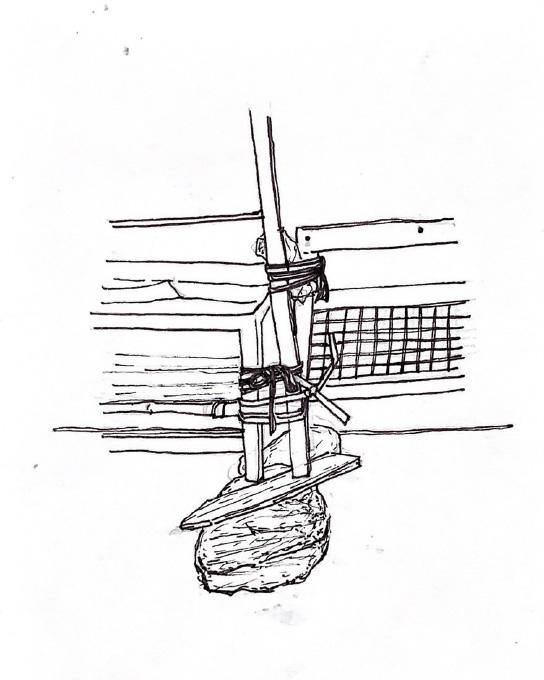
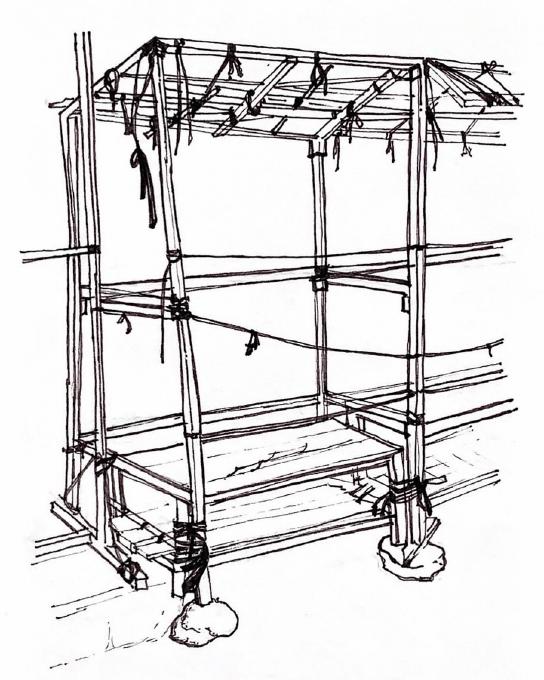
Pieces of wood and stone at the leg of the shelter and tied with pieces of rope
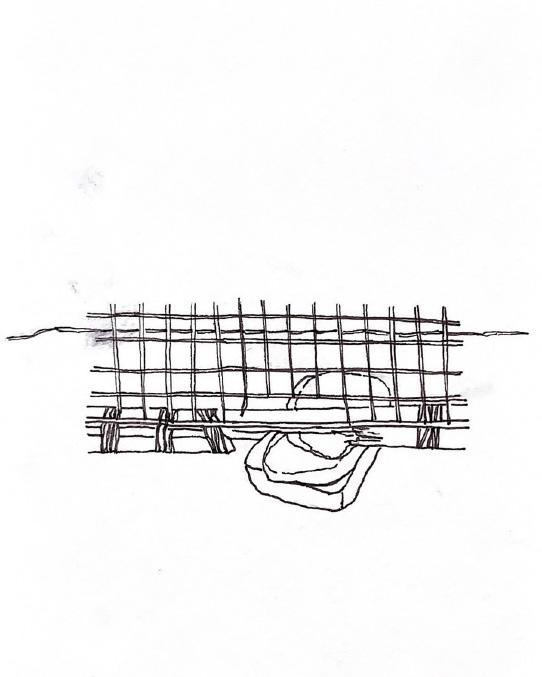
Step of stone lifting the bar of wood and the wood bars are tied with iron wire
Pieces of wood and stone at the ground, various types of rope for stability and limiting the access
Lumps of stone, elevating the display and adjusting the level, the plastic wrap is tied
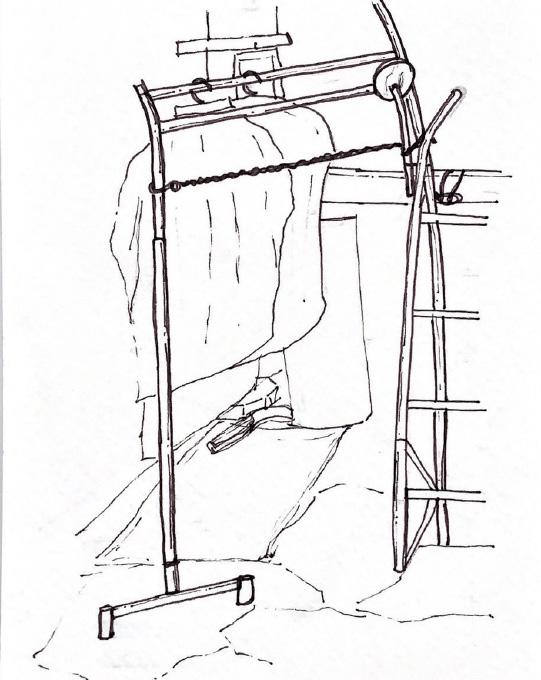
A rope with hook is tied at the hanger with extra tension from a ladle
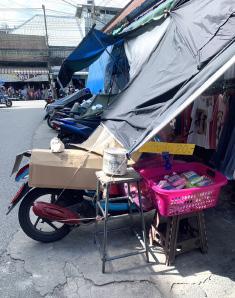
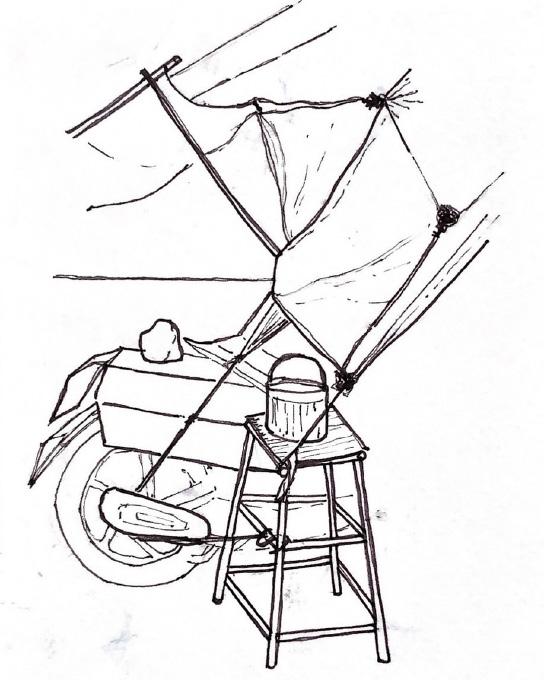
The bike is covered with cardboard and pushed down by stone, the chair is pressured by bucket
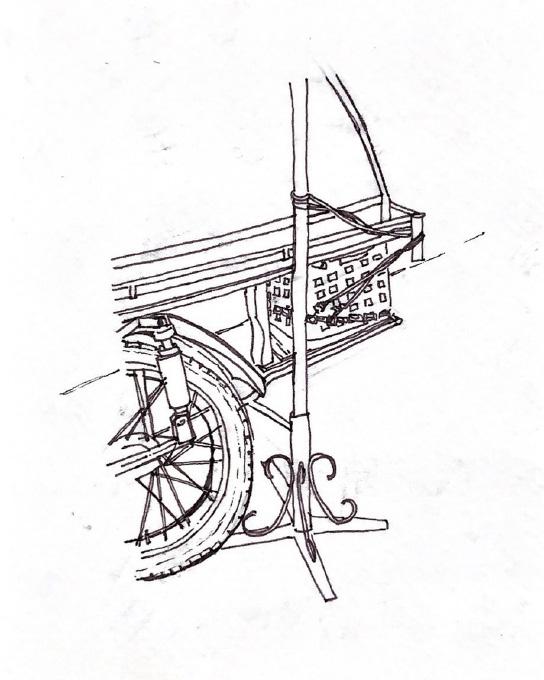
The parasol is tied with rope and pushed down by the wheel of the food cart
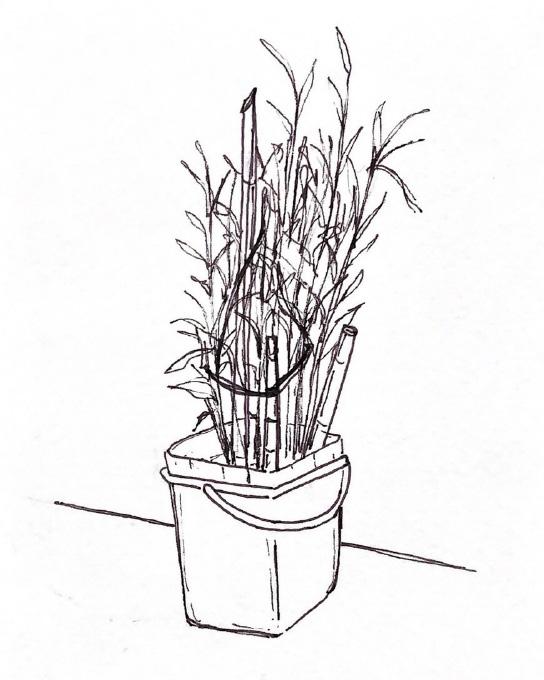
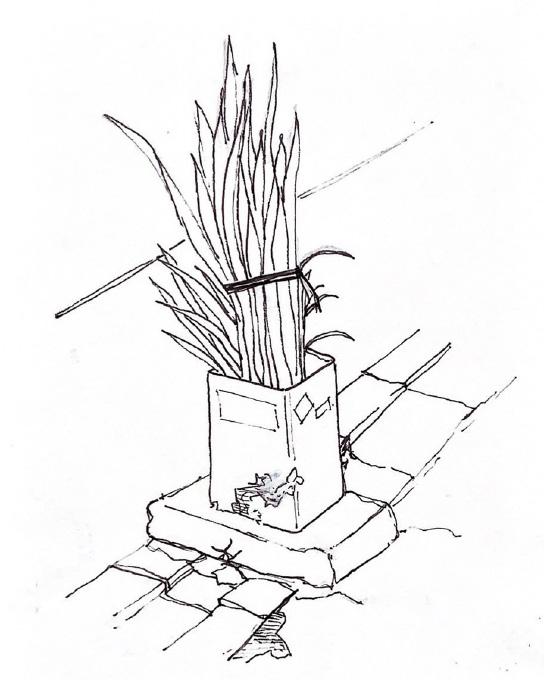
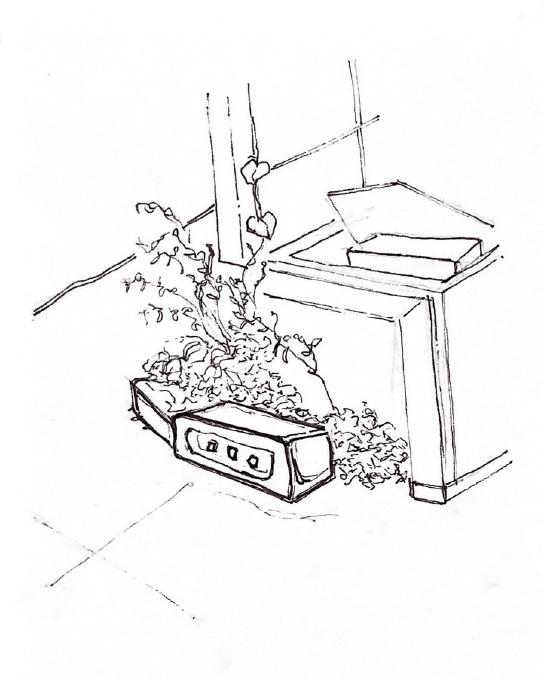
The plant is tied with ropes and kept upright by the sticks of bamboo
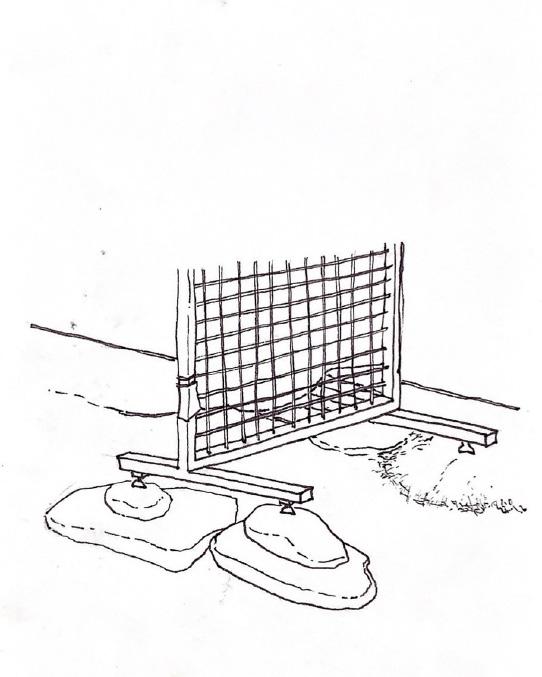
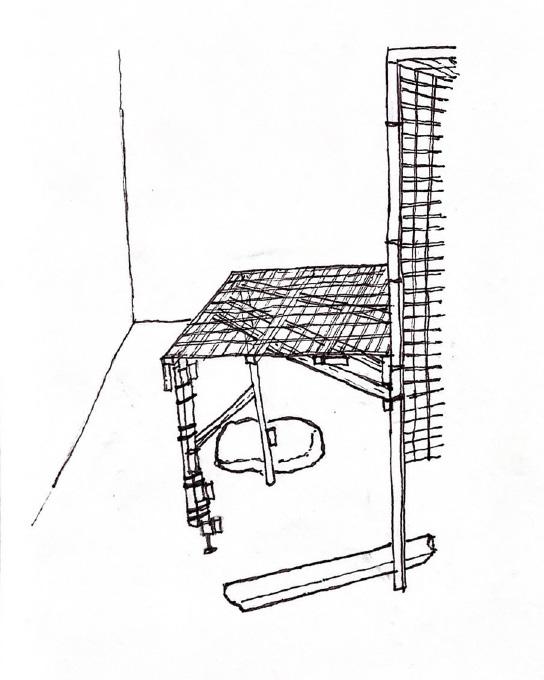
The iron net is lifted by the bars and the legs are tied with wire and held by stone.
The bucket of plant, tied with ropes and big lump of stone elevating the plant
The plastic roof is tied to the leg of the table and clipped
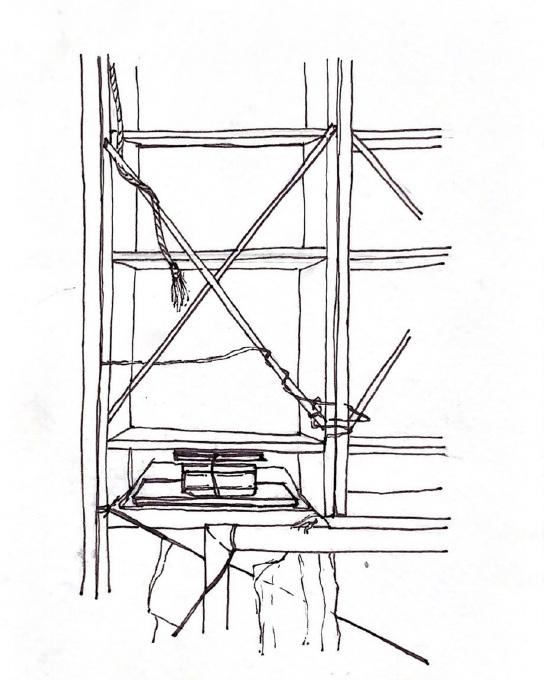
A block of different materials tied with wire, put between the shelves, a plastic rope for hanging
Bricks as boundary for small bushes
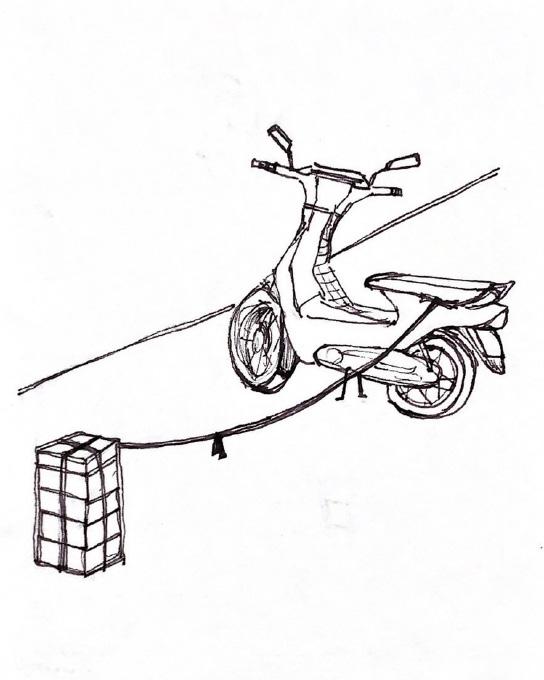
String of rope tied at the box and motorcycle, marking the property area
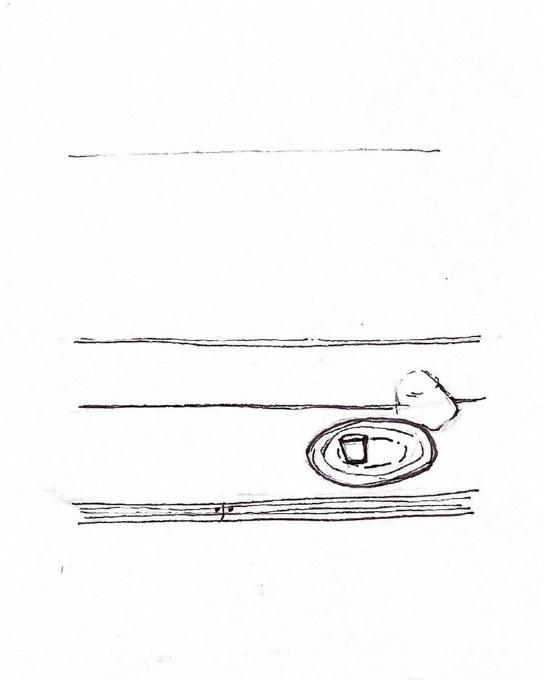
A small glass of water with a plate, for birds
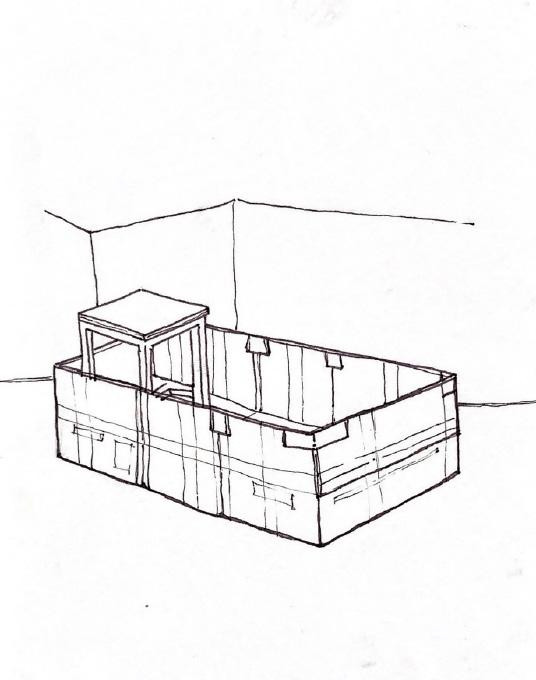
Combining the card box to use as a private area
The leaning pole is tied at the bar of the roof for stability
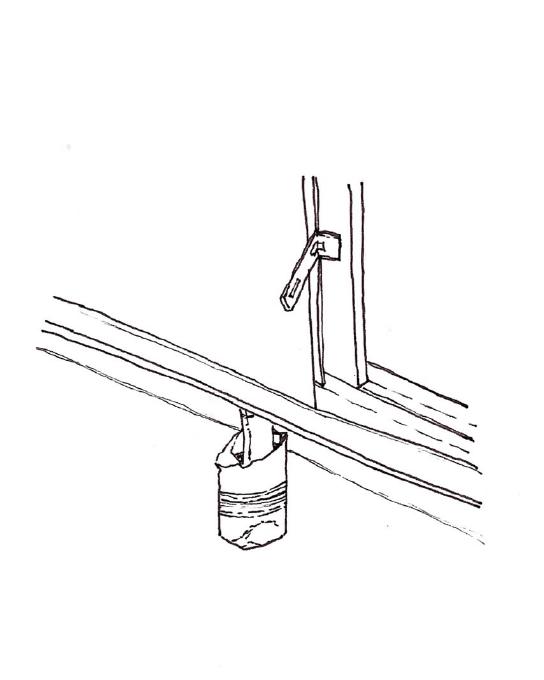
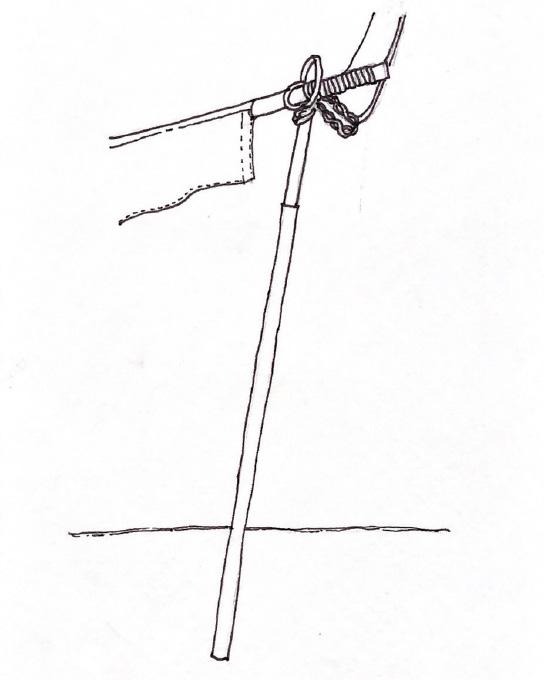
The plastic tube is inserted at the tip of the bamboo stick and hung with hook.
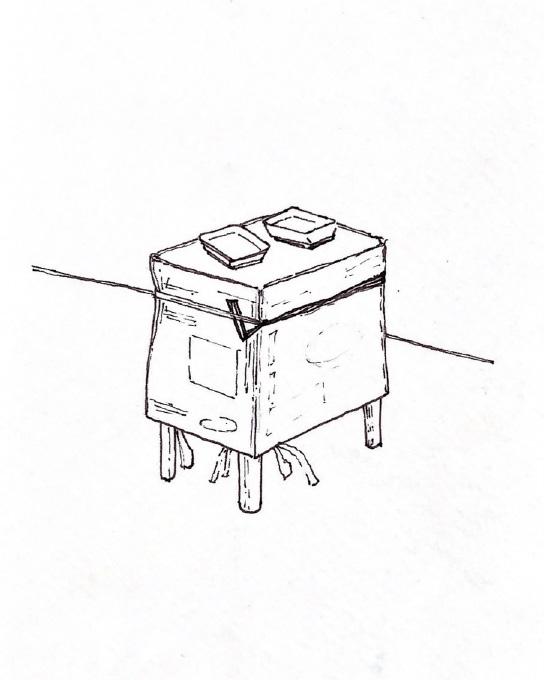
The covered card box, tied with plastic rope, is used as a small dining table
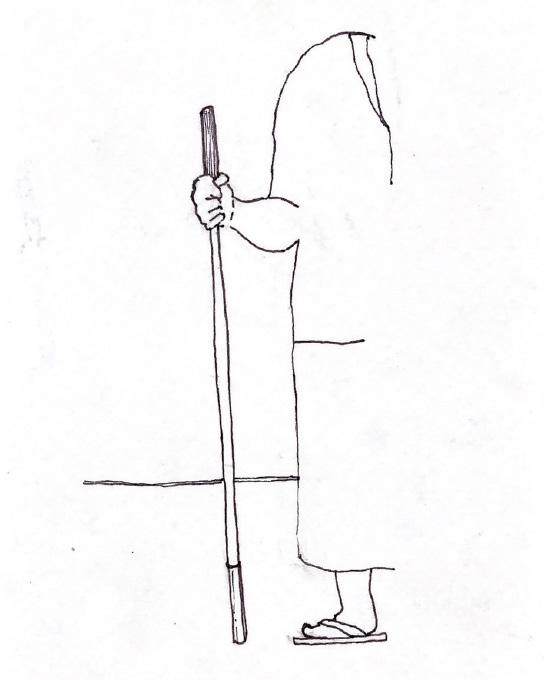
A cane made of iron and rubber handle
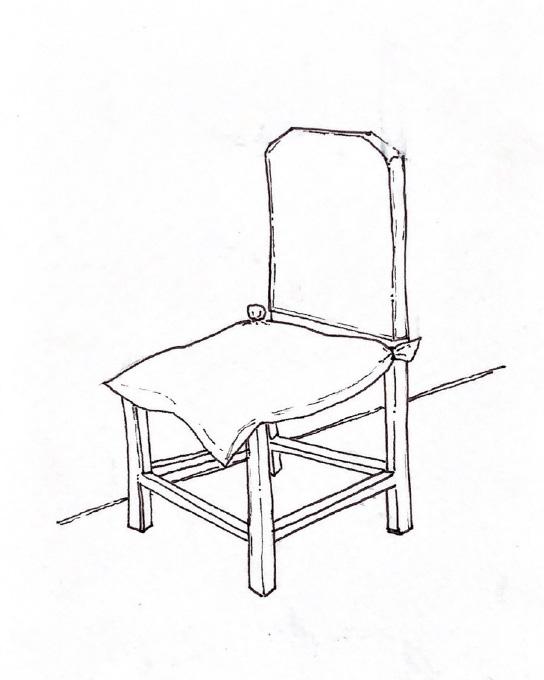
DIY cushion and back cover for comfort
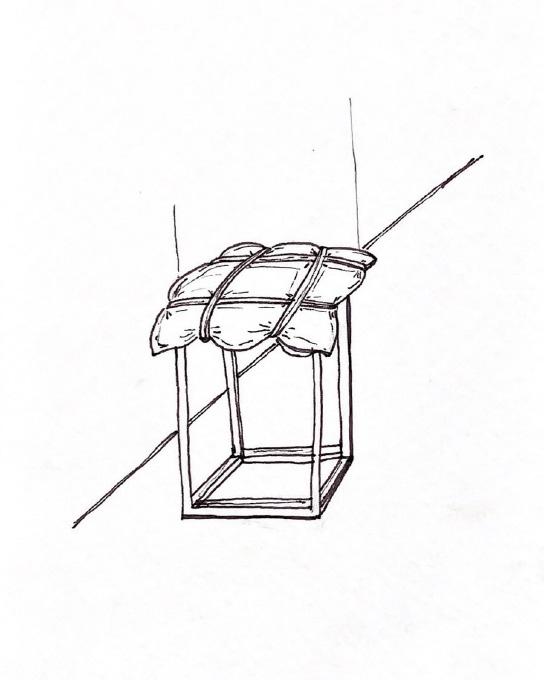
A cushion tied with rope to the chair
Archive_of_Supports
Kad Luang, Chiang Mai
https://www.instagram.com/archive_of_supports?igsh=NDN0bmI0bGZmYW82&utm_ source=qr
Part II : Walking Archive
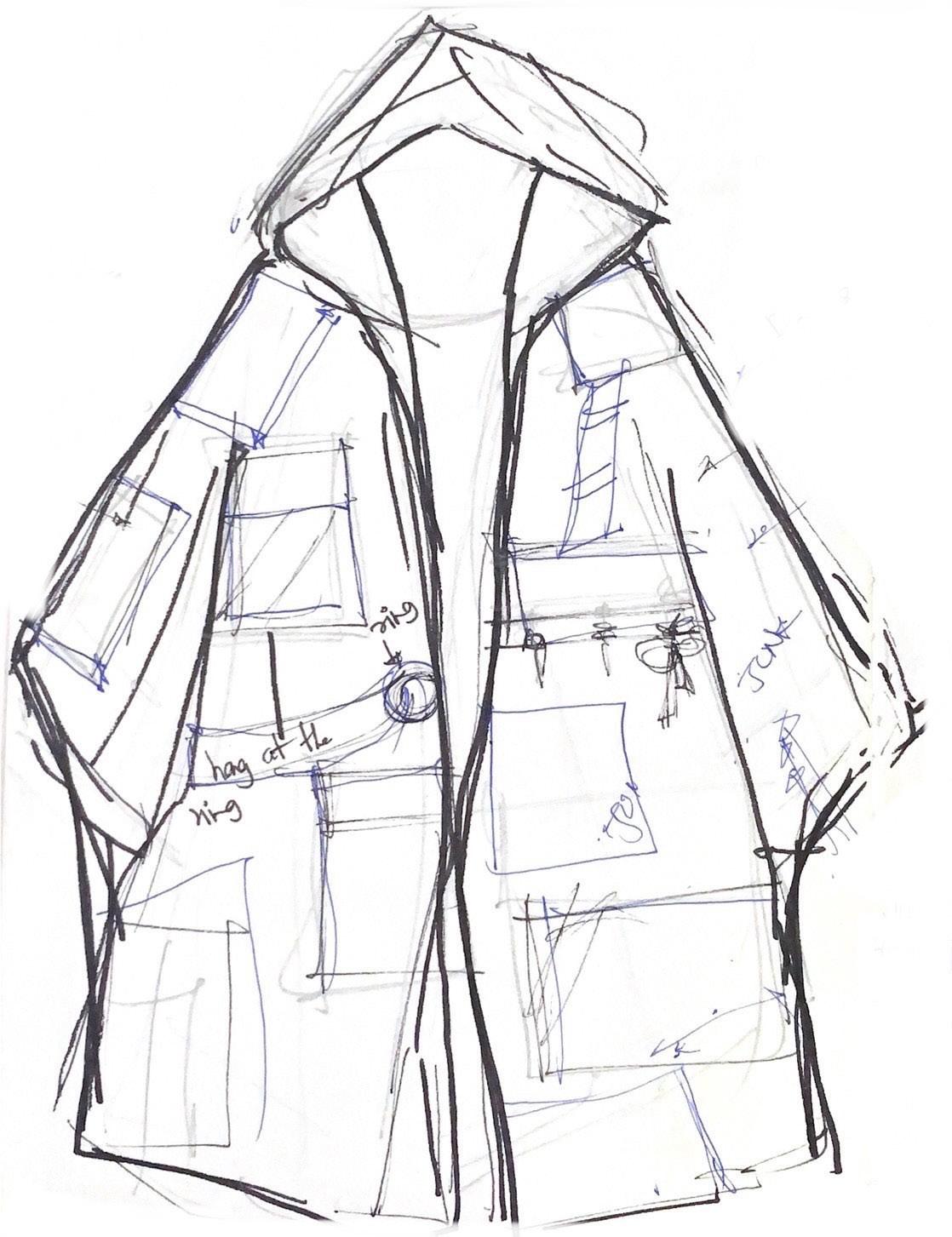
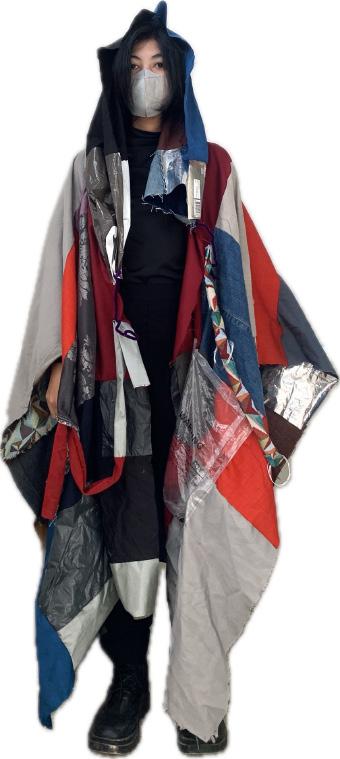
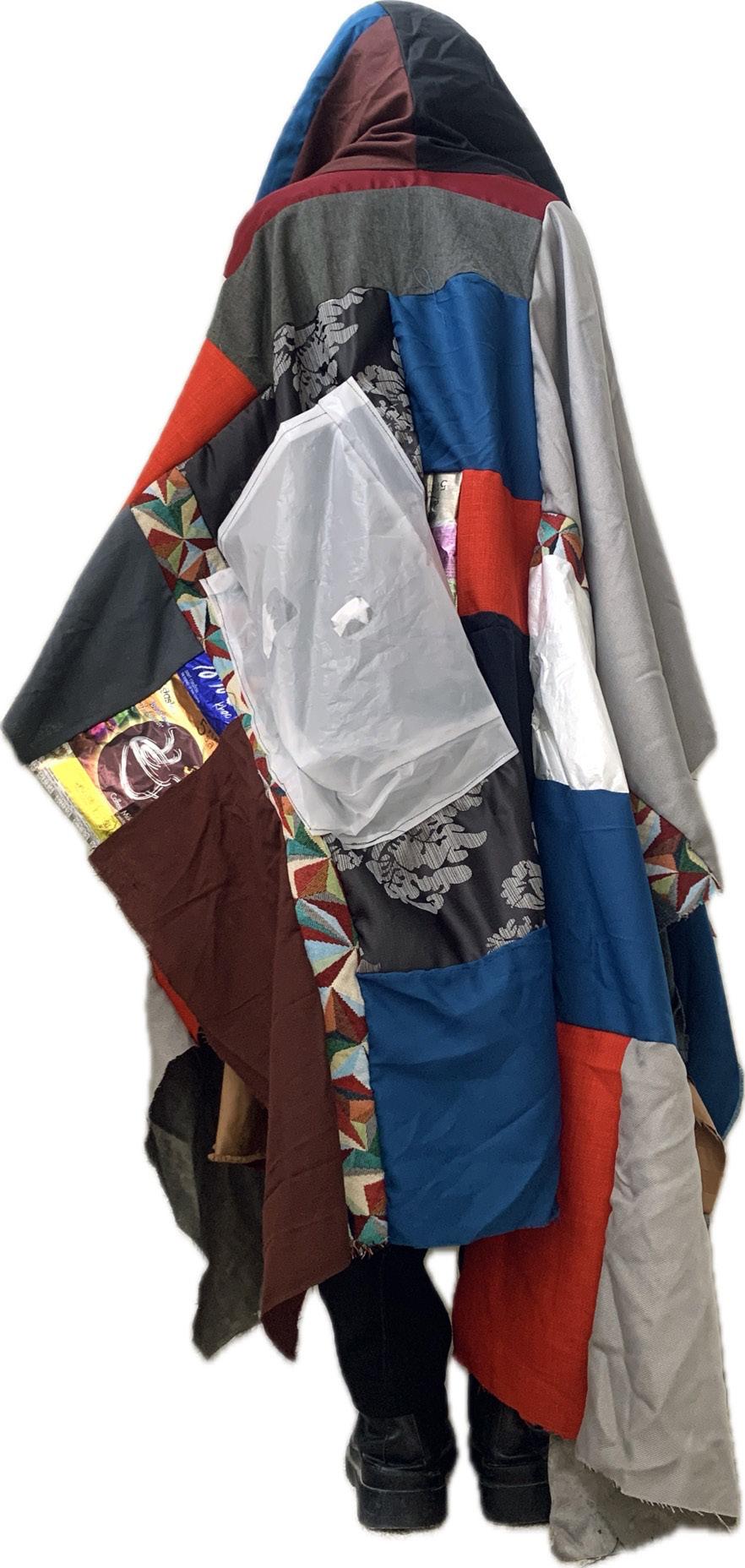
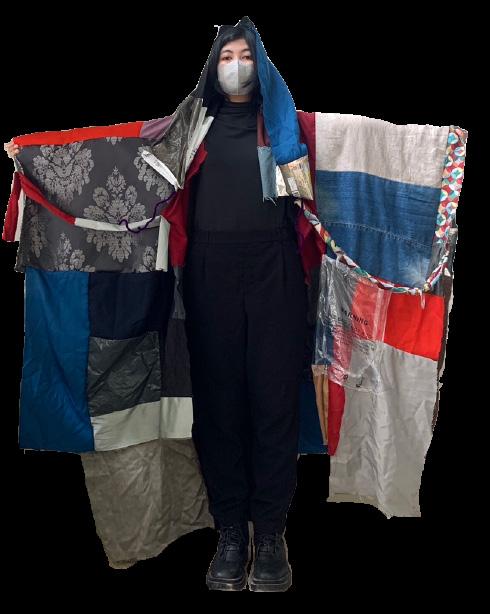
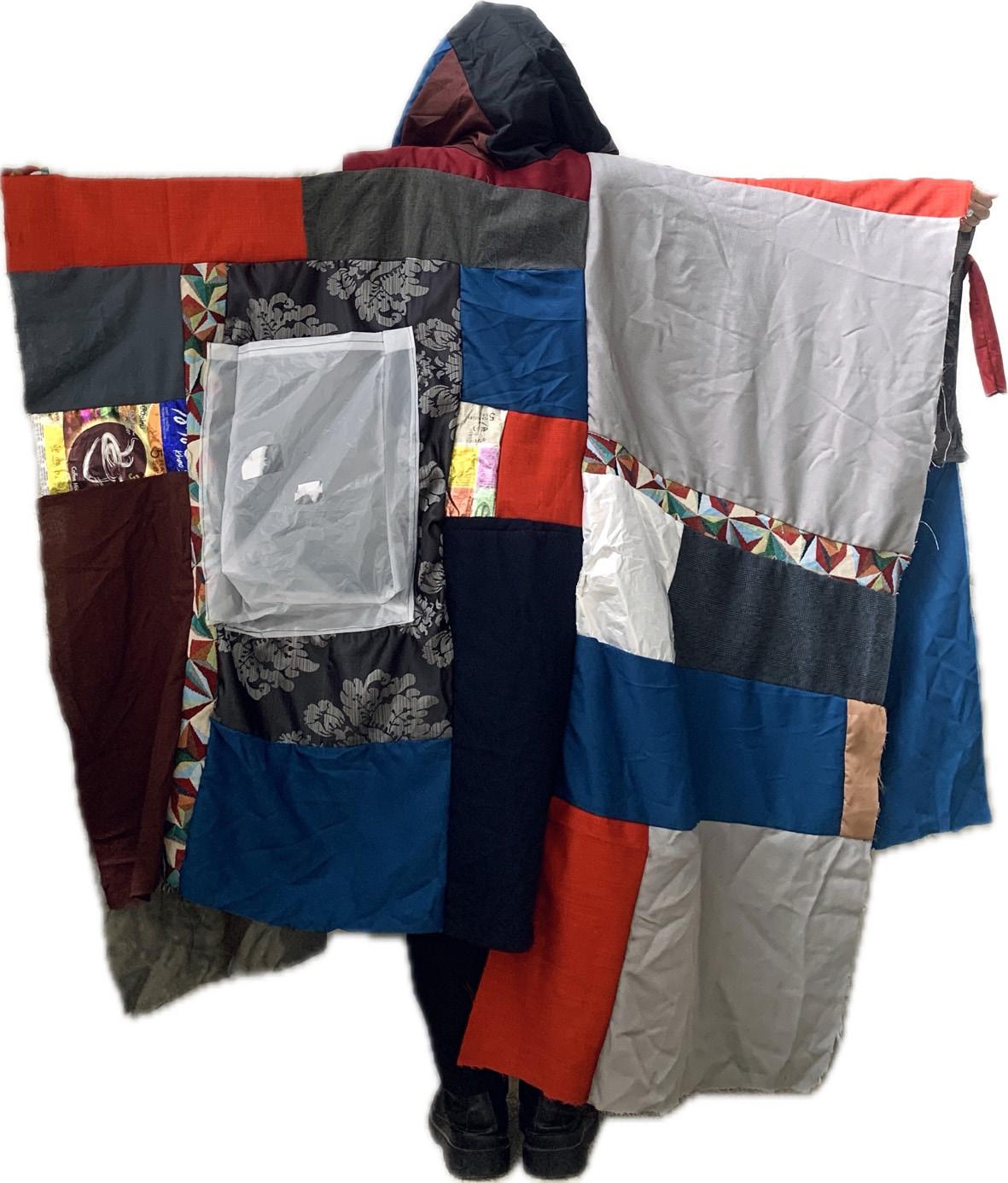
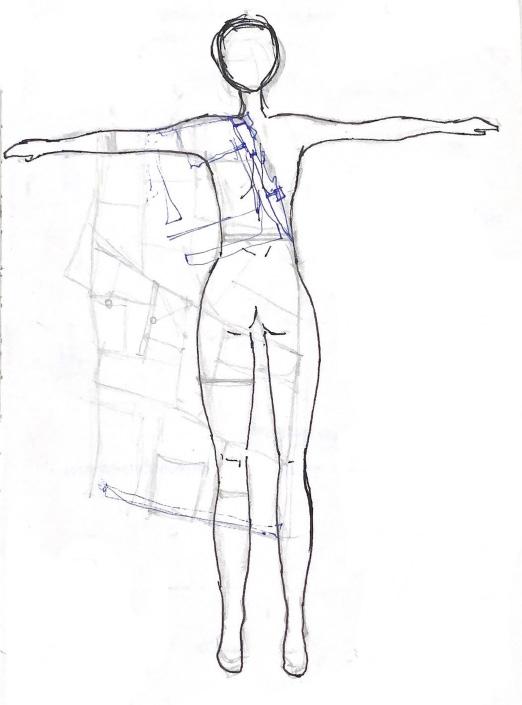
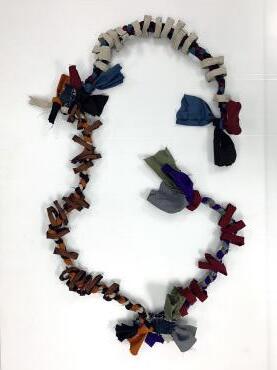
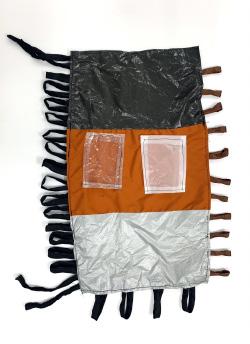
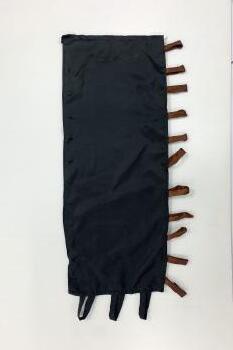
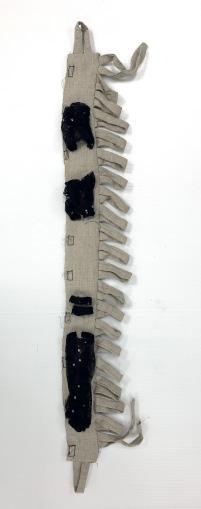
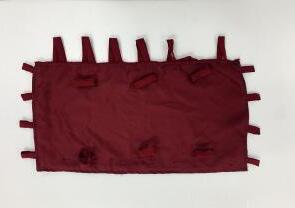
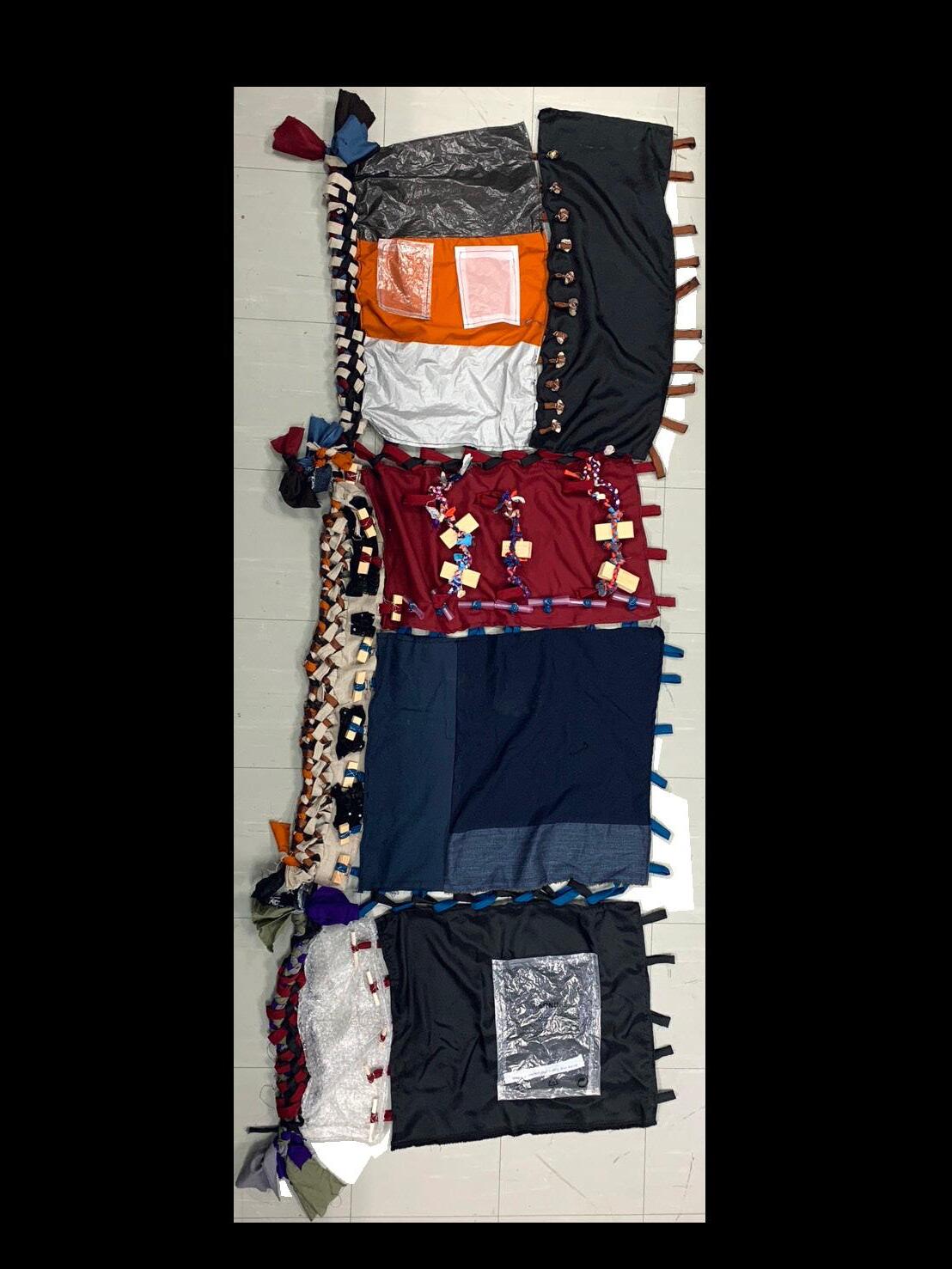
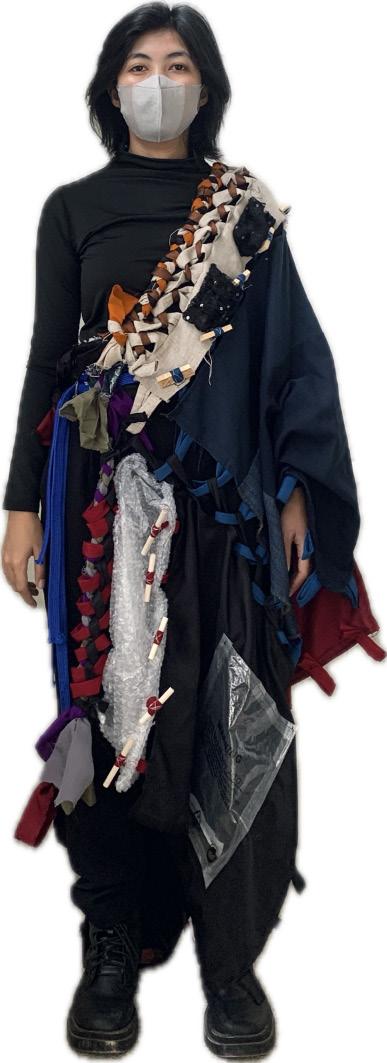
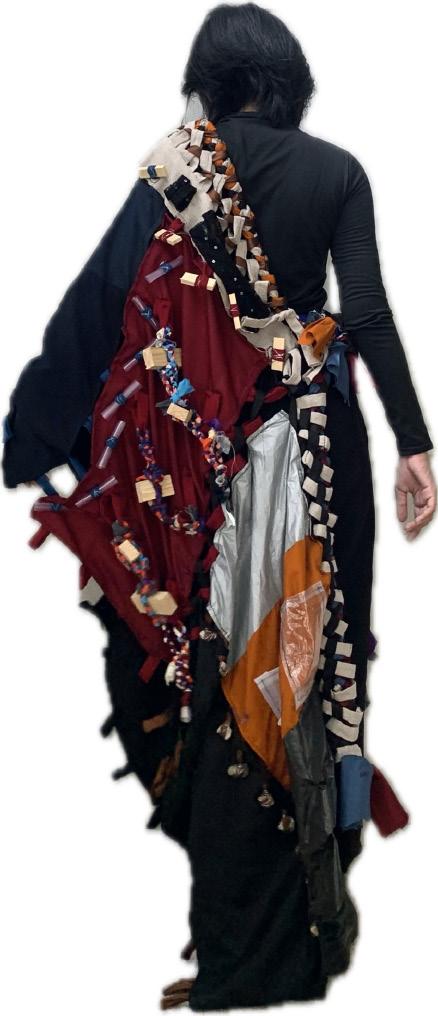
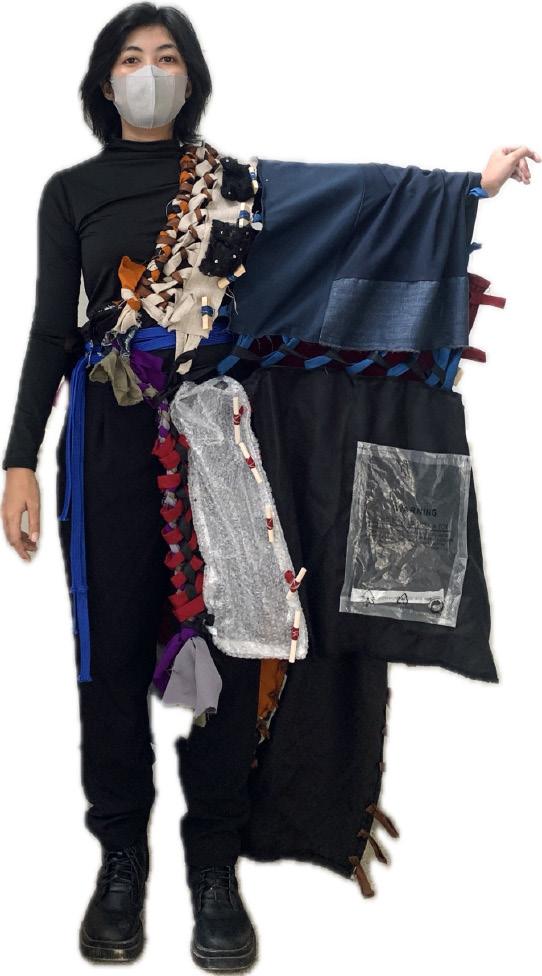
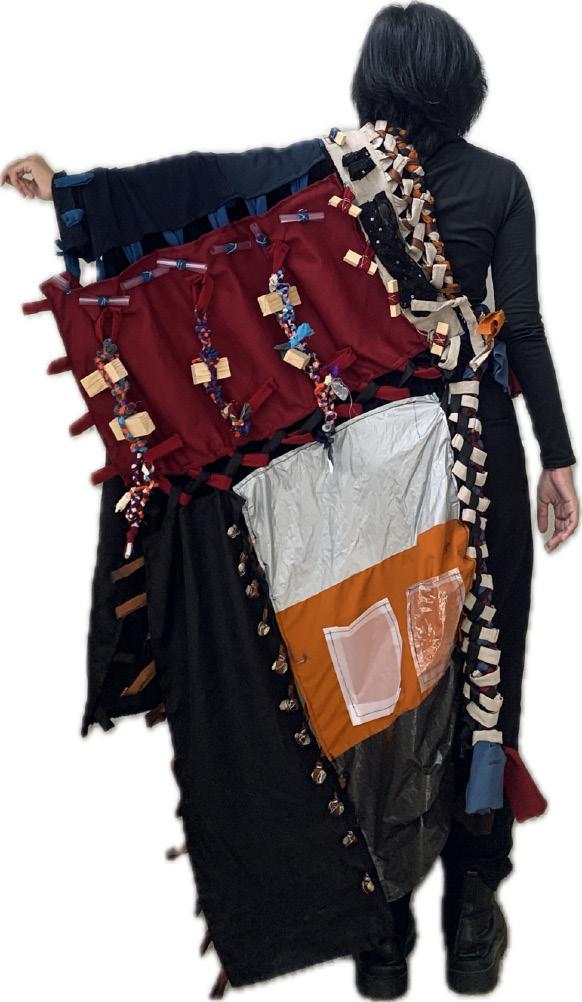
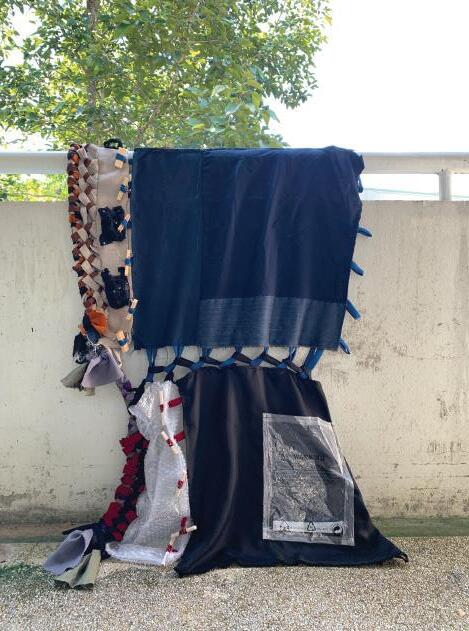
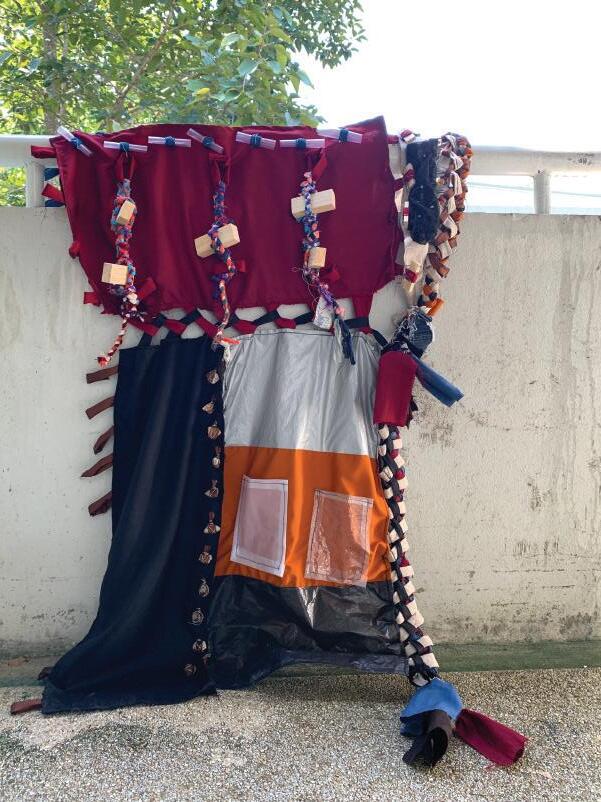
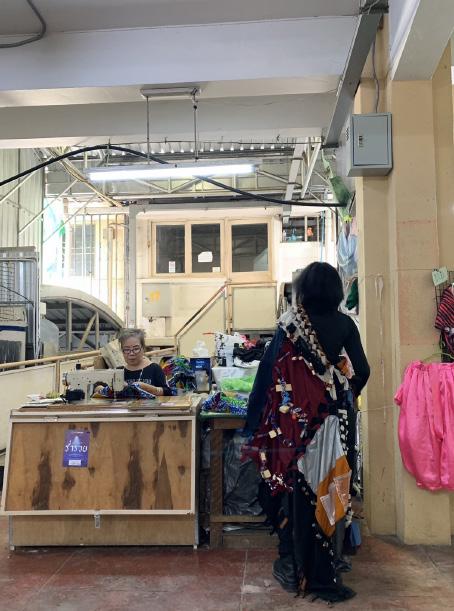
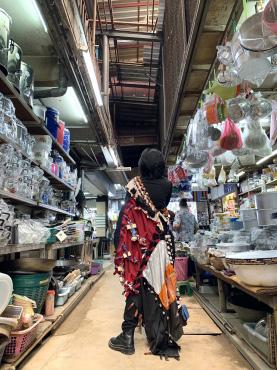
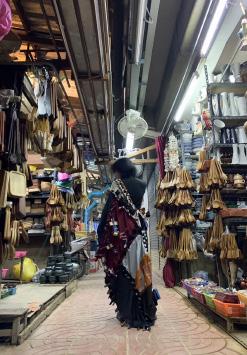
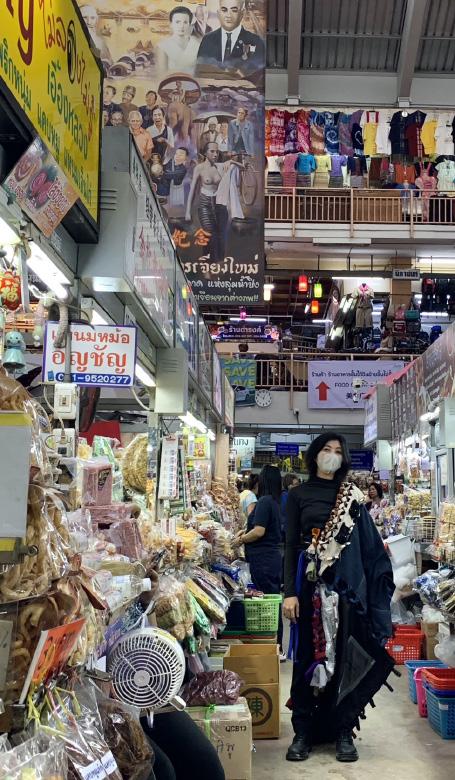
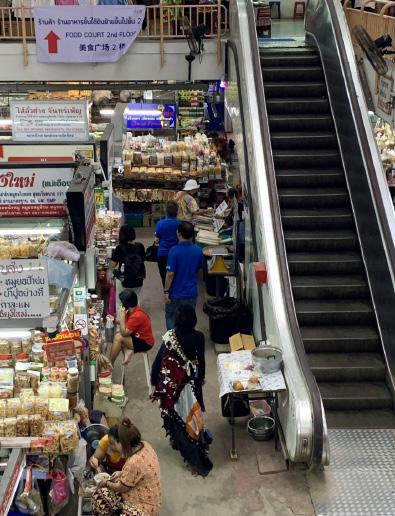
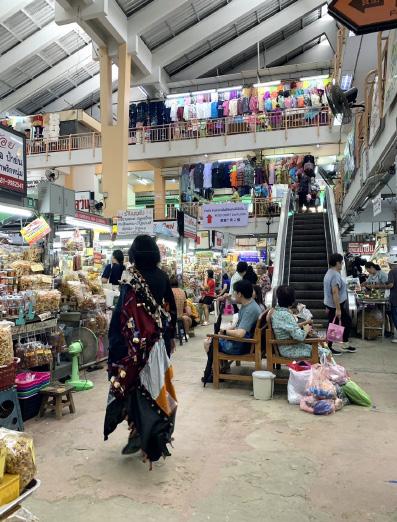
Inspired by the various supports of junk in Kad Luang, the final outcome, “Walking Archive” highlights the exploration of items perceived as junk. It encourages participants to engage with their surroundings and recognize the value of everyday objects that are often overlooked.
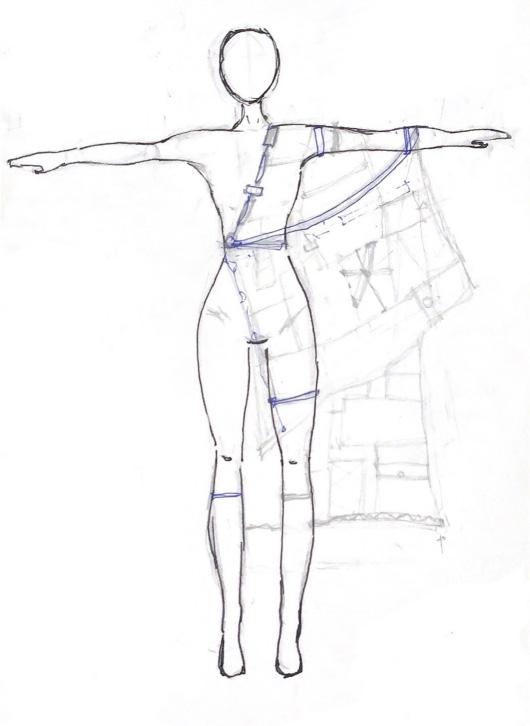
Walking _A reflection of the human motion, higlighting individual expression Archive _the continuous accumulation of junk
While modernism might focus on new materials and innovations emphasizing clean, sleek, and refined aesthetics, “Walking Archive” prioritizes the beauty in the transformation of what many might see as flaws.
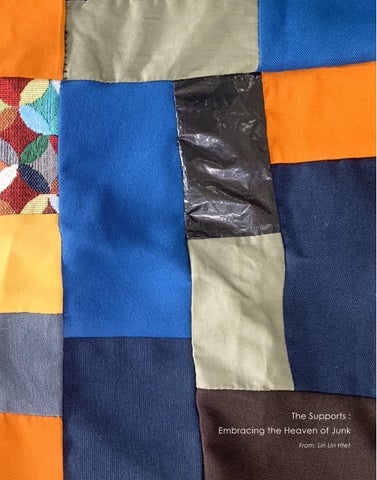
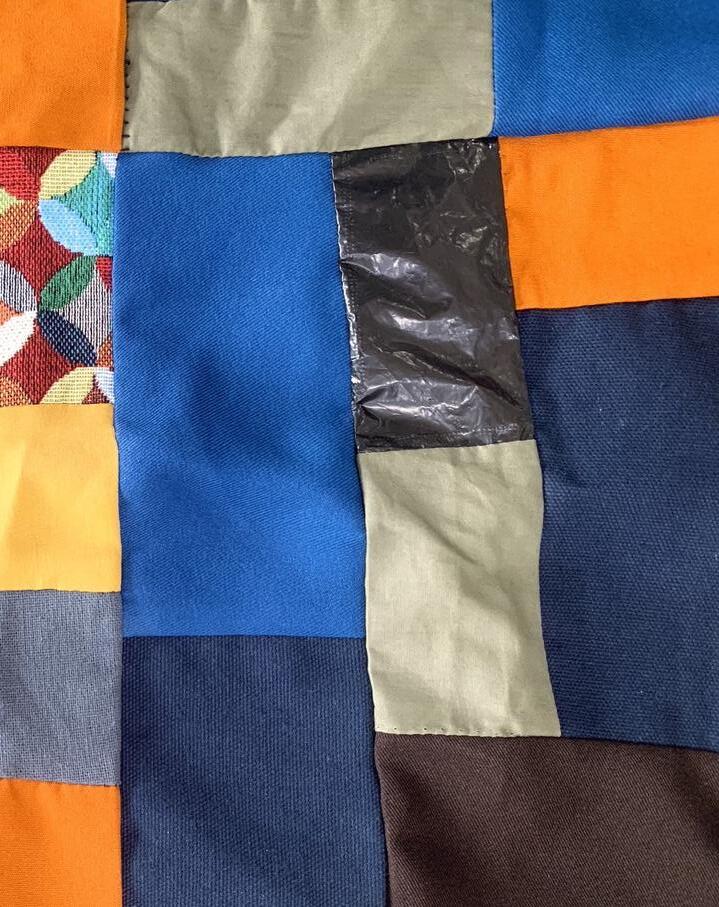
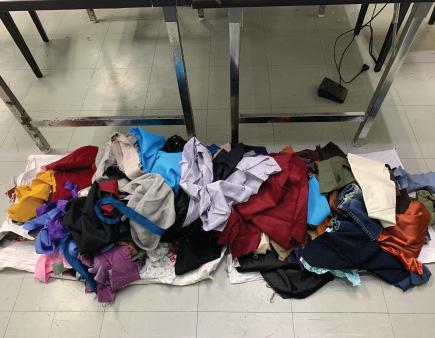
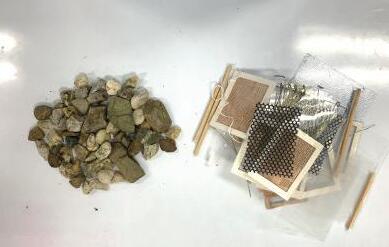
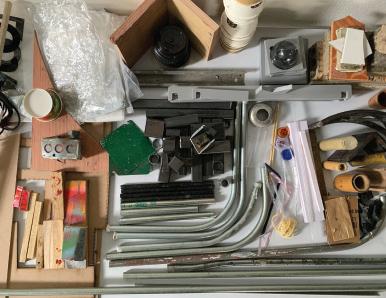
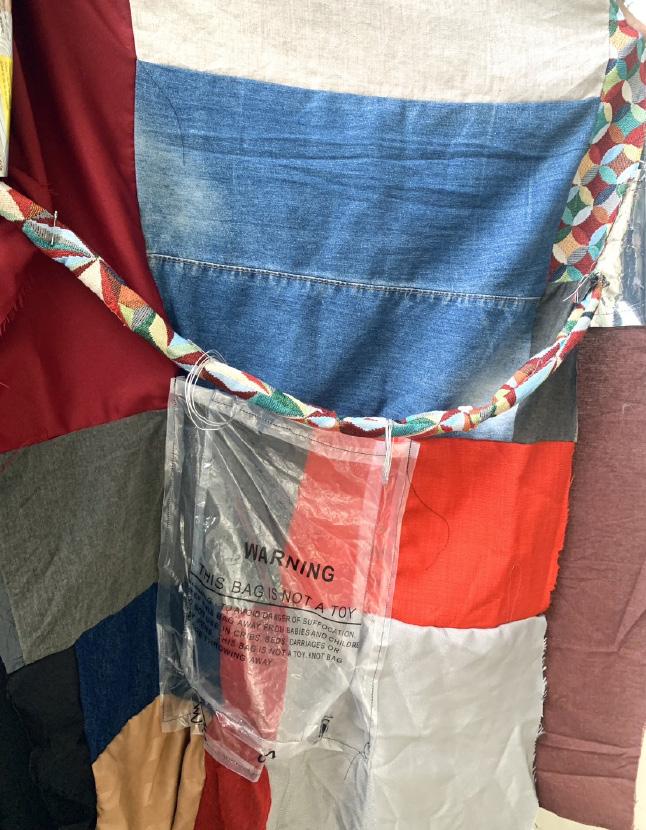
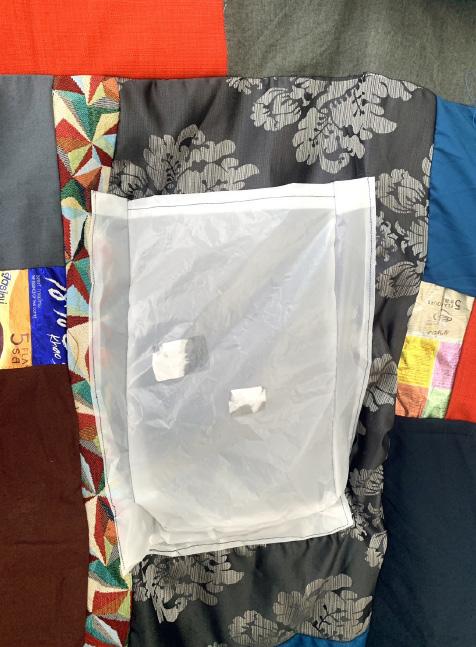
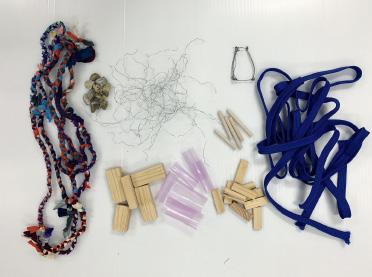
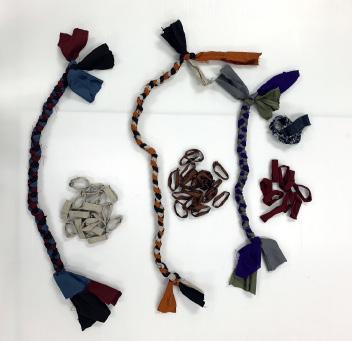
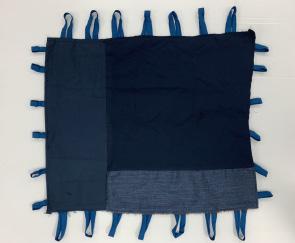
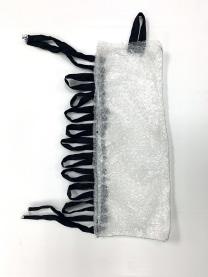
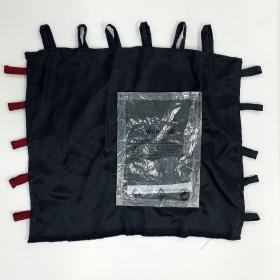
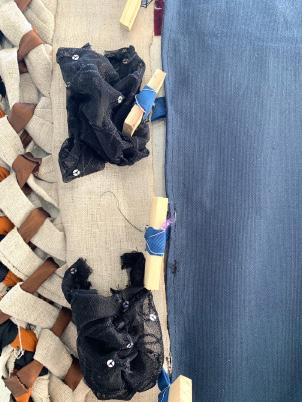
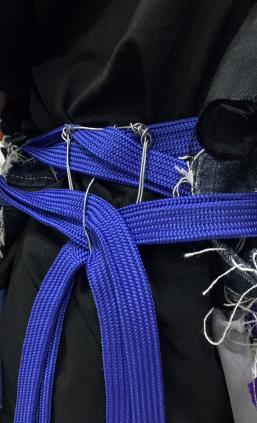
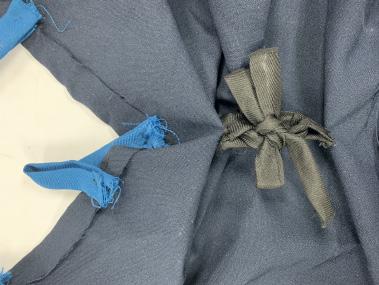
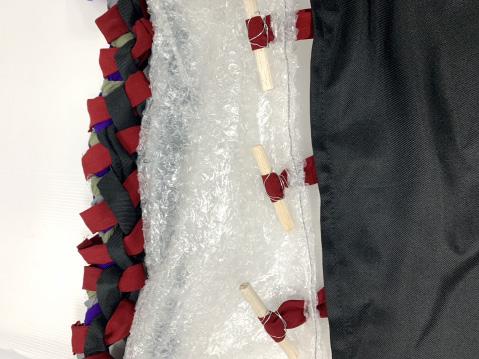
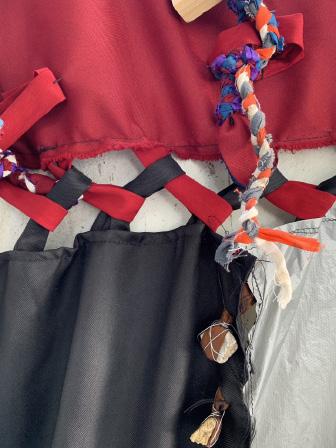
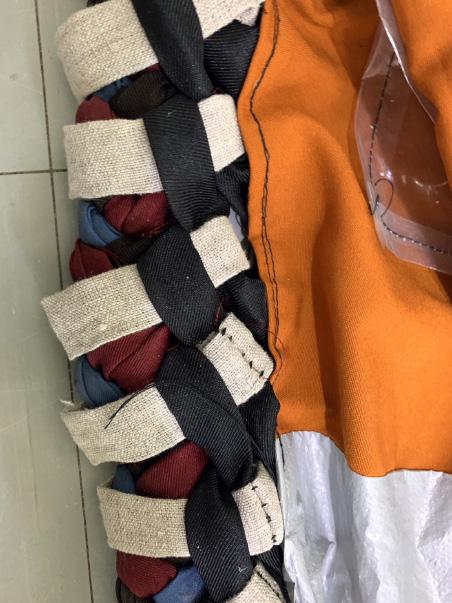
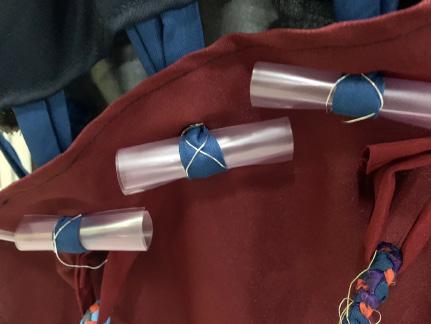
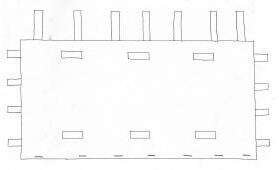
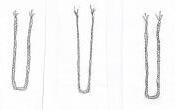
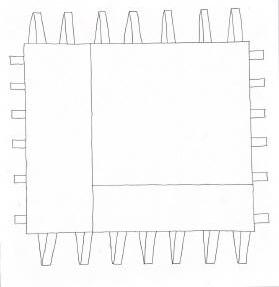
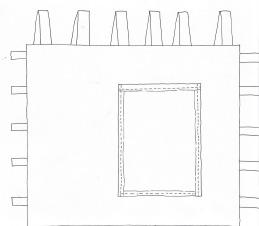
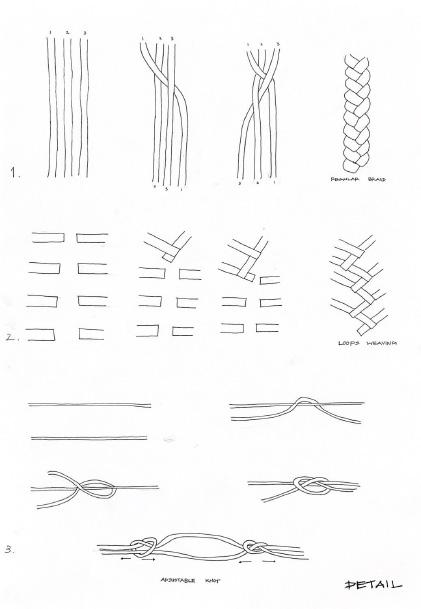
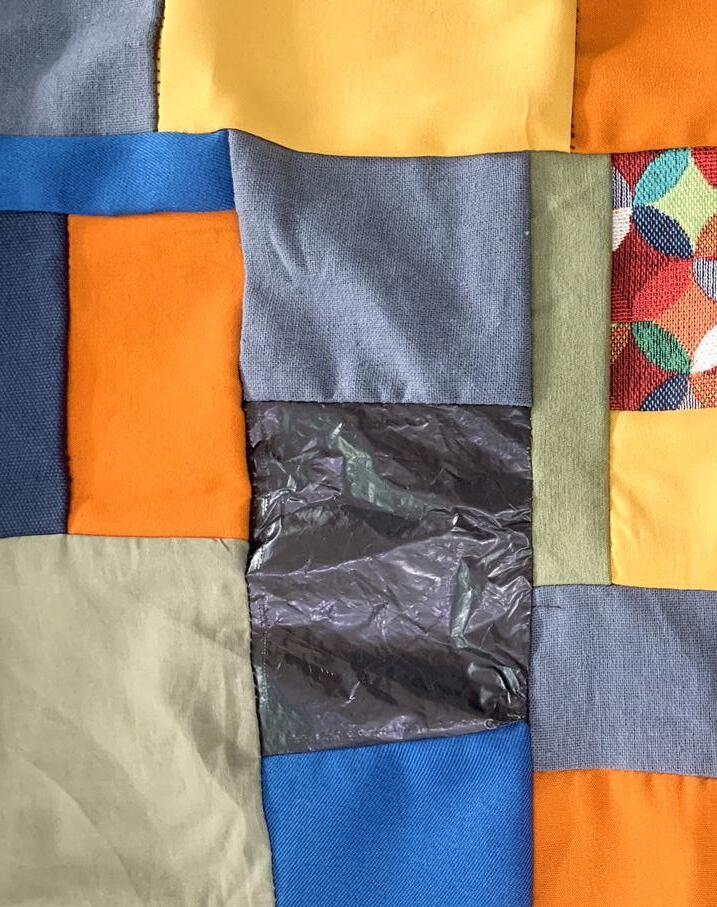
In “Walking Archive”, leftover fabric from the tailors is used as the main character, to demonstrate the transformative abilities of what is often considered junk. It displays how discarded material can be repurposed and enhanced, becoming more sturdy and complete, sometimes combined with other small overlooked items.
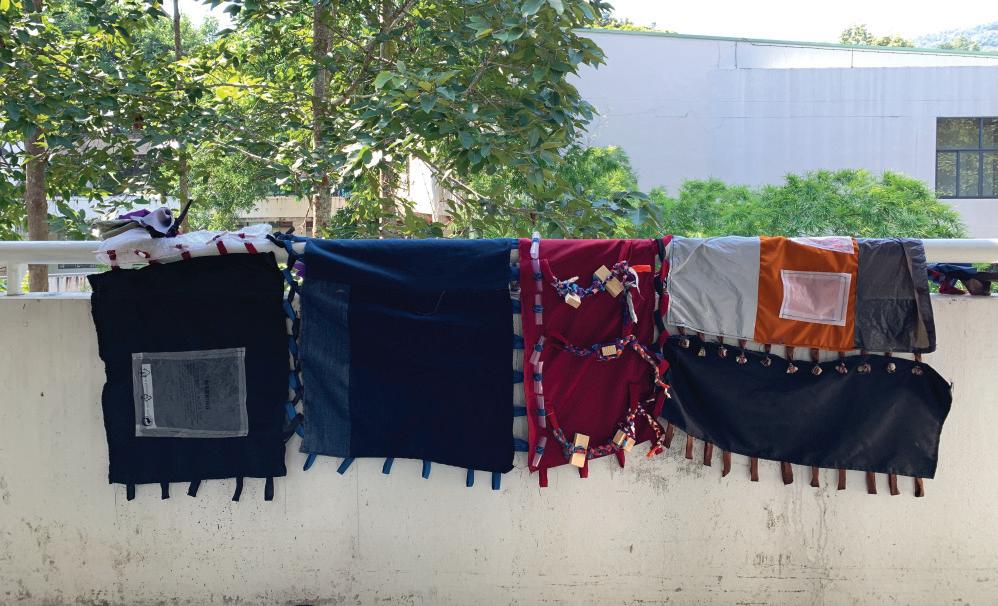
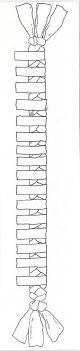
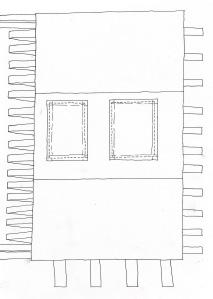
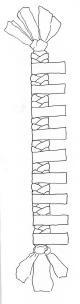
Developed into flexible, interconnected pieces that support one another, making the meaning of the archive more engaging.
It can also be used in other ways beyond wearing, such as hanging it up or using it as a notice board.
Ultimately, the “Walking Archive” can be seen as a flexible ongoing process encouraging the participant to explore their unique perspective and experiences.
In essence, my whole journey through this heaven of junk demonstrates that beauty and value can be found in what others might see as worthless. By intriguing people to reimagine the infinite potential of junk, “Walking Archive” aims to foster a deeper appreciation of these items, supporting a more sustainable society.
Thank you for your SUPPORT.