LITERATURE STUDY
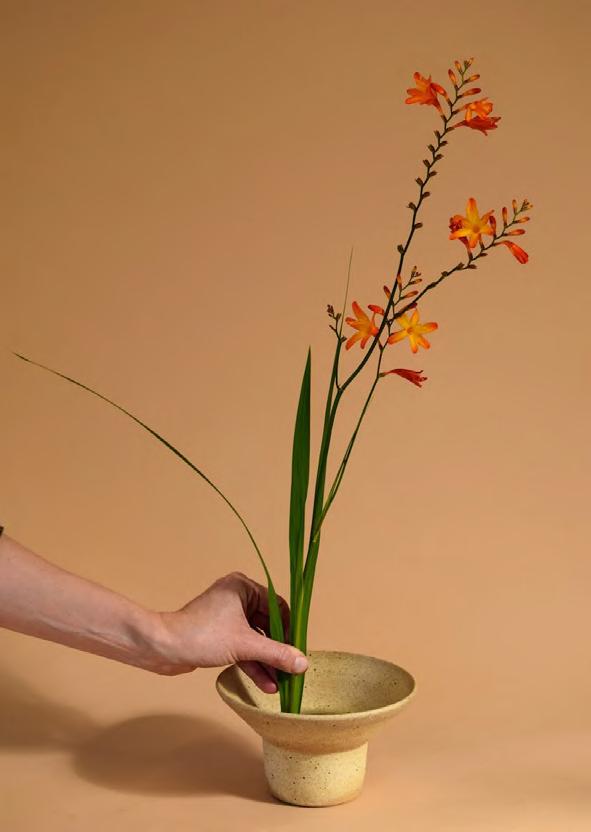
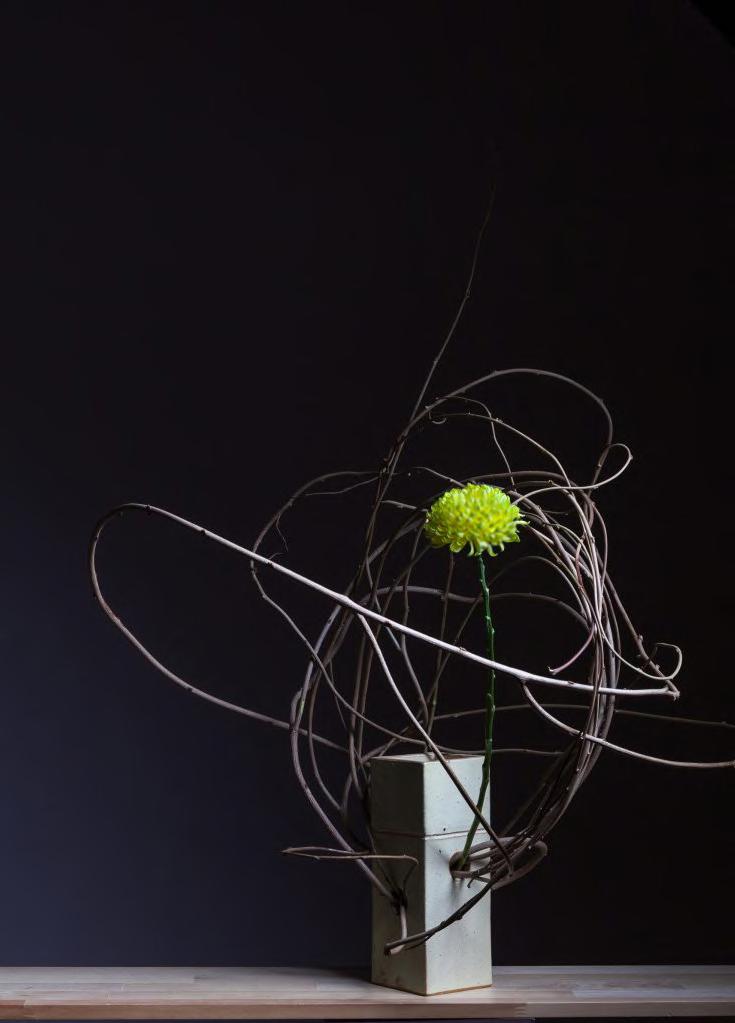
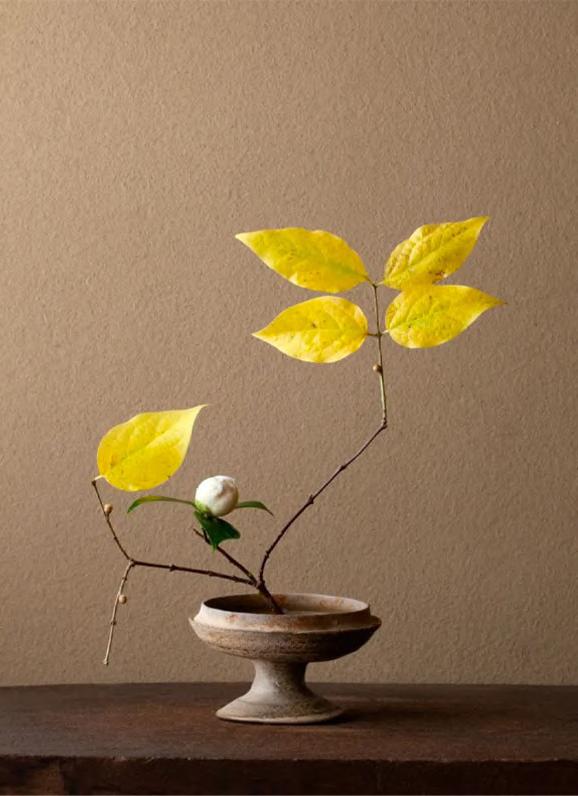
IKEBANA
Arranging flower or giving life to flowers
- Represent natural scenery
- Try to copy and Paste what nature looks like into a container
- Imitate nature to convey emotions
- What we see is just an image - We appreciate the process behind
- Nature is not something to be seen, but something to be felt
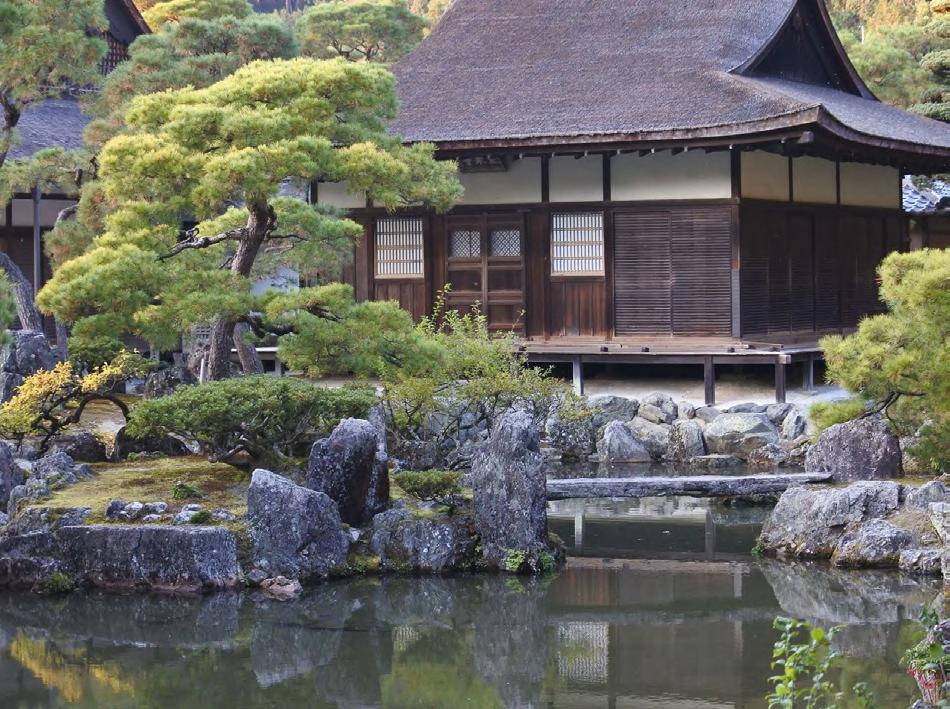
- Nothing in Japanese garden is natural or left to chance
- Each is chosen according to aesthetics
GARDENS
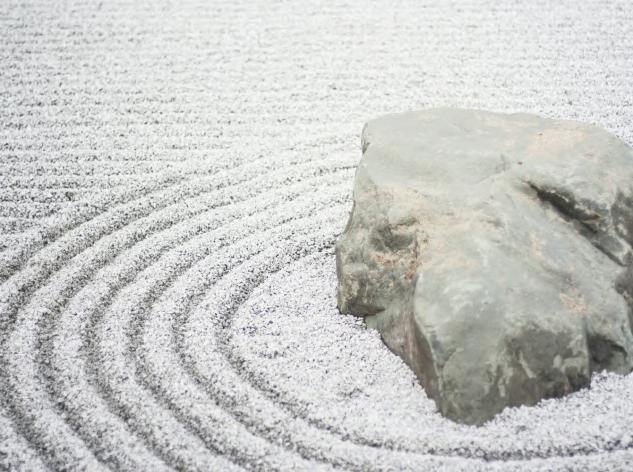
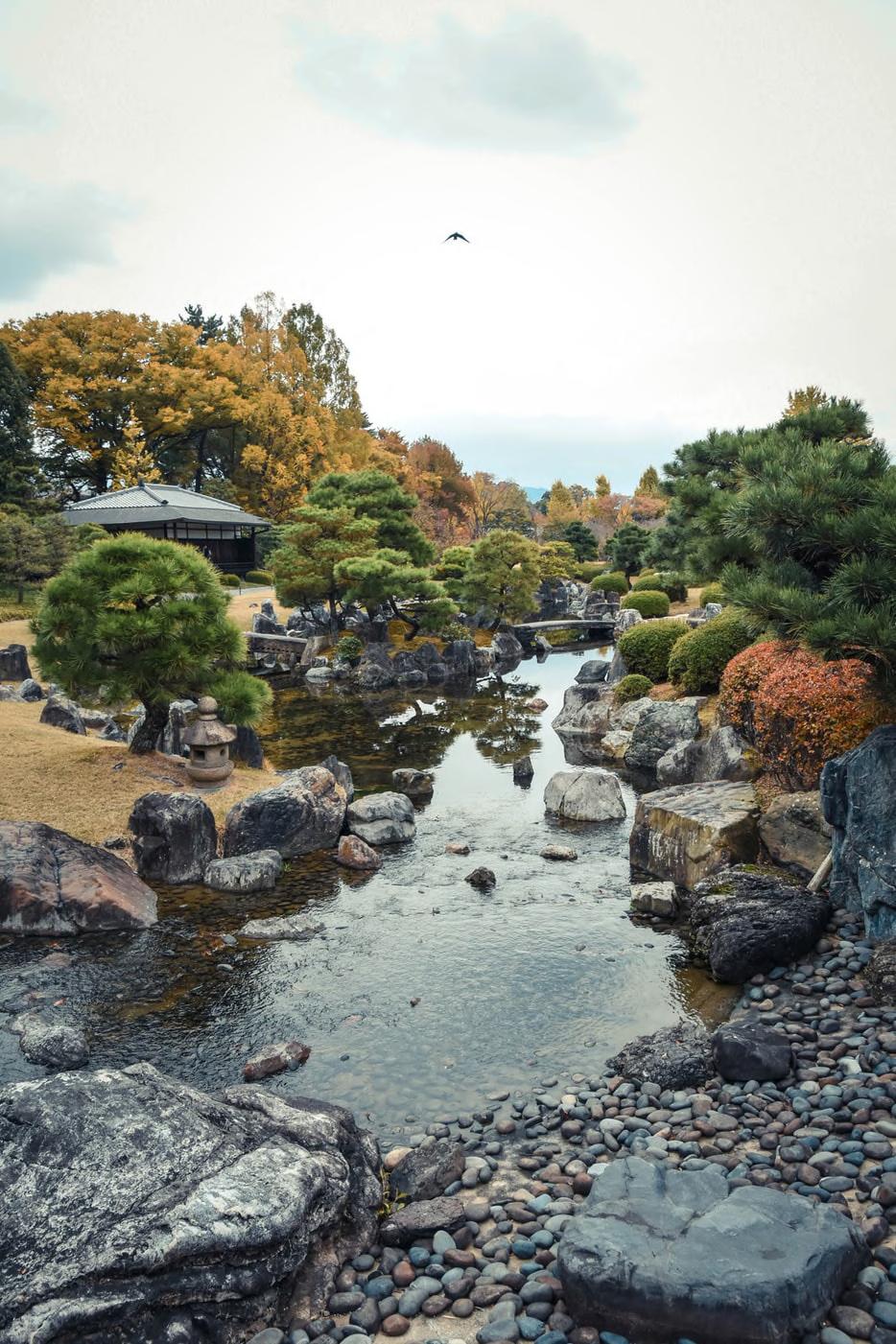
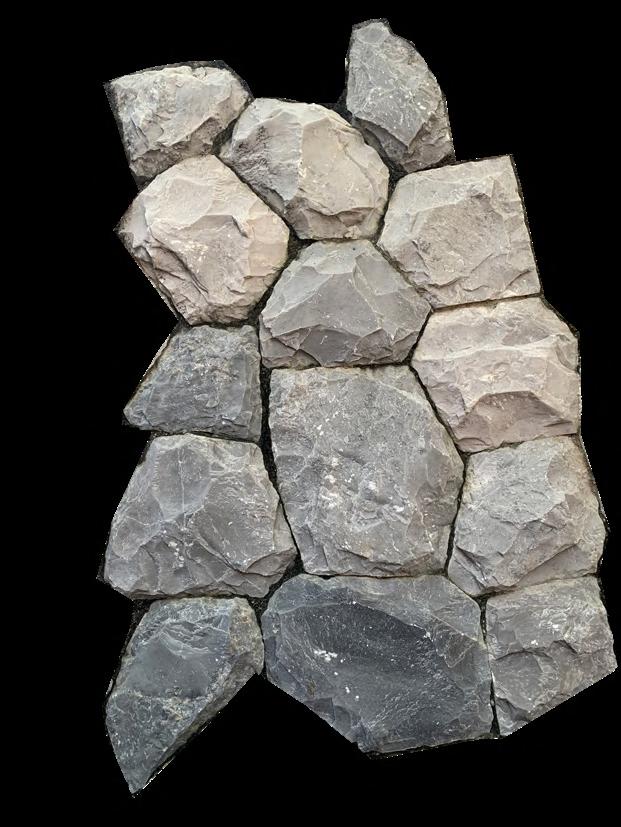
- Miniature stylized landscape from arrangement of rocks
- Intend to imitate the essence of nature, not its actual appearance
Representation of Natural Setting
Miniature and Idealized View of Nature
Nature is not something to be told, to experience in our own way
Both IKENANA and Japanese Gardens seem to mainly focus on aesthetics principles, and try to evoke feelings of awe, connection, and wonder.
JAPANESE
The Taste of Rain_Jack Kerouac
The taste of rain
Why kneel
- Invite the readers to appreciate the simple, everyday moments of life through physical sensation
Winter Seclusion_Kobayashi Issa
Winter Seclusion
Listening that evening
To the rain of the mountain
- Focusing on the sound of nature for seeking peace and calming effect
The Cool Breeze_Kobayashi Issa
The cool breeze
Twisted and crooked
Then came here
Nature as unpredictable, irregular, untamed, and free sensory experience
In Haiku, nature is expressed as a medium that evoke emotions with clear sharp images.
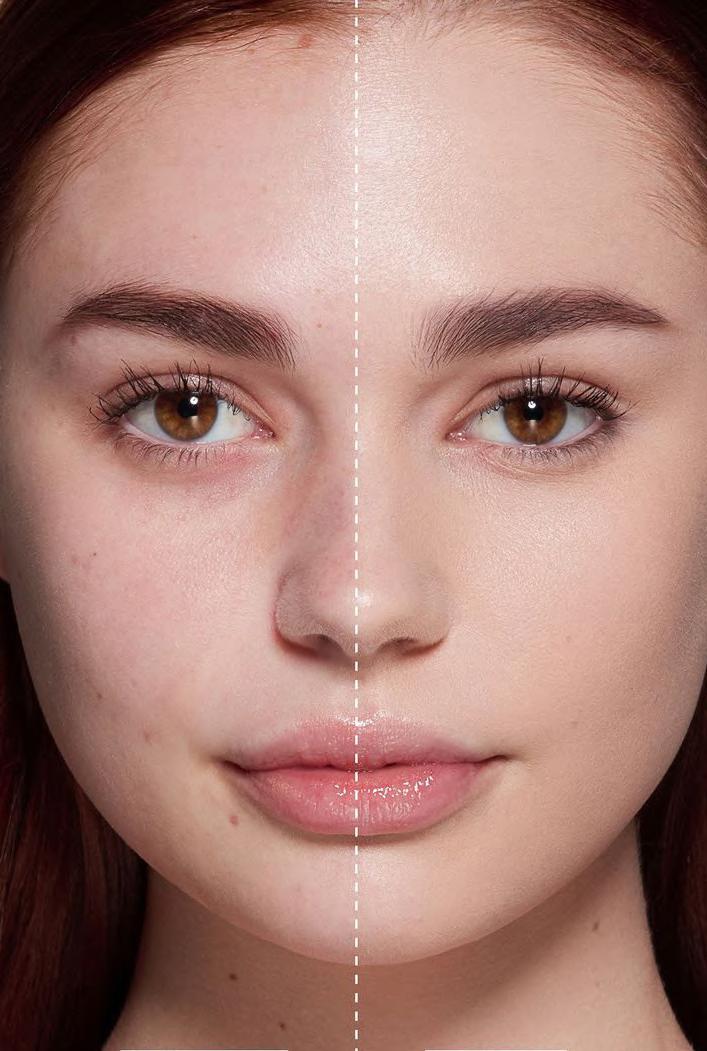
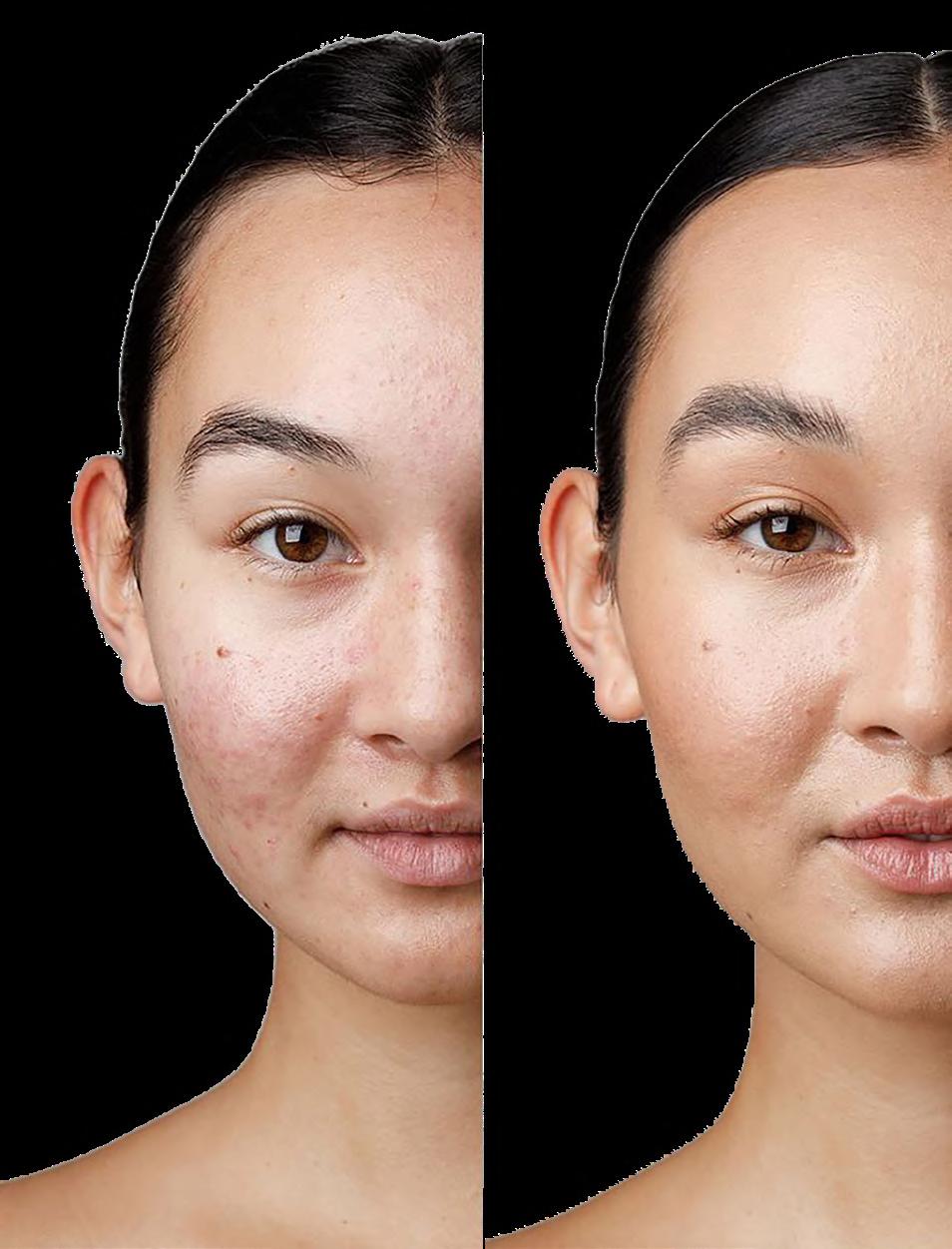
- Seems effortless
- Trick the eyes to give the illusion that this is bare-faced
- Mimic the skin’s original best condition
To look as natural as possible
- Cover the flaws to appear natural to look like the real skin
BIOMIMICRY ARCHITECTURE
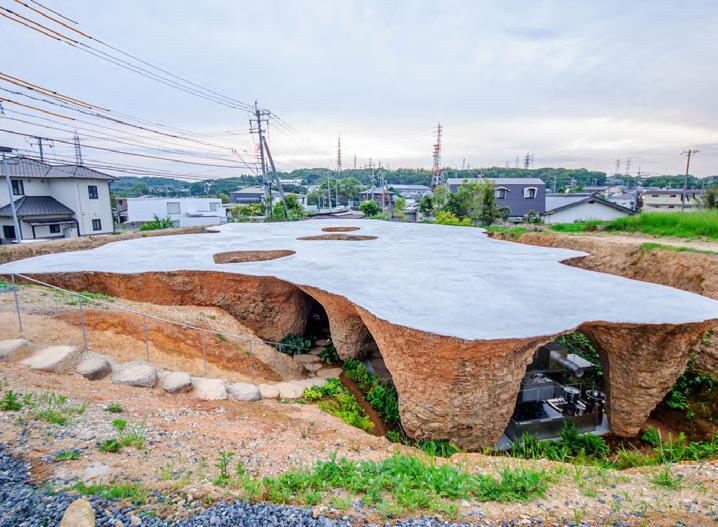
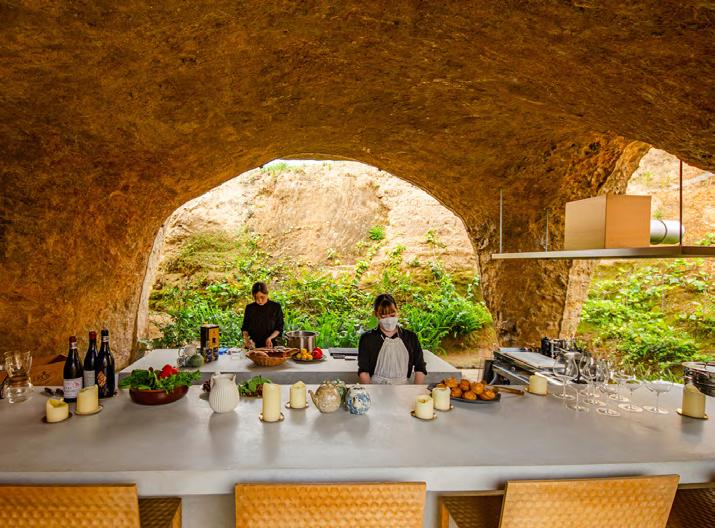
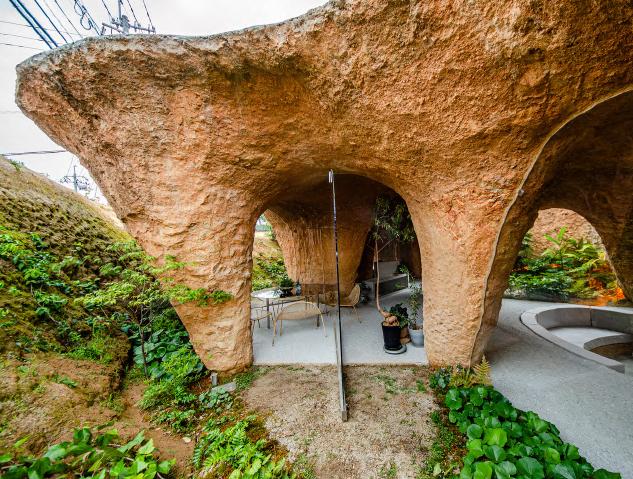
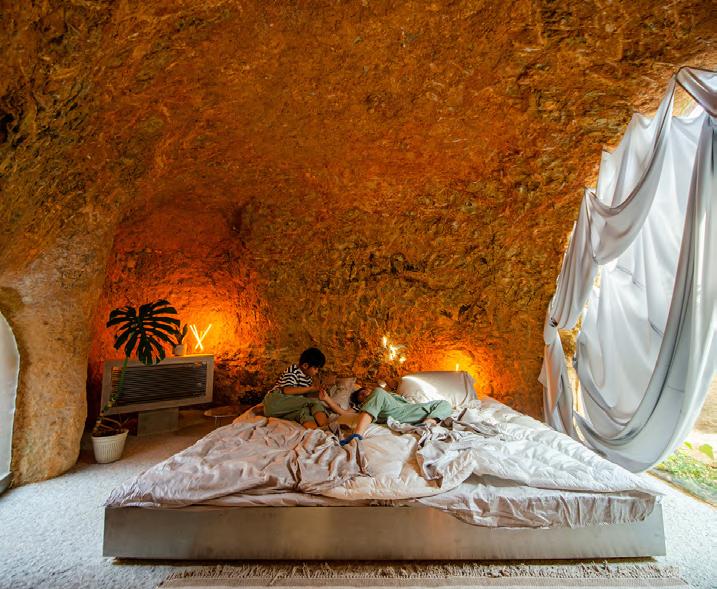
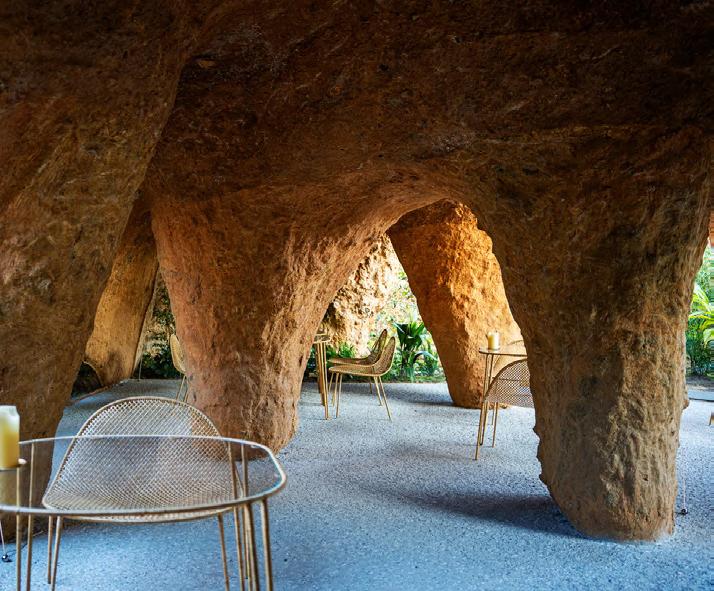
HOUSE & RESTAURANT/ JUNYA ISHIGAMI ASSOCIATES
- Cave-like Building
- Accepting unprecisions and natural distortions and uncertainties
- Imitate the roughness of nature, the appearance of soil
When talking about nature inspired design, mostly talk about how the building is inspired from its shape, texture, and appearance.
Maybe the designs of the artists incorporate multi-sensory experience of nature but people mostly recognize and mention the visual aspects first.
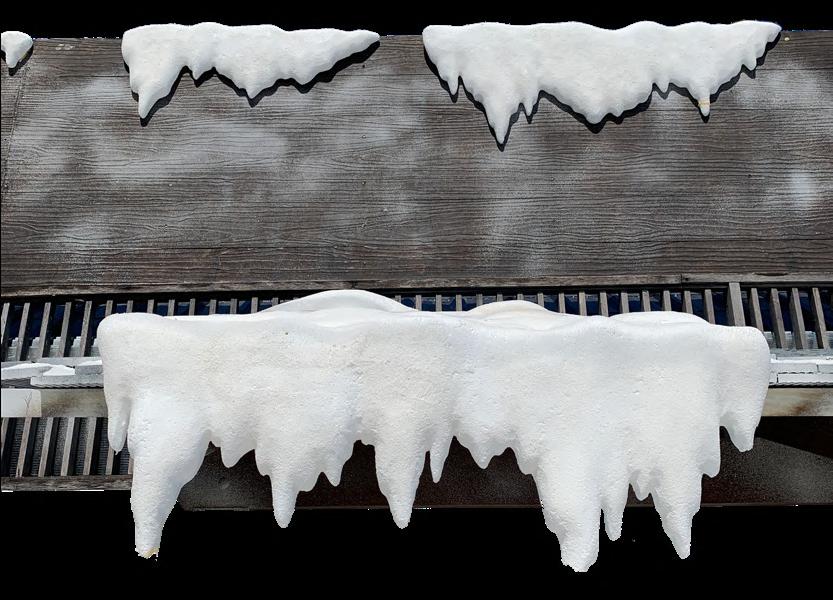
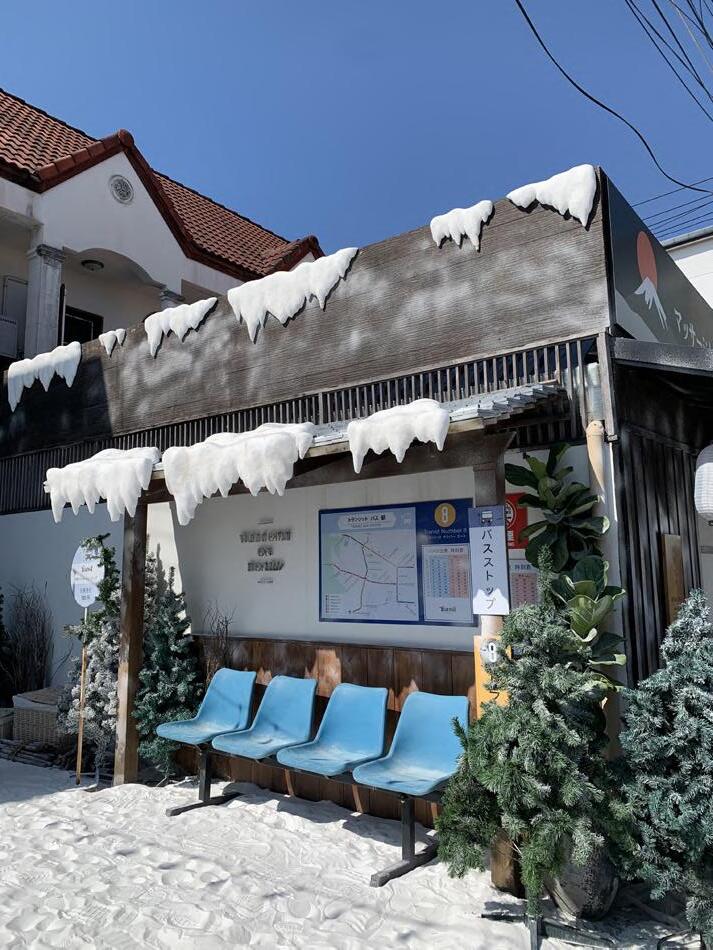
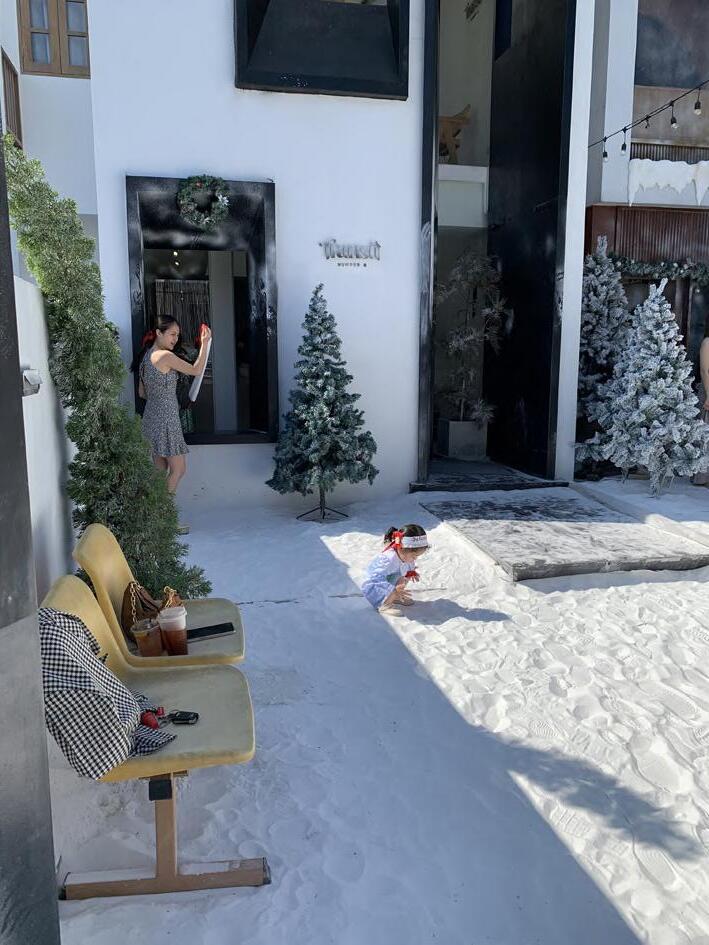
TRANSIT NUMBER 8
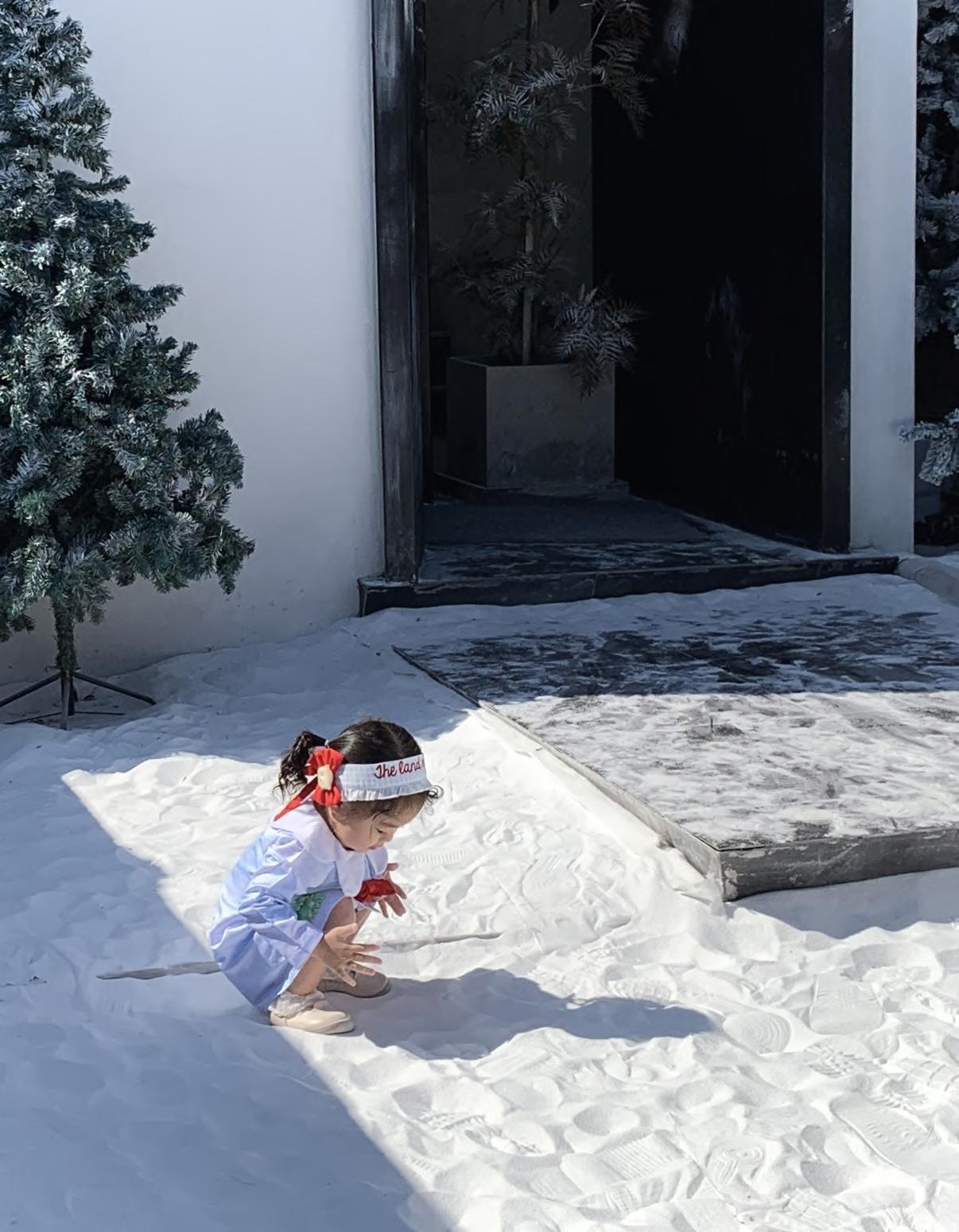
- A cafe tries to imitate winter
- Christmas themed
- Interesting and fun yet messy
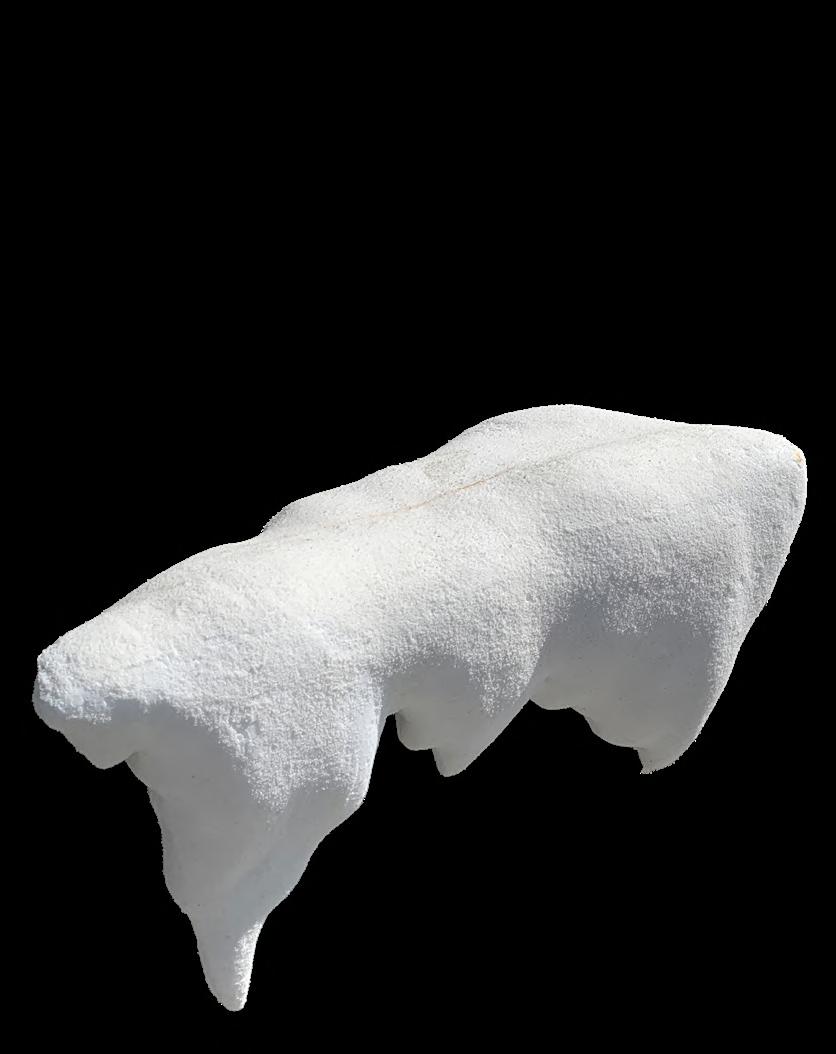
Carved white foam for small iceberg
- People of all ages visit to take pictures and experience fake snow
- Try to imitate snow by using various white materials
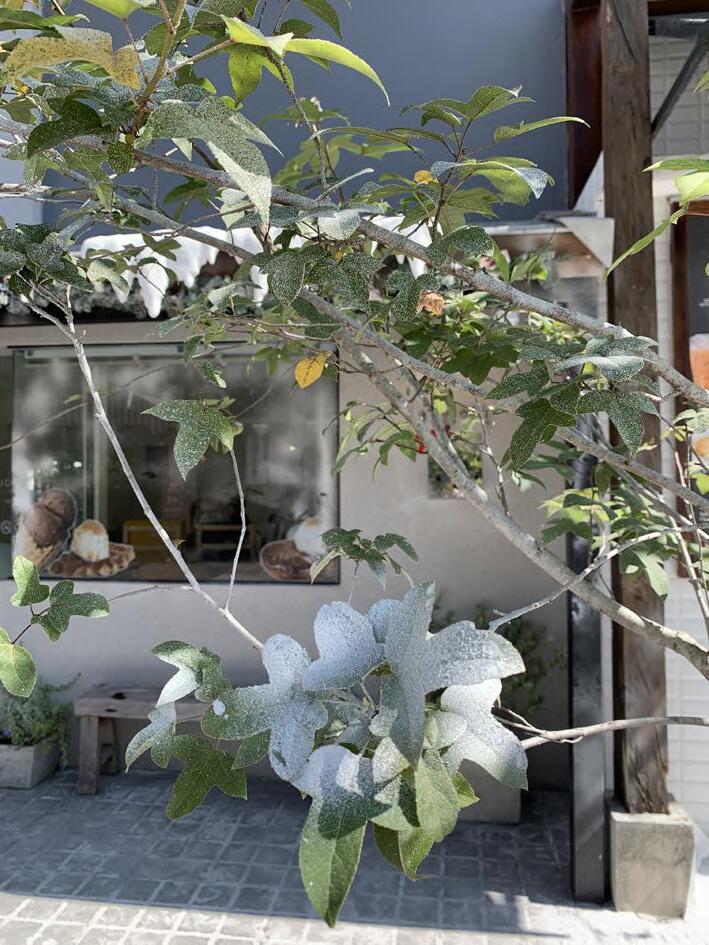
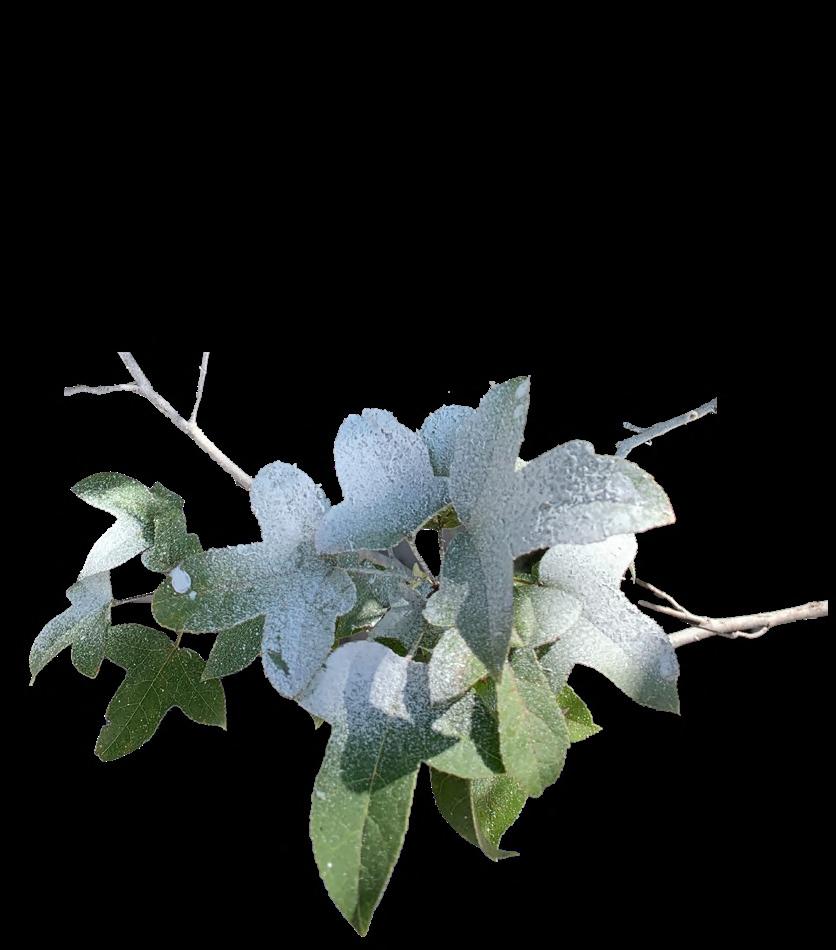
White spray on leaves to imitate snow
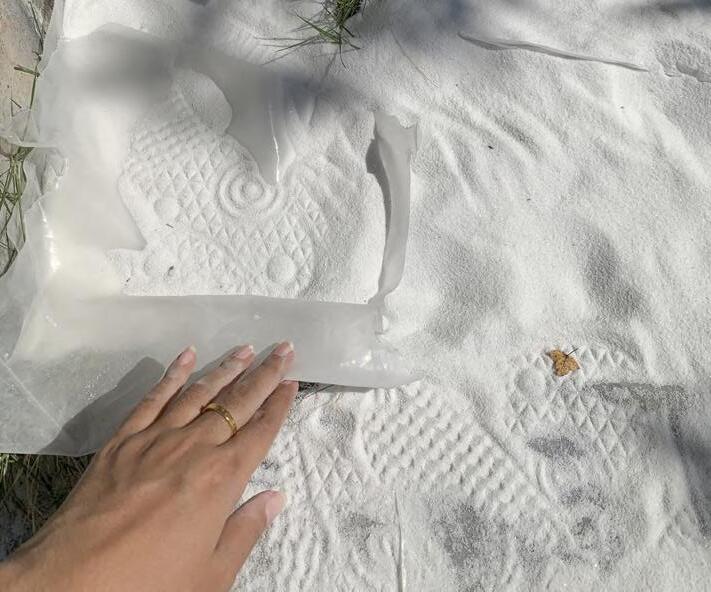
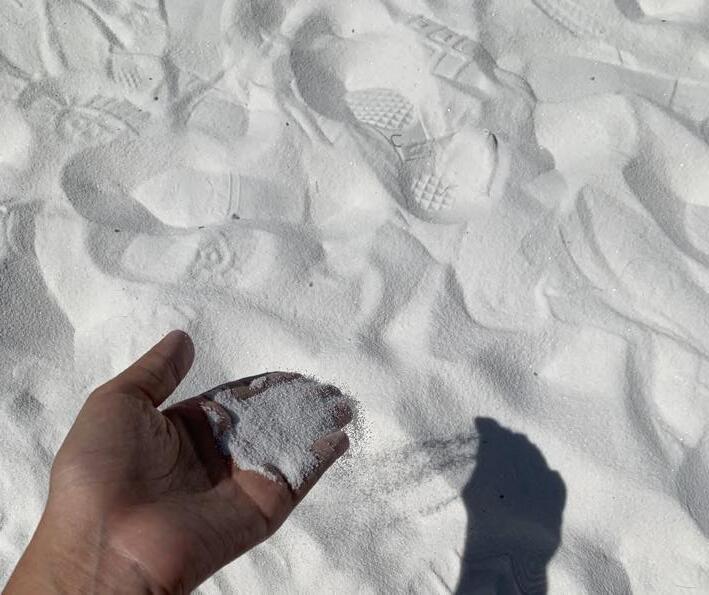
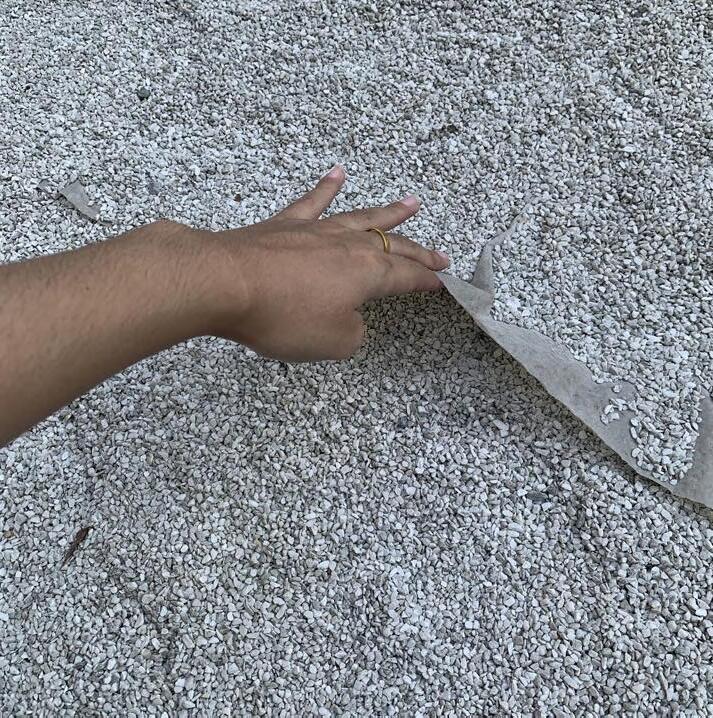
- Use the plastic cover under the sand
- Similar sense of touch like sinking in snow
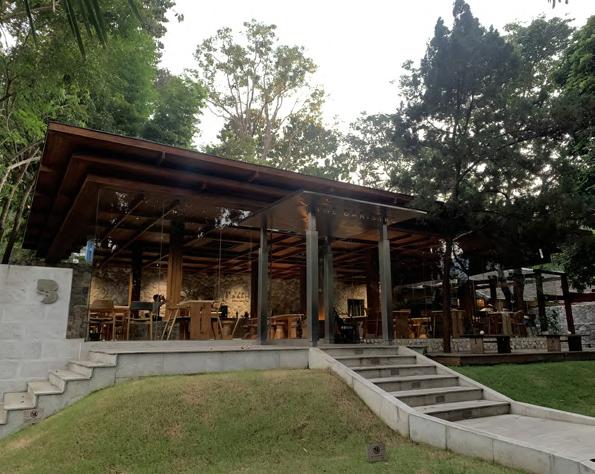
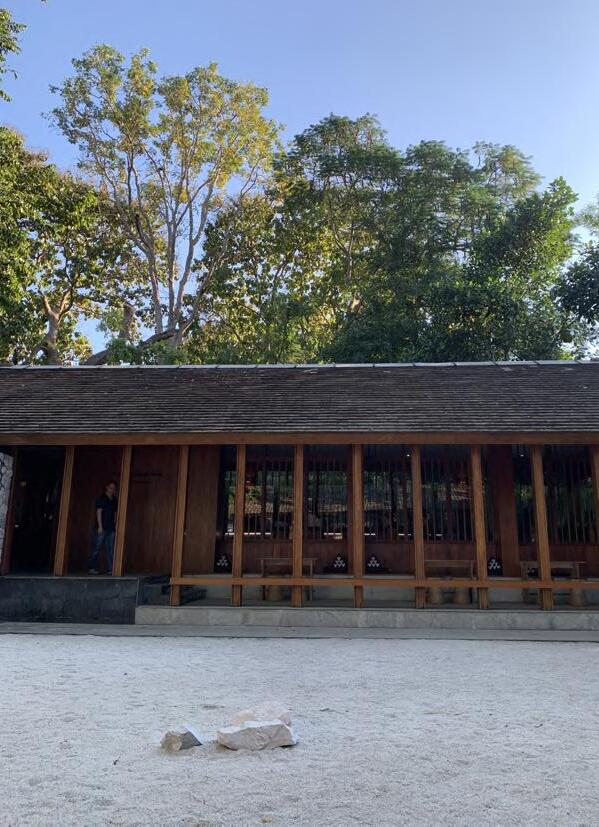
- An asian style cafe that harmonize with the context, less embellishment, and close to nature
- Shade from tree
- Good use of material
- Trying to untouch the so-called nature as much as possible
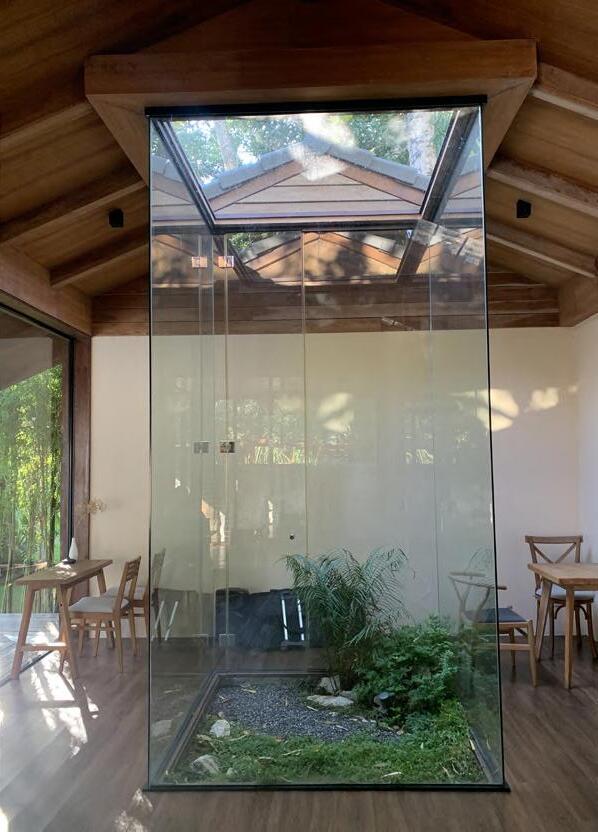
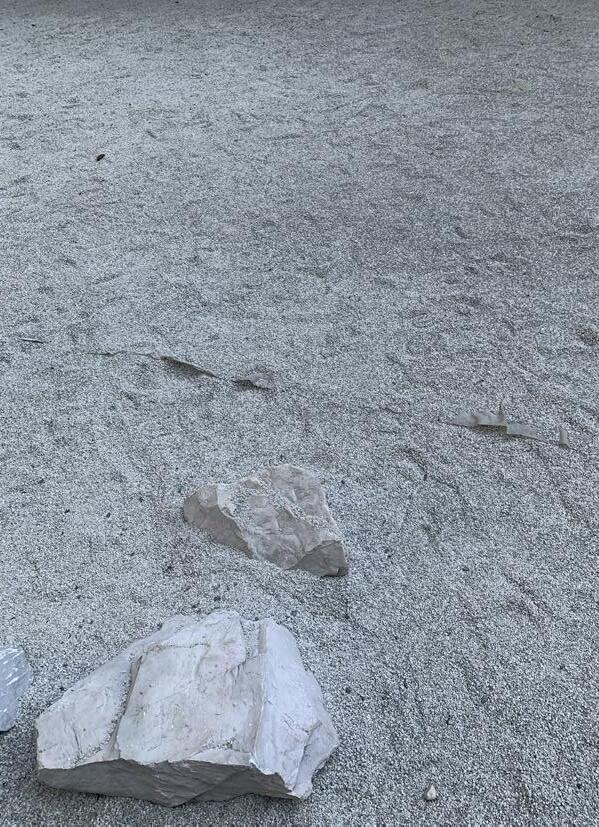
- Imitate a Japanese zen garden at the big courtyard
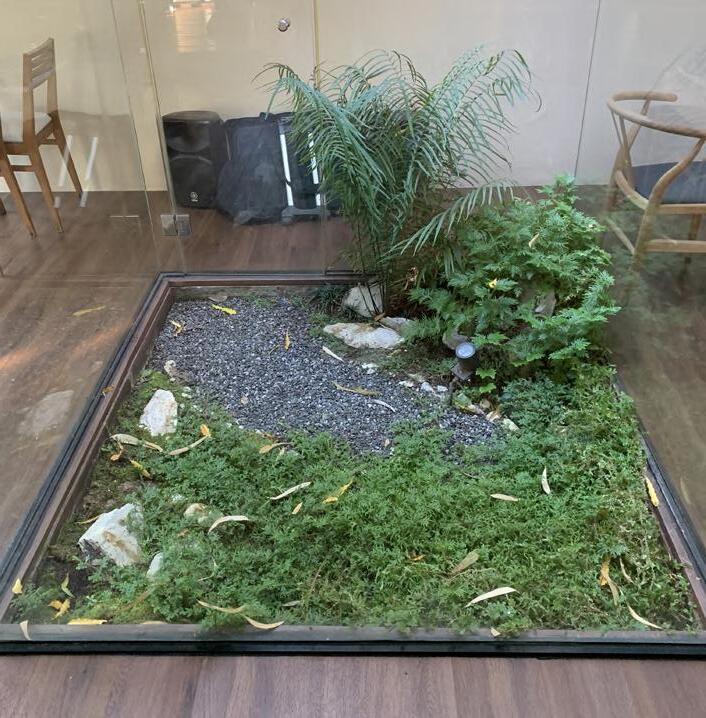
- A small garden inside the working space
- Literally can see the plastic under the small stones clearly
- lack of detail
- Cannot feel the emotions that a zen garden gives
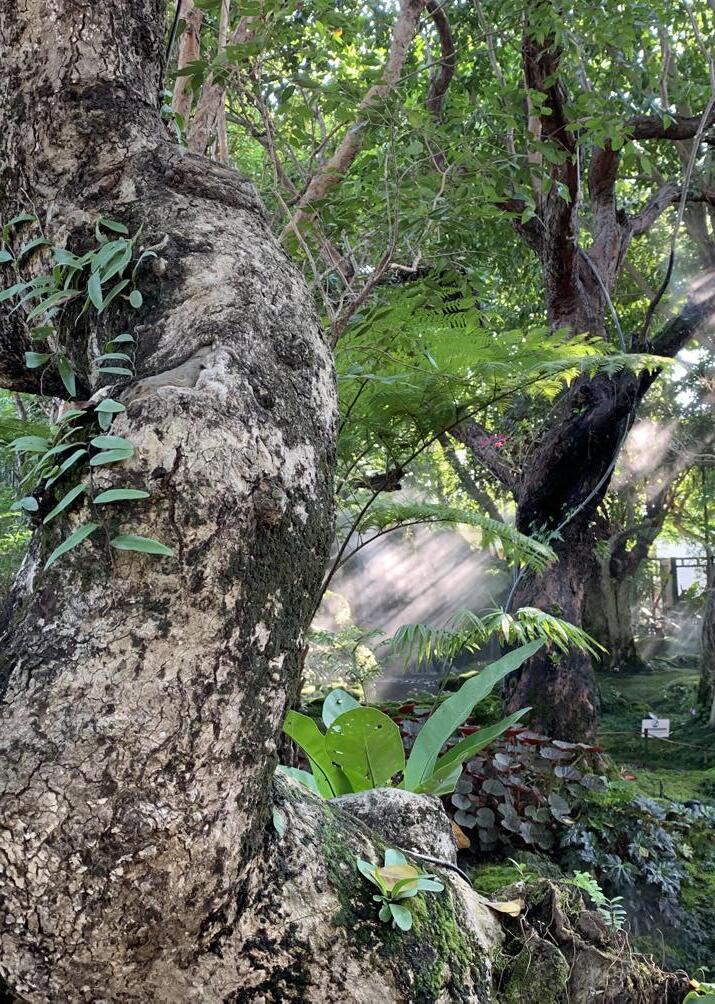
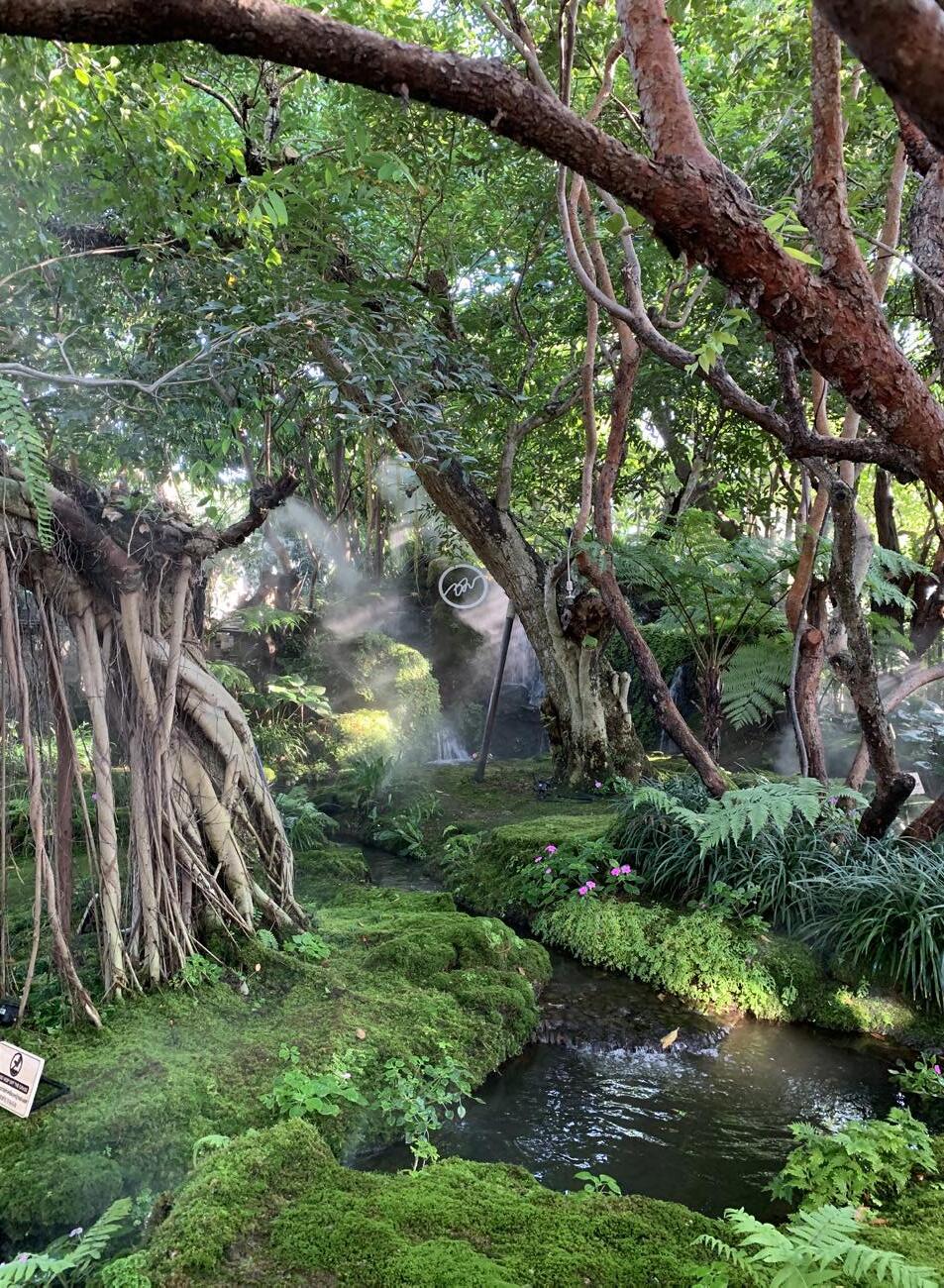
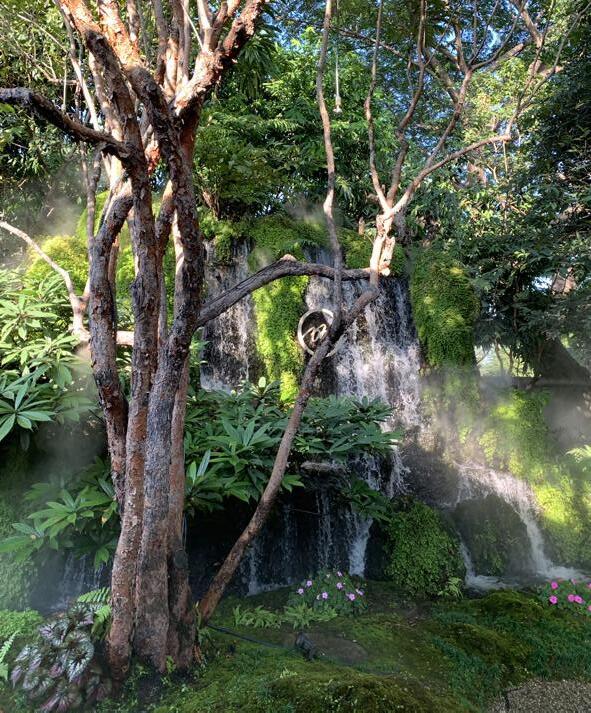
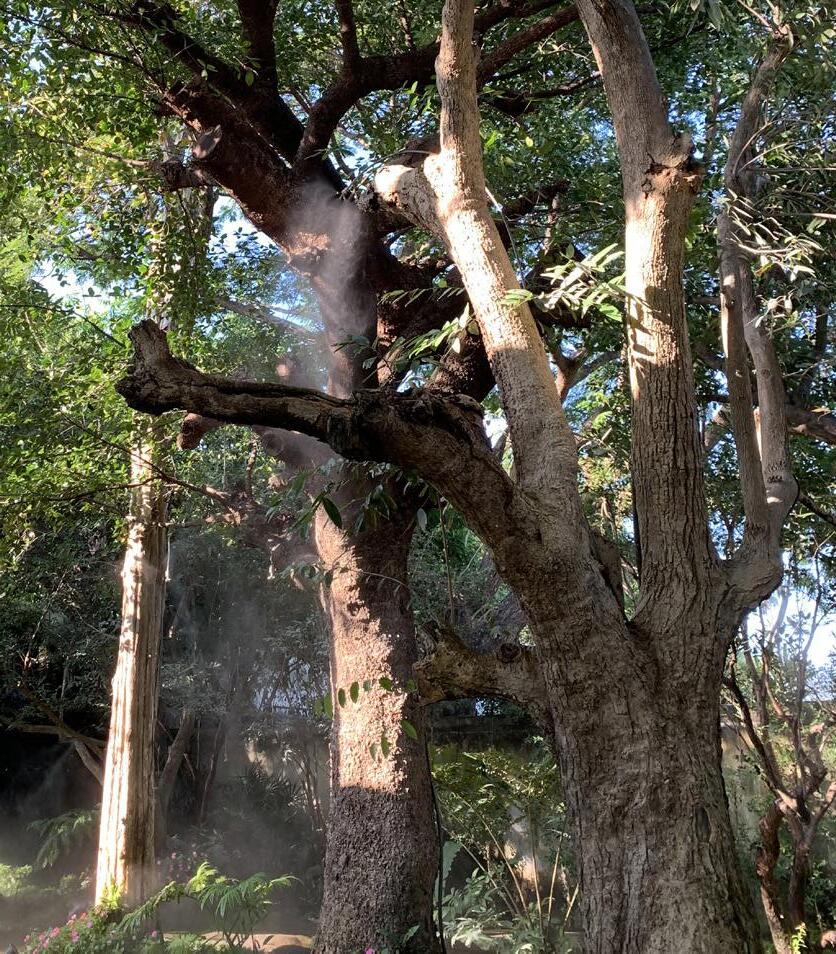
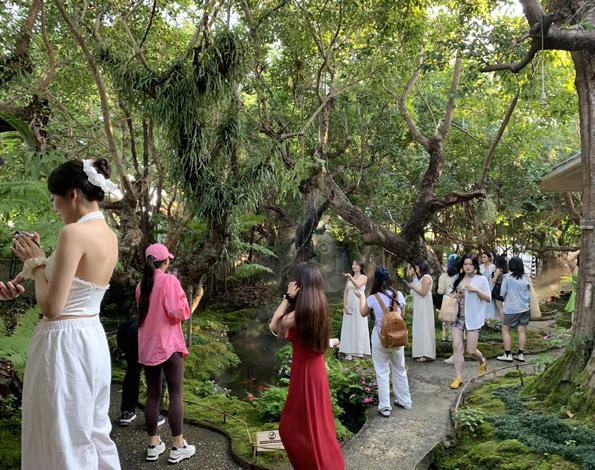
- Exterior of a restaurant imitating a rainforest
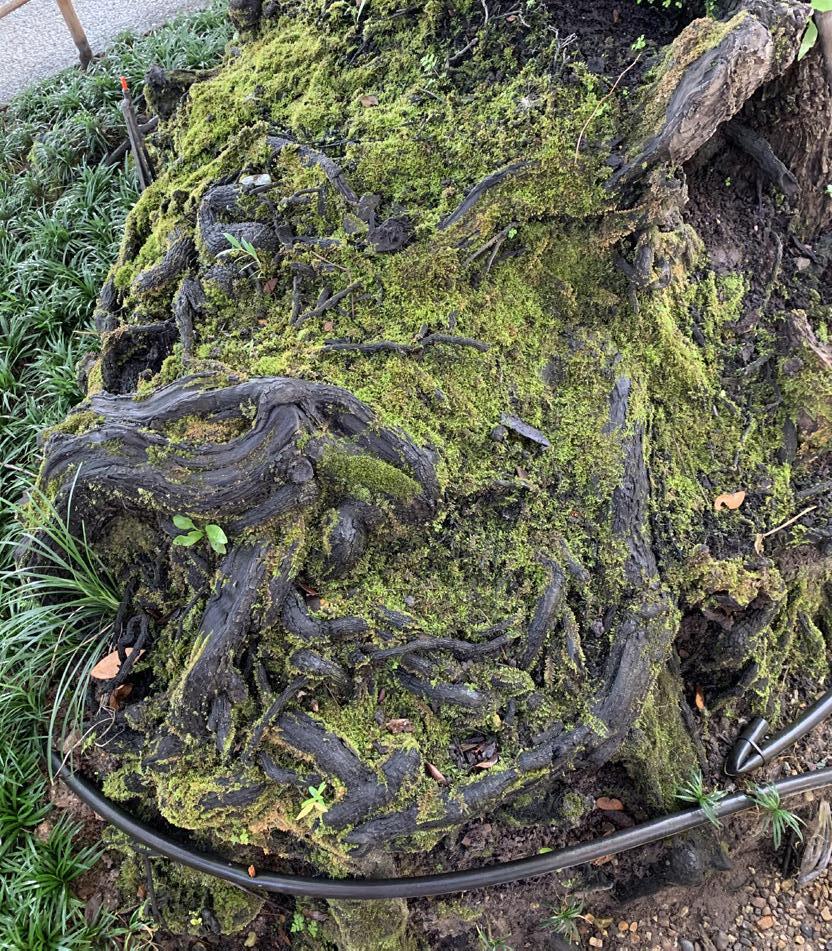
- Greenery and man-made water features
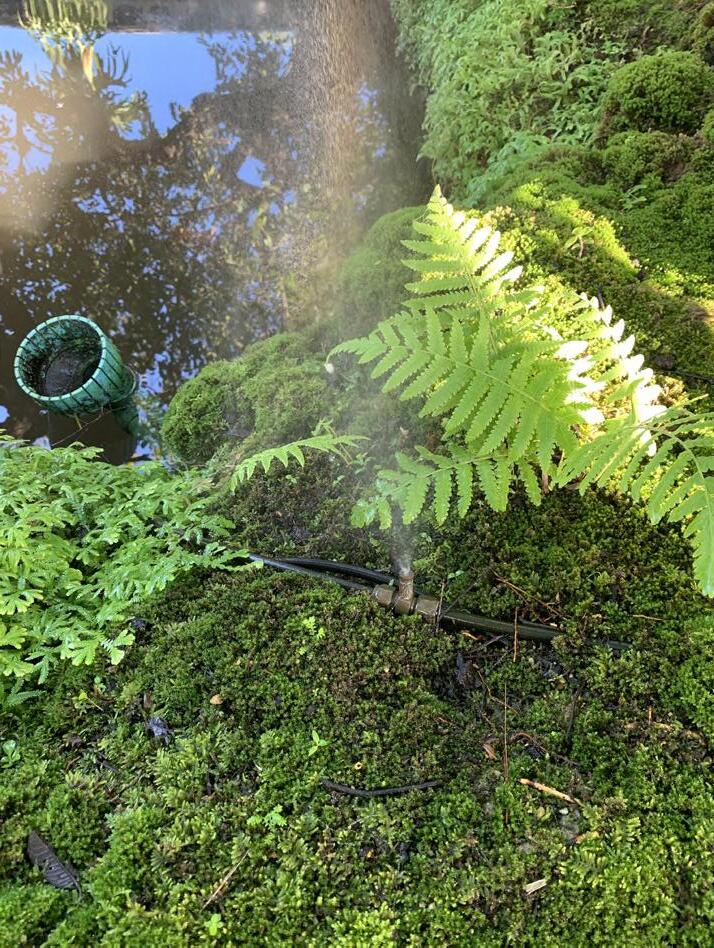
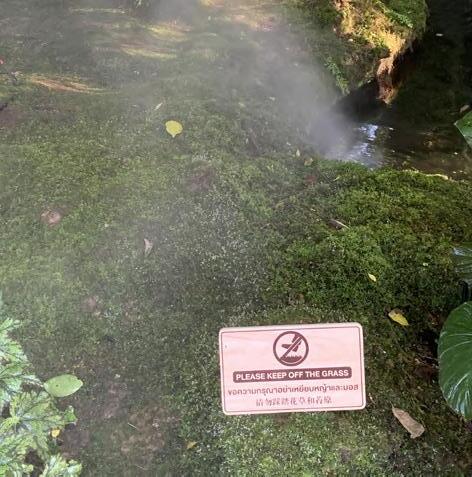
- Water vapor completing the looks of a moist rainforest
- At a glance, seems like a rainforest
- Subtle light and shade
- Water spray from the ground and at a higher place from trees
- Pipe lines are hidden by using similar color as nearby greenery
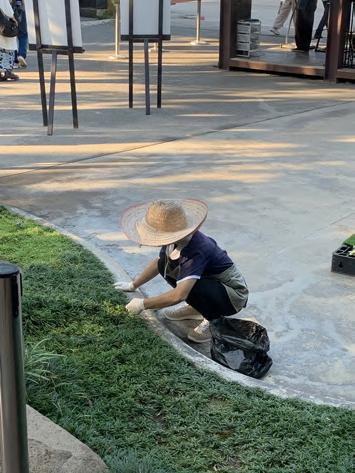
- Lots of people enjoying taking pictures - Need thorough maintenance
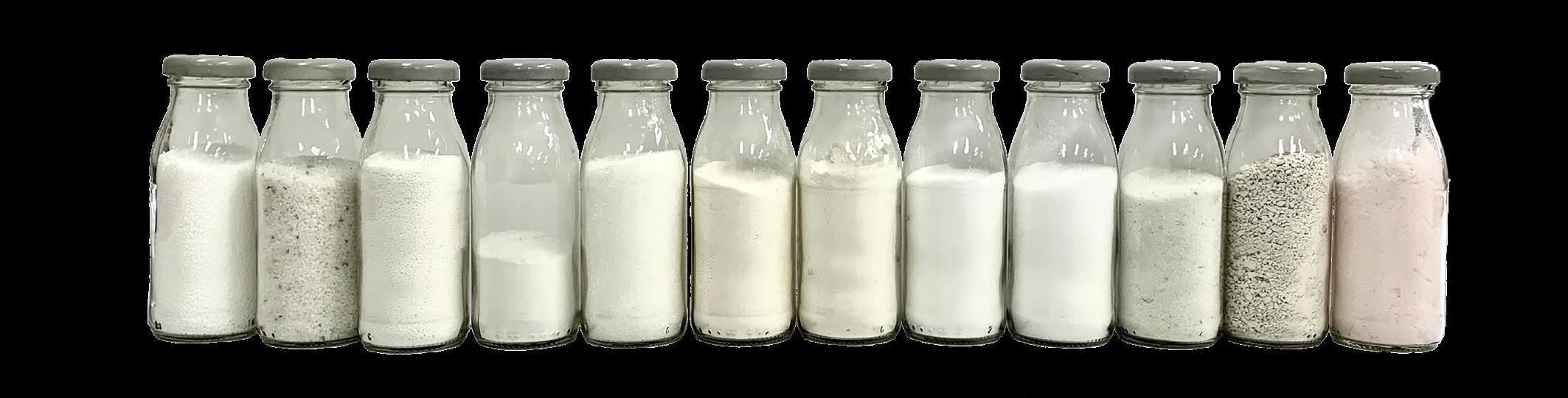
This example illustrates how visual sensation alone cannot reveal reality. Twelve similar of bottles of particles are displayed, but at a glance, we cannot distinguish them by sight alone. Sometimes, we have to touch, smell, or even taste them to tell them apart.
- Foam - White sand 01
- Detergent
- Body powder
- Sugar - Coffee mate
- Flour
- Baking soda
- Salt - White sand 02
- Clay
- Scrub salt
Today, most nature imitations focus mainly on manipulating its appearance. For instance, many artists seem to portray nature only visually, often overlooking other sensory experiences. To truly capture nature’s essence and emotional impact, we must engage beyond the visual. Touch, in particular, seems to be the most reliable sense, offering a lasting connection to nature, as it stays with us throughout life.
Ultimately, what we call nature is merely an illusion by our multi-sensory experiences that engage our entire body. Nature is more than it appears, and our experience of it depends on how well we imitate these perceptions, delighting our senses with tricks.
PART II
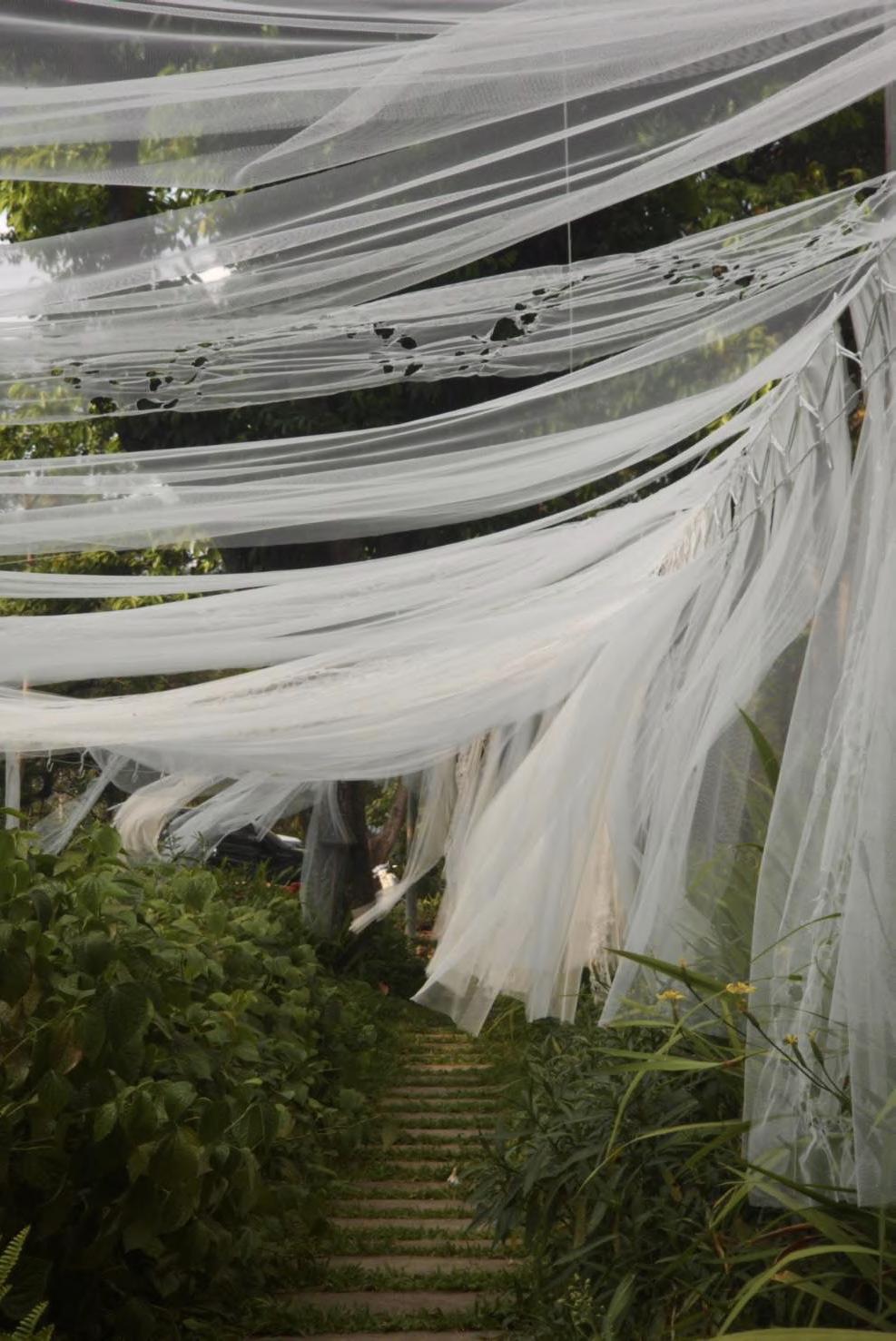
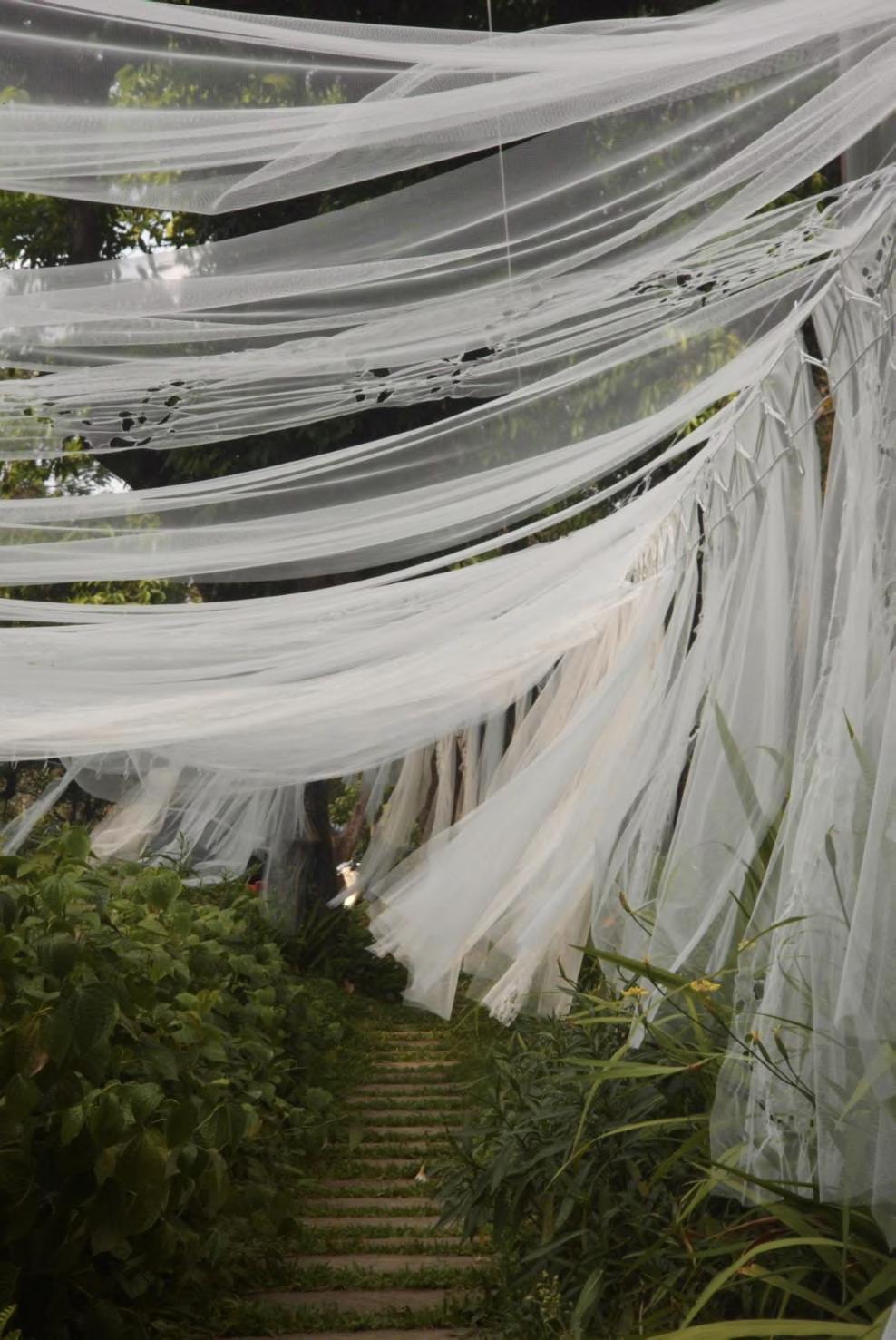
FEELTHROUGH : SEE WITH YOUR SKIN
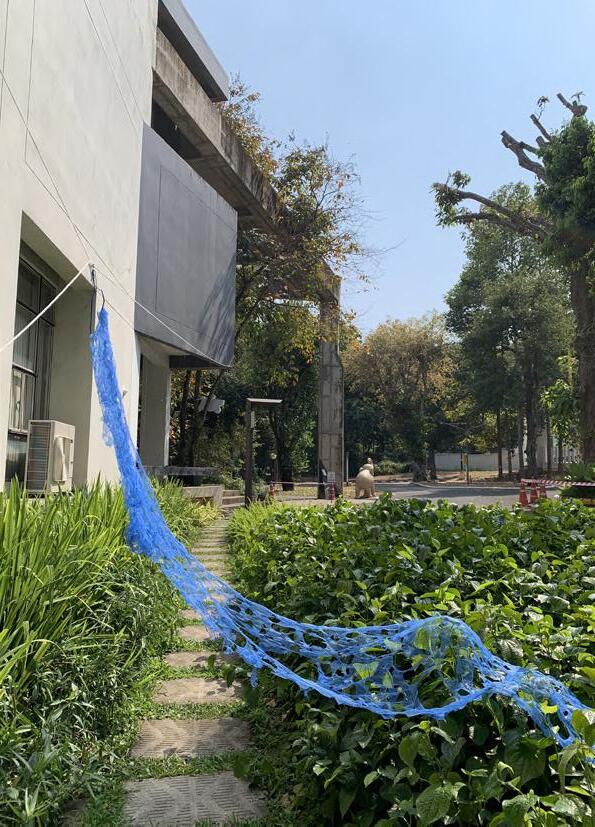
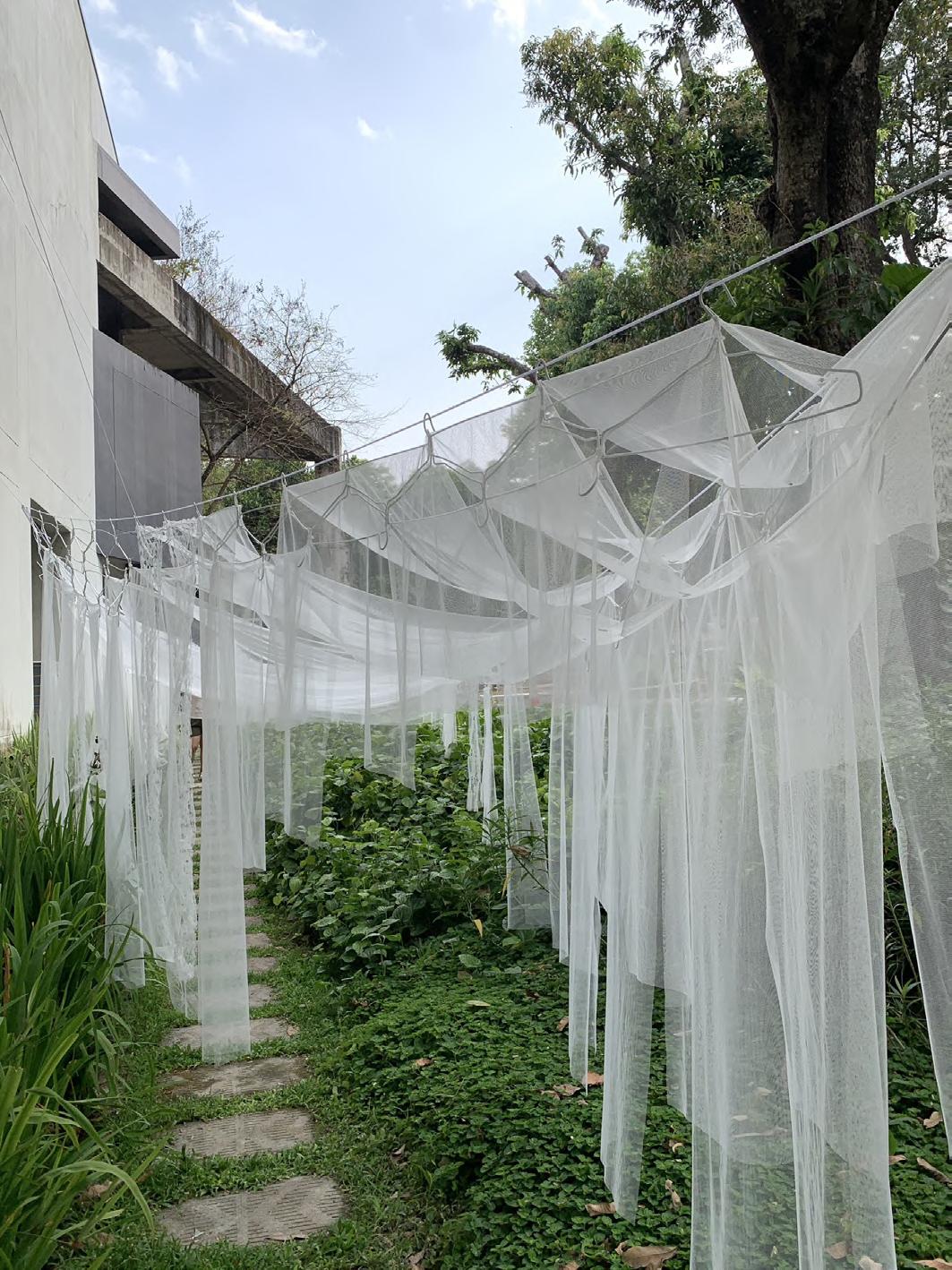
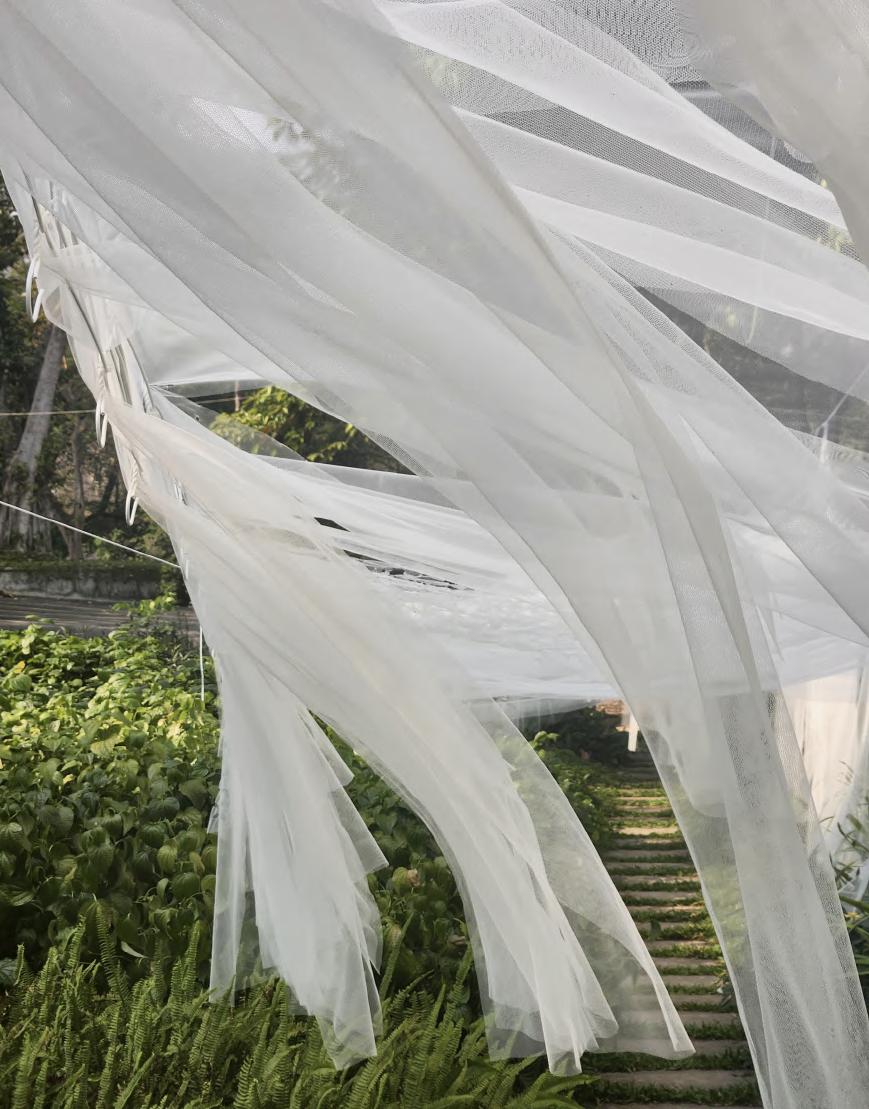
Nature is often perceived as a heavy and significant subject - something to be defined or deeply appreciated. With this design, I aim to capture its lighter, playful side, offering a fun and carefree sensory experience.
Based on my argument, my goal is to create an illusion that tricks our senses. The design will remind us that the most familiar things in our surroundings, like nature, may not be what we think.
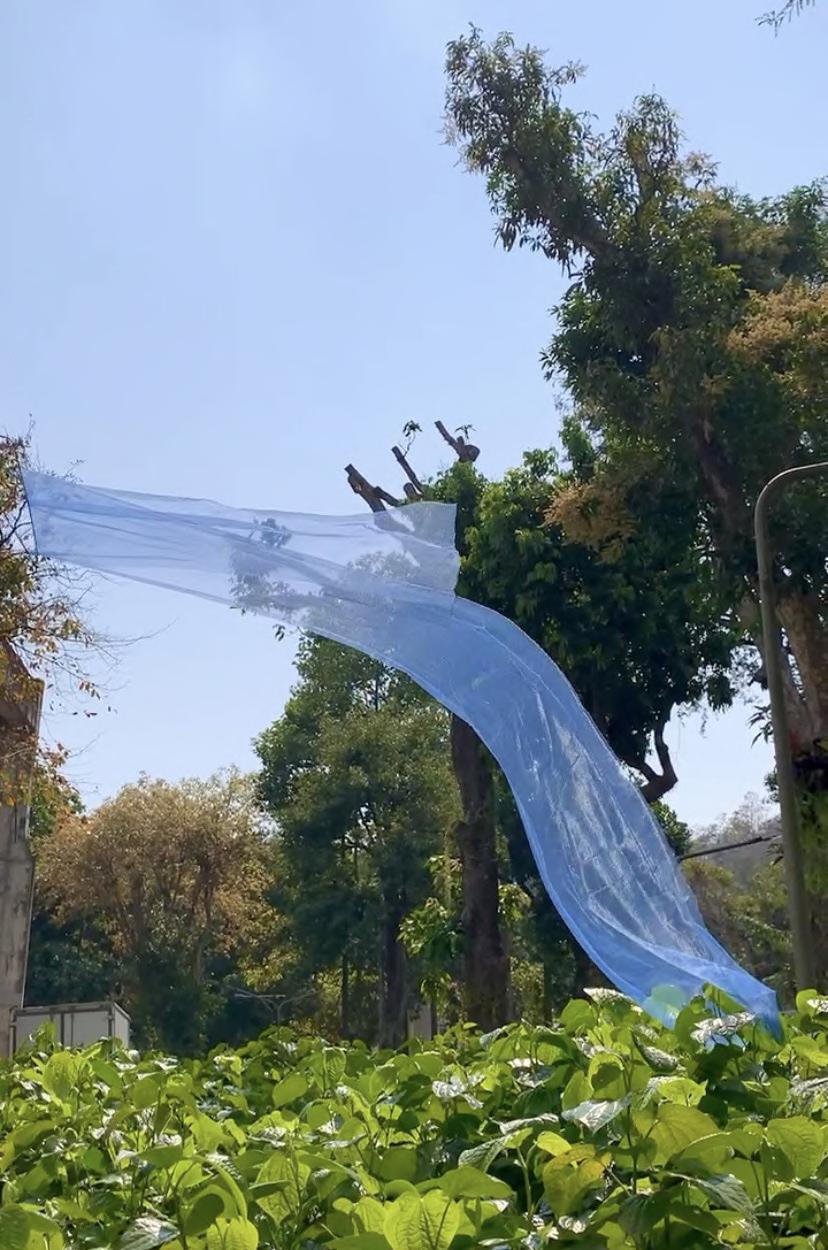
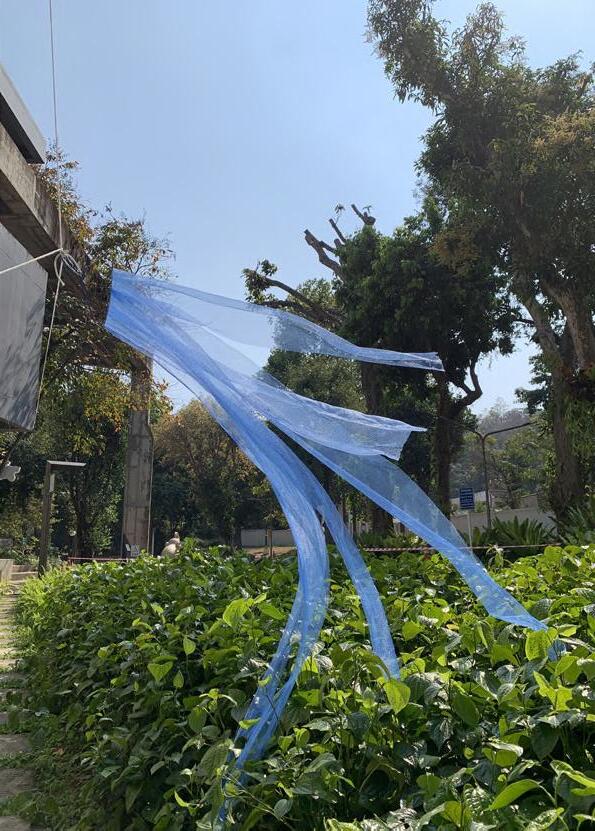
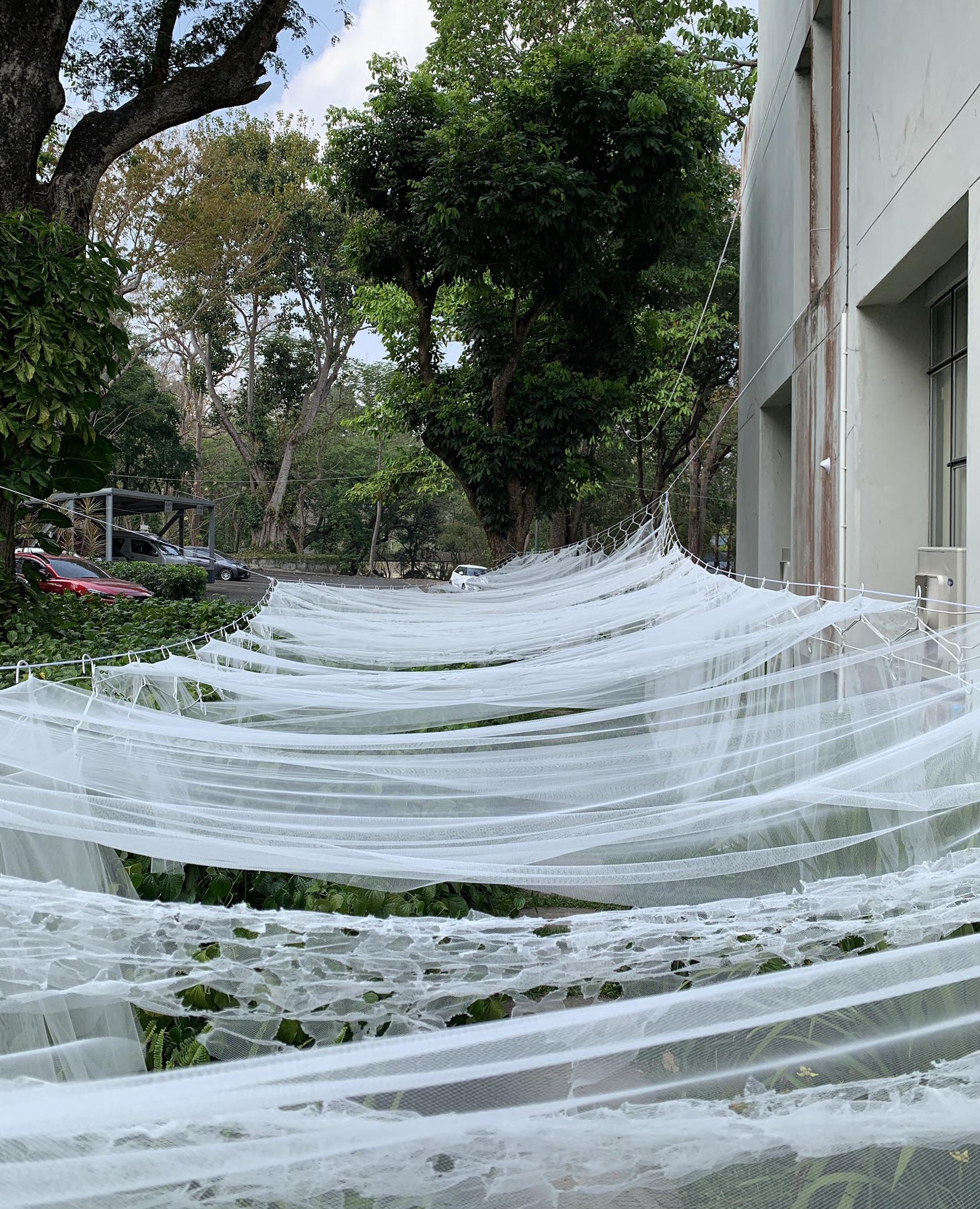
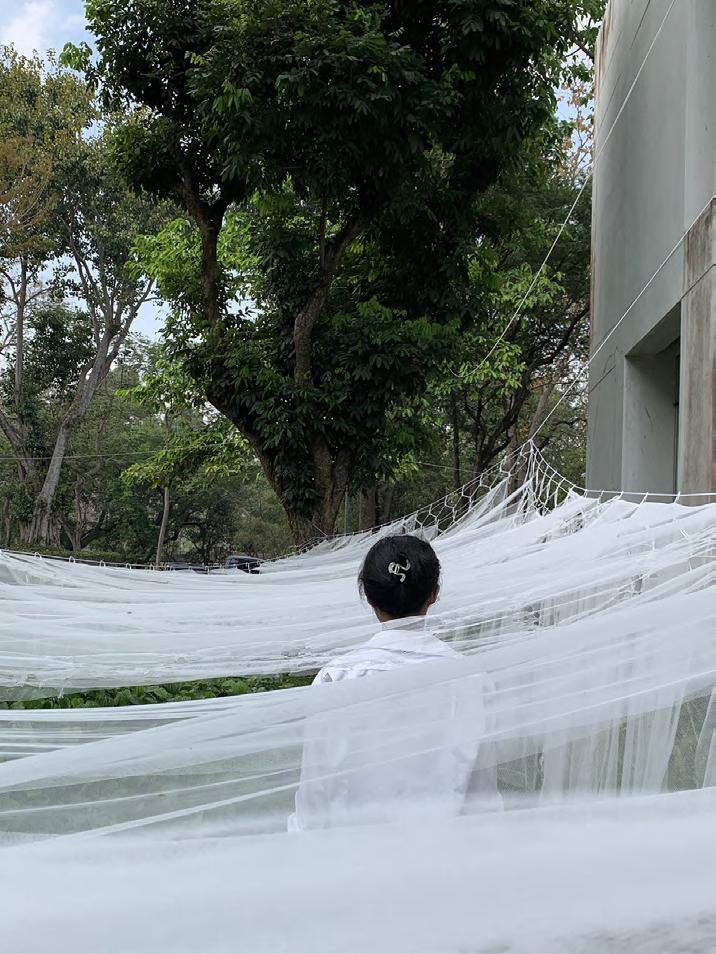
The design will play with the effects of wind, which we never perceive directly but only through its interactions like how we perceive nature. This will evoke a multisensory experience, challenging how we understand the world around us.
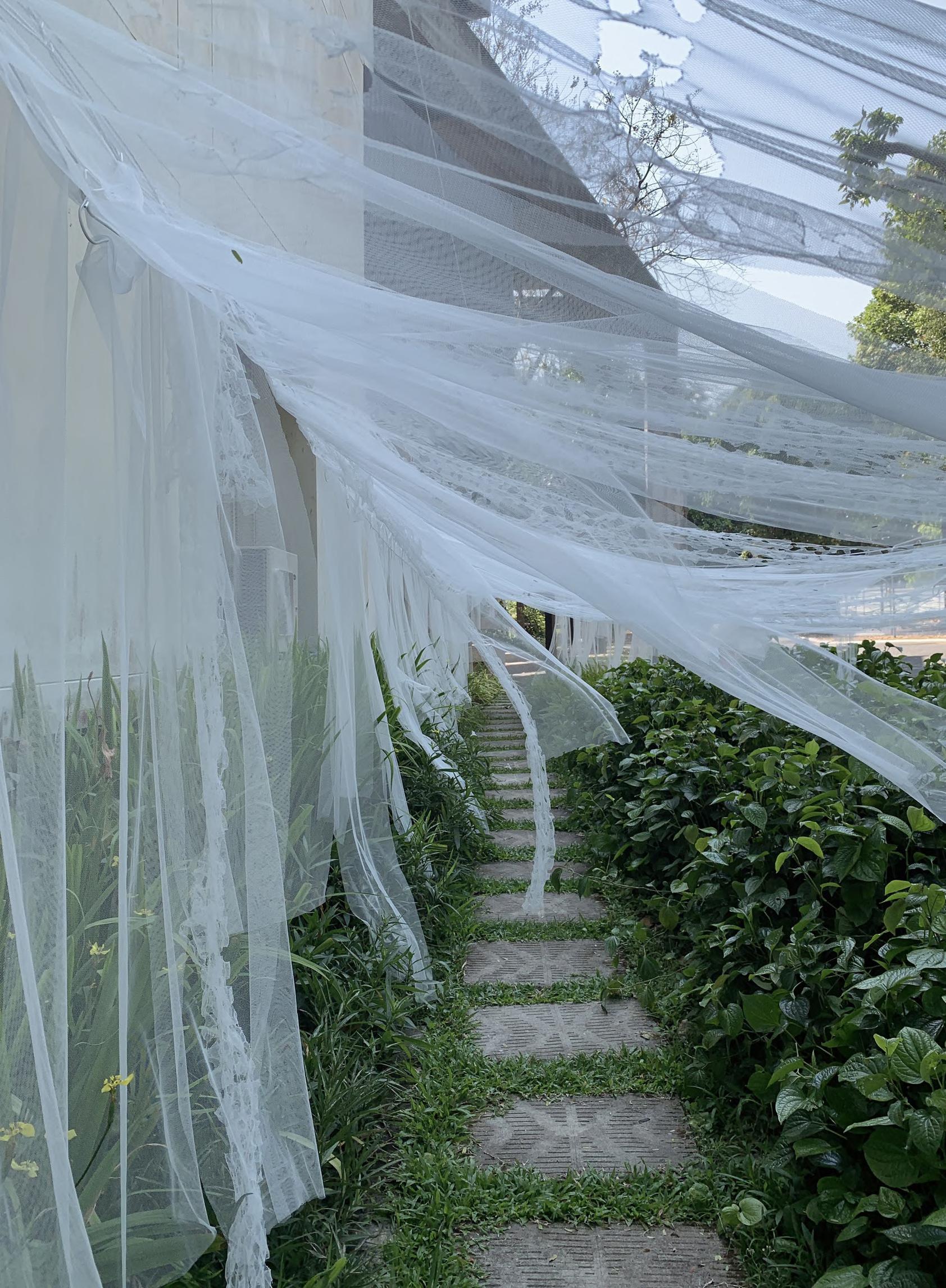
The design intends to offer both an elegant visual and an arousing tactile experience, which in turn will remind us that things are more than they appear.
CHOICE OF MATERIALS
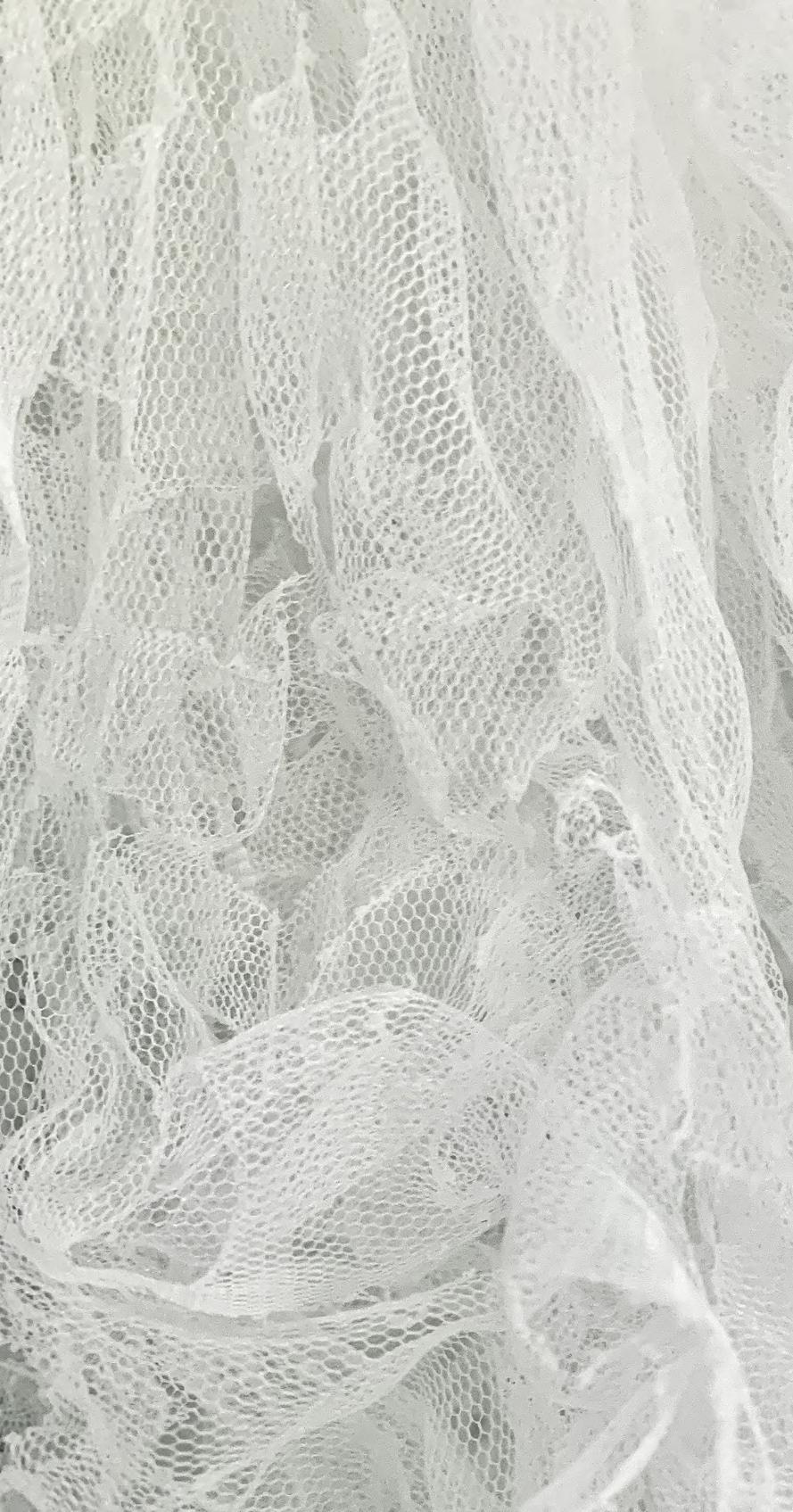
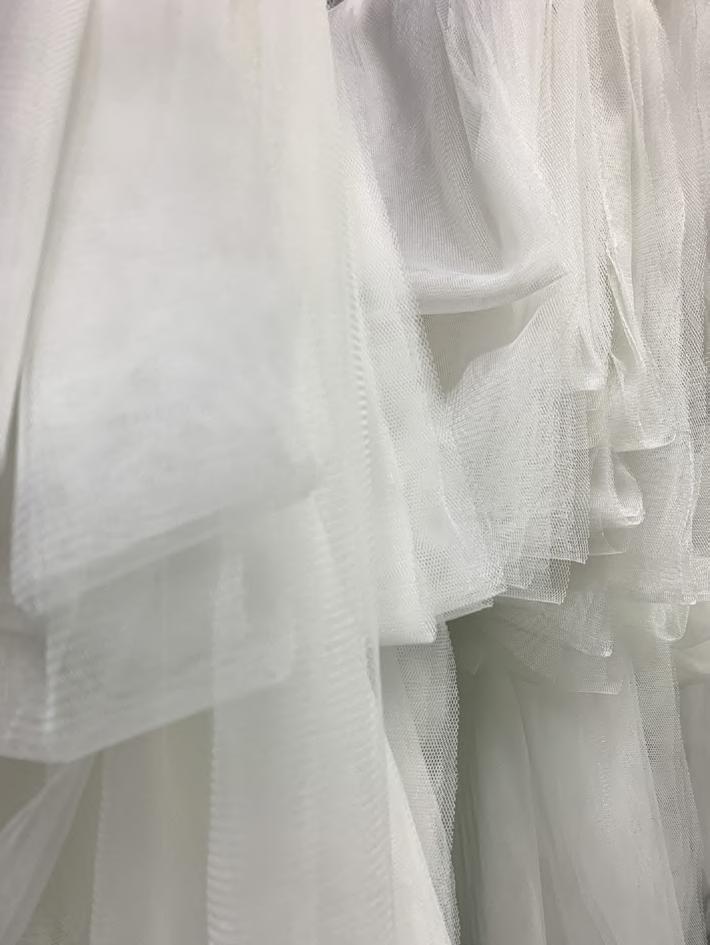
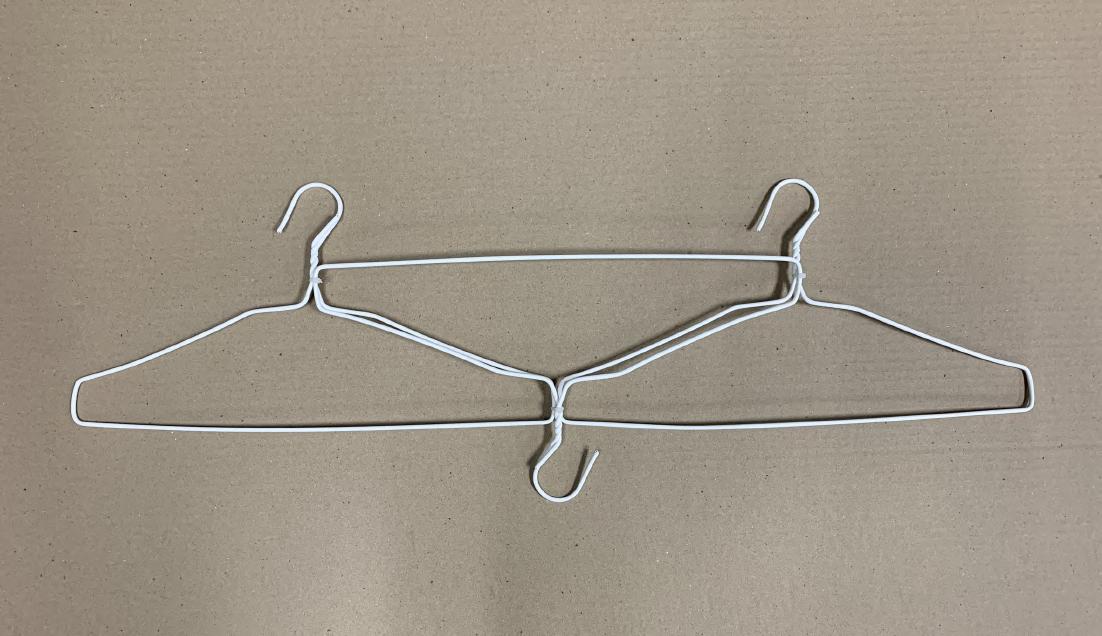
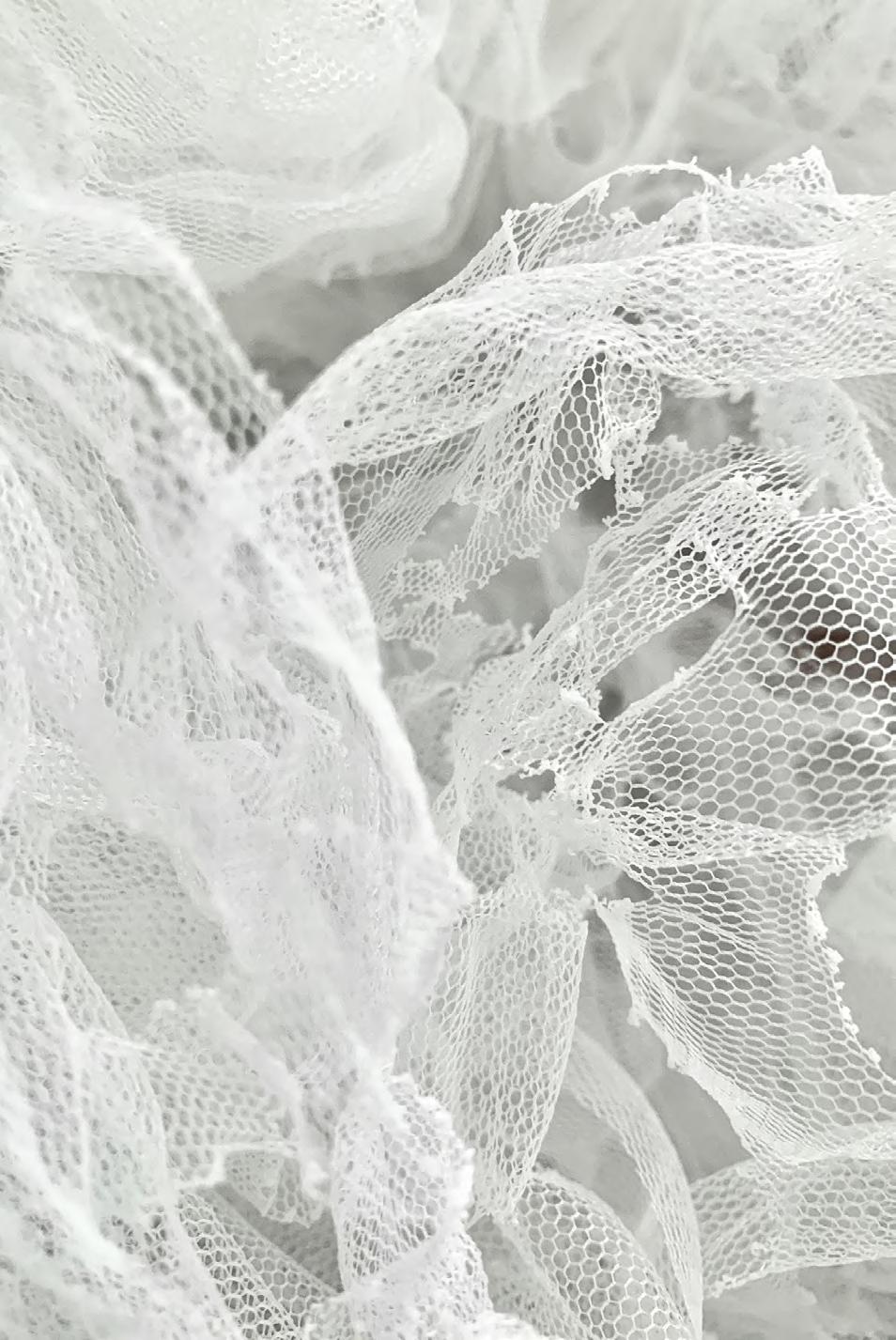
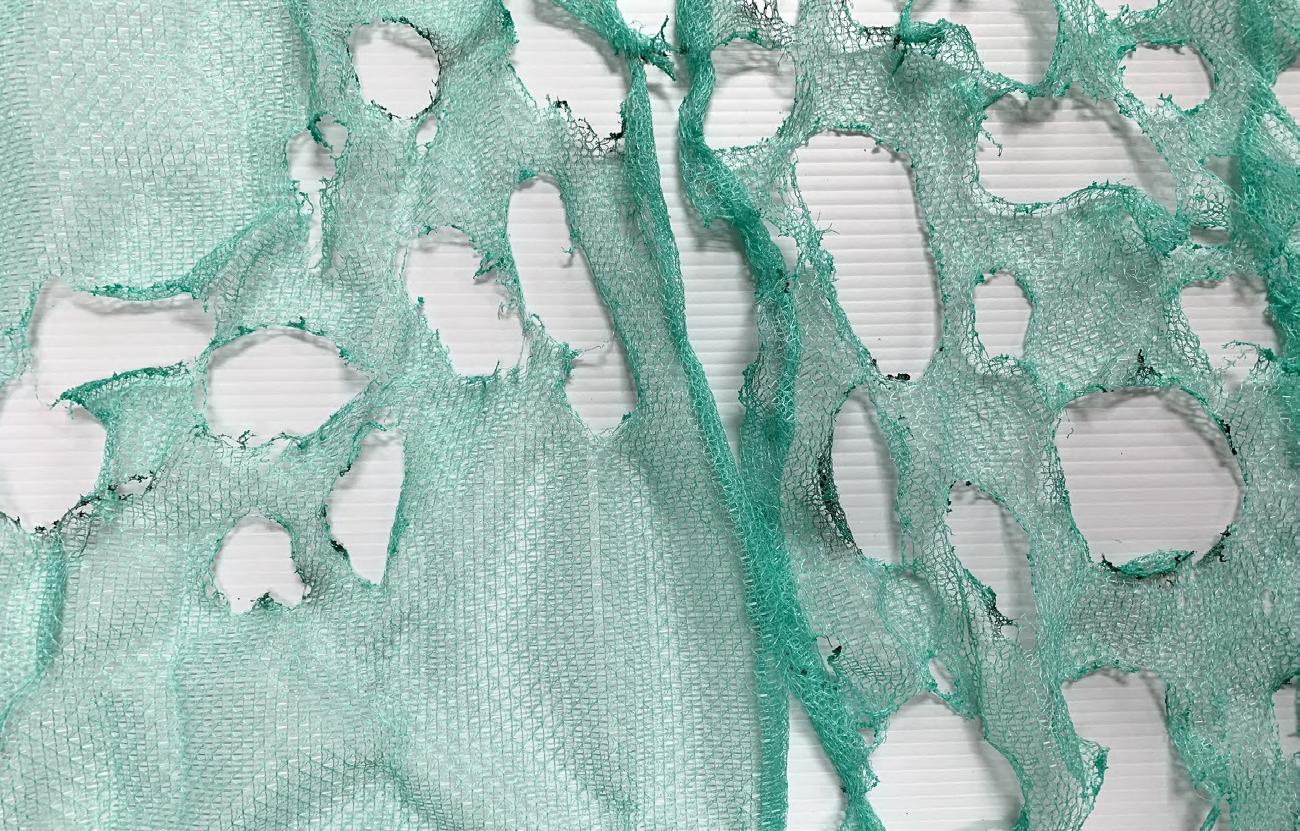
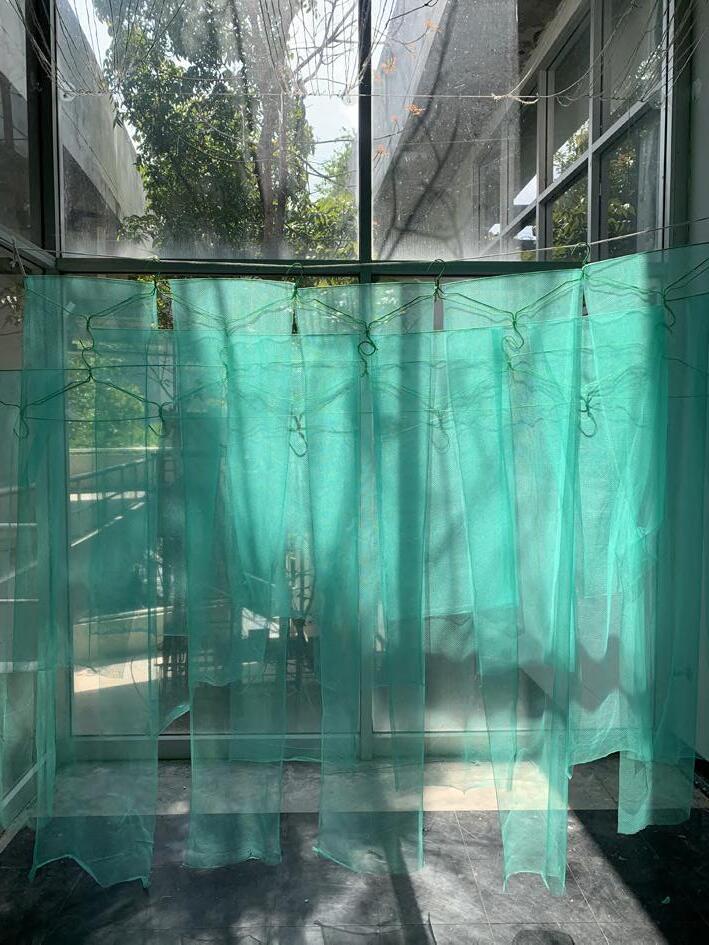
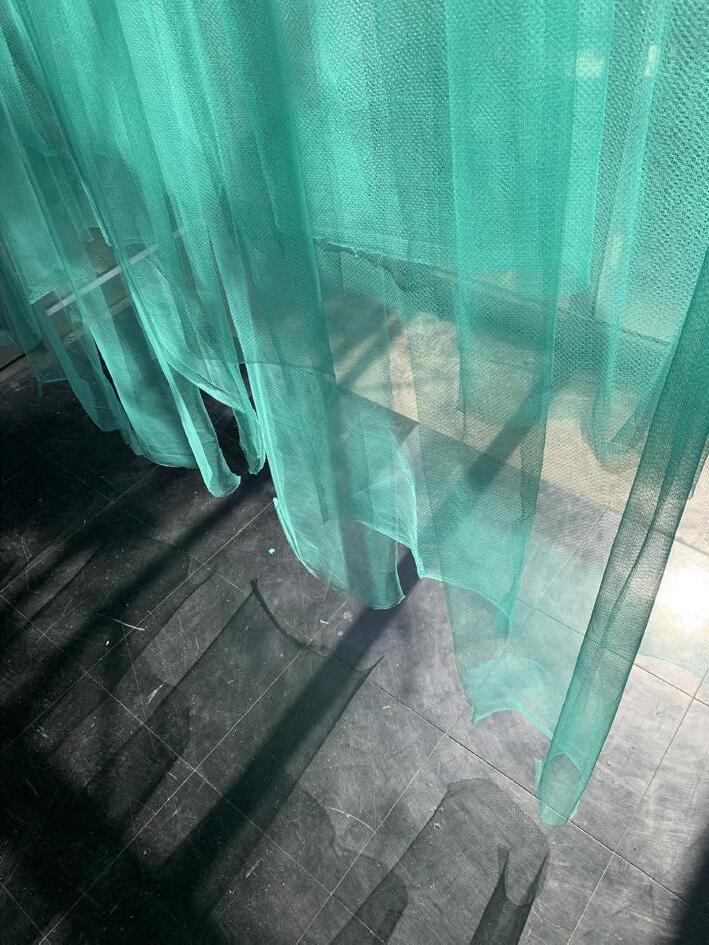
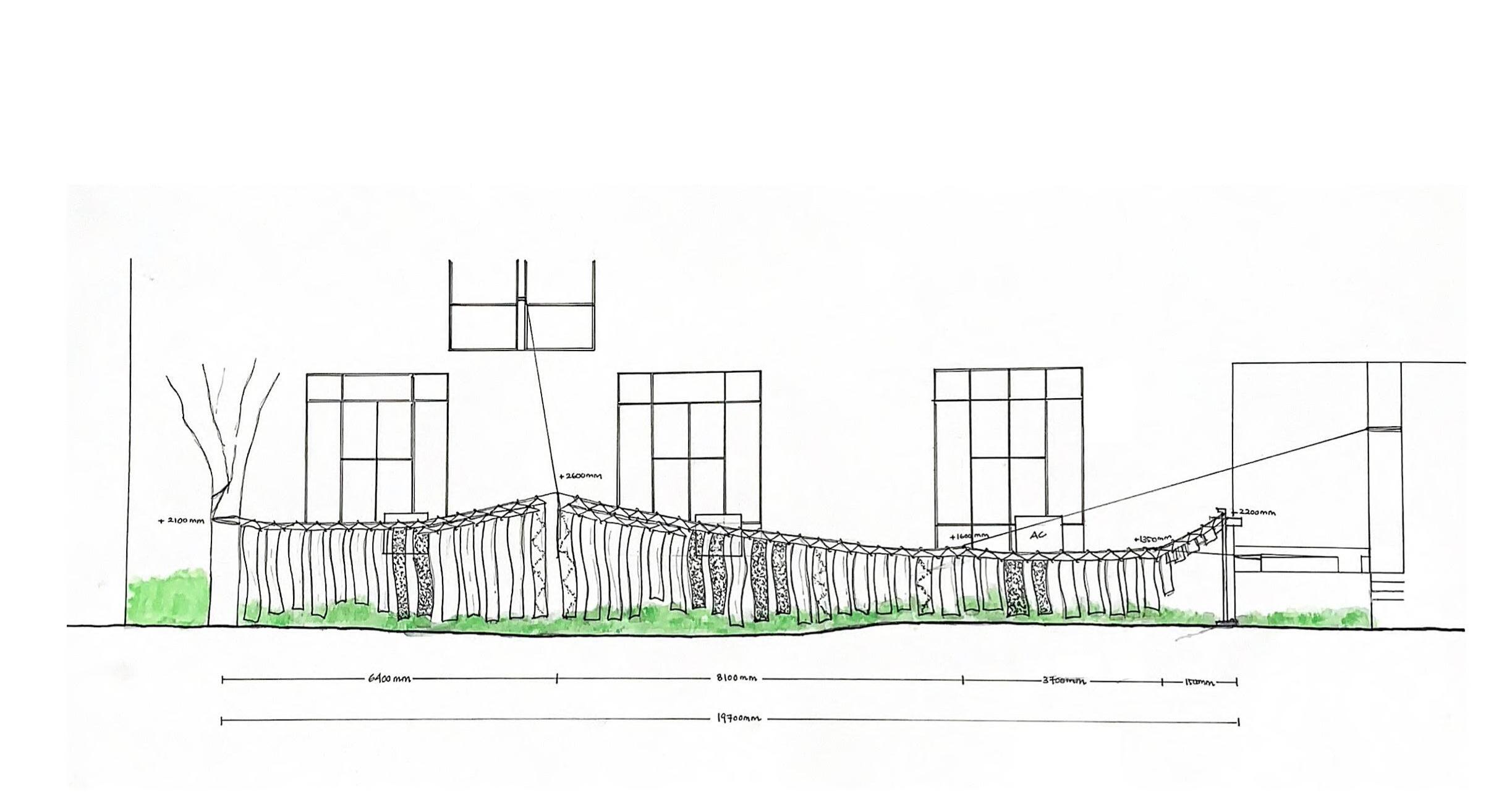
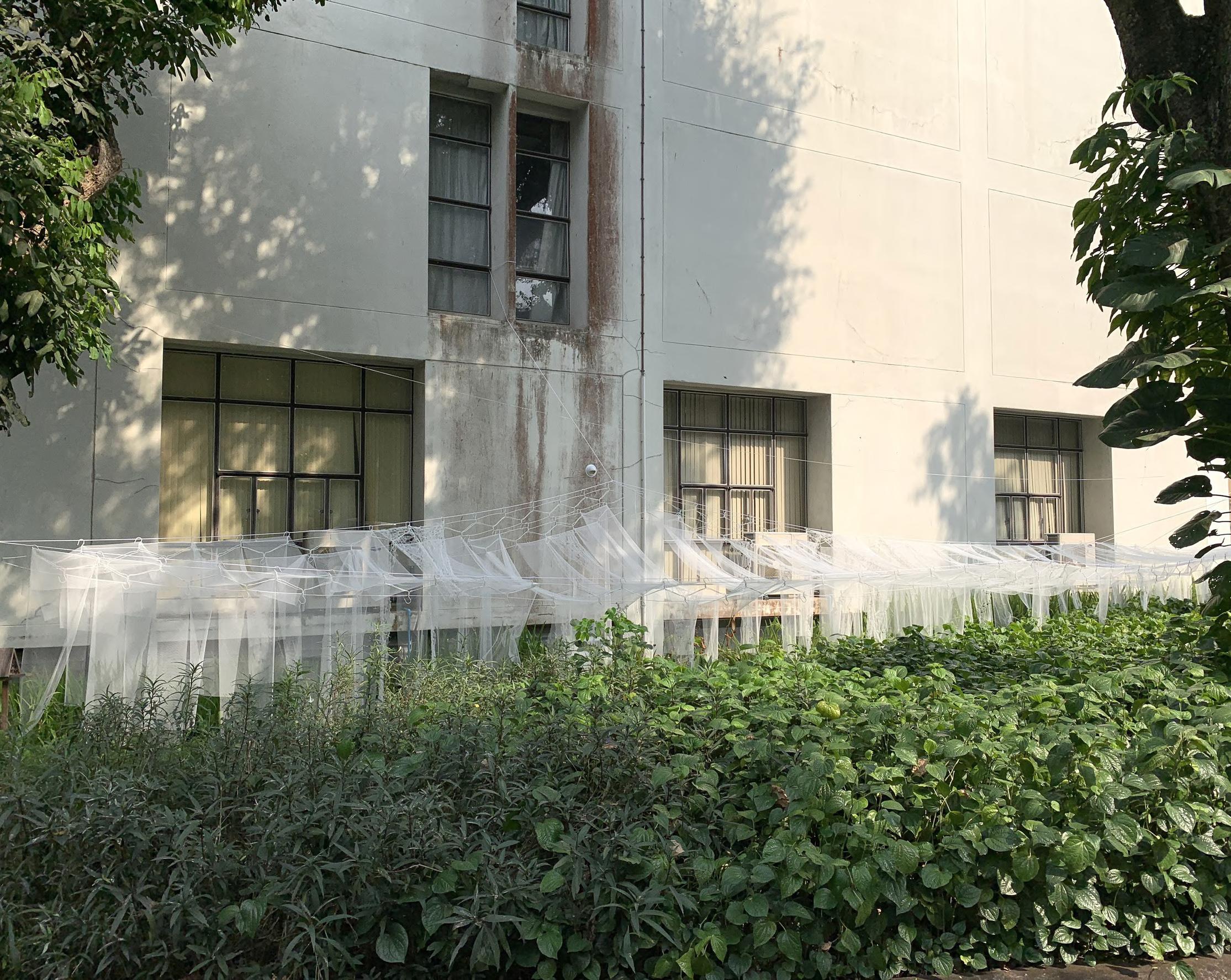
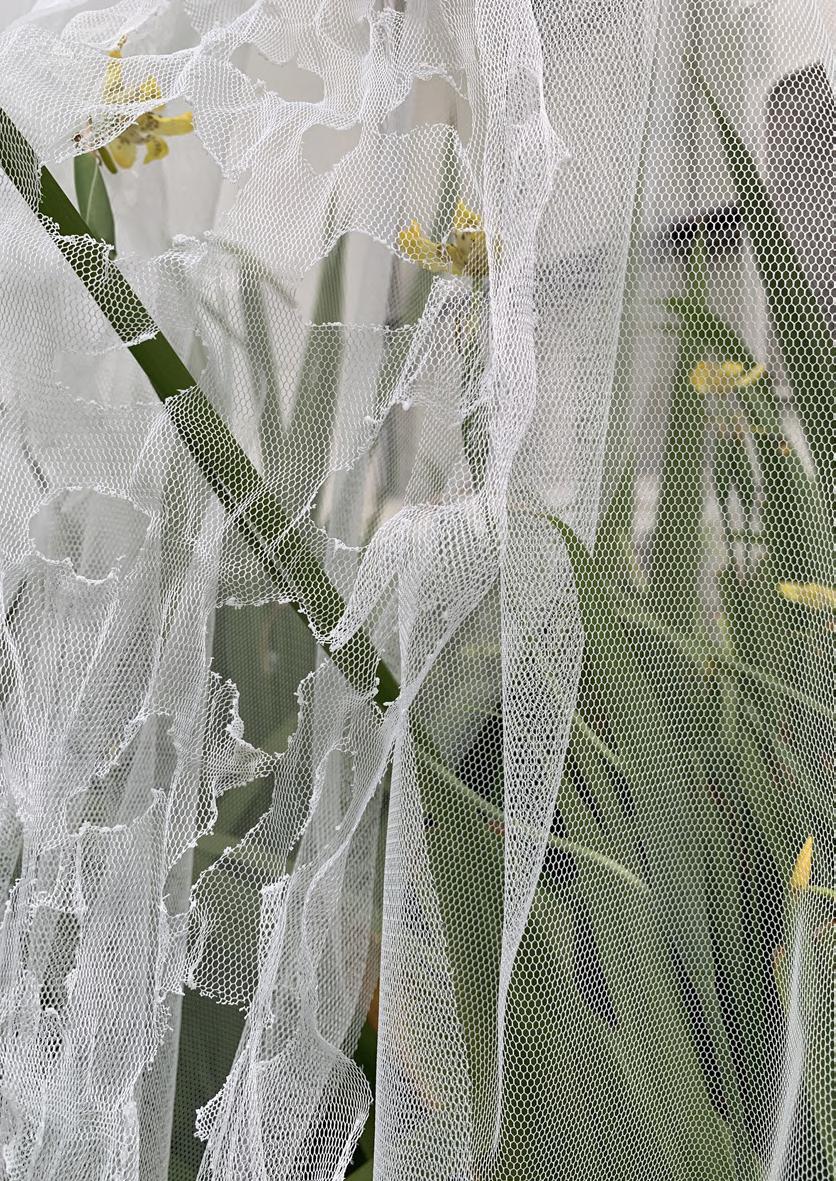
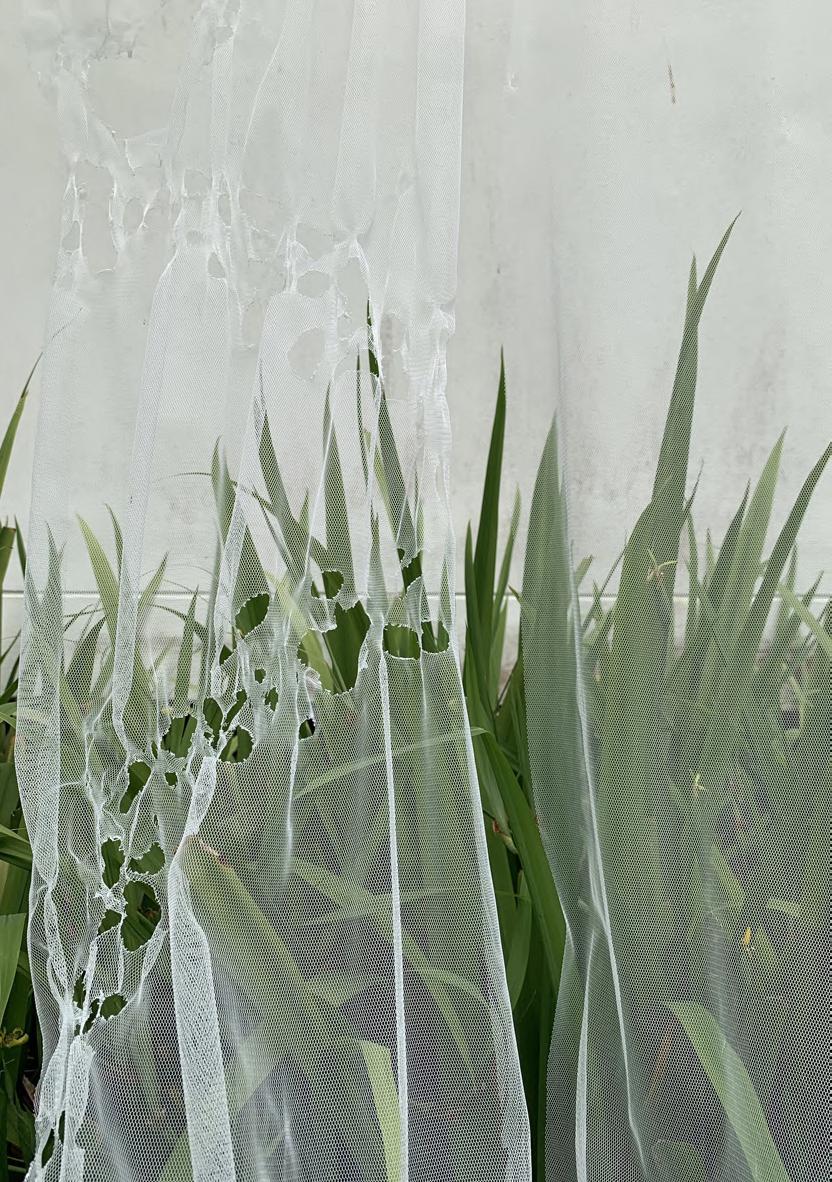
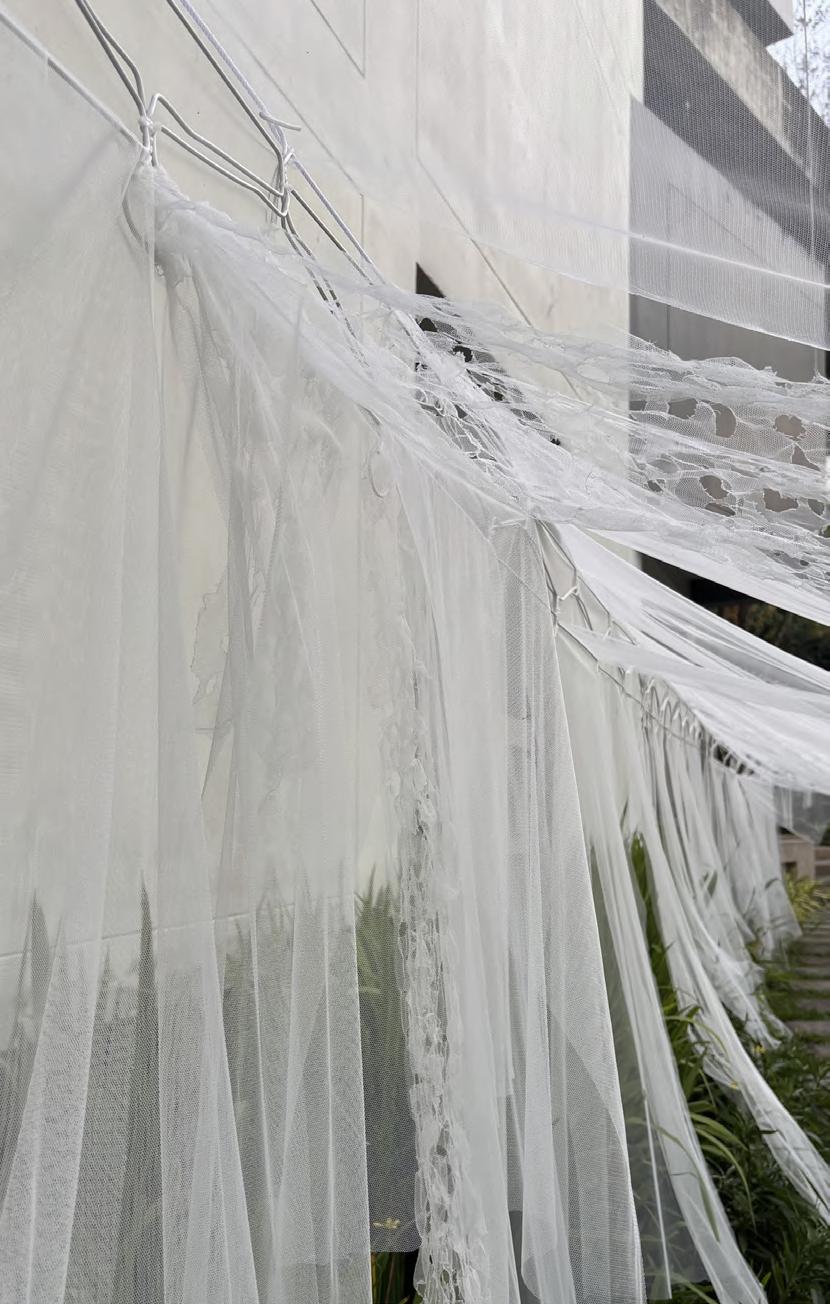
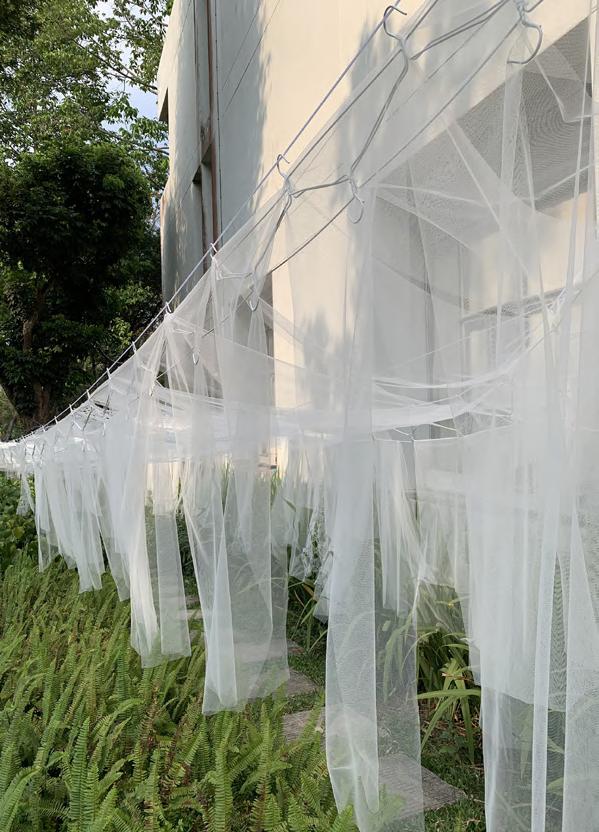
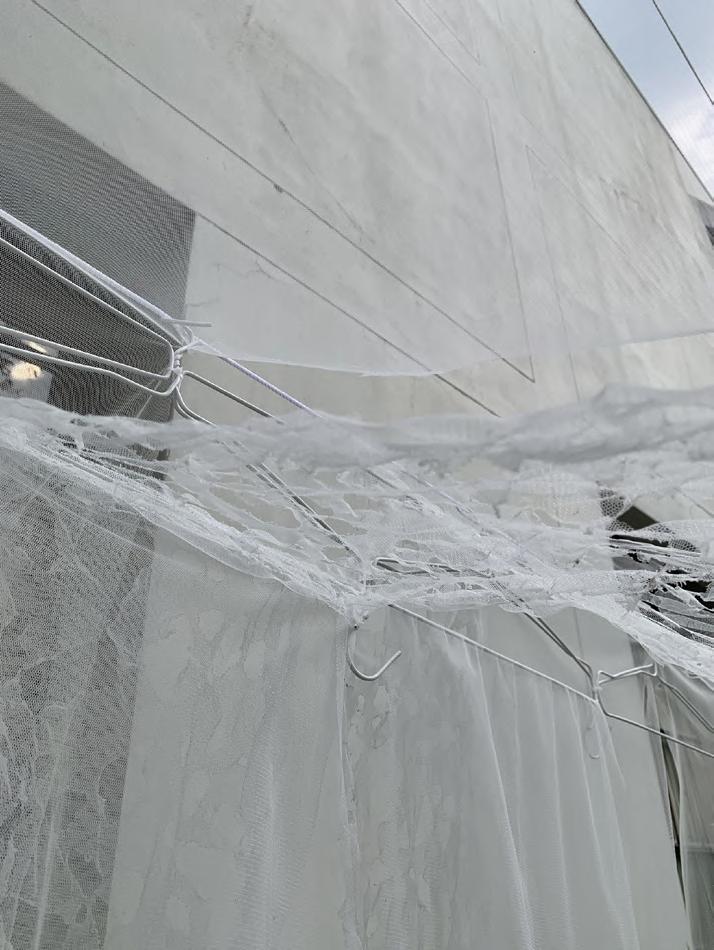
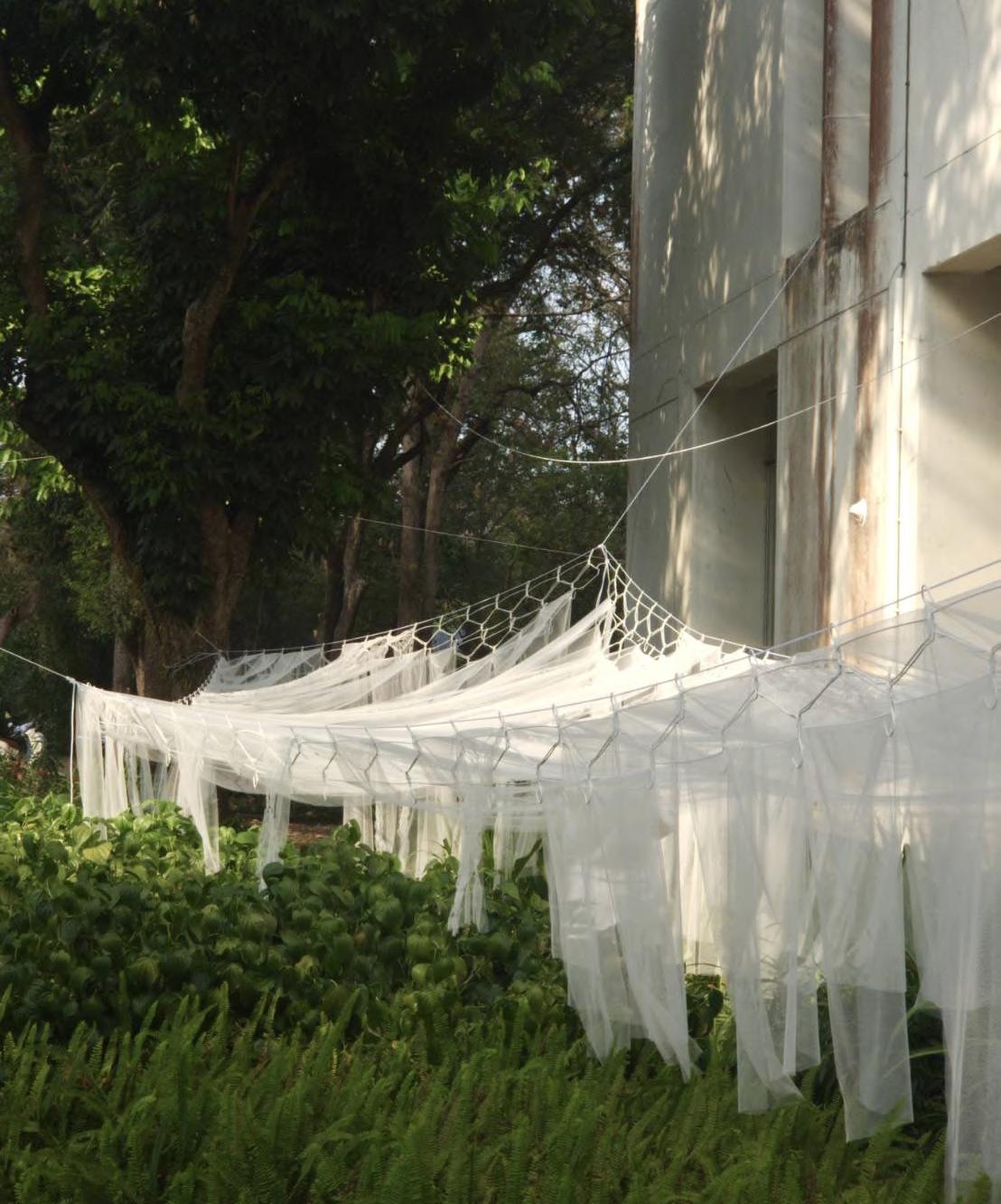
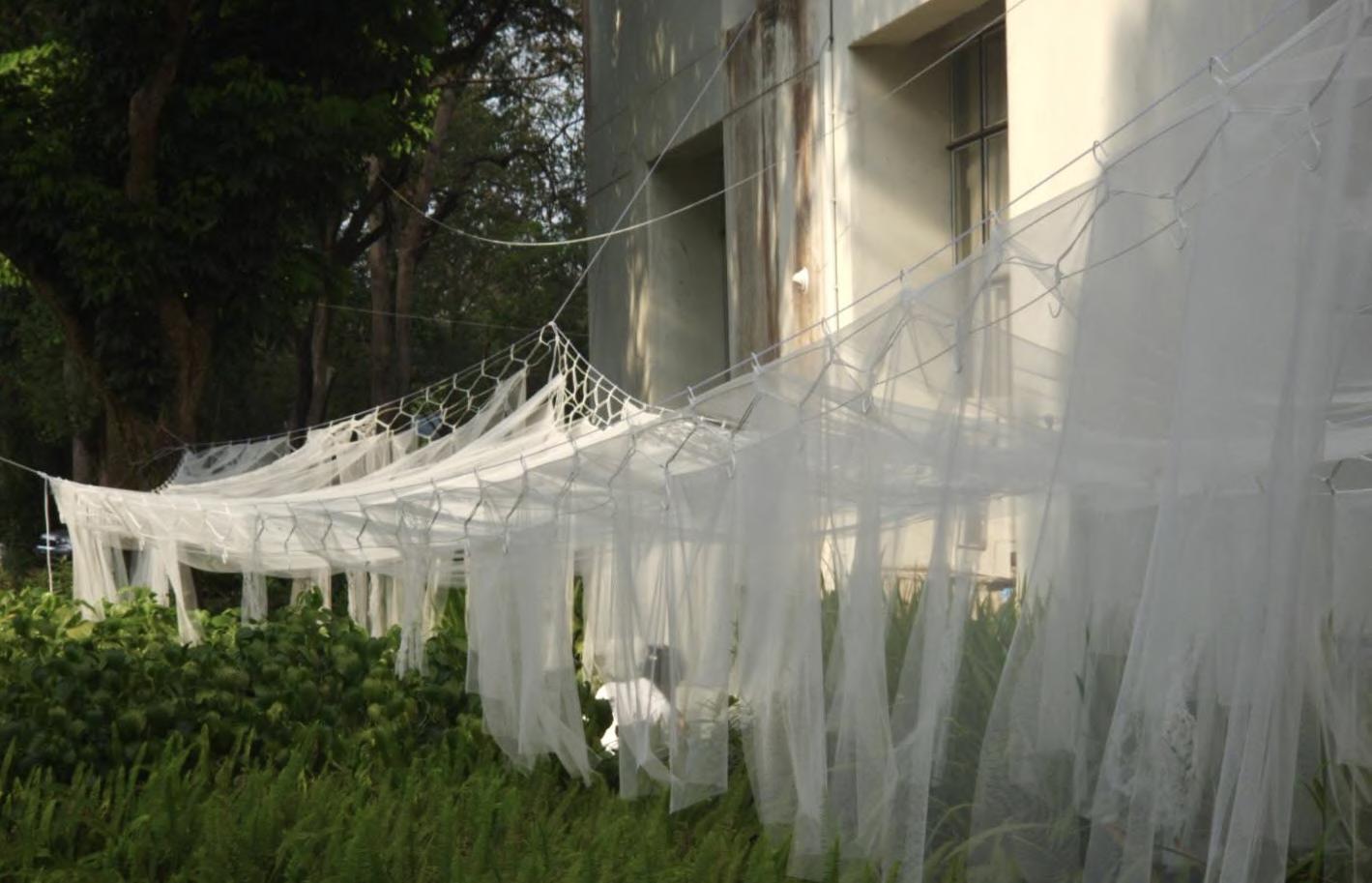
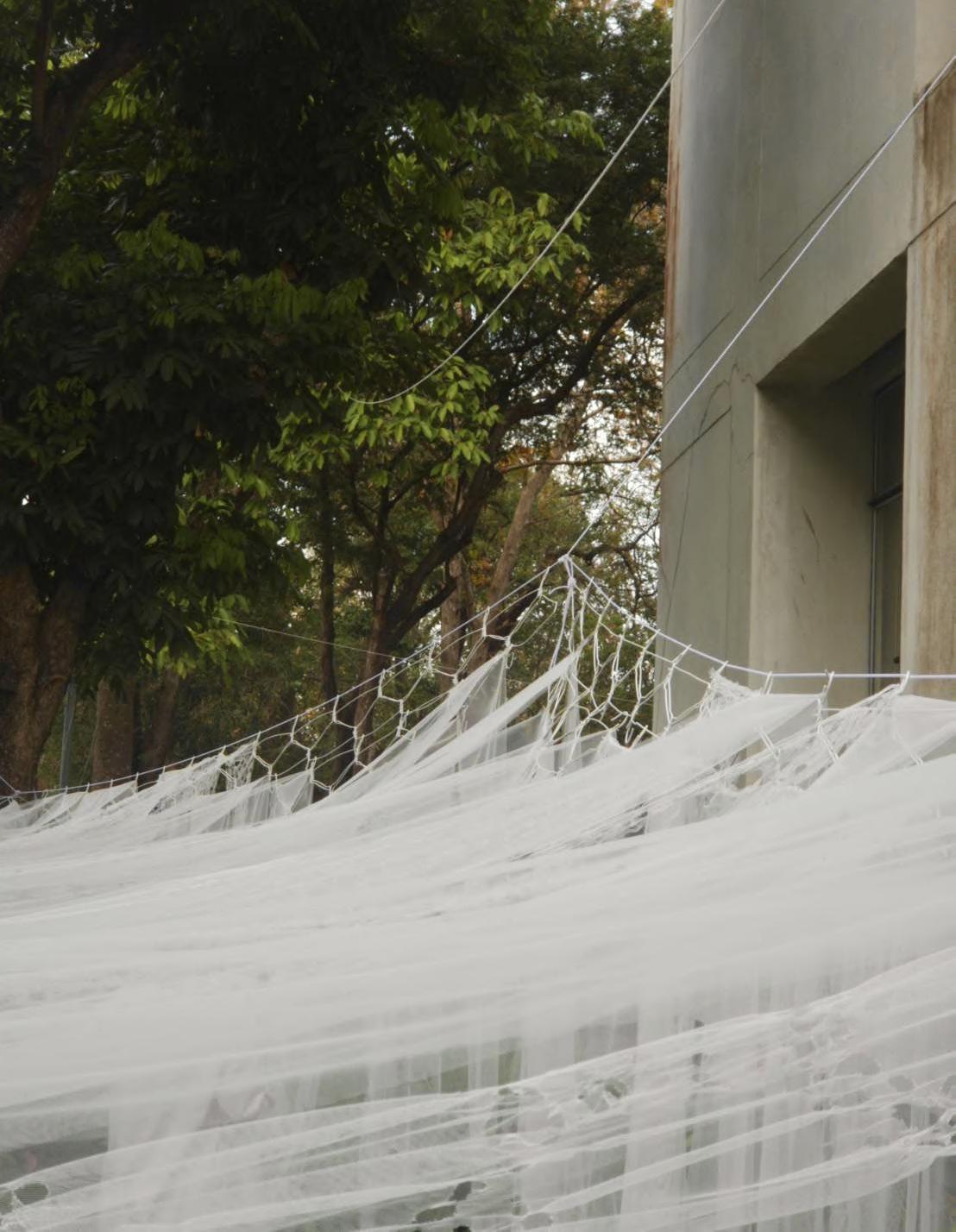
The choice of materials is inspired by the mosquito net, hanging and drying washed clothes where we can see the movement of fabric in the air.
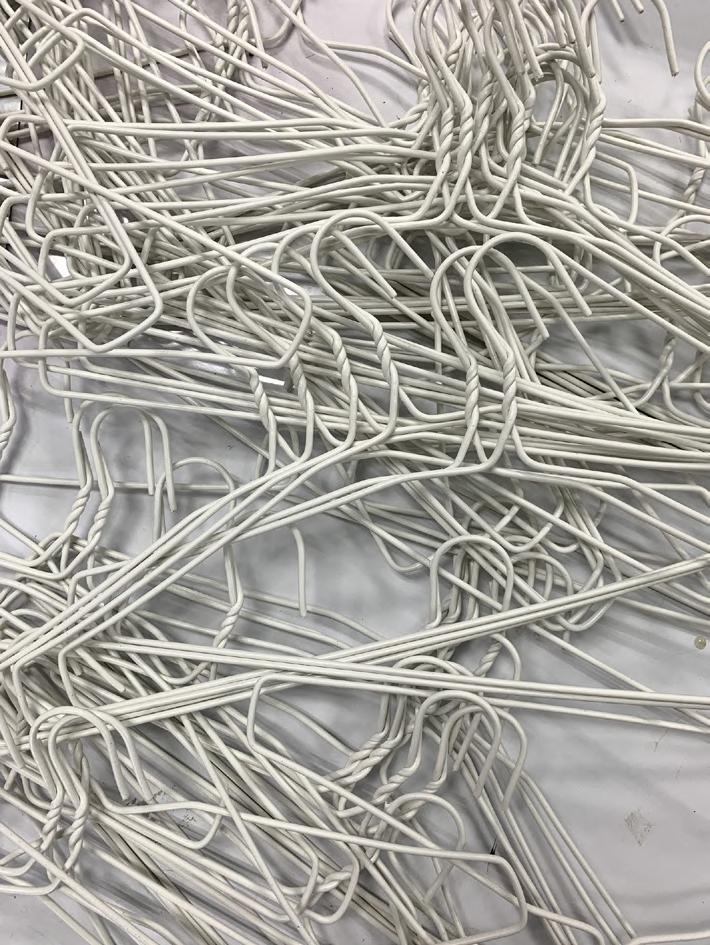
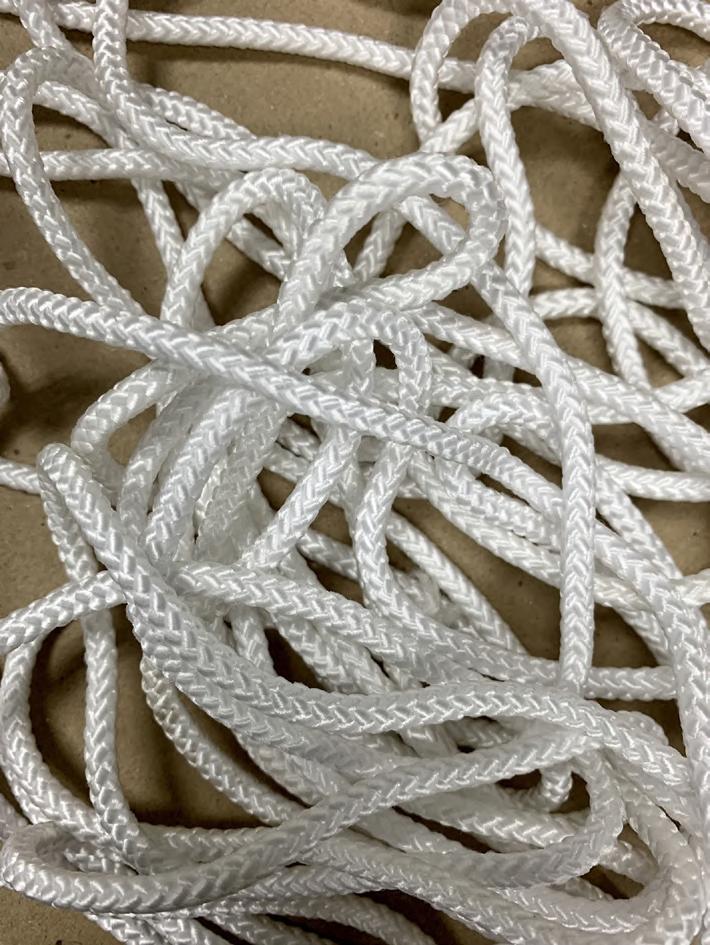
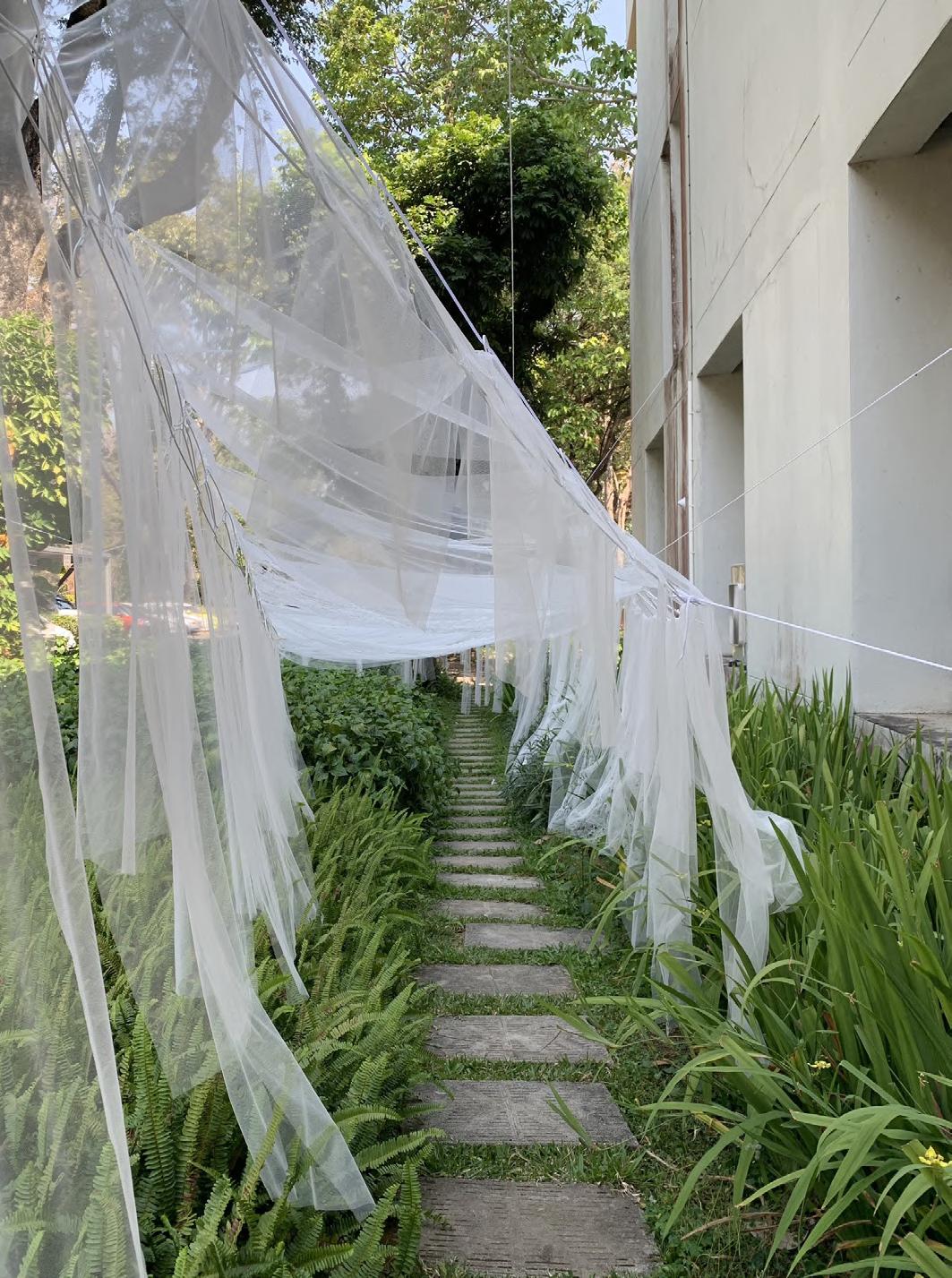
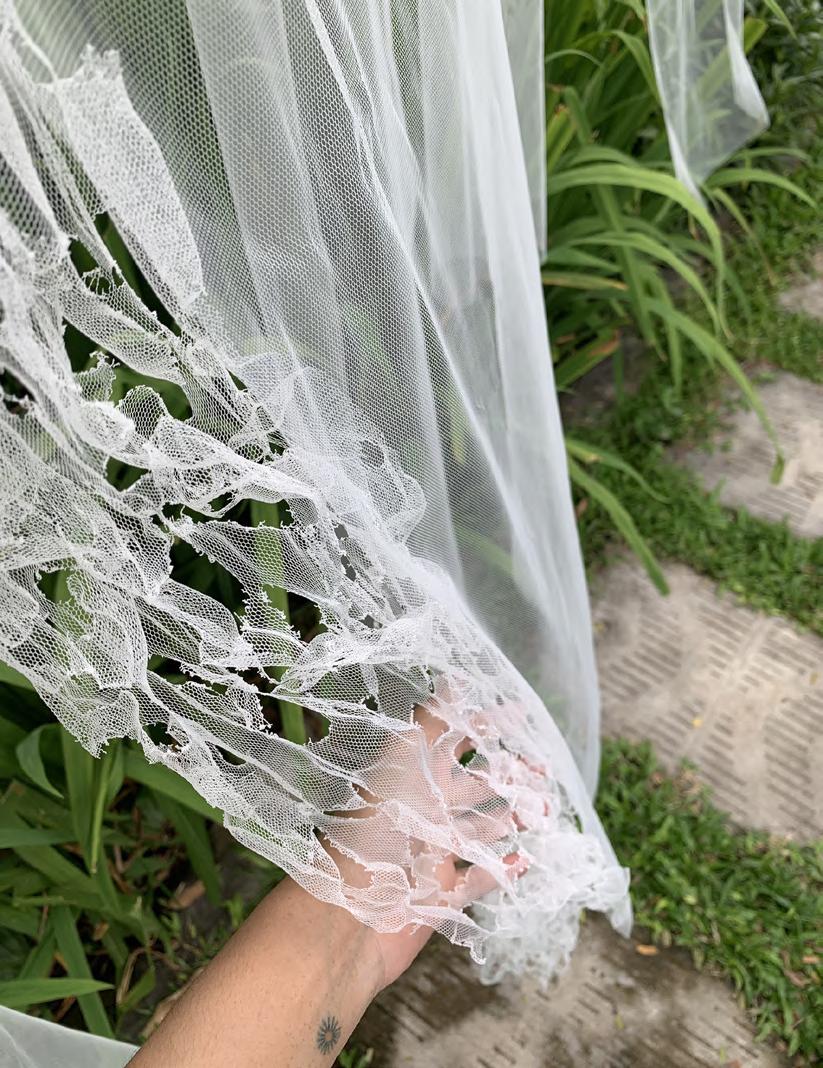
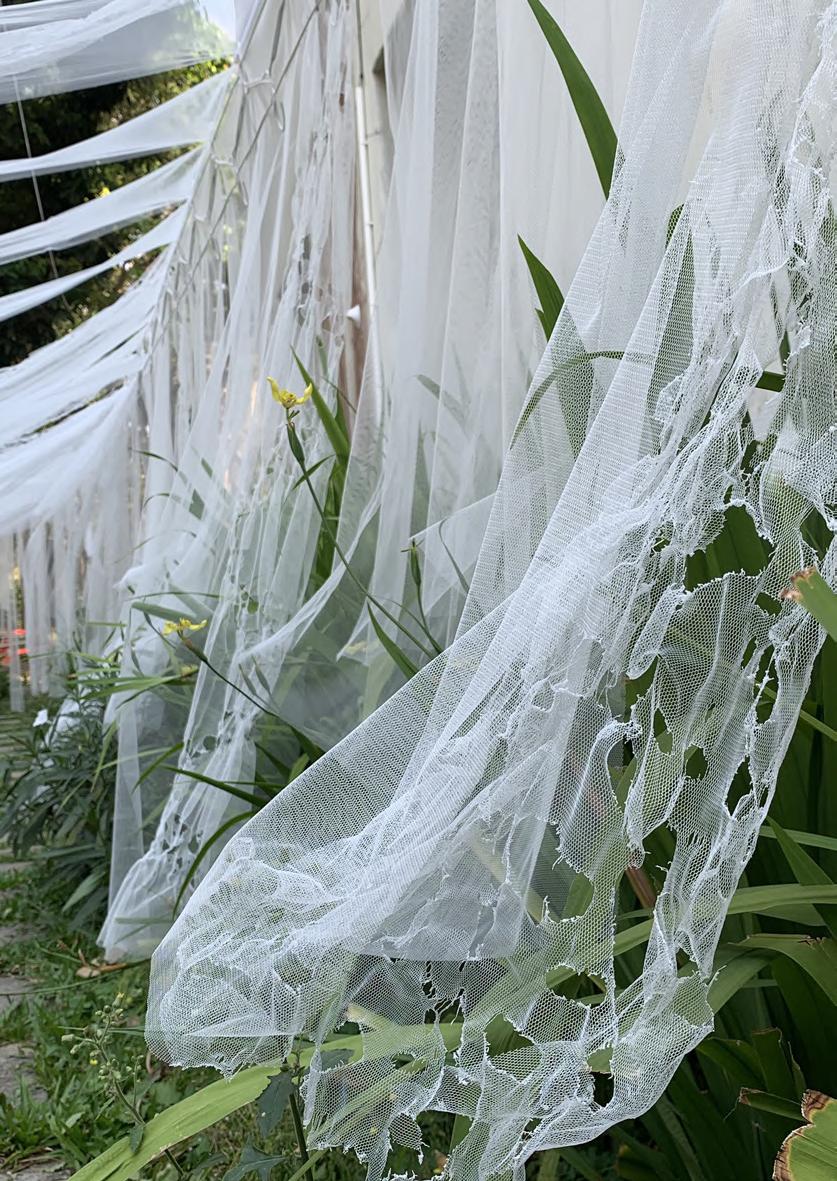
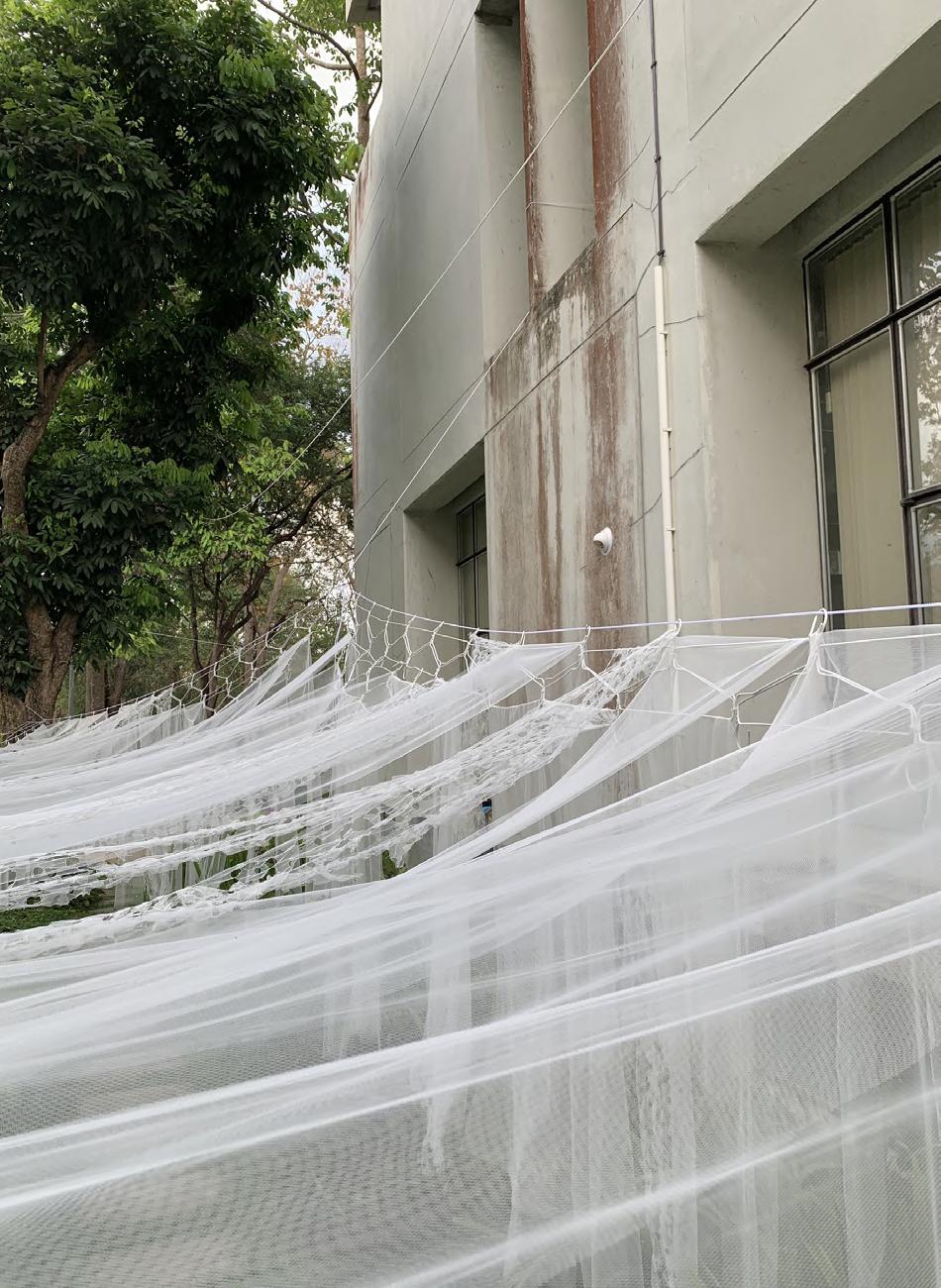
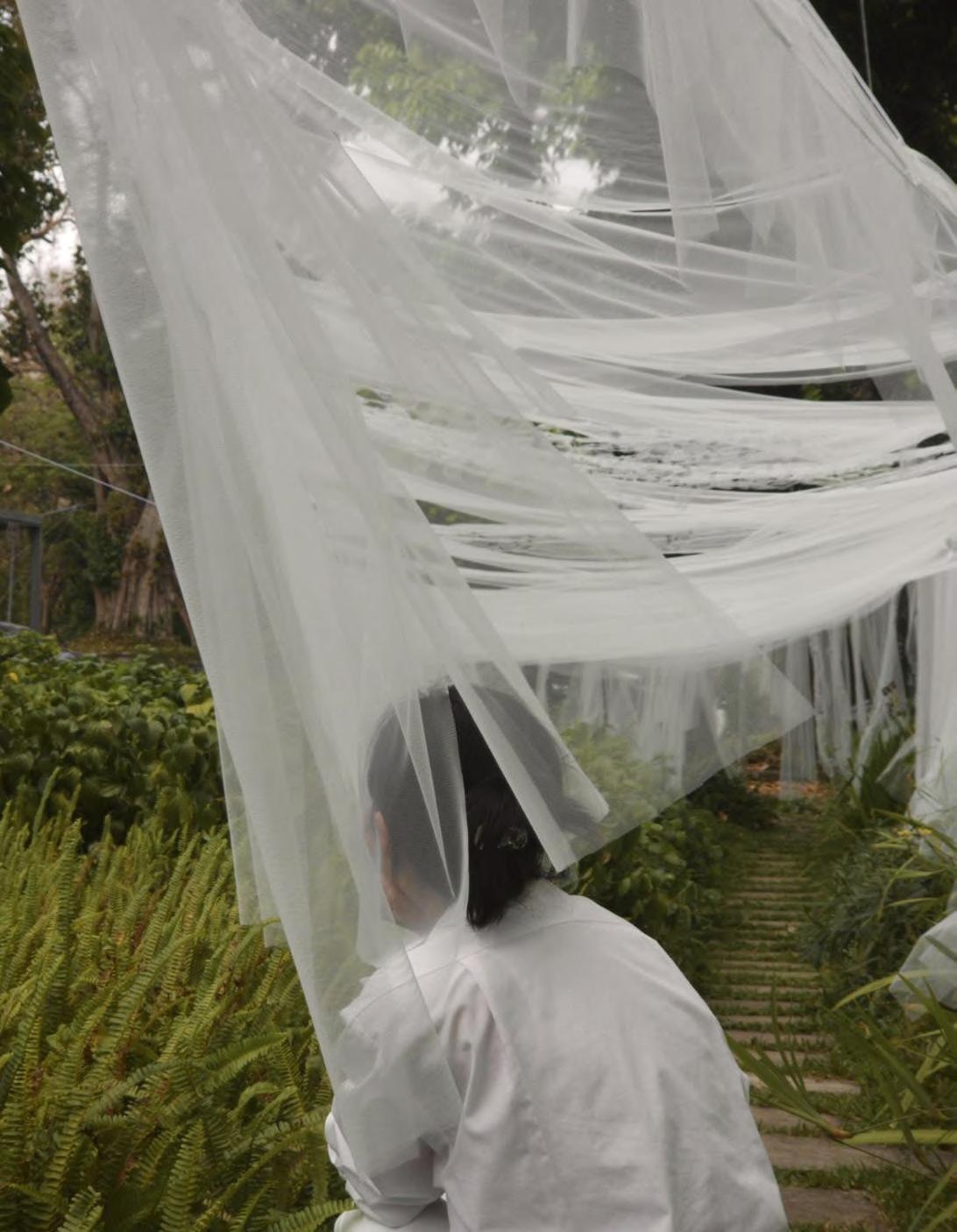
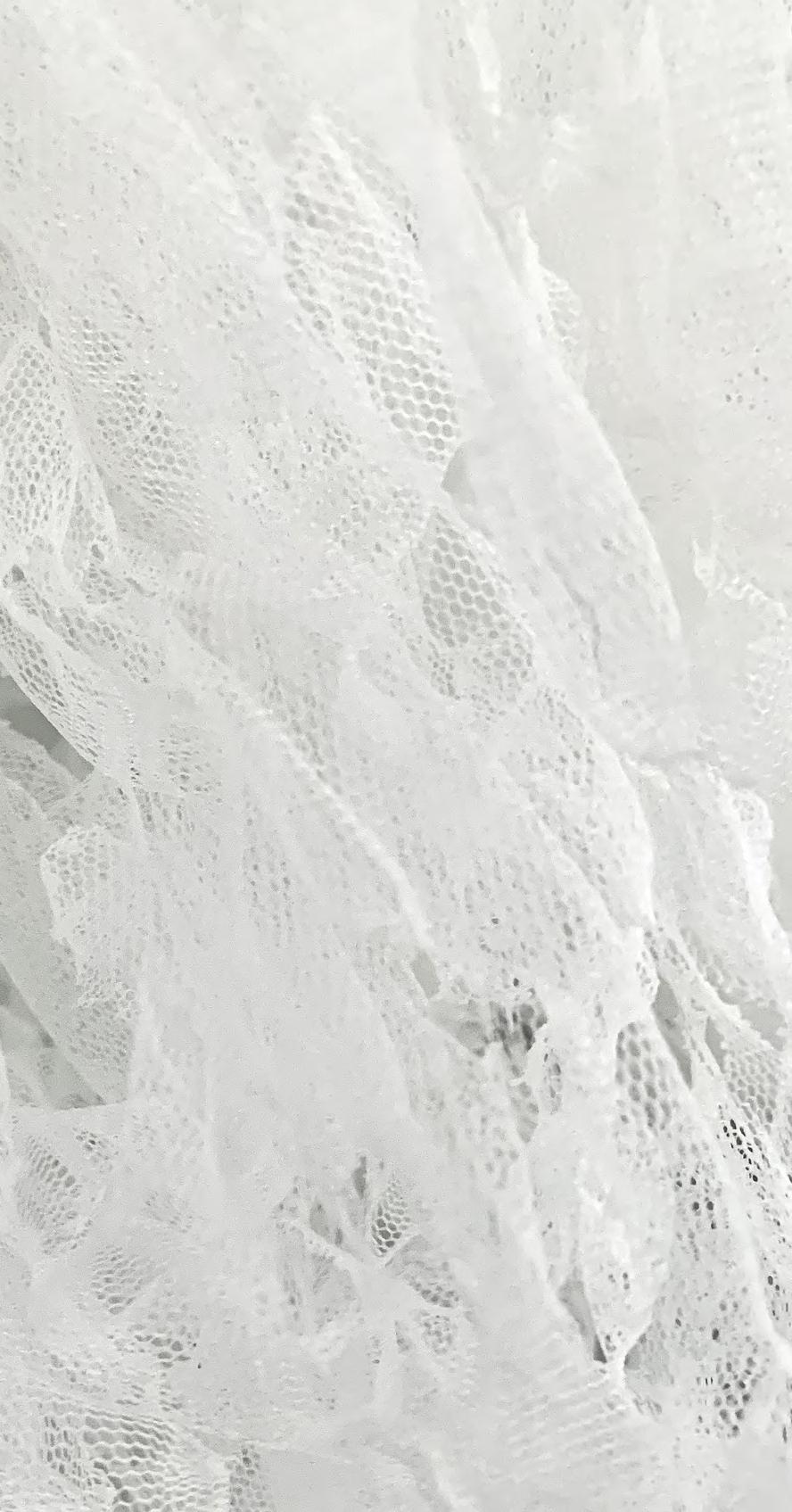
The mosquito net fabric will act as the main character catching the wind to create not only a graceful visual effect but also a playful tactile experience. The ropes and clothes hangers, our everyday objects, will serve as the supporting elements, adding familiarity and structure to the design.
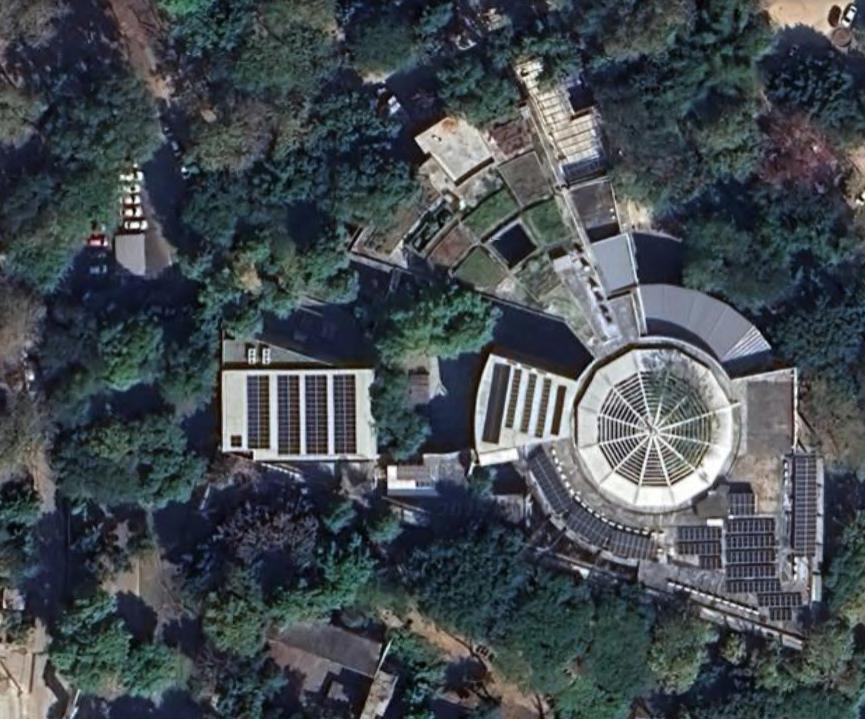
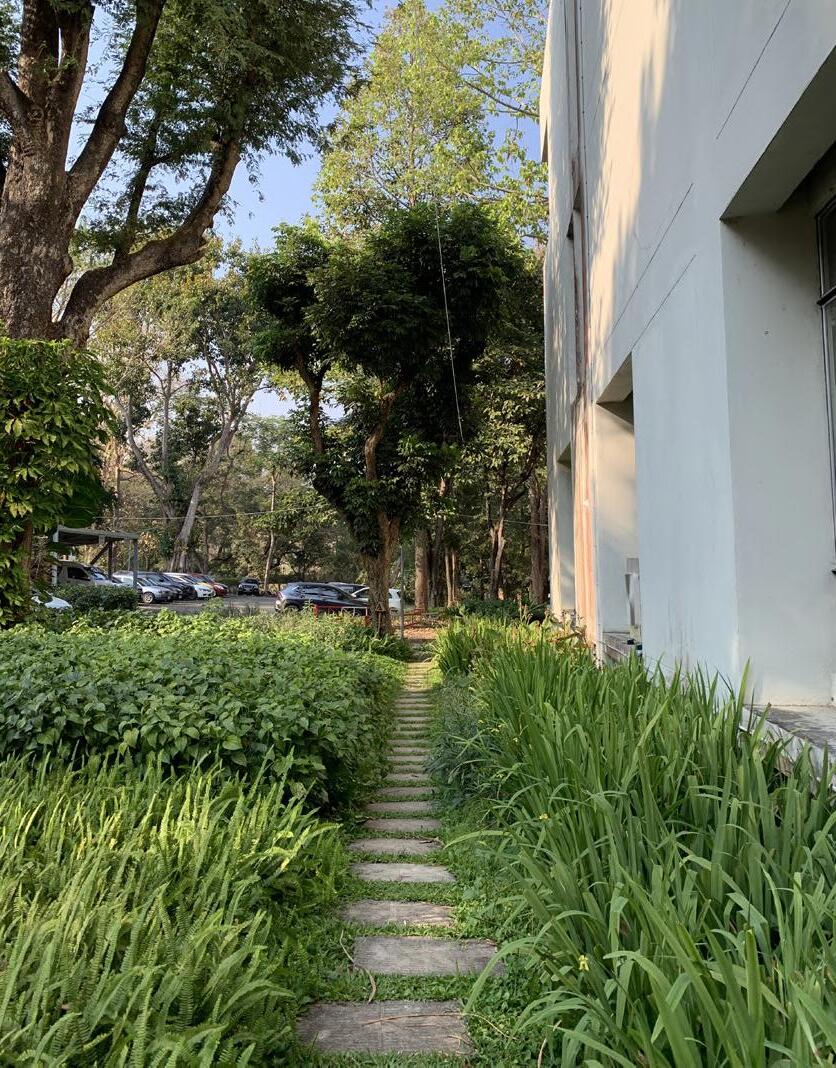
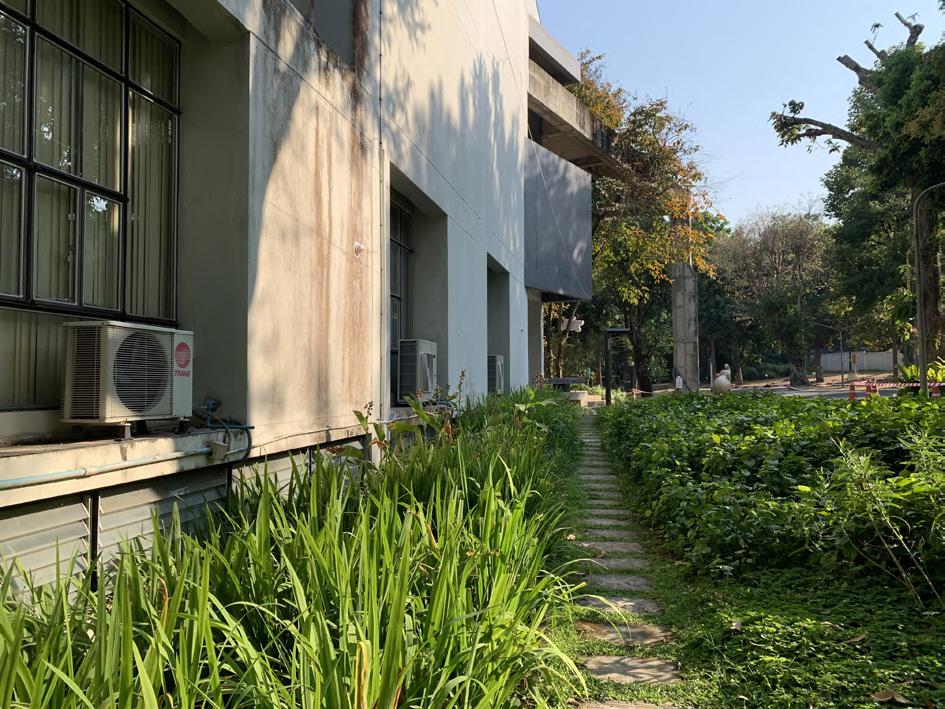
SITE SELECTION
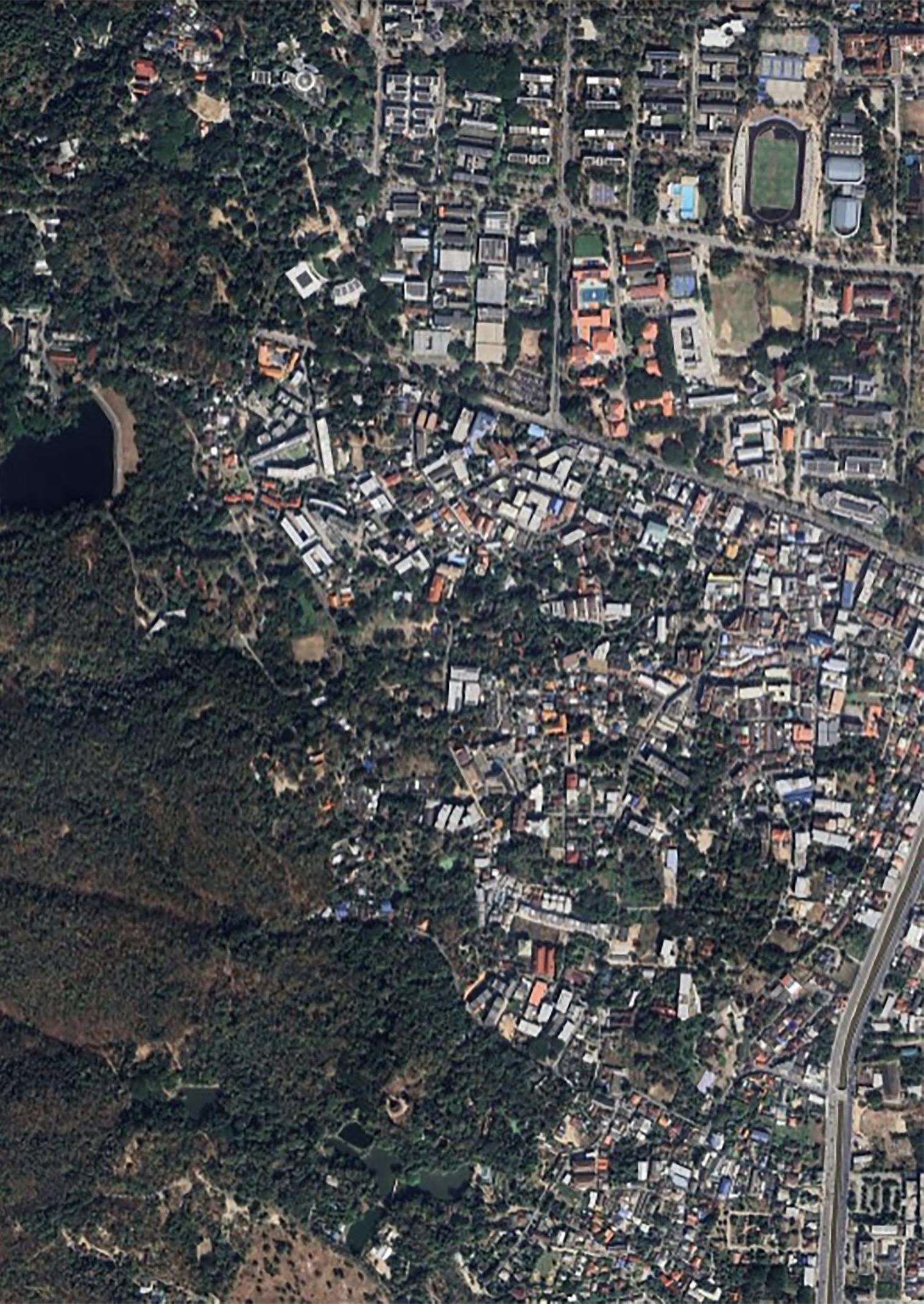
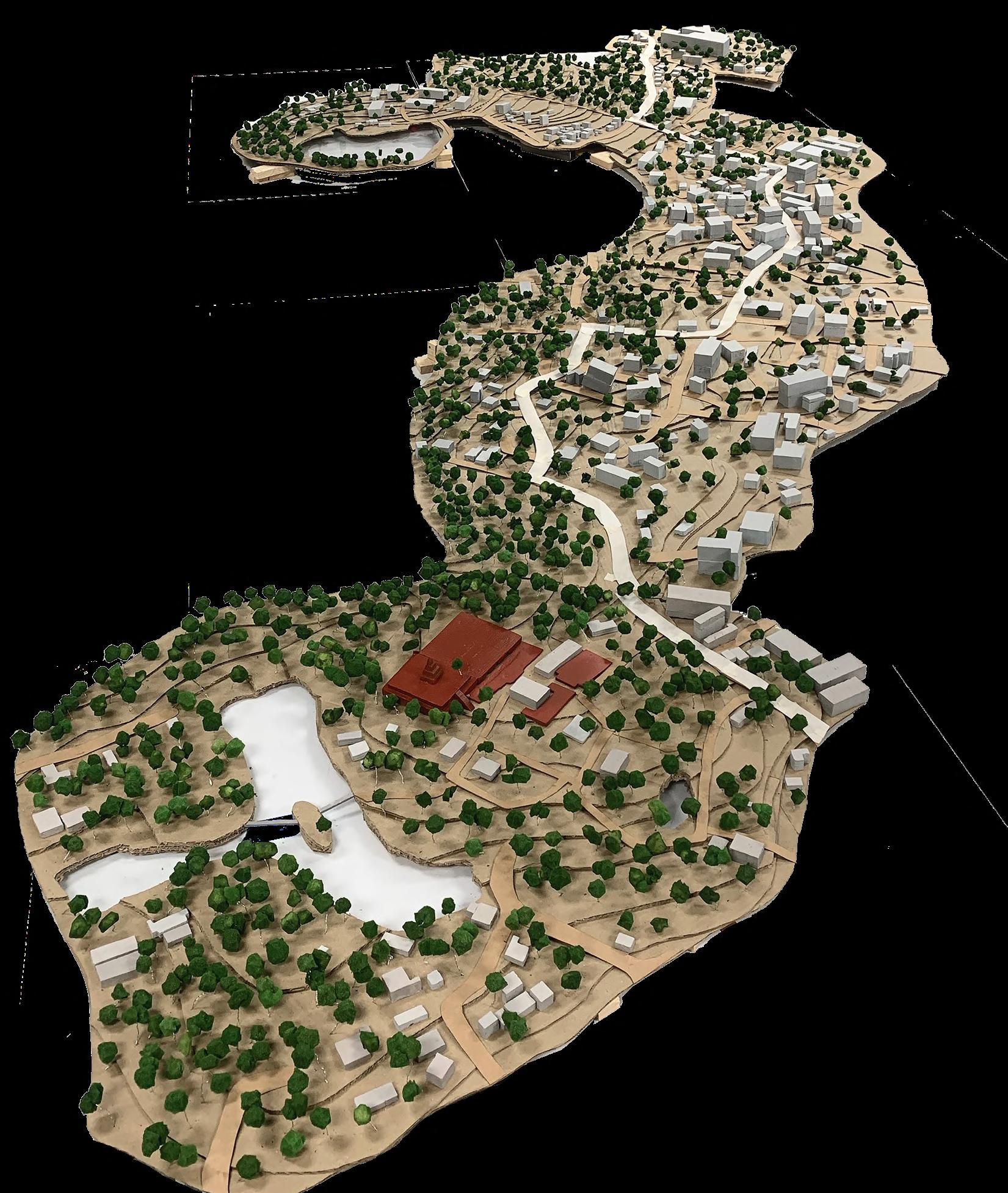
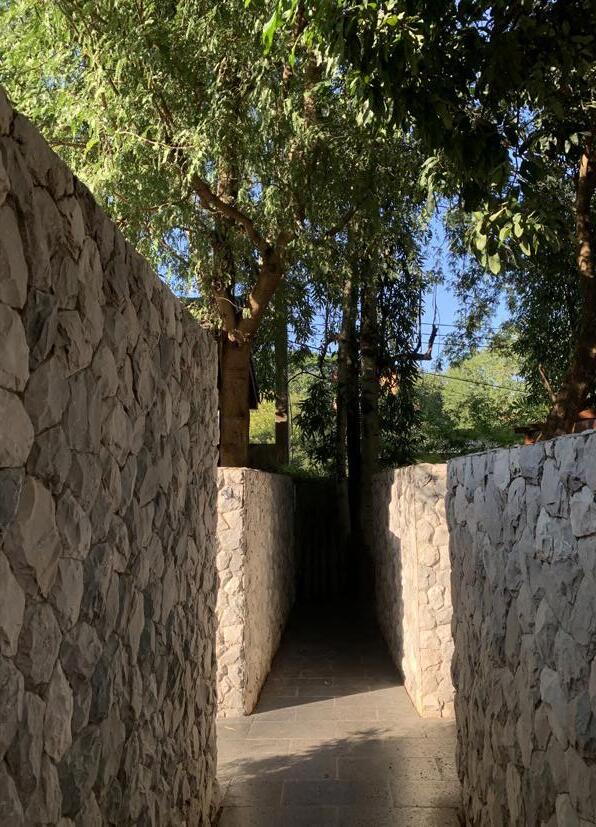
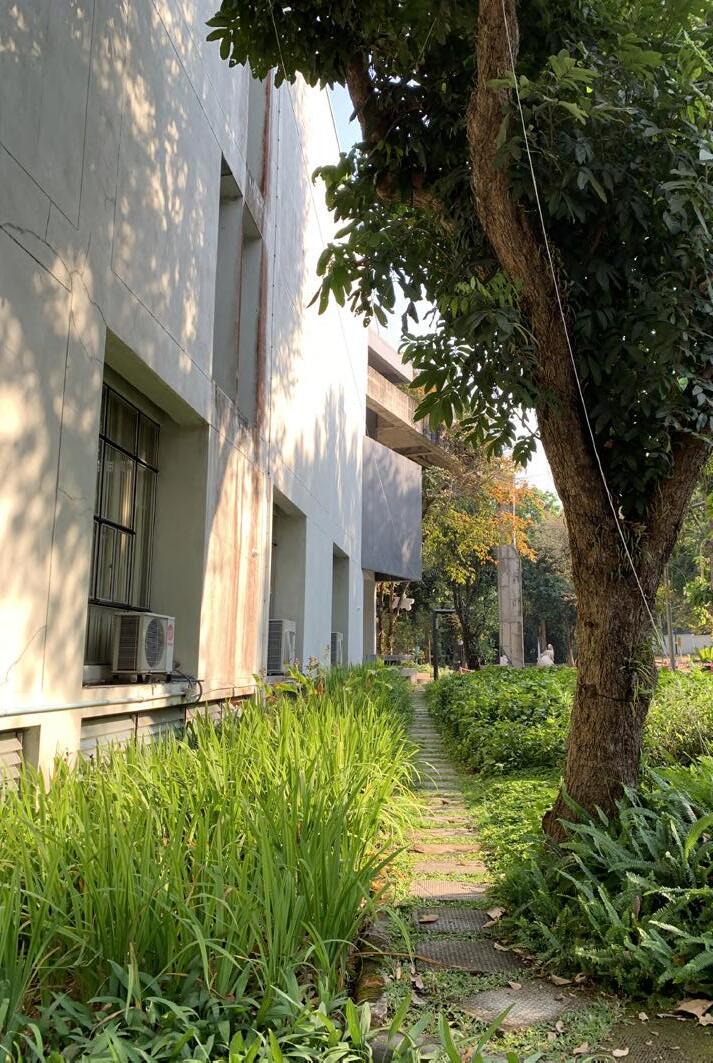
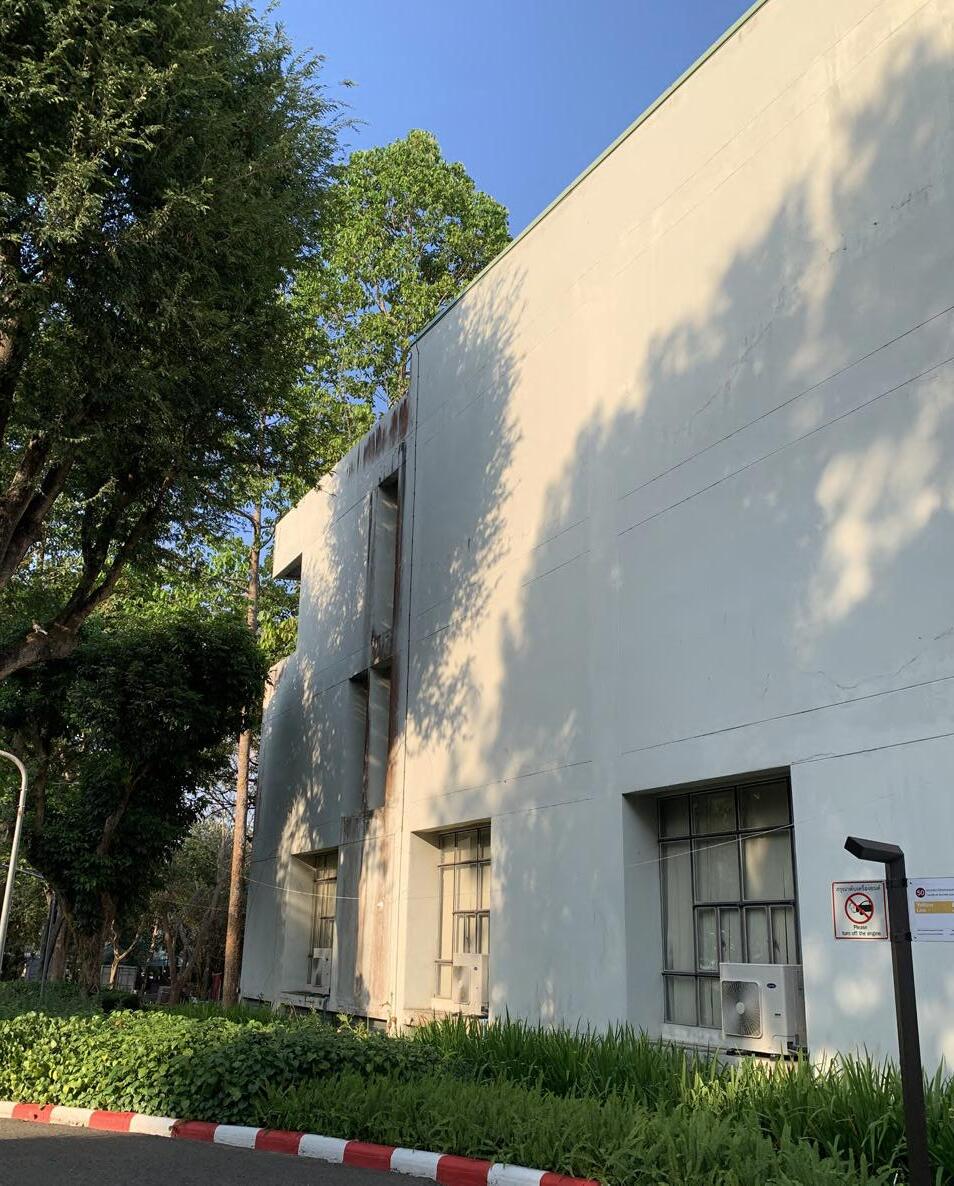
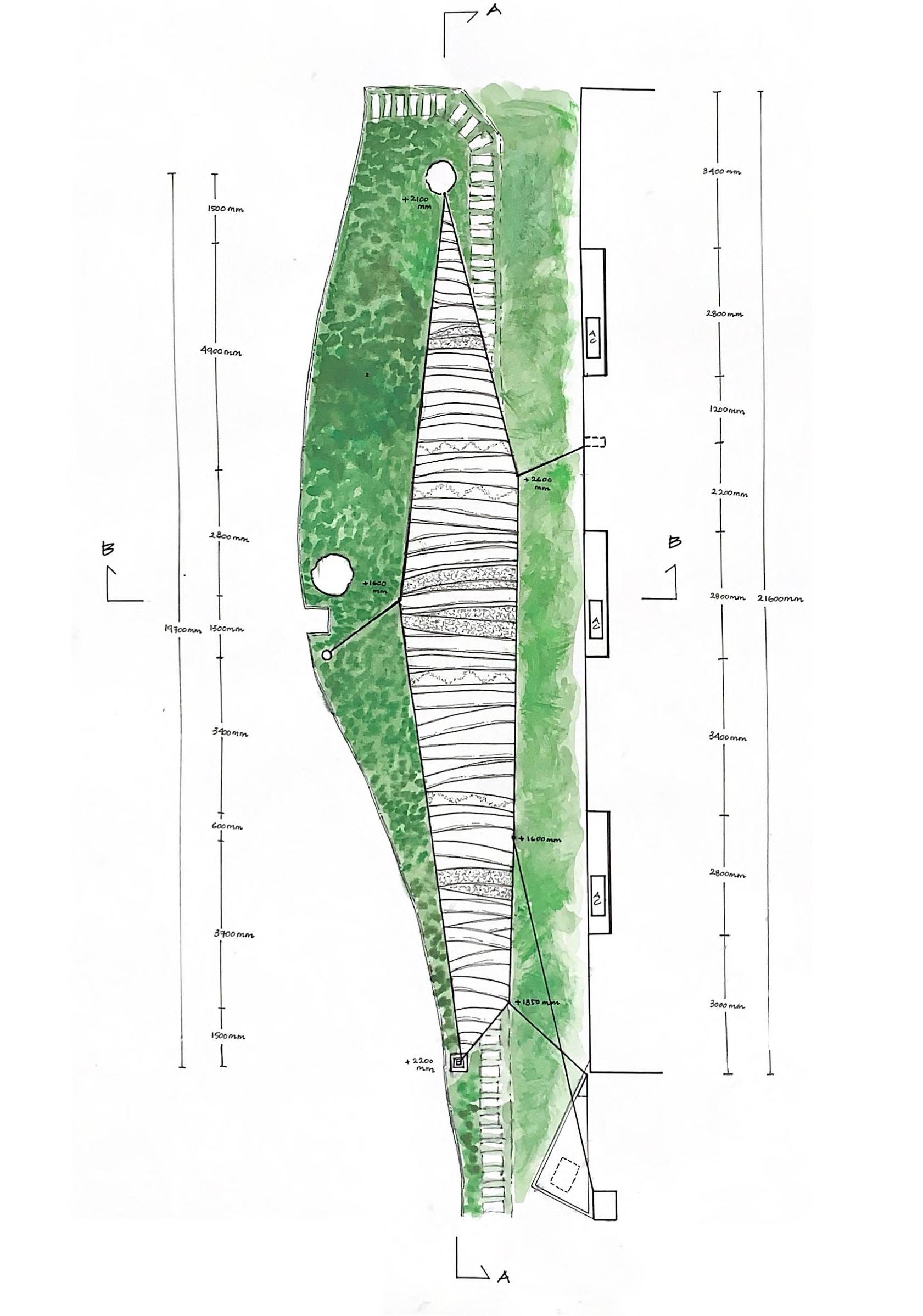
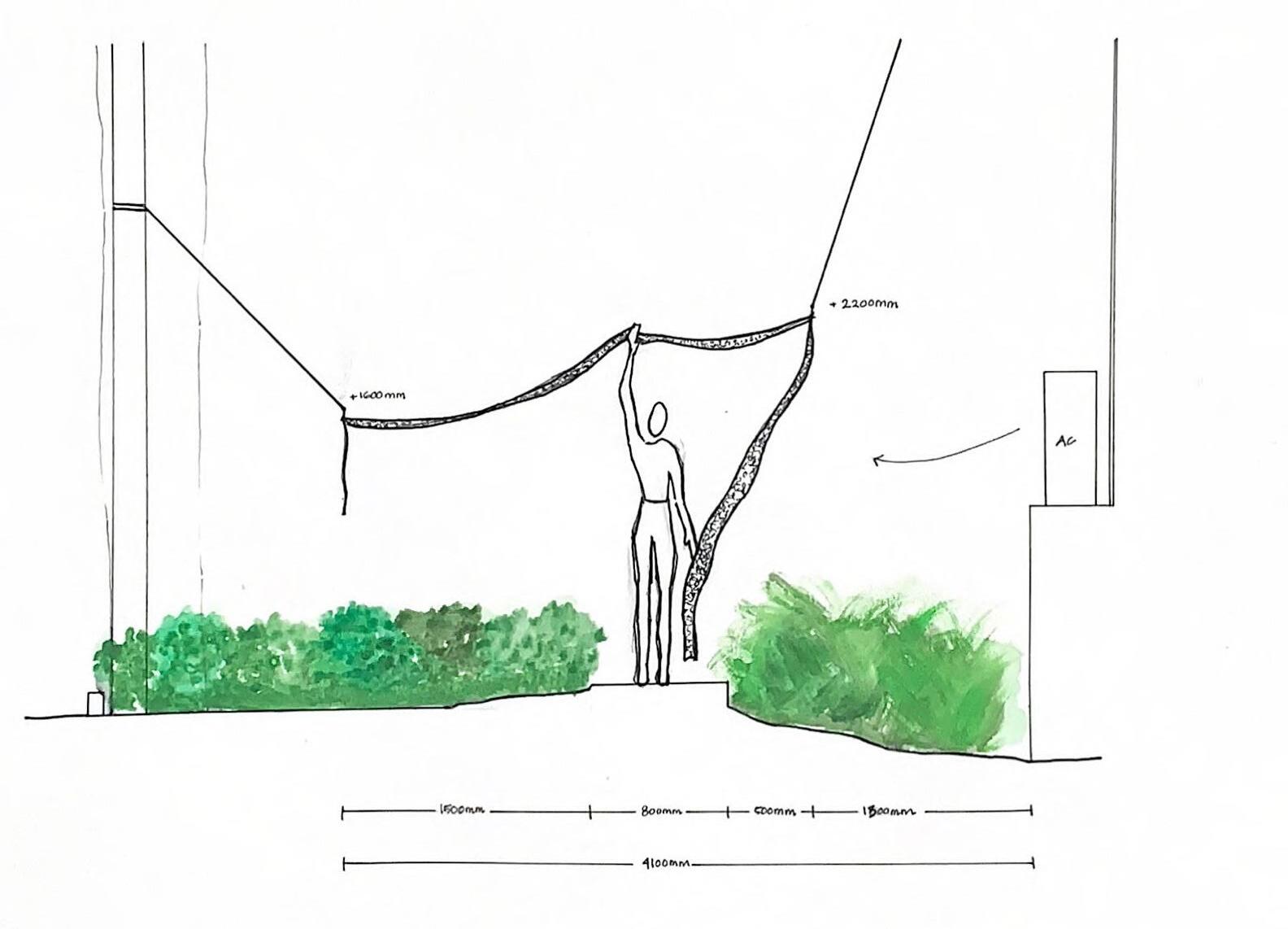
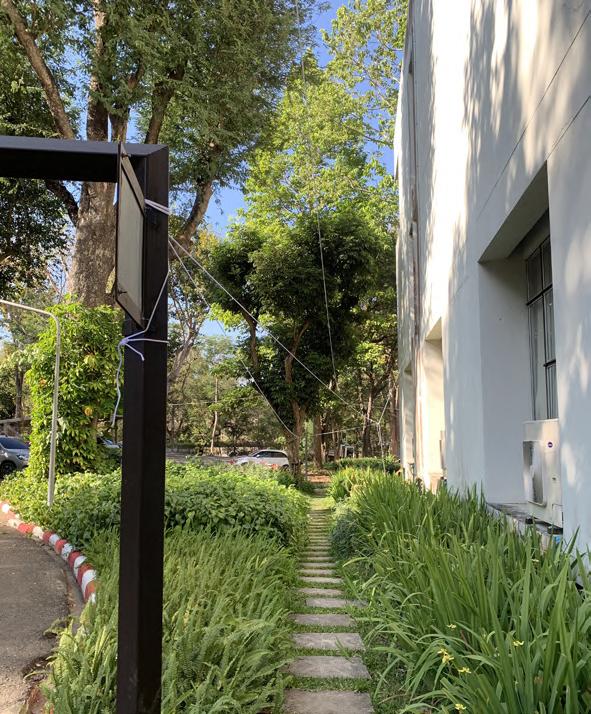
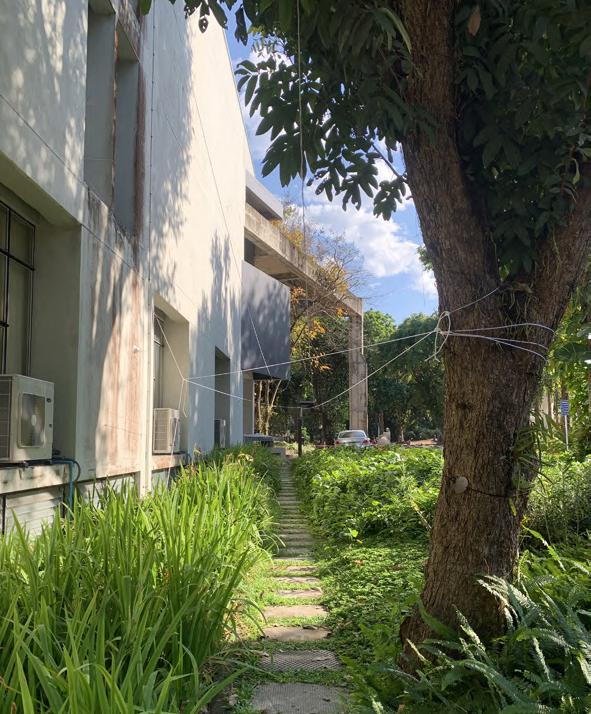
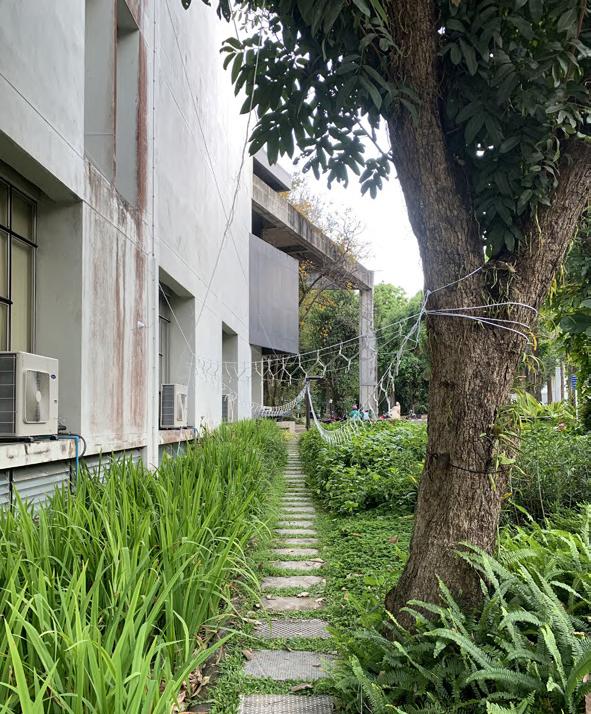
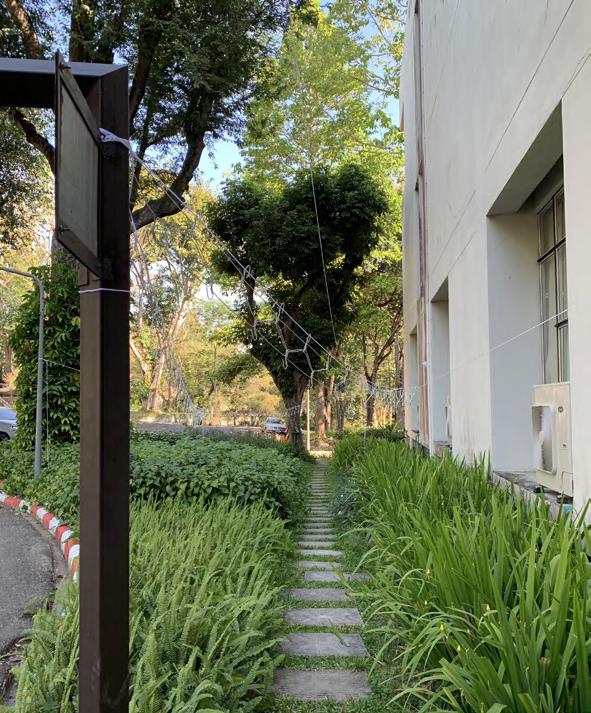
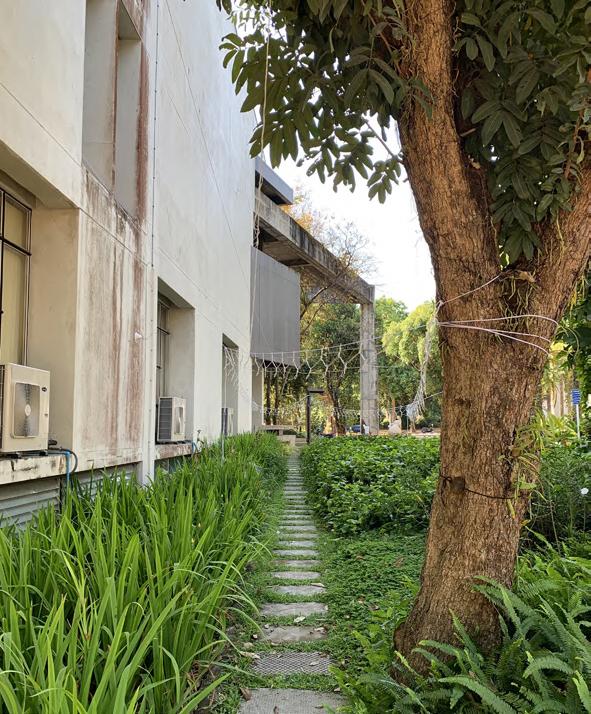
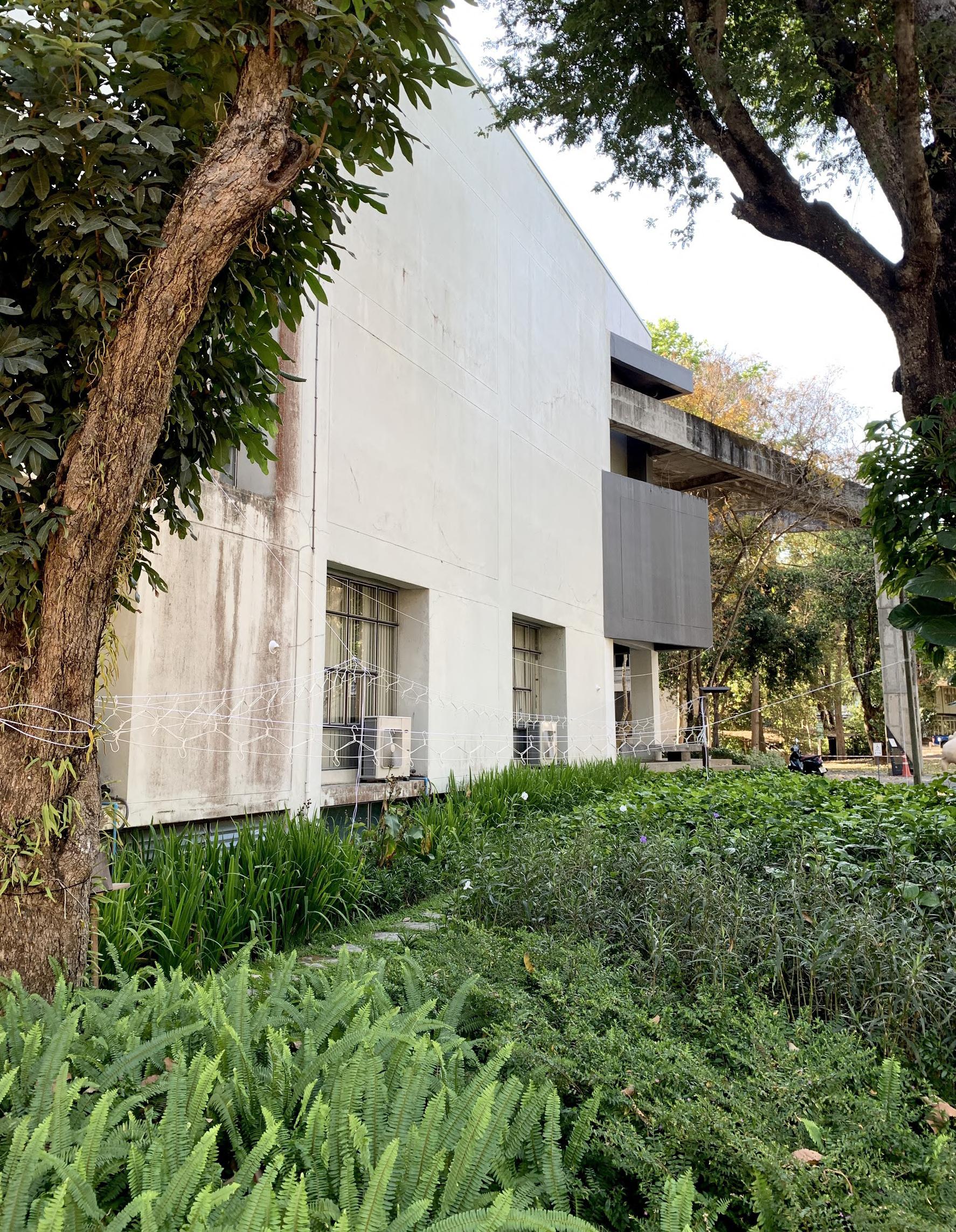
The design will be placed along a narrow path, inviting people to experience it as they walk through. As they move along the path, they will realize that the fabric, which seemingly only soft, can offer different textures.
Faculty of Architecture, Chiang Mai University
The place will capture both natural wind and for an added twist, artificial wind to enhance the illusion. It will also catch sunlight to create beautiful shadows created by varying densities of the fabric.