Portfolio
 POPA LAURA
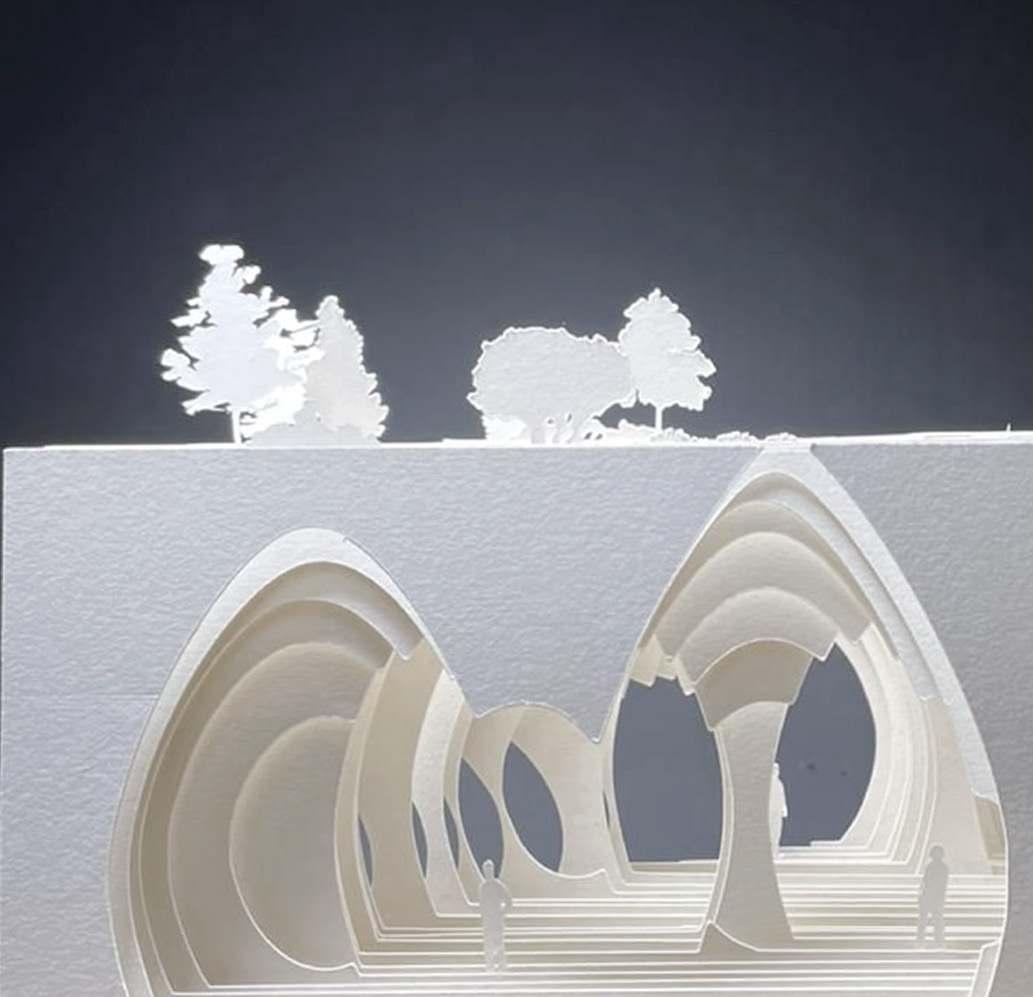
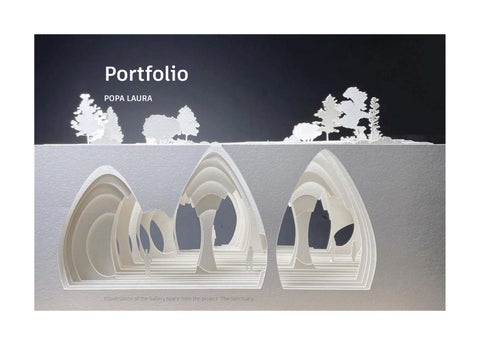
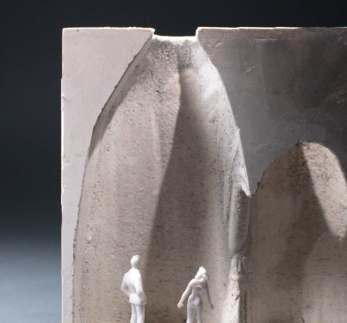
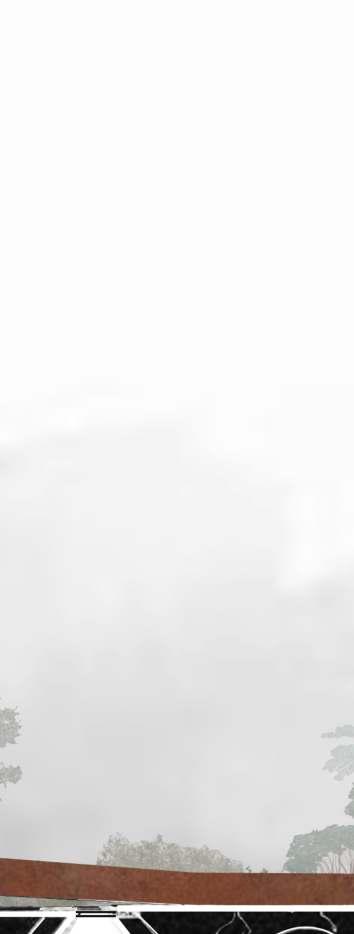
Visualisation of the Gallery space from the project ‘‘The Sanctuary’’
POPA LAURA
Visualisation of the Gallery space from the project ‘‘The Sanctuary’’
POPA LAURA
Visualisation of the Gallery space from the project ‘‘The Sanctuary’’
My motivation with this project is to create a symbiosis between the users; an architectural intervention that all life forms can benefit from; something that comes in the completion of nature, rather than against it. In doing so, I focused my research on four distinct groups:
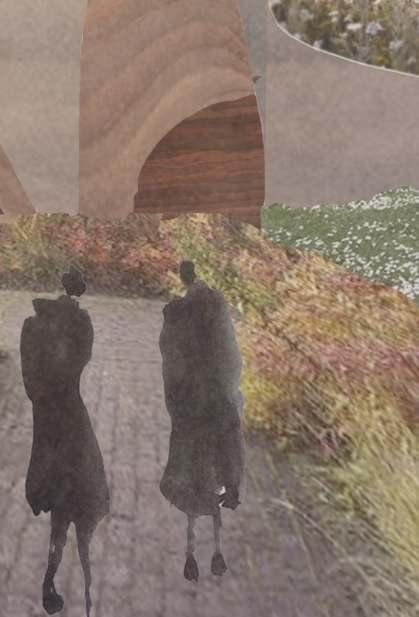
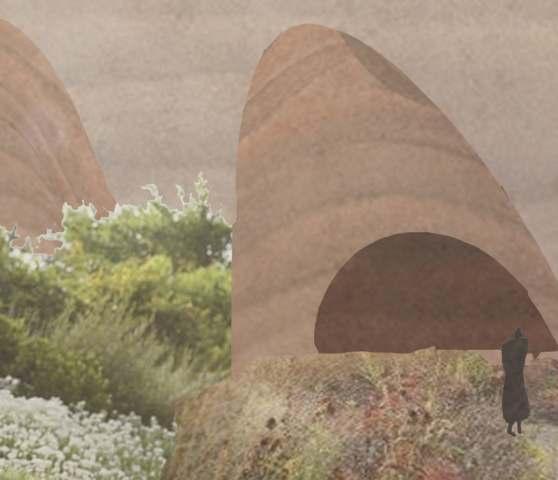
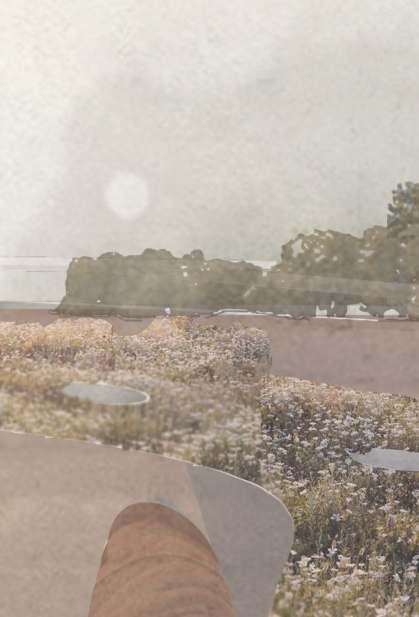
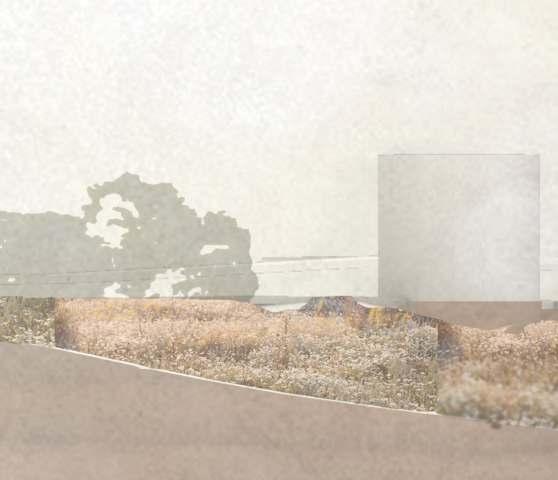
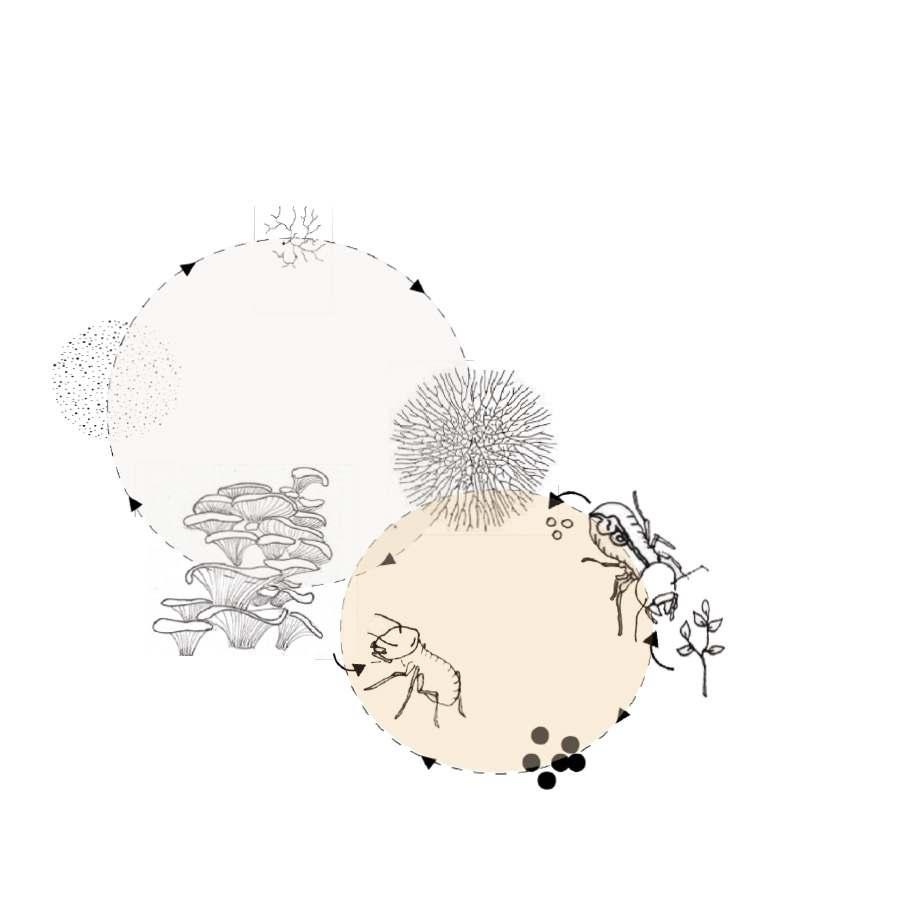
humans, fungi, flora and fauna (concentrating on insects as part of fauna). In this symbiosis humans will contribute with bio-based leftover products, in the shape of compost that will provide nutrients for the mycelium in the colonisation stage. The programme for the humans consists of a spiritual centre that also incorporates a cafe and a gallery.
Workingwithexistingnaturalconnections


Myresearchpointed towardsastrong mutually beneficial relationship between termites and mycelium. A ‘mycelium garden’ can be found in the centre of the colony/hive. It serves the purpose of an extra corporeal digestive system. The mycelium is being fed by the termites with pre-digested plant mater.
In return, the fungus not only provides food (mushrooms) for the larva (which can not yet digest more complex matter) but in doing so, it also cleans the nest by disposing of the faeces. This makes it the perfect building material when designing for insects.
 Spores
Mycelium
Mycelium
Mushrooms
Termite
Plant Matter
Eggs
Larva
Pre-digested matter
Spores
Mycelium
Mycelium
Mushrooms
Termite
Plant Matter
Eggs
Larva
Pre-digested matter
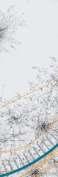



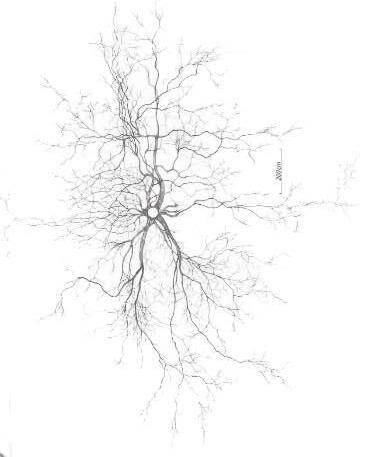
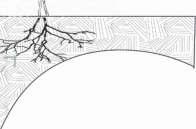
An ectomycorrhiza is a form of symbiotic relationship that occurs between a fungal symbiont, and the roots of various plant species. While the mycelium receives nutrients and water, it gives back sugar and carbon. This exchange is crucial for the health of wide green areas. Furthermore, mycelium has been found to connect trees between each-other,
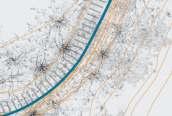
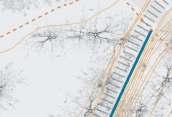
facilitating the transfer of nutrients between element of flora. On the site, this connection is broken by an abrupt level change (blue line).






My intention is to patch up this separation between the vegetation on site by creating a connecting system that uses mycelium, consequently, enhancing the botanical system.
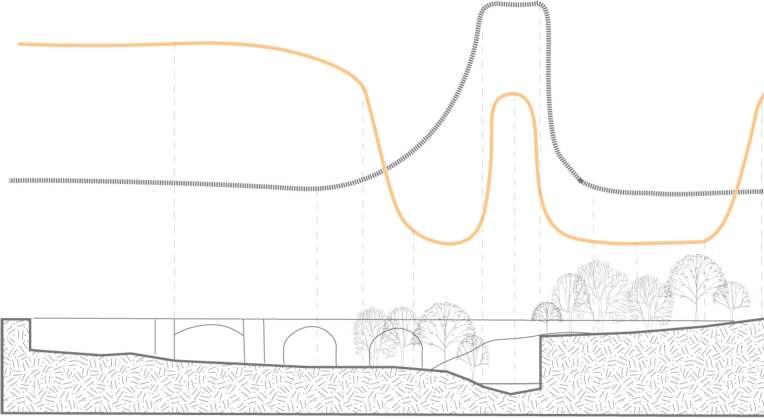
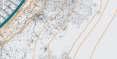
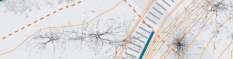


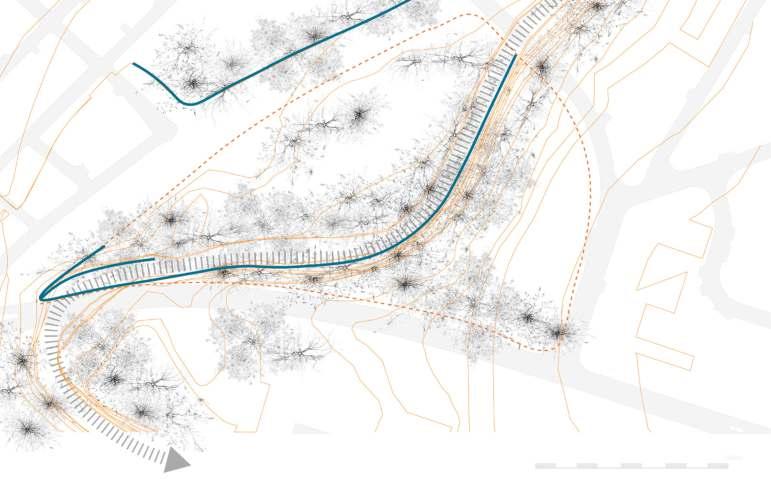
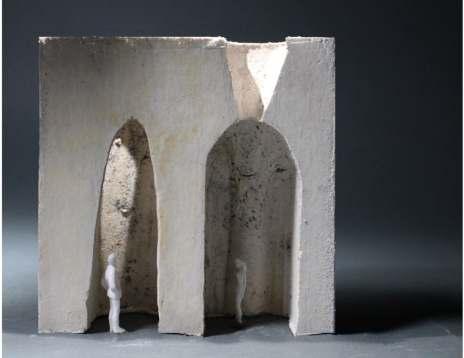
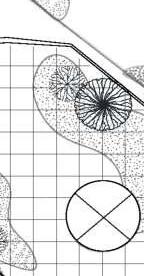
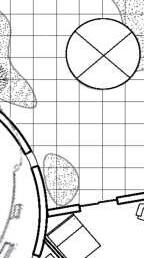
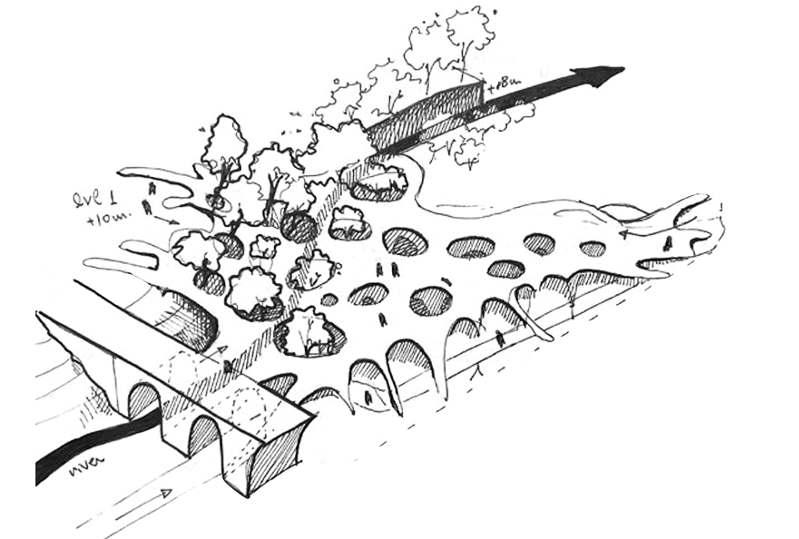
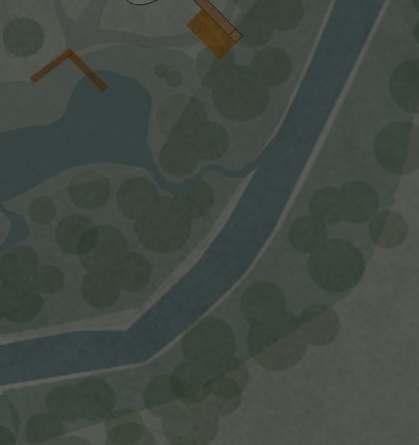
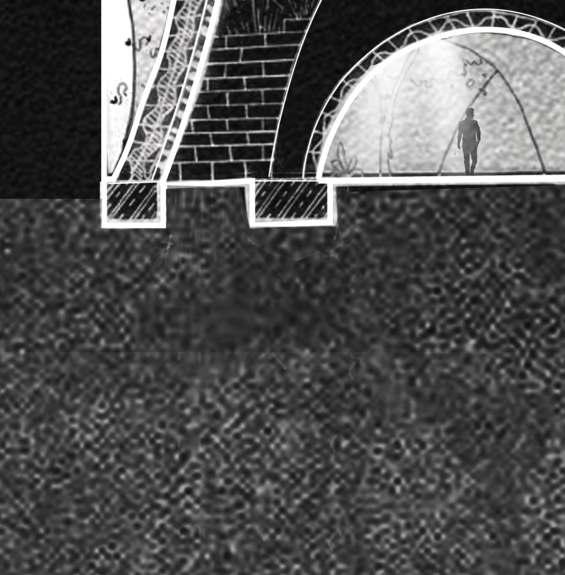
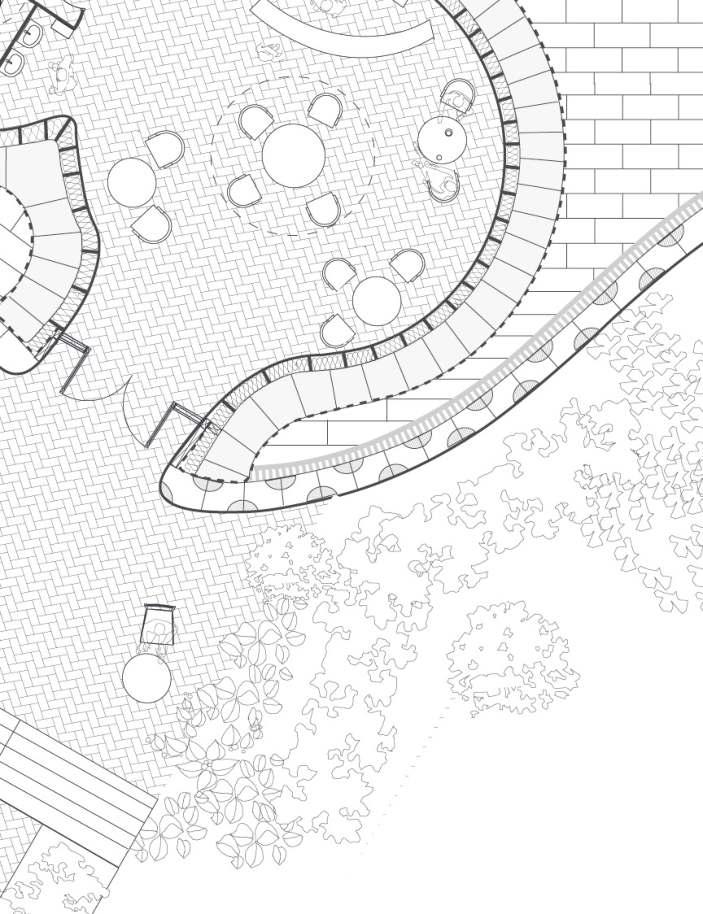
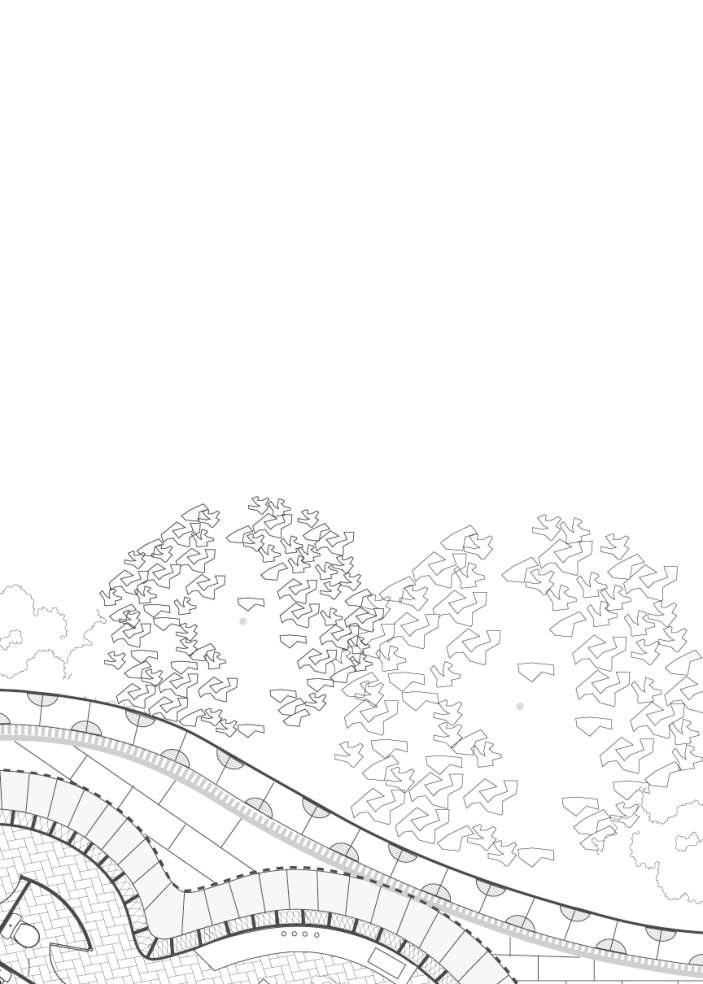
The Next step was to tackle the human experience. In doing so, my focus was on creating strong plays of light and challenge scale in a way that produces a contemplative state for the user. I developed three types of spaces, in relation to the amount of sun and rain they allow through. They were then ‘arranged’ on site in accordance with the already existing conditions (mapped in img 2), as to disturb the vegetation as little as possible. The result created an environment in which humans can experience the site through the lens of non-humans. (in terms of climatic conditions)
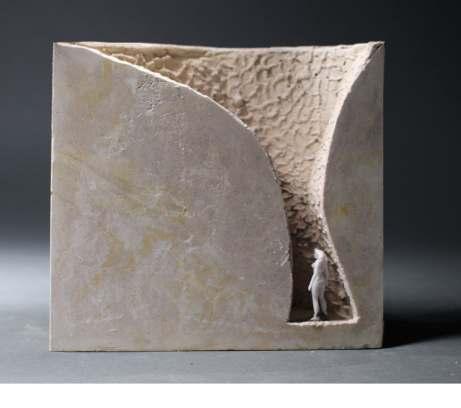
Expanding the ‘non-human’ experience








I took this concept one step further in an attempt of creating a space that transports the human user into the world of the non-humans (mycelium). In order to amplify the feeling of entering another world, I am using the existing tunnel under the bridge as the main entry point ant start of journey, as it represents a strong threshold symbol.
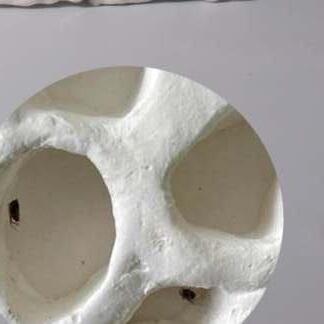
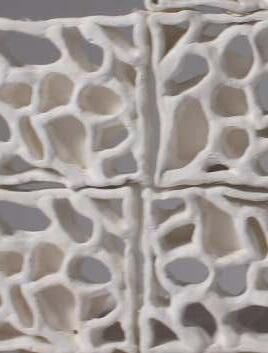
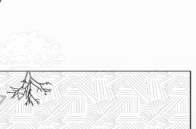
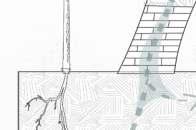
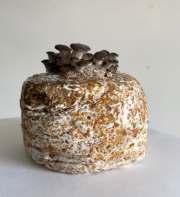
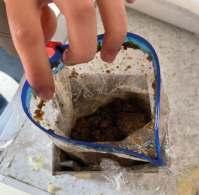
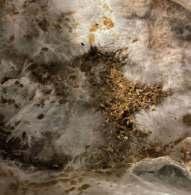
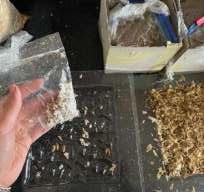
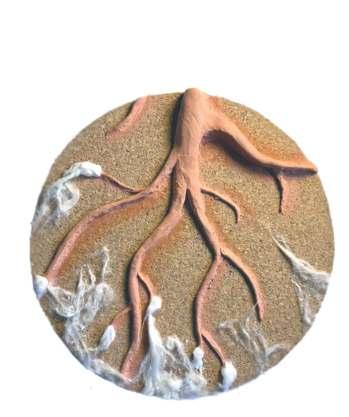
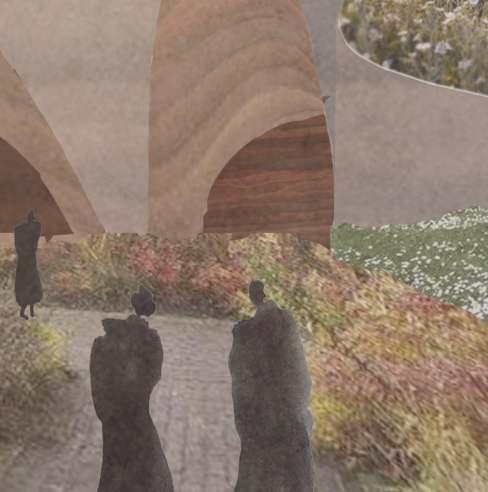
After testing versions structures that would encourage insect occupation, and decided on one (img 3), I took inspiration from it in the general volume of my design (img 4), as well as from other microscopic views of mycelium and mushrooms.
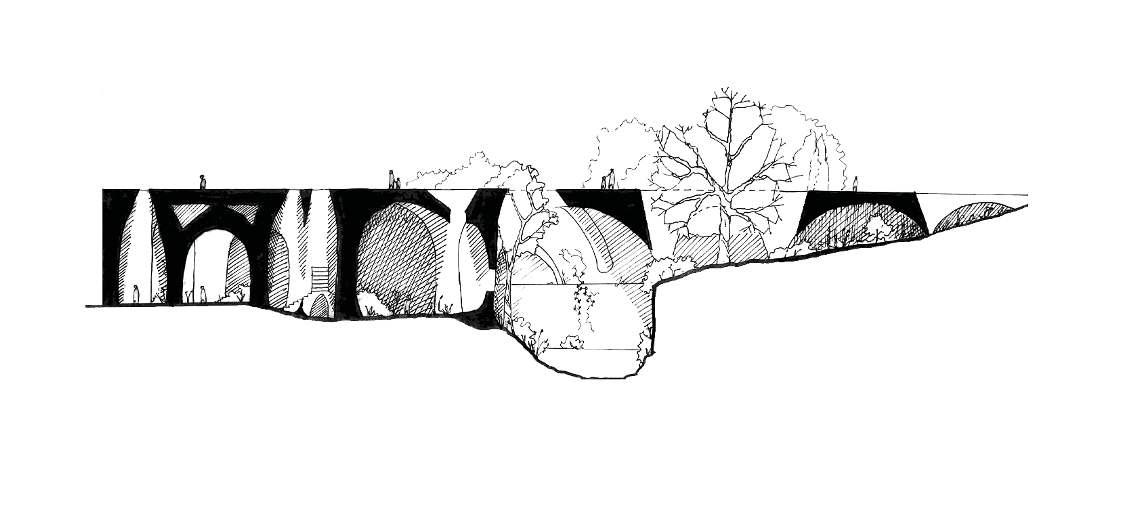

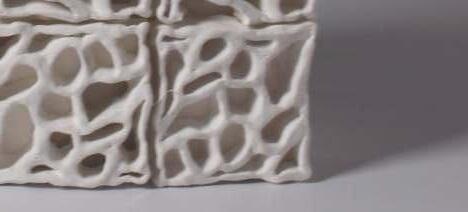
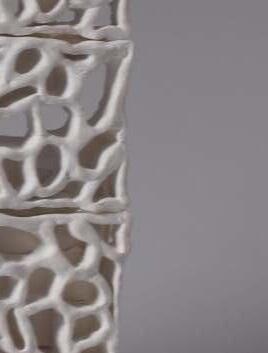
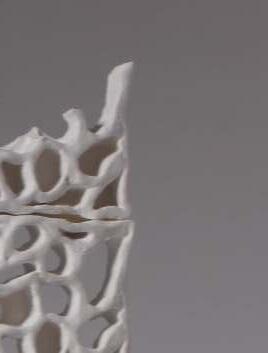
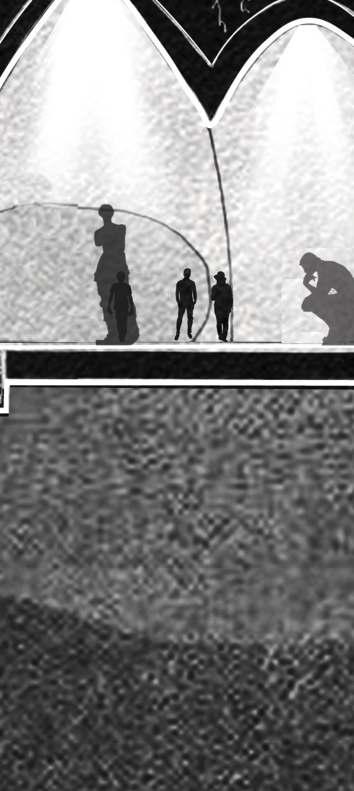
My aim is to manufacture an awakening experience for the human user, and, maybe even to createashiftintheanthropocentric view held by so many. The scale of the spaces unfit for humans (going up to 9m in height) gives the feeling of being in the presence of something bigger than yourself. The worm-like tunnels and dim lighting further emphasize the fact that you find yourself in the world of the non-human.
1. Entering the space through the tunnel under the bridge. I am using this pre-existing threshold as a tool in defining the passage into a different state of being.
2. Going through the exhibition spaces, where sculptures and artistic installations related to climate change awareness can be found
3. Walking through a winding dark path symbolic of the initiation journeythe‘hero’hastogothrough in order to be worthy of finding ‘the truth’ but life and himself
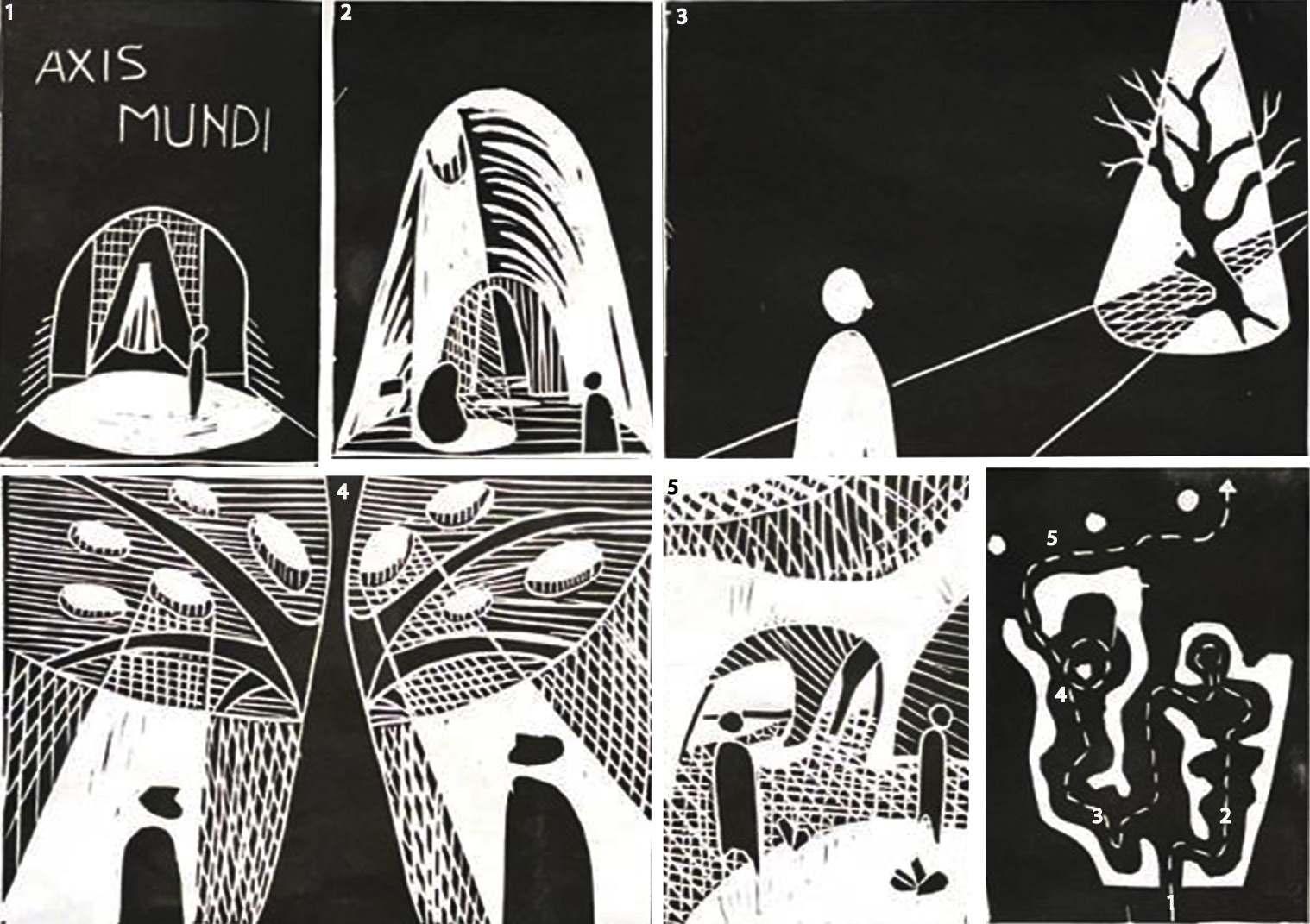
4. Spiritual space, the hearth of the architectural organism, (fact indicated by the central vertical pillar made out of mycelium) This spaceisbrightyetsolemn,creating the sense of spiritual awakening and contemplation alongside the realisation that something as small as mycelium is at the core of the natural world.
5. Transitional space between inside and outside reachable through a waterfall (when raining), symbolic of rebirth


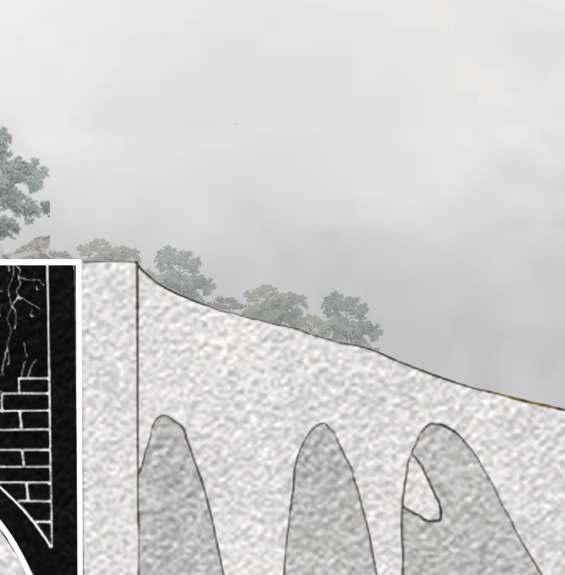
The design facilitates green and blue spaces for the local community, alongside spaces for social interaction, crucial for health and well-being. The construction materials needed are collected from the site, reducing the embodied carbon of the intervention to almost zero. By using 95% bio-based materials, the intervention insurers minimal long-term site pollution.
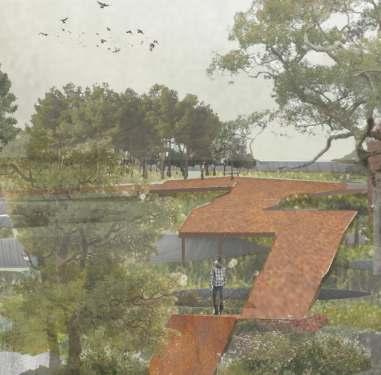
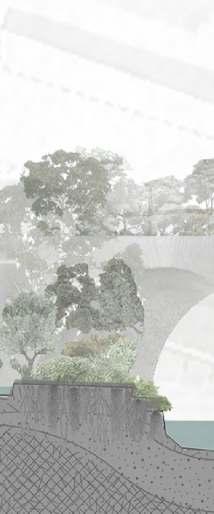
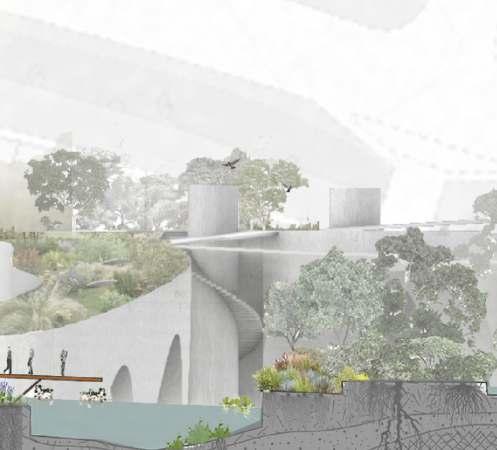
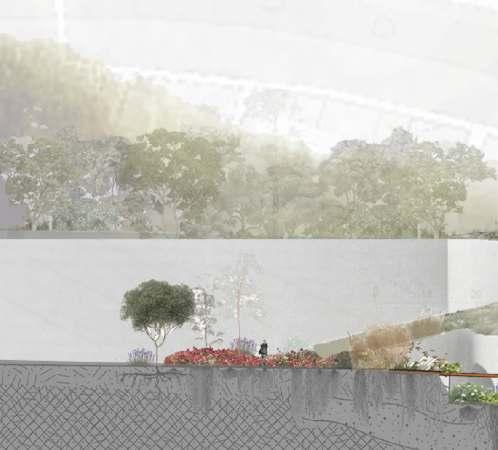
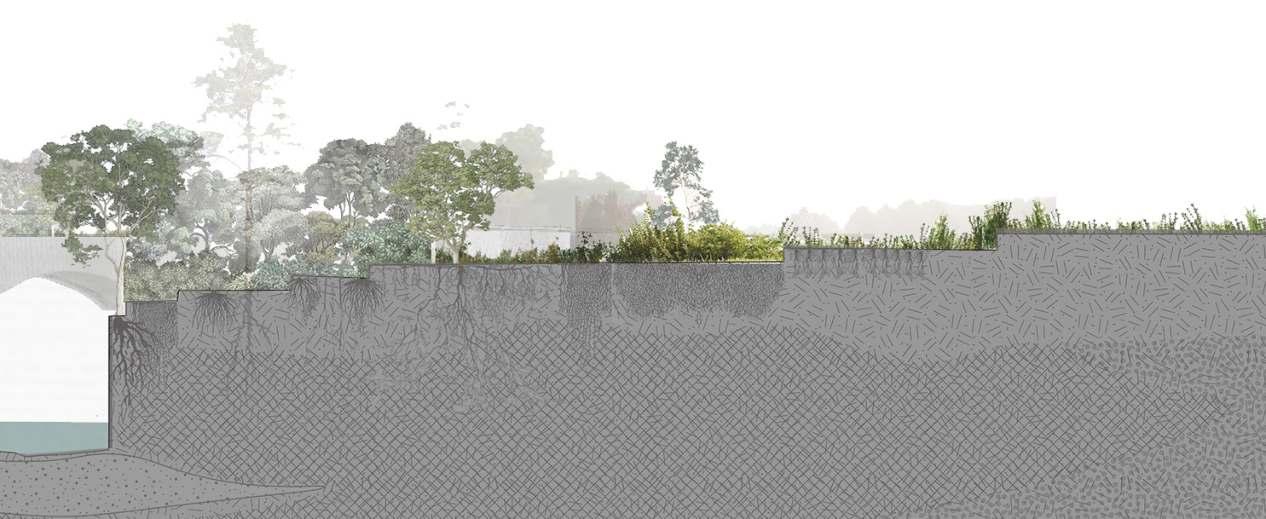
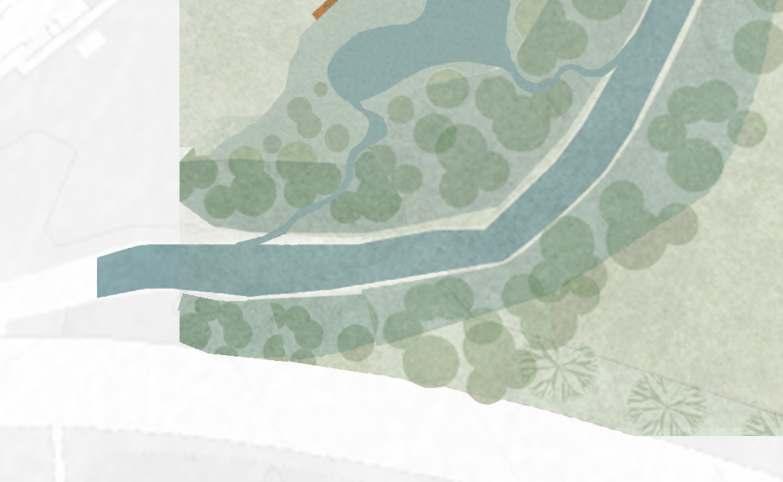
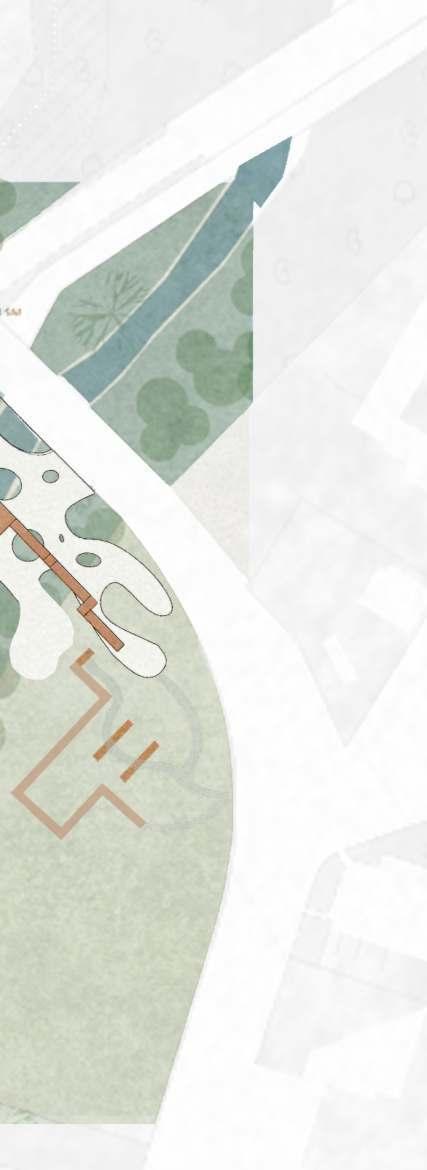
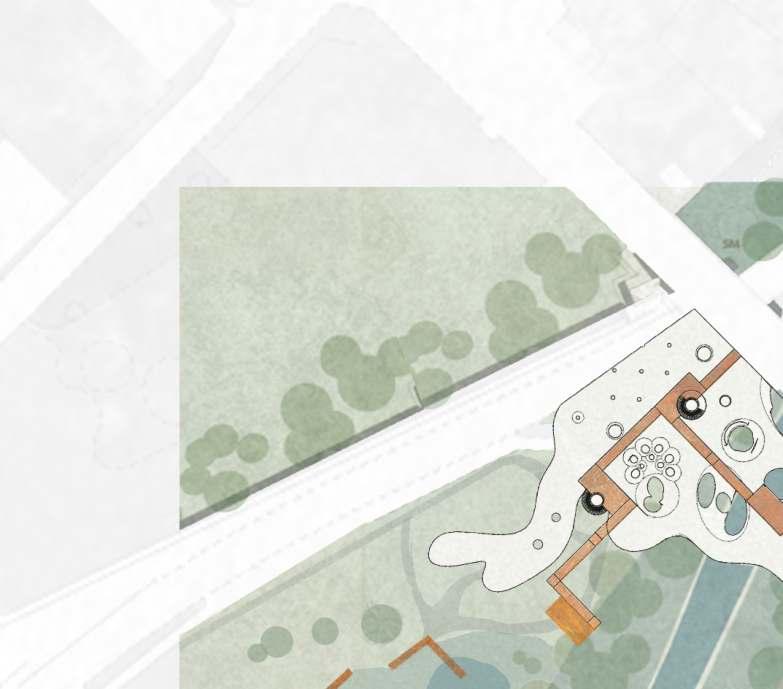


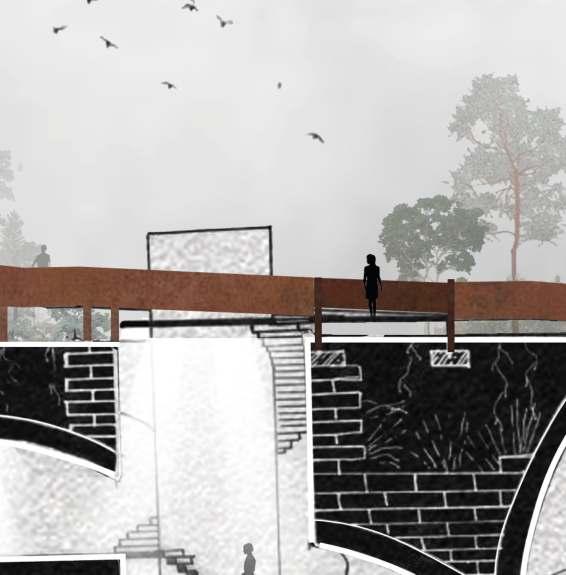
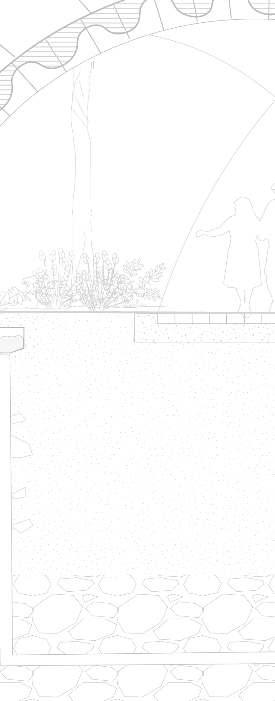
The intervention presents 2 main levels of access for the human users. The elevated paths on top Provide the visitor with an overall view of the construction, connectivity between different levels and a walk on top of a green area designed to enrich biodiversity. The lower level presents a series of exhibition spaces, a café and most importantly, the path designed to create a spiritual experience for the user.
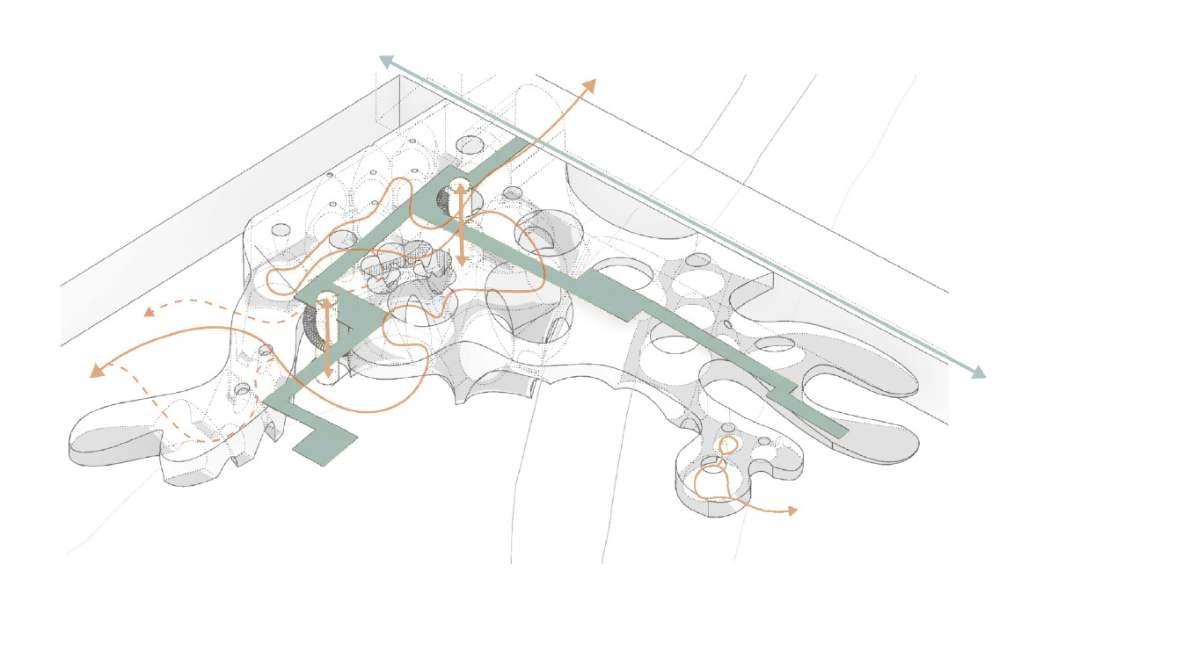
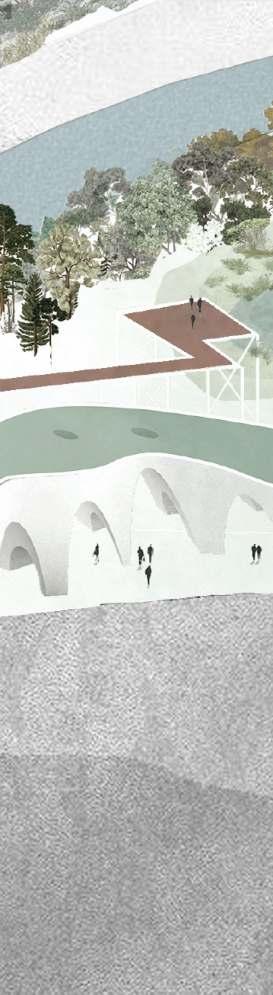
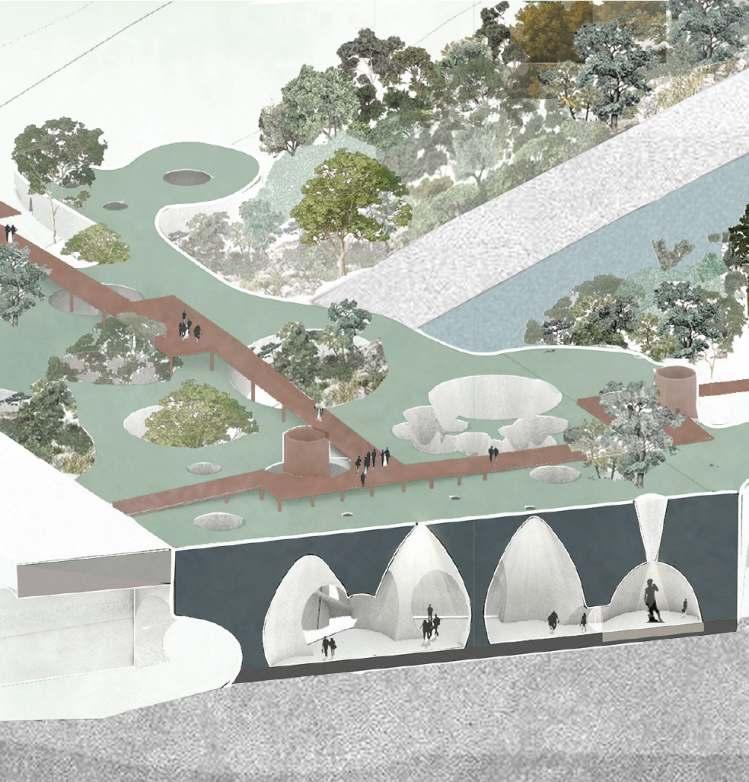
The paths on the rooftop have been designed with the accessibility regulations as a starting point. The slope of the inclined paths is 1:20, meaning that for each rise of 500mm, 10 000mm of ramp are required. Furthermore, a landing of 2000x2000mm can be found after every ramp, whit a change in orientation after two ramps. The paths are 2000mm wide, allowing easy access for wheelchair users.
Step 7: Installing the corten paths


Step 6: Planting the layer of vegetation
Step 5: Filling up the structure until reaching an even layer with a mixture of soil and compost
Step4: Adding the living mycelium bricks
Step 3: Installing the mycelium frames for insects
Step 2: fitting together the rammed earth bricks and terracotta bricks to create the structural frame
Step 1: placing the stone foundation and setting up the ground source heating system
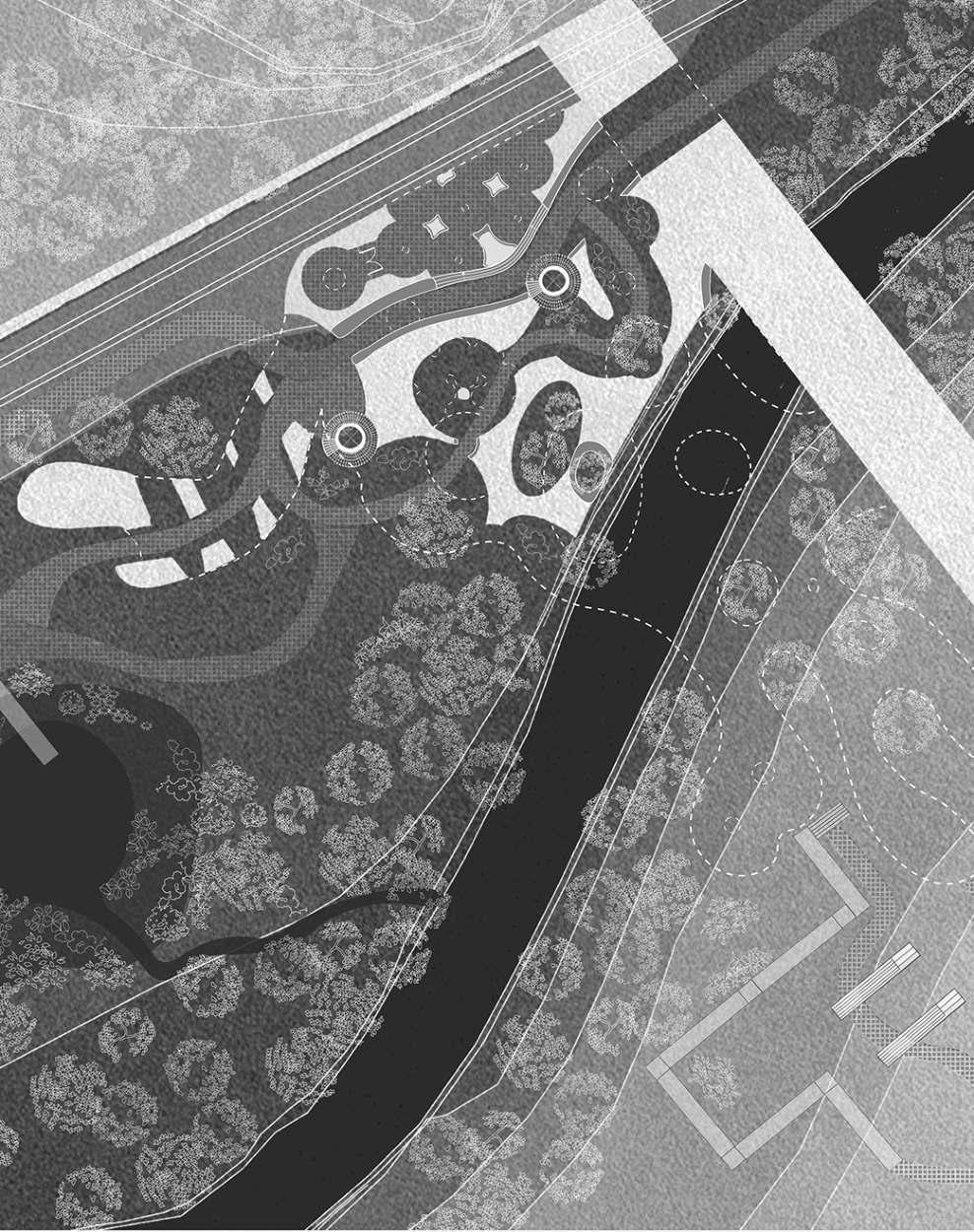

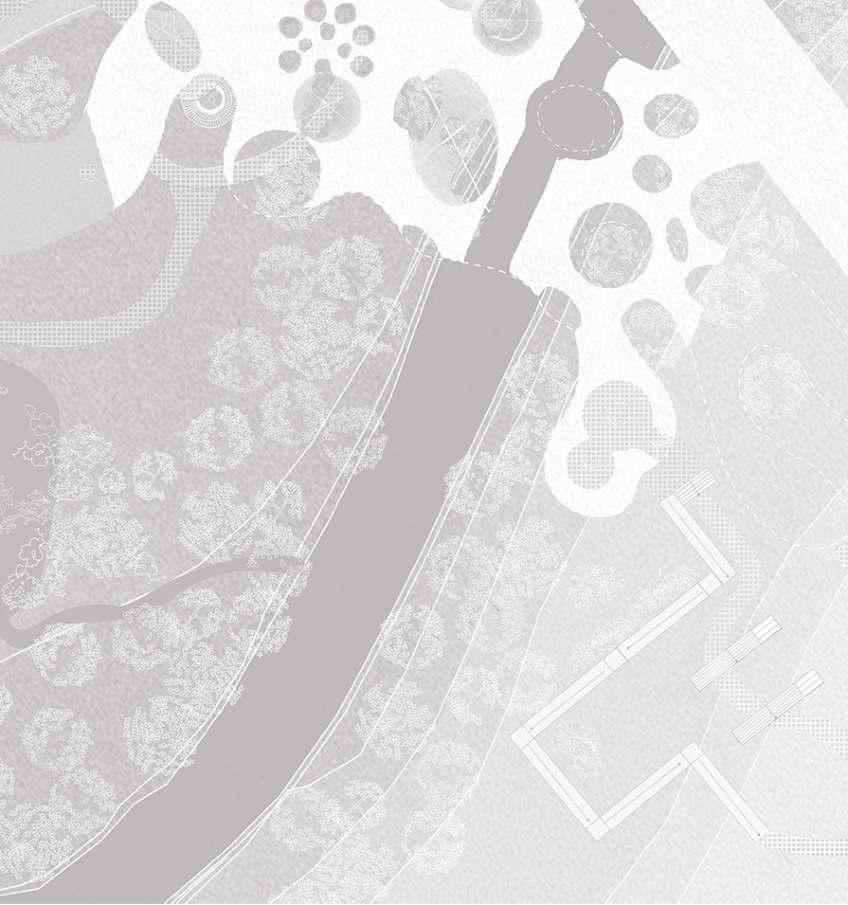










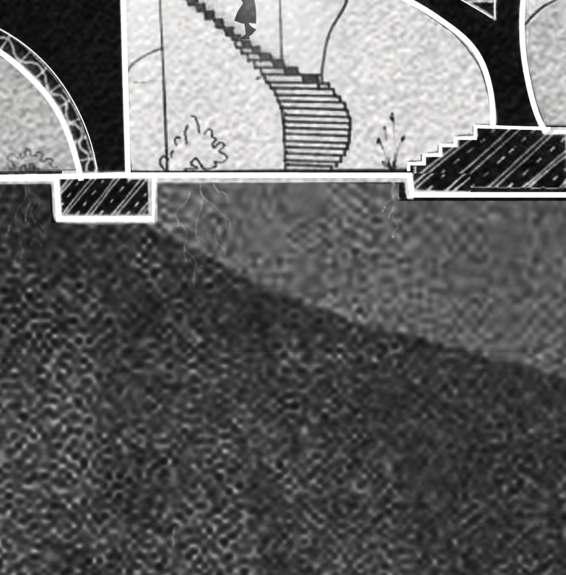
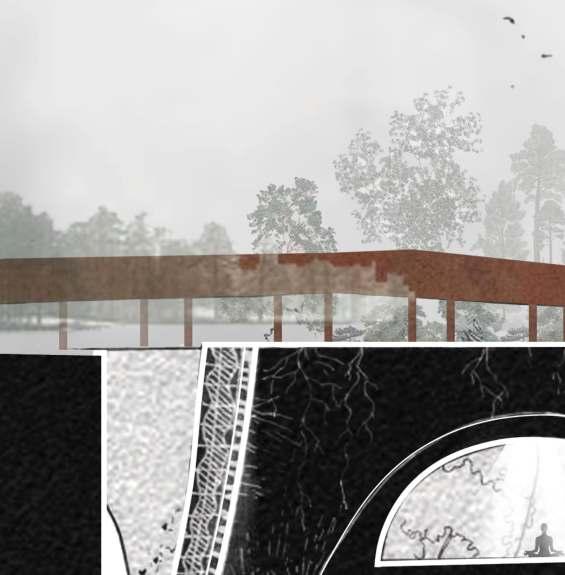
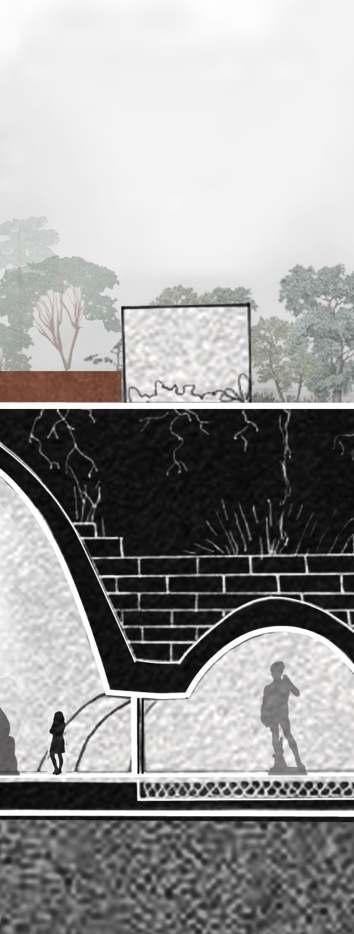





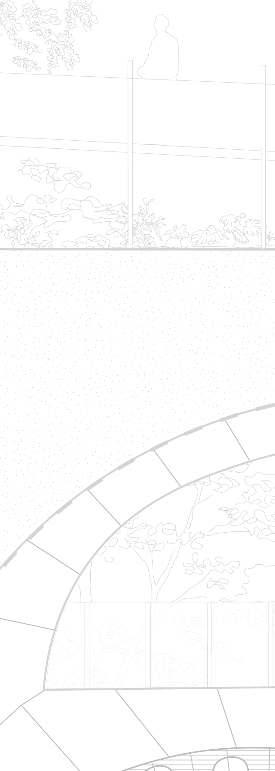

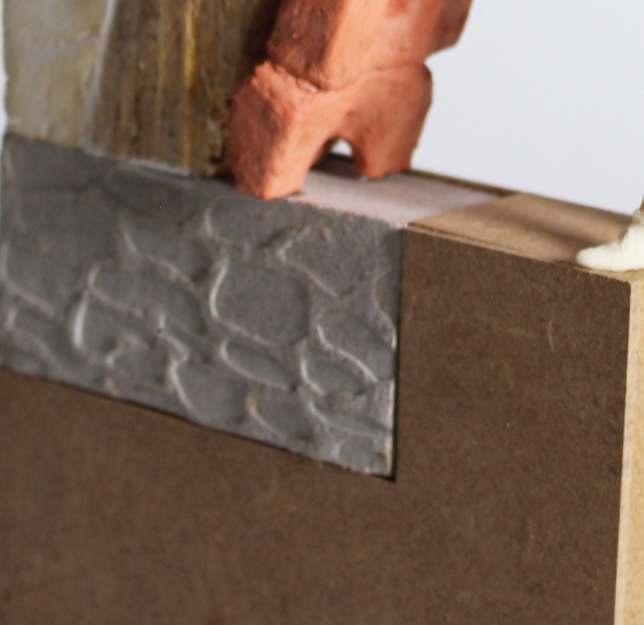

The path to the spiritual space is paved with the same terracotta bricks that can be found on the outside layer of the installation. While they only serve a functional role for the non-human users, in this context, they are creating a different atmospheric effect than the rest of the installation, preparing the human for entering the spiritual space by bringing him closer to the experience of the non-humans.
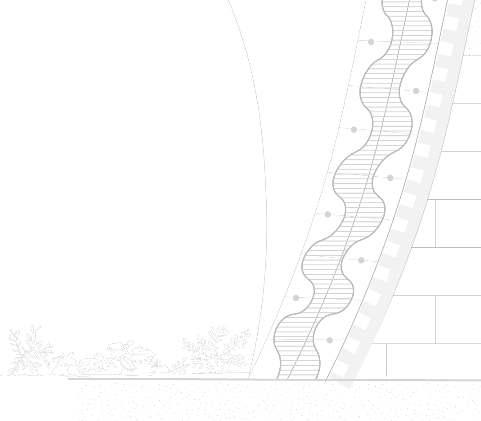
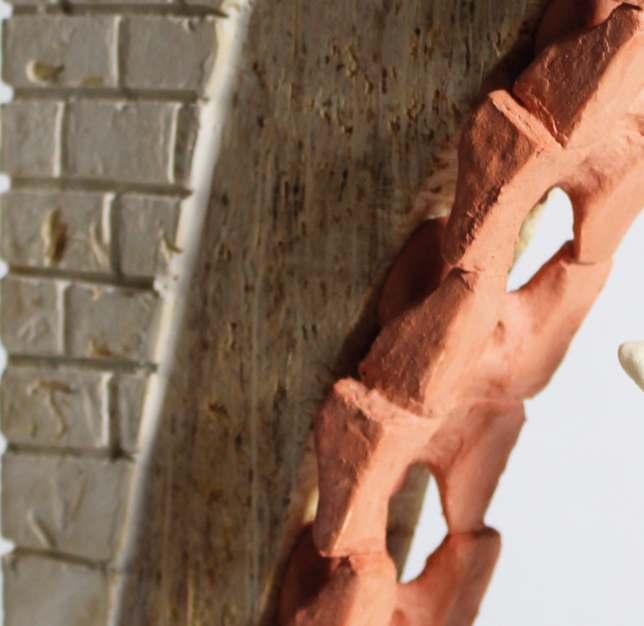
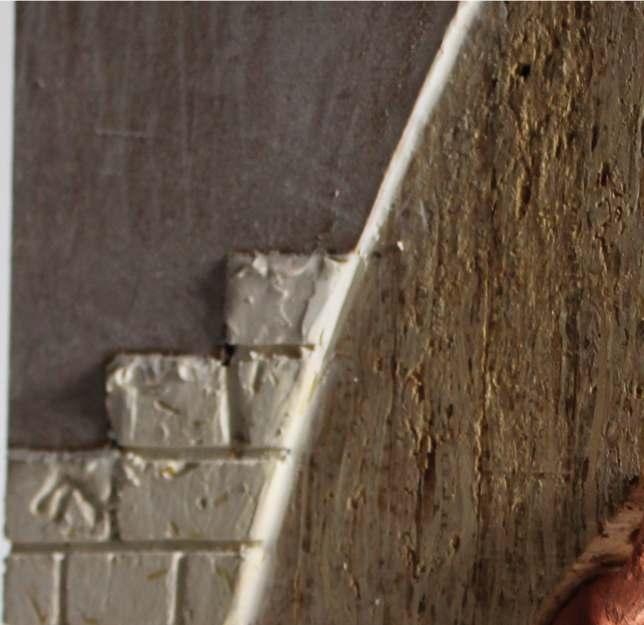








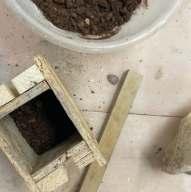
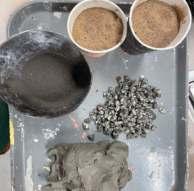
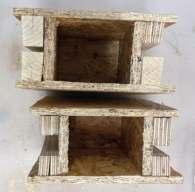
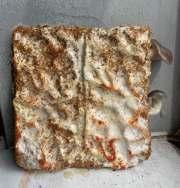
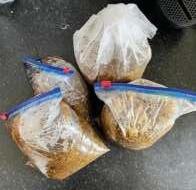
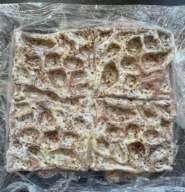

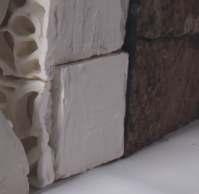
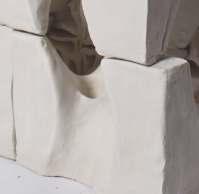
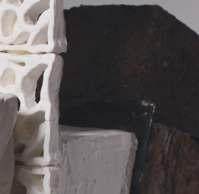
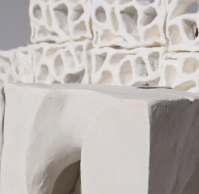
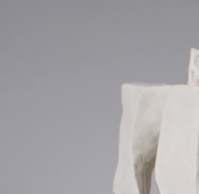

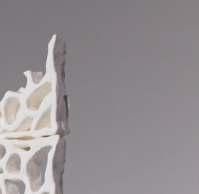
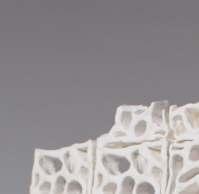





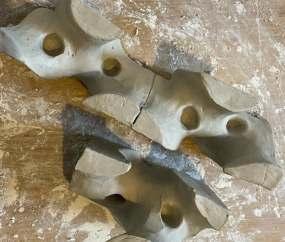
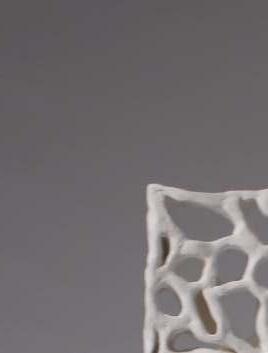
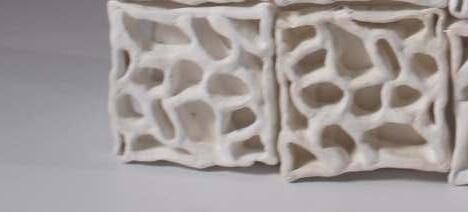
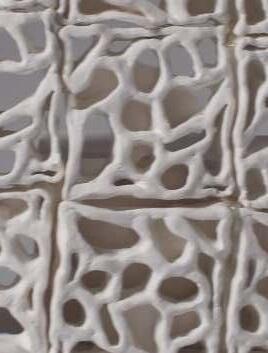
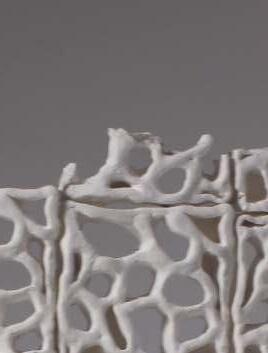
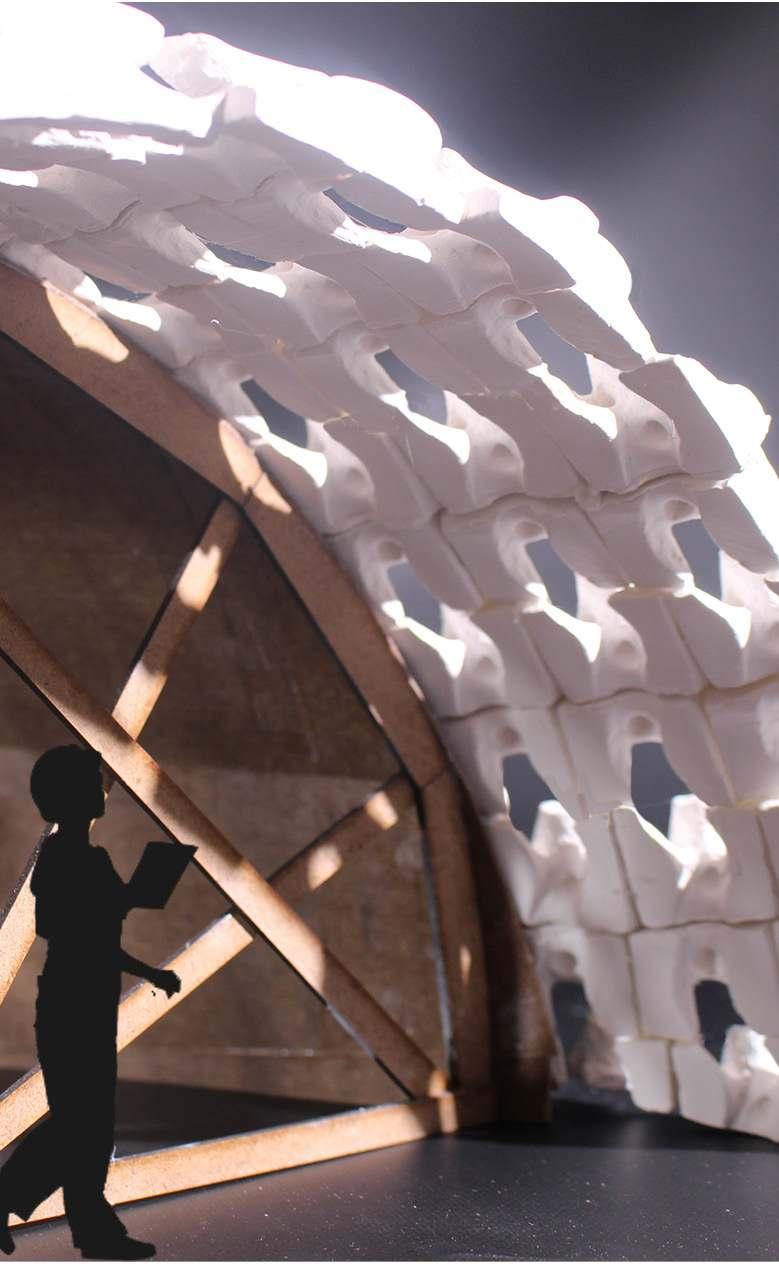
These structural rammed earth bricks have been presented as part of the 4th International Architecture Biennial of Antalya (IABA).
They meet the requirements of my design by allowing access through for fauna, letting sun through (necessary for the flowering stage of the mycelium) separating humans from the mycelium and providing structural stability
In order to accommodate the voids necessary for plants to grow and have access to sunlight along with generating continuous surfaces to direct rainwater to plants, research on minimal surfaces had been done using digital modelling techniques. The bricks are manufactured from rammed earth using a mould.
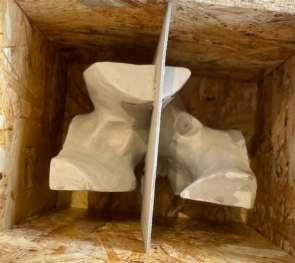
Given that the climate in Turkey is arid, a watering system had to be adopted.
Considering the precipitation frequency in Manchester, this is no longer needed. On the other hand, the precipitations imply the need of a different materiality, as exposed rammed earth would have longevity under these conditions. Instead, the bricks will be fabricated out of terracotta, making them water resistant, while also fitting in better with the aesthetic of the city.
Step 1:
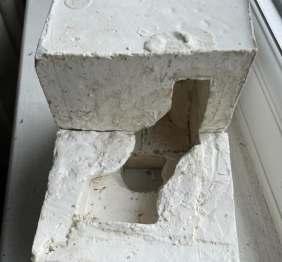
For mass manufacturing the terracotta bricks, a mock brick needs to be carved out of clay first.
Step 2: The brick is then casted in plaster, in order to capture a negative volume of the original brick.
Step 3: Silt is poured into the mould and left to harden. The process is then repeated. The bricks are then burned in a temporary Furness built on site at 540C.









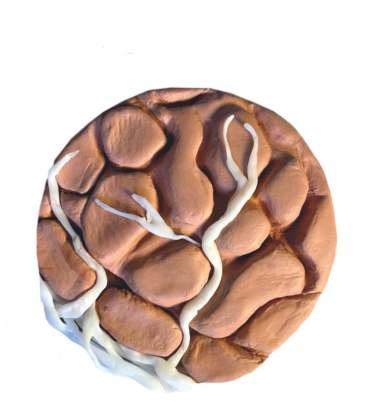

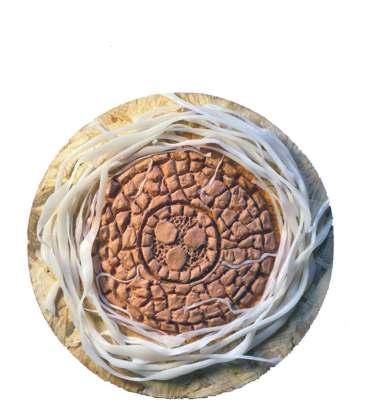
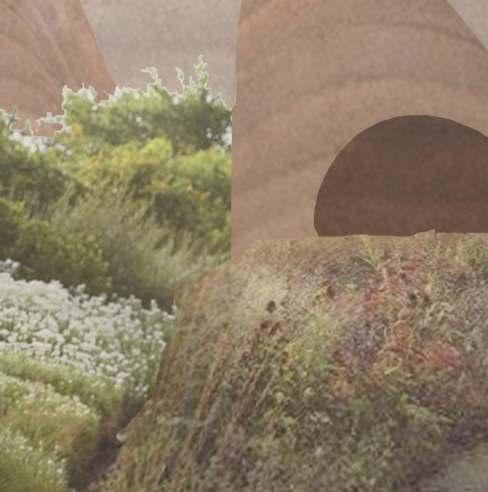
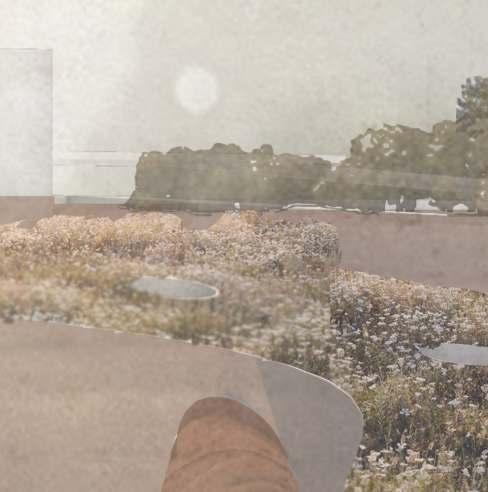
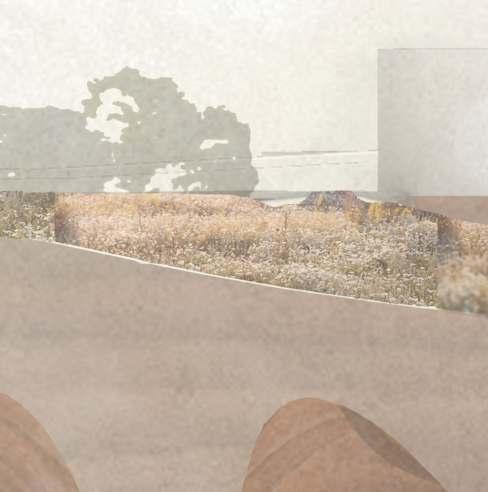


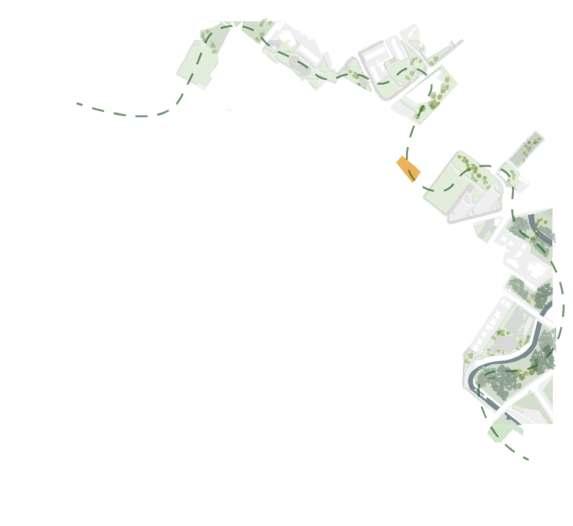
The brief can be summarised as a housing project for artists that includes a studio/ atelier, as well as an exhibition /performance space. Above the function and programme of this proposal, I wanted to create a space that inspires the artists but is also suitable for the artistic performances themselves.
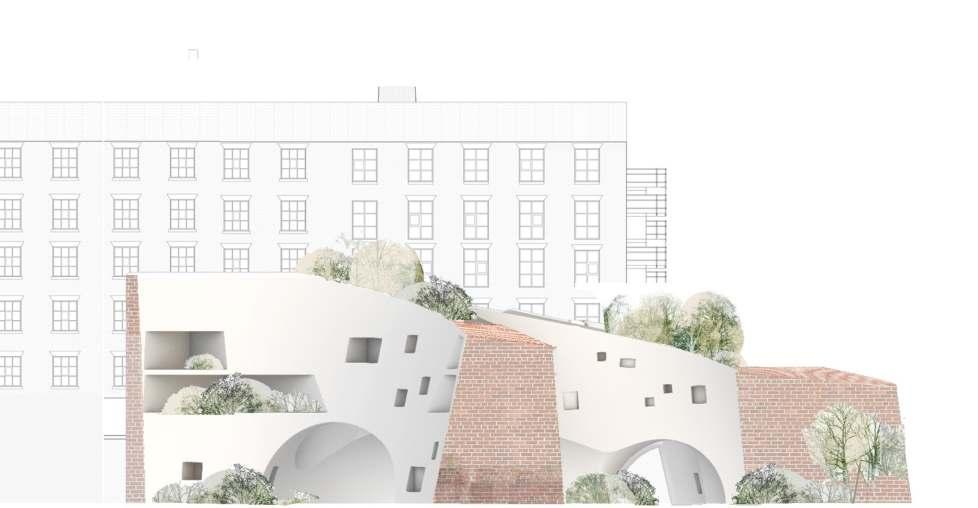
Creating a green environment was also one of my creative drivers, as that would mean connecting two ribbons of vegetation and improving the strength of the greenery on a larger scale, as well as the obvious health benefits for the residents.
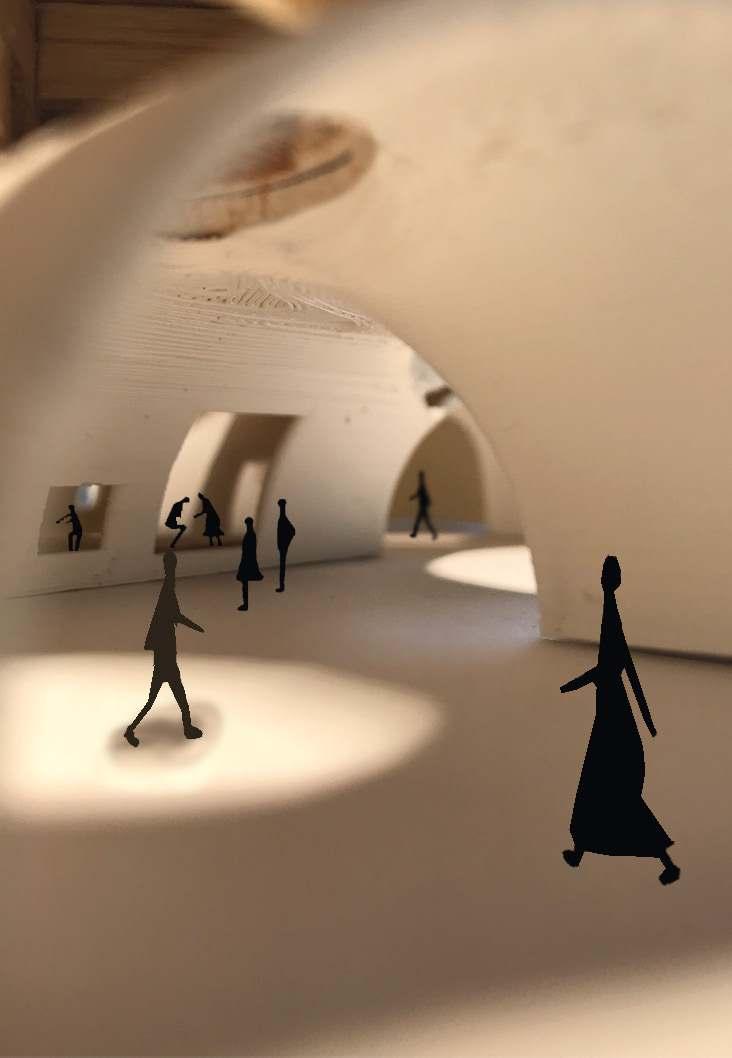



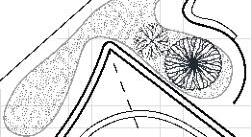


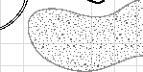





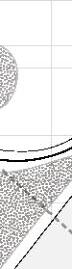

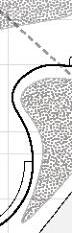
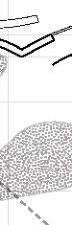
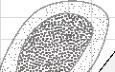
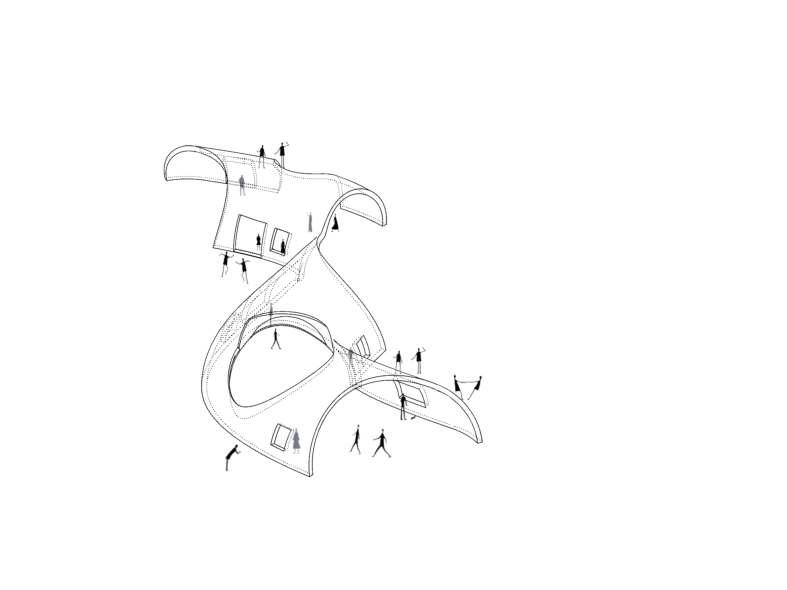


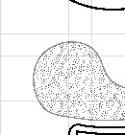

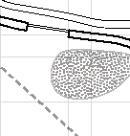
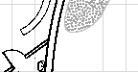
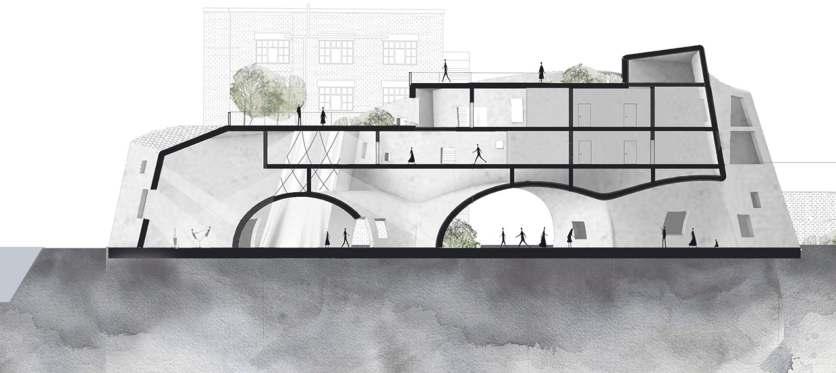
The overall volume was designed to facilitate maximum sun penetration, in a very dark site, without overshadowing the industrial mills it’s surrounded by. The two tubular voids act as sun tunnels while also facilitating good vertical air flow throughout the building.


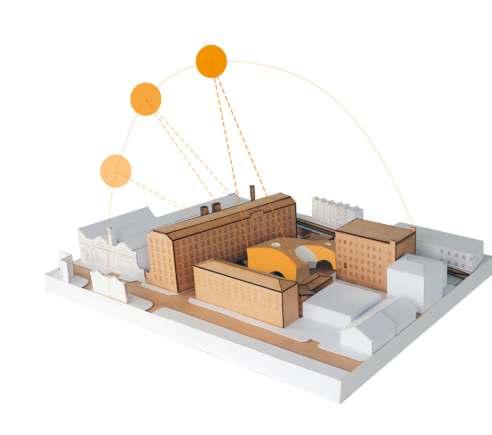
The concept of the Home/Atelier/ Performance space for the artist is that they have their studios on ground floor, overlooking the garden through big windows. The visitors have access to the garden at all times, being able to ‘peak in’ the studios before the opening day of the performances. On that day, the performance spaces extend outside, and the whole ground floor is available to the visitors. The spaces are separated with versatile paper walls.
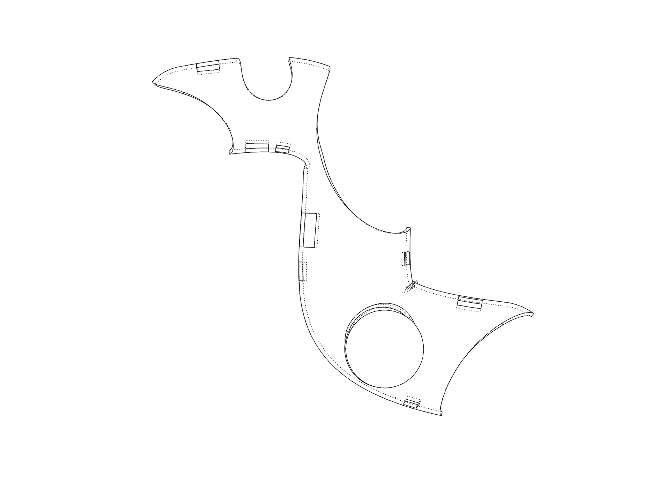
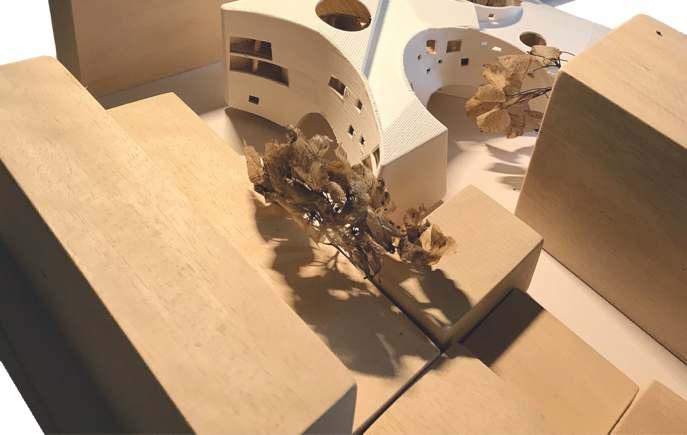
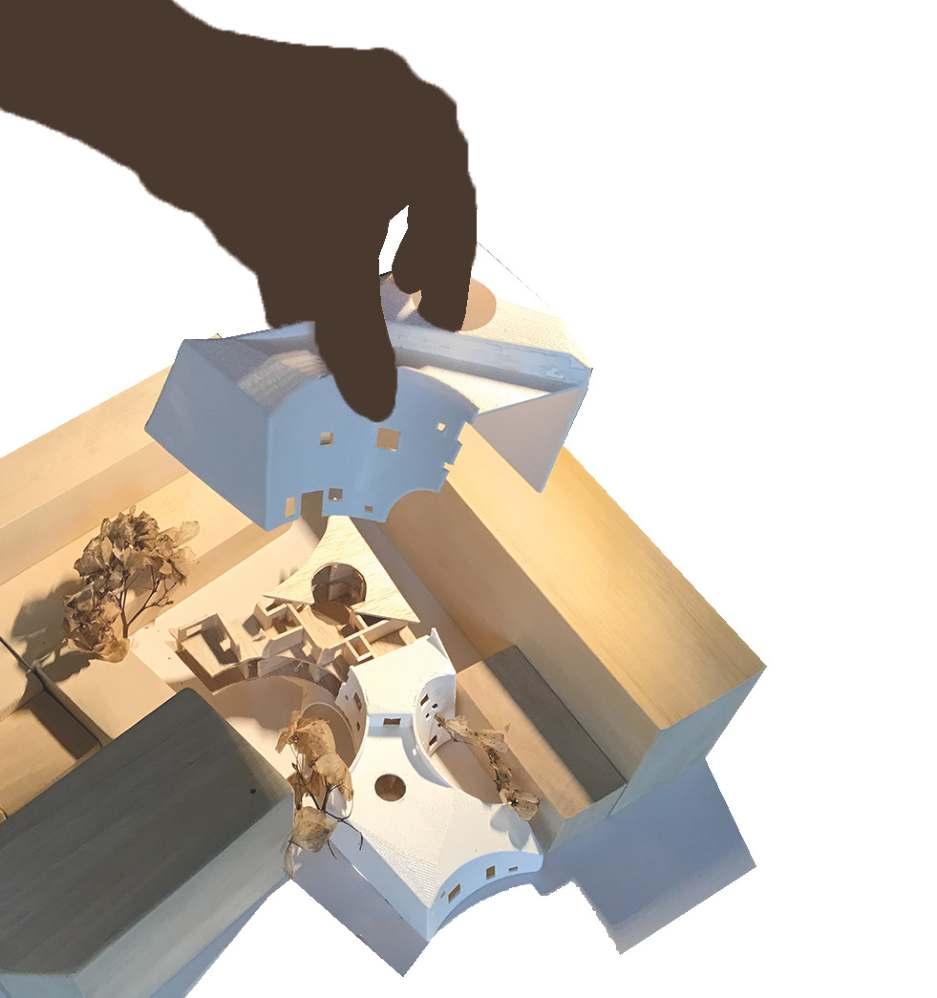
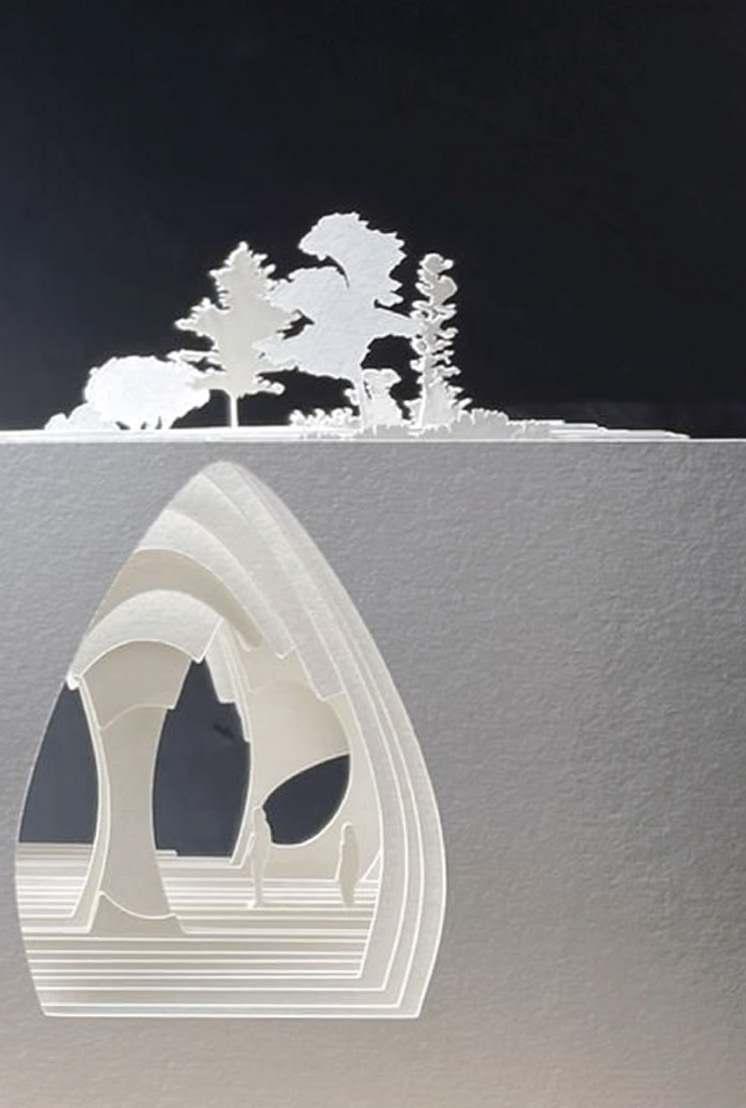
This model highlights the order and precise geometry that can be found inside the organic shell of the main volume, as well as it’s relationship with the context.