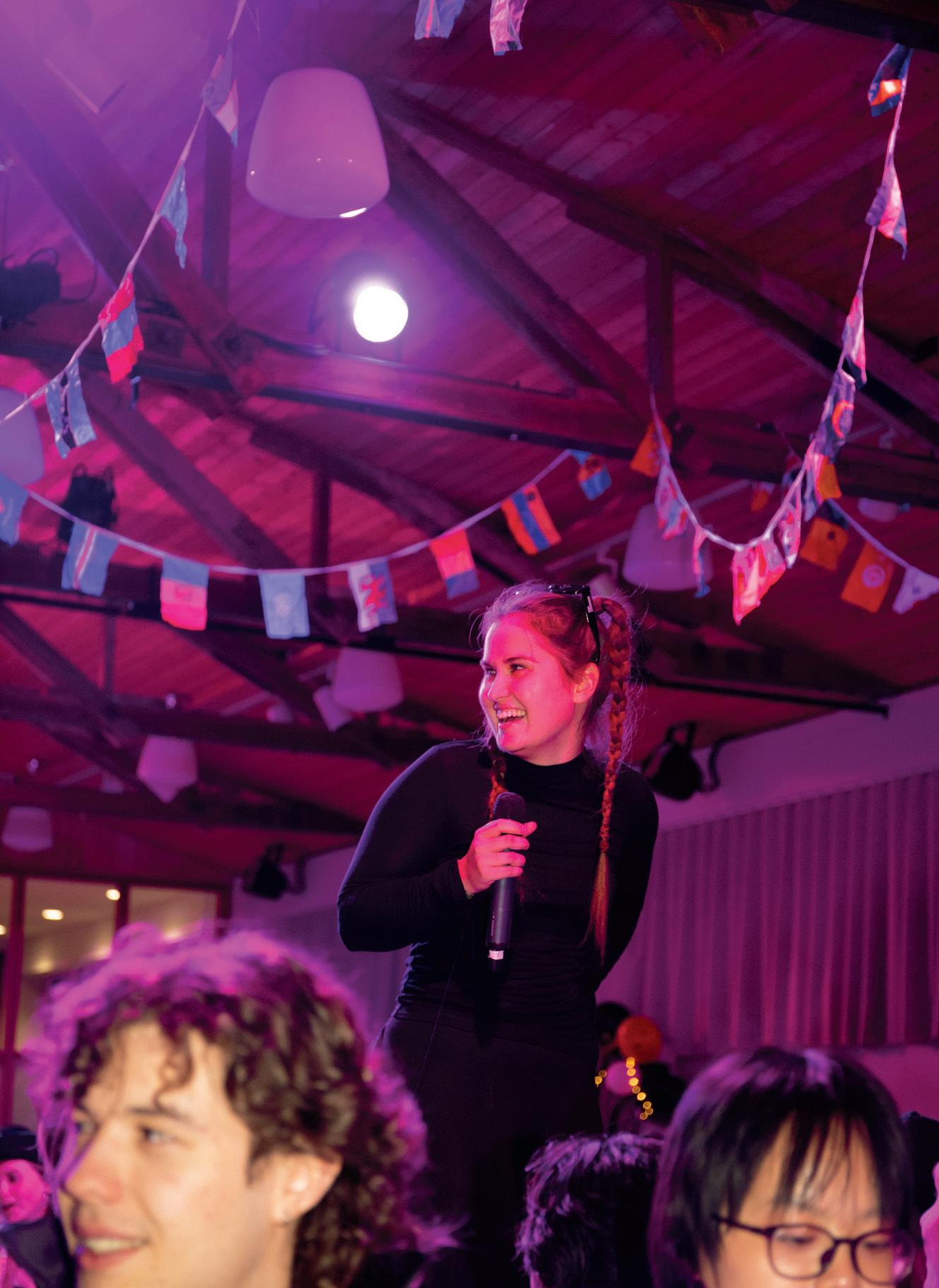
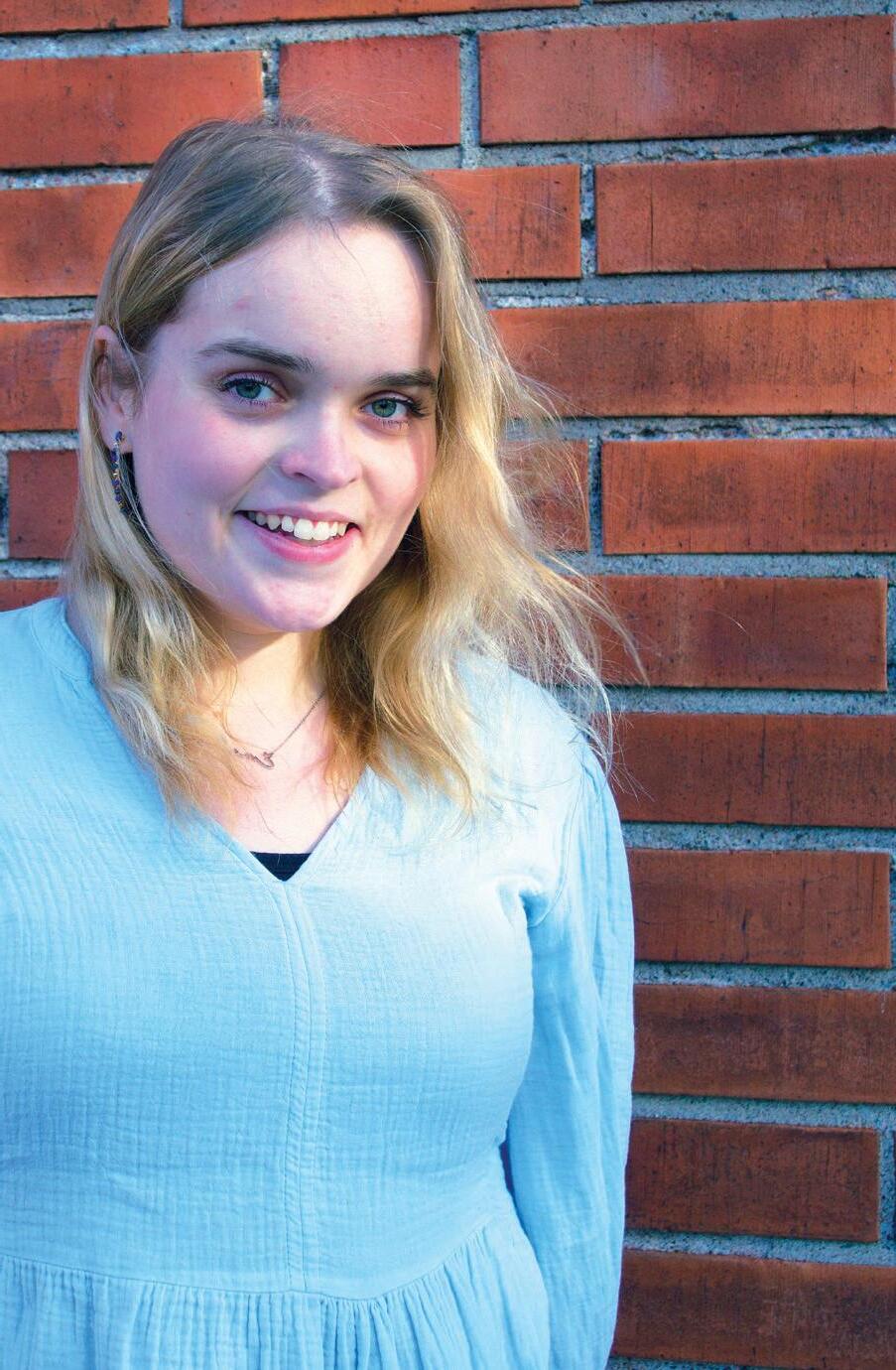
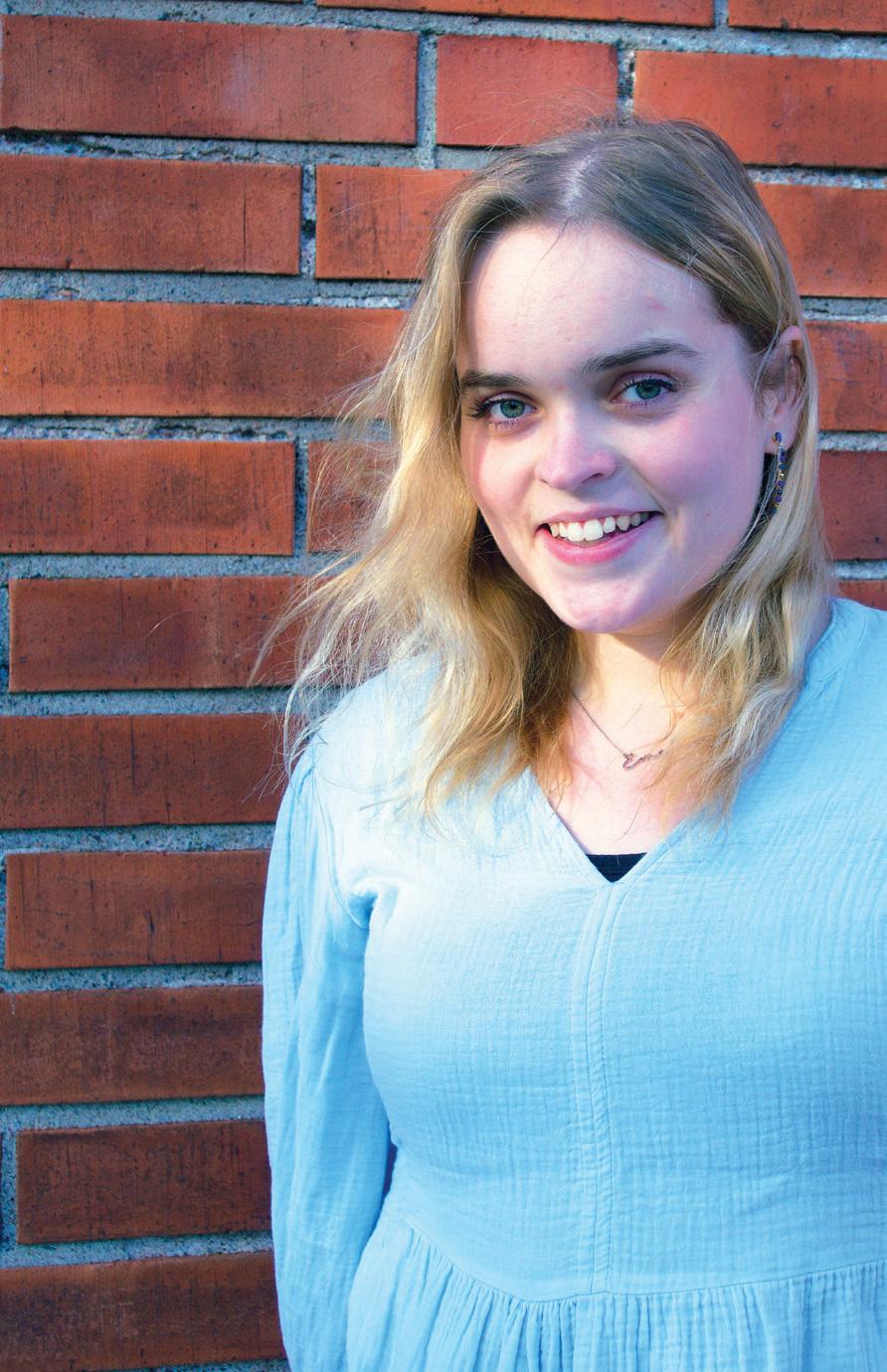
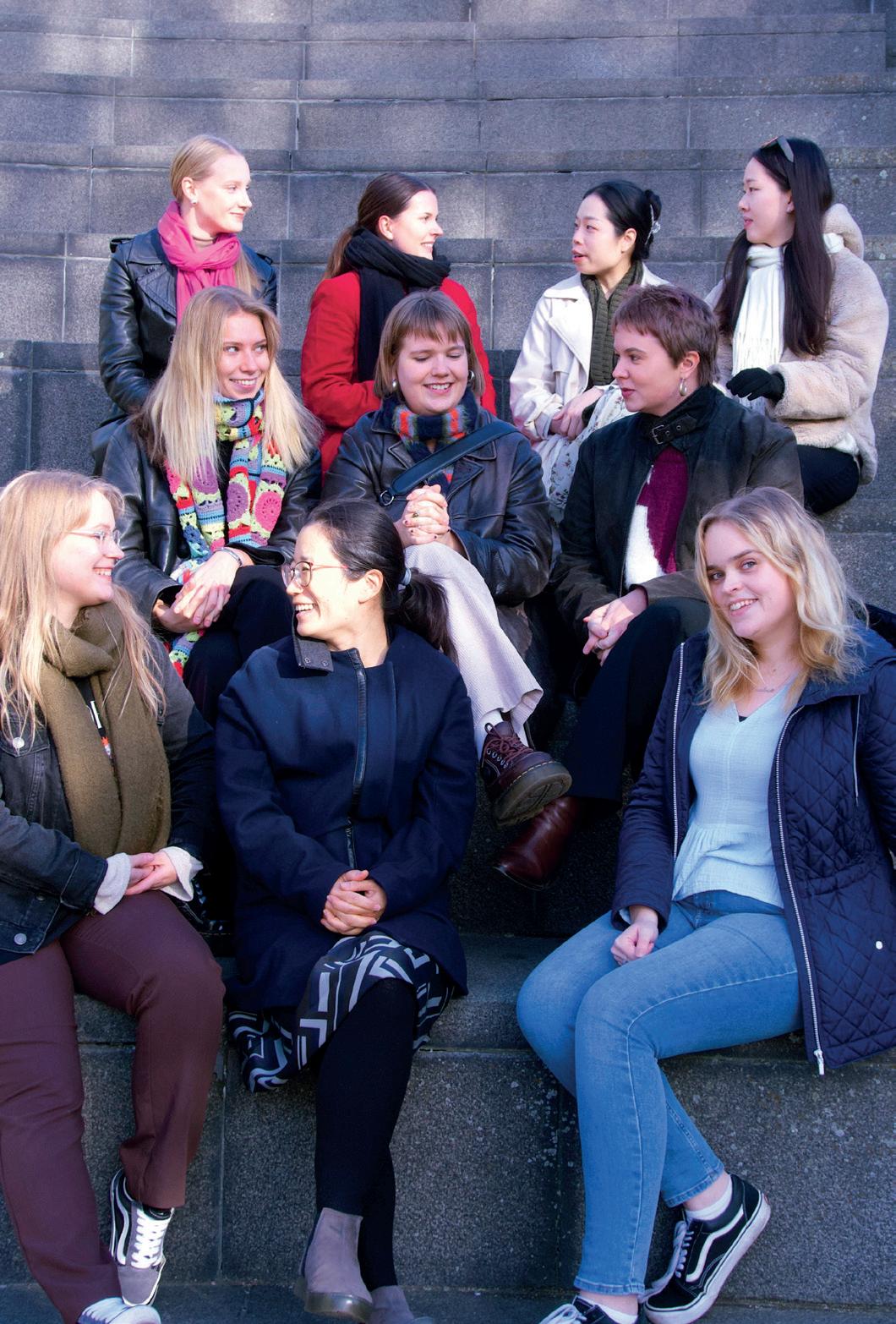
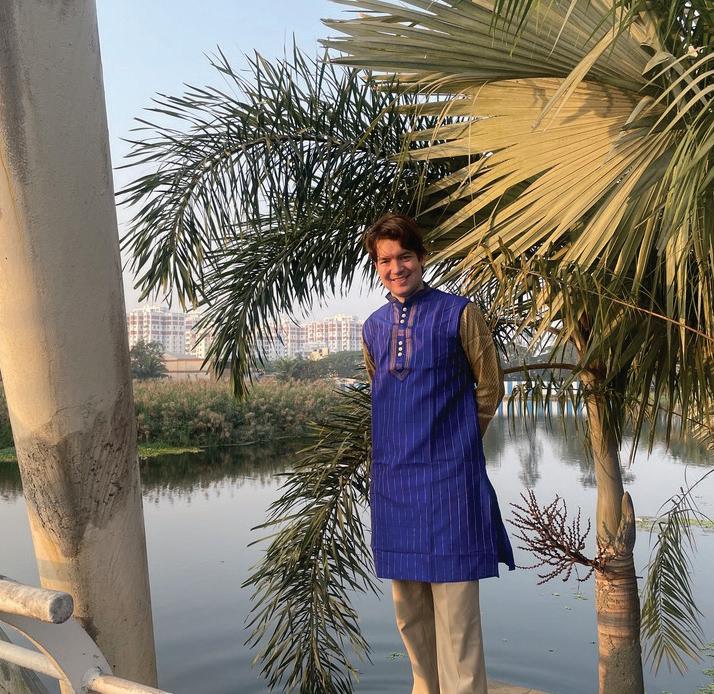
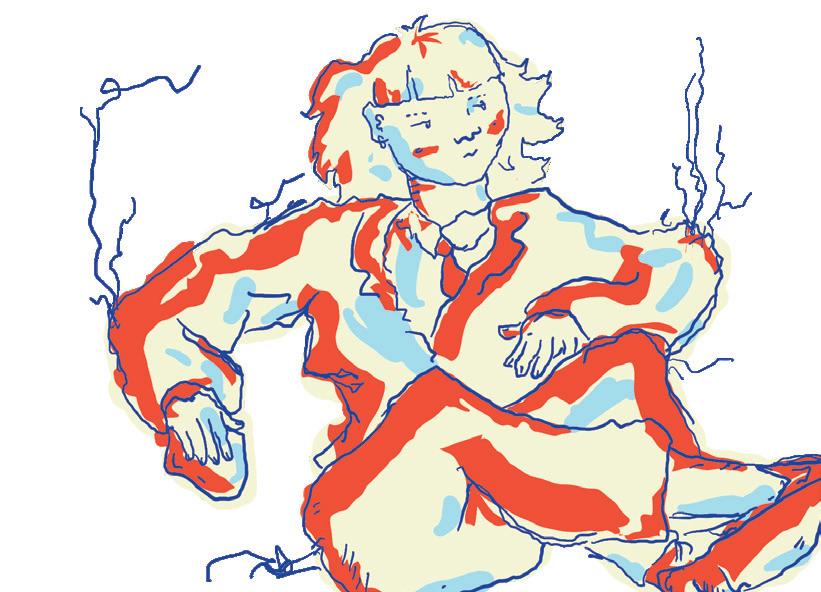
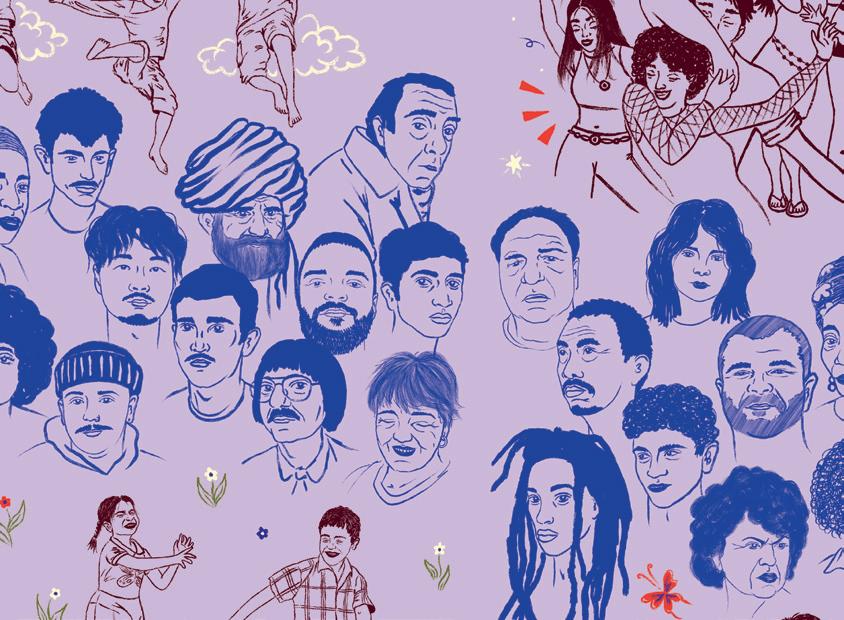
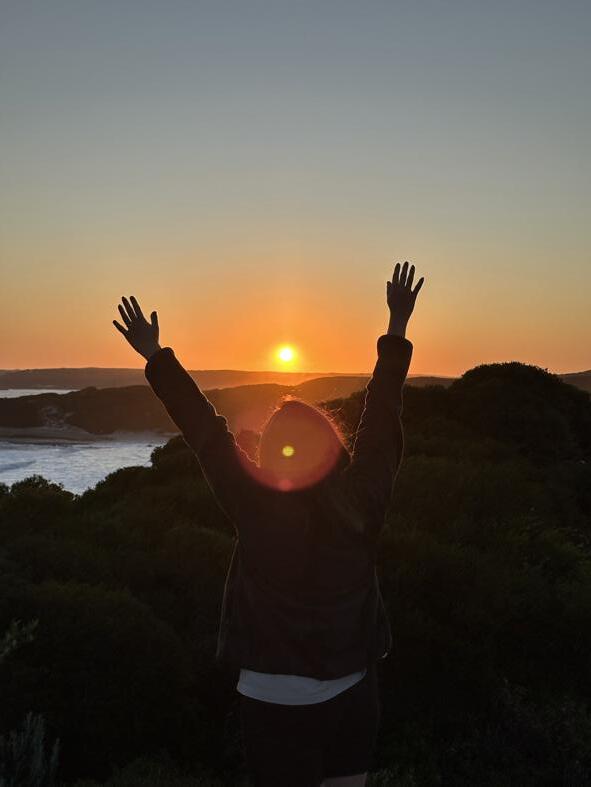
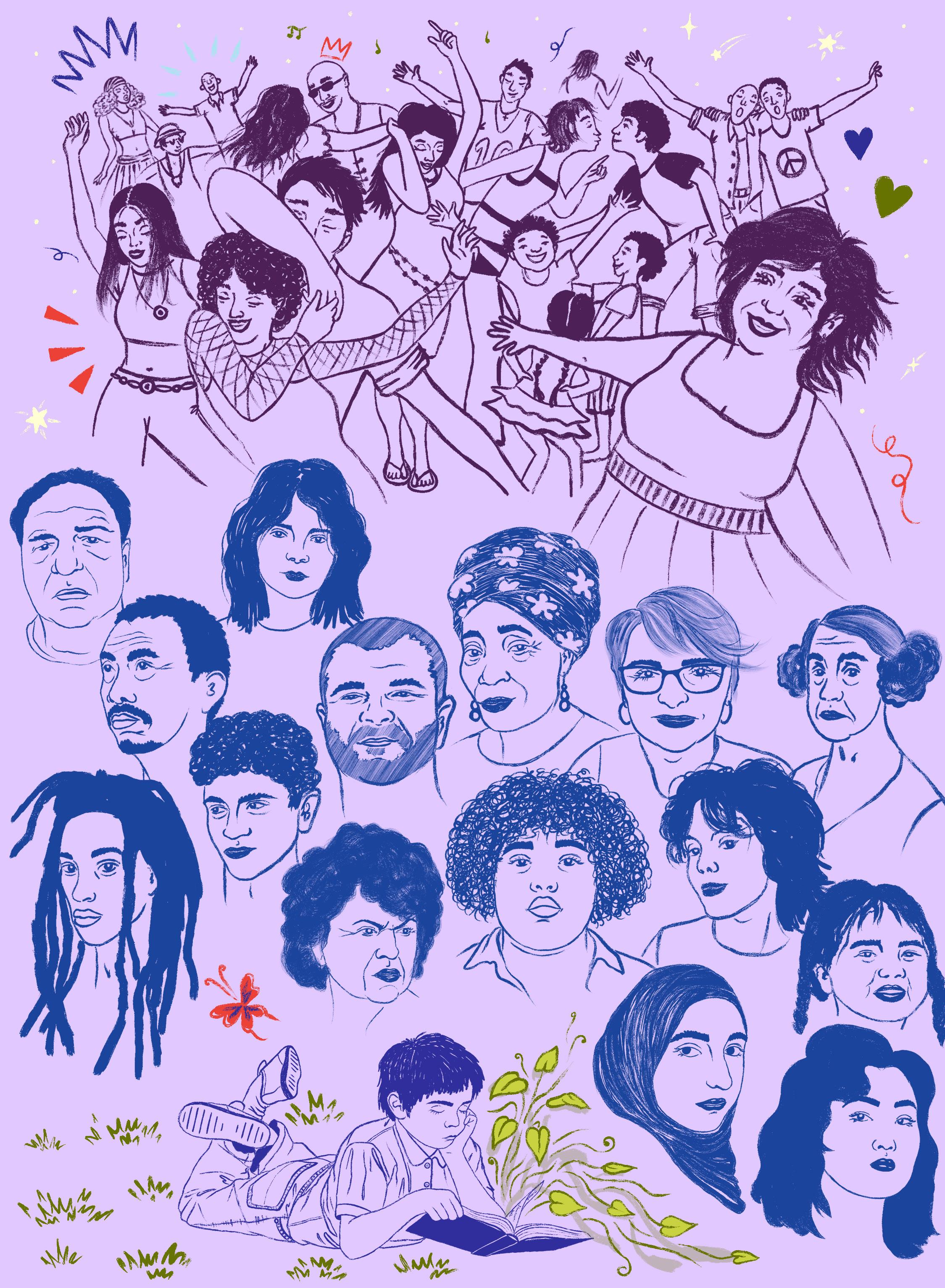
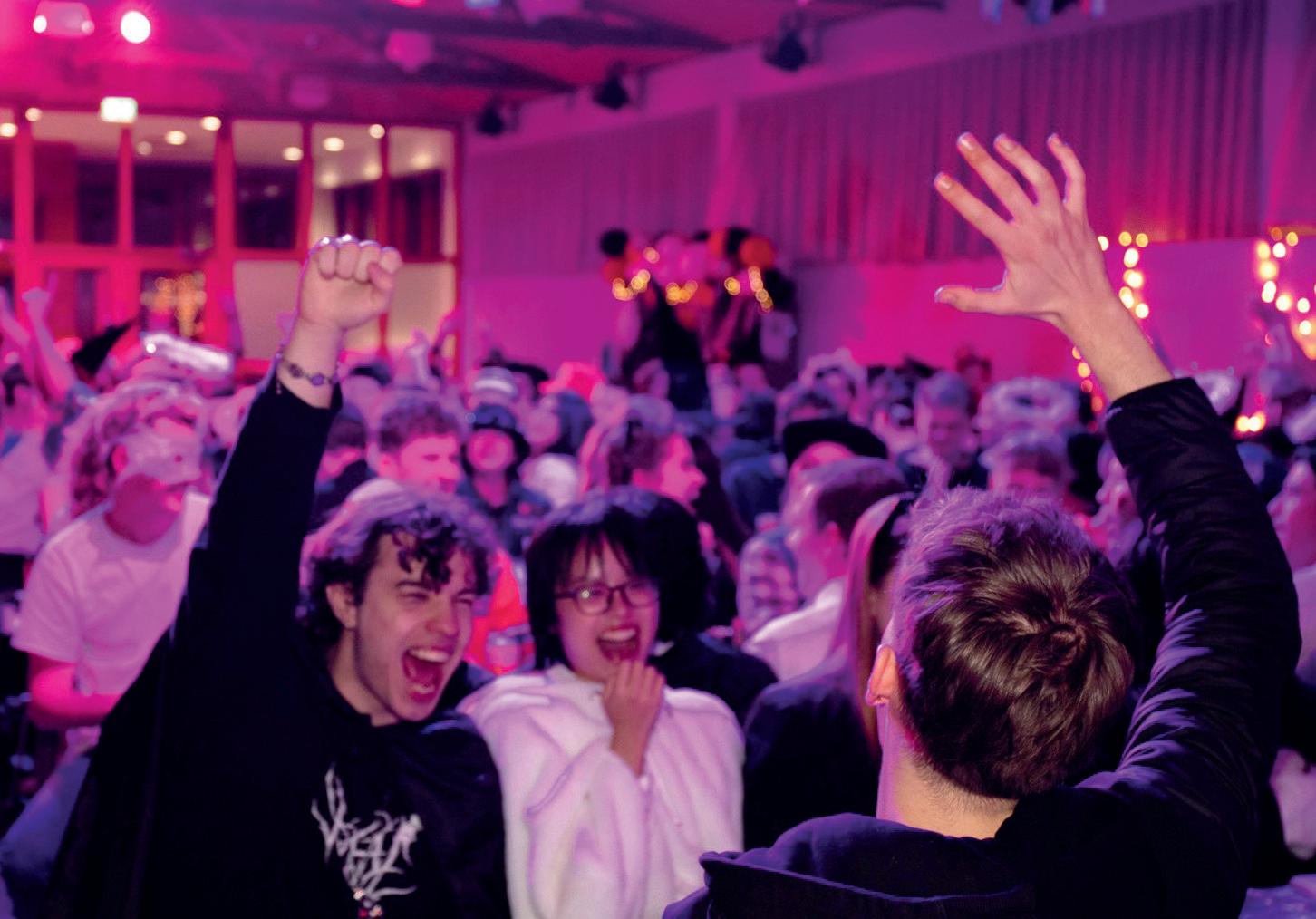
KY-SUB’s Around the World Sitz aims to bring people from all over the world together to celebrate Finnish Sitz culture. This semester’s Halloween theme inspired students to express their diverse interests, cultures, and personalities through their costumes.
Introduction
Tässä numerossa
Sukella seikkailuun, kun Kylterin toimitus vie sinut matkalle ympäri maailmaa! Tässä lehdessä keskustelemme globalisaatiosta, kansainvälisyydestä ja matkoista, joiden varrelta on kerätty vaikka minkälaisia oppeja sekä maailmasta että itsestä.
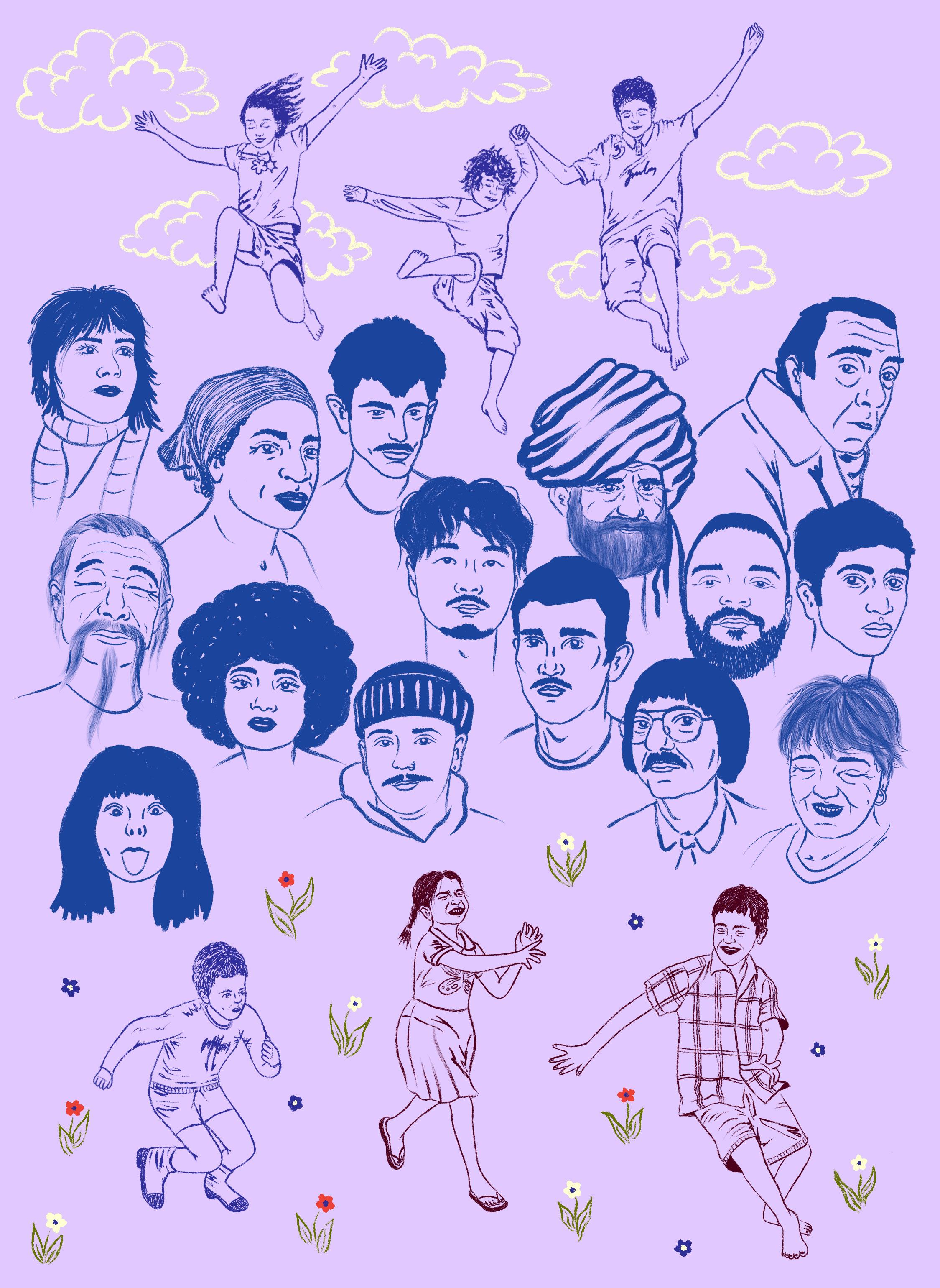
PS. Huomaathan, että lehden keskiaukeaman voi ottaa irti vaikka omia seiniä koristamaan! Kolmesta vaihtoehtokuvasta keskimmäinen toimii myös värityskuvana, johon voi itselleen merkitä, missä kaikkialla on jo päässyt matkustamaan.
In this issue
Dive into adventure as the editorial team of Kylteri takes you on a journey around the world! In this issue, we discuss globalisation, internationality, and travels that have taught us all sorts of lessons – both about the world and ourselves.
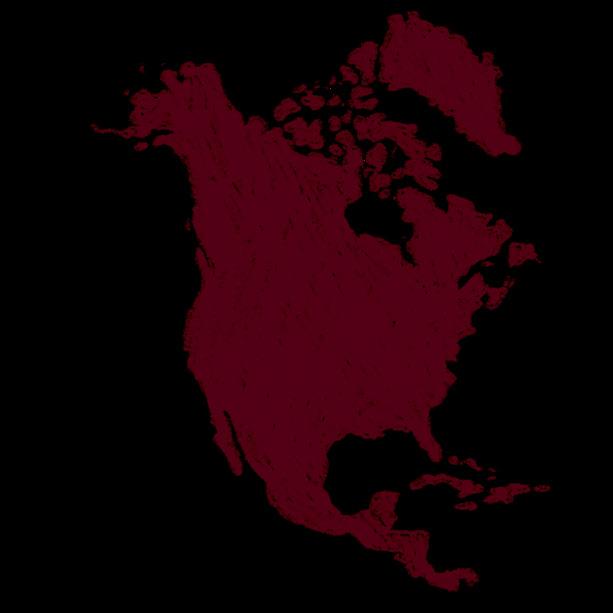
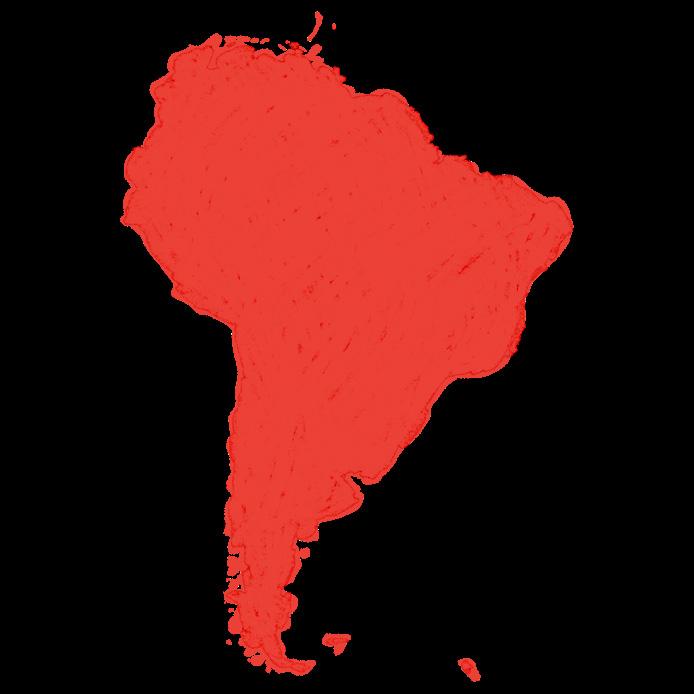
P.S. Please note that the centre spread can be torn out and used to decorate your walls, for example! Of the three alternative images, the one in the middle also works as a colouring picture – you can use it to mark the places you’ve already been able to see!
: Emilia, Editor-in-Chief of Kylteri
MATKAILU ON LUKSUSTUOTE
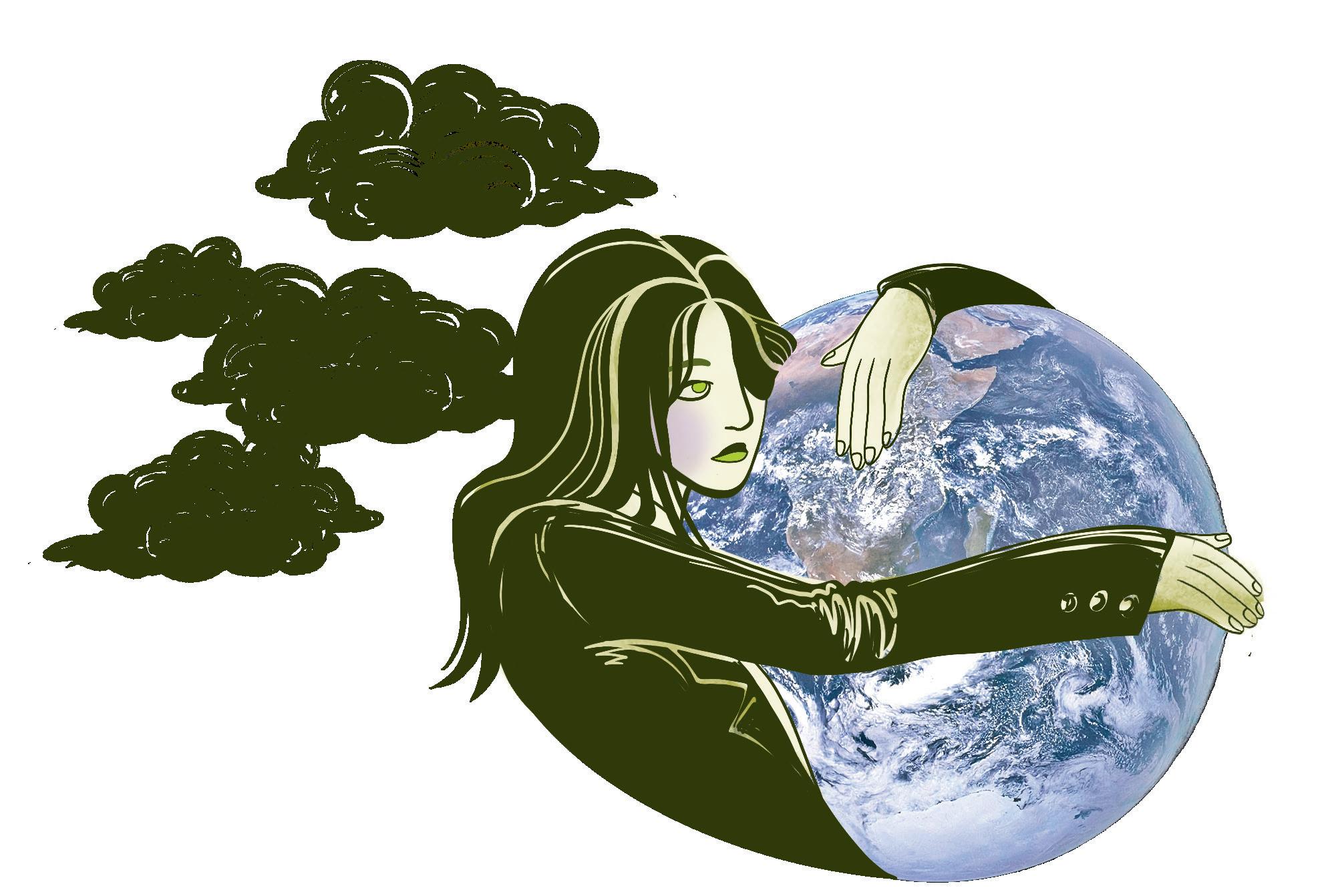
Teksti Emilia Ala-Jääski
Kuva Minerva Mänttäri
Onhan se jalo toive niille, jotka sellaisesta unelmoivat: nähdä paikkoja, joita ei ole koskaan ennen nähnyt, tavata ihmisiä itselle uusista taustoista ja saada kokemusta, joka tulee väistämättä muovaamaan matkaajaansa ihmisenä.
Monilla nämä unelmat käyvät toteen, tavalla tai toisella. Osa noista ihmisistä suhtautuu siihen eettisemmin, kun taas toiset kompuroivat joissain asioissa. Oma henkilökohtainen filosofiani on ollut se, että jos saan etuoikeuden mennä jonkun toisen ihmisen maahan, tiedostan sen, että olen itse tilanteessa se vierailija. When in Rome, do as the Romans do. Jos en aio kunnioittaa sitä, miksi minun on sinne ylipäätään mentävä?
On myös ihmisiä, jotka tekisivät mitä tahansa saadakseen matkustaa, mutta eivät voi, syystä tai toisesta. Lienee sanomattakin selvää, että lähteminen vaatii riittävää varallisuutta. Toisaalta sellaiset ohjelmat tai olosuhteet, jotka mahdollistaisivat lähtemisen eivät välttämättä ole saatavilla.
Tässä pieni esimerkki: kun menet suomalaiseen korkeakouluun, rahasi eivät valu lukukausimaksuihin. Pääset kouluun omilla meriiteilläsi etkä vanhempiesi sosioekonomisen aseman siivellä. Mitä akateemiseen menestykseesi tulee, olet kuitenkin ollut jollain tavalla etuoikeutettu elämäsi aikana päästäksesi siihen pisteeseen, missä olet nyt. Ehkä opiskelu oli helppoa sinulle pienestä pitäen tai sinulla ei ollut tielläsi niitä esteitä, joita joillain muilla oli. Mikä tahansa on voinut myötävaikuttaa menestykseesi, sillä yksi asia johtaa aina toiseen. Sitten, kun pääsit johonkin tiettyyn kouluun, siellä saattoi olla sellaisia ohjelmia ja apurahoja, joita joissain muis-
sa kouluissa ei ollut. Pääsit lähtemään unelmiesi vaihtojaksolle samalla, kun muut samankaltaisista asioista haaveilevat ihmiset jäivät vieläkin odottamaan omaa mahdollisuuttaan.
Olen itse saanut jo jonkin verran matkustaa ja asua ulkomailla. Vaikka voin sanoa, että en ole käytännössä mitään saanut ilmaiseksi eikä tähänastinen matkanikaan ole ollut missään nimessä täydellinen, tiedostan, että ulkopuolellani on ollut minusta riippumattomia tekijöitä, jotka ovat osaltaan myötävaikuttaneet onnistumisiini ja tehneet asioista mahdollisia. Osoitan kiitokseni siis sinne, minne ne kuuluvat, sillä tiedostan, että matkani varrella on ollut myös ripaus onnea.
En usko, että kukaan oikeastaan sataprosenttisesti raivaakaan itselleen väyliä. Oma panos saattaa suurelta osin vaikuttaa niihin, mutta aina on joitain ihan pieniäkin asioita, jotka loppupeleissä vaikuttavat siihen, tuleeko se panos riittämään.
Loppujen lopuksi matkailu on kuitenkin luksustuote. On hienoa saada olla vähän kosmopoliitti, mutta kaikilla ihmisillä ei ole ollut mahdollisuutta tehdä siitä unelmasta totta. Olen itse kiitollinen niistä ovista, jotka ovat minulle auenneet tavalla tai toisella, ennemmin tai myöhemmin. Henkilökohtainen toiveeni on, että näyttäisin sen suhteen edelleen nöyrältä, sillä tiedän, mitä se on vaatinut enkä pidä mitään itsestäänselvyytenä.
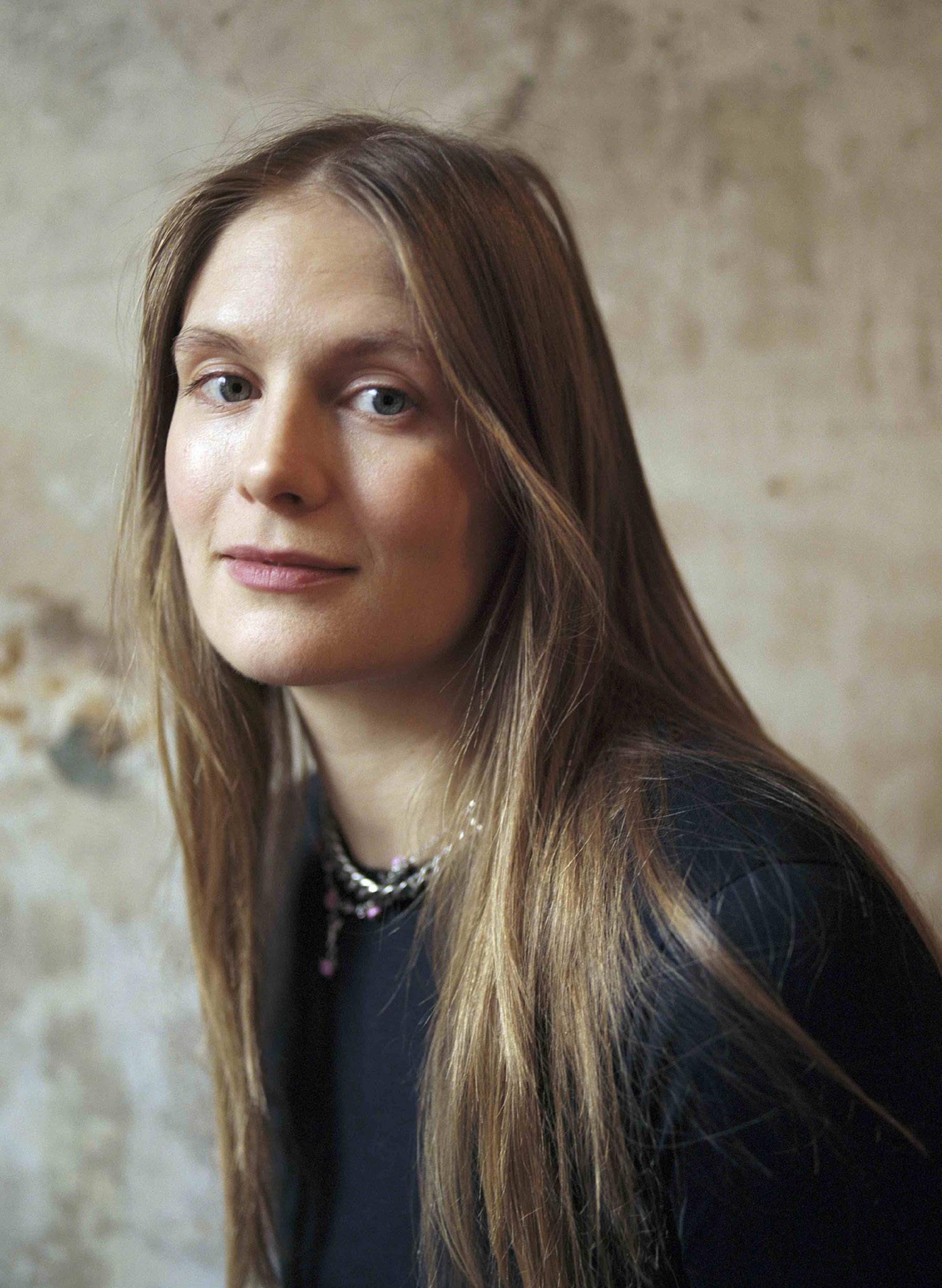
Kirjoittaja on Kylteri-lehden päätoimittaja. Hän toivoo, että kaikki pitäisivät unelmistaan kiinni, liittyivät ne mihin tahansa. Niin kauan tai paljon kuin se viekin, et sabotoi ketään muuta kuin itseäsi, jos päätät luopua niistä.
TRAVEL IS A LUXURY
Words Emilia Ala-Jääski
Image Minerva Mänttäri
It’s a noble desire. You know, seeing places you’ve never seen, meeting people who don’t share the same background as you, gaining experience that will certainly contribute to you as a human being, changing and evolving over time.
Many of us dream of those things. Many make them come true, one way or another. A percentage of those people are more ethical about it, others stumble in some things. My personal philosophy is that whenever I have the privilege to go into someone else’s country, I recognise my own role as the visitor and respect it. When in Rome, do as the Romans do. If I’m not going to, why do I need to be there in the first place?
Then there are also people who would do anything to get to go, but can’t, for one reason or another. Obviously, it costs money. Alternatively, the programmes, opportunities, or circumstances just aren’t there.
For example, in Finnish higher education, your money isn’t drained by a tuition fee. It’s your own abilities that get you into a school, not your parents’ socioeconomic background. But in terms of academic success, you’ve still been privileged on some level to make it. Maybe studying was easy for you growing up, or maybe you didn’t have the obstacles others had. It could literally be anything that affected your success. One thing always leads to another. Then, when you did get into this specific school, you maybe had programmes and grants other schools didn’t have. And you went on the exchange programme of your dreams, while other people dreaming of similar things are still waiting for their chance.
Personally, I have travelled and lived abroad to some extent. While I can say nothing was technically given to me for free, and my journey hasn’t necessarily been perfect either, I still recognise the factors outside of me that contributed to my success and made these things possible - and I give gratitude where it’s due. I recognise I’ve had some luck along the way.
I find that no one really 100% paves paths for themselves anyway. Their own effort may largely contribute to it, but there is always something, even just a tiny thing, that will either make it or break it.
In the end, travel is a luxury. Being cosmopolitan is great, but there are many people who haven’t been able to actualise that dream of theirs yet. I’m grateful for the doors that have opened to me one way or another, sooner or later - and my personal hope for myself is to come across as humble about it, because I know what it takes and I don’t take any of it for granted.
The author is the editor-in-chief of Kylteri. Her desire for everyone is to keep holding onto their dreams, even if they aren’t the same as hers. No matter how long or much it takes, the worst self-sabotage you could do to yourself is to give them up.
LEHDEN TOIMITUS Editorial Staff
ISSN-L 1457-0890
ISSN 2242-6779
Julkaisija
Publisher
KY-säätiö
Konemiehentie 4, 02150 Espoo
Paino
Printing
BookCover
Painosmäärä
Print Run
500
Päätoimittaja
Editor-in-Chief
Emilia Ala-Jääski kylteri@ky.fi
Art director
Saana Rauvala ad@ky.fi
Toim.sihteerit
Ed. Secretaries Iris Åström
Loviisa Pursiainen Luke Hart
Sanat
Words
Ahmed Hewidy
Anna Hakola
Anni Zhao
Anh Nguyen
Hector Björklund
Holmes Nguyen
Isaac Jyväsjärvi
Jimi Panula-Ontto
Johanna Kakkonen
Kiia Tolonen
Lana St. James-Kautny
Lauri Toivonen
Miia Martikainen
Mikael Mattila
Minerva Mänttäri
Nella Kankaanpää
Olya Havrina
Siiri Reiniluoto
Tzu Tai Huang
Viivi Ranta
Yihong Tiittala
Sisäkannet
Inside covers KY-SUB
Lotta Mattsson
Mikael Kauppi
Olivia Koskinen
Topi Ylitalo
Kuvat Images
Ahmed Hewidy
Anna Ledovska
Anni Zhao
Claudia Vega
Jami Liang
Jimi Panula-Ontto
Johanna Kakkonen
Kiia Tolonen
Lauri Toivonen
Mikael Mattila
Minerva Mänttäri
Nella Kankaanpää
Olya Havrina
Saga Bruun
Tiija Kivi
Keskisivut
Centre pages
Olya Havrina
Saana Rauvala
Kansikuva
Cover
Saana Rauvala
Haluaisitko kirjoittaa, kuvittaa tai valokuvata Kylteriin? Ota yhteyttä: Would you like to write, illustrate or take pictures for Kylteri? Reach out:
kylteri@ky.fi
Kuva Image Minerva Mänttäri
TÄSSÄ NUMEROSSA
Half-Year Review eng
Exchange Stories eng
Maata pitkin Suomesta Brysseliin fin
Maatilalta maailmalle fin
Cosmopolitanism, Inc. eng
Adventure Tourism - the Price Paid eng
Poster Illustrations
Living at the End of an Era eng
The New Fragmented Reality of Globalisation eng Identity eng
Where Does Innovation Come From? eng Onko vastuullista diginomadismia olemassa? fin
The Blessing and Burden of the World in My Pocket eng
Kokeileminen kestävänä katalyyttinä kauppakorkean kasvatille fin
Mitä käy, kun näemme kaiken numeroina? fin
Dilemmas of a Renegade Economist eng
Words & Images Olya Havrina
HALF-YEAr rEVIEW
The Democratic Republic of Congo has introduced the Kivu-Kinshasa Green Corridor - an expansive biodiverse region about the size of France. It aims to create the largest protected tropical forest reserve in the world, home to over 10,000 species and storage for 29 billion tons of carbon. The corridor is designed to create thousands of jobs, support peacebuilding and sustainable development, making it one of the most ambitious green initiatives on the planet.1
The World Economic Forum’s Barometer indicates that global cooperation has stagnated due to political tension and economic uncertainty. However, there is positive progress in common work on climate action, health innovation and technological progress. This highlights the possibility of collaborations on flexible and creative conditions, even in a complex world.2
Chinese scientists created a powerful bone glue inspired by sea creatures. Fascinated by mussels and oysters’ ability to stick to wet surfaces, they developed a glue, which mimics the underwater mechanisms of these marine creatures to bond broken bones. The glue dissolves naturally in the body over about six months, eliminating the need for follow-up surgeries.3
In 2025, the quantum communication network was officially presented in Singapore and successfully implemented in Munich and Boston. This system enables ultra-secure communication that’s virtually impossible to hack or intercept. Designed to protect critical infrastructure and secure government data, the project marks a major leap forward in global cybersecurity.4
Eco-conscious startups across India, Kenya and the Philippines are turning agricultural biowaste into biodegradable textiles and sustainable packaging Materials like banana stems, pineapple leaves, and sugarcane fibers are being transformed into everything from clothing to tableware. The textiles are breathable, durable, and fully compostable, offering a smart, sustainable alternative to plastic and synthetic fabrics.5
The Jubilee of Youth 2025 in Rome brought together over a million young people from 146 countries for a week of celebration and unity. The event featured intercultural dialogue and shared prayers to tributes for youth in conflict zones. The gathering was a powerful expression of global solidarity.6
Words Jimi Panula-Ontto, Kiia Tolonen, Johanna Kakkonen, Mikael Mattila, Anni Zhao, Nella Kankaanpää
Images Tiija Kivi & Writers
EXCHANGE STORIES
Six continents. Six students. Dive into adventure as your fellow Aaltonians share their exchange stories from around the world.
NORTH AMERICA
Studying in Canada has been great!
Travelwise, Canada allows many options, such as the national parks, large cities like Toronto, Vancouver, and Montreal, and the famous Niagara Falls. If you are a nature lover, you’ll definitely find things to do here! I recommend visiting the Banff National Park! If you also want to experience the United States, but don’t want to be there for a whole exchange semester, this is a good way to get the best of both worlds.
As for the studies themselves: Ivey Business School has been interesting, with its focus on case-
based learning. In practice, typically one third of your grade is determined by how well you contribute and articulate yourself in class. I really enjoy this way of teaching, it’s been a nice surprise for the semester. It teaches skills in rhetoric, keeps your attention better during classes, and forces you to understand the material before the classes, all of which have compulsory attendance. Missing two lectures is allowed, after that you fail the course.
I’d recommend Canada as a destination to those who want to experience some of the traditional North American college experience, as well as get a wide array of options for travelling and experiences!
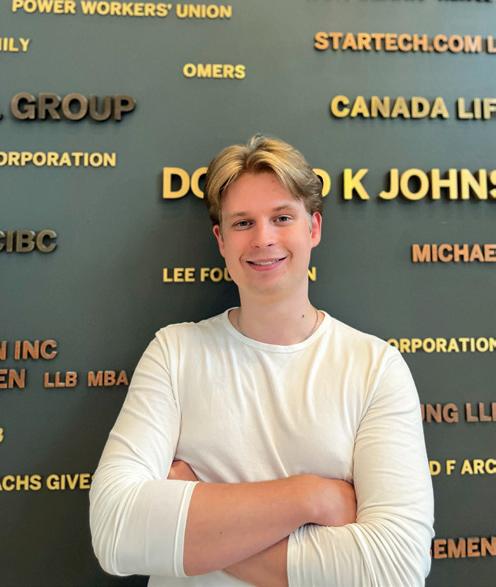
Jimi Panula-Ontto
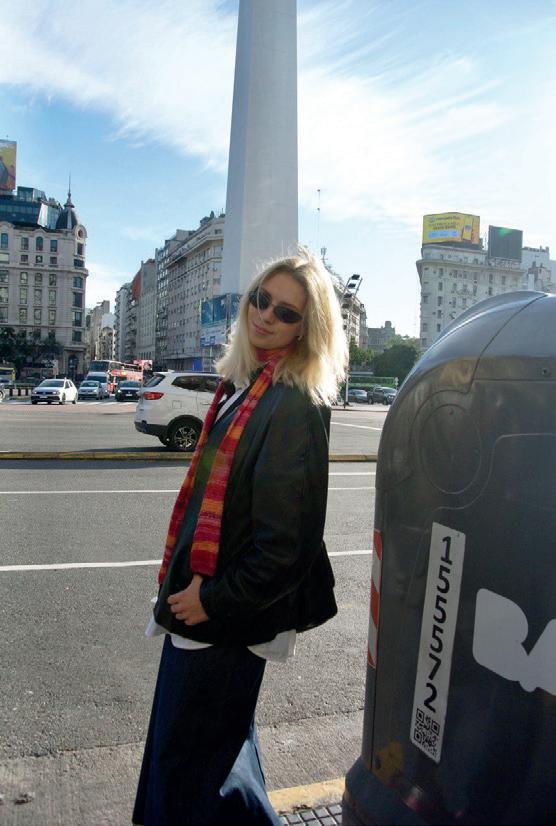
The Obelisk is one of the most iconic landmarks in Buenos Aires. In 2022, millions of people gathered around it to celebrate the World Cup victory.
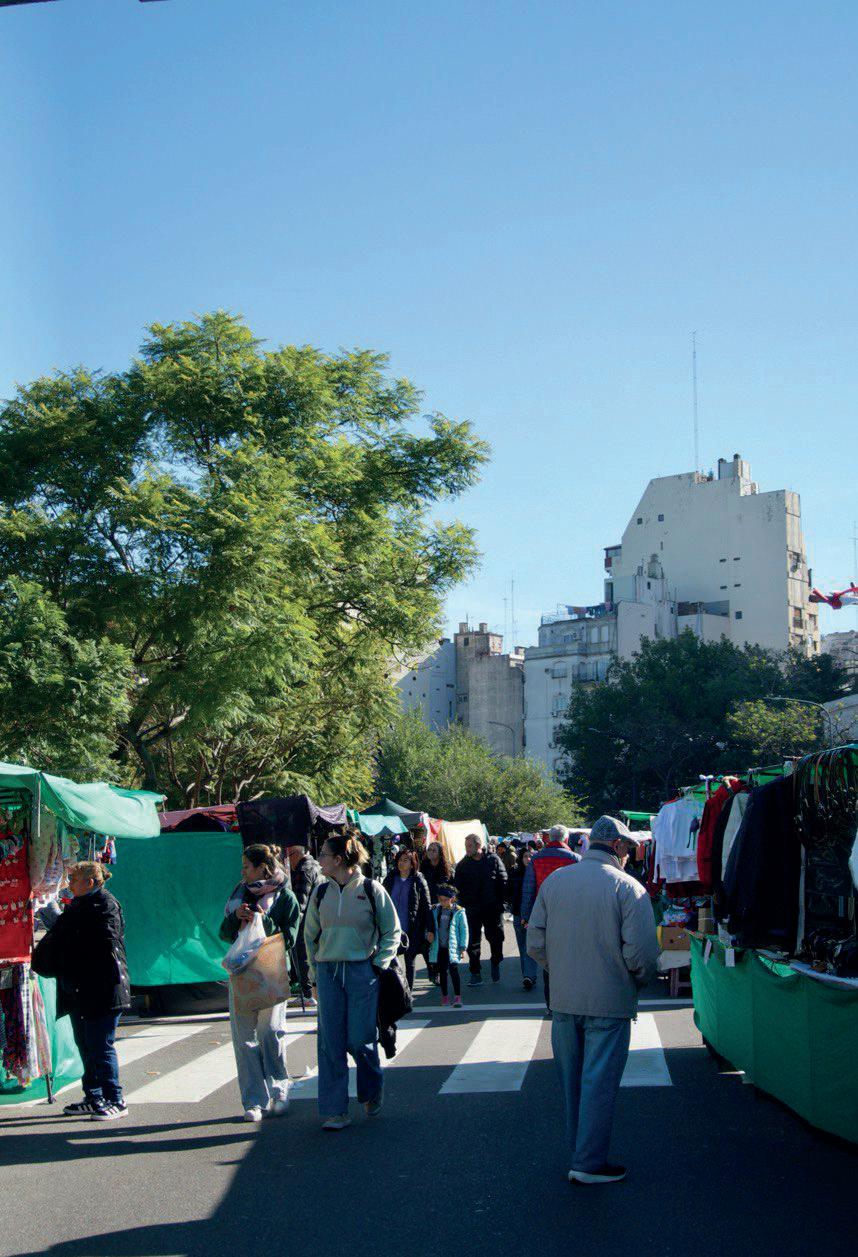
On Sundays and public holidays, the parks of Buenos Aires come alive as people head to open-air markets to enjoy their day off.
SOUTH AMERICA
TKiia Tolonen
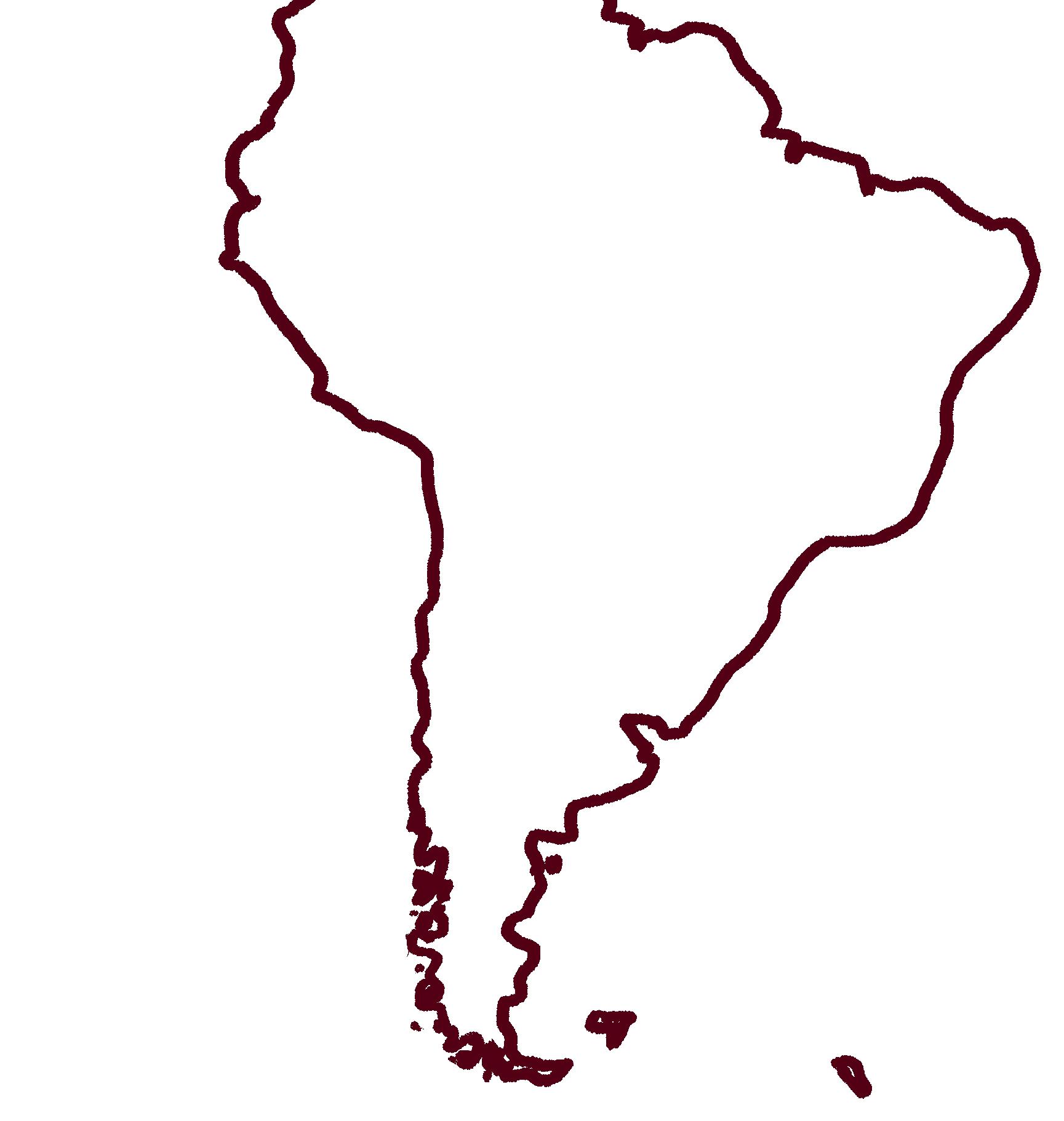
he vibrant energy of Buenos Aires radiates through the streets of the city. Often called the Paris of South America, it never stops amazing you. Overflowing with culture, history and passion, and in true Argentinian fashion, it never sleeps. Sounds of tango echo as you wander through this city that at first feels almost overwhelmingly large. The more you discover the more it feels like home. Argentina is often associated with crazy inflation rates and even crazier football culture, and whilst those things are accurate, the country is also so much more. I spent a semester in Buenos Aires, and fell in love with this whimsical country and
its people. Argentinians are outgoing, welcoming and open. I had interesting conversations with taxi drivers, travelled through the country with a group of Argentinians, shared mates with people I had just met. Beyond the stereotypes lies a country full of real, genuine people.
In a way, I found so much hope in Argentina, and in South America as a whole. Amid the chaos, people find joy in the simplest things. They take time from their days to appreciate life, to live fully, and be present. I’m deeply inspired by that and can’t wait to return there.
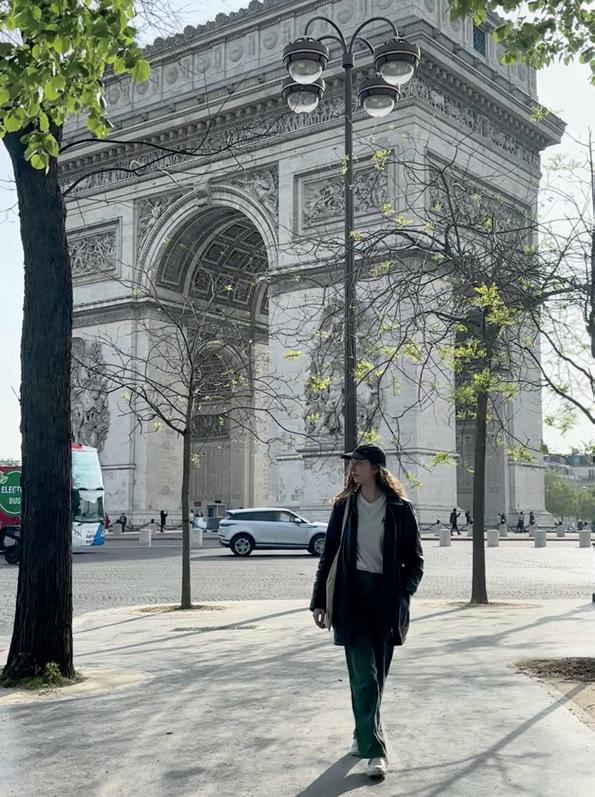
Arc de Triomphe. The real triumph was making it up all the stairs.
EUROPE
MJohanna Kakkonen
y choice of exchange destination was already clear in 2013, after I visited Paris for the first time. 11-year-old me was enchanted by the city, and when the chance to go on an exchange came, there was no doubt where I wanted to go.
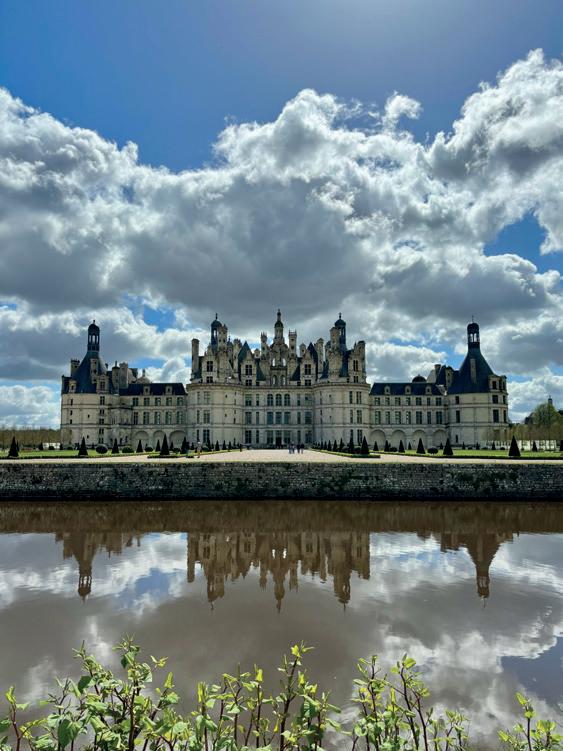
The city of my dreams did take some getting used to at first (if you’ve seen Emily in Paris, you know the drill). But I quickly fell in love with its ambiance, culture, and delicious pastries. One of the best parts of living in Paris was exploring the city’s history and art. Many museums and attractions in France offer free admission to EU residents under 26, so you learn a lot and save money at the same time. During weekends and breaks, I took every opportunity to explore as much of France as possible. If you’re doing an exchange in Europe, I highly recommend taking the train to explore your host country in addition to nearby ones. France had so much to offer beyond Paris, and the exchange is the best possible time to explore smaller cities and countryside.
AFRICA
IMikael Mattila
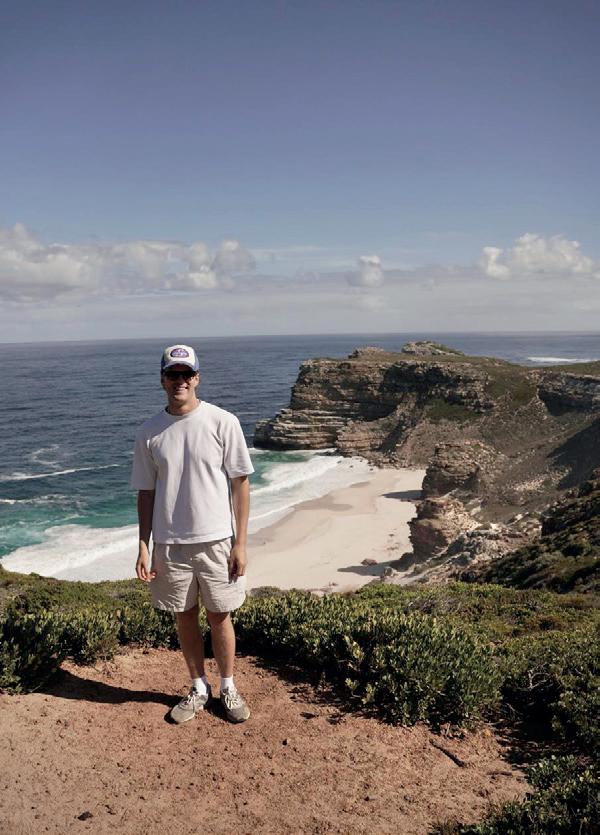
did my exchange at Stellenbosch University in Cape Town . While South Africa might sound exotic, settling was easy as Cape Town has a laid-back, European vibe. That familiarity however is only the surface of a complex and diverse country. Cape Town itself has an amazing nature, filled with winelands, beautiful mountains, endless hiking trails, and stunning beaches.
Studying at Stellenbosch was very different from Aalto. Block weeks meant periods of intense learning, with time allocated to independent study, group work, and some free time I used for travelling.
Living in Cape Town, I quickly noticed how hugely privileged I was. The cost of living was low for me, and daily life was cheap. While the fancy cafés of Seapoint and mansions of Clifton are nice, I encourage you to step out of that bubble. Challenge yourself to learn, listen, and truly get to know the deeper reality of South Africa, strongly affected by the country’s history.
It’s a shame there’s only one exchange option in the African continent. Luckily, Stellenbosch and South Africa are amazing choices, offering unique learning opportunities and unforgettable experiences in a beautiful country full of cultural and natural diversity. Hopefully the School of Business will broad
KrugerNationalPark,SouthAfrica
Cape of Good Hope (Cape Peninsula, Cape Town), South Africa
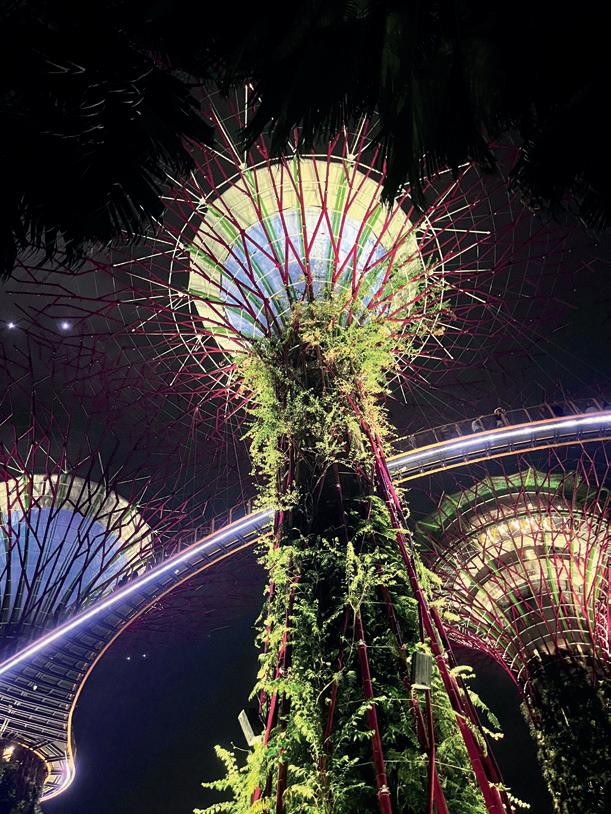
hostsGardensbytheBayafreelightshoweveryevening.
IIn front of the Marina Bay Sands hotel and ArtScience Museum.
ASIA
Anni Zhao
What happens when you’re on your own on the other side of the world?
spent my exchange at Nanyang Technological University in the Southeast Asian city-state of Singapore , where the temperature constantly stays around 30°C during the day, double-decker buses drive on the left side of tree-covered roads, and you can taste the world through diverse offerings of hawker centers. Despite the initial nervousness, it felt incredibly freeing and transformative to be in a new environment - like I could be anyone and do anything.
The most valuable lessons I learned on exchange were not just about studying. Between humid
morning walks to class, group projects, and latenight trip planning sessions, I found confidence in small acts: talking to new people from all around the world, navigating my way through unfamiliar sceneries, and saying yes to almost anything. Very quickly, Singapore started to feel like home, and I realized that you can belong anywhere if you just keep an open mind. The world is truly your oyster, and I still frequently remind myself of this even after returning to Finland.
OCEANIA Nella
Kankaanpää
Ilanded in Brisbane in July 2024, ready to start my double degree adventure, and immediately fell in love with the place. Vibrant but relaxed, that’s Brisbane.
My days quickly filled with great barista coffee, sushi rolls, frozen yoghurt, and long riverside walks that always seemed to end with a photo of the sunset. I took the ferry to the Uni (because ferries are a thing there), shared a lunch with bush turkeys and bin chickens, and learned that Bluey, the cartoon, is everywhere.
The only thing missing? A beach. But the beaches on the Gold Coast and nearby islands are fantastic (and public transit’s only 50 cents a trip). Of course, you’ve also got a pool in your backyard, great company and 30°C almost every day.
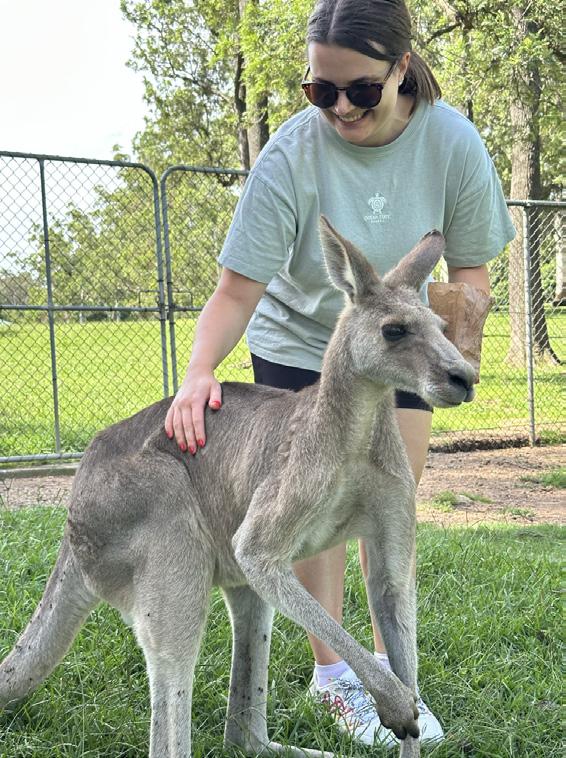
The year was a dream come true for me. We travelled around Australia and New Zealand, skydiving, surfing, hiking, sailing and snorkelling. And you can’t forget the animals! We immediately fell in love with the hundreds of koalas and kangaroos in the Lone Pine Koala Sanctuary. Oh, and you can’t forget about the quokkas in the Rottnest Island, look them up (it’ll make your day better)!
This was a year I will remember forever <3
Feeding kangaroos in the Lone Pine Koala Sanctuary, Brisbane.
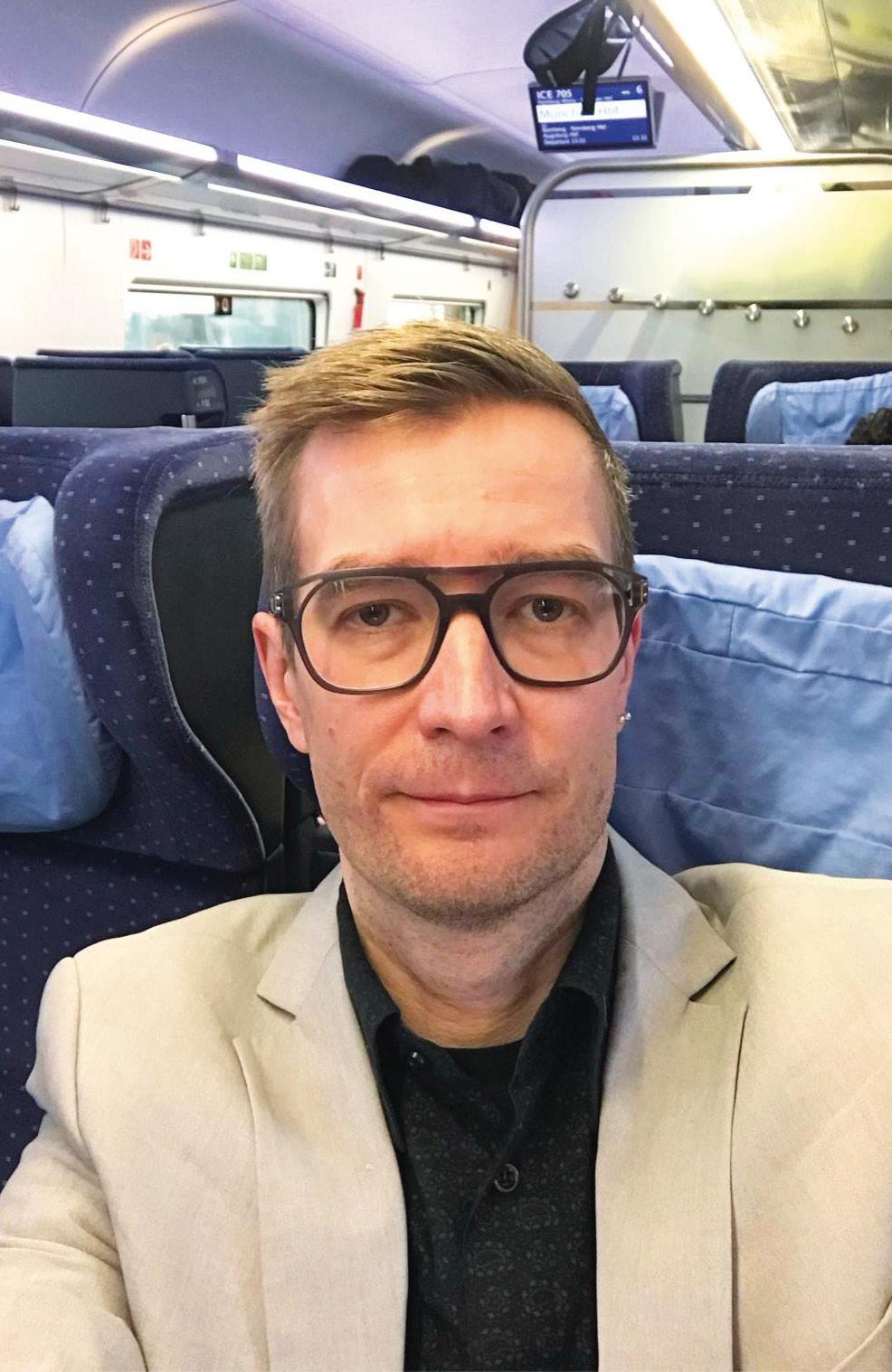
Kansanedustaja Oras Tynkkynen , 48, on kulkenut Suomen ja Brysselin väliä junilla ja laivoilla jo yli 80 kertaa. Lentäen sama matka taittuu Helsingistä Brysseliin reilussa kahdessa ja puolessa tunnissa, mutta Tynkkyselle maata pitkin matkustaminen on tuntunut luontevammalta.
Maata pitkin Suomesta Brysseliin
Teksti Isaac Jyväsjärvi Kuvat Anna Ledovska & Oras Tynkkynen
Oras Tynkkysen matkassa MAATA PITKIN SUOMESTA BRYSSELIIN
Oras perustelee valintaansa kolmella syyllä
Ensimmäinen syy on ilmasto. Lentäminen on yksi nopeimmin kasvavista päästölähteistä, ja Tynkkysen mukaan omaa kuormaa voi ja pitää vähentää. Yksi edestakainen lento Brysseliin tuottaa matkustajaa kohden saman verran hiilidioksidipäästöjä kuin keskivertosuomalaisen elintarvikkeiden kulutus 6 kuukaudessa. Toinen syy liittyy politiikkaan. ”Rakenteet ovat pielessä. On hyödyllistä kokea itse, mikä toimii kestävässä matkustamisessa ja mikä ei. Kun näkee esteet, osaa paremmin hahmottaa, mitä pitää muuttaa, jotta useampi voisi matkustaa kestävästi,” Tynkkynen selittää. Kolmas peruste on henkilökohtaisempi – perintö. ”Olen välillä kutsunut itseäni kolmannen polven rautatieläiseksi. Äitini teki uransa VR:llä ja hänen isänsä rakensi ratoja. Juna on minulle luonteva tapa liikkua – osa identiteettiä.”
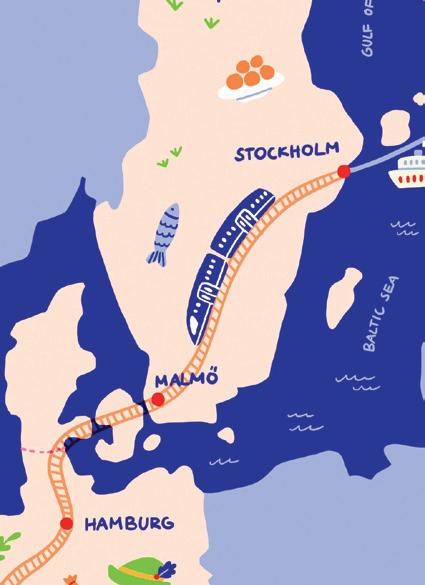
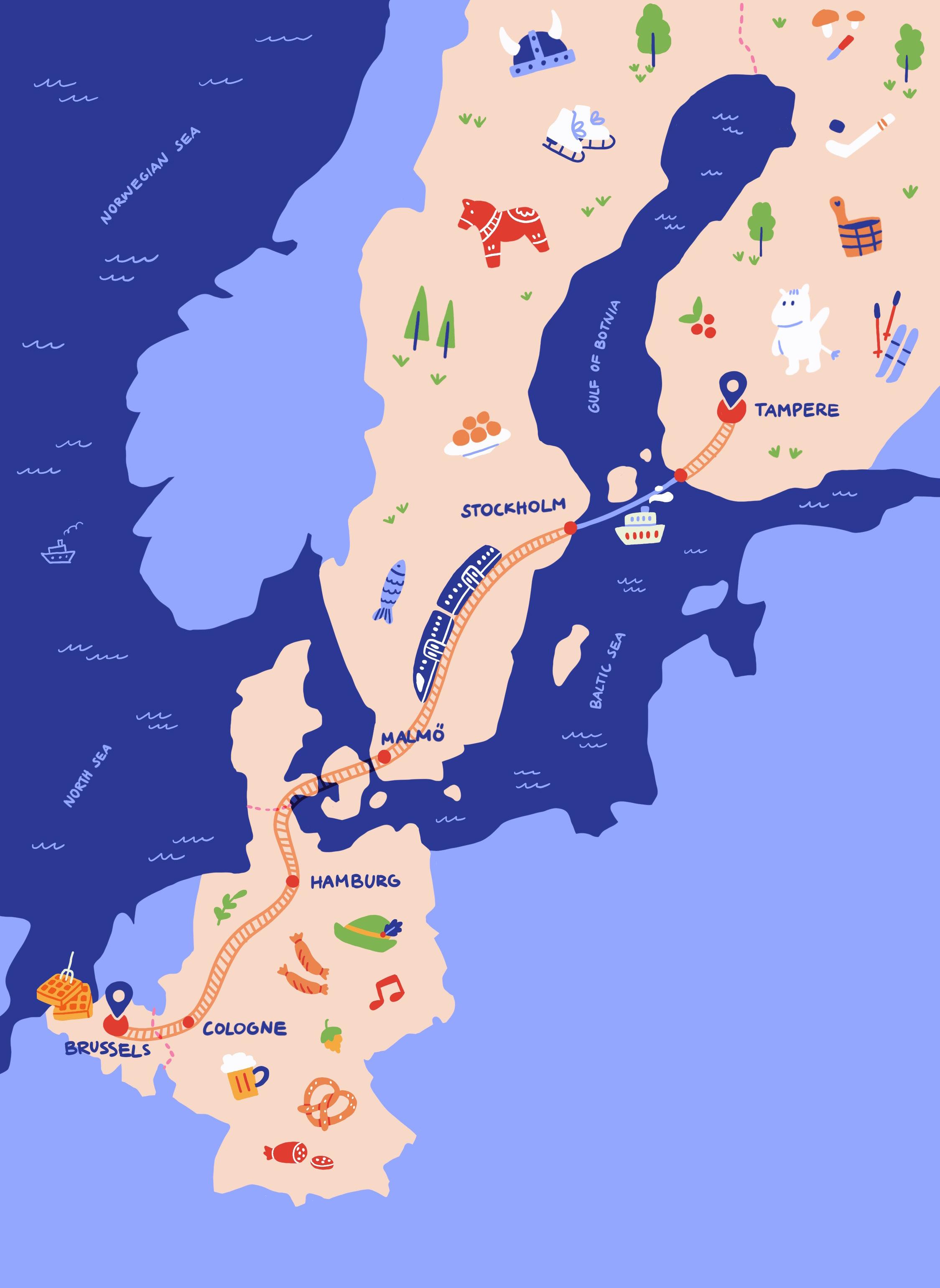
Reitti, jonka Tynkkynen tuntee jo ulkoa, on käytännössä aina sama: Tampereelta Turkuun junalla, Turusta yölaivalla Tukholmaan, sieltä junalla Malmön tai Kööpenhaminan kautta Hampuriin, edelleen Kölniin ja lopulta Brysseliin. Teoriassa vaihtoehtoisia reittejä on monia, mutta tämä on hänen mukaansa sujuvuudeltaan ja nopeudeltaan ylivertainen. Nopeimmillaan matka vie puolitoista vuorokautta. “Yö on joka tapauksessa matkassa mukana, joten hotelliyöpymiset vain venyttävät kokonaisuutta. Siksi olen lähes aina kulkenut niin, että yö kuluu junassa tai laivalla.”
Hitaalta matka silti kuulostaa, mutta Tynkkynen muistuttaa, että ero ei ole niin suuri kuin moni luulee. Lentäen matkaan menee kenttäsiirtymineen noin puoli vuorokautta, maata pitkin puolitoista. Tehollinen ero on hänen laskujensa mukaan vain
Maata pitkin Suomesta Brysseliin
puolikas vuorokausi kun ottaa huomioon nukkumiseen kuluvan ajan. ”Lisäksi junassa saa usein enemmän aikaan. Voin liikkua, käydä ravintolavaunussa ja tehdä töitä. Usein saan junassa keskityttyä paremmin kuin toimistolla.”
Kustannuksia on vaikea verrata yksiselitteisesti. Molemmissa matkustustavoissa hinnat vaihtelevat valtavasti. ”Lennon voi saada halpalentoyhtiöltä hyvin edullisesti, mutta bussilla voi päästä junaa halvemmalla ja joissain tapauksissa jopa lentoa edullisemmin. Toisaalta yöjunassa voi valita istumapaikan tai oman hytin, ja se tekee ison eron.” Pääsääntö on silti, että yhdensuuntainen junamatka on yleensä lentoa kalliimpi.
Matkoilla sattuu myös kommelluksia
Kokemusta matkoista on kertynyt runsaasti, eikä kaikki ole aina mennyt suunnitelmien mukaan. ”Olen ollut junassa, joka syttyi palamaan, ja toisessa, joka jäätyi talvella. Rataan on osunut salama, ja lakkoja on ollut monenlaisia. Sitten ovat ne tavalliset: signaaliviat ja radalla liikkuvat ihmiset. Aika paljon on tullut koettua.”
Silti hän sanoo suhtautuvansa sattumuksiin rauhallisesti. ”Jos rytmi on oikea, matka jatkuu.”
Tulevaisuuden junat ja politiikka
Myös raideverkko on hänen mukaansa muuttunut vuosien varrella. Kun hän aloitti pendelöinnin 2010-luvun puolivälissä, Saksan junissa ei ollut kunnollista wifiä eikä EU:n roaming-sääntöjä, joten työnteko oli hankalaa. Nyt tilanne on toinen. Yöjunat, jotka olivat lähes kadonneet, ovat tekemässä paluuta. Uusi yhteys Tanskan ja Pohjois-Saksan välillä nopeuttaa reittiä ja lisää vuoroja. Lisäksi tulevaisuudessa Rail Baltica sekä mahdollinen Tallinnan tunneli voisivat avata Suomelle uuden reitin etelään.
Tynkkynen korostaa myös tarvetta suoremmille junayhteyksille. ”Ysärillä Tukholmasta pääsi yhdellä vaihdolla syvälle Eurooppaan. Nyt tarvitaan usein kolme tai neljä.”
Kustannuksia on vaikea verrata yksiselitteisesti. Molemmissa matkustustavoissa hinnat vaihtelevat
Eduskunnan tiukkaan aikatauluun maata pitkin matkustaminen ei aina istu. Tiistaista perjantaihin valiokunnat ja täysistunnot vievät ajan, ja pitkä matka syö helposti työpäiviä. Silti joskus junareitti on jopa kätevämpi. ”Jos matkalle voi yhdistää pysähdyksen, esimerkiksi tapaamisen Kööpenhaminassa, junalla kulkeminen alkaa voittaa.” Kaikkialla hänen matkavalintojaan ei ole ihmetelty. Euroopan vihreissä monet tekevät samoin, mutta kerran Budapestissa hämmästeltiin, että joku tuli Suomesta junalla.
Tynkkysen omat matkavinkit ovat konkreettisia. Pakkaa kevyesti, sillä vaihdoissa joutuu joskus juoksemaan. Osta ruoat matkan varrelta. Hampurin ja Kölnin asemilta Oras osaa jo ulkoa vegaaniset vaihtoehdot. Vakiovarusteisiin kuuluvat paperinen kirja sähkökatkosten varalle, termospullo sekä luha ja syömäpuikot. ”Niillä pärjää melkein missä vain.”
Suurin ongelma on silti politiikassa. Lentopolttoaine on verotonta, eikä kansainvälisistä lipuista peritä arvonlisäveroa. ”Se tekee lentämisestä keinotekoisesti halpaa. Jos kaikki liikennemuodot maksaisivat samat verot ja vahingot, juna olisi paljon kilpailukykyisempi.”
Matkoilta on jäänyt myös ikimuistoisia hetkiä. Yksi niistä oli kohtaaminen Greta Thunbergin kanssa Hampurin asemalla.
”Menimme samalla junalla Malmöön ja Tukholmaan, ja pyysin häneltä nimikirjoituksen hänen kirjaansa, jonka ostin Malmön asemalta. Se on edelleen tallessa.”
“Just
do it!”
Kun kysyy, mitä hän sanoisi suomalaisille, jotka epäröivät, Tynkkynen lainaa erään lenkkarimerkin slogania: ”Just do it!” Hän kannustaa aloittamaan pienestä: ”Kun kynnyksen kerran ylittää, huomaa että matka on houkuttelevampi kuin yleensä luullaan. Lentäminen ja junailu eivät ole parempi ja huonompi vaihtoehto, vaan yksinkertaisesti erilaisia. Jos oppii näkemään matkan kokonaisena reittinä eikä vain siirtymänä pisteestä A pisteeseen B, avautuu uusia mahdollisuuksia.”
Maata pitkin Suomesta Brysseliin
Oras Tynkkynen (s. 1977) on vihreiden kansanedustaja Pirkanmaalta. Hän on istunut eduskunnassa vuosina 2004–2015 ja uudelleen vuodesta 2023 lähtien. Aiemmin hän on työskennellyt mm. valtioneuvoston ilmastopoliittisena asiantuntijana sekä Sitrassa ilmastoratkaisujen parissa. Tynkkynen on ollut mukana politiikassa ja kansalaisaktivismissa nuoresta asti, ja hänet tunnetaan ilmasto- ja ympäristökysymysten pitkäaikaisena vaikuttajana.
pitkin Suomesta Brysseliin
Maata
MAATILALTA MAAILMALLE
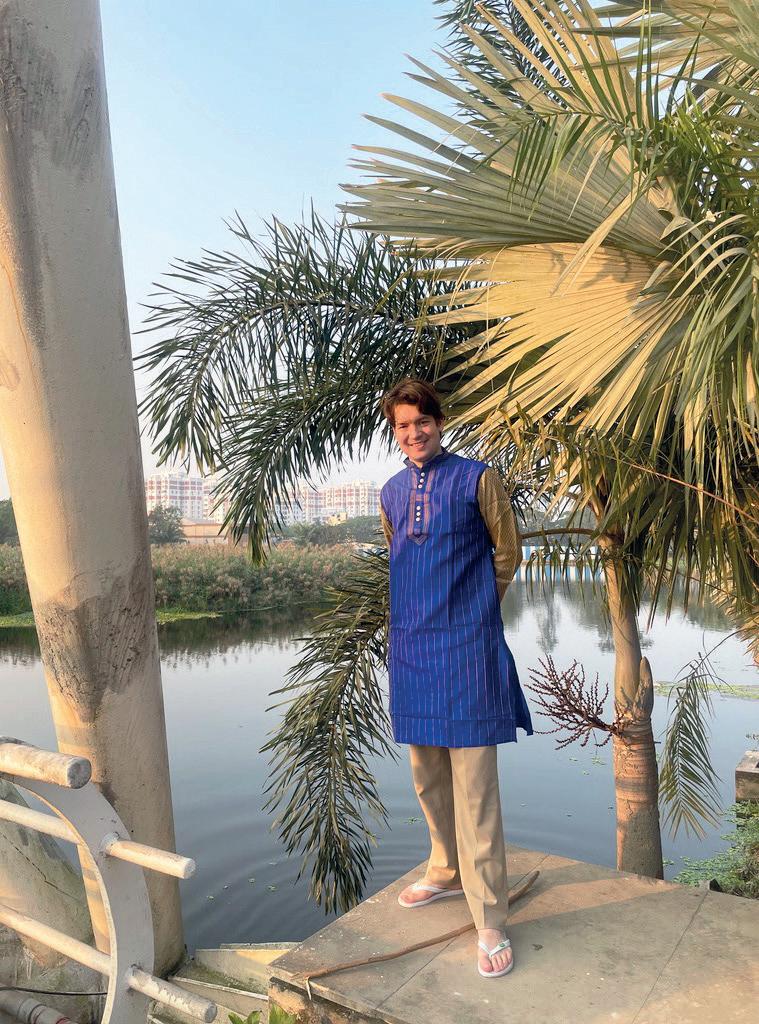
Tuktukin avoimista ovista virtaava ilma viilentää mukavasti 32:n asteen helteellä. Korvissa soi jatkuva tööttäysten meri, sillä moni muukin Mumbain 21:stä miljoonasta asukkaasta on työmatkalla. Aika uskomatonta, mihin pieneltä sysmäläiseltä maatilalta voikaan päätyä, ajattelen. Kuusi vuotta sitten olin samankaltaisessa helteessä heittelemässä heinäpaaleja pellolta kärryyn. Siitä se kansainvälisyys sitten pikkuhiljaa lähti. Ensin Sysmästä Helsinkiin opiskelemaan, josta kandivaihtoon Saksaan, mistä kansainvälisen CEMS-maisteriohjelman kautta vaihtoon Kalkuttaan ja työharjoitteluun Mumbaihin.
Muutto Saksaan oli pehmeä aloitus kansainväliseen elämään: ei viisumia, ei uutta puhelinliittymää, vain lentoliput ja skannattu vuokrasopimus yliopiston soluasuntoon. Pidin vaihdosta, joten satsasin hakemukseen Aalto-yliopiston suosittuun kansainväliseen CEMS-maisteriohjelmaan. Onnekseni pääsin sisään, mikä tarkoitti uuden vaihtokohteen valintaa. Elämä ulkomailla oli sujunut helpommin kuin olin osannut odottaa ja istuminen tuossa saksalaisessa kirjastossa tuntui siinä hetkessä melko tylsältä; kaipasin haastetta ja seikkailua. Kahden viikon päästä sain tietää lähteväni seuraavana talvena Kalkuttaan, Intiaan. Aikamoista. Puolen vuoden kuluttua matkustin ensimmäistä kertaa elämässäni Euroopan ulkopuolelle, Delhiin. Muistan ikuisesti, kuinka kaoottiselta lentokoneen vaihto Kalkutan paikallislennolle tuntui; ilmassa haisi palaneen käry ja sadat taksit tööttäilivät ympärilläni. En meinannut millään päästä turvatarkastukseen, koska minut ohitettiin jatkuvasti jonossa.
McDonald’sin kanahampurilainen osoittautui ehkä siihenastisen elämäni tulisimmaksi ruoaksi.
Kokemus oli kuitenkin upea! Kolme kuukautta myöhemmin seisoin saman terminaalin edessä. En oikeastaan enää huomannut tööttimerta. Olin oppinut pitämään puoliani jonossa, eikä ruokakaan enää tuntunut tuliselta. Jos tästä selvisi, niin selviää kyllä kaikesta.
Tuktukin viilettäessä kohti toimistoa näkyy yksi maailman suurimmista slummeista, jossa yli miljoona ihmistä asuu Suomenlinnan kokoisella alueella. Moni heistä on muuttanut maalta kaupunkiin paremman elämän toivossa, mutta mahdollisuudet siihen ovat valitettavasti todella huonot. Tämän näkeminen saa arvostamaan suomalaisen yhteiskunnan ja Aalto-yliopiston tarjoamia uskomattomia mahdollisuuksia. Maksuton koulutus, huippuyliopistoista koostuva vaihtokohteiden valikoima, vaihtoapuraha, opintotuen ulkomaan asumislisä, opintoraha, opintolaina, harjoitteluvoucher, matka-apuraha ja vahva passi ovat suurimmalle osalle maailman ihmisiä kaukaista toiveunta. Siksi mielestäni paras tapa osoittaa arvostusta näille mahdollisuuksille on tarttua niihin.
Bonusvinkki: Nousevissa talouksissa kustannukset ovat usein paljon pienemmät kuin Suomessa, joten vaihto ei välttämättä edes tee lovea lompakkoon. Maksoin Kalkutassa huoneestani 100 € kuukaudessa, ja ruokalan jäsenyys maksoi 50 € kuukaudessa sisältäen joka päivä aamupalan, lounaan, välipalan ja päivällisen.
Teksti & Kuva Lauri Toivonen
References Listed on page 62
Maatilalta maailmalle
Words Lana St. James-Kautny
Images Tiija Kivi
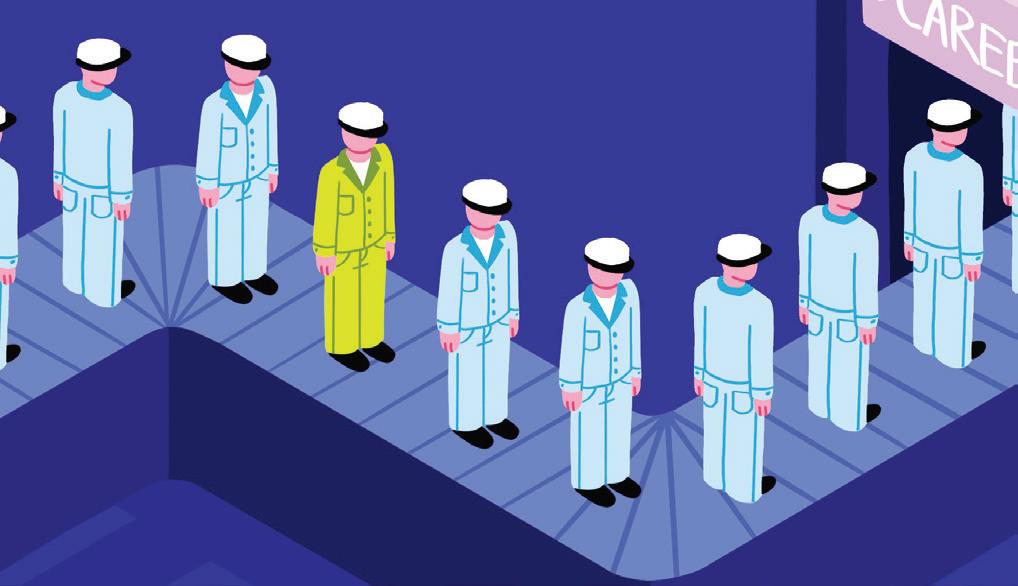
The Modern Graduate as a Global Export Product COSMOPOLITANISM, INC.
After resuming my studies at Aalto School of Business in the fall of 2023, I’ve been asked fairly often: “How was Harvard different from Aalto?” (By way of detour: during my break from Aalto, I studied creative writing at Harvard Extension and completed coursework at both Harvard Business School and the Kennedy School .)
The question assumes contrast, as if the answer must reveal a clash of worlds: Ivy Gothic grandeur against Nordic class, East Coast pedigree versus Finnish pragmatism. Of course, there are differences. Yet once past the façades, the resemblance is uncanny. These universities don’t exist in isolation; they belong to a sprawling family scattered across continents. Siblings and cousins trained into the same professional archetype, all recognizably shaped by the same household.
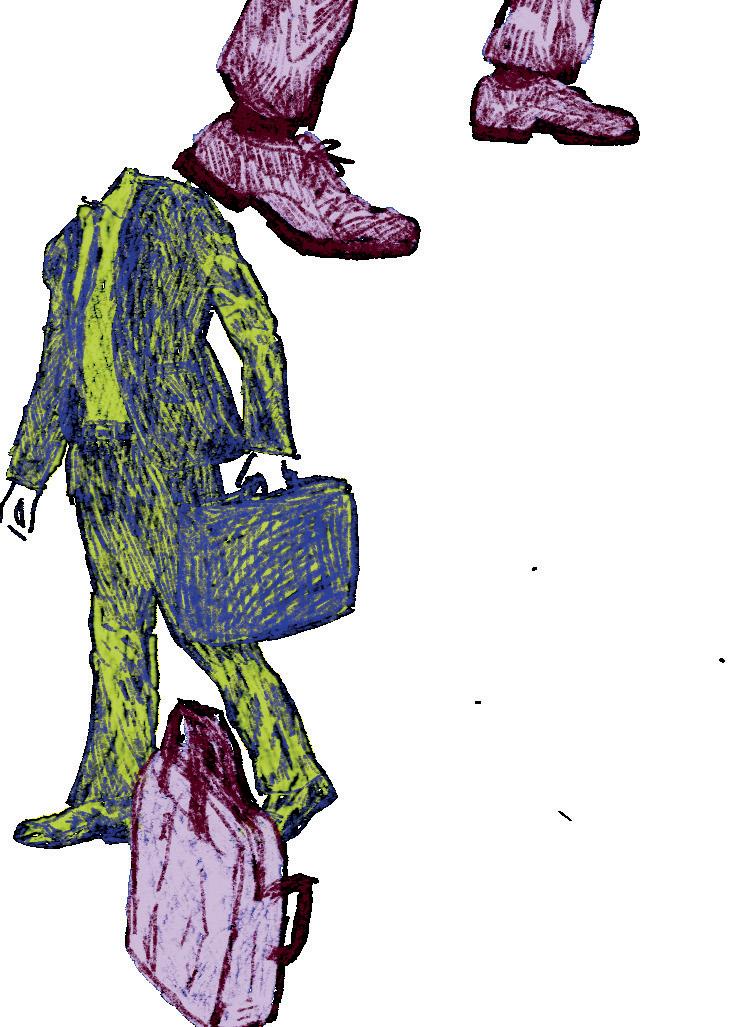
To live inside this household is like being one of the Kennedy boys in their prime—vying among yourselves, some stronger, some more favored, but to anyone on the outside, a cohort defined less by difference than by replication. Last month, The Crimson published a hilarious article about an “efficient week” for the model Harvard student: mornings in section, afternoons split between consulting-club comps, language tables, and interviews; evenings darting from mixers to mixers, weekends reserved for volunteering and résumé-ready side projects. Swap the masthead and it could run in Kylteri unchanged, save for the names and scenery: team assignments, case competitions, student-board duties, fireside chats, countless networking events. The point is to raise a bench of global players—like a political clan grooming sons for office, certain that if
one falters, another will step forward, indistinguishable and ready to claim the role.
The sameness is not accidental. Universities that call themselves “global” operate inside a tight field where deviation is punished and convergence rewarded. Rankings, accreditation bodies, and recruiters form the invisible jury. Aalto and Harvard both court EQUIS or AACSB seals , both chase placements at McKinsey and BCG , both appear in the same FT or QS tables that translate reputation into percentages and indices. To play in that league, you must be legible. And legibility demands uniformity.
Organizational theorists call it isomorphism. Some pressures are coercive: accreditors require standardized “assurance-of-learning” metrics; recruiters expect graduates fluent in cases and frameworks; governments demand evidence of “impact” that fits international policy grids. Others are mimetic: when one school launches an “Impact Lab” or “Sustainability Accelerator,” the rest follow—not because the idea is revolutionary, but because not following looks provincial. Then, there are the normative channels: professors who trained in the same
doctoral programs circulate globally, carrying the same canon with them.
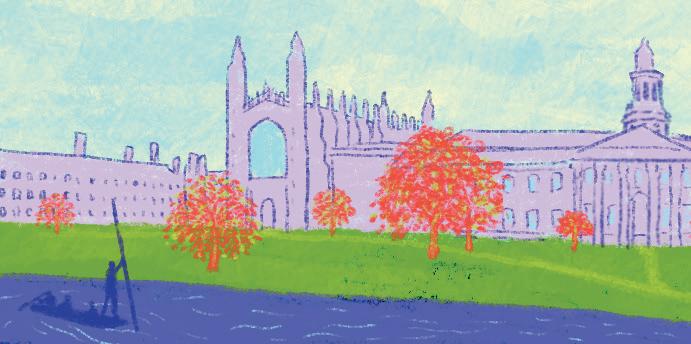
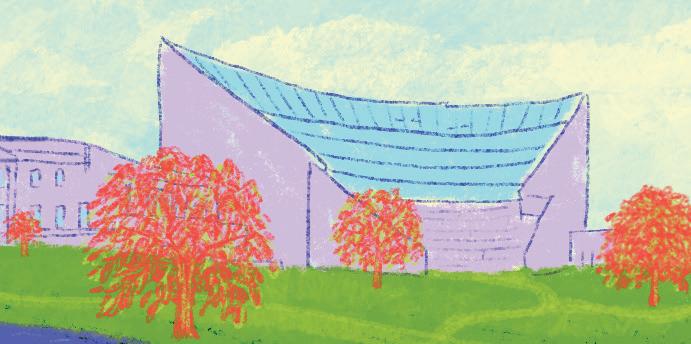
This explains why, once you cross the gates, the details blur. Whether a student arrives through Finland’s demanding entrance exams or America’s “holistic” admissions rhetoric, the pressures align. The architecture may be Gothic in Cambridge and glass-andplywood in Otaniemi, but the skeleton is identical: an institution optimized for comparability.
Universities that call themselves “global” operate inside a tight field where deviation is punished and convergence rewarded. Rankings, accreditation bodies, and recruiters form the invisible jury.
Back to the graduate archetype this machinery produces. World-society theorists call it the diffusion of rationalized myths—global scripts that institutions adopt to look modern, credible, and competitive. They’re portable formats: if a school in Espoo doesn’t resemble one in Boston, Singapore, or Paris, its degrees risk being illegible to employers, funders, and ranking compilers.
The sameness doesn’t stop at the business schools. Walk through any of these campuses and you start recognizing types—the design students, the engineers, the business crowd. Each discipline has its uniform, its cadence, its way of speaking.
I’ve talked with fellow students returning from exchanges in Singapore , St. Gallen , Kyoto , Barcelona ; their stories rhyme. The real cultural shock happens outside the university gates. Inside, it all runs alike.
Sociologists might trace it to occupational enculturation: once inside, your sense of self adjusts to the incentives of the field. Are we shaped by the field, or do we shape ourselves to fit it? Bourdieu called it the habitus—learned dispositions that make the engineered feel natural. Abbott described professions as “linked ecologies,” defining not only what you know but who you can be. In universities that serve as gateways to global firms, those ecologies begin early.
Surveys from the World Higher Education Database show that over 70 percent of top-ranked universities share nearly identical course structures in management; almost all list “innovation,” “leadership,” and “impact” among their learning goals. At Aalto and Harvard alike, you can major in international strategy, attend a sustainability program, and graduate speaking the same managerial dialect. A 2022 Times Higher Education report found that employers prize “adaptability” and “cross-cultural fluency” above depth. And so, institutions are manufacturing legible citizens of a global market.
But legibility has a shadow side. Once you can belong everywhere, you risk blending in nowhere. The sharper the specialization, the more standardized its expression. The arts student in Helsinki and the architect in Cambridge both talk about “human-centered design.” The coder in Tokyo and the data scientist in Lausanne both speak in “iterations” and “pipelines.” Fluency greases collaboration, but it erodes accent, texture, and local thought.
Maybe that’s the real paradox. Global education promises borderlessness but cultivates a kind of placeless expertise, graduates who can land anywhere
and sound immediately at home, because home itself has been globalized into a professional vernacular. It’s easy to call this conformity, but that misses the precision of the mechanism. It isn’t coercion, it’s cognitive autopilot. You begin to want what the structure rewards. Desire itself becomes optimized: a curriculum for the imagination. No one tells you to take a minor in accounting instead of astronomy, yet somehow astronomy never occurs to you as real. Philosophers like Bernard Stiegler saw this as the industrialization of desire, how systems externalize imagination until it loops back as preference.
When I took my detour to Harvard, it wasn’t some grand strategy. The creative-writing courses were what pulled me in; HBS and the Kennedy School followed almost by accident, extensions of curiosity more than ambition. Spending years on a
separate creative writing degree used to scare me, as it didn’t align with my business studies or a clear career path. Only later I realized that detour was the most honest decision I’d made. The synergies were unexpected, but entirely my own.
So how different are Harvard and Aalto? Not much. But the students can be. Perhaps that’s enough—if we let ourselves remain intuitively authentic, complementing the institutional frameworks, whether of business, design, or technology, with something unmistakably our own. When each of us carries that distinct thread back into the shared structure, the pattern changes. It gains texture. Becomes less a dynasty of replicas and more a family of originals—bound by ambition, but balanced by soul.
ADVENTURE TOUrISM
– The Price Paid
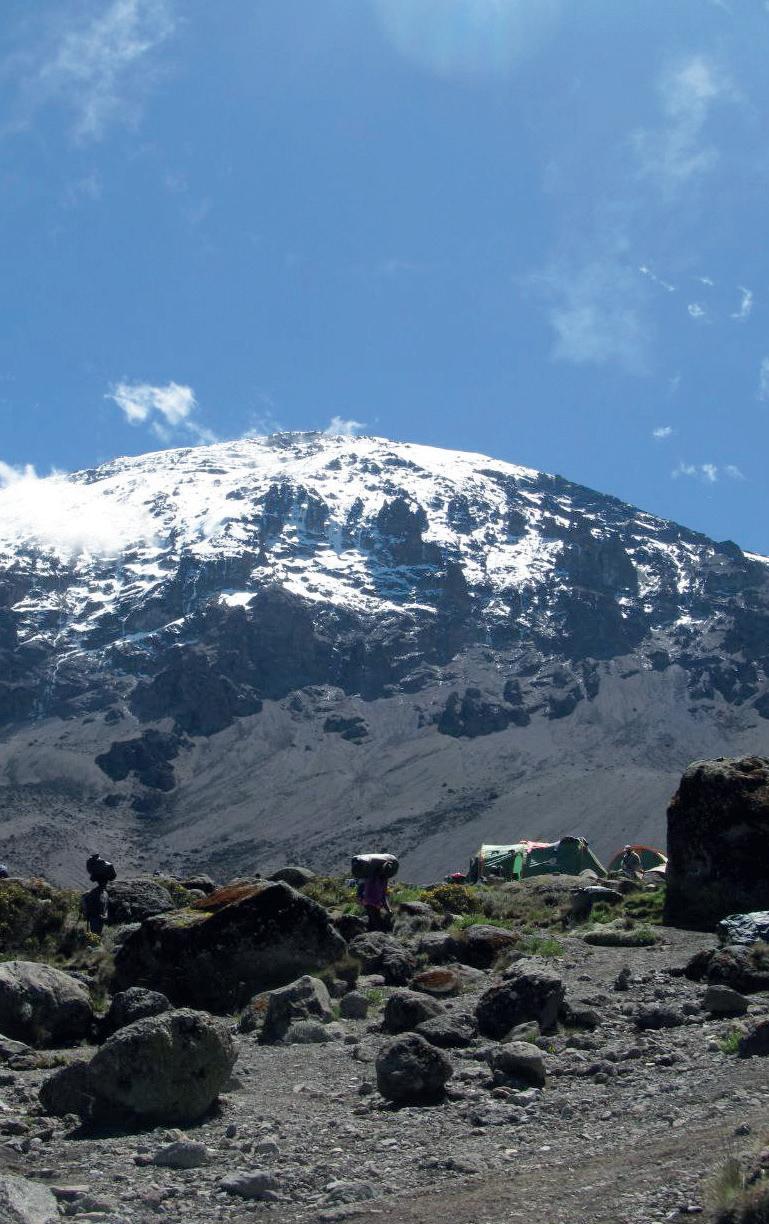
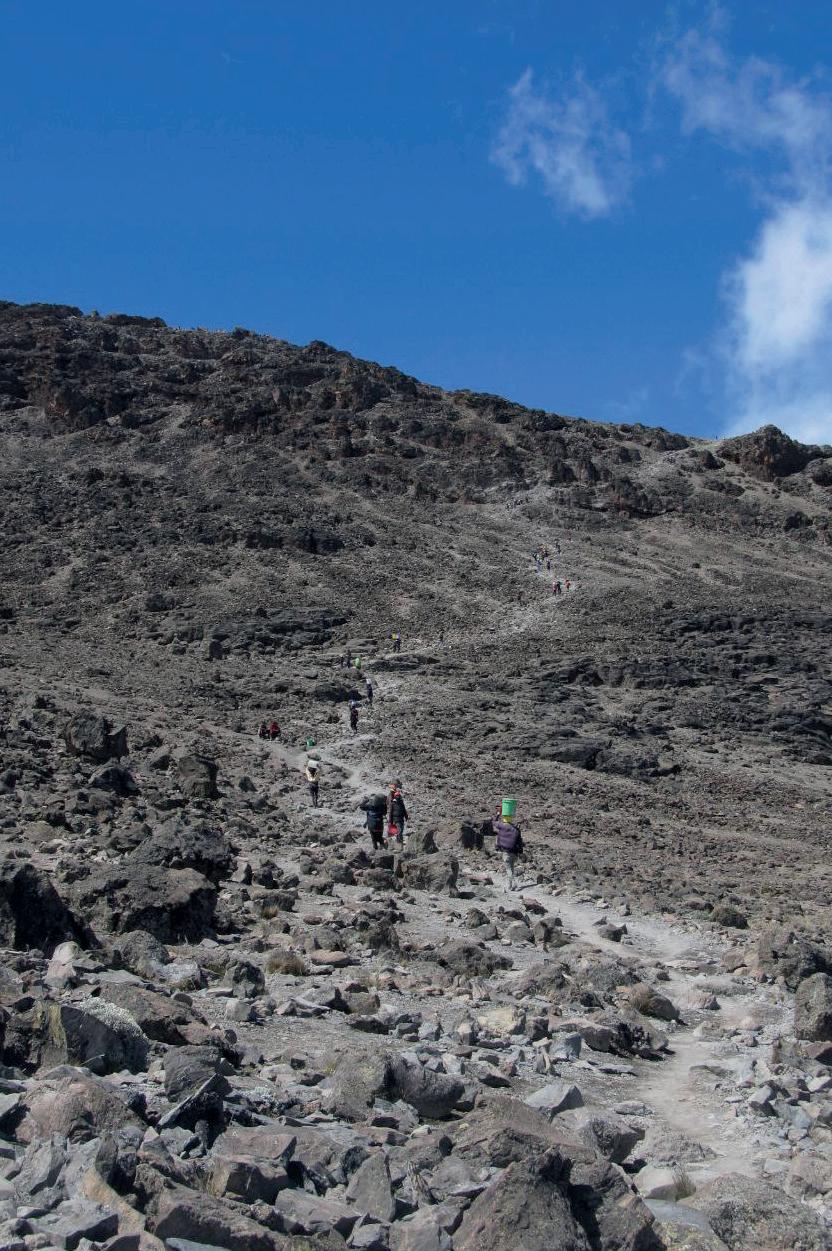
A porter descending from Lava Tower (4500m) carrying a typical haul, including: sleeping mattresses, a bucket for water, a tent, and some food supplies, in addition to his own provisions. A typical load for such a porter is 20kg.
Last June, two friends and I climbed Mount Kilimanjaro . The idea came on a whim — a few group chat texts along the lines of “how’s about hiking to the highest place in Africa?” and I was sold. Superlatives are made of gold, after all.
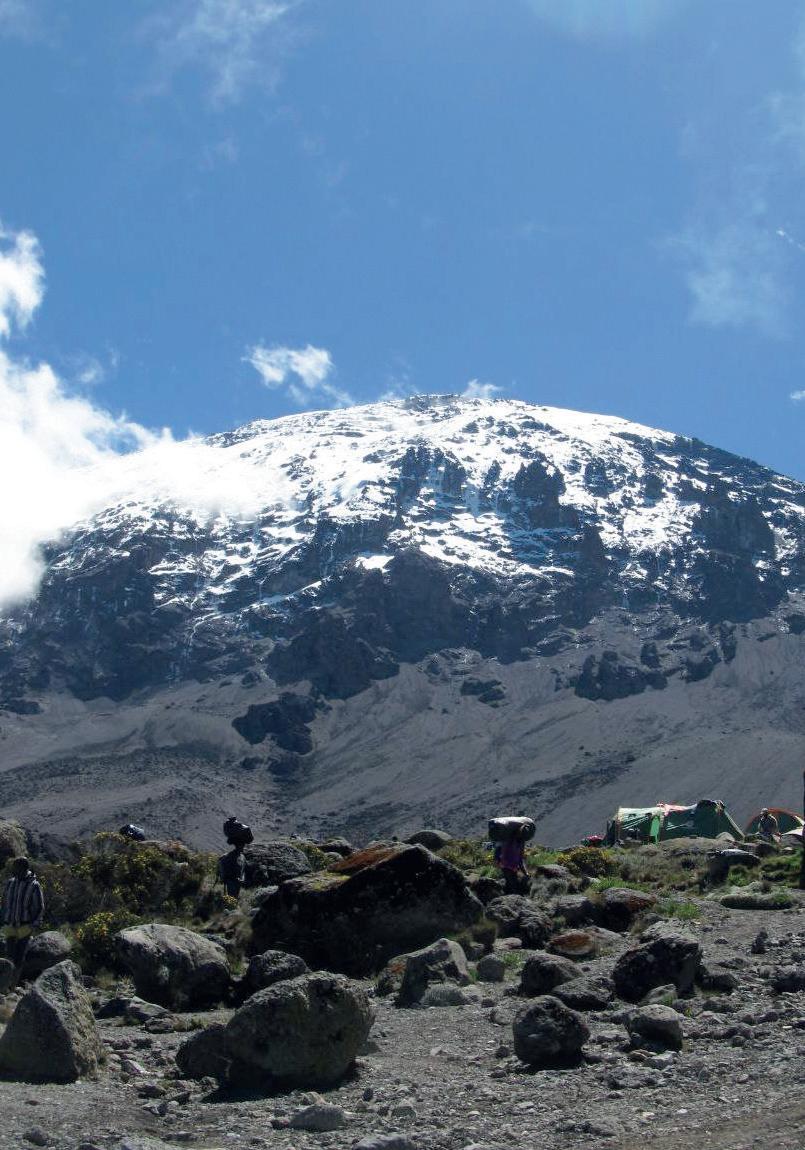
The climb took six days and covered 70 kilometers to a height of 5,895 meters. We walked through rainforest and moorland, into a barren alpine desert where only ravens kept us company. On the summit day, we set out at dawn, spending seven hours trudging slowly uphill in the frigid dark. Altitude sickness had me fighting nausea and a desire to vomit with every step. Left foot. Right foot. Eventually - somehow - we made it. At the top, the weather was clear, the icy ground a shimmering blinding white as it scattered the sun. It was beautiful.
That’s my story; but it isn’t the story. Because we weren’t alone. With us were sixteen porters and two guides — eighteen people who made the climb possible.
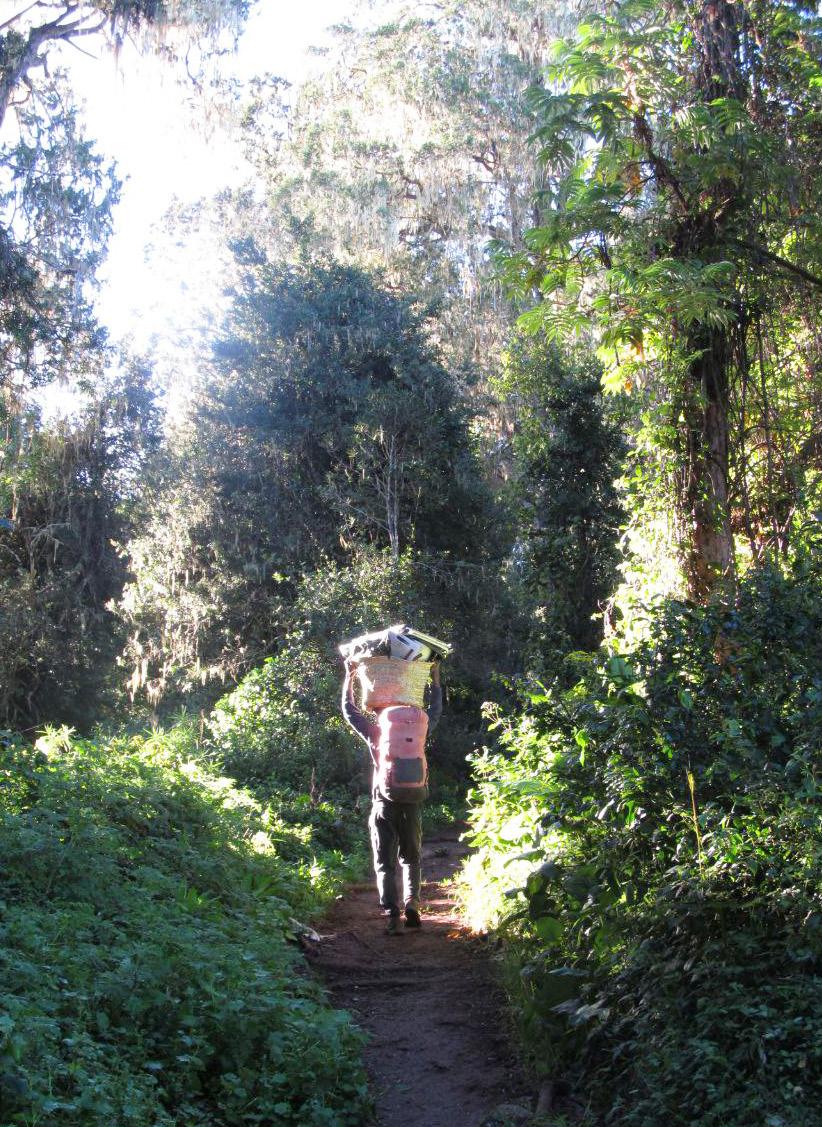
It would be easier to list what the porters didn’t do. They carried our bags, food, tents, and cooking gear. They cooked hot meals and fetched clean water. They woke before us, raced ahead to set up camp, and slept after us. They did this while hauling their own gear, and while battling the same altitude sickness that had me breaking. Of the sixteen who started with us, only thirteen reached base camp; the others had to descend, too sick to continue. Unlike the Sherpa people of Everest, Kilimanjaro’s porters are not high-altitude dwellers, just local village people living near sea-level. To them, every climb is the same battle against their body and acclimatization made anew.
I talked to a former porter, now a guide, Nechi Kessy 7 He began portering on the mountain at age 19, hoping to pay his way through college. As he explains his experience starting out:
“Carrying heavy loads day after day at high altitude was extremely challenging. I still remember my very first climb, when I had to face the Barranco Wall about 250 meters high. Halfway up, I broke down in tears, completely exhausted and ready to give up.”
Porters also play a role in climbing safety. On the summit night, a porter followed us with a flask of ginger tea. His real role wasn’t hospitality, but insurance: an extra body in case someone had to be carried down.
For this, porters earn $5–8 a day. The official minimum is $20, but in practice rules are “guidelines.” Kessy notes:
Porters making the 9km round-trip trek to the nearest stream to fetch buckets full of freshwater for the base camp at 4800m.
“Some companies exploit their workers by paying extremely low wages, sometimes as little as $5 per day instead of giving fair pay for the hard work and risk involved. This system of underpayment and mismanagement makes it very difficult for porters and guides to earn a decent living”
Deaths are not uncommon on Kilimanjaro, though figures are hidden. Estimates suggest three to twenty porters die each year8, often from exposure made lethal by altitude delirium, and poor equipment. Bodies wear out quickly under such work; many porters retire before forty. Kessy continues:
“Companies play a huge role in the quality of working conditions for porters and guides. Some companies provide proper equipment, fair workload distribution, and enforce safety measures, while others neglect these standards.”
The low wages are padded with tips — but this does not always materialize:
“Many porters do not speak English well, so they rely on guides to communicate with clients. In some cases, guides may take a portion of the tips that clients give, leaving porters with much less than they earned”.
And even if they did – what is fair remuneration for this kind of labour? For work you know is destructive to the health of others, but which they are compelled to for lack of alternatives? The value of my European currency — inflated through decades of exploitative trade relationships with countries in the Global South — effectively allows me to purchase the bodies of humans for cheaper than you could imagine. Does this privilege come with responsibility?
To most, the answer is no. Climbers usually never see Tanzania beyond the airport, the mountain, and perhaps Zanzibar. The labour that makes their summit possible is underpaid and forgotten. And truly who can blame them? The effort of conditioning and getting oneself equipped for the climb likely eats up most of the spare mental capital people have. It’s hard to expect them to do a thesis
level deep-dive to research the conditions of each company serving the mountain.
I don’t have a neat takeaway here. I did climb the mountain, and in doing so, I exploited inequities that allowed me to afford it. I risked the health of others for a short summer adventure. Should I feel guilty about that? I’m not sure. At the end of the day, for the otherwise subsistence farming locals this is their best source of income. My choice carries neither a curse nor salvation, just the continuation of the status quo.
And while we wrestle with that question, the mountain itself is disappearing. Kilimanjaro’s glacier has lost 80% of its ice in the past century and may be gone entirely by the 2040s.9 So hey, if you ever wanted to go see one of the most beautiful sights this green Earth has to offer, now might be the time to do it. Perhaps that is the most apt metaphor of all – the mountain, just like the people who serve and live off it, may just be an ephemeral existence to be used and discarded.
A porter on the first day of the climb bringing fresh supplies and food to the first camp. Porters clearing out the temporarily-set lunch camp ahead of the afternoon push to base camp.
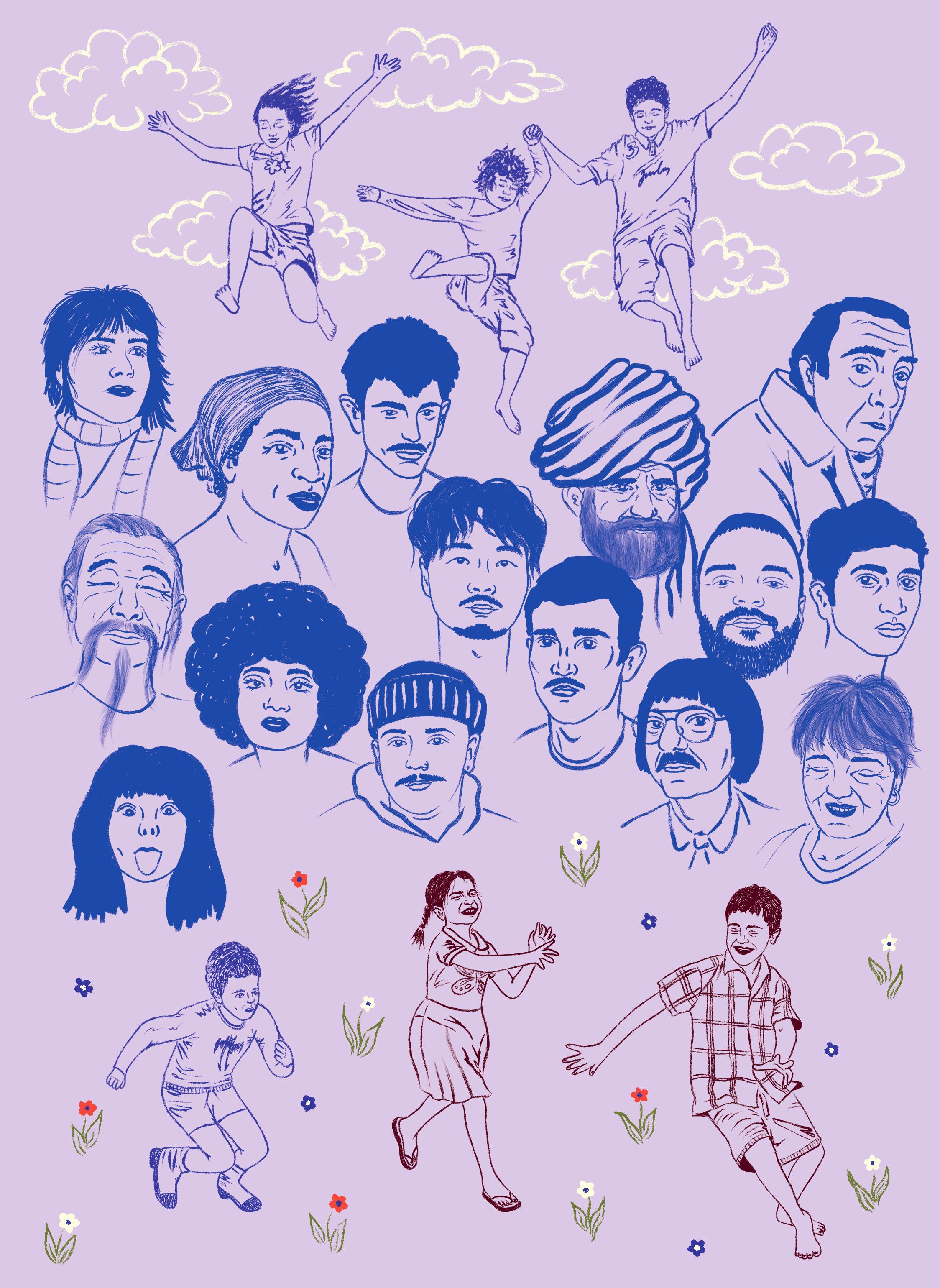
Poster design by Olya Havrina
ATLANTIC OCEAN
PACIFIC OCEAN
ARCTIC OCEAN
PACIFIC OCEAN
INDIAN OCEAN
LIVING AT THE END OF AN ErA
Reflection on Globalization and Personal Growth
We are living in a time of unpredictable flux. In the past few years, the world has gone through the COVID-19 pandemic, the rise of authoritarianism , full-scale wars in different regions, increasing geopolitical tensions and numerous economic crises of varying scopes and magnitudes. Living through major political and economic changes brings both opportunities and challenges. In this essay, I reflect on the concepts of globalization and de-globalization , the ending of globalization as we know it, and its implication on personal growth and development.
How should we understand globalization and de-globalization?
The origin of globalization is difficult to pin-point and economic literature has proposed different historical moments for the emergence of globalization. Nevertheless, it is generally agreed among economists that the past few decades since the end of the cold war have ushered in a period of explosive growth of international trade in goods and services, which is commonly referred to as globalization in public discussion of world affairs.
Globalization has lifted many people around the world out of poverty and created a much more integrated world economy. At the same time, it has also intensified social divide and inequality, accelerated environmental deterioration, and posed geopolitical and economic challenges that were not foreseen by its advocates. The global supply chain has been lev-
Words Yihong Tiittala Images Saga Bruun
eraged by state actors during the COVID-19 pandemic as a tool of economic and diplomatic influence, while others have capitalized on oil and natural gas resources to finance military capabilities.
While the process of globalization has never followed a linear or homogeneous trajectory, the past few years have seen an increasing momentum in conversations concerning deglobalization.10 Economic data on the decline of foreign investment, the slowdown of merger and acquisitions activity globally, as well as the reshoring or dismantling of the global supply chain, reveal an acceleration of the slow-down of globalization, a trend that is reinforced by the geopolitical rivalry.11
Is globalization truly ending?
In face of growing international conflicts and geopolitical tensions, countries are realigning and re-evaluating their economic strategy. The COVID-19, ongoing geopolitical conflicts, and escalating trade tensions have forced countries to prioritize security
over international trade. In the words of Sir Mark Tucker , HSBC chair, “Globalisation may have now run its course in its current form”.
That said, a deeper dive into the economic data shows that while the growth of the global economy has slowed, the global trade of service and merchandise trade are still increasing, even though at a slower pace. In that sense, the ending of globalization as we know it has opened the door for a new form of globalization, which attempts to address the many downsides of globalization.
How should we navigate the uncertainty and ever-shifting circumstances in the global context?
Here at Aalto, the campus life shows no sign of de-globalization. In Finland, Aalto is no doubt at the front-line of internationalization. Talented, ambitious and motivated students are selected from all over the world through a competitive admission process. Take a brief five-minute walk across the Otaniemi campus, you will encounter students of various skin colors, languages, and nationalities, who have all chosen Aalto for its rigorous learning programs and the chance to apply their learning to solve real-world problems.
In addition to a diverse and vibrant student body, Aalto has the highest proportion of international researchers among Finnish universities.12 It could be contended that Aalto is in its own international bubble. But this bubble has allowed Aalto to take advantage of its growing international network and collaboration and develop deep technology innovations.
Students at the School of Business should embrace Aalto’s open mindset and adopt an attitude
of respect towards perspectives, cultures and experiences other than their own. While the rise of protectionism, alongside territorial and economic clashes in the world can easily leave one feeling disheartened, overwhelmed or even depressed, we could always draw strength from Aalto’s vibrant and close-knit community.
The economic theories that are taught through different courses and interdisciplinary studies would enable students to engage in a critical evaluation of the current political trends and trade policies. Students and academics from diverse intellectual and cultural backgrounds can also enrich discussion and debates about international affairs. We don’t know what the future of the global economy would look like and it is likely that new risks and challenges will continue to emerge in forms that we have not seen before. Let’s support and help each other to navigate this brave new world with resilience.
Analysis
Words Viivi Ranta
Images Jami Liang
THE NEW FrAGMENTED rEALITY OF GLOBALISATION
Globalisation is a concept that has taken hold of all aspects of our lives. We live in a globalised world where the interconnectedness of countries and regions is higher than ever, with nations constantly looking for new ways to strengthen their ties with one another. Or are they? In recent years, talk of “the end of globalisation” or some kind of “slowbalisation” has emerged, suggesting a decline in growth of international cooperation since the financial crisis of 2008. At the very least, we could say that we have entered an era of selective globalisation: countries remain open where it benefits them but ignore joint responsibilities to better the world as a whole.
Globalisation is the end-product of the “death of distance.” Historically, due to developments in transportation and communication coupled with increased cooperation among countries, the world has shrunk in size. Something that used to take several weeks to deliver, whether information or physical goods, now takes only a few hours by plane or a few seconds on the internet. But the death of distance hasn’t been fully realised, as countries are ideologically and culturally tearing themselves apart like never before. There is a fundamental unwillingness and lack of action to improve seemingly shared goals, such as combating global warming and pacifying the con-
stantly rising tensions all over the world. We’re on a playing field without a defined set of rules: every country takes steps in whichever direction it pleases, lacking any sense of responsibility.
One cannot help but compare this to the trade negotiation rounds after the World War II, starting with the famous Bretton Woods negotiations in 1944, in which a global monetary regime was put in place to further improve interconnectedness of countries in the era of globalisation. Eight rounds of multilateral trade negotiations were successfully implemented before the infamous ninth and last one, the Doha Round (2001–), which has still not been completed. It all comes down to the same thing: countries are willing to promote globalisation, shared systems and goals only as long as it is in their national interest. The Doha Round got stuck between irreconcilable differences between developed and developing nations; the idea of globalisation and development of shared goals has been buried under each nation’s determination to act only in ways that
benefit itself, ignoring anything not directly linked to its own success.
In his article, Elliott (2024) discusses how we’re not experiencing the end of globalisation but rather a new form of it, glocalisation, in which “shorter supply chains, an emphasis on building back domestic manufacturing capacity, and a more strategic role for government” are highlighted.13 According to the article, this change towards localisation might be due to overreliance on efficiency over security, sparked by recent crises such as the pandemic and political tensions around the globe. Although one can understand the worry and the need to ensure national security, aren’t these crises shared among all, and therefore better tackled internationally and together, rather than only at a national level?
Only the future can tell us how these new influences will reform globalisation: is the end of globalisation here, or are we approaching a future of connected fragmentation, in which countries select only parts of globalisation based on their benefits?
Words Hector Björklund
Image Minerva Mänttäri
IDENTITY
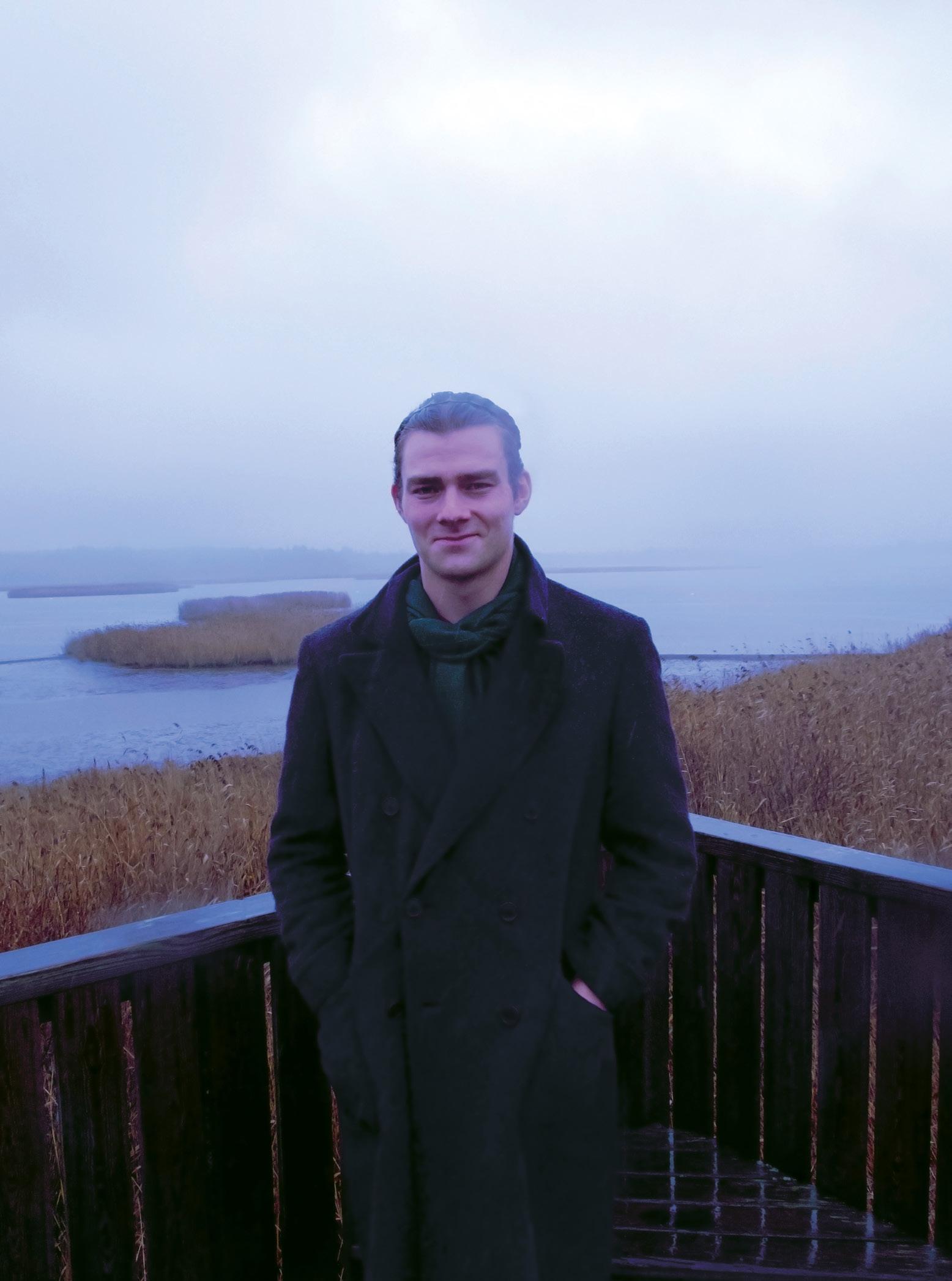
Who are you? Better yet, who am I? There’s the straightforward answer, the one that shows the tip of the iceberg: I’m Hector Björklund , a 23-year-old student currently serving as the Chair of the Board of KY. Then there’s the vast, deep part of the iceberg that lies beneath sea level, defining what rests above and keeping the iceberg stable. This part forms the foundation of who I am and what makes me me. Let’s dive from our ship deep beyond the surface, delving into the unknown regions of the mind.
I’ve had the privilege of travelling the world and seeing many places. When I was eight years old, my family moved to China , where I picked up both English and Mandarin as strong languages that I’ve maintained since. Communicating with others has always been important to me, so I’ve actively strived to learn new languages, seeing them as bridges between people and their ideas. Through languages and a natural curiosity, I’ve ventured around the world and learned to love experiencing different cultures. Therefore, a large part of the identity I conceive for myself is being part of a larger, worldwide community. But for now, let’s return to the Hectorian writing style familiar from earlier issues (Time and Space).
Logically speaking, identity refers to the likeness of something to itself. But what is something?
Thomas Aquinas’s ontological view of the world, combining Aristotelian metaphysics with Christian theology, forms a binaristic system for defining what something is – hylomorphism. The doctrine that every physical thing is a compound of materia and forma. Through these two intrinsic principles, we derive substantia. Matter, the underlying poten-
tiality for being, is just the atoms bonded together. Form, on the other hand, is what gives the matter its structure or identity. Together, they form what something inherently is.
Let us delve into a thought experiment. Suppose we have a magical machine—a 3D printer—that can scan your body atom by atom, reproducing a perfect copy of you by bonding atoms together at quantum scales. We now have you, and we have this set of atoms, structured in a way that perfectly resembles you. Let’s call this structure Velo. Since Velo is built exactly like you, atom by atom, is Velo you? E converso, are you Velo? In one sense, yes – Velo is you through materia, but not through forma. You know that Velo has been created (which is one differentiating factor between you both); hence, through the law of identity, Velo is materially identical to you, but not formally so. Therefore, using Aquinas’s view of hylomorphism, we can confidently state that Velo is not you. You have a name. You have memories, experiences, and a sense of self. Other people know you as you. That is what makes your identity – what makes you unique.
What one is and what one feels oneself to be are two different things (see paragraph on hylomorphism) It’s unavoidable to be affected by other people in who one is and how one feels oneself to be. The trick is to find equilibrium to express yourself freely while being positively influenced by those around you. True identity lies not in isolation, but in dynamic balance.
Stay tuned for the final piece of the puzzle, in the next spring’s Kylteri issue: Continuity.
WHERE DOES INNOVATION COME FROM?
Words Anh Nguyen, Holmes Nguyen, & Tzu Tai Huang
Images Saga Bruun
We hear the word “innovation” every day, and everyone seems to know what it means. Close your eyes and picture “innovation” - an image probably appears in less than two seconds. But pause for a moment: is that truly your own creative thought, or a reflection of how the world has shaped your idea of innovation? Putting aside the innovations we see in the media, what does innovation look like to those learning to build a more sustainable future through entrepreneurship? Let’s discover how students from the Sustainable Entrepreneurship program imagine their unique innovation concept, from Asia to Africa.
WHEN FINANCE-DrIVEN INNOVATION CAN CONTrIBUTE TO SUSTAINABILITY
For Owen , innovation means having the courage to build something useful. Of course, like any good plot twist, it has a darker side too. Think about AI, it creates jobs while also taking some away.
Observing and studying innovation, he’s seen how context shapes innovation. In China, the competition is fierce, primarily driven by wealth. Most companies chase economic goals, yet this intensity also speeds up breakthroughs, including sustainability. Clean energy technology is a perfect example: China now stands among the world’s leaders for its renewable capacity.
INNOVATION COMES FrOM EVErYDAY LIFE
For Karla , innovation isn’t just about robots or flying cars, it’s about new ideas solving old problems, any worth solving ones, but with a clever twist.
Thinking about her experience with innovation, Karla vividly remembers the virtual Effective Altruism conference, especially discussions about food systems, plant-based proteins, and how to reduce animal suffering as meat consumption rises globally. Or her internship at a Tanzanian company researching how households could adopt cleaner cookstoves, producing biochar as a side product for their gardens while earning money from carbon credits. Imagine getting all of those from cooking dinner! The project gave her a strong belief that innovation could be down-to-earth and serve everyday life purposes.
IT’S OKAY TO BOOTSTrAP YOUr “BABY” INNOVATION
Born and raised in Vietnam, Holmes observes the unique, vibrant entrepreneurial ecosystem around him. Innovation in Vietnam usually originates from necessity and aspiration, more so than from formal systems. This inspires him to look around his environment for potential innovations. Most individuals commence small, made-inVietnam businesses that make life better for them.
Entrepreneurship is evident everywhere – from household cafés to high-tech startups in Ho Chi Minh City . While digital transformation and startup ecosystem support are now provided for age policies, much of the initiative continues to arise from individuals who “learn by doing” more so than from instructional schooling.
Innovation in Vietnam, in short, arises from the resilience, resourcefulness, and risk-taking propensity of its people despite their minimal resources.
INNOVATION IS SPArKLING, BUT LET’S FACE THE CHALLENGES THAT COME WITH IT!
Tzu Tai is down-to-earth when talking about innovation. Pursuit of marketing fit is the crucial hurdle that often hinders every venture, especially within the startup world. Resources burned, the efforts expended, and the real value offered to clients, it is a process where some elements thrive, yet some others fail. As sustainability accelerates the shift in the business landscape, this challenge intensifies, forcing founders to courageously redefine what future user scenario they intend to sell to the market.
Isn’t it cool when we look deep into innovation instead of using it as a buzzword? Start drawing your own image of innovation, on paper or ideally in real life. But before doing that, you might want to consider these tips.
The idea of innovation can be simple, yet it’s tangled in politics, economics, and messy systems. So, don’t fall in love with your idea! Test it, and co-create.
Ideas don’t need to be perfect at the start. Move fast, just do it. No idea is born great, but you can make it great by facing problems along the way. After all, failure is cheapest at the beginning; so why let fear get in your way?
Universities gradually implement more innovation-oriented programs, but the informal networks, online groups, and local mentors continue to serve as the primary sources of inspiration.
Näkökulma
ONKO VASTUULLISTA DIGINOMADISMIA OLEMASSA?
Teksti Miia Martikainen
Kuvat Saga Bruun
Vuoden pimeimmän ajanjakson koittaessa moni pohjolassa alkaa haikailemaan etelän aurinkoon. Mikä olisikaan ihanampaa kuin työskennellä espressokupin äärellä Italiassa tai nautiskella afterwork-tapaksia Barcelonassa – samalla avartaen omaa maailmankatsomustaan, parantaen kielitaitoaan ja oppien uutta ympäröivästä kulttuurista. Hyvästi harmaa marraskuu!
Globalisaation myönteiset puolet, kuten lisääntynyt liikkuvuus, teknologian mahdollistamat loputtomat yhteydet ja kulttuurin leviäminen ovat sukupolvellemme itsestäänselvyyksiä. Yksi globalisaation keskeisistä ulottuvuuksista on ollut kansainvälisen kaupan lisääntyminen ja monikansallisten yhtiöiden jalkautuminen useisiin eri maihin. Samalla kansain-
välistymisestä – oli kyseessä sitten opiskelijavaihto, harkkapaikka tai työt ulkomailla – on tullut monelle suuri haave.
Globaalia yhteisöä kohauttaneen pandemian jälkimainingeissa rantaan huuhtoutui myös uusi ulkomailla asumisen mahdollistava ilmiö, etätyöt. Etäyhteyksillä työskentely on mahdollistanut läppärin äärellä pakertamisen lähes missä vain. Jotkut asuvat ulkomailla kenties puolet vuodesta, toiset taas pidentävät lomiaan ja osallistuvat palavereihin lomakohteen uima-altaalta. Sää ja edullinen hintataso houkuttelevat globaalin pohjoisen työntekijöitä vaeltamaan etelään muuttolintujen lailla.
Pysyvälle etätyöskentelylle ja siihen liittyvälle jatkuvalle paikasta toiseen reissaamiselle on olemassa
Onko vastuullista diginomadismia olemassa?
oma käsite, diginomadismi. Termi itsessään on hieman ristiriitainen viitaten samalla modernin teknologian mahdollistamaan etätyöskentelyyn, mutta toisaalta myös nomadismiin, jolla tarkoitetaan paikasta toiseen liikkuvaa elämäntapaa. Nomadismi on yleistä esimerkiksi alkuperäiskansojen keskuudessa.
Perinteiseksi mielletystä vaeltajien elämäntyylistä on tullut tavoiteltava ja ihannoitu lifestyle, jota markkinoidaan oravanpyörän uhreille esteettisten, tarkasti kuratoitujen sosiaalisen median syötteiden kautta. 2020-luvun mahdollisuus tehdä etätöitä laajamittaisesti työpaikasta riippumatta on rohkaissut myös ”tavallisia” työmyyriä alivuokraamaan asuntonsa ja pakkaamaan matkalaukkuun työläppärin lisäksi bikinit. Diginomadismista on siis tullut saavutettava ja trendikäs elämäntapa myös ihan tavallisille työntekijöille.
Vapaalla elämäntavalla on kuitenkin hintansa. Diginomadismia nimittäin määrittää tietynlainen irrallisuus: irrallisuus fyysisestä työpaikasta, kotimaasta ja yhteisöstä. Myös työt itsessään ovat irrallisia, sillä diginomadit ovat usein esimerkiksi yrittäjiä tai freelancereita. Tämä irrallisuus voi johtaa siihen, että eheää työyhteisöä on vaikeaa rakentaa. Coworking-tilat ovat usein diginomadien suosiossa, mutta maisemien vaihtuessa vaihtuvat myös työkaverit. Henkiseen hyvinvointiin voi vaikuttaa haitallisesti myös tietynlainen epävarmuus, sillä freelance-työt ja yrittäjyys tekevät työtilanteen ja tulojen ennustamisesta vaikeaa. Toisaalta diginomadit ovat
sitoutuneet sietämään tällaista epävarmuutta omannäköisen elämän rakentamisen toivossa.
Klassinen modernin ajan työläisen dilemma on yleensä se, että aikaa ja rahaa on harvoin tarpeeksi samaan aikaan. Diginomadien näkökulmasta heidän elämäntapansa yhdistää hedonistisen nautiskelun ja rankan työn raatamisella ansaittujen pennosten tuhlailun. Usein nämä modernit vaeltajat nauttivat työnsä hedelmistä alueilla, joissa hintataso on huomattavan matala palkkaan verrattuna. Suosituimpia kohteita ovat esimerkiksi Kaakkois-Aasia ja Etelä-Amerikka, jotka edullisen hintatason ansiosta houkuttelevat turistien lisäksi myös diginomadeja paksuine lompakkoineen. On raportoitu, että esimerkiksi Medellínin, Méxicon ja Balin gentrifikaatio on suurelta osalta diginomadismin syytä. Edullisten maiden kaupungeista on tullut yksinkertaisesti liian kalliita paikallisille. Euroopassa gentrifikaatiosta ja huippulukemissa huitelevista asuntojen hinnoista kärsivät eniten Barcelona ja Lissabon, missä myös paikalliset ovat alkaneet osoittaa mieltään kurjistuvan tilanteen takia.
Joissain maissa on havahduttu ilmiön ongelmallisuuteen, mutta myös siinä piileviin hyötyihin –tuovathan diginomadit tullessaan myös merkittävää ostovoimaa ja mahdollisuuksia kehittää paikallisia talouksia. On esimerkiksi maita, jotka tarjoavat diginomadiviisumeja, jotka velvoittavat maksamaan veroja paikallisiin yhteiskuntiin. Siitä huolimatta monet diginomadit turvautuvat turistiviisumiin,
Onko vastuullista diginomadismia olemassa?
Sanonta “oman onnensa seppä” saa uuden ulottuvuuden, kun oman elämän parantaminen tapahtuu muiden kustannuksella – onhan diginomadismi luksus, joka kuuluu lähes yksinoikeudella globaalin pohjoisen varakkaille etätyöskentelijöille.
jolloin verotulot suuntautuvat takaisin kotimaahan. Toisen maan resurssien varassa eläminen samalla myötävaikuttaen kotimaan talouskehitykseen on väistämättä ongelmallista. Onkin sanottu, että diginomadit käsittävät ympäristönsä vain yhtenä suurena coworking-tilana14 – heidän aikeisiin saati intresseihin ei kuulu paikallisten elinolojen parantaminen tai rakenteisiin vaikuttaminen. Lisäksi haluttomuus opetella kohdemaan kieltä on yksi tapa toiseuttaa paikallisia yhteisöjä, rakentaa erottelua meidän ja heidän välille.
Tämän kritiikin perusteella on syytä pohtia diginomadiuden perimmäisiä motiiveja. Halu olla vapaa, riippumaton ja elää itseään loputtomasti toteuttaen sopii sattumalta täydellisesti länsimaisen, äärimmilleen viedyn individualismin narratiiviin. Sanonta ”oman onnensa seppä” saa uuden ulottuvuuden, kun oman elämän parantaminen tapahtuu muiden kustannuksella – onhan diginomadismi luksus, joka kuuluu lähes yksinoikeudella globaalin pohjoisen varakkaille etätyöskentelijöille.
Onko siis olemassa vastuullista diginomadismia? Ehkä ei, mutta diginomadi voi tehdä parempia va-
lintoja. AirBnB-asuntojen ja ketjuravintoloiden sijaan diginomadeilla on mahdollisuus tukea paikallisia talouksia valitsemalla pienempiä majataloja ja kuppiloita. Paikallista kulttuuria voi kunnioittaa opettelemalla kielen perusteet. Vastuullinen diginomadi hankkii asianmukaiset viisumit ja maksaa veroja.
On turha kokea syyllisyyttä siitä, että elämäntapa houkuttelee. Yhteiskunta, joka kannustaa jatkuvaan itsensä kehittämiseen ja paremman elämän tavoitteluun on itsessään oravanpyörä, johon diginomadismin tarjoamat edut ovat tehokas lääke. Vastuuta on siis sälytettävä ennen kaikkea myös rakenteille, jotka toisaalta sysäävät diginomadismiin, mutta myös mahdollistavat sen. Seuraavan kerran kun avokonttorin ikkunaan hakkaava syyssade masentaa, on syytä muistaa, että globalisaation luomat loputtomat mahdollisuudet tuovat mukanaan myös vastuun.
Lueteltu sivulla 62
Lähteet
THE BLESSING AND BUrDEN OF THE WORLD IN MY POCKET
Words Anni Zhao
Image Jami Liang
Every day, before I have even made my way to the lecture hall in Otaniemi, I have already scrolled through three continents: a friend travelling in the South of France, protests in Indonesia, and some student-model-athlete-influencer attending a PR event in Los Angeles. Social media connects us across cultures and beyond country borders, but the constant flood of information, tragedies, and comparison can be overwhelming. The world is now at our fingertips, but at what cost?
Lately, I have been thinking that it must not be healthy for humans to be updated about so many things all the time. As I am about to sit down in the lecture hall, I try to make conscious effort to focus on the lecture that is about to start. I keep thinking about the cool picture that my friend posted, the injustice that led to the protests, and how enviable it is that some people seem to have the time to do everything and that my life isn’t as interesting as theirs. Half an hour into the lecture, I open Instagram to text my friend to ask her to eat lunch together. My attention is once again taken away by a post by someone from university documenting their previous night out with friends, and Yle reporting that suspicious drones have been spotted at the Copenhagen and Oslo Airports.
As we are constantly exposed to news, trends, opinions, and lifestyles both willingly and unwillingly, it’s no wonder that emotional fatigue is creeping up on us. We feel the weight of global chaos that we cannot control, see the highlight reels of people around us and people who we have never met, and make comparisons between our lives and their lives. We feel always connected, yet rarely grounded.
Despite the pressure that social media creates, it can also open doors for empathy, creativity, and
belonging that weren’t possible before. When I was studying abroad, I found myself laughing about the same Instagram reels with my new friends that we had seen before even setting foot in Singapore. People can discover incredible communities for niche interests, and marginalized groups have an opportunity to find support networks that they might not otherwise have. Artists get access to a wider audience, and people can learn about the daily lives of others through authentic media. For example, when TikTok was about to be banned in the US, a wave of curious users from America and other countries flooded to Xiaohongshu (a Chinese social media platform), prompting users to exchange pictures of their daily lives and promoting cross-cultural understanding.
So, if you ask me whether digital globalization is good or bad, I cannot give you a definite answer. However, I think we could all benefit from mindful consumption of social media content. After my lectures, I had some free time on my hands and decided to go back on Instagram. This time, I clicked on my profile and methodically unfollowed every celebrity whose work I haven’t been keeping up with in a while, as well as every content creator who I started following because of a particular post, but whose content did not end up resonating with me after all.
Digital globalization has given us front-row seats to the world, but sometimes it is okay to step out of the theater. The beauty of connection is best felt when we choose depth over noise: meet up with your friends even when it feels exhausting, put down your phone, and ask them about their weekend instead of mindlessly scrolling through the infinite feed.
KOKEILEMINEN
KESTÄVÄNÄ KATALYYTTINÄ KAUPPAKORKEAN KASVATILLE
Oletko jo löytänyt alaltasi inspiroivan kulman kohti kauppatieteilijän kunnianhimoista kohtaloa? Tai edes johtolankoja siitä, miten sitä paljon puhuttua strategisuutta saa implementoitua oman pään kanssa operoimiseksi? Vai mateleeko opintopisteiden kertyminen sittenkin samalla, kun podet eksistentiaalista kriisiä Aalto-yliopiston kunniakkuuden kannattelijana?
Jos et tunnista itseäsi jälkimmäisimmästä kuvaelmasta, voit taputtaa itseäsi olalle ruhtinaallisella ylpeydellä: olet luultavasti jo löytänyt motivaatiosi ja tapasi luovia olemassa olevien rakenteiden puitteissa yliopistomaailmassa ja työelämässä. Mutta jos yhteys kurssisisältöjen ja niiden merkityksellisyyden välillä edelleen pätkii, eivätkä omat vahvuudet tunnu pääsevän oikeuksiinsa saati löydy ensinkään – niin olet nähty.
Meillä on suuri määrä opiskelijoita, joilla ei ole vielä ymmärrystä omasta erityisestä potentiaalistaan tai tavasta päästä tekemään merkityksellistä ja inspiroivaa uraa kauppatieteiden opintojensa lähtökohdilla. Useissa tapauksissa potentiaalin koulimisen hidasteena olemme me itse, sillä tiedostamaton oman arvon tunnon ehdollisuus perfektionistisille ihanteille ja suorittavalle saa-
Meillä on suuri määrä opiskelijoita, joilla ei ole vielä ymmärrystä omasta erityisestä potentiaalistaan tai tavasta päästä tekemään merkityksellistä ja inspiroivaa uraa kauppatieteiden opintojensa lähtökohdilla.
vuttamiselle sekä ”epäonnistumisen” pelko ja tuntemattoman välttely kaventavat omaa kykyämme tarttua vaihtoehtoisempiin, rohkeampiin oppimiskokemuksiin ja aluevaltauksiin, jotka voisivat tarjota meille yllättävän sauman omanlaiseen asiantuntijuuteemme ja ambitioihimme.
Itselleni koko kandidaattivaiheen merkityksellisin kurssi on ollut Johdatus visuaalisen viestinnän muotoiluun , jolle pääsin livahtamaan vahingossa pääaineopiskelijoiden sekaan uteliaana, vailla omia odotuksia. Vaikka kurssi onkin nimensä mukaisesti vasta alkusysäys visuaalisen kulttuurimme tulkitsemiselle ja sen luomiseen orientoitumiselle yliopistokontekstissa, ensi kertaa minusta tuntui, että olin löytänyt kutsumukseni hahmottaa ja johtaa kokonaisuuksia. Itsereflektio oli sisäänleivottu osa viikkotyöskentelyä koko kurssin ajan. Se loi käänteentekevän synergian kauppatieteen opintojeni sekä vuorovaikutuksen ja visuaalisen viestinnän keinojen ja tavoitteiden kanssa.
Tällaisia vaihtoehtoja perinteisille pääainekursseillemme ovat olleet yliopiston tarjonnassa esimerkiksi monialaisille projektikursseille ja vapaaehtoisorganisaatioiden vastuuasemiin hakeutuminen tai itselle vielä vieraan mutta kiinnostavan tieteenalan opintojen käyminen. Aikaisemmin tarjottiin laajemmin myös yhteisiä taideopintoja, ei vain ympäripyöreitä ja mitäänsanomattomia, vaivattomimmin opintopisteitä tarjoilevia design bitsejä . Nyt JOO - eli joustavan opinto-oikeuden lakkauttaminen suitsii entisestään yliopiston tukemaa poikkitieteellisyyttä ja kasvattaa turhaan opiskelijoiden kokeilemisen kynnystä. Poikkitieteellisyyteen syventymiseen oikeuttavat lähinnä erikseen haettavat, pienet ja vähemmän tunnetut maisteriohjelmat ja sivuaineet, mutta niitä tai niiden pääsyvaatimuksia ei myöskään pidetä tarpeeksi systemaattisesti esillä opintonsa aloittaville ja voimaansa vielä etsiville opiskelijoille. Etenkin, jos omat kyvyt, motivaatio ja sen myötä toiminnanohjaus eivät ole vielä kirkastuneet.
Monelle juuri haahui -
lulta joskus vaikuttava kokeilemaan lähteminen voi tarjota
kaikista arvokkaimpia, odottamattomia oppimiskokemuksia pystyvyydestämme ja vaikutusmahdollisuuksistamme.
Kauppatieteiden opiskelun hienous on oppimamme muovaaminen kulloisenkin tavoitteemme tueksi – etenkin kun haluamme oppia muutakin tieteenalojen raameihin rajoittumatta. Unohdamme silti juuri sen monialaisuuteen taipuvaisuuden arvon, kun meitä ohjataan orientoitumaan hyvin pääaineemme oletusarvoisten sisältöjen sanelemina ja monesta moniosaajuuteen potentiaalisesta opiskelijasta tulee potentiaaliaan vielä etsivä väliinputoaja. Tätä potentiaalin löytämistä ja mahdollisuuden antamista monialaisesti vahvistaa Aallon sivuille valikoiduissa alumnitarinoissa toistuvina aiheina juuri rohkeaan, itseä kiinnostavien asioiden kokeilemiseen kannustaminen, monialaisten opintojen ja projektien ylistäminen, sekä ”sattuman” merkitys urapolun arkkitehtina.
Nykyinen kiire hakeutua jatko-opintoihin, tiukka tutkintomalli ja aikataulu, sekä suorituskeskeisen kylterin ihanne palvelevat vain harvoja. Samalla kun kommunikointi- ja tunnetaitojen merkityksestä puhutaan mediassa yhä enemmän, emme kuitenkaan välttämättä ymmärrä tehdä tarpeeksi tietoista työtä itsemme ja täten myös muiden syvälliseksi ymmärtämiseksi sekä sisäisesti motivoivien asioiden äärelle pääsemiseksi.
Kun monen takaraivossa loisii yhteiskunnan diskurssi odotuksista toimia tuottavuuden ja normatiivisen systeemin brändilähettiläänä, ei ole ihme, jos oman itsetuntemuksensa meta-analyysi ja reflektio todellisista sisäisistä motiiveistamme ja mahdollisuuksistamme sekä arvomaailmam-
me kriittisempi tarkastelu eivät ole olleet kaikille resurssien käytön prioriteettejä tässä menestyksen reseptissä, jolle alinomaan altistumme suorittamisen imussa. Ja miten voisi ollakaan, jos mikään tai kukaan ei ohjaa ajatteluamme ja turvallisen kaavan ulkopuolelle hakeutumista.
Liukuhihnamaista, yhä joustamattomampaa kilpajuoksua toiselta asteelta työelämään kaavailtiin vauhdittamaan pirteämmän talouden reinkarnaatiota. Tutkimiseen, lukkoon lyötyjen koulujen tai tutkinto-ohjelman ensisijaisten tavoitteiden ulkopuoliseen kokeiluun tai laajan kiinnostuksenkohteiden kirjon vaalimiseen ei kannusteta tai anneta tukea riittävästi sitä tarvitseville, ja moni kipuileekin valitsemallaan alalla jumiutuen kapeaan kuvaan mahdollisuuksistaan valitsemansa suuntauksen kahlitsemana.
Sen sijaan vaihtoehtoisia tapoja kokeilla, oppia ja kehittää itseään tulisi huomioida myös opintojen ulkopuolella. Monelle juuri haahuilulta joskus vaikuttava kokeilemaan lähteminen voi tarjota kaikista arvokkaimpia, odottamattomia oppimiskokemuksia pystyvyydestämme ja vaikutusmahdollisuuksistamme.
Tuntemattomampiin ympäristöihin jalan oven väliin ujuttaminen ja haasteisiin tarttuminen esimerkiksi vieraassa kulttuurissa vaihto-opintojen, harjoittelupaikan tai omaehtoisen reissaamisen kautta voi mullistaa omat toimintatavat tai nostaa esiin ulkopuolisten havaintoja esimerkiksi oman kognition erityispiirteistä tai tunteidenkäsittelytavasta. Tätä metatietoa voi kerryttää myös opiskelun sijasta esimerkiksi muunkin kuin suoraan oman alan tai erikoistumisalueen palkkatöillä, vapaaehtoisorganisaatiossa tai tapahtumissa toimimisella, omaehtoisilla projekteilla tai yliopiston ja palkkatyön ulkopuolella tehtävillä osaamisen todentavilla sertifikaateilla. Jokainen kokemus rakentaa yhteyttä myös opiskeltavien asioiden ja tosielämän ilmiöiden välillä, jolloin henkilökohtaisia tavoitteita voi olla helpompi asettaa ja tarkoituksenmukainen oppiminen saa meidät toimimaan.
Näistä tiedon- ja tunteiden käsittelyn vahvuuksista ja haasteista tietoisemmaksi tuleminen on parhaimmillaan mitä hedelmällisintä konsultaatiota omista tarpeista, rajoista ja siitä, minkä piirteiden kehittämiseksi on mahdollista löytää työkaluja. Voit edistää ideointia ja itsetuntemusta vaikkapa varaamalla ajan Aallon uraohjaukseen tai opintopsykologille.
Milloin me taloustieteen opiskelijat olemme pysähtyneet pohtimaan taloustieteen kulttuurista valtaa yhteiskunnassa?
Jääneet miettimään, miltä tuntuu lukea talouspoliittisia uutisotsikoita ilman kriittistä silmää sille, että taloustieteilijöiden kertomat numerot saattavatkin valehdella?
Joskus metsää on vaikea nähdä puilta, ja ulkopuolelta tarkasteltuna havainnot voivatkin olla mielekkäämpiä.
Teksti Siiri Reiniluoto
Kuva Claudia Vega
Tanskalainen tasa-arvokonsultti sekä feministinen aktivisti Emma Holten luonnehtii itseään taloustieteen tietokirjan kirjoittajana seuraavasti: ”Kala ei voi havainnoida vettä, ja minulla on ollut kyky ymmärtää taloustiede asiana, jolla on kulttuurista valtaa yhteiskunnassa.” Holtenilta ilmestyi viime vuonna hänen esikoistietokirjansa, tänä syksynä suomennettu Kuluerä (Gummerus). Teoksessa Holten purkaa taloustieteen osiin kulttuurintutkijan silmin kritisoiden talouden kieltä ja järjestelmää, joka arvottaa kaiken numeroiksi. Lisäksi hän avaa nykypäivän taloustieteellistä ajattelua menneisyyden kautta linkittäen kulttuurimme ja historiamme yhteen taloustieteen kehityksen kanssa.
Teos pureutuu juurikin taloustieteen omaavaan kulttuuriseen valtaan ja siihen, miten helposti se tulkitaan julkisessa keskustelussa objektiivisena totuutena. Holten kertoo, että keskusteluissa taloustieteilijöiden kanssa on käynyt ilmi, etteivät he aina ymmärrä, miltä tuntuu olla esimerkiksi hoitaja lukemassa uutista säästösyistä tapahtuvista hoitajien irtisanomisista. ”Hän näkee nämä numerot, eikä voi sanoa mitään,” Holten luonnehtii. Kulttuuriimme on sisäänrakennettu ajatus siitä, etteivät numerot valehtele. Vaikka monille taloustieteilijöille on selvää, ettei ala ole objektiivinen luonnontiede vaan sosiaalinen tiede, ja että numerot ovat toisinaan myös väärässä, ei se ole yhtä selvää suurelle yleisölle.
Holten argumentoi, että lukujen ja sitä kautta myös hintojen saama valta on johtanut meidät
Mitä käy, kun näemme kaiken numeroina?
Mitä käy, kun näemme kaiken numeroina?
Noitavainot ovat täydellinen esimerkki siitä, miten sukupuoliroolit ja kulttuuri määrittyvät sen mukaan, millainen talousjärjestelmä vallalla on.
antamaan liian vähän painoarvoa oikeasti merkityksellisille asioille, mikä puolestaan on johtanut hoiva-alan kriisiin sekä toisaalta myös ilmasto- ja mielenterveyskriiseihin. Keskittyminen hintoihin ja markkinoihin on ajanut meidän tilanteeseen, jossa esimerkiksi luksuslaukuille on helppo asettaa korkea hinta, mutta tunti oman lapsen kanssa vietettyä aikaa on hinnatonta, ja täten arvotonta. ”Hinnoista on tullut konkreettisia, ja oikea elämä on muuttunut abstraktiksi”, Holten kuvailee. Hän jatkaa kertomalla, kuinka olemme päätyneet filosofisesti mielenkiintoiseen tilanteeseen, jossa numerot, kunhan niiden taustalla on tarpeeksi täsmällinen teoria, nähdään totena. Sen sijaan esimerkiksi hänen oma taannoinen sairastumisensa, sen johdosta tapahtunut sairaalareissu ja paraneminen nähdään abstraktina, sillä sairaalassa tapahtunutta hoitoa ei pystytä kuvailemaan numeroin.*
Mutta miten tähän on päädytty? Taloustieteen opiskelijanakaan harvoin törmää tieteenalan historiaan ja eri taloustieteen haarojen valtataisteluun, saatika taloustieteen tarkasteluun kulttuurin- tai sukupuolentutkimuksen näkökulmasta. Erityisen mielenkiintoista on, miten Holten liittää noitavainot sekä sukupuoliroolit modernisaatioon ja nykypäivän talousjärjestelmään.
”Noitavainot ovat täydellinen esimerkki siitä, miten sukupuoliroolit ja kulttuuri määrittyvät sen mukaan, millainen talousjärjestelmä vallalla on,” Holten summaa. Noitavainot olivat aikanaan keino kansan järjes-
tämiseen ja jäsentämiseen. Ihmisten oli elettävä ydinperheissä ja tehtävä määriteltävissä olevaa työtä siten, että työn tulokset olivat mitattavissa. Noitina vainotut ihmiset, naiset sekä miehet, olivat niitä, jotka edustivat ”kaoottisempaa” elämäntapaa, asuivat kaduilla, tai toimivat esimerkiksi lapsenpäästäjinä tai parantajina.
Lisäksi Holten osoittaa selkeän yhteyden niin naisen stereotyyppisen roolin, kuin myös miehisenkin roolin ja vallitsevan talousjärjestelmän välille. Hän ottaa esimerkiksi modernin maskuliinisuuden, jonka avulla on voitu rakentaa hyödyllinen hahmo pääoman kerryttämiselle ja talouskasvun edistämiselle: hahmo, jonka identiteetti ja ylpeyden tunne syntyy töiden tekemisestä.
Samoin myös naisen stereotyyppinen rooli on vaihdellut sen tuoman taloudellisen hyödyn mukaan kotirouvan ihanteesta 60-luvulla nousseeseen ”women can”-ajatteluun, joka pyrki saamaan naiset osaksi työvoimaa. Tästä Holten jatkaa luontevasti kertomaan, miten myös nykypäivän feminismi toimii itseasiassa pohjimmaista tarkoitustaan vastaan. Feministiseksi ihanteeksi on noussut ajatus naisesta, jonka elämä muistuttaa miehen elämää mahdollisimman paljon, ja jonka tavoite on pyrkiä kiipeämään työelämän tikkailla mahdollisimman korkealle. Se puolestaa ylläpitää hoivatyön yhteiskunnallista aliarvostusta, jonka takia näihin tehtäviin on tuotava työntekijöitä globaalista etelästä. ”Minusta tavoitteen pitäisi olla toisinpäin: miesten elämän tulisi muistuttaa paljon enemmän naisten elämää. Miesten tulisi viettää enemmän aikaa kotona ja tehdä töitä hoiva-alalla,” Holten toteaa.
*Holten päätyi kroonisen autoimmuunisairauden myötä sairaalaan vuonna 2019. Seuraavana vuonna hän luki artikkelin Mandag Morgen -lehdestä otsikolla “Naiset ovat edelleen kuluerä valtiontaloudelle”. Tämä oli Holtenin mielestä ristiriitaista, olihan suurin osa sairaalan hoitajista jotka häntä hoitivat olleet naisia, kuten hoiva-alalla työntekijät suurissa osin edelleen ovat. Otsikko kuitenkin antoi ymmärtää, ettei naisten tekemällä hoivatyöllä ole arvoa. Tämä oli myös teoksen Kuluerä alkusysäys.
Hoiva-alan aliarvostus ja yhteiskunnan sukupuoliroolit kulkevat käsi kädessä. Vaikka hoivatyön aliarvostus pohjimmiltaan johtuu sen ”abstraktista” luonteesta ja mittaamisen hankaluudesta, on sitä ollut helpompi aliarvottaa siksi, että sitä ovat tehneet juuri naiset. Niinpä myöskään taloustieteen
Mitä käy, kun näemme kaiken numeroina?
Ensimmäisten leikkausten tullessa alkavat hoitajat tuurata toisiaan tekemällä hieman ylitöitä tai lupaamalla vastata työpuhelimeen myös vuorojen ulkopuolella.
kehittyessä ei ole ollut tarpeeksi kannustimia keksiä hoivatyölle, tai muille vastaaville numeroiden ulkopuolelle jääville asioille, malleihin sopivia selityksiä.
Näiden asioiden aliarvottaminen ei kuitenkaan tapahdu seurauksitta. Holten viittaa teoksessaan tanskalaisen apulaisprofessorin Susanne Ekmanin kirjaan Myrkyllinen velka (Giftig goeld), jossa Ekman rinnastaa vuoden 2008 finanssikriisin nykyiseen hoivakriisiin. Hänen mukaansa aliarvottamisesta johtuva näkymätön arvonmenetys voidaan nähdä kertyvänä velkana, joka lopulta romahtaa. Holten antaa tästä myös konkreettisen esimerkin, jonka hän on huomannut keskustellessaan hoitajien kanssa itse. Ensimmäisten leikkausten tullessa alkavat hoitajat tuurata toisiaan tekemällä hieman ylitöitä tai lupaamalla vastata työpuhelimeen myös vuorojen ulkopuolella. Tämän johdosta tuottavuus ei muutu radikaalisti, ja ulkopuolelta on vaikea havaita leikkausten aiheuttaneen juuri negatiivisia vaikutuksia, eli leikkauksia nähdään tehostamisen kannalta hyödylliseksi tehdä lisää. Lopulta hoitajat väsyvät, ja alan sisällä syntyy valtava kuormitus työntekijöille. Seurauksena päädytään nykyhetken tilanteeseen, jossa hoiva-ala on vaikea nähdä houkuttelevana työpaikkana, ja työntekijöitä sitä kautta hankala löytää. Se taas lisää rekrytoinnin kustannuksia, heikentää hoidon laatua ja viivästyttää hoitoon pääsyä, mikä ajaa tilannetta syvemmälle kriisiin.
”Muistan, kun kirjani ilmestyi ja olin tanskalaisessa ajatushautomossa, jossa oli enimmäkseen taloustieteilijöitä. Siellä pääekonomisti kysyi minulta: ”Tämä asia, josta kirjoitat, että he [hoitajat] ovat todella kiireisiä sairaaloissa, mistä sinä keksit sen? Emme näe sellaista numeroista”, Holten kertoo.
Se, mitä Holtenin sanomasta voi siis tulevana taloustieteilijänä ottaa irti, on ymmärrys taloustieteen kulttuurisesta ja sosiaalisesta asemasta yhteiskunnassa. Lisäksi oleellista on oman tieteenalansa historian ymmärtäminen: taloustiede on historian saatossa ollut pitkälti valtataistelua eri tieteenhaarojen välillä, eikä yksiselitteistä voittajaa ole aina löytynyt. Kautta aikojen kyse ei ole ollut ideoiden puutteesta tai ajatusmallien vähyydestä, vaan siitä, mikä niistä on päässyt kiipeämään kamppailussa toisten yli. Niinpä on ehkä aika laajentaa ajatteluaan numeraalisten arvojen ulkopuolelle ja katsoa mitä sieltä voisi löytyä. Holtenia lainaten: ”Uusista ideoista ei ole pulaa, pulaa on kiinnostuksesta niitä kohtaan.”
Words Anna Hakola
Image Saana Rauvala
DILEMMAS OF A RENEGADE ECONOMIST
renegade Economist - This is a title that author and Oxford professor Kate Raworth has been called, and one that I would be more than proud to one day earn. My sister said that I already am one. Maybe I am becoming one.
By a renegade economist, I mean someone who is fighting for a more ecologically and socially sustainable, fairer and kinder, economic system. During this past year, I have read a lot about economic systems, and have arrived at many profound realizations. One of them is what economist Anni Marttinen writes in her book Hattaratalous: “You, who are currently studying economics and feel that you are different, because you also care about environmental and human rights issues – you can be an economist all the same.”
I see change – system-level, fundamental change – as a necessity for our survival. This is what fuels my activism and passion for demanding it. It’s why I
engage in hard discussions even in rooms in which I am the only one pointing out a sustainability angle: I can’t unsee it anymore, I can’t look away.
And yet, I am a person who really values calmness, kindness, and peace. I am a sensitive soul and I want to spend my time being happy. This brings me to a dilemma: is sustainability work inherently in conflict with this desire?
Not only do I love tranquility and kindness, I also have a hard time making someone upset. I would love to have everyone like me, or at least avoid having anyone be angry at me... But I am starting to realize that I may have to learn to tolerate this discomfort, if I am to continue working in sustainability.
Sustainability work, at its core, centers around challenging the status quo. It’s about trying to change things, and nothing changes without resistance. Let alone the economic system or the
discipline of economics. As Donella Meadows (1999) writes in her analysis of how systems are changed: “The higher the leverage point, the more the system will resist changing it—that’s why societies tend to rub out truly enlightened beings.”
It was really moving for me to see a Danish human rights activist and author Emma Holten speak at a Doughnut Economics Summer School at the University of Copenhagen in August this year. Her recent book Deficit: How Feminist Economics Can Change Our World (2024, suom. Kuluerä) criticizes the fundamental assumptions about value in mainstream economics, taking a feminist economics angle to valuation of care work, nature and all things that make us human.
Holten shared in her talk in Copenhagen how she’d received violent pushback from established economists for her book. She was ridiculed, belittled, and her right to talk about economics was questioned.
Sustainability work, at its core, centers around challenging the status quo. It’s about trying to change things, and nothing changes without resistance.
Still, she was there. She spoke with such a firm passion, determination, and hope that it gave me chills. At the end, she received a very long standing ovation from the 250 of us listening. Despite the backlash from mainstream economists, Deficit has now sold over 50,000 copies and has been translated into 12 languages.
Emma Holten is also what I would call a renegade. I would love to ask her: How do you balance wanting to live in peace with fighting for something that’s important to you?
A friend of mine worded this really well: “It is also true that you can’t truly live in peace without fighting for what’s important to you.” One thing that tames my climate anxiety is that I am actively engaging in sustainability discussions. If I stepped away from everything, I would start feeling like I am not myself. At the end of the day, my ideal ‘me’ is not someone who kept everyone happy, but someone who spoke her truth, and stayed true to herself.
Dilemmas of a Renegade Economist
Finally, turning to my second dilemma. Another book that had a profound influence on me this year is Moral Ambition (2024) by Rutger Bregman . As an example of people who changed the world, he introduces Thomas Clarkson , a leading activist for ending slavery in England in the late 1700s to early 1800s. Slavery was ended in England in his lifetime, but Clarkson also experienced utter exhaustion and a collapse of his health at age 34, and stayed away from work for 11 years. Bregman shares many similar stories and emphasizes: even if we want to change the world, we have to take care of ourselves first. Not because “that way we can do the most good”, but because everyone is valuable as they are.
Sustainability work, as it is my passion, can easily take too tight a grip of me and swallow me whole. I can feel the threat of a burnout looming over me; But I don’t want to lose my joy. I don’t want to stop living in the moment, stop being playful. There is so much good in the world, and ultimately, that is also the reason why I do activism: to protect the good. I shall also remember to protect it in me. You shall remember to protect it in you, too.
These are the dilemmas I have thought about lately.
The author is a master’s student in economics who listens critically to everything she hears on her lectures. Her dream is a healthy, happy planet on which there is no need for climate activism.
References Listed on page 62
10 Half-Year Review
Mills, E. (2025)
Constructive optimism: 3 surprising projects that came out of Davos 2025.
World Economic Forum. (2025). The Global Cooperation Barometer 2025: Second Edition.
Kelly, C. (2021)
Top 9 Bioinspired Medical Technologies.
Nex News Network. (2025).
Breakthrough Discoveries in 2025 That Are Changing Our World.
Collins, O. (2025).
10 Exciting Sustainability Innovations in 2025.
Mújica, J. E. (2025)
Fourteen Extraordinary and Surprising Facts Revealed by the 2025 Youth Jubilee.