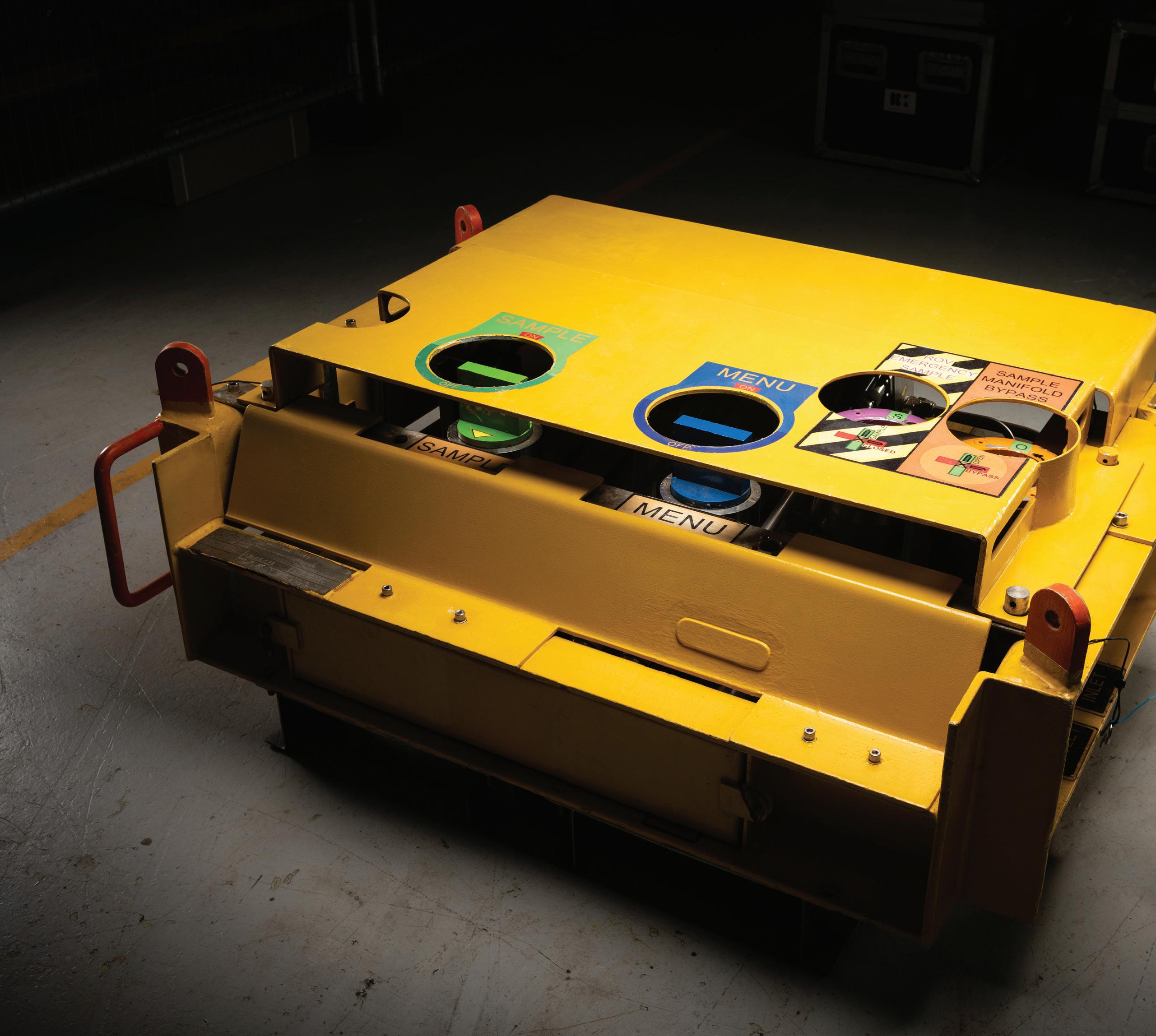
Our cutting-edge data logging and testing equipment elevates assurance across the full pipeline lifecycle.
Results? Freed support vessel capacity. Streamlined workflows. Full operational confidence. Significant cost savings.
Smarter Data. Safer Operations. Lower Costs. Whether you’re monitoring pipelines, systems, or subsea assets, we make sure that no detail goes unrecorded. That’s reassuring.
















Welcome to the February issue of ‘OGV Energy Magazine’, where this month we are exploring a ‘Subsea’ theme whilst also attending the Subsea Expo event in Aberdeen.
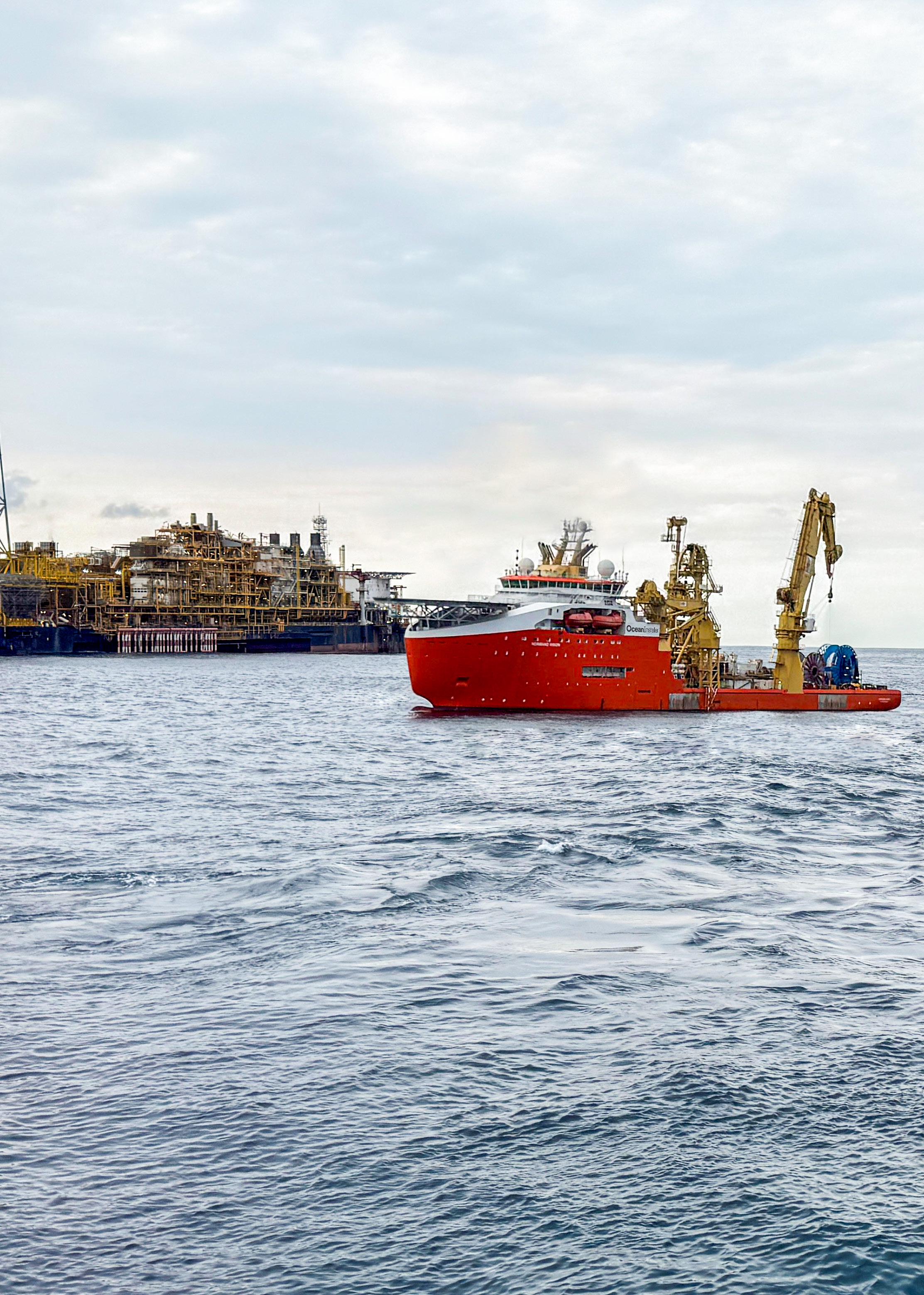
A big thank you to our front cover star Ocean Installer and this month and you can read all about how their organisation is partnering with Oceaneering to deliver a major life-extension project in Angola on pages 4 and 5.




























We are also delighted to welcome contributions in this edition from Elementz, Viper Innovation, Tess, Intervention Rentals and IK Trax













The rest of this month’s magazine as always provides you with a review of the Energy sector in the North Sea, Europe, Norway, Middle East, US and Australia, along with industry analysis and project updates.






Thanks as always to our corporate partners the Energy Industries Council, Leyton, Infinity-Partnerships, Elemental Energies and Archer - the Well company, Three60 Energy, Dräger, Rotech Subsea, Stats-Group, Cegal, GDi, Safelift, Tess, Intervention Rentals, Vulcan Completion Products, Brodies, Flotation Energy, Viper Innovations, J&S Subsea, Wellpro and Scotsbridge and of course our corporate travel partner ATPI.
Warm regards, Dan

The close collaboration between Ocean Installer and Oceaneering ensured a safe execution and early production restoration in Angola.

In April 2025, Ocean Installer and Oceaneering successfully completed a significant collaborative project for a major life extension project offshore Angola. The initiative aimed to replace nine risers and one umbilical that analysis had identified as potential failure points on a floating production, storage, and offloading (FPSO) vessel. The joint agreement enabled the successful execution of the work scope including removal, installation, connection and pre commissioning activities supported by surface and saturation diving and ROV for a major operator as part of life extension projects in the region.
The project had to be completed within a tightly constrained client shutdown window. The deepwater scope, at 1,500-meter water depth, also needed strategically planned diver intervention down to 150 meters to disconnect and reconnect the risers safely and efficiently. Additionally, the interdependencies between the topside scope and construction work on the vessel (including saturation diving and surface
diving) had to be methodically planned in order to optimize the execution. Collaboration between Ocean Installer and Oceaneering teams was essential to ensure the successful coordination of all activities to minimize the offshore campaign duration and reduce the client’s overall cost.
The consortium implemented an integrated delivery model, combining offshore construction and subsea execution activities including diving. A configuration that enabled an efficient vessel management throughout the project, reduced the overall vessel requirements, and helped shorten the overall offshore execution window.
The consortium’s engineering teams planned and controlled the removal and installation sequence - riser recovery, gooseneck spool change-outs, and subsequent riser and gas-lift umbilical installations - to minimize offshore campaign duration and interface risk. The consortium coupled this with in-country support, including personnel deployment, logistics coordination, and local procurement, to maintain schedule assurance and ensure safe, compliant execution throughout.
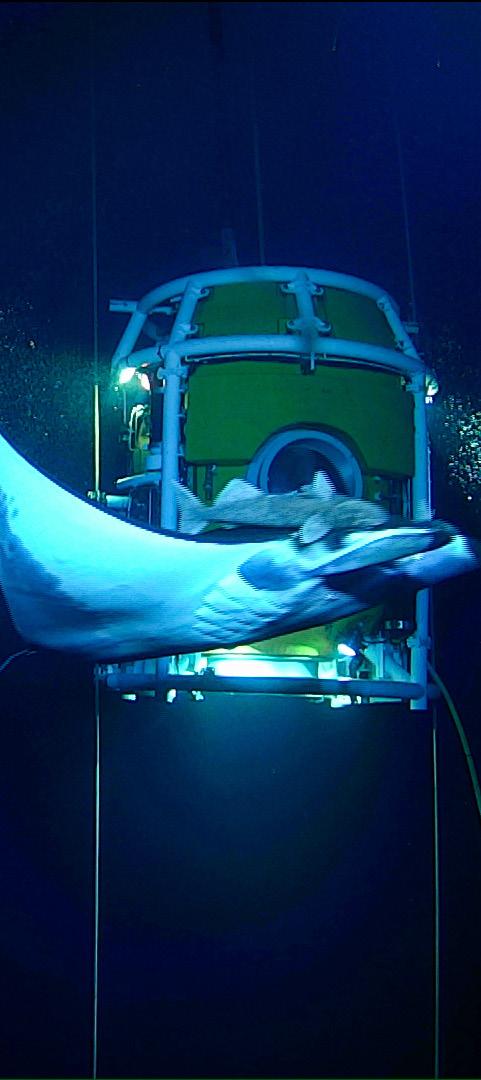
The project faced several operational challenges, including a significant schedule impact caused by manta ray sightings, which required divers to maintain a mandatory 30-minute standby after each sighting. Deepwater conditions and the complexity of mobilizing a modular saturation system onto a consortium partner vessel added further logistical demands. Additionally, the large volume of personnel movements required precise coordination to maintain safety and minimize delays throughout the campaign.
Despite these challenges, the campaign demonstrated strong operational performance and collaboration, executing a complex scope with a substantial team of offshore personnel, and global teams from Ocean Installer and Oceaneering. Highquality task and diving plans underpinned safe and effective operations execution, while exceptional diver efficiency and a steep learning curve drove continuous improvement, enhancing productivity throughout the project.

Notable achievements include:
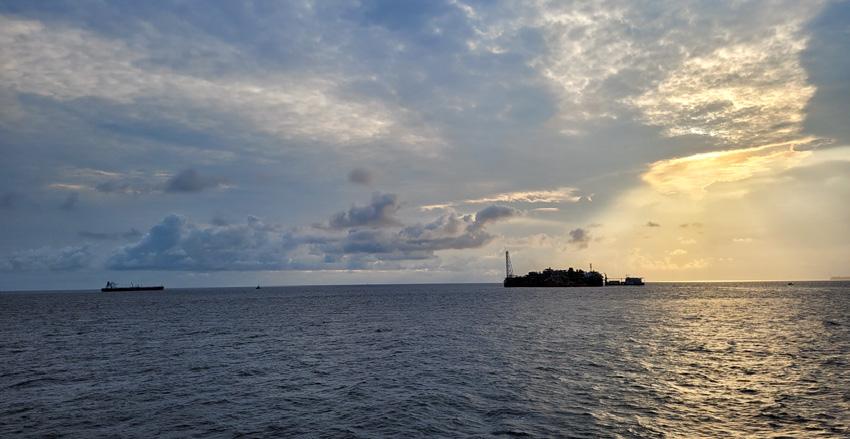
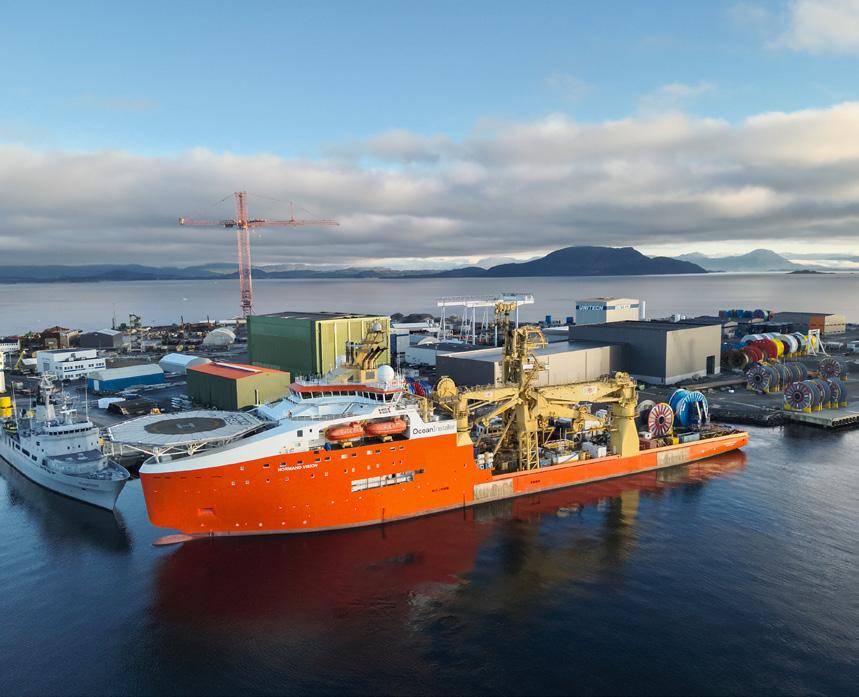
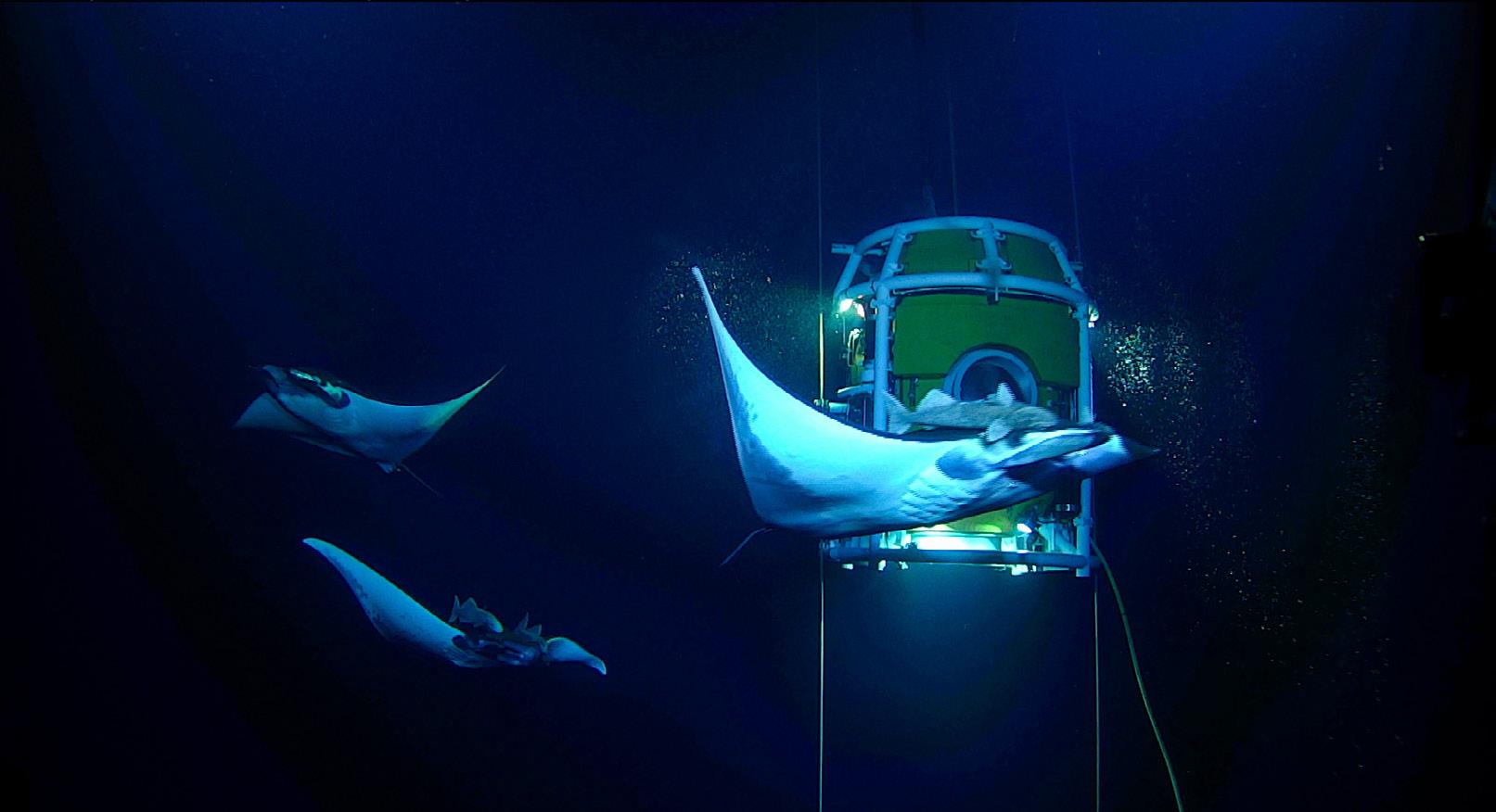
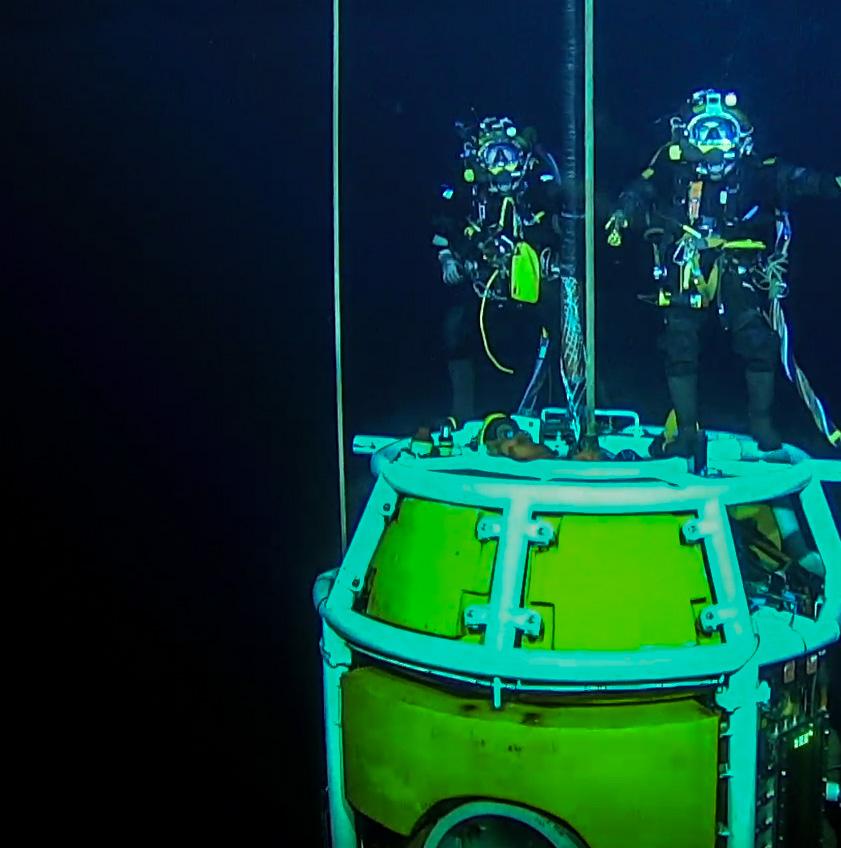
The project was delivered safely, efficiently, and ahead of schedule, reinforcing Ocean Installer and Oceaneering’s commitment to operational excellence. The scope included the removal of nine risers from the FPSO, installation of replacement risers and a gas lift umbilical, and the removal and reinstallation of 9 gooseneck spools.
1,000+ hours of saturation diving performed over 153 bell runs at depths ranging from 40 m to 150m 1,581 personnel movements managed throughout the campaign
Offshore schedule completed ahead of plan through efficient operations
Through meticulous planning, robust engineering, and seamless execution, the team restored FPSO production earlier than expected, while maintaining zero Lost Time Incidents. This achievement not only minimized downtime for the client but also extended the FPSO’s operational life well beyond its original design, ensuring continued asset integrity and production reliability.
Collaboration played a critical role in this success. The close cooperation between Ocean Installer and Oceaneering not only reduced the number of vessels required, it also streamlined operations.
The result? A safer and more efficient campaign that delivered measurable value to the client and demonstrated the power of integrated solutions in overcoming complex subsea challenges. Zero Lost Time Incidents (LTI) or Days Away from Work (DAFW)











Proserv’s ECG™ contributes to reliability at Hywind Scotland
Full cable and termination monitoring deployed at world’s first floating offshore wind farm, supporting energy security for UK homes and the sector’s growth
Proserv’s proprietary Electro Cable Guard (ECG™) system is now fully operational on Hywind Scotland development, the world’s first commercial floating offshore wind farm, owned by operator Equinor and its partner Masdar.
Located off the coast of Peterhead, Aberdeenshire, the project generates clean energy for around 35,000 UK homes. This critical infrastructure assurance milestone represents a significant step forward for the reliability of power generated by floating wind.
4Subsea Awarded DeepStar Project to Develop Guideline for Polyester Mooring Line Monitoring
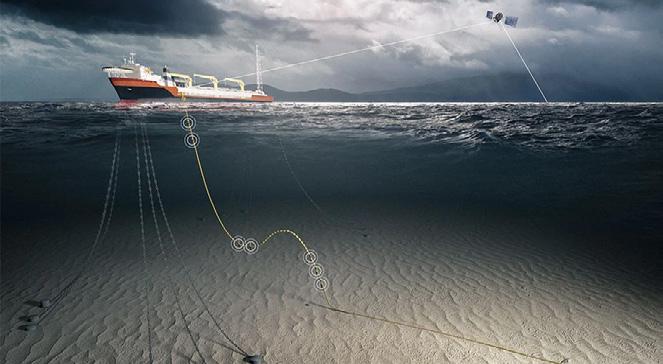
4Subsea has been awarded a project under the DeepStar® consortium to develop a guideline for monitoring of polyester mooring lines used in deepwater floating systems. The project will support the establishment of best practice for integrity monitoring, contributing to safe operations, reduced risk and improved design verification.
The guideline will address what to monitor, how to monitor it, and how to interpret monitoring data for polyester mooring lines. The work is based on operator needs and operational experience and includes data quality and analytics, best-practice monitoring strategies tailored to polyester rope behaviour, and model-supported evaluation using monitoring data and OrcaFlex analyses.

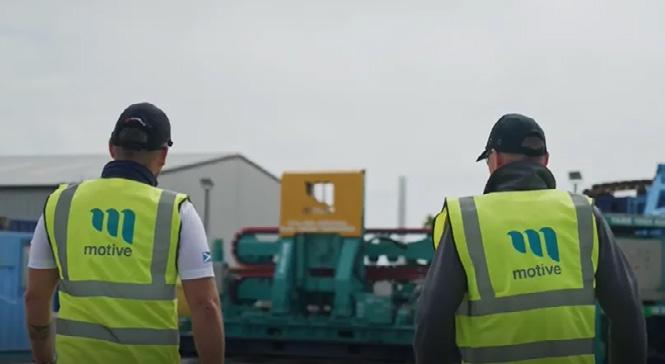
This year Motive Offshore Group enters a new chapter of operational excellence in the European Energy sector with the transformation of its Peterhead base.
Following completion of extensive works in Q4,2025 the centralised, operator-designed hub drastically enhances the company’s ability to deliver integrated offshore support and rapidresponse solutions for global clients.
The site is now fully operational as a highcapacity support base, purpose-built to meet the complex demands of global O&G and Renewables operations.
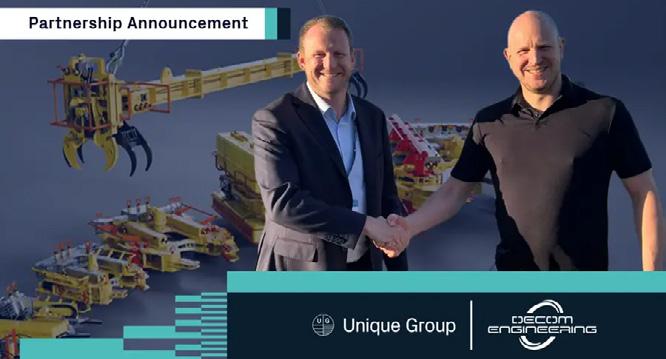
Unique Group, global leaders in subsea technologies and engineering, has signed a Memorandum of Understanding (MoU) with Decom Engineering (Decom), strengthening its capability to deliver integrated subsea decommissioning services across key global oil and gas regions, including the Middle East, the UK, Europe, and APAC.
Delivering Integrated End-to-End Subsea Decommissioning Services
Under the agreement, the two companies will combine their respective expertise to provide a comprehensive, end-to-end decommissioning offering that addresses the growing demand for safe, efficient, and cost-effective removal of ageing subsea infrastructure.

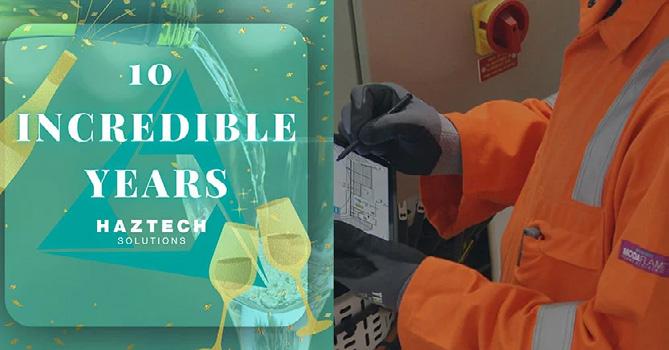
Surviving ten years in business is a significant achievement in any sector, but in Australia’s hazardous area and energy markets, it is particularly telling.
With more than 60% of SMEs failing within their first three years, specialist EEHA businesses face heightened pressure from technical complexity, regulatory scrutiny, and the consequences of getting it wrong. Against this backdrop, Haztech Solutions marks ten years of operation, a milestone that reflects sustained performance, sound governance, and an ability to consistently deliver in high-risk, high-consequence environments.

Founded by two experienced HR professionals with a shared passion for people, Reset HR helps organisations rethink, refresh, and reset their approach to HR — putting people, culture, and trust at the centre of everything they do.
Gillian Tierney and Emma Barker are delighted to reunite after previously founding and running a successful HR consultancy in Aberdeen. They believe the time is right to bring their combined expertise, practical insight, and people-first approach back to the market.
Based in the West End of Aberdeen, Reset HR partners with a wide range of organisations across the energy, professional services, and third sectors, delivering tailored HR solutions that make a real difference.
Gillian said: “We believe in helping businesses and human capital thrive — through smart, peoplecentred HR solutions that build trust, a strong culture and sustainable success"



Aize was founded with a vision to fundamentally change how capital projects and operations are performed. Developed by and for domain experts, the company is building on 30 years of software experience and 180 years of industrial heritage as part of the Norwegian Aker group, contributing directly to the global energy transition today. Aize is based in Norway, the UK and the U.S.
www.aize.io

Bold St Media is a creative brand agency delivering PR, marketing, design and video solutions for ambitious organisations.
Established in 2016, we combine strategic thinking, sector understanding and high-quality creative content to help Energy and Marine businesses communicate clearly, create connections, build trust and drive growth.
www.boldstmedia.com

Since Arnlea’s inception in 1994, the company has transformed into a SaaS company over the years that specializes in tracking, inspection, and maintenance solutions for the Energy industry. A global leader in our field, our software has been deployed on 200 assets across 6 different continents and counting.
www.arnlea.com
TRACS International Limited (TRACS) was founded in 1992 to provide training and consultancy services to the upstream energy industry.
Based in Aberdeen, TRACS has a worldwide client base and experience in every major producing basin. Over 30 years of quality, innovation and independence.
www.tracs.com
FCS is a Project Management and Recruitment Company, providing Project Management and Technical personnel to the Oil & Gas Industry. FCS believes that whether your Company’s requirement is for a complete Project Management Team with logistical support, or for individual Project personnel, FCS can meet and exceed your expectations.
www.fcs-group.net

We're technology experts based in the UK, dedicated to the digital transformation of companies and helping them to create their own modern workplace.
At Evolve we encourage a sustainable and transparent work approach, and believe in gaining deep insight into our customers' business so that we can make informed decisions together.
www.evolveims.com

Premium Torque units, Pressure Test Bay, Machine Shop & Refurbishment.
Uniconn has been providing equipment and services to the North Sea Oil industry for over 20 years. Founded in 1998 we have built up solid relationships with all the major service and oil companies in the industry and are renowned as the “go to” company providing not only an excellent service but proudly boasting the experience to match.
www.uniconn.co.uk

CoreRFID builds RFID-integrated solutions and CheckedOK software that replace the manual processes slowing your teams down. Real-time asset tracking. Automated inspections. Reports that actually tell you something useful. We help organisations manage their equipment without the paperwork, reduce risk without guesswork and stay compliant without the headaches.
www.corerfid.com
At Reset HR, we believe that strong businesses are built on strong people practices. Founded by two experienced HR professionals with a shared passion for HR, we help organisations rethink, refresh, and reset how they manage and support their teams.
www.resethr.co.uk



Continued calls on the UK government to go further to support the UK’s industrial capabilities and new activity contracts featured in the UK North Sea oil and gas sector at the beginning of 2026.
Offshore Energies UK (OEUK), the leading industry body, says the government must go further and faster to protect the UK’s industrial capability.
The cabinet issued the Government Response to the Scottish Affairs Committee’s report from October, which had warned that without tax reforms, the Government is accelerating the decline of North Sea oil and gas production, as job losses amid the decline in Scotland’s oil and gas industry currently exceed jobs created by clean energy.
Referring to the Energy Profits Levy that was kept as-is in the Autumn Budget unveiled in November, the government said that it “is committed to managing the North Sea in a way that ensures a fair, orderly and prosperous transition, while recognising domestic oil and gas will continue to have a role in the energy mix for decades to come.”
“On tax, we are taking a responsible and proportionate approach which recognises the ongoing role of the oil and gas industry and workforce in our current energy mix while ensuring the sector contributes more towards our energy transition,” the response reads.
Essentially, the UK government said that while recognising that oil and gas will continue to have a role in the energy mix during the transition, it “also need to drive public and private investment towards cleaner energy.”
In response to the UK Government’s reply to the Scottish Affairs Committee on North Sea jobs and energy, Katy Heidenreich, Supply Chain & People Director at OEUK, said that “The Scottish Affairs Committee was right to highlight the gap between declining North Sea activity and the pace of clean energy job creation.”
“The UK Government acknowledges that challenge but their response must now go further and faster if we are to protect the UK’s industrial capability and the communities that rely on it,” Heidenreich added.
According to OEUK, the UK needs domestic oil and gas supply, alongside renewables, to maintain energy security, affordability, and the world class supply chain required to expand energy projects across wind, hydrogen, and carbon storage.
“That is why the Government must bring forward the Oil and Gas Price Mechanism (OGPM) in 2026. Investors cannot wait until 2030. Without this we risk more supply chain companies being forced to go overseas, further job losses, and continued industrial contagion,” OEUK’s Heidenreich said.
The industry body also responded to the Allocation Round 7 (AR7) for renewable energy, which announced 8.4 GW of additional offshore wind power capacity.
OEUK and industry say there is a pathway to Net Zero which prioritises homegrown energy versus imports, delivering renewable energy and the domestic oil and gas that is needed in parallel for decades to come.
“While today’s news is a positive step, the UK will still need continued investment in producing homegrown gas and maintaining our gas generation infrastructure, which remains essential for providing the dispatchable power needed to keep the lights on when the wind doesn’t blow and the sun doesn’t shine,” said OEUK’s Energy Policy Director, Enrique Cornejo.
“Long-term success for UK energy policy will rely on a balanced approach that builds on our existing industrial strengths.”
Most Scots want a continued role for the oil and gas sector with fairer taxes for UK energy companies, according to a new poll conducted by the Diffley Partnership on behalf of OEUK, with 2,154 Scottish adults questioned in December.
Scots believe offshore energy is the most important sector for the nation’s economy and they favour the country expanding renewables while maintaining the existing North Sea industry, prioritising lower prices for households and growth in industrial jobs, the poll found.
Asked about different energy sources, 58 percent of respondents said that oil and gas

By Tsvetana Paraskova
provides good, stable jobs for people in Scotland, and more than two-thirds, or 69 percent, said Scotland can “expand renewable energy while maintaining a role for oil and gas during the transition”.
From a long list of sectors, offshore energy was selected by 53 percent of voters as being important for Scotland’s economy in the next decade –followed by tourism and hospitality in second place.
More than half of voters – 54 percent – said they support taxes on companies making large profits from oil and gas set at a level that is “fair and keeps the UK internationally competitive”.
Only 4 percent said the current balance of taxation should remain the same.
A staggering 85 percent said energy companies should “lead the transition to renewables while maintaining oil and gas,” the poll found.
The new poll sends a clear signal to parties ahead of this year’s Holyrood election to support measures to unlock UK offshore energy investment or risk a backlash at the polls, OEUK says.
The leading offshore energy industry body has been calling on politicians to prioritise homegrown energy over imported supplies—that means recognising oil and gas will be needed alongside renewables.
“Voters want affordable, secure energy – and that is delivered by unlocking investment in UK energy – oil, gas, renewables, hydrogen, and carbon capture,” David Whitehouse, OEUK Chief Executive, commented.
The North Sea Transition Authority (NSTA) has fined two North Sea oil and gas operators with a total of £350,000 as the regulator continues to take a firm line on breaches of emissions limits and on well decommissioning.
CNR International was fined £250,000 for excessive venting that exceeded venting limits twice in the same year on the same fields.
NEO has been fined £100,000 for attempting to fully abandon a well without the required consent
to undertake the work. NEO attempted in 2024 to decommission the Leverett well to ‘AB3’ status – the final abandonment phase. However, NEO failed to apply for consent from the NSTA before undertaking this work due to its misunderstanding of the relevant requirements, which raises questions about the company’s processes, the regulator said.
The penalties underline the importance of complying with regulations to show that the industry is well run and takes its responsibilities seriously – and that all licensees are on a level playing field, the NSTA said.
“Investors and the public rightly expect that this industry is held to high standards and there is no excuse for operators not complying with their regulatory responsibilities,” said Jane de Lozey, NSTA Director of Regulation.
In company news, US refining giant Phillips 66 Limited has agreed to acquire Lindsey Oil Refinery assets and associated infrastructure.
The announcement follows a bidding process handled by FTI Consulting, who began serving as special managers of the Lindsey Oil Refinery assets after the Official Receiver was appointed liquidator in June 2025.
The deal is subject to satisfaction of closing conditions, including customary regulatory clearances.
Phillips 66 plans to integrate the key assets to be acquired into its Humber Refinery operations.
Following a thorough assessment undertaken during the bid process, the company has decided to not restart standalone refinery operations at the Lindsey Oil Refinery. Due to the limitations of its scale, facilities, and capabilities, evaluations have shown that the refinery is not viable in current form, Phillips 66 said.
According to the buyer, once completed, the acquisition and strategic investment will increase the company’s ability to supply the UK market from the Humber Refinery, boost UK energy security, and support hundreds of well-paid, high-quality jobs through site operations and future investment.
AF Offshore Decom, part of Norway-based AF Gruppen, has signed a contract with Ithaca Energy for the engineering, receipt, dismantling, and recycling of a floating production platform from the UK sector of the North Sea.
“We are very pleased to have been awarded this contract by Ithaca Energy. The award is a recognition of our track record and continued commitment to delivering sustainable decommissioning solutions, also for large floating assets,” said Lars Myhre Hjelmeset, EVP Offshore at AF Gruppen.
Ithaca Energy has also exercised all three remaining weeks of options for the Safe Caledonia to continue providing accommodation support at the Captain field in the UK sector of the North Sea through to 22 February 2026, the service provider Prosafe SE said. The total value of this contract extension is approximately $2.73 million, Prosafe noted.



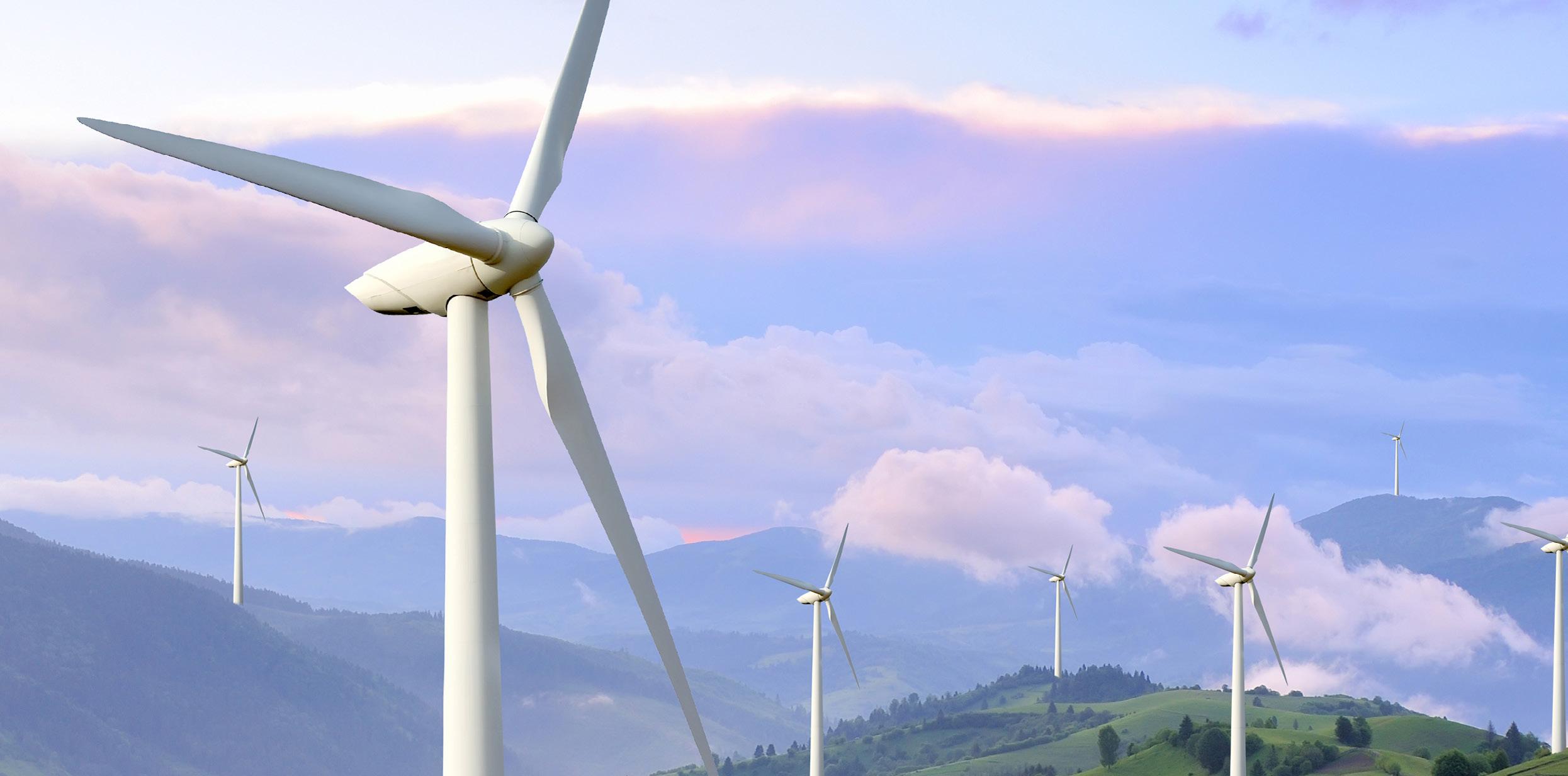
Norway’s new oil and gas production licences and the UK’s record-breaking offshore wind auction were the highlights of the European energy sector at the beginning of the year.
Norway awarded in January a total of 57 new production licences to 19 companies in the APA 2025 licensing round in mature areas of the Norwegian Continental Shelf, as Western Europe’s top oil and gas looks to stave off an expected production decline in the 2030s.
Of the 57 production licences offered in the latest round, 31 are located in the North Sea, 21 in the Norwegian Sea, and five in the Barents Sea. All major companies operating on the shelf, including Equinor, Aker BP, Vår Energi, Harbour Energy, and TotalEnergies, were awarded licences as operators or part of consortia.
“Norway is Europe’s most important energy supplier, but in a few years production will begin to decline. Therefore, we need new projects that can slow the decline and deliver as much production as possible,” Energy Minister Terje Aasland said.
“We are offering 57 new production licenses to 19 companies. This is a significant contribution to ensuring continued activity in the oil and gas industry. That activity is important for jobs, value creation, and Europe’s energy security,” the minister added.
Vår Energi has completed the appraisal well with two production tests on the Zagato structure in the Goliat Ridge discovery in the Barents Sea, confirming reservoir quality and adding recoverable volumes.
The latest well tested two intervals with each showing maximum flow rates of more than 4,000 barrels of oil per day, confirming reservoir quality.
“The recent discoveries reinforce Vår Energi’s position as a leading exploration company on the Norwegian Continental Shelf (NCS) and continue to strengthen our ability to sustain high value production of 350-400 thousand barrels of oil equivalents per day beyond 2030,” Vår Energi COO Torger Rød said.
The US Treasury Department granted Russian oil firm Lukoil, sanctioned by the US, more time to divest its international assets, extending the general license for Lukoil to negotiate sales of Lukoil International GmbH entities. The extended licence expires on 28 February 2026. The previous licence was set to expire on 14 January 2026.
The UK’s latest offshore wind auction, known as Contracts for Difference AR7, has secured
a record capacity of 8.4 GW of offshore wind. This capacity could generate enough clean electricity to power the equivalent of 12 million homes, the UK government said, adding that “the ground-breaking result puts Britain firmly on track to achieve its clean power mission by 2030.”
The UK plans to have its power grid run on 95 percent clean power, which includes nuclear energy, by 2030.
The results delivered the biggest single procurement of offshore wind energy in British and European history, and are “a major vote of confidence in the UK’s new era of energy sovereignty and abundance,” the government said.
The record renewables auction will unlock £3.4 billion of private investment, which will flow into British manufacturing, factories, and ports, according to the government.
The results will bring huge benefits to the industrial base of Scotland in particular, with an up to £1.1 billion supply chain investment boom and up to 2,400 clean energy jobs. Investment will flow to Scottish ports like Nigg and Aberdeen, and manufacturers of offshore wind equipment in Scotland. Delivering on the government’s energy mission will create up to 40,000 extra jobs in Scotland by 2030, the cabinet said.
The record amount of new offshore wind capacity will strengthen Britain’s energy security and reduce electricity bills, the RenewableUK association commented
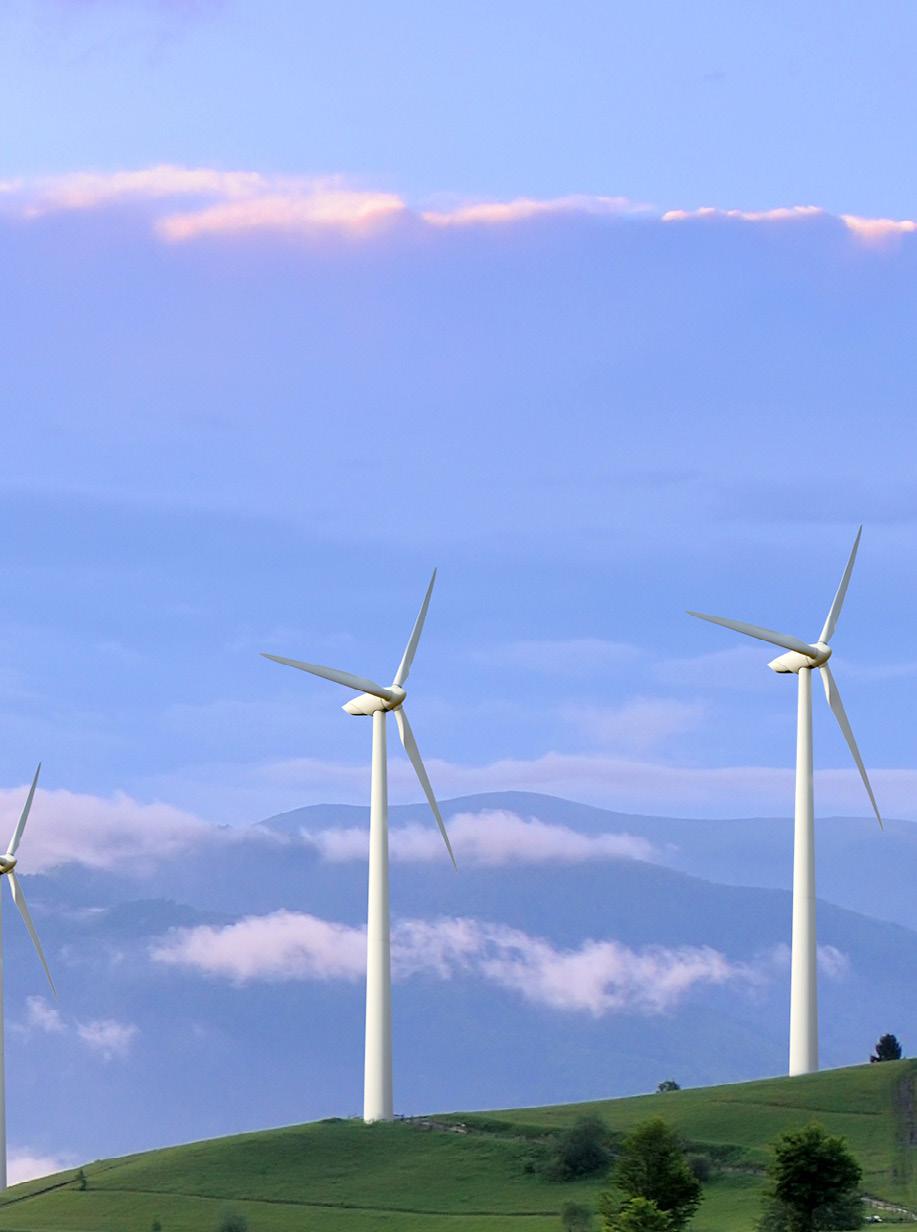
“Investment in renewables is also crucial to keep pace with the UK’s need for more energy,” RenewableUK’s Executive Director of Policy and Engagement Ana Musat said.
“Electricity demand is set to increase significantly in the years ahead as existing nuclear and gas capacity retires, so the 8.4 GW awarded contracts today will be crucial for economic growth.”
Added Musat, “Homegrown power is the best defence against geopolitical volatility, and this auction is a significant step forward towards energy independence.”
The offshore industry has welcomed the recordbreaking auction results which will trigger further investment in factories and jobs.
“The results send a clear signal to investors that the UK continues to be a world leader in offshore wind, and today's announcement will directly trigger investment in factories and jobs across the UK needed to build and operate these projects,” said Adam Morrison, Industry Co-Chair of the Offshore Wind Industry Council and Ocean Winds UK Country Manager.
The WindEurope association noted that strong competition in the auction led to competitive average prices of £91.20/MWh in England and Wales and £89.49/MWh in Scotland.
“These results reinforce offshore wind’s role as the most competitive large-scale clean electricity generation technology,” the association said, adding that other European Governments should follow the UK example.
In the auction, SSE successfully secured a 20-year contract for 1.4 GW of offshore wind power from Phase B of its Berwick Bank Wind Farm project.
SSE will now progress Berwick Bank B towards a final investment decision in line with its hurdle rates and investment criteria, expected in 2027.
Located in the outer Firth of Forth around 38 km east of the Scottish Borders coastline, SSE’s Berwick Bank Wind Farm is targeting the delivery of 4.1 GW of offshore wind capacity in total across three roughly equal phases.
“If built to its full projected capacity of more than 4GW, Berwick Bank Wind Farm can rank among the largest offshore wind projects globally,” said Martin Pibworth, Chief Executive of SSE plc.
Germany’s RWE secured Contracts for Difference for 6.9 gigawatts (GW) of offshore wind capacity in the UK offshore wind auction. RWE’s Norfolk Vanguard East and Norfolk Vanguard West projects, as well as its two Dogger Bank South projects, all of which are located in the British North Sea, and its Awel y Môr project located in the Irish Sea secured 20-year CfDs at a strike price of £91.20 per megawatt hour (MWh), in 2024 prices, inflation-indexed.
Outside the UK auction, companies have also signed deals for renewable energy.
Orrön Energy, for example, has secured grid connections for six large-scale projects with an estimated combined capacity of 2.9 GW.
The grid connections have been secured as part of the grid reform, enabling the connection of six large-scale projects, of which three are solar energy projects with a combined estimated capacity of 1.8 GW, and three are data centre projects with a combined estimated capacity of 1.1 GW.
Binding grid offers and additional details around grid connection dates are expected to be received during the third quarter of 2026. With both land and grid secured, the projects are at the ready-to-permit stage, and the company will seek to evaluate divestment options once the final grid connection agreements have been issued, Orrön Energy said.
Investment manager Downing LLP and Tokyo Century Corporation have agreed to jointly acquire and construct around a 500 MW portfolio of utility-scale ground mounted solar projects in the UK. The joint venture will acquire ready-to-build projects that have CfD arrangements in place. Projects will be sourced from Downing’s own development pipeline and from third party developers, targeting grid connection dates in 2027 and 2028.
egg Power, Liberty Global’s clean energy infrastructure investment business, has secured up to £400 million in debt financing from NatWest Group to accelerate its development of large-scale renewable energy projects across Europe.
egg Power says it is strategically positioned to meet the accelerating clean energy needs of telecoms operators, digital infrastructure providers, and other energy-intensive industries. This demand is being driven by the surge in AI adoption and exponential growth in data usage, heightening the need for reliable, sustainable power at scale.
“The agreement marks a significant step towards egg Power’s goal of delivering 1,500 MW of clean energy capacity by 2028 under long-term Power Purchase Agreements (PPAs),” said Ilesh Patel, who leads the egg Power business at Liberty Global.



US oil and gas activity is still being weighed down by uncertainty and continued pessimism about the prospects of the shale industry amid lower oil prices.
The biggest US oil firms are not rushing to do business with Venezuela despite US President Donald Trump’s insistence that US companies would help restore and revive the oil industry of the country holding 17 percent of all global proven oil reserves.
Activity in the oil and gas sector in the key shale regions in Texas, New Mexico, and Louisiana edged lower in the fourth quarter 2025, according to oil and gas executives responding to the quarterly Dallas Fed Energy Survey
The business activity index, the survey’s broadest measure of the conditions energy firms face in the Eleventh District, remained negative, though relatively unchanged at -6.2 in the fourth quarter.
The Eleventh District includes Texas, southern New Mexico, and northern Louisiana and the four prime shale basins—the Permian Basin, the Barnett Shale, Eagle Ford Shale, and Haynesville Shale.
The company outlook index improved slightly during the fourth quarter of 2025, but remained firmly in negative territory. The index edged up from -17.6 in the third quarter to -15.2 in the fourth quarter, suggesting continuing pessimism among firms, the survey found.
Meanwhile, the outlook uncertainty index remained elevated and was relatively unchanged at 43.4.
Oil and gas production was little changed in the fourth quarter, according to executives at exploration and production firms. The oil production index remained negative, though it advanced from -8.6 in the third quarter to -3.4. The natural gas production index increased slightly from -3.2 to 0.
Cost increases slowed when compared with the prior quarter. The input cost index for oilfield services firms declined from 34.8 to 24.4. Among exploration and production firms, the finding and development costs index remained positive but fell from 22.0 to 5.7. Also, the lease operating expenses index decreased from 36.9 to 28.4, according to the quarterly survey.
Oilfield services firms, for their part, reported modest deterioration in nearly all indicators, including equipment utilization and operating margins. Meanwhile, the prices received for services index declined from -26.1 to -30.0.
Asked about capital spending in 2026 versus 2025, executives had widely varied responses. A total of 19 percent of executives said they expect capital spending to decrease slightly, while an additional 20 percent anticipate a significant decrease. Another 24 percent expect spending in 2026 to remain close to 2025 levels, 26 percent of executives said they expect capital spending to increase slightly, while an additional 11 percent anticipate a significant increase.
“Remain close to 2025 levels” was the mostselected response from executives at large E&P firms (35 percent), whereas the mostselected response from executives at small E&P firms was “increase slightly”, at 29 percent. At oil and gas support services firms, more executives (48 percent) expect their firm’s capital spending in 2026 to decrease relative to the number of executives (29 percent) anticipating an increase.
The survey’s special questions also revealed that executives from small and large E&P firms have differing views on the potential impact of artificial intelligence (AI) on breakeven prices. Most executives at large E&P firms expect AI to provide some reduction to their firms’ break-even prices for new wells over the next five years. A total of 38 percent of executives at large E&P firms anticipate reductions of $0.01–$1 per barrel, 25 percent expect $1.01–$2 per barrel, and an additional 13 percent expect $4.01–$5 per barrel. However, the majority of executives at small E&P firms expect AI will not lower their firm’s break-even price.
By Tsvetana Paraskova

In comments to the special question about AI and its impact on costs, an E&P executive said “AI has helped reduce our effective well costs, not through a single measurable dollar impact, but through broad productivity gains across our office.”
“These incremental improvements make our operations more efficient and ultimately lower our aggregate cost of drilling a well.”
The general comments on current issues showed a variety of takes on the prospects and challenges for US oil and gas producers.
One E&P executive said that “Decreasing oil prices are making many of our firm’s wells noneconomic,” while another flagged “elevated uncertainty stemming from government policies and geopolitics” and “near-term global oil market dynamics” as issues affecting their business.
A third executive, however, is optimistic, saying “We are bullish on 2026. The One Big Beautiful Bill Act tax breaks, lower interest rates and rising natural gas demand from LNG exports and data centers are set to strengthen our company’s outlook.”
Another executive reckons that “Until the midterm elections next November are over, the price of crude oil will stay artificially depressed.”
Executives at oil and gas support services firms appear more concerned about the geopolitical and tariff repercussions on their business. One executive said “We continue to monitor with concern how geopolitical events and tariffs are impacting our supply chain and operating environments.”
Another one warned that “Steel tariffs are causing significant increases in well costs.”
US President Donald Trump wants American oil companies to invest in the restoration and upgrade of the dilapidated oil infrastructure of Venezuela after US forces extracted Nicolas Maduro and flew him to New York to stand trial on drugtrafficking charges.
The US President convened a meeting at the White House a week after Maduro’s arrest to discuss opportunities in Venezuela with executives from the biggest US oil firms. The Trump Administration is seeking $100 billion of investment commitments to restore Venezuela’s oil industry and boost crude production to the peak of the 1990s, when output exceeded 3 million barrels per day, compared to about 1 million bpd now.
However, the US Administration received lukewarm reception of the Venezuela pitch, with major companies telling President Trump that they would need legal and security guarantees and a complete overhaul of the Venezuelan oil sector, oil contracts, and oil laws to consider investing in the world’s biggest oil resource holder.
ExxonMobil chairman and CEO Darren Woods, for example, told President Trump that “We've had our assets seized there twice. And so, you can imagine to re-enter a third time would require some pretty significant changes from what we've historically seen here and what is currently the state.”
Woods did not mince words and said
“If we look at the legal and commercial constructs—frameworks—in place today in Venezuela, today it’s uninvestable.”
“And so significant changes have to be made to those commercial frameworks, the legal system, there has to be durable investment protections, and there has to be a change to the hydrocarbon laws in the country,” Exxon’s top executive said.






The key OPEC+ producers, led by the top Middle Eastern exporters, agreed to keep their oil production levels flat throughout the first quarter of 2026. OPEC presented its first outlook of the global oil market in 2027, while the top national oil companies in the Middle East signed a series of strategic deals.
At a brief online meeting in early January, the key OPEC+ producers that have been withholding supply to the market in recent years agreed to keep their production levels flat through the first quarter of 2026, reiterating a decision they first took at the end of last year.
Saudi Arabia, Russia, Iraq, UAE, Kuwait, Kazakhstan, Algeria, and Oman reaffirmed their commitment to market stability, on the back of a steady global economic outlook and current healthy oil market fundamentals as reflected in low inventories, OPEC said.
The eight participating countries reaffirmed their decision from November 2025 to pause production increments in February and March 2026 due to seasonality.
The countries reiterated that the 1.65 million barrels per day may be returned in part or in full subject to evolving market conditions and in a gradual manner.
“The countries will continue to closely monitor and assess market conditions, and in their continuous efforts to support market stability, they reaffirmed the importance of adopting a cautious approach and retaining full flexibility to continue pausing or reverse the additional voluntary production adjustments, including the previously implemented voluntary adjustments of the 2.2 million barrels per day announced in November 2023,” OPEC said.
Following the January meeting, Saudi Arabia reduced the price of its crude loading for Asia in February, in the third consecutive monthly reduction as supply remains abundant and Middle Eastern benchmarks weakened.
Saudi Arabia, the world’s largest crude oil exporter, lowered the official selling price (OSPs) of its flagship Arab Light grade for Asia by $0.30 per barrel above the average of the Oman and Dubai benchmarks, the lowest premium in more than five years.
The Saudi decision to slash the prices of all its crude for all regions signalled concerns that the global market is in oversupply and oil would be readily available despite lingering uncertainties about barrels from Russia and Venezuela.
OPEC offered a first glimpse of its outlook of 2027 global economy and oil demand in its closely-watched Monthly Oil Market Report (MOMR) for January.
The first look to 2027 was rather optimistic. OPEC expects global oil demand growth to grow by 1.3 million bpd from this year, which is set to see 1.4 million bpd growth. In 2027, oil demand in the OECD is expected to grow by 100,000 bpd year-over-year, with OECD Americas again expected to lead oil demand growth in the region. In the non-OECD, oil demand is forecast to grow by about 1.2 million bpd, led by Other Asia, followed by India and China.
In terms of oil products, transportation fuels are set to drive oil demand growth in 2027, with air travel further expanding, as both international and domestic traffic continue to increase. Petrol demand is also expected to be supported by steadily rising road mobility in India, Other Asia, the Middle East, and the US. On-road diesel demand is set to see support from trucking, as well as industrial, construction, and agricultural activities, mainly in the non-OECD region. Finally, light distillates will be buoyed by petrochemical capacity additions, mostly in China and the Middle East.
The 2027 oil demand growth is expected to be a function of the world economy’s robust growth of 3.2 percent, supported by a steady expansion in the major economies. This is slightly higher than the 2026 economic growth forecast of 3.1 percent, OPEC said in its report.

In 2027, liquids supply from countries outside the OPEC+ agreement is forecast to expand by about 600,000 bpd over 2026, underpinned by planned developments and projected upstream capital commitments. Upstream oil investment in non-OPEC+ countries in 2027 is expected at around $284 billion, slightly higher than the spending anticipated for 2026.
Non-OPEC+ liquids supply growth in 2027 is primarily set to come from Latin America at about 400,000 bpd. US liquids production is forecast to expand by a minor 30,000 bpd year-over-year, mainly from non-conventional NGLs, as US crude oil output is set to drop, OPEC reckons.
In addition to offshore producers in Latin America such as Brazil, the other main liquids growth drivers are expected to be Canada, Qatar, and Argentina.
Abu Dhabi National Oil Company (ADNOC), in partnership with Eni nd PTT Exploration and Production Public Company Limited (PTTEP), has announced the successful signing of a landmark structured financing transaction of up to $11 billion, to monetize Hail and Ghasha’s midstream future gas production.
Hail and Ghasha is part of the larger Ghasha Concession, located offshore Abu Dhabi, which is expected to produce 1.8 billion standard cubic feet per day (bscfd) of gas. It is also the world’s first offshore gas project of its kind that aims to operate with net zero emissions, capturing 1.5 million tonnes per year (mtpa) of carbon dioxide (CO2), equivalent to removing over 300,000 cars off the road every year.
ADNOC has also signed a $2 billion green financing agreement backed by Korea Trade Insurance Corporation (K-SURE) to fund lower carbon projects across its operations. The deal reinforces ADNOC’s ambition to integrate sustainable finance into its growth plans.
The agreement marks ADNOC’s first green financing facility backed by a Korean export credit agency (ECA), following a $3 billion transaction with the Japan Bank for International Cooperation (JBIC) in 2024. Together, these deals bring ADNOC’s total green funding to $5 billion in just 18 months, strengthening its track record in green finance.
In early January, ADNOC announced the Final Investment Decision (FID) for the SARB Deep Gas Development, a strategic project within the Ghasha Concession offshore of Abu Dhabi.
The development will deliver 200 million standard cubic feet per day (scfd) of gas before the end of the decade, enough energy to power more than 300,000 UAE homes daily. This technically advanced project will embed advanced technologies and AI and will be operated remotely from Arzanah Island, using existing infrastructure to maximise efficiency and enhance safety.
Qatar’s state firm QatarEnergy has signed a Memorandum of Understanding (MoU) with Egypt’s Ministry of Petroleum and Mineral Resources to strengthen cooperation in the energy sector, with special focus on the supply of LNG from QatarEnergy to Egypt.
QatarEnergy and the Egyptian Natural Gas Holding Company (EGAS) have reached agreement for the supply of up to 24 LNG
cargoes for the summer of 2026. The two companies have also agreed to initiate discussions on additional and long-term supplies of LNG from QatarEnergy to Egypt.
QatarEnergy has also signed a long-term sales and purchase agreement for up to 15 years with Uniper Global Commodities SE (Uniper) for the supply of 70 million cubic feet per annum of helium from its facilities in Ras Laffan.
The agreement marks QatarEnergy’s first direct relationship with Uniper, who has a strong history in providing bulk wholesale helium to customers around the world.
TotalEnergies and Bapco Energies are launching BxT Trading, an equally owned trading joint venture backed by flows from Bapco Energies’ Refinery.
With BxT Trading, TotalEnergies is strengthening its trading position in the Middle East, where the French supermajor already has trading activities, in addition to its international hubs in Houston, Geneva, and Singapore.
“Through this partnership with TotalEnergies, we are enhancing our global trading capabilities, strengthening our downstream value chain, and reinforcing Bahrain’s position as a competitive and trusted player in the international energy markets,” said Shaikh Nasser bin Hamad Al Khalifa, chairman of Bapco Energies.

Norway had its best exploration year in 2025 in several years, yet it will need further exploration efforts and investments to maintain the high level of oil and gas production into the 2030s, the industry regulator said in its annual report.
At the same time, companies operating on the Norwegian Continental Shelf (NCS) continue to explore for resources and consider tie-backs to new nearby discoveries as they aim to maximise the use of existing infrastructure and keep output stable as older fields mature.
The Norwegian Offshore Directorate’s “The Shelf in 2025” annual report showed in January that last year’s exploration result offshore Norway was one the best in several years. Last year marked the second-best exploration year in ten years, surpassed only by 2021, according to the regulator’s summary of activity on the shelf.
Many discoveries were made, some of which were significant. Several discoveries were the result of applying advanced new technology. A new record was reached for the Norwegian sector with 2 wellbores being drilled in excess of 10km among other things, the directorate said.
“It’s truly inspiring that successful exploration can still be achieved on such a mature shelf,” commented Torgeir Stordal, Director General of the Norwegian Offshore Directorate.
Despite the best exploration results in years, the industry and the regulator are not complacent and call for further exploration and investments, which will be needed to offset the anticipated decline in production.
In 2025, both production and investments were very high, the report found. Oil production was at the highest since 2009. Production from the NCS is nearly equally distributed between oil and gas. Total oil and gas exports fell slightly from the record-breaking year of 2024.
The Troll field in the North Sea accounts for about one-third of overall gas production, and this trend will continue over the next few years.
At year-end 2025, there were 97 fields in operation on the Norwegian shelf. The Halten Øst and Verdande fields in the Norwegian Sea, as well as Johan Castberg in the Barents Sea, came on stream, while no fields were shut down over the past year. The Norwegian Offshore Directorate expects a number of new fields to come on stream in the coming years.
Oil and gas production remains at such high levels because the fields are producing for longer than originally planned. New and improved technology has allowed the Norwegian regulator to continuously improve the understanding of the subsurface. This
has enabled the industry to further develop the fields. New development projects, more production wells, and exploration in the surrounding area have helped extend the lifetimes of most fields.
“We expect gas production to remain at this level over the next three to four years. Norwegian gas accounts for about 30 per cent of EU gas consumption, and Norway is Europe’s largest supplier after cutting off Russian gas,” Stordal said.
The Norwegian Offshore Directorate expects investments of 256 billion Norwegian crowns, or $25.5 billion, this year, which would be a reduction of 6.5 percent from last year. Leading up to 2030, the regulator expects the investment level to decline gradually due to the completion of development projects without equivalent new projects to replace them.
Toward the end of the 2020s, the Directorate expects a reduction in overall oil and gas production. Norway would need a number of new field development decisions to slow this anticipated decline.
“It will also be important to maintain high exploration activity. Failing to invest will lead to a substantial dismantling of the petroleum industry,” the directorate said.
In addition, there is significant interest in secure storage of carbon dioxide on the NCS.
Last year saw the establishment of the world’s first full-scale value chain for carbon capture and storage. The Norwegian Offshore
By Tsvetana Paraskova

Directorate also mapped mineral resources and the environmental conditions in the relevant areas.
Operators offshore Norway have made discoveries in recent weeks, bolstering the chances of additional supply.
In December, Harbour Energy and its partners proved gas condensate in the ‘Camilla Nord’ prospect in the Norwegian section of the North Sea.
Wildcat wells 35/8-8 S and A were drilled in production licences 248 LS and 248 B, which are part of the Vega Unit in the North Sea, 100 kilometres southwest of Florø. Preliminary estimates indicate the size of the discovery is between 2.2 and 4.7 million barrels of oil equivalent.
The licensees will now consider tying the discovery back to existing infrastructure on the Vega field.
Also in December, Equinor and its partners discovered oil, condensate, and gas in the ‘Tyrihans Øst’ prospect, about 250 kilometres southwest of Brønnøysund in the Norwegian Sea.
Preliminary estimates put the size of the discovery at between 1 and 8 million barrels of recoverable oil equivalent.
The licensees will assess the discovery for a potential production well from the same location, with production over Tyrihans to the existing Kristin installation.
In January, Equinor awarded framework agreements to seven supplier companies with a total value of around 100 billion Norwegian crowns, or about $10 billion.
These agreements lay the foundation for safe and competitive operations at Equinor’s offshore installations and onshore plants in the years to come, the Norwegian energy major said.
The awards are 12 new framework agreements for maintenance and modifications on Equinor’s offshore installations and onshore plants. The agreements commence in the first half of 2026, have a duration of five years, and include extension options of three and two years.
“The agreements will ensure long-term activity and value creation across Norway, with job creation estimated at around 4,000 man-years at the suppliers,” said Jannicke Nilsson, chief procurement officer at Equinor.
“The goal is close, long-term, and predictable cooperation that strengthens the culture for safety and security and our shared competitiveness. Together, we will work safer and smarter, and scale up the use of new technology,” Nilsson added.
As regards new technology, Equinor has estimated that Artificial intelligence (AI) contributed to value creation and savings for Equinor and its partners amounting to $130 million in 2025. AI is now utilized on offshore platforms and land facilities to solve industrial tasks on a large scale in a safe, efficient, and profitable manner, the company said in early January.
Another operator on the Norwegian shelf, Aker BP, has found that new well technology provides better insight into wells at Alvheim following a pilot test at the field.
HIPlog, a wireless solution for measuring how oil and gas flow in different parts of a well, makes it possible to measure production down in the well without stopping production, and has been tested offshore for the first time, Aker BP said.
“The fact that we can obtain detailed production information without disrupting operations is ‘the very core of what HIPlog is developed for’,” said Tore Ottesen, CEO at Wellstarter, which delivers the service.
Aker BP has also conducted a successful pilot test with partner Effee of digital, robotic structural welding in confined areas. The new technology makes it possible to monitor the welding process in real time, which reduces the risk of errors and provides better control over quality.

“The result marks an important step in the digitalisation of welding processes offshore,” Aslak Næss, project manager at Aker BP, commented on the test at the Alvheim field.
“In addition to the work on Alvheim, Aker BP and Effee intend to further develop a method for swivel repairs on Skarv,” Næss added.
“Now the goal is to realise even greater benefits through fully digital welding offshore, also in the modification alliance. Robotic, digital welding fits very well with our operational strategy.”



Australia’s government plans to introduce a domestic gas reservation scheme to ensure affordable supply in one of the world’s biggest LNG exporters. Meanwhile, companies operating in Australia have announced new gas discoveries and LNG export deals.
In the clean energy market, energy storage projects set new records in the third quarter of 2025, while investment activity continued to slow for large-scale electricity generation.
ConocoPhillips has identified probable gas presence in all target reservoirs being drilled at the Charlemont-1 gas exploration/ appraisal well within VIC/P79 exploration permit, offshore Otway Basin in Victoria, the company’s junior partner, 3D Energi Limited, said in early January.
3D Energi holds a 20-percent equity interest in the exploration permit, whose operator is ConocoPhillips Australia with 51 percent. Korea National Oil Company owns the remaining 29 percent.
“We are incredibly excited by early indications consistent with gas presence in multiple Waarre reservoirs. Wireline logging will be critical in assessing the quality and extent of these indications, and the Company remains optimistic as it continues to plan to progress to the evaluation phase,” said 3D Energi’s executive chairman Noel Newell.
“If successfully appraised, this cluster could be among the largest gas pools in the Otway Basin”.
Santos has executed a conditional sale and purchase agreement to sell its 42.86-percent operated interest in the Mahalo Joint Venture, in Queensland’s Bowen Basin, to Comet Ridge Limited.
Santos has also recently completed the divestment to Eni Australia of its 42.71-percent interest in the Petrel fields and 100 percent in the Tern fields in the Bonaparte Basin offshore Northern Australia. This has delivered cash and contingent consideration and reduced Santos’ future decommissioning exposure.
“Santos’ near-term priorities are to deliver Barossa and Pikka, and to progress the next phase of growth opportunities that leverage our existing operating footprint,” Santos managing director and CEO Kevin Gallagher said.
Another major Australian oil and gas firm, Woodside, has signed a deal with Turkey’s BOTAS to supply 0.5 million tonnes per annum of LNG, for a period of up to nine years starting in 2030. Under the agreement, LNG will be supplied primarily from the underconstruction Louisiana LNG project in the
United States as well as from Woodside’s broader portfolio.
Woodside announced in December that its CEO and Managing Director, Meg O’Neill, resigned as she has accepted the role of CEO at bp. The Board of Woodside has appointed Liz Westcott as Acting CEO, effective 18 December 2025. Westcott has led Woodside’s Australian Operations as Executive Vice President and Chief Operating Officer Australia since joining Woodside in June 2023.
“The Board’s ongoing focus on CEO succession planning means Woodside is fortunate to have a number of highly qualified internal candidates as we also assess external talent options to ensure the best possible CEO appointment,” Woodside Chair Richard Goyder said.
“We are well positioned to conclude this process efficiently with the intention of announcing a permanent appointment in the first quarter of 2026.”
At the end of December, the Australian government said it would introduce a domestic gas reservation scheme in a bid to secure more affordable gas for Australians, better protect businesses from international price spikes, and ensure industry is on a stronger footing in negotiating gas contracts.
Under the proposal, the government will require LNG exporters to reserve between 15 and 25 percent of their gas production for the domestic market.
By
“Secure and affordable gas is key for our Future Made in Australia agenda, particularly for nationally significant, trade exposed industrial users who can’t currently electrify,” said the government.
Detailed design of the gas reservation scheme will be developed in consultation with industry, international partners, and communities, with a preference for a system where exporters need to meet domestic supply obligations before exports are approved, the government said.
The reservation scheme, planned for launch in 2027, will see a preferred export approval model, in which exporters will need to meet domestic supply obligations first.
The scheme would allow producers to have flexibility to meet domestic and export obligations through a variety of standard commercial/market-based arrangements, including contracting with exporters or domestic producers so long as supply obligations are met.
“Gas has an important role to play in our energy system as we transition towards 82 per cent renewables,” Minister for Climate Change and Energy Chris Bowen said.
“Unlike coal, gas power generators can be turned on and off in a couple of minutes – providing the ultimate backstop in our energy grid.”
Minister for Resources Madeleine King commented,
“This important reform to the national market will secure the gas Australians need while ensuring Australia continues to play its critical role in regional energy security."
The Australian Energy Market Operator (AEMO) forecasts that Western Australia’s domestic gas market will remain broadly balanced in the near-term.
New supply will progressively come online from late 2026, while consumption is expected to grow from 2026 and reach its highest point in 2030, said Kirsten Rose, AEMO Executive General Manager WA.
A potential supply gap in 2028 is lower than previously expected and could be mitigated with higher domestic output from existing facilities, or new gas supply projects coming online earlier than currently anticipated, according to AEMO.
“A combination of solutions, including the continued investment in new gas developments, alongside increased supply flexibility, could address potential longerterm shortfall risks,” Rose said.
The Association of Mining and Exploration Companies (AMEC) released in early January its ‘Design Paper for Australia’s Critical Minerals Strategic Reserve’, recommending a model for the government to launch a Critical Minerals Strategic Reserve (CMSR), as pledged in the campaign ahead of the 2025 election.
The design paper, an industry informed perspective on how to implement the CMSR, offers the association’s recommended model, the Rare Earths Production Scheme (REPS). This model would use a Contract for Difference (CfD) with a price collar to support rare earths projects in Australia, while minimising risks to taxpayers and aligning with the Government’s policy objectives.
Under the REPS, the Government covers any gap when the spot price falls below an agreed floor. Similarly, the Government receives a negotiated proportion of revenue when the spot price rises above an agreed ceiling.
Australia has the potential to develop its own rare earths capacity. It currently ranks fourth globally in rare earths reserves and fourth in rare earths production, AMEC noted. However, China’s dominance in rare earths has created volatile market conditions, placing supply at risk and creating headwinds for investment, the association warned.
That’s why industry is proposing CfDs, which are already emerging as a key mechanism to support government interventions in strategically important markets, while maintaining economic and fiscal objectives.
The REPS mirrors the Australian Government’s Capacity Investment Scheme, which uses CfDs with a price collar to underwrite investment in renewable energy and storage.
“These minerals are not only the very heart of the energy transition but are also central to Australia’s and our partners’ national security and continue to be in global demand,” AMEC chief executive officer, Warren Pearce, said
“The Government's election commitment for Australia's critical minerals strategic reserve fits neatly with the intent of the Future Made in Australia.”
The third quarter of the 2025 saw energy storage projects in Australia continue to charge ahead with new records set, while momentum for renewable energy investment activity continued to slow for large-scale electricity generation, the Clean Energy Council said in its latest quarterly investment report
Five storage projects worth 1,199 MW / 4,062 MWh reached financial close during JulySeptember, marking the third highest quarterly result seen for new storage projects. In addition, three storage projects were commissioned in the quarter, for a total of 541 MW / 1,766 MWh, representing new records.
Australia currently has 74 committed storage projects, either standalone or hybrid, in the financial commitment or under construction pipeline, equivalent to 13.3 GW in capacity or 35.0 GWh in energy output, the report found.
Meanwhile, 2025 has seen momentum slow for new generation projects, with just 1.1 GW reaching financial commitment. The third quarter saw that trend continue with just one electricity generation project, the Wathagar Solar Farm – Stage 2, representing 27 MW in new capacity, securing financial commitment.
The rolling quarterly average of generation capacity reaching financial close plummeted by 34 percent to 680 MW, highlighting the impacts of lengthy and inconsistent planning, permitting and environmental assessment processes, delays in transmission roll-out, and a lack of long-term offtake and revenue certainty, the Clean Energy Council said.


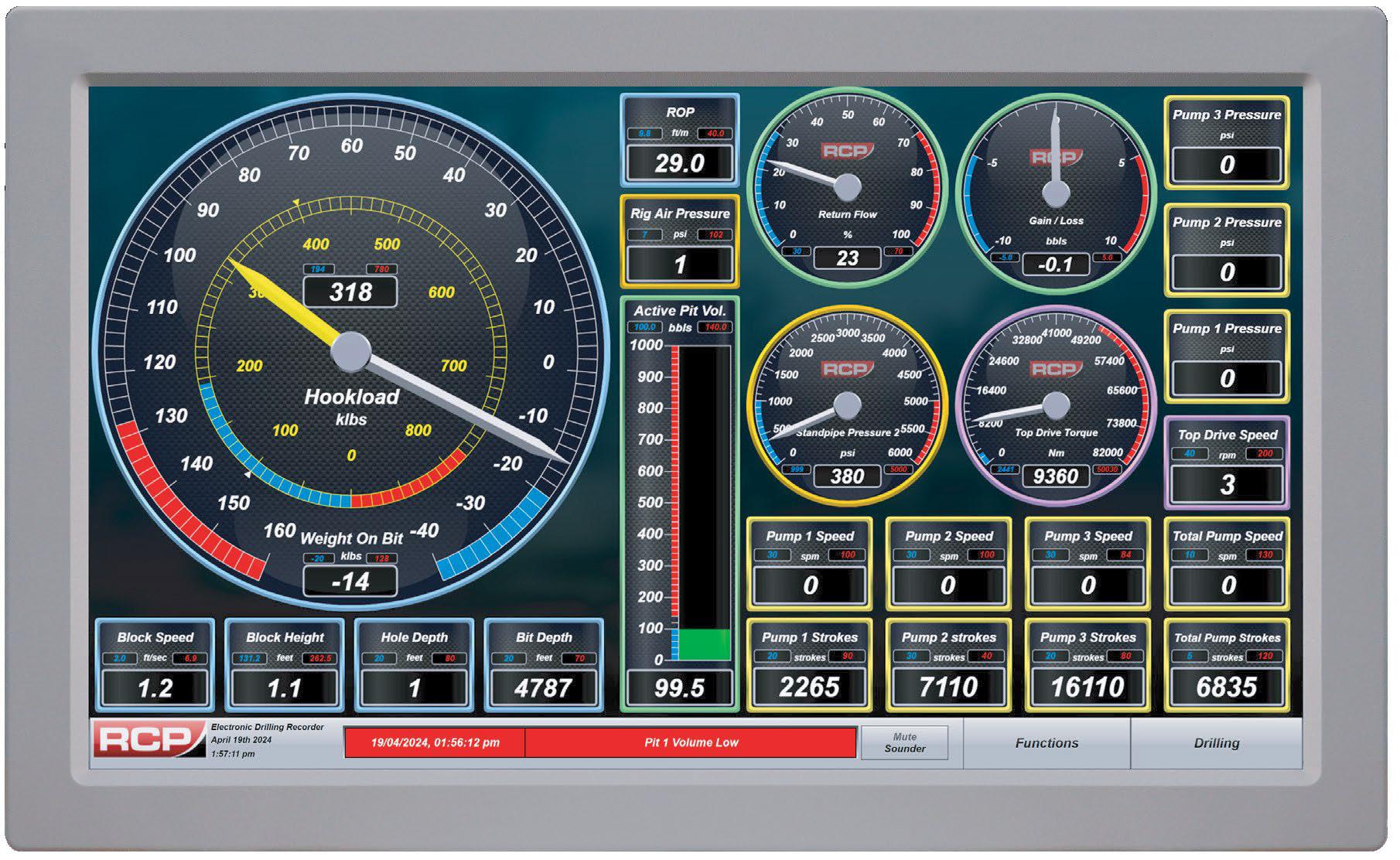
The RCP EDR is designed to give operators a clear, unambiguous overview of critical drilling and mud data processes The system has been developed by RCP to greatly improve how information is presented using the latest industrial technologies and user-friendly interfaces.
The RCP EDR offers a quick and cost-effective solution for clients considering a new installation or a partial upgrade to their existing drilling instrumentation systems Our highly experienced engineers and software developers allows us to tailor each new system to meet your exact needs meaning that you do not pay for functionality you will never use
The RCP EDR utilizes a variety of sensing technologies to monitor the drilling processes, (typically: Level, Pressure, Height, Temperature and Flow). Sensor output signals are received by the distributed I/O racks and are then processed by the EDR.
Processed information is then transmitted through network communication modules to each of the user interfaces including remotely networked PC’s and local HMI’s System and operator interface communications may utilize either: Fibre-Optic, Profinet, Profibus or Industrial Ethernet connection

Today’s Brent Price: ~$65 per barrel
Brent crude trades in the mid-$60s amid balanced supply/ demand conditions and ongoing geopolitical influence on markets.
1 YEAR AGO
1 Year Ago (~2025): ~$80–$82/bbl
A year ago, Brent was significantly higher, supported by OPEC+ discipline, geopolitical uncertainty, and tighter markets, before easing supply concerns later in the year weighed on prices.
5 YEARS AGO
5 Years Ago (~2021): ~$70–$78/bbl
Five years back, oil was rebounding from the pandemic slump, with demand recovery boosting Brent prices as travel resumed and economies reopened.
10 YEARS AGO
10 Years Ago (~2016): ~$43–$57/bbl
A decade ago, Brent was much lower after a major price crash in 2014–15, reflecting oversupply and weaker demand that kept crude prices subdued.























At the heart of OGV Media Group is the OGV Community, a corporate membership service that connects energy sector organisations with our growing network of professionals, leveraging member engagement and platform traffic to maximize brand exposure. Subscription to the





SPONSORED BY
www.eicdatastream.the-eic.com
Energy projects and business intelligence in the energy sector
The EIC delivers high-value market intelligence through its online energy project database, and via a global network of staff to provide qualified regional insight. Along with practical assistance and facilitation services, the EIC’s access to information keeps members one step ahead of the competition in a demanding global marketplace.
The EIC is the leading Trade Association providing dedicated services to help members understand, identify and pursue business opportunities globally.
It is renowned for excellence in the provision of services that unlock opportunities for its members, helping the supply chain to win business across the globe.
The EIC provides one of the most comprehensive sources of energy projects and business intelligence in the energy sector today.




$100 million China National Offshore Oil Corporation (CNOOC)
CNOOC has made oil discovery at Qinhuangdao 29-6, located in the central waters of Bohai Sea that is located offshore China. The well was drilled to a total depth of 1,688 m and encountered an oil pay zone of 66.7 m. Production testing recorded oil flow rates of 2,560 b/d.

CIMIC subsidiary Leighton Asia has been awarded civil and mechanical works by JGC to support the onshore scope of the project. The scope includes general civil works for site development and mechanical tie-in works for the project.
$9

SAFANIYA, ZULUF, BERRI, MARJAN, HASBAH, RIBYAN, QATIF AND ABU SAFAH FIELDS - BROWNFIELD DEVELOPMENT - LONG TERM AGREEMENT (LTA) PROGRAMME
Saipem has been awarded two offshore Contract Release Purchase Orders (CRPOs) by Aramco worth a combined $600 million under their LongTerm Agreement, covering EPCI of 34 km of 20- and 30-inch pipelines and topside works at the Berri and Abu Safah fields (CRPO 162, 32 months), as well as subsea interventions at Marjan field and EPC of 300 m of onshore pipeline and tie-ins (CRPO 165, 12 months.

Saipem has been awarded a USD$425m EPCI contract in the project. Under the agreement, the company will be responsible for the EPCI of 3 additional pipelines, totalling 153km, with associated subsea structures, to connect the new natural gas reserve recently discovered at the Goktepe field (see related projects) to the Phase 3 facilities.

Gas discovery has been made through the Konta-1 exploration well which was drilled to a total depth of 4,575 m in 570 m of water. Production testing showed gas flow rates of up to 31 MMcf/d and 700 boe/d of condensate. Preliminary estimates indicate a discovered volume of approximately 600 Bcf of gas in place.

Finder Energy has secured the FPSO Petrojarl I from Amplus Energy for both of Kuda Tasi and Jahal oil fields project. Final investment decision (FID) for this project is now targeted to be achieved by H2 2026 and first oil by Q4 2027. Under the new arrangement, ownership of the vessel will transfer to Finder, while Amplus will continue to lead the FEED work, life-extension and upgrade programs, and ultimately provide operations and maintenance services once the vessel is deployed.

KAIKIAS OFFSHORE OIL FIELD WATERFLOOD
Shell has issued a positive FID for a waterflood project at its Kaikias offshore field, located in the US GoM. Water will be injected to displace up to 60MMboe of additional oil out of the reservoir. First injection is expected in 2028.

TechnipFMC has been awarded Tiber-Guadalupe's SURF/subsea production systems contract. The agreement covers an array of equipment including subsea trees and manifolds that can handle pressure of 20,000 pounds per square inch (20k). The contract has been valued at US$600-800m.

Subsea 7 has been awarded the subsea installation contract for the project. The scope of work includes project management, engineering, procurement, fabrication, transportation, installation and pre-commissioning of subsea equipment and associated infrastructure. Offshore operations are expected to commence in 2028.

Equinor has announced the decision to invest over USD$394m at Johan Castberg's "next phase". The project will be developed via two wells in a new subsea template tied back to existing subsea facilities via pipelines and umbilicals.

NOV has secured a contract from ExxonMobil Guyana to supply four actively heated risers and production flowlines totalling approximately 14.4km for the project, alongside pull-in latching mechanisms, bend stiffeners, buoyancy modules and topside equipment.

ADNOC has announced that a final investment decision has been made on the project. The project comprises a new offshore platform with four gas production wells which connect to Das Island. The project will produce 200MMcf/d of gas once it enters production.


By Tsvetana Paraskova
The global subsea industry and supply chain are poised for a solid year in 2026 on the back of increased offshore energy developments and the return of frontier exploration by the majors and national oil companies.
Exploration and production (E&P) companies have recently focused on boosting oil and gas supply as peak demand is still years away and governments are prioritising energy security and affordability. Offshore oil and gas, especially deepwater developments, have become more important for the majors and the key oilproducing countries, while frontier exploration and development offshore Guyana in South America and Namibia and Angola off Africa’s west coast is back on the table for the firms with sufficient financial resources to invest in exploring for new supply.
The subsea industry and its vast supply chain of support vessels, subsea wellheads, manifolds, pipelines, power cables, monitoring sensors, processing and storage systems, and floating production storage and offloading (FPSO) units is set to benefit from the rise of offshore development.
In addition, the subsea industry is undergoing critical transformation with the increased digitalisation in the energy industry and the supply chain diversification into offshore renewable energy and power systems to hedge against oil price downturns. Companies have embraced digital technology for monitoring and repairs to reduce risks to people and create efficiencies. Robotics, remotely operated vehicles (ROVs), and autonomous underwater vehicles (AUVs) have already become the industry standard in many subsea operations and applications globally.
The world’s biggest Western oil firms – BP, Chevron, ExxonMobil, Shell, TotalEnergies, and Eni – are refocusing on frontier regions in pursuit of new discoveries essential for sustaining long-term growth, Rystad Energy said at the end of last year.
Big Oil have both the technical skills and financial muscle needed to explore technically challenging and high-cost frontier areas, according to the energy intelligence firm.
“These majors have communicated the importance, to varying degrees, of frontier exploration in their quest to replenish reserves bases and maintain profitability,” said Taiyab Zain Shariff, Vice President –Upstream Exploration at Rystad Energy.
“Overall, the six majors are pushing the boundaries of exploration, targeting frontier areas in search of new discoveries to sustain their businesses. While the risks are high, the potential rewards are significant, and the industry is likely to see increased activity in these regions in the coming years.”
This year, exploration will feature sustained capital discipline, with global spending expected to hold steady at just over $60 billion, in line with 2025, Rystad’s analysts said in their outlook for 2026.
The majors’ strategy is targeted entry into new frontiers without accelerating shortterm drilling programs, Aatisha Mahajan, Head of Exploration - Oil & Gas at Rystad, reckons.
“More than 60 offshore frontier wells are anticipated next year, primarily across Asia, Africa and South America. Oil-focused activity remains robust in Namibia, Brazil and the US Gulf of America, while gas-prone basins such as the East Mediterranean, Norway and Southeast Asia continue to underpin low-risk additions, particularly through ILX [infrastructure-led exploration] opportunities,” Mahajan said.
As regards the supply chain, a softer start to the year is set to turn into a gradually improving second half of 2026 as capacity tightness and pricing momentum will begin to surface in deepwater, subsea, and select international markets, according to Binny Bagga, Senior Vice President, Supply Chain Research at Rystad.
“Subsea pricing is expected to remain resilient, supported by strong backlogs and integrated project offerings, with a clearer upside building into late 2026 and 2027,” Bagga said.
“Across offshore subsea vessels, deepwater rigs, and floating production, storage and offloading (FPSO) vessel fabrication, capacity constraints begin to build through 2026 and intensify in 2027 as a new wave of deepwater and LNG-linked final investment decisions (FID) come to fruition.”

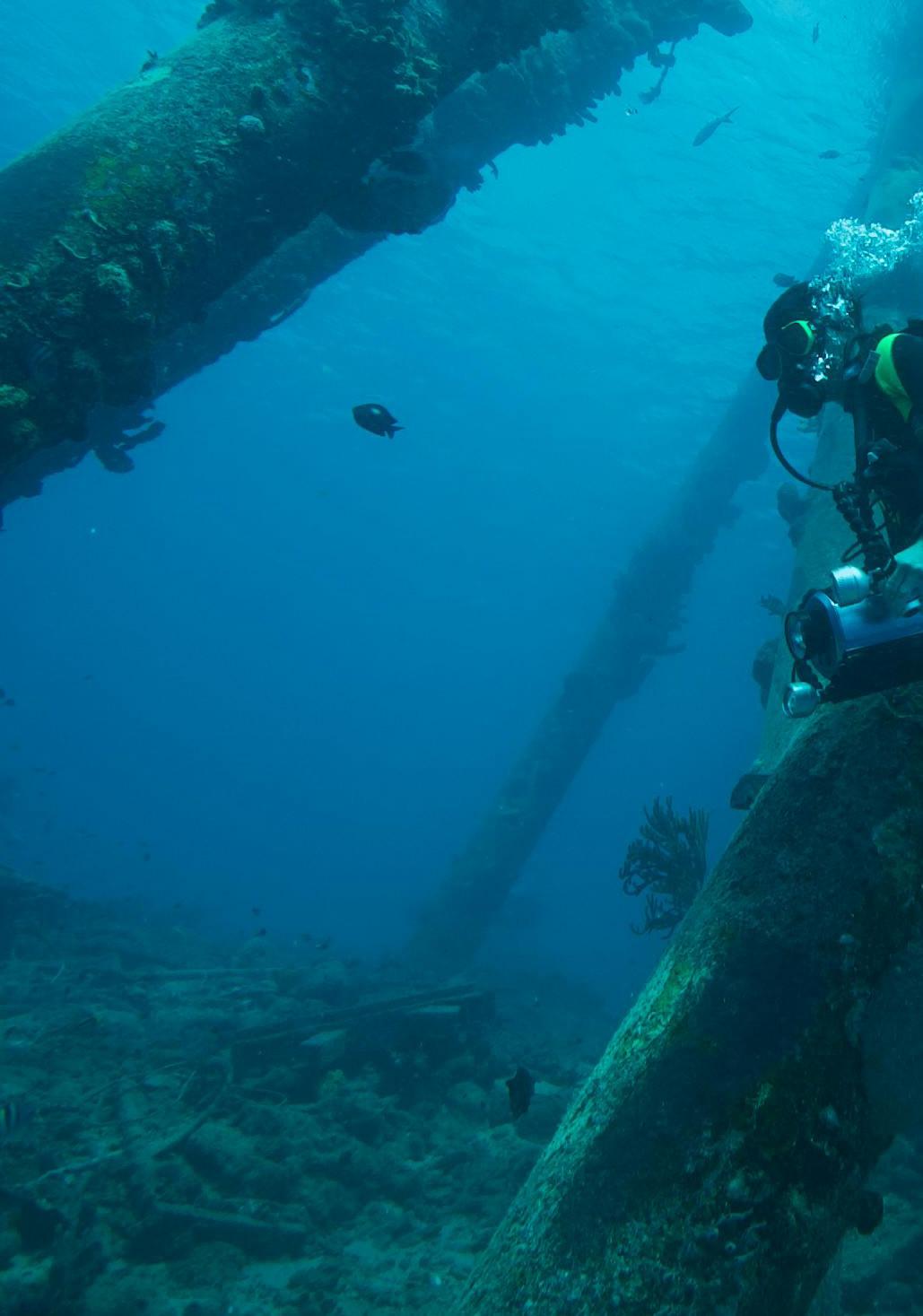
South America is set to drive non-OPEC+ supply growth through 2030, with oil production from offshore Brazil, Guyana, and Suriname, as well as Argentina’s Vaca Muerta shale well-positioned to supply costcompetitive barrels until 2030, Rystad Energy analysts said at the end of 2025.
“South America is well-positioned to offer competitive barrels to a global market due to its success with deepwater projects. Looking ahead, continued investment and a stronger focus on deepwater expansion as the supply gap might widen after the mid-2030s,” commented Radhika Bansal, vice president, Upstream research, at Rystad Energy.
South America was set to lead supply growth in 2025, adding more than 560,000 barrels per day (bpd) of crude and condensate, followed by North America with around 480,000 bpd. By 2026, South
America’s additions are expected to exceed 750,000 bpd, keeping the region among the few regions with additions over 500,000 bpd driving non-OPEC+ growth.
Offshore oilfields which have come online since 2020, and those set to start up by 2030, will account for over 65 percent of South America’s conventional production, Rystad Energy reckons. South America will also maintain a strong final investment decision (FID) momentum through 2030, leading to a cumulative conventional greenfield capital expenditure (capex) for oilfields of $197 billion between 2020 and 2030, largely concentrated in offshore deepwater projects, the intelligence firm said.
Blocks offshore Trinidad and Tobago and Peru could also join the South American supply increase if new discoveries are made in recently awarded exploration licences there.
US deepwater production has reached alltime highs following an outstanding 2025 in terms of startup activity, says Thomas

Liles, Senior Vice President of Upstream Research at Rystad Energy.
While floaters have dominated the headlines, four new subsea tiebacks also commenced operations in US Gulf in 2025 with material growth prospects going into 2026.
The next five years will see significant new commissioning activity with the likes of floating production unit FPU-based projects such as Sparta, Kaskida, and Tiber – all of which target more challenging Lower Tertiary reservoirs, according to Liles.
In the near term, the key themes in the 2026 upstream industry will be operators looking to add material growth opportunities for the 2030s and a sharper focus on efficiency, Wood Mackenzie said in early January.
Brownfield rejuvenation and recovery factors will gain prominence, as well as new upstream business models and crossborder partnerships, WoodMac noted.
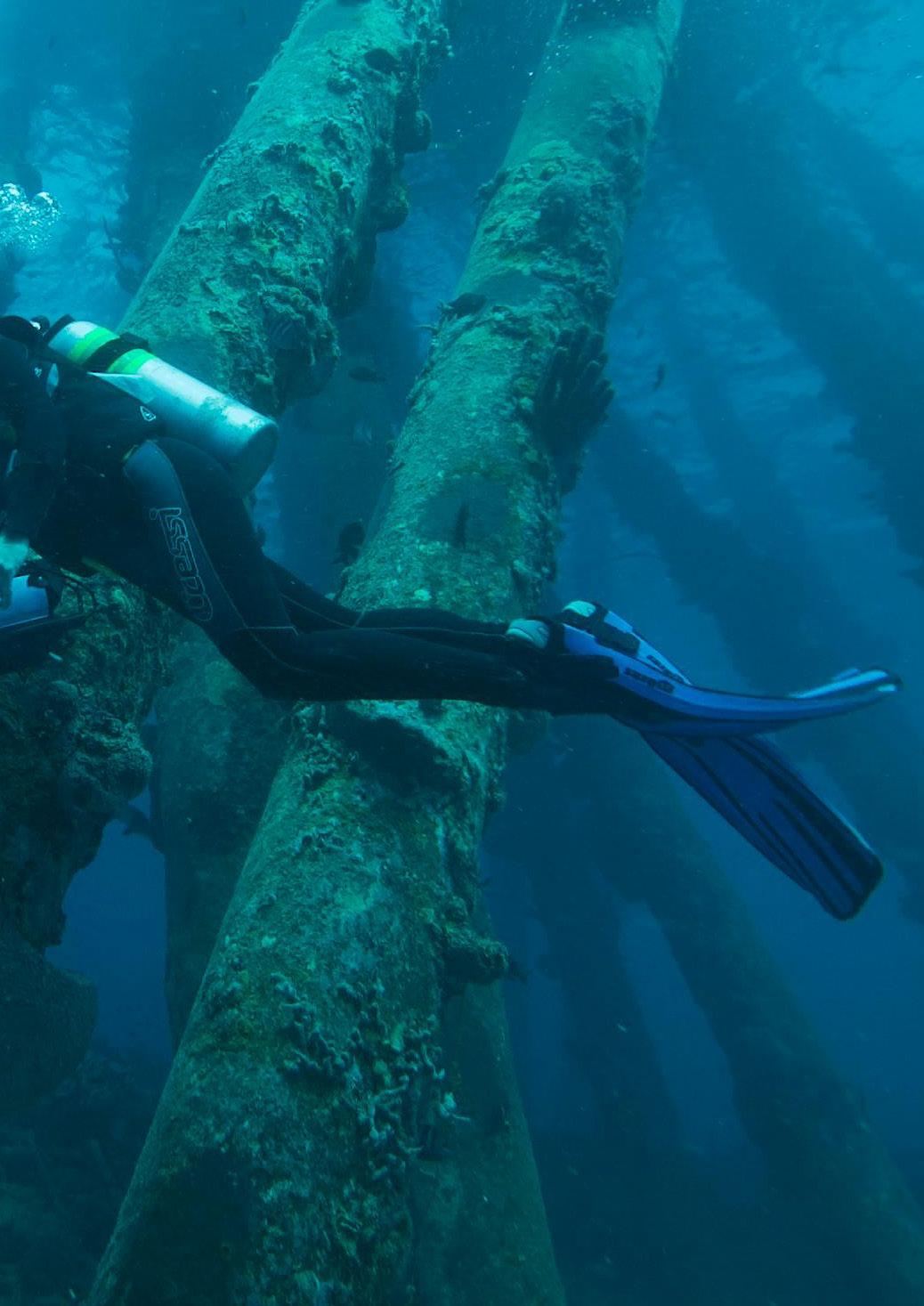


Subsea cables carry 99% of international data, and critical underwater infrastructure faces evolving threats. Subsea infrastructure has never been more critical, nor more vulnerable.
For 2026, successfully adapting to this world will be the name of the game and Elementz is already leading the charge on moving away from traditional, sector-specific approaches that can no longer keep pace with the scale and complexity of what lies beneath the waves.

that Elementz moves from a vertical oil and gas focus to a multi-sector approach supporting energy, renewables, subsea power, telecommunications, defence and other critical marine infrastructure. And we are really excited by the possibilities.

Much of the existing infrastructure underpins global energy security, data transmission and economic stability but it is still managed by fragmented systems, siloed data and bespoke solutions that no longer reflect operational reality. Imagine, then, a shared, secure digital environment where data, workflows and intelligence can be trusted, integrated and shared across the subsea value chain.
But there’s no need to imagine the emergence of this blue digital ecosystem: it already exists and Elementz sits at its core.
For decades, subsea infrastructure management evolved within vertical silos and the oil and gas sector developed its own integrity management system whilst telecommunications and power followed parallel but separate paths. Now, offshore wind is rapidly building its own frameworks too, but it’s increasingly clear that integrity management principles transcend sectors. The future belongs to horizontal solutions that can support multiple asset types and industries while still respecting the operational realities of each – and it’s happening now.
Tried and tested platform capabilities that are proven in global oil and gas operations are now being configured for offshore wind cable inspection, subsea telecommunications monitoring, and critical infrastructure protection. The underlying challenges are fundamentally the same regardless of sector: managing vast volumes of inspection data, coordinating multiple parties, integrating new technologies, and actioning observations into insight.
Managing, coordinating, integrating, actioning – that’s what Elementz is all about and, better still, the technology doesn’t need to be rebuilt; it only needs to be adapted because it’s already here.
By applying what we are already renowned for to multiple sectors, 2026 will be the year
As subsea assets multiply, so too the volume of data generated by ROVs, AUVs, sensors and inspection campaigns, locked in disconnected systems, spreadsheets or bespoke databases.
Integration is, therefore, no longer optional –it’s a prerequisite for infrastructure protection.
Compass, our operator-led Elementz Strategic Customer Advisory Board, steps up to this challenge by bringing together leading energy operators and asset owners to define shared integrity challenges and validate how digital workflows should evolve. This is not traditional advisory input: it is active co-creation. When major operators align on integrity challenges, they validate more than features; they de-risk adoption for the broader market and create a roadmap grounded in operational reality.
As we approach a tipping point with artificial intelligence, AI and computer vision are increasingly capable of automating detection, classification and reporting. Real value, however, only emerges when these tools are deployed within operational workflows and adopted at scale.
Enter Tide Breaker, the Elementz subseafocused accelerator program that connects operator-defined challenges with emerging AI innovators who develop and integrate solutions directly within live subsea data environments. This makes Tide Breaker more than startup support – it’s an ecosystem engine.
Thanks to Tide Breaker, operators access cutting-edge AI without massive in-house R&D investment. Startups gain deployment pathways and real-world validation. Tide Breaker is where subsea AI innovation happens, creating network effects that strengthen with each participant.
For the subsea sector, 2026 marks a decisive shift. The focus is expanding beyond single industries to encompass the full spectrum of subsea infrastructure: energy, renewables, telecommunications, defence, and critical marine assets worldwide. Operator validation through initiatives like Compass, AI acceleration through programs like Tide Breaker, and architectures designed for multisector deployment, ensure that Elementz is playing a central role in laying the foundations for integrated infrastructure management –and the best is yet to come.
Protecting subsea infrastructure is not something any organisation can achieve alone: it requires cross-collaboration among operators, asset owners, inspection partners and technology providers and platforms that enable this collaboration while maintaining security, governance and compliance are becoming critical infrastructure in their own right.
The question is who will define the standard? Early movers with strong ecosystems and operator buy-in will help set the pace. In other words, Elementz will help set the pace.
The world beneath the waves is changing faster than ever therefore the industry must move faster than the risks it faces.
The transition from fragmented systems to integrated, multi-sector platforms is already underway and those who embrace ecosystem thinking by sharing data, aligning processes and co-creating solutions will define the standards for the next generation of subsea operations.
The best outcomes will come from a fundamentally new way of working built on trust, integration and genuine collaboration –the key pillars of Elementz and our partners. The blue digital ecosystem is not a future vision; it is being built today by operators and technology partners who refuse to accept fragmentation as inevitable. Join us if you can.


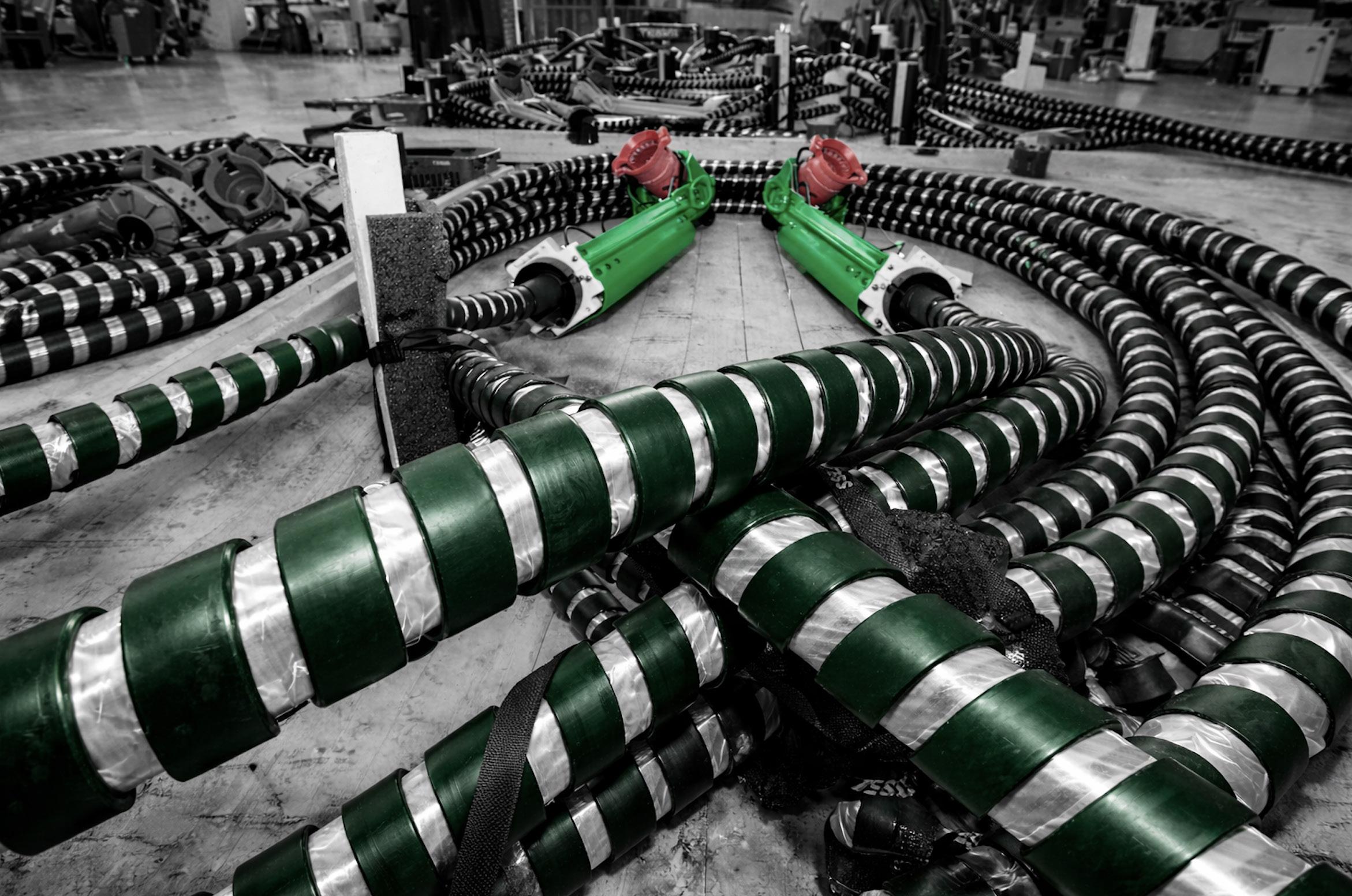



Global upstream exploration spending is expected to dip below the US$20 billion annual average of the last five years as low oil prices pressure the sector, according to Wood Mackenzie.
for strategic growth remain strong, but companies are focusing on selective high-impact drilling rather than broad-based spending.
Major oil companies are pursuing giant field redevelopment partnerships with national oil companies to secure discovered resources without exploration risk. The exploration landscape is shifting from traditional licensing rounds toward government-togovernment deals and direct negotiation. Ocean Bottom Node seismic technology and artificial intelligence are compressing decision timelines from months to weeks. Next-generation geothermal technologies face a defining year as flagship projects must demonstrate commercial scalability.
“The upstream sector is recalibrating its approach to resource capture in 2026,” said Andrew Latham, Senior Vice President, Energy Research at Wood Mackenzie. “Exploration spending remains disciplined, but the industry is pursuing multiple pathways to growth – from play-opening wildcats in the Atlantic margin to unlocking billions of barrels from producing fields through IOC-NOC partnerships.”
“Technology is accelerating both discovery and development of conventional hydrocarbons,” Latham said. “The question is whether nextgeneration geothermal can prove it belongs in the same commercial league and meet 24/7 baseload power demand.”
Wood Mackenzie identifies five key subsurface themes for 2026:
1. High-impact exploration focused on play-opening prospects despite spending pressures
Large and giant prospects will account for about one-third of exploration wells planned to spud in 2026. Petrobras plans three wells in Brazil’s Foz do Amazonas Basin, including Mutum, and Petronas plans to drill the Block 48 prospect in Suriname, a potential playopener in the ultra-deepwater Guyana Basin. ExxonMobil’s first ultra-deepwater well offshore Trinidad and Tobago, TTUD-1, may test a deeper Cretaceous play on trend with Guyana. Success would be transformative for Trinidad and Tobago’s declining production base. Play-opening wildcats are also planned for Jamaica and Peru. Timings may slip if operators delay spending.
Prediction: Overall exploration investment dips below US$20 billion as operators prioritise quality over quantity.
2. Strategic acreage access replaces competitive bidding
License partnerships will be driven by materiality, preferential host government deals, and returns rather than highest bids. Access rights will go to companies with the right combination of capital, track record, and relationships. Large national oil companies including Petronas and QatarEnergy are expanding acreage across Asia, West Africa, Brazil, and Guyana through partnerships with host-country NOCs such as Sonangol, SNPC, and Staatsolie. Government-togovernment deals will open doors for crosssector investments. KUFPEC’s equity across Egypt, Malaysia, and Indonesia has delivered commercial discoveries in the Nile Delta and Malay basins. Azule Energy exemplifies the trend of Majors diversifying risk with new joint venture entities in key petroleum regions.
Prediction: Direct negotiation and government-to-government deals dominate acreage acquisition.
3. Major oil companies target NOC partnerships to redevelop giant fields
IOCs are pursuing discovered resources without exploration risk through giant field redevelopment contracts. Each deal accesses billions or tens of billions of barrels of inplace oil, where small recovery factor gains prove material. Since 2023, BP, ExxonMobil, TotalEnergies, and Shell announced projects including BP’s Kirkuk contract in Iraq and Messla and Sarir MoU in Libya, ExxonMobil’s Heads of Agreement to operate giant Iraqi fields including Majnoon, TotalEnergies’ Ratawi project in Iraq, and Shell’s Al-Atshan MoU in Libya. BP also signed a Technical Services Provider agreement with ONGC for Mumbai High offshore India. Host countries benefit from technology transfer and capital while Majors negotiate more attractive fiscal terms. MoUs between IOCs and NOCs to assess unconventional resources in Algeria, Bahrain, UAE, and Indonesia are poised to firm up capital commitments in 2026.
Prediction: Additional giant field redevelopment partnerships announced in Middle East and North Africa, with first firm commitments for global shale projects outside North America.
4. Ocean Bottom Node seismic and AI workflows compress exploration decision cycles
Next-generation OBN technology is decreasing survey costs while improving data quality. Multi-client campaigns are accelerating beyond the US Gulf of Mexico. Egypt will launch a seven-year, three-phase OBN campaign in the East Mediterranean executed by an SLB-Viridien consortium. Norway’s Utsira North survey will provide enhanced resolution for near-field exploration and carbon storage identification. TGS and Viridien will deliver multiple products from US Gulf of Mexico surveys in 2026. AI is transforming workflows through faster processing and improved imaging of overlooked plays in mature basins. Majors are developing proprietary AI capabilities to reduce third-party reliance. When seismic-to-drilling timelines compress from months to weeks, competitive advantage shifts to companies that can orchestrate rig schedules, equipment procurement, regulatory approvals, and capital allocation at accelerated speeds.
Prediction: Multi-client OBN campaigns expand to three new regions outside North America, while AI-accelerated workflows create operational bottlenecks for unprepared operators.
5. Next-generation geothermal faces commercialisation test
Fervo Energy’s Cape Station enhanced geothermal system project, backed by 500 MW of power purchase agreements, will come online in 2026. Eavor’s Geretsried closed-loop facility in Germany started delivering power in December 2025. Success will unlock investor confidence and capital for smaller developers while failure could redirect investment toward oil and gas. Geo Energie Suisse will establish EGS operational benchmarks with seismicityfree drilling at Haute-Sourne. Mazama Energy will lead superhot rock testing in the US Pacific Northwest, targeting 15 MW by end-2026. Competition to drill deeper and hotter will drive cost reductions, attracting capital from technology companies seeking baseload power for data centres. High upfront drilling costs and reservoir uncertainty remain barriers. Shell’s power purchase agreement with Fervo validates next-generation geothermal as bankable, while subsurface specialists such as SLB are leveraging oil and gas tools to reduce geological risks.
Prediction: Flagship enhanced and advanced geothermal projects demonstrate technical reliability but face continued scrutiny on economic viability at scale.
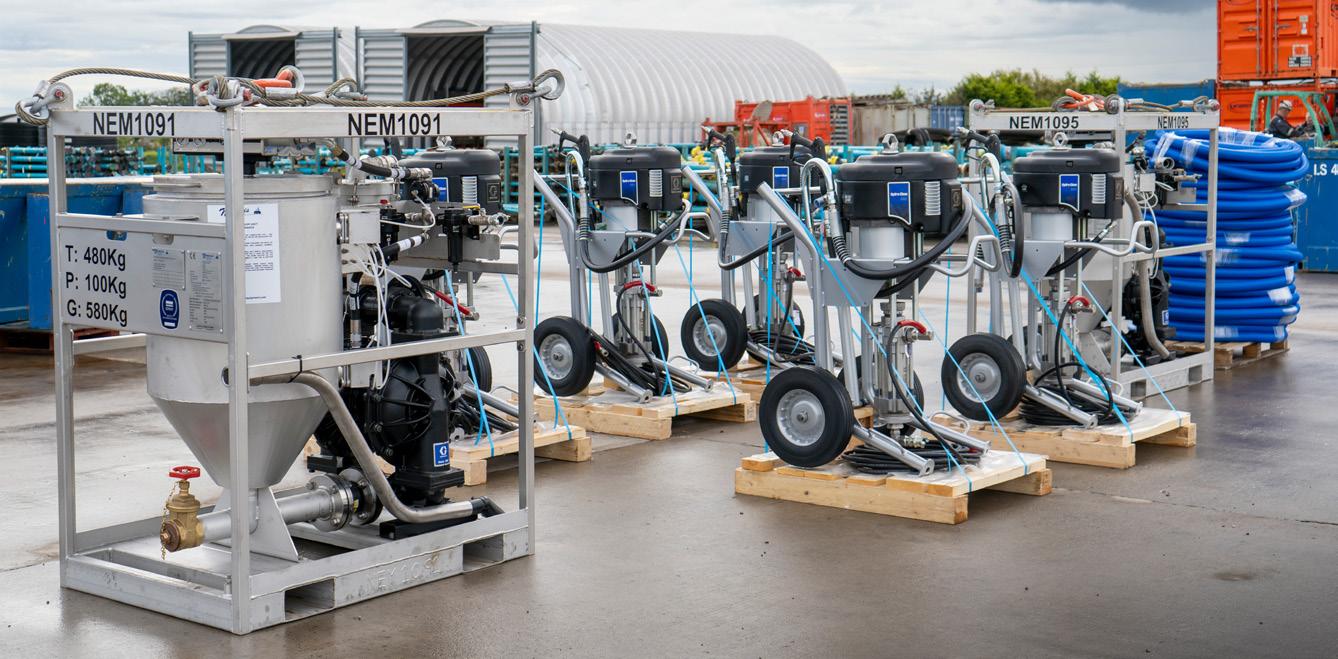
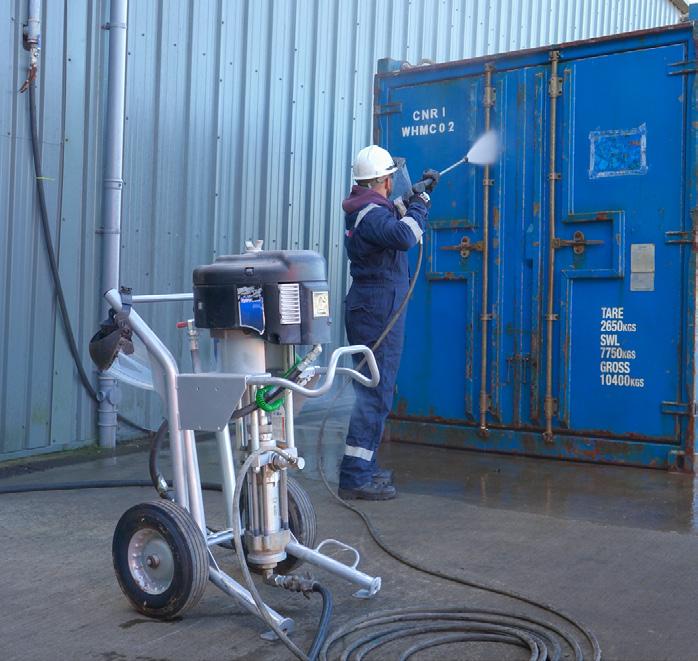
Performance You Can Trust
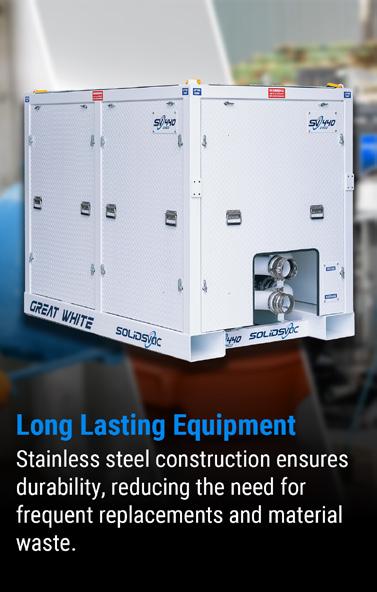

Nemesis Equipment delivers cutting-edge industrial solutions, including pressure washers, pumps, and solids-handling systems. As the official agent for Solidsvac, we also provide industry-leading vacuumloading solids pumps, renowned for their robust construction and efficiency.
From high-pressure cleaning to slurry management, our equipment is built to perform in the toughest environments, ensuring reliability and reduced downtime. Experience innovation and exceptional service with Nemesis Equipment.
Enermerch will handle subsea pre-commissioning at ExxonMobil’s Whiptail field
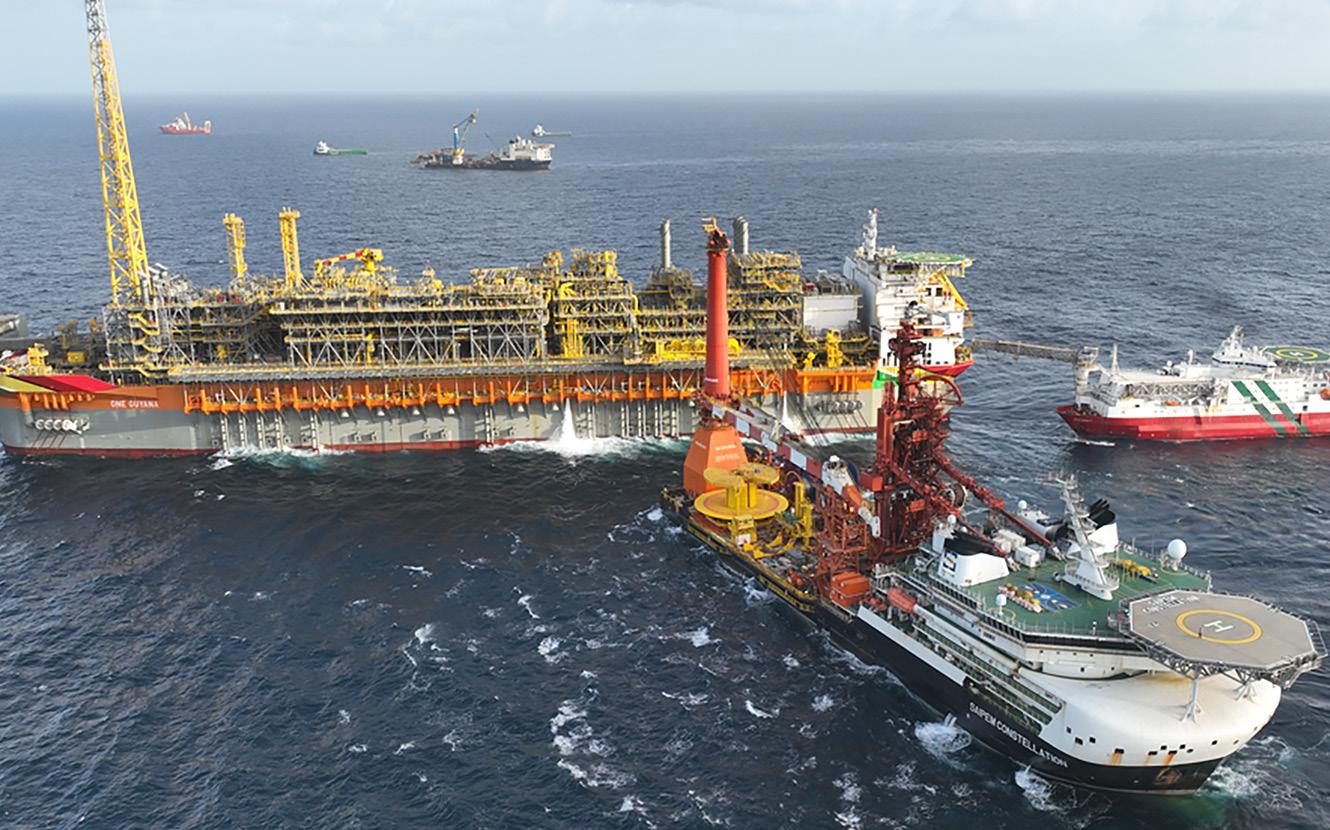
Saipem has awarded a contract for subsea pre-commissioning services for Guyana’s Whiptail development, part of ExxonMobil’s prolific Stabroek play, to contractor Enermech, the companies said on Tuesday.
This will be EnerMech’s first involvement in Whiptail, after the company supported subsea campaigns across other Stabroek projects including Liza Phase 2, Payara, Yellowtail and Uaru.
The workscope will see EnerMech deliver a suite of pre-commissioning activities, including cleaning and hydrotesting of subsea risers and flowlines; umbilical post-load out, transit and lay monitoring from the offshore
TGS has secured a second ocean bottom node contract in Europe for the 2026 season.
The new award follows the company’s first European OBN deal for 2026, announced last month.
According to TGS, its node on a rope crew will begin mobilization in mid summer, and the work is expected to last around 30 days.
construction vessel; and dynamic umbilical lay monitoring with post-installation testing from the FPSO.
EnerMech chief executive Charles Davison Jr said the contract is “another important milestone in our Guyana growth story”.
The company said it is “investing locally” with a new facility that will be based in Georgetown, allowing the company to mobilise faster for future projects.
So far, ExxonMobil has deployed four FPSOs in the Stabroek Block — Liza Destiny, Liza Unity, Prosperity and the recently commissioned One Guyana — collectively boosting installed capacity to over 900,000 barrels per day of oil
Kristian Johansen, CEO of TGS, said, “We are very pleased to secure further OBN work for the 2026 Europe season. We are now building an acquisition campaign in the region that we expect will grow further. The award is from a valued repeat customer who recognizes the strength of our OBN technology, our proven track record and our ability to deliver high quality 4D data on time, providing critical insights that help the customer optimize oil and gas production.”
In early December, the company announced that it had launched the 2026 contracting season in Europe with a separate OBN survey contract. That project is set to run for about 60 days, with mobilization planned for early May.
In addition to its European activity, TGS recently started a reprocessing project offshore Australia aimed at improving subsurface imaging and geological insight.
Global ocean services provider
DeepOcean has successfully completed trenching and survey operations on inter-array cables for a U.S. offshore wind project.
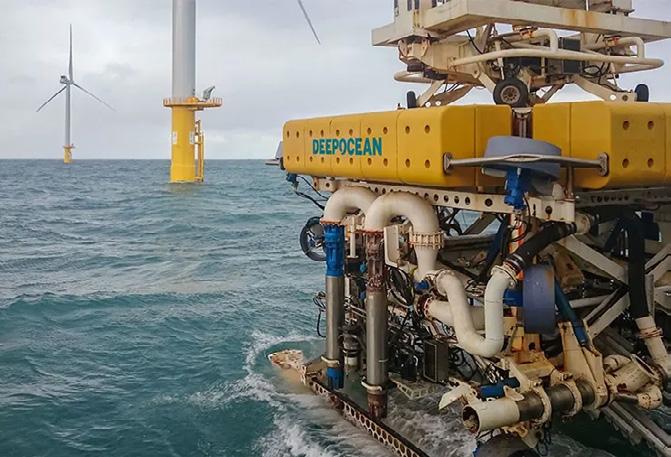
DeepOcean’s scope of work encompassed trenching and surveying of the inter-array cables that connect turbines to the offshore substations. These critical operations ensure the long-term protection and stability of the subsea cable infrastructure.
The contract was awarded by a global provider of engineering, procurement, construction and installation (EPCI) to the offshore wind industry.
“This work scope reflects DeepOcean’s commitment to delivering subsea services that help contractors and their end-clients optimize cable protection programs, reducing both cost and risk for all parties. We are very pleased to have contributed to this project, led by a dedicated team in our U.S. offices,” says Mitchell Pike, Managing Director of DeepOcean’s Offshore Renewables Division..
DeepOcean deployed a trenching support vessel (TSV) and the subsea jet trenching tool UT-1. The UT-1 is recognized as the world’s most powerful, free-flying jet trencher with a proven track record of successfully burying thousands of kilometres of subsea cables and pipelines in various challenging seabed conditions worldwide.
“This project is a testament to expertise in global subsea trenching and seabed intervention across the offshore energy sector. We are proud that our experienced team and state-of-the-art technology ensured a safe and efficient campaign, contributing to successful delivery,” says Tony Stokes, Managing Director DeepOcean’s Americas region.

Energy secretary Ed Miliband says clean energy project is part of efforts to leave ‘the fossil fuel rollercoaster’
The UK and nine other European countries have agreed to build an offshore wind power grid in the North Sea in a landmark pact to turn the ageing oil basin into a “clean energy reservoir”.
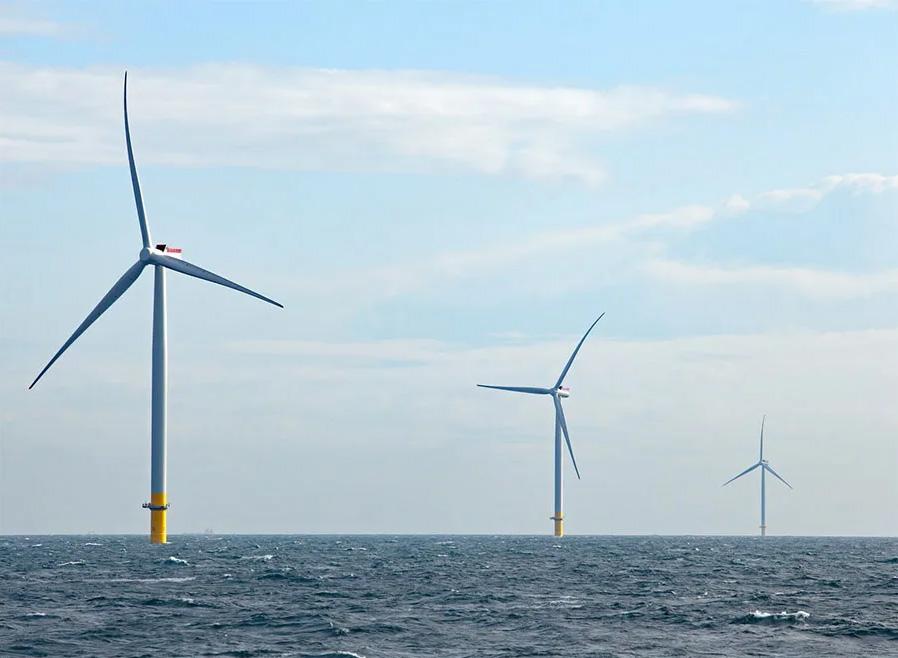
The countries will build windfarms at sea that directly connect to multiple nations through high-voltage subsea cables, under plans that are expected to provide 100GW of offshore wind power, or enough electricity capacity to power 143m homes.
The commitment, which will be set out in the “Hamburg declaration”, is expected to be signed on Monday by energy ministers from
the UK, Belgium, Denmark, France, Germany, Iceland, Ireland, Luxembourg, the Netherlands and Norway.
The energy secretary, Ed Miliband, said the UK was “standing up for our national interest” by pushing for clean energy and getting “off the fossil fuel rollercoaster”.
The pact comes less than a week after the US president, Donald Trump, criticised the UK’s
plans to phase out production of North Sea oil and gas, and complained about European wind power.
He told the World Economic Forum in Davos last week: “There are windmills all over Europe. There are windmills all over the place and they are losers. One thing I’ve noticed is that the more windmills a country has, the more money that country loses and the worse that country is doing.”
The latest agreement reaffirms Europe’s commitment to wind power, after North Sea countries promised three years ago to build 300GW of offshore wind in the area by 2050. The new offshore wind power grid will contribute to this target.
Miliband is also expected to sign a statement of intent with Germany, Belgium, Denmark and the Netherlands to open up cross-border, offshore electricity projects, with a focus on joint planning and cost sharing.
Energy UK, the sector’s trade association in the UK, said it fully backed the “landmark efforts … to transform the North Sea into a truly regional clean power hub”.
Dhara Vyas, the chief executive of Energy UK, said: “This deeper cooperation on supply chains, standardisation and shared infrastructure is not just a strategic necessity, it is the most effective way to bring down energy costs for households and businesses while fuelling sustainable economic growth and high-value jobs for years to come.”
Last year, wind and solar overtook fossil fuels in the EU’s power generation, generating 30% of the bloc’s electricity.
In the UK, the government this month handed out record subsidy contracts for offshore wind projects, in a boost for its goal of creating a clean electricity system by 2030.
British energy company SSE has secured a 20-year contract for 1.4GW of offshore wind power from Phase B of its Berwick Bank Wind Farm project in the UK’s seventh Contracts for Difference (CfD) Allocation Round, the company announced Wednesday.
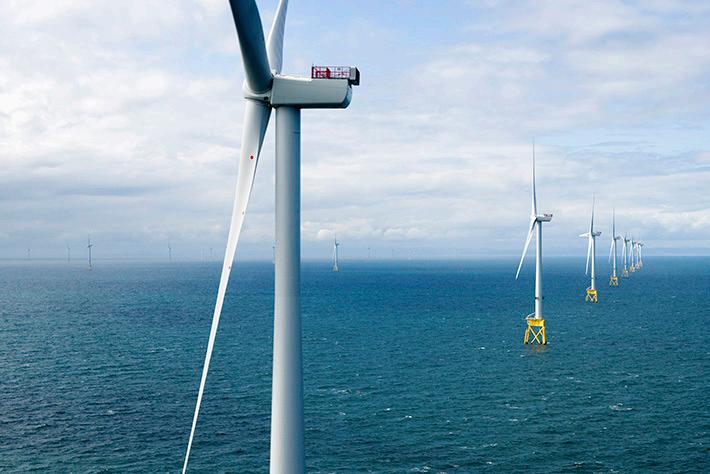
The Berwick Bank B project will receive a guaranteed strike price of £89.49/MWh for 1,380MW of renewable energy capacity, based on 2024 prices and indexed annually for CPI inflation. The contract covers a 20-year period for the electricity generated.
SSE plans to progress the project toward a final investment decision, expected in 2027, according to the company’s press release.
The Berwick Bank Wind Farm consists of three phases totaling 4.1GW capacity. Following this contract for Phase B, the remaining two phases (A and C) are available for entry into upcoming auction rounds, with the UK’s eighth CfD allocation round expected later this year.
“We are delighted Berwick Bank B has been successful in AR7 and has secured a CfD for 1.4GW of essential new low-carbon power for the UK at a competitive price for consumers,” said Martin Pibworth, Chief Executive of SSE plc.
If built to its full projected capacity of more than 4GW, the company claims Berwick Bank Wind Farm would represent a significant contribution toward achieving the Scottish and UK Governments’ offshore wind targets.
The Contracts for Difference scheme is the UK government’s main mechanism for supporting low-carbon electricity generation, providing developers with protection from volatile wholesale prices.
Orlen Neptune, responsible for the offshore assets of Polish energy major Orlen SA, has reserved land at the Kolobrzeg Seaport on the Baltic Sea for a service port for its future offshore farm Baltic West.
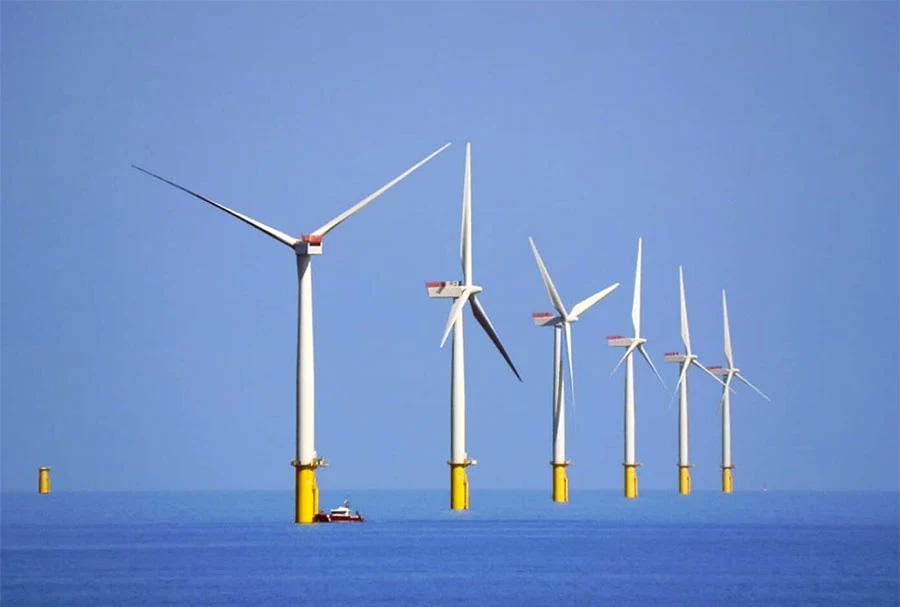
The company has signed a reservation agreement with the seaport authority, which will strengthen their cooperation. Of all the ports available in this part of the Baltic Sea, Kołobrzeg Seaport is the closest to the project site and an optimal location for servicing the offshore wind farm.
Baltic West is a project encompassing four licences in the Odra Bank region — locations 14.E.1 and 14.E.2, owned by units of Orlen’s subsidiary Energa Wytwarzania, and 14.E.3 and 14.E.4, owned by units of Orlen Neptun, the company said.
This is also the second offshore wind farm project after the 900-MW Baltic East, implemented by the Orlen group in Poland’s Phase II of the offshore wind development.
Baltic West’s planned total installed capacity is about 4 GW, which will translate into clean energy for over five million households in Poland. All four areas are being prepared to participate in the Polish offshore wind farm support system. Full implementation of the projects is scheduled for 2040.
The Baltic East project was among the winners of the first Polish auction for support of offshore wind farms conducted by Poland’s energy regulator URE in December.

As green freeports gain momentum, we take a look at what they are, why they matter, and what they could mean for the future of Scotland’s economy and net zero objectives.

Freeports – known as green freeports in Scotland – operate differently across different countries, meaning there is no single or straightforward definition.
According to the Scottish Government’s economic development directorate, a green freeport is: ‘A large, zoned area which includes a railway, seaport or airport. Businesses in the zone can benefit from a package of devolved and reserved tax and other incentives.’
These are often created to increase investment into areas that have historically been overlooked, and can feature both private and public organisations.
They must support four key policy goals:
• Promoting regeneration and high-quality job creation
• Promoting decarbonisation and a just transition to a net zero economy
• Establishing hubs for global trade and investment
• Fostering an innovative environment.
In 2023, Scotland’s first green freeports were announced: the Inverness and Cromarty Firth (ICFGF) Green Freeport and the Firth of Forth Green Freeport.
The ICFGF is considered by many to be one of the most significant opportunities for the Highlands in decades. With its full business case (FBC) approved in June 2025, it aims to be a hub for facilitating renewable energy projects such as offshore wind, floating wind, and green hydrogen. Key sectors for the freeport include offshore wind, green hydrogen, marine technologies, life sciences, and heavy marine engineering.
The Firth of Forth Green Freeport – also known as Forth Green Freeport – had its FBC approved in the UK budget in November 2025, paving the way for increased UK production of clean energy and sustainable fuels.
Eight freeports are currently set up across England, seven of which sit around seaports, with a further two in Wales. All of these are fully operational.
The difference between English freeports and Scottish green freeports are the latter's focus on contributing to the Scottish Government's net zero objectives.
How do they work?
There are two types of sites, tax sites and customs sites, where special rules apply –and businesses can take advantage of both.
Within tax site zones, organisations can take advantage of a number of reliefs, whilst customs sites allow goods to be imported and re-exported with delayed or no tariffs.
What are the specific benefits for businesses and organisations?
1. Tax incentives
Within the designated tax sites there will be a number of tax reliefs, such as:
• Land and buildings transactions tax (LBTT) relief on the purchase or lease of qualifying non-residential property
• Enhanced capital allowances
• National insurance contributions (NICs) relief.
Such tax reliefs only apply within the designated tax sites and not within the wider green freeport zones.
2. Accessing seed funding
Both green freeports in Scotland have been granted access to up to £25 million seed capital funding. The purpose is to address infrastructure gaps, such as site preparation and transport links, with the goal of aiding private companies in their early stages and encouraging investment.
3. Non-domestic rates (NDR) relief and retention
NDR relief is available for eligible properties within tax sites for a maximum of five years up to 100%.
Local authorities are allowed to retain the NDR growth on green freeport tax sites above an agreed baseline. However, each freeport governing body will assume strategic direction for using those funds.
4. Customs benefits
Various tariff benefits will apply to authorised businesses operating in the customs sites, such as:
• Duty suspensions: import duties will not apply to authorised businesses operating in green freeport customs sites for storage or processing, and duties will only be payable where goods are declared for home use in the UK
• Duty flexibility: calculating import duties based on value
• Duty exemption for re-exports
• Non-tariff benefits, such as simplified import declarations.
Following the approval of the FBCs for both green freeports last year, it is full steam ahead on Scotland’s plans to create jobs, regenerate rural communities and establish renewable energy hubs. At the centre of it all will be people – a crucial factor for success with both initial set ups and ongoing operations.
Each of the green freeports will now engage with the government and the relevant local authorities to allocate seed capital funding to get development of the green freeports fully underway.
As green freeports drive forwards, long-term demand for housing, public transport, schools, leisure facilities, and hospitality will rise with it. As a result, now is the time to secure investment, understand planning rules, hire and train staff, and integrate net zero objectives into your business’s strategy.
For more information or to get in touch with Laura, visit brodies.com.

Want to know more?
Brodies LLP is a UK top 50 law firm with energy clients across Scotland, the UK and internationally. For more useful insight and details of our energy expertise visit brodies.com
SPONSORED BY

Leyton is an international consulting firm that helps businesses leverage financial non-dilutive incentives to accelerate their growth and achieve long lasting performance.
We simplify your access to these complex incentives. Our combined teams of highly skilled Tax and Technical specialists, enhanced with cutting-edge digital tools developed internally, maximise the financial benefits for any type of business.
As the global energy transition accelerates, offshore oil and gas installations are facing end-of-life scenarios at a much larger scale than ever before.
The need for efficient, safe and environmentally sustainable decommissioning has never been more critical. Research and development is now taking a central role in shaping the future of offshore decommissioning, with progress occurring across several interconnected areas that together offer the potential to revolutionise the field.
One of the key areas of innovation in offshore decommissioning is the development of advanced underwater dismantling techniques. Traditional diver-led cutting methods can be hazardous, slow, and expensive. Now, emerging technologies such as laser and high-pressure waterjet cutting, often integrated with robotic systems, are helping to overcome these challenges. By removing the need for human interaction in dangerous subsea environments, these tools significantly improve safety while also enhancing speed and precision. They are especially valuable when working with complex underwater structures, offering greater control in harsh ocean conditions. Alongside these advances, robotic and autonomous technologies are changing the way decommissioning is carried out. Remotely Operated Vehicles and Autonomous Underwater Vehicles, now equipped with AI, are being used for a variety of tasks, including inspections, site clearance, and structural removal. Because these systems can operate for extended periods without fatigue, they enable quicker project timelines, reduce the need for offshore personnel, and help cut costs. Developments in sensors, control systems, and machine learning are further expanding the roles these machines can perform, reshaping the overall economics of offshore decommissioning. Equally important is the process of Well Plug and Abandonment, the secure sealing of offshore wells, which remains one of the most technically demanding and costly parts of the process. New materials, such as thermite plugs, bismuth alloys, and advanced cements, are being tested with
Authored by Mariusz Kucharek
the aim of achieving more permanent and cost-effective seals. These innovations are increasingly supported by digital tools, such as well integrity assessments powered by big data and AI, which reduce uncertainty and help operators plan safer and more efficient abandonment strategies.
Furthermore, environmental compliance has become a top priority, especially in sensitive marine ecosystems. Researchers and industry are developing low-impact removal methods, such as vibration-based pile extraction and jetting techniques, designed to dislodge foundations without disturbing sediments or harming marine habitats. The use of biodegradable fluids and sealed hydraulic systems is increasing in mobile subsea equipment, helping to reduce the risk of contamination. Additionally, environmental data is now being incorporated more directly into planning tools to ensure operations minimise ecological disruption while still achieving safe site restoration. Offshore decommissioning also generates vast quantities of steel, concrete, and other materials, making resource recovery an essential area of innovation. Recovering, recycling, and reusing these resources is becoming more feasible thanks to improved logistics, advanced material handling techniques and new recycling technologies. In some cases, parts of retired offshore structures are being repurposed for artificial reef creation or even modified for use in renewable energy platforms, contributing to a more circular economy. As sustainability pressures mount, methods that align with reuse and recycling objectives are gaining traction across regulatory and industry circles.
Building on these sustainability-focused innovations, digitalisation is also playing a transformative role in how offshore decommissioning projects are designed and executed. The growing use of digital twins
enables project teams to simulate operational scenarios before they are implemented in the field. These tools enable engineers to anticipate risks, logistics bottlenecks, and environmental impacts, allowing for more proactive and adaptive planning. Alongside digital twins, cloud-based project management platforms and AI-driven analytics help compile and interpret large datasets, streamlining inspections and compliance reporting while improving decision-making in real time. The integration of Internet of Things sensors on offshore structures enhances realtime data collection, offering continuous monitoring of structural integrity, equipment status, and environmental conditions. This connectivity enables maintenance teams to identify early signs of degradation or failure and respond promptly, thereby reducing downtime and minimising expensive emergency interventions. In addition, augmented and virtual reality applications are being introduced to support remote training, virtual walkthroughs, and remote collaboration, thereby enhancing workforce preparedness and reducing the need for personnel to operate in hazardous offshore environments. Collectively, these innovations are revolutionising project management in offshore decommissioning, advancing both safety and cost-efficiency.
None of this progress is possible without collaboration. Public funding, cross-sector partnerships and academic contributions are key to scaling up these innovations and ensuring they are tested, validated and commercialised. Support from government programmes has enabled pilot projects to overcome initial cost barriers and demonstrate the benefits of these new techniques in live offshore environments.
Leyton UK, a leader in innovation funding, has taken an active role in supporting companies within the offshore sector as they pursue cutting-edge R&D projects. Their expert teams help businesses navigate the complexities of R&D tax credit claims and unlock nondilutive funding streams. For companies navigating the high technical and financial risks of offshore decommissioning, Leyton provides not only financial clarity but also strategic vision, empowering sustainable progress through innovation. Through its tailored support, Leyton is helping drive the UK’s leadership in transforming offshore decommissioning into a safer, smarter and greener process.

SPONSORED
BY

The contracts include a three-year deal for the Noble GreatWhite semisubmersible, boosting the company’s operations in Norway.
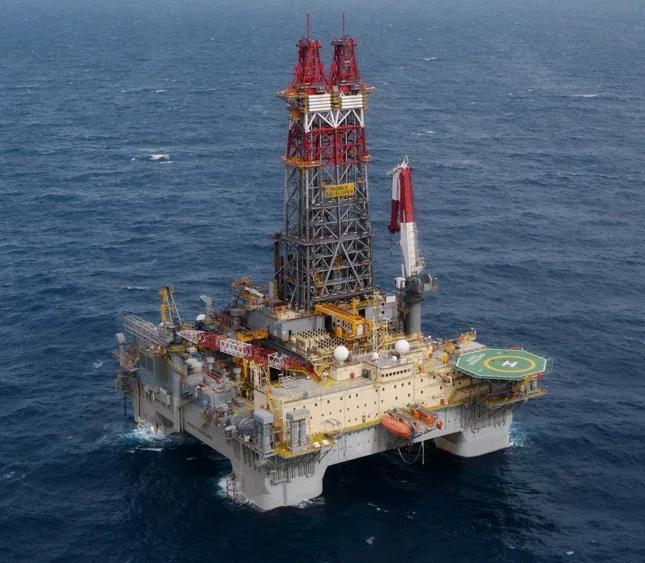
Noble, an offshore drilling contractor, has secured new contracts for nine rigs, contributing approximately $1.3bn to its backlog.
These include a significant three-year agreement for the Noble GreatWhite semisubmersible, enhancing the company’s operations in Norway’s harsh environment floater market.
The Noble GreatWhite will undertake a threeyear contract with Aker BP for offshore operations in Norway, starting in the second quarter of 2027 (Q2 2027). The contract,
valued at around $473m (Nkr4.63bn), includes a mobilisation fee but excludes integrated services and bonuses. The company plans to invest approximately $160m in capital expenditure for reactivation and preparation activities for this campaign.
Additionally, the Noble Gerry de Souza drillship has received a two-year drilling contract from Esso Exploration and Production Nigeria, with the option for three extensions. Operations are expected to start in mid-2026, pending regulatory approvals, and will add an estimated $292m to the backlog through the
PIDWAL joint venture. The rig will undergo upgrades for managed pressure drilling ahead of the project.
Furthermore, ExxonMobil has allocated two additional rig years under a commercial enabling agreement in Guyana, featuring four drill-ships: the Noble Sam Croft, Noble Don Taylor, Noble Tom Madden and Noble Bob Douglas, extending their contracts through February 2029. The Noble BlackRhino has secured a contract for a workover well with Beacon Offshore Energy in the US Gulf, set to begin in March 2026, with an estimated duration of 50 days and an option for an additional well.
The Noble Endeavor has been awarded an 11well contract with an undisclosed operator in South America, expected to start in late 2026 at a day rate of $300,000, plus mobilisation and demobilisation fees, with potential performance incentives.
Additionally, the Noble Developer has secured a three-well contract with bp in Trinidad, scheduled to commence in Q1 2027 at a day rate of $375,000, with options for up to three additional wells. The previously announced three-year contract with TotalEnergies in Suriname has been reassigned to the Noble Discoverer.
Overall, these contract awards are projected to require approximately $50m in contract preparation capital expenditure in 2026, in addition to the investments planned for the Noble GreatWhite programme.
Noble president and CEO Robert Eifler said: “These important backlog additions indicate a strong and broad-based demand for deepwater drilling on a multi-year basis.
“Additionally, the redeployment of four currently idle deep-water rigs should drive a meaningful utilisation improvement across our fleet, with 92% of our 24 marketed floaters now contracted, compared to 75% in our prior fleet status report.”
McDermott has been awarded a major* contract by ADNOC for engineering, procurement, construction and installation (EPCI) services for the Nasr-115 Expansion Project, located approximately 130 kilometers (81 miles) northwest of Abu Dhabi in the United Arab Emirates (UAE).
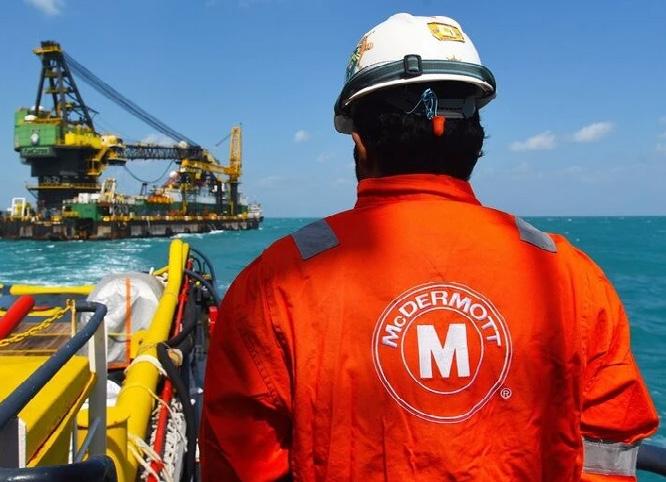
The Nasr-115 Expansion Project is a critical component of the overall Nasr Phase II Full Field Development project expected to increase oil production capacity to 115,000 barrels per day (bpd) by 2027. Under the contract scope, McDermott will provide comprehensive EPCI services for two topside structures, one new manifold tower, one jacket, one bridge and all associated pipelines, cables and brownfield modifications.
“McDermott shares ADNOC’s commitment to increase offshore production capacity and will do its part with safe, efficient delivery of the Nasr-115 Expansion Project to the highest quality standards,” said /B>Mike Sutherland, McDermott’s Senior Vice President, Offshore Middle East. “Our decades-long track record of delivering innovative, comprehensive solutions across complex offshore developments supports ADNOC’s vision for sustainable energy growth and to meet its capacity goals as part of the P5 project.”
“This award underscores McDermott’s position as a trusted partner in executing large-scale energy infrastructure projects in the region. We are proud to further support development of the UAE’s energy sector in a safe and sustainable manner,” added Angela De Vincentis, McDermott’s Vice President of Operations, Offshore Middle East.
*McDermott defines a major contract as between USD $750 million and USD $1000 million.
UK engineering group Wood has landed a two-year contract extension worth up to $65m (AUD 100m) with Woodside to continue delivering brownfield engineering, procurement, and construction management services across offshore assets at the North West Shelf project in Western Australia.
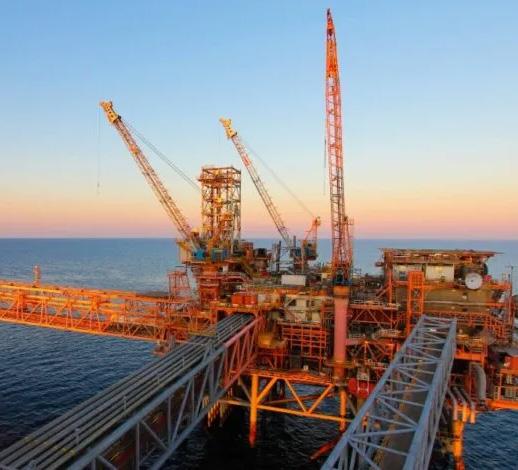
The NWS Project is one of the world’s largest and most mature LNG developments and has safely supplied affordable and reliable energy to Western Australia and global customers for decades.
Under the contract extension, Wood will deliver asset modifications designed to boost production, reliability and longevity across Woodside’s NWS offshore facilities, including the North Rankin Complex, the Goodwyn A platform, and the Okha FPSO.
This contract is delivered by a team of 140 Wood employees based in Perth, supported by the company’s global engineering network.
“This extension reflects the strength of our 35-year relationship with Woodside and the trust built through consistent performance and a shared drive for excellence. Since first securing this contract in 2013, our teams have developed deep knowledge of each asset and Woodside’s operational priorities,” said John Mtanios, president of Asia Pacific operations at Wood.
Seadrill secures new rig contracts in Malaysia, Norway, Brazil
The West Capella drill-ship will commence operations with an undisclosed operator in Q2 2026 under a new contract in Malaysia.

Seadrill has secured new contracts for its West Capella, West Elara and West Carina rigs across Malaysia, Norway and Brazil.
In Malaysia, West Capella is set to begin operations under a contract with an undisclosed operator, starting in the second quarter of 2026 (Q2 2026).
The well-based programme is designed to last around 440 days and includes priced options for three additional wells, with the total contract valued at around $157m.
This figure includes a $5m mobilisation fee but excludes potential extra services.
The West Capella is a sixth-generation ultradeep-water drill-ship that has operated in South East Asia and West Africa.
Built by Samsung in 2008, it is designed to the Samsung 10,000 specification, registered under Panama with ABS classification and accommodates 180 personnel.
In Norway, the West Elara has won an accommodation contract from Equinor on the Norwegian Continental Shelf (NCS). The contract will commence in Q3 2026 and conclude in Q4 2027.
The agreement is valued at $78m and comes with three priced options, each with a duration of three months.
Before securing this contract, Seadrill negotiated an agreement with the current contract holder to make the rig available, resulting in a $23m increase in total contract value.
The West Elara is an independent leg cantilever jack-up rig designed for offline activities, with prior operations in the Norwegian sector.
Constructed in 2011 at Singapore’s Jurong Shipyard, it features the Gusto MSC CJ70-X150 model. The vessel is registered under the Norwegian flag and classified by DNV.
The rig can accommodate 120 personnel, supports an S92 helicopter and operates in water depths up to 492ft, with a drilling capacity of 35,000ft.

As the world’s oil and gas basins mature, work is under way to permanently plug and abandon wells safely and cleanly, including in the North Sea.
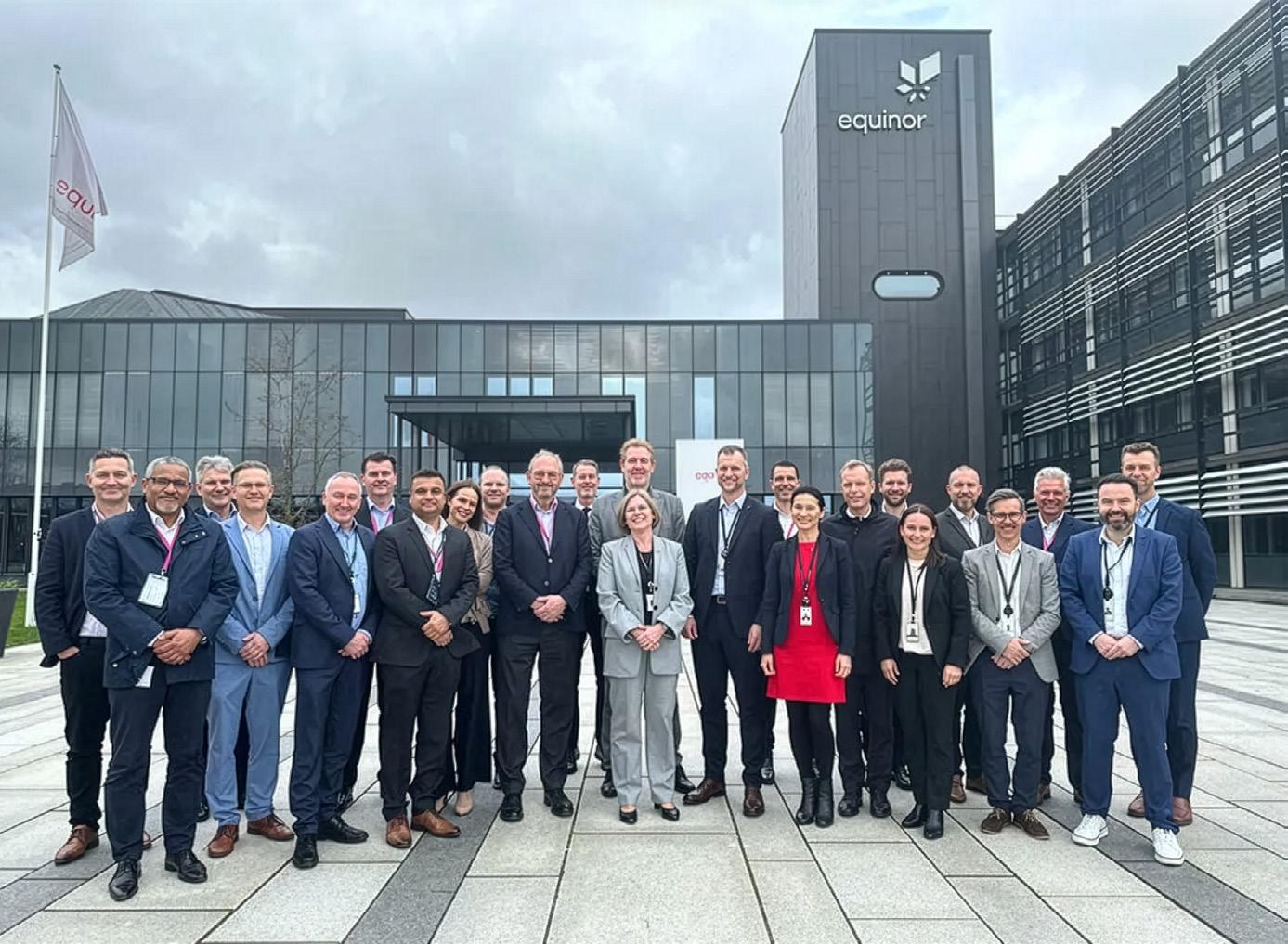
Two key elements are driving the global wave of oil and gas plug and abandonment (P&A) projects: the fact that many fields and basins are at or near the end of their recoverable reserves and the progression of the energy transition.
“It’s getting harder and harder to extract the remaining resources from mature basins,” says Ashish Goel, who has been with Baker Hughes for more than 20 years. He is now Vice President of drilling services and former managing director of the North Sea Geozone. “Our Mature Assets Solutions program is bringing new technologies and methods to help with that. Operators carry a huge liability on their books with wells that are close to retirement. They need to be able to permanently, safely and in an environmentally friendly way plug and abandon wells that are no longer economically viable.”
In the North Sea, home to some of the world’s most mature basins, offshore P&A programs are an enormous undertaking for operators, who must decommission platforms, rigs and subsea structures as well as permanently
plug the wells. Geopolitical issues have meant that mature basins have continued to be an important part of global production, but that is also winding up.
“The time has come and in essence, the P&A wave is starting in the North Sea,” says Goel.
Baker Hughes launched its Mature Assets Solutions program in 2024 to help customers maximize the operational efficiency of older fields and to bring the technologies and expertise to safely retire them permanently.
Of course, offshore P&A is a vastly more complex process than onshore. That’s one of the reasons that in March 2025 Norway’s majority state-owned energy company Equinor awarded Baker Hughes a multiyear framework agreement. The energy technology company will provide integrated P&A services in the North Sea, where the anticipated P&A boom is already beginning.
“Equinor has been looking at their entire portfolio, which has a significant number of mature assets on the Norwegian continental shelf,” says Tom Huuse, managing director, Baker Hughes Norway and enterprise growth leader for Northern Europe.
“Equinor is of course also very focused on energy security, and they need to keep today’s production levels until 2035,” explains Huuse. “To do that, they need to drill new production wells and doing that in parallel with such a big P&A program is of course challenging, hence they are looking for more vendor-led solutions in the P&A space.’’
This led to Equinor’s decision to engage Baker Hughes to help them industrialize P&A operations to drive efficiencies. End-to-end integration will see Baker Hughes work closely with Equinor to identify the most efficient P&A path for each asset. Baker Hughes will do the planning in consultation with Equinor before moving into the physical P&A execution.
“Before this framework agreement, Equinor would do the planning and subsurface studies before engaging us as a service provider for our particular expertise and solutions,” says Huuse.
Engaging the Baker Hughes Mature Assets Solutions team to provide project management services on behalf of Equinor aims to unlock a new level of efficiency.
“By being involved from the beginning, we will be working with Equinor and also the rig and platform drilling providers to set up a one team approach for P&A,” says Knut Inge Dahlberg, European & Caspian sales director for mature assets and integrated solutions.
This collaboration frees up the Equinor team’s time while ensuring they have complete visibility of the P&A planning.
“Equinor is the operator and will review and sign off on the programs and cost estimates, so they will be part of our team,” explains Dahlberg. “Once we move to execution, as usual the operator is less involved, and we work with the rig or platform drilling companies. The advantage is we have been able to offer our advice on the best well abandonment solutions from the beginning, rather than when the plan has already been made.”
“Being involved in the P&A planning from the start means we can figure out where technology best fits and it will also inform our tech R&D,” adds Goel.

Dozens of offshore steel platforms as tall as skyscrapers are no longer pumping fossil fuels from the seabed. What should happen to them?
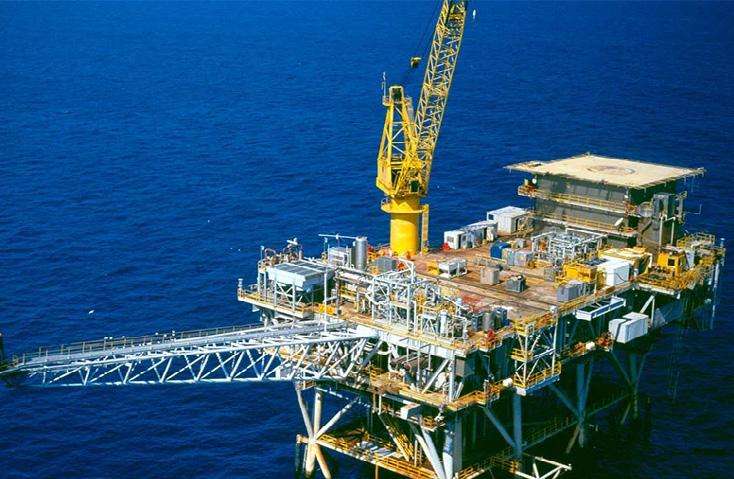
The helicopter takes off at 10am, banking over a patchwork of paddocks and coastal lagoons. Battering through headwinds, it crosses into Bass Strait and rumbles out over the ocean.
The passengers in hi-vis and denim look out at the grey-blue expanse or sit with their eyes closed, swaying with the rhythm of the airframe. No one talks for half an hour – it would be too loud to hear them over the rotor noise anyway – until the tiny silhouettes of their destinations break the horizon.
For most of this ExxonMobil crew, today marks the start of another two-week rotation on Marlin, a hulking steel island 42 kilometres off the Victorian coast, where oil and natural gas are extracted from reservoirs deep beneath the seafloor.
But the first drop-off point, for a smaller cohort of workers, is at a different kind of platform: one that’s soon to be flushed out, ripped from the water forever, and hauled to shore to be dismantled.
The wheels touch down on its helideck and the door opens to a blast of salt-heavy air. A stairwell with metal treads leads down to a heated room below. “Welcome to Cobia,” says a worker inside.
Cobia is one of the 19 huge steel outposts, many as tall as skyscrapers, that are scattered across the Bass Strait’s Gippsland Basin between Victoria and Tasmania. Owned by American oil giant ExxonMobil in a joint venture with Woodside Energy, these platforms – each named after a species of fish – have been hidden engines of the economy since the 1960s, pumping out fossil fuels to turn into the petrol, diesel and gas that have powered our vehicles, homes, electric grids and factories. It’s estimated they have supplied roughly half of the crude oil ever produced in Australia and met 40 per cent of all gas demand in the nation’s eastern states.
But after more than half a century, just six of these facilities remain active. Cobia and a dozen others have reached the end of their productive lives as their wells have petered out, while higher costs have discouraged further drilling, leaving their owners to deal with the complex, multibillion-dollar problem of what to do with the massive amount of old infrastructure still sitting in the ocean.
It has also ignited a complicated debate that Australian governments and regulators are starting to grapple with for the first time on such an enormous scale: should these companies be made to take everything they built here away and leave the seabed as they found it? Or should they be permitted, in some instances, to leave parts of their structures behind if they can convincingly show it will be better for the marine environment and ecosystems that have developed around their massive underwater pylons?
With 13 non-producing platforms, four subsea facilities, and hundreds of kilometres of pipelines and umbilicals all requiring removal by ExxonMobil here over the next few years, the clean-up job, known as decommissioning, will be the biggest ever conducted in Australia and the largest undertaking of its kind that the company has attempted anywhere in its far-flung global operations.
Conservationists like Fern Cadman from The Wilderness Society are paying close attention. The environmental precedents this campaign threatens to set, she says, could be significant. Over the coming 25 years, the Centre of Decommissioning Australia, an industry-backed research body, estimates 5.7 million tonnes of material must be removed from offshore oil and gas facilities in Western Australia, Victoria and the Northern Territory; the equivalent of 110 Sydney Harbour Bridges. The total decommissioning bill for offshore producers could exceed $US40.5 billion ($60 billion).
“What ExxonMobil and Woodside do, or don’t do, has implications for the future of oil and gas cleanup right around Australia,” Cadman says. Of most concern is their bid for permission to cut off their obsolete platforms to a depth of 55 metres below the waterline, leaving the lower portions in place for marine life, she says. “We are concerned about the radioactive material, heavy metals, plastics and other contaminants found in much oil and gas infrastructure that could end up in the marine environment and the food chain if it’s not taken out of the ocean,” she says.
The maritime union also wants to see national rules mandating full removal, as well as the development of purpose-built facilities to handle the contaminated structures and restrictions stopping operators from shipping material overseas for dismantling and recycling instead of keeping the work for local employees. “Let’s get the job done right, and done here,” Maritime Union of Australia assistant secretary Thomas Mayo says.
So far in Bass Strait, more than $3 billion has been spent on sealing about 200 disused oil and gas wells. This process is known as “plugging and abandoning”, explains Richard Perry, ExxonMobil Australia’s manager of decommissioning, and it requires the use of specialised equipment to install cement plugs to secure each of the wells from the underground reservoir.






Scottish Energy Futures Con
V 10-12 March 2026
, Aberdeen, UK
EXA / CECE



V 10-12 March 2026
, Perth, Australia
Egypes
V 30 March - 1 April 2026
, Cairo, Egypt
OTC
V 4 - 7 May 2026
, Houston, Texas
Oman Petroleum + Energy
V 18 - 20 May 2026
, Oman




In the world of corporate travel, where precision, trust, and reliability are essential, ATPI proves time and again that the strongest partnerships are built on understanding, commitment, and care.
This Valentine’s season, it’s only fitting to celebrate ATPI as a true match made in heaven - where exceptional service meets enduring customer relationships designed to stand the test of time.
At the heart of ATPI’s success is a clear belief that travel management is about far more than moving people from A to B; it’s about building meaningful partnerships. Like any lasting relationship, ATPI’s approach begins with listening. By taking the time to understand each client’s unique needs, challenges, and ambitions, ATPI delivers tailored solutions that feel less like transactions and more like collaborations. This customer-first mindset ensures every journey is supported by insight, empathy, and expertise.
ATPI’s service offering is thoughtfully designed to nurture these partnerships at every stage. From strategic travel management and supplier negotiations to seamless booking experiences and 24/7 global support, ATPI delivers consistency and reassurance when it matters most. Clients can rely on ATPI in both calm conditions and critical moments alike, confident that they have a partner who is proactive, responsive, and always prepared to go the extra mile.
A key part of this trusted relationship is ATPI’s perfect pairing of technology and expert teams. Clients are empowered with the insight, support, and tools they need to find the best travel solutions for their unique requirements. Digital platforms such as CrewHub and CrewLink provide visibility, efficiency, and data-driven insights, enabling informed decision-making across travel programmes. Yet technology never replaces the personal connection. ATPI’s dedicated account teams, consultants, and specialists remain central to the experience, offering expert guidance, proactive communication, and genuine care. It’s this balance, between smart solutions and warm service, that turns satisfied clients into longterm partners.
Duty of care is another cornerstone of ATPI’s service, reflecting a commitment that extends far beyond logistics. In an unpredictable travel landscape, ATPI places traveller wellbeing at the heart of every journey, supported by robust risk management, real-time tracking,


and rapid-response capabilities. This constant focus on safety builds confidence and trust, strengthening the bond between ATPI and its clients. After all, true partnership means looking out for one another, no matter the circumstances.
By seamlessly integrating advanced technology with a comprehensive duty of care strategy, ATPI enables organisations to proactively identify, manage, and mitigate travel risks. Employees remain safe, connected, and supported wherever they are in the world. Backed by expert teams available when it matters most, travellers benefit from a reliable safety net - free to focus on their work, secure in the knowledge that they are always in trusted hands.
Sustainability and responsibility also play an increasingly important part of ATPI’s client relationships. Grounded in the belief that travel remains essential but must be made more responsible, ATPI works closely with organisations to review travel behaviours and identify opportunities for improvement. Through ATPI Halo, its sustainability-focused travel suite, clients can accurately measure CO₂e emissions, access real-time carbon reporting, set customised carbon budgets, and plan meaningful reductions, with options to compensate for unavoidable emissions. This data-led, forward-thinking approach aligns travel programmes with environmental and social goals, reinforcing shared values and strengthening long-term partnerships.
What truly sets ATPI apart, however, is its people. Passionate, knowledgeable, and deeply invested in their clients’ success, ATPI’s teams bring heart to everything they do. They celebrate milestones, navigate challenges, and adapt as client needs evolve, transforming service delivery into something more meaningful - a partnership built on mutual respect and shared goals.
This Valentine’s Day, ATPI stands as a reminder that the strongest partnerships are those grounded in trust, understanding, and dedication. By combining comprehensive service offerings with genuine customer relationships, ATPI creates connections that are reliable, resilient, and truly rewarding.


Introducing ATPI CrewHub, ATPI’s proprietary booking platform that reimagines travel for large groups.
Drive down costs and speed up the booking process at the click of a button.
Scan me!