









Welcome to the final edition of ‘OGV Energy Magazine’ for 2026 where this month we are exploring the theme of ‘Marine, Lifting and Logistics’ as well as looking back on some of the highlights of this year.
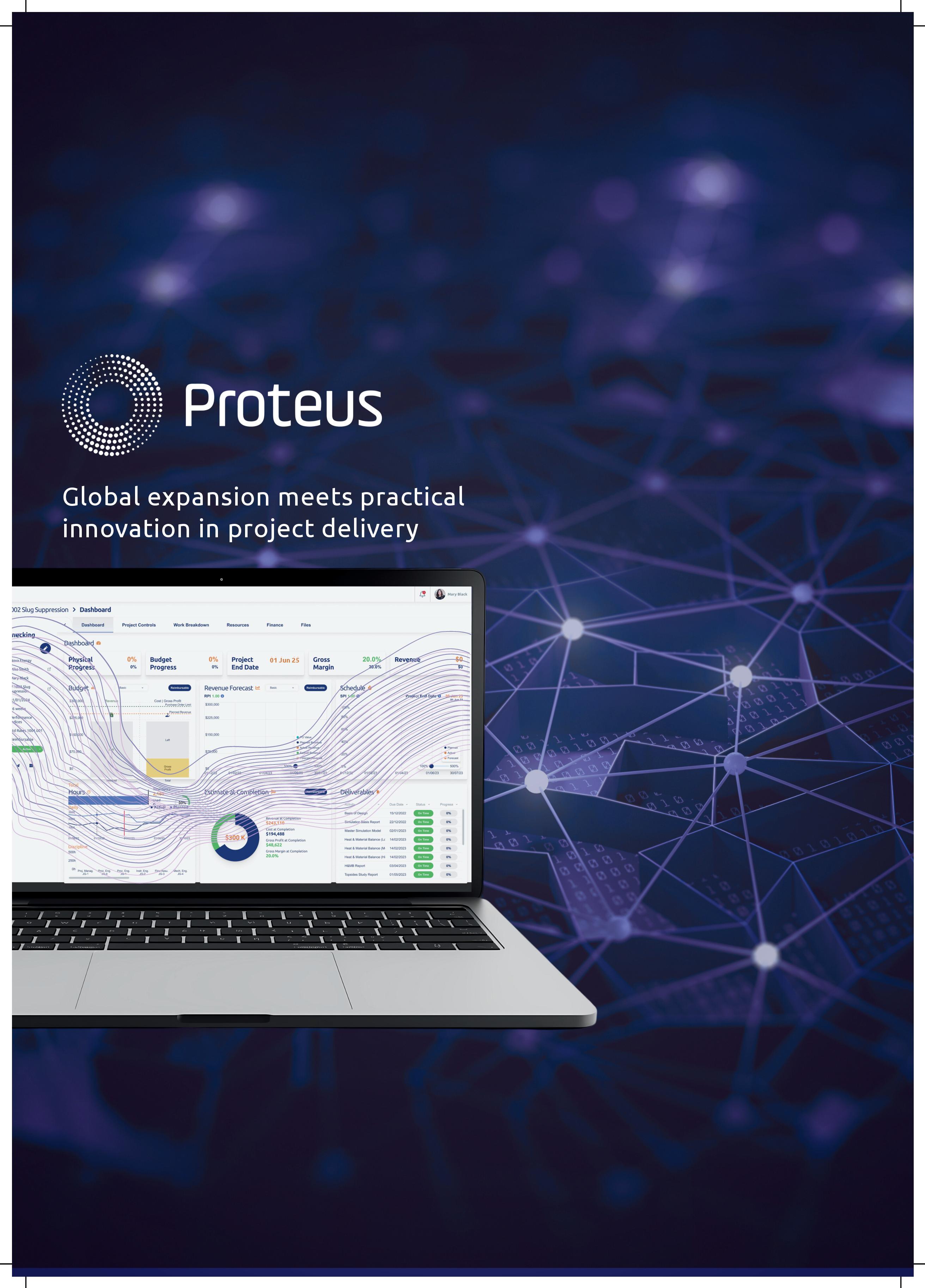
A big thank you to our front cover partner Proteus this month and you can read all about how they are driving AI powered project delivery and global expansion on pages 4 and 5.
We are also delighted to welcome contributions from Drager, Three60 Energy, Tess Oil and Gas, Cottrill & Co, PD&MS and Elementz
The rest of this month’s magazine as always provides you with a review of the Energy sector in the North Sea, Europe, Norway, Middle East, US and Australia, along with industry analysis and project updates.
Thanks as always to our corporate partners the Energy Industries Council, Leyton, InfinityPartnerships, Elemental Energies and Archer - the Well company, Three60 Energy, Brimmond, Dräger, Rotech Subsea, Stats-Group, Cegal, GDi, PTS Services, Tess, Intervention Rentals, Vulcan Completion Products, Viper Innovations, J&S Subsea, Wellpro and Scotsbridge.
Warm regards Dan Hyland, Director


by Colin Manson, CEO, Proteus.

The one good thing about having a certain number of years under your belt is that you know how things used to be (my rose-tinted specs say simple) and you can see how different the world is now (pretty complex). And you learn to tell the difference between a genuine shift and just another trend. Today’s engineering project landscape doesn’t just demand geographical reach. You need to actually work across time zones, manage teams scattered everywhere, win new clients quickly and keep delivery standards consistent. As engineering, energy and infrastructure companies grow through acquisition and push into new territories, the pressure to do more with less keeps intensifying. We designed Proteus to help organisations meet those challenges and scale intelligently. You can see that mission playing out in our recent expansion across Asia Pacific, backed by new leadership, new clients and a growing network of partners.

Denis Marshment Vice President for Asia Pacific

Denis is leading business development and client engagement across the region, working with organisations that need a platform capable of handling large frameworks, multi-disciplinary teams and increasingly distributed workforces. His years at Aurecon gave him real insight into how Proteus simplifies project setup, resource management and financial performance tracking. Now he’s helping other organisations go through similar transformations and speed up adoption across markets, seeing massive infrastructure and energy investment.
We’ve invested heavily in capabilities that support global teams, and Asia Pacific has become a real focus because teams there are after project delivery tools that improve control, accuracy and transparency. Part of that investment was bringing Denis
Marshment on board as Vice President for Asia Pacific. Denis spent his career managing projects on the client side, most recently as a senior leader at Aurecon, where he was actually a long-standing Proteus client. He gets what complex engineering organisations expect because he’s lived it. His move to us reflects something bigger happening in the market: technology isn’t a peripheral tool for project-based businesses anymore. It’s central to how they grow and compete.
We’ve already gained solid traction in the region. Our work with Aurecon showed how a large, multidisciplinary consultancy could standardise the way it developed bids, allocated resources and monitored delivery. That experience shaped our product direction and gave us practical benchmarks for new clients. It proved that a single platform, used properly, can streamline project delivery at scale.
We’re seeing the same pattern with other clients. Xodus relies on Proteus for clarity around resourcing and pipeline management as they expand globally. Genesis uses it to

support teams to align on project forecasts and performance metrics in ways that were genuinely difficult before across international offices. More recently, Penspen, Aquaterra and Venterra have come on board to improve efficiency and control. These global clients span energy, engineering and consultancy, but they all need the same thing: a single view of work, talent and performance that lets them operate across borders without losing visibility
If you read nothing else about AI this year, remember this (and yes, we know it’s almost impossible to avoid the noise): AI only works if the foundations are solid. Good data, consistent structure, clear processes are what makes AI useful. Without them, it can’t improve project delivery, no matter how impressive the marketing sounds.
There’s plenty of AI hype in the market, so we’ve deliberately kept our approach straightforward. We focus on problems that genuinely slow teams down and use AI
where it actually makes a difference. Proteus reduces repetitive tasks, improves forecast accuracy and strengthens the link between commercial planning and delivery. When AI can take manual weight off teams, we build it into the workflow. Simple as that.
Our goal isn’t to automate judgment. Instead, we want to give project managers clearer insights, help them estimate costs confidently, anticipate resourcing needs earlier, and spot risks before they become problems.
This practical approach comes from longterm relationships and lessons learned on real projects. Clients like Aurecon, Xodus and Genesis have helped us refine workflows that reflect how teams actually operate, not how software companies think they should. The result? Faster bid turnarounds, standardised project setup, better earned value visibility. For companies in growth mode, this matters. When you’re entering new regions or expanding service lines, inconsistent processes make it nearly impossible to measure performance properly. Proteus gives you a foundation that grows with the business.
The demand for better integration between commercial planning and operational delivery is particularly strong in Asia Pacific. Many organisations there are navigating significant transition with energy projects accelerating, infrastructure investment rising, talent more mobile than ever. Companies need to balance local decision-making with global oversight while operating with greater financial accuracy to protect margins. Proteus addresses these pressures by giving leaders confidence that their teams are aligned and working from one source of truth, regardless of location.

A key part of our APAC strategy has been developing a strong partner ecosystem. We recently formed a close partnership with Red to Green, led by Bronson Fernandez. They specialise in digital transformation and workflow optimisation for engineering and energy companies, playing a crucial role in supporting clients who want rapid adoption with regional expertise. By combining platform knowledge with local insight, the partnership helps organisations embed best practice as they scale. This is especially valuable in countries where project delivery culture and regulatory expectations vary significantly. Faster adoption means clients see results quickly.
Our ability to support global growth is already showing up in how clients use us to move into new markets. We’ve noticed a bit of a niche with companies following the buy-and-build model. They grow fast through acquisition, and usually there’s no joined-up digital strategy. You end up with hundreds of small teams all working differently on separate systems. What we do is work with those teams to put a solution in place that gives a single view of resources and project performance across the business. For clients in energy and similar sectors, this has been a gamechanger. It shows that if you get the digital foundations right, scaling globally doesn’t mean losing visibility or control. Teams can grow and move fast without everything turning into chaos.
Looking ahead, we’re focused on continuing to support global organisations that need clarity, simplicity and confidence in their project delivery. APAC will remain a priority as organisations there keep investing in digital transformation. With Denis leading regional growth and partners like Red to Green backing us up, we’re building the capability, presence and expertise to meet that demand.
Our direction is guided by one belief: global expansion shouldn’t require complexity. With the right technology and partnerships in place, organisations can scale with confidence and deliver better outcomes for their clients. Proteus is committed to helping them do exactly that by providing a tool that supports growth in a practical, reliable, futureready way.
As the tagline says, Proteus makes work simplified.















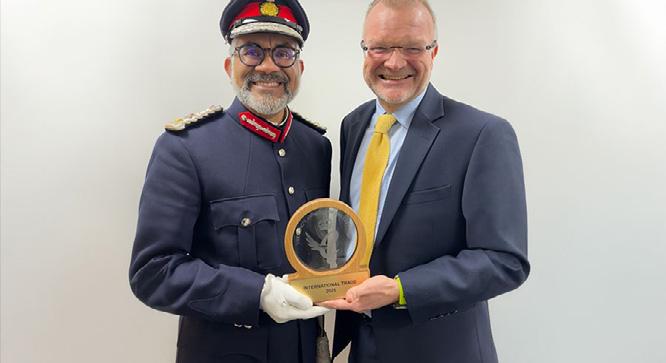
Royal Seal of Excellence: Viper Innovations Officially Presented with the King’s Award
Viper Innovations has marked another proud milestone with the official presentation of the King’s Award for Enterprise in International Trade. First announced in May 2025, the award recognises the company’s achievements in delivering innovative electrical integrity solutions to critical industries around the world.
Exporting has been central to Viper’s growth, driving its plans for global expansion and diversification. Over the past decade, the company has built a strong international presence, with exports now making up around 40 percent of its business and international revenue continuing to rise year on year. This progress is set to continue, supported by recurring revenues, proven technologies and the launch of new products.
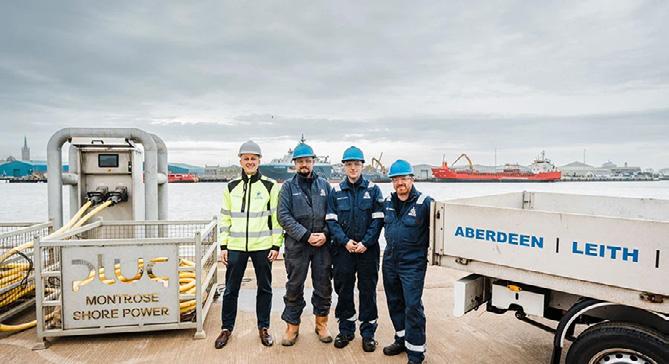
Dales Marine Services Expands into New Facility in Montrose Port
UK dry dock specialist signs lease agreement to enter Montrose Port
Dales Marine Services, a specialist in dry dock and ship repair, fabrication and conversion, has expanded its footprint in Scotland by signing a lease agreement for a new operations space in Montrose Port.
Located on the north side of the port, the new 2,500sq ft facility will allow Dales Marine to deliver a range of services for ships docked at the strategic North Sea location.
Montrose Port is one of the world’s largest chain and anchor ports and is a hub for Scottish offshore wind projects, acting as the operations and maintenance base for the Seagreen and Inch Cape wind farms.

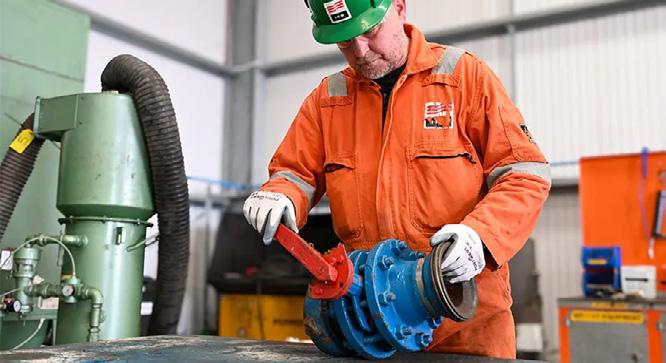
IKM Testing UK strengthens Valve Department following facility investment and team growth
Following recent investment in its valve facility, complete service provider to the energy industry IKM Testing UK is continuing to expand its Valve Department, strengthening both its technical capabilities and the next generation of valve specialists. At the centre of this growth is Gary Shaw, a respected industry figure with extensive experience in valve operations and testing. Having joined IKM in September 2024, Gary brings specialist expertise in In-Situ Pressure Safety Valve (PSV) testing, a method that allows set pressure verification of PSV valves while remaining live. The approach enables safe and efficient valve verification without removing the valve from service, reducing downtime and ensuring operational integrity.

Well Academy and ModuSpec celebrate training centre’s first anniversary
Global well control training specialist Well Academy has marked the first anniversary of its dedicated training centre in Westhill, Aberdeenshire, which it shares with sister company ModuSpec – experts in rig intake and inspection.
Since opening its doors in November 2024, the centre has hosted nearly 50 specialised training programmes, ranging from IWCF accredited well intervention pressure control courses to ModuSpec rig equipment training and technical masterclasses.
Delegate feedback has been overwhelmingly positive, with particular praise for classroom facilities, spacious breakout areas and the exceptional calibre of training delivered by industry experts.

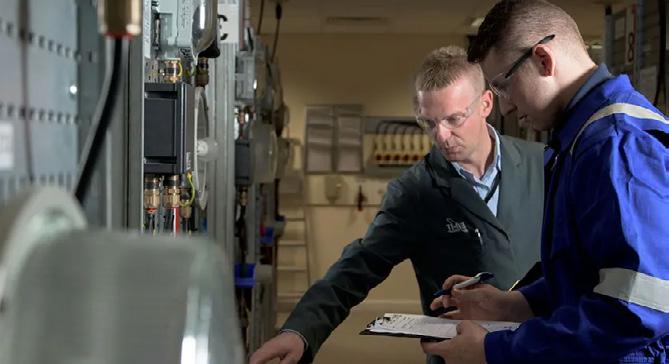
Celebrating 10 Years at EPIT Group’s Dedicated Training Centre
Ten years ago, EPIT Group made a strategic leap forward with the opening of its purpose-built training facility in Blackburn Business Park, near Aberdeen. At a time when the oil and gas industry was facing significant challenges, the decision to invest in a custom-designed centre reflected not just ambition, but a deep-rooted belief in the value of high-quality training and industry resilience. That belief proved well placed.
Over the past decade, the facility has become a trusted hub for technical training, skills assessment, and consultancy, serving thousands of engineers, technicians, and contractors from across the UK and international markets including the Middle East, Africa, and Europe.
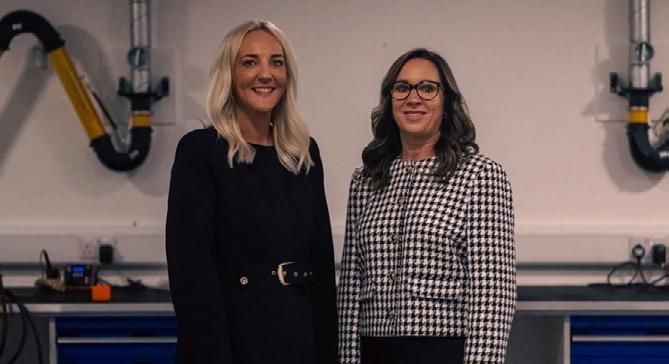
Subsea Supplies forms strategic partnership with DRIFT Offshore to strengthen subsea support for US market
Subsea Supplies has announced a strategic partnership with DRIFT Offshore to enhance subsea operations for its growing US customer base. This collaboration will provide customers across the region with faster access to Burton subsea connectors and cable assemblies, combined with DRIFT Offshore’s technical expertise from its base in Florida.
The partnership represents a joint $250,000 investment in machinery, tooling, stock and test equipment to support expanded operations. By providing local stock availability and faster response times, it will reduce downtime and enhance supply-chain reliability across the energy sector


IKM
IKM have over the years managed to combine strong growth with positive earnings. IKM have also succeeded in providing a safe work place for their employees and have become a reliable contractor for its customers.
The Orphie business of i2S is a specialist in the design of complex underwater imaging systems.
Our aim is to make underwater operations more efficient, more cost-effective and safer, thanks to our patented technology.

We save our customers time and money testing subsea assets. C-Kore can prove new installations, fault find existing ones or monitor assets in transit, all in a fraction of the time and without the manual processes of conventional testing. From factory floor to ocean floor and anywhere in-between C-Kore keeps you ahead of schedule, on budget and provides certainty in the state of your equipment.

www.film-ocean.com
Dron & Dickson are specialists in integrated supply, installation and maintenance of harsh & hazardous area electrical equipment. Our UK network of wholesale branches can supply quality brand-name electrical equipment from all the leading manufacturers supported by the highest level of customer service.
www.ikm.com www.drondickson.com
Destec On-Site Services provide specialist engineering solutions across the UK and internationally, supporting a broad spectrum of industries including chemical and petrochemical, offshore, power generation (renewable and nuclear), marine, steel, mining, rail, fabrication, and vessel manufacturing.
www.destec.co.uk

At WellSense, we’re on a mission to extend the life of oil and gas fields, maximize well performance, and ensure effective well abandonment through innovative, practical solutions.
Penspen’s global teams design, maintain, and optimise energy infrastructure to improve access to secure and sustainable energy for communities worldwide.
www.penspen.com

Deepsea Technologies, Inc. specializes in the development, engineering and manufacturing of standard and customized equipment for the following applications: subsea production systems, SURF, subsea intervention, offshore & onshore drilling, and others. DTI was established in 2001 and headquartered in Houston, TX operating under an ISO 9001:2015 certified Quality Management System.
www.c-kore.com www.deepsea-tech.com/


By Tsvetana Paraskova
McDonald, the Minister for Industry at the Department for Business and Trade, says.

The future of the UK tax regime for North Sea operators, the importance of job preservation and creation, and insights into wells and workforce featured as main themes in the UK North Sea oil and gas industry in the past weeks.
More than 100 UK energy supply chain companies called on the government to reform the Energy Profits Levy (EPL), warning that without a permanent replacement for the tax the nation risks losing thousands more jobs, billions in investment, and critical supply chain capability essential for the UK’s energy security and transition.
OEUK’s Supply Chain Champion, Steve Nicol – Executive President, Operations at Wood, has led a call from more than 110 companies to Government urging them to work with industry and implement a competitive, permanent tax regime from 2026, as outlined in the Treasury’s 2025 oil and gas price mechanism consultation.
“We are witnessing an accelerated decline in activity that is undermining the value of the sector and the supply chain capability we need for our energy future,” the open letter to Chris
“Job losses are occurring at an unacceptable scale, and there is an urgent need for supportive policy to unlock investment, drive economic growth, and safeguard the UK’s energy transition.”
An Offshore Energies UK (OEUK) survey has shown that more than half, 55 percent to be precise, of the UK’s offshore energy firms have reduced their staff headcount in the past year.
The outlook remains challenging, with nearly half, or 45 percent, of surveyed companies expecting to cut jobs further over the next 12 months if the current policy environment continues, according to the latest Offshore Energies UK (OEUK) Pulse Survey.
The survey also reveals a growing trend of companies shifting focus overseas, with one respondent stating: “We’re now actively looking to reduce exposure to the UK energy industry and move operations overseas, reducing UK economic activity and tax take (personal and PAYE).”
Survey participants repeatedly highlighted the EPL as a critical barrier to investment, with one company calling it “the biggest problem we face as an organisation.”
“It’s not just offshore energy firms, our industrial heartlands and their skilled people that need this tax to change – it’s the whole economy,” said Katy Heidenreich, OEUK’s director of supply chain and people.
OEUK also supported the joint letter to the Treasury sent by the British Chambers of Commerce, Aberdeen & Grampian Chamber of Commerce, and the Scottish Chambers of Commerce. The letter emphasises a predictable fiscal regime would send a powerful signal that the UK is once again open for energy investment – unlocking growth, supporting thousands of high-value jobs, and securing billions in future tax revenues, the chambers said.
“If we allow the decline of North Sea oil and gas to continue unchecked while failing to accelerate renewables, we risk creating a widening gap in jobs, investment and expertise – one that will be felt in communities and industries across the UK,” OEUK Communications Director Natalie Coupar said.
“This isn’t about choosing between energy sources. It’s about securing our energy future by strengthening both oil and gas and renewables.”
The UK Government should avoid accelerating the decline of North Sea oil and gas production through policies, the UK Parliament’s Scottish Affairs Committee said in a report at the end of October.
The committee’s report on the future of Scotland’s oil and gas industry is the conclusion of the first part of its inquiry into GB Energy and the net zero transition.
“The North Sea oil and gas industry has been a vital part of the UK’s and Scotland’s economies but is now at a critical junction as production declines and the UK’s clean energy transition ramps up,” the committee said.
“The report concludes that reforms to the temporary tax, initially introduced in 2022, should be implemented as soon as possible to create certainty for the industry.”
Patricia Ferguson, Chair of the Scottish Affairs Committee, said, “It’s vital that the government moves quickly to plug this employment gap, replace jobs being lost and ensure a smooth energy transition for workers and communities. Until this is tackled, the government should avoid making decisions that would further accelerate oil and gas production’s decline.”
OEUK’s 2025 Workforce Insight report revealed that the UK could add thousands of jobs, retain economic value, and lead the world in energy with the right policies, collaborative action, and a focus on an integrated energy workforce.
In 2024, about 154,000 people were employed across the UK’s offshore energy sector, including roles in oil and gas, offshore wind, carbon capture and storage (CCS), and emerging technologies.
“With the right policies and investment, the UK can achieve a net addition of jobs, growing the offshore energy workforce from 154,000 today to over 212,000 by 2030, with continued growth in oil and gas playing a central role,” OEUK’s Heidenreich said.
An annual report from the North Sea Transition Authority, Wells Insights, found that well interventions across the UKCS declined from 443 in 2023 to 425 in 2024, continuing a gradual downward trend.
Yet, the interventions that were carried out demonstrated strong results, delivering 37.5 million barrels of oil equivalent (boe) in 2024, equivalent to 34 days of average UK production, the NSTA said in the report. Efficiency also improved, as intervention costs fell from £11 per barrel in 2023 to £9.60 in 2024, while the average Brent crude price was £63.10 per boe, highlighting healthy profit margins for such activity, the regulator noted.
With the right policies and investment, the UK can achieve a net addition of jobs, growing the offshore energy workforce from 154,000 today to over 212,000 by 2030
operator to supply OCTG (Oil Country Tubular Goods) products, accessories, and integrated services for offshore operations in the UK North Sea. The multi-year, multi-million-pound agreement reinforces Vallourec’s role as a strategic partner in one of the world’s most technically demanding and cost-sensitive offshore environments,the company said.
Serica Energy plc has reached an agreement with Finder Energy to buy a 40 percent interest in the P2530 Licence for an initial consideration of about £500,000, or some $650,000. The Licence is currently held by Finder Energy with a 60-percent operated interest and Dana Petroleum with a 40-percent stake. The Licence contains the Wagtail oil discovery and the low-risk Marsh and Bancroft exploration prospects.

But the NSTA also urged operators to collaborate with the supply chain and unlock cost-efficient production, and keep wells in good shape to sustain production and support suppliers.
There are opportunities to further enhance production by targeting existing fields, as 30 percent of the UKCS’s well stock was shut-in last year.
“While decommissioning will be the next step for many of those wells, a significant number could be reactivated. Without investment, they will be lost permanently, along with domestic reserves and resources,” the NSTA said.
Since early 2024, the NSTA has proactively engaged with eight leading operators to promote interventions and help them identify about 200 shut-in wells which could be reactivated.
“While it is encouraging that some wells have been brought back into production, it is important for all operators to take urgent action by bringing the supply chain into the fold early, putting useful data on the table and making firm commitments to invest in the health of their wells,” said Keith Hogg, NSTA Wells Manager.
The Regulators’ Pioneer Fund has awarded the NSTA a total of £107,000 for a project intended to make North Sea data easier to access. The funding will be split between two workstreams. One will create an enhanced Geospatial Data Viewer which is intended to help users by bringing together datasets from multiple government agencies in one place.
The second workstream will create an AI chatbot to assist users in navigating NSTA’s Open Data and National Data Repository portals, with potential future expansion to other platforms.
In company news, Vallourec has renewed its long-standing contract with a major North Sea
Serica, however, suffered a setback in its attempt to buy BP’s stake in the P111 and P2544 licences, as one of the licence partners, NEO NEXT, has decided to take up its rights of pre-emption.
“While this outcome is of course disappointing, it was always known to be a possibility,” Serica’s CEO Chris Cox stated.
“Serica continues to actively pursue further M&A opportunities, as well as progress our attractive organic growth options, with a goal of diversifying the Company’s portfolio of assets, increasing production, and creating value for shareholders.”
INEOS celebrated in early November 50 years of the Forties Pipeline System, a feat of British engineering that has safely delivered over 9.6 billion barrels of oil and gas. At the same time, INEOS, which earlier this year halted investments in the UK energy sector due to the tax policies, warned that Britain is squandering its energy independence.
Since acquiring the Forties system in 2017, INEOS has invested more than £500 million to modernise and extend its life well into the 2040s, securing one of the UK’s most critical pieces of national infrastructure.
However, INEOS warned that “Britain’s ruinous energy policies, including a 78% tax rate, overregulation and political hostility to oil and gas are deterring investment in the North Sea and undermining the nation’s hard-won energy independence.”
Andrew Gardner, CEO INEOS FPS said, “We should never underestimate the value of homegrown energy. North Sea oil and gas have created enormous prosperity for Britain, and they will remain essential long beyond 2050. Even as we transition to cleaner forms of energy, we will still need reliable domestic supply to power industry, transport, and homes.”


By Tsvetana Paraskova
The swap is in line with DNO’s strategy of high-grading its North Sea portfolio following the acquisition of Sval Energi AS in June 2025.
Drilling contracts and asset reshuffles offshore Norway and Greece, the new UK budget for the offshore wind auction, and renewable project updates featured in Europe’s energy industry in the past weeks.
The asset swap also strengthens Aker BP’s position in the Alvheim area and accelerates the development of the Kjøttkake discovery, Aker BP said. The agreements include Aker BP assuming operatorship of the Kjøttkake discovery in the development phase, enabling the company to leverage its fast-track development capabilities for efficient project execution.
Northern Ocean Ltd announced an extension of the contract for Deepsea Bollsta with Equinor for drilling on the huge Johan Sverdrup oilfield. In continuation of the initial 2 years firm term, the contract has now been extended by 5 months in order to complete an eight-well programme for the Johan Sverdrup Unit. The contract still includes five one-year options available for Equinor following the extension.
Offshore Greece, ExxonMobil, Energean, and Helleniq Energy have reached a farmin agreement under which Exxon will buy 60 percent in the Block 2 concession in the northwestern Ionian Sea, next to the Italian Exclusive Economic Zone (EEZ).
Energean will remain the operator of the concession during the exploration stage, but if the partners make a hydrocarbon discovery, ExxonMobil will assume operatorship during the development stage.
Block 2 is the most mature concession in Greece in terms of readiness for exploratory drilling, Energean said.
Norwegian oil and gas operator DNO ASA has streamlined its Norwegian Continental Shelf portfolio through a multi-asset swap with Aker BP ASA.
The transaction strengthens DNO’s portfolio by increasing its stake in the Verdande field in one of the company’s core areas, Norne in the Norwegian Sea, from 10.5 percent to 14 percent. Verdande is currently in advanced development and scheduled to start production later this year. In exchange, DNO will transfer its stake in the non-core Vilje field and interests in the Kveikje discovery and three exploration permits to Aker BP.
Vår Energi has awarded to Ocean Installer the project management, engineering, flexible pipelines and risers product supply contract for the Balder Next development. This contract is the first step in the Balder Next development, securing engineering for execution and long lead flexible products deliveries. If the Project FID (Final Investment Decision) is approved the remaining project scopes Ocean Installer is expected to be awarded will re-classify the full project to a major contract award for the company.
In the Danish North Sea, natural gas production at the revamped Tyra Field is ramping up, partner BlueNord said in a trading update.
The UK government has announced an £1.08 billion overall auction budget for offshore wind technologies for the Contracts for Difference (CfD) Allocation Round 7 (AR7), which industry says is insufficient for maximising the opportunities from available capacity.
“A record amount of capacity is eligible for AR7 and this fierce competition will ensure new capacity is secured at the best possible value to consumers, despite increasing global cost pressures,” Claire Mack, chief executive of Scottish Renewables, commented
A record amount of capacity is eligible for AR7 and this fierce competition will ensure new capacity is secured at the best possible value to consumers, despite increasing global cost pressures
The Tyra hub continued its ramp-up, averaging 18.9 mboepd, reaching the upper end of revised guidance of 17.0 – 19.0 mboepd. September marked the highest monthly output since restart at 22.0 mboepd, BlueNord said.
The budget “would significantly restrict that value from reaching consumers and communities. We urge careful consideration to ensure the final budget best delivers on our long-term national interests,” Mack added.
RenewableUK’s Executive Director of Policy and Engagement Ana Musat said,
“We have a record amount of offshore wind capacity eligible for this auction - more than 20 gigawatts - and the current budget would only procure about a quarter of that.”
“Given the amount of competition in this year’s auction, we expect to see competitively-priced bids, so the Government should adjust the budget to maximise procurement, which could attract up to £53 billion in private investment in the UK economy,” Musat added.
Giles Dickson, CEO of WindEurope, noted that “This budget risks severely restricting the growth of offshore wind in the UK…It would undermine the UK’s leadership on offshore wind. And impact negatively on the whole of the UK and European wind supply chain.”
The UK government’s Clean Energy Jobs Plan creates new opportunities for careers in renewables throughout the UK, RenewableUK said, commenting on the cabinet’s plan.
“This long-awaited plan delivers on employers’ calls for a coherent Government workforce strategy for clean energy and we look forward to working with Ministers to realise its ambitions,” said Jane Cooper, RenewableUK’s Deputy Chief Executive.
“We’re reaching out to other industries like oil and gas to attract workers into the clean energy sector, as they have valuable experience to offer,” Cooper added.
Separately, the offshore wind industry is offering funding worth up to £25 million to each UK-based company wanting to enter the offshore wind supply chain or to expand their existing facilities. The first ever round of the multi-million pound Industrial Growth Fund is being paid for by wind farm developers who are members of the Offshore Wind Industry Council (OWIC).
The grants will boost the volume of wind farm components being made in Britain, creating thousands of high-quality jobs throughout the country, RenewableUK said.
The UK’s carbon storage industry has reached an important milestone with the drilling of an appraisal well on the Hewett field in the Southern North Sea, for the Bacton CCS project, the North Sea Transition Authority (NSTA) said in October. This is the first carbon storage appraisal well to be drilled on acreage licensed by the NSTA as part of the world’s first large-scale carbon storage licensing round in 2023.
“The carbon storage industry has entered an exciting period of delivery, with two multibillionpound projects getting the go-ahead in the past year, unlocking thousands of supply chain jobs,” said Andy Brooks, NSTA Director of New Ventures.
“Long-held ambitions for this industry, which is essential to the UK’s energy transition, are rapidly becoming reality.”
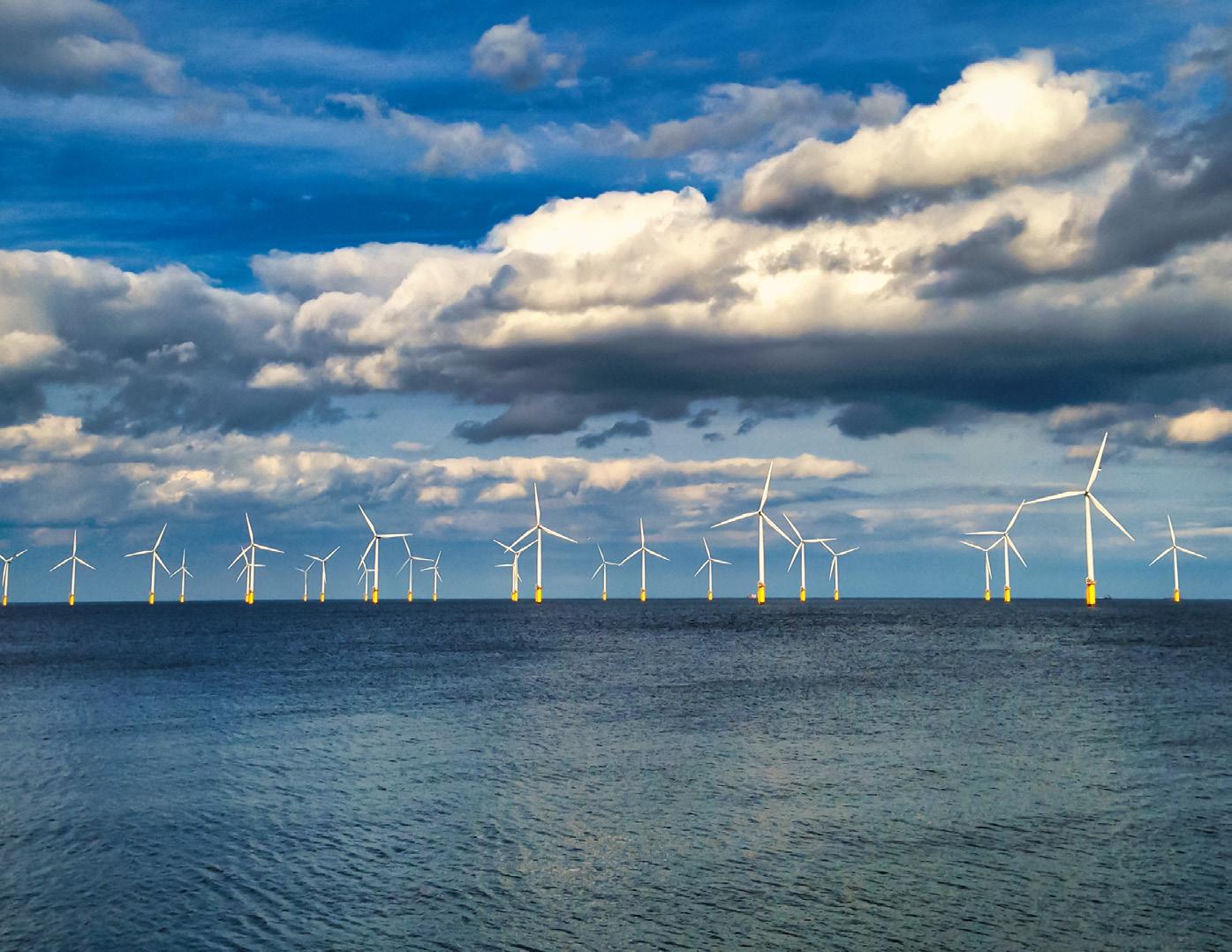
In company news, Ørsted has signed a deal with Apollo-managed funds to sell a 50-percent equity ownership share in the Hornsea 3 Offshore Wind Farm in the UK.
With a capacity of 2.9 gigawatts (GW), Hornsea 3 will produce enough electricity to power more than 3 million UK homes. The construction of the project is progressing according to schedule for onshore and offshore activities and component fabrication, Ørsted said in early November.
TotalEnergies has signed an agreement with European data centre firm Data4 to supply renewable electricity to Data4’s sites in Spain.
The contract will begin in January 2026 for 10 years and will represent a total volume of 610 GWh. TotalEnergies will supply Data4’s facilities with renewable electricity generated by Spanish wind and solar farms with a capacity equivalent to 30 MW, which are about to start production.
“Our ‘Clean Firm Power’ solutions are specifically designed to meet our clients’ requirements in terms of cost, consumption profile, and environmental commitment,” said Sophie Chevalier, Senior Vice President Flexible Power & Integration at TotalEnergies.
“These solutions are based on our integrated power portfolio, combining both renewable and flexible assets, and contribute to achieving our target of 12% profitability in the power sector.”
Germany’s RWE has completed the installation of the foundations for the 1.1GW Thor offshore wind farm in the Danish North Sea, which will be Denmark’s largest offshore wind farm. In September, the
final of 72 monopiles for the wind turbines was installed. RWE has now finalised the installation of the associated secondary steel structures - including boat landings, main access platforms, and internal cassettes.
The turbine installation works are scheduled to be carried out from the Port of Esbjerg in Denmark, starting in the spring of 2026. Thor will be the first offshore wind farm in the world to use 36 steel turbine towers that have been manufactured with a lower carbon footprint, RWE said. In addition, some of the turbines will be equipped with recyclable rotor blades.
When fully operational in 2027, Thor will be capable of producing enough green electricity to supply the equivalent of more than one million Danish households.
France-based green and renewable hydrogen producer Lhyfe has inaugurated its first commercial production site in Germany, in Schwäbisch Gmünd in the state of BadenWürttemberg. Lhyfe will distribute green hydrogen to a range of players from its first production site outside France.
On a one-hectare plot of land in Schwäbisch Gmünd, Lhyfe has installed a plant capable of producing up to 4 tonnes of renewable hydrogen per day, with an installed capacity of 10 MW. The hydrogen, produced via the electrolysis of water using renewable energy, will be used to decarbonise heavy-duty mobility and industry.
In heavy-duty transport, for instance, 4 tonnes of renewable hydrogen is enough to power 100 trucks for around 400 km per day, without emitting any CO2, the French company said.
By Tsvetana Paraskova

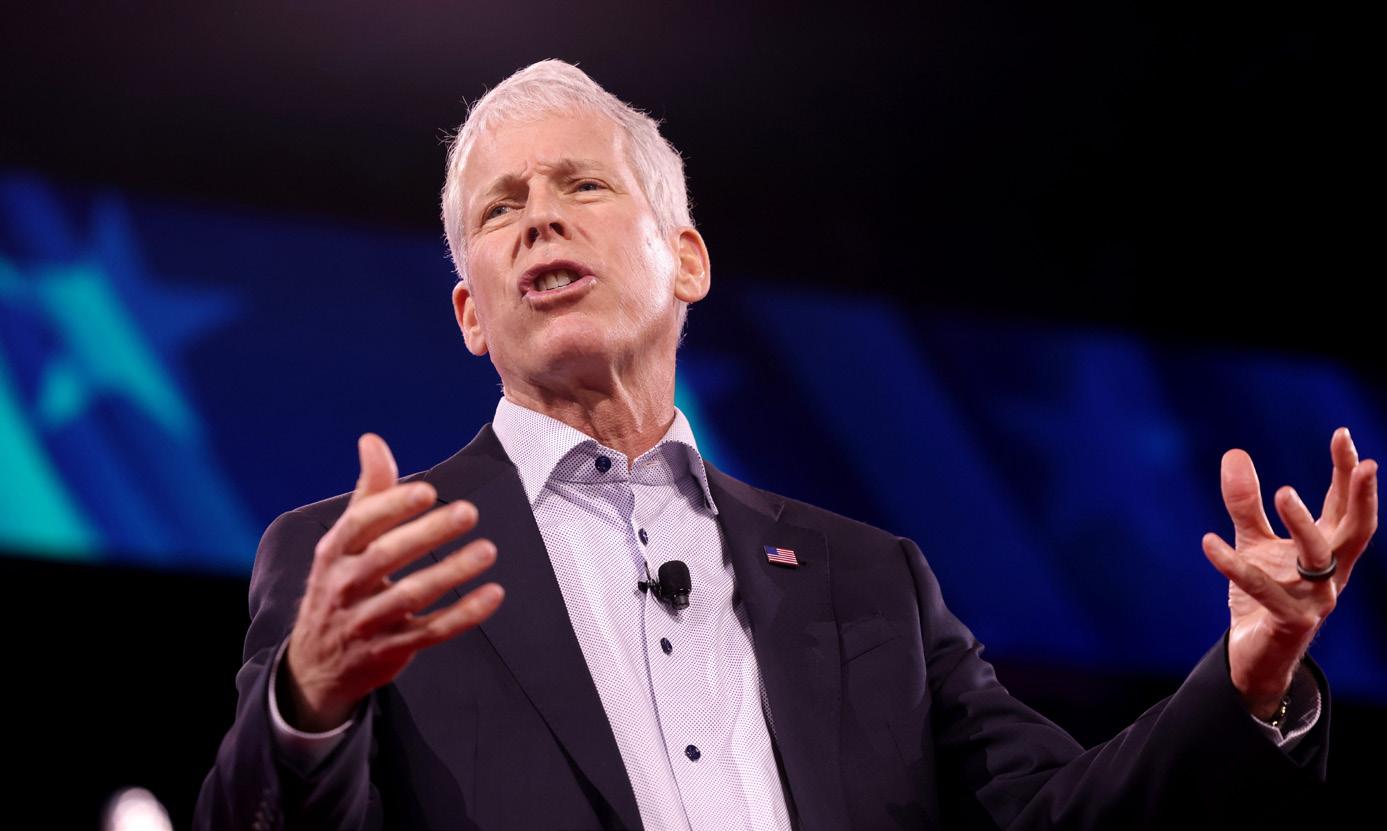
US oil production is hitting recordhigh levels while the Trump Administration moves to ease energy and power regulations and authorise new LNG export projects.
US Secretary of Energy Chris Wright has directed the Federal Energy Regulatory Commission (FERC) to initiate rulemaking procedures with a proposed rule to rapidly accelerate the interconnection of large loads, including data centres. This would position the United States to lead in AI innovation and in the revitalization of domestic manufacturing.
The proposed rule allows customers to file joint, co-located load and generation interconnection requests. It is also expected to significantly reduce study times and grid upgrade costs, while reducing the time needed for additional generation and power to come online.
Secretary Wright also directed FERC to initiate rulemaking procedures with a proposed rule to remove unnecessary burdens for preliminary hydroelectric power permits. Secretary Wright’s proposed rule clarifies that third parties do not have veto rights over the issuance of preliminary hydroelectric power permits.
“President Trump and Secretary Wright have been clear: The United States is experiencing an unprecedented surge in electricity demand and the United States’ ability to remain at the forefront of technological innovation depends on an affordable, reliable, and secure supply of energy,” the US Department of Energy said.
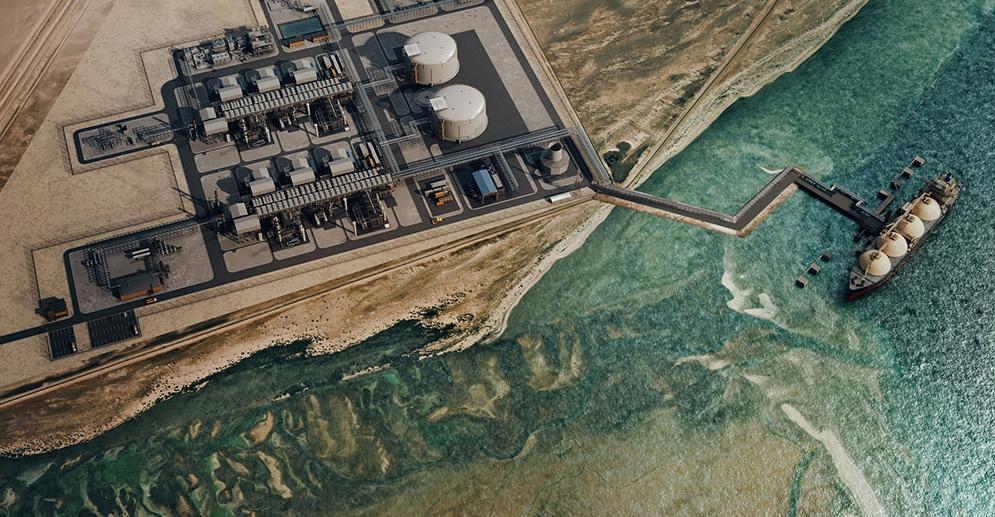
At the end of October, Secretary Wright signed the final export authorisation for Venture Global’s CP2 LNG Project in Cameron Parish, Louisiana. The authorisation allows exports of up to 3.96 billion cubic feet per day of U.S. natural gas as liquefied natural gas (LNG) to non-Free Trade Agreement (FTA) countries.
Xclosed in July the $15.1 billion project financing for the first phase of its third project, CP2 LNG, together with the associated CP Express Pipeline. Top exporter Cheniere has made a positive FID for the Corpus Christi Midscale Trains 8 and 9 and Debottlenecking Project. NextDecade has decided to invest $6.7 billion in the expansion of its Rio Grande LNG facility in Texas, in the second Rio Grande expansion announced this year, while Sempra approved a $14 billion Port Arthur LNG Phase 2 expansion.
As a major LNG exporter, the US, alongside Qatar, called on the European Union to significantly amend or rescind proposed corporate climate regulations that include penalties on companies for non-compliance.
President Trump and Secretary Wright have been clear: The United States is experiencing an unprecedented surge in electricity demand...
“Finalizing the non-FTA authorization for CP2 LNG will enable secure and reliable American energy access for our allies and trading partners, while also providing well-paid jobs and economic opportunities at home,” said Kyle Haustveit, Assistant Secretary of the Office of Fossil Energy.
As several LNG export plants ramp up and others are expected to begin commercial operations in the near future, the US is strengthening its global lead as the world’s biggest exporter of liquefied natural gas.
So far this year, Australia’s Woodside has announced the FID for the Louisiana LNG project, with plans to start production in 2029. Venture Global took FID and successfully
US Calls on Europe to Revise Due Diligence Directive
Secretary Wright and Qatari Minister of State for Energy Affairs, Saad Sherida Al-Kaabi, in October sent a letter to the heads of state of EU member states regarding the European Union's proposed Corporate Sustainability Due Diligence Directive (CSDDD).
In the letter, the US and Qatari top energy officials expressed “deep concern over the continued lack of action to address the universally acknowledged, serious, and legitimate concerns raised by the global business community regarding the Corporate Sustainability Due Diligence Directive (CSDDD). Particularly its unintended consequences for LNG export competitiveness and the availability of reliable, affordable energy for EU consumers.”
“We have consistently and transparently communicated how the CSDDD, as it is worded today, poses a significant risk to the affordability and reliability of critical energy supplies for households and businesses across Europe and an existential threat to the future
growth, competitiveness, and resilience of the EU's industrial economy,” the officials wrote.
“It is our genuine belief, as allies and friends of the EU, that the CSDDD will cause considerable harm to the EU and its citizens, as it will lead to higher energy and other commodity prices, and have a chilling effect on investment and trade.”
The EU member states are being urged to either repeal the CSDDD or remove the most economically damaging provisions such as the Directive's extraterritorial application, penalties, and civil liability of companies.
Meanwhile, the Americas LNG Summit & Exhibition in Lake Charles, Louisiana, discussed the economic impact of the US LNG export industry.
LNG projects continue to drive economic growth, workforce opportunities, and responsible development across the US Gulf Coast, panellists including Tim Tarpley, president of the Energy Workforce & Technology Council (EWTC), heard.
US LNG plays a critical role in meeting global energy demand while supporting American jobs, investment, and innovation at home, according to industry leaders.
Speakers highlighted the importance of a strong supply chain and a predictable regulatory environment to keep projects on track and maintain the US position as a trusted energy partner abroad.
EWTC’s Tarpley highlighted the stabilising effect of US LNG exports on domestic manufacturing and gas production, which in turn strengthens the energy workforce and broader economy. Tarpley also emphasised the need for permitting reform to accelerate LNG infrastructure and ensure growth across all US basins. The benefits of LNG extend far beyond individual projects, fuelling opportunity throughout the energy value chain, the executive said.
EWTC has also unveiled the Surface Operations Industry Guidelines, developed through the Well Stimulation Committee. These guidelines fill a long-standing gap in the sector by creating a single reference for handling surface operations. Built by people who do the work every day and combining technical knowledge with field experience, the guidelines represent an important step toward consistent, proactive safety practices across the industry, EWTC said.
The industry must take the lead on safety rather than waiting for outside regulation, said Ron Gusek, EWTC Vice Chair and president and CEO of Liberty Energy. Proactive standards like this put the industry in a stronger position and build public trust, Gusek added.
According to John Hutchison, District Manager at ProFrac Services, the guidelines create consistency between service companies and operators by more clearly defining hazard zones and improving communication before operations begin. Early collaboration with operators is key to building safety-focused relationships and ensuring everyone on-site is aligned, Hutchison noted.
Energy Workforce president Tarpley discussed in October the future of global energy with the Greater Houston Partnership and energy leaders from across the industry and government.
US policy must keep pace with market realities, Tarpley said, noting that “We need energy. We need a lot more energy, and that realization is starting to happen in the U.S. and all over the world—on both sides of the political aisle.”

By Tsvetana Paraskova
“Regulation without realism and legislation without logic, will only weaken economies, stunt societies and drive capital away,” the executive added.
Abu Dhabi hosted in November one of the biggest energy conferences in the world, ADIPEC, at which major UAE companies signed strategic deals and top officials noted the importance of continued investment in global oil and gas exploration and production.
Sultan Ahmed Al Jaber, UAE Minister of Industry and Advanced Technology and Managing Director and Group CEO of Abu Dhabi’s national oil company ADNOC, called on energy industry leaders, policy makers, and investors to follow the UAE’s lead and drive pragmatic policies and bold partnerships, to boost job creation, economic growth, and global competitiveness.
Energy and investment policies globally should be “pragmatic, not performative, based on insight, not ideology, built on first principles, not fleeting popularity,” Al Jaber said in his keynote address at the world’s largest energy event, ADIPEC.
“At ADNOC, we are using every technology available, including AI and robotics to collapse time and expand value. Through our homegrown company AIQ, we have embedded over 200 AI use cases, from the wellhead to the trading floor. These tools are cutting unplanned shutdowns by half and enhancing performance across our business,” ADNOC’s top executive said.
Al Jaber also called on the energy industry, policy makers and investors to “tune out the noise, track the signal” as geopolitics shape trade and news flows and sentiment moves markets.
“The signal is telling us that near-term uncertainty is real, while long-term demand remains strong. It is telling us to balance cost discipline with capital investment. Stay laser-focused on efficiency, while investing in people, technology and AI.”
Global annual capital investment needs in grids, data centres and all sources of energy have jumped to $4 trillion because “you can’t run tomorrow’s economy on yesterday’s grid,” Al Jaber noted.
Global electricity demand will keep surging through 2040, as power for data centers surges four-fold, 1.5 billion people will move into cities, and more than 2 billion air conditioners will come online. Aviation will also take off, with the global airline fleet doubling from 25,000 to 50,000 planes by 2040.
“As a result, renewables will more than double by 2040; LNG will grow by 50 percent; jet fuel will increase more than 30 percent and oil will stay above 100 million barrels per day beyond 2040, increasingly used not just for mobility, but more and more for materials,” Al Jaber said.
“What we are really talking about here is energy reinforcement not replacement.”
On the sidelines of ADIPEC, the UAE and ADNOC signed several major deals to power the AI advancement and invest in reliable energy.
ADNOC, Masdar, XRG, and Microsoft in early November announced a strategic agreement to accelerate artificial intelligence (AI) deployment across ADNOC’s value chain, and to deliver energy solutions for Microsoft’s global AI and data centre growth. The collaboration was announced at the ENACT Majlis in Abu Dhabi, ahead of ADIPEC.
Under the agreement, ADNOC and Microsoft will jointly develop and deploy AI agents to drive autonomous operations and unlock greater efficiency, building on ADNOC’s successful deployment of AI solutions across its value chain. Microsoft will also provide advanced AI tools and upskilling programmes, while both companies will explore a joint innovation ecosystem to create transformative solutions for the energy sector.
“As AI continues to reshape how value is created and enhanced across industries, ADNOC, Masdar and XRG are not only embedding AI into every layer of our operations - we are also advancing the energy systems that will power AI itself,” said Al Jaber, who is also executive chairman of XRG and chairman of Masdar.
“Through our partnership with Microsoft, we are unlocking new opportunities to fuel the future of AI, drive greater performance, and future-proof our business.”
ADNOC has also signed three agreements with Gecko Robotics to explore deploying robotics and AI across ADNOC’s operations and boosting future skills training for UAE nationals. The agreements cover a multiyear technology deployment for ADNOC Gas, joint training programmes with the ADNOC Technical Academy (ATA), and the rollout of robotics and AI-powered analytics across ADNOC’s assets to enhance efficiency, reduce downtime and support data-driven maintenance.
“There is a race to lead the AI and energy moment. And the energy companies that win won’t just utilize technology, they will become technology companies,” Gecko Robotics CEO Jake Loosararian said.
“There is only one way to win this race and that’s to acquire physical data using robotics and unlocking human and machine performance from the AI that data fuels.”
ADNOC has also teamed up with top oilfield services provider SLB to use an AI-powered Production System Optimization (AiPSO) platform with initial deployment across eight fields.
Powered by SLB’s Lumi data and AI platform and leveraging Cognite Data Fusion, AiPSO uses millions of real-time data points, AI, and ADNOC proprietary machine learning to proactively monitor and optimize the entire production system, comprising thousands of hydrocarbon wells and hundreds of processing facilities.
The deployment supports ADNOC’s ambition to become the world’s most AI-enabled energy company, the Abu Dhabi firm said.
petrochemical feedstocks. Under the terms of the long-term agreements, which are up to 10 years, TA’ZIZ will supply Sanmar with over 350,000 tonnes per annum of ethylene dichloride (EDC) and vinyl chloride monomer (VCM). The products will be produced at the TA’ZIZ Chemicals Industrial Zone in Al Ruwais Industrial City in Abu Dhabi and represent the first time either chemical has been exported from the UAE.
Saudi Aramco, the world’s largest oil firm by production and market value, reported solid third-quarter results, with adjusted net income rising slightly compared to a year ago, as higher production offset the impact of lower oil prices.
Aramco’s ability to adapt to new market realities has once again been demonstrated by our strong third quarter performance.
In energy supply, ADNOC has signed a 15-year Sales and Purchase Agreement (SPA) with Shell for the delivery of up to 1 million tons per annum (mtpa) of LNG, ADNOC’s first long-term LNG sales agreement with Shell and the eighth long-term offtake agreement secured for the Ruwais LNG project.
At ADIPEC, TA’ZIZ announced the award of a $1.99 billion Engineering, Procurement and Construction (EPC) contract to China National Chemical Engineering & Construction Corporation Seven, Ltd. (CC7), to build the UAE’s first, and among the top three largest integrated single-site polyvinyl chloride (PVC) production complexes in the world.
TA’ZIZ also announced two product sale agreement term sheets with The Sanmar Group of India, a leading producer of PVC and specialty chemicals, for the supply of key
Saudi Aramco’s adjusted net income inched up to $28.0 billion, up from $27.7 billion for the third quarter of 2024. Cash flow from operating activities and free cash flow also grew by about $1 billion each, to $36.1 billion and $23.6 billion, respectively.
“Aramco’s ability to adapt to new market realities has once again been demonstrated by our strong third quarter performance. We increased production with minimal incremental cost, and reliably supplied the oil, gas and associated products our customers depend on, driving strong financial performance and quarterly earnings growth,” president and CEO Amin Nasser said.
Saudi Arabia’s sovereign wealth fund, the Public Investment Fund (PIF), and Aramco have signed a non-binding term sheet outlining the key terms for Aramco to acquire a significant minority stake in HUMAIN, a
PIF company, advancing a full range of AI capabilities globally.
PIF and Aramco would contribute AI assets, capabilities, and talent into HUMAIN, with PIF and Aramco as its shareholders. PIF would continue to own the majority of HUMAIN. The intention is to enable the rapid scaling up of HUMAIN’s operations to capture value and accelerate its growth in the AI sector.
“Aramco is well positioned to capture opportunities from rising energy demand linked to AI growth, using advanced technologies to improve efficiency, reduce emissions, and sustain our competitive edge as one of the world’s leading integrated energy and chemicals companies,” Nasser said.
In Qatar, state firm QatarEnergy has awarded Samsung C&T Corporation the engineering, procurement, and construction (EPC) contract for a landmark carbon capture and sequestration (CCS) project to serve QatarEnergy’s existing LNG production facilities in Ras Laffan Industrial City.
QatarEnergy has also agreed on a 17-year Sales and Purchase Agreement (SPA) with Indian firm Gujarat State Petroleum Corporation (GSPC) for the supply of up to 1 million tons per annum (MTPA) of LNG to India. Pursuant to the terms of the SPA, the contracted LNG volumes will be delivered exship to terminals in India, starting in 2026.
QatarEnergy has also completed a farm-in transaction with Eni, acquiring a 40-percent participating interest in the North Rafah exploration block offshore Egypt.
The agreement, recently approved by the government of Egypt, grants QatarEnergy a 40-percent stake in the offshore concession, with Eni, as the operator, retaining the remaining 60-percent interest.




By Tsvetana Paraskova
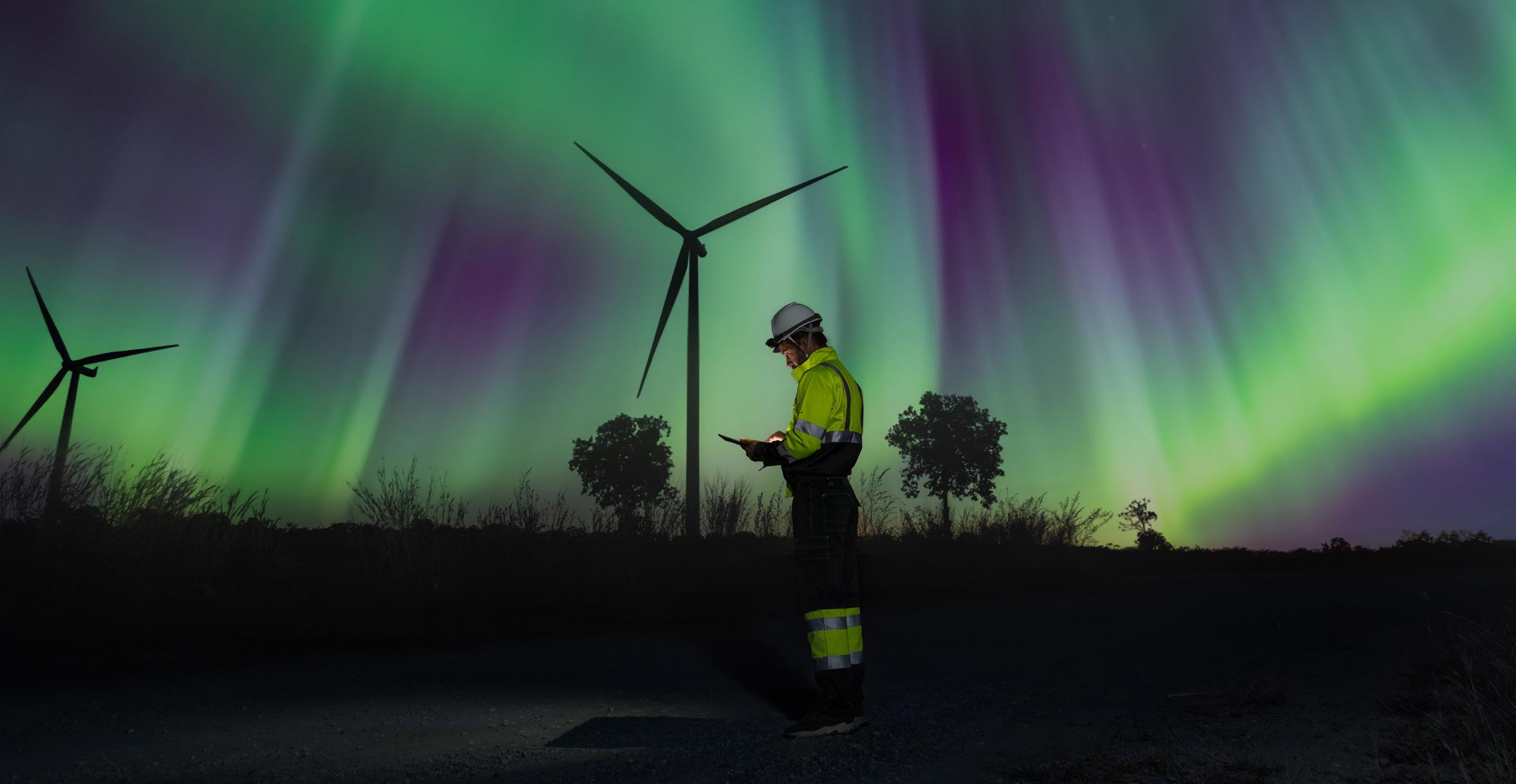
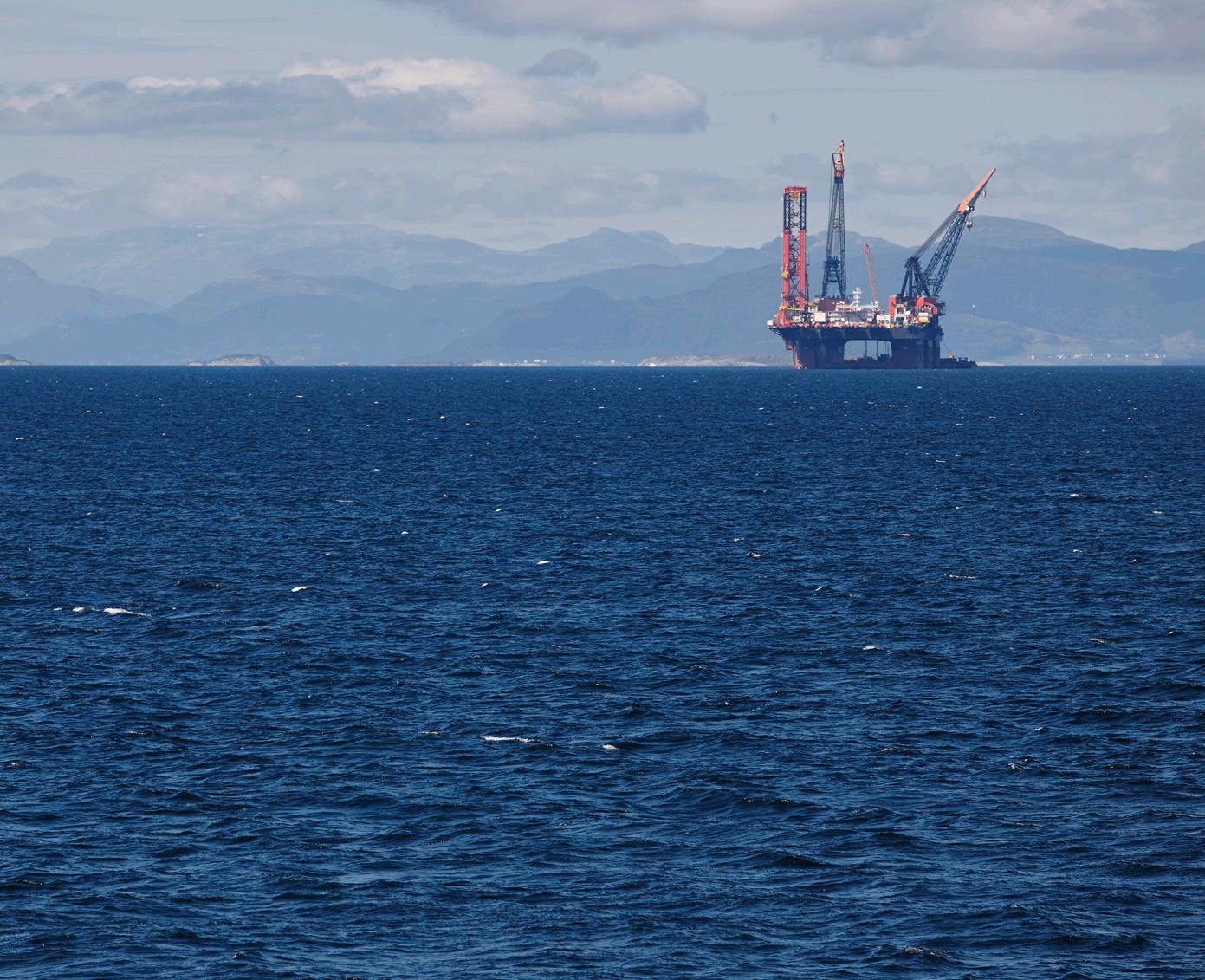
Norway expects high oil and gas production and budget revenues from the petroleum industry in its 2026 budget, while power from shore, or electrification of oil and gas fields, has helped the country reduce its emissions from the upstream sector.
“The revenues from the petroleum industry are very large and important for financing our welfare state. The revenues in 2025 provides a basis for public spending of close to 20 billion NOK every year going forward. The way we manage the revenues ensures that they benefit both current and future generations,” Minister of Energy Terje Aasland said.
Total petroleum production in Norway is expected at 238 million standard cubic meters (Sm3) of oil equivalents in 2025. The estimate is about 1.3 percent lower than in 2024, when the petroleum production on the Norwegian continental shelf reached the highest level since 2008.
But investments are expected to decline as the large projects are completed, which could hurt the domestic supply chain, the ministry warned.
“The supply industry needs new projects going forward to sustain value creation, competence and employment in Norway. To do so, it is crucial with new developments which the supply industry can compete for,” Aasland said.
We will develop, not dismantle, the activity on the Norwegian continental shelf
“Over the next few years, production is expected to remain at a stable, high level before it is expected to decline throughout the 2030s as fields are depleting,” the Ministry of Energy said. “Without continued exploration and investment in discoveries and existing fields, oil and gas production on the Norwegian continental shelf will decline significantly.”
Norwegian petroleum production plays an important role in ensuring energy security in Europe, minister Aasland noted.
Norway’s government expects in the National Budget 2026 the state’s net cash flow from petroleum activities would be 664 billion Norwegian crowns, or $65.8 billion, in 2025. The estimate for 2026 is about 521 billion crowns, or $51.6 billion, in net cash flow from petroleum activities for Norway.
The world and Europe will need oil and gas for decades to come, and it is therefore crucial that Norway continue to develop the shelf to remain a stable and long-term supplier of energy.
“Therefore, the government wants to ensure stable and predictable regulatory framework, and a high level of exploration activity,” said Aasland.
Ongoing construction and development projects have contributed to a high level of activity and large investments on the continental shelf in recent years. The investments in the petroleum industry are estimated to account for 23 percent of the total investments in Norway in 2025.
“The government facilitates continued exploration, increased extraction and development of discoveries though stable and predictable regulatory framework,” the minister noted.
“We will develop, not dismantle, the activity on the Norwegian continental shelf.”
The Norwegian Offshore Directorate in November announced new guidelines for documents related to the storage of CO2 on the Norwegian continental shelf.
The goal of drawing up the guidelines is to ensure that the Norwegian authorities receive status reports with the correct content and in the correct format.
As of October 2025, Norway’s authorities had awarded 14 licences pursuant to the Regulations relating to storage and transport of CO2 on the shelf.
Under the regulations, licensees shall submit a status report to the Norwegian Offshore Directorate within three months after an exploration or exploitation licence is surrendered, lapses, or expires.
The status report shall provide a summary of any collected data, studies and associated results, as well as an overview of potential storage sites in the exploration or exploitation
licence. It shall also provide an overview of all geotechnical material and where such material is stored.
Norway’s offshore oil and gas industry has seen greenhouse gas emissions drop by 27 percent, or by 4.1 million tonnes, since 2015, thanks to power from shore as a replacement for gas turbines at oil and gas fields, the Norwegian Offshore Directorate said in a new report
Greenhouse gas emissions from the petroleum sector account for about a quarter of Norway’s total emissions. Power from shore has been the most important measure for reducing these emissions. The increase in the number of power from shore projects that have been approved since 2020 is a result of factors such as increased carbon dioxide (CO2) costs.
Work is also under way on other measures to reduce emissions from Norway’s petroleum sector. Among these, the industry considers energy efficiency measures and reduced flaring to be the most important, according to the directorate.
Between 2020 and 2025, the number of fields offshore Norway that have or have decided to use power from shore increased from 16 to 39 when associated fields are included. Additional emission reductions are expected once all the projects under development become operational, the offshore regulator said.
Transitioning to power from shore has been approved on Sleipner, Njord, Draugen, Oseberg field centre, Oseberg Sør, Troll B and C, as well as the Hammerfest LNG onshore facility. A decision has also been made to develop the fields in the Yggdrasil area using power from shore.
Replacing gas turbines with power from shore has contributed to a significant reduction in greenhouse gas emissions, the directorate’s report found.
From 2019 to 2024, emissions from the NCS were reduced by 2.9 million tonnes of CO2equivalent. Since 2015, the reduction amounts to 4.1 million tonnes of CO2-equivalent, or 27 percent. Additional emission reductions are expected when all projects currently under development come on stream.
While some more challenging projects for power supply from the shore have been discarded as uneconomical, studies are currently under way on the Balder and Grane fields in the North Sea. The timing of a potential investment decision is planned for 2026.
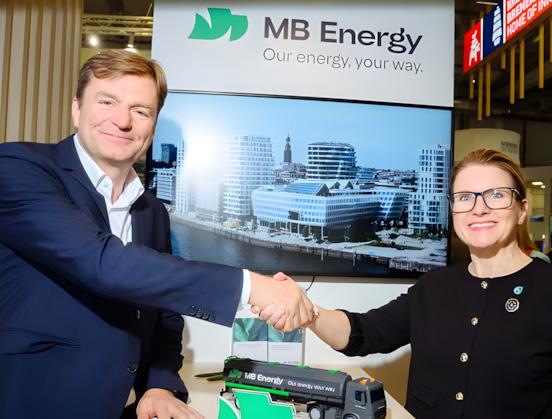
In alternative energy solutions, Norway’s hydrogen producer Gen2 Energy and Germany’s energy company MB Energy have signed a Memorandum of Understanding (MoU) to collaborate on production, offtake, and distribution of Renewable Fuels of nonbiological origin (RFNBO)-compliant liquid hydrogen from Gen2 Energy’s project portfolio in Norway to MB Energy’s end customers in Germany. The companies will assess various logistics and transport options, taking into account price, as well as technical and safety implications.
“Our collaboration with MB Energy provides access to the German market. Producing RFNBO compliant liquid Hydrogen at industrial scale requires access to a significant hydrogen market, including Germany”, said Lena Halvari, CEO of Gen2 Energy.
“We are pleased to see that the production and supply chain under our development can serve customers like MB Energy that see green liquid hydrogen as a valuable enabler of the energy transition.”
By Tsvetana Paraskova
Australia’s biggest oil and gas companies projected optimism at their earnings and outlook releases, while Australia’s government continues to work to boost the rollout of renewable energy.
Following the withdrawn bid from an Abu Dhabi-led consortium to buy Santos, the Australian energy giant reported solid quarterly results for the third quarter of 2025, as the firm transitions from a period of high capital intensity to one that it expects to deliver stronger returns for shareholders.
Third-quarter sales volumes were lower than the second quarter, mainly due to maintenance activities in Western Australia, lower crude oil volumes due to timing of liftings, and lower third-party gas purchases. January-September sales volumes were slightly higher than the prior year.
Santos narrowed its production guidance for this year to between 89 million and 91 million barrels of oil equivalent (boe), down from the previous guidance of 90-95 million boe.
The downgrade primarily reflects a slower-thananticipated start-up of the floating production, storage, and offloading vessel (FPSO) at the new Barossa LNG project and the impact of floods on the company’s production in the Cooper Basin. Going forward, Santos expects the Barossa LNG project in Australia and the Pikka oil project in Alaska to boost its oil and gas production by 30 percent by 2027, compared to 2024 levels.
Xsix months of operations, September 2024 –March 2025.
Moomba CCS demonstrates the real potential for large-scale emissions reduction to be delivered by carbon capture and storage projects in Australia, according to CEO Gallagher.
Momentum is also building around our Narrabri Gas Project, with strong market interest reflected in recent MOUs and ongoing engagement with key stakeholders.
“With around $1.4 billion of free cash flow from operations generated year-to-date, Santos is well positioned to deliver strong shareholder returns with imminent production growth as we bring Barossa LNG online and move closer to the start-up of Pikka,” said Santos managing director and CEO Kevin Gallagher.
“Momentum is also building around our Narrabri Gas Project, with strong market interest reflected in recent MOUs and ongoing engagement with key stakeholders. Narrabri is the key to solving east coast gas supply concerns and would be a competitive supply source for local industry for decades to come,” Gallagher added.
Santos has also announced that its Moomba Carbon Capture and Storage (CCS) project achieved a major milestone for emissions reduction technology in Australia after receiving the single largest issuance of Australian Carbon Credit Units (ACCUs) from the Clean Energy Regulator (CER). The CER confirmed the issuance of 614,133 ACCUs to Santos under the approved CCS method, covering the Moomba CCS project’s initial
“Policymakers should seize the opportunity to deploy CCS to reduce emissions faster, at scale and cost competitively – particularly when Australia has a unique and natural advantage in carbon capture and storage that is complemented by a well-established, worldclass regulatory regime administered by the Clean Energy Regulator,” the executive added.
The other major Australia-based oil and gas producer, Woodside, reported solid production for the third quarter and raised its full-year guidance on the back of strong performance across assets.
Guidance was revised up in the range 192 –197 million barrels of oil equivalent (boe) for 2025, up from 188 million boe – 195 million boe previously anticipated. Unit production cost is now seen at between $7.60 and $8.10 per barrel this year, down from the previous guidance of $8.0 - $8.50 a barrel.
The company’s Scarborough Energy Project is now 91 percent complete and on track for first LNG in the second half of 2026, chief executive officer Meg O’Neill said.
At the 2025 Capital Markets Day in November, Woodside outlined its strategy to thrive through the energy transition and deliver long-term shareholder value by meeting rising global demand for affordable, reliable, lower-carbon energy.
“Over the next decade, with disciplined capital management, we will execute our strategy by maximising performance from our base business, delivering cash-generative projects to sustain and grow the business and creating the next wave of future opportunities for long-term returns for our shareholders,” O’Neill said.
Woodside expects its net operating cash to rise to around US$9 billion by the early 2030s, representing a more than 6 percent compound annual growth rate in sales and cash flow from 2024 and providing a pathway to a 50-percent increase in dividend per share from 2032.
“Our strategy is supported by ongoing robust global demand for our products. Woodside’s major growth projects will capitalise on this demand, with the Beaumont New Ammonia project expecting first ammonia this year, the Scarborough Energy Project on track to begin LNG shipments in the second half of next year, the offshore Mexico Trion field targeting first oil in 2028, and Louisiana LNG targeting startup in 2029,” O’Neill noted.
“With global LNG demand forecast to grow 60% by 2035, Woodside’s increasing scale across the Atlantic and Pacific basins, combined with our marketing and trading business, optimises our capability to meet customer needs.”
APA Group, for its part, has launched construction of the Sturt Plateau Pipeline (SPP), which is the crucial first-stage link to enable Beetaloo gas to reach power generation assets that keep the lights on across the Northern Territory.
SPP will play an important role in transporting Beetaloo gas to APA’s existing Amadeus Gas Pipeline, to power generation assets in Darwin.
Over the coming months the 37-kilometre pipeline will be welded together to ensure Beetaloo gas can flow in 2026.
“The SPP will help ensure Beetaloo gas is available to power the Territory, a critical first step in the basin’s development. Households and businesses in Darwin will be the first beneficiaries of this new infrastructure,” APA CEO and managing director Adam Watson said.
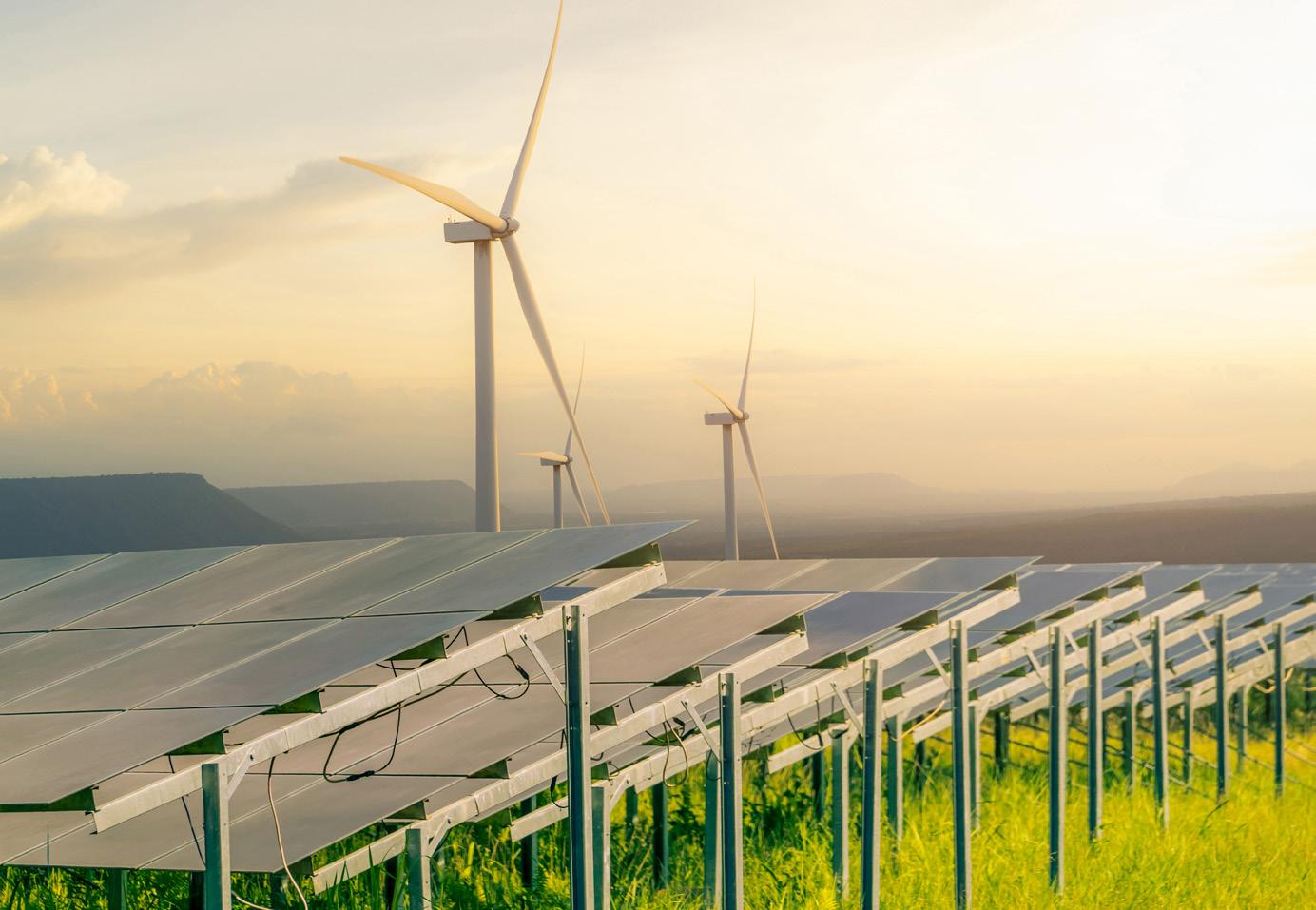
The Clean Energy Council has welcomed the federal government’s proposed reforms to the Environment Protection and Biodiversity Conservation Act 1999 (EPBC Act), describing them as a timely and balanced step towards protecting Australia’s environment while delivering the clean, reliable electricity the nation needs.
The long-anticipated reforms are pragmatic and thorough, providing the industry with greater clarity for the task ahead, of delivering a timely and successful renewables rollout, Clean Energy Council CEO, Jackie Trad, said.
The broader reform package also pledges to have clearer, more consistent guidance for the clean energy sector and a more streamlined approval process. Projects will be assessed and decided more efficiently, without compromising rigorous environmental standards, according to the proposed changes.
“The reforms provide us the certainty and confidence to continue delivering the
renewable energy projects that power Australian homes and businesses, while safeguarding the environment for generations to come,” Trad commented.
Despite growing power demand, wholesale electricity prices across all National Electricity Market (NEM) regions fell during the September 2025 quarter, thanks to higher renewable energy output and less market volatility, the Australian Energy Market Operator’s (AEMO’s) Quarterly Energy Dynamics report has shown.
Wholesale electricity prices for the NEM averaged AUS$87 per megawatt hour (MWh) in the September quarter, down by 27 percent year-on-year and down 38 percent compared to the second quarter of 2025, the report found.
“The impact of increasing renewable energy and storage connecting to the NEM became more evident in September when milder temperatures and less cloudy days led to a new 77.2% renewable contribution record on 22 September – up from 75.6% in Q4 2024,” said Violette Mouchaileh, AEMO Executive General Manager Policy and Corporate Affairs.



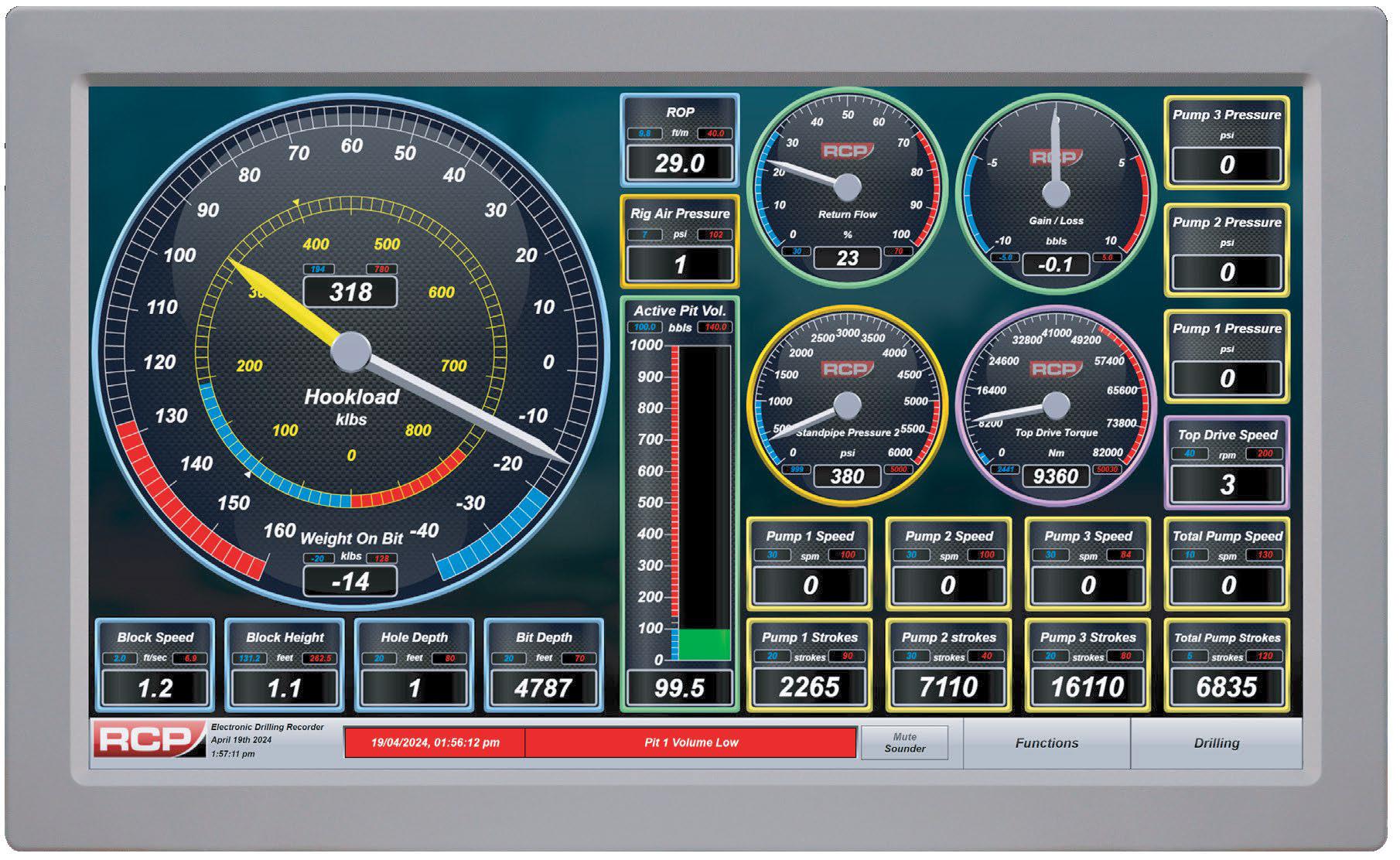
The RCP EDR is designed to give operators a clear, unambiguous overview of critical drilling and mud data processes. The system has been developed by RCP to greatly improve how information is presented using the latest industrial technologies and user-friendly interfaces.
The RCP EDR offers a quick and cost-effective solution for clients considering a new installation or a partial upgrade to their existing drilling instrumentation systems. Our highly experienced engineers and software developers allows us to tailor each new system to meet your exact needs meaning that you do not pay for functionality you will never use.
The RCP EDR utilizes a variety of sensing technologies to monitor the drilling processes, (typically: Level, Pressure, Height, Temperature and Flow). Sensor output signals are received by the distributed I/O racks and are then processed by the EDR.
Processed information is then transmitted through network communication modules to each of the user interfaces including remotely networked PC’s and local HMI’s. System and operator interface communications may utilize either: Fibre-Optic, Profinet, Profibus or Industrial Ethernet connection.

1
1 year ago (2024):
Brent traded around US$80–81/ bbl. Prices were supported by strong post-pandemic demand, OPEC+ production management, and ongoing geopolitical risks that tightened global supply and kept the market relatively firm throughout the year.
5 YEARS AGO
5 years ago (2020):
Brent hovered near US$42/bbl. The extremely low price was primarily driven by the COVID-19 pandemic, which caused a historic fall in global fuel demand and briefly led to severe storage shortages and supply-chain disruptions worldwide.
10 YEARS AGO
10 years ago (2015):
Brent crude averaged around US$52–53/bbl. Prices were still recovering from the dramatic 2014 collapse, which was driven by surging U.S. shale production and OPEC’s decision not to cut output, flooding the market with excess supply.
November 2025
Brent crude trades near US $62.4 per barrel. This level reflects a recent modest rebound after a dip earlier in the week, though overall the market remains under pressure from concerns about surplus supply and slower demand growth.






















At the heart of OGV Media Group is the OGV Community, a corporate membership service that connects energy sector organisations with our growing network of professionals, leveraging member engagement and platform traffic to maximize brand exposure.



Subscription to the OGV Community offers its members the following growing list of benefits:


SPONSORED BY
www.eicdatastream.the-eic.com
Energy projects and business intelligence in the energy sector
The EIC delivers high-value market intelligence through its online energy project database, and via a global network of staff to provide qualified regional insight. Along with practical assistance and facilitation services, the EIC’s access to information keeps members one step ahead of the competition in a demanding global marketplace.
The EIC is the leading Trade Association providing dedicated services to help members understand, identify and pursue business opportunities globally.
It is renowned for excellence in the provision of services that unlock opportunities for its members, helping the supply chain to win business across the globe.
The EIC provides one of the most comprehensive sources of energy projects and business intelligence in the energy sector today.




bp has confirmed the presence of a substantial hydrocarbon column of approximately 1,000 metres, including around 100 metres of oil and 900 metres of liquids-rich gas condensate. Planning for appraisal activities is underway, with well operations expected to begin in 2027, subject to regulatory approval. The operator has also indicated that one possible development option for the discovery is an early production system.

PV Drilling has been awarded the drilling contract for the project. The drilling operations are scheduled to take place between March 2027 and August 2027 with 40 development wells expected to be drilled.
In addition, Velesto was previously awarded a drilling contract with drilling activities expected to commence in the H1 2026.

SLB OneSubsea has secured the EPC contract for the SPS scope of the project. The scope of work includes the supply of horizontal subsea trees, umbilicals, control systems and associated services.

The Saipem and BOS Shelf joint venture has been awarded three offshore contracts worth around $700 million for the SDC project. The contracts cover the transportation and installation of the SDC platform, along with the engineering, procurement, construction, and installation of subsea structures and approximately 26 km of new offshore pipelines linking the SDC platform to existing Shah Deniz infrastructure.

According to BW Energy, the project’s FID is expected before year-end, but the analyst assumes that sanctioning could be reached by Q1 2026. The project will feature the drilling of three new wells and will utilise the BW Energy Jasmine rig to be converted to a wellhead platform. The discovery’s recoverable resources have been updated to 18MMbbls.

Halliburton has been awarded an integrated drilling services contract in the project. The company’s project management team will lead execution, and deploy remote operations and automated technologies for the work.

The contracting activities for the FEED work and Long Lead Items (LLIs) are still ongoing and remain ahead of schedule. Completion of the PoD is expected in Q4 2025 with FID targeted for June 2026 and first gas anticipated by Q4 2028.

Tenaris will supply casing and tubing for the project, as well as line pipe and casing for bends, flowlines, and risers forming part of the subsea infrastructure. The contract covers 12,000 tonnes of casing and tubing, including 1,600 tonnes made of Super 13 Chrome steel. For the line pipe scope, Tenaris will deliver approximately 16,000 tonnes of pipe for flowlines and risers.

Bomesc Offshore Engineering has secured contracts worth up to US$240m to design and build topsides modules for an undisclosed FPSO in Guyana. The work will include chemical skids, electrical rooms, and water treatment systems. Delivery is scheduled between 2026 and 2027, with the topsides module package expected to be completed by June 2027, and the chemical skid, electrical, and water treatment modules by January 2027. Additionally, agreements were signed with ABB and VWS Westgarth, which will be responsible for the electrical systems and sulphate removal water treatment, respectively
Gas

ADNOC Gas has initiated the bidding process for at least three EPC packages for Bab Gas Cap (BGC). The packages cover early works, onshore pipelines, and process buildings. The project, estimated to aims to enhance gas recovery and condensate production from the Bab field. The project is expected to reach FID in 2026, with completion targeted by 2030.

COOEC has been awarded the EPC contract for the project. The EPC scope covers the engineering, procurement, installation, and commissioning (EPIC) of over 60 offshore oil and gas structures, 40 subsea pipelines and cables, as well as modifications to existing platforms and the decommissioning of outdated facilities. KBR has been awarded a contract for detailed engineering service for the project.

Kuwait Oil Company (KOC), a subsidiary of Kuwait Petroleum Corporation, has announced a major offshore discovery at the Jazah field. The field delivered the highest vertical well production in Kuwait’s history from the Maqwa formation, producing over 29 million cubic feet of gas and more than 5,000 barrels of condensate per day. Jazah spans 40 square kilometres and holds an estimated 1 trillion cubic feet of natural gas and 120 million barrels of condensate.

The marine and lifting industries are set to benefit from rising investment in offshore oil and gas as producers look to boost resources to meet growing global energy demand.
By Tsvetana Paraskova

The energy logistics market, for its part, has thrived in recent months as oil and LNG exports continue to rise and the number of long-haul voyages increases as energy buyers have to navigate through geopolitical upheavals and sanctions regimes on major oil exporters. The shipping sector is also looking to move to cleaner marine fuels to reduce emissions.
The offshore sector is seen as key to bridging the gap between energy needs and reducing emissions in the energy transition, analysts at Rystad Energy said earlier this year.
Offshore oil and gas development was once poised to be the global leader of supply growth between 2004 and 2012, but the rise and boom of the US shale revolution overshadowed the prospects of offshore oil and gas, said Maierdan Halifu, regional research director for North America.
“Offshore is witnessing a rebirth as competitiveness improves, positioning the sector well for steady future expansion, albeit at a more modest pace than initially anticipated. This resurgence sees Brazil and other basins in the Americas and Africa show strong growth, while East Africa presents significant LNG potential,” Halifu said.
Last year, offshore oil production hit 28.4 million barrels per day (bpd), which was nearly a third of the world’s total output. Offshore gas production was also substantial, hitting about 115 billion cubic feet per day (Bcfd), and accounting for about 30 percent of global gas supply, according to Rystad Energy data. For 2024, the global average of mobile offshore drilling units (MODU) on contract was 550 units (408 units for jackup, 82 for drillship, and 60 for semisub), resulting in a marketed utilisation rate of 88 percent. These three rig types combined drilled about 2,600 offshore wells.
Last year saw one of the lowest volumes of new discoveries in two decades, but a staggering 80 percent of those were made offshore, primarily in deepwater, the intelligence firm said.
Rystad Energy expects deepwater supply to outpace US shale growth in the next few years, Halifu said. The key regions to watch for future offshore crude oil supply are the Gulf of America (Gulf of Mexico), the GuyanaSuriname Basin, Brazil’s pre-salt region with the Santos and Campos Basins, and West Africa, particularly Namibia and Angola.
“These areas have seen significant discoveries and investment and are expected to contribute substantially to global supply,” Halifu noted.
Despite headwinds in the global oil industry with an expected oversupply in the near term, the offshore engineering, procurement, construction and installation (EPCI) investment outlook remains strong going forward, analysts at Westwood Global Energy Group said in a recent offshore energy outlook.
After a dip in 2025, offshore oil and gas investment is expected to average $57 billion per year between 2026 and 2029. Offshore wind will continue to dominate EPCI spend, but lower oil prices and inflated supply chain costs are squeezing upstream cash flow and margins, driving a renewed focus on cost control, Westwood reckons.
In offshore oil and gas in particular, National Oil Companies (NOCs) and supermajors now dominate the landscape exploration activity levels.
“To sustain long-term growth, Exploration & Production (E&P) companies may need to diversify – leveraging conventional exploration, accessing discovered resource opportunities (DROs), pursuing M&A, and exploring unconventional plays. This will be crucial as markets continue to favour shortterm returns,” Westwood’s analysts say.

At the same time, rising supply chain costs have delayed some Final Investment Decisions (FIDs) for offshore projects, as operators seek price reductions in response to lower-than-expected oil prices.
But a rebound in FID activity is anticipated in 2026, according to Westwood.
Key growth markets for Offshore Energy Services (OES) between 2025 and 2029 include Saudi Arabia, Qatar, and Brazil, with additional prospects in East and West Africa, Southeast Asia, and the Mediterranean, the analysts noted.
The shipping industry has had to navigate through escalating geopolitical and trade tensions this year while trying to clean up its emissions profile.
In the marine fuels sector, the Marine Environment Protection Committee of the International Maritime Organization (IMO) in October adjourned discussions on the adoption of the Net-Zero Framework for one year, effectively postponing the adoption for another year.
The delay will give member states time to refine ambiguous or contentious elements to produce a stronger, more implementable framework, according to Rystad Energy’s maritime decarbonisation specialists. Rystad Energy’s analysis has revealed critical gaps in the current Net-Zero Framework (NZF) that need to be addressed to ensure an equitable and sustainable transition for the global shipping industry.
Even before the IMO announced it is delaying the framework adoption, Rystad Energy’s research found a substantial disparity between projected clean-fuel availability and targeted demand. This gap, alongside infrastructure constraints, raises doubts that the current timeline to transition to cleaner fuels could be met.
“Decarbonizing the maritime sector is a complex challenge that goes beyond shipping, closely tied to the global shift from fossil fuels to renewables. Our findings suggest progress will likely lag behind the IMO’s current expectations due to infrastructure limits, technology readiness, and energy system interconnections,” said Junlin Yu, vice president of supply chain research at Rystad Energy.
“While the industry is committed, practical constraints demand a realistic approach. The IMO should use the extra year to refine the NZF into a more practical and equitable framework,” Yu added.
Environmental organisation WWF called for work on cleaner shipping to continue despite the delay in the adoption of the framework.
“Even if we’ll have to wait for the Net Zero Framework, there are other measures we can take to slow global warming in the Arctic,” said Elena F. Tracy, Senior Advisor, Sustainable Development at WWF Global Arctic Programme.
For the Arctic, the delay in the adoption of the decarbonisation framework means that the regional-level regulation on reducing black carbon emissions should be considered as soon as possible, according to WWF.
“Cutting black carbon emissions from shipping will result in immediate climate benefits that slow warming in the Arctic and improve public health,” Tracy said.
The next immediate opportunity for goals to cut back on black carbon emissions would be in February 2026, when the IMO’s SubCommittee on Pollution Prevention and Response will meet to discuss polar fuels.
“In the aftermath of the IMO’s delaying the vote on adoption of the Net Zero Framework, we encourage Arctic states to submit concrete proposals on polar fuels that will ensure a reduction in Arctic and near-Arctic black carbon emissions,” WWF’s Tracy said.









Dräger Marine & Offshore’s latest innovation, the Safety Shop, is now available for hire.

Our Safety Shop is a fully automated cabin and has the latest versions of our gas detection equipment, including Gas Detection Connect, which monitors workers health in real time. It also hosts INARA, our new digital confined space entry system and the X-plore 8000, an ATEX rated version of our powered air respirator system. The cabin can operate 24 hours a day, 7 days a week, 365 days a year, offering huge savings over a typically manned solution.
Some of the key benefits of the Safety Shop are:
• Totally autonomous TARs with no need for manning
• Automatic reporting for overdue instruments
• Reporting for damaged instruments
• Fully customisable container for various TAR sizes
• Control 3rd party equipment alongside Dräger equipment


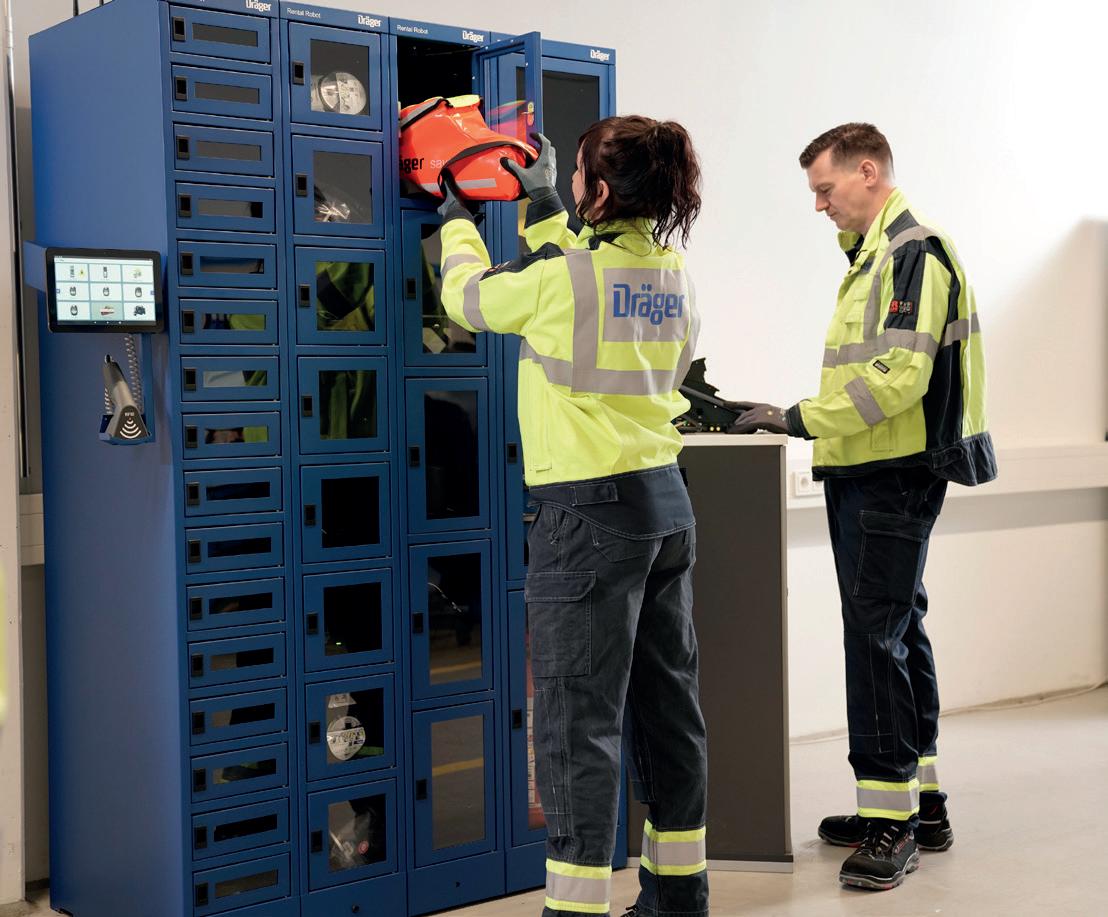


The Safety Shop offers end users a fully flexible rental model, allowing you access to industry leading safety kit without the capex outlay. At a time when budgets are tight and markets are uncertain, one thing’s for sure, you won’t have to compromise on worker safety.
Get in touch today: dmo@draeger.com


At THREE60 Energy, we design and deliver advanced marine handling systems including LARS, davits, A-frames, mechanical lifting equipment tailored to the most demanding offshore environments, the defence sector or research applications.
The following case study highlights how our integrated engineering, manufacturing and certification capabilities enabled the development of a new manriding Launch and Recovery System (LARS) for one of the most ambitious deep-sea projects in the world.
In June 2024, marine research company Inkfish commissioned Caley Ocean Systems, part of the THREE60 Energy Product Solutions service line, to design and supply a new man-riding Launch and Recovery System (LARS) for the RV Dagon. The vessel, a refitted former U.S. Navy ship, is being transformed to support Bakunawa, the world’s deepest-diving manned submersible. This project forms part of a major refit scheduled for completion in early 2026, with the remit to replace the existing A-frame and deliver a system that reduces operational headcount while raising standards of safety and reliability.
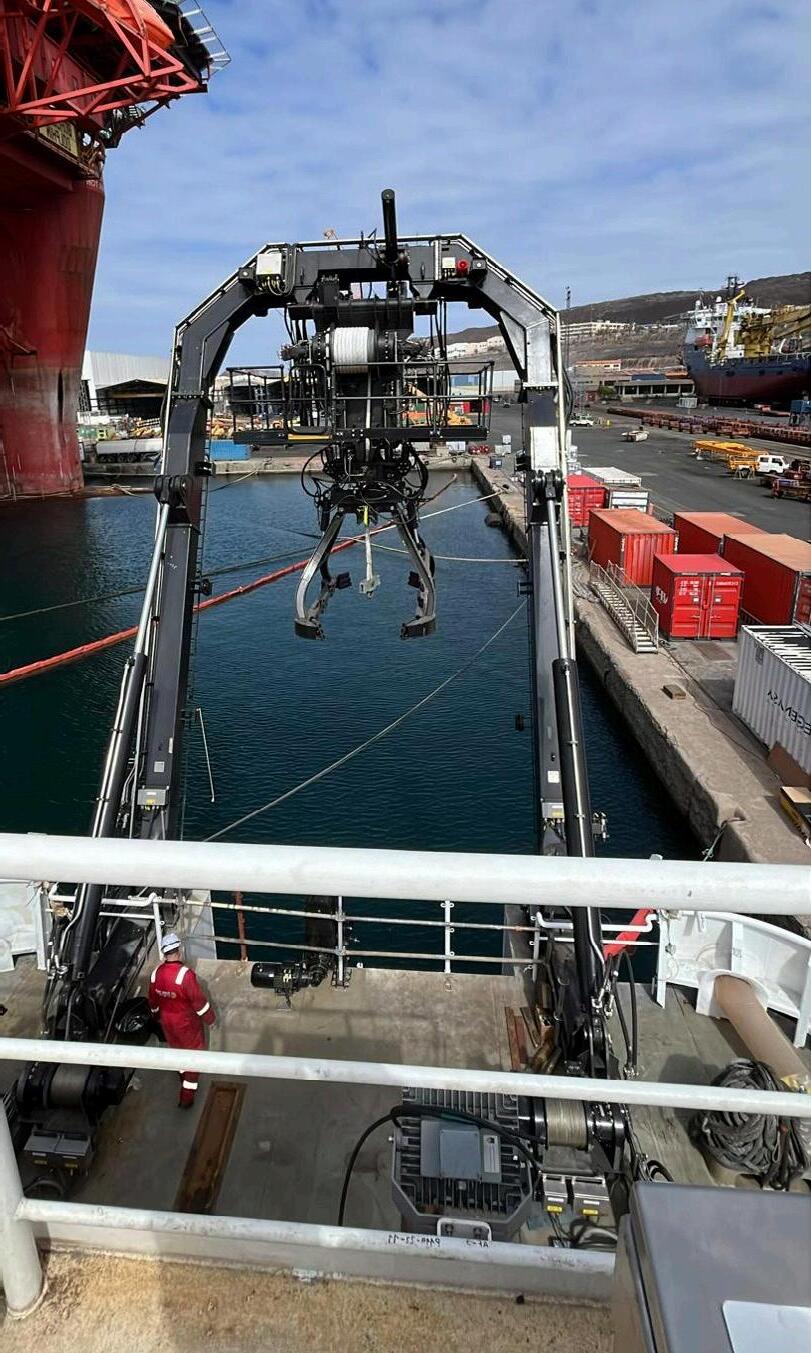
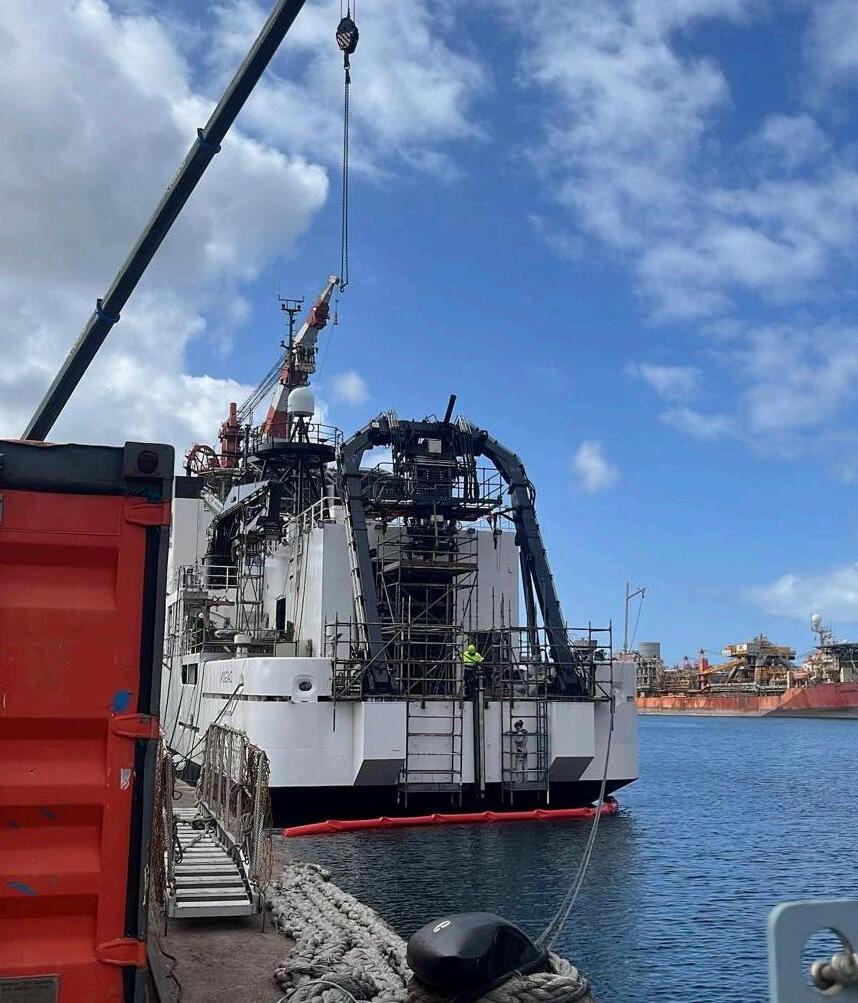
operations and interlocks add layers of protection, ensuring safe operation even in challenging conditions. A capture arm capable of restraining the submersible in all planes further reduces operator intervention, significantly lowering risk during critical phases of deployment and recovery.
Design work began in March 2024, with engineers developing a 12.5-tonne SWL hydraulic A-frame driven by based logic for precise control of the hydraulic power unit and valve actuation. This approach provided the accuracy and reliability required for handling a submersible of Bakunawa’s complexity. Following successful concept development, the full contract was awarded in June 2024 to deliver the system to the vessel’s refit location in Gran Canaria.
The new A-frame incorporates several advanced features designed to improve operational safety and efficiency. Passive pitch and roll damping stabilises the submersible during launch and recovery, while a light-tension lift winch provides smooth handling. Redundant PLC-controlled
Beyond the A-frame, the team also designed and supplied a bespoke single-lift point for Bakunawa, engineered in accordance with DNV requirements. The A-frame itself was certified to ABS standards, reflecting a commitment to meeting the highest levels of compliance and safety. Both elements were tailored to accommodate the submersible’s unique geometry and strict loading constraints. This required innovative modelling and verification to ensure compatibility with Bakunawa’s demanding operational envelope, demonstrating expertise in mechanical handling solutions for complex marine assets.
Manufacture and assembly were carried out at the THREE60 facility in Govan, Scotland, where long-standing experience in delivering heavy-duty marine handling systems was brought to bear. The completed system was shipped to the RV Dagon in July 2025, with installation and integration currently underway in Gran Canaria. Commissioning is scheduled for January 2026, marking a key milestone in the vessel’s transformation into a state-of-the-art platform for deep-sea research.
Upon completion, the new LARS will provide Inkfish with the latest generation man-riding solution. The system is designed to reduce crew requirements, shorten launch and recovery times, and enhance overall safety for deep-sea operations. By combining advanced A-frame technology with bespoke lifting solutions and proven mechanical handling expertise, THREE60 is enabling Inkfish to operate Bakunawa with greater efficiency and confidence. The project highlights the company’s ability to deliver integrated handling systems - whether A-frames, davits, or other mechanical lifting solutions - that meet the most demanding requirements.


Unique Group, a global leader in subsea technologies and engineering, is proud to be the specialised technology provider for DEEP’s pioneering subsea human habitat programme. Unique Group is responsible for the design, engineering, and project management of several critical systems vital to the deployment of the pilot habitat, Vanguard.
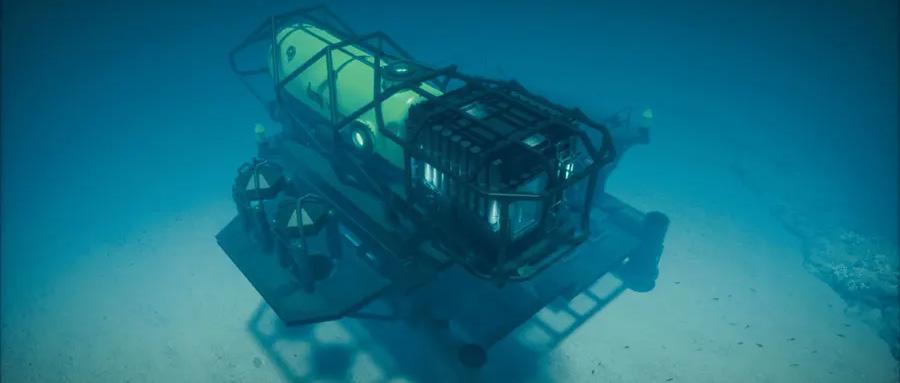
DEEP’s mission is to Make Humans Aquatic and their long-term roadmap includes building Sentinel, a larger subsea habitat system that enables researchers and scientists to live and operate underwater at depths of up to 200 meters
for up to 7 days or more at a time. The first pilot habitat, Vanguard, is being built right now in Sebastian, Florida, and will be followed by the Sentinel habitat in the years following, marking a significant advancement in ocean exploration.
Unique Group’s scope includes foundation design and geotechnical survey management, metocean data collection, and cyclonic survivability studies. Using Computational Fluid Dynamics (CFD), they optimized the foundation’s stability against extreme ocean forces. The foundation base plate, currently under fabrication in the USA, weighs over 300 tons and incorporates multiple anchoring systems.
The company also engineered the mooring spread for the habitat support buoy and managed the internal fit-out of the Vanguard chamber, delivering all furniture, fixtures, and fittings tailored to operational and ergonomic needs. Additionally, Unique Group supplies the full fluids management and life-support gas systems.
Leveraging decades of subsea expertise, Unique Group has provided offshore installation support and advisory services throughout the project. Their customengineered solutions reflect a focus on safety, efficiency, and sustainability to ensure mission success.
“Our collaboration with DEEP on the Vanguard project marks a defining milestone in subsea living and engineering,” said Dave Thompson, Group Engineering Director at Unique Group. “This partnership demonstrates the strength

of our in-house design and manufacturing capabilities, and our commitment to advancing safe, sustainable solutions for the future of underwater research and exploration.”
Designed for a four-person crew on missions of seven days or more, Vanguard will support scientific research, marine conservation, and technology testing. It will also be the first subsea habitat classified under DNV’s rigorous ruleset, reflecting DEEP’s and Unique Group’s dedication to safety and innovation.
“We’re thrilled to partner with Unique Group on this ambitious project. Their expertise in engineering and subsea systems has been invaluable in realizing our vision for Vanguard. We look forward to starting a new chapter in underwater habitation and scientific exploration,” said Norman Smith, Chief Technology Officer, DEEP.
Unique Group’s involvement in this landmark programme reinforces its position as a trusted partner for complex subsea developments worldwide. With over 30 years of experience, a multidisciplinary in-house engineering team, and a global footprint across 18 countries, the company continues to drive innovation across the offshore energy, marine research, and naval sectors.
Leading logistics and supply chain solutions provider Peterson has kickstarted a project to support the development of East Anglia 3 – a wind farm that will provide power for one million homes.
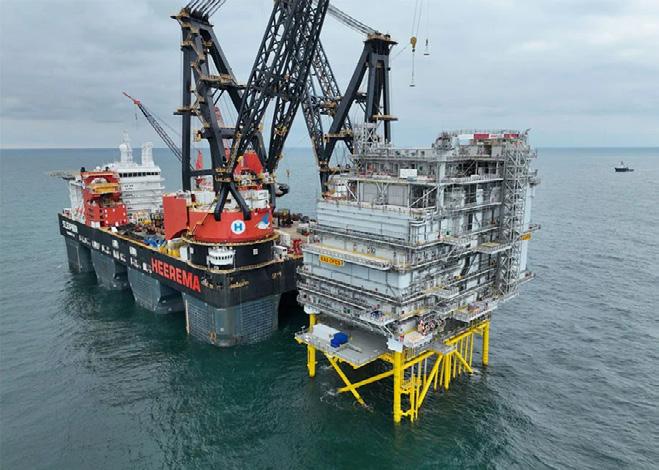
The seven-month contract with Siemens Energy sees Peterson responsible for aviation and emergency and response rescue vehicle (ERRV) requirements delivered from Norwich Airport and the Port of Lowestoft.
Peterson will manage around 30 flights a month, with associated ERRV sailings, for Siemens Energy, delivering the contract in partnership with ODE Asset Management.
Dario Nicodemo, Project Manager at Siemens Energy, said:
“We are delighted to have Peterson’s expertise supporting the East Anglia 3 project. Their agile logistics solutions — from aviation coordination to ERRV operations — are a vital enabler for the safe and efficient delivery. The professionalism and dedication shown by Peterson and their partners ensure that our teams and all EA3 contractors can focus on building one of the UK’s largest offshore wind farms, confident that critical movements and emergency arrangements are in safe hands. We value their commitment and look forward to continuing this strong collaboration throughout the campaign.”
Peterson is also working with its long-term customer Jack-up Barge to manage its crew coordination and changes from Norwich Airport, including immigration, accommodation, and transfer requirements.
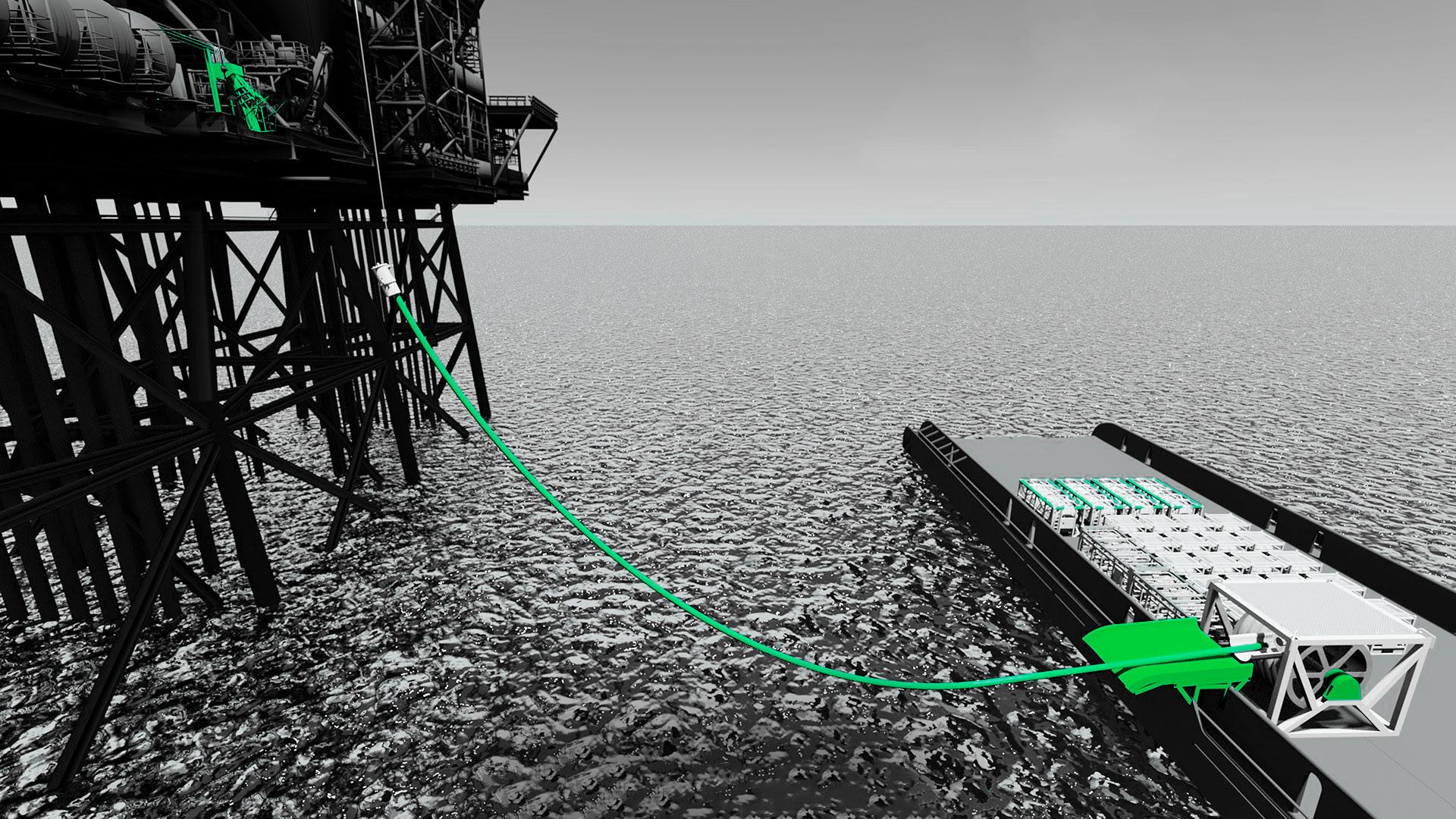
TESS delivers a complete range of remote loading hoses and systems for safe, efficient transfer operations in marine environments. From floating and submarine hoses to full TESS Hose Management solutions, we help clients reduce risk, extend service life, and maintain reliability. Wherever performance and safety matter most, TESS delivers confidence offshore.

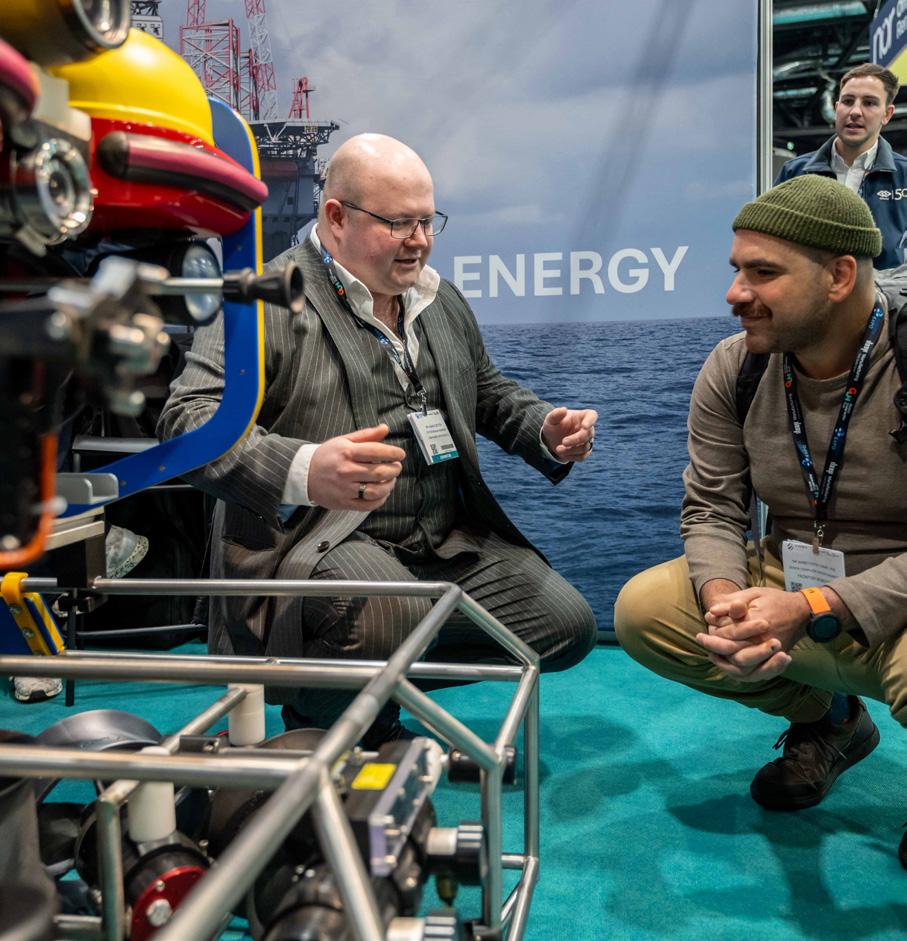
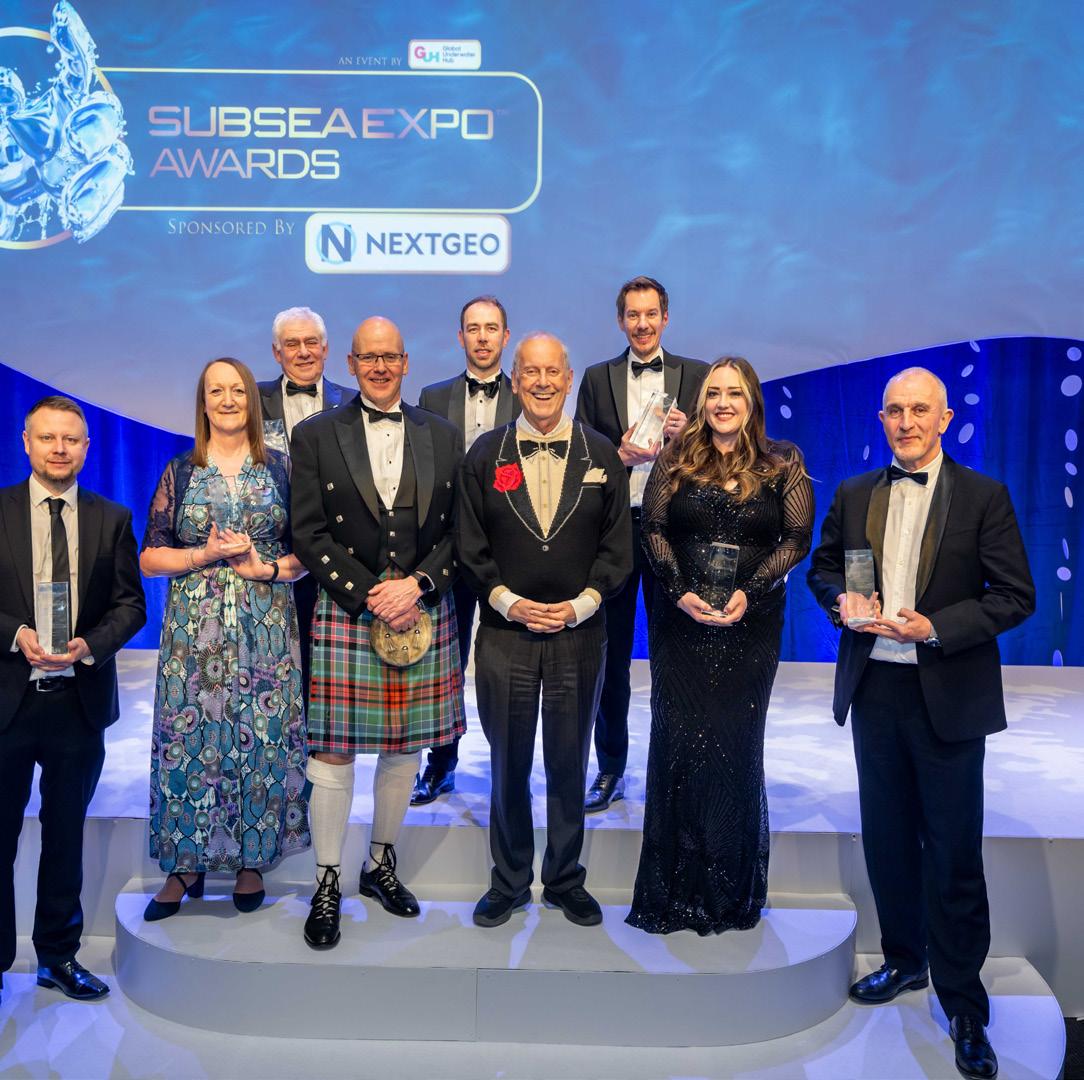




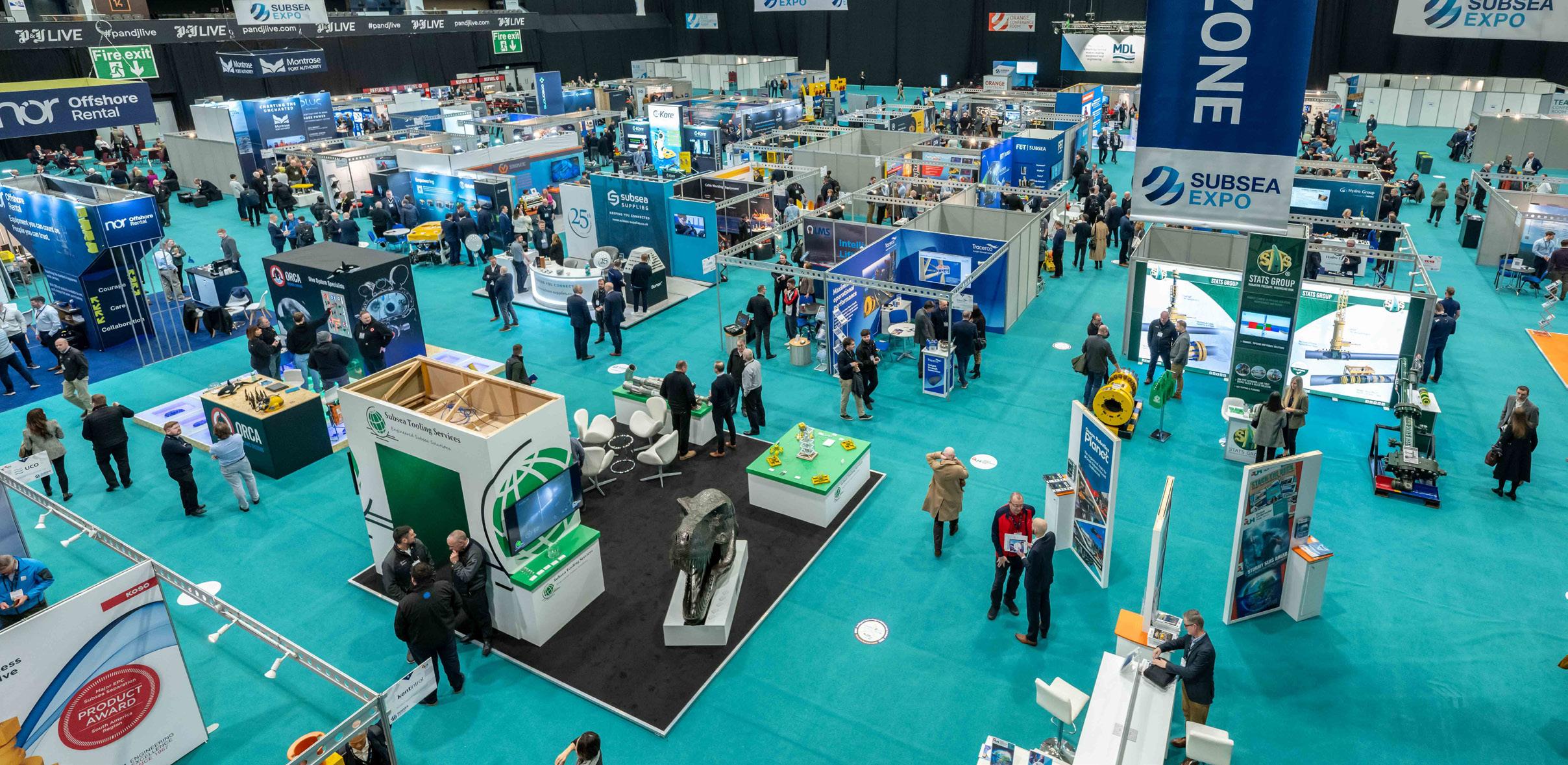
The countdown to the return of Subsea Expo in February 2026 is well and truly underway.
Taking place at P&J Live in Aberdeen on Wednesday, 04 and Thursday, 05 February, Subsea Expo is one of the world’s leading events dedicated to the subsea sector and wider underwater industry.
Free-to-attend, the established annual event will welcome delegates from around the world, reflecting the international regard in which the UK’s underwater industry is held. In 2025, Subsea Expo saw visitors from 34 nationalities in attendance.
Featuring both an exhibition and a conference, the event provides a showcase for the technology, innovation and talent that abounds in the UK’s £9.4billion underwater industry, attracting around 5,000 visitors over its run.
Regarded as an event where business is done, Subsea Expo draws companies from across the underwater industry, with confirmed exhibitors including C-Kore Systems, Concept Cables, Digital Edge Subsea, KOSO Kent Introl, Northern Diver, Seafast Maritime, STATS Group, Tracerco, Viewport3 and Yoke.
For 2026, exhibitors can benefit from participating in new customer engagement sessions – dedicated 10-minute one-to-one meetings with key decision makers from across the underwater industry. Operators, contractors and developers already signed up include bp, Baker Hughes, Flotation Energy, Petrofac, Subsea7, TotalEnergies, Well-Safe Solutions and Wood.
As the subsea industry stands on the brink of transformation, powered by the global energy transition, diversification, digitalisation and a renewed focus on sustainability, the theme for the two-day industry showcase in 2026 is The Next Wave. This will explore where the next projects and innovations are coming from in offshore wind, oil and gas, defence and beyond, highlighting how innovation beneath the waves is driving careers and growth across the blue economy.
A busy conference programme will once again focus on some of today’s key talking points. Alongside an opening breakfast plenary session, the conference programme will cover oil and gas, offshore wind, decommissioning and defence, reflective of the sectors that the underwater supply chain is set to centre its attentions on in the coming years.
Also forming part of conference proceedings will be a series of spotlight sessions, delivered in the open theatre in the exhibition hall. These short, 12-minute presentations allow the speakers to share knowledge, technologies, alternative approaches, research findings and project summaries on a range of topics. For 2026, these are expected to cover advanced manufacturing, the circular economy, data and digitalisation, diving, late-life management, subsea 2035, subsea power and underwater robotics.
The event’s official networking drinks reception will take place on the Tuesday evening on the
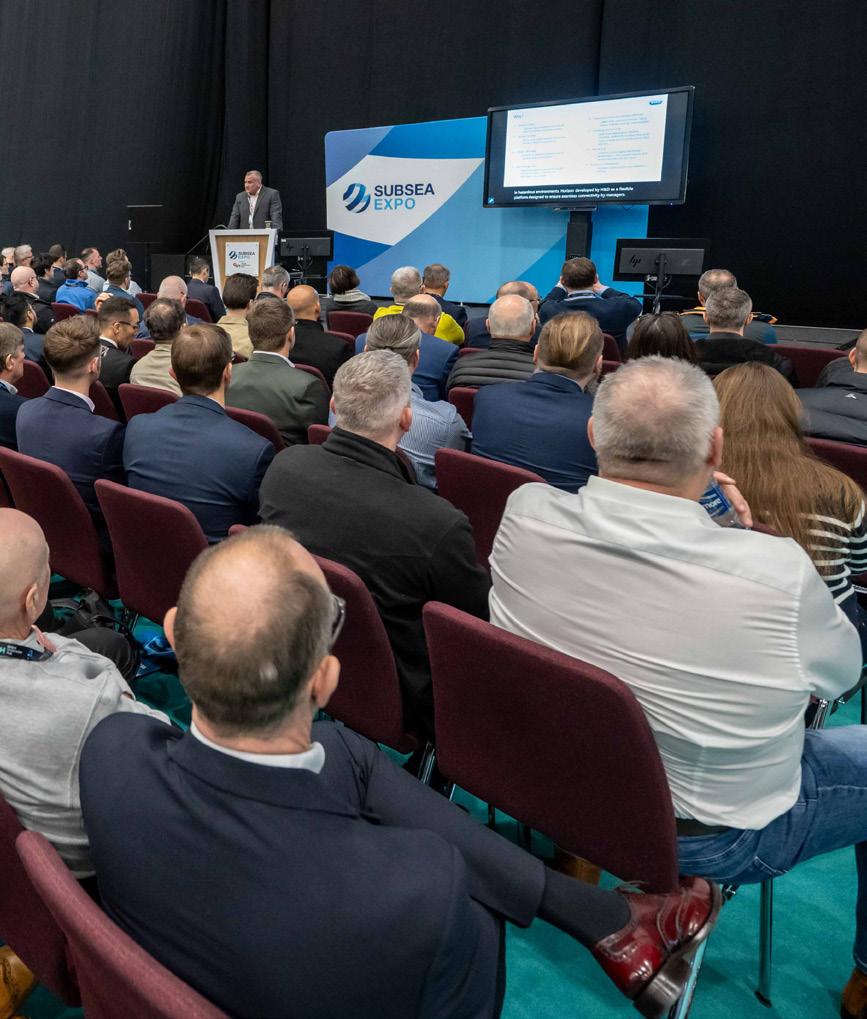
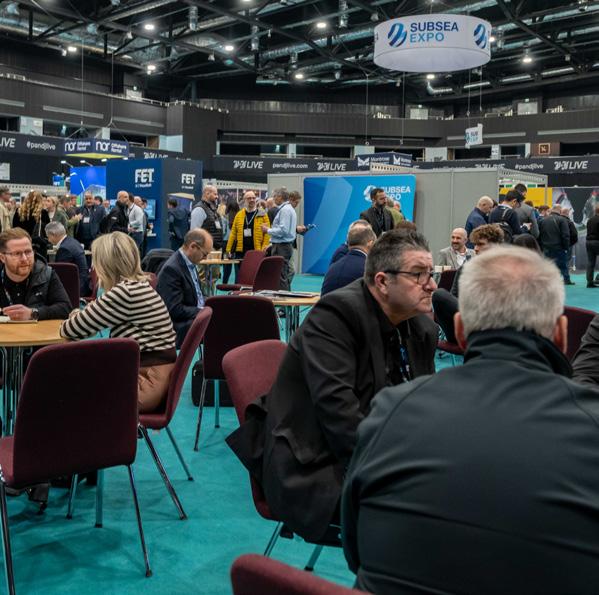
eve of Subsea Expo. Held in the centre of Aberdeen, at the stunning Union Kirk, the event will provide an opportunity for attendees and exhibitors to network in relaxed surroundings before the show officially opens on the Wednesday morning.
A highlight of Subsea Expo is the Subsea Expo Awards, which will be presented at a black-tie dinner on the Wednesday evening. Around 450 guests are expected to attend and celebrate the achievements of companies and individuals leading the way in the industry.
Nine accolades will be presented on the night, including awards for Rising Star and Outstanding Contribution which celebrate the achievements of individuals at opposite ends of their careers. In a departure from recent tradition, the evening will be hosted by comedian and TV personality Cally Beaton, well known for appearances at the Edinburgh Festival Fringe and on programmes including Live at the Apollo, QI and Richard Osman’s House of Games.


As part of its “10 Years in 10 Stories” community campaign, leading renewable energy company Vattenfall is celebrating a decade of fossilfree energy at the Clashindarroch Wind Farm, Huntly – and, importantly, a decade of positive biodiversity action in the Scottish Highlands.
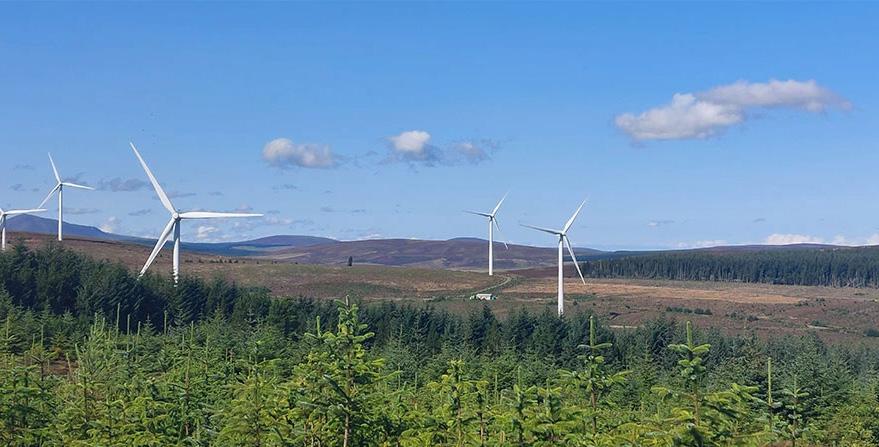
Located in the heart of Aberdeenshire, the Clashindarroch Wind Farm has been quietly powering thousands of homes with renewable electricity while also delivering significant benefits to local communities through its community fund. Over the past ten years, the fund has supported a diverse range of local initiatives, including youth development, mental health support, heritage projects, and skills training, with over £2 million awarded to date.
Since beginning operations in 2015, Clashindarroch has not only contributed to renewable energy targets but has also played an active role in habitat restoration and ecological enhancement, particularly through peatland and moorland restoration work on formerly commercial forested areas.
One of the standout elements of Vattenfall’s environmental strategy at Clashindarroch has been the restoration of degraded peatlands and conifer plantations. Under the project’s Habitat Management Plan, felled commercial forestry
areas are being transformed back into peat bog and open moorland, with complementary planting of native broadleaf species like birch trees, to increase habitat diversity.
Restoration techniques include ditch-blocking, “stump flipping” to facilitate peat formation, and proactive management of Sitka spruce regeneration – all aimed at fostering a healthier, more resilient ecosystem. Vattenfall works in partnership with Forestry and Land Scotland, SEPA, Aberdeenshire Council, and the RSPB within a habitat management group to guide these efforts and monitor outcomes.
Early results from ongoing biodiversity monitoring are encouraging, showing that in bog restoration zones, Sphagnum moss abundance has risen dramatically.
Bird species that thrive in open moorland –including skylark, meadow pipit, wheatear, and stonechat – are expected to benefit. Woodland and scrub birds like willow warbler, tree pipit, and redpoll are also projected
to expand. The changes support small mammals and voles, which in turn benefit predators such as pine martens and Scottish wildcats. Through periodic vegetation and bird population surveys, Vattenfall continues to track ecological progress.
Chris Jackson, Director of Environmental Management for Vattenfall, says:
“The biodiversity crisis and the climate crisis are hugely interlinked, and we, as a renewable energy provider, have a responsibility to lead by example. We look to develop solutions that benefit not just society but also benefit biodiversity, and it is absolutely our belief that both biodiversity and energy production can coexist and go hand in hand.”
“At Clashindarroch, we see wind energy not only as a climate solution but as an opportunity to help protect and enhance biodiversity,” said Kerry Birse, Local Liaison Officer at Vattenfall. “By embedding habitat restoration into our operations, we’re aiming for a win-win: delivering renewable energy while improving nature.”
This biodiversity story is one of 10 featured stories in Vattenfall’s “10 Years in 10 Stories” campaign – crafted to share how the Clashindarroch Wind Farm is more than just turbines and energy, it’s a force for community and the environment. By demonstrating how renewable infrastructure can coexist with ecology, Vattenfall reinforces its broader commitment to Scotland’s climate and nature goals. The lessons learned here will feed into ongoing and future projects, including Clashindarroch II.
The Vattenfall Clashindarroch Wind Farm Community Fund continues to welcome applications from projects that benefit the communities of Huntly, Strathbogie, Tap O’ Noth, and the area served by Cabrach Community Association. The fund is administered by Foundation Scotland.
Ming Yang Smart Energy, the largest private wind turbine manufacturer in China, and the UK’s Offshore Renewable Energy (ORE) Catapult, have today (Monday) announced the signing of a contract to provide testing and validation of the main bearing for Ming Yang Smart Energy’s 18.5 MW offshore wind turbine.
The test piece is scheduled to arrive at ORE Catapult’s National Renewable Energy Centre in Blyth, Northumberland, in the coming months and will be subjected to simulated real-world conditions that replicate what an operational 18.5 MW turbine would experience out at sea.
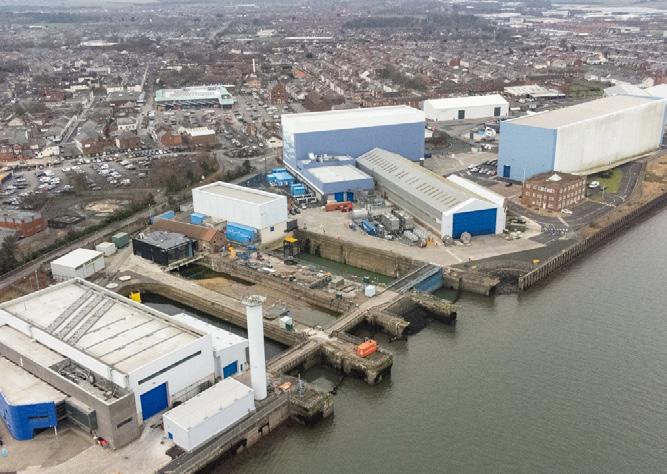
This is the first testing agreement that ORE Catapult has signed with Ming Yang Smart Energy and builds on years of experience of testing major new pieces of technology that have gone on to play big roles in the UK’s expansion of offshore wind.
The Offshore Wind Growth Partnership (OWGP) has awarded
£2.4 million to nine supply chain companies, aimed at enhancing their capabilities and increasing capacity within the offshore wind sector.
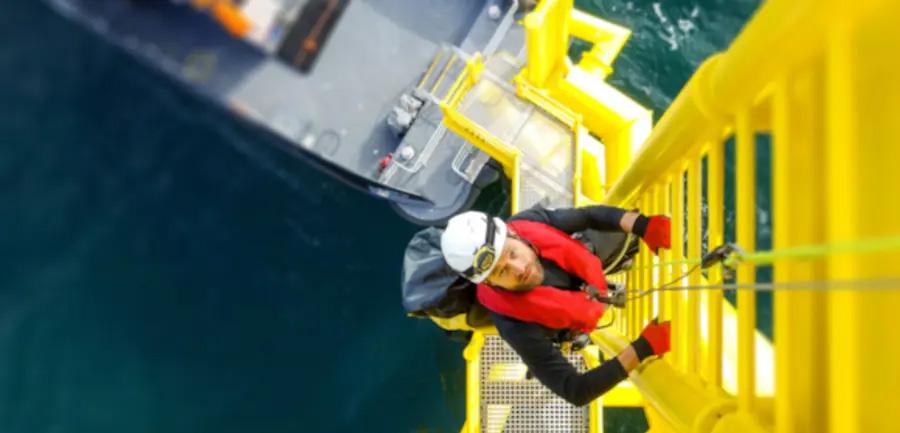
This funding, made available through OWGP’s Development Funding programme, will provide critical support for UK supply chain companies as they scale up operations.
The programme supports projects that align with Industrial Growth Plan priorities to address key supply chain growth areas. Applications supported cover a broad range of growth areas including; electrical systems and cables, foundations and substructures, smart environmental surveys and installations and O&M.
These applications underwent a thorough evaluation process, with priority given to proposals featuring near-to-market solutions, customer interest and engagement and a clear and credible ambition for growth within the sector.
Nine companies have been selected to receive support from OWGP. These include, Airspection Limited, BPP Cables Limited, Fennex Ltd, HydroSurv Unmanned Survey (UK) Ltd, Innovair Limited, Kinewell Energy Ltd, MJR Controls Limited, SeaThor Limited and Slipform Engineering Ltd.
Steve Foxley, ORE Catapult Chief Executive, said: “Offshore wind will play a central role in the UK’s journey to delivering Clean Power 2030 and to achieving Net Zero in the years beyond.
“Today’s announcement highlights one of the many vital roles ORE Catapult plays in supporting that transition – providing independent validation of quality and reliability, helping developers and the wider sector make informed choices.”
Marc Sala, VP Engineering and Technology Europe for Ming Yang Smart Energy, said: “For Ming Yang, this partnership with ORE Catapult is a major milestone in our strategic push into the UK market and marks a decisive breakthrough for our local operations.
“By partnering with ORE Catapult’s worldleading test facilities, we will bring our 18.5 MW offshore turbine to the UK—and wider international markets—quickly and with proven reliability, further strengthening our global leadership in high-end wind technology.”
Andy Simmonds, Director of SeaThor, commented:
“Receiving support from OWGP marks another exciting step forward for SeaThor. This funding enables us to finalise the development and commercial readiness of our CableSpring technology. This will deliver a new standard of reliability for dynamic subsea cables and unlock significant cost savings for floating offshore wind projects. We’re proud to bring innovative UK engineering to one of the industry’s most pressing challenges.”
Minoo Patel, Director of BPP Cables Limited, said:“OWGP funding will enable BPP to accelerate the development of next-generation water-blocking layer designs, providing vital innovation to support the rapid growth of the dynamic cables sector for floating offshore wind.”
Lynne McIntosh-Grieve, Head of Programme Delivery at OWGP, added:
“It is wonderful to announce the companies selected through our latest Development Funding programme. This funding will support a diverse portfolio of projects from UK supply chain companies set to strengthen the sector’s ability to deliver offshore wind at scale.
“The record number of high-quality applications we received in this funding round demonstrates the ambition and readiness of companies to meet the growing demand in the UK offshore wind market.
“We are proud to support these nine projects, which will accelerate near-to-market solutions, build capacity, and deliver lasting benefits for the sector and the economy”

Many people from the UK’s oil and gas industry spent the first week of November gathering in Abu Dhabi for what must now be the largest global gathering of its kind – ADIPEC (Abu Dhabi International Petroleum Exhibition & Conference).
LMartin Ewan, partner, Brodies LLP
istening to the keynote address by the group chief executive of ADNOC (the state-owned oil and gas company), it struck a chord with the difficult policy decisions that are facing us in the UK.
The first of these decisions surrounds the scale of capital investment that is needed to upgrade our energy infrastructure. In Dr Al Jaber’s words, “You simply can’t run tomorrow’s economy on yesterday’s grid.” The energy requirements of data centres, new smart grids and the overall increasing domestic and industrial demand for energy will require a huge amount of capital investment: ADNOC estimates more than $4 trillion annually globally.
Given the current UK economic projections, for some it is a difficult conundrum to work out where the UK’s slice of that will come from. Private capital is expected to provide the majority of the funding, and it was obvious from the conversations at ADIPEC that there is a lot of interest in the sector from the investment community, but there will also need to be governmental levers, such as tax credits or backing long-term contracts to underpin the project economics and attract that private capital.
The UK government’s over-riding policy driver is to increase our national economic productivity, which means enhancing digitisation and all things AI. One noticeable trend has been the increase of so-called
“agentic-AI”, which is an advanced form of AI that, rather than responding principally to human commands or prompts, can set goals and make decisions with minimal human interaction in complex process workflows. This will be a sea-change in many industries, including energy. Of course, as Dr Al Jaber noted, this increase in digital usage will be a further drain on energy, as the processing capacity required ramps up.
Over the summer of 2025, we saw Ireland adopt a new strategy towards private wires, that is where a private company establishes a power generation system, for example offshore wind, solely for its own consumption. These are still very rare in the UK, other than for island communities and in relation to powering offshore oil and gas installations. But, if we are to see the rise of major data centres (which is the scenario that Ireland is presumably considering as the European headquarters of Google and others), then this development could also be a feature of our future.
The example of a corporate behemoth like Google doing this is one thing, but one could also imagine setting up a private wire arrangement for a consortium of companies in a particular industrial region. A power purchase contract from them could underpin the construction of the solar and/or onshore wind project economics. Of course, the risk profile would be different with smaller / multiple counter-parties, but - if there were sufficient appetite - the government could guarantee them to some degree,as is currently done for companies exporting goods via UK Export Finance. Battery technology is also improving apace, so concerns regarding the intermittency of renewable generation could be overcome by co-located battery storage facilities in the future.
The second portion of Dr Al Jaber’s speech that struck a chord alluded to the policy tightrope that the UK government must walk vis-àvis Net Zero. The direction of travel towards an ultimate reduction in carbon production seems set, but – politically and economically – there are pressures to soften the ambitious time-frames. The signalling from the UAE was for a “pragmatic approach that proves how a policy grounded in reality builds investor confidence”. The UK oil and gas industry feels embattled by the various headwinds and will have lapped up that sentiment. Only time will tell if the messaging found a sympathetic ear in Downing Street.
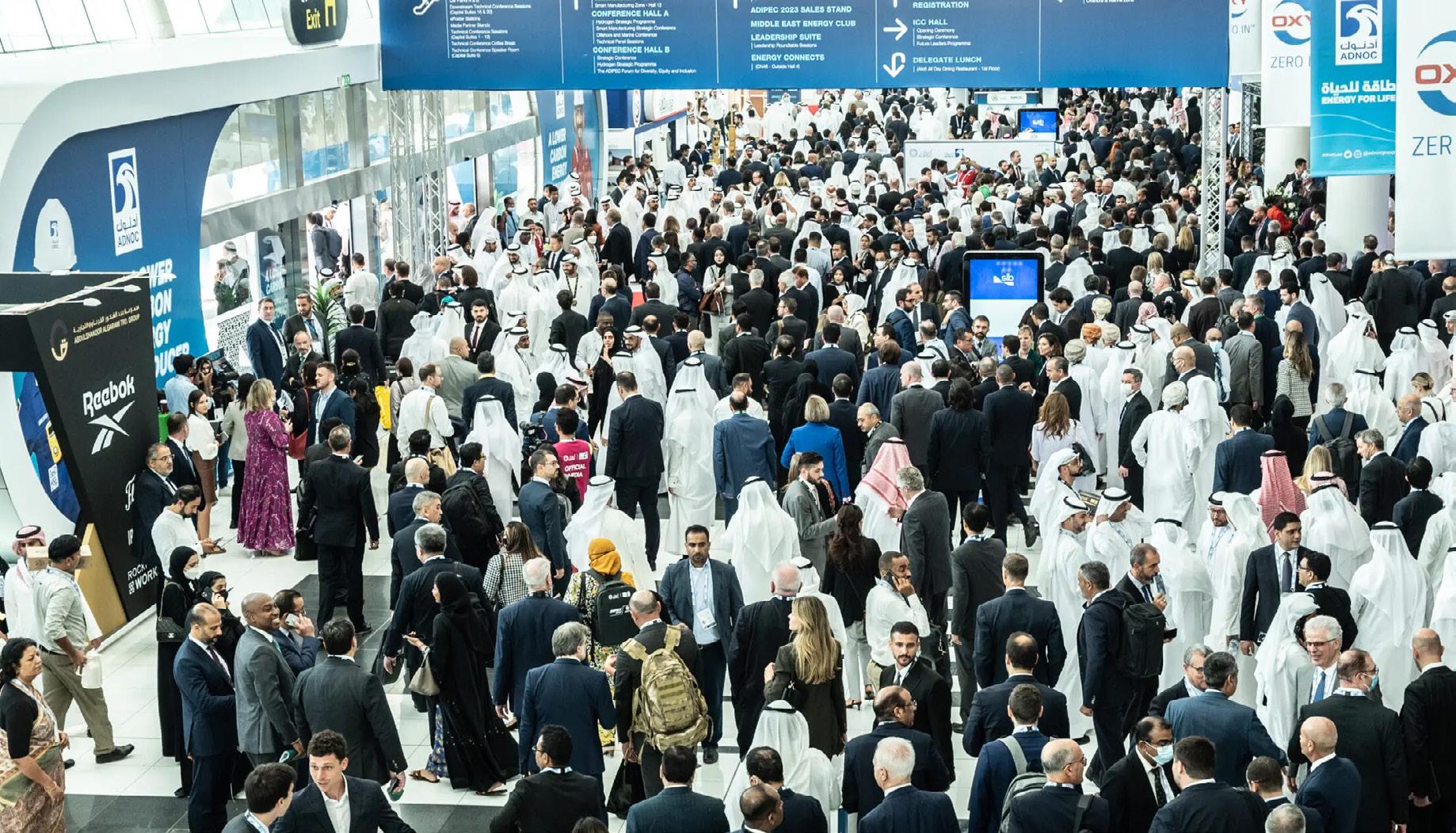
Brodies LLP is a UK top 50 law firm with offices across Scotland, the UK and internationally. For more useful insight and details of our energy expertise visit brodies.com

SPONSORED BY

Leyton is an international consulting firm that helps businesses leverage financial non-dilutive incentives to accelerate their growth and achieve long lasting performance.
We simplify your access to these complex incentives. Our combined teams of highly skilled Tax and Technical specialists, enhanced with cutting-edge digital tools developed internally, maximise the financial benefits for any type of business.
Innovation in the marine and lifting sectors within the energy industry is focused on developing new technologies, techniques, and equipment to enhance operations' efficiency, safety, and sustainability.
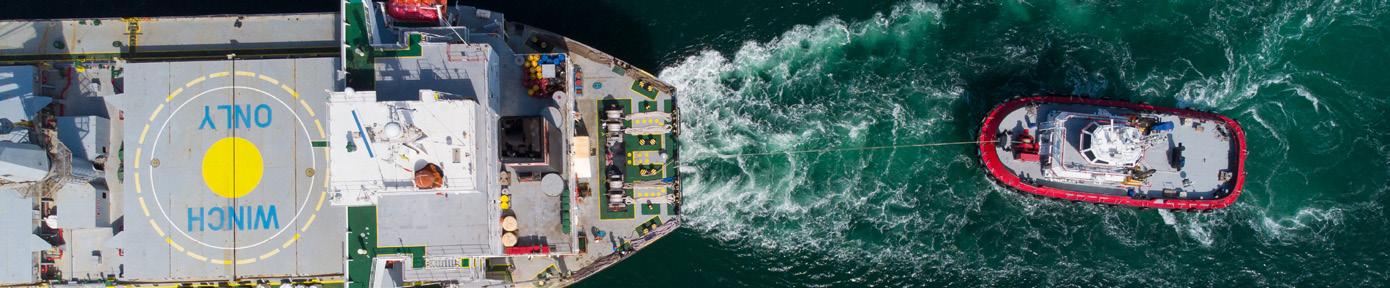
These innovations are driven by the need to meet the increasing demand for renewable energy sources and address the challenges associated with offshore installations.
One area of innovation that is transforming the marine energy industry is the development of advanced lifting systems and equipment. Companies in this sector are investing heavily in research and development to create efficient and precise lifting solutions that can handle heavy loads while minimising risks to personnel and the environment. These lifting systems are specifically designed for the installation and maintenance of marine energy devices, such as tidal and wave energy converters. To ensure the proper deployment of these devices and their ability to withstand harsh marine conditions, specialised lifting and positioning techniques are required. The use of remotely operated vehicles (ROVs) or autonomous underwater vehicles (AUVs) is being explored as a means to facilitate underwater operations. These innovative lifting techniques help reduce human intervention in dangerous environments and enable more efficient and accurate lifting tasks. By leveraging the capabilities of ROVs and AUVs, lifting companies can minimise risks and enhance the overall efficiency of marine energy device deployment and maintenance. Furthermore, advancements in robotics and automation play a crucial role in improving the speed and accuracy of lifting operations while reducing human error. Companies are implementing cuttingedge technology to enhance the capabilities of their lifting equipment. For instance, robotics and automation are being used
Mariusz
to automate various tasks involved in the lifting process, including load monitoring, positioning, and manoeuvring. This not only improves efficiency but also ensures safety and reliability in lifting operations.
In addition to lifting equipment, innovation has also revolutionised the marine sector through the development of advanced vessels and technology. One key example is the introduction of dynamically positioned (DP) vessels, which have significantly improved offshore operations. These vessels are equipped with advanced sensors, computer systems, and algorithms that enable precise positioning and manoeuvrability. This technological advancement has had a transformative impact on the installation and maintenance of offshore wind farms and oil rigs. DP vessels have enhanced stability and reliability in harsh offshore conditions, making them instrumental in the growth of the marine energy industry. Another example of innovation in the marine sector is the constant development of specialised vessels for offshore wind turbine installation. Jack-up vessels, in particular, have been specifically designed to transport and install large wind turbine components in deep waters. These vessels are equipped with retractable legs that can be lowered to the seabed, providing stability during the installation process. Some jack-up vessels even feature self-elevating platforms that can operate in challenging marine environments. This innovation has enabled efficient and precise wind turbine installation, further driving the growth of renewable energy.
Beyond equipment and technology, innovation is also driving improvements in data analytics and digitalisation in the marine energy industry. Companies are harnessing the power of big data and artificial intelligence to optimise operations, reduce downtime, and enhance the performance of marine assets. Real-time monitoring systems, predictive maintenance algorithms, and advanced analytics are being developed to detect and prevent issues before they lead to equipment failure. By leveraging data analytics and digitalisation, companies are able to improve the efficiency, safety, and sustainability of their marine energy operations. The innovations aim to increase efficiency, safety, and sustainability, driving the growth of the industry. By leveraging their expertise in lifting and handling heavy loads in challenging marine environments, these sectors are pushing the boundaries of what is possible in the energy industry and furthering the transition to a more sustainable future.
The United Kingdom is leading advancements in the marine and lifting sectors within the energy industry, bringing economic benefits while also reducing carbon emissions and promoting sustainable development. The UK government supports these advancements through funding programs, grants, and collaborations with industry and academic organisations. Initiatives such as the Marine Energy Research and Development Accelerator (MERADA) program and collaborations like the Offshore Renewable Energy Catapult drive innovation and research in marine and lifting technologies, aiming for more efficient and environmentally friendly solutions.
To support these efforts, companies engaged in pioneering projects can explore the potential benefits of additional funding schemes such as HMRC’s R&D Tax Relief Scheme. This scheme provides financial incentives for companies investing in research and development activities. Leyton, a renowned innovation funding leader, offers expert guidance and support to help firms secure financial backing for their research and development initiatives. Leveraging Leyton’s extensive experience ensures that companies can confidently apply for R&D funding, maximising the rewards for their innovative endeavours.



EnerMech will also service a platform offshore Australia
Aberdeen-headquartered EnerMech has been granted a further one-year contract renewal to deliver crane maintenance and integrity services across six of Woodside Energy’s assets offshore Western Australia, reinforcing a trusted partnership that has been in place since 2019. SPONSORED BY
The renewed work scope covers six offshore assets in northwest Australia, including several floating production, storage and offloading (FPSO) vessels and a fixed offshore platform.
A dedicated team of 12 EnerMech specialists will continue to manage the planning and execution of all offshore campaigns,
John Fredriksen-controlled Northern Ocean, a semisub spin-off of Northern Drilling, has won more work for one of its rigs.
Oil and gas player Rhino Resources opted to amend the contract for the 2018-built Deepsea Mira awarded to the company earlier this year.
Namely, Northern Ocean won a contract in July for one firm well for Rhino, one firm well for another operator, and three optional wells, with an estimated firm duration of 112 days and a projected value of around $40m.
The rig was originally hired to drill the Volans1X exploration well in Namibia, the third successive well to be drilled on PEL85 by Rhino and its partners NAMCOR, Korres Investments, and Azule Energy. Operations started in mid-July 2025.
Rhino Resources has now decided to incorporate an additional firm well test and extend the rig contract by a total of 28 days.
maintaining 13 cranes and providing latelife asset support through inspection and integrity engineering services.
EnerMech on Thursday said this latest award — the value of which was kept under wraps — reflects Woodside’s continued confidence in its ability to deliver safe, efficient and technically robust solutions in complex offshore environments.
“We place immense value in the strength of this working relationship and recognise the importance that robust and efficient crane services have to its operations,” EnerMech chief executive Chuck Davison Jr. said.
“The knowledge developed by the local team as well as their innate understanding of complex lifting operations ensures that they are expertly placed to continue providing safe solutions that drive operational excellence.”
Jason Jeow, vice president, Asia Pacific added that the seamless collaboration between our two teams has been pivotal to this project success, with a shared appreciation of the nuances that the relevant assets pose.
EnerMech’s multi-skilled teams work across operational offshore and onshore facilities in major energy industry hubs in 26 countries.
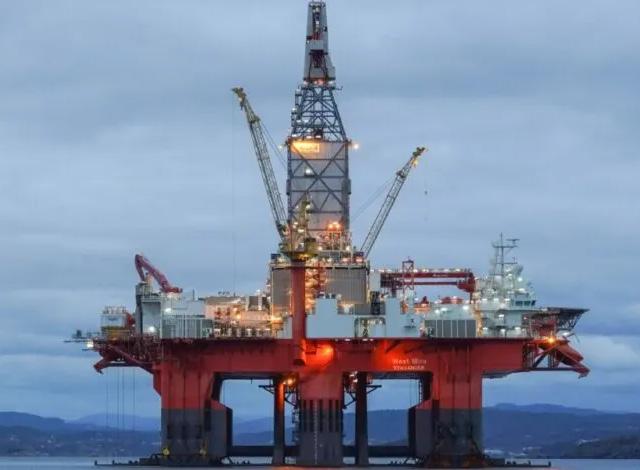
The additional well test will take place before the existing three optional wells.
This extension will increase Northern Drilling’s firm backlog to approximately $394m.
Ocean services provider DeepOcean has been awarded a contract to provide subsea construction and tie-in work at a subsea field development on the UK continental shelf.

field is being developed as a subsea
DeepOcean’s scope of work includes the installation of a flexible production riser and flowline, and an umbilical connecting the host
facility to the subsea xmas tree. The scope also covers the protection of the flowline and umbilical, as well as the commissioning of the newly installed infrastructure.
“We’re delighted to announce the award of this subsea tie-back project. This award acknowledges our significant track record in subsea construction and, at a time where there is a huge focus on homegrown energy solutions, we’re proud to support our client with our specialist engineering, operational excellence and delivery certainty to realise this key project for the life extension of the existing infrastructure,” says Robin Mawhinney, managing director, DeepOcean UK.
DeepOcean’s Aberdeen office will lead the engineering and project management for the subsea construction and tie-in work scope.
Offshore operations will be executed in two phases: subsea construction and tie-in activities initially, followed by commissioning performed by a second offshore construction vessel from DeepOcean’s chartered fleet.
Wood, a global leader in consulting and engineering, has secured a new contract to deliver project management and engineering services for PetroChina at the West Qurna 1 oilfield in southern Iraq – one of the world’s largest – continuing its decade long support there.
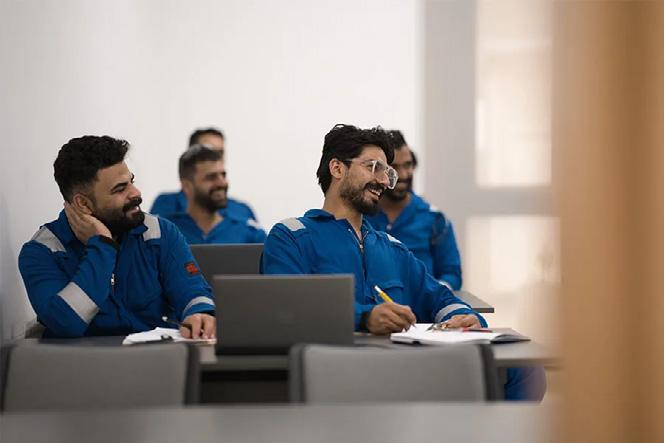
Under the contract, Wood will manage engineering, procurement and construction projects.
Located approximately 50 kilometers northwest of Basra, West Qurna 1 holds more than
20 billion barrels of recoverable reserves and is a cornerstone of Iraq’s energy infrastructure.
Ellis Renforth, President of Operations, Europe, Africa and Middle East at Wood, said:
“The West Qurna 1 field underpins the nation’s energy security and contributes significantly to its economic resilience. This contract award deepens our decade-long partnership at West Qurna 1 and reflects the continued trust placed in Wood to deliver complex energy solutions in Iraq.
“We’re proud to combine our global expertise with a strong local workforce to help support Iraq’s energy ambitions.”
The contract will be delivered by nearly 200 Wood employees based in Iraq and the United Arab Emirates..
Houston-headquartered energy services giant Halliburton has been awarded an integrated drilling and completion services contract by Shell’s Nigerian arm.
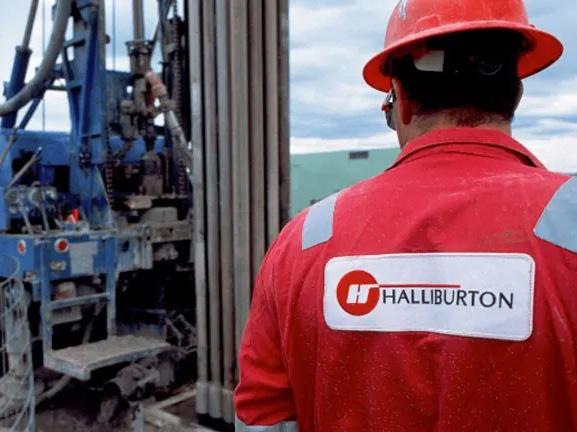
The contract, awarded by Shell Nigeria Exploration and Production Company (SNEPCo), in collaboration with Sunlink Energies, is for work on the HI gas field development in OML 144.
The project will provide feed gas supply to the Nigeria LNG Train 7 facility, one of the country’s most significant ongoing gas expansion initiatives. It is located about 50 km offshore, and will supply around 10m cu m of gas per day to the Nigeria LNG plant and is expected to begin production before the end of the decade.
Under the contract, the US firm will deploy a full suite of integrated drilling and completion solutions, including automation and remote operations, designed to enhance drilling precision, efficiency, and safety in deepwater environments.
The execution and integration services across the well lifecycle will be overseen by the company’s project management team.
“Our collaboration with SNEPCo and Sunlink Energies advances the HI gas field and contributes to the future of the energy industry in Nigeria,” said Shannon Slocum, president for the eastern hemisphere at Halliburton.




New research from global energy consultancy Xodus has revealed that the estimated cost of fully removing Australia’s offshore oil and gas infrastructure is benefiting from rising efficiency and understanding in the country’s decommissioning sector.
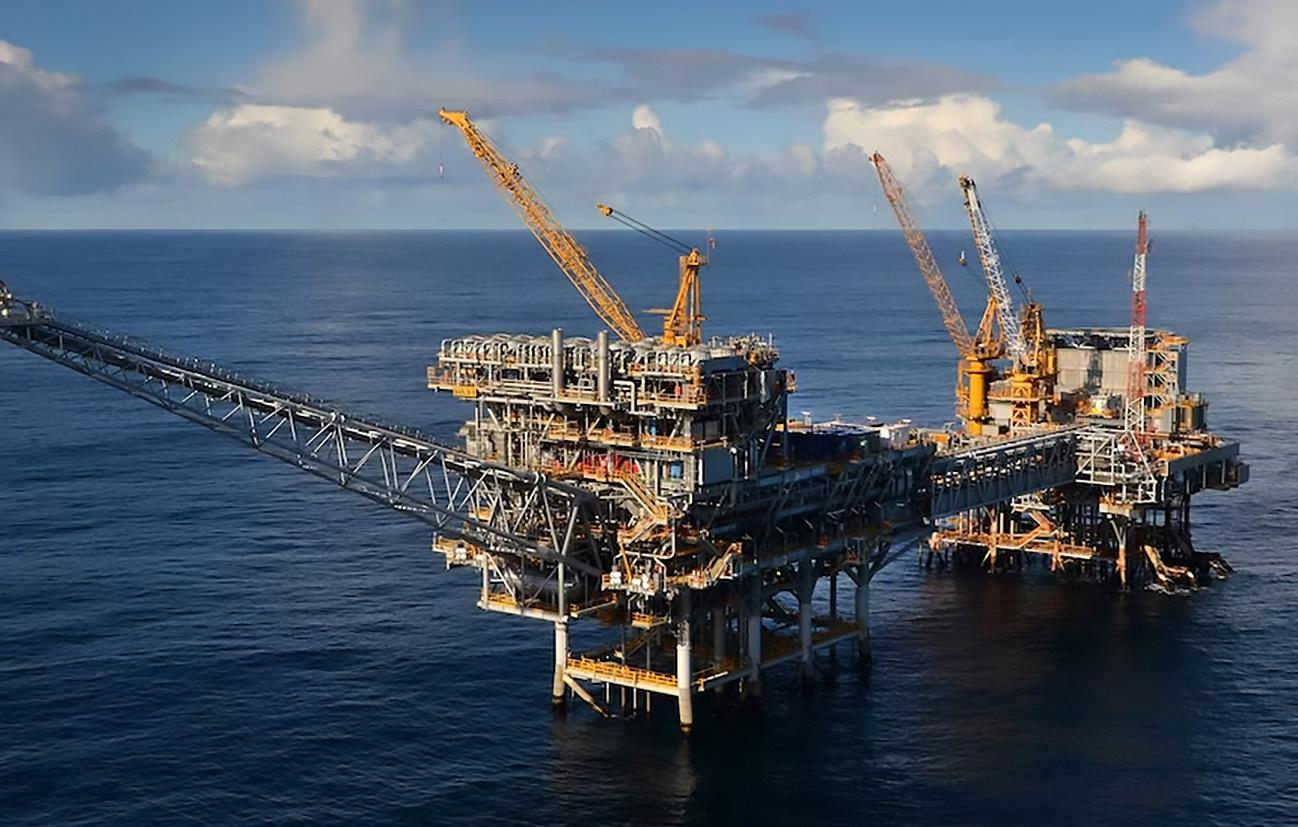
Australian Offshore Oil & Gas Decommissioning Liability Estimate 2025 was commissioned by the Australian Government’s Department of Industry, Science and Resources, and finds that by 2070, full removal of infrastructure in Australian Commonwealth waters is expected to cost AUS$43.6 billion, (AUS$66.8 billion when adjusted for inflation), compared with a previous 2020 estimate of AUS$61.8 billion.
The reduction reflects improved assumptions and greater accuracy in forecasting, particularly around well plugging, pipeline removal and vessel mobilisation. The estimate covers more than 700 wells, 7600 km of pipelines and 520 subsea structures.
Andrew Taylor, Head of Advisory APAC at Xodus, said: “Accurate cost forecasting is critical as Australia develops a safer and more sustainable decommissioning sector. This research gives both industry and government the tools to plan, budget and execute decommissioning more efficiently. The revised estimate not only reflects a maturing approach but provides a baseline for smarter, more collaborative strategies going forward.”
Future cost savings will likely come from better coordination, improved technologies and the development of local infrastructure. The
report also explores the cost-saving potential of aligning decommissioning campaigns with offshore wind construction activity.
The methodology assumes full removal as the default scenario and draws on Class 5 AACE estimates to account for uncertainty. Costs were calibrated regionally and reflect input from decommissioning managers across Australia’s major operators.
Based on current projections, Xodus expects significant investment in vessels, ports and recycling infrastructure will be needed to meet demand through to 2070, underscoring a key opportunity for private sector innovation and public sector planning. With over 18 years of global decommissioning experience, Xodus has supported more than 70 projects worldwide, advising governments and operators alike on sustainable asset retirement strategies.
As global focus on lifecycle accountability intensifies, the firm continues to lead with data-driven, pragmatic insight across oil and gas, decommissioning, CCUS, offshore wind and hydrogen.
Germany’s first offshore wind farm begins
Vattenfall, EWE, and RWE have kicked off the qualification phase for the decommissioning of Alpha Ventus, setting wheels in motion for the retirement of Germany’s first offshore wind farm.
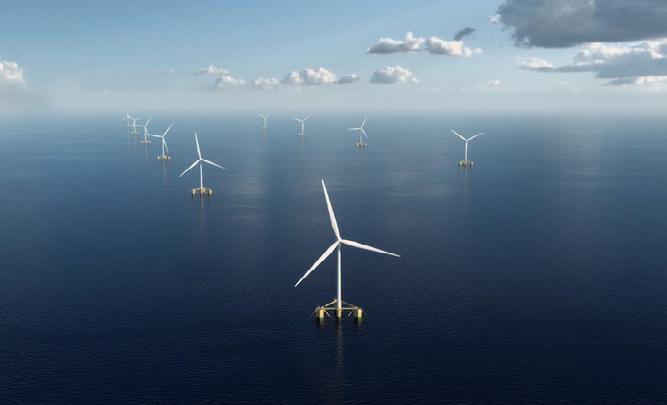
With
confirming plans to decommission the site by May 2025, the consortium is now searching for contractors to undertake the complex removal of the wind farm’s components.
The scope of the contract covers the removal of all 12 wind turbines and their foundations— including six jacket and six tripod foundations – as well as the offshore substation topside and jacket.
Contractors will be responsible for the subsea cable recovery, dismantling, and recycling of all components, as well as transporting everything to shore. The project will also entail cutting the export cable at the offshore substation and removing scour protection.
Two decommissioning options have been put forward. One is the partial pile removal via mechanical separation, while the other entails full pile extraction using methods such as vibrohammer. The deal also involves the onshore disposal or recycling of components, temporary storage, logistics, and harbour support services.
Work is slated to commence in 2027 but could also begin in 2028, with the contract valued at around €50m ($59m). Invitations to tender are expected in March 2026.
FPSOs still likely to end up on foreign shores for dismantling
More than 2.7 million tonnes of offshore infrastructure will be decommissioned and removed from Australia’s federal waters through 2070, although floating production, storage and offloading vessels likely will still need to be sent overseas as the country has no suitably licensed dismantling facility.

New research from global energy consultancy Xodus has revealed the estimated cost of fully removing Australia’s offshore oil and gas infrastructure is benefiting from increasing efficiency and understanding in the country’s decommissioning sector.
The Australian Offshore Oil & Gas Decommissioning Liability Estimate 2025, commissioned by the Australian government’s Department of Industry, Science & Resources, found that between 2025 and 2070, full removal of infrastructure in Australian Commonwealth waters is expected to cost A$43.6 billion (US$28.25 billion) or A$66.8 billion by 2063 when adjusted for inflation, compared with a previous 2020 estimate of A$61.8 billion.
The reduction reflects improved assumptions and greater accuracy in forecasting, particularly around well plugging, pipeline removal and vessel mobilisation, noted Xodus. The estimate covers more than 700 wells, 7600 kilometres of pipelines and 520 subsea structures.
The decommissioning of wells represents the largest portion of the decommissioning liability, with an estimated cost of A$17.9 billion. This is followed closely by pipeline decommissioning, with an estimated liability of A$17.85 billion.
The report found that 61% of the decommissioning liability is off the coast of Western Australia, 23% is off Victoria and 16% is off the Northern Territory. Around 55% of the decommissioning will occur before 2040.
At least 2.7 million tonnes of infrastructure will be removed — a large portion of which is steel — that may have the potential for local recycling.
Ports suitable for decommissioning activities for fixed platforms and oil and gas infrastructure are Barry Beach Marine Terminal (BBMT) for Victorian assets, and Henderson and Onslow for Western Australian assets.

All Victorian assets, other than concrete Gravity Based Structures (GBS), are assumed to be transported to BBMT for disposal. Concrete GBS offshore Victoria are assumed to be transported to Port Kembla, the report stated.
“For west coast assets, it is assumed that Onslow can accommodate all infrastructure weighing up to approximately 400 tonnes for dismantling. Anything larger than 400 tonnes will need to be transported to Henderson, this being due to ability to handle larger structures and the requirement for a deeper draft to handle extremely large transport barges.”
The reported further noted: Andrew Taylor, head of advisory APAC at Xodus, said: “Accurate cost forecasting is critical as Australia develops a safer and more sustainable decommissioning sector. This research gives both industry and government the tools to plan, budget and execute decommissioning more efficiently.
“The revised estimate not only reflects a maturing approach but provides a baseline for smarter, more collaborative strategies going forward.”
Future cost savings will likely come from better coordination, improved technologies and the development of local infrastructure. The report also explored the cost-saving potential of aligning decommissioning campaigns with offshore wind construction activity.
The methodology assumes full removal as the default scenario and draws on Class 5 AACE estimates to account for uncertainty, added the energy consultant. Costs were calibrated regionally and reflect input from decommissioning managers across Australia’s major operators.
Based on current projections, Xodus expects significant investment in vessels, ports and recycling infrastructure will be needed to meet demand through to 2070, underscoring a key opportunity for private sector innovation and public sector planning.




Mines and Money
V 2-4 December 2025
, London, UK
Offshore Wind Conference
V 28 - 29 January 2026
, Glasgow, UK

Subsea Expo
V 4-5 February 2026
, Aberdeen, UK


The Foresight Event 2026
V 4-5 February 2026
, Liverpool, UK
Scottish Energy Futures Con
V 10-12 March 2026
, Aberdeen, UK

Business travel remains essential for any organisation.
Travelling for work gives us the opportunity to build new relationships, collaborate directly with international colleagues, and experience different boardrooms, workplaces, and cultures.
Business travel is particularly critical for the oil and gas sector. The industry is global, operationally complex, and heavily dependent on safety, collaboration, and site-specific expertise.
Safety assessments, audits, and maintenance checks cannot be completed remotely, and major projects including exploration, field development and drilling campaigns are often spread across continents. Engineers, project managers, and technical specialists need to travel to coordinate contractors, oversee progress, and resolve technical challenges in real time.

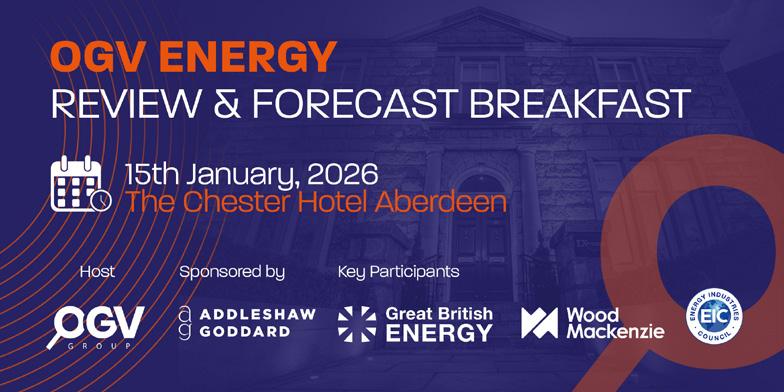
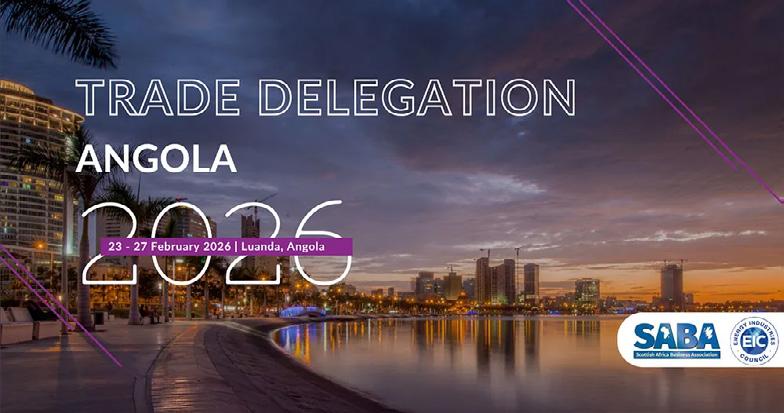

Additionally, the sector relies on relationships with governments, regulators, national oil companies, and global stakeholders, all of which involves face-to-face negotiations, approvals, and consultation.
2026 will be another transformative year for the energy sector, so travel remains a vital extension of the supply chain, enabling operators, suppliers, and service companies to adapt to a changing market and unlock new opportunities for growth.
While future UK production and activity remain uncertain, the capability and experience of the existing workforce are not. Deploying home grown UK talent to overseas projects is nothing new; however, without the stability of sustained UK production, this is likely to accelerate driving a shift in geographic travel patterns.
The increased level of activity across the Middle East, West Africa, and South America has created strong demand for experienced on-site production personnel and supply chain support. Whether deploying workers directly to apply their expertise or transferring staff to deliver on-site training and develop localised workforces, our role as a Travel Management Specialist is to make the travel process seamless, cost effective, sustainable and safe for our clients.
Increasing international requirements naturally increases travel spend, and with airlines and other travel suppliers forecasting price rises in 2026, it is crucial for companies to partner strategically with the right travel provider to maximise efficiency and control costs. Amid evolving travel patterns and shifting workforce movements, ATPI offers the insight businesses need to enter new markets more efficiently, seamlessly, and cost-effectively.


With in-country teams of experts worldwide and a deep understanding of local markets, ATPI helps clients navigate pricing trends. Through our strategic supplier relationships, and energy industry expertise, we negotiate better rates, enabling businesses to maximise the value of their travel budgets.
Central to delivering a seamless travel experience and staying connected to regional and global developments is our approach to technology. Looking ahead, AI is set to play a pivotal role in corporate travel, driving both automation and personalised solutions to further optimise operations for business travellers and crew.
Rather than replacing what makes a travel company so valuable (the personable and human element of traveller care), if implemented properly, AI is a gamechanger. At ATPI, AI models are being introduced to streamline automation and repetitive tasks, enhancing efficiency in our booking processes and simplifying workflows by reducing manual and repetitive tasks.
Focusing on collaboration between international markets and personnel travelling between locations, AI has been utilised to translate bookingrelated queries and documents, aiding crossmarket consistencies and reducing the risk of miscommunication.
Regions with high activity, such as Eastern Europe and the Middle East, are often affected by instability and conflict. Shifts in geopolitical relationships and ongoing tensions mean that disruptions are inevitable and unfortunately likely to continue in 2026.
Businesses increasing their activity in international markets want to feel assured that they are partnering with a specialist that has the tools and experience to navigate challenges without sacrificing the well-being of the workforce or the impact on operations.
Our proprietary technologies, including CrewHub, CrewLink, and Traveller Tracking System, are trusted by our energy clients to provide a clear overview of their employees’ welfare during times of escalation. While unrest is beyond an operator’s control, how they respond and safeguard their employees is entirely within their power, and we provide the support they need to fulfil their duty to care obligations

If you would like to find out how ATPI can help streamline your travel management, email:

Consultancy
Projects and Modifications
Asset IMR/ Repair Orders
— TAR and Campaign Management
Asset Management
— Late Life and Decommissioning
Asset Specialist Services