





















THE LENS: Presented by Phantasmagoria
Final Interior Architecture Studio Project Proposal
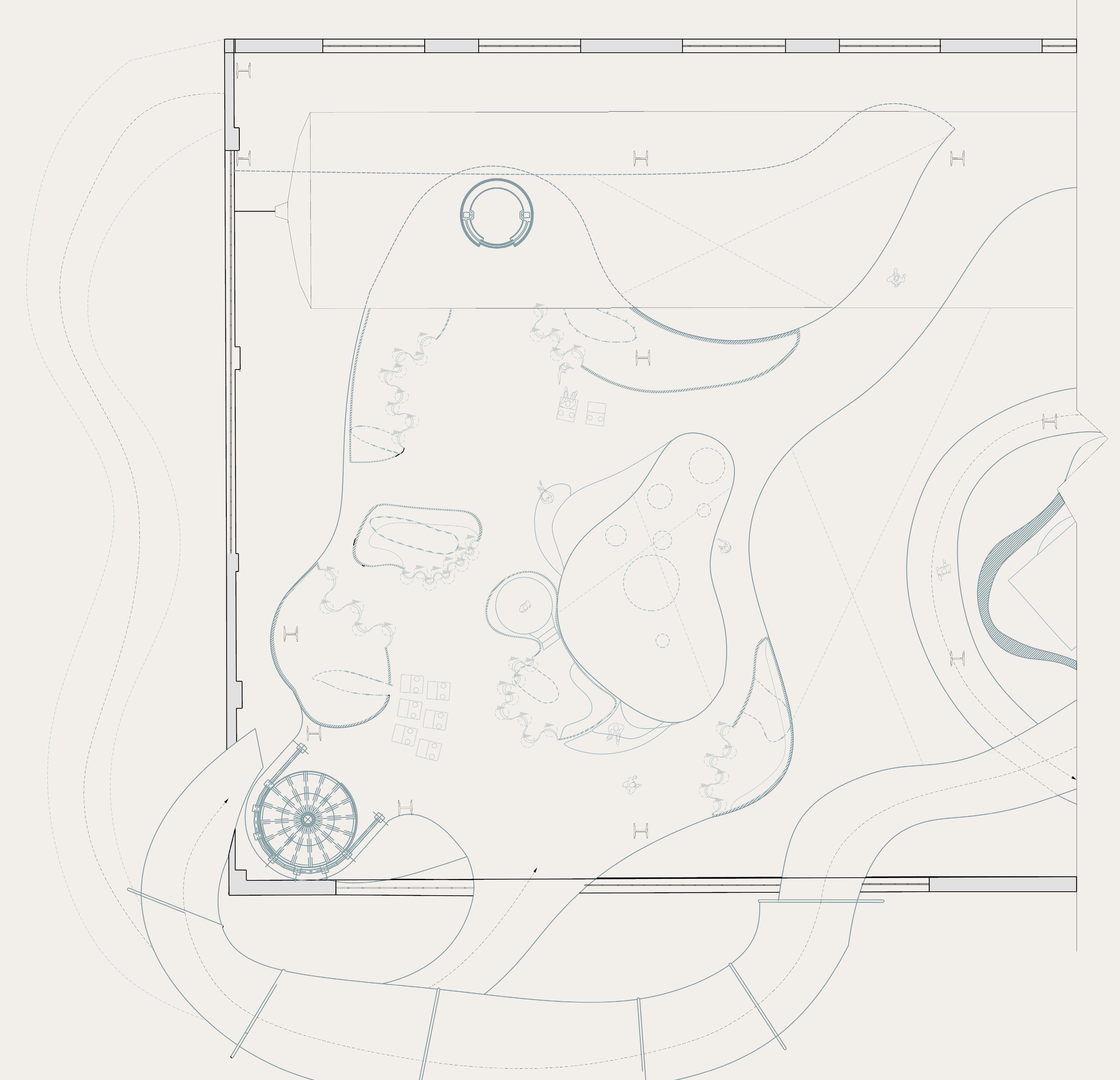
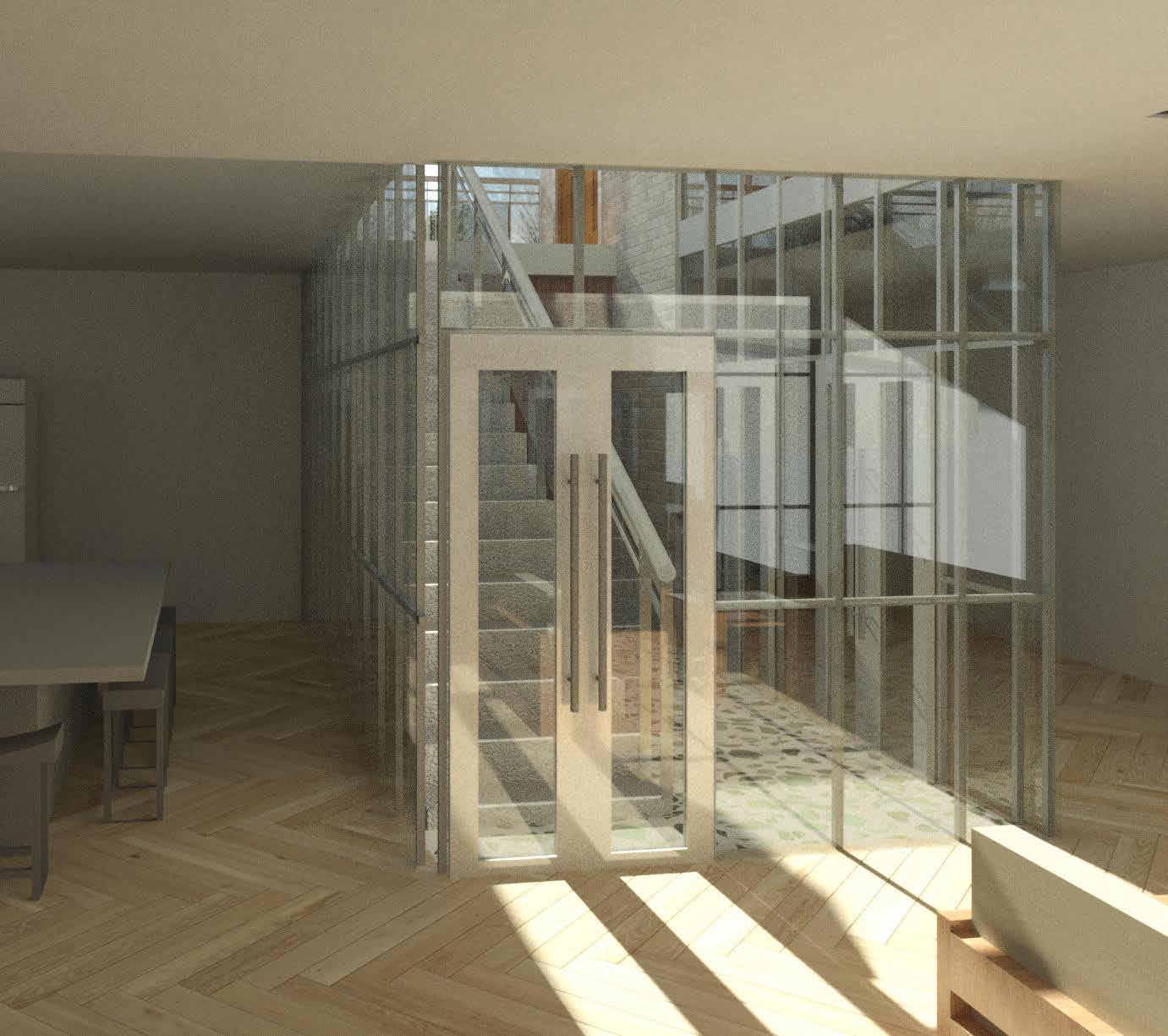
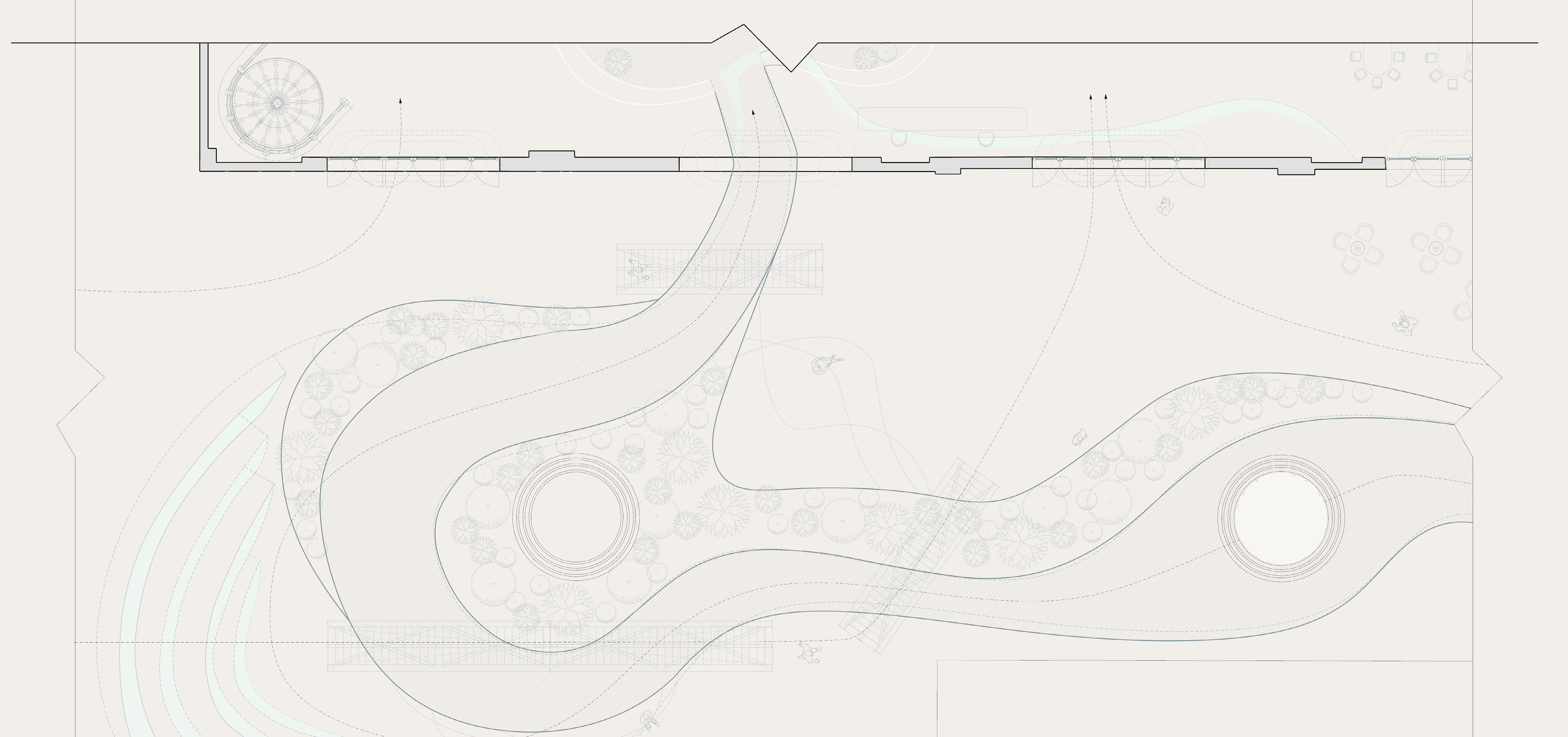
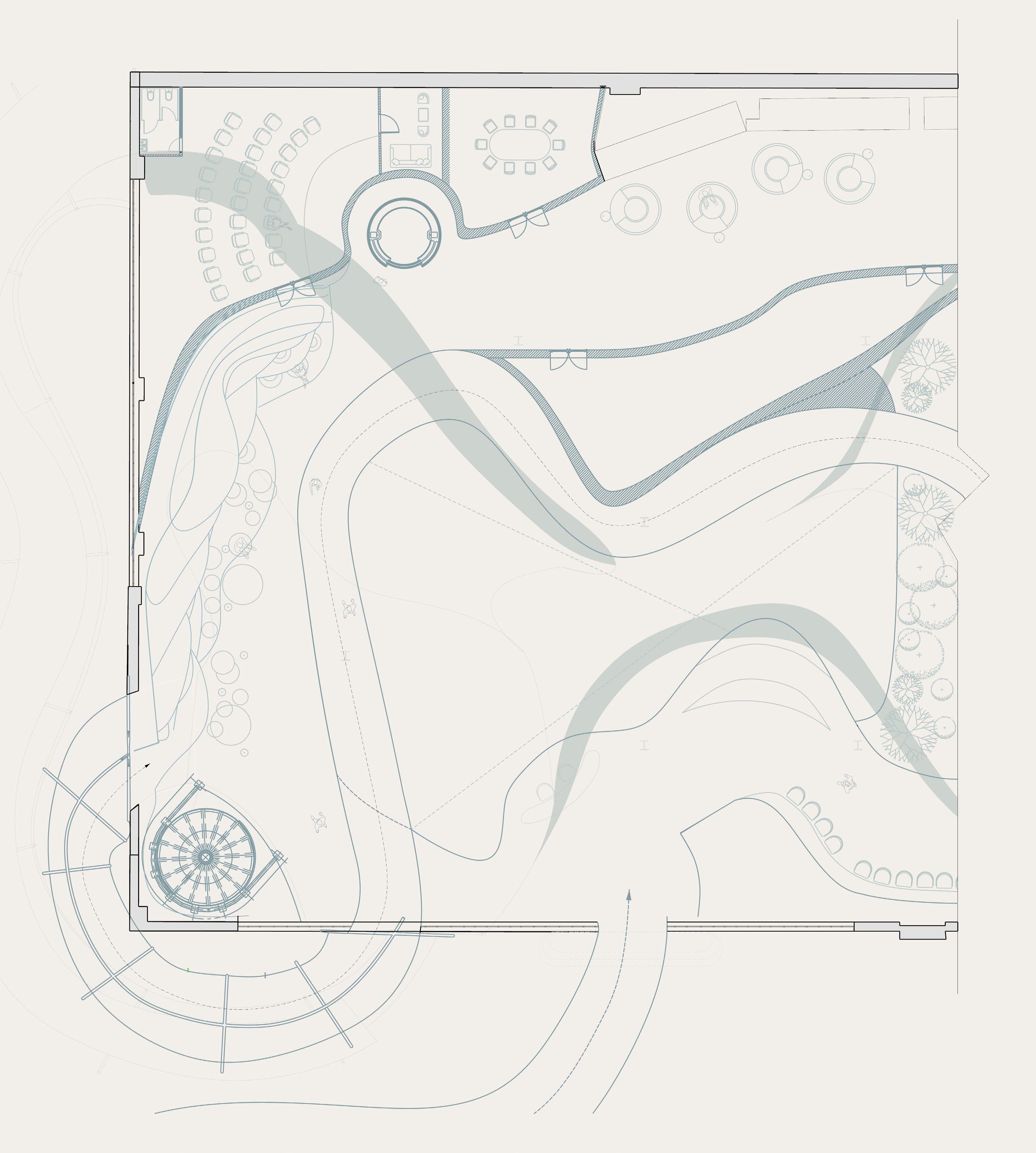
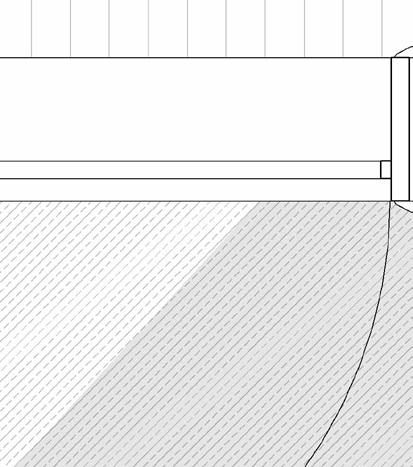
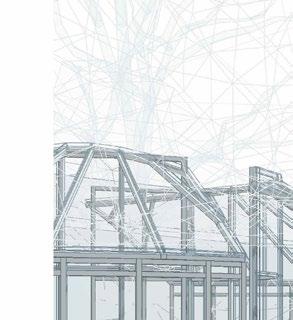
The creation of a civic innovation center guided by Country, located in the White Bay Power Station, Rozselle: A listed heritage site
2023
Rhino, Vectorworks, Adobe Suite, Lumion

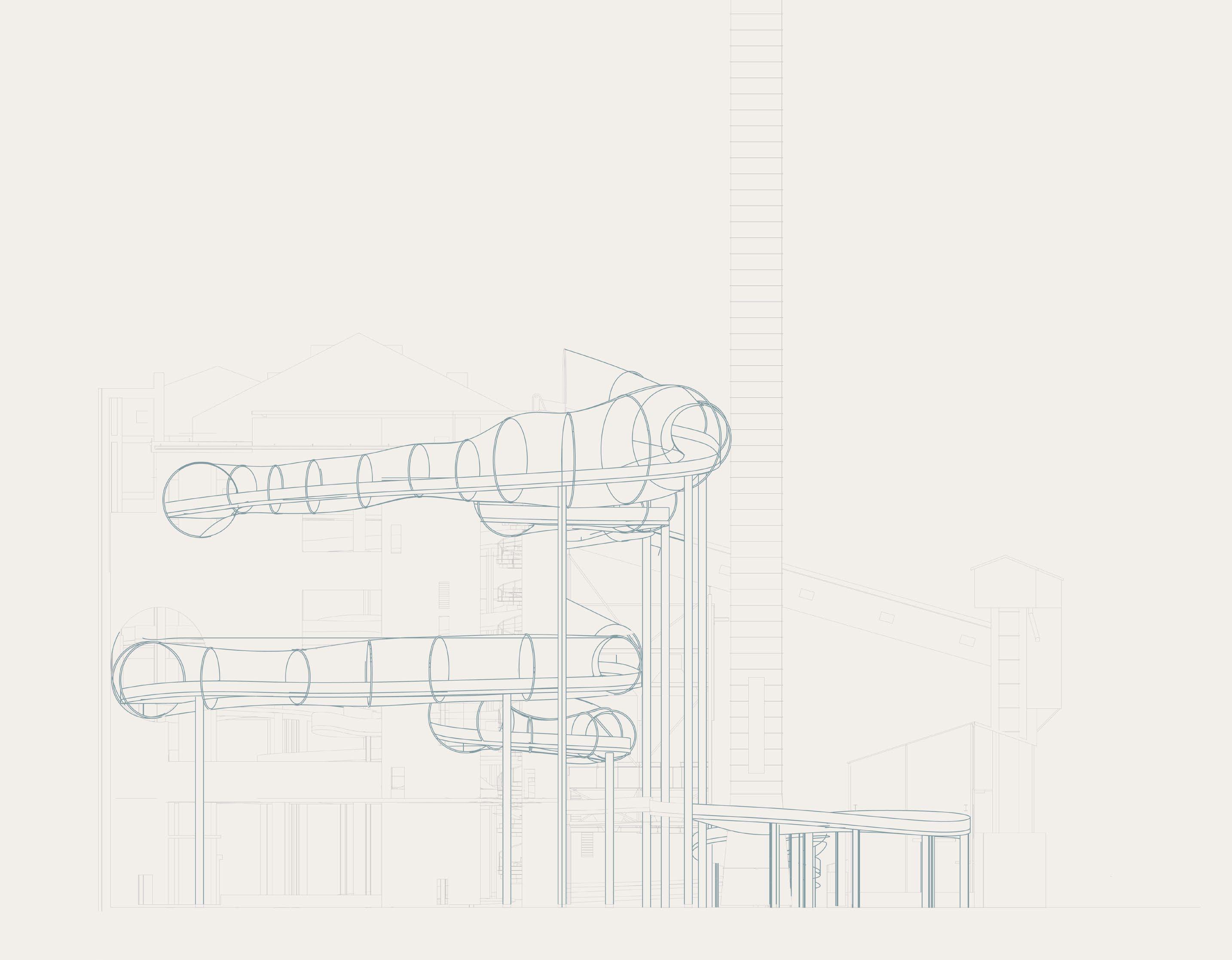
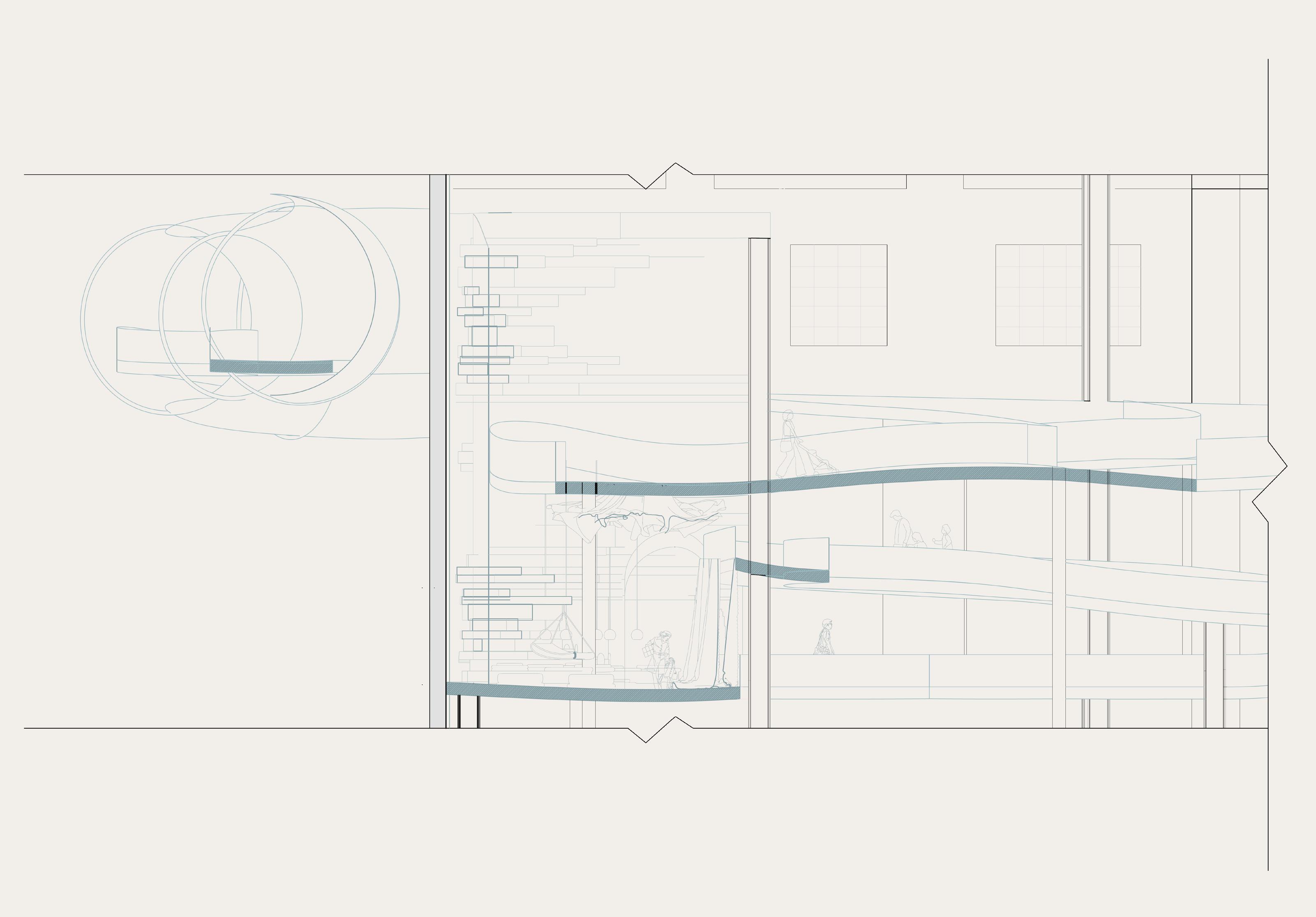

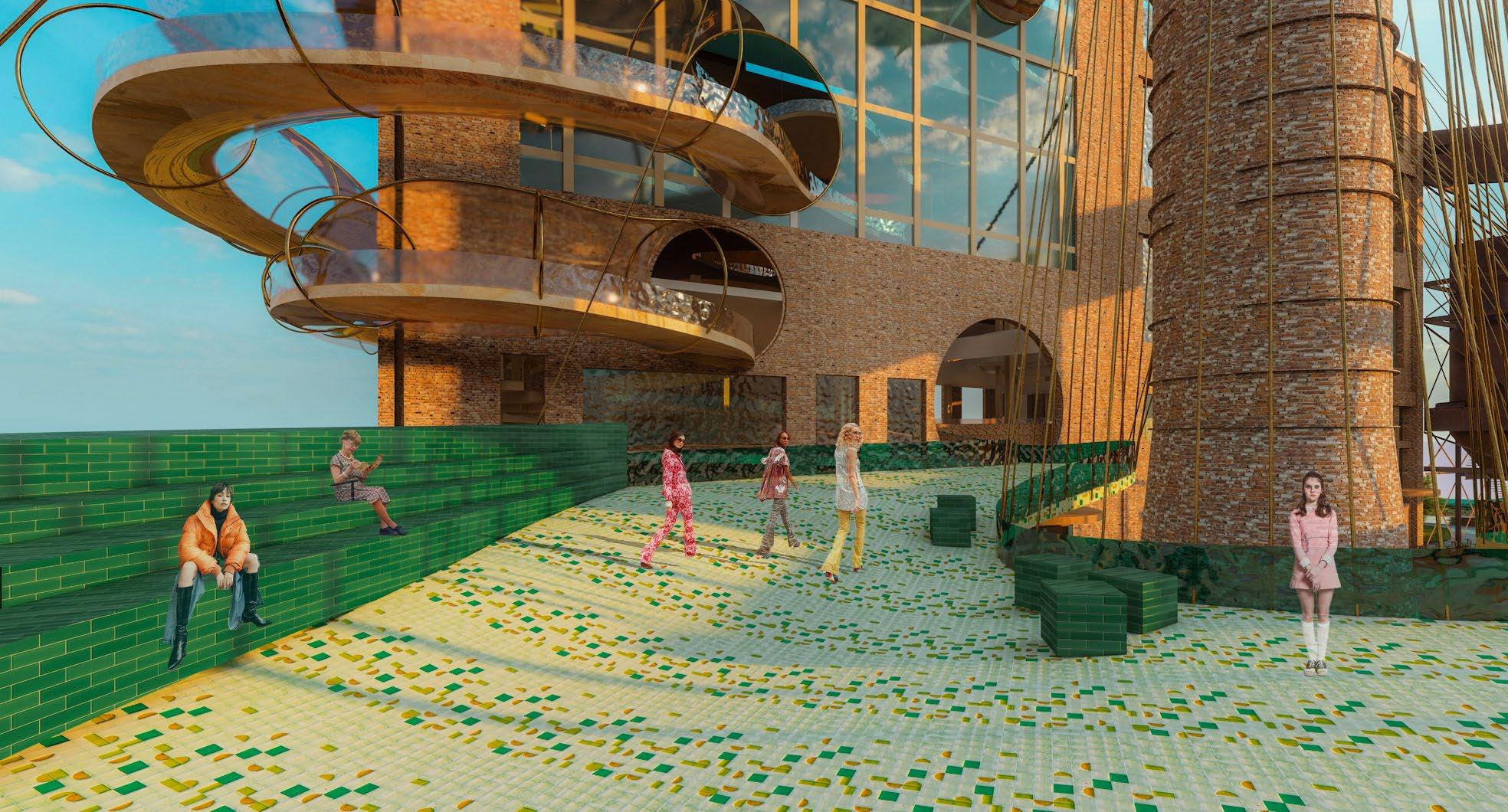
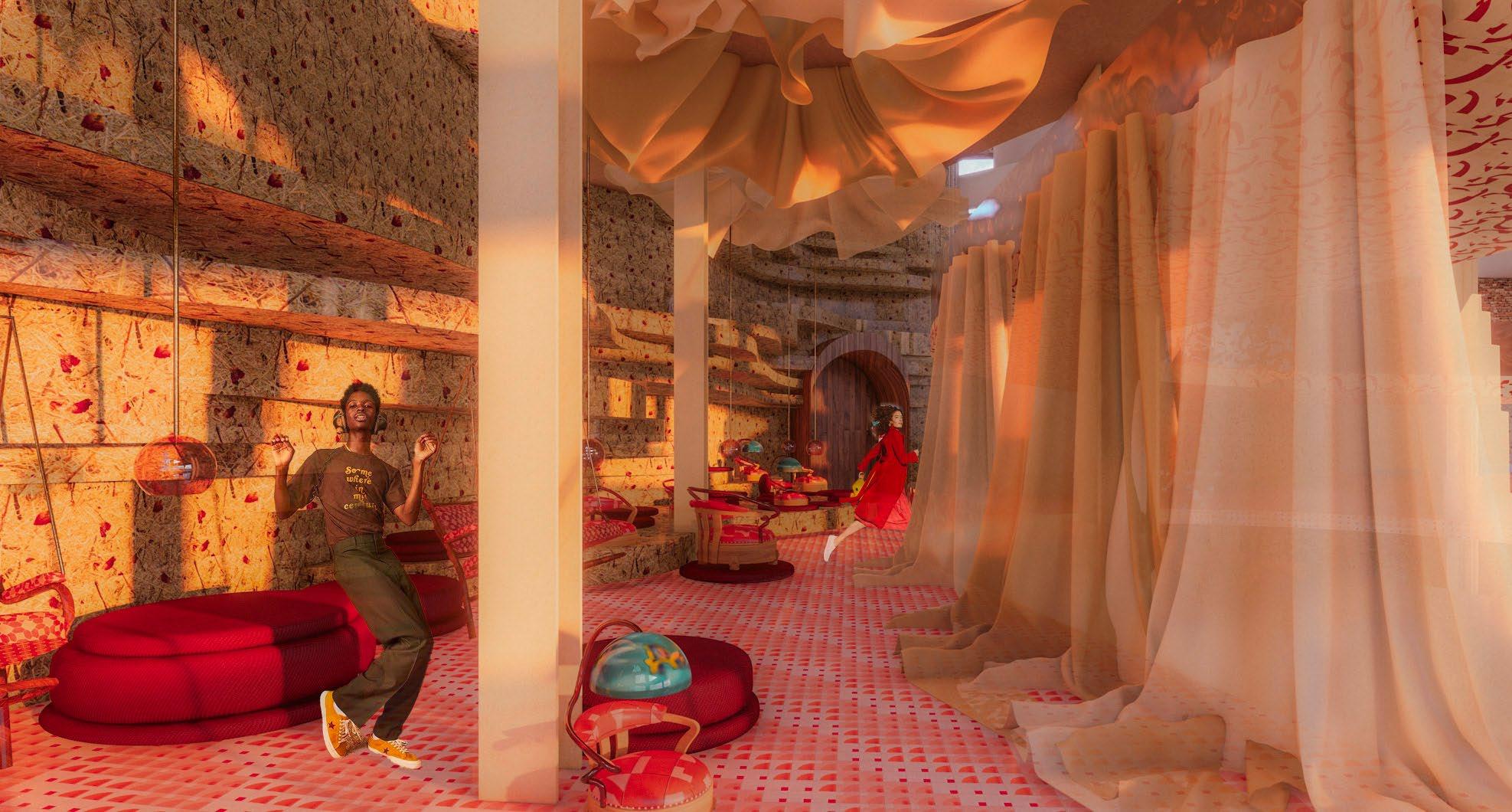
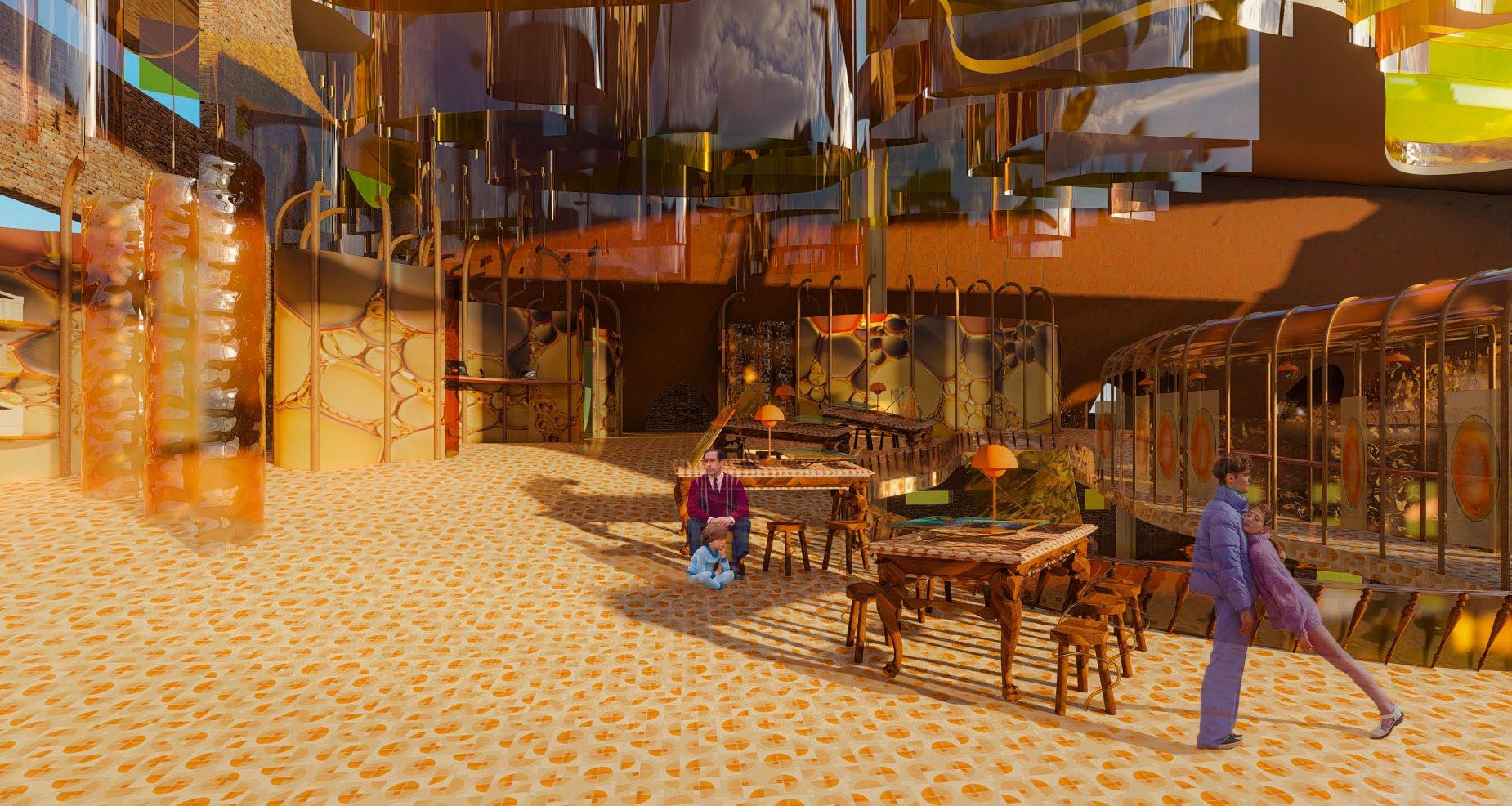

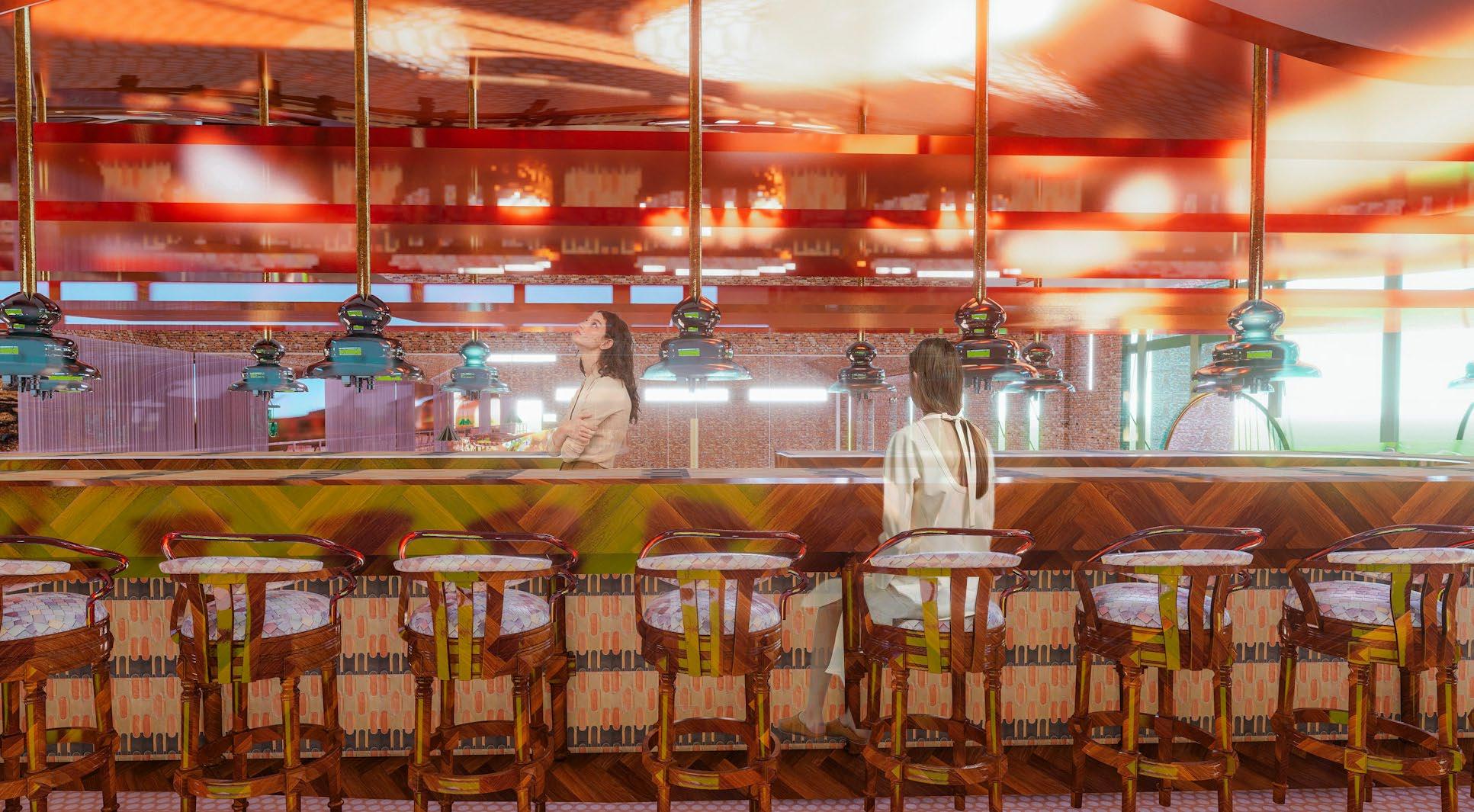
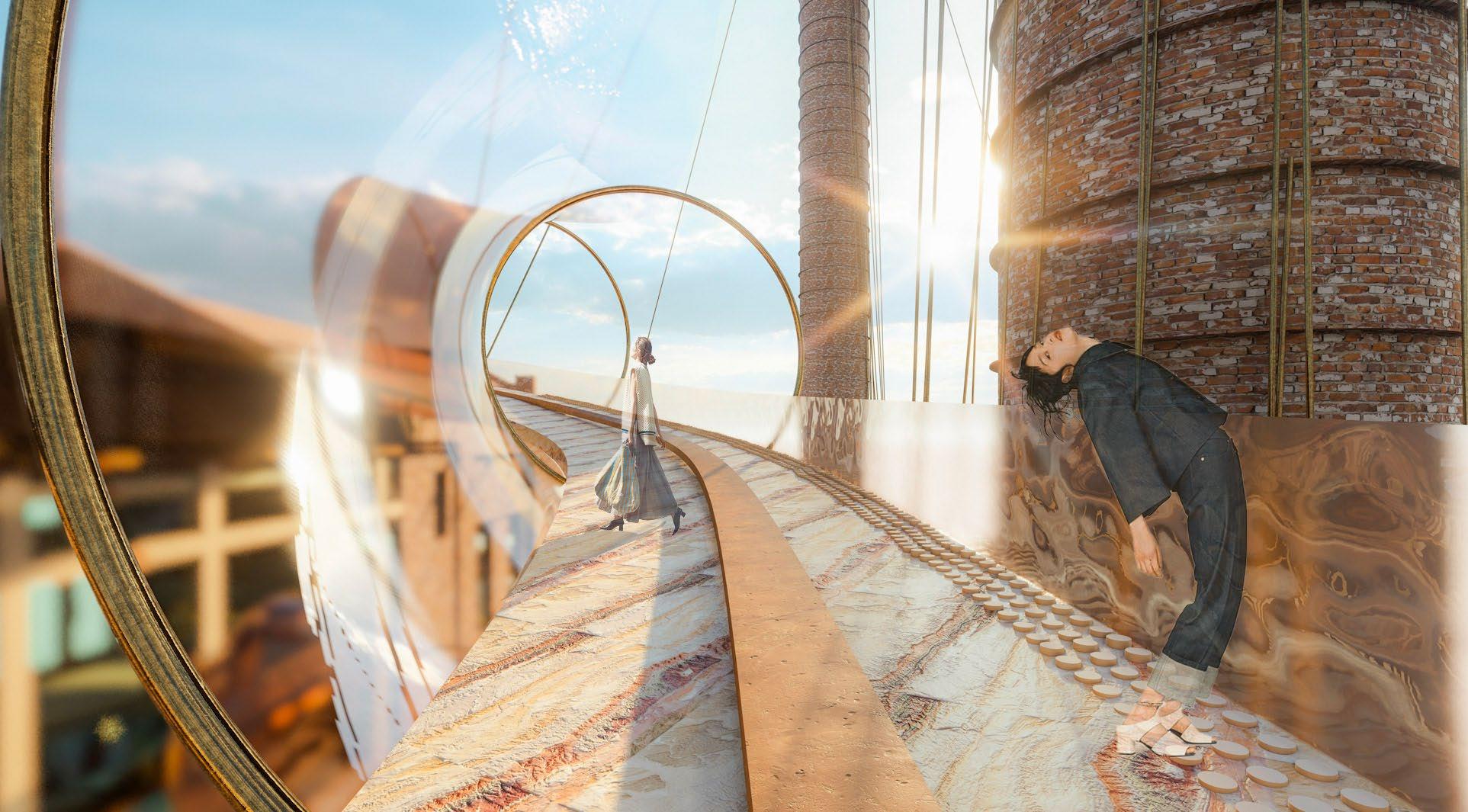
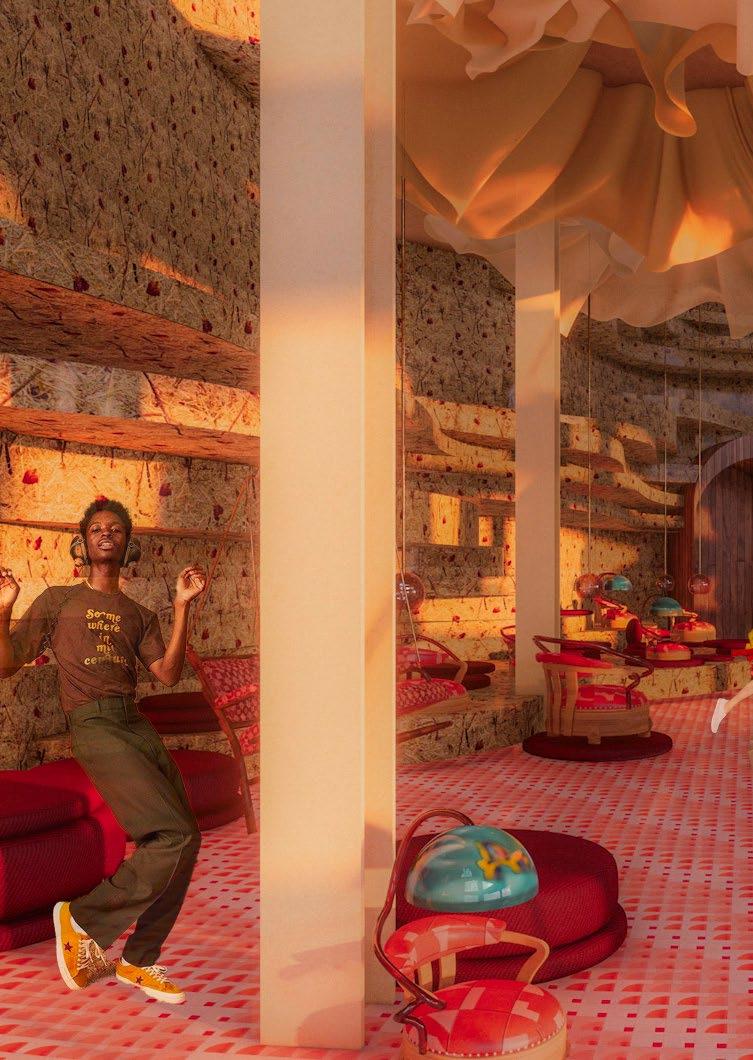
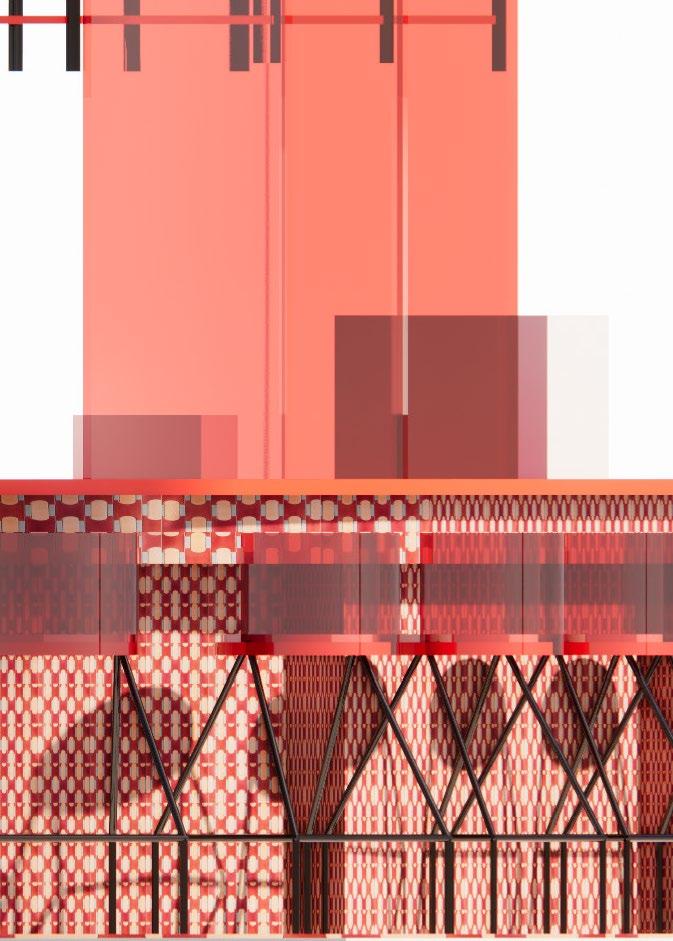
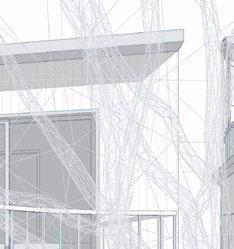
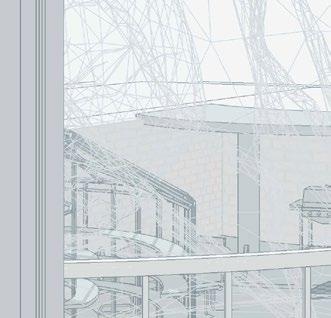
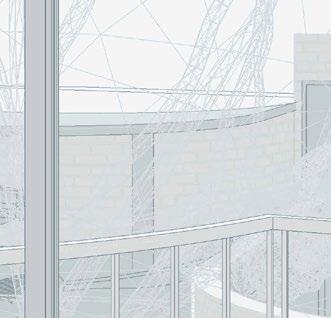
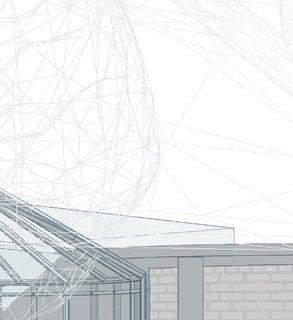
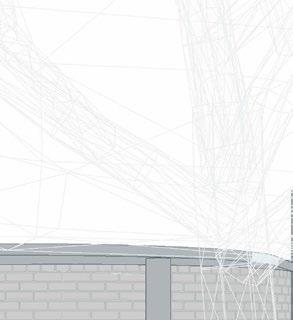
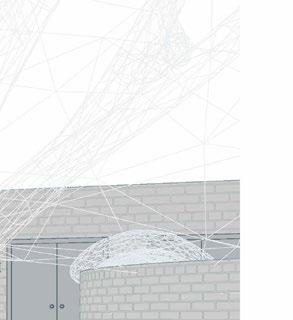
I want there to be a blurring between old and new, past and present, conscious and subconscious as well as phantasmagoria and reality. All of these elements have been embedded into the intrinsic framework of the space.
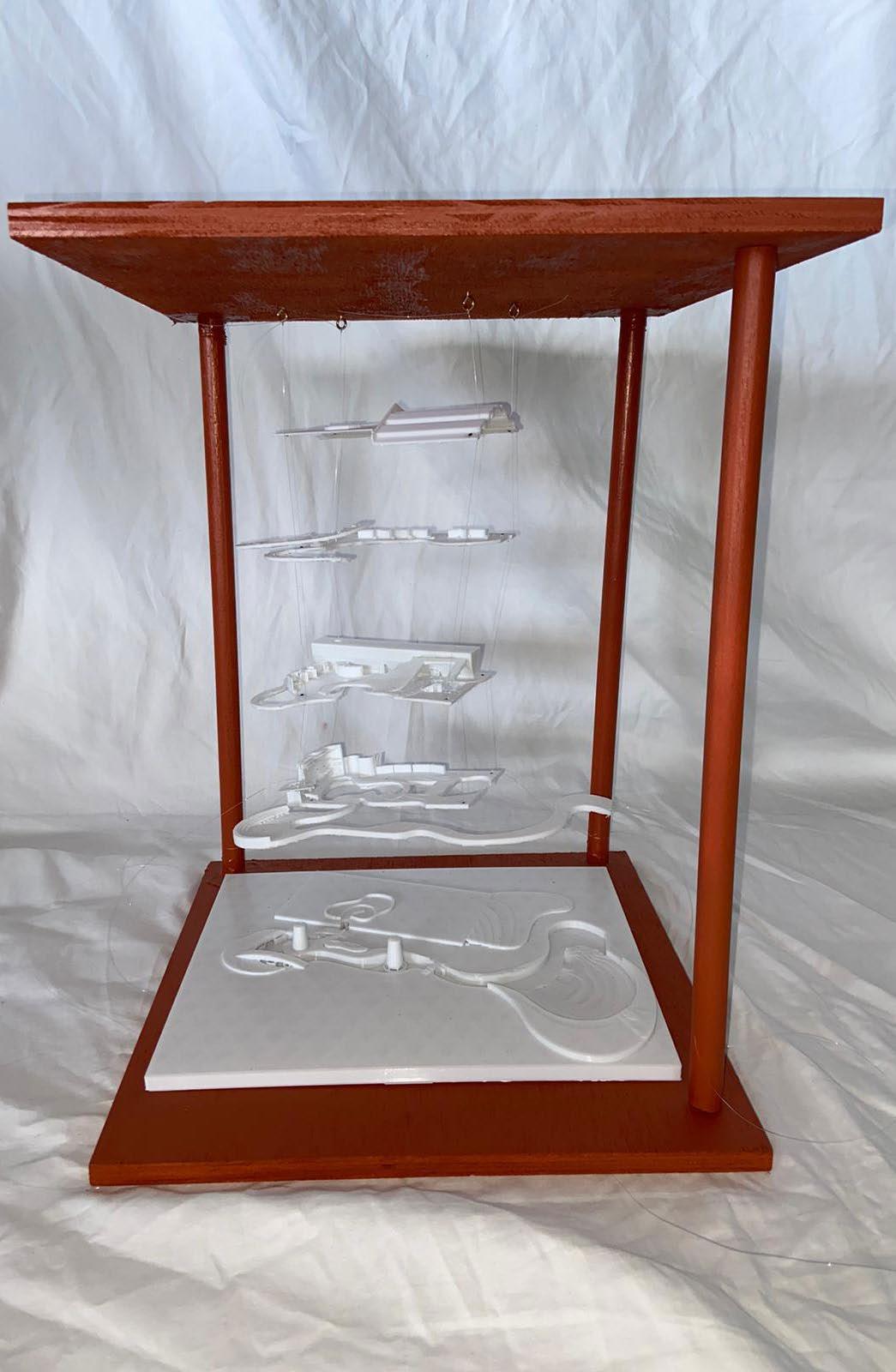
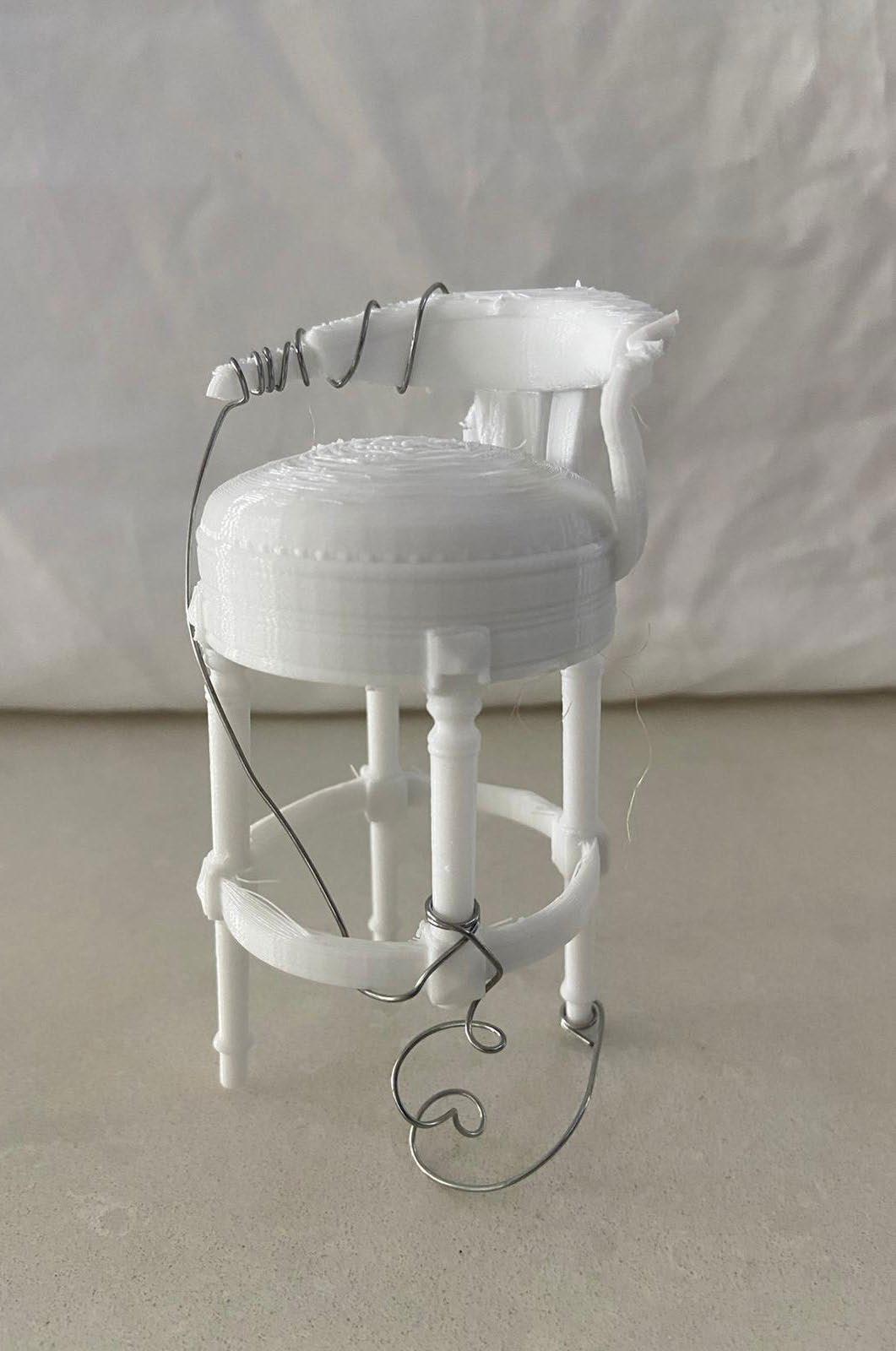


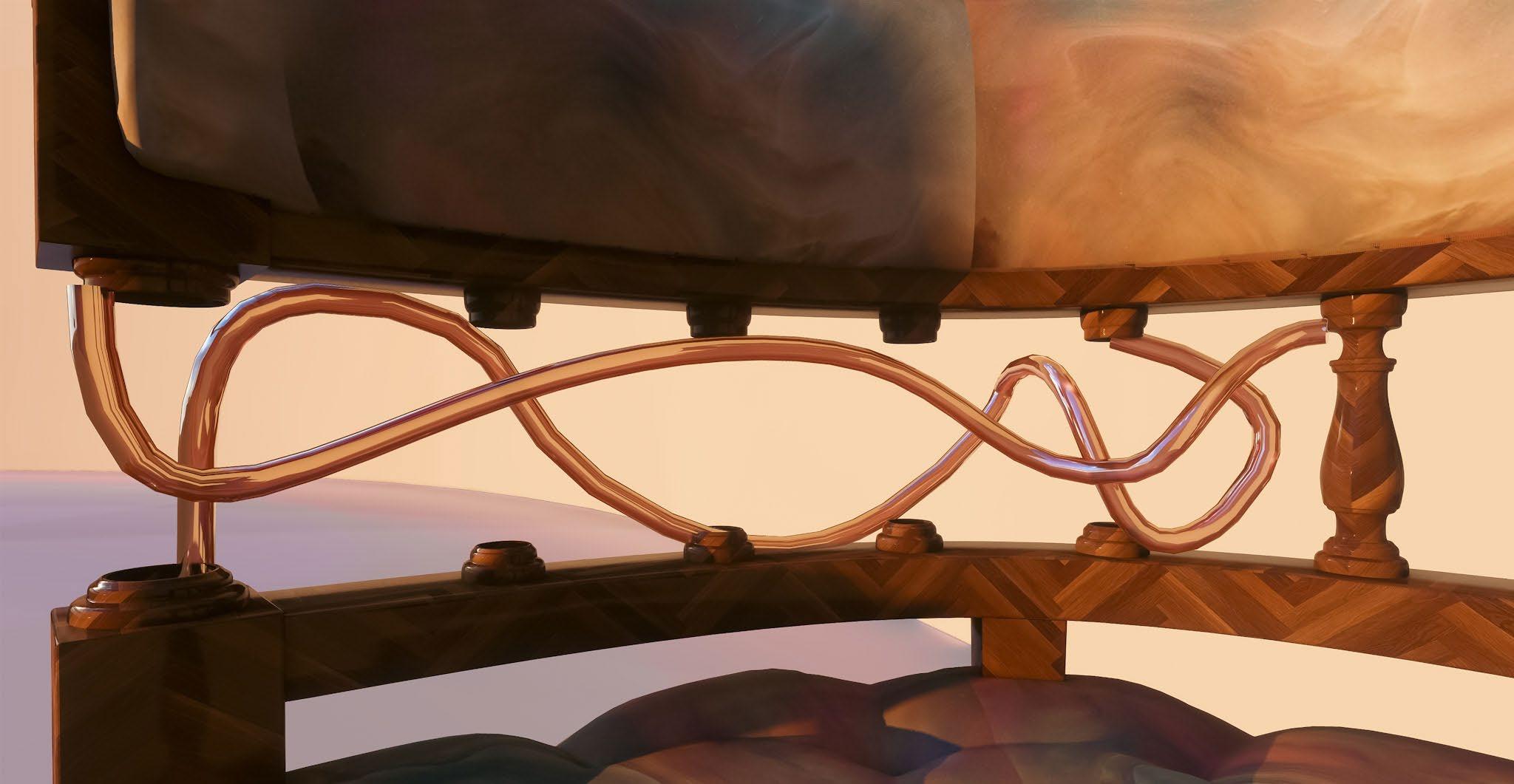
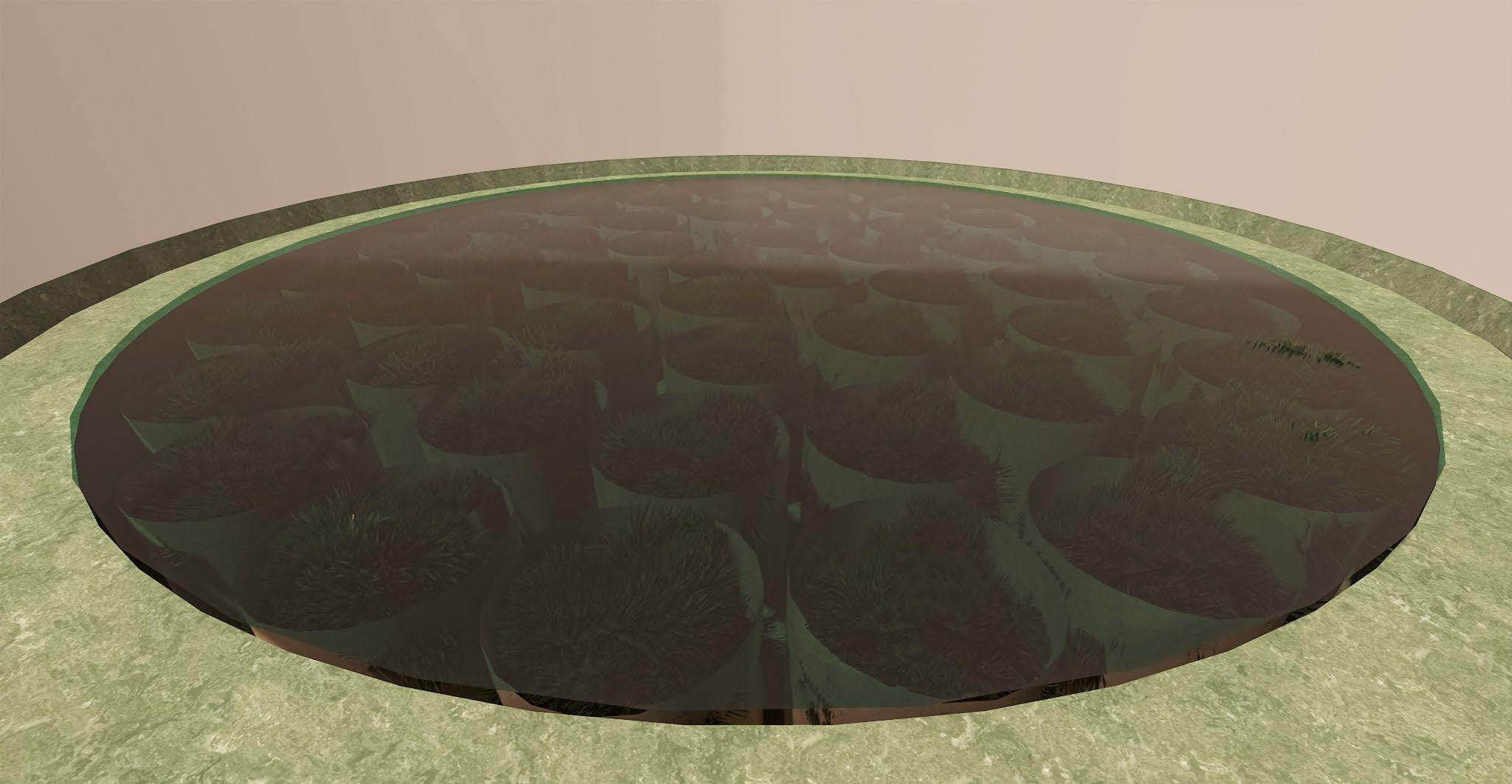
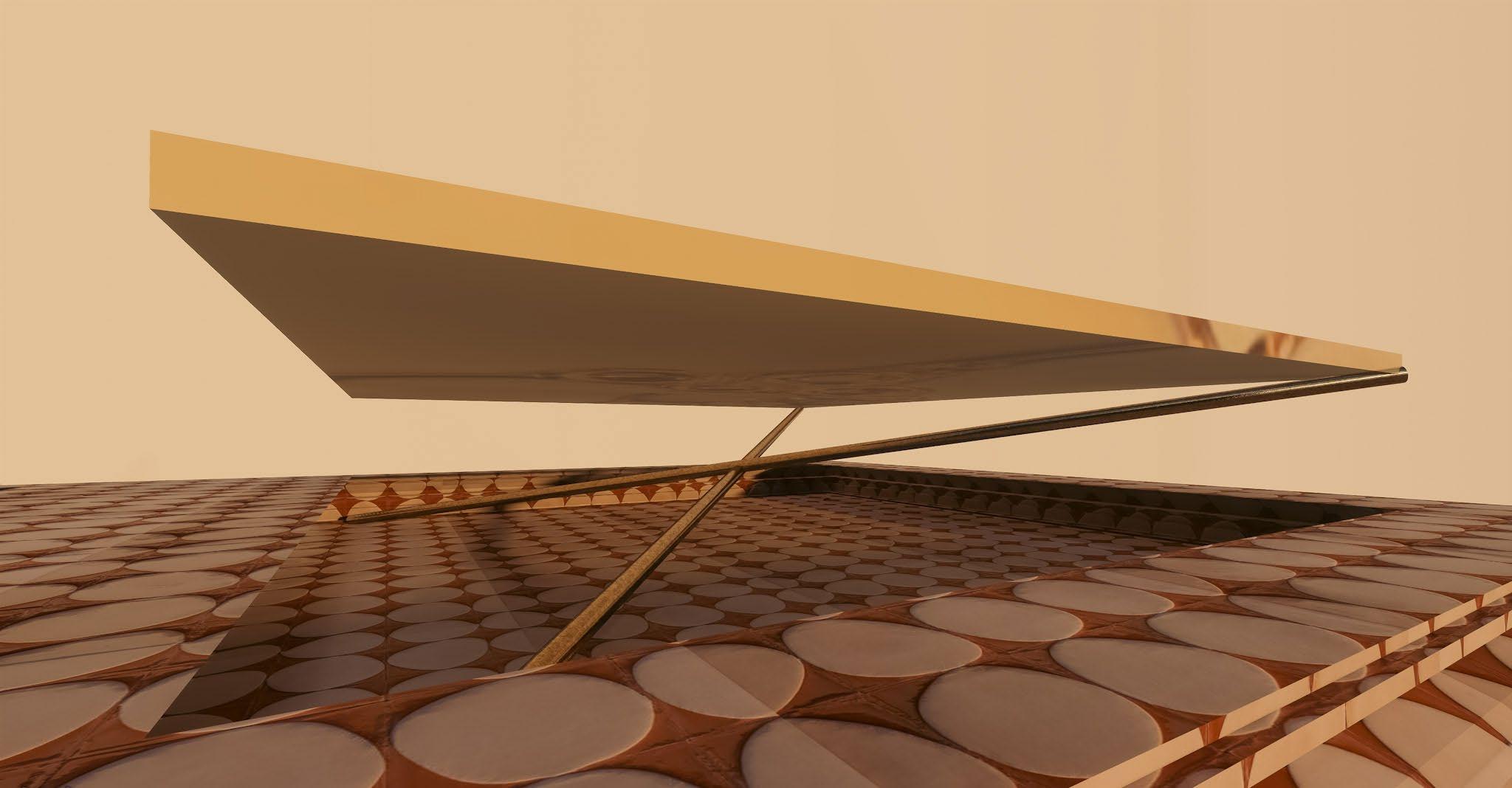
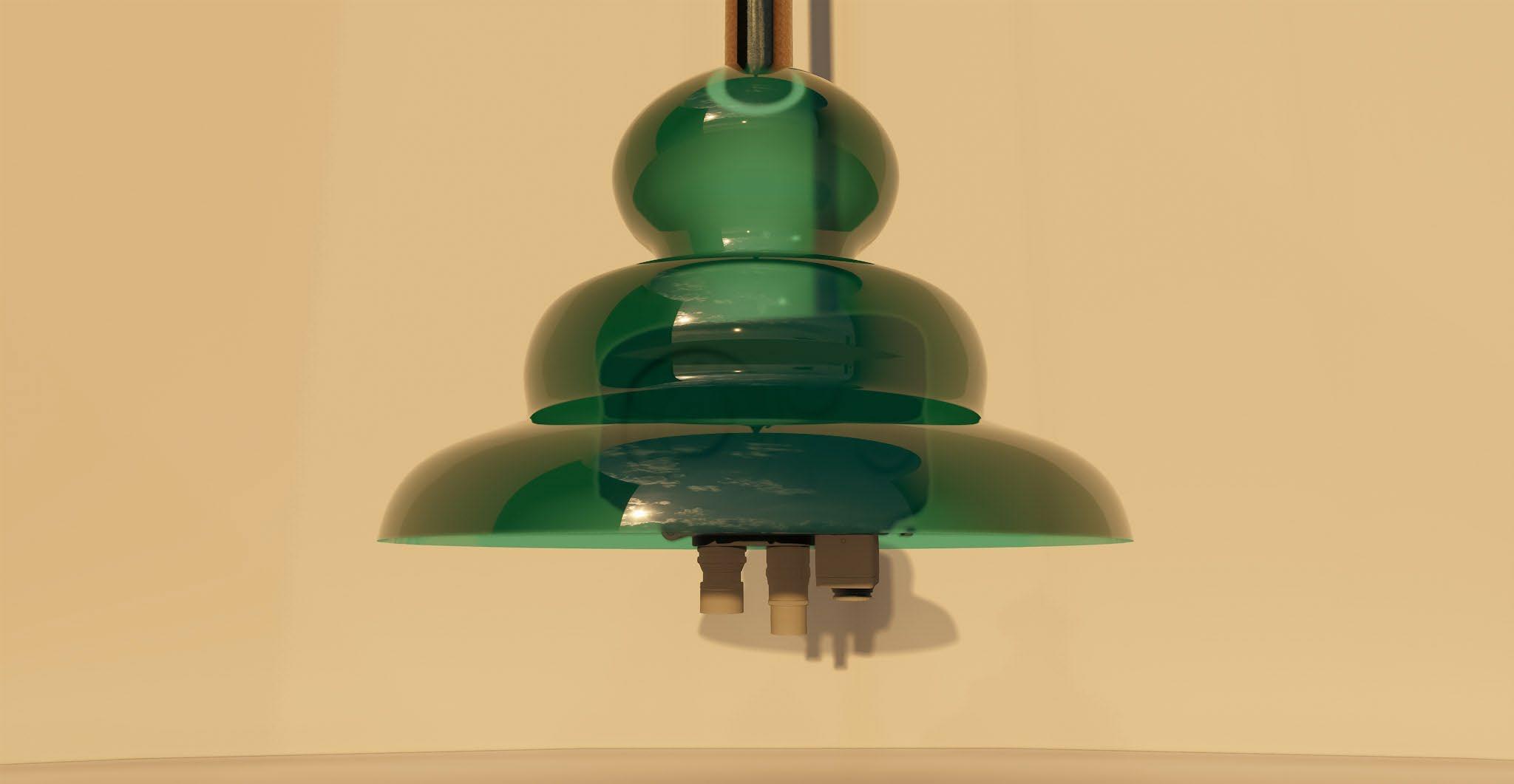
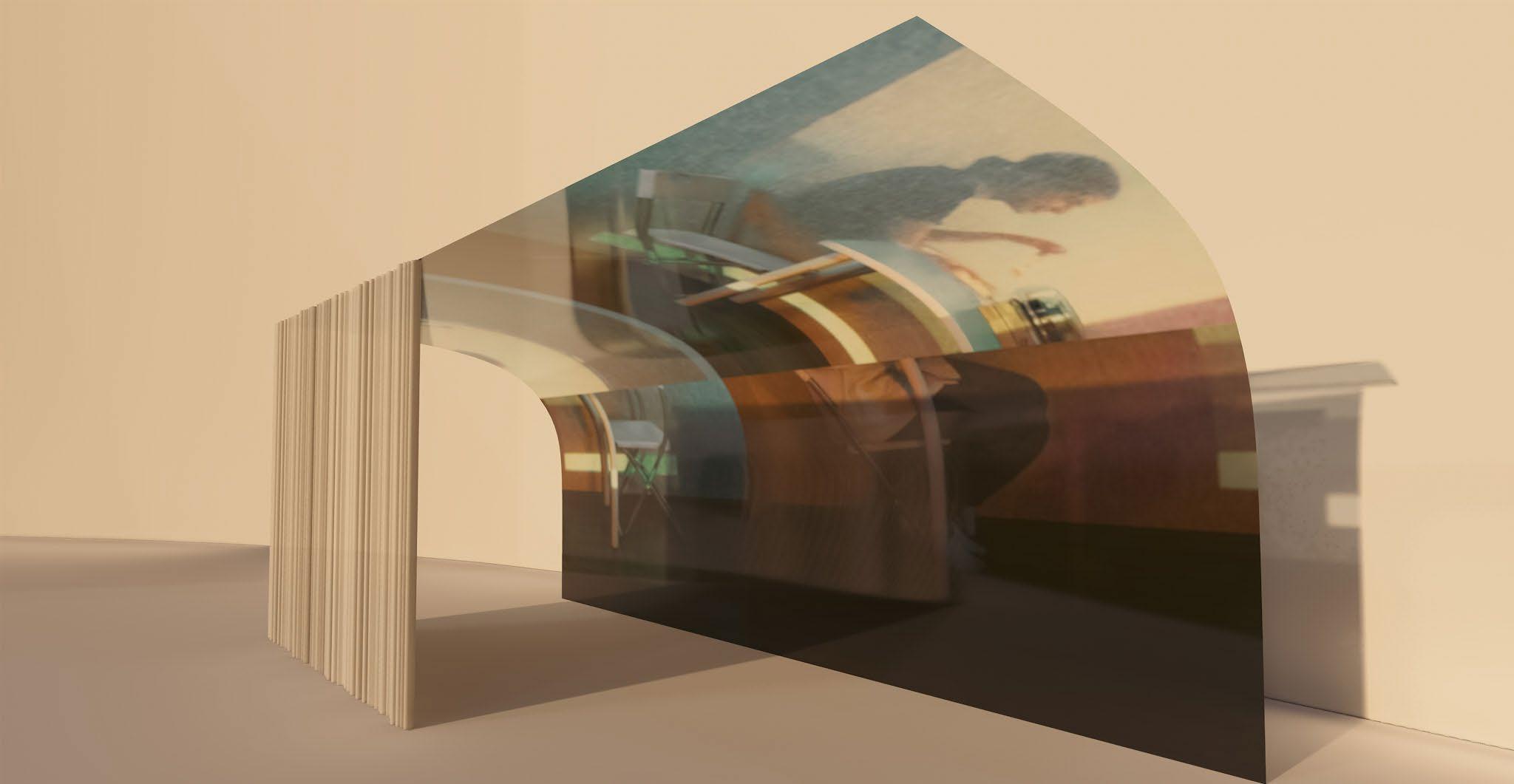
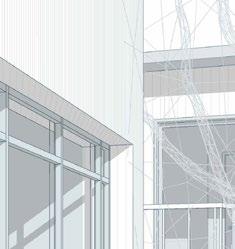
The concept of phantasmagoria: a sequence of real or imaginary images like that seen in a dream or film, has underpinned my design proposal thinking. The concept has allowed me to critically analyse the film Metropolis 1927 and extrapolate its core themes and values, which I embedded into my redesign approach. Some of the prominent themes include the relationship which exists between human and machine, the underworld and upperworld as well as the enormity, magnitude and scale used to depict the urban cityscape. The film industry throughout the early 20th century adopted phantasmagoria and used it to develop new realities which predicted the future. I would like my redesign to be underpinned with the same notion, creating a space where people are able to come together to predict future problems and solve them as a collective, allowing an incubator of phantasmagoria to be established. “Sci-fi media makers were rapid prototypers from the start, among the first user-centred, user-experience designers,” allowing “people to become accustomed to what they might expect in future years.” This directly relates to the White Bay Power Station due to its industrial sentiment and sheer magnitude. The site itself was built to house machinery without taking into account the inevitable human interaction - thus fulfilling Metropolis’s predicted notions.





































Architecture Course
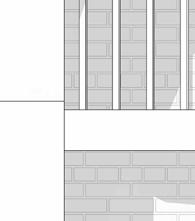
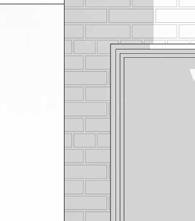
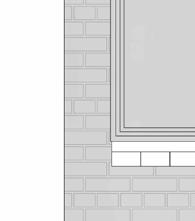
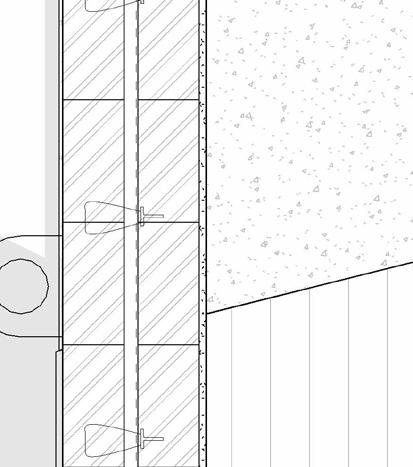
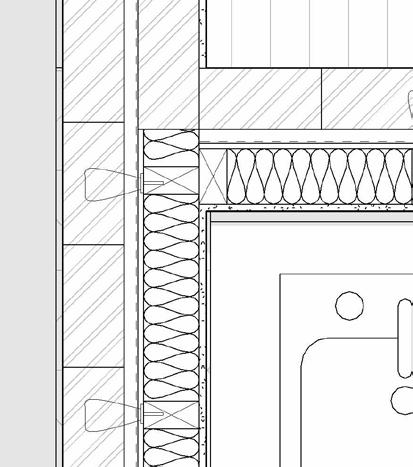
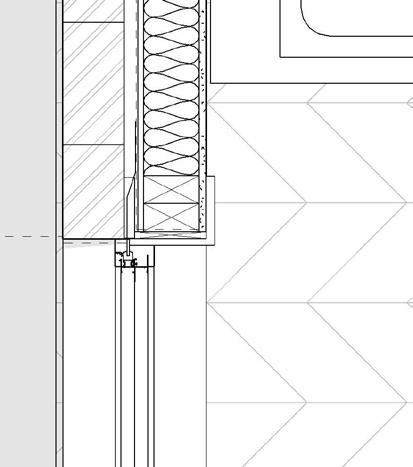
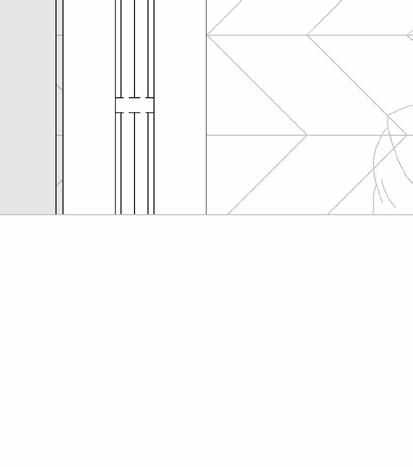
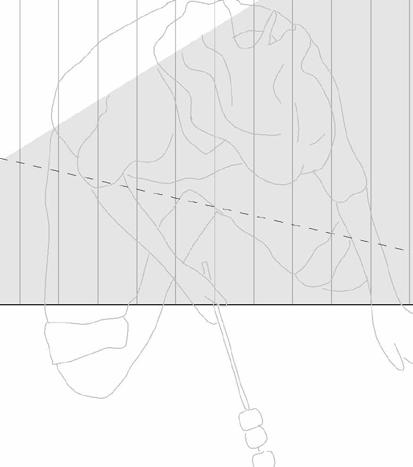
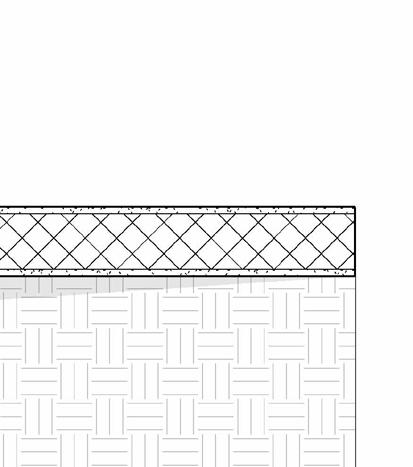
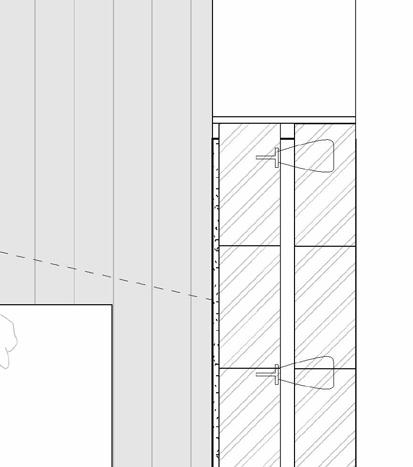
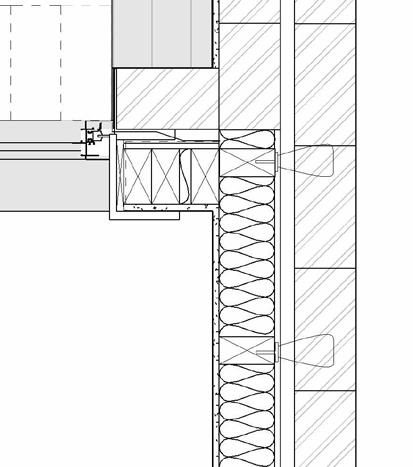
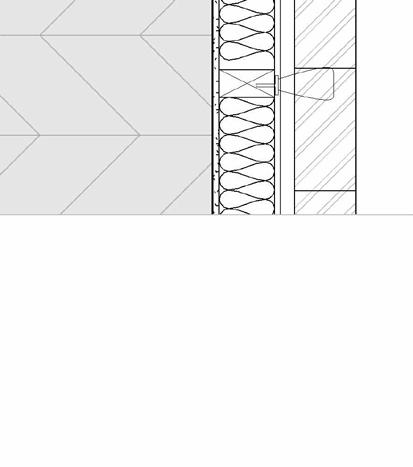
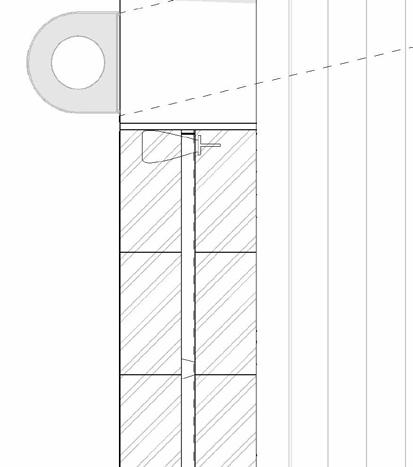
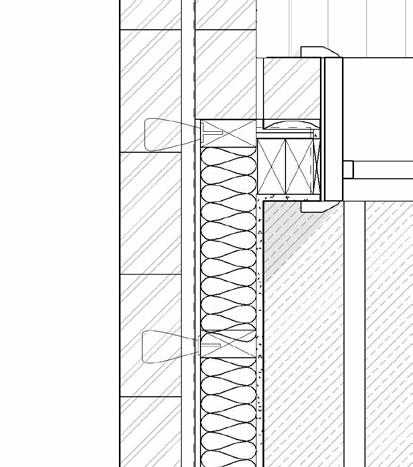
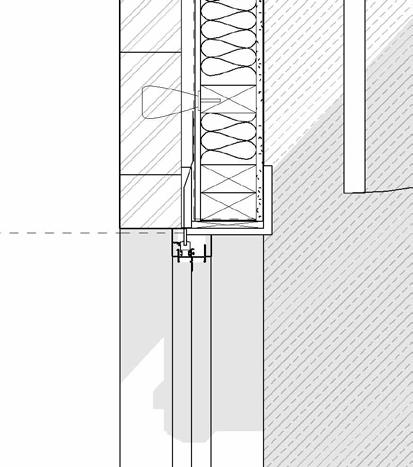
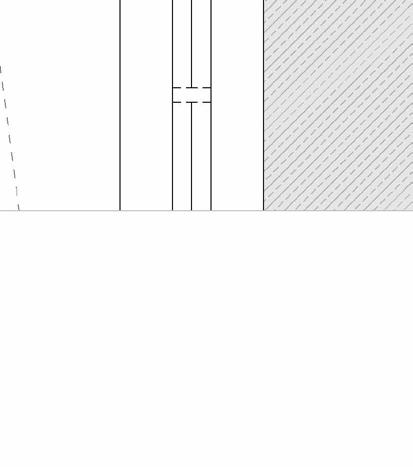
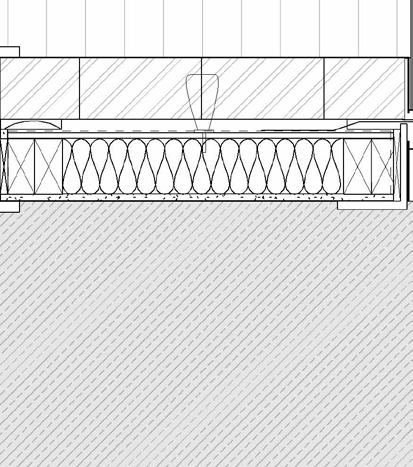
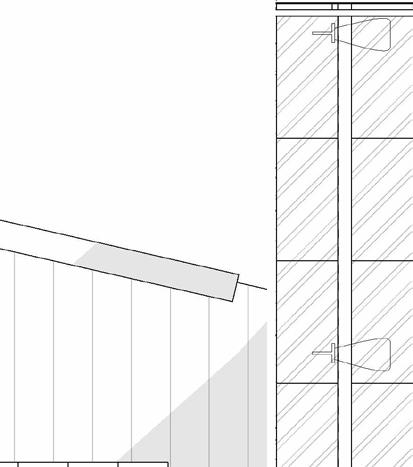
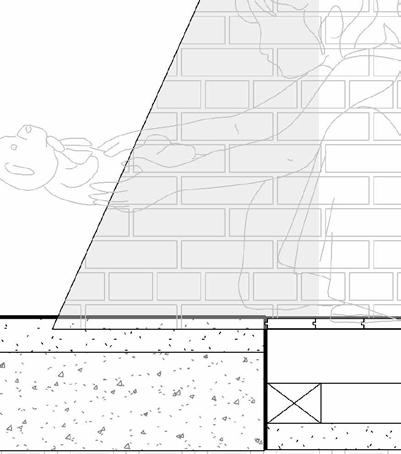
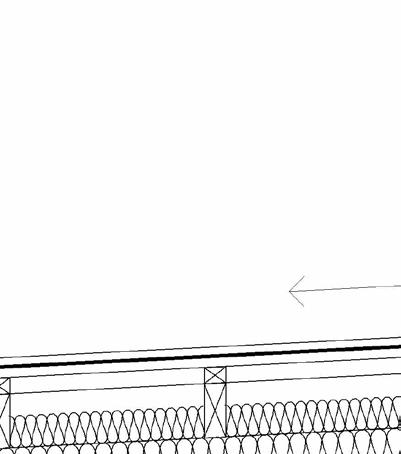
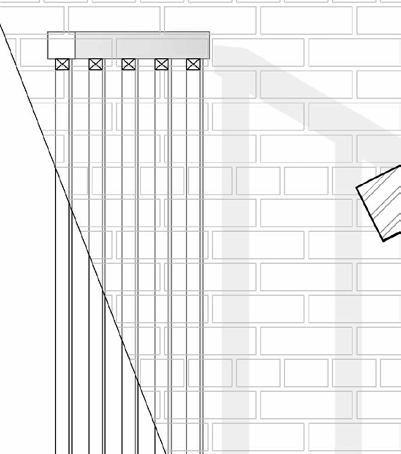
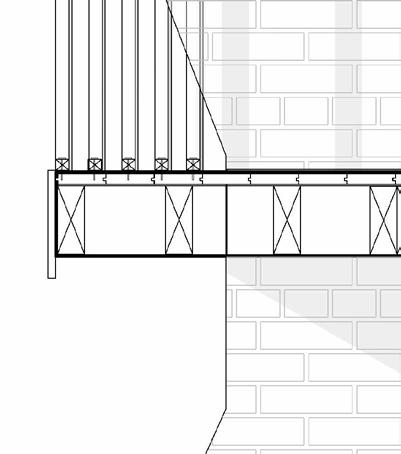
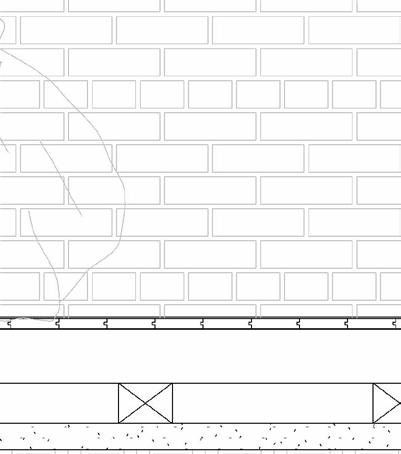
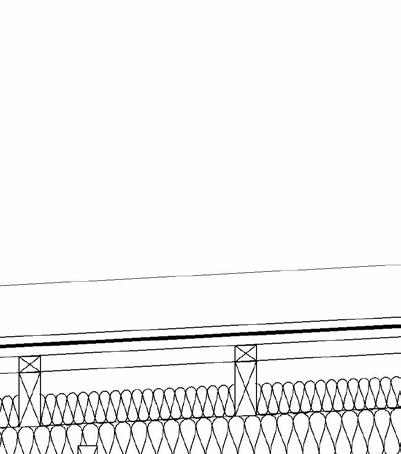
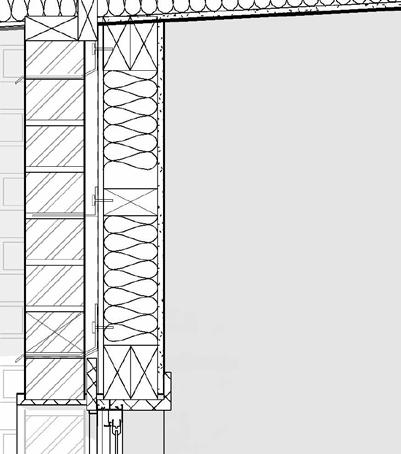
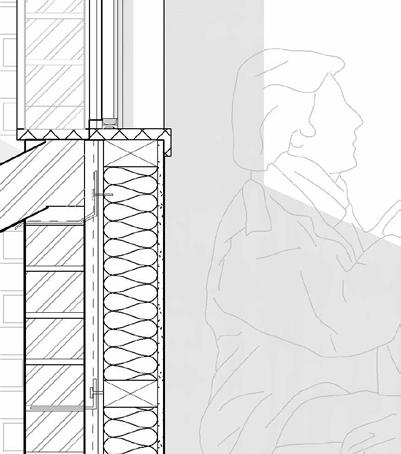
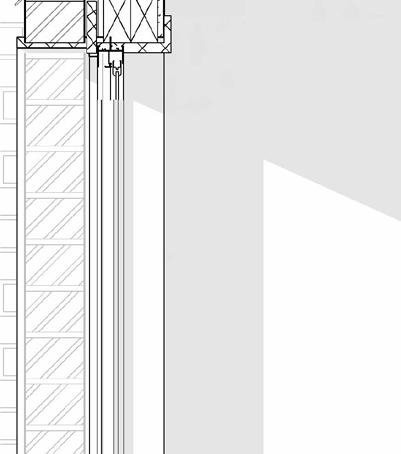
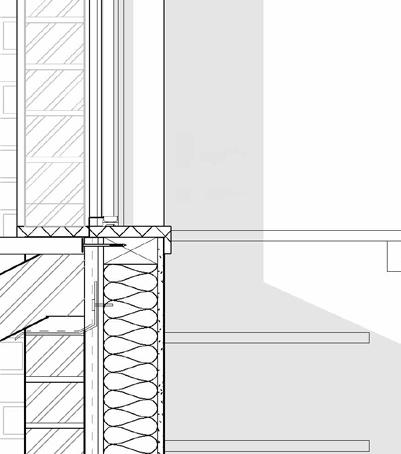
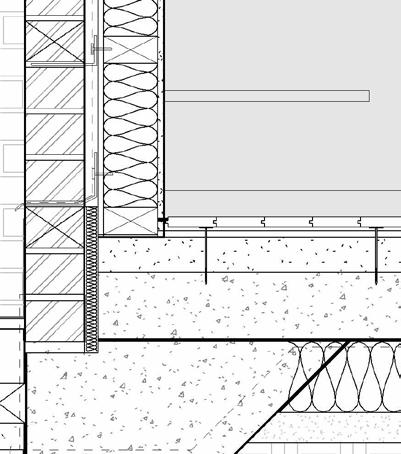
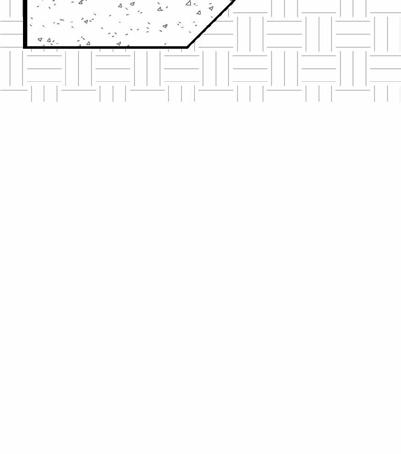
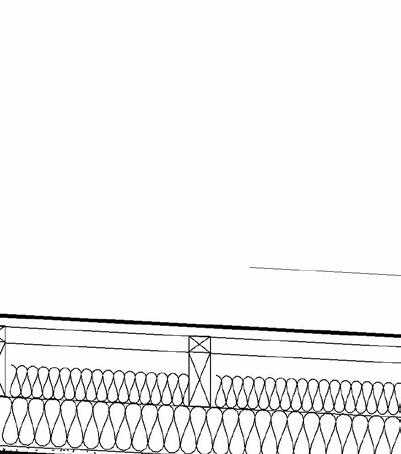
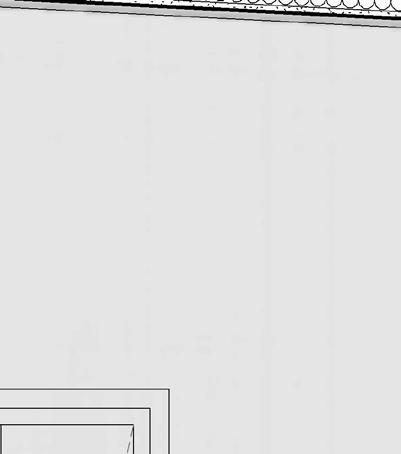
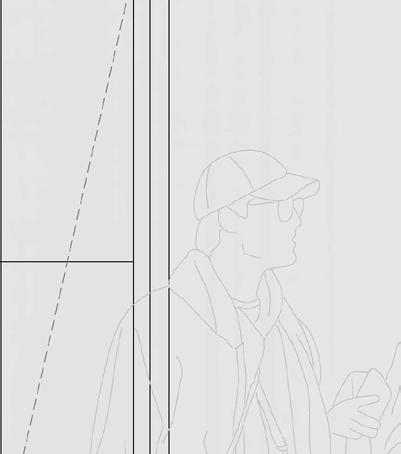
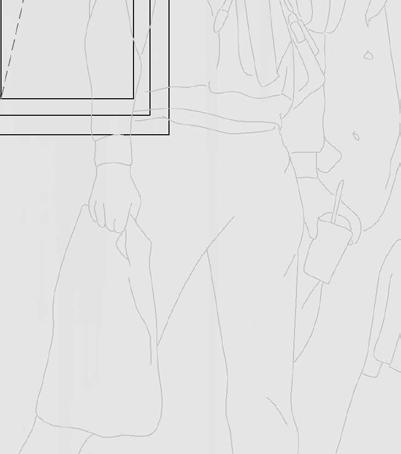
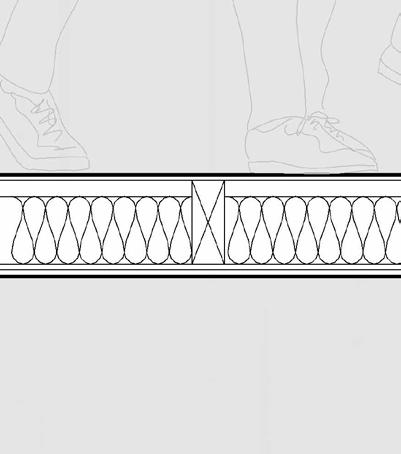
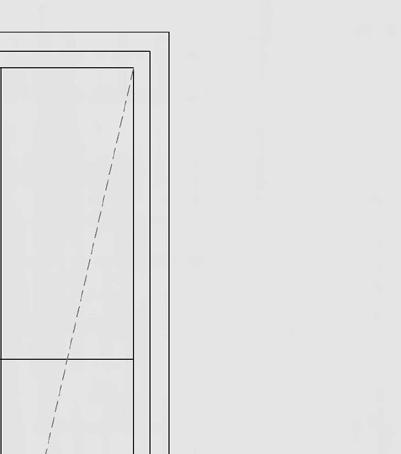
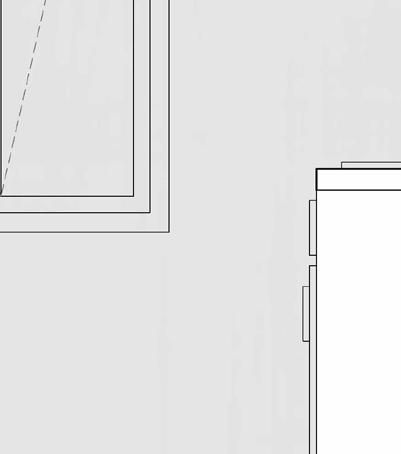
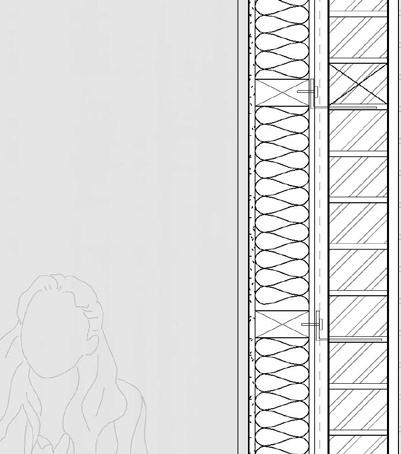
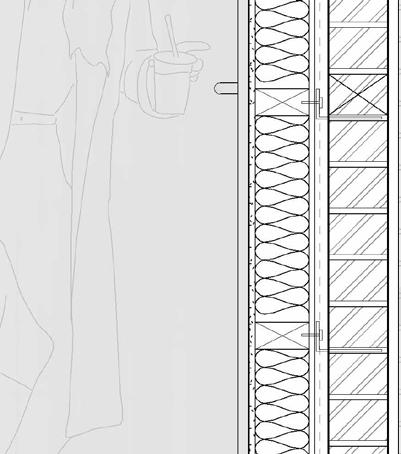
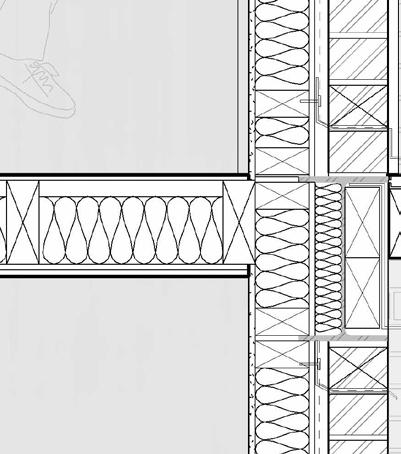
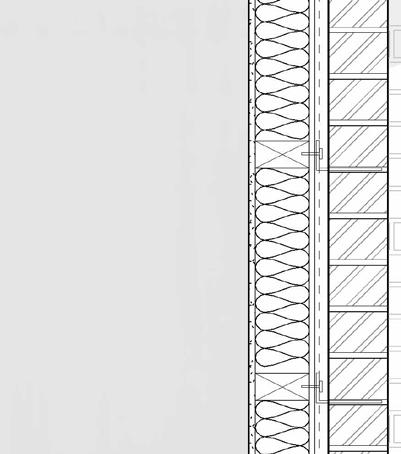
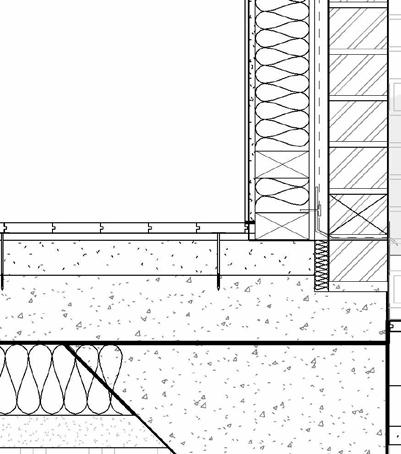
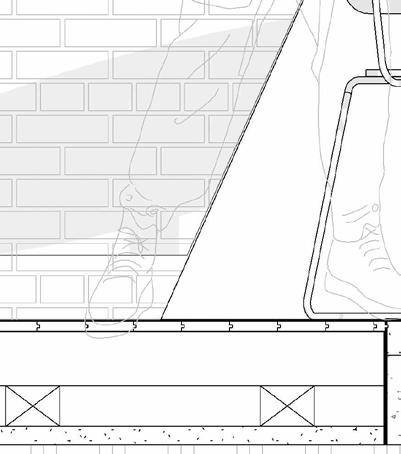
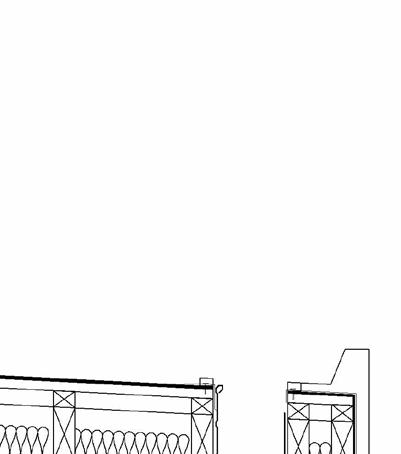
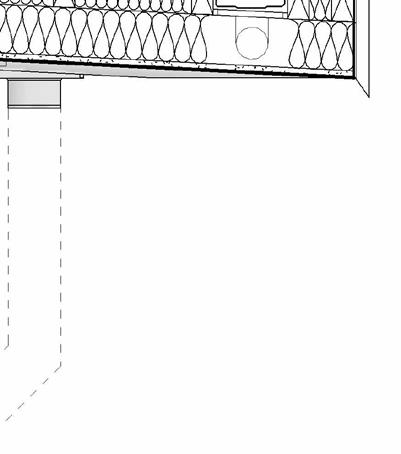
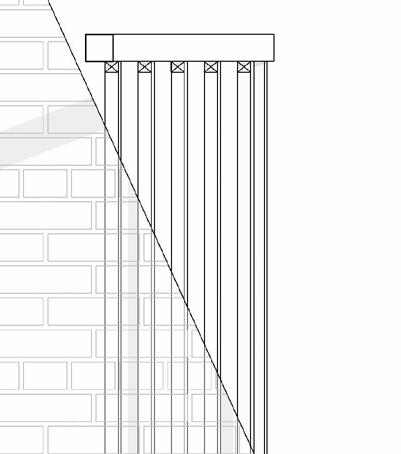
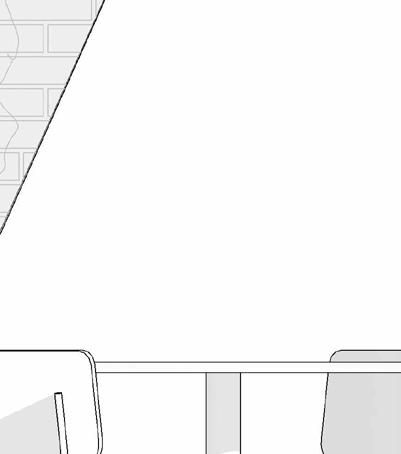
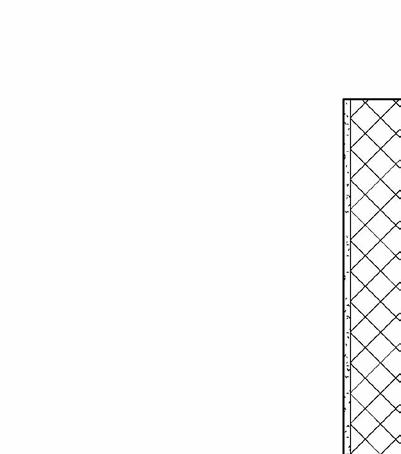
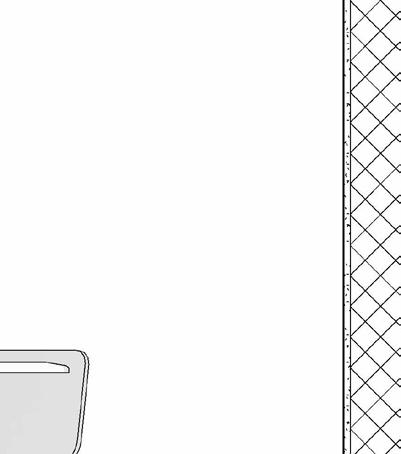
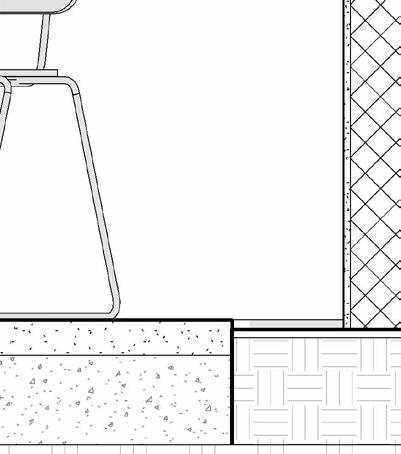
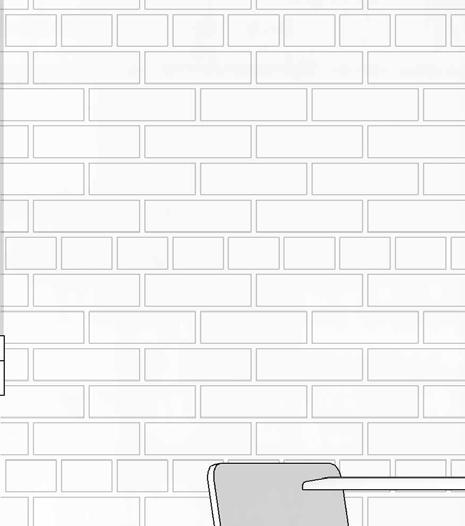
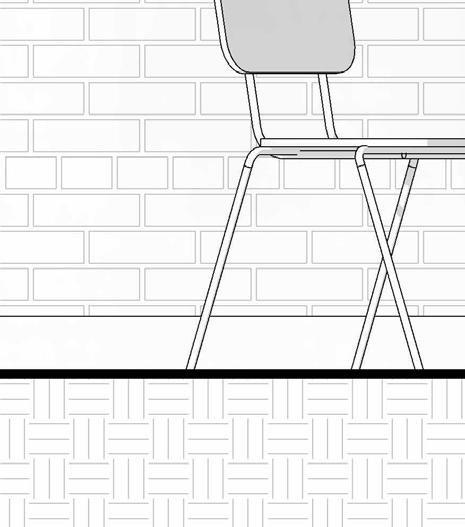
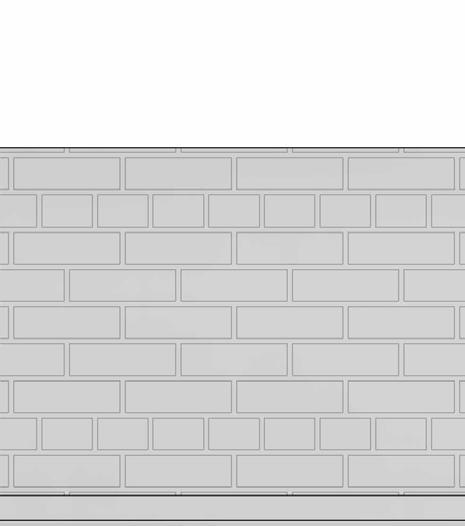
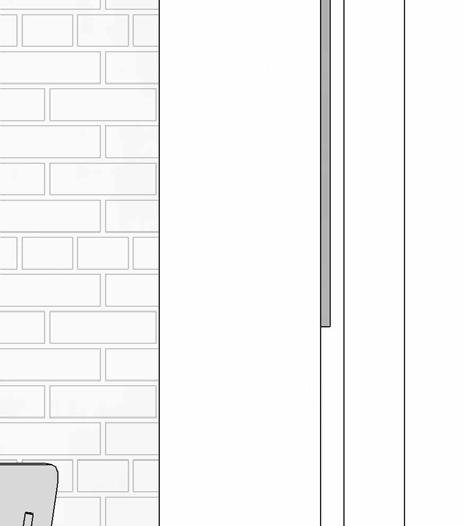
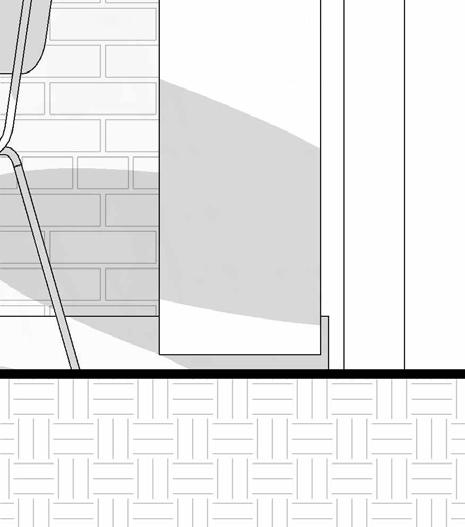
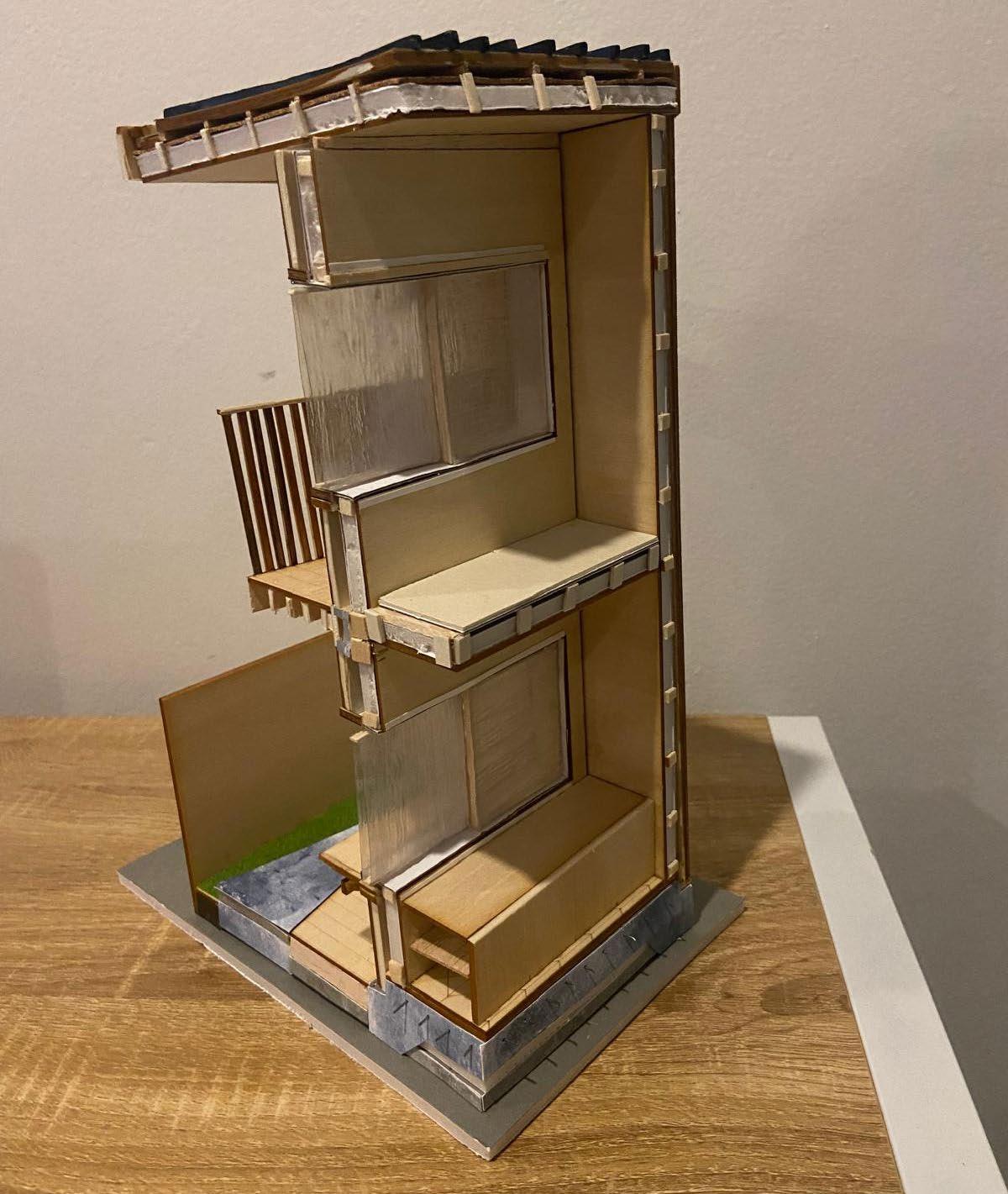
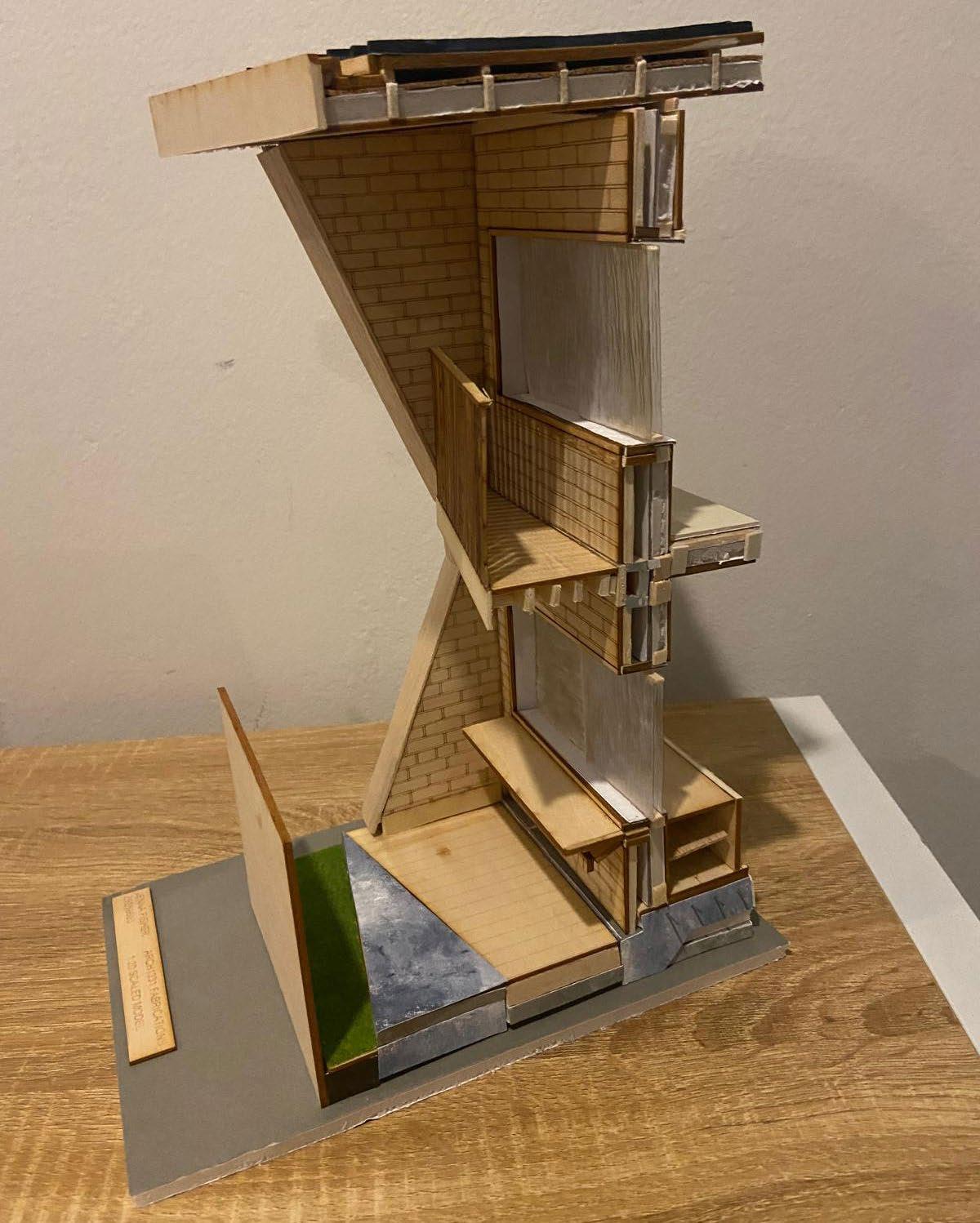
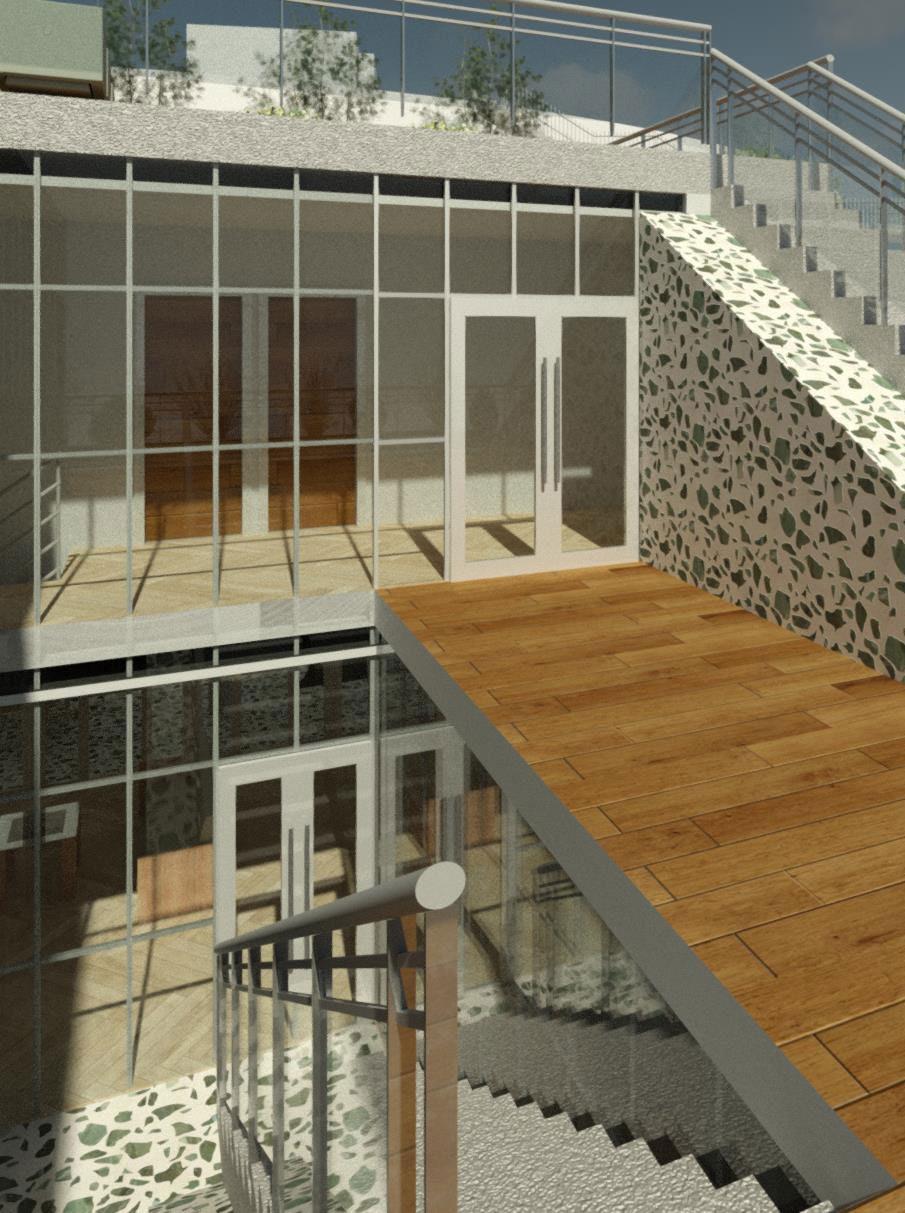
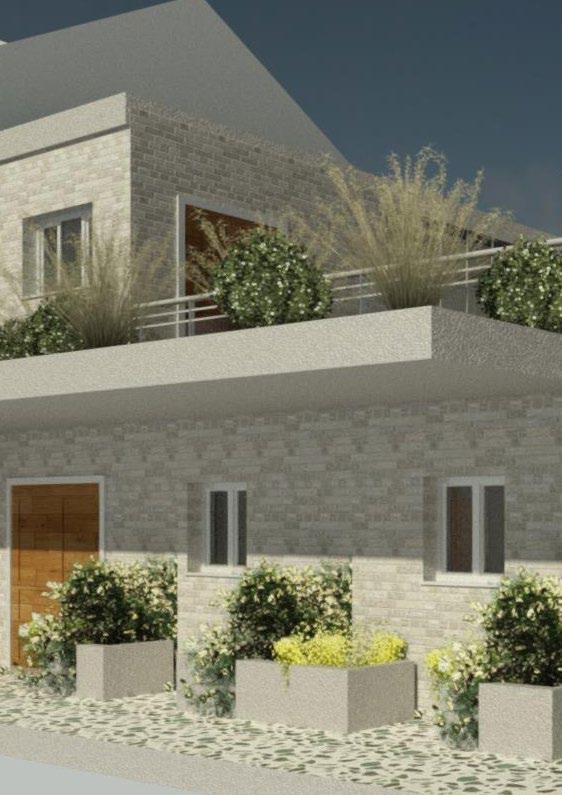
Fabrications Construction - Facade Design
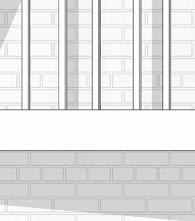
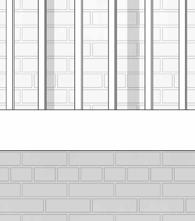
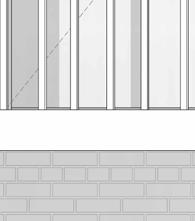
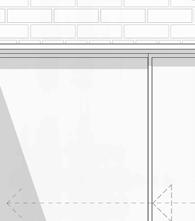
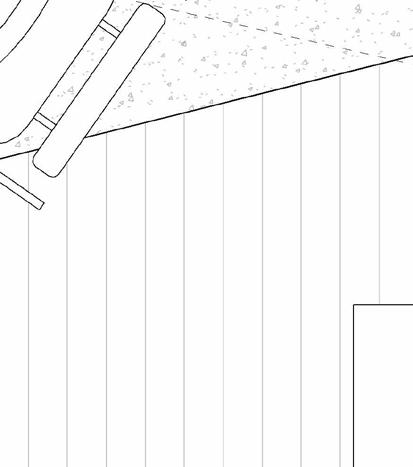
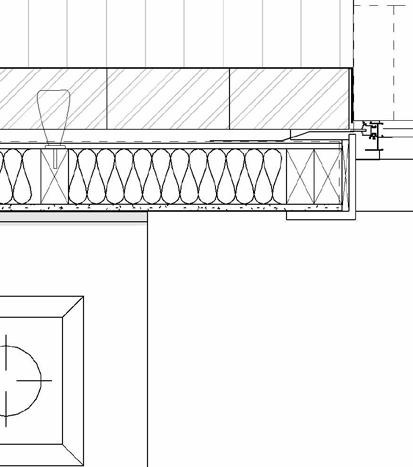
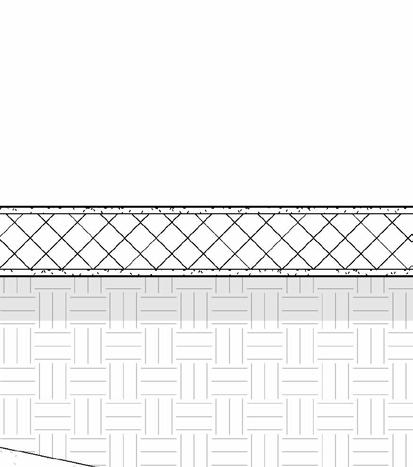
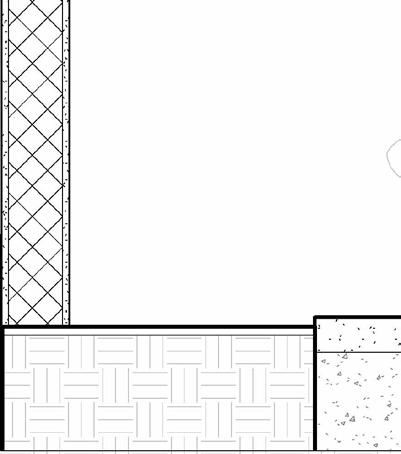
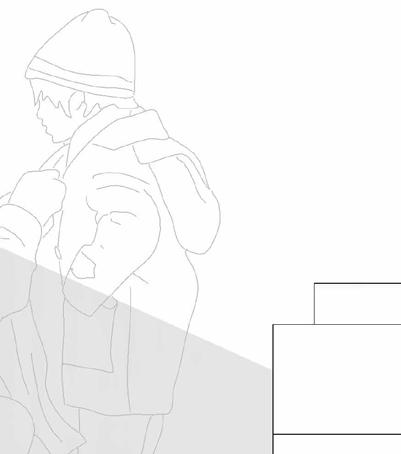
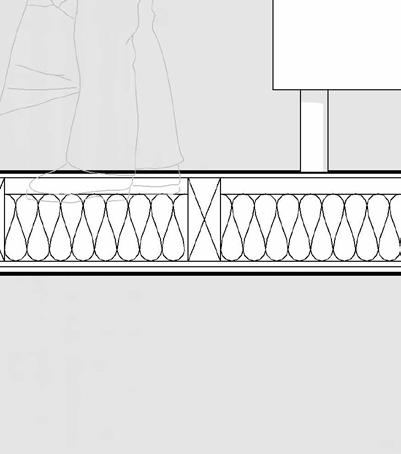
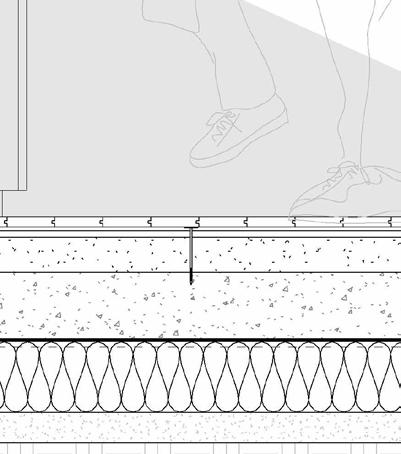
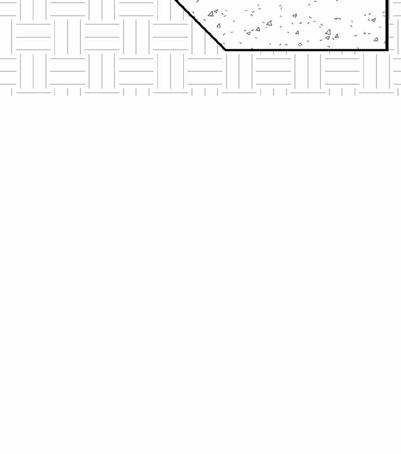
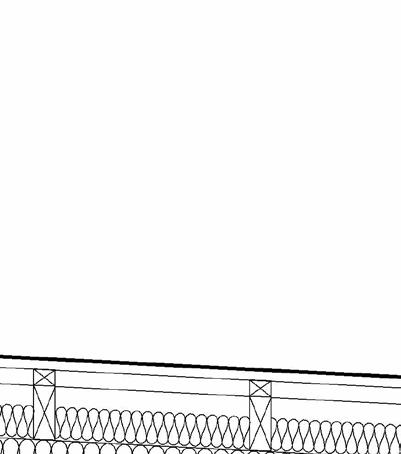
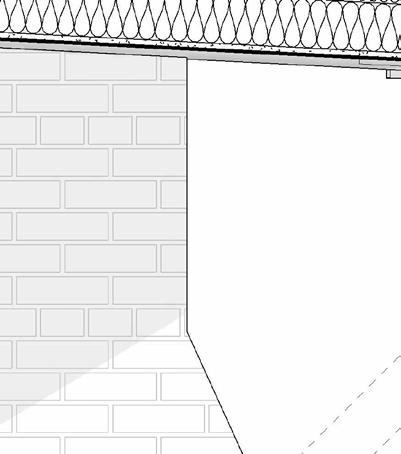
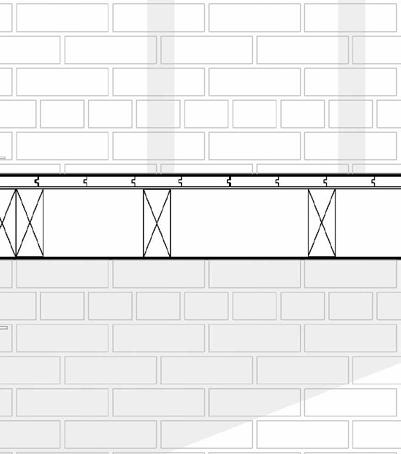
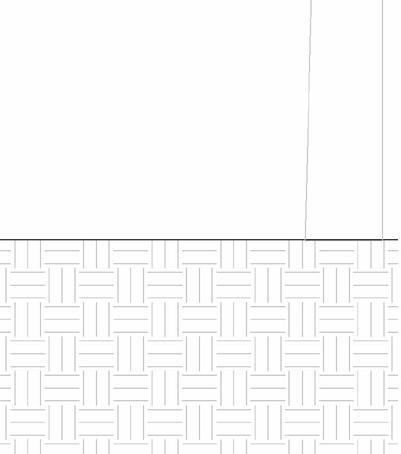
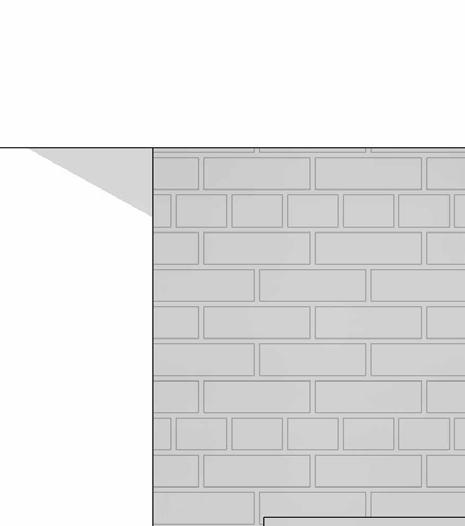
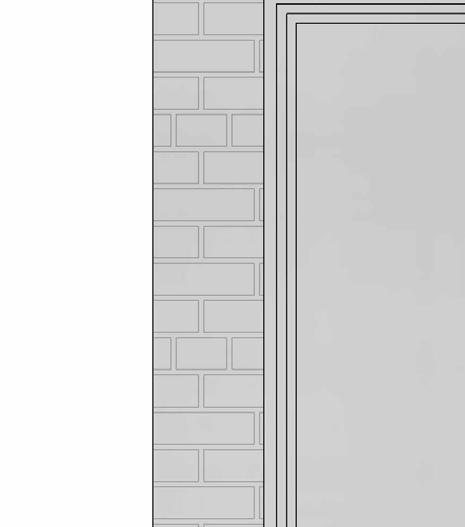
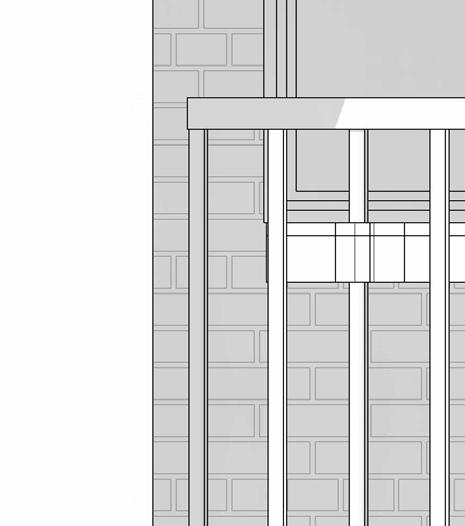
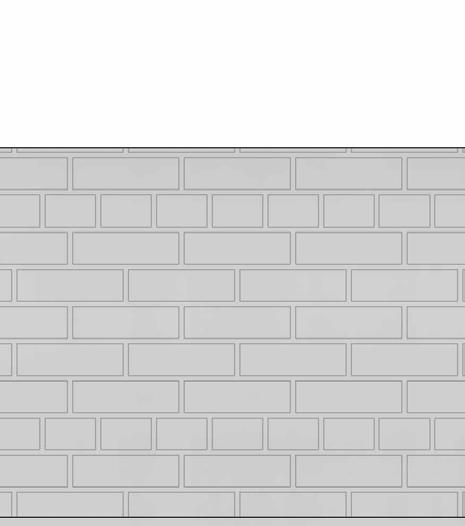
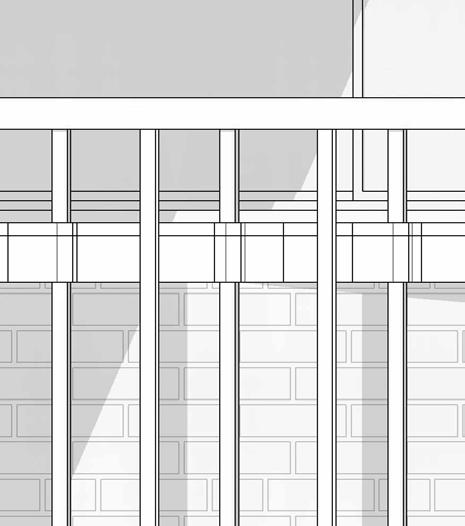
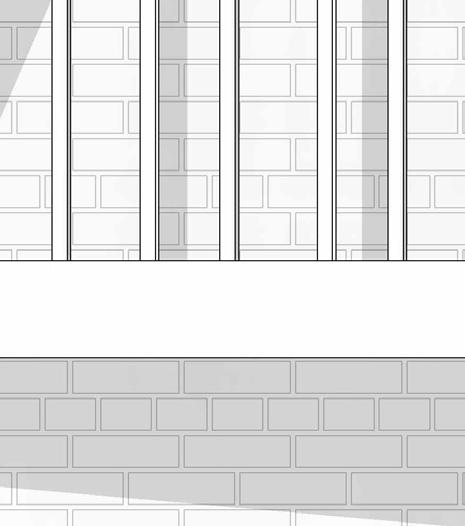
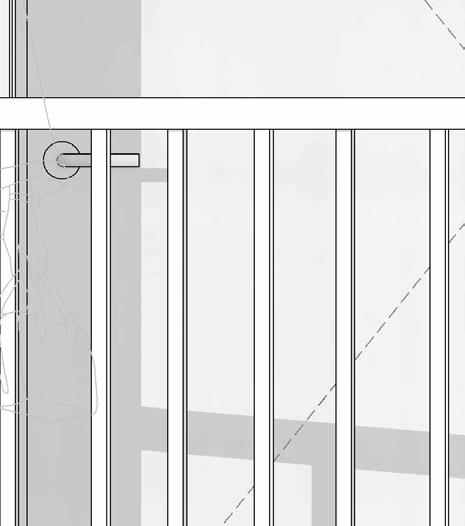
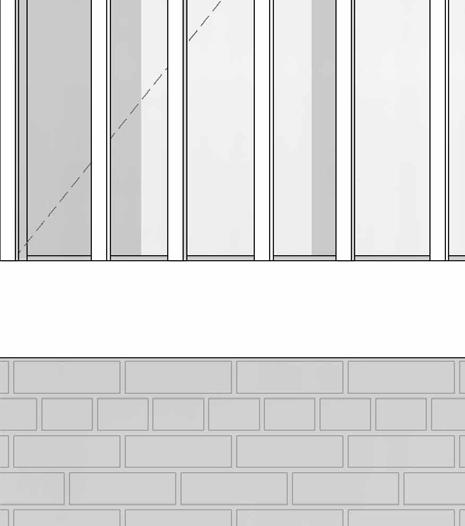
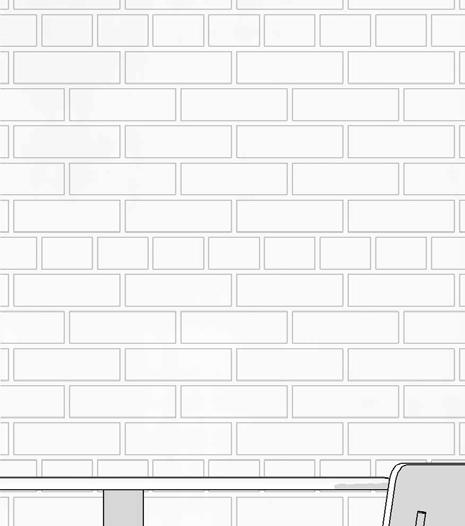
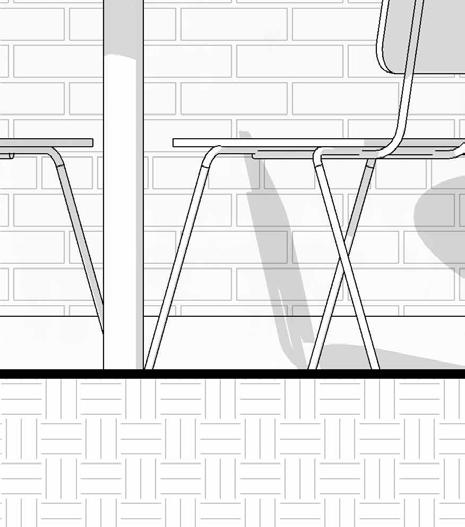
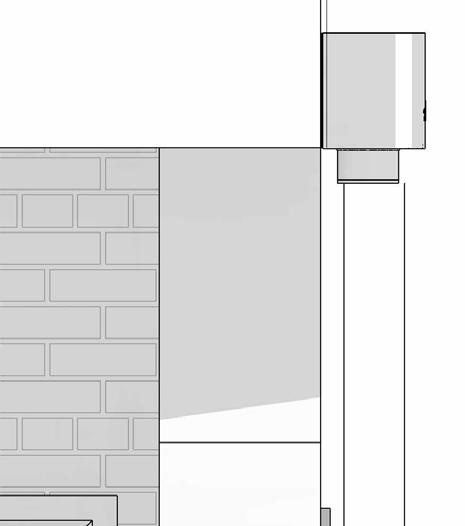
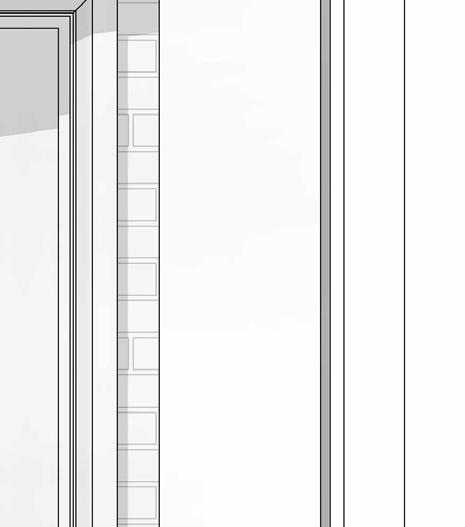
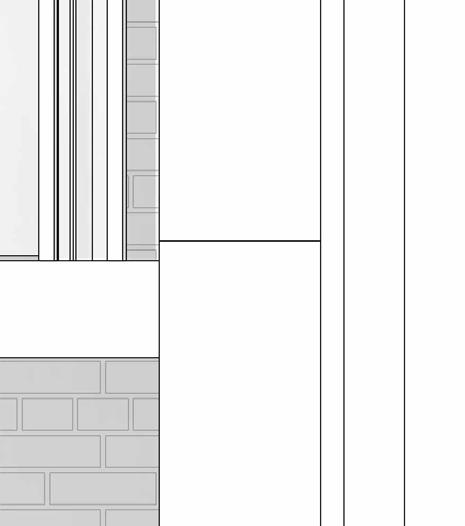
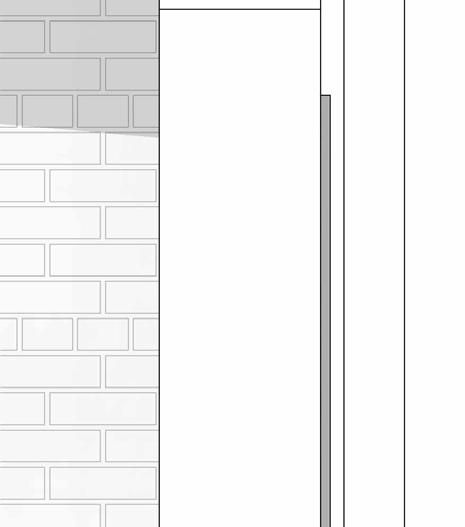
The detailed development of a residential facade, underpinned by accurate construction and passive design strategies 2024
Revit, Rhino, Adobe Suite, Physical Model Making








































































Building Information Modeling (BIM) course
Architecture Course
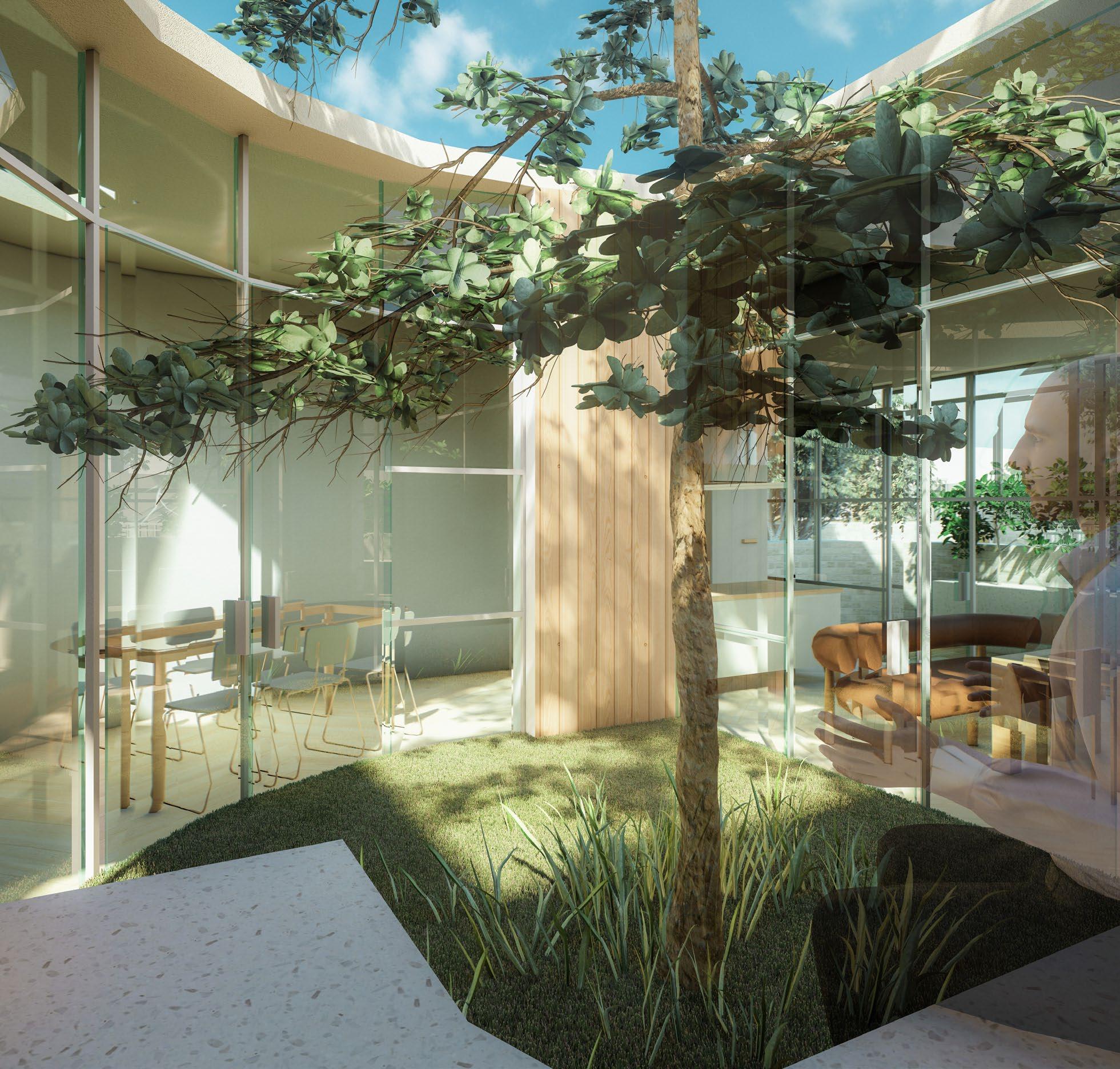
The development of a sustainably driven residential project, constructed using Revit. The use of Tally, Green Building Studio and Insight to assess the emissions produced (embodied and operational) and develop strategies to better the design 2024
Revit, Adobe Suite, Tally, Green Building Studio, Insight


Three
2024
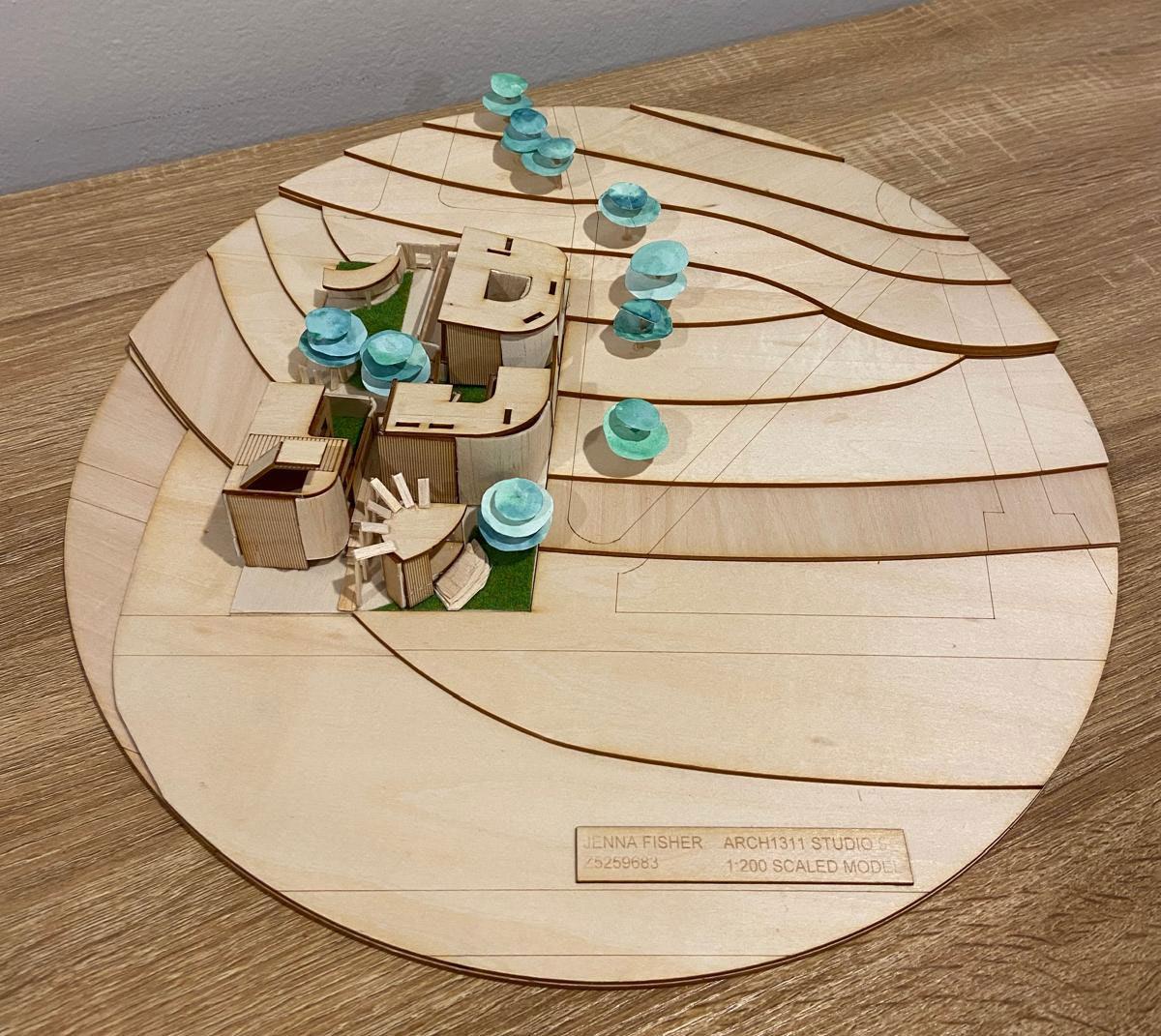
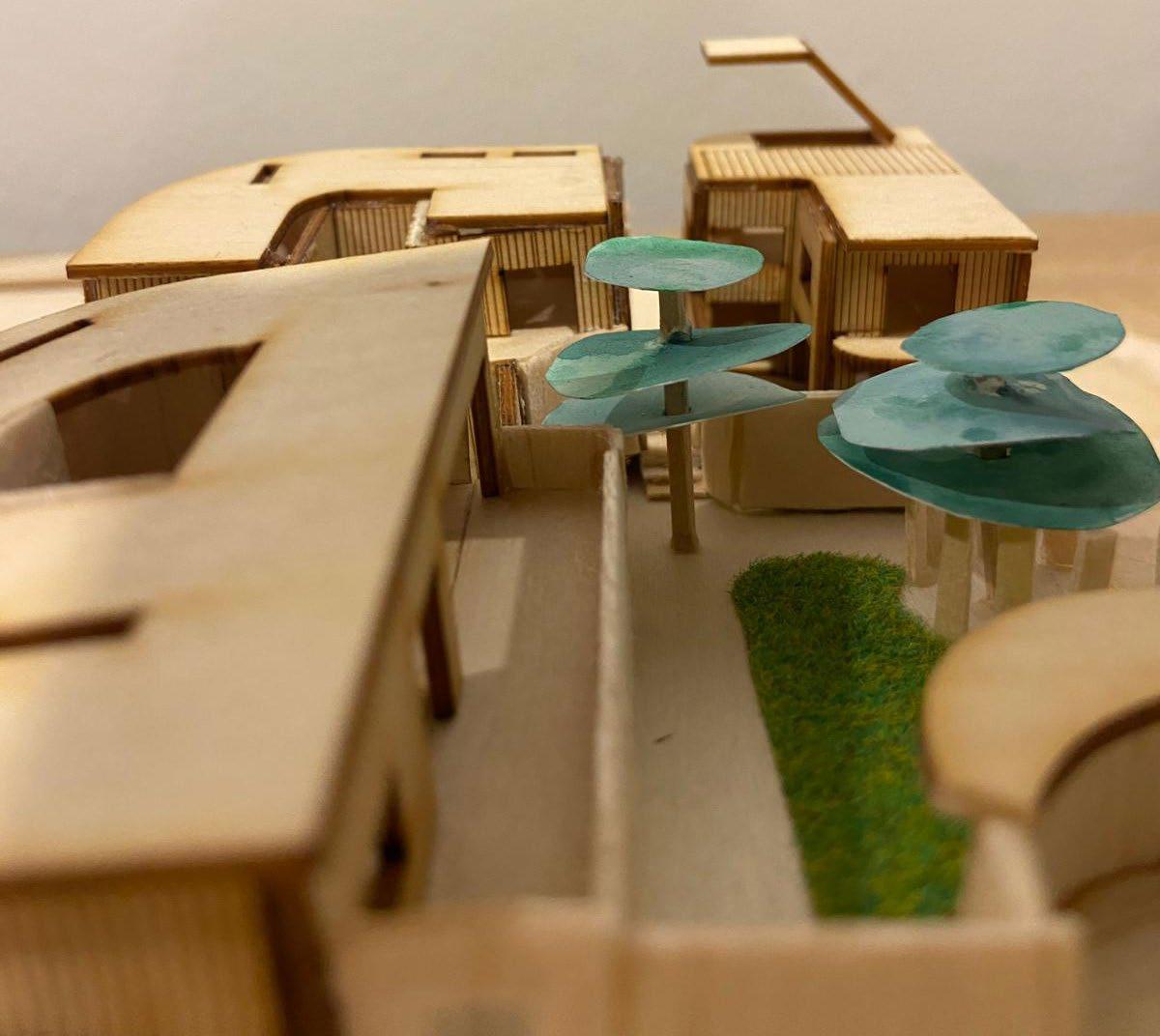
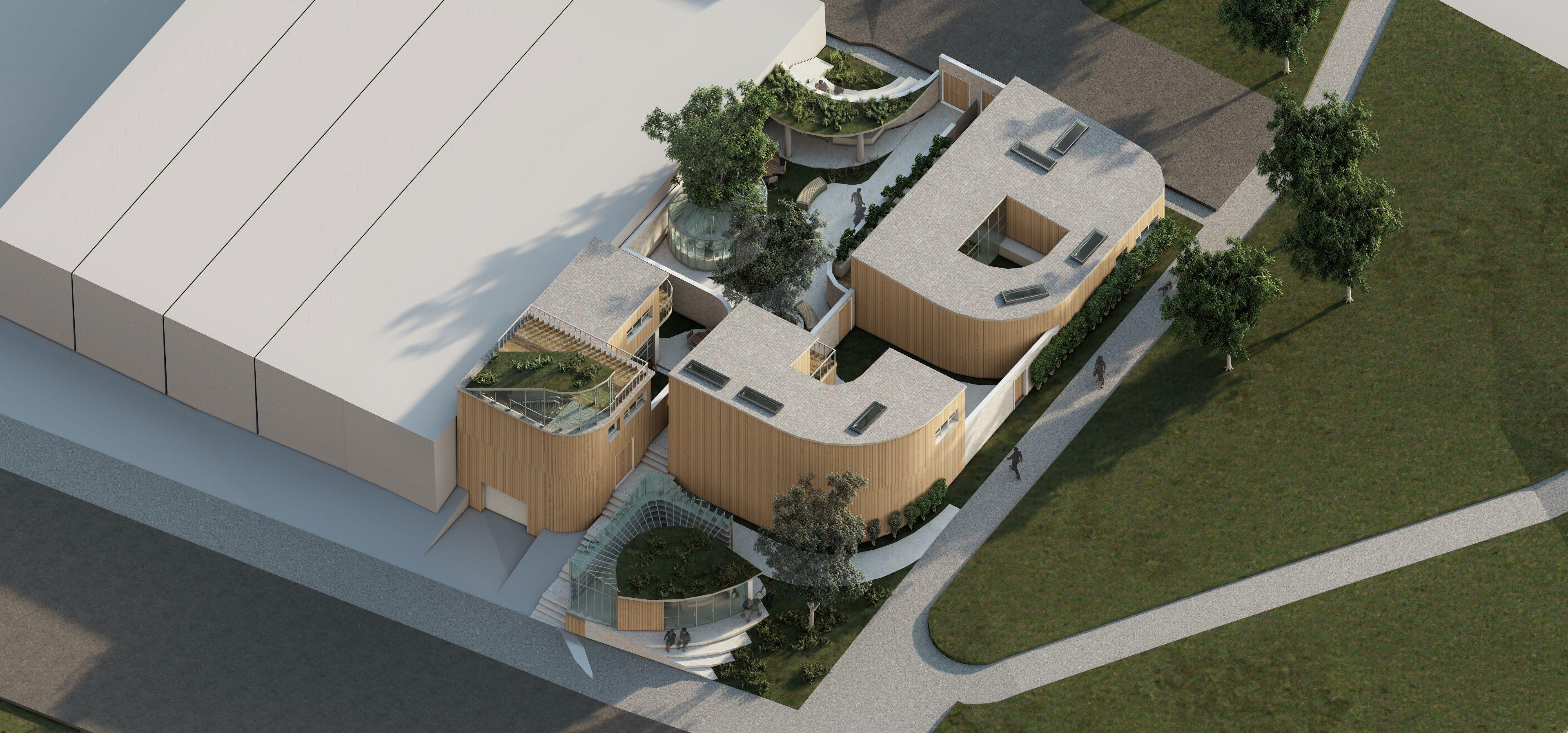
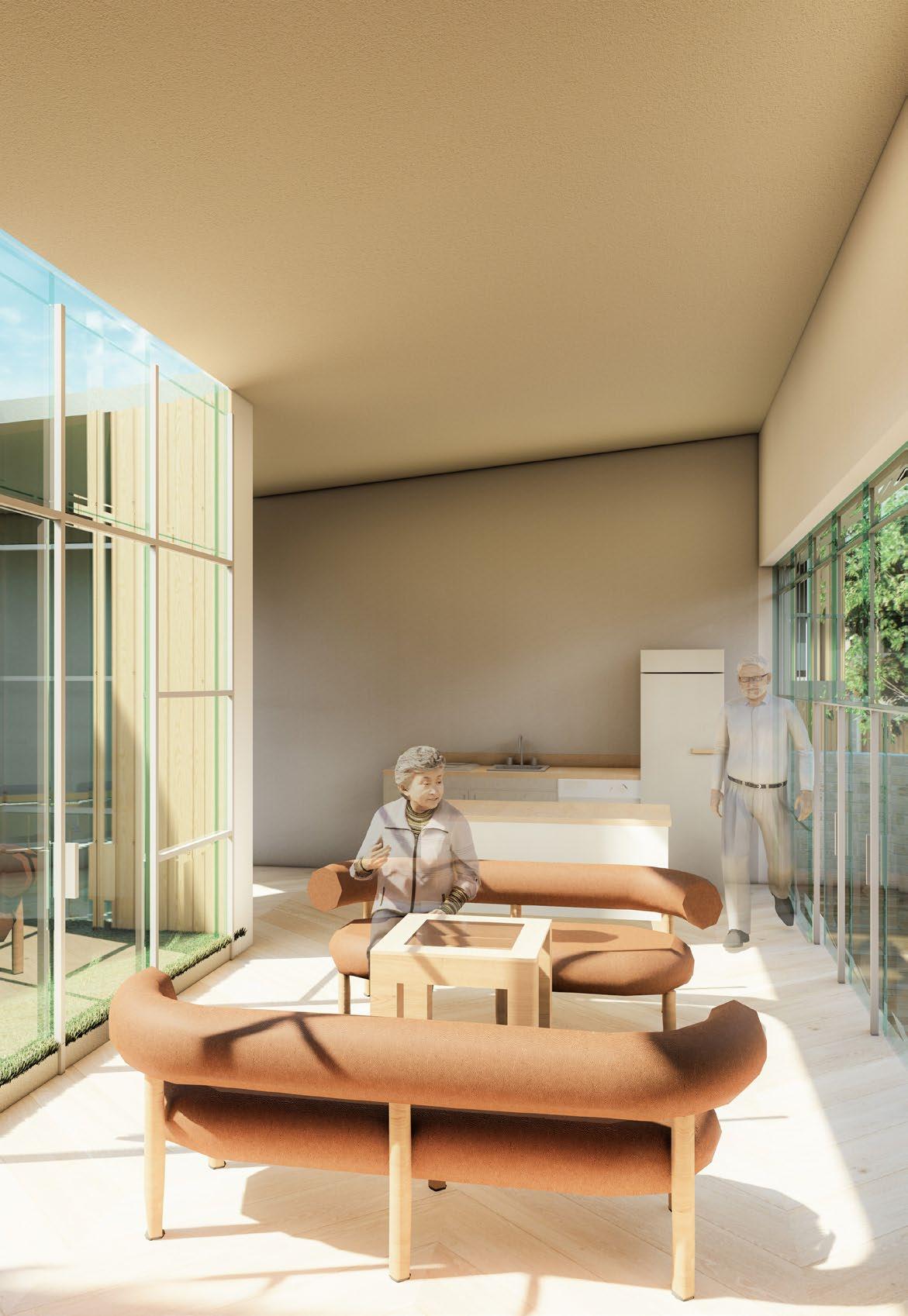
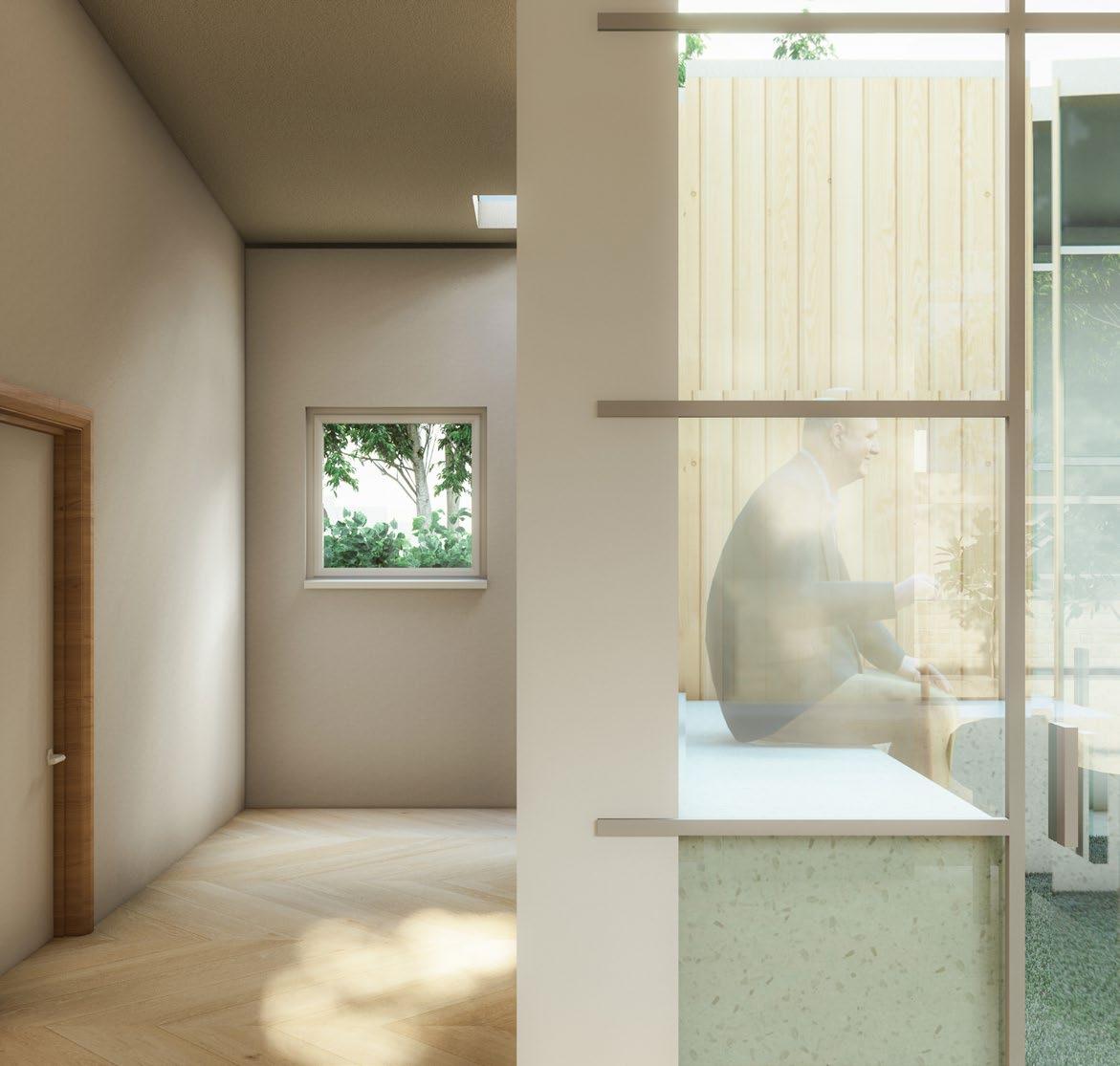
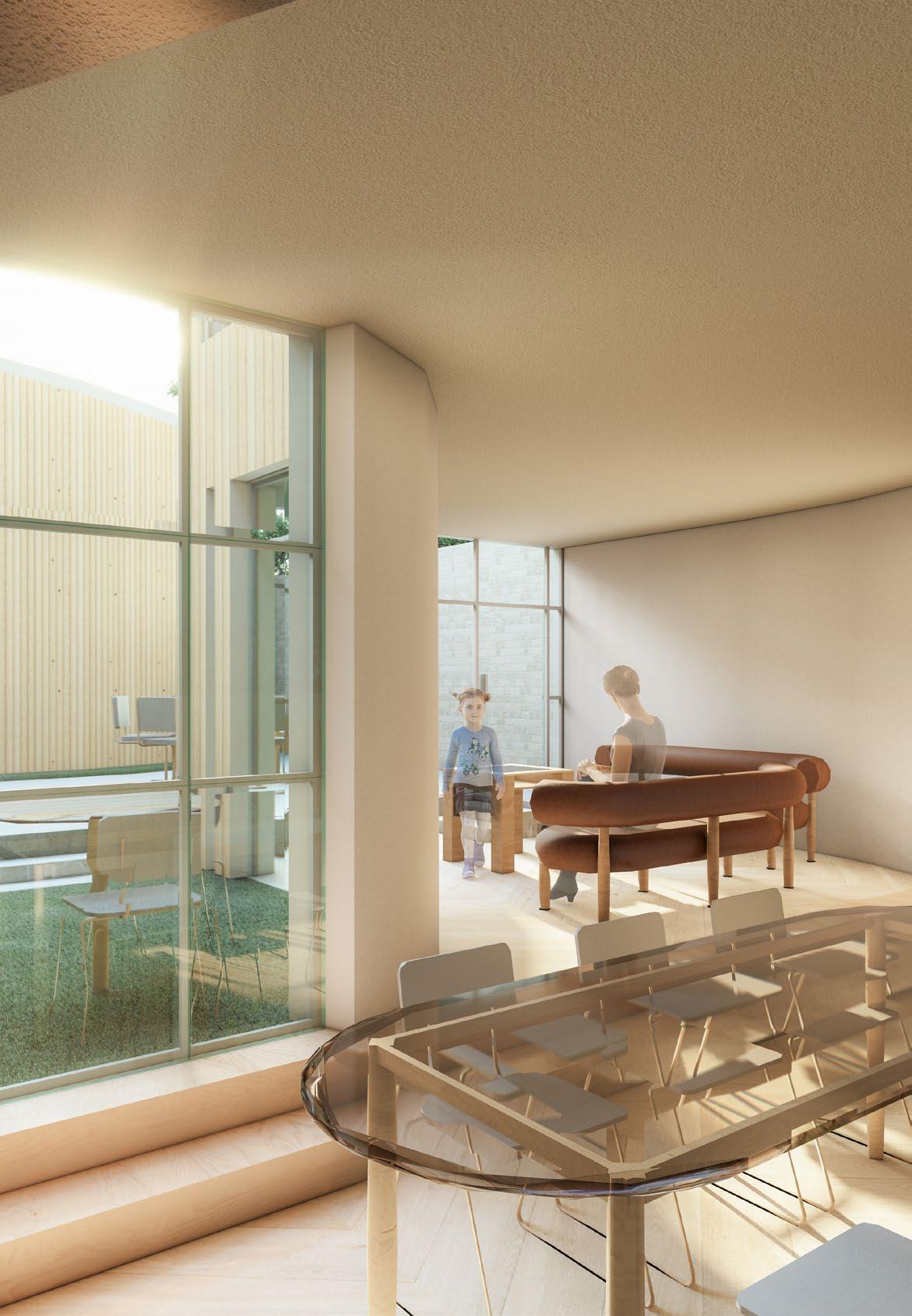
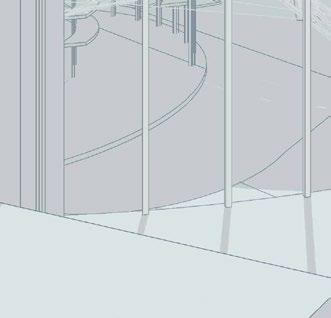
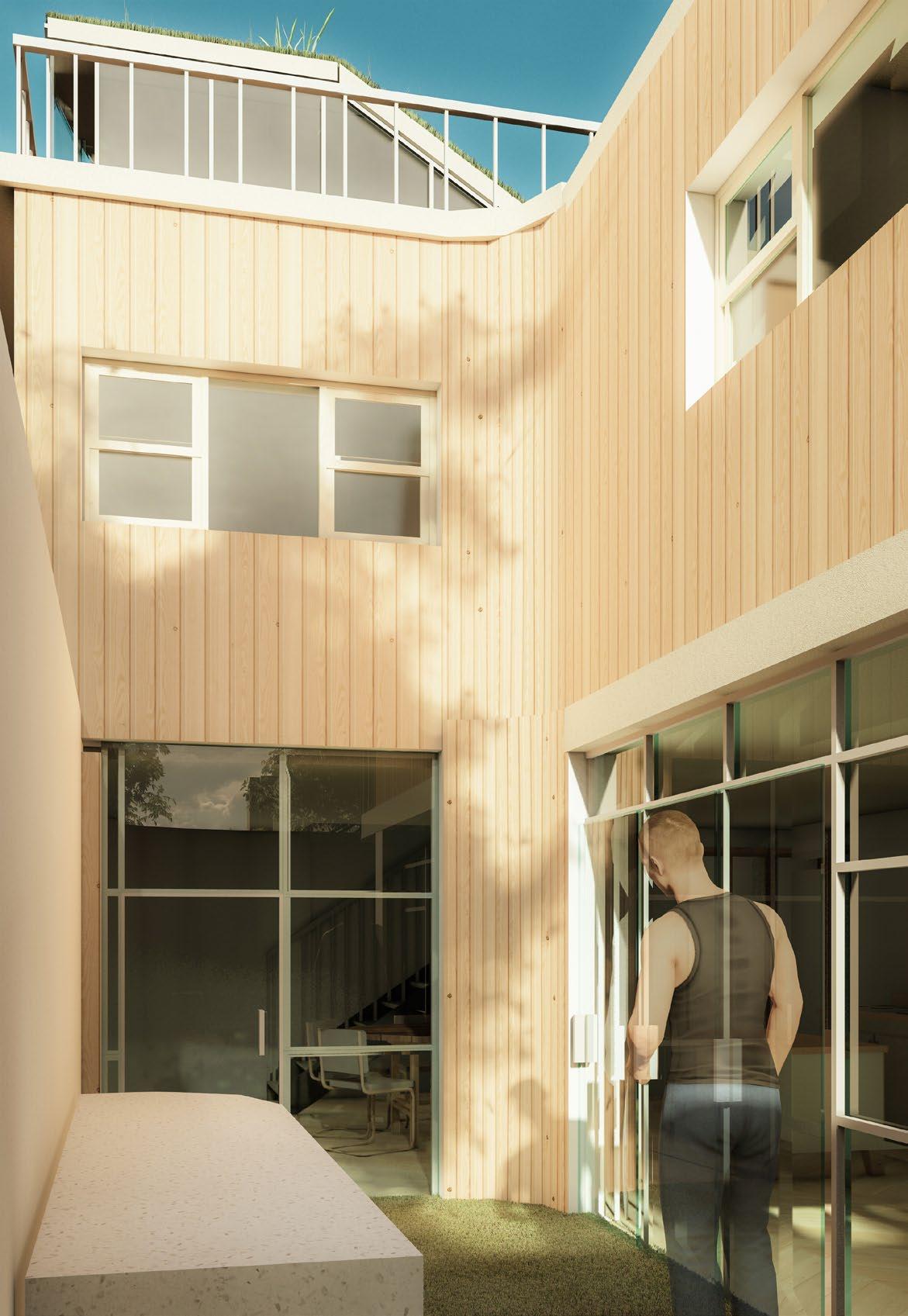
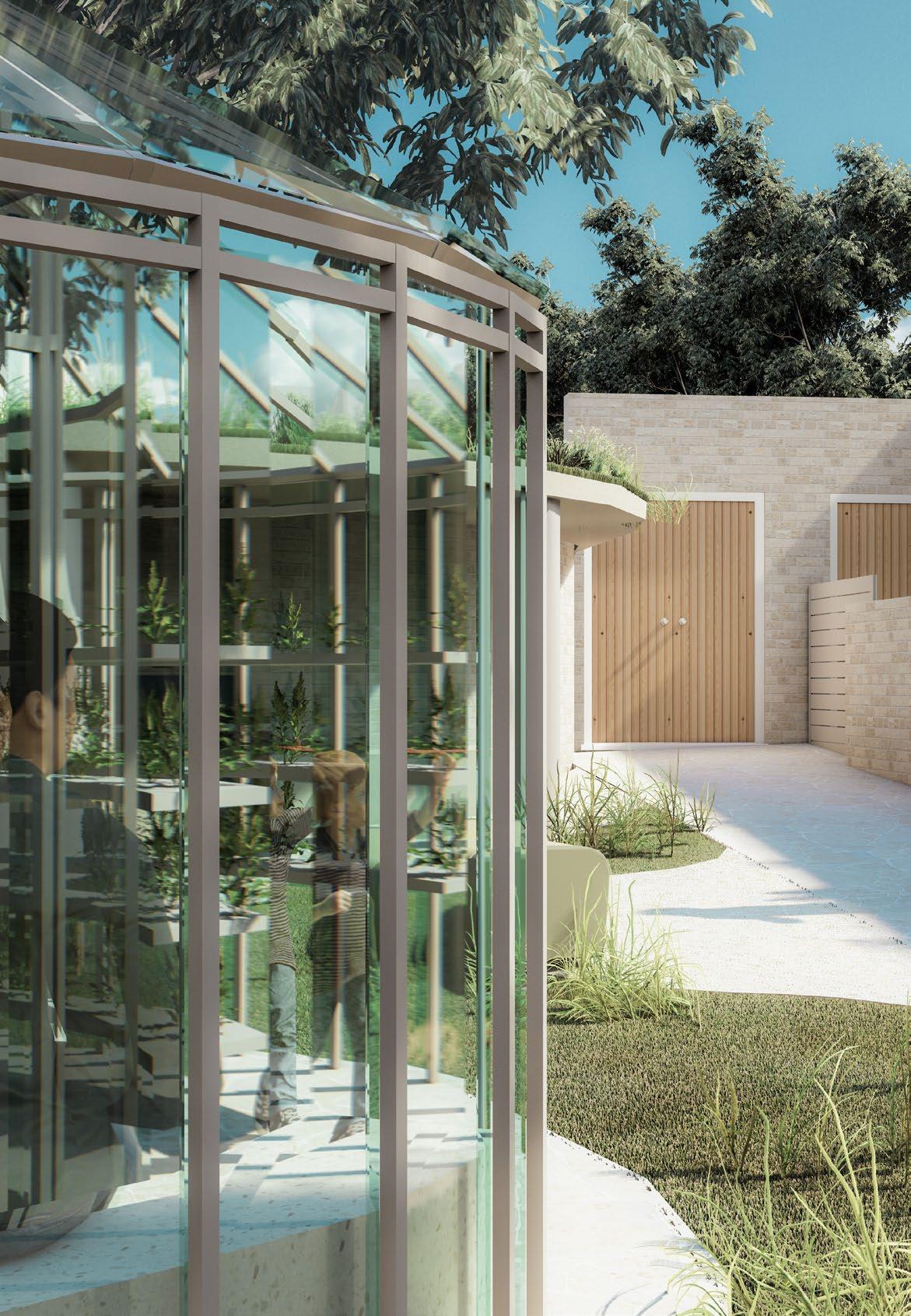
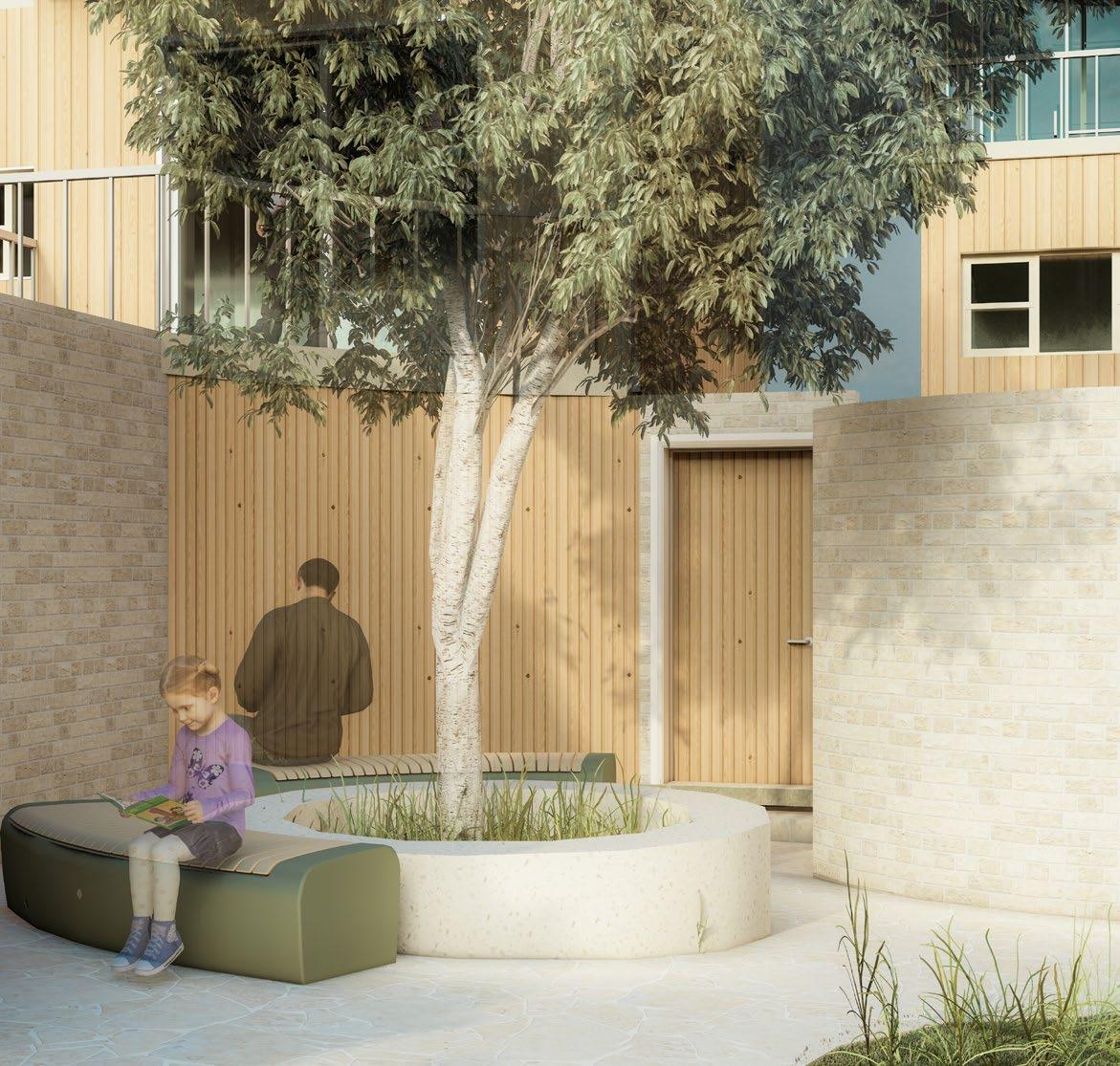
Quota Space - a multi-unit residential project located in the heart of Newtown fuses architecture with context and landscape to create a space of collective discovery and shared experiences. The new design engages with the existing topography and Hollis Park to the East by adding a layer of functionality and purpose - to be engaged with by all. The dwelling spaces are distinguished by 3 fundamental design principles: natural light, circulation and thresholds which use light-wells, purposeful curves and orientation to foster an ideal living environment. Thoughtful design decisions have been adopted, underpinned by a human-centric approach. Quota Space not only intends to establish a dynamic and supportive relationship amongst residents but concurrently the surrounding community. “A fixed share of something that a person or group is entitled to receive or is bound to contribute.






























Fashioning The Unfashionable: Design Studio 5
Interior Architecture Course
Retail Shop Fitout
2022
Rhino, Sketch-Up, Adobe Suite, Lumion, Enscape

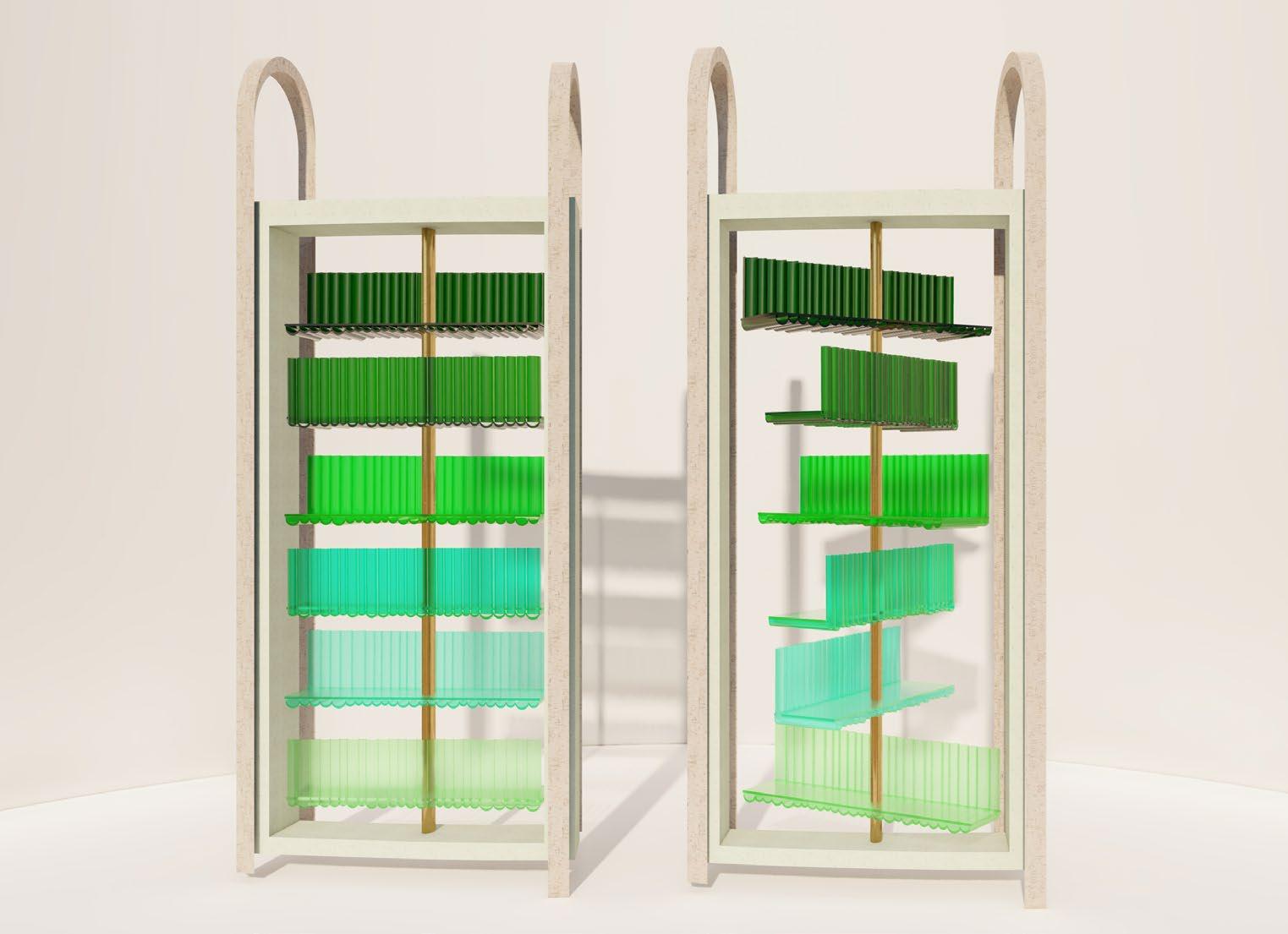
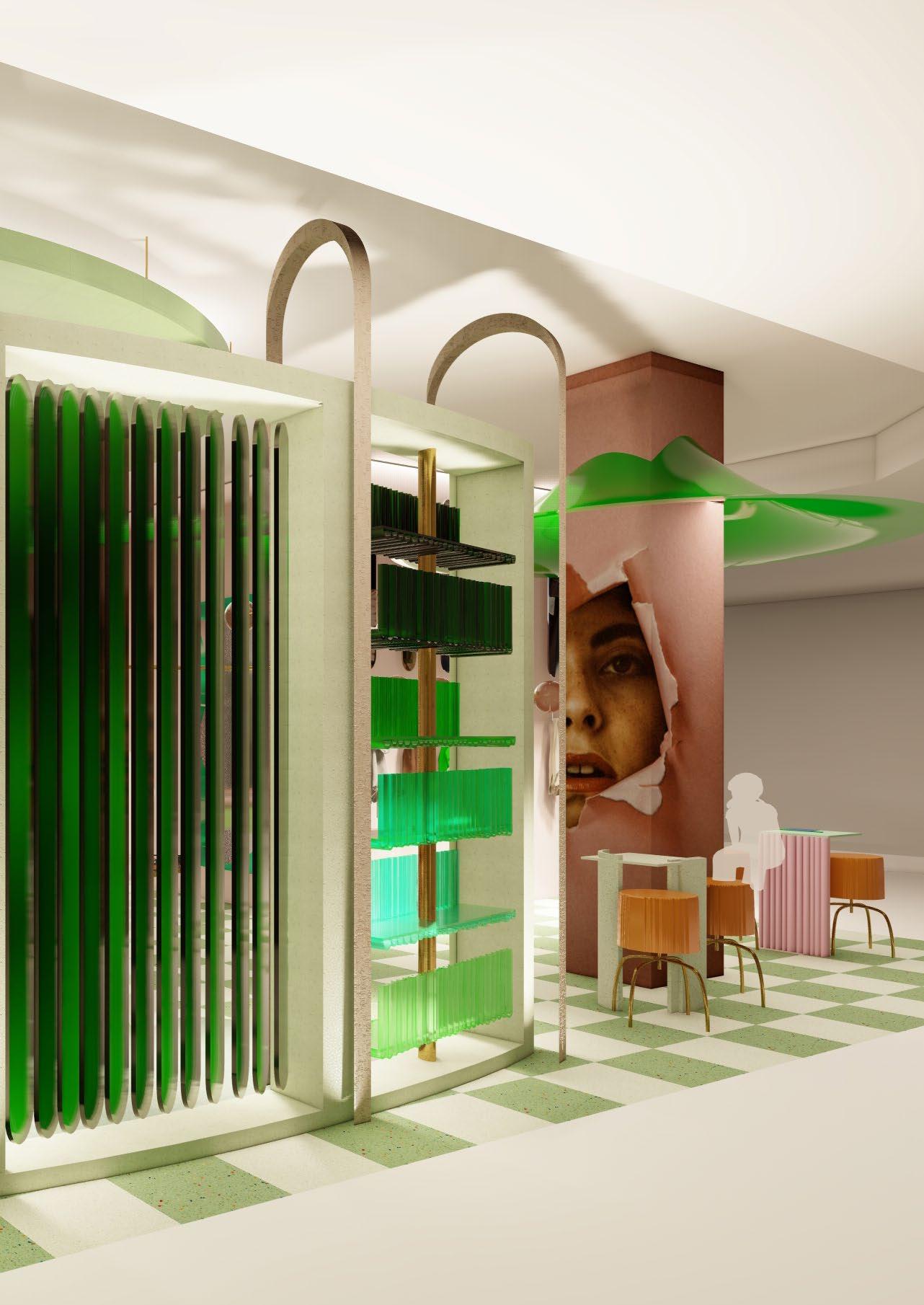
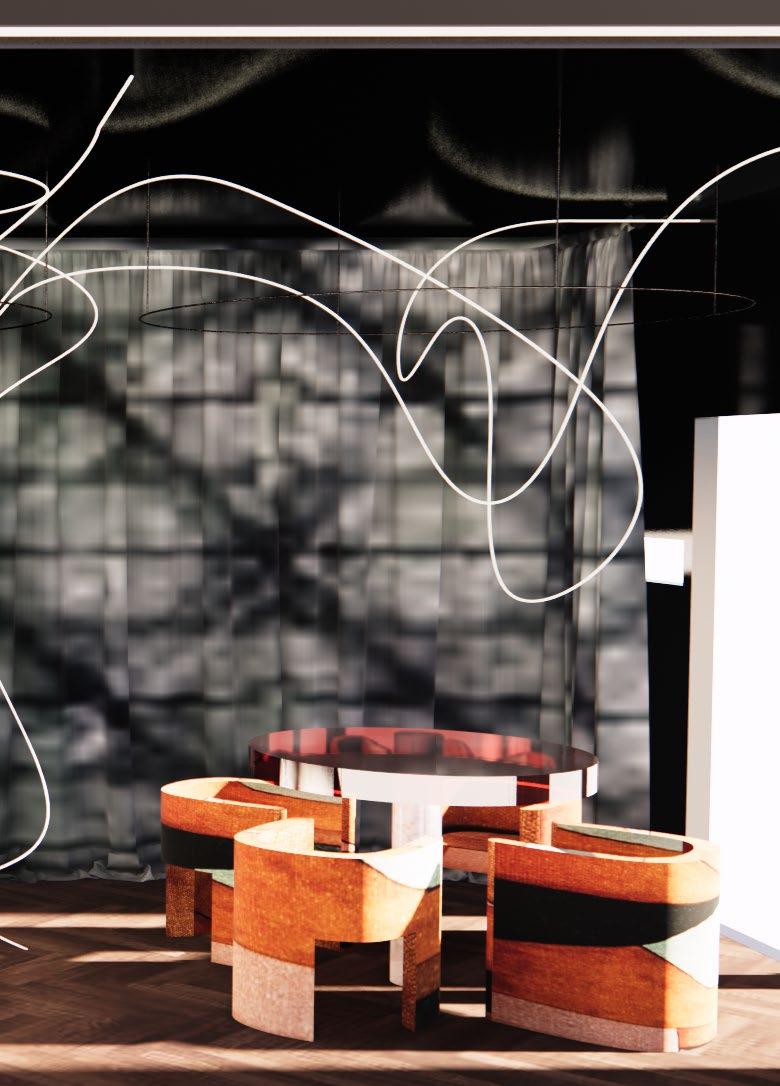
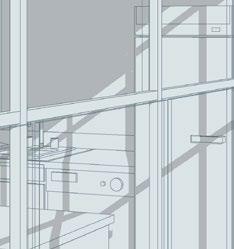
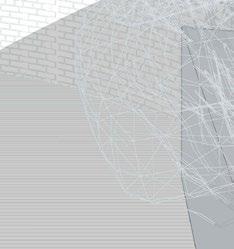
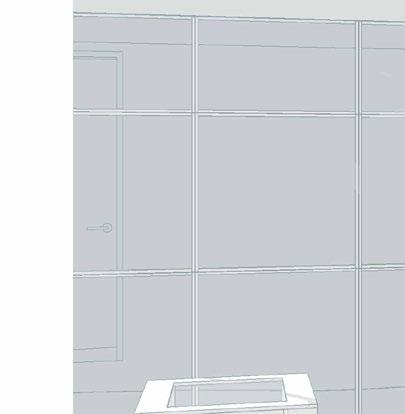
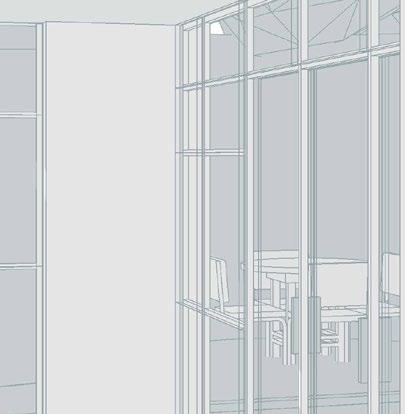
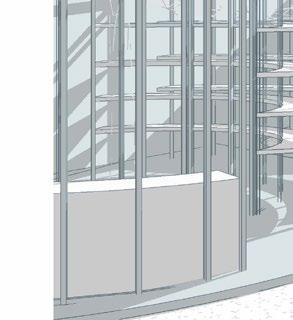
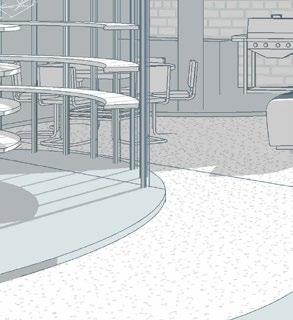
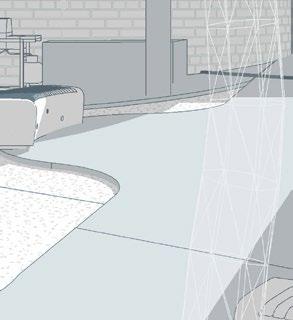
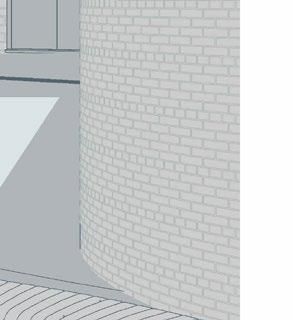
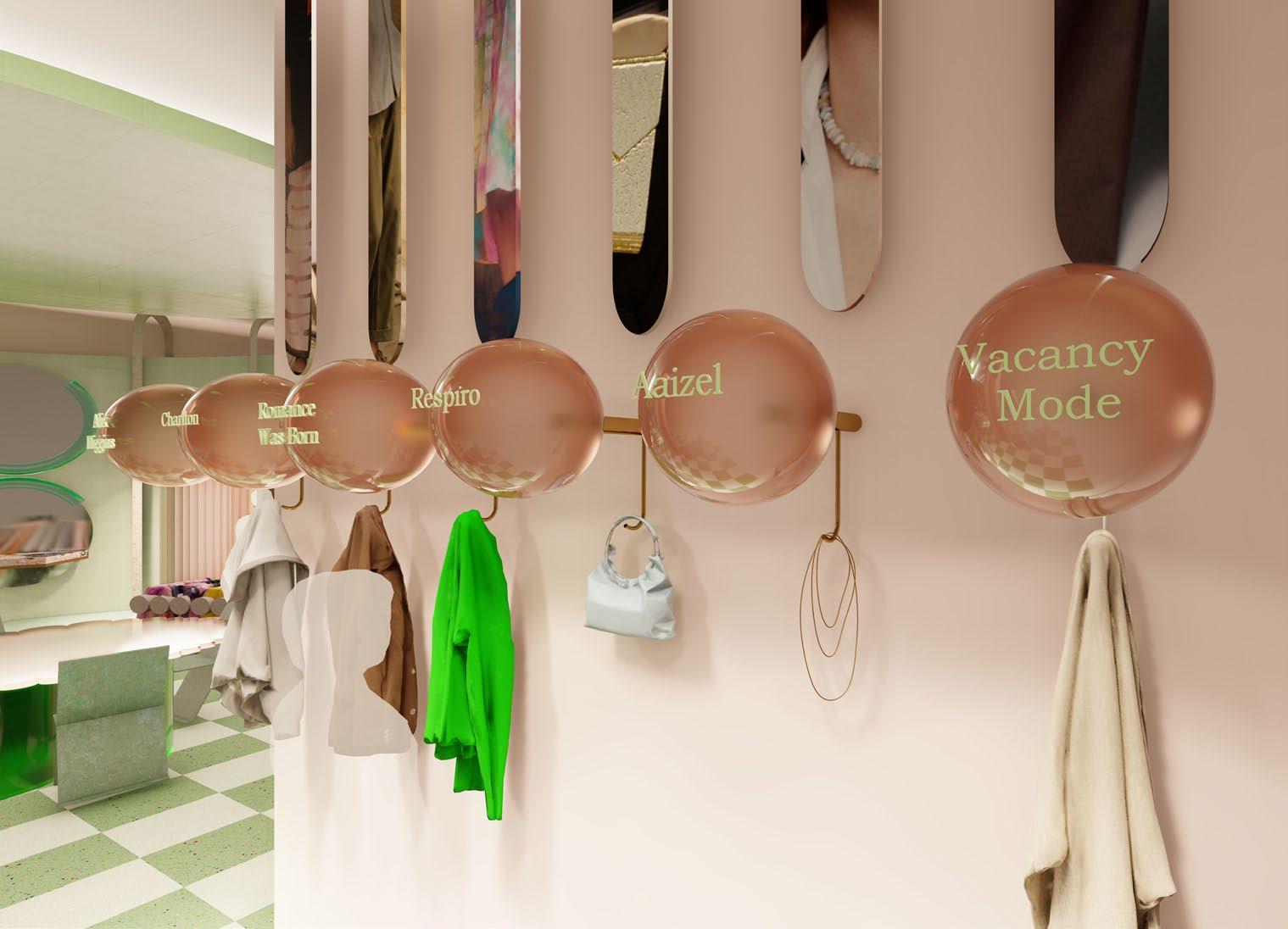
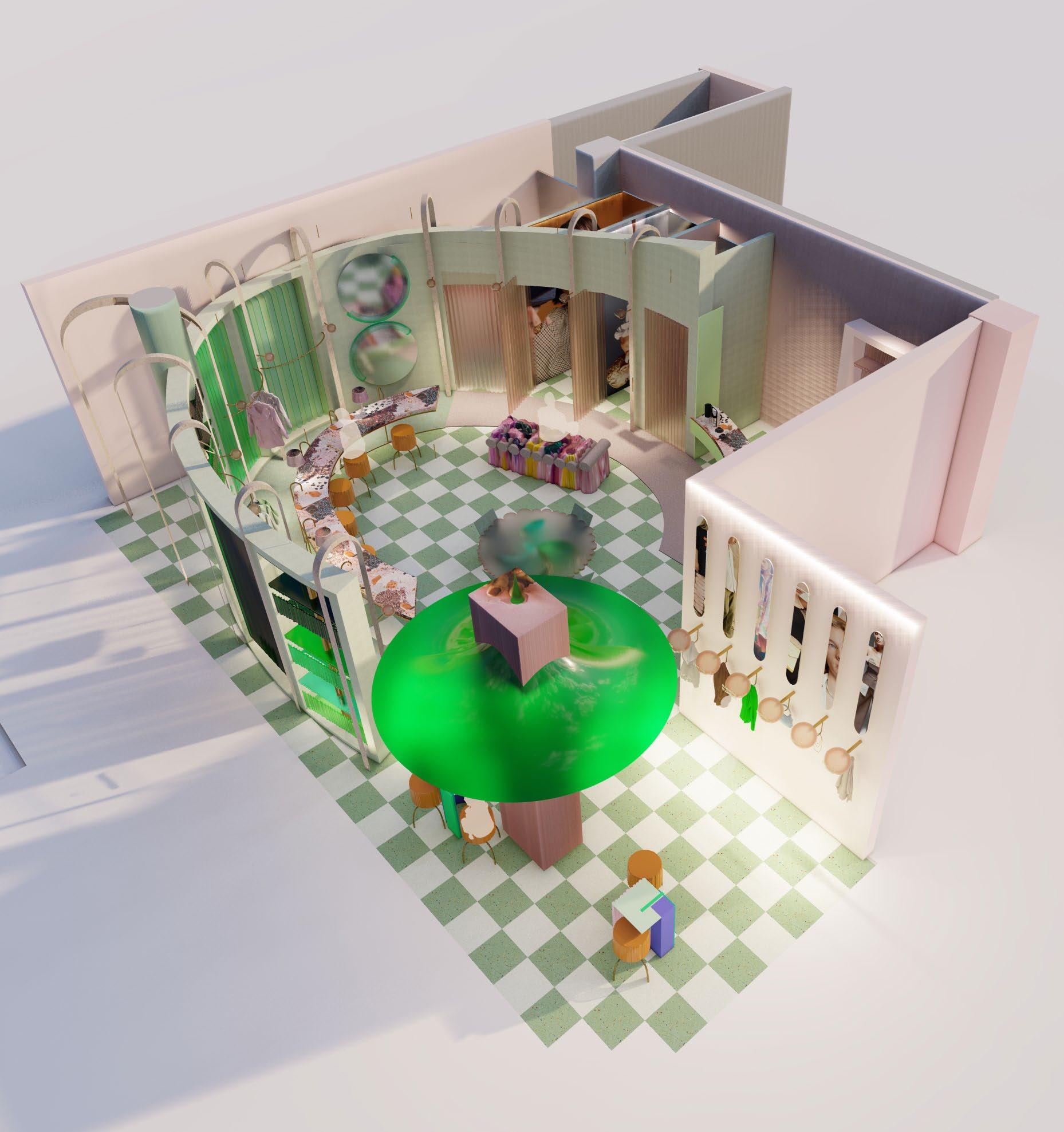
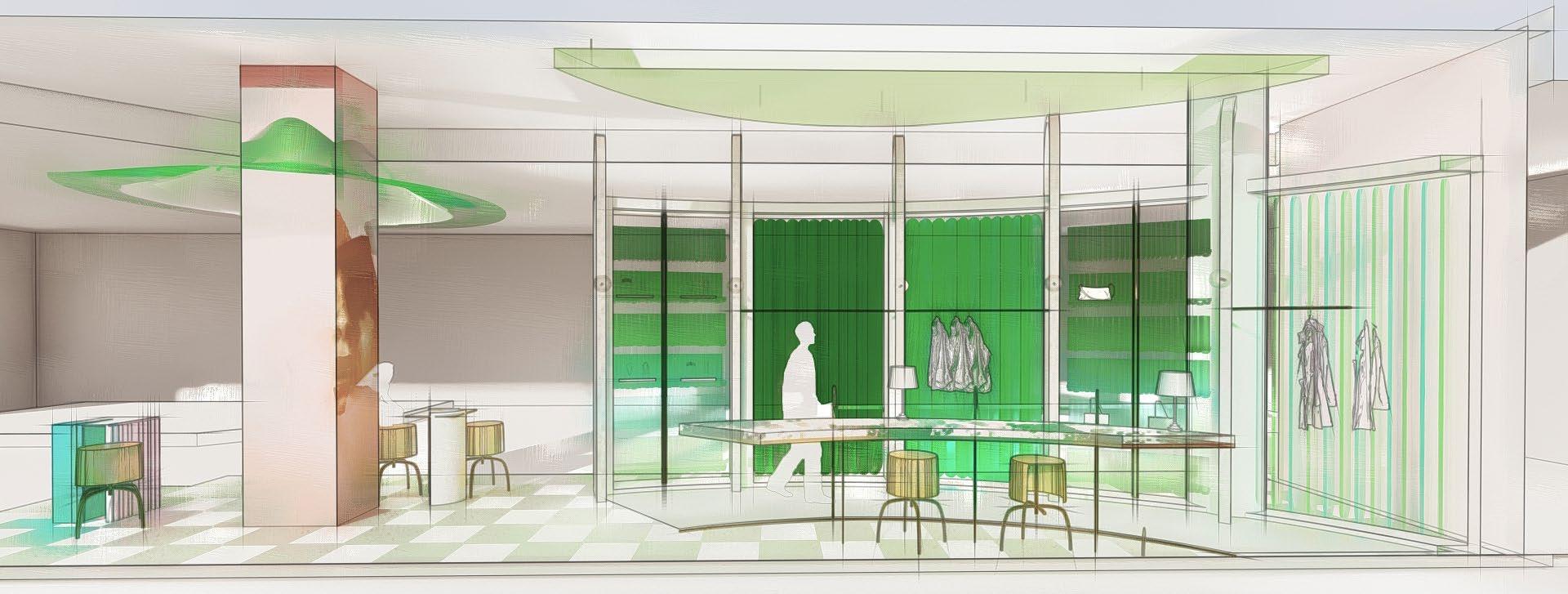
Fashioning the Unfashionable: a retail space which acknowledges the similarities which exist between the fashion and built environment industries. A space which attempts to combat the rising waste generated by both sectors. Through experience, sustainability and adaptability acting as the pinnacle strategies guiding my design approach, I was able to rather re-invent the past, as opposed to designing for the future. A space which despite its short lifespan, is able to form meaningful connections to customers, whilst educating them about the consequences of the current way the fashion and built environment industries operate.


Torus: Design Studio 6
Interior Architecture Course
Work Place Design - Red Centre UNSW 2022
Rhino, ArchiCAD, Lumion, Grasshopper, Adobe Suite
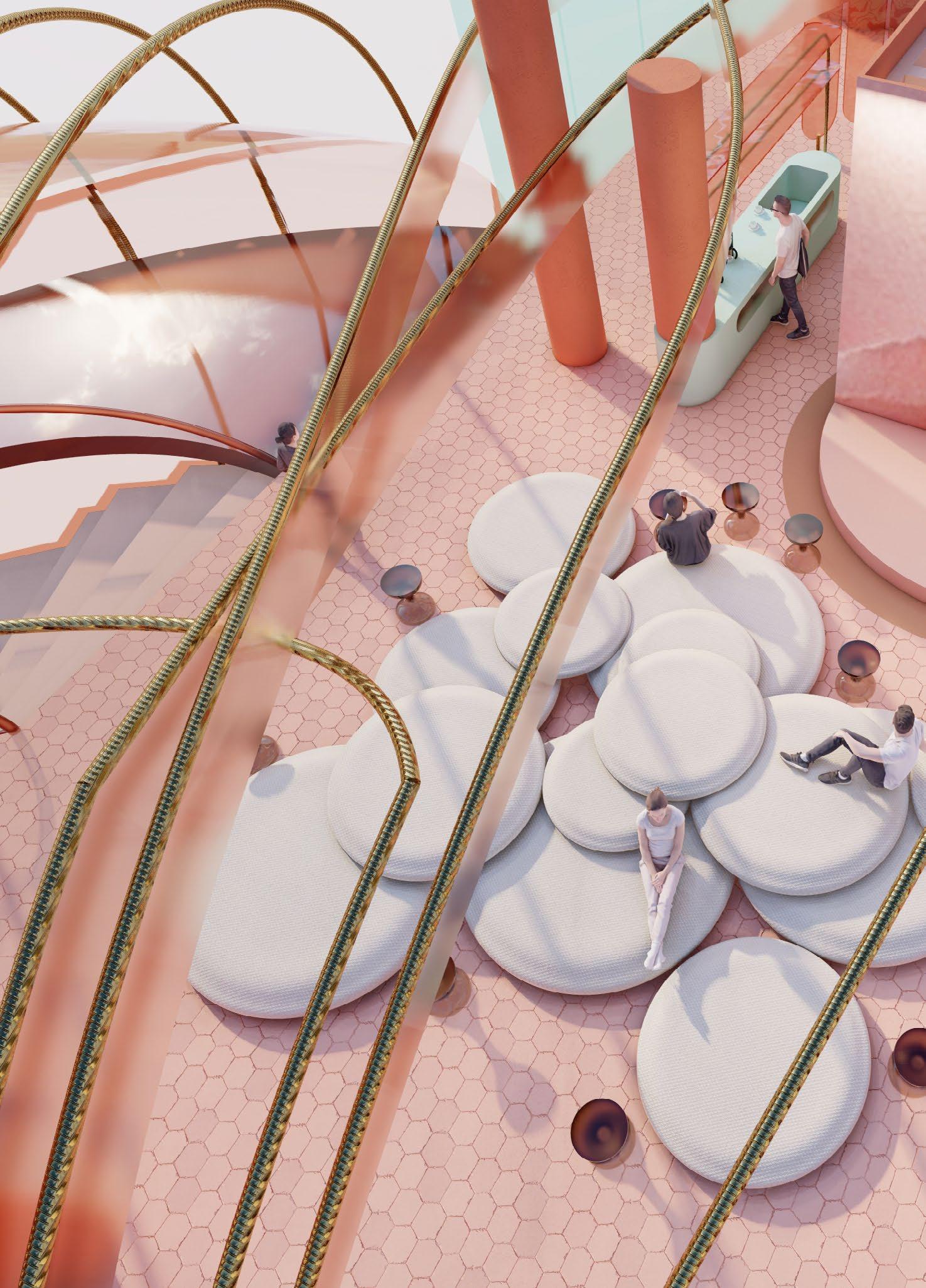
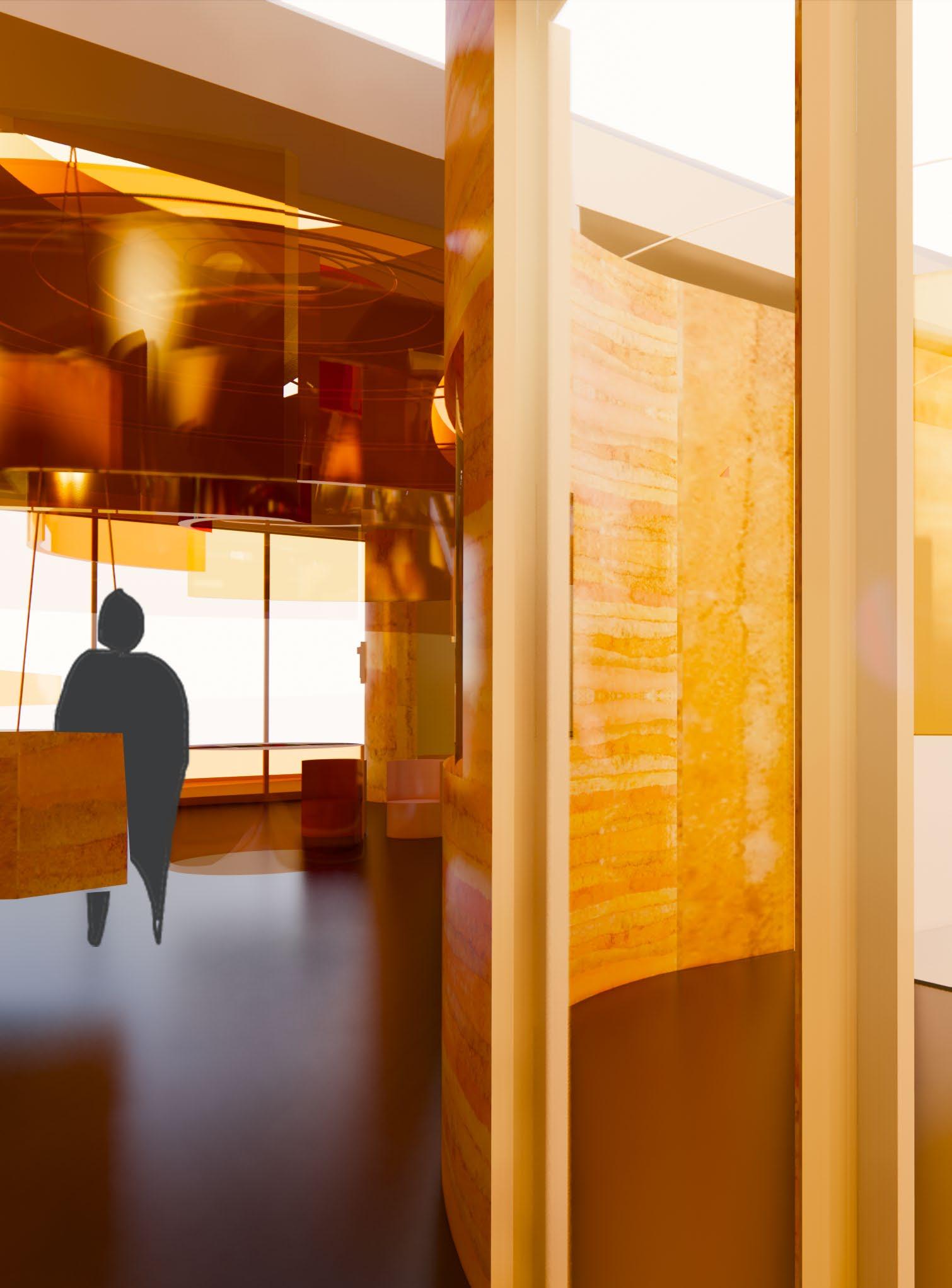
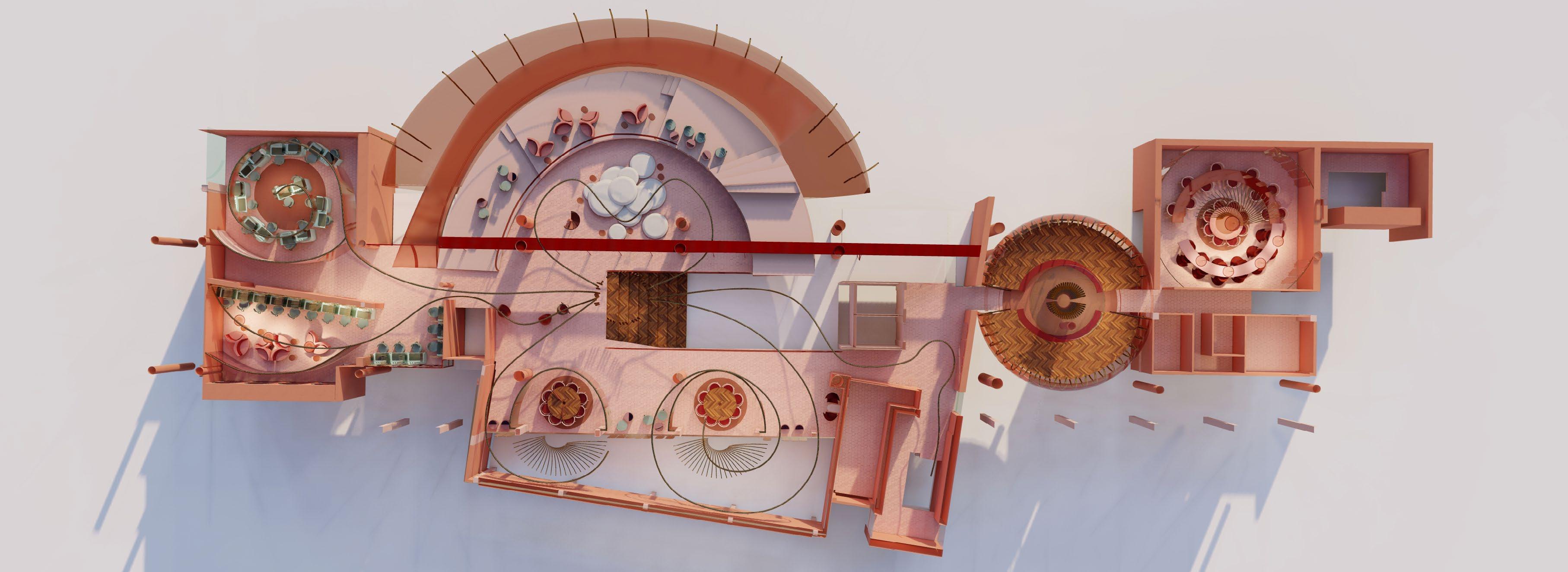
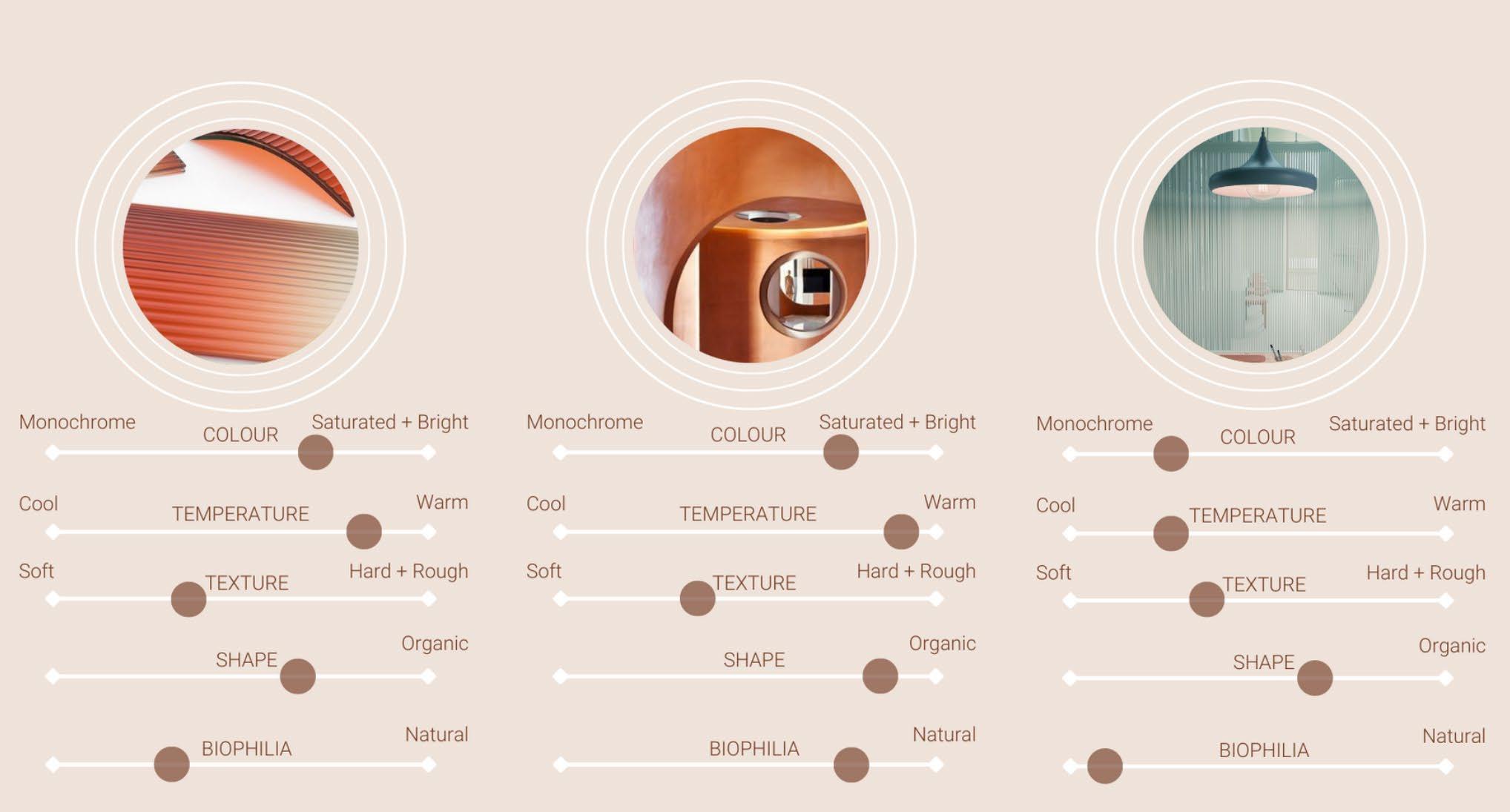
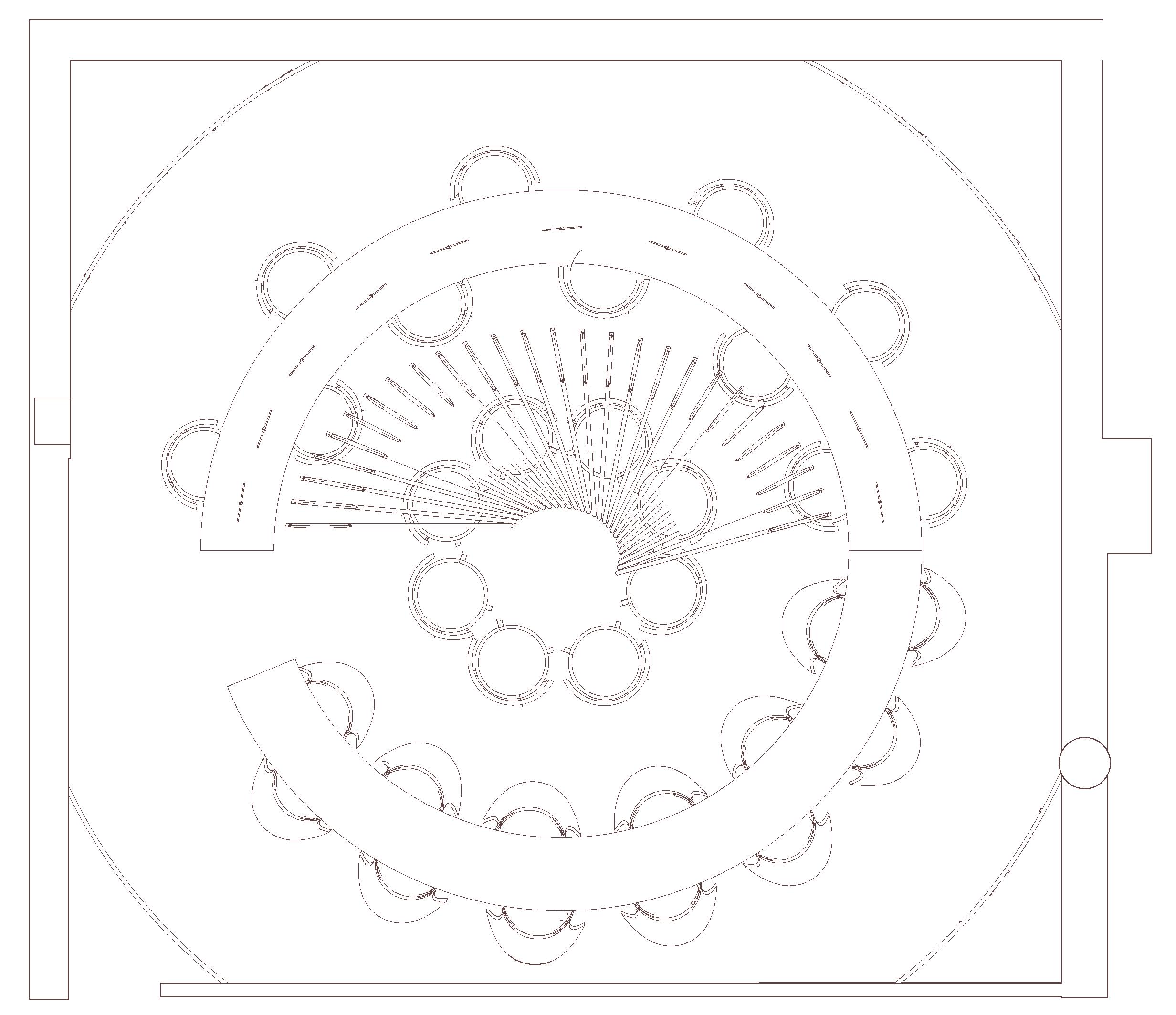
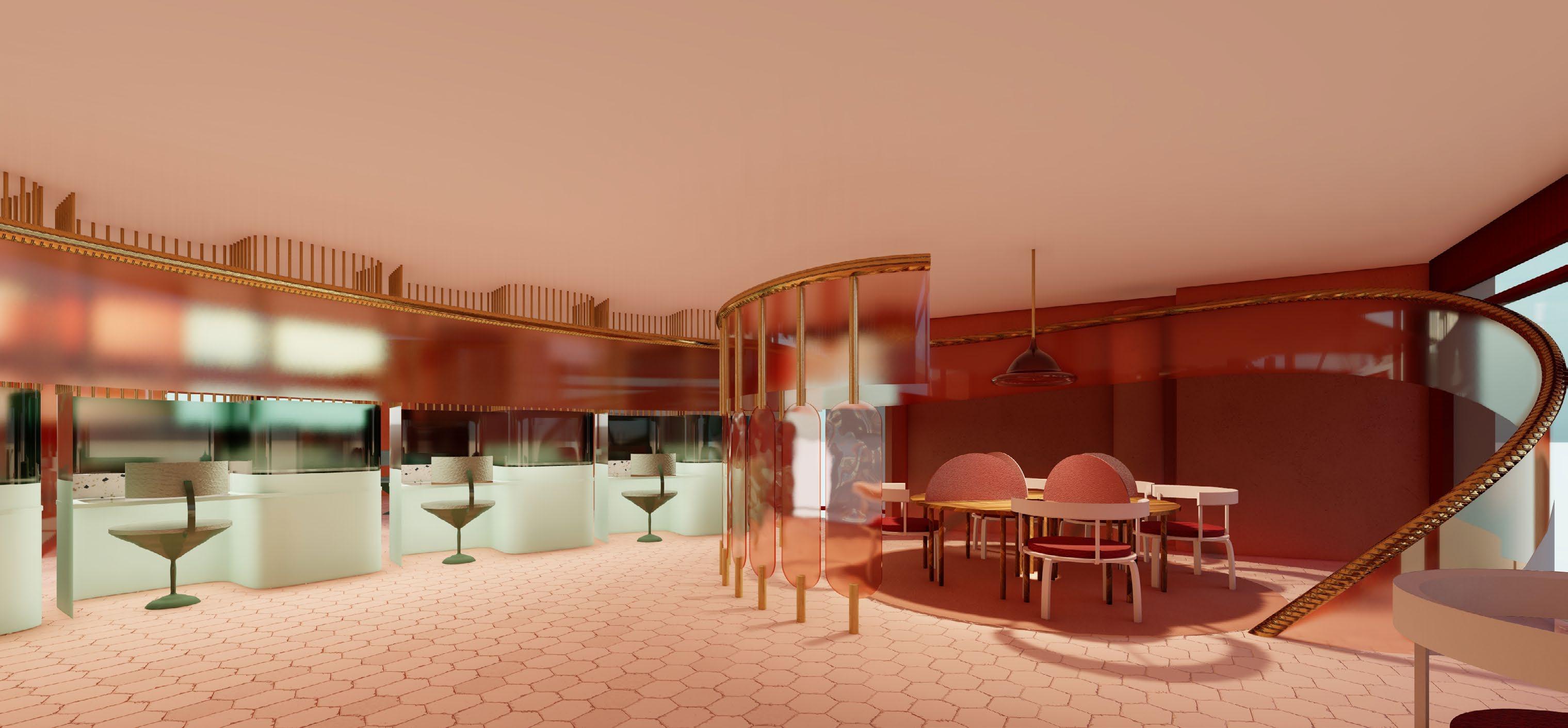
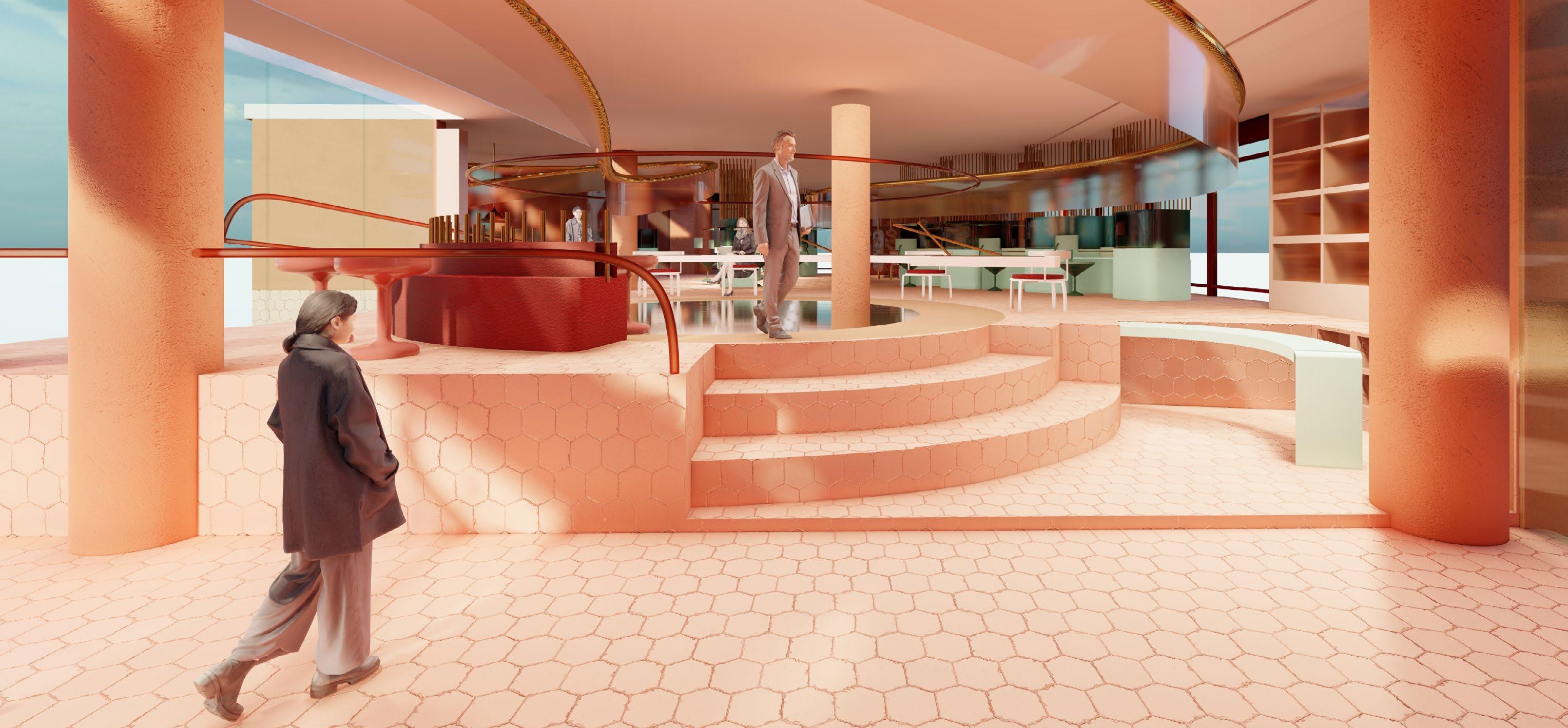
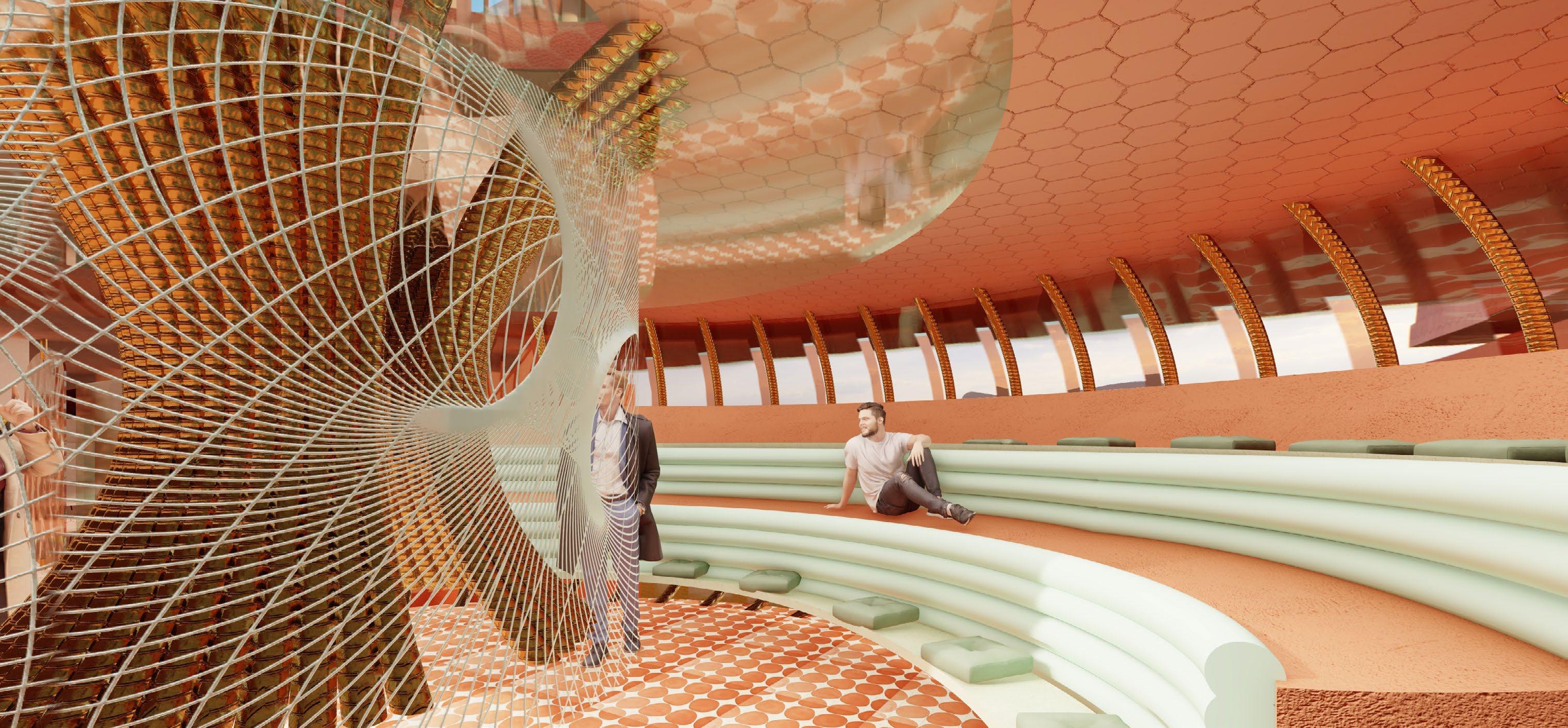
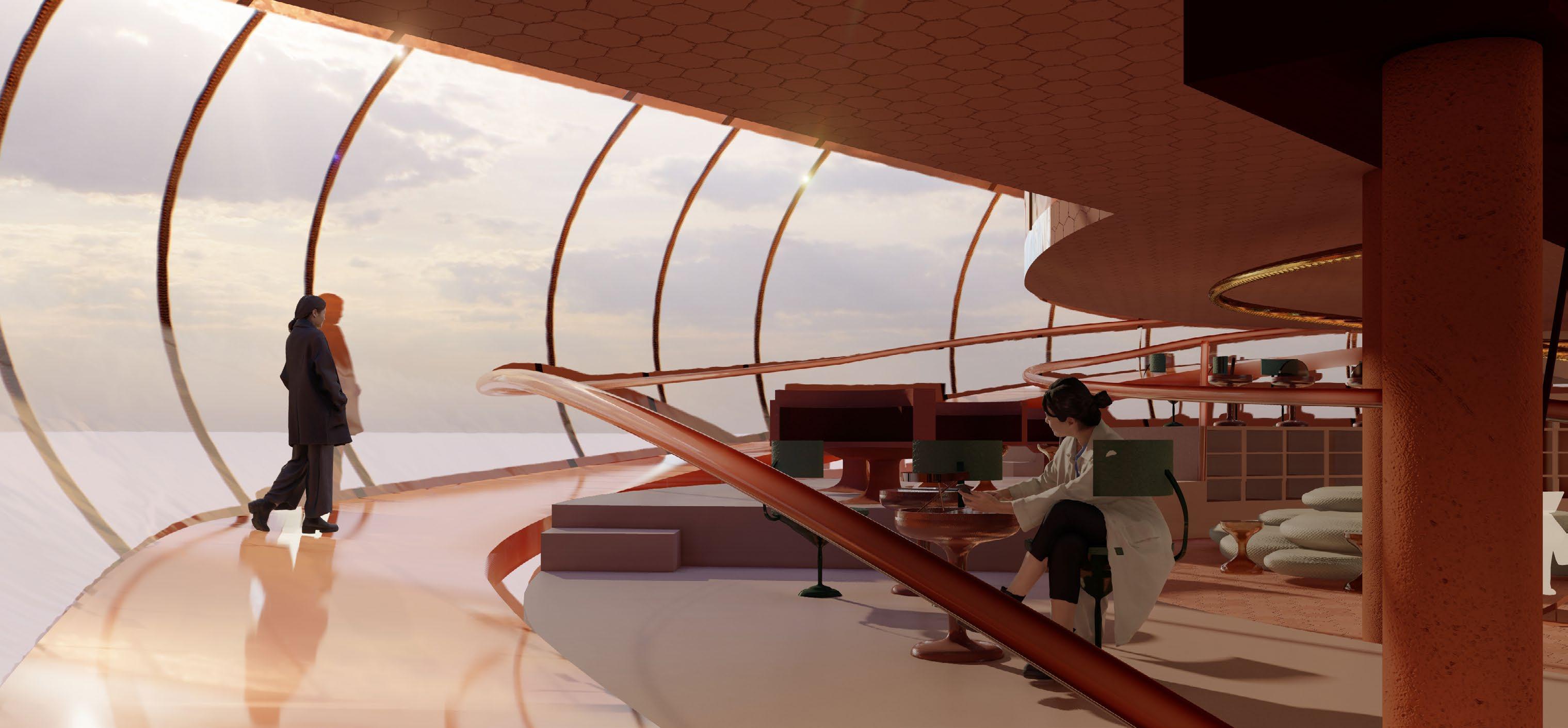
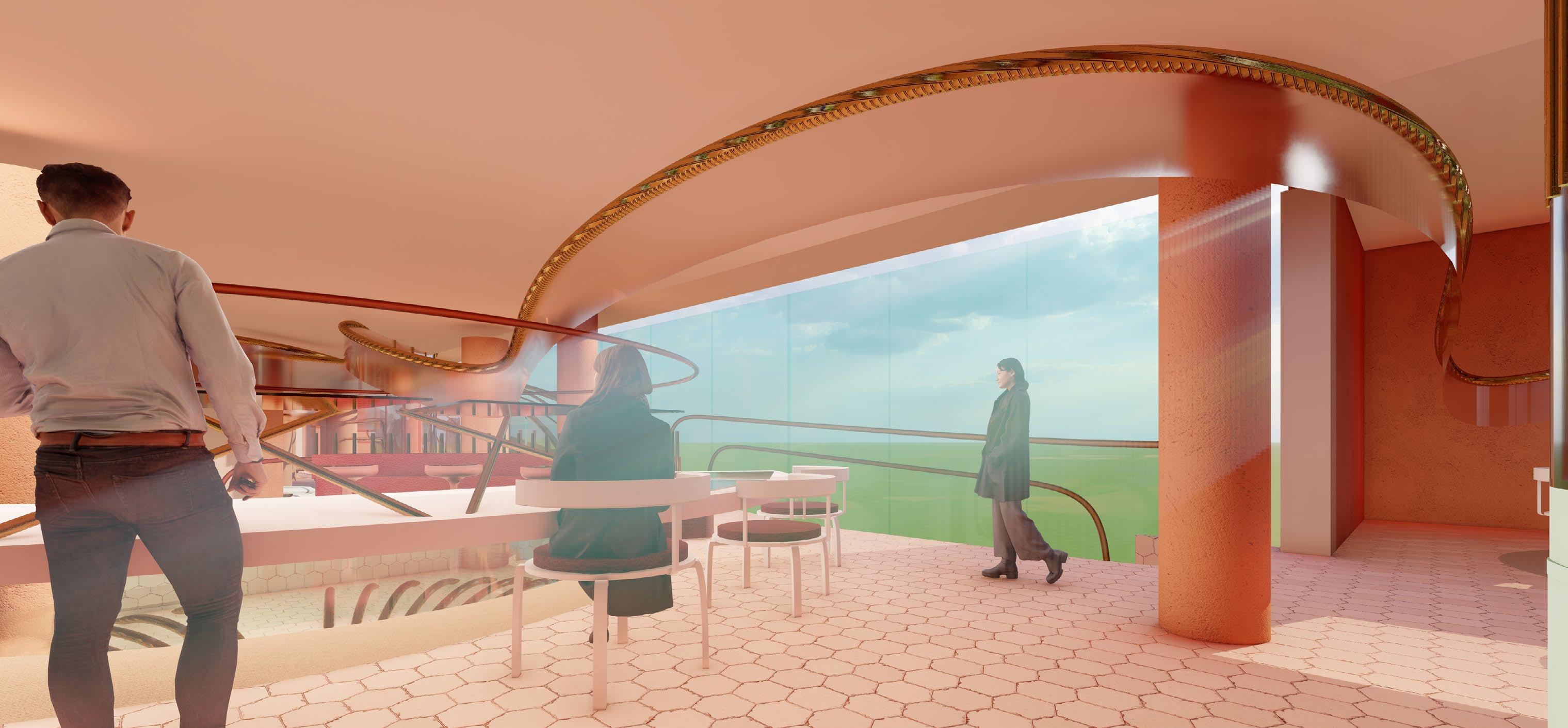
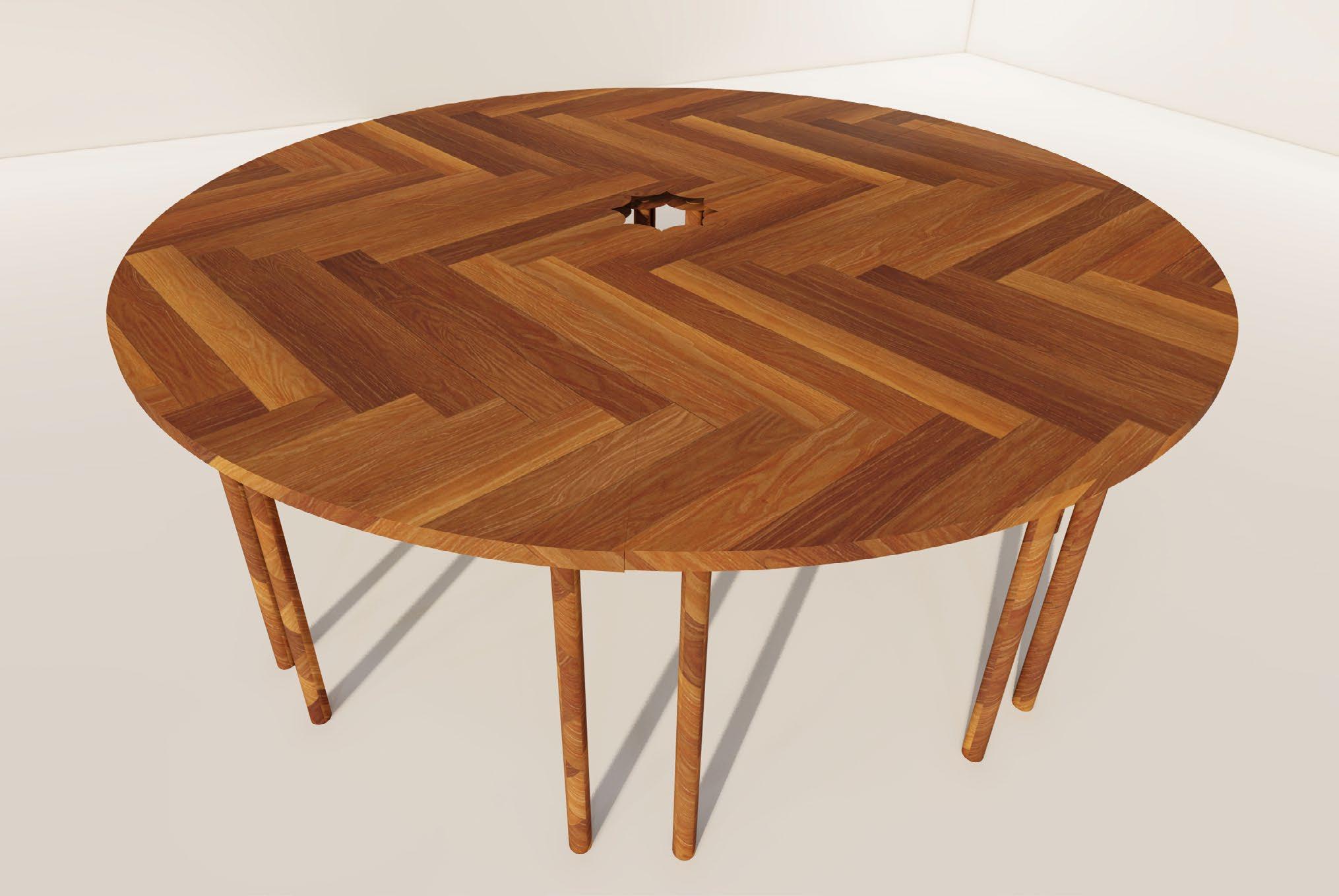
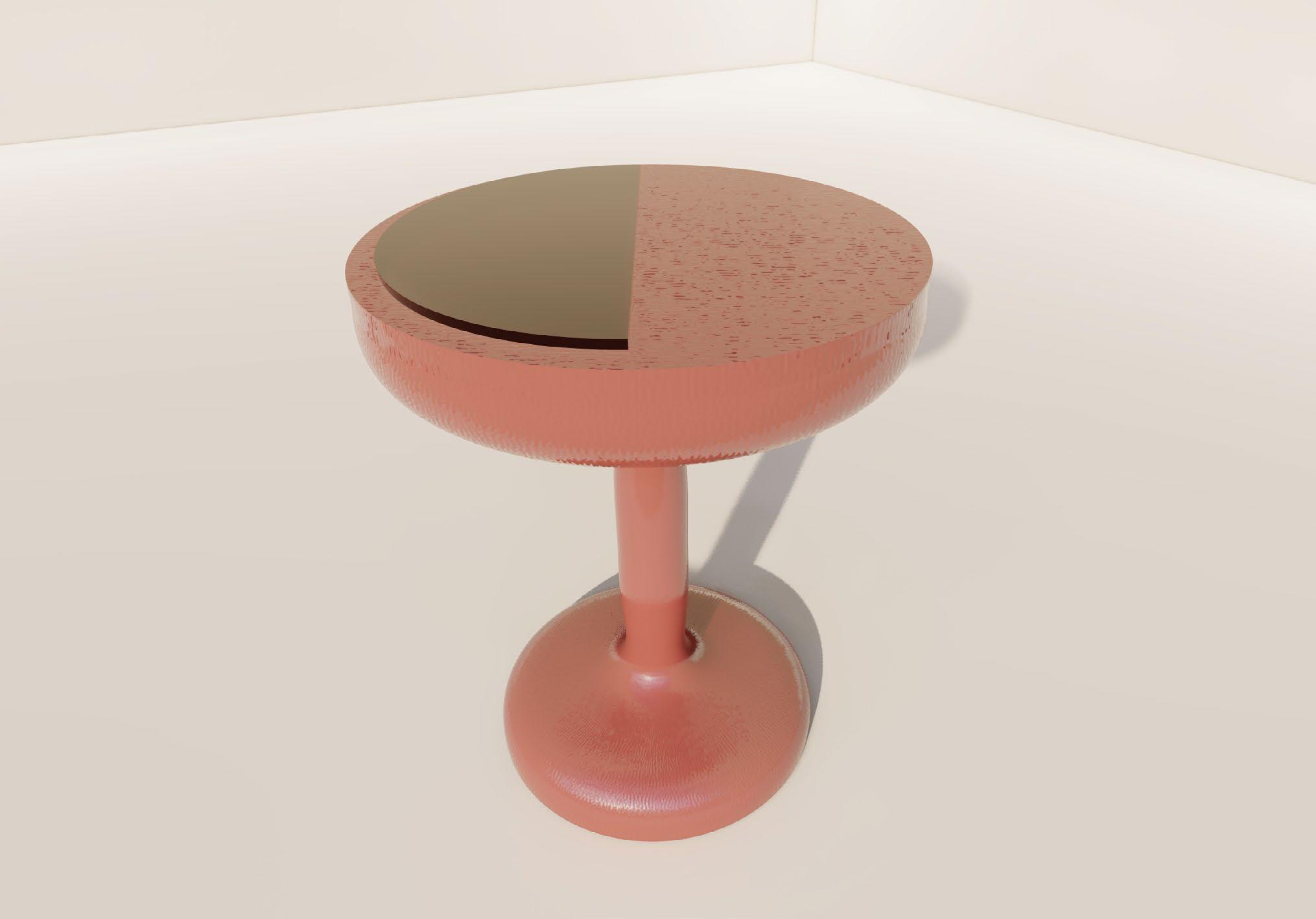
The unique strategy which we adopted for the IDEO workplace, located in the UNSW red center is one which catalyses reinvention, recreation and revitalisation. Our vision for the space or ‘lab’ is to exude a limitless atmosphere, imbued with our 5 core design aspirations. These themes are, collaboration and creativity, focus and flexibility, culture and community, change making and innovation, all centered around human centric growth.
Zooming into my individual approach to the space, I will be focusing on the macro concept of manifestation and the micro concept of human orientation in space, and its importance when creating new realities. I want the IDEO workplace to act as a continuous source of inspiration, enhancement and adaptation for its users. When one is constantly surrounded by creative energy, one is constantly revitalised and re-inspired by their surroundings.







Pod Living Love Living: Design Studio 5
Interior Architecture Course
Student Housing / Communal Space Design
2022
Rhino, ArchiCAD, Lumion, Enscape, Adobe Suite
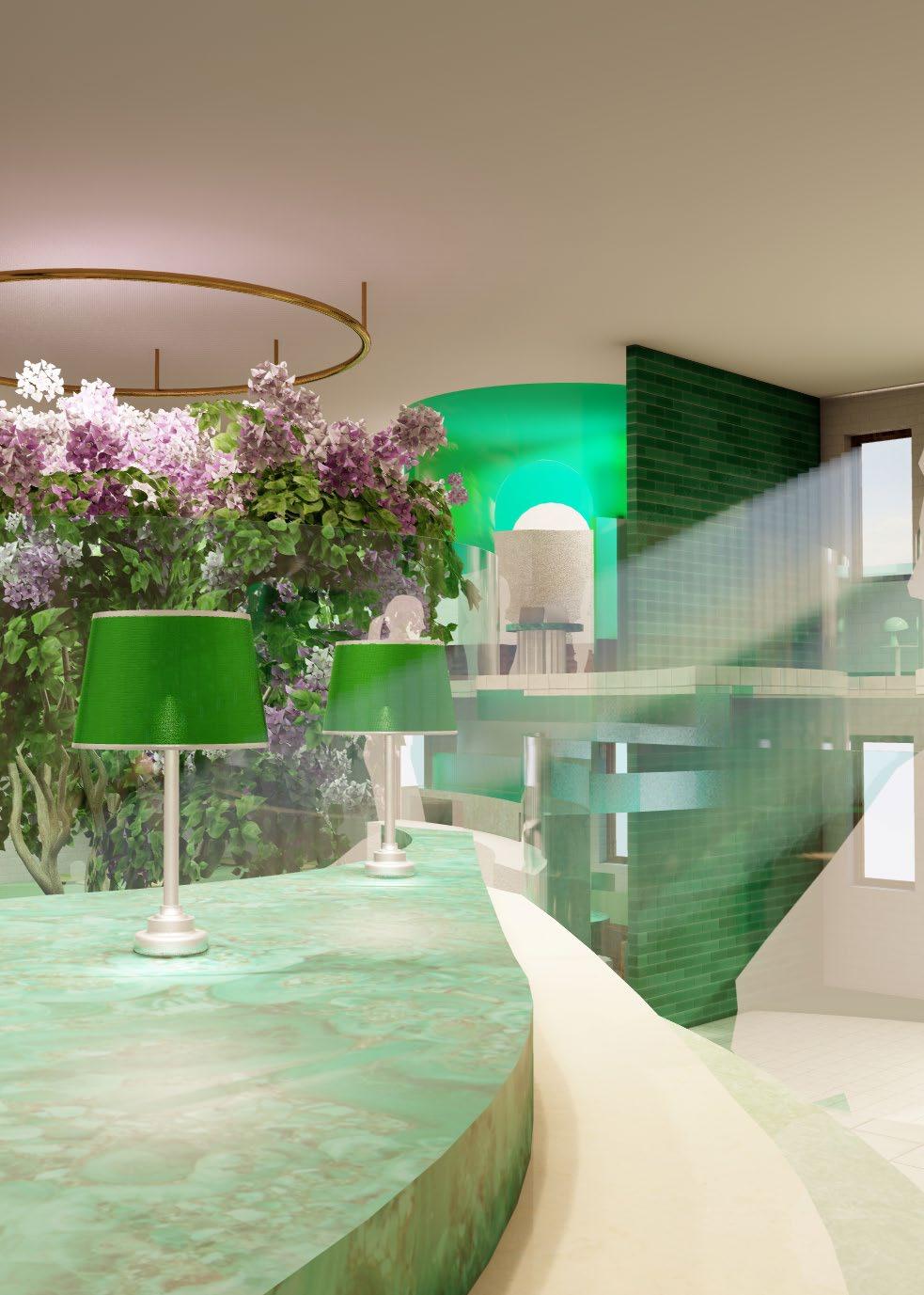
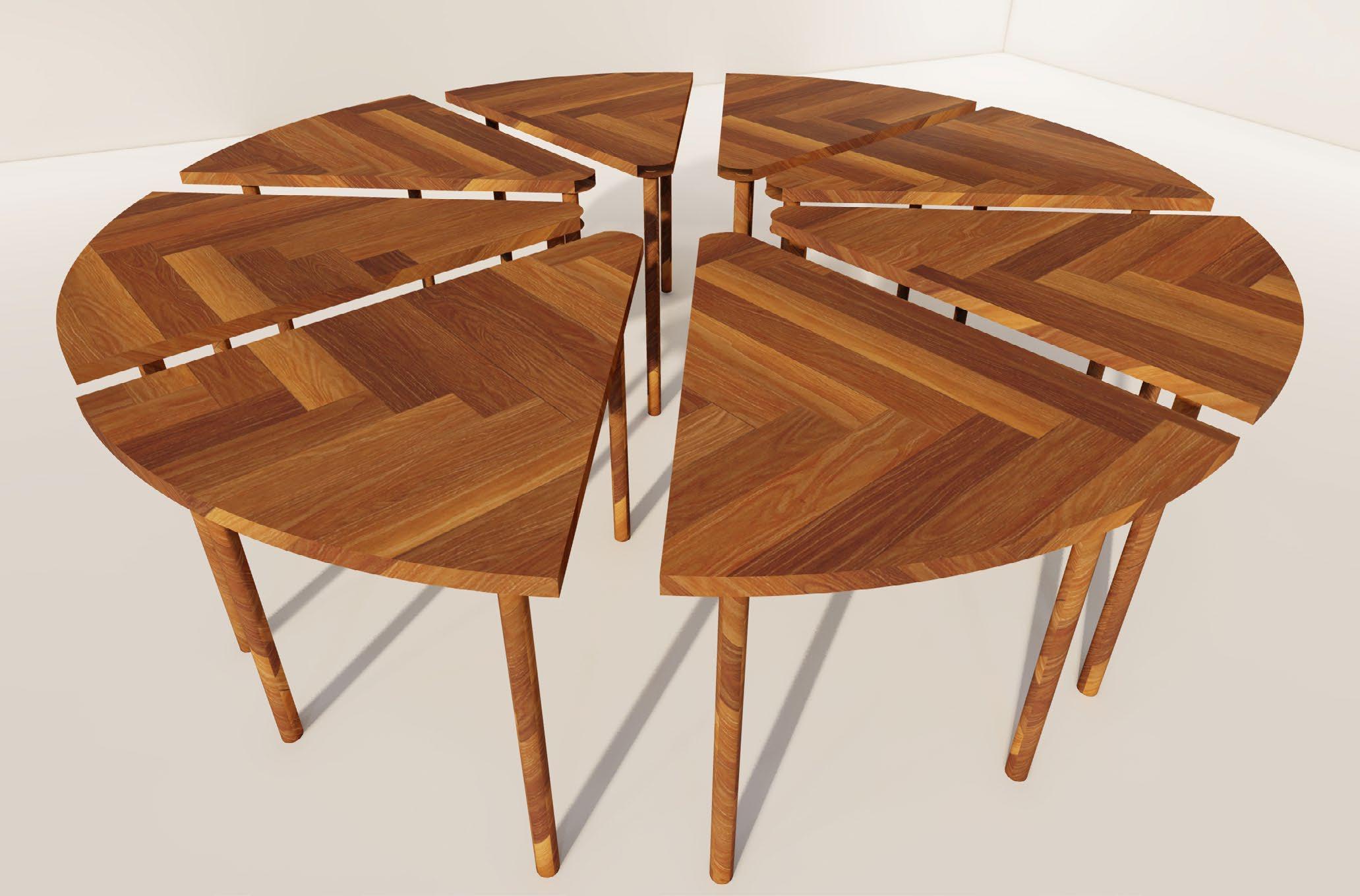
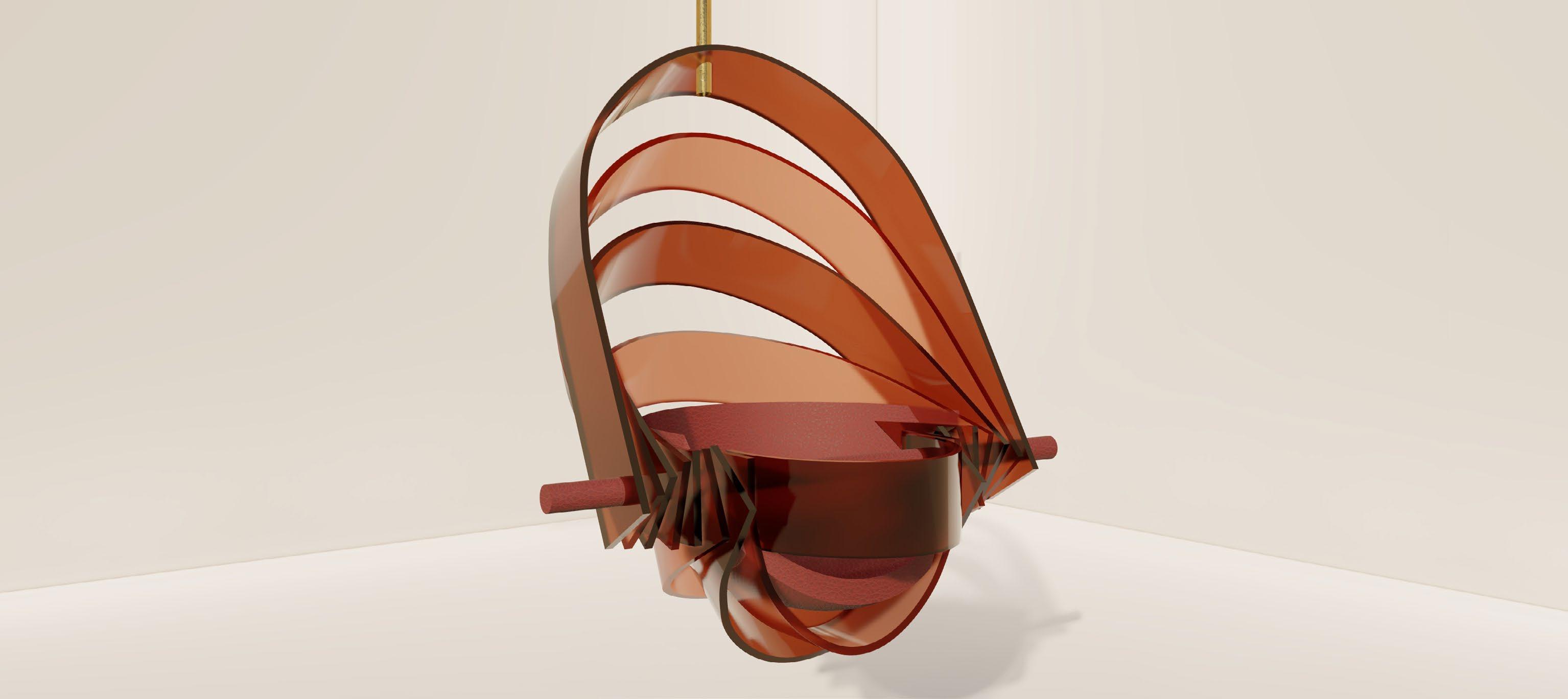
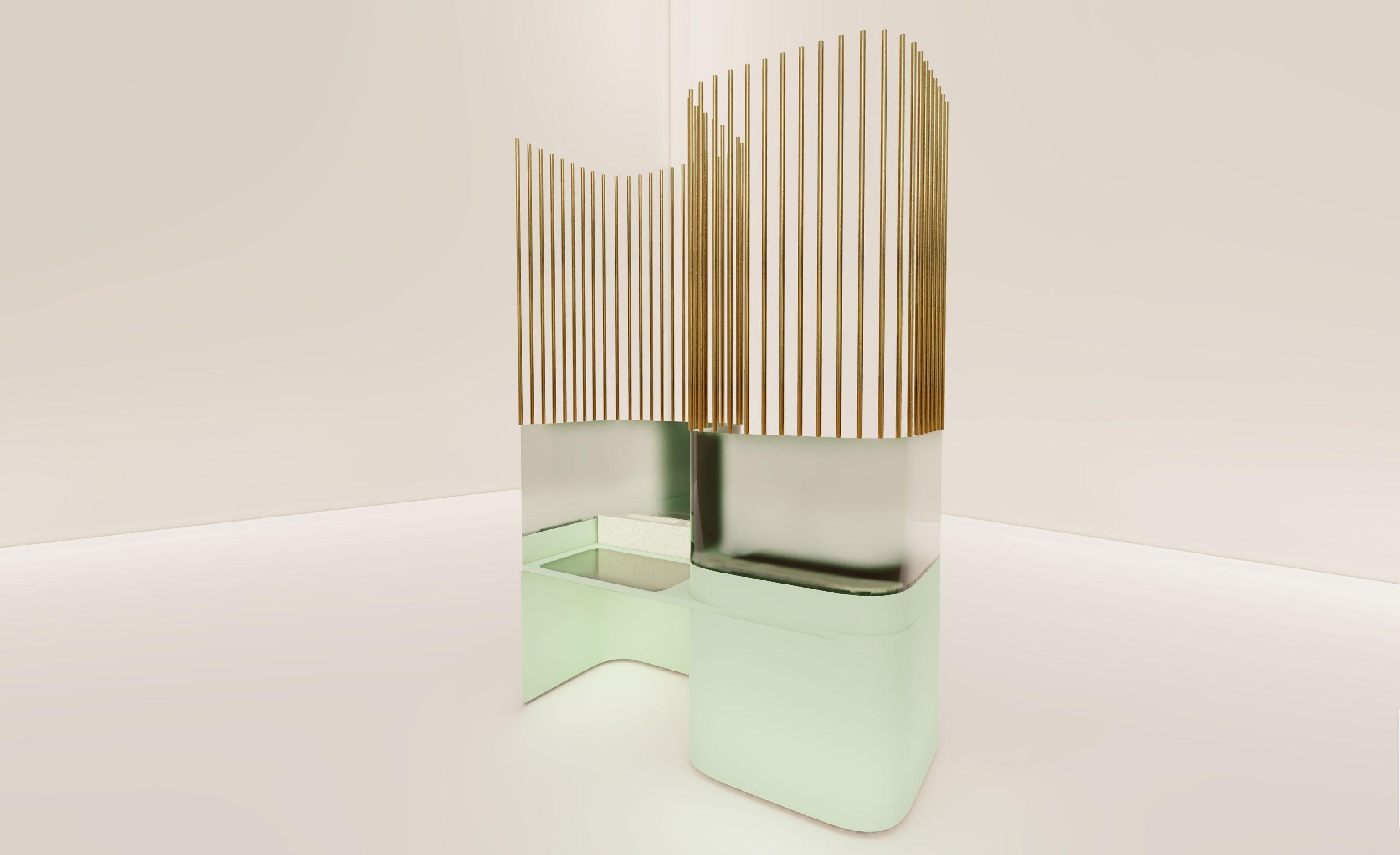
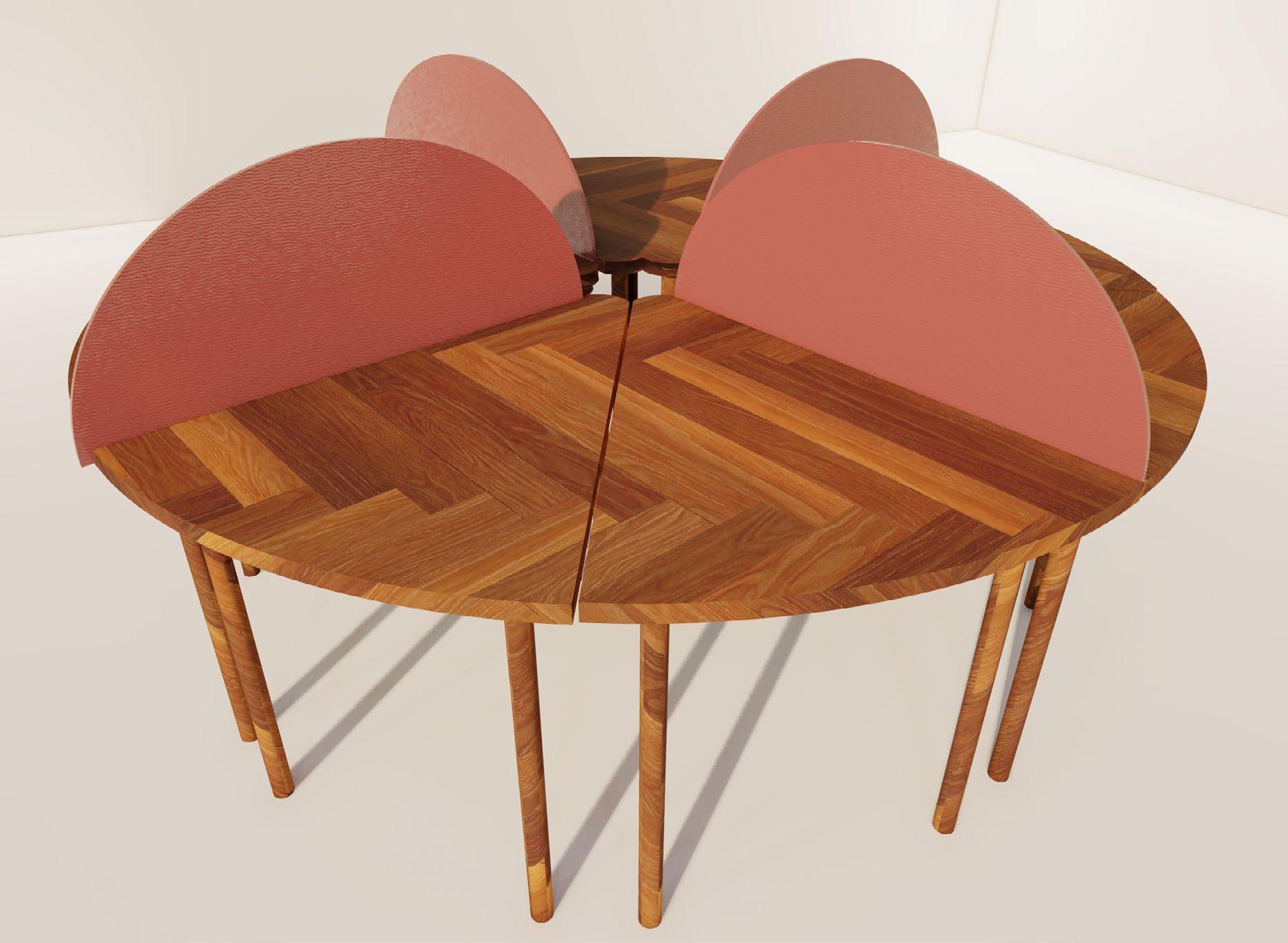
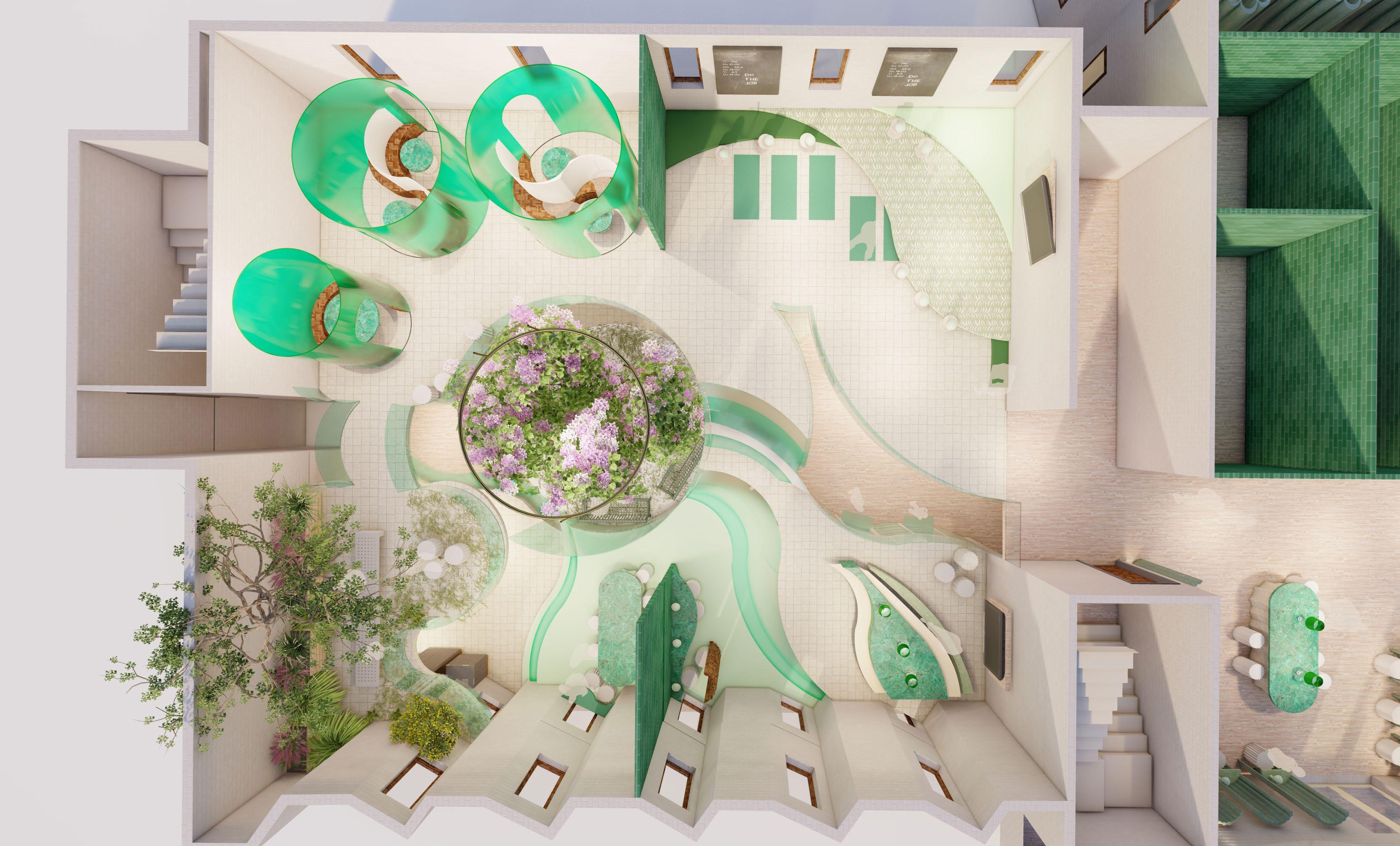
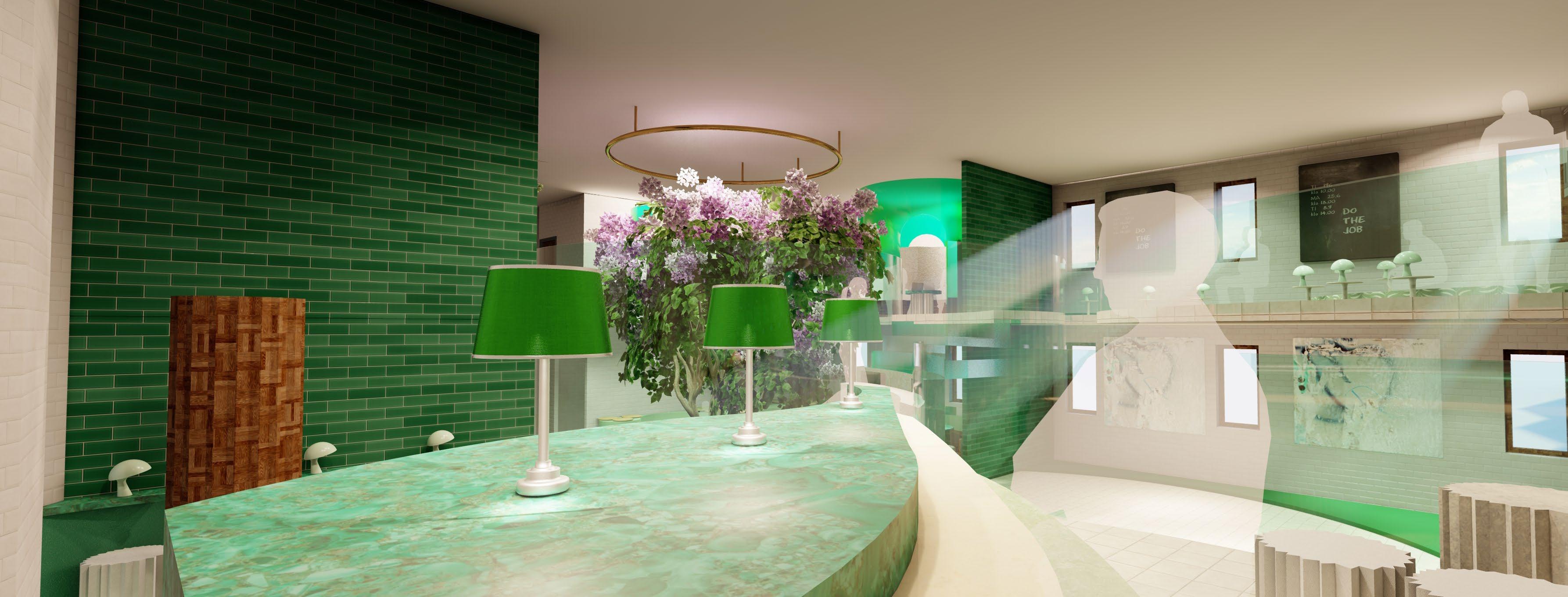
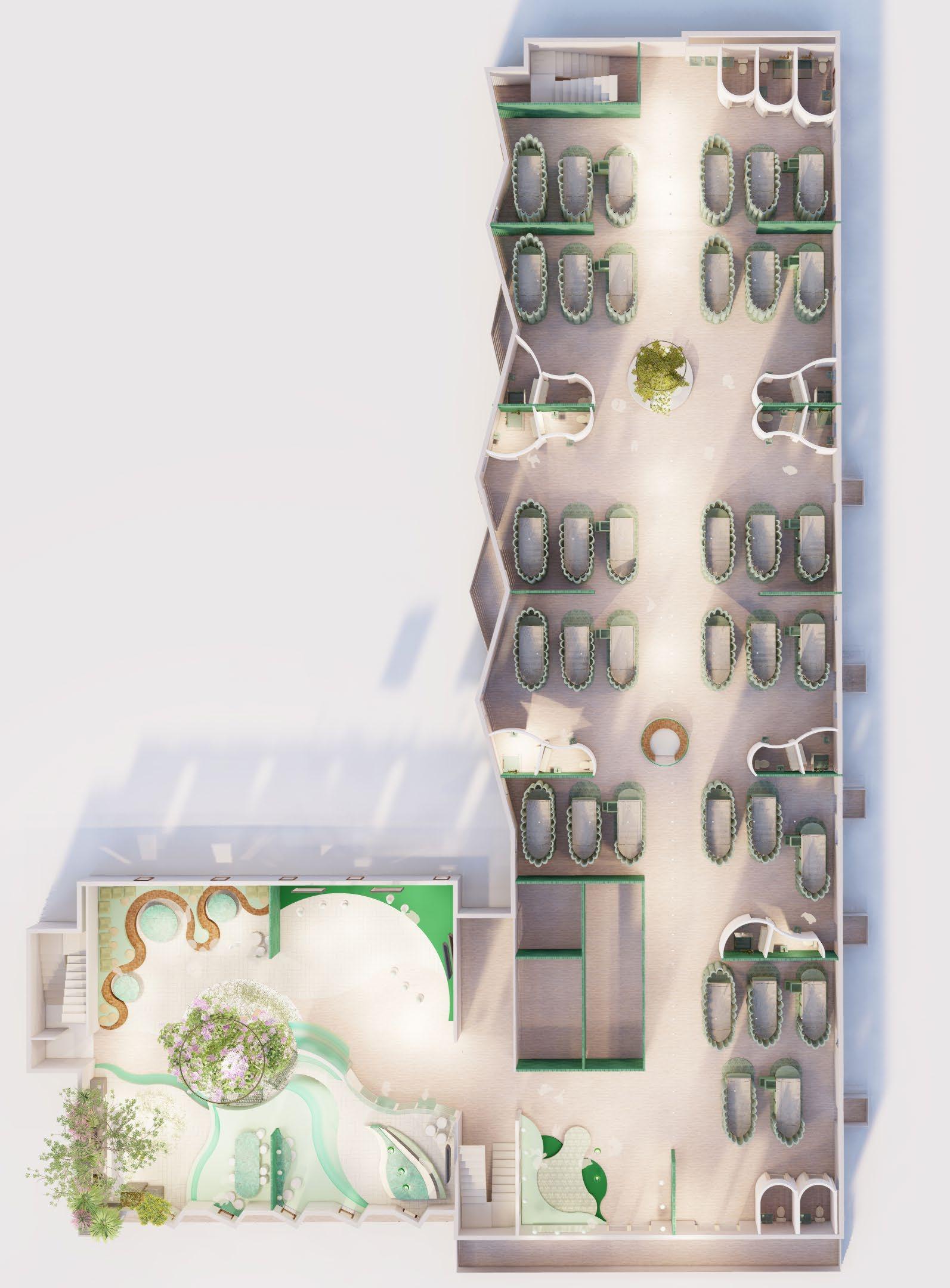
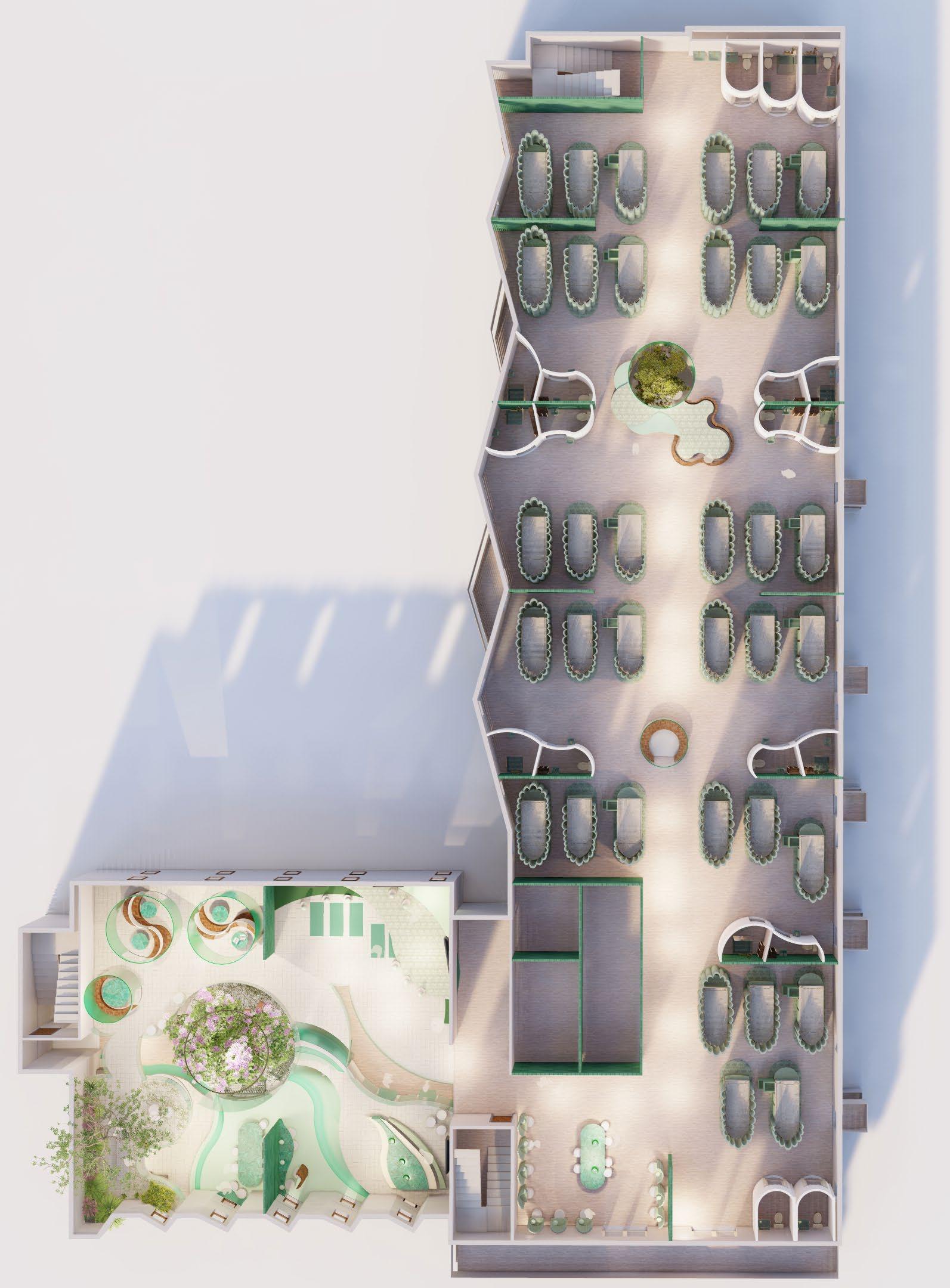
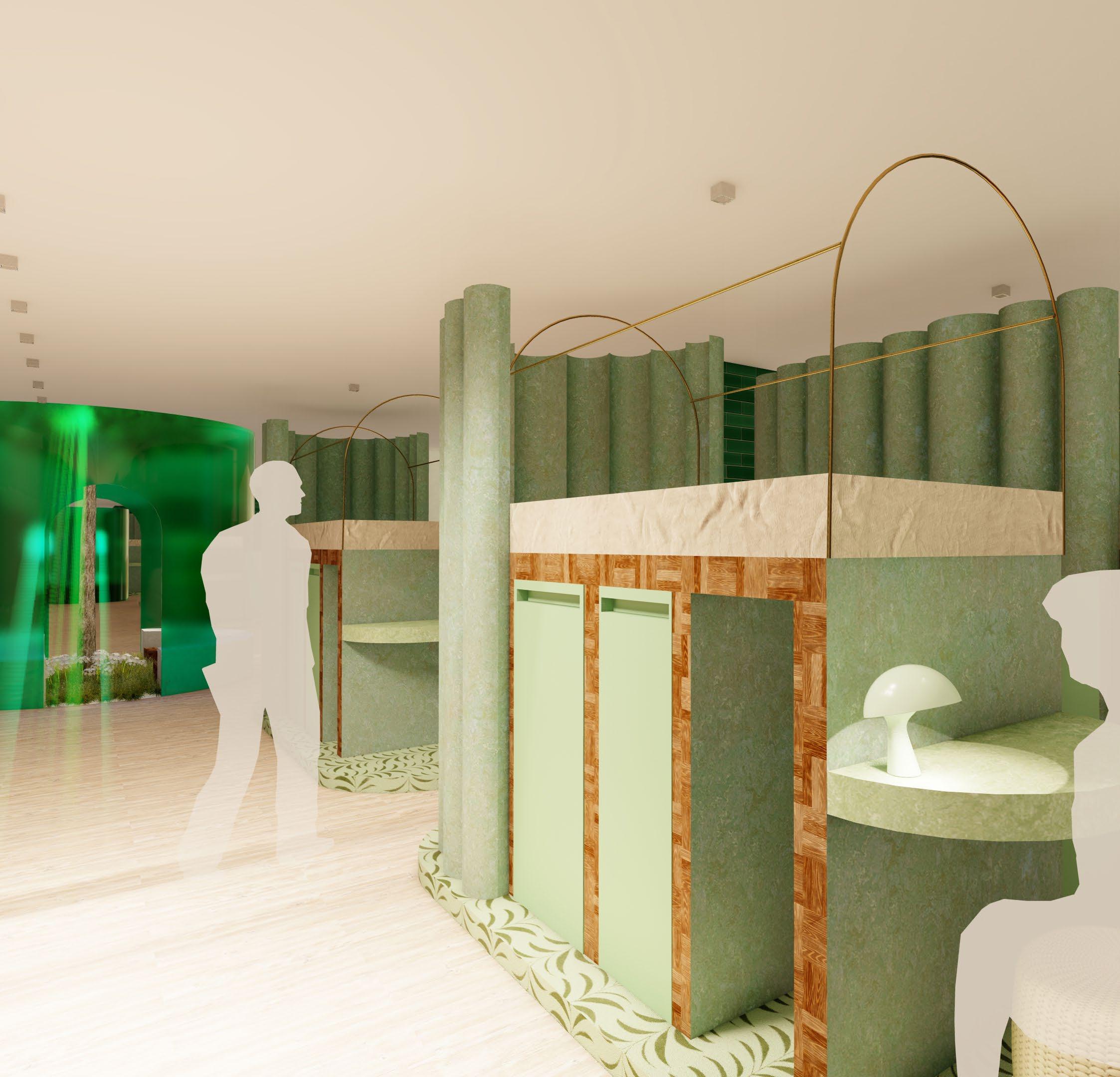
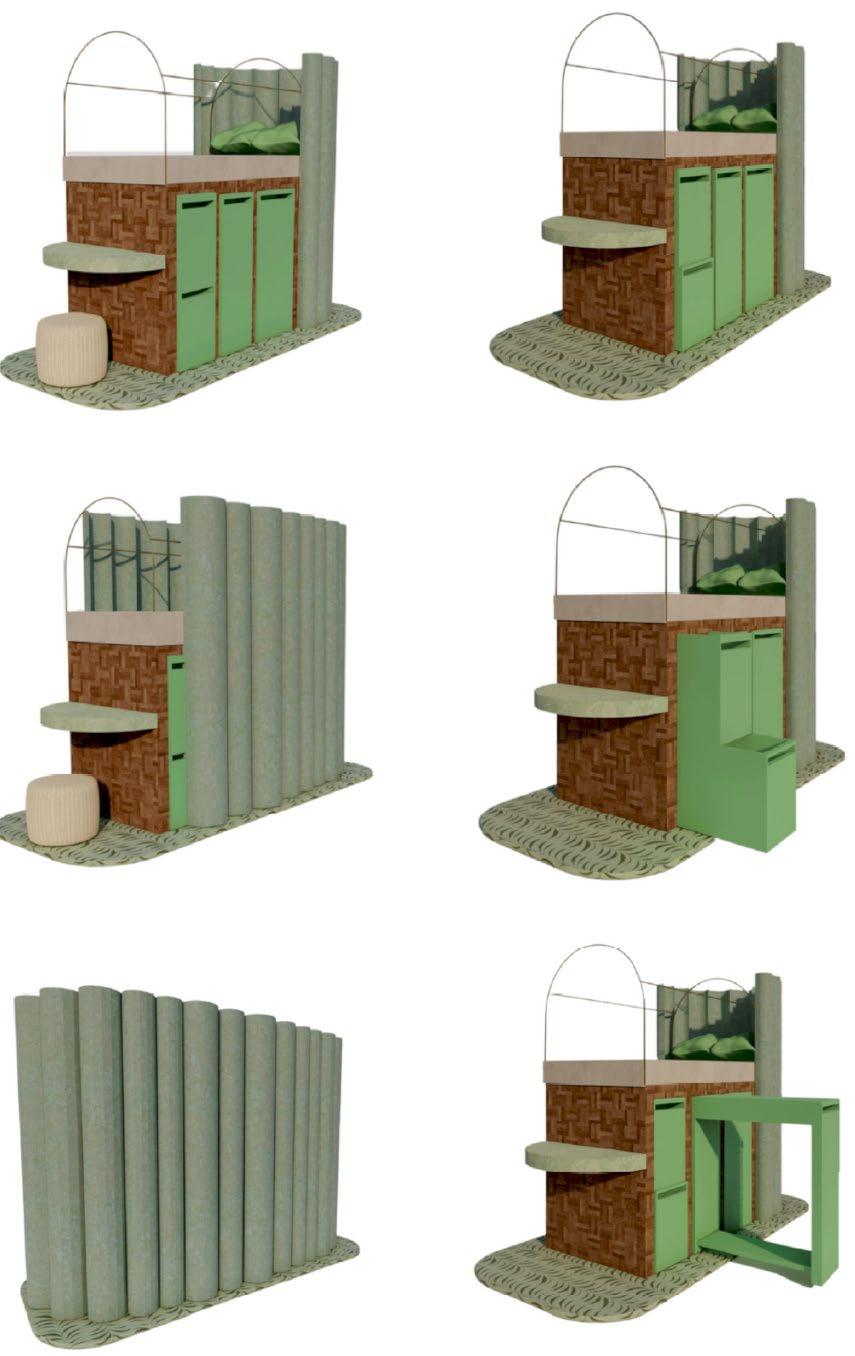
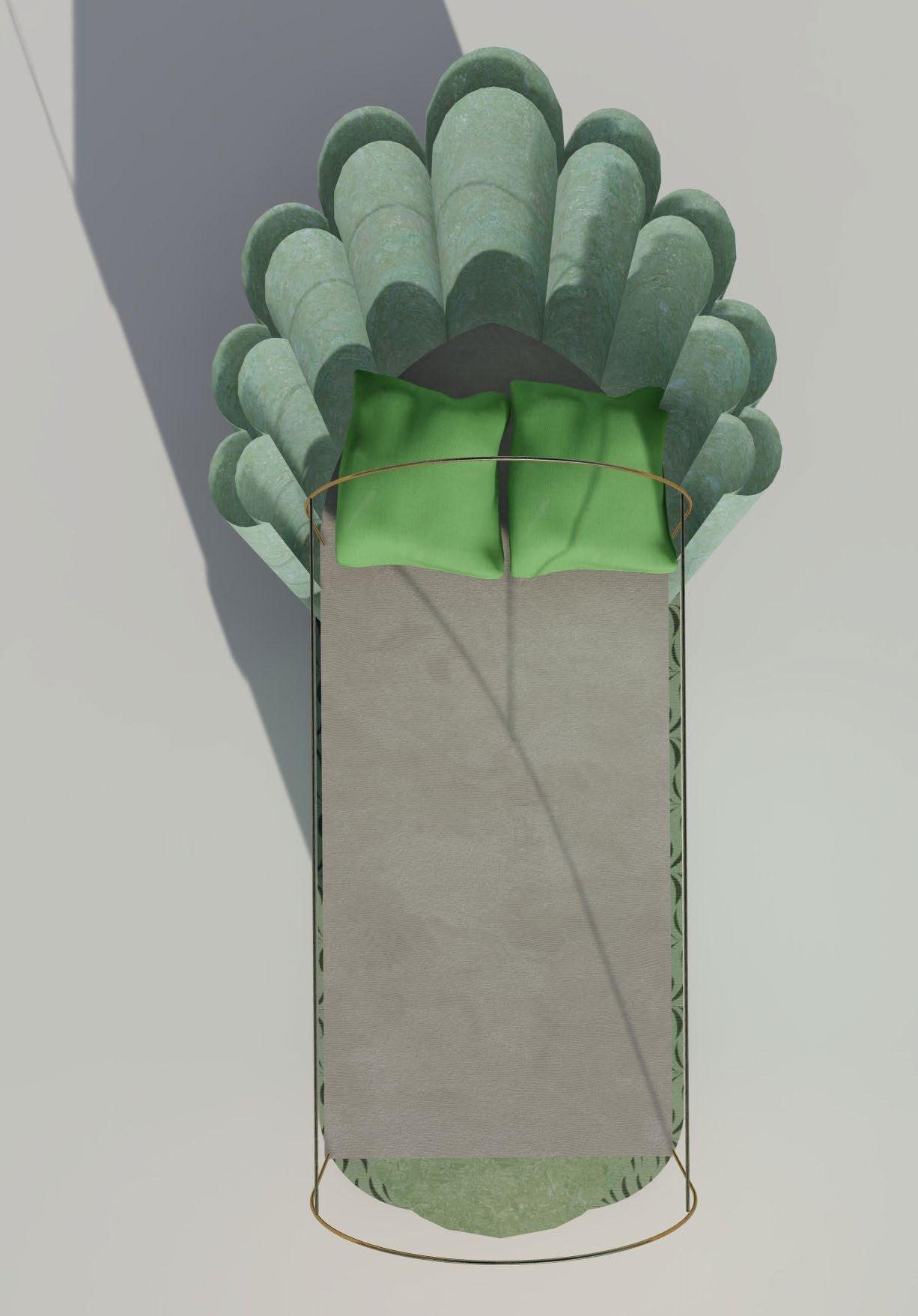
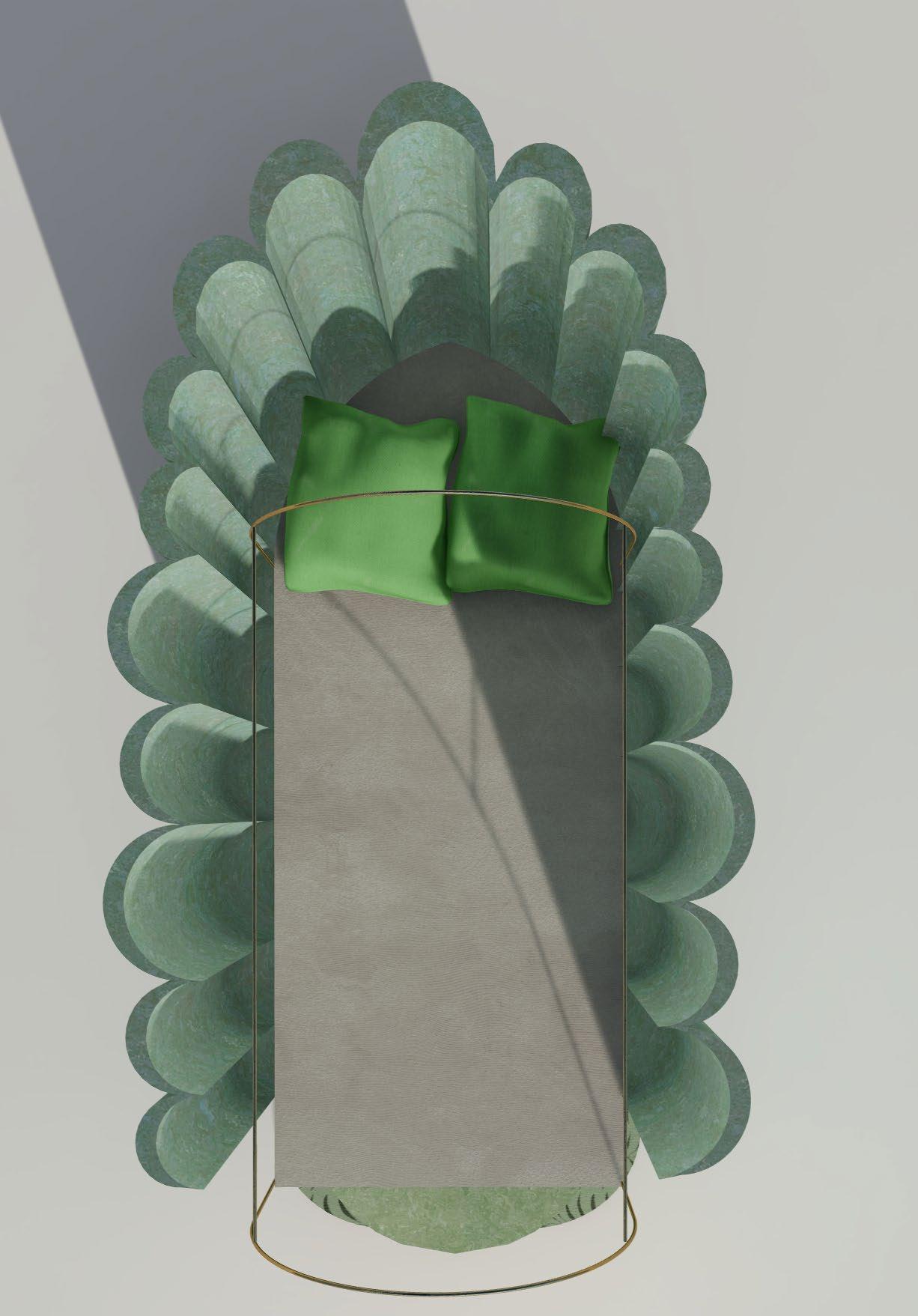
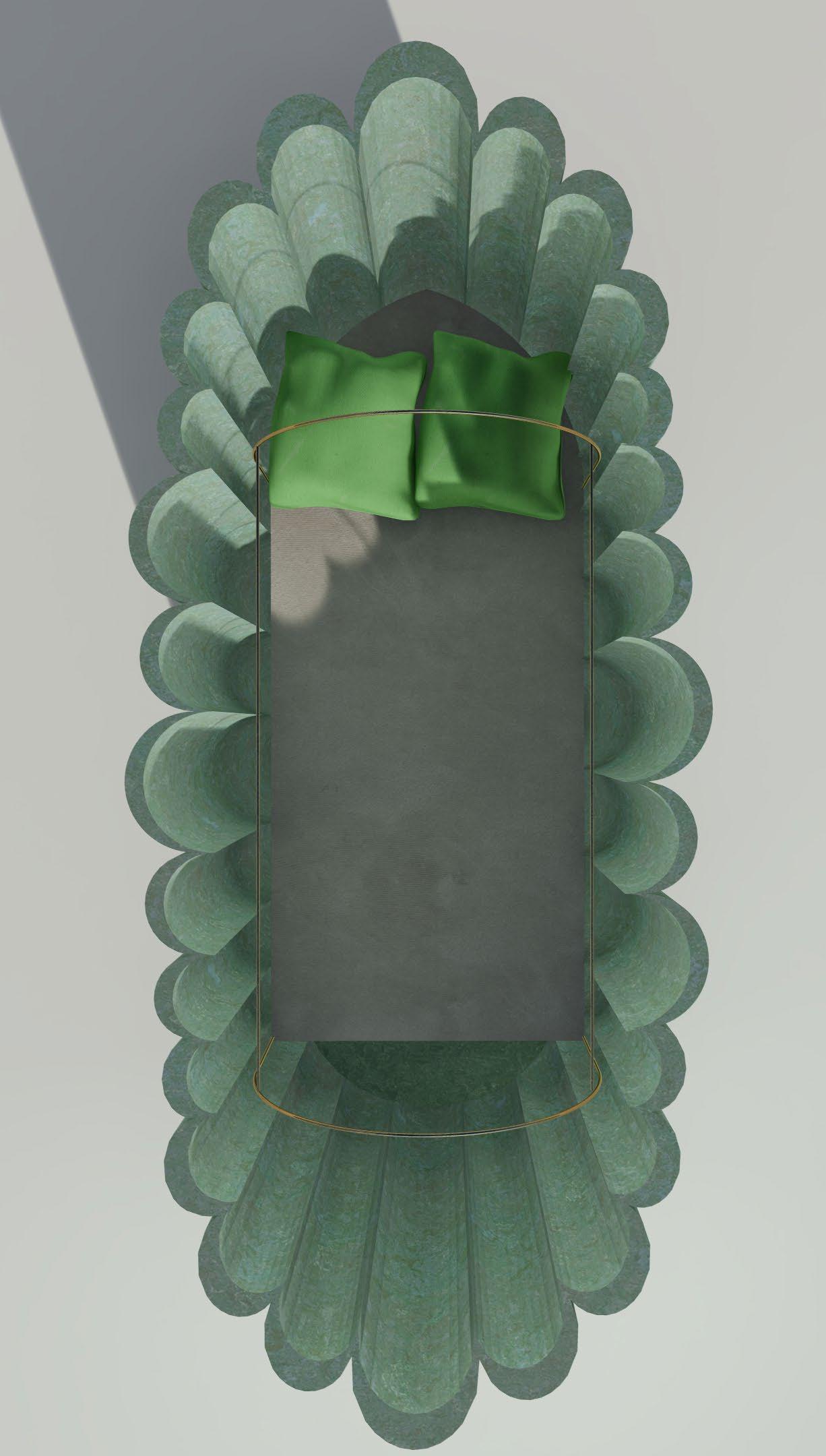
Redesigning UNSW’s Colombo House student housing, was one of the largest scale projects I had been tasked with over the past three years. Having to cater for 70 students over two floors. I was able to formulate three core strategies which guided my design decisions: Comfort and well-being which tackles the balance of private and public space to create a positive university experience. The second being: sustainability - focusing material choices, inclusion of green spaces, whilst maximizing natural light and air to reduce the use of artificial resources. The third strategy links back to the first - Covid and the lack of social interaction amongst students. We have based out design on a fully immersed co-living experience to enhance social opportunities and a strong sense of community in student living.
In terms of innovation, we desired to re-evaluate the way we live, especially considering the student demographic. We asked ourselves, why do we need a physical enclosed room? We have created pods which allow residents to have their private bubble but participate in a co-living environment.
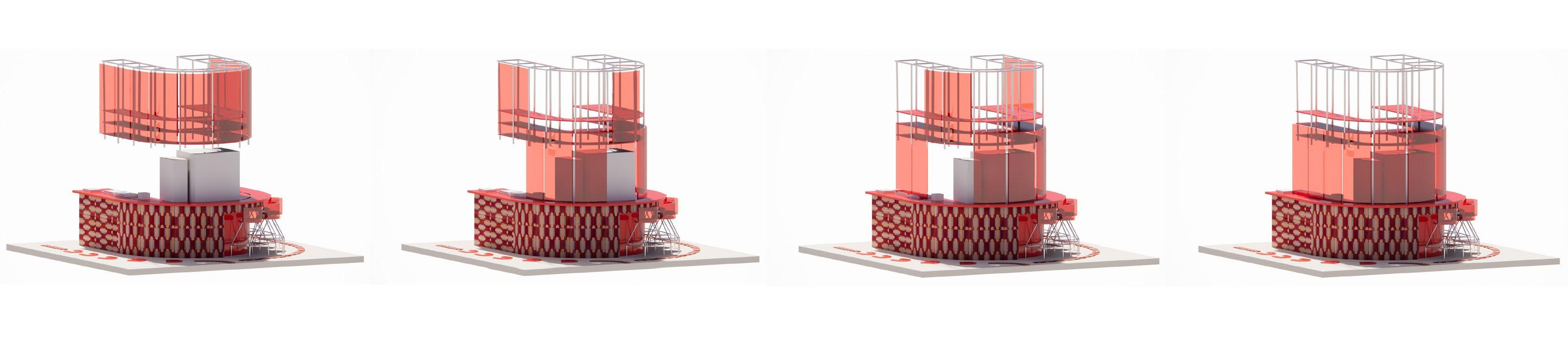
Attract and Repel Cafe: Technics 3
Interior Architecture Course
Post Covid Adaptable Coffee Station 2021 Rhino, Lumion, Enscape, Adobe Suite, Revit
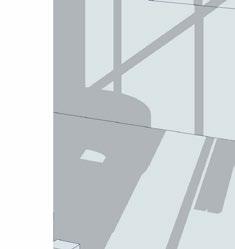
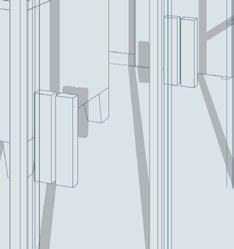
The Covid19 pandemic has characterised our modern context as ‘the age of social distancing,” which requires us to not only reconsider but redesign spaces which adhere to this new social normality.
Initially, measures to promote social distancing and hygiene were abruptly introduced, however, due to the constantly changing circumstances and uncertainty, a more adaptable but permanent solution is required.
In an attempt to create a space which fulfills this, I started thinking about the way magnets are able to attract but also repel one another. This mirrors our current circumstances in the sense that social distancing is encouraged but the need for human interaction and connection is also a crucial part of the solution.
As such, I desire to create a space which is easily adaptable to the ever-changing context which the pandemic has produced, which also allows the user to choose how much interaction they desire to have with others in the space.
Permanent Movement
Interior Architecture Course
Singleton Learning Centre Redesign 2021
Rhino, Lumion, Enscape, Adobe Suite, Revit
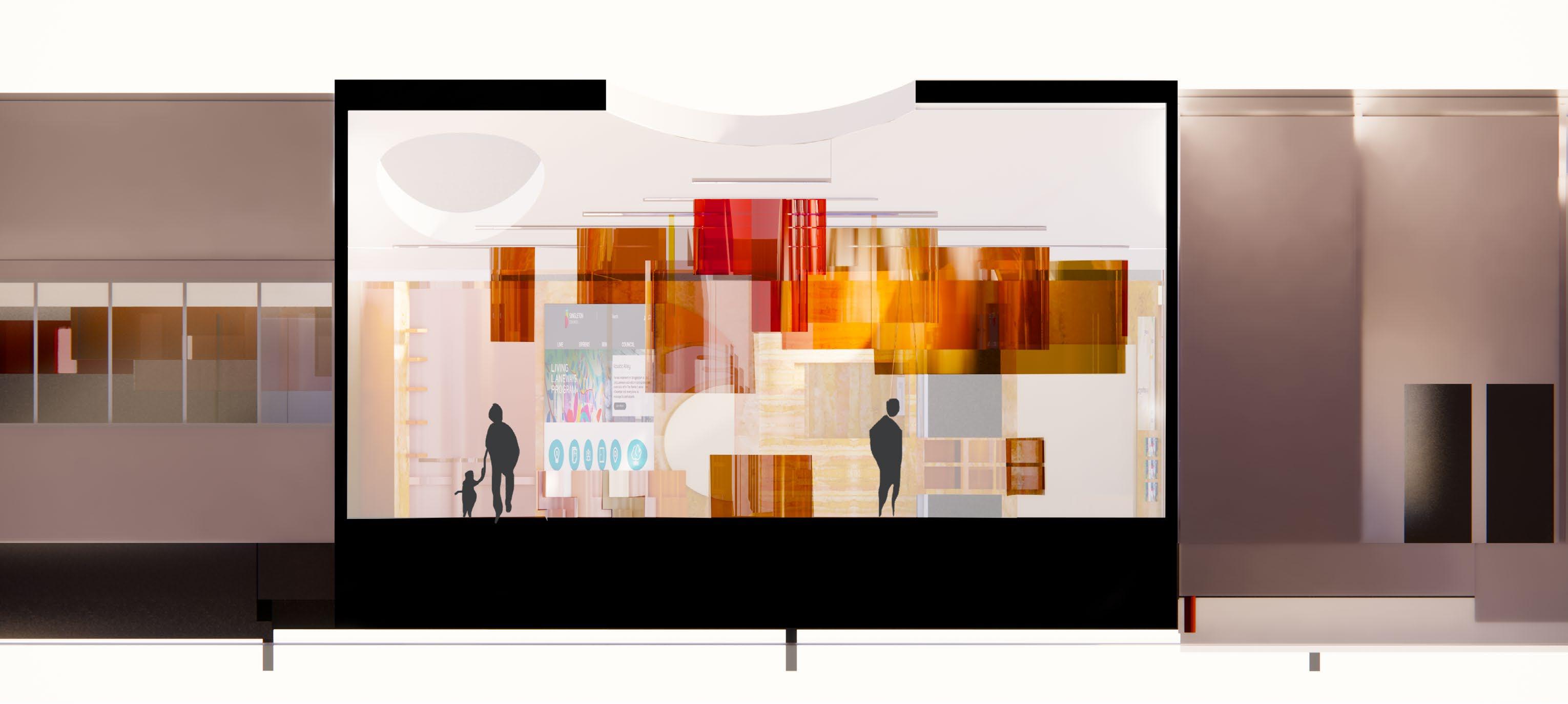

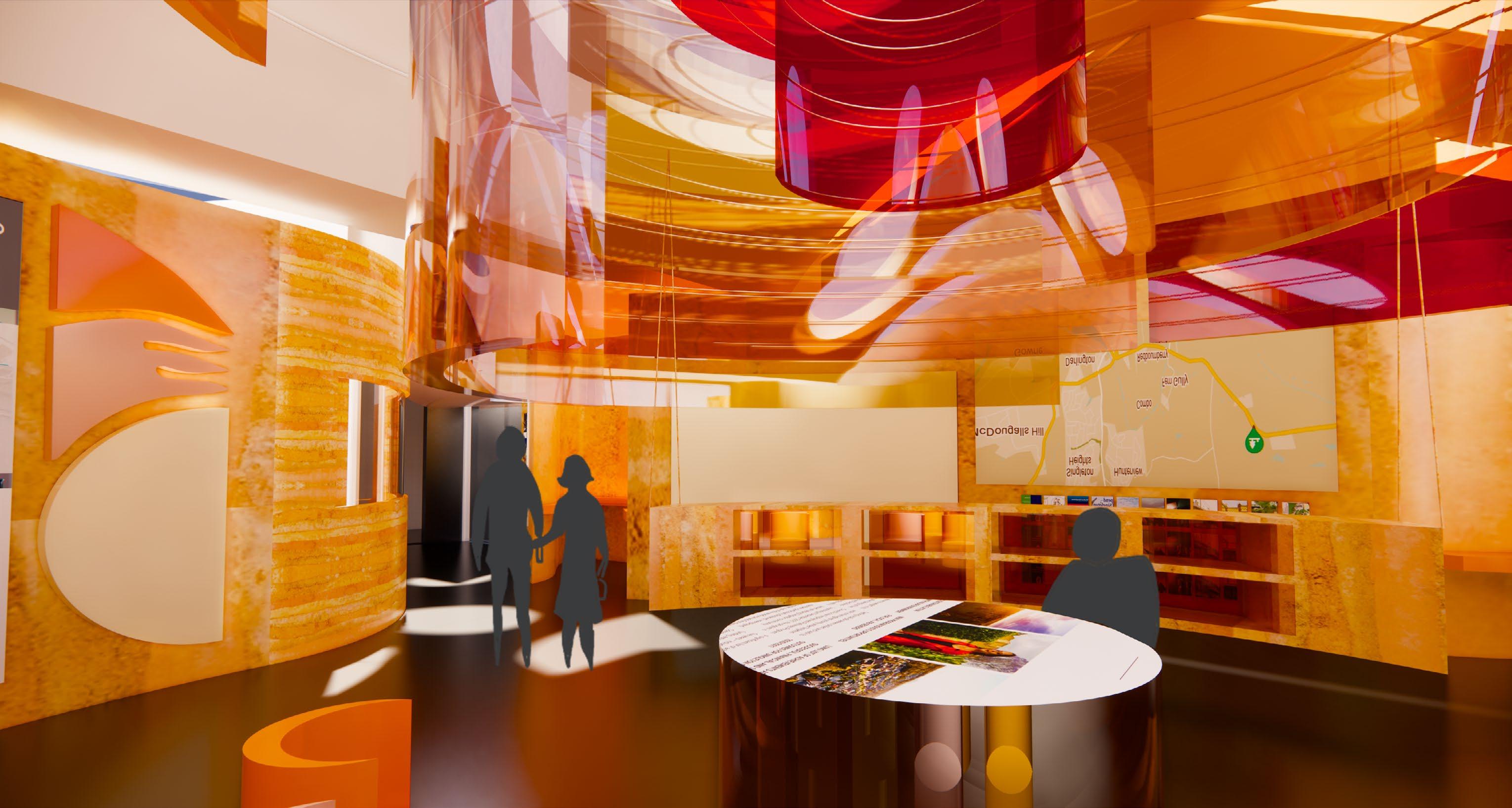
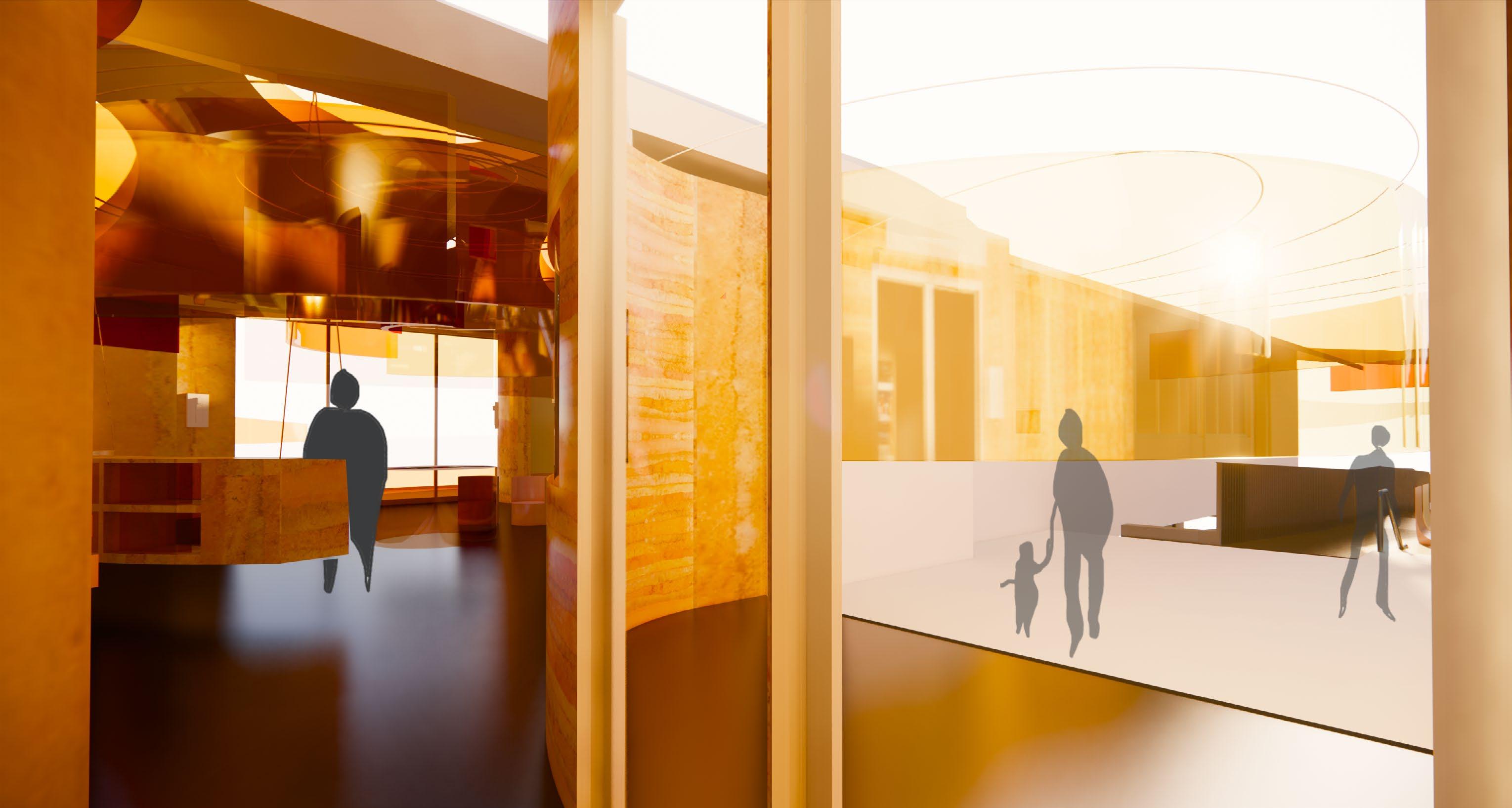
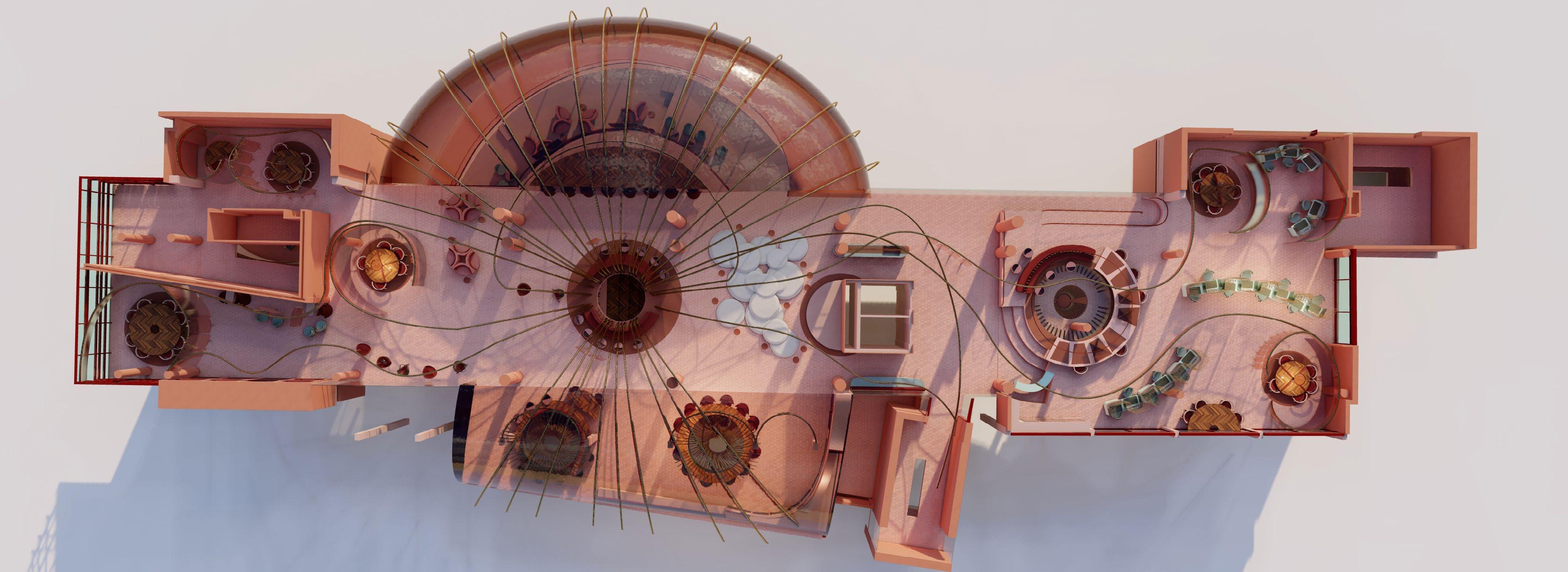
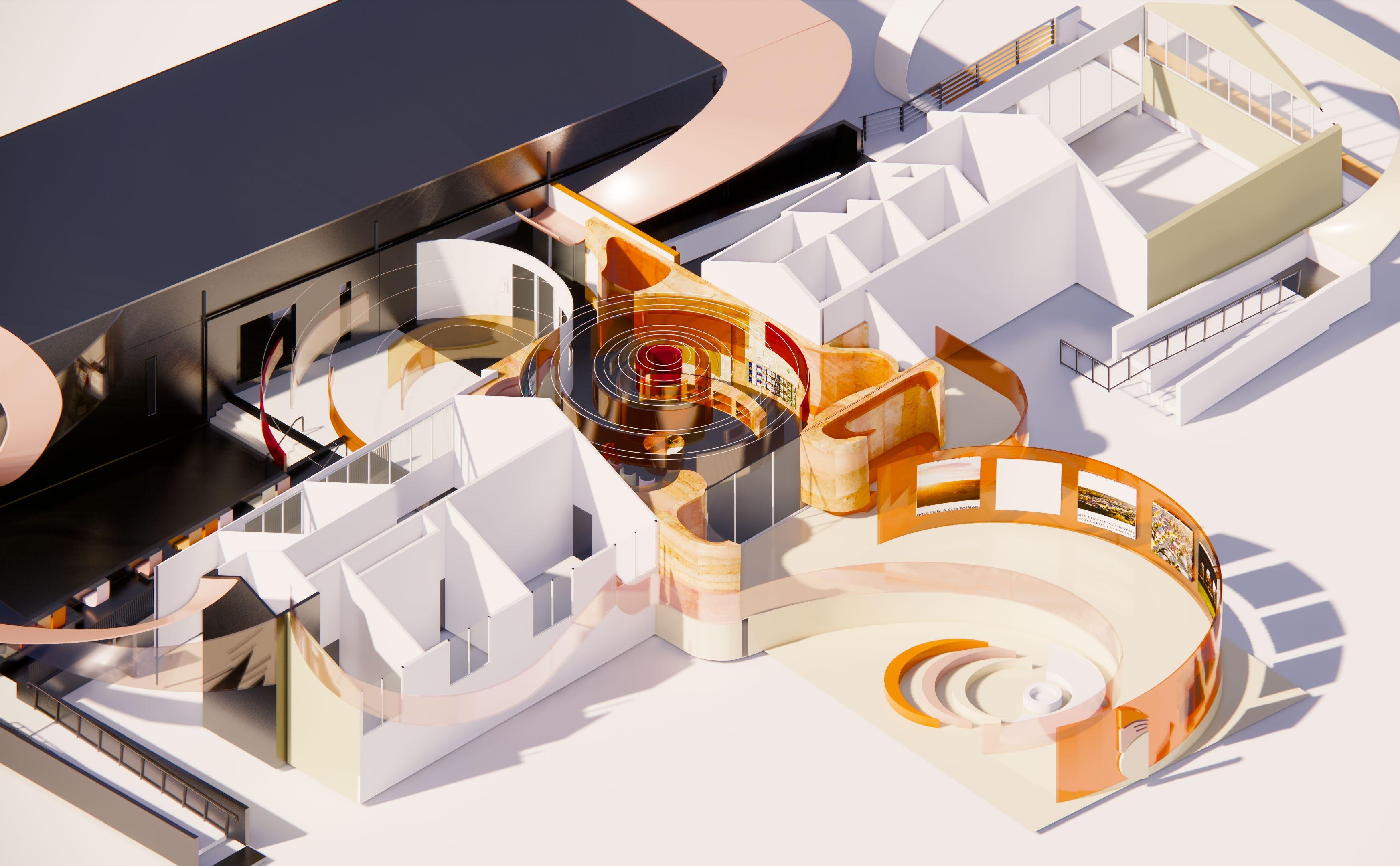
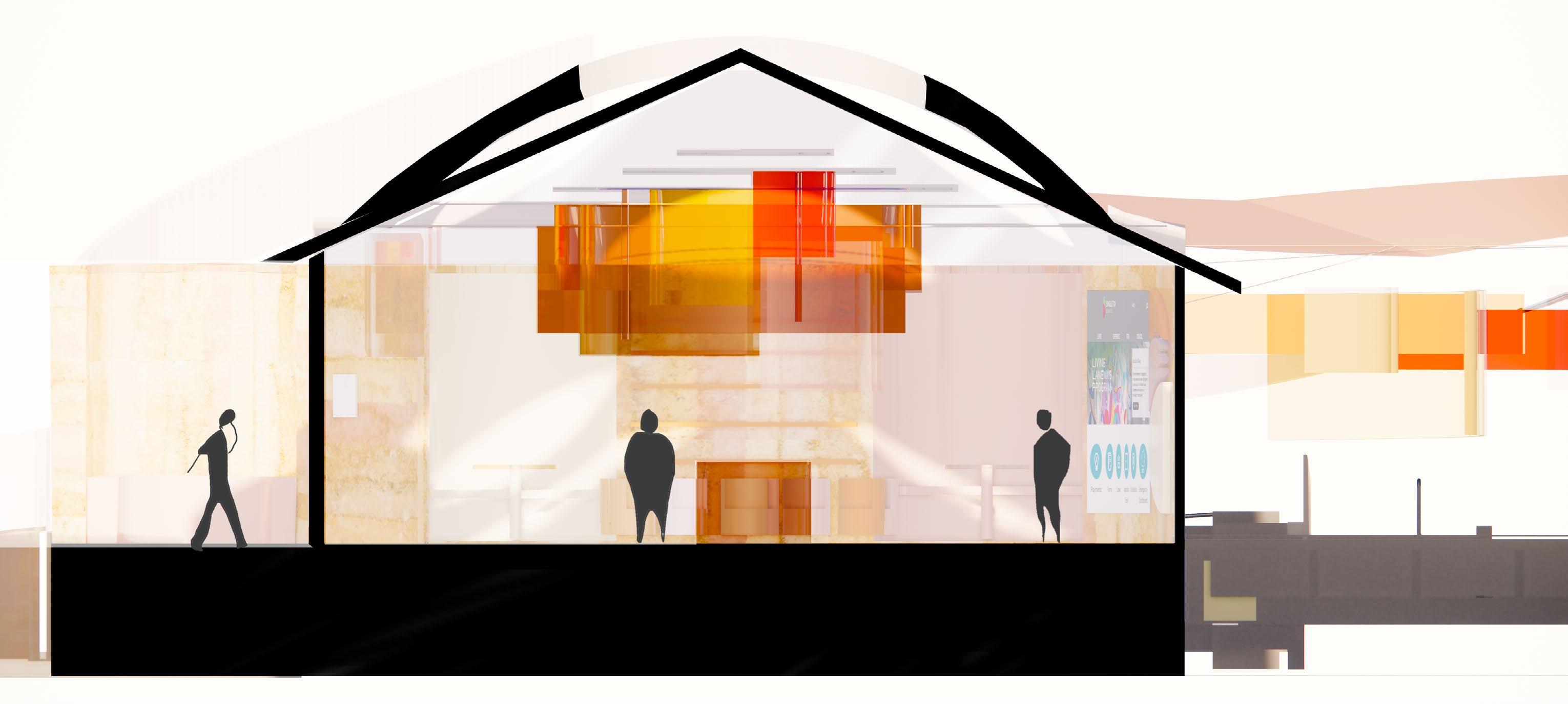
When redesigning the Singleton Information Centre, the main goal was to create a space which explores and highlights Singleton’s interrelationship between humans and landscape. The two are inextricably linked, despite juxtaposing one another. Humans are the embodiment of transience and malleability, which contrasts the constant and rigid landscape, which has remained for thousands of years, guiding the song lines and dream-time narratives told by elders.
The landscape has remained a constant part of an ever-changing context in which humans have utilised the resources provided by the land and adapted to fit into its permanence. Throughout my design, I have utilised different elements to metaphorically represent the connection between these two entities. The grounded aspects of the design symbolise the rigidity of the landscape. Whereas, the suspended layered joinery, hung from circular poles attached to the ceiling, are representative of the adaptability of human existence. The beauty of the design is that all the suspended elements can be adjusted each night, to create an entirely new experience for the viewer. I have also explored the concept of sand layering, with sand from significant ancestral and contemporary sites which make up the framework of Singleton. Singleton is an embodiment of the interconnectedness which exists between humans and the landscape, seen through the preservation of historical sites.
Interior Architecture Course
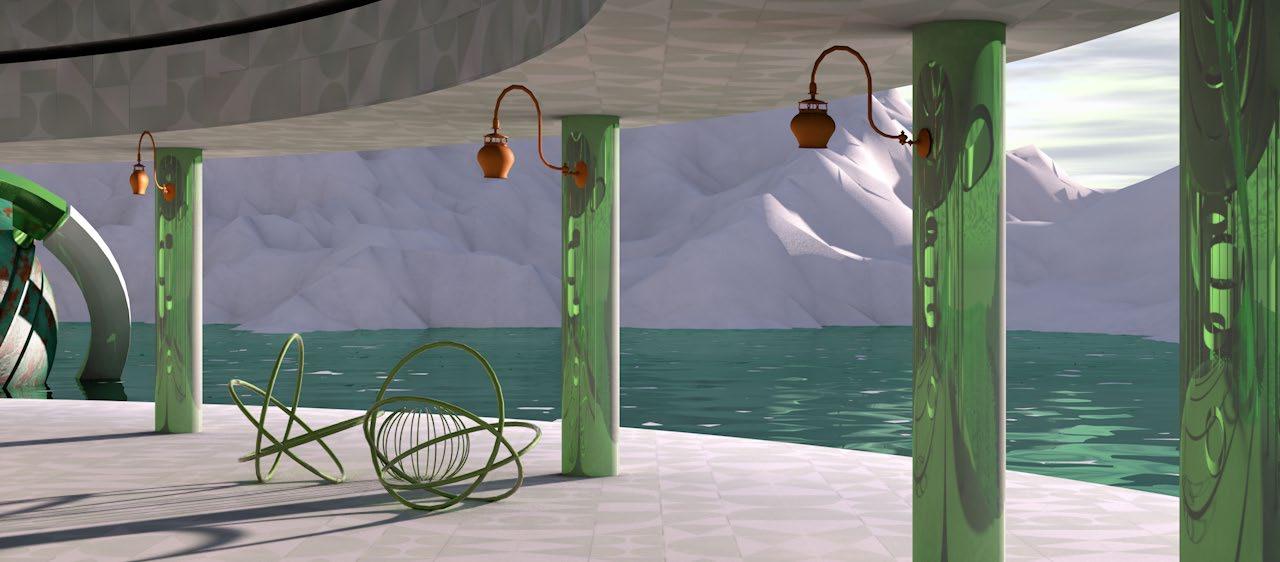
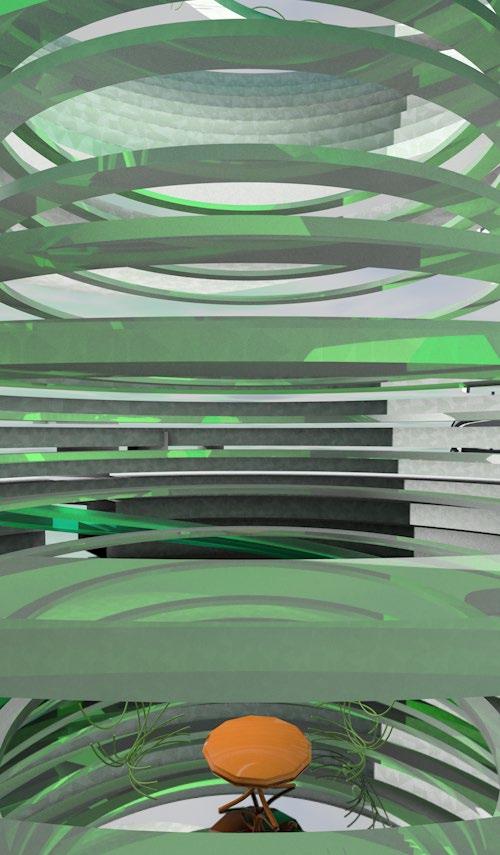

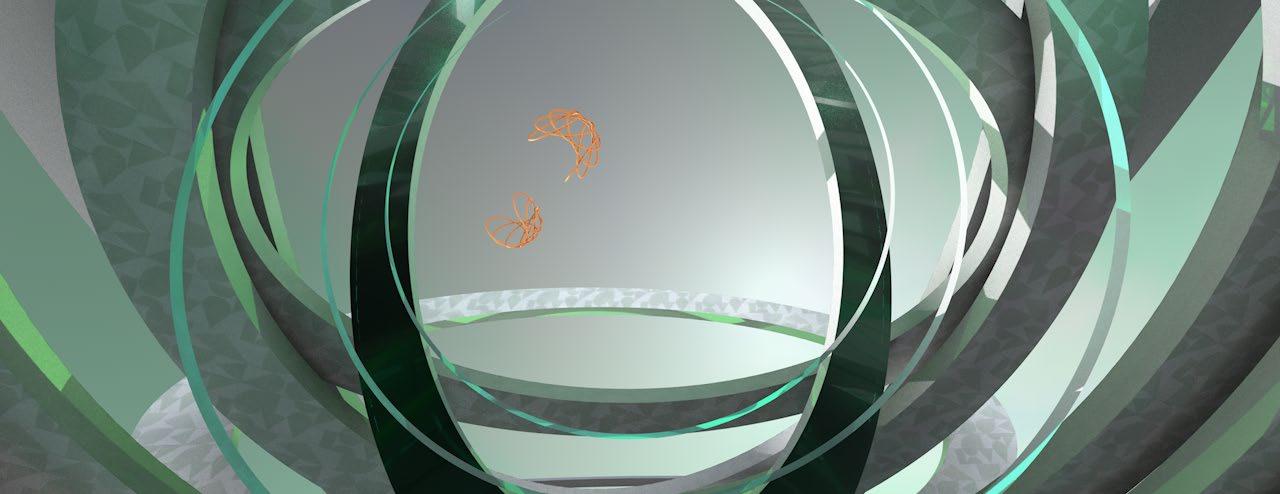
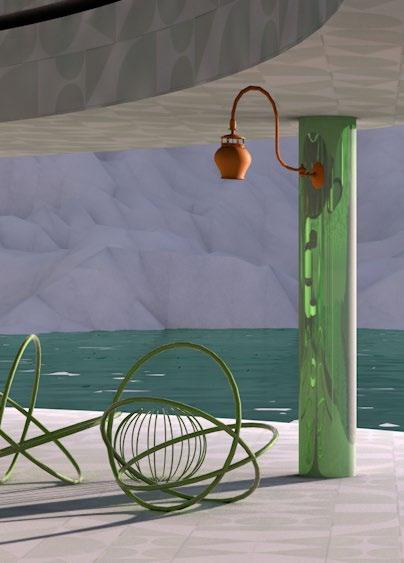
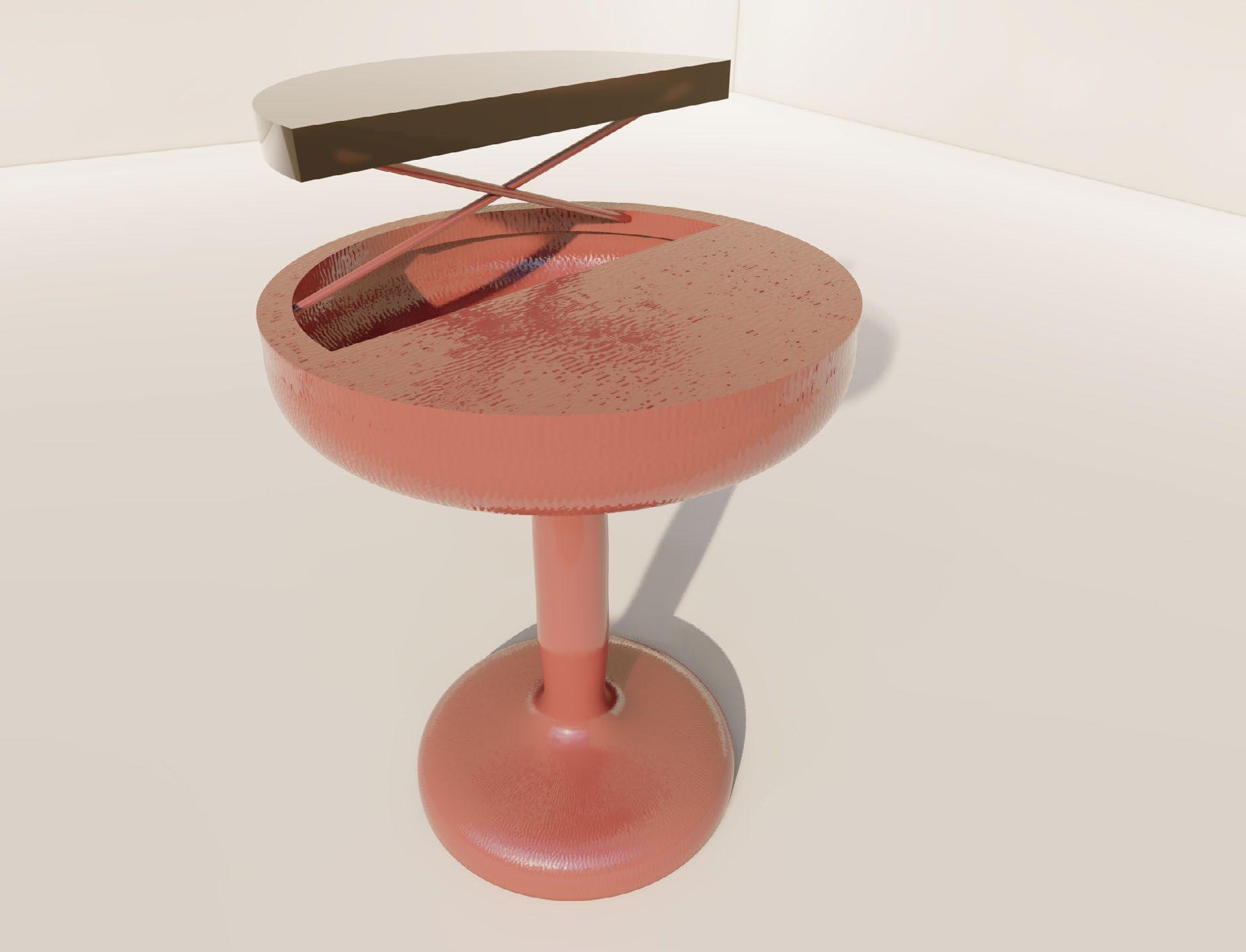
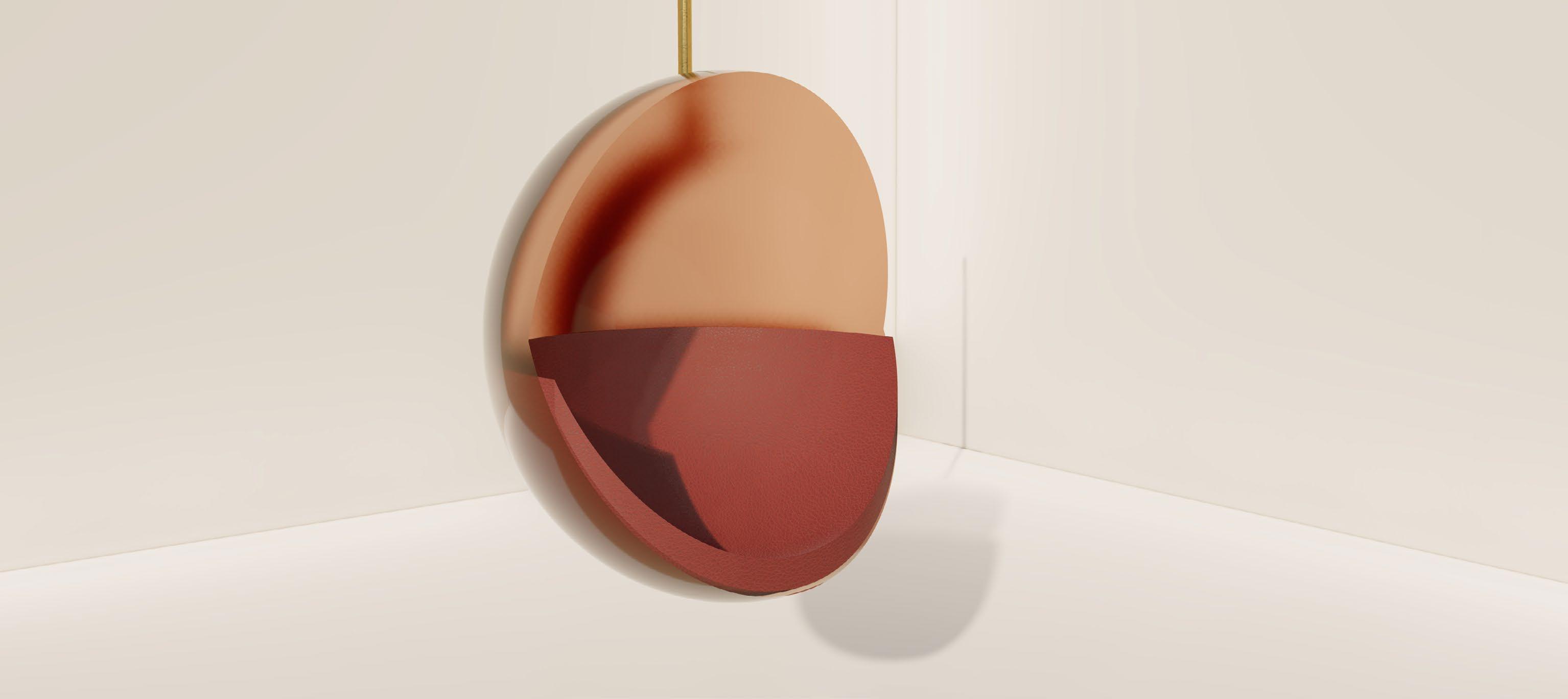
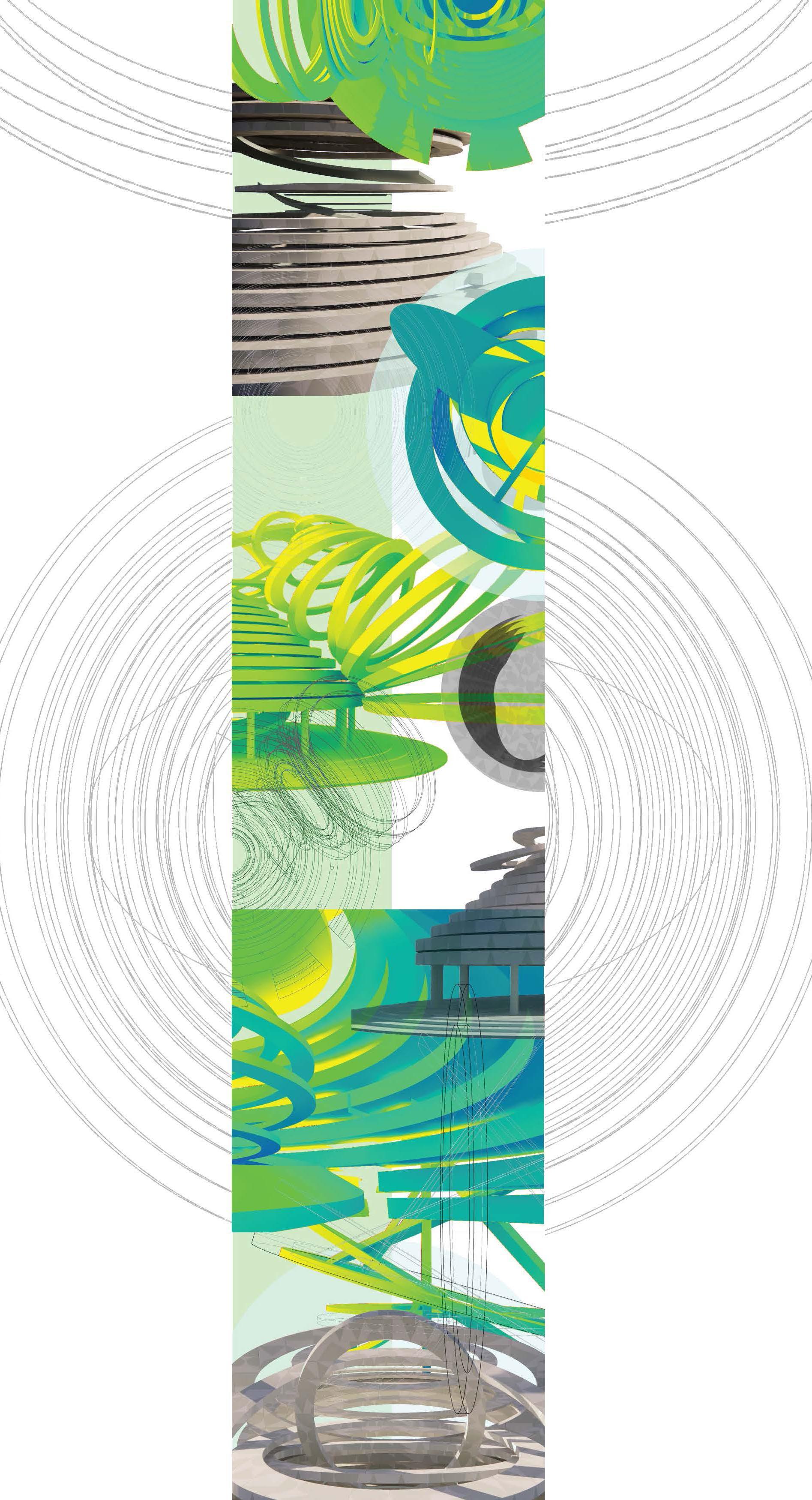
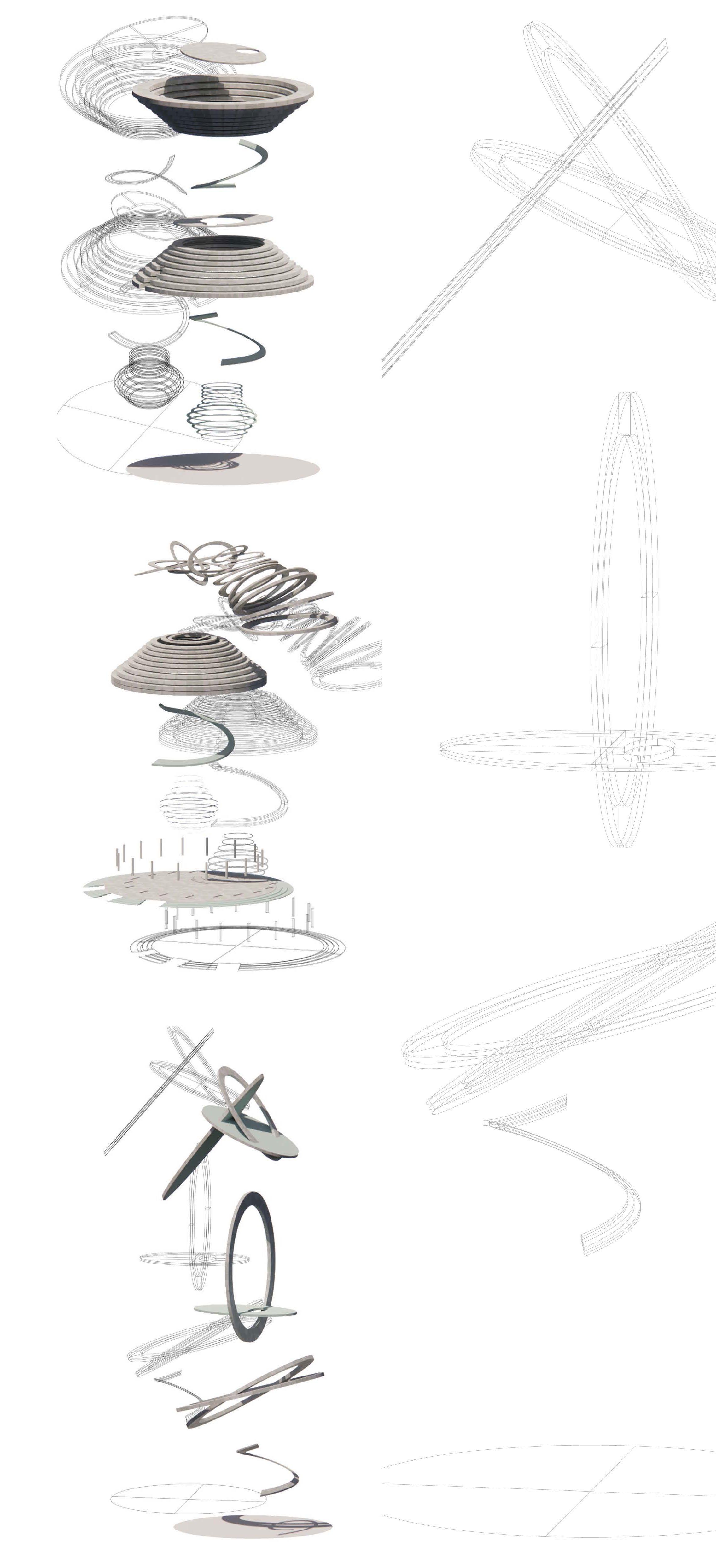
When thinking about the brief entitled ‘not now but new’ I was immediately interested in researching and visually portraying the interconnectedness between time and gravity, two constant aspects of our present context.
For this highly experimental assignment I chose to combine the research topics of alternate universe and time travel in order to challenge the constant, invariable aspects of our modern world, and create three spaces which gradually show a deterioration of these constants.
The scientific theory entitled gravitational time dilation focuses on the understanding that the closer one gets to something the slower time becomes.
Or in other words, time runs slower wherever gravity is the strongest. This concept is expressed most clearly through the physical appearance of an hourglass, which became the primitive shape.