


Lakiea Bailey, PhD
• Most common monogenic disease1
• Disproportionately affects marginalized communities1
• Pervasive misunderstanding surrounding disease1
– Provider bias and stigma
• Paucity of available resources1
– Underfunding for care, research, and surveillance
– Lack of access to specialty care
– Systemic racism within health care
– Less than half of patients




80% to 100% of
Hb concentration is HbS in HbSS


Vaso-occlusion
Retinopathy
Heart failure
Hepatomegaly
Gallstones
Dactylitis
Avascular necrosis
Leg ulcers

Stroke
Pulmonary hypertension
Acute chest syndrome
Splenic sequestration
Renal failure
Priapism
Acute and chronic pain

A real-world survey of 142 adults with SCD in the US and Europe revealed that surveyed participants experienced a mean of 5.9 VOCs annually that require hospitalization. Those who were employed reported an average of 9.8 hours of missed work/week, accounting for work productivity loss of 53.4%.
Drahos J, et al. Qual Life Res. 2025;34(7):2019-2029..


Lakiea Bailey, PhD
q Prophylactic penicillin, until age 5
q Pneumococcal immunizations and other scheduled vaccines
q Routine screening for early signs of organ damage
q Other clinical routine preventive services
Stroke
Retinopathy
Pulmonary
Hypertension
Nephropathy
National Heart, Lung, and Blood Institute (NHLBI). Evidence-Based Management of Sickle Cell Disease: Expert Panel Report, 2014. https://www.nhlbi.nih.gov/health-topics/evidence-basedmanagement-sickle-cell-disease.
Children with transcranial doppler (TCD) reading >200 cm/s
Adults and children with previous clinically overt stroke

1. NHLBI. Evidence-Based Management of Sickle Cell Disease: Expert Panel Report, 2014. https://www.nhlbi.nih.gov/health-topics/evidence-based-management-sickle-cell-disease; 2. Alan S, Kanter J. Expert Opin Pharmacother. 2024;25(10):1325-1334; 3. Udeze C, et al. Clinicoecon Outcomes Res. 2025:17:303-313; 4. Chou ST, et al. Blood. 2013;122(6):1062-1071. When
Accessibility
A potent ribonucleotide reductase inhibitor (required for DNA synthesis and repair)
Vascular Effects Cellular Effects
Decreases Endothelial Activation and Adhesion
Decreases Thrombosis and Microparticle Formation
Decreases Vasoconstriction
Increases HbF Synthesis
Decreases HbS Polymerization
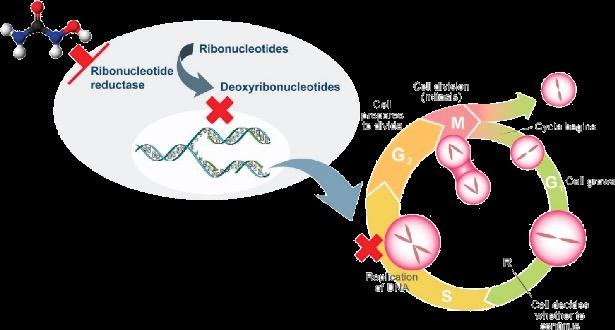
Decreases RBC Membrane Damage
Decreases Hemolysis
Decreases Neutrophil Count Increases Hb Synthesis
Approved in 1998 for severe SCD in adults. Indication expanded for use in children aged ≥2 years in 2017 and ≥6 months in 2024 to reduce painful crises and HbF, fetal hemoglobin; RBC, red blood cell. Ala C, et al. Arch Pharm (Weinheim). 2024;357(11):e2400381; Charache S, et al. N Engl J Med. 1995;332(20):1317-1322.
Follow-up, observational study (1996-2001)2
• 75 of original 299 patients died
• Mortality at 9 years was 28% when HbF <0.5 g/dL vs 15% when HbF ≥0.5 g/dL • Patients with ≥3 VOCs/year had 27% mortality vs 17% with <3


1.
Multiple guidelines recommend HU initiation at 9 months of age.
% of patients hospitalized or receiving emergency care for VOCs were NOT RECEIVING HU1 >75


In a study of Medicaid claims data (N=1035), only 20.9% of patients were adherent to HU.2
Identifying and addressing barriers to adherence is critical.
N, et al. JAMA. 2015;313(16):1671-1672; 2. Kang HA, et al. Am J Hematol. 2023;98(1):90-101.
• Significant contributors to the psychosocial distress:

Sleep Disturbances
Challenges
Strain Body Dissatisfaction
• Early identification and targeted interventions are essential to improving patient/caregiver outcomes
QOL, quality of life.
Essien EA, et al. Medicine (Baltimore). 2023;102(47):e36147; NHLBI. Evidence-Based Management of Sickle Cell Disease: Expert Panel Report, 2014. https://www.nhlbi.nih.gov/health-topics/evidencebased-management-sickle-cell-disease.

Modupe Idowu, MD
• L-glutamine is an oral precursor of NADH, the reduced form of nicotinamide adenine dinucleotide (NAD)1,2
• Results in decreased oxidative stress within sickled RBCs1,2
• FDA approved in 2017 to reduce acute complications of SCD in patients aged ≥5 years
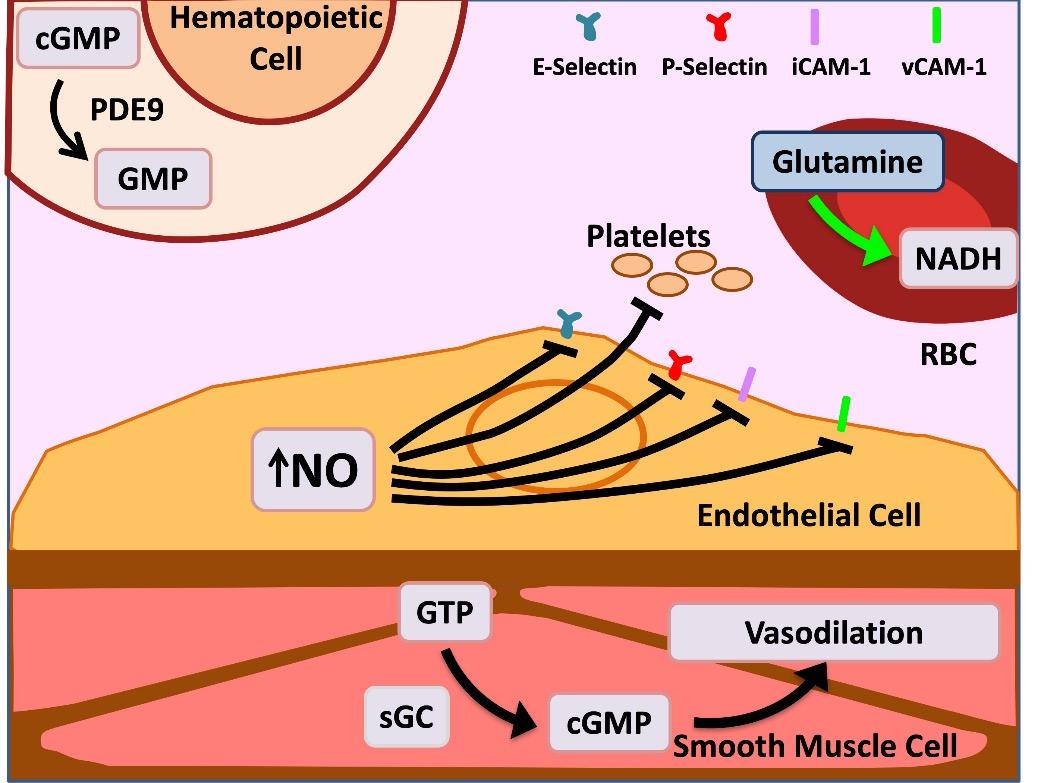
In its phase 3 study, the primary endpoint was met, with statistical significance.3 No statistically significant differences in Hb, hematocrit, or reticulocyte count between treatment and placebo groups.
cGMP, cyclic guanosine monophosphate; iCAM, intercellular adhesion molecule

1. Sadaf A, et al. Exp Biol Med (Maywood). 2020;245(2):146-154; 2. Tang MS, Shan H. Vox Sang. 2024;119(6):521-528; 3. Niihara Y, et al. N Engl J Med. 2018;379(3):226-235.
Image adapted from Morrone K, et al. Semin Hematol. 2018;55(2):68-75.
• Humanized IgG2 monoclonal antibody to P-selectin1,2
– P-selectin is the primary selectin that binds to sickled RBCs and reticulocytes, mediating adhesion to other cells and the endothelium—an important step in initiating and propagating VOCs
• Clinical effects—reduces frequency of VOCs1,2
• FDA approved in 2019 to reduce the frequency of VOCs in patients with SCD aged ≥16 years
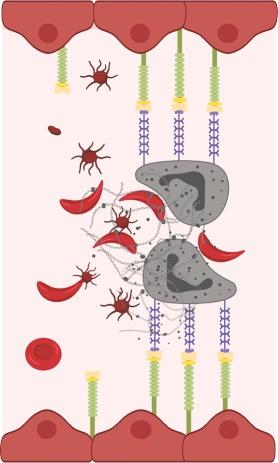
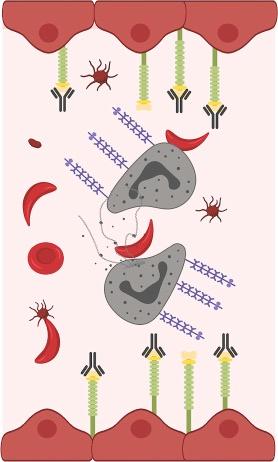
In the SUSTAIN phase 2 study, primary endpoint met with statistical significance . 3 Crizanlizumab therapy resulted in a significantly lower annual rate of SCPCs vs placebo and was associated with a low incidence of adverse events.
immunoglobulin G2; NET, neutrophil extracellular trap; PSGL1, P-selectin glycoprotein ligand-1; SCPC, sickle cell pain crisis. 1. Ala C, et al. Arch Pharm (Weinheim). 2024;357(11):e2400381; 2.Tang MS, et al. Vox Sang. 2024;119(6):521-528; 3. Ataga KI, et al. N Engl J Med. 2017;376:429-439. Image adapted from Leibovitch JN, et al. Blood Rev. 2022;53(100925):1-8.
Efficacy of Crizanlizumab,
5.0 mg/kg and 7.5 mg/kg1
BL, baseline.
No significant reductions in VOCs were demonstrated in STAND.

Ongoing phase 3 SPARKLE study will address conflicting findings from SUSTAIN and STAND trials to confirm the efficacy of crizanlizumab.2 SPARKLE differs from previous studies in:
1. Patient eligibility (>BL rate of VOCs)
2. Redefined VOC endpoint (SCPC lasting ≥4 hours)
3. Use of a novel cloud-based application to measure self-managed VOCs
N=252 patients aged ≥12 years with SCD randomly assigned (1:1:1) to receive either 5.0 mg/kg of crizanlizumab, 7.5 mg/kg of crizanlizumab, or placebo, in addition to standard of care, for 1 year. The primary endpoint was the annualized rate of VOCs leading to a health care visit over the first year postrandomization. Key secondary endpoint was the annualized rate of all VOCs managed at home and leading to a health care visit after 1 year postrandomization. 1. Abboud MR, et al. Lancet Haematol. 2025;12(4):e248-e257; 2. Campbell A, et al. A phase III, multicenter, randomized, placebo controlled, double-blind study to assess efficacy and safety of crizanlizumab (5
versus
in
Summary of Reduction of Priapic Events ≥60 Minutes in the Study Population
Percentage Change From BL in Cumulative No. Priapic Events by Week 26

Modupe Idowu, MD, and Nirmish Shah, MD
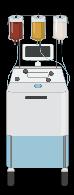
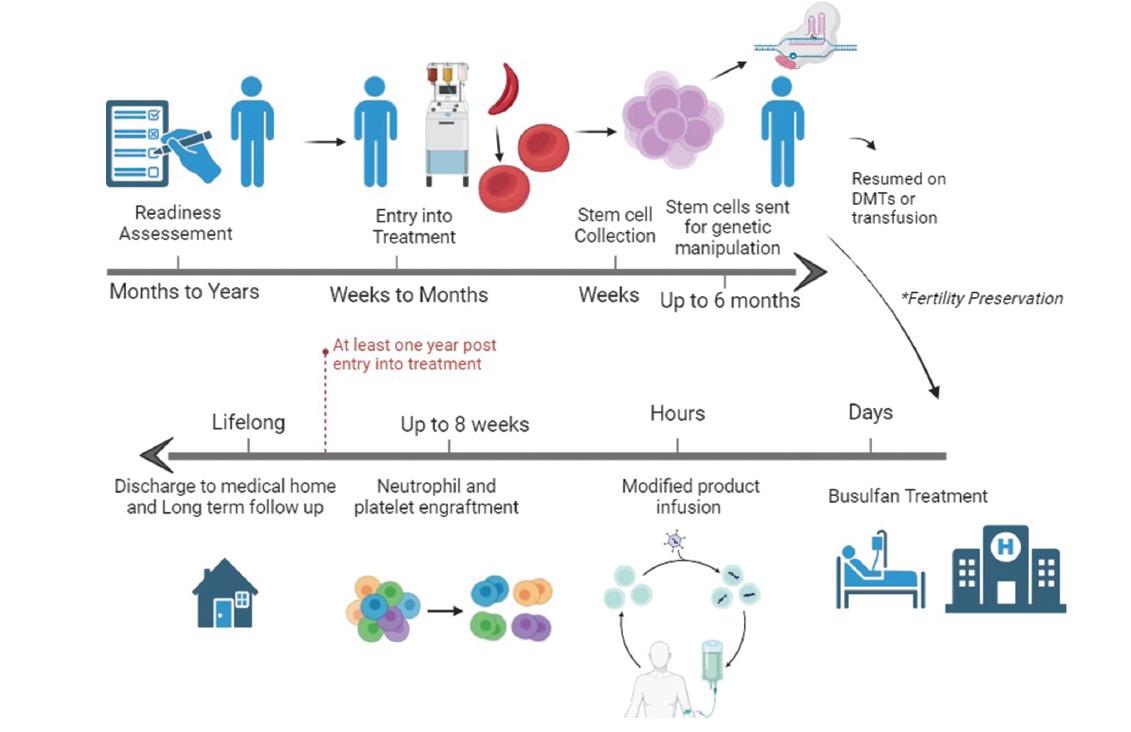
• Overview: autologous hematopoietic stem cells are collected from patients with SCD and genetically modified ex vivo to reduce sickling tendency before reinfusion1




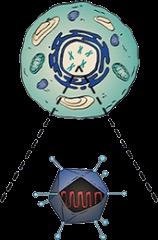
• Hemopoietic stem and progenitor cells are transduced with the BB305 lentiviral vector encoding modified β-globin gene, HbAT87Q
• HbAT87Q has a similar oxygen-binding affinity to wild-type HbA and sterically prevents RBC sickling1,2
Working copies of modified hemoglobin gene delivered into stem cells through a vector Cells express the working, modified hemoglobin gene Production of a






• HGB-206 Group C study + HGB-210 studiesa
– As of Feb 2024, N=55 received lovo-cel
– Among 34 VOE-evaluable participants
• 88.2% achieved VOE-CR
• 94.1% achieved sVOE-CR
– 6 to 18 months post infusion
– Among 46 evaluable participants
• 89.1% achieved GR
– Median peripheral blood HbAT87Q 6 months post infusion was 49%

FDA-approved for patients aged ≥12 years with SCD and history of VOCs.4

GR, gene replacement; PB, peripheral blood; sVOE-CR, complete resolution of severe vaso-occlusive event. aNonrandomized, open-label, single-dose trials; primary outcome was resolution of VOC. 1. Tang MS, Shan H. Vox Sang. 2024;119(6):521-528; 2. Alan S, Kanter J. Expert Opin Pharmacother. 2024;25(10):1325-1334; 3. Gupta AO, et al. Transplant Cell Ther. 2025;31(2):S256-S257; 4. Lyfgenia. Prescribing information. bluebird bio, Inc; 2023. https://www.genetixbiotx.com/-/media/bluebirdbio/Corporate%20COM/Files/Lyfgenia/LYFGENIA_Prescribing_Information.pdf. Image adapted from Gene Therapy in Sickle Cell. https://www.sparksicklecellchange.com/treatment/sickle-cell-gene-therapy.
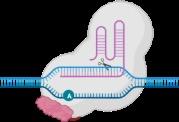
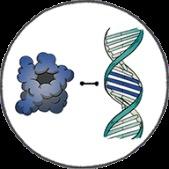
• Uses CRISPR/Cas9 gene editing technology to disrupt BCL11A erythroid enhancer on chromosome 2; leads to increased HbF1,2
• BCL11A is a key regulator of the switch from fetal to adult Hb1,2
CRISPR/Cas9 delivered via electroporation
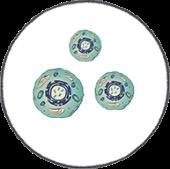
“Switch” made to a different gene Working type of Hb is produced to compensate for sickle Hb Functioning RBCs developed




Phase 3 CLIMB SCD-1213
• N=45 evaluable for primary and key endpoints
• Primary endpoint:
– VF12: 91.1%
• Key secondary efficacy endpoint:
– HF12: 97.8%
• All patients had increases in mean HbF of ≥40% from month 6 onward, resulting in normal or near normal total Hb
• In CLIMB SCD-121 and CLIMB-131 combined, 100% achieved VOC free, maintained for up to 5.6 years
FDA approved for patients aged ≥12 years with SCD and recurrent VOCs.4


CRISPR, clustered regularly interspaced palindromic repeats; VF12, proportion of patients free of severe VOCs for ≥12 consecutive months; HF12, proportion of patients free from inpatient hospitalization for severe VOCs for ≥12 consecutive months.
1. Tang MS, Shan H. Vox Sang. 2024;119(6):521-528; 2. Alan S, Kanter J. Expert Opin Pharmacother. 2024;25(10):1325-1334; 3. Grupp S, et al. Blood. 2024;144(suppl 1):4954; 4. Casgevy. Prescribing information. Vertex Pharmaceuticals Inc; 2024. https://pi.vrtx.com/files/uspi_exagamglogene_autotemcel.pdf. Image adapted from Gene therapy in sickle cell. Be the Spark. https://www.sparksicklecellchange.com/treatment/sickle-cell-gene-therapy.
• Exa-cel uses CRISPR/Cas9 gene editing technology to disrupt the BCL11A erythroid enhancer on chromosome 2, leading to increased expression of fetal hemoglobin1,2
• BCL11A is a key regulator of the switch from fetal to adult Hb1,2
CRISPR/Cas9 delivered via electroporation "Switch" made to a different gene Working type of hemoglobin is produced to compensate for sickle hemoglobin Functioning red blood cells developed
CRISPR, clustered regulatory interspaced palindromic repeats.
Pivotal Study2,3
• CLIMB SCD-121
– N=30 with sufficient duration of follow-up
– VF12: 97% (freedom from severe VOCs ≥12 consecutive months)
– HF12: 100% (freedom from VOC–related hospitalizations ≥12 months)
– Total Hb: improved to 12.5 g/dL at 6 months
– HbF: increased to 36.9% at 3 months and 43.9% at 6 months
– Neutrophil engraftment, median 27 days
– Platelet engraftment, median 35 days
1. Tang MS, Shan H. Vox Sang. 2024;119(6):521-528; 2. Alan S, Kanter J. Expert Opin Pharmacother. 2024;25(10):1325-1334; 3. Frangoul H, et al. N Engl J Med. 2024;390(18):1649-1662; 4. Casgevy. Prescribing information. Vertex Pharmaceuticals Inc; 2024. https://pi.vrtx.com/files/uspi_exagamglogene_autotemcel.pdf. Image adapted from Gene Therapy in Sickle Cell. https://www.sparksicklecellchange.com/treatment/sickle-cell-gene-therapy. Approved


• In the US, ~60% of patients with SCD rely on Medicare or Medicaid, limiting access to specialized health care
• Lack of access and scarcity of SCD specialists and specialized transplant centers
• Many people aren’t eligible because of the requirement for high-dose chemotherapy
• Gene therapy products cost between $1.4 and $2.1 million US dollars
• Gene therapy for SCD currently not available in low-income countries
INSURANCE
SPECIALIZED TRANSPLANT CENTERS
Only ONE patient received gene therapy (outside of a study) in 2024. Health care inequity must be addressed for gene therapy to bring benefit among patients with severe SCD.


. 2024;119(6):521-528.







• Once limited to full sibling donors of patients with SCD1
– 25% chance of being HLA-identical (fully matched)
• >90% EFS; <20% of patients have this donor


Donor Collection Processing


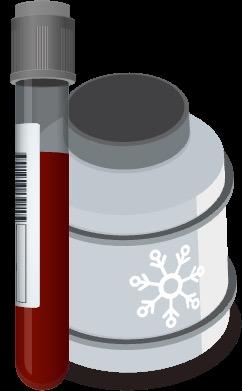


Patient Reinfection



Cryopreservation
– 50% chance of being haploidentical
• Risks include GF, GVHD, infections, infertility, vital organ injury, and death2








• Systematic review/meta-analysis (pooled data from 33 studies published between 1986 and 2017, N=2853 patients)3,a


• Advancements in donor selection and conditioning regimens continue to improve1
aGVHD, acute graft-versus-host disease; cGVHD, chronic GVHD; DFS, disease-free survival; EFS, event-free survival; GF, graft failure; HSCT, hematopoietic stem cell transplantation; OS, overall survival. aWhile MRD was the most common donor source, the analysis also included MUD, haploidentical, and umbilical cord blood.
1. Alan S, Kanter J. Expert Opin Pharmacother. 2024;25(10):1325-1334; 2. Kanter J, et al. Blood Adv. 2021;5(18):3668-3689; 3. Iqbal M, et al. Transplant Cell Ther. 2021;27(2):167.e1-167.e12.
Haploidentical or “half-matched” donor may include parent, sibling, child, niece, nephew, aunt, uncle, or cousin of the patient
• Phase 2, Open-Label, Single-Arm, Multicenter Study1
– Primary outcome: 2-year EFS rate, 88.0%
– Secondary outcome: OS, 95.0%
How does this compare with other HSCT regimens?
HSCT is heavily limited by patients’ baseline medical complications, cost and insurance coverage, accessibility, and availability of social support.5
RIC, reduced-intensity conditioning. N=42 patients, age 15.5 to 43.2 years, received transplantation with RIC and GVHD prophylaxis. RIC included antithymocyte globulin, fludarabine, cyclophosphamide, thiotepa, and total body irradiation; GVHD prophylaxis included posttransplant cyclophosphamide, mycophenolate mofetil, and sirolimus. 1. Kassim AA, et al. NEJM Evid. 2025;4(3):EVIDoa2400192; 2. Eapen M, et al. Lancet Haematol. 2019;6(11):e585-e596; 3. Iqbal M, et al. Transplant Cell Ther. 2021;27(2):167.e1-167.e12; 4. Alzahrani M, et al. Br J Haematol. 2021;192(4):761-768; 5. Alan S, Kanter J. Expert Opin Pharmacother. 2024;25(10):1325-1334.
Consider HLA–matched related HSCT in
1. Patients who have experienced an overt stroke or have an abnormal TCD
2. Patients with frequent pain episodes requiring medical attention
3. Patients with recurrent episodes of ACS
aRIC that contains melphalan/fludarabine regimens. ASH, American Society of Hematology. Kanter J, et al. Blood Adv. 2021;5(18):3668-3689.
For patients with an indication:
4. If no matched sibling donor (MSD), use alternative donors in the context of a clinical trial
5. Use either total body irradiation ≤400 cGy or chemotherapy–based conditioning regimens
a) For children with an MSD, use myeloablative conditioning over RICa
b) For adults with an MSD, use nonmyeloablative conditioning over RICa
6. Use transplantation at an earlier age rather than an older age
7. Use HLA-identical sibling cord blood when available over bone marrow

Nirmish Shah, MD
Let’s recap:
ü SCD is the most common monogenic disease
ü It disproportionately affects marginalized communities
ü The average life expectancy is 52.6 years
ü Paucity of available and accessible resources
ü The few FDA-approved therapies are insufficient














et al. Blood Adv. 2023;7(24):7539-7550.

• Hemolysis
• RBC sickling
• Vaso-occlusive events

• Hb level
• Hb-oxygen
Primary endpoint was met with a −40.6% response rate observed in the mitapivat arm. There was a trend favoring mitapivat, with a 14% reduction in annualized rate of SCPCs vs placebo.


aP≤ 0.0001; bP< 0.01. CFB, change from baseline; EOS, end of study; EOT, end of treatment; MAD, multiple ascending doses; OL, open-label. N=36 patients with SCD (HbSS, HbSβ0 -thalassemia, HbSβ+ -thalassemia, or HbSC), age 12 to 65 years, were enrolled in 4 randomized, placebo-controlled cohorts: single-dose (etavopivat 700 mg), MAD1 (etavopivat 300 mg), MAD2 (etavopivat 600 mg), and OL. In the OL cohort, 15 patients received etavopivat 400 mg once daily for 12 weeks. Patients in the MAD2 cohort could directly rollover into the OL cohort at the time of their EOS visit whether they tolerated the 2-week treatment period and continued to meet eligibility criteria. Patients from other cohorts and the study sites could also enroll in the OL cohort. In the OL cohort, etavopivat dosing could extend from
or if
Phase 21
Endpoint (ITT population)
Serious AEs, n
All hemolysis biomarkers decreased from BL in both etavopivat groups at week 4
Phase 3 part of HIBISCUS is ongoing and aims to demonstrate superiority of etavopivat 400 mg/day vs placebo for improving Hb levels and reducing the annualized VOC rate.2
N=60 patients aged 12 to 65 years with SCD were randomly assigned 1:1:1 to oral etavopivat 200 mg, oral etavopivat 400 mg, or matched placebo once daily (QD) for 52 weeks. Primary study endpoints were annualized, independently adjudicated VOC rate over 52 weeks and Hb response (>1 g/dL increase from BL) at week 24. The primary efficacy analysis is reported for the intention-to-treat (ITT) population. 1. Delicou S, et al. Blood. 2024;144(suppl 1):179-180; 2. Wu G, Dhayakar. Hibiscus 2 (Trial-in-Progress): A global, Phase 3, randomized, double-blind, placebocontrolled study evaluating the efficacy and safety of etavopivat in adolescents and adults with sickle cell disease. Presented at 67th ASH Annual Meeting; Dec 6-9; Orlando, FL.
Cohort 1 (N=15 patients aged 12 to <18 years)
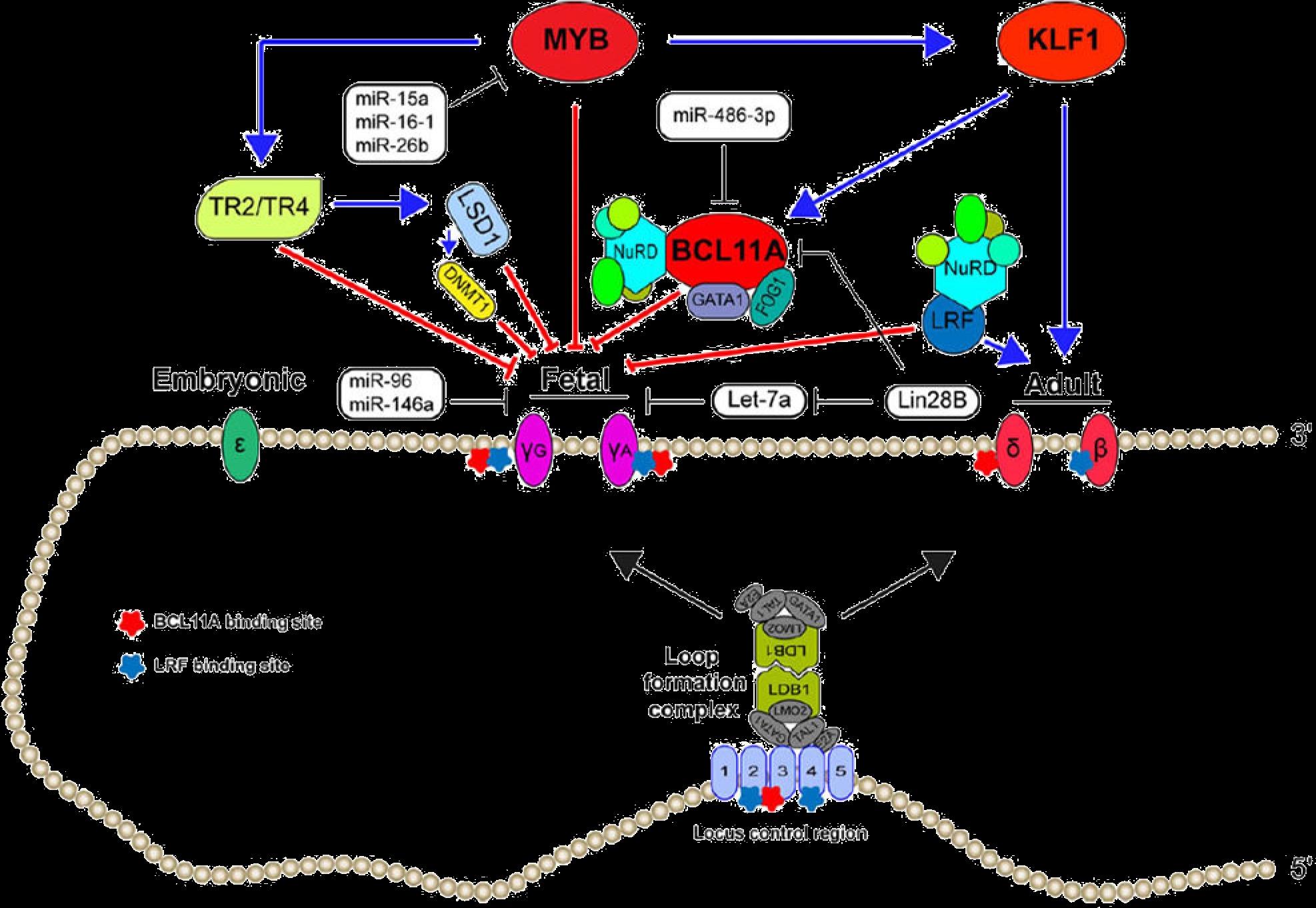
Image adapted from Paikari A, Sheehan VA. Br J Haematol. 2017;180(2):189-200 and Pinto VM, et al. Blood. 2024;144(8):853-866.
Targeting the Hemolysis-Vascular Endothelial Axis

BTK inhibitor
Inhibits HbS polymerization Rilzabrutinib
GBT601

Tnf-α Ab Cytokine Storm (IL1b, IL6, TNF-α)
Ab
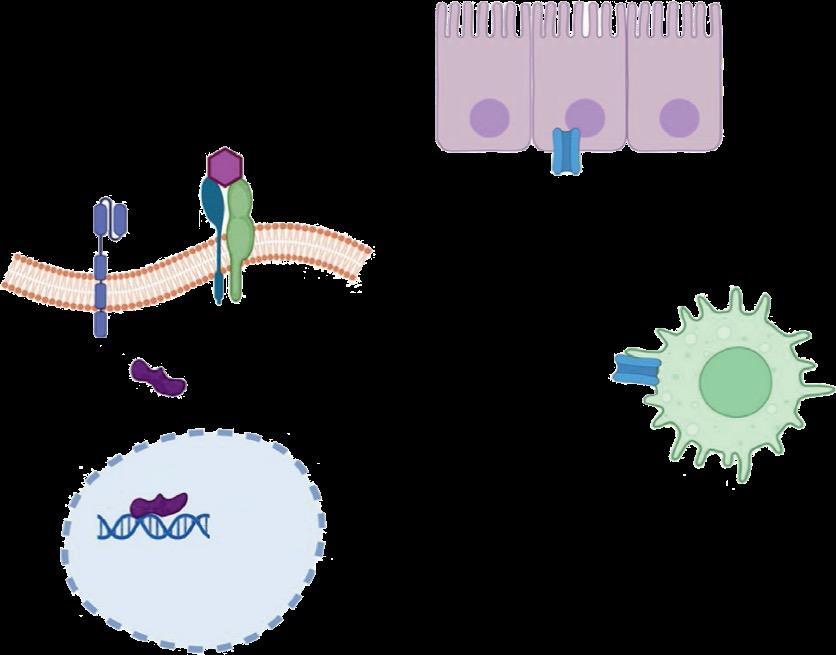
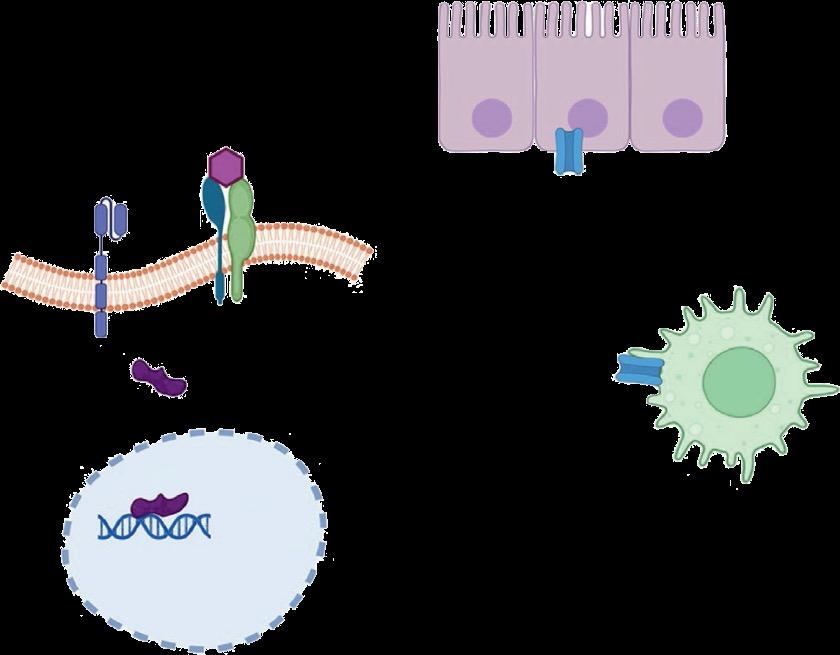
Ab, antibody; BMP, bone morphogenic protein; BTK, Bruton’s tyrosine kinase; E-MP, erythroid microparticles; FPN, ferroportin; HAMP, hepcidin; HJV, hemojuvelin; IL, interleukin; MAC, macrophage; NO, nitric oxide; ROS, reactive oxygen species; Smad, suppressor of mothers against decapentaplegic; TMPRSS, transmembrane protease serine; TNF, tumor necrosis factor; VCAM, vascular cell adhesion molecule; vWF, von Willebrand factor. Pinto VM, et al. Blood. 2024;144(8):853-866.
• SCD requires the early application of guideline-based management to reduce complications and improve outcomes.
• Holistic care is essential, addressing not only physical complications but also psychosocial distress and stigma.
• While disease modifying drugs are available, a crucial need persists for the development of novel agents, which are both effective and accessible.
• Emerging innovations such as pyruvate kinase activators are being investigated and may be promising new additions to the treatment armamentarium.
• Equitable access remains a challenge—closing gaps in specialty care, resources, and advanced therapies is necessary to ensure all patients with SCD can benefit from scientific progress.