PLANS
A lesson plan is a detailed outline or guide that teachers use to structure and organize a single instructional period or class session. It serves as a roadmap for educators, providing a clear framework for delivering content, engaging students, and assessing learning outcomes.
Lesson plans are flexible documents, and teachers adjust them based on student needs, progress, and unexpected circumstances. They provide a structured foundation for effective teaching and learning
/erasmus + 17/ 2020-1-BG01-KA229-079264
COUNTRY: Portugal
STUDENT
AGE/LEVEL: 11/12 years old 6.º year (2.º Ciclo)
TITLE OF

TEACHER: Maria da Conceição Mota
SUBJECT: Portuguese (native language) Special needs
LESSON: Write: write with pleasure “Escrevinhando”
LENGTH OF LESSON:
90 minutes
LEARNING OBJECTIVES:
1.- Develop the ability to adapt writing forms to different situations of communication and in specific contexts, making reflective use of the various modalities of tongue.
- Mastering the procedures that ensure an adequate textual, thematic development and discursive, with progressive consolidation of the domain of school genres, namely narrative, descriptive, exposition and argumentation.
LEARNING OUTCOMES:
1. The student will be able to:
- Write narrative texts, integrating dialogue and the description.
- Systematically use planning processes, textualization and text review.
- Use word processors and web resources to writing, reviewing and sharing texts.
- Intervene on blogs and forums, through texts appropriate to the gender and communication situation.
KEY COMPETENCES DEVELOPMENT:
- Communicating in a mother tongue: ability to express and interpret concepts, thoughts, feelings, facts and opinions; both orally and in writing;
- Digital competence: confident and critical usage of information and communications technology for work, leisure and communication;
- Learning to learn: ability to effectively manage one’s own learning, either individually or in groups;
- Social and civic competences: ability to participate effectively and constructively in one’s social and working life and engage in active and democratic participation, especially in increasingly diverse societies.
PREREQUISITES (ASSUMPTIONS ABOUT THE STUDENTS’ SKILLS, KNOWLEDGE AND EXPERIENCE FOR THE LESSON).
- Development and consolidation of knowledge related to the alphabet and with the spelling rules, at the level of grapheme-phoneme correspondence and use of writing signs (diacritics, including accents; graphic signs; signs of punctuation and auxiliary writing signs);
- Awareness of the existence of different ways of organizing a text, taking into account purposes such as narrating, describing, informing;
- Textual modification using manipulation of sentences and textual segments (expansion, reduction, paraphrase), as well as the change of perspective or description of characters, for example;
- Planning, textualization and review of texts short films written by students, for dissemination;
“How to Transform General Education Materials into Inclusive Education Materials” Inclusive Education and Distance Learning in Digital Era 1 2020-1-BG01-KA229-079264
- Review (depending on the initial objectives and the coherence and cohesion of the text) and textual improvement, using auto and heteroevaluation;
- Dissemination and sharing of texts produced by students PRE-LESSON PREPARATION
Papers, notebook, pen and knowledge in ICT.
LESSON DESCRIPTION AND DETAILED PLAN OF THE ACTIVITIES (steps, instructional techniques and methods).
- Brainstorming;
- Verify the characteristics of the literary genre;
- Define the characters, time, space; the action;
- Define the number of words to use;
- Check the organization of paragraphs;
- Beginning of collective writing;
- Organize the introduction, development and conclusion
FORMATIVE ASSESSMENT (assessing students at the activity level is rarely summative assessment)
- Check the student's daily work;
- Give feedback;
- Allow for reconstruction;
- Present the final work and carry out self and hetero-evaluation;
- Reconstruct the text;
- Presentation of the final work.
HOME LEARNING/HOMEWORK:
- Research the topic;
- Look for antonyms and synonyms of predefined words;
- Define characters, spaces, times and actions in the narrative;
WHAT MAKES THIS LESSON INCLUSIVE?
- Write a type of text collectively;
- Each student writes a paragraph;
- At the end, the final product is read;
- Final presentation.
“How to Transform General Education Materials into Inclusive Education Materials” Inclusive Education and Distance Learning in Digital Era 2 2020-1-BG01-KA229-079264
COUNTRY:
STUDENT AGE/LEVEL:
Portugal_Madeira Island
TEACHER: Adalgisa Figueiredo
15 years / 10th grade SUBJECT: Geometry in the plane: Distance between two points in the plane
TITLE OF LESSON: Distance between two points in the plane
LENGTH OF LESSON:
45 mins
LEARNING OBJECTIVES:
Calculate the distance between two points on the xOy Cartesian plane
LEARNING OUTCOMES:
• Calculate the distance between two points on a horizontal or vertical line
• Calculate the distance between two points by applying the Pythagorean theorem
KEY COMPETENCES DEVELOPMENT:
• Recognize a Cartesian referential
• Identify the coordinates of a point
• Apply the Pythagorean theorem
• Determine the distance between two points.
PREREQUISITES (ASSUMPTIONS ABOUT THE STUDENTS’ SKILLS, KNOWLEDGE AND EXPERIENCE FOR THE
LESSON).
• cartesian plane
• axes of the cartesian plane
• quadrants of the Cartesian plane
• Pythagorean theorem
• “Geogebra" software
PRE-LESSON PREPARATION
• Recall the representation of points on the Cartesian plane;
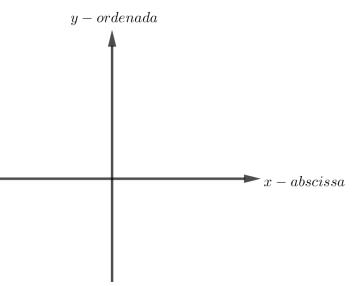
• Construct a Cartesian plane on a grid sheet: Ox axis and Oy axis, perpendicular at point O (origin of the ray), asking the students to write their names in front of the axes as follows:
• Do the same but using the 'Geogebra' software which the students already know how it works.
• Represent points A(3,0) B(0,1) and C(-4, 0) on a cartesian plane xOy
• Emphasize that when the point is on the y-axis, the value of the abscissa is zero, and when it is on the x-axis, the value of the ordinate is zero.
“How to Transform General Education Materials into Inclusive Education Materials” Inclusive Education and Distance Learning in Digital Era 1 2020-1-BG01-KA229-079264
• Represent points on the Cartesian plane and ask the following questions:
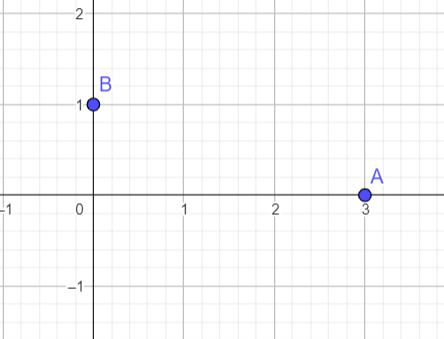
- What is the "height" of point A?
- What is the "height" of point B?
- What is the shortest "distance" between point A and the y-axis?
- What is the shortest "distance" between point B and the x-axis?
• Construct the segments that connect these points and name them [AB], [BC] and [AC].
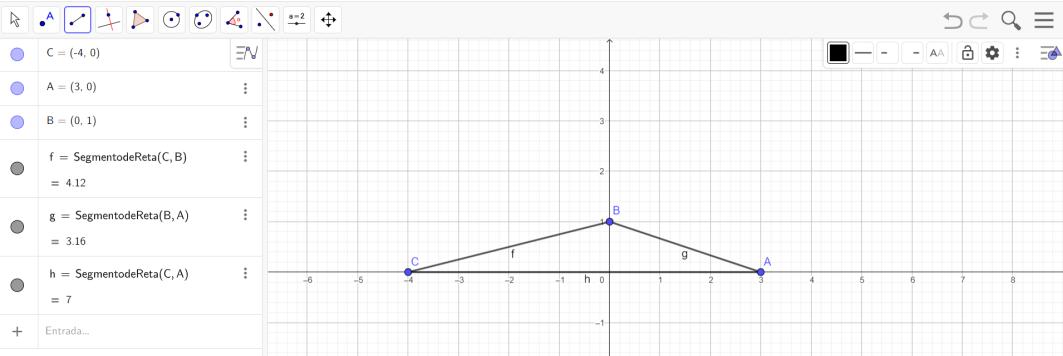
• Remember the quadrants: ask where the segments are located and how many quadrants we have on the Cartesian plane.
• Finally, ask the students about the distance between these points.
These distances are immediately apparent when we draw the line segments, but if we had to calculate them, how would we do it?
For students with greater difficulties, it would be enough to use “Geogebra” to solve this problem.
LESSON DESCRIPTION AND DETAILED PLAN OF THE ACTIVITIES (steps, instructional techniques and methods).
• After representing the Cartesian referential, the points and the line segments, ask about the distance between the points.
• Emphasize that when we move an object from one point to another, the distance between them is a positive value.
• Ask about the distance between A and C:
Point out that points A and C are on a straight horizontal line, and when we move an object from A to C we travel 7 units ��[����] =��[����] +��[����] =| 4|+|3|=4+3=7
• Understand that ��[����] =|���� ����|
• Question the distance between A and B
“How to Transform General Education Materials into Inclusive Education Materials” Inclusive Education and Distance Learning in Digital Era 2 2020-1-BG01-KA229-079264
As points A and B are not on a horizontal or vertical line, how can you calculate the distance between these two points?
• Ask about the geometric shape obtained by points O, A and B.
• Once you have established that the 3 points form a right triangle at O, how do you determine the distance from A to B?
1st recognize the need to apply the Pythagorean Theorem, identify its sides and hypotenuse
In view of the difficulty in identifying the sides and hypotenuse, ask the students what the hypotenuse represents in a right-angled triangle and whether it can be smaller than any of the sides. You could ask the following questions:
-There must be a right angle in a right-angled triangle. How much does this angle measure?
-Is the side that opposes the 90º angle the largest side? What is it called?
2nd determine the distances that make up the sides [OA] and [OB] since they are on a horizontal and vertical line, you should be able to determine these distances.
3rd apply the Pythagorean theorem, remembering its formula: ℎ2 =��1 2 +��2 2
4th Identify ℎ =���� ; ��1 =���� e ��2 =����
5th By applying the Pythagorean theorem you will conclude ��[����] =√����2 +����2
FORMATIVE ASSESSMENT (assessing students at the activity level is rarely summative assessment)
Construct a right-angled triangle ABC with vertices (4,3), (8,3) , (8, 6) on a grid.
Consider each unit of the plane to be 1 cm.
a) How much is each of its sides?
b) How long is the hypotenuse? Show how you arrived at this value.
HOME LEARNING/HOMEWORK:
Complete the exercise by determining the distance between B(0,1) and C(-4,0) in the same way.
WHAT MAKES THIS LESSON INCLUSIVE?
-Accompanying students individually, anticipating their possible difficulties and mistakes they might make
-Remembering details of previously taught content
-Using educational software to facilitate the acquisition of essential objectives.
“How to Transform General Education Materials into Inclusive Education Materials” Inclusive Education and Distance Learning in Digital Era 3 2020-1-BG01-KA229-079264
COUNTRY: Portugal
STUDENT
TEACHER: José Manuel Gonçalves Fernandes
AGE/LEVEL: 5th grade SUBJECT: Music Special needs
TITLE OF LESSON: Rhythm symbols
LENGTH OF LESSON: 45 minutes
LEARNING OBJECTIVES:
-knowthesymbolsthatrepresentthedurationoftimeinmusic
-learnabouttherhythmicreadingprocessreadingmusic
LEARNING OUTCOMES:
- recognizethesymbolsthatrepresentthedurationofthesoundonthestaff
- Acquirethetechniqueofrhythmicreading
KEY COMPETENCES DEVELOPMENT:
-knowwhatahalfnote,quarternoteandeighthnoteare
PREREQUISITES (ASSUMPTIONS ABOUT THE STUDENTS’ SKILLS, KNOWLEDGE AND EXPERIENCE FOR THE LESSON).
Studentsmustknowhowtomeasuretheirpulse
PRE-LESSON PREPARATION
- knowwhatrhythmis LESSON DESCRIPTION AND DETAILED PLAN OF THE ACTIVITIES (steps, instructional techniques and methods).
Startingfromtheknowledgeofwhatapulseisandafterknowingthesymbolsthat representthedurationoftime,studentsunderstandtheprocessofrhythmicreading
FORMATIVE ASSESSMENT (assessing students at the activity level is rarely summative assessment)
Beabletoseparatemusicalnotefromrhythmicsymbolsonthestaff
“How to Transform General Education Materials into Inclusive Education Materials” Inclusive Education and Distance Learning in Digital Era 1 2020-1-BG01-KA229-079264
HOME LEARNING/HOMEWORK:
Withapulseof60quarternotesperminute,takethefollowingreading: quarternote,eighthnote,halfnote.
WHAT MAKES THIS LESSON INCLUSIVE?
-Studentscanperformexercisessuitedtotheircognitivedevelopment
“How to Transform General Education Materials into Inclusive Education Materials” Inclusive Education and Distance Learning in Digital Era 2 2020-1-BG01-KA229-079264
COUNTRY: Portugal
STUDENT
AGE/LEVEL: 14 years 9th grade
TITLE OF

TEACHER: Carla Freitas
SUBJECT: English
LESSON: About Summer Holidays
Reading comprehension: ‘Summer activities’. Guided writing: contacting a penfriend. Speaking activity.
LENGTH OF
LESSON: 45 minutes + 45 minutes
LEARNING OBJECTIVES:
The students are expected to:
1. Recognise or recall knowledge, facts or concepts;
2. Make judgments based on criteria and standards;
3. Form and exchange viewpoints on language learning;
4. Develop their speaking and writing skills;
5. Get information from a text;
6. Work in pairs.
LEARNING OUTCOMES:
The students are able to:
1. Identify vocabulary related to summer holidays;
2. Talk about your views on the question from a personal perspective;
3. Discuss their choices with a partner
KEY COMPETENCES DEVELOPMENT:
Language skills: reading, writing and speaking;
Vocabulary: summertime, summer holidays, childhood memory, beach, outdoor spaces, sports, hammer throw, craft stalls, game, parade, penfriend…
Grammar: prepositions, Present Perfect, phrasal verbs, used to + Infinitive,…
PREREQUISITES (ASSUMPTIONS ABOUT THE STUDENTS’ SKILLS, KNOWLEDGE AND EXPERIENCE FOR THE LESSON).
The students are familiar with basic vocabulary related to summer holidays and can write an email to a penfriend.
“How to Transform General Education Materials into Inclusive Education Materials” Inclusive Education and Distance Learning in Digital Era 1 2020-1-BG01-KA229-079264
PRE-LESSON PREPARATION
Students encompass a range of abilities, cultural backgrounds, learning styles and educational needs. In order to create an inclusive classroom where all students can achieve the best result for each person’s potential, including the learners with dyslexia and the students with Attention deficit hyperactivity disorder (ADHD), make reasonable adjustments to teaching and assessment practices in order to minimise the impact of the student's disability.
In order to support the students with special educational needs:
For purposeful, motivated learners, stimulate interest and motivation for learning, consider a creative presentation of course material;
aim to stimulate a range of senses by providing, for example, visual aids and hands-on experience;
link course material to personal stories, visual images and sounds;
encourage students to be active readers; to underline, highlight and jot down responses to and questions;
encourage students with ADHD to sit near the front of the classroom to minimise distractions;
help students break assignments and reading tasks into small, manageable chunks;
suggest that students develop time-management and organisational habits, such as writing themselves reminders, keeping diaries and writing lists;
provide clear, detailed instructions about course structure, key dates, assessment requirements and practical arrangements, in both oral and written forms;
provide reading lists as early as possible;
offer guidance to key texts, and allow an in-depth study of a few texts in place of broader study;
For resourceful, knowledgeable learners, present information and content in different ways, using a variety of formats – handouts, overheads, worksheets, films, flow charts and diagrams;
consider using different colours to help students process visual information;
provide a list of subject terms;
provide instructional support as needed – as scaffolds (cues, hints, prompts);
repeat and emphasise important information;
provide visual supports because they can be helpful for students with language difficulties who have trouble understanding what is said and for the students who have problems with attention or memory;
it may be helpful for students with a learning disability to have an individual orientation.
For the reading activity, make sure all learners can access the text:
Give any printed handouts to learners on pastel-coloured paper to support learners with visual processing difficulties;
Make sure written handouts are clear and dyslexic-friendly;
Try to make sure that sentences don’t ‘run over’ on to the next line;
“How to Transform General Education Materials into Inclusive Education Materials” Inclusive Education and Distance Learning in Digital Era 2 2020-1-BG01-KA229-079264
Use larger fonts without serifs (such as Arial font), double spacing between lines, and with an extra line space between paragraphs.
For the writing activity:
Give a list of key words;
Provide a guideline.
The students with disabilities and dyslexia may be allowed to record lessons for school purposes only. Recording lectures will assist those students who have handwriting or coordination problems and those who write slowly as well as those who have a tendency to mishear or misquote. The audio recording may be replaced by the delivery to the student of the content of the lesson, on a support appropriate to his/her characteristics and needs.
Notice that, the students with SEN have the possibility of being assessed (in continuous assessment) in forms or conditions appropriate to their situation, defined by the teacher. The alternatives to be considered should focus mainly on the form and method of assessment. The forms and methods of assessment shall be established by mutual agreement between the teacher and the student and approved by the Pedagogical Council
LESSON DESCRIPTION AND DETAILED PLAN OF THE ACTIVITIES (steps, instructional techniques and methods).
Lesson - first part (45 minutes):
1. The teacher greets the students.
2. Warm up: in a large circle or in their seat students throw a ball and when he or she catches the teacher asks what he/she usually does in holidays. He/she then throws the ball to another student and so on, until everyone answer to the question. Afterwords the teacher draws the mind map on the board and completes it with the students’ answers.
3. The students read the text about David and his plans for the next summer holidays and watch the reading video. The teacher checks if there are any difficult words that the students don’t understand.
4. Afterwards they do the comprehension exercise, which consists of marking the sentences true (T) or false (F), according to the information from the text. Then they label the pictures with the names of some of the activities David mentions in the text. They do the exercises and the teacher checks on their work. The teacher corrects the exercise on the board.
5. To consolidate the topic, the teacher shows the talking flashcards and, in pairs, the students do exercise “guess the word” about he/she favourite holidays activities One student thinks about one word and tells his/her partner the first letter, the other student tries to guess the word. Students take turns. The teacher monitors and provides support to the students.
6. Afterwards, the students talk about their holidays They may use the questions from the speaking cards. The Teacher gives an example of a spoken interation. For this task, the teacher can choose the most appropriate card for each pair of students, according to different degrees of difficulty. The teacher goes around the room to check and help them out.
7. If time left, students may play memory game or bingo related to holidays.
“How to Transform General Education Materials into Inclusive Education Materials” Inclusive Education and Distance Learning in Digital Era 3 2020-1-BG01-KA229-079264
8. The teacher elicits the contents dealt with in the lesson from the students and writes the summary on the board.
Lesson - second part (45 minutes):
9. The teacher greets the students.
10. The teacher starts asking what types of text they know and their functions. Possible answers: signs- to inform/warn; advertisements- to inform, to persuade; messages- to invite…
11. Then the teacher explains the structure of an email. Students watch the video “How to write an email”. Afterwards the students are invited to fill in an email about David’s plans for next summer holidays to a penfriend, completing the gaps with the missing words. For this task they use the tablet The teacher monitors the activity and provides feedback.
12. Then the students work in pairs to do the speaking activity. The students read the top tips given by the teacher, such as: start with a general descrition of the picture; speculate about the picture; say what the people are doing; say how they might fell. In the first part, each student describes a picture for one minute. In the second part, the pairs discuss their plans for a holiday abroad with a friend. The teacher checks some interactions and provides feedback.
13. The teacher assigns homework.
14. The teacher elicits from the students the contents of the lesson and writes the summary on the board.
FORMATIVE ASSESSMENT (assessing students at the activity level is rarely summative assessment) In-class assessment:
• Feedback from students’ speech / answers / involvement / participation;
• Direct observation of students’ performance in ongoing activities;
• Controlled exercises;
• Oral participation.
HOME LEARNING/HOMEWORK:
Write a 60/70-words email about your plans for your next holidays to a penfriend called Alan.
WHAT MAKES THIS LESSON INCLUSIVE?
Children with Special Educational Needs require special education support in order to facilitate their academic, personal and socio-emotional development. This support involves ensuring equal opportunities for all, in order to achieve the best result for each person’s potential.
For this lesson plan, the teacher considered the universal design for learning and inclusive teaching strategies to insure that the teaching approach meets the needs and abilities of all learners to eliminate unnecessary hurdles in the learning process.
“How to Transform General Education Materials into Inclusive Education Materials” Inclusive Education and Distance Learning in Digital Era 4 2020-1-BG01-KA229-079264
Read the text.
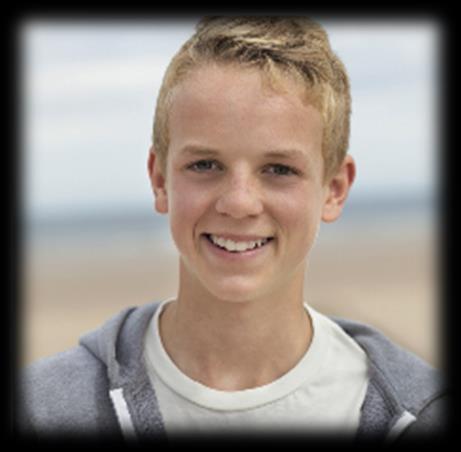
Summer activities
Hi! My name is David. Let me tell you about my plans for the next summer holidays. I had a very busy school year with a lot of extracurricular activities, so I am dying to have some time off with my friends and family! In the first two weeks of July my parents are working, so I am going to summer camp as usual. I go there every year. I love it because I already know that I am going to have a lot of fun and meet my friends I only see in the summer! We are going to spend most of the time outdoors. For instance, beach volleyball, hiking, photographing nature, traditional games by the river, camping and sitting by the fire are some of the activities prepared for us! In August I am going abroad with my parents and my sister Julie. This year, our destination is going to be Madeira Island, Portugal. I can’t wait for all these adventures to come!
1. Say if the sentences are True or False.
a) David has no different plans for this summer.
b) He had a busy school year.
c) David is going to summer camp for the first time.
d) He does a lot of fun activities there.
e) They spend most of the time outdoors.
f) In August David is going to stay at home with his parents and his sister Julie.
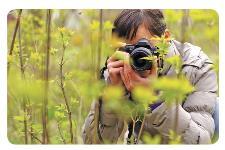
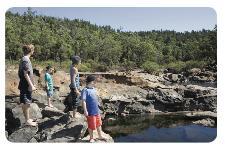
2. Write the names of some of the activities David mentions in the text.

TEACHER’S FILE LEARNING AND INCLUSIVE EDUCATION © Areal Editores 1
a)
b)
c)
d)
WORKSHEET 1 About Summer Holidays
UNIT 1

My holidays
Student A: Let’s talk about holidays! Do you prefer going to the beach or to the mountain?
Student B: I prefer going to the beach, of course.
Student A: What do you enjoy doing on your holidays?
Student B: I like sunbathing, swimming in the sea and playing beach volley.
Student A: Who do you usually go on holiday with?
Student B: I usually go with my parents and my sister.
Student A: Where did you go on holiday last summer?
Student B: I went toTenerife.
Student A: Did you enjoy it? Why?
Student B: Yes, it was amazing! The weather was great, the sea water was not very cold, and the food was delicious!
SPOKEN INTERACTION EXAMPLE
Planning a holiday abroad
Imagine you are travelling with a friend to an amazing destination next weekend.
Organise the trip: Where? How? What?
Use some of the vocabulary in the box.
Be prepared to talk about your trip.
Top vocabulary

• airport
• luggage
• campsite
• go shopping
• go to the beach
• guided tour
• map
• passport
• tickets
• visit museums and art galleries
Top Teen 8 UNIT 1 © AREAL EDITORES –Top Teen 8 –Cód. 89859
Spoken
SPEAKING CARD
Interaction 12
What IS a rubric?
A rubric is an assessment tool! It clearly indicates achievement criteria across all the components of students’ work: from written to oral to visual.
Autoria: Ilídia Castro
Through a rubric, students gain immediate feedback about their three main skills: listening, writing and speaking.
They gain new ideas for future performances in class, confidence about the ideas they have introduced, and experience in assessing listening, speaking and writing tasks.

Distributing a rubric with the assignment so that students know which criteria they need to fulfill, is an effective way to help them achieve their best.
Developing rubrics interactively with your students!
You can enhance students’ learning experience by involving them in the rubric development process. Either as a class or in small groups, students may decide upon criteria for grading the assignment.

This activity not only results in a greater learning experience, but it also enables students to feel a greater sense of ownership and inclusion in the decision-making process.
According to Suskie (2009, p.139) rubrics:
● Help clarify vague, fuzzy goals
● Help students understand teacher’s expectations
● Help students self-improve (…)
● Inspire better student performance. (…)
● Improve feedback to students. (…)
TEACHER’S FILE PROJETO MAIA © Areal Editores 1
1 2
SPEAKING WELL ASSESSMENT RUBRIC – ORAL PRESENTATION
Skill Sets Accomplished (Exceeds standards) (N4)
Content (20%)
Organization (10%)
– Purpose is clear, specific and fully developed.
– Extensive depth and accuracy of topic.
– Message is consistent.
– Clearly identified main points.
– Both introduction and conclusion are effective and engaging.
– Smooth transitions between points.
Support (20%)
Language (20%)
– Sources are of strong quality.
– All citations are complete.
– Effective use of both points above and supplementary materials.
– Language is appropriate.
– Word choice is consistently inclusive throughout the presentation.
– Demonstrates isolated or no grammatical errors.
% Competent (Meets standards) (N3)
20 – Purpose is clear, but somewhat simplistic.
– Adequate depth and accuracy of topic.
– Message is somewhat consistent.
10
– Main points are clear but could be stronger.
– Adequate introduction and conclusion.
– Speaker uses transitions inconsistently.
20 – Sources are of adequate quality.
– Most citations are complete.
– Adequate use of both points above and supplementary materials.
20 – Word choice is somewhat appropriate for the audience.
– Word choice is somewhat inclusive throughout the presentation.
– Demonstrates occasional grammatical errors.
5
15
% Developing (Does not meet standards) (N2 / *N1)
– Purpose is implied, not explicitly stated.
– Insufficient depth and accuracy of topic.
* – Limited effort is made to make the message consistent.
– Main points are hard to identify.
– Brief or absent introduction, redundant or abrupt conclusion.
*
–Transitions may be missing.
15 – Overall, sources are of poor quality.
– Citations are incomplete.
* – Limited or poor use of both points above and supplementary materials (visual aids, handouts, …)
15 – Language is not appropriate for the audience.
– Limited effort is made to make word choice inclusive throughout the presentation.
* – Demonstrates many grammatical errors.
%
10
*5
3 *1
10
*5
10
*5
Vocal Delivery (15%)
– Easy to hear and understand.
– Varies pitch and rate to make message engaging.
– Isolated or no fillers.
Physical Delivery (15%)
– Eye contact and facial expressions are effective and engaging.
– Effective posture and gestures throughout presentation.
– Effective use of available space.
15 – Can adequately be heard and understood.
– Somewhat varies pitch and rate.
– Occasional use of fillers.
15 – Occasional eye contact and some engaging facial expressions.
– Adequate posture and gestures throughout the presentation.
– Adequate use of available space.
10 – Difficult to hear and understand.
– Frequent use of fillers (“um,” “like,” “you know”)
* – Little variation in pitch and rate.
10 – Limited or problematic eye contact or facial expressions.
– Speaker demonstrates poor posture and gestures throughout presentation.
* – Poor use of available space.
5
*2
5
*2
FILE PROJETO MAIA © Areal Editores 2
TEACHER’S
ASSESSMENT RUBRIC – SPEAKING
Task resolution (25%)
Fluency (25%)
– The presentation includes all the required information.
– Completes task by elaborating on theme, with high level of detail and creativity.
– Thoughts expressed completely with few pauses or hesitation.
25 – The presentation includes almost all the required information.
– Completes task appropriately.
25 – Some hesitation, but manages to continue and complete thoughts.
20 – The presentation lacks important information or response is too basic.
* –The presentation is poor.
20 – Choppy and / or slow speech with frequent pauses.
* – Most thoughts are incomplete.
Pronunciation (15%)
– Sounds natural.
15 – Sounds somewhat natural.
Vocabulary (20%)
Grammar (15%)
Command of the language (25%)
Vocabulary (25%)
– Rich and varied use of vocabulary.
20 – Vocabulary conveys appropriate meaning most of the time; appropriate for the level.
10 – Intonation that may interfere with communication.
* – Some problems with pronunciation.
15 – Vocabulary does not convey meaning some of the time.
* – Too basic for level.
10 *5
10 *5
5 *2
10 *5
– Grammar is consistently accurate and appropriate for the level.
15 – Grammar is mostly accurate and appropriate for the level.
10 – Grammar is sometimes inaccurate.
* – Not appropriate for the level. 5 *2
– Language is mostly accurate and very effective.
25 – Language is most accurate in basic structures and effective.
20 – Language is limited and contains errors.
* – Language is not clear nor precise.
10 *5
– Vocabulary is varied and appropriate for the task.
– Use of idiomatic expressions.
25 – Vocabulary is appropriate for the task but partially varied.
20 – Vocabulary is sometimes appropriate for the task.
* – Basic vocabulary / mother tongue is used.
10 *5
PROJETO MAIA © Areal Editores 3
TEACHER’S FILE
% Competent
Developing
Skill Sets Accomplished (Exceeds standards) (N4)
(Meets standards) (N3) %
(Does not meet standards) (N2 / *N1) %
TEACHER’S
ASSESSMENT RUBRIC – ORAL INTERACTION
Skill Sets Accomplished (Exceeds standards) (N4)
Pronunciation and Intonation (15%)
– Pronunciation and intonation are easy to understand and help to convey meaning.
% Competent (Meets standards) (N3)
15 – Pronunciation and intonation are influenced by other languages, but mispronunciations do not interfere with communication.
Grammar (15%)
Interaction (20%)
– Minor errors in complex grammatical structures do not interfere with communication.
– Clearly understood topic in-depth and presented information forcefully and convincingly.
– Continuous use of gestures, eye contact, tone of voice, level of enthusiasm and language in a way that they catch the audience attention.
Voice (20%)
Duration (20%)
– Always speaks loudly, slowly and clearly; has two distinct voices.
– Correct pronunciation; explains unfamiliar words.
15 – Some basic grammatical structures are used with attempts to improve.
– Errors are occasional but sometimes interfere with communication.
20 – Understood topic in-depth.
– Frequent use of gestures, eye contact, tone of voice, level of enthusiasm and language in a way that they catch the audience attention.
20 – Speaks too softly or too rapidly.
– Mumbles and has one distinct voice.
– Incorrect pronunciation; does not know what unfamiliar words mean.
% Developing (Does not meet standards) (N2 / *N1)
10 – Pronunciation and intonation are influenced by other languages.
* – Mispronunciations interfere with communication.
10 – Basic grammar structures are used.
* – Contains errors in basic structures.
15 – Unclear about debate topic.
* – The language used doesn’t catch the audience attention.
15 – May speak too softly or too rapidly.
– Mumbles occasionally and has one distinct voice.
* – Incorrect pronunciation of some words and does not explain unfamiliar words.
%
5 *2
5 *2
10 *5
– Story lasts 5 to 7 minutes.
20 – Story lasts fewer than 5 or more than 7 minutes.
15 – Story lasts fewer than 3 or more than 9 minutes.
* – Couldn´t tell the story
10 *5
10 *5
© Areal Editores 4
FILE PROJETO MAIA
SPEAKING ASSESSMENT RUBRIC – STORYTELLER
Audience
Contact (30%)
Appropriate
Content (30%)
Focus (25%)
– Storyteller looks at all the audience; involves them with questions; an interesting narrative that holds the reader’s attention.
30 – Storyteller looks at a few people in the audience; involves only a few with questions; an interesting narrative that holds the reader’s attention.
Organization (25%)
– Story is rather appropriate for audience; appropriate content written for a specific grade level audience.
– Strong and engaging central idea, coherent and logical details that support the controlling theme.
– Demonstrates both thoughtful analysis and original ideas.
– Essay provides an exemplary introduction, relevant and unified body paragraphs, appropriate transitions that create a unified flow to the paper, and a satisfying conclusion.
30 – Part of the story is appropriate for audience; appropriate content not written for a specific grade level audience.
25 – Solid central theme with some supportive details and fluidity; includes some critical thought but could include further expansion.
20 – Story told to only one to two people in the audience.
– Little audience involvement.
* – An uninteresting narrative that does not hold the reader’s attention.
20 – Appropriate content was not written for a specific grade level audience.
– Story is inappropriate for audience.
20 – Little focus or argument.
* – General lack of understanding of the topic.
10
Structure, Grammar and Mechanics (25%)
– Offers readers compelling sentences and paragraphs without grammatical, punctuation or spelling errors.
25 – Essay exhibits a satisfying introduction and conclusion, body paragraphs that offer some supportive features, and adequate transitions that bring the story together.
25 – Shows sentence variety, but with some grammatical, punctuation and spelling errors.
20 – Essay exhibits a short introduction and conclusion.
* – The body paragraphs offer poor supportive features.
* – Transitions don’t bring the story together.
20 – Exhibits some knowledge of sentence structure.
* – Many grammatical, punctuation and spelling errors.
*5
10
*5
10 *5
10
*5
10
*5
FILE PROJETO MAIA © Areal Editores 5
TEACHER’S
Skill Sets Accomplished (Exceeds standards) (N4) % Competent (Meets standards) (N3) % Developing (Does not meet standards) (N2 / *N1) %
WRITING ASSESSMENT RUBRIC – NARRATING
Skill Sets Accomplished (Exceeds standards) (N4)
% Competent (Meets standards) (N3)
% Developing (Does not meet standards) (N2 / *N1)
% Style (25%)
– Strong imagery (colour, smell, etc.), excellent word choice and vocabulary, good use of dialogue, author is very expressive with approaches and thoughts.
25 – Strong imagery (colour, smell, vision, touch, etc.), good word choice and vocabulary, good use of dialogue, author is expressive with approaches and thoughts.
Content/Ideas and organization (50%)
– Interesting and precise sentences and paragraphs tell a descriptive story with metaphor.
– Provides an effective introductory statement, good sequence of ideas and conclusion.
– Text fully focused and contains a wealth of ideas and examples.
50 – Well-focused sentences and logical paragraphs that help readers see what is being described.
– Provides an acceptable introductory statement, sequence of ideas and a conclusion.
– The text is sufficiently focused, but lacks details.
20 – Lack of imagery, poor word choice and vocabulary, dialogue misused or absent.
* – author’s voice is unexpressive or unclear.
25 – Some hints or no evidence at all of logical and organized ideas that help readers see what has been described.
– Provides an incomplete and sometimes limited introductory statement, as well as the sequence of ideas. Conclusion often forgotten.
* – The examples are vague and the description creates a weak picture.
* – Sometimes the ideas are unclear, irrelevant or repetitive.
10
*5
15
*10
Vocabulary/Word choice (25%)
Structure, Grammar and Mechanics (25%)
– Captures the attention by making people, places and things come alive with sensory details.
Comparisons and strong adjectives.
– Offers readers compelling sentences and paragraphs without grammatical, punctuation or spelling errors.
25 – Uses well-crafted sensory images and appropriate adjectives to describe.
25 – Shows sentence variety, but with some grammatical, punctuation and spelling errors.
20 – Comes up only with some sensory words and adjectives.
* – Lack of comparatives or adjectives.
20 – Exhibits some knowledge of sentence structure.
* – Many grammatical, punctuation and spelling errors.
15 *5
15 *5
© Areal Editores 6
TEACHER’S FILE PROJETO MAIA
WRITING ASSESSMENT RUBRIC – ESSAY
Skill Sets Accomplished (Exceeds standards) (N4)
Ideas (20%)
Organization (20%)
– Displays originality and depth of thought.
– Expresses ideas clearly and gracefully.
Sentences (20%)
– Shows competence in essay organization. Paragraphs are linked smoothly with proper transitions.
% Competent (Meets standards) (N3)
20 – Displays clear thinking and intelligible ideas.
– Sometimes conveys simplistic ideas.
– Some lack of vocabulary hinders clarity of expression.
20 – Shows attempt to organise an essay and limited ability to organise individual paragraphs.
– Paragraphs are simplistic underdeveloped and repetitious.
% Developing (Does not meet standards) (N2 / *N1)
15 – Reveals confusion or takes an extremely simplistic approach to the prompt.
* – Demonstrates confusion or inability to comprehend the prompt.
%
10
*5
Mechanics (20%)
– Uses varied sentence patterns with only occasional errors in structure. (Errors appear due to carelessness or to mishandling of such features as colons or semicolons.)
20 – Uses basically the same sentence patterns throughout the essay with some errors in structure. (Errors appear due to inability to write compound or complex sentences.)
15 – Shows inability to organise an essay. Paragraphs are not carefully and logically developed. Transitions are missing or inappropriate and relationships between ideas are sometimes illogical.
* – Transitions generally lacking.
15 – Uses simple sentences excessively. Contains frequent errors in structure. (Errors appear due to confusion with boundaries.)
* – May contain many run-ons and fragments. (Errors appear due to some inability to write simple sentences.)
10
– Contains only occasional punctuation, capitalization spelling, usage and ESL (English Second Language) errors.
20 – Contains many common punctuation, capitalization spelling, usage and ESL errors, though the errors are not frequent enough to be distracting.
15 – Contains serious punctuation, capitalization spelling, usage errors.
* – ESL errors which interfere with meaning and communication.
*5
10
*5
10 *5
Vocabulary/ Grammar (20%)
– Shows a splendid vocabulary range and good command of the language.
20 – Shows a good vocabulary range and good command of the language.
15 – Sometimes syntax is so illogical that makes the text nearly incomprehensible.
* – Syntax is so illogical that makes the text incomprehensible.
10
*5
© Areal Editores 7
TEACHER’S FILE PROJETO MAIA
LISTENING/COMPREHENSION ASSESSMENT RUBRIC
Sets
Comprehension (30%)
Listening attitude (20%)
(Exceeds standards) (N4)
– The student understands the text and can accurately answer a quiz/test/exercise…
Competent (Meets standards) (N3)
30 – The student understands some parts of the text and can accurately answer 50% to 65% of a quiz/test/exercise…
– The student listens quietly, does not interrupt and stays in the assigned seat without distracting others or fidgeting.
20 – The student listens quietly and does not interrupt. Moves a couple of times, but does not interrupt.
Developing (Does not meet standards) (N2 / *N1)
20 – The student has difficulty understanding or remembering most parts of the text.
– The student doesn’t understand the text.
15 – The student interrupts often, by whispering, making comments or noises that are distracting.
– The student moves around in distracting ways.
15 *5
10 *5
Participates willingly (30%)
Summarizes what the speaker is saying (20%)
– The student routinely volunteers, answers to questions and willingly tries to answer.
30 – The student volunteers once or twice and willingly tries to answer questions.
– The student is able to summarize sentences by stating main ideas 80% of the time. Takes notes if this is helpful.
20 – The student is able to summarize a few sentences by stating main ideas if prompted by the teacher.
20 – The student does not willingly participate.
– The student refuses to participate.
15 – The student is unable to state main ideas.
– The student doesn’t state the main ideas.
10 *5
10 *5
PROJETO MAIA © Areal Editores 8
TEACHER’S FILE
Skill
%
Accomplished
%
%
TEACHER’S FILE PROJETO MAIA © Areal Editores 9 Skill Sets Content Organization Support Language Vocal Delivery Physical Delivery Total 100% Level N4 N3 N2 N1 N4 N3 N2 N1 N4 N3 N2 N1 N4 N3 N2 N1 N4 N3 N2 N1 N4 N3 N2 N1 NAME / % 20 15 10 5 0 10 5 3 1 0 20 15 10 5 0 20 15 10 5 0 15 10 5 2 0 15 10 5 2 0 1 2 3 4 5 6 7 8 9 10 11 12 13 14 15 16 17 18 19 20 21 22 23 24 25 26 27 28 29 30 SPEAKING WELL ASSESSMENT RUBRIC – ORAL PRESENTATION
TEACHER’S FILE PROJETO MAIA © Areal Editores 10 ASSESSMENT RUBRIC – SPEAKING Skill Sets Task resolution Fluency Pronunciation Vocabulary Grammar Total 100% Level N4 N3 N2 N1 N4 N3 N2 N1 N4 N3 N2 N1 N4 N3 N2 N1 N4 N3 N2 N1 NAME / % 25 20 10 5 0 25 20 10 5 0 15 10 5 2 0 20 15 10 5 0 15 10 5 2 0 1 2 3 4 5 6 7 8 9 10 11 12 13 14 15 16 17 18 19 20 21 22 23 24 25 26 27 28 29 30
TEACHER’S FILE PROJETO MAIA © Areal Editores 11 Skill Sets Command of the language Vocabulary Pronunciation and Intonation Grammar Interaction Total 100% Level N4 N3 N2 N1 N4 N3 N2 N1 N4 N3 N2 N1 N4 N3 N2 N1 N4 N3 N2 N1 NAME / % 25 20 10 5 0 25 20 10 5 0 15 10 5 2 0 15 10 5 2 0 20 15 10 5 0 1 2 3 4 5 6 7 8 9 10 11 12 13 14 15 16 17 18 19 20 21 22 23 24 25 26 27 28 29 30 ASSESSMENT RUBRIC – ORAL INTERACTION
TEACHER’S FILE PROJETO MAIA © Areal Editores 12 Skill Sets Voice Duration Audience contact Appropriate content Total 100% Level N4 N3 N2 N1 N4 N3 N2 N1 N4 N3 N2 N1 N4 N3 N2 N1 NAME / % 20 15 10 5 0 20 15 10 5 0 30 20 10 5 0 30 20 10 5 0 1 2 3 4 5 6 7 8 9 10 11 12 13 14 15 16 17 18 19 20 21 22 23 24 25 26 27 28 29 30 ASSESSMENT RUBRIC – STORYTELLER
TEACHER’S FILE PROJETO MAIA © Areal Editores 13 Skill Sets Focus Organization Structure, grammar and mechanics Style Total 100% Level N4 N3 N2 N1 N4 N3 N2 N1 N4 N3 N2 N1 N4 N3 N2 N1 NAME / % 25 20 10 5 0 25 20 10 5 0 25 20 10 5 0 25 20 10 5 0 1 2 3 4 5 6 7 8 9 10 11 12 13 14 15 16 17 18 19 20 21 22 23 24 25 26 27 28 29 30 WRITING ASSESSMENT RUBRIC – NARRATING
TEACHER’S FILE PROJETO MAIA © Areal Editores 14 Skill Sets Contents/Ideas and Organization Vocabulary and word choice Structure, grammar and mechanics Total 100% Level N4 N3 N2 N1 N4 N3 N2 N1 N4 N3 N2 N1 NAME / % 50 25 15 10 0 25 20 15 5 0 25 20 15 5 0 1 2 3 4 5 6 7 8 9 10 11 12 13 14 15 16 17 18 19 20 21 22 23 24 25 26 27 28 29 30 WRITING ASSESSMENT RUBRIC – DESCRIBING
TEACHER’S FILE PROJETO MAIA © Areal Editores 15 Skill Sets Ideas Organization Sentences Mechanics Vocabulary/Grammar
100% Level N4 N3 N2 N1 N4 N3 N2 N1 N4 N3 N2 N1 N4 N3 N2 N1 N4 N3 N2 N1 NAME / % 20 15 10 5 0 20 15 10 5 0 20 15 10 5 0 20 15 10 5 0 20 15 10 5 0 1 2 3 4 5 6 7 8 9 10 11 12 13 14 15 16 17 18 19 20 21 22 23 24 25 26 27 28 29 30 WRITING ASSESSMENT RUBRIC – ESSAY
Total
TEACHER’S FILE PROJETO MAIA © Areal Editores 16 Skill Sets Comprehension Listening Attitude Participates willingly Summarise Total 100% Level N4 N3 N2 N1 N4 N3 N2 N1 N4 N3 N2 N1 N4 N3 N2 N1 NAME / % 30 20 15 5 0 20 15 10 5 0 30 20 10 5 0 20 15 10 5 0 1 2 3 4 5 6 7 8 9 10 11 12 13 14 15 16 17 18 19 20 21 22 23 24 25 26 27 28 29 30 LISTENING/COMPREHENSION ASSESSMENT RUBRIC

ESL Lesson Plan - Spare Time Activities and Hobbies
Audience: 8th grade students who are studying English as a second language.
Duration: 45 minutes
Learning Objectives:
1. Identify and describe different spare time activities and hobbies.
2. Improve reading comprehension skills through a guided reading activity.
3. Enhance writing skills by describing personal spare time activities.
4. Engage in speaking activities to discuss spare time activities with peers.
5. Utilize digital tools effectively to showcase spare time activities.
Opening Assessment (5 minutes):
● Begin the lesson by asking students to share their favorite spare time activities or hobbies.
● Create a digital word cloud with student responses using a digital tool like Mentimeter or word cloud generators.
Lesson Plan (30 minutes):
1. Introduction and Vocabulary (7 minutes):
● Introduce the topic of spare time activities and hobbies, emphasizing the importance of interests and relaxation.
● Present a list of vocabulary words related to spare time activities and hobbies using a digital whiteboard or a vocabulary learning tool.
● Pronounce and model the correct pronunciation of each word, encouraging students to repeat after you.
● Use visual aids and gestures to help students understand the meaning of the words.
2. Guided Reading and Comprehension Activity (10 minutes):
● Provide a short reading passage about spare time activities and hobbies.
● Share the reading passage digitally with the class using a learning management system (LMS) or file-sharing platform.
● Instruct students to read the passage individually or in pairs.
to Transform General Education Materials into Inclusive Education Materials”
“How
● After reading, ask comprehension questions related to the text to check understanding.
● Encourage students to refer back to the text to support their answers.
3. Writing Activity (8 minutes):
● Instruct students to write a paragraph in their digital notebooks or word processing application describing their favorite spare time activity or hobby.
● Remind them to use the vocabulary words introduced earlier and provide a clear description of the activity.
● Encourage students to be creative and express their personal experiences and preferences.
4. Speaking Activity (5 minutes):
● Pair students up using a random selection tool or by assigning partners.
● Instruct students to take turns discussing their favorite spare time activities or hobbies with their partners.
● Encourage them to ask follow-up questions and engage in a meaningful conversation.
● Monitor and provide support as necessary.
Strategies for Inclusive Education:
● ADHD Students:
● Provide visual schedules or timetables to help students with ADHD understand the learning sequence.
● Use timers to help students manage their time and stay focused during different activities.
● Incorporate movement breaks or kinesthetic learning strategies to engage students with ADHD.
● Students with Learning Difficulties:
● Provide simplified reading materials or alternative texts with similar content.
● Offer graphic organizers or visual aids to support comprehension and organization.
● Provide extra time or scaffolding for writing tasks.
Exit Ticket (5 minutes):
to Transform General Education Materials into Inclusive Education Materials”
“How
“How
Conclude the lesson with an exit ticket activity to assess students' understanding and engagement:
● Instruct students to write in their digital notebooks or share in a discussion forum one new thing they learned about spare time activities or hobbies during the lesson.
● Review the responses to gauge students' comprehension and identify any misconceptions.
to Transform General Education Materials into Inclusive Education Materials”
Spare Time Activities and Hobbies
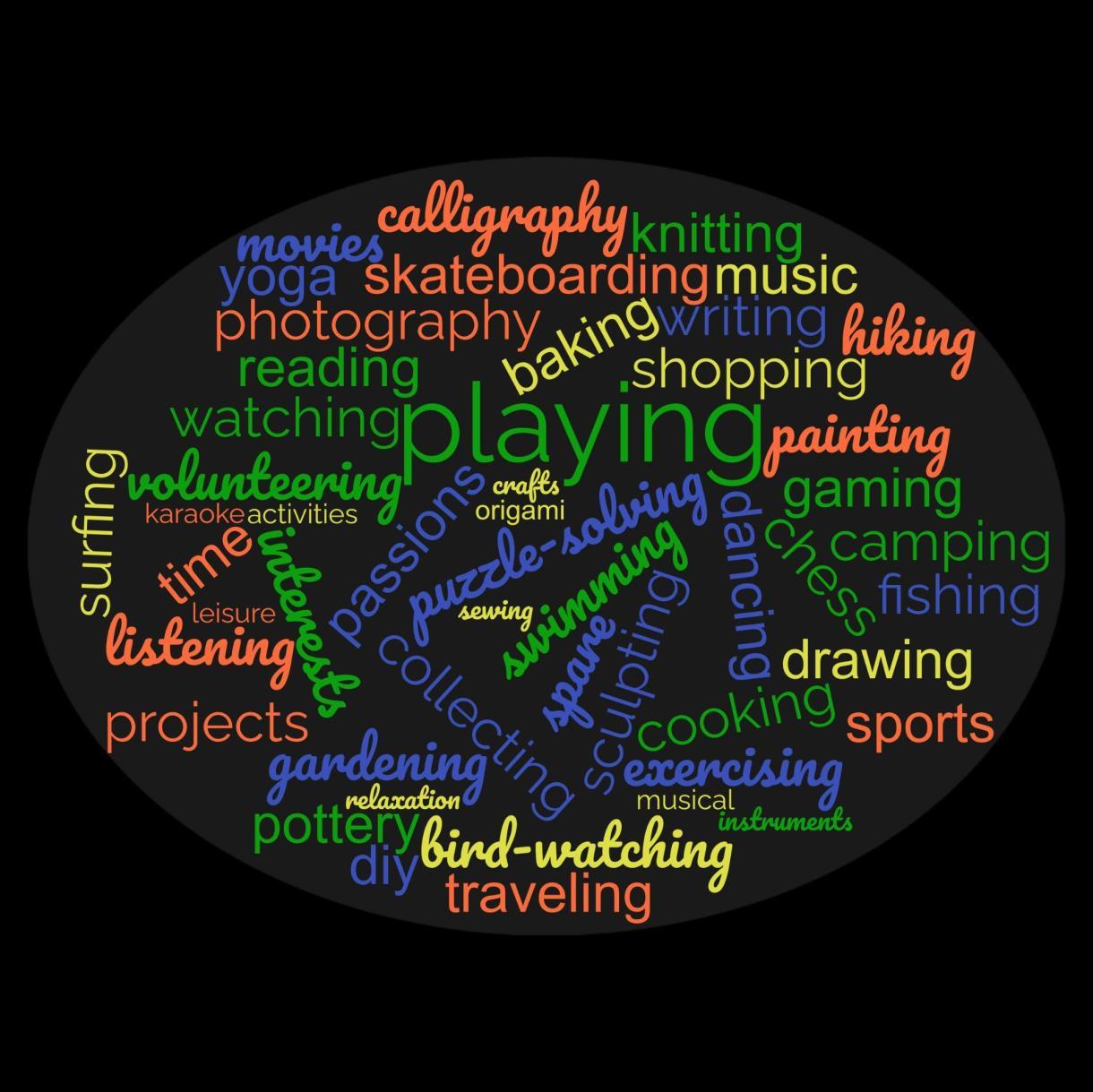
During our free time, many of us engage in various spare time activities and hobbies. These activities not only provide relaxation but also help us explore our passions and interests.
One common spare time activity is reading. Whether it's diving into a thrilling novel, exploring different genres, or gaining knowledge through non-fiction books, reading allows us to escape to different worlds and expand our horizons.
Another popular hobby is painting. With a paintbrush and a blank canvas, we can express our creativity and emotions. Painting can be a therapeutic and meditative experience, allowing us to create unique artworks that reflect our thoughts and vision.
For those who enjoy being active, playing sports is a favorite hobby. Whether it's soccer, basketball, tennis, or swimming, engaging in sports helps us stay fit, build teamwork skills, and boost our energy levels. Sports also provide an opportunity for friendly competition, camaraderie, and personal growth.
Many individuals find solace and joy in playing musical instruments. From strumming the guitar to hitting the piano keys or learning to play the drums, music brings harmony into our lives. Playing an instrument helps us express ourselves, stimulates our brain, and provides a means of personal escape.
In the digital era, we are also witnessing the rise of new spare time activities and hobbies. Gaming, both on consoles and on mobile devices, has attracted millions of enthusiasts, allowing them to explore virtual worlds, connect with others, and test their skills.
Regardless of the spare time activity or hobby one chooses, the importance lies in finding something that brings joy and fulfillment. Spare time activities and hobbies provide an avenue to relax, explore new interests, and discover hidden talents. So, whether it's reading, painting, playing sports, making music, or engaging in digital pursuits, let's treasure and enjoy these moments of leisure.
“How to Transform General Education Materials into Inclusive Education Materials”
Vocabulary
 “How to Transform General Education Materials into Inclusive Education Materials”
Lesson Plan Exploring Robotics and Coding
Learning Objectives:
● Students will develop their problem-solving skills by creating a computer program and assembling a robot.
● Students will demonstrate teamwork and collaboration by working in pairs.
● Students will enhance their understanding of coding concepts and robotics technology.
● Students will be able to explain and present their program and robot creation.
Duration: 45 minutes
Audience: 8th grade
Lesson Plan:
1. Opening Assessment (5 minutes)
● Begin the lesson by asking students to share their prior knowledge about coding and robotics.
● Use a whiteboard or annotations tool to list their responses and assess their existing understanding.
2. Introduction to Coding and Robotics (5 minutes)
● Start with a brief explanation of coding and robotics, emphasizing their reallife applications and importance in the modern world.
● Use visual aids, such as images or videos, to engage students and generate interest in the topic.
3. Creating a Computer Program (10 minutes)
● Introduce the concept of coding and its basic principles.
● Challenge students to create a computer program for a specific purpose, like designing their own computer game.
● Provide coding platforms or applications suitable for their skill level (e.g., Scratch, Code.org).
● Guide them through the process, offering assistance as needed.
4. Assembling a Robot (15 minutes)
● Introduce various robotic kits, such as Lego EV3 or Lego Spike, and explain their components and functions.
● In pairs, instruct students to follow instructions to assemble a robot using the chosen kit.
● Encourage them to take ownership of the assembly process with minimal assistance from the teacher.
● Monitor and assist students as they navigate through the assembly steps.
5. Presenting the Program and Robot (5 minutes)
to Transform General Education Materials into Inclusive Education Materials”
“How
● Allow each pair to present their computer program and demonstrate the robot's functionality.
● Provide a platform, such as a projector or screen sharing, for students to showcase their work.
● As a class, discuss the features and challenges faced during the creation process.
● Facilitate a supportive and respectful environment for sharing and feedback.
6. Formative Assessment - Exit Ticket (5 minutes)
● Use a quiz or poll tool to evaluate students' understanding of the coding and robotic concepts covered in the lesson.
● Ask questions related to coding concepts and the robot assembly process.
● Provide detailed explanations for the correct answers to reinforce learning.
Teaching Strategies:
● Encourage active participation and engagement by incorporating hands-on activities.
● Foster teamwork and collaboration by assigning students in pairs for the coding and robot assembly tasks.
● Offer guidance and support during challenging moments to ensure students' success.
● Provide opportunities for students to reflect on and share their learning experiences.
● Utilize technology tools and resources to enhance the learning process.
Strategies for Inclusive Education Students:
● Provide additional support for students with special needs by assigning a peer buddy to assist them throughout the lesson.
● Use visual aids, such as diagrams or illustrations, to supplement verbal instructions and explanations.
● Offer alternative methods of participation, such as allowing students to express their understanding through different modalities (e.g., drawing, writing, or oral communication).
● Ensure the learning environment is inclusive and accessible, accommodating students with physical disabilities or sensory impairments.
● Incorporate multisensory activities to appeal to different learning styles and engage all students in the lesson.
● Provide materials or resources that cater to diverse learning needs, such as larger font sizes, tactile materials, or audio recordings.
to Transform General Education Materials into Inclusive Education Materials”
“How
Exit Ticket Quiz
1. What is coding?
a. Programming in a foreign language
b. Giving instructions to a computer
c. Fixing bugs in software
d. Building robots
2. What is the purpose of the robot assembly activity in this lesson?
a. To have fun with Legos
b. To practice teamwork and collaboration
c. To learn about different robot components
d. To show off in front of classmates
3. What is the importance of creating a computer program?
a. To impress friends and family
b. To become a professional game developer
c. To solve problems and automate tasks
d. To waste time on the computer
4. How can you demonstrate your understanding of the program and robot creation?
a. Presenting and explaining your work
b. Taking a written test about the concepts
c. Sharing your work on social media
d. Asking the teacher for help with your program
to Transform General Education Materials into Inclusive Education Materials”
“How
Lesson Plan - Formula for Path Length in Mathematics
Duration: 45 minutes
Audience: Grade 5 students
Learning Objectives:
1. Measure the length of a road using appropriate units of measurement.
2. Analyze and compare measurement results.
3. Understand the relationship between distance, time, and speed.
4. Use a formula to calculate path length and explain its units of measurement.
5. Create a simple program to move a MeetEdison robot.
Opening Assessment (5 minutes)
● Begin by asking students to define distance, time, and speed.
● Conduct a class discussion on how these three concepts are related.
● Record their responses on the whiteboard.
Lesson Plan:
1. Introduction to Path Length and Formula (10 minutes)
● Engage students in a discussion about measuring road length and the importance of accurate measurements.
● Introduce the formula for path length: Distance = Speed x Time.
● Explain each variable in the formula and the units of measurement used (e.g., meters, kilometers, hours).
● Provide real-life examples to illustrate the application of the formula. For example: https://www.youtube.com/watch?v=zAo2dyOChYc
2. Measuring and Analyzing Road Length (15 minutes)
● Distribute a road map or a printed image of a road with distance markers.
● In small groups, students measure different sections of the road using rulers or measuring tapes and record their measurements.
● Discuss the recorded measurements as a class, highlighting similarities and differences.
to Transform General Education Materials into Inclusive Education Materials”
“How
● Askstudents to analyzethedatato findthe average,minimum, andmaximum road lengths measured.
3. Exploring the Relationship between Distance, Time, and Speed (10 minutes)
● Use the board or a digital whiteboard tool to demonstrate the relationship between distance, time, and speed using the formula.
● Provide sample scenarios involving different distances, times, and speeds.
● Ask students to calculate the missing variable in each scenario using the formula.
4. Creating a Program for a MeetEdison Robot (10 minutes)
● Introduce the MeetEdison robot and its programming capabilities.
● In pairs or small groups, students create a simple program using the provided software or online programming platform.
● The program should involve the robot moving at a certain speed for a specific time, and calculating the distance traveled using the formula.
Exit Ticket - Formative Assessment (5 minutes)
● Ask students to write a short paragraph explaining the formula for path length and its units of measurement.
● Collect and review the exit tickets to assess students' understanding of the concept.
Strategies for Inclusive Education:
● Use visual aids, such as road maps and diagrams, to enhance understanding.
● Encourage collaborative learning through group discussions and activities.
● Incorporate technology by utilizing digital whiteboards and programming platforms.
● Provide hands-on activities, such as measuring a road or programming a robot, to promote engagement and application of knowledge.
to Transform General Education Materials into Inclusive Education Materials”
“How
Lesson Plan Exploring Robotics and Coding
Learning Objectives:
● Students will develop their problem-solving skills by creating a computer program and assembling a robot.
● Students will demonstrate teamwork and collaboration by working in pairs.
● Students will enhance their understanding of coding concepts and robotics technology.
● Students will be able to explain and present their program and robot creation.
Duration: 45 minutes
Audience: 8th grade
Lesson Plan:
1. Opening Assessment (5 minutes)
● Begin the lesson by asking students to share their prior knowledge about coding and robotics.
● Use a whiteboard or annotations tool to list their responses and assess their existing understanding.
2. Introduction to Coding and Robotics (5 minutes)
● Start with a brief explanation of coding and robotics, emphasizing their reallife applications and importance in the modern world.
● Use visual aids, such as images or videos, to engage students and generate interest in the topic.
3. Creating a Computer Program (10 minutes)
● Introduce the concept of coding and its basic principles.
● Challenge students to create a computer program for a specific purpose, like designing their own computer game.
● Provide coding platforms or applications suitable for their skill level (e.g., Scratch, Code.org).
● Guide them through the process, offering assistance as needed.
4. Assembling a Robot (15 minutes)
● Introduce various robotic kits, such as Lego EV3 or Lego Spike, and explain their components and functions.
● In pairs, instruct students to follow instructions to assemble a robot using the chosen kit.
● Encourage them to take ownership of the assembly process with minimal assistance from the teacher.
● Monitor and assist students as they navigate through the assembly steps.
5. Presenting the Program and Robot (5 minutes)
to Transform General Education Materials into Inclusive Education Materials”
“How
“How
● Allow each pair to present their computer program and demonstrate the robot's functionality.
● Provide a platform, such as a projector or screen sharing, for students to showcase their work.
● As a class, discuss the features and challenges faced during the creation process.
● Facilitate a supportive and respectful environment for sharing and feedback.
6. Formative Assessment - Exit Ticket (5 minutes)
● Use a quiz or poll tool to evaluate students' understanding of the coding and robotic concepts covered in the lesson.
● Ask questions related to coding concepts and the robot assembly process.
● Provide detailed explanations for the correct answers to reinforce learning.
Teaching Strategies:
● Encourage active participation and engagement by incorporating hands-on activities.
● Foster teamwork and collaboration by assigning students in pairs for the coding and robot assembly tasks.
● Offer guidance and support during challenging moments to ensure students' success.
● Provide opportunities for students to reflect on and share their learning experiences.
● Utilize technology tools and resources to enhance the learning process.
Strategies for Inclusive Education Students:
● Provide additional support for students with special needs by assigning a peer buddy to assist them throughout the lesson.
● Use visual aids, such as diagrams or illustrations, to supplement verbal instructions and explanations
● Offer alternative methods of participation, such as allowing students to express their understanding through different modalities (e.g., drawing, writing, or oral communication).
● Ensure the learning environment is inclusive and accessible, accommodating students with physical disabilities or sensory impairments.
● Incorporate multisensory activities to appeal to different learning styles and engage all students in the lesson.
● Provide materials or resources that cater to diverse learning needs, such as larger font sizes, tactile materials, or audio recordings.
to Transform General Education Materials into Inclusive Education Materials”
Exit Ticket Quiz
1. What is coding?
a. Programming in a foreign language
b. Giving instructions to a computer
c. Fixing bugs in software
d. Building robots
2. What is the purpose of the robot assembly activity in this lesson?
a. To have fun with Legos
b. To practice teamwork and collaboration
c. To learn about different robot components
d. To show off in front of classmates
3. What is the importance of creating a computer program?
a. To impress friends and family
b. To become a professional game developer
c. To solve problems and automate tasks
d. To waste time on the computer
4. How can you demonstrate your understanding of the program and robot creation?
a. Presenting and explaining your work
b. Taking a written test about the concepts
c. Sharing your work on social media
d. Asking the teacher for help with your program
to Transform General Education Materials into Inclusive Education Materials”
“How
“How to Transform General Education Materials into Inclusive Education Materials”
Natural Science Lesson Plan - Volcanoes
Audience: 4th grade
Duration: 2x45min
Objective:
● the student will understand why volcanoes form;
● what are the consequences of volcanoes;
● student searches for information about volcanoes;
● the student will gain an understanding of the principle of augmented reality.
Teacher preparation and tools:
● Group formation: https://www.randomlists.com/team-generator
● Tablets with Quiver application.
● Printed pictures of volcanoes: http://www.quivervision.com/wpcontent/uploads/2016/03/Q_Education_Volcano_page.pdf
● Video about the volcano: https://www.youtube.com/watch?v=WgktM2luLok
● Video about volcano construction:
https://www.youtube.com/watch?v=BAR3P3Fshok + QR code from the video.
● Padlet: https://padlet.com/lytorn/4vulkaanid
Lesson plan:
1. Introduction (11 min):
● Demonstration and interest: teacher shows students a video about volcanoes.
● Discussion based on what has been shown:
What is depicted in the video?
What are the possible consequences of volcanoes? etc.
● KWL method: Teacher gives students a paper with 3 boxes: know, want to know, learned. Students fill in the first two.
● Team making: The teacher demonstrates how the students in the class are divided into groups through the team building application.
2. Learning:
● Group work (12 min): Students work in a group. The teacher gives each group a tablet to use. The teacher then shows the QR code to the students and the students
have to open it and watch the video. The students then search for information about volcanoes and each group adds their notes to the Padlet web board.
● Presenting the results (10 min): The teacher displays the whiteboard on the wall and together they review the notes they have found to explain the topic of volcanoes to the students.
● KWL action (10 min): Students continue to fill in their cells and write their notes in the third cell, i.e. what theyfound out. Each pupil gets the opportunityto tell the class one thought about what they learned.
● Discussion (5 min): The teacher shows the students the Quiver application and asks them what it is and what it can be used for.
● Independent work (15 min): The teacher gives each student a picture of a volcano to colour in and explains that during the colouring in time, each student should think about how the student can introduce him/herself through the picture.
3. Reflection (20 min):
Students are asked to describe themselves through the coloured picture. Each pupil comes to the teacher's desk with his/her work, where a tablet is connected to a projector on the wall so that images from the Quiver environment can be displayed on the wall. Each pupil then introduces him/herself through a volcano (location, serial features, choice of colours, etc.)
4. Summary of the lesson (7 min):
Insert method: The students have to write down the answers to these questions on a piece of paper:
1. What did you already know?
2. What did you know the opposite of?
3. What was new for you?
4. What did you have doubts about, or what would you like to know more about?
Inclusive Education Considerations:
● Individualize instructions, materials, and supports based on the unique needs of each inclusive education student.
● Provide visual aids, simplified instructions, adapted materials, or assistive technology as necessary.
● Encourage peer collaboration and support, fostering an inclusive and supportive learning environment.
to Transform General Education Materials into Inclusive Education Materials”
“How
“How to Transform General Education Materials into Inclusive Education Materials”
● Offer flexibility in participation methods, allowing for alternative communication modes or expression options.
● Provide additional time, breaks, or any other accommodations required by the inclusive education students.
COUNTRY: Italy
STUDENT AGE/LEVEL: 9/10
TITLE OF LESSON: Skeletal system
LENGTH OF LESSON: 2 weeks.
LEARNING OBJECTIVES:

TEACHER: Pitino- Mezzasalma-Zelante-Amato-sabina
SUBJECT: Sciences
1. he students will learn how many bones are in the body.
● The students will be able to identify the name and location of major bones in the body.
● The students will be able to describe how our bones protect our body.
● The students will be able to explain how bone growth occurs.
● The students will be able to name ways to keep our bones safe and healthy. bone care and proper nutrition;
LEARNING OUTCOMES:
Students will:
1. Identify and learn about the major bones that make up the human skeletal system.
2. Assemble a skeleton using an interactive simulation, and discover how the bones connect.
3. Review case studies and identify the bones asked about in the studies.
KEY COMPETENCES DEVELOPMENT:
Scientific Expertise
Social and civic competence
Learning how to learn PREREQUISITES (ASSUMPTIONS ABOUT THE STUDENTS’ SKILLS, KNOWLEDGE AND EXPERIENCE FOR THE LESSON).
Prerequisites
Students should already be familiar with
● the main body systems,
● cells,
● basic body parts.
PRE-LESSON PREPARATION
“How to Transform General Education Materials into Inclusive Education Materials” Inclusive Education and Distance Learning in Digital Era 1 2020-1-BG01-KA229-079264
Preparation:
This lesson plan features the simulation Build-a-Body: Skeletal System developed by our partner, Spongelab Interactive. This playful interactive challenges students to assemble a skeleton by dragging and dropping bones to the correct part of the human body. The interactive also challenges students to case studies in which they answer questions about the skeletal system by identifying the relevant bone.
Preview and play Build-a-Body: Skeletal System to plan how you will adapt it to your students’ needs. Review tips on Setting Cooperative Gaming Expectations.
For more information about using interactive simulations effectively in the classroom, review our Educator’s Guide to Teaching with Digital Interactive Models and Teaching Strategies for Interactive Simulations.
Build background knowledge or reinforce topics with these BrainPOP movies: Skeleton, Vertebrates, Teeth, Broken Bones, Scoliosis, Joints
LESSON DESCRIPTION AND DETAILED PLAN OF THE ACTIVITIES (steps, instructional techniques and methods).
Lesson Procedure:
1. Prompt students to share what they know about the human skeleton, such as the names of the major bones and which bone is connected to which bone.
2. After everyone shares their ideas, play the BrainPOP movie Skeleton on the whiteboard or other display.
3. Project the Build-a-Body: Skeletal System interactive on the whiteboard. Explain that that today they will explore and assemble a human skeleton. After, they will review case studies in which they answer questions by identifying the correct bone.
4. Read, or invite a volunteer to read, the information about the skeletal system on the left side of the screen. Then choose, but do NOT click, one of the bones listed in the the tray on the right. Now challenge pairs to come up with a definition for that bone and write it on paper or a small dry erase board. On your signal, instruct each pair to hold up their definitions.
5. Now click the bone and read the definition that displays on the left side of the screen. Compare the definition to each pair’s definition and award points based on the accuracy of their definitions (e.g., 3 points for a correct and highly detailed definition, 2 points for a correct definition that may be less detailed; 1 point for a partially correct definition, and 0 for an incorrect definition). For more in-depth game play, display all the responses in the front of the room and have the class analyze them together. They can rank the responses in the same way and a volunteer can keep track of each team’s points on the board
6. After analyzing answers, have pairs work at their own computers or devices to click the bone and drag it to the correct position on the screen.
7. Model how they can use the arrows to the left of the illustration to move up and down and the plus/minus to zoom in and out.
8. Repeat the process of defining, comparing definitions, ranking, and dragging/dropping for each bone until the skeleton is assembled.
9. After pairs assemble their skeletal systems, challenge them to solve the case studies. Model the first one by clicking the Case Studies link on the top right side of the screen. Select the first case study and read, or have a volunteer read, the case study that displays on the left side. Then show them how to answer the question the case study presents by clicking the correct bone.
10. Have partners complete the other case studies. Encourage them to discuss each case, and consider what they know, before clicking a bone. Circulate as students work, listening in on their discussions and strategies, providing support as needed.
“How to Transform General Education Materials into Inclusive Education Materials” Inclusive Education and Distance Learning in Digital Era 2 2020-1-BG01-KA229-079264
FORMATIVE ASSESSMENT (assessing students at the activity level is rarely summative assessment)
Closure:
Meet as a group to discuss the website. “Who made it to the end?” “How many bones did you find and label?” “What did you learn about these bones?” “What is the purpose of the skeletal system and the bones you have labeled?”
Collect the post it notes and print the photographs to be used as a bulletin board display.
Adaptations for differentiated learning:
Allow students extended time to complete the website and labeling
The teacher should help with pairing students together. Students who will likely require help/support can be placed with a student who is likely to assist.
Evaluation:
The teacher will be an active participant in the classroom throughout this activity. He/shewillobservethelabelingofbodies,thepost-itnotes(withthenumberofbones identified/labeled) and the photographs. These are all indicators of the student engaging in the learning process. This multi-sensory activity enables the student to gather,discussandretaininformationrelatedtotheskeletalsystem.Thisactivitywill help the student to study and prepare for the formal unit assessment (to be given on a later date), which will also include the muscular system.
“How to Transform General Education Materials into Inclusive Education Materials” Inclusive Education and Distance Learning in Digital Era 3 2020-1-BG01-KA229-079264
HOME LEARNING/HOMEWORK: WHAT MAKES THIS LESSON INCLUSIVE?
COUNTRY: ITALY
STUDENT
AGE/LEVEL: 11
TITLE OF LESSON: THE FAMILY
LENGTH OF LESSON:
TEACHER: VINCENZO RAITANO
SUBJECT: ENGLISH
3 HOURS
LEARNING OBJECTIVES:
1. DEVELOP LINGUISTIC-COMMUNICATIVE KNOWLEDGE AND SKILLS
2. USE A FOREIGN LANGUAGE FOR THE MAIN COMMUNICATION PURPOSES
LEARNING OUTCOMES:
1. KNOWING HOW TO DESCRIBE YOUR FAMILY
2. KNOWING HOW TO DESCRIBE RELATIVES AND FRIENDS
KEY COMPETENCES DEVELOPMENT:
1. LISTEN TO AND UNDERSTAND A DESCRIPTION OF A FAMOUS FAMILY
2. KNOWING HOW TO USE SIMPLE SENTENCES TO DESCRIBE YOUR FAMILY
3. COMPETENCE OF READING AND WRITING IN A FOREIGN LANGUAGE
PREREQUISITES (ASSUMPTIONS ABOUT THE STUDENTS’ SKILLS, KNOWLEDGE AND EXPERIENCE FOR THE LESSON).
1. PERSONALITY ADJECTIVES
2. EXPRESSIONS TO USE FOR A PRESENTATION
PRE-LESSON PREPARATION
1. REVIEW THE VERBS “BE” AND “HAVE GOT”
2. REVIEW THE CONGIUNCTIONS “BUT” AND “OR”
LESSON DESCRIPTION AND DETAILED PLAN OF THE ACTIVITIES (steps, instructional techniques and methods).
1. LISTENING WITH THE HELP OF IMAGES WORDS RELATED TO THE FAMILY
2. LEARN BY HEART THE WORDS RELATED TO THE FAMILY
3. DRAW A FAMILY TREE OF YOUR FAMILY
4. INTRODUCE YOUR FAMILY TO YOUR CLASSMATES
FORMATIVE ASSESSMENT (assessing students at the activity level is rarely summative assessment)
“How to Transform General Education Materials into Inclusive Education Materials” Inclusive Education and Distance Learning in Digital Era 1 2020-1-BG01-KA229-079264
HOME LEARNING/HOMEWORK
WRITE A SHORT TOPIC ABOUT A FAMOUS FAMILY
WHAT MAKES THIS LESSON INCLUSIVE?
THIS LESSON ABOUT THE FAMILY IS INCLUSIVE BECAUSE ALL THE KIDS OF DIFFERENT LEVELS CAN ACTIVELY PARTECIPATE IN IT AND, THANKS TO THE IMAGES SHOWN BY THE TEACHER, THEY CAN EASILY LEARN NEW WORDS AND THEN DRAW OR DESCRIBE THEIR FAMILIES WITHOUT PARTICULAR PROBLEMS.
“How to Transform General Education Materials into Inclusive Education Materials” Inclusive Education and Distance Learning in Digital Era 2 2020-1-BG01-KA229-079264
COUNTRY ITALY

TEACHER: Prof. Spampinato Francesco
STUDENT AGE/LEVEL: 12/13 years old SUBJECT: Art
TITLE OF LESSON: Kandisky Art and the correlation between music and painting.
LENGTH OF LESSON:
60 min
LEARNING OBJECTIVES:
• To use art language for expressive and communicative purposes;
• To Know and identify the characteristics of art;
• Recognize and classify different style of art.
LEARNING OUTCOMES:
• To Know and to recognize figurative art;
• Simplified analysis of some structures of paintings;
• To recognize the main abstract painting techniques
KEY COMPETENCES DEVELOPMENT:
The ability to identify and work conceptually with the elements of art.
PREREQUISITES (ASSUMPTIONS ABOUT THE STUDENTS’ SKILLS, KNOWLEDGE AND EXPERIENCE FOR THE LESSON).
Communication in the mother tongue:
- Use the lexical and expressive heritage of the Italian language according to communication needs.
Social and civic skills:
- Starting from the school environment, adopt responsible attitudes, roles and behaviors of active and community participation
Digital skills
- Use the most common technologies with familiarity of information and communication
Cultural awareness and expression-
PRE-LESSON PREPARATION
“How to Transform General Education Materials into Inclusive Education Materials” Inclusive Education and Distance Learning in Digital Era 1 2020-1-BG01-KA229-079264
LESSON DESCRIPTION AND DETAILED PLAN OF THE ACTIVITIES (steps, instructional techniques and methods).
-Explanation of the meaning about modern art and what it does mean abstract art which is the opposite of figurative art, that means it doesn't rappresent images of reality around us
-To show and let them know about his works and his famous paintings by describing his style and how he used to link music and art at the same time. For example he used to match colors to orchestral instruments such as yellow colour to the trumpet, blue one to the flute, orange one to a specif percussion and white color for music break)
FORMATIVE ASSESSMENT (assessing students at the activity level is rarely summative assessment)
To help students identify their strengths and weaknesses and target areas that need work.
HOME LEARNING/HOMEWORK:
To review of the activity carried out in class.
WHAT MAKES THIS LESSON INCLUSIVE?
Inclusive Activities
-Art Teacher assigns a free task to the entire class in order to be inspired by Kandisky's art by realising a panting and imitating his proper style;
- In the meanwhile, music Teacher makes listen different kind of music to enable students to figure out what is the difference between major and minor key in technical music language by matching keys with their own moods for instance referring to the major key they could combine sensations like happiness and joy fulness while minor keys are more common to rappresent moods like sadness, madness and bitterness)
- During the listening of these different types of music, students have to get these feelings and translate them by making up a draw or painting through the use of warm and cold colors.
- It would be an alternative to use a software developed specifically which is made up with sensors that could be attached to the hands or the feet of students in order to capture their fast or slow movements and covert them into images which are showed up on a screen
“How to Transform General Education Materials into Inclusive Education Materials” Inclusive Education and Distance Learning in Digital Era 2 2020-1-BG01-KA229-079264
COUNTRY ITALY
TEACHER: Prof. Iacono Vincenzo
STUDENT AGE/LEVEL: 12/13 years old SUBJECT: Music
TITLE OF LESSON: Kandisky Art and the correlation between music and painting.
LENGTH OF LESSON: 60 min
LEARNING OBJECTIVES:
• To use musical language for expressive and communicative purposes;
• To Know and identify the characteristics of sound;
• Recognize and classify instrumental formations.
LEARNING OUTCOMES:
• To Know and to recognize musical instruments and voices.
• Simplified analysis of some structures of the musical language
• To recognize the main instrumental timbres
KEY COMPETENCES DEVELOPMENT:
The ability to hear, identify and work conceptually with the elements of music such as rhythm, melody, harmony, structure, timbre, texture.
PREREQUISITES (ASSUMPTIONS ABOUT THE STUDENTS’ SKILLS, KNOWLEDGE AND EXPERIENCE FOR THE LESSON).
Communication in the mother tongue:
- Use the lexical and expressive heritage of the Italian language according to communication needs.
Social and civic skills:
- Starting from the school environment, adopt responsible attitudes, roles and behaviors of active and community participation
Digital skills
- Use the most common technologies with familiarity of information and communication
Cultural awareness and expression-
PRE-LESSON PREPARATION
“How to Transform General Education Materials into Inclusive Education Materials” Inclusive Education and Distance Learning in Digital Era 1 2020-1-BG01-KA229-079264
LESSON DESCRIPTION AND DETAILED PLAN OF THE ACTIVITIES (steps, instructional techniques and methods).
-Explanation of the meaning about modern art and what it does mean abstract art which is the opposite of figurative art, that means it doesn't rappresent images of reality around us
-To show and let them know about his works and his famous paintings by describing his style and how he used to link music and art at the same time. For example he used to match colors to orchestral instruments such as yellow colour to the trumpet, blue one to the flute, orange one to a specif percussion and white color for music break)
FORMATIVE ASSESSMENT (assessing students at the activity level is rarely summative assessment)
To help students identify their strengths and weaknesses and target areas that need work.
HOME LEARNING/HOMEWORK:
To review of the activity carried out in class.
WHAT MAKES THIS LESSON INCLUSIVE?
Inclusive Activities
-Art Teacher assigns a free task to the entire class in order to be inspired by Kandisky's art by realising a panting and imitating his proper style;
- In the meanwhile, music Teacher makes listen different kind of music to enable students to figure out what is the difference between major and minor key in technical music language by matching keys with their own moods for instance referring to the major key they could combine sensations like happiness and joy fulness while minor keys are more common to rappresent moods like sadness, madness and bitterness)
- During the listening of these different types of music, students have to get these feelings and translate them by making up a draw or painting through the use of warm and cold colors.
- It would be an alternative to use a software developed specifically which is made up with sensors that could be attached to the hands or the feet of students in order to capture their fast or slow movements and covert them into images which are showed up on a screen
“How to Transform General Education Materials into Inclusive Education Materials” Inclusive Education and Distance Learning in Digital Era 2 2020-1-BG01-KA229-079264