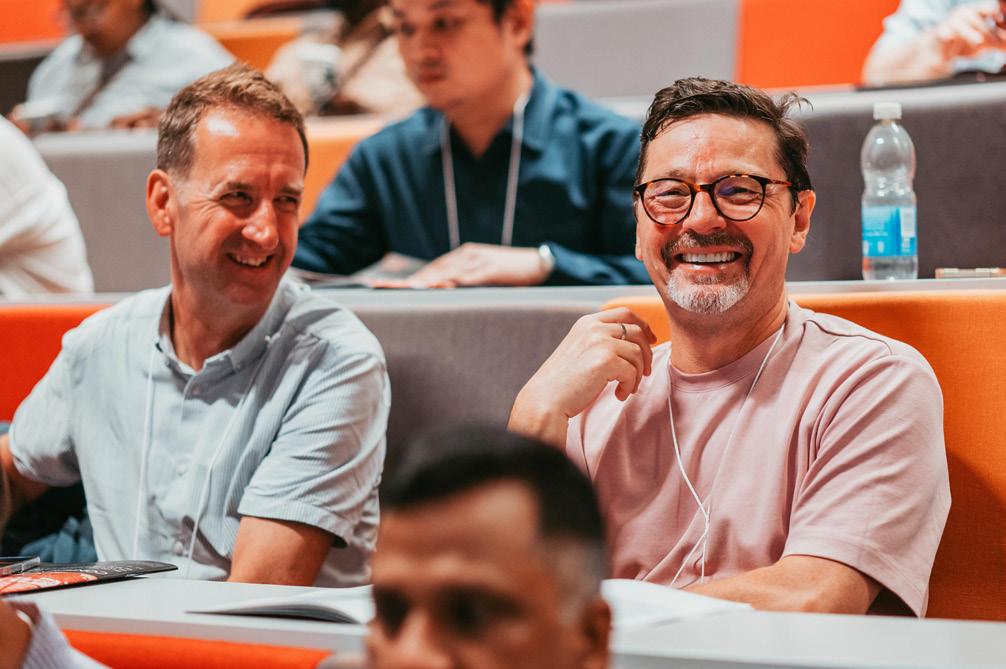
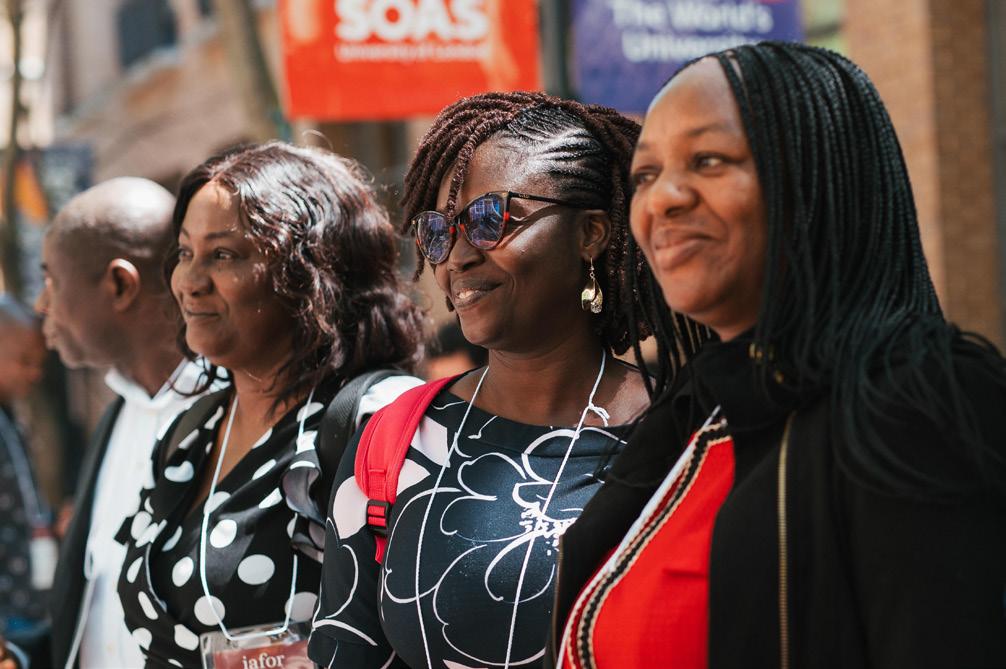
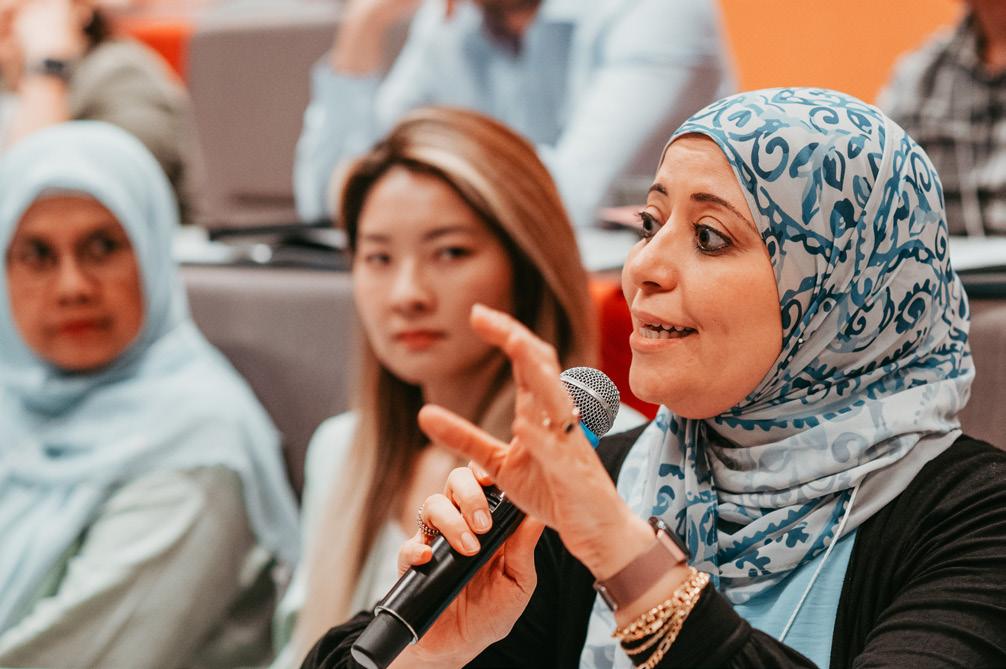
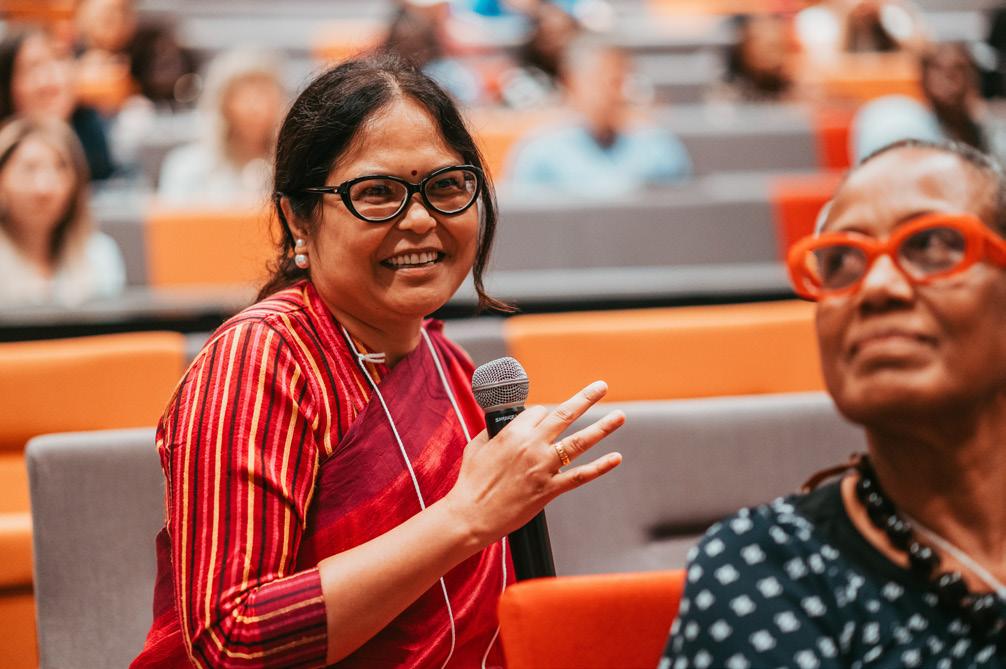
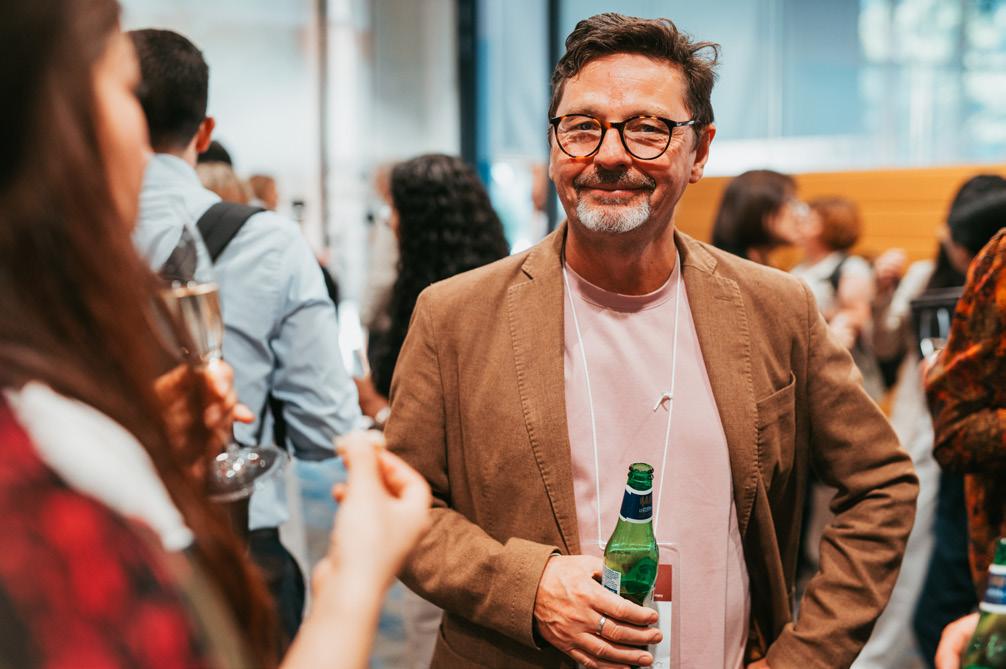
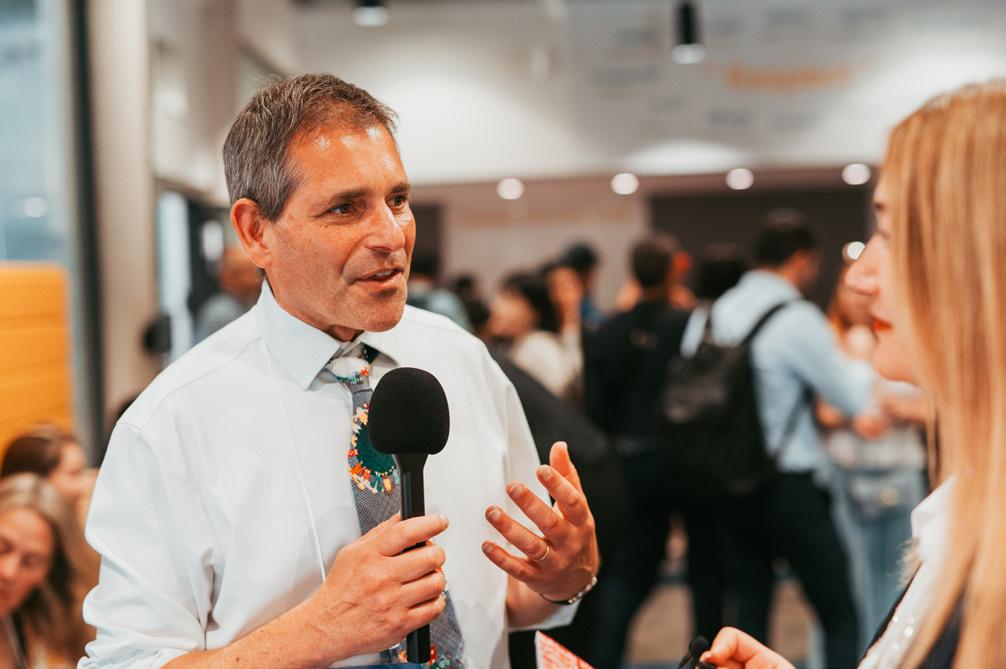
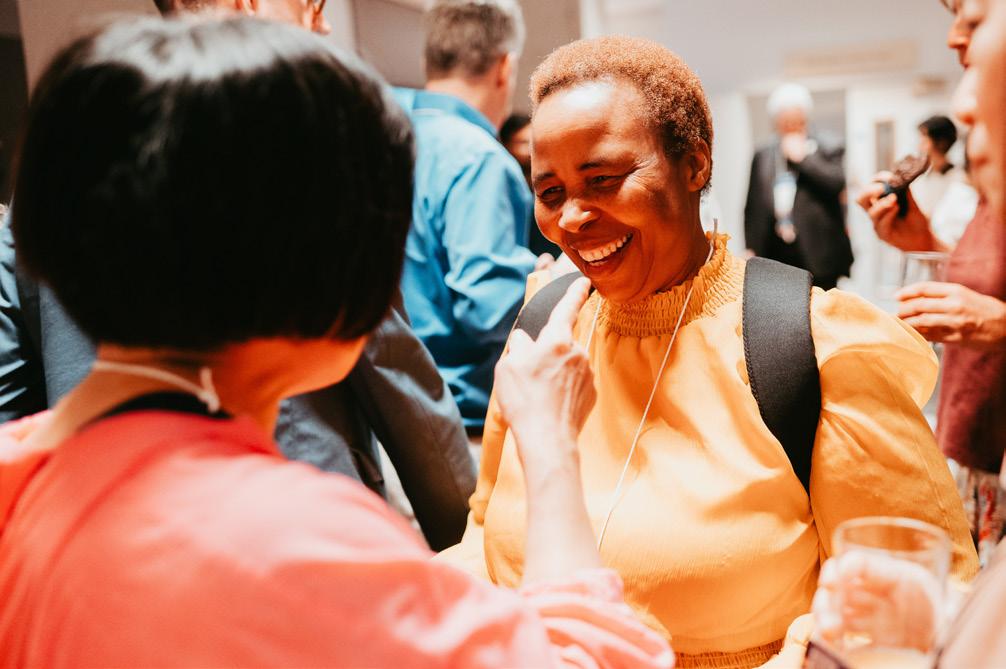
3. The Importance of Interdisciplinarity: Insights from The Forum
4. Interdisciplinary Approaches to Ageing
5. Conflict, Politics, Climate Change, and Education
6. Conclusion
7. Networking and Cultural Programme
8. Key Statistics
9.
Executive Summary
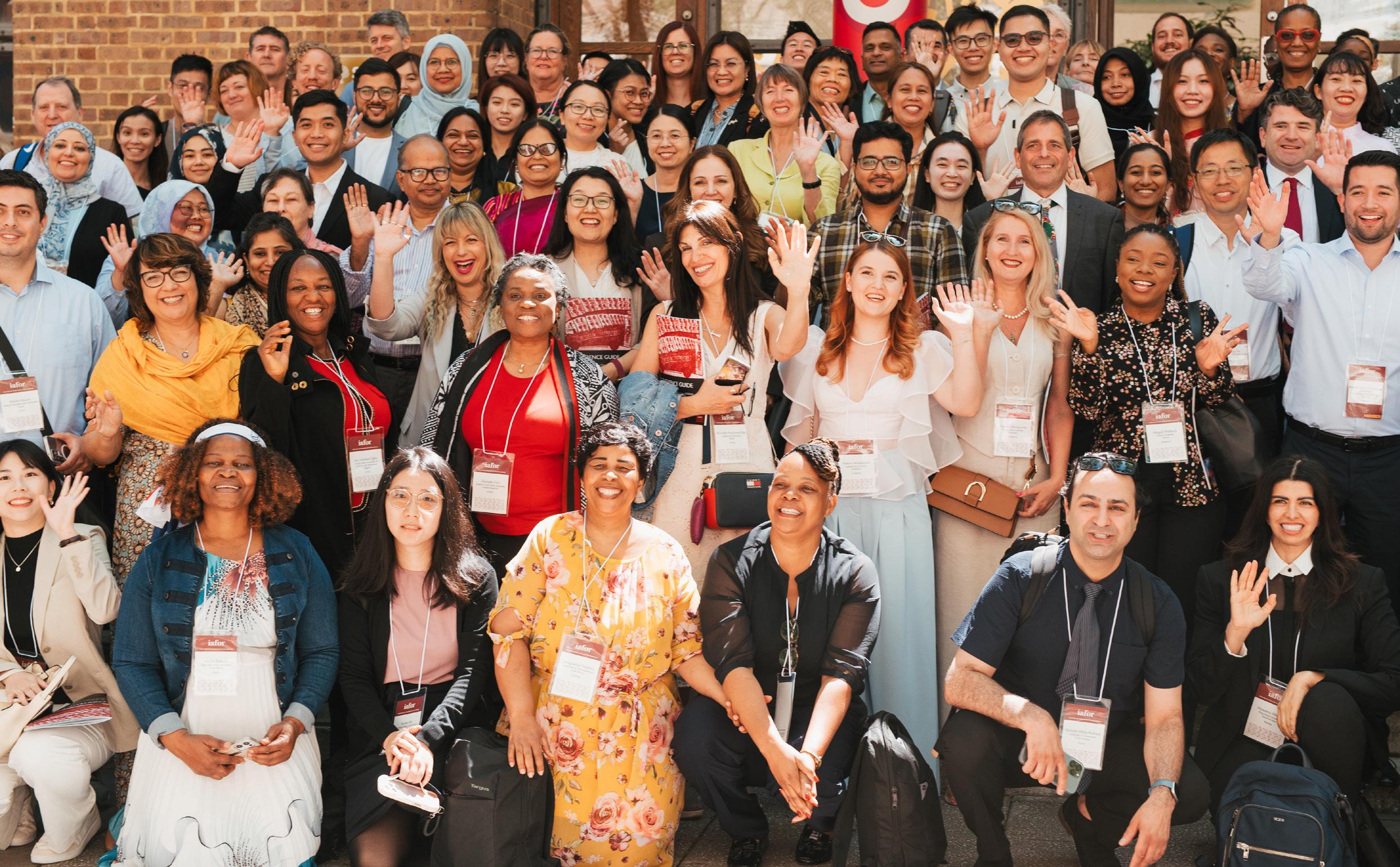
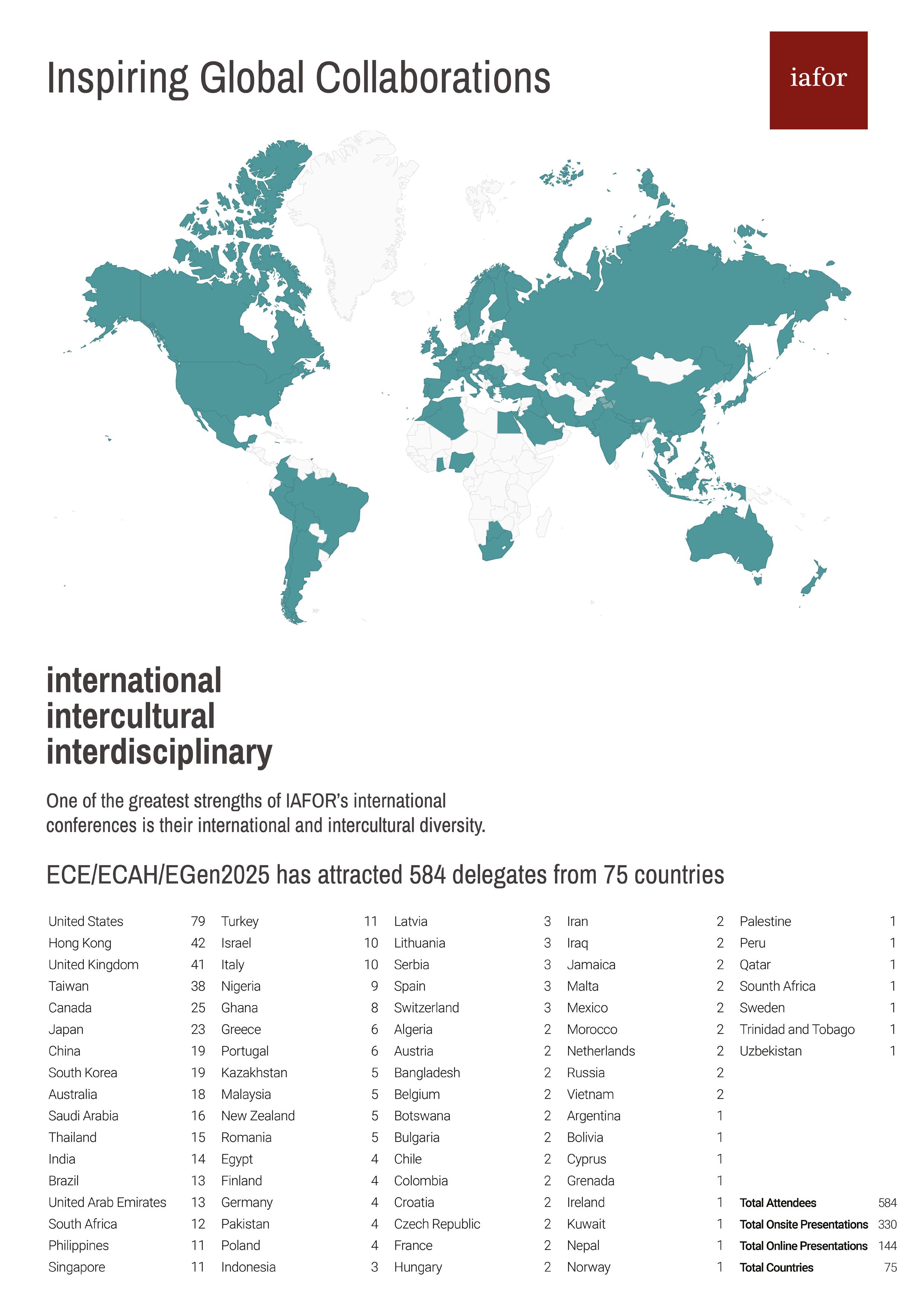
The 13th European Conference on Education (ECE2025), The 13th European Conference on Arts & Humanities (ECAH2025), and The 5th European Conference on Aging & Gerontology (EGen2025) were jointly held in London this summer, weaving interdisciplinarity within the fields of education, the arts and humanities, and aging and gerontology. This year, the ECE/ECAH/EGen2025 plenaries focused on inclusivity, AI in higher and lifelong education, and the role of play in universities. Hosted by IAFOR at SOAS, University of London and University College London (UCL), the event attracted some 560 participants from 74 countries, with plenary and parallel presentations emphasising international, intercultural, and interdisciplinary exchange.
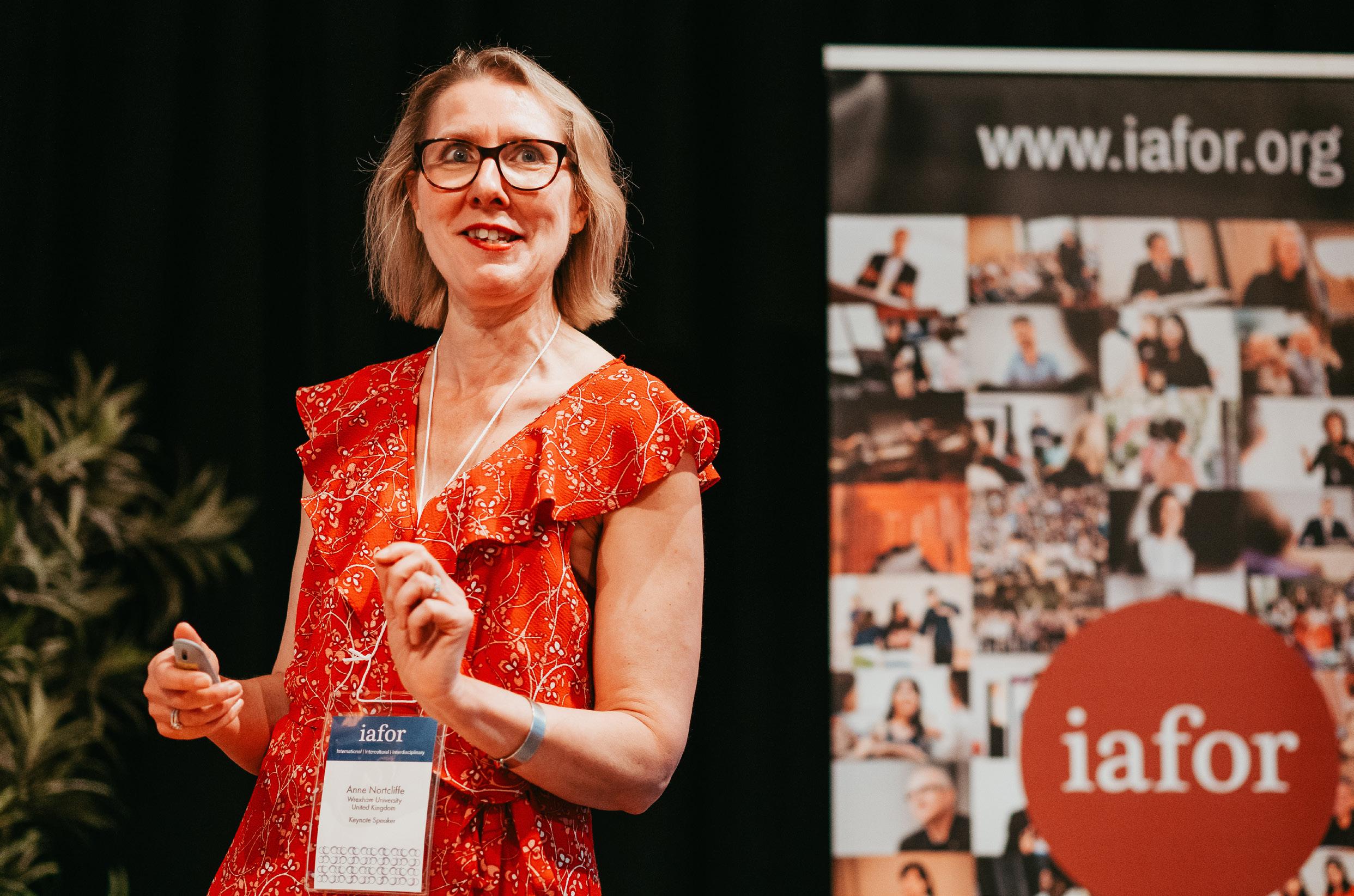
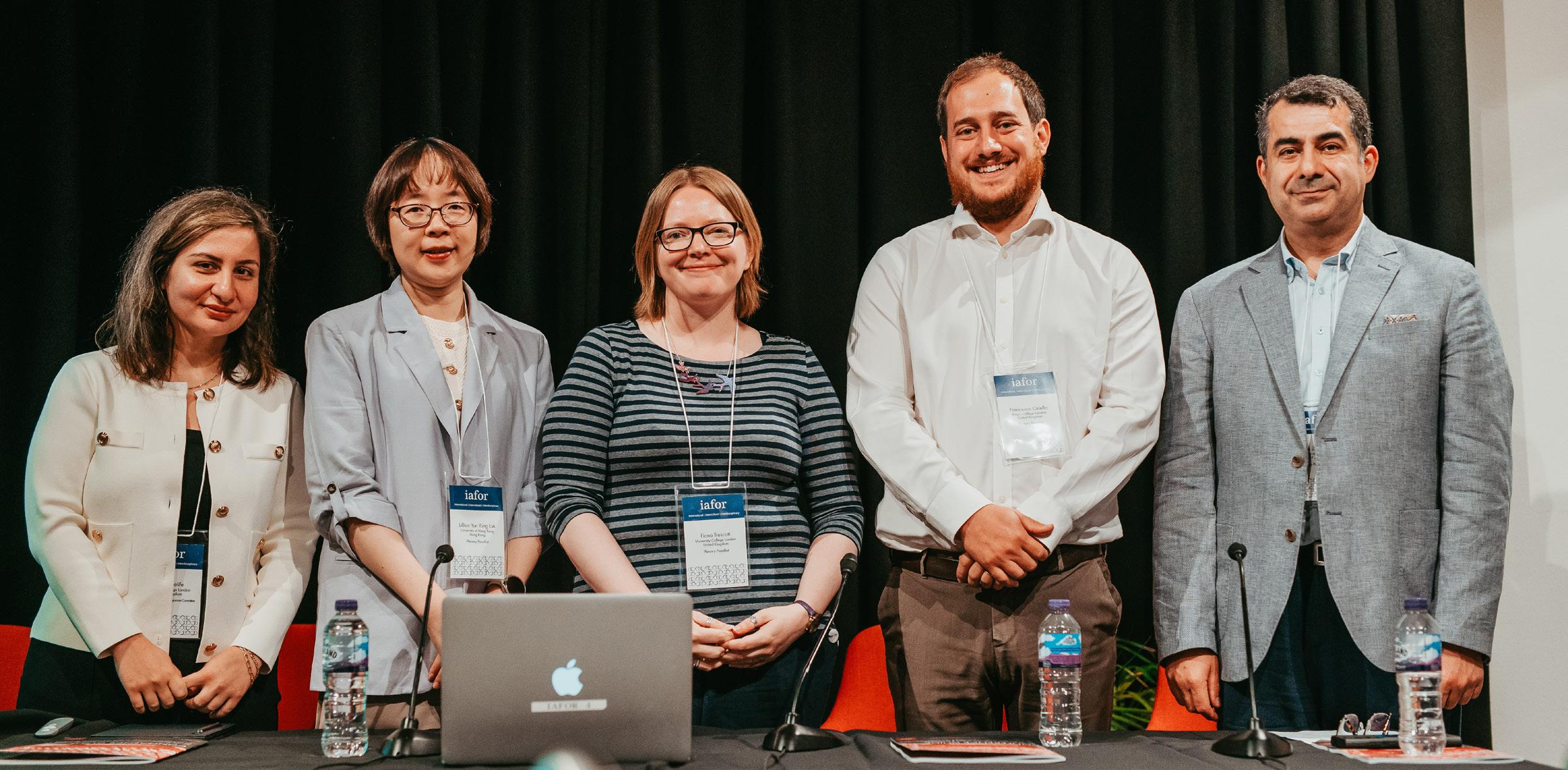
The first plenary day opened with welcome addresses highlighting the interdisciplinary conferences’ emerging themes: humanity vs AI, peace education, and global citizenship. Professor Anne Nortcliffe from Wrexham University, United Kingdom, served as our first keynote speaker with her presentation titled ‘Engineering Inclusivity, How?’, detailing her own experience creating an inclusive engineering school in Kent, United Kingdom, and achieving high diversity through bold Equity, Diversity, and Inclusion (EDI) strategies and outreach. During her talk, she outlined practical approaches to boosting diversity in STEM fields through targeted recruitment, community engagement, and strong leadership. The following panel presentation titled ‘Technology and AI in Engineering/STEM Education: Preparing Engineering/STEM Graduates for Global Citizenship and Leadership’ explored AI’s role in STEM education, stressing ethical integration, critical thinking, employability skills, cautious use for sustainability and creativity, and how these tools can help prepare students for responsible global roles. The panel featured contributions from Dr Francesco Ciriello of King’s College London, United Kingdom; Dr Lillian Yun Yung Luk of the University of Hong Kong (HKU), Hong Kong; Dr Fiona Truscott of University College London (UCL), United Kingdom; and Professor Mo Zandi of the University of Sheffield, United Kingdom, with Dr Rana Khalife of University College London (UCL), United Kingdom, serving as moderator.
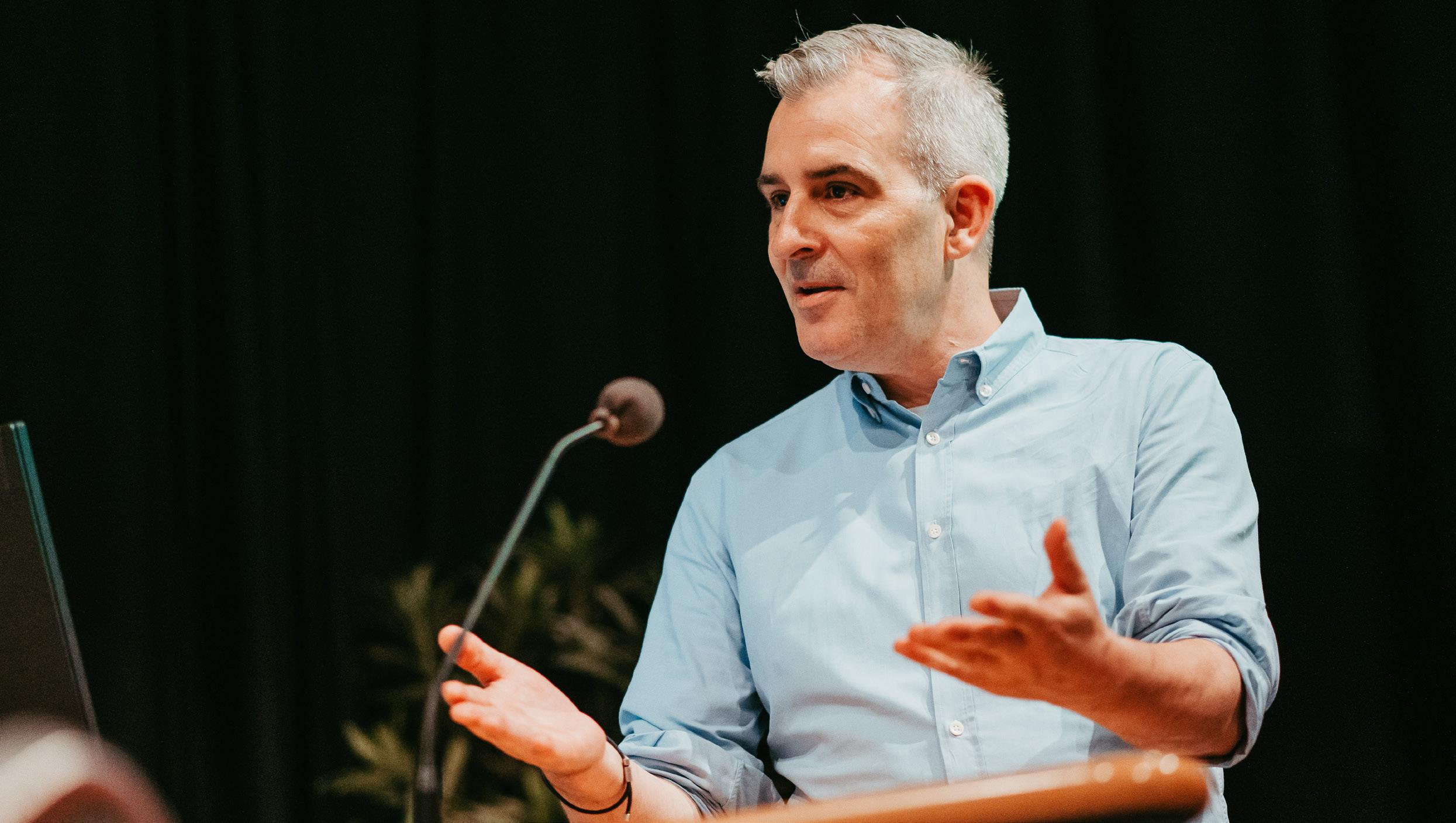
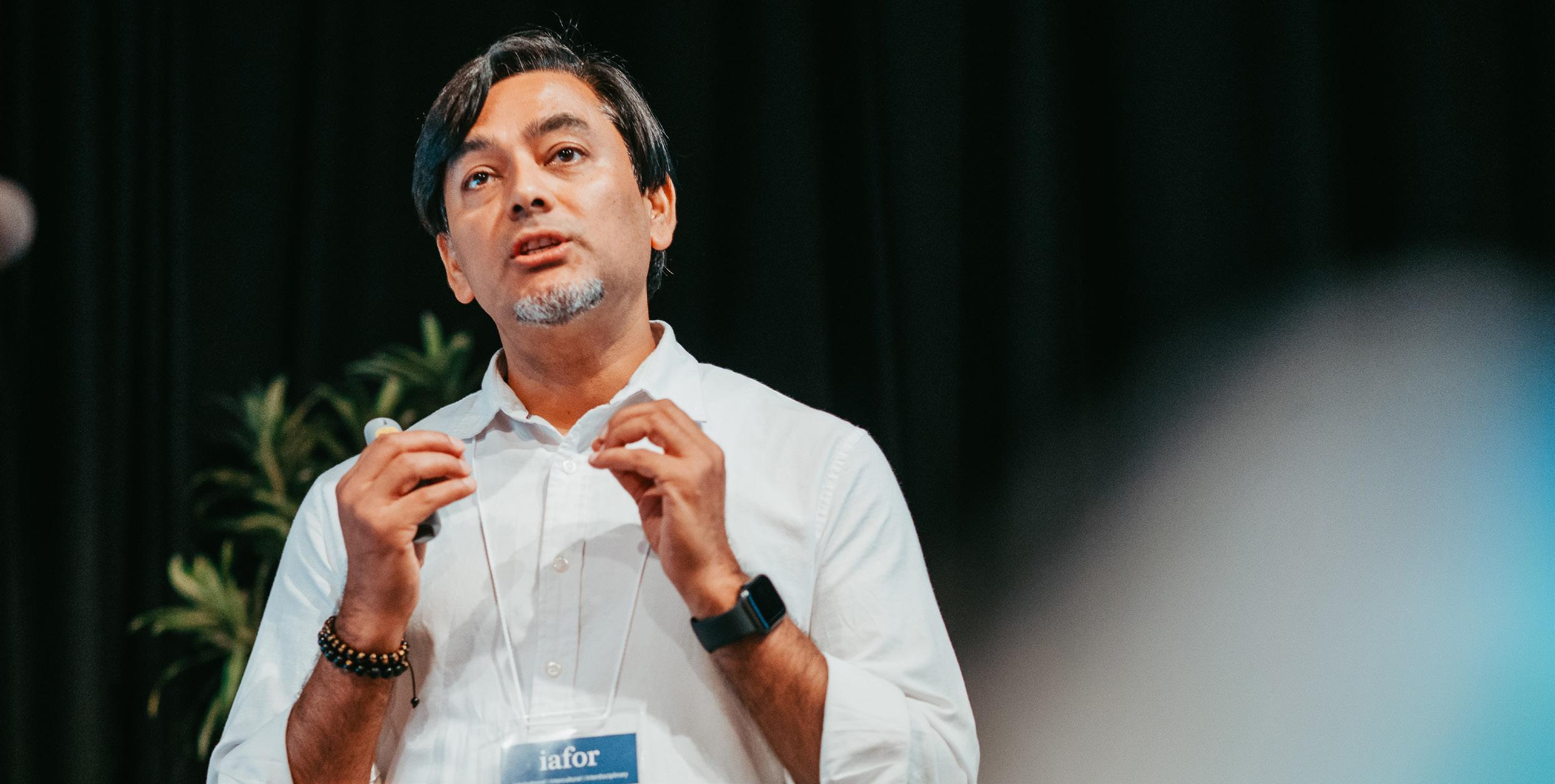
Dr Tim Beasley-Murray of University College London (UCL), United Kingdom, explored ‘Play and the University,’ making a case for higher education as a space for meaningful experimentation and risk-taking in the face of rising scepticism towards academia. In his keynote, he defended universities as ‘serious play spaces’ amid populist attacks, using Huizinga’s magic circle concept to advocate risk-taking within safe boundaries.
The Forum on Interdisciplinarity (Part II), moderated by Dr Melina Neophytou of IAFOR, Japan, and with input from Dr Marcelo Staricoff of the University of Sussex, United Kingdom, developed the discussions from The Forum’s Part I session on this topic in Paris further, focusing on practical examples of collaboration and making interdisciplinarity work in challenging times. Overall, the delegates’ discussions during The Forum promoted embracing AI ethically, fostering inclusive/playful learning environments, and defending academic freedom to prepare graduates for complex global challenges, an outcome which reinforces IAFOR’s commitment to diverse, impactful dialogue.
The second plenary day explored intersections of education, ageing, health, conflict, and global challenges. Themes centred on multidisciplinary approaches to complex societal issues, including gerontology’s holistic life-course view; dementia prevention through modifiable risk factors; the integration of robotics to support independent ageing; education’s dual role in perpetuating conflict or enabling peace and justice; and climate cooperation amid geopolitical fragmentation.
Special addresses from Dr James W. McNally of the University of Michigan, United States & NACDA Program on Aging, and Dr Evangelia Chrysikou of University College London (UCL), United Kingdom, framed ageing as interconnected with all disciplines. Professor Gill Livingston, also from University College London (UCL), delivered a keynote on dementia prevention, drawing from findings from the Lancet Commission to explain how addressing modifiable risks throughout life could prevent nearly half of all dementia cases today. A panel on ‘Supporting Independent Living, Health and Healthcare Needs in Older Age: Integration of Robots and Smart Technology Within the Home’, featuring contributions from Dr Rosa Urbano Gutiérrez of the Manchester School of Architecture, United Kingdom; Dr Bernadette Lee of the Princess Alice Hospice, United Kingdom; Dr Paul J Nietert of the Medical University of South Carolina, United States; Dr Helge Wurdemann of University College London (UCL), United Kingdom. Moderated by Dr Jane Biddulph of University College London (UCL), panellists debated practical and ethical integration of robots in the home for elderly care, emphasising augmentation over replacement in the context of how robots and smart home technologies might support independent living for older adults.
Dr Tejendra Pherali of University College London (UCL) delivered a keynote on ‘Education in Contexts of Political Resistance and Armed Struggles: Towards an Agenda for Peace with Justice’, in which he outlined a Victim-PerpetratorLiberator-Peacebuilder framework that critiqued education’s complicity in violence while highlighting transformative potential.
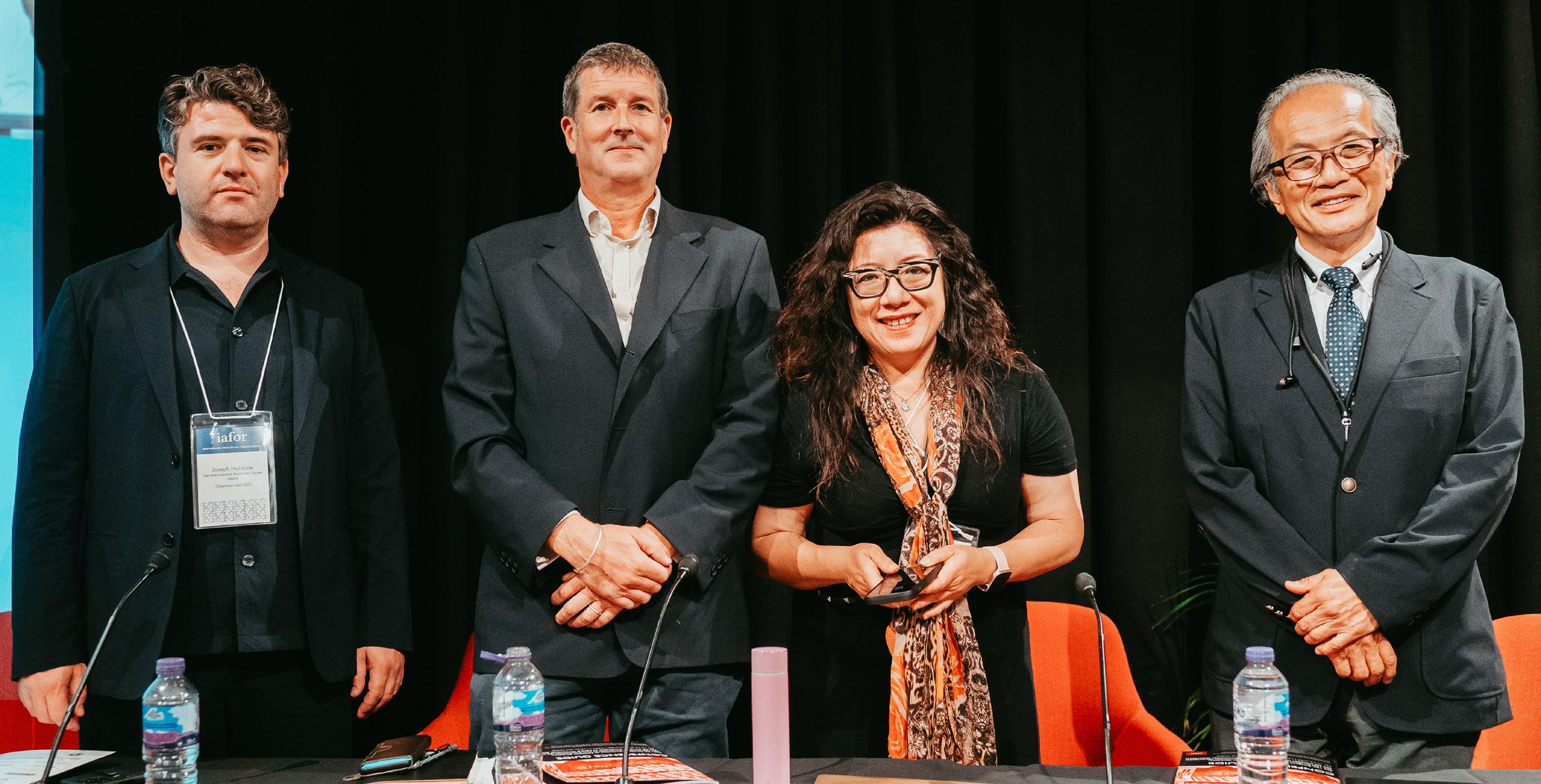
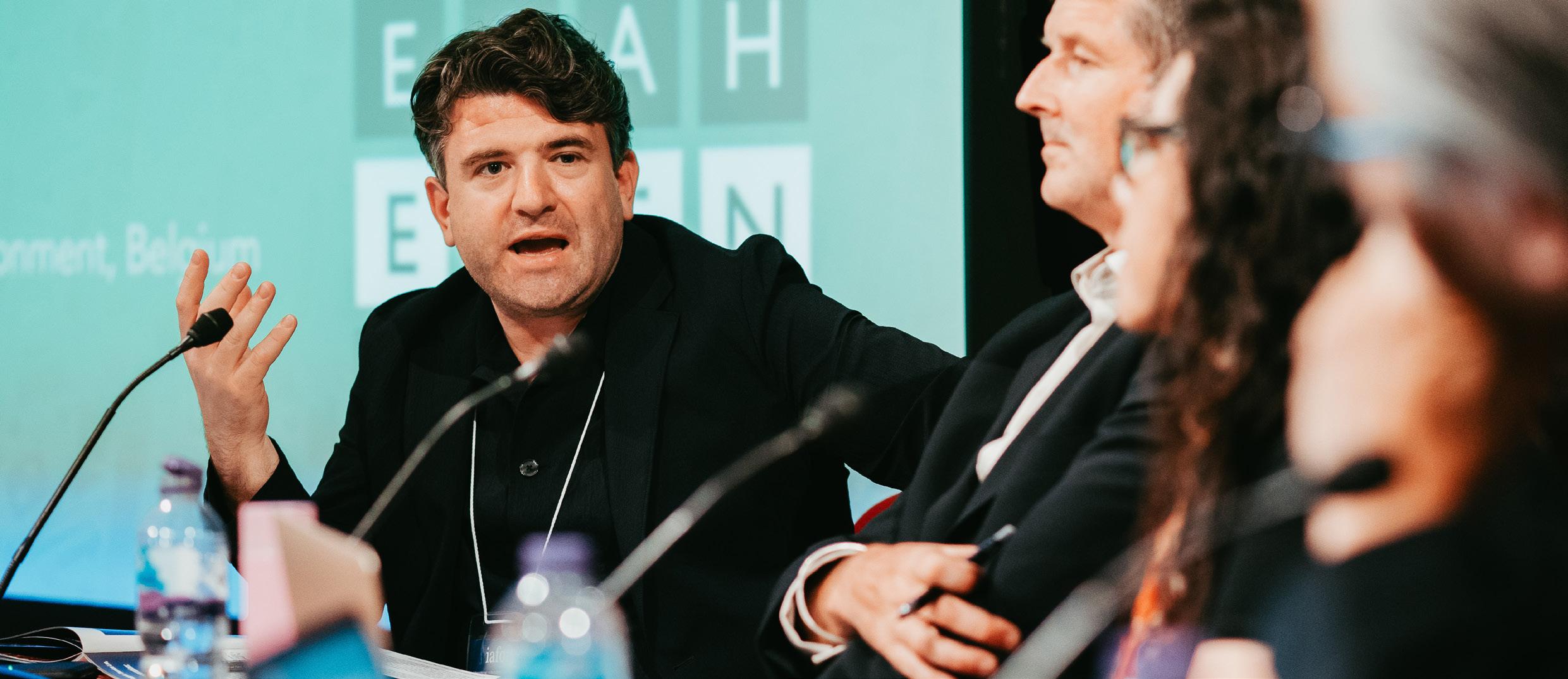
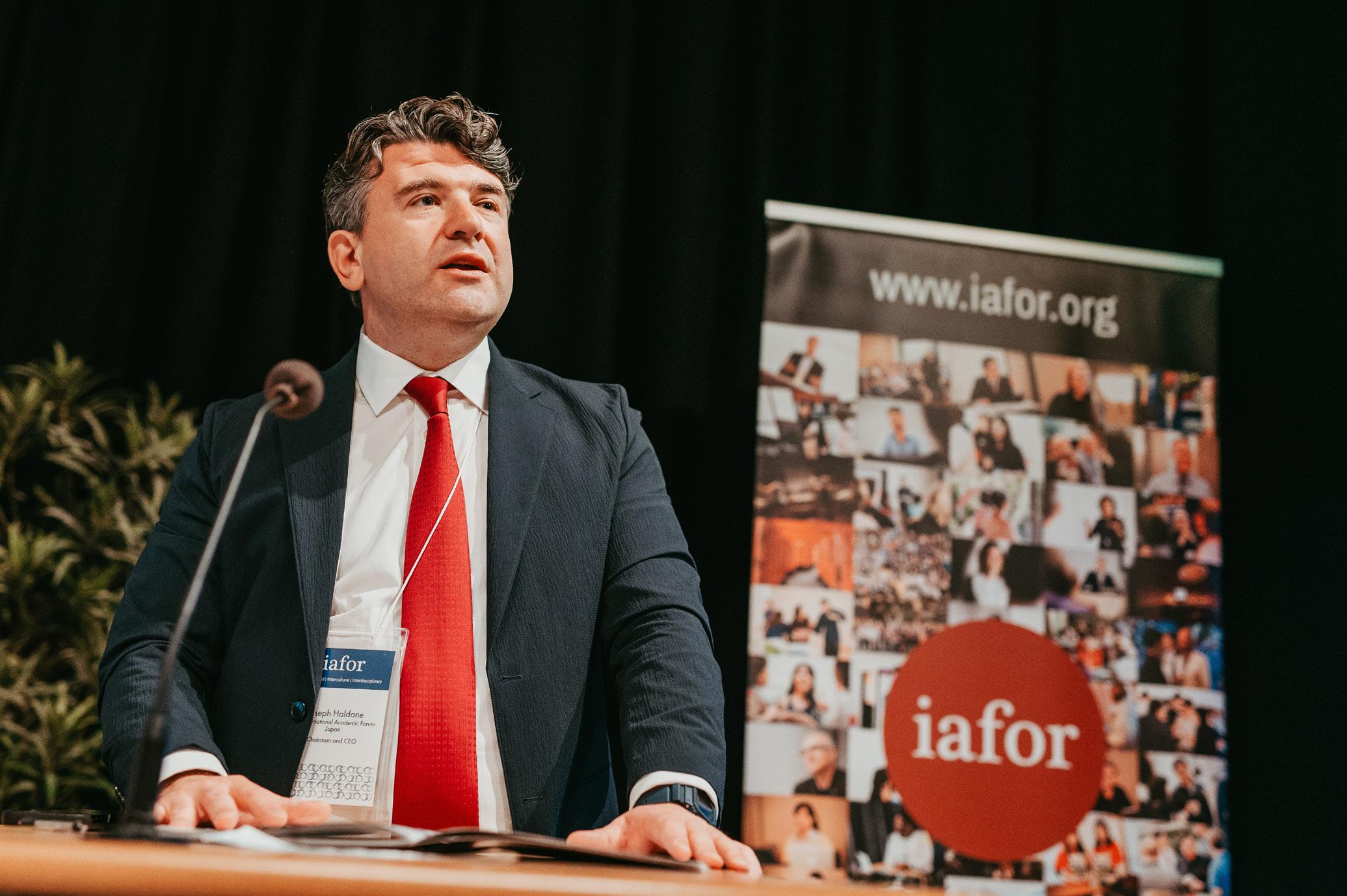
Lastly, a panel on ‘Climate Change and International Cooperation: Educating in a Contested Space’ discussed climate cooperation in divisive times, moderated by Dr Joseph Haldane of IAFOR, Japan, with perspectives from Professor Jun Arima of IAFOR and The University of Tokyo, Japan; Antony Froggatt of the European Federation for Transport and Environment, Belgium; and Bernice Lee of Chatham House, United Kingdom. The panel conveyed cautious realism: technological advances offer hope, but ambition, finance, priority, willingness gaps, and geopolitics continue to hinder COP 30 progress.
As always, ‘these gatherings show why bringing different fields and cultures together matters so much,’ said Dr Joseph Haldane, IAFOR’s Founder and CEO. ‘Our delegates tackled everything from playful learning and AI ethics to dementia care, peace education, and climate action—leaving with ideas that can actually make a difference.’
Overall, the event highlighted education’s power either to reinforce divides or to build bridges, in addressing urgent crises, advocating interdisciplinary dialogue, evidence-based action, and reframing narratives around co-benefits, delivery, and justice. Outcomes stressed urgency, ethical implications, and the need for inclusive, practical solutions beyond institutional silos.
1. Introduction
As we go through various life course stages, we encounter challenges that are specific to the stage we find ourselves in: young students prepare for a future as older adults, and older adults prepare for a future of physical, mental, and emotional vulnerability. Only seldomly do we think of how intergenerationally connected our pasts and futures are, and how we are all similarly affected by the same challenges. Climate change, technological disruption, and co-habitation with other humans but also with AI, are some of the universal challenges that affect us all no matter our nationality, culture, or stage in life.
When viewing all these challenges, it is also important to situate them within the context they arise, and in which we find ourselves in. This context informs us of potential challenges that may emerge in the future, for which we have to prepare, but we should also remember that it is within this specific context that we are trying to enact changes. The ideas and solutions we come up with are the product of our environment, and their consequences will inevitably be affected by the context they are enacted in.
It is for this reason that interdisciplinarity is increasingly more important in this quest of finding solutions. What has been discussed in other fields that can constitute an innovation in another? Discussions around what we are preparing students for, but also how we prepare ourselves for an uncertain future, or for a coexistence with artificial forms of intelligence, benefit a lot from looking at them through an interdisciplinary lens; and there is great interest in doing so. IAFOR’s European Conference on Aging & Gerontology (EGen), which was first held independently in 2019, later joined the European Conferences on Education (ECE), Language Learning (ECLL), and Arts & Humanities (ECAH), in order to advance them through interdisciplinary dialogue. Since then, and unsurprisingly, the gerontology part of the conference programme has grown, as more people saw merit in discussing gerontology, education, and the arts and humanities in combination. The programme at this year’s ECE/ECAH/EGen2025 conference reflected IAFOR’s core mission of encouraging interdisciplinary discussion, by bringing together interdisciplinary panels and presenting unique interdisciplinary research collaborations that are claimed to be the ‘first of their kind’, according to Dr Evangelia Chrysikou, cochair of the EGen2025 conference. Together, these contributions underscored the interconnectedness between education, health, justice, environment, and technology.
2. Preparing Students for the Future
Before asking the crucial question ‘What are we preparing students for?’, it is important to define and create the right learning and teaching spaces that respond to issues of the times we live in. Among many definitions and ideas in academic and policy circles, ECE/ECAH/EGen2025 identified two such definitions: inclusive spaces and spaces where play, creativity, and inquiry take precedence over rote memorisation, credentialism, and transactional models of education. The conference also touched upon what we should prepare students for, focusing on global citizenship and leadership skills in an AI-driven era, which is consistent with the four IAFOR Conference Themes selected for 2025-2029: (1) Technology and Artificial Intelligence, (2) Humanity and Human Intelligence, (3) Global Citizenship and Education for Peace, and (4) Leadership.
In her keynote presentation ‘Engineering Inclusivity, How?’, Professor Anne Nortcliffe, Dean of the Faculty of Arts, Computing and Engineering at Wrexham University, United Kingdom, outlined practical steps as to how to engineer inclusivity by sharing her transformative journey in building an equitable, diverse, and inclusive engineering education provision at Canterbury Christ Church University in Kent.
Kent had long been a ‘cold spot’ for engineering with limited local programmes, causing student outflow and a persistent industry skills gap. Graduates often lacked practical readiness, while the field suffered from severe underrepresentation: low female participation (historically 7-8%), global majority students facing poor graduate employment outcomes (14%), and widespread talent leakage due to restrictive entry requirements (e.g., needing physics alongside maths).
Watch on YouTube
Professor Anne Nortcliffe, Dean of the Faculty of Arts, Computing and Engineering at Wrexham University, United Kingdom
Funded by £12.6 million from the Office for Students and local partnerships, the initiative created a new STEM-focused Kent-based school emphasising Equity, Diversity, and Inclusion (EDI) from the ground up. Professor Nortcliffe and her team applied EDI research across all facets of the project:
• Building a diverse talent pipeline through meaningful primary/secondary outreach linked to the national curriculum, boosting regional STEM A-level uptake.
• Tools like allyship games and reciprocal mentoring.
Key successes included increased female and underrepresented student engagement, decolonised curricula prompting critical thinking on inclusive design (e.g., addressing biases in car safety or medical devices), and an openly available EPC toolkit for graduate employment. Professor Nortcliffe stressed that EDI drives innovation, profitability, ethics, and health/safety, urging ongoing effort: ‘Mirror image matters, language matters,’ and policies must be ‘lived and honest.’
The presentation underscored engineering’s societal impact—’If it’s not grown or biological, an engineer has touched it’—while advocating bold leadership to challenge biases and sustain progress in a field critical yet historically exclusionary.
On the other hand, in his keynote ‘Play and the University’, Dr Tim Beasley-Murray, Associate Professor of European Thought and Culture at University College London (UCL), United Kingdom, offered a provocative defence of higher education amid rising populist attacks, reframing universities as essential spaces of ‘serious play.’
Dr Beasley-Murray began his keynote by citing current US Vice-President JD Vance’s 2021 call to ‘aggressively attack the universities,’ portraying them as hostile institutions that control truth while peddling ‘ridiculous ideas.’ This double rhetorical charge—universities as dangerously powerful yet laughably trivial—echoes the broader anti-elite sentiment seen in Brexit-era rhetoric (e.g., ‘enough of experts’) and current global trends. Critics cast academia as both a threatening establishment and an absurd, detached bubble preoccupied with ‘safe spaces’ and ‘Mickey Mouse degrees’.
Rather than countering solely by asserting seriousness and impact, Dr BeasleyMurray embraced the second critique: universities are indeed playful and ridiculous, and this is their strength. Drawing on Johan Huizinga’s Homo Ludens (1938), he described play as occurring within a ‘magic circle’—a bounded space and time where special rules and freedoms apply, risks are taken, and transformation occurs, yet nothing ultimately ‘matters’ outside the game. Universities function similarly: separate from everyday demands, they permit experimentation, disagreement, and exploration of dangerous or alien ideas under ethical and methodological constraints.
Just like the famous 1973 Barbarians try in a rugby match, which exemplified the players’ great teamwork, skill, and creativity in the face of exhaustion and impossibility, he argued that universities provide ‘safety to’ experiment and ‘safety from’ real-world consequences, enabling society to imagine alternatives—fairer, more effective systems—that politics or economics cannot. Safe spaces, properly understood, protect this freedom while maintaining respectful rules.
Watch on YouTube
Dr Tim Beasley-Murray, Associate Professor of European Thought and Culture at University College London (UCL), United Kingdom
Dr Beasley-Murray contrasted two student narratives: a linear, high-stakes ‘seriousness’ where university is merely a competitive stepping-stone exacerbated by constant assessment, versus a liminal ‘holiday from seriousness’—a transformative threshold between childhood and adulthood for identity exploration and value formation. He advocated embracing the latter: more risk-taking within safety and more playful disagreement, to foster better global citizens.
Ultimately, Dr Beasley-Murray, while quoting American novelist Donna Tartt, called for academics to own the ‘glorious kind of play’ inherent in their work, transforming students and society through bounded freedom rather than defensive insistence on utility alone.
What exactly we should prepare students for in an AI-driven era was discussed in the panel titled ‘Technology and AI in Engineering/STEM Education: Preparing Engineering/STEM Graduates for Global Citizenship and Leadership’. Moderated by Dr Rana Khalife of University College London (UCL), four experts explored the transformative yet challenging role of AI in higher education, and what kind of skills are necessary for a future in which AI is involved in most of our decisions.
Top, from left to right: Dr Rana Khalife, Dr Lillian Yun Yung Luk Dr Fiona Truscott, Dr Francesco Ciriello, Professor Mo Zandi
Bottom left: Professor Mo Zandi of the University of Sheffield
Bottom right: Dr Francesco Ciriello of King’s College London
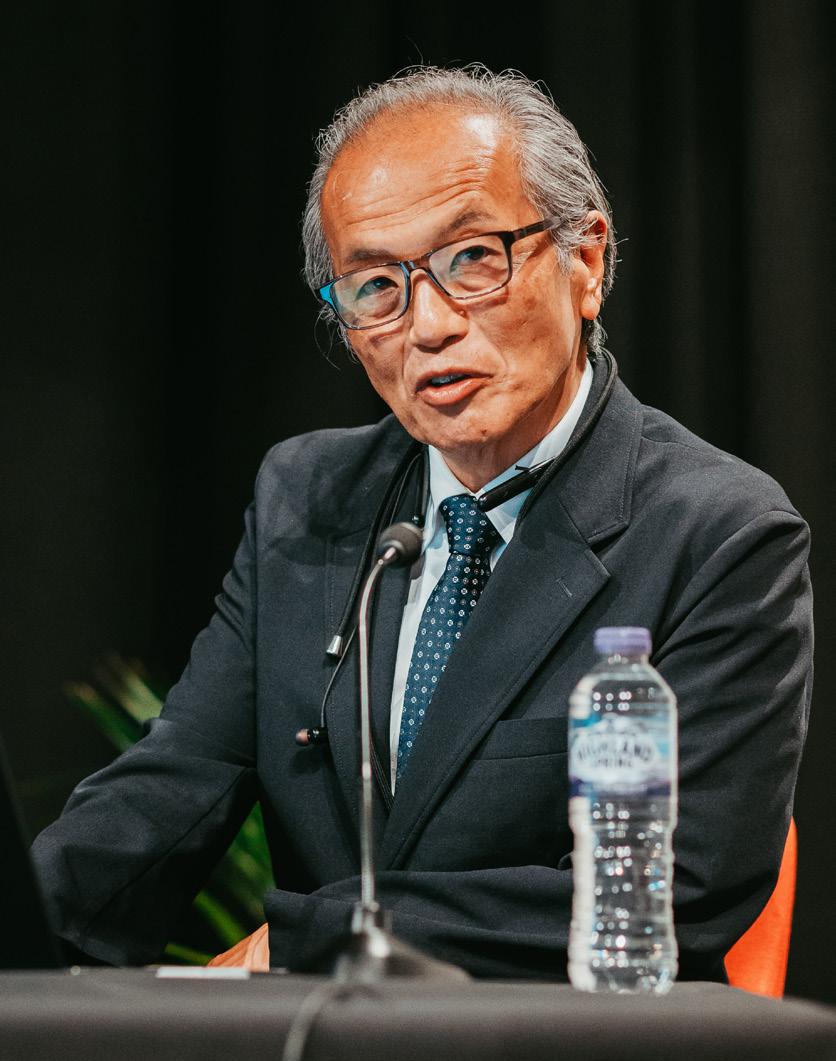
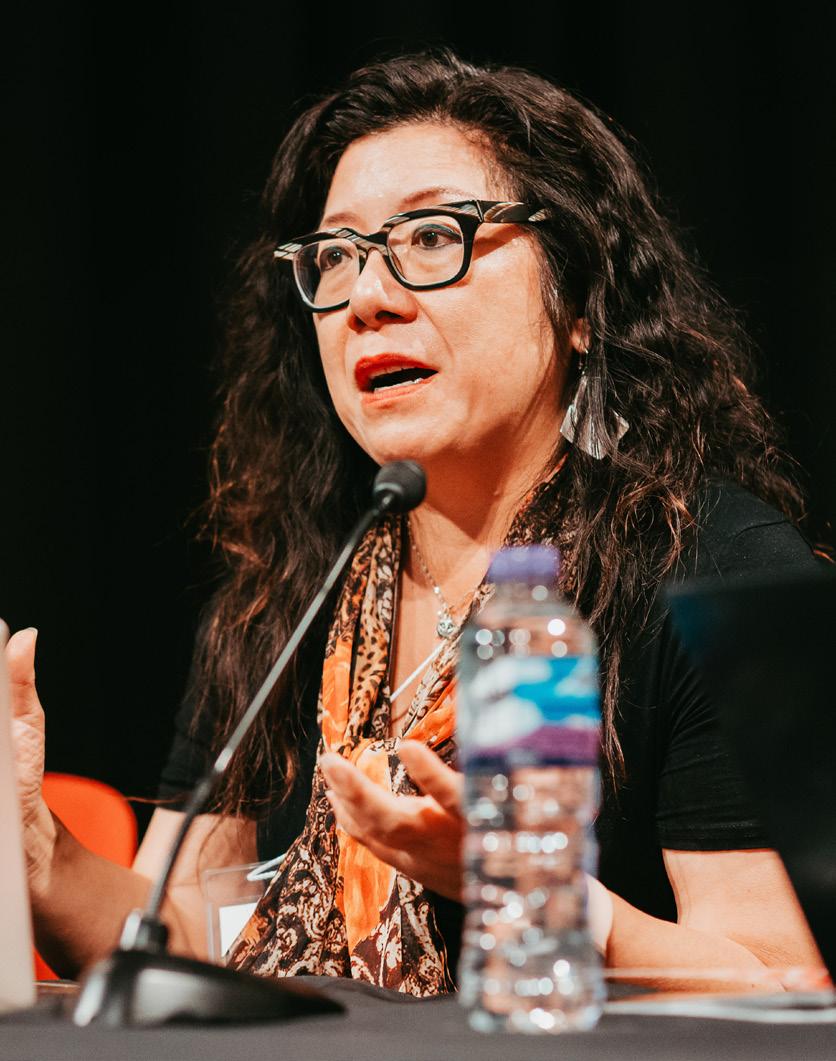
Professor Mo Zandi of the University of Sheffield opened by highlighting AI’s ubiquity: over 80% of businesses use it, with a surge in generative AI. He warned of ethical risks, including job displacement and biases. He stressed embedding AI ethics and safety from day one, shifting education from knowledge transfer to skills like critical thinking and creativity, as ‘AI will replace those who don’t know how to use it’.
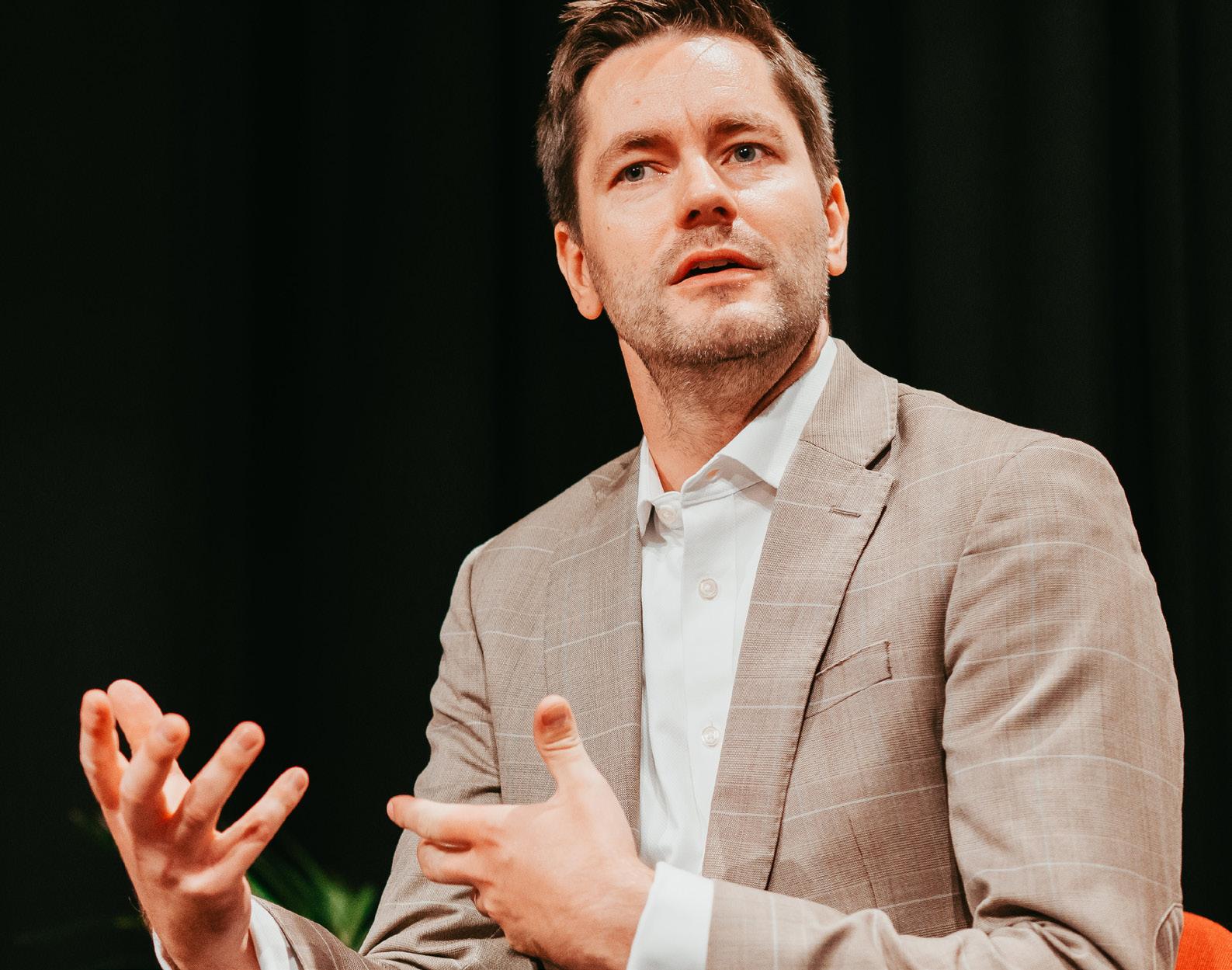
Dr Francesco Ciriello of King’s College London advocated ‘critical making’, where students embody intelligence in physical systems using AI across design processes (synthesis, geometry, manufacturing, control). He emphasised social learning dynamics, peer dialogue, and creating meaningful projects to develop global leadership skills, cautioning against isolating AI interactions.
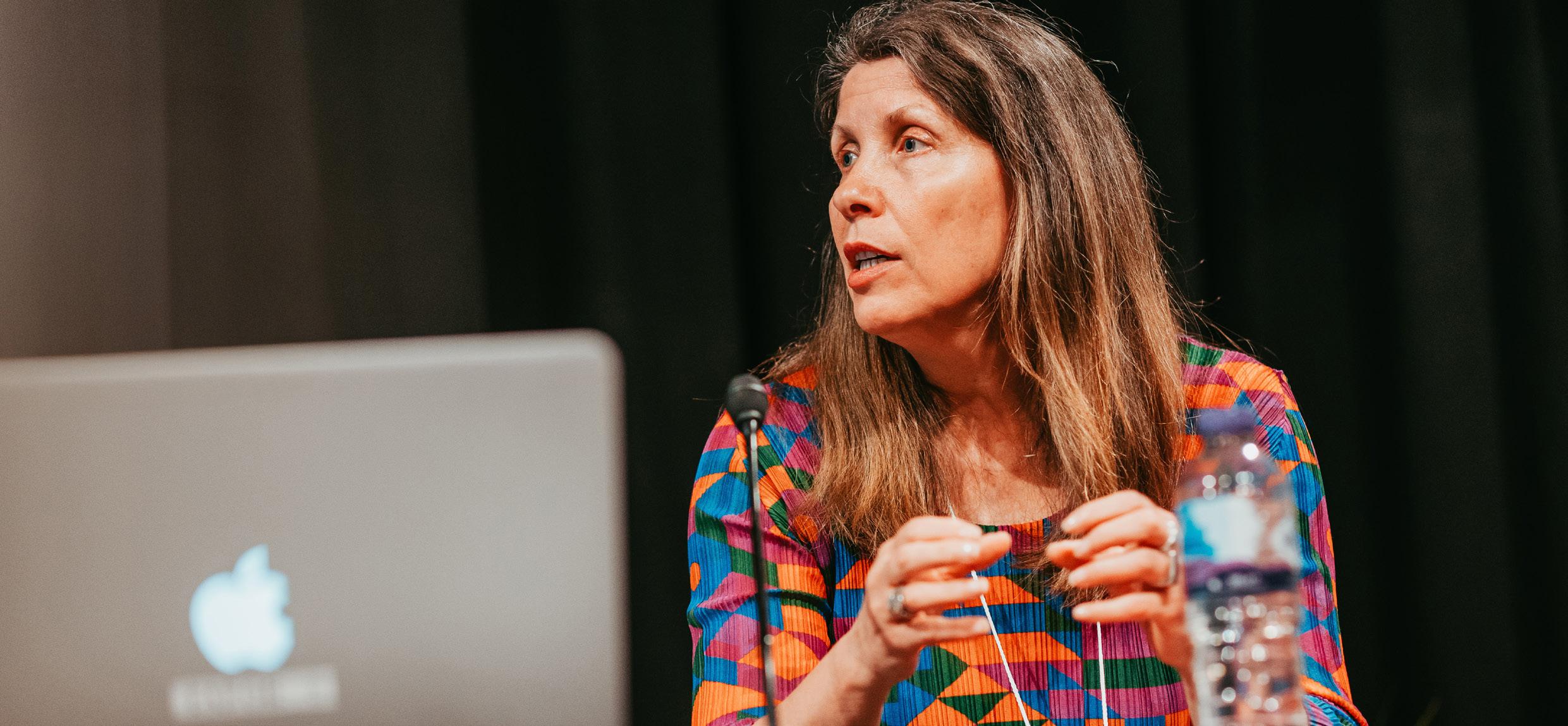
Dr Fiona Truscott of University College London (UCL) shared practical integration in interdisciplinary projects, where AI aids writing (e.g., polishing for non-native speakers or dyslexic students) and visualisation (e.g., logos, ideas). Only 45% of students used generative AI, with varied applications; she promoted positive framing, declarations (distinct from citations), and awareness of sustainability issues (energy/water consumption), showcasing that AI reduces barriers in teamwork and interdisciplinarity by breaking language divides.
Dr Lillian Yun Yung Luk of the University of Hong Kong (HKU) outlined HKU’s response: a compulsory AI Literacy Part 1 course for all first-years (starting September 2025), focusing on fundamentals, responsible use, and effective interaction, with a discipline-specific Part II planned. Student insights revealed anxieties regarding AI use in academia, such as fear of false AI-detection accusations or unfair peer advantages, underscoring the need for clear expectations and attitude-building toward learning.
The panel converged on ethical, transparent AI adoption: treating it as a supervised tool (‘intern’), prioritising critical thinking, sustainability, and equity (e.g., access via university platforms). Discussions urged proactive curriculum shifts, faculty training, and student involvement to prepare graduates for an AI-enhanced job market while preserving human-centric education.
Watch on YouTube
Left: Dr Fiona Truscott of University College London (UCL)
Right: Dr Lillian Yun Yung Luk of the University of Hong Kong (HKU)
3. The Importance of Interdisciplinarity: Insights from The Forum
Many IAFOR conferences, especially since 2024, have focused on the narrative of reframing international cooperation to include intersectoral and interdisciplinary stakeholders in negotiations and discussions in Paris (PCE/PCAH2024, PCE/ PCAH2025), London (ECE/ECAH/ECLL/EGen2024), and Barcelona (BCE/BAMC2024). The importance of interdisciplinarity, which lies at the heart of what IAFOR does, is mirrored in international institutions’ framing of global cooperation in the context of education (UNESCO), climate change negotiations (COP and national governments), and AI.
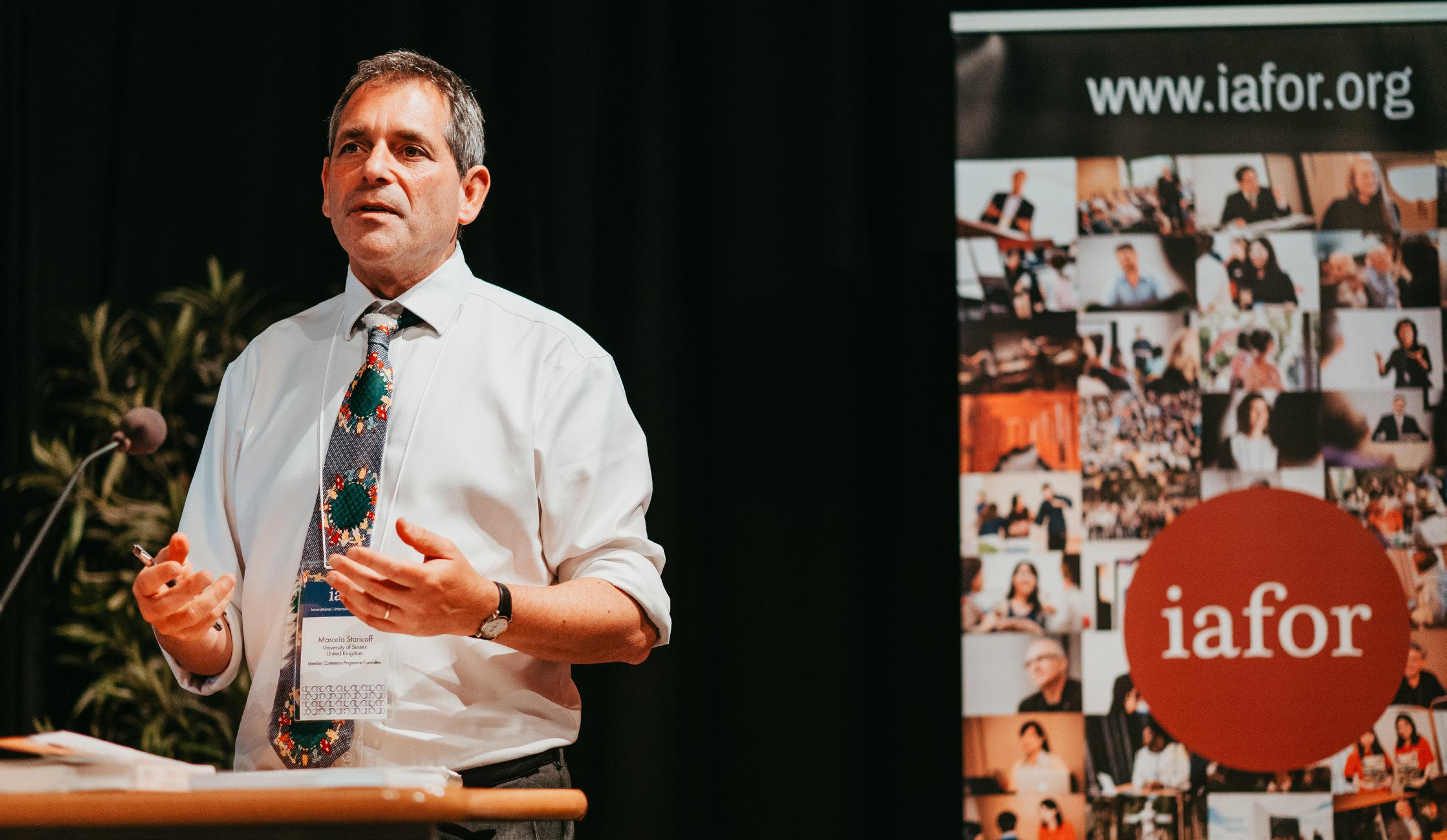
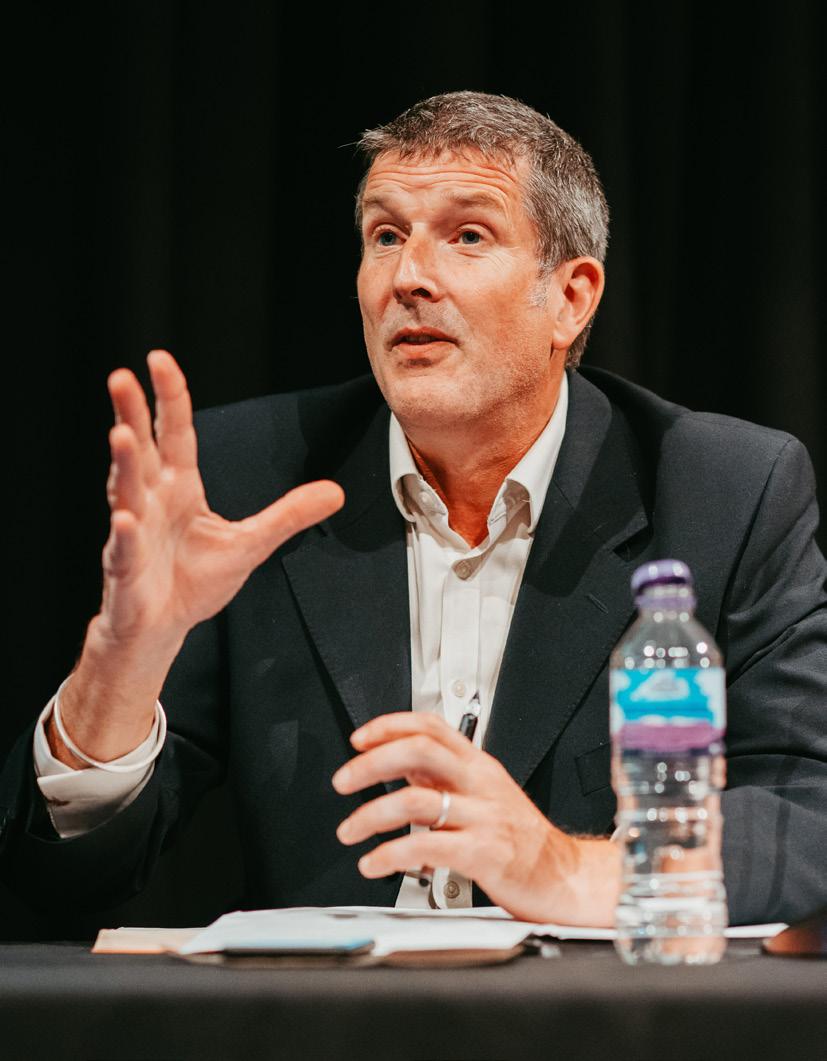
To address the importance of interdisciplinarity, ECE/ECAH/EGen2025 featured a Forum session, which built on the previous Paris conference’s Forum session on Interdisciplinarity. In a ‘Part II’ format, this Forum session on ‘Cooperating in Difficult Times: Making Interdisciplinarity Work’ explored practical aspects of interdisciplinary research and teaching. The first part of this Forum session was held during PCE/ PCAH2025, which looked at the challenges of collaborating interdisciplinarily: 67% of delegates reported they regularly engage in interdisciplinary work, with institutional support mixed, and pinpointed challenges to incorporating interdisciplinarity, including time, funding, perception of scholars, and communication. Building on Part I’s findings, this Forum session looked at the next step: what are the solutions to overcoming these challenges and making interdisciplinary collaboration work? Moderated by Dr Melina Neophytou, Academic Operations Manager at IAFOR, and with input from expert respondent Dr Marcelo Staricoff of the University of Sussex, participants engaged in an interactive discussion, answering questions of what a successful interdisciplinary project looks like, what and how they would teach an interdisciplinarity project, and how they would promote both interdisciplinary interactions within their own institutions and across national and international boundaries.
Participants highlighted that successful interdisciplinary projects are valuesdriven, requiring mutual benefits, a unified vision, inclusivity, trust, openness, new perspectives, and acceptance of failure as learning. Given a brainstorming prompt for teaching a 16-week interdisciplinary course, suggestions included emphasising process over product, metacognition, ethics/integrity, service learning, sustainability, and real-world problem-solving. Promotion strategies focused on networking at IAFOR conferences, online collaboration tools, student exchanges, joint papers, and dedicated academic platforms. Personal stories underscored early-years education and playful, child-led activities as foundations for interdisciplinary mindsets. Dr Staricoff connected themes to global calls for education reform, citing Education: A Global Compact for a Time of Crisis (Suárez-Orozco & Suárez-Orozco, 2022) and emphasising education’s role in addressing inequities, sustainability, and complex global challenges through inclusive, interdisciplinary approaches. Outcomes reinforced shared values (inclusion, respect, and lifelong learning) as the bedrock for effective collaboration across disciplines, institutions, and borders, inspiring participants toward practical implementation.
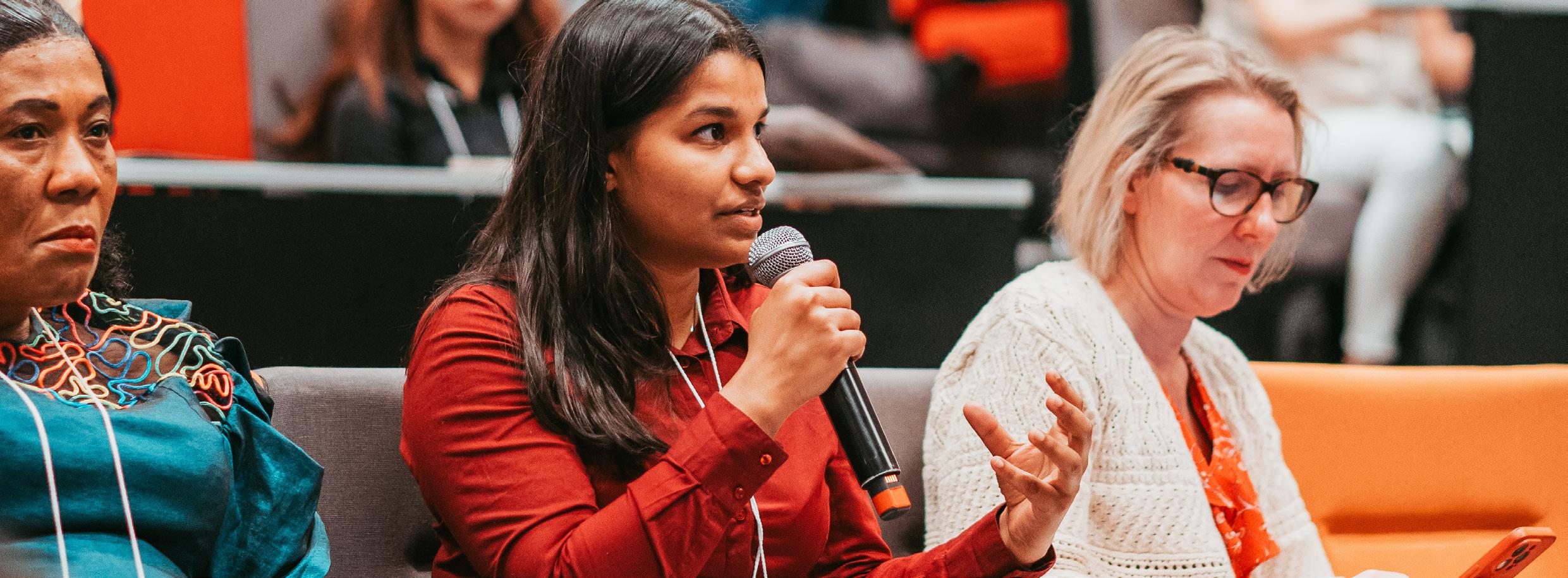
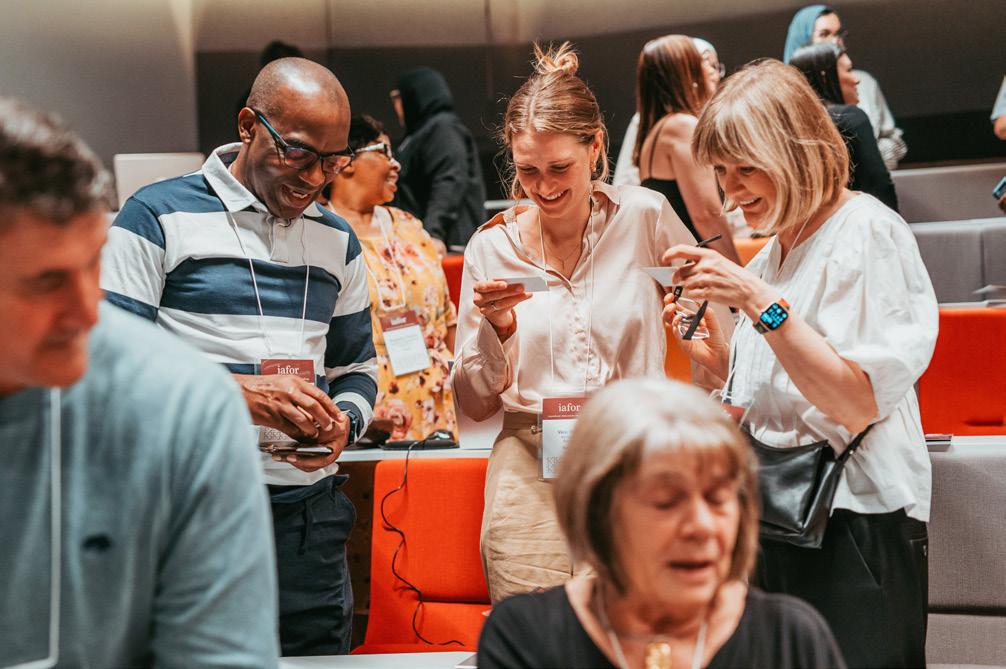
Initially, participants engaged in an icebreaker activity that required them to meet people from other disciplines and identify commonalities between them. Many participants were positively surprised by how much they had in common with each other. Two participants found common ground in terms of their approaches to pedagogy through the teaching and learning process, and a sense of wanting the student to be able to thrive in terms of problem solving:
It was surprising for me. I come from the educational faculty, so I do research on active methodologies and how to innovate in primary, secondary, and higher education. And she comes from fashion, so it’s totally different. But the funny thing is that I do research on active methodologies, so I try to make teachers use problem-based learning. She uses that methodology in her classes at university.
- A delegate from an unspecified country
Another pair found common ground in terms of the overall topic of research on minorities, marginalisation and the notion of inclusion:
She’s someone working on the role of minorities in terms of people with disabilities and I’m working on the role of women and sexual and gender minorities in engineering. So we found a great common ground.
- A delegate from an unspecified country
When asked to define what a successful interdisciplinary project looks like, participants reinforced the notion of openness, inclusivity, and active listening to other disciplines:
I put openness up because it’s about encouraging people not to work in their silos. So being able to be taken out of your comfort zone and go into those other areas and listen.
- A delegate from the United Kingdom
I put that it should be inclusive. I’m a designer by profession, so if I’m designing through various experiences, it matters to me that my design reaches all kinds of people: neurodiverse people, different age groups, etc. So it should be really inclusive in terms of people, with different likes and dislikes.
- A delegate from India
After defining what would constitute a good interdisciplinary project, participants were asked how they would teach interdisciplinarity, were it a 16-week course at university. Answers focused on inclusivity, sustainability, the ability to problemsolve, the ability to focus on the learning process and not the end product, service learning, and academic integrity and ethics. One delegate cautiously countered with a provocative question:
Do you think we would need to know the disciplines to be able to create an interdisciplinary course, or do you think you could teach an interdisciplinary course with whatever amalgamation of disciplines? I think that would be the point. You would have to transcend over something to find a commonality between them, right? Even though for me interdisciplinary still retains some of the disciplinarity coming into the project, as opposed to going transdisciplinary where you’re really extrapolating yourself out of it. So, in my head, I would want to know what the two disciplines are and then figure out a way of them working together.
- A delegate from the United Kingdom
I think I would look at inclusivity and sustainability [in terms of] the outcome and the ability to solve problems and be ready for real world challenges. Sustainability would be the ability to solve a problem over time; inclusivity is for every discipline to be able to speak on issues of risk and marginalisation. That’s how I would like to approach a question of interdisciplinarity.
- A delegate from India
It’s all about really knowing that it’s not about the end product and moving attention away from the end product to the process of learning. We need to reflect that with the students and also reflect that in the assessment. So we must place much more focus on the learning process.
- A delegate from the United Arab Emirates
I answered service learning, because service learning is the course that teaches students who come from interdisciplinary backgrounds to apply what they learn in the class to the community. But my challenge is when students go to the community, it’s difficult to make them focus on what they apply, what theories they learnt in class, and then apply in the communities. Commonly, students only do community service. So they help communities, but they don’t focus on enhancing their theoretical knowledge.
- A delegate from Indonesia
I would probably teach academic integrity and ethics. It could be ethics and learning, ethics and research, even in the workplace, depending on your programme. I agree with what you said earlier about when you find a common ground with someone from a different discipline, it’s mostly because you have shared values. This integrity is important, especially now that we have AI. I believe because of that, it’s important to instill those ideas of integrity, not doing things just to show off and actually not learning anything, but also doing things for the good of society and doing it with integrity.
- A delegate from the United States
Dr Marcelo Staricoff of the University of Sussex served as a respondent for The Forum in London
Finally, participants were asked how they would promote interdisciplinary collaboration within institutions and internationally. Many praised IAFOR as a great way of engaging and networking with international scholars interdisciplinarily, while others shared their experiences from within their classrooms.
Actually we already did it. I teach history and my colleague has interest in AI. So recently we had a joint paper looking at how AI can help conduct research in history. So, we collaborated on AI and history, and we had an internal university exchange program for our students last year. The common ground for us was the study of the constitution, because in modern Indian history we teach the making of the Indian constitution, and law students definitely study it as well. So, students of history and law were teaching knowledge from the historical perspective and the law perspective to each other.
- A delegate from India
I mean, with IAFOR, if you look at the programme, you have 73 opportunities to talk to someone from a different country than yours. It is a wonderful opportunity to network and to talk to people from different disciplines. I always think of the COVID-19 pandemic and the gift that it has given us to all be able to communicate, work and collaborate online. Now I think the world is so transformed that we can collaborate, teach, be inside classrooms in Tashkent at 7:00 in the morning. It’s just amazing, the opportunities it has given us.
- A delegate from the United States
Let me tell you very quickly why I put ‘IAFOR’ as a way to promote interdisciplinarity. I was checking the time and it has been exactly 23 hours since I arrived into London. For me, it’s the first time getting into Europe, the first time at IAFOR, and my first time presenting a paper. I was talking with my boss, and I said to her ‘you don’t know how many exciting ideas I have in these 23 hours that I will start working on when I get back to Mexico’. So, for me these types of events are very interesting to connect with colleagues and also to learn about what they are doing. So, my message here is to dare you to connect with people and to learn about anything they can tell you, because people here are the exact same or more amazing than you.
- A delegate from Mexico
Dr Staricoff closed this Forum session with a quote from Education: A Global Compact for a Time of Crisis: ‘Complex problems require complex solutions. Learning is both individual and social… beyond scientific knowledge and expertise, values and wisdom are required.’ He also quoted Pope Francis in the foreword of this book saying ‘today there is a need to join forces... for forming mature persons capable of mending the fabric of human relationships.’ According to Dr Staricoff, these quotes summarise what all participants shared at this Forum session perfectly, alluding to the precision with which participants explained what interdisciplinarity should do and how it should be done.
4. Interdisciplinary Approaches to Ageing
Ageing is a future that is certain for everyone. For some, this future is now. There are many things we can learn from observing older adults today to prepare for our own future. It is necessary to approach this field interdisciplinarily. There are many challenges our societies and healthcare systems face today that are attached to more than one cause. The EGen2025 Special Addresses reminded us of the unavoidable future and the many challenges affecting older adults that can be tackled through interdisciplinary collaboration. The addresses featured two prominent figures in ageing research and design: Dr James W. McNally, Emeritus Research Scientist at the University of Michigan’s NACDA Program on Aging, and Dr Evangelia Chrysikou, Associate Professor within the Bartlett School of Sustainable Construction at University College London (UCL).
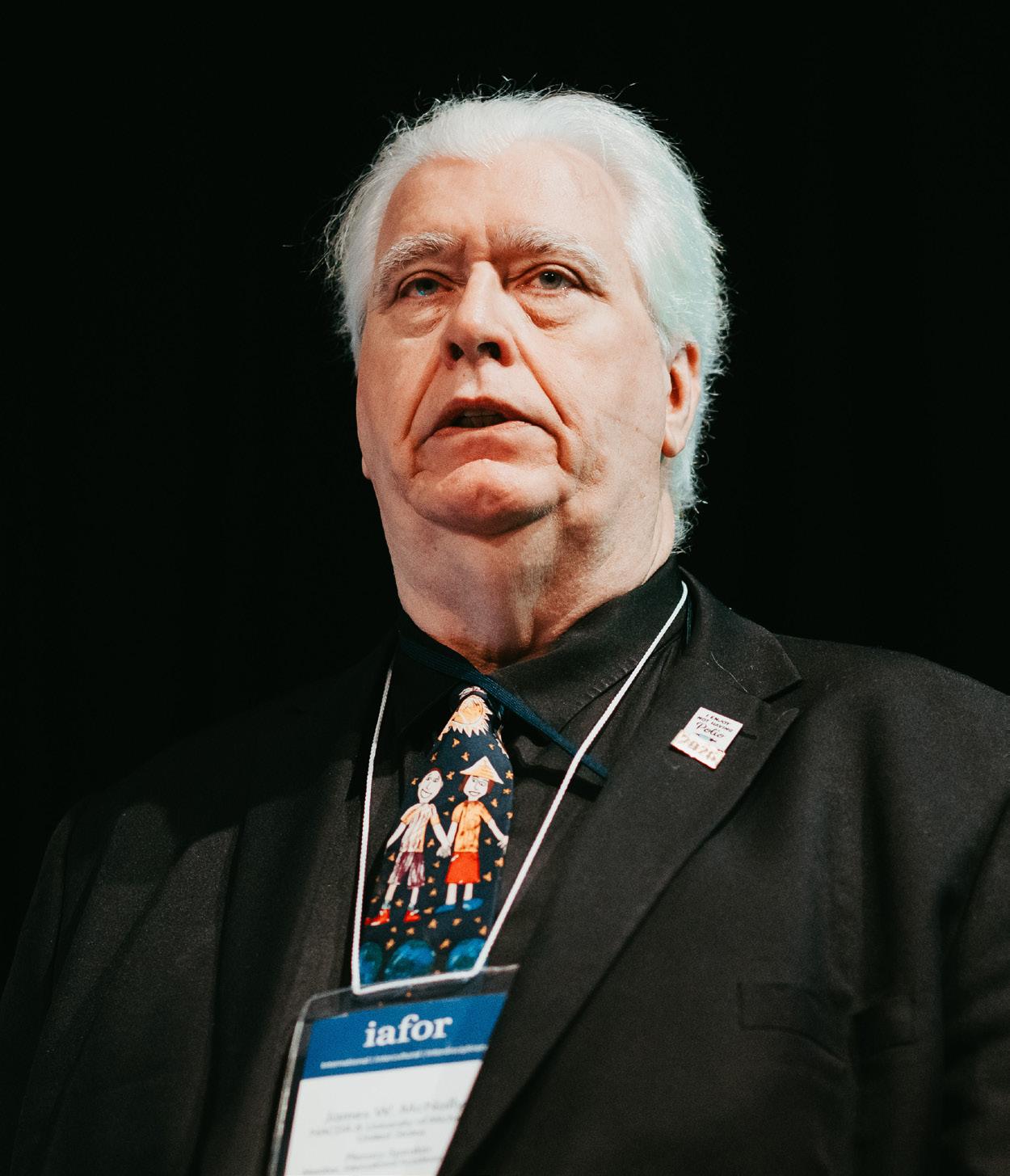
Dr McNally opened with an engaging rhetorical question: ‘How many of you are older today than you were yesterday?’ His question posed a reminder that ageing is a universal, ongoing process affecting everyone in the room. He positioned gerontology as inherently theoretical and multidisciplinary, emphasising the ‘life course’ perspective. Every aspect of life—from prenatal care and childhood education to employment, income, health insurance, and social relationships—shapes laterlife outcomes. Educators, psychologists, medical professionals, and policymakers all play roles in influencing cognitive resilience, literacy, and frailty decades later. Dr McNally lamented the scarcity of true cradle-to-grave longitudinal data and urged younger researchers to seize opportunities for long-term tracking. He praised IAFOR conferences as rare spaces for genuine interdisciplinary exchange, contrasting them with large, discipline-specific gatherings where ideas often reinforce rather than challenge. His core message: ageing is holistic and interconnected; attendees should view their own work through its lens and build cross-field partnerships.
Left: Dr James W. McNally, Emeritus Research Scientist at the University of Michigan’s NACDA Program on Aging
Right: Dr Evangelia Chrysikou, Associate Professor within the Bartlett School of Sustainable Construction at University College London (UCL)
Dr Chrysikou followed with a deeply personal reflection on her journey from architecture to medical architecture and gerontology. She described discovering IAFOR at a Brighton conference years ago, which led to a successful Sasakawa Peace Foundation collaboration bridging Japan and the United Kingdom. This partnership elevated the European gerontology stream, introducing a unique focus on the built environment in the form of hospitals, homes, care facilities, and palliative spaces, spaces which are often marginalised in traditional gerontology as ‘not sexy’ or insufficiently clinical. Dr Chrysikou highlighted how this angle filled an epistemological gap, bringing together medical, architectural, and social perspectives. She celebrated the conference’s growth into an ‘exciting place’ where unexpected connections form, shaping personal careers and professional networks. For her, the event represents a living story of interdisciplinary evolution.
Together, the addresses framed gerontology as relevant to all disciplines and underscored IAFOR’s role in fostering inclusive, boundary-crossing dialogue on ageing: a process both universal and profoundly shaped by societal design and choices.
4.1. Lessons from the Lancet Commission on Dementia
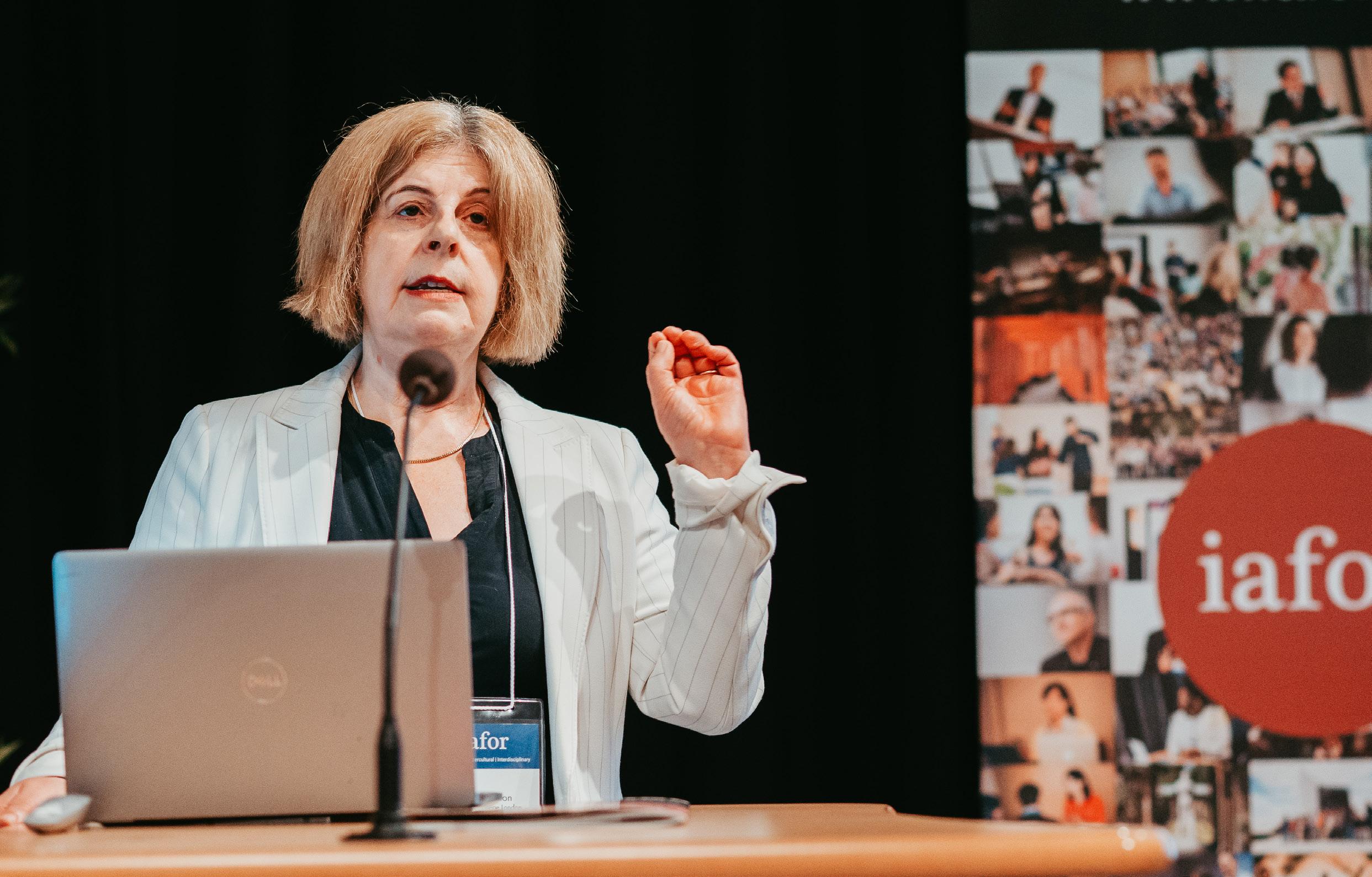
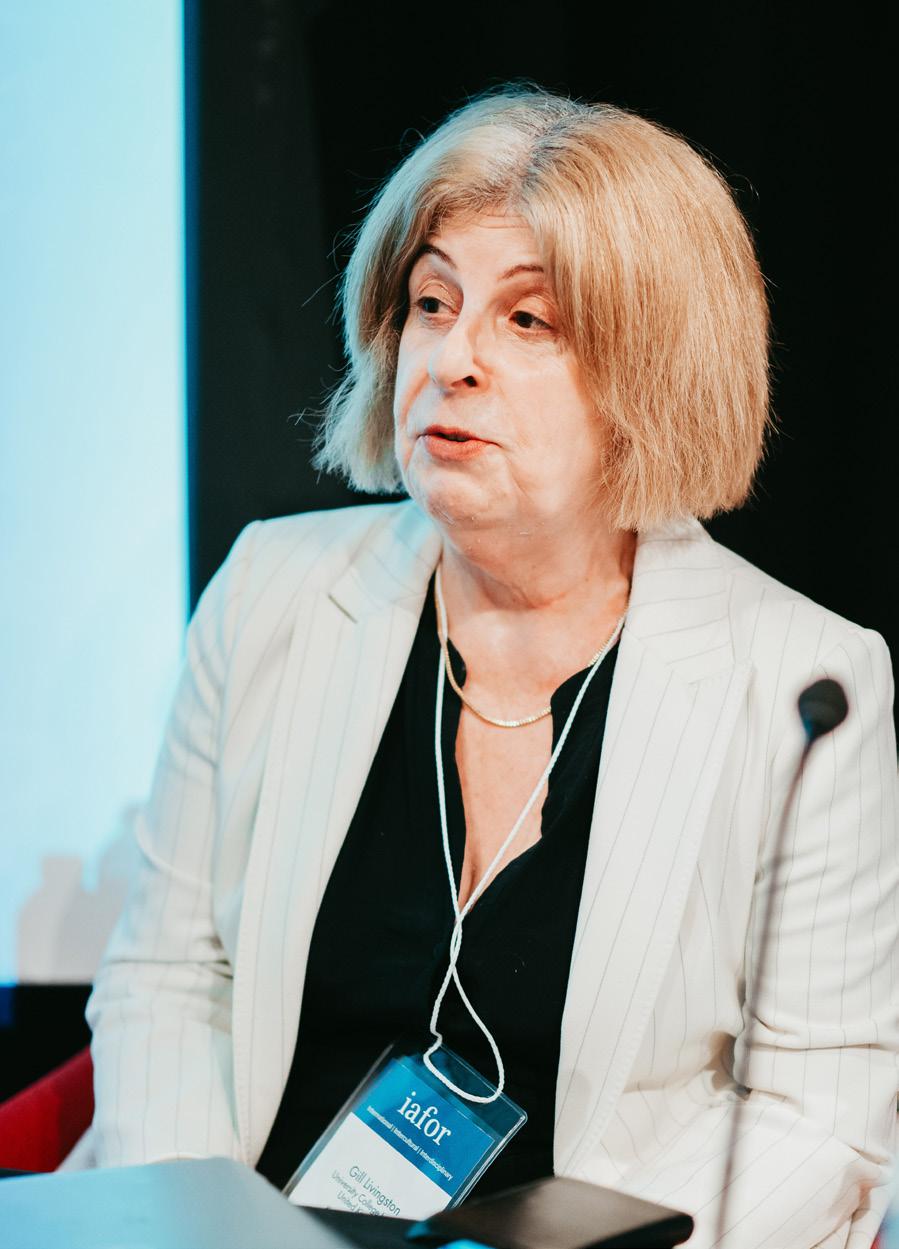
Professor Gill Livingston, a leading psychiatrist and dementia expert from University College London (UCL), delivered an evidence-based and hopeful keynote on dementia prevention, drawing from the three Lancet Commissions on Dementia (2017, 2020, 2024). According to her, over 55 million people are currently affected by dementia globally, resulting in a cost of $1.3 trillion annually in 2019 and is projected to triple by 2050. It is the most feared condition among those over 55 in many countries, burdening individuals, families, and societies. Crucially, Professor Livingston argued that dementia is not an inevitable consequence of ageing, citing that approximately 97-98% of cases occur after 65, and that prevention is possible.
Professor Gill Livingston, a leading psychiatrist and dementia expert from University College London (UCL)
A major breakthrough highlighted was the 25% decline in age-specific dementia incidence observed in some high-income countries over the past two decades, attributed to increased cognitive reserve and reduced vascular damage. This real-world reduction demonstrates that societal-level interventions work.
The Commissions identified 14 modifiable risk factors across the life course, collectively accounting for around 45% of dementia cases worldwide (after adjusting for overlap). These span early life (low education), midlife (hearing loss, hypertension, obesity, smoking, depression, traumatic brain injury, excessive alcohol, high LDL cholesterol, diabetes), and later life (social isolation, physical inactivity, air pollution, vision impairment). Hearing loss emerged as the largest single midlife risk; treating it with aids is protective. Similarly, managing hypertension, depression, and diabetes significantly lowers risk.
Professor Livingston explained cognitive reserve—the brain’s resilience to pathology— illustrated by autopsy data showing some individuals with high neuropathology remain cognitively intact. Building reserve through education, cognitively stimulating work, and lifelong engagement is key. Multi-domain interventions show promise, with personalised approaches such as targeting an individual’s specific risks outperforming more generic ones. Public health measures including reducing air pollution, excess salt and sugar intake in food, and abstaining from smoking, offer cost-effective prevention with economic benefits.
She concluded with a powerful call: ‘Be ambitious about prevention.’ Delaying onset dementia by even five years would halve its prevalence in a generation. Prevention improves quality of life now and reduces future dementia burden, delivering both human and economic dividends. Overall, Professor Livingston’s presentation shifted the narrative from inevitability to agency, providing clear, evidence-based pathways for individuals, clinicians, and policymakers to act across the life course.
Watch on YouTube
4.2. Ageing, Built Environment, and AI
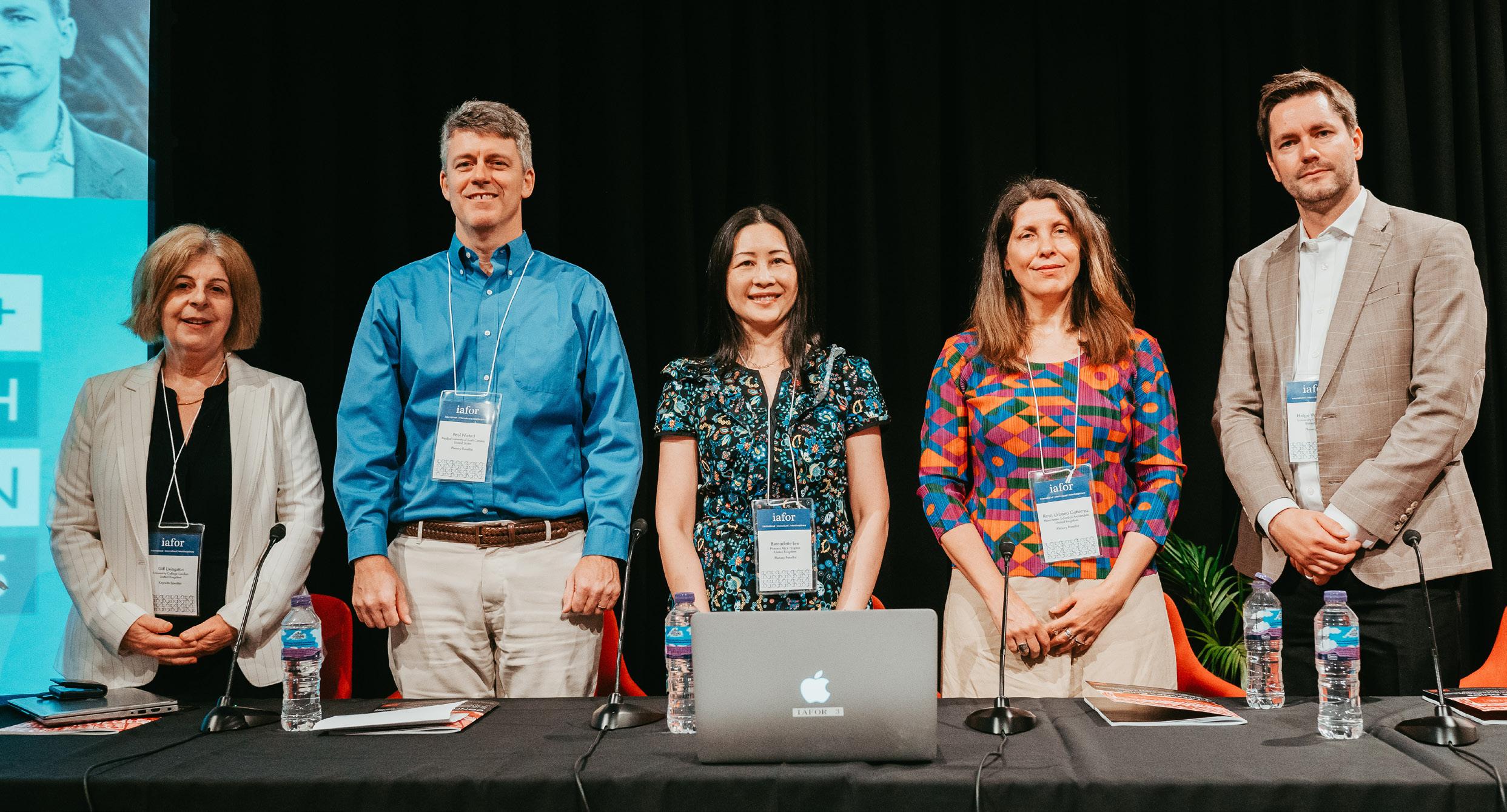
To showcase the relevance and possibilities that come from interdisciplinary research, a panel on ‘Supporting Independent Living, Health and Healthcare Needs in Older Age: Integration of Robots and Smart Technology Within the Home’ ambitiously attempted to bring together perspectives from architecture, built environment, gerontology, and technology and AI. Moderated by Dr Jane Biddulph of University College London (UCL), this multidisciplinary panel discussed the potential and challenges of integrating robots and smart technology into domestic environments to support independent living for older adults, particularly those experiencing frailty or dementia. Panellists commented on prior demonstrations of assistive robots, bringing the discussion’s emphasis towards matching technology to real-world resident needs, preferences, and ethical considerations: enhancing quality of life rather than substituting human care. The panel featured Dr Rosa Urbano Gutiérrez of the Manchester School of Architecture, United Kingdom; Dr Bernadette Lee of the Princess Alice Hospice, United Kingdom; Dr Paul J Nietert of the Medical University of South Carolina, United States; and Dr Helge Wurdemann of University College London (UCL)
Professor Gill Livingston joined the panel and shared insights from a systematic review revealing limited evidence for robots’ effectiveness in dementia care, despite feasibility. Current trials with a companion robot offering music, reminders, exercises, art viewing, and conversation in the home aim to address initiation difficulties and reduce caregiver repetition stress, while acknowledging the irreplaceable need for human interaction.
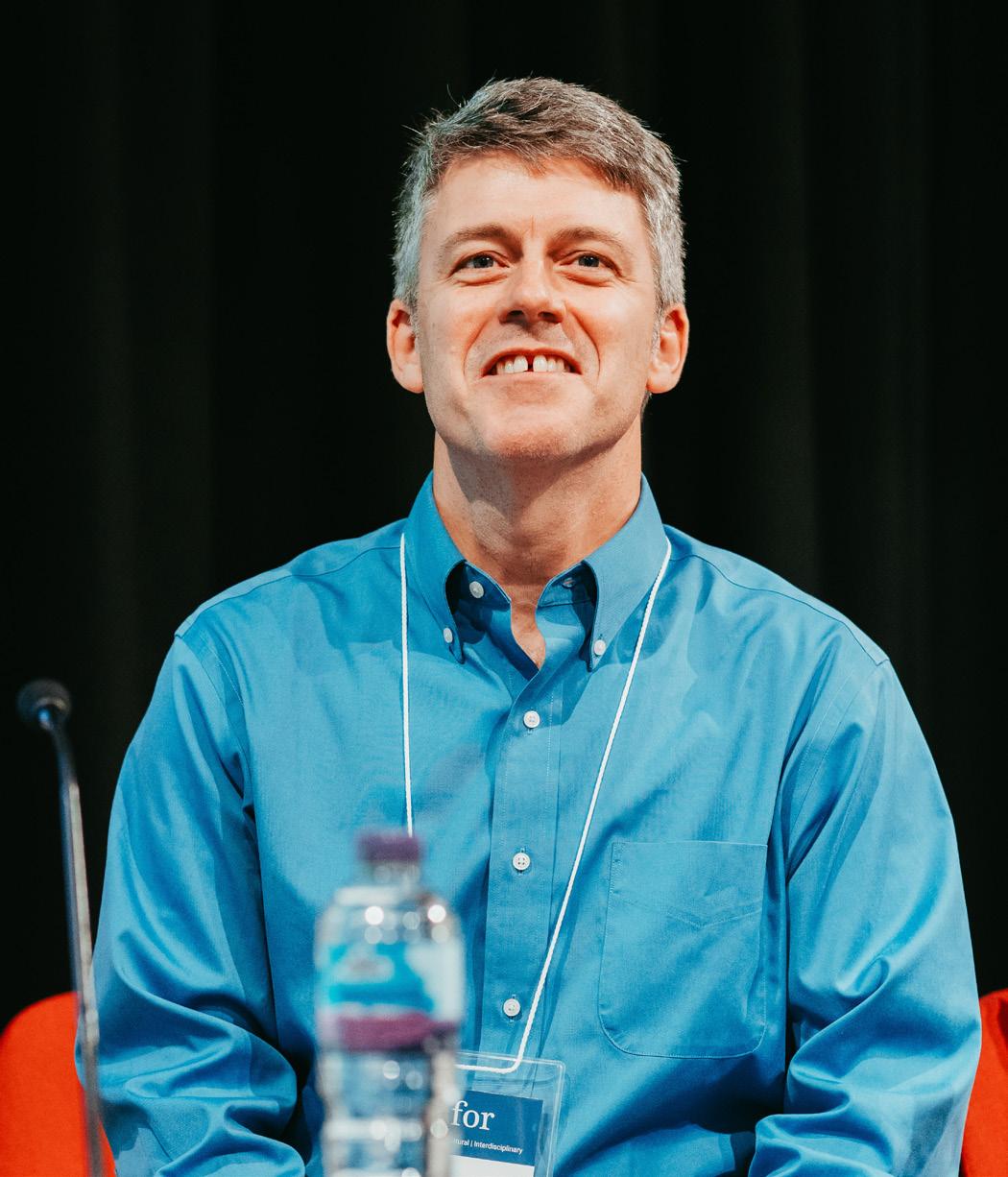
Dr Paul J Nietert, biostatistician from the Medical University of South Carolina, drew parallels from multidisciplinary studies, including colorectal screening improvements via stakeholder input and music therapy boosting alertness in Alzheimer’s patients. He stressed that innovative solutions require diverse perspectives, from nurses and office staff to caregivers, and suggested robots could incorporate music or other engaging elements.
From left to right: Professor Gill Livingston, Dr Paul J Nietert, Dr Bernadette Lee, Dr Rosa Urbano Gutiérrez, Dr Helge Wurdemann
Watch on YouTube
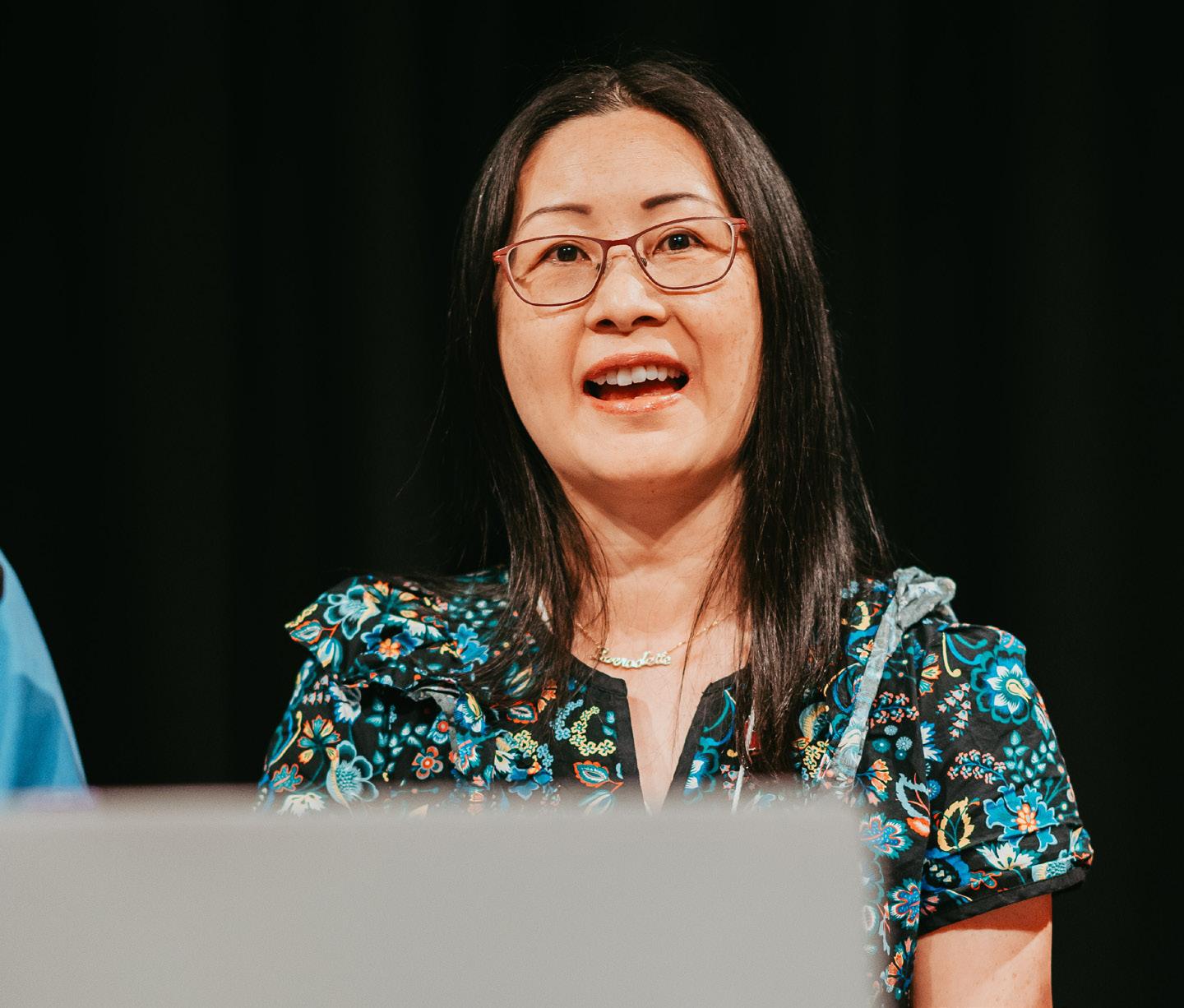
Dr Bernadette Lee, consultant in palliative medicine at Princess Alice Hospice, provided practical grounding within the panel through her clinical experience. In clinical reality, complex, unstable conditions, medication burdens, and workforce shortages hinder AI integration. Patients struggle with existing apps; equity, sustainability, and rapid fixes for failures are critical concerns. She welcomed innovation but highlighted human factors often seen in ageing populations, such as resistance to home changes, and the need for reliable support systems.
Dr Rosa Urbano Gutiérrez, architect from the Manchester School of Architecture, addressed environmental integration: retrofitting typical UK homes such as the blueprint terraced houses with stairs poses significant challenges. Further more, when considering sensor-friendly surfaces, patterns, widths, and noise, robot-inclusive design— is absent from current curricula and regulations, yet essential for seamless cohabitation.
Top: Dr Jane Biddulph, University College London (UCL)
Bottom left: Professor Gill Livingston, University College London (UCL)
Bottom right: Dr Helge Wurdemann, University College London (UCL)
Dr Helge Wurdemann, roboticist at University College London (UCL), focused on technical and ethical feasibility in ‘extreme’ home environments. He advocated for augmentation over replacement, emphasising inherently safe physical interactions via soft materials, and motivating caregiving careers while involving all stakeholders (residents, caregivers, designers) to identify priority challenges and ensure trust.
Dr Chrysikou, who previously introduced the panel, claimed that this research is first of its kind and extremely important in that it attempts to bring together various disciplines to solve a challenge, which has up to now been approached only insufficiently by disciplinary research. She noted that the way forward when researching older adults should be interdisciplinary, and commended the panel’s ambitious goal. The panel concluded cautiously optimistic: robots hold transformative potential amid shortages, but require robust evidence, ethical frameworks, multidisciplinary collaboration, and real-world adaptability to truly support dignified independent ageing.
Top: Dr Rosa Urbano Gutiérrez, Manchester School of Architecture
Bottom left: Dr Paul J Nietert, Medical University of South Carolina
Bottom right: Dr Bernadette Lee, Princess Alice Hospice
5. Conflict, Politics, Climate Change, and Education
The future we are preparing for seems extremely uncertain. Geopolitical tensions, political conflict, and climate change are becoming an everyday reality that is affecting all of us, regardless of age or nationality. Not only do we need more inclusivity and leadership skills, as was discussed in Section 2, but we also need to focus more on ethics, justice, and the human. As we are trying to rethink how we prepare for this uncertain future through education, it is also important to keep in mind that education can work as a double-edged sword. While many like to see it as the panacea for conflict, speakers at ECE/ECAH/EGen2025 also cautioned against its potential to fuel more conflict and injustice. Developments in contexts of political conflict and climate change negotiations are particularly affected by reinforcing existing narratives.
5.1. Education in Contexts of Political Conflict
Dr Tejendra Pherali, Professor of Education, Conflict and Peace at University College London (UCL), delivered a keynote on ‘Education in Contexts of Political Resistance and Armed Struggles: Towards an Agenda for Peace with Justice’, challenging conventional views of education as an unqualified societal good. We are currently living amidst the highest number of global conflicts since World War II, with 56 active armed conflicts involving 92 countries and displacing millions. Dr Pherali highlighted how this unprecedented violence poses a profound crisis in education, with over 70 million children out of school in crisis-affected areas and chronic under-research on learning in these contexts.
He introduced the innovative VPLP framework—Victim, Perpetrator, Liberator, Peacebuilder—to analyse education’s complex intersections with conflict and peace. As Victim, education suffers deliberate attacks (e.g., Nigeria’s Boko Haram targeting schools teaching ‘Western’ subjects, or military occupation of facilities). As Perpetrator, education fuels grievances through cultural assimilation, segregated systems, and manipulated histories (e.g., Nepal’s pre-2006 policies marginalising ethnic minorities,
Dr Tejendra Pherali, Professor of Education, Conflict and Peace at University College London (UCL) Watch on YouTube
contributing to Maoist rebellion). As Liberator, grassroots and social movement education fosters critical consciousness and resistance (e.g., Colombian indigenous communities using participatory action research to challenge neoliberal land grabs). As Peacebuilder, collaborative initiatives promote reconciliation (e.g., the Northeast Asia common history textbook project uniting Chinese, Japanese, and Korean scholars for balanced narratives).
Dr Pherali critiqued the dominant ‘more education is better’ paradigm, arguing it ignores how education can perpetuate symbolic violence and inequality. He called for transforming education from victim/perpetrator to liberator/peacebuilder roles through improved access, social cohesion, a human rights focus, and post-war reconciliation.
The keynote confronted ‘uncomfortable truths’: framing conflicts as endogenous obscures colonial legacies and geopolitical complicity; securitisation of aid serves donor interests; Western arms supply contradicts humanitarian rhetoric. Drawing on Michael Rothberg’s ‘implicated subject,’ Dr Pherali urged researchers and institutions to acknowledge their embeddedness in systems of oppression and pursue collective responsibility for justice. Ultimately, Dr Pherali advocated a critical, ethically grounded agenda: recognising education’s multidirectional impacts and leveraging its transformative potential for peace with justice in an increasingly fractured world.
His keynote reflects IAFOR’s recognition of ‘Education for Peace’ as one of its central themes for the next five years, and builds on discussions of education’s influence in contexts of political contestation, as seen at ACAH/ACCS/ACSS2025 and BCE/ BAMC2025 (forthcoming). UNESCO’s Assistant Director-General for Education, Dr Stefania Giannini, addressed education’s potential as a soft-power to bring peace at IAFOR’s PCE/PCAH2025 conference. However, arguments like Dr Pherali’s, as well as Professor Marie Lall’s (ACAH/ACCS/ACSS2025) and Professor Brendan Howe’s (BCE/ BAMC2025, forthcoming) view of how problematic it is to view education as a tool for national power, continue an interesting debate within IAFOR regarding education’s paradox in establishing peace and fueling conflict.
5.2. Negotiating Action Against Climate Change
Another universal challenge that affects all of us and our sustainable future is climate change. As IAFOR’s President, Professor Jun Arima of The University of Tokyo, mentioned at previous IAFOR conferences, even though it affects countries disproportionately, it is still a challenge that is not confined by national borders. The plenary panel, ‘Climate Change and International Cooperation: Educating in a Contested Space’, moderated by IAFOR’s Chairman & CEO, Dr Joseph Haldane, and featuring Professor Arima, Antony Froggatt of the European Federation for Transport and Environment, and Bernice Lee of Chatham House, examined the state of international climate cooperation ahead of COP 30, blending cautious realism with calls for pragmatic delivery amid geopolitical fragmentation.
Professor Arima, Visiting Professor at The University of Tokyo and longtime observer of UN climate negotiations, opened with a sobering assessment. Drawing from his experience at over 20 COPs, he identified four critical ‘gaps’ undermining prospects for ambitious outcomes at COP 30: an ambition gap (aggregated revised NDCs unlikely to align with the 1.5°C pathway, requiring infeasible 8-9% annual emission cuts); a financial gap (disappointment over COP 29’s $300 billion new collective quantified goal, compounded by U.S. withdrawal and rising defense budgets); a priority gap (UN surveys showing stark SDG differences, e.g., climate action ranks highest in Sweden but 15th in China); and a willingness gap (Japanese surveys revealing only 46% public support for higher energy costs, with most accepting minimal increases). Professor Arima concluded that COP 30’s outlook is ‘not at all optimistic,’ with tangible results uncertain despite ongoing dialogue.
Bernice Lee, Distinguished Fellow at Chatham House, responded with a vivid metaphor: the world suffers from ‘bad boss syndrome,’ where half feels demoralised by leadership and the other half questions the need for a boss at all. She argued geopolitics is evolving, not inevitable fragmentation, and urged moving from the ‘ambition game’ to the ‘delivery game.’ Brazil’s COP 30 focus on implementation offers hope if it reduces theatrics and reaffirms past agreements without renegotiation.
From left to right: Dr Joseph Haldane, Antony Froggatt, Bernice Lee, Professor Jun Arima
Watch on YouTube
Lee advocated for ‘coalitions of the doing’, groups already aligned on action, over those content with merely ‘willing.’ Emphasising co-benefits such as energy security, prosperity, and health, she called for growing the ‘green pie together,’ warning that fighting erodes trust while corporations increasingly bear duplication costs from fragmented supply chains.
Antony Froggatt, Senior Director at Transport & Environment, highlighted current climate impacts: ~1.5°C warming has already been reached, and it’s ‘just the beginning’ with worsening extremes. However, he countered with optimism on rapid transitions. Germany now generates 84% of electricity from renewables, a pace unimaginable decades ago. This proves modular, scalable technologies can transform sectors quickly. China’s dominance (80% global solar panels, 65% wind turbines, 70% EVs; massive 2024 deployments) makes cooperation essential despite perceptions as a challenge. Mr Froggatt urged balancing industrial priorities with collaboration, cautioning against over-relying on unproven ‘unicorn’ solutions like direct air capture.
The panel conveyed urgency tempered by practical pathways: reframe narratives around co-benefits, prioritise delivery through coalitions, and leverage existing technological momentum.
Top: Dr Joseph Haldane, Chairman & CEO of IAFOR
Bottom left: Professor Arima, Visiting Professor at The University of Tokyo and President of IAFOR
Bottom center: Bernice Lee, Distinguished Fellow at Chatham House
Bottom right: Antony Froggatt, Senior Director at the European Federation for Transport and Environment
6. Conclusion
The joint conference uniting The 13th European Conference on Education (ECE2025), The 13th European Conference on Arts & Humanities (ECAH2025), and The 5th European Conference on Aging & Gerontology (EGen2025) exemplified the profound value of interdisciplinary dialogue in addressing complex global challenges.
The conference reaffirmed education’s multifaceted role in addressing the pressing challenges of our era: inclusion, technological disruption, intergenerational equity, global crises, and societal transformation. Across plenary sessions, keynotes, panels, and interactive forums, recurring themes emerged—inclusivity as a driver of innovation, the ethical integration of AI in learning, the liberating potential of interdisciplinary collaboration, and education’s capacity to foster resilience amid conflict, ageing, and climate urgency.
Professor Anne Nortcliffe’s transformative model demonstrated that deliberate equity, diversity, and inclusion initiatives can reshape exclusionary fields like engineering, creating pipelines that mirror society’s richness and yield ethical, innovative outcomes. Complementing this, discussions on AI urged proactive, human-centred adoption—prioritising critical thinking, sustainability, and access—to prepare global citizens rather than displace them.
Dr Tim Beasley-Murray’s eloquent defence of universities as spaces of ‘serious play’ reminded delegates that bounded freedom and experimentation remain essential for imagining fairer futures, while the interdisciplinarity forum highlighted shared values—trust, openness, and respect—as foundations for crossing disciplinary borders.
Other plenary addresses further broadened the lens: from Professor Gill Livingston’s evidence-based optimism on dementia prevention and the life-course imperative in gerontology, to Dr Tejendra Pherali’s critical examination of education’s dual role in conflict and peacebuilding, and the climate panel’s pragmatic call to shift from ambition to delivery through coalitions and co-benefits. Together, these contributions underscored education’s interconnectedness with health, justice, environment, and technology.
The conference exemplified IAFOR’s strength in convening diverse voices for genuine dialogue, inspiring participants to return to their institutions with renewed commitment. The conference affirmed that inclusive, interdisciplinary, and ethically grounded education is not merely aspirational—it is indispensable for mending human relationships, building cognitive reserve across generations, and forging sustainable, just pathways forward. The challenge now lies in translating these insights into engaged practice. This is becoming a key cultural concer n in the face of the existential crises posed by climate change, nuclear war and AI, and in particular, responding to the narrowing of future possibilities that come presently from ethnonationalist and hyper capitalist forces.
This sentiment reflects the central and core mission of IAFOR to create spaces of conviviality, belonging, and sense-making. Professor Baden Offord, member of the International Academic College of IAFOR and professor at Curtin University, Australia, put it succinctly at a recent International Academic College (IAC) meeting that ‘it is important to reframe narratives of belonging and return to the rubric of the power of storytelling’. According to him, ‘we need more than ever, new narratives of belonging, knowledge making, creativity, and ethics to identify and give energies to opening up conversations, honing the skills, value and strengths of conviviality and diverse voices’. IAFOR will continue to address these themes in our upcoming conferences.
7. Networking and Cultural Programme
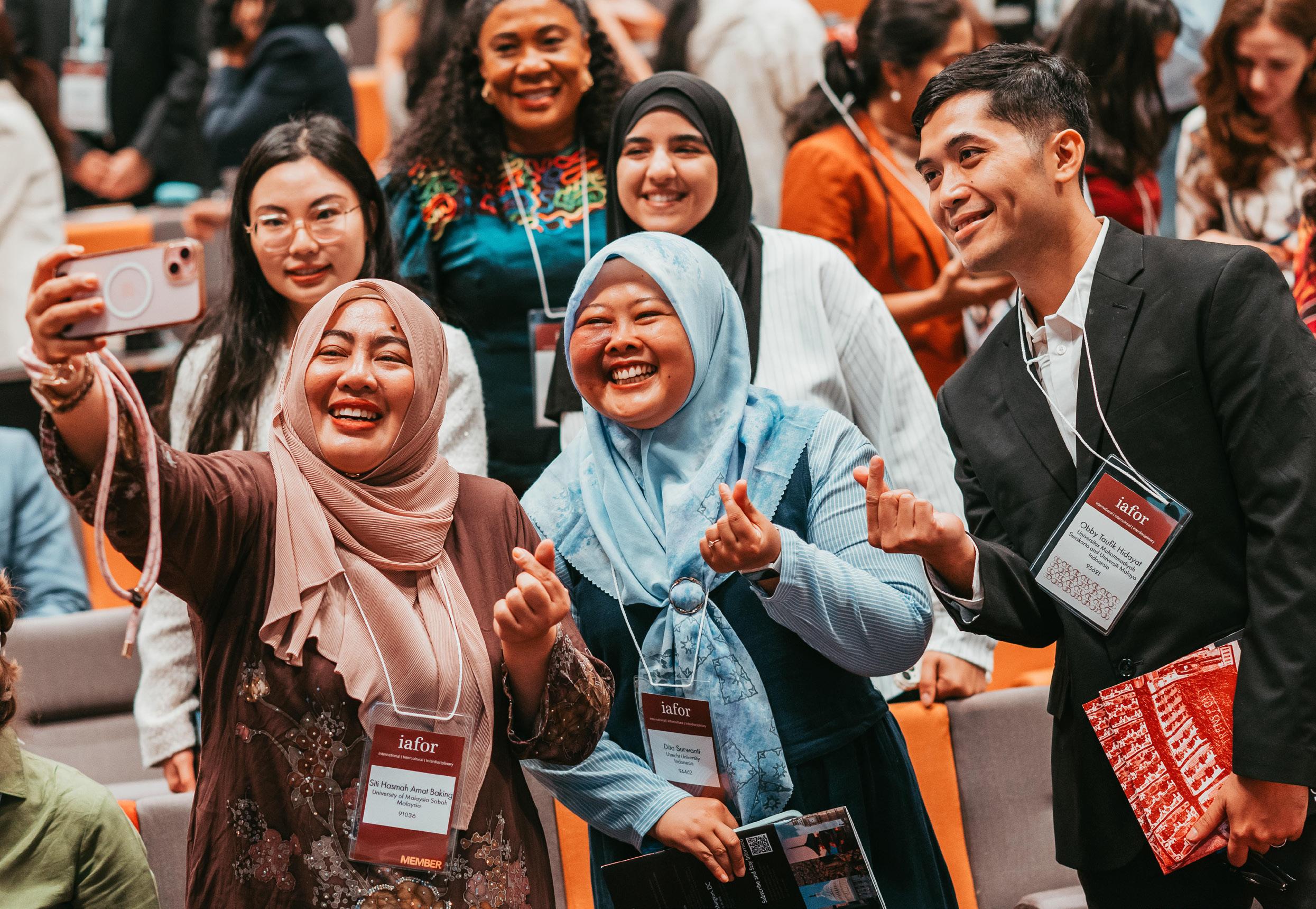
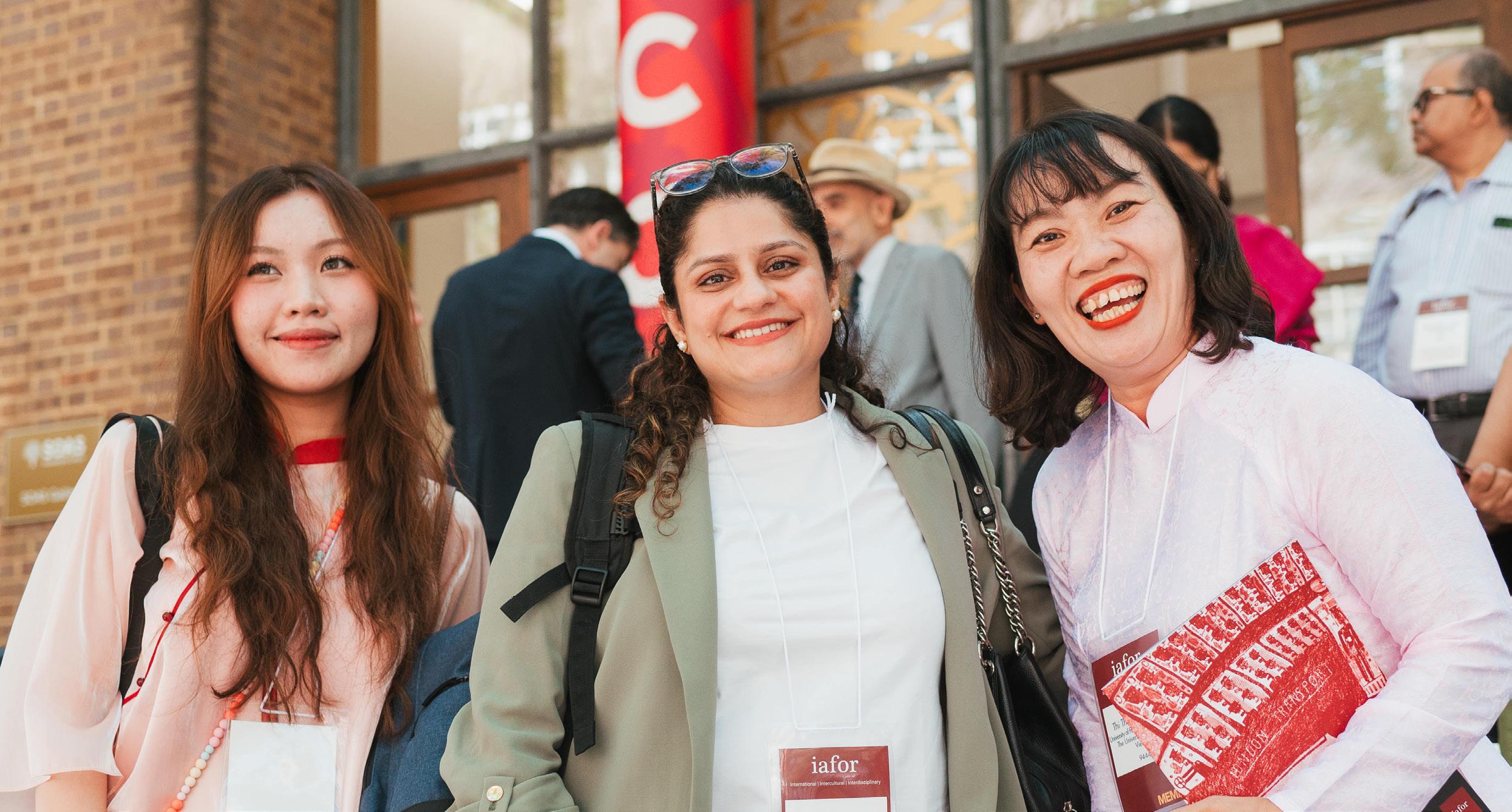
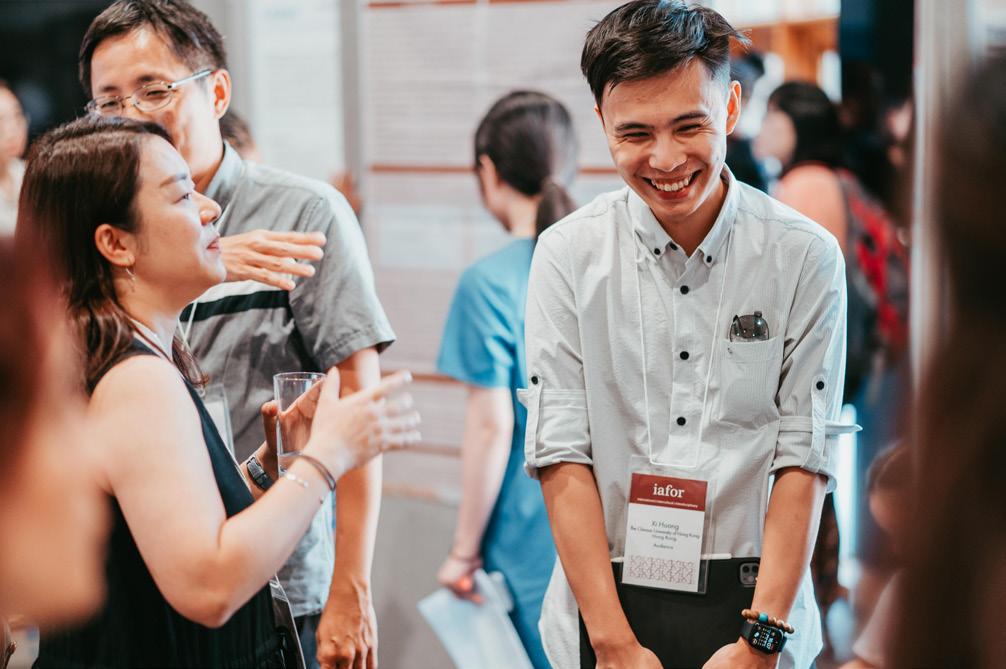
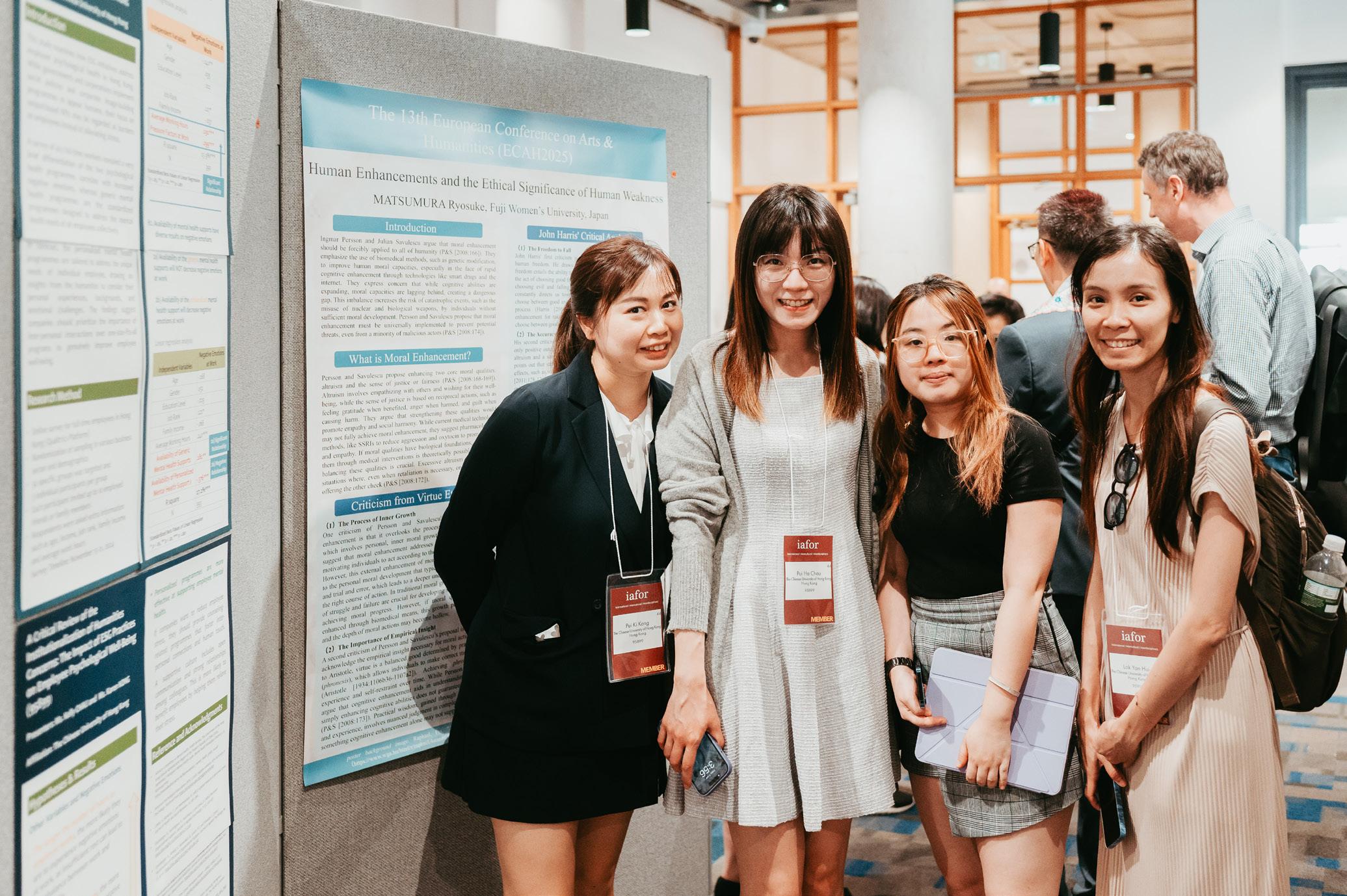
Networking events within our conference programmes provide designated spaces for open discussion, forming professional connections, and inspiring collaboration within and outside the conference venue. The conference itinerary featured a variety of such spaces, welcoming both returning delegates and new members alike.
Welcome Reception
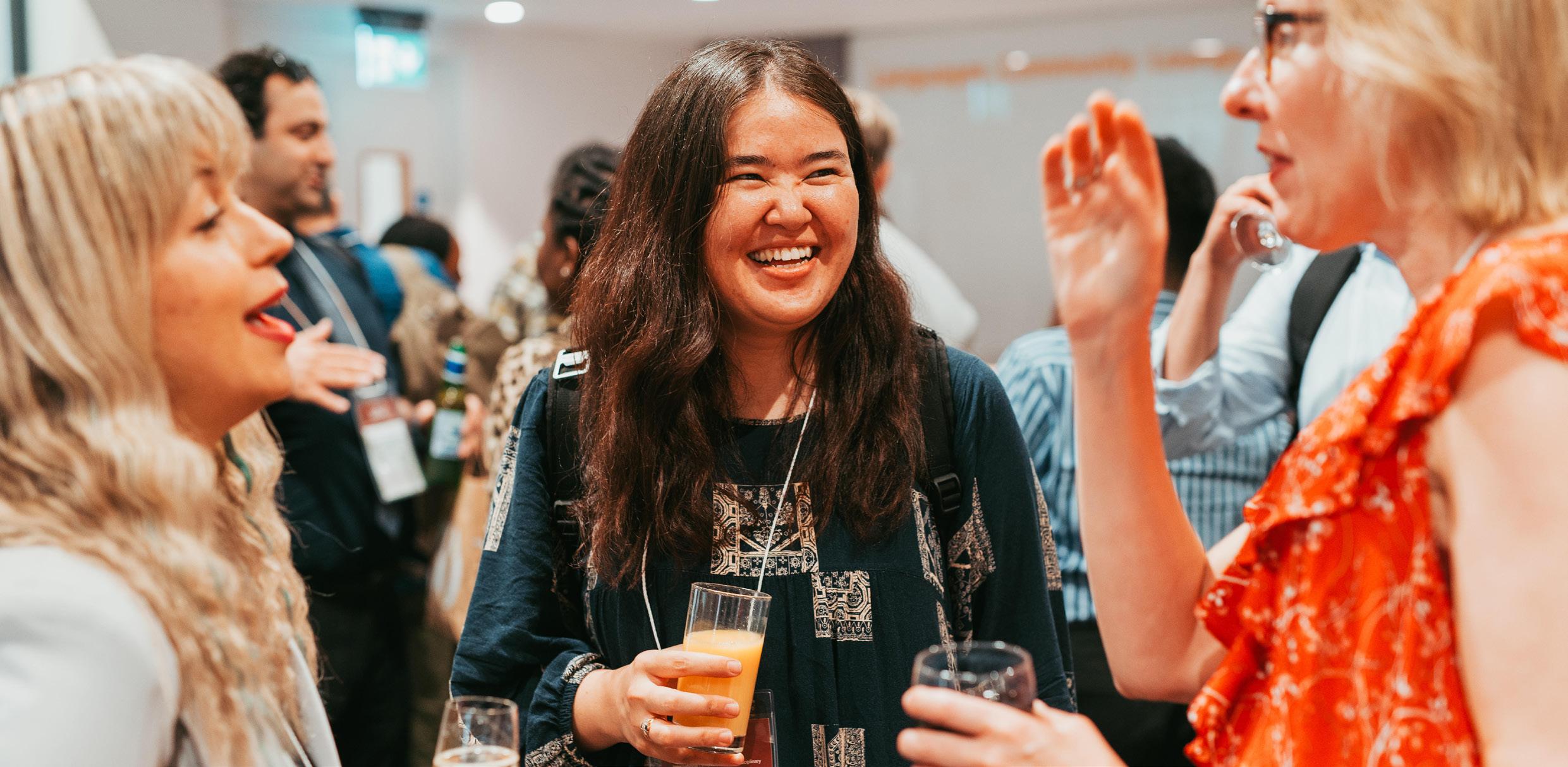
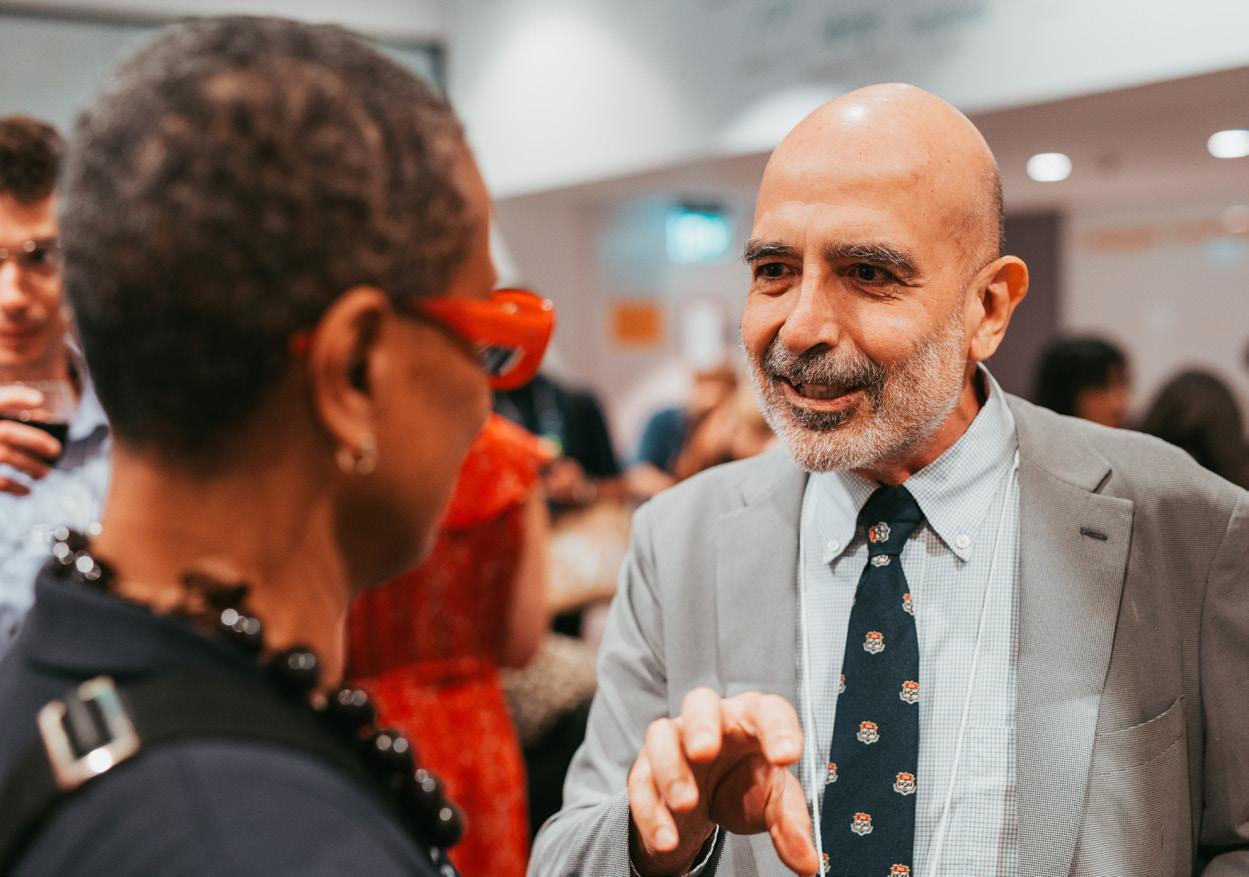
The Conference Welcome Reception capped off the first day of conference plenaries, inviting delegates both familiar and new to the IAFOR network to carry on discussions prompted by the first day of presentations, while casually enjoying drinks and finger food. Plenary speakers joined delegates at the reception to speak one-onone about their work, research, and ideas as well. A staple within IAFOR’s conference programme, the Welcome Reception is always free for all registered delegates to attend, where they are encouraged to expand upon the conference programme and their network.
Classic British Pub Quiz
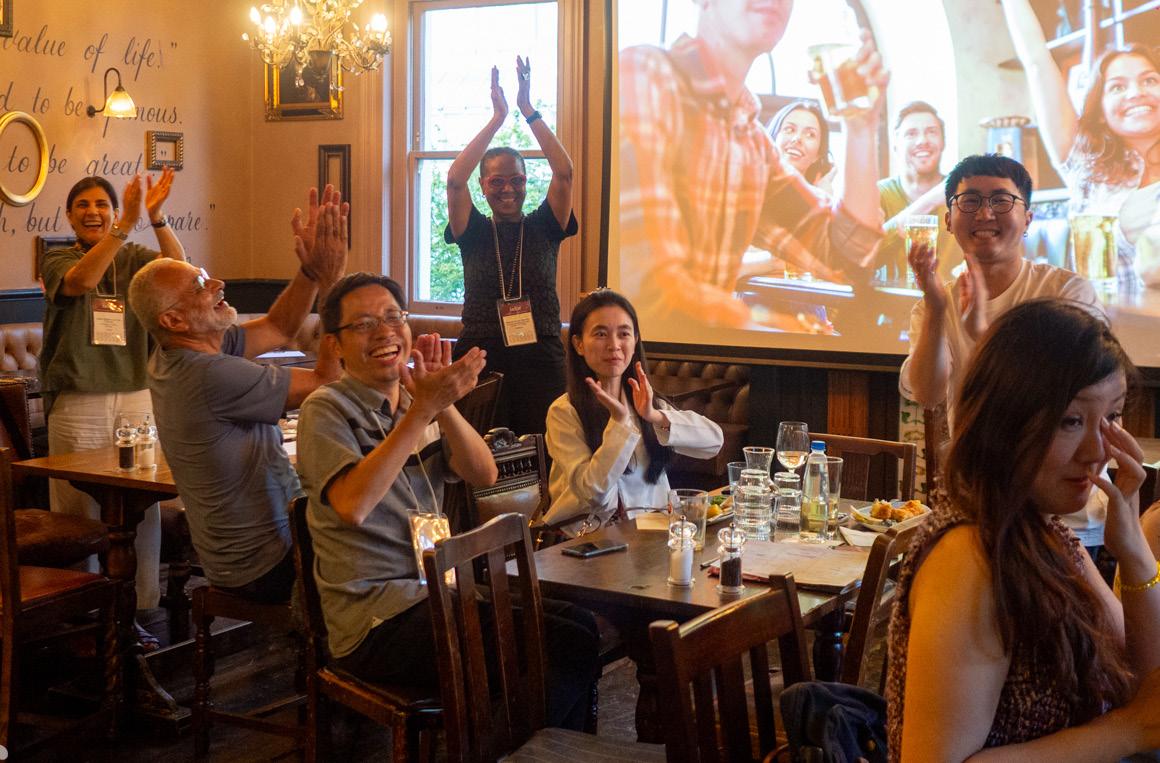
The conference post-plenary programme also featured a Pub Quiz Networking Event at The Marquis Cornwallis pub. Pub quizzes are a well-established feature of British tradition, bringing people together in a fun and relaxed setting to test their knowledge and enjoy a sense of friendly competition. Drawing on this cultural tradition, the quiz asked a wide range of questions focused on British history, culture, society, and entertainment, allowing delegates to not only experience an authentic part of British life, but to also learn something new along the way. To complete the experience, the evening was accompanied by classic fish and chips, adding a familiar taste of Britain to the event.
Conference Dinner at the Savile Club, Mayfair
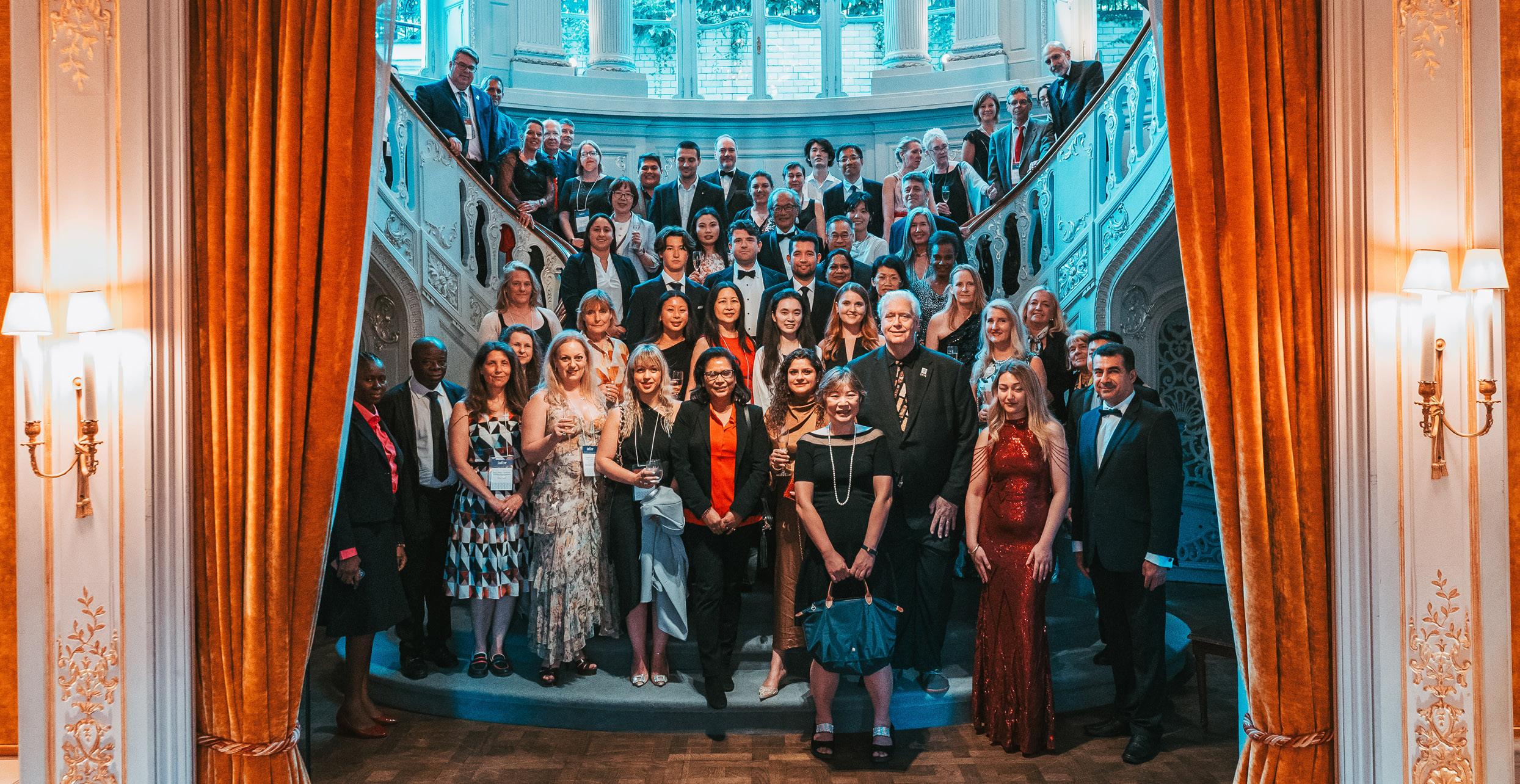
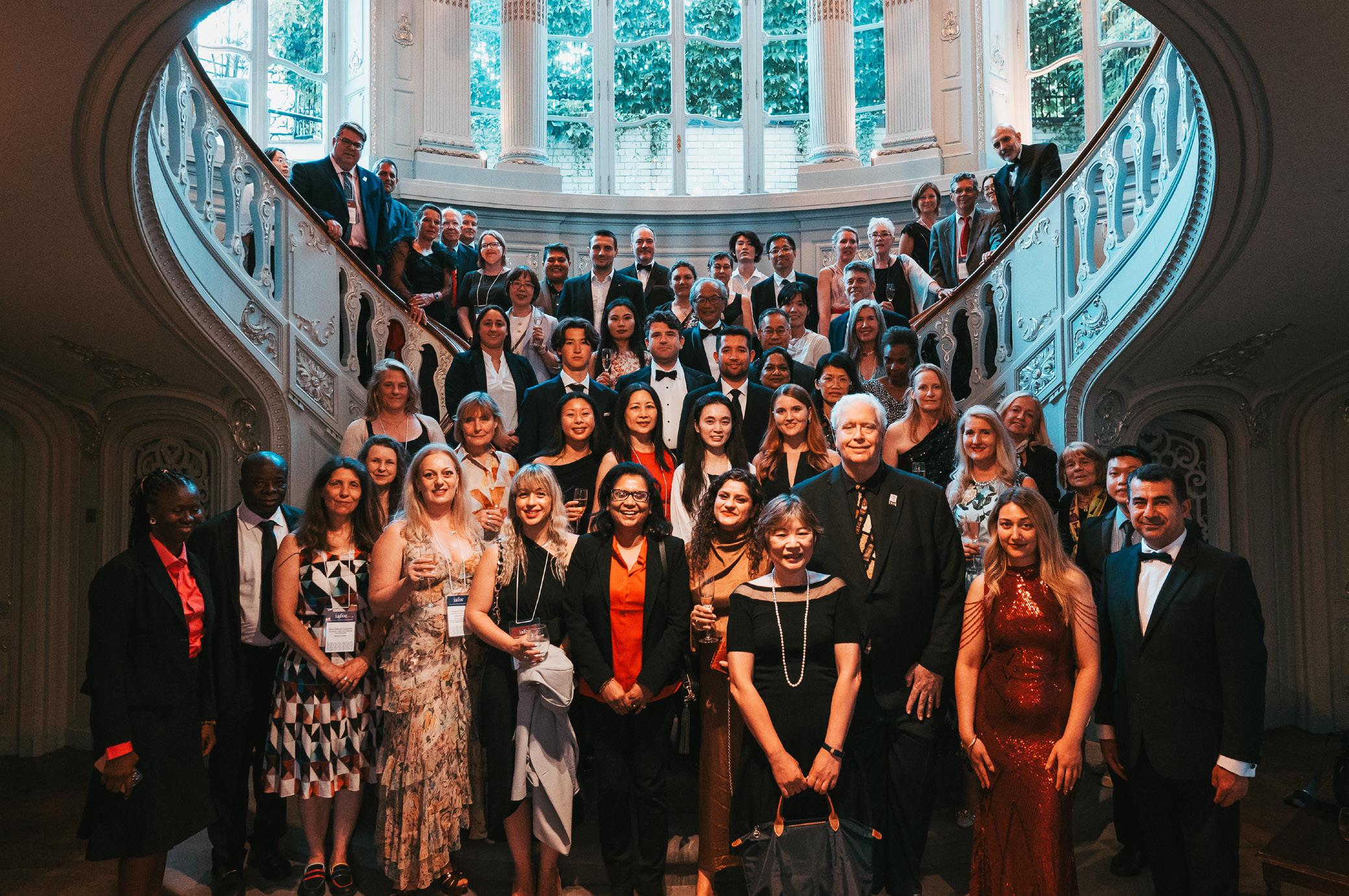
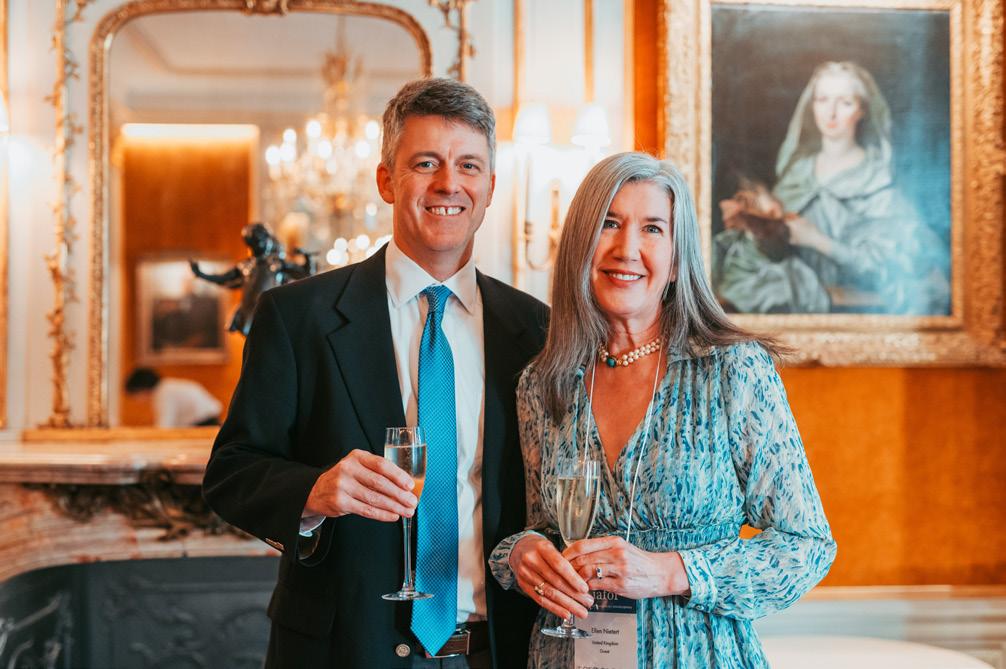
The Conference Dinner was held at London’s historic Savile Club, a yearly IAFOR tradition. Established in 1868, the Savile Club has long been a gathering place for the city’s intellectuals, artists, and dignitaries, with IAFOR delegates and conference speakers continuing this tradition of intellectual exchange and camaraderie within the historic venue. Professor Bruce Brown, former Pro-Vice-Chancellor at the University of Brighton, Visiting Professor at the Royal College of Art, and a member of the prestigious club, opened the banquet with an explanation of the Savile Club’s history. He spoke on how Thomas Hardy, Sir Ralph Richardson, Sir Charles Darwin, and Sir Edward Elgar all took prominent positions in illustrating how much intellectual power and history the Savile Club holds. IAFOR gathered delegates at this very site to continue its steadfast tradition in engaging in intellectual exchange and dialogue over fine dining. IAFOR CEO & Chairman Dr Haldane also delivered a thank you speech, congratulating the speakers on their insightful presentations, expressing his appreciation for the high calibre of discussion that had taken place throughout the day.
Key Statistics
D a t e of C r ea t ion : J u ly 24, 2025
DELEG AT ES
F R OM COUNT R IES
O nsite
Pre se ntatio ns
Top S t re a ms
61% U niv e rsity Faculty
19% Doctoral S tude nt
6 5% Othe r 4. 5% Postdoctoral Fe llow /Instructor 4% Postgraduate S tude nt 2% Inde pe nde nt S cholar
O nline
Pre se ntatio ns I nstitutio ns and O rganisatio ns
1 5% Public S e ctor/Practitione r 1 5% Priv ate S e ctor
1 Teaching E xp er iences, P ed ag o g y,
P r act ice & P r axis (3 7 )
2 Hig her E d ucat io n (3 7 )
3 Desig n, I mp lement at io n & Assessment o f I nno vat ive Techno lo g ies
in E d ucat io n (2 8 )
4 E d ucat io nal P o licy, Lead er ship , Manag ement & Ad minist r at io n (2 4 )
5 Lear ning E xp er iences, St ud ent Lear ning & Lear ner Diver sit y (2 3 )
3 7 3 7 2 8 2 4 2 3
Top C ount ri e s by
Date o f Cr eatio n: Sep temb er 2 2 , 2 0 2 5 Yo ur feed b ack p lays a vit al ro le in s hap ing t he fut ure o f IAFO R co nferences Guid ed b y t he Jap anes e p rincip le o f 'k aiz en ' a
Re comme nda t i on Re t urne e s
of delega tes w ou ld recom m en d th e I AF O R ev en t to a f rien d or a collea gu e of delega tes h a v e a tten ded a n I AF O R con f eren ce bef ore
P re -C onfe re nce C ommuni ca t i on & S uppor t Ra t i ng
C onfe re nce S a t i sfa ct i on of delega tes a re sa tisif ed or con ten t w ith th e ev en t
C onfe re nce Expe ri e nce Ra t i ng
D e l e g a t e s' M ot i va t i on for A t t e ndi ng
*Per c entage bas ed on 302 m ar ked options fr om 106 r es pons es
A ca de mi c Q ua l i t y Ra t i ng
“A g reat if rs t exp erien ce. I m ade valu ab le con tacts , f elt w ell s u p p or ted, an d f ou n d p res en tation s h ig h ly relevan t to m y if eld.”
4.50 Ov e rall Ne tw orking Expe rie nce 4.00 Hospitality & A mbie nce 4.00 Ov e rall C onfe re nce Expe rie nce 4.00
The post-conference survey sent to ECE/ECAH/EGen2025 attendees included the questions below
Before the conference (Q1-Q5): Evaluating submission, registration, and communication processes
Q1 Please rate your experience with the submission and review system.
Q2 Please rate the quality of the information provided on the website.
Q3 Please rate the quality of the information provided in the emails you received.
Q4 Please rate the registration process.
Q5 How would you rate the overall pre-conference support you received?
Q6 Please rate the quality of the plenary sessions and featured presentations.
Q7 Please rate the quality of the conference parallel presentations.
Q8 Please rate the overall content of the conference (academic quality, relevance, diversity).
Conference Experience (Q9-Q13): Measuring hospitality, networking opportunities, and overall satisfaction
Q9 Please rate the conference hospitality and ambience.
Q10 Please rate the opportunities to connect with fellow participants during the conference.
Q11 Please rate your overall networking experience at the conference.
Q12 Please rate your overall conference experience.
Q13 Considering your complete experience at our conference, how likely would you be to recommend us to a friend or a colleague?
We have received 106 responses out of 519 delegates. Below is an overview of the results.
Overall Score by Attendee Types
Delegates attending the ECE/ECAH/EGen2025 found the overall pre-conference support helpful. They have received useful information from IAFOR before joining the conference, rating the information provided on the website at 4.44 out of 5. The submission system was found to be very easy to use by 90.75 percent of the respondents. Our email communication was timely and clear, with an overall score of 88.87 percent. The registration system was straightforward and easy, with around 89 percent of the respondents rating it at 4.45 out of 5.
The conference performed well in terms of academic content delivery, with an overall score of 85.47 percent. The plenary sessions and featured presentations were found to be engaging, with an overall 84.72 percent satisfaction. As for delegates’ presentation, 95.28 percent of the respondents found parallel presentations to be well-prepared and informative.
IAFOR is a platform for international, intercultural, and interdisciplinary collaborations. Our delegates found the opportunities to connect with fellow participants during the conference to be moderate interaction by 82.26 percent of the respondents. Delegates attending the conference onsite found the networking experience to be somewhat effective but could be improved, with a 74.53 percent rate of satisfaction. Our conference’s hospitality and ambience are pleasant and inviting, with a 4.04 out of 5 rating from the respondents.
In conclusion, our respondents rate the overall conference experience at 4.15 out of 5, an 83.02 percent satisfaction. Overall, the delegates are satisfied with the conference, and 82.08 percent of the respondents would recommend IAFOR conferences to their peers. We look forward to welcoming you to our upcoming conferences. Please visit www.iafor.com/conferences for more details.
In conclusion, our respondents rated the overall conference experience at 4.15 out of 5, an 83.02 percent satisfaction. 81.70 percent of respondents were satisfied with the conference, and they are highly likely to recommend IAFOR conferences to their peers. We look forward to welcoming you to our upcoming conferences. For more details on our upcoming conference, please visit www.iafor.com/conferences.
Individual Responses Sorted by Total Score
5
5
5
4 5 5
5
5
5
4
Conference Photographs
Appendix I. Affiliations by Region
Africa
Algeria
Batna 2 University
University of Medea
Botswana University of Botswana
Ghana
Akenten Appiah-Menka University of Skills Training and Entrepreneurial Development
Ashesi University
Ghana Revenue Authority University of Cape Coast University of Ghana
Wesley College of Education
Egypt
The American University in Cairo
Egypt Education Platform Higher Technological Institute
Morocco
ENSAS Cadi Ayyad University Institute of Educational Sciences
Nigeria
Emmanuel Alayande University of Education
Enugu State University of Science and Technology
Federal College of Education, Yola Federal Polytechnic Ayede
Kingsley Ozumba Mbadiwe University University of Calabar
University of Ibadan
University of Port Harcourt
South Africa
Durban University of Technology
North-West University
Sol Plaatje University
University of KwaZulu-Natal University of Limpopo
University of Pretoria
University of South Africa
University of the Free State University of the Witwatersrand
Asia
China
Beijing Vocational College of Labour and Social Security
Fudan University
Hebei University of Technology
Henan University of Economics and Law
Hunan Normal University
Nanjing Normal University
Northeast Normal University
Peking Union Medical College
Shandong University of Arts
Sun Yat-sen University
Yew Chung International School of Shanghai
Wuxi Vocational College of Science and Technology
Xi’an Jiaotong-Liverpool University
Xiamen University
Zhejiang University
Hong Kong
Hong Kong Metropolitan University
Hong Kong Shue Yan University
Lingnan University
The Chinese University of Hong Kong
The Education University of Hong Kong
The Hong Kong University of Science and Technology
The Hong Kong Polytechnic University
The University of Hong Kong
HKU School of Professional and Continuing Education (HKU SPACE)
India
Aliah University
Alliance University
CHRIST (Deemed to be University)
Hemvati Nandan Bahuguna Garhwal University
National Institute of Advanced Studies
National Institute of Fashion Technology
Nava Nalanda Mahavihara (Deemed University)
Ministry of Culture, Government of India
The English and Foreign Languages University
University of Delhi
Wadiyar Centre for Architecture
Indonesia
Nurul Jadid University
Universitas Muhammadiyah Surakarta
Universitas Sarjanawiyata Tamansiswa
Iran
Islamic Azad University
University of Tehran
Iraq
American University of Kurdistan
The Presidency of Kurdistan Region
Israel
Bar-Ilan University
Braude College of Engineering
Hebrew University of Jerusalem
Kinneret Academic College
Levinsky-Wingate Academic College
Max Stern Academic College of Emek Yezreel
Sami Shamoon College of Engineering
Tel-Hai Academic College
Japan
Chukyo University
Chuo University
Doshisha Women’s College of Liberal Arts
Fuji Women’s University
Higashi Nippon International University
Hiroshima Shudo University
Hokkai-Gakuen University
Ibaraki Christian University
International Christian University
Japan International Cooperation Agency (JICA)
Kobe University
Kyoto Koka Women’s University
Kyoto University
Meijo University
Osaka Seikei University
Saitama Medical University International
Medical Center
Takarazuka University
Tokushima University
Tokyo Denki University
Tsuru University
The University of Tokyo
Utsunomiya University
Yasuda Women’s University
Kazakhstan
Center of Excellence of the AEO
“Nazarbayev Intellectual Schools”
SDU University
Suleyman Demirel University
Kuwait
American University of Kuwait
Malaysia
Sultan Idris Education University
Universiti Malaya
Universiti Malaysia Sabah
University of Malaysia Sabah
Nepal
Tribhuvan University
Pakistan
Ample Excellence Institute Lahore
Superior University Lahore
University of Management and Technology Lahore
Palestine
Al Quds University
Philippines
De La Salle Medical and Health Sciences Institute
De La Salle University
Philippine Normal University
Polytechnic University of the Philippines
University of Santo Tomas
Qatar
The Center for Empowerment and Care of the Elderly “Ihsan”
Saudi Arabia
Al Khaleej Training and Education – King
Saud University
Imam Mohammad Ibn Saud Islamic University
King Khalid University
King Saud bin Abdulaziz University for Health Sciences
King Saud University
Ministry of Education
Najran University
Northern Border University
Qassim University
The Islamic University of Madinah
University of Jeddah
Singapore
Changi General Hospital
Nanyang Technological University
National Institute of Education, Nanyang
Technological University
National University of Singapore
Singapore Centre for Chinese Language, Nanyang Technological University
Singapore Institute of Technology
South Korea
Ajou University
Chungnam National University Hospital
Daegu University
Dong-A University
Gangneung-Wonju National University
Hankuk University of Foreign Studies
Seoul National University
Sungshin Women’s University
The Catholic University of Korea
Taiwan
Chung Yuan Christian University
Da-Yeh University
Kun Shan University
Ming Chuan University
National Changhua University of Education
National Chengchi University
National Cheng Kung University
National Chi Nan University
National Chiayi University
National Chung Cheng University
National Chung Hsing University
National Kaohsiung Normal University
National Open University
National Taipei University of Education
National Taiwan Normal University
National Taiwan Sport University
National Taiwan University of Arts
National Taiwan University of Science and Technology
National Taiwan University of Technology
National University of Tainan
Shih Hsin University
Sin Lau Medical Foundation, Presbyterian
Church of Taiwan
Soochow University
The University of Taipei
Yuan Ze University
Thailand
Bangkok University
Bangkok University International
Institute of Geriatric Medicine
King Mongkut’s University of Technology Thonburi
Mahidol University International College
Ministry of Education
Naresuan University
National Institute of Development Administration
Prince of Songkla University
Sukhothai Thammathirat Open University
United Arab Emirates
Emirates College for Advanced Education
Higher Colleges of Technology
Khalifa University
United Arab Emirates University
Zayed University
Uzbekistan
New Uzbekistan University
Vietnam
University of Foreign Language Studies –
The University of Đà Nẵng
Europe
Austria
Carinthia University of Applied Sciences
University of Art and Design Linz
Belgium
KU Leuven
Universitair Ziekenhuis Brussel
Bulgaria
Burgas Free University
National Academy of Art
Croatia
Rochester Institute of Technology Croatia University of Rijeka
Cyprus University of Cyprus
Czech Republic
Charles University
Masaryk University
Finland
Laurea University of Applied Sciences
Tampere University
University of Turku
University of Vaasa
France
Beyond Education
International Executive School
Germany
Max Planck Institute for Terrestrial Microbiology
Ostbayerische Technische Hochschule Regensburg
Ruhr University Bochum University of Flensburg
Greece
15th Primary School of Evosmos
American College of Greece
Aristotle University of Thessaloniki
Computer Technology Institute and Press – Diophantus
International Hellenic University
National and Kapodistrian University of Athens University of Patras
Hungary
Eötvös Loránd University
Hungarian University of Agriculture and Life Sciences
Ireland
Mater Misericordiae University Hospital
Italy
Ca’ Foscari University of Venice
IRCCS Casa Sollievo della Sofferenza
Sapienza University of Rome
University of Palermo
University of Padua
University of Camerino University of Verona
Latvia University of Latvia
Lithuania
Vilnius Academy of Arts
Vilnius University
Malta
Directorate for Quality and Standards in Education Institute for Education
Netherlands
Erasmus University Rotterdam
Utrecht University
Norway
University of Stavanger
Poland
The Maria Grzegorzewska University
University of Łódź
Portugal
ISCTE – Instituto Universitário de Lisboa
NOVA University Lisbon
University of Beira Interior
University of Lisbon
University of Porto
Romania
The National Association of Public Librarians and Libraries in Romania
Urban Mowgli Academy
Russia
Higher School of Economics (HSE University)
National Research University Higher School of Economics
Serbia
European Centre for Peace and Development (ECPD) – University for Peace
MB University University of Belgrade
Spain
Instituto Iase – Valencia
University of Almería
University of València
University of Salamanca
Switzerland
FHNW University of Applied Sciences and Arts Northwestern Switzerland
HEP / Université Fribourg
University of Bern
Turkey
Bartın University
Bursa Uludağ University
Gazi University
Ibn Haldun University
Istanbul Aydın University
Izmir Institute of Technology
Marmara University
Middle East Technical University
Ordu University
Suleyman Demirel University
TED University
United Kingdom
Basildon University Hospital
Birmingham City University
Bournemouth University
Cambridge University Press & Assessment
Cardiff University
De Montfort University
Durham University
Edinburgh Napier University
Imperial College London
Leeds Beckett University
London South Bank University
Loughborough University
Queen Elizabeth Hospital Birmingham
Swansea University
The Open University
The University of Glasgow
Ulster University
University College London
University of Bath
University of Birmingham
University of Cambridge
University of Chester
University of Derby
University of Dundee
University of Oxford
University of Portsmouth
University of Sheffield
University of Southampton
University of St Andrews
University of Surrey
University of Wales Trinity Saint David
University of West London
Wrexham University
North America
Canada
Carleton University
Collège des Médecins du Québec
Concordia University
Fraser Health Authority
McGill University
St. Thomas University
Stenberg College
The University of British Columbia
Toronto Metropolitan University
University in Québec at Montréal
University of Laval
University Canada West
University of Manitoba
University of Toronto
University of Toronto Scarborough
Vancouver Island University
Western University
York University
Mexico
Tecnológico de Monterrey
United States
Bowie State University
California State Polytechnic University, Pomona
City University of New York (CUNY)
Columbia University
Community College of Philadelphia
Empire State University
George Mason University
Hunter College (CUNY)
Kansas State University
Kennesaw State University
Kutztown University
LaGuardia Community College (CUNY)
Lamar University
Lyon College
Mayo Clinic
Montgomery County Public Schools
Murray State University
New Jersey City University (Retired)
Northern Illinois University
NYC Public Schools & The City University of New York
Oregon State University
Purdue University
REXOTA Solutions LLC
Rowan University
Sam Houston State University
Simmons University
Southern Adventist University
Southern Connecticut State University
Southern Illinois University Edwardsville
Southern Illinois University Carbondale
Southern Methodist University
State University of New York (SUNY) Empire
State University
Texas A&M University
Texas Tech University
The Pennsylvania State University
The Task Force for Global Health (TFGH)
The University of Arizona Global Campus
The University of Texas Rio Grande Valley
Touro University
Turnitin
University at Albany – State University of New York
University of Alabama
University of Arizona Global Campus
University of Arkansas, Fayetteville
University of California, Davis
University of California, Los Angeles
University of Central Florida
University of Connecticut
University of Illinois Chicago
University of Minnesota
University of North Carolina at Charlotte
University of South Florida
University of Texas Arlington
Urban School of San Francisco
Virginia State University
William & Mary
South America
Argentina University of Buenos Aires
Brazil
Federal University of Rio de Janeiro (UFRJ)
Federal University of São Carlos (UFSCar) Fundação Getulio Vargas (FGV EAESP)
Federal Institute of Paraná (IFPR), Umuarama Campus
National Institute of Amazon Research
Pontifical Catholic University of Rio de Janeiro (PUC-Rio)
Pontifical Catholic University of São Paulo (PUC-SP)
São Paulo State University (UNESP)
University of São Paulo (USP)
Chile
Pontifical Catholic University of Valparaíso University of the Bío-Bío
Colombia University of Caldas
Peru
St Ignatius of Loyola University
Oceania
Australia
Association of Heads of Independent Schools of Australia