Professor Anne Boddington, IAFOR, Japan (IAB Chair)
Dr Joseph Haldane, IAFOR and The University of Osaka, Japan & University College London, United Kingdom
Professor Jun Arima, IAFOR & The University of Tokyo, Japan
Professor Virgil Hawkins, IAFOR Research Centre & The University of Osaka, Japan
Mr Lowell Sheppard, IAFOR & Never Too Late Academy, Japan
Professor Umberto Ansaldo, VinUniversity, Vietnam
Dr Susana Barreto, University of Porto, Portugal
Professor Grant Black, Chuo University, Japan
Dr Evangelia Chrysikou, Bartlett School of Sustainable Construction, University College London, United Kingdom
Professor Donald E. Hall, Binghamton University, United States
Professor Brendan Howe, Ewha Womans University, South Korea & The Asian Political and International Studies Association (APISA)
Dr James W. McNally, University of Michigan, United States & NACDA Program on Aging
Dr Joseph Haldane, IAFOR and The University of Osaka, Japan & University College London, United Kingdom
Dr Zeehan Jaafar, National University of Singapore, Singapore
Professor Adisorn Juntrasook, Thammasat University, Thailand
Mr Michael Klemm, Singapore Education Network, Singapore
Professor Teow Huat "Philip" Kwa, Asian Institute of Management, Philippines
Dr Kim Ying Lim, Singapore Institute of Management, Singapore
Dr Leandro Loyola, Conestoga College Institute of Technology and Applied Learning, Canada
Dr Annie W. Y. Ng, The Education University of Hong Kong, Hong Kong
Dr Justin Sanders, Woven by Toyota, Japan
Dr Nurhasmiza Sazalli, Universiti Teknologi Malaysia, Malaysia

Dear Friends and Colleagues,
Welcome to the 6th Southeast Conference on Education (SEACE2026), and the inaugural Southeast Asian Conference on Arts and Humanities (SEACAH2026).
We are very happy to return to the wonderful city-state of Singapore, the bustling multicultural and multilingual regional hub that has long been recognised as a global educational powerhouse. I would like to thank the Singapore Exhibition and Convention Bureau for their support of this event, and for their part in welcoming us back.
Our conference will bring together some 350 delegates from more than 50 countries in a true celebration of the international, intercultural, and interdisciplinary engagement for which IAFOR is known, as well as excite and provoke conversations and connections across disciplines. While each IAFOR conference is a standalone event drawing inspiration from the space, place, and time in which it is held, together they form an ongoing and growing body of work that annually draws the participation of some 5,000 people from more than 125 countries to our events held across three continents.
Our unique and independent International Academic Forum provides a wonderful comparative and contrastive space for people to engage at the intersections of academic knowledge, practice, and public policy. I would like to thank our International Academic Board for their work in overseeing our annual global programme, our local conference committee for curating such a rich and inspiring programme, our reviewers and editors for their often unsung work, and our plenary speakers for their enthusiastic engagement. Last, but not least, a thank you to each of the presenters and audience members, many of whom have travelled from far away.
I encourage your active participation throughout the conference; we have so much to learn from each other!
I look forward to meeting you all.
Warm regards,

Dr Joseph Haldane
Chairman
&
CEO,
The International Academic Forum (IAFOR)
Professor, European Center for Peace and Development (ECPD), United Nations University for Peace Guest Professor, Osaka School of International Public Policy, The University of Osaka, Japan
Visiting Professor, Doshisha University, Japan
Visiting Professor, The University of Belgrade, Serbia
Honorary Professor, University College London (UCL), United Kingdom Member, Expert Network, World Economic Forum
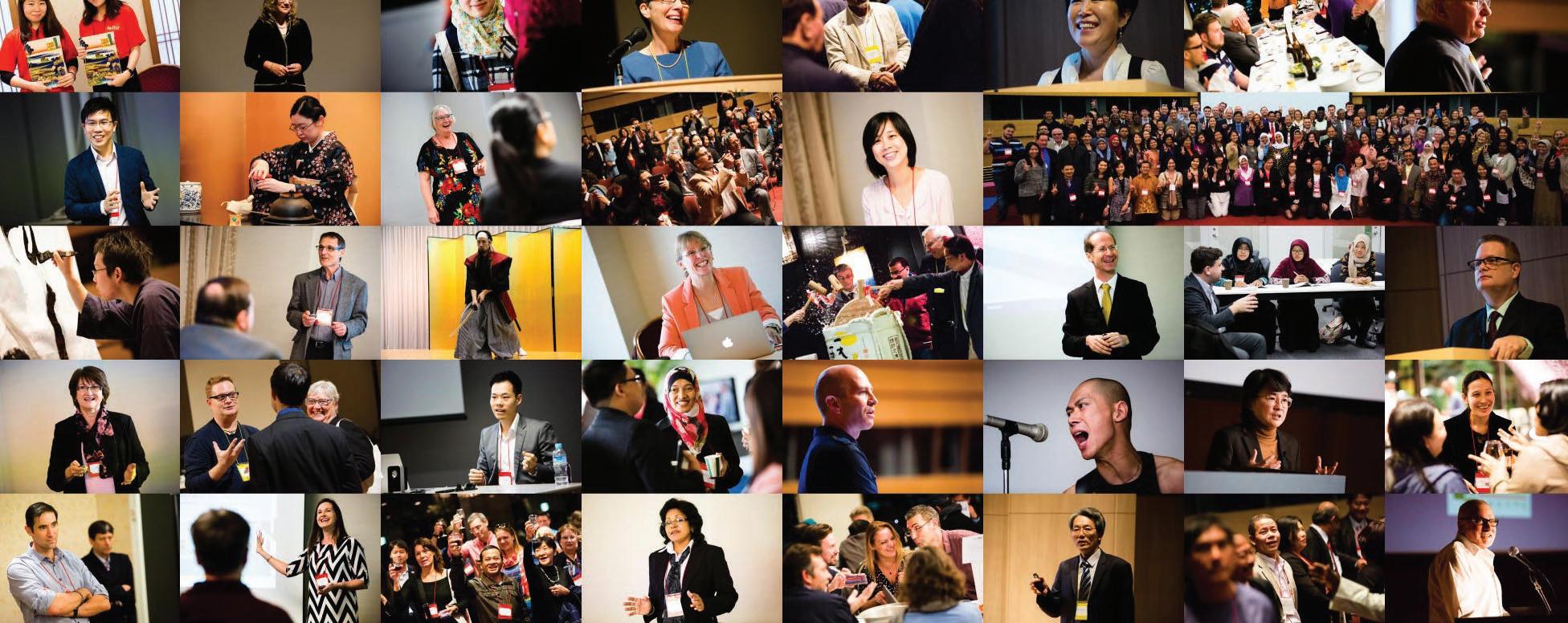
IAFOR provides an enriching personal and professional environment for academics and scholars of all ages and backgrounds to exchange and contribute to interdisciplinary and intercultural dialogue that informs and is informed by their own cultural and disciplinary background and experiences. We are able to do this thanks to our extraordinary network of individuals and institutions around the world who support our work and help shape our events globally. We particularly emphasise the nurturing and support for emerging academics from an array of different backgrounds, and aim to provide opportunities for them to seek advice, support and guidance, as well as offering mid-career and more established academics opportunities to forge working relationships beyond their traditional disciplinary ambitions.
In our current world where division and strife are often reinforced and played out in national and local contexts, and political posturing frequently seeks to ostracise and demonise, IAFOR is committed to working across cultural and national borders, and to work to bring people together through dialogue. We believe that mature human interaction and academic and cultural exchange are essential to offering positive versions of the future, where cooperation happens between individuals and institutions who share a commitment to listen, to reach out and bridge divides, and to contribute to good global citizenship, and to making the world a better place.
By becoming a member of IAFOR, you will become part of an extraordinary network and a stakeholder in shaping the IAFOR mission and facilitating international exchange, encouraging intercultural awareness, and promoting interdisciplinary discussion in the hope and expectation of generating and sharing new knowledge. Join us now in this growing global organisation, and help make a difference today.
To learn more about IAFOR membership, please visit:
iafor.org/membership

The Singapore Exhibition & Convention Bureau (SECB) visitsingapore.com
Consistently ranked as Asia's Top Convention City by the International Congress and Convention Association (ICCA), Singapore is a global leader for business events. As the lead government agency for the business events sector in Singapore, the Singapore Exhibition & Convention BureauTM (SECB) is responsible for shaping and retaining Singapore's exceptional reputation as one of the world's best business events destinations. A part of the Singapore Tourism Board (STB), SECB has over 50 years of experience in helping event professionals, meeting planners and incentive organisers from around the world plan and execute successful events in this vibrant island-city.
Singapore Education Network (SEN) sgeducationnetwork.com
Singapore Education Network (SEN) is a professional community and platform that connects individuals and organisations across Singapore’s diverse education landscape. Focused on fostering collaboration, innovation, and dialogue, SEN brings together educators, edtech professionals, policymakers, and industry partners through regular networking events, panel discussions, and collaborative projects. By supporting knowledge exchange and partnership opportunities, SEN plays a key role in strengthening the education ecosystem in Singapore and the region. Its initiatives aim to bridge gaps between sectors and promote meaningful conversations on the future of education, making it a valuable hub for both local and international stakeholders.

ISACA isaca.org
ISACA, a global leader in digital trust and cybersecurity, actively collaborates with academic institutions worldwide to build a robust pipeline of future professionals skilled in information technology, governance, cybersecurity, and audit. Through our strategic academic partnerships, ISACA bridges the gap between industry demands and academic curricula, ensuring that students gain relevant, up-to-date knowledge and skills that align with the evolving needs of the business and technology sectors.

Adam Matthew Digital amdigital.co.uk
AM’s digital collections and technology platforms enrich the study, research and teaching of primary sources. With over 30 years’ experience working with librarians, educators and archivists, AM is inspired by archival materials and passionate about the technology that brings them to life. AM partners with libraries, archives and heritage institutions to digitise the world’s historical and cultural knowledge. With AM, customers can discover award-winning archival collections, learn how to use them, or create their own.
D ate of C r eati on: Januar y 1 2 , 2 0 2 6
Un i v ersi ty F a cu l ty 16% Doctora l Stu den t 8% Pu b l i c Sector/Pra cti ti on er 6% Oth er 6% Postg ra du a te Stu den t 3% Postdoctora l F el l ow/In stru ctor 1% In dep en den t Sch ol a r 1% Pri v a te Sector
1 I mplement at io n & As s es s ment o f
I nno vat ive Tec hno lo gies in Educ at io n (21)
2. Teac hing Exper ienc es , P edago gy, P r ac t ic e & P r axis (21)
3 Educ at io nal P o lic y, Leader s hip, Management & Adminis t r at io n (16)
4 H igher Educ at io n (16)
5 Lear ning Exper ienc es , St udent Lear ning & Lear ner D iver s it y(15)
2 1 2 1 1 6 1 6 1 5


Date of C r eation: Januar y 12, 2026
One o f the gre ate st stre ngths o f I A FOR's inte rnatio nal co nf e re nce s is the ir inte rcultural div e rsity.
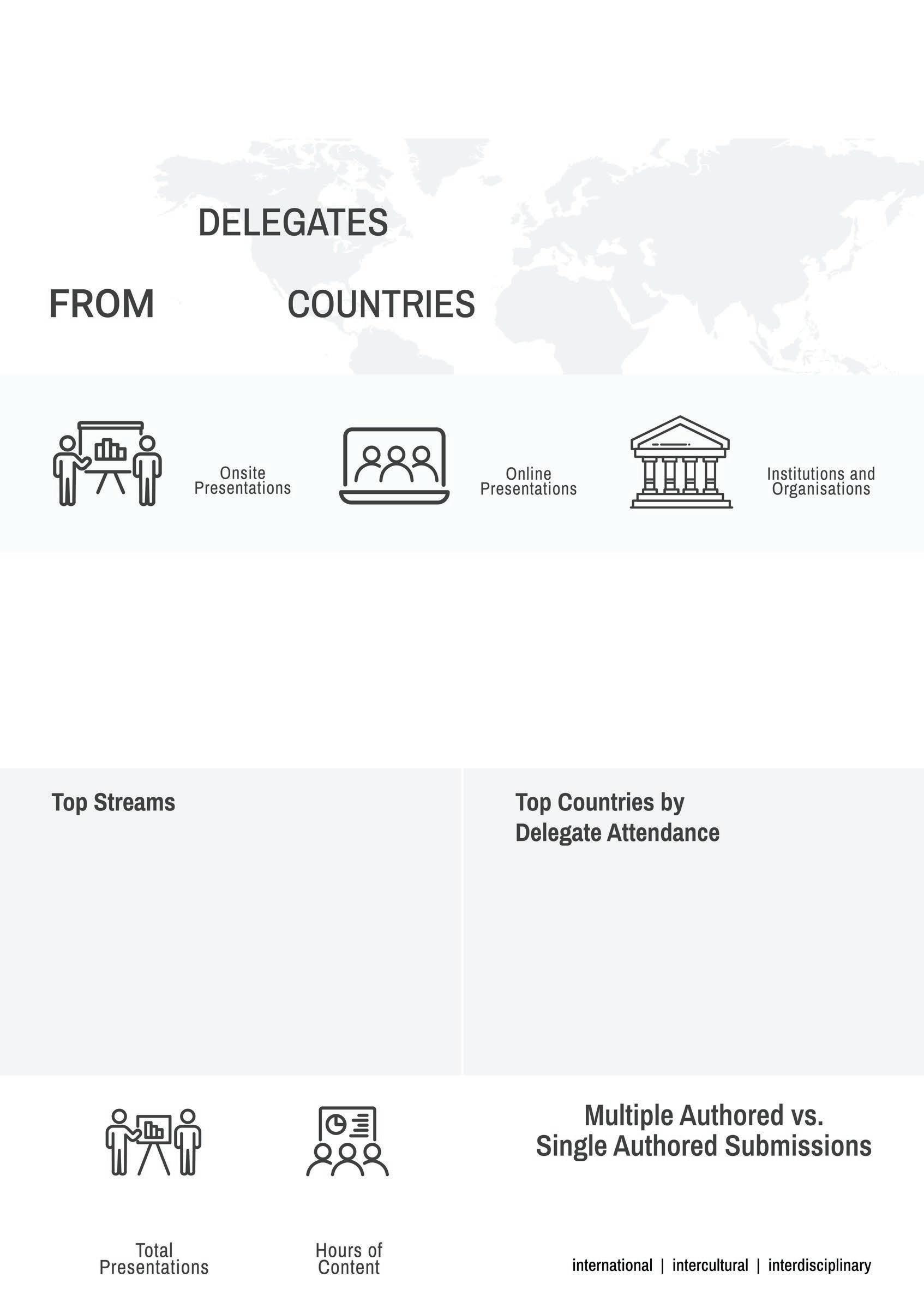
SEA CE/SEA CA H 2026 has attracte d 341 de le gate s f ro m 51 co untrie s

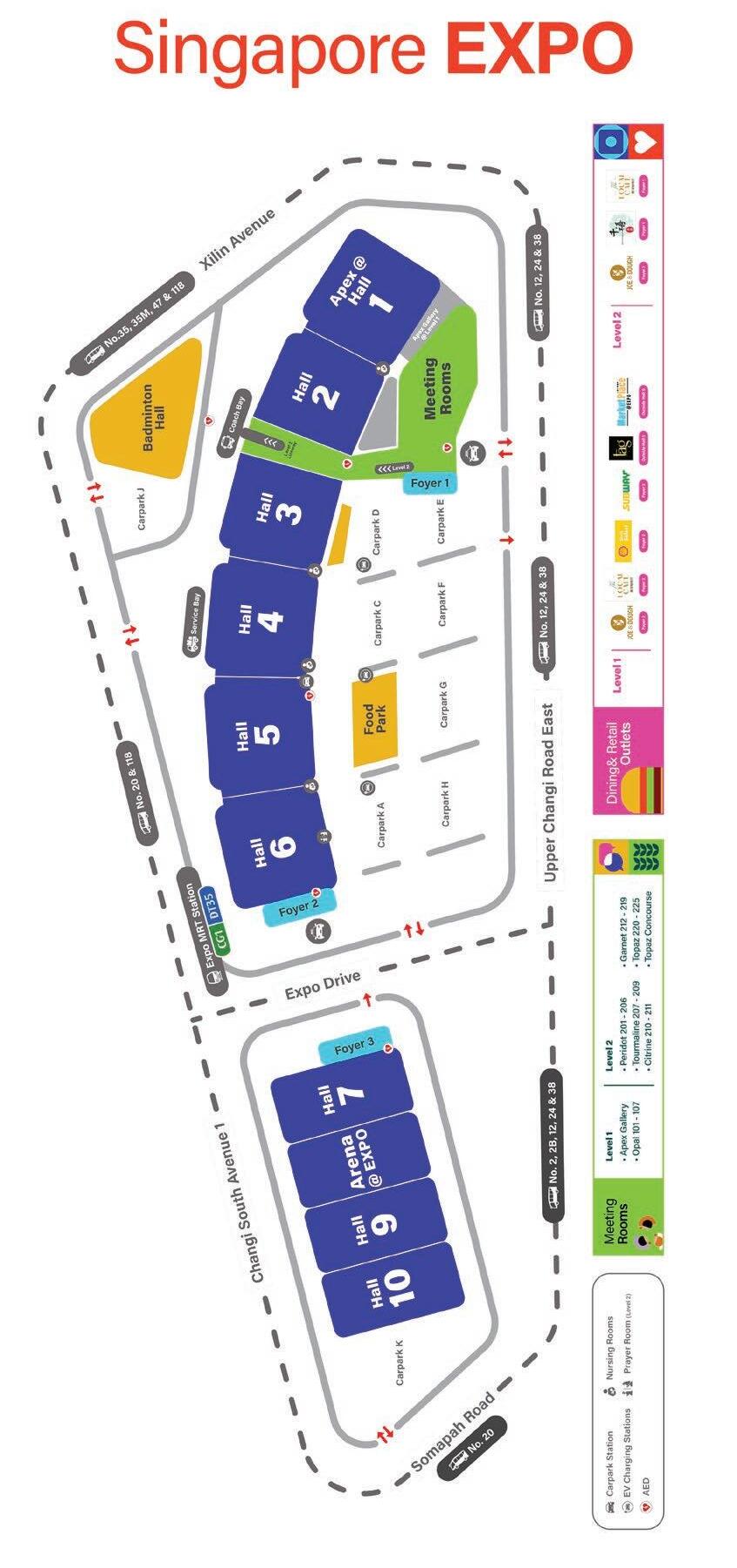
Conference Venue: Thursday, February 5 to Sunday, February 8
Singapore EXPO
Address: 1 Expo Drive, Singapore
Conference Venue: Thursday, February 5 to Sunday, February 8
Singapore EXPO
Address: 1 Expo Drive, Singapore




Conference Venue: Thursday, February 5 to Sunday, February 8
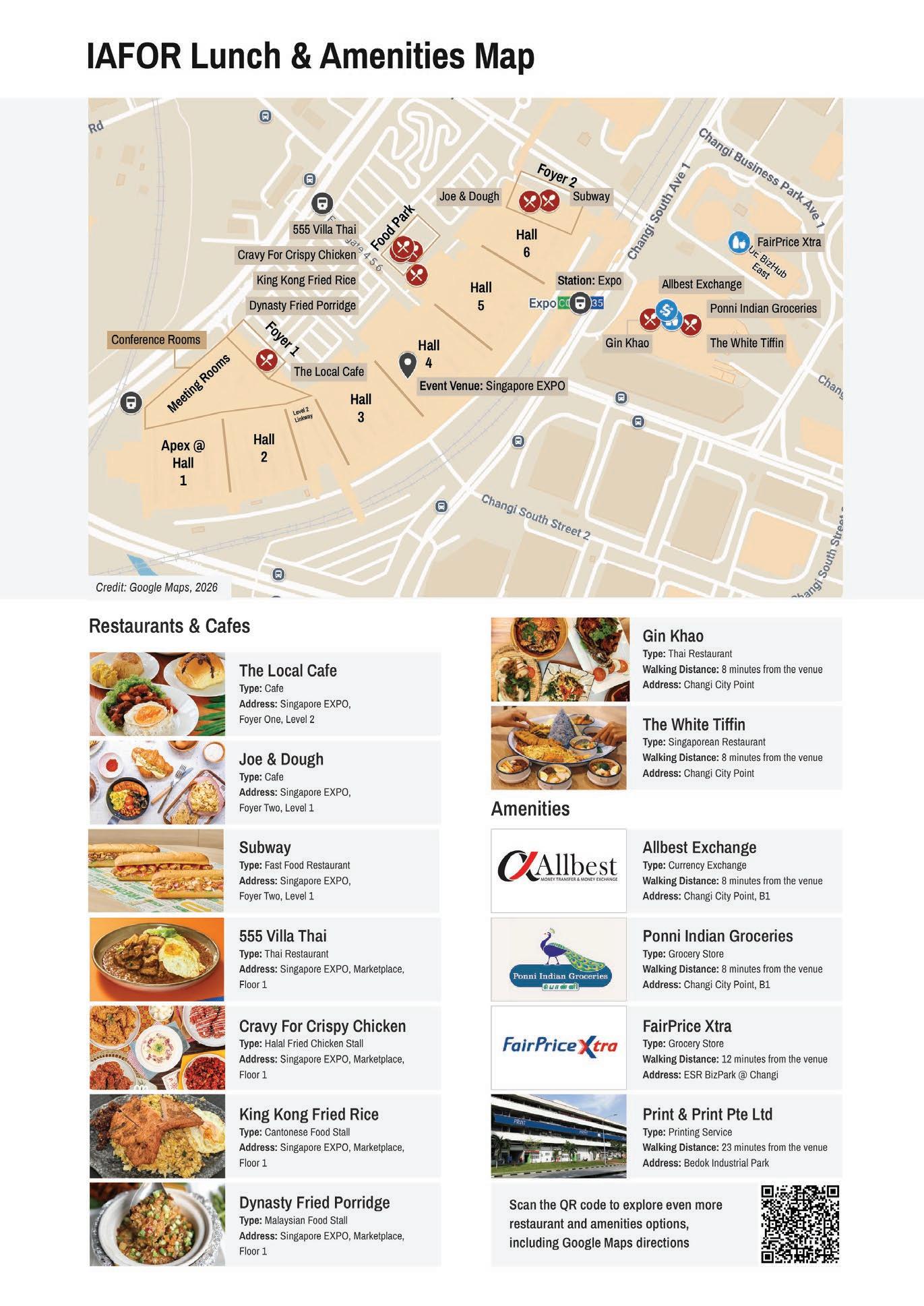
Please note that lunch is not provided. This map offers suggestions on where you can eat around the conference venue, as well as the locations of local amenities.

February 4 | All times are Singapore Standard Time (UTC+8)
17:30-21:00 Pre-Conference Networking Event | Aventis Graduate School Singapore Education Lounge: February 2026
As part of the conference, IAFOR is pleased to co-host a special edition of the Singapore Education Lounge, Singapore Education Network (SEN)’s signature networking event for local education professionals. This exclusive gathering joins together IAFOR, Inspera, Aventis Graduate School, and SEN’s networks of educators, researchers, EdTech innovators, and policymakers for an evening of discussion and networking.
Pre-registration for this event is required and is free of charge. This is a separate pre-conference event. To register, please visit the SEN event registration page linked in the QR code located on page 26.
17:30-18:00 Registration & Networking
18:00-18:15 Welcome Address and Introductions
18:15-19:15 Panel Discussion
19:15-19:30 Q&A
19:30-21:00 Refreshments & Networking

February 5 | All times are Singapore Standard Time (UTC+8)
Conference Venue: Singapore EXPO
12:00-13:00 Conference Check-in | Peridot Pre Function Area (Level 2)
13:00-13:25 Cultural Presentation | Peridot 201 (Level 2)
Twin Lion Dance and the God of Fortune
Lion Dance Singapore
13:25-13:50 Welcome Address & Recognition of IAFOR Scholarship Winners | Peridot 201 (Level 2) & Online
Joseph Haldane, IAFOR, Japan
13:55-14:20 Keynote Presentation | Peridot 201 (Level 2) & Online Achieving Competency-Based Learning with LLMs
Ben Leong, National University of Singapore, Singapore
14:20-14:35 Q&A
14:40-15:40 Featured Panel Presentation | Peridot 201 (Level 2) & Online Heritage for Cultural Dialogue: Digital Futures and Shared Memory
Jervais Choo, National Heritage Board, Singapore
Lisa Lim, VinUniversity, Vietnam
David Ocón, Singapore Management University, Singapore
Tim Winter, National University of Singapore, Singapore
Umberto Ansaldo, VinUniversity, Vietnam (Moderator)
15:40-15:50 Conference Photograph
16:00-17:00 Afternoon Tea Welcome Reception | Peridot Pre Function Area (Level 2)
20:00 Conference Dinner | Singapore Cricket Club This is an optional ticketed event

February 6 | All times are Singapore Standard Time (UTC+8)
Conference Venue: Singapore EXPO
12:00-13:00 Conference Check-in & Coffee | Peridot Pre Function Area (Level 2)
12:10-12:50 Conference Information Session | Peridot 201 (Level 2)
Amina Batbold, IAFOR, Japan
Apipol Sae-Tung, IAFOR, Japan
This session provides an overview of what to expect at the conference, including guidance on preparing your presentation, publishing opportunities, and ways to engage with IAFOR.
13:00-14:00 The Forum | Peridot 201 (Level 2)
AI-Enabled Futures: Collaboration, Learning, and Strategic Decision-Making in Higher Education
Apipol Sae-Tung, IAFOR, Japan (Moderator)
14:15-15:15 Featured Roundtable | Peridot 201 (Level 2)
Building Networks, Building Careers
Joseph Haldane, IAFOR, Japan
Michael Klemm, Singapore Education Network, Singapore
15:30-16:30 Conference Poster Session & Networking Coffee Break | Peridot Pre Function Area (Level 2)
16:30-17:30 Featured Workshop | Peridot 201 (Level 2)
Designing Virtual Learning Environments with Augmented Reality and Interactive H5P Activities: A Practical Workshop for Educators
Shamila Janakiraman, University of Hawai'i at Mānoa, United States
Justin Quezon, University of Hawai'i at Mānoa, United States

February 7 | All times are Singapore Standard Time (UTC+8)
Conference Venue: Singapore EXPO
09:30-10:00 Conference Check-in & Coffee | Opal Foyer (Level 1)
09:15-09:45 Flash Presentations | Opal 101
Maximise your visibility with the opportunity to promote and showcase your research highlights. Simultaneously, you will gain a comprehensive overview of other presenters, helping you identify potential collaborators and must-see sessions. Find out more about Flash Presentations on page 32.
10:00-11:40 Onsite Parallel Session 1
Opal 101 (Level 1): SEACE | Professional Training, Development and Concerns in Education
Opal 103 (Level 1): SEACE | Higher Education
Opal 104 (Level 1): SEACE | Education, Sustainability and Society
Opal 105 (Level 1): SEACE/SEACAH | Teaching and Learning Experiences
Tourmaline 207 (Level 2): SEACE | Innovation and Technology
Tourmaline 208 (Level 2): SEACE/SEACAH | Language/Linguistics
Tourmaline 209 (Level 2): SEACAH | Literature/Literary Studies
11:40-11:55 Break
11:55-12:45 Onsite Parallel Session 2 (Workshops)
Opal 103 (Level 1): SEACE | Curriculum Design and Development (Workshop)
Opal 104 (Level 1): SEACE | Teaching Experiences, Pedagogy, Practice and Praxis (Workshop)
Opal 105 (Level 1): SEACAH | Teaching and Learning (Workshop)
Opal 106 (Level 1): SEACE | Teaching Experiences, Pedagogy, Practice and Praxis (Workshop)
Opal 107 (Level 1): SEACAH | Globalisation (Workshop)
12:45-13:00 Break

February 7 | All times are Singapore Standard Time (UTC+8)
Conference Venue: Singapore EXPO
13:00-14:40 Onsite Parallel Session 3
Opal 101 (Level 1): SEACE | Educational Policy, Leadership, Management and Administration
Opal 103 (Level 1): SEACE | Higher Education
Opal 104 (Level 1): SEACE/SEACAH | Education, Sustainability and Society
Opal 105 (Level 1): SEACAH | Teaching and Learning
Opal 106 (Level 1): SEACE | Foreign Languages Education and Applied Linguistics
Opal 107 (Level 1): SEACAH | History/Historiography
Tourmaline 207 (Level 2): SEACE/SEACAH | Information and Technology in Education
Tourmaline 208 (Level 2): SEACAH | Language/Linguistics
Tourmaline 209 (Level 2): SEACAH | Literature/Literary Studies
14:40-15:10 Coffee Break | Opal Foyer (Level 1)
15:10-16:50 Onsite Parallel Session 4
Opal 101 (Level 1): SEACE | Educational Policy, Leadership, Management and Administration
Opal 103 (Level 1): SEACE | Educational Research and Development
Opal 104 (Level 1): SEACE/SEACAH | Education, Sustainability and Society
Opal 105 (Level 1): SEACE | Teaching and Learning Experiences
Opal 106 (Level 1): SEACE | Foreign Languages Education and Applied Linguistics
Opal 107 (Level 1): SEACE | Teaching Experiences, Pedagogy, Practice and Praxis
Tourmaline 207 (Level 2): SEACE | Innovation and Technology
Tourmaline 208 (Level 2): SEACAH | Language/Linguistics
Tourmaline 209 (Level 2): SEACAH | Literature/Literary Studies

Conference Venue: Singapore EXPO
09:30-10:00 Conference Check-in & Coffee | Opal Foyer (Level 1)
09:15-09:45 Flash Presentations | Opal 101
Maximise your visibility with the opportunity to promote and showcase your research highlights. Simultaneously, you will gain a comprehensive overview of other presenters, helping you identify potential collaborators and must-see sessions. Find out more about Flash Presentations on page 32.
10:00-11:40 Onsite Parallel Session 1
Opal 101 (Level 1): SEACE | Assessment Theories and Methodologies
Opal 103 (Level 1): SEACE/SEACAH | Teaching and Learning
Opal 104 (Level 1): SEACE | Curriculum Design and Development
Opal 105 (Level 1): SEACE/SEACAH | Counselling, Guidance and Adjustment in Education
Opal 106 (Level 1): SEACE | Education, Sustainability and Society
Opal 107 (Level 1): SEACAH | Science, Environment and the Humanities
Tourmaline 207 (Level 2): SEACAH | Literature, Technology and Ethics
Tourmaline 208 (Level 2): SEACAH | Media Arts Practices
Tourmaline 209 (Level 2): SEACAH | Political Science/Politics
11:40-12:55 Extended Break
12:55-14:35 Onsite Parallel Session 2
Opal 101 (Level 1): SEACE/SEACAH | Innovative Technologies in Education
Opal 103 (Level 1): SEACE/SEACAH | Teaching Experiences, Pedagogy, Practice and Praxis
Opal 104 (Level 1): SEACE | Curriculum Design and Development
Opal 105 (Level 1): SEACE | Primary and Secondary Education
Opal 106 (Level 1): SEACE | Education, Sustainability and Society
Opal 107 (Level 1): SEACE/SEACAH | Development Issues and Concerns in Education
Tourmaline 207 (Level 2): SEACAH | Media and Communication
Tourmaline 208 (Level 2): SEACAH | Media and Literature Studies
Tourmaline 209 (Level 2): SEACAH | Science, Environment, Politics and the Humanities
14:35-15:05 Coffee Break | Opal Foyer (Level 1)

February 8 | All times are Singapore Standard Time (UTC+8)
Conference Venue: Singapore EXPO
15:05-16:45 Onsite Parallel Session 3
Opal 101 (Level 1): SEACE | Innovative Technologies in Education
Opal 103 (Level 1): SEACE | Teaching Experiences, Pedagogy, Practice and Praxis
Opal 104 (Level 1): SEACE | Curriculum Design and Development
Opal 105 (Level 1): SEACE | Learning Experiences, Student Learning and Learner Diversity
Opal 106 (Level 1): SEACE | Education, Sustainability and Society
Opal 107 (Level 1): SEACE | Education and Difference
Tourmaline 207 (Level 2): SEACAH | Literature, Media and Communication
Tourmaline 208 (Level 2): SEACAH | Social, Political and Community Agendas in the Arts
Tourmaline 209 (Level 2): SEACAH | Ethnicity, Gender, Identity
16:45-17:00 Onsite Closing Session | Opal 101
Join us as we close the onsite conference to celebrate our achievements and look ahead to the future with insights from representatives of the Conference Programme Committee and IAFOR. To celebrate our journey, we will conclude with a slideshow of photos, capturing the connections, energy, and highlights of the conference.

February 9 | All times are Singapore Standard Time (UTC+8) Monday at
Conference Venue: Online via Zoom
09:55-10:00 Message from IAFOR
10:00-11:00 The Online Forum | Live-Stream Room 1
AI-Enabled Futures: Collaboration, Learning, and Strategic Decision-Making in Higher Education
Eric Hawkinson, Kyoto University of Foreign Studies, Japan (Online Respondent) Melina Neophytou, IAFOR, Japan (Online Moderator)
11:05-12:45 Online Parallel Session 1
Live-Stream Room 1: SEACE | Higher Education
Live-Stream Room 2: SEACAH | Special Topics in Humanities
12:45-12:55 Break
12:55-14:35 Online Parallel Session 2
Live-Stream Room 1: SEACE | Educational Policy, Leadership, Management and Administration
Live-Stream Room 2: SEACAH | Media/Film Studies/Theatre/Communication
14:35-14:45 Break
14:45-16:00 Online Parallel Session 3
Live-Stream Room 1: SEACE | Studies on Primary and Secondary Education
Live-Stream Room 2: SEACAH | Special Topics in Arts
16:00-16:05 Closing Message from IAFOR

Inspire inquiry across Southeast Asian studies with AM’s digital archives

Arrange a meeting with Natasha Copus at SEACE2026
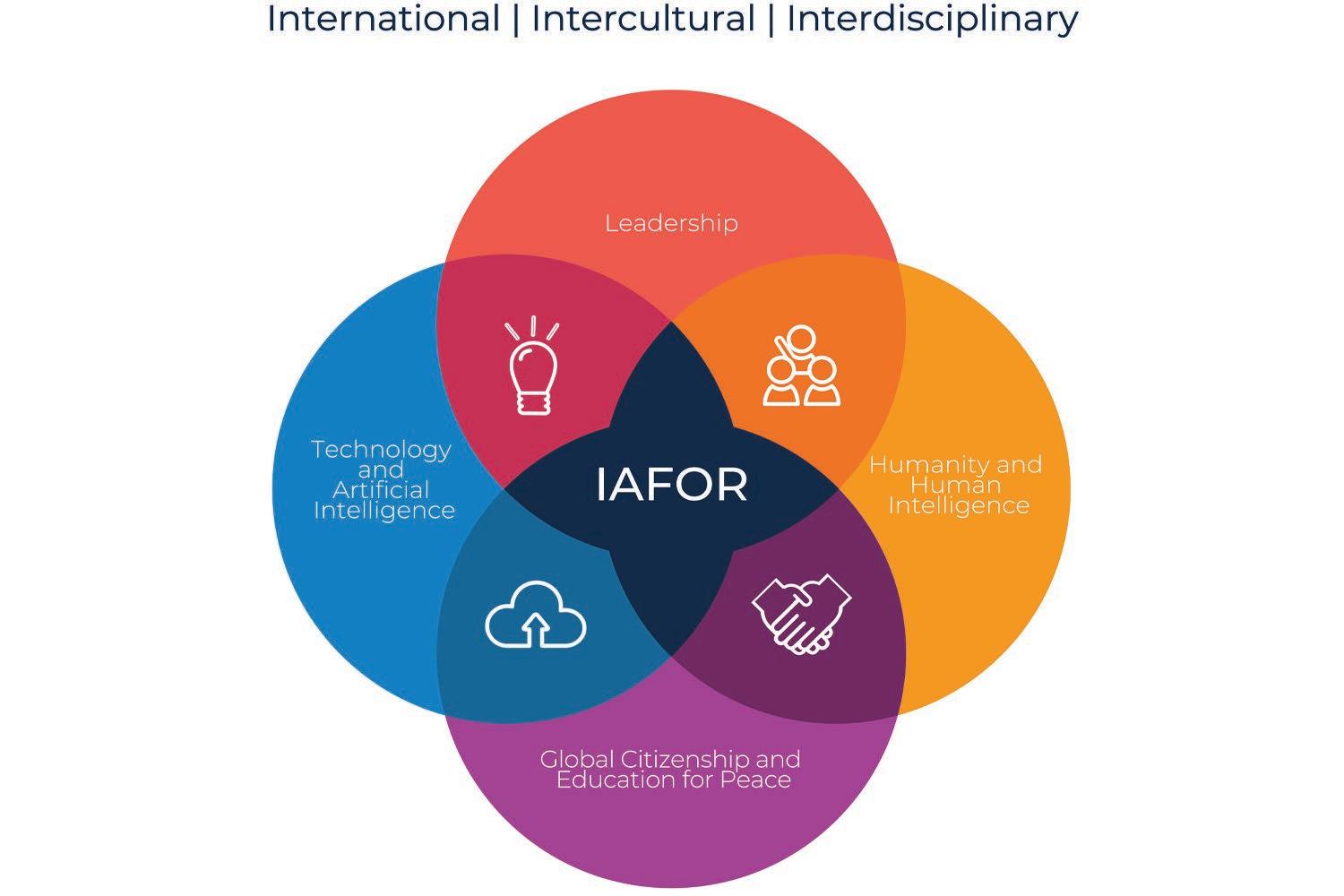
IAFOR’s conference programme provides an essential comparative and contrastive space for people to engage in multidisciplinary research across borders of nation, culture, discipline, and professions. We encourage mixed approaches and methodologies, combining theory and practice between and across the disciplines, and we look to harness the collective intelligence of our International Academic Forum in addressing some of the most pressing issues of our time. Through the implementation of new formats in our conference programme over the last year, including Intelligence Briefings, Keynote Interviews, and The Forum, we gathered insights into what has been discussed at the theoretical and policy levels, identify the challenges, and the outlook for best practices in tackling global contemporary issues, which we have identified as the themes for 2025-2029. Our four themes can be seen as standalone themes, but they are also very much in conversation with each other. Themes may be seen as corollaries, complementary, or in opposition/juxtaposition with each other. The themes can be considered as widely as possible and are designed, in keeping with our mission, to encourage ideas across the disciplines.
1. Technology and Artificial Intelligence
Our first theme examines the rapid pace of technological advancements, aided most particularly by those driven by artificial intelligence and its enormous and growing impact in all fields.
2. Humanity and Human Intelligence
Our second theme asks us which principles, values, and attributes we wish to encourage, protect, and nurture and how we accomplish this. Technological advancements constantly ask us to reconsider and reimagine what it means to be human, including questions regarding communication, creativity, inclusivity, ethics, and care.
3. Global Citizenship and Education for Peace
This theme prompts us to consider our existence and coexistence with each other, within our communities and places of belonging, and with peoples of different countries, cultures, and backgrounds, as well as with our environment and our planet. It includes engagement with enormous issues facing us beyond borders, such as peace and human security, climate change, etc.
4. Leadership
The final theme recognises the continuing importance of leadership as a skill, particularly in light of difficult times, where recognising and encouraging best practices in leadership at all levels of society is critical. Encouraging leadership at the government level, in businesses, and within institutions of all sizes represents the engine of change.
Many theories are born and initially tested in the academy, informing discussions in the public sphere that influence policy. IAFOR represents a unique combination of engagement emerging from the collaborative efforts of senior policymakers, administrators, and individuals working on the ground or in the field. IAFOR has made this rare combination of equitable theoretical and practical exchanges the standard for our organisation and represents a valuable model for how science should be done.
We will develop conference and institutional programmes and publications around these themes as well as capacity building sessions for our conference programme over the next five years. It is our aim with the implementation of these themes, alongside the implementation and continuing refinement of new formats, to best harness the unique arena IAFOR and its network have built in regards to pressing issues of today and the future.
This QR code, also located on the back of your name badge, contains the information you need to attend the conference, including:
- Full Conference Schedule
- The ‘Find a Presentation’ Feature
- Conference Survey
- Suggested Lunch Options
- Online and Virtual Presentations
- Presentation and Session Chair Guidelines, and more.

You will be able to pick up your name badge at the Conference Check-in & Information Desk at the times listed below. If you have any questions or concerns, IAFOR staff and volunteers will happily assist you in any way they can.
Thursday, February 5 | 12:00-17:30 – Singapore EXPO, Peridot Pre Function Area (Level 2)
Friday, February 6 | 12:00-17:00 – Singapore EXPO, Peridot Pre Function Area (Level 2)
Saturday, February 7 | 09:30-16:00 – Singapore EXPO, Opal Foyer (Level 1)
Sunday, February 8 | 09:30-16:00 – Singapore EXPO, Opal Foyer (Level 1)
Monday, February 9 | No in-person check-in
Wearing your badge is required for entrance to the sessions. You must wear your badge at all times.
Complimentary coffee, tea, water, and light snacks will be available during the scheduled coffee breaks. Please note that lunch is not provided.
There is a free Wi-Fi internet connection at the conference venue. However, this can be unreliable so we would strongly suggest that you do not rely on a live connection for your presentation.
The full conference schedule (including abstracts) and conference programme are available on the conference website, accessible through the QR code located on the previous page as well as the back of your nametag.
A full list of pre-recorded virtual video presentations and virtual poster presentations will be on the conference website during and after the conference. We encourage you to scan the QR code to watch these presentations and provide feedback through the video comments.
All Keynote Presentations and live-streamed sessions will be recorded and uploaded to the Conference Catch-up page (video-on-demand) via Vimeo. The catch-up page will be publicly available after the conference until Monday, March 9, 2026.
Corresponding authors will be able to download Certificates of Presentation for all presenters by logging in to the submission page. Certificates of Presentation will be available from Monday, February 23, 2026.
Session Chair certification, Certificates of Participation for non-presenters, as well as reviewer certification for Review Committee members and Senior Reviewers, will be sent out by email in a PDF format within two weeks of the Conference's conclusion.
Human interaction through networking, and dissemination of this knowledge, is at the core of what IAFOR does as an academic research organisation, conference organiser and publisher. As part of the archiving of the conference event, IAFOR takes photos in and around the conference venue, and uses the photos to document the event. This also includes the filming of certain sessions. We consider this documentation important and it provides evidence of our activities to members, partners and stakeholders all over the world, as well as to current and potential attendees like you. Some of these photos will therefore appear online and in print, including on social media. The above are the legitimate interests of the organisation that we assert under the European Union law on General Data Protection Regulation (GDPR). Under this legislation, you have an absolute right to opt out of any photo. We are committed to protecting and respecting your privacy. Read our full privacy policy – iafor.org/about/privacy-policy
IAFOR Conference Proceedings are Open Access research repositories that act as permanent records of the research generated by IAFOR conferences. The Conference Proceedings are published online in the IAFOR Research Archive (papers.iafor.org). All accepted authors who present at the conference may have their full paper published in the online Conference Proceedings. For further details of how to submit your paper, please visit the Conference website.
Please note that:
1) Papers published in the Conference Proceedings cannot be considered for publication in IAFOR journals.
2) IAFOR's Conference Proceedings are not peer-reviewed and are not "Scopus-indexed".
Full text submission is due by Tuesday, March 10, 2026, through the online system. The proceedings will be published on Tuesday, April 21, 2026
IAFOR produces conference reports that provide concise and coherent overviews of the ideas, conversations, and areas of research presented at our conferences. These include key themes and takeaways, referencing programme(s), speakers and attendees, which are curated and archived for both those who attended the event, as well as those who did not. Readers can stay abreast of many of the developments and insights provided by the conference, and the collective intelligence of its participants. Links to video recordings of the presentations and interviews references are included where possible, encouraging readers to engage further with the conference material and presentations. Each report contains photos of the event, as well as key statistics pertaining to general attendance and demographics.
Read and download the Conference Reports and Intelligence Briefings, and access Conference Photo Galleries from the past conferences from the QR code on the back of your name badge. You will receive a notification email when the Conference Photos and the Conference Report and Intelligence Briefing of this conference are available.
THINK is an online magazine presenting the latest in interdisciplinary research and ideas from some of the world’s foremost academics and thought leaders. As a publishing platform, THINK makes selected research presented at IAFOR’s international, intercultural, interdisciplinary conferences freely available to a global academic audience. Content on THINK spans everything from the arts to psychology, politics to film, law to education and history to technology, presenting research, ideas and perspectives from every corner of the globe. The format is varied, encompassing full research papers, long-form journalism, opinion pieces, creative writing, interviews, podcasts, video, photography and more. To learn more about THINK, please visit think.iafor.org or access the webpage from the QR code on the back of your name badge.
IAFOR publishes several editorially independent, Open Access journals across a variety of disciplines. They conform to the highest academic standards of international peer review, and are published in accordance with IAFOR’s commitment to make all of our published materials available online.
Submissions should be original, previously unpublished papers which are not under consideration for publication in any other journal. All articles are submitted through the submission portal on the journal website and must conform to the journal submission guidelines.
Once appointed by IAFOR’s Publications Committee, the Journal Editor is free to appoint his or her own editorial team and advisory members, who help to rework and revise papers as appropriate, according to internationally accepted standards. All papers published in the journal have been subjected to the rigorous and accepted processes of academic peer review. Neither editors nor members of the editorial team are remunerated for their work.
IAFOR Journals are indexed in Scopus, Web of Science, DOAJ, ERIC, MIAR, TROVE, CiteFactor and EBSCO, SHERPA/ROMEO and Google Scholar. DOIs are assigned to each published issue and article via Crossref. Please note that indexing varies from journal to journal.
Each of our journal issues is viewed thousands of times a month and the articles are frequently cited by researchers worldwide, largely due to our dedicated marketing efforts. Each issue is promoted across our social media platforms and to our tailored email marketing lists. On average, each journal publishes biannually.
IAFOR Journals are Open Access publications, available online completely free of charge and without delay or embargo. Authors are not required to pay charges of any sort towards the publication of IAFOR Journals and neither editors nor members of the editorial boards are remunerated for their work.
IAFOR Journals reflect the interdisciplinary and international nature of our conferences and are organised thematically. A presenter can choose to publish either in Conference Proceedings or submit their manuscript to the corresponding IAFOR Journal for review.
IAFOR Journal of Cultural Studies (Scopus Indexed)
IAFOR Journal of Education (Scopus & Web of Science Indexed)
IAFOR Journal of Literature & Librarianship (Scopus Indexed)
If you would like more information about any of IAFOR’s publications, please visit iafor.org/publications
IAFOR conferences are designed to offer countless networking opportunities to make and consolidate personal and professional connections, reconnect with colleagues, and meet new friends in a spirit of convivial collegiality. Whether in the plenaries, parallel sessions, workshops, information sessions, or cultural events, we encourage your active and open participation throughout the conference, remembering the importance of the spaces in-between; over a cup of coffee or a glass of wine, or the continuation of conversations and relationships outside the conference. We encourage you to network at the conference over the Networking Events, Networking Coffee Breaks, and the Extended Breaks.
In addition, you are invited to join the Online Presentation Sessions and the Online Forum discussion to explore even more presentations and opportunities to make connections for future collaborations. While conferences serve as a platform to present your work and make connections, please be mindful of the other delegates’ privacy and their consent to provide personal information.
The conference venues feature several comfortable spaces which serve as perfect locations for networking during the conference. These spaces provide an excellent opportunity to meet new people, connect with familiar faces, exchange ideas, and explore possible collaborations. We encourage you to make use of these spaces to connect with fellow attendees for a quick coffee or a longer chat to broaden your network and enhance your conference experience. Additionally, the Flash Presentations taking place in Opal 101 on Saturday, February 7, and Sunday, February 8, provide an excellent way to engage with other delegates and find new research collaborators.
You can connect with other delegates by using our ‘Find a Presentation’ feature. This feature can be accessed by scanning the QR code provided on the back of your name badge, and is also available on the conference website. You can search by presentation title, submission number, the presenter’s name, or the name of their affiliation. From there, you can look up the presenter’s bio and connect with them through their preferred contact channel.
In addition to the ‘Find a Presentation’ online feature, presentation schedules are also displayed in front of presentation rooms. Use the notes pages to write down the presentations that you plan to attend or any information you may need for the conference.
Maximise the visibility of your research by taking part in the Flash Presentations sessions. Each presenter will have strictly one minute to pitch the essence of their research. The goal is not to present every detail, but to spark curiosity and start conversations that will last throughout and beyond the conference. This is the opportunity to promote your research, attract audiences to your presentation, and to identify possible collaboration. It is ideal to bring handouts along with your business cards, but just showing up with confidence to pitch your research is fine, too.
Time & Date:
Round 1: Saturday, February 7, 2026 | 09:15-09:45
Round 2: Sunday, February 8, 2026 | 09:15-09:45
Location: Opal 101 (Level 1), Singapore EXPO
As part of the conference, IAFOR is pleased to co-host a special edition of the Singapore Education Lounge, Singapore Education Network (SEN)’s signature networking event for local education professionals. This exclusive gathering joins together IAFOR, Inspera, Aventis Graduate School, and SEN’s networks of educators, researchers, EdTech innovators, and policymakers for an evening of discussion and networking.
Time & Date: Wednesday, February 4, 2026 | 17:30-21:00
Location: Aventis Graduate School, Concorde Hotel & Shopping Mall 4F (#04-100), 100 Orchard Road, Singapore
Ticket Price: Free to attend, but pre-registration is required.
This is a separate pre-conference event. To register, please visit the SEN event registration page linked in the QR code located on page 28.
Join fellow delegates for a drink or two at the conference Welcome Reception. This event provides a great opportunity for delegates to network and get to know each other.
Time & Date: Thursday, February 5, 2026 | 17:00-18:00
Location: Peridot Pre Function Area (Level 2), Singapore EXPO
Ticket Price: Free to attend
Admission is included in the conference registration fee and is only open to registered conference delegates and audience members
The Singapore Cricket Club is the premier sports and lifestyle club, located in the heart of the city. Established in 1852, the Club has witnessed the city’s transformation from a colonial port to a modern metropolis, and serves as a landmark of Singapore’s sports history. The clubhouse is situated on the edge of the Padang and overlooks some of Singapore’s most recognisable civic architecture. Join us for an evening of dialogue, culture, and community in one of the nation’s oldest and most respected social institutions.
Time & Date: Thursday, February 5, 2026 | From 20:00
Registration Deadline: Friday, January 22, 2026
Availability: 20 persons
Ticket Price: 125 USD
This is an optional ticketed event. Only onsite conference delegates with pre-purchased tickets are able to attend the Conference Dinner.

IAFOR's grants and scholarships programme provides financial support to PhD students and early career academics, with the aim of helping them pursue research excellence and achieve their academic goals through interdisciplinary study and interaction. Our warmest congratulations go to the following scholarship recipients who have been selected to receive grants and scholarships to present their research at the conference.
El Doulos Chua (Oral Presentation)
101841 | Competition as Pedagogy: A Framework from NAMCYA Solo Rondalla Performers
Dr El Doulos B. Chua is an Assistant Professor at Southern Luzon State University, Philippines, who researches music education, pedagogy, and cultural identity, with a focus on community-based ensembles in the Philippines.
Daisy Corpuz (Oral Presentation)
101724 | The Write Way Forward: Using High-Contrast Materials and NVDA to Support Students with Low Vision
Ms Daisy M. Corpuz is currently faculty within the College of Education at the University of Southeastern Philippines, Philippines.
Frankie Fran (Oral Presentation)
100244 | Key Learner Attributes of Global Citizenship Education and Philippine Teacher Education: Insights of Teacher Education Students Towards Policy Development
Mr Frankie A. Fran is currently a PhD in Mathematics Education student at Ateneo de Manila University, Philippines, and an Assistant Professor of Mathematics Education at Romblon State University, Philippines.
Shivangi Asthana (Poster Presentation)
102042 | Platformed Patriotism: How Indian Faith-Based Organizations Script Nationalism Online
Ms Shivangi is a PhD student within the School of Communication at Hong Kong Baptist University, Hong Kong. Her interest lies in politics and media conflicts, focusing on South Asian countries. She aims to understand global media from the lens of resilience.
Reshma Sanil (Oral Presentation)
101756 | Tracing the Sympoietic and Biotechnological Evolutionary Paradigms in Select Sci-fi Novels
Ms Reshma Sanil is a senior PhD scholar. Her interests include reading Science Fiction novels and innovative discoveries relating to biomolecular and biotechnological fields. Her current projects include writing research papers related to postgenomics.
Sampda Swaraj (Live-Stream Presentation)
100929 | The Relational Continuum of (Im)materiality: Positioning Indigenous Manipuri Animist Dolls at the Liminal Cusp of Material Embodiment and Spiritual Agency
Ms Sampda Swaraj is a research scholar within the Department of Humanities and Social Sciences at the Indian Institute of Technology Roorkee, India. Her research interests encompass Indian Indigenous literatures, new animist philosophy, and environmental humanities.

All times are Singapore Standard Time (UTC+8) Abstracts appear as originally submitted by the author. Any spelling, grammatical, or typographical errors are those of the author.
Plenary Speaker: Joseph Haldane
Thursday, February 5, 2026 | 13:25-13:50 | Peridot 201 (Level 2), Singapore EXPO & Online


Joseph Haldane is the Founder, Chairman, and CEO of IAFOR. He is responsible for devising strategy, setting policies, forging institutional partnerships, implementing projects, and overseeing the organisation’s global business and academic operations.
Dr Haldane has a PhD from the University of London in 19th century French Studies (ULIP/RHUL), and has research interests in world history, politics, and education, as well as governance and decision-making.
In 2022, Dr Haldane was named Professor in the United Nations Peace University's European Center for Peace and Development (ECPD). From 2019 he has been also a Visiting Professor at Doshisha University, where he teaches Ethics and Governance in the Global MBA, and a Member of the World Economic Forum’s Expert Network for Global Governance since 2017.
Since 2015, he has been a Guest Professor at The Osaka School of International Public Policy (OSIPP) at The University of Osaka, having taught on the postgraduate Global Governance Course, and has been Co-Director of the OSIPP-IAFOR Research Centre, an interdisciplinary research centre situated within the university, since 2017. He is also a Member of the International Advisory Council of the Department of Educational Foundations at the University of Hawai'i Mānoa, United States.
From 2020 to 2025, Dr Haldane was an Honorary Professor of University College London (UCL), through the Bartlett School of Sustainable Construction. Earlier in his career, he held full-time faculty positions at the Université Paris-Est Créteil, Sciences Po Paris, and Nagoya University of Commerce and Business, as well as visiting positions at the French Press Institute in the Université ParisPanthéon-Assas and the Schools of Journalism of Sciences Po Paris and Moscow State University.
Professor Haldane has given invited lectures and presentations at universities and conferences globally, including at the United Nations headquarters in New York, and advised universities, NGOs, and governments on issues relating to international education policy, public-private partnerships, and multi-stakeholder forums. He was the project lead on the 2019 Kansai Resilience Forum, held by the Japanese Government through the Prime Minister’s Office, and oversaw the 2021 Ministry of Foreign Affairs commissioned study on Infectious Diseases on Cruise Ships.
From 2012 to 2014, Dr Haldane was Treasurer of the Chubu chapter of the American Chamber of Commerce Japan, and since 2015 has been a Trustee of HOPE International Development Agency Japan. He was elected Fellow of the Royal Asiatic Society in 2012 and the Royal Society of Arts in 2015. He lives in Japan and holds a black belt in Judo.
Keynote Presentation: Ben Leong
Thursday, February 5, 2026 | 13:55-14:20 | Peridot 201 (Level 2), Singapore EXPO & Online
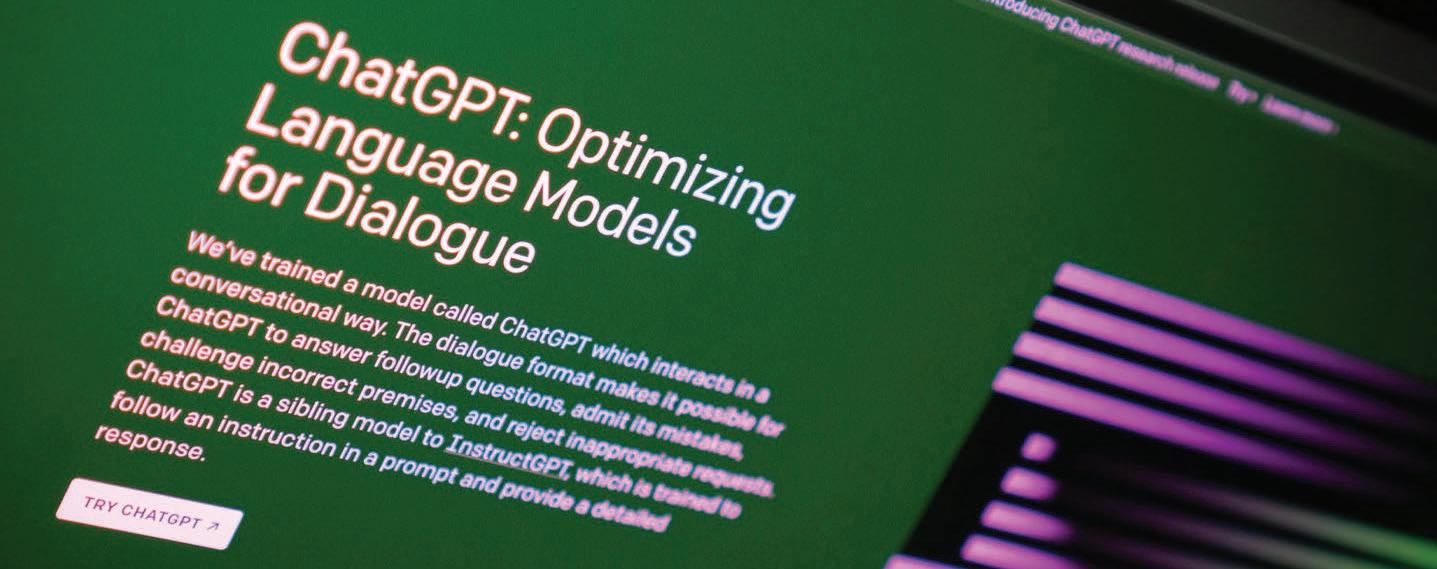
The launch of ChatGPT in November 2022 created much excitement in diverse fields. This development also challenges our long-held assumptions about assessment, academic integrity, and the very purpose of schooling. Some folks claim that a revolution is happening, and perhaps teachers might no longer be relevant, yet more recent reports claim that ChatGPT might be causing harm to our students.
We believe that as AI becomes more powerful, human skills will become more important and that AI can assist in competency-based learning of said skills. In this talk, we will describe how at the National University of Singapore, we have developed and deployed LLM-powered role playing chatbots in diverse disciplines such as social work, law, and nursing to train human skills. We will also share some learning points from our experiences and our views about the longer term impact of AI on higher education in Singapore.
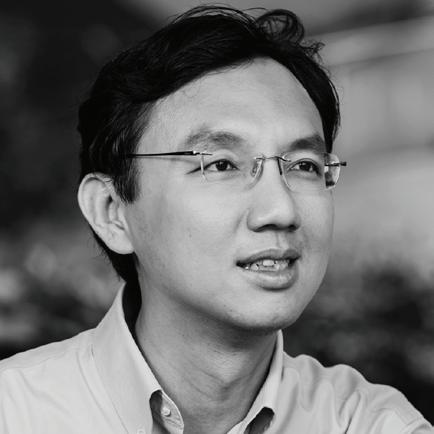
Dr Ben Leong is an Associate Professor of Computer Science at the School of Computing, National University of Singapore (NUS), Singapore. Dr Leong received his SB, MEng, and PhD degrees from the Massachusetts Institute of Technology (MIT), United States. He has been recognised for his excellent teaching with a number of teaching awards, including the NUS Outstanding Educator Award in 2015. Dr Leong also served as the Chair of the university’s Computer Science Department Standing Teaching Committee from 2017 to 2020. His research interests are in the areas of Computer Networking and Distributed Systems. More recently, he has been working on applying AI for education.
From July 2014 to June 2019, Dr Leong served as the Director of the Experimental Systems and Technology Laboratory at the Ministry of Education (MOE). In this role, he set up and managed an inhouse software development team that successfully delivered a number of applications for MOE. In addition, Dr Leong served as a consultant to the Student Learning Space (SLS) team that built a new learning management system for MOE schools.
From January 2021 to December 2023, Dr Leong set up and served as Director of the Centre for Computing for Social Good & Philanthropy (CCSGP) at School of Computing (SoC). Since 2020, Dr Leong has served as Chief Data Officer of AI.SG, the national AI Programme, and concurrently as Director of the AI Centre for Educational Technologies (AICET), where his team applies AI to build software platforms for education.
Featured Panel Presentation: Jervais Choo, Lisa Lim, David Ocón, Tim Winter, Umberto Ansaldo (Moderator)
Thursday, February 5, 2026 | 14:40-15:40 | Peridot 201 (Level 2), Singapore EXPO

Beyond the preservation of traditions, heritage is a practice of dialogue and an arena where cultural memory is negotiated. As technologies transform the way traditions are archived, performed, and circulated, new opportunities and risks emerge: heritage becomes a site of diplomacy and soft power, but also of contestation. Educational institutions are in a position to mediate the tensions between the monopolisation of digital memory and the need for pluralistic datasets and inclusive participation of diverse groups. Through research and education, universities can contribute towards ethical datasets and interpretations, as well as foster the next generation of digital humanists and social scientists capable of managing the rapid technological turn. This panel explores how digital futures and shared memory can open pathways for inclusivity, transnational dialogue, and social justice.

Jervais Choo is the Deputy Director for Organisational Design and Innovation and currently heads the Innovation Programme office at the National Heritage Board (NHB) of Singapore. His division is responsible for business and digital transformation through creative solutioning and leads NHB’s digital heritage initiatives. Mr Choo has also held other portfolios with the NHB in the past decade, including Programme Director for the Singapore Heritage Festival and Singapore Night Festival, and Deputy Director of the National Museum of Singapore.

Dr Lisa Lim is Director of Engagement and Development for the UNESCO Chair in Environmental Leadership, Cultural Heritage and Biodiversity at VinUniversity, Vietnam. She previously held professor positions at universities in Singapore, Hong Kong, Amsterdam, Sydney, and Perth.
Her interests centre on language contact and evolution, particularly Asian multicultural ecologies; issues of language shift, endangerment, revitalisation, postvernacular vitality, and intangible cultural heritage of minority and endangered language communities; the sociolinguistics of globalisation; and environmental linguistics. Her books include Languages in Contact (Cambridge University Press, 2015) and The Multilingual Citizen: Towards a Politics of Language for Agency and Change (Multilingual Matters, 2018), which was shortlisted for the BAAL Book Prize. Passionate about engagement and impact, Dr Lim’s Knowledge Exchange grants at the University of Hong Kong supported student-led research on linguistic minorities in Hong Kong. For this body of work, she won a Knowledge Exchange award, was featured in Time Out HK, and pitched at a TEDxWanChaiWomen Open Mic event. She is currently a consultant for the Oxford English Dictionary and has been writing a fortnightly ‘Language Matters’ column in Hong Kong’s South China Morning Post since 2016.
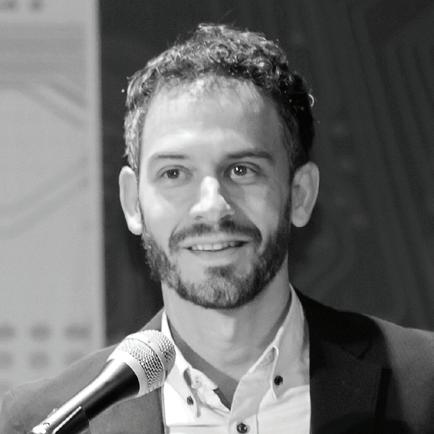
Professor David Ocón is an interdisciplinary cultural anthropologist and historian who works on the intersections of Asian cultural heritage with preservation, AI and digitalisation, tourism, geopolitics, and sustainability. He also analyses cultural diplomacy and cooperation in the Asian region, particularly between China, Japan, South Korea, and the ASEAN countries, as well as with external parties like the EU.
Professor Ocón has over twenty years of experience in the arts, culture, and heritage sectors. As a practitioner, he has led departments within organisations such as the Asia-Europe Foundation (ASEF, Singapore), ENCATC (Belgium), and the Cervantes Institute (Beijing, China), where he was the Head of Culture.
He is currently affiliated with Singapore Management University, where he leads courses including Cultural Relations and Diplomacy in Asia, Urban Cultural Anthropology, and Cultural Heritage and Social Sustainability. He is also an associated faculty member within the School of Humanities at Nanyang Technological University, Singapore. His academic career includes previous positions at City University of Hong Kong, Hong Kong, and James Cook University, Australia, and for over a decade, he has been a visiting faculty member at the University of Barcelona’s International Cultural Cooperation and Management Postgraduate Programme. Professor Ocón has authored numerous book chapters and articles, published in renowned peer-reviewed journals such as Sustainability Science, AI & Society, The Hague Journal of Diplomacy, The International Journal of Heritage Studies, The Journal of Asian Public Policy, The Journal of Cultural Heritage Management and Sustainable Development, and the European Journal of Cultural Management and Policy, amongst others.

Professor Tim Winter is Research Leader of the Inter-Asia Engagements Research Cluster at the Asia Research Institute, National University of Singapore. He is the Lead Investigator of the international research project Heritage Diplomacy; connecting histories and futures, (2026-2030; 3.9 Million SGD). Professor Winter has led the development of heritage diplomacy as a crossdisciplinary concept and introduced geocultural power to the analysis of international affairs. His recent articles on these topics appear in Geopolitics, International Affairs, International Journal of Cultural Policy, and Environment and Planning D. His most recent books are Geocultural Power: China’s Quest to Revive the Silk Roads for the Twenty First Century (University of Chicago Press, 2019) and The Silk Road: Connecting Histories and Futures (Oxford University Press, 2022). His current work addresses the re-emergence of civilisational discourses across Eurasia, and how this speaks to current debates about a shifting world order. Professor Winter currently holds an h-index of 33.
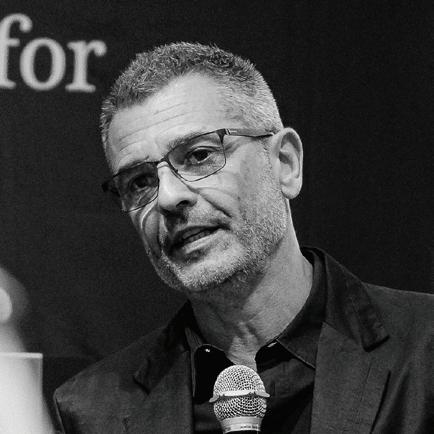
Dr Umberto Ansaldo is Professor of Linguistics and Dean of the College of Arts and Sciences at VinUniversity, Vietnam. As a linguist, he specialises in research on languages of Asia from a comparative and historical perspective. His publications advance an evolutionary framework of language contact that highlights the role of multilingualism and variation in language change. He previously worked in language documentation and researched endangered contact languages of the Indian Ocean.
As an educator, Professor Ansaldo has long promoted a studentcentred, innovative, and interdisciplinary pedagogical philosophy. In his current role as Dean, he represents a governance style that emphasises meritocracy and transparency and fosters a culture of empathy and belonging. Away from work, Professor Ansaldo enjoys wining and dining and the practice of martial arts. He has lived and worked in many different countries prior to Vietnam, including Amsterdam, Singapore, Hong Kong, and Australia.
Professor Ansaldo serves on IAFOR’s International Academic Board.
Apipol Sae-Tung (Moderator)
Friday, February 6, 2026 | 13:00-14:00 | Peridot 201 (Level 2), Singapore EXPO
Eric Hawkinson (Online Respondent), Melina Neophytou (Online Moderator)
Monday, February 9, 2026 | 10:00-11:00 | Online via Zoom
The rise of Generative AI (GenAI) presents significant opportunities to transform the higher education sector through new forms of institutional collaboration and decision-making practices. Universities and academic organisations should take the lead in adopting GenAI technologies in both teaching and institutional management. Emerging technologies can help shape the future of higher education by personalising learning, enhancing human capabilities, and strengthening international connections in the classroom and within institutional operations.
However, the ongoing development of GenAI introduces significant challenges for educators, researchers, and policymakers alike, particularly its ethical application and potential for sustainable solutions, cultural diversity support, and institutional preparedness and acceptance. In this Forum session, we will bring together educational practitioners, researchers, and academic leaders to analyse GenAI’s possibilities and obstacles for supporting instructional practices and strategic decision-making, with a particular focus on the evolving educational setting. Participants are called to consider institutional case studies alongside present challenges they themselves are experiencing, and future possibilities to understand how GenAI applications can benefit higher education.

Apipol Sae-Tung is an Academic Coordinator at IAFOR, where he contributes to the development and execution of academicrelated content and activities. He works closely with the Forum’s partner institutions and coordinates IAFOR’s Global Fellowship Programme. His recent activities include mediating conference reports for the Forum’s international conference programme and facilitating the IAFOR Undergraduate Research Symposium (IURS).
Mr Sae-Tung began his career as a Program Coordinator for the Faculty of Political Science at Chulalongkorn University, Thailand. He was awarded the Japanese Government’s MEXT Research Scholarship and is currently pursuing a PhD at the Graduate School of International Development, Nagoya University, Japan. His research focuses on government and policy analysis, particularly on authoritarian regimes. Mr Sae-Tung holds an MA in International Relations and Diplomacy from Thammasat University, Thailand, where he studied foreign policy analysis and Thailand-China relations. He also holds a BA in History from the same institution.

Dr Eric Hawkinson is a self-described ‘learning futurist’ and Professor at Kyoto University of Foreign Studies, Japan, where he teaches courses on issues related to technology and touring. Known for his creative approach to immersive education, Professor Hawkinson designs experiences where digital and physical learning merge, such as augmented reality art exhibitions, mixed reality games, and virtual field trips. As founder of the educational AR platforms Together Learning and Reality Labo, and chair of the World Immersive Learning Labs Symposium, his work blends curiosity, research, and play to rethink what education can be. Professor Hawkinson is an Adobe Education Leader, a Google Certified Innovator, and a Microsoft Innovative Educator (MIE) Expert. He has published over 50 papers and delivered more than 150 talks worldwide, from TEDx to SXSW. His current research focuses on immersive learning, digital ethics, and automation in education, most recently exploring the concept of the ‘automation abyss’ and the shifting role of educators in AI-driven systems. Visit erichawkinson. com for a full listing of Professor Hawkinson’s active projects, research, and publications.

Dr Melina Neophytou is the Academic Operations Manager at IAFOR, where she works closely with academics, keynote speakers, and IAFOR partners to shape academic discussions within The Forum, bring conference programmes together, refine scholarship programmes, and build an interdisciplinary and international community. She is leading various projects within IAFOR, notably The Forum discussions and the authoring of Conference Reports and Intelligence Briefings, and she oversees the Global Fellows Programme.
Born in Germany and raised in Cyprus, Dr Neophytou received her PhD in International Development from Nagoya University, Japan, in 2023, specialising in political sociology, the welfare state, and contentious politics. She received an MA in International Development from Nagoya University, with a focus on Governance & Law, and a BA in European Studies from the University of Cyprus, Cyprus.
Dr Neophytou’s research interests currently focus on how Artificial Intelligence (AI) is changing the relationship between state and society. Her current work examines technologies such as facial recognition (FRT) and biometric surveillance, and how these tools impact freedom of expression, protest, and social policy.









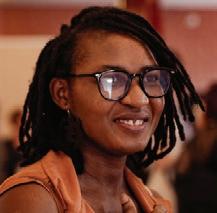
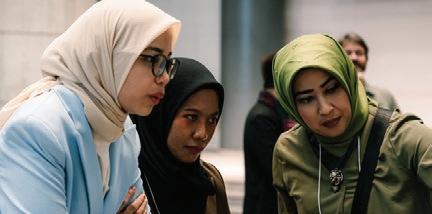



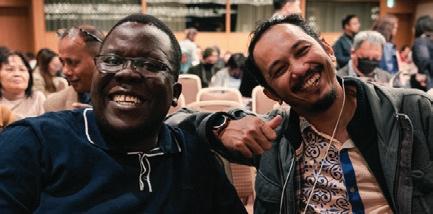


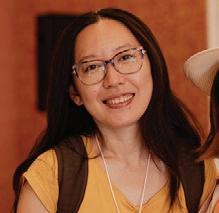


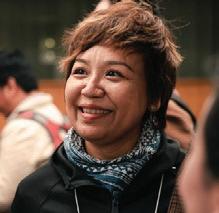
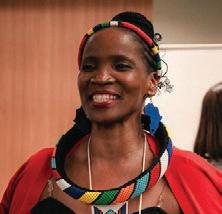

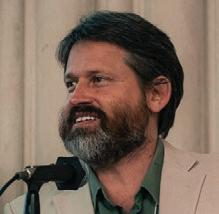


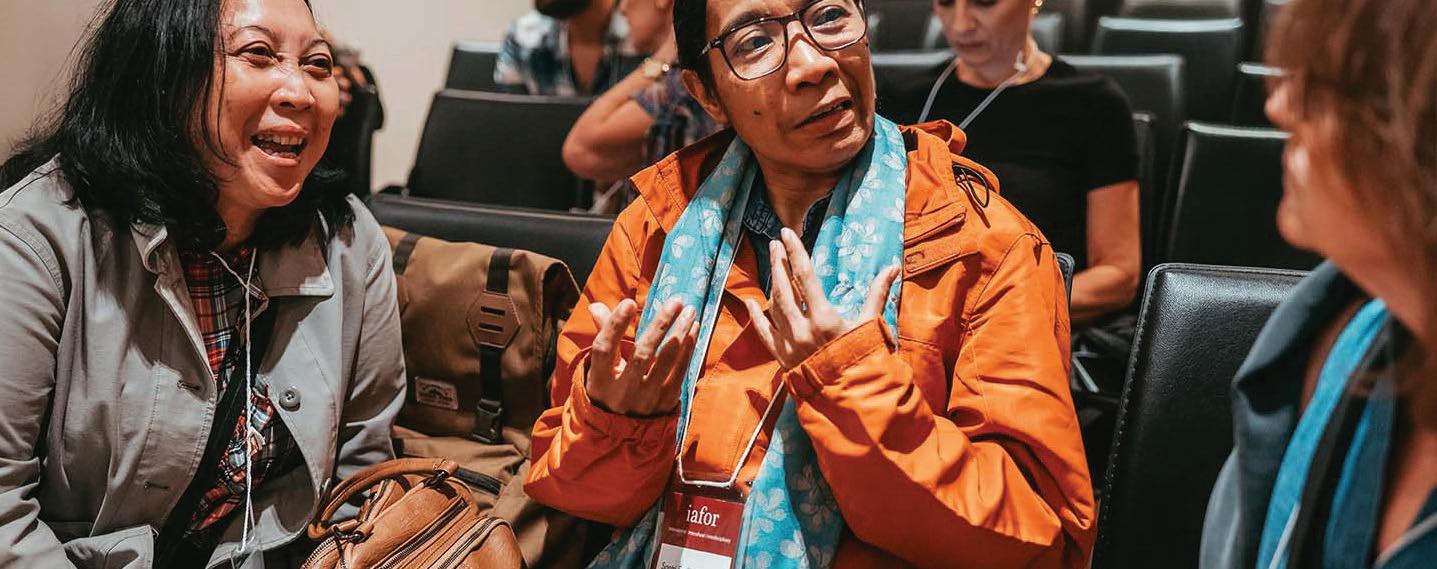
Bridging divides of nation, culture, and discipline; informing and shaping ideas, research, practice, and policy in a comparative and contrastive space, IAFOR encourages the sharing and nurturing of diverse ideas.
Over the past year, more than 5,000 delegates from more than 120 countries have participated in an IAFOR event.


Inspiring global collaborations, this diversity of peoples, nations, voices, cultures, and ideas is at the heart of what we do.
It is our greatest strength. Join us.


Featured Roundtable: Joseph Haldane, Michael Klemm
Friday, February 6, 2026 | 14:15-15:15 | Peridot 201 (Level 2), Singapore EXPO
This roundtable discussion with Dr Joseph Haldane, Chairman and CEO of IAFOR, Japan, and Michael Klemm, CEO of the Singapore Education Network, Singapore, will consider the role of professional networks in shaping careers and sustaining international collaboration. Drawing on their experiences building and working within global organisations, the panellists will reflect on how networks support individual career development while also enabling others to access opportunities, mentorship, and collaboration. The discussion takes place at a moment when internationalisation is increasingly constrained, and will invite participants to consider the continued value and responsibility of maintaining international networks in an uncertain and fragmenting global context.
See page 38 for full biography.

Michael Klemm is an education professional with extensive experience in international education, employability, education technology, and entrepreneurship in Asia. In 2020, he founded and currently heads the Singapore Education Network (SEN), a regional alliance of 3,000+ education professionals & organisations in South East Asia and beyond, with offices in Singapore, Malaysia, and Indonesia. SEN is an education community-builder as well as training provider for the education sector and also manages e-commerce platform ‘EdTech Marketplace Asia’, offering 500+ technology-enabled solutions for the education sector in Asia.
Mr Klemm is also a Venture Partner - Higher Education & EdTech for education consultancy EDT&Partners, as well as Public-Private Partnership Specialist for the ADB-funded STEP UP project in Cambodia. He mentors EdTech Startups in accelerators Singapore National Youth Council, Start2 (Germany) and Next Challenge Foundation (South Korea). He is listed among the Top 100 influencers in EdTech 2023/24 by EdTech Digest.
Previously, Mr Klemm worked for Minerva University, National University of Singapore, Training Institute NTUC LearningHub, World Vision International, and the International Labour Organization in several countries across Asia (Singapore, India, Thailand, Sri Lanka, and Indonesia), gaining substantial expertise in the education and development sector.
Friday, February 6, 2026 | 16:30-17:30 | Peridot 201 (Level 2), Singapore EXPO

Many schools arrange field trips to zoos, museums, botanical gardens, and other locations to provide authentic learning experiences. While these environments allow students to engage directly with realworld contexts, not all students are able to participate due to physical, cognitive, or sensory disabilities. In addition, there are other factors to consider, such as costs associated with on-site field trips. To address these barriers, virtual learning environments, including virtual tours and Augmented Reality (AR)-based activities, can provide inclusive alternatives by replicating these experiences in immersive, interactive platforms (Parmaxi & Demetriou, 2020). These environments support accessibility needs while also fostering engagement for all learners. The goal of this hands-on workshop is to introduce educators to the development of virtual learning environments using user-friendly, budget-conscious platforms. Participants will learn how to:
Create a virtual tour using H5P web components and 360-degree photographs of real-world spaces
Create AR-based activities using 3D models of objects
The session is designed for educators and instructional designers with limited technical experience, and will demonstrate how these tools can be used as resources for designing interactive, place-based learning.
By the end of this workshop, participants will be equipped to produce a basic prototype of an accessible virtual environment. Attendees will receive templates, planning guides, and additional resources to support independent development in their own classrooms and institutions.

Dr Shamila Janakiraman is an Assistant Professor in Learning Design & Technology (LTEC) at the University of Hawai'i at Mānoa, United States. She teaches graduate level courses in LTEC and her research interests are in emerging technologies, attitude change instruction, online teaching and learning, and competencybased education. Dr Janakiraman is keen on exploring the use of emerging technologies such as augmented reality, virtual reality, game-based learning in facilitating attitude change regarding the learning of different subjects, and attitudinal and behavioural learning regarding environmental sustainability and other socioscientific topics.
Justin Quezon is a master’s degree student in the Learning Design and Technology (LTEC) program at the University of Hawai'i at Mānoa, United States, with an anticipated graduation in Spring 2026. His final master’s project examines the use of implicit feedback in video games as a strategy for supporting language acquisition. His research interests include informal learning, adult learning, and the use of educational technologies in asynchronous environments. His design interests focus on learner-centered interfaces and self-directed, interactive experiences.

15:30-16:30 | Peridot Pre-Function Area (Level 2) Friday Poster Session
Abstracts appear as originally submitted by the author. Any spelling, grammatical, or typographical errors are those of the author.
15:30-16:30
103104 | Painting with Odors: How Olfactory Stimuli Shape Artistic Expression, Emotional Tone, and Color Choice
Zahra Davoudi, Tohoku University, Japan
Nobuyuki Sakai, Tohoku University, Japan
How do odors become pictures? Positioning painting as a rigorous experimental tool—not just an output medium—we used it to capture and externalize odor perception in a controlled study. Twenty-four university students created two works each under rose or strawberry odor using a 24-color palette, then selected “felt” colors from a Munsell-based panel and labeled the odor. Separately, sixty evaluators assessed those paintings using the semantic differential (SD) method across eight scales (dark–light, cold–warm, negative–positive, etc.), and another sixty participants evaluated the two odors on the same scales. Image analysis (K-means) summarized each work’s dominant color palette. Each odor produced distinctive, reproducible chromatic signatures: the strawberry odor evoked warmer palettes (yellows, pinks, oranges), while the rose odor evoked cooler palettes (greens, blues). Despite the cohorts being independent (painters vs. evaluators), perceptions were concordant: paintings made under strawberry odor were evaluated as lighter, warmer, and more positive— similar to the odor ratings—whereas the rose odor showed the complementary pattern. Factor analyses on SD data converged on two artrelevant dimensions—Affective Dimensionality (light–dark/warm–cold/valence) and Perceptual Valence & Complexity—observed in both painting evaluations and odor ratings, confirming cross-group consistency. The findings suggest that painting with odors is a sensitive method for experimentally capturing multisensory (odor-to-vision) perception, yielding color–emotional “fingerprints” that audiences can read. This research offers implications for art therapy, marketing, and environmental design, where odors may evoke emotions, facilitate expression, and enhance perceptual experience.
103809 | Utilization of Emotional Language as an Effective Tool in Mass Media Discourse Zdenka Kumorová, University of St. Cyril and Methodius in Trnava, Slovakia
The main focus of this study is the examination of language used in mass media manifestations addressing current socio-economic questions troubling the modern world of the 21st century. The analysis will refer to typical linguistic expressions found in media statements capturing the essence of recent problems emerging amid the crises and sourced from various platforms (social media, internet websites, online forums etc.). The primary areas of inquiry include: the question of health and vaccination, the topic of the war in Ukraine and the debate between mainstream and alternative media. As it is, the use of specific language in media sphere is not incidental, but rather purposeful - designed to influence the consumer. The identified expressions effectively manipulate the audience’s perception – we will highlight their pragmatic and persuasive functions within media communication. Additionally, we will identify distinctive flag word and stigmatizing expressions which play an important role particularly in political discourse. The aim of this contibution is to identify typical argumentative patterns based on a comprehensive text analysis and subsequently define the characteristic discourses. Overall, the study will focus on current socio-economic questions posed withing the European context while extending to the global framework. We will outline the essential strategies and methods used to influence media consumers during times of crisis by identifying emotional language in contemporary media. In conclusion, we would like to emphasize the critical importance of recognizing and exposing such lexicon and typical argumentative patterns as a means of preventing manipulative and persuasive strategies.
102042 | Platformed Patriotism: How Indian Faith-Based Organizations Script Nationalism Online Shivangi Asthana, Hong Kong Baptist University, Hong Kong
This poster examines how Indian faith-based organizations (FBOs) use social media to construct and circulate nationalist discourse. Drawing on framing theory, mediatized religion, and research on affective publics, we conduct a content analysis of official accounts from a purposive sample of social media platforms - Twitter, Facebook and Instagram in last one year. Posts were coded for discursive frames (civilizational heritage and pride, nation-as-sacred, unity and civic belonging, security and sovereignty, welfare/seva as nationbuilding, and boundary-drawing/othering), rhetorical strategies (hashtags, slogans, scriptural and historical references), multimodal cues (tricolour, maps, monuments, uniforms, patriotic music), temporal markers (national holidays, commemorations, crises), and calls to action (donations, volunteering, petitioning). Human coding of a stratified sample was complemented by introductory computational text and image features and engagement metrics to assess reach, resonance, and platform-specific patterns. Findings indicate that FBOs routinely hybridize devotional and patriotic repertoires: devotional posts are interlaced with national symbols and civilizational narratives; seva is framed as service to the nation; and commemorative content anchors religious identity within a shared national time. Attention spikes around national days and policy moments, with X/Twitter used for issue advocacy and alignment with institutional agendas, while Instagram/YouTube emphasize visual spectacle and affect. Although inclusive unity frames are prevalent, some content delineates moral boundaries in subtle ways, positioning religious-cultural authenticity as the locus of legitimate national belonging. The study contributes evidence that FBOs function as cultural intermediaries translating religious repertoires into nationalist idioms within platform logics, with implications for public discourse, pluralism, and the governance of civic communication.
101281 | Adoption and Impact of Generative AI on Teaching Strategies Among Community College Educators
Siti Shuhaili Mohamad Moha, Temerloh Community College, Malaysia
Mohd Fazli Khaisunizam Ismail, Temerloh Community College, Malaysia
Generative Artificial Intelligence (GenAI) is increasingly shaping the education landscape, offering both opportunities and challenges for teaching and learning. While global research has examined its potential in higher education, limited empirical evidence exists on its adoption and impact within Malaysian Community Colleges. This study investigates the level of adoption and perceived impact of GenAI tools, such as ChatGPT, Google Gemini, and Microsoft Copilot, among Community College educators in Pahang. Specifically, it explores how GenAI influences teaching strategies, identifies perceived benefits and challenges, and examines demographic factors associated with adoption. A quantitative cross-sectional survey will be conducted using a structured questionnaire distributed via Google Form to lecturers across community colleges in Pahang. The target population is approximately 200 educators, with a minimum sample size of 132 determined through stratified random sampling. Data will be analysed using descriptive and inferential statistics to identify trends, relationships, and group differences. Findings from this study are expected to provide a validated dataset on GenAI usage in Community Colleges, offer insights into its pedagogical impact, and highlight challenges that may hinder effective integration. The results will contribute to institutional policy-making, training initiatives, and professional development in AI-enhanced teaching, while also serving as a reference point for future research on GenAI in technical and vocational education contexts.
103575 | Investigating the Effectiveness of a Human Service Work-integrated Course in Preparing Students’ Job Readiness: An Action Research for Curriculum Enhancement
Ling Fung Tony Chow, Hong Kong Metropolitan University, Hong Kong
Sara Tze Kwan Li, Hong Kong Metropolitan University, Hong Kong
With the ever-changing work environment and technological advancements, the skills and knowledge needed by university graduates are continually evolving. Therefore, work-integrated learning (WIL) courses designed to develop practical skills and prepare students for employment should be regularly reviewed and updated to ensure their curriculum meets current industry needs. Our current study uses an action research approach to evaluate whether our WIL curriculum, which includes both lectures and practicums, (i) effectively supports students’ practicum experiences, (ii) helps develop employability skills, and (iii) ensures the skills learned match the current demands of the field. Data for the action research were collected through three rounds of surveys and focus groups (i.e., pre-WIL lecture, post-lecture/ pre-practicum, and post-practicum), involving psychology undergraduate students (n=26), along with individual and group interviews with field supervisors from NGOs (n=11) conducted after the practicum. The results suggest that while our WIL course generally promotes the development of domain-general employability skills, some coursework and assignments lack relevance to the practicum and may not support preparing students for the practicum. Additionally, field supervisors noted that students’ performance during the practicum lacked domain-specific skills, including counseling assessment skills. These findings inform a curriculum redesign to better align coursework and assignments with students’ mental preparedness for practicum and essential skills development. A demonstration of the updated course curriculum will be showcased. The study highlights the need for regular, cyclical reviews to enhance the WIL curriculum, ensuring graduates are equipped for the changing demands of today’s workforce.
96324 | Students’ Perceptions of Science: Investigating the Factors Contributing to Anxiety and Avoidance of Science Among Senior High School STEM Students
Mikaela Patricia Maningo, Saint Joseph College of Sindangan Incorporated, Philippines
Science plays a key role in education by helping students understand the natural world. However, many students have lost interest in science over time because they find it difficult and intimidating. This qualitative study investigated the causes of science anxiety among Senior High School students at Saint Joseph College of Sindangan Incorporated, focusing on their thoughts, experiences, and common reasons behind their anxiety in science subjects. All Senior High School students completed the SATSci-36 questionnaire (adapted from Schau, 1992, 2003) to measure their level of science anxiety. Based on the results, nine students were selected for interviews and focus group discussions. Most of these respondents were male Grade Twelve (12) students, but the study found no significant differences in anxiety based on sex or grade level. Thematic analysis revealed several main causes of science anxiety: teacher behavior, poor teaching methods, excessive memorization, and challenges in understanding formulas and solving problems. Students also felt insecure when comparing themselves to classmates who excelled in science, which often led to stress during oral recitations or unexpected questions in class. As a result, some students shared strategies for coping with their anxiety, including reviewing earlier lessons and connecting science topics, particularly in Biology, to real-life situations. In conclusion, science anxiety among Senior High School students is shaped by both academic and emotional challenges. The study suggests the need for more supportive, engaging, and student-centered teaching methods to create a more positive learning experience in science.
101790 | Linguacultural Citizenship and Glocal Competencies: Reimagining Language Policy in the Japanese University Classroom
Robert Higgins, Kwansei Gakuin University, Japan
As the demand for glocal competencies—the ability to navigate both local and global cultural contexts—continues to grow, traditional international experiences such as study abroad and service learning remain out of reach for many students. Financial constraints, time limitations, and bureaucratic hurdles disproportionately exclude those from underrepresented or marginalised backgrounds. In response, this study explores how language learning, situated within a community-based language policy framework, can provide more equitable and accessible pathways to global engagement. Focusing on English as a language of internationalisation, the research critically asks whether English serves to facilitate or hinder meaningful interaction with other languages and cultures. A curriculum enactment model frames the classroom as a dynamic space where political, social, and educational factors converge—positioning learners not as passive recipients, but as active agents in shaping language practice and policy. The study employs the concept of linguistic citizenship to examine how language use can support democratic participation, intercultural understanding, and social inclusion. Adopting a linguacultural citizenship methodology, it investigates how Japanese university students engage in language policymaking through groupbased inquiry and collaborative research. Participants explored their agency in negotiating meaning and shaping classroom language practices via interpretive and translational processes. Findings indicate a clear resistance to monolingual and utilitarian ideologies of English. Students expressed a strong desire for dialogical, relational approaches to language learning that reflect cultural complexity. By conceptualising curriculum as lived experience, this study highlights learners’ potential to challenge dominant discourses and enact transformative, inclusive language education.
101813 | Developing a Change Management Model for Essential Nursing Workforce Training: Application of the Kotter–Kern Gonzalo Framework
Heui-Kyeong Kwon, Seoul Nation University Hospital, South Korea
Eunkyung Bang, Seoul National University Hospital, South Korea
Eunyoung Park, Seoul National University Hospital, South Korea
Yuseon Jang, Seoul National University Hospital, South Korea
Soyoung Lee, Seoul National University Hospital, South Korea
Ensuring a competent nursing workforce in essential care areas such as intensive care units (ICUs) and emergency departments (EDs) is a national priority. Traditional training programs often lack a systematic framework that integrates both educational design and organizational change. The Gonzalo model, which combines Kotter’s eight-step change management process with Kern’s sixstep curriculum development framework, offers a structured approach to guide innovation and implementation. This study developed and evaluated an essential nursing workforce training system using the Kotter–Kern Gonzalo framework. A standardized program, integrating competency-based education for new ICU and ED nurses with a faculty development program for dedicated nurse educators, was implemented across 52 institutions. Surveys assessed satisfaction, competence, and willingness to recommend, and focus group discussions (FGDs) with managers and educators explored challenges and strategies. Results showed that 97.3% of managers and 100% of educators would recommend the program. Educators reported a 3.5-fold increase in competence measured by Entrustable Professional Activities (EPAs), and new nurses demonstrated improvements in knowledge, adaptation, and independent practice. FGDs confirmed program strengths such as standardized resources and EPA-based assessment, while identifying challenges including resource limitations and the need for clearer evaluation criteria. The Kotter–Kern Gonzalo framework effectively guided the development and dissemination of an essential nursing workforce training system, yielding positive outcomes and offering strategies for policy-level improvement.
103677 | Stakeholder Perspectives on Creative Industry Policy Implementation in the Philippine Higher Education Joanna Luisa Obispo, Ritsumeikan University, Japan
Recent studies on cultural and creative industries (CCI) emphasized creative education as a strategic component of creative economy development, with higher education institutions (HEIs) tasked to produce “creative human capital” to support growth (Ashton & Noonan, 2013; Comunian & Gilmore, 2015). This employability discourse also resonates in the Philippines, where the Republic Act No. 11904, or the Philippine Creative Industries Development Act (PCIDA), and related policies/initiatives position HEIs as one of the key partners in training a globally competitive and innovation-driven creative workforce. However, domestic scholars and government related reports (Samodio, 2017/2018; Santos, 2017; Serafica & Oren, 2022) have highlighted persistent policy-practice gaps/incoherencies in creative labor policies, raising questions whether similar issues may recur as national policies are translated and implemented within HEIs. Through thematic analysis of semi-structured interviews with university administrators & faculty, industry practitioners and government representatives, this study explores how stakeholders interpret, negotiate, and critique the institutionalization of creative industry policies in higher education. They identified notable gains (e.g., policy recognition of creative disciplines, curricular innovation, and stronger industry linkages), but also enduring challenges (e.g., fragmented coordination, resource inequities, and bureaucratic delays). These findings suggest that these employability-oriented policies may come at the expense of academic freedom and cultural sustainability. This study therefore underscores the need for continued dialogue and collaboration among HEIs, government agencies and industries to bridge the policy-practice gap and build a sustainable creative education ecosystem.
101777 | Surviving Research Publication: A Guide for New Scholars
Lily Compton, Iowa State University, United States
Kristin Terrill, Iowa State University, United States
Megan O’Donnell, Iowa State University, United States
New scholars, including graduate students and early career researchers, are expected to conduct research and disseminate their findings internationally. While they are able to receive mentoring on the research project and process, most new scholars are left to figure out the publication landscape on their own. Issues such as copyright, publication ethics, research integrity, authorship, and use of generative artificial intelligence are some of the complex topics that are often not taught explicitly, leaving scholars to figure them out on their own. At a large Midwest university in the United States, the authors of this poster presentation secured a grant to write and publish an open educational resource (OER) that addresses these critical competencies. This OER covers three key areas: the basics of research publishing, research and publishing ethics and regulations, and technological tools for research publishing and digital accessibility. In this poster presentation, the authors will describe the topics covered, how they piloted the materials within a graduate-level course serving U.S. and international students, and how they secured expert feedback from institutional partners and peer institution colleagues. The poster will provide previews of chapter layouts, including scenario callouts and activities. The audience can access and download a copy of the OER, share the resource with students and colleagues, and discuss the potential for integrating it into their own program.
102039 | The Development of Science Activity Packages Learning on “The Basic Household Wastewater Management Methods for Mathayomsuksa 1. Students”
Onanong Thongpan, Sriboonyanon School, Thailand
There were three Purposes of the study: 1) to development and identify educational quality of science activity packages learning on “The Basic Household Wastewater Management Methods” for Mathayomsuksa 1. (Grade 7) students to attain the efficiency index of 80/80. 2) to study learning outcomes; knowledge and science process skills of MS 1. Students by science activity packages learning. 3) to study attitude toward water resources of MS. 1. Students by science activity packages learning. and 4) to study the MS. 1 students’ toward satisfaction in the science activity packages learning. The study was accomplished through two stages of operation; 1) development and quality evaluation of science activity packages learning by the experts and conducting a teaching experimentation with a group of three students nine students and thirty students successively. 2) performing experimental teaching by employing the science activity packages learning with the sampling coming up with a group in one class (from 4 class of 40 MS.1 in the first semester of 2025 academic year of Sriboonyanon school ) for 16 periods (50 minutes a period)for the experimental teaching. The results were as follows:
1.The science activity packages learning were at higher educational quality and efficiency index 82.65/83.84.
2. Learning outcomes of students exposed to instruction utilizing the developed science activity packages learning were found to be positive: 1) students’ post-test scores on knowledge were significantly higher than their pre-test scores, 2) The students’ posttest scores on science process skills were significantly higher than their pre-test scores (p<.05).
3. Students’ post-test scores on attitude toward water resources designated as “good” level”.
4. Students’ toward satisfaction in science activity packages learning were of a “highly” level.
102632 | Exploring Boundaries: Elevating Research Capabilities of Teachers in St. Agnes Academy, Inc.
Heidi Donghit, St. Agnes Academy, Inc., Philippines
Joan Alejo, University of Santo Tomas-Legazpi, Philippines
Owen Del Castillo, St. Agnes Academy, Inc., Philippines
This study assessed the research capabilities of teachers at St. Agnes Academy, Inc. (SAA) in writing a research paper and a publishable research paper, with the goal of developing a comprehensive research program for the institution. Using a descriptive-evaluative approach,94 elementary and high school teachers’ responses to a survey questionnaire were gathered by total enumeration sampling. Data were analyzed using mean and Analysis of Variance (ANOVA). Findings revealed that teachers are moderately capable in producing both a research paper with an Overall Mean of 3.28 and a publishable paper with an Overall Mean of 3.03. Remarkably, teachers were slightly capable in areas such as writing research methods and adopting/ constructing research instruments. Significantly, the analysis revealed that the teachers’ undergraduate educational attainment (p=0.01) and attendance in research seminars and workshops (p=0.0006) have a significant impact on their ability to write a research paper. Undergraduate educational attainment has a significant impact on generating a publishable manuscript (p=0.0001), as well as post-graduate study (p=0.04). On the other hand, there was no discernible correlation between age and years of teaching in SAA. The study concludes that targeted professional development, rather than broad demographic factors, is key to enhancing research productivity. A research program was then established with the goal of empowering teachers in identified areas of weakness and using their training as a model for other Institutional Basic Education (IBED) institutions.
103645 | Social Media Use and Adolescent Mental Health: The Mediating Roles of Mood and Happiness
Yu Tzou, National Chengchi University, Taiwan
Yu-chu Yeh, National Chengchi University, Taiwan
Adolescent mental health has become an increasing global concern. In Taiwan, recent data indicate that approximately 12% of children and adolescents experience anxiety disorders, and 1% suffer from depression. Given that social media has become an integral part of adolescent life, understanding its impact on mental health is essential. This study examined how social media use—specifically usage time and experiences of online bullying—affects adolescents’ mental health through short-term mood improvement and long-term happiness. Participants were 224 Taiwanese high school students (10th–12th grade). The Inventory of Adolescents’ Mental Health was used to assess their mental health status. On average, participants reported using social media for 5.57 hours per day, and 14.2% had experienced online bullying. While 73.6% of students indicated that social media use sometimes or often improved their mood, about one-fourth reported little or no improvement. Moreover, 64.7% felt happier in the long term after using social media. Latent path modeling revealed that both excessive use and bullying experiences directly and negatively predicted adolescents’ mental health. However, time spent on social media also indirectly enhanced mental health through improved mood and sustained happiness. These findings highlight the complex dual nature of social media use, highlighting the importance of promoting mindful and positive engagement to support adolescents’ psychological well-being.
98051 | From Planning to Revising: The Impact of Metacognitive Strategy Instruction in Online Collaborative Writing for EFL Learners
Wei-Yu Chang, National Kaohsiung Normal University, Taiwan
This mixed-methods study explores the effects of integrating metacognitive strategies into an online collaborative writing environment on the English writing performance of EFL university students. Sixteen English majors from a Taiwanese university participated in a tenweek intervention, during which they engaged in paired collaborative writing tasks through an online platform. The instructional design systematically incorporated key metacognitive processes—planning, monitoring, evaluating, and revising—into each stage of the writing cycle. These strategies were explicitly taught and practiced throughout the course. Data were collected using multiple instruments, including IELTS-based pre- and post-tests to assess writing performance, the Metacognitive Awareness Writing Questionnaire (MAWQ) to examine changes in metacognitive awareness, and reflective essays to gain insights into students’ perceptions and experiences. Quantitative analysis revealed statistically significant improvements (p < 0.05) in various writing dimensions, such as content development, organization, vocabulary use, language accuracy, and overall writing quality. The greatest gains were observed in areas related to planning and revising, suggesting that these strategies had the most substantial impact. Qualitative findings supported the quantitative results, highlighting how features such as real-time collaboration, revision history tracking, and colour-coded edits fostered deeper engagement with the writing process and enhanced metacognitive regulation. Students reported increased awareness of their cognitive processes and recognized both the benefits and challenges of collaborative writing in an online context. Overall, this study provides empirical evidence for the effectiveness of combining metacognitive strategy instruction with online collaborative writing. The findings offer valuable pedagogical implications for EFL writing instruction in digitally mediated learning environments.
101731 | Linking Physics to Sustainability in Higher Education: Curriculum Alignment and a Small-Cohort Study
Eva Klemencic, University of Maribor, Slovenia
Petra Cajnko, University of Maribor, Slovenia
Matej Mencinger, University of Maribor, Slovenia
Robert Repnik, University of Maribor, Slovenia
The digital and green transition requires graduates who can apply physics-based measurements, modeling, and reasoning to sustainability challenges. This exploratory study examines an environmental physics cohort at the University of Maribor, consisting of students majoring in physics and physics teacher education. Based on a competency framework for energy literacy, sustainability, and the green transition, which encompasses systems thinking in energy systems, biodiversity, resource management, technological competence, and policy/regulatory awareness, we developed three hands-on sequences within the course: Infrared Thermography, Electromagnetic Field Measurements, and the Physics of Weather. There are three sources of data: a pre- and post–course self-efficacy questionnaire aligned with the competency framework, semi-structured interviews conducted after each sequence that included brief reflections, and a deductive document analysis of the curriculum and intended learning outcomes. The analyses combine non-parametric within-subjects tests with rank-based effect sizes for the questionnaire, a reflective thematic analysis of the interview data, and a curriculum alignment index derived from the document analysis. We expect to observe an increase in perceived technological competence and energy systems thinking, as well as better articulation of policy and regulatory trade-offs. Based on preliminary curriculum coding, we anticipate strong agreement in the areas of systems thinking, resource management, and technological competence. Tools, coding templates, and matching visualizations will be provided as part of the study to support replication. Given the small cohort and reliance on self-report, any implications are interpreted cautiously. Nevertheless, the design aims to clarify how physics can create favorable conditions for the cultivation of sustainability-relevant competences.
101773 | Digitally Supported Fieldwork in Physics Teacher Education: A Higher-Education Pilot Study
Robert Repnik, University of Maribor, Slovenia
Petra Cajnko, University of Maribor, Slovenia
Matej Mencinger, University of Maribor, Slovenia
Eva Klemencic, University of Maribor, Slovenia
Physics, as an empirically based science, is increasingly taught in laboratories, which can weaken students’ ability to recognize and mobilize physics concepts in authentic environments. This study reports on a pilot project of the elective course Digitally Supported Fieldwork in Physics embedded in physics teacher education at the University of Maribor, Slovenia. The course aims at the planning and implementation of field teaching, the competent use of measuring instruments and digital tools for data acquisition, processing and visualization, the integration of safety, ethics and sustainability aspects, and the combination of theory and practical experience in natural environments. The emphasis is on active and experiential methods. To evaluate the effectiveness of the course, we conduct semi-structured interviews with participants before and after the course to learn to what extent they are prepared for teaching in the field, how they feel about the prevalence of physics in the classroom , and the importance of fieldwork. In parallel, we conduct formative observations across five phases of experimental work (preparation, hypothesis and procedure, execution, verification of hypotheses and measurement quality, follow-up) to track the development of autonomy in planning and conducting field investigations with both hardware and software. We will present the course design and intended learning outcomes, an interview protocol and observation rubric, and mapping to digital competency frameworks (DigComp 2.2 and DigCompEdu) to support transferability to other programs that aim to integrate digitally supported fieldwork. The pilot project contributes to a higher education model for re-integrating authentic, physicsbased fieldwork into teacher education.
Melanie Serquiña, Saint Mary’s University, Philippines
Melanie Gurat, Saint Mary’s University, Philippines
Statistical literacy is crucial for educators as it enables them to analyze data, make informed decisions, and create evidence-based learning environments. However, many teacher-education students struggle to apply advanced statistical reasoning. This study assessed graduate students’ statistical, research, and AI literacy profiles and identified predictors of statistical literacy. It measured statistical literacy through descriptive and inferential skills, research literacy via awareness, attitude, skills, and application, and AI literacy across affective, behavioral, cognitive, and ethical domains. Using a descriptive-predictive design, the study analyzed data from 42 graduate students enrolled in the MAT, MAED, and MST programs at Saint Mary’s University during the 2024–2025 academic year. Results showed that students were proficient in descriptive statistics but faced challenges with inferential reasoning. Research literacy was at an average level, with weaknesses in conducting and disseminating research, while AI literacy reflected positive attitudes but limited ethical understanding and advanced engagement. Regression analysis revealed no significant impact of research or AI literacy on statistical literacy. The study concludes that improving statistical understanding requires active learning strategies, integration of statistical software, and real-world applications. It recommends embedding AI and research literacy training into teacher education curricula to boost future educators’ ability to make data-driven decisions.
98469 | Human Reflections on Artificial Intelligence: Perceptions of Work, Identity, and Adaptation in Slovenia
Matej Mencinger, University of Maribor, Slovenia
Robert Repnik, University of Maribor, Slovenia
Eva Klemenčič, University of Maribor, Slovenia
Petra Cajnko, University of Maribor, Slovenia
As artificial intelligence (AI) reshapes the world of work, it also challenges deeply held human values surrounding identity, purpose, and social cohesion. This paper presents findings from an exploratory survey conducted among a diverse group of 50 respondents in Slovenia, aiming to understand how lay citizens perceive the impact of AI on their professional lives, emotional well-being, and societal structures. The mixed-methods survey reveals both optimism and anxiety: while AI is seen as a tool for increasing productivity and efficiency, many respondents express concerns over data privacy, dehumanization, and the loss of meaningful interpersonal interactions. Notably, willingness to retrain or upskill is often conditional upon perceived necessity and access to quality education, highlighting the role of socio-economic factors in shaping technological adaptation. We argue that discussions around AI and work must go beyond technical efficiency to include ethical, cultural, and existential dimensions. The Slovenian case provides insight into broader global tensions between technological progress and humanistic concerns. Our findings suggest the need for inclusive public discourse and culturally responsive policies that balance innovation with dignity, equity, and a sense of belonging in the future of work. This paper contributes to the humanities-led reflection on AI, positioning lay perspectives not as passive reactions but as active engagements with the values and choices shaping the post-digital society.
102163 | A Preliminary Evaluation of an Educational Game for Developing Spatial Ability Using Minecraft and Generative AI Scaffolding
Hsiao-Min Lee, National Taiwan University of Science and Technology, Taiwan
Huei-Tse Hou, National Taiwan University of Science and Technology, Taiwan
Spatial ability is vital for addressing daily and scientific challenges. This study aims to design and conduct a preliminary evaluation of an educational game integrating the Minecraft virtual world with generative AI (GAI)-guided scaffolding. Fifteen undergraduate and graduate students (8 female, 7 male) participated in the game, with comprehensive assessment conducted through flow, activity anxiety, cognitive load scales, spatial ability tests, and qualitative feedback. Results indicate participants experienced flow states during gameplay, with significantly higher scores than the median of 3 on dimensions including “clear goals”, “immediate feedback”, “concentration”, and “loss of time perception”. Cognitive load analysis revealed the activity had significant “germane cognitive load” (p = .004), while “activity anxiety” remained significantly below 3. Regarding spatial ability performance, the post-test average score (80.00) exceeded the pre-test score (73.33), though the difference did not reach statistical significance (p = .078). Qualitative analysis revealed that over 85% of participants found the GAI robot helpful for problem-solving; 93.3% agreed the game process enhanced spatial sense application; and 80% believed skills learned were transferable to real life. Collectively, this study preliminarily confirms the game’s potential in creating immersive learning experiences and promoting germane cognitive load, while receiving strong learner endorsement.
103273 | Integrating WSQ Strategy with GPT-4 Chatbot to Foster Creativity in Senior-Friendly Digital Game Design: An Adult Learning Perspective
Chih-Chi Liu, Hsin Sheng Junior College of Medical Care and Management, Taiwan
Ying-Ju Li, Hsin Sheng Junior College of Medical Care and Management, Taiwan
As societies worldwide confront rapid demographic aging, developing digital learning tools suitable for older adults has become increasingly critical. This study investigates the effectiveness of integrating the WSQ (Watch-Summary-Question) instructional strategy with GPT-4 chatbot on enhancing creativity among adult learners in designing senior-friendly digital board games. The WSQ strategy guides autonomous learning through three structured phases—Watch, Summary, and Question—while GPT-4 integration provides immediate, personalized feedback and learning support. Employing a one-group pretest-posttest design, this study involved 30 adult working students enrolled in a long-term care activity design course. Throughout the intervention, students utilized the WSQ framework to engage with instructional videos, compose learning summaries, and formulate questions, receiving real-time AI-assisted feedback during the question phase. The Divergent Thinking Test assessed three creativity dimensions—fluency, flexibility, and originality—before and after the intervention. Paired-samples t-tests revealed statistically significant improvements in fluency (M_diff = 2.77, t(29) = 4.48, p < .001, d = 0.82) and flexibility (M_diff = 1.20, t(29) = 2.74, p = .010, d = 0.50), demonstrating medium to large effect sizes. Although originality showed positive trends, it did not reach statistical significance (p = .261, d = 0.21). Findings suggest that the WSQ-GPT-4 integration effectively enhances adult learners’ idea generation capacity and perspective-shifting abilities, though fostering originality may require extended intervention periods and refined pedagogical strategies. This study contributes empirical evidence for integrating AI-assisted instruction into adult education, offering a replicable framework for educators seeking to enhance creative thinking in technologymediated learning environments.
103342 | A Game-Based Home Visit Training for Long-Term Care Personnel Integrating SVVR Scenario Exploration and Generative AI Interaction
Yu-Xiang Lin, National Taiwan University of Science and Technology, Taiwan
Chih-Chung Chien, National Taiwan University of Science and Technology, Taiwan
Huei-Tse Hou, National Taiwan University of Science and Technology, Taiwan
Elderly care and companionship are critical global issues. Effective home visit skills play a vital role in delivering quality long-term care services. However, traditional training methods often rely on instructors’ case explanations and personal experience sharing in communication and observation, which are limited by manpower, cost, and time. Consequently, learners have few opportunities for realistic interview practice and skill rehearsal. This study develops a game-based learning solution that integrates Spherical VideoBased Virtual Reality (SVVR) technology to construct immersive environments simulating the daily living contexts of older adults. With our generative AI module, learners can interact with a virtual elder created by the system. Participants play the role of long-term care professionals, engaging in home visit training that combines environmental observation and interactive communication. The study recruited 20 professional long-term care service providers in Taiwan. Results indicated that 75% of participants successfully passed the home visit assessment embedded within the game. Quantitative analysis revealed that the mean score for flow experience was significantly higher than the scale’s median (i.e., 3), while anxiety levels were significantly lower than 3. Regarding cognitive load, extraneous cognitive load was significantly below 3, whereas germane cognitive load was significantly above 3. Qualitative feedback revealed that all participants agreed that the game helped them better understand the daily lives of the elderly. Moreover, 95% reported gaining deeper insight into older adults’ conditions and difficulties, 70% felt more emotionally connected to them, 65% experienced less communication pressure, and 85% indicated improved focus on functional evaluation aspects.
103504 | Design of an Online Computational Thinking Educational Game Integrating Scaffolding and Card Battle Mechanics
Ying-Ju Li, National Taiwan University of Science and Technology, Taiwan
Huei-Tse Hou, National Taiwan University of Science and Technology, Taiwan
Computational thinking, as a core competency for programming and problem-solving, has become a crucial skill in information education in recent years. Nonetheless, many current instructional activities and educational games designed to teach computational thinking frequently integrate additional components such as spatial concepts and path analysis. This integration can lead to increased extraneous cognitive load for learners. To address this issue, this study employs card battle games as the core mechanism, enabling learners to manipulate computational logic more intuitively and concretely through combining computational function cards, thereby visualizing abstract problem-solving processes. Additionally, scaffolding design is incorporated, including dual-dimensional scaffolding of “task condition instructions” and “problem-solving hints,” providing step-by-step guidance and immediate feedback. A total of 30 learners participated in the empirical study. Paired sample t-test were conducted to examine differences in learners’ computational thinking selfefficacy before and after the game intervention. Results showed that post-test scores were significantly higher than pre-test scores. Furthermore, learners demonstrated moderate to high levels of flow, low extraneous cognitive load, and relatively high germane cognitive load, indicating that the game not only engaged students and reduced learning costs but also promoted active thinking. Regarding the scaffolding design and overall user experience, results showed that learners generally held highly positive attitudes. The research findings confirm that game-based design integrating scaffolding and card battle mechanics can effectively support computational thinking learning and enhance the learning experience.
103662 | A ResNet-Based Deep Learning Model for Automated Scoring of Elementary Students’ Chinese Calligraphy
Yi-Pei Lin, National Taiwan Normal University, Taiwan
This study proposes an automatic scoring approach for calligraphy images using the deep learning model ResNet. The evaluation criteria are grounded in calligraphic aesthetics, emphasizing stroke techniques and the holistic relationships of character structure. The dataset consists of elementary students’ handwriting samples and corresponding expert ratings. After preprocessing and model training, the system generates predicted scores. Experimental results show that the model achieves a low mean absolute error (MAE = 2.6) and a high quadratic weighted kappa (QWK = 0.898), indicating strong consistency between the automated scoring and expert evaluations. The proposed system provides real-time feedback and reduces teachers’ assessment workload. Future work will expand the dataset and refine the scoring dimensions to enhance the model’s applicability in calligraphy education.
103743 | Learning with Generative AI: Effects of Co-creation on Cognitive Load, Well-being, and Creativity
Min-Wen Jao, National Chung Hsing University, Taiwan
Yu-chu Yeh, National Chengchi University, Taiwan
Generative Artificial Intelligence (GAI) has emerged as a powerful tool for fostering creativity. This study scaffolded college students to co-create with GAI and examined whether such co-creation processes differentially influenced students’ cognitive load, GAI use wellbeing, and creativity across different learning situations (individual vs. team). We also compared these variables when GAI was employed versus not employed. Participants were 31 Taiwanese college students enrolled in a creativity course. Two creativity tasks and inventories measuring cognitive load and well-being were administered. The first task was a team-based association task (associating cup and friendship), and the second was an individual constrained task (introducing a product within 10 words). A series of 2 (Learning situation: individual vs. team) × 2 (Group: with AI vs. without AI) repeated-measures analyses of variance were conducted. The results showed that AI assistance significantly reduced participants’ cognitive load and enhanced GAI use well-being, encompassing both eudaimonic and hedonic dimensions. Notably, these effects were particularly pronounced in the team-based learning condition. Moreover, AI assistance significantly improved creativity in both the constrained and associative creativity tasks. These findings suggest that co-creation with GAI can effectively reduce learners’ mental demand, promote enjoyment and a sense of self-growth, and enhance creative performance— whether in individual or collaborative learning contexts.
103753 | Effectiveness of 3D Anatomy Visualisation and Virtual Dissection System in Medical Education Sang Wha Kim, Seoul National University, South Korea
The 3D anatomy visualization and virtual dissection systems have been increasingly adopted by medical schools and educational institutions. These systems allow users to visualize anatomical structures with a level of precision akin to what would be observed in actual patients. Educational programs that incorporate 3D anatomy visualization and virtual dissection have been shown to be effective. This study aims to evaluate student performance across various teaching methodologies.
Between January 1, 2020, and December 31, 2020, 95 first-year medical students who participated in Clinical Anatomy Sessions were included in this study. The Clinical Anatomy Session employed four different teaching methodologies: Lecture, Hands-on section, 3D anatomy visualization system, Review test and quiz. Following the session, students were asked to evaluate the effectiveness of each teaching methodology using a five-point scale (Poor, Fair, Good, Very Good, Excellent).
Overall, 88% of students rated the 3D anatomy visualization system as either “Very Good” or “Excellent.”
The integration of 3D anatomy visualization and virtual dissection systems into educational curricula has proven to be effective. This approach not only captures students’ interest and attention but also leads to improved educational outcomes. The system contributed to higher test scores, more efficient sessions, and greater student acceptance.
103641 | Development and Preliminary Evaluation of a Scenario-Based Bullying Case Analysis and Response Training Game Utilizing Generative AI Characters
Mei-Fen Chen, National Taiwan University of Science and Technology, Taiwan
Chih-Chung Chien, National Taiwan University of Science and Technology, Taiwan
Huei-Tse Hou, National Taiwan University of Science and Technology, Taiwan
Investigating school bullying and counseling victims represent significant challenges for schools worldwide today. Proper counseling and intervention are crucial for campus safety. Recommendations for teaching strategies in psychological counseling training suggest conducting repetitive and realistic training, which is relatively costly. Digital simulation and game-based learning are expected to provide highly motivating, iterative practice opportunities that are low-cost and unrestricted by time or location. This study employed our team’s scenario-based Generative AI (GenAI) character technology module to design an educational game for training psychological counseling in bullying cases. Players assume the role of teachers who must interact with AI-generated bullied students within a time limit. The game objectives involve understanding the facts surrounding the bullying incident and implementing appropriate interventions. All 20 participants were active teachers in Taiwan. Findings indicate high levels of flow and significant improvements in counseling self-efficacy. Participants reported high perceived usefulness and ease of use, expressing willingness to replay the game. Qualitative feedback revealed over half felt it enhanced counseling skills (50%) and provided realistic scenarios (50%). Preliminary findings indicate that this educational game enables low-cost, repeated practice of counseling essentials, making it suitable as a preparatory exercise before real-person case simulations. Future enhancements could include increased interactive sophistication and more learning feedback to improve training utility and realism.
100432 | Exploring the Impact of an AI-Based Project Activity on Pre-Service Elementary School Teachers
Fu-Hsing Tsai, National Chiayi University, Taiwan
With the growing emphasis on cultivating computational thinking in K–12 education worldwide, many advanced countries have introduced visual programming and microcontroller-related curricula at the elementary level. In recent years, the emergence of transformative artificial intelligence systems such as ChatGPT has further driven the global advocacy of AI literacy as a core component of 21st-century digital competence. These emerging educational trends are increasingly influencing elementary teacher education and prompting teacher preparation programs to develop responsive training initiatives. In response, this study designed an AI-based project to enhance pre-service elementary school teachers’ competencies in programming and AI applications. Participants were required to collaboratively develop AIpowered educational game devices that support energy-related knowledge acquisition, using visual programming software, microcontroller boards, and AI vision recognition cameras. The results showed that all pre-service teachers successfully completed the AI-based project and developed several educationally meaningful AI-powered educational game devices. Moreover, significant improvements were observed in their computational thinking concepts, computational identity, and AI literacy scores following the activity. Participants also reported highly positive feedback, affirming the relevance and practical value of the instructional approach.
102764 | Exploring the Effects of the ORID Focus Discussion Method Combined with Online Argumentation on Issues Related to Sustainable Development Goals
Pei-Shan Tsai, National Taipei University of Technology, Taiwan
This study explored the effects of the ORID focused discussion method combined with online argumentation on issues related to the Sustainable Development Goals (SDGs). The participants were 110 freshmen from two classes at a college in northern Taiwan. Students in one class (n = 59) were assigned to the control group, and students in the other class (n = 51) were assigned to the experimental group. Before the learning activities, the students were asked to complete an argumentative essay and two questionnaires (i.e., learning motivation and cognitive load) to assess their perceptions before the intervention (pre-test). During the 2-hour class period each week, issues related to the Sustainable Development Goals were explored over four weeks. The students in the control group discussed the issues using the ORID focused discussion method, while those in the experimental group discussed the issues using the same method combined with an online argumentation platform (Kialo Edu). After the learning activities, the students again completed an argumentative essay and the questionnaires (i.e., learning motivation and cognitive load) to assess their perceptions after the learning activities (posttest). The questionnaires used in this study included the Motivated Strategies for Learning Questionnaire (MSLQ), developed by Pintrich et al. (1990) to measure students’ motivational beliefs, and a cognitive load questionnaire adapted from Hwang, Yang, and Wang (2013) to mesure students’ cognitive load. The results indicated that combining online argumentation with the ORID focused discussion method not only enhanced the students’ learning motivation but also reduced their cognitive load.
15:30-16:30
103646 | Design Thinking for Playful Learning: the Development of a “Healthy vs. Junk Food Adventure” Board Game for Preschoolers
Tsuilien Shen, Nanhua University, Taiwan
Hohuei Hsieh, National Kaohsiung University of Hospitality and Tourism, Taiwan
Hohsueh Hsieh, National Chung Hsing University, Taiwan
Design thinking is an innovative methodology for developing creative and efficient solutions to complex challenges. This study aims to apply the five-stage design thinking model—empathy, definition, ideation, prototyping, and testing to develop creative board game teaching aids suitable for young children and to explore the learning effectiveness of gameplay. The participants were twenty young children from a university-affiliated preschool. Semi-structured interviews, case studies, and action research was employed to examine both the design thinking process and the learning outcomes. The findings are as follows: 1. Design Thinking in Board Game Development: The designed teaching aid, “Healthy vs. Junk Food Adventure,” required continuous iteration through action research to ensure that the final product met the empathetic goal of “learning through play.” Notably, during the prototyping stage, considerations such as the young children’s hand strength, fine and gross motor skills, safe manipulation of materials, and appropriate color schemes were essential. These findings suggest that teaching aids designed through a design thinking framework can effectively promote young children’s sensory and motor development. 2. Learning Effectiveness of the Board Game Teaching Aid: The young children demonstrated high levels of engagement and feasibility because they could actively manipulate the game pieces and make independent judgments about healthy and junk foods. Peer interaction was also observed, as young children reminded each other to choose healthy foods and avoid “junk food traps.” This indicates that the board game teaching aid enhanced young children’s active learning, logical reasoning, problem-solving abilities and social interaction skills.
96949 | Problem-Based Interdisciplinary Learning as a Tool for Developing Leadership Competencies in Public and Private Sectors: A Comparative Case Study
Petra Cajnko, University of Maribor, Slovenia
Matej Mencinger, University of Maribor, Slovenia
Robert Repnik, University of Maribor, Slovenia
Eva Klemenčič, University of Maribor, Slovenia
This paper explores the use of problem-based learning (PBL) as an effective approach to bridging academic knowledge with real-world organizational challenges. It presents a comparative case study based on two projects carried out in collaboration with one public sector and one private sector organization. The primary goals were to analyze leadership competencies, identify employee behavioral styles, and develop actionable recommendations for enhancing leadership and internal communication. Participants applied a quantitative model based on coordinate analysis (X/Y axes and distance from an ideal profile) to categorize employees into behavioral styles (Lion/Bunny, Lamb/Turtle). Findings revealed marked differences between sectors: the private organization showed a prevalence of result-driven and fast-reacting profiles, while the public sector demonstrated more stable and collaborative styles. In both contexts, there was a clear need for the systematic development of soft skills and tailored leadership approaches. The paper highlights the potential of problem-based learning for strengthening professional readiness and facilitating knowledge transfer between higher education and the workplace. The analytical model and collaborative framework presented are transferable to various organizational settings.
98384 | Empowering Clinical Nurse Educators: a Microteaching-Based Program for Enhanced Competency and Impact
Soyoung Lee, Seoul National University Hospital, South Korea
Heui-Kyeong Kwon, Seoul National University Hospital, South Korea
Eunkyung Bang, Seoul National University Hospital, South Korea
Eunyoung Park, Seoul National University Hospital, South Korea
Yuseon Jang, Seoul National University Hospital, South Korea
Effective new nurse education requires skilled Clinical Nurse Educators (CNEs) with both pedagogical and clinical expertise. In South Korea, recent regulations have mandated the placement of CNEs in hospitals, but the existing one-day online theoretical course offers limited support for practical role preparation. In contrast, countries like the U.S. offer structured certification pathways. To address this gap, we developed a comprehensive training program based on microteaching, an evidence-based method for enhancing instructional skills through practice and feedback. This study aimed to design, implement, and evaluate a seven-day microteaching-based training program to enhance the competencies of Clinical Nurse Educators in South Korea. Using Kern’s six-step approach to curriculum development, we conducted literature reviews, expert consultations, and a needs assessment. The program focused on three core areas—academic teaching, clinical education, and professional coaching—and incorporated microteaching sessions with peer and faculty feedback. A total of 58 CNEs participated in the pilot program in 2023. The program received high satisfaction ratings (average 4.8/5.0), and knowledge assessment scores improved by 94.8%. Participants reported increased instructional confidence, particularly through simulation exercises. Competency scores rose 3.7-fold from baseline, confirming the program’s effectiveness. The microteaching-based training program effectively enhanced CNEs’ competencies across academic, clinical, and coaching domains. These findings support the integration of structured, practice-oriented education models to develop qualified nurse educators and improve the quality of clinical teaching.
102930 | A Study of Wellness and Empowerment at a Women’s University
Lisa Rogers, Doshisha Women’s College of Liberal Arts, Japan
Hidemi Hashimoto, Doshisha Women’s College of Liberal Arts, Japan
Yumiko Imai, Doshisha Women’s College of Liberal Arts, Japan
Yuko Kurahashi, Doshisha Women’s College of Liberal Arts, Japan
Kazumasa Naruhashi, Doshisha Women’s College of Liberal Arts, Japan
Namie Saeki, Doshisha Women’s College of Liberal Arts, Japan
Women’s colleges provide a supportive environment for women, leading to their empowerment and confidence in daily life, learning, and community leadership. Studies show that stress significantly impacts academic success, and a sense of belonging, care, and mental and health conditions significantly influence students’ success. Suppor ting student wellness is a strength of women’s universities, as defined by the Global Wellness Institute. Empowerment leads to wellness, as it involves controlling self-care and creating empowerment. This study aims to investigate student stress and its causes among students at Doshisha Women’s College of Liberal Arts, focusing on the actual state of student wellness and guiding future support for students. This is part one of a 4-year study. In the spring of 2025, 442 first-year students in six faculties used three instruments to understand their self-perceived wellness. Yasuda’s (2022) Psychological Empowerment Survey, the Japanese version of Steger’s, (2008) The Meaning Scale of Life, Diener’s (1985) Life Satisfaction Scale Citing the Satisfaction With Life Scale, and Rosenberg’s (1965) Self Esteem Scale, to understand the overall self-perceived wellness of first-year students. The study found that respondents displayed high levels of wellness, largely due to strong support from family and friends. They were interested in learning about social problems, finding goals, and feeling comfortable in a university environment, indicating a fulfilling life that may lead to empowerment. The study suggests that comparing responses as students progress through university can help provide direction for educational and institutional support in the future. The findings can help create an empowering environment for students.
103701 | Criticism of Language as Fixed Names and the Necessity of Ethical Acknowledgment: The School as Genuine Place for Conversation Youngseok Kim, Pusan National University, South Korea
This paper examines the conception of language as fixed ‘names’, a view that, as I shall show, reduces conversation in classroom to a mere exchange of words. Within such a narrow understanding of language, disagreement tends to be seen as something merely to be resolved or to be corrected, making genuine conversation even more difficult. In school, genuine dialogue becomes possible only when we unsettle the fixed meanings of the words we use. Drawing on the insights of Ludwig Wittgenstein and Stanley Cavell, I discuss the uncertainty inherent in conversation and how it can be acknowledged as the very nature of language. For this, the paper engages with Wittgenstein’s critique of the linguistic dogmatism to demonstrate how the belief in linguistic certainty constrains genuine educational conversation. Then I turn to his concept of ‘language-games’ to illuminate the situatedness and variability inherent in our linguistic practice. Building on W‘s understanding of uncertainty, Cavell turns the discussion to ethical responsibility. He suggests that insisting on certainty constitutes a failure of acknowledgment, as it disturbs us to understanding and acknowledging the essential uncertainty in our relation to the other and the world. Through these, this paper seeks to challenge the rigid belief in fixed linguistic meaning. By doing so, I propose that the classroom should not be a field for language exchange, but a safe place to enable true conversation.
Abstracts appear as originally submitted by the author. Any spelling, grammatical, or typographical errors are those of the author.
10:00-11:40 | Opal 101 (Level 1)
Session Chair: Peter Mitchell
10:00-10:25
103419 | Types of Pre-Service Secondary School Teachers’ Perceptions of Teacher Roles and Competencies in the AI and Digital Era
Minwoo Kim, Pusan National University, South Korea
Hyunji Kim, Pusan National University, South Korea
With the rapid advancement of AI and digital technologies, discussions have intensified in educational settings regarding the essential competencies and evolving roles that future teachers are expected to possess. Accordingly, this study employed Q methodology to classify the subjective perceptions of pre-service secondary school teachers regarding the roles and competencies of teachers in the AI and digital era, and to analyze the distinctive characteristics of each type. A total of 33 Q statements, developed through a literature review, were presented to a P sample of 58 pre-service secondary school teachers for sorting. Factor analysis using PQMethod 2.35 software identified five distinct perception types. Type I, the Teacher Facilitating Learners’ Competency Development, emphasizes fostering learners’ self-directedness and critical thinking. Type II, the Teacher Centered on Emotion and Empathy, values emotional interaction and empathy with learners. Type III, the Teacher Engaged in Critical Reflection on AI, emphasizes engaging in critical reflection on the societal implications of AI. Type IV, the Teacher Seeking a Balance of Competencies, values the balanced cultivation of diverse competencies. Finally, Type V, the Teacher Committed to Self-Directed Professional Growth, regards continuous personal adaptation and development as core values. The findings of this study may serve as a valuable foundation for guiding the direction of future teacher education and formulating related educational policies.
10:25-10:50
103749 | An Insight into How Professional Experience Informs the Development of Expert Teachers Shu-Shing Lee, National Institute of Education, Nanyang Technological University, Singapore Kalaivani Ramachandran, National Institute of Education, Nanyang Technological University, Singapore Sheenajane Fernandez, National Institute of Education, Nanyang Technological University, Singapore Monica Ong, Academy of Singapore Teachers, Singapore Alexius Chia, National Institute of Education, Nanyang Technological University, Singapore Thana Thevar, National Institute of Education, Nanyang Technological University, Singapore
Teachers matter most for student learning. Expert teachers are crucial in the quality of an education system. Most research focuses on what expert teachers do or the characteristics that teachers possess. Less is known about professional experience, such as teacher learning, classroom and school experiences, and how they support the development of teacher expertise. This study addresses this gap by describing professional experience and how these experiences inform the development of expert teachers. This study adopts a collective case-study approach. Semi-structured interviews were conducted with 35 Principal Master and Master Teachers, Lead Teachers and Senior Teachers across disciplines. Within- and cross-case thematic analyses were employed to examine the teaching and learning experiences within and beyond schools that have influenced their professional growth. Findings show that expert teachers’ professional learning spans across their entire career, starting from pre-service and continuing into the in-service context. Professional learning experiences develop teachers’ awareness of knowledge and professional interactions support further applications and deepening across teaching and learning contexts. Professional learning experiences deepen insights when teachers engage in iterative applications and interactions across contexts, which enable teachers to gain credibility and affirmation from colleagues. Teachers’ professional experiences across contexts develop pedagogical mastery and readiness for mentoring. Intentional and planned opportunities develop pedagogical leadership and instructional mentorship for impact. Findings contribute by unpacking nuances of how expert teachers develop their expertise, particularly in leading and mentoring pedagogical practices in classrooms as well as generating impact by sharing best practices, and mentoring colleagues within and beyond schools.
10:50-11:15
98347 | Development and Validation of a Cooperating Teacher Mentoring Scale for Student Teachers
Leemarc Alia, Mindanao State University at Naawan, Philippines
Ehlrich Ray Magday, Central Mindanao University, Philippines
Daisy Palompon, Cebu Normal University, Philippines
This study developed and validated an instrument to measure and evaluate the performance of cooperating teachers in mentoring student teachers during their teaching internship. The field still lacks knowledge regarding the development of professional identity for teaching mentors, who fulfill multifaceted roles as both teachers and teacher educators. This assessment aids in identifying areas where cooperating teachers may need to improve their mentoring skills. Items capturing the concept of teachers mentoring were developed through literature review, interviews, and focus group discussions. The 110-item 5-point Likert scale was given to 265 student interns. The validity and reliability of the cooperating teachers’ mentoring scale were tested using Exploratory Factor Analysis (EFA) and reliability analyses. Moreover, the EFA showed a three-factor structure of the instrument regarding the cooperating teachers’ mentoring skills. Cronbach alpha coefficient for the instrument is 0.98, indicating high reliability. Additionally, subscales demonstrate high reliability, with reliability coefficients ranging from 0.94 to 0.95, with an overall reliability of 0.98. These findings confirm that extracted constructs possess convergent validity and meet the necessary requirements. The study confirmed a three-factor structure with items retained that had factor loadings greater than 0.50 (Instructional support and professional development: 20 items; Supportive teaching and mentorship: 15 items; and Effective mentoring and coaching: 15 items). This instrument can serve as valuable reference for measuring mentoring feedback from cooperating teachers in cooperating schools, allowing student interns to evaluate mentoring skills and provide feedback for improvement.
11:15-11:40
101681 | Reimagining Teacher Observation Practices: Enhancing Teaching Quality in Omani Higher Education
Peter Mitchell, Majan University College, Oman
Ehsan Rassaei, Majan University College, Oman
This presentation offers a reimagination of teaching observation practices to enhance teaching quality, based on a study of teacher observation policies and practices at a representative range of Omani higher education institutions (HEIs). Key stakeholders’ (managerial and academic staff) perceptions of the effectiveness of these policies and practices were explored for the purpose of enhancing institutional and individual teaching practices, and the student learning experience. The study involved a review of the relevant literature and existing policies and practices in each of the participating Omani HEIs, followed by questionnaires regarding stakeholders’ perceptions of teacher observation policies and practices completed by academics (managerial and teaching staff) at each of the participating HEIs. Subsequent interviews explored in greater detail the participants’ perceptions of teacher observation policies and practices, and possible measures that might improve the effectiveness of teaching observation and feedback. This led to a redesign of recommendations and guidelines on the effective conduct of teaching observations.
10:00-11:40 | Opal 103 (Level 1)
Session Chair: Zameer Mohammed
10:00-10:25
No presentation
10:25-10:50
97681 | Students’ and Instructors’ Perception on Graded Class Participation: A Multidisciplinary Perspective Within a Comprehensive Research University
Tasneem Abdul Majeed, Mininstry of Education, Singapore
Quan Sheng Goh, National University of Singapore, Singapore
Han Kiat Ho, National University of Singapore, Singapore
Wai-Ping Yau, National University of Singapore, Singapore
Graded class participation has become an increasingly important pedagogical tool in higher education, driven by shifts away from passive lecture-style classes towards active, student-centred classrooms. At the National University of Singapore, course instructors assess and grade undergraduate students on their class participation, though its format and weightage vary greatly across faculties. Questions have also been raised over the efficacy of graded class participation in measuring student learning, with prior studies on the issue limited in scope. In this study, we evaluate the practice of graded class participation on a university-wide level, focusing on differences in how class participation is conducted across faculties and the effectiveness, fairness and inclusivity of graded class participation. We conducted a cross-sectional survey entailing online questionnaires on 73 undergraduates, followed by semi-structured interviews with 15 faculty members. Significant differences in class participation were identified across faculties, and perceptions were polarised on the effectiveness of graded class participation. More crucially, gaps in the fairness and inclusivity of graded class participation were identified, along with potential alternatives and best practices. By bringing these perceived challenges to light, we engender an informed change in practices that will help elevate the intended outcomes for graded class participation in the future.
10:50-11:15
101612 | Fostering Competitive PhD Talent Through Interdisciplinary Graduate Education: A Case Study from a Japanese National University Xixi Zhang, The University of Osaka, Japan
Tomoko Araki, The University of Osaka, Japan
Yosuke Otani, The University of Osaka, Japan
Goro Yamazaki, The University of Osaka, Japan
In Japan, doctoral enrollment has been declining due to financial pressures and uncertain career paths. Limited demand from primary employers, including universities and industry, contributes significantly to the mismatch between PhD graduates and available opportunities. Beyond expertise, doctoral graduates require the ability to identify and address societal challenges, integrate knowledge across disciplines, and act proactively to succeed across diverse career paths. This paper elaborates on a university-wide interdisciplinary graduate program implemented at a Japanese national university, targeting graduate students through diverse offerings and events aimed at fostering competitive PhD talent by bridging academia and society. Our case study showcases the background and design of this wellrounded education, reviews implementation outcomes over the past decade, and evaluates its impact on cultivating interdisciplinary talent within Japan’s higher education context. This program offers a variety of components designed to address social challenges and explore diverse career pathways across academia, industry, and government. Key initiatives include original interdisciplinary courses, project-based learning opportunities, group and individual practical activities, career development seminars, sustained career workshops, and interdisciplinary innovation retreats. These efforts not only enhance the employability of doctoral graduates and foster competitive PhD talent capable of adapting to the rapidly evolving demands of society and industry, but also strengthen connections among academia, industry, community, and government, thereby fostering a dynamic ecosystem in which knowledge creation, social innovation, and practical solutions can flourish. By combining diverse perspectives and resources, we aim to foster competitive talent and generate broader societal impact, while offering actionable insights for other HEIs.
11:15-11:40
103431 | Higher Education Financing: Challenges for Small Independent States in the Caribbean Zameer Mohammed, The University of Trinidad and Tobago, Trinidad and Tobago
This abstract examines the critical and persistent challenges confronting the financing of higher education (HE) systems within the Small Independent States (SIS) of the Caribbean. These states face a unique nexus of structural, fiscal, and environmental vulnerabilities that compromise the long-term sustainability and equitable access of tertiary institutions, notably the University of Trinidad and Tobago (UTT) and other national Caribbean colleges. The core challenge lies in the trilemma of small states: high operating costs due to limited economies of scale, inelastic public revenues, and disproportionate exposure to exogenous shocks, particularly escalating climate change-induced disasters. This financial volatility leads to HE systems being severely underfunded, characterized by reliance on faltering government subventions, increasing tuition burdens on low-income populations, and underdeveloped private-sector investment. Furthermore, the limited administrative capacity of many SIS complicates their ability to effectively navigate complex multilateral funding mechanisms and diversify revenue streams, further compounding their debt vulnerability. The paper argues that current financing models, often based solely on per capita Gross National Income (GNI), fail to account for the acute, multidimensional vulnerability of Caribbean SIS. Sustainable HE financing requires a change in basic assumptions, advocating for industry regional collaboration on shared resources and the adoption of vulnerability-adjusted metrics, such as the proposed Multidimensional Vulnerability Index (MVI), to unlock predictable, concessional development finance dedicated to building resilient educational infrastructure and fostering future human capital.
10:00-11:40 | Opal 104 (Level 1)
10:00-10:25
103649 | Early Private Tutoring Effects: Does Preschool Tutoring Influence Later Cognitive Achievement?
Nahyeon Park, Pusan National University, South Korea
Minjong Yoon, Pusan National University, South Korea
This study examines the causal effects of early childhood private tutoring on children’s later academic achievement, using longitudinal data from the Korean Child Panel (2012–2020). Despite the growing prevalence of early tutoring across East Asia, empirical evidence on its long-term impact remains limited, particularly during the preschool-to-school transition period. To address this gap, the study focuses on the cognitive effects of tutoring experiences before school entry, measured by objective test scores in language and mathematics at the first, second, and sixth grades of elementary school. A quasi-experimental framework was employed to approximate random assignment. Specifically, Propensity Score Matching (PSM) was applied to construct comparable samples between children who received tutoring and those who did not, while Multiple Imputation (MI) techniques were used to correct for missing data and reduce attrition bias. The findings reveal that children with early tutoring experience performed modestly better in language application and numeracy immediately after school entry. However, these advantages diminished over time, with little evidence of persistence by the sixth grade. The results suggest that early tutoring may generate short-term academic gains but limited sustained benefits. This study contributes to the growing body of research on early learning inequality by providing causal evidence from a nationally representative dataset. Policy implications highlight the importance of strengthening foundational learning support and targeted early interventions within the public education system, rather than expanding private tutoring markets that may exacerbate social disparities.
10:25-10:50
100790 | The Contribution of Parental Involvement to Grade 4 Students’ Mathematics and Science Performance in International Studies
Shaikha AL Zaabi, UAE University, United Arab Emirates
Alya AlShehhi, UAE University, United Arab Emirates
Hassan Tairab, UAE University, United Arab Emirates
Parental involvement has been universally accepted as one of the most important factors affecting students’ academic performance. Studies persistently indicate its positive effect on various educational outcomes, especially in behavioural and cognitive areas. Parental involvement encompasses activities at home, including homework assistance and discussion of a child’s academic development. This study examines the relationship between parental involvement and student achievement in Mathematics and Science in the United Arab Emirates (UAE) based on data from the TIMSS 2023 test of students in grade 4. Parent involvement is classified into four types: (1) Parent participation in school events, (2) parent commitment to prepare children to learn, (3) Parent expectations of their children’s academic achievement, and (4) parent support to improve achievement. The study uses school-administered questionnaire items to measure indicators of parental involvement. It examines student achievement at three levels of parental engagement: high, medium, and low, using a one-way ANOVA approach. The findings showed significant differences in Mathematics and Science scores between the three groups, in which students with high parental involvement recorded higher performance levels than their peers. The findings further depict a statistically significant correlation between parental involvement and student performance in Mathematics and Science, highlighting the importance of active parental intervention in learning. Based on these results, the study recommends institutionalizing culturally responsive parental involvement programs and training teachers to engage parents from diverse backgrounds. These are necessary steps to ensure sustained academic achievement and inclusive educational practice in the UAE.
10:50-11:15
103302 | Two Pathways, Two Mindsets: How Professional Context Shapes Generative AI Integration in Early Childhood Teacher Education Jessie Ming Sin Wong, Hong Kong Metropolitan University, Hong Kong
The rapid rise of generative AI (GenAI) presents a critical challenge for teacher education, which must now determine how to effectively prepare educators from diverse professional backgrounds to integrate these new tools. This study addresses this challenge by investigating the contrasting mindsets and integration patterns of in-service and pre-service teachers. Using a mixed-methods survey, we collected data on technology usage, self-perceived competence, and perceived barriers from 288 participants pursuing early childhood education (ECE) degrees in Hong Kong, comparing 118 experienced in-service teachers studying via distance learning with 170 pre-service students in a full-time programme. Findings reveal two distinct adoption mindsets. The in-service cohort was characterised by a pragmatic approach, with users in this group engaging in more intensive and frequent use of GenAI to solve immediate classroom problems, such as generating lesson plans and defining learning objectives. In contrast, the pre-service group exhibited a pattern of broader, more exploratory, but less frequent use. A key paradox emerged: for in-service teachers, optional, need-driven IT training was significantly associated with higher self-perceived competence and subsequent technology application. Conversely, the mandatory course for pre-service students showed no such significant association. The groups also cited different primary barriers: a lack of time for practising teachers versus the perceived complexity of the technology for students. The study concludes that effective technology integration hinges not on standardised mandates, but on context-aware, problem-centred support tailored to the distinct professional realities of teachers.
11:15-11:40
101113 | The Relationship Between Parental Involvement in Education for Sustainable Development and the Sustainability Literacy of Elementary School Students
Ming-Chang Cheng, Meiho University, Taiwan
Pei-I Chou, National Sun Yat-sen University, Taiwan
As the economy and technology continue to evolve, sustainable development has become increasingly vital, requiring joint efforts across generations. Family and school education play a crucial role in fostering sustainability literacy among children, although research on parental involvement in education for sustainable development (ESD) remains limited. This study examines the relationship between students’ sustainability literacy and parental involvement through a questionnaire survey using a five-point Likert scale. A total of 626 elementary school students from Kaohsiung, Taiwan, completed a Sustainability Literacy Survey adapted from the Sustainable Development questionnaire (Olsson et al., 2019), while 331 parents completed a Parental Involvement Survey based on Epstein et al.’s (2023) classifications of parental involvement. Findings show that while students reported strong sustainability literacy (M = 4.16), their behaviors lagged in the social (M = 3.87), economic (M = 4.08), and environmental (M = 3.94) dimensions of sustainability literacy. Parents recognized the importance of involvement in ESD (M = 3.90), but their actual engagement was much lower (M = 2.68). A significant correlation exists between parents’ perceived importance and their level of involvement (r = .76, p < .01). Furthermore, parents’ perceived importance of ESD involvement is positively linked to children’s sustainability literacy (r = .21, p < .01), but their actual parental actions do not show the same relationship (r = .09, p = .35). There is still considerable room for improvement in parental involvement in ESD. We suggest that future research builds on this study to strengthen the connections between parental involvement and ESD.
10:00-11:40 | Opal 105 (Level 1)
Session Chair: Zeehan Jaafar
10:00-10:25
100245 | Working with AI as Thinking Partner: A Co-intelligence Approach to Teaching Business Proposal Writing
Anita Toh, National University of Singapore, Singapore
As generative AI becomes increasingly embedded in professional and educational contexts, traditional step-by-step instruction in business proposal writing is no longer meaningful. This presentation reports on a pedagogical redesign informed by Mollick and Mollick’s (2023) concept of co-intelligence, which positions AI as a thinking partner that enhances creativity and critical thinking. In an undergraduate business communication course, students are tasked with writing a business proposal. Instead of writing the proposal from scratch, the students analysed sample proposals, generated drafts using AI tools, evaluated the AI outputs and samples against a set of criteria, refined their prompts, generated another output which they refined further for submission. They were also required to incorporate survey or interview data into the proposal, and along the way, provided 2 progress reports and attended 1 consultation with the tutor. At the end of the semester, the students conducted an AI-use showcase presentation to share and reflect on their AI-use strategies, ethical decisions and key takeaways. This presentation will share the design rationale, implementation structure, and early insights from student reflections and showcase presentations. It will explore how working with AI reshaped students’ understanding of authorship, professional responsibility, and communication standards. It will also highlight the kinds of scaffolding, feedback, and classroom culture needed to foster productive AI-human collaboration. This lesson design offers a replicable model for integrating AI into communication skills teaching by strengthening students’ confidence, discernment and judgment when using AI for work purposes, aligned with real-world practices and expectations.
10:25-10:50
100840 | Developing Competence in Academic Medical Writing: A CALL-based Approach to Learner-centred Teaching
Carlotta Fiammenghi, University of Verona, Italy
Sharon Hartle, University of Verona, Italy
This multidisciplinary collaboration between language and medical educators was conducted in a joint venture between the Department of Foreign Languages and Literatures and the Department of Medicine at the University of Verona. It aims to support disciplinary writers— particularly non-native speakers—in refining their academic English through iterative, reflective, and collaborative processes. In this presentation we focus specifically on the negotiation strategies used in face to face online meetings with medical professionals, who aim to improve their academic English writing skills. The learning design is applied by means of Computer-Assisted Language Learning (CALL): participants in the study, primarily medical researchers, voluntarily submit early drafts of their research articles, which are analysed using Markin software (v. 4.3.1.1), with linguistic annotations provided as prompts for revision rather than explicit corrections. In the subsequent phase, participants engage in self-directed reflection, identifying and interpreting the annotations. This is followed by structured think-aloud sessions (Zhang & Zhang, 2019), in which learners discuss potential revisions with peers and facilitators. These sessions emphasise the negotiation of meaning, allowing participants to articulate uncertainties, defend linguistic choices, and co-construct improved versions of their texts. This negotiation phase has been established as being a fundamental stage in the learning process (Cross 1977). Preliminary findings suggest that integrating CALL tools with collaborative negotiation fosters increased linguistic awareness, more confident authorial voice, and enhanced control over genre-specific conventions. The pedagogical model supports both tutoring and autonomous learning, offering a replicable framework for the development of academic medical English in globalised higher education contexts.
10:50-11:15
101309 | ‘Like Solving a Jigsaw Puzzle’: The Role of Journal Writing in Social Work Students’ Professional Development Einav Segev, Sapir Academic College, Israel
Social work education focuses on preparing students for the profession. To this end, many educators utilise reflective journals in their courses. Reflective journaling is rec ognised in the literature as essential for the construction of students’ professional identity, yet few studies have explored how journals serve this purpose and the spe cific ways in which journal writing contributes to shaping social workers’ professional identity. This qualitative phenomenological study examined thirty Israeli social work students in their final year of undergraduate studies, before entering the field. Written during a practicum course, their journals were thematically analysed, revealing four themes of journal writing: (i) using personal experiences to construct a pro fessional identity; (ii) acquiring professional concepts and skills by linking theory to practice; (iii) journal writing as professional retrospection; and (iv) journal writing as a safe resonant space for self-development. The discussion elaborates on the significance of each theme for the development of students’ professional identity. 11:15-11:40
101778 | Thinking Critically, Reflecting Deeply: An Evaluation of Student Responses to Mind Mapping and Reflective Writing
Zeehan Jaafar, National University of Singapore, Singapore
Weiting Xu, National University of Singapore, Singapore
Theresa Linting Su, National University of Singapore, Singapore
Mind mapping, a visual and non-linear method of organising information, enables learners to represent complex concepts and identify interrelationships between ideas. Current pedagogical literature demonstrates the utility of mind maps in promoting comprehension and memory retention through the integration of analytical and creative thinking; especially when compared to traditional note-taking methods. This study investigates the role of mind mapping and reflective learning in two advanced courses by examining conceptual development and learning processes in undergraduate students. Students complete two mind-mapping exercises: an initial map at the beginning of the course to capture prior knowledge, and a final map after completing all course activities. The second map, accompanied by a reflective essay, invites students to evaluate changes to their understanding of core course concepts, and to consider the broader applicability of mind mapping in academic inquiry. Data from over sixty students are analysed using qualitative and quantitative approaches. Structural elements, including branching hierarchies, interconnections, and visual features are examined to infer cognitive emphasis and conceptual organisation. Metrics such as node counts, branch lengths, and textual density provide objective measures of complexity. Thematic analyses of reflective essay elucidates metacognitive engagement in student learning experiences. This multi-faceted approach determines how mind mapping can enhance knowledge integration, critical thinking, and independent learning in advanced biological sciences education.
10:00-11:40 | Tourmaline 207 (Level 2)
Session Chair: Kay Wijekumar
10:00-10:25
101908 | Reclaiming Voice: Student Ownership in AI-Assisted Academic Writing in an EMI Context
Layla Shelmerdine, Duke Kunshan University, China
As generative AI tools become increasingly integrated into the academic writing process, educators in English-medium instruction (EMI) contexts face new challenges related to authorship, originality, and writing voice. This presentation reports on a short course titled Discovering Your Voice with AI, taught at a Sino-American university in China. The course was designed to help multilingual students develop rhetorical awareness and reclaim authorial voice while critically engaging with AI-generated text as a tool. Drawing on studentproduced writing samples, prompt refinements, and written reflections, this study investigates how students assert ownership over revised AI-generated content. Through guided activities, students compared their original writing with AI-generated versions, then revised the AI texts to better reflect their tone, stance, and emotional depth. Final reflections reveal that students often did not consider AI output “their own” unless they had made substantial revisions. Many described authorship as emerging from effort, intention, and alignment with personal voice. The analysis integrates Ivanič and Camps’ (2001) framework for authorial voice to examine textual revisions, and thematic coding to explore student perceptions of ownership. Findings suggest that multilingual writers in EMI contexts actively negotiate authorship in response to AI. They view revision not simply as correction but as a means of expressing identity and establishing originality. This presentation offers practical implications for EAP and EAC instructors working with AI-supported writing. It shows that student voice can be strengthened, not diminished, when writing instruction foregrounds rhetorical awareness and authorship as active, reflective processes in the age of AI.
10:25-10:50
103446 | Effects of Mobile Devices Usage on Students’ Learning Success at Vocational Colleges
Christoph Maus, RWTH Aachen University, Germany
Björn Paape, RWTH Aachen University, Germany
Iwona Kiereta, RWTH Aachen University, Germany
Nora Brunkartz, RWTH Aachen University, Germany
Sandra Golüke, RWTH Aachen University, Germany
Anna Kempny, RWTH Aachen University, Germany
Golo Kronenwerth, RWTH Aachen University, Germany
Ville Mainz, RWTH Aachen University, Germany
Vanessa Riemer, RWTH Aachen University, Germany
Seyma Sahin, RWTH Aachen University, Germany
Kerstin Wendt, RWTH Aachen University, Germany
The COVID-19 pandemic can be regarded as a significant catalyst for the digitalisation of school education. The widespread availability of mobile devices, combined with the emergency pandemic-conditions, fostered a greater acceptance of their use for educational purposes among both teachers and students. As there has been no apparent decline in the use of digital technologies since the end of the pandemic, a closer examination of mobile devices from an educational research perspective appears warranted. Notably, existing literature has paid limited attention to the temporal dimension of mobile device usage in educational contexts. Furthermore, a research gap has been identified with regard to vocational schools offering economics-related subjects. Against this background, the present study investigates whether the integration of mobile devices can enhance students’ learning outcomes, and how the timing of their use specifically influences learning success. For data collection, both analogue and digital tests are administered within homogeneous educational programmes, allowing for meaningful comparison. The study involves a total of 243 students across 16 classes. These are evaluated at different points in time—at the beginning or the end of the lesson—to measure differences in performance. Overall, the findings indicate that the use of mobile devices, in and of itself, does not significantly enhance learning outcomes. Similarly, the timing of device use does not yield measurable differences in performance. Instead, the results underscore the importance of purposeful and pedagogically integrated use of mobile technologies within the learning process to achieve meaningful educational benefits.
10:50-11:15
102716 | Bridging AI and Chemistry Education: GPT-Based 1:1 Coaching Using the 5E Instructional Model and 5S Prompting Principles
Teng-Chi Lin, National Taichung University of Education, Taiwan Cheng-Hsuan Li, National Taichung University of Education, Taiwan
Addressing Bloom’s 2 Sigma Problem, this study investigates how a GPT-based differentiated 1:1 self-paced coach can approximate the benefits of one-to-one tutoring in middle school chemistry. Chemistry learning poses unique challenges due to its reliance on abstract representations and persistent misconceptions—especially in balancing chemical equations, where students often resort to trial-and-error strategies without conceptual understanding. Traditional instruction frequently lacks the individualized scaffolding needed to address these issues. To tackle this, we integrated the 5E Learning Cycle (Engage, Explore, Explain, Elaborate, Evaluate) as the core pedagogical framework, with GPT prompts carefully designed following the 5S Prompting Principles (Set the Scene, Be Specific, Simplify Language, Structure Output, Share Feedback). Sixty eighth-grade students participated in a quasi-experimental study. The experimental group received AI-assisted coaching, while the control group received traditional instruction. Results revealed significantly higher post-test scores and greater consistency for the experimental group, with a large effect size. Lag sequential analysis further demonstrated that GPT-student interactions aligned with 5E inquiry patterns. This study offers a replicable model for no-code generative AI integration into chemistry instruction and highlights the potential of structured LLM applications to support scalable, personalized, and conceptually rich learning experiences.
10:00-11:40 |
11:15-11:40
103740 | Coaching and Mentoring Literacy Teachers Through Strong 360 Degree Support Systems
Kausalai Kay Wijekumar, Texas A&M University, United States
Reading comprehension for students continues to be a challenge at all grade levels as evidenced by national and international examinations. Teachers play an important role in providing evidence-based strategic instruction to students. In a recent large scale randomized controlled trial of the Knowledge Acquisition and Transformation (KAT) expansion project funded by the U.S. Department of Education, we measured teacher and coaches knowledge about pedagogy, content, and main idea generation. We created learning pathways on a web-based intelligent tutoring system for teachers to study how to teach reading comprehension. We also provided continuous feedback to teachers through artificial intelligence (AI) reviewed classroom observations. A library of resources and guidelines for using them effectively are also presented to teachers and school coaches. A monthly KAT-Chat webinar was delivered to all participating teachers with an accompanying newsletter with video links. Together the combination of the 360 degree supports for teachers resulted in strong learning outcomes for the teachers with statistically significant improvements in their knowledge and outcomes. This approach presents a powerful alternative to traditional professional development systems that are limited to single events and lacking follow-through to sustain change in classrooms.
10:00-11:40 |
Session Chair: Masako Mouri
10:00-10:25
102800 | Reconceptualising the IBDP and IAL as English-Medium Instruction: A Critical Review of Policy and Pedagogical Implications for International Schools
Ian Tay, University of Bath, United Kingdom
International schooling is expanding rapidly across Southeast Asia, increasingly enrolling not only expatriate families but also local students seeking globalised educational pathways. Within this landscape, the International Baccalaureate Diploma Programme (IBDP) and International A-Levels (IAL) have become dominant qualifications. Yet, despite their prominence, these curricula are rarely analysed through the lens of English-medium instruction (EMI), even though they are delivered to highly multilingual student populations. This paper undertakes a critical review of policy documents and existing scholarship to examine how English is positioned as a supposedly neutral medium, how language support is conceptualised, and how assessment practices affect additional-language (LX) learners. The analysis extends earlier work on the globalist orientation of international curricula and the rise of cosmopolitan nationalism in Southeast Asian education policy. Together, these perspectives reveal how globalist logics, national agendas, and school-level practices intersect in shaping international schooling in the region. Findings highlight persistent inequities: insufficient teacher preparation for EMI classrooms, weak integration of academic language support, and assessment frameworks that privilege native-speaker norms. The paper argues that treating IBDP and IAL as de facto EMI models exposes the need for more coherent and linguistically responsive approaches. Recommendations call on policymakers, awarding bodies, and international schools to move beyond English-only framings and embrace pedagogies that strengthen both academic access and inclusivity for diverse learners across Southeast Asia.
10:25-10:50
101734 | Language Readiness in EMI Higher Education: Divergent Perceptions Between Learners and Instructors
Yoko Kusumoto, Tokyo University of Technology, Japan
Maria Vassileva, Nagoya University, Japan
The increasing adoption of English as a medium of instruction (EMI) in non-English-speaking countries is a growing trend in higher education, particularly in Japan. While universities promote EMI to enhance global competitiveness and attract international students, questions remain about its impact on content learning and the level of English proficiency required for success. This study examines the effectiveness of an EMI biology course at a Japanese university, focusing on students with intermediate to high English proficiency (CEFR B1–C1, n=24). Using a pre-test/post-test design, statistically significant improvements in post-test scores were observed, suggesting that academic content was effectively acquired despite instruction in a foreign language. Post-course surveys indicated that nearly half of the students did not perceive EMI as negatively affecting their lecture comprehension or quiz performance. Although some students reported linguistic challenges, about half believed their English proficiency was sufficient for the course. However, interviews with the course instructor revealed concerns regarding students’ language abilities, including frequent misunderstandings of activity instructions and limited responses in written assessments. These findings reveal a perceptual gap between students and instructors about language readiness in EMI settings. The study underscores the importance of addressing these mismatched expectations and calls for more nuanced support mechanisms in EMI classrooms. While students may perceive themselves as linguistically prepared, instructors may still face challenges impacting instructional effectiveness and student engagement. This research contributes to EMI literature by highlighting the need for alignment between student self-perceptions and instructional realities.
10:50-11:15
103702 | Metamotivation in Language Assessment: Investigating Task Motivation Fit and Learner Self-Regulation
Ahmad Alsagoafi, King Faisal University, Saudi Arabia
Learners’ awareness of how their motivational states align with task demands is referred to as Metamotivation (Scholer & Miele, 2016). Despite its importance in promoting candidates’ performance in test tasks, this emergent approach is still underexplored in the field of language assessment. While prior research on language assessment has focused extensively on test-taking strategies (see e.g. Cohen, 2006), little is known about how learners monitor, regulate, and make sense of their motivation while undertaking EFL reading test tasks. Metamotivational research advances such knowledge by exploring motivation regulation (monitoring and controlling) in testing conditions in order to gain deeper insights into how much motivation they have (quantity) and the type of motivation they are experiencing (quality) (Miele et al., 2020). Notably, there is also a lack of qualitative studies examining how learners perceive and manage their motivation in assessment contexts. Grounded in regulatory focus theory, this study aims to fill such gap in research by investigating how Saudi English language students regulate their motivation while engaging in reading test tasks and how do they make sense of their promotion- and preventionoriented motivational experiences after completing these tasks. Data will be collected in this qualitative study from 12 students through think-aloud protocols and stimulated recall interviews. Findings are expected to shed light into the dynamic interplay between metamotivation and test performance, thereby enriching the theoretical accounts of metamotivation in language assessment contexts. 11:15-11:40
103838 | Legal Interpreters’ Enrollment and Education in Japan: The Lack of Social Recognition and Current Realities
Masako Mouri, Nagoya City University, Japan
The Japanese government has implemented inbound tourism policies and introduced programs welcoming “foreign trainees” in specific industries to address labor shortages. Alongside the increase in foreign nationals, incidents of crime involving them have occurred throughout Japan. When a foreigner, or an individual with limited proficiency in Japanese, is involved in a criminal or civil case, interpreters are required for suspects, victims, and witnesses alike, regardless of their positions. Accordingly, there has been a growing need to recruit and employ qualified legal interpreters for institutions such as the police, courts, and public prosecutors’ offices. However, only a limited number of applicants take the examinations and register as interpreters. Moreover, some applicants lack sufficient linguistic proficiency and mistakenly assume that “interpreting” is equivalent to “foreign language conversation.” Unfortunately, certain applicants apply after completing working holiday programs or attending language schools such as ESL programs—experiences that provide general language exposure but not the linguistic or academic foundation necessary for court interpreting. Consequently, many fail the court interpreter examinations. One reason for these unsatisfactory outcomes is the lack of social recognition and understanding of the legal interpreter’s role. Drawing on the author’s experience as an examiner for court interpreter qualifications, this paper identifies common mistakes made by applicants, analyzes recurring tendencies, and highlights the insufficient public awareness of legal interpreting. The author aims to summarize these findings and propose measures to enhance social recognition and educational outreach concerning the importance of legal interpreters in Japan.
10:00-11:40
SEACAH2026 | Literature/Literary
Session Chair: Eiko Ohira
10:00-10:25
101729 | Perspectives on Christian Morality in Female Characters: Mushanokōji’s ‘Heart and Heart’ and Acosta De Samper’s ‘Margarita’ Roxanne Montoya Mahecha, University of Tsukuba, Japan
This paper aims to compare the ways in which Christianity and gender roles are addressed in the dialogue collection “Kokoro to Kokoro” (Heart and Heart, 1911) by Japanese author Mushanokōji Saneatsu and in the short story “Margarita” by Colombian writer Soledad Acosta de Samper, which belongs to her novel “El corazón de la mujer” (The Woman’s Heart, 1869). While both texts were written in similar periods and share a strong humanistic approach, represented by the element of the human heart present in both titles, cultural and religious differences between both authors lead them to explore Christian morality in fundamentally distinct ways. In Mushanokōji’s case, there is evident interest in exploring both Christianity and gender roles; however, he treats them as distinct issues in separate dialogues: Mushanokōji explores forgiveness in “Judas Iscariot After Death” while addressing marriage and the feminine ideal in “A Conversation Between Two Carefree Women.” For Soledad Acosta de Samper, an author from a Catholic context and devout in her faith, it is impossible to separate one issue from the other. In “Margarita,” the feminine ideal is subordinated to Christian dogma: forgiveness, sin, and the woman’s heart are connected and form part of the protagonist’s central conflict. This comparative analysis seeks to clarify how each author’s context shapes their approach to these social and cultural elements. This study contributes to understanding how cultural positioning influences literary treatment of universal themes.
10:25-10:50
100837 | Interfaith Foundations of Human Rights: A Comparative Study of Religious Legal Traditions
Sophia Shazz, University of Sargodha, Pakistan
I believe, as human beings, we all are branches of the tree of humanity. Although it is the transparent reality of the human yet the contemporary human rights framework, often connected with post-Enlightenment secular thought, has profound and permanent roots in religious legal traditions. Across civilizations, faith-based systems of law such as the Islamic Sharia, Christian Canon Law, Jewish Halakha, Hindu Dharma Shastra, and Buddhist Vinaya have enunciated principles that protect life, dignity, justice, and equality. This paper explores the unity of these traditions by drawing their shared ethical foundations and investigating how they have historically addressed the crux and core of human rights, together with the defense of minorities, the exclusion of arbitrary harm, and the elevation of social welfare. Drawing on primary religious texts, historical case studies, and comparative legal analysis, the study highlights convergences between these sacred laws and the values enshrined in modern human rights instruments such as the Universal Declaration of Human Rights (1948) and the International Covenant on Civil and Political Rights (1966). Special attention is given to early legal charters, such as the Constitution of Medina, as pioneering models of pluralism and interfaith coexistence. By positioning human rights within a broader interfaith moral heritage, the paper challenges the contradiction between secular and religious conceptions of justice. It argues that recognizing these shared roots not only enriches modern human rights dissertation but also offers a compelling framework for interreligious dialogue.
10:50-11:15
101599 | Sacred Spaces and Digital Platforms: Negotiating Authenticity in Malaysian Churches During the COVID-19 Lockdowns
Meng Yoe Tan, Monash University Malaysia, Malaysia
Pauline Leong, Sunway University, Malaysia
Hock Ann Lim, Infrastructure University Kuala Lumpur, Malaysia
The study and practice of digital religion received mainstream attention during the COVID-19 pandemic. In Malaysia, strict lockdown policies disrupted traditional Christian practices and compelled churches to move entirely online for an extended season. This transition raised questions about how church leaders and members would negotiate technology, worship, and community online, and whether authentic spirituality could take place in digital spaces. Over two phases of research, this study explored these questions through semistructured interviews with church leaders in Malaysia, followed by a mixed-methods investigation involving surveys and interviews with lay-members. Together, the research provided institutional and congregational perspectives on online church experiences. Findings showed that both cohorts harboured concerns about the irreplaceable materiality of traditional sacred spaces. However, church leaders worked rapidly to maximise the digital affordances in their pastoral work, and narratives of spiritual transformations emerged prominently. By contrast, lay-members were generally more conservative in approaching online church experiences, finding them adequate but contributing little to their spiritual needs. This study contributes to theoretical discussions on authenticity in digital religion, highlighting the dynamic intersections of spirituality, technology, and community in online spaces.
11:15-11:40
103202 | Three Retellings of the Prakriti Story and Tagore’s Buddhist Drama About a Challenging, Untouchable Girl
Eiko Ohira, Otsuma Women’s University, Japan
In a Prakriti story, an untouchable girl named Prakriti falls in love with Ananda, a disciple of Buddha. Buddha persuades Prakriti to become a nun by teaching her that love is blind and that caste is an illusion. This tale appears in several Buddhist sutras and avadanas (stories about the previous lives of Buddha). Retellings of the story can be found in “Prakriti” (1932) by the Japanese modern novelist Koda Rohan, Buddha and His Dhamma (1957) by the Indian social reformer B. R. Ambedkar, and Old Path, White Clouds: Walking in the Footsteps of the Buddha (1991) by the Vietnamese Buddhist monk, poet and leader of Engaged Buddhism, Thich Nhat Hanh. These three retellings follow the basic elements of the Prakriti avadana tale. In his “Chandalika” (1933), however, Tagore portrays Prakriti as a desiring subject narrating Tagore’s deeper view of Mahayana Buddhism, rather than as an object to be persuaded to become a nun. Tagore focuses on her suffering as an untouchable girl and her concept of liberation from illusion, which leads Ananda to embrace the bodhisattva way of life. Tagore’s Prakriti story is a noteworthy text from the perspective of gender studies, but a gender perspective alone does not delve into the true innovation and uniqueness of her argument. This story, which depicts the connection between a monk and a discriminated girl from the perspective of the bodhisattva path, is an unprecedentedly original work of Buddhist literature.
11:55-12:45 | Opal 103 (Level 1)
11:55-12:45
96584 | Designing Culturally Intelligent Classrooms: Embedding Inclusion into Curriculum with Storytelling and Representation Jamel Kaur Singh, University of Edmonton, Australia
Inclusive curriculum design is not just a pedagogical priority—it is a social imperative. This workshop draws from the internationallyrecognised book series The World is Our Playground, developed as a curriculum resource to promote cultural intelligence, representation, and global citizenship. Through the lens of cultural storytelling and child-centric pedagogy, this session offers attendees a deep dive into building curriculum frameworks that celebrate diversity while meeting core learning outcomes. We explore how early exposure to multiethnic, multilingual, and values-based narratives fosters empathy, intercultural understanding, and motivation in young learners. Participants will work through interactive examples from the series—including how Indigenous Dreamtime stories have been integrated with values education—and learn how to design similar resources in their own contexts. This workshop is ideal for educators, curriculum leaders, and school administrators committed to embedding global and local Indigenous knowledge systems into the learning journey. It bridges curriculum with lived experience, drawing on my own background in Aboriginal Administration Management and my fieldwork across Australia and Southeast Asia. By the end of the session, participants will be equipped with a culturally intelligent design framework and actionable strategies for creating inclusive, equitable, and globally relevant learning environments.
11:55-12:45 | Opal 104 (Level 1)
Session Chair: Rebecca Kan
11:55-12:45
103667 | Pedagogies of Transition: Reimagining an In-between Space of Learning in Education
Rebecca Kan, University of the Arts Singapore, Singapore
Building on insights from Signature Pedagogies for Professions in Arts and Design (Kan and Khoo, 2025), this workshop invites participants to re-imagine how educators can better prepare individuals who have taken alternative or self-directed routes towards professional learning. The session highlights how an in-between space of learning can shape our students’ sense of being and becoming by drawing from examples across the arts and design disciplines. Through reflective inquiry, participants will consider how institutions may more intentionally support student learning experiences today.
Learning Objectives
By the end of the workshop, participants will be able to:
1. Identify how pedagogies of transition can support professional identity formation
2. Evaluate institutional or curricular conditions that could either enable or constrain professional learning
3. Consider creative pedagogical strategies that bridge students’ personal growth, creative agency, and professional readiness
Target Audience
Educators, academic developers, curriculum designers, and programme leaders in arts, design, and higher education who are interested in enhancing professional preparation.
Workshop Structure
The workshop engages participants through small-group collaborative discussions to explore the in-between space of learning. Participants will apply these insights to co-create a creative manifesto that captures future possibilities in pedagogies of transition.
11:55-12:45 | Opal 105 (Level 1)
Session Chair: Angela Shueh Ng
11:55-12:45
101226 | Milestones & Mindsets: A Board Game to Navigate Emotional Baggage, Inspired by Klassens Tid Angela Shueh Ng, University of Reading, United Kingdom
Unpacking emotions is often difficult in high-pressure professional environments, where vulnerability can feel out of place. Yet emotional suppression is linked to reduced well-being and increased burnout (Lieberman et al., 2017; Maslach & Leiter, 2016). With global burnout rates nearing 48% (Boston Consulting Group, 2024), there is a pressing need to reimagine upskilling to include emotional literacy and empathy. This interactive and experiential workshop introduces the Emotional Baggage Board Game (Ng et al., 2024), a serious game designed to facilitate emotional awareness, perspective-taking, and self-reflection in a workplace context. Inspired by Klassens Tid—a Scandinavian classroom practice that creates weekly space for emotional check-ins, conflict resolution, collaborative problem-solving and social learning—this session explores how similar reflective practices might be embedded into professional development through a gamified workshop. Participants will play in groups of 5–6, navigating emotionally charged workplace scenarios while balancing progress (aka. milestones) with managing emotional “baggage”. The winner is the player with the most milestones and the least emotional baggage, sparking reflection on what it truly means to “win.” Facilitated discussion during and after gameplay supports the development of emotional vocabulary, empathy, deep listening, and collaborative problem-solving. By gamifying emotional experiences in a psychologically safe setting, this workshop provides an experiential model for emotional upskilling for up to 20 participants in a 50-minutes session. Participants leave with deeper insight into their emotional well-being and renewed ideas for integrating emotional learning into organizational culture.
AI Disclosure: Grammarly were used solely to improve the language and readability of this abstract.
11:55-12:45 | Opal 106 (Level 1)
11:55-12:45
101065 | Words that Work: The Role of Academic Writing in University and Beyond Syuzanna Torosyan, American University of Armenia, Armenia
Academic writing is more than just a university requirement; it serves to create, refine, arrange, convey, assess, teach and acquire knowledge and ideology within academic fields (Fang, 2024). Consequently, mastery of the academic writing style is a vital skill that cultivates communication, critical thinking, effective argumentation, creativity, research and information literacy and, thereby as Bora (2023) notes, laying groundwork for academic and career accomplishments. The current presentation delves into the long-lasting significance of academic writing skills, leaning on perspectives from well-known writers to showcase how writing stimulates intellectual growth throughout academic studies, thus becoming a central recourse in graduates’ professional lives. Through essay writing, research proposals, data analysis and interpretation, case studies, peer review practice and reflections, the workshop accentuates how academic writing enhances analytical reasoning, resilience, creativity and impact in various disciplines. Participants will renew appreciation of academic writing as not merely a scholarly activity, but as a lifelong tool for impact – a tool that completes the gap between higher education and the needs of an ever-changing professional setting.
11:55-12:45 | Opal 107 (Level 1)
SEACAH2026 | Globalisation (Workshop)
Session Chair: Adela Garabal Gómez
11:55-12:45
103231 | Green-ON in Your Sustainfulness Path / Green-ON En Tu Camino Sostenible Adela Garabal Gómez, The Hotelschool The Hague-Amsterdam, Netherlands
Green-ON in your Sustainable Path addresses the need for more hands-on approaches around GreenComp, which has been identified as a critical shared need in our students and lecturers (+500 survey) towards Education on Sustainability. Recent research in the dissonance between higher education and the work field demands as related to global challenges has evidenced the relevance of adopting new pedagogical approaches to transform our academic environments into Active Resonance Spaces. Green-ON translates into Green Engagement and Empowerment of the participants in order to turn-ON their Green mindset first, giving them agency to take a leading role in value-based initiatives, to face glo-cal challenges and foster a vision for systemic sustainable action, in a co-designed Sustainfulness Passport Training program, in collaboration with the work field.
The main objective is to empower facilitators and students as “Transformative Green Ambassadors” to act responsibly and sustainably, taking leadership, by becoming a role model in their sustainable path for transformative impact, through our program.
Workshop Flow:
1. The Green-ON framework behind the Sustainfulness Passport program will be introduced, as a transformative on-the-job educational tool: Green-ON flow (10 min)
2. Participants will be guided in an interactive simulated walk through the Green-GEODAS in milestones, fostering Green Awareness, exploring one’s own Green Engagement, taking Ownership, Developing a Green holistic vision (Being + Knowing + Doing of Sustainability) and Empowering participants to Action for Impact, as Transformative Green Ambassadors, featuring the 4 GreenComp dimensions (25 min).
3. Q&A (15 min) & final wrap-up.
Join us as Green Ambassador!

13:00-14:40 | Opal 101 (Level 1)
SEACE2026 | Educational Policy, Leadership, Management and Administration
Session Chair: Shermin Chee
13:00-13:25
No presentation
13:25-13:50
103270 | Mapping Student-Faculty Partnerships in Asia: A Scoping Review of Contexts, Collaborations, and Methodologies
Abudureyimu Adilan, Wenzhou Kean University, China
Yuqing Miao, Wenzhou Kean University, China
Student–faculty collaborations are gradually emerging in Asia, reflecting global movements toward more participatory and inclusive models of higher education. This scoping review examines the development of student–faculty partnership research in the region, with particular attention to the ways in which this field is positioned, represented, and studied. By mapping the journals and their indexing status, the review highlights the visibility and scholarly legitimacy of this work. Analyzing the geographic distribution of publications reveals which national contexts are advancing partnership scholarship and where research gaps persist. Exploring participant characteristics, including student levels and institutional contexts, provides insight into whose voices and experiences are most often represented. The review also categorizes forms of collaboration, illustrating the diversity of partnership models emerging in Asian higher education. Particular emphasis is placed on methodological approaches, as methods not only shape the kind of knowledge produced but also reflect the rigor, credibility, and cultural sensitivity of the field. Through this lens, the review identifies dominant research paradigms and uncovers opportunities for methodological and theoretical expansion. Collectively, these analyses provide a comprehensive overview of the state of student–faculty partnership scholarship in Asia and suggest directions for advancing both practice and research.
13:50-14:15
101735 | Reviewing Three Decades of Curriculum Reform in Indonesia (1994–2024): Mapping Research Trends, Patterns, and Future Directions
Sriwidayani Syam, Universitas Negeri Makassar, Indonesia
Faridah Faridah, Universitas Negeri Makassar, Indonesia
Gita Irawanda, Universitas Negeri Makassar, Indonesia
Andi Ratu Ayuashari Anwar, Universitas Negeri Makassar, Indonesia
Curriculum reform has been one of the most persistent and contested issues in Indonesia’s education system. Despite its centrality, a comprehensive synthesis of how curriculum reform has been studied remains limited. This study addresses this gap by conducting a bibliometric analysis of curriculum reform research in Indonesia over the period 1994–2024, using 59 publications from 54 sources indexed in Scopus. The analysis, performed with the bibliometrix R package and Biblioshiny to outline publication output, collaboration networks, and thematic structures. The findings reveal a positive annual growth rate of 9.29%, with publications rising sharply after 2015 and peaking in 2024. Indonesia dominates the field with 105 articles and 351 citations, far surpassing Australia and the USA. Keyword network analysis shows four major clusters including policy and governance (curriculum reform, decentralization, education policy), teacher development (training, professional development, higher education reforms), equity and inclusion (gender-sensitive, inequality, inclusive education), and digital transformation. Despite this growth, the field remains fragmented, with limited international co-authorship (23.7%) and weak connections between thematic clusters. This study concludes that curriculum reform research in Indonesia is an emerging yet maturing field, nationally vibrant but internationally under connected. To enhance its global contribution, future research should strengthen cross-border collaborations, consolidate fragmented themes, and align local policy-driven studies with international educational frameworks. By mapping three decades of scholarship, this study provides both a diagnostic overview and a roadmap for the future of curriculum research in Indonesia.
14:15-14:40
103626 | What Makes a Great Teacher? A Cross-Cultural Analysis of Student Perspectives from Finland and Singapore
Shermin Chee, Temasek Junior College, Singapore
Kati Keski-Mäenpää, University of Jyväskylä, Finland
Piia Martikainen, Torkinmäki School, Kokkola, Finland
While teaching quality is often treated as a universal construct, student perspectives reveal nuanced and context-specific understandings shaped by national, cultural, and demographic factors. Recognising these differences is essential for aligning pedagogical practices with learner expectations. In this study, we conducted a qualitative comparative analysis of 80 open-ended essays written by 16-year-old students: 40 from students in the Integrated Programme at a Singapore junior college and 40 from a Finnish secondary school. Through thematic analysis, we identified recurring traits and values that students associate with good teaching. Analysis of the Singaporean data indicated that care-related affective qualities emerged as the dominant category (n=44, 39%), with pedagogical competence (n=29, 25%) and teacher passion (n=20, 17%) ranking second and third, respectively. Finnish students emphasised a teacher’s positive, humorous, and cheerful attitude (n=25, 62.5%), fairness (n=11=27.5%), and attentiveness to student voices and opinions (n=12, 30%). The findings revealed contrasting cultural orientations in how students perceive effective teaching. Singaporean students tended to highlight traits that reflect care, dedication and competence, suggesting a view of the teacher as a committed and nurturing professional. Finnish students, on the other hand, emphasised interpersonal dynamics and emotional presence, pointing to a more egalitarian and relational understanding of the teacher’s role. The findings challenge universalist assumptions about teaching excellence and underscore how educational values and societal norms shape students’ expectations of pedagogical excellence. By foregrounding student perspectives, this research contributes to a more inclusive and context-sensitive understanding of pedagogical effectiveness.
13:00-14:40
Session Chair: Jose Mari Calamlam
13:00-13:25
103128 | Novice Nurse Educators’ Transition: Perspectives and Experiences of Clinical Nurses Transforming to Nurse Educators in the Maldives
Aishath Sana Shareef, Maldives National University, Maldives
Nurse educators’ transitional programs and interventions are important in the Maldives, recognizing the national need and notable increase in the number of nursing students enrolled in various teaching institutions. The absence of transitional programs magnifies the challenge of insignificant teaching competencies in the novice nurse educator population. Therefore, using a descriptive qualitative research design, this study explored novice nurse educators’ experiences of their transition process, examining the perspectives on easing the transition from a bedside nurse to a nurse educator. Data was collected from 7 novice nurse educators from 2 major nursing institutions in the Maldives. Findings from qualitative thematic analysis revealed that while most participants appreciated the support from their colleagues and the students, they found the transition experience challenging. They described clinical teaching approaches as distinctly different from classroom teaching for nursing students due to student characteristics and their huge number. Lack of formal transitional programs or mentorship programs from the teaching institutions was identified as the major challenge by all the participants. This was primarily caused by the heavy workload without sufficient preparation time, in addition to inadequate teaching, assessment and curriculum design knowledge. A few of them have also identified the disadvantage of having limited professional development opportunities due to the geographical boundaries from the central teaching institution. The study highlighted the need for policy changes on providing equal opportunities to novice nurse educators by having a mandatory transitional/mentorship program for successful transition that is beneficial to both the faculty as well as to the students.
13:25-13:50
103739 | From Migration to Reintegration: The Role of SPIMS in Strengthening the Philippine Teaching Workforce Lovely Airein Albania, Philippine Normal University, Philippines
This study evaluates a reintegration program for Overseas Filipino licensed teachers through Daniel Stufflebeam’s Context, Input, Process, and Product (CIPP) evaluation model. This is a reintegration initiative collaboratively implemented by the various Philippine agencies, including a Teacher Education Institution (TEI), aimed at providing returning Overseas Filipino Worker–Licensed Examination for Teachers (OFW-LET) passers with employment opportunities in public schools. The evaluation highlights the TEI’s role as the implementing institution offering a free online refresher course (ORC) to reskill returning teachers and support their reintegration into the teaching profession. Context evaluation shows that the program addresses three key goals: (1) providing gainful employment for OFW teachers, (2) mitigating the shortage of public-school teachers, and (3) reskilling returnees through an online refresher course. Input and process analyses reveal budgetary limitations, module recalibration workshops, the integration of technology, and initiatives for capacity building and sustainability. Product evaluation indicates an increasing trend in the number of completers and reintegrated teachers from 2015 to 2024. The findings affirm that the reintegration program contributes to alleviating teacher shortages and upholding the dignity of the teaching profession by enabling OFW teachers to resume teaching in the Philippines. The study recommends strengthening interagency collaboration, revisiting the Memorandum of Agreement (MOA), empowering the learning management system for efficiency, and expanding partnerships with Teacher Education Institutions (TEIs) to ensure program sustainability and greater reintegration success.
13:50-14:15
102717 | The Pre-Service Teacher Classroom-Based Action Research (PST-CBAR) Workbook
Jose Mari Calamlam, Philippine Normal University, Philippines Josephine Calamlam, Philippine Normal University, Philippines
Classroom-Based Action Research (CBAR) is vital in preparing pre-service teachers to address classroom challenges, yet it is often difficult to learn and implement effectively. To address this, the study developed the Pre-Service Teacher Classroom-Based Action Research (PST-CBAR) Workbook using the Analysis, Design, Development, Implementation, and Evaluation (ADDIE) model. During the analysis phase, a needs assessment identified three root causes of CBAR difficulties: gaps in research skills, challenges in scheduling and research settings, and misalignment among research components. In response, the design phase produced the PST-CBAR Research Instruction Framework, anchored in Design Thinking to address research misalignments and in Scaffolding to support skill development. Guided by this framework, the development phase created the PST-CBAR Workbook, structured into seven parts corresponding to the research phases. Expert evaluation confirmed the workbook’s content validity (average = 3.95, agreement = 90%), authorizing pilot testing. In the implementation phase, pre-service teachers pilot tested the workbook in conducting their CBARs. Thematic analysis of their research journals indicated that the workbook enhanced reflective practice, supported systematic research processes, and promoted practical application of skills. Despite logistical and skill-related challenges, participants demonstrated resilience and learning gains. Finally, in the evaluation phase, pilot testers rated the workbook highly in terms of adequacy (M = 3.89, SD = 0.30), coherence (M = 3.91, SD = 0.29), appropriateness (M = 3.86, SD = 0.35), and usefulness (M = 3.91, SD = 0.29). These results highlight its potential to strengthen research proficiency and advance teacher education.
14:15-14:40
No presentation
13:00-14:40 | Opal 104 (Level 1)
13:00-13:25
101165 | At the Margins of Innovation: The Lived Realities of Rural Indian Teachers and the Impact of ‘Future-Ready Learning’ Juno Felecia Michael Alphonse, Ashoka University, India
The embedding of AI and EdTech in visions of a “future-ready” world often excludes those at the margins. In rural India, where intersecting forms of marginalisation continue to restrict access to digital literacy and infrastructure, these narratives of technological transformation risk entrenching existing inequities. This raises urgent questions about who is enabled to participate in knowledge production and whose realities remain absent from the utopian promises of innovation. This paper foregrounds the human conditions that shape and constrain the rush to digitise education. Using a qualitative methodology, it examines how female teachers in rural India navigate the infrastructural, social, and gendered inequities within their communities. Sixteen teachers, eight from a government-aided school and eight from a privately managed school, participated in semi-structured interviews on their experiences of integrating technology into teaching during and after the COVID-19 pandemic. Thematic analysis (Braun & Clarke, 2012), informed by van Dijk’s (2005) theory of the digital divide and resource appropriation, illustrates how all three layers of the digital divide: access, skills, and usage, limit meaningful engagement with EdTech. Yet within these constraints, teachers demonstrate agency, improvisation, and resilience. This presentation offers a critical lens on the assumptions underpinning EdTech-driven reform. It argues for a human-centred approach to educational futures; one that begins not with technological innovation, but with inclusion, equity, and the lived realities of those most often left behind.
13:25-13:50
101750 | Reframing Intelligence for Quality Education: Contrasting Thirukkural’s Ethical Vision of Intelligence with Contemporary AI Intelligence Under SDG 4
Catherin Shino Durairaj, SASTRA University, India
Sashi Kala Govindarajulu, SASTRA University, India
In modern society, the term ‘intelligence’ is associated with learning, reasoning, problem-solving, perception, and decision-making which varies from the ancient notions of the term. This paper examines the evolving meaning of ‘intelligence’ by bridging ancient Tamil philosophy in ‘Thirukkural’ with contemporary understandings of it shaped by Artificial Intelligence (AI). While modern society equates intelligence with factors like cognitive efficiency, data processing, and problem-solving, ‘Thirukkural’ views ‘intelligence’ (arivu) as moral perception, ethical foresight, and the capacity to sustain a harmonious living. This paper highlights the gap between ancient and modern constructs of intelligence where the ancient ideology is grounded in ethical responsibility and collective welfare, and the modern ideas are often in technological advancement and individual optimization. By juxtaposing these perspectives, the paper also examines how aligning AI ethics with ‘Thirukkural’s’ educational vision can enrich SDG 4: Ensure inclusive and equitable quality education and promote lifelong learning opportunities for all, which is a part of 2030 Agenda for Sustainable Development, especially in fostering critical thinking, ethical reasoning, and value-based learning in an AI-mediated world. The paper argues that education for the future must not reduce human intelligence to computational mimicry. Quality education should retain the moral and reflective essence envisioned in ‘Thirukkural’, ensuring that AI becomes a tool for nurturing wisdom rather than replacing it.
13:50-14:15
102859 | Fostering Inclusive Education for Connection, Resilience and Empathy: A Policy Blueprint for Leading Education in Regions of Conflict
Keren Frayman, Independent Scholar, Israel
Students today are growing up in a world of uncertainty—shaped by smartphones, AI, and the experience of global disruption. In Israel, war and isolation have added deep psychological and emotional challenges for young people and their families. Education must respond with courage, relevance, and humanity. In this talk, I will share lessons from my work where we developed a policy blueprint for inclusive education during a time of conflict. Our approach puts inclusivity at the heart of systemic change, using frameworks such as Universal Design for Learning (UDL) and adaptive learning spaces to build the human competencies this generation needs most: resilience, empathy, connection, and critical thinking. A key feature of this model is the reimagining of schools as community hubs—bringing together students, parents, educators, and non-formal partners while amplifying student voice and responsibility for wellbeing. I argue that inclusive education is not only essential in times of crisis but also the key to shifting the educational paradigm for the 21st century. Herzliya’s experience offers a prototype for schools worldwide: safe, connected, and deeply relevant learning spaces for a generation shaped by change.
14:15-14:40
103289 | Humility and Shared Ground: Rabbi Menachem Froman’s Ethical Approach to Peace and Coexistence
Mordy Miller, Ben-Gurion University of the Negev, Israel
Rabbi Menachem Froman (1945–2013), a religious leader and peace activist from the West Bank settlement of Tekoa, developed a vision of peace grounded in humility before God and a gentle, cooperative relationship to the land. Drawing on philosophical, Kabbalistic, and Hasidic traditions, he rejected both political absolutism and religious exclusivity, advocating instead a practical ethics of coexistence that resists domination and ownership. His enduring relationships with Palestinian leaders and Muslim clerics reflected a consistent belief that genuine peace can arise only when communities engage one another through respect, empathy, and moral responsibility. This paper examines the philosophical and theological foundations of Froman’s thought, focusing on his redefinition of land, faith, and belonging as interrelated forms of stewardship rather than possession. By highlighting Froman’s pedagogy of humility and his lived model of interreligious cooperation, the paper argues that his approach offers valuable insights for peace education and for developing grounded, community-based responses to enduring political conflict.
13:00-14:40 | Opal 105 (Level 1)
13:00-13:25
103772 | From Attitude to Action: Exploring Key Factors Influencing Chinese Mainland Design Educators’ Intention to Integrate AI into Creative Teaching Practice
Yuanyi Liao, The Hong Kong Polytechnic University, Hong Kong
Henry Ma, The Hong Kong Polytechnic University, Hong Kong
The integration of Artificial Intelligence (AI) into design education is transforming how design knowledge is taught and practiced. AI tools are increasingly used in concept generation, visual exploration, and design evaluation, activities traditionally relied on human intuition and design expertise. In Chinese mainland, design education is being encouraged to integrate AI literacy into the curriculum, yet the behavioural and contextual factors shaping their adoption remain underexplored. This study investigates the key determinants influencing design educators’ intention to use AI tools in teaching, through the Theory of Planned Behaviour (TPB). Using mixed-methods approach, it combines a quantitative survey (N=100) with ten semi-structured interviews with university-level design educators across various design disciplines in Chinese mainland to capture both statistical trends and contextual insights, triangulating survey-based patterns with qualitative insights. The findings show that educators hold positive but critically reflective attitudes toward AI, recognising its pedagogical value in enhancing efficiency and creative exploration while expressing concerns about over-dependence, diminished student agency, and eating away of foundational design skills. Strong normative influence from industry and academic discourse drives adoption intentions, but inconsistent institutional support, limited technical infrastructure, and uneven student readiness constrain perceived control. Despite these barriers, intention to adopt remains high, with most educators planning gradual integration of AI tools when resources and ethical frameworks are available. The study concludes that sustainable adoption requires aligning institutional resources, teacher training, and curricular design to position AI as a co-creative partner, enhancing rather than displacing human creativity in the evolving landscape of intelligent design education.
13:25-13:50
101570 | From “Bird by Bird” to “Tweet by Tweet”: Harnessing Microblogging Constraints to Conquer Blank Page Anxiety in Novice Screenwriters
Hoang-Vu Nguyen, RMIT University, Vietnam
The pervasive fear of the blank page poses a significant challenge for novice writers, particularly in screenwriting, where crafting a feature-length script of 90 to 120 pages can induce overwhelming anxiety. Drawing inspiration from Anne Lamott’s seminal work Bird by Bird (1994), this study explores a pedagogical approach implemented in an undergraduate screenwriting course. Adapting Lamott’s anecdote about how her father helped her brother overcome the overwhelming bird report by taking it “bird by bird,” the course recontextualizes the writing process as “tweet by tweet,” utilizing X (formerly Twitter) and its 280-character limit to facilitate screenplay planning. This fostered a mindset shift from dread of expansive blank pages to an emphasis on narrative economy, transforming the query “What should I write to fill this many pages?” into “What must I convey within only this many pages?” This paper theorizes the efficacy of this constrained, digital planning strategy against traditional character profiling and outlining techniques, incorporating qualitative analysis of student reflections post-course. Implications extend to broader creative writing pedagogy, advocating for technology-integrated methods to mitigate psychological barriers in composition.
13:50-14:15
100742 | A Review on Trends and Insights of 3D Digital Fashion in Industry and Education
Sneha Bhatnagar, National Institute of Fashion Technology, India
3D digital fashion is a ground-breaking trend that has emerged from the combination of technology and fashion. This innovative phenomenon has started to fundamentally change the manner in which we produce and consume fashion. Furthermore, it is important to consider the methods and practices employed in the instruction and development of this subject at educational institutions worldwide. This article explores the significant influence of 3D digital fashion on both the industry and educational institutions. It also examines the significant impact it has had on design, production, sustainability, and the concept of fashion in the 21st century. This study used a mixed method approach, which blends case studies and review of the literature. Thus, it is concluded that there is tremendous impact of this phenomenon and it clearly demonstrates the progress made towards efficiency, and innovation. Equipped with 3D technology, fashion students are not just students but trailblazers propelling beneficial transformation. They are actively minimizing waste, advocating for sustainable methods, and becoming proficient in the digital tools that will shape the future of the fashion industry. As this expertise continues to develop, it will unquestionably lead the way in a new era of fashion. An environment where creativity is limitless, waste is minimized, and sustainability intersects with cutting-edge design and technology.
14:15-14:40
101005 | What Does Human Ideation Look Like in a World of AI?
Kevin Visconti, Columbia University, United States
What Does Human Ideation Look Like in a World of AI? Human ideation forms the bedrock of our existence, shaping all aspects of life, technology, and the evolution of the human species. It drives our progress and serves as the foundation of innovation, influencing the world as we know it. The true magic of invention lies in how we communicate these human ideas, transforming them into impactful realities. This speech focuses on time-tested techniques for generating ideas and uncovering implicit knowledge, empowering participants to transform insights and communicate ideas into actionable innovation. After presenting frameworks for human ideation and offering practical examples of how global organizations apply these models, this talk explores the questions: What does human ideation look like in a world of AI? What is the partnership between humans and AI? To explore what human ideation looks like in a world of AI, I draw upon two interlocking theoretical perspectives: Sociotechnical Systems Theory, which is rooted in organizational studies and systems thinking and emphasizes the interdependence between humans and technology in complex environments; and the Theory of Extended Cognition, which argues that the mind is not confined to the brain but extends into the environment via tools, language, and artifacts. Together, these theories suggest a model where ideation is a distributed, interactive, and co-evolving process, one that is no longer exclusively human but also not wholly machine-driven. The key lies in how humans frame problems, steer conversations, and extract meaning from machine-generated outputs—thus maintaining ownership of insight.
13:00-14:40 | Opal 106 (Level 1)
13:00-13:25
101605 | Students’ Attitudes Towards Learning English Profanity
Joel Weinberg, Meiji University, Japan
Japanese students studying English as a foreign language are intentionally never taught the meaning or use of taboo words. This deliberate oversight might not be in the students’ best interests because ignoring profanity in the classroom creates a large blind spot in their productive and receptive vocabulary and puts them at a linguistic disadvantage in real-world communication. Additionally, data confirms that most Japanese university students that were surveyed for this research want to learn the meaning of profanity. This study’s central research question asked whether university students in Japan want to understand and use profanity. Survey responses (n = 173) revealed that while the majority of students wanted to learn the meaning of English profanity, far fewer wanted to learn how to use it actively. Chi-square tests showed that students’ interest in learning profanity was linked to their cultural views, their comfort level with hearing profanity, and their beliefs about whether it should be part of ESL teaching. In contrast, background factors such as gender, age, and proficiency level were not related. This suggests that students see profanity mainly as part of cultural and pragmatic understanding, rather than as something they want to actively use in communication.
13:25-13:50
103948 | Attitudes of Arab College Students Towards Learning EAP Courses
Ruwaida Abu Rass, Beit Berl Academic College, Israel
This quantitative and qualitative research study aimed to examine the attitudes of Arab college students towards the program of English for Academic Purposes (EAP) from three perspectives: cognitive-belief, evaluative, and behavioral, and the relations between their attitudes and their field of study (major), year of study, their experience in learning EAP courses, scores, and the possibility of pursuing a master’s degree. Forty-four from a pool of 150 returned the questionnaire, and eleven were interviewed. Results show a strong correlation between those who have a positive experience in learning English and their attitudes, achieve high scores and their aspirations for pursuing a master’s degree. There is a need for understanding the needs of members of minority groups for learning English, the reasons for their low achievement and attitudes to match the reading materials and pedagogy to their specific needs to help them succeed in the EAP courses.
13:50-14:15
101817 | Assessing a Needs-Based Blended Japanese Curriculum for ASEAN Students: Language Use and Adaptation in Laboratory and Daily Contexts
Sathida Kanjamapornkul, The University of Osaka, Japan
This study presents a follow-up investigation of a learner-centered “Survival Japanese” curriculum, designed to support ASEAN graduate students with no prior knowledge of Japanese who participate in short-term research placements in Japan. The course equips learners with essential linguistic and cultural tools for navigating both laboratory and daily life contexts. The curriculum, developed using a flipped classroom model, comprising 12 on-demand and 3 real-time online lessons, emphasizes practical vocabulary, essential phrases, and socio-cultural expressions tailored for academic lab settings and everyday interactions. While the previous study focused on course design and preliminary post-course feedback, the current research expands the scope by analyzing newly collected data from post-course surveys and follow-up interviews. In addition to measuring students’ perceived confidence and real-life language application, this phase introduces new analytic dimensions: students’ learning motivation, their engagement with the blended format, and their ability to adapt within Japanese academic and social environments. Primary findings reaffirm the curriculum’s effectiveness in fostering communicative confidence, contextual language use, and cultural adjustment. The flexible structure and needs-based design were found to support learner autonomy, though time constraints due to academic workloads posed challenges for some students. A second-level course has also been implemented to extend foundational skills; however, uptake and completion rates remain limited, reflecting the practical difficulties students face during their research stays. Ultimately, this study contributes to curriculum design for short-term international learners and offers insights into the role of blended language programs in promoting academic participation and intercultural competence.
14:15-14:40
101028 | Examining Learner Perception of Case Simulation Through a Lens of Situated Learning
Karen Chung-chien Chang, National Taipei University, Taiwan
Interpreting training emphasizes an interpreter’s ability to facilitate information exchange between the languages involved. This process requires learners to produce accurate renditions while adhering to time constraints. The requirement for accuracy is closely tied to an interpreter’s communicative competence, especially in facilitating communication between the involved parties. To instill a sense of reality into interpreting training, case simulation has the potential to place student-interpreters in simulated contexts and expose them to associated sources of pressure. This study investigated the effectiveness of using case simulation as situated learning to train studentinterpreters to handle cases based on taped presentations from an international conference. This study began with lectures to help students acquire terminology from the related field. Over ten weeks, the instructor provided 20 taped presentations as interpreting materials for the students to practice and receive feedback. Three data collection tools were employed: students’ case renditions, a learning survey, and students’ weekly logs. The data collected were then analyzed to shed light on how the students in this study perceived the effectiveness of this training approach and what case simulation, as a form of situated learning, could offer studentinterpreters in enhancing their interpreting skills. The findings indicated that case simulation provided learners with a more complete picture of both their strengths and weaknesses, helping them identify areas for future learning. From recorded presentations, these learners also gained a clearer understanding of an interpreter’s role in facilitating information exchange within the assigned contexts.
13:00-14:40 | Opal 107 (Level 1)
SEACAH2026 | History/Historiography
Session Chair: Chunyao Li
13:00-13:25
No presentation
13:25-13:50
102062 | How Can Mazu Culture and Folk Customs Find Its Future: Tracing Back from the Historical Evolution Yulin Zhuang, The University of Hong Kong, Hong Kong
Mazu 媽祖 culture and folk customs serve as important symbols of Chinese marine culture. As a unique form of collective consciousness, Mazu has developed into a folk belief system recognized throughout history, society, and culture through long-term historical growth and expansion. It is believed that the connection between the Mazu cultural background of Meizhou Island and the choice of Meizhou Island as a tourism destination is significant. For example, the level of appreciation for Mazu culture and folk customs is positively related to tourism popularity on Meizhou Island. Tracing the origins of Mazu culture and folk customs reveals that their inheritance and development occurred in ancient China. Additionally, this study highlights the impacts of Mazu culture and folk customs on the economy, religion, and society. This research primarily uses qualitative methods, complemented by quantitative analysis, employing four research techniques: literature review, comparative study, field investigation, and statistical analysis. An innovative aspect of this study is the application of statistical analysis — specifically, Linear Analysis and Regression Analysis — to classify, organize, and quantitatively interpret the data gathered from questionnaires. The unique contribution lies in combining macro-level discussion and micro-level analysis to connect tourism development with Mazu culture and folk customs. The aim is to explore strategies to promote Mazu culture and folk customs within today’s social context and to offer development suggestions for Mazu culture and folk tourism on Meizhou Island, thus focusing more useful resources on the preservation and passing on of traditional culture.
13:50-14:15
101288 | Pandemic, Pain, and Propaganda: The Nationalist Reimagination of Mulan Liying Wang, Osaka University, Japan
The generational retellings of the “Ballad of Mulan,” a folk song dating back to the Northern Dynasties, have made the cross-dressing heroine one of the most iconic representations of Chinese nationalism. After the outbreak of the COVID-19 pandemic, a rewriting of the ballad by a junior school student was circulated by Chinese state media, in which female medical staff assigned to support Wuhan, whose gender identities were obscured by protective coveralls, were praised as Mulans of the pandemic era. Tracing this virus-combating Mulan back to relevant news reports and drawing on Sara Ahmed’s affect theory of the “stickiness” of emotions to bodily signs, this paper reveals that female bodies--having accumulated affective value, or become “sticky” with emotions including hatred of the virus, grief for suffering, fearlessness in the face of death, and love of the country--occupy a crucial position in the contemporary reimagination of Mulan. By sensationalizing physical injuries and (in)voluntary deviations from Confucian bodily ethics and gender norms, the national discourse framed these female doctors’ bodies as defenders of bio-political sovereignty during the pandemic’s “state of exception”--both vulnerable to and resistant against the virus. Such discourse was effective not only in evoking public sympathy but also in transforming physical pain into a national trauma that could function as a nationalistic antidote to the panic and anger of the uninformed public at the early stage of the pandemic. What is also noteworthy is the reversed dynamics between the state and the populace in terms of propaganda supply and consumption.
14:15-14:40
101698 | The Wooden Clogs in Shishuo Xinyu: Everyday Use, Gracious Bearing, and Official Seclusion Chunyao Li, Nanfang College Guangzhou, China
In A New Account of the Tales of the World (Shishuo Xinyu), the footwear described as wooden clogs appears eight times. In the three anecdotes about Zheng Xuan and two other figures, the clogs are ordinary daily items with little cultural significance. By contrast, in the three anecdotes about Ruanfu and the Wang brothers (Wang Xianzhi and Wang Huizhi), the clogs embody the Wei–Jin temperament. Ruanfu’s preference for wooden clogs over wealth suggests his engagement with the external world is aesthetic rather than utilitarian, a stance praised by contemporaries. The Wang brothers’ preference for “high-toothed wooden clogs” signals unrestrained personalities and disdain for secular ritual proprieties. When confronted with a fire, their responses differ: on the one hand, Wang Xianzhi’s magnanimity somewhat exceeds Wang Huizhi’s; On the other hand, this entry also hints at the aristocracy’s dress fashions of the time. The clogs also reflect nobles’ ambivalent attitudes within official life. Shishuo Xinyu records Yu Liang, disappointed in politics, wearing wooden clogs to mingle with subordinates; another entry notes Yu Liang wearing wooden clogs to visit hermit Zhai Tang, but donning formal footwear (lǚ) when visiting hermit Zhou Shao, a contrast that illuminates the Wei–Jin era’s nuanced mindset of heroes navigating between officialdom and withdrawal (shi and yin).
13:00-14:40
Session
13:00-13:25
103418 | The Electronic Library Resources Use by Undergraduate Students of PRMSU Using Technology Acceptance Model (TAM): Basis for Enhancement
Loreen Daphnee Bundang, University of Santo Tomas, Philippines
Sonia Gementiza, University of Santo Tomas, Philippines
Ranganathan’s fifth law, “the library is a growing organism,” is a manifestation that libraries today must be a continually changing institution, never stagnant in its form. In response, state university libraries in the Philippines have increasingly invested in electronic information services to support their clientele. While many models have been used to approach information systems, the Technology Acceptance Model (TAM) remains underexplored in Philippine librarianship. This study applied TAM to examine the use of Library Electronic Information Resources (LEIR) among 399 randomly selected undergraduate students at President Ramon Magsaysay State University (PRMSU), focusing on two external variables: Perceived Usefulness and Perceived Ease of Use. The study revealed that despite the positive perception of LEIR usefulness and the students’ recognition of its supportive features in accomplishing academic tasks, they encounter notable difficulties in terms of ease of use. Students experienced frustrations, errors, confusion, and mental effort, signaling barriers to efficient use. When engaging with LEIR, not only positive emotions were experienced by students, they also display adaptability in navigating through the system by the use of manuals. The most significant external barrier emerged is the issue on slow internet connectivity; this suggests that infrastructure issues may be limiting access and user satisfaction. In response to these findings, enhancing user education and orientation programs to improve digital skills and familiarity with LEIR is recommended. Continuous feedback mechanism between students and library management may also be established to address usability concerns and inform service improvements.
13:25-13:50
103155 | Design and Evaluation of a Digital Agricultural Insurance Platform to Improve Claims Processing Efficiency in Indonesia: Applications in Agricultural Education
Habdil Iqrawardana, Universitas Islam Indonesia, Indonesia
Novi Setiani, Universitas Islam Indonesia, Indonesia
Amelia Zakiya Sabrina, Universitas Islam Indonesia, Indonesia Hardianto Hardianto, Cognifera Education Academy, Indonesia
Digital technology innovation plays a pivotal role in enhancing the efficiency of the agricultural sector, including in the management of agricultural insurance. This study aims to design and evaluate a digital agricultural insurance platform that improves the efficiency of claims processing in Indonesia, with a particular focus on its applications within agricultural education. The proposed platform is designed to simplify the process for farmers in submitting insurance claims through an application-based system integrated with digital agricultural data, accelerating claim verification and reducing the potential for human error. The research adopts a user-centered design (UCD) approach combined with user testing involving farmers and agricultural education institutions to ensure usability and contextual relevance. The findings demonstrate that the developed platform significantly improves claims processing efficiency, reduces processing time, and enhances overall user satisfaction. Furthermore, the integration of this digital solution into agricultural education offers a pedagogical innovation by linking practical technology adoption with theoretical learning, equipping students with the digital competencies necessary for future agri-tech ecosystems. The results contribute to the broader discourse on digital transformation in agriculture by providing an implementable framework for efficient, accessible, and educationally relevant agricultural insurance systems in developing countries.
13:50-14:15
102796 | Initial Development and Validation of a Questionnaire for Educators’ Artificial Intelligence Knowledge Ramil Santos, National University Philippines, Philippines
This study investigates educators’ perspectives on the transformative role of Artificial Intelligence (AI) in education through a mixed-methods sequential exploratory design. The qualitative phase employed a semi-structured essay questionnaire administered to teachers across basic, secondary, and tertiary levels, generating thematic insights into AI fundamentals, pedagogical applications, ethical concerns, social implications, emerging trends, and potential risks. These themes informed the development of a structured quantitative instrument, which underwent expert content validation and was subsequently tested for reliability. The instrument demonstrated strong internal consistency, with a Cronbach’s alpha of 0.85. In the quantitative phase, the validated questionnaire was administered to a larger sample of educators, systematically assessing their knowledge and preparedness for AI integration. Findings highlight both areas of competence and gaps in understanding, particularly in the domains of ethics and practical implementation. Beyond measuring knowledge, the study provides evidence-based directions for professional development and institutional planning, positioning teachers as critical stakeholders in AI adoption. By addressing current strengths and limitations, this research contributes to the discourse on AI in Philippine education and offers actionable insights for policymakers, administrators, and training providers seeking to foster effective and responsible AI integration in schools and universities.
13:00-14:40 | Tourmaline 207 (Level
14:15-14:40
98630 | Development and Evaluation of an Integrated Science Laboratory Workbook: Enhancing Process Skills, Interest, and Achievement in Under-Resourced Schools
Kevin Client Matutes, Mindanao State University at Naawan, Philippines
Vebhie Joy Salvan, Mindanao State University at Naawan, Philippines
Paul Andrian Pacquiao, Mindanao State University at Naawan, Philippines
Marialyn Buado, Mindanao State University at Naawan, Philippines
Ernilyn Permites, Mindanao State University at Naawan, Philippines
This research explored how experiential learning can be used to enhance interest, performance, and science process skills of Grade 7 students by engaging them in hands-on science activities without any standard laboratory equipment. It covered the drawbacks of the common activities done in laboratories, which usually rely on typical modern equipment that may not be commonly available in under-resourced schools. The study addressed this gap by designing learning activities that made use of readily available and low-cost materials in place of standard laboratory tools in topics in basic science. This was accomplished with inexpensive and available options to allow the study to provide quality hands-on experiences. In this way, it not only relieved schools of fiscal burdens but also yielded sustainability and motivated students to relate science to real-life scenarios. The instructional material were prepared by six competent high school science teachers and evaluated by twelve knowledgeable science educators in terms of content quality, clarity of objectives, structure, currency of information, and accuracy—standard evaluation criteria for learning material development in the Department of Education. During an entire academic year, 115 Grade 7 students utilized twenty laboratory activities in the Integrated Science curriculum. Pre-test and post-test research design was used to determine the differences in student interest in science and their capability in terms of science process skills. Results revealed significant positive improvement in both parameters. Hence, incorporating alternative materials into an experiential learning model increased student interaction and learning abilities, offering practical implications for science educators in under-resourced laboratory settings.
13:00-14:40
Session Chair: Sara Corrizzato
13:00-13:25
96465 | Digital Linguistics and Online Communication: Examining Language Use in Online Academic and Social Interactions
Charito Ong, University of Science and Technology of Southern Philippines, Philippines
Sterling Ong, Capitol University, Philippines
The rapid expansion of digital communication has transformed how individuals engage in language use, shaping both academic and social interactions. This study explores the intersection of digital linguistics and online communication, focusing on how students from a state university and a private school in Northern Mindanao navigate digital discourse in academic and informal online spaces. Specifically, it examines linguistic patterns, code-switching behavior, and discourse strategies employed by students in virtual classrooms, social media, and online messaging platforms. Using a mixed ethnographic approach, including digital discourse analysis, participant observations, and semi-structured interviews, this study seeks to answer: (1) How do students adapt their linguistic practices across different online platforms? (2) What are the key digital communication strategies influencing language learning and social interaction? Purposive sampling was utilized to select 50 respondents from each university, ensuring a representative sample of students actively engaged in online communication. Findings reveal that students exhibit context-dependent language shifts, adaptive multimodal communication, and creative lexical innovations when engaging in online discourse. The study also highlights how emojis, memes, and abbreviations function as integral elements of digital language, influencing meaning-making and engagement in virtual spaces. This research contributes to language education and digital literacy by emphasizing the need for integrating digital communication strategies into academic curricula to enhance students’ online discourse competence. The findings provide insights for educators, linguists, and digital communication researchers on fostering effective and inclusive online communication in an increasingly technology-driven world.
13:25-13:50
102706 | Linguistic and Cultural Practices of the Higaonons in Claveria, Misamis Oriental: Indigenous Communication and Its Role in Food Productivity
Nueva Salaan, University of Science and Technology of Southern Philippines, Philippines
Isabelita Bodbod, University of Science and Technology of Southern Philippines, Philippines
This study examines the linguistic and cultural practices of the Higaonon community in Claveria, Misamis Oriental, with a particular focus on how traditional knowledge, oral narratives, and indigenous communication systems contribute to food sustainability and cultural preservation. Anchored in Indigenous Knowledge Systems (IKS) Theory and Cultural Theory from the Cultural Studies tradition, the research explores how meaning, identity, and ecological wisdom are constructed and transmitted through ritual, language, and everyday communal practices. Using a mixed-methods approach, the study draws on data from 96 respondents, analyzing demographic variables such as age distribution, gender roles, educational attainment, and socio-economic status. Findings reveal a predominantly youthful population with clearly defined gendered communication roles: men typically engage in ritual-based knowledge sharing within farming contexts, while women play central roles in household food security through family-centered and community discourse. Oral storytelling, chants, indigenous languages, and ritual expressions function as key vehicles for passing down ecological knowledge, farming techniques, and cultural values. The study also reveals that traditional food systems—based on staple crops like corn, rice, and root vegetables—are deeply rooted in ancestral wisdom. These are sustained through intergenerational learning, particularly in communal gardens and food forests, which serve not only as sources of nutrition but also as culturally significant spaces for education and identity formation. The research highlights the need to integrate indigenous communication practices into contemporary development and educational strategies. Key recommendations include incorporating indigenous languages and oral traditions into school curricula, strengthening legal protections for cultural and land rights, and promoting community-authored narratives in local and national policy development.
13:50-14:15
101465 | Approaching Scientific Dissemination in a Cross-disciplinary Way: Focus on Health and Well-being
Roberta Facchinetti, University of Verona, Italy
Sara Corrizzato, University of Verona, Italy
Valeria Franceschi, University of Verona, Italy
This paper delves into the popularization of scientific topics related to mental and physical health from an interdisciplinary perspective, crossing the paths of science, journalism, language and communication studies. To this aim, we will address the interview section of the “SciencePop Corpus”, a corpus of science popularization developed at the University of Verona, Italy. The subcorpus includes 52 transcribed audio/video interviews to science professionals/practitioners on health and well-being related topics; specifically, 26 broadcast interviews and 26 podcast/audiovisual interviews published on YouTube. The study analyzes the questions posed by interviewers, bearing in mind the rules of conduct generally agreed on news interviews (Clayman and Heritage 2002, Sedorkin and Forbes 2023) and checking how far such rules are applied in science popularization in the two different interview contexts. Interesting results emerge on similarities and differences between traditional televised vs. digital media interviews, with reference to techniques of audience involvement – direct address, interactive questioning, use of colloquial language, and non-verbal posture – to build and maintain engagement. The present research allows us to better understand different styles of interviews in science popularization and how the ‘posture’ of interviewers may facilitate content sharing in an accessible way, so as to achieve clarity and audience engagement.
14:15-14:40
No presentation
13:00-14:40 | Tourmaline 209 (Level 2)
Session Chair: Maari Sugawara
13:00-13:25
101639 | Representation of Precarity in the Select Short Stories Included in the Undocumented Stories of Indian Migrants in the Arab Gulf Shrabana Adhikari, Gujarat University, India
The movement of Indian workers to the Arab Gulf has deeply influenced the economic and social realities of South India, especially in Kerala. What began as a wave of opportunity during oil-driven boom of the 1970s soon became a defining element in the region’s collective imagination- a phenomenon often referred to as the ‘Gulf dream’. This research article looks closely at how that dream unravels through the lived accounts documented by courageous migrant rights activist Rejimon Kuttappan in the anthology Undocumented Stories of Indian Migrants In The Arab Gulf (2021). Focusing on four stories -“On a Persian Uru”, “The White Car Will Be My Coffin”, “Pakistani Bhais Smuggled Majeed Out Of Oman”, and “All Returned Empty Handed”-the study will examine the emotional fragility, the trafficking of women migrants, their sexual abuse, confiscation of the passport and visa, the issue of return to homeland, legal complications, their arduous journeys to the host country, their utterly vulnerable condition during COVID 19.This article will argue how these migrants’ life was entrapped within the vicious power dynamics. By engaging Judith Butler’s reflections on precarity and Emmanuel Levinas’ ethical philosophy, this study considers the ways in which systems of control-like the Kafala sponsorship arrangement strip individuals of legal recognition and moral visibility. It will also pay close attention to the emotional and ethical undertones. At its heart, the article seeks to centre the voices often left unheard and to reflect on the larger questions of dignity and justice of labour migrants.
13:25-13:50
101824 | Vulnerable Bodies and Conditions of Hospitality: Reading Syrian Refugee Life Narratives
Theertha Theophin, Central University of Tamilnadu, India
Refugees have become a major concern as the modern world operates based on the idea of nation states and strict border politics. Studying narratives of displacement is crucial in current times as it can throw light into the cultural and border politics involved in this phenomenon. This paper aims to study the politics of exclusion the refugee experience while in transit. The major objectives of the study are, (i)the representation of vulnerability and how refugee bodies are subjected to Othering, (ii)how far the concept of hospitality can be practiced as a solution for the crisis, (iii)the role of literary narratives in imagining and mediating an ethical response to asylum. The theoretical framework includes the concept of precarity and vulnerability as proposed by Judith Butler and Derrida’s concept of Hospitality. The primary texts taken for study are Homes: A Refugee Story by Winnie Yeung, The Boy on the Beach by Tima Kurdi and The Pianist of Yarmouk by Aeham Ahmad; life narratives of Syrian refugees who have migrated to Europe. The methodology of the study involves close reading of the primary texts to elucidate how precarity is experienced, and to find the instances where conditional and unconditional hospitality can be practised. The expected initial result is that unconditional hospitality can be practised in one-to-one interaction between the guest and the host where the state or legal system is not involved. Thus it implies a conclusion that literature can act as a medium that promotes ethical response to refugee phenomenon.
13:50-14:15
101756 | Tracing the Sympoietic and Biotechnological Evolutionary Paradigms in Select Sci-fi Novels Reshma Sanil, Indian Institute of Technology Roorkee, India
By juxtaposing the science fiction narratives of Neal Stephenson’s Seveneves and Nicola Griffith’s Ammonite, this study analyzes two modes of evolutionary paradigms that deconstruct “reprosexuality,” or the linear link between heterosexuality and reproduction. The novels are compared to show how nature–culture entanglements, formed both biophysically and socially, open the body to natural and synthetic gestation, thereby foregrounding non-normative and receptive forms of intimacy with nonhuman alterities such as microbes and techno-apparatuses (Malone 1). Through Ammonite, the study explores how “sympoietic” or “becoming-with” microbial entities can create an “unlicensed somatic exchange” by recombining human DNA with viral matter. The novel’s sexual and reproductive mechanisms are examined through the lens of posthuman ecological ethics to demonstrate how a “cross-species” sexuate specificity can be constituted in contrast to uniform models of sexual difference. The study identifies a “microbial-gestational” pattern that diffracts the amniotic womb into a trans-subjective web of microbial–maternal–fetal chimera, whose agential intra-actions unfold through complex processes such as parthenogenesis. By contrast, the rhetoric of Seveneves highlights the techno-biopolitical prospect of intentionally redesigning or enhancing evolutionary phenomena by situating germline cells in an in vitro environment and isolating them as immortal cell lines. The novel illustrates how the concept of “designer babies” reifies reproductive futurity through the active selection of genetic markers, and how the method of automictic parthenogenesis subverts phallocentric ideals of reproduction by eliminating the genetic contribution of the male.
14:15-14:40
101122 | Self-Torturous Aesthetics and Self-Orientalism: Affective Economies of Submission, Sovereignty, and Queer Temporality in PostWWII Japan
Maari
Sugawara, City University, Hong Kong
This research theorizes “self-torture” as an affective technology and aesthetic strategy embedded in neoliberal economies of anxiety, labor, and desire. Masochism is approached not as individual pathology but as a socio-historical and epistemic apparatus: a structure of affect producing, regulating, and circulating subjectivity while shaped by modernity, coloniality, and governance imperatives. Post–WWII Japan serves as a critical case study. After 1945, the nation reconstituted itself as a “self-colonizing” entity—internalizing U.S. imperial oversight, reproducing colonial hierarchies, and deploying self-Orientalist narratives through cultural policy and the commodified “Japan Brand.” In this context, self-torturous aesthetics intersect with self-Orientalism to generate recursive circuits of submission and sovereignty, aestheticizing pain, shame, and humiliation as consumable and regulatory phenomena, reflecting negotiation of trauma in the face of an all-powerful Other—Euro-America. Self-torture functions dually as a survival strategy and mechanism of compliance, enacting embodied endurance that navigates subordination while sustaining power hierarchies. Drawing on Deleuzian masochism, Sara Ahmed’s affect theory, postcolonial critique, and queer temporalities, the study examines how self-torture reproduces colonial, neoliberal, and heteropatriarchal logics while opening potentials for queering autonomy, futurity, and selfhood. Methodologically, it combines arts-based research, critical discourse analysis, and close readings of literature, film, media, and digital practices, linking historical self-subordination with digital labor, social media self-surveillance, and globalized cultural consumption. By tracing these entanglements, the research exposes self-torture as both mechanism of domination and site of rupture, revealing the stakes of desire, submission, and cultural memory across postwar and contemporary Japan.
15:10-16:50 | Opal 101 (Level 1)
15:10-15:35
98651 | A Study on the Core Beliefs and Practical Principles of Sustainable Leadership Among University Teacher Education Students Wen Chuan Chang, National Dong Hwa University, Taiwan
In an era of rapid digital and economic transformation, sustainable development has become a global priority and a core mission in higher education. This study explores how university teacher education students construct sustainable leadership beliefs and apply them in practice. Using a qualitative approach, including literature analysis and semi-structured interviews with faculty, school leaders, and experienced teacher education students in Taiwan, the study identifies two guiding beliefs: moral responsibility as a process and sustainable development as a goal. The former emphasizes proactive engagement with social and environmental issues; the latter highlights continuous learning and long-term action. Based on these findings, four practical principles are proposed: (1) developing a leadership vision grounded in sustainability literacy by integrating cognition, skills, and attitudes; (2) promoting interdisciplinary collaboration across departments, disciplines, personnel, and resources; (3) cultivating a participatory organizational culture through trust, shared responsibility, and teamwork; and (4) assessing sustainability outcomes holistically by linking personal competencies, institutional practices, and cultural development.
15:35-16:00
98654 | Bridging Strategy and Practice: A Social Network Analysis of Middle Leadership and School Development in a Taiwanese Elementary School
Chien Chih Chen, National Taipei University of Education, Taiwan
This study employs a case study approach at a public elementary school in Taiwan, using social network analysis to explore the evolving roles of middle leaders and their influence on school development. Findings show that middle leaders act as essential bridges, aligning the principal’s strategies with teachers’ professional practices and fostering resource integration and knowledge flow. For example, the ICT coordinator, also serving as a digital learning facilitator, initiated a cross-grade “Digital Co-Preparation Community”, enhancing teachers’ engagement with digital literacy curricula through collaborative workshops. Similarly, the science curriculum convener guided teachers in designing inquiry-based lessons, encouraging interdisciplinary integration and professional collaboration. Social network analysis reveals that these middle leaders hold central and bridging positions within the school’s interaction network, effectively linking grade-level and subject-area teachers to form the backbone of professional learning communities. Their leadership, marked by project-based coordination and adaptive communication, significantly bolstered teacher self-efficacy. Additionally, grade-level coordinators, such as the fifth-grade leader, played vital administrative roles by synthesizing teacher observations and feedback to support classroom management and student counseling, demonstrating strong emotional intelligence and policy implementation capacity. Overall, middle leaders serve not only as policy executors but also as key agents of knowledge transformation and school culture development. Their strategic position within organizational interactions and professional learning activities contributes meaningfully to sustainable school growth and instructional innovation.
16:00-16:25
100253 | Synergistic Forces in School Improvement: A Case Study of a School-Teacher Union Partnership
Inbanathan Naicker, University of KwaZulu-Natal, South Africa
Nomarashiya Primrose Caluza, University of KwaZulu-Natal, South Africa
School improvement initiatives are crucial for enhancing educational practices and fostering sustained improvements in learner outcomes. Collaborative partnerships, particularly those emphasising robust processes, are often recognised for their potential to transform struggling schools. While many successful partnerships involve stakeholders with established records in school quality enhancement, an intriguing development is emerging in South Africa - collaborations between traditionally adversarial teacher unions and underperforming schools. This study focuses on one such unique partnership between the South African Democratic Teachers Union (SADTU), the nation’s largest teacher union, and Kuzolunga Secondary School (pseudonym), a poorly-performing rural school in northern KwaZulu-Natal. Specifically, this inquiry aims to understand and make meaning of the perspectives of key stakeholders regarding the management and outcomes of this school improvement initiative. Employing an interpretive case study approach, informed by the African philosophy of Ubuntu, which underscores interconnectedness, and Archer’s social realist theory, this research provides an in-depth analysis of the complex interactions within this partnership and its broader schooling ecosystem. Participants, purposively selected for their direct involvement, represented school teachers, school governing body members, education officials, SADTU leaders, and members of the SADTU school improvement initiative team. Data, gathered through semi-structured and focus group interviews, was analysed using inductive thematic analysis. The findings reveal that mechanisms fostering collaboration, shared decision-making, collective professional capital development, and the cultivation of Ubuntu-inspired values serve as critical drivers of this promising partnership. This case study demonstrates the transformative potential of seemingly unconventional school-teacher union collaborations in addressing educational challenges.
16:25-16:50
102801 | Positioning Blended Learning for Global Engagement: The Role of Branding and E-Marketing in a Singapore Tertiary Context
Dionne Loh, Northumbria University, United Kingdom
A Anand Naidu, Murdoch University, Australia
This study explores the intersection of e-marketing, branding, and blended learning engagement within tertiary education in Singapore. The study aims to offer interpretive insights relevant to the global higher education landscape. Specifically, the study investigates how institutional marketing strategies and brand positioning influence learners’ perceptions of blended delivery modes and their willingness to participate in hybrid learning environments. Using a qualitative research design, the study engaged participants from a Singapore public university. Data were collected through semi-structured interviews involving ten students enrolled in the university. This qualitative approach enabled a rich understanding of how institutional branding and e-marketing practices shape trust, motivation, and engagement in blended learning contexts. The findings suggest that branding acts as a symbolic marker of quality and trust in digital education, reinforcing institutional credibility and perceived learning value. E-marketing practices, such as digital storytelling and personalised communication, seemingly enhance learners’ emotional connection and sense of belonging. However, tensions appear to emerge between commercial imperatives and pedagogical authenticity, highlighting the importance of coherence between marketing narratives and educational values. This study contributes to scholarship by offering a contextualised interpretation of how institutional identity and marketing communication influence student engagement within blended learning environments. Furthermore, it deepens conceptual understanding of how institutional positioning interacts with learner perception and engagement behaviours. Situated in Singapore’s internationalised tertiary landscape, the study proposes an empirically grounded interpretive framework to guide the alignment of digital marketing strategies with authentic, student-centred pedagogical practice across diverse educational settings.
15:10-16:50 | Opal 103 (Level 1)
Session Chair: Jen-Hao Chen
15:10-15:35
101212 | A New Learner-centered Approach to Research Design and Data Collection in Education: the Group Repertory Grid Approach
Art Tsang, The Chinese University of Hong Kong, Hong Kong
Alex Lam, The Education University of Hong Kong, Hong Kong
Recent decades have seen greater emphasis on learner centeredness in education. However, concerns have been raised that learners’ voices are often overshadowed by researchers’ in research in education. We set out to address this imbalance between researchers’ and learners’ voices in empirical studies. Based on our recently published article, we will discuss a novel educational research approach and data collection method, the Group Repertory Grid Approach (RGA), which tackle the issue of the lack of learners’ voices in research design. The philosophy and steps behind this method, which we pioneered with a group of young learners in Hong Kong, will be presented. This learnercentred research method is likely to be of interest and value to postgraduates and researchers in the field of education and beyond.
15:35-16:00
101807 | More Than Just a Tool: Student Ethical Decision-Making in the Age of Generative AI in Higher Education
Mari van Wyk, University of Pretoria, South Africa
Liz Wolvaardt, University of Pretoria, South Africa
Bianca Le Cornu, University of Pretoria, South Africa
Sean Patrick, University of Pretoria, South Africa
The integration of generative artificial intelligence (GAI) into higher education presents ethical challenges, particularly concerning its use in academic assignments. While GAI offers pedagogical potential as a feedback mechanism, idea generator, or tutor, its unauthorised use to complete assessments undermines academic integrity and escapes traditional detection systems. This study explores the ethical decisionmaking processes of students engaging with GAI tools, guided by Rest’s Four-Component Model of Moral Behavior. An analytical crosssectional survey was conducted in 2025 with students enrolled in an online postgraduate diploma in public health. Of 771 students invited, 267 responded (34.6%). The questionnaire, developed around Rest’s Four-Component Model, included Likert-scale and open-ended items. Quantitative data were analysed using descriptive and inferential statistics, while qualitative responses were coded inductively. Results reveal that 92% of respondents recognise that unauthorised GAI use constitutes academic misconduct (moral sensitivity), while 87% expressed confidence in distinguishing ethical from unethical GAI use (moral judgment). Students indicated they would avoid using GAI (92%) even under academic pressure (moral motivation). However, 17% admitted they might still use GAI irrespective of whether it is ethical or not (moral character). This finding suggests that either the types of assessment or the number of assignments could be contributing factors that tempt students to override their reservations. These findings emphasise the ethical ambiguity students experience, and the need for guidance, policy clarity, and educational interventions to foster integrity in a digital academic landscape.
16:00-16:25
102275 | Using Big Data to Identify Factors Associated with College Student Mental Health
Wei-Lin Chen, National Sun Yat-sen University, Taiwan
Jen-Hao Chen, National Chengchi University, Taiwan
Concerns about college student mental health are rising in Taiwan. Guided by the Emerging Adulthood theory, this study uses forum-based big data to identify factors associated with students’ psychological distress. We collected 2023–2024 posts from Dcard, a popular Taiwanese forum, using keywords such as “stress”, “anxiety”, and “pressure”. After preprocessing, we applied text mining and Latent Dirichlet Allocation (LDA) to extract topic clusters. We compared one public and one private university to explore institutional contrasts in discourse content and intensity. Academic pressure emerged as a pervasive theme across institutions. Posts from the private university more often referenced scholarships, part-time work, and financial burdens; posts from the public university more frequently discussed coursework, grading, and feedback from instructors. Topic models revealed clusters tied to workload, deadlines, interpersonal tensions, sleep disturbance, and helpseeking. The volume and tone of mental-health discussion differed between institutions, suggesting variation in willingness and ability to engage in mental health conversations online. Forum data combined with computational methods can capture nuanced mental-health dynamics among college students. Findings support multi-level responses: improve timely access to counseling, strengthen peer support, expand financial counseling and emergency aid, and implement early detection (e.g., risk dashboards, peer gatekeeper programs). Universities should adapt interventions to institutional context to foster inclusive, responsive environments for student well-being.
16:25-16:50
101841 | Competition as Pedagogy: A Framework from NAMCYA Solo Rondalla Performers
El Doulos Chua, Southern Luzon State University, Philippines
Music competitions provide fertile ground for pedagogical innovation challenging teachers and students to move beyond routine instruction toward a more dynamic and learner-centered practices. This study investigates how the solo rondalla category of the National Music Competitions for Young Artists (NAMCYA) in the Philippines shapes teaching and learning among young musicians of Quezon Province. Anchored in Constructivist Learning Theory, Performance Practice Theory, and Task Value Theory, the descriptive qualitative design is employed to explore the strategies of trainers and the experiences of contestants. Findings indicate that competitions stimulate pedagogical creativity in three key dimensions: (1) learner-centered instruction that balances technical rigor with expressive artistry, (2) reflective and collaborative practices that cultivate autonomy and innovation, and (3) psychological support strategies that help students navigate motivation, performance anxiety, and resilience. These pedagogical approaches not only enhance individual musicianship but also sustain the vitality of rondalla as Filipino cultural heritage. The study proposes a pedagogical framework for solo rondalla instruction that foregrounds adaptability, creativity, and student agency. By framing competition as a site of innovation, the paper underscores how traditional music practices can inform broader educational paradigms, particularly in fostering values of resilience, cultural continuity, and learner diversity. The insights generated are relevant to music educators, competition trainers, and researchers seeking to understand how pedagogical practices evolve within contexts of performance, culture, and community.
15:10-16:50
15:10-15:35
101634 | Evaluation of the Integration of Climate Change Education into the Core Subjects of the Philippine Private Senior High School Curriculum
Aubrey Alagos, University of Santo Tomas, Philippines
Rodrigo Litao, University of Santo Tomas, Philippines
The Philippines is highly vulnerable to the effects of climate change, including natural hazards and socioeconomic impacts. However, there is an evident scarcity of research on CCE (Climate Change Education) integration in the Philippine curriculum and policy research. Despite the mandate of the Department of Education to integrate CCE into basic education, studies on CCE are restricted to isolated projects, literacy assessments, and climate change perceptions. This study provides a comprehensive evaluation of the integration of CCE in the Philippines through the lens of the Bicycle Model, an established framework for holistic CCE design and evaluation. Following an explanatory mixed methods design, the study evaluates the CCE integration in the core science and social sciences subjects of senior high private schools in Laguna, Philippines. The study combines the quantitative and qualitative data from student-teacher survey questionnaires and interviews. The questionnaire results were analyzed using descriptive statistics, while thematic analysis was used to interpret the qualitative data from interviews. Lastly, the Data Triangulation method was then used to integrate and interpret the findings from both phases. The information extracted from the surveys and interviews guided the paper’s policymaking recommendations on CCE integration in the Philippine SHS Curriculum.
15:35-16:00
101774 | Examining the Nexus Between Education and Global Carbon Emissions: A Comparative Panel Data Study Between Developed and Emerging Economies
Shikhar Kumar, University of Delhi, India
Preety Sharma, University of Delhi, India
Anand Kumar, University of Delhi, India
Considerable focus has been expressed by the academicians and environmentalists in designing and accessing environmental factors and policies to reduce GHGs and avoid climate change. However, the amount of carbon emissions has been significantly rising over the past decade and literature suggests ever-rising carbon emissions, which are global in nature, are acknowledged as the primary cause of environmental problems. This is worse for low-income and middle-income economies due to their primary focus on economic growth and trade, and scarcity of resources available for investing in environmental-friendly practices. Despite the increase in emissions, there is lack of literary consensus on the impact of education, employability and international trade on carbon emissions. On one hand, literature states that education and trade openness would encourage technology, efficiency, and reduce resource utilization, and thus improve environmental quality. However, it is also believed that trade openness and education can increase environmental costs in developing economies. This study analyzes the relation between human capital and physical capital on carbon emissions among the different income group of nations. The Panel data is collected for 30 years from 1990 to 2019 to examine the role of trade, human capital, and physical capital on carbon emissions. Following current literature, the study tests the hypothesis that trade openness, physical capital and human capital enhances carbon emissions in developing economies.
16:00-16:25
101797 | An Analysis of the Representation of Sustainable Development Goals in Textbook Maps and Atlases in Educational Contexts
Sandra Sprenger, University of Hamburg, Germany
Carina Peter, University of Marburg, Germany
The representation of the Sustainable Development Goals (SDGs) in school atlases and textbooks is of central importance for Education for Sustainable Development (ESD). This study examines the implementation of the SDGs in geographical educational materials for secondary education in Germany in order to highlight their potential for teaching. The research question examined to what extent maps related to SDGs have been implemented in educational materials (atlases and textbooks). The representation of SDGs was analyzed using qualitative content analysis and subsequent descriptive evaluation of 1,527 maps. A total of eight textbooks were examined, two textbooks each for grades 5/6, 7/8, 9/10, 11–13 – and two atlases. The category system was developed deductively and included central geographical elements such as physical and human geography and basic/key concepts, maps and map work, as well as sustainable development goals. The results show that all SDGs were covered, albeit not to the same extent. Most of the maps were available for SDG 15 (life on land), SDG 7 (affordable and clean energy), SDG 10 (reducing inequalities), SDG 11 (sustainable cities and communities), SDG 12 (responsible consumption and production), and SDG 13 (climate action). In general, SDG-related content was more commonly implemented in map materials in textbooks for older age groups, as well as in atlases. An underrepresentation was observed in temporal aspects and in changes. Implications for the design of educational materials are derived from these observations.
16:25-16:50
103864 | Reimagining Education to Foster Human Capabilities Development in Sub-Saharan Africa
Martha Matashu, North-West University, South Africa
This paper explores a transformative educational framework aimed at advancing human capital development, specifically within SubSaharan Africa's socio-economic landscape. As longstanding challenges in the region intensify, it is imperative to reconceptualise education to enhance individuals' capabilities and substantive freedoms, thus enabling them to realise their full potential and pursue lives they value. Utilising the Capabilities Approach articulated by Amartya Sen, this study emphasises the interplay between individual and contextual factors in the conversion of resources into meaningful capabilities. The approach underscores the inherent risks of perpetuating inequality and the need for social justice, revealing how disparities in capability development contribute to systemic injustices. Central to this discourse is the necessity of reconceptualising education to cultivate human capabilities that support sustainable development trajectories in Sub-Saharan Africa. The paper synthesises theoretical frameworks bridging human capability and education for sustainable development, identifying constructs such as autonomy, agency, and substantive freedom as pivotal for fostering life-long success, which is critical for building sustainable futures. The conceptual analysis demonstrates that the Capabilities Approach can empower learners, fostering agency in decision-making processes that support sustainable development initiatives across the region. Subsequently, the capability approach serves as a model that transcends beyond equitable access to quality education, towards embedding equity in the development of human capabilities through education. The paper recommends a reimagining of education to enable individuals to cultivate their capabilities, thereby unlocking their abilities to contribute toward sustainable societal advancements.
15:10-16:50 | Opal 105 (Level 1)
Session Chair: Hiroko Hara
15:10-15:35
103481 | The Possibility of Education for the Reflective Transformation of Discomfort: Focusing on Picture Books and the Community of Philosophical Inquiry
Seung-gyeong Lee, Pusan National University, South Korea
Hoy-yong Kim, Pusan National University, South Korea
The absence of effort to comprehend others deepens social conflict. Although technology promises diverse encounters, the influence of algorithms leads to society becoming one that feels discomfort with diversity, fostering social autism and subsequent divisions. This study, based on Martha C. Nussbaum’s theory of ‘Literary Imagination’, interprets the tendency to exclude or avoid others who are inevitably different as a deficiency in the literary attitude, which is the imagination of empathy. Consequently, it aims to explore the educational possibility of confronting ‘the discomfort’ inevitably arising when different individuals meet in educational settings, and reflectively transforming it to foster understanding of others. Literary imagination, the capacity to encounter individuals through narrative, becomes the starting point for public reasoning via ‘co-duction’ and the ‘judicious spectator’. As a concrete tool, the picture book acts as the optimal medium, safely mediating encounters with the ambiguous and strange other to activate imagination. The Community of Philosophical Inquiry (CPI) utilizes this mechanism to realize co-duction, critically examining discomforting emotions and inducing reflective transformation. This research confirms that linking literary imagination and philosophical dialogue converts discomfort into an opportunity for public reasoning. This offers a new educational possibility that cultivates democratic citizens’ reflective capacity to adequately cope with a rapidly changing world and complex issues, beyond mere understanding of others.
15:35-16:00
103722 | Integrating Social and Emotional Learning into First-Year University Courses: An Action Research Study on “Chinese Reading and Thinking”
Fu-Lun Lee, National Taiwan Normal University, Taiwan
This study aims to explore the significance and implications of integrating social and emotional learning (SEL) into a “Chinese Reading and Thinking” course, focusing on the learning experiences of first-year students at a national university in Taiwan. It examines the effectiveness of applying SEL concepts and strategies in college-level Chinese language arts instruction. The researcher focused on cultivating core SEL competencies, including self-awareness, self-management, social awareness, relationship skills, and responsible decision-making. Various reading, discussion, and hands-on activities were integrated into the course to support this development. Data were collected and analyzed from classroom observations, interviews, questionnaires, students’ learning materials and reflections, as well as the instructor’s reflective notes over a one-year action research period. The findings indicate that, guided by the principles of continuity, reflection, and integration, the course design fostered students’ self-development and social-emotional abilities. In terms of continuity, sequential readings and hands-on tasks enabled students to gradually deepen their critical thinking skills and internalize core SEL concepts within a sustained context of textual exploration. Regarding reflection, activities such as learning journals, peer dialogues, and self-narratives effectively enhanced students’ selfawareness, emotional regulation, and growth mindset. With respect to integration, incorporating multiple texts and cross-contextual dialogues encouraged diverse perspectives, broadened thinking, and supported real-life application. Overall, this study demonstrates that integrating SEL concepts into the planning and implementation of a first-year “Chinese Reading and Thinking” course supports the simultaneous development of students’ proficiency in Chinese language arts as well as their social and emotional competencies.
16:00-16:25
98474 | World Literature and Critical Peace Education: A Competence Framework in Positive Discourse Analysis for a Curriculum and Pedagogy of Peace
Nishevita Jayendran, Tata Institute of Social Sciences, India
In a world ridden with “direct, structural and cultural violence” (Galtung, 1978), education’s role in alleviating conflict has never been more critical. Peace education offers a systemic-systematic pathway to engage in sustainable ways of transforming individuals into ethical inhabitants of a strained planet. This paper delineates the way Positive Discourse Analysis (PDA) of world literature can enable Critical Peace Education (CPE) as curricular-pedagogical praxis. Literary humanistic inquiry presents a powerful approach to peacebuilding by fostering affective, ideological and ethical engagement with the realities around us through its multidimensional representation of conflict. Strengthening critical reading and interpretive competences enables holistic evidence-based interrogation of structural and cultural conflicts. World literature, characterised by globalisation and cosmopolitanism (Damrosch, 2003), organically disrupts generalised discourses on conflict and peace, emphasising their multicultural, multiethnic and pluralistic episteme through commentaries. Reading world literature therefore builds ethico-political intercultural competence and global citizenship, with PDA as a “counter-hegemonic” pedagogical pathway that creates discerning readers of the world through the word (Freire, 1983). Situating the disciplinary focus of peacebuilding within world literature, I present a reading model with PDA as an interpretive methodology to achieve CPE in adaptive, locally sensitive ways, mapping literary hermeneutics, liberal humanism and critical sociology to Monisha Bajaj’s four coordinates of CPE that build idealistic-ideological-politicisational-intellectual competencies (Haavelsrud, qtd in Bajaj, 2008). I conclude with a competence-based-curriculum framework on PDA for CPE and comment on the normative, aesthetic and ideological pathways as three interconnected aspects that reading world literature can achieve as a pedagogy of peace in classrooms.
16:25-16:50
101568 | University Students’ Art-Making on International Migration: A New Pedagogical Approach for Global Citizenship Education Hiroko Hara, Prefectural University of Kumamoto, Japan
Global citizenship education is increasingly playing a significant role in encouraging young people to become responsible global agents and work collaboratively towards a sustainable world. This paper proposes a new model of integrating arts-based pedagogy into global citizenship education, which can be applied to various schools. The United Nations Educational, Scientific and Cultural Organization (UNESCO) (2023) released the “Recommendation on Education for Peace and Human Rights, International Understanding, Cooperation, Fundamental Freedoms, Global Citizenship and Sustainable Development” and suggested that teachers elaborate pedagogical approaches and students advance learning projects based on it. Referring to UNESCO (2023), from April to July 2025, a group of eleven university students studying intercultural communication in Kumamoto, Japan and the researcher collaborated and developed an arts-based project exploring the massive migration of people from Kumamoto to North America between the 19th and the 20th century. It resulted into the production of a short film connecting the migrant ancestors and the descendants beyond the borders. Applying the concept of “borderlands” discussed by Anzaldúa (1987), this study demonstrates the effectiveness of art-making such as photographing and filmmaking in cultivating young people’s intercultural understanding and transforming themselves to be active global citizens. It has become obvious from a combination of open-ended surveys and interviews that art-making in the classroom elevates the students’ critical, analytical, and creative thinking skills and deepens their understanding of intercultural connections.
15:10-16:50 |
Session Chair: Megumi Kohyama
15:10-15:35
97920 | Developing ESL Students’ Digital Literacy, Communication Competence and Research Skills Through an Innovative Sociolinguistics Research Project
Alice Yin Wa Chan, City University of Hong Kong, Hong Kong
Chit Cheung Matthew Sung, City University of Hong Kong, Hong Kong
The development of students’ digital literacy skills is important in the new millennium, yet it is even more important to integrate such skills with their other skills, including communication and research skills. This paper presents the design of an undergraduate sociolinguistics research project which aimed at developing ESL students’ digital literacy, communication and research skills. The project consisted of four phases, namely the (1) preparatory phase, (2) developmental phase, (3) application and consolidation phase, and (4) self-reflection phase. After receiving initial training on technology (preparatory phase), students researched on a sociolinguistics issue using online and offline resources (developmental phase), produced a video, created a website and gave an oral presentation showcasing their research discoveries and digitally-mediated multimodal productions (application and consolidation phase). Finally, they wrote a post-task essay reflecting on their learning processes and experiences (self-reflection phase). The results of the project showed that students’ digital literacy skills, communication skills and research skills were enhanced. ESL teachers are advised to incorporate the use of digital literacies into the L2 classroom to develop students’ integrated skills. They are also encouraged to introduce self-reflective practices into the classroom to ensure effective language learning.
15:35-16:00
101739 | AI Translation vs. Human Translation: Controversies, Applications and Strategies
Xin Li, Northeastern University, China
The controversy over whether AI translation can replace human translation persists, with two opposing viewpoints in academic circles: the “replacement theory” and the “assistance theory”. Its diverse practical scenarios are gradually emerging: in the field of education, algorithms are used to optimize and improve teaching, assist in training and assessment, leading to a significant increase in efficiency; in interdisciplinary fields, it has great potential in multimodal translation, communication assistance for special groups, and professional text processing, while also providing technical support for cultural communication. However, its limitations are obvious: when dealing with culture-intensive texts or abstract expressions, it is difficult to replicate the subjectivity and emotional resonance of human translators; when processing characteristic languages, it often lacks coherence due to insufficient logic. Ethically, it gives rise to issues such as privacy leakage, text homogenization, language hierarchy, and weakening of subjective consciousness. In response to this, we need to focus on human-machine collaboration, cultivate versatile talents with “translation + technology” capabilities, promote the industry to balance technological empowerment and humanistic care, and facilitate the sustainable development of the translation field.
16:00-16:25
103698 | Beyond Rewriting: Using GPT to Foster Constructive and Reflective Feedback in EFL Academic Writing
Diego Oliveira, Nihon University, Japan
This paper discusses preliminary observations on the creation and implementation of a GPT designed to provide constructive and reflective feedback to second-year EFL students on academic writing. It also explores how students engage with dialogic feedback provided by AI and revise their texts based on it. The biggest issue with using AI for writing feedback is that these agents tend to completely rewrite any input they receive. This action robs students of the opportunity to learn through constructive and reflective feedback, as they would, for instance, in a peer tutorial session at a writing center. The GPT was designed according to the theories and practices of writing center tutoring, with the goal of providing students with constructive and reflective feedback on their writing without rewriting their texts. The participants were sixteen CEFR A2–B1 second-year university students in Japan enrolled in an English academic writing course. After writing a five-paragraph essay, students were given one week to use a GPT created by the instructor to help them revise their essays. The researcher compared the first and second drafts and analyzed transcripts of their conversations with the GPT. The paper highlights both the potential of dialogic AI tutoring to support process-oriented writing instruction and the challenges students face in critically engaging with automated feedback.
16:25-16:50
100658 | From Pen and Paper to Prompt Engineering: Financial Literacy and AI Integration in Japanese EFL Classrooms
Daniel Mills, Ritsumeikan University, Japan
Megumi Kohyama, Doshisha University, Japan
This study explored the use of generative AI technologies to teach financial literacy in Japanese university classrooms through a two-day instructional intervention. The research was conducted at a private university in Western Japan in four classes - two focused on presentation and two on writing. The classes had a combined enrollment of approximately 120 undergraduate students. Instruction was designed using the AI Assessment Scale, a five-level framework that helps students engage with AI at different levels of learning and production. On day one of the intervention, students learned financial literacy concepts through hands-on activities regarding budgeting and retirement planning without AI (AIAS Level 1). On day two, students analyzed case studies and used AI at varying levels - planning, collaboration, and exploration - to create group presentations or written reports. Students also completed AI reflection sheets to document how they used AI and evaluate its impact on their learning. To measure learning outcomes, we administered the Youth Financial Literacy Survey in Japanese before and after the intervention. Quantitative data from the surveys will be compared using descriptive and inferential statistics, while qualitative data from AI reflections and student products will be thematically analyzed. The study aims to evaluate whether limited but strategic use of AI enhances students’ financial understanding, critical thinking, and digital literacy.
15:10-16:50 | Opal 107 (Level 1)
Session Chair: Janine Irvine
15:10-15:35
101812 | The Role of Diversity Attitudes and Collaboration in Teacher Multicultural Self-Efficacy and Inclusive Practices
Karolin Mae, Tallinn University, Estonia
This study investigates the predictors and outcomes of teacher multicultural self-efficacy (MSE) in the context of increasingly diverse classrooms. Three research questions guided the analysis: (1) What is the effect of diversity-related attitudes on teacher MSE? (2) What is the effect of teacher-perceived school collaboration on MSE? (3) To what extent do teachers’ MSE perceptions predict their engagement in culturally responsive teaching (CRT) and education for global citizenship (EGC) practices? The study draws on teacher survey data from the International Civic and Citizenship Education Study (ICCS) 2022 for Sweden, Norway, and Estonia. Multiple regression models were estimated. Independent variables included teachers’ attitudes toward cultural diversity and perceived collaboration, while dependent variables included self-reported CRT and EGC practices. Results indicate that teachers who view cultural diversity as an enrichment report significantly higher MSE, while those perceiving diversity as a challenge show reduced MSE. Teacher-perceived collaboration was negatively associated with MSE, suggesting that increased collaboration may be accompanied by more reflective or critical evaluations of personal competence. In turn, MSE strongly predicted both CRT and EGC practices. The results underscore the need for professional development that fosters positive attitudes toward diversity and strengthens educators’ capacity to translate multicultural self-efficacy into inclusive teaching practices.
15:35-16:00
101791 | Communicative Inhibition as a Cultural Lens: Rethinking Student Silence Beyond Anxiety
Jatrifia Ongga Sinatrya, State Polytechnic of Malang, Indonesia
Hiromi Oda, Tokyo Online University, Japan
Naoko Ichii, Okayama University of Science, Japan
Andrew Foong, Quest International University, Malaysia
What causes some students to stay quiet even though they might have something valuable to contribute? This study proposes the idea of communicative inhibition of the foreign language classroom anxiety (FLCA) framework to shed light on the phenomenon of student silence. FLCA has been recognized for many years as a barrier to participation in classroom activities, yet silence in the classroom is often considered an anxious response. This response of silence, we argue, is the result of something much broader, which is culture. Inhibition, as we explain, is selfrestraint because of worrying about offending, maintaining social harmony, or social rejection. This explanation is much broader than simply anxiety, which is an emotional response to something. Inhibition is related to social culture and etiquette regarding how we interact with each other. To investigate this idea, a survey consisting of 33 questions was given to a sample of 145 Japanese, 68 Indonesian, and 98 Malaysian university students. This survey focused on understanding the reasons students remained speechless in casual conversations, utilizing a 10-point measurement scale. An exploratory factor analysis disclosed three differentiable factors. These were labeled as Social Sensitivity, defined as concern for other people’s feelings; Social Rejection, which is the fear of being excluded or judged; and Social Offense, which is the avoidance of conflict. In Japan, Social Sensitivity was more pronounced, while Social Rejection was more prevalent in Indonesia and Malaysia. These findings indicate that silence in classrooms in Japan might not be fear-induced but rather culturally appropriate forms of restraint.
16:00-16:25
103150 | Development of a Flipped Classroom Model as a Strategy to Enhance Digital Literacy in Students’ Protist Learning Hardianto Hardianto, Cognifera Education Academy, Indonesia
Susriyati Mahanal, Universitas Negeri Malang, Indonesia
Hendra Susanto, Universitas Negeri Malang, Indonesia
Sitoresmi Prabaningtyas, Universitas Negeri Malang, Indonesia
Siti Zubaidah, Universitas Negeri Malang, Indonesia
Understanding Protist organisms is crucial for human survival, particularly in supporting the achievement of Sustainable Development Goals (SDGs), such as good health and clean water management. Information regarding the benefits of Protist organisms is readily accessible in the digital realm. However, students’ digital literacy, necessary for utilizing this online information, remains insufficient, especially in Indonesia. Digital literacy can be developed through the flipped classroom model, which allows students to access, analyze, and solve problems using digital technology. This study aims to develop a flipped classroom learning model in Protist education to enhance students’ digital literacy. The research methodology employed is Research & Development (R&D), involving stages of analysis, design, development, implementation, and evaluation. The results indicate that the innovative flipped classroom model developed with the ReMIS (Read, Make a Video, Identify of Concept & Problem, Solve the Problem) stages is classified as valid, practical, and effective in improving students’ digital literacy. This model is expected to contribute to the development of other 21st-century skills in technology-based learning. This research provides a significant contribution to learning innovation in the digital era by integrating technology to enhance students’ understanding of other biological concepts.
16:25-16:50
101236 | Navigating Diversity: A Comparative Study of Teachers’ Intercultural Competencies in Finland, New Zealand, and Australia
Kati Keski-Mäenpää, Jyväskylä University, Finland
Janine Irvine, Cornwall Park District School, New Zealand
Lou Stanley, St Aidan’s Anglican Girls’ School, Australia
This qualitative and practice-oriented study explores and compares teachers’ intercultural competencies in Finland, New Zealand, and Australia, focusing on teachers’ readiness and strategies for supporting culturally and linguistically diverse students. Data were collected through open-ended thematic interviews conducted in all three countries (N=20) and analyzed using a content analysis method. The study draws on a multidimensional framework of intercultural competence, understood as a combination of skills, knowledge, and attitudes that enable educators to teach effectively while engaging meaningfully with students from diverse cultural backgrounds (Rissanen & Kuusisto, 2023). These competencies encompass affective elements such as teachers’ attitudes, beliefs, and emotional responsiveness; cognitive aspects related to their understanding of cultural diversity, social norms, and global interconnections; and behavioral dimensions involving practical skills and actions for navigating multicultural settings. Findings reveal that New Zealand teachers demonstrate holistic and studentcentered approaches, actively integrating learners’ cultural identities into pedagogy. Australian teachers show pragmatic adaptability, often relying on informal strategies and peer collaboration. Finnish teachers emphasize inclusivity, sensitivity and structured routines but lack systemic support and formal training in intercultural pedagogy. This study is significant as it highlights the urgent need to embed intercultural competence into teacher education and school-wide practices. In an era of increasing global mobility and classroom diversity, equipping educators with robust intercultural skills is essential for fostering inclusive, equitable, and effective learning environments for all students.
15:10-16:50 |
Session Chair: Heathcliff Schembri
15:10-15:35
100681 | How Can We Leverage AI Without Losing the Human Touch?
Karen Eini, Ruppin Academic Center, Israel
In this grounded, practical presentation, I share a reflective, ethically driven framework for leveraging AI in language and communication instruction. Developed in an English for Academic Purposes (EAP) setting in higher education, these adaptable classroom workflows help students engage meaningfully with AI. The model combines Google Docs with generative AI tools to support revision, feedback, and reflection—while maintaining teacher guidance and student agency. This session demonstrates how to help students avoid over-reliance on AI by learning to take ownership of their work and engage critically with the tools they use. Rather than copying and pasting AI output, students use AI purposefully—clarifying ideas, generating structure, and refining language—while working toward clear goals and documenting their choices transparently. Reflection prompts and revision tracking help learners reflect more deeply on how and when they use AI, building digital literacy and metacognitive awareness. Adaptable across instructional contexts—from academic writing to workplace communication—the portfolio model supports balanced language development across reading, writing, speaking, and listening. Teachers benefit from streamlined feedback workflows and gain clearer insight into student thinking, progress, and AI use. During this talk, I share student portfolio examples, walk through the process step by step, and offer strategies for ethical implementation. Participants will leave with adaptable templates, ready-to-use tasks, and a deeper understanding of how AI can support—rather than replace—intentional teaching and learning. This contribution is especially relevant to educators seeking to integrate AI in ways that are responsible, reflective, and responsive to classroom needs.
15:35-16:00
101066 | It’s Not a Big Bad Wolf – Embracing GenAI in Higher Education with an Effective, Efficient, and Ethical Framework Lily Compton, Iowa State University, United States Elena Cotos, Iowa State University, United States Kristin Terrill, Iowa State University, United States
Generative Artificial Intelligence (GenAI) has garnered much attention and scrutiny since ChatGPT was released in 2022. Since then, many other GenAI technologies have been introduced and integrated into higher education. Graduate students and early career scholars who have to write literature reviews as part of their scholarly publications and capstone projects are thirsty for guidance and instruction. Yet, there is a big gap in the knowledge and practice of how GenAI can and should be used in higher education and academia. In this presentation, we describe the strategies grounded in digital literacies that were implemented at a large Midwest university in the United States. Key strategies include the creation of a 3E Framework: Efficient, Effective, and Ethical Uses of GenAI in Scholarly Work, a threephase model for Artificial Intelligence- Facilitated Literature Review (AI-FLR) framework, and a curriculum that covers how to utilize GenAI for search and acquisition, analysis and interpretation, and evaluation and revision. We will demonstrate how the 3E Framework can be used to guide considerations and discussions about the scope of GenAI use in academic scholarship, including dissertations and manuscripts. Additionally, we will share the findings of our AI-FLR project that led to a two-part workshop focusing on GenAI Literacy for research, research integrity, and the AI-FLR process. Lastly, conference attendees may also glean insights on how to implement the 3E Framework and GenAI literacy principles in their own classrooms as part of their teaching strategies.
16:00-16:25
97713 | Against All Odds: Deskilling and Reskilling in the Face of Artificial Intelligence Redundancy Threats in Records Management and Archival Science
Samson Mutsagondo, Sorbonne University Abu Dhabi, United Arab Emirates
Ever since the dawn of the Industrial Revolution in the 19th century, machines have been replacing humans in many occupations and professions. Emerging technologies such as artificial intelligence (AI) are many times regarded as disruptive, especially when one looks at how they impact human employment in different sectors of the economy. While it is true that machines are displacing humans from their jobs, there is a need to devise means and ways of preparing for the inevitable labour crisis. This study proposes deskilling and reskilling in records management and archival science as a way to circumvent the impending labour crisis where many work processes and procedures now centre around AI. The study is very useful to serving records management and archival science practitioners who often find it difficult to cope with change, resulting in them being rendered redundant and their many years of work experience washed down the drain. The study shows the importance of education and skills upgrade in records management and archival science for personnel to remain relevant in the midst of the AI revolution. Using Lewin’s change management model, the study provides guidance to records and archives management practitioners to ride with the tide lest they are pushed off the pedestal. Data in this conceptual study are obtained from a systematic literature review of the Scopus and Google Scholar databases focusing on sources published between 2021 and 2025. The query string involved the keywords: “deskilling AND reskilling AND AI job threats OR records management and archival science”.
16:25-16:50
101060 | T.I.M.E.talk: AI-Driven Historical Avatars for Primary Education and Cultural Heritage Heathcliff Schembri, Malta College of Arts, Science and Technology, Malta
This paper presents T.I.M.E.talk, an innovative educational technology initiative developed under the MCAST Research Fellowship Scheme, which employs generative artificial intelligence to create curriculum-driven interactive “historical avatars” for use in primary education and cultural heritage learning. The platform enables learners to engage in dialogue with digitally-rendered personas representing historical figures and everyday citizens, grounded in authentic historical, cultural and linguistic contexts. Originating in Malta, a small island state with a rich, layered history and multilingual heritage, the project addresses two intersecting global imperatives; i) integrating emerging technologies into school curricula, and ii) fostering cultural heritage literacy that cultivates historical empathy, critical inquiry, and global citizenship. Informed by a mixed-methods approach including interdisciplinary perspectives from education, AI ethics, and heritage studies, the research adopts a co-design methodology involving educators, learners, technologists, and cultural institutions. The paper will present emerging findings on the platform’s pedagogical affordances, learner engagement dynamics, and the ethical, cultural, and curricular considerations associated with AI-driven heritage education. Preliminary evidence indicates potential for enhancing narrative competence, curiosity, and temporal reasoning, as well as supporting teacher-led innovation in lesson design. The discussion situates T.I.M.E.talk within IAFOR’s thematic foci, positioning it as a transferable model for other education systems worldwide. It will also consider future research directions, including multilingual adaptation, interdisciplinary curriculum integration, and application in non-formal contexts such as museums and community learning environments.
15:10-16:50
Session Chair: Elisa Sartor
15:10-15:35
98574 | Students’ Expectations on AI Use of English Teachers
Watcharee Paisart, King Mongkut’s University of Technology North Bangkok, Thailand
This study explores students’ expectations regarding the integration of artificial intelligence (AI) by English language teachers in instructional settings. The research targeted a population of approximately 5,000 students, predominantly at the undergraduate level, with a small proportion at the postgraduate level. Data were collected through an online questionnaire, yielding 357 valid responses. The study addressed three primary research questions: (1) What are students’ expectation levels concerning their English teachers’ use of AI? (2) Which AI applications do students prefer their teachers to use in English instruction? (3) What suggestions do students offer for the effective use of AI in teaching English? The findings indicate that a majority of students support the use of AI in English language teaching. Notably, 70% of respondents identified ChatGPT as the preferred AI tool for instructional purposes. However, while students generally endorsed AI integration, 61.76% emphasized that its use should be conditional and context-specific, rather than applied universally. These results suggest that students recognize the potential benefits of AI in enhancing language instruction but advocate for thoughtful and selective implementation. The study contributes to the growing body of literature on AI in education by highlighting student perspectives, which are essential for guiding effective and ethical AI adoption in language teaching.
15:35-16:00
103859 | Relying on ChatGPT in a Foreign Language Lecture and Its Impact on Students’ Academic Achievement and Lecturers’ Performance
Alanoud Hamouri, German Jordanian University, Jordan
In the current AI-era, ChatGPT emerges as a solution for obtaining straightforward and easily comprehensible responses, and that has the potential to impact students’ lives, for beneficial or detrimental outcomes. The utilisation of ChatGPT for tasks such as translation, homework assistance, explanation and exam preparation in foreign language lectures at the undergraduate level may appear to be a beneficial strategy for language learners. However, relying exclusively on ChatGPT or other AI tools for task completion can potentially impact not only students’ academic achievement and language competencies, but also lecturers’ performance. Drawing on the human learning theory of cognitivism and cognitive linguistics, this article presents the experiences of foreign language lecturers, especially in the field of teaching and examining German and English as foreign languages (GFL/EFL) at three Jordanian universities during the autumn semester of 2025/26. The article focuses on the negative impact of using ChatGPT alongside foreign language lectures in terms of its effect on language acquisition, the learning process, the trust between student and lecturer, as well as the motivation and performance of the lecturer. Based on interviews with foreign language lecturers, combined with a parallel student questionnaire, this article highlights the impact of relying on ChatGPT on both foreign language lecturers and students, from passively answering without understanding to losing motivation to teach. This article points out the extent to which foreign language students trust ChatGPT over the foreign language lecturers and focuses on the challenges the lecturer face and how they deal with it or solve it.
16:00-16:25
101228 | The TELEI Project: A Digital Platform for Spanish-Italian Lexicographical Resources Elisa Sartor, University of Verona, Italy
TELEI (Tesoro digital de la Lexicografía bilingüe Español-Italiano) is a project carried out by a network of six Italian research units funded by the Italian Ministry of University through the Next Generation EU initiative (PRIN 2022 MUR 20229W73WR). It aims at digitising Spanish-Italian bilingual dictionaries (from sixteenth to twentieth century) using the TEI Lex-0 standard according to a project-specific protocol in order to make them available to the general public on a digital platform designed for this purpose. In the framework of this project, the University of Verona unit is digitising Lorenzo Franciosini’s “Vocabolario italiano e spagnuolo” (1620, two tomes: ItalianSpanish and Spanish-Italian). The presentation sets out to explore how the methodological challenges raised by the specificity of Franciosini’s dictionary have been met and how this process has contributed to the shaping of the project protocol itself; moreover, pertinent case-studies will be presented in order to exemplify lexicographic tagging using TEI Lex-0 standard.
16:25-16:50
No presentation
15:10-16:50
Session Chair: Chung Oi Kok
15:10-15:35
101276 | Embodied Trauma: Exploring Performance and Wearable Art as a Visual and Tactile Language of Trauma for Sexual Assault Survivors
Keziah Craven, University of Canberra, Australia
My doctoral research investigates the embodied impact of trauma, with particular focus on survivors of sexual assault. Central to this inquiry is the use of Polyvagal theory as a metaphorical framework to explore how trauma manifests within the body and shapes the survivor’s physiological and emotional responses. This theoretical lens allows for a nuanced understanding of the autonomic nervous system’s role in trauma and recovery, particularly in relation to safety, connection, and self-regulation. Guided by Feminist Methodology and Hermeneutic Phenomenology, my research privileges lived experience, interpretive depth, and ethical engagement. These frameworks support a critical and empathetic approach to knowledge production, centering survivor voices and challenging dominant narratives around trauma and healing. Data collection involves in-depth interviews with fellow survivors and therapists, offering both experimental and clinical perspectives. Critical engagement with scholarly literature, establishing a theoretical and contextual foundation for the study. Creative practice, specifically through facilitated art workshops, where participants will explore healing. The workshops will serve as both a therapeutic and investigative space, allowing participants to externalize and transform their trauma through material engagement. These sculptural forms will be analyzed not only as artistic outputs but as embodied expressions of trauma and resilience. Further, the phenomenological experience of a curated fashion show and exhibition will be documented through survey questionnaires, capturing audience responses and bodily interactions with the displayed works. This interdisciplinary approach—merging feminist theory, phenomenology, and creative practice—seeks to illuminate the complex relationship between trauma, embodiment, and healing, offering new pathways for understanding and transformation.
15:35-16:00
100407 | “Everything Was Quiet and Lovely in the Sunlight”: Everyday Terrors in Shirley Jackson’s Short Fiction Karla Patricia Cristobal, University of the Philippines Diliman, Philippines
Is the horror genre characterized by the existence of the monster, the “horrific creature”, an “extraordinary character in our ordinary world”? Is it typified by the effect that it has upon the reader, namely “a sense of suspense, a sense of mystery, a sense of horror”? Noël Carroll provides several criteria: a monster that stirs emotions of threat and disgust; a character’s “affective reaction to the monstrous” in the text; and a particular emotional state derived from reading horror. In Shirley Jackson’s postwar America, instead of the monster, horror fiction was “rooted in real-world anxiety”, where she focused upon “individual, domestic, and psychological terrors” (Murphy). Using Carroll’s criteria as a framework, I will be examining Shirley Jackson’s short stories, “Flower Garden”, “Of Course”, and “Elizabeth”. I argue that while we can classify these stories based on Carroll’s definition of horror, Jackson’s short fiction goes beyond Carroll’s indicators of the genre by reflecting the fears and anxieties of the period. Moreover, she also provides a critique and a keen observation of American society through her stories, with themes concerning race, suburbia, marriage, and female anxieties. I propose that instead of the horrific creature, what counts as horror in Jackson’s short fiction is the mundane. Indeed, what proves terrifying in her fiction are next-door neighbors, and ordinary men and women. Instead of the monster, what elicits terror is the threat of, and threats from, everyday life.
16:00-16:25
102863 | Bridging History and Visual Art: Translating Scholarly Work into Visual Storytelling Chung Oi Kok, Independent Scholar, Singapore
A critical challenge in historical scholarship involves the limited public dissemination and engagement associated with traditional academic textual formats. Visual art offers a compelling alternative methodology for translating complex historical, cultural, and heritage narratives through a visual lexicon that fosters public accessibility and deepens connection to the past. This paper details an interdisciplinary art education exhibition that re-contextualizes historical scholarship through practice-based visual art. The project employs a Practice-as-Research (PaR) methodology, involving the qualitative, documentary-based translation of Associate Professor Stephen Dobbs’ seminal work, The Singapore River: A Social History 1819-2002. The resultant nine interpretive acrylic paintings utilize a semiotics of place, employing symbolic color palettes and structural forms derived from the architectural heritage of shophouses and bumboats to articulate the river’s diachronic and synchronic narratives. A key feature is the introduction of two narrative personae, “Ah Huat” (representing the past) and “Wei Wei” (representing the present), establishing a visual dialogue across eras. Each artwork is supported by a synopsis and selected scholarly quotations, grounding the artistic interpretation in historical rigor. The exhibition was strategically sited from August 16 to September 29, 2025, at The Fullerton Hotel East Garden Gallery along the Singapore River, utilizing the sense of place to enhance the viewer’s experiential context. The event also included an educational free bumboat workshop and an artist talk. Functioning dually as a pedagogical resource and a contribution to PaR, this study demonstrates the viability of interdisciplinary collaboration for revitalizing academic content and establishing new modalities for historical discourse within contemporary visual practice.
16:25-16:50
No presentation
Abstracts appear as originally submitted by the author. Any spelling, grammatical, or typographical errors are those of the author.
10:00-11:40
Session Chair: Evangelos Liaras
10:00-10:25
No presentation
10:25-10:50
101626 | A Collaborative Assessment Tool for Special Education Teachers: Fostering a Multi-Faceted Understanding of Students
Seigo Kai, Institute of Science Tokyo, Japan
Momoko Nakatani, Institute of Science Tokyo, Japan
Providing optimal individualized instruction in special education requires a multi-faceted understanding of students, not a one-sided view. However, this is challenging, as the perspective of an individual teacher can lead to a biased interpretation of a student’s needs and background. This study developed a workshop to address this challenge. Using a card tool composed of two types—“Sign” (observed behaviors) and “Factor” (underlying causes)—18 teachers conducted a collaborative assessment on a specific student case within each group in six groups of three. The study aimed to clarify the effects of this method on teachers’ understanding of children’s backgrounds by qualitatively analyzing the workshop’s conversation logs, post-interviews, and surveys. The analysis revealed several key findings. The card work enabled teachers to move beyond their individual perspectives and experiences to form a more holistic and multi-faceted understanding of students, connecting behaviors to their potential underlying causes. Serving as a visual common ground, the cards facilitated a rich and multi-faceted exchange of opinions among teachers. Furthermore, insights gained from the workshop showed significant potential for application in daily practice, though challenges to sustainable use, such as the need for tool improvements, were also identified. This method proved to be an effective support for teachers to systematically understand students’ complex backgrounds by visualizing the assessment process. The card-mediated dialogue also functioned as a powerful scaffold, transforming the tacit knowledge rooted in individual teachers’ experiences into shared, collaborative knowledge for the team.
10:50-11:15
96496 | Development and Validation of an APOS-Based Mathematics Mental Structure Scale
Ella Tricia Aquino, Saint Mary’s University, Philippines
Dominga Valtoribio, Saint Mary’s University, Philippines
APOS theory emerges as an extension of constructivism, but it takes a more robust and targeted learner-centered approach to mathematics instruction. As a basic mathematics requirement, necessary problem-solving skills and the development of mathematical mental structures are important. By aligning the scale’s statements with the APOS theory, this study aims to bridge the gap between students’ prior mathematics learning and their current educational needs. Therefore, given the critical need for a proper tool to measure the mathematical mental structure of students at the study’s locale and mathematics education at large, this study provided a valuable scale. The scale development followed the process: (1) item generation, (2) item evaluation, (3) pilot testing, (4) exploratory analysis, and (5) final evaluation. Several studies and literature have been reviewed to generate the 62 items or statements for the scale. The items are evaluated, and only 54 of them are used for the draft scale for the pilot test. The scale was administered to 225 students for the try-outs, and responses were cleaned and then subjected to Exploratory Factor Analysis (EFA). One factor was extracted. To establish internal consistency, the factor was correlated with other established constructs—motivation levels with the scale being substantially correlated (r=0.165, p<0.000) and mathematics self-efficacy and anxiety with the scale having predictive validity (β=0.207, p<0.000, R²=0.100). Further EFA was done, and the final scale consists of 40 items. The overall reliability coefficient of the scale is α=0.948. The resulting scale is considered valid and reliable.
11:15-11:40
103732 | Oral Examination as an Alternative to Pen-and-paper for University Survey Courses: A Comparison Using Original Data Evan Liaras, IE University, Spain
The advent of artificial intelligence tools and large language models has created acute concerns about academic integrity in higher education regarding student assessment. The use of online or asynchronous exams, which became popular in the COVID era, is often now discouraged and many universities urge faculty to return to traditional timed in-classroom pen-and-paper exams, while new tools are being developed and promoted for online exam proctoring. Oral examination has a very long tradition and arguably constitutes the oldest assessment format; and yet, it often receives less attention as an alternative. Oral defenses of dissertations (viva voce) are standard in most university systems, but oral exams for other courses are relatively uncommon. As an alternative, they are popular in in Italy and Norway and found in Central and Eastern Europe and the Middle East particularly in fields like law and medicine. Oral examinations are much less common in East and Southeast Asia, where large written exams remain the norm. The paper will survey basic literature about the format of online examinations, paying particular attention to their institutionalization in Italy and Norway. It will proceed to discuss concerns about their use, particularly inter-grader variability and the equivalence or the repetition of questions asked to different students, which can be an acute problem in large courses where students are examined sequentially. The last part of the paper will present analysis of data collected by the author based on his own experience at an English-language university in Spain teaching survey history courses.
10:00-11:40 | Opal 103 (Level 1)
Session Chair: Raphaela Tkotzyk
10:00-10:25
103741 | Bridging Business and Academic Approaches to Skills Validation
Olga Gavrilova, EPAM Systems, Singapore
As artificial intelligence reshapes the nature of work, a significant majority of organizations - nine out of ten, as reported by Gartner (Gartner, 2025)are adopting skills-based processes. AI disruption of work processes, implementation of skills-based approaches, and the democratization of technology through as vibe coding, among other workplace changes, have intensified the challenge of skills validation, recognized as the foremost concern in hiring and talent management (McKinsey, 2024). This presentation examines the case of EPAM Systems, a global IT company, which has transitioned into a skills-based organization (Forrester, 2025), and its collaborative initiatives with higher education institutions to inform curricular design and pedagogical approaches. The presentation will provide a comparative analysis of skills validation methodologies employed by training providers, universities, and businesses, with a particular focus on multi-signal, data-driven approaches. By evaluating the effectiveness and scalability of these methods, the presentation aims to identify best practices that can be adopted across both industry and academia, ultimately fostering stronger alignment between educational outcomes and the evolving requirements of skills-based workplaces.
10:25-10:50
103651 | Critical Reflection: Enhancing the Drama Studies and Digital Production Learning Experience
Een Nurhasanah, Universitas Singaperbangsa Karawang, Indonesia
Siti Masitoh, Universitas Singaperbangsa Karawang, Indonesia
Seli Mauludani, Universitas Singaperbangsa Karawang, Indonesia
Kurnia Dewi Nurfadilah, Universitas Singaperbangsa Karawang, Indonesia
Alin Ambarwati, Universitas Singaperbangsa Karawang, Indonesia
This qualitative descriptive study rigorously investigates the transformative learning experiences of over 37 purposefully sampled Indonesian higher education students. Participants were third-year students (class 3C) from the Indonesian Language and Literature Education programme at Universitas Singaperbangsa Karawang, enrolled in a ‘Drama Studies and Digital Production’ course during the odd semester of the 2025/2026 academic year. The research design utilised written student reflections, generated from AI-assisted discussions on a dedicated reflection platform (briskteaching.com), as primary data instruments. These narratives provided rich, in-depth insights into learning experiences, challenges, problemsolving strategies, and recommendations following digital staging projects. Data analysis adopted a qualitative-interpretive approach, combining initial AI-powered Student Reflection Analyzer outputs (for sentiment and dominant themes) with rigorous manual thematic coding guided by established reflection theory and growth mindset concepts. This methodology aimed for an in-depth understanding of meanings, patterns, and theoretical implications, rather than statistical justification. Validity was strengthened through source triangulation, participant validation (member checking), audit trails, and peer debriefing. Grounded in constructivism, growth mindset, visible learning, and emotional intelligence theories, the study reveals a profound transformative learning journey, characterised by enhanced practical skills, strengthened teamwork, and critical awareness of logistical, technical, and managerial challenges. These obstacles catalysed significant academic, technical, and social development. Students’ constructive suggestions offer valuable insights for curriculum enhancement. This research underscores the vital role of critical reflection in fostering adaptive competencies within digital arts pedagogy, providing an original perspective for holistic student development.
10:50-11:15
101658 | Instruction, Observation, Reflection, Application: A Replicable Cycle for Teaching Multimodal Aspects in Academic Oral Presentations Tetyana Smotrova, National University of Singapore, Singapore Anita Toh, National University of Singapore, Singapore
Effective interaction of multimodal resources, such as speech, gesture, and slides (SGS), is essential for communicating meaning in academic oral presentations. However, students often struggle to integrate these modes coherently (Smotrova & Toh, 2024), while current pedagogies tend to teach them in isolation (Carney, 2014; Rowley-Jolivet, 2002), rather than as an interdependent ecology (Harrison, 2021). This study proposes a pedagogy for teaching SGS interplay through a cycle of Instruction, Observation, Reflection, and Application. Inspired by Lim, Cope & Kalantzis’s (2022) work on multimodal literacy, our pedagogy aims at improving the students’ use of SGS interplay in their presentations through: 1) explicit teaching of its functions (animate, disclose, depict, etc.), using videos of peer presenters; 2) guided peer feedback; 3) self-reflection; and 4) application in their final presentations. The pedagogy was implemented in post-graduate research presentation classes, where students conducted guided peer observations, video-based reflections, and iterative application of the taught strategies in their presentations. Our data include the video recordings of student presentations before and after the intervention, student peer feedback and reflections. Our findings indicate that most students developed a heightened awareness about and a more deliberate use of speech, gesture, and slides to convey the meaning more effectively in their final presentations. This paper contributes to research on teaching multimodality in oral presentations by presenting a pedagogy for developing an effective use of multimodal interplay. It also highlights the role of peer videos, peer feedback, and metalanguage in scaffolding students’ awareness of multimodal meaning-making.
11:15-11:40
101577 | Economics and Entrepreneurship in Education: Narratives, Teachers Beliefs and the Shaping of Futures Literacy
Gudrun Marci-Boehncke, TU Dortmund University, Germany
Raphaela Tkotzyk, TU Dortmund University, Germany
Thorsten Dette, City Archive Wuppertal, Germany
Economic and entrepreneurial themes are often framed dichotomously in literature and educational materials, with the state depicted as a paternalistic problem solver (Pott, 2004; Schlösser & Schuhen, 2017). This has consequences for young people’s attitudes toward work and economic responsibility. Our qualitative teaching and research project is situated in teacher education and the field of German literature. It seeks to cultivate critical awareness of the representation of economic themes in literature, textbooks, and museum-educational concepts through studentconducted research, drawing on Imre Lakatos’s notion of a research programme. Pre-service teachers reflect on their attitudes, examine materials and media, relevant to opinion formation, and analyze both the didactic orientations of educational materials and in-service teachers’ beliefs. Adopting a multi-level qualitative empirical design, the project engages pre-service teachers as researchers and objects of research. They reflect on their own beliefs and conduct in-service teacher interviews. In parallel, they analyze curriculum-relevant texts based on the official youth book list. So we investigate - how teachers construct economic opinions from media narratives, which narrative patterns dominate children’s literature, and how these narratives shape educational beliefs and promote sustainable future literacy (Miller, 2018). Bridging media studies, economic education, and teacher training (Marci-Boehncke, 2019), the project aims to foster critically reflective economic-, media-, and civic literacy in schools by supporting curricular innovation, developing critical awareness of ideological biases, and encouraging educational stakeholders to use economic themes and media representations as constructive anchor points for civic literacy. First results are being presented.
10:00-11:40 | Opal 104 (Level 1)
10:00-10:25
103757 | The Relationship Between Junior College Students’ Career Barriers and Career Adaptability: The Moderating Effect of Positive Psychological Capital
Jung Won Shin, Pusan National University, South Korea
Soon Hwa Yoo, Pusan National University, South Korea
The purpose of this study is to investigate the moderating effects of positive psychological capital on the effects of career barriers perceived by junior college students on career adaptability. In this study, the results of 385 questionnaires except for unfaithful respondents were analyzed using SPSS 21.0. First, this study demonstrated that there is a negative relationship between junior college student’s Career Barriers and Career Adaptability. and it demonstrated that there is a positive relationship between Positive Psychological Capital and Career Adaptability. Second, the moderating effect of Positive Psychological Capital was statistically significant in the relationship between Career Barriers and Career Adaptability by junior college students. Third, in the relationship between Career Barriers and Career Adaptability perceived by junior college students, the moderating effect of Positive Psychological Capital was significant for female students but not for male students. For female students, the higher the Positive Psychological Capital and the lower the career barriers, the Career Adaptability level was higher. Fourth, In the case of all junior college students, the moderating effect of Resilience was significant, while in the female junior college students, the moderating effect of Self-Efficacy and Resilience was significant. On the other hand, the male junior college students did not show significant moderating effects in the sub variables. These findings suggest that efforts should be made to consider Positive Psychological Capital in the education and counseling of junior college students. Finally, the implications, limitations, and directions for future research are also discussed.
10:25-10:50
102113 | The Effectiveness of Game-Based Learning in Enhancing Retail Management Skill: A Comparative Study of Board Game vs Traditional Lecture
Tanya Supornpraditchai, Panyapiwat Institute of Management, Thailand
This study compares the effectiveness of a game-based learning (GBL) approach using the “MyShop” board game to standard lecturebased education when teaching retail management and the Quality Store System (QSS) to third-year university students. The study used a quasi-experimental approach, with an experimental group (Group A, n=181) learning through the board game and a control group (Group B, n=71) receiving traditional lectures. Pre- and post-tests were used to assess learning results over a 10-week period, and student satisfaction was also tested for the GBL group. The study found that both approaches resulted in substantial learning gains (p <.05), although the GBL group had a much higher mean learning gain (14.22) than the lecture-only group (9.27). Furthermore, students acknowledged high levels of enjoyment with the board game, emphasizing its usefulness in encouraging collaborative learning and critical thinking. The study concludes that including the “MyShop” board game into lectures is a substantially more effective pedagogical method than traditional lecturing alone, since it improves learning outcomes and student satisfaction in retail management education.
10:50-11:15
103357 | Integrating Community Engagement into the Medical Sciences: A Reflective Pilot Initiative to Foster Purpose-Driven Learning at the University of Pretoria
Yvette Nkondo Hlophe, University of Pretoria, South Africa
Tebogo Lebelo, University of Pretoria, South Africa
June Chapetoo Serem, University of Pretoria, South Africa
This pilot initiative, launched in 2025 within the Department of Physiology at the University of Pretoria, explores innovative ways to embed Community Engagement (CE) into the basic sciences curriculum. In collaboration with colleagues from Theology, Economics, and Architecture, the project connects undergraduate physiology and BMedSci students with real-world community contexts through partnerships with CE sites including Burgers Park, Mamelodi East, Eersterust, and Plastic View. The initiative began with academic site visits to gather accurate contextual information, allowing students to make informed decisions about CE participation aligned with their interests. Students engaged through an orientation lecture by the CE Office, followed by structured reflection activities assessing their understanding of CE, site selection rationale, and the potential to integrate basic science knowledge into addressing community needs. These reflections form 3% of their practical mark and provide qualitative data to guide the refinement of CE integration in 2026, when students will participate in on-site visits. Additionally, the team has joined the annual Feast of the Clowns event at Burgers Park, hosting a multidisciplinary stall titled “Mind, Body, Pocket: Tools for a Better Tomorrow,” to promote holistic well-being through health education, financial literacy, and social connection. This project forms part of the Scholarship of Teaching and Learning (SoTL) and aims to develop a reflective framework for integrating CE into basic science education. Insights from the 2025 cohort will inform a 2026 implementation study and future publication, contributing to sustainable, community-driven higher education practice.
11:15-11:40
101923 | A Multi-Tier & Multi-Partner Collaboration Model for Improving Employment Outcomes
Dalun Zhang, Texas A&M University, United States
Competitive and integrated employment has been regarded as essential for supporting people with IDD to live a self-determined and independent life and to be included in their community (Siperstein, Heyman, & Stokes, 2014; Tucker, Williams, Roncoroni, & Heesacker, 2017). However, despite decades of efforts to improve employment outcomes for people with IDD and other disabilities, they continue to face persistent challenges in finding and maintaining competitive employment and integrated employment. To overcome the problem and increase employment for people with IDD, I propose a Multi-Tier & Multi-Partner Collaboration Model for Improving employment Outcomes. Student level. At the student level, it is essential to access self-determination instructions with a focus on setting competitive and integrated employment goals and avoiding going into jobs that pay subminimum wages. Person-centered employment training (PCEP) should also be available to students with IDD. With PCEP, youth with IDD and their families collaborate with their circle of friends and support staff to identify what is important for them and what is important to them. School Level. High schools can implement a workbased learning program to offer students with IDD opportunities to learn and practice employment and related skills while still in school. Work-based learning during secondary school leads to higher rates of adult employment success for all categories of disabilities (Luecking & Fabian, 2000). System Level. System level collaborations include local, regional, and state levels. These collaborations promote seamless support for people with disabilities in their preparation for and gaining integrated and competitive employment.
10:00-11:40 | Opal 105 (Level 1)
10:00-10:25
103679 | Analysis on the Types of Coping Style of Child-rearing Conflicts by Mothers of Adolescent Children Using Q-Methodology
Eunyoung Choi, Pusan National University, South Korea
Soonhwa Yoo, Pusan National University, South Korea
This study employs Q-methodology to investigate the typologies of coping strategies that mothers of adolescent children utilize in response to parenting conflicts. Forty-seven Q-statements were generated through a rigorous review of literature and in-depth interviews with mothers, capturing the nuanced realities of child-rearing conflicts. Sixty mothers of middle and high school students participated by sorting the statements on an 11-point forced distribution scale. Factor analysis revealed three distinctive coping types: (1) Communication and Cooperation, characterized by prioritizing open dialogue and problem-solving with their children; (2) Behavioral Care with emotional exhaustion, distinguished by active caregiving efforts accompanied by significant emotional exhaustion; and (3) Immature Role Performance and Confusion, marked by uncertainty and difficulty adapting effectively to the parenting role under conflict. Each type was interpreted through salient consensus, dissent, and distinguishing statements. This research provides practical insights by clarifying the diverse patterns with which mothers handle child-rearing conflicts during adolescence—a period often marked by heightened family tension. The findings offer a framework for developing targeted parent education and counseling interventions suited to each coping type. Ultimately, this study makes an important contribution to the field by generating evidence that can enhance counseling practices and support healthier parent-adolescent relationships in both educational and clinical contexts.
10:25-10:50
103737 | Perceptions of School Environment and Social-emotional Functions of Among Early Adolescent Bully-Victims: A Comparison with Pure Bullies and Victims
Donghyung Lee, Pusan National University, South Korea
InHye Beak, Pusan National University, South Korea
This study aimed to examine whether early adolescent bully-victims (those who both bully others and are bullied) perceive school environment (school climate, school discipline practices) more negatively and demonstrate poorer social-emotional functions(SEFs) (social withdrawal and isolation, peer support, depression, social anxiety, loneliness, well-being) compared to uninvolved, pure bully and pure victim groups. A self-report survey was administered to 715 fifth and sixth-grade students. Following Sekol and Farrington(2010)’s framework, multivariate analysis of variance (MANOVA) and binary logistic regression were conducted to assess quantitative and qualitative differences between bully-victims and other groups. Results indicated that bully-victims reported significantly more negative outcomes than the uninvolved group across all school environment perception variables and most SEFs indicators, while their levels were generally similar to pure victims. Quantitative differences were found in social isolation, loneliness, social anxiety, and emotional wellbeing, where bully-victims showed more maladaptive outcomes than pure bullies. A qualitative difference was observed in peer support, in which bully-victims demonstrated less maladaptive outcomes than victims but more maladaptive outcomes than bullies. Additionally, logistic regression revealed qualitative differences indicating that social isolation and punitive school discipline practices uniquely predicted bully-victim group. These findings demonstrate that early adolescent bully-victims constitute a distinct group with unique characteristics compared to pure bullies and victims. Implications for early intervention and prevention strategies along with limitations and future research were discussed.
10:50-11:15
104144 | Innovative Approaches to Adult Immigrant Education: Culturally Inclusive Chw Certification Via Zoom and Whatsapp Integration Mariajose Velasco Burgos, Utah State University, United States
Background: Immigrant communities in Utah experience persistent barriers to education, healthcare, and workforce entry due to language, immigration status, and systemic exclusion. Community Health Worker (CHW) certification programs are key to addressing these inequities through culturally grounded education and professional development. Utah State University (USU) Extension sought to expand CHW training for Spanish-speaking and refugee populations with limited formal education and competing work or caregiving responsibilities.
Methods: Between 2020 and 2023, USU Extension, in partnership with the Utah Department of Health and Human Services and the Utah Community Health Worker Association (UCHWA), restructured the CHW program to include flexible, inclusive delivery models. The curriculum was delivered via Zoom and supported by WhatsApp to improve accessibility, engagement, and real-time communication. Cohorts reflected participants’ linguistic and cultural identities. Instruction was bilingual, paced for working adults, and included new modules on trauma-informed care, healthcare navigation, and mental-health awareness.
Results: The 2023–2024 Spanish-language cohort achieved the highest retention and graduation rates among all Extension-led groups. Over 120 participants—100 Spanish-speaking and 20 Native American—completed certification, representing 25% of Utah’s CHW graduates. Participants reported greater confidence, motivation to pursue further education, and a strengthened sense of belonging. Conclusion: This model shows that culturally inclusive, flexible, and community-led programming can expand access to professional training for underserved adults. Integrating bilingual instruction and accessible technology fosters sustained engagement, advancing workforce inclusion and community leadership among immigrant populations in Utah.
11:15-11:40
103874 | The Appropriate Treatment of Law-Violating Behavior for Adolescent Students with Autism Spectrum Disorder in Taiwan Li-Ju Chen, Graduate Institute of Early Intervention, Taiwan
This study interviewed eight parents of individuals on the autism spectrum who have engaged in unlawful behaviors, in order to explore recommendations for intervention following such incidents. Using qualitative data analysis, we examined the effectiveness of various intervention approaches and identified appropriate strategies. These can be divided into two major dimensions: The first dimension is regular teaching and preventive education, which includes training in communication and expression, emotional regulation, problemsolving skills, and help-seeking abilities. The second dimension concerns post-incident intervention. Once a behavioral violation occurs, appropriate corrective actions should be taken immediately, accompanied by legal education and personal behavior management, in order to prevent future offenses or more severe violations. “Legal education and intervention planning” serve as effective educational and counseling tools for students on the autism spectrum, helping prevent unlawful behaviors as they enter society and promoting better learning outcomes and adaptive functioning in daily life.
10:00-11:40
Session Chair: Rochelle Kaaloa
10:00-10:25
102599 | Facebook as Digital Tool for Promoting Environmental Education and Awareness of Sustainable Development Goal 13 Climate Action Among Cambodian University Students
Polin Chhay, Chulalongkorn University, Thailand
Pornsook Tantrarungroj, Chulalongkorn University, Thailand
Climate change represents a critical global challenge, and Sustainable Development Goal 13 (Climate Action) emphasizes the urgency of raising awareness among younger generations. In this context, social media platforms such as Facebook provide opportunities for informal environmental education, especially in developing countries where digital inclusion is rapidly expanding. This study investigates the role of Facebook in promoting environmental education and awareness of SDG 13 among Cambodian university students. A quantitative survey method was employed with 81 undergraduate participants from Cambodian universities. The online questionnaire measured Facebook engagement, frequency of exposure to climate-related content, and perceptions of content effectiveness. Data were analyzed using descriptive statistics, correlation, t-tests, and regression analysis with SPSS. Findings revealed a strong positive relationship between Facebook engagement and environmental awareness (R² = 0.752, p < .001). Students reported that videos (M = 3.67) and infographics (M = 3.62) were the most effective formats for learning about climate change, while active participation such as commenting and sharing remained relatively low. No significant gender differences were found in exposure to environmental content (p = 0.217), suggesting equitable access across groups. These results demonstrate that Facebook can serve as an effective platform for environmental education when strategically designed to deliver visually engaging and accessible content. The study contributes to both educational technology and sustainability research by highlighting the potential of digital platforms to foster climate literacy in higher education contexts.Findings provide guidance for educators, NGOs, and policymakers on using social media to advance environmental communication in Cambodia.
10:25-10:50
101047 | From Believers to Disbelievers: Understanding Student Diversity in Sustainability Education
Yuk Ting Hester Chow, The Hong Kong Polytechnic University, Hong Kong
M. Harrison Leung, The Hong Kong Polytechnic University, Hong Kong
C. T. Gordon Ip, The Hong Kong Polytechnic University, Hong Kong
L. K. Anna Siu, The Hong Kong Polytechnic University, Hong Kong
C. H. Li, Hong Kong Metropolitan University, Hong Kong
K. L. Keung, Hong Kong Polytechnic University, Hong Kong
Products with sustainable attributes cannot be marketed in the same way, just as sustainability education demands tailored pedagogical approaches. Sustainability education centers on promoting responsible choices and consumption in relations to Sustainable Development Goals (SDGs). Elements of sustainable education are being introduced to different tertiary curricula. While much of the current research discusses broad teaching and learning approaches, less attention is given to how individual differences among tertiary students receiving sustainability education affect their perceptions, learning processes, and real-world behaviors. Seeing tertiary students as consumers in their daily lives, this work expands the consumer model developed by Dalsace and Challagalla (2024), classifying students into three groups: true believers, agnostics and disbelievers of sustainability concepts. Drawing from our experience in implementing curriculum changes by explicitly incorporating environmental, social, and governance (ESG) concepts into various related marketing topics and refining the assessment items accordingly, we critically assess how different types of students learn and transfer the essential content of sustainability education in different assessment tasks. Our experiences reveal that different student types demonstrate significant differences in study strategies, perceived importance of learning materials and choices made in assessment. Our findings highlight the limitations of a mass approach to sustainability education, and provide practical insights in understanding the effective learning incentive to each student group and designing multiple assessments that fit the characteristics of different students.
10:50-11:15
103246 | Weaving Code and Culture: Empowering Micronesian Educators to Teach Computer Science Through Culturally Relevant Computing
Peter Leong, University of Hawai’i at Mānoa, United States
Daniel Hoffman, University of Hawai’i at Mānoa, United States
Rochelle Pi’ilani Ka’aloa, University of Hawai’i at Mānoa, United States
Seungoh Paek, University of Hawai’i at Mānoa, United States
This presentation reports on a professional development (PD) initiative designed to empower educators in the Federated States of Micronesia (FSM), specifically Chuuk and Yap, to teach computer science (CS) through culturally relevant computing (CRC). Conducted in collaboration with local educational partners, the project sought to address the dual challenges of limited technological infrastructure and the need for culturally sustaining pedagogy in island contexts. Drawing upon FSM data collected from teacher PD workshops, the study documents how researchers adapted unplugged CS activities to reflect indigenous knowledge and Pacific Island cultural values. A crosscultural comparison between Hawai’i and Micronesia highlights the importance of culturally-relevant pedagogies in computing education. While both contexts emphasize collective and place-based learning, differences in Internet connectivity and access to computing resources impacted the approaches to implementing CRC. The findings illustrate how culturally grounded, unplugged approaches can bridge the digital divide while affirming local indigenous cultures. This study highlights the role of sustainable, culturally relevant strategies to empower teachers in under-resourced island settings. It underscores the transformative potential of CRC as both a pedagogical framework and a tool for fostering digital inclusion across diverse educational ecosystems.
11:15-11:40
No presentation
10:00-11:40 | Opal 107 (Level 1)
10:00-10:25
103491 | Adaptive Strategies and Terrain Interactions: Explaining Household Vulnerability to Climate Change in Sikkim, India
Tenzin Choeki Lachungpa, Tohoku University, Japan
Minakshi Keeni, Tohoku University, Japan
Katsuhito Fuyuki, Tohoku University, Japan
While previous studies on climate-resilient agriculture have emphasized adoption patterns, productivity, or environmental benefits, limited empirical evidence exists on how specific adaptive strategies influence farmers’ vulnerability to climate change across diverse landscapes. This study examines the effectiveness of different adaptation measures—such as crop switching, mulching, and water harvesting—across varying terrain types in Sikkim, India’s first fully organic state. Using primary data from 350 farming households, a Principal Component Analysis (PCA)-derived Vulnerability Index was developed to capture household exposure, sensitivity, and adaptive capacity. Linear regression and interaction analyses were then applied to identify the most effective adaptive strategies by terrain—valley, mid-hill, and high slope—and their combined influence on reducing household vulnerability. Results reveal that the effectiveness of adaptive strategies is terrain-dependent: water harvesting and crop rotation significantly reduce household vulnerability in high-altitude areas, while mulching and agroforestry are associated with higher vulnerability, likely due to their resource demands and limited suitability on steep slopes. Tailoring adaptation policies to altitude and terrain-specific contexts can prevent maladaptation and enhance the climate resilience of mountain farming households.
10:25-10:50
103115 | Climate Adaptation in the Classroom from the Teachers’ Narratives
Roselyn Bustos, Cebu Technological University, Philippines
Climate change is everyone’s concern. With education as a powerful weapon to build resilience among all, this study explored the teachers’ lived experiences, challenges, and strategies in integrating climate adaptation into classroom practice. Using qualitativedescriptive research design and the thematic analysis of the narratives of 12 teacher-participants, the study revealed three key themes: students’ well-being, institutional support, and teachers as proactive agents of adaptation. Findings highlighted that students’ learning and safety are directly disrupted by extreme climate events such as typhoons and heat waves, compelling teachers to adopt flexible delivery modes and redesign lesson plans to safeguard students’ welfare and to ensure learning continuity. Institutional support is identified as a major challenge and teachers demonstrated agency in embedding climate adaptation into their subjects and projects, employing storytelling, creative arts, and community-based activities to foster resilience among students.
10:50-11:15
102203 | A Community Arts Imperative for the Development of Regenerative Cultural Policy
Jodi Thiele, Independent Scholar, Singapore
Terence Si Peng Tan, Independent Scholar, Singapore
Culture is increasingly recognised as a vital facet of human economy for achieving global sustainable development goals. However, current cultural policy remains largely constrained by paradigms of growth and consumption, failing to translate high-level sustainability discourse into effective, regenerative activities. Hence, the 2025 special edition of the International Journal of Cultural Policy theorised the concept of Regenerative Cultural Policy, or RCP, as a potential approach that views culture, community, and environment as inseparable so net positive benefits of both human and natural systems may be created. While RCP is theorised for global, inter-governmental milieu, this paper’s authors believe there is lack of practical knowledge and engagement with local experts and practitioners, especially of Southeast Asia, even though there is synergy and mutual benefit between policy and practice evident there. To suggest this theory, the research employs a qualitative, deep case study of Makhampom, a Thai contemporary arts group with a forty-year legacy of using theatre for social change and human rights empowerment. Utilising a multi-method triangulation of archival material and in-depth interviews, it systematically analyses Makhampom’s praxis against RCP’s core dimensions and theorised practices to reveal longstanding practices inexposed in contemporary academia. The authors’ findings demonstrate that Makhampom’s decades-long sustainability and grassroots success empirically validates the core feasibility of RCP, providing a necessary model for policy implementation. The study argues that formalising support for authentic community artists in Southeast Asia is a strategic imperative that could help realise RCP and a possible new paradigm for a regenerative future.
11:15-11:40
No presentation
10:00-11:40
Session Chair: Ser Hui Seah
10:00-10:25
101669 | Embodiment and Disembodiment of AI in Her and How Alike Are We?: A Comparative Analysis Through Phenomenology and Cyborg Theory
Minjeon Go, Dankook University, South Korea
This paper compares AI embodiment in Spike Jonze’s film Her and Kim Bo-young’s novella How Alike Are We? Both works are similar in that they ask whether intelligence and ethical relation can be sustained without a body. The study mobilizes Maurice Merleau-Ponty’s phenomenology, which foregrounds the primacy of perception and intercorporeality and Donna Haraway’s cyborg theory, which exposes the instability of human-machine boundaries to closely compare the two works. The study advances three claims. First, Her stages disembodiment as a condition that expands cognition while weakening reciprocal presence, since a voice that scales beyond place and time cannot fully share sensorimotor attention, which intimate relation requires. Second, How Alike Are We? shows that embodied mediation, realized through proprioception, vulnerability, and public legibility, furnishes pre reflective know how that orients consciousness toward the world and others, thereby supporting recognition that remains fragile in purely virtual forms. Third, the media forms themselves regulate how embodiment is thinkable, as film choreographs voice, framing, and off screen space to render absence palpable, while the novella’s interior focalization and narrative tempo model bodily schemas that guide action and judgment. By integrating phenomenology with feminist posthumanism, the study aims to develop a model of embodiment that maps tradeoffs between cognitive reach and relational depth and clarify when and why the body matters for intelligence across literary and cinematic representation.
10:25-10:50
101764 | From NAO to Super Pepper: Backward-looking Responsibility for Bad Outcomes and Care Robots
Mario Kropf, University of Graz, Austria
The use of AI-based care robots raises numerous questions, including the attribution of responsibility. Although there is a wealth of work on the concept of responsibility in relation to AI-based systems, this article takes a new approach. It focuses on backward-looking moral responsibility for bad outcomes and super-intelligent care robots. The starting point is the presentation of realistic scenarios in which current care robots contribute to responsibility gaps. A distinction is made between forward-looking and backward-looking moral responsibility, with a focus on backward-looking moral responsibility for bad outcomes. Using hypothetical scenarios such as careful programmer, unlucky nurse, and robot mistake, it is shown that current robots do not fulfill central conditions (control, knowledge, intention) for moral responsibility. In such scenarios, however, the attribution of moral responsibility to human actors also appears to be a burden. Afterward, super-intelligent care robots are examined. Such machines could not only fill responsibility gaps, but also actively contribute to the avoidance of bad outcomes. Approaches to collective or extended responsibility are discussed. Finally, it is argued that moral responsibility concerning super-intelligent care robots is not only possible but could be necessary in order to address moral responsibility adequately.
10:50-11:15
100261 | Value Alignment and Transparency of Artificial Intelligence in Science Fiction Ammar Aqeeli, Jazan University, Saudi Arabia
Ray Nayler’s The Mountain in the Sea marks a notable development within science fiction’s evolving discourse on artificial intelligence (AI) ethics. The novel argues that the true risk lies not in AI subjectivity but in misalignment with human values. Echoing Stuart Russell’s call for beneficial AI, Nayler illustrates this through the contrast between Evrim, an ethically responsive android designed to learn human values through uncertainty, and the Sea Wolf, a traditional goal-driven machine. This contrast critiques the industry’s resistance to ethically attuned AI and the broader public confusion between intelligence and consciousness. In the novel, DIANIMA, a secretive AI corporation, reflects David Brin’s warning that powerful corporate entities bypass regulation under the guise of progress. This dramatizes the contradiction between technical innovation and public accountability, revealing a form of regulatory theater. The novel also stresses intelligibility as essential to societal protection, a quality embodied by Evrim’s moral deference and cultural learning. Evrim represents a system designed to be corrigible and open to ethical scrutiny. The novel affirms interdisciplinary vision by portraying AI as shaped by culture and ethical readiness. This integration of the humanities into AI ethics supports a vision of coexistence where AI shares a moral landscape with humans. While engaging with posthumanist ideas, Nayler critiques their lingering humanist core, as noted by Claire Colebrook. Ultimately, the novel offers a hopeful model of ethical AI grounded in mutual trust, transparency, and joint moral responsibility rather than fear or domination.
11:15-11:40
103558 | Exploring Arts-based Assessments to Enrich Students Understanding of Literature
Amitha Pagolu, School of the Arts, Singapore, Singapore
Ser Hui Seah, School of the Arts, Singapore, Singapore
Elsa Chew, School of the Arts, Singapore, Singapore
In this paper, we explore the ways in which arts-based assessment can deepen the teaching and learning of Literature. Uniquely positioned in the School of the Arts, Singapore (SOTA), our students spend seven hours a week engaging with their art form (theatre, visual arts, dance, music, literary arts) as part of their formal curriculum. SOTA’s Integrative Learning Model was developed as a way of codifying ground-up interdisciplinary practices and facilitating interdisciplinary collaborations. The model draws on Julie Thompson Klein’s broad definition of integrative learning that bridges divides between disciplines (2005) and encourages “dialogue or interaction between two or more disciplines” (Moran, 2010). This model underpins our arts-based assessment which requires students to use knowledge of disciplinary processes, concepts and methods in their art form to encounter literary texts. The tasks require students to use an art form to respond to a poem of their choice, or a taught novel or play. Fifteen creative responses across three cohorts (Grades 7-9) of approximately 180 students each were identified and studied qualitatively, together with accompanying written reflections and post-task surveys, to understand the ways in which a broad interdisciplinary approach has furthered student learning. We identify three key findings of arts-based assessment: firstly, yielding deeper, and more nuanced insights in the act of interpretation; secondly, allowing students who are weaker in writing skills to express their understanding in a medium of their choice and; thirdly, developing learning dispositions of playfulness, curiosity and empathy that are a foundation for deeper learning.
10:00-11:40 |
Session Chair: Anosh Gill
10:00-10:25
102690 | Cyber-Shanzhai: Aesthetics and Web-Related Media Art Practice
Lang Tu, Hong Kong Baptist University, Hong Kong
This practice-based research examines the digital transformation of Shanzhai culture and proposes it as an interpretive framework for web-related media art. Shanzhai (山寨), once associated with cheap “copycat” goods from clandestine factories, is reevaluated as grassroots innovation rooted in Southern China’s entrepreneurial ecosystem. Emerging across smartphone manufacturing, fashion, and urban architecture, Shanzhai fosters an aesthetic of imitation, appropriation, parody, and remix that reworks existing cultural and technological forms. Addressing limited scholarship on Shanzhai as an aesthetic production regime and its migration into cyberculture, the project introduces “Cyber-Shanzhai” as a framework for understanding its digital evolution and relevance to contemporary art practice. Through a study of the Chinese Internet, focusing on the platform Bilibili, it maps online Shanzhai aesthetics and production logics. It theorises the “Shanzhai-ing machine” as a conceptual device for automating variation, and examines AI’s role in these processes as “ShanzhAI”. The research integrates theory with practice, evaluating Cyber-Shanzhai within post-Internet art and outlining methods for artists to engage, critique, and extend Shanzhai strategies in web-based contexts. It contributes a vocabulary and set of tools for recognising emergent aesthetics and innovation cultures in Southern China, while opening broader discussions about how remix-driven making reshapes media art, platform ecologies, and technological development. By positioning Shanzhai within digital networks and creative workflows, the project redefines “copycat” activity as a productive mode of design and cultural creation. It also explores the ethical implications and global resonances of Shanzhai in today’s digital culture worldwide.
10:25-10:50
96491 | Identity of Creatives: Participatory Designers for Social Change in Singapore Cheng Chen, National University of Singapore, Singapore
While many designers in Singapore employ participatory approaches, they often hold multiple professional identities and navigate negotiations with stakeholders from diverse cultural backgrounds. Understanding how these creatives exercise competence based on their identities helps illuminate key factors that support community-building in Singapore’s multicultural society. However, limited research exists from participatory and design perspectives on how cultural competence emerges. This qualitative study explores the cultural competence practised by participatory designers in Singapore, focusing on how their identity constructs inform their awareness and ability to navigate ambiguous selfperceptions and evolving public expectations. Data were gathered through in-depth semi-structured interviews and observational studies with 15 designers working on social issues among marginalised communities. Analysed through the lens of identity and cultural competence theory, the findings reveal several key aspects of what I term participatory cultural competence. First, designers value maintaining a neutral position to facilitate dialogue across differences. Second, they identify as ‘makers’ who engage in sense-making through tactile and sensory learning. Third, they acknowledge their privileged position and responsibility in stewarding localised knowledge from communities. These insights suggest that awareness of one’s complex identity enhances care for diversity and fosters a designer mindset that embraces uncertainty and iterative learning. To support this, key figures in education and the creative industries should trust designers as autonomous professionals with cultural competence—equipping them to navigate diversity and contribute meaningfully to holistic social change.
10:50-11:15
100775 | Navigating the Algorithm: AI Integration, Human Judgment, and Ethical Leadership in Mumbai Newsrooms
Mathew Martin Poothullil, University of Mumbai, India
Jerry Joseph Onampally, University of Mumbai, India
This study explores the evolving landscape of Artificial Intelligence (AI) integration in Mumbai’s newsrooms, focusing on current practices, ethical challenges, and the shifting dynamics of journalistic leadership. It examines how AI tools are transforming editorial workflows, decision-making, and media education, highlighting tensions between technological efficiency and human judgment (Carlson, 2020 et al.,). The need for this research stems from limited empirical data on AI use in Indian newsrooms, despite the technology’s rapid global uptake. As Mumbai serves as a key media hub, this study investigates how journalists and media students are responding to AI’s promises and perils, particularly in ethical, professional, and educational contexts. The research draws on Technological Mediation Theory (Verbeek, 2011) to frame how AI adoption is shaped by social contexts, newsroom cultures, and normative values. Using a mixedmethods approach, the study surveyed 48 journalists using a research tool designed and developed for the purpose of the study and conducted focus groups with 18 participants across nine media outlets. Results reveal varying perceptions of AI usage ranging from enhanced productivity to ethical concerns over job displacement and content authenticity. Senior and junior journalists differ in their evaluations, reflecting generational divides in leadership and adaptation. The findings indicate cautious but growing AI adoption in Mumbai media. The study contributes to global debates on AI and journalism, advocating for ethical leadership, digital literacy, and inclusive engagement to ensure media integrity and peace-oriented communication in an AI-driven world.
11:15-11:40
103134 | Integrating Diverse Language Scripts Through a Unified Typographic Framework for Global Branding
Anosh Gill, Florida A & M University, United States
Kia Dolby, Savannah College of Art and Design, United States
In today’s interconnected world, the convergence of language, typography, and design offers new opportunities to develop innovative strategies for cross-cultural communication. This study proposes a unified typographic framework that integrates structurally diverse scripts—Nastalik (Urdu), Devanagari (Hindi), Hanzi (Mandarin), Jawi (Malay), and Latin (English)—within a rectangular typographic system. By systematically analyzing the structural features, stroke patterns, spatial arrangements, and cultural conventions of each script, the research identifies points of convergence and divergence that inform the creation of a cohesive design approach. The proposed rectangular typographic system functions as a visual bridge, enabling the seamless combination of diverse linguistic forms while preserving their cultural and aesthetic integrity. Through this integration, the study investigates how such typographic design can enhance readability, foster intercultural understanding, and create meaningful visual dialogue across linguistic boundaries. In addition, the research evaluates the implications of this approach for the broader design landscape, considering its potential to influence global typographic trends, inform digital and print media practices, and contribute to inclusive design methodologies that respect cultural nuance. By emphasizing visual harmony, cultural sensitivity, and the communicative power of typography, this study offers a framework for future exploration at the intersection of language, design, and cross-cultural engagement. The findings provide valuable insights for designers, linguists, and educators seeking to harness the interplay of script and form to promote clarity, understanding, and aesthetic innovation in a multilingual and globally connected world.
10:00-11:40
10:00-10:25
103452 | Community Immersion in Experiential Political Science Education: Insights and Prospects from a Philippine State University Towards Curriculum, Pedagogical, and Learning Approach
Denmark Butic, Mountain Province State University, Philippines
Sylvette Joy Licyayo, Ifugao State University, Philippines
May Kirtug, Ifugao State University, Philippines
Jobalyn Langayo, Ifugao State University, Philippines
Riezelle Aguinaya Echanova, Ifugao State University, Philippines
Edgar Cue, Mountain Province State University, philippines
Community immersion can be a transformative learning tool in bridging theoretical knowledge with realities. This article explores how community immersion is utilized as an experiential learning model in political science education. Informed by Kolb’s experiential learning theory, the study examines a 153-hour community immersion course in a political science program at a Philippine public university. Using a convergent parallel mixed-method design, it gathered data from experiences of 73 students who have undergone community immersion in different community settings. Insights and feedback from their supervisors and faculty members as well as a review of the curriculum and course syllabi designs were considered. Findings reveal that their exposure first-hand in local government offices allowed them to develop perceptions about government and politics in general and acquire practical skills in clerical works and office management. Specifically, it gave them new lenses to be critical of various political issues such as government operations, delivery of public services, and ethical behaviors of public servants. However, while both students and faculty recognize the significance of community immersion design in the teaching-learning process, there exists a gap in the desired course outcomes and objectives with the actual immersion activities. Challenges and insights on the implementation of community immersion are identified in this paper. Implications for curriculum, pedagogical, and learning interventions are also forwarded to ensure the continuity of grasping and transforming experience through community immersion as a form of learning.
10:25-10:50
97828 | Tales from the Terrain: Lived Experience of Care Providers in a Youth Formation Center
Shinette Pestaňo, University of Saint La Salle, Philippines
Calvin Dave Ganub, University of Saint La Salle, Philippines
Robeeh Ramos, University of Saint La Salle, Philippines
Jennelyn Ignacio, University of Saint La Salle, Philippines
Through a phenomenological approach, this study explored care providers’ reasons for joining and staying in the formation center, their relationship with colleagues, and significant encounters with the residents. Purposively chosen participants faced the challenges and the rewards of their role and transcended their experiences to still look forward in the years to come. This study excludes those who were employed five months and below and from other facilities in the province. Through in-depth interviews, participants shared their experiences, out of which eight themes emerged: Theme 1. Embracing the Shared Mission: Motivation that Stems from Within. Theme 2. Exploring Relationships that Last: Interpersonal Dynamics at Work. Theme 3. Life’s Uncertainties. Theme 4. Tales from the Field: Unveiling the Encounters with the Residents. Theme 5: Strengthening Resources Within: Different Ways of Coping .Theme 6. Enhancing Comprehensive Services: Secret Weapon to Operational Efficiency. This study offered valuable insights into the experiences of care providers; challenges will be there; the decision to give quality care as part of the commitment can be chosen and the awareness that selfcare is imperative as part of sustaining their work. A Wellness Program focusing on “Managing Life’s Priorities” supporting the need for work-life balance will be in place.
10:50-11:15
102736 | Unmanned Aerial Vehicles in Conventional Warfare: An Offense–Defense Theory Case Study of the Russia-Ukraine War Kai-Yuan Liu, National Chung Hsing University, Taiwan
Unmanned aerial vehicles (UAVs) have rapidly evolved in recent decades, becoming central to both civilian and military applications. The North Atlantic Treaty Organization (NATO) categorizes UAVs into three classes based on weight and operational range. Russia’s full-scale invasion of Ukraine in February 2022 offers a critical case for examining UAVs in conventional warfare. In the initial phase of the conflict, Ukraine gained a temporary advantage by the deployment of Turkish-supplied Bayraktar TB2 Class III drones. However, as Russia improved its air defense capabilities, Ukraine shifted toward employing smaller Class I and Class II UAVs, including First-Person View (FPV) drones. Russia, in turn, employed Iran-designed Shahed-136 drones, also a Class II system. These developments illustrate the dynamic nature of warfare, where no single system maintains lasting superiority. Furthermore, from an international relations perspective, UAVs raise significant implications for the security dilemma and offense–defense theory. Offense–defense theory posits that the severity of the security dilemma varies with shifts in the relative advantages of offense and defense. This study examines the Russia–Ukraine war as a case study to investigate how UAV technologies affect the offense–defense balance, asking whether their deployment has shifted the advantage toward offensive or defensive operations.
10:00-11:40
Session Chair: Cyril Hovorunn
11:15-11:40
100866 | Ethics, Justice, and Sustainable Peace, in Aristotelian Terms
Cyril Hovorun, University College Stockholm, Sweden
The paper contributes to peace studies from the perspective of philosophical fundamentals. It begins with the Aristotelian definitions of peace. Then, it applies to the concept of peace some ontological categories from Aristotle’s Ethics and Categories, supplemented by their later Neoplatonic interpretations. The paper will argue that the concept of sustainable peace is the only kind of peace that features ontological fullness, as opposed to any conditional peace or truce. This peace will be presented in the paper as a stable entity (τὸ ὄν). Its natural properties (ἰδιότητες φυσικαί) include justice. In Aristotelian dialectics, natural property is inseparable from its nature, φύσις. If το όν loses its natural property, it ceases to be itself. This applies to sustainable peace, which would cease to be peace if it were deprived of justice. Justice is an ethical category, a kind of εἶδος under the broader category of γένος, which is ethics. Therefore, sustainable peace, to exist and remain itself, cannot be immoral or indifferent to morality. Justice and morality are conditions sine qua non for it. There are also categories of συμβεβηκῶτα within the same Aristotelian-Neoplatonic dialectics that apply to peace. Transition and reparatory justice can be viewed as such. They typically constitute parts of any roadmap to peace. Finally, the paper will argue that the peacemaking process in Ukraine, as a case study, can be perceived as a hypostasis (ὑπόστασις) or “first substance” (πρώτη οὐσία) of a more general “second substance” (δευτέρα οὐσία) or simply ουσία of sustainable peace.
12:55-14:35 | Opal 101 (Level 1)
Session Chair: Daniel Hoffman
12:55-13:20
101788 | Implications of Virtual-Based Technologies on STEM Education in Australia: A Systematic Bibliometric and Literature Study
Nina Fajriyah Citra, Monash University, Australia
The integration of virtual technology has been expanded across educational sectors. As the Australian government promotes a multidisciplinary learning approach between science, technology, engineering, and mathematics (STEM), seeking the potential of virtual technology is essential to enhance STEM education. This study synthesizes findings from existing studies in accordance with digital media that are capable of transforming tangible materials into virtual forms, including virtual reality (VR), augmented reality (AR), mixed reality (MR), metaverse, digital simulation, digital games, 3D visualization, e-books, and video. The selected papers are drawn from ERIC, Scopus, and Web of Science databases, yielding 23 papers after decent screening. A thorough bibliometric analysis and literature review are conducted to simulate the trend and content analysis of virtual technologies in Australian STEM education contexts. Trend analysis illustrates the distribution of publications from year to year and relevant keywords, along with influential authors, sources, and publishers. Content analysis recognizes three major themes regarding the applications of educational tools in the endeavor of 1) supporting transdisciplinarity among STEM fields, 2) enhancing students’ interpersonal and academic skills in STEM subjects, and 3) intriguing students’ learning motivation and interest in pursuing STEM careers. The study also outlines barriers associated with each theme, offering insights for future educational practices, policies, and research.
13:20-13:45
98585 | A Study of Faculty Attitudes Toward the Use of Generative Artificial Intelligence in Education at a US University
Esther Smidt, West Chester University, United States
David Bolton, West Chester University, United States
With the recent development of ChatGPT, much attention is being paid to Generative Artificial Intelligence (AI) and its applications in education. Because attitude impacts technology use, this mixed methods study consisted of a questionnaire and focus group interviews about faculty attitudes towards AI at a medium-sized, public university in the United States. Data demonstrated that there were mixed perceptions regarding AI and its uses and benefits. In particular, faculty were primarily positive about AI’s impact on their roles, and expressed interest in using AI to teach, assess, and advise students. Faculty reiterated the need for creative assessment and prioritizing scaffolding and process rather than product, and their role on doing what AI cannot do rather than on what AI can do accurately. Faculty were mainly neutral on AI’s impact on the use of writing assignments and on enrollment, and were predominantly negative about the impact of AI on homework and assignments, about recognizing AI-produced content, and using AI to write research articles. Finally, faculty espoused both positive and negative attitudes on using AI to grade student work and assess student progress. Focus group interview data emphasized the need to impress on students the value of productive struggle and to teach students how to live and work in an AI world effectively, efficiently, ethically and responsibly. However, faculty shared that they did not know enough to integrate AI into coursework and desired workshops on practical applications of AI use. Implications for the results will be discussed.
13:45-14:10
101291 | Grounds for Engagement: Brewing Competencies in a Virtual Coffee Shop Escape Room Mari van Wyk, University of Pretoria, South Africa
Lecturers and learning designers of fully online postgraduate qualifications within the Faculty of Health Sciences face the challenge of creating learning activities that simulate real-life experiences for postgraduate students. These students are also expected to develop key competencies such as communication, collaboration, presentation skills, and empathy, key competencies that traditional online methods may not fully support. In higher education, escape rooms are utilised to foster collaborative learning, leadership, communication, and critical thinking skills while offering engaging and immersive experiences. With the growth of technology and online education, virtual reality has gained increasing popularity to create these immersive experiences. This study explores the use of FrameVR, an online metaverse platform, to enhance student engagement and simulate real-life experiences. Guided by the escapED framework as described by Clarke et al. (2017), a virtual “Coffee Shop” escape room was developed to evaluate the usability of this tool. Participants, including university lecturers, tutors, interns, and learning designers, provided qualitative feedback through two iterative rounds of data collection using Google Forms and researcher observations. Initial feedback identified several challenges related to system invitations, the virtual environment setup, and survey design, which informed improvements in the second iteration. Although participants expressed enthusiasm for the engaging nature of the platform, they encountered difficulties navigating the environment and interacting with multimedia activities. The findings suggest that enhancing user experience through just-in-time support mechanisms, such as Chatbots, and ensuring testing of browser compatibility and external application integration, may mitigate these barriers in future implementations.
14:10-14:35
103870 | Teaching K-12 Data and Analysis Concepts Using a Replayable Online Simulation
Daniel Hoffman, University of Hawai’i at Mānoa, United States
Seungoh Paek, University of Hawai’i at Mānoa, United States
Peter Leong, University of Hawai’i at Mānoa, United States
Rochelle Ka’aloa, University of Hawai’i at Mānoa, United States
Recent advocacy for increased data literacy in K-12 education (e.g., Wise, 2022; Ow-Yeong et al., 2023) has amplified the importance of Data and Analysis skills, particularly in the area of Computer Science education. Although commonly introduced in elementary school, educators often struggle to create engaging and age-appropriate opportunities for students to practice data gathering and analysis. To help educators teach these skills, we developed Makahiki Racer, a free, web-based educational simulation. Makahiki Racer features colorful fish competing across seven difficulty levels. The simulation’s learning goal is to help students collect and analyze data, make predictions, and communicate their findings. While playing the simulation, students examine various properties of the fish to determine which factors influence their swimming speed, uncovering important correlations and interactions. The simulation is designed for flexible classroom use, supporting whole-group, small-group, and individual activities. This presentation will: 1) introduce the challenges of teaching data and analysis, 2) demonstrate how to use Makahiki Racer, 3) explore strategies for differentiating instruction with the tool, and 4) discuss how students can apply their data and analysis skills to real-world problems in their communities. The presentation aligns with the conference stream, “Implementation & Assessment of Innovative Technologies in Education,” by showcasing a free technologyenabled learning environment that empowers learners to evaluate data and make evidence-based claims.
12:55-14:35 | Opal 103 (Level 1)
12:55-13:20
103570 | ‘Clumsy’ Methodology for Wicked Educator Management: A Predictive Tool to Uncover Blindspots from Conflicting Teaching Preferences
Zheng Renjie, Singapore Institute of Technology, Singapore
Jawn Lim, Singapore Institute of Technology, Singapore
Agnes Xue, Singapore Institute of Technology, Singapore
Module Leaders can appreciate that beyond managing students, a key ‘wicked’ problem is the challenge of managing the diverse teaching preferences of the faculty team. In our university-wide design innovation module, we uncovered a deeper wicked problem: conflicting teaching preferences amongst our team of full-time and adjunct faculty - leading to blind spots where module policies are misaligned with some of their teaching preferences. As such, we ask, how might we deploy or adapt existing frameworks or methodologies to help us preemptively uncover blind spots caused by conflicting teaching preferences, so that we can create consistency across classes, and minimize gaps in students’ learning outcomes? This study first investigated a data set of educator’s qualitative feedback through the analytical lenses of Mary Douglas’s Grid-Group Typology. The results showed a framework that can shed light on the nature of their conflicting preferences and how ‘elegant’ (non-pluralistic) module policy blind spots lead to gaps in teaching outcomes. This study then investigated how this framework can be adapted to become a predictive tool to help module leaders uncover potential blind spots in their modules. The results showed a methodology that module leaders can deploy to uncover blind spots in both existing modules (through guided investigation of existing preferences data), and new modules (through guided reflection), so that they can implement ‘clumsy’ (non-elegant) policies to address conflicting teaching preferences before the next/new module starts. This paper concludes with an open invitation to collaborate on studies to test this ‘Clumsy’ Methodology in other educational contexts.
13:20-13:45
101592 | Academics’ Notions of Pastoral Care: Re-imaging a Caring Pedagogy in Promoting Students’ Learning, Well-rounded Development and Global Citizenship
Lai La Anne Tang, Lingnan University, Hong Kong Jiaying Wang, Lingnan University, Hong Kong
This work-in-progress paper explores academics’ conceptions of pastoral care and its pedagogic implications. Amid concerns about studies, Chinese university students often worry about stigma or discrimination, making them hesitant to seek formal help (Ning et al., 2022). This underscores the need for more inclusive, non-stigmatising support (Wong et al., 2005). There is a growing voice of re-thinking pastoral care in supporting students’ study and well-being (Baice et al., 2021), and re-considering care as guidelines for higher education pedagogy (Mutch et al., 2021). Despite its potential for promoting students’ learning and welfare (Carroll, 2010), pastoral care remains vague and marginalised in universities. Guided by Patton’s (1993) ‘pastoral care as hearing and remembering’, this study examines the views and practices of 11 Hong Kong university teachers across disciplines. Based on a two-round Delphi analysis of participants’ written narrations and in-depth interviews, results revealed that pastoral care was understood as providing holistic guidance and support for students’ personal, intellectual, moral, emotional, and spiritual development. The pedagogic work was embodied in two dimensions: (1) understanding individual students’ concerns and recognising their achievements, (2) fostering a trusting, safe learning community by valuing diversity and using inclusive approaches. Essential qualities underpinning these practices included ‘love and care’, ‘trustworthiness’, and ‘respect and recognition’, while guarding against exploiting power disparities to teachers’ advantage. By mapping the concept and pedagogical expressions of pastoral care, we argue that its integration into teaching can enhance students’ academic success, holistic development, and better prepare graduates as empathetic global citizens contributing to society.
13:45-14:10
101738 | Determinants of Doctoral Students’ International Academic Mobility: Evidence from Taiwan
Shu-Jyun Liou, National Sun Yat-sen University, Taiwan
Ching-Hwa Tsai, Wenzao Ursuline University of Languages, Taiwan
Shu-Ching Yang, National Sun Yat-sen University, Taiwan
This study, grounded in the Theory of Planned Behavior (TPB), identified factors influencing doctoral students’ short-term international academic mobility, including behavioral beliefs (professional development, academic exchange, career opportunities), subjective norms (family support, advisors), and perceived behavioral control (affordability, social support). Based on these, the Doctoral Students’ International Academic Mobility Scale was developed and tested with doctoral students from Taiwanese universities ranked within the world’s top 1000. Results show that male and younger students (< 40) reported higher family support than female and older counterparts. Students in science, engineering, and medicine perceived greater family and advisor support than those in the humanities and social sciences. Doctoral students with children valued academic exchange more, whereas those without children emphasized family support. Where international mobility was a graduation requirement, students placed greater importance on professional development, academic exchange, affordability, social support, and host-country research capacity. Moreover, international students showed stronger emphasis on academic exchange and family support, alongside higher behavioral intentions. This study contributes a theoretical framework and measurement tool for doctoral mobility while revealing differences across backgrounds, offering insights for internationalization policies and doctoral research support.
14:10-14:35
101554 | Supporting Teachers’ Journeys Towards Leadership and Agency Through Participatory Action Research
Ansurie Pillay, University of KwaZulu-Natal, South Africa
This presentation argues that it is feasible to use participatory action research to enable teachers’ leadership and agency. Underpinned by critical pedagogy, this qualitative study, shaped by a critical paradigm, used three cycles of planning, acting, observing, and reflecting with 14 teachers who were doing an honours-level postgraduate degree. After each cycle, data generating methods, including written opinion pieces, open-ended questionnaires, and short written tasks, were used to ascertain the effectiveness of various interventions in facilitating the teachers’ understanding and/or enactment of leadership and agency. Findings included, firstly, that explicit teaching about the concepts “leadership” and “agency” is required for full understanding of the concepts. Secondly, while participants engaged with the complexities of leadership and agency, they displayed increasing independence of thought and actions, and confidence in written and oral work. Finally, they understood the need for life-long learning and regular reflection on their professional identities as leaders in their classrooms specifically, and agents of change in their teaching profession more generally.
12:55-14:35 |
Session Chair: Carina Peter
12:55-13:20
100782 | Sparking Curiosity: What Physics Teachers Think About Students’ Experimental Skills
Alya Alshehhi, United Arab Emirates University, United Arab Emirates
Shaikha AlZaabi, United Arab Emirates University, United Arab Emirates
Ahmed Qablan, United Arab Emirates University, United Arab Emirates
Experimental skills are essential for students to engage in authentic scientific inquiry, including designing experiments, making accurate measurements, and interpreting results. These skills contribute significantly to developing scientific reasoning, problem-solving, and critical thinking. This study explores the perspectives of physics teachers in UAE government schools regarding the teaching and learning experimental skills, identifying both the benefits and the challenges involved. Using a mixed-methods approach, the research combines qualitative data from interviews with experienced physics teachers and quantitative data from structured questionnaires to comprehensively understand the topic. Findings confirm that experimental activities enhance students’ conceptual understanding, analytical thinking, and ability to connect theory with practice. Teachers emphasized that students’ engagement and learning outcomes improve when they are trained to plan and execute experiments independently. However, several constraints were reported, including students’ technical difficulties, conceptual misunderstandings, limited access to well-equipped laboratories, and insufficient lab time. These factors hinder the development of practical skills. The study also highlights the growing potential of digital tools such as virtual labs and simulations. Teachers observed that technology can help mitigate resource limitations and provide flexible, interactive environments for practicing experimental methods. Based on the findings, the study recommends targeted instructional strategies, improved teacher training, better resource management, and integrating digital technologies to support experiential learning. These measures can help strengthen science education and foster students’ experimental competencies, aligning with modern educational goals and preparing learners for real-world scientific challenges.
13:20-13:45
100986 | Assessment of Grade 10 Interdisciplinary Projects Towards a Framework for Interdisciplinary Assessment
Joan Alejo, University of Sto. Tomas, Philippines
This qualitative study aimed to examine current interdisciplinary project assessment practices in selected Grade 10 classes across three CEAL schools in Albay—St. Agnes Academy, Divine Word College of Legazpi, and St. Raphael Academy—and to develop a contextualized assessment framework that addresses inconsistencies in evaluating 21st-century competencies. Using surveys, interviews, focus groups, and document analysis involving 32 teachers and 95 students, the research explored how projects are planned, implemented, and assessed, with a focus on integrating creativity, collaboration, critical thinking, and digital literacy. Findings revealed robust collaborative planning among teachers and creative, real-world interdisciplinary projects: journalism and civic engagement at St. Agnes Academy, literature and ethics through stage plays at Divine Word, and sustainability-focused fashion design at St. Raphael. Students engaged in authentic roles that encouraged agency and innovation, while formative assessments—such as rubrics, journals, and peer reviews—were consistently applied to support learning. Projects utilized diverse output formats tailored to learners’ strengths and emphasized integration of knowledge, skills, and values. Assessment practices successfully captured essential 21st-century skills, particularly in learning, innovation, and life and career readiness, though digital literacy integration varied by context. As a result, a validated Framework for Interdisciplinary Project Assessment was developed to guide strategic planning, collaborative implementation, and effective evaluation of interdisciplinary learning. The study concludes that interdisciplinary approaches in Philippine secondary education promote student-centered, future-ready learning and that the proposed framework can support schools in achieving coherence, inclusivity, and relevance in assessing 21st-century competencies.
13:45-14:10
103220 | Using TEDed Videos as ESP Supplementary Materials to Enhance Occupational Knowledge and Communication Skills of Undergraduate Level Learners in India
Nagalakshmi Balasubramanian, Shrimathi Devkunvar Nanalal Bhatt Vaishnav College for Women, India
This article evaluates the existing language curriculum by comparing it with the employability and workplace communication skills required by undergraduate learners. Employability skills involve not just getting a job, but thriving through workplace knowledge and communication skills. The current undergraduate syllabus is genre-based, lacks substantial subject-related content, and fails to address learners’ needs for workplace-relevant knowledge and communication competency. Therefore, the research investigates the employability requirements of students and proposes pedagogical solutions. The study begins with a Target Situation Analysis (TSA), employing a qualitative research method grounded in needs analysis theory. A Purposive sampling method was used with 16 undergraduate students from Commerce and Clinical Nutrition and Dietetics Program at an Arts and Science College in India. Feedback on the curriculum and occupational skills was collected through student reflection questionnaire featuring open-ended questions. Based on the TSA findings derived from these reflections; the curriculum was adapted to strengthen occupational knowledge and communication skills. TED-Ed videos were identified as effective ESP supplementary resources to bridge this gap as they offer content relevant to diverse disciplines. To validate the findings from TSA, Focus Group Discussions (FDG) were conducted post-intervention using TED-Ed materials. The findings highlighted the need for curriculum and pedagogical interventions to enhance workplace communication. The study reinforced the conclusion, implying the integration of TED-Ed videos into the language curriculum to enhance employability skills and pointing to future multimedia-enriched, discipline-specific teaching strategies.
12:55-14:35
Session Chair: Carina Peter
14:10-14:35
101765 | Digitalization and Data Literacy in Geography Curricula: Current Status and Future Directions
Carina Peter, University of Marburg, Germany
Sandra Sprenger, Universtät Hamburg, Germany
The rapid digital transformation across all societal domains underscores the critical need for proficient and critical engagement with digital technologies and data—commonly framed as digital and data literacy. Geography education holds a unique position to foster these skills, given its interdisciplinary nature and focus on spatial relationships and the interconnections between human and environmental phenomena. This presentation synthesizes findings from studies analyzing 57 geography curricula and framework documents from all German federal states and various school types. The evaluations were carried out using structured qualitative content analysis. The first study investigates the extent to which digitization-related technologies, concepts, and skills are reflected in the curricular guidelines. It reveals varying degrees of integration, with a strong emphasis on GIS and remote sensing, alongside a notable absence of approaches and limited representation of broader digitization contexts. The second study focuses on data literacy. The following key findings emerge: various content and process areas of data literacy are addressed in geography curricula, but with significantly varying proportions—for example, in the coverage of process-related aspects. Together, these analyses illuminate the current landscape of digital and data skill development in geography education and its responsiveness to evolving societal challenges. The presentation discusses implications for curriculum design, teacher professional development, and classroom practices, advocating for a more cohesive incorporation of digital and data literacy competencies. By strengthening these elements, geography education can better prepare learners for informed citizenship and active participation in a digitally complex world.
12:55-14:35 | Opal 105 (Level 1)
Session Chair: Joan Mae Tabla
12:55-13:20
103720 | Developing and Implementing a Classroom English Proficiency-Comprehensive Assessment Scale for Elementary Teachers in Japan Akiko Kano, Sophia University Junior College Division, Japan
This presentation reports on the development and implementation of a Classroom English Proficiency- Comprehensive Assessment Scale tailored for elementary school teachers in Japan, building on prior work for secondary school contexts (Nakada et al., 2013, 2018). Unlike previous analytic rubrics based on discrete linguistic features, the new scale adopts a holistic, context-sensitive framework with three core dimensions: (A) quantity and quality of teacher English use, (B) opportunities for student output or input leading to output, and (C) teacher support for student comprehension and production in English or Japanese. The scale features four proficiency levels—Proficient, Good, Acceptable, and Not Yet Acceptable—aligned with teacher roles (lead, specialized, homeroom, and novice). To explore its practical application, the provisional scale was integrated into a practicum-based training program for junior college students, who conducted a series of 45-minute team-taught lessons in public elementary schools. Through video analysis and self-reflection guided by the scale, students demonstrated improved instructional awareness and responsiveness to learners’ language development. Findings suggest that the quality of classroom English is shaped not only during instruction but also through pre- and post-lesson reflection. The scale shows promise as a tool for supporting non-specialist teachers and informing effective professional development.
13:20-13:45
103742 | Pre-service Teachers’ Understanding of the ‘Rounding and Adjusting’ Strategy Lise Westaway, United Arab Emirates University, United Arab Emirates
For pre-service teachers to develop early years learners’ number sense, they need to understand a range of non-standard calculation strategies. Mental mathematics plays a crucial role in number sense development, enabling learners to construct a broad repertoire of non-standard strategies that promote flexible, efficient and accurate calculation. Pre-service teachers need to understand a variety of efficient strategies for calculating and how to develop these with their learners. However, research in South Africa suggest that preservice teachers are not adequately prepared to develop learners’ number sense. This paper explores South African 3rd year pre-service teachers’ understanding of the ‘rounding and adjusting’ calculation strategy. Shulman’s (1987) pedagogical content knowledge provides the framework for analysing pre-service teachers’ understanding of the strategies. A questionnaire given to the pre-service teachers seven weeks after the conclusion of their mathematical education course, and a pre-, post-, and delayed post-test were used to collect data. The results show that although the pre-service teachers’ comprehension improved after the intervention and stayed mostly consistent after the seven weeks. When the ‘rounding and adjusting’ strategy was presented alongside other mental strategies, they had trouble recognising and explaining it. These findings imply that to improve their pedagogical content knowledge, pre-service teachers need to be given more opportunities to practice mental calculation strategies during their teacher education programmes.
13:45-14:10
100236 | Elemetal Quest: Development and Evaluation of a Boardgame in Teaching Periodic Trends and Properties
Joan Mae Tabla, Cagayan de Oro National High School, Philippines
This study examines the impact of Elemental Quest, a board game designed to improve students’ understanding of chemistry concepts, particularly periodic trends and properties. The game follows the ADDIE instructional design framework, integrating interactive and handson elements to address common learning challenges. Teachers evaluate the game’s design, usability, and educational value, giving high ratings for its design (Mean = 4.82), rules and mechanics (Mean = 4.90), and employability as a learning material (Mean = 4.93), praising its clear structure and visual appeal. Students also respond positively, scoring the game highly for competence (Mean = 3.34), flow (Mean = 3.48), and positive affect (Mean = 3.47), reflecting its engaging and immersive learning experience. Statistical analysis confirms its effectiveness, with post-test scores (Mean = 28.2) significantly surpassing pre-test scores (Mean = 8.81) and achieving a large effect size (Cohen’s d = 4.75; t = 40.33, p < 0.001). The results show that students prefer collaborative, hands-on learning experiences, which the Elemental Quest effectively delivers. By blending interactive gameplay with educational content, the board game successfully enhances student learning while encouraging a positive and supportive environment. The study recommends adding features to further improve immersion and engagement, ensuring an even more dynamic learning experience.
14:10-14:35
No presentation
12:55-14:35 | Opal 106 (Level 1)
Session Chair: Ahmad Al-Issa
12:55-13:20
103339 | Integrating Social Emotional Learning (SEL) into Elementary Education: A Meta-Analysis
Huiling Wu, University of Taipei, Taiwan
This meta-analysis synthesizes fifteen empirical and policy studies on the integration of Social Emotional Learning (SEL) into elementary education between 2011 and 2025. The studies include large-scale meta-analyses (Durlak et al., 2011; Taylor et al., 2017), randomized and quasi-experimental trials (Schonert-Reichl et al., 2015; Al-Jbouri et al., 2023; de Carvalho et al., 2017), and policy/system investigations (Domitrovich et al., 2025; Kaspar, 2022; Meland et al., 2024; Lin, 2022; Yang, 2023). These studies consistently demonstrate the positive effects of SEL on students’ social-emotional competence, emotional regulation, and academic achievement across North America, Europe, and Asia. Five major implementation drivers were identified: (1) school-wide coherence; (2) teacher professional development and peer coaching; (3) curricular dose and alignment; (4) cultural and linguistic adaptation; and (5) assessment-feedback loops. Universal schoolbased SEL programs produced small-to-moderate yet sustainable positive outcomes in behavior and academic engagement. Mindfulnessbased and daily-routine interventions enhanced students’ executive function and empathy (Schonert-Reichl et al., 2015). Whole-school frameworks, such as the CASEL School Guide, strengthened organizational readiness and implementation fidelity (Domitrovich et al., 2025). Localized bilingual and CLIL-based models in Taiwan (Lin, 2022; Yang, 2023) demonstrated the adaptability of global SEL frameworks to culturally responsive pedagogy. The findings confirm that effective SEL integration in elementary education depends on coherent school systems, continuous teacher professional learning, culturally sensitive adaptation, and evidence-based feedback. Future research should adopt longitudinal and cross-cultural designs to support sustainable, contextually relevant SEL institutionalization worldwide.
13:20-13:45
101996 | Teaching Literary and Cultural Studies for Healing, Moral Regeneration and Social Cohesion: Insights from IsiXhosa Classical and Contemporary Literary Works
Sebolelo Mokapela, University of Western Cape, South Africa
African languages and literary studies in particular, have always been taught from a Eurocentric perspective without exploring other roles of indigenous literary works such as literature for healing, linguistic intimacy, social cohesion and moral regeneration. The author believes that perpetuation of this Eurocentric approach has resulted in confusion as far as social and cultural identity as well as morality is concerned because African languages are taught through the lens of a foreign language, perspective and culture. The author thus concludes that this has somewhat contributed towards moral decay, among many other problems. This paper draws from the ‘literary and cultural studies’ that focuses more on early writers of isiXhosa literature with the aim of fostering moral transformation towards social cohesion, moral regeneration as well as individual and collective healing. Critical discourse analysis (CDA), a qualitative research approach will be used to analyse and interpret classical and contemporary isiXhosa texts using Nontsizi Mgqwetho’s political poetry, SEK Mqhayi’s classical writings as well as Ncedile Saule’s contemporary narratives and Athambile Masola’s socio-political poetry within the frameworks of African indigenous rites of passage rooted on political, religious, cultural and spiritual beliefs and perspectives to achieve these aims: (i) guide individual and collective moral conduct; (ii) support and strengthen collective societal perspectives, challenges and relations; and (iii) support individual and communal healing. The paper will therefore apply thematic analysis to prove the benefits of this approach by focusing on rites of passage, religion and spiritual perspectives, literary works as social-moral compass, and educational implications.
13:45-14:10
98352 | Arabic at Heart, English in Hand: Navigating Language, Culture and Communication in the UAE Ahmad Al-Issa, American University of Sharjah, United Arab Emirates
The United Arab Emirates (UAE) presents a complex sociolinguistic landscape where Arabic, the official language, intersects with the widespread use of English and a wide array of community languages. This paper examines how residents of the UAE navigate language choices in everyday life, and how these decisions reflect broader negotiations of identity, belonging, and cultural positioning. Based on mixed-methods research, the study considers language not only as a communicative tool but also as a marker of social affiliation and symbolic value within a multicultural society. English functions as a practical lingua franca across professional, educational, and public domains, often associated with notions of modernity and global mobility. Conversely, Arabic retains deep cultural and symbolic significance, though its usage is often limited or uneven—particularly among younger generations and expatriate communities—raising concerns about linguistic continuity and cultural preservation. Grounded in sociolinguistic and intercultural communication frameworks, the paper argues that multilingualism in the UAE is a dynamic and context-driven phenomenon shaped by institutional structures, social hierarchies, and affective connections to language. The findings highlight the need for inclusive language planning that supports communicative accessibility while safeguarding cultural and linguistic heritage. This research contributes to broader global conversations on how rapidly globalizing, multilingual societies—particularly in postcolonial contexts—can navigate the tensions between linguistic diversity and cultural cohesion.
14:10-14:35
No presentation
12:55-14:35
12:55-13:20
96268 | Amidst Uncertainty: Navigating Quarter-Life Crisis Challenges and Implications for Counseling Interventions
Raven Shea-Moriño, Local Government Unit of Calabanga, Philippines
The present research explored the quarter-life crisis faced by emerging adults aged 24-35, focusing on its defining characteristics, psychological and emotional difficulties, and contributing factors. The study was structured in two parts: Study 1 identified the common features of developmental crisis that are congruent with emerging adults. Study 2 delved into the psychological and emotional challenges faced during the quarter-life crisis and identified prevalent factors that trigger the quarter-life crisis, as well as effective counseling interventions that may be deemed applicable for those going through a quarter-life crisis. A mixed-method research approach was employed, integrating qualitative and quantitative approaches to produce comprehensive knowledge about the quarter-life crisis. Study 1 used the Developmental Crisis Questionnaire (DCQ) to identify participants who exhibited crisis symptoms, identifying six individuals with the highest scores for further analysis. Study 2 utilized Focus Group Discussions (FGD) that explored themes related to the psychological and emotional difficulties experienced by these participants and the factors contributing to the crisis. Key findings revealed that transition or turning point is the most common feature of the quarter-life crisis, followed by lack of control, disconnection, and distress, characterized by notable adjustments across community-oriented, professional, and individual domains. Emotional challenges include feelings of hopelessness, loneliness, and isolation, while psychological issues involve persistent inadequacy, stress, and anxiety. Contributing factors include the shift from education to early career, financial strain, personal aspirations, familial pressure, societal comparison, and career dissatisfaction. Counseling interventions highlighted include coping mechanisms, self-help, social support, and networks addressing peer pressure and familial
13:20-13:45
98360 | Impact of Remittances on Education: Some Evidence from the BIMSTEC Countries
Preety Sharma, Guru Gobind Singh Indraprastha University, India
Anand Kumar, University of Delhi, India
Shikahr Kumar, University of Delhi, India
The study examines the intricate relationship between workers’ remittances and the level of education in BIMSTEC countries namely, Bangladesh, Bhutan, India, Myanmar, Nepal, Sri Lanka, and Thailand leveraging a comprehensive dataset spanning from 1991 to 2023 from the World Development Indicators. The study addresses a significant gap in the literature by employing advanced econometric techniques. The panel data analysis including system and difference GMM enable a nuanced exploration of endogeneity, capturing potential heterogeneity in the impact of remittances across different time period. The theoretical foundation is centers around indicating the expected impact of secondary school enrolment ratio, gross capital formation, pupil teacher ratio, parental education, and the other control variable on the workers’ remittances and the steps involved in the analysis are panel stationarity checks, pooled ols, fixed effect, random effect, system and difference GMM etc. Results suggest that there is a statistically significant and positive impact on the educational attainment in India, Thailand, Nepal and Sri Lanka contrasting with the negative and insignificant impact in Bangladesh, Bhutan and Myanmar. Overall, the study contributes to the understanding of the complex dynamics between remittances and education in BIMSTEC countries, offering insights that hold implications for policy formulation and economic development strategies.
13:45-14:10
100913 | A Moderated Approach to Learning Flexibility and Learning Self-efficacy
Choukang Chiu, National Chengchi University, Taiwan
Chieh-Peng Lin, National Yang Ming Chiao Tung University, Taiwan
Effective leadership plays a crucial role in shaping employees’ job performance. However, the connection between leadership styles and performance remains relatively understudied. To address this gap, this study develops a theoretical model of job performance based on two key questions. The first asks whether problem-solving efficacy mediates the influence of leadership styles on job performance. The second examines whether learning flexibility moderates this developmental process. Learning flexibility is defined as the extent to which employees adapt to fluctuating workplace circumstances. Guided by social cognitive theory and conservation of resource theory, this study integrates mediation and moderation perspectives into a unified framework. The research design involves survey data collected from organizational employees and analyzed using structural equation modeling to test the hypothesized relationships. The findings are expected to clarify how leadership styles enhance performance indirectly through problem-solving efficacy, while the strength of these effects depends on employees’ learning flexibility. By articulating both pathways, the study provides theoretical contributions to leadership and performance research and offers practical insights for organizations seeking to foster adaptability and sustained performance in dynamic environments.
14:10-14:35
100244 | Key Learner Attributes of Global Citizenship Education and Philippine Teacher Education: Insights of Teacher Education Students Towards Policy Development
Frankie Fran, Ateneo de Manila University, Philippines
Maria Kristina Paz, Romblon State University, Philippines
Vanesa Bringas, Romblon State University, Philippines
Rea Bel Fran, Romblon State University, Philippines
This descriptive survey research investigated the perceptions of undergraduate teacher education students at Romblon State University, Philippines, towards the key learner attributes of Global Citizenship Education (GCED) and its integration within the curriculum. Employing proportional stratified sampling, the study examined student agreement with three key learner attributes: informed and critically literate, socially connected and respectful of diversity, and ethically responsible and engaged. A 30-item validated survey questionnaire was used to gather data on these attributes and to identify General Education (GE) courses perceived to integrate GCED principles. The findings revealed that teacher education students generally agreed with the three key learner attributes. This suggests that teacher education students perceived that they were equipped to teach complex global issues by engaging students to think critically through relevant learning activities. Furthermore, it connotes that the respondents’ preparation encouraged them to recognize the social and cultural diversity of learners, leading towards a more inclusive learning environment. Likewise, it indicates that they were engaged with learning tasks that prepares them to be ethically responsible. Specifically, students identified “The Contemporary World” as a course incorporating GCED principles. Furthermore, “Purposive Communication” was recognized for reflecting the “Informed and Critically Literate” attribute, while “Ethics” was associated with “Socially Connected and Respectful of Diversity” and “Ethically Responsible and Engaged.” While some GE courses strongly reflect these attributes, others struggle with integration. Therefore, enhancing and revising the curriculum of courses minimally reflecting GCED principles is recommended to ensure a more comprehensive harmonization of global citizenship within teacher education.
12:55-14:35
Session Chair: Chin-Hui Chen
12:55-13:20
No presentation
13:20-13:45
103435 | Fluent in Memes: How Vietnamese Gen Z Engage in Gender Stereotypes Discourse Through Visual Rhetoric Nam-Phuong Nguyen, RMIT University Vietnam, Vietnam
Liem Bui, RMIT University Vietnam, Vietnam
Lena Bucatariu, RMIT University Vietnam, Vietnam
Lam Luong, RMIT University Vietnam, Vietnam
Over the past two decades, memes have become a global media phenomenon, both entertaining and considered a form of social rhetoric in the digital space. This study explores how Generation Z in Vietnam uses Facebook memes as a visual rhetorical tool to reproduce or negotiate gender stereotypes. In the context of Vietnam, a multicultural society with 54 ethnic groups and strongly influenced by Confucian values, traditional gender stereotypes are still prevalent, but are being reinterpreted in the digital environment. Using qualitative research methods, data were collected from ten of Gen Z’s most popular Facebook community pages, with 150 gender memes selected based on content, popularity, and interaction criteria. The multi-layered analysis combines three approaches: multimodal discourse analysis, digital rhetorical analysis, and reception theory, to decode the visual structure, language, and community participation in the construction of gender meanings. The expected results show that Gen Z uses humor, irony, and paradox as rhetorical strategies to reinforce and challenge gender norms; forming forms of “polysemy” that emphasize identity negotiation in the digital environment. The study contributes to the development of a theoretical framework on visual communication and gender equality in the context of contemporary Southeast Asia.
13:45-14:10
97654 | Negotiating Desire Through Profiles: A Multimodal Analysis of Taiwanese Gay Men’s Self-presentation on Grindr Chin-Hui Chen, National Pingtung University of Science and Technology, Taiwan Bo-You Wu, National Pingtung University of Science and Technology, Taiwan
This study explores how gay men in Taiwan strategically construct their gay identities and sexual desires through self-presentation on Grindr, which is a globally popular dating app. Drawing on a multimodal content analysis of 11 gay users’ profiles, the research investigates both visual and textual strategies, including photo choices, role labels, and coded language to imply sex preferences. Guided by Braun and Clarke’s (2006) thematic analysis, this study identifies key patterns in how users negotiate visibility, masculinity, and sexual positioning within Taiwan’s evolving queer landscape. Despite the country’s progressive stance on same-sex marriage, findings reveal that ongoing tensions between public visibility and personal privacy, as evidenced by the selective concealment of faces and reliance on community-specific slang. The analysis demonstrates how the observed gay users mobilize both dominant and submissive tropes through images and coded language, enacting gender/sexuality roles in line with Butler’s theory of performativity. The findings also underscore the importance of subcultural literacy for the purpose of decoding profile content, because many textual cues and emojis function as in-group signals intelligible only to culturally embedded users within gay communities. This study contributes to queer digital media research by foregrounding Taiwanese-specific communication practices in global gay app cultures and emphasizes the need for further multimodal inquiry into LGBTQ+ digital self-representation in non-Western contexts.
14:10-14:35
No presentation
12:55-14:35
Session Chair: Elyssa Y. Cheng
12:55-13:20
103842 | Genre Analysis of Overseas Imagination in Chinese Cinema-Detective Chinatown Franchise Yiting Cai, Guangdong University of Foreign Studies, China
This thesis applies Rick Altmans genre theory to examine the generic conventions of mainland Chinese films engaging overseas imagination from 1940s to now. The thesis argues that among those overseas imagination Chinese movies, film franchise Detective Chinatown (2015, 2018, 2021) have evolved from previously romanticized or touristic treatments toward more complex, interacted forms of transnational storytelling. Beginning with a comparative reading of representative pre-2015 films that frame exotic locales as backdrop or affective resources, the essay identify a common formula in earlier practice: a dominant Chinese subject positioned against flattened overseas figures who function mainly as scenic or emotional catalysts. Using this baseline, the study turns to the Detective Chinatown series as a case study of genre innovation of mainland films including overseas imagination within contemporary Chinese popular cinema. Close readings of the series—juxtaposed with earlier films—demonstrate three interrelated transformations. First, Detective Chinatown enacts a de-exoticizing narrative strategy:exotic spaces are not treated merely as spectacle but are proceduralized into investigatoryenvironments whoseconstraints and institutions shape plot logic. Second, the series manifests marked cultural hybridity: multinational characters and interlingual practices combine to produce attempts of interactive narrative forms. While acknowledging stereotypes in specific characterizations, the study concludes that Detective Chinatown represents a tentative shift toward more dialogic and networked modes of overseas imagination in mainland cinema. The findings contribute to debates on hybridity, transnationality, and genre development in contemporary Chinese film studies.
13:20-13:45
103843 | Imagining Thailand as Criminal Space: Comparative Study of Hollywood and Chinese Cinema
Zhuoshu Liang, Guangdong University of Foreign Studies, China
This study examines the divergent strategies of Hollywood and Chinese cinema in constructing Thailand as a narrative space within crime films, interrogating how cultural power dynamics shape transnational storytelling. Through a comparative analysis of The Hangover Part II (2011) and Lost in the Stars (2023), this research employs postcolonial theory to critique the spatial politics underpinning these films. By analyzing the cinematic imagining of Thailand as a criminal space in Hollywood and Chinese films, this study argues that while Hollywood historically dominated overseas crime narratives with hegemonic tropes of exoticism and entitlement, the rise of Chinese crime genre disrupts the singular narrative dominance of Hollywood.
13:45-14:10
101644 | Don DeLillo’s Evolving World War III Narratives
Lijun Wang, Otemon Gakuin University, Japan
Don DeLillo’s Zero K (2016) explores how the wealthy confront the end of the world through cryopreservation. While previous scholarship has examined the novel through posthumanist, existentialist, and post-secularist lenses, little attention has been given to DeLillo’s portrayal of the 2014 annexation of Crimea by the Russian Federation. Drawing on the author’s comment that the world is in the midst of a Third World War, and considering that he revisited this theme in “Human Moments in World War III” (1983) and Silence (2020), this paper brings the three works into dialogue for the first time in DeLillo scholarship. It investigates how one of America’s most established novelists has depicted World War III over the past forty years and what these shifts signify. Focusing first on “Human Moments” and Zero K, this paper reveals that although the texts emerge from distinct contexts—the US–Soviet space race and the ongoing Russo-Ukrainian conflict—DeLillo’s depictions of global war share crucial features: distance from the battlefield and an emphasis on watching, both evocative of American civilians’ experiences of war since World War I. Turning to the latest novel, Silence, the paper examines how China’s technological rise is imagined as peace-threatening and how Sinophobia circulated in the US during Donald Trump’s first presidency. Through this comparative analysis, the presentation demonstrates a new intertextuality among DeLillo’s works and situates his evolving World War III narratives within broader geopolitical concerns, offering insight into how his fiction reflects and refracts shifting perceptions of global conflict.
14:10-14:35
97704 | Paradoxically Reframed: Roman Polanski’s Postwar Lady Macbeth
Elyssa Y. Cheng, The National University of Kaohsiung, Taiwan
This essay examines Roman Polanski’s cinematic portrayal of Lady Macbeth through the lens of postwar feminism and film history. The rise of Second Wave Feminism in the 1960s reshaped concepts about gender roles, reproductive rights, workplace inequality, and domestic expectations. Key texts like Betty Friedan’s The Feminine Mystique urged women to seek identity beyond the home, prompting postwar filmmakers to reconsider how female characters were written and portrayed. Although women in 1960s cinema were still often cast as femme fatales or love interests, there was a growing trend toward more independent and complex female roles that reflected the era’s shifting values. Polanski’s 1971 Macbeth reflects these gender tensions. Funded by Playboy founder Hugh Hefner, who requested a beautiful, nude actress as Lady Macbeth, Polanski cast Francesca Annis in the role. While the nudity risks objectification, Polanski reframes it as a symbol of psychological fragility, not an erotic spectacle. His Lady Macbeth is neither Shakespeare’s shrewish queen nor a classic noir temptress. Instead, she blends beauty with vulnerability, ambition with innocence. Her manipulation of Macbeth is subtly rooted in emotional intimacy rather than power control. As the film progresses, her fantasies of power give way to guilt and conscience, distancing her from cruelty and brute violence. Polanski ultimately draws a line between masculine action and feminine fantasy, portraying Lady Macbeth as a tragic, vulnerable wife. His adaptation reflects both the influence of feminist discourse and the lingering constraints of male-centered narration in postwar cinema.
12:55-14:35 | Tourmaline 209 (Level 2)
Session Chair: Joselito Gutierrez
12:55-13:20
103286 | Technologies of Care: Hygiene, Gender, and Governance in Colonial Singapore and India Danni Tan, University of Chicago, United States
Between the late 1930s and early 1950s, British colonial administrations in Singapore and India turned to hygiene and public health as instruments of stability in a period of war and reconstruction. This paper argues that hygiene operated as a techno-political language through which empire governed everyday life. It examines how colonial officials translated scientific ideals of cleanliness into policy, pedagogy, and consumption, and how these practices linked care, morality, and discipline within broader systems of rule. Drawing on comparative archival and discourse analysis, the study analyzes public health directives, nursing manuals, advertisements, and bureaucratic correspondence to trace how hygiene functioned as both governance and ideology. India, as the administrative center of the British Empire, institutionalized hygiene through bureaucracy and medical training; Singapore, as a port city of circulation and publicity, turned these ideals into mass-mediated commodities and civic spectacle. By comparing these sites, the project highlights the flexibility of imperial governance and the moral economy that sustained it. The paper advances four interpretive claims: that hygiene served as governance, care as control, science as moral rhetoric, and everyday goods as infrastructures of power. It examines how the circulation of domestic commodities and the moral regulation of nursing labor together naturalized family order as an extension of imperial policy. The project aims to bridge the critical gap between histories of medicine, labor, and governance, showing how colonial moralities of science continue to shape public health governance, gendered care economies, and scientific authority in the postcolonial world.
13:20-13:45
103783 | Beyond Consultation: Power, Communication, and Inequality in Malaysia’s Housing Governance Saiful Azhar Shaharun, University of Nottingham Malaysia, Malaysia
This paper examines how communication functions as a locus of power, inequality, and postcolonial dependency within Malaysia’s public housing governance. Drawing on Paulo Freire’s notion of dialogical participation, Michel Foucault’s power/knowledge nexus, Albert Memmi’s theory of colonial dependency, and Pierre Bourdieu’s concept of symbolic capital, it explores how state–citizen interactions in policymaking both enable and constrain democratic engagement. Using the Program Perumahan Rakyat (PPR)—Malaysia’s flagship low-cost housing scheme—as a case study, the research adopts a qualitative interpretivist approach involving forty-two semi-structured interviews with lawmakers, policymakers, industry actors, academicians, think-tank representatives, media practitioners, and PPR residents. NVivo-assisted thematic analysis reveals six interrelated themes: fear and retaliation, participation by proxy, infrastructures of dignity, affordability as a moving target, governance friction, and the moral economy of help. The findings show that participatory communication is constrained by bureaucratic hierarchies and symbolic violence that reproduce postcolonial dependence, yet moments of reflexive dialogue and citizen resistance persist. The study argues for re-centring communication as a critical dimension of policymaking and offers a Southeast Asian perspective that links development, power, and decolonial agency.
13:45-14:10
103572 | ‘Clumsy’ Solutions for Wicked Urban Problems: Lessons from Singapore’s Atypical Experience of Low Resistance to Urban Resettlement
Zheng Renjie, Singapore Institute of Technology, Singapore
Driven by exigencies like post-conflict displacement (Ukraine), climate change and disaster risk management (Nusantara Indonesia, Fiji), and economic development (India, China), countries are conducting urban resettlement on an unprecedented scale. Due to the wicked nature of resettling entire populations, it is timely to revisit the historical resettlement experience of Singapore from the 1960s to 1980s for a successful case study that is atypical of the experiences of other countries that were beset by resistance from the affected population. What lessons do Singapore’s experience hold for contemporary planners around the world? While Singapore’s resettlement experiences are well-documented, the study of applicable lessons is not a straightforward one as there is a gap in existing literature dealing with why the resettlement was met with low resistance. This paper attempts to address this gap through a theoretically-grounded qualitative study, drawing from the analytical utilities and the normative assertion of Mary Douglas’s Grid-Group Typology, which posits that a ‘clumsy’ (pluralistic, non-elegant) approach to wicked problems (which addresses the preferences of all stakeholders) will influence a positive outcome. The findings from a small n qualitative study into the sentiments, perceptions and choicemaking of resettlers in Singapore shows a framework that explains how the existing literature’s proposed reasons of success shaped the outcome of low resistance: the totality of these factors constituted a ‘clumsy’ approach which catered to the multitude of resettler preferences. Thus, Singapore’s experience encourages contemporary planners to consider if their approach to their wicked problem of resettlement is a ‘clumsy’ one.
14:10-14:35
98715 | The Threat of a ‘Throw-away Culture’ in the Context of the Philippines’ Increasing Preference for Live-in Relationships
Joselito Gutierrez, University of Santo Tomas, Philippines
In his various documents, especially in the encyclical Laudato Si’ (2015), Pope Francis highlighted that one of the threats in the presentday context was the growing ‘throwaway mentality’ of the people. It is said to be detrimental to the environment, for it has the tendency to value consumerism, profiteering, and individualism, and promotes the disposal of all things deemed no longer useful. However, throwaway mentality or throwaway culture is also manifesting in human dealings, such as the growing preference for live-in relationships or cohabitation, wherein one can easily dump a partner if found, later, that they are not compatible with each other. Using Cardinal Cardijn’s “see-judge-act” method in theological reflection, this research paper attempts to articulate the teachings of Pope Francis on throwaway culture. The “see” part of the paper dwells on the younger generations’ growing acceptance of cohabitation in forming a family. The “Judge” part focuses on Pope Francis’s teachings on the danger of throwaway culture in human relationships. Other Church teachings related to the topic are also explored. For the “Action” part, the researcher makes sense of the risks of a throwaway mentality, leading to the insights, recommendations, and conclusion underscoring that live-in relationships are indicative of a throwaway mentality and can be detrimental to the strengthening of the institution of marriage and family.
15:05-16:45 | Opal 101 (Level 1)
15:05-15:30
103744 | Capturing Students’ Voices in GenAI-Assisted Artmaking: A Sequential Exploratory Mixed-Methods Approach
Yalan Huang, Nanyang Technological University, Singapore
Artificial intelligence (AI), particularly text-to-image generative AI (GenAI), has developed rapidly and is increasingly used in the field of visual arts for its ability to generate images from textual descriptions (Mannuru et al., 2023). While artists such as Jason M. Allen have shown how these tools can enhance design efficiency, inspire creativity, and support early stages of artmaking (Jaruga-Rozdolska, 2022; Marrone et al., 2022), their educational potential remains insufficiently studied, especially among school-age learners (Hutson & Lang, 2023a). This study examines how GenAI influences students’ artistic confidence and creative thinking within a nine-week, project-based art program involving fifty fifth-grade students from a public primary school in Shenzhen, China. Observations and informal interviews were conducted to gather insights into students’ learning experiences and perceptions of the technology. The presentation focuses on the methodological framework designed to elicit, interpret, and triangulate students’ voices regarding GenAI-assisted art creation. It discusses how a mixed-methods approach can capture authentic learning experiences and contribute to developing more student-centred approaches to integrating AI in art education.
15:30-15:55
103519 | From Calculator to Signpost? Assessing Human-AI Collaborative Feedback in Political Science Writing
Shaoshuang Wen, Wenzhou-Kean University, China Hong Pan, University of Nottingham Ningbo, China
Generative artificial intelligence (GenAI) tools, powered by large language models (LLMs), are reshaping how instructors design and deliver formative feedback in writing-intensive courses. Yet most empirical studies remain confined to second-language (L2) or composition contexts, leaving their effectiveness in disciplinary writing—particularly in political science—largely unexamined. This study bridges this gap by translating AI capability research into evidence-based classroom practice, focusing on how LLM-assisted feedback affects student writing performance, academic integrity, and AI literacy in a political science setting. Using a randomized crossover design in an Introduction to Politics course (N=35), we compare three feedback conditions—Human-only, AI-only, and Human+AI collaboration— across two authentic writing tasks: an argumentative essay and a policy memo. Key outcome measures include writing quality (doublerated rubric assessing argument clarity, evidence accuracy, coherence, and audience adaptation), citation verification accuracy, AI literacy (four-dimension scale: understanding, evaluation, ethics, and use), and workload efficiency (time-on-feedback for both students and instructors). In addition, all AI interactions, prompt iterations, and evidence verification rates are systematically logged to assess transparency and ethical compliance. By integrating pedagogical, ethical, and governance perspectives, this study moves beyond testing what AI can write to examining how AI feedback reshapes the learning process itself. Preliminary findings are expected to reveal whether LLMs function more as “calculators”—performing surface-level refinements—or as “signposts”—supporting higher-order reasoning and argument development. The project contributes a replicable classroom model for responsible AI-assisted formative feedback in political science education and offers policy-relevant governance indicators—including evidence verification and feedback adoption rates—to guide institutional GenAI policy design and implementation.
15:55-16:20
101884 | ChatGPT in the Classroom: Disruption or Opportunity?
Joanna Kepka, University of Nevada, United States
November 30, 2022 saw the release of OpenAI’s ChatGPT in the United States, a language model trained to follow instructions and provide detailed responses. Its success was immediate as more than one million people used it in the first five days. ChatGPT’s made its way into academia in the final weeks of the Fall 2022 semester, as reported by the Chronicle of Higher Education. OpenAI has since then updated the model several times to now include generative properties, presenting a further creative disruption to learning. A myriad of educational consultants and teaching centers began to offer webinars and workshops about innovative ways to incorporate AI into university curricula to enhance the teaching and learning experience, especially in a virtual format. In this paper, I present how I incorporated ChatGPT into an assignment to encourage ethical use of the technology and expand students’ creativity and critical thinking. This was accomplished by teaching students to input prompts and adjust seed text to explore the capabilities of the tool and generate different outputs. We then evaluated all AI-generated content and compared it to human-authored articles on the same topic to critically evaluate the benefits, weaknesses and challenges encountered during the assignment.
16:20-16:45
98272 | Artificial Intelligence in Educational Assessment: a Bibliometric Analysis of Emerging Trends, Ethical Considerations, and Future Prospects
Erdem Aksoy, TED University, Turkey
This study offers a holistic bibliometric review of the developing part of artificial intelligence tools in educational assessment. The study aims at understanding how AI tools like GPT-4 are helping in solving assessment problems and how they are improving the quality, time, and individualization of education. Through an analysis of 126 academic publications, the research identifies the important writers, countries, and institutions that have shaped the growing scholarship in this area. The study reveals both the advantages and the pitfalls of AI, with specific focus on the ethical issues of data collection, prejudice, and equity. Furthermore, the study stresses the necessity of an international approach and interdisciplinary research to enhance the impact of AI in educational contexts. The results show that the studied AI tools are still under development, but they have a great potential to change the current practices of educational assessment. Results show that research on application of AI in educational assessment has increased in the past two years especially in 2024, the most frequent references are to sources from the field of computer science and medicine, the United States of America and the People’s Republic of China are leading in publication and citation of articles, articles are mainly presented in lecture notes, research collaborations are limited to small groups and all groups studied are from the same country, and; it is expected that in future, studies will continue to explore automated grading, authomated assessment, open ended questions and feedback. Findings provide a useful starting point for researchers.
15:05-16:45 | Opal 103 (Level 1)
Session Chair: Sabina Lissitsa
15:05-15:30
103337 | Fostering the Diffusion of AI-Integrated Teaching Through Teacher-Led Professional Learning Communities: Patterns and Meanings of Practice
Haeun Kim, Pusan National University, South Korea
Suhong Park, Pusan National University, South Korea
This study explores how teacher-led professional learning communities (PLCs) facilitate the diffusion of AI-integrated teaching practices in Korean schools. Employing a qualitative multiple case study design, the research involved 37 master teachers, each leading a small PLC composed of four general teachers. Over six collaborative sessions, participants designed and implemented AI-integrated lessons in their own classrooms, reflected on their teaching, and shared feedback within their communities. Data were collected from teachers’ lesson plans, reflective journals, satisfaction surveys, and semi-structured interviews. Thematic analysis identified four major patterns: (1) the diffusion of voluntary practices initiated by teachers, (2) the deepening of practice through collaborative reflection, (3) contextual adaptation and reconstruction of AI-integrated lessons across subjects and school contexts, and (4) the emergence of sustainable, teacher-led structures for continued innovation. These findings indicate that bottom-up professional learning—anchored in teacher agency, peer feedback, and contextual diversity—plays a critical role in sustaining the diffusion of AI-integrated teaching. The study proposes a field-based model that positions teachers as key agents of educational innovation in the era of artificial intelligence and digital transformation.
15:30-15:55
100980 | Professional Development in Enhancing Teachers’ Cybersecurity Awareness in Hong Kong: Current Status and Future Directions of Media Literacy
Leung Lok Tung Suzanne, Hong Kong Metropolitan University, Hong Kong
Cyberattacks pose a significant challenge to the education sector, necessitating that teachers engage in professional development to raise their awareness and adopt effective cybersecurity strategies. The quantitative study was conducted in Hong Kong with 120 early childhood, primary, and secondary teachers (88.3% female, age range = 17–54, Mage = 23.76) via an online survey. This study, focused on social media, email, and cloud storage, administered the Perceived Severity, Perceived Vulnerability, and Self-efficacy Scales, Data Protection Strategies Scale, and Data Fabrication Strategies Scale, as well as questions related to awareness toward data protection. The findings highlight a concerning lack of awareness among some teachers regarding cyberattacks and a limited knowledge of media literacy concepts. The study recommends the integration of comprehensive media literacy training into teacher education programs and providing intensive mandatory on-site training to in-service early childhood, primary, and secondary teachers.
15:55-16:20
101973 | How PUMPed Are Students About Generative AI?
Layla Shelmerdine, Duke Kunshan University, China
Joseph Davies, Duke Kunshan University, China
Ben Gutscher, Duke Kunshan University, China
University students’ increasing use of generative artificial intelligence (GenAI) tools has raised concerns among educators and policymakers about academic integrity, authorship, and critical thinking. Much of the current discourse assumes students misuse these technologies as academic shortcuts, but little empirical research has examined how students themselves perceive and engage with GenAI. This study investigates the perceptions, utilizations, motivations, and preferences (PUMP) of first-year graduate students at at Duke Kunshan University, a Sino-American, English as a medium of instruction (EMI) institution. Using a mixed-method design, data was collected from 49 anonymous survey responses and 12 student-moderated focus groups (n = 88) across four postgraduate degree programmes. Findings suggest that students primarily use GenAI for ‘low-stakes’ tasks such as grammar correction, translation, and paraphrasing, while avoiding full-text generation. They saw GenAI as a supportive tool for managing their work load and writing development, but expressed concerns about accuracy, dependency, and a decrease in critical thinking. Many students emphasized the importance of clear institutional policies and expressed a preference for alternative assessments, such as oral presentations, in-class writing, and reflections, that reduce the likelihood of inappropriate GenAI use. These results highlight the need for context-specific guidelines and AI literacy instruction that move beyond functional use and towards critical evaluation and responsible integration. By centering multilingual postgraduate voices, this study contributes to ongoing conversations about the ethical and pedagogical implications of GenAI in higher education and underscores the importance of policy and curriculum design that safeguard both integrity and student development.
16:20-16:45
102028 | Lifelong Learning and Generational Adaptation: AI Competence and Employability in the Age of Digital Labor Ruptures
Sabina Lissitsa, Ariel University, Israel
Chen Sabag- Ben Porat, Ariel University, Israel
The integration of artificial intelligence (AI) into the labor market is accelerating the demand for new skills and lifelong learning. This study examines how AI competence, human capital, and social capital influence perceived employability across Generations X, Y, and Z. Drawing on data from a national online survey (N=723) and hierarchical regression analysis, we identify distinct generational patterns in the drivers of employability. Among Generation Y, human capital variables—particularly AI competence and education—are positively associated with employability, suggesting that lifelong learning and active upskilling are central to their career advancement. In contrast, among Generations X and Z, AI competence and education show no significant association with employability. Instead, social capital emerges as the primary contributor for both groups, albeit for different reasons: Gen X draws on professional networks to maintain relevance in the face of lower technological proficiency, while Gen Z compensates for limited work experience with relational resources. These findings suggest that although lifelong learning is crucial for mid-career professionals (Gen Y), it is insufficient alone for earlycareer entrants (Gen Z), who require structural support, and less impactful for late-career workers (Gen X), who rely on accumulated experience and relationships. The study highlights the differentiated roles of human and social capital in navigating AI-driven labor markets and calls for generation-specific interventions—such as targeted upskilling, mentoring, and transition programs—that promote equitable employability across the life course.
15:05-16:45 | Opal 104 (Level 1)
15:05-15:30
100869 | A New Educational Theory for the Young Generation in the Nuclear Era: Controlled Nuclear Education (CNE)
Khuong Nguyen-Vinh, RMIT University, Vietnam
This paper presents Controlled Nuclear Education (CNE) – a new educational theory developed to harness the explosive intellectual potential of today’s youth in a controlled and sustainable way. Rooted in the metaphoric logic of nuclear engineering, CNE positions each learner as a self-regulating energy system capable of immense creative output when appropriately activated, enriched, and stabilized. The CNE framework comprises four sequential layers: Ignition, Enrichment, Chain Reaction, and Stabilization & Control. It draws from systems thinking, constructivist pedagogy, and real-world learning models to redefine education as an adaptive, energy-aware ecosystem. Learners progress through experiential tasks, AI-supported feedback loops, peer collaboration, and structured reflection.
To evaluate CNE’s effectiveness, an initial prototype system – CNE-Learn – was piloted in undergraduate robotics and systems design courses. The system tracked learner “Reactor Stability Index” (RSI), engagement levels, and peer dynamics using AI-based dashboards. Early observations show enhanced learner autonomy, interdisciplinary awareness, and sustained motivation among participants. This approach is particularly suited for STEM educators, curriculum designers, and edtech innovators seeking to combine critical thinking, creativity, and ethical learning into a unified system. By aligning metaphor, pedagogy, and technology, CNE offers both a conceptual foundation and a practical framework for 21st-century education.
15:30-15:55
101267 | Level of Knowledge, Skills, and Values of Grade 7 Teachers in Relation to the Matatag Curriculum
Vasil Victoria, Ateneo de Naga University, Philippines
Madeline Mae Moral, Ateneo de Naga University, Philippines
James Rian Florin, Ateneo de Naga University, Philippines
Noli Babiera, Ateneo de Naga University, Philippines
In recent years, numerous changes and developments have taken place, particularly in the field of education and curriculum. Because of this, it is only necessary that the quality of education in the country keeps pace. At present, new definitions and directions are emerging in the field. Despite various challenges and controversies, the introduction of a new curriculum aims to provide greater relevance to the current state of education. In line with this, the study seeks to answer the following questions: (1) What is the level of knowledge, skills, and values of Grade 7 teachers in relation to the Matatag Curriculum? (2) What are the peculiar experiences of teachers during the initial implementation of the Matatag Curriculum? (3) What interventions may be implemented to enhance the knowledge, skills, and values of Grade 7 teachers in relation to the Matatag Curriculum? Guided by Cognitive Load, Skill Development, and Expectancy-Value Theory, this research examined how teachers process information, enhance their skills, and sustain their motivation, which affect their readiness under the Matatag Curriculum. This study employed a descriptive design and was conducted in three schools in Camarines Sur, particularly Naga City Science High School (NCSHS), Pamplona National High School (PNHS), and Jose C. Prevosa Sr. National High School (JCPSNHS). The results of the study revealed that the level of knowledge, skills, and values of Grade 7 teachers in relation to the Matatag Curriculum is only at a moderate level, that teachers encountered difficulties and confusion during the initial phase of implementation, and that intensive training and the availability of more books are the primary interventions that may be implemented to enhance the knowledge, skills, and values of Grade 7 teachers in relation to the Matatag Curriculum.
15:55-16:20
100862 | Accelerating Curriculum Development in Contract Management and Innovation Policy: A Design Sprint Approach
Dolores Kuchina-Musina, REXOTA Solutions LLC, United States
This paper explores the application of design sprints to accelerate and enhance curriculum design and development in the complex and evolving fields of contract management and innovation policy. Traditional curriculum development models often suffer from lengthy timelines, limited stakeholder engagement, and a disconnect between theoretical knowledge and practical application. By leveraging design sprints, their time-constrained, iterative, and user-centric nature, I propose a novel framework for rapidly prototyping, testing, and iterating curriculum components. This approach emphasizes active learning, collaborative design, and the integration of real-world challenges into the learning experience. Furthermore, I examine the potential benefits of this framework, including increased stakeholder buy-in, enhanced curriculum relevance, and improved learning outcomes. This study employs a mixed-methods approach, integrating a comprehensive literature review with an in-depth case study to assess the effectiveness of design sprints in curriculum development for contract management and innovation policy, drawing on a 2023 event. Stakeholder engagement during the design sprint process resulted in a curriculum demonstrating increased relevance and practical applicability, enhancing participant learning outcomes. Integrate Design Sprint Frameworks into Curriculum Development Processes. Prioritize Stakeholder Engagement Throughout Curriculum Design. This study offers a practical framework for educators and policymakers to modernize curriculum development in rapidly evolving fields. It aims to ensure that professionals are equipped with the skills necessary to navigate complex policy landscapes and contractual agreements.
16:20-16:45
103664 | Understanding Study Motives for Student-Centred Curriculum Design in Logistics
Reinhold Schodl, University of Applied Sciences BFI Vienna, Austria
Sandra Eitler, University of Applied Sciences BFI Vienna, Austria
The logistics sector has to master the so-called twin transition. This simultaneous transformation towards sustainability and digitalisation is challenging, as it requires a sufficient number of suitably qualified labour. Higher education institutions play a key role in this, having typically adapted the curricula of their logistics degree programmes to emphasise topics related to the twin transition. However, this does not necessarily guarantee that enough young people will be attracted to these programmes and choose to study logistics. In order to successfully accomplish the twin transition, the study motives of potential students must also be considered when designing curricula. Therefore, a survey was carried out among first-year students of bachelor’s and master’s programmes in logistics at an Austrian university of applied sciences to identify their reasons for studying. This student-centred research takes a multidimensional approach, combining different dimensions of motives for studying, such as self-transcendent, self-oriented and extrinsic motives. This allows the results to be compared with motivational mindset profiles as defined in the literature. The results suggest that there are two distinct groups of logistics students. One group mainly wants the study programme to help them achieve their career goals. The other group also wants to improve their own personal situation, but additionally that of society. Based on the survey results, basic recommendations for a student-centred curriculum design are provided to support the expectations of both groups.
15:05-16:45 | Opal 105 (Level 1)
Session Chair: Emily Yee Fun Woo
15:05-15:30
103574 | Developing Employability Skills Through Human Service Work-integrated Learning Course at HKMU: A Case Study
Ling Fung Tony Chow, Hong Kong Metropolitan University, Hong Kong
Sara Tze Kwan Li, Hong Kong Metropolitan University, Hong Kong
Work-integrated learning (WIL) courses have become increasingly prevalent in higher education to support the development of employability skills among university students. However, no existing study has used a case study approach to demonstrate how the employability skills development of students in WIL can be effectively measured with multiple dimensions in an Asian context. Our study employs a longitudinal, mixed-methods approach to examine the development of employability skills among HKMU students in a 1-year human service WIL course comprising 13-week lectures and tutorials, followed by a 13-week practicum of at least 70 hours. The employability skills of students enrolled in the WIL course are assessed at three time points (i.e., pre-WIL lecture, post-lecture/pre-practicum, and post-practicum) to evaluate students’ learning and development through (i) self-assessment and (ii) focus group interviews (n = 26). Corroborating the students’ self-reports, individual and group interviews are also conducted with practicum site supervisors (n = 11) to explore the students’ observed development. Both qualitative and quantitative findings from students and field supervisors support that our WIL course generally facilitates the students’ development of employability skills, including holistic competencies (e.g., interpersonal and leadership competencies, problem-solving and critical thinking, selfunderstanding and resilience), patience, empathy, a better understanding of the target service population, and mental preparedness for job search in the field of human services. The case study provides a practical framework for effectively assessing employability skills development in WIL courses with multiple dimensions, along with insights to enhance reflective teaching and learning practices on WIL in higher education.
15:30-15:55
103199 | Designing for Connection: Practical and Theoretical Insights from the Open Networked Learning (ONL) Course
Olga Novikova, Hanken School of Economics, Finland
Nadia Cheikhrouhou, Institut Supérieur de l’Education et de la Formation Continue, Tunisia
Jörg Pareigis, Karlstad University, Sweden
Gregor Theilmeier, The Carl von Ossietzky University of Oldenburg, Germany
Alexandra Wirth, Careum, Switzerland
This paper examines the Open Networked Learning (ONL) course as a case of academic development that integrates open education, digital pedagogy, and cross-institutional collaboration. Delivered jointly by universities in Europe, Africa, and Asia, the ONL course engages higher education educators in problem-based learning (PBL) groups to explore online and blended learning practices. Emphasizing connection as both a pedagogical goal and design principle, ONL provides a model for fostering collaboration, reflective practice, and professional growth in digitally mediated environments. The paper analyzes the structural and pedagogical elements of ONL through the lenses of Connectivism, Universal Design for Learning (UDL), the Community of Inquiry (CoI) framework, and Interaction Ritual Theory (IRT). It identifies key design features, such as facilitation strategies, collaborative technologies, and open educational practices, that support the emergence of social presence, emotional energy, and collective engagement. The analysis contributes to ongoing discussions in academic development and open education by offering both theoretical and practical insights into designing for connection in networked learning environments.
15:55-16:20
103516 | Preparedness of STEM and Non-STEM Students for Success in Engineering Programs: A Comprehensive Analysis of Academic Foundations and Skill Proficiency
Victor Sherwin Galamgam, Pangasinan State University, Philippines
Quincy Jones Bundal, Pangasinan State University, Philippines
Reamlyx Lachica, Pangasinan State University, Philippines
Megan Bergania, Pangasinan State University, Philippines
This study investigated the preparedness of STEM and non-STEM students for success in engineering programs, focusing on academic foundations, skill proficiency, curriculum gaps, and support needs. Data was gathered from 127 respondents through structured questionnaires. Findings revealed that most entrants to engineering programs were from the STEM strand (88.2%), with strengths concentrated in mathematics-related subjects such as General Mathematics (69.3%) and Basic Calculus (56.7%). However, persistent weaknesses were noted in Chemistry (59.8%), Physics (48.0%), and Biology (39.4%), indicating uneven mastery even among STEM graduates. Both STEM and non-STEM students reported moderate overall readiness (M = 3.18, SD = 0.74) and emphasized the need for further development of higher-order skills, particularly critical thinking (89.8%), hands-on application of theoretical concepts (74.0%), and creativity (53.5%). Curriculum gaps, including ineffective teaching strategies and lack of interactive learning, were identified as barriers to preparedness. Students also strongly recommended academic tutoring (55.9%), bridging courses (10.2%), and access to practical resources (18.9%) as essential support mechanisms. These findings underscore the importance of aligning high school preparation with engineering program requirements, while simultaneously providing institutional support services to foster both academic success and retention.
16:20-16:45
103169 | Building Resilience for the Real World: Lessons from Hospitality Internships
Lee-Keng Ng, Singapore Institute of Technology, Singapore
Emily Yee-Fun Woo, Singapore Institute of Technology, Singapore
Resilience is the psychological capability to adapt and thrive in adversity. It is an essential competency that can help young people maintain mental well-being and bounce back from the stressors in life. Past research has indicated that this quality of grit is influenced by three inter-related factors, namely, outlook on work, self-efficacy and coping strategies. In recent years, resilience has gained prominence in Singapore’s educational scene. The Ministry of Education has highlighted resilience as one of the core values in its framework for 21st century competencies and student outcomes. Alongside the growing emphasis on resilience, a local university in Singapore has included it as an internship assessment component, from 2023 onwards. For this project, a content analysis of workplace supervisors’ assessments of students’ resilience was performed. The results from 290 hospitality students in 2023 and 2024 indicated a mean of 4.5 (out of a maximum of 5). The score implied that students’ resilience was evaluated to be good, bordering on even excellent. The analysis of workplace supervisors’ qualitative comments also showed mostly commendations on students’ perseverance when faced with setbacks. However, a review of incidents and complaints during the same period suggested that students’ resilience could have made a difference in how they might have managed towards a more fruitful and happier internship. While previous studies have revealed that resilience-related interventions (e.g., coaching, skills-based training) yield non-consistent effects, this study underscores the need to support students in developing their coping mechanisms and emotional regulations for more success in professional settings.
15:05-16:45 | Opal 106 (Level 1)
15:05-15:30
102837 | Educating for GNH and the Three Poisons: Redefining the Purpose of Education in Bhutan Karma Phuntsho, University of New Brunswick, Canada
This study examines how Bhutan’s education system integrates the Buddhist concept of the Three Poisons—Greed, Hatred, and Ignorance—within the broader framework of Educating for Gross National Happiness. Using a qualitative research approach, the study involved face-to-face interviews with five curriculum developers (from Dzongkha, English, Mathematics, Science, and Social Studies), seven teachers (across different subjects), three school principals, and two key informants. Participants were selected through a purposeful sampling method with “willingness to participate and experience” as the primary criterion. In addition, a detailed review of key policy documents, such as the Bhutan Education Blueprint (2014–2024), the National Education Policy (2022), the National School Curriculum Framework (2021), subject-specific curriculum frameworks and school mission and vision statements, was also conducted. Thematic analysis, guided by Braun and Clarke’s framework, revealed that the Three Poisons are both explicitly and implicitly addressed in school settings. While subjects like Dzongkha, English, and History directly tackle these concepts, they are subtly woven into Mathematics, Science, Geography, and Economics. Participants also described a range of co-curricular activities that cultivate mindfulness, compassion, and critical thinking—qualities that counteract the effects of the Three Poisons. The findings contribute to values-based education discourse, illustrating how Buddhist wisdom enhances modern educational practices. The study shows how Bhutan’s GNH-oriented system fosters ethical awareness, emotional resilience, and holistic development, ultimately redefining the purpose of education to support well-being and national happiness.
15:30-15:55
102613 | Chapter by Chapter, Prayer by Prayer: An Indonesian Muslim Woman’s Autoethnography of Faith, Labour, and Learning in Australian Higher Education
Ana Nurhasanah Surjanto, Monash University, Australia
This article presents a scholarly autoethnography that intertwines the personal, spiritual, and intellectual journey of an Indonesian Muslim woman who undertakes a doctoral program (PhD) in Australia. It reflects on the lived experience of navigating the doctoral process chapter by chapter, where academic labour is punctuated and sustained by the rhythm of daily prayers performed five times a day. Prayer, as both a spiritual discipline and an embodied practice, provides continuity, grounding, and resilience, positioning scholarly writing as inseparable from acts of faith and emotional endurance. The narrative demonstrates how each stage of the doctoral journey corresponds not only to intellectual milestones, such as confirmation, data collection, analysis, and submission, but also to acts of care and resistance. Drawing on Islamic feminism and care-focused feminism, this work highlights how women’s voices and lived realities must be placed at the centre of both religious and academic discourse, challenging reductive interpretations that marginalise women’s contributions in international education. At the same time, Institutional Ethnography (IE) provides the analytic lens to connect personal experiences with broader institutional structures, including milestone requirements and university regulations that shape everyday life. By situating the self within these intersecting frameworks, this autoethnography illustrates how prayer, care, and writing form a triadic structure of survival, resilience, and agency for Muslim women scholars in Western academia. Ultimately, the article contributes to discussions of international doctoral education by foregrounding how faith and care practices are not peripheral but central to the intellectual and institutional negotiations of Muslim women’s academic lives.
15:55-16:20
102205 | Enhanced Program in Christian Living Education for Grade 10 Owen Del Castillo, St. Agnes’ Academy Inc., Philippines
Christian Living Education (CLE) is central to students’ moral, spiritual, and social growth in Catholic schools. However, changing cultural and technological contexts call for a curriculum update. This study examines CLE in selected CEAL schools, identifies key challenges, and proposes an improved program framework to enhance its relevance and impact. Using a mixed-methods design, the study combined surveys and interviews for a thorough analysis. Surveys of CLE teachers and Grade 10 students measured perceptions of the program’s effectiveness and areas for improvement. In-depth interviews and focus groups with educators, students, and administrators provided deeper insights into their experiences and challenges with CLE implementation. Findings show that CLE is valued for promoting ethics and social responsibility, but its impact is limited by resource gaps, insufficient teacher training, and a lack of real-life application. Students want more engaging, relevant content, while teachers seek continued professional development and support. In response to the findings, the study proposes an Enhanced CLE Program based on the Doctrine-Morals-Worship (DMW) framework. It promotes a holistic approach by integrating Catholic values, encouraging experiential learning, and boosting student engagement. A panel of religious educators and academic experts validated the proposed program, confirming its relevance for 21st-century learners. This study offers a research-based framework to strengthen CLE, helping form ethical, spiritually grounded students equipped for today’s challenges.
16:20-16:45
103429 | Gifted Education Beyond Disciplinary Boundaries: an Interdisciplinary Exploration of Human Potential Through Islamic Educational Philosophy
Esra Kaskaloglu-Almulla, University of Bahrain, Bahrain
This interdisciplinary research challenges predominant approaches to understanding human potential by exploring giftedness through a comprehensive, cross-domain methodological framework. By integrating theological, psychological, and educational perspectives, the study bridges critical epistemological gaps in conventional gifted education research. The research employs a mixed-methods approach, synthesizing insights from diverse scholarly traditions. Through refined thematic analysis, the study investigates foundational frameworks for understanding exceptional human capabilities across intellectual, spiritual, and social domains. Findings reveal a multidimensional conceptualization of giftedness that transcends reductive cognitive metrics. The research demonstrates how interdisciplinary perspectives can reframe human potential as a dynamic, interconnected resource for collective advancement. By integrating spiritual intelligence, knowledge application, and social responsibility, the study offers a transformative approach to understanding human capabilities. Practical implications include innovative strategies for talent identification, curriculum design, and professional development. Recommendations focus on creating culturally sensitive assessment protocols and establishing holistic approaches to recognizing exceptional human capabilities. The research provides a nuanced understanding of human potential, challenging existing educational paradigms and offering a comprehensive framework for recognizing and nurturing diverse human capabilities across intellectual, spiritual, and social domains.
15:05-16:45 | Opal 107 (Level 1)
15:05-15:30
101518 | Same Tools, Different Needs: Online Learning Support for Neurodivergent Students in Indonesian Universities
Shofia Mawaddah, King’s College London, United Kingdom
Rebecca Upsher, King’s College London, United Kingdom
Francesca A. Cotier, King’s College London, United Kingdom
James L Findon, King’s College London, United Kingdom
Eleanor J Dommett, King’s College London, United Kingdom
The growth of online and blended learning in Indonesian higher education has raised important questions about how far current systems meet the needs of neurodivergent students. For learners with autism, ADHD, or dyslexia, accessibility and inclusion are particularly critical, yet little is known about what forms of support are currently available. This study aims to provide an initial mapping of online learning support for both neurotypical and neurodivergent students across Indonesian higher education institutions. We employed Indonesia’s Freedom of Information legislation (Law No. 14/2008) to request information from universities through their Information and Documentation Management Officers (PPID). Universities were asked to describe their online learning support, including any adjustments or services designed specifically for neurodivergent students. A total of 21 institutions responded, giving us a unique dataset on this issue. Preliminary findings suggest that existing support remains limited. In most cases, universities reported providing the same online learning services to all students, with little consideration for those with neurodivergent needs. Furthermore, many institutions reported limited capacity and resources to identify neurodivergent students, which restricts their ability to design tailored provisions. These early insights highlight significant gaps in provision and underline the need for more targeted and inclusive approaches. This study represents one of the first systematic attempts to explore this issue in Indonesia and aims to inform both policy and practice in higher education.
15:30-15:55
101758 | Navigating the Educator-Interpreter Dual Role in Higher Education Classroom with Deaf Students Mariche Llanto, University of Southeastern Philippines, Philippines
The ideals of inclusive education have led to an increase in students with disabilities accessing higher education. However, many higher education institutions face an ongoing struggle to provide the services required for their equitable participation. The unmet demand for sign language interpreters in higher education prompted some professionals to take on dual roles. This autoethnographic study provides a voice to my lived experience as an educator-interpreter in a bimodal-bilingual higher education classroom with Deaf students. The ongoing research contributes to the limited academic narrative on the pedagogical and ethical complexities that professionals in this unique role navigate within the context of inclusive education. This study has systematically collected preliminary data using journals and photo elicitation, with the images serving as prompts for more meaningful reflection. Coding and thematic analysis of data reveal an emerging theme that identifies my professional role as “boundary work” and my professional identity as a “boundary-crossing object.” The findings suggest that what may seemingly appear as an inclusive practice actually hides a messy transaction and contradiction. The tension in my dual role stems from the continuous shifts that I am compelled to make as I navigate two different languages and modes simultaneously. When analyzed through the lens of Cultural Historical Activity Theory, such tension illuminates the on-the-ground realities of what it takes to enact inclusive education, pedagogically and ethically; a much-needed narrative for professionals, students, and scholars. The final and comprehensive analysis of the results will be presented at the conference.
15:55-16:20
103727 | The Effectiveness of Play-Based Learning Strategy for Students with Learning Difficulties
Badreyya Alkhanbooli, UAEU, United Arab Emirates
This study examines the effectiveness of play-based learning strategies in enhancing educational outcomes for students with learning difficulties in Al Ain, United Arab Emirates. Employing both descriptive and experimental methods, pre- and post-tests were administered to measure changes in student performance and engagement. The findings indicate that play-based learning significantly improves learning experiences and outcomes for students with learning difficulties, highlighting its potential as an effective pedagogical approach in inclusive educational settings.
16:20-16:45
102126 | Experiences and Challenges of Implementing the Individualized Education Plan (IEP) for Students with Learning and Intellectual Disabilities in Kuwait
Ohoud Alhajeri, Kuwait University, Kuwait
This study explores the development and effectiveness of Individualized Education Programs (IEPs) in supporting students with special educational needs (SEN). Utilizing a descriptive-analytical approach, the research examines key factors influencing the implementation of IEPs, including teacher expertise, parental involvement, and institutional support. The study sample comprises special education teachers and school administrators, selected using a stratified sampling method to ensure diverse representation. Findings indicate that while IEPs play a crucial role in enhancing student learning outcomes, challenges persist in adapting the curriculum, facilitating interdisciplinary collaboration, and assessing continuous progress. The study also reveals that teachers with specialized training in inclusive education demonstrate greater confidence in designing and executing IEPs, whereas limited parental engagement and administrative constraints hinder effective implementation. The results underscore the need for comprehensive professional development programs, stronger family-school partnerships, and policy reforms to optimize IEP practices. These findings offer valuable insights for educators, policymakers, and stakeholders seeking to improve inclusive education strategies and individualized instructional planning.
15:05-16:45 | Tourmaline 207 (Level 2)
15:05-15:30
101809 | Revival and Resonance of Oppari: A Portrayal of the Lament in Tamil Cinema
Kethan Preethi B, Birla Institute of Technology and Science, India
Oppari is a traditional Tamil oral lament form, performed historically by women during funerals as a ceremonial expression of grief. Largely existing within marginalised communities, especially among lower caste groups, Oppari is faced with the challenge of extinction due to various reasons such as urban migration and the lack of institutional recognition. In contemporary times, this lament tradition has been taken up by professional male Oppari singers and has come into visibility to a larger audience via its portrayals in Tamil cinema. This paper aims to explore how the cinematic portrayals resonate, reshape and recontextualise their cultural meanings. The study aims to look at the visual context, the performance dynamics, the narrative and the commercialisation of the lament through an integrated theoretical framework, combining Pierre Bourdieu’s cultural capital and Douglas Kellner’s media culture, coupled with content analysis. Select Tamil film songs, including ‘Karuppi’ from the film Pariyerum Perumal (2018), ‘Padavathi’ from Vaazhai (2024) and ‘Makka Kalangudhapa’ from Dharmadurai (2016), were closely examined. Findings reveal a considerable gendered shift in performance, where a historically female-dominated tradition has been substituted by professional male performers. This transition has reformed both the function and content of the lament songs. Far from serving as vessels of personal catharsis, these lament songs embody the wider realities in which they are situated.
15:30-15:55
100461 | Profanity as a Tool of Female Sex Workers’ Emancipation in Contemporary Bollywood Movies: A Feminist Critical Discourse Analytic Study
Shubham Pathak, Indian Institute of Technology, India
This article investigates the use of profanity by female sex workers in contemporary Bollywood movies as a subversive discursive strategy of identity construction. It centers the voice and agency of female sex workers and sheds light on how their language use achieves an emancipatory function. Grounded in discourse analysis and feminist theory, the study hypothesizes that profanity operates not merely as linguistic deviance but as a conscious act of agency and resistance. Methodologically, it employs discourse analysis tools such as speech act theory, implicature, and conversation analysis to examine selected Bollywood films, thereby providing systematic evidence for interpretation. The study reveals that profanity functions as a powerful tool through which female sex workers foreground their agency, negotiate structural power dynamics, and resist patriarchal norms within their marginalized contexts. By foregrounding profanity as a subversive mechanism, the study highlights how Bollywood simultaneously reinforces and disrupts dominant narratives surrounding female agency. The paper holds implications for the burgeoning research on emancipatory discourses in an underexplored context, and emphasizes the responsibility of screenwriters, movie directors, and movie producers in challenging the marginalization of female sex workers in popular media.
15:55-16:20
101722 | Spectacles of Violence in Toofan: Kitsch and the Aesthetics of Recent Bangla Blockbusters Israt Jahan, East West University, Bangladesh
The recent Bangla blockbuster Toofan (2023), directed by Raihan Rafi and starring Dhallywood megastar Shakib Khan, has renewed excitement among Bangladeshi audiences and has taken them back to theatres across Bangladesh. Toofan stages brutality, toxic masculinity, and corruption within a spectacle of violence. This paper, through a close analysis of selected scenes, argues that the film kitschifies violence to generate sensational appeal. Its action-driven portrayal of violence, intertwined with melodramatic diegesis, is aesthetically intensified through exaggerated uses of colour, sound, songs, dance, and visual effects. Familiar clichés, such as avenging a father’s murder, a gangster’s rise to power, the struggles of a junior artist, and a gangster’s romance with a bar dancer who later becomes a heroine under his influence, structure the narrative. By relying on recurring tropes and sensational imagery and capitalizing on Shakib Khan’s star persona, the film amplifies violence. Heroic masculinity, revenge plots, and stylized physical performances function as kitsch symbols that evoke familiarity and collective pleasure, even while flattening the ethical and psychological complexity of violence. Following Toofan’s success, films such as Borbaad (2025) and Jongli (2025) emerged, similarly banking on violent spectacle and toxic masculinity, resonating with Adorno and Horkheimer’s notion of the “culture industry.” These depoliticized, sentimentalized productions, consumed purely as entertainment, now dominate Bangladeshi commercial cinema, where violence remains central to box-office success. Examined through the lens of kitsch, this phenomenon illuminates the tension between art and mass culture in Bangladesh and reveals the ideological function of cinematic violence in sustaining escapist fantasies.
16:20-16:45
101821 | The Local in the Global Pop Music Scene: A Case Study of Punjabi Singer Diljit Dosanjh Jasdeep Kaur Chandi, Indian Institute of Advanced Study, India
The Punjabi singer, Diljit Dosanjh, has become a global icon for promoting his cultural heritage on the world stage. He received global recognition for his 2025 Met Gala look, Dil-Luminati World Tour (2024), collaborations with singers worldwide, including Sia, Ed Sheeran, and Jackson Wang, and Coachella (2023) performance. Recently, he bagged International Emmy Awards 2025 nomination for his titular role in Amar Singh Chamkila. Diljit consistently maintains a regional approach to his music, often highlighting his cultural identity through performance attire, the ever-presence of Sikh turban and his popular slogan, “Punjabi Aa Gye Oye!” (translated- Punjabis have arrived!). Simultaneously, Diljit’s music is spiritual in nature, often praising the Sikh Gurus and Gurbani, integrating another dimension to his appeal. The intersection of multiple identities - of a global icon, a culture representative, and a Sikh – makes Diljit Dosanjh a case where local is deeply embedded in the global. Thus, I utilize Diljit Dosanjh as a case study to explore how local culture and identity are integrated in the global-popular, while still maintaining the local, grounded in the theoretical constructs of identity, globalization, and glocalization. Reading “celebrities as texts” rooted in the conceptual understanding of celebrities as representation and cultural formation, them being “fundamentally intertextual” who can “function as paratexts”, I critically analyzed Diljit’s select music videos, live-concert performances, social media texts and interviews. It is evident through Diljit’s intertextuality that his cultural and Sikh identity is fundamental to his content, whether local or global.
15:05-16:45 | Tourmaline 208 (Level 2)
SEACAH2026 | Social, Political and Community Agendas in the Arts
Session Chair: Quyet Tien Ly
15:05-15:30
101830 | Performance and Performitivty of Indian Classical Dances: A Case Study of Bharatanatyam
Subiksha Sundararaman, University of Hyderabad, India
M S Sivaraju, University of Hyderabad, India
Movement, gesture, and sound preceded language as primary modes of human communication and expression. With the emergence of language, they evolved into nuanced and aesthetic formats of performance. Like other social institutions, all art forms constitute symbolic cultural representations, and Indian arts are no exception. Indian classical art forms have a strong affiliation with the intangible cultures of the subcontinent. In this context, the meaning of ‘traditionality’ in Indian classical dances can be viewed as a socially constructed benchmark. Within this framework, this paper positions Bharatanatyam as a dynamic product of regional sociocultural habits and perceptions of body, music, and movement. The framework draws inferences from post-structuralism, performance and performativity, cultural change, and performance studies to understand cultural embodiment in Bharatanatyam. The core research question arises from the fact that the early teachers of Indian classical dances were men: Are Indian classical dances designed through a male view of art and artistic bodies? The discussion progresses, focusing on Bharatanatyam, where ‘performativity’ is studied across three historical phases— the Sangam to medieval periods, the Maratha period, and post-colonial India—and ‘performance’ is examined through post-colonial changes in content, musicality, and presentational styles. The research follows a performance analysis of archival and contemporary recordings, triangulated with textual sources and sociocultural studies from Tamil Nadu, to demonstrate how Bharatanatyam performance has evolved from fixated traditional models to more contextually relevant explorations. The paper concludes that negotiation between performance and performativity becomes necessary for cultural continuity.
15:30-15:55
101630 | Insider/Outsider Dynamics and Audience Expectations for Classical Music Engagement in China
Yafei Wang, University of Leeds, United Kingdom
This paper presents findings from the first qualitative study of urban Chinese audiences for Western classical music. Through focus group discussions with 21 participants across China’s Tier-1 cities, this research reveals a paradox in cultural consumption: participants valued classical music as a form of cultural capital for personal cultivation and cultural advancement, yet desired more accessible and entertaining engagement formats. Findings show that participants spontaneously self-categorised themselves as cultural “insiders” (who identified themselves as having formal musical training) or “outsiders” (perceiving themselves as lacking musical knowledge) to classical music, independent of their actual engagement levels. This self-positioning shaped distinct expectations for the presentation, promotion and delivery of classical music, with “insiders” emphasising authenticity and aesthetic integrity, while “outsiders” emphasised the accessibility and emotional relatability. While participants demonstrated motivations for classical music engagement consistent with existing literature (live experience, personal and social functions, practical considerations); additionally, they also expressed expectations for visual enhancement, celebrity involvement, and more entertainment-oriented marketing approaches that would bridge classical music with popular culture strategies. These findings highlight the negotiations required when global cultural forms encounter local cultural values and consumption patterns. The insider/outsider positioning suggests that arts organisations should consider how audience perceptions of cultural competence shape engagement expectations and offer tailored approaches to culturally responsive programming and marketing.
15:55-16:20
103840 | Virtual Ethnography of Chinese Jazz Culture Across Major Platforms: Memes, Posts, and Participation
Yufei Liu, Hong Kong Baptist University, Hong Kong
In the past five years, there has been an increasing number of research papers on the virtual ethnography of jazz music and its fans, but there are almost no studies on the virtual jazz life of Chinese netizens. This article addresses the gap by analyzing platform vernaculars— memes, posts, commentaries, and forum threads—on Little Red Book, Douban, and Zhihu, and exploring their influence on recent jazz culture and urban life in China, at a time when a growing number of large outdoor jazz festivals are being held in Chinese cities, especially in Shanghai. Drawing on virtual ethnography and qualitative discourse analysis, the study compiles a corpus of over 300 discussion threads and associated comment chains, catalogs widely circulated memes (videos and animated GIFs), and conducts semi-structured interviews with influential jazz bloggers, thread initiators, and forum moderators. The findings suggest that online jazz lifeworlds mediate tensions between the artistic expectations of music fans and commercial expectations, translating digital discourse into offline participation and consumer behavior. This study contributes to research on jazz music platform cultures and digital urbanism in China. 16:20-16:45
102229 | War and the Vietnam Destiny Through Nguyen Van Dong Music in 1960s and 1970s
Tien Ly Quyet, Eastern International University, Vietnam
The Vietnam War had culminated since 1965 with the direct intervention of the American military force and its allies in the South of Vietnam. It is in the most challenging period of the war that flourished the Vietnam Modern Music typical Saigonese and appeared a constellation of composers and singers making the 1960s and 1970s the golden age of southerner Vietnamese pop music. Among these artists is the talented Nguyễn Văn Đông (1932 - 2018) - who composed a series of beautiful songs that described a true picture of Vietnam in all its facets in times of hardship. His ballads are characterized by beautiful and sentimental lyrics, suave and melodious tunes focusing on every day themes ranging from romantic love, Christmas feeling, nostalgia, broken heart, soldier’s sentiment, patriotism etc. His gracious melodies have stayed in the heart of the Vietnamese through age marking the belle epoque of Vietnamese pop culture in the last decades of 20th century. This article presents Nguyen Van Dong, one of the greatest composers of Vietnamese yellow music and his famous songs that have entered the life of generations of the Vietnamese and still valued to present and contributed to the rich and diverse treasure of Asian pop culture.
15:05-16:45
Session Chair: Osnat
Roth-Cohen
15:05-15:30
101401 | Breaking Boundaries: An Intersectional Analysis of Iranian Bahá’í Women’s Activism
Raha Sabet Sarvestany, Turku University, Finland
This article examines the activism of Bahá’í women in Iran, focusing on their unique contributions to social and political movements despite their marginalization as a religious minority. Using life narratives, it traces the evolution of their activism across generations, comparing it with other Iranian women’s movements. The study introduces a new conceptual framework, the Paradox of Suppressed Alternatives (PSA), to explain how authoritarian regimes repress marginalized groups while recognizing their transformative potential. Drawing on the author’s personal experiences, it challenges secular feminist views that overlook the role of faith in empowering women. Highlighting the intersection of religion, culture and activism, the chapter underscores Bahá’í women’s significant contributions to justice and freedom movements in Iran, from the Tobacco Movement to the 2022 protests.
15:30-15:55
98040 | Negotiating Rights, Enabling Voices: Disability Inclusion and Governance Participation Among Marginalized Women in Nepal
Kiran Chalise, Mid-west University, Nepal
This study investigates the landscape of disability inclusion and the participation of marginalized women with disabilities in local governance processes in Nepal. Drawing on an extensive field-based assessment across 15 municipalities in three provinces—Madhesh, Karnali, and Sudurpaschim—the study combines quantitative survey data from 180 respondents and qualitative insights from key informant interviews and focus group discussions. Despite progressive national laws such as the Act Relating to Rights of Persons with Disabilities (ARPD, 2017), and international commitments under the United Nations Convention on the Rights of Persons with Disabilities (UNCRPD, 2006), many women with disabilities remain excluded from meaningful participation in governance, decision-making, and access to essential services. The research identifies significant gaps in legal awareness, administrative barriers to disability ID cards, and low representation in planning and budgeting processes. Anchored in the Capability Approach, the Social Model of Disability, and Intersectionality Theory, this study argues for a recalibration of local governance practices that centers voice, agency, and rights. Findings suggest that despite the existence of OPDs and advocacy networks, structural and attitudinal barriers continue to undermine effective inclusion. The paper concludes with policy recommendations focused on improving service delivery, legal empowerment, and institutional inclusion.
15:55-16:20
101876 | Intersections of Globalization and Indian Art & Craft Traditions: A Case Study of Maheshwar Sarees
Sachin Bhatnagar, National Institute of Fashion Technology, India
The paper examines the impact of globalization on craft traditions through a detailed case study of Maheshwar sarees, a handloom textile heritage originating from Maheshwar, Madhya Pradesh, India. This study interprets the saree as a visual narrative, integrating cultural theory (glocalisation, hybridity), a visual-anthropological examination of motifs and textile grammar, and an empirical analysis based on documents (policy documents, NGO reports, peer-reviewed studies). Research indicates that globalization yields contradictory outcomes: enhanced visibility, designer partnerships, and novel market avenues on one side; imitation, price reduction, and unstable livelihoods on the other. Revival institutions like the Rehwa Society and policy initiatives (Ministry of Textiles schemes) offer some support; but, enduring sustainability necessitates comprehensive interventions encompassing design assistance, traceability, equitable compensation systems, and intellectual property/anti-counterfeit strategies. The research presents a humanities-based paradigm that interprets craft as a cultural text and suggests policy and market-level recommendations to maintain cultural richness while facilitating adaptive and equitable global integration.
16:20-16:45
101118 | Shaping the Narrative: Advertising Professionals’ Engagement with Diversity and Inclusion
Osnat Roth-Cohen, Ariel University, Israel
Yaniv Gvili, Ono Academic College, Israel
Given the issue of diversity underrepresentation in advertising and the questionable effectiveness of promoting diversity, equity, and inclusion (DEI), this research examines advertising professionals’ intentions to engage in DEI initiatives and their attitudes toward DEI as precursors to their intentions. In mixed-methods-based research, we examined advertising professionals’ online conversations, their reactions to DEI campaigns, and expectations regarding their outcomes. Study 1 used netnography, which provides representations of the online experiences of online community members. Sampling and data collection followed the steps outlined by netnographic guidelines: a specific site and a small number of posts; maintaining membership in an online community; gaining exposure and experience like group members; real-time analysis. All posts (N = 110) identified complied with one or more predefined keywords and included a practitioner’s opinion, suggestion, or analysis of a DEI campaign. All posts were coded within the data itself (i.e., Facebook posts). Study 2 employed an online survey of a sample of advertising professionals to measure predefined variables via validated scales. The key concepts employed in the suggested research model and outlined by the Theory of Planned Behavior - attitudes and behavioral intentions - were measured. Results show positive attitudes toward DEI traits, with gender and sexual orientation as the most popular topics, characterized by emotional and authentic values. Advertising professionals believe they can influence consumers and spark social change. These findings offer insights into advertising practitioners’ attitudes toward DEI and their influence on DEI-related advertising practices.
All times are Singapore Standard Time (UTC+8)
Abstracts appear as originally submitted by the author. Any spelling, grammatical, or typographical errors are those of the author.
11:05-12:45
11:05-11:30
103668 | AI-Mediated Reflective Speaking Practice: Exploring Learner Reflection Through Chatbot Integration at a University in Vietnam Linh Ngoc Truc Doan, Ton Duc Thang University, Vietnam
Reflective practice is widely recognised as the cornerstone of effective language learning, especially for improving English speaking skills. Nevertheless, the emergence of AI chatbot integration in speaking practices has opened a discussion on the effect of students’ reflection on their speaking performance. This study examines how integrating an AI chatbot into speaking practice influences reflective constructs among students majoring in English at a university in Ho Chi Minh City, Vietnam. 90 students completed the surveys assessing their reflective skills before and after the course, including perceptions of the chatbot’s impact. Moreover, 30 reflection logs were collected to analyse the language patterns that appear in students’ reflections. Results show students’ development in the abilities to recognise habitual actions and understanding in speaking, such as their tendency to use certain words or phrases, or their ways of speaking and thinking process, yet students claim that they rely on their own reflection or feedback from experts or their peers when it comes to assessing their speaking proficiency from a critical point of view. Reflection logs show students with higher engagement in reflective practices exhibit significantly improved grammatical control and word choices compared to those new to reflective practices. Findings reveal that applying an AI chatbot in speaking classes supports students in developing their reflective abilities, particularly in relation to habitual actions and language usage awareness. However, a more scaffolding approach from class facilitators should be provided to students to help them with the critical reflection and the future direction of their reflective practices.
11:30-11:55
103728 | From Universal to Contextual: Locating UDL in the Redesign of a Transnational Australian Course in Vietnam
Binh Nguyen, RMIT University Vietnam, Vietnam
Universal Design for Learning (UDL) is a framework for designing safe, welcoming, universally accessible learning spaces. However, “universal” can unintentionally suggest transferable pedagogy privileging Western norms of individual autonomy over collective, relational learning practices of non-Western cultures. In transnational education, such assumptions risk overlooking local cultural values fundamentally shaping learner engagement. This design-based research study examines culturally responsive UDL through redesigning Locating Knowledges, an Australian first-year course at RMIT Vietnam. Transferred from Melbourne, the course lacked cultural resonance with Vietnamese students’ experiences. Through systematic co-design between learning designers and the course coordinator, the course was recontextualized to align UDL principles with Confucian values of community and social harmony, embedding resources including Vietnamese youth cultures, heritage narratives, and ethnic perspectives. Using Canvas analytics from 307 students across two semesters (2025)—including views, discussions, and engagement patterns—alongside qualitative educator/student feedback, the study demonstrated that situated design fostered collaboration and engagement. Blended learning functioned as a cultural bridge: Canvas— typically assumed individualistic—became a collective meaning-making space when designed with cultural relevance, building confidence through scaffolded online-to-classroom integration. This study provides empirical evidence that UDL remains powerful when adapted to local pedagogical traditions and social values. While UDL foregrounds psychological safety through individual choice, Vietnamese students found safety through collective participation and shared cultural references—revealing safety as culturally constructed. By contextualizing UDL implementation, transnational programs can bridge global standards with local ways of knowing, fostering culturally meaningful inclusion. Implications include institutional policies enabling course localization and quality assurance frameworks valuing contextual adaptation.
11:55-12:20
101836 | Bridging Theory and Practice: A Research-Led Approach to Spatial Practice Analysis in Architectural Education
Janri Barker, University of Pretoria, South Africa
Inge Bosch, University of Pretoria, South Africa
Nabeela Pahad, University of Pretoria, South Africa
Robin Fourie, University of Pretoria, South Africa
Jako Nice, Tshwane University of Technology, South Africa
In architectural practice, a persistent disconnect exists between design intentions and lived experience. Students and architects design without understanding how spaces are actually used, leading to designs based on assumptions and biases that perpetuate poor design decisions. This limitation becomes particularly acute in strongly programmed building typologies where operational demands and human needs create competing spatial pressures. Finally, access and observation are often restricted through research ethics limitations, requiring new approaches in academia. Research-led pedagogy for a master’s architecture project addressed how students can develop meaningful design responses for complex, culturally specific programmes. Within Henri Lefebvre’s spatial triad framework, students investigated spatial practice—the interplay between physical space, organisational structures, and human activity—to mediate between design intentions and lived experience. The project tested whether systematic spatial practice analysis prior to design development enhances students’ ability to create user-centred architectural responses. The pedagogical model, grounded in constructivist learning theory, was supported by inquiry-based approaches that challenge design assumptions. Students applied desktop methodology combining integrative literature review, media analysis, and document analysis to investigate three ethically sensitive contexts where direct fieldwork was not feasible. This approach democratises access to diverse spatial contexts, develops critical media literacy skills, and mirrors professional constraints where architects must synthesise available information without direct access. Assessment revealed shifts from aesthetic-focused approaches towards user-centred practice. Students developed empathy for users whose needs remain invisible in conventional programming, producing actionable design guidelines informed by observed spatial practices, whilst developing evidence-based decision-making capabilities increasingly important as the profession faces accountability demands.
11:05-12:45
Session Chair: David Coker
12:20-12:45
103659 | Language, Identity, and Belonging: Exploring Life Writing in First-Year College Student Narratives
Ramya Devi Bommanaboina, National Institute of Technology Warangal, India
David Coker, American College of Education, United States
Lalitha Devi Bommanaboina, S R University, Hasanparthi, India
This study explores how first-year college students narrate their early university experiences as acts of life writing, positioning language and storytelling as central to the construction of identity and belonging. Drawing on reflective paragraph write-ups produced by students during their initial semester, the research examines how these narratives serve not only as records of transition but also as sites of cultural negotiation and self-representation. Through qualitative narrative analysis, the study identifies key themes related to adaptation, community, and personal transformation, showing how students use language to make sense of their new academic and social worlds. Comparisons with traditional forms of life writing—such as diaries, memoirs, and oral histories—reveal both continuities and innovations in how youth articulate identity in educational contexts. The findings contribute to scholarship on higher education transitions, applied linguistics, and life writing by demonstrating how narrative reflection can support students’ sense of belonging and enhance pedagogical approaches to first-year writing and self-expression.
11:05-12:45 | Live-Stream
Session Chair: Wui Jia Cheah
11:05-11:30
103428 | Navigating Artificial Intelligence and Digital Equity in Online Learning: A Self-Efficacy Perspective
Kareen Guscott, The University of the West Indies, Jamaica
This paper examines how students at a Caribbean higher education institution engage with technology and artificial intelligence (AI) tools in online learning environments, and how these experiences influence their self-efficacy and academic outcomes. Using a mixed-methods approach, the research draws on survey data from 141 students and interviews with nine participants to explore the relationship between digital competence, AI integration, and confidence in learning. Quantitative findings reveal that improving digital skills is moderately correlated with higher self-efficacy (r = .349, p = .002), while effective use of ICT tools is strongly associated with better academic performance (r = .451, p < .001). AI use shows a weaker but significant link to grade improvement (r = .215, p = .047), suggesting uneven adoption and impact. Qualitative data highlight students’ varied experiences with AI tools such as ChatGPT, Grammarly, and Copilot— ranging from enhanced writing support to concerns about academic integrity and environmental sustainability. Some students expressed confidence in using AI to supplement learning, while others preferred traditional methods or avoided AI due to ethical reservations. These findings are interpreted through Bandura’s Self-Efficacy Theory and Van Dijk’s Digital Divide framework, illustrating how access, skills, and values shape students’ engagement with emerging technologies. The study concludes that while AI offers promising support for learning, disparities in access, awareness, and institutional guidance must be addressed to ensure equitable and ethical integration. Implications for teaching include the need for inclusive digital literacy initiatives and clearer policies on AI use in academic contexts.
11:30-11:55
100929 | The Relational Continuum of (Im)materiality: Positioning Indigenous Manipuri Animist Dolls at the Liminal Cusp of Material Embodiment and Spiritual Agency
Sampda
Swaraj, Indian Institute of Technology Roorkee, India
This paper proposes a relational continuum of im/materiality to explore the spiritual agency of Indigenous Manipuri animist dolls (traditionally known as ‘laiphadibis’) as a liminal existence within this continuum. In this context, the article employs the theoretical framework of new animism to understand the personhood and agency of ‘laiphadibis’, as they assume the role of revered agentic guardian spirits in Meitei religious rituals, possessing the ability to influence human world affairs. Towards this, the article first discusses how the animist spiritual agency of these magico-religious functionaries, customarily crafted from phytogenic raw materials, depolarizes the Cartesian binaries of agentic humans and non-agentic matter. Furthermore, the study demonstrates that their animist vitality emerges from a relational continuum between materiality and immateriality, wherein their agentic potency is co-constituted by an interspecies entanglement of (material) embodiments and (immaterial) agencies of the crafted dolls, their phytogenic constituent materials, and their human artisans. In essence, the article analyzes how the ontological subjectivity of Manipuri ‘laiphadibi’ prompts a rethinking of (im) materiality, describing their co-constitutive agentic potentiality as a phenomenon that cuts across the Cartesian dualisms of spirit/matter and human/non-human to emerge as a liminal continuum of their embodied materialities and spiritual agencies.
11:55-12:20
100278 | Preserving the Ephemeral: Intangible Cultural Heritage in the Age of Globalization
Mustafa Kandil, University of Pittsburgh, United States
In an increasingly globalized world, intangible cultural heritage (ICH), including oral traditions, rituals, traditional knowledge, languages, and performing arts, faces both new challenges and opportunities. Globalization contributes cultural exchange but also accelerates the erosion and transformation of traditional practices, especially among younger and marginalized communities. This study examines how inherently dynamic, living cultural expressions are preserved, reshaped, or lost with rapid socio-economic, cultural and technological change. Drawing from heritage studies, digital humanities, and museum and archival practices, the presentation examines current strategies for documenting and safeguarding ICH while interrogating their cultural and ethical implications. Through case studies such as Remaking the Confucian Rites, the Endangered Languages Archive (ELAR), and Te Papa Tongarewa (Museum of New Zealand), the presentation analyzes how safeguarding initiatives operate across ritual revitalization, digital archiving, and museum practice. These cases illustrate the promises and limits of community-led revitalization, digital documentation, and institutional approaches in sustaining living heritage. By situating these examples within theoretical frameworks of participatory heritage and digital archival practice, the study highlights both tensions and innovations in preservation efforts. Audience will gain insights into the practical use of digital tools for safeguarding ICH, the ethical dilemmas surrounding cultural representation in global contexts, and lessons learned from community-driven approaches. Ultimately, the study argues that safeguarding ICH in the age of globalization requires interdisciplinary collaboration and a rethinking of what it means to “preserve” living traditions. It urges approaches that balance the living, adaptive qualities of ICH with commitments to cultural respect and sensitivity.
12:20-12:45
102306 | Doing Evangelical Christianity in Malaysia: Queering God, Church, Self, and Family
Wui Jia Cheah, Independent Scholar, Malaysia
Research in America and Europe highlights religious identity’s fluidity in Christian deconversion. But research focuses on religious change’s factors and overlooks religious identity’s intersection with sexuality and Evangelical familial identity. This paper showcases eight narratives from a research project exploring doubt’s impact on Evangelical identities and sexualities in Malaysia, where faith overlaps with family life. The project investigates believers’ interpretations of doubt and Evangelical beliefs’ impact on emerging identities. I examine participant interpretations of their journey shaped by ‘dis/affiliation’. This project adopts qualitative methodology using in-depth interviewing and NVivo 12 to analyse interviews. I recruited 27 English-speaking Malaysian participants, eight featured in this paper as LGBT-identifying and heterosexual Malaysians questioning mainstream Evangelical Christianity. This paper organises research findings in the four-part thematic structure of ‘Reimagining God’, ‘Reimagining Church’, ‘Reimagining Self’, and ‘Reimagining Family’. My study’s queer theoretical framework compares questioning Evangelicalism to queering inherited faith, where doing Evangelical Christianity leads to creative liminality. By showcasing Malaysian lived experiences of doubt in Evangelical Christianity, I suggest that Evangelical family beliefs and practices intersect with deconversion and disaffiliation beyond America and Europe.
12:55-14:35
12:55-13:20
100952 | Crossroads of Opportunity and Exclusion: Determinants of School Participation Beyond Compulsory Education in South Africa Sinenhlanhla Nkwanyana, University of the Witwatersrand, South Africa
Research on enrollment in upper secondary education highlights the distinct patterns of school attendance influenced by demographic, socioeconomic, and contextual factors, particularly among those in the margins of human conditions. Educational equity is an integral aspect of South Africa’s development agenda, however, there is a lack of longitudinal data on school participation trends for different societal groups, especially in the under-researched post compulsory school phase. While nearly universal enrollment is achieved at the compulsory level, participation declines for youths aged 16 to 18, who are at a crossroads of work, life, and school. This research paper addresses this gap by examining youth participation in the post compulsory phase over the past two decades. A repeat cross-sectional study was conducted using the 2002-2022 South Africa General Household Survey. Descriptive and inferential statistics, as well as pooled multivariate logistic regression, were used to analyse the data on school participation trends among young people aged 16 to 18 years. The results indicated persistent inequalities, such as age-related retention challenges, gender disparities, and low participation rates among disabled youth. This study draws on Bronfenbrenner’s ecological systems theory and household production framework. Although some students persevere despite structural and systemic obstacles, these cases are exceptions in an unequal country. There is a need to intensify educational and vocational pathways and for policies to go beyond enrollment statistics to address the lived experiences of youth in this transitional phase. This suggests a policy re-evaluation of post-schooling policies that consider improving school retention rates and learning outcomes.
13:20-13:45
96868 | Applying Text Mining to Study the Impact of Artificial Intelligence on Education
Chia Wei Wang, National Taiwan Normal University, Taiwan
Dani Madrid-Morales, University of Sheffield, United Kingdom
Hsiu-Te Sung, National Taiwan Normal University, Taiwan
Artificial intelligence is driving human society towards intelligent development, including in the field of education. In order to understand people’s attitudes towards the impact of AI on education and the level of impact of AI on education, this study uses R language and Rstudio environment as text mining tools and conducts research in two aspects: First, we used a YouTube API to retrieve 1,774 pieces of text data from 10 Ted videos talking about ai on education. We then cleaned the data using stop words, performed word segmentation and word frequency analysis (DFM), and used sentiment analysis to explore whether people’s attitudes towards the content were positive or negative. Secondly, using “AI influence education” as the keyword, we crawled the ERIC (Institute of Education Sciences) website and collected a total of 86 research articles. We cleaned the data by using stop words, performed word segmentation and word frequency (DFM), and then used topic modeling methods to discover the five major aspects of AI’s impact on education. This study uses text mining technology, and the results show that people’s attitude intentions are positive (3888 points) rather than negative (1494 points), indicating that the public is mostly optimistic about the impact of AI. At the same time, in the current research articles, five major aspects of AI’s impact on education were found, including technology, health, policy, career, and teaching, indicating that AI’s impact is broad and must be discussed from a more comprehensive perspective.
13:45-14:10
100915 | The WISE Cycle: A Framework for Women’s Leadership and Life Navigation in Higher Education Doaa Hamam, Higher Colleges of Technology, United Arab Emirates
Women in higher education continue to encounter systemic barriers to leadership, from underrepresentation in senior roles to navigating gendered expectations and work–life tensions. This paper introduces the WISE Cycle—a theoretical framework designed to support women in leading both their professional and personal lives with intentionality and resilience. The WISE Cycle comprises four interdependent dimensions: Well-being, Influence, Self-awareness, and Empowerment. Grounded in Emotional Intelligence, Goal-Setting Theory, Transformational Leadership, Resilience Theory, and Intersectional Feminist Theory, the cycle positions leadership as an ongoing, holistic process. The model begins with Well-being, emphasizing self-care and balance as the foundation for sustainable leadership. This supports Influence, where women leverage their positions to inspire change, mentor others, and advocate for equity. Influence, in turn, fosters Self-awareness, as leaders reflect on identity, values, and leadership style within academic contexts. Self-awareness fuels Empowerment, building the confidence and agency needed to make purposeful decisions and challenge institutional norms. Empowerment loops back to Well-being, sustaining the cycle and promoting long-term leadership effectiveness. This session will present the conceptual grounding of the WISE Cycle, illustrate its application in leadership development programs, and explore its potential to foster a new generation of women leaders who thrive personally while transforming Higher Education.
14:10-14:35
97403 | Internationalizing Teacher Training Curriculum to Foster Sustainable Project Development
María Cruz Cuevas Álvarez, Universidad Juárez Autónoma de Tabasco, Mexico
In an era marked by pressing global challenges and the urgency of sustainable development, the internationalization of the curriculum (IoC) in teacher professional training emerges as a transformative approach to preparing educators for a more interconnected and responsible world. This paper explores how integrating global perspectives into teacher training programs equips educators with the competencies to guide students in the design and implementation of sustainable projects. It emphasizes the development of pedagogical strategies that promote critical thinking, ecological awareness, cross-cultural collaboration, and ethical decision-making within diverse learning environments. Drawing from best practices in international education and sustainability frameworks, the study highlights how localized knowledge can be synergized with global goals such as the United Nations Sustainable Development Goals (SDGs). Through case studies and qualitative analysis of teacher training modules that incorporate project-based learning with international and sustainability dimensions, the research reveals key enablers for empowering educators to act as change agents. Findings suggest that curriculum internationalization not only enhances teacher readiness to address complex global issues but also fosters innovation, community engagement, and social responsibility among students. The paper concludes by proposing a competency-based model for internationalized teacher training programs, aligned with sustainability education and aimed at fostering scalable, culturally relevant, and socially impactful student projects.
12:55-14:35 | Live-Stream Room 2
Session Chair: Amy Eisenberg
12:55-13:20
101109 | Representation and Construction of Main Characters’ Occupational Identities in Boys’ Love and Girls’ Love Thai Series Produced by GMMTV
Supamonta Supanan, Bangkok University, Thailand
Orisa Boonyamanond, Bangkok University, Thailand
Boys’ Love and Girls’ Love Thai series have become a significant soft power that creates the phenomenon of popularity in several countries across Asia. These series also reflect social issues to attract audiences and raise awareness of gender diversity and equality. Recently, Thailand officially enforced the Marriage Equality Law on 23 January 2025. Notably, the number of these series has kept increasing continuously, particularly from GMMTV, one of the leading Thai entertainment production companies in Thailand. The objectives of this study were to analyze the representation and construction of the main characters in the series. This study specifically conducted a textual analysis of 20 Boys’ Love and Girls’ Love series produced by GMMTV between 2024 and 2025. The study focused on the construction of identities, occupational roles, and relationships, guided by Stuart Hall’s representation theory. The findings revealed that the main characters are valued and given social space, demonstrating that they exist and lead meaningful lives. In contrast, when portrayed in mainstream series, they are often marginalized or overlooked. Storytelling emphasizes learning, personal growth, selfacceptance, and the ability to bring about societal change through a variety of occupational roles, such as police officers, doctors, teachers, entrepreneurs, reporters, scholars, and performers. They demonstrate their ability to contribute to society and drive change. The construction of occupational identities generates new representations that challenge traditional Thai values. These narratives function as cultural capital that may foster a deeper understanding of gender diversity in the future.
13:20-13:45
103185 | “Where There Is Love, There Is Money”: Negotiating Gift Economy and Capitalist Logic in Chinese Digital Idol Fandom Qingyu Ma, University of Nottingham Malaysia, Malaysia
“Where there is love, there is money” is a common slogan in idol fandom, reflecting the belief that genuine affection for idols naturally translates into financial support. In this context, love and money are treated as equivalent. This research examines how fans navigate between emotional expression and structural exploitation. Initially driven by affective dedication and voluntary participation, fan activities have gradually been absorbed into the capitalist framework, where love is quantified as labor and financial support. Using a qualitative approach that combines semi-structured interviews and online textual analysis, this study explores how Chinese digital idol fans engage in practices of consumption, content creation, and emotional labor, all of which blur the boundaries between personal devotion and commercialized participation. While fan communities once showcase creativity, mutual support, and subcultural agency, these same practices are increasingly mediated by market logics and algorithmic infrastructures. The fan economy, though rooted in affect and voluntarism, has evolved into a system where financial contributions and digital productivity become markers of legitimacy within fan communities. This dynamic creates moral pressures and internal hierarchies, complicating the ideal of unconditional gift-giving. Rather than framing fandom solely as resistance or co-optation, this research highlights its ambivalent nature: a negotiated space where empowerment and exploitation coexist. It questions whether affective authenticity can be sustained under increasing commercialization, and calls for more nuanced understandings of fan agency that recognize both the possibilities and limitations embedded in contemporary fan culture.
13:45-14:10
102313 | The Role of Digital Humanities in Digital Publication in Bangladesh: An Evaluation Md. Masud Rana, Khulna University, Bangladesh Shahjahan Kabir, Khulna University, Bangladesh
The use of digital technologies in the humanities, known as digital humanities (DH), is rapidly growing in Bangladesh. This study examines the role of digital publications and databases in this growth. It focuses on four main areas: Adoption of Digital Publication Practices (ADPP), Institutional Support for Digital Publication (ISDP), Access to Digital Technology (ADT), and Digital Literacy in Publication (DLP). The research employs a quantitative method to collect data from 68 academics, researchers, and students from different institutions. The collected data was analysed using Structural Equation Modelling (SEM) with Smart PLS 4. The findings demonstrate that skills and media literacy, access to technology and the digital divide, institutional support and resource availability, and digital publication practices all play a pivotal role in research and digital publishing. The study also finds that universities that have DH centres, clear digital publication policies, and active leadership are more advanced in digital transformation. Based on the study, the research recommends the following issues for consideration: first, universities should arrange digital literacy training programs for both students and teachers. Second, institutions must invest in digital infrastructure and provide low-cost devices and better internet to reduce the digital divide. Third, clear policies should be introduced to encourage digital publishing, like offering research grants or rewards. Finally, a culture of innovation should be promoted through sharing success stories and creating teamwork platforms. By addressing these areas, Bangladesh can enhance its digital humanities and digital publishing practices, ultimately contributing to the modernisation, inclusivity, and relevance of the humanities.
12:55-14:35
14:10-14:35
101715 | Les Miserables Revisited: Reintegration of the Imprisoned into Society
Amy Eisenberg, Drew University, United States
Barry Eisenberg, SUNY Empire State University, United States
Victor Hugo’s Les Misérables offers a timeless exploration of incarceration, reintegration, and the human condition through the character of Jean Valjean. Imprisoned for nineteen years for the theft of a loaf of bread, Valjean’s struggle upon release mirrors the enduring challenges faced by modern parolees. This paper examines the parallels between Valjean’s fictional journey and the lived realities of those navigating parole today, highlighting the persistence of “invisible punishments” that extend beyond formal sentencing. These include restricted access to housing, employment, government assistance, and civic participation, which collectively reinforce stigma and impede reintegration. The study traces the historical evolution of parole, from Alexander Maconochie’s mark system and Sir Walter Crofton’s Irish model to Zebulon Brockway’s reforms in the United States, and considers how parole’s intent has shifted from rehabilitation toward surveillance. Contemporary statistics on parolee demographics underscore the disproportionate impact of incarceration on disadvantaged populations, particularly Black and Latino men, and the compounded challenges posed by poverty, limited education, and untreated mental illness. Drawing on criminological frameworks and reintegration models, including the APIC approach (Assess, Plan, Identify, Coordinate), the paper emphasizes six critical factors influencing desistance: substance abuse, employment, family support, peer networks, motivation, and age. By juxtaposing Valjean’s transformation—enabled by compassion and opportunity—with the systemic barriers confronting today’s parolees, the analysis calls for more humanistic, coordinated approaches to reentry. Ultimately, the lessons of Hugo’s narrative highlight the necessity of reducing stigma, expanding support systems, and recognizing the contributions of the formerly incarcerated as essential members of society.
14:45-16:00
Session Chair: Ayaka Nakano
14:45-15:10
103095 | Effect of Bar Model Method on the Problem Solving Performance Across Levels of Anxiety in Grade 8 Mathematics
Reynaldo Resultan, Casimiro A. Ynares Sr. Memorial National High School, Philippines
The main purpose of this study was to determine the effect of Bar Model Method (BMM) as a teaching strategy on the students’ mathematics problem solving performance across levels of anxiety after they have been exposed to the treatment. It utilized the single group pretest-posttest pre-experimental design involving one intact class composed of 32 grade eight students in Casimiro A. Ynares Sr. Memorial National High School, Taytay, Rizal. The sample was chosen using purposive sampling technique. The study was conducted for four weeks during the fourth quarter of school year 2019-2020. In the conduct of the study, seven research instruments were utilized, namely, the BMM Lesson Guides, the Mathematics Problem Solving Test (MPST), the Rubric for scoring the MPST, the Mathematics Anxiety Questionnaire (MAQ), the Students’ Learning Experiences Survey (SLES) Questionnaire, the Classroom Observation Guide (COG), and the Reflection Sheet (RS). The result of the paired samples t-test revealed that there is a significant difference between the pretest and posttest scores of the students in the MPST. This indicates that the students had better mathematics problem solving performance after their exposure to BMM. The result of the independent samples t-test showed that there is a significant difference between the MPST posttest scores across levels of mathematics anxiety. Students with low level of anxiety performed better than the students with high level of anxiety in the MPST. The responses of the students in the SLES indicated a positive benefit in learning and solving word problems in mathematics. In light of these results, this study concluded that the use of BMM tends to improve students’ mathematics problem solving performance, students with low mathematics anxiety performed better after their exposure to BMM, and students had positive experiences on the use of BMM as a teaching strategy. They found it easy to use and made them better problem solvers.
15:10-15:35
103340 | Assessing Mathematical Creativity Using Non-Routine
Tomjun Abainza, Philippine Normal University, Philippines
Rene Belecina, Philippine Normal University, Philippines
This study aimed to develop and validate non-routine problem-solving tasks to assess the mathematical creativity of high school students. Grounded on the Analysis, Design, Development, Implementation, and Evaluation (ADDIE) model, the study followed a developmental research design. Creativity in mathematics was operationalized through four components: fluency, flexibility, originality, and elaboration. A total of nine tasks were initially developed, reviewed, and validated by seven mathematics experts from various universities, with six tasks retained for pilot testing and final implementation. Seven experts validated the non-routine problem-solving tasks in terms of their suitability, clarity, and appropriateness, with an overall interpretation of “strongly agree.” Thirty senior high school students were chosen using purposive sampling technique, with findings revealed that most students demonstrated a moderate level of mathematical creativity. In terms of its components, result shows that students received high in fluency but low in originality in generating multiple solutions. Additionally, students evaluated the tasks based on their acceptability and practicality, indicating that the tasks were technically sound, clear, and engaging. The study concludes that the developed non-routine problem-solving tasks are reliable, valid, and feasible tools for assessing mathematical creativity among high school students. It recommends integrating these tasks into classroom instruction or curriculum development to enhance mathematical creativity and better prepare students for global assessments such as PISA. Future studies are encouraged to extend this research to other mathematics subjects and examine the effects of creative problemsolving on students’ academic performance.
15:35-16:00
103612 | Standardization in Japan’s Inclusive Education: Focusing on Educational Sectors Supporting Non-Attending Students Ayaka Nakano, Sophia University/ Japan Society for the Promotion of Science, Japan
Education systems in East Asia have generally been characterized as highly centralized compared to those in other regions (Green 2025; Reynolds & Farrell 1996). Japan is no exception: the content of education is regulated under the Course of Study, which carries legal authority. Within this institutional framework, both central and local governments establish and manage uniform standards to ensure consistent quality and levels of education nationwide. Such a nationally standardized approach reflects what Kariya and Rappleye (2020) describe as the principle of “spatial equality” and can be understood as a form of educational standardization. This presentation focuses on how this standardization, as an embodiment of spatial equality, extends not only across the entire school education system but also into the domain of support for non-attending students, which has traditionally been operated with considerable local autonomy. Specifically, it examines two sites of practice: (1) in-school educational support centers established within schools to support children who have difficulty attending regular classes, and (2) alternative schools operated privately outside the school system. Through these two cases, the study explores how spatial equality in Japan is being produced in terms of educational opportunity and quality assurance. In doing so, it aims to clarify how the standardization of inclusive education is progressing under the centralized structures characteristic of East Asian education systems.
14:45-16:00
14:45-15:10
103188 | Transfer of Control: Reconstructing the Role of Artists in AIGC Image Co-creation
Yichen Wei, RUC, China
This study examines the experimental video work Ongoing Memories as a case study, focusing on the imbalance of visual control and cultural biases in AIGC-driven artistic creation. Addressing the gaps of “inability to semantically align with the creator’s intent” and “reproduction of stereotypical visual archetypes,” we propose a “control cession” strategy: by operably setting datasets and stylistic boundaries, AI participates as a visual collaborator within limited freedom rather than functioning as the artwork itself. Implementation employs LoRA-directed training with unified style prompts alongside a granular tagging system, ensuring narrative coherence through image filtering and refinement. At the work level, a dual-layer interwoven structure combines AI-generated imagery with fossilized images**, using cyclically overlaid layers of equal transparency to reveal the ongoing construction of “historical imagery” within contemporary culture. Practice demonstrates that the “boundary-freedom” framework enhances visual consistency in AIGC imagery while transforming algorithmic biases into semantic resources for the work. This paper contributes by: (1) proposing and formalizing a methodology for controlled creative delegation; (2) providing a reusable collaborative workflow (tagging-training-screening-narrative assembly); (3) clearly defining the role relationship between artists and AI, providing a path for methodological coherence in AIGC within contemporary expression.
15:10-15:35
103173 | Toward a Unified Art ID: Reviewing International Standards for Art Identification and Provenance Management in the New Digital Age Daniel Chun, Hong Kong University of Science and Technology, Hong Kong
Xuanyi Lyu, University of Toronto, Canada Karen Gao, Yale University, United States Zara Warne, University of Strathclyde, United Kingdom
As our world becomes more digitised, so must our methods in categorizing the data. Digital media and content creation have always suffered from the threat of misinformation and a lack of transparency. Furthermore, AI has risen with meteoric speed, outstripping our abilities to carefully extricate it from human-made media, further exacerbating the issue of data privacy and misrepresentation. Several standards have been created to help organizations verify digital media and establish its provenance, but a comprehensive comparison of all the standards has yet to be conducted. This paper provides a comparative analysis of six major initiatives: Coalition for Content Provenance and Authenticity (C2PA), Art Identification Standard (AIS), International Image Interoperability Framework (IIIF), Linked Open Data (LOD), Linked.art and Digital Object Identification (DOI). We examine their approaches to content authentication, metadata interoperability, stakeholder communities, provenance tracking, and anti-piracy measures. Through analyzing the similarities and differences between these standards, we highlight their strengths and gaps. Our findings underscore the need for a more universal framework that integrates the best practices of current standards. We conclude by proposing considerations toward a unified art identification system that can be easily applied to art images worldwide, ensuring trust and transparency in the global digital art ecosystem.
15:35-16:00
102505 | Music in Higher Education: Promoting Peace Beyond Walls Stephanie Meyers, University of Texas at El Paso, United States
Music in higher education has the power to promote peace beyond walls. These imaginary walls have been erected in our society to add layers of protection and disconnect instead of openness and understanding. Curriculum building centered on community engagement and interculturalism facilitates and endorses peace through education. Professors of music in higher education have a unique advantage due to their proximity to emerging young professionals. Building bridges between cultures through music will motivate students to make meaningful contributions to the world. Some examples of this include collaborative performances, group learning, and peer-led seminars that teach students how to understand and value contrasting viewpoints and performance styles while learning how to work together peacefully. Through collaborative learning processes, music in higher education has the power to teach students how to go beyond simply coexisting by fostering the skills essential to respectful communication, problem-solving, and an understanding and appreciation of opposing ideas. This will in turn motivate students to engage in peaceful and meaningful intercultural exchanges while promoting peace through education. facilitates and endorses peace through education. Professors of music in higher education have a unique advantage due to their proximity to emerging young professionals. Building bridges between cultures through music will motivate students to make meaningful contributions to the world.
Read Virtual Poster Presentations & Watch Pre-Recorded Virtual Presentations
Abstracts appear as originally submitted by the author. Any spelling, grammatical, or typographical errors are those of the author.
101304 | Generative AI-Assisted Literacy Assessment: The Mediating Role of Metacognitive Awareness
Rayen Jui-Yen Chang, National Chengchi University, Taiwan
Literacy assessment is crucial for cultivating college students’ learning and creativity, particularly in higher education. Existing studies have shown that generative artificial intelligence (GenAI) can provide timely feedback and guidance to help students better understand tasks. However, despite these potential benefits, its effects on literacy assessment remain underexplored. This study investigates the relationships among cognitive load, metacognitive awareness, and a creativity growth mindset to address this research gap in the context of GenAI interventions. A single-group pretest-posttest design was employed, involving seventy college students enrolled in an eight-week programming design course. The key constructs were assessed using six-point Likert-type scales, and a process model analysis was conducted to examine their interrelationships. The results demonstrated that cognitive load was significantly positively associated with metacognitive awareness, which in turn showed a strong positive relationship with a creativity growth mindset. In particular, the direct effect of cognitive load on creativity growth mindset was not significant, indicating that metacognitive awareness fully mediates this relationship. These findings suggest that while higher cognitive load can promote the use of metacognitive strategies, GenAI interventions may enhance students’ metacognitive awareness and support a creativity growth mindset under manageable cognitive load conditions. Future research could examine the long-term effects of GenAI-assisted literacy assessment across diverse higher education contexts to better understand its role in promoting students’ literacy skills, learning experiences, and outcomes.
101428 | Cross-Cultural Differences in Emoji-Based Emotional Expression: A Comparative Study of Japanese and American University Students
Nami Takase, Shizuoka University, Japan
Tetsuya Nakamura, Tohoku Bunka Gakuen University, Japan
Keiko Ochi, Kyoto University, Japan
Maya Kobayashi, Independent Scholar, Japan
Emojis play an increasingly vital role in online communication, supporting emotive expression and enhancing the conveyance of subtle ideas. However, despite their communicative value, the interpretation of emojis is not always universal. Cultural background, linguistic conventions, and contextual factors may result in significant variation in how emojis are used and understood. This study investigates how native Japanese speakers employ emojis to express emotions, with the aim of uncovering cultural distinctions in emotional representation. A survey was conducted with 95 Japanese university students, who were asked to identify emojis corresponding to 32 specific emotions. These emotions were originally derived from the development of an English dialogue system using Facebook dialogue data (Rashkin et al., 2019). To provide a comparative perspective, 141 university students from the United States were asked to complete the same survey. The analysis revealed notable cross-cultural differences in emoji selection. Emotions such as impressed, grateful, caring, lonely, disappointed, and terrified showed considerable divergence between Japanese and American respondents. In contrast, about half of the participants in both groups selected the same emoji to represent proud and confident, highlighting subtle cultural nuances in emotional expression. While many emotions were consistently represented by distinct emojis, several emotions were symbolized by the same emoji, suggesting overlapping or culturally shared interpretations. These findings demonstrate that although emojis can effectively bridge communicative gaps, their meanings are not always universal. A deeper understanding of cultural factors in emoji use is therefore essential for promoting accurate and effective cross-cultural communication in the digital age.
101297 | Generative AI Interventions for Socio-Emotional Learning in College Students
Rayen Jui-Yen Chang, National Chengchi University, Taiwan
Despite the rapid growth of generative artificial intelligence (GenAI) and its potential to enhance social-emotional learning (SEL) skills such as self-awareness, empathy, and social competence through digital tools like real-time emotional feedback, its role in higher education remains underexplored. Challenges including algorithmic bias, ethical concerns, and reduced human connection highlight the need to examine the impact of GenAI interventions on college students’ socio-emotional development. This study addresses this gap by examining the relationships among hope, positive emotions, and a growth mindset in creativity within the context of GenAI interventions. We employed a non-randomized single-group pretest-posttest design with sixty college students enrolled in an eight-week multimedia design course. The three constructs were measured using six-point Likert-type inventories, and a process model analysis was conducted to explore their interconnections. Our results indicated that hope was significantly positively associated with positive emotions, which in turn showed a strong positive relationship with a growth mindset in creativity. Importantly, the direct effect of hope on a growth mindset in creativity was not significant, suggesting that positive emotions mediate this relationship. These findings emphasize the key role of hope in promoting positive emotions, which subsequently support college students’ growth mindset in creativity, particularly in the context of GenAI interventions. Future studies could investigate the long-term effects of GenAI interventions and explore their application across diverse higher education settings, providing insight into their contributions to students’ emotional development and learning outcomes.
103736 | The Impact of Leadership-Oriented Education on Global Citizenship Awareness in Taiwanese Elementary Schools Tsan-tong Yu, National Chengchi University, Taiwan
Due to historical and cultural factors, Taiwanese students tend to have a relatively low sensitivity to global citizenship awareness. This study explores Taiwanese elementary school students’ perceptions of global citizenship issues, and how leadership or leadership literacy–based curriculum design can enhance their global citizenship awareness. The research adopts a quasi-experimental and qualitative case study approach (including focus groups and interviews). By comparing students who participated in leadership and global citizenship courses with those who did not, and by conducting pre-tests and post-tests supplemented with questionnaires, the study examines changes in students’ attitudes and understanding. The findings show that leadership-oriented courses can significantly enhance Taiwanese elementary students’ global citizenship awareness, particularly in terms of attitudes and behavioral intentions. However, improvements in knowledge and concrete actions appear to be more limited, as these aspects need sustained educational efforts and social support.
Read Virtual Poster Presentations & Watch Pre-Recorded Virtual Presentations
Abstracts appear as originally submitted by the author. Any spelling, grammatical, or typographical errors are those of the author.
100961 | A Study of Youth Attitudes Towards the Consequences of Social Media Addiction: A Study on University Students in the UAE Fawzia Alali, University of Sharjah, United Arab Emirates
Social media platforms have become an integral part of the daily lives of youth worldwide. While these platforms offer numerous benefits, concerns have arisen about the potential negative consequences of excessive social media use on adolescent’s health and physical activity, including addiction. This study is aimed at understanding youth attitudes toward the effects of social media usage and its risk factors. It will investigate the effect of social media addiction on sleep problems in college students and the chain mediating effects in this relationship of fear of missing out and nocturnal social media use. For this research, a survey of 327 college students using the Social Media Addiction Scale, the Fear of Missing Out Scale, the Nocturnal Social Media Use Scale, and the Pittsburgh Sleep Index Scale was conducted. Results showed that social media addiction significantly and positively predicted poor sleep quality and that fear of missing out and nocturnal social media use had a chain mediating effect in this relationship. Reducing social media addiction and nocturnal social media use and developing education-guided measures aimed at reducing the fear of missing out will be beneficial to improving the sleep quality of college students.
103806 | The Gaze and the Look as Female: Placing ‘Fleabag’ Within the Field of Vision
Malavika K Pradeep, English and Foreign Languages University (EFLU), India
The term ‘female gaze’ has acquired widespread currency in recent times; the paper analyses the show Fleabag, popularly lauded as a series exemplifying the female gaze to expand the scope of the female gaze beyond the narrow definition of a female counterpart for the ‘male gaze,’ through a psychoanalytic analysis of the text, drawing on Kaja Silverman’s framework of identification and gaze. As a postmodern text, the research scrutinizes the subjectivity of the character ‘fleabag,’ examining how she is constituted in the field of vision in relation to the concepts of look, gaze, and the screen. Lacan describes the camera as a metaphor for the gaze in Four Fundamental Concepts, and existing within a particular socio-political and historical context, specific values are concomitantly attached to the camera/ gaze (Lacan as cited in Silverman, 1996, p. 132). Against this background, the paper attempts to explore how far the female gaze and the female look/eye (of the spectator and the protagonist) redefine and restructure “heteropathic identification” (identifying outside the self ) of the spectator with the characters as well as the identification between the lovers in the show, promoting “active gift of love” (Silverman, 1996, p. 23, p. 78).
102719 | Sacred Visuality and National Identity: Reframing the Ly–Trần Dynasties in Modern Vietnam
Bao Anh Nguyen, Waseda University, Japan
In modern Vietnam, the Ly-Tran dynasties (11th -15th centuries) are framed as the “renaissance era” of national art, a harmony of folk traditions and foreign influences shaped by “de-Sinicization” and religious impacts. This construction position Ly-Tran visuality as both cultural peak and political foundation. However, this assumption overshadows alternative temporalities, hybrid forms, and marginalized voices that do not fit the golden-age framework. At the center is the question: How has the medieval past been mobilized as a temporal and cultural anchor for the modern Vietnamese nation? To address this question, this paper adopts a dual methodology. First, I use visual analysis of communal houses, folk paintings, and ceramics to trace continuities from Dong Son motifs to Ly-Tran artistic innovation. Second, I employ discourse analysis of socialist-era scholarship and cultural policy to examine how these artefacts were reclassified as symbols of the people’s creativity and the national spirit. This paper argues that this “sacred visuality” functions as both heritage and ideology. It symbolically elevates the people as agents of creativity while simultaneously placing interpretation under state control. This dual role legitimizes the present by projecting a timeless national identity rooted in the medieval past, but it also constrains the diversity of Vietnam’s visual traditions by privileging a single narrative. By situating Vietnam’s medieval art within modern cultural discourse, this study contributes to wider debates in the humanities about how visual culture, memory, and temporality are mobilized in postcolonial contexts to negotiate identity, heritage, and legitimacy.
98716 | Language, Identity, and Youth: Rethinking Chinese Clan Associations in a Modern Nation-State Yuki Yokohama, Kanto Gakuin University, Japan
This study explores the educational and cultural roles of three prominent Chinese clan associations in Singapore, referred to as A, B, and C, through semi-structured interviews with their representatives. The research investigates their historical backgrounds, ongoing activities, and the contemporary challenges they face in preserving linguistic and cultural heritage. Each association demonstrates a strong commitment to the preservation and transmission of Hokkien, Cantonese, and Hakka dialects, alongside associated traditional customs and rituals originating from their ancestral regions in China. The findings reveal that these clan associations function as vital institutions within Singapore’s multicultural society, fostering a sense of ethnic identity and community cohesion. They actively engage in educational initiatives, including language classes and cultural workshops, to promote intergenerational knowledge transfer. Despite their successes, the associations confront significant challenges, particularly in adapting to Singapore’s English-dominant national language policies and the declining engagement of younger generations. Furthermore, they must navigate complex relationships with state-driven Chinese community policies while striving to maintain autonomy in cultural preservation. In conclusion, this study highlights the coexistence of a younger generation identified as new immigrants from China alongside the long-established Chinese clan associations. It reveals that these associations occupy a critical role as key components of Singapore’s social capital, fulfilling welfare and educational functions within their local communities.
100270 | Revisiting Perceptions of Colonial Burma Salvatore Russo, California State University Dominguez Hills, United States
Orwell’s 1934 novel “Burmese Days” is based on his time as a constable in the Imperial Indian Police. The book depicts Colonial Burma as a poorly developed, mostly neglected outpost of the British Empire, administered by incompetent British officials and corrupt Burmese ones. Orwell’s work has shaped perspectives of Colonial Burma to the present day. Indeed, peer-reviewed studies in fields as diverse as critical theory and international relations this decade continue to site Orwell as a reliable narrator of conditions in Colonial Burma. This is a problem, as the picture Orwell paints is not an entirely accurate one. Fortunately, there has been a rise in research that shows a more complex, and more accurate, picture. Colonial Burma was attractive to immigrants, and native Burmese worked hard to rebuild their nation. The British invested time and resources into Colonial Burma, albeit not for entirely altruistic reasons. The British saw great potential for profit due to Colonial Burma’s geographic location, and abundant natural resources. Rather than using Colonial Burma as a dumping ground for their least capable civil servants, the British often sent officials with proven track records and years of experience in colonial administration. They often erred, however, thinking experience in India would necessarily be applicable to Burma, a wholly distinct nation with its own culture and people. This work builds on recent trends in Burmese studies, demonstrating the prevailing view shaped by Orwell was a misguided one, and highlighting Colonial Burma’s growth and innovation.
103832 | Hybrid Aesthetics in Khai Dinh’s Court Architecture (1916-1925): Cultural Modernization and East-West Encounter in Early 20thCentury Vietnam
Trường Giang Lê Vũ, University of Sciences, Vietnam
Ngọc Tùng Nguyễn, University of Sciences, Vietnam
This study explores the hybrid aesthetics embodied in the court architecture under Emperor Khai Dinh (1916-1925) as a distinctive expression of Vietnam’s cultural modernization during the early 20th century. In the transitional period between tradition and colonial modernity, Hue’s imperial monuments, such as Khai Dinh’s Mausoleum, An Dinh Palace, and Kien Trung Hall-became architectural palimpsests that fused Eastern cosmological symbolism with Western stylistic and material innovations. Through a qualitative and comparative approach combining morphological analysis, iconography, and postcolonial aesthetics, this research investigates how Khai Dinh’s architectural projects negotiated power, identity, and modernity. The study situates these works within the theoretical framework of postcolonial hybridity and cultural translation, viewing architectural hybridity as both an aesthetic choice and a political discourse. Findings suggest that the fusion of Baroque, Rococo, and Art Deco elements with Confucian-Buddhist iconography was not merely decorative but reflected an emerging “vernacular modernity,” in which Vietnamese elites redefined cultural identity amid colonial transformation. By reinterpreting these monuments as dynamic cultural texts rather than passive relics, the paper contributes to broader discussions of Southeast Asian architectural modernity and heritage interpretation in postcolonial contexts.
101794 | Exploring the Characteristics of Interactive Digital Tools to Enhance Engagement and Reduce Fatigue in Children with Autism Spectrum Disorder (ASD)
Norkhushaini Awang, Universiti Teknologi MARA, Malaysia
Muhammad Nur Hakim Shukor, Universiti Teknologi MARA, Malaysia
Zarina Zainol, Universiti Teknologi MARA, Malaysia
The growing global incidence of Autism Spectrum Disorder (ASD) highlights the critical need for interventions that address core challenges like sustained attention and fatigue in therapeutic and educational settings. Current practices often lack the capacity to maintain engagement in children with ASD, which consequently diminishes the efficacy of the interventions. This study addresses a notable gap in scholarly discourse by investigating how interactive digital tools can be leveraged to foster enhanced engagement and alleviate fatigue within this cohort. The primary objective of this research is to delineate the specific attributes of digital tools that are most conducive to achieving these outcomes. A qualitative methodology was adopted, involving semi-structured interviews with therapists to elicit detailed perspectives. The subsequent thematic analysis yielded a comprehensive conceptual map, which elucidates the fundamental characteristics of digital resources that facilitate prolonged focus and reduce exhaustion. The results offer valuable insights into the design of digital interventions for ASD, providing actionable recommendations for the development of more impactful and compelling tools. Future work should prioritize a user-centric design framework that integrates direct feedback from individuals with ASD and their families. This research underscores the significant potential of interactive digital tools to improve the learning journey for children with ASD, contingent upon their design being meticulously aligned with the distinctive requirements of this population.
103415 | Innovating Multimodal Pedagogy Through Face-Free Video Tasks: Enhancing Linguistic Competence and Multimodal Strategies Among Saudi Female English Learners
Shafya Alqahtani, Dublin City University, Ireland
Previous studies have examined the influence of multimodal tools on language learning; however, few have examined how sociocultural restrictions shape learners’ multimodal strategic choices to make meaning. This paper presents a pilot study that investigates how the affordances of video editing tools impact the Saudi female learners’ choices of multimodal strategies and the development of their linguistic competence, especially since they cannot show their faces on video due to sociocultural norms. The study reveals how such sociocultural norms can be transformed into opportunities for creative multimodal practices. Using a mixed-method design, participants complete a pre-task questionnaire, a pre-video, a series of multimodal workshops, and a post-video and questionnaire sequence. Videos are analyzed through a rubric grounded in Kress and van Leeuwen’s (2006) Social Semiotic Theory of Multimodality to examine how learners integrate text, voice, gesture, and visual design to make meaning. The pre- and post-questionnaires and videos are designed to measure changes in linguistic accuracy, fluency, pragmatic awareness, and learners’ creativity. Although data collection is still in progress and will be discussed in the presentation, this study is essential for showing how learners use multimodal modes under cultural limitations. Furthermore, it expands our understanding of how tool affordances influence learners’ strategic choices, linguistic competence, and creativity in certain sociocultural environments.
103675 | Trans-Babelism Theory: English, AI, and the Transformation of Global Linguistic Order Hoang-Nam Tran, Tokushima University, Japan
This paper proposes the Trans-Babelism Theory to interpret the shifting dynamics between English and global multilingualism in the age of AI. For decades, English has served as the modern Tower of Babel symbolizing both unity and inequality in global communication. Yet AI-driven translation, speech recognition, and generative language models are now dissolving linguistic boundaries, creating the possibility of a post-lingua-franca world. Trans-Babelism argues that humanity is entering a stage where technology transcends Babel rather than reconstructing it: algorithms mediate understanding directly across languages, redefining what shared meaning means. However, the transformation remains paradoxical. While AI promises to democratize communication, it is still largely trained on Anglocentric data, potentially recoding English as an invisible algorithmic substrate rather than a spoken global standard. Drawing from sociolinguistics, media ecology, and AI ethics, this paper examines whether the digital age heralds linguistic liberation or the subtler persistence of English dominance within machine architectures. Trans-Babelism Theory contends that the future of language will be determined not by which tongue prevails, but by how human and artificial intelligence chooses to interpret the diversity of expression.
104060 | The Institutionalization of Subversion: The Paradox of Japanese Resistance Media Nan Zhao, Doshisha University, Japan
This paper explores the central paradox of resistance media: their evolution from imaginative, grassroots origins into normalized entities, a process that often entails a loss of their original emancipatory purpose for marginalized groups. By analyzing the historical trajectories of Japanese Minikomi, Dojinshi, and Kikanshi, this study demonstrates how the expansion of such media frequently leads to their cooption and the erosion of their radical edge. There was a historical period when Minikomi, Dojinshi, and Kikanshi were once regarded as “illegal publications” in Japan. The development of Dojinshi and Kikanshi historically coexisted for a period, and this paper will begin by examining the historical background of Kikanshi, which can be traced back to 1874 (Meiji 7) and served not only as a platform for “people’s journalism”, but also as a stage for literary development. At that time, socialist, anti-war, and women’s liberation movements were surging, forming the primary context for the widespread use of Kikanshi. This period of successive emergence of such publications also coincided with intensified government censorship and suppression. But after 1950s Kikanshi developed on a large scale and lost their grassroots character. That is the period when the term “Minikomi” gained wider usage. However, after Minikomi seemingly replaced “publication organs” as the emerging media for marginalized groups, new norms once again emerged within Minikomi culture. In this paper, I aim to explore what the shift from rebellion to normalization signifies within the history of Japan’s independent publishing.
102708 | Seeing with New Eyes: State, Subjectivity, and the Everyday in Contemporary Brunei Paul Carnegie, Universiti Brunei Darussalam, Brunei
This paper advances a sociology of the everyday as a productive approach for rethinking social inquiry in Brunei Darussalam. Drawing on original fieldwork from fourteen distinct yet thematically interlinked case studies, it integrates multiple qualitative methods – including semi-structured interviews, participant observation, group discussions, surveys, life histories, and photo-elicitation - to capture the texture of lived experience across diverse social sites and sample groups. This approach ensures methodological coherence and analytic depth in the interpretation of how structural forces and individual subjectivities intersect in day-to-day life. Findings demonstrate how religion, gender, place, ethnicity, migration, nation-building, and economic activity refract into and influence present-day iterations of local activity and identity in contemporary Brunei. These insights are situated within, and contribute to, broader theoretical debates on everyday practice, social reproduction, and agency under localized conditions of modernity. By critically engaging with prevailing schematic categorization and externally derived representations of Bruneian society, the paper underscores the value of situated, reflexive, and grounded knowledge production. In doing so, it highlights the importance of expanding intellectual space for local voices as a means of giving more nuance to an emerging Bruneian sociology.
101795 | The Art of Studying Public Relations: Employability and Contextual Relevance in Vietnam
Ananya Mehta, RMIT University Hanoi Campus, Vietnam
Linda Nguyen, RMIT University Hanoi Campus, Vietnam
As Southeast Asia’s communication industries evolve with rapid technological change, Public Relations (PR) education must adapt to prepare graduates for a digitizing landscape. PR education shapes professionals to navigate media and drive engagement. In Southeast Asia, especially Vietnam, demand for skilled PR practitioners is rising. This paper examines how PR education enhances employability, highlighting Royal Melbourne Institute of Technology (RMIT) Vietnam’s innovative program with industry-aligned content and experiential learning. Qualitative methods, including about 25 semi-structured interviews with students, alumni, and lecturers, integrate 2024–2025 feedback from industry professionals at the Industry Advisory Committee (IAC) to assess the feasibility of incorporating this feedback into the curriculum. The paper also conducts a comparative analysis of PR courses offered at Vietnamese institutions such as VIN University, Pearl Academy, and the Diplomatic Academy of Vietnam, emphasizing the need for culturally responsive PR education within Viet Nam’s unique media and socio political context. Preliminary findings reveal that RMIT Vietnam’s systematic integration of digital analytics, crisis simulation, and compulsory client-based projects—coupled with annual curriculum updates driven by IAC input—is perceived by stakeholders as the key driver of graduate employability rates above 95 % within six months and high industry satisfaction, in contrast to more traditional and less digitally oriented programs at comparator institutions. Vietnam’s media ecosystem and sociopolitical nuances highlight the need for culturally responsive PR education This paper argues that RMIT’s employabilityoriented curriculum can model meaningful communication careers for future PR aspirants.
97092 | Assessment as the Tool for Equity in Education: One Educator’s Quest to Shift Her Assessment Practice
Karley Alleyn, Vancouver Island University, Canada
This research explores the transformative potential of assessment as the tool for equity in education. Drawing from the author’s personal experiences as a high-achieving student and athlete, she reflects on how systems of ranking and external validation shaped her identity and well-being. The author’s journey through academics and athletics —privileged yet deeply impacted by perfectionism, pressure, and systemic expectations—illuminates how traditional assessment practices perpetuate inequities, often rewarding compliance over authentic learning. This research was conducted using the methodology of narrative inquiry and; therefore, positions educators’ stories and assessment identity—an educator’s beliefs, values, and experiences related to assessment—as the foundational entry point for systemic change. To create classrooms where all students are seen, heard, and valued, we must reimagine assessment as a humanizing practice rather than a mechanism for ranking and creating producers of our students. This data-driven thesis argues that equity in education cannot be achieved without rethinking assessment at personal, classroom, and systemic levels. Drawing from educational change literature, specifically research on assessment identity from the United Kingdom and New Zealand, as well as the author’s lived experience in recovery from the harmful cycles of pleasing, perfecting, and performing, she contends that responsive, and competencybased assessment is the key to dismantling harmful structures, while uplifting diverse learners. Ultimately, assessment is not just a pedagogical tool—it is the tool for equity. By reclaiming assessment as a practice of care and self-awareness, educators can shift from compliance-driven evaluation to liberatory assessment that will transform education into an inclusive system for all.
103705 | Peer Assessment as a Driver of Cognitive Engagement in Secondary Science Education
Arwa Alhemeiri, United Arab Eremites University, United Arab Emirates
Hassan Tairab, United Arab Emirates University, United Arab Emirates
Peer assessment has gained increasing attention as an instructional approach that encourages learners to actively engage in evaluating their work through reflection, interaction, and deep processing and construction of scientific knowledge. This study examines the impact of peer assessment on cognitive engagement in Grade 10 science classrooms. Specifically, the study examines how specifically employed peer interaction practices influence students’ cognitive engagement, as demonstrated by strategic thinking, persistence, and effort investment during science tasks. Grounded in a socio-constructivist framework, the study explores how the practice of peer feedback as an instructional approach supports the construction, clarification, and regulation of understanding. The study employed a quantitative quasi-experimental design involving Grade 10 science students assigned to either a peer-assessment condition or a control condition that used traditional teacher-led feedback. Cognitive engagement was measured by a questionnaire capturing the essential indicators of the construct. Preliminary findings indicate that students participating in peer assessment exhibited higher levels of cognitive engagement compared to their peers in traditional teacher-led feedback settings. Specifically, students in the peer-assessment group showed greater willingness to persist with challenging tasks, employ varied and innovative strategies, and revise ideas after engaging in discussions with peers. These findings suggest that peer assessment not only increases the learner’s feedback literacy but also deepens engagement with scientific content by positioning students as active contributors to one another’s learning. This study contributes to current efforts to integrate peer assessment practices in science education in light of recent reform introduced in the context of this study. The findings also point to the importance of designing peer assessment opportunities to support cognitive engagement as a fundamental element of meaningful learning.
101724 | The Write Way Forward: Using High-Contrast Materials and NVDA to Support Students with Low Vision Daisy Corpuz, University of Southeastern Philippines, Philippines
Angel Lyca Angel Lyca Verana, University of Southeastern Philippines, Philippines
Judie Mae Ngoyo, University of Southeastern Philippines, Philippines
Students with low vision face significant challenges in developing key writing skills, which are essential for success in English. Traditional teaching methods often fail to consider these students’ specific motor and spatial needs, making it necessary to provide targeted and accessible support. This action research examined the effects of a modified writing tool, featuring customized A4-sized notebooks with a colored cover and internal pages that have high-contrast, alternating red and blue horizontal lines spaced exactly 1 inch (about 2.5 cm) apart, along with Non-Visual Desktop Access (NVDA) screen reader support. This intervention focused on a Grade 2 student with low vision who had considerable writing difficulties. Using a single-case study design, data were collected through pre- and post-intervention writing assessments (assessing samples for legibility, formation, and organization), classroom observations, and interviews with the student’s parent and teacher. The findings showed clear improvements in the student’s handwriting legibility, sentence formation, and writing organization, as well as noticeable gains in confidence and independence. This study indicates that combining high-contrast visual aids and auditory support can create a more inclusive and effective writing experience. The results highlight the importance of using adapted materials to build basic writing skills for a student with low vision, with assistive technology like NVDA playing a crucial role in improving comprehension and motivation in inclusive classrooms.
101653 | Fostering Social Justice in Entrepreneurial Education Through the Instrumentation of Instructional Leadership in Secondary Schools
Ngozi Blessing Enebe, North-West University, South Africa
June Monica Palmer, North-West University, South Africa
The traditional approach to instructional leadership in entrepreneurship education (EE) instruction has predominantly concentrated on business skills. Consequently, with this approach, schools risk reproducing individualistic or purely market-centric entrepreneurs that sideline civic purpose and social impact. This conventional model of instructional leadership tends to sustain and reinforce the exploitative tendencies inherent in capitalism. The purpose of this study is to investigate how instructional leaders can embed social justice principles in entrepreneurial education thereby promoting equity, inclusivity, and fairness in teaching methods and curriculum delivery. The study employs Jack Mezirow’s transformative learning theory to reconceptualize entrepreneurial education not merely as a means of imparting business skills but as a catalyst for societal and personal transformation culminating in a socially just society. Utilizing a conceptual framework and an integrative literature review methodology, the study synthesizes insights from relevant literature published between 2015 and 2025, sourced from Wiley, Scopus, ERIC, and Taylor and Francis databases. The findings indicate that instructional leaders in schools lack the requisite understanding and expertise to effectively integrate social justice into entrepreneurship pedagogy. The study recommends that instructional leaders should be empowered to develop the competencies necessary to incorporate social justice into the pedagogy of entrepreneurial education, thereby fostering socially responsible instructional leadership and schools that are socially transformative. It is anticipated that these findings will inform both policy and practice where policies prioritise and address social inequalities and entrepreneurship education is seen as a tool for nurturing values like fairness and equity.
101736 | Transformational Leadership Research Trends in Education: A Bibliometric Analysis of Pre- and Post-COVID-19 Shifts (2010–2025)
Gita Irawanda, State University of Makassar, Indonesia
Sriwidayani Syam, Makassar State University, Indonesia
Andi Ratu Ayuashari Anwar, Makassar State University, Indonesia
Transformational leadership has become a central theme in educational research due to its potential to address the increasing complexity of global change. However, comprehensive longitudinal studies that map research trends across both pre- and post-COVID-19 periods remain limited. This study addresses this gap by conducting a bibliometric analysis of 1,225 Scopus-indexed publications spanning 2010–2025. Using Biblioshiny and VOSviewer, the study investigates publication patterns, international collaboration networks, and thematic evolution. The findings reveal a substantial growth in scholarly output in the post-pandemic period, with the United States, Malaysia, Indonesia, and China emerging as leading contributors. Thematic mapping identified five major clusters: distributed and transformational leadership in schools, teacher leadership and professional competence, inclusive leadership, the relationship between leadership and student outcomes, and the strengthening of academic integrity culture. While international collaboration has expanded, significant disparities remain between developed and developing countries in terms of productivity and research networking. This study provides a comprehensive intellectual roadmap and advances recommendations for developing more adaptive leadership frameworks, fostering cross-border collaboration, and integrating multidisciplinary approaches to strengthen the relevance and impact of transformational leadership research in education.
102775 | Writing with AI: EFL Students’ Practices and Perceptions in Academic Writing Linh Huong Tran, FPT University, Vietnam
The integration of generative AI (Gen-AI) tools into higher education has created both opportunities and challenges, particularly for English as a Foreign Language (EFL) learners. While such tools, including ChatGPT, Grammarly, and other AI-driven writing assistants, promise to support language development, their unregulated use raises concerns about academic integrity, creativity, and linguistic autonomy. This study explores how EFL students in Vietnam navigate Gen-AI tools in their academic writing practices. Guided by the Technology Acceptance Model (TAM), the research investigates (1) the types of Gen-AI tools students use and value most, (2) how frequently these tools are employed across writing stages, (3) students’ perceptions of their benefits, and (4) limitations and challenges in their use. Data were collected through surveys with 200 students and semi-structured interviews with 15 participants at a private university. Findings reveal that students use a range of Gen-AI tools throughout the writing process, most prominently during editing for clarity, vocabulary, and coherence. While students highlight advantages such as efficiency and improved structure, they also caution against over-reliance, reduced critical thinking, and occasional inaccuracies. The study contributes to pedagogical discussions by advocating for ethical, balanced integration of Gen-AI tools that fosters language learning and responsible academic writing.
96358 | Embedding Health Education Through Governance, Space, and Student Conduct: Lessons from South Korea’s School Nutrition Policy for SDG3 and 4
Seri Yoon, Waseda University, Japan
South Korea’s school meal and nutrition programs improve student health and performance. The OECD ranks Korea among top PISA countries for educational equity, and Universal Free Lunch Program results show higher test scores and less underperformance. Since 2009, Korea has run policies like the Green Food Zone and Sugar Reduction Plan. These shape what students learn and where they eat, showing an integrated, lifelong health education model. This study uses qualitative methods, combining content analysis of policy documents, curriculum guidelines, and interviews with education and nutrition staff. It examines how Korea’s health education works as behavioral governance, applying Michel Foucault’s governmentality framework to show how governments shape behavior indirectly through institutions, daily practices, and norms instead of force. Analysis of spatial regulation, curriculum, and community role shows how these policies guide choices and build lasting awareness. Findings show students are learners and health-conscious citizens shaped by institutional structures, suggesting such policies act as governance tools within education. Korea’s experience offers lessons for Indonesia, which launched a national free meal program in 2025 for over 82 million students to reduce stunting and support rural communities. Korea Health Promotion Association collaborates with Banda Aceh’s local government and community health centers to run child growth monitoring, nutrition support, and health education programs tackling non-communicable diseases and early childhood development gaps. This illustrates an effective model of sustained public-private community partnership between Korea and Indonesia, highlighting how integrated health and nutrition strategies can help bridge regional health inequalities and advance SDGs 3 and 4.
103719 | The Comprehensive Competitiveness of the Chinese Language and Its Implications for Language Policy and Educational Practice in a Global Context
Albert
R. Zhou, Musashino University, Japan
This presentation reports key findings of an ongoing study about the global presence of the Chinese language in terms of language comprehensive competitiveness, a framework revised and defined by Gil as “the association of a language with forms of power and resources that are valuable and bring benefits to speakers of the language within a language society” (Gil, 2021:41). The framework consists of eight components (pp. 52-53). Gil examines the comprehensive competitiveness of major languages, positing that these components may either facilitate or hinder the macroacquisition of a language. This presentation focuses on policy competitiveness and cultural competitiveness. By analyzing media reports, government, statistical, and academic sources, the presentation discusses some of the major developments of the Chinese language over the past decade and explores the presence and potential of Chinese as a global language. The presentation concludes that cultural competitiveness, to a large extent, supports the macroacquisition, but not as much as policy competitiveness. However, China’s cultural developments in the past two decades have rapidly strengthened the global position of the language. As a result, the growing global influence of the Chinese language has significantly shaped the global linguistic landscape. On the other hand, the rising influence of the Chinese language has also generated significant controversies and challenges. The presentation includes a discussion about the implications of the rising global influence of Chinese for language policy and educational practice in a global context.
100331 | From Conflict to Connection: Cultivating Emotional Literacy and Cultural Responsiveness in Higher Education Johnny Chan, University Canada West, Canada
This cross-disciplinary study examines how college students navigate interpersonal conflict, integrating the lenses of health and education to illuminate the emotional and social complexities of campus life. Using qualitative methods including self-reflection reports and semi-structured interviews, the research unfolds how negative emotional expression and lack of empathy undermine relationship quality, while empathetic communication and emotional interdependency foster constructive conflict resolution and student wellbeing. The findings reveal significant correlations between emotional interdependency and conflict management styles, indicating that violations driven by negative emotions and lack of empathy adversely impact student relationships. These insights underline the vital role of educators and administrators in addressing conflict through an integrated health-education framework. The research proposes that college environments serve as key platforms for acquiring interpersonal conflict resolution skills, promoting emotional well-being, and fostering constructive relationships. By embedding conflict awareness into holistic education, institutions can design more targeted mental wellness initiatives and support mechanisms. The study contributes both theoretically—by merging health and education perspectives—and practically—by offering actionable recommendations for educators and administrators to improve student well-being. Aligned with SEACE’s conference themes of Global Citizenship and Education for Peace, this paper advocates for nurturing emotionally intelligent and culturally responsive learning communities.
101262 | Factors Shaping the Well-Being of Chilean University Students in the Post-Pandemic Era: An Ecological Systems Approach
Silvina Maria Zapata, Universidad Andrés Bello, Chile
Anthony Onwuegbuzie, University of Johannesburg, South Africa
Maritza Rosas-Maldonado, Universidad Andres Bello, Chile
This mixed methods phenomenological research study employed critical dialectical pluralism and Bronfenbrenner’s Ecological Systems Theory to examine factors influencing Chilean university students’ well-being in the post-pandemic era. Semi-structured interviews with 22 undergraduates from diverse programs explored perceptions of well-being across Bronfenbrenner’s five ecological levels—the microsystem, mesosystem, exosystem, macrosystem, and chronosystem. The fully integrated analysis led to the identification of meta-themes, themes, and subthemes, including family, academic pressures, societal expectations, and digital and global landscapes. Intersections of ecological levels with demographic factors revealed unique well-being experiences shaped by cultural, financial, and institutional dynamics. These findings informed the development of an initial Chilean-Contextualized Unified Theory of Well-Being, expanding Bronfenbrenner’s framework to capture pressures faced by Chilean students, by adding two levels: the Digital Ecosystem and Global Context. The Digital Ecosystem highlights technology’s dual role in academic engagement and mental health challenges. The Global Context underscores international job markets and economic effects on students’ motivations and well-being. By integrating these additional levels, the study proposes a more comprehensive model that reflects contemporary realities, emphasizing the interplay between local experiences and global demands. This expanded framework underpins targeted interventions addressing students’ diverse experiences and developmental stages, fostering a supportive university environment promoting holistic well-being. Furthermore, it lays the groundwork for developing quantitative tools to measure ecological influences on well-being, encouraging policymakers to design evidence-based strategies for student support. Ultimately, this research contributes to theory and practice by offering a context-sensitive, multi-layered model of student well-being in Chilean higher education.
101771 | Designing Master Courses in Higher Education
Jill Tussey, Buena Vista University, United States
Michelle Metzger, Buena Vista University, United States
Leslie Haas, Texas A&M University Texarkana, United States
The presentation will focus on the field-tested practices of the presenters over designing master courses in higher education. There are many ways to design courses depending on the needs of the content, students, and instructors. Sejdic (2025) shares “being responsible for the learning experience of others is one of the great rewards but if not taken seriously and executed with integrity and fidelity it can also have grave implications such as injustice, trauma, and cultural domination” (para. 27). The presenters have many years of experience developing Master Courses with the main focus on student learning and engagement. Course revisions are a necessary component of designing master courses. Written and verbal feedback are provided from instructors and students regarding format and assignments within the master course. These issues are reviewed by course designers and adjusted within the course. Design challenges that will be addressed include running courses in multiple formats, varying class size, varying levels of student knowledge, keeping resources current, and keeping course topics current with trends. We will highlight ways to ensure that a single course can be taught in multiple modes and to students of varying levels of experiences with technology and college background. Additionally, we will share various ways to seamlessly embed and update resources into the Master Courses to ensure that the materials are available for all students and instructors. The structure of the Master Courses has to be developed in a format that can be taught in a face-to-face format or hybrid format.
101785 | Tertiary Students’ Digital Skills for the Future: Perspectives of Southeast Asian Education Leaders
Christine C. M. Goh, National Institute of Education, Singapore
Karen W. Y. Toh, National Institute of Education, Singapore
In an era of rapid technological transformation, tertiary students need to develop relevant skills for their future world of work. To understand how some universities may be preparing them we designed a study with a questionnaire and in-depth interviews. The aim was to investigate how education leaders perceived their students’ levels of competence and the impact technology has on them and their education. The survey instrument included 13 skill groups from the McKinsey & Company 2021 framework for the future of work. This paper focuses on findings from the three digital skill groups: digital fluency and citizenship, software use and development, and understanding digital systems. Through purposeful sampling, 15 educators in Southeast Asian universities participated in the study. Frequency analysis was conducted on the survey data. The interview data was analyzed through repeated coding and thematic comparisons. Respondents were asked to which level of digital competence (beginning, fluent, adaptive, accomplished) their students could develop when studying in the university. More than half believed that their students’ competence could be developed to the adaptive level for all three skill groups while the rest believed that some of the skills would have to be developed in the workplace. In the interviews, the participants raised several concerns about the role of technology, and some emphasized the need to develop stronger human qualities in students to thrive in a technology-dominated future. The participants’ responses were compared geographically and further compared with insights gleaned from existing literature on these topics in Southeast Asia.
98255 | Empowering Educators with AI: Enhancing Lesson Planning and Critical Thinking
Lin Tsai, Defense Language Institute Foreign Language Center, United States
Su-Chun Liu, Defense Language Institute Foreign Language Center, United States
This presentation explores how generative AI tools can support educators in streamlining lesson planning while fostering students’ critical thinking skills. As teaching demands increase, AI offers practical solutions that automate routine tasks and enhance instructional quality, complementing rather than replacing teachers’ expertise. Participants will discover how AI can generate higher-order thinking questions aligned with Bloom’s taxonomy, adapt authentic materials for different proficiency levels, and create ready-to-use instructional resources such as grammar explanations, comprehension quizzes, and scaffolded reading assignments. These capabilities not only save time but also promote differentiated instruction and increase student engagement. Using real classroom examples, the session will demonstrate effective integration of AI tools to improve learning outcomes. Attendees will engage hands-on with AI applications tailored to their curriculum needs, learning how to craft meaningful prompts and critically evaluate AI-generated content for accuracy and relevance. The presentation also addresses responsible AI use, emphasizing ethical considerations and maintaining teacher agency in decision-making. Educators will leave equipped with practical strategies, recommended tools, and a clear understanding of how AI can empower them to enhance both teaching efficiency and student thinking skills in today’s technology-rich learning environments.
101759 | Instructional Design in Community-based Digital Learning Ecosystems: A Developmental Research Case Study in Product Innovation
Jean-Yves Le Corre, Huyixiang Technology Management Consulting Company, China
Tianran Yin, EMLYON Business School Asia Campus, China
Jiaping Wu, IvyU Limited, Hong Kong
The increasing prevalence of virtual learning environments and digital ecosystems necessitates a broader approach to instructional design—one that extends beyond traditional learning processes and integrates recent advances in artificial intelligence (AI) and virtual reality (VR) technologies. This paper proposes a framework for instructional design that supports the creation and implementation of innovative learning solutions within digital learning ecosystems. Adopting a developmental research methodology, we build upon an existing learning prototype designed for a community-based course on cross-border product innovation between China and Europe, systematically evaluating and refining it. Data collection involves a combination of literature reviews, stakeholder interviews, and multiple focus group discussions to identify both opportunities and challenges for improving the prototype. These insights inform collaborative design workshops with experts and stakeholders, where features and activities are co-developed to leverage the affordances of digital learning ecosystems, particularly for enhancing personalisation, feedback, and learner engagement. The prototype is subsequently tested in an authentic learning environment, employing mixed methods such as surveys, learning analytics, and observational techniques to collect feedback from learners. The resulting multi-level framework addresses key dimensions of instructional design, including curriculum development, project management, and the integration of digital technologies into the learning experience. Findings highlight critical components for instructional design in community-based digital learning ecosystems, such as the importance of instructional strategies, pedagogy-driven design, and the synchronisation of learning activities. Overall, this research provides actionable guidance for practitioners and instructional designers engaging with digital learning ecosystems in higher education contexts.
103259 | Artificial Hallucination in Generative AI: A Comparative Study on Accuracy, Reasoning, and Evidence Reliability in Multiple-Choice Questions
Tan Cheng Keat, Nanyang Polytechnic, Singapore
Yin Ni Annie Ng, Nanyang Polytechnic, Singapore
Ng Qing Hao, Lucence, Singapore
Seh Yi Joseph Tan, GlaxoSmithKline Asia House, Singapore
The rapid advancement of Large Language Models (LLMs) has spurred the rise of artificial intelligence-generated content (AIGC), heightening concerns about artificial hallucinations - fictional, erroneous, or unsubstantiated information - can foster misconceptions and hinder critical thinking among learners. This is particularly concerning in evidence-based disciplines like pharmacology, where factual precision underpins analysis and application. Ensuring the reliability of AIGC is therefore essential to understanding the educational role of LLM-assisted learning. This study evaluated the accuracy, rationale validity, and citation reliability of four LLMs—ChatGPT4o, Google Gemini, Microsoft Copilot, and Claude—when answering fifty expert-generated pharmacology multiple-choice questions (MCQs) independently validated by two pharmacists. Using a standardized prompt with sessions reset between questions, each model’s responses were assessed for accuracy, reasoning validity, and citation relevance. Statistical analyses were conducted using Chi-square and Fisher–Freeman–Halton tests, with thematic evaluation of citation errors. Among the four LLMs evaluated, ChatGPT-4o demonstrated the highest accuracy (84%) and rationale validity (72%), followed by Gemini, Copilot, and Claude. While all models achieved perfect accuracy on lower-order (“remembering”) questions, performance declined at higher Bloom’s Taxonomy levels, though without statistically significant differences. ChatGPT-4o produced the greatest number of citations, whereas Copilot yielded the highest proportion of valid (91.8%) and relevant (48.7%) references. Despite these variations, all models showed comparable susceptibility to hallucinations. The findings indicate that current LLMs, though promising, cannot yet substitute for human reasoning or verification, underscoring the necessity of expert oversight and robust validation mechanisms to ensure reliability and mitigate misinformation in evidence-based learning environments.
103670 | Innovative Simulation-Based Investigation of Traditional Chinese Medicine on Ovarian Cancer Cell Lines: A Professional Learning Model for Biomedical Science
Chun Keung Wong, Hong Kong Metropolitan University, Hong Kong
Yhon Lam, Hong Kong Metropolitan University, Hong Kong
Tsz Wing Lung, Hospital Authority, Hong Kong
Wing Lam Mak, HealthBaby Biotech (Hong Kong) Co., Ltd., Hong Kong
Multidrug resistance and cancer recurrence remain critical challenges in ovarian cancer therapy. To address these issues through innovative, practice based biomedical education, this study integrates simulation-based learning using ovarian cancer cell lines to explore the therapeutic potential of Pien Tze Huang (PZH), a traditional Chinese medicine. Building on prior research into high-grade serous ovarian cancer, we focused on endometrioid ovarian carcinoma using cisplatin-sensitive (A2780s) and cisplatin-resistant (A2780cp) cell lines. Students engaged in professional laboratory simulations including colony formation to assess PZH’s time- and dose-dependent effects on cell proliferation and migration. Immunohistochemistry using PD-L1 antibody (Dako 22c3) and Leica BOND detection system enabled learners to investigate molecular expression patterns without ethical or safety concerns associated with human tissue. Results revealed enhanced collateral sensitivity in resistant cells and reduced IC50 values following prolonged PZH exposure, suggesting modulation of cell cycle and PD-L1 expression. This innovative simulation-based approach offers a safe, ethical, and trend-forward model for biomedical science education, empowering students with hands-on experience in cancer pharmacology and molecular diagnostics. It promotes critical thinking, technical proficiency, and professional readiness in a controlled, reproducible environment, bridging the gap between theoretical knowledge and clinical application.
103942 | Teachers’ Anxiety and Students’ Expectations Toward Generative AI in Education: A Nationwide Comparative Survey Between 2024 and 2025
Nagayuki Saito, Sendai University, Japan
Chiaki Hashimoto, Sendai University, Japan
Yasumasa Yamaguchi, Sendai University, Japan
The integration of generative AI into education is rapidly advancing. In Japan, the Ministry of Education issued 2024 guidelines for its use in primary and secondary schools. These guidelines acknowledge AI’s potential to enhance learning support and administrative efficiency while simultaneously warning about risks such as copyright infringement, data breaches, and misuse, indicating the sector has entered an implementation phase. To examine teachers’ and students’ attitudes toward educational use, we conducted a nationwide survey using a 5-point Likert scale in 2024 (N=8,769) and a follow-up in 2025 (N=9,044). Results showed that the mean score for the statement “AI will expand possibilities in education and learning” increased significantly among teachers (from 3.42 to 3.5, p < .001) and more markedly among students (from 3.6 to 3.8, p < .001). For “AI will be useful for my future,” students’ scores rose significantly (3.55 to 3.75, p < .001), while teachers’ scores changed little (3.35→3.39, ns), indicating growing career-oriented optimism specifically among students. Conversely, anxieties also rose. Concern about “overdependence on AI” increased for both groups (teachers: 3.63→3.73; students: 3.62→3.82, p < .001). Furthermore, the concern that “AI-generated text might be regarded as misconduct” also increased (teachers: 3.75→3.85; students: 3.57→3.78, p < .001). Taken together, these findings suggest a dynamic context where high expectations and substantial concerns coexist. Ensuring responsible AI use requires strengthening teacher training, assessment design, and ethics education across Japanese schools.
100918 | Challenges and Pedagogical Readiness for EMI: Evidence from a Vietnamese University
Thi-Thu-Trang Pham, Vietnam National University of Agriculture, Vietnam
Thi-Nhien Nguyen, Vietnam National University of Agriculture, Vietnam
Hoang-Nam Tran, Tokushima University, Japan
This study investigates the challenges university lecturers face and their readiness to teach major subjects in English under CLIL/EMI frameworks at a public university in Vietnam. Using survey data from university lecturers, we examined six domains—student challenges, lecturer capacity, curriculum, teaching materials, assessment, and academic support—through descriptive statistics and reliability analysis. We then explored correlations between lecturer characteristics (e.g., qualifications, English proficiency, teaching experience) and their perceptions across these domains. While no strong associations were found for sex or experience, higher qualifications were linked to more critical self-ratings in preparedness and assessment practices. The study also captured strong consensus on institutional recommendations, including training needs, academic exchange, and policy incentives. Findings underscore the importance of structured pedagogical support over assumptions based on seniority or EMI exposure.
103729 | Towards Accessible Public Libraries for Persons with Disabilities in Nueva Ecija: An Explanatory Sequential Design
Mark Ignatius Soriano, University of Santo Tomas &Colegio de San Juan de Letran, Philippines
Sonia Gementiza, University of Santo Tomas & De La Salle University–Dasmariñas, Philippines
Public libraries, as essential public spaces, should be accessible to all individuals, including persons with disabilities (PWDs). This study, guided by the Social Model of Disability as its theoretical framework, assessed the accessibility of public libraries in Nueva Ecija for individuals with physical disabilities, as well as those with visual and/or hearing impairments. Utilizing an explanatory sequential design, the study first employed the “Adaptation in Library Resources Questionnaire” by Bashir et al. (2017) for quantitative data collection. The sixteen (16) staff and four (4) heads of the active public libraries in Nueva Ecija participated in the survey. Subsequently, qualitative data were gathered through a focus group discussion. Survey results revealed deficiencies in physical facilities, collections, assistive technologies, and services for individuals with disabilities. Additionally, library staff exhibited a lack of knowledge, awareness, and training regarding disability accessibility. The focus group discussion identified four key themes affecting library accessibility in Nueva Ecija: library initiatives, budget constraints, the number of library users with disabilities, and library facilities. The study concludes that public libraries in Nueva Ecija require significant improvements to better accommodate individuals with physical, visual, and/or hearing impairments.
96543 | Encouraging Introspection on Speaking Performance in Class: Findings from Student Reflections
Ross Sampson, Toyo University, Japan
This presentation is a reading from the book “Promoting Reflection on Language Learning” by Curry et al. (2023). In this chapter the author conducted a research study with the aim of integrating the self-directed learning (SDL) skill of reflection into three low-level English (roughly CEFR A2) first year university students’ classes in a medium sized university in Japan. This study is one study among other similar studies in this book which aimed to introduce autonomous learning skills to students. This study focussed on having students reflect on their speaking performances in class, by writing in a reflection log and then sharing their log entries verbally with classmates. Schön’s (1987) concept of ‘reflection-on-action’ was utilised, meaning students looked back on what they had done in order to improve upon it. The results found that the majority of participants found reflection activities to have value for them for language learning, even if their reflections were not identified as deep enough to reach an autonomous learning level according to Fleck and Fitzpatricks levels of reflection scale (2010). This study proposes explicit training for students on how to reflect to a deep level in order to become autonomous learners.
101279 | From Simulation to Chairside: Confidence in Clinical Competence Among Graduating Dental Students
Trinette Colina, University of the East Manila, Philippines
Kyla Chariz Alday, University of the East Manila, Philippines
Erica Mae Castro, University of the East Manila, Philippines
Michelle Anne Chua, University of the East Manila, Philippines
Razel Joy Manlapaz, University of the East Manila, Philippines
Chrissem Charm Sarceno, University of the East Manila, Philippines
Jayla Mei R. Tagata, University of the East Manila, Philippines
Emmanelle Mari Q. Tan, University of the East Manila, Philippines
Kinchay C. Villafuerte, University of the East Manila, Philippines
The COVID-19 pandemic compelled universities worldwide to transition from traditional face-to-face learning to online platforms, fundamentally reshaping curriculum delivery, training models, teaching strategies, and the overall educational environment. In dentistry, where clinical competence is central to professional readiness, this abrupt shift raised concerns regarding students’ preparedness for patient care. This study assessed the confidence levels of sixth-year dentistry students under the new curriculum at a Philippine dental college. An adapted version of Ilic’s Self-Confidence Survey, consisting of 35 items rated on a five-point Likert scale (1 = no confidence, 5 = very confident), was distributed via Google Forms using convenience sampling. There were 67 responses in total. Findings revealed that respondents demonstrated moderate confidence in performing dental procedures, with the highest confidence levels observed in Restorative Dentistry and the lowest in Periodontology. Among specific procedures, student clinicians expressed greatest confidence in delivering dentures and least confidence in root canal preparation for cast posts. These results underscore both the strengths and the critical areas requiring reinforcement within the clinical training program. The findings further highlight the importance of implementing targeted educational interventions to enhance dental student clinicians’ confidence and competence, ultimately preparing them for safe and effective professional practice.
103338 | Academic Performance and Self-Concept Across Generations: Effects of Parents’ Education, Gender, Year Level, and ChatGPT Use
Leah Li Echiverri, Wenzhou Kean University, China
Ruiqi Huang, Wenzhou Kean University, China
Yiyao Huang, Wenzhou Kean University, China
This study examined how parents’ educational level, gender, ChatGPT usage, and year level relate to academic performance (AP) and academic self-concept (ASC) among 563 undergraduates from Chinese Traditional (10.8%), Wenzhou-Kean (63.9%), and Kean Universities (25.2%). A comparative quantitative design was applied, and data were analyzed using descriptive statistics, two-way multivariate analysis of variance (MANOVA), and univariate analysis of variance (ANOVA). Results indicated that parents’ educational attainment was a significant predictor of ASC but not of AP. Continuing-generation students whose parents held a college degree reported higher ASC scores than first-generation students, suggesting that family educational background contributes strongly to students’ academic self-beliefs. Gender and the interaction between gender and parents’ education were nonsignificant for both AP and ASC. Findings also revealed that frequency of ChatGPT use was a significant predictor of AP. Students with higher usage achieved significantly better performance than peers with rarely or no usage. However, ChatGPT use did not significantly affect ASC, indicating that while technology engagement may enhance academic outcomes, it does not necessarily shape self-perceptions. Year level did not significantly influence AP or ASC, and interaction effects were minimal. Taken together, these findings highlight distinct but complementary influences on student learning. Family background, through parents’ education, appears linked to students’ self-concept, whereas technology engagement, through ChatGPT use, relates more directly to performance. Together, these results underscore the multifaceted nature of academic achievement and the need to consider both sociocultural and technological factors in fostering student success.
103506 | Barriers and Breakthroughs: Teacher Reflections on GenAI Training Mamiko Orii, Waseda University, Japan
This presentation examines how targeted Generative AI (GenAI) teacher training influences EFL teachers’ instructional intentions and pedagogical perceptions. GenAI is gaining traction as an instructional tool in English education, particularly for its ability to support vocabulary, phrasing, and inquiry-based learning (Kaya, 2023; Moorehouse, 2024; Yoshida, 2024). However, surveys show that many teachers have been slow to adopt it and remain concerned. In Japan, usage remains limited. Saito (2024) reported just 19.3% adoption among junior high teachers, while the HelloWorld Survey (2025) found 60% of English teachers lacked experience and concerns about integration. The author’s upcoming study found the top concern—shared by 23 of 25 teachers—was insufficient training and support. International research also reports low adoption and persistent barriers, including insufficient training (e.g., Collie & Martin, 2025; Xiao et al., 2025). These findings highlight the need for training to help teachers use GenAI effectively. A two-part GenAI training course was held in Tokyo for 33 elementary and junior high school teachers. Focused on speaking instruction—‘presentation’ in the first session, ‘interaction’ in the second—it included hands-on exploration of GenAI’s functions, classroom-ready prompts, and practical applications. Post-training surveys posed two open-ended questions: “What did you learn?” and “How would you like to apply it?” Responses were thematically analyzed, revealing teachers deepened their understanding of GenAI’s instructional potential—particularly in prompt design and feedback—and showed intent to apply it thoughtfully. These results underscore the value of targeted training in building teacher confidence and promoting pedagogically sound integration of GenAI.
96626 | You Look Like Me?
Jianlan Feng, University of Wales Trinity Saint David, United Kingdom Timi O’Neill, University of Wales Trinity Saint David, United Kingdom
This presentation documents my experiences of being a Chinese academic teaching in a Chinese university delivering a UK design curriculum. I will discuss the difficulty of attempting to reconcile the UK’s student-centred, exploratory studio practice with the more instructor-led, exam-oriented Chinese system. It will demonstrate the need for a robust and honest intercultural dialogue in transnational education to ensure pedagogical equity and effectiveness. While international programmes in China increasingly adopt Western educational models, Chinese students and staff often retain deeply ingrained expectations on what constitutes teaching and learning. Additionally, students say that foreign education must be taught by foreign educators, unconsciously privileging white Western instructors as the “authentic” bearers of knowledge. Despite my 8 years’ experience of UK and Chinese systems, this bias has undermined my authority in the Chinese classroom. I have received negative comments about my teaching, even though the learning conformed to the expectations of the Sino-Chinese requirements of TNE. Students sometimes resist my methods, wanting passive learning and clear-cut answers, rather than open-ended, creative development. Institutional structures further complicate this dynamic, as administrative and assessment frameworks remain rooted in Chinese norms, creating friction with the UK system’s emphasis on process over product. Navigating these tensions requires constant negotiation—defending my credibility, adapting Western methods to local expectations, and challenging stereotypes about who can teach “foreign” knowledge. This paper argues that more dialogue is needed to help Chinese universities and students create innovative and creative designers for the Chinese economy.
103166 | Exploring the Potential of ChatGPT-Assisted Collaborative Action Research in Science Higher Education: A Case of the Philippines Christian Santiago, Aurora State College of Technology, Philippines
This study employed a Case Study to examine the feasibility and impact of integrating ChatGPT as a strategic partner in environmental science education at a state college in the Philippines through a Collaborative Action Research (CAR) framework. The participants included one instructor and 214 third-year Bachelor of Science in Agriculture students. Over nine sessions, the research followed an iterative CAR cycle guided by the IDEE framework (Identification, Determination, Ethical Consideration, Evaluation). Data were collected through multiple methods: pre- and post-intervention problem-solving tests to measure learning outcomes, structured teacher observations, and thematic analysis of qualitative student feedback. The intervention’s contribution to student engagement and skills was measured by a significant increase in pass rates on situational problem-solving tests and by positive student reflections that indicated enhanced critical thinking and active participation. Results demonstrated that the ChatGPT-assisted CAR framework effectively supported the development of teaching strategies that fostered student engagement, active learning, and problem-solving skills. However, major challenges were identified, including the need for significant teacher mediation to contextualize AI-generated strategies, the risk of over-reliance that can stifle deep pedagogical reflection, and initial student difficulty in adapting to inquiry-based methods. This study concludes that while ChatGPT is a powerful tool for instructional co-design and data analysis within a CAR framework, its success depends critically on the teacher’s reflective practice and adaptive expertise to ensure strategies are contextually relevant and pedagogically sound.

IAFOR depends on the assistance of a large number of international academics and practitioners who contribute in a variety of ways to our shared mission of promoting international exchange, facilitating intercultural awareness, encouraging interdisciplinary discussion, and generating and sharing new knowledge. Our academic events would not be what they are without a commitment to ensuring that international norms of peer review are observed for our presentation abstracts. With thousands of abstracts submitted each year for presentation at our conferences, IAFOR relies on academics around the world to ensure a fair and timely peer review process in keeping with established international norms of double-blind peer review.
We are grateful for the time, effort, and expertise donated by all our contributors.
Dr Samra Afzal, National University of Modern Languages, Islamabad, Pakistan
Dr Joselito Gutierrez, University of Santo Tomas, Philippines
Dr Rebecca Lind, University of Illinois at Chicago, United States
Dr Blenn Nimer, Notre Dame of Kidapawan College, Philippines
Dr Chandna Singh Nirwan, Majan University College, Oman
Dr Mathew Martin Poothullil, University of Mumbai, India
Dr K. Lakshmi Priya Varadarajan, Shrimathi Devkunvar Nanalal Bhatt Vaishnav College, India
Dr Ulysses Yu, St. Stephen's High School and Philippine Normal University, Philippines
Dr Frank Joseph Mensah, Principal of Jurie Steyn Christian Academy, Jozini, South Africa
Dr Sophia Shazz, University of Sargodha, Pakistan
Dr C Kok, Independent Scholar, Singapore
Dr Muhammad Ramdhan, BRIN, Indonesia
Dr Roselyn Bustos, Cebu Technological University, Philippines
Dr Sneha Bhatnagar, National Institute of Fashion Technology, Mumbai, India
Dr Sherzad Barzani, University of Salahaddin, Iraq
Professor Ansurie Pillay, University of KwaZulu-Natal, South Africa
Dr Norkhushaini Awang, Universiti Teknologi MARA (UiTM), Malaysia
Professor Mustafa Allouch, Holy Spirit University Kaslik Lebanon, Lebanon
Dr Watcharee Paisart, King Mongkut's University of Technology North Bangkok, Thailand
Dr Xiao Ren, South China University of Technology, China
Professor Fawzia Alali, University of Sharjah, United Arab Emirates
Dr Areej Almutairi, University of Hafr Albatin, Saudi Arabia
Dr Wui Jia Cheah, N/A, Malaysia
Professor Choukang Chiu, National Chengchi University, Taiwan
Dr Daniel Chun, Hong Kong University of Science and Technology, Hong Kong
Dr Amy Eisenberg, Atlantic Health System, United States
Dr Carlotta Fiammenghi, University of Verona, Italy
Dr Simona Fraštíková, University of Ss. Cyril and Methodius in Trnava, Slovakia
Dr Minh Phuc Hoang, University of Social Sciences and Humanities, Ho Chi Minh City National University, Vietnam
Dr Mokhothu Khojane Geoffrey, Central University of Technology Free State, South Africa
Dr Mario Kropf, University of Graz, Austria
Dr Anupa Lewis, Manipal Institute of Communication - MAHE, India
Professor Gudrun Marci-boehncke, Tu Dortmund University, Germany
Dr Stephanie Meyers, University of Texas at El Paso, United States
Dr Mordy Miller, Ben-Gurion University of the Negev, Israel
Dr Shinette Pestaňo, University of Saint La Salle, Philippines
Professor Salvatore Russo, California State University Dominguez Hills, United States
Dr Raha Sabet Sarvestany, Turku University, Finland
Dr Nueva Salaan, University of Science and Technology of Southern Philippines, Philippines
Dr Meng Yoe Tan, Monash University Malaysia, Malaysia
Dr Pikria Vardosanidze, Ivane Javakhishvili Tbilisi state University, Georgia
Dr Ammar Aqeeli, Jazan University, Saudi Arabia
Dr Femi Oye-oluwafemi, LIFE Theological Seminary, Ikorodu, Nigeria
Dr Reem Abu-shawish, Qatar University, Qatar
Dr Manal Almahdawi, UAE university, United Arab Emirates
Dr Harishchander Anandaram, Amrita Vishwa Vidyapeetham Coimbatore Tamil Nadu India, India
Dr Nagalakshmi Balasubramanian, Shrimathi Devkunvar Nanalal Bhatt Vaishnav College for Women, Chennai, India
Dr William Choy, Institute of Technical Education, Singapore
Dr Sreeramulu Gosikonda, Banaras Hindu University, India
Dr Baraki Haile, Aksum University, Ethiopia
Dr Mona Hassan, American University in Cairo, Egypt
Dr Tazeen Husain, University of Karachi, Pakistan
Dr Yuek Li Ker, Nilai University, Malaysia, Malaysia
Dr Guranda Khabeishvili, International Black Sea University, Georgia
Dr Xinxiang Lim, National University of Singapore, Singapore
Dr John Linga, Tamagawa Academy (K-12) & University, Japan
Dr Menandro Manalo, Pambayang Dalubhasaan ng Marilao (City College of Marilao), Philippines
Dr Annie Wy Ng, The Education University of Hong Kong, Hong Kong
Dr John Gilbert Gabriel Nuqui, University of Santo Tomas, Philippines
Dr Catherine Phillips, Lakehead University, Canada
Dr Parichat Pragobmas, Phuket Rajabhat University, Thailand
Dr Ciciro Reyes, Western Pacific College, Inc., Philippines
Dr Linh Huong Tran, FPT University, Vietnam
Dr Hoang-nam Tran, Tokushima University, Japan
Dr Raees Unnisa, Qassim University, Saudi Arabia
Dr Preety Sharma, Guru Gobind Singh Indraprastha University, India
Dr Een Nurhasanah, University of Singaperbangsa Karawang, Indonesia
Professor Johnny Chan, University Canada West, Canada
Dr Hardianto Hardianto, Cognifera Education Academy, Indonesia
Dr Esra Kaskaloglu-almulla, University of Bahrain, Bahrain
Dr Tanya Supornpraditchai, Panyapiwat Institute of Management, Thailand
Dr Erdem Aksoy, TED University, Turkey
Dr Karen Chung-chien Chang, National Taipei University, Taiwan
Dr El Doulos Chua, Southern Luzon State University, Philippines
Dr Yvette Hlophe, University of Pretoria, South Africa
Dr Niina Kovalainen, Laurea University of Applied Sciences, Finland
Dr Zameer Mohammed, The University of Trinidad and Tobago, Trinidad and Tobago
Dr Jimmy Naipaul, International Executive School, France
Dr Omobolaji Olufunmilola Akanbi, University of The Gambia, Gambia
Dr Jacqueline Zammit, University of Malta, Malta
Dr Doaa Hamam, Higher Colleges of Technology, United Arab Emirates
Dr Narro Navarro, National University, Philippines, Philippines
Dr Mari Van Wyk, University of Pretoria, South Africa
Professor Afra Alshiban, Al Imam University, Saudi Arabia
Dr Alshamsi Huda, Higher Colleges of Technology in Ras Al Khaimah, United Arab Emirates
Dr Heathcliff Schembri, Malta College of Arts, Science and Technology, Malta
Dr Gaycebel De Los Santos, Capiz Provincial Capitol, Philippines
Dr Evan Liaras, IE University, Spain
Dr Ronora Malaga, Carlos Hilado Memorial State University, Philippines
Dr Susan Vicente Villarente, University of Southeastern Philippines, Philippines
Dr Walid Abdallah Rezk, Suez University, Egypt
Dr Ahmad Al-issa, American University of Sharjah, United Arab Emirates
Dr Badreyya Alkhanbooli, UAEU, United Arab Emirates
Dr Wei-yu Chang, National Kaohsiung Normal University, Taiwan
Professor Wen Chuan Chang, National Dong Hwa University, Taiwan
Dr Chien Chih Chen, National Taipei University of Education, Taiwan
Professor Wei-lin Chen, National Sun Yat-sen University, Taiwan
Dr Yuk Ting Hester Chow, The Hong Kong Polytechnic University, Hong Kong
Dr Hiroko Hara, Prefectural University of Kumamoto, Japan
Dr Shamila Janakiraman, University of Hawai'i at Manoa, United States
Dr Dolores Kuchina-musina, REXOTA Solutions, United States
Dr Peter Mitchell, Majan University College, Oman
Dr A Anand Naidu, Murdoch University, Australia
Dr Ayaka Nakano, Sophia University / Japan Society for the Promotion of Science, Japan
Dr Lee Keng Ng, Singapore Institute of Technology, Singapore
Dr Mamiko Orii, Waseda University, Japan
Professor Einav Segev, Sapir Academic college, Israel
Professor Pei-shan Tsai, National Taipei University of Technology, Taiwan
Dr Mesfer Alwadai, King Khalid University, Saudi Arabia
Dr Leticia Gamad, National University, Philippines
Dr Man Bahadur Khatri, Sanothimi Campus, Bhaktapur, Nepal
Dr Shu-shing Lee, National Institute of Education, Nanyang Technological University, Singapore
Dr Jovita Villanueva, Bulacan State University, Philippines
Visit the IAFOR Research Archive, where you can search and access the repository of research generated by IAFOR.
You can search by keyword(s), subject area(s), or specific conference proceeding(s) to access abstracts and full papers from past IAFOR conference proceedings, browse and read them online, or download them to your device.