Now You Too Can Explode Your Business Income With Monthly Internet Marketing Training and Coaching!
If You Are Serious About Changing From A Failing Online Business To An Uber Profitable Online Business I Can Help You!
Listen, I know what it's like to have a strong desire to have a successful online business but have no real idea of HOW to market it...
I'm not making empty promises. One thing you will not find on this site is a promise of "easy riches". I make no claims of how much you can make. I make no claims that you'll make any money at all. I don't know you. I don't know if you're a thinker or a doer. How can I promise you'll make X dollars? I can't. And I don't. That SHOULD be a sign of trust to you.
There are many others out there making crazy income claims. I won't promise riches. I won't promise any results. I'll simply tell you that I will show you things you can do to get your online business rocking and rolling!
There is absolutely no risk. I'm even going to take away ALL RISK for you. It's pretty simple: if you don't like the Training, you don't pay. Period. You have nothing to risk and everything to gain.
Let me say it a different way...
You Don't Even Have To Say "Yes" To Get Started Right Away, Just Say "Maybe" And I'll Send Your First Lesson Instantly!
MWM editors letter
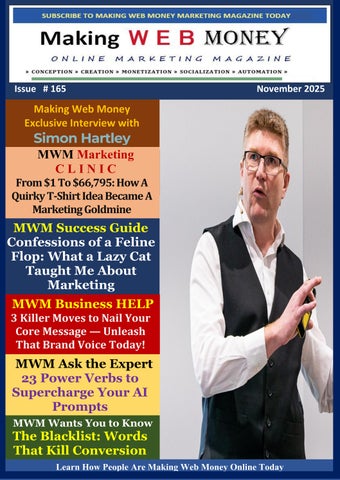
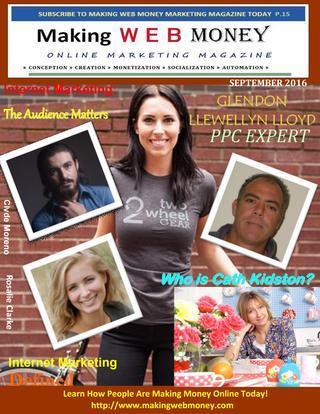
Welcome to the November 2025 Issue of our monthly “Making Web Money” Online Digital Marketing magazine - where every month we show you how real people, just like you, are making web money –online. This month we have MORE great articles and personal success insights, interviews, plus some ONLINE opportunities for you.
- MWM Series on Business Help 3 Killer Moves to Nail Your Core Message Unleash That Brand Voice Today
- MWM Interview – Simon Hartley
- No Product Tweaks. No Price Hikes. Just a 300% CLV Surge –and a Fan Frenzy to Match
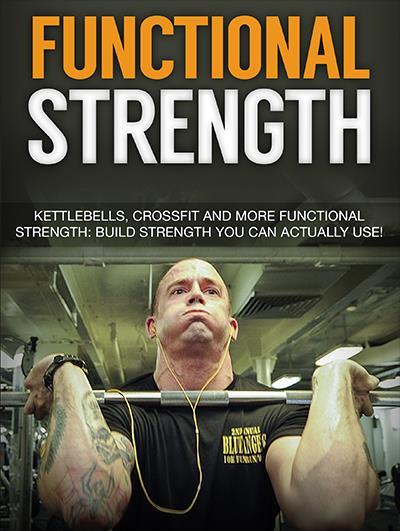
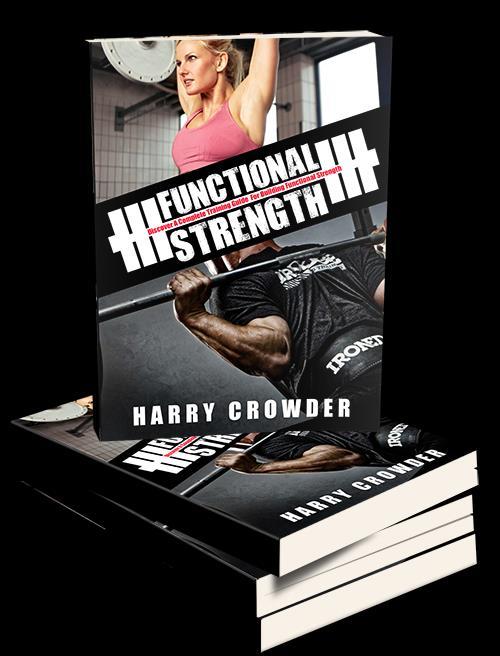
- The Functional Strength Guide
- The Double Opt-In Loophole: How to Turn the Second Click into a Conversion Booster
- Start a Recurring Membership Site
- The Newsletter Shake Up: Reinventing the Inbox for 2026 and Beyond
- 5-Step Blueprint for Monetizing a Niche Site Like Textfiles.com
- Webinars Are Quietly Crushing It — Are You Missing Out?
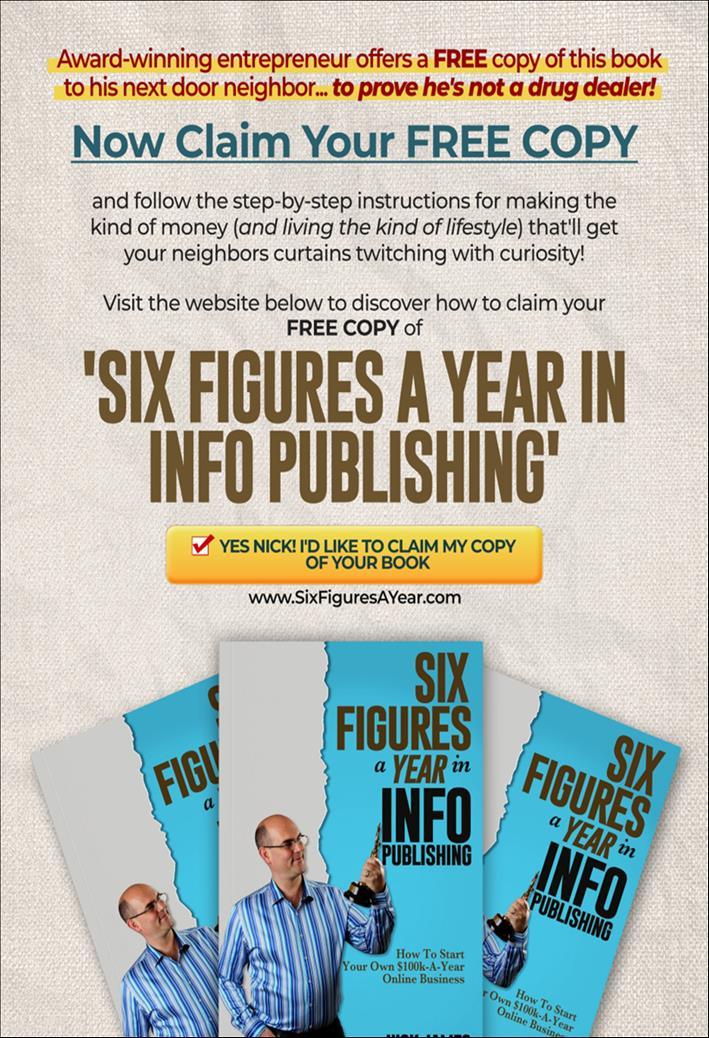
- FREE eBook - Six Figures A Year in Info Publishing
- How Textfiles Turns Ancient Internet Junk into $15,000/Month
- MWM Wants You to Know - The Blacklist: Words That Kill Conversion
- MWM Q & A - Want More Clicks? Stop Writing Emails and Start Showing Them
- MWM Marketing CLINIC - From $1 To $66,795: How A Quirky T-Shirt Idea Became A Marketing Goldmine
- MWM Success Guide Confessions of a Feline Flop: What a Lazy Cat Taught Me About Marketing
- MWM Ask the Expert - 23 Power Verbs to Supercharge Your AI Prompts
I hope you enjoy this month's magazine. Thanks for reading.
– Check out our 164 Great Back Issues of Making Web Money!
Published 12 times per year. Copyright All rights reserved.
Reprinted with permission. No part of this publication may be reproduced, translated or converted into machine-readable form or language without the written consent of the publisher.
Articles express the opinions of the authors and are not necessarily those of the publisher
The creators, producers, contributors and distributors or Making Web Money Marketing Magazine disclaim any liability for loss or lack of results from following the advice expressed herein.
Emailmeat:
Tell us what you like and don’t like about Making Web Money Digital Marketing magazine. What worked for you or what you think sucks, then we can make Making Web Money an even better online magazine.
So, send me an email with your feedback and let me know.
crowderharry598@gmail.com
RESOURCES AND NEWS
Subscription Payouts Jump to 90% for TikTok Creators in USandCanada
TikTok is dialing up the incentive for North American creators with a fresh revenue-sharing push: Starting October 1, 2025, eligible creators in the U.S. and Canada can earn up to 90% of their subscription revenue (after app store fees).
That’s a big jump above the 70% cap offered elsewhere, and TikTok is backing it with bonus incentives tied to performance.
To qualify, creators need at least 10,000 followers and 1 million video views in the prior month meeting those thresholds unlocks a bonus that lifts your share to the 90% ceiling. For online marketers scanning social platforms for monetization opportunities, this move signals that TikTok wants creators to lean in harder and it might just shift how you build funnels, exclusivity tiers, or subscription offers on the platform.
OpenAI just rolled out a new dimension for ChatGPT: embedded third party apps. Starting now, users can call on tools from Booking.com, Spotify, Canva, Zillow, Figma, Coursera, and more - all from within a single ChatGPT thread. Behind the scenes, developers get a fresh Apps SDK tailored to plug apps directly into ChatGPT’s responses.
For marketers, the shift means your brand or tool could show up mid conversation as a functional extension of ChatGPT. Imagine a user chatting about vacations and ChatGPT suggests your travel app interface - no separate download required. OpenAI also plans to support monetization (think built in purchases) and single sign on so users can tap into tools they already subscribe to.
Zuckerberg's recent decisions for Meta, including halting independent factchecking, relaxing moderation policies on hate speech, and scaling back
Google’s Gemini 2.5 Clicks,
Types, and Automates the Web for You
Google has unveiled Gemini 2.5 in preview - an advanced, APIaccessible model that can operate a web browser like a human. It “sees” websites via screenshots and executes real UI interactions, including clicking buttons, filling out forms, typing, and navigating - all autonomously.
For marketers, this means the dawn of hands-free automation for everything from publishing content to managing ad dashboards. Gemini 2.5 outperformed rivals like OpenAI’s Computer Using Agent and Anthropic’s Claude Sonnet 4.5/4 in both web and mobile benchmarks. It’s also the fastest among them, with versions already powering Google's internal Project Mariner and AI Mode tools. While agent-style computing is still early, this model brings us closer to a future where repetitive digital workflows can be outsourced entirely to AI.
OpenAI just rolled out a new dimension for ChatGPT: embedded third party apps. Starting now, users can call on tools from Booking.com, Spotify, Canva, Zillow, Figma, Coursera, and more - all from within a single ChatGPT thread. Behind the scenes, developers get a fresh Apps SDK tailored to plug apps directly into ChatGPT’s responses.
For marketers, the shift means your brand or tool could show up mid conversation as a functional extension of ChatGPT. Imagine a user chatting about vacations and ChatGPT suggests your travel app interface
- no separate download required. OpenAI also plans to support monetization (think built in purchases) and single sign on so users can tap into tools they already subscribe to.
Confessions of a Feline Flop: What a Lazy Cat Taught Me About Marketing
What happens when you try to turn your grumpy, unphotogenic, middle-aged cat into a social media star in seven days? If you're Ruth Lawes from The Guardian, you get a crash course in content creation, niche branding, and humility plus 106 TikTok followers and one existential feline meltdown.
Meet Olly: a black rescue cat whose hobbies include avoiding eye contact, refusing costumes, and sleeping in weird boxes. Not exactly the next Jorts or Nala Cat. But armed with tips from a TikTok catfluencer and a pet talent agent (yes, that’s a thing), Ruth tried it all: trend-hopping, behind-the-scenes footage, sassy captions, even an ill-fated dressing gown moment.
Spoiler: most of it bombed.
But here’s where it gets juicy for marketers. When Ruth stopped forcing trends and leaned into Olly’s natural charm (or lack thereof), things shifted.
She branded him as a senior rescue cat with no interest in your algorithms and people started paying attention. One video racked up over 1,000 views simply because it was honest, weird, and unmistakably Olly.
So what’s the lesson?
• Authenticity > polish. The less she tried, the better it got.
• Consistency helps. Posting daily even through flop fatigue nudged the needle.
• Some stars don’t want the spotlight. And that’s OK.
In the end, Olly chose napping over notoriety. Ruth paused the account, realizing maybe the true catfluencer journey was the friends they made along the way. Or maybe it was just about not pushing a cat into influencer labor for clout.
Marketers, take note: not every brand wants to go viral and sometimes the best content is just… being a cat in a box.
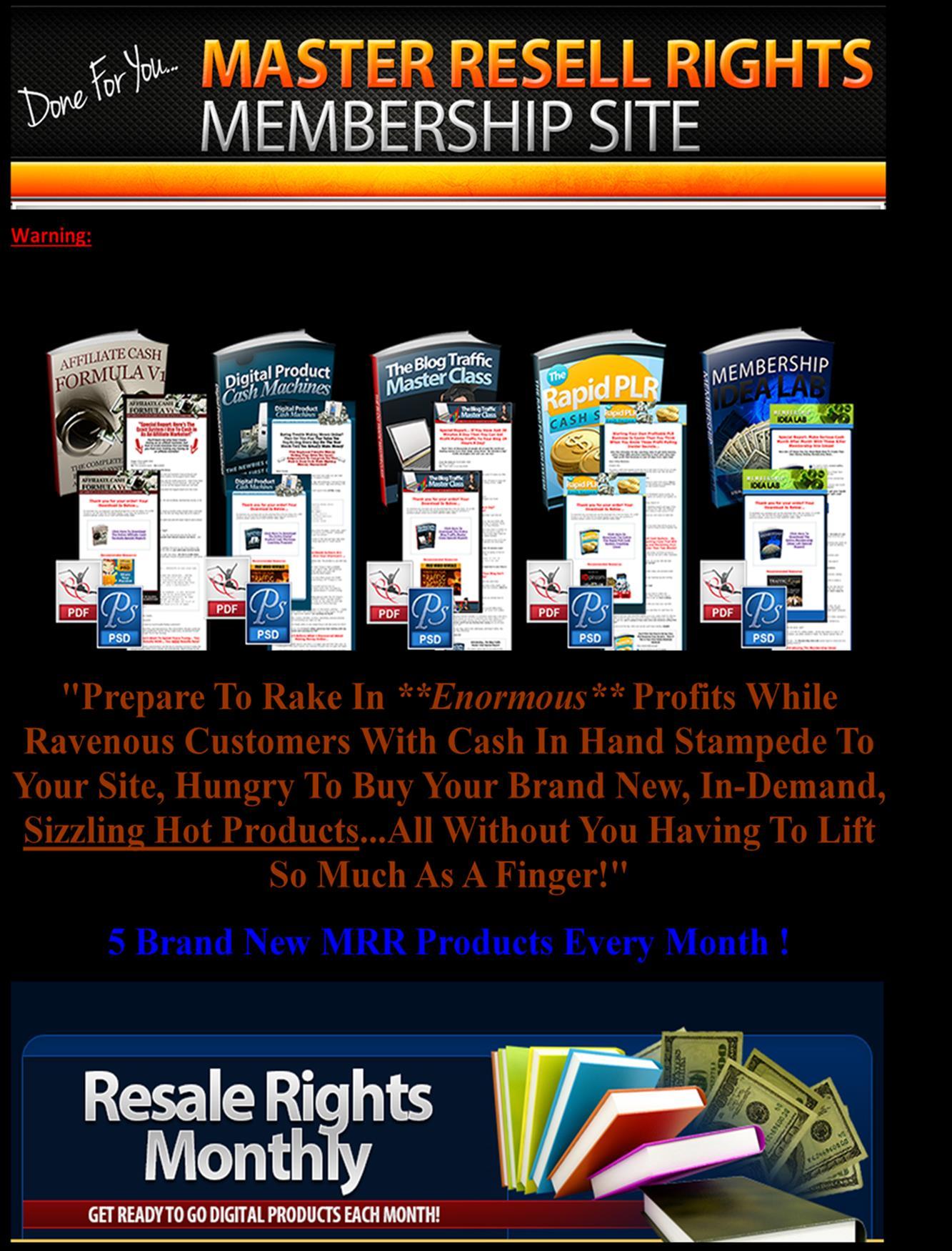
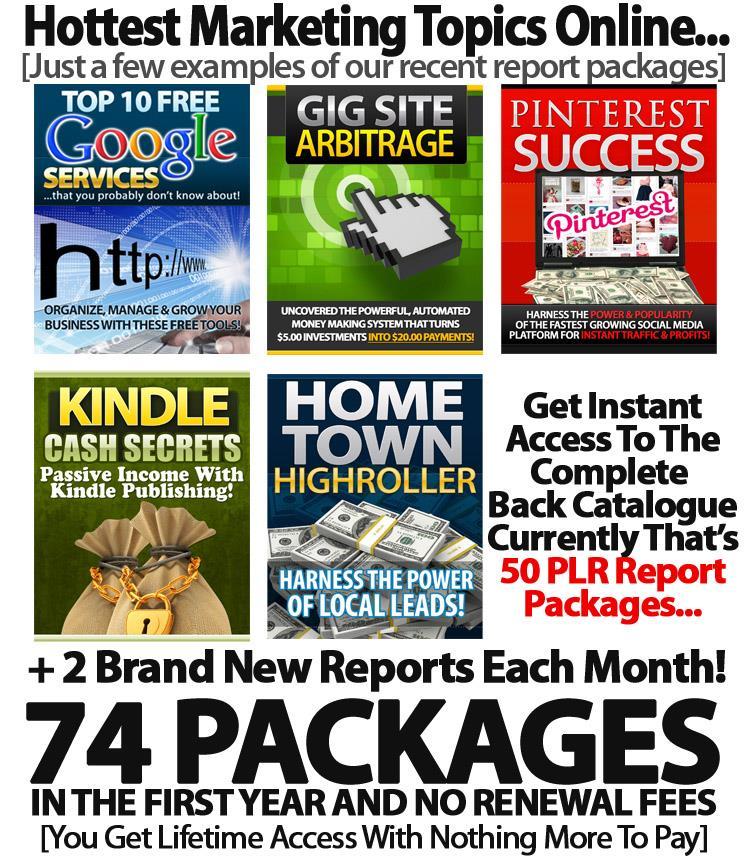
Starting today you can enroll in my new monthly coaching program where I will teach you how to turn PLR content into spendable cash using several underground methods.
Each and every month you'll get a new lesson showing you a different way to profit with the PLR products you already have. Each month will be a different lesson (sometimes delivered as a stepby-step PDF and sometimes delivered as video tutorial lessons, and even sometimes a mixture of both) that you can download, view, and then implement to start making money with PLR content.
This 12 month coaching program can help you feel good about every PLR purchase you've made (even those "junky" ones because I will show you how to polish them 'til they shine!). The PLR Profits Coaching Club can justify every penny you've spent. It can make those purchases worth something to you because you can put that content to work making money for you.
Click Here to Start
Mastodon’s Starter Packs Could Be a Hidden Gem for Marketers
Mastodon is testing a new “Packs” feature - similar to Bluesky’s Starter Packs - to help newcomers skip the follow who stage. Rather than walking into a blank social feed, new users will be guided toward themed collections of users and content. Mastodon is also putting in guardrails: users can opt out of being included in Packs and be notified when they are added.
For online marketers, Packs could open a fresh discovery channel. Imagine your account being featured in a “Growth Marketing” or “AI Tools” pack when non followers join the network. That means early visibility without needing to force someone to search - you’re simply surfaced. If Mastodon rolls this out broadly, brands that position themselves in the right Packs early could see engagement and follower growth before the feature becomes saturated.
YouTube Lets You “Remix” Shorts with AI — Should Marketers Care?
YouTube’s new “Extend with AI” feature lets creators (and anyone feeling bold) generate alternate endings for existing Shorts. Just pick a moment up to five seconds - choose from AI-suggested prompts, and YouTube spits out a remixed version ready to post under your name. The original creator still gets credit, but you get to drop your brand into their viral universe without ever touching a camera.
So… should marketers care? Maybe. It’s a clever shortcut to visibilityespecially if you can spin a trending clip into something that actually fits your message. But there’s a fine line between smart remixing and flooding feeds with AI déjà vu. If you jump in, make sure your twist adds value or humor, not just noise. Because in a feed overflowing with algorithmic déjà vu, the human touch is the only thing that still feels alive.
How to get smarter, sharper, more useful answers every time you talk to AI
If you’ve ever typed a vague prompt and gotten an equally vague answer, you already know: AI only works as well as the verbs you feed it. The first word you use sets the tone, structure, and depth of the response you’ll get.
Here are 23 high-impact verbs and how to use them to make your next prompt 10x more effective.
1. Analyze – Ask AI to break something down step-by-step to reveal patterns or insights.
2. Assess – Use when you want a judgment, rating, or performance review of an idea or plan.
3. Brainstorm – Invite AI to generate multiple ideas or options quickly, without filtering.
4. Code – Direct the model to write or debug programming scripts in your chosen language.
5. Compare – Request similarities and differences between two or more items.
6. Contrast – Ask for distinctions or opposite features between concepts or methods.
7. Create – Tell AI to produce something new like content, names, visuals, or campaigns.
8. Define – Use when you need a clear, concise explanation of a term or concept.
9. Demonstrate – Have AI show a process in action or walk through an example.
10. Describe – Ask for vivid details, sensory language, or in-depth portrayals.
11. Design – Use when you want a layout, structure, or creative framework.
12. Discuss – Invite AI to explore multiple perspectives or sides of a topic.
13. Evaluate – Request a pros-and-cons breakdown or performance analysis.
14. Explain – Ask for clarity, context, or reasoning behind an idea.
15. Identify – Tell AI to pinpoint key elements, causes, or opportunities.
16. Illustrate – Ask for metaphors, examples, or visuals that make an idea clear.
17. List – Generate bullet points, steps, or inventories fast.
18. Predict – Request future trends or likely outcomes.
19. Recommend – Ask for prioritized suggestions or expert-style advice.
20. Search – Have AI look up or synthesize information from available data.
21. Summarize – Get a concise version of something long or complex.
22. Translate – Convert text or meaning between languages, tones, or formats.
23. Write – Produce full content articles, emails, scripts, or sales pages.
The secret? Lead with the right verb. It tells the AI how to think not just what to answer.
No Product Tweaks. No Price
Hikes. Just a 300% CLV Surgeand a Fan Frenzy to Match
When your phone rings at 2 a.m., it’s usually bad news or, in Shamal Borole-Badhe’s case, the start of a customer success glow-up so powerful it turned a dying startup into a growth machine. The voice on the line? Elena, founder of a bleeding AI startup, gasping: “Our product is killer but customers vanish. What gives?”
Six months later, that same startup 3X’d their customer lifetime value (CLV). Not by redesigning their product. Not by cutting prices or chasing more leads. Nope. Shamal’s magic came down to one deliciously overlooked truth: Your customers don’t leave because the product sucks.
They leave because they feel invisible.
The fix? A human-powered, energy-injected customer experience overhaul she calls the “Value Multiplication System.” Think: personal welcome videos from the founder. Actual onboarding calls (gasp!). Weekly check-ins, milestone celebrations, and advanced use-case nudges that made customers feel like VIPs in their own hero journey.
The results?
• Churn dropped from 31% to 8%.
• Customer lifespan skyrocketed from 3.2 months to nearly a year.
• Word-of-mouth took off like wildfire.
And get this they didn’t change a single line of code.
Shamal’s message to marketers and founders: Stop treating your customers like a one-night stand. If someone’s giving you their money, attention, and trust, don’t ghost them. Woo them. Win them. Walk them to the value finish line and then show them what else is possible.
Want in? Start with this killer move:
Email your top 10 customers and ask, “What’s the biggest challenge you’re solving with us right now?”
Then shut up and listen. The gold is already in your inbox. You just forgot to dig.
3 Killer Moves to Nail Your Core Message — Unleash That Brand Voice Today Tricks Most Marketers Miss
Every marketer knows that posting without direction is like shooting arrows in the dark. This isn’t about fluff or fancy trends it's about pinningdownacoremessage that makes your brand recognizable from a mile away.
Every marketer knows that posting without direction is like shooting arrows in the dark. This isn’t about fluff or fancy trends it's about pinning down a core message that makes your brand recognizable from a mile away.
Here are three no-BS steps to get your messaging razor-sharp and loud.
1. Define Your “Why” Dig way past your surface offer.
Don’t stop at “we sell shoes” or “we provide coaching.” Ask Why is that important? over and over (yes, the “Five Whys” technique). Go deeper: what emotional or existential need are you fulfilling? That’s the nugget that transforms your message from bland to magnetic.
2. Strip it down to one unforgettable line.
Once you’ve excavated your true “why,” your job is to turn it into an external tagline or promise that your audience can repeat. Keep it tight, bold, and aligned with what your audience actually cares about - not what you think they should care about. Nike’s internal mission might be complex, but outwardly they just say, “Just Do It.” That simplicity wins.
3. Make your social profiles live it.
Your messaging isn’t just for ads and content it must be everywhere: your bio, your posts, about pages, team comms. Make sure what you say and what you do echo the same theme. Over time, that consistency turns into recognition, trust, and real brand identity.
These 3 Steps Can Change Everything
Forget chasing every shiny trend or algorithm hack these three steps are the real deal. When you know your “why,” lock in your core message, and live it out consistently, your brand stops blending in and starts burning into people’s memories. Suddenly, every post, ad, and email connects back to a single, powerful idea that makes your audience stop scrolling and lean in. Master this, and you won’t just sound clear you’ll sound unforgettable.
The Newsletter Shake Up: Reinventing the Inbox for 2026 and Beyond
Newsletters have long been a marketing safe haven: You own the list, you dodge algorithm swings, and you can talk directly to your fans. But we’re entering a new chapter. The “golden age” of newsletters the era of explosive growth and easy land grabs might be giving way to a more selective, value driven landscape.
Why? Because the inbox is under siege. There are too many newsletters, attention is fractured, and AI tools (from Microsoft Copilot to Google’s Gemini) increasingly digest content for users. In other words: your beautifully crafted email might never be read its summary might just be served instead. That doesn’t mean newsletters are dead. Far from it. It means we all need a new playbook.
What’s Changing (and What You Must Watch)
1. Audience fragmentation & fatigue
Every niche now has dozens of newsletters. In the 2025 State of Email Newsletters report, Beehiiv notes that the number of newsletters on their platform jumped ~96% year-over-year from ~26,900 in 2023 to ~52,800 in 2024. More noise means more competition for eyeballs and engagement.
2. Email metrics are shifting
Open rates are under pressure. In many industries, average open rates hover around the mid 30s percent. But here’s a better signal: focus on clicks, replies, engagements, forwards, and downstream conversions these are harder for AI to fake or filter.
3. AI is digesting your content
Platforms like Patch are already using AI to auto generate local newsletters, expanding coverage drastically (from 1,100 to 30,000 communities) and boosting revenue by automating summaries. That means readers may “read” your work without opening your email so your writing must survive in summary form.
4. Platform dynamics are evolving
• LinkedIn newsletters now boast over 500 million subscriptions, making it a discovery engine.
• Substack leans into simplicity, reader discovery, and subscription models.
• Beehiiv is pushing growth tools (referral programs, ad networks, analytics) to help publishers scale.
Who’s Already Adapting (And Winning)
• Axios leans into its “Smart Brevity” style: punchy, skimmable, human-forward.
• Morning Brew evolved from one newsletter into a media franchise (podcasts, events, merch) by leaning into personality and community.
• Patch used AI to scale hyperlocal newsletters massively, proving that automation + local voice is a provocative combo. Axios These publishers aren’t just playing it safe - they’re experimenting with formats, platforms, and revenue models.
7 (Real) Moves You Can Make Right Now
These aren’t “best practices” fluff. These are tactics you can apply today.
• Lead with scannables. Your content may be summarized by an AI. Your key points should still land. Use bold headings, bullet lists, TL;DRs, clear summaries up front.
• Offer content tiers. Some people want a quick hit, others want a deeper dive. Provide a “quick take + long read” structure, or free vs. paid versions.
• Extend beyond the inbox. Don’t rely on email alone because the inbox is crowded. Publish newsletter highlights on LinkedIn, turn pieces into podcast segments, host community discussions.
• Interactive element. Engagement helps your email feel alive and gives you data. Use polls, surveys, reader questions, comments, feedback loops.
• Give readers a path forward. If your newsletter is just “content,” people may drift away. Include clear nextstep CTAs: a short course, consultation, paid upgrade, deeper content.
• Lean into micro niches. The broad “business newsletter” is saturated. Focus on narrow verticals, job roles, or interests (e.g. “fintech ops leaders,” “UX content folks”).
• Choose your stack wisely. Platform matters now more than ever. Substack for discovery + simplicity; Beehiiv for growth tools; combine with compact CRM or membership tools.
Your Takeaway
The golden age of newsletters may be tapering, but that’s okay this is the newsletter redux. The era ahead rewards creators who combine voice, trust, and adaptability. If you start today, your work won’t just survive the inbox squeeze - it’ll stand out in it.
Webinars Are Quietly Crushing It —
Are You Missing Out?
If you think webinars are yesterday’s marketing trick, you’re missing the bigger picture.
In 2025, webinars didn’t just hold on they quietly leveled up. Data from ON24, Contrast, and DemandSage shows more people are signing up, showing up, and taking action after the event. In fact, nearly half of all webinar views happen on-demand, and that number’s growing. Your live hour might spark the fire but your replay? That’s the furnace.
At the same time, audience engagement is climbing year over year: more poll responses, more Q&As, more click-throughs. Done right, a webinar doesn’t feel like a lecture. It feels like an interactive, high-trust conversation and that’s exactly what moves people.
Your Audience Wants In — If You Make It Worth It
Let’s be honest: no one has time to sit through another dull deck parade. But give your audience a webinar that’s relevant, interactive, and solves a specific problem and they’ll lean in.
Webinars win because they match how people want to learn:
• They’re participatory. Attendees click, vote, chat, and ask.
• They’re digestible. You can chunk the value into 5–10 minute segments.
• They’re personal. Your face, voice, or tone builds trust instantly.
• They’re scalable. Live once, then automate forever. Average live attendance hovers around 35–45%, with strong conversion rates ranging from 40–60% when content is relevant and CTAs are clear. That crushes most blog post, YouTube, and newsletter benchmarks.
Real-World Wins (That You Can Borrow, Remix, or Flat-Out Steal)
• ConnectWise designed their webinar around interaction polls, live demos, Q&A, and “chooseyour-own-resource” CTAs. The result? 42% of attendees became qualified leads.
• Thomson Reuters ran a virtual summit that expanded reach by 73%, cost far less than an in-person event, and delivered a 53% conversion rate. Their secret? Breaking the sessions into trackable modules and following up based on what people actually watched.
• Ahrefs regularly runs educational webinars with a product walkthrough twist - teaching SEO while subtly onboarding new users. Their videos often live forever as on-demand assets with CTAs like “get your free trial.”
• Copyhackers uses webinars as launch vehicles for highticket courses. They layer in audience questions, case studies, and exclusive bonuses for attendees only. These events are responsible for five- and six-figure sales spikes in just one live session.
The New Webinar Funnel (Use This, Seriously) Here’s the no-fluff structure top marketers are using:
1. Pre-Webinar: The Hook + Lead-Up Content
• Strong title that promises transformation (“Fix Your Funnel in 45 Minutes”)
• Add everyone to a segmented email nurture (based on poll answers or attendance)
Webinar Content Ideas (That Aren’t Just Boring Demos) Whether you're selling a service, software, course, or communityuse webinars to teach, test, and convert.
If you're a coach or course creator:
• “Why You're Not Getting Results (and What to Do Instead)”
• “3 Mistakes That Keep You From [Desirable Outcome]”
• “Live Fix: I’ll Audit 3 of Your [Emails/Funnels/Websites]”
If you sell SaaS or digital tools:
• “How to Save 5 Hours/Week Using [Your Tool]”
• “Walkthrough: Build a Fully Automated Workflow in 20 Minutes”
• “Ask Me Anything: Our Product Team Answers Everything”
If you're in ecom or physical products:
• “How to Launch a New Product Without Paid Ads”
• “What Customers Really Want (Based on 1,000+ Reviews)”
• “Behind the Scenes: How We Scaled from 100 Orders to 10,000”
Pro tip: Position your webinar as helpful first, product second. The sale will happen naturally when the value is real.
Why Webinars Still Work (Even in 2026)
• Buyers want more depth. Social content is great for awareness, but when someone’s close to buying, they want detail. A webinar gives you time to explain, connect, and clarify.
• Replay culture is growing. Almost half of your audience won’t attend live but they will binge the replay if it’s easy to access and offers a clear next step.
• AI makes webinars easier to run. From script drafting to slide design to auto-generated summaries, you don’t have to do it all manually anymore.
Bottom Line: One Hour. 30+ Days of Momentum.
Webinars aren’t just alive - they’re evolving into the perfect hybrid of education, engagement, and conversion. You don’t need a studio. You don’t need fancy transitions. You need:
• A clear promise
• A few planned interaction beats
• A strong follow-up path
• And the mindset that your replay is a product
Run it once, slice it up, promote it like crazy, and watch the ROI compound.
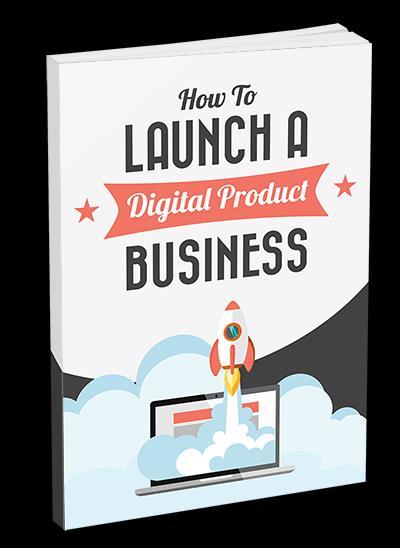
"Discover How to Start, Build and Launch Your Own Digital Product Business Without Breaking The
Find Out How To Create Your First Digital Product For Sale And Start Getting Sales On Autopilot!
What you'll discover in this eBook:
• You'll have an idea for the type of digital product you want to create and what the strengths and weaknesses of each option are
• Understand what makes digital products sell and how you need to design your creation in such a way that people will be eager to buy it
• Know how to quickly and cost effectively create the type of digital product you want
How to create a potential hot-selling eBook
• Know how to alter things like price, cover image and more in order to optimize your sales
• Understand how to drive more traffic to your landing page using SEO, PPC, e-mail marketing and social media
• Understand affiliate programs and tools like JVZoo, ClickBank and WSO Pro
• Know how to build an army of affiliate marketers who can drastically increase your sales and profits
• • ...and much, much more!
This is the ultimate guide to How to Launch a Digital Product Business! You'll discover all the steps, tools and resources to help you become a successful digital marketer! Get your copy today!
Now you can create full image variations inspired by your original ad creative with text overlay capabilities, generating improved backgrounds around product images and expanding images to better fit multiple surfaces. In addition, you will r brands to choose from. Lastly, image expansion allows you to seamlessly adjust creative assets to fit different aspect ratios across multiple surfaces. These tools are now available on Reels and Feed across both Instagram and seamlessly with text overlays on your ads.
https://www.facebook.com/business/news/Introducing Features
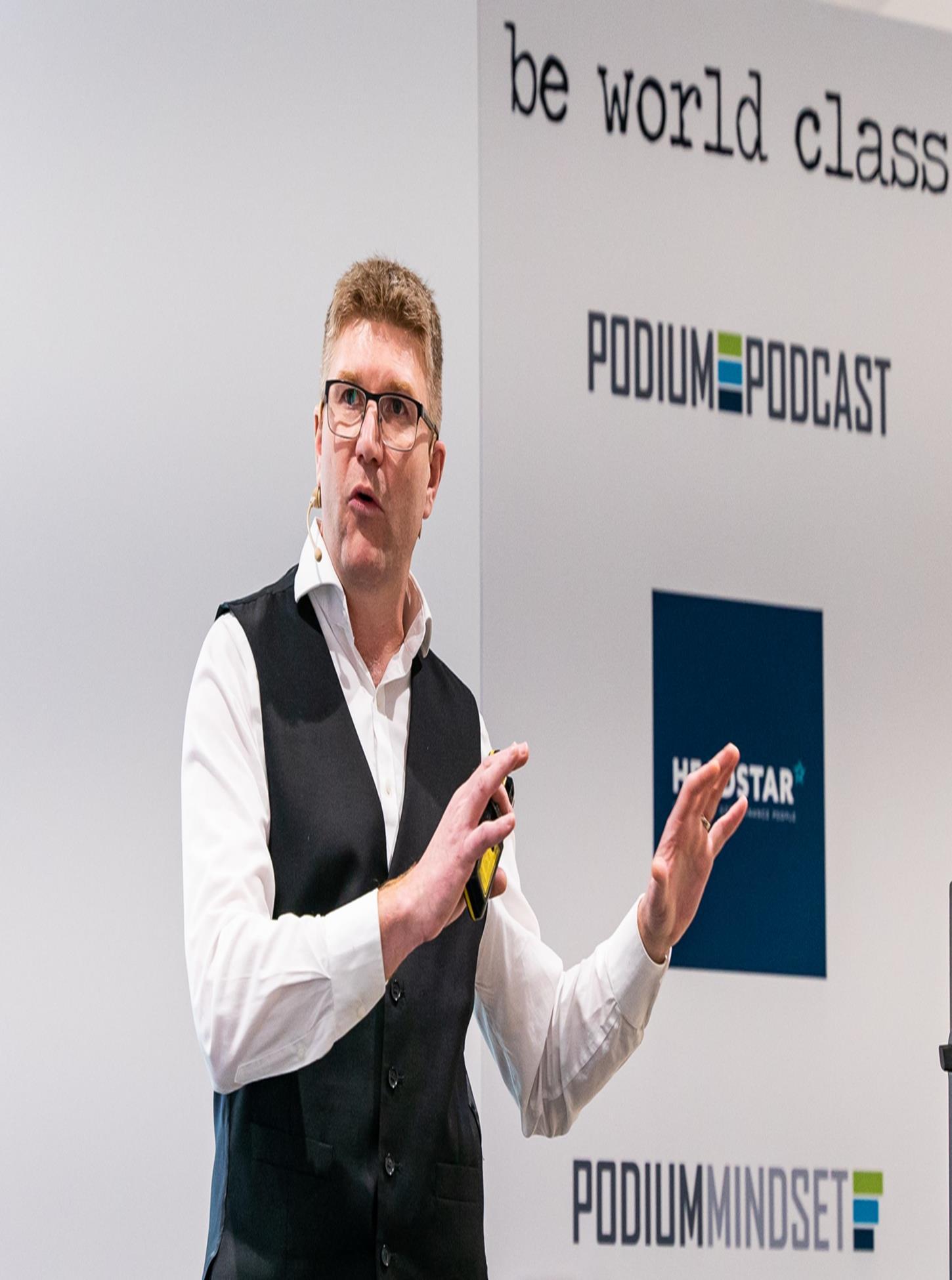
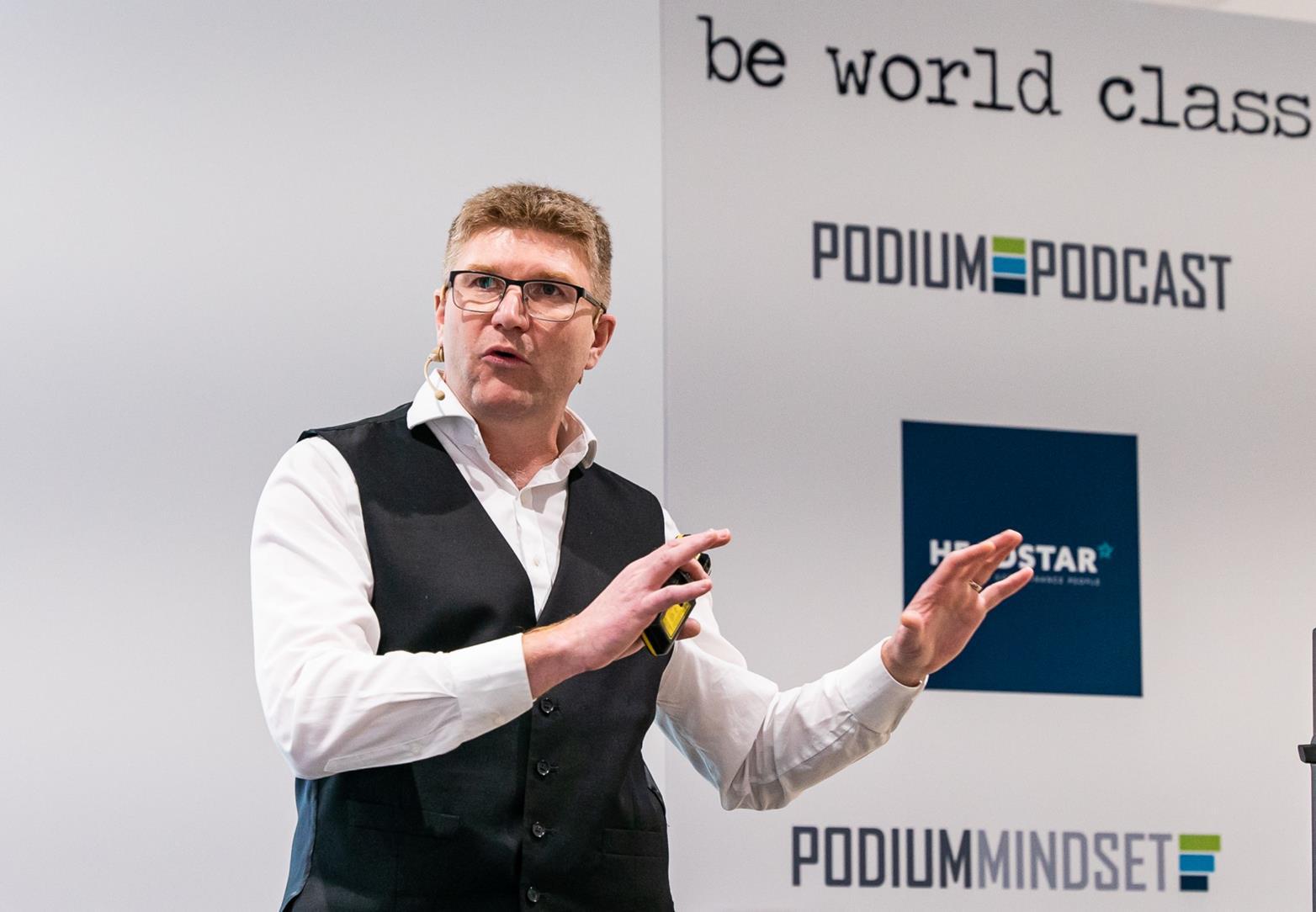
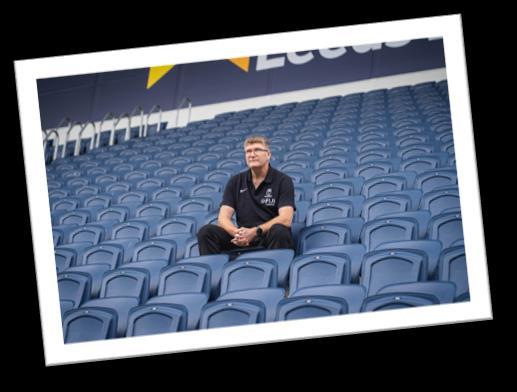
Today's guest is Simon Hartley, a performance coach and sports psychology consultant who spent nearly 30 years working with elite athletes, teams, and organisations around the world. He's the founder of Be World Class and co-founder of Success Engineers, and has helped everyone from Premier League footballers to Olympic gold medalists unlock their potential. Simon is also a bestselling author and keynote speaker known for turning big ideas about performance into simple practical steps that anyone can use to raise their game. Simon, thank you so much for joining us.
Simon Hartley:
Thank you. Very, very happy to be here.
Editor:
Well, maybe we could start by asking you to share how you transitioned from sports science into performance coaching at a global level.
Simon Hartley:
Yeah. I studied sports science when I was at college and at university. And whilst I was studying, I was also working in elite sport. I was very, very fortunate that, at the start of my second year undergraduate, I was working with elite rugby league players, England Cricketers, and that gave me a platform to go and work in elite sport as I left university. And very quickly... I mean, sports science is quite a wide discipline. It includes physiology and biomechanics and psychology, all sorts of things. At university, I knew that I'd become very, very interested in the psychology of sport and performance. So, I narrowed my studies down into that. And as I started becoming a practitioner, I also became more of a practitioner in psychology than any of the other disciplines within sports science. And that really sort of set my path. One of the bizarre things... I'm going to call it bizarre because it probably should have occurred to me a lot sooner.
I always described that I worked in sports psychology, but the truth is I worked in human psychology.
And it took me quite a long time to realise that sports psychology is a misnomer, and what I was doing helped anybody. We were talking about how to get the best out of our minds really.
And it doesn't matter whether you're an Olympic athlete, a salesperson, a doctor, a consultant, whatever you are, the same stuff works for everybody.
So then, I realized it was really performance psychology and that what I was doing was coaching performance psychology. It's what goes on between our ears, and making sure that the stuff that goes on between our ears helps us rather than hinders us. And if we can start to engineer our mental game, as I call it, we could actually start to achieve much more.
Editor:
Well, during the introduction, I said you are a founder of Be World Class. For our audience, anyone who's listening or reading this, maybe you could tell us what does Be World Class mean in practise
Simon Hartley:
Yeah. As well as working in elite sport and in the field of performance psychology, I've always been really curious to understand how the very best in the world operate.
So, I set myself a little mission. And after working in the Olympic programmes for a few years and working in elite sport, I wanted to know whether, "If I studied the best in the world outside of sport, would I find the same characteristics at work? Are they driven by the same stuff? Have they got the same going on between their ears as the athletes have?"
So, I studied some individual world-class performers, including people like a Michelin Star chef, head of a world-leading science and medical research institute, a World Barista champion, mountaineer, polar explorer, all sorts of people. And actually, I found, yes, there were some common characteristics that drove all of these world-class people.
Simon Hartley:
And it was part of my curiosity to understand not just how the best in the world operate, but also what can we learn from them and, "Is there a way I can distil that down and help other people adopt those principles?"
So really Be World Class is a combination of my studies, my work with world-class performers, but also my passion to turn that into meaningful insights that people can actually use, principles that they can adopt, so that they can drive their own performance and become great too.
Editor:
Could you give us maybe a quick insight? What would be maybe the key thing that you think that we should all do to Be World Class? Could you share something with us?
Simon Hartley:
Yeah. I think there's a foundation, and I used to describe it by saying that world-class performers were fueled by passion. It's partly true, it's a version of passion. It's curiosity. If I think about my own journey, I actually describe it as following my curiosity. I've sort of described to you how I saw athletes at work. I wanted to know why some athletes were consistently better than others. And then, I was curious about other world-class performers. And over time, that's led me to also look at world-class teams and leaders and organizations.
Actually, I find the same at work in world-class operators, whether they're individual performers, whether they're leaders, whether they're CEOs or captains of a sports team, whatever they are, they're usually driven by curiosity. They just want to know, "How can I be better? What can I do differently? How can I improve?"
And I've heard that articulated in all sorts of different ways over the years.
So, a mountaineer, a friend of mine, Alan, who's climbed all of the 14 8,000-metre peaks on Earth, there are only a handful of people who have, and he was one of the first.
He described it by saying, "It's not necessarily I want to climb a higher mountain," because he climbed Everest quite early in his mountaineering career, but he wanted to climb a harder mountain.
And he said K2 was the biggest mountaineering challenge, but the north face of the Eiger is a huge mountaineering challenge. That's a real tough one.
So, he wants to know how you climb these. And James, who's the World Barista champion, was always curious about how to not just make better coffee, because you don't win the World Barista Championship just by making the best cup of coffee, but, "How do you serve the best cup of coffee?
How do you create an experience for somebody, and help them enjoy drinking that cup of coffee more than they would somebody else's coffee?
And that curiosity drove him to find the answers, to put them into practice. Usually, you go through that process of you have a little light-bulb moment where you think, "Oh, wow. Yeah, I think I understand it now."
You put it into practice, and it doesn't quite work the way you expected. So then, you have to reshape it and go again, and reshape it and go again and learn. And there's this, I call it, yellow brick road of questions and answers.
They probably don't even realise that there's a point at which they really do stand out and can be classed as a genuine world-class performer in their field, that they're probably not even aware of that because they're so busy finding the answer to the next question in their mind, that they look back at some point and go, "Oh, wow. Blimey, they've just handed me a world championship," or "I've just become one of the handful of people to climb all 14 8,000-metre peaks." They're not usually chasing a goal because their curiosity is not goal-orientated, but they're just following their passion, their curiosity…
MWM Q & A
Want More Clicks? Stop Writing Emails and Start Showing Them
If your email open rates feel like a slow crawl and your click-throughs are flatter than last week’s soda, here’s the truth: you might not need better copy… you might need video.
According to The Inbox (5/21/25), emails with video see:
• 19% more opens (just by mentioning “video” in the subject line),
• 65% more clicks, and
• up to 300% more conversions.
That’s not a typo. Triple the conversions—just by adding movement.
And it gets better: Viewers spend twice as long engaging with emails that include video. More time = more trust = more sales.
But here’s the twist: most marketers still aren’t doing this. Why? Because they think it’s complicated.
So let’s fix that.
5 Fast Video Email Tricks That Work (Even If You’re Not “a Video Person”)
1. Use a thumbnail + play button instead of embedding. Not all inboxes play video well. Create a still image with a play icon that links to your video landing page. It’s frictionless and it looks like video, which is often enough.
2. Mention “video” in your subject line.
Try: “Quick video for you”, “Watch this before you decide”, or “I recorded this for you.” Opens will bump just from the promise.
3. Make it feel personal (even if it’s not 1:1). You’re emailing a list but it should never feel like a mass blast. Start your video with a warm, direct tone: “Hey there just wanted to send you this quick video,” or “If you’ve been wondering about [topic], this is for you.” Reference something specific they signed up for (like “last week’s training” or “the free checklist you downloaded”) to make the video feel timely and relevant. You don’t need heavy personalization just sound like a human who knows who they’re talking to.
4. Keep it under 60 seconds.
Short = watched. Long = abandoned. Aim for fast hits: demos, thank-you’s, behind-the-scenes, product sneak peeks.
5. Don’t forget the CTA—spoken and clickable. Say it out loud, point to it on screen, and include a big button below. Redundancy = response.
7 High-Converting Video Email Scripts
Steal These and Send Them This Week
Use these templates to boost clicks, engagement, and conversions. Each one’s under 60 seconds and perfect for Loom, Bubbles, Sendspark, Bonjoro, or a quick phone camera upload + thumbnail image in your email.
1. The “I Made This Just for You” Video
When to Use: Lead follow-up, first touch, pre-sale nudge
Script: “Hey [First Name], I just wanted to send you this quick video to say thanks for checking out [product/service]. I know inboxes are packed, so I pulled together a quick walkthrough that highlights exactly how [result] can happen for [someone like them]. The link’s right below let me know what you think!”
CTA: “Watch the quick demo here”
2. The “Behind-the-Scenes” Teaser
When to Use: Pre-launch, new product tease
Script: “Okay, you’re one of the first to see this. We’ve been working on something new behind the scenes and it’s finally ready. I filmed a quick peek so you can see what’s coming before the big announcement.”
CTA: “Sneak a peek before we go public”
3. The “You Asked, I Answered” Reply
When to Use: FAQ, post-webinar follow-up, objection handling
Script: “Hey [First Name], a bunch of people asked about [objection/topic], so I shot this video to walk through the answer and show you what it looks like in action. Hope it helps!”
CTA: “Watch your question answered here”
4. The “Quick Win” Tip or Tutorial
When to Use: Value drop, nurture sequence
Script: “I wanted to give you a quick win you can try today. It’s something I use all the time to [specific result]. I break it down in this short walkthrough takes less than a minute to learn.”
CTA: “Steal the tip right here”
5. The “Friendly Nudge” Video Reminder
When to Use: Cart close, webinar replay, deadline alert
Script: “Hey [First Name], just a heads up [offer/event] closes tomorrow night. If you were on the fence, this might help you decide. I put together this short video that recaps what’s inside, what you’ll get, and how to grab it before it’s gone.”
CTA: “Grab it before it closes”
6. The “Thanks + Next Step” Video
When to Use: Post-purchase, onboarding
Script: “Just wanted to say thank you for jumping in! I’m excited you’re here. This video walks through your next steps and how to get the most from [product/course/service].
Check it out before your next login—it’ll save you time and get you results faster.”
CTA: “Here’s how to get started fast”
7. The “Win Back” Re-Engagement Ping
When to Use: Cold leads, subscribers who haven’t clicked in a while
Script: “Hey [First Name], it’s been a minute! I wanted to reconnect and give you something useful whether you stick around or not. This video has one tip that made a huge difference in my [business/life/workflow]. Thought it might help you too.”
CTA: “Watch it here—no strings”
Video doesn’t replace email—it supercharges it.
You don’t need a studio. You need a webcam, a smile, and a reason to click. Try it this week. Even one scrappy little video can out-convert your fanciest funnel.
(1 of 2)
How Textfiles Turns Ancient Internet Junk into $15,000/Month
Picture a website that feels like a wormhole back to the 1980s: flickering cursors, ASCII dragons, and archives that hum with the static of dial-up. That’s Textfiles.com a sprawling collection of BBS (Bulletin Board System) files rescued from the dawn of online culture. To most, it looks like digital clutter. To retro geeks, cyber-historians, and nostalgia junkies, it’s treasure.
The magic isn’t in mass appeal. It’s in obsession. Textfiles doesn’t attract casual scrollers; it pulls in die-hard fans who treat it like a digital shrine. They don’t bounce—they bookmark. They don’t skim they dig for hours. And when they find something wild, they share it with their equally fanatical friends. That’s not traffic. That’s community.
Here’s the kicker: this “ancient junkyard” clears about $15,000 a month. Not through affiliate funnels, paid courses, or drop-shipped merch. Just two simple channels: modest display ads and voluntary donations. Supporters happily pitch in because the site preserves something they love. It proves a rule that every online marketer forgets in the chase for scale…
When you hit a deep passion vein, money follows.
For online marketers and affiliates, the lesson is brutal but freeing: you don’t need everyone. You don’t need a billion TikTok views. You don’t need to trend. You need to scratch the itch that keeps a tiny tribe coming back again and again. Do that, and even banner ads and donation buttons can pay like clockwork.
Textfiles.com is proof that niche beats broad, obsession beats casual, and old ideas still mint new money.
Before you try to be everything to everyone, ask: what’s the one passion worth archiving, curating, or amplifying? Because a small but rabid audience will outspend the masses every single time.
5-Step Blueprint for Monetizing a Niche Site Like Textfiles.com
You’ve seen how Textfiles.com turns dusty digital relics into $15,000 a month. The lesson is clear: obsessive niches pay. But how do you actually pull this off yourself without stumbling around in the dark or wasting years on trial and error?
Here’s a5-step blueprint you can use to build and monetize your own niche site whether your passion is retro tech, forgotten fandoms, or some microhobby no one else is crazy enough to curate.
1. Identify Your Ultra-Niche
Skip the mass market. Find a micro-obsession: retro tech, obscure games, forgotten fandoms. Your job is to scratch the itch no one else bothers with. Obsession beats broad interest every time.
2. Curate or Create Deep Content
Surface-level won’t cut it. Become the go-to library for your niche. Archive rare finds, publish in-depth tutorials, or review artifacts nobody else touches. Pretty design doesn’t matter depth does.
3. Build a Community
You don’t want one-time visitors—you want repeat fanatics. Add a forum, launch a newsletter, or let users contribute content. A site people feel part of becomes a shrine, not just a resource. Shrines get bookmarked.
4. Monetize Smartly
Keep it light-touch. Run relevant ads, sprinkle in affiliate links, or offer voluntary donations. Your fans aren’t just buying—they’re supporting the cause. Make them feel like patrons, not customers.
5. Keep the Obsession Alive
Update regularly. Add new finds, highlight community contributions, and keep feeding the passion. Obsessive audiences value consistency more than polish. The more reasons you give them to return, the more your revenue compounds.
Quick Takeaway: You don’t need everyone. You need the right ones. An ultra-niche site with deep content, a loyal community, and subtle monetization can quietly spin into a five-figure monthly income. Textfiles proves it: Depth + obsession = profit.
The Double Opt-In
Loophole: How to Turn the Second Click into a Conversion Booster
Most marketers treat the double opt-in like a necessary evil. You get the first “Yes,” send the confirmation email, cross your fingers… and hope they click again. It’s like proposing twice. Kinda awkward, right?
But what if that second click wasn’t a hoop to jump through what if it was your secret weapon?
Enter the double opt-in micro-funnel: a tiny, powerful moment most marketers ignore. That confirmation email? It’s not just a gatekeeper. It’s a stage. A second chance to surprise, delight, and pre-frame the relationship before they even see your lead magnet.
Instead of “Click here to confirm,” try:
• “One more click and I’ll send something better than you asked for.”
• “Confirm your email & unlock a secret bonus I didn’t mention on the last page.”
• “Click toconfirm, and I’llshow you how [famous person] used this exact thing to [big result].”
This isn’t about trickery. It’s about momentum. That second click is a micro-yes and it’s happening when they’re still paying attention. So don’t waste it on boilerplate copy.
Think of the confirmation email as your bonus teaser trailer. Set the tone. Drop a story. Plant a curiosity hook. Give them a reason to be genuinely excited about what’s coming next not just “confirmed.”
Bottom line?
The second click doesn’t have to be a drop-off point.
It can be your first conversion. Use it like it matters—because it does.
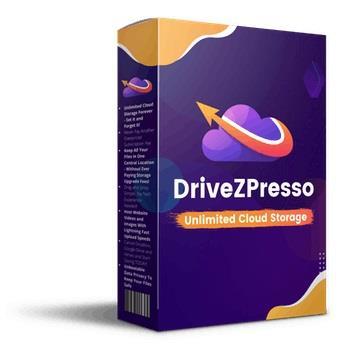
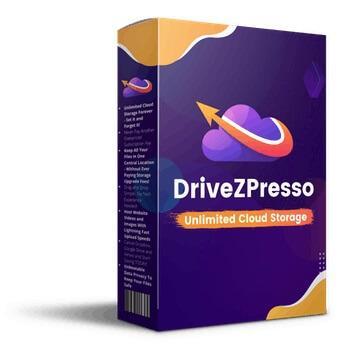
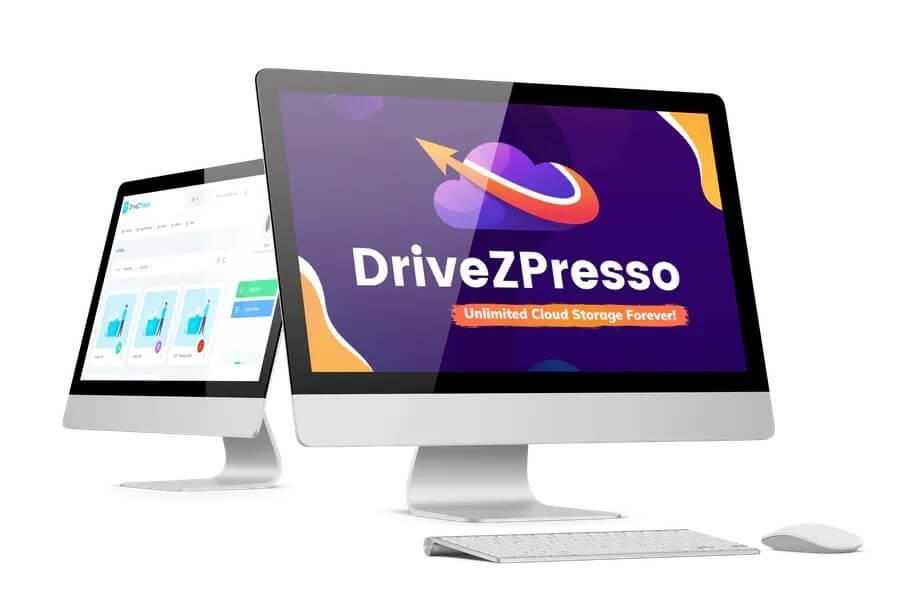
NEW PRODUCT DriveZPresso
Nowyou can haveUnlimited CloudStorageForLife (GoodbyeDropbox!)Saygoodbyeto overpriced Dropbox subscriptions and time-wasting tech headaches… Because there’s a brand new Cloud Storage Solution that lets youhost, share, andback-upALLyourfiles… With Unlimited Storage For Lifeat anunbeatable ONE-TIME price. Get the details here (limited availability).
Imagine… All your files stored in one central location so you can find whatever you need in seconds Never paying another overpriced subscription fee to Dropbox or Google Drive Freeing yourself from storage limits and tech hassles once and for all Big Tech has been sticking it to the little guy for far too long…
With ridiculously high monthly fees and huge mark-ups that line the pockets of Silicon Valley billionaires DriveZPresso lets you take back control of your data and your business future…
With all the capabilities of Dropbox and Google Drive and NONE of the overpriced subscription fees…
Go here now DriveZPresso UNLIMITED file storage for an ultra-low one-time fee Host website images and videos with lighting fast upload speeds on your website.
Find any filein seconds with theadvancedsearch technology Sharelinks to anyfile –just likeDropbox orGoogle Drive Collaborate with team members to edit documents in real-time Keep your files safe from hard drive crashes, hackers and malware It’s time to say NO to the “Big Tech Tax” and join the future of cloud storage…
Grab your DriveZPresso license click here.
JVZooHost is dedicated to providing safe, fast, and affordable web hosting with superior support. You can concentrate on running your business and rest assured your website will be up and running. Get your site noticed on the web today with JVZooHost!
MWM wants You to Know
The Blacklist: Words That Kill Conversion
A Copywriting Exorcism for Online Marketers & Affiliates
If your copy reads like it was ghostwritten by a beige filing cabinet, you’re not just boring people - you’re bleeding conversions. Certain words and phrases are like garlic to a vampire audience… one whiff and they’re gone.
This isn’t about “grammar” or “style.” This is about survival. So here’s your Blacklist—the dead, tired, conversion-killing phrases you must banish. And because I’m not just here to roast your copy, I’ll give you spicy replacements that wake people up and make them click.
1. “Check Out Our Latest Blog Post”
Why it kills: It screams “homework.” Nobody wakes up craving to “check out” anything. It’s vague, limp, and sounds like your 2010 intern wrote it.
Say this instead:
• “The 3-minute read that’ll double your clicks.”
• “How one funnel tweak made me $1,427 full breakdown inside.”
2. “Solutions for All Your Needs”
Why it kills: This is the junk drawer of copy. It doesn’t say who you help or how. It reeks of corporate brochures left in dentist lobbies.
Say this instead:
• “Stop leaking leads. Start banking them.”
• “Turn your funnel from a colander into a firehose.”
3. “We’re Passionate About Helping Our Customers”
Why it kills: Passion is cheap. If you have to announce it, you don’t show it. Also, nobody’s buying passion they’re buying outcomes.
Say this instead:
• “We hate watching marketers burn ad spend so we built a fix.”
• “Here’s how we shave hours off campaigns (without the caffeine shakes).”
4. “Leverage Synergies”
Why it kills: Unless you’re trying to seduce a bored MBA, stop. This phrase makes people’s brains glaze like a Krispy Kreme.
Say this instead:
• “Team up. Double your firepower.”
• “When A meets B, your conversions explode.”
5. “Cutting-Edge”
Why it kills: If you have to tell me it’s cutting-edge, it’s already dull. Feels like a line scraped from a 1998 press release.
Say this instead:
• “Hotter than Google’s last algorithm leak.”
• “This is so fresh it still has that ‘beta smell.’”
6. “Click Here”
Why it kills: It’s the stale bread of CTAs. No curiosity, no promise, no reason why.
Say this instead:
•“Steal the template.”
•“Show me the funnel hack.”
•“Yes, I want in before midnight.”
7. “Act Now!”
Why it kills: Overused to death. It feels like a used car dealer with sweat stains and a megaphone.
Say this instead:
•“Clock’s ticking your bonus disappears in 17 minutes.”
•“Your competition’s already loading this page. Beat them.”
8. “Industry-Leading”
Why it kills: Meaningless fluff. Who crowned you leader? Your mom?
Say this instead:
•“Used by 7,432 affiliates who actually cash checks.”
•“The toolkit behind $18M in annual revenue.”
9. “Innovative”
Why it kills: It’s the word companies use when they can’t prove results. It’s filler, not persuasion.
Say this instead:
•“So simple it feels like cheating.”
•“Turns your dusty funnel into a money printer.”
10. “Best in Class”
Why it kills: Translation: “We couldn’t think of anything interesting.” Nobody types “best in class” into Google.
Say this instead:
•“This beats every other [tool/course/software] we tested.”
•“The unfair advantage your competition hopes you don’t find.”
11. “Unprecedented Times” (bonus round)
Why it kills: Stop trauma-bonding with your customers. They came for solutions, not a TED Talk about 2020.
Say this instead:
•“The only certainty: your audience still buys.”
•“Chaos? Perfect. Here’s how to profit from it.”
The Exorcism
Boring words don’t just sit there—they push people away. They make your brand sound generic, lazy and forgettable. And in Black Friday / Cyber Monday season or any campaign, forgettable = broke.
So here’s your challenge: Audit your copy like you audit your funnels. Every time you see a dead phrase, cut it, bury it, and replace it with something alive something with teeth, humor, or proof.
Your words are your weapons. Don’t bring a foam sword to a gunfight.
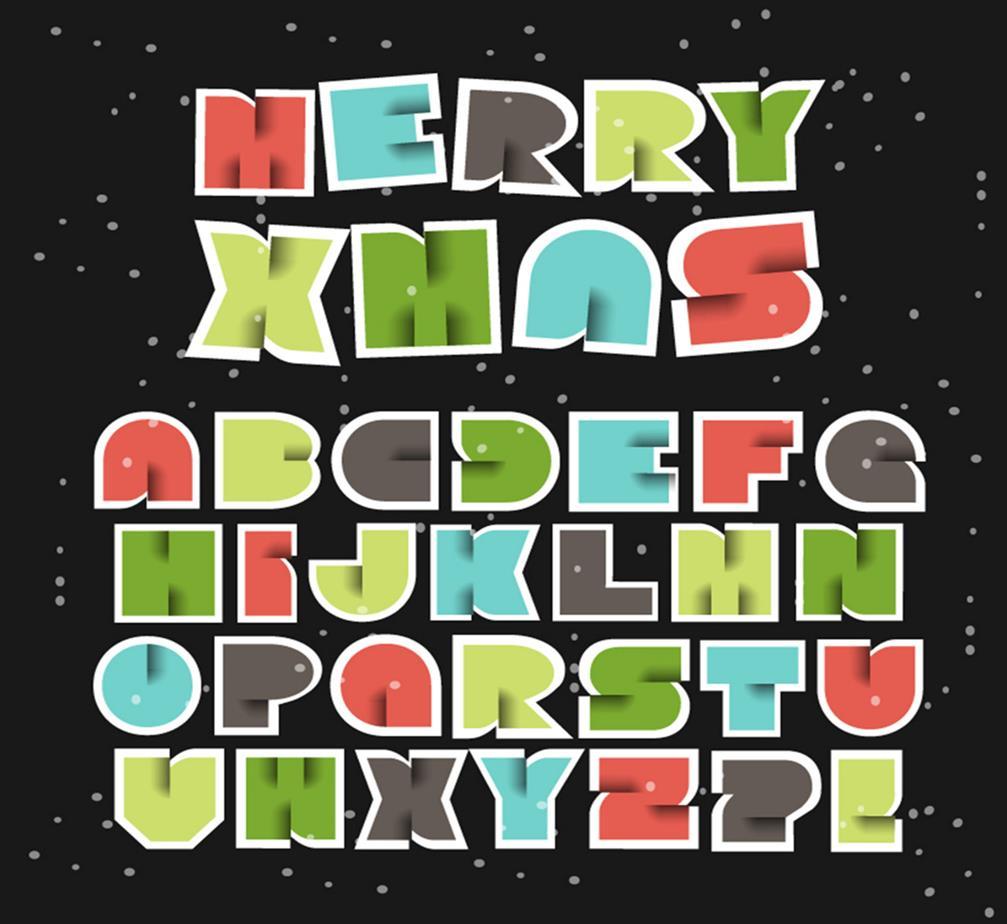
The Scroll-Stopping Power of Ugly Fonts (Yes,
Really)
Let’s get one thing straight: ugly fonts are the glitter-crocs of digital marketing hideous, loud, and strangely effective.
In a sanitized feed full of sleek branding and “aesthetic” minimalism, a janky font like Comic Sans or Impact shows up like a raccoon at a tea party. Unexpected. Chaotic. Weirdly magnetic. And that’s the point. When everyone’s whispering in pastels, an ugly font yells in neon. The brain perks up. The scroll pauses. Mission accomplished.
Why? Because ugly fonts commit the ultimate attention-grabbing sin: they break the pattern. Our eyes are trained to filter out anything that looks too polished or “ad-like.” But toss in a rogue Papyrus or Curlz MT and boom your content just became a visual speed bump.
And no, we’re not saying turn your whole brand into a 2003 MySpace page. But sprinkle that visual cringe where it counts a lo-fi meme, a “WAIT, READ THIS!” banner, a last-slide CTA that screams like it was made in PowerPoint by your uncle Gary. It’s not off-brand. It’s unexpectedly on-purpose.
Ugly fonts tell the viewer:
• “This isn’t boring.”
• “This is from a real human.”
• “This might just be hilarious.”
So, if you’re feeling brave, open that font dropdown menu and scroll past Helvetica. WAY past. You’re not looking for perfection. You’re looking for the typographic equivalent of a kazoo solo in a string quartet.
Because sometimes, the ugliest font in the drawer is your boldest move.
Go forth. Get ugly. Get noticed.
This Month’s Marketing CLINIC
MWM FLASHBACK STORY
From $1 To $66,795:
How A Quirky T-Shirt Idea Became A Marketing Goldmine
Day 1 – Intro & Hook
Post Idea: Introduce yourself and your side hustle journey.
In 2008, Jason Sadler turned one of the strangest marketing stunts of the decade into a six-figure business. The pitch? Pay him to wear your company’s T-shirt for a day, and he’d promote it online. Day one cost $1. Day two cost $2. Day three cost $3. By December 31, the price was $365. It sounds like a joke. But that “joke” made him $66,795 in year one and later grew into a half-million-dollar venture.
Caption: “Trying side hustles for the next 30 days…let’s see what works! #SideHustleJourney #MakeMoneyOnline”
Ads on T-shirts weren’t new. But the way he packaged it quirky, transparent, almost tongue-in-cheek—was impossible to ignore.
Day 3 – Mistakes to Avoid
3. Social Media Leverage
Post Idea: Highlight one common side hustle mistake.
Sadler didn’t just wear the shirt he amplified it. Facebook, Twitter, YouTube… each sponsor got exposure far beyond a guy in cotton.
Caption: “Stop doing this if you want to actually make money online. #SideHustleFails #LearnFromMe”
4. Radical Transparency
Goal: Show experience, make viewers nod along authority + relatability.
Day 4 – Demonstration
The calendar was public and everyone knew what it cost. That honesty built credibility amid constant hype.
Post Idea: Show a real example of you doing the hustle screenshots, screen recordings, or step-by-step demo.
The Results
Caption: “Here’s exactly how I made $10 flipping old items today!
#SideHustleDemo #MoneyMoves”
Goal: Make it actionable; people follow what they see.
By 2010, Sadler had scaled his idea with more “human billboards” and a steeper pricing ladder. Annual revenue? Roughly $500,000. All from what looked like a stunt but was really a masterclass in unconventional marketing.
Day
5
– Q&A / Response Video
Post Idea: Reply to a comment or make a video answering “How do I start?”
The Takeaway for Marketers
Caption: “You asked…here’s how ANYONE can start a side hustle this week.
You don’t need a massive ad budget. You need an angle.
• Use scarcity. Tiered or time-based pricing creates urgency.
Day 6 – Behind-the-Scenes / Fail
Post Idea: Show a side hustle fail, funny moment, or frustration.
• Leverage authenticity. Quirky > polished when you want attention.
Caption: “Not every day is a win here’s what went wrong today
• Be transparent. Clear offers build trust.
#SideHustleLife #KeepTrying”
Goal: Build authenticity and connection.
Day 7 – Mini Case Study / Proof
• Think sideways. The ideas that sound too weird to work are often the ones that break through the noise.
Post Idea: Share a small success story your own or someone else’s.
Jason Sadler didn’t just sell ad space he sold a story people wanted to follow. That’s the real power of unconventional marketing.
Caption: “Made $70 this week just sharing tips I learned. You can too!
#SideHustleProof #MoneyMoves”
Goal: Show results and inspire action.
And while Sadler’s stunt belongs to 2008, the principle behind it hasn’t aged a day. The platforms have changed, the audiences have shifted, but the psychology is identical. Scarcity still drives urgency. Novelty still grabs attention. Transparency still builds trust.
Tips for the Week
• Post at consistent times.
• Keep videos 15–30 seconds.
Which raises the real question: How would you pull off a $1 T-shirt stunt today in a world of TikTok feeds, NFTs, and micro-influencers?
How to Hack Today’s Platforms with the Same Simple Formula
Jason Sadler’s idea worked because it was fresh, funny, and ridiculously simple. But if you tried to repeat it now, it might feel dated. The trick is to apply the same principles scarcity, novelty, transparency—inside today’s platforms. Here’s how:
1. The TikTok Day-Rate Challenge
Launch a “Day Sponsorship Challenge” on TikTok. Day one costs $1, day two costs $2, and so on. Each day you film a short, entertaining TikTok featuring the sponsor’s brand in creative ways—dances, skits, duets. Pair it with a running countdown so followers see the price rise in real time.
Why it works: TikTok thrives on episodic content and suspense. Viewers want to see “who’s sponsoring today,” and sponsors get daily micro-ads.
2. The NFT Sponsorship Calendar
Mint a 365-day calendar as NFTs. Each token represents one day where a brand or individual owns your content placement whether that’s a shoutout in your newsletter, podcast, or video. As days sell out, the scarcity drives up value, and sponsors can even resell their day on secondary markets.
Why it works: It’s part sponsorship, part collectible. Plus, transparency is baked in the blockchain becomes the public pricing ladder.
3. The Micro-Influencer Relay
Instead of one person, create a relay of micro-influencers. Each influencer gets assigned a “day” to post branded content, with the daily cost escalating. The brand gets 365 influencers for one campaign, and the influencers get exposure from being part of the relay.
Why it works: Distributed reach across niches, while keeping the escalating, scarcity-based pricing model.
4. The Interactive Newsletter Shoutout
Run a year-long email campaign where each day’s sponsor gets a playful, featured shoutout in your newsletter. Start at $1 and scale up.
Add quirky, creative ad copy (like “This email is brought to you by Day 72’s sponsor…”) to keep readers engaged.
Why it works: Email is intimate and predictable. Readers start looking forward to the daily sponsor reveal.
The Lesson for 2025 and Beyond:
Sadler’s genius wasn’t the T-shirts it was the framework. Scarcity + novelty + transparency = attention + revenue. Whether it’s TikTok, NFTs, micro-influencers, or live streams, the model is timeless. The platform is just the stage.
Stop Guessing, Start Selling: 5 Marketing Hacks Science Stole From Your Brain
Research shows these tiny tweaks can skyrocket your conversions — no PhD required.
Marketing isn’t just art it’s science (and occasionally a bit of witchcraft). Thomas McKinlay, founder of Science Says, digs into the data so you don’t have to. His research-driven strategies prove that even tiny tweaks can mean the difference between “meh” and “money.”
Here are five of his game-changing hacks that could have you standing out faster than your competitors can say “A/B test.”
1. Leverage Research for Stronger
Connections
Want to feel closer to your audience without buying them dinner? McKinlay’s research shows that swapping “we” for “I” in your copy makes a huge difference. Satisfaction jumps 19%, sales rise 7% all from a simple pronoun shift.
Takeaway: Sometimes the quickest way to build trust isn’t a new funnel or ad campaign. It’s just talking like a real person.
2. Optimize Email Frequency for Better Results
More emails = more sales, right? Nope. Turns out blasting your list like a firehose doesn’t impress anyone. It overwhelms them.
McKinlay says the sweet spot is consistency without overload. Hit that balance, and you’ll see better open rates, stronger engagement, and fewer people rageclicking “unsubscribe.”
Think of it like dating: too many texts and you’re needy, too few and you’re ghosting. The magic is in the middle.
3. The Power of Italics in Promotions
Ready for the sneakiest hack on this list? Italics. Yes, slanted text. McKinlay found that promotions in italics sparked 3x more clicks and 31% more purchases. Apparently our brains think italics = urgency. It’s like your text is whispering, “Hey… this deal is hot. You might miss it.”
So next time you run a promo, tilt that text. It’s the cheapest conversion boost you’ll ever get.
4. Use Pricing Strategies to Boost Sales
Here’s a weird one: make your prices bigger. No, not the number itself — the font size. McKinlay’s research shows that when prices are displayed larger, people perceive them as cheaper and more trustworthy. Buying intent goes up 25.9%. It’s like a Jedi mind trick in bold typeface. Small price, big impact. Literally.
5. Create Lasting Impressions with Personal Touches
In a digital world, analog wins. McKinlay suggests sending handwritten thankyou notes (even if they’re photocopied). Why? Because customers eat up that personal touch. Loyalty increases, and so does future spending.
Imagine…
Emails Like You’re Singing at a Dive Bar Actually Converts
Here’s a weird truth no one tells you: writing highconverting emails has more in common with bad karaoke than with copywriting school. Think about it karaoke is messy, emotional, memorable… and weirdly contagious. Just like your best-performing emails.
Great karaoke has rhythm. Same with email. Short sentences. Long pauses. Beats you can feel. You’re not writing a college essay you’re performing. So, belt it out. Give your email a flow they can tap their foot to.
Karaoke thrives on repetition—those juicy choruses everyone yells even if they’re off-key. In emails, repetition reinforces ideas, builds anticipation, and makes your CTA stick. Repeat it like it’s the hook in “Livin’ on a Prayer.”
Then there are the call-backs. Inside jokes. That line you teased in paragraph one? Bring it back for the punchline in paragraph six. That subject line? Echo it in the close. Readers love feeling “in on it.” It’s conversational glue.
And let’s not forget the emotional arc. The best karaoke starts awkward, builds confidence, and ends with a triumphant screech (or sob). Your email should do the same start casual, build intensity, and end with a mic-drop CTA they have to click.
Lastly, karaoke is imperfect on purpose. That’s why it works. It’s raw. Human. A little cringe, a little gold. When your emails feel too polished or robotic, they lose the magic. So write like you’re grabbing the mic at 1 a.m.—a little wild, totally you, and ready to feel something.