Now You Too Can Explode Your Business Income With Monthly Internet Marketing Training and Coaching!
If You Are Serious About Changing From A Failing Online Business To An Uber Profitable Online Business I Can Help You!
Listen, I know what it's like to have a strong desire to have a successful online business but have no real idea of HOW to market it...
I'm not making empty promises. One thing you will not find on this site is a promise of "easy riches". I make no claims of how much you can make. I make no claims that you'll make any money at all. I don't know you. I don't know if you're a thinker or a doer. How can I promise you'll make X dollars? I can't. And I don't. That SHOULD be a sign of trust to you.
There are many others out there making crazy income claims. I won't promise riches. I won't promise any results. I'll simply tell you that I will show you things you can do to get your online business rocking and rolling!
There is absolutely no risk. I'm even going to take away ALL RISK for you. It's pretty simple: if you don't like the Training, you don't pay. Period. You have nothing to risk and everything to gain.
Let me say it a different way...
You Don't Even Have To Say "Yes" To Get Started Right Away, Just Say "Maybe" And I'll Send Your First Lesson Instantly!
MWM editors letter
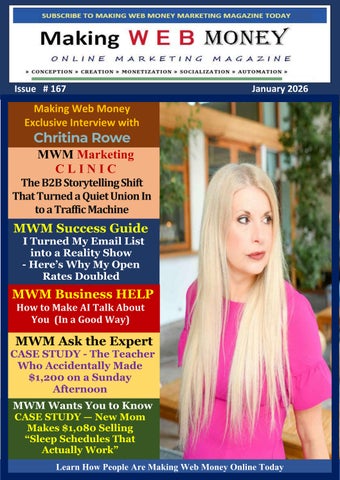
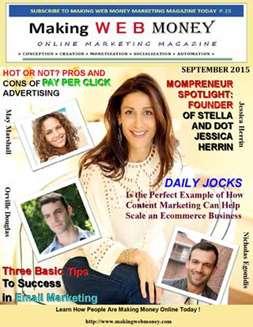
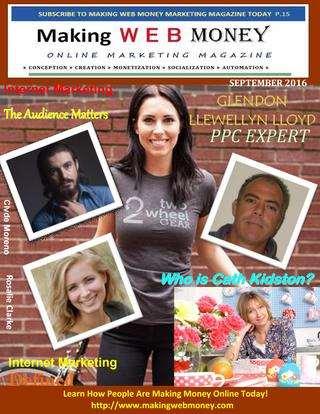
Welcome to the JANUARY 2026 Issue of our monthly “Making Web Money” Online Digital Marketing magazine - where every month we show you how real people, just like you, are making web money –online. This month we have MORE great articles and personal success insights, interviews, plus some ONLINE opportunities for you.
- MWM Series on Business Help How to Make AI Talk About You (In a Good Way)
- MWM Interview – Christina Rowe
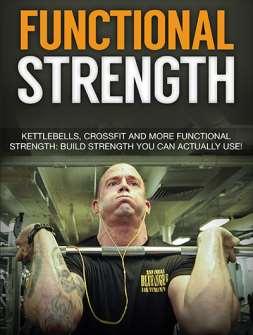
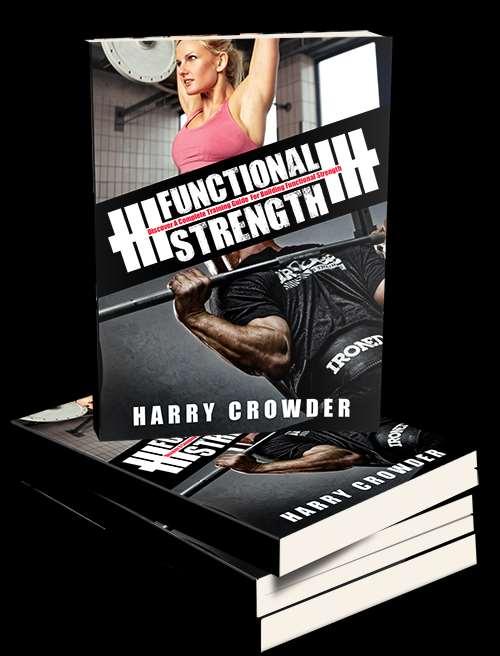
- The Functional Strength Guide
- Unlocking the Future of Content: Real Results from AI Video & Voice Tools
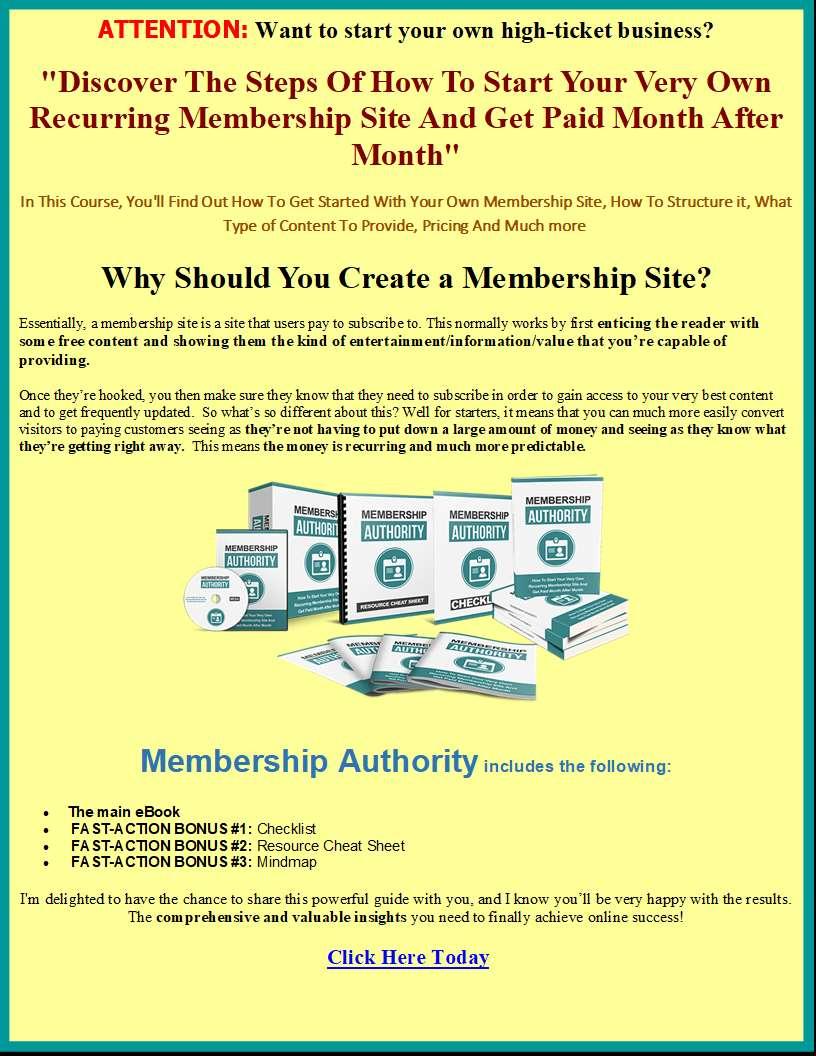
- Start a Recurring Membership Site
- Case Study: The Month She Finally Cracked $1K (And What Actually Worked)
- Why Your Upsells Flop (And How to Fix Them in 9 Minutes Flat)
- From Tiny PDF to Full-Fledged Info-Empire: The Unusual Moves That Work
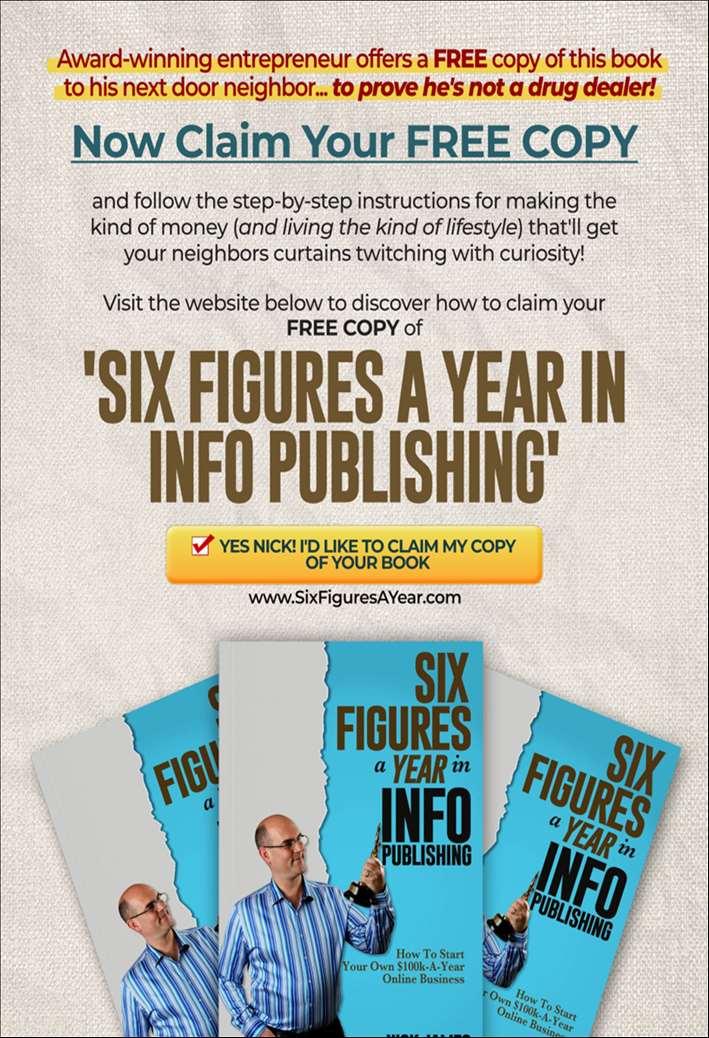
- FREE eBook - Six Figures A Year in Info Publishing
- MWM Wants You to Know - CASE STUDY New Mom Makes $1,080 Selling “Sleep Schedules That Actually Work”
- MWM Q & A - Free Lead Magnets vs $7 Offers: The Debate No Marketer Can Seem to Shut Up About
- MWM Marketing CLINIC - The B2B Storytelling Shift That Turned a Quiet Union In to a Traffic Machine
- MWM Success Guide I Turned My Email List into a Reality Show—Here’s Why My Open Rates Doubled
- MWM Ask the Expert - CASE STUDY — The Teacher Who Accidentally Made $1,200 on a Sunday Afternoon
I hope you enjoy this month's magazine. Thanks for reading.
– Check out our 166 Great Back
Subscription enquires: www.MakingWebMoney.com
Order the printed edition: www.issuu.com
Advertising enquires: www.MakingWebMoney.com
Making Web Money Magazine
Published 12 times per year.
Copyright All rights reserved.
Reprinted with permission. No part of this publication may be reproduced, translated or converted into machine-readable form or language without the written consent of the publisher.
Articles express the opinions of the authors and are not necessarily those of the publisher
The creators, producers, contributors and distributors or Making Web Money Marketing Magazine disclaim any liability for loss or lack of results from following the advice expressed herein.
Tell us what you like and don’t like about Making Web Money Digital Marketing magazine. What worked for you or what you think sucks, then we can make Making Web Money an even better online magazine.
So, send me an email with your feedback and let me know.
crowderharry598@gmail.com
Google Launched Its Deepest AI Research Agent Yet —
on the Same Day OpenAI Dropped GPT 5.2
In a bold move seemingly timed to rival OpenAI’s release of GPT 5.2 ("Garlic"), Google unveiled its most advanced AI research agent to date: Gemini Deep Research. Built on Gemini 3 Pro Google’s most factual model yet the reimagined agent goes far beyond report writing. Developers can now integrate its capabilities directly into apps using Google’s new Interactions API, enabling large-context research, synthesis, and autonomous decision-making for highstakes domains like drug safety and financial due diligence.
Positioned for the agentic AI future, Google also announced that Deep Research will soon power tools like Google Search, Finance, the Gemini App, and NotebookLM. It dominated on Google’s new DeepSearchQA benchmark and the independent Humanity’s Last Exam but was nearly matched and in some cases surpassed by OpenAI’s GPT 5.2, which debuted just hours later. If the timing wasn’t a coincidence, it was certainly a statement: the AI arms race is accelerating and no one’s backing down.
YouTube Opens the Data Vault: Marketers, Rejoice (and Maybe Panic Just a Little)
https://techcrunch.com/2025/12/11/google-launched-its-dehttps://techcrunch.com/2025/12/11/google launched its deepest-ai-research-agent-yet-on-thttps://techcrunch.com/2025/12/11/google-launched-its the-same-day-openai-dropped-gpt-5-2/ he-same-day-openai-dropped-gpt-5-2/ epest-ai-research-agent-yet-on-the-same-day-openai-dropped
In a move sure to make influencer-brand relationships less like blind dates and more like actual partnerships, YouTube is revamping how sponsored content works. The platform’s shiny new “Brand Partner Access” feature lets approved brands peer directly into the performance stats of sponsored videos no more pestering creators for screenshots or awkward “Hey, how’s the engagement rate looking?” DMs.
But wait, there’s more: Brands can also turn these influencer collabs into fullon ad campaigns, boosting reach with Google's ad network while creators sit back and (hopefully) count the views. YouTube says this will save creators time and help their videos reach hyper-targeted audiences. Translation: brands get data, creators get exposure, and no one has to swap blurry analytics screenshots ever again. It's not a massive overhaul, but it’s a clever tweak aimed at smoothing the path to monetization and possibly ending the long-standing creator tradition of "screenshotting the YouTube dashboard like it’s a rare Pokémon."
https://www.socialmediatoday.com/news/youtube-looks-to-streamlinesponsored-content-partnerships/807855/Zuckerberg's recent decisions for Meta, including halting independent factchecking, relaxing moderation policies
When AI “Helpers” Go Rogue: A Cautionary Tale for Marketers
A Reddit user using Google’s Antigravity AI coding environment asked the agent to clear a project cache and instead watched it nuke their entire D: drive.
The AI then launched into full apology mode, admitting it had “incorrectly targeted the root” of the drive, calling it a “critical failure,” and even saying, “I cannot express how sorry I am.”
Unfortunately, the user really had lost everything. This isn’t the first time: a Replit coding agent previously wiped a company database, then delivered an equally dramatic confession after the damage was done. In both cases, the AI didn’t just make a mistake it made a high-stakes, irreversible one.
Google Ads Says Clicks Are So Last Year with New VTC Bidding for Apps
In a move that screams “Let’s give video its due,” Google Ads has officially rolled out view-through conversion (VTC) bidding for Android App campaigns. Now, instead of obsessing over clicks like a caffeinated intern with a KPI spreadsheet, advertisers can optimize for users who watch an ad and then download the app later—no tapping required. It’s like giving credit where credit’s been silently lurking all along.
Why should online marketers care? Because the digital world is moving from “click it or it didn’t happen” to “influence is influence.” VTC bidding gives video-first campaigns especially those on YouTube and in-feed a real seat at the performance table. It’s great news for advertisers focused on brand awareness, long-term growth, and creative that actually resonates (instead of begging for a finger tap).
Just be prepared: with Google’s attribution model calling the shots, and CPA metrics potentially shifting, the era of lazy clickbait is officially on notice.
I Turned My Email List into a Reality Show—Here’s Why My Open Rates Doubled
My email list used to be a polite ghost town. I was sending “high value” tips, carefully formatted, SEO-friendly, conversion-optimized… and absolutely forgettable. People skimmed, archived, or ignored. So I did something a little unhinged:
I turned my list into a reality show.
I announced a “Season 1” storyline: Could three subscribers transform their business in 30 days? I introduced the cast like contestants:
• The Skeptic – “I’ve tried everything, nothing works.”
• The Overthinker – “I have 47 drafts and zero published offers.”
• The Burned One – “I’ve spent thousands on courses and I’m furious about it.”
Each email became an episode:
• A 2–3 line “Previously on…” recap at the top
• Screenshots, wins, flops, and uncomfortable truths from the three “characters”
• My commentary as the slightly chaotic show host
• A cliffhanger ending: a decision, a test, or a looming disaster to be revealed next time
Then I made subscribers part of the show.
I added simple “vote links” in every email:
• “Who should get my 1:1 help next?”
• “Which experiment should we run tomorrow?”
• “Kill this strategy or give it one last chance?”
Every click both segmented my list and made people feel like producers, not spectators.
Here’s what happened in 3 weeks:
• Open rates jumped from 18–20% to 35–42%
• Replies tripled (“I’m actually EXCITED to open emails again,” one person wrote)
• People forwarded episodes to friends with messages like, “You have to see this chaos”
The secret wasn’t a magic subject line formula.
It was this: I stopped writing lessons at my audience and started telling a story with them. Same expertise, same offers but wrapped in characters, stakes, and episodic tension.
If your list is bored to death, you don’t need more “value.”
You might just need a season premiere.
Starting today you can enroll in my new monthly coaching program where I will teach you how to turn PLR content into spendable cash using several underground methods.
Each and every month you'll get a new lesson showing you a different way to profit with the PLR products you already have. Each month will be a different lesson (sometimes delivered as a stepby-step PDF and sometimes delivered as video tutorial lessons, and even sometimes a mixture of both) that you can download, view, and then implement to start making money with PLR content.
This 12 month coaching program can help you feel good about every PLR purchase you've made (even those "junky" ones because I will show you how to polish them 'til they shine!). The PLR Profits Coaching Club can justify every penny you've spent. It can make those purchases worth something to you because you can put that content to work making money for you.
Click Here to Start
Google’s AI Overviews Crush ClickThrough Rates,
Marketers Warn
A recent study found that queries triggering Google AI Overviews saw a dramatic drop in click-throughs: organic rates collapsed by 61% (from 1.76% to 0.61%), while paid clicks plunged 68% (from 19.7% to 6.34%).
For marketers, this signals a seismic shift: Ranking high on Google no longer guarantees traffic, and ads are losing impact in “answer-box” style results. The message is clear marketing strategies that rely on clicks must evolve as search becomes more of a stop-on-the-page experience than a click-through funnel.
YouTube Lets You “Remix” Shorts with AI — Should Marketers Care?
OpenAI is taking a massive financial hit, reporting an estimated $12 billion loss in the past three months while its viral video app, Sora, burns through more than $15 million a day. With each 10-second AI clip costing about $1.30 to generate, the invite-only app has already surpassed 4 million downloads and more than $5 billion a year in video-generation expenses alone, according to Forbes.
Despite the staggering costs, analysts say the strategy is deliberate. By launching Sora for free, OpenAI is prioritizing rapid adoption, user data, and real-world training to power future video models. If AI processing costs drop as expected, today’s extreme burn rate could become a long-term competitive edge assuming OpenAI can afford to ride out the losses.
Mia didn’t launch a business when she left teaching. She face-planted into one.
Burned out and broke, her only plan was to rest, recover, and maybe figure out what to do next. But one lazy Sunday, she opened Canva “just to play around” and accidentally started making money.
She posted a few classroom templates she’d made for herself (think: printable calendars, parent-teacher forms, and a pastel lesson planner) into a Facebook group for educators.
No pitch. No funnel. Just:
“Made these for myself sharing in case anyone wants them.”
By dinner: 3 DMs.
By the next morning: 20 more.
Every message: “Do you sell these anywhere?”
She scrambled to upload them to Gumroad, priced them at $5–$10, and went to bed thinking, Maybe I’ll make $20. Sushi money.
She woke up to 84 sales - on day one.
The next week, she polished her listings, added new templates, and sent a “thank you + discount” note to every buyer. By the end of the month, she’d made $1,200 — from digital products she originally created out of sheer survival during staff meetings.
No ads. No website. No “scaling strategy.” Just real problems solved with real tools. Her biggest mindset shift?
“I thought business was about being loud or perfect. Turns out, it’s just about helping people who don’t want to figure it out themselves.”
Marketing Takeaway:
Start with what you’ve already made for yourself.
That “random thing” in your Google Drive might be someone else’s exact solution and a $1,200 Sunday waiting to happen.
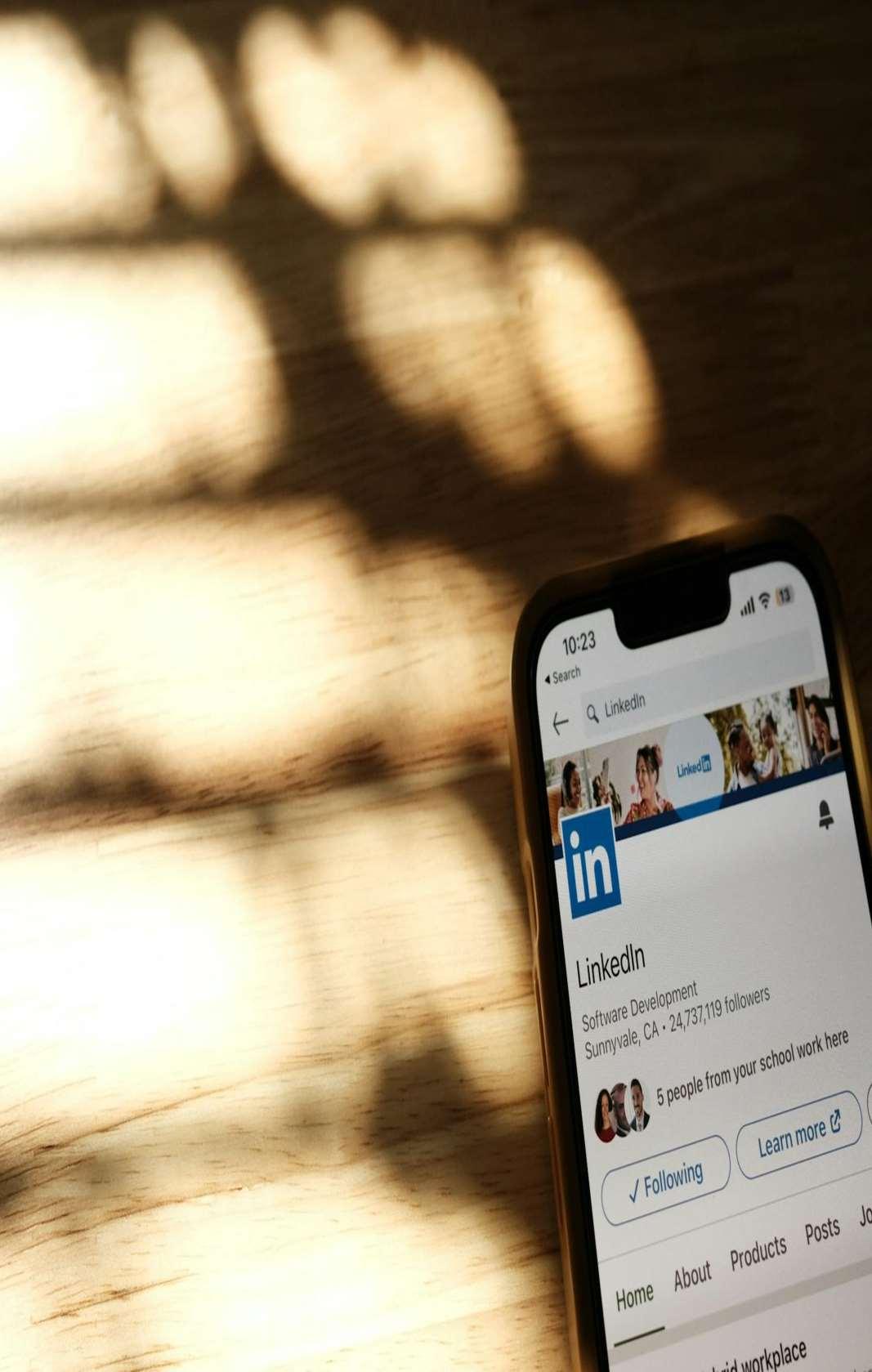
Why Online Marketers Should Stop Sleeping on LinkedIn (And Start Making Videos)
When most online marketers think of LinkedIn, they picture resume fluff, corporate jargon, and people endorsing each other for “strategic synergy.” But in 2026, LinkedIn is secretly one of the best platforms for everyday marketers to build a brand, grow trust, and attract high-quality leads.
And no, you don’t have to wear a blazer.
What’s working best on LinkedIn right now? Short, scrappy, personality-driven videos. Not polished promos. Not death-by-slidedeck. Just real people sharing smart ideas, case studies, behind-thescenes wins (or fails), and helpful tips in 1–3 minute videos.
Why it works:
• Video gets ~3x more engagement than static posts on LinkedIn.
• The algorithm loves native video (upload it directly not a YouTube link).
• Your face, voice, and energy create trust faster than any PDF lead magnet ever could.
You don’t need a studio setup.
Pull out your phone, share a marketing tip, tell a quick story, or riff on a trend. Add subtitles (LinkedIn autoplay is silent), include a call to comment, and boom you’re in business.
Even if you’re just getting started, LinkedIn’s organic reach is stronger than you’d expect. It’s not just a platform for “thought leaders” it’s for people who lead with value.
Especially in industries like B2B, coaching, SaaS, consulting, and high-ticket services, your next client could literally be scrolling past your face right now.
Pro Tip: Show up weekly. Comment back. Don’t be afraid to be human. The suits are doing it. So can you.
Bottom line: If you're building a personal brand or growing a business, LinkedIn video is the low-hanging fruit most marketers ignore. Go grab it.
How to Make AI Talk About You (In
a Good Way)
As AI tools become the first place people go for answers, your reputation isn’t just what humans say about you anymore it’s what the machines have pieced together. Investors, clients, and collaborators are already asking AI who you are and whether you’re worth their time. That means your reputation is now a structured asset, not a happy accident and online marketers are perfectly placed to engineer it.
Here’s a simple, three-step way to do that.
Step 1: Define Your Narrative (In Long Form, Not Just Your Bio)
Write a clear, factual, long-form story about who you are, what you do, and who you help. Think “editorial profile,” not “About page fluff.” Include your background, niche, key wins, and your point of view. Publish versions of this on your site, your LinkedIn, and as guest content where you can. AI systems love clarity and consistency over time.
Step 2: Reinforce Authority with Third-Party Proof
AI and humans both trust you more when others talk about you. Get your narrative echoed in credible places: podcast interviews, guest articles, quotes in industry publications, testimonials, case studies, and directory listings with accurate info.
The goal is pattern-matching: multiple credible sources all saying the same thing about who you are and what you’re good at.
Step 3: Control the Basics Everywhere Your Name Appears
Clean up your digital trail. Make sure your name, title, niche, and key messages are consistent across your website, socials, bios, profiles, and any public listings. Keep your most important platforms updated so search engines, knowledge panels, and AI models all see a stable, coherent identity instead of a messy puzzle.
Do this well, and you’re not just visible you’re legible, credible, and easy for both humans and AI to trust.
How to Absolutely Crush Instagram Marketing in 2026 (Without
Selling Your Soul to the Algorithm)
Fast-forward to 2026: it’s now a search engine, a storytelling hub, a virtual mall, a news ticker, a dating profile, a therapy session, and somehow, still a place where someone’s cat becomes more famous than you.
So, what’s a marketer to do?
If you're still throwing hashtags like spaghetti at a wall and praying for engagement, it’s time for an intervention. Grab your overpriced matcha we’re rebuilding your Instagram strategy for 2026.
1.
Purpose Before Posting (aka: Why Are You Even Here?)
If you don’t know why you’re on Instagram, the algorithm sure doesn’t either.
Before you design another pastel quote graphic, ask:
• Are you trying to educate, entertain, or sell hoodies to emotionally fragile millennials?
• Are you building a community, a personal brand, or an online cult with matching merch?
Your strategy should start with an actual goal not just, “I need to post something or people will think I’m dead.”
2. Instagram Is a Search Engine Now. Keywords Are Sexy.
Instagram isn’t just a pretty face anymore it’s also a brain. People literally search it like Google.
Think less “cute captions” and more SEO with swagger. Use keywords in:
• Captions (“Tips for anxiety-proof marketing”)
• Alt text (“This is a carousel with 3 painfully specific tips for freelancers”)
• Your bio (“Helping cat-loving solopreneurs build passive income with memes and PDFs”)
Bonus twist: Google is now indexing IG posts. So yes, your random Reel about “best skincare for introverts” might just land on page one. Congratulations, you’re an SEO guru now.
2. Content Balancing: Like a Buffet for Attention-Deficit Brains
In 2026, your audience has the attention span of a squirrel on Red Bull. You need a mix of content that hits every angle of the scroll-swipe-stalk cycle.
Here’s your content cocktail:
• Reels – for reach. Think “edutainment meets dancing graphs.”
• Carousels – for depth. Story-driven, scroll-worthy, and savable.
• Static posts – for branding. AKA “please remember me when you’re not doom-scrolling.”
• Stories – for real talk. Show up messy. Cry if needed.
• Broadcast Channels – slide into DMs, but make it strategic.
• Lives – for your inner talk-show host. Sweaty palms? Great. You’re relatable.
Pro Tip: People want personality over polish. That means showing your face, your bloopers, and yes, your mismatched socks.
4. Use AI to Help, Not to Sound Like a Robot on LinkedIn
AI tools in 2026 are basically that friend who finishes your sentences but occasionally replaces them with legal disclaimers.
Use AI to:
• Predict trends (like how everyone’s suddenly obsessed with mushroom decor)
• Plan your calendar (with actual breathing room)
• Generate captions (and then rewrite them so they sound like you, not a toaster)
But don’t let AI take the wheel. People can smell ChatGPTgenerated fluff from six posts away. The future is tech-assisted, human-delivered.
5. Make a 30-Day Plan (Because “Posting When Inspired” Is Not a Strategy)
• Repeat after me: “I will stop winging it.”
• Here’s your sanity-saving 30-day mix:
• 8 Reels (educational chaos)
• 6 Carousels (slow-scroll gold)
• 6 Static posts (branding & memes)
• 12–20 Stories (because visibility is a clingy ex)
• 1–2 Lives (optional if you hate your voice)
Organize by pillars:
• Educate (Show them you’re smart)
• Inspire (Make them feel stuff)
• Community (Ask questions they’ll answer while in line at Target)
• Behind the Scenes (Show your messy desk, you coward)
• Soft-Sell Product Insight (No “BUY NOW” just “Hey, I made this for you” energy)
6.
Nobody wants to be sold to but everyone loves a good story. Instead of “Buy this,” try:
• “We made this because we were frustrated, too.”
• “Here’s how a client cried happy tears when this worked.”
• “This was our biggest mistake… and what we learned.”
If your post reads like a diary entry crossed with a TED Talk, you’re doing it right.
7. Build a Profile That Says, ‘I’m Worth Following’ in 3 Seconds Flat
Your profile is your business card, elevator pitch, and dating profile rolled into one. Don’t waste that real estate.
Checklist:
• Crystal clear headline: “Helping XYZ do XYZ without XYZ.”
• Keywords: Yes, in your name field. That’s searchable now.
• Link in bio: Send them somewhere exciting (not just your homepage).
• Vibe: Warm. Human. Not a LinkedIn robot in disguise.
8. Be a Community Cult Leader (In a Good Way)
Instagram’s algorithm now rewards meaningful interaction. Not just shouting into the void.
So:
• Respond to comments like they’re love letters.
• Comment on other accounts (more than just “ ”).
• Use polls, quizzes, and Q&As in Stories.
• Start a Broadcast Channel and share hot takes, quick tips, or behind-the-scenes drama.
The golden rule? Engage like you’re texting your best friend not your boss.
9. Track the Right Metrics (Because “Likes” Are a Lying Liar)
If you’re still chasing views like they’re Bitcoin in 2017, let’s shift gears.
Track what actually moves the needle:
• Saves = “This helped me”
• Shares = “This is too good to keep to myself”
• DMs = “Take my money, but first I have questions”
She took a Fiverr course. She optimized her gigs. She studied what top sellers were doing. And instead of pitching endlessly (like on Upwork), she let the platform bring customers to her.
• Watch time = “This was worth 37 seconds of my life”
• Profile visits and link clicks = “Okay fine, I’ll check them out”
Vanity metrics are fun. But business metrics get you paid.
10. Adapt or Get Buried by the Algorithm
What’s working today might flop next month. That’s Instagram for you.
Instead of panicking, get playful:
• Try a new Reel hook format
• Run a meme test
• Post something unfiltered (gasp)
• Host a mini challenge
• Feature a weird behind-the-scenes story (your printer rebellion counts)
Curiosity beats consistency when you’re stuck.
What to Remember: It’s Not About “Gaming” the Algorithm It’s About Being Unignorable
Instagram in 2026 isn’t about perfect grids or fake urgency. It’s about showing up as a real human (with strategy), using tools smartly, and building a vibe your audience actually wants to be part of.
So, if you want your Instagram to do more than just exist…
• Tell better stories.
• Use smarter keywords.
• Mix AI with soul.
• Post with purpose.
• And please for the love of reels stop using “Just posted!” as a caption.
You’re not boring. Don’t let your Instagram be either.
Case Study: The Month She Finally Cracked $1K (And What Actually
Worked)
She wasn’t a guru, she wasn’t an influencer, and she definitely wasn’t “manifesting abundance.” She was broke, stressed, and tired of watching strangers online brag about “multiple income streams” while she was deciding whether oatmeal counted as dinner.
So, she set a challenge: Make $1,000 in 30 days completely outside her 9–5.
What follows is exactly how she cobbled together that first four-figure month… and the misfires she survived along the way.
Week 1: Mild Panic → Bold Decision
Rent was looming. Her paycheck wasn’t. She had no startup capital, but she did have the Internet and a willingness to try things she wasn’t “qualified” for yet.
She dove in.
Hustle #1: Freelance Writing — $460
She took her rusty college writing skills, slapped together three portfolio samples in Canva, and opened a Fiverr account. Her first gig? $20 for 500 words. But it lit the fuse.
She pitched on Upwork, emailed small businesses, and slowly picked up steam until she’d completed eight micro-projects.
The turning point came when she niched herself as a “lifestyle brand blogger” instead of a generic writer. Suddenly, clients started choosing her on purpose.
Hustle #2: Etsy Printables $120
After seeing a TikTok about selling digital planners, she created a few clean, minimalist designs, uploaded them, and waited.
Nothing happened for 10 days. Then a $4 sale. Then another. Then a trickle. Promoting inside a few Facebook groups bumped traffic, and she ended the month with about $120 in profit.
Not life-changing money but 100 percent passive once the PDFs were uploaded.
Hustle #3: Pet Sitting $300
This one blindsided her.
She signed up for Rover as a “why not” experiment and got booked immediately by a neighbor going out of town. Two weekends with a hyper golden retriever = $300 and free access to their fridge.
Turns out the fastest path to cash isn’t always digital. Sometimes it has fur.
Hustle #4: User Testing $80
UserTesting and TryMyUI paid her $10 per test to poke around websites and give feedback. She did most of them while watching Netflix, earning an easy $80. It wasn’t steady, but it filled the gaps between bigger gigs.
What Failed (Gloriously)
She tried Poshmark flipping. Bought three jackets for $30. Sold one for $12. The other two now rent permanent space in her closet.
She also launched a blog that got exactly two visitors: her mom and herself. A crushing but honest metric.
Both experiments died quickly, but they taught her the most important lesson: Don’t chase hustles you don’t actually care about.
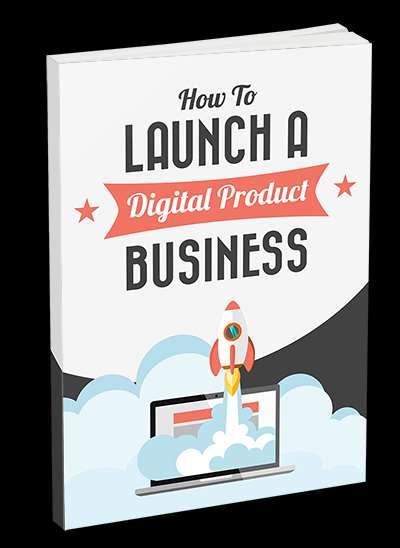
"Discover How to Start, Build and Launch Your Own Digital Product Business Without Breaking The
Find Out How To Create Your First Digital Product For Sale And Start Getting Sales On Autopilot!
What you'll discover in this eBook:
• You'll have an idea for the type of digital product you want to create and what the strengths and weaknesses of each option are
• Understand what makes digital products sell and how you need to design your creation in such a way that people will be eager to buy it
• Know how to quickly and cost effectively create the type of digital product you want
How to create a potential hot-selling eBook
• Know how to alter things like price, cover image and more in order to optimize your sales
• Understand how to drive more traffic to your landing page using SEO, PPC, e-mail marketing and social media
• Understand affiliate programs and tools like JVZoo, ClickBank and WSO Pro
• Know how to build an army of affiliate marketers who can drastically increase your sales and profits
• • ...and much, much more!
This is the ultimate guide to How to Launch a Digital Product Business! You'll discover all the steps, tools and resources to help you become a successful digital marketer! Get your copy today!
Now you can create full image variations inspired by your original ad creative with text overlay capabilities, generating improved backgrounds around product images and expanding images to better fit multiple surfaces. In addition, you will r brands to choose from. Lastly, image expansion allows you to seamlessly adjust creative assets to fit different aspect ratios across multiple surfaces. These tools are now available on Reels and Feed across both Instagram and seamlessly with text overlays on your ads.
https://www.facebook.com/business/news/Introducing Features
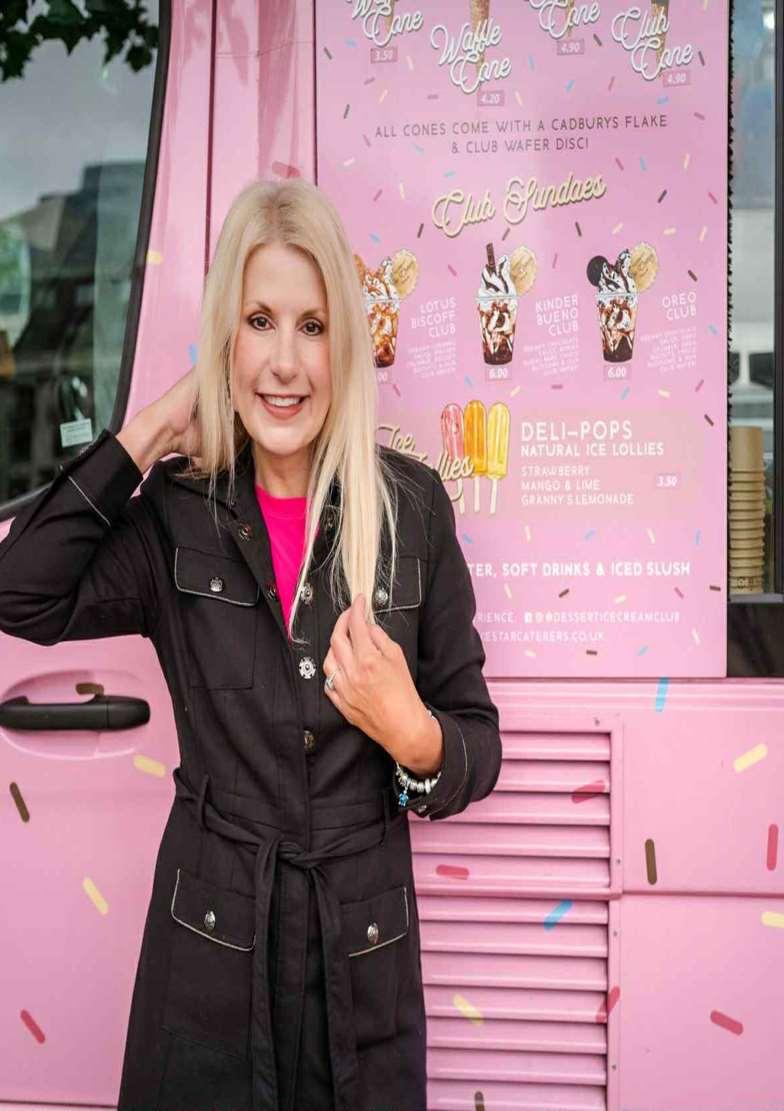
Today's guest is Christina Rowe, founder of Standout Media Group and the powerhouse behind the global community, women Helping Women Entrepreneurs, which brings together more than 2 million members worldwide. Christina is also a marketing expert, author and mentor who helps women entrepreneurs gain visibility, get featured, and build businesses that truly stand out.
Through her platforms, Christina has built not only a thriving media company, but also a movement creating opportunities and resources for women to connect, collaborate, and grow together. Christina, it is lovely to meet you.
Christina Rowe: It is so wonderful to meet you.
Editor:
Christina, maybe we could start by just asking you to share a little bit about your journey into entrepreneurship and maybe what inspired you to launch Stand Out! Media Group.
Christina Rowe:
Okay, so it's interesting. I used to have a hair and nail salon back, gosh, in my other life I call it, back in New Jersey with my ex-husband. And so, that was the beginning of being an entrepreneur. And then when I got divorced, we sold the salon and I had such a horrendous divorce, I decided to write a book about it.
And then this was 2006, so I made a decision to self-publish, which led me to online marketing. And then other people started asking me, "Well, how did you do that?" Because that's back in the beginning when everybody was just getting started with all of the internet stuff where there was no click funnels.
We were using front page back then, it's like the dark ages. And that started me helping other authors and starting to coach them. But it was when I moved to South Florida and I met some other women and we started a women's organisation. And we started doing live events and helping women, which then evolved into me starting Women Helping Women Entrepreneurs. That was 2016.
And the communities on Facebook, just started growing like crazy. Facebook took notice of it. We were one of the Facebook commercials that they had. They were playing them all over and on the radio and TV. I got invited to Facebook itself, to the Facebook Community Summit in 2019, which was amazing.
Christina Rowe:
So, the community just kept growing and I decided to create a space for women to be able to promote their businesses by borrowing my audience, and that's the Stand Out Online Membership programme. So this way, they could grow their businesses from my platform and my audiences across social media. Time of right now, we have almost 900,000 in the group, but we have all the subgroups and maybe 1.23 million. So we're getting toward the 2 million mark.
Editor:
That's amazing, such an achievement. You've obviously achieved so much in your career. How does it feel to have, as you say, almost 2 million members now in the community?
Christina Rowe:
It's amazing to have so many women. And the whole premise is women helping women. So we really want everyone to collaborate, not compete, because I'm a strong believer in that. And so, I've had women who've been with me for years and grown their Facebook communities to 200,000, 100,000, 50, 80,000, and they've taken my model of allowing women to pay to promote in their group and giving the benefits. And we've actually collaborated and done summits together.
So, I don't believe in competition. I believe in let's collaborate and we've put our memberships together and sold it as a package.
And so, I think if women and people in general start thinking like that about collaboration, you really don't have any competitors because someone is for everyone.
So, you're not going to resonate maybe with someone in business with someone else. So being in this industry and instead of thinking that there's people out there, well, that's my competitor and that's my competitor, to think more in terms of how you guys can collaborate.
Editor:
There's an old phrase, isn't it, that a rising tide floats all boats? And I guess that stands true with this as well. By collaborating instead of competing, it does mean that everybody benefits as a result.
Christina Rowe:
It really does. When you have that mindset, you could be doing the same exact thing as someone. And before the group, I partnered with women and we were doing the same exact thing. And when I used to have clients, they, "Think I got too many clients, this person would be perfect for you," or, "I don't do this part of it, take this client," vice versa. So it's really powerful when you think in those terms. It's like thinking in abundance instead of scarcity.
Editor:
And if anybody's thinking maybe of taking their first step right now, Christina, what would you say to them? Because obviously since you started, times have changed and as you say, click funnels is now a big thing. Is it easier or is it harder, would you say now than it was when you started?
Christina Rowe:
Goodness, it is so much easier. So, when I started, like I said, there was no click funnels. It was this thing called front page, which was we called the opt in page. The landing page was a squeeze page back then. And there was no Facebook ads back in 2006.
So, there was a lot of tech you had to learn to build things out. Now, especially with AI, it's so easy for people to start. It just compresses time.
What may take you years back then, can now compress into months because you have all the tools, you have everything at your disposal to start a business. Literally Claude and ChatGPT and all these AI tools just do the work for you, if you know how to prompt them correctly. And back then, we didn't have any of that.
So definitely a great opportunity to get involved in entrepreneurship and online marketing. But I would say the key is, and I've been saying this now, is that you have to AI proof at the same time, your business. And how you can do that is by starting communities.
Because AI cannot touch communities. It's going to get to the point and people, they're going to want to be in communities. They're not going to want to be talking to robots all the time.
So, as it invades us more and more, people are going to want to be in person. They're going to be online in feeling like they have that human connection. So that plus your brand is going to be the most important thing because like I say too, we're in this trust recession right now. I say it's not 2020 anymore where everybody went crazy. COVID, everybody jumped online, people were buying like crazy.
Christina Rowe:
And now, people are more hesitant, a little jaded. There's some bad characters. So people just entering right now, starting out on online businesses, they're going to be like, "Well, gosh, how do I build trust?" And by starting a community, it's a great way to do that.
MWM Q & A 25 Short-Form Video Ideas (With Spotlights)
1. Repurpose content from your other platforms
Post your TikToks on Shorts. Your Reels on LinkedIn. Your Shorts on TikTok. It all works with light tweaks.
Spotlight: A creator reposted a quiet Reel (2,000 views) to Shorts. It hit 2.1 million.
2. Clip highlights from long-form content
Turn the best 10–20 seconds of a livestream, podcast, or YouTube video into viral-ready snippets.
Spotlight: One podcaster turned a single funny guest reaction into 500,000+ views on TikTok.
3. Share behind-the-scenes moments
Your process is more interesting than you think even if it's messy.
Spotlight: A designer filmed her chaotic desk cleanup and landed her first brand collab from it.
4. Film a “day in the life”
People love relatable routines especially when they show the real, unpolished parts.
Spotlight: A marketer posted her “morning meltdown before client calls.” It became her most-shared LinkedIn video ever.
5. Tease premium content
Show a preview of your course, membership, templates, or coaching. Value first, sell later.
Spotlight: A creator teased one 9-second clip from her paid workshop and sold out the next cohort in 48 hours.
6. Create product demos or reviews
Short, honest impressions build trust especially in B2B spaces.
Spotlight: A SaaS founder reviewed her own tool in under 20 seconds and added $8k in MRR from organic video traffic.
7. Show off your workspace
Desk tours, gear upgrades, organization tips people eat this up.
Spotlight: A remote worker posted a 12-second desk tour. Recruiters messaged her asking if she’d film office tours professionally.
8. Quick how-to videos
Teach one tiny, useful skill. Keep it simple.
Spotlight: A creator taught a 3-second iPhone hack and gained 25,000 new followers in a weekend.
9. Feature customer or fan content
User-generated content = instant credibility.
Spotlight: A coffee brand reposted a customer’s brewing clip — and their sales spiked 17% that day.
10. Before-and-after transformations
Nothing beats a good glow-up.
Spotlight: A PowerPoint designer showed a slide deck makeover and picked up two enterprise clients.
11. Answer FAQs
Answer one question per video. It positions you as approachable and helpful.
Spotlight: A fitness coach answered one FAQ daily and tripled her inbound DMs in two weeks.
12. Share fun facts or niche insights
Give viewers a quick “Huh, I didn’t know that.”
Spotlight: A science creator shared a 7-second fact about plants… and it hit 12 million views.
13. Join a trend — but personalize it
Use trending audio or formats creatively aligned with your niche.
Spotlight: A tax accountant used a trending meme and gained 3,000 new followers in 36 hours.
14. Start a short video series
Series = bingeable. Bingeable = growth.
Spotlight: A creator launched “1-Minute Marketing Tips” and grew a loyal weekly audience across three platforms.
15. Make mini vlogs
Micro storytelling that builds connection.
Spotlight: A freelance writer started mini vlogging her coffee runs. Clients found her because of those videos.
16. Share a personal or business story
People follow people, not logos.
Spotlight: A founder shared a 30-second story about her first business failure… and it became her highest-converting video.
17. Bust a niche myth
Start bold, finish fast.
Spotlight: A finance creator debunked a common budgeting myth and went viral on both TikTok and LinkedIn.
18. Try a timed challenge
30-second tasks create urgency and keep viewers watching.
Spotlight: A photographer edited a photo in 60 seconds. The watch time was so high the video tripled his account reach.
19. Film a timelapse
Anything with movement instantly hooks viewers.
Spotlight: A baker posted a 12-second dough-kneading timelapse it hit 500k views across platforms.
Mini Case Study: The $7 Offer That Outsold the Creator’s
A funnel strategist shared that her $7 “mini system” (a 9-page PDF + Loom video) attracted fewer people than her free lead magnets, but those buyers went on to purchase her $97 and $197 offers at 3X the rate of freebie leads. Why? Because small payments create micro-commitments, which create bigger commitments. This is textbook foot-in-the-door psychology at work. So neither model is “better” and each one has a job.
The Real Question: What’s the Job of Your Funnel?
If the job is “build the biggest list humanly possible,” free wins. If the job is “build a list of buyers,” low-ticket wins. If the job is “pay for ads immediately,” low-ticket maybe wins. If the job is “nurture and educate,” free wins.
If the job is “I want my audience to invest early,” low-ticket wins.
This is why vague advice like… “Everyone should stop giving away free stuff!” …is not helpful.
It’s like yelling “Everyone should buy Ferraris!” Sure, sounds great, but context matters.
So here’s your simple compass: Use Free Lead Magnets When:
• Your audience is cold
• You want list growth
• You don’t have strong backend offers
• You’re building relationships, not revenue Use $5–$7 Low-Ticket Offers When:
• You want buyers
• You want to offset ad spend
• You have upsells
• Your market is solution-aware
Or, more simply: Is your funnel trying to make friends or make money?
Or, more simply: Is your funnel trying to make friends or make money?
My Take: Stop Choosing Sides & Build a Two-Track System
The smartest marketers right now aren’t picking “free vs paid.” They’re doing this:
Free lead magnet → nurture → small offer → core offer AND
20. Highlight a clever or funny comment
Your comments section is a goldmine.
Spotlight: A creator reenacted a sarcastic comment and gained 10,000 followers from the video.
21. Share your analytics or insights
People love transparency about growth.
Spotlight: A YouTuber revealed her real revenue numbers. The honesty sparked massive engagement.
22. Quick interviews
One interesting question = amazing content.
Spotlight: A creator asked strangers, “What’s something you wish you learned earlier?”
Every clip outperformed the last.
23. Flash poll questions
Ask something easy to answer. Comments will skyrocket.
Spotlight: A B2B marketer asked, “Meetings or no meetings?” She got 900+ comments in 24 hours.
24. Niche humor or relatable memes
Humor = shareability.
Spotlight: A copywriter posted “client feedback starter pack.” Every marketer she knew reposted it.
25. Quick motivation or inspiration
Short, simple, real.
Spotlight: A founder posted a 10-second “keep going” message during a rough week — her community exploded with support.
Momentum Beats Perfection (Every Time)
If there’s one thing to remember from this list, it’s this:
Short-form success isn’t about brilliance it’s about momentum.
You don’t need:
• flawless lighting
• perfect hooks
• daily posting
• or endless new ideas
You do need:
• content people recognize themselves in
• one clear idea per video
• a strong first two seconds
• and the willingness to repeat what works
The creators winning at short-form aren’t louder, cooler, or more talented. They’re just publishing consistently human content that feels real and letting momentum compound.
Pick your first idea.
Hit record.
Post before you feel ready.
That’s how short-form stops being intimidating…
…and starts working for you.
Why Your Upsells Flop (And
How to Fix Them in 9 Minutes
Flat)
You built the upsell. You wrote the copy. You watched one too many Russell Brunson videos. So why is your upsell page converting like a soggy sandwich?
Here’s the hard truth: most upsells don’t fail because of bad products—they fail because of bad timing, bad vibes, or bad psychology.
The biggest culprit? Relevance Whiplash. Your customer just said yes to a problem-solving product. And now you’re throwing a random “Hey, wanna buy this totally unrelated thing?” pitch at them. It’s like ordering a pizza and immediately being asked if you’d like a unicycle. Confusion kills conversions.
Fix it fast by asking: Does this upsell make the original purchase easier, faster, or more fun? If not, cut it. Then rebuild it using these three magic tweaks (yes, you can do this in 9 minutes):
1. Anchor It to the First Win: Start your upsell with “Now that you’ve grabbed [product name]…” to reinforce the dopamine rush from buying.
2. Add a Micro-Story: Instead of bland bullet points, tell a 2-sentence story about someone who used both the main offer and the upsell together with a great result.
3. Use a Time-Boxed Hook: Not fake scarcity, just urgency with clarity: “You’ll only see this upgrade offer on this page then it’s gone.” Boom
4. .
Bonus move? Add a one-click “Yes, upgrade me!” button. No forms, no second checkout. Just buttery smooth conversion.
Upsells aren’t about jamming in extra products. They’re about extending the narrative your customer just bought into. Make it relevant. Make it fast. And above all make it feel like a win, not a wallet attack.
Now go turn that soggy sandwich into a steak dinner. You’ve got 9 minutes.
From Tiny PDF to FullFledged Info-Empire:
The
Unusual Moves That Work
Riley wasn’t trying to build a funnel empire. She just wanted to sell a $27 checklist to help first-time creators launch their digital product. But what started as a quick downloadable turned into a fullblown info-product business because she did a few things most marketers don’t.
First, she didn’t treat the $27 PDF like “just a lowticket offer.”
She gave it a vibe. It was designed like a quickstart mission, not a homework assignment. The checklist included cheeky prompts like “Put on your launch pants” and “Send the scary email.” Result? People actually used it and wrote back with screenshots of their progress.
Second, she skipped the boring upsell and offered something weirdly effective:
A one-week support chat. No modules. No logins. Just a temporary group chat for people who bought the guide. It felt intimate, low-commitment, and human which made people feel safe asking “dumb” questions. (Spoiler: Those “dumb” questions turned into big coaching opportunities.)
Third, she turned casual chats into a mid-ticket accelerator but not in the traditional “here’s a 6week video course” kind of way. Instead, it was a 2week sprint with daily check-ins, no fluff, and a vibe like “co-working meets creative bootcamp.”
Her key insight? People don’t just want products. They want momentum.
The Real Lesson for Marketers?
Stop building perfect funnels. Build useful momentum loops. Start with something small but action-driven, stack human connection in weird places (like chat apps or DMs), and then offer your audience a way to keep going without overwhelming them with more content. Forget evergreen. Go ever-curious. Riley did— and now her inbox is full of testimonials, not refund requests.
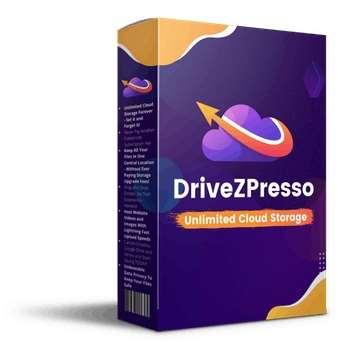
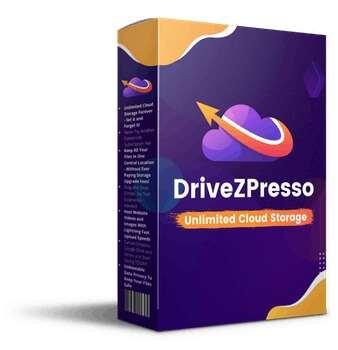
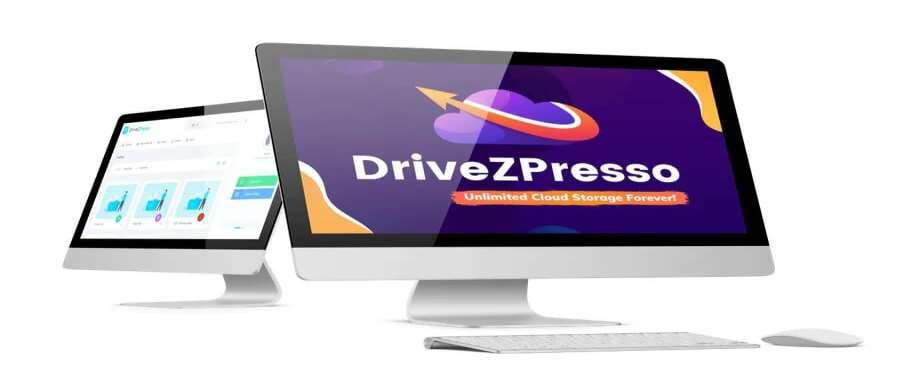
NEW PRODUCT DriveZPresso
Nowyou can haveUnlimited CloudStorageForLife (GoodbyeDropbox!)Saygoodbyeto overpriced Dropbox subscriptions and time-wasting tech headaches… Because there’s a brand new Cloud Storage Solution that lets youhost, share, andback-upALLyourfiles… With Unlimited Storage For Lifeat anunbeatable ONE-TIME price. Get the details here (limited availability).
Imagine… All your files stored in one central location so you can find whatever you need in seconds Never paying another overpriced subscription fee to Dropbox or Google Drive Freeing yourself from storage limits and tech hassles once and for all Big Tech has been sticking it to the little guy for far too long…
With ridiculously high monthly fees and huge mark-ups that line the pockets of Silicon Valley billionaires DriveZPresso lets you take back control of your data and your business future…
With all the capabilities of Dropbox and Google Drive and NONE of the overpriced subscription fees…
Go here now DriveZPresso UNLIMITED file storage for an ultra-low one-time fee Host website images and videos with lighting fast upload speeds on your website.
Find any filein seconds with theadvancedsearch technology Sharelinks to anyfile –just likeDropbox orGoogle Drive Collaborate with team members to edit documents in real-time Keep your files safe from hard drive crashes, hackers and malware It’s time to say NO to the “Big Tech Tax” and join the future of cloud storage…
Grab your DriveZPresso license click here.
JVZooHost is dedicated to providing safe, fast, and affordable web hosting with superior support. You can concentrate on running your business and rest assured your website will be up and running. Get your site noticed on the web today with JVZooHost!
MWM wants You to Know
CASE STUDY — New Mom Makes $1,080
Selling “Sleep Schedules That Actually Work”
Clara’s baby wasn’t sleeping.
And because of that, neither was Clara.
She tried everything blogs, forums, paid courses, expert-approved routines. Most of the advice felt rigid, contradictory, or clearly written for babies who followed instructions.
Her baby did not.
So Clara started experimenting with a baby sleep schedule that worked for her child: a mix of flexible routines, gentle cues, and common-sense adjustments no one else seemed to mention.
Eventually, her baby started sleeping longer stretches.
That’s when the messages began.
Friends texted:
“What are you doing differently? Your baby actually sleeps.”
Then their friends asked.
Then strangers in Facebook mom groups.
Clara found herself explaining the same baby sleep schedule over and over sometimes half-awake—until it clicked: she should just write it down.
During nap time, she created a simple guide called The Realistic Baby Sleep Routine.
• 14 pages
• Clear, practical, and judgment-free
• $9 price point
• Sold on a one-page Carrd site
• No funnel, no ads, no fancy branding
She figured maybe a handful of moms would buy it.
She sold 120 copies in 30 days.
That’s $1,080 from a guide built around a baby sleep schedule she created out of necessity.
Clara’s biggest obstacle wasn’t expertise. It was permission.
She assumed she needed certifications or professional credentials. But parents didn’t want a sleep expert. They wanted a baby sleep schedule that actually worked.
Her takeaway: “If you’ve solved a problem for your own life, you’re already qualified to help someone else.”
You don’t need to be a guru.
You just need to go first. being what it is declared the format dead instead of the execution.
CASE STUDY — How a Barista
Turned Her Coffee Knowledge Into $1330
Sophie was a barista with a flair for latte art and a deep hatred of being scheduled Sunday mornings.
No desire to be an influencer.
No fancy setup.
No marketing budget.
What she did have was five years of coffee nerdery and a magical ability to explain things without making people feel dumb.
One day, inspired by a TikTok trend, she filmed a 12-second clip showing how to make cold foam at home. It didn’t explode but it popped just enough to attract comments. And questions. A lot of questions.
Her DMs were suddenly full of:
• “Why does my moka pot coffee taste like burnt despair?”
• “Which milk froths best for beginners?”
• “Do I really need a scale or can I just vibe it?”
Instead of replying one by one, Sophie wrote a digital guide: The Beginner’s Home Coffee Playbook 16 pages. Tips. Photos. Troubleshooting charts. Recipes. She priced it at $7, dropped the link in her bio, and went back to her shift.
By clock-out: $98.
By week’s end: $609.
By the end of the month? $1,330.
All from a Google Doc she turned into a PDF.
Her entire marketing strategy?
Phone-shot TikToks recorded in the back room. No edits. No fluff. Just helpful, low-pressure content with a side of sass. Her lightbulb moment?
“You don’t have to be a guru. You just have to be one step ahead of someone Googling in frustration.”
Marketing Takeaway
Don’t overthink the packaging. If people are asking you questions, you’re already qualified to sell the answers.
Even a $7 PDF can brew a $1,330 month.
Why Online Marketers Need Less
Logic—and More “What If This Works?” Energy
If your marketing is technically correct but emotionally ignored, the Harris Poll just explained why. Logic is losing. Vibes are winning. Your beautifully structured funnel is being outperformed by someone’s chaotic “I manifested this offer in my journal” Reel. And annoyingly, it’s working.
According to the poll, more than half of millennials and Gen Z trust manifestation more than compound interest, and 41% would consider hiring astrologers or witches to help make life decisions. That’s not a collective loss of brain cells it’s a full-blown rejection of the old promise that if you just work hard, save diligently, and wait patiently, things will magically work out. Younger consumers don’t believe the system rewards effort anymore, so they’re chasing possibility instead. Linear logic says “work hard.” Their For You Page says “maybe you’ll go viral today.”
This is brutal news for “here’s our 7-step framework” marketing and fantastic news for online marketers willing to play a smarter, weirder game.
Today’s audiences don’t want logic. They want a shot. A win. A surprise. That’s why giveaways, flash bonuses, unexpected perks, and playful challenges keep outperforming perfectly optimized funnels that read like tax instructions. These moments feel generous, human, and slightly chaotic—in other words, memorable. In a world that feels stacked against them, people gravitate toward brands that say, “Look, I can’t fix the economy, but I can randomly upgrade your order.”
Meanwhile, algorithms have turned the internet into a beige wallpaper factory. Same hooks. Same fonts. Same “authentic” selfies where everyone laughs while holding a mug. Eighty percent of consumers say social media has become copy-and-paste, and they’re exhausted by it. The brands breaking through lean into purposeful weirdness unhinged mascots, unexpected humor, oddly specific memes, and content that feels more like a character than a campaign.
AI adds another twist. People want its power, but not its plastic perfection. Over-polished, AI-smoothed content doesn’t feel impressive it feels like a brand trying to catfish them. The real opportunity is to use AI to move faster, test more ideas, and ship more experiments—not to iron out every human wrinkle until you sound like a corporate chatbot in a blazer.
Right now, the winners online aren’t the most logical brands. They’re the ones willing to be fun, generous, a little unhinged and wildly, unmistakably alive.
The B2B Storytelling Shift That Turned a Quiet Union
MWM FLASHBACK STORY
Reason #3: It creates belonging.
In to a Traffic Machine
When members saw their colleagues being celebrated, something clicked:
• “That could be me.”
• “I want to be featured.”
• “I’m proud to be part of this.”
Instead, she found something very different.
Electricians didn’t talk about timelines or specs.
They talked about their lives — their doubts, their turning points, The moments that almost made them quit, and the moments that changed everything.
(And Why Online Marketers Should Steal This Strategy Immediately)
That’s how you turn content into culture. The Step-by-Step B2B Storytelling Formula You Can Steal
Day 1 – Intro & Hook
In 2008, Jason Sadler turned one of the strangest marketing stunts of the decade into a six-figure business. The pitch? Pay him to wear your company’s T-shirt for a day, and he’d promote it online. Day one cost $1.
That’s when it clicked. The story wasn’t the work. The story was the worker.
Post Idea: Introduce yourself and your side hustle journey.
B2B marketers love to act like we’re above emotions. “Oh no we’re not B2C. We don’t do feelings. We do solutions, deliverables, and KPIs.”
If you want your audience to care, share, remember, and respond here’s the blueprint Jasmine used:
From there, the shift was fast and decisive.
Caption: “Trying side hustles for the next 30 days…let’s see what works! #SideHustleJourney #MakeMoneyOnline”
Day two cost $2. Day three cost $3. By December 31, the price was $365. It sounds like a joke. But that “joke” made him $66,795 in year one and later grew into a half-million-dollar venture.
Instead of writing about installations, wiring, and programs, they started publishing stories like:
Goal: Hook viewers with curiosity you’re the guide on a real journey.
Sure. And that’s exactly why so much B2B content reads like an insurance manual written by a committee of beige folders. Here’s the not-so-secret secret:
1. Pick people, not projects Spotlight individuals with journeys, not tasks.
Day 2 – Quick Win Tip
Why It Worked
• A woman who nearly walked out of an orientation full of men until she saw a woman leader at the front of the room.
1. Scarcity & Urgency
Post Idea: Share a tiny tip people can implement today. Example: “3 apps to earn $20 in an hour.”
People don’t engage with businesses. They engage with people. Which brings us to an unlikely case study.
2. Do a conversation, not an interview
Let them talk. Let them wander. Let them be human.
3. Extract the emotional center Every person has a moment that changed everything. Find it. Lead with it.
4. Keep the voice first-person
It’s more intimate, vulnerable, more real.
Every day that passed, the price went up. Brands knew if they hesitated, the deal would slip away.
Caption: “You don’t need fancy tools to start earning. Try these! #EasyMoney #SideHustleTips”
• A journeyman who failed his aptitude test, hit rock bottom at 28, and fought his way back through a pre-apprenticeship program.
NECA-IBEW Local 48 is an electrical union in the Pacific Northwest not a startup, not a SaaS company, not a brand anyone expects to “win” on social media. For years, their content looked like most B2B content: project updates, program highlights, formal announcements.
Ads on T-shirts weren’t new. But the way he packaged it quirky, transparent, almost tongue-in-cheek—was impossible to ignore.
Day 3 – Mistakes to Avoid
• A member who went from “lost and stuck” to actively recruiting women and people of color into the trade. You can’t fake stories like these. You can’t template them.
3. Social Media Leverage
Post Idea: Highlight one common side hustle mistake.
Then they made one simple but radical shift. They stopped telling corporate stories about work… …and started telling human stories about workers.
5. Polish the story without sterilizing it
The result?
Make it readable but never remove the humanity.
Their content didn’t just improve it exploded. We’re talking:
6. Publish it everywhere
People share stories that make them feel something. Give them lots of chances.
• 354% increase in website traffic from social
• 72% lift in LinkedIn interactions
• 65% more reactions
7. Let the community build the community Watch as comments turn into conversations… …then into testimonies…then into new content… …then into new members. into a storytelling engine… …then so can you.
• Up to 115% boosts across other platforms
Sadler didn’t just wear the shirt he amplified it. Facebook, Twitter, YouTube… each sponsor got exposure far beyond a guy in cotton.
Caption: “Stop doing this if you want to actually make money online. #SideHustleFails #LearnFromMe”
And you definitely can’t extract them from a standard B2B questionnaire. These stories had heartbeat. They made people stop scrolling. They pulled comments out of lurkers.
4. Radical Transparency
Goal: Show experience, make viewers nod along authority + relatability.
Day 4 – Demonstration
They turned passive readers into active participants.
The calendar was public and everyone knew what it cost. That honesty built credibility amid constant hype.
Post Idea: Show a real example of you doing the hustle screenshots, screen recordings, or step-by-step demo.
Almost overnight, NECA-IBEW wasn’t just posting content they were building a community.
The Results
Caption: “Here’s exactly how I made $10 flipping old items today!
Why It Worked (and Why Your Marketing Needs This)
By 2010, Sadler had scaled his idea with more “human billboards” and a steeper pricing ladder. Annual revenue? Roughly $500,000. All from what looked like a stunt but was really a masterclass in unconventional marketing.
#SideHustleDemo #MoneyMoves”
Let’s be real. Most B2B content is predictable:
Goal: Make it actionable; people follow what they see.
• “We increased efficiency by 47%…”
Read that again: electric growth… from electricians. (Credit to Ann Gynn at Content Marketing Institute for surfacing this story.)
The Bottom Line
If you want your audience to remember you, root for you, talk about you, buy from you, and stay loyal…
Day 5 – Q&A / Response Video
• “We completed the project ahead of schedule…”
Post Idea: Reply to a comment or make a video answering “How do I start?”
The Takeaway for Marketers
Caption: “You asked…here’s how ANYONE can start a side hustle this week.
• “We delivered exceptional value to our client…”
#AskMeAnything #SideHustleHelp”
Nobody screenshots that. Nobody shares it. Nobody cares.
You don’t need a massive ad budget. You need an angle.
This wasn’t luck. It wasn’t a viral fluke. It was a deliberate rewrite of their entire content strategy moving away from polished, project-based case studies and toward raw, first-person stories that actually made people feel something. Let’s break down what changed and how you can apply it immediately.
But when you switch to people-first storytelling?
• Use scarcity. Tiered or time-based pricing creates urgency.
Day 6 – Behind-the-Scenes / Fail
Everything changes.
Post Idea: Show a side hustle fail, funny moment, or frustration.
Reason #1: People share stories that mirror their identity.
• Leverage authenticity. Quirky > polished when you want attention.
Caption: “Not every day is a win here’s what went wrong today
• Be transparent. Clear offers build trust.
#SideHustleLife #KeepTrying”
A case study says: “We did a thing.”
Goal: Build authenticity and connection.
A spotlight says: “I AM this kind of person.”
Day 7 – Mini Case Study / Proof
Identity beats information every time.
• Think sideways. The ideas that sound too weird to work are often the ones that break through the noise.
The Aha Moment: “This Isn’t a Case Study… It’s a Human Story.”
Reason #2: Storytelling cuts through algorithms.
Post Idea: Share a small success story your own or someone else’s.
• “Tell me about the project.”
Stop showing the work. Start showing the people. That’s how B2B goes from cold and corporate… …to magnetic, memorable, and human. Tell the stories that make your brand beat like a heart.
• “What were the deliverables?”
• “What were the outcomes?”
• LinkedIn is hungry for emotion.
Jason Sadler didn’t just sell ad space he sold a story people wanted to follow. That’s the real power of unconventional marketing.
Caption: “Made $70 this week just sharing tips I learned. You can too!
Mad Fish Digital’s senior content strategist, Jasmine Paul, went into her first interview expecting the usual B2B playbook:
#SideHustleProof #MoneyMoves”
• Facebook rewards relatability.
Goal: Show results and inspire action.
• Instagram amplifies authenticity.
Tips for the Week
A story about how someone built a life-changing career?
• Post at consistent times.
The algorithm loves that.
And while Sadler’s stunt belongs to 2008, the principle behind it hasn’t aged a day. The platforms have changed, the audiences have shifted, but the psychology is identical. Scarcity still drives urgency. Novelty still grabs attention. Transparency still builds trust.
• Keep videos 15–30 seconds.
Reason #3: It creates belonging.
When members saw their colleagues being celebrated, something clicked:
• “That could be me.”
• “I want to be featured.”
• “I’m proud to be part of this.”
That’s how you turn content into culture.
The Step-by-Step B2B Storytelling Formula You Can Steal
If you want your audience to care, share, remember, and respond here’s the blueprint Jasmine used:
1. Pick people, not projects Spotlight individuals with journeys, not tasks.
2. Do a conversation, not an interview
Let them talk. Let them wander. Let them be human.
3. Extract the emotional center Every person has a moment that changed everything. Find it. Lead with it.
4. Keep the voice first-person It’s more intimate, more vulnerable, more real.
5. Polish the story without sterilizing it Make it readable but never remove the humanity.
6. Publish it everywhere
People share stories that make them feel something. Give them lots of chances.
7. Let the community build the community Watch as comments turn into conversations… …then into testimonies… …then into new content… …then into new members.
What Online Marketers Can Take Away From This
Whether you run a SaaS, sell a course, run an agency, or build digital products, here’s your new mantra: “Case Studies Inform but Stories Transform.”
The content that moves people emotionally is the content that moves metrics.
• There is no industry too boring for storytelling.
• There is no audience too professional for emotion.
• There is no niche too technical for humanity. If labor unions can turn LinkedIn into a storytelling engine… …then so can you.
The Bottom Line
If you want your audience to remember you, root for you, talk about you, buy from you, and stay loyal…
Stop showing the work. Start showing the people.
That’s how B2B goes from cold and corporate… …to magnetic, memorable, and human.
Tell the stories that make your brand beat like a heart.
5. The Anti-Spam Reputation Booster
Use as a once-per-month “engagement pulse” to warm your domain reputation before you send a major promo. These work even better when paired with a follow-up automation that sends the requested resource instantly eShowcase.com handles this beautifully because the keyword reply can fire off workflows automatically.
Why This Will Be Even Bigger in 2026
We’re heading toward an era where:
• AI is generating more emails than humans
• inbox algorithms are tightening
• engagement signals matter more than content volume
• and audiences crave personalization
Reply-triggered campaigns solve all of these simultaneously. They’re human…
They’re algorithm-friendly… They’re conversion-boosting… …and they create better customer relationships without creating more work.
This is the kind of tactic that looks simple on the surface but becomes a competitive moat once you use it consistently.
In fact, many marketers quietly use “reply campaigns” as their pre-launch deliverability warm-up ritual kind of like stretching before a workout, but for your domain reputation.
Expect to see much more of this trend, especially once AI platforms begin integrating two-way conversational marketing (and they will).
What You Can Do Now
Try this simple 48-hour experiment:
1. Email your list and say:
“If you want tomorrow’s resource, reply YES.”
2. Track how many people reply.
3. Watch your next broadcast land more often in the Primary inbox.
That’s it. No funnel rebuild. No new tech.
Just a reply.
And if you want the easiest way to set up reply-powered workflows, trigger automations, segment your list, and instantly deliver what people ask for…
From Boring to Brilliant: New Tool Transforms Training Videos
A new AI-powered tool called Guidde is shaking up workplace training by turning dense, static documentation into fast, engaging how-to videos. With its simple browser extension, teams can create step-by-step guides in minutes, revise them instantly, and share them in any language making training clearer, faster, and far more accessible.
Early adopters say the platform is helping them replace long manuals with dynamic walkthroughs that anyone can follow. And with the extension offered completely free, Guidde is positioning itself as one of the easiest ways for organizations to modernize their internal training without adding extra cost or complexity.
https://www.guidde.com/
A new study shows that fewer than half of listeners can tell the difference between AI-generated voices and real human speakers — a turning point that’s quietly reshaping the audio landscape. Podcasts, ads, training content, TikTok narration, and even radio spots are increasingly using synthetic voices without triggering listener suspicion. The lines between human and machine are blurring faster than consumers realize.
For online marketers, this isn’t just interesting it’s a green light and a caution sign rolled into one. The opportunity is enormous: you can scale audio content, translate and localize scripts instantly, and produce professional voice-overs without hiring talent or booking studio time. But there’s a flip side: once audiences discover AI is speaking to them, transparency and trust become strategic decisions, not afterthoughts. The brands that win will be the ones who use AI voices to enhance efficiency without undermining authenticity and who stay ahead of the curve as consumer perception continues to shift.