Your Knockdown Rebuild Journey
We’ve all heard the quaint saying ‘location, location, location’ but this expression has never been more relevant than now in our unique housing market. More often than not, families outgrow their home as it no longer suits their needs, but don’t want to compromise on their current location.
At G.J. Gardner Homes, we completely understand this. You probably have important connections in your community - whether the kids are happy at their school, the commute to work is a breeze or you simply love your current suburb, it can often be too difficult to pick up and move elsewhere.
But what if you could stay exactly where you are, with the house you’ve always dreamed of?
Increasing prices in the housing market and growing renovation costs have led many residents to consider a Knockdown Rebuild of their current house. Enabling them to stay in the same street they know and love, with a home they can enjoy for years to come. Together, we can create your dream home and enjoy a memorable building experience with the help of your local G.J. Gardner Homes team.
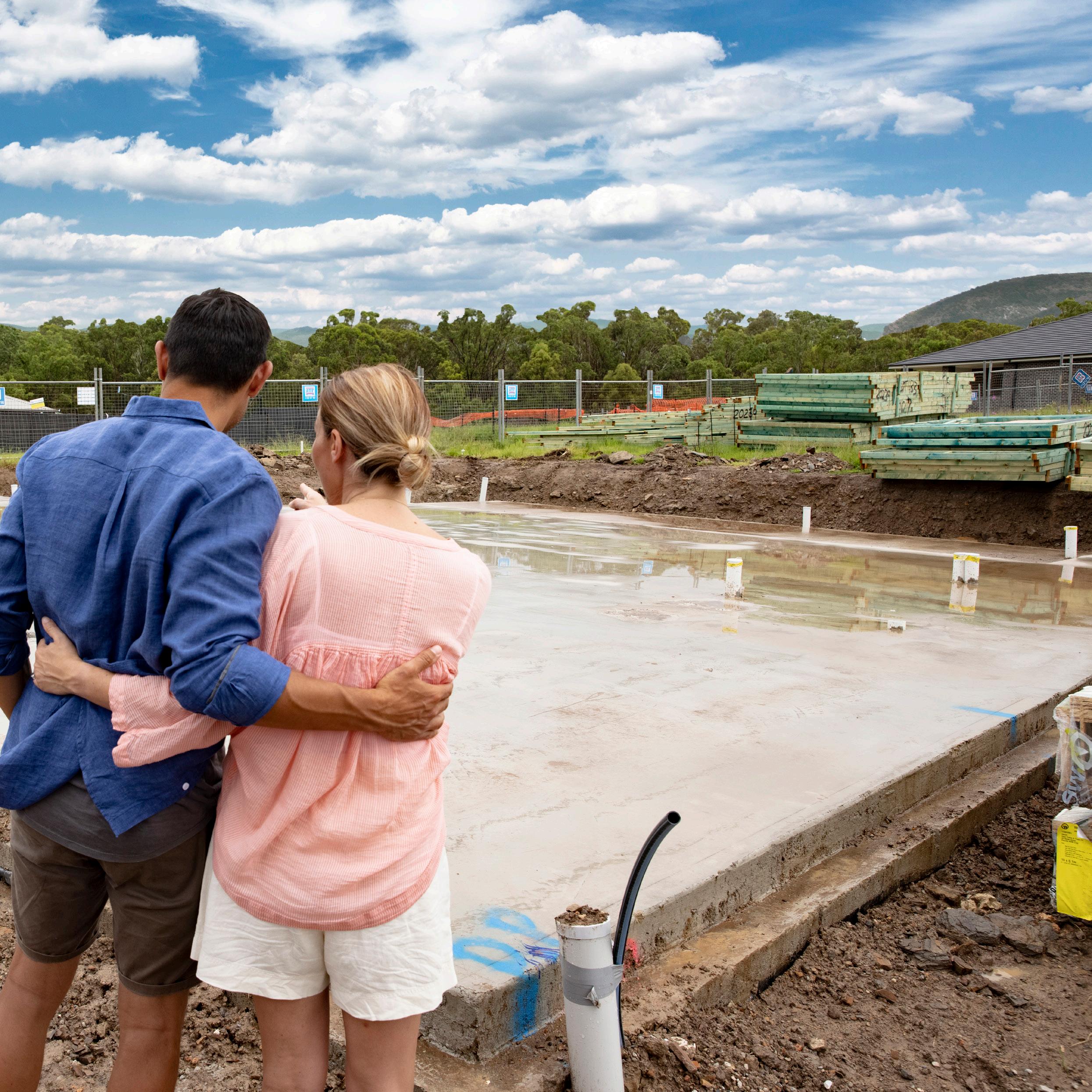
Building a new home should feel exciting, empowering, and rewarding—and that’s exactly what we strive to deliver at G.J. Gardner Homes. With more than 40 years of home building experience, we’ve helped over 60,000 families turn their dream into reality. We combine the care and service of a local builder with the proven systems, expertise, and trust of a national brand.
Every G.J. Gardner office is owned and operated by local people who genuinely care about their communities. You’ll benefit from local insights, strong supplier relationships, and personalised service—while enjoying the backing of a brand with a reputation built on quality, transparency, and results.
We don’t believe in cookie-cutter homes. Whether you want to modify an existing design or create something from scratch, we’ll help you personalise your home to suit your lifestyle, block, and budget. And unlike some builders, we welcome your ideas— we’re here to make it happen, not hold you back.
We’re not just building four walls—we’re building where life happens. From the excitement of choosing your design to the joy of handover day, we make the process simple, clear, and enjoyable. You’ll be kept informed at every stage, and supported by a team who genuinely cares.
We use purpose-built technology to streamline the journey—bringing together estimating, planning, communication, and customer care into one seamless experience. It’s why so many of our customers not only love their homes, but the experience of building with us.

We’re serious about getting it right. That means craftsmanship you can see and quality you can feel—delivered by trusted local trades, using reputable suppliers. Every detail is considered and built to last.
From clear quoting and fixed-price contracts, to the freedom to ask questions at any time, we work hard to earn your trust. No hidden surprises. Just honest advice, upfront costs, and real value.
We don’t just want you to love your new home— we want you to love the experience so much that you’d do it all over again with us. That’s why over 90% of our customers say they would recommend G.J. Gardner Homes to their family and friends.
There are several benefits to a Knockdown Rebuild of your existing home.
Shape a new home around you
• A Knockdown Rebuild gives you complete freedom to start fresh – creating a home that’s designed for you, with the quality, comfort and functionality you deserve.
• Customised for your lifestyle – design every detail to suit how you live now and into the future.
• Optimise your block’s potential - your block is full of possibilities and a Knockdown Rebuild lets you make the most of them. Position your home to maximise light, views, and privacy.
• Built to last – from premium fixtures and fittings to craftsmanship that stands the test of time.
• Smarter, more sustainable living – capture natural light, breezes and shade to improve comfort, energy efficiency and reduce running costs.
• Better value than complex renovations –avoid the compromises and hidden surprises that often come with reworking an older home.
Stay in the place you love
• A Knockdown Rebuild means you can enjoy the best of both worlds – the location you love, with the home you’ve always wanted.
• Stay connected to your community, neighbours and local lifestyle.
• Keep your children at their current school.
• Stay close to your favourite shops, services and commute routes.
Add lasting value to your property
• Rebuilding is an investment in your lifestyle and your property’s future worth.
• Keep your land equity and avoid stamp duty, agent fees and moving costs.
• Eliminate the limitations and ongoing maintenance of older homes.
• Increase property value with a brand-new home built to today’s standards.
• Enjoy the peace of mind of a new home warranty and lower upkeep for years to come.
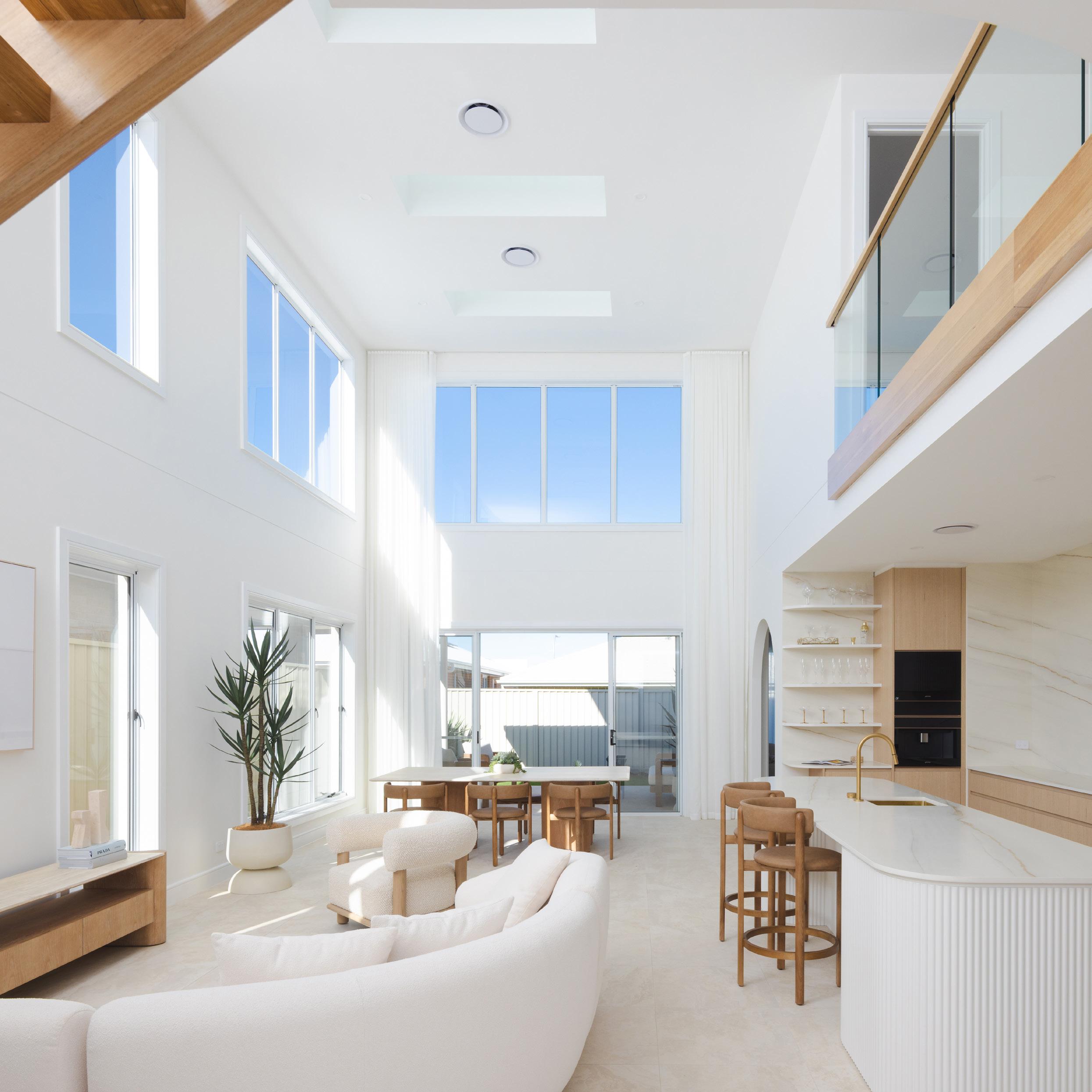
We know that a knockdown rebuild is a big decision, and at G.J. Gardner Homes, we’re here to guide you through every step. We’ll ensure you’re fully informed and confident throughout the entire process, from your initial demolition and planning applications to the final design and build of your new home. Your local G.J. Gardner team is your dedicated partner, ready to help you navigate this exciting journey.
A knockdown rebuild follows a different path than a standard home build. Understanding each step is crucial for making informed decisions and avoiding costly delays. Because council regulations can vary, each G.J. Gardner office tailors its approach to best suit local requirements. To ensure a smooth start, we recommend having a detailed conversation with your local builder before any work begins.
Contact your local council to receive your land’s lot plan. Be sure to take Key Considerations into account when reviewing the lot plan.
Lot plan: This is a legal document prepared by surveyors illustrating the entire property with existing structures.
Initial site assessment
Contact the G.J. Gardner Homes team for a free initial site assessment. An expert from our team will meet with you to establish your objectives and thoughts around developing the site. Initial design and construction considerations will also be discussed in this meeting.
The preliminary discussion surrounding development feasibility and budget will be established following the site assessment. This no-obligation and no-cost meeting will be with experienced planning or design consultants alongside your dedicated G.J. New Home Consultant.
A fee proposal will be provided to outline the site and planning costs associated with your build. This will vary between homes chosen from our designer range or a complete custom home design.
Home design discussions
You will work with your New Home Consultant to find or create a home design that suits your needs, lifestyle and block requirements.
You sign off and approve your beautiful home design! The approved design is appointed to the planner or design to develop concept drawings for council application. The design is then submitted on your behalf to the council.
Testing, testing
Soil tests will be carried out.
Responding to planning & permit conditions or council queries
As the council assesses your proposal, requests and amendments will arise. With the planner and designer, we respond to these with your input when needed.
Planning approval
On receipt of council planning approval, fees and infrastructure charges will be paid by you. The home design is then finalised with council changes.
Demolition contractor
We recommend, at this point, engaging a demolition contractor. However, your G.J. Gardner Consultant will notify you when it is best to begin demolition work for your situation. Wait for this contact before proceeding with demolition work. Where needed, supply approved plans to the contractor for the demolition permit.
Demolition commences
Your demolition work commences and the existing dwelling is removed. Please supply your G.J. Gardner Homes team with your demolition permit. A second soil test and survey will be performed following demolition completion.
Final site costs will be confirmed.
Final working drawings & building contracts signed
Final working drawings and contract documents are presented to you for approval (if variations are requested, this will incur extra costs and possible time delays).
Once the building contract is signed and the 5% deposit is paid, the G.J. team will apply for your building permit. Your G.J. Gardner team will look after any additional requests from the council.
Building permit approved
Once the building permit and financing are received, the construction date will be sent through for you to sign off on.
Construction begins
Your dream home begins to take shape and construction starts!
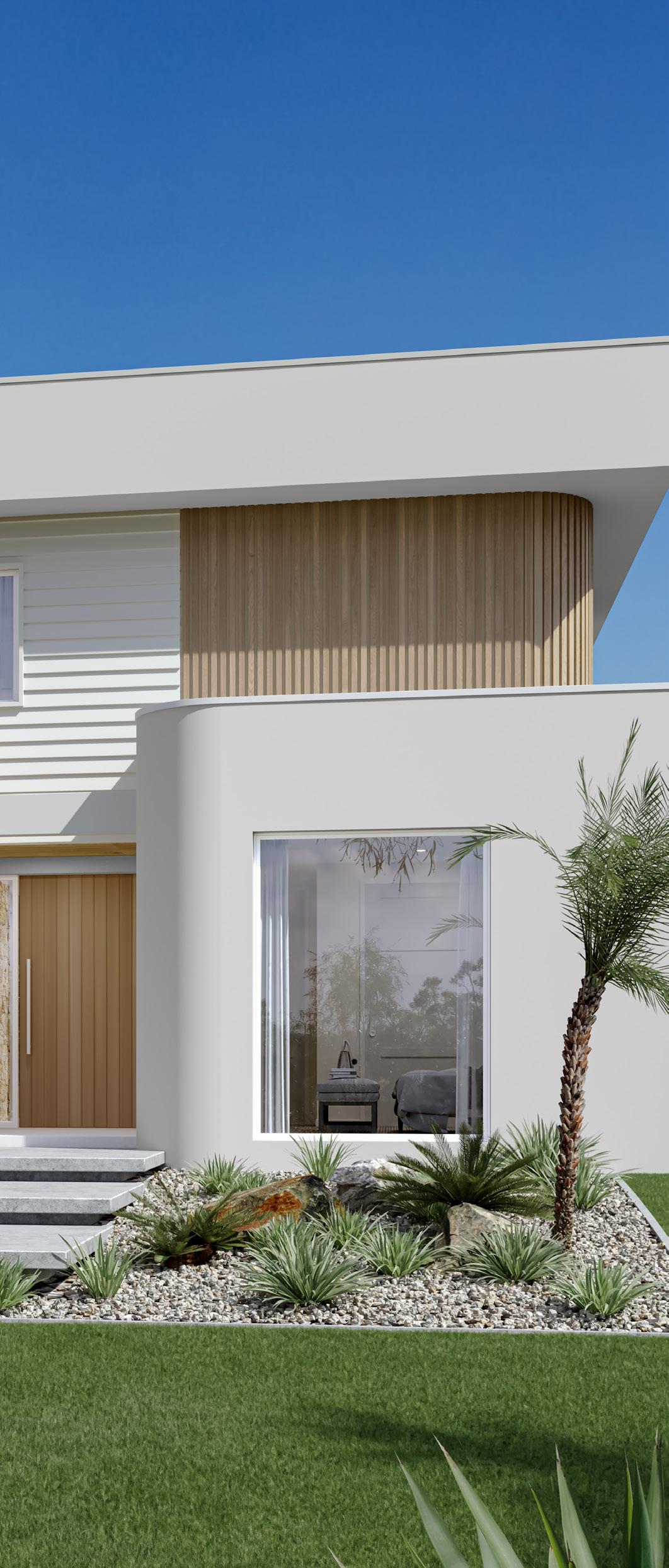
If you’re considering a Knockdown Rebuild of your home, there are a number of things you should consider.
Planning Regulations
Street Frontage, Setbacks & Block Depth
Pre-existing Easements
Block Slope & Gradient
Driveway Positioning
Optimising Your Block
Drainage System
Street Accessibility
Power Supply
Neighbours
Pool
The first thing to consider is current council restrictions and regulations, which may impact your Knockdown Rebuild. Contact your local council and check if any storm water lines, sewer lines, or overlays affect your land. These conditions will influence the site’s suitability for slab-on-ground construction, which is the G.J. Gardner Homes typical construction method.
When considering a new home plan it is vital to take into account the size and depth of your block, as well as the setback. As these can all influence design. During this stage check your local council restrictions on home frontage setback, as this could reduce the size of your home. Typically, this is a minimum of six metres from the street.
If you want your home to be closer to the street than current requirements, you will need to apply for relaxation approval through your local council. This approval process varies with different councils.
You can also discuss your block’s setback requirements with your new Home Design Consultant when planning your new home.
It is also important to check if your land has any pre-existing easements attached to it. This can impact the size of your new home and what designs will work best. To check this, contact the owners of the easement or look at your Lot Plan/ Survey Plan.
Homes built on a sloping block must factor this gradient into the design process from the start. Sloping blocks often require specific home designs such as a split-level to account for the land gradient. If your land is sloped, you should consider where this slope exists on your block. Is the slope at the front of your land? At the back? Or on the side? This is important to understand alongside the proposed driveway to determine the suitability for home construction.
After contacting the council, you can arrange a site visit and initial assessment with your G.J. Home Consultant. They will assess the sloping block with a specialist to determine if construction can go ahead.
Unique characteristics of a property that must be managed or protected on the land or properties existing on the land.
The property boundary adjoining or facing the street.
Setback
The distance a property must sit within the front, side and rear boundary lines of the block.
The distance between the front of the block and the back of the block.
Easement
A ownership right connected to the land giving a third party, that is not the land owner, the right to use the land for a specific purpose.
The process of a Knockdown Rebuild is the opportune time if you want to change your driveway’s existing location. If you wish to relocate your driveway, you must apply and receive approval from your local council. So be sure to take your existing driveway, or where you plan to put your new driveway location, into consideration when choosing your house plan and design.
One of the most exciting aspects of a Knockdown Rebuild is utilising your blocks’ natural light and terrain to create a house that optimises these natural factors. Your new home’s orientation should maximise natural light, shade, views and breezes on your property.
Take note of where the sunlight hits your block typically and if this occurs in the morning or afternoon. Also, consider the direction your block is facing.
A legal point of discharge (LPOD) and a sewer tie in are required within the property boundary for drainage prior to construction commencing. In some situations, the current drainage system (LPOD & sewer tie) may be unsatisfactory for the new home. Alternatively, it may not be within the boundary. If this occurs, it is the client’s responsibility to ensure the drainage system meets current restrictions. Additional costs for this process are the owner’s responsibility.
To determine if the LPOD and sewer tie is satisfactory, the council will need to approve the drainage system in place. Your G.J. Gardner Home Design consultant will file this information and a follow-up meeting will be arranged to discuss any council-related matters and determine if further construction will be required.
In relation to the demolition and construction of your new home, it is important to take into consideration block accessibility. Restricted block access may incur additional costs due to increased efforts to manually unload materials to the site, alongside extra traffic management.
Take note of road size, school zones nearby, overhead power lines, and traffic management regulations.
Often your proposed home design may not align with standard building regulations. Gain approval from neighbours upfront to any changes outside regulation, as this can impact your home design or delay your build time frame. This can include things such as ceiling or house heights, window locations etc. You will also need to consult neighbours on shared fencing as this may need to be removed and replaced before or during demolition.
At G.J. Gardner Homes, a standard inclusion in our Knockdown Rebuilds is the connection to underground power. This is because your existing home’s overhead power will be removed prior to demolition, and as a result, a new power pole will need to be installed on the property.
Does your current home already have a pool you love and want to keep? Or are you wanting to incorporate a pool into your new home plan?
Have a think about the structural features you are looking for in your new home and discuss this with your G.J. Gardner Home Design consultant. If you are looking to add a pool during your KDRB, you will need to have a contract signed off with a pool builder before the home build starts.
After you’ve assessed whether your block is suitable for a Knockdown Rebuild project, you can progress to the next step: choosing home plans!
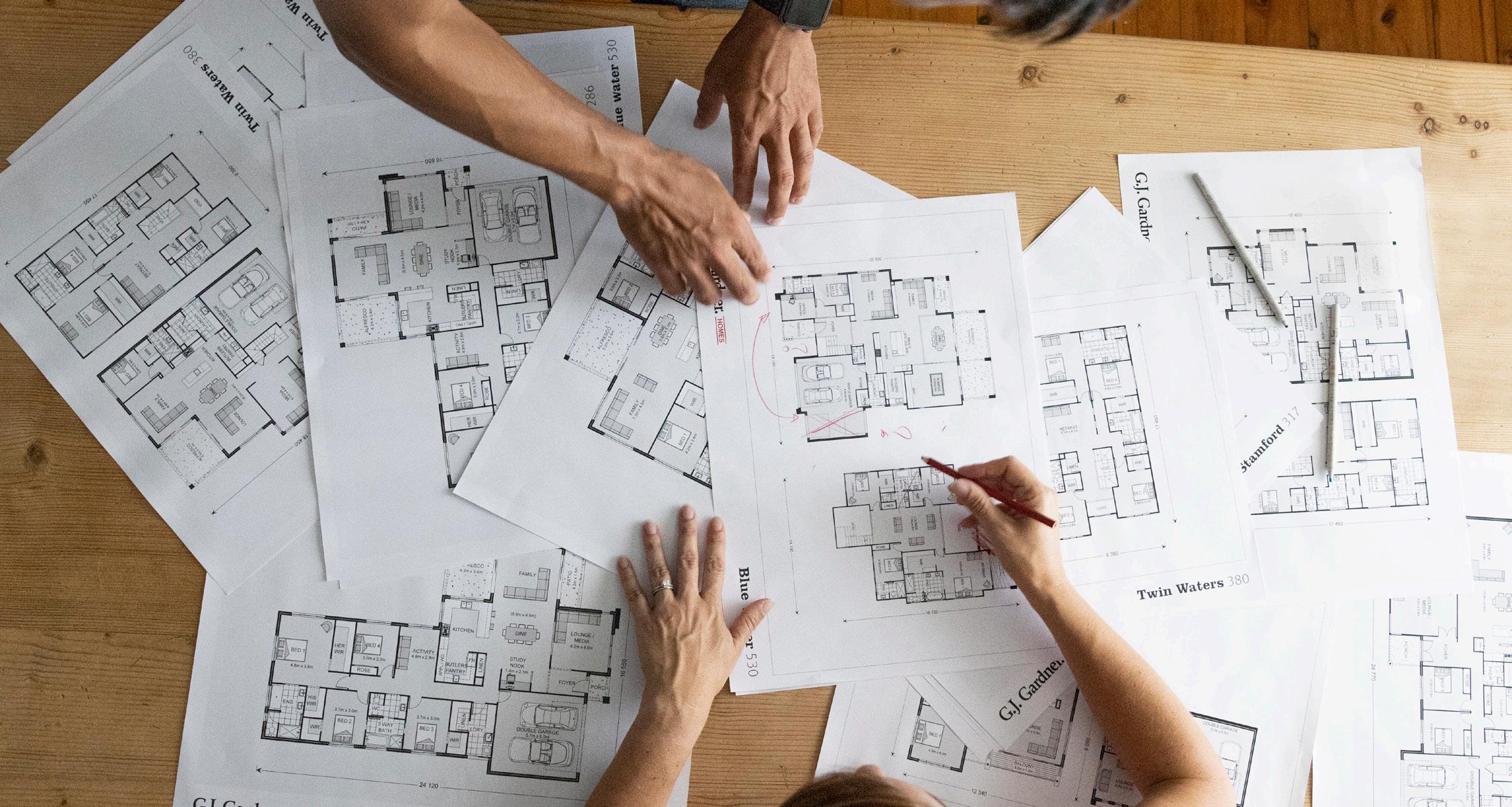
This is the fun part where you can look through the wide range of G.J. Gardner Homes to find one that suits you. Our architecturally designed plans range from quality single storey to double-storey homes, split-level and dual-living options.
One of the most exciting parts of your project is the ability to design your new home exactly the way you envision it. All our home plans are fully customisable, so you can pick and choose your favourite features to create your dream home plan.
All our designs have been thoughtfully designed to maximise space, ensure functionality and a cohesive flow from room to room. With over 300 home designs to choose from, you will never be short of inspiration when working with your G.J. Gardner Home Consultants. Our design staff is experienced in collaborating with clients to bring their dream homes to life.
At G.J. Gardner Homes, we also understand there’s nothing worse than feeling as though your home does not feel like you. Our team are industry leaders with expert knowledge on the latest designs, classic colours, trending styles and shapes. To help you find a design that works for you and then make it your own unique home that truly embodies your personal style.
Whether you are coming into your Knockdown Rebuild with a clear design style in mind or need some help finding your sense of style - we are always here to help.
We know there’s nothing more daunting than being overwhelmed with paint colours, hardware choices, flooring options and more. Our design consultants will work with you every step of the way to ensure all elements of your new home work together to create a cohesive style and look that you love. Like a fingerprint, we believe your home is a unique expression of yourself and your family. This can be reflected in every aspect of your house, from wall colour to kitchen hardware - each piece tells your story.
Now you have an idea of your block and your ideal home design, let’s look at the next key considerations.
At G.J. Gardner Homes, we are extremely experienced in Knockdown Rebuild projects and should be your first point of call if you have any questions. We are always available to help with clarifying any technical aspects or general queries about your build.
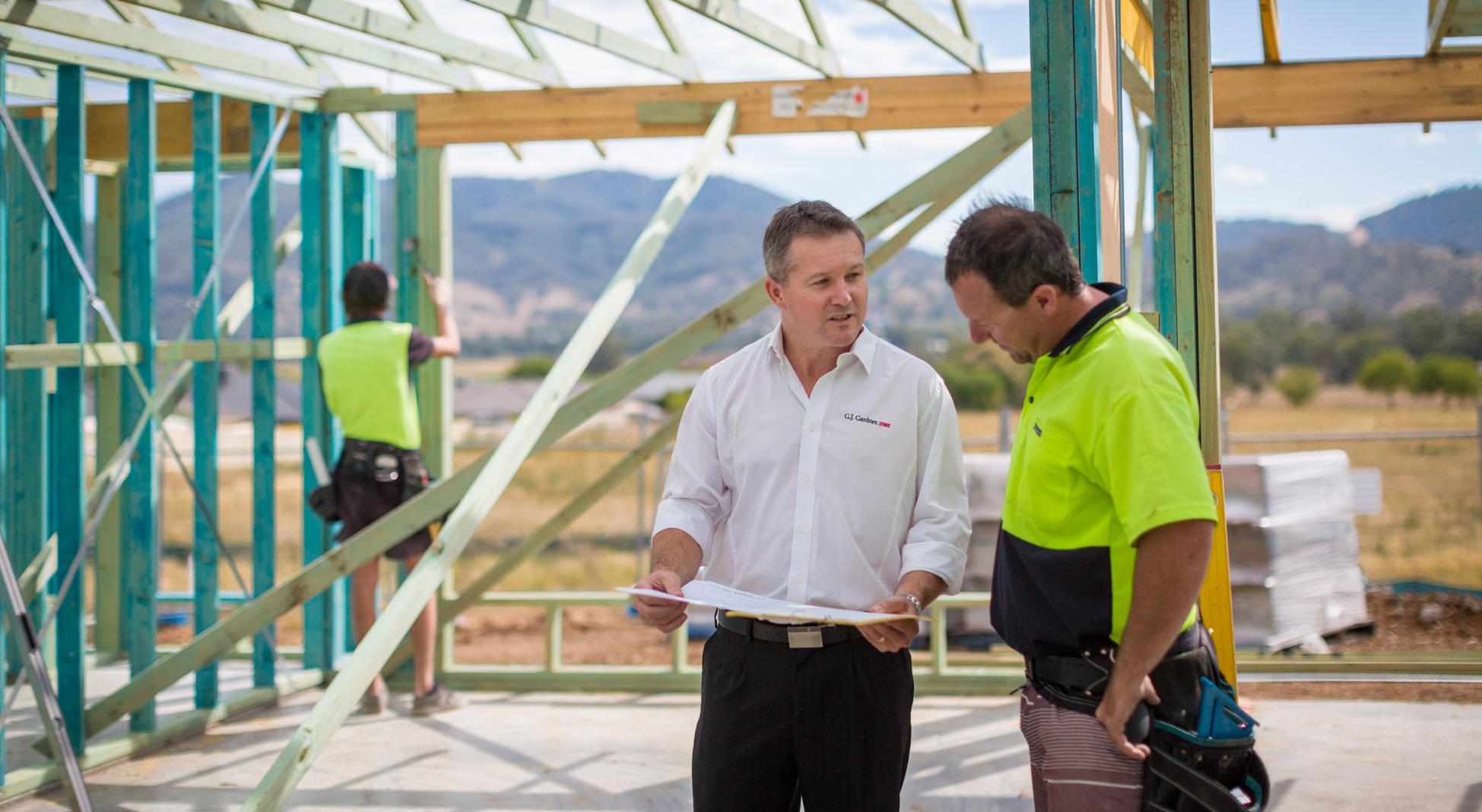
After enquiring with G.J. Gardner Homes, we will arrange a time to visit to your home and conduct an initial site assessment of the following factors:
• Drainage Points
• Current Driveway Position
• Site Accessibility & Street Access
• Traffic Management Requirements
• Power Supply & Connection Points
• Neighbouring Properties
• New House Location On The Property
• Occupational Health & Safety Requirements
• Council Compliance Review
Demolition contractors will organise temporary fencing during the knockdown of your current dwelling. This must be removed before G.J. Gardner homes can begin construction work.
The G.J. Gardner Homes team will then provide further temporary fencing during the construction phase of your new home.
During this site assessment, the current fencing surrounding the boundary line will be assessed. Typically, front fences to the property must be removed alongside the house including footings.
In some situations, additional fencing may need to be removed for site accessibility during your build and this should be discussed with neighbours. It will be your responsibility to remove the existing fencing if required by G.J. Gardner Homes.
Not all G.J. Gardner Homes offices provide demolition services, so make sure to check with your local office if they offer demolition services. They will assist you in applying for a Demolition Permit from council and assess your existing dwelling for mould, asbestos and other health risks which may exist on-site.
If asbestos is located, your demolition contractor must remove this and provide you with a removal certificate. Once you have received the certificate, please provide a copy to G.J. Gardner Homes prior to construction commencing.
If vegetation overlay is obstructing demolition and site accessibility, it may need to be removed. However, permits may be required to do this, particularly if the trees or vegetation exist outside your property line. This will be analysed in your initial site assessment, and your G.J. Gardner team will provide a demolition plan including what structures need removal.
If a permit is needed to remove trees and other vegetation, you must apply via. council. Depending on your council, some require an Arborist report to be completed. Council can arrange this for you or you can nominate your own Arborist and supply their report findings with your permit application. Additionally, some regions may have laws to protect trees from being removed. So it is important to check with your local council if any restrictions apply.
Water Meters are often expensive to replace; however, they are often destroyed during demolition. In your initial meeting with your demolition contractor, be sure to discuss protecting the meter as much as possible.
Before demolition begins, ensure these existing services are disconnected:
Gas (disconnected and capped)
Electricity (disconnected and removed back to the feeder pole)
Sewer (removed back to tie locations and cappedthis is often included in demolition costs)
Storm Water Drainers (removed back to the legal point of discharge)
Generally, ensure all services are cut back and capped as close to the boundary to avoid expensive charges to dig up services later on. Also, ensure tradespeople include location markers for these capped services to avoid a location survey when construction starts.
After completing a site assessment, it is now time for the demolition process to begin. If your local G.J. Gardner Homes office does not offer demolition services themselves, we suggest getting in touch with a demolition contractor. It is important to do this as early as possible. We recommend doing your research and get 2 to 3 quotes from contractors as pricing and inclusions can vary from company to company.
While some demolition companies might include service disconnections, vegetation removal and permits in their scope, others might only include the demolition itself in their project pricing. Our team can help by recommending demolition partners we have worked with on previous projects. If you would like our assistance, please speak to your dedicated home consultant.
1 2
Contract a demolition company
Demolition contractor applies for a demolition permit
Temporary fencing is installed
Vegetation and trees are removed (permits are applied for if needed)
3
Your site is cleaned and cleared (including fencing)
7 5 8 9 6
4
Services are disconnected, capped and removed
Work commences House is demolished Land and the block is levelled for construction work
After the demolition contractor has removed the dwelling and concluded work, you need to ensure the site is ready for construction to commence.
Ensure the site has been cleaned and cleared. This includes all debris on the block (e.g. bricks and timber left below the surface). If the block is inspected and debris is found, there will be an additional cost to remove this where the demolition company has failed to do so. To reduce the risk of this occurring, before sending your demolition team off, ensure you check the site to ensure your block is ready for construction.
Check all asbestos is removed from the entire site and send the approval certificate to your G.J. Gardner team. If any asbestos is found at the final block inspection, construction cannot begin.
Ready to build!
Construction of your new home can now commence.
If you’re considering a Knockdown Rebuild of your home, there are a number of things you should consider when assessing if your block of land is suitable.
Block orientation & natural light
What direction is your block facing?
What time of day does your property get natural sunlight?
Where on the block does the sun often hit?
Where are the existing drainage points on your property?
Where is the storm water drainage point?
Have you checked the Title Deeds, the property’s original Planning Application or consulted council for your property drainage plans?
Driveway position & street access
Where is the current property driveway?
Where are the access points for the property from the street?
How do your neighbours' properties impact your home?
Consider the views you may have of your neighbouring houses from your new property.
& council regulations
What current council regulations might impact your new home build?
Have you researched your property on the council website?
If you have a pool currently, will this remain in the same spot in the new house?
If you are looking to build a pool? Where on the block do you want it located?
Where is your current power supply to the house? The location of this may impact home design.
Pre-existing easements
Does your property have an easement attached to it?
Have you checked the property title for an existing easement?
Setback & distance from the boundary line
Have you checked the council website for boundary conditions?
What is the distance allowed between the property and the boundary line?
Is your property on a sloping block?
If you’re not sure of the current slope, contact your local council to get an estimate.
Street frontage & block depth
How much of your block fronts the street?
How deep is your block?
How narrow is your block?