Experience,
Expand, Evolve with ZeeWeed* 500
Proven success in Florida municipalities - the next generation of superior MBR technology for large municipal MBR applications.
• Meet high growth demands
• Meet strict nutrient reduction regulations
• Reduce membrane tank footprint by up to 50%
• Lower energy usage
• Longer membrane life

Learn more and hear customer testimonials
Crest Avenue WWTF
7.5 MGD (2025)
Latest installation of MBR technology
Babcock Ranch WRF
Phase 1 - 0.75 MGD (2020)
Phase 2B – 1.5 MGD (2023)
Bonita Springs East WRF
4.1 MGD (2007)
Fort Drum Service Center
0.1 MGD (2013)
Glades County WWTP
0.36 MGD (2005)
Island WWTP 5.0 MGD (2006)
WWTP 2.0 MGD (2008)
Donax WRF 2.0 MGD (2021)
Marco
Sanibel
Rotonda
Editor’s Office and Advertiser Information:
Florida Water Resources Journal
1402 Emerald Lakes Drive
Clermont, FL 34711
Phone: 352-241-6006
Editorial, editor@fwrj.com
Display and Classified Advertising, ads@fwrj.com
Business Office: 1402 Emerald Lakes Drive, Clermont, FL 34711
Web: www.fwrj.com
General Manager: Michael Delaney
Editor: Rick Harmon
Graphic Design Manager: Patrick Delaney
Mailing Coordinator: Buena Vista Publishing
Published by BUENA VISTA PUBLISHING for Florida Water Resources Journal Inc.
President: Richard Anderson (FSAWWA) Peace River Manasota Regional Water Supply Authority
Vice President: Joe Paterniti (FWEA) Clay County Utility Authority
Treasurer: Rim Bishop (FWPCOA) Seacoast Utility Authority
Secretary: Rim Bishop (FWPCOA) Seacoast Utility Authority
Moving?
The Post Office will not forward your magazine. Do not count on getting the Journal unless you notify us directly of address changes by the 15th of the month preceding the month of issue. Please do not telephone address changes. Email changes to changes@fwrj.com or mail to Florida Water Resources Journal, 1402 Emerald Lakes Drive, Clermont, FL 34711
Membership Questions
FSAWWA: Casey Cumiskey – 407-979-4806 or Casey@fsawwa.org
FWEA: Laura Cooley, 407-574-3318, admin@fwea.org
FWPCOA: Darin Bishop – 561-840-0340
Training Questions
FSAWWA: Donna Metherall – 407-979-4805 or Donna@fsawwa.org
FWPCOA: Shirley Reaves – 321-383-9690
For Other Information
FDEP Operator Certification: Ron McCulley – 850-245-7500
FSAWWA: Kim Kowalski – (407) 979-4814
Florida Water Resources Conference: 267-884-6292
FWPCOA Operators Helping Operators: John Lang – 772-559-0722, oho@fwpcoa.org
FWEA: Laura Cooley, 407-574-3318, admin@fwea.org
Websites
Florida Water Resources Journal: www.fwrj.com
FWPCOA: www.fwpcoa.org
FSAWWA: www.fsawwa.org
FWEA: www.fwea.org and www.fweauc.org
Florida Water Resources Conference: www.fwrc.org

News and Features
Technical Articles
Education and Training

FPUA Recognized as a 2025 Utility of the Future Today
Celebrating the innovative work to relocate Fort Pierce’s wastewater treatment plant
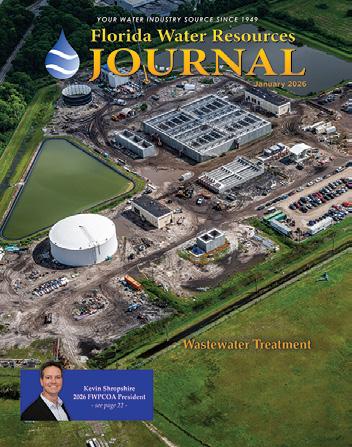
Fort Pierce Utilities Authority (FPUA) has been named a 2025 Utility of the Future Today by the Water Environment Federation (WEF) and its national partners for its innovative work to relocate the FPUA wastewater treatment plant off the Indian River Lagoon. This prestigious designation honors water and wastewater utilities that demonstrate leadership in innovation, sustainability, and community engagement.
The FPUA was recognized for its forwardthinking initiative to send reuse water from the new wastewater treatment plant to the neighboring Treasure Coast Energy Center. Through this sustainable sewer project, FPUA is relocating its wastewater treatment plant away from the Indian River Lagoon to an inland site designed to improve environmental resilience, energy efficiency, and long-term service reliability. The new facility will
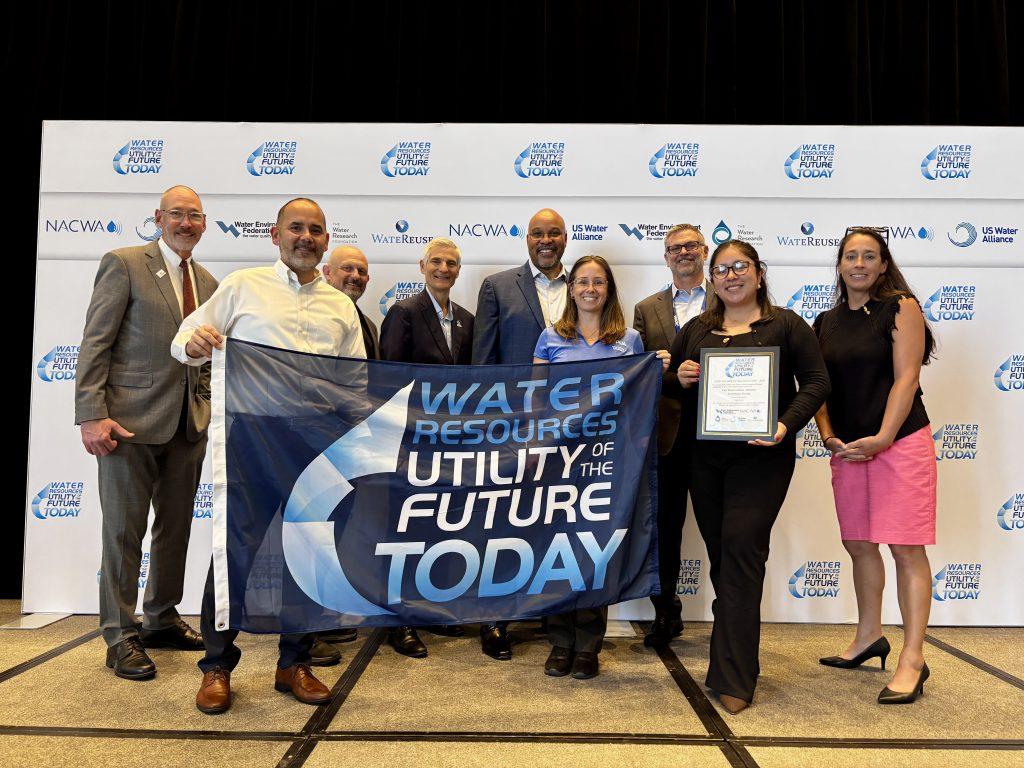
supply reclaimed water to the Florida Municipal Power Agency’s nearby natural gas power plant, providing a sustainable cooling source that saves millions of gallons of freshwater each day.
“We are proud to share this recognition with our community, and to bring back this banner that we will proudly display at the new treatment plant,” said Javier Cisneros, FPUA’s chief executive officer and director of utilities. “The award highlights our commitment to maximizing reclaimed water as a resource, reducing draw from the Floridan aquifer, and supporting regional energy efficiency through innovative reuse partnerships.”
The Utility of the Future Today program is sponsored by WEF, National Association of Clean Water Agencies, Water Research Foundation , and WateReuse Association, with support from the U.S. Environmental Protection Agency.
“This honor reflects forward-thinking innovation, sustainability, and community leadership. Thank you for strengthening the water sector and helping build resilience today and for the future,” said Howard Carter, president of the WEF board of trustees.
The project and FPUA were honored during a ceremony on Sept. 30, 2025, at the Water Environment Federation Technical Exhibition and Conference in Chicago. Javier Cisneros presented the award to the FPUA board of directors on October 7 of last year.
About FPUA
Fort Pierce Utilities Authority is a municipal, not-for-profit utility provider and its mission is to provide customers with economical, reliable, and friendly service in a continuous effort to enhance the quality of life in the community. Fort Pierce is one of more than 2,000 communities in the United States served by a communityowned electric utility, and one of the very few that also provides water, wastewater, natural gas, and internet services. Public utility systems are owned by the people they serve. All benefits from this locally controlled utility remain in the community. Additional information is available at www.fpua.com.

Nationwide Study Suggests Water Treatment Methods May Impact the Risk of Legionnaires’ Disease
Higher rates of disease are seen in zip codes served by water treatment plants that use chlorine as the primary disinfectant
Preliminary results of a nationwide study suggest that the disinfectant used to treat water before it is distributed through pipes may impact the incidence of Legionnaire’s disease in certain parts of the United States. The findings were presented on December 8, 2025, at the annual meeting of the Society for Risk Analysis (SRA) in Washington, D.C.
The SRA is a multidisciplinary, interdisciplinary, scholarly, international society that provides an open forum for all those who are interested in risk analysis. Risk analysis is broadly defined to include risk assessment, risk characterization, risk communication, risk management, and policy relating to risk, in the context of risks of concern to individuals, to public- and private-sector organizations, and to society at a local, regional, national, or global level.
Legionnaires’ Disease
Waterborne diseases—caused by bacteria, viruses, and parasites—affect more than 7 million people in the U.S. every year, according to the Centers for Disease Control and Prevention. One of them is Legionnaires’ disease, a potentially
severe pneumonia. It is caused by the bacterium Legionella, which grows in the pipes of water systems, where it can be spread through aerosolized droplets from sources such as showerheads, decorative fountains, or building cooling towers.
Researchers conducted an epidemiological study comparing historical data on Legionnaire’s disease in the U.S. with treatment attributes from 25 water utilities, representing all 10 regions of the U.S. Environmental Protection Agency. The rates of Legionnaires’ disease among residents served by the utilities in the study ranged from no reported cases to an average of 8.36 cases per 100,000 people.
Preliminary Findings
Initial findings from the study show the following:
S There are higher rates of Legionnaires’ disease in zip codes served by water treatment plants that use chlorine as the primary disinfectant, rather than monochloramine.
S There are also higher rates of disease when plants use chlorine as the secondary disinfectant, rather than using chlorine as the

primary disinfectant and monochloramine as the secondary disinfectant.
S There was a seasonality result in the data, with Legionnaires’ disease occurring less frequently in the winter months and most frequently in the summer months.
These preliminary results back up data from previous studies of individual buildings; for example, previous research has found that in healthcare facilities where the water is treated with monochloramine, there is a lower prevalence of Legionnaires’ disease.
The risk for Legionnaires’ disease is higher for people with weakened immune systems, older adults, smokers, and those with chronic lung or kidney diseases.
“This disease is extremely challenging to treat and manage in a building’s plumbing system once it establishes a niche,” says Alexis Mraz, author of the study and an assistant professor of public health at The College of New Jersey. “It is important to think about the whole life of the water, from treatment to tap, when we consider how to best manage this pathogen and lower the incidence of Legionnaires’ disease.” S
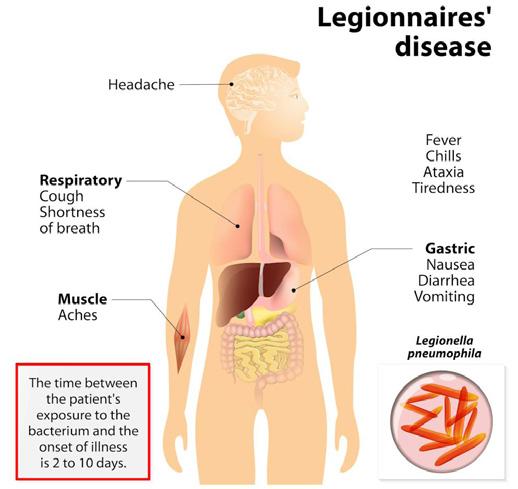
(source: https://walkerkellner.blogspot.com)
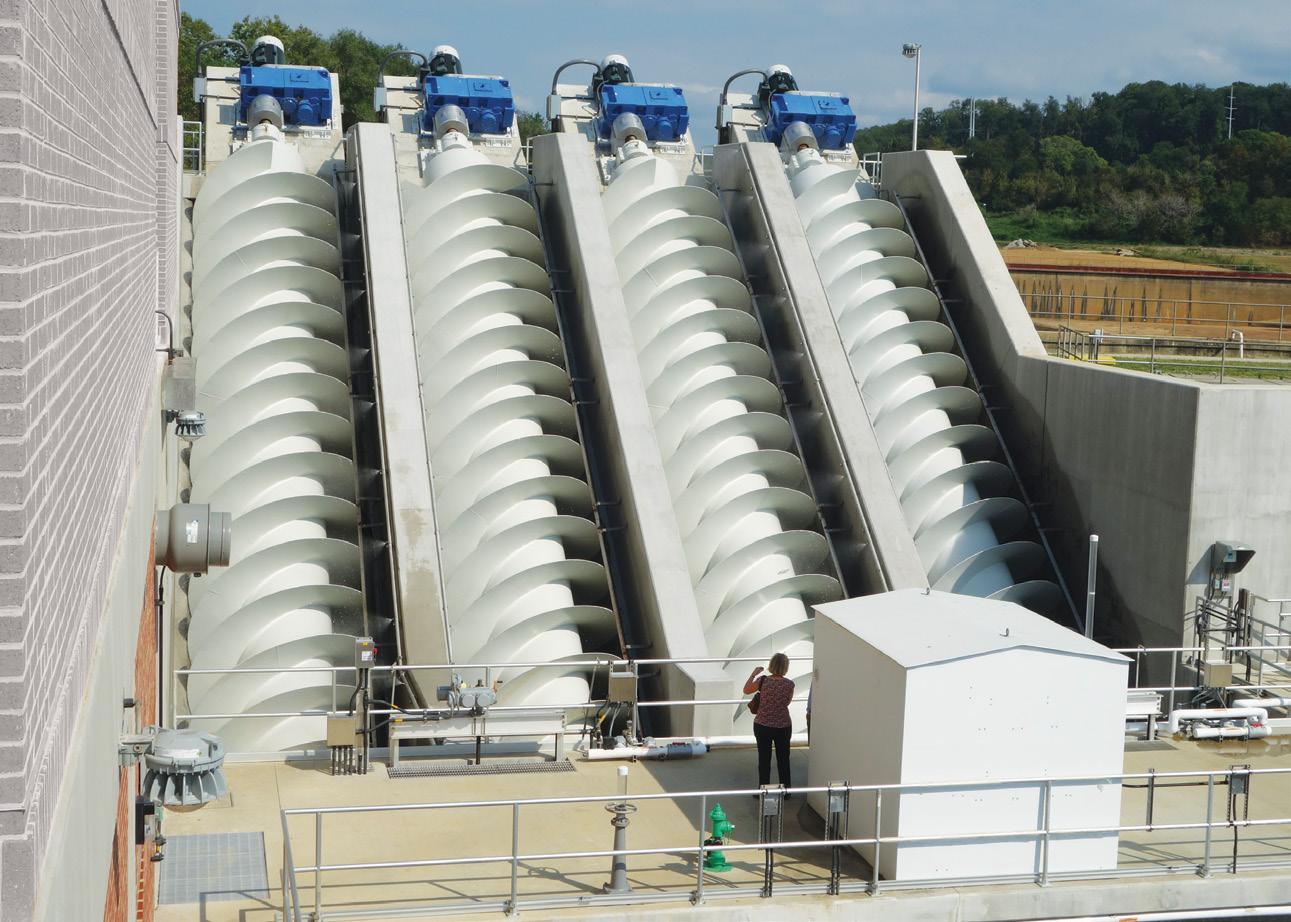
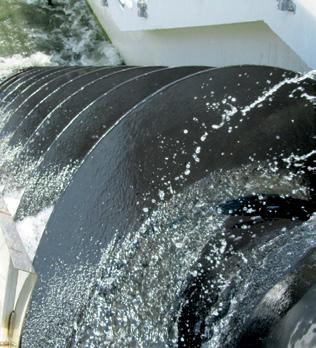
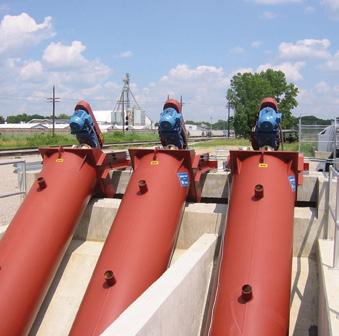
LOOKING FOR A SCREW PUMP UPGRADE THAT’S BABA-COMPLIANT?
LAKESIDE REPLACES ALL BRANDS & TYPES… AND MEETS REQUIREMENTS.
Lakeside’s screw pumps offer the ideal and cost-effective “drop in” replacements for less reliable designs. Improve pumping performance and reduce maintenance costs with our superior dual upper bearing design and heavy-duty self-aligning lower bearing designs. For decades we’ve been the go-to source for replacing all screw pump brands. Replacements typically require little or no structural modifications. It’s what you expect from Lakeside Equipment—known for nearly a century for efficient and dependable operation in all wastewater, drainage and industrial applications.

Cleaner Water for a Brighter Future®
Speak to one of our experts at 630.837.5640, email us at sales@lakeside-equipment.com, or visit www.lakeside-equipment.com for more product information.
CLR Process
Magna Rotor Aerators & Accessories
Sequencing Batch Reactors
Package Treatment Plants
Submersible Mixers & Recirculation Pumps
Prepare for National Groundwater Awareness Week
An annual observance established in 1999 to highlight the responsible development, management, and use of groundwater, National Groundwater Awareness Week, being held March 8-14, 2026, is a platform to encourage yearly water well testing and well maintenance, and the promotion of policies impacting groundwater quality, safety, and supply. Groundwater advocates across the country also use the event to highlight local water issues in their communities.
The partners in this effort will also be focusing on promoting professional opportunities in the groundwater industry. According to the American Geosciences Institute, in the United States there are more than 135,000 open positions in the industry now, which is far too high to keep up with consumer demand.
Groundwater Explained
Water is one of the world’s most vital resources supporting life. Animals, plants, and humans all depend on water for their continued existence. Humans use water for myriad dayto-day activities like cooking, drinking, bathing, farming, manufacturing, medical uses, and more.
Water covers 71 percent of the earth’s surface, in contrast to land mass. One might think that this would make water readily available for consumption, but 97 percent of that water is
ocean water, which is salty and undrinkable.
Only 3 percent of the earth’s water is fresh and suitable for drinking—and much of this water is groundwater.
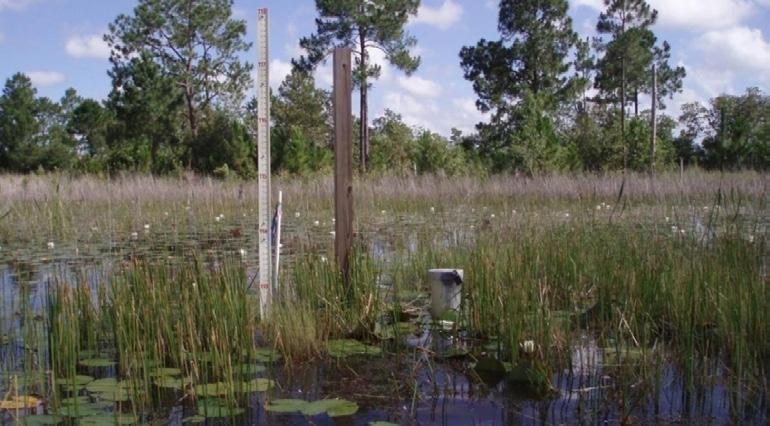
Groundwater is water found below the earth’s surface in spaces between rock and soil. Surface water is water that collects above the earth’s surface, such as in streams, rivers, lakes, or oceans.
Thirty percent of all the fresh water on earth is groundwater, while the other 70 percent is surface water. Groundwater supplies water to wells and springs and is an important source of water for public water systems and private wells in the U.S. An estimated 145 million Americans get their tap water from a groundwater source.
Five Important Facts About Groundwater
1. Amount of groundwater available
It’s estimated that there are about 2.8 trillion gallons of groundwater in the world, making up 30.1 percent of the world’s freshwater.
2. Cleanliness of groundwater
More often than not, groundwater is clean and ready to drink because soil filters the water, holding chemicals, living organisms, and minerals and allowing only water through to the aquifers.
3. A major addition to surface water
Hydrologists estimate that groundwater contributes about 40 to 50 percent of the water that flows into streams, lakes, and rivers.
4. Dependence on groundwater
About half the world’s population depends on groundwater for drinking. In the U.S., it provides 44 percent of the drinking water supply.
5. The largest aquifer in the world
The Great Artesian Basin in Australia is the largest and deepest aquifer holding groundwater, underlying 22 percent of the continent.
Frequently Asked Questions About Groundwater
Why is groundwater so important?
It provides the largest source of freshwater. As stated, the largest percentage of water on earth is ocean water, which is practically undrinkable because of its saltiness.
Is there an alternative to groundwater?
Yes. The major alternative is rainwater, but since it doesn’t rain all year round, and in all places, the easy availability of groundwater makes it a better option.
What problems can arise with groundwater?
Several problems can arise with groundwater, including drying of wells, contamination of the water, waterlogging and salinity, saltwater encroachment, and more.
Why National Groundwater Awareness Week is Important
Water is Life
Water is very important to the existence of life. Be it humans, animals, or the earth itself, nothing can live without water. This makes National Groundwater Awareness Week unique and necessary.
It’s a Time for Information and Advocacy
This event is important to help in fighting against debilitating waterborne diseases that can
Continued on page 10
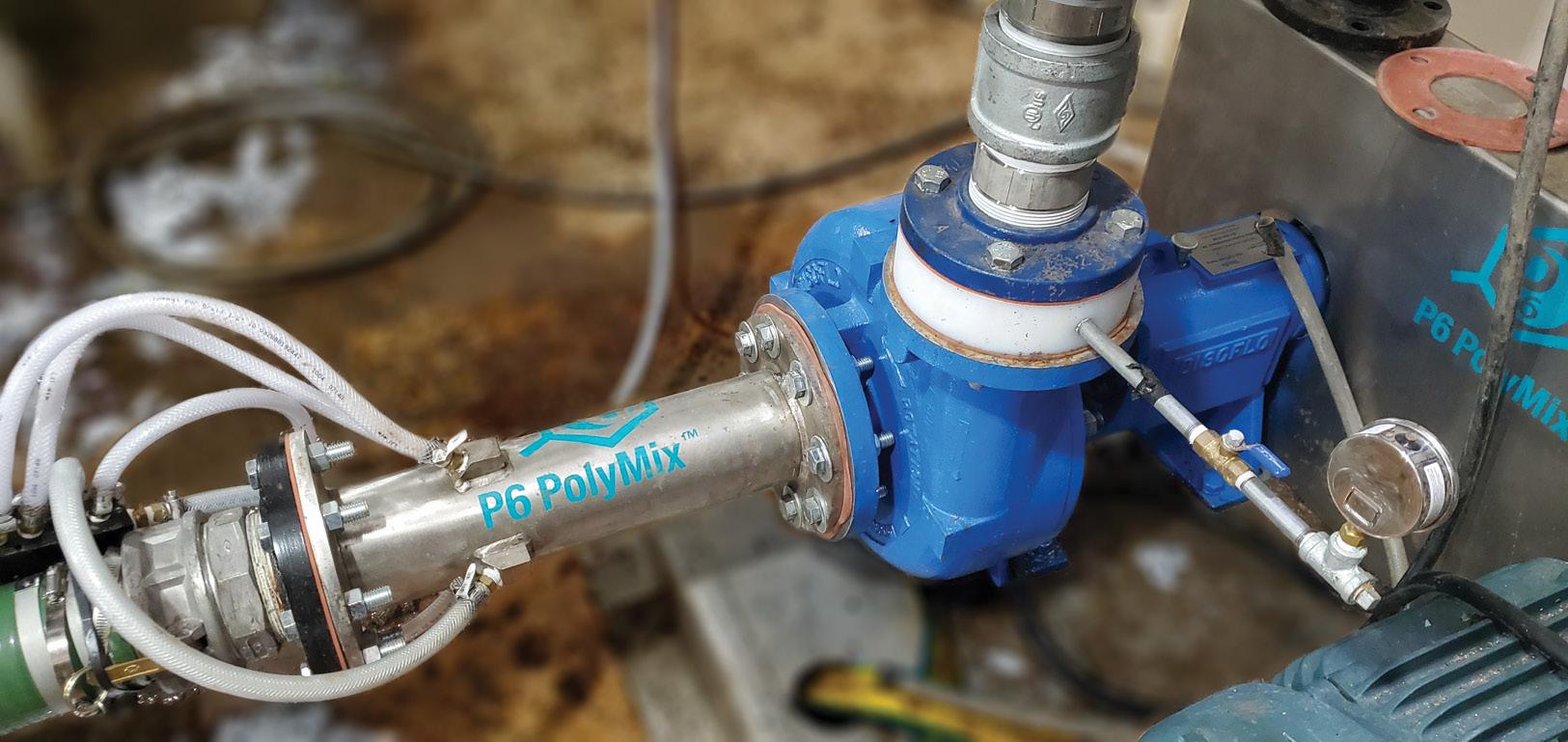
1. POLYMER REDUCTION: P6 PolyMix® Systems reduce polymer consumption by providing complete polymer/sludge mixing in a shear-sensitive manner. This patented mixing process allows long-strand polymer chains to remain intact and unbroken and wastewater floc to remain intact and unsheared. Typical applications result in a 25-50% REDUCTION IN POLYMER CONSUMPTION, thus saving the customer thousands of dollars in polymer expenses. By not breaking up the polymer chains, the dewatering equipment will experience less fouling, providing more reliability and reducing equipment cleaning costs.
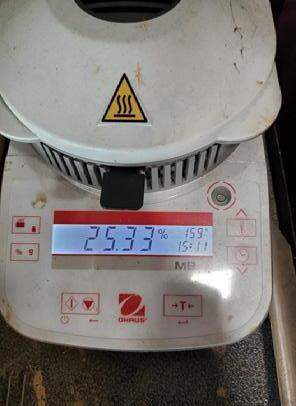
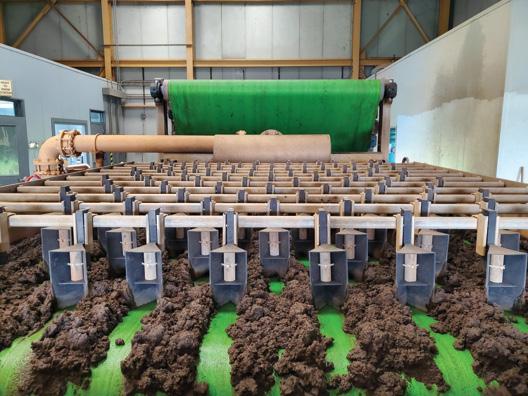
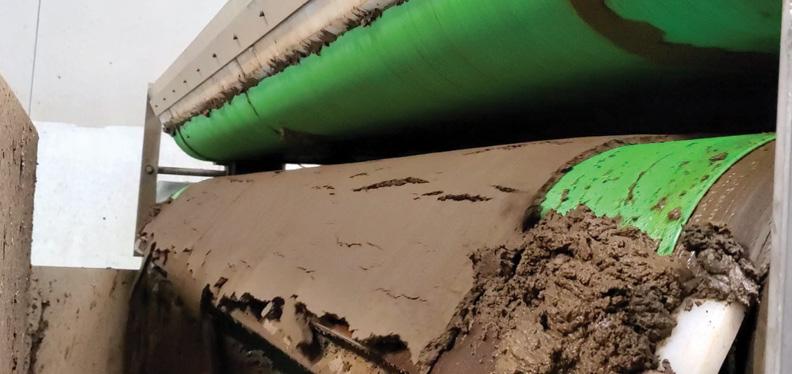
2. DRIER CAKE SOLIDS: P6 PolyMix® technology optimizes the polymer and sludge mixing process, allowing INCREASE DEWATERED SOLIDS CONCENTRATION and INCREASED PERCENT SOLIDS CAPTURED. This unique mixing process results in more efficient sludge hauling, allowing customers to transport less water and more dewatered cake off-site.
3. ELIMINATION OF PUMP MAINTENANCE: P6 PolyMix® technology reduces pump parts and maintenance by utilizing the abrasion-resistant Discflo pumping principles of Boundary Layer/Viscous Drag. This principle can save the customer thousands of dollars in parts and maintenance over the lifetime of the equipment. All P6 PolyMix® systems in the municipal market include a 10-YEAR (extendable to 20 years) 100% WET END WEAR WARRANTY, No other pump manufacturer in the industry provides a wear warranty, let alone a 20-year wear warranty!
4. PUMPS & MIXES: P6 PolyMix® technology uses the unique principles of Boundary Layer/Viscous Drag for mixing polymer versus a mixer/check valve; this, paired with its unique InjeX™ polymer injection mixing chamber, is designed for MINIMAL POLYMER DEGRIDATION, allowing for maximum polymer savings. The hydraulic shear forces within the mixing pump provide a complete homogeneous wastewater polymer slurry fed to the dewatering equipment without breaking the long chain polymers or reducing floc size.
5. LOWER OPERATING PRESSURE AND INSTALLED HORESPOWER: P6 PolyMix® technology dramatically reduces the operating pressure by reducing back pressure within the piping system due to eliminating mixer/check valves. In some applications, customers have had a 75% REDUCTION IN PRESSURE Lower pressure allows the feed pump to operate at lower horsepower. HORSEPOWER SAVINGS OF UP TO 50% OR MORE are possible by installing a P6 PolyMix® system. Customers can see substantial long-term energy savings and reduced upfront capital costs associated with lower installed horsepower.
6. HOW IS IT APPLIED: P6 PolyMix® systems entirely replace bulky, expensive, outdated traditional sludge feed pumps. You can now replace thousands of dollars in equipment and regain valuable real estate space by switching to P6 PolyMix® and utilizing its unique compact design, patented process for eliminating mixer/check valves, and ultra-efficient polymer mixing process. Contact us to learn how P6 PolyMix® can revolutionize the efficiency of your BELT FILTER PRESSES, GRAVITY BELT THICKENERS, ROTARY THICKENERS, SCREW PRESSES, AND CRENTIFUGES.
be in water wells because of negligence. A yearly checkup would help to detect and prevent germs and bacteria that can be very harmful to the safety of the water.
It’s Protection for the Future
Because freshwater is readily available in most societies, it’s easy to forget its importance and why it must be guarded and protected. This event is a reminder of the need to protect groundwater, especially for the future.
Protection of Well Water
One of the ideas behind awareness week is to advocate for the safety of well water. Water customers who are private well water owners should schedule a professional to test their water yearly, and in the case of any problems, treat them immediately.
Protect Wells From Harmful Substances
This is the time to be security conscious about private wells. Make sure they’re free of every chemical and harmful substance that can find itself inside the wells and contaminate the water.
Inform Others About Groundwater
Many people know nothing about groundwater and its importance, which can be surprising. As someone in the water industry, share your knowledge with others and explain how to keep groundwater safe.
Groundwater Contamination
All groundwater sources should be protected from contamination. Protecting the safety of groundwater is an important priority for countries throughout the world. Most of the time, U.S. groundwater is safe to use; however, groundwater sources can become contaminated with germs, such as bacteria, viruses and parasites, and chemicals, such as those used in fertilizers and pesticides. Contaminated groundwater can make people sick and harm the environment.
Groundwater Infrastructure Requires Regular Maintenance
Groundwater sometimes contains naturally present germs and harmful chemicals from the environment, such as arsenic and radon. More often, however, human activities contaminate groundwater. These causes can include incorrect use of fertilizers and pesticides; poorly situated, constructed, or maintained septic systems; improper removal or storage of wastes; mining and construction; and chemical spills at work sites.
Contamination of groundwater systems can lead to outbreaks of disease. Outbreaks can occur either because the groundwater was untreated or because of problems with water treatment.
The most common germs identified in groundwater outbreaks include:
S Shigella
S Hepatitis A
S Norovirus
S Giardia
S Campylobacter
S Salmonella
Other germs that cause outbreaks from groundwater include Cryptosporidium (a parasite), E. coli (a bacterium), and assorted viruses.
Outbreaks linked to groundwater systems are reported to the Centers for Disease Control and Prevention (CDC). More information about some of the most common environmental chemicals that may be in community water supplies can be found at the CDC Environmental Public Health Tracking Network.
The most recent CDC report (from 2024) shows that groundwater sources accounted for a significant chunk (around 38 percent) of reported waterborne outbreaks in study periods, often linked to private wells, heavy rainfall, or system issues, leading to illnesses like Cryptosporidium or E. coli. For instance, one 2024 report covering several years noted 82 groundwater-linked outbreaks.
The presence of germs and harmful chemicals in groundwater can lead to health problems, including diarrhea, reproductive problems, and nervous system disorders. Infants, young children, pregnant women, the elderly and people whose immune systems are weakened, and chemotherapy or transplant patients may be more likely to get sick from certain germs and chemicals.
Concerns for groundwater contaminants led the U.S. Environmental Protection Agency (EPA) and individual states to develop regulations to protect public water systems, such as the 2006 Groundwater Rule.
An emerging concern in recent years is the occurrence of pharmaceuticals and personal care products in water. Much research remains to be done to assess the health risks of trace amounts of these items, but careful and safe disposal strategies for these substances are increasingly being advocated.
Groundwater Sources
Public Water Systems
The EPA regulates drinking water quality in public water systems. Inform your customers that they can find out more about their drinking water quality and possible contaminants by viewing their Consumer Confidence Report, which most water utility companies are required to provide to customers. Public water systems are required to treat drinking water to federal quality standards; however, it’s up to private well owners to make sure their water is safe.
Private Wells
An estimated 43 million Americans get their water from private groundwater wells, which are not subject to EPA regulations. Private groundwater wells can provide safe, clean water, but contamination that can cause sickness also can occur in well water. State and local health departments provide information to help well users protect their drinking water.
National Groundwater Monitoring Network
The National Groundwater Monitoring Network (NGWMN) started as part of the Subcommittee on Groundwater of the Federal Advisory Committee on Water Information. The NGWMN is a compilation of selected groundwater monitoring wells from federal, state, and local groundwater monitoring networks across the U.S. The design for the network is presented in the document, “A National Framework for Groundwater Monitoring in the United States.” More information can be found at www.usgs.gov. The NGWMN data portal provides access to groundwater data from multiple, dispersed databases in a web-based mapping application. The portal contains current and historical data, including water levels, water quality, lithology, and well construction. The NGWMN is currently in the process of adding new data providers to the network. Agencies or organizations collecting groundwater data can find out more about becoming a data provider for the network. Funding to support data providers to the NGWMN is available through U.S. Geological Survey (USGS) cooperative agreements. Agencies can also find information about the status of the USGS cooperative agreements.
For more information about National Groundwater Awareness Week, NGWMN funding, and groundwater in general go to www.ngwa.org. S

Wastewater Treatment in Florida
With more than 7,700 lakes, 4,500 square miles of estuaries and bays, 50,000 miles of rivers and streams, and countless wetlands throughout the state, protecting water quality through proper wastewater management is vital to maintaining quality of life. Improper disposal of the billions of gallons of wastewater produced in Florida every day could impact public health and the environment.
There are over 4,100 individually permitted domestic wastewater facilities (not including septic systems) and industrial wastewater facilities in Florida. A small percentage of these facilities are authorized to discharge to surface water. As surface water dischargers, they are subject to the federally authorized National Pollutant Discharge Elimination System (NPDES) requirements; however, many of these NPDES facilities also discharge to groundwaters. The remaining facilities are authorized solely as groundwater dischargers through land application, beneficial reuse of reclaimed water, or deep well injection.
Around three-quarters of the
individually permitted wastewater facilities in Florida are classified as domestic (municipal) wastewater facilities. In general, domestic wastewater facilities are those principally designed to collect and treat sanitary wastewater or sewage from dwellings or homes, business buildings, institutions, and the like. The remaining one-quarter individually permitted facilities are classified as industrial wastewater facilities.
The wastewater management program of the Florida Department of Environmental Protection (FDEP) is responsible for overall policy, including permitting, compliance, and enforcement, of domestic and industrial wastewater programs and coordination of the federally authorized NPDES program. The program is also in charge of developing the rules and guidance consistently throughout Florida and providing technical assistance to FDEP office programs.
Domestic Wastewater
Proper treatment and reuse or disposal
of domestic wastewater is essential for protecting the state’s most important resource—water. Vital to Florida’s environment, economy, and future, water is the basis for all of Florida’s ecosystems.
Each person in Florida generates about 100 gallons of domestic wastewater each day. This wastewater must be managed to protect public health; water quality; recreation, fish, and wildlife; and the aesthetic appeal of waterways. Domestic wastewater in Florida is treated either by onsite sewage treatment and disposal systems (OSTDS) or septic tanks, or by centralized domestic (municipal) wastewater treatment facilities.
The majority of the state’s domestic wastewater is treated by larger centralized treatment facilities that are the regulatory responsibility of FDEP, which also regulates smaller domestic wastewater treatment facilities, also known as package plants. The FDEP onsite sewage program has responsibility for regulating OSTDS, which treat approximately 30 percent of the state’s domestic wastewater.
The wastewater management program is also responsible for such activities as industrial pretreatment, biosolids management, reuse of reclaimed water, and constructed wetlands, which are treatment systems that use natural processes involving wetland vegetation, soils, and their associated microbial assemblages to improve water quality.
Industrial Wastewater
In Florida, all wastewater that is not defined as domestic wastewater is considered industrial wastewater. Since Florida is among the most populous and fastest growing states, industrial wastewater permitting is increasingly important for protection of the state’s water.
Sources of industrial wastewater include manufacturing, commercial businesses, mining, agricultural production and processing, and wastewater from cleanup of petroleum- and chemicalcontaminated sites. Industrial wastewater discharged under NPDES permits may be subject to federal Effluent Limitations Guidelines. In addition, all industrial wastewater discharges in Florida must provide reasonable assurance of meeting
Florida’s water quality standards for surface water or groundwater to receive a discharge permit.
The FDEP issues permits to facilities and activities that discharge to surface waters and groundwaters of the state. Industrial wastewater that discharges to domestic wastewater treatment facilities, however, is regulated under the industrial pretreatment component of its domestic wastewater.
The FDEP is authorized by the U.S. Environmental Protection Agency to issue permits for discharge to surface waters under NPDES. Permits for discharge to groundwaters are issued by FDEP under state statutes and rules.
Industrial wastewater permits are issued by the district offices, with two exceptions:
S NPDES permits for steam electric power plants are issued by the FDEP industrial wastewater division in Tallahassee.
S Industrial wastewater permitting for the phosphate industry is handled by the phosphogypsum management program located in Tampa.
Facts About Wastewater in Florida
Wastewater Facilities and Disposal
S Approximately one-third of Florida’s population uses onsite sewage treatment and disposal (septic tanks) to treat wastewater. Permits for these systems are issued by FDEP county health departments under agreement with the onsite sewage program. The remainder of Florida’s population is served by domestic wastewater facilities.
Domestic Wastewater
S There are approximately 2,000 permitted domestic wastewater facilities regulated by FDEP. Domestic wastewater treatment facilities permitted by FDEP have a total treatment capacity of over 2.7 billion gallons per day.
S Treated effluent and reclaimed water from these facilities is over 1.5 billion gallons per day. This includes disposal through surface water outfalls, deep aquifer injection wells, and other groundwater disposal such as percolation ponds and spray fields.
S About 16 percent of the domestic
wastewater treatment facilities permitted by FDEP have capacities greater than 1 million gallons per day. These facilities, however, account for more than 95 percent of the total permitted domestic wastewater treatment capacity in the state.
S About 60 percent of the domestic wastewater treatment facilities permitted by FDEP have capacities less than 100,000 gallons per day. These facilities account for only about 1 percent of the total permitted domestic wastewater treatment capacity in the state.
Industrial Wastewater
S There are approximately 2,100 permitted industrial wastewater facilities regulated by FDEP.
About Biosolids
When domestic wastewater is treated, a solid byproduct accumulates in the wastewater treatment plant and must be removed periodically to keep the plant operating properly. The collected material, called biosolids, is high in organic content and contains moderate amounts of nutrients that are needed by plants. These characteristics make biosolids valuable as a soil conditioner and fertilizer.
Properly treated biosolids may be used as a fertilizer supplement or soil amendment, subject to regulatory requirements that have been established to protect public health and the environment. These requirements include pollutant limits, treatment to destroy harmful microorganisms, and management practices for land application sites.
Biosolids may be used by application to land in farming and ranching operations, forest lands, and public areas such as parks, or in land reclamation projects such as restoration of mining properties. The highest quality of biosolids, known in Florida as Class AA, are distributed and marketed like other commercial fertilizers.
The collection and treatment of domestic sewage and wastewater is vital to public health and a thriving natural environment. It is among the most important factors responsible for the quality of life enjoyed by the citizens of Florida. Through regulations, community
support, and innovative treatment solutions, FDEP works to ensure effective wastewater management across the state.
District Contacts
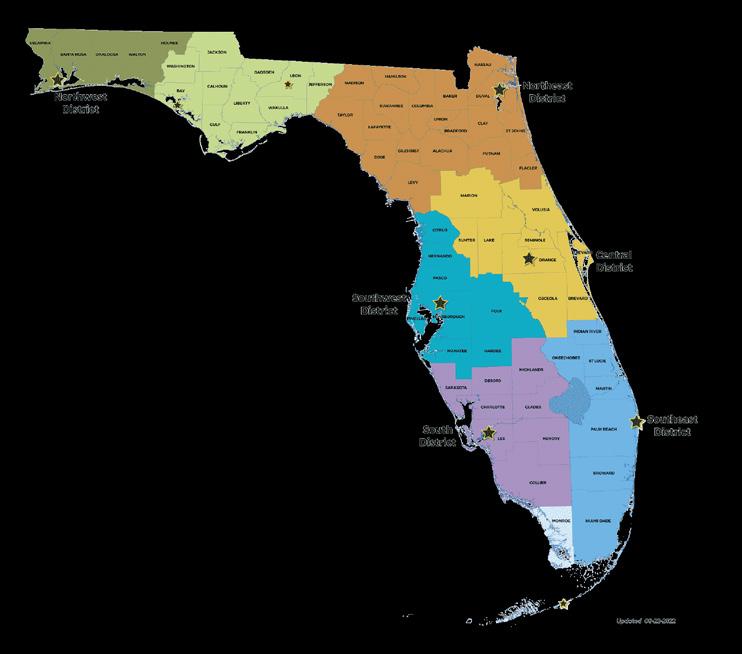
The FDEP district offices conduct most permitting and compliance activities for those facilities located within their boundaries.
Central District Office
3319 Maguire Blvd., Suite 232 Orlando, FL 32803-3767
Phone: 407-897-4100
Email: DEP_CD@FloridaDEP.gov
Northeast District Office
8800 Baymeadows Way, Suite 100 Jacksonville, FL 32256-7577
Phone: 904-256-1700
Email: DEP_NED@FloridaDEP.gov
Northwest District Office
160 W. Government St., Suite 308 Pensacola, FL 32502-5740
Phone: 850-595-8300
Email: Epost.nwdwf@FloridaDEP.gov
South District Office 2295 Victoria Ave., Suite 364 Fort Myers, FL 33901-3875
Phone: 239-344-5600
Email: SouthDistrict@FloridaDEP.gov or sd_newapps@floridadep.gov
Delegated Local Programs
S Sarasota County (941-861-5000)
Southeast District Office
3301 Gun Club Road, MSC 7210-1 West Palm Beach, FL 33406
Phone: 561-681-6600
Email: SED_Permitting@FloridaDEP.gov
Delegated Local Programs
S Palm Beach County (561-837-5900)
S Broward County (954-519-1234)
S Miami-Dade County (305-372-6789)
Southwest District Office
13051 N. Telecom Parkway
Temple Terrace, FL 33637-0926
Phone: 813-470-5700
Email: SWD_WF_Permitting@FloridaDEP. gov
Delegated Local Programs
S Hillsborough County (813-627-2600) S
U.S. Wastewater Treatment
Patterns of Use
Wastewater treatment protects human and ecological health from waterborne diseases. Since the early 1970s, effluent water quality has improved at publicly owned treatment works (POTWs) and other point source discharges through major public and private investments prescribed by the Clean Water Act. Despite improved effluent quality, point source discharges continue to contribute to surface water quality degradation. Much existing wastewater infrastructure—collection systems, treatment plants, and equipment—needs repair or replacement.
Contamination and Impacts
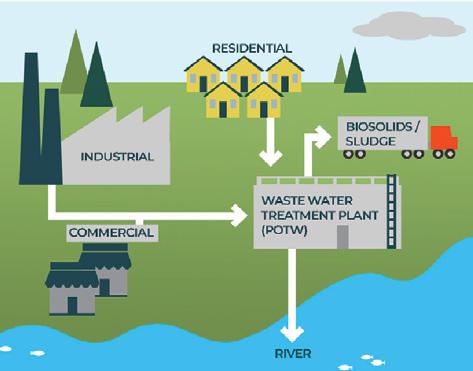
S Pollutants contaminate receiving waters through multiple pathways: point sources, nonpoint sources (air deposition, agriculture), combined sewer overflows (CSOs), sanitary sewer overflows (SSOs), stormwater runoff, and hydrologic modifications (channelization and dredging).
S CSOs are untreated discharges from older combined systems designed to carry both stormwater and sewage. SSOs are untreated sewage discharges from separate collection systems.
S CSO discharges have decreased over time. 8.8 billion gallons of untreated wastewater were discharged into waterways from CSOs in 2021, down from 25 billion gallons in 2011.
S Inflow and infiltration (I/I) are unintended water entries into sewer systems from surface water sources like rivers and springs and from groundwater through cracks in pipes. I/I can account for up to 50 percent of total sewer system flow, using valuable capacity and causing more frequent overflows.
S In the United States, 58 percent of river and stream miles, 40 percent of lake acres, 17 percent of estuarine square miles, and 23 percent of Great Lakes shoreline miles assessed by the U.S. Environmental Protection Agency (EPA) have excess nutrients. These come from agriculture, urban runoff, and wastewater treatment, causing water quality problems, such as algal blooms and fish mortality.
S Around 19 percent of households are not served by public sewers and depend on septic systems, discharging over 4 billion gallons of wastewater below ground every day. Failing septic systems may contaminate surface and groundwater.
Treatment of Municipal Wastewater
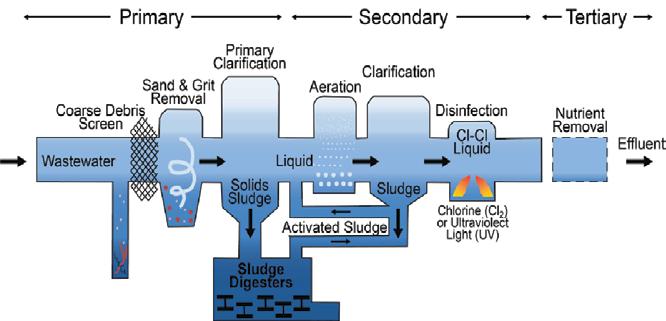
S A common form of wastewater treatment is activated sludge, an aerobic process that exposes microbes to oxygen to break down organic waste.
S Over 17,000 POTWs treat and discharge over 34 billion gallons per day of wastewater into U.S. waterways. 1.9 million miles of piping provide collection, treatment, and disposal services to more than 270 million people.
S Use of reclaimed water for consumption is becoming more common, particularly in drought-prone regions or areas with growing water demand (such as the U.S. Southwest).
S POTWs generate over 13.8 million tons (dry weight) of sludge (biosolids) annually. Sludge treatment accounts for one-third of POTW electricity use.
S Chlorination is the most common disinfection method in the U.S., often followed by dechlorination to avoid ecological impacts and carcinogenic byproduct formation. Ultraviolet disinfection is a chemical-free alternative but has higher maintenance, energy, and capital costs.
S Contaminants of emerging concern (CEC) are unregulated compounds found in many products. Per- and polyfluoroalkyl substances (PFAS) and polybrominated diphenyl ethers (PBDE) have become CECs due to their wide distribution and persistence in the environment. Some of these chemicals are endocrine disruptors and affect growth and reproduction. Many of these chemicals are not removed by POTWs. Researchers are currently studying technologies for removing PFAS from drinking and wastewater.
Municipal Wastewater Transport
Treatment Process
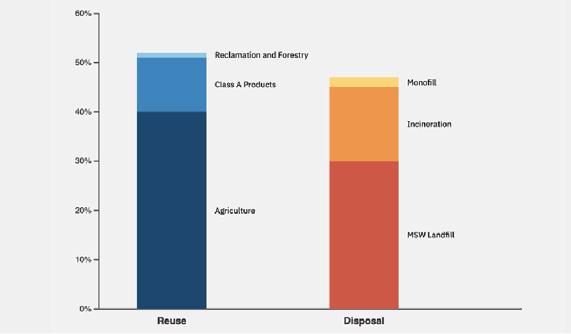
S Biosolids are nutrient-rich treated sludge resulting from POTW treatment of municipal wastewater.
S U.S. management practices result in 60 percent of biosolids being used for land applications (agricultural, home garden, landscaping), with minor amounts applied to forests and reclamation sites, while 38 percent are landfilled or incinerated.
Life Cycle Impacts
Wastewater treatment systems reduce environmental impacts in receiving waters, but create other life cycle impacts, mainly through energy use. The GHG emissions are associated with energy and chemicals used in treatment and with the degradation of organic materials in POTWs.
Electricity Consumption and Emissions
S About 2 percent of U.S. electricity use goes toward pumping and treating water and wastewater.
S In 2022, energy-related emissions resulting from POTW operations, excluding organic sludge degradation, were 10.5 Tg CO2e, 4.92 Gg SO2, and 6.19 Gg NOx.
S An estimated 20.8 and 21.9 Mt CO2e of CH4 and N2O, respectively, resulted from wastewater treatment processes in 2022, about 0.7 percent of U.S. GHG emissions.
Social and Economic Impacts
S In the U.S., an average household pays $780 annually for wastewater collection and treatment, an 85 percent increase from 2010.
S Although sewer systems last longer (50 years) than treatment equipment (15-20 years), sewer renovation can be costly.
S Nationwide costs for infrastructure to meet identified clean water needs total $630 billion through 2041. 55 percent of these needs are for wastewater infrastructure: treatment plant improvements, conveyance systems (new and reapired), CSO correction, recycled water distribution, and desalination.
S The federal government’s share of wastewater capital investment fell from 63 percent in 1977 to 9 percent in 2017.
Solutions and Sustainable Actions
Administrative Strategy
S Investment in wastewater treatment is shifting from new construction to asset management—maintaining original capacity and function. Life cycle costing should be embedded in capital budgeting, and programs for CSO, SSO, and stormwater asset management need to be permanent.
S To meet ambient water quality standards, total maximum daily loads, including both point and nonpoint source pollutant loadings, can be developed.
S Federal and state governments have developed strategies to remove emerging pollutants like PFAS from point sources by requiring POTWs and industries to sample for emerging pollutants, enabling source identification and correction.
S Since 2021, federal funding has increased significantly through the Infrastructure Investment and Jobs Act, providing an additional $11.7 billion to the water sector (drinking water, wastewater, stormwater).
S The Water Infrastructure Finance and Innovation Act (WIFIA) program funding also increased from $69.5 million in FY22 to $72.3 million in FY24 for large multisector infrastructure projects.
Reduce Loading
S Projects to reduce or divert wastewater flow include disconnecting household rainwater drainage from sanitary sewers, installing green roofs, and replacing impervious surfaces with porous pavement, swales, or French drains.
S Toilets, showers, and faucets represent 64 percent of indoor water use. Installing high-efficiency toilets, composting toilets, low-flow shower heads, faucet aerators, and rain barrels reduces that use. Other efficient appliances have contributed to a 22 percent decline in household water use since 1999.
Technology Improvements and System Design
S Aeration, which facilitates microbial degradation of organic matter, can account for 25-60 percent of wastewater treatment plant energy use. Flexible designs allow systems to meet fluctuating oxygen demands by time of day and season. Pumping systems use 10-15 percent of treatment plant energy and this demand can be reduced when pumps, flow control, and motors are matched to plant needs.
S A number of treatment plants are considering using methane from anaerobic digestion of biosolids as an energy resource.
S Water reuse can significantly decrease system energy use and reduce nutrient loads to receiving waters.
S Large-scale urine diversion could decrease nutrient loading in wastewater treatment plants and lead to reductions of up to 47 percent in GHG emissions and 41percent in energy use. S
(source: Center for Sustainable Systems, University of Michigan. 2025. “U.S. Wastewater Treatment Factsheet.” Pub. No. CSS04-14.)
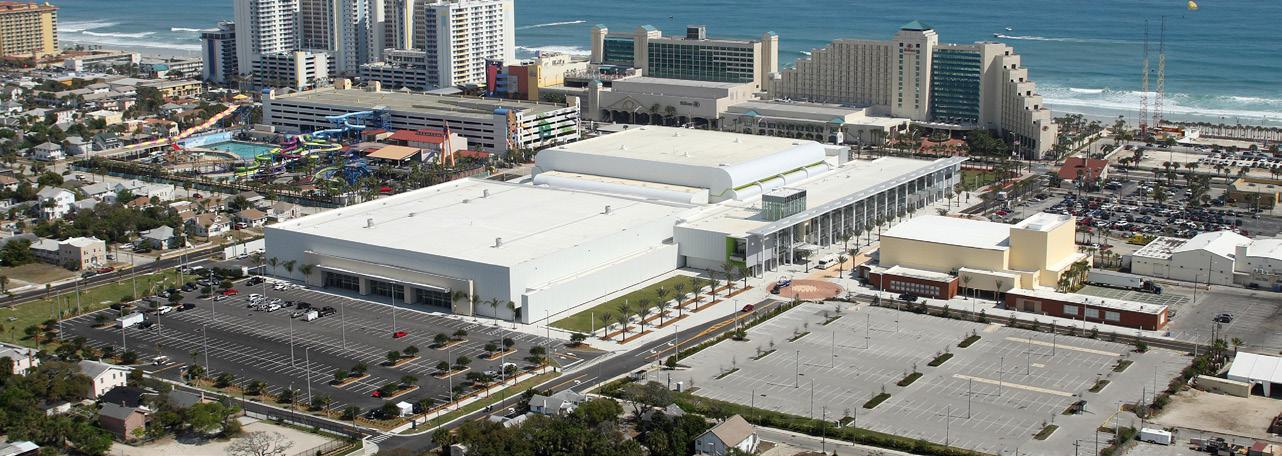
Daytona Beach Ocean Center
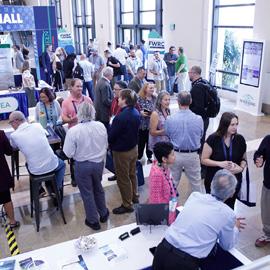
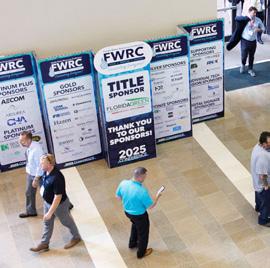
ALL-NEW EXPERIENCE CENTER
We’re excited to introduce this new space for 2026!
The FWRC Experience Center —your go-to destination to connect with fellow water professionals. This dynamic space brings together interactive displays, expert insights and collaborative opportunities designed to elevate conversations and inspire progress across our industry. Entrance is included with your Attendee Ticket. Visit fwrc.org/attend/experience-center to learn more!
INTERESTED IN BEING A SPONSOR?
New sponsorship opportunities available!
Visit our website to see newly added sponsorship opportunities available for 2026. All sponsors receive unlimited Exhibit Hall passes, logos included on signage in high-traffic areas and on our website. Sponsors are also featured in printed programs and through push notifications in the FWRC app. Visit fwrc.org/sponsor to get started!
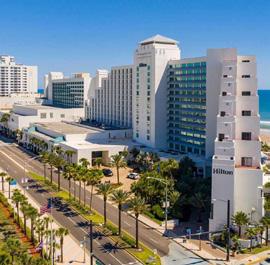
HAVE YOU RESERVED YOUR HOTEL?
Don’t delay! Hotel rooms are filling up FAST!
Visit the website and use the convenient Quick Links at the top of the page to get started! Remember to use the links provided on the FWRC website to ensure that rooms are reserved with the negotiated discounted conference rates.
Visit fwrc.org/ to reserve your room(s).
ATTENTION ATTENDEES


2026
FWRC Attendee Ticket Options
Attendee Ticket Options
Prices valid until March
Operators: Take the CEU Challenge!
Members of the Florida Water and Pollution Control Operators Association (FWPCOA) may earn continuing education units through the CEU Challenge! Answer the questions published on this page, based on articles in this month’s issue. Circle the letter of each correct answer. There is only one correct answer to each question! Answer 80 percent of the questions on any article correctly to earn 0.1 CEU for your license. Retests are available.
This month’s editorial theme is Wastewater Treatment. Look above each set of questions to see if it is for water operators (DW), distribution system operators (DS), or wastewater operators (WW). Mail the completed page (or a photocopy) to: Florida Environmental Professionals Training, P.O. Box 33119, Palm Beach Gardens, Fla. 33420-3119, or scan and email a copy to memfwpcoa@ gmail.com. Enclose $15 for each set of questions you choose to answer (make checks payable to FWPCOA). You MUST be an FWPCOA member before you can submit your answers!
The More Things Change: Use of Dynamic Process Models to Inform Design
Eric T.
Staunton (Article 1: CEU = 0.1WW)
1. What is the main limitation of traditional steady-state design in wastewater treatment plants?
a) It is too expensive.
b) It fails to account for the inherent variability in wastewater characteristics.
c) It requires advanced software.
d) It is only suitable for small plants.
2. What does BNR stand for in the context of the document?
a) Basic nutrient removal
b) Biological nutrient removal
c) Basic nitrogen reduction
d) Biochemical nitrate removal
3. In the dynamic model, which effluent parameter was lower compared to the steady-state model?
a) Ammonia
b) Nitrite
c) Total nitrogen
d) Total phosphorus
4. According to the dynamic model, what causes the afternoon peak in effluent ammonia?
a) Increased temperature
b) High flow shortens hydraulic retention time and increases loading
c) Equipment failure
d) Chemical dosing errors
5. What is the standard dissolved oxygen concentration typically designed for in aeration systems?
a) 2 mg/L
b) 0.5 mg/L
c) 3.3 mg/L
d) 5 mg/L



FWEA FOCUS
FWEA in 2025/2026 and Wastewater Treatment Updates

AJoan Fernandez President, FWEA
s we welcome a new year and look ahead to the challenges and opportunities of 2026, it’s fitting to begin with one of the cornerstones of our industry: wastewater treatment. Florida’s treatment facilities work around the clock to protect public health, safeguard natural resources, and support the resilience of our growing communities. Behind every plant and process are dedicated professionals who embody innovation, commitment, and a deep sense of service. In this issue, we highlight the advancements, successes, and ongoing efforts that continue to elevate wastewater treatment across our state. Together, we remain focused on ensuring a cleaner, healthier, and more sustainable Florida for generations to come.
Wastewater Treatment
Across Florida, utilities are making significant investments to modernize wastewater treatment facilities and enhance their performance. Many communities are upgrading aging infrastructure, increasing treatment capacity, and adopting advanced processes
to meet increasingly stringent water quality standards. These efforts not only help utilities stay compliant with state and federal regulations; they also support long-term planning as populations grow and environmental challenges evolve. By focusing on modernization, utilities are ensuring that treatment plants can continue to operate efficiently and reliably for decades to come. Innovation is also reshaping how wastewater treatment is approached throughout the state. Advanced nutrient removal technologies, enhanced biological treatment processes, and energy-efficient equipment are becoming more widespread. Many facilities are incorporating automation, real-time monitoring, and data analytics to optimize operations, reduce chemical usage, and minimize energy consumption. These advancements reflect Florida’s commitment to adopting solutions that improve performance while promoting sustainability and costeffectiveness.
Resilience remains a central priority for Florida’s wastewater treatment sector, particularly as utilities contend with sea level rise, storm surge, and increasingly intense rainfall events. Facilities are implementing hardening measures, such as elevating critical equipment, adding flood protection systems, and expanding backup power capabilities. In coastal and lowlying areas, utilities are also exploring alternative treatment strategies and decentralized systems that reduce vulnerability to extreme weather. These efforts ensure that treatment plants remain operational during emergencies and continue to protect public health and the environment.
Collaboration and strategic funding support continue to drive progress statewide. Utilities, state agencies, and local governments are working together to secure grants and lowinterest loans through programs such as the Clean Water State Revolving Fund, Resilient Florida, and federal infrastructure initiatives. These partnerships enable communities to take on critical improvements that might otherwise be out of reach. Florida’s collective efforts in advancing wastewater treatment demonstrate a strong and shared commitment to innovation, resilience, and the protection of the state’s precious water resources.
FWEA 2025 Year in Review
As we reflect on 2025, the Florida Water Environment Association (FWEA) has continued to make strong strides in supporting Florida’s clean-water professionals through education, innovation, and community building. At the heart of these efforts was the 2025 Florida Water Resources Conference (FWRC). Held earlier this year, it was a gathering that unified utilities, engineers, students, regulators, and industry leaders from across the state. Among the highlights was the 2025 FWEA Student Design Competition that showcased creative and practical engineering solutions, culminating in first-place wins by two outstanding teams from the University of South Florida for projects addressing sludgedrying facility redesign and solar-thermal pasteurization for biosolids.
Beyond FWRC, FWEA’s commitment to cultivating the next generation of water professionals remained strong. Through its Students and Young Professionals Committee (SYPC), the association continued to expand internship opportunities, scholarships, and outreach to encourage student and early-career involvement in the water/wastewater sector. These efforts, combined with the annual poster contests, young professionals workshops, and networking events, helped strengthen the pipeline of new talent entering our field.
On the technical and professional development side, FWEA’s nearly 20 standing committees remained active throughout the year, leading seminars, workshops, and workinggroup initiatives across a broad range of topics, from air quality and odor control to collection
systems, wastewater treatment process design, safety, and water reuse/resiliency.
Finally, through all of these activities, FWEA continued to reinforce its role as a unifying voice for Florida’s clean-water professionals supporting collaboration, knowledge-sharing, and public-policy engagement. As we enter the new year, we do so with a stronger, more engaged membership and a renewed dedication to advancing wastewater treatment, collection, and environmental stewardship across Florida.
FWEA 2026 Outlook
As we step into 2026, FWEA is poised to build on the momentum of recent years strengthening our efforts to support cleanwater professionals and drive meaningful progress across Florida’s wastewater and water environment sectors. With more than 1,300 (and growing) members statewide, FWEA continues to serve as the unifying hub for utilities, engineers, operators, regulators, students, and industry partners committed to safeguarding Florida’s water environment.
One of FWEA’s top priorities in 2026 will be to expand our educational and technical outreach
through our active committees that cover critical areas such as wastewater process design, collection systems, biosolids management, public outreach, reuse/resiliency, and safety.
We expect these groups to develop new seminars, workshops, and technical sessions, especially around emerging issues, such as nutrient management, water reuse, regulatory changes, and sustainable resilience. Through this continued investment in professional development, FWEA will help ensure that Florida’s clean-water workforce remains skilled, informed, and ready to adapt to evolving environmental challenges.
Another major focus will be expanding opportunities for students and young professionals through the FWEA SYPC. The year will include the 2026 FWRC, presented April 26-29 in Daytona Beach, a place where future water leaders can network, learn, and engage with seasoned professionals.
Meanwhile, the ongoing FWEA Internship Program now recruiting for summer 2026 will continue to serve as a vital bridge connecting students to real-world experience within utilities, consulting firms, and environmental agencies across the state.





Finally, 2026 promises to be a pivotal year for policy, advocacy, and environmental leadership. Through the FWEA Utility Council and coordinated action at the state level, we will address emerging concerns, such as nutrient discharge standards, water reuse/permitting, septic-to-sewer conversions, and overall resilience of wastewater infrastructure.
By working with utilities, professionals, regulators, and citizens FWEA aims to strengthen Florida’s position as a national leader in clean-water management and environmental stewardship.
As your president in this new year, I am excited for what lies ahead. Together, we will continue to advance innovation, collaboration, and excellence, ensuring a sustainable, clean, and resilient water future for all Floridians.
As always, I welcome your questions, ideas, and collaboration on any initiative you’re passionate about. Whether you want to discuss a column or article topic, get involved with FWEA activities, or simply connect, feel free to reach out. You can contact me anytime at fernandezji@cdmsmith.com or at 954.882.9566. S













































C FACTOR
Kevin G. Shropshire
Reelected as FWPCOA President for 2026
Kevin G. Shropshire was reelected president of FWPCOA at the organization’s October 2025 board of directors meeting.
Kevin has been the pretreatment coordinator for the City of Rockledge since 2017. He has spent more than 20 years as an environmental regulatory professional at the municipal level within the state of Florida, working for the cities of Oldsmar, West Palm Beach, Orlando, and now, Rockledge. He specializes in industrial pretreatment, stormwater, and wastewater, and the enforcement, regulation, and public education that accompanies those topics.
Kevin has been involved as an active member of FWPCOA for over 20 years as well, between Region IV and Region III, with most of that time actively involved with the board of directors at
many levels. Over those years, he has earned his pretreatment C and B; stormwater C, B, and A; wastewater collections C; and facility management certificates through the organization. He also chairs the Industrial Pretreatment Committee, which is within the Education Committee.
He has also been an active member of the Florida Industrial Pretreatment Association for 20 years, earning his pretreatment A license, and continues to serve as president of that organization.
He spent several years volunteering his time with environmental programs around the Tampa Bay area, including the Tampa Bay Estuary Program, as well as representing the City of Oldsmar at the Tampa Bay Nitrogen Management Consortium. Since 2017, he has represented the City of Rockledge on the Indian River Lagoon National Estuary Program within the Management Council, as well as serving as a member of the Small Communities Advisory Subcommittee to the U.S. Environmental Protection Agency.
FWPCOA Involvement

hats, and would gladly share the responsibilities of advancing our organization. I’ve also attempted to add more of a “social” element to the board of directors meeting weekends.
As stated in my December 2025 column, there are ideas, changes, and new projects underway in the organization for 2026. Our next board of directors meeting will be in Plant City, the weekend of January 17-18. Please feel free to attend, contribute, and maybe get involved directly with advancing our organization.

In 2025, as president of FWPCOA, one of my priorities was to increase involvement of the
I hope to see you at the meeting and Happy New Year! S
• SCADA communication failures are 99.999% preventable and 100% curable, so why suffer.
• SCADA radio networks require maintenance. SCADA antennas only last ~ 10 years, less if struck.
• SCADA radio preventative maintenance audits reduce annual down time dramatically
• Considering an update of your SCADA communications, ACI evaluates current networks & recommends future technology solutions, #futureproof.
• With 33 years’ experience, ACI=high competency, mission critical, professional RF consultants.
• We’ve designed, built and maintained thousands of SCADA radio networks for water, wastewater, reuse water, drainage water, flood water + oil, gas and power throughout Florida & SE US.

The More Things Change: Use of Dynamic Process Models to Inform Design
Eric T. Staunton
Historically, wastewater treatment plants were designed under the assumption of steady-state conditions; however, wastewater is inherently variable, with continuous changes in flow, concentration, and other factors. This article discusses the practical applications of nonsteady-state process models, highlighting their importance in meeting low nutrient limits in wastewater treatment facilities and optimizing aeration system design.
The design and operation of wastewater treatment plants have traditionally relied on the assumption that systems operate under steadystate (i.e., nontime varying) conditions. This simplification allows for calculations that can be easily completed by hand or using spreadsheets. This assumption fails to account for the inherent variability in wastewater characteristics, which can change continuously due to various factors, such as seasonal fluctuations (warm and cold wastewater), diurnal patterns (e.g., human routines), and operational changes (e.g., shiftbased dewatering).
As the industry faces stricter effluent
limits and increasing construction costs, the incorporation of time-varying process models into the design of wastewater treatment systems is a powerful tool to identify—and solve—operational challenges in advance of construction and reduce construction costs.
Two examples are included that illustrate how a time-varying process model can inform the operation and design of a wastewater treatment plant. The examples are referred to as:
S Biological nutrient removal predictions
S Oxygen transfer requirements
Methodology
This article used Biowin version 6.2.10.3739 by EnviroSim.
Process Models
Biological Nutrient Removal Predictions
The “cabinet” three-stage Phoredox model, which is a conventional activated sludge system
P.E., Ph.D.,
with an anaerobic zone at the head of the aeration basin, was modified to include:
S Better plug flow characteristics by creating multiple aerobic zones in series
S Higher influent biochemical oxygen demand (BOD) to produce morereasonable mixed liquor suspended solids
S Hydraulic wasting of waste activated sludge to allow for easier solids retention time control
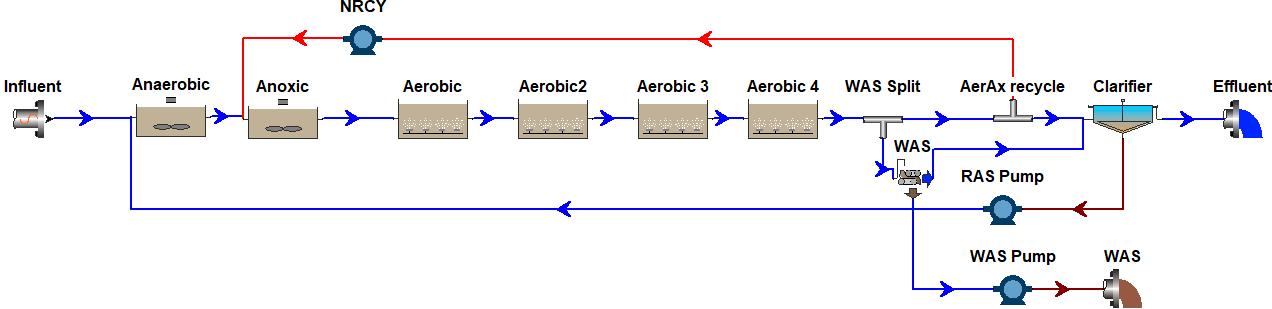
Figure 1 shows the revised flowsheet. The model was run at steady state and then run for 60 days dynamically, with a 24-hour itinerary that repeated for the 60-day run. The run time was selected to ensure consistency and repeatability of the results. The predictions were compared between the steady-state run and the dynamic run.
Continued on page 26
Eric T. Staunton,
is engineering manager at Tetra Tech in Boston.
Figure 1. Model flowsheet used to assess dynamic impacts of biological nutrient removal predictions.
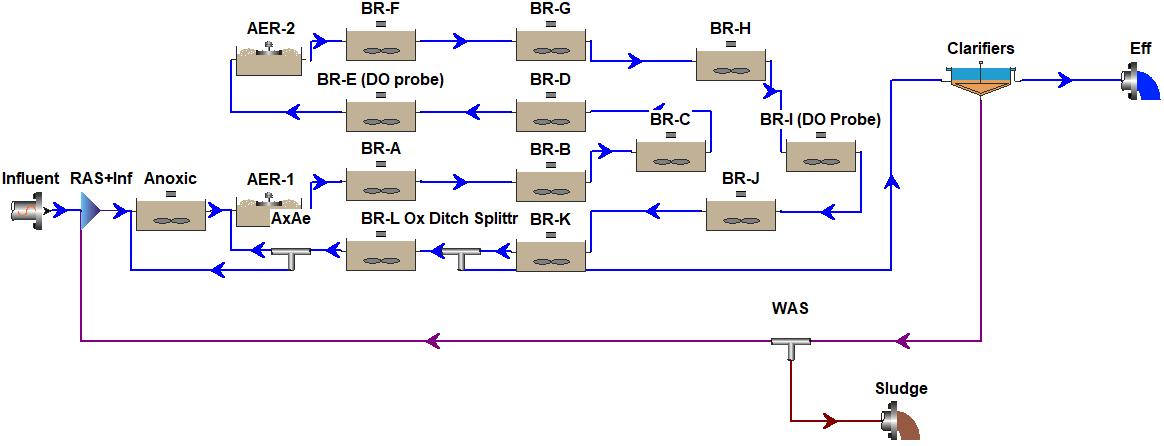
Figure 2. Model flowsheet used to assess surface aerator size.

Continued from page 24
Oxygen Transfer Requirements
New surface aerators were sized for an oxidation ditch using industry standard equations. The plant was assumed to be a 5-mil-gal-per-day facility, with 9,000 pounds per day (ppd) of BOD loading and 2,050 ppd of total kjeldahl nitrogen loading. Actual oxygen requirements are 12,580 ppd. The four associated surface aerators were run at 75 horsepower (HP) each to meet this oxygen transfer requirement.
A liquid treatment train process model was developed for the same influent loading. Figure 2 shows the model flowsheet.
The power supply to AER-1 and AER-2 was set to 150 HP (two aerators running at 75 HP each) and the dissolved oxygen (DO)
profile along the length of the ditch was plotted.
The model was then revised to maintain a DO of 0.5 mg/L in BR-I (the DO control point) by varying the power draw of AER-2. The power draw of AER-1 was assumed to equal the power draw of AER-2. The results of the standard calculations were compared to the results of the process model.
Results
Biological Nutrient Removal Predictions
Table 1 summarizes the model predictions at steady state and under dynamic conditions.
The dynamic model shows higher effluent ammonia at 0.38 versus 0.08 mg N/L, higher effluent nitrite at 0.82 versus 0.03 mg N/L,
and higher effluent total phosphorus (TP) at 1.15 versus 0.90 mg P/L. The dynamic model also shows lower effluent total nitrogen (TN) at 8.06 versus 8.51 mg N/L. The observations are limited to the effluent quality from the secondary system; i.e., it does not include oxygen transfer requirements, sludge generation, mixed liquor, etc.
Oxygen Transfer Requirements
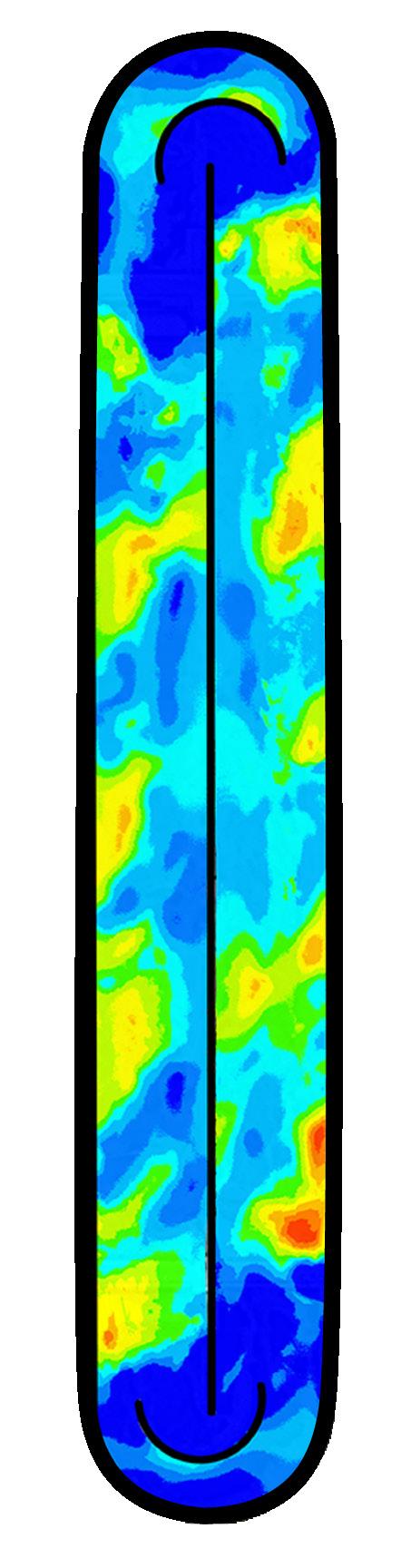
For the assumed loading conditions, the industry standard equations predict 264 HP of surface aerator capacity would be required. This could be met with two oxidation ditches, each equipped with two 75-HP surface aerators, which would provide a total of 300 HP. When this motor size is input to a process model, the model predicts that DO cannot be maintained at the DO control point.
Figure 3 shows the DO at the surface aerator and at the DO control point.
The model was then used to predict the HP required to maintain the DO setpoint (rather than predicting the DO the design HP could maintain). There are several instances where the required power exceeds 100 HP per aerator. If this were a real project, 125-HP aerators would likely be recommended.
Figure 4 shows the required power draw to maintain 0.5 mg/L DO at BR-I in the flowsheet.
4. Predicted horsepower requirements to maintain 0.5 mg/L dissolved oxygen near the backside of an oxidation ditch.
Table 1. Effluent Water Quality as Predicted Under State and Dynamic Conditions
Figure 3. Predicted dissolved oxygen in an oxidation ditch with a total of four 75-horsepower aerators running full speed.
Figure
Figure 6. Predicted effluent total nitrogen as a function of time of day.
Figure 5. Predicted effluent ammonia as a function of time of day.
Discussion
Biological Nutrient Removal Predictions
The difference between the steady-state and the dynamic predictions are associated with a transient nonzero effluent. Figure 5 shows the predicted diurnal effluent ammonia profile. The peak in the middle of the afternoon is associated with typical diurnal flow and loading patterns. High flow in the afternoon shortens the hydraulic retention time in the system leading to a reduced period of contact between the biomass and the influent pollutants. This, coupled with higher-thantypical loading, maxes out the biomass capacity to metabolize the pollutants that appear in the system effluent. Effluent nitrite and TP show a similar pattern.
Figure 6 shows the predicted diurnal effluent TN profile. In the late night/early morning hours, when flows and loadings are lower, there is improved denitrification performance associated with longer retention time in the anoxic zones. This reduction is enough to overcome the peak in the middle of the afternoon, and once combined in an effluent composite sample, results in a dynamic TN that is lower than the steady-state TN.
Oxygen Transfer Requirements
It is standard in the wastewater industry to design an aeration system to maintain a DO of 2 mg/L; however, in an oxidation ditch, air is only provided in the vicinity of the surface aerators, with the rest of the ditch unaerated. As mixed liquor flows along the length of the ditch, oxygen is utilized to provide treatment of the influent ammonia and carbonaceous material. Depending on the oxygen uptake rate, the drop in DO as mixed liquor moves away from the aerator can be significant. Maintaining a DO on the backside of the ditch, far from the aerator, may require a higher-thantypical DO at the site of the surface aerator. In the example presented here, the required DO was 3.3 mg/L.
The higher DO concentration identified using the process model partially explains the difference in HP requirements. As DO concentration increases, the associated field rating of the surface aerators decreases, so more power is required to transfer a given amount of oxygen.
Conclusion
The findings presented here underscore the critical importance of incorporating timevarying process models in the design and operation of wastewater treatment plants. Traditional steady-state assumptions, while convenient for preliminary calculations, fail
to capture the inherent dynamic nature of wastewater, leading to potential inefficiencies and challenges in meeting stringent effluent quality standards.
The two case studies discussed demonstrate how dynamic modeling can provide valuable insights into the operational challenges faced by wastewater treatment facilities in advance of construction. The operational challenges can then be resolved during the design process.
The integration of time-varying process models into wastewater treatment design and operation is not merely a theoretical exercise; it has practical applications in the face of evolving regulatory landscapes and increasing operational complexities. By embracing these advanced modeling techniques, wastewater treatment facilities can enhance their efficiency, reduce construction costs, and ultimately contribute to more-sustainable water management practices. S

A Comparative Analysis of Electrochemical Remediation Methods for Heavy Metal Purification in High-Salinity Marine Environments Including the Indian River Lagoon
Katherine Hammond
This article is the third-place Florida winner of the 2025 Stockholm Junior Water Prize.
In coastal lakes and other natural bodies of water worldwide, including the Indian River Lagoon in Brevard County, heavy metal contamination, including lead and copper, is a significant issue. The removal of these high heavy metal concentrations is vital to the health of marine ecosystems, but the methods currently being used are costly and relatively ineffective on such a large scale.
This project focuses on electrochemical methods, including electrocoagulation (an electrochemical process where the iron coagulant bonds with the heavy metal ions and precipitates to the top or bottom of the solution via the application of an electrical current between two iron electrodes), electrodeposition (an electroplating technology in which the electrical current between two carbon felt electrodes causes the heavy metal ions to deposit on the carbon felt in the form of a precipitate), and magnetic separation (the introduction of magnetic particles [iron oxide nanoparticles] that bond with heavy metals and can be removed via the application of a magnetic field).
Through small-scale tests in simulated Indian River Lagoon water, electrodeposition and electrocoagulation were highly successful at removing the copper and lead from the solution. Although no statistically significant evidence proved whether electrocoagulation or electrodeposition was better at removing the copper II nitrate and lead nitrate from the solution, it can be concluded that electrodeposition is a more environmentally feasible option since electrocoagulation involves the unintended consequence of iron contamination in the solution due to oxidation. Electrodeposition is a promising solution for heavy metal removal from natural bodies of water due to its expedient and thorough removal of lead and copper with little or no residual heavy metal concentration, as well as the carbon felt and materials needed being
inexpensive; however, more experimentation would be necessary to implement it in an environmental context.
Heavy metal contamination in natural bodies of water, including the Indian River Lagoon, is a major global environmental concern that is difficult to address. This contamination originates primarily from anthropogenic sources, including agricultural processes, pesticides, stormwater runoff, manufacturing, sewage, antifouling paints commonly used for boats and marine equipment, galvanized metals, and treated lumber [1]. This contamination is dangerous to human health; marine and coastal plants, including mangroves and seagrass; marine and coastal animals, including fish, manatees, and seabirds; and marine and coastal ecosystems. Over time, these metals bioaccumulate in the sediment and throughout the water, and small exposure to trace amounts of these contaminants causes health issues for plants, animals, and humans alike.
Due to their extreme toxicity, the Centers for Disease Control and Prevention and the U.S. Environmental Protection Agency have determined the ideal concentration of these metals to be 0 in drinking water as outlined in the 1974 Clean Water Act, although the maximum permissible amount is 1.3 parts per mil (ppm) for copper and 0 ppm for lead [2, 3] .
This is not the only way humans and animals are affected by heavy metal contamination. Herbivorous marine animals, such as manatees, often consume seagrass and other marine plants that have high absorbency levels for these metals, and in many scenarios, this heavy metal contamination can even eliminate their food sources [4, 5]. Furthermore, consumption of wild fish and shellfish exposed to high concentrations of heavy metals, which are a group of metallic elements in the periodic table with a high electron density that are dangerous to the health of living organisms in trace amounts, can be dangerously detrimental to humans, as demonstrated best by the limitations recommended on fish consumption
Katherine Hammond is a graduate of Edgewood Junior/Senior High School in Merritt Island. She is currently attending the University of Florida, double-majoring in chemistry and mathematics.
due to mercury [6]. Mercury is not the only dangerous contaminant; all heavy metals, including lead, copper, cadmium, arsenic, iron, and others, are known for their toxic health effects.
Currently, heavy metal concentrations are only being removed from drinking water and wastewater (if at all) and the methods to remove them are frequently ineffective and have many drawbacks. A common parameter for the developmental level of a country is access to clean drinking water free of contaminants. Water pollution is a primary environmental concern for developed countries worldwide, which face the highest levels of heavy metal contamination, posing significant public health risks [7]. Even the most developed countries lack the technology or strategies necessary to eliminate these contaminants from the environment. While many developed nations have implemented laws and regulations to prevent further heavy metal pollution, there is a need for new technologies and initiatives to focus on removing the existing contaminants. This research considers the comparative efficacy of electrochemical methods, including electrocoagulation, electrodeposition, and magnetic separation, for the removal of heavy metal ions, specifically in the form of copper (II) nitrate and lead nitrate and their feasibility in an environmental context. The hypothesis is that the results of the experiment will show that, while all of the electrochemical methods proved effective at removing the copper II nitrate and lead nitrate ions from the water, the electrodeposition would be the most effective because it is expected to have easy removal after the agglomeration of the heavy metals on
Continued on page 30


the carbon felt and has the least likelihood of excess chemical and metal contaminants in the process.
The data collected in this project can serve as background information for the development and use of electrochemical methods to remove toxic heavy metals from bodies of water in the future, and it provides a direct comparison between multiple electrochemical methods under the same experimental parameters, with a focus on water purification. This forms the research question: What is the most effective electrochemical method for removing heavy metals from water with a similar composition to that found in high-salinity marine environments?
Global Context
Heavy metal contamination occurs globally for numerous reasons and has many causes, and it has detrimental effects on humans, animals, and the marine ecosystem as a whole. Around the world, there is a need for the reduction of heavy metal concentrations in natural bodies of water, and this is tested so far in coastal rivers and lakes, which is where this project focuses.
One research study on the effects of heavy metals from Kazimierz Wielki University in Poland on Lake Lebasko explained the following: “Sediments in coastal zones of seas and oceans are believed to be areas of increased accumulation of all water pollution, including trace metals” and “coastal lakes, because of their complicated hydrological systems, appear to be relatively poorly studied aquatic ecosystems”[8]. This is why researching electrochemical methods with a higher salinity basis for the water is so important, yet it has not been significantly studied.
Furthermore, a study on the concentration of heavy metals in 71 lakes and rivers across the globe from 1972 to 2017 found that the concentration of heavy metals has generally increased in each of the bodies of water every decade since the 1970s. This highlights the increasing concern about this contamination and the increasing need to start removing these dangerous contaminants [9]
This is a problem in other types of lakes with high salinity, too. The Great Salt Lake in Utah, which is an inland, landlocked lake with high salinity, has had issues with a declining water level. The high levels of heavy metals in the water and sediment mean that when the water level continues to decrease, toxic dust containing these metals is released into the air. This will pose an insanely dangerous risk to human health in the
future, making the valley uninhabitable if the issue is not soon corrected [10]
In developing countries, the concentration of heavy metals in natural bodies of water appears to be the most dangerous because they often do not have any equipment or technology to maintain water quality—even for drinking water—and there are few regulations in place preventing further contamination. A study conducted primarily in Sub-Saharan Africa, published in Toxics, an international peer-reviewed journal on toxic chemicals and materials, reported that in many areas the heavy metal concentrations in soil and drinking water exceed the limits set for public safety by the World Health Organization [11] .
Adverse Effects of Heavy Metals on Humans, Marine and Coastal Organisms, and the Environment
The effects that lead and copper can have on the human body include medical effects, such as damage to the nervous system, hearing problems, slowed growth and developmental issues in children, anemia, cardiovascular effects, decreased kidney function, reproductive health issues, headaches, vomiting, diarrhea, stomach cramps, nausea, liver damage, and damage to red blood cells, among many others [12, 13]. In other countries, water filtration is not as significant (if present at all) and many people around the world end up drinking directly from the contaminated natural body of water itself, which means that they are especially subject to these high levels of metals that bioaccumulate over long periods of exposure to even just trace amounts. It is important to clean up the natural bodies of water to address this issue at the source, because continuing to purify drinking water to this extent and allowing large groups of people to drink contaminated water is not feasible or acceptable long term.
Marine plants and animals are subject to these dangerous conditions, which are considered unacceptable for humans in their daily lives. A collaborative peer-reviewed study from researchers at universities around the world discussed how the accumulative effect of the heavy metals in the aquatic ecosystem and the bodies of animals leads to many of the same effects it has on humans and extends as far as DNA damage, which alters the reproduction of future generations of these organisms, with the toxic heavy metal concentrations eventually killing off entire species [14]. This is not limited to just vertebrate animals; plants and invertebrates face these issues, too.
The first issue caused by the high heavy
metal concentrations in certain natural bodies of water is the absorbency levels in plants, including seagrass, mangroves, and other marine and coastal vegetation. Marine plants have a high absorbency for heavy metals and can be used to decrease the concentration of heavy metals in lakes; however, naturally growing plants do the same, and improper use can lead to biomagnification [15]. When natural marine plants, such as seagrass, absorb high levels of these heavy metals, they can die off and/or become toxic to herbivorous marine animals. This can cause herbivorous marine animals, such as manatees, to lose their food source and cause them health issues due to the high concentrations of heavy metals introduced to their bodily systems through the consumption of contaminated plants [16]. Furthermore, the same issue with food sources causing the introduction of high concentrations to predators also happens with the consumption of fish by humans and water birds [17, 18]. These heavy metal concentrations also affect coastal plants, including mangroves, and a study in the Rabigh Lagoon at the Red Sea found a correlation between the deteriorating health of the plants and negative impacts on the biochemical cycle and high concentrations of heavy metals [19]. These negative health effects on the mangroves could cause shore erosion, among other environmental issues, in lagoons, and this emphasizes the critical need to address the high concentrations of heavy metals present in lagoon ecosystems and coastal lakes.
Alternative Methods
Outside of electrochemical methods, researchers have tested other methods, including biosorption with various materials, membrane and other filtration methods, phytoremediation, bioremediation, and distillation. This research will extend the tested methods to include variations of ion transfer, coagulation, electrocoagulation, electrodeposition, magnetic separation, chemical precipitation, and oxidation processes. In an environmental context, the methods of biosorption and filtration have been more heavily tested, and although electrochemical methods have been tested in wastewater, it has not been tested under environmentally friendly conditions.
Biosorption in the context of heavy metal removal is a process where the heavy metal ions attach to a biosorbent (typically chemically engineered) to be removed. Common biosorbents include agricultural residues, microorganisms, algae, and fungi. According to
a research study from the Institute of Chemical Technology and Engineering at the Poznan University of Technology in Poland: “The issue of biosorbent deactivation and failure over time is highlighted as it is crucial for the successful implementation of adsorption in practical applications” [20]
Biosorbent materials that are not removed have a tendency to degrade over time, and if left in a natural body of water, the heavy metals are likely to be reintroduced to the water and also can create contaminated sedimentation at the bottom of the natural body of water, which can prove even more dangerous. One aspect of biosorbents is that they are often just inexpensive agricultural waste, which are not used for many other purposes, so repurposing them economically for biosorption makes sense. A couple of examples of biosorbents include corn husks, fruit peels, and sugar cane fiber, which work due to their structural components and high cellulose content, but as demonstrated by composting, they also disintegrate relatively quickly and prove difficult in practical applications for this
reason. Algae are another common biosorbent that already exists frequently in natural bodies of water; however, high levels of algae needed to remove these metals are also dangerous to the environment because they kill marine vegetation and animals. Red tide, for example, is a dangerous type of algae bloom in the ocean.
Biosorption in general is also a lot more complicated than it might seem because it requires a deeper level of understanding about the composition and structural properties of the heavy metals and the biosorbent, and the chemical interactions between them.
Filtration is another method that can be used to remove heavy metals from water; this is most commonly membrane filtration. For filtration methods, there are both natural and synthetic filters, although a combination of the two in a hybrid filter is more effective. This is because natural filtration is generally less effective (but also less expensive) and more environmentally friendly, and, on the contrary, synthetic filters are highly efficient and very expensive to use.
Distillation can also be used to remove
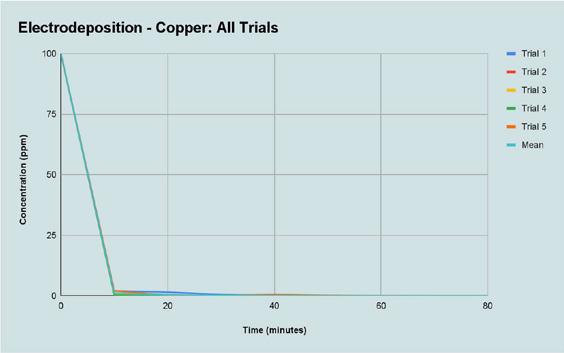
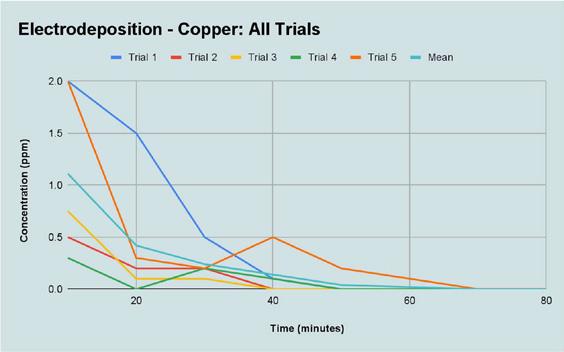
heavy metals from water; an example of this is tube membrane distillation, but this method is not frequently used due to the high cost of the membrane and the unfeasible temperature parameter in the environment [21] .
Among the other methods that can be used to remove heavy metals from natural bodies of water, electrochemical methods are promising due to their relatively low cost compared to other methods; however, they need further research for use in environmental settings.
Methodology
Initial Solution Preparation
After extensive research into the levels of heavy metal contamination in natural bodies of water, the ideal level to set the initial concentration of lead and copper in the solution was 100 ppm for each. This had to be created for each trial in a 1000-mL solution using initially .5 molarity (measure of concentration [M]), copper nitrate, and 1 M lead nitrate, and
Continued on page 32
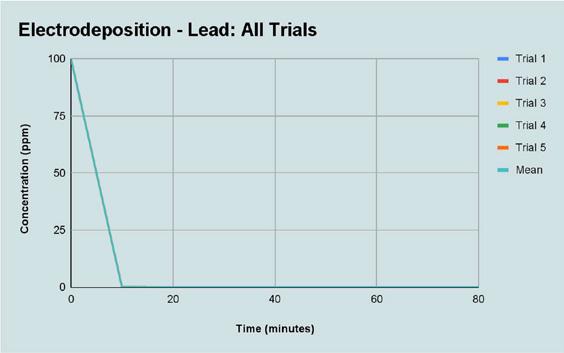
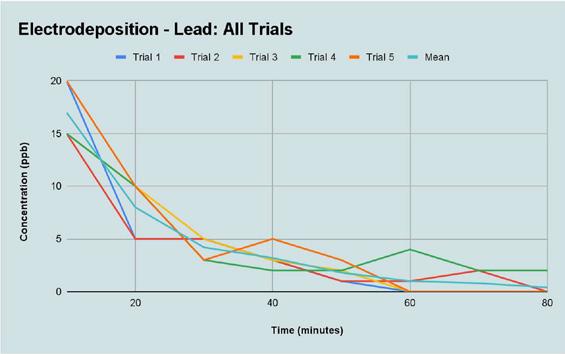
Figure 1. Electrodeposition: copper concentration versus time graph. Figure 2. Electrodeposition: lead concentration versus time graph.
Figure 3. Electrodeposition: copper concentration versus time graph, omitting initial.
Figure 4. Electrodeposition: lead concentration versus time graph, omitting initial.
Figure 5: Electrodeposition: before and after images.
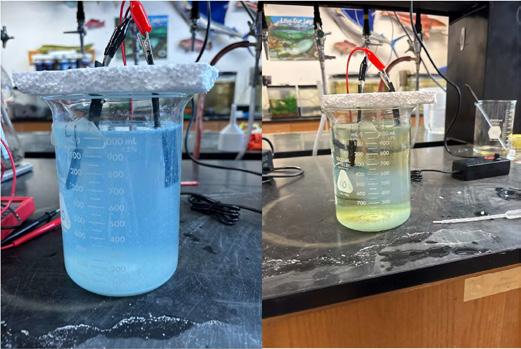
Continued from page 31
the heavy metals were introduced as nitrates because they are a common co-contaminant from the same sources and it is chemically more effective to add the metals as aqueous solutions; therefore, 3.15 mL of copper nitrate and 4.83 mL of 0.1M lead nitrate needed to be added to the 1000-mL solution to create a concentration of 100 ppm for copper and a concentration of 100 ppm for lead.
The other step in creating the initial solution was to simulate the salinity of a brackish lake or lagoon, and according to the researched salinity for the Indian River Lagoon, the goal was 34 parts per thousand (ppt). To achieve this salinity, Instant Ocean® salt was slowly added and continuously tested using a refractometer until it reached 34 ppt. To dissolve the salt in the water, the solution was stirred for about three to five minutes until no salt was collected on the bottom of the beaker. After preparing the correct salinity and adding the 3.15 mL of 0.5 M copper nitrate and the 4.85 mL of 0.1M lead nitrate, the initial solutions were tested by dipping a Varify test strip into the solution. The amount was recorded in a data table, so any variability in the initial concentrations was accounted for in the results.
Electrodeposition
The first step to electrodeposition was preparing styrofoam to hold the two carbon felt electrodes in place three-quarters of the way into the water in a monopolar formation. To do this, two holes were cut in the styrofoam to stick the electrodes through, and then the electrical clips on the power supply were connected to the top of the electrode and the corresponding ends on a multimeter. Then, 6 volts (V) of power were run through the system. Every 10 minutes (for 80 minutes) the power was turned off, the electrical equipment was unplugged, and a pipette was used to take
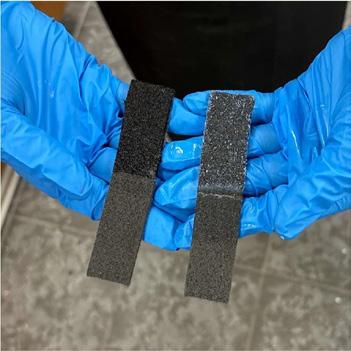
a water sample from the beaker and test the concentration by dropping the water on the different parameters on the test strip. These data were recorded, the electrical equipment was plugged back in, and the power turned back up to 6 V. This was repeated until 80 minutes was reached, and then the solution was tested one last time before disposal. This process was repeated five times to account for data variability.
Electrocoagulation
The first step to electrocoagulation was preparing styrofoam to hold the two iron electrodes in place three-quarters of the way into the water in a monopolar formation. To do this, two holes were cut in the styrofoam to stick the electrodes through. Then, the electrical clips on the power supply were connected to the top of the electrode and the corresponding ends on a multimeter, and 2.95 V of power was run through the system. Every 20 minutes (for 80 minutes) the power was turned off, the electrical equipment was unplugged, and a pipette was used to take a water sample from the beaker. The concentration was tested by dropping the water on the different parameters on the test strip. These data were recorded, the electrical equipment was plugged back in, and the power was turned back up to 2.95 V. This was repeated until 80 minutes was reached, where the solution was tested one last time before disposal. For this method, a total of three trials were run, since the method had an unintended consequence with the electrode oxidation that made it unfeasible in an environmental context, and no further experimentation would be needed.
Magnetic Separation
For the final method, magnetic separation, the first step is creating the ironoxide nanoparticles via a coprecipitation
Figure 6: Electrodeposition: collection of heavy metal precipitate on the right carbon felt electrode.
method and washing them. The iron-oxide nanoparticles were created by dissolving 2.7g of iron (III) chloride and 1.2 g of iron (II) sulfate in 100 mL of deionized water. Then the solution was heated to 80ºC and stirred at 200 revolutions per minute for 30 minutes. Every five minutes for the 30 minutes starting before heating the solution, 5 mL of 0.1 M ammonium hydroxide was added to the solution, which equated to a total of 60 mL of 0.1 M ammonium hydroxide. The solution was allowed to cool to room temperature, and water and the earth magnet were used for the washing process; then, the nanoparticles were added to the initial water solution and stirred in for an hour. After that, they were removed using an earth magnet, testing the concentration of the solution after every five minutes of working with the rare earth magnet to remove the nanoparticles. The concentration was tested using a pipette and the water testing strips. This method was repeated three times, despite not yielding conclusive results due to the removal not being significant enough to observe on the test strips.
Safety and Disposal
Gloves, goggles, and an apron are to be worn at all times while using chemicals or interacting with and testing the solution. Basic laboratory conduct rules are to be observed. When working with the solution, electrical equipment is to be turned off and unplugged. All solutions with chemicals were poured into a waste container to be collected by the school district’s health and safety department when called to pick it up, so it can be disposed of safely and properly according to governmental chemical rules and regulations.
Statistical and Data Analysis Process
This research is a quantitative study
Continued on page 34

Water Distribution Systems
Operator Level 2 & 3 Training
Gainesville, FL | $720
CEUs 4.0 DS DW WW Level 2 & 3
Wastewater Class C Certification
Review
Gainesville, FL | $730
Water Distribution Systems
Operator Level 2 & 3 Training
Virtual | $720
CEUs 4.0 DS DW WW Level 2 & 3
Water Class C Certification Review
Gainesville, FL | $720
Microbiology of Activated Sludge
Gainesville, FL| $899
CEUs 3.2 WW

Water Distribution Systems
Operator Level 1 Training
Gainesville, FL | $575
CEUs 2.4 DS DW WW
Pumping Systems Operation and Maintenance
Gainesville, FL | $325
CEUs 1.6 DS DW WW
Water Distribution Systems
Operator Level 2 & 3 Training
Virtual | $720
CEUs 4.0 DS DW WW Level 2 & 3
Wastewater Class B Certification Review
Gainesville, FL | $720
Water Distribution Systems
Operator Level 2 & 3 Training
Gainesville, FL | $720
CEUs 4.0 DS DW WW Level 2 & 3

employing a control group time series data approach.
The data will be statistically analyzed as a time-control series. The method’s efficacy will be compared using percent reduction and comparison of the mean and standard deviation in the percent errors between the methods. Paired T intervals (a range of values used to estimate the true population mean when the population standard deviation is unknown) were used to compare the methods’ proportions removed against each other separately for lead and copper, and a paired T interval with a summation of each of the different heavy metal contaminants was used to compare the methods’ total efficacy against each other. The summation of the total heavy metal concentration, including copper, iron, and lead, was graphed and analyzed over time to get a better perspective on how each method left the water solution in terms of the purification of all heavy metals present in the solution over time. For the statistical and data analysis, a combination of Google Sheets and a TI-89 Titanium Calculator was used.
Electrodeposition
Results
The use of the electrodeposition method for removing the copper and lead from the solution resulted in a 0 ppm concentration of copper for each trial by the end of the experimentation time and a lead concentration of 0 parts per bil (ppb) in four of the five trials, therefore removing an average of 100 percent of the copper and 99.9996 percent of the lead from the initial solution.
The copper concentration decreased from 100 ppm to between 0.3 and 2 ppm within the first 10 minutes of experimentation, and all trials continued to reach 0 ppm with a 100 percent removal rate and a subsequent standard deviation of 0.
For the electrodeposition removal of lead, the concentration decreased from 100 ppm down into the range of 15 to 20 ppb within the first 10 minutes, continuing to reach 0 in 4 out of the five trials with a 99.9996 percent removal rate. The trial that did not remove all
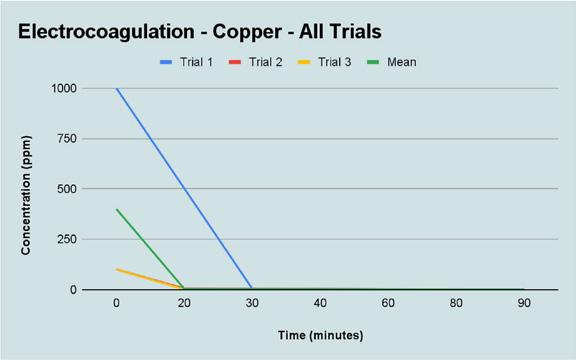
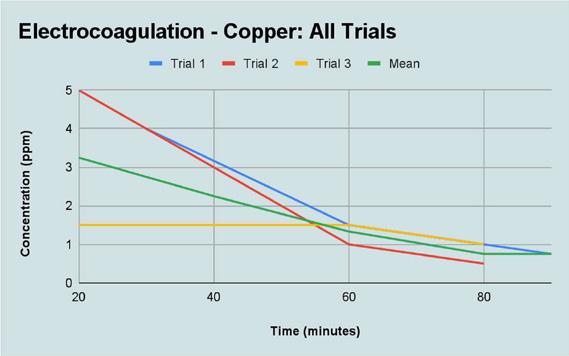
Figure 9. Electrocoagulation: copper concentration versus time graph, omitting initial.
the lead had a leftover concentration of 2 ppb at the end of 80 minutes.
Electrocoagulation
The electrocoagulation trials for the removal of copper and lead were relatively successful; the average amount of copper and lead that was removed throughout the entire course of the experimentation was 99.49666667 percent and 99.99633333 percent, respectively. The first trial of the electrocoagulation was slightly different than the other two, but the results are still significant because, despite changing some of the experimental parameters, it is still an accurate representation of the efficacy of the method in removing the lead and copper. The copper concentration initially drops off before continuing to decline to the ideal level for the concentration of copper at 0 ppm. It can be observed that none of the electrocoagulation trials reduced the concentration of copper to the ideal level of 0 ppm, but they were relatively close and each removed at least 99 percent of the copper from the solution. Sometime within the first 20-minute
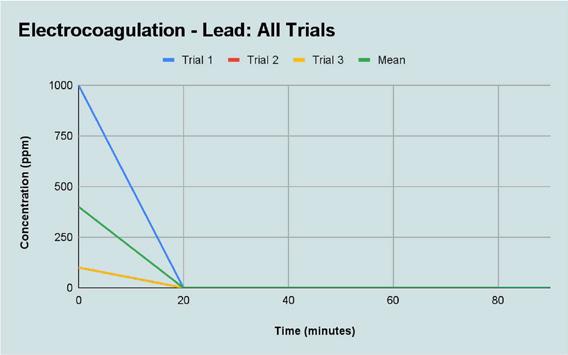
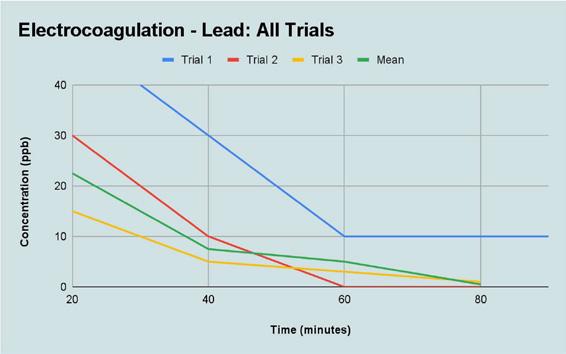
Figure 10. Electrocoagulation: lead concentration versus time graph, omitting initial.
Figure 7. Electrocoagulation: copper concentration versus time graph. Figure 8. Electrocoagulation: lead concentration versus time graph.
period, the heavy metal concentration drops from100 ppm into ppb. Each trial typically varied from the mean of 99.996333 percent lead removed by 0.005507570547 percent, meaning that the trials, for the most part, had relatively the same efficacy as each other in terms of the removal of the lead concentration.
Despite being effective at removing the lead and the copper from the solution, the electrocoagulation method led to the unintended consequence of iron contamination due to the oxidation of the iron electrodes. Iron is also a heavy metal that poses a risk to the environment and the health of aquatic animals and plants, and this side effect of the process should not be taken lightly. It is not better to have a high concentration of iron instead of lead and copper, so while it was a highly effective method, it should not be considered as an environmental solution.
This shows that as the concentrations of lead and copper decreased in the electrocoagulation trials, the concentration of iron increased in all of the trials. Due to the precipitate in these trials affecting the dispersion and observability, these iron contamination values are a very simple space subjective, but it can be concluded that the iron contamination generally increased at a positive rate as the experiment progressed.
Magnetic Separation
The magnetic separation had no observable change in concentration within the range of the test strip observable by the researcher, and therefore, its results are inconclusive. Magnetic separation is considered to be ineffective under the parameters of this experiment, although it may prove effective under different conditions. For this analysis, magnetic separation is not considered a possible solution.
Statistical Methods Comparison
To mathematically determine what the best method was, the concentrations of lead, copper, and iron were summed up for both the electrocoagulation and electrodeposition methods and presented graphically. In short, heavy metals = copper + lead + iron (measured in ppm).
After the initial drop, the increasing iron concentration appears to replace the decreasing copper and lead concentrations. The electrodeposition method has no iron contamination, and the total heavy metal concentration decreases to 0 or a near-0 value. This demonstrates that, while both methods were equally effective at removing lead and copper from the solution, the electrodeposition method was more effective at purifying the solution of all heavy metals.
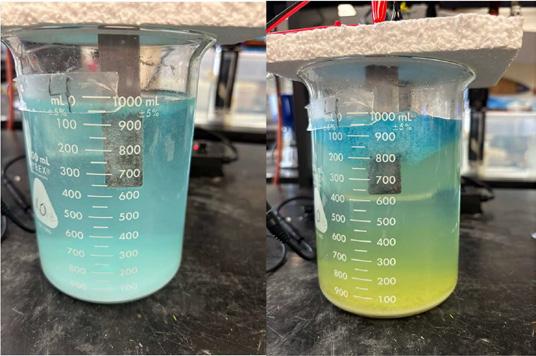
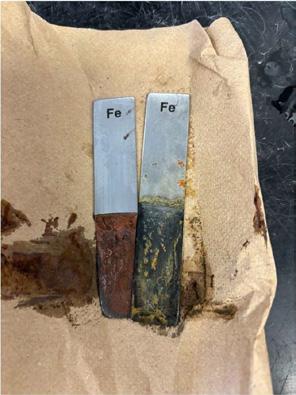
Figure 12. Electrocoagulation: photograph of corrosion oxidation of iron electrodes after experimentation.
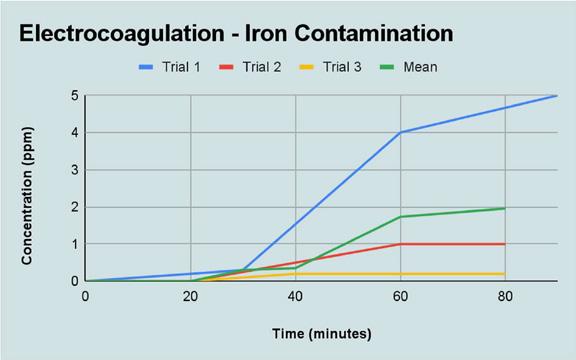
Statistics
Statistical analyses were used to support comparative interpretation of experimental trends, rather than to establish definitive population-level inference. Statistics used in the project are as follows:
1. T interval using paired data - copper: electrocoagulation versus electrodeposition:
H₀: P₁ - P₂ = 0
Ha: P₁ - P₂ ≠ 0
CI = 0.975
∂ = 0.025
97.5% CI: (- 2.23, 0.1469)
P₁ = true proportion of the copper concentration removed by the electrocoagulation treatment
P₂ = true proportion of the copper concentration removed by the electrodeposition treatment
Since 0 is a plausible value within the 97.5 percent confidence interval, the null hypothesis cannot be rejected, because there is not convincing evidence that the true difference in proportion (P₁ - P₂) is not equivalent to 0, meaning there is
Figure 13. Electrocoagulation: iron contamination versus time graph.
not convincing evidence that either the electrocoagulation or electrodeposition method was more effective at removing the copper concentration.
2. T interval using paired data - lead: electrocoagulation versus electrodeposition:
H₀: P₁ - P₂ = 0
Ha: P₁ - P₂ ≠ 0
CI = 0.975
∂ = 0.025
97.5% CI: (-0.014, 0.0284)
P₁ = true proportion of the lead concentration removed by the electrocoagulation treatment
P₂ = true proportion of the lead concentration removed by the electrodeposition treatment
Since 0 is a plausible value within the 97.5 percent confidence interval, the null hypothesis cannot be rejected because there is no convincing evidence that the true difference in proportion (P₁ - P₂) is not equivalent to 0, and there is not convincing evidence that either the electrocoagulation or electrodeposition
Continued on page 36
Figure 11. Electrocoagulation: before and after images.
method was more effective at removing the lead concentration.
3. T interval using paired data – total heavy metal: electrocoagulation versus electrodeposition
H₀: P₁ - P₂ = 0
Ha: P₁ - P₂ ≠ 0
CI = 0.975
∂ = 0.025
97.5% CI: (-1.17, -0.032)
P₁ = true proportion of the total heavy metal concentration present throughout the electrocoagulation treatment
P₂ = true proportion of the total heavy metal concentration present throughout the electrodeposition treatment
At the 97.5 percent confidence level, the confidence interval only contains negative values, and therefore, there is rejection of the null hypothesis that the true proportion
difference (P₁ - P₂) is equal to 0. Since ∂ = 0.025, which is less than the traditional 0.05 significance level, and all of the values in the interval are negative, there is convincing evidence that the electrodeposition method left the solution freer of heavy metal concentration than the electrocoagulation method. There is strong statistical evidence that the electrodeposition method results in a lower total heavy metal concentration than the electrocoagulation method.
Discussion
The application of the electrocoagulation and electrodeposition treatments proved to be highly effective at removing the copper and lead concentrations from the solution. For these methods, there is rejection of the null hypothesis that the treatments led to no change in the heavy metal concentration. There is convincing evidence of the alternate hypothesis that they did remove some of the heavy metal
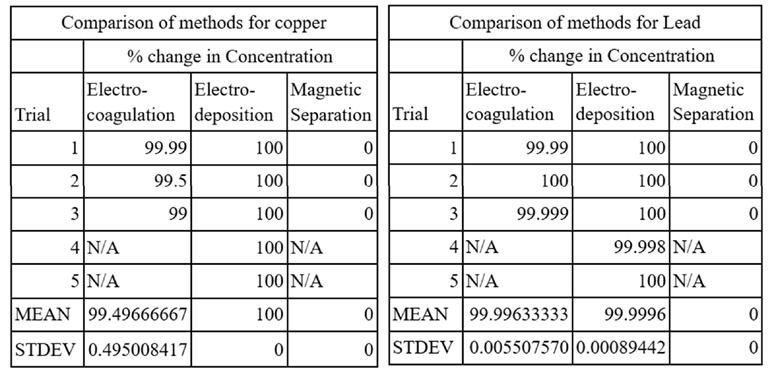
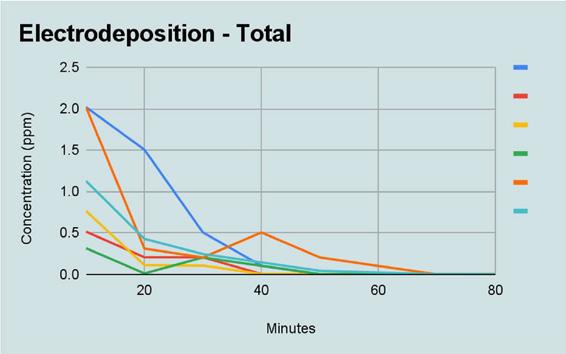
concentration, since 99 to 100 percent of the heavy metal concentrations cannot have been removed by chance alone in the controlled environment. In the magnetic separation treatment, there is no evidence that any of the heavy metal concentration was removed, so the null hypothesis cannot be rejected, and therefore, only the electrocoagulation and electrodeposition methods will continue to the second level of hypothesis testing.
In terms of one method being more effective than another, as proven by the 97.5 percent confidence intervals for lead and copper because they both contain 0, it is entirely plausible and likely that the electrocoagulation and electrodeposition methods were equally successful at removing the lead and copper concentrations from the solution. In further analysis, however, the electrocoagulation method caused iron contamination from the oxidation and disintegration of the anode, so a summation of all the heavy metal concentrations versus time was completed. After running a T interval for this summation, it was found that the electrodeposition method was more effective in reducing the total concentration of heavy metals in the solution.
Environmentally, electrodeposition is a promising method to remove heavy metal concentrations because carbon felt is inexpensive, and the energy and time required to reduce the concentration significantly are low in comparison to some of the current methods that have been tested in this application.
This research may help to influence future research and contribute to the search for a viable solution to removing heavy metal concentrations from lagoon ecosystems, coastal lakes, the ocean, and other highsalinity aquatic environments.
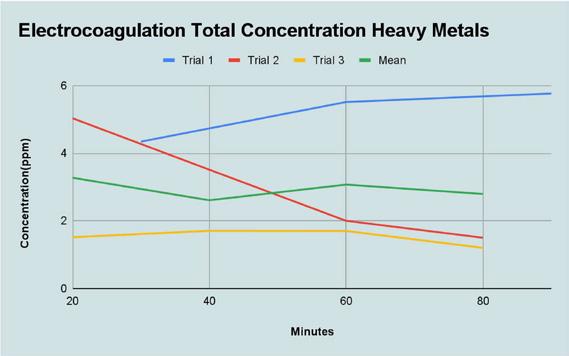
Figure 14. Electrodeposition: total heavy metal concentration versus time graph.
Figure 15. Electrocoagulation: total heavy metal concentration versus time graph.
Table1. Recording the Percent Change in Copper and Lead Concentrations Over Time Across Three Methods
Assumptions, Limitations, and Future Studies
This study has several limitations, including the narrow concentration testing range of the test strips and the high risk for variability that could skew results, as well as significant time and material restrictions. Other types of electrochemical methods could be tested outside of a high school laboratory, as well as variations in the methodology, including electrode material. Furthermore, future research into how these processes affect different aspects of the water composition would be important before application in an environmental context, and more engineering design testing would be needed to use the method on a larger scale because there are risks, including not wanting to expose marine life to an electrical current or chemicals involved in the processes and not wanting to extract important nutrients from the natural water source.
Conclusion
Electrochemical methods present promising solutions to heavy metal contamination in highsalinity aquatic ecosystems. This experimentation demonstrated that while electrocoagulation and electrodeposition were equally effective in copper and lead removal, electrodeposition is the more environmentally favorable solution. Its greater effectiveness in removing the total heavy metal concentration stems from the fact that the electrocoagulation method introduced iron contamination and the electrodeposition method did not. This difference highlights electrodeposition as the better method for water purification in minimizing the residual heavy metal concentration.
References
[1] Indian River County, Florida, and Tetra Tech (2023, October). Indian River County Lagoon Management Plan. https:// indianriver.gov/Document%20Center/ Services/Natural% 20Resources/Lagoon/ Lagoon-Management-Plan.pdf.
[2] U.S. Environmental Protection Agency (2024). “Basic Information about Lead in Drinking Water.” https://www.epa.gov/ ground-water-and-drinking-water/basicinformation-about-lead-drinking-water.
[3] Minnesota Department of Health. (2024). “Copper in Drinking Water.” https:// www.health.state.mn.us/communities/ environment/water/contaminants/ copper.html#:~:text=Eating%20or%20 drinking%20copper%20does,liver%20 damage%2C%20and%20kidney%20disease.
[4] Nunez-Nogueria, G., Perez-Lopez, A., and Santos-Cordova, J. M. (2019). As, Cr, Hg, Pb, and Cd concentrations and bioaccumulation in the dugong Dugong dugon and manatee Trichechus manatus: A review of body burdens and distribution. International Journal of Environmental Research and Public Health, 16(3), 404. https://doi.org/10.3390/ ijerph16030404.
[5] Li, J., Yu, H., and Luan, Y. (2015). Metaanalysis of the copper, zinc, and cadmium absorption capacities of aquatic plants in heavy metal-polluted water. International Journal of Environmental Research and Public Health, 12(12), 14959-14975. https://doi.org/10.3390/ijerph121214959.
[6] Zhuzzhassarova, G., Azarbayjani, F., and Zamaratskaia, G. (2024). Fish and seafood safety: Human exposure to toxic metals from the aquatic environment and fish in Central Asia. International Journal of Molecular Sciences, 25(3), 1590. https:// doi.org/10.3390/ijms25031590 .
[7] Anyanwu, B. O. et al. (2018). Heavy metal mixture exposure and effects in developing nations: An update. Toxics, 6(4), 65. https://doi.org/10.3390/toxics6040065.
[8] Mrozinska, N. and Bakowska, M. (2020). Effects of heavy metals in lake water and sediments on bottom invertebrates inhabiting the brackish coastal lake Łebsko on the southern Baltic coast. International Journal of Environmental Research and Public Health, 17(18), 6848. https://doi. org/10.3390/ijerph17186848.
[9] Zhou, Q. et al. (2020). Total concentrations and sources of heavy metal pollution in global river and lake water bodies from 1972 to 2017. Global Ecology and Conservation, 24, e00925. https://doi. org/10.1016/j.gecco.2020.e00925.
[10] Attah, R., Kaur, K., Perry, K. D., Fernandez, D. P., and Kelly, K. E. (2023.). Assessing the oxidative potential of dust from Great Salt Lake. https://doi. org/10.1016/j.atmosenv.2024.120728.
[11] Anyanwu, B. O. et al. (2018). Heavy metal mixture exposure and effects in developing nations: An update. Toxics, 6(4), 65. https://doi.org/10.3390/toxics6040065.
[12] U.S. Environmental Protection Agency (2024). “Basic Information about Lead in Drinking Water.” https://www.epa.gov/ ground-water-and-drinking-water/basicinformation-about-lead-drinking-water.
[13] Minnesota Department of Health. (2024). “Copper in Drinking Water.” https:// www.health.state.mn.us/communities/ environment/water/contaminants/ copper.html#:~:text=Eating%20or%20
drinking%20copper%20does,liver%20 damage%2C%20and%20kidney%20 disease.
[14] Santhosh, K., Kamala, K., Ramasamy, P., Musthafa, M. S., Almujri, S. S., Asdaq, S. M. B., and Sivaperumal, P. (2024). Unveiling the silent threat: Heavy metal toxicity devastating impact on aquatic organisms and DNA damage. Marine Pollution Bulletin, 200, 116139.https://doi. org/10.1016/j.marpolbul.2024.116139.
[15] Li, J., Yu, H., and Luan, Y. (2015). Metaanalysis of the copper, zinc, and cadmium absorption capacities of aquatic plants in heavy metal-polluted water. International Journal of Environmental Research and Public Health, 12(12), 14959-14975. https://doi.org/10.3390/ijerph121214959.
[16] Nunez-Nogueria, G., Perez-Lopez, A., and Santos-Cordova, J. M. (2019). As, Cr, Hg, Pb, and Cd concentrations and bioaccumulation in the dugong Dugong dugon and manatee Trichechus manatus: A review of body burdens and distribution. International Journal of Environmental Research and Public Health, 16(3), 404. https://doi.org/10.3390/ ijerph16030404.
[17] Zhuzzhassarova, G., Azarbayjani, F., and Zamaratskaia, G. (2024). Fish and seafood safety: Human exposure to toxic metals from the aquatic environment and fish in Central Asia. International Journal of Molecular Sciences, 25(3), 1590. https:// doi.org/10.3390/ijms25031590.
[18] Pandiyan, J. et al. (2022). Assessment of the toxic effects of heavy metals on waterbirds and their prey species in freshwater habitats. Toxics, 10(11), 641. https://doi.org/10.3390/toxics10110641.
[19] Aljahdali, M. O., and Alhassan, A. B., A. A. (2020). Ecological risk assessment of heavy metal contamination in mangrove habitats, using biochemical markers and pollution indices: A case study of Avicennia marina L. in the Rabigh lagoon, Red Sea. Saudi Journal of Biological Sciences, 27(2), 123-134. https://doi. org/10.1016/j.sjbs.2020.02.004.
[20] Staszak, K. and Regel Rosocka, M. (2024). Removing heavy metals: Cuttingedge strategies and advancements in biosorption technology. Materials, 17(5), 1155. https://doi.org/10.3390/ ma17051155.
[21] Lou, X. et al. (2020). Separation and recycling of concentrated heavy metal wastewater by tube membrane distillation integrated with crystallization. Membranes, 10(1), 19. https://doi. org/10.3390/membranes10010019. S
Workforce Development as a Strategic Endeavor: A Florida Perspective for Water Utility Leaders
Peter Cavalli
Florida’s public utilities are the backbone of community health, safety, and economic prosperity. As the state experiences rapid demographic changes and increasing technical and operational complexities, workforce development is no longer a peripheral concern; it is a strategic investment in infrastructure resilience.
This article explores the critical need for workforce development in Florida’s water utility sector. It synthesizes academic research, industry statistics, and practical design principles. The goal here is to equip municipal leaders with actionable strategies to build a robust, futureready workforce.
Workforce as an Investment
Utility professionals in Florida are the unsung heroes who ensure that communities have access to clean water, reliable wastewater treatment, and resilient stormwater systems. Their expertise underpins public safety and drives economic growth across the state.
As Florida’s population grows and water utility systems become more technologically advanced, the need to prioritize workforce development becomes increasingly urgent. Treating workforce development as a strategic investment is essential for maintaining operational excellence and preparing for future challenges.
I have written about this need in the Fall 2025 edition of Florida Public Works Magazine, published by the American Public Works Association (APWA) Florida Chapter, in an article titled, “Workforce Development as a Core Leadership Strategy in Public Works Management.” (https://www.kelmanonline.com/ httpdocs/files/APWA_FL/floridapublicworksfall2025/index.html).
In this article I focus on the necessities specifically related to the water utility industry.
The Strategic Imperative for Workforce Development
Operational Resilience
Florida’s unique geography exposes its utilities to hurricanes, flooding, and other environmental hazards. Well-trained staff are essential for maintaining service continuity during the many and varied crises the state faces. Investing in workforce development
ensures that utilities can respond quickly and effectively to emergencies to minimize service disruptions and safeguard public health.
Regulatory Compliance
Federal and state agencies, including the Florida Department of Environmental Protection (FDEP), are raising the bar for documented training and operator certification. Compliance with evolving regulations is not optional; it is a prerequisite for continued operation and access to funding. Workforce development training is included in such documents as the National Pollutant Discharge Elimination System annual report, as an example.
Succession Planning
Nearly 23 percent of Florida’s utility workforce is over age 50, signaling a looming wave of retirements. Without proactive succession planning, utilities risk losing institutional knowledge and leadership capacity. Robust workforce development programs are essential for preparing the next generation of utility leaders and ensuring seamless transitions. This requires strategic knowledge transfer, mentorship, and documentation.
Cost Containment
Investing in workforce development yields measurable returns. Well-trained employees reduce emergency repair costs, minimize permit violations, operate with high levels of efficiency, and enhance overall reliability. These savings can be reinvested in infrastructure improvements, creating a virtuous cycle of operational efficiency and fiscal stewardship.
The Measurable Impact of Training
Academic research consistently demonstrates a strong link between workforce quality and utility performance. For example, Garavan et al. (2019) found that rigorous training programs directly improve organizational outcomes, reduce service interruptions, and lower emergency repair costs. Utilities with comprehensive training initiatives are likely to report fewer permit exceedances, lower overtime expenses, and extended asset lifespans. Moreover, utilities that prioritize workforce development are more likely to secure federal and state grants, as agencies such as the U.S. Environmental Protection Agency and FDEP reward documented training and apprenticeship programs.
Retirement Trends and Succession Planning
Florida’s utility sector faces significant demographic challenges. It is common knowledge that the utility sector is facing an aging workforce, as mentioned previously. This underscores the urgency for succession planning and leadership development. Utilities must identify highpotential employees, provide targeted training, and create clear career pathways to ensure leadership continuity and resilience. In my work with Pinellas Technical College, Florida City/County Management Association, American Public Works Association, and Florida Water and Pollution Control Operators Association I have identified the need to work with youth and other sectors that could provide potentially valuable employees with diverse backgrounds and perspectives to fill these roles.
Building Comprehensive Workforce Programs
Effective workforce development is not a one-time event; it is a continuous, multifaceted process. The following components are essential for building a comprehensive program.
Outreach and Recruitment
Partner with community colleges, technical schools, veterans programs, and professional associations to attract a diverse pool of candidates. By exposing a larger group of potential people to the work of the utility industry, we develop a larger labor pool to choose from. Once people know what the utility industry does, see the benefits of working in this sector, and understand the impact on their communities, they cannot help but become excited. They want to learn more about these related jobs, obtain the proper training, and fill these vacancies.
Onboarding and Apprenticeship
Structured onboarding and apprenticeship programs reduce early turnover and accelerate skill development. If we foster the employees once we hire them, they stay in their employment longer, build institutional knowledge, and operate our systems with high levels of morale.
Continuous Technical Training
Regular refresher courses and cross-training ensure that employees’ skills remain current in a rapidly evolving industry. This again builds
excitement and employee pride, and a feeling that they know their jobs. This truly is essential in building an effective, efficient staff.
Leadership Development
Career ladders and succession planning prepare employees for supervisory and management roles, ensuring a steady pipeline of future leaders. This further fosters longegity within the industry. People want a clear path for their career. This includes experiences, training, and other skills necessary to move up through their career ladders and other promotional opportunities—building from within.
Work With Partners
There is a long list of potential providers of workforce development training. This includes traditional school systems (high school, state colleges, universities), professional development associations, professionals already working for the utility industry (city, county, and private sector), and private-sector workforce development consultants.
By employing the proper mix of workforce development resources, the agencies are likely to reduce costs, provide the greatest variety of knowledge and perspectives, and have a system of education that provides the greatest impact—as well as being long-lasting. These benefits serve the utilities, the communities they support, and the employee themselves.
Regulatory and Funding Opportunities
As mentioned, federal and state agencies increasingly require documented training and operator certification. Utilities that proactively align with these expectations not only reduce compliance risks, they also improve their eligibility for grants and other funding opportunities. The Florida Public Service Commission publishes annual statistics on utility performance and regulatory compliance, providing valuable benchmarks for continuous improvement.
This regulatory reporting also fosters a sense of transparacy in our operations. We provide what is measured, and if we measure and report training, we will be increasingly focused on that training. The important caveat is that we report elements that are truly important. If you just look at the quantity of training and not the quality— you receive lots of bad training.
Design Principles for Florida Utility Workforce Programs
To maximize the impact of workforce development initiatives, utility leaders should adhere to the following design principles:
Align Training to Operational Priorities
Map training programs to critical assets, regulatory deadlines, and emergency response roles.
Blend Learning Methods
Combine classroom instruction, handson training, and mentorship to accommodate diverse learning styles. I wrote about this in the APWA Florida Public Works Magazine, Spring 2025 edition, in an article titled, “Enhancing Professional Development in Public Works: A Comprehensive Approach.” (https://www. kelmanonline.com/httpdocs/files/APWA_FL/ floridapublicworks-spring2025/index.html).
Track Outcomes
Systematically document participation, skill attainment, incident rates, and performance metrics to measure program effectiveness.
Build Partnerships
Collaborate with educational institutions, workforce agencies, professional workforce development consultants, and professional associations to leverage external expertise and resources.
Promote Equity and Inclusion
Focus on inclusive recruitment, retention, and support services to build a workforce that reflects the diversity of the communities served. This helps to create a consistent and reliable labor pool. Different perspectives support wellrounded answers that address an increasingly varied workforce.
Conclusion
For Florida’s senior utility managers, the message is clear: a capable, well-trained, and diverse workforce is essential for infrastructure resilience. Workforce development reduces operational risk, supports regulatory compliance, contains costs, and sustains community confidence. By leveraging
association resources, academic evidence, and local partnerships, municipal leaders can build pragmatic, measurable programs that secure service continuity today and build institutional capacity for the future.
Treat workforce development as strategic infrastructure. If you do, you will find that it is an investment that pays dividends in reliability, resilience, fiscal stewardship, and public safety.
References
• Workforce Development as a Core Leadership Strategy in Public Works Management. APWA Florida Public Work Magazine Fall 2025 Edition .https://www.kelmanonline.com/httpdocs/files/ APWA_FL/floridapublicworks-fall2025/index. html. (Author: Peter Cavalli)
• Enhancing Professional Development in Public Works: A Comprehensive Approach. APWA Florida Public Works Magazine Spring 2025 Edition. https://www.kelmanonline.com/ httpdocs/files/APWA_FL/floridapublicworksspring2025/index.html. (Author: Peter Cavalli)
• Florida Department of Management Services. (2025). Retirement/Workforce Operations. https://www.dms.myflorida.com/workforce_ operations/retirement.
• Florida Public Service Commission. (2024). Statistics of the Florida electric utility industry. https://state-reports.floridacollections.org/ statistics-florida-electric-utility-industry.
• Garavan, T., McCarthy, A., Sheehan, M., Lai, Y., Saunders, M. N. K., Clarke, N., Carbery, R., and Shanahan, V. (2019). Measuring the organizational impact of training: The need for greater methodological rigor. Human Resource Development Quarterly, 30(3), 291–309. https:// doi.org/10.1002/hrdq.21345.
• WifiTalents. (2025). Diversity, Equity, And Inclusion In The Utilities Industry Statistics. https://wifitalents.com/diversity-equity-andinclusion-in-the-utilities-industry-statistics/.
Peter Cavalli, MPA, is chief executive officer and a consultant for workforce development at Tampa Bay Training. S

and Replenish Floridan Aquifer
The St. Johns River Water Management District (SJRWMD) and the Suwannee River Water Management District (SRWMD) have approved Water First North Florida, a regional initiative designed to restore flows to the region’s iconic springs and rivers and ensure a sustainable water supply for generations to come.
Once implemented, the project is expected to return more than 40 million gallons of water per day (mgd) to the Floridan aquifer system. By recharging the region’s primary water source, Water First North Florida will help restore spring and river flows while supporting homes, farms, and businesses throughout north Florida.
The project will take high-quality reclaimed water, further purify it through a natural wetland filtration system, and recharge it into the aquifer. It was identified, after evaluating more than 100 alternative project concepts, as the most cost-effective and environmentally beneficial solution to meet the region’s growing water needs.
Why the Project is Needed
Florida law requires minimum flows and water levels (MFLs) to be established to protect water bodies from significant harm due to groundwater pumping. A recovery or prevention strategy is necessary if a water body is not meeting or is projected to not meet an MFL.
The Florida Department of Environmental Protection (FDEP) has proposed MFLs for the Lower Santa Fe and Ichetucknee rivers that are not being met, so the project was approved by both districts to support the recovery of the two
rivers and their priority springs. In addition to SJRWMD and SRWMD, Water First North Florida was developed through a collaborative effort with FDEP and several local utilities.
“The Lower Santa Fe and Ichetucknee rivers, along with their iconic springs, are vital to Florida’s natural heritage, economy, and way of life,” said Rob Bradley, chair of the governing board of SJRWMD. “Implementing this recovery strategy, including the Water First North Florida project, is not just an environmental necessity—it’s an investment in Florida’s future. By working together, we can ensure healthy ecosystems, sustainable communities and our water supply.”
“Water First North Florida represents a forward-thinking commitment to our region’s future,” said Virginia Johns, chair of the governing board of the SRWMD. “By investing in sustainable water resource development today, we’re ensuring that our springs communities, residents, farms, and businesses have the reliable water supply they need to thrive tomorrow. This project is about water security, economic opportunity, and preserving the natural systems that make north Florida such a special place to live and work.”
Project Benefits and Technology
Water First North Florida is designed to deliver multiple long-term benefits, including:
S Restoring flows and protecting the health of rivers and spring
S Recharging the aquifer to ensure a sustainable water supply for residents and visitors
S Supporting agriculture, small businesses, tourism and future growth
S Restoring wetlands that support wildlife habitat and enhance recreation
S Providing the greatest environmental return at the lowest cost compared with other alternatives
Water First North Florida utilizes proven technology being successfully used across Florida:
S Advanced Treatment. Recycled water is highly treated at a water reclamation facility.
S Natural Filtration. The water undergoes additional natural filtering through constructed wetlands.
S Quality Assurance. The water meets high quality standards and is regularly tested and monitored.
S Aquifer Recharge. Clean water replenishes the Floridan aquifer, restoring natural flows to the springs and rivers.
The process eliminates nonbeneficial surface water discharge while putting clean water back into the ground in a smart, natural way.
Project History
The Water First North Florida project encompasses various initiatives aimed at improving water supply and sustainability in the region, including the North Florida Regional Water Supply Plan (NFRWSP) and specific alternative water supply projects.
Overview of the North Florida
Regional Water Supply Plan
The NFRWSP is a collaborative effort involving 14 counties in the SJRWMD and the SRWMD. The plan was updated in 2023 to assess current and projected water needs, identify potential impacts of groundwater withdrawals, and propose solutions to sustain water resources through 2045.
Key findings include:
S Projected Demand. The plan anticipates a significant increase in groundwater demand, estimating a need for an additional 135 million mgd.
S Conservation Efforts. Water conservation strategies could potentially reduce projected demand by 60 to 83 mgd.
S Project Options. The plan identifies various projects, including aquifer recharge, potable reuse, and expanded use of reclaimed and stormwater, to meet future water needs while protecting natural resources.
Alternative Water Supply Projects
In addition to the NFRWSP, three specific alternative water supply projects in north Florida recently received over $5.7 million in funding from FDEP. These projects aim to reduce reliance on traditional groundwater sources and enhance water sustainability:
S Santa Fe Basin Land Acquisition and Recharge. A $3 million project focused on land acquisition to provide storage and recharge for the Lower Santa Fe and Ichetucknee rivers.
S Groundwater Augmentation Through Surficial Features. A $500,000 initiative to recharge the Upper Floridan aquifer, benefiting minimum flow levels across the district.
S Groundwater Recharge Wetland Project A $2.2 million project by Gainesville Regional Utilities to construct a wetland that will enhance groundwater recharge and reduce nitrogen levels in the water.
These initiatives reflect a commitment to sustainable water management in north Florida, addressing both current and future water supply challenges while protecting the region’s natural resources.
To learn more, visit waterfirstnorthfl. com. S
What Do You Know About Collection Systems? Test Yourself

Charlie Lee Martin Jr., Ph.D.
1. The most important line of defense of protecting people from disease within a community is
a. inoculation.
b. isolation.
c. sanitation.
d. none of the above.
2. The minimum water velocity provided by a properly designed wastewater collection system is
a. 2 feet per second.
b. 1 foot per second.
c. 6 feet per second.
d. none of the above.
3. A collection system that conveys water due to rainfall and snow runoff from buildings and regional unpaved and paved areas to a natural water body is called a
a. stormwater collection system.
b. combined storm and wastewater collection system.
c. sanitary wastewater collection system.
d. none of the above.
4. If the depth of flow in a 12-inch diameter pipe is 7 inches, the cross-sectional area of the flow is
a. 0.1833 square feet.
b. 0.5833 square feet.
c. 0.5033 square feet.
d. none of the above.
5. The typical per capita flow within a collection system from residential sources has a range of
a. 70 to 100 gallons per day per person.
b. 125 to 150 gallons per day per person.
c. 50 to 60 gallons per day per person.
d. none of the above.
6. The velocity within a collection pipe if a stick travels 450 feet between two manholes in 2 minutes and 45 seconds is
a. 2.73 feet/second.
b. 2.01 feet/second.
c. 3.52 feet/second.
d. none of the above.
7. The flow of 1.59 cubic feet/second in million gallons per day (mgd) is
a. 0.750 mgd.
b. 0.900 mgd.
c. 1.028 mgd.
d. none of the above.
8. The appropriate distance between manholes in straight runs of sewer lines is
a. 100 to 300 feet.
b. 300 to 500 feet.
c. 500 to 700 feet.
d. none of the above.
9. Manholes are usually placed within the collection system at changes in
a. elevation.
b. slope.
c. sewer line direction.
d. all of the above.
10. The minimum recommended slope that will maintain a scouring velocity in an 8-inch pipe is
a. 0.40 foot for every 100 feet of pipe.
b. 0.14 foot for every 100 feet of pipe.
c. 0.046 foot for every 100 feet of pipe.
d. none of the above.
Answers on page 58
References used for this quiz:
• CSUS Operation and Maintenance of Wastewater Collection Systems Volume 1, 5th edition
Send Us Your Questions
Readers are welcome to submit questions or exercises on water or wastewater treatment plant operations for publication in Test Yourself. Send your question (with the answer) or your exercise (with the solution) by email to: charmartin@msn.com
















































































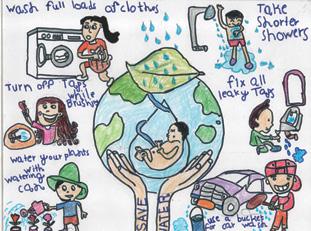











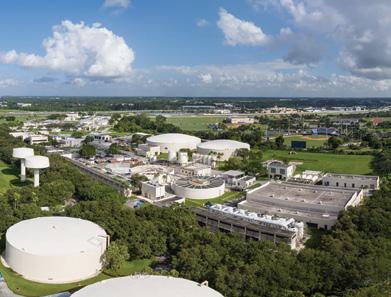

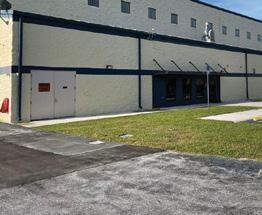



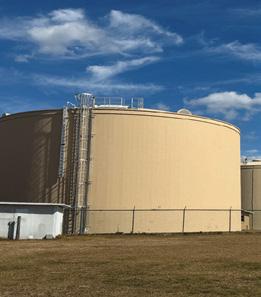














































LET’S TALK SAFETY
This column addresses safety issues of interest to water and wastewater personnel, and will appear monthly in the magazine. The Journal is also interested in receiving any articles on the subject of safety that it can share with readers in the “Spotlight on Safety” column.
The Increased Hazards of Night Work
Night shifts are a fact of life for many companies and employees. While they allow companies to keep a job going 24/7, if there is a deadline in place, in many cases, night shifts are often used to avoid causing disruption during busy, “high traffic” periods.
Night shifts are sometimes not very popular with employees, as they can be inconvenient and disruptive to most lifestyles. Depending on the nature of the job, there may
are aware of the risks and employees have received the proper worksite safety training to cope with night shifts.
Unique Conditions
Working at night presents some special safety challenges, particularly for people working in traffic areas. The biggest challenge is finding a way to cope with the reduced visibility. At dawn and dusk, the sun is low in the sky and causes glare on a vehicle’s

windshield. Once the sun has set, the distance a motorist can see is restricted by headlight efficiency, and some drivers have poor night vision.
Statistics show that 25 percent of workers killed on the job when struck by a vehicle were working between 6 p.m. and 6 a.m., but only 9 percent of the workforce is on duty during those hours. This statistic means that crews working at night are three times more likely to be struck by a vehicle than their daytime counterparts.
Even when workers are wearing reflective safety vests, motorists aren’t always able to determine that the object with the reflective tape is a human. When turned sideways, bending over, or standing motionless, workers are often mistaken for traffic cones or other safety markers. Motorists are less likely to slow down for a marker on the roadside than for a worker. Safety experts also note that working near the road is more dangerous at night because traffic is lighter, allowing motorists to travel faster through the work zone.
The condition of drivers at night also presents a hazard to workers. A higher percentage of drivers at night are subject to fatigue or to alcohol or drug impairment.
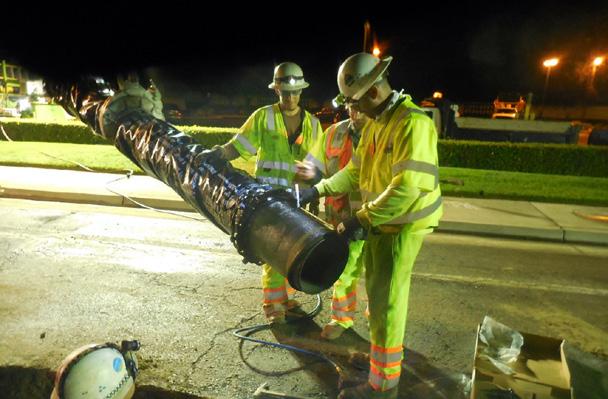
Making Night Work Safer
Here are some things to make the work zone safer at night:
S Make sure work clothing has an abundance of reflective material. The bright orange or yellow that motorists can see so well during the day does little good at night unless it‘s accompanied by reflective material on a vest or jacket, hard hat, and pants.
S Line up parked equipment to serve as a boundary to protect work zones.
S Use floodlights to illuminate flagger stations, equipment crossings, and any other areas where crew members will be working. Floodlights can cause a disabling glare for drivers entering a work zone, so once the lights are set, a utility worker should drive through the area to observe their positioning and make adjustments as necessary.
S Because of reduced visibility, crew members need to slow down and work more cautiously, especially when working around excavations. Shadows and dark areas inside trenches make the simple
job of getting in and out of them more difficult. Footing near trench walls may appear to be more stable than it actually is.
S Crew members signaling and operating excavation equipment also need to take extra care in their job duties. The glare from traffic headlights and the fact that some excavation areas are partially hidden in shadows makes jobs more difficult.
Onsite Night Work
Reduced visibility isn’t just an issue at offsite work locations; because of dark areas and shadows created by floodlights, an area of the facility workers are quite familiar with during daylight hours looks different at night. Outdoor filter beds, stairways and ramps, equipment storage areas, loading docks, and large water tanks are all areas that are more difficult to negotiate in the dark.
Water storage tanks, for example, may be extra cold and have more moisture on them at night, making footing or handholds more slippery and dangerous. Dew may also exist
on loading docks, stairways, and ramps, so slow down and take extra time and caution when walking across these areas.
When moving around the facility grounds at night, always carry a large flashlight to supplement whatever fixed lighting is available. It’s a good idea to also carry a small backup flashlight in case the larger light stops working during your rounds.
Even though vehicular traffic is minimal on treatment plant grounds in the evening, you should still wear reflective clothing anytime you are outside the facility so that coworkers and emergency personnel can see and identify you when they are on the facility grounds.
If you take the necessary precautions, your night-work duties can be performed without any problems, keeping your workers and the public protected.
Don’t get left in the dark—make the night shift safe and secure. S
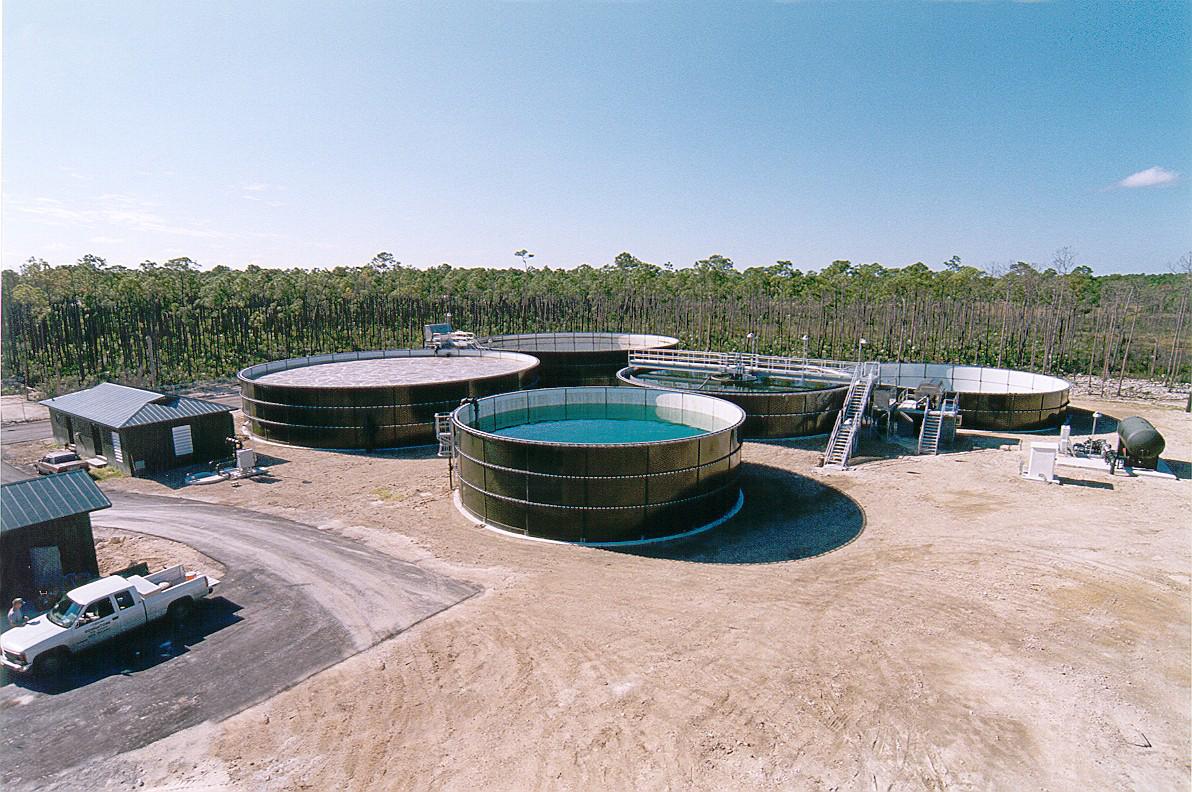
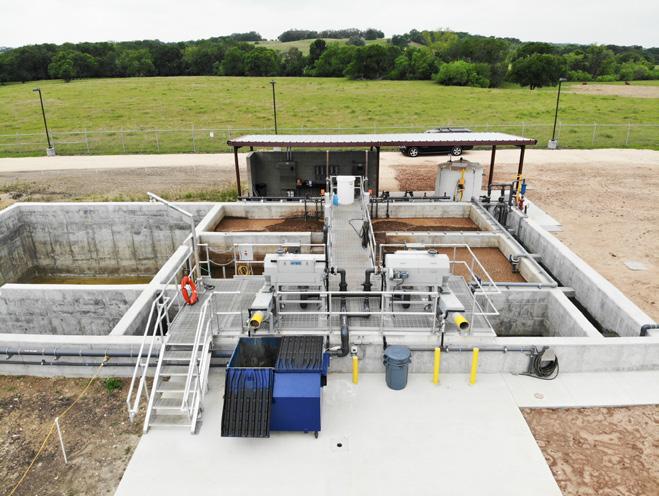


GThoughts on YPs From an Aged-Out YP
Tyler Tedcastle Chair, FSAWWA
etting involved with FSAWWA started by chance when my friend Rebecca Oliva asked me to volunteer as treasurer for a student chapter at the University of Florida. With no idea about the water industry, I said sure because, according to my parents, “It would look good on your resumé.”
Twenty years later, with multiple volunteer roles in local regions, the section, and the American Water Works Association (AWWA), I am now serving as the FSAWWA chair. Due to my experience and appreciation for young professionals (YPs), I wanted my first column to bring light to this great committee and group of people within the water industry.
The FSAWWA YP Committee (YPC) sits under the Membership Engagement and Development Council (MDEC), consisting of a chair, vice chair, and regional YP chairs from the 12 section regions. Prior to being a committee for MDEC, the YPC was formed and reported directly to the FSAWWA Executive Committee. The YPC welcomes members from the section under the age of 35 or with less than 10 years in the industry. If you are interested in joining, please reach out to our YPC chair, Elizabeth Page!
The AWWA also has its own YPC and I had the honor of serving two terms on the committee, including multiple subcommittee chair positions. The association YPC consists of 15 AWWA members and hosts several events, including
year’s summit will be held in conjunction with the Utility Management Conference in Charlotte, N.C., on March 22–24 (more information is in the next section).
The association YPC also coordinates with and supports AWWA student chapters at colleges and universities around North America.
Young Professionals Events
Besides bringing together the newer water professionals in our industry, the YPC hosts numerous events throughout the year.
AWWA Young Professionals Summit and Leadership Training
Charlotte, N.C.
March 22–24, 2026
The AWWA/WEF YP Summit is the premier water and wastewater industry workshop for YPs. Join other young leaders by exploring your role in water and discussing how you can best serve the water sector at large. This skills development workshop provides supplemental training and networking opportunities to emerging leaders and students in the water industry.
This year’s event will focus on developing awareness of evolving water sector challenges and opportunities, and building skills specific to emerging leaders in the industry.
This event has almost become its own specialty conference. When I first attended in 2010, there were approximately 30 attendees; it has grown to over 250 attendees in recent years.
Florida Water Resources Conference
Daytona Beach
April 26-29, 2026
The FSAWWA YPC coordinates with the Florida Water Environment Association and the Florida Water and Pollution Control Operators Association to provide local training and career
advancement opportunities during the conference. This event provides an excellent platform for leadership development, networking, and personal advancement for emerging professionals in the water industry. Please be on the lookout for a schedule of events.
Summer Seminar
August 2026
The Summer Seminar is an annual event where the YPC hosts speakers from around the section to discuss emerging technologies, issues, and regulations in the water industry.
FSAWWA Fall Conference
Orlando
November 28-December 2, 2026
The YPC will host its annual meeting, student lunch, Water Bowl Competition, and Fresh Ideas Poster Contest at the conference.
Regional Events
Numerous regional events are presented throughout the year, including technical presentations, plant tours, and networking opportunities.
Continuing Education
As newer members to the water industry, many YPs are either still in school or considering going back for additional degrees or continuing education. If this applies to you, please consider looking into the scholarship opportunities through the FSAWWA Roy Likins Scholarship, which recently awarded 10 scholarships totaling $55,000, or the many scholarships/continuing
Tyler (left) as the emcee at the Water Bowl Competition in 2012.
Young Professionals Summit in 2016.
Young Professionals Summit in 2010 held in San Juan, Puerto Rico.
$112M Awarded for Water Quality and Supply Projects Statewide
More than $112 million in grants to improve water quality and quantity across Florida has been awarded by Gov. Ron DeSantis. The funding includes:
S $50 million to support 14 alternative water supply projects
S $50 million in funding to support 23 projects aimed at restoring Florida’s natural freshwater springs
S $12 million for 16 innovative technology projects that will help detect, prevent, and mitigate harmful algal blooms
“Our administration has made historic investments in protecting water resources,” said Gov. DeSantis. “Florida is a leader in water resource protection and we will continue to deliver results and act as responsible stewards of our resources.”
“Our decisions are driven by science and long-term stewardship,” said Alexis A. Lambert, secretary of the Florida Department of Environmental Protection. “The funding will help communities secure reliable water supplies, improve water quality, and better respond to environmental challenges. These investments reflect the commitment to protecting the resources that support our economy and our way of life.”
Alternative Water Supply Investments
The administration awarded $50 million to support 14 projects that will collectively produce more than 94 million gallons per day (mgd) of new water supply once fully operational. These projects expand reclaimed
water, enhance aquifer recharge, and promote conservation—ensuring Florida’s communities and natural systems have adequate supplies for generations to come.
“Our organization continues to prioritize the health of our waterways and reduce nutrient pollution such as excess nitrogen and phosphorus,” said Drew Bartlett, executive director of the South Florida Water Management District. “This money will help conserve precious water resources while meeting the state’s water needs. Partnering with local governments and other entities to conserve and reuse fresh water is an important and effective way to help accomplish this goal. These investments will create infrastructure projects to improve the water environment.”
Continued on page 54
“Developing alternative water supplies requires long-term planning and is critical to meeting the projected population growth and associated water supply demands in the region,” said Brian Armstrong, executive director of the Southwest Florida Water Management District. “We are grateful for the leadership and foresight in prioritizing the development of alternative water supplies.”
“Florida continues to demonstrate real leadership in securing a resilient water supply for the future,” said Mike Register, executive director of the St. Johns River Water Management District. “This $50 million investment reflects a forward-thinking commitment to expanding sustainable, alternative water supplies.”
“Florida continues to lead the way in developing proactive solutions to meet its growing water needs,” said Hugh Thomas, executive director of the Suwannee River Water Management District. “By maximizing the use of alternative water sources, we are ensuring smart, sustainable growth in north Florida.”
“A commitment to alternative water supply projects not only helps protect precious natural resources, it shows innovative thinking on the part of state leaders,” said Lyle Seigler, executive director of the Northwest Florida Water Management District. “We look forward to implementing projects that will protect water resources for years to come.”
Since 2019, Florida has invested $335 million in alternative water supply projects, creating more than 445 mgd of future water supply to meet the needs of the state’s rapidly growing population.
Protecting Florida’s Iconic Freshwater Springs
The governor awarded $50 million to support 23 projects aimed at restoring Florida’s world-renowned freshwater springs.
These projects will enhance spring flow and improve water quality through wastewater upgrades and other enhancements. Collectively, they will reduce total nitrogen by more than 100,000 pounds per year.
The Springs Restoration Grant Program supports communities statewide by funding land acquisitions and projects that support both improvements in water quality and spring flow.
Project highlights include:
S $2.9 million for Newberry’s septic-tosewer conversion project, replacing aging inefficient residential septic systems with centralized wastewater service, benefiting the Santa Fe River and springs.
S $1 million to Alachua Conservation Trust Inc., for the Suwannee High Recharge Pinelands Land Acquisition, benefiting Rainbow River and Springs.
S $1.6 million for the Inverness sewer extension septic-to-sewer project to connect residential and commercial septic systems to centralized sewer, benefiting Chassahowitzka-Homosassa Springs.
S $6.1 million for Wakulla County’s Crawfordville East phase V and VI septic-to-sewer project to connect properties to conventional sewer in three subdivisions, benefiting the Upper Wakulla River and Wakulla Spring.
Since 2019, Florida has invested $430 million to advance 147 springs restoration projects, leading to an estimated annual reduction of more than 907,000 pounds of total nitrogen per year. The projects will continue this forward momentum, helping protect Florida’s springs for future generations.
Innovative Technology to Address Harmful Algal Blooms
The governor also awarded $12 million for 16 projects that deploy innovative technologies to prevent, detect, clean up,
or mitigate harmful algal blooms. Florida continues to expand its portfolio of tools, vendors, and scientific capabilities to support local governments and provide rapid response during bloom events.
As a result of prior investments through this program, six technology vendors are now on standby statewide, and multiple tools that monitor conditions, forecast blooms, and mitigate impacts are being deployed in communities across Florida.
Established in 2019 following recommendations from the Blue-Green Algae Task Force, the program has received $75 million to support 68 projects to date.
“By investing in emerging technologies, we are expanding scientific capacity to better understand and manage harmful algal blooms,” said Dr. Mark Rains, chief science officer for Florida. “These projects integrate real-time monitoring, predictive modeling, and field-scale treatment systems to improve how we forecast bloom conditions and implement rapid mitigation strategies. The result is a more data-driven, adaptive approach to protecting Florida’s aquatic ecosystems.”
Florida’s Continued Commitment to Water Quality and Resilience
From expanding sustainable water supply to pioneering algal bloom technologies, this funding reinforces Florida’s commitment to safeguarding water resources statewide. These investments advance longterm planning, protect natural ecosystems, and support the needs of Florida’s growing population.
A list of Alternative Water Supply Grant projects, Springs Restoration Grant projects, and Innovative Technology Grant projects selected for Fiscal Year 2025–26 is available at www.protectingfloridatogether. gov/grants S




C L A S S I F I E D S
CLASSIFIED ADVERTISING RATES - Classified ads are $22 per line for a 60 character line (including spaces and punctuation), $60 minimum. The price includes publication in both the magazine and our Web site. Short positions wanted ads are run one time for no charge and are subject to editing. ads@fwrj.com
POSITIONS AVAILABLE
Utilities Plans Examiner Coordinator
$72,705 - $112,531/yr.
Utilities Treatment Plants Mechanic I
$51,148 - $71,970/yr.
Utilities Lift Station Operator II
$62,171 - $87,479/yr.
Apply Online At: http://pompanobeachfl.gov Open until filled
City of Plant City Utilities Asset Coordinator PAY RATE: $23.15/HR. + DOQ
Seeking a Utilities Asset Coordinator to support the inventory, inspection, and condition tracking of water, sewer, and reclaimed utility assets, ensuring accurate records and compliance with 811 subsurface locating requirements.
https://jobboard.ontempworks.com/PlantCity/Jobs/ Details/84243?Distance=Fifty&SortBy=Relevance&RowNum=10
City of Plant City Utilities Construction Inspector PAY RATE: $31.04/HR. + DOQ
Seeking a Utilities Construction Inspector to perform technical inspections of utility facility construction to ensure compliance with regulations, City standards, and project specifications.
https://jobboard.ontempworks.com/PlantCity/Jobs/ Details/84867?Distance=Fifty&SortBy=Relevance&RowNum=19
City of Lake City
Water Treatment Plant Operator A needed. Must have a high school diploma or equivalent; valid Florida Class A Water Operators Certificate; valid Florid driver’s license; pass a drug test and background check. Starting salary $46,096.54 annually, plus benefits, including State of Florida Retirement. To apply go to https://www.governmentjobs.com/careers/lcfla
Water/Wastewater Project Manager
CivilSurv Design Group, Inc. (CivilSurv) is a well-established civil and environmental engineering firm with a long history of delivering high-quality municipal water and wastewater solutions throughout Florida. As we continue to grow, we are seeking an experienced Water/Wastewater Project Manager to join our team and play a key leadership role in project delivery, client service, and technical excellence. The preferred location for this role is our corporate headquarters in Lakeland. However, remote applicants located in the Tampa St. Petersburg, Orlando, Port St. Lucie, or Vero Beach areas will also be considered.
Please visit the Careers page of our website for additional details and information on how to apply: https://www.civilsurv.com/careers

NOW HIRING! Water & Wastewater Positions
• Utilities Director
• Operations Manager
• Utilities Maintenance Supervisor
• Chief Operator
• Lift Station Operator
• Plant Operator I -II

POLK COUNTY BOARD OF COUNTY COMMISSIONERS:
UTILITIES DIVISION
WATER PLANT and WATER POLLUTION OPERATORS –**MUST HAVE A CLASS (C) WATER LICENSE
$22.38HR - $32.45HR. Water Operator I
$24.66HR - $35.77HR Water Operator II
$27.19HR - $40.79HR Water Operator III
INDUSTRIAL ELECTRICIAN $23.03HR.
DISTRIBUTION & COLLECTION SYSTEM OPERATORS
$16.37HR - $17.53HR.
Hourly, Nonexempt.
See BOCC Link Careers | Polk County Jobs | polk-county.net
April ....................Water Conservation and Reuse
May .....................Operations and Utilities Management
June ....................Biosolids Management and Bioenergy Production
July .....................Stormwater Management; Emerging Technologies
August ................Disinfection; Water Quality
September..........Emerging Issues; Water Resources Management
October ..............New Facilities, Expansions, and Upgrades
November...........Water Treatment
December ...........Distribution and Collection
Technical articles are usually scheduled several months in advance and are due 60 days before the issue month (for example, January 1 for the March issue).
The closing date for display ad and directory card reservations, notices, announcements, upcoming events, and everything else including classified ads, is 30 days before the issue month (for example, September 1 for the October issue).
For further information on submittal requirements, guidelines for writers, advertising rates and conditions, and ad dimensions, as well as the most recent notices, announcements, and classified advertisements, go to www.fwrj.com or call 352-241-6006.
Continued from page 41
1. C) sanitation.
The most important line of defense of protecting people from disease within a community is sanitation.
2. A) 2 feet per second.
The minimum water velocity provided by a properly designed wastewater collection system is 2 feet per second.
3. C) a sanitary wastewater collection system.
A collection system that conveys water due to rainfall and snow runoff from buildings and regional unpaved and paved areas to a natural water body is called a sanitary wastewater collection system.
4. B) 0.5833 square feet.
If the depth of flow in a 12-inch diameter pipe is 7 inches, the crosssectional area of the flow is 0.5833 square feet.
5. A) 70 to 100 gallons per day per person.
The typical per capita flow within a collection system from residential sources has a range of 70 to 100 gallons per day per person.
6. A) 2.73 feet/second.
The velocity within a collection pipe if a stick travels 450 feet between two manholes in 2 minutes and 45 seconds is 2.73 feet/second.
7. C) 1.028 mgd.
The flow of 1.59 cubic feet/second in million gallons per day is 1.028 mgd.
8. B) 300 to 500 feet.
The appropriate distance between manholes in straight runs of sewer lines is 300 to 500 feet.
9. D) all of the above.
The manholes are usually placed within the collection system at changes in elevation, slope, and sewer line direction.
10. A) 0.40 foot for every 100 feet of pipe.
The minimum recommended slope that will maintain a scouring velocity in an 8-inch pipe is 0.40 foot for every 100 feet of pipe.
Simple, Stable, & Robust
ANITA™ Mox deammonification systems are equipped to retain anammox bacteria as biofilm attaches to media carriers within the reactors, preventing anammox washout and process-upset.
Bacteria retention through media carriers and mechanical sieves has proven to be an effective method by the ~40 ANITA Mox and by the 1000+ AnoxKaldnes™ MBBR/IFAS installations.
> Major components require minimal maintenance
> Future expansion is made easy by adding more media
> Tolerates higher influent TSS concentration without pretreatment
> Multiple control algorithms available to provide flexible operating options and adapt to wide load/flow variations
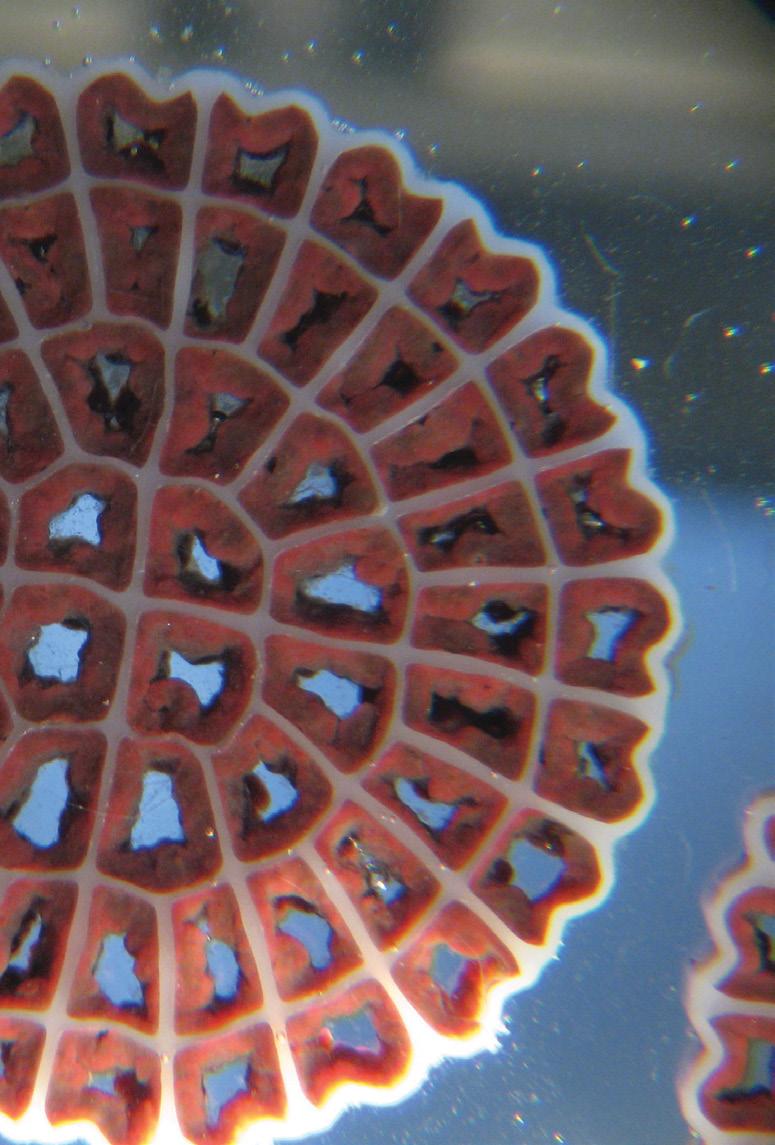
Anita Mox™ is exclusively represented in Florida by MTS Environmental.

www.veoliawatertech.com
Bob Bierhorst
Wesley Chapel, FL 813-760-5508
Wade Wood P.E. Tampa, FL 321-299-2395
Eric Peters P.E. Lakewood Ranch, FL 941-773-5051