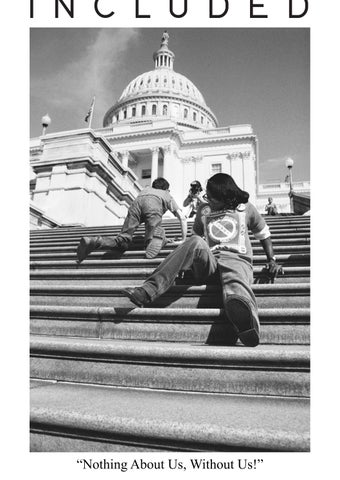
I N C L U D E D “Nothing About Us, Without Us!”
Student: Elias Hanna 915203
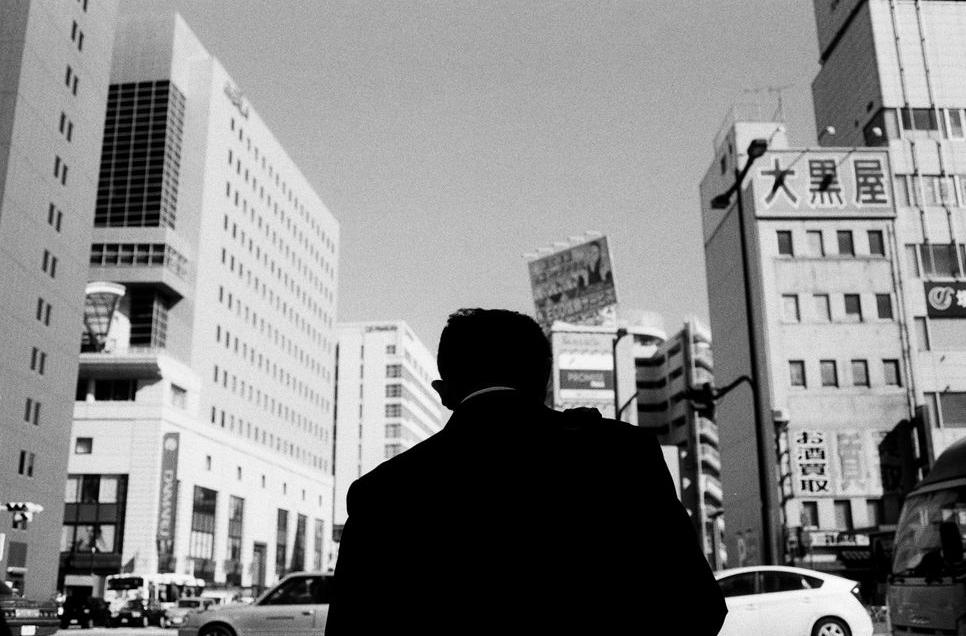
 Photograph by Aki Salonen
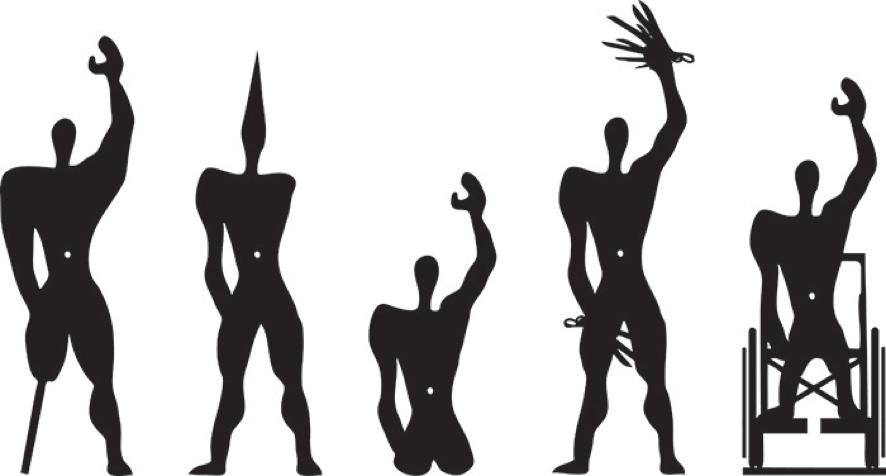
Modulor by Thomas Carpentier (2011) https://www.thomascarpentier.com/Modulor
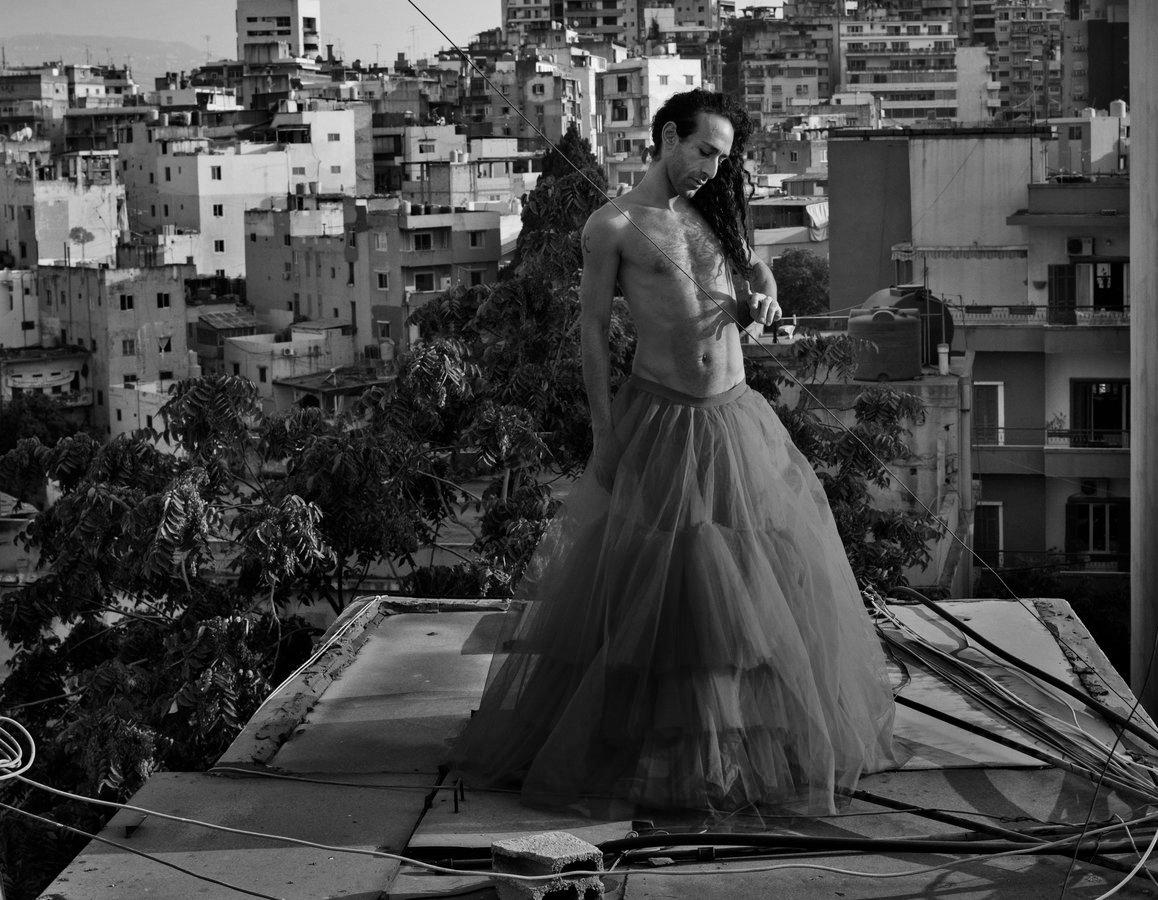
Alexander Paulikevitch dancing on a rooftop in Beirut, Lebanon. Photograph by Laura Boushnak for the New York Times
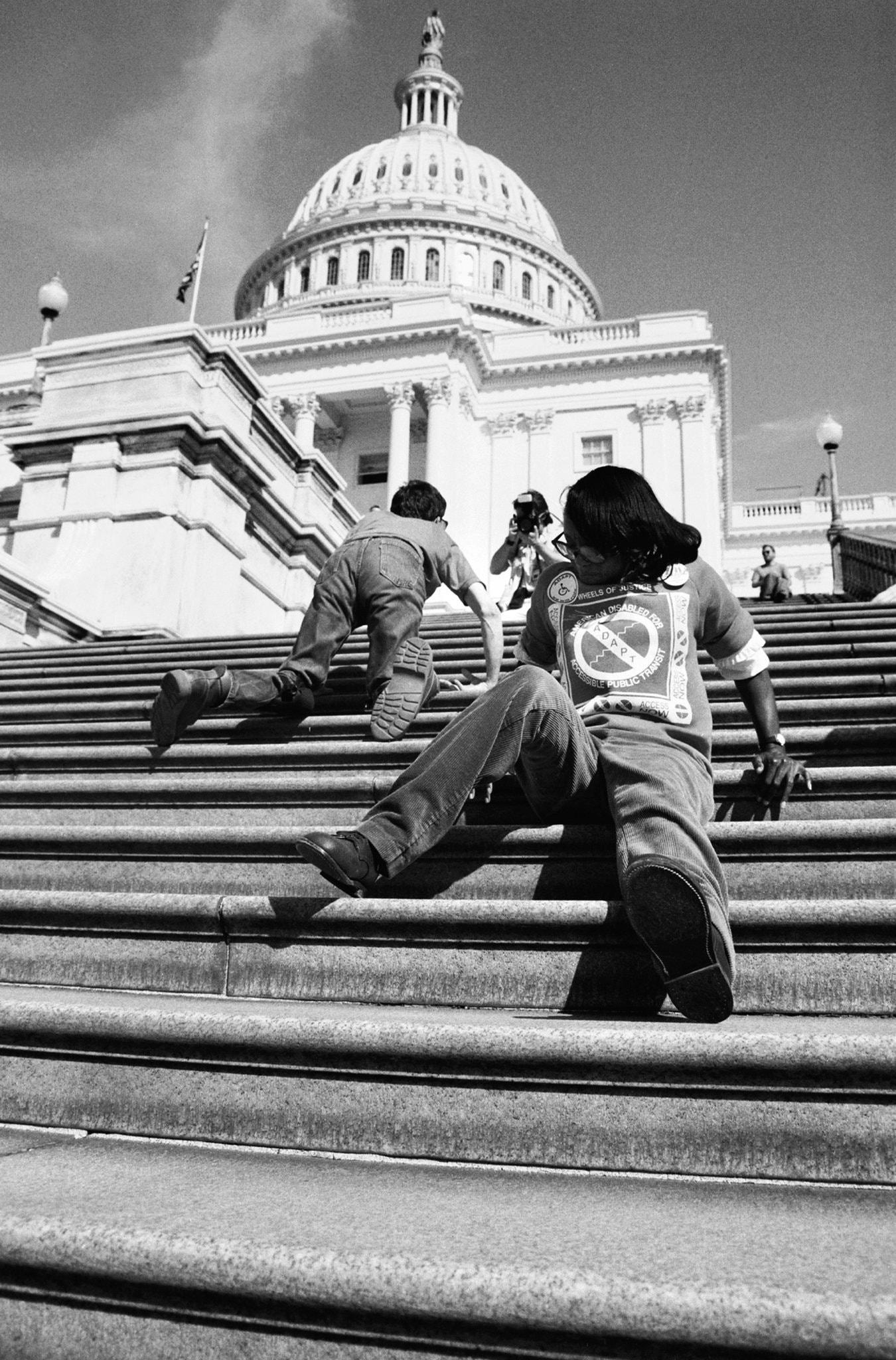
Cover Image: Capitol Protest for ADA (Americans with Disabilities Act) at the steps of the Capitol building, Washington. Photograph by Tom Olin, 1990
Architecture
Photograph by Aki Salonen
Modulor by Thomas Carpentier (2011) https://www.thomascarpentier.com/Modulor
Alexander Paulikevitch dancing on a rooftop in Beirut, Lebanon. Photograph by Laura Boushnak for the New York Times
Cover Image: Capitol Protest for ADA (Americans with Disabilities Act) at the steps of the Capitol building, Washington. Photograph by Tom Olin, 1990
Architecture
and Media: ABPL90368 University of Melbourne: Semester 1, 2021
Final Editorial and Annotated Table of Contents
Subject coordinator: Dr. AnnMarie Brennan
1
Burton, Elizabeth, and Lynee Mitchell. Neighbourhoods for Life: Designing dementia friendly outdoor environments. 2006. 29.
Burton, Elizabeth, and Lynee Mitchell. Inclusive Urban Design: Streets for Life, Taylor & Francis Group, 2006. 32.
World Health Organisation (WHO). Global Health and Aging. 2011. 2-8
Australian Institute of Health and Welfare (AIHW). People with Disability in Australia report. 2019.
In education and practice, the notion of inclusion in the built form has failed to garner the debate and thought it deserves. What does it truly mean to be in cluded in an age defined by cultural antagonism and exclusion, one also set amidst intense globalisation and rapid technological advances?
People with differing needs should not be seen as having a disability in public space, but rather as being disabled by the environments surrounding them1. Framing these disabling factors in such a way enables us to conceptualise their elimination. The poor and restrictive elements of our cities can then be removed through foresight, collaboration, and design understanding. How can the needs of as many people as possible be met through design and legislation, and not just the fit, average, able bodied, white male that has traditionally informed design practice2?
Given that we are living in a time of inequality, with a rapidly increasing and diverse population, as well as a global trend of ageing, longer life expectan cy and lower birth rates, exclusionary design will continue to negatively influence the lives of more people over time3. How can we design homes and cities that accommodate the physical and mental challenges and changes experienced by not only the elderly (with 1 in 2 experiencing some form of disability) but also the 1 in 8 people under 65 with some form of disability, so they may comfortably take part in society, and reside easily in the homes and the cities they belong to4?
How do we remove barriers that might not be visible to us, but impede the functioning or quality of life of others? Inclusive design can benefit more than just the users it specifically tries to address, thereby cre ating better places for us all. This is an opportunity to make our cities and suburbs more sustainable and obstacle free at all scales.
Our preoccupation with how cities vlook, and not how they influence both the individual and collec tive lived experience, runs the risk of excluding many from true societal inclusion and therefore contribution. Inclusivity will often pose conflicting outcomes, such as increasing street light brightness for those with low vision leading to problems for an area’s birdlife. How can interdisciplinary collabora tion, and increasing advances in technology help to anticipate and then mitigate these conflicts? What does it really mean for a sidewalk to be inclusive? How does the intangible feeling, or atmosphere, of a space influence our sense of being comfortable in it? These questions aim to distinguish the core of being truly included in our cities and the myriad of related problems caused when one is not.
At a larger scale Daavid Freudenberger will examine the effect of ecological inclusion in urban envi ronments by suggesting the ways in which native an imals and plant life can be sensitively re-introduced to cities and urban areas.
From here, an interview Sarah Lynn Rees will describe how historic and cultural inclusion can be afforded by indigenising our design process es, through an integration of context specific first nations collaboration. Richard Rothstein will then expose the hidden and racialised inequalities facing people of colour in their limited access to nature in certain American states, while describing the reasons for this undiscussed inequality.
Catalina Devandas Aguilar together with Sara Hendren will dissect and illustrate the policies and frameworks that legally enable limiting and restric tive built outcomes, while offering more suitable and fitting frameworks. They will describe the ways in which various laws across the globe have attempted to deal with accessibility, and the difficulty posed by setting a unified global design framework of inclu sion. Designers cannot change the law directly, but we can change the perceptions of those that can by suggesting new ways of solving the same problems, beyond the prescriptive and easily measured solu tions we have come to expect. Victor Pineda then posits a transformation of technological interfaces, in which smart cities technology can be utilised to remove barriers for those with disabilities by engag ing directly with useful real time information and digital data, providing agency to many.
2
3
4
5
Alexis Kalagas will interrogate the inequality of financial models and tax systems that disproportion ately favour the wealthy and asset rich in society, while disadvantaging those struggling to find a place to live. At the scale of the suburban home, Nigel Bertram and Michael Lennon will interrogate the social barriers to access felt by those pushed out from city centres in suburban sprawl and suggest ways in which suburbs might adapt to become more inclusive, and less isolated places.
E D I T O R I A L
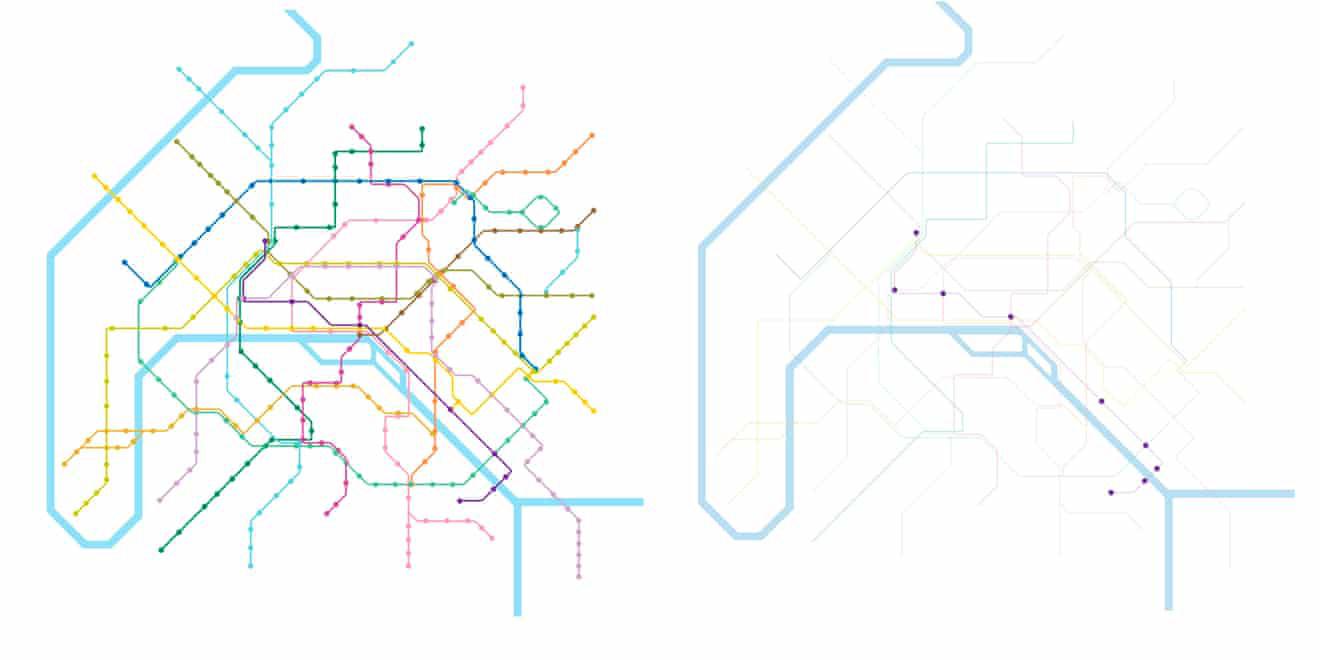
Paris Metro Map; 9 out of 303 stations are fully accessible
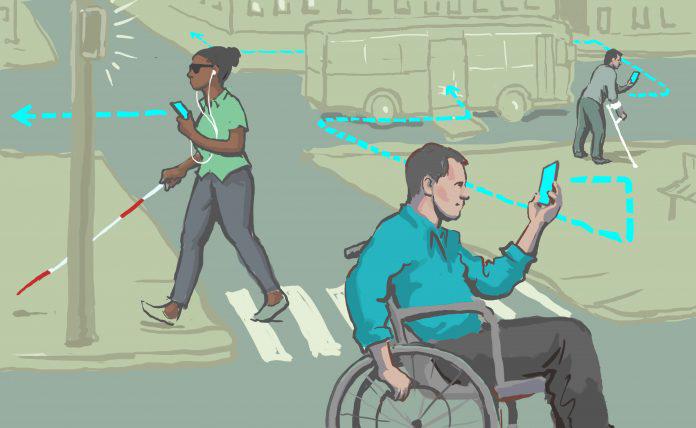
Smart Cities technology empowering those with disabilities. Illustration by State Dept. US / Dough Thompson
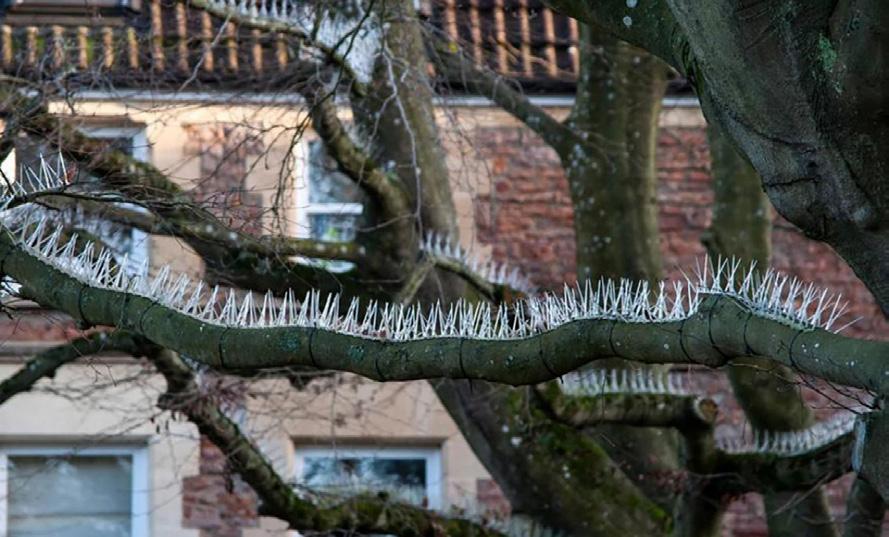
Bird Spikes and the architetcure of hostility. Photograph by Tom Wren
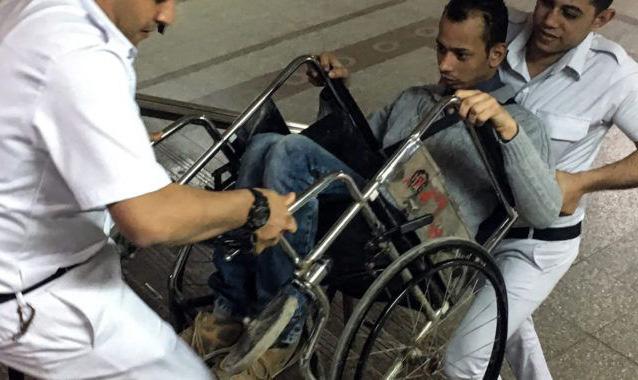
Tahrir Metro Station in Downtown Cairo, Egypt Photograph by Roger Anis
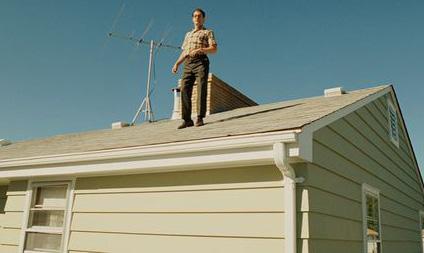
Stills from “A Serious Man” (2009). Directed by Joel and Ethan Cohen
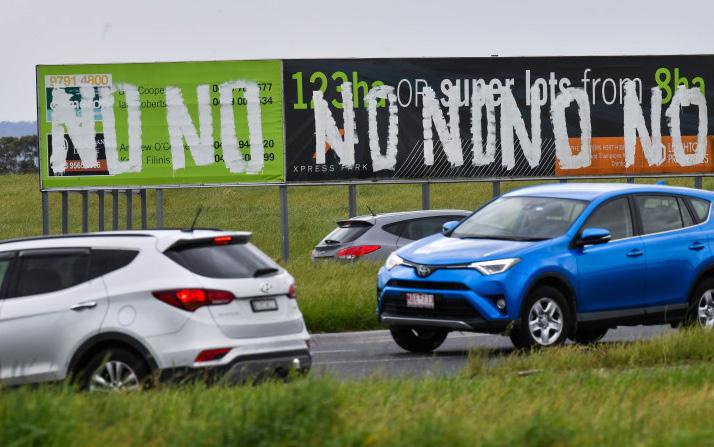
Tagged developer advertising in Cranbourne, Victoria.
Photograph by Joe Armao
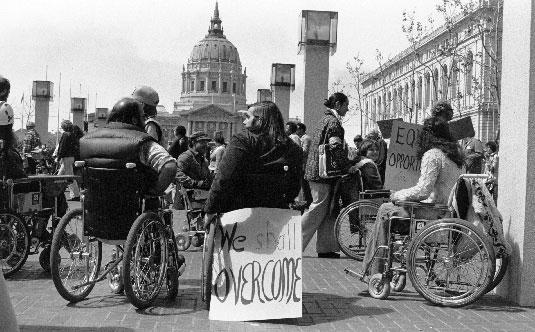
We Shall Overcome, Sit in at San Francisco City Hall
Photograph by Anthony Tusler (1977)
Jacobs, Jane. The Death and Life of Great American CitiesThe Use of Sidewalks: Safety. 1996. 105
An architect’s contribution to inclusion through empathic design is introduced as Anthony Clarke describes the process of collaborating and research ing to inform dementia friendly space and suggests ways in which domestic spaces can be designed for neurodiverse inclusion. Play and inclusivity is presented by Natalia Krysiak as she engages with the city in a playful and non-judgemental manner by presenting a series of design follies deployed in a busy street, enlivening an area and engaging the public with playspace amongst the more serious and adult realities of urban infrastructure.
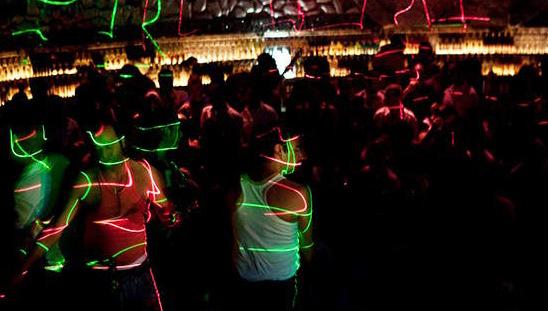
Jess Myers interrogates the historic paradox of ag gressive security and surveillance as they have lead to more perceived danger in cities, contrasting this with examples of bottom up, and inclusive safe-city design strategies which lead to less street insecurity and more street activity, factors integral to intense and inclusive urban life5. John Nagle will exhibit the intimate space of a nightclub setting as it poses a microcosm of queer Inclusion and freedom amidst a broader state of varying attitudes to diversity in con temporary Beirut. As invisible barriers are discussed and broken down theoretically, an understanding and critique of specific discouraging and segregating urban atmospheres is provided by Tonino Griffero.
Finally, the author, in conversation with Richard Sennett, discuss the historic ramifications of exclu sionary city design from the idea of the individual state and its borders to that of the contemporary cities desire for never-ending growth and capital, while contrasting these outcomes with the potential for inclusive change and the long-lasting positive impact that would result.
Often inclusion is presented as an individual, and personal notion, however this journal takes a holis tic. multi-disciplinary and multi-scalar approach to the topic. A tactic inspired by the pioneering work of Keller Easterling in systematically redefining and “Designing Infrastructure” using its own rules, offering a transdisciplinary “hacking” approach to taking back cities for the benefit of its people and the civic ecosystem at large by making them more, not less, information rich6.
The existing exclusionary narratives and practices surrounding the planning of cities and their integra tion of nature and history is countered from the civic scale to that of the suburb, proposing an inclusive outlook for living with nature, each other and our past. Accessibility is interrogated from different lenses and scales, from the legal frameworks that govern its regulations from the top-down, to the technology of smartphones and smart-cities empow ering those with disabilities from the bottom-up. Comfortable housing is posited as a human right for all, where financial models for inclusive own ership strategies are presented alongside ways in which suburbs might be designed to encourage inclusion and empathy rather than isolation and exclusion. Designing to encourage play contradicts our expectations of inclusivity and fun in our most urban environments, as the city is taken back for all ages. Notions of harsh security and rushed safety protocols have stifled experimentation and individ ual freedoms in the city for too long, empowerment through sensitive approaches to safety hopes to change this, while reducing the exclusion presented by the surveillance and bollards we unthinkingly de ploy. The freest place of all, the chaotic and liberat ing nightclub interior poses a microcosm of inclu sion amidst an exclusionary environment, while the dissection of urban atmospheres unmasks the hidden psychological influence of cityscapes on our sense of inclusion and comfort in the constantly changing sensory landscape of cities.
Read collectively, the contributions in this journal do not aim to solve the entire issue of inclusion in the built environment, for such a quest would be impossible. Rather, they suggest an informed and multidisciplinary lens through which these issues should always be looked at. The intention of Includ ed is to facilitate a dialogue that enables everyone to contribute and take part in society comfortably. Not restricting and alienating them as much of the ethos of the modern paradigm of design had done.
E D I T O R I A L
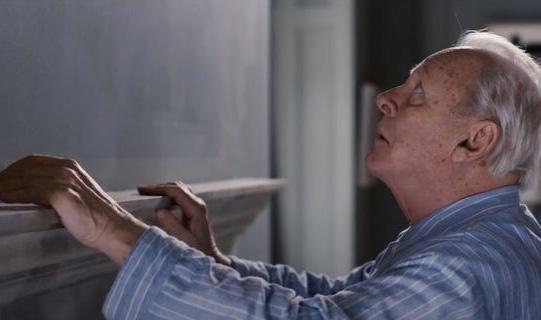
Still from film “The Father” directed by Florian Zeller (2020)
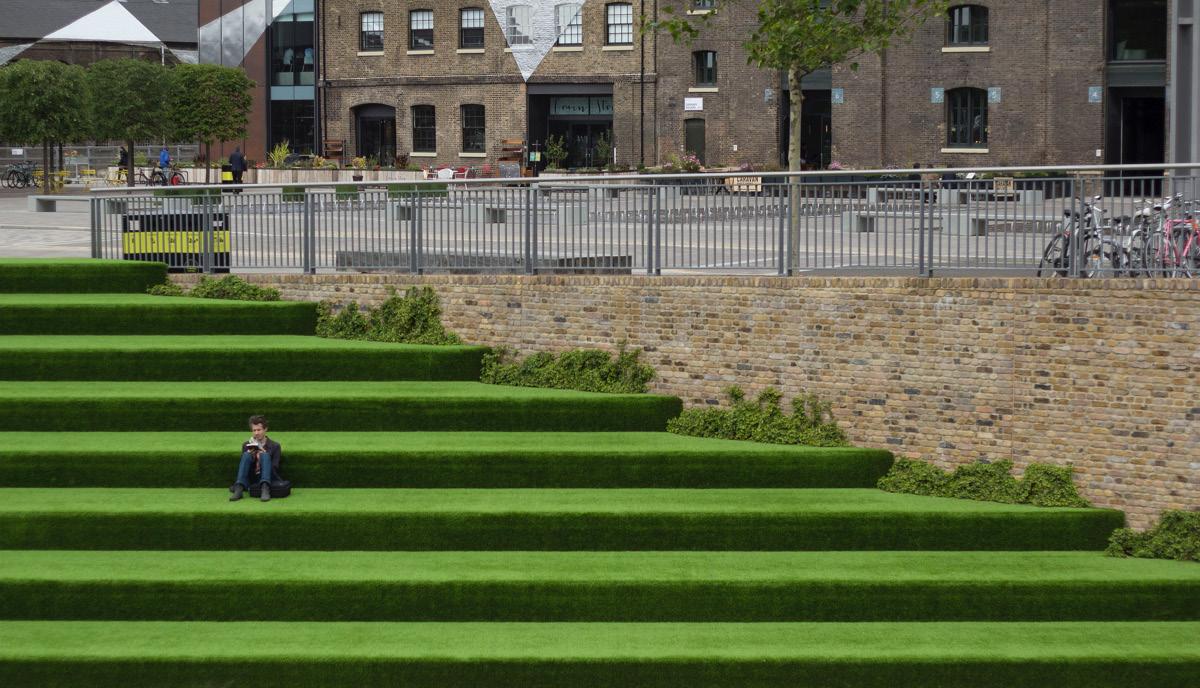
Astroturf in Granary Square, London. Photography by Alexander Edward
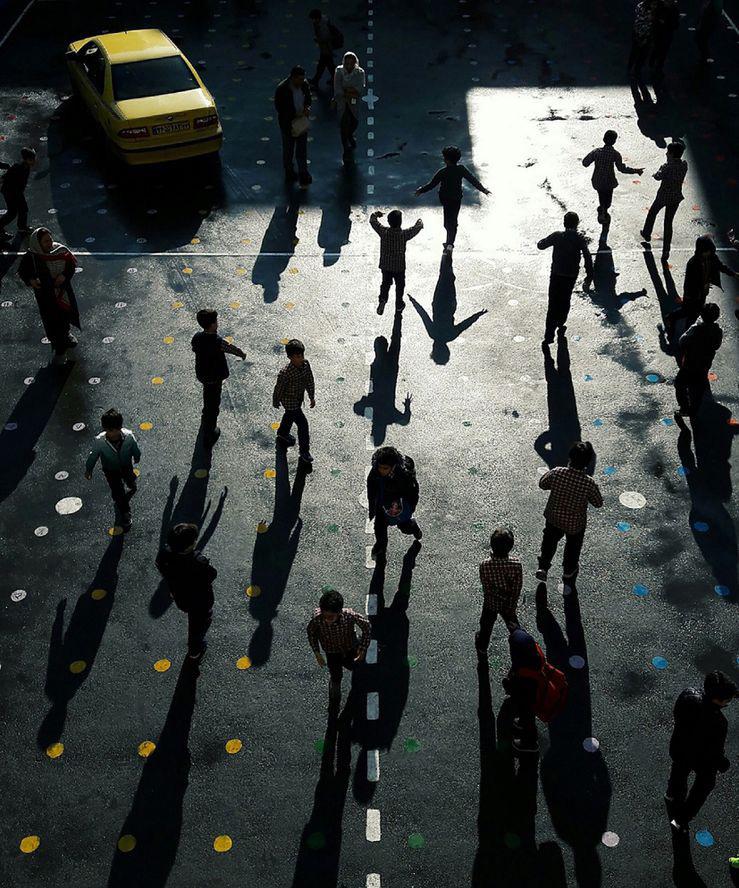
Play with Shadows. Photograph by Fatteme Pezeshki
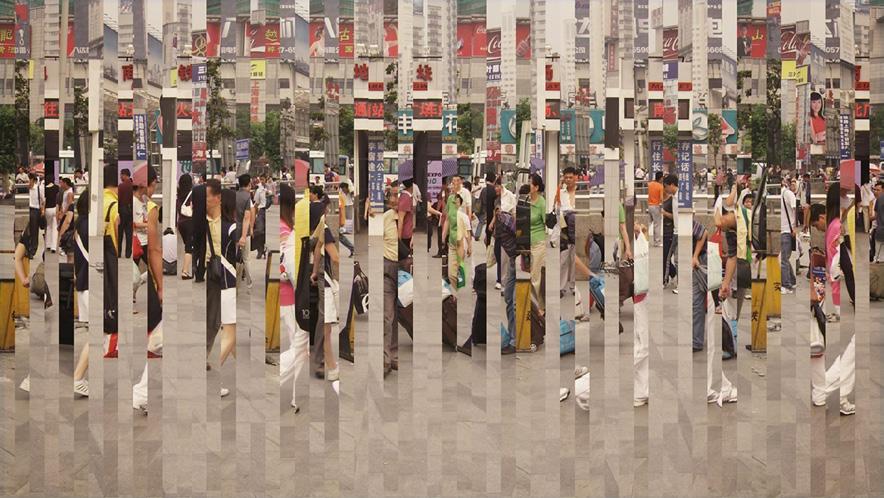
Static No. 16 artwork by Daniel Crooks (2010)
Dancers at Acid club, Beirut – Lebanon.
Photograph by Bryan Denton
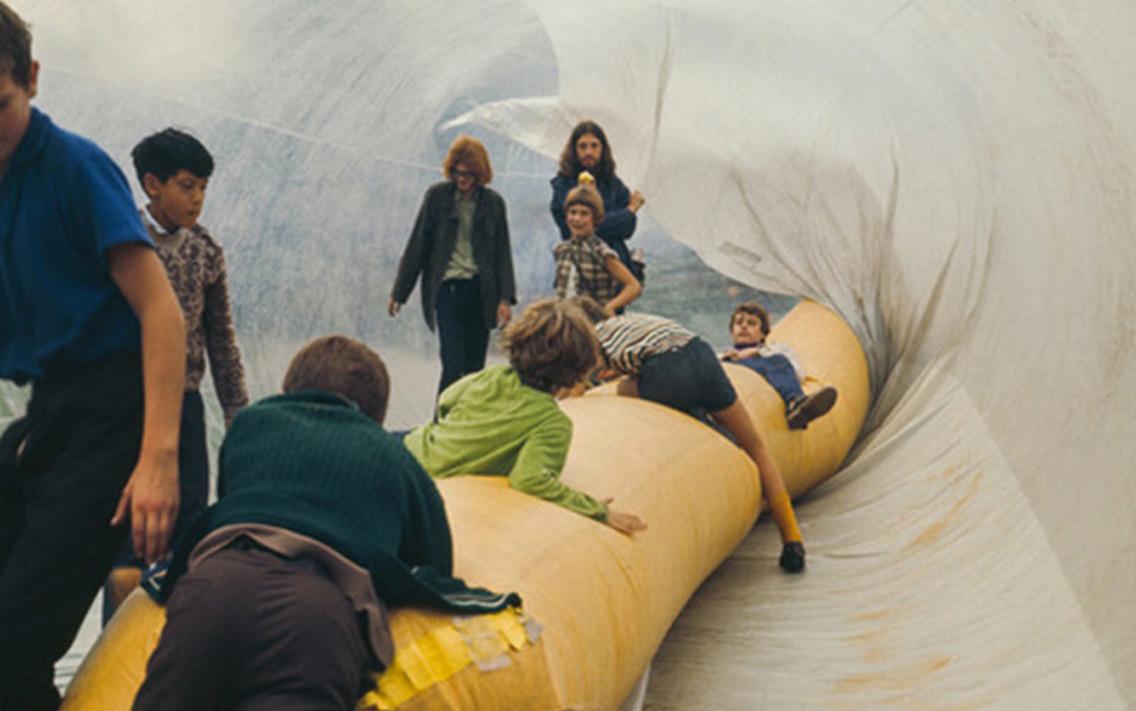
“Pneutube in Frederiksplein, Amsterdam. Photograph by Pieter Boersma (1967)
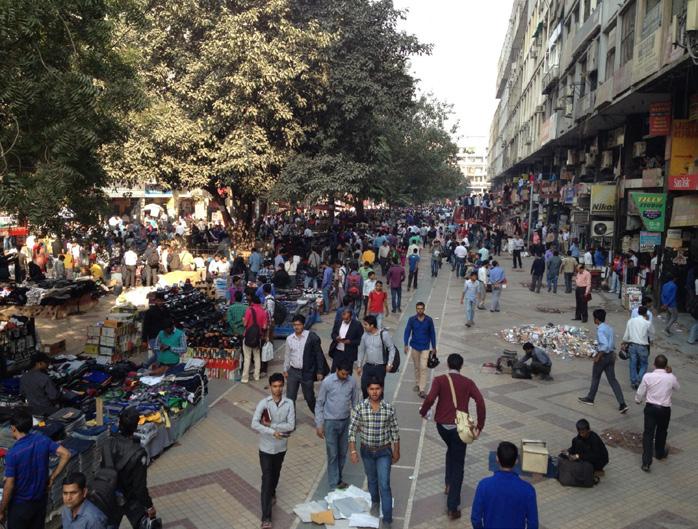
Nehru Place in Delhi, an “open” place.
Infrastructure
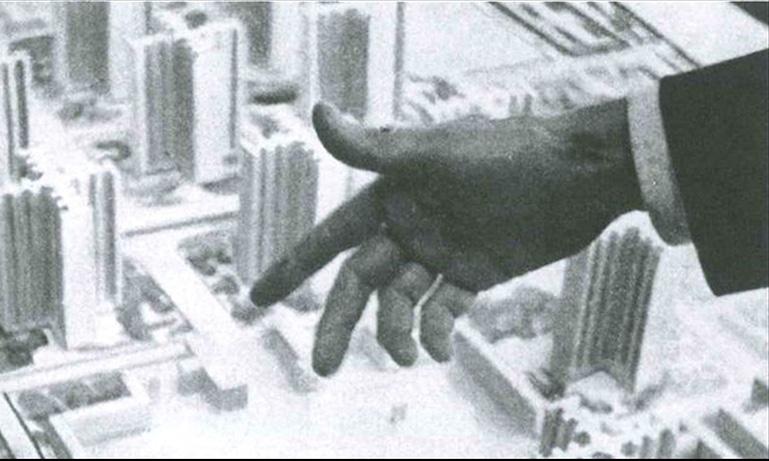
Plan Voison Paris, 1925 by Le Corbusier
6 Easterling, Keller. Designing
(in The Sage Handbook of the 21st Century City). 2017. 658
O N T E N T S
David FreudenbergerThe process of Restoring the Natural
David Freudenberger is an ecologist, chief scientist at Greening Australia, and a Senior lecturer in envi ronmental management at the Australian National University. He has led several restorative research projects across Australian land and continues to en gage in restorative practice. His work aims to reduce the escalating extinction rate of Australian flora and fauna. David will interrogate the ways in which urban environments, and wonton over development have contributed to this natural degradation, and how designers of cities can re-introduce or collabo rate with natural environments in lands where they once flourished. The Yarra River will be used as a test bed, where litter and human influence is pushing certain species to the edge of extinction.
Sarah Lynn ReesNetwork Repair by Indigenising
Sarah Lynn Rees is a Melbourne based Palawa woman, lecturing at Monash University and a practicing architect at Jackson Clements Burrows where she is the Lead advisor in their Indigenous Advisory: Architecture and Design team. One of her main research interests is the ways in which Australia’s original inhabitants have been excluded from design and built environment conversation and contribution. Some of the ways in which Indigenous histories have been camouflaged in our city through the built form will be discussed, and how they can be revealed and engaged with in the future will be uncovered through an extensive interview.
Richard RothsteinDiscriminating Natural Environments
Rothstein is an American academic and author, writing “The Color of Law: A Forgotten History of How our Government Segregated America in 2017”. His work focuses on the effects of racial segregation enshrined within legal policies and frameworks that have historically disadvantaged people of colour and low-income communities in many aspects of life. He will illustrate and disseminate the ways in which ac cess to, and provision of, natural and outdoor spaces are prioritised in wealthier, primarily white neigh bourhoods while providing examples of how the discriminating policies can be changed, to equalise access to nature.
Victor Santiago PinedaRadical Inclusion (Beyond the Ramp)
Pineda is a disability rights advocate, with a keen interest in equity-based planning research, a social development scholar, and head of World Enabled, born in Venezuela, later developing spinal mus cular atrophy. His most recent book “Building the Inclusive City: Governance, Access, and the Urban Transformation of Dubai” bridges theory and prac tice to offer a context specific and non-western case study on equity and justice in the built environment. Pineda will explain how Smart Cities and virtual technologies can become liberating information sharing tools for those with disabilities, as they navigate and engage with urbanised areas designed for the able bodied.
Catalina Devandas Aguilar and Sara HendrenPrescribing
and Designing Inclusion
Catalina Devandas Aguilar is a Costa Rica based lawyer, and human rights advocate living with Spina Bifida. She was the first Special Rapporteur on the rights of persons with disabilities for the UN and helped implement the Convention on the Rights of Persons with Disabilities. Her motto is “Nothing about us, without us”.
Sara Hendren is an associate professor of arts, humanities and design at the Olin College of En gineering as well as an artist and the author of the recently published “What Can a Body Do? How We Meet the Built World”. Aguilar exposes the myriad of ableist complexities enshrined within legislation, focusing on the NCC (National Construction Code) and Australian Standard AS1428 (Access for people with disabilities).
She will describe the ways in these prescriptive but limiting documents can lead to restrictive spatial and psychological outcomes for those with disabilities, while Hendren suggests the ways in which the built world might “come a little closer to our bodies” in response. Solutions are suggested to the clear disconnection between legislation and the complex reality and conflict between space and the diversity of body types and abilities that exisit within it.
Alexis
KalagasGet off our backs, stop offsetting tax
Kalagas is a Melbourne based urban strategist, with a background in International relations, policy and law, previously acting as a foreign policy advisor to the Department of the Prime Minister and Cabinet. He was the 2018 Richard Rogers Fellow at Harvard GSD, exploring scalable alternative housing models which integrated financial and digital innovations to create more affordable outcomes. He has recently been focusing on the current inequality of outdat ed home ownership models and government tax incentives which adversely favour the privileged and wealthy. He will discuss and propose alternative paths to home ownership and rentals, that frame well designed and accessible housing as a human right, not a simple financial asset.
Nigel Bertram and Michael LennonConfronting the Great Suburban Dream
Nigel Bertram is an architect, academic and author, founding NMBW Architecture Studio with Mari ka Neustupny and Lucinda McLean in 1997. With Leon van Schaik, he recently published “Suburbia Reimagined: Ageing and Increasing Populations in the Lowrise City”. Michael Lennon is the managing director of Housing Choices Australia, advising the Australian Government and the World Health Organisation on issues of affordable and appro priate housing. In conversation they will discuss their research and experience relating to the global phenomena of low-rise urban sprawl and its effect on inhabitant’s health and wellbeing, and ways of countering those issues. How can existing suburbs be improved to allow for the elderly to age in place and become more accessible, and inclusive; finan cially, physically and psychologically. When we talk about cities, we should talk about suburbs too.
Anthony ClarkeArchitecture that Empathises
Anthony Clarke is the founding director of BLOX AS, a Melbourne based Architecture practice at the crossroads of research, curiosity, and experi mentation, creating architecture that aims to have a therapeutic effect on people’s lives. Eschewing the typically linear, “something from nothing”, design trajectory for a research based, and empathic process of understanding, BLOXAS collaborates with sci entists and medical professionals to understand and improve the relationship between the built form and those with particular mental and physical ill health. He is working on a book that explores the “current and future terrain of Neurodivergence and Archi tecture”. Clarke will illustrate the ways in which thresholds, invisible to us, have limited people with dementia from engaging with space in the domestic and urban realm.
Natalia KrysiakPlaying with Cities
Krysiak is a practicing architect at Hayball, 2018 Churchill fellow, researcher, and the founder of Cit ies for Play which explores how the built environ ment contributes to the health and wellbeing of chil dren (which has declined in the last few decades). She will propose a series of small-scale speculative projects along Swanston Street, Melbourne that aim to facilitate play and silliness in the CBD’s busiest artery. These interventions will illustrate the ways in which more child friendly, and less play prohibitive design, can have far reaching benefits for all of us.
T A
B L E O F C
Jess MyersRestorative Justice - Moving beyond a Victim Blaming Cityscape
Jess Myers is the host of Here There Be Dragons podcast, which explores the relationship between safety and identity in the urban realm. She is also an urbanist, editor and the steward of the New York chapter of the Architecture Lobby. One of Myers in terests is restorative justice, and working with exist ing local communities to make cities safer for more people, without resorting to the standard paternalis tic, patronising and often intimidating urban safety practices of surveillance and masculine intervention. She will illustrate the example of Aspern in Vienna as a safe city and site of gender mainstreaming, that transcends simplistic design interventions, that are welcoming, promote openness and exchange, offering process, not simply object or design-based solutions to problems of safety and inclusion in the city. A city designed with all genders, and their lived experiences in mind.
John NagleSafe Queerspace instead of Saving Face
Nagle is a professor of Sociology at the School of Social Sciences, Education and Social Work at Queen’s University in Belfast. He has a particular interest in the dual spaces of post-war Beirut as diverse and contradictory social uprisings flourished and were subtly or violently erased by state and cit izen intervention. Using his research from a Middle Eastern context he will interrogate and expose the moral issues still faced by members of the LGBTQ community in a gentrifying context, incorporating their lived experience and identity in a cityscape not designed for them, while revealing the myriad ways in which they subvert this oppression and find cohe sion and inclusion within the reality of the complex city through other, less visible means.
Tonino GrifferoThe Feeling of space
Tonino Griffero is a Professor of Aesthetics at the University of Rome, his 2010 book “Atmospheres: Aesthetics of Emotional Spaces” broke ground in its examination of the role of atmosphere in everyday life, and its impact on our senses. It also offered a framework for defining the main characteristics of atmospheres. He will publish an article that reflects on the nature of prohibitive atmospheres from the scale of our body’s reaction to visible and invisible stimuli, through to the changing atmosphere of the 21st century city. Distilling the essence of certain manufactured city atmospheres, which have been used to manipulate citizens will uncover invisible thresholds beyond the spatial.
Richard SennettComplex Assemblies
Richard Sennett is a sociologist at the London school of Economics and has been writing about cit ies for over 50 years, with his recent interests in how urban design shapes the ways in which we relate to each other. Sennett will give a brief overview of the history and tactics of exclusion in the city, and the way in which they continue to drive outdated and exclusionary urban policies and designs. He will also broadly reflect on the interconnectedness of the previous articles in Included, tying them together to illustrate how inclusive cities are a myriad of com plex and often contradictory relations that always lead to richer societies.
T A B L E O F C
O N T E N T S
Photoraph by Riccardo Riccio in Napoli, Italy 2020