
AutoMAtIC Floor SySteMS
Keith Manufacturing Co – pg 20
BAggINg/PAlletIzINg equIPMeNt
Amadas Industries – pg 12
Premier Tech – pg 22
CoMPoSt turNer Resource Machinery & Engineering – pg 14
CoNe SCrew SPlItterS
U.S. Pride Products – pg 12
CoNVeyorS & CoNVeyor PArtS
Amadas Industries – pg 12
Smalis Conveyors – pg 8
equIPMeNt SAleS GrinderTrader.com – pg 3
grINDerS, ChIPPerS & SCreeNINg SySteMS
Amadas Industries – pg 12
Bandit – pg 19
HogZilla – pg 4
Maverick Environmental Equipment – pg 14
Precision Husky – pg 11
Rawlings Manufacturing – pg 9
MulCh ColorINg equIPMeNt/ ColorANtS
AgriCoatings – pg 17
Amerimulch – pg 15
Britton Industries – pg 18
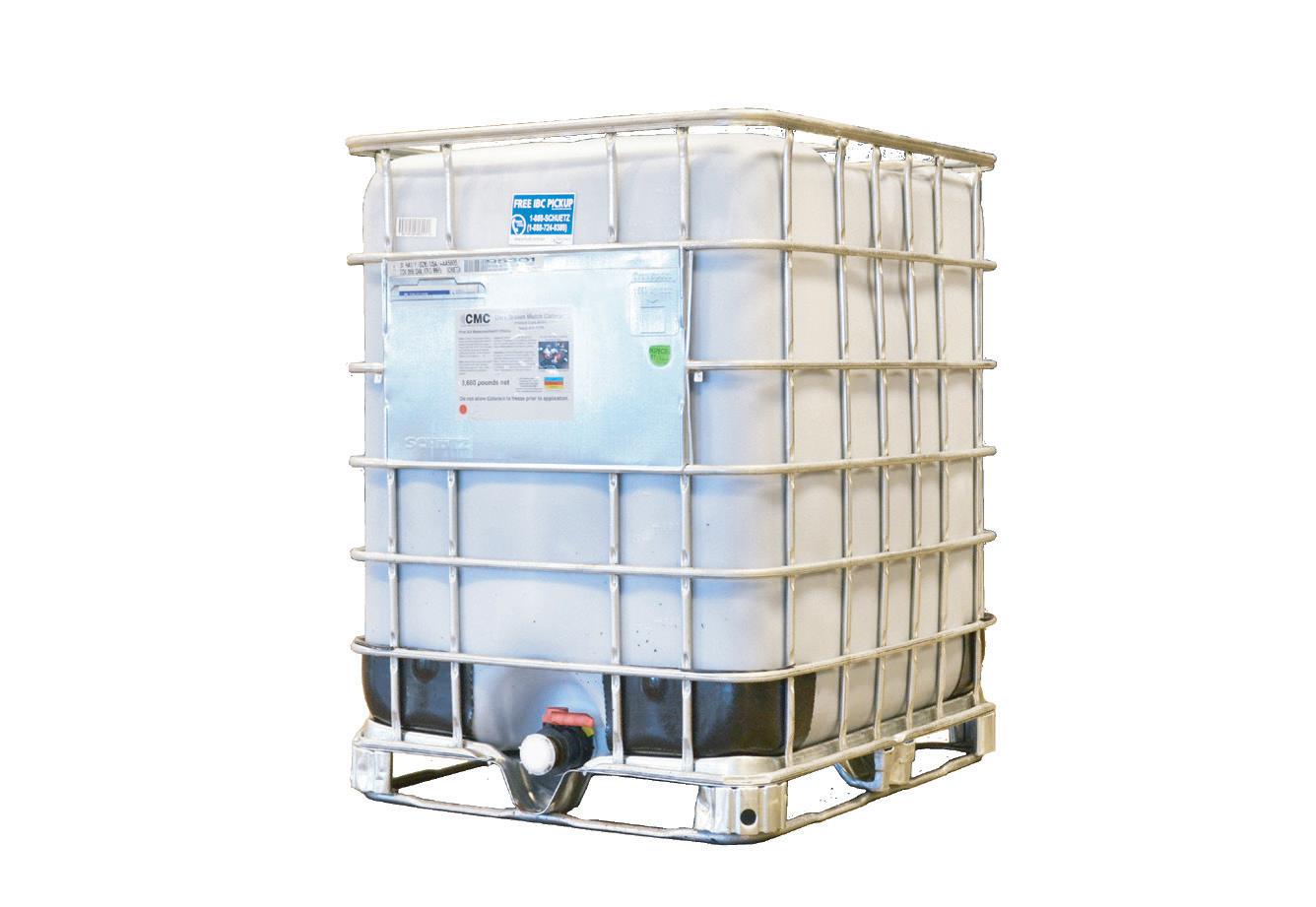
CMC – pg 7
Colorbiotics – pg 2
Faltech – pg 9
Florida Coastal Colors – pg 5
Milagro Rubber Inc – pg 21
T.H. Glennon Co – pg 24
Timber Ridge Equipment – pg 10
MulCh & PeAt SuPPlIerS
Lambert Peat – pg 3
Ohio Mulch – pg 16
PAyloAD weIghINg & MeASurINg SySteMS
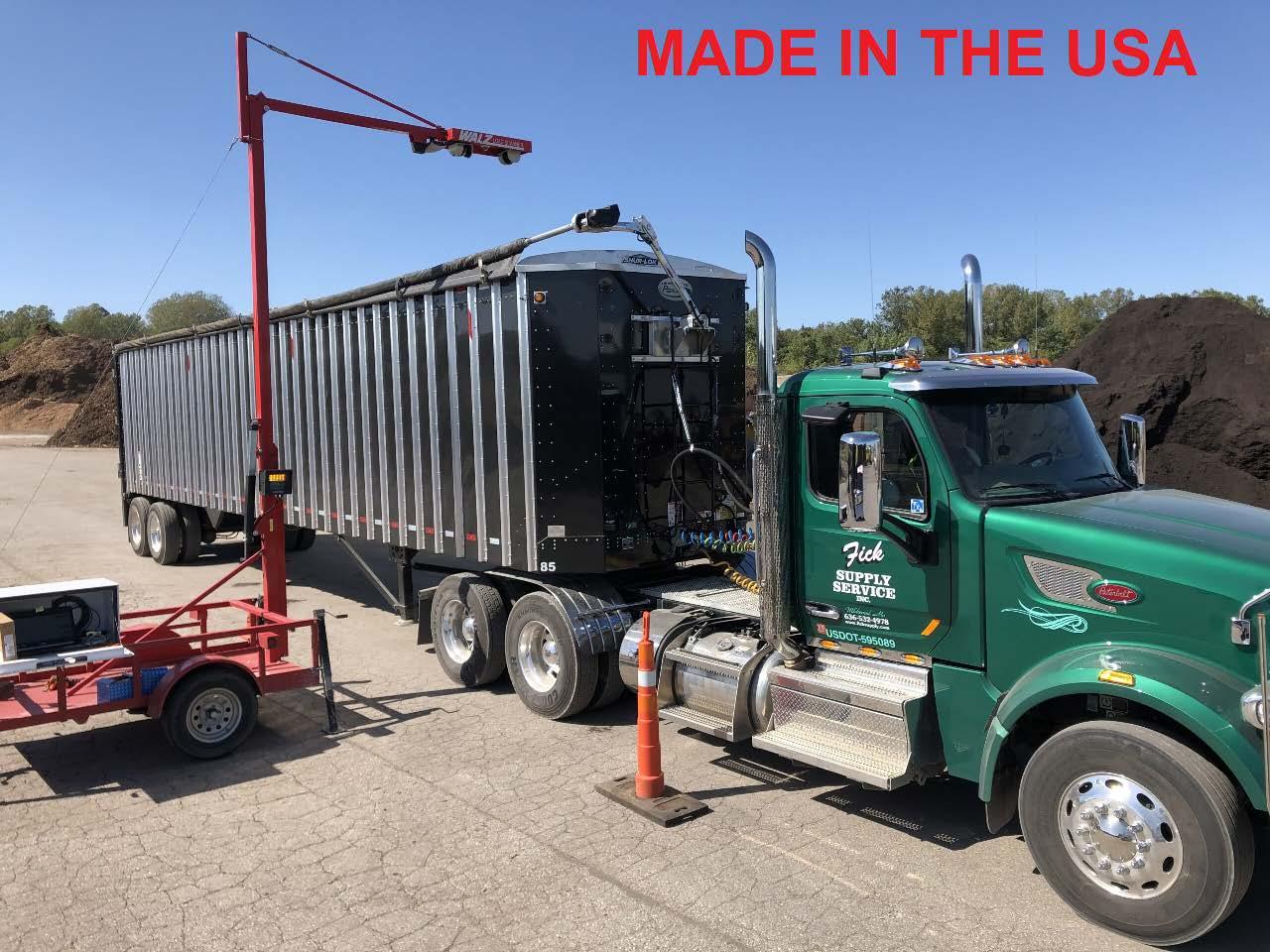
Walz Scale – pg 13
SoIl AMeNDMeNt
Green Solutions LLC – pg 4
trAIlerS Weaver Systems – pg 6
troMMel BruSheS
Power Brushes Inc – pg 3
weAr PArtS
ArmorHog – pg 6
By P.J. Heller
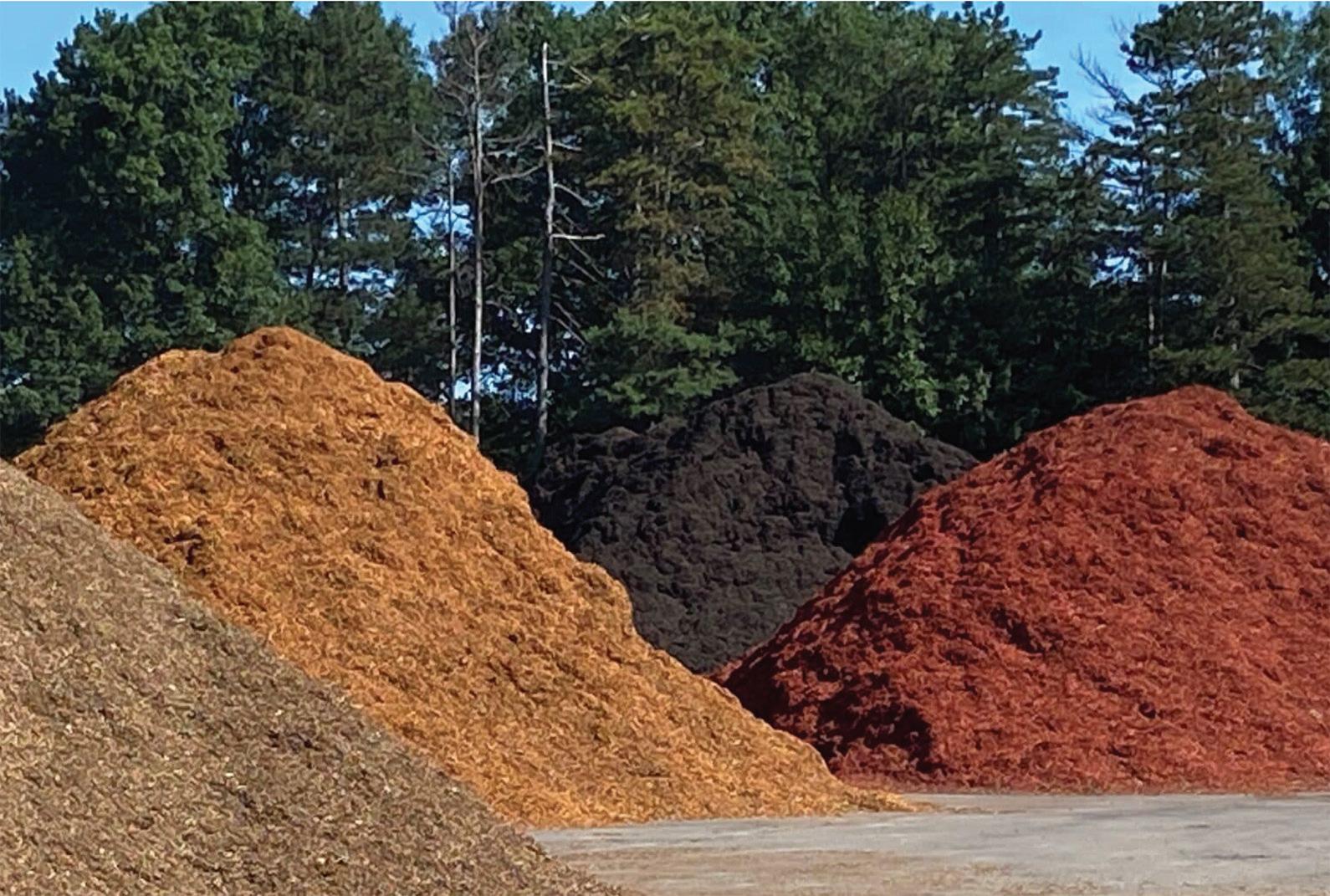
Gardeners who have been wanting a truly all-natural mulch for their yards and gardens are expected to get their wish this spring when the Mulch and Soil Council (MSC) rolls out its certified all-natural product program for horticultural mulches.
The certified all-natural product program – which is planned to eventually include soils – is an outgrowth of the MSC’s product certification program, launched in 2003 to help consumers, retailers, regulators and others identify products that conform to the Uniform Voluntary Product Guidelines (UVPG). The UVPG addresses product nomenclature, labelling, performance, and truth-in-advertising.
While many MSC certified products are natural, the UVPG does not require all-natural content.
“I think this will be a new phase for the lawn and garden market,” predicts Robert C. LaGasse, executive director of the council. “It’s the first national certification initiative designed to clearly identify mulch products that meet the highest standards for natural integrity.”
Rather than relying on claims from manufacturers that a product is natural or showing the results from various disparate testing labs, the new MSC certification program will bring all mulch producers who apply under a single independent testing body.
Jim Weber, who serves on the certification committee and is president of the MSC, says the program will provide consumers with the assurance that mulches designated as certified all-natural all meet the same demanding standards.
“I think it will be a great success,” Weber says, “I think it will help consumers on which direction to go.”
An annual consumer survey conducted by MSC in June showed nearly half of the 1,421 respondents said they preferred a product identified as all-natural and organic.
“There are some things that are organic that aren’t natural,” LaGasse notes. “So we went the all-natural route . . . We’re hoping this program will give consumers a more self-explanatory, easily recognized indication of what they’re purchasing.


Continued from page 1
“They’re concerned about their kids’ exposure. They’re concerned about their pets’ exposure. They’re concerned about environmental issues,” he adds. “They don’t want to put things in their garden that will be a problem down the road.”
Weber said avid gardeners are more demanding these days on making sure that what they put around their flowers, vegetables and other plantings “is what they expected it to be.
“I think when people today are shopping for products, they’re much more attuned to looking for those that are all-natural,” says Weber, president of Ohio Mulch.
“Growing consumer interest in products free of recycled, treated, or synthetic inputs drove the creation of a higher-level designation,” the MSC explains.
To qualify for the new designation, mulch producers will first have to obtain the council’s standard horticultural mulch certification. They can then (or at the same time) apply for the all-natural mulch certification, which involves submitting product samples for lab testing and undergoing subsequent quality audits and annual recertification.
Weber says some mulch manufacturers who today would not qualify for the all-natural certification might alter their production processes in order to meet the new requirements. Others who already offer all-natural products similar to Ohio Mulch might also want to obtain certification to show consumers the new designation. Ohio Mulch plans to apply for the new certification, Weber says.
The all-natural designation could prove to be a boon to mulch manufacturers, who saw bagged sales decline in 2025 compared to two years earlier.
“I think we will see a shift in sales. I think it will boost sales for the people who have the certification,” Weber predicts.
To meet that designation, mulches cannot contain any synthetic, artificial or chemically treated materials. Also rejected are mulches containing any reprocessed or recycled wood products, such as pallet grindings and construction and demolition debris. Mulches that contain any inorganic or unnatural colorants, paints or stains are excluded from the new certification program. Mulches must also be free from foreign matter above 0.2 percent by volume, which equates to 3 cubic feet, according to LaGasse.
To qualify for the new designation, mulch producers will first have to obtain the council’s standard horticultural mulch certification. They can then (or at the same time) apply for the all-natural mulch certification, which involves submitting product samples for lab testing and undergoing subsequent quality audits and annual recertification.
Application, product testing and licensing fees will cost $1,050 for MSC members and $2,100 for non-members.
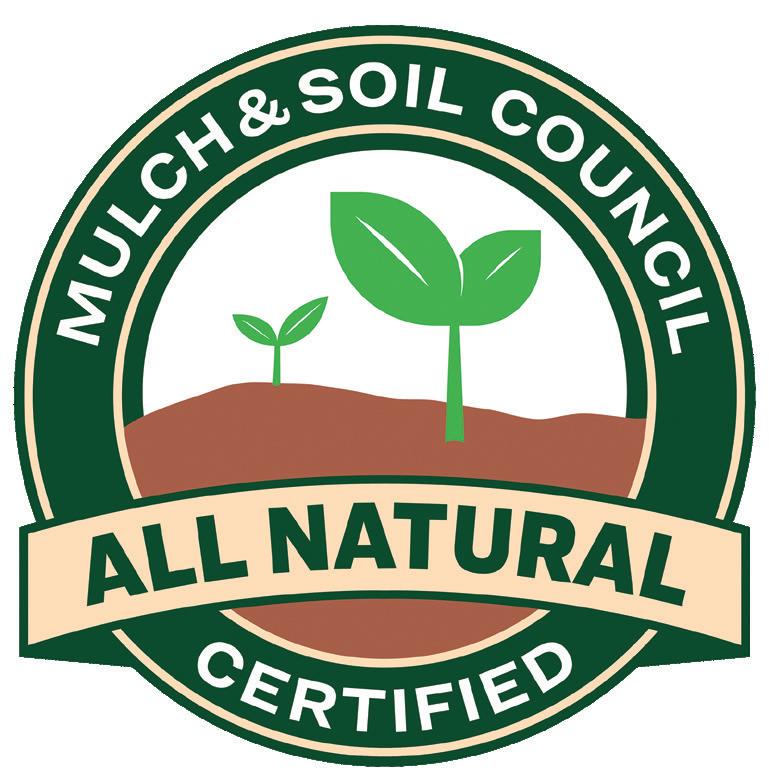
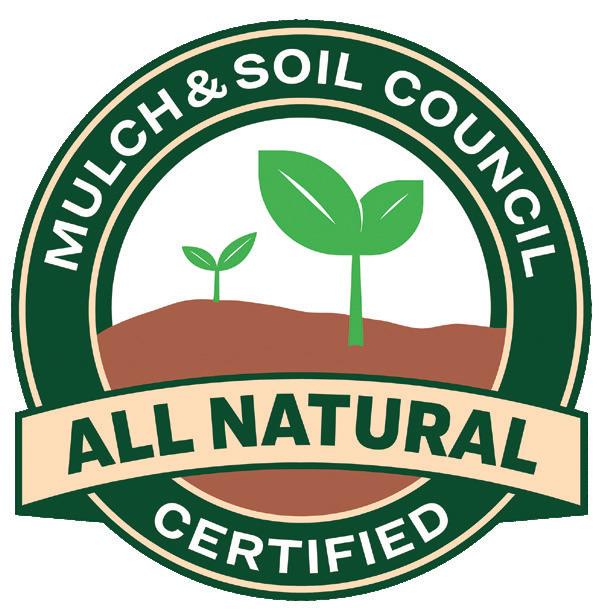
Once approved, mulch manufacturers can print the MSC certified product logo and the new certified all-natural trademark logo on their product bags.
“Together, these logos provide a transparent, instantly recognizable assurance of standards compliance and natural integrity–empowering consumers in an underserved market segment,” the MSC says.
“If a consumer is going to a store to buy 50 bags of mulch, and one [product] is certified as being all-natural and the other isn’t, that may be the deciding factor for someone saying, ‘I want the all-natural.’”
LaGasse predicts that the all-natural designation will prove even more popular when it is rolled out for soil products. That’s expected by the 2027 season.
Continued on page 4










Publisher / editor Rick Downing
Contributing editors / writers P.J. Heller
Sandy Woodthorpe
Production & layout
Christine Mantush
Advertising Sales Rick Downing
Subscription / Circulation Donna Downing
editorial, Circulation & Advertising office 6075 Hopkins Rd., Mentor, OH 44060 Ph: 440-257-6453
Email: downassoc2@oh.rr.com
Subscription information, call 440-257-6453.
Soil & Mulch Producer News is published bimonthly by Downing & Associates. Reproductions or transmission in whole or in part, without written permission of the publisher, is prohibited.
Annual subscription rate U.S. is $19.95. Outside of the U.S. add $10 ($29.95). Contact our main office, or mail-in the subscription form with payment.
©Copyright 2025 by Downing & Associates

Printed on Post-Consumer Recycled Paper



“I think that it will be even more effective for soils because there is less understanding of what’s in a soil in the consumer market,” he says.
“If you’re in a store looking at soils and one is all-natural and another is not, I think you’re more inclined to go with the all-natural than the one that isn’t,” Weber adds. “You don’t want to be putting down soil full of heavy metals or anything like that.”
Although the soil products certification plan has been in the works for several years, mulches were rolled out first because they were less complex.
“You can make an all-natural mulch out of a limited number of items that can be easily explained,” LaGasse explains. “There aren’t many synthetic or unnatural substitutes for them.”
Soils, however, are much more complicated.
“I’ve got a list of 103 terms that we would accept for soils,” he says.
Among issues being worked on for the soil program was the classification of ingredients as “all-natural,” “conditional,” or “prohibited.”
LaGasse says the natural product market has been growing over the years.
“If you asked me 15 years ago, or even 10 years ago, if all-natural was going to take over the market and would become a major thing, I probably would have said it’s a niche. It’s more than niche now.”





New York City residents have once again surpassed expectations, setting a new composting record for three consecutive weeks, from November 2 through November 22. According to the New York City Department of Sanitation (DSNY), households separated and set out 6,062,000 pounds of food scraps and yard waste during the third week — exceeding the previous weeks’ totals of 6 million and 5.9 million pounds.
The steady rise in participation highlights the effectiveness of the city’s curbside composting program, now the largest of its kind in the country. Designed for ease and convenience, the program allows residents to place all food scraps, food-soiled paper, and yard waste out for collection on their regular recycling day. Accepted materials include everything from vegetable peels and coffee grounds to meat, dairy, shells, fall leaves, and holiday trees. No sign-up is required, and any bin up to 55 gallons with a secure lid can be used.
Once collected, the material is processed into finished compost used in parks, gardens, and community landscaping projects, or converted into renewable energy that helps heat local homes and businesses. This year, DSNY distributed more than 8 million pounds of finished compost to residents through a network of giveaway sites and pop-up events across the five boroughs.
Since the citywide rollout last October, Staten Island has led the way in per-capita composting, averaging about one pound per person each week. Queens has contributed the highest volume overall, with residents setting out more than 61 million pounds in the program’s first year.
This fall’s record-breaking streak surpasses several milestones set earlier in the spring, when weekly collection totals rose from 3.6 million pounds in early April to more than 5.4 million pounds by late May—several times higher than the same period the previous year.
More details on what can be composted and how the program works are available at www.nyc.gov/curbsidecomposting

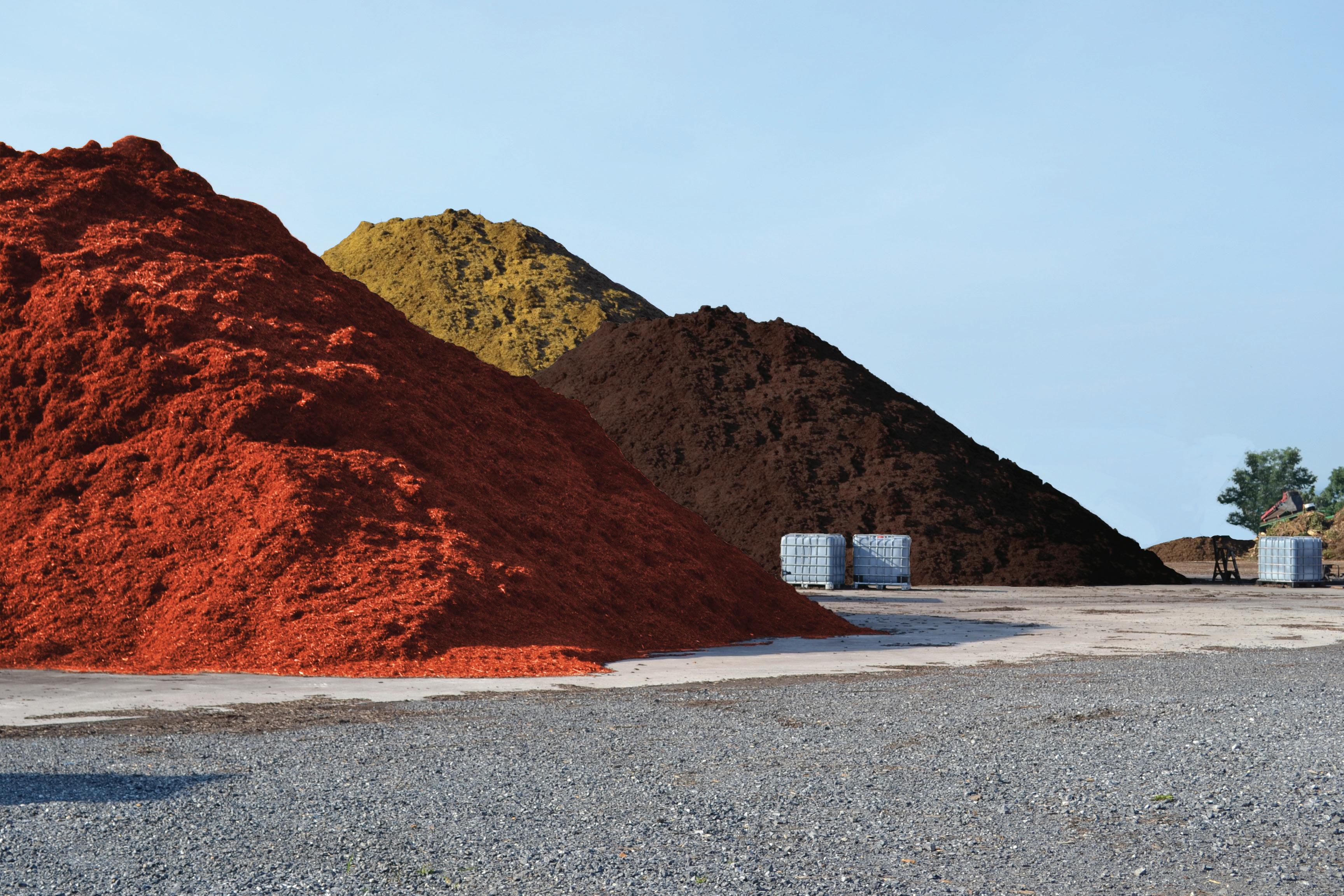
An influential American lumber lobby group is accusing Canada of flooding the U.S. market with discounted softwood lumber, a move it says harms American workers and puts domestic producers at a disadvantage.
Northern Ontario Business reports that the U.S. Lumber Coalition, a Washington-based industry group, raised concerns as Canadian federal and provincial leaders met recently in British Columbia to discuss the challenges facing their forestry sector. The coalition argues that Canada’s lumber industry produces far more wood than it can use domestically—an estimated 6 to 8 billion board feet in surplus—and sends most of it south of the border, creating what the group calls a “dumping ground” scenario.
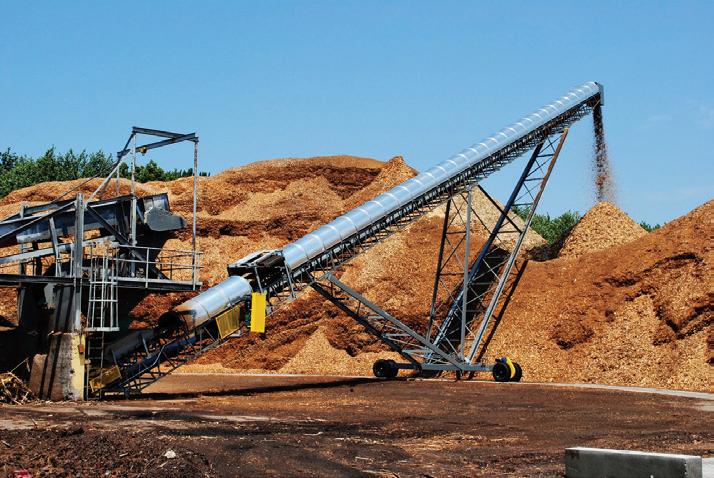
Zoltan van Heyningen, the coalition’s executive director, said Canadian officials should focus less on criticizing U.S. trade actions and more on reducing what the organization views as problematic government support for the industry.
“I think Canada should stop complaining about being subject to U.S. trade laws and instead put that energy into eliminating its unfair trade practices,” van Heyningen said.
The coalition supports the current U.S. tariffs on Canadian softwood lumber and other forest products, which now total roughly 45 per cent. Some members have suggested the duties should be even higher.
The trade dispute between the two countries is long-standing. U.S. companies have argued for decades that Canada’s system of charging stumpage fees—rates paid to harvest timber on publicly owned land—gives Canadian producers an advantage and allows them to sell lumber at lower prices in the American market. These concerns have fueled recurring rounds of tariffs and counterarguments between the two nations.
Recent federal and provincial support programs in Canada have also drawn criticism from the coalition. It has pointed to funding packages, reskilling initiatives, innovation grants, loans, and industry support programs as examples of government involvement that unfairly benefits Canadian producers.
One coalition member, Andrew Miller of Stimson Lumber Company, said additional U.S. tariffs should be considered if new Canadian aid programs continue.
The U.S. Lumber Coalition describes itself as an alliance advocating for strict enforcement of American trade laws and for policies that support long-term domestic production, particularly to supply the U.S. homebuilding sector.
After a heavy rain, it’s common to see water racing down the street and leaving behind an oily shimmer. That sheen carries a mix of metals, fuels, and other substances that build up on pavement—and it’s a significant source of water pollution in Minnesota’s lakes and rivers.
Researchers at the University of Minnesota Duluth’s Natural Resources Research Institute (NRRI) are studying an innovative way to clean up this runoff: transforming wood waste into a highly effective “super-sponge” that can help filter stormwater before it reaches local waterways, according to an article on streets.mn
Today, many communities rely on roadway bioswales and basins—landscaped channels that use plants and soil to slow water down and filter out pollutants. These systems work, but scientists believe they can be made stronger and longer lasting with the right boost.
That boost may come from biochar, a charcoal-like material created by heating wood or other plant matter in a low-oxygen environment. Its secret is its structure: biochar is full of tiny pores, giving it a remarkable ability to soak up contaminants and improve how water moves through soil. The project team is studying how adding biochar to bioswale soils could enhance their ability to clean stormwater.
The first phase of the study focused on identifying what makes the most effective type of biochar for this job. Researchers found that production temperature matters—a lot. Heating biomass to at least 675 degrees Celsius creates pore structures that are especially good at capturing pollutants like motor oil. They also discovered that the best biochar has a clean, residue-free surface and plenty of vascular-type pores that trap contaminants.
To make quality assessment easier and more affordable, the team suggested several testing methods. Some are high-tech, such as using a scanning electron microscope to view pore structure. Others are surprisingly simple—like checking that the material has no lingering “campfire” smell, a sign of a cleaner surface.
Continued on next page
Another important discovery: locally sourced woody biomass—including sawmill waste and wood from pest - damaged trees—produces biochar with ideal pore structures for filtration. Compared to grasses or crop residues, wood naturally forms more of the pore types needed to capture pollutants. This means a common waste product can be repurposed locally, reducing costs while providing a valuable new use.
With these insights, researchers believe they are close to developing standard guidelines for using biochar in stormwater systems. The next phase of the project will shift from the lab to outdoor field trials, where biochar-enhanced soils will be tested in real-world conditions.
The hope is that this approach will provide communities with a stronger, more durable, and cost-effective tool for keeping Minnesota’s waters clean—while giving new purpose to materials that would otherwise go to waste.


Canada’s horticultural peat industry has released an update on its 2025 extraction season, offering a look at how weather patterns and wildfire activity shaped harvest outcomes across the country. The Canadian Sphagnum Peat Moss Association (CSPMA), whose members produce the vast majority of North America’s horticultural peat, compiles an annual report tracking extraction progress against expected targets.
As of the CSPMA’s last report, results varied significantly by region. While some areas reached or exceeded their expected extraction levels, others fell short due to an unusually wet start to the season followed by persistent wildfire conditions later in the summer. In several provinces, extraction continued into September where weather allowed.
Western Provinces: Alberta, Saskatchewan, and Manitoba
Manitoba led the western region, surpassing expectations at 109% of its targeted extraction. In contrast, Saskatchewan (73%) and Alberta (87%) came in below anticipated levels. Although the summer brought warm, dry conditions that typically support peat extraction, producers in these provinces managed operations cautiously due to record heat and the elevated wildfire risk.
In Québec, both the South Shore (74%) and North Shore (82%) regions reported lower-than-expected extraction. Rain through May and June limited early-season progress. Ontario experienced the opposite pattern:
warm and dry conditions through midsummer helped producers reach 91% of planned extraction.
Producers in New Brunswick faced a mix of early strong performance and later setbacks. The North (74%) and South (94%) regions did not meet expected totals after a standout 2024 season. Ideal early conditions helped operations get off to a strong start, but wildfire activity in August and temporary closures of Crown land reduced extraction days. Across Nova Scotia, Prince Edward Island, and Newfoundland, results were also below average (65%), shaped by recurring rain and wildfire disruptions. Conditions improved later in the summer, but not enough to fully offset earlier losses.
Despite the weather challenges of 2025, Canada’s peat producers emphasize their commitment to responsible and sustainable management of peatlands. Companies continue to invest in improved extraction equipment, processing infrastructure, employee training, and new bog openings. Many also collaborate with academic researchers to reduce environmental impacts and refine best practices.
Industry members and provincial governments are working together to strengthen regulatory frameworks, with the goal of supporting longterm reliability of this resource. The peat sector plays a significant role in horticulture, supporting food production, nursery operations, and home gardening across North America. Ensuring sustainable access remains a shared priority as producers plan for future seasons.

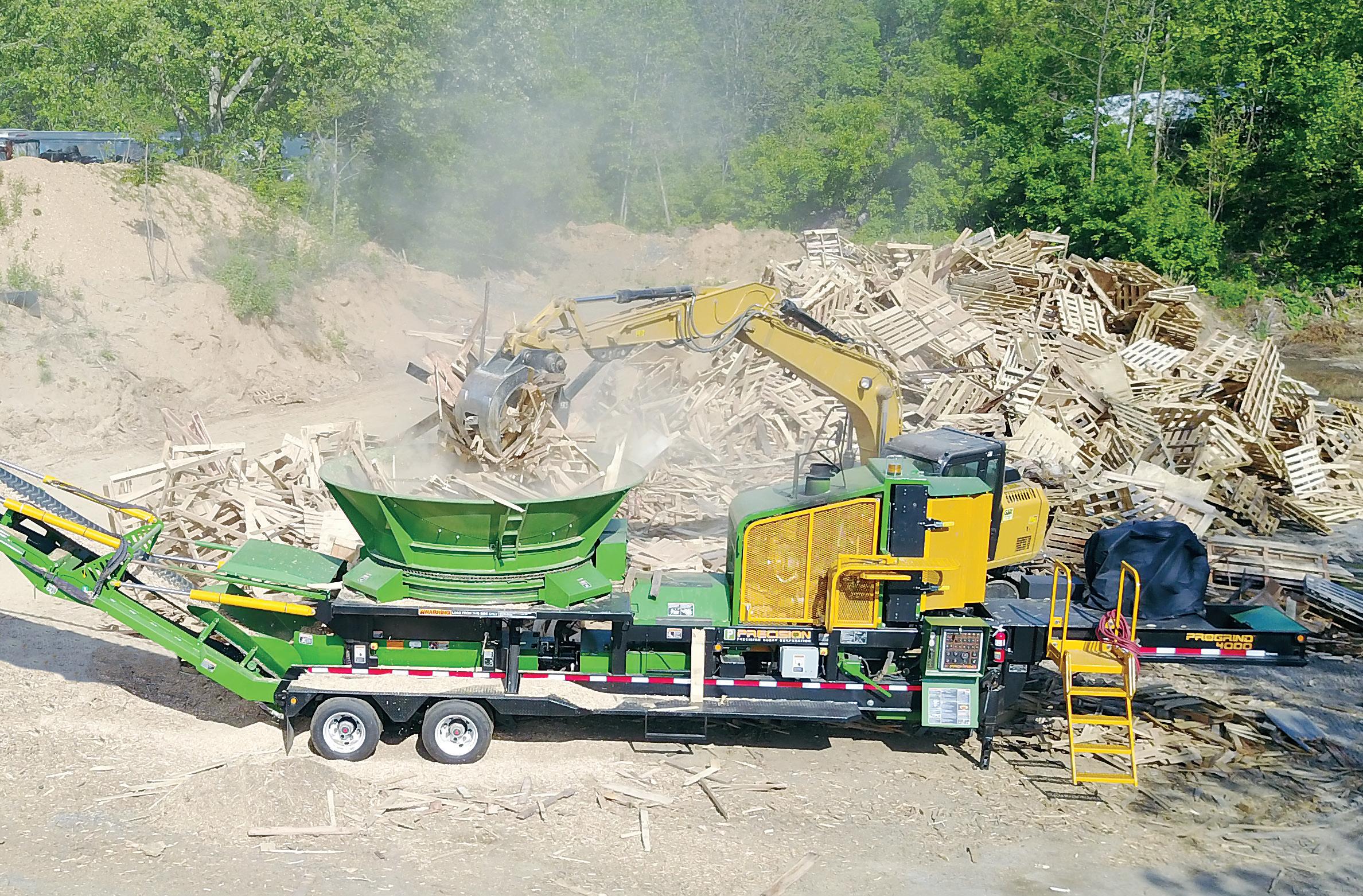
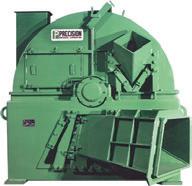
Precision Husky Corporation leads the forest products industry, building the most rugged equipment available. Our grinders are the most powerful, easiest to use grinders in the industry. They are designed with innovative features and advanced technologies to give you the power and production needed to tackle
the most demanding grinding operations. We are a family-owned, family-operated company, and we’ve earned our position in the industry by building the highest-quality, most reliable equipment since 1964. Contact us to learn more about our products and to discuss your needs.
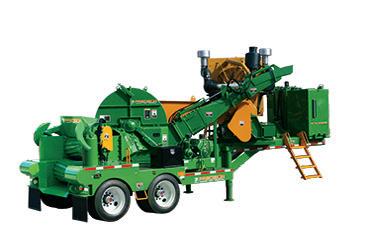
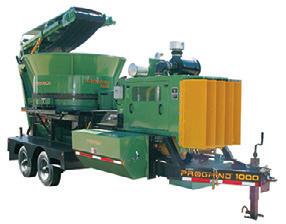

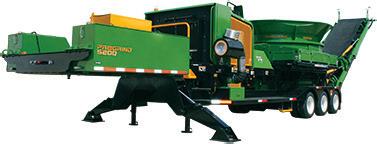






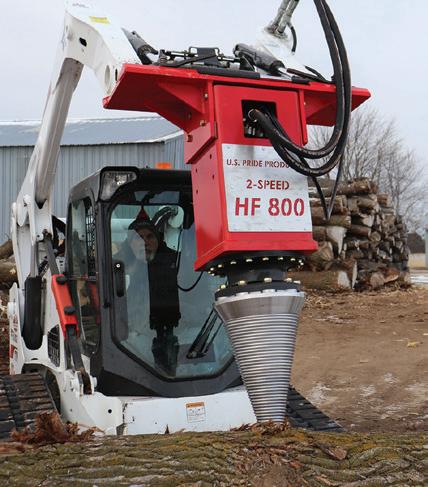
The HF-800 is the beast in the U.S. Pride splitter lineup. Mounted to the right carrier, it can split nearly any length and diameter log. We build them with 1 or 2 speed motors depending on your carrier and hydraulic capabilities to maximize your splitting efficiency.
Duravant LLC (“Duravant”), announced recently that Mike Kachmer will retire from his role as Chief Executive Officer after a highly successful tenure with the company. Duravant’s Board of Directors has named Jill Evanko as CEO, joining the company on January 5, 2026. To ensure a seamless transition, Mr. Kachmer will continue to serve as Chairman of Duravant. Mr. Kachmer will also continue to serve on the Board of Directors for Northwestern Memorial Healthcare and The London Clinic.
“It has been a true honor and a humbling experience to lead this incredible company,” said Mr. Kachmer. “I am profoundly grateful to my colleagues within Duravant for their support over the years. Together, we have built an organization with a truly differentiated operating model and culture, one that cultivates collaboration, empowers innovation, and operates with unwavering integrity.”
Jill Evanko joins Duravant from Chart Industries, Inc. (NYSE: GTLS) where she served as President and Chief Executive Officer since 2018. Prior, Ms. Evanko was the Chief Financial Officer of Truck-Lite Co. LLC, and held multiple executive leadership positions at Dover Corporation (NYSE: DOV) and its subsidiaries. Earlier in her career, she held financial and operational roles at Arthur Andersen LLP, Honeywell Corporation and Sony Corporation. Ms. Evanko received a Master of Business Administration degree from The University of Notre Dame and a Bachelor of Science degree in Business Administration from La Salle University. Ms. Evanko also serves as an independent director of the Board of Greif, Inc. (NYSE: GEF, GEF.B)







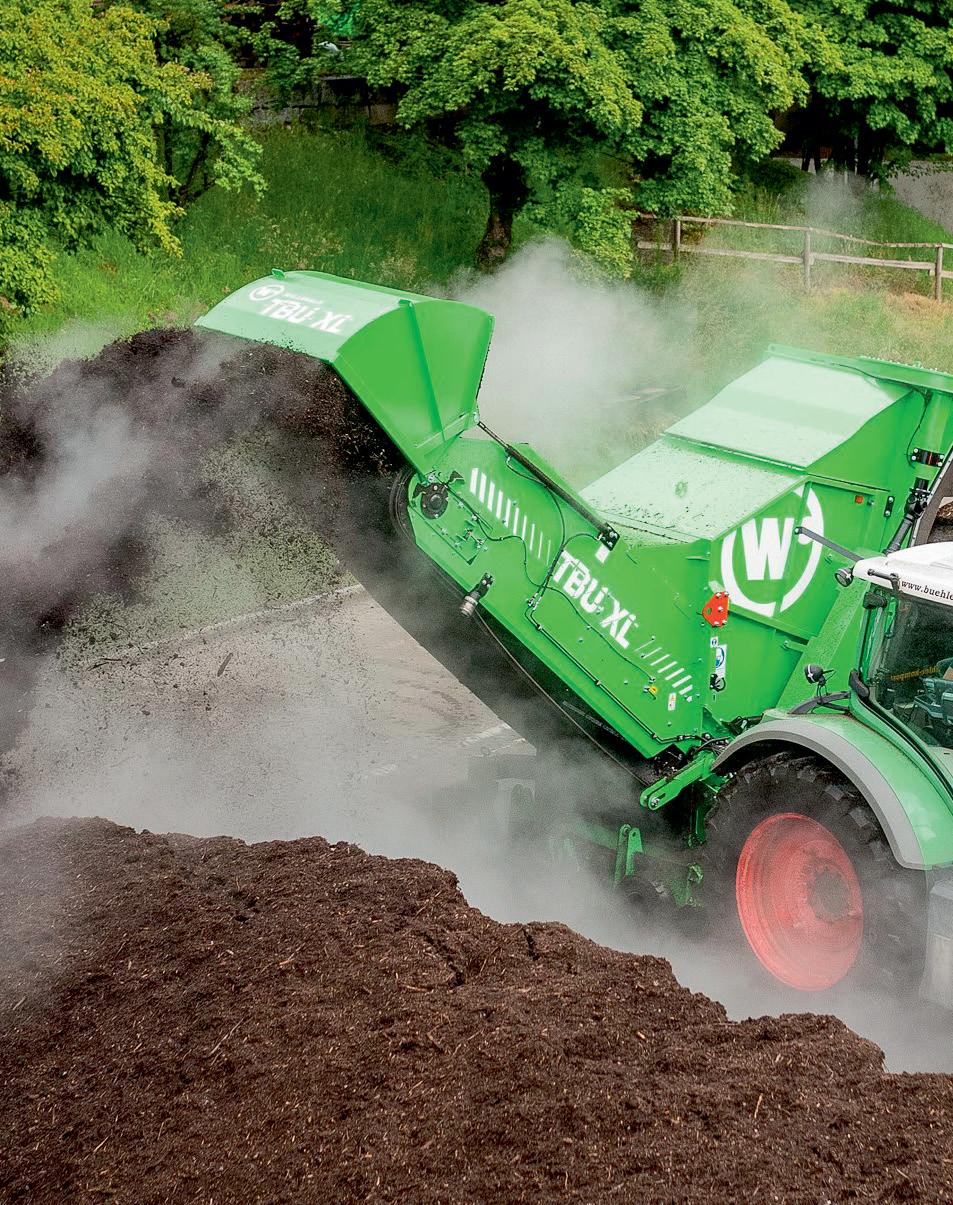

Composting has long been a dependable way to recycle organic materials, but it can slow down significantly when temperatures drop. Bioengineer.org recently reported on a study led by Li et al. (2025) explores an innovative solution: using cold-adapted phosphate-solubilizing bacteria to keep composting efficient even in chilly environments.
The researchers set out to answer a simple but important question— can certain microbes help compost break down faster and produce a richer final product when conditions are less than ideal? These cold-adapted bacteria stand out because they remain active at temperatures that typically slow or stall traditional composting microbes. Their abilities could open new doors for communities and farms that experience prolonged cool weather.
To test their effectiveness, the research team created controlled composting setups and monitored key factors such as temperature, moisture, and the amount of bacteria added. The results were encouraging. Not only did these bacteria survive the low-temperature environment, but they also accelerated the breakdown of organic matter.
A major focus of the study was phosphorus, an essential plant nutrient that often limits soil fertility. As compost decomposes, the right microbial activity can make phosphorus more available for plants. The cold-adapted bacterial strains used in the study boosted phosphorus solubility, pointing to a valuable tool for improving soil health in a natural, resource-efficient way.
The researchers also looked at how the bacteria affected the overall maturity and quality of the finished compost. Under cooler conditions, compost batches can sometimes be less stable or nutrient-rich. Yet samples treated with the cold-adapted strains showed improved pH balance, higher nutrient content, and greater microbial diversity—signs of a well-developed compost product.
These findings have practical value far beyond the laboratory. Agriculture in cooler regions could benefit directly from more reliable composting, while cities and towns could improve their waste-management systems by processing organic waste more efficiently year-round. Reduced dependence on landfills and improved soil amendments are just two potential benefits.
The results may also influence future policies, helping guide programs that support composting initiatives and sustainable soil-management practices. Understanding how to maintain efficient composting in a range of weather conditions can help communities of all sizes make better use of their organic waste.
This line of research also paves the way for further discoveries. Scientists may explore additional cold-tolerant bacterial strains, experiment with combinations of microbes, or investigate how these organisms contribute to other chemical processes in soil. Each new insight brings opportunities to refine composting and strengthen resource-management systems.
Overall, Li et al.’s study demonstrates that composting doesn’t have to slow down when the temperature drops. With the help of cold-adapted bacteria, producers and waste managers can keep organic materials cycling efficiently and produce high-quality compost regardless of the season.
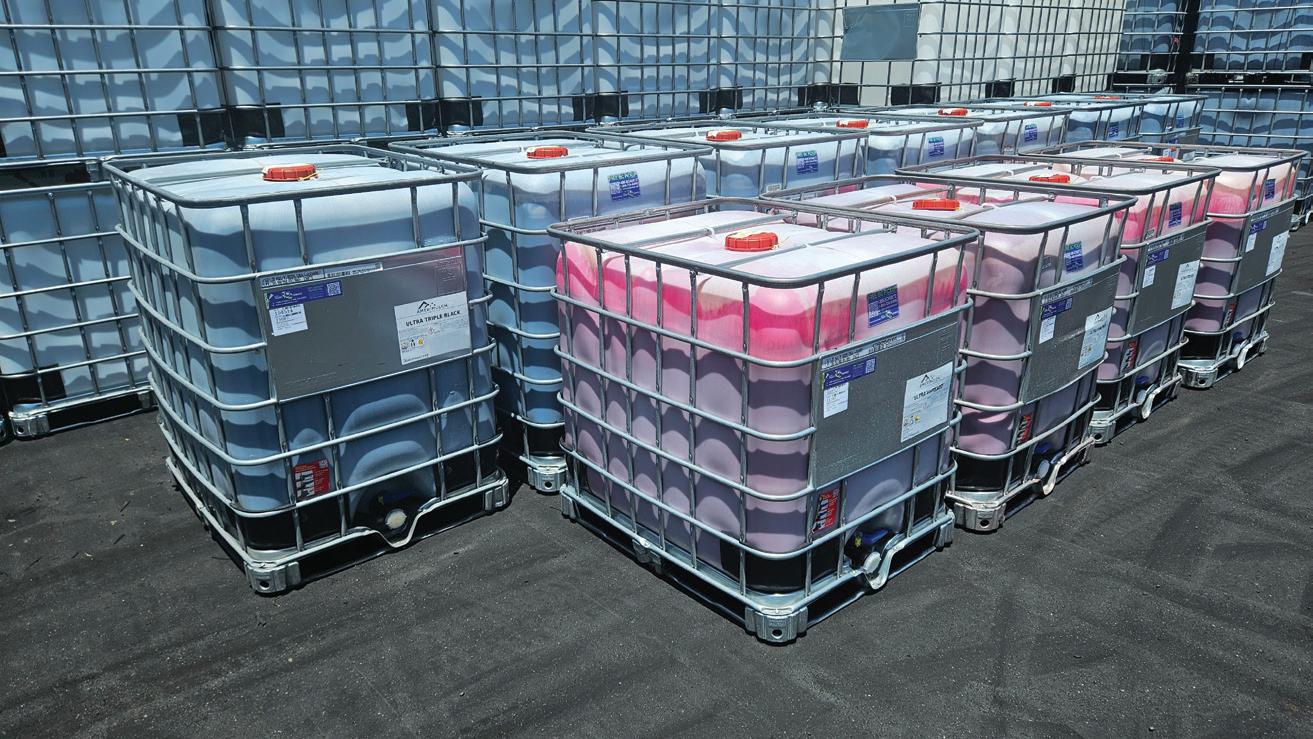



www.chromascape.com
According to a news release, Secretary of Agriculture Brooke Rollins recently sent a letter to Governor Gavin Newsom demanding California abandon a proposal that would redistribute agricultural land based on race, ethnicity, and national origin. This letter comes as the California Land Equity Task Force considers a draft proposal that would encourage and facilitate land transfers and financial assistance exclusively to certain minorities.
“The United States Department of Agriculture (the Department) writes to express substantial constitutional concerns regarding the state of California’s proposed redistribution of agricultural land based on race, ethnicity, and national origin. The proposed policies would grievously harm farmers, ranchers, and agricultural producers,” the Secretary wrote in the letter.
“All people should be treated equally and what California has proposed directly targets those who work from sunrise to well past sunset, faithfully tending our nation’s land and livestock. Hardworking farmers, ranchers, and agricultural producers all deserve a shot at the American dream, and they should not be stigmatized, demeaned, or shut out of opportunities because of their race, sex, ethnicity, or national origin,” the Secretary continued.
Background: In 2022, the California State Legislature established the California Agricultural Land Equity Task Force to develop recommendations for the State Legislature and Governor Newsom on how to “equitably” increase access to minority farmers and tribes. Currently, the Agricultural Land Equity Task Force is reviewing a draft report that is due back to the legislature by Jan. 1, 2026.
The draft report from California proposes several ways to redistribute agricultural land to “socially disadvantaged farmers” and claims that
“diversity” will result in ecological benefits, environmental protection, and climate resiliency. It recommends several actions that would apply exclusively to certain minorities. The Report also recommends the support and incentivization of:
1. The development of local ordinances that would restrict the purchase of land unless you are a certain minority.
2. The purchase of private land by the state and other non-profits under the guise of agricultural land preservation and only offer leases to certain minority farmers after the purchase.
3. Exclusive leasing of existing state lands to certain minorities.
4. Exclusive funding for acquisition of agricultural land by certain minorities.
5. Exclusive tax credits to certain minorities for not only agricultural land but also infrastructure and student loans.
6. Transferring public land exclusively to tribes.
7. Transferring private land specifically to tribes, specifically to African Americans living in California, and exclusively to certain other minorities.
8. Debt forgiveness for only certain minorities.
9. The development of zoning laws that require “equitable” land access and specific climate-related agricultural practices.
10. The prioritization of conservation programs for certain minority farmers over other farmers.





Whether
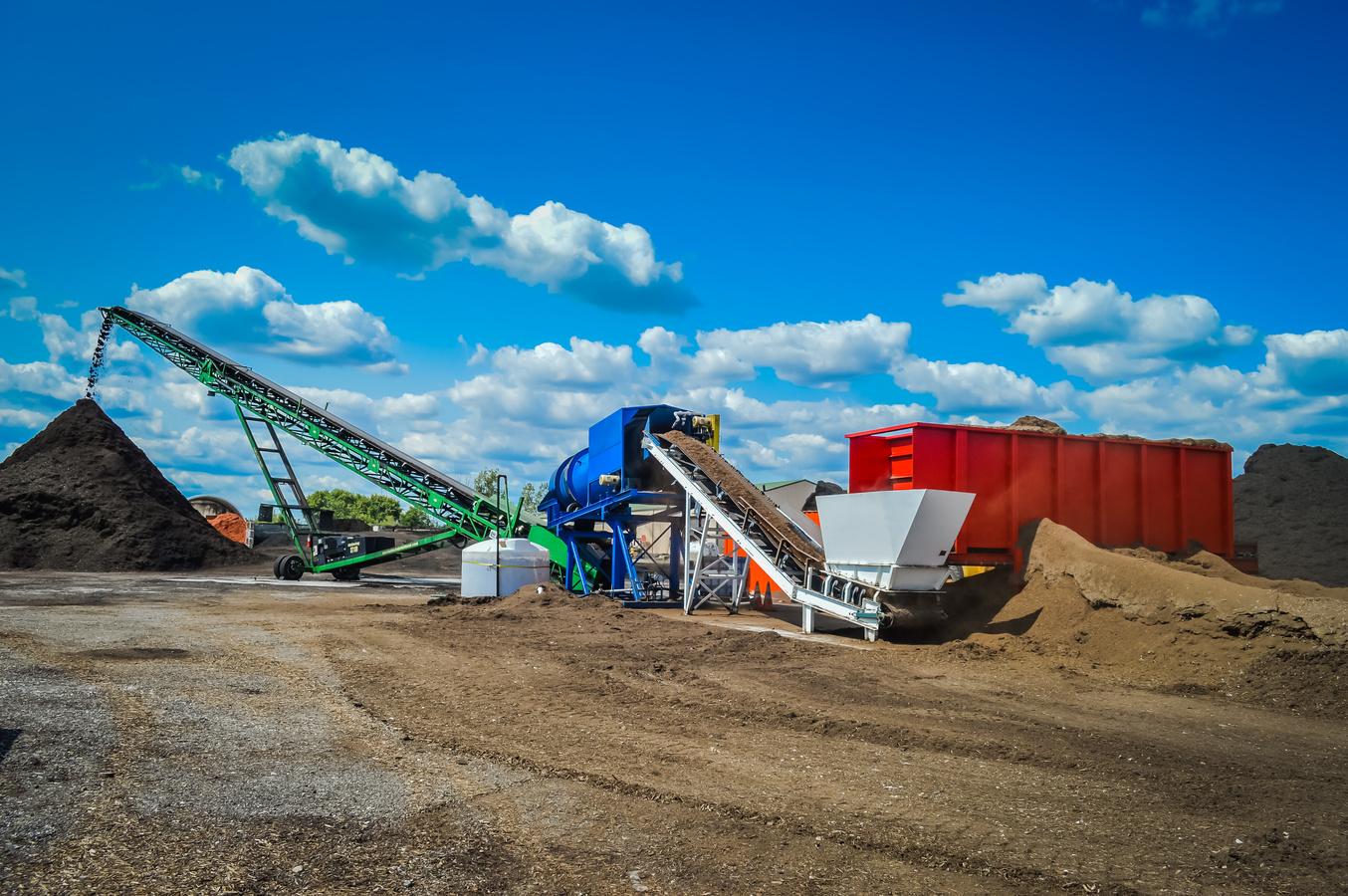
Exceptional Throughput
Stay
Water
Minimal Downtime
Bid
Durability
Invest

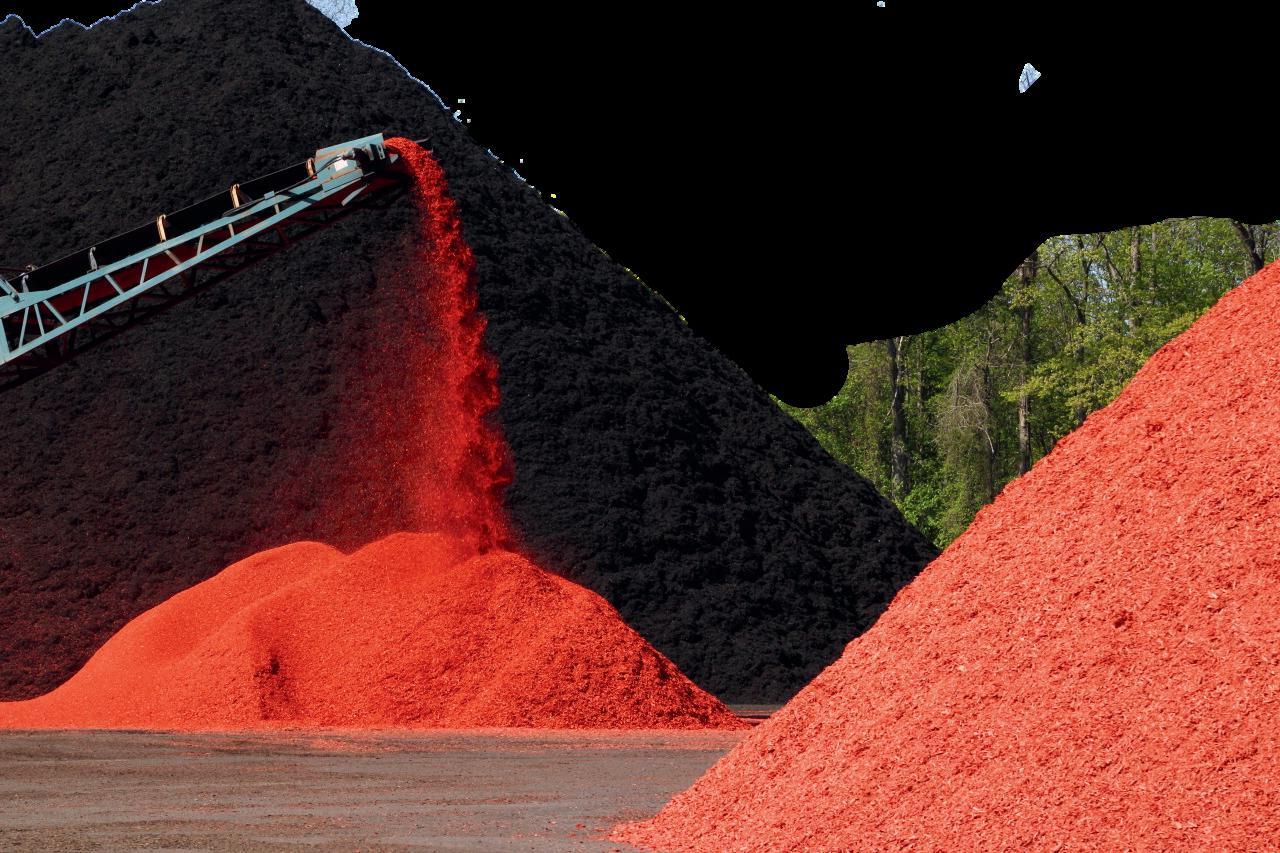

According to a recent article in The Federalist, a new proposal from the U.S. Environmental Protection Agency aims to settle a long-running debate over what kinds of streams, wetlands, and seasonal puddles fall under federal protection.
The issue centers on the definition of “Waters of the United States,” or WOTUS — a key term in the Clean Water Act that determines when the federal government can regulate water features on private land. For years, the definition has shifted from one administration to another, leaving landowners, farmers, and developers uncertain about what they can legally do on their property.
EPA Administrator Lee Zeldin and Adam Telle, assistant secretary of the Army for Civil Works, recently unveiled a proposed rule intended to offer a clearer, more durable definition. Once published, it will enter a 45-day public comment period.
Much of the controversy began in 2015, when the Obama administration introduced the “significant nexus” standard. This approach allowed the EPA to regulate any water with a meaningful connection to downstream navigable waters — including seasonal streams, ditches that temporarily fill during storms, and wetlands that only hold water during certain parts of the year. Critics argued that the rule was overly broad and could restrict routine land use.
A high-profile legal battle brought the issue to national attention. In , an Idaho couple was barred from building a home because their property contained wetlands connected indirectly to a nearby lake. The dispute escalated to the U.S. Supreme Court, which ruled in the Sacketts’ favor in 2023. The decision narrowed the scope of WOTUS and directed federal agencies to revise their regulations.
The Biden administration issued an amended rule after the ruling, but the EPA now says that version did not fully reflect the Court’s guidance or allow for public input.
The newly proposed rule seeks to simplify and clarify what waters fall under federal jurisdiction. Key elements include:
• Clearer definitions of terms such as “relatively permanent,” “tributary,” and “continuous surface connection.”
• Stricter criteria for tributaries , requiring predictable and consistent water flow to navigable waters.
• A tighter definition of wetlands, which would need to have a continuous surface connection to regulated waters.
• greater authority for states and tribes, giving local governments clearer guidelines for managing land and water resources.
• explicit exclusions, such as certain ditches, converted croplands, waste-treatment systems, and—for the first time—groundwater.
• use of familiar local terminology, like “wet season,” to help determine whether a water feature qualifies.
The EPA says the revised rule is designed to align with Supreme Court precedent while giving landowners more certainty.

Supporters of the proposal say it would ease regulatory burdens and help landowners avoid legal confusion. West Virginia Governor Patrick James Morrisey, speaking at an event in Washington, D.C., said the previous rules often left people unsure whether a small ditch or temporary stream on their property might trigger federal oversight. He called the earlier framework “a textbook example of federal overreach.”
EPA Administrator Zeldin expressed a similar view, noting that the goal is to create a clear standard that doesn’t require landowners to hire lawyers or consultants to interpret.
If finalized, the new rule would mark one of the most significant changes to federal water regulation in recent years, reshaping how wetlands and waterways are managed across the country.

» 40” diameter capacity
» Heavy-duty 50” diameter x 66” wide hammermill
» 20 hammer inserts
» Caterpillar C32, 1,200 horsepower engine
» Standard impact detection system
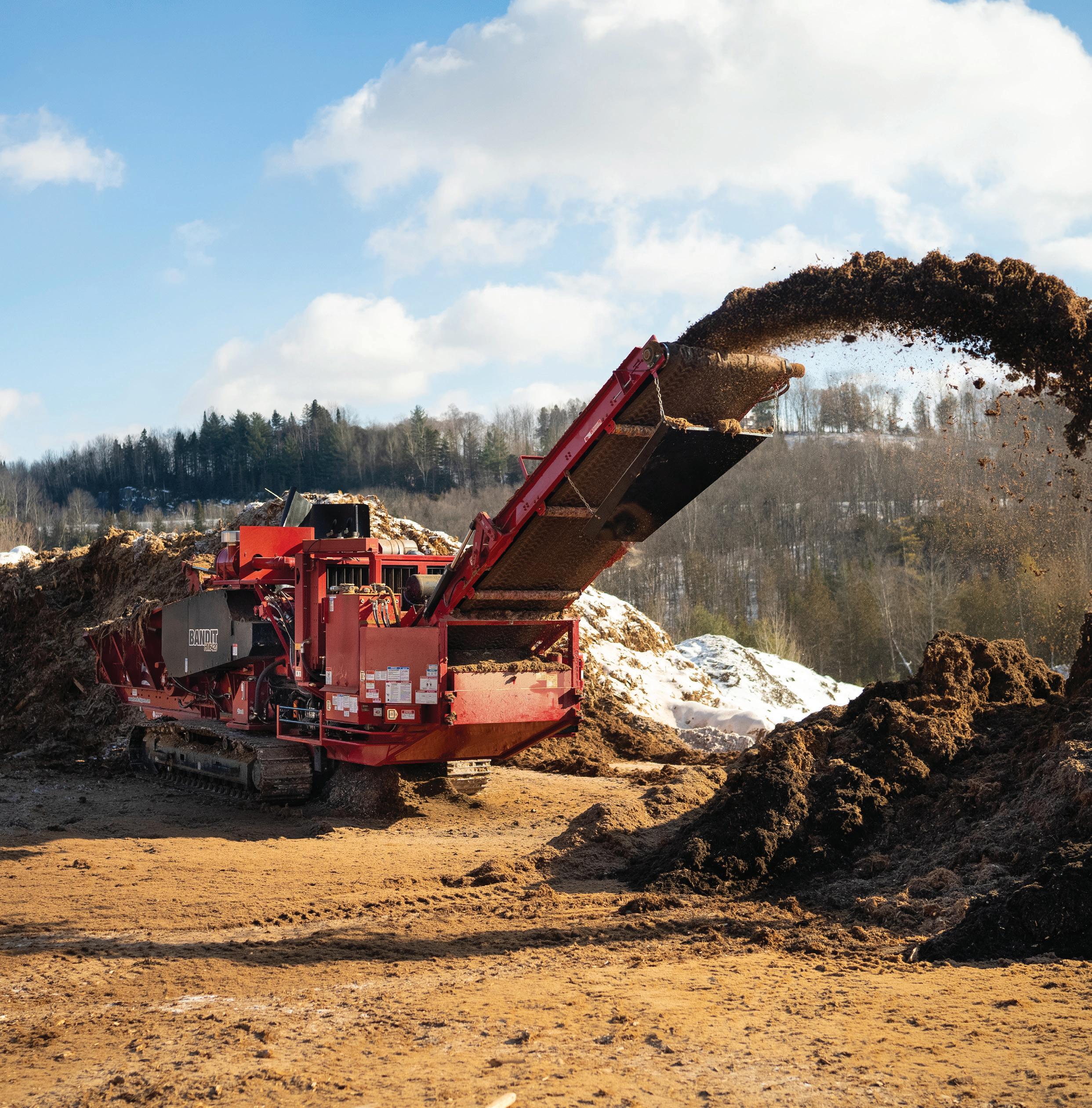

If you haven’t tried a Bandit unit for your operation, please contact a local Bandit dealer, email marketing@banditchippers.com or visit our website www.banditchippers.com and we will be happy to assist you!


For many California ranchers, dealing with livestock losses has traditionally meant arranging for a truck to haul carcasses to distant rendering facilities — a process that can be costly, inconvenient, and at times unreliable when plants become overwhelmed.
A recently approved California law is poised to give ranchers a new option. The measure will permit the state’s roughly 13,700 cattle producers to compost routine livestock mortalities and butcher waste directly on their own property. Until now, the practice was prohibited in California, leaving ranchers with few disposal choices.
Under the new rules, ranchers may maintain up to 100 cubic yards of on-farm compost at any given time — roughly the equivalent of six to ten animals, depending on size. Over a year, that capacity translates to around 40 animals when composting cycles proceed on the typical 90-day schedule.
Composting livestock is already allowed in more than 40 states and is widely used during large-scale animal disease events because it safely handles high volumes. In California, however, ranchers often had to rely on bone piles: leaving remains in remote areas of their property. Although legal, this method can attract predators such as wolves and coyotes, posing risks for herds.
composted again until they break down fully.
After an initial high-temperature phase — usually around 15 days — the pile stabilizes into a nutrient-rich material suitable for use on non-food crops such as hay fields and pastures.
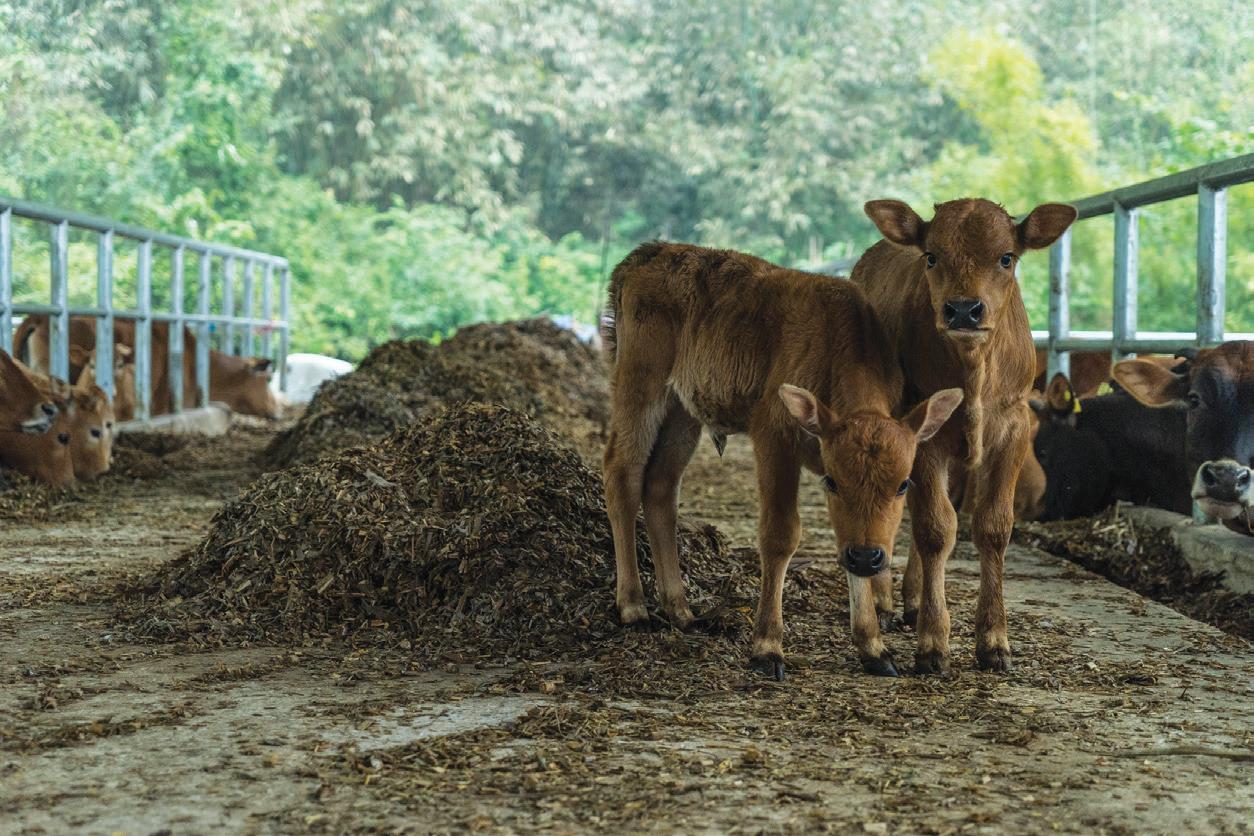
Supporters say on-farm composting reduces dependency on distant rendering plants, provides greater flexibility, and limits predator interactions by eliminating exposed bone piles. The law does not require composting; it simply provides another option.
The measure passed the Legislature unanimously. While the rendering industry and labor groups raised early concerns, the bill ultimately gained support from agricultural, environmental, and wildlife organizations.
Before ranchers can begin composting, the California Department of Food and Agriculture will develop official best-management practices. These guidelines are expected to address siting, pile construction, moisture control, and monitoring.
Researchers emphasize that proper execution is critical. Selecting a suitable site, managing moisture, and closely tracking pile temperature all influence the success of the composting process. For many ranchers, the only new piece of equipment needed may be a compost thermometer.
Research supporting the new law examined a straightforward composting process: creating layered piles of straw or hay, manure, carcasses, more manure, and a cap of straw. As the pile heats naturally, temperatures are monitored to ensure effective pathogen reduction and breakdown. Butcher waste typically decomposes in about 45 days, while whole animals take about 90. Large bones may remain but can be
As the program is implemented, California ranchers will finally have access to a disposal method widely used in other parts of the country — one that can ease logistical burdens and return valuable nutrients back to the land.
Article based on original reporting by Tim Hearden for Western Farm Press.



Americans spent more time and money tending their gardens in 2025 than in any year since 2022—and if early signs hold true, 2026 could be even greener. According to the newly released 2026 Garden Outlook Study from Minneapolis-based research and marketing firm Axiom, a record 64 percent of gardeners say they plan to plant more and expand their gardens next year.
“It’s a promising picture for the coming gardening season,” says Mike Reiber, founder and CEO of Axiom. “Despite economic uncertainty, job losses, and inflation, people are still prioritizing their gardens. And younger gardeners, in particular, are driving that growth.”
The report shows that nearly half of respondents (47.6%) spent more time gardening in 2025, the highest rate in three years. The uptick wasn’t minor, either:
• The number of people who spent 50% more time gardening jumped 27% over last year.
• Those who spent twice as much time rose an even higher 41%.
Financial investment grew as well. Almost half of respondents (49.5%) spent more money on gardening in 2025, an 11.5% increase from 2024. And the trend looks set to continue with:
• 42.8% expecting to spend more money in 2026
• 50.2% planning to spend even more time in the garden
• 63.6% planning to expand their planting
Gen Y and Gen Z gardeners are especially enthusiastic. Compared to Gen X, younger generations were significantly more likely to have invested time and money in their gardens this year—and plan to do even more next season.
In 2025:
• 66.7% of Gen Y and 63.8% of Gen Z spent more time gardening, compared to just 33.1% of Gen X.
• 61.1% of Gen Y and 53.6% of Gen Z spent more money, versus 43% of Gen X.
That momentum carries into 2026, with large majorities of younger gardeners expecting to increase both time and spending.
When it comes to choosing plants and garden supplies, variety remains king. Thirty-six percent of shoppers said the specific type of plant was the most important factor in their purchase decisions—well ahead of price (19%) and descriptive tags (11.6%).
Gardeners also show a strong commitment to their preferred colors and varieties:
• 77% are willing to pay more to get exactly the flower or plant they want.
• Over half (52.1%) are willing to drive up to 10 miles to find it.
• And 55.2% show up with a shopping list in hand.
Home Depot remains the most common source for both garden supplies and plants—but its lead is slipping. Shoppers naming the retailer as their primary garden source dropped sharply from 2024:
• From 32.2% to 24.6% for supplies
• From 33.9% to 23.6% for plants
Lowe’s and Walmart saw slight declines as well, suggesting that garden center loyalty may be shifting.
For the first time, Axiom asked gardeners about their visits to independent garden centers (IGCs). These local retailers continue to play a key role in the gardening community:
• 39.3% of respondents visited an IGC four to seven times in 2025.
• 39% spent over 30 minutes per visit.
• Inspiration was the top motivator for spending more time and money there, cited by 37.1% of gardeners.
IGCs also earned the top spot as a source of gardening information (22%), surpassing websites (19.8%). Their staff was rated most knowledgeable of all retail channels.
And in today’s tech-savvy gardening world? Google Lens emerged as the go-to smartphone app for identifying and exploring new plants.
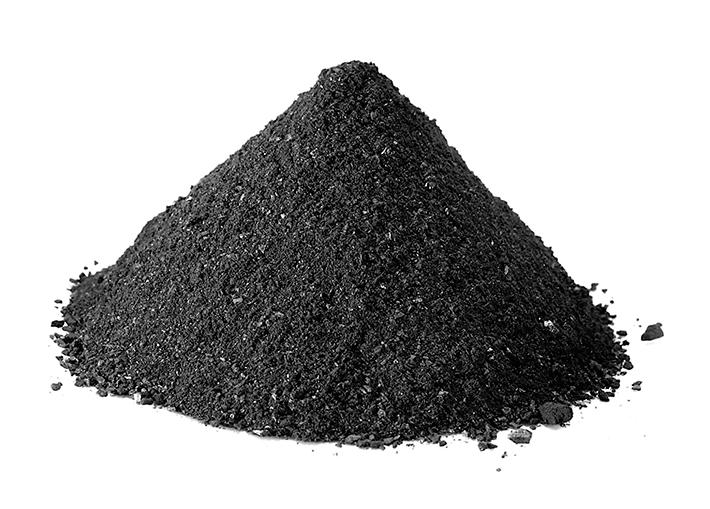

Waste wood recyclers across the UK are facing what industry leaders describe as an “unprecedented situation,” as growing stockpiles and limited processing capacity place sustained pressure on the sector.
According to the Wood Recyclers’ Association (WRA), facilities nationwide are struggling to keep pace with rising volumes, forcing many operators to slow or temporarily halt new intake. While some plants have recently resumed operations after earlier shutdowns, the association says it may take months before the system fully stabilizes.
“It is still really tough in the waste wood market,” said Vicki Hughes, Technical Lead on the WRA Board. “We had hoped things would ease after the summer, but new breakdowns and extended shutdowns have left everyone with more material than they can handle. This is a UK-wide situation, and we’re asking anyone needing to dispose of waste wood to be patient while recyclers move material through as best they can.”
The squeeze traces back to March 2025, when several major users of waste wood — including biomass plants and panel board manufacturers — experienced a mix of scheduled maintenance and unexpected outages. With demand suddenly dropping just as seasonal volumes began to climb, recyclers saw backlogs build rapidly.
Summer typically brings higher inflows of wood waste, further adding to the strain. Although the Environment Agency stepped in during June
to temporarily allow certain sites to exceed their usual storage limits, persistent outages have kept pressure on the system. Current issues include shutdowns at two Eggers facilities, as well as at West Fraser and Kronospan.
The situation marks a stark contrast to 2024, when the sector reported one of its strongest years, with 96% of waste wood successfully processed for reuse, recycling, or recovery.
By October 2025, gate fees remained elevated across most of the country. But even with high prices, many operators were unable to take on new loads due to capacity constraints. Most are now focused solely on honouring existing contracts.
The South East is faring slightly better thanks to the Tilbury Green Power facility returning to service, though prices there also remain high. Some recyclers are considering exporting material to Europe, but this option has yet to develop into a significant outlet.
“Many sites have been forced to close their gates or limit intake, even for contracted customers,” Hughes said. “Even in traditionally strong regions like the South East, facilities are full, and some operators are now exploring export routes where they can.”
For now, the sector continues to operate under tight conditions, with industry leaders cautioning that meaningful relief will take time — and cooperation across the supply chain.

raw materials
Enjoy superior quality, less stress, and real savings—all with one trusted partner. Producers across America rely on our 35+ years of expertise at every step. Ready to upgrade?




R E G I S T E R
N O W !
FEB 2-5, 2026
SACRAMENTO, CA

4 D A Y S
1 0 0 + S P E A K E R S
E N D L E S S I N S I G H T

MSC Plans Spring Roll-Out Of All-Natural Mulch Program PAGe 1
New Yorkers Set New Composting Record for the Third Consecutive Week PAGe 6
Canada’s 2025 Horticultural Peat Harvest: A Snapshot of Conditions Across the Country PAGe 10
Cold-Adapted Bacteria Show Promise for Better Composting in Cool Conditions PAGe 14
EPA Proposes New Water Rule to Clarify What Counts as Federal Waters PAGe 18
UK Waste Wood Recyclers Navigate “Unprecedented” Backlogs as Stockpiles Surge PAGe 22