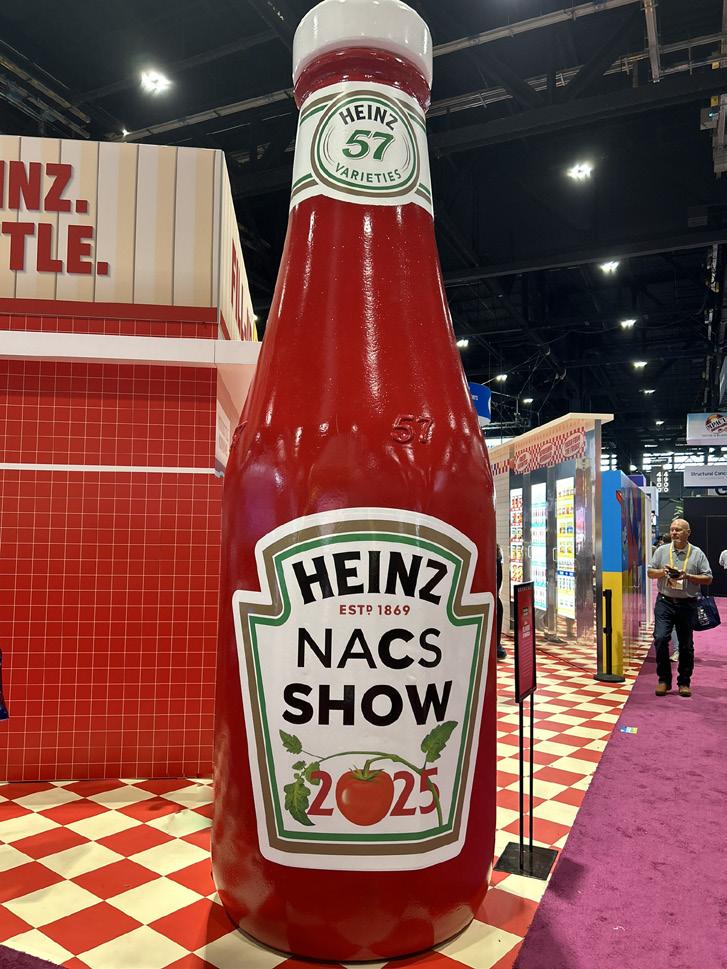
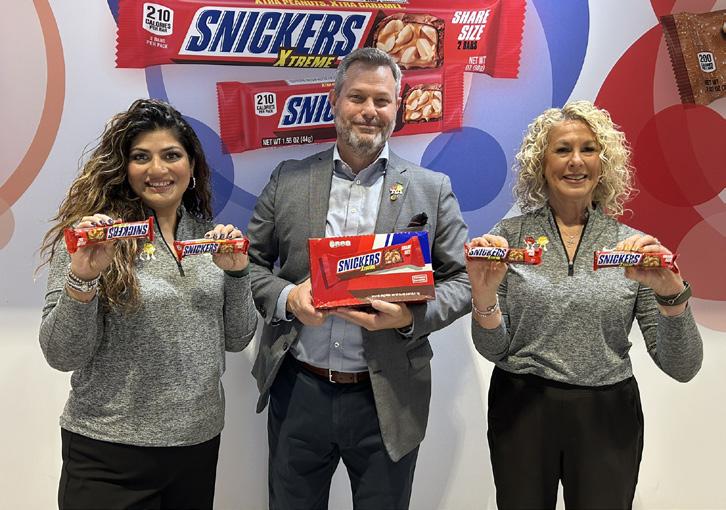
EDUCATION SESSIONS Insights from the 2025 NACS Show
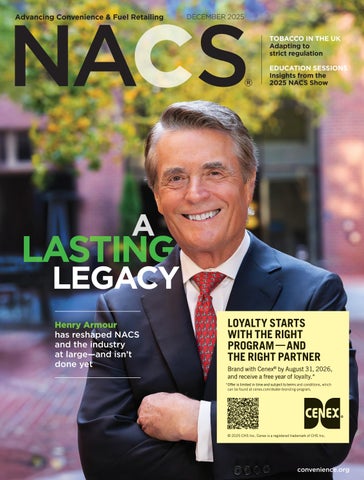
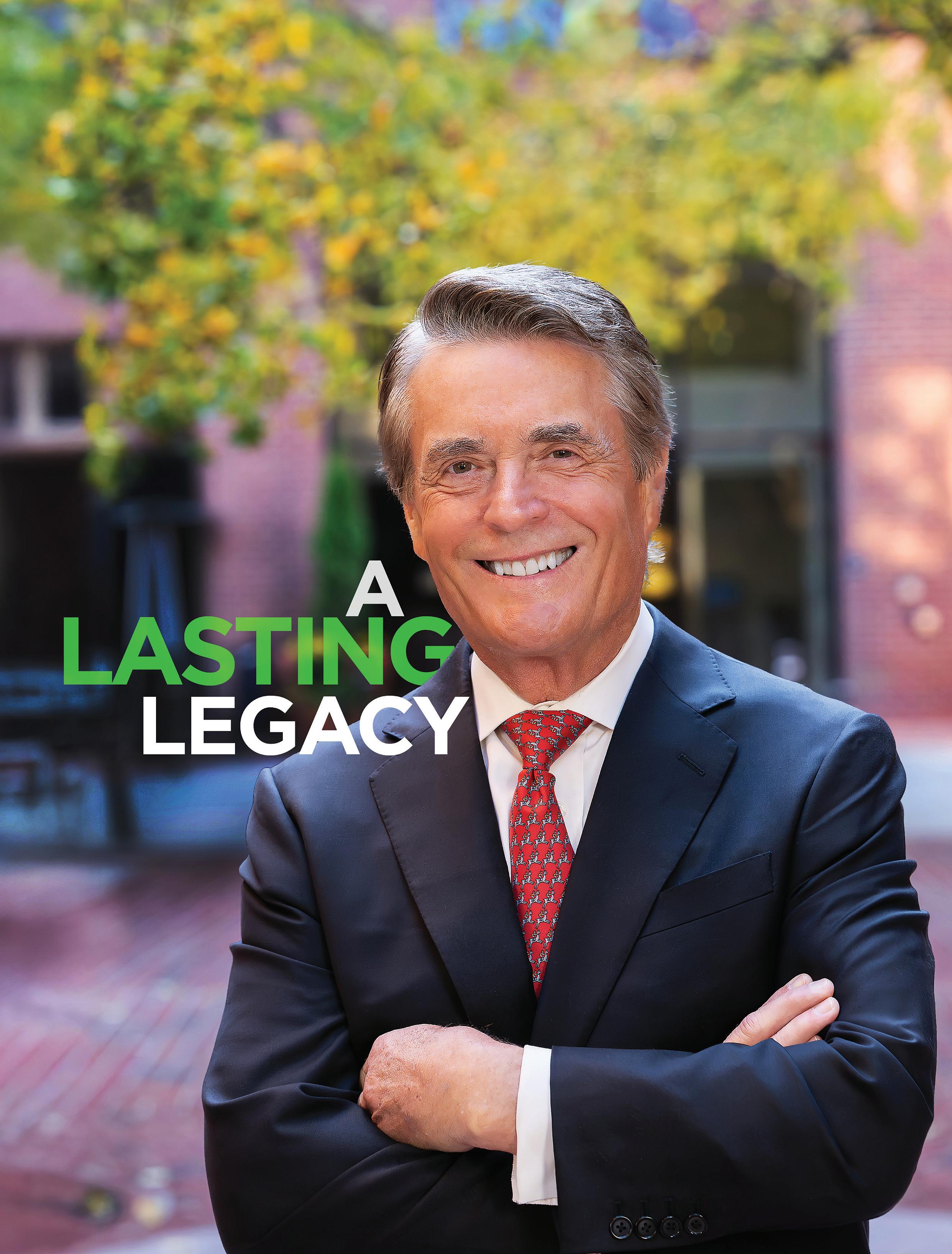
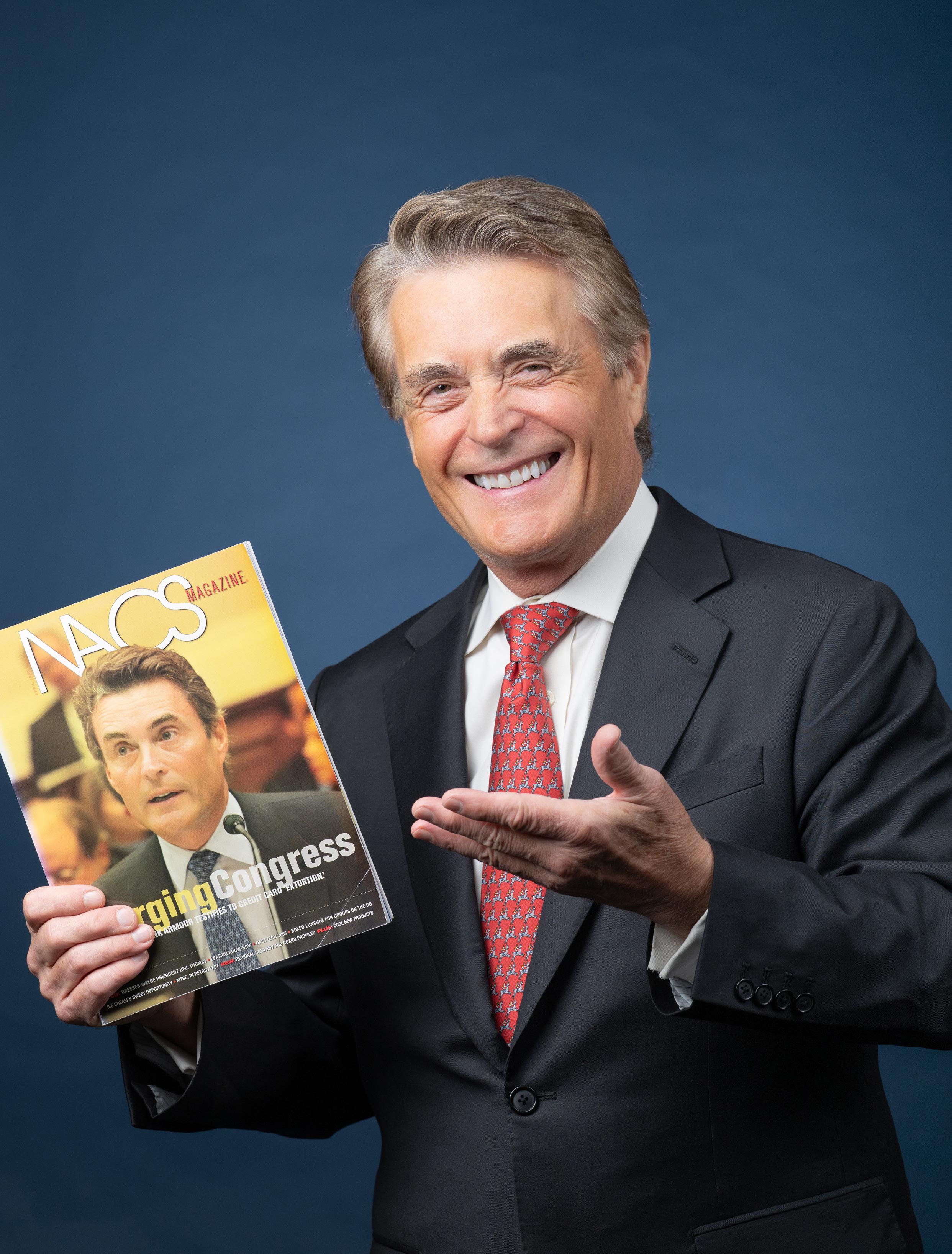
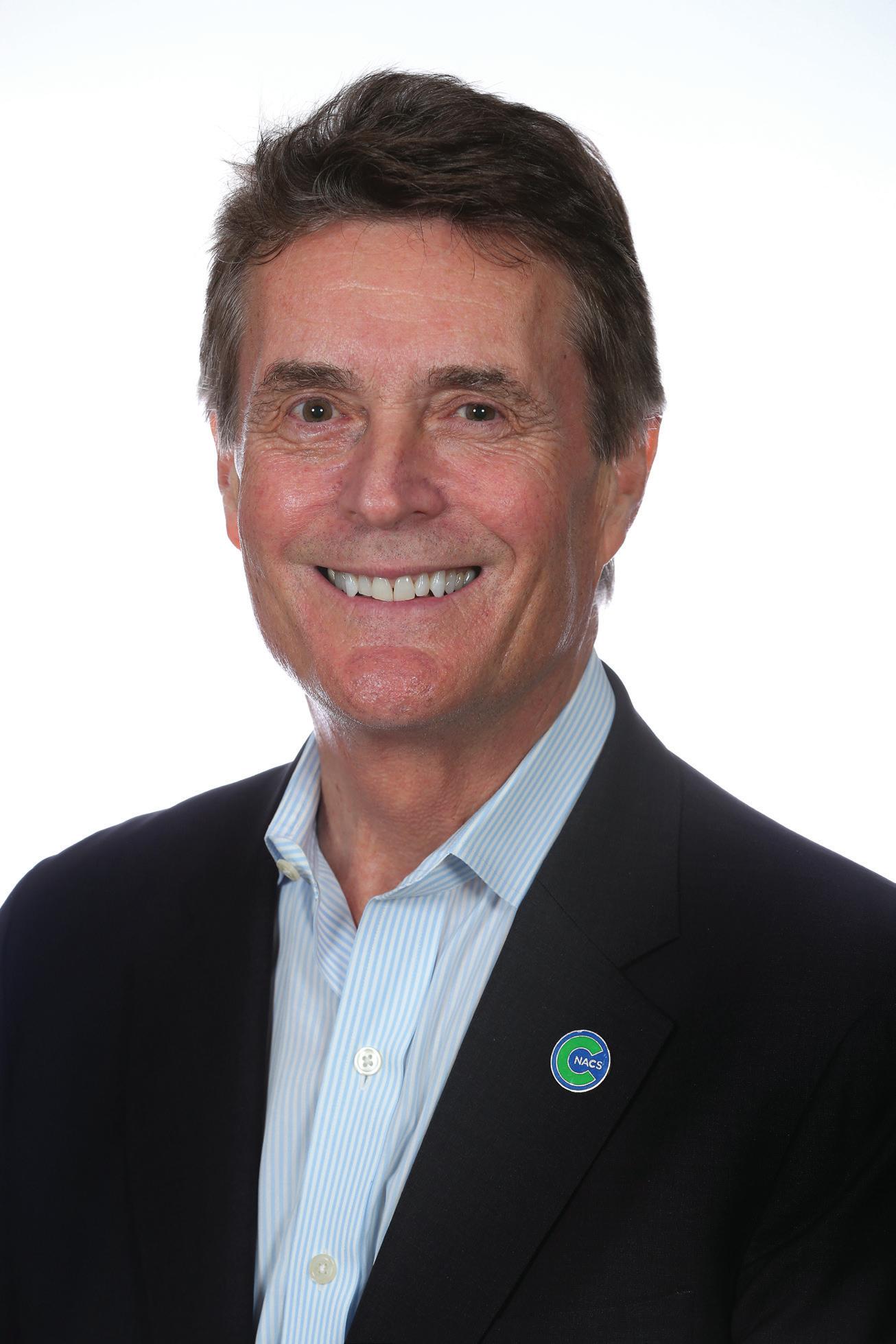
Henry Armour has reshaped NACS and the industry at large—and isn’t done yet
TOBACCO IN THE UK
Adapting to strict regulation
EDUCATION SESSIONS Insights from the 2025 NACS Show
ONTENTS
FEATURES
38
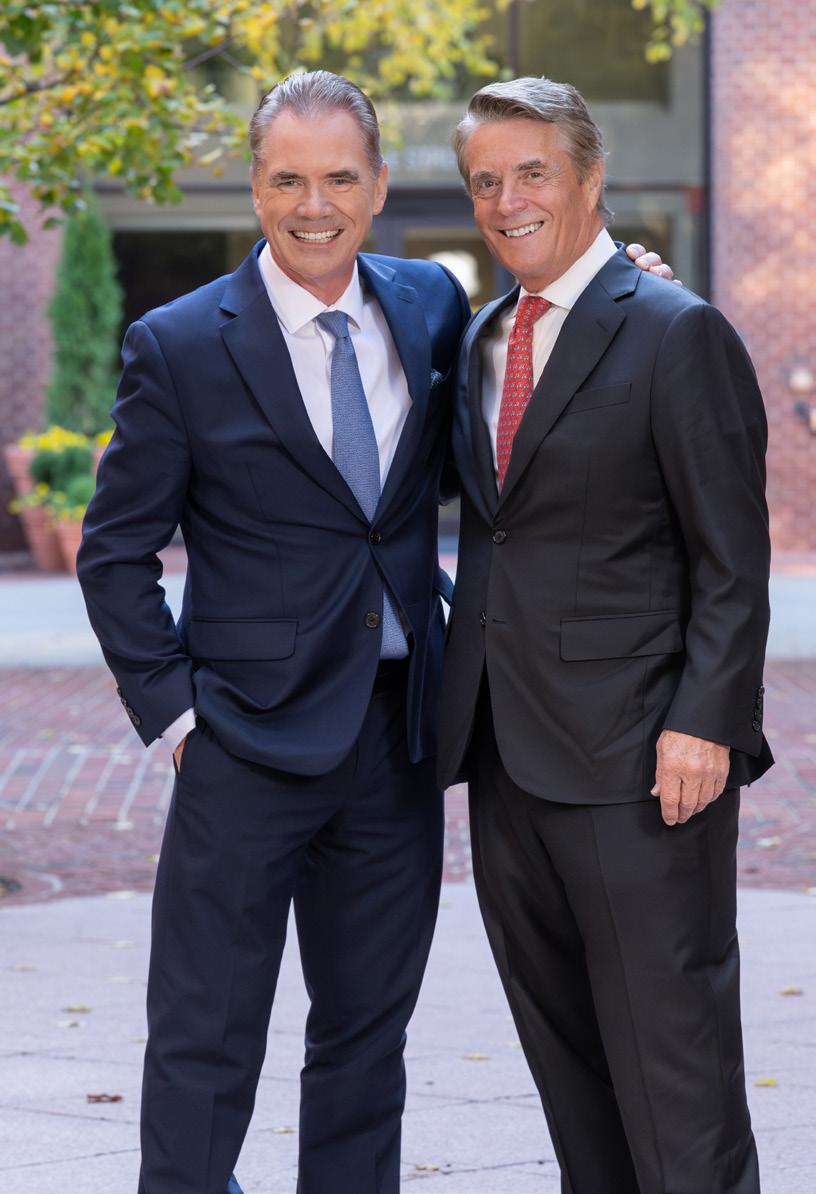
Arm in Arm: Celebrating 20 Years of Leadership
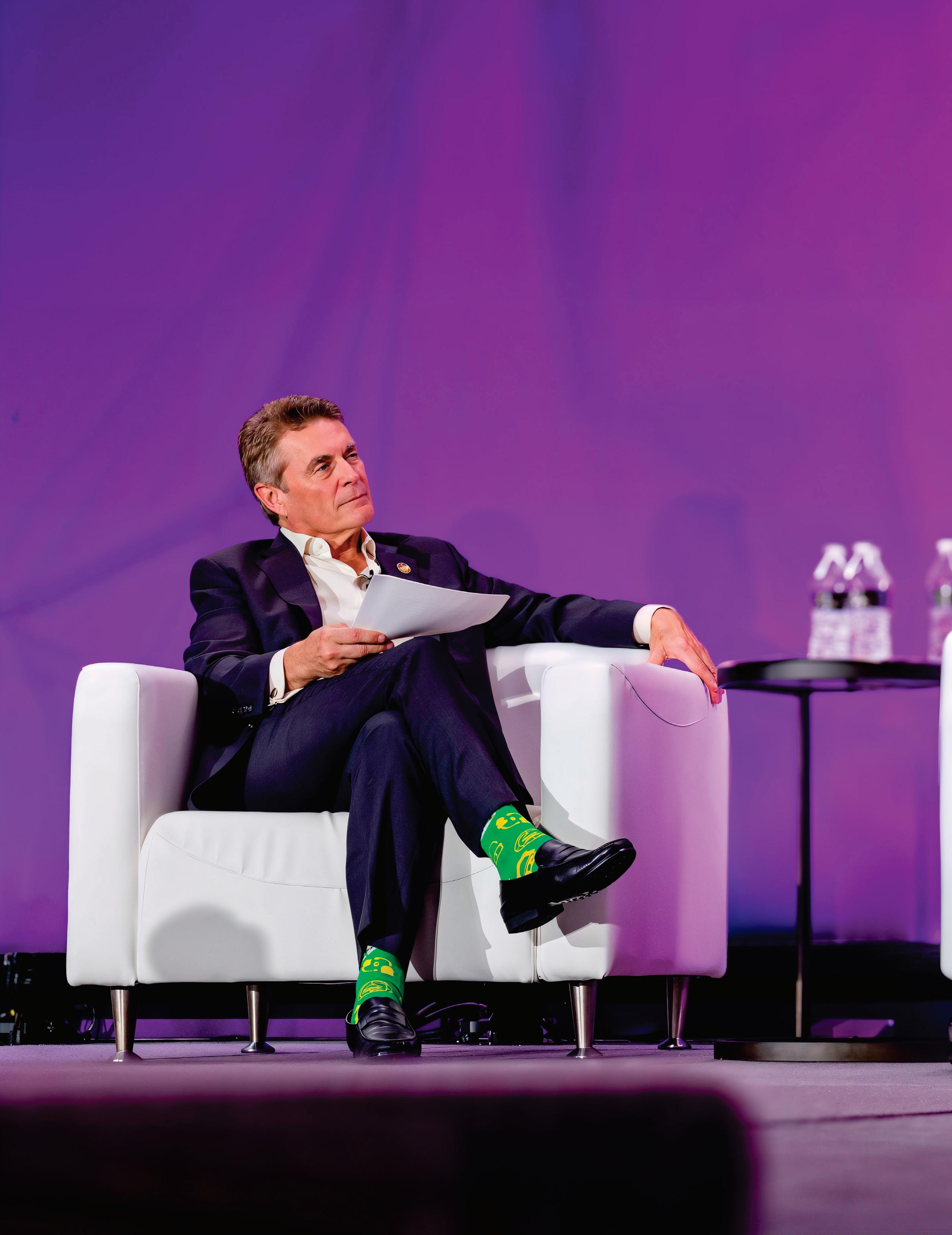
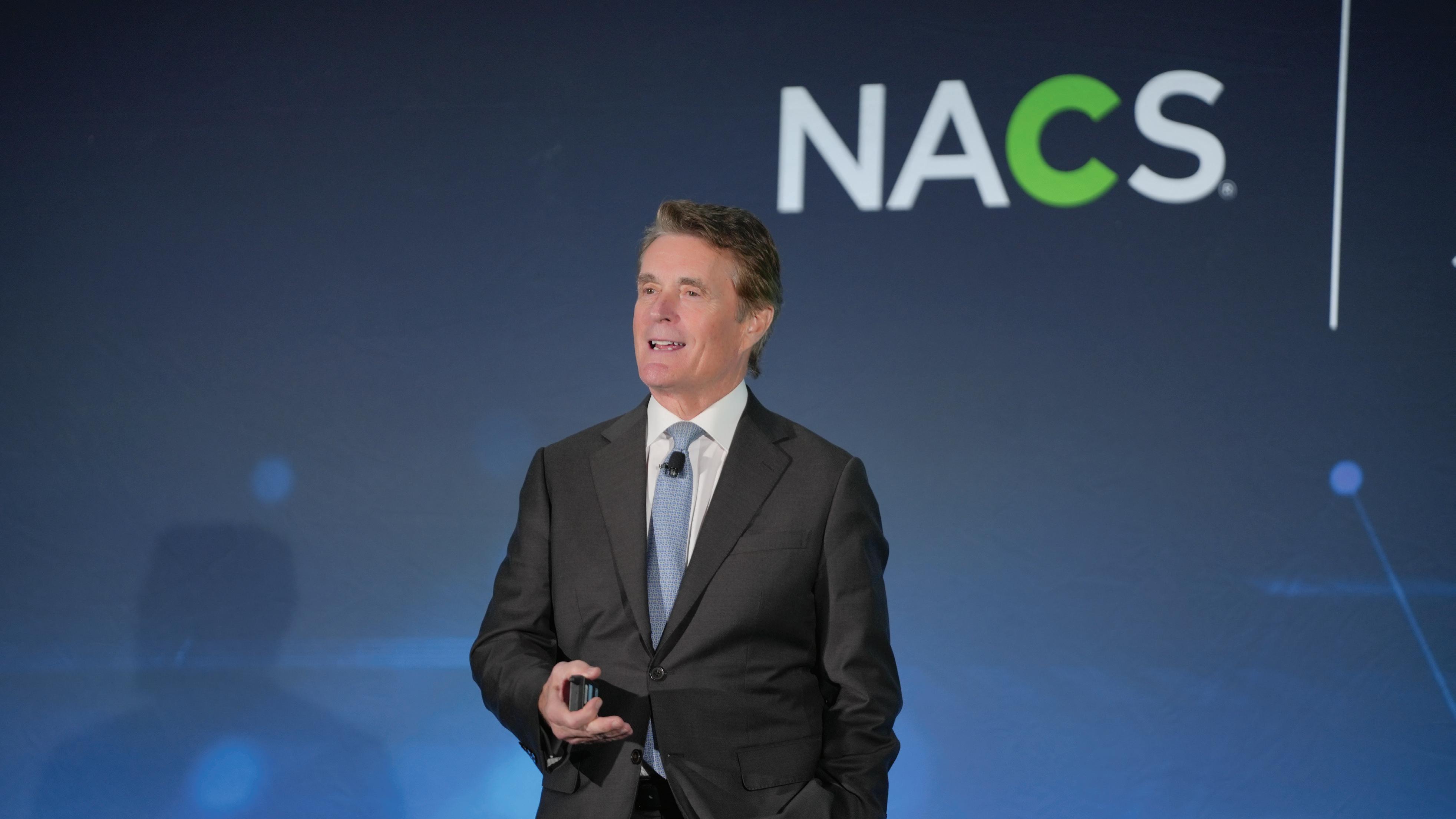
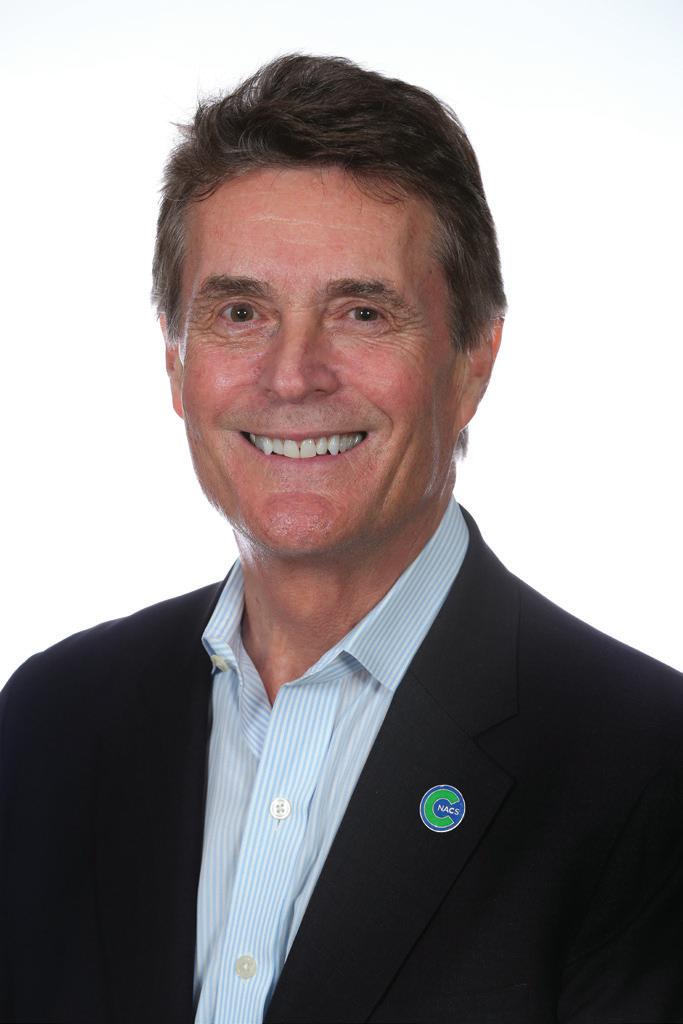
NACS CEO and President Henry Armour, who transitions to a new role in 2026, has built a stronger NACS and a better industry.
52 A+ Insights From the NACS Show 2025 Education Sessions
Across three days in Chicago, industry leaders took the stage to share their insights and experiences—here’s a small sample of what they shared.
62 Each Year Tops the One Before
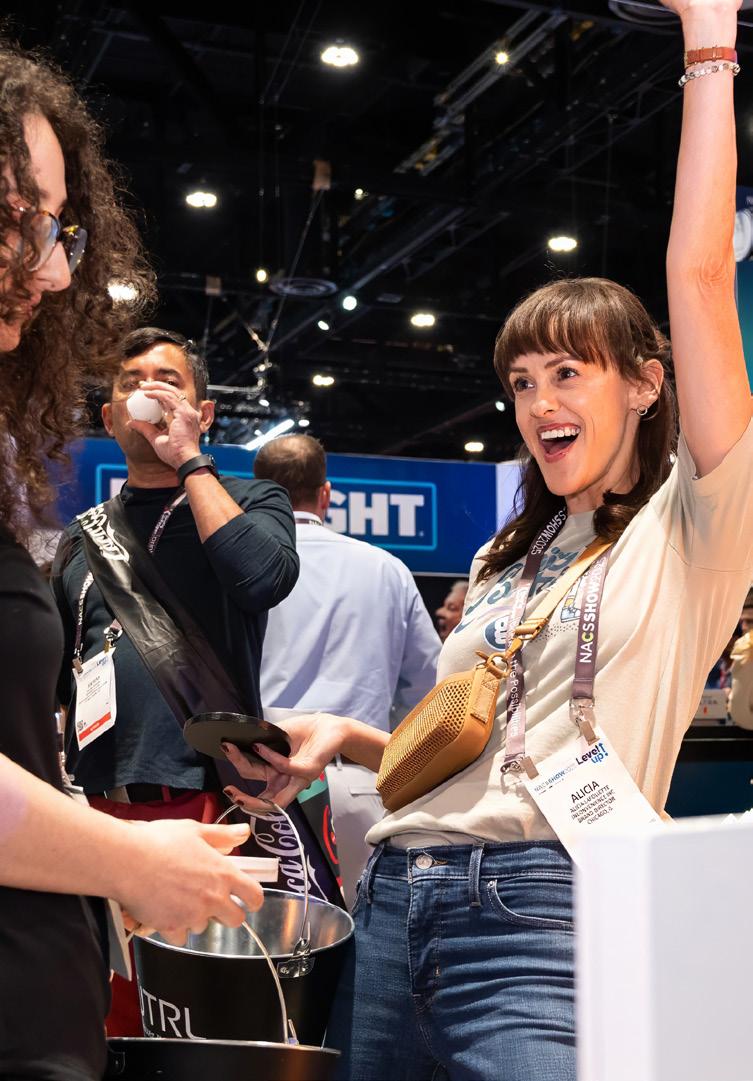
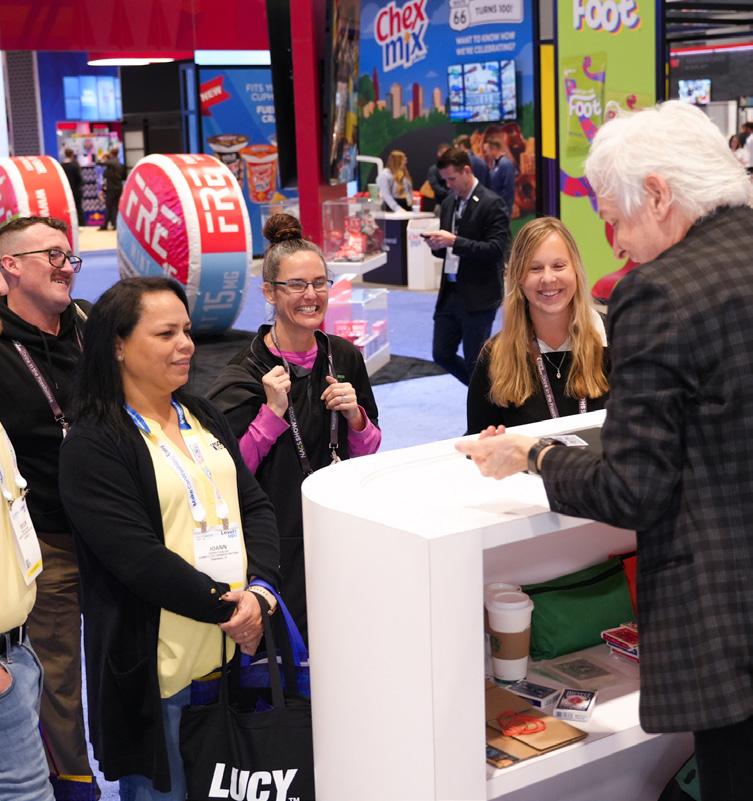
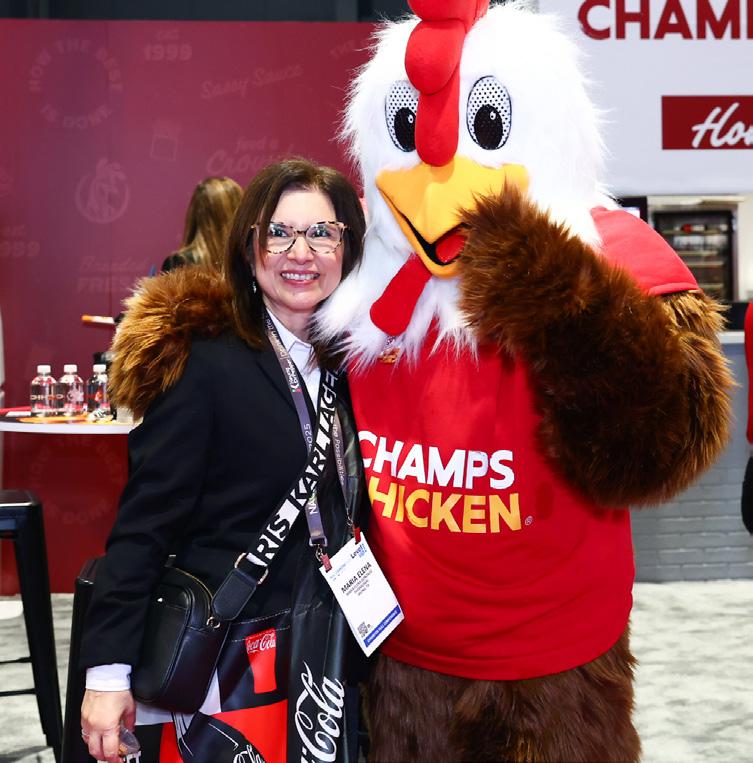
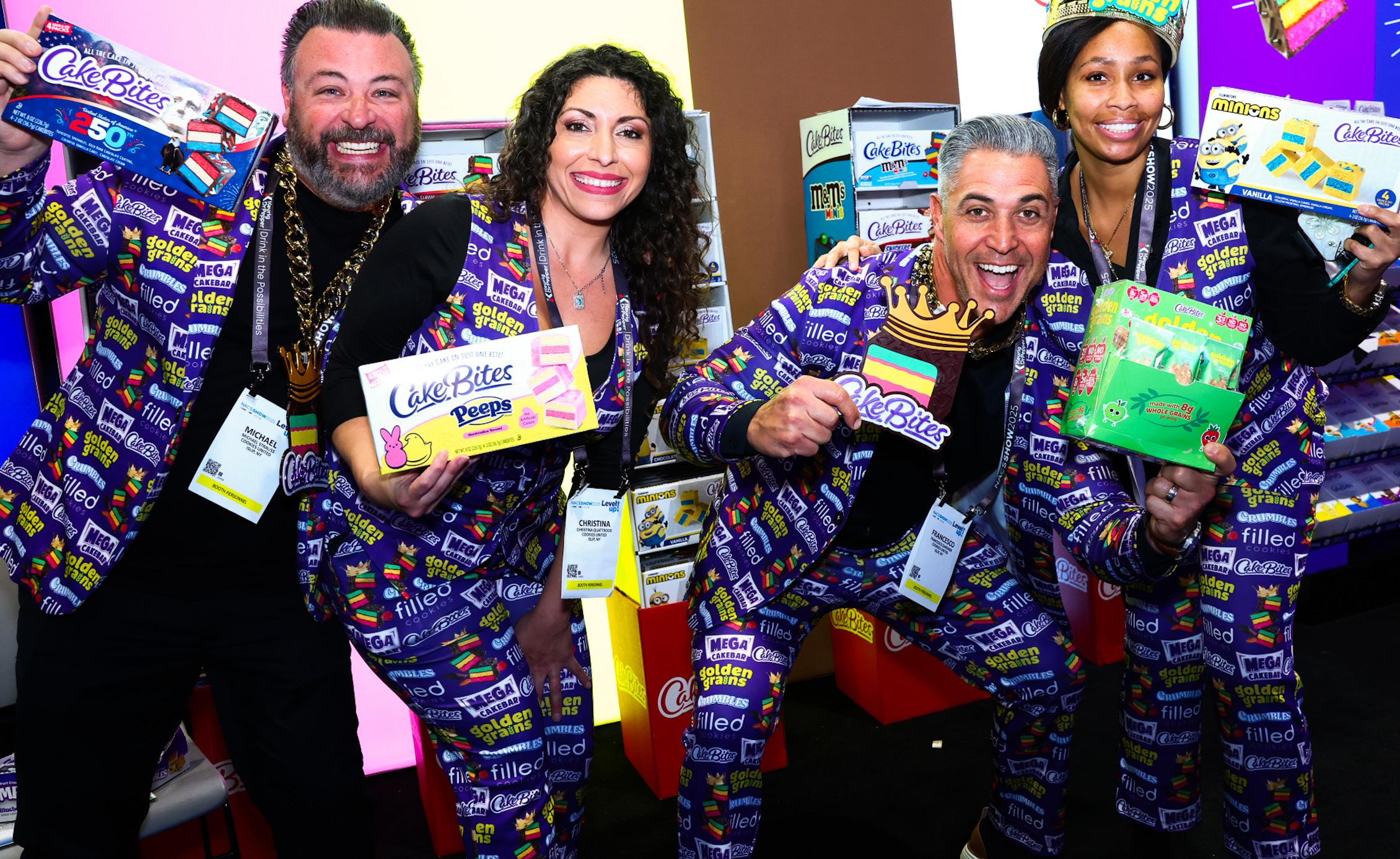
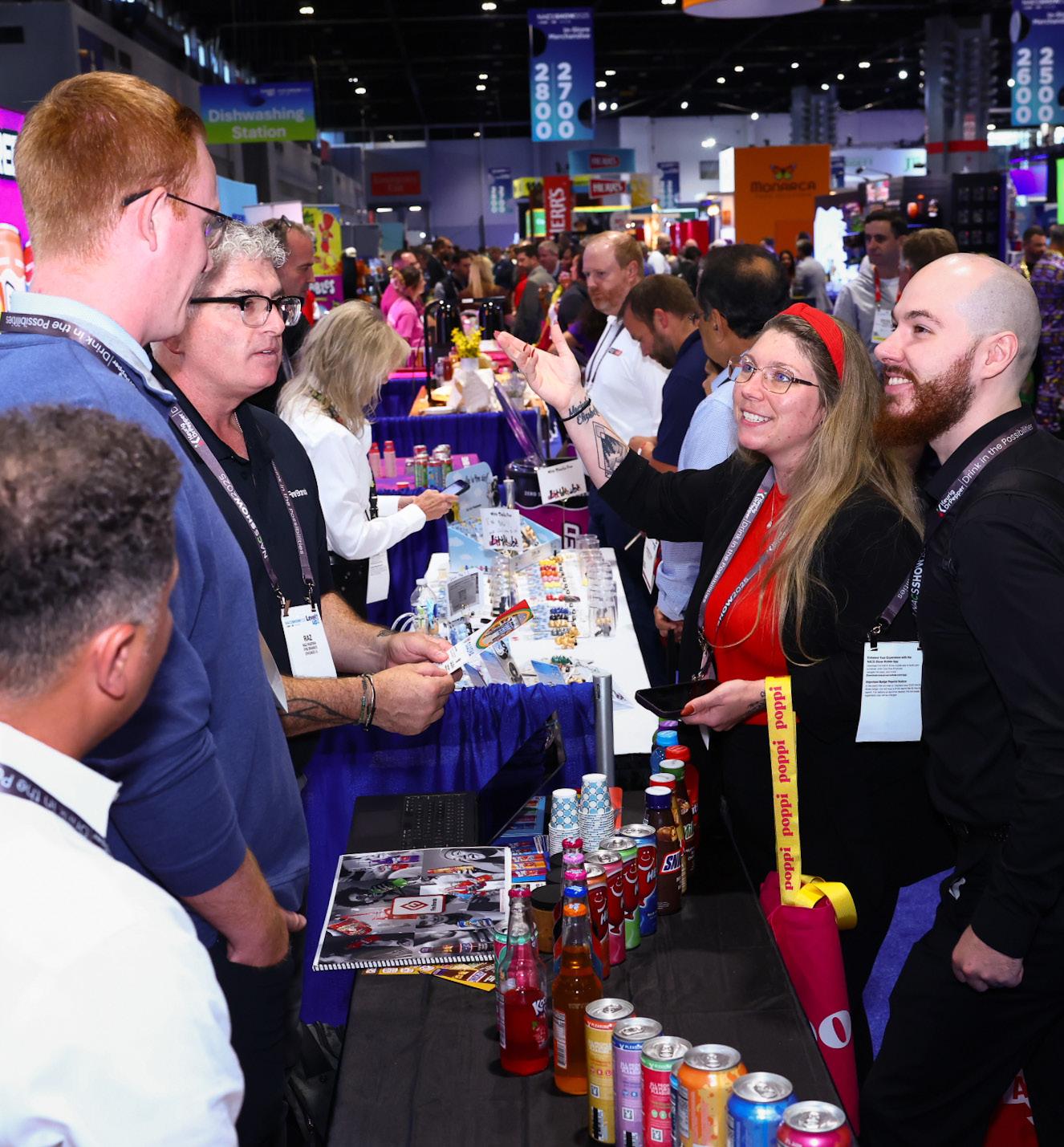
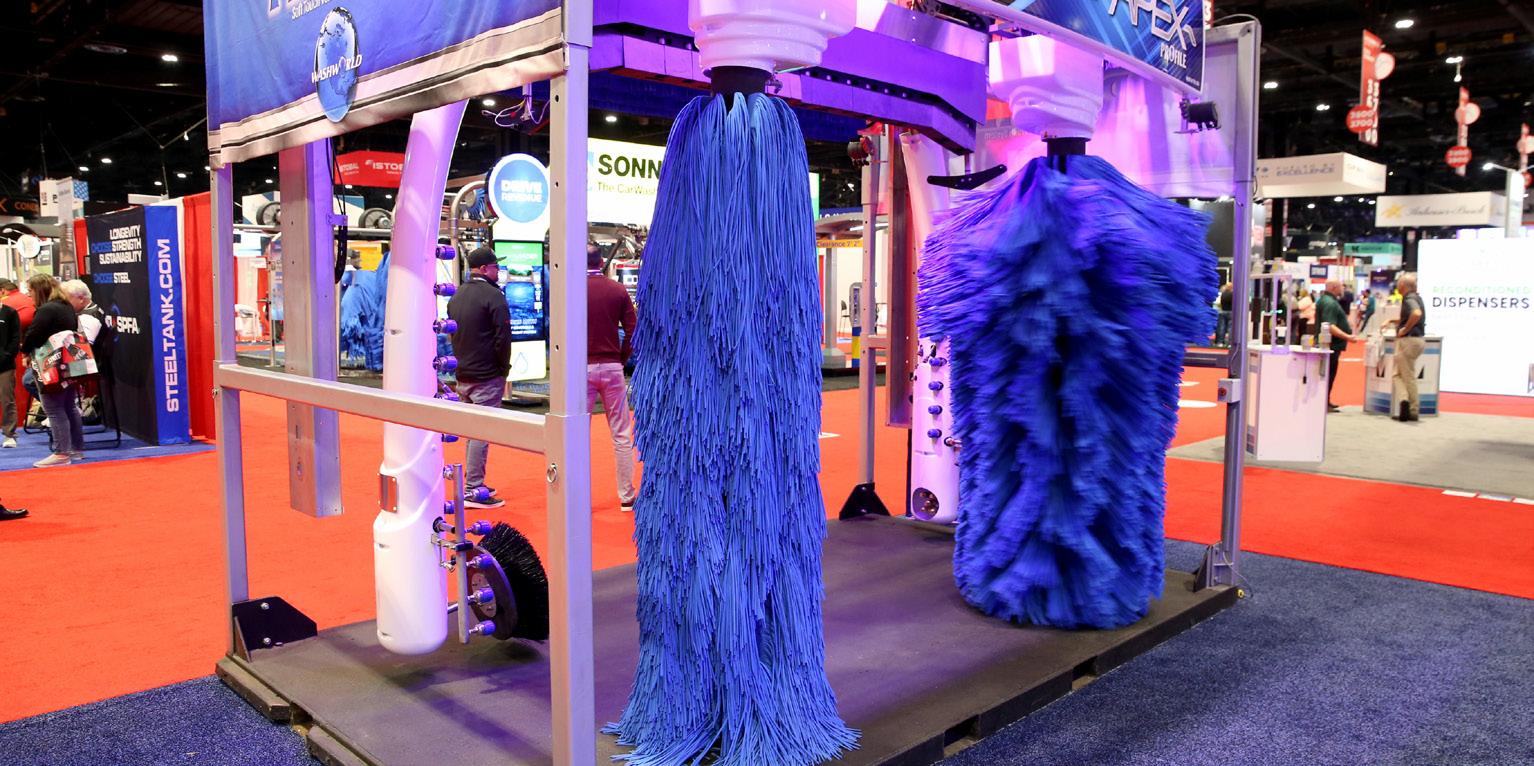
The 2025 NACS Show Expo was nothing short of amazing.
72 The Missing Step in Communication: Accountability
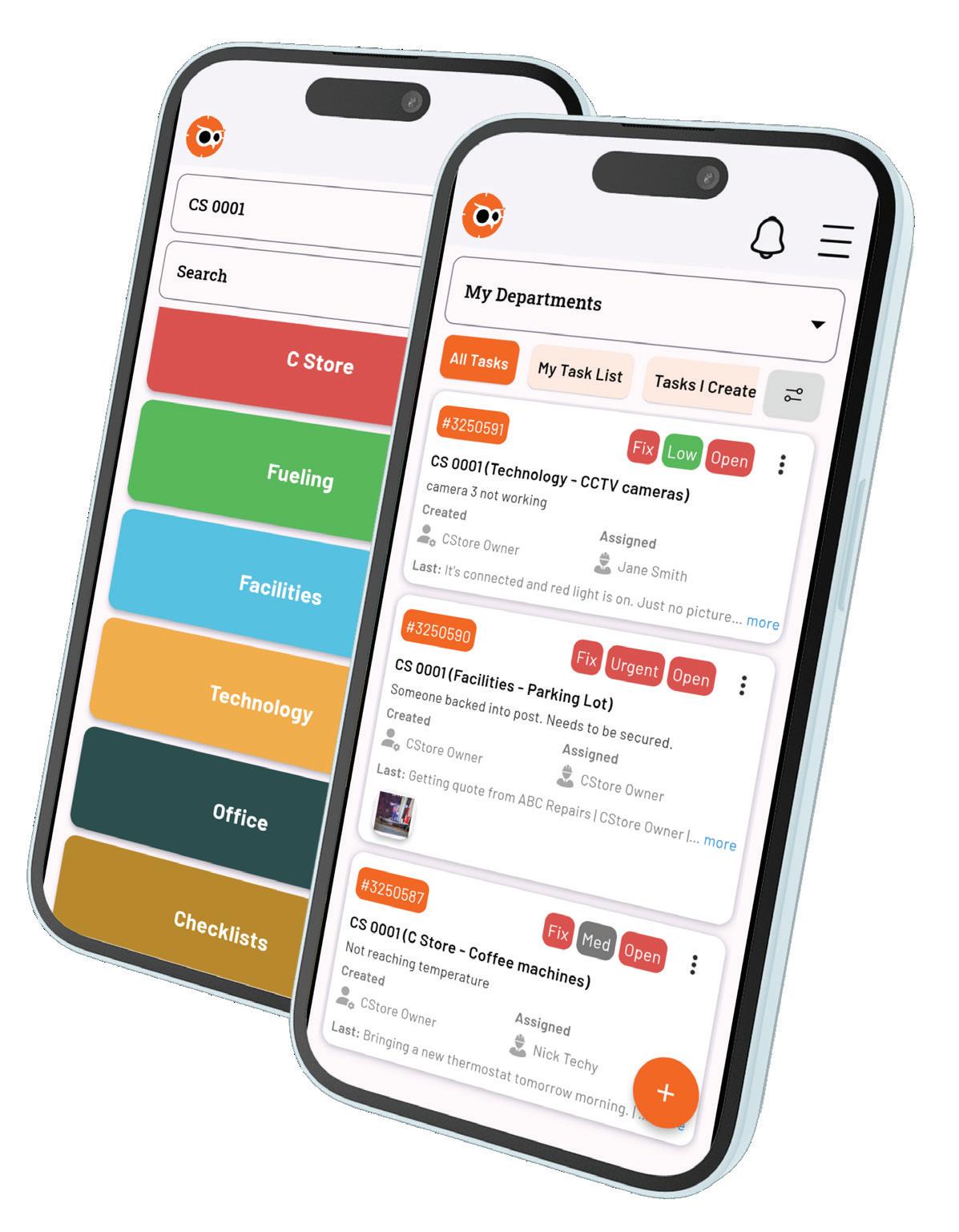
This Q&A is brought to you by OwlOps. Your team may be great—but without clear communication and accountability, even the best operations can lose consistency as they grow.
74 Coffee Station Innovation
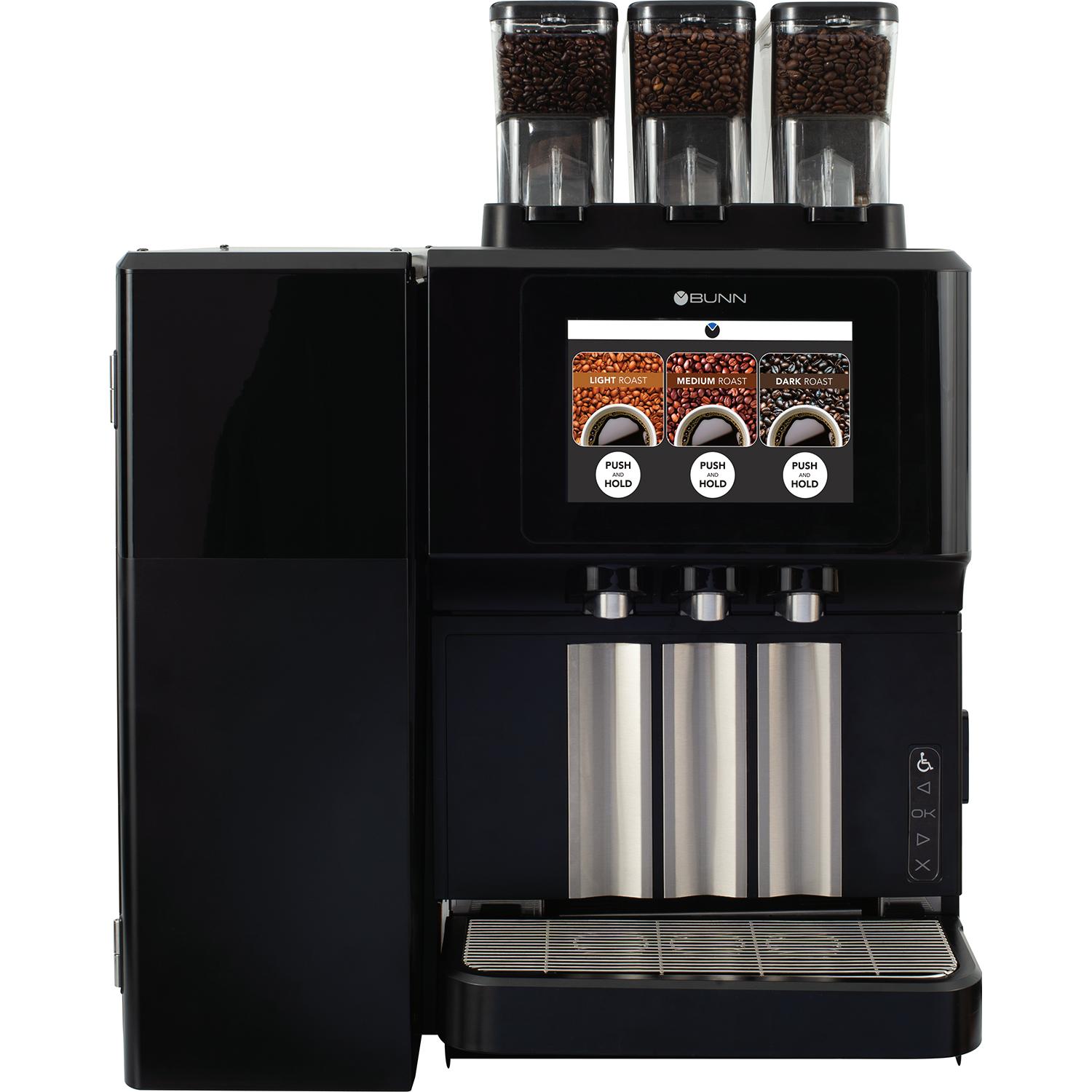
New equipment, flavors and functional concoctions keep the coffee category percolating.
96 U.K. Tobacco Sales at a Crossroads
Operators in the United States should take notice as regulations and societal changes transform U.K. tobacco retailing.
The c-store industry plays a leading role in a movement that is saving lives. 82
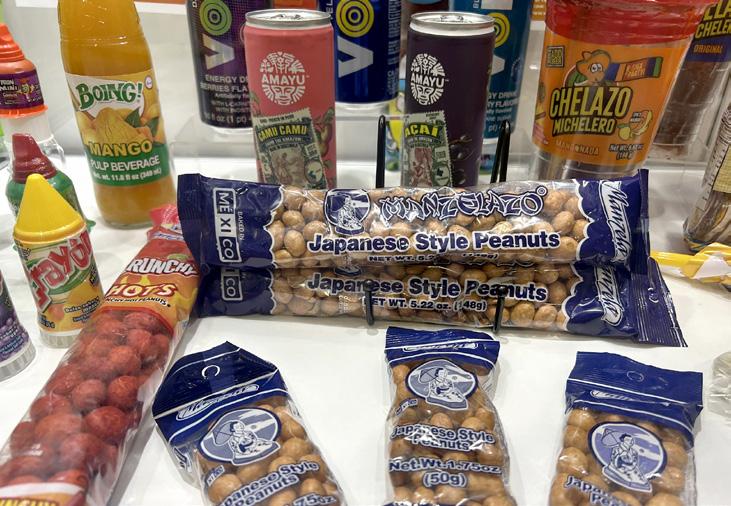
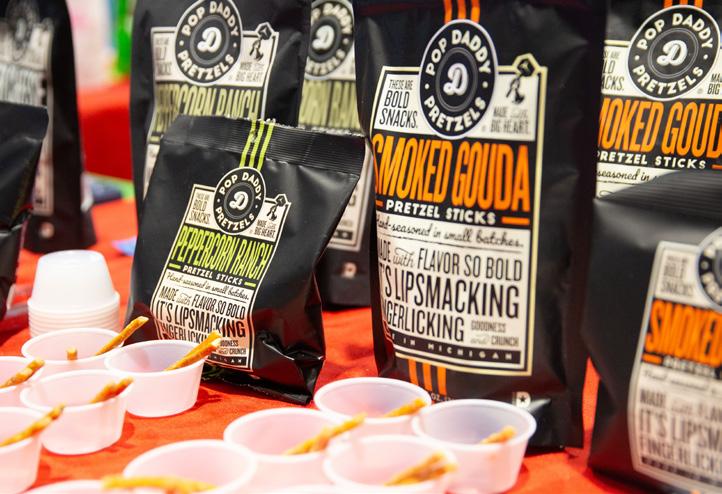
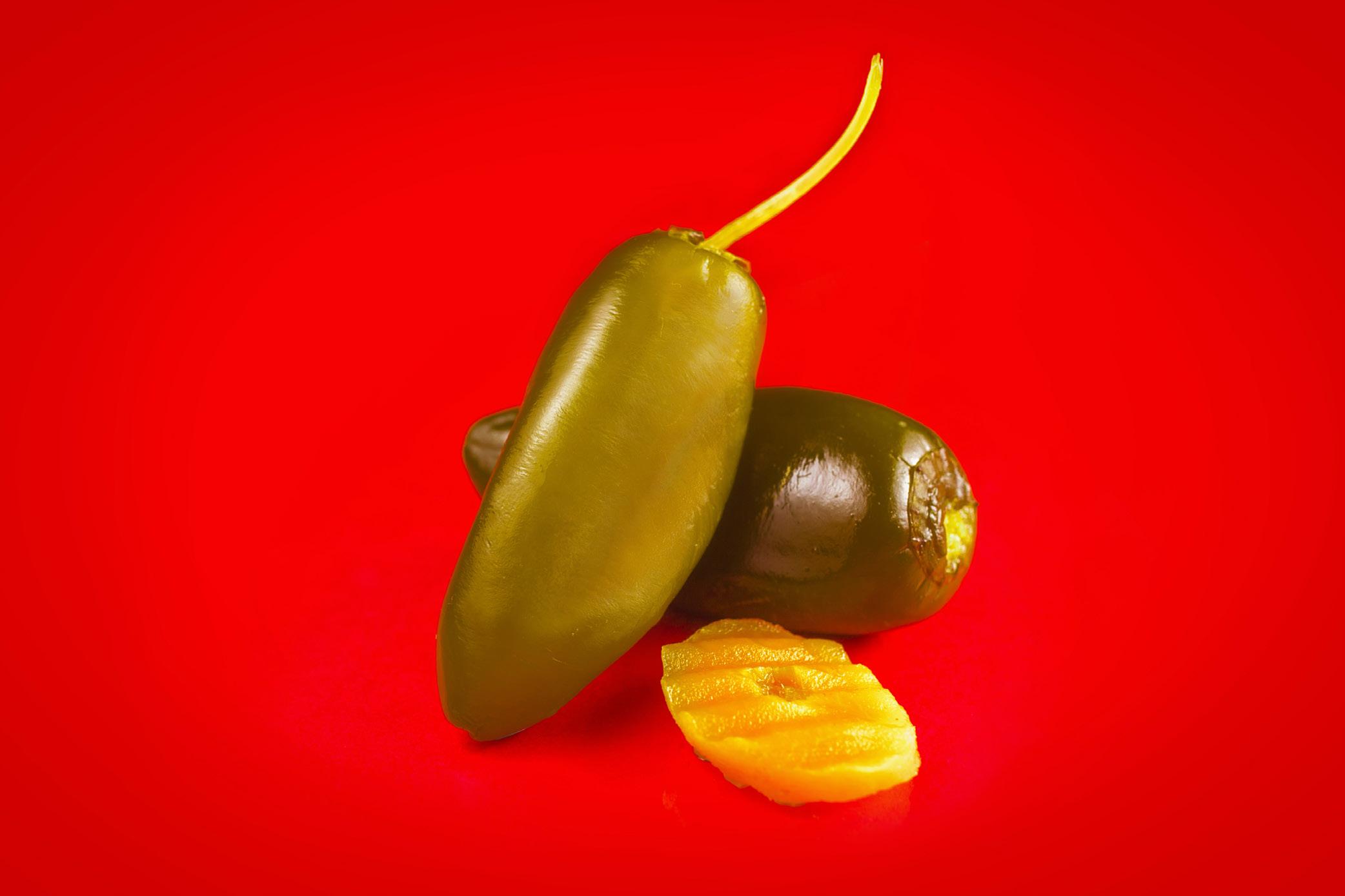
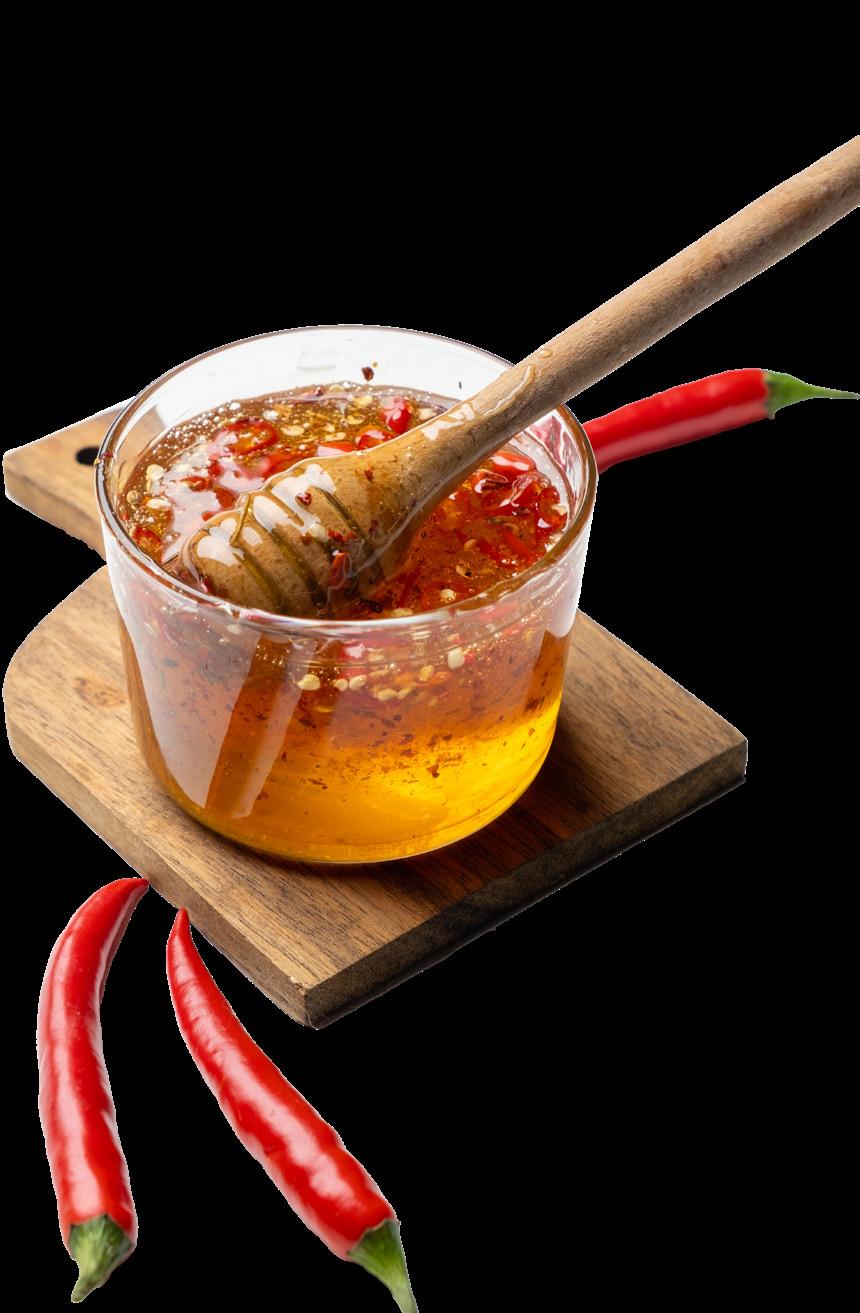
The Next Big Taste Flavor trends are constantly changing, so how can c-store operators stay on top of what’s hot now and what’s going to be popular next?
108 Fighting Human Trafficking
Subscribe to NACS Daily—an indispensable “quick read” of industry headlines and legislative and regulatory news, along with knowledge and resources from NACS, delivered to your inbox every weekday. Subscribe at www.convenience.org/NACSdaily
The NACS In Store program brings Mem bers of Congress into convenience stores— where managers, frontline staff and customers all become industry advocates.
EDITORIAL
Jeff Lenard VP of NACS Media & Strategic Communications (703) 518-4272 jlenard@convenience.org
TREASURER: Lonnie McQuirter, Director of Operations, 36 Lyn Refuel Station
OFFICERS: Chris Bambury, Bambury Inc.; Tom Brennan, Casey’s; Varish Goyal, Loop Neighborhood Markets; Charles McIlvaine, Coen Markets Inc.; Natalie Morhaus, RaceTrac Inc.; Travis Sheetz, Sheetz Inc.
GENERAL COUNSEL: Doug Kantor, NACS
MEMBERS: Lisa Blalock, BP North America Inc.; Brian Donaldson, Maxol Limited; Tony El-Nemr, Nouria Energy Corp.; Terry Gallagher, Gasamat Oil Corp./Smoker Friendly; Erin Graziosi, Robinson Oil Corp.; Raymond Huff, HJB Convenience Corp.
NACS SUPPLIER BOARD
SUPPLIER BOARD CHAIR: Bryan Morrow, Chobani & La Colombe
CHAIR-ELECT: Kevin LeMoyne, The Coca-Cola Co.
VICE CHAIRS: Mike Gilroy, Mars Wrigley; Jim Hughes, Supplying Demand Inc. dba Liquid Death; Danielle Holloway, Altria Group Distribution Co.
MEMBERS: Tony Battaglia, PMI U.S.; Ryan Calong, Pabst Brewing Co.; Jerry Cutler, InComm Payments; Jack Dickinson, Dover Fueling Solutions; Matt Domingo, Reynolds; Mark Falconi, Greenridge Naturals; Ramona Giderof, Diageo Beer; Kevin Kraft, Tropicana Brands; Adam Gryzbek, BIC Corp.;
(dba Russell’s); Mark Jordan, Refuel Operating Co.; Thomas Love, Love’s Travel Stops & Country Stores; Crystal Maggelet, Maverik Inc.; Rich Makin, Wawa Inc.; Brian McCarthy, Blarney Castle Oil Co.; Andrew Mitchell, Toot’n Totum Food Stores LLC; Jigar Patel, Fastime; Robert Razowsky, Rmarts LLC; Stanley Reynolds, 7-Eleven Inc.; Kristin Seabrook, Global Partners LP; Babir Sultan, Fav Trip; Doug Yawberry, Weigel’s Stores Inc.; Scott Zietlow, Kwik Trip Inc.
PAST CHAIRS: Brian Hannasch, Alimentation Couche-Tard Inc.; Victor Paterno, Philippine Seven Corp.
SUPPLIER BOARD REPRESENTATIVES: Bryan Morrow, Chobani & La Colombe; Kevin LeMoyne, The Coca-Cola Co.
Jay Nelson, Excel Tire Gauge LLC; Jordan Nicgorski, JUUL Labs; Nick Paich, TriggerPoint Media; Bria Troy, PepsiCo Inc.; Melissa Vonder Haar, iSEE Store Innovations LLC; Derek Zahajko, CAF Inc.; Jason Zagaria, Primo Brands
GENERAL COUNSEL: Doug Kantor, NACS
STAFF LIAISON: Bob Hughes, NACS
RETAIL BOARD REPRESENTATIVES: Tom Brennan, Casey’s; Scott Hartman, Rutter’s; Kevin Smartt, TXB
PAST CHAIRS: Vito Maurici, McLane Co. Inc.; David Charles, Cash Depot; Kevin Farley, Farley Retail Advisors
NACS Magazine (ISSN 1939-4780) is published monthly by the National Association of Convenience Stores (NACS), Alexandria, Virginia, USA.
Subscriptions are included in the dues paid by NACS member companies. Subscriptions are also available to qualified recipients. The publisher reserves the right to limit the number of free subscriptions and to set related qualifications criteria.
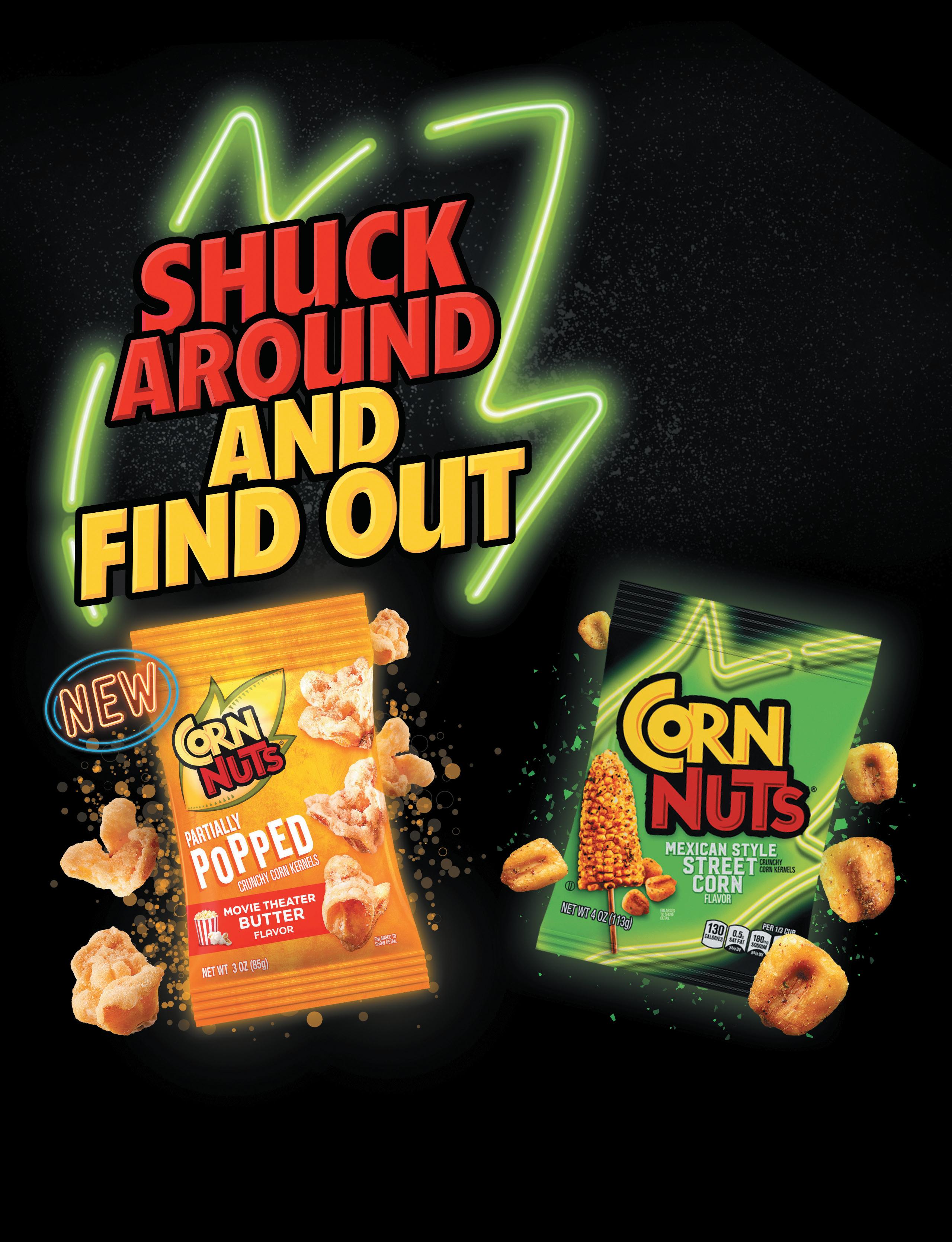
LEGENDARY FLAVORS, IRRESISTIBLE TEXTURES ARE YOUR SHELVES READY?
No matter what your customers are craving, the CORN NUTS® Brand has a flavor to satisfy.
UP FRONT FROM THE EDITOR
Lasting Leadership
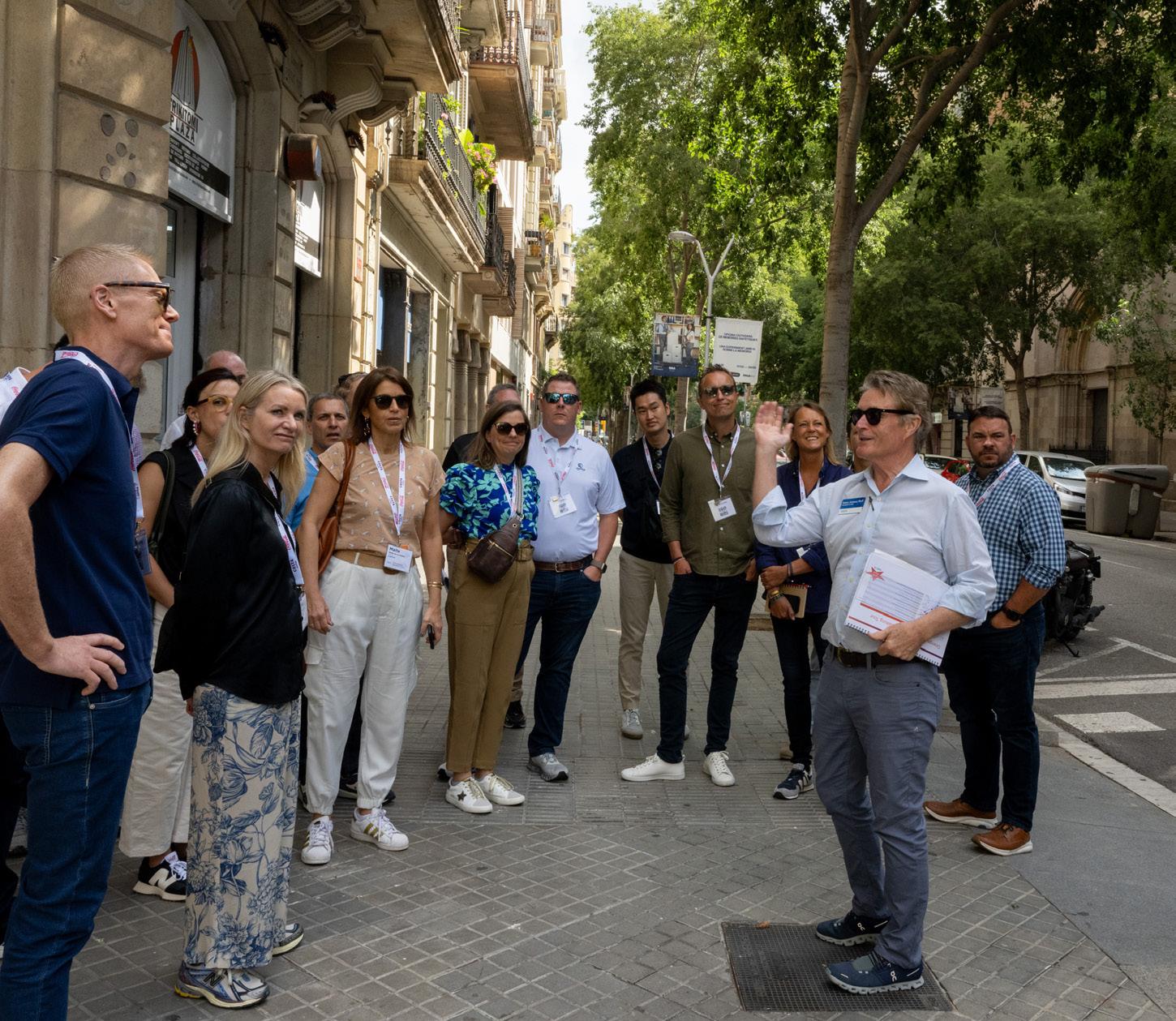
The most impressive display of leadership I’ve ever seen took place at a taxi stand in Barcelona.
The Spanish city was the site of the NACS Convenience Summit Europe in 2024. The day before the event kicked off, Henry Armour walked Bob Hughes (NACS VP of Supplier Relations, Expositions, and Meetings) and I through the store tours we would lead the next day.
After dashing in and out of 20-plus stores, we were running a little late. Henry needed to get back to the hotel for his next function. That brings us to the taxi stand.
Barcelona is a popular tourist city. The taxi stand was a crowded confusion of languages, cultures and competing taxi-taking protocols. People from around the globe were milling about trying to figure out where the line was (if there was a line) while cabs and rideshares battled for space.
With a mix of Spanish, English and emphatic hand gestures, Henry took charge. Within half a minute everything was orderly—andeveryone washappyandsmiling. It was a miniature masterpiece of leadership and persuasion, but it felt like a miracle. I think one in a million people could have pulled it off.
What happened at the taxi stand illustrates an undeniable fact: NACS has been led for 20 years by a rare talent. The industry as a whole has benefited.
I’m so happy that Henry is on the cover of this issue, and that we can celebrate everything he’s accomplished. “Arm in Arm: Celebrating 20 Years of Leadership” is written by Chrissy Blasinsky, who has been at NACS for Henry’s entire 20-year tenure.
Henry is stepping back, but also stepping up. He’ll provide leadership of the international efforts of NACS starting January 1, when Frank Gleeson—another fantastic executive—becomes the new NACS CEO and president. Want to know more about Frank? Be sure to read the January issue of NACS Magazine, which shares his story.
Ben Nussbaum, Editor-in-Chief, NACS Media
UP FRONT FACES OF THE INDUSTRY
A Heart for Helping Out
Ashley Joseph has always known she has a passion for helping others. She went to school to earn a bachelor’s degree in criminal justice, and simultaneously held jobs at QSRs, retail stores and as a residential supervisor for adults with developmental disabilities during her time in college.
“After graduating, something just kept pulling me back into the guest services field. One of the things I love about it is that there is always a need to help out somewhere,” she said.
Ashley has now worked in the convenience industry since 2018 and has been a store manager at a Weigel’s location in Athens, Tennessee, for two years.
She spoke with NACS about:
WHY SHE LOVES WORKING IN CONVENIENCE
I currently work at one of our travel centers, and for the majority of my convenience career I’ve always had an interstate store. They pull in a lot more guest traffic, and one of the things I’ve always enjoyed is talking to the guests and being able to create those relationships. The guests obviously play a huge part in what makes the convenience industry so great. I enjoy meeting people from all over the country. Working in an environment with such a diverse group of people helps each of us grow and strengthen our social skills, which is imperative to the business.
Weigel’s store manager Ashley Joseph is always ready to lend a hand to customers and teammates.
WHAT SHE FINDS FULFILLING ABOUT HER JOB
For me, it’s the people—my team and the guests that come in here. It’s so rewarding to see team members grow personally and professionally here. That is one of the things that I strive to help them do. I want to see everyone grow their skills and to see each person here build their own relationships with the guests and other team members. It’s really fulfilling to see a cashier grow into an assistant manager who could eventually take over a store. That’s one of the things that I really enjoy.
ONE OF HER FAVORITE DAYS AT WORK
Last year we had the privilege of going to Chattanooga, Tennessee, to participate in Wreaths Across America. It was around Christmas time and we placed wreaths on veterans’ graves. It was such a great way to honor the veterans, and it was the first time that I’ve had the opportunity to do something in the community through a company. I’d always been big into doing things for the community myself, but to be able to do it within my company was wonderful. Weigel’s has such a great relationship with its community in Knoxville, and I can’t wait to see the relationships that we build with other communities as we continue to grow.
Working in an environment with a diverse group of people helps each of us grow and strengthen our skills.
WARNING: This product contains nicotine. Nicotine is an addictive chemical.
A NACS Show Like Never Before
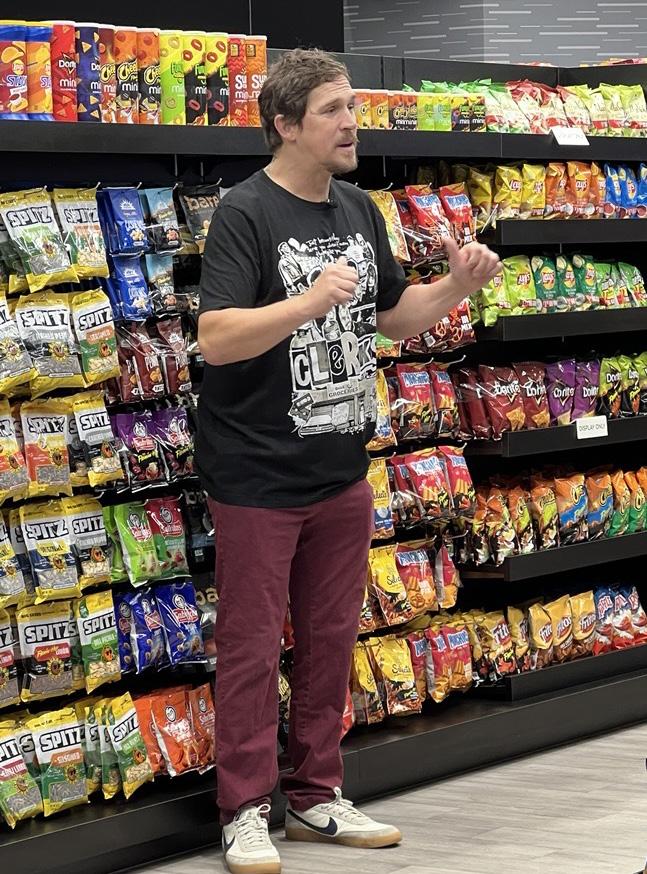
25,136 attendees, wishes granted to attendees by Sebastian Terry during the opening General Session and endearing convenience stories provided by ‘Clerks’ stars Kevin Smith and Jason Mewes
a record for a Chicago NACS Show!
60+ minutes of laughter
2
36 new companies were featured in the Cool New Products Preview Room’s Convenience Catalyst showcase
220, the average attendance across the NACS Show’s 48 Education Sessions
1
inspiring conversation on leadership between NACS President and CEO Henry Armour and his successor, Frank Gleeson, along with moderator Brian Hannasch, former CEO and president of Alimentation Couche-Tard
11,225
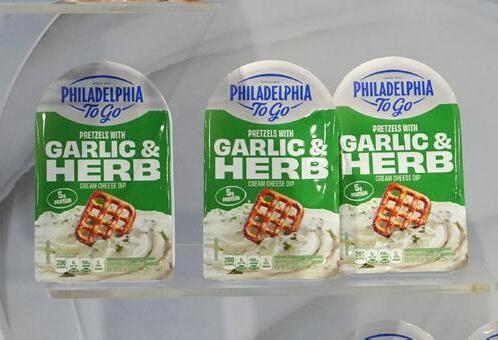
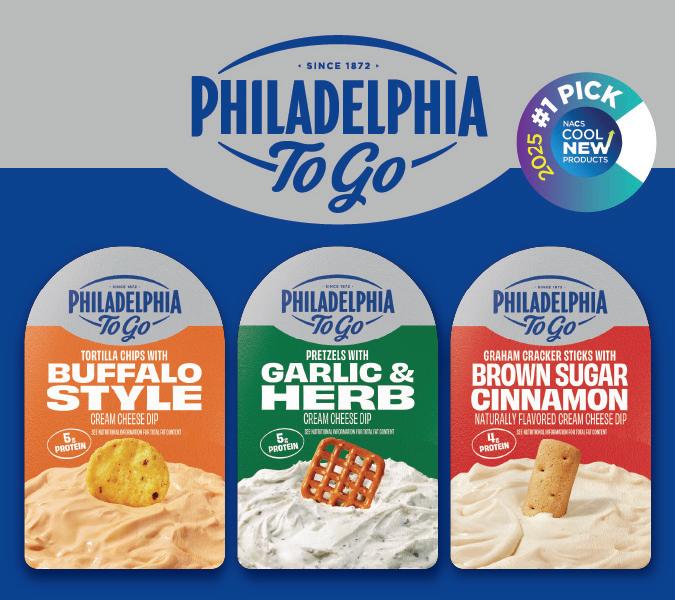
Cool New Products scans the most scanned of 346 products was the Philadelphia to Go from Kraft Heinz
1,204 exhibitors had booths at the NACS Show Expo
120,380 pounds of food and drinks were rescued from the NACS Show Expo floor and donated to six local food pantries and food recovery organizations
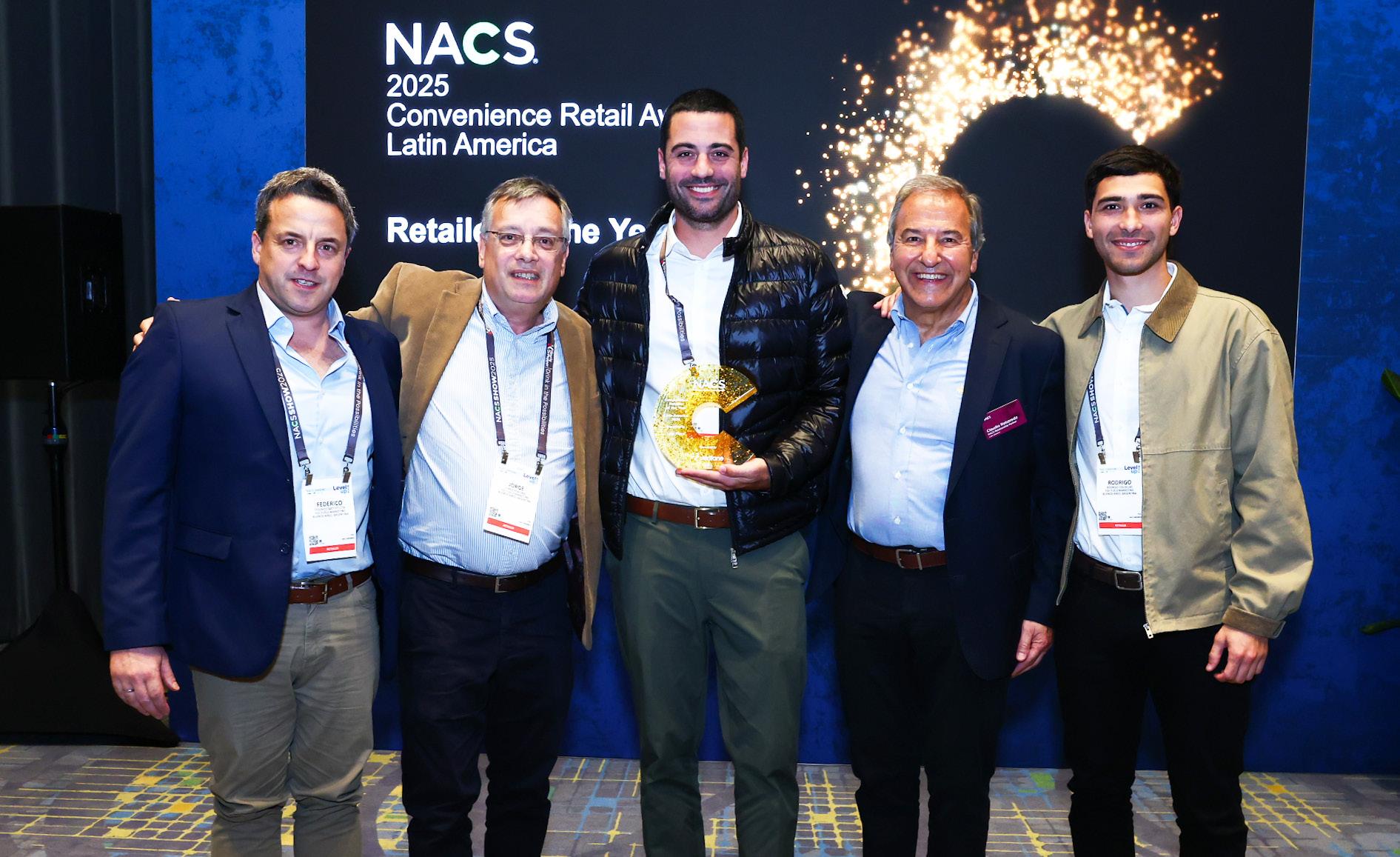
Lion Place Escobar Wins NACS Retailer of the Year Award Latin America
Lion Place Escobar by FGC Fuels Marketing is the 2025 winner of the NACS Convenience Retailer of the Year Award Latin America. Executives of the company were recognized among their convenience retail peers during the Global Colleagues Reception at the NACS Show on October 15.
Located in Belen de Escobar, Buenos Aires, Argentina, Lion Place Escobar continues to redefine convenience retail while strategically serving a high-value, affluent market. Instead of relying on traditional revenue streams, FGC has built a destination-based model centered on a food-forward strategy. This approach features a branded Havanna Coffee offering, a full Subway franchise and its own proprietary fast-casual restaurant, Tangrill, to drive in-store sales and elevate transactions.
The NACS Convenience Retailer of the Year Award Latin America honors an innovative and profitable convenience store in Latin America (Central America, South America and the Caribbean) that sets new standards for the industry.
The Lion Place convenience retail concept and brand was founded in 2014 by three former multinational executives under FGC Fuels Marketing. Their approach has rapidly transformed the Argentinian convenience and fuel retailing market by focusing on innovation and customer experience.
The store’s success is further amplified by its scale, with a larger-than-standard forecourt and in-store offer that communicates credibility and quality to its customers. This premium feel, combined with superior amenities like modern restrooms and a co-working area, transforms a routine c-store stop into a meaningful, repeat engagement experience.
By offering a multiservice hub that caters to the modern customer’s lifestyle, Lion Place has created a powerful and replicable model for generating substantial non-fuel revenue, establishing itself as an innovator in the industry.
UP FRONT NACS NEWS
NACS Welcomes New Board Members
For the 2025-2026 year, NACS welcomes five new retailer members to the NACS Board of Directors:
• Crystal Maggelet, CEO, Maverik Inc. (Salt Lake City, Utah)
• Tony EI-Nemr, Founder & CEO, Nouria Energy Corp. (Worcester, Massachusetts)
• Rich Makin, Vice President of Fuel, Wawa Inc. (Wawa, Pennsylvania)
• Andrew Mitchell, CEO, Toot’n Totum Food Stores LLC (Amarillo, Texas)
• Thomas Love, Manager of Engagement and Outreach, Love’s Travel Stops (Oklahoma City, Oklahoma)
In addition, Bryan Morrow, vice president of brand sales at Chobani & La Colombe, was named the 2025-2026 chairman of the NACS Supplier Board. Kevin LeMoyne, senior vice president, customer leadership at The Coca-Cola Company, was named chair-elect and as a supplier representative on the NACS Board of Directors.
New at NACS
In 2025, NACS added 13 new employees to the team.
NEW SUPPLIER BOARD VICE CHAIRMEN:
• Mike Gilroy, VP, Trade Development and Sponsorship, Mars Wrigley
• Jim Hughes, VP, DSD and Distribution, Supplying Demand Inc. (dba Liquid Death)
• Danielle Holloway, Senior Director, Industry Engagement, Altria Group Distribution Co.
NEW SUPPLIER BOARD MEMBERS:
• Bria Troy, Sales VP, PepsiCo Inc.
• Melissa Vonder Haar, Marketing Director, iSEE Store Innovations LLC
Keep NACS in the know— send your updates to news@convenience.org
UP FRONT NACS NEWS
Member News
RETAILERS
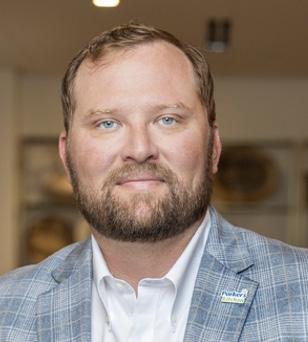
Parker’s Kitchen promoted John Rudolfs to coCEO and John Rhine to chief financial officer. The company has adopted a co-CEO model based on collaborative leadership to leverage the strengths of the company’s top leadership.
Rudolfs originally joined Parker’s Kitchen in 2021 as the chief development officer and was named president and chief financial officer earlier this year. He shares Parker’s Kitchen CEO duties with co-CEO Brandon Hofmann.
As the company’s new CFO, Rhine will lead Parker’s Kitchen financial strategy and execution. He previously helped secure a $1.1 billion loan to finance the convenience store leader’s ambitious growth plans and originally joined the company in 2020 as its financial planning and analysis (FP&A) analyst.
Englefield Inc., a 64-year-old familyowned business, announced that F.W. (Will) Englefield V was named president of Englefield Energy and Ashley Englefield DeWitt was named president of Englefield Retail.
Englefield will lead Englefield Energy, which encompasses the fuel, propane and lubricant divisions of Englefield Inc. DeWitt will lead Englefield Retail, which includes 116 Duchess Convenience Stores, Tic Tac Taco Mexican Kitchen, Taco Bell franchises and Royal Craft Kitchen, a food commissary supporting the convenience stores.
Will and Ashley are the third generation of Englefields to lead divisions of the parent company, Englefield Inc. Their fathers, F.W. (Bill) Englefield IV and Ben Englefield, remain presidents of Englefield Inc.
SUPPLIERS
Calendar of Events
2026
FEBRUARY
NACS Leadership Forum
February 10-12 | Fontainebleau, Miami Miami, Florida
MARCH
NACS Convenience Summit Asia March 10-12 | Shanghai, China
NACS Human Resources Forum March 16-18 | Galt House Hotel Louisville, Kentucky
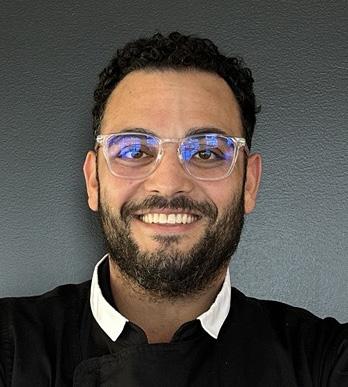
Unox promoted Sherief Shawky to corporate chef team leader for the United States. In his new role, Chef Shawky will
NACS Day on the Hill March 17-18 | Four Seasons Washington D.C.
APRIL
NACS Food Safety Forum April 13-14 | Renaissance Schaumburg Convention Center Hotel Schaumburg, Illinois
guide Unox’s nationwide team of corporate chefs in directing demos, trainings, trade show activations and other customerfacing programs designed to help operators get the most from Unox combi and speed oven technologies.
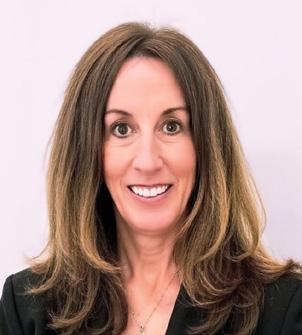
Mendy Meriwether joined NexChapter as its VP, foodservice practice. In this role, she will lead the development of menu strategies, stage-gate innovation processes, category management systems and execution frameworks that help convenience and grocery retailers convert foodservice into a high-margin growth engine.
Meriwether brings years of operator experience and food and beverage leadership to this role. She previously led foodservice strategy and execution at Wawa and EG America, designing menu systems, optimizing supply chains and driving unit-level profitability.
NACS State of the Industry Summit April 14-16 | Renaissance Schaumburg Convention Center Hotel Schaumburg, Illinois
OCTOBER
NACS Show October 06-09 | Las Vegas Convention Center Las Vegas, Nevada
visit www.convenience.org/events.
John Rhine
Sherief Shawky
Mendy Meriwether
John Rudolfs
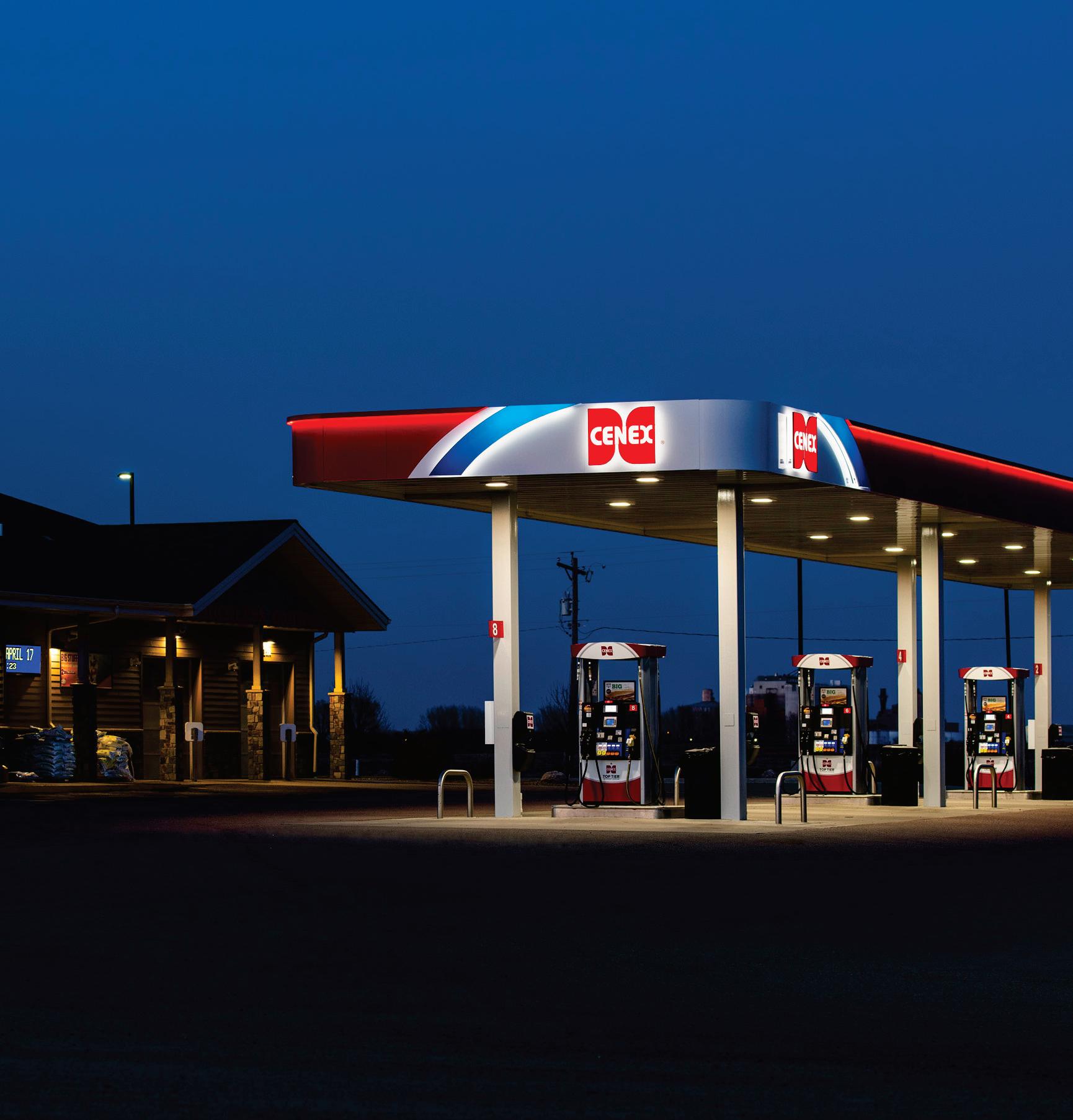
When you join the Cenex® network, you become part of a community built on trust, reliability, and shared success. Our locally focused approach, combined with national brand strength, helps your store earn customer loyalty while benefiting from the resources of a leading energy brand.
PARTNER WITH US
cenex.com/dealer-branding-program
UP FRONT NACS NEWS
New Members
NACS welcomes the following companies that joined the Association in September 2025. NACS membership is company-wide, so we encourage employees of member companies to create a username by visiting convenience.org/create-login. All members receive access to the NACS Online Membership directory and the latest industry news, information and resources. For more information about NACS membership, visit convenience.org/membership.
RETAILERS
7-Eleven #38993 Keller, TX
ADNOC Distribution Abu Dhabi, United Arab Emirates www.adnocdistribution.ae
Alabama Merchants Association Hoover, AL www.alabamamerchants.com
Alcroft Inc. East Wenatchee, WA
ampm Convenience Stores Inc. dba GasPro Grovetown, GA www.gowithgaspro.com
AZ Travel Plaza Ehrenberg, AZ
Bill Gray Inc. dba Wild Bill’s New Albany, MS
Copec S.A. Santiago, Chile www.copec.cl
Farmers Union Oil Co. of Devils Lake Devils Lake, ND
Fast Eddie’s Car Washes McHenry, IL
Fleet Farm Appleton, WI
Frontier Town Gateway Inc. Schroon Lake, NY
Fuel Hub Sugar Land, TX
Fuel-R-Up Branson, MO
Greater Houston Retailers
Cooperative Association Inc. – Kudos Stafford, TX www.ghraonline.com
HMS Investment Richburg, SC
Jose Lake Resort South Branch, MI www.joselakestoreandresort.com
Martin’s Stratford, CT
Meraux Tackle Box Meraux, LA
MNG 2005 Inc. Saint Louis, MO
Mongo General Store Mongo, IN www.mongogeneralstore.com
Parti-Pak Liquors Indianapolis, IN
Pump N Stuff Viborg, SD
Quick Store Orangeburg, SC
Rahns Oil and Propane Melrose, MN www.rahnfuels.com
Redamont Infrastructure Partners New York, NY www.redamont.com
River Run Convenience Antonito, CO
Sewell Group Hull, United Kingdom
Spartan Stores Fuel LLC Grand Rapids, MI www.spartannash.com
Supermercado Paranaense Brazil www.loja.smparanaense.com.br
Texoma Denison LLC Prosper, TX
Three Star Operations Stafford, TX
Vexxil Retail Operations LLC Daphne, AL
Waguespack Oil Co. Inc. Thibodaux, LA www.wagoil.com
WTC Developments Inc. dba Admiral Williamston, MI www.facebook.com/ williamstonadmiral/
SUPPLIERS
4Calm Carrollton, TX www.4Calm.Life
ACP Inc. Cedar Rapids, IA www.acpsolutions.com
Cheers to HenryYou, 20 years
Congratulations on 20 years of exceptional leadership as NACS President & CEO. We’re delighted you’ll carry your impact forward in your new international role.
Wishing you continued success and inspiration in all that lies ahead. With appreciation, Your friends at migrolino
UP FRONT NACS NEWS
BDL Partners
Jersey City, NJ
Beliv US New Orleans, LA www.belivcompany.com
Beltmann Integrated Logistics Addison, IL www.beltmannlogistics.com
Bench Dogs Denver, PA www.benchdogs.com
Blue Ridge Global Atlanta, GA www.blueridgeglobal.com
Cann Social Tonics Brooklyn, NY www.drinkcann.com
Concept Services Austin, TX www.conceptserv.com
Cornerstone Systems Olmsted Falls, OH
Deutsch Family Wine & Spirits Dallas, GA
Donovan Advertising Inc. Lititz, PA
Downstream Energy Group Jonesboro, AR www.degadvisors.com
Drink Lick LLC Milwaukee, WI www.drinklick.com
Enorama Pharma AB Stockholm, Stockholms län, Sweden www.enoramapharma.se
ePac Flexible Packaging Del Mar, CA
F&S Fresh Foods Vineland, NJ www.fsfreshfoods.com
Generac Power Systems Waukesha, WI www.generac.com
High Spirits Commerce City, CO www.drinkhighspirits.com
United Container Company Saint Joseph, MI www.unitedcontainer.com
Valley Beverage Lewiston, ME www.valley-beverage.com
Vertosa Walnut Creek, CA www.vertosa.com
Vontier Raleigh, NC www.vontier.com
Xpress Wholesale Austin, TX www.xwsales.com
GOOD THINGS COME IN THREES
GAME® LEAF GIVES CUSTOMERS WHAT THEY WANT
In 2015 Game Leaf was introduced as part of the Garcia y Vega portfolio of cigars, revolutionizing the Rolled Leaf cigar category. Now, as part of our 10th anniversary celebration, we’re reintroducing Game Leaf with colorful, eye-catching, consumer-tested 3-cigar packaging designed to bring Rolled Leaf customers more of what they want.
AVAILABLE AT 3 FOR $2.19 TRIAL PRICING AND SAVE ON 3
3 REASONS FOR 3-PACK SALES
In 2024, the 3-pack was the only Rolled Leaf format to show volume growth, along with a 5.7% increase in share of the market.
While all other Rolled Leaf formats showed velocity declines in 2024, the velocity for 3-packs rose by 15%.
Rolled Leaf 3-packs were added to shelves in over 9,700 c-stores in 2024, an 11% increase in store count over 2023.
3 REASONS TO GO WITH GAME LEAF
Game Leaf is able to build on the tremendous brand equity of Game, the #1 selling Natural Leaf cigar in the US.
Game Leaf’s commitment to quality and stringent quality standards—from broadleaf crop selection through manufacturing—ensure the best quality Rolled Leaf cigar available.
Consumers equate the Game Leaf brand with the Garcia y Vega tradition of quality and craftsmanship, as Garcia y Vega has been making Natural Leaf cigars since 1882.
NACS Organizes Food Donation After NACS Show
With help from Vontier Corporation, FoodRecovery.org and numerous volunteers, over 120,000 pounds of food was collected and donated.
On the last day of the 2025 NACS Show, the NACS Foundation, partner Vontier Corporation and FoodRecovery.org came together to support the Foundation’s Neighborhood Nourish Program—an initiative fighting hunger, reducing food waste and strengthening communities—by collecting and donating items left over from the event to local community programs in Chicago.
After the Expo closed, 80 volunteers recovered 120,380 pounds of food and drinks from exhibitors, equal to more than 100,000 meals.
“A special thanks to the volunteers who showed up on-site Friday to sort, pack and load donations. Your efforts helped ensure these items went directly to support communities across the city—making a real and immediate impact,” said Kevin O’Connell, executive director of the NACS Foundation. Items rescued included beef jerky, mixed nuts, snacks, cereal, protein bars, mixed drinks, whole chickens, mixed dairy products (yogurt and smoothies), bottled water, candy
and chocolate. The food then was distributed to six different Chicago-based organizations: Breakthrough, Shepherd’s Hope, Greater Chicago Food Depository, Mission of Our Lady of Angels, Hands of Hope and Palm Beach Food Bank.
“Partnering with Neighborhood Nourish aligns with the Vontier Foundation’s mission to drive positive change in the communities we serve. Together we’re working with the broader convenience retail industry to fight food insecurity, create healthier, more resilient communities and contribute to a culture of giving and sustainability,” said Chief Administrative Officer of Vontier and President of the Vontier Foundation Katie Rowen.
Sammie Paul, executive director of FoodRecovery.org, added: “Working with Kevin and the NACS Foundation for the last six months to plan an extremely successful food recovery event is nothing short of amazing.”
Learn more about Neighborhood Nourish at conveniencecares.org/our-programs/neighborhood-nourish.
In The Community
Every year, the convenience retail industry dedicates billions of dollars to advancing the futures of individuals and families in our communities. The NACS Foundation unifies and builds on NACS members’ charitable efforts to amplify their work in communities across America and to share these powerful stories.
Learn more at www.conveniencecares.org
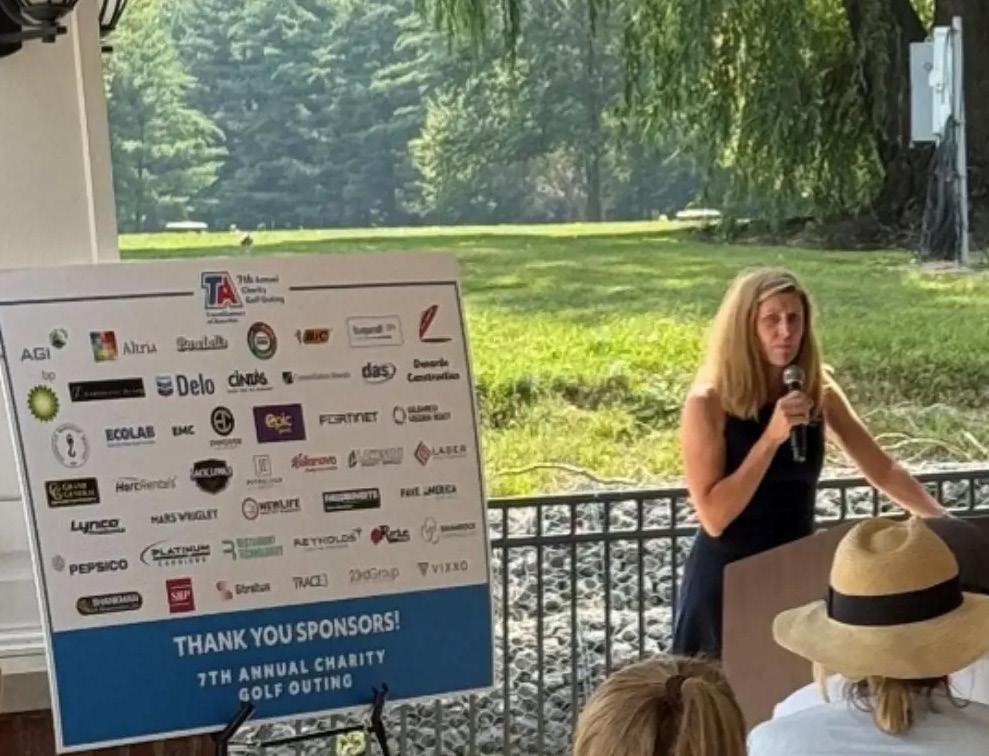
1 TA RAISES $200,000 TO AID TRUCKING FAMILIES
TravelCenters of America (TA), part of the BP portfolio, hosted a charity event at Springvale Golf Course benefitting St. Christopher’s Trucker Relief Fund and TAT (formerly Truckers Against Trafficking). With 144 golfers, 40 dedicated volunteers and a mix of company leadership and guests, the day was filled with energy and purpose from start to finish.
TA said this year’s final donation exceeds last year’s contribution of $214,000 and “reaffirms TA’s commitment to supporting causes that truly reflect the heart of who we are and the industry we serve.”
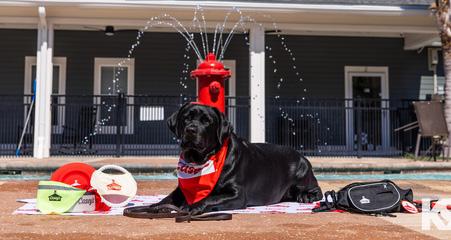
2 CASEY’S PARTNERS WITH K9S FOR WARRIORS
Casey’s launched a new partnership with K9s For Warriors, which provides trained service dogs at no financial cost to military veterans suffering from post-traumatic stress disorder (PTSD), traumatic brain injury and other invisible wounds of war.
Through the partnership, Casey’s said it is funding the training of a future service dog named Casey who is projected to graduate with her warrior in San Antonio, Texas.
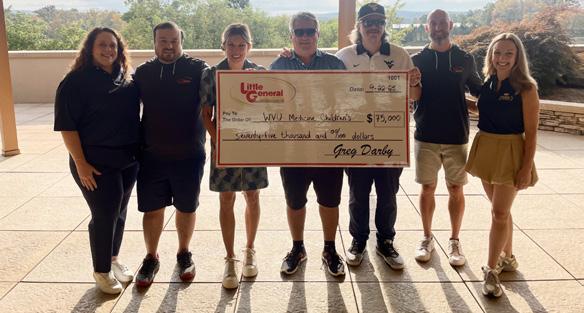
3 LITTLE GENERAL STORES DONATES $75,000 TO LOCAL HOSPITAL
West Virginia-based Little General Stores raised $75,000 in support of West Virginia University Medicine Children’s hospital through its Kick Off for Kids Campaign.
To date, Little General Stores has donated $425,000 to the hospital. The retailer’s contributions “help provide vital care and services to thousands of children and families across West Virginia and the surrounding region.”
4 RUTTER’S SUPPORTS LOCAL FAMILIES OF LAW ENFORCEMENT OFFICERS
In response to the tragic loss and injuries suffered by members of the Northern York County Regional Police
Department and the York County Sheriff’s Office, Rutter’s supported the existing Honor Their Service Fund, which assists the affected law enforcement officers and their families.
Rutter’s facilitated donations by placing donation canisters at all York County store locations. To encourage support, anyone who donated received a free American flag.
Rutter’s Children’s Charities will match 100% of all in-store donations raised through this effort, up to $100,000.
5 MIRABITO CARES HOLDS ROUND UP CAMPAIGN
Mirabito Convenience Stores across New York and Pennsylvania once again partnered with the American Cancer Society (ACS) for a round-up campaign, giving customers the opportunity to support cancer patients and their families. From October 1 through November 2, customers of Mirabito’s 112 convenience store locations had the option to round up their purchases at checkout or donate through QR codes at the fuel pumps.
Last year, Mirabito presented ACS with $90,000 in support of cancer patients across its communities.
Advocacy on the Front Lines
The NACS In Store program brings Members of Congress into convenience stores—where managers, frontline staff and customers all become industry advocates.
BY KATIE BOHNY AND ESMERALDA OROZCO
The NACS In Store program is a great way for retailers to get involved with the advocacy work of NACS and to start a relationship with federal lawmakers. It’s a chance for retailers to share their story, highlight their team’s hard work and build meaningful relationships with policymakers who influence their business every day.
The NACS In Store program continues to be one of the driving forces behind the grassroots efforts of NACS, fueling relationships between convenience retailers and their Members of Congress. Since its launch in 2015, the program has facilitated more than 160 In Store visits by House and Senate members across 40 states. These visits offer legislators a firsthand look at how federal policies and regulations affect businesses in the communities they represent.
At the start of each year, the NACS Government Relations team extends In Store event invitations to key Members of Congress. These invitations are strategically determined, often sent to lawmakers who hold leadership roles, serve on relevant committees or have a direct impact on advancing the convenience and fuel retailing industry’s priorities. New Members of Congress are also significant targets for In Store events, since they provide an opportunity to educate newly elected leaders.
INSIDE WASHINGTON
In addition to policy concerns, these visits also highlight the vital role convenience stores play in their local communities.
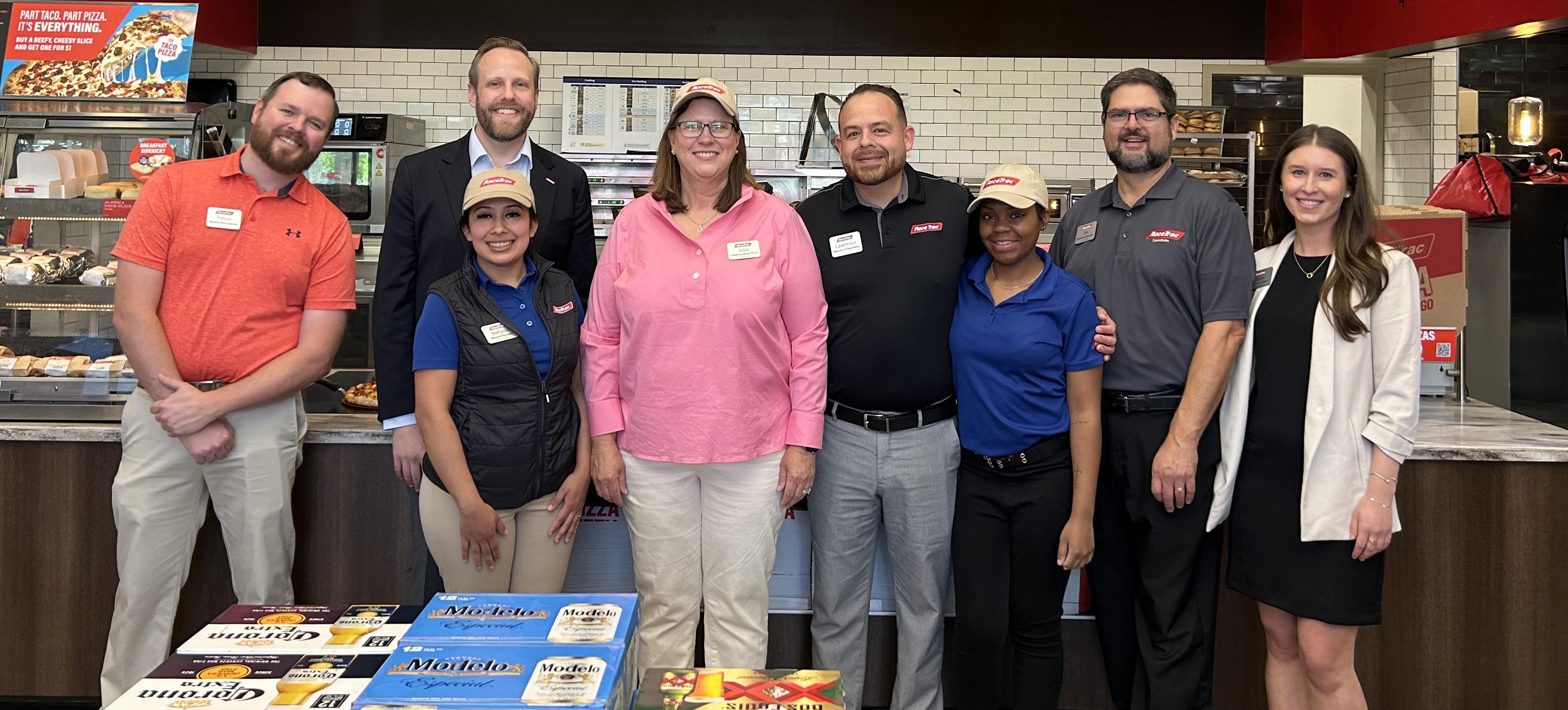
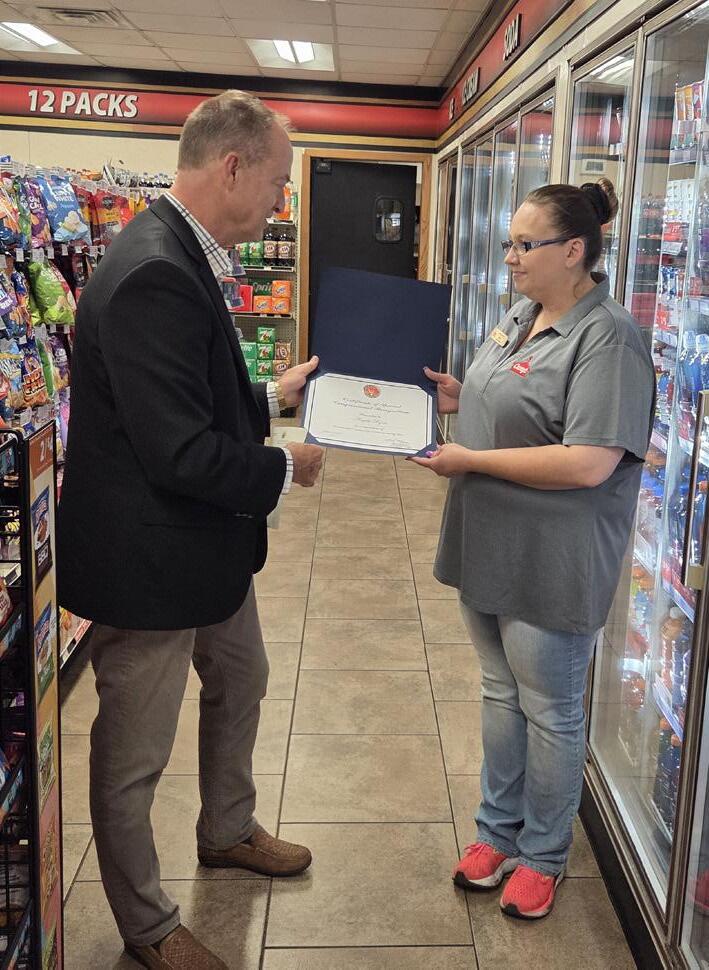
This year, NACS hosted several notable freshmen visits. Rep. Mark Messmer (IN-08) visited a Casey’s in Rockville, Indiana, where he presented Angie Ryan, a Casey’s employee, with a Certificate of Congressional Recognition in honor of her achievement as a NACS Foundation 2025 First Responder of the Year award recipient. Julie Johnson (TX-32) spent time at a RaceTrac in Texas, where she made a breakfast pizza and heard directly from customers who stopped in to share how the store and its employees positively impact their lives.
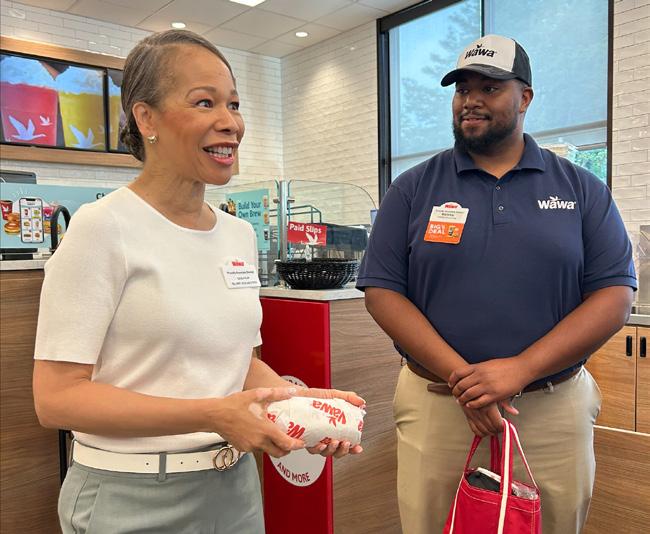
Sen. Lisa Blunt Rochester (DE) visited a Wawa that opened earlier this year in Wilmington, Delaware. During the visit, the Senator learned firsthand how the store operates and how it contributes to its local community.
These legislators engaged directly with leadership and store teams to gain insight into the daily realities of operating a convenience store. They heard concerns about rising credit card swipe fees and restrictions around the Supplemental Nutrition Assistance Program (SNAP), as well as other policyrelated challenges that affect their dayto-day operations. In addition to policy concerns, these visits also highlighted
the vital role convenience stores play in their local communities.
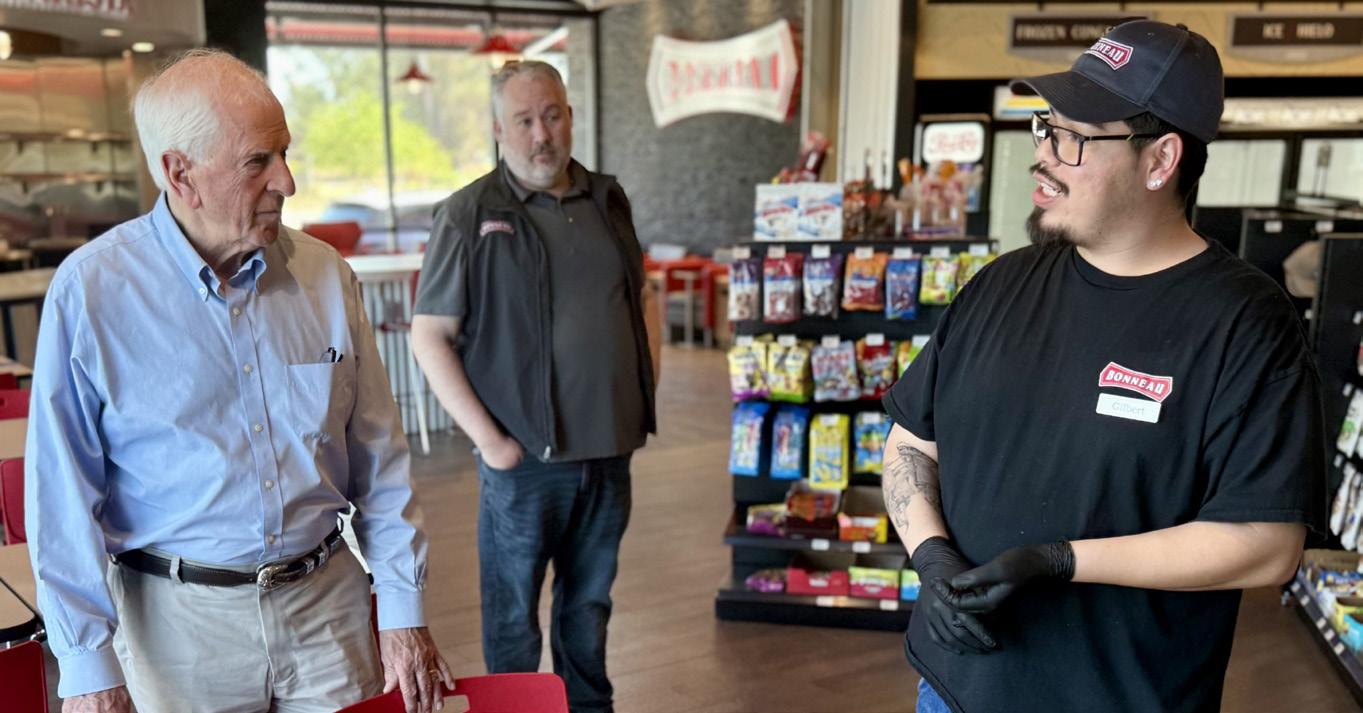
In addition to freshman member In Store visits, House Majority Whip Tom Emmer (MN-06) visited Ralphie’s Minnoco in Clear Lake, Minnesota. During the tour, store staff showcased daily operations while the owner discussed the impact of rising credit card swipe fees, which are the store’s second-highest operating cost. Meanwhile, in California, Rep. Mike Thompson (CA-04) visited Bonneau Market in Sonoma, where he gained a deeper understanding and appreciation of the day-to-day challenges faced by convenience retailers in his district.
In 2026, NACS In Store events will continue. The NACS government relations team needs more stores to participate. Each visit helps educate our federal lawmakers about the essential role convenience stores play in their local communities and the real-world impact of the policies they shape in Washington.
NACS In Store visits offer a unique opportunity for elected leaders to experience firsthand the dedication that is required to run a convenience store and the positive ripple effects our
businesses have on our communities. When retailers open their doors, they not only strengthen the industry’s collective voice, but also help ensure that the challenges and contributions of convenience and fuel retailers are clearly heard and understood in Washington, D.C.
If you are interested in hosting a NACS In Store visit in 2026 or would like more information, please reach out to Esmeralda Orozco, NACS grassroots manager, at eorozco@convenience.org.
Katie Bohny is the NACS director of political engagement. She can be reached at kbohny@ convenience.org.
Esmeralda Orozco is the NACS grassroots manager. She can be reached at eorozco@ convenience.org.
Senator Lisa Blunt Rochester visited a Wawa in Delaware, where she spoke with employees and constituents.
Rep. Mark Messer (IN-08) presented the Certificate of Congressional Recognition award to Casey’s employee Angie Ryan during his In Store visit.
Rep. Mike Thompson (CA-04) spoke with employees at a Bonneau Market in California.
A Legacy of Leadership
INSIDE WASHINGTON
NACSPAC LIST
NACSPAC was created in 1979 by NACS as the entity through which the association can legally contribute funds to political candidates supportive of our industry’s issues. For more information about NACSPAC and how political action committees (PACs) work, go to www.convenience.org/nacspac. NACSPAC donors who made contributions in October 2025 are:
Hayden Adams Cord Financial Services LLC
Rafay Ahmad NSR Petro Services LLC
Evelyn Alba TXB Stores
Jimmy Allen JOEY
Steve Antonetti Executive Leadership Solutions Inc.
Scott Apter Apter Industries Inc.
Jeff Argast PriceEasy
Brian Baker Vroom Delivery Inc.
Mike Bendt Moyle Petroleum Company
Brandon Bennett Lavigne Oil Company
Gary Bevers Southwest Fuel Company
Jim Bouhachem Sibley Mart
Nate Brazier Stinker Stores
Peter Brennan New England Convenience Store & Energy Marketers Association
Brett Brobston Altria Group Distribution Company
Rahim Budhwani 6040 LLC
Austin Burns Paragon Solutions Inc.
Bill Bustin Rovertown
Jerry Buttrey J&M Distributors
Lars Canedy Big Picture Networks
Dave Carpenter J.D. Carpenter Companies Inc.
Kevin Carroll RaceTrac Inc.
Jason Cohen IYKYK Beverages
Noam Cohen KeyBanc Capital Markets
Tim Columbus
Brent Cotten The Hershey Company
Jim Crowley Schaerer USA
Greg Cushard Lockton Insurance Brokers LLC
Jerry Cutler InComm Payments
Aarthi Devineni Fastime
Colin Dornish CSD Solutions
Don Draughon Pops Mart Fuels LLC
James Dunaway Casey’s General Stores Inc.
John Duni Matrix Capital Markets Group Inc.
Megan Eakes Rovertown
Diana Eberlein Coalition for Adult Beverage Alternatives
John Ellington Delta Beverages
Ben Englefield Duchess Convenience Stores
David Ezell Conexxus
Tom Ferris ES Foods
Chris Fitterer The Hub Convenience Stores Inc.
Ian Forsyth FKG Oil Company dba Moto Mart
Rob Forsyth FKG Oil Company dba Moto Mart
Cedric Fortemps Matrix Capital Markets Group Inc.
Nick Franco ThinkSys Inc.
Tom Frawley Summit Distributing LLC
Wilson Friend Altria Group Distribution Company
Tammy Gathright Florida Petroleum Marketers Association
Brion Gillette Kretek International
Rick Gobel Apter Industries Inc.
Steve Goode Arkansas Oil Marketers Association
Michael Goodloe Executive Leadership Solutions
Vincent Gramuglia Betty Beaver Fuel Stops, Countryside Management
Mark Griffin Michigan Petroleum Association
Ieva Grimm
J.M. Davis Industries Inc. Jim Dandy/Handy House
Brittany Hall Executive Leadership Solutions Inc.
Mark Hanners InComm Payments
Mark Hanson Black Buffalo Inc.
Doug Haugh NewTide Development
INSIDE WASHINGTON
Tom Heinz Coffee Cup Fuel Stops and Convenience Stores Inc.
Tommy Herrin Tactiq
Chris Hickle Tobies Station
Beth Hoffer Weigel’s Stores Inc.
Ben Hoffmeyer TXB Stores
Angela Holland Georgia Association of Convenience Stores
Danielle Holloway Altria Group Distribution Company
Miranda Hoover Energy & Convenience Association of Nevada
Jackson Hopkins J&M Distributors Inc.
Nicholas Hostetler Altria Group Distribution Company
John Houseal InComm Payments
Jim Hughes Supplying Demand Inc. dba Liquid Death
Todd Isaacs Big Picture Networks
Anshul Jain ThinkSys Inc.
Jennie Jones SEB Professional North America
James Joy OPW, a Dover Company
Lee Kahler CURTIS
Steve Kallaher Fastime
Simmi Kelly Altria Group Distribution Company
Glenn Keogh Just The Fun Part
Clay Kiggins JOEY
Steve Kimmes Kimmes Enterprises LLC dba Country Stores of Iowa
Rob Knight Independent Buyers Company LLC
Blair Kocher Executive Leadership Solutions
Karen Koehnen Lakeshore Market & More
Kasper Kowalewski Jade Owls Inc.
Jason Kozik Delta Beverages
Kevin Kraft Tropicana Brands Group
Myra Kressner Kressner Strategy Group
Kaleb Kysar Lockton Insurance Brokers LLC
Jamie Leidolf Nowadays
Ron Leone Missouri Petroleum & Convenience Store Association
Cameron Lewis Vibez Sunglasses
Pat Lewis Oasis Stop N Go LLC
Koby Licciardo Nowadays
Bryan Lund J&M Distributors Crystal Maggelet Maverik Inc.
Mehdi Mahmoodi OneFabric Technologies dba LottoShield
Brad Masters Lockton Insurance Brokers LLC
Nicole Masullo Nittany Oil Company dba Minitmart
Missy Matthews Childers Oil Co. dba Double Kwik
Brian McCarthy Blarney Castle Oil Co.
Brad McGuinness PDI Technologies
Andy McIlvaine Coen Markets Inc.
Charlie McIlvaine Coen Markets Inc.
Kendra Meyer Casey’s General Stores Inc.
Josh Milazzo Lard Oil Company Inc.
Ryan Miller Big Picture Networks
Andrew Mitchell Toot’n Totum Food Stores LLC
Brian Moran RaceTrac Inc.
Natalie Morhous RaceTrac Inc.
Dan Mulvaney PMI U.S.
Scott Myers Altria Group Distribution Company
Jeremie Myhren ONRAMP
Faisal Nagjee Mid-South Business Alliance
Brian Nelson Shep Digital Solutions
Matt Nelson Excel Tire Gauge LLC
Ashley Neutze Mr. Cartender Inc.
Daniel Neutze Mr. Cartender Inc.
James Neutze Mr. Cartender Inc.
Mabel Neutze Mr. Cartender Inc.
Sadie Neutze Mr. Cartender Inc.
Palmer Neville Lockton Insurance Brokers LLC
Duy Nguyen Bambury Inc. dba Bonneau
Corey Nicely Nowadays
Jordan Nicgorski Juul Labs
Gabe Olives W. Capra Consulting Group
Jake Olson
RaceTrac Inc.
Alex Olympidis Family Express Corp.
INSIDE WASHINGTON
Richard Oneslager Balmar Management Group
Esme Orozco NACS
Bharat Patel SAASOA
Bipin Patel SAASOA
Minesh Patel Ram’s of Virginia Inc. dba Rams Petroleum
Rohit Patel Fastime
Sagar Patel Susie Q’s Foods
Sanjiv Patel National Petroleum
Saurin Patel Harry’s
Tommy Patel Susie Q’s Foods
Chris Pearce Jade Owls Inc.
Mike Philip Rovertown
Channing Phillips Tres Picosos Naughty Chile
Sean Piper CAF Outdoor Cleaning
Adam Pobiner SEB Professional North America
Richard Poye Food Trends Think Tank
David Quisberg S&D Quisberg LLC
Teresa Radtke Accel Entertainment
Dan Razowsky Rmarts LLC
Jason Read Wawa Inc.
Chuck Reesman Nittany Oil Company dba Minitmart
Donnie Rhoads The Convenience Group LLC
Jennifer Rhoads The Convenience Group LLC
Joe Roenna CES Family of Companies
Mike Rud North Dakota Petroleum Marketers Association
Bianca Russo-Davis MichaelAngelo’s & More
Saf Sadiq Horticulture Co
Lesley Saitta W. Capra Consulting Group
Ryan Scaife Nittany Oil Company dba Minitmart
DeAnn Scheeler The Hub Convenience Stores Inc.
Jared Scheeler The Hub Convenience Stores Inc.
Jordan Schumack PlaceBased Media
Kristen Seabrook Global Partners LP
Jerry Sears Fastime
Troy Seymour UPOP Holdings LLC
Dave Simendinger Wesco dba Champlain Farms
Keith Slater Family Express Corporation
Kevin Smartt TXB Stores
Mart Smith
Elmer Smith Oil Co. dba Domino CStores
Martin Smith
Elmer Smith Oil Co. dba Domino CStores
Ryan Smith Executive Leadership Solutions Inc.
Scott Smith Parker’s dba The Parker Companies
Jay Soupene Casey’s General Stores Inc.
Roger Sperlbaum Republic Amusements
Frank Squilla InComm Payments
Chris Stewart Casey’s General Stores Inc.
Eva Strasburger StrasGlobal
Roy Strasburger StrasGlobal
Mike Sullivan JOEY
Charlie Summers Maine Energy Marketers Association
Taylor Talty RaceTrac Inc.
David Thomas Delta Beverages
Karin Thrift Quantum Energy Square
Riley Tubbs CAF Outdoor Cleaning
April VanApeldorn NACS
Scott Walters Rovertown
Terrel Washburn J & M Distributors Inc.
Kurt Weigel Weigel’s Stores Inc.
Sarah Wessel Bitcoin Depot Operating LLC dba Bitcoin Depot
Chris Wheatley Nowadays
John Wilson iSee Store Innovations
Brian Winstanley KeyBanc Capital Markets
Chris Wise NACS Rob Woodward Tactiq
Brian Wright Executive Leadership Solutions Inc.
Malik Yousif MYS Energy
Dathan Zang Harbor Industries
Mario Zapata Redamont Infrastructure Partners
Scott Zietlow Kwik Trip Inc.
at Wawa ars of leadership at NACS
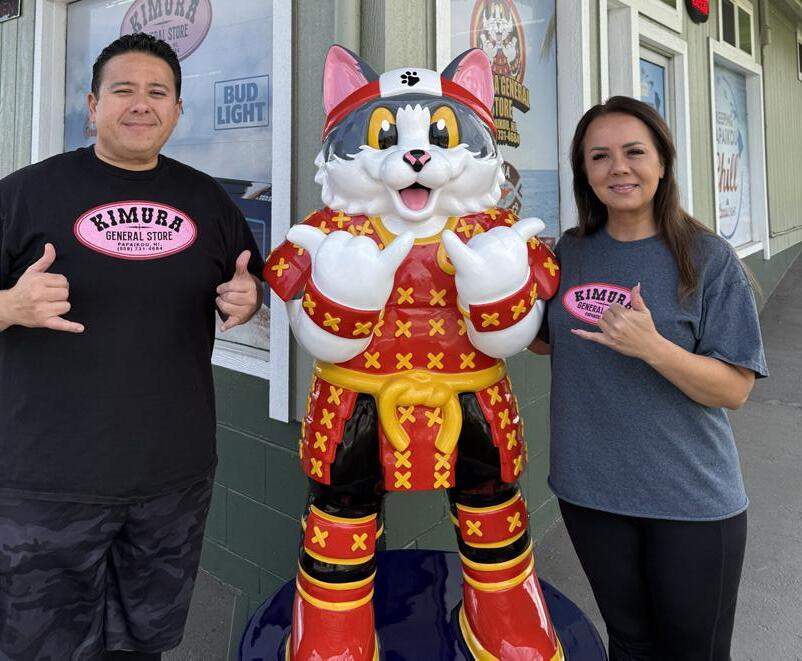
Owners Mariner and Theresa Revell with Beans, Kimura General Store’s mascot.
Name of company: Kimura General Store
Date founded: 2022 # of stores: 1 Website: kimurageneralstore.com
Making Hawaiians Feel at Home
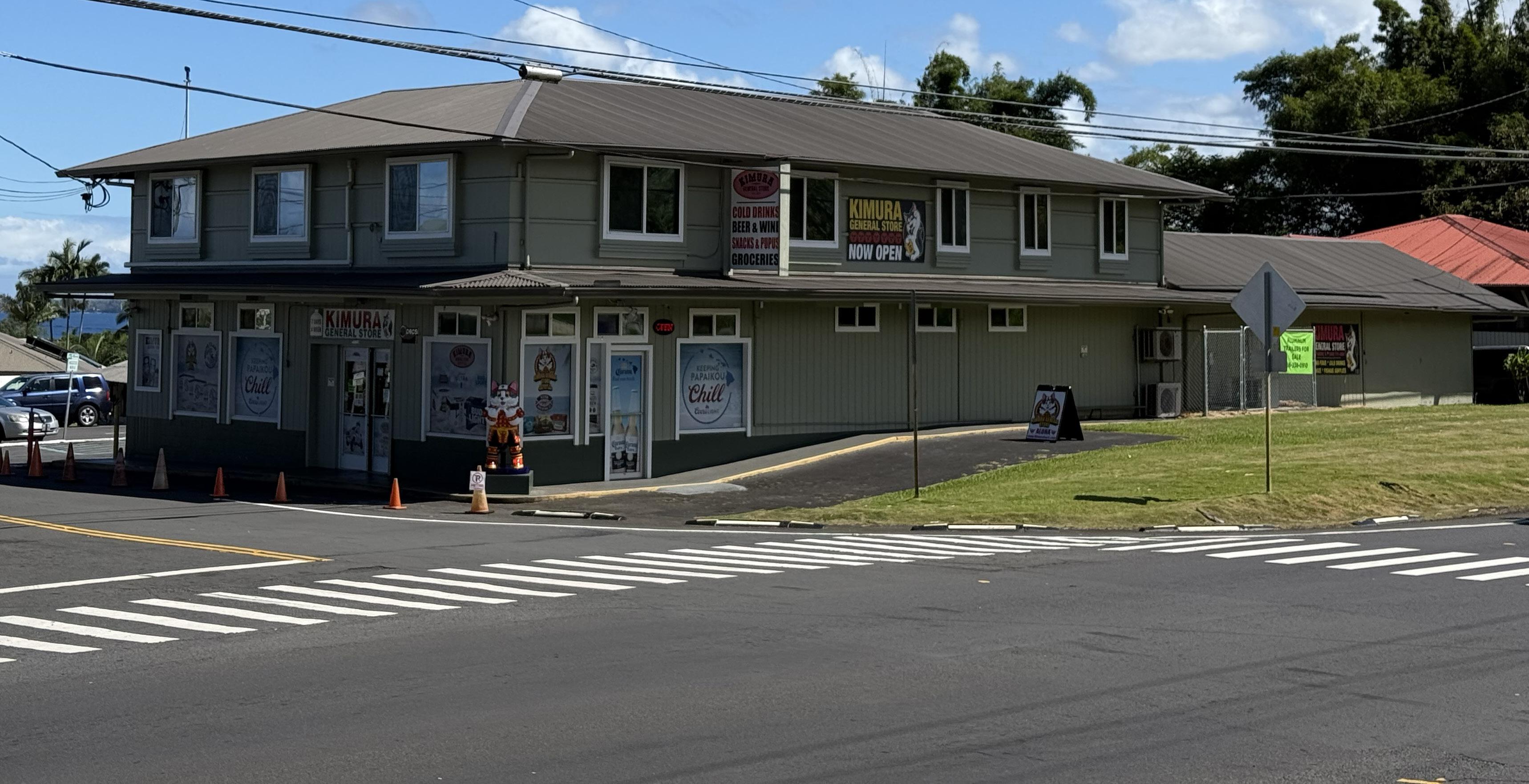
For more than one hundred years, customers have considered Kimura General Store their home away from home.
BY SARAH HAMAKER
On the Big Island of Hawaii in the historic town of Papaikou, the Kimura General Store has been welcoming visitors and locals alike for more than a century. “We take great pride in being one of the last mom-and-pop general stores on all of the islands,” said Naomi Muronaka, store manager. “The store has been the hub of the community, providing snacks, drinks and general wares, plus space to meet and greet others.”
IDEAS 2 GO
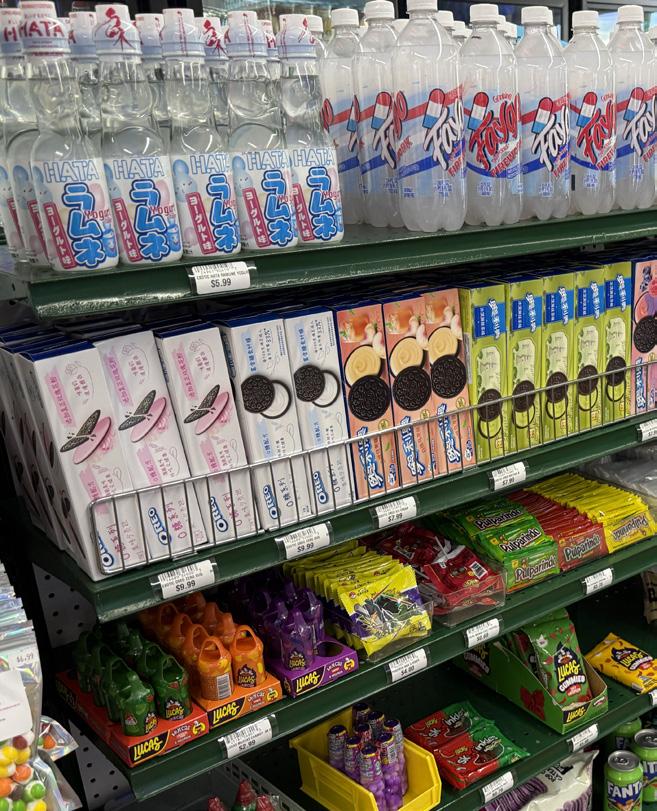
A section full of exotic candies, snacks, drinks and more, many from international destinations, helps Kimura differentiate itself and offer customers something unique.
A STORIED HISTORY…
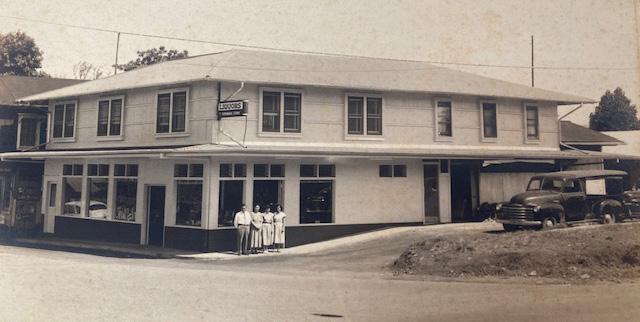
On October 18, 1921, Tsukumo and Ume Hironaka opened the T. Hironaka Store, the first iteration of the store that at the time was a sugar plantation shop. Their store sold American and Japanese grocery items, produce, animal feed, Japanese medicinal products and other general merchandise until 1960, when the Morigaki family took over running the store.
Then in 1989, Colleen Aina, the Hironaka’s granddaughter, reinvented the store as Pinky’s 5 Eight, which became a landmark in the community for the next 25 years. Pinky’s offered manapua (a Hawaiian adaptation of the Chinese barbecue pork bun), pork hash, collectable cards and fireworks. In 2014, Aina retired and closed Pinky’s.
The store remained shuttered until Mariner and Theresa Revell purchased the business in June 2021, reopening as Kimura General Store in August 2022 with many of the same products, including manapua, hot dogs, madeto-order hot foods, musubi (a rice and Spam snack), beverages, snacks and fishing supplies.
“The area is an old plantation community with generations of people still living here, so it’s very family and community oriented,” Muronaka said. Many of the employees live within minutes of the store too. “So we’re not just workers—we’re members of the community as well, so we know how important the store is to everyone.”
That local knowledge meant the Revells and Muronaka knew what traditions to continue at Kimura General Store, such as Pinky’s selling fireworks during the last week of the year. “Fireworks at the new year are pretty big here in Hawaii, so we decided to honor that Pinky’s tradition and stock fireworks so locals had a convenient location to get [them] to celebrate the coming year,” Muronaka said.
…YET STILL A TREND-SETTER
While honoring its history with nods to the past, Kimura General Store also keeps up with current trends too. “We like to bring in new things, exotic snacks from Japan, Sweden, Dubai and China to stay on trend,” Muronaka said. The store’s Gen Z employees assist with deciding what popular items might be good to stock.
In addition to staff input, a white board allows customers to jot down suggestions for items, which the store tries to bring in whenever possible. “These help us stay on trend and give customers new reasons to stop by our store,” she said. Muronaka also isn’t afraid to try new things. For example, this past summer, she added shaved ice to make snow cones in 30 to 40 flavors, which the customers loved.
Part of the merchandising strategy relies on the store’s location. “We’re the last stop before locals or tourists head out for the two-hour drive to the other side of the island, so we make sure we have good snacks, hot food, graband-go items, beverages and a wide selection of beer with local breweries represented,” Muronaka said.
BRIGHT IDEAS
For Naomi Muronaka, store manager of Kimura General Store in Papaikou, Hawaii, having good communication among employees and with customers is the biggest piece of advice she can offer other retailers.
“From the employee to the manager, if we don’t take feedback, we can’t change anything because we don’t know what might need changing,” she said.
“We also need to be open to taking advice from the community as well because they are our customers. When someone takes the time to tell us what’s needed or what we’re doing right, it provides us with a blueprint on how to continue to succeed or what to fix so we can continue serving our customers,” Muronaka said.
The store also offers island-specific items, such as its popular Oreo poke cakes, Jello poke cakes, tako kimchee, kimchee edamame, boiled peanuts and cucumber kimchee.
Muronaka credits the employees with much of the store’s current success. “We all work together—it’s not a ‘me’ thing but an ‘us’ thing. They really helped me to build this store into a safe space.”
She hopes customers leave Kimura General Store “feeling so good walking out that they want to come back, even if they are from out of town. We love when customers come back because it shows us that we were doing something right, that we were meeting their needs in a friendly way.”
Sarah Hamaker is a freelance writer, NACS Magazine contributor and award-winning romantic suspense author based in Fairfax, Virginia. Visit her online at sarahhamakerfiction.com.
NACS Ideas 2 Go showcases how retailers today are operating the convenience store of tomorrow.
To see videos of the c-stores we profiled in 2025 and earlier, go to www.convenience.org/Ideas2Go
Congratulations to NACS President and CEO, Henry Armour, on Celebrating 20 Years of Leadership and Dedication.
From all of us at Core-Mark, we extend our deepest gratitude for your leadership and unwavering commitment to the convenience retail industry.
Your guidance and vision have shaped our industry, providing a strong voice, advocating for progress, and ensuring continued success.
Thank you, Henry, for your service, and your lasting impact on NACS.
BY CHRISSY BLASINSKY
CELEBRATING 20 YEARS OF LEADERSHIP Armin Arm
“Hey, Chrissy, do you want to write the December feature on Henry?”
As someone who has worked with him the past 20 years at NACS, of course I do. But where do I start? Celebrating the legacy and career of someone who means so much to so many people is no easy feat. At least not in 2,000 words.
There’s a strong possibility I will want to rewrite this article a million times after it goes to print. That’s because Henry is so much more to us at NACS than just our president and CEO.
His habit of popping into our offices to ask a question or bounce around ideas kept us grounded in our mission but gave us permission to stretch.
In times of crisis, we looked to Henry for guidance. He was easy to find. His door was always open.
Some say the best leaders lead from the front. That may be true, but I believe Henry is in his element when he’s next to us, arm in arm.
NACS CEO and President Henry Armour, who transitions to a new role in 2026, has built a stronger NACS and a better industry.
“You know a leader is invested in his colleagues when they speak about joint accomplishments and cannot do so without getting emotional,” said Brian Kimmell, CFO at NACS, who has also been with the association for Henry’s entire tenure. “We don’t often use the word ‘love’ in work settings, but it is clear how much Henry loves his wife and family, and the industry he’s been in for most of his career—and the individuals who make up the staff that he led and worked with every day. His love is evident.”
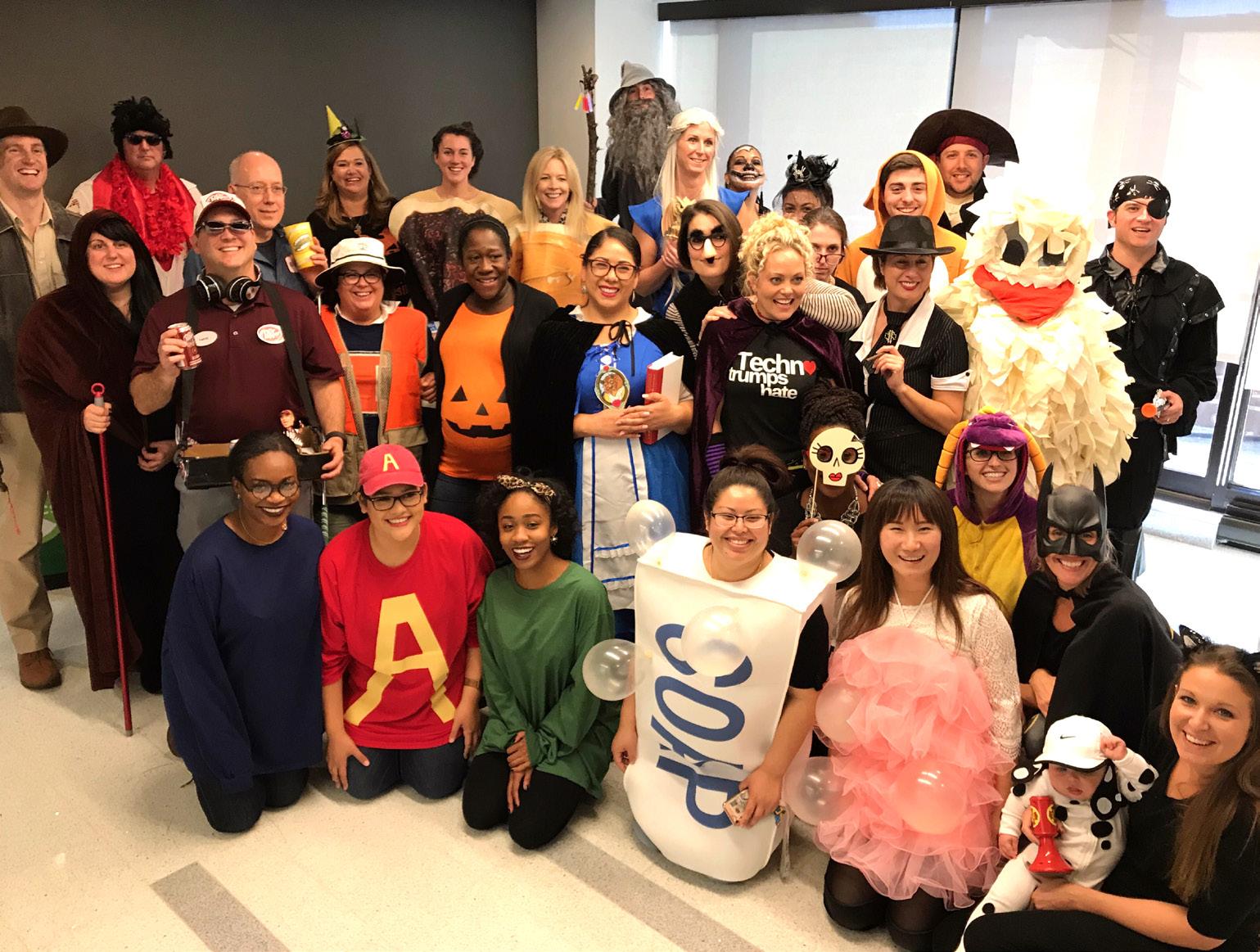
No idea was too small. Henry listened. Actively. He asked questions to understand different perspectives. He participated: bowling, mini golf, store tours, whirly ball, Nationals baseball games, picnics, wine tastings, skeet shooting, pizza making, chili cookoffs, dressing up as a chicken for Halloween, leading the toast at our year-end holiday party and pumping us up at 6:45 a.m. staff meetings during the NACS Show.
He showed up, always.
There is a laundry list of qualities that every great leader possesses, whether learned or naturally gifted with. I believe there are leadership skills Henry excels at with ease, and others he humbly worked on over the years.
Truth is, I have no idea if Henry has always been the person and leader
who we’ve come to know at NACS. But what I can say, honestly and emphatically, is that his legacy and what he’s taught us will remain long after he’s decided to make olive oil and wine for the rest of his days with his wife Natalie in Spain.
He’s not retiring just yet—Henry will continue on with NACS in a different capacity. He will be leading our international strategy and growth, which you’ll read more about throughout this piece.
Physically, he won’t be in the office at 1600 Duke Street. But make no mistake, he will always be with us.
I hope Henry feels he can hang his hat on several areas that, thanks to his vision and passion for this industry, will continue defining NACS and convenience retail for many years to come.
First, the growth of our global engagement. Second, the transformation of the NACS culture. And third, the creation of programs that cultivate future leaders so they can take this industry to the next level.
Global Lessons
NACS did not begin its journey, back in August 1964, with an international focus. The United States was more concerned with the containment of communism than the expansion of global business relationships.
No idea was too small. Henry listened. Actively.
Henry and Chrissy Blasinsky, the author of this article. Chrissy is one of 11 NACS staffers who have been with the organization Henry’s entire tenure.
Work hard, play hard: You can find Henry at his home in Jackson Hole or heli-skiing in British Columbia.
CHEERS TO YOU, HENRY
From your friends at QuikTrip
Thank you for your 20 years of exceptional leadership as NACS President & CEO. Wishing you continued success in all that’s ahead—both at NACS and in other endeavors.
Calm in a Crisis
When Henry is in the office, he likes to pop in on people just to see how they are doing. At NACS HQ, they are fondly known as H-drops. People really like them. My first H-drop (and most memorable) was 20 years ago. He had been CEO for only a month, and we had decided to relocate the 2005 NACS Show—which would have been in New Orleans that year—rather than cancel due to Katrina.
It was a lot of work and emotions were running high … people were just stressed. I had my back to my door talking to a vendor and had just hung up. He startled me with: “Hey Bob, how are you doing?” He was sitting in my guest chair just wanting to check in. What he said that day I repeated to my team every day leading up to that NACS Show. First, he took the time to say I was doing great work. Then he said to round corners where people wouldn’t notice. That instantly hit me and took a few things off my plate. That five minutes changed everything.
—Bob Hughes, VP of supplier relations, exposition and meetings, NACS
By the mid-1980s, that changed. NACS began building connections with the international convenience retail community with the first NACS European Study Tour, which took attendees to London and Amsterdam, followed by similar tours in Tokyo, Ireland, France, Scotland, Budapest, Italy, Argentina, Greece and Prague. The goal was to learn best practices and develop relationships.
Over time, the original intent of these outreach tours began to stray, and NACS was not moving the needle on growing its international retail membership and engagement with events like the NACS Show.
As he began immersing himself in his soon-to-be new role as NACS president and CEO, Henry went on the road. He held 134 meetings with retailers, suppliers, state association executives and trade press as part of a listening tour prior to officially taking over as the leader of NACS on July 7, 2005.
A question he often asked during those meetings was whether there was something NACS should be doing more of. Some of the larger, more progressive companies wanted to see NACS not just host international events, but really expand its ability to share new ideas and trends that were transpiring in other countries.
The leaders of these companies “suggested creating a type of global radar to identify not just new products but new processes, new business models and new ways to think about convenience around the world,” said Henry.
For example, European retailers were more forward-focused on environmentally friendly business practices. Convenience store formats in Ireland and Canada were more attuned to operating in a competitive marketplace where channel blurring was the norm and government intervention was common. Technology and digital payments in Asia were light-years ahead of the United States, and dark tobacco retailing in Australia served as an example of what could happen in other countries.
Henry often quotes William Gibson, a Canadian futurist who said that “The future is already here. It’s just not evenly distributed.” It’s a quote that he says has proved to be “hugely valuable because NACS is a global organization and our noble cause is to better the industry.”
In times of crisis, we looked to Henry for guidance. He was easy to find.
He listened to their ideas, asked questions and embarked on a new listening tour to visit convenience retailers around the world.
“I asked, ‘What are the top three issues you’re facing that are the most important?’ and I was flabbergasted. They were the exact same issues all around the world—labor, regulation, energy—but they were in radically different positions within their life cycle curve.”
This globally focused mindset led to the creation of the NACS Global Government Affairs Council, which Henry created to bring together convenience retail association leaders from around the world to share advocacy-related issues. The group meets virtually throughout the year and in person at the NACS Show.
“When we passed debit card reform in the U.S., most of the early data came out of Australia, because they had already done it,” said Henry, noting that this is one example of how bringing industry leaders together to
From your friends at Thank you for 20 years of exceptional leadership and service to the Convenience Industry as NACS President & CEO.
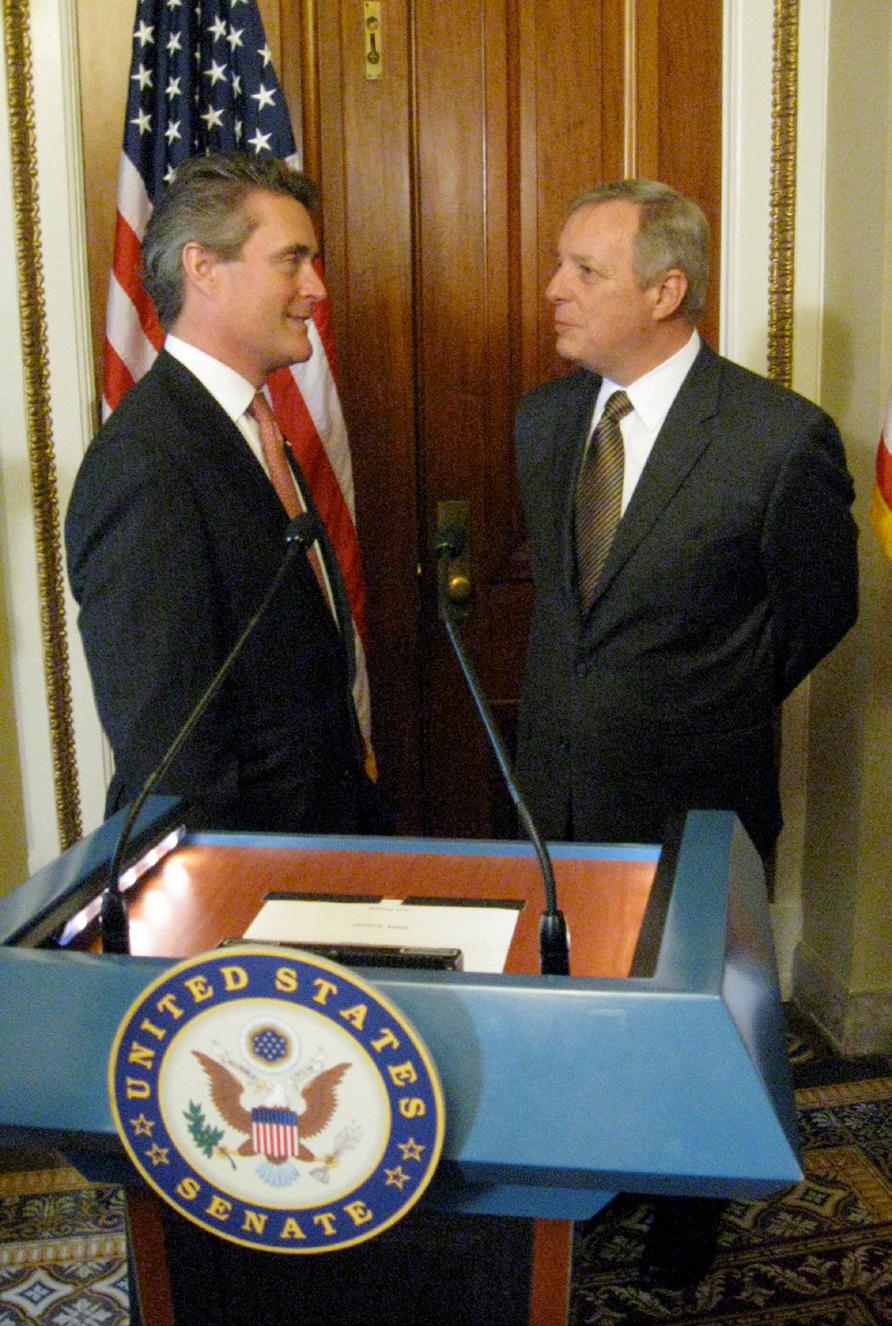
navigate regulatory challenges can have a massive impact. Debit card reform in the U.S., which NACS was instrumental in passing and is known as the Durbin Amendment, has saved the convenience industry an estimated $13 billion since 2011.
Another success story of global engagement is the NACS In Store program, which is based on a program from Canada. During a Global Government Affairs Council meeting, Alex Scholten, the former president of the Canadian Convenience Stores Association, shared how Canadian retailers invited local politicians into their stores to work 15-minute shifts behind the register to serve customers and raise money for charity.
Today, the NACS In Store program brings members of Congress into convenience stores to gain firsthand knowledge of how their local c-store operates by meeting with store teams and getting behind the register to engage with customers.
Gibson’s quote has ultimately served as the “the driving force of our NACS
The world changes. We have to make sure that the programs resonate every year.
Reimagining International Events
Over the past 20 years, Henry’s strategic vision for global engagement has shaped how, when and where the global convenience industry comes together to explore new ideas and build valuable and lasting relationships.
The NACS Global Forum served as the precursor to two NACS international events that annually bring together hundreds of convenience retailers.
In 2013, NACS advanced its engagement in the European convenience retail market by acquiring a majority interest in the Insight Future of Convenience conference, which was rebranded to NACS Convenience Summit Europe a few years later.
“When you’re moving into a country or a region of the world for the first time, you’re much better off acquiring a platform rather than building something from scratch,” said Henry, explaining why NACS acquired the event.
The early NACS Global Forums that took place throughout Asia began in the early 2000s and were rebranded as NACS Convenience Summit Asia in 2017.
Seeing Double
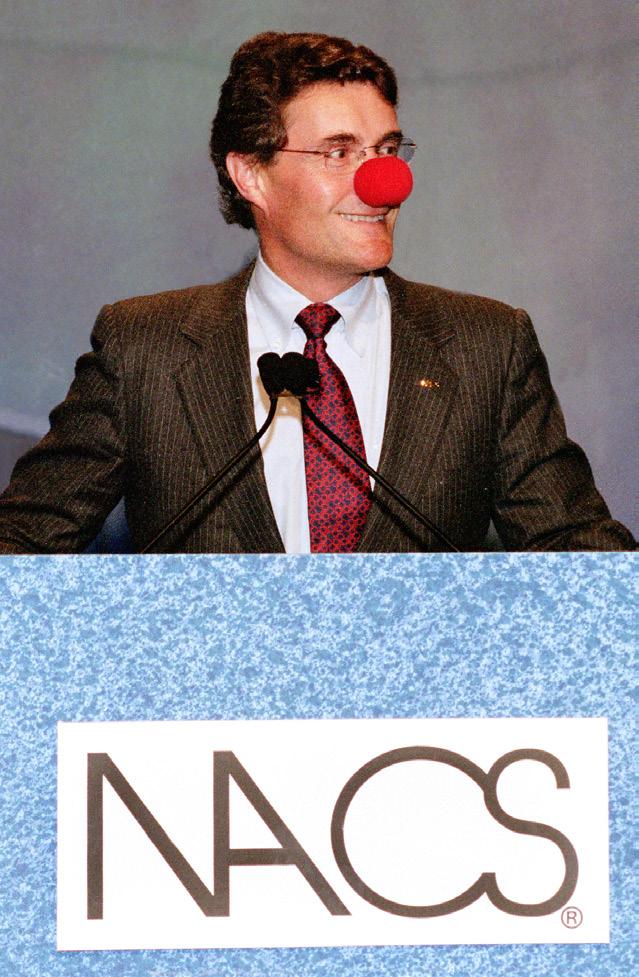
Henry has been instrumental in the development of NACS Media, including helping to launch NACS Magazine during his tenure as NACS chairman of the board. He also appeared on the cover of the April 2006 issue after he testified to Congress on swipe fees.
20 YEARS OF
Living the Culture
Oftentimes, in the lead up to the NACS Show, I’d be working late and hear Henry practicing his NACS Show speech in the conference room outside my office.
One day, I heard a speech that sounded totally different from what we had developed together. It was happy, animated and in Spanish—but went on as long as a speech, probably 20 minutes. And there was another person talking.
It turns out, Henry was talking with a building maintenance person about her family. This was part of a regular, ongoing conversation he had with her when he worked late. At a time of year that can feel super stressful, it was a great reminder to me to slow down and take time for people. A common definition of workplace culture is that it’s how you behave when no one is looking. Henry has emphasized culture from Day 1 at NACS, and Henry lives the culture.
—Jeff Lenard, VP, media and strategic communications, NACS
A NACS Halloween tradition—Henry dressing up in a costume he used in his retailer days to promote his c-store’s chicken program.
global engagement” over the past two decades, said Henry.
“Look around the world. If you’re interested in better-for-you foodservice and convenience, look at Western Europe and Denmark in particular. If you want to look at payment systems today, I think India is about to pass China because its national currency is being digitized. If you want to look at natural gas as a transportation fuel, look at Argentina, where 60% of the vehicles are powered by natural gas. If you want to look at EVs, it’s Norway and China,” Henry said.
Focusing on Culture
Henry corrected me when I said NACS didn’t have a culture 20 years ago. He said there was a culture, but not one that we could be proud of. There were silos, and communication across departments was subpar. More to the point, no one thought about culture. When NACS hired me a few months before Henry took the reins, not one person even said the word “culture” during the interview process.
NACS could serve as a brilliant case study for how an organization’s culture—with the right leader steering
The moment that we think we’re in good shape with culture is the moment that things will start to go south.
the ship—can take a 180. The culture at NACS grew into its driving force. It focuses on constructive behaviors and relishes diverse perspectives. And it goes much deeper than being nice, said Henry: “That’s not what culture is. Culture is about constructive engagement. It’s about respecting and relishing diverse perspectives so that you can see all facets of the diamond before you make decisions. It’s not squishy—it’s measurable.”
Culture “is a never-ending journey … and the moment we take our foot off the gas, the moment that we think we’re in good shape with culture is the moment that things will start to go south,” he said.
To hear diverse perspectives, Henry began hosting two-hour “quints,” which are meetings with five NACS staff from different departments. During the quints, which are confidential, staff shares their thoughts and ideas on how to make NACS a better place. Henry
asks questions that take the pulse of how the culture is progressing—or regressing—and also probes for possible ways to build greater efficiencies and operational excellence.
Each year for the past decade, Henry has dedicated two weeks to hosting around 15 quints with staff. He then shares a detailed debrief with the entire organization, summarizing big picture findings from what he heard and what will change at NACS based on staff feedback.
“I’ll put a green spotlight to say that was a brilliant idea. We’re going to do that. A yellow means it’s interesting, but I need to investigate that more. And red means I heard you, and it’s really important to share that I heard, but we’re not going to move on that,” he explained.
Building an Education Network
A February 11, 2002, press release read: “Growing the Convenience Store Industry’s Next CEOs … NACS Launches Industry-Specific Executive Development Program.”
At the time Henry was serving as the 2001-2002 NACS chairman, and Howard Stoeckel, then-executive vice president of Wawa Inc., was the chairman of the NACS Leadership Committee. During a committee meeting, Stoeckel raised the idea that the industry would benefit from better leadership education.
That idea spurred the development of the NACS Executive Program at Cornell University, which provides next-generation executives in the c-store industry with the knowledge, tools and inspiration to lead their companies.
In the mid-2000s, Henry’s conversations with industry executives uncovered a need for companies to build a stronger financial acumen.
Henry collected proposals from globally renowned academic institutions, and in 2013 NACS held its first Financial Leadership Program at the Wharton School of Business, part
of the University of Pennsylvania. “We put together a customized curriculum that’s especially relevant to our industry,” he said.
Next came the Marketing Leadership Program at Kellogg (2015), the Women’s Leadership Program at Yale (2018) and the Innovation Leadership Program at MIT (2019).
“These programs are designed to help our industry not only survive but prosper and grow in a very dynamic world, a very changing world, to equip rising stars with a great foundation in management and in leadership,” said Henry.
Henry typically attends each of the five programs every year, meaning he’s received his NACS Master of Convenience designation many times over. Why attend each program every year? The answer, he said, is obvious.
“The world changes. We have to make sure that the programs resonate every year. When we started Kellogg, we had no learnings on digital marketing. Today, 40% to 50% of the curriculum is about digital marketing,” he said. “We have to make sure we’re solving today’s problems and tomorrow’s problems—not just yesterday’s problems.”
This mindset that values higher education formed long before Henry’s convenience industry career. His father believed “that what you learned at a job would be out of date in a few years. And he really believed in the importance of training your brain how to think,” said Henry. Instead of encouraging him to enter the workforce after four years of undergrad, his father encouraged him to pursue his Ph.D., which he earned from Stanford University.
“My dad was right about the importance of learning critical thinking in analytics, even though there was absolutely no game plan to prepare for a particular job. It was preparing for advancing in a rapidly changing world,” said Henry.
Henry is passing the torch to Frank Gleeson, but will continue to lead the international efforts of NACS.
HERE'S TO YOU, HENRY
CELEBRATING 20 YEARS OF LEADERSHIP, VISION AND IMPACT.
From your friends at Casey’s, thank you for guiding NACS and our industry with purpose and passion. Your legacy of innovation and collaboration has lifted us all.
A+Insights From The NACS Show Education Sessions
BY LEAH ASH, STEVE HOLTZ, NOELLE RIDDLE & LAUREN SHANESY
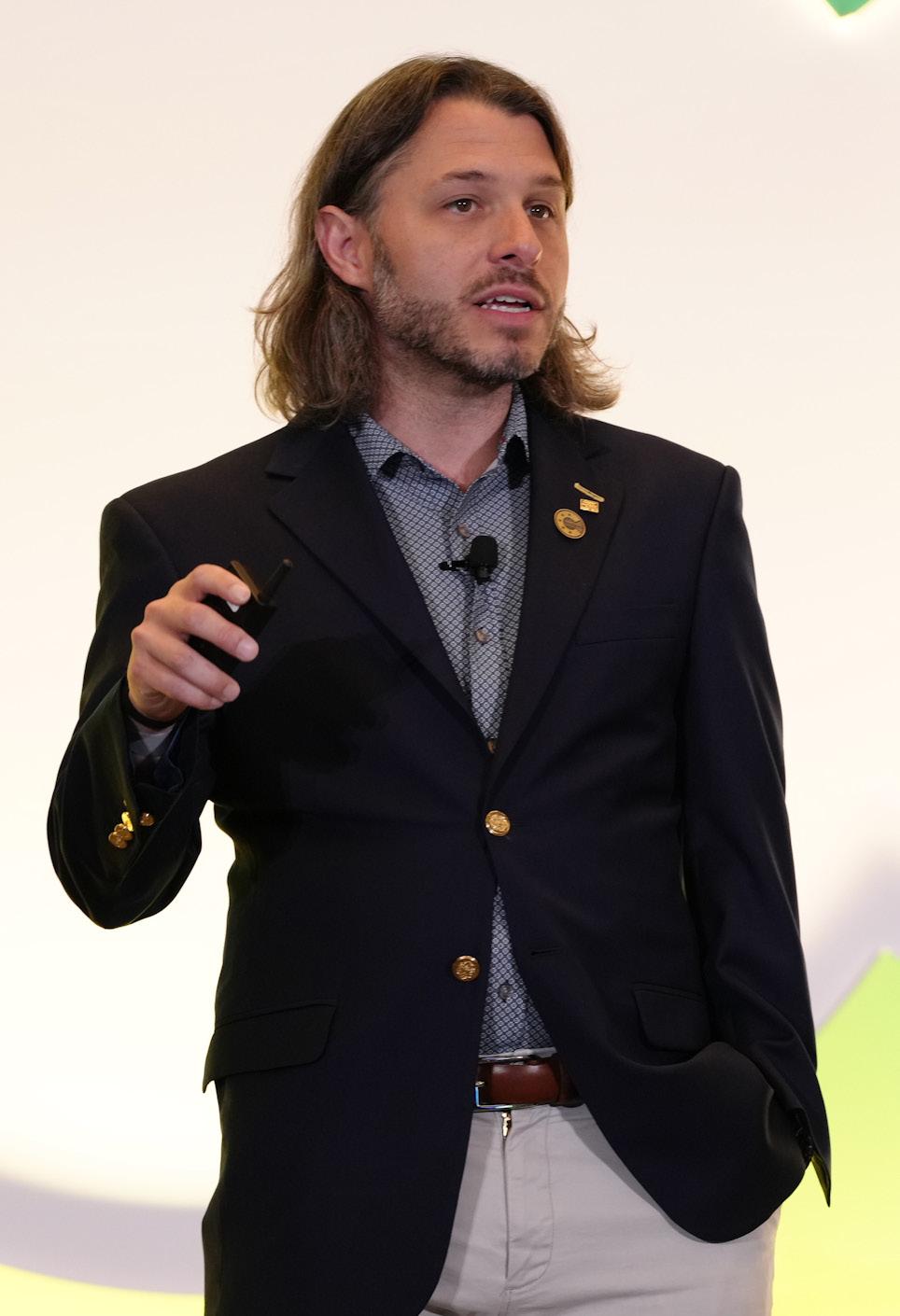
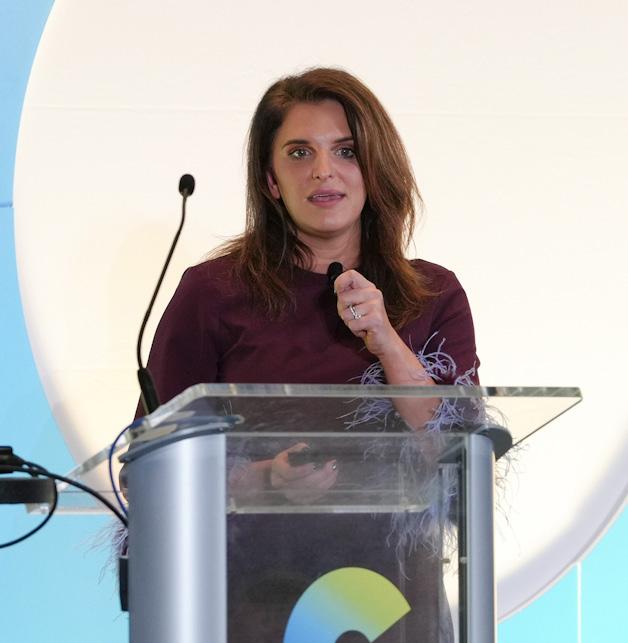
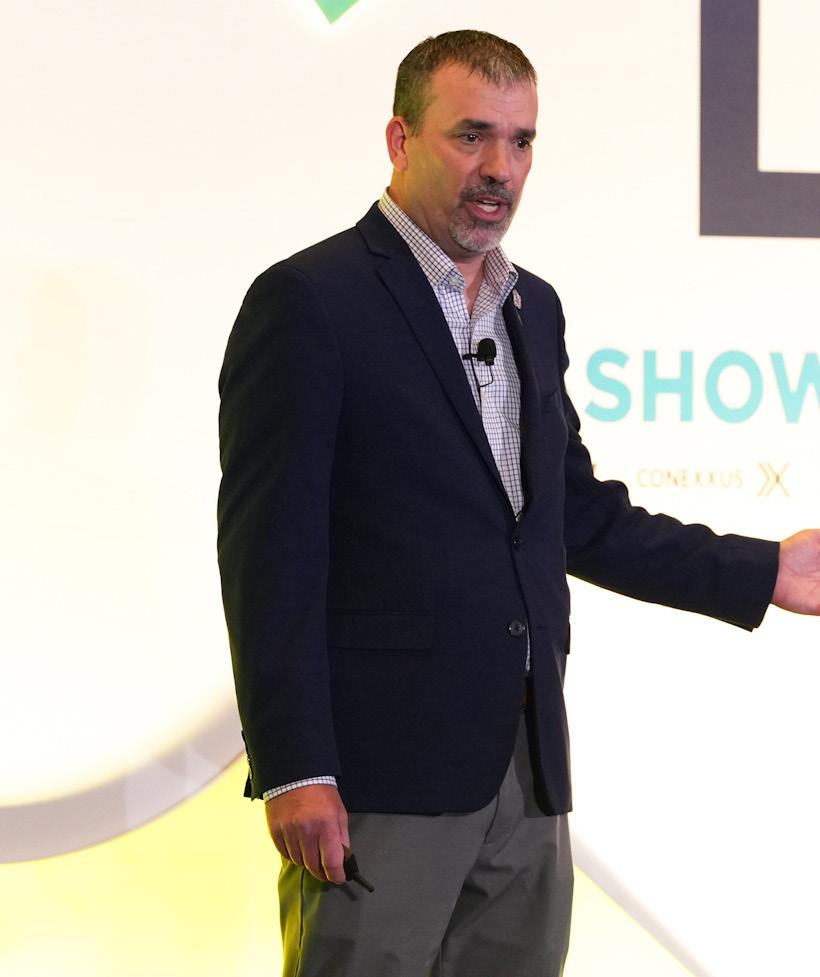
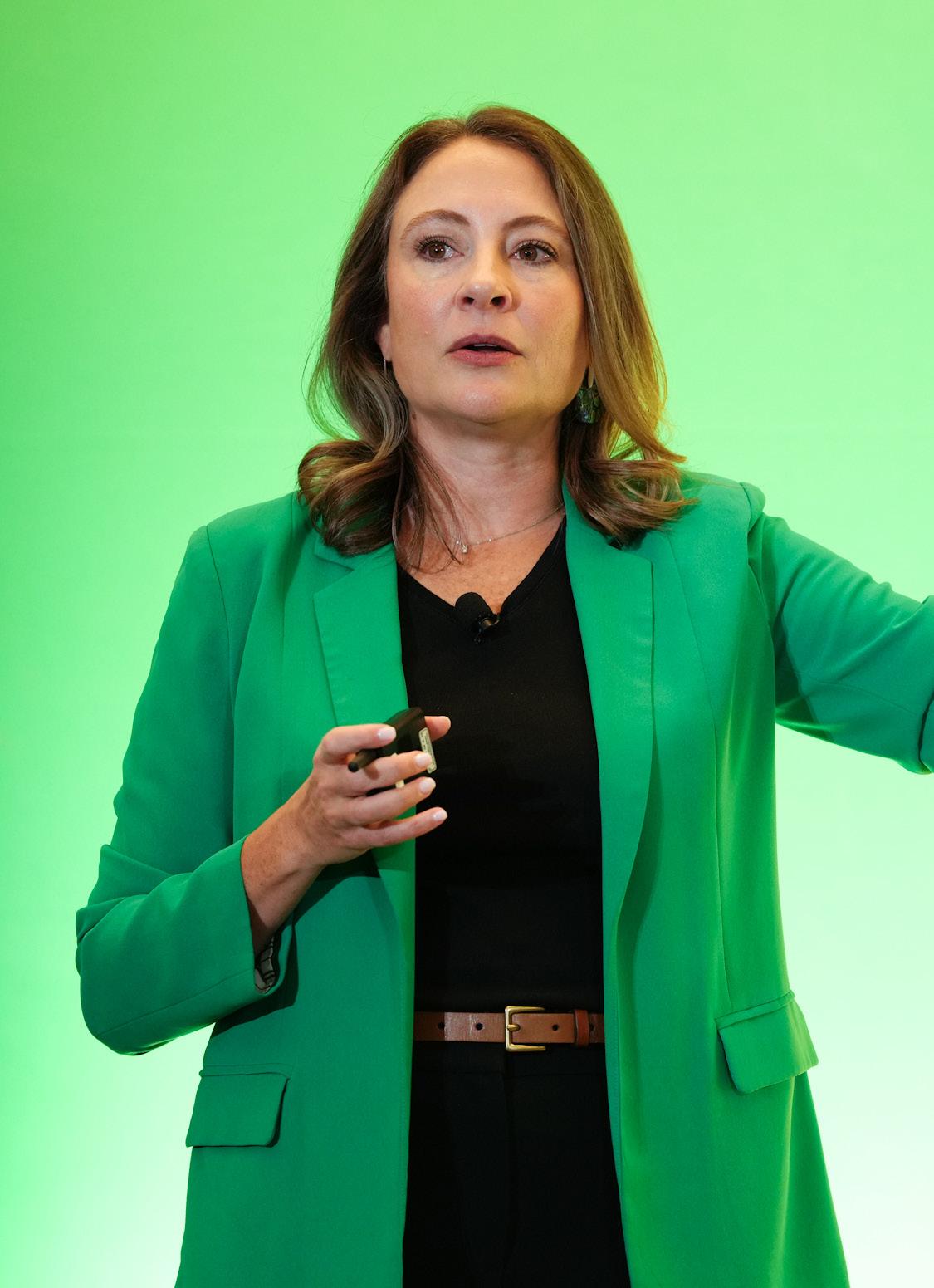
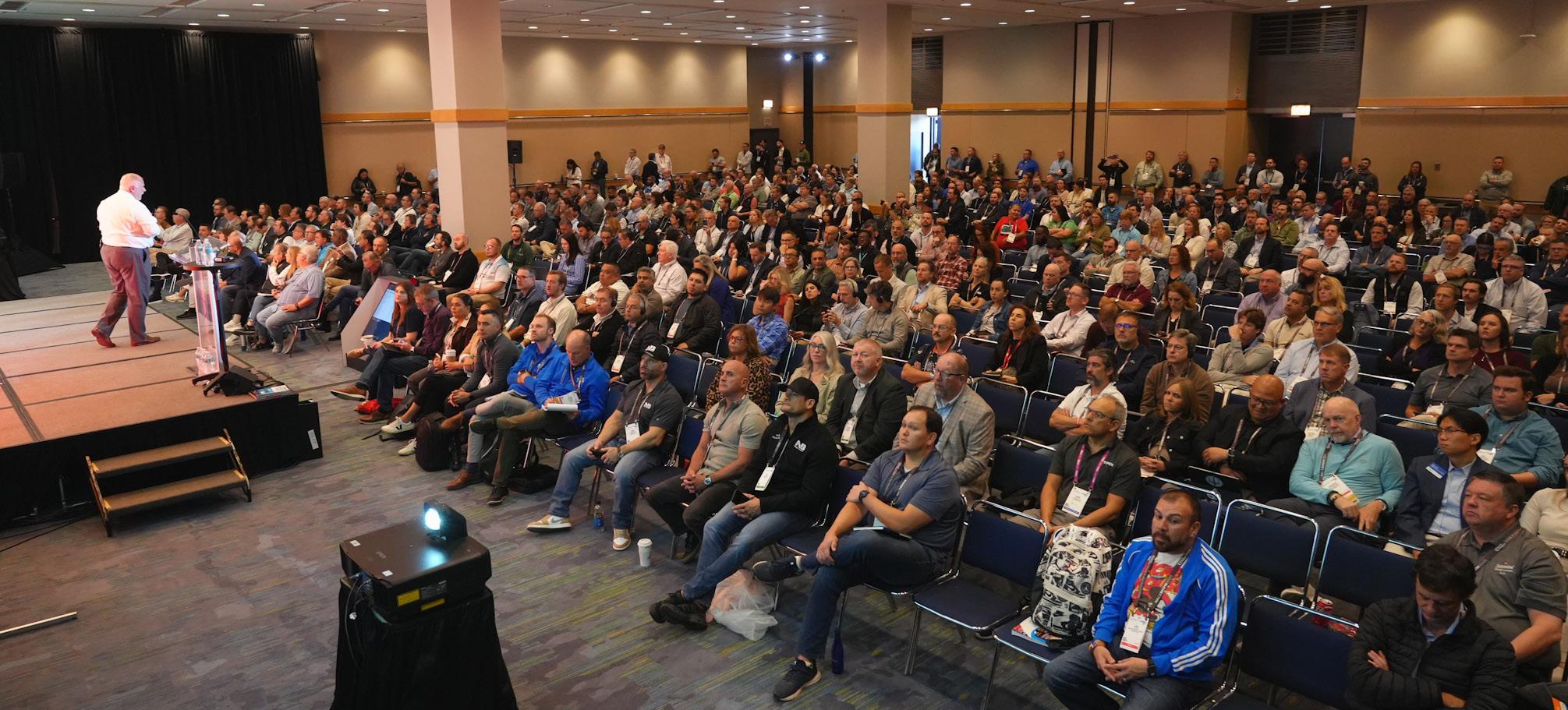
The 2025 NACS Show featured 48 Education Sessions discussing just about every possible conveniencerelated topic. Whether you’re a small operator, a category manager, a supplier, a distributor, or the CEO of a major chain, the Education Sessions had you covered. Best of all, they are for the industry, by the industry, with topics chosen by industry leaders and speakers stepping up to share their insights.
Here’s a small sample of the insights that were on display across three days in Chicago.
MAKING THE BACKBAR THE SPOT FOR POUCHES
The trend began little by little, but as time went on, it built from a whisper to a scream. Soon it was abundantly clear: Tobacco retailers could no longer lean on cigarettes to maintain margins and grow sales from behind the bar.
A stark evolution was coming to the category, partly driven by regulations, partly by changing consumer preferences. For convenience retailer Weigel’s, it was time to adjust the strategy and the set.
“We saw an acceleration in the rate of decline of the sale of traditional cigarettes, and we asked ourselves: How do we want to defend this category?” said Jessica Starnes, director of loyalty and tobacco category manager for Weigel’s, Knoxville, Tennessee.
Since 2015, cigarette sales in c-stores have freefallen from 31% of inside store sales to less than 19% in 2024, according to the NACS CSX Convenience Benchmarking Database. During this same time, OTP (other tobacco products) percentage of sales has grown from 4.2% to 7.6%
An “explosive” period of innovation had come to vape and nicotine pouches, making them the most realistic avenue to transition sales. But something about vape didn’t sit well with Starnes.
“We recognized that 70% of vapor sales come from the illicit market. That meant our sales opportunity was only 30% of the pie,” she said during a NACS Show Education Session titled “The Evolving Tobacco and Vape Landscape.”
Instead, Starnes and Weigel’s leaned into nicotine pouches.
“We knew we had an opportunity to be the nicotine pouch destination in our market,” she said. “That way, our opportunity was 100% of the market.”
To get there, Weigel’s:
• Resized and reorganized its backbar
• Expanded product variety
• Partnered with manufacturers
• Collaborated with wholesalers
• Engaged in proactive inventory reviews
The results show in a list of Weigel’s top tobacco products. Zyn pouches hold the No. 2 position just behind Marlboro cigarettes among best-selling behind-the-counter brands, while a list of the top 20 SKUs includes four nicotine pouches.
“Today, we think of ourselves as that nicotine pouch destination, and consumers seem to recognize that,” Starnes said.
TAPPING INTO GEN Z’S SNACK HABITS
“Snacks used to be something we thought of as something that fills the gaps for us. But the reality is that from 2020 and through today, snacks are everywhere. They are the meal; the meal is the snack. And we have reacted to this change. Snacks can be a moment of indulgence,” said Anna Kjerrumgaard, director, category management-center store at RaceTrac, during the NACS Show Education Session “The Snack Breakdown.”
“Intense and unique flavors like hot and spicy are not going anywhere. The category has been growing for years, and unique flavors like buffalo ranch, dill and spicy have all stood out to me. There are also some interesting crossover campaigns with LTOs, like Reese’s Oreos and Oreo Reese’s. Innovation within an item or subgroup lifts the entire subgroup. It doesn’t cannibalize an alternative item,” Kjerrumgaard said. The Reese’s-Oreo collaboration, for example, generated a 30% lift in RaceTrac’s total Oreo portfolio.
“We’ve learned that we had to win Gen Z. Gen Z will have the highest spending per capita by 2030, which is four years away. We need to begin speaking to Gen Z with the products in our stores. They care about digital engagement, they care about social and ethical responsibility,” Kjerrumgaard said.
INSIGHTS ON CRIME REPORTING AND RECORDING
“Hope isn’t a strategy,” said Josh Nylander, manager of retail asset protection investigations, EG America, during the Education Session “An Industry Approach to Crime Reporting and Recording.”
When it comes to tracking crime across stores, he noted that “if you don’t have a management system in place, you’re really relying on what is hopefully a great game of telephone between operators to notice patterns.”
Ultimately, as an operator facing various forms of loss prevention, the lesson is “you cannot manage what you don’t measure,” said Cory Lowe, PhD, director of research, Loss Prevention Research Council.
EG America tracks and categorizes criminal incidents through an in-house database, Nylander explained, although the company is looking into other software. Even a relatively simple system has allowed EG America to gain insights and data that helps the company customize its needs.
At Refuel Operating Company, “We use an online database, and we’re concurrently in the process of exploring some other options,” said Wes Pate, VP risk and loss prevention.
“Additionally, we built some Power BI reporting that actually pulls that data out and heat maps it, showing us where the crime is and where it’s moving.”
For both companies, tracking data has helped them narrow in on specific issues with specific stores. “It’s really important that we don’t do a blanket solution. If you’ve got five locations and four of them don’t have an issue, well, then why are we doing the same thing at every location? We could do one thing here that would solve the issue,” Pate said.
Nylander added, “Acquiring better data has helped us sharpen our influence on operations. We’re able to catch and identify policy or conduct issues before they become heavier loss issues. It also helps us be quicker to support audits, to
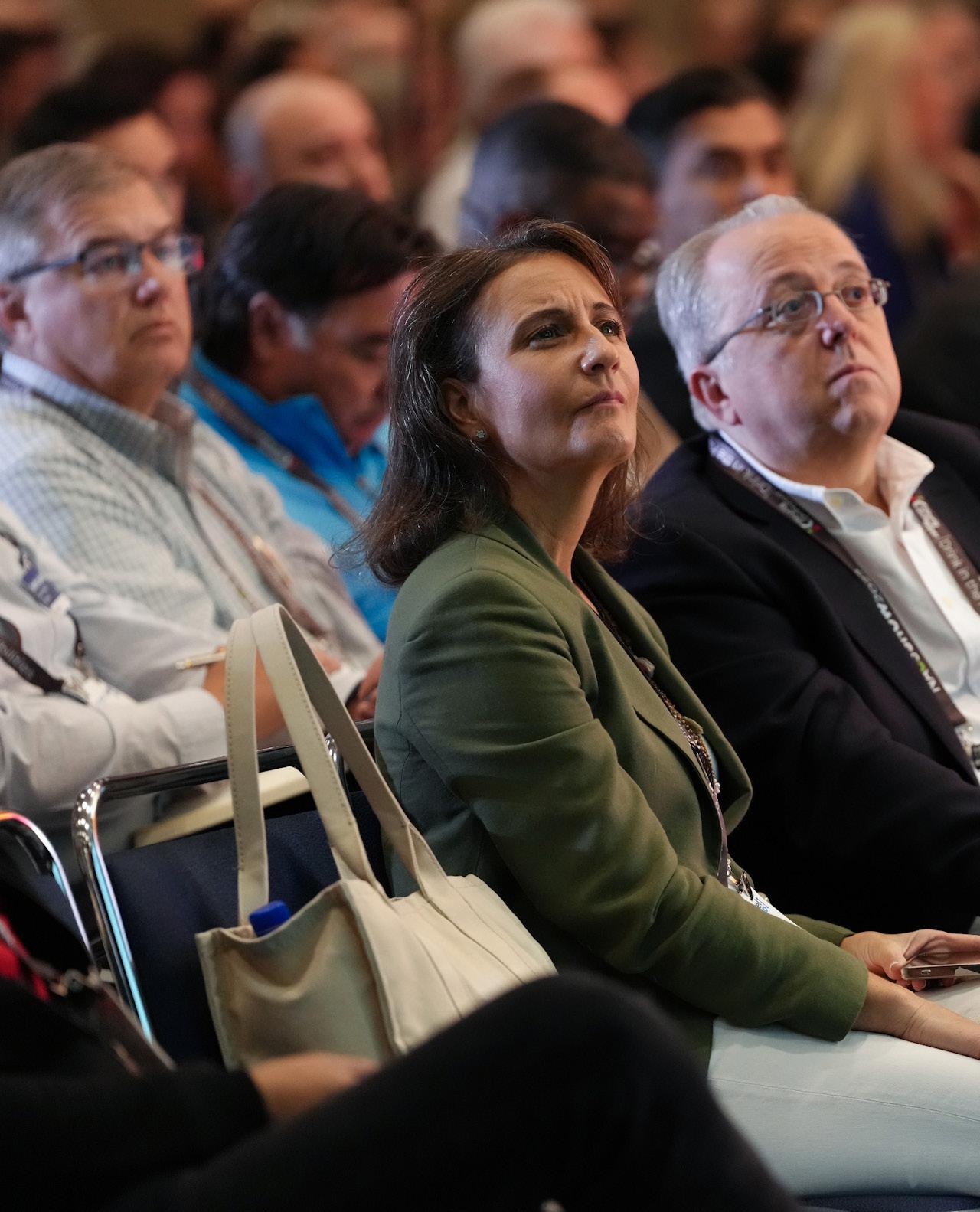
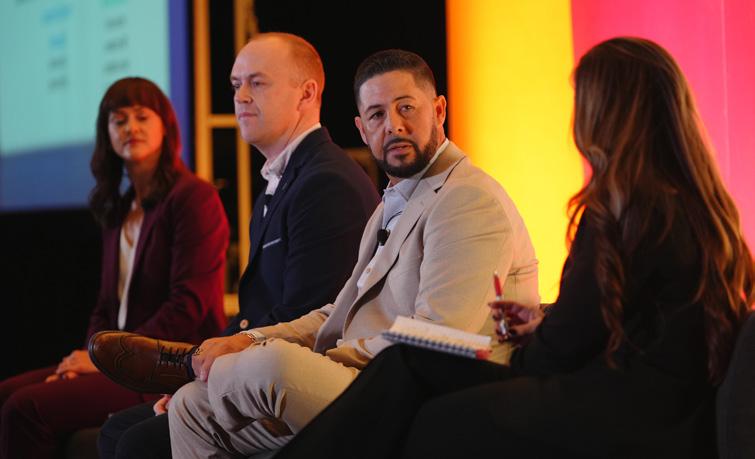
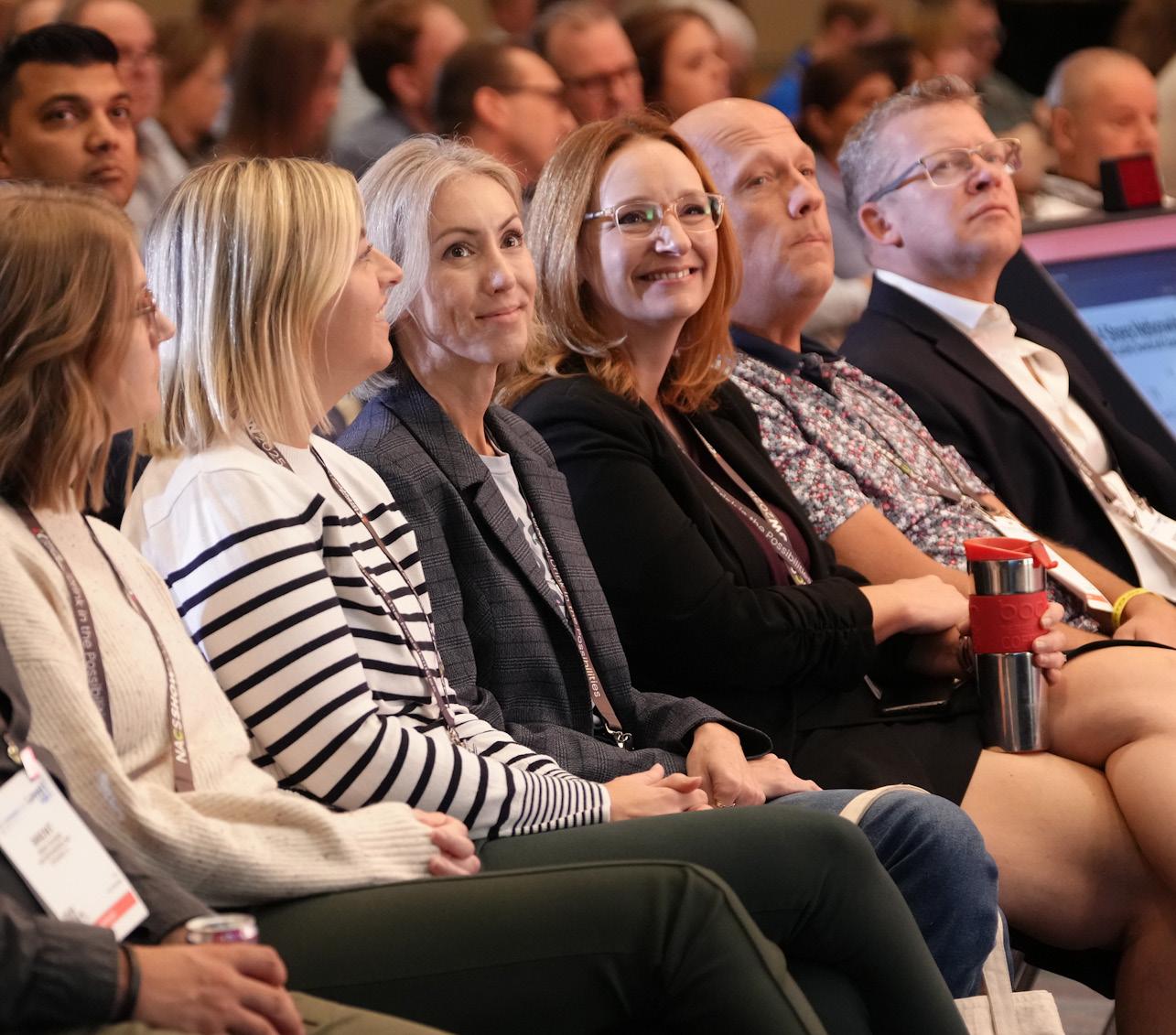
More than 120 industry leaders took the stage to share their best ideas for moving convenience forward.
deploy physical security where it’s needed, when it’s needed and influence operational training as a whole.”
For those looking to build their own crime tracking management system, the advice from Nylander and Pate is the same: Keep it simple. “We could ask tons of questions, but it’s not relevant, and it’s not important, and so we’re trying to keep those forms for the necessary information. The standardized forms are mostly filled out by our store and field teams. It’s important to keep those forms simple to use and time efficient,” Pate explained.
STAYING AHEAD OF AGING UNDERGROUND STORAGE TANKS
More than one-third of underground storage tanks (UST) are over 30 years old, according to EPA data presented by the Transportation Energy Institute (TEI). This presents three major concerns for fuel retailers, said Jeff Hove, vice president of TEI, during the Education Session “Aging Infrastructure and Underground Storage Tanks.”
• Increasing cost to maintain federally required financial responsibility, whether through state funds, private insurance or self-insurance.
• The potential for unsubstantiated, mandatory age thresholds for USTs—in other words, once the tank is 30 years old, it has to come out of the ground even if it’s still in good condition, placing a financial burden on retailers.
• The potential for new fuel mandates in certain states, such as E15 requirements, which could cause compatibility issues and the need to upgrade.
“This is a national problem, but it’s also very state specific. If you’re in California, there are very few aged tanks, while in Ohio or Iowa, for example, there are a lot more,” noted Jim Rocco, environmental consultant at Sage Risk Solutions LLC. “I would urge retailers to look at this from a state regulatory perspective.”
According to Rocco, some of the reasons retailers might need to close tanks include economic reasons or exiting the market, getting into alternative fuels, consolidating facilities
or making upgrades. “On the regulatory side, if you have a significant release or changes in regulation, you may need to replace tanks. And then there’s the concept of a mandated upgrade or mandated replacement program.”
Insurance companies are increasingly cautious about insuring older tanks, especially in states with stringent cleanup requirements. The cost of a typical cleanup averages $150,000, but can be much higher in states with zero tolerance for soil contamination, said Patrick Rounds, president and CEO of PMMIC Insurance.
The panel advocated for risk-based approaches rather than blanket age mandates, which are costly and can hurt small and independent businesses, especially those in rural areas. Arbitrary age limits could lead to mass closures, loss of rural fuel access and financial strain on state funds, Rounds said. Risk-based approaches include enhanced leak detection, better maintenance and data-driven decision-making, which are key to ensuring tanks can continue to operate safely and efficiently, panelists agreed.
Hey Retailers! Got Expertise? Share It!
Have a success story, innovative idea, or lesson learned that could help other convenience retailers?
NACS is looking for speakers for next year’s NACS Show, as well as other industry events such as the Loss Prevention & Safety Symposium or Human Resources Forum, just to name a few.
If you’ve implemented an innovative program, tackled a persistent challenge, or found a new way to engage employees or customers, your peers want to hear about it. Speaking at a NACS event isn’t about giving a lecture—it’s about starting conversations that move the entire industry forward.
NACS provides speakers with the platform, audience, and support to make an impact. From panel discussions and case studies to interactive workshops
and game-style sessions, there are opportunities to share insights in a format that fits your story and style. Join the conversation, inspire your peers, and shape the future of our industry.
Jenna Collard, Director, Education Engagement
NACS Speaker Interest Form
CONSIDERING ALTERNATIVES TO CREDITAND DEBIT-CARD PAYMENTS
Credit- and debit-card payments in convenience stores have been a sore spot for retailers for years. And as use of cards continues to expand, fees have grown from a headache into a pounding migraine, said Lou Morsberger, founder of Payments Strategy Consulting.
Card-payment processing fees grew 19.6% last year and 26.6% the previous year, the former Circuit City and Capital One executive said during a NACS Show Education Session titled “The Future of Payments (and Swipe Fees).”
Today, many merchants are counting on legislation to bring down swipe fees. The strongest opportunity today is the pending Credit Card Competition Act. The act would require the largest U.S. banks to support at least two unaffiliated payment networks for their credit cards, increasing competition among networks like Visa and Mastercard.
One way or another, payment-industry leaders believe competition is necessary to bring true relief to the issue.
“For all the organized and regulatory pushback and efforts to minimize credit-card swipe fees, the solution to lowering costs may be to bring competition to the major banking institutions,” said Michael Curry, principal, Stablecoin Solutions at Spendcodes, a cardless point of sale that allows accepting Stablecoins at retail.
Morsberger noted that several new payment technologies are available to circumvent fees but that there’s a time lag in the adoption of those advances, particularly in c-stores.
With more than 80% of all purchases made in c-stores paid via credit or debit, and swipe fees hitting a record $187.2 billion in 2024, the need to access these technologies is more urgent than ever.
“There’s plenty of opportunity to provide an alternative,” said Reed Luhtanen, executive director and CEO of the U.S. Faster Payments Council (FPC). “But most of these technologies are not used in most stores today.”
“The technology is available to most consumers,” Morsberger said. All it requires is access to the internet and adoption by retailers.
Many of those new options, often referred to as InstaPayments, still sound like jargon to the average consumer and probably many retailers. Among them:
• RTP networks: These are instant-payment networks that allow for 24/7, real-time payments between participating financial institutions.
• Zelle: The person-to-person payment network allows for fast transfers between bank accounts.
• Mobile payment apps: These include Venmo, PayPal, and Cash App, allowing users to send and receive money.
• Stablecoin: A type of cryptocurrency designed to maintain a stable value.
• Same-Day ACH: An option to send and receive automated clearinghouse transfers within the same business day.
Morsberger said he believes ACH holds the most promise, as it gives retailers the option to create their own digital wallets.
“If we can put the payment method into a digital wallet, that becomes the hub that unifies loyalty with the payment method,” he said.
The challenge that keeps these alternative payment methods from becoming commonplace, however, is, simple: How do you get people to use them?
Payment leaders on the panel urged retailers to combine their efforts and throw their combined weight behind a preferred payment method.
2025 Top 10
Cool New Products
Every year, the Cool New Products Preview Room at the NACS Show is the place to be.
This year was the second year that the Cool New Products Preview Room featured the Convenience Catalyst Showcase, a portion of the room dedicated to showing brand-new innovations in the industry from suppliers that didn’t have a booth on the NACS Show Expo floor this year.
While visiting the room, NACS Show attendees could scan QR codes for the products on display through the NACS Show mobile app. Once scanned, the app offered information about the product and which booth to visit on the Show floor for more information.
There were 346 products on display this year, including Convenience Catalyst products, with 11,225 total scans. These were the most-scanned products.
1 Philadelphia To Go, Kraft Heinz
2 Little Joe Air Fresheners – Put a Smile in the Air & Ride Happy, Little Joe Air Fresheners – Drive Int. USA
3 Self-Serve Bakery Display by Palram 4U, Palram 4U
CigarBros Vertical-Standing Humidor System, CigarBros USA Inc. 5 Ready Protein Bar, Clear Protein Water, Protein Puffs, Come Ready Foods (Convenience Catalyst)
6 Die-Cast Pull-Back Cars 225 Ct Floor Display, K & S Wholesale Inc
7 Skippy Oatmeal Protein Pie & Dippin’ Dots BDay Cake Protein Donut, Redefine Foods (Convenience Catalyst)
8
Newco Infinibrew, Newco Enterprises Inc.
9 International Trending Chocolates Displays, Big Ideas Marketing
Just The Fun Part Dubai Style Chocolate Bars, Just The Fun Part
BY CHRISSY BLASINSKY
There’s always a moment walking the NACS Show Expo floor when it’s under construction that I think to myself: There’s no way this will be ready in time.
Then, every year like clockwork, the Expo opens and thousands of attendees fill the halls for three days to find what’s new, which exhibitors have the solutions they need, what to eat, what to drink, which celebrity to take a selfie with, and which friends or colleagues they need to catch up with.
This year, it was tougher for me to see the full NACS Show Expo than in the past. Mostly because I kept running into people I’ve known for the past two decades, as well as feeling like a kid in a candy shop seeing things that will hopefully make their way into convenience stores and meeting new friends.
THE 2025 NACS
SHOW EXPO
WAS NOTHING SHORT OF AMA ZING.
TO
From A to Z, here’s what I noticed at the Expo.
AASIANINSPIRED SNACKS
The spicier the better, IMHO.
BBOLD FLAVORS
The more unique, the better.
D C
CANNED BEVERAGES
From lattes to protein drinks to soft drinks to you name it.
ENERGY
However it can be consumed, including in pouches.
DIRTY RICE
Seriously, if you make it I will eat it— and this batch was delicious!
FOODSERVICE EQUIPMENT
Like this condiment station that made me want to fill it with everything required to make a legit Chicago dog!
GODZILLA!
This eye-catching costume turned heads and brought out the selfieseeker in attendees.
H+I
HYDRATION PLUS IMMUNITY
Health and wellness drinks, powders … may as well get the benefits of both in one sip.
JJASON MEWES OF “CLERKS”
One half of the Jay and Silent Bob duo.
KKETCHUP
World’s largest bottle? Maybe, maybe not?
LLEMONADE
Sometimes you just want a tried-and-true flavor.
M
MATS
as in cool eye-catching floor mats.
NON-ALCOHOL BEER
For those who want the taste but not the buzz.
Shape he da a ha defines he indus ry
Participate in the NACS State of the Industry Report ® and Talent Insights
Dashboard and set the industry benchmarks for operations and labor.* Data submission opens December 1.
Participants receive valuable benefits.
• S a e of he Indus ry Repor ® :
- 2 complimentary digital licenses
- 1 complimentary State of the Industry Summit registration
Learn more at convenience.org/SOISurvey
• Talen Insigh s Dashboard:
- Complimentary enterptrise-wide access
Learn more at convenience.org/TIDSurvey
Contribute your data and make your mark on the metrics that matter.
*Data
OVENS
Unox gets the nod for their digital oven system, including the onsite demos that drew a crowd.
RPRAMEN
This self-serve unit had me craving a spicy hot bowl of ramen.
PERMISSION TO PLAY
As in play with your food.
QUICK, QUIK, QWICK
How many ways can c-stores misspell quick? Like my frequent dilemma with the letter X, Q was a tough one to find this year.
SSOCKS
And you can matchy match with your pet!
TTHC BEVERAGES
They’re coming, or in some cases already here.
UNREAL
had tasty snacks with real ingredients. And I like the packaging.
WASHING CARS
Car wash is a leading profit center in the industry.
XSTREME SNICKERS BAR!
Drum roll please … after three years of writing this article, Mars came through with the X! Thank you team Mars for the XStreme Snickers bar!
VIBES
as in Perfetti Van Melle USA’s newest gum flavor, Trident Vibes Cotton Candy.
ZZEBRA
Did anyone see that zebra? Neither did I.
Chrissy Blasinsky is the digital and content strategist at NACS. She can be reached at cblasinsky@ convenience.org.
THE MISSING STEP IN COMMUNICATION: ACCOUNTABILITY
Your team may be great—but without clear communication and accountability, even the best operations can lose consistency as they grow.
WHAT ARE SOME OF THE CHALLENGES MULTI-UNIT OPERATORS FACE WHEN IT COMES TO MAINTENANCE AND TASK MANAGEMENT?
I started OwlOps back in 2009. My brother, who is also a cofounder, operated four Tim Hortons at the time (today he operates six stores). Back then, all of his managers and maintenance staff were performing the way that he wanted them to. But every week, something was still just dropping off.
Every solution we looked at was too complex or expensive. We needed something that kept communication simple but built in accountability—the same challenge many multi-unit operators still face today.
What we see, over and over—not just in maintenance, but across operations—is that communication happens everywhere: texts, emails, Slack, even notes on a whiteboard or napkin. The problem isn’t communication itself—it’s that there’s
no shared visibility or accountability once a message is sent. As your c-store grows from one to a few locations, small communication gaps start to show. By the time you reach 10, 20 or 50 stores, those gaps affect brand consistency, guest experience and even spending decisions, like when to repair versus replace equipment.
After we created the OwlOps program, other Tim Hortons operators asked to use the platform and it grew.
OVER THE NEXT COUPLE OF YEARS, HOW DO YOU SEE OPERATIONS IN C-STORES EVOLVING?
AI will clearly influence every area of operations, from automating routine tasks to spotting inefficiencies across multiple locations. The technology is evolving fast, but the goal remains the same: to help teams focus less on chasing problems and more on serving customers.
What is clear is that retailers need to automate mundane tasks as much as possible, especially as minimum wage continues to rise. Incorporating AI and automating various tasks will free employees to work on more important tasks—like engaging with customers.
HOW ARE OPERATORS USING OWLOPS TO HELP COORDINATE THEIR TEAMS AND COMMUNICATE OPERATIONAL TASKS ACROSS STORES?
There are a couple of ways to use OwlOps. At its simplest, the system helps teams communicate clearly about what needs attention, whether that’s a maintenance issue, IT support or an operational task. The right people see the right information,
which keeps communication clear and consistent. But OwlOps is also a computerized maintenance management system. We have asset tracking where we can scan a QR code on a coffee brewer to bring up its maintenance history and purchase history. You can see that you’ve assigned a maintenance task to a vendor for them to come in and take an extra look at the equipment. It has invoices in there too.
Many operators now use the platform for everything from IT requests to daily store checklists and vendor coordination. It’s less about maintenance and more about creating an organized, consistent way to manage communication and accountability across the business.
WHAT ARE SOME NEW FEATURES ON THE HORIZON FOR OWLOPS?
We’re leaning into AI in a couple of ways, one being AI insights for predictive maintenance. We’re moving towards a place where OwlOps can tell you “in the last three months,
we’ve seen that the gas pumps at these two locations are prone to breaking once every two weeks” or “the soda dispenser at this location might need to be replaced.” From there, the AI can recommend a preventive maintenance schedule.
Another way we’re using AI is through guided troubleshooting— helping employees solve simple issues before escalating them. It’s not just about saving service calls; it’s about empowering managers and staff with knowledge and reducing downtime. The app would have the employee check common fixes, like restarting a device, double-checking that it’s plugged in correctly or offering common fixes for the specific system (“try cleaning the filter, which is located here”) before sending a maintenance employee out to fix the problem. The broader opportunity is for every operator to look at how communication, accountability and organization work inside their business—and where a simple structure can save time and improve consistency.
At its simplest, the system helps teams communicate clearly about what needs attention, whether that’s a maintenance issue, IT support or an operational task.
DOUG RIXMANN founder, OwlOps
COFFEE STATION INNOVATION
New equipment, flavors and functional concoctions keep the coffee category percolating.
BY PAT PAPE
Coffee consumption in some form began around 850 A.D., and it has been evolving ever since. But recent factors affecting the centuries-old category—frequent price increases, shipping issues, increased labor costs and the added burden of U.S. tariffs—are creating challenges for operators.
“Coffee today is trading at $4 a pound, and 24 months ago, it was half that price,” said Art Lopez, vice president of marketing at beverage supplier Finlays Solutions. “Consumers are making coffee at home, and it’s a concern. However, if a certain product has a perceived value, consumers will not cut back.”
During this period of uncertainty, Lopez advises convenience operators to “seek opportunities that exist. Reducing prices and adding more perceived value will help drive consumption. This is not the best news, but the consumer who went to Starbucks or Peet’s may be able to get a similar product at half the price at a c-store. This is an opportunity to pick up a portion of the business from coffee shops.”
SINGULAR TECHNOLOGY
To keep customers coming back, many convenience stores have adopted beanto-cup technology, which automates the grind-and-brew process, cuts waste and keeps coffee consistently fresh throughout the day.
“Bean-to-cup equipment can help reduce labor demand on staff and requires minimal training,” said Kristen Hjelm, senior director of business development at Bunn. Hjelm estimates that operators can save 90 minutes to three hours of labor per store.
That focus on labor savings and consistency shaped the development of Bunn’s latest bean-to-cup innovation: Premia, a high-performance brewer that automatically grinds beans and brews hot or cold coffee while managing freshness for optimal availability during the busiest dayparts.
“Premia provides controlled heat to brewed coffee at ideal holding temperatures and maintains optimal flavor for longer periods, if desired,” said Chairil McClain, vice president of product strategy at Bunn. “Coffee is delivered to a reservoir that keeps it warm at a preset desired temperature. Customers just push a button and coffee is immediately dispensed into the cup. If you set the reservoir to hold for an hour, it will automatically drain and brew
a new batch of coffee once that hour expires, which helps operators manage the daypart schedule.”
Premia comes with a lifetime subscription to Bunnlink, a telemetry portal that provides detailed information and reports about the number of cups brewed, recipe updates, reservoir filling schedules and other information that helps manage the program.
Bunn is addressing beverage bar variety and efficiency with the Infusion Series Platinum Pro, a batch brewer that serves cold brew, iced coffee, hot coffee, tea and lemonade from one compact unit. “Traditional cold brew takes about 12 to 24 hours, depending on the recipe, but we use ambient filtered water and have condensed it to 20 minutes,” said McClain.
“One of coffee’s greatest strengths is its versatility,” said Emily Wood Bowron Forehand, executive vice president of Red Diamond Coffee and Tea. “It is the perfect canvas for creativity and flavor.” To give customers more options in less space, Red Diamond created its all-in-one OmniBrew program.
This is an opportunity to pick up a portion of the business from coffee shops.
“OmniBrew helps operators deliver everything from iced coffee to tea and lemonade, all using a single tea brewer,” said Forehand. “By saving counter space and creating a low barrier to entry for traditionally challenging categories, the program lets operators maintain premium quality while easing operational pressures. It serves as the perfect canvas for creativity and flavor, and today’s coffee lovers seek bold and unique flavor combinations.”
Nearly 60% of Gen Z coffee drinkers were introduced to the category through cold coffee.
Irving, Texas-based 7-Eleven is investing in proprietary coffee equipment, such as the Coffee of the Future (COFU) machine, which was tested in the 7-Eleven Evolution Stores and lab environments. One of its purposes is to streamline beverage production and free up employees to focus on other tasks.
“The COFU machine offers hot and cold brew, specialty espresso beverages like lattes and mochas, multiple milk and syrup options, automated cleaning and multiple pickup points for faster service,” said a 7-Eleven spokesperson. “It’s a retailer-centric solution, built from the ground up with store operations and customer convenience in mind, and it reflects how we’re reimagining the selfserve beverage experience.”
After introducing a flavored coffee program in the fall, the EG Group convenience stores are “re-launching our coffee program in the new year, with blends tailored specifically to customers’ tastes and new equipment to ensure you can always enjoy your cup, your way,” said Julie Ryan, vice president of food and dispensed beverage at EG America. “We’re always looking at what’s trending in beverage and in food, and protein and energy are certainly on our radar for 2026.”
FUNCTIONAL BREW
Although Millennials and Gen Zers make up about 36% of the nation’s adult population, they are responsible for more than 41% of all wellnessrelated purchases. Much of their focus is on food and beverages with functional ingredients.
“The product extension that we’re seeing, beyond the protein shake, is around lattes and other coffee-based
beverages that use high-protein milk and plant-based proteins,” said McClain.
One example of this is Starbucks’ Protein Lattes, topped with protein cold foam, which rolled out in September. The protein lattes come in several flavors, along with two sugar-free versions and a high-protein matcha beverage. Matcha fans believe that adding the green powder to a beverage provides focused energy without jitters. Other claims include improved cognitive function, better mood, reduced inflammation and help with weight loss.
“You’ll find a lot of matcha on foodservice menus today in many global and national chains,” McClain said. “But the innovation around matcha is how you can prepare it, automating the process, and how you can create new beverages with it, especially cold.”
The demand for beverages with functional ingredients is no temporary fad.
“The functional-coffee market is projected to grow at 11.45% CAGR, reaching $7.71 billion by 2030,” said Farley Kaiser, senior director of culinary innovation at McLane Co.
“Ingredients like ashwagandha, reishi mushrooms and MCT oil [a saturated fat that reportedly improves brain function and energy levels] are becoming mainstream, and McLane is integrating these trends into our Emerging Brands platform and CupZa! coffee offerings to help retailers meet consumer demand.”
While CupZa! includes popular flavors such as Southern Pecan and Hazelnut, innovative flavors inspire repeat store visits, Kaiser said. To that end, McLane is investigating “more adventurous flavor trends such as Vietnamese egg coffee, Turkish coffee and matcha affogato,” she said.
“Expect seasonal flavors to go beyond popular pumpkin spice with warm, festive flavors in winter, such as maple cinnamon, gingerbread or peppermint white chocolate, and fruity, tropical flavors in summer,” she said.
STILL CHILLED
The National Coffee Association reports that 49% of the cups drunk each day among those aged 18-24 are cold, iced or frozen, and that trend keeps growing.
March 10-12, 2026
Shanghai, China
At our 2026 Summit, you’ll be transported into the epicenter of retail disruption and innovation—Asia—for an immersive look into the future of convenience retailing. Reserve your seat today! / convenience.org/CSA
According to a Westrock Coffee report, nearly 60% of Gen Z coffee drinkers were introduced to the category through cold coffee.
In addition, more than half of all cold coffee servings are enjoyed in the afternoon and evening, which changes coffee from a morning beverage into an all-day occasion. This evolution presents opportunities for new revenue streams in what were formerly considered off-peak hours.
COFFEE ON THE MOVE
The American coffee scene has also seen a recent resurgence of coffee carts, kiosks and pop-ups. “Operators are trying to find smaller-footprint opportunities to prepare coffee beverages in front of consumers in mobile locations,” said Spencer Turer, vice president of Coffee Enterprises, a coffee and tea consultancy.
One person succeeding at that is Peter Thomas, owner and founder of Pilot Pete’s Coffee & Treats, located inside the Elmhurst, Illinois, Metra train station.
After opening his shop in 2021, “We expanded into pop-ups, mobile carts and catering, including espresso bars, ice cream carts, milkshake bars and hot chocolate stations,” Thomas said. “The mobile side grew quickly. People tried us at events, then wanted us at weddings, fundraisers and other functions. What started as a small café became a fullservice mobile brand.”
The mobile carts are fully equipped with espresso machines, grinders and
generators. Coffee is brewed fresh on-site whenever possible. “For large events, we’ll supplement with brewed urns to keep up with demand, but quality and freshness are always the priority,” he said.
“These smaller footprints get a higher-quality coffee close to where consumers are,” said Turer. “This could be viewed as a threat to c-stores because they have the potential to pull business away from brick-and-mortar retailers.”
ONE SIZE DOES NOT FIT ALL
The National Coffee Association reports that two-thirds (66%) of American adults drink coffee daily. While that figure represents a large portion of the U.S. population, there is no single American coffee market, Turer said. Instead, you’ll find strong preferences depending on the region.
Coffee is moving beyond ‘a cup of coffee’ and becoming a lifestyle experience.
“If you aren’t selling as much coffee as you’d like, determine who is doing well in your marketplace. Those are your direct competitors,” he said. “If everyone has 100% Colombian and you don’t, that could be a reason why. If everyone has lighter roasted coffee and you only sell dark roast, that could be why. My definition of hospitality is, ‘Never give your customer a reason to go somewhere else.’”
“Today’s customers want indulgence and wellness, and they love fun, photoworthy drinks like coffee flights, cold-brew floats and loaded lattes,” said Thomas. “They’re also looking for functional add-ins. Looking ahead, we’ll see more crossover drinks: coffee blended with lemonade, functional beverages and even cocktails. Coffee is moving beyond ‘a cup of coffee’ and becoming a lifestyle experience.”
Pat Pape worked in the convenience store industry for more than 20 years before becoming a full-time writer. See more of her articles at patpape.wordpress.com.
Cheers to You, Henry
From your friends at Rutter’s
Thank you for your 20 years of exceptional leadership as NACS President & CEO. Wishing you continued success in all that’s ahead—both at NACS and in other endeavors.
TASTE TASTE BIG BIG TheNext
Flavor trends are constantly changing, so how can c-store operators stay on top of what’s hot now and what’s going to be popular next?
FERMENTED AND PICKLED pickled jalapeño
BY AMANDA BALTAZAR
As convenience stores become more of a destination for prepared foods, operators are paying more attention to flavor. What’s resonating with consumers, and how are different flavors and ingredients being used and combined? What’s popular now, and what’s likely to be popular six months from now?
Which flavors are resonating is very important to Dora Ocampo, category manager, food service, for Westborough, Massachusetts-based EG America. “Flavor trends play a significant role in my work because innovation really depends on understanding where tastes are headed,” she said. “It’s my job to have a grasp on what my guests are looking for and how those preferences are evolving.”
TRENDING FLAVORS TRENDING FLAVORS
For Kwik Trip, based in La Crosse, Wisconsin, it’s less about the hot flavors and more about the innovative flavors that have become mainstream.
Flavor trends don’t appear out of thin air but ripple out of foodservice and even pop culture.
“If the flavors are cutting-edge right now, we’re probably not looking for them yet,” said Micah Rupprecht, director of category management, foodservice. That’s because the retailer’s customers aren’t ready for them. “We serve more than 12 million customers a week, and [a new flavor] has to be known by at least half that group.”
The company, he said, “is not a copycat. We’re aware of the trends and the timeline, and we intentionally try to be behind that. We’re a slow follower.” But Kwik Trip will launch more than 130 LTOs in 2026, so it’s always looking at new flavors and products.
Southwest Georgia Oil Co., based in Bainbridge, Georgia, also doesn’t try to be on the cutting edge of the newest flavors. “It’s great to see what’s trending, but you have to take a step back and see what your customers are prepared to spend their hard-earned dollars on,” said Michelle Weckstein, SPHR, SHRM-SCP, CCACM, director of food and beverage brands.
“It has to be something they will recognize,” Weckstein said. For example, she said, hot honey has run its course in much of the country, but for her stores, “it’s still considered hot and new. The markets we’re in are not considered very progressive.”
changed the name to Sweet and Spicy Chicken, “and now it’s familiar,” she said. Items such as pickles have an enduring popularity in the South, so she drives buzz and innovation by extended them to offerings such as pickle flatbread and pickleflavored slushies.
“Menu development is something we’re always thinking about,” said Weckstein. “We need to drive sales; we are constantly looking at new flavor profiles. We want to take our base, our comfort food, things we’re known for, and change them up just a little bit to make them fresh and on trend but not so different from what we’re doing. Customers like to try new flavors.”
BIG-PICTURE ANALYSIS
Jasmin Masri, technical sales and marketing coordinator for food and beverage manufacturer Custom Flavors, takes a layered approach when considering flavor trends. She starts by analyzing internal data, looking at what customers are requesting across many categories “to see what’s accelerating and plateauing and what’s quietly emerging.” She also keeps her eye on broader consumer behavior signals such as new-product and seasonal
TRENDING FLAVORS
According to the sources for this article, these are some of the flavors that are coming to the fore.
• Hot honey and its iterations (e.g., habanero honey)
data, Masri is a big fan of trade shows, which, she said, “really spark inspiration and validate what we’ve been seeing in the data.”
Food trend expert Kara Nielsen also likes trade shows. “It’s very helpful to get a sense of the new products that are coming out and what flavors we are seeing,” she said. “Usually it’s variations, like a new flavor of pineapple or pink guava. You have to track it over some years.” She also tracks what’s happening in grocery stores, health and wellness, indulgent foods and restaurants.
Renee Lee Wege, trendologist and senior publications manager for Datassential, a global food and beverage intelligence company, starts with her firm’s platforms and tools, primarily looking at menu data to see what’s changing on menus.
The team at food industry consultancy Menu Matters consumes a massive amount of information every day. “We read endless newsletters, scroll through social media, dive into consumer media, conduct our own research, check out wider industry research, attend events and conferences,
true based on all of this information?”
Kostyo likes to mix old-school ways of keeping up with the industry with newer methods. He has a Google alert for “future of food,” which brings him “a lot of nextgeneration ideas” every morning, he said.
Maeve Webster, president of Menu Matters, likes to look outside the food industry as well as within it and constantly monitors trends in areas ranging from fashion to architecture, makeup and health care. “All of this speaks to consumer needs— what resonates, what they are most excited about—and this will, in turn, inform and shape their relationship with food,” she said.
Farley Kaiser, senior director of culinary innovation for wholesaler McLane Co., looks for flavor trends everywhere. “We collaborate with flavor houses, industry connections, foodservice data experts and ingredient suppliers,” she said. “These partnerships help us balance craveability with operational feasibility and ensure our innovations are data-driven.”
• Sweet and spicy, such as strawberry gochujang (Korean chili sauce)
• Complex heat from a variety of chili peppers and sauces, but incorporating earthy, fruity or umami profiles
• Fermented and pickled food, with more umami flavors; this also aligns with a popular focus on gut health
• Blended desserts and savory dishes, such as sushi dessert, which looks like sushi but is sweet
• Gelato in appetizers and entrees
• Fruits, especially tropical ones, such as yuzu, guava and calamansi
• Miso caramel
• Brown butter yuzu
• Playful flavors like cotton candy stardust and dreamy marshmallow orange, which tap into nostalgia but can also seem futuristic
• Fermented black beans
• Ancient-grain beers
• Argentinian pizza
abreast of the conversations that are happening related to flavors, ingredients, food and beverage.
But just because something’s popular on social media doesn’t mean it’s applicable to a convenience store, where prepared foods ideally are low-cost and portable.
Still, social media’s influence should not be underrated. According to Datassential research, 46% of Gen Z says they’re more likely to try a food or beverage just because they saw it on social media. The hard part for operators, Wege said, is knowing what to try.
Social media is especially useful for spotting viral combinations, said Kaiser, such as “swicy” (sweet plus spicy), “swalty” (sweet plus salty), miso caramel and yuzu wasabi.
Weckstein pays attention to social media because it “creates a curiosity for our customer base, so by paying attention to what’s being talked about, some of those things will work,” she said. “It doesn’t have to be the most recent Asian spice, but if it’s relatable and creates curiosity, it might work.”
Much of what’s on social media can be testing the waters, “meant to stir up drama and excitement around the brands,” said Lizzy Freier, senior director of menu research and insights for foodservice consultancy Technomic.
Masri of Custom Flavors said social media trends move and become popular so quickly that you see them trickle down to restaurants and CPG. “People want to taste what’s trending and what’s viral, even if it’s short-lived,” she said. “For convenience stores, these quick trends can work as well as an LTO.”
Ocampo of EG America loves using social media to identify what’s hot and trending in the food world. “New and emerging flavors often surface first through viral recipes and influencer content, so I keep an eye on that space pretty closely,” she said. “I monitor hashtags and follow food bloggers to see what’s trending and understand which flavors are sticking around.”
BRINGING IN THE TEAM
It’s very important to Kwik Trip to know what its customers think of recently launched prepared foods and beverages. If someone has written in or called, the Kwik Trip team believes it’s worth checking into. Rupprecht especially tracks feedback on the day a new menu item is launched. And staff members are included in foodservice decision-making. They’ll brainstorm and try foods, then share their thoughts.
New and emerging flavors often surface first through viral recipes and influencer content.
Weckstein involves Southwest Georgia Oil’s team members, too. “We test products and get [line cooks’] feedback,” she said. “They represent our demographic in most of our stores. We take the feedback from them and consider that in every item before it goes on the menu.”
TRENDING FLAVORS
Long before a flavor is ready to be introduced to Southwest Georgia Oil’s customers, Weckstein will have spent months or years thinking about it and brainstormed with her staff so that when the time is right, the company can roll it out. “We have to be able to pivot very quickly for survival, and we want our brand to be relevant,” she said. “We’re in a very competitive landscape. We’re competing against every other food operation.”
McLane regularly gathers feedback from customers through store-level employees, guest surveys, pilot programs and loyalty data. “For example, our HiBird launch incorporated consumer input, revealing that Korean BBQ was especially popular with Gen Z,” said Kaiser. “We also use POS data and repeat-purchase behavior to validate which flavors succeed.”
The company likes to involve other teams, too. “We host sessions at our Innovation Kitchen, where cross-functional teams across culinary, marketing and category management collaborate,” she said. “We start with consumer insights, then layer in seasonality, operational constraints and trend-forward ingredients. Flavor-mapping exercises help us identify gaps and opportunities, and we prototype with partners to test feasibility.”
MEETINGS OF THE MINDS
Key to knowing what’s going on in the world of flavor is networking with everyone you can in the industry.
“I’m always talking about flavors or what’s coming out with my circle,” said Masri. “You can get great inspiration from those conversations.”
Kostyo of Menu Matters loves getting together with chefs and R&D professionals “because they are so immersed in the actual creation process, and it’s fun to pick their brains,” he said. “We have a network of chefs, other industry consultants, marketers and nutritionists.” This, he said, “helps you focus on the fact that nothing is one-size-fits-all. What one person considers a trend may not be valid for another chef, or what might seem like a played-out trend on social media may be just right for an established brand.”
Ocampo leans largely on her vendor partners to know which flavors are hot. “They have access to resources and insights that go well beyond what I could gather on my own, like national and regional performance data and deep consumer research,” she said. “They put the research hours in behind the items they want to move forward with.”
Southwest Georgia Oil works closely with its food broadline distributor. The team meets with reps to talk about trends and spends time in the kitchen on ideation and product testing. “I’m not a chef by trade, so I rely on those subject matter experts,” Weckstein said.
HOT HONEY habenero and other iterations
FLAVOR guava
TRENDING FLAVORS
PLAYFUL
FLAVOR
cotton candy stardust
TRACKING RESTAURANTS
FUTURE FLAVOR gelato with entrees + apps
We’re increasingly seeing trends move faster through the life cycle than they have in the past.
Restaurants are a great barometer for what’s popular in flavor, especially independent restaurants, which have more flexibility to try things and eliminate them if they don’t work.
Wege of Datassential said trends start in independent restaurants. As the trends are adopted, they appear in restaurants with just a few units, then move into national brands when they’ve hit the mainstream.
Freier likes to start by looking at independent restaurants to connect any commonalities to a macro trend. It might be an herb that’s being used more frequently.
She’ll look at the flavor profile of that herb, where it’s showing up on menus and what it’s being paired with. If something starts with an independent, she watches to see if it goes to an emerging restaurant and then to mainstream operators, including c-stores.
For an independent to develop something and see if it works can be fast and relatively inexpensive, Freier said. For fast food restaurants, it’s much more expensive, which is why they use LTOs to test out ideas. “Every single year of the past five years, we’ve seen a significant uptick in limitedtime offers,” she said.
Webster and Kostyo say they visit as many restaurants as possible. “You never know what really insightful nugget or really inspiring item you’ll find,” Webster said.
But just because you see something on several menus doesn’t mean it’s a trend, Kostyo
said. “Visiting restaurants is more about sparking ideas, finding real-world examples of what you are seeing in data,” he said.
Rupprecht of Kwik Trip is immersed in the culinary world. “A lot of my life is about food,” he said. “I take a lot of trips, and it’s all about regional foods and what’s popular.” And while he might find new things, he often files them away for the future. “Just because we’re not putting it on our menu, we should know what it is. We sample some foods, and we know it’s not making it on the menu for at least 10 years.”
Weckstein prefers to monitor what’s popular at fast food restaurants because if a flavor’s being featured there, it’s fairly mainstream. But she also likes to look at local grocery stores. “If I’m seeing a food or flavor there, my customers are, too,” she said.
She also monitors what’s being served at a couple of national brands—one offering smoothies, one featuring Southwestern food—for which Southwest Georgia Oil is a franchise operator.
“They are always bringing in new flavor and trends,” she said, “so we look where they’re spending their national marketing dollars. If they feel they should spend it on something, it must be popular. They introduce new flavors and spices all the time.”
FADS VERSUS TRENDS
What’s a fad and what’s a trend? By and large, a fad comes and goes quickly, but a trend lasts. But fads can be important if they
create some excitement and some novelty, even for a short time.
“We’re increasingly seeing trends move faster through the life cycle than they have in the past,” said Freier. And even if it’s a fad, she said, “it’s usually relevant to something larger and hasn’t come out of a vacuum.”
Operators considering implementing a flavor or flavor combination—whether it’s a fad or a trend—need to look at whether it’s going to be applicable across multiple menu categories, said Wege, and whether a flavor requires additional flavors or ingredients that are scalable.
A long-term trend with staying power, Wege pointed out, “has to be unique but not unapproachable. If it’s too unique, you have to spend a lot of time on education and marketing, and if it’s not [at all] unique, then consumers can be like, ‘Who cares?’”
DRINKING UP LTOS
Kwik Trip tends to roll out new items company-wide. For its most recent launch, it started with a test in 30 stores, then gradually added more until it was complete.
However, a new item may run only as an LTO. “We may only commit to two months of inventory, and if it’s slower than I thought or if it flops, I’ve only committed to so much inventory,” said Rupprecht. “But typically we get so much excitement around something that the manufacturers can’t keep up.”
Ocampo is a huge fan of using LTOs to introduce new flavors. “They allow us to test the waters without a long-term commitment while still giving us the flexibility to transition into a permanent offering if it really connects with our guests,” she said. “It’s a lower-risk approach to innovation that comes with a built-in exit strategy. I find it much easier to extend a successful LTO than to discontinue a permanent menu item.”
Beverages are a great option for introducing new flavors through LTOs. Consumer sentiment toward beverages is changing, especially with younger generations viewing them as a dessert replacement, a low-cost investment and something exciting to consume.
Because of this, said Freier, the beverage space is innovative when it comes to flavors, which can also influence flavors in foods.
“Beverages are more innovative and do a lot of blended flavors,” said trend expert Nielsen, adding that often an unusual flavor is paired with something more familiar to make it more accessible. Flavors in beverages can experiment with tropical, nostalgia, unusual fruits or even herbs, she said.
And the nonalcoholic space has exploded, “thanks largely to Gen Z not drinking alcohol and supplementing with these drinks,” said Wege. They’re also more affordable, so there’s less of a barrier to trying them, she said.
And for the companies producing the beverages, it’s a fairly low investment because usually only a tweak to packaging and marketing is needed. If a brand already has a loyal following, Wege said, those followers will likely sample a new flavor “so they don’t have to spend a lot of time convincing someone to try it.”
Amanda Baltazar writes about retail, food and restaurants from an island in the soggy Pacific Northwest. She covers operations, design, marketing and trends for B2B publications.
Beverages are a great option for introducing new flavors through LTOs.
U.K. Tobacco Sales at a Crossroads
Operators
in
the United States should take notice as regulations and societal changes transform U.K. tobacco retailing.
BY STEFANIE ROSSEL
In its active embrace of tobacco harm reduction, the United Kingdom has long been considered an outlier. Unlike many countries, the United Kingdom didn’t merely tolerate e-cigarettes and other reduced-risk products (RRPs)—it actively promoted them as smoking cessation tools starting in the 2010s. Today, RRPs are integral to the country’s public health care system and local smokingcessation services, and it has introduced increasingly strict controls on combustible tobacco products.
The United Kingdom this year is expected to become the first country in which vaping surpasses smoking. According to data from U.K. group Action on Smoking and Health, 10% of adults—or 5.5 million people—currently vape, while smoking prevalence dropped from 23.7% in 2005 to 11.9% (about six million people) in 2023.
The United Kingdom this year is expected to become the first country in which vaping surpasses smoking.
Convenience stores, which support 443,000 jobs, are the leading distribution channel for tobacco products in the United Kingdom, followed by hypermarkets, supermarkets, tobacco specialists and an increasingly significant online channel.
The United Kingdom’s dual strategy for nicotine products has profoundly reshaped nicotine retailing in convenience stores and transformed the backbar. The market is dark for tobacco but light for RRPs: Following a display ban and plainpackaging rules, combustible tobacco products are hidden in closed gantries and sold only in standardized olive-green packs, 65% of which are
Branding has been eliminated; only the name appears, in a standard typeface. In contrast, vapes, nicotine pouches and heated tobacco products (HTPs) remain visible, in bright packaging and supported by point-of-sale advertising. They’re also increasingly taking up sales space.
Tobacco products, long valued for driving visits and consistent revenue, still play a central role in U.K. c-store profitability. With 2025 revenue estimated by Statista at £22.58 billion ($30.27 billion at press time), compared to £3.13 billion ($4.2 billion) for vape products, the combustibles category still dwarfs the e-cigarette segment. However, its role as a cornerstone for traffic and ancillary sales is waning, challenged by tightening regulation, rising health-consciousness and a shift toward lower-cost, smoke-free alternatives.
“The share of tobacco as an overall value contributor in the convenience sector has been in gradual decline over at least the last decade but is still significant for the sector as a whole and higher for independent stores,” said James Lowman, chief executive of the United Kingdom’s Association of Convenience Stores (ACS). “In the last three to five years, vapes have grown from a very low base to becoming an important category for convenience retailers, with further change in the last two to three years coming from more sales of pouches, although this is still a minority in the category.”
According to ACS’ “The Local Shop Report 2025,” tobacco and vape product sales were £9.17 billion ($12.35 billion), or 18.8% of total sales across mainland United Kingdom’s 50,486
Following a display ban and plainpackaging rules, combustible tobacco products are hidden in closed gantries.
Growth is largely driven by cigarillos, which hit £144 million ($193 million) in sales last year—up from virtually zero before the pandemic.
convenience stores. The composition of this contribution has been constantly evolving.
A 2022 University of Edinburgh study found tobacco transactions represented just 12.8% of all convenience store purchases, down from 20% a decade earlier. Meanwhile, vapes have become the fastest-growing retail category in U.K. convenience and independent grocery stores, worth £1.7 billion ($2.3 billion) in 2024, according to NielsenIQ data.
CUSTOMERS HUNT FOR VALUE
Tobacco shoppers deliver higher basket sizes: an average of nearly £20 ($26.80) per visit, compared with about £11 ($14.74) for non-tobacco customers. But although tobacco drives revenue and trip frequency, profit margins are thin. At about 8.5%, tobacco margins are smaller per unit than those of RRPs, which average 37%.
Factory-made cigarettes account for about 70% of all tobacco sales and still hold potential for retailers, but the category is polarized. The United Kingdom applies some of the highest tobacco excise duties in Europe and regularly increases them, resulting in some of the highest cigarette prices in the world. Premium brands— such as Marlboro, Benson & Hedges and Lucky Strike—retail for at least £18 ($24.26) per pack of 20 cigarettes. They retain loyalty among older,
brand-conscious smokers. However, inflation and a cost-of-living crisis have driven smokers to downtrade, with growth concentrated in the value and economy segments, now 72% of sales of readymade cigarettes. Economy brands such as JPS, Pall Mall and Sovereign retail for £12-£14 ($16.08$18.76) per pack. Manufacturers are responding to the long-term search for value by introducing new products aimed at this segment.
For even more price-sensitive customers, roll-your-own (RYO) tobacco remains a popular choice. With 4.5 million users, RYO smokers now outnumber cigarette smokers in the United Kingdom, especially among younger and lowerincome groups. With £6.3 billion ($8.34 billion) in retail sales and a 22% global share, the United Kingdom is the world’s largest RYO market, according to an industry estimate based on market share data. Like the cigarette segment, the RYO market is split between ultra-value brands and artisanal blends, with midtier declining. According to Imperial Brands, value and economy products in RYO make up more than half of sales, while the premium sector holds a 35% market share.
Cigars remain a small but profitable niche, valued at £324 million ($434 million) in 2024. Growth is largely driven by cigarillos, which hit £144 million ($193 million) in sales last year—up from virtually zero before the pandemic. They
THANK YOU!
To all our members, your membership makes everything we do at NACS possible.
We are ready for an exciting year of impact and community growth in 2026, and we are thrilled you'll be part of it!
taxation, cigarillos are significantly cheaper than cigarettes and fall outside the minimum-pack-size requirement of 20 and the United Kingdom’s 2020 ban on menthol cigarettes. Sales of flavor-capsule cigarillos, priced at about £5.85 ($7.84) per 10-pack, have doubled in the past 18 months.
Smoking accessories, estimated at £1.3 billion ($1.74 billion) in 2025, also play a vital role in U.K. retail. Rolling papers, filters, flavor cards, lighters and storage tins represent more than 20% of tobacco-related transactions in convenience retail, especially in stores with strong RYO sales.
Amid a decline in overall tobacco consumption and a shift toward newer alternatives, strategic category management and responsiveness to evolving regulations will be key for retailers to sustain profitability in the combustibletobacco category.
BAN ON DISPOSABLES DENTS SALES
The United Kingdom’s RRP market is overwhelmingly dominated by e-cigarettes; HTPs and nicotine pouches remain niche. Showing modest growth, the HTP category—in which Philip Morris International’s iQOS commands a 95% share—is projected to be worth £450 million ($603 million) in 2025, up 5% from the previous year, according to Tobacco Insider.
Nicotine pouches, however, have gained momentum. According to Haypp’s “Nicotine Pouch Report 2025,” the market grew 95% year over year in 2024, nearly doubling in size. Consumers view pouches as discreet, clean and more socially acceptable than other RRPs. IRI Marketplace
estimates pouches’ value at £170 million ($227.9 million) in 2025, excluding online sales, and projects a 68% year-over-year increase in volume. Considering that 81% of pouch users prefer buying online, category value could be significantly higher. To purchase vapes, four-fifths of U.K. users prefer in-person shopping. According to Statista, 15.2% of vape purchases happen online, up from 10.6% in 2018. This proportion is projected to increase to 19.4% by 2028.
In the U.K., vape products are regulated under the Tobacco and Related Products Regulations 2016 (TRPR) regime. Before being placed in the market, whether online or in-store, nicotinecontaining vape products and refill containers must be notified to the Medicines and Healthcare Products Regulatory Agency (MHRA)—sellers must ensure that the product appears on the MHRA “Notified Product List.”
Vaping products must carry a health warning (“This product contains nicotine, which is a highly addictive substance”) and meet the maximum nicotine strength of 20 mg/ml as well as maximum tank sizes of 2 ml as per TRPR (for nicotine-containing products). Selling vape products to anyone under 18 is illegal, as are proxy sales. The requirement to verify age also applies to distance sales: The seller must have an “effective system” to verify the purchaser’s age if selling by distance (online or catalogue).
With 4.5 million users, roll-yourown smokers now outnumber cigarette smokers in the United Kingdom, especially among younger and lower-income groups.
Starting June 1, 2025, the U.K. has banned the sale and supply of single-use disposable vapes, as part of a nationwide effort to curb youth vaping and reduce environmental waste. Youth vaping among 11- to 17-year-olds in Great Britain has almost constantly risen from 1% in 2013 to 7% in 2025, the July 2025 factsheet by ASH finds. According to research commissioned by Material Focus in 2023, more than eight million disposable vapes are thrown away or binned incorrectly in the U.K. every week. The disposable vape ban applies to all retailers, both online and in-store. Refillable, rechargeable and pod-based vape systems remain legal under existing regulations. Before the disposable vape ban, 83% of vape sales were disposables. Elf Bar and its sister brand Lost Mary were the leading brands in U.K. convenience and independent stores, generating combined sales of £654.4 million ($877.2 million) in 2023—10 times more than any other brand, according to Electric Tobacconist. Other leading brands include Elux and SKU.
Retailers are extremely concerned about the rise in illicit trade, both in disposable vapes and the wider tobacco category.
In the months before the ban took effect, sales had already slowed; manufacturers proactively remodeled devices to be refillable and rechargeable. However, in the week ending June 8, after the ban took effect, vape category sales dropped from £23 million to £17.8 million ($30.83 million to $23.86 million), according to Talysis, a United Kingdom-based convenience retail insight agency. Despite the ban, more than £1 million ($1.34 million) worth of disposables were still sold, indicating widespread noncompliance. While sales of reusable vapes, kits and pods increased in the two months after the ban, it remains to be seen whether they can compensate for the loss of sales of disposables.
“Retailers have reported a fall in their vape sales of between 20% and 40% as a result of the disposable-vape ban,” Lowman said. “A lack of effective enforcement has meant that consumers are still able to find disposable vapes at low prices from rogue traders. Retailers are extremely concerned about the rise in illicit trade, both in disposable vapes and the wider tobacco category.”
The United Kingdom continues to grapple with a large and sophisticated illicit tobacco trade, dominated by organized-crime groups. Despite long-standing enforcement efforts, the black market has expanded significantly in recent years. The surge is largely attributed to steep tobacco duty increases—up to 76% for hand-rolling tobacco and 39% for cigarettes—which have driven consumers toward cheaper, illegal alternatives. The illicit tobacco trade is estimated to cost £1.4 billion ($1.87 billion) in lost excise duty and an additional £400 million ($536.1 million) in lost value-added tax (VAT) annually.
March 16-18, 2026 Louisville, KY
Despite long-standing enforcement efforts, the black market has expanded significantly in recent years.
The illicit vapes market has also grown rapidly, with nearly 1.2 million illegal vapes—worth more than £9 million ($12.1 million)—seized in 2024 alone. The disposable-vape ban is expected to intensify the problem.
For U.K. retailers, the regulatory horizon remains challenging. Beginning in October 2026, vape products will be subject to an excise duty of £2.20 ($2.94) per 10 ml of liquid. This new tax will raise prices, impose compliance burdens and test whether consumers remain committed to legal supply or are drifting toward illicit alternatives. Retailers, already skeptical about enforcement capacity, fear a flood of untaxed and counterfeit products undermining legitimate sales.
“Additional duties on vaping products could create even more concern with the illicit trade and the provision of cheap product from rogue sellers,” Lowman said. “Any interventions in this market must be accompanied by a robust enforcement strategy and additional resources for local trading standards to ensure that they can clamp down on the illicit trade.”
According to the U.K. government’s “Trading Standards survey 2024 to 2025,” only 1% to 1.7% of illicit vapes are being seized.
GENERATIONAL SMOKING BAN LOOMS
There’s more to come for U.K. c-store retailers: The Tobacco and Vapes Bill, expected to take effect on January 1, 2027, is progressing through Parliament. One of its key provisions is a generational smoking ban, which makes it illegal to sell tobacco to anyone born on or after January 1, 2009. This would gradually phase out tobacco sales by raising the legal age of sale each year. The ban would also apply to HTPs.
The legislation would also restrict vape flavors, packaging, advertising and displays; introduce licensing requirements for nicotine retailers; and allow vape-free and HTP-free designations in smoke-free areas.
While U.K. retailers broadly support the protection of minors, they have clear concerns about the bill’s effect. These include sales and visit losses, further illicit trade and operational burdens. Retailers also anticipate awkward or even violent customer interactions—especially in the early years of the generational ban, when confusion may arise over why a 21-year-old can buy cigarettes but a 20-year-old cannot.
Their concerns may be justified: According to ACS’ “Crime Report 2025,” there were more than 59,000 incidents of violence and 1.2 million cases of verbal abuse in the U.K. convenience sector last year.
“The generational ban will create a different age-checking policy for convenience retailers, so it’s essential that we support stores with the right communication and training to ensure that retailers and their colleagues are confident with the new rules when they come into force,” Lowman said.
In the United Kingdom, the backbar tells the story of an industry in flux. Convenience retailers are learning daily that their future lies not in one category but in their ability to adapt, diversify and serve customers in a market in which the only constant is change.
Stefanie Rossel is an experienced trade journalist with more than 25 years of specialization in the tobacco and vapor industries. Fluent in English, German and French, Stefanie covers tobacco and nicotine industry developments worldwide. She is based in Germany.
BY JEFF LENARD
a leading role in a movementthatissa nglives.
It all started with one store in Bend, Oregon.
Today, more than 50,000 convenience stores have Freedom Stickers in restrooms that tell victims of human trafficking that there is hope—and help.
Ten years ago, a friend approached Kent Couch, who at the time operated the one-store Stop and Go Mini Mart/Shell in Bend, Oregon, with a question: Can you put a sign in the restroom that provides a hotline for victims of human trafficking?
“I couldn’t say no. But I said, ‘I don’t have a trafficking problem in my neighborhood. We operate in a nice, upscale area,’” said Couch.
Shortly after that conversation, Couch put signs with a nice frame—to make them look store-sanctioned—in both restrooms. Within days, one of the signs was ripped off the wall and tossed aside. A replacement sign met the same fate.
“It was shocking that traffickers destroyed the signs because they didn’t want their victims to see the number and dial it,” said Couch. “It was such an eye-opener for me to see that it’s happening in my store in a high-income area. It is happening in my backyard.”
The sign was produced by the aptly named group In Our Backyard, which at the time was a regional organization that addressed trafficking. The group’s founder, Nita Belles, saw convenience stores as part of the answer.
“In our work, we kept hearing from survivors themselves that they had a convenience store story, whether in purchasing items or using the restroom,” said Belles.
Belles realized that there was a moment of opportunity to reach a survivor. “They walk in and are tired and feel that no one sees them. Signage in a convenience store restroom tells them that people care about them and that there is a solution,” she said.
Couch told Belles that the program could scale nationwide if NACS were to get involved. The ensuing partnership with NACS led to dramatically increased industry awareness and the creation of Convenience Stores Against Trafficking (CSAT), which has placed well more than a million Freedom Stickers across the country, including at more than 50,000 convenience stores. The National Human Trafficking Hotline number (888373-7888) is prominently displayed on the Freedom Stickers.
“And then from there [after that initial launch], I’ve been able to step back and watch it all blossom. NACS has done a great job educating store operators,” said Couch.
A MESSAGE CUSTOMERS WANT TO HEAR
NACS has conducted surveys for years to learn about how consumers think about issues—and the message about fighting human trafficking has tested higher than any other positive message about the industry.
The message that c-stores are actively engaged in the fight against human trafficking rated the highest of any message with customers overall and with opinion leaders— people who are active in their communities, perhaps including those who attend zoning hearings. It also scored high with potential employees, just below positive messages about wages and about benefits.
“I have had customers come in and say, ‘Hey, thanks for [placing stickers in the restrooms].’ We had one lady say, ‘My daughter was trafficked. Thank you so much for having that in there,’” said c-store operator Kent Couch.
“This is a positive story because we’re saving lives and souls,” said Couch.
AN INDUSTRY MISSION
In Our Backyard Executive Director Cheryl Csiky said the convenience store industry’s response to the anti-trafficking campaign was immediate.
“In that first launch of our c-store program [in 2017], we had over 5,000 stores sign up, which told us there was a great fit,” Csiky said. “Store owners said, ‘What can I do right now to help make trafficking stop, and take action?’ The response was overwhelming.”
In addition to NACS, CSAT has worked with nearly 200 c-store companies and 17 state associations.
Couch said the program has not just changed lives but also changed the industry’s overall reputation.
“We get beat up for being the guys that have 24-hour operations or sell products that some people don’t like. This shows how important we are to communities,” he said.
Unfortunately, traffickers have found new avenues for luring potential victims. Red Cross volunteers have told NACS that traffickers are increasingly showing up at shelters in areas that suffer natural disasters, preying on people who are feeling lost or desperate.
Traffickers are also active at major sporting events. Events such as the Super Bowl are exciting for attendees, including young people. Traffickers know that and seek victims at activities around these events. For more than 15 years, In Our Backyard has hosted an event a week before the Super Bowl, in whichever city is hosting the event, to find young people who are missing and in danger of being trafficked. As part of the event, volunteers visit convenience stores and bodegas to share Missing Children Outreach booklets, which provide images of and details about several dozen children at risk. The idea is that employees in c-stores are the eyes and ears of communities and are most likely to help spot missing kids. By the end of a typical campaign, roughly half of the children are located. Georgia-based retailers Clipper Petroleum and Jet Foods, along with BP, are supporters of the program, and NACS also participates.
“We wouldn’t be where we are without the tremendous support of the convenience store community. The convenience store industry’s support has allowed us to empower 5,000 volunteers over the past 10 years to walk into those mom-and-pop stores throughout the country and find missing children,” said Csiky.
Take Center Stage.
High-profit candy, snacks and healthy food options achieve superstar status on the Royston Gondola Shelving Unit with LED Backlit Graphics. Customers are drawn to vibrant, engaging signage from multiple angles and heights. Efficient design provides 138* linear feet of adjustable shelving in a compact footprint. Durable steel construction, powder coat paint and customized graphics from SignResource (a Royston Group company) deliver a seamless solution that performs proficiently for years. Entertain greater center-store sales, visit roystonllc.com for more.
OTHER GROUPS MAKING A DIFFERENCE
Convenience Stores Against Trafficking is just one of several groups working with the c-store industry. All of these programs lean into the strengths of the industry: C-stores are in every community, conduct daily transactions with roughly half of the population and are open for extended hours of operation—and may be the only open, accessible place when someone is seeking help.
The National Safe Place Network provides access to immediate help and safety for young people in crisis, addressing problems before someone becomes trafficked. Safe Place locations, including more than 900 QuikTrip stores, display a distinctive yellow and black Safe Place sign that signals to youth in crisis that they can access a path to safety and services at that site.
Over the past year, QuikTrip has facilitated hundreds of Safe Place calls, ensuring youth in need can access services and care in times of crisis. QuikTrip also supports 24 Safe Place partner agencies across the country with annual charitable giving and grants for communities.
“Unfortunately, young people face troubling issues in today’s world, such as abuse, neglect, bullying and serious family problems,” said Laurie Jackson Padilla, president and CEO of National Safe Place Network. “It’s up to all of us to offer solutions, places where
TELLTALE SIGNS
Awareness programs are designed to help people identify—but not confront—traffickers. Instead, training involves teaching store-level employees to spot the signs that might indicate someone is being trafficked. These include:
• Someone who seems to adhere to a script in social interactions
• People who have matching tattoos/brands
• Someone who shows signs of physical injuries and abuse
• Someone who is being followed too closely by another person
• Someone who lacks official identification documents
Employees who see signs of a potential trafficker are encouraged to collect information and contact law enforcement.
youth can go to get help. We are honored to have this longstanding partnership with QuikTrip, [a company that] serves as a vital piece of the safety net for young people.”
NACS also has developed outreach materials, including the Human Trafficking Awareness Guide for Convenience Retail Employees, in a partnership with the U.S. Department of Homeland Security’s Blue Campaign. NACS took part in Homeland Security’s two-day anti-trafficking-awareness event in January 2025 and has been a regular contributor to other events.
“Convenience retailers can play a significant role in combating human trafficking because of their presence in virtually every community. ... They are in a unique position to observe indicators of human trafficking while working,” said Jonathan Barry, who was coordinator of the Blue Campaign when its partnership with NACS was announced several years ago.
The National Center for Missing & Exploited Children (NCMEC) is best known for its Milk Carton Kids outreach campaign to help find missing kids. That campaign was a huge success in raising awareness, but as technology has advanced, so has NCMEC’s outreach—and success. Today, NCMEC’s QR codes allow anyone to see missing children within a specific geofenced area—and the codes are updated continually. In addition, NCMEC works with GSTV, which provides video content on fueling dispensers, to broadcast geofenced videos of missing kids; of the 730 kids that have been featured, a remarkable 510 have come home.
NCMEC also has free online training that includes a unique section on trafficking and trauma, which provides valuable insight for store employees on behavioral indicators to watch for.
Truckers Against Trafficking is supported by many of the major truck stop operators— including Pilot Flying J, TravelCenters of America, Love’s, Rush Truck Centers and Sapp Bros.—as well as other travel-related organizations. It’s focused on expanding existing relationships with partners and has done in-person trainings with travel center employees to help them spot and address human trafficking situations.
Jeff Lenard is the vice president of NACS media and strategic communications. He can be reached at jlenard@ convenience.org.
EdgeSense™
The backbone of connected commerce
A smart shelf-edge rail that delivers pricing accuracy, real-time inventory visibility, planogram compliance, and personalized promotions - all using seamless Bluetooth connectivity.
Powering the Future of Retail
Engage Retail Media
Your shelves, now a media channel Deliver targeted campaigns at the point of decision, measure real-time shopper impact, and unlock new revenue streams from every aisle.
VusionGroup is the global leader in digitalizing the shelf edge, helping retailers transform physical stores into modernized, connected, data-driven profit centers and delivering smart shelves that elevate the customer experience.
GROUPS THAT MAKE A DIFFERENCE
The following groups all work with NACS and have members and partners who are from the c-store industry.
CONVENIENCE STORES AGAINST TRAFFICKING (CSAT), A PROGRAM OF IN OUR BACKYARD
CSAT is a program of the survivor-led In Our Backyard, a national 501(c)(3) nonprofit known for its anti-trafficking work. The group equips convenience stores with no-cost training on human trafficking for their employees and provides life-saving materials to post in stores. CSAT works with 17 c-store state association and about 200 c-store companies.
Contact: Cheryl Csiky, executive director
Cheryl@inourbackyard.org; www.InOurBackyard.org
NATIONAL SAFE PLACE NETWORK
Safe Place provides access to immediate help and safety for young people in crisis. Safe Place locations, such as QuikTrip stores, display a distinctive yellow and black Safe Place sign, indicating that at that location, youth in crisis can access a path to safety and services. Its TXT 4 HELP is a 24-hour support service for youth in crisis. The group also provides training and technical support for youth and family service organizations across the country.
Contact: Laurie Jackson Padilla, president and CEO lpadilla@nationalsafeplace.org; www.nspnetwork.org
TRUCKERS AGAINST TRAFFICKING (TAT)
TAT recognizes that truckers, along with other members of the transportation industry, are perfectly positioned in the course of their everyday jobs to provide an extra set of eyes and ears to law enforcement in helping to identify both victims and perpetrators of human trafficking. TAT’s partners enable millions of people to receive knowledge and inspiration in the fight against human trafficking and move from passive bystanders to active disruptors. Contact: Louie Greek, coalition build specialist lgreek@truckersagainsttrafficking.org; www.truckersagainsttrafficking.org
BLUE CAMPAIGN
Blue Campaign is a national public awareness campaign designed to educate the public, law enforcement and others to recognize the indicators of human trafficking and appropriately respond to possible cases. It is within the U.S. Department of Homeland Security’s Center for Countering Human Trafficking.
Contact: Tom Ruck, senior engagement manager for Blue Campaign in Department of Homeland Security thomas.ruck@ice.dhs.gov; www.dhs.gov/blue-camapaign
NATIONAL CENTER FOR MISSING & EXPLOITED CHILDREN (NCMEC)
NCMEC works with families, victims, private industry, law enforcement and the public to assist with preventing child abductions, recovering missing children and providing services to deter and combat child sexual exploitation. In 2024, NCMEC assisted law enforcement, families and child welfare professionals with 29,568 reports of missing children.
Contact: Gavin Portnoy, vice president, communications and brand gportnoy@ncmec.org; www.ncmec.org
For more information on NACS’ resources, go to www.convenience.org/topics/ human-trafficking.
Cool New Products Guide
This advertorial-style guide of services and packaging appears monthly and is an information-packed tour of ideas and approaches that can change how consumers view your store or choose your brand. It spotlights the newest thinking in convenience and fuel retailing and gives you an advance look at ways of staying in front of industry trends. Products are categorized the same way we organize the Cool New Products Preview Room at the NACS Show each year in October— New Design, New to the Industry, New Flavors, Health & Wellness, Green (EcoFriendly), New Services and New Technology Products are considered “new” this year if they’ve been introduced since October 2024. The products featured here also can be seen in the Cool New Products Discovery Center at www.convenience.org/coolnewproducts
Ovention Ovens
Conveyor C1600
Speed Meets Precision: The New C1600 Delivers Consistency Every Time
The new Ovention® C1600 Conveyor oven is built for the fast-paced demands of convenience store kitchens and gas station foodservice. This mid-size oven delivers consistent, high-speed performance with precise cooking control for hot, fresh food consistently made every time. Whether you’re serving pizza, sandwiches, or grab-and-go snacks, the C1600 keeps throughput steady and quality high. Designed to thrive in high-volume environments, it’s a reliable solution that helps simplify operations, reduce wait times, and meet customer expectations with every grab.
Talent Insights Dashboard NACS Research
Get the data before it refreshes
The NACS Talent Insights Dashboard is the only tool that provides benchmarking data on compensation, turnover, benefits, and recruitment reported directly from your peers in the convenience and fuel retail industry.
The Dashboard will update in March of 2026. Get your access to the latest data now so you can download and do custom analysis before it’s gone. convenience.org/talent
Kraft Heinz Company NEW
Philadelphia To Go
A Deliciously Craveable Snack
Philadelphia To Go is the perfect solution for busy lives, offering a convenient and delicious snack. Made with our iconic cream cheese that consumers love today!
Coming soon in three craveable flavors: Buffalo-Style Cream Cheese Dip with Tortilla Chips, Garlic & Herb Cream Cheese Dip with Pretzels, and Brown Sugar Cinnamon Cream Cheese Dip with Graham Cracker Sticks.
Rinsed
Quarterly Car Wash Industry Report
Insights from 3,500+ Car Washes
Rinsed analyzes data from over 3,500 car washes to reveal benchmarks, trends, and performance insights across the car wash industry. The Quarterly Car Wash Industry Report helps car wash operators see how their wash measures up, understand what’s driving success across the industry, and spot opportunities to improve. Subscribers receive each report directly in their inbox as soon as it’s released. Scan the QR code to see the latest report.
Stateside Brands
Surfside 19.2oz Iced Teas & Lemonades
#1 Growing Spirit RTD Brand
Surfside expands with 19.2oz cans of its vodka-based Iced Teas & Lemonades. These new offerings provide consumers with a right-sized, value-driven format for c-stores. Surfside is the #1 dollar growth driver across beer and RTD spirits in 2025*, fueling category growth nationwide. (*Source: NIQ Retail Measurement B/W/A |TUS All Off-Premise Outlets| YTD 2025 W/E 08/02/2025)
Spirits of Virtue
Zero-Proof Spirit Alternatives
The Tartan Talk of NACS Show 2025! Extended Show Offer
Missed us at NACS Show? Scottish non-alc pioneers Spirits of Virtue are extending our show offer for a limited time only: 2 x eye-catching displays for $169. Achieve a 45% margin + mixer upsell potential with our Discovery Pouches: 2oz, made-to-mix, $2-3.99 SRP in six top-selling 0.0% spirit styles: whiskey, gin, vodka, bourbon, rum, tequila and bring the zero-proof boom to your store. Designed for impulse, trial & basket-building; they’re high-margin, built to move quickly and ladder shoppers to our full-size bottles for repeat purchase and category growth. Get our offer now in time for festive & Dry January demand!
For samples and ordering info, email mike@spiritsofvirtue.com +447774630876
ZERO SUGAR FLAVOR UNLEASHED
Living with passion and chasing dreams is all we’ve ever known. Making it happen all day gets exhausting though. To help us charge-on comes Ultra Wild Passion. Fully loaded with our legendary energy blend allowing you to focus on what inspires you and lifts you up. Zero sugar, Wild passion pairs the sweet & tart flavor of passionfruit with a twist, creating a new taste sensation. It’s a light, refreshing, super easy drinking pick-me-up you won’t want to put down.
‘Good Vibes’ Drive Business
South End Country Mart focuses on emotional connections.
BY AL HEBERT
At South End Country Mart in Lafayette, Louisiana, the store’s mission is to offer products at reasonable prices.
“My dad told me, ‘Tye, we have to take care of the people.’ He always talks about the people who only have 20 or
30 dollars—they need a good value,” the owner, Tye Jon Hebert, explained. “Even rich people are poor in this economy. You have to give a good value for what you’re selling.”
Hebert’s parents, Keno and Linda Hebert, bought the store in October of
2008. “My father grew up across the street from the store. Our family still lives in the same neighborhood,” Hebert said. When the couple purchased the property, the store was in rough shape—it was unattractive and not user-friendly.
Owner Tye Jon Hebert seasons pork skins used for cracklins.
“Through turbulent times and uncertainty, my parents never lost sight of their vision. They dug in, cleaned up and turned it around,” Hebert said. “They took it from being a little store to a profitable business. A lot of that is due to gas station goodies, but food is how we make the real money. It accounts for 70% of the revenue.”
A FOOD DESTINATION
The c-store is a food destination in this part of town. Hebert accounts that success to the recipes, which come from his mom. “She is a phenomenal cook. Her mother was a great cook. Mom came from a family with eight kids, so they had to cook big meals.”
Another secret to success? How you cook the food. “A friend of mine gave me her secret to phenomenal meals.
In addition to traditional c-store offerings, South End Country Mart has 30 feet of meat cabinets. “We’re a one-stop-shop for good meals. If you want to grill for your family, we have meat, we have potatoes and asparagus to grill. Everything you need,” Hebert explained.
She told me, ‘You never cook higher than medium, always use twice as many onions as the recipe calls for and it must take two hours.’ I’ve cooked thousands of meals using those three tips. It always works,” he said.
Hebert said the most popular item on the menu by far is the pork roast—but meatball stew is a contender for the second spot. “We normally have two different plate lunches, but when we serve meatball stew, we get so many orders we only cook that.”
In addition to plate lunches, the store offers catering, which has recently become profitable. “We do onsite and offsite catering,” Hebert noted, saying, “I’m heading to College Station, Texas, to cook jambalaya for 2,000 people. That’s a lot of sausage to cut.”
KEEPING PRICES DOWN
Plate lunches are a southern staple. It can be hard to find a plate lunch that costs less than $10. At South End Country Mart, a plate lunch is only $7.50.
The key to the low price? A smaller plate. “No one wants a giant plate lunch. We have no leftovers. No waste, it’s eco-friendly. It’s perfect for one person,” Hebert said. “We could raise the prices on the plate lunch to $9 or $10, but we don’t want to be greedy. If you buy a
drink with the plate lunch, it might be $10, which we think is a good value.”
Another way Hebert has kept prices down is by going local: when the price of eggs increased, he was able to source them locally and offer customers eggs for $5 instead of $8.
“We’re convenient for the one-meal stop. We’re kind of like a Cajun Cracker Barrel,” he said, adding, “A small, locally-owned store can do things a corporate store can’t do. A single lady wanted rice. A five-pound bag is too much. So, I go in the back and scoop a pint of uncooked rice. Just enough for one meal. When people say they only need a small amount of a product, I’m not going to let them leave without selling them what they need.”
“Good vibes drive great business. When customers walk in, I want them to hear us laughing. I tell my employees I should hear you smiling because our impact I more than the food we serve,” said Hebert.
“It’s emotional. Everything you buy is emotional, including food. People won’t return if the price is too high,” Hebert said.
Al Hebert is the Gas Station Gourmet, showcasing America’s hidden culinary treasures. Find him at GasStationGourmet.com.
“The original owner had the pumps removed. Welcome to a gas station with no gas. We have gas station goodies, but no gas,” said Hebert.
CATEGORY CLOSE-UP CIGARETTES
Are Cigarettes Losing Their Grip?
In a challenged tobacco market, will cigarettes lose their top in-store spot?
BY MELISSA VONDER HAAR
$6,389
The average gross profit dollar contribution from cigarettes per store, per month.
Source: NACS State of the Industry Report® of 2024 Data
In many ways, the data story of cigarettes in 2024 was exactly what the industry has seen (in non-pandemic years) for decades: Sales declined yet cigarettes remained the top driver of in-store sales and one of the biggest contributors to profit margins.
“This is pretty much following the trend to a T, which is cigarette sales and units are declining,” said Emma Tainter, research manager, analytics and programs at NACS. The results weren’t surprising to retailers such as Anna Bettencourt, director of category management and merchandising for Marlborough, Massachusetts-based Yatco Energy.
“Being in category management for 11-plus years, it’s really what I expected,” she said of 2024’s numbers. Those expectations have carried into 2025. NIQ data shows cigarette dollar sales down 3.33% and units down 8.3% as of September 9.
But the NACS CSX data through June revealed a significant milestone.
“Last year, cigarettes were the No. 1 driver of in-store merchandise sales (not including foodservice categories); second was packaged beverages,” Tainter said. “Now, looking at the data, cigarettes are actually No. 2.”
Sales of packaged beverages typically surge during warmer months, while cigarette sales stay steadier, she said. That means cigarettes may still reclaim the top spot by year’s end. Still, the fact that cigarettes slipped to second place halfway through 2025 raises a question: Is this the year they are dethroned?
VALUE CONTINUES TO GAIN GROUND
The NACS State of the Industry Report® of 2024 Data showed cigarette sales down 3.33% and gross profits up 2.22%, driven mostly by price increases. The category contributed 19.4% of in-store sales and 7.1% of in-store gross profits.
Segment-level performance tells a more detailed story. Only subgeneric/private label and fourth-tier cigarettes grew both sales and margins. Subgeneric/private label rose 2.72% in sales and 12.8% in gross profit, while fourth tier surged 10.85% in sales and 20.45% in profits. Premium, branded discount and imports all declined. This shift toward lower-priced options has been underway since the pandemic and likely will show up in
20.5%
19.4%
$48,037 Avg. Sales/Store
$46,437
13.01%
13.76%
Source: NACS State of the Industry Report® of 2024 Data
CATEGORY CLOSE-UP CIGARETTES
Cigarettes Average Sales Per Store, Per Month
n 2022 n 2023 n 2024 n 2025
$46,668
$50,000
$40,000
$30,000
The Power of CSX Data
CSX, the engine behind category metrics and NACS State of the Industry data, provides current and customizable tools for financial and operational reporting and analysis in the convenience industry. Retailers can measure their company by any of the myriad metrics generated via our live database. Contact Chris Rapanick at (703) 518–4253 or crapanick@convenience. org for a complimentary executive walkthrough.
2025 year-end data. NACS data indicates only fourth tier and imports have grown so far this year.
“Economic pressures have accelerated consumer movement toward value-priced options,” said David Brinkley, vice president of sales at Cheyenne International. “The cigarette category continues to decline, but our position in the value segment has allowed us to outperform the industry.”
Consumer sentiment seems to be driving this trend more than official economic metrics have.
“While on paper the economy is kind of doing OK, the consumer sentiment is not quite matching up with that,” Tainter said. This has led to the trend of downtrading. “You might not give up your cigarettes, but maybe you can go down to the lower-priced option.”
The result has been a reevaluation of backbar strategies by both retailers and manufacturers.
Altria, for example, has expanded its Basic brand into 30,000 targeted stores. Company spokesperson Davien Anderson said, “We’ve seen an impact due to inflation outpacing wage growth. This has driven increased interest in value-tier products.”
Manufacturers are also adjusting how they approach pricing ladders and promotional programs.
“More recently, that [lower-tier] growth has begun to stabilize as manufacturers refine their product offerings, pricing strategies and retail programs,
creating a more structured price ladder across the category,” said Matthew Domingo, senior director of external relations at Reynolds American Inc.
Retailers confirm the trend is consistent across multiple categories.
“We’re seeing a decline on premium— as is everyone else—and an increase in lower-priced options,” Bettencourt said. “But it’s not just in the cigarette category. You’re seeing it in a lot of other categories as well.”
OTP’S RISING ROLE
Even with shifts toward value options, the biggest pressure on cigarettes may be the growth of other tobacco products (OTP).
Subgeneric, fourth tier and imports remain small slices of the category. Together, they made up only 8.5% of cigarette sales in 2024, or about $4,000 per store, per month. Premium cigarettes alone represented 78.4% of the market, generating more than $36,000 in monthly sales per store.
OTP tells a different tale. “I think part of this story has to do with OTP,” Tainter said. “‘Poly-usage’ is the biggest trend that we’ve been talking about whenever we present on cigarettes and OTP.”
While three cigarette segments together generated just $4,000 in monthly sales in 2024, three OTP segments exceeded that individually. Other tobacco (including modern oral) averaged $6,388 per month, smokeless
Source: NACS State of the Industry Report® of 2024 Data
brought in $6,129 and e-cigs $4,309. Cigars added another $2,256 per month—more than subgeneric, fourth tier or imports individually.
Retailers and manufacturers are seeing that demand firsthand.
“I would say it absolutely is [growing],” Bettencourt said of OTP in her stores.
“We’re seeing growth in alternative products, particularly vapor and nicotine pouches,” Domingo said. “This shift underscores how adult nicotine consumers are increasingly seeking products that better align with their evolving preferences and lifestyles.”
Anderson emphasized the profitability angle. “The oral tobacco category is a key driver of profitability,” he said, citing double-digit growth for Altria’s On! brand in secondquarter 2025. “These results reinforce our commitment to offering adult consumers a range of alternatives beyond traditional cigarettes.”
Cigarettes still dwarf OTP in total sales. In 2024, cigarettes averaged $46,437 per store, per month, compared to $19,663 for OTP. But profit metrics are closer.
“The big story with OTP and cigarettes is the gross profit,” Tainter said. “When you look at the sales of cigarettes, what’s driving those high sales dollars are high
unit sales volumes. When you look at the gross profit margin, it’s about 13%. But if you look at the margins of OTP, it’s pushing 30%. They’re evening out with the gross profit dollars.”
In 2024, OTP generated $5,801 in monthly per store gross profit, compared with cigarettes’ $6,389. That translated to 7.1% of total in-store gross profit for cigarettes and 6.3% for OTP.
Retailers have responded by reallocating space: shrinking premium cigarette facings, expanding value-tier options and increasing room for OTP segments such as modern oral and vapor.
“You start to see a trend, and you follow it,” Bettencourt said. “I am adjusting the tobacco category the best I can, given the environment in which I operate.”
KING OR NOT, CIGARETTES WILL REMAIN KEY
Regardless of whether cigarettes hold onto the No. 1 sales spot in 2025, they remain deeply tied to the channel’s success. NielsenIQ data shows 82.1% of cigarettes sales in the United States last year happened in convenience stores.
“That’s a major trip driver,” Tainter of NACS said. “Cigarettes are why a certain percentage of people walk into a convenience store.”
That customer remains valuable, even as they shift down the price ladder or reduce purchase frequency.
“The cigarette customer is still a very important customer to us because they’re purchasing another item from behind the counter or something else in the store,” Bettencourt of Yatco said.
Manufacturers echo the importance of the channel.
“The convenience channel is foundational to our cigarette business,” Brinkley of Cheyenne said. “This channel enables us to showcase competitive pricing, maintain strong shelf visibility and provide retailers with affordable, high-turn products.”
For retailers, the challenge is less about growth and more about managing decline.
“Many moons ago, everybody wanted to be ahead of their competition,” Bettencourt said. “I guess the new version of being ahead of your competition is declining less than your competition.”
Melissa Vonder Haar is the managing director of TradeWorks from iSEE Store Innovations. Follow her on X at @ iSeeMelissaV.
ADVERTISER INDEX
7-Eleven, Inc.
www.7andi.com/en
Altria Group Distribution Company Inside Front Cover AGDCTradeRelations@Altria.com www.altria.com www.tobaccoissues.com
NACS State of the Industry ® Talent Insights Dashboard
www.convenience.org/Research
NCCO Group
www.ncco.com
Inc.
www.oventionovens.com
U.S. (Game)
(800) 367-3677 www.smna.com
(Leaf)
(800) 367-3677 www.smna.com
(ZYN)
(800) 367-3677 www.smna.com
Tracking the Top 10
Combined, the top 10 categories represented 88.72% of in-store sales and contributed $218,301 in average sales per store, per month. Only cigarettes saw a year-over-year decline in sales among the top 10 categories.
So far in 2025, the top 10 categories have remained largely the same, but packaged beverages have been edging closer to beating cigarettes. From January to June 2025, packaged beverages averaged $39,489 in per store, per month sales, while cigarettes saw a slightly lower average of $37,644, according to the NACS CSX benchmarking database.
Tracking the Top 10 In-Store Category Sales
Same-Firm Sample
Source: NACS State of the Industry Report® of 2024 Data Note: Percent of in-store sales accounts for the percentage of stores selling the category.
Data and analysis on 2025 data will be released at the NACS State of the Industry Summit, April 14-16, 2026, in Chicago.
ONE BRAIN TO
RUN YOUR RETAIL!
Automate fuel & store pricing in seconds
See which promos drive traffic inside
Why juggle disconnected tools when one dashboard can run both fuel and in-store?