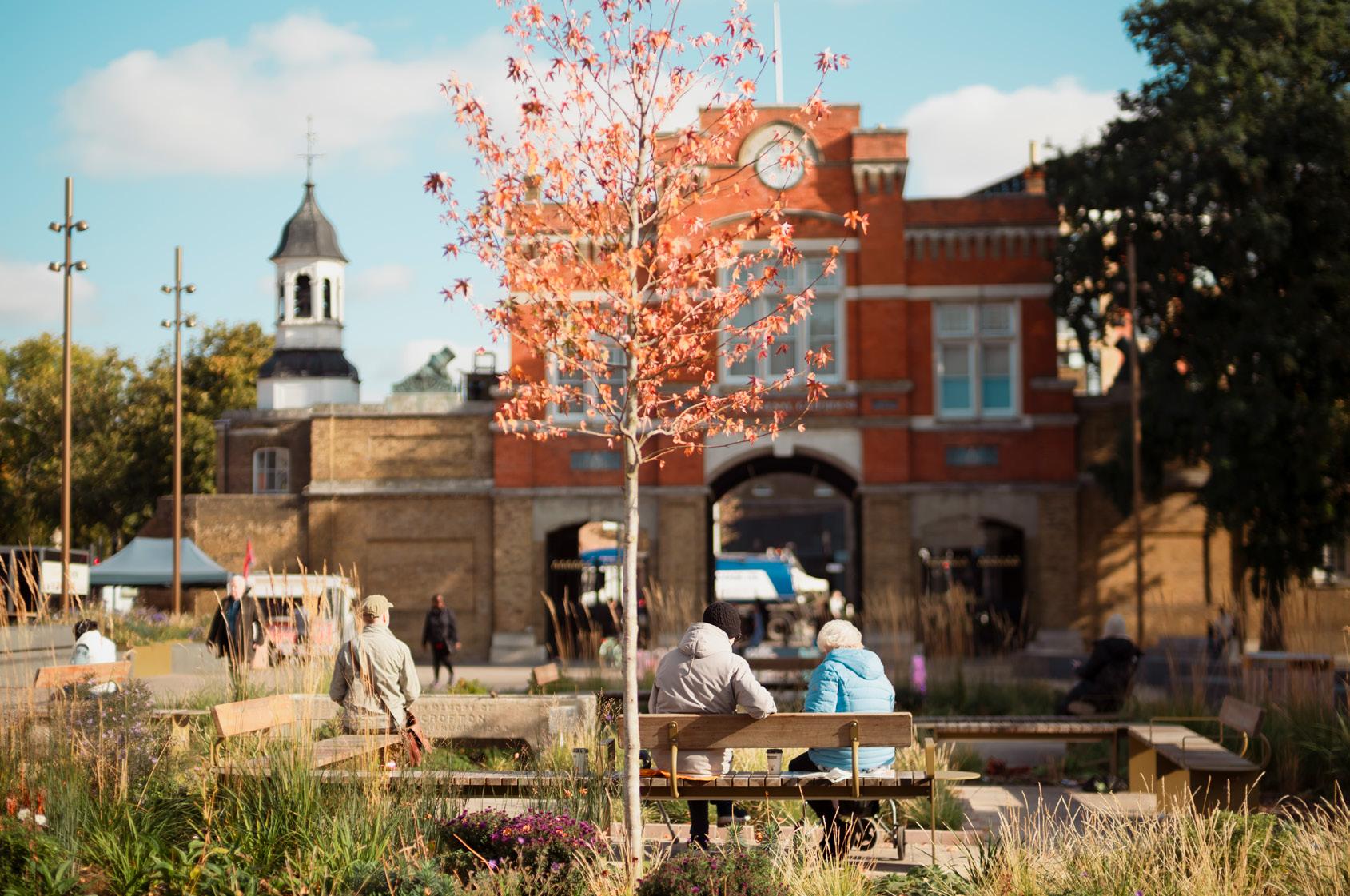
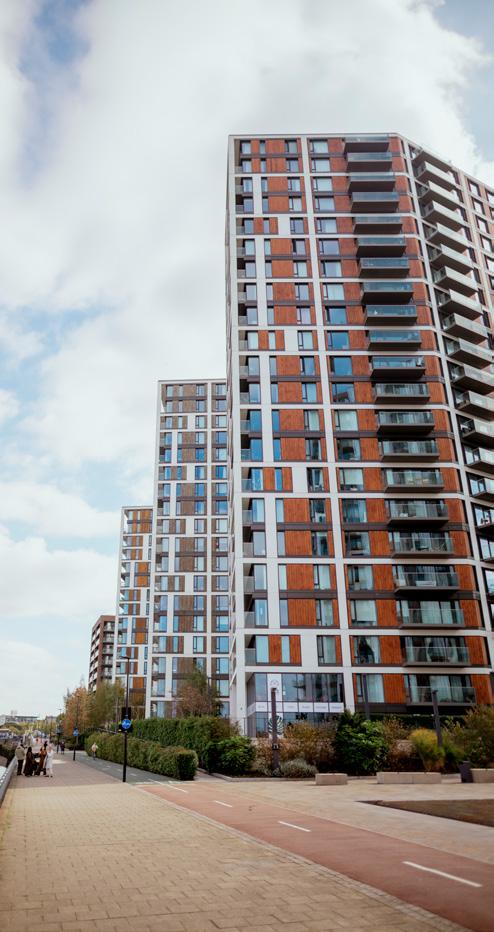
3.51. Woolwich is the Royal Borough’s civic and cultural centre and a key location for inclusive and sustainable growth. Recognised in the London Plan (2021) as an Opportunity Area and Major Town Centre, included in the Thames Estuary Growth Corridor and designated a Night Time Enterprise Zone in 2022, Woolwich is undergoing significant regeneration. The Woolwich spatial area covers the wards of Woolwich Dockyard, Woolwich Common, Woolwich Arsenal, and in part Shooters Hill and Plumstead and Glyndon.
3.52. The area stretches from Woolwich Dockyard, Woolwich Ferry and the Thames in the north to the A207 Shooters Hill Road in the south, with the western boundary being marked by Maryon Park, Charlton Cemetery and Queen Elizabeth Hospital, and the eastern boundary by Shooters Hill Sixth Form College, Plumstead Station and Royal Arsenal West industrial area. Woolwich Town Centre, the Royal Artillery Barracks Woolwich, and Woolwich Common form its central and southern core.
3.53. Woolwich benefits from excellent transport links across the borough and to Central London and beyond, including the Elizabeth Line, DLR, National Rail, various bus connections linking Woolwich to other parts of the borough and beyond, and riverboat services, the Woolwich Ferry and pedestrian tunnel connecting to North Woolwich. The Thames Path offers a highquality, traffic-free walking and cycling route along Woolwich’s northern boundary. Planned cycleway
investments will enhance connectivity to Tower Bridge via Greenwich and link Queen Elizabeth Hospital to Woolwich Town Centre.
3.54. Woolwich’s rich urban character and the growth of its town centre has been shaped by strategic access to the Thames and its military and industrial heritage, particularly within the Royal Arsenal and Woolwich Dockyard. The area has long served as a civic and military hub, with its historic uses such as shipbuilding, naval operations and armament production having left a lasting imprint. The area features a wide variety of housing types, from pre-1919 terraced housing to postwar estates and modern flatted blocks. The town centre whilst also containing a mix of architecture styles, has retained notable Victorian era civic and institutional landmark buildings, including the Town Hall, as well as some art-deco buildings.
3.55. Woolwich Town Centre is bound by the Thames to the north, the A205 to the west, Royal Artillery Barracks Woolwich to the south and Woolwich Dockyard to the west and Royal Arsenal West to the east. The centre incorporates Woolwich Arsenal, Powis Street High Street, Beresford Square, and the surrounding areas, forming the borough’s civic, commercial and retail heart. The area is home to Woolwich Market, a historic outdoor market dating back to the 17th century. Regeneration has brought new transport connections, housing, retail, leisure and streetscape upgrades, supported
by high-quality public spaces like General Gordon Square, Beresford Square and Dial Arch Square. The new Woolwich Waves leisure centre is under development opening Winter 2025, alongside the newly renovated Tramshed, community arts hub.
3.56. The Royal Arsenal Riverfront has been transformed into a residential-led mixeduse district combining historic buildings with new residential, commercial and open spaces, including the historic Royal Brass Foundry and the Woolwich Works creative hub. Further south, the Woolwich Barracks comprises large blocks with a long formal frontage and extensive training grounds. Part of the site is expected to be redeveloped over the life of the plan, with a Supplementary Planning Document expected to be adopted in 2026 to guide redevelopment.
3.57. Woolwich contains four Conservation Areas: Woolwich, Royal Arsenal, Woolwich Common, and Plumstead Common. Located within these Character Areas are key heritage assets such as St Mary Magdalene Church, the Woolwich Town Hall, the Royal Arsenal Gatehouse, the Repository Woods and the Royal Artillery Barracks. The Royal Arsenal Conservation Area has seen adaptive reuse of historic buildings like the Royal Brass Foundry, while Woolwich Common Conservation Area remains partly inaccessible due to military use. Woolwich Conservation Area covers the historic heart of the town, and has been heavily altered over the years.
Figure
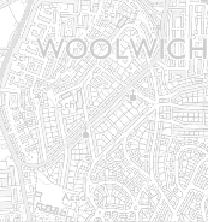
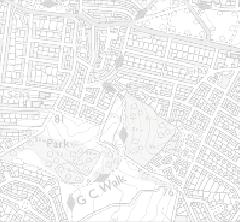
P4 Woolwich Spatial Area map and key
P4 - Woolwich - KEY
Opportunities:
Main streets and urban road corridors enhancement
TFL roads (frontage enhancement)
Public realm enhancement
Proposed local centre
New public space
New / improved connection
Proposed cycle routes
Proposed or improved quiet routes
Waterfront route improvement
Junctions improvement
Proposed and improved crossing/bridge/underpass
Proposed Bus Rapid Transit (BRT) route
Woolwich Vision
Woolwich will continue to evolve as the civic, creative, economic, and retail heart of the borough, with investment driving its transformation into a vibrant, inclusive urban centre where heritage and innovation coexist. The Town Centre will be the borough’s key destination for culture, entertainment, and the night-time economy, supported by enhanced retail, leisure, and employment spaces – including flexible and creative workspaces, improved public realm, and inclusive regeneration delivering highquality homes, jobs, and services. Regeneration of various sites along the Thames and in and around the town centre will generate a mix of housing types and tenures, including affordable housing.
Development will be focused around transport hubs to reduce car dependency and improve connectivity, with high-quality placemaking promoting active travel, biodiversity, and climate resilience. Woolwich will remain a hub for cultural and civic life, with residential areas beyond the centre benefiting from better housing, accessibility, and services. Estate regeneration at Woolwich Dockyard will revitalise this area of Woolwich, improve housing provision and connectivity to the Thames. Woolwich Barracks will become a vibrant new neighbourhood with homes, supporting facilities and better links to the town centre, while the King’s Troop remain at Napier Lines preserving the area’s strong military ties.
Policy P4 Woolwich
1. As the principal civic, cultural, and economic centre within the Royal Borough of Greenwich, Woolwich will continue to grow and thrive. Development will deliver the following priorities:
a. deliver a sustainable mix of medium and highdensity development across Woolwich to support new jobs and homes, contributing to Royal Greenwich’s 15-year housing supply. This will be achieved on a mix of site allocations and infill development and intensification–to support mixed and balanced communities.
b. ensure regeneration schemes and estate renewal deliver high-quality homes across a range of tenures, including genuinely affordable housing, inclusive and accessible public realm, with clear benefits for both new and existing communities.
c. reinforce Woolwich Town Centre’s role as the borough’s civic, cultural, retail, leisure, and employment hub, supporting mixed uses, creative and cultural spaces, meanwhile uses to activate vacant and underused spaces, and a diversified evening and night-time economy that fosters community cohesion and strengthens its borough-wide and London-wide significance.
d. support development that enables transitoriented and sustainable growth, with higher densities near train stations, reduced car dependency, and improved infrastructure for walking and cycling, while enhancing connectivity between Woolwich Town Centre, surrounding neighbourhoods, and the Thames Path.
e. promote high-quality placemaking through public spaces, streetscapes, increased green infrastructure provision and architecture that reflect Woolwich’s unique character, and that creates safe, inclusive, accessible and resilient environments.
f. support the regeneration and optimisation of sites to deliver homes, commercial spaces and public realm improvements that respond sensitively to heritage designations.
g. support the redevelopment of Woolwich Barracks and Woolwich Dockyard to deliver transformational mixed-use neighbourhoods that contribute significantly to housing and employment, retain defence functions, conserve historic buildings, and improve links and connections between the Thames and central Woolwich.
h. protect and enhance Woolwich Market and Royal Arsenal Market as unique community assets serving everyday needs, and support new visitor attractions that complement existing cultural assets and bring wider community benefits.
i. encourage the preservation, enhancement and sensitive re-use of key historic buildings to preserve the area’s diverse heritage assets and character to ensure a distinctive place with a strong identity.
Reasoned Justification
3.58. This policy recognises the importance of Woolwich as a key location for inclusive and sustainable growth in the borough, reflecting its Opportunity Area status. It also strengthens the key role Woolwich Town Centre plays as the borough’s civic, cultural, retail, leisure, and employment hub, and largest centre. Future development and investment will promote sustainable economic growth in the business, retail, leisure, tourist and cultural sectors within the area and will help to drive Woolwich’s growing evening and night time economy.
3.59. Development will be directed to locations that are well connected by public transport, both within and outside of the town centre. Medium- and high-density housing and mixed-use development will be encouraged across Woolwich to enable a greater level of high-quality housing within the area and to support the town centre functions. Proposals must protect and enhance heritage assets, local views, green spaces, reflecting the area’s character, while contributing to housing delivery, community diversity, and high-quality placemaking.
3.60. Working in collaboration with Transport for London (TfL), the Council is committed to reinforcing Woolwich as one of south east London’s key transport interchanges, building on the success of the Elizabeth Line. This includes ensuring the delivery of new
cycleway through Woolwich and enhanced bus connections, which will bring greater potential for growth in the borough and also facilitate increased use of more sustainable transport modes and reduced car dependency.
Site Allocations in Woolwich sub-area
• Policy P4-W1 Woolwich Dockyard
• Policy P4-W2 Woolwich Ferry and Ambulance Station
• Policy P4-W3 Waterfront Leisure Centre
• Policy P4-W4 Mortgramit Square
• Policy P4-W5 Riverside House
• Policy P4-W6 Royal Arsenal Riverside, Blocks D&K
• Policy P4-W7 Beresford Street/ Macbean Street
• Policy P4-W8 Woolwich OSD East
• Policy P4-W9 Spray Street Quarter
• Policy P4-W10 Woolwich Telephone Exchange
• Policy P4-W11 Woolwich Arsenal OSD Site
A & B
• Policy P4-W12 Woolwich New Leisure Centre
• Policy P4-W13 Love Lane and Former Post Office Site
• Policy P4-W14 Woolwich Island Site
• Policy P4-W15 Calderwood Street Car Park
• Policy P4-W16 Royal Artillery Barracks
• Policy P4-W17 Victoria House