ARCHITECTURE PORTFOLIO XIWEN XU

/01 Freeman-House of Memories
/02 Ecstatic Film & Architecture
/03 Species and Spaces
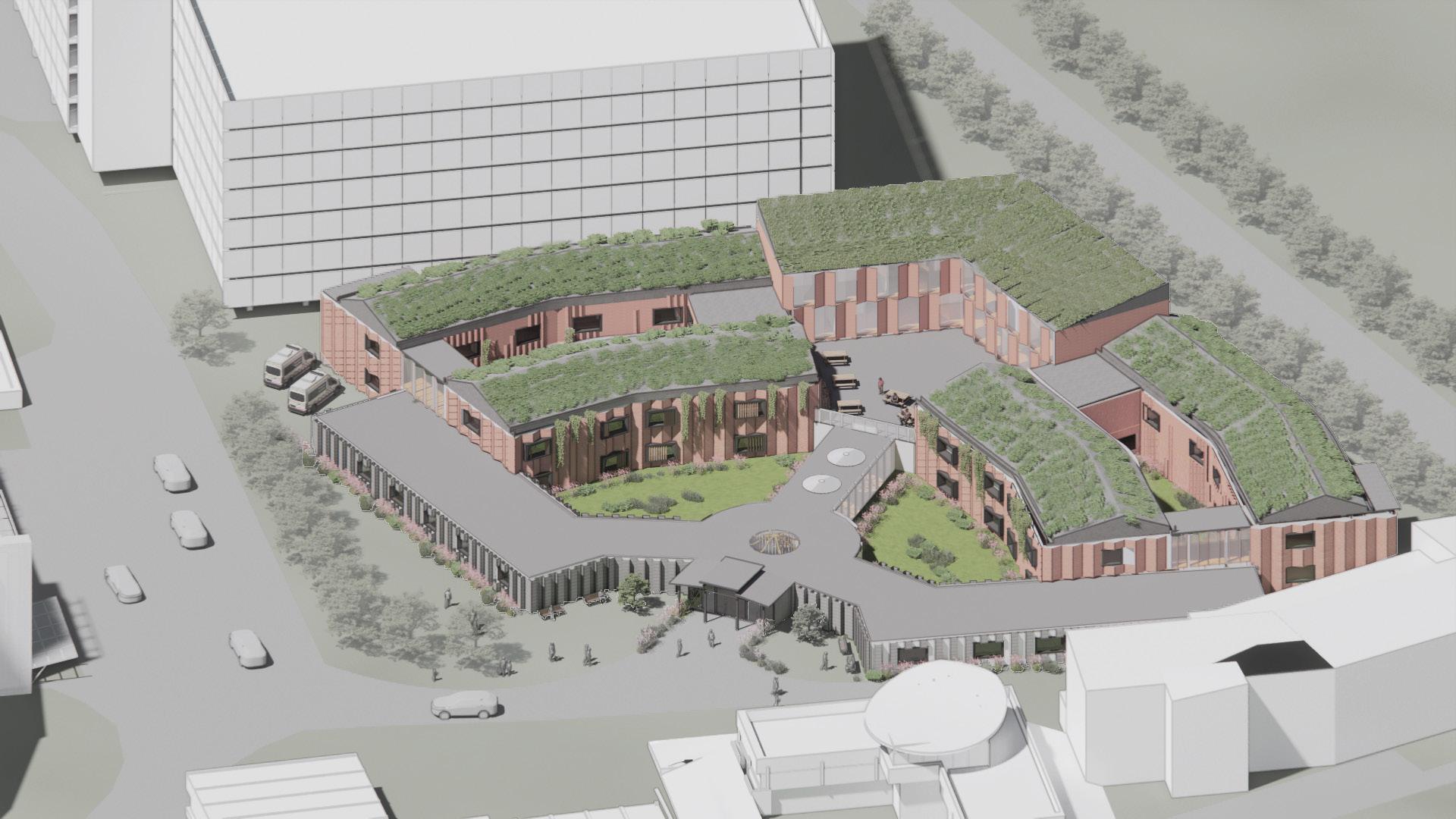
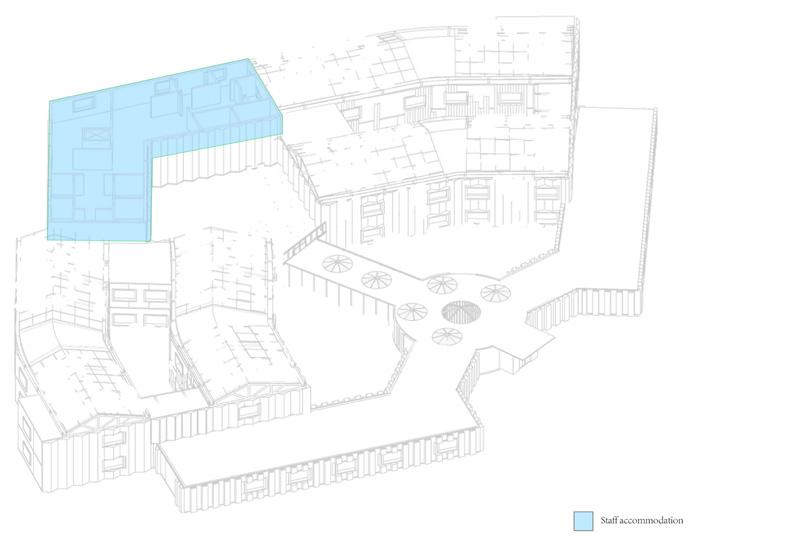
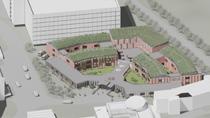
Freeman-House of Memories is a new build functional assessment hospital for dementia patients as an independent unit accommodates Newcastle Freeman hospital. Includes basic living and medical facilities for patients’ daily routines. Staff accommodation and a storytelling-based intergenerational activity space unit provide dementia sufferers access to wider social activities in a safe environment.
The design proposal is driven by user centered-design concept, which aims to provide a safe environment both physically and psychologically for people living with dementia. Therefore, the design decisions were shaped by existing scientific research about the disease and a series of simulation building environments to create an optimum environment for dementia patients.
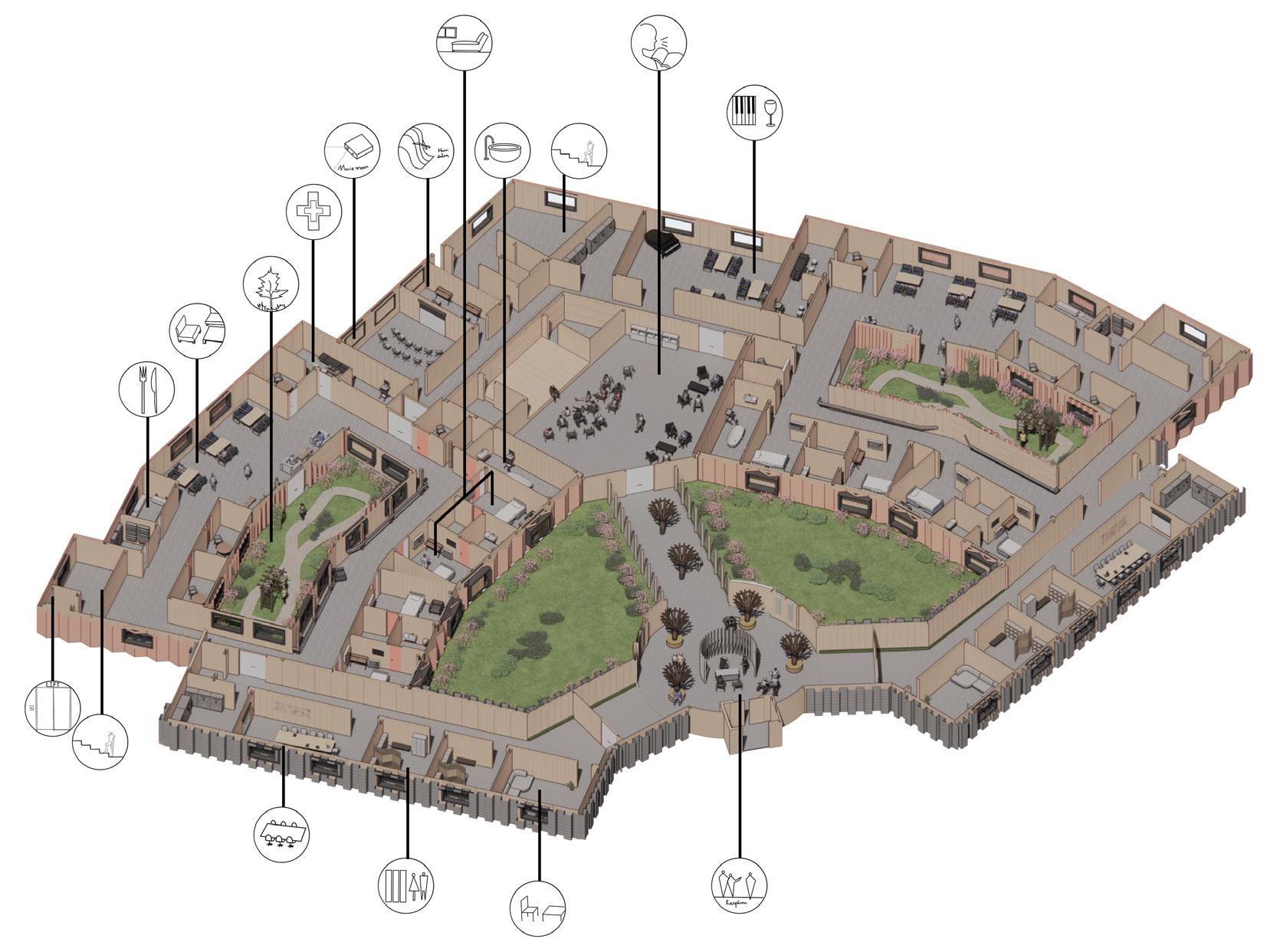

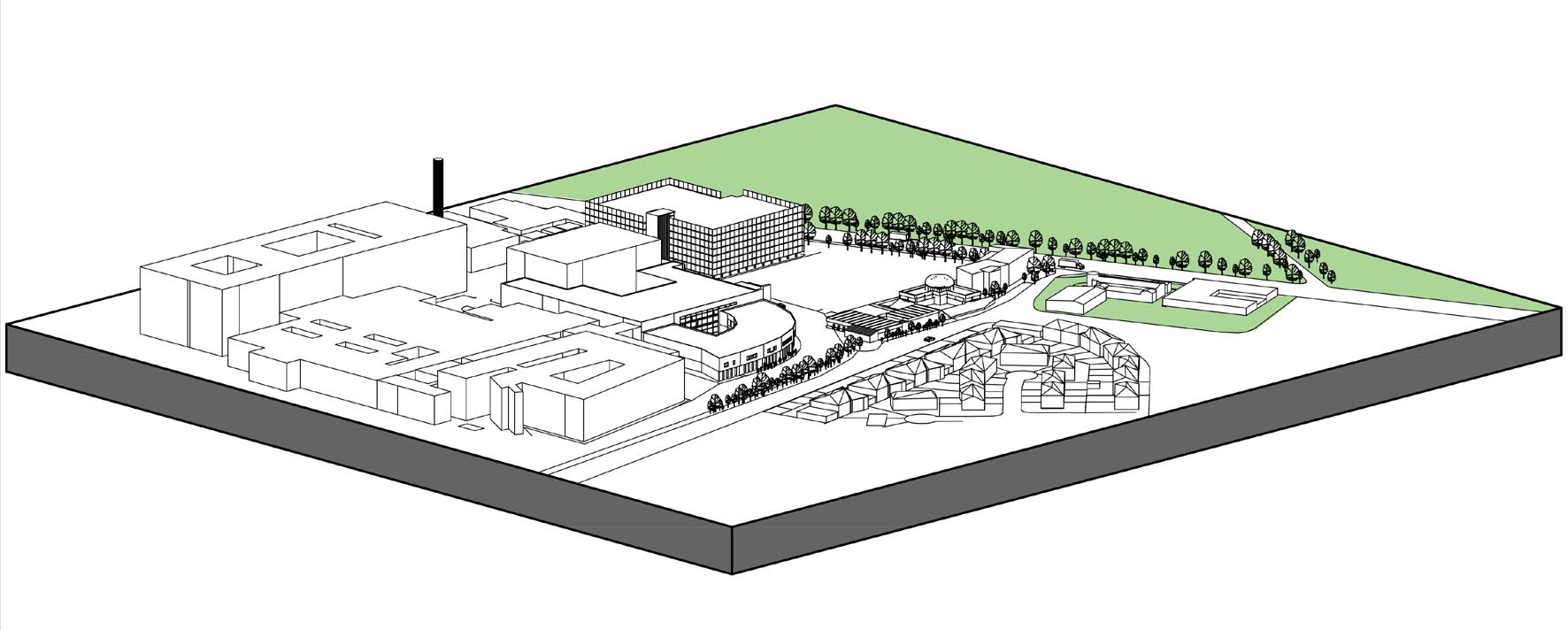

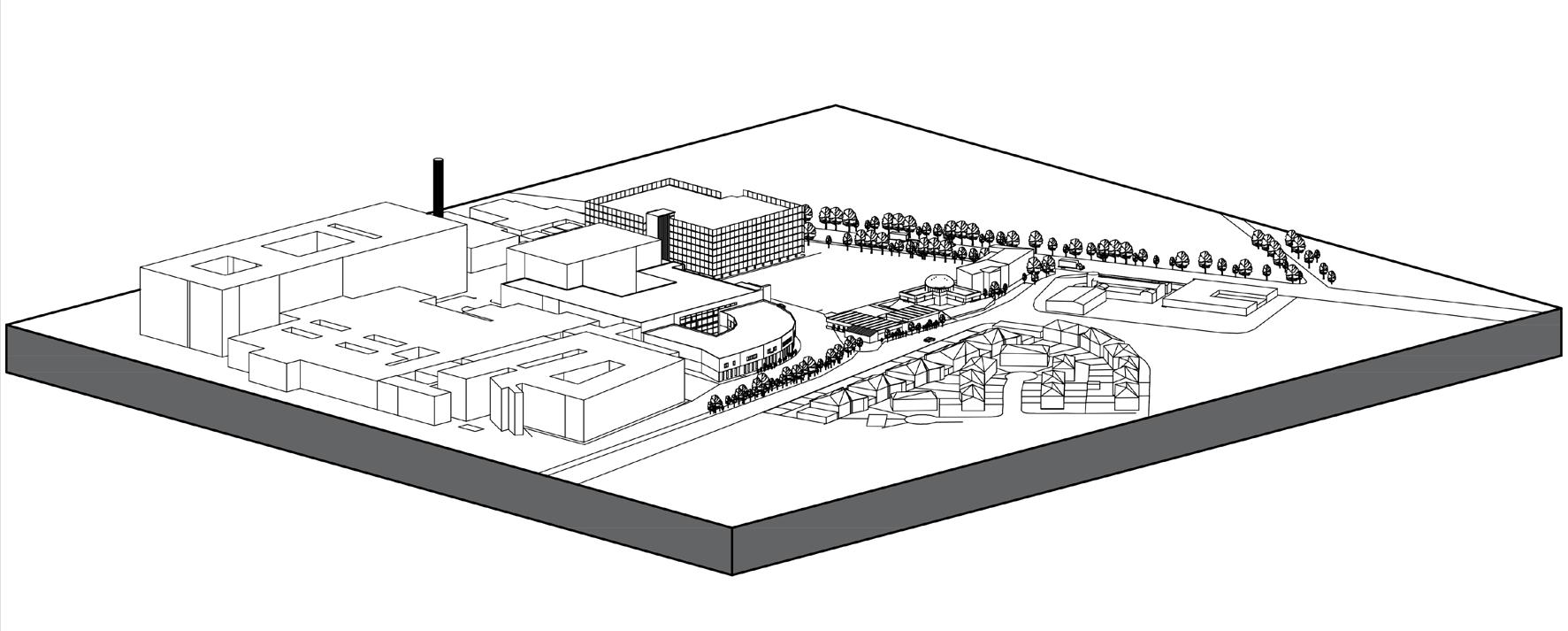
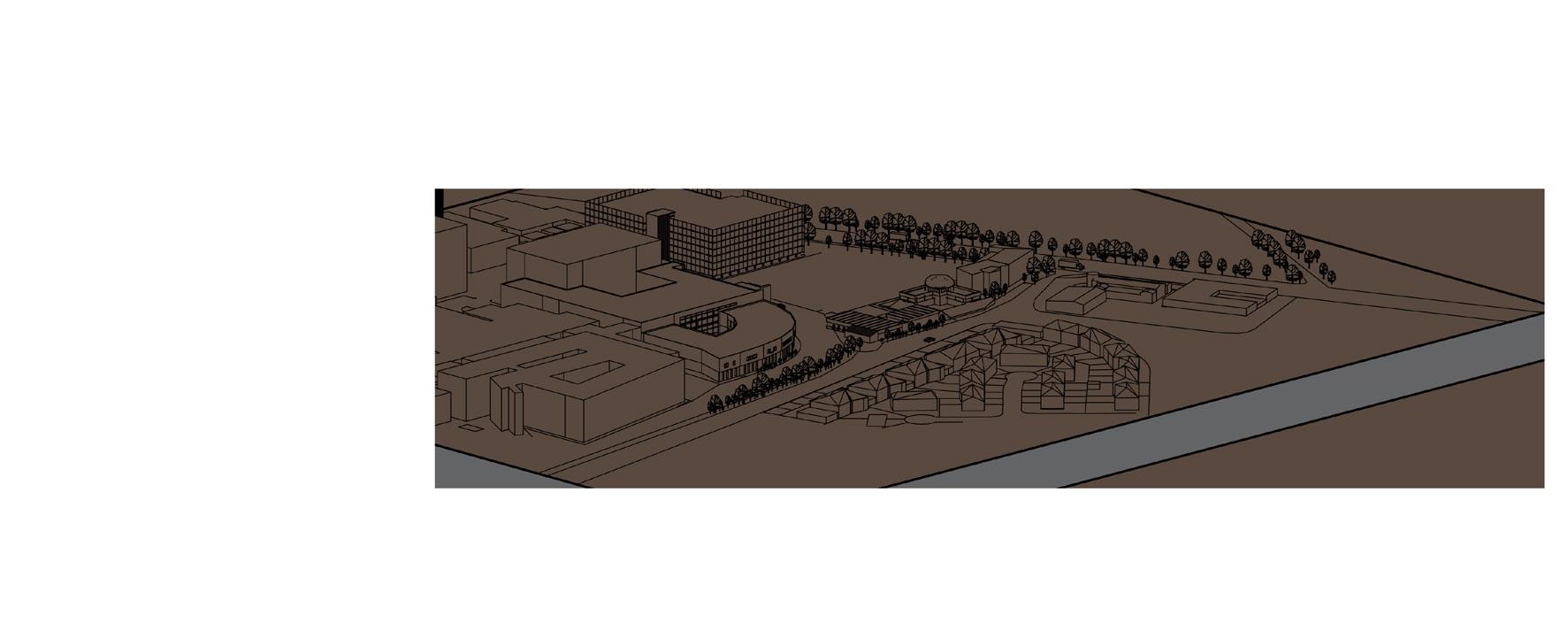
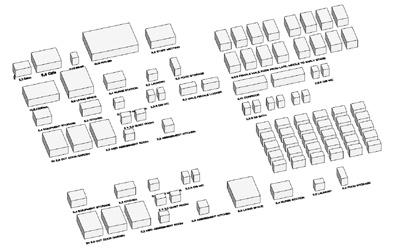
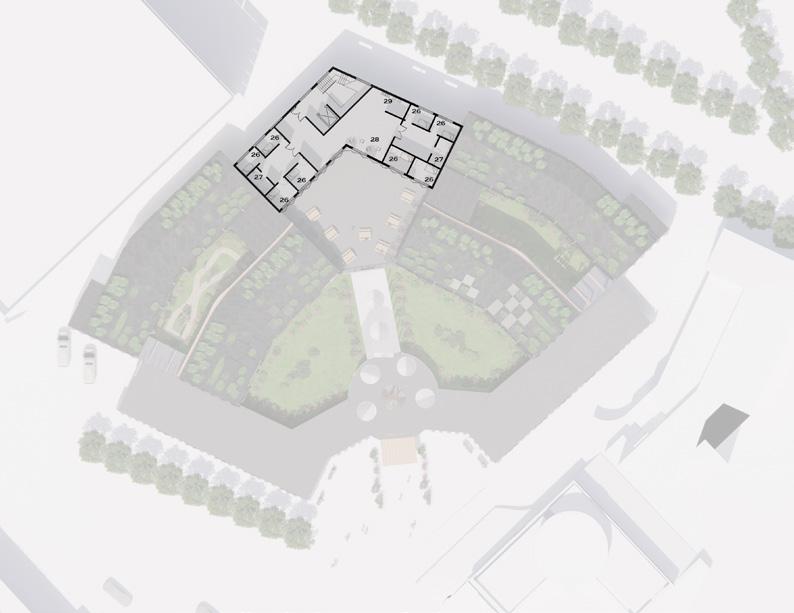
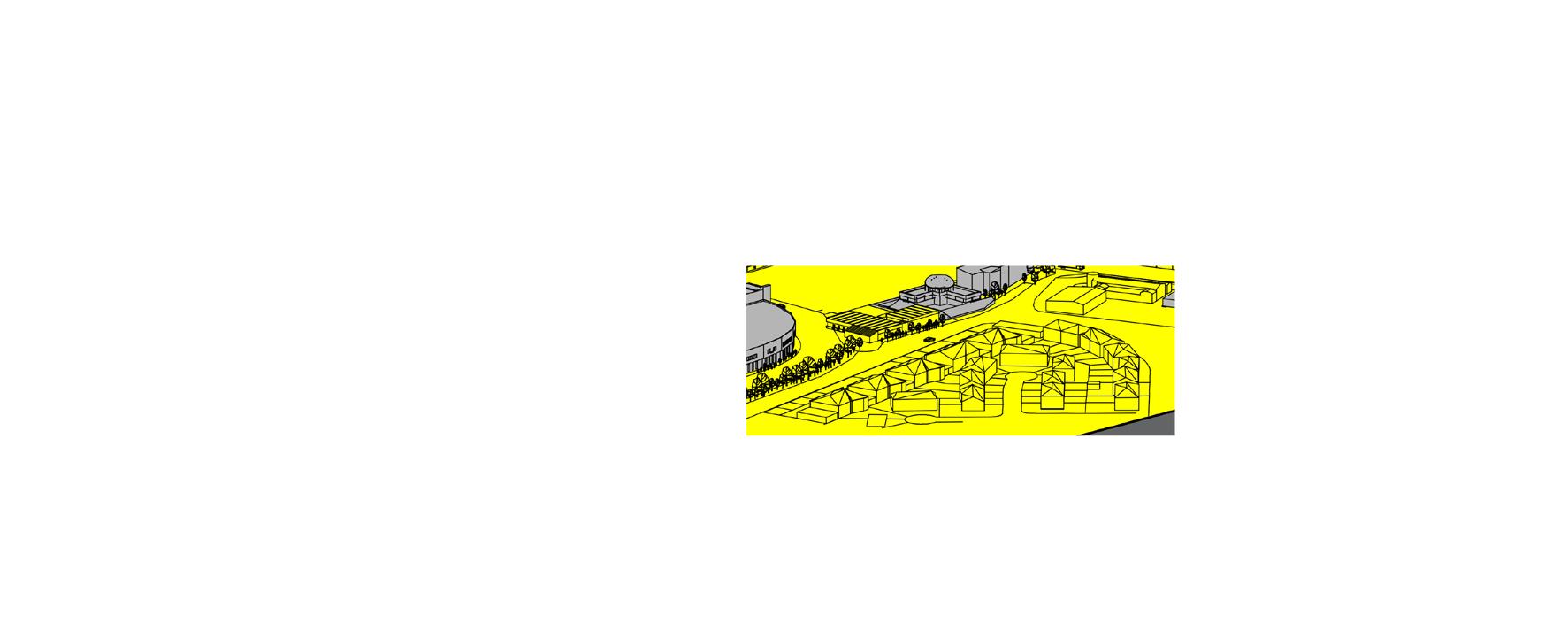 Ground floor program
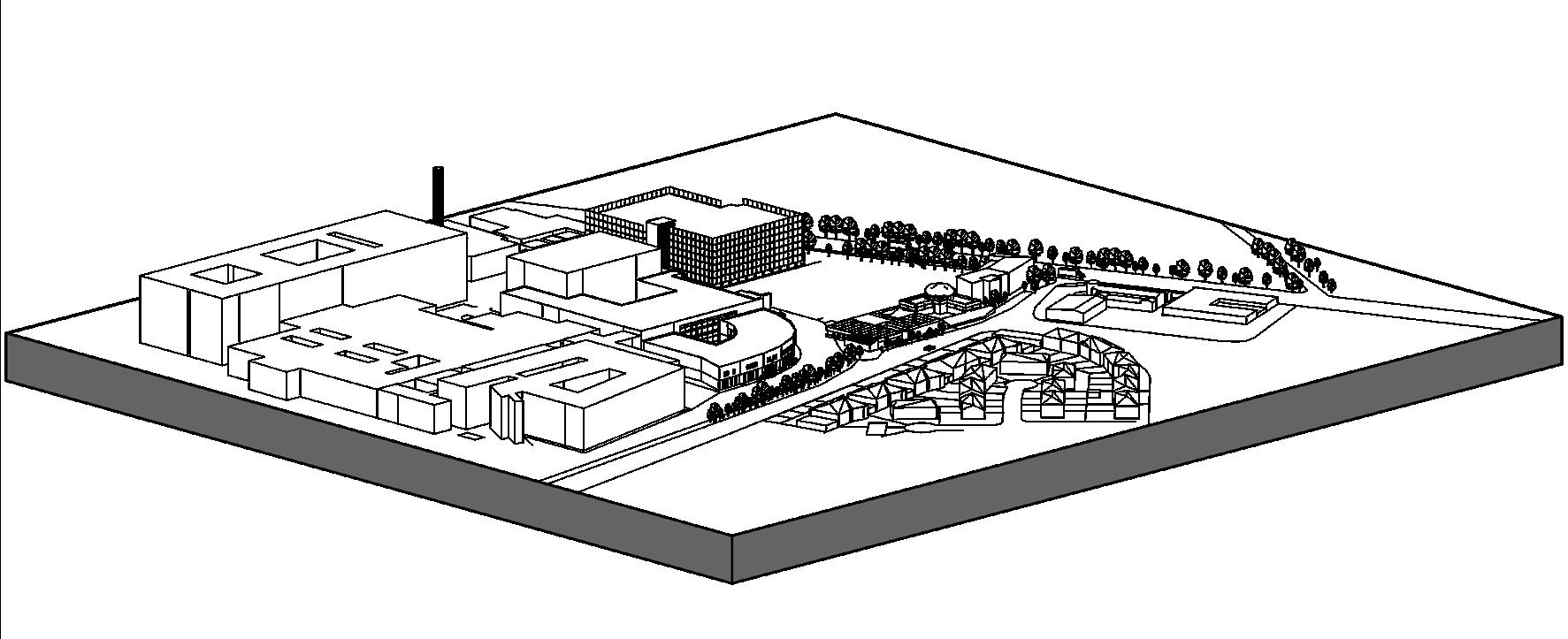
Site boundary
Transportation road
Greenery
Existing building
Ground floor program
Site boundary
Transportation road
Greenery
Existing building
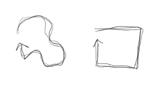
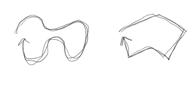
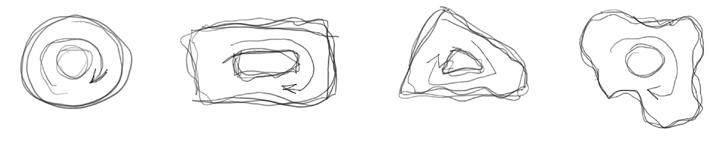
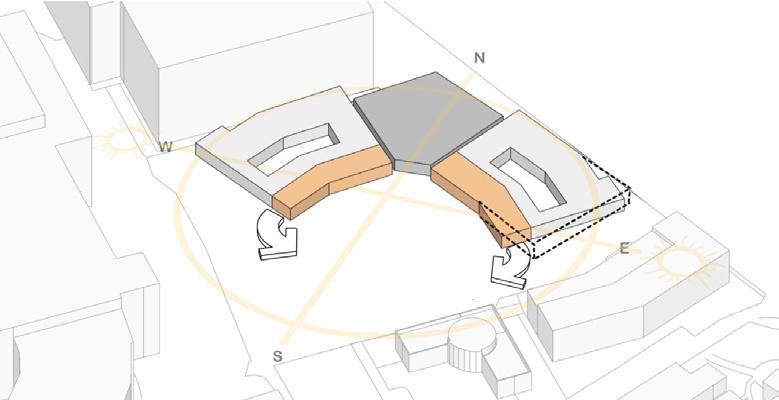
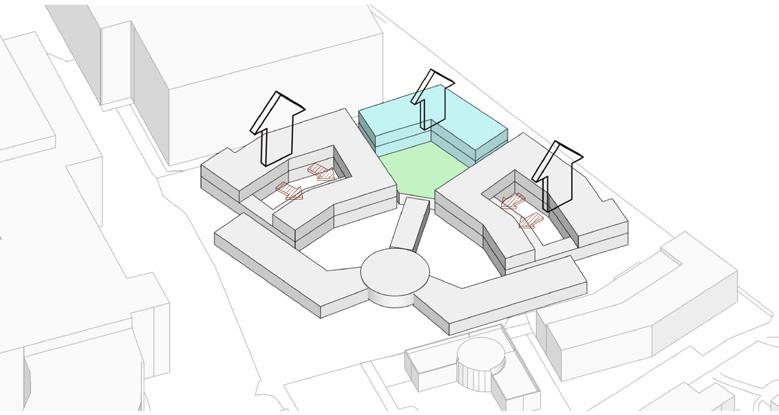
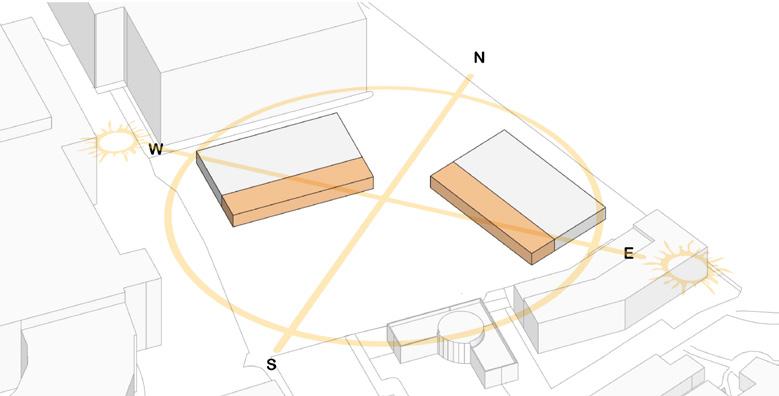
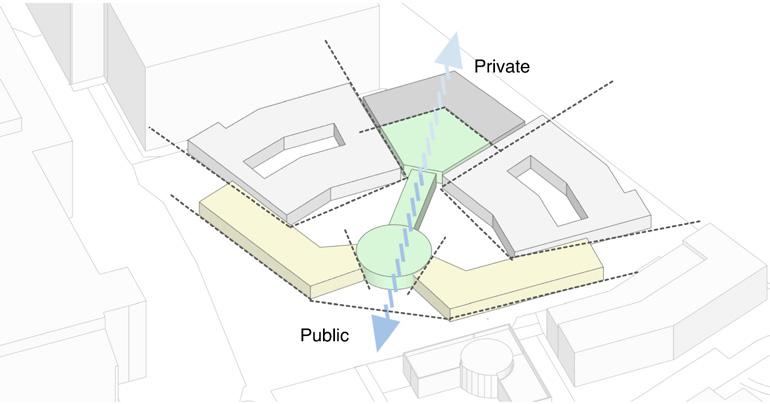
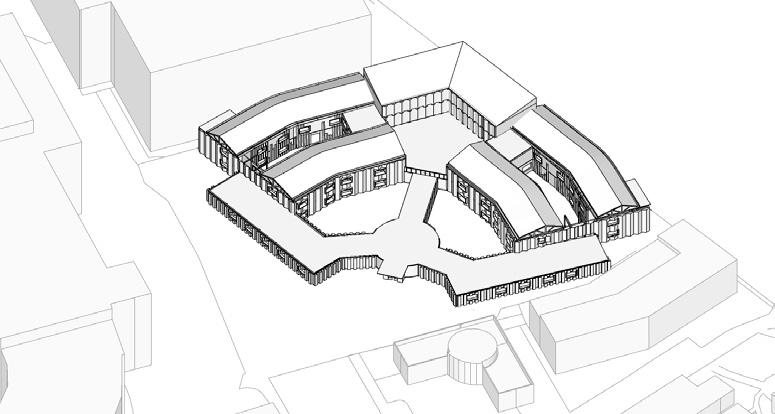
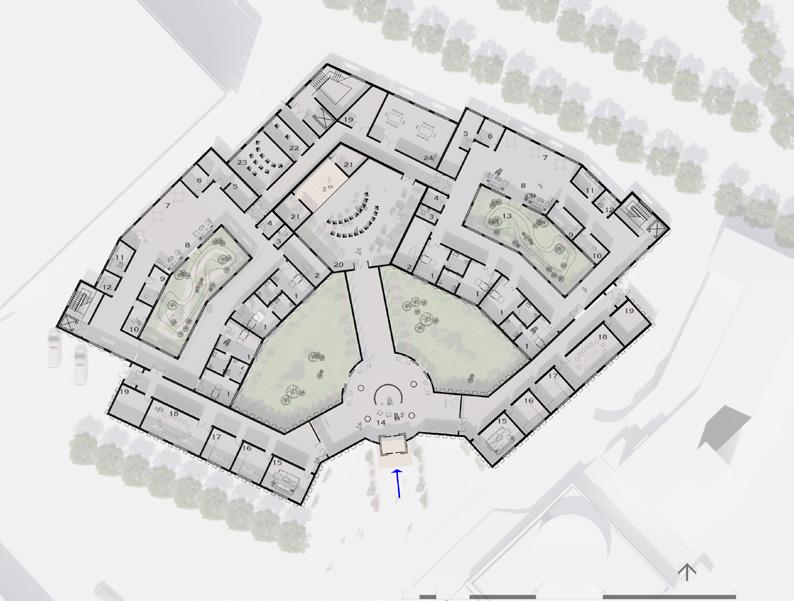
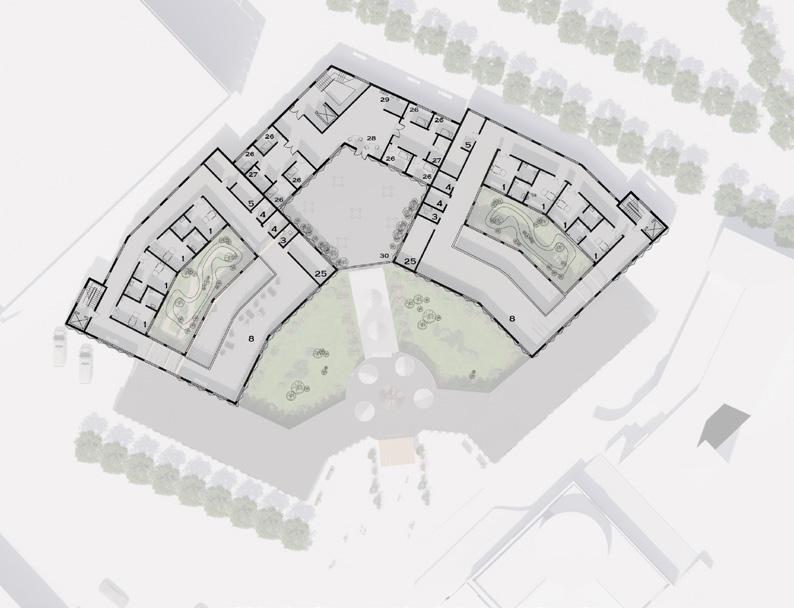
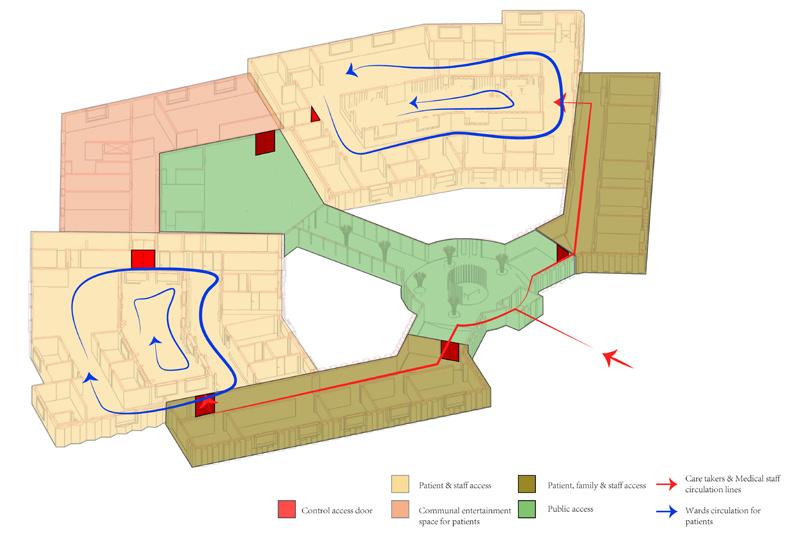
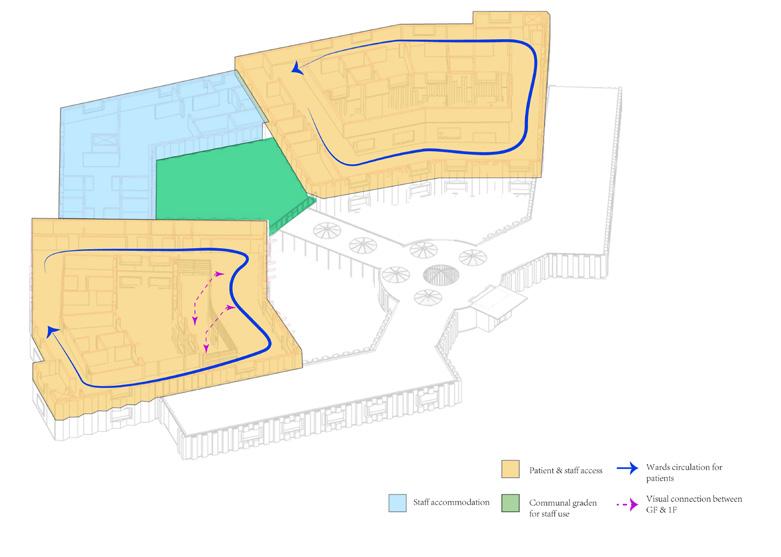
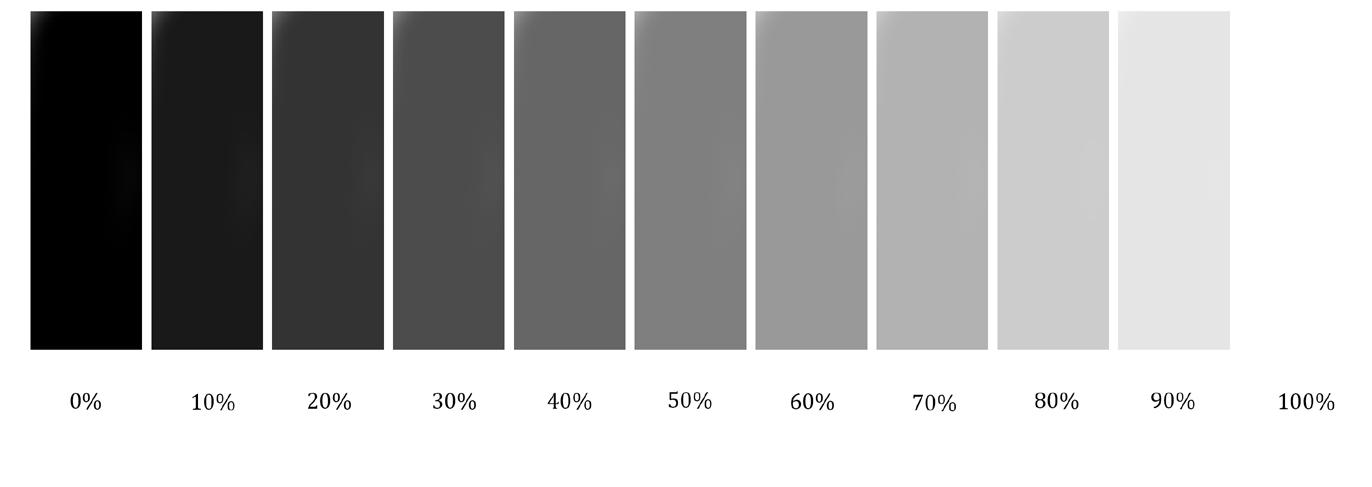
To provide clear contrast for aging eyes and fading interpretation ability, the key interior elements should keep 30% light reflection value for users’ safety.
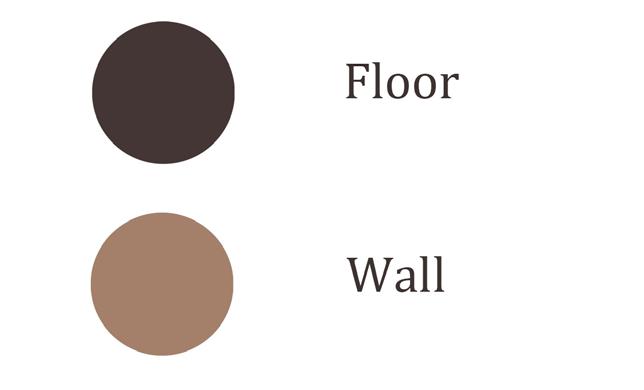
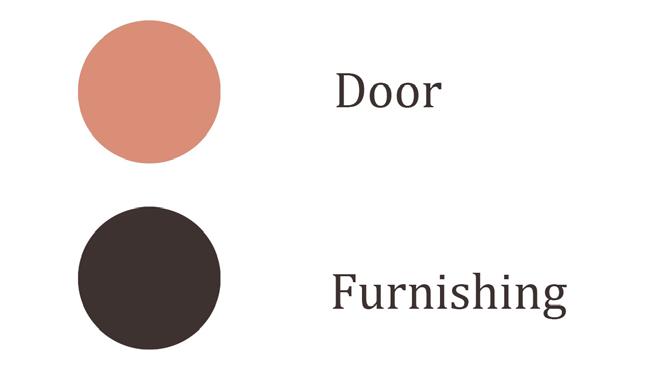
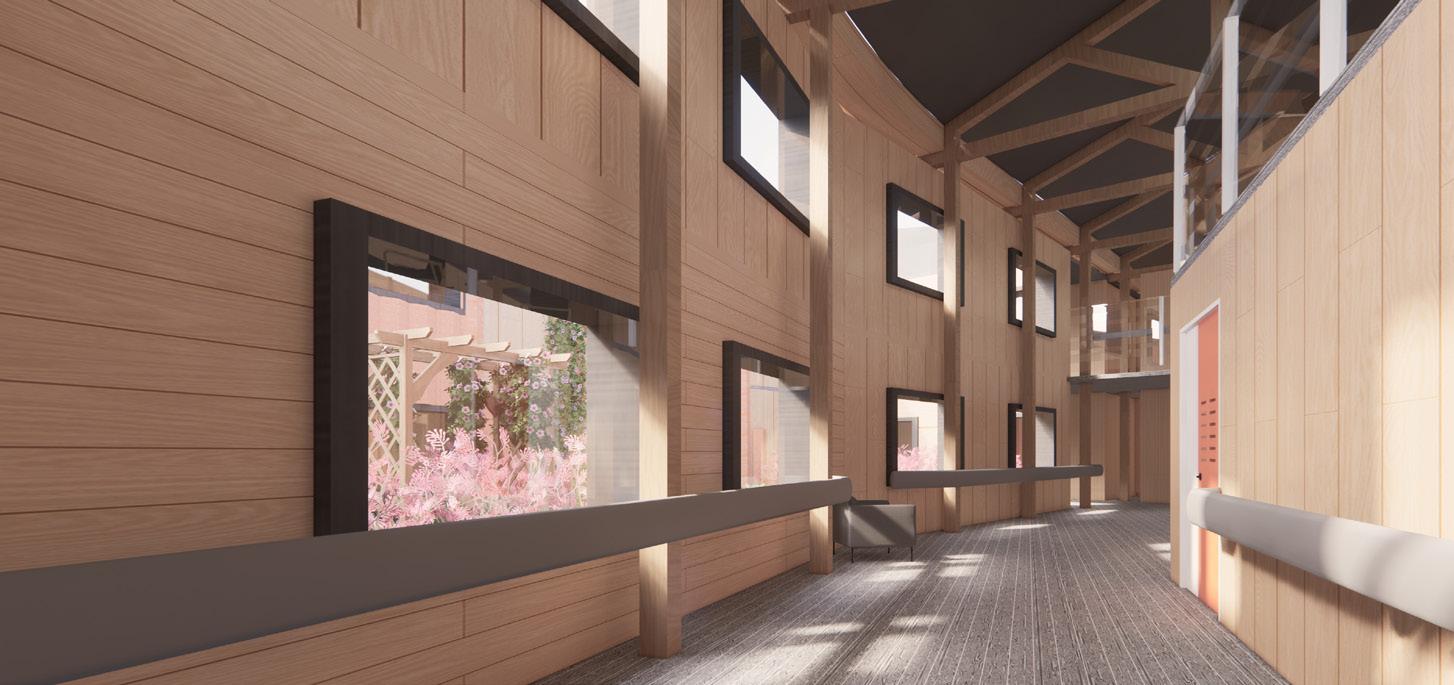
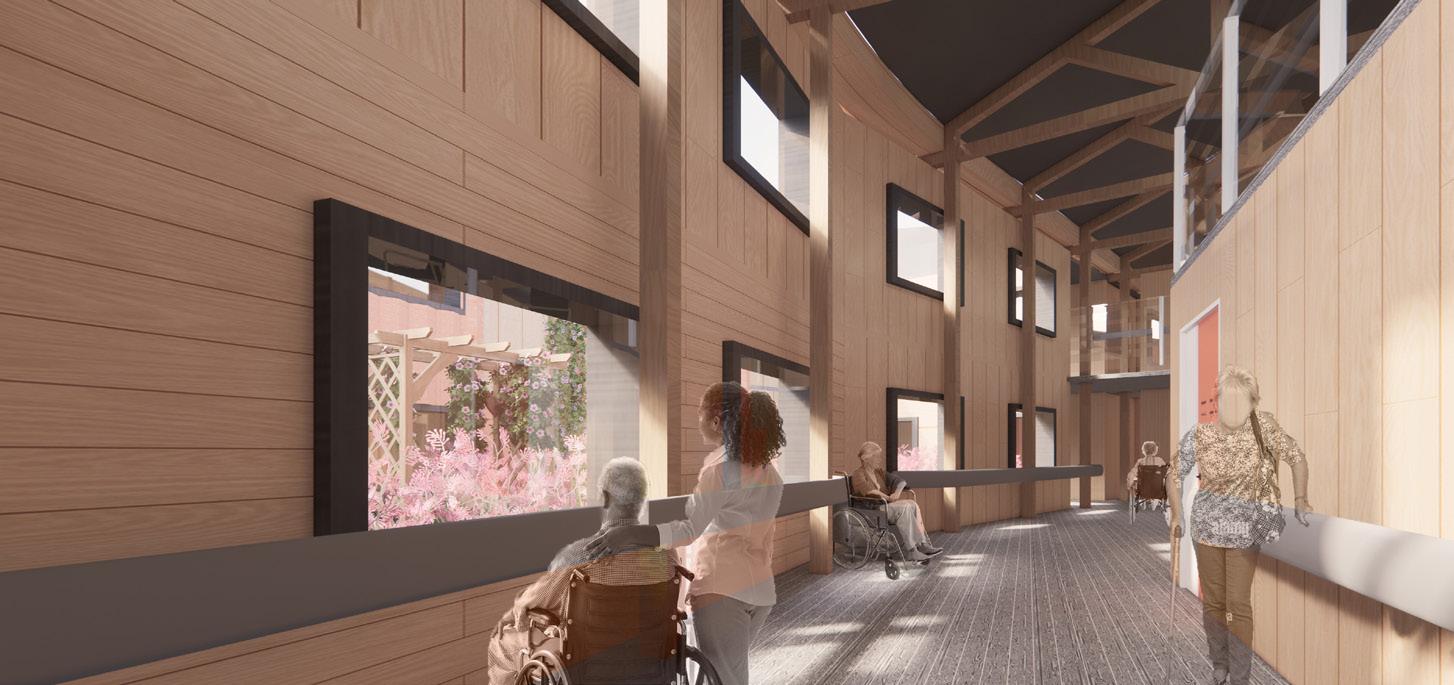
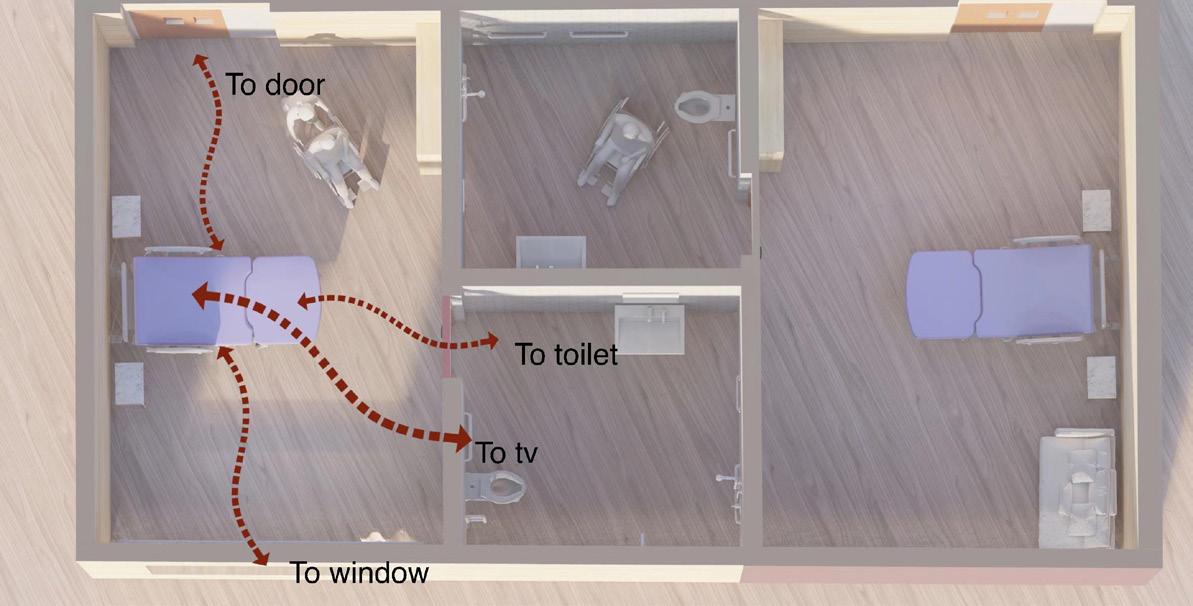
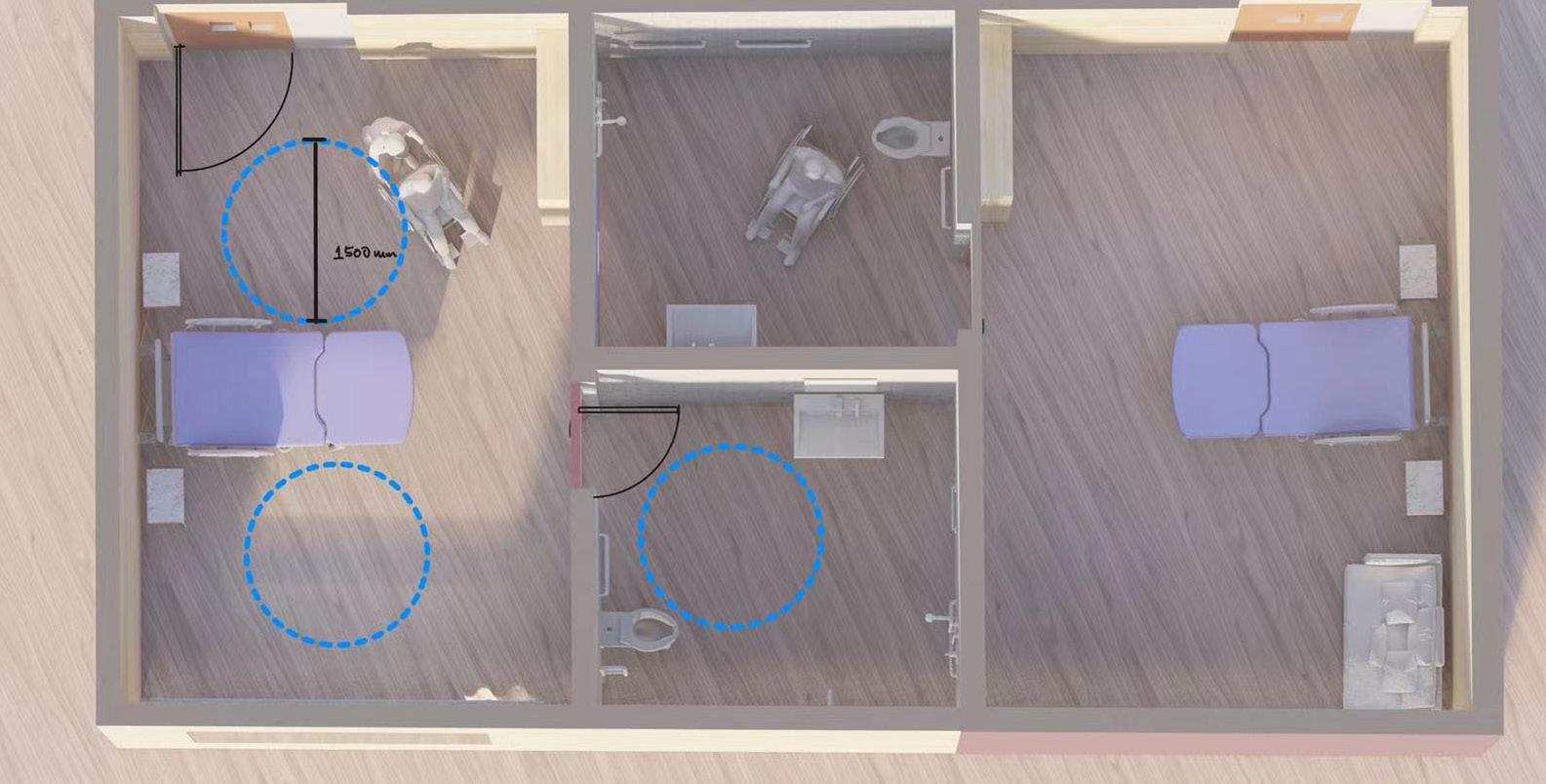
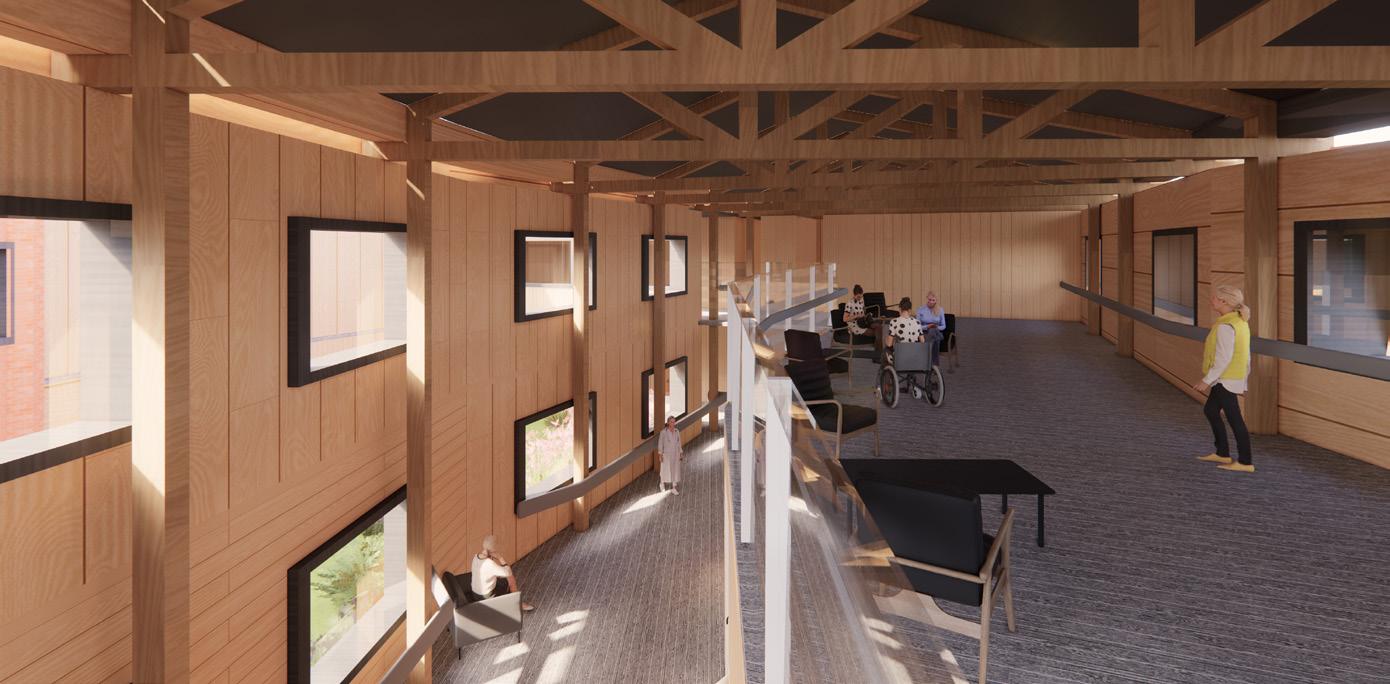
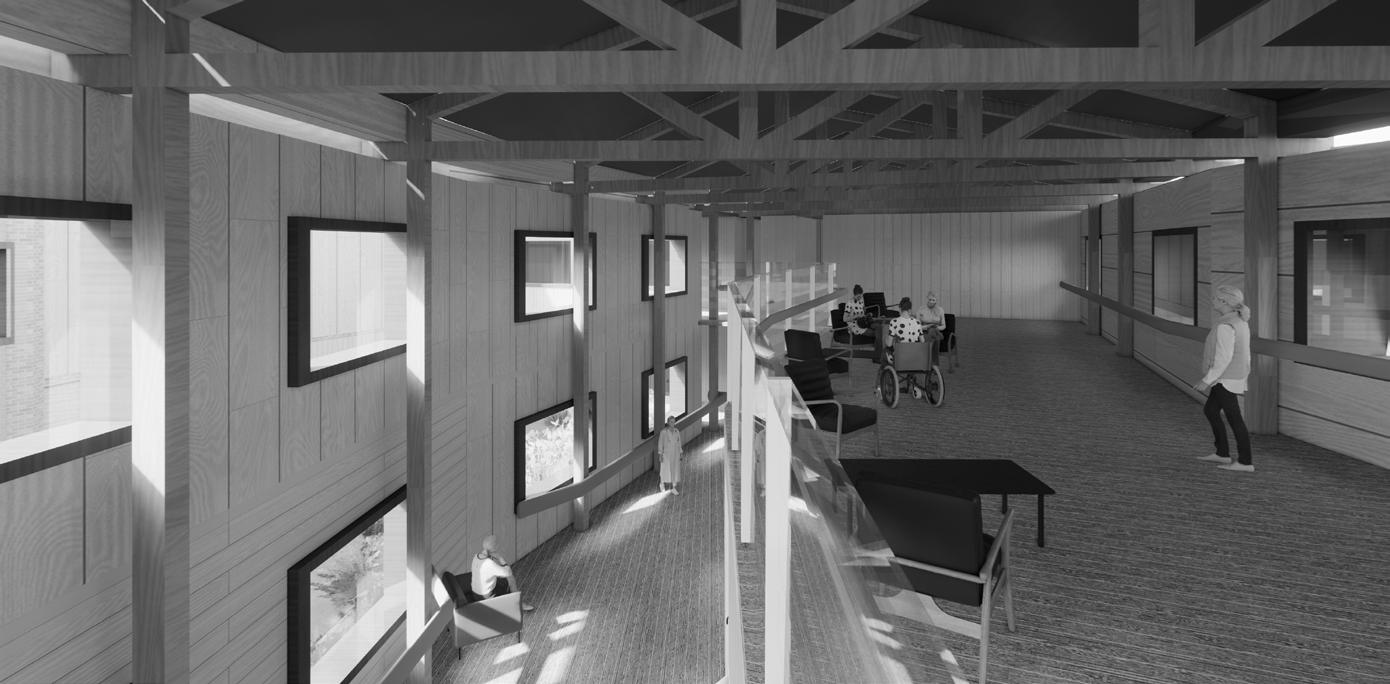
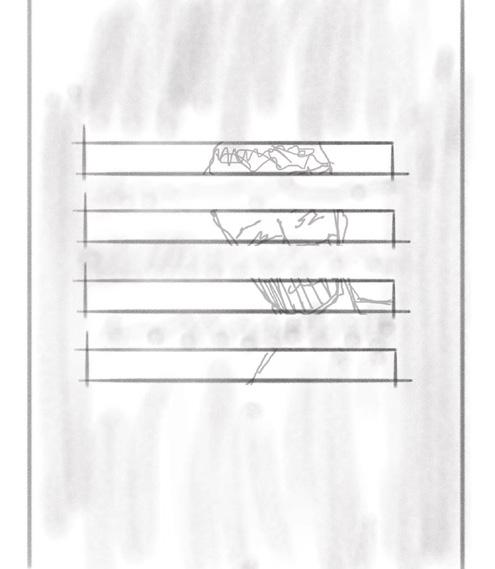
The patients’ pods were designed as fully accessible for both medical equipment. To enhance the sense of connection, in the pods patients could interpret the object easily by introducing direct visual access to the key elements. At the same time, allowing medical assistants to supervise patients while ensuring patients’ privacy.
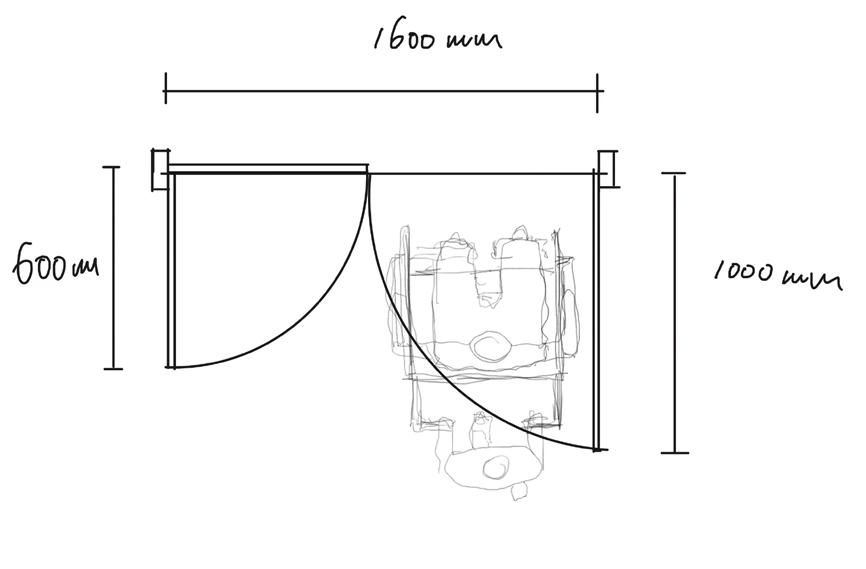
 Accessible toilet for wheelchair user
Visual lines
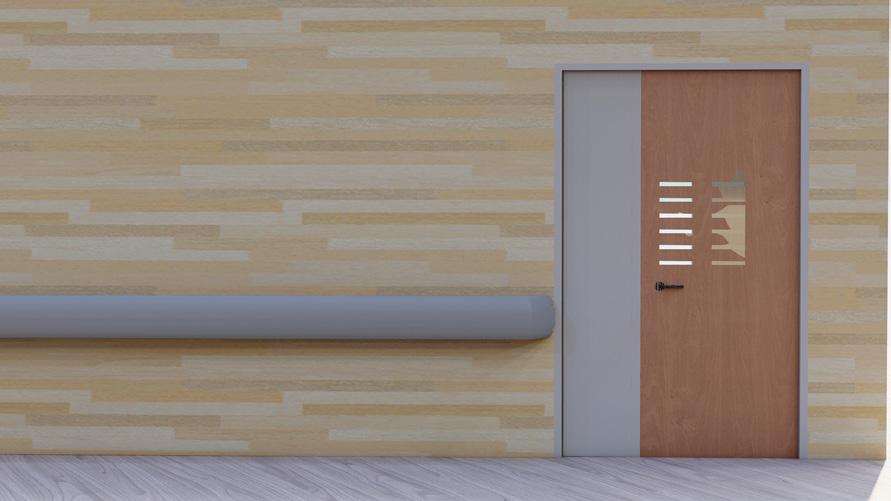
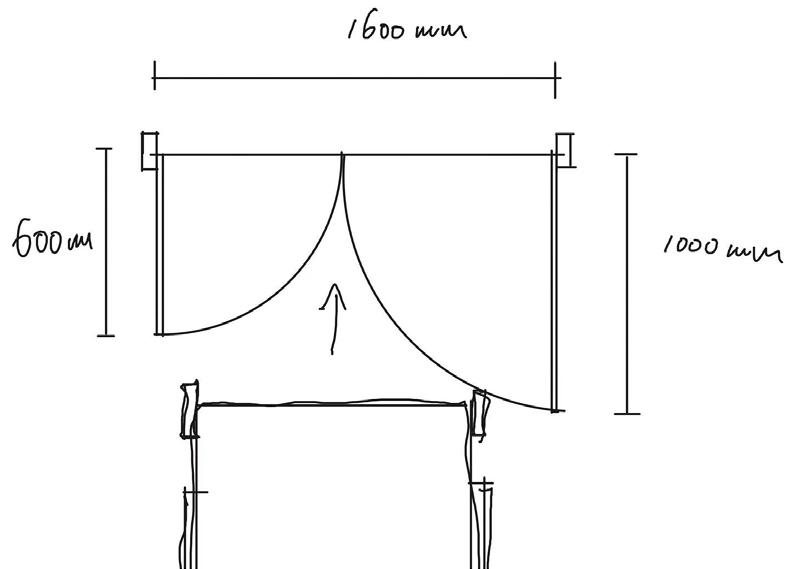
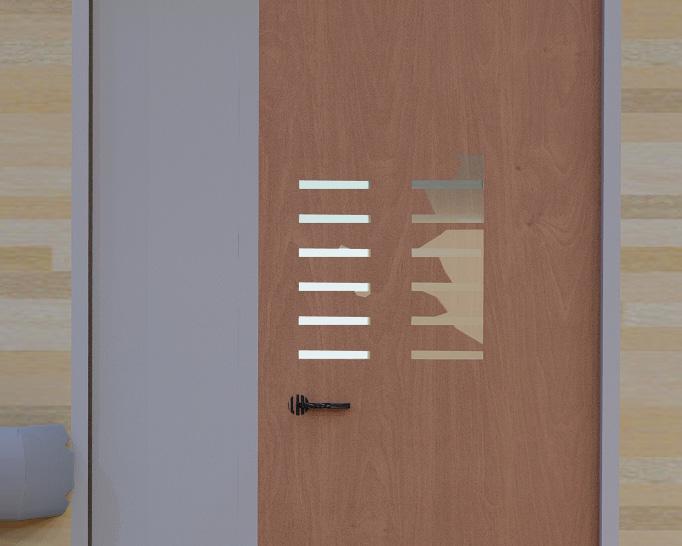
The double door is designed for a full door and a half door. The full door provides normal entrance for the access pod. The half door is only needed when the patient requires emergency medical needs, which caretaker could push the bed out.
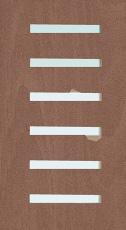
A window fin is applied on the door allowing the nurse to observe the patient while not disturbing them.
Accessible toilet for wheelchair user
Visual lines
The double door is designed for a full door and a half door. The full door provides normal entrance for the access pod. The half door is only needed when the patient requires emergency medical needs, which caretaker could push the bed out.
A window fin is applied on the door allowing the nurse to observe the patient while not disturbing them.
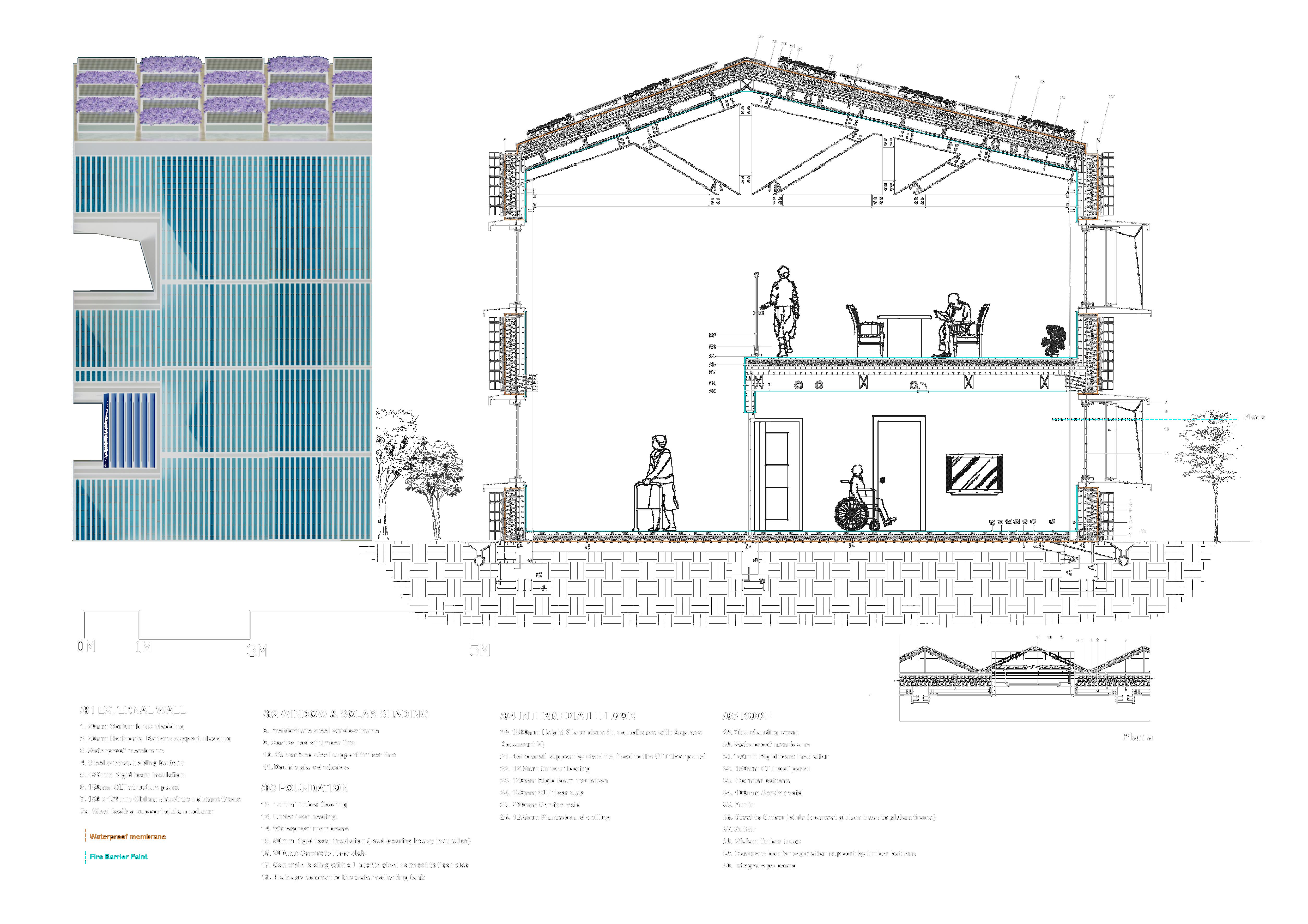
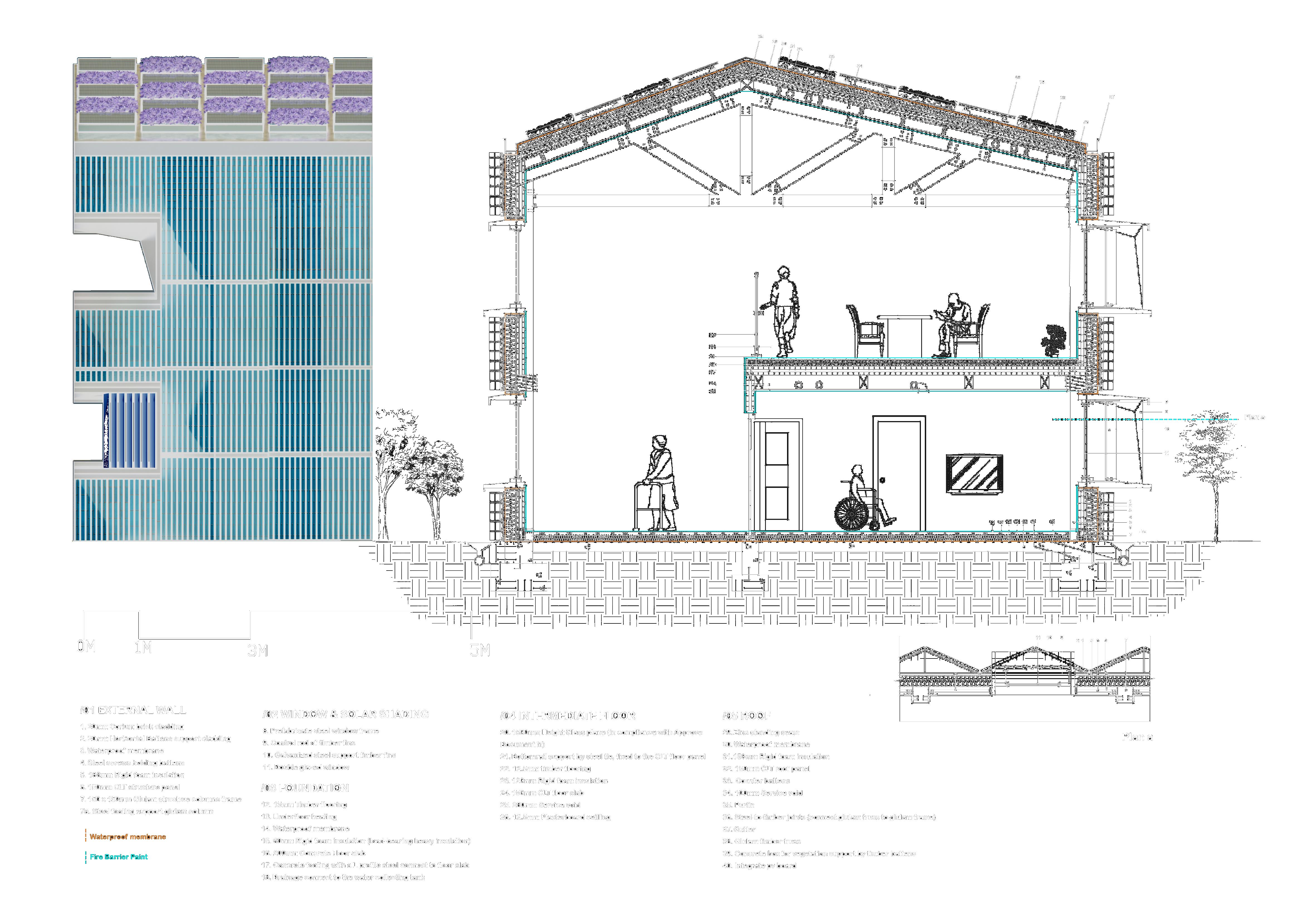
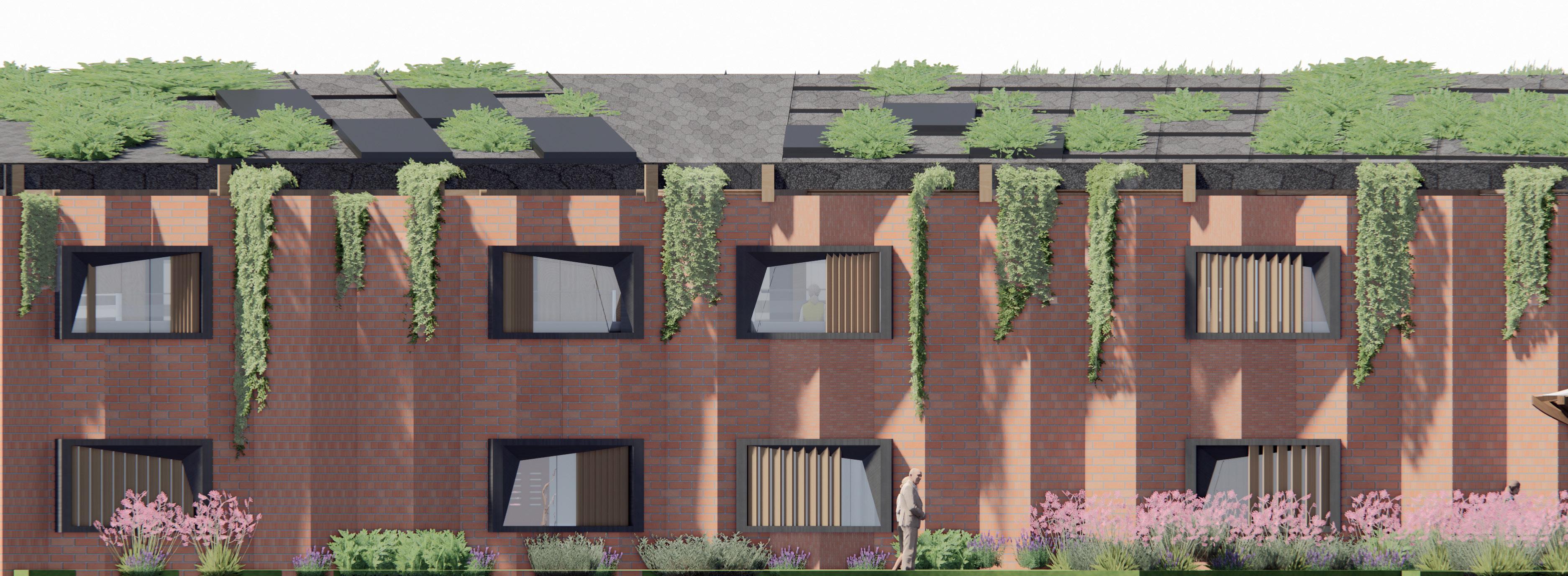
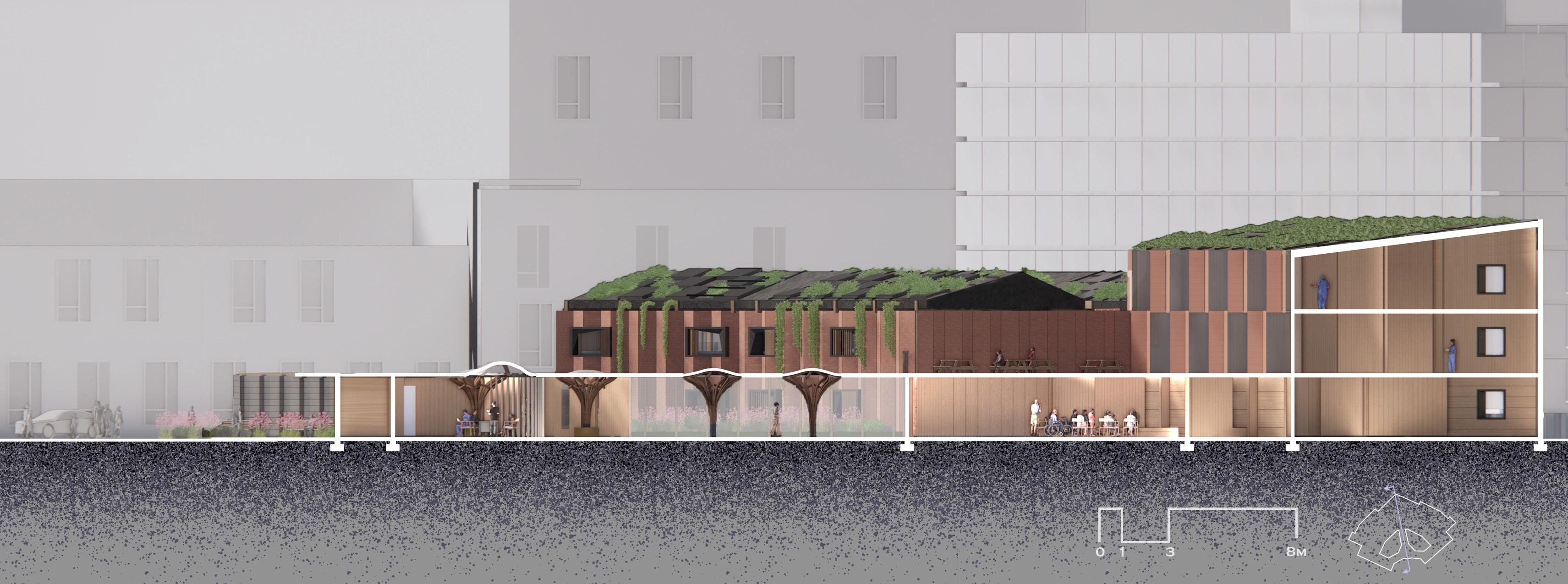
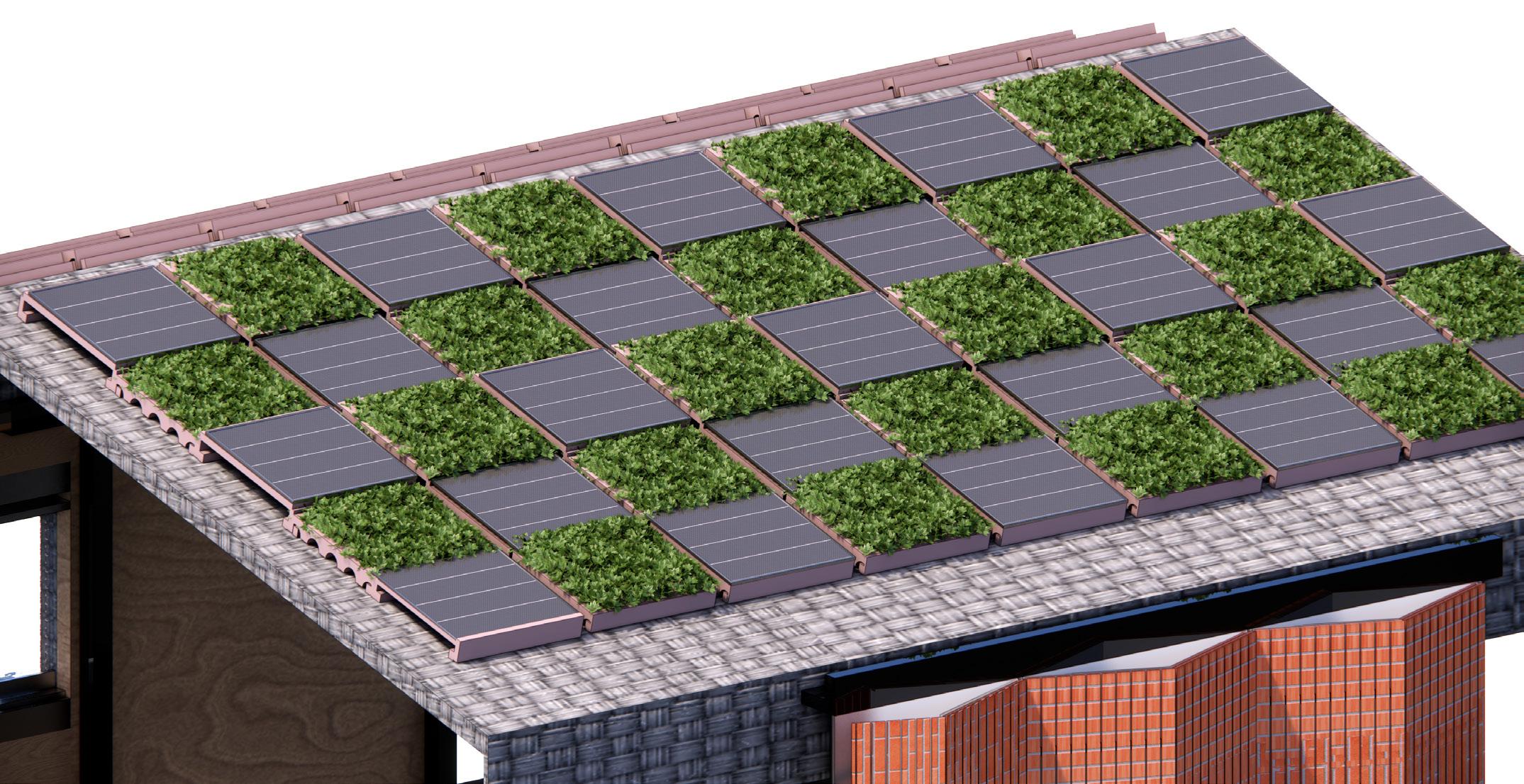
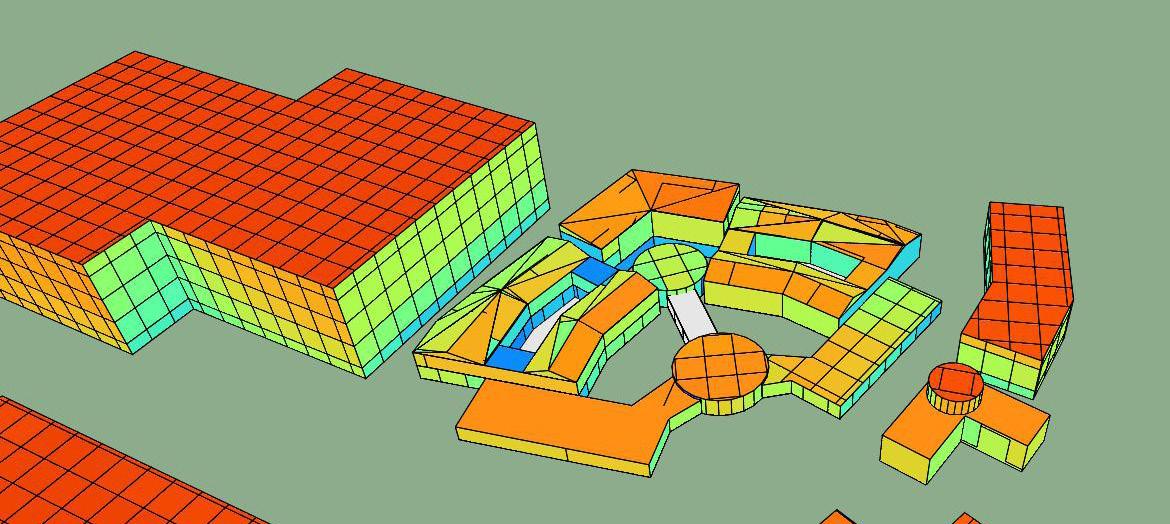
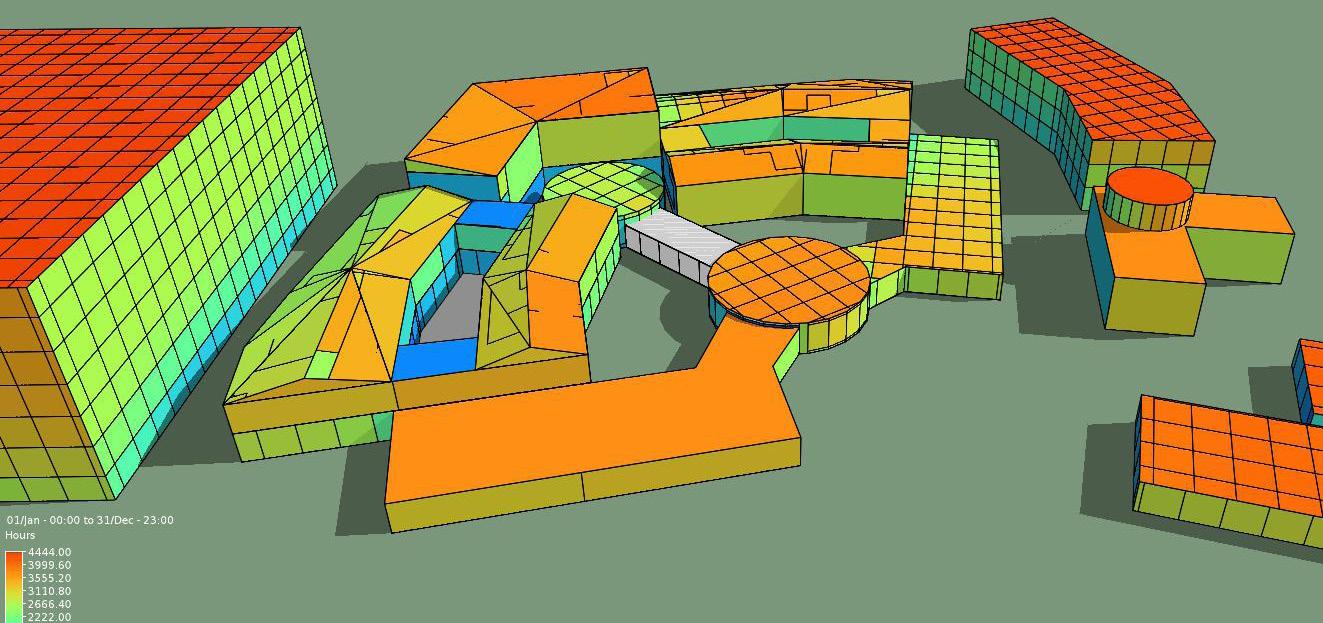
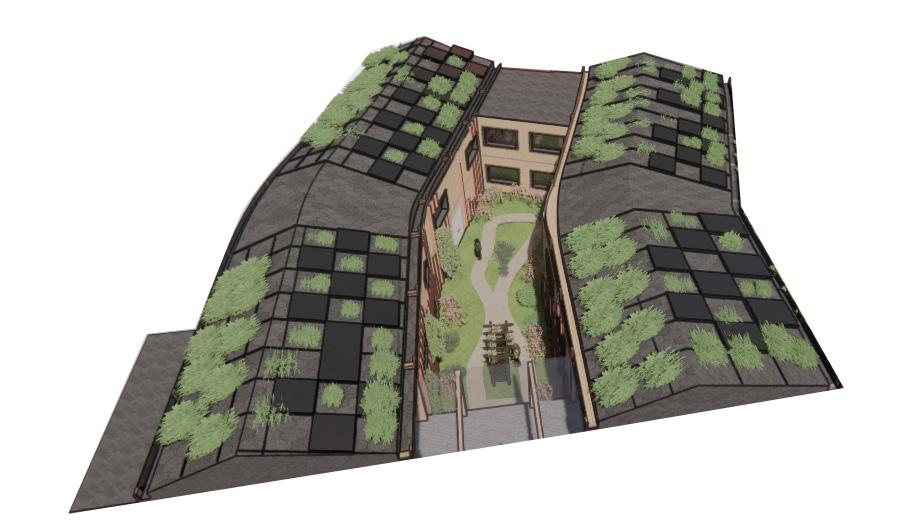
The roof is designed into a grid frame, which allows the PV and vegetation been placing together, the green roof reduces the temperature on the roof. This would cool the roof. The result would be to improve the efficiency of the PV and reduce total energy costs. Additional solar exposure simulations by IES were made to improve the location of pv boards. According to the full-year solar exposure hours on roof data, it suggests the north-facing side could not provide enough exposure for pv boards but may be acceptable for placing vegetations.
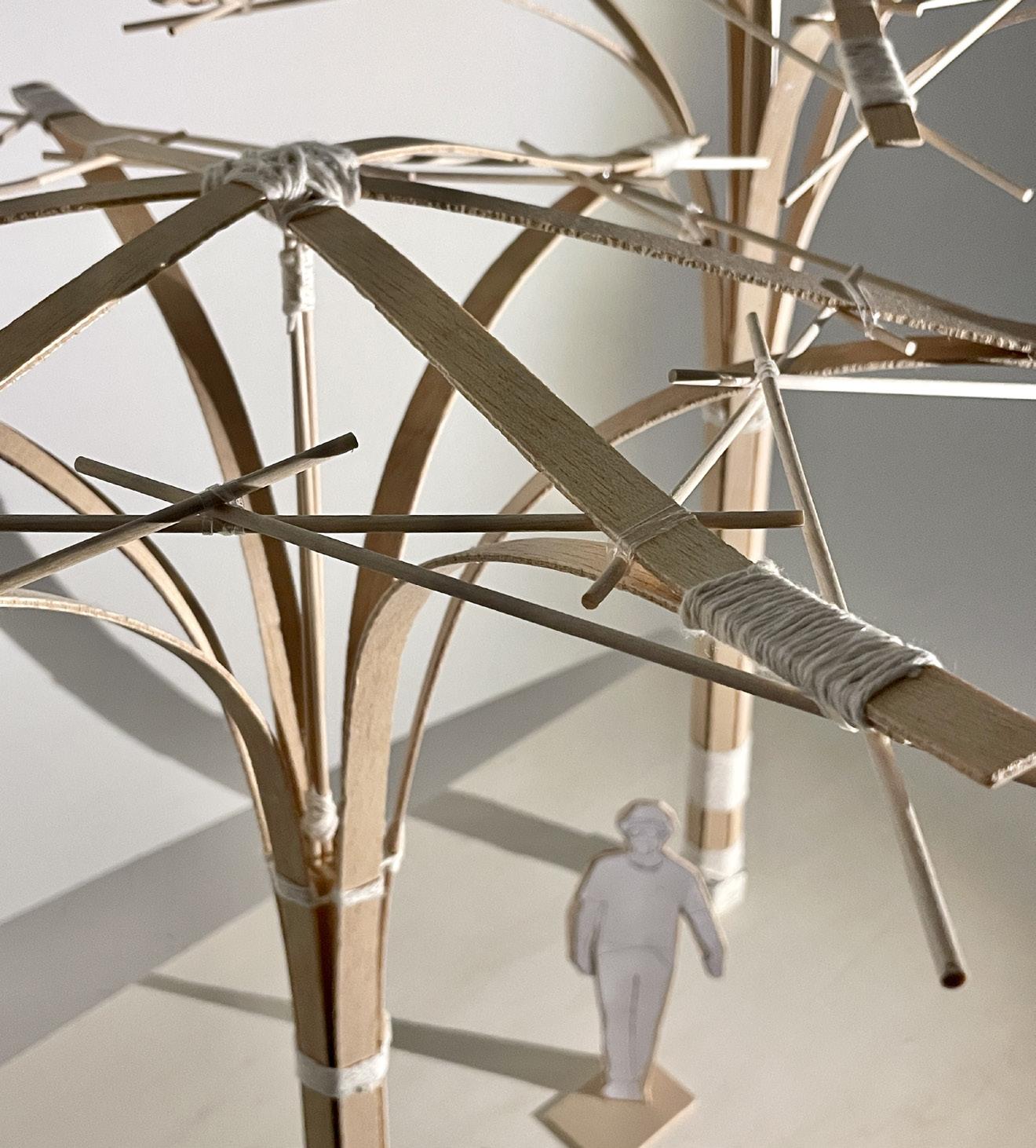
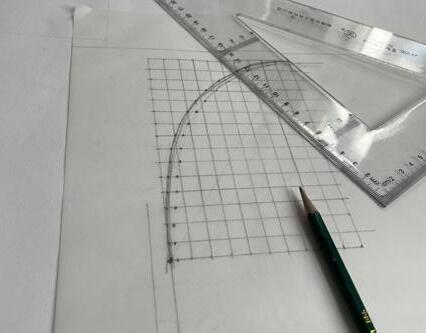
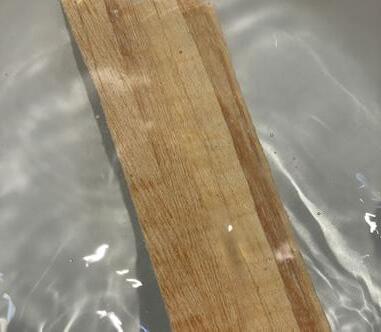
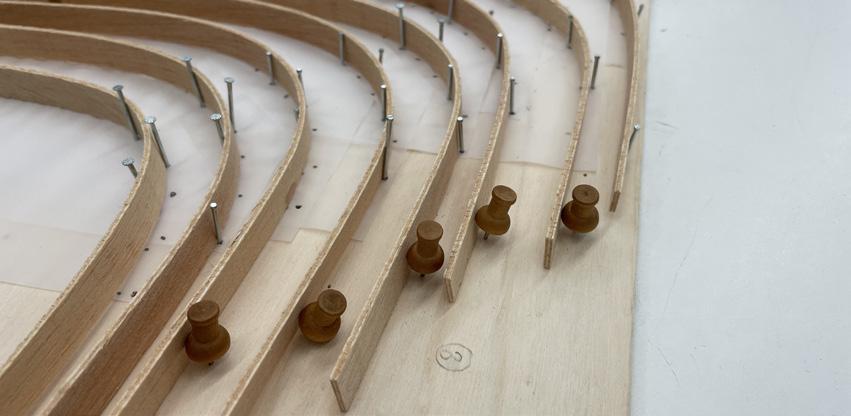
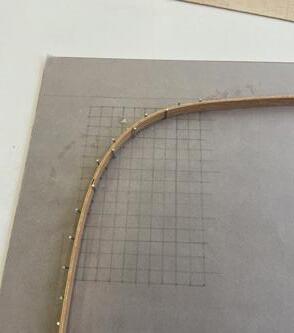
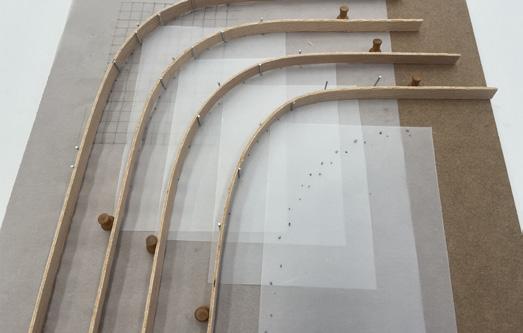
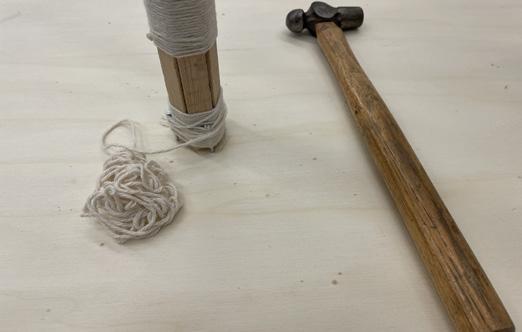
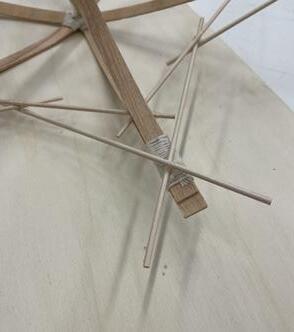
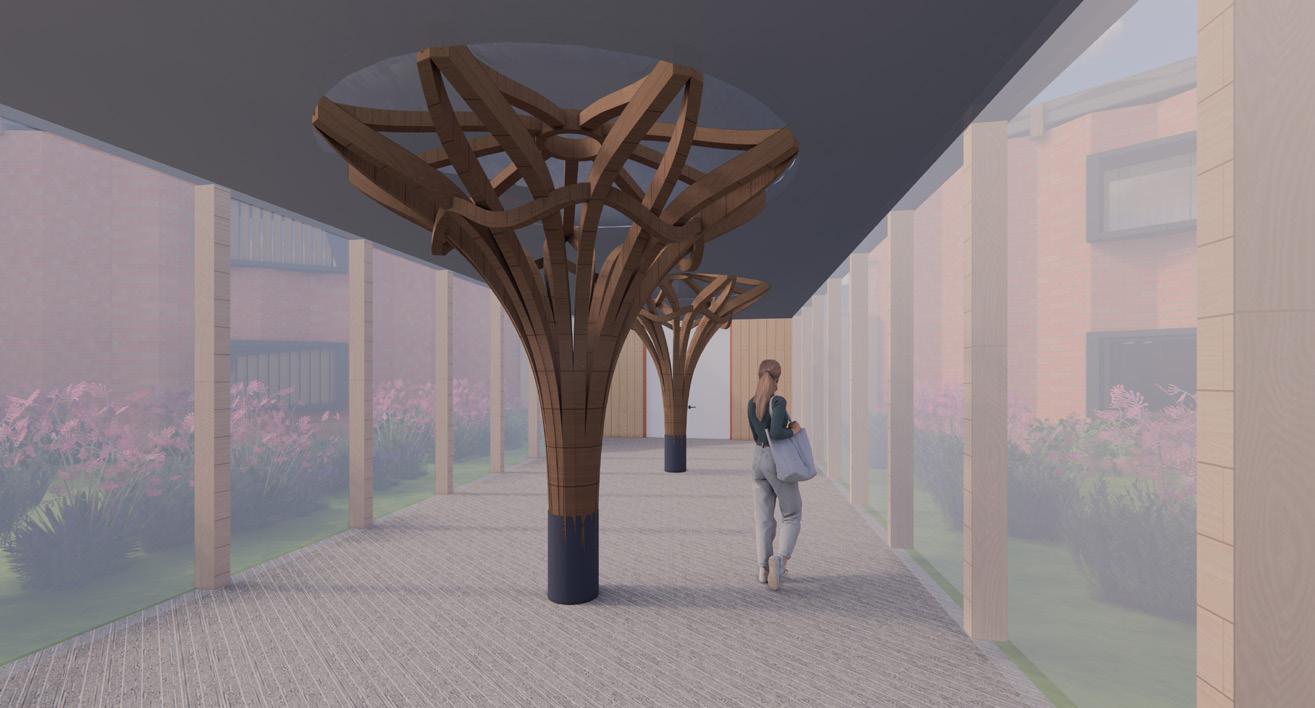
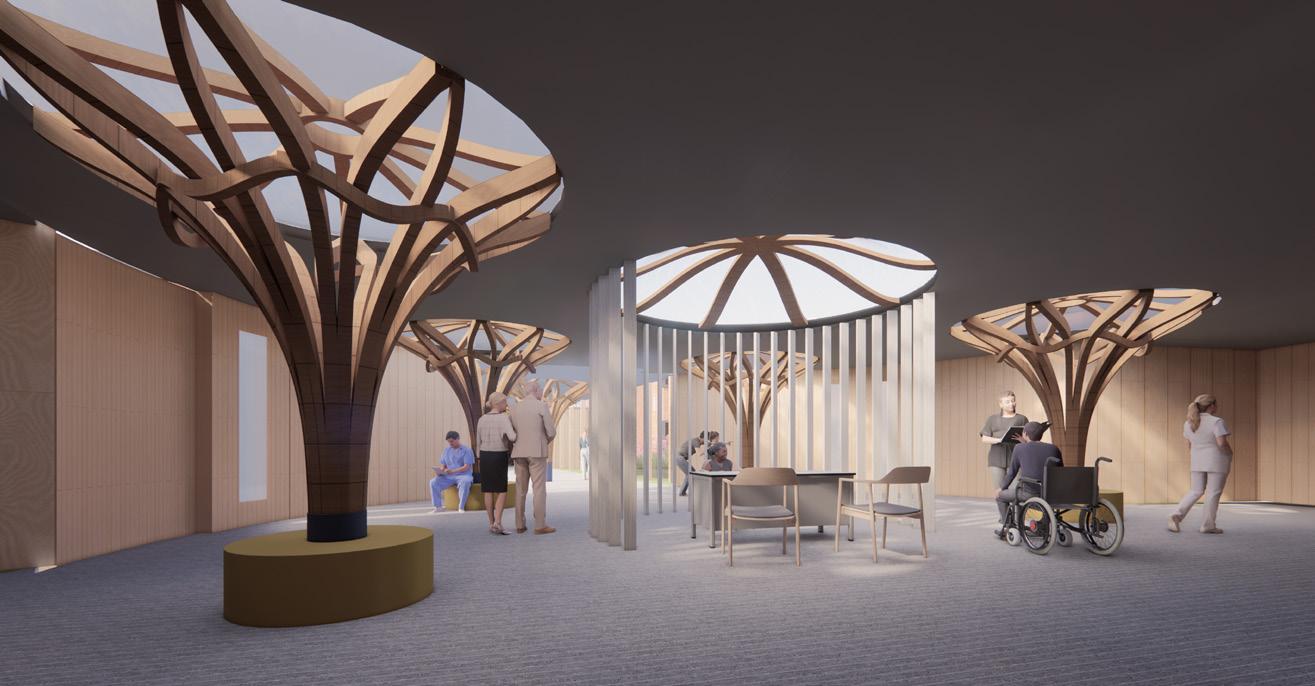
The tree column was inspired by the tree around the site. I believe imitating tree-form column could offer the user an atmosphere that is closer to nature. With the help of Think Through Making exhibition week, I could explore the form of the tree column and the timber bending technique on the 1:20 model. In my final reception design. The lobby was applied this column form. However, to ensure the environment is dementia friendly. The glass on the skylight would be frosted glass to reduce the shadow projection on the floor.
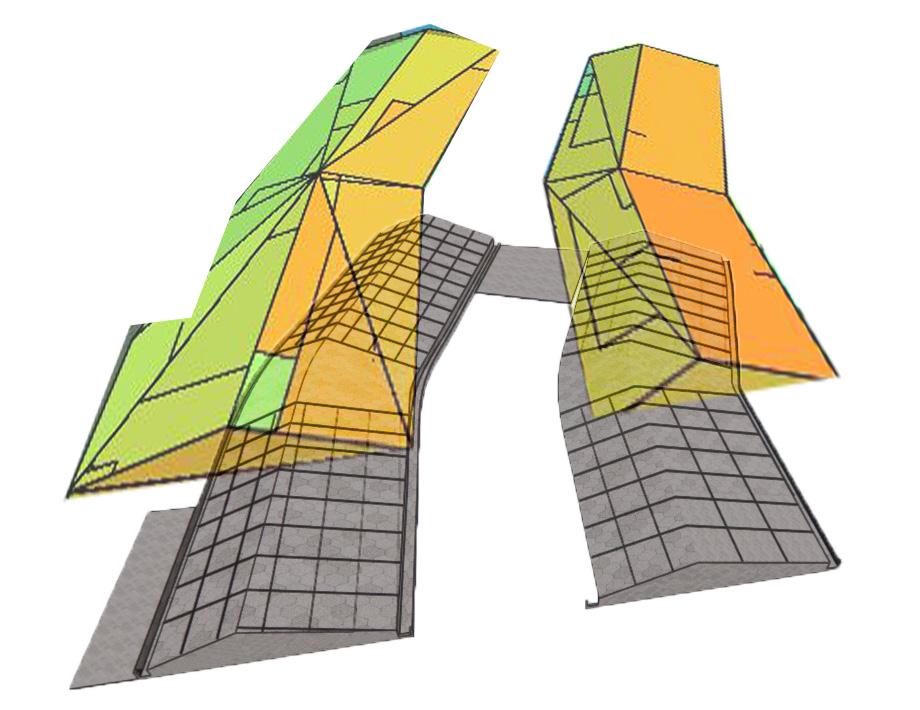
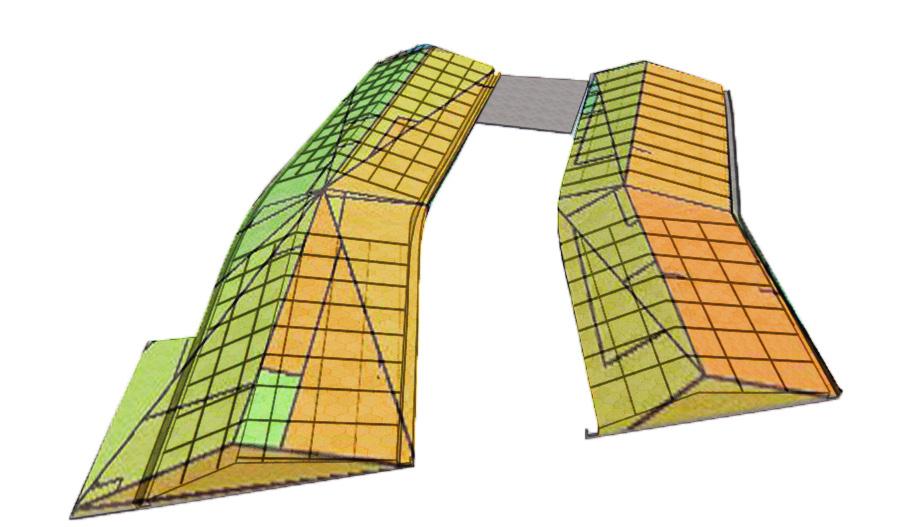
 Full-year solar exposure hours on roof
Reception view
Full-year solar exposure hours on roof
Reception view
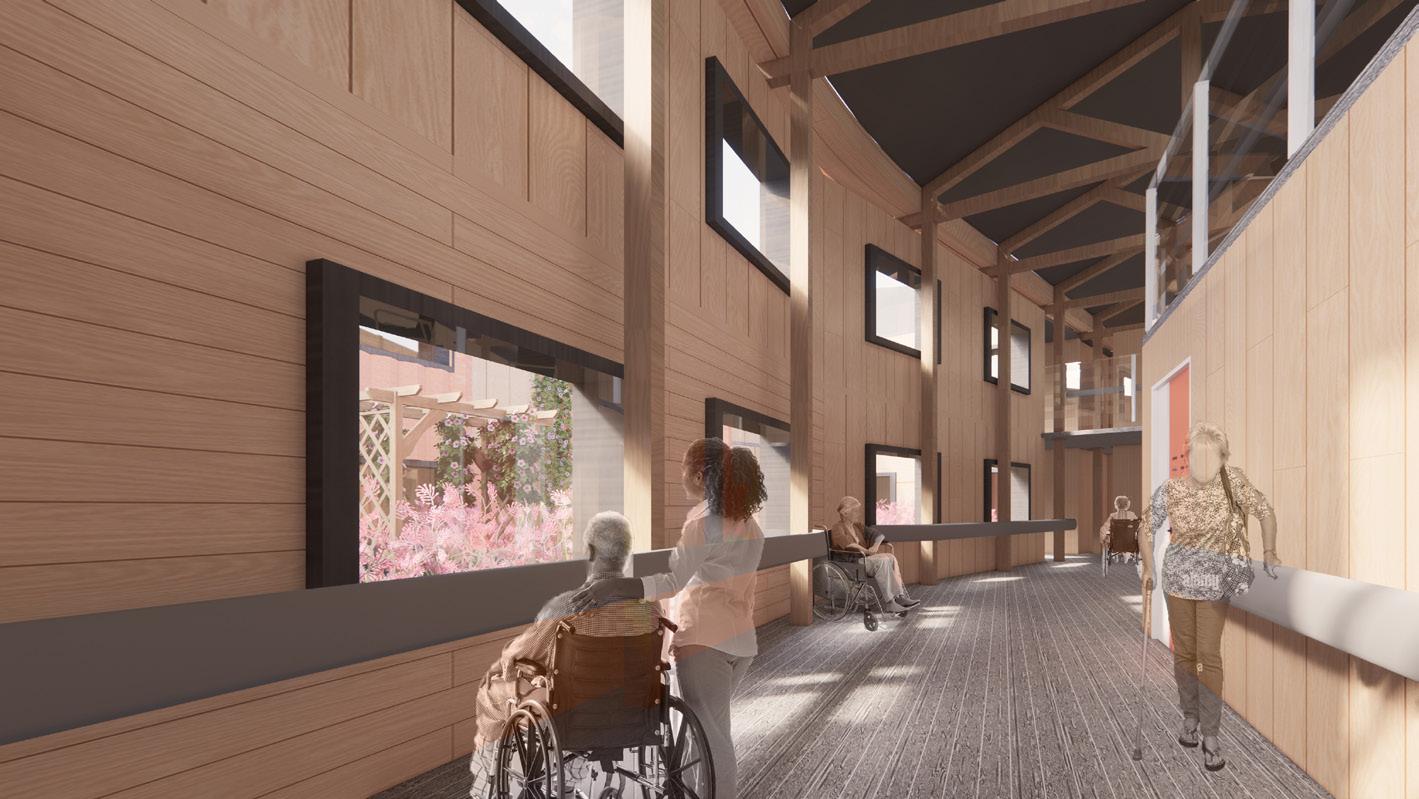
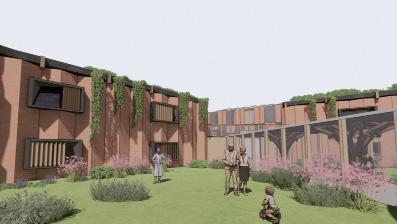
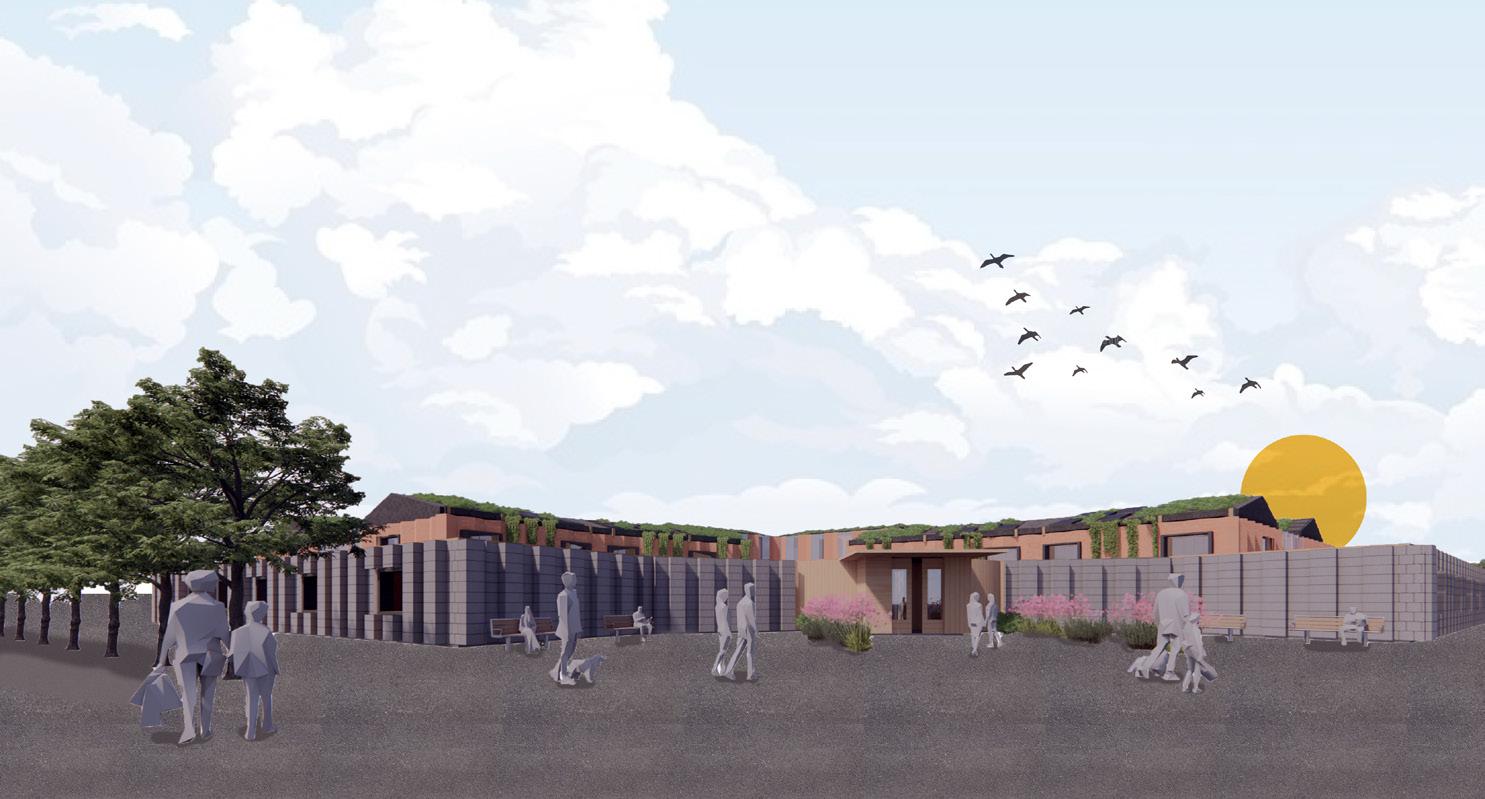
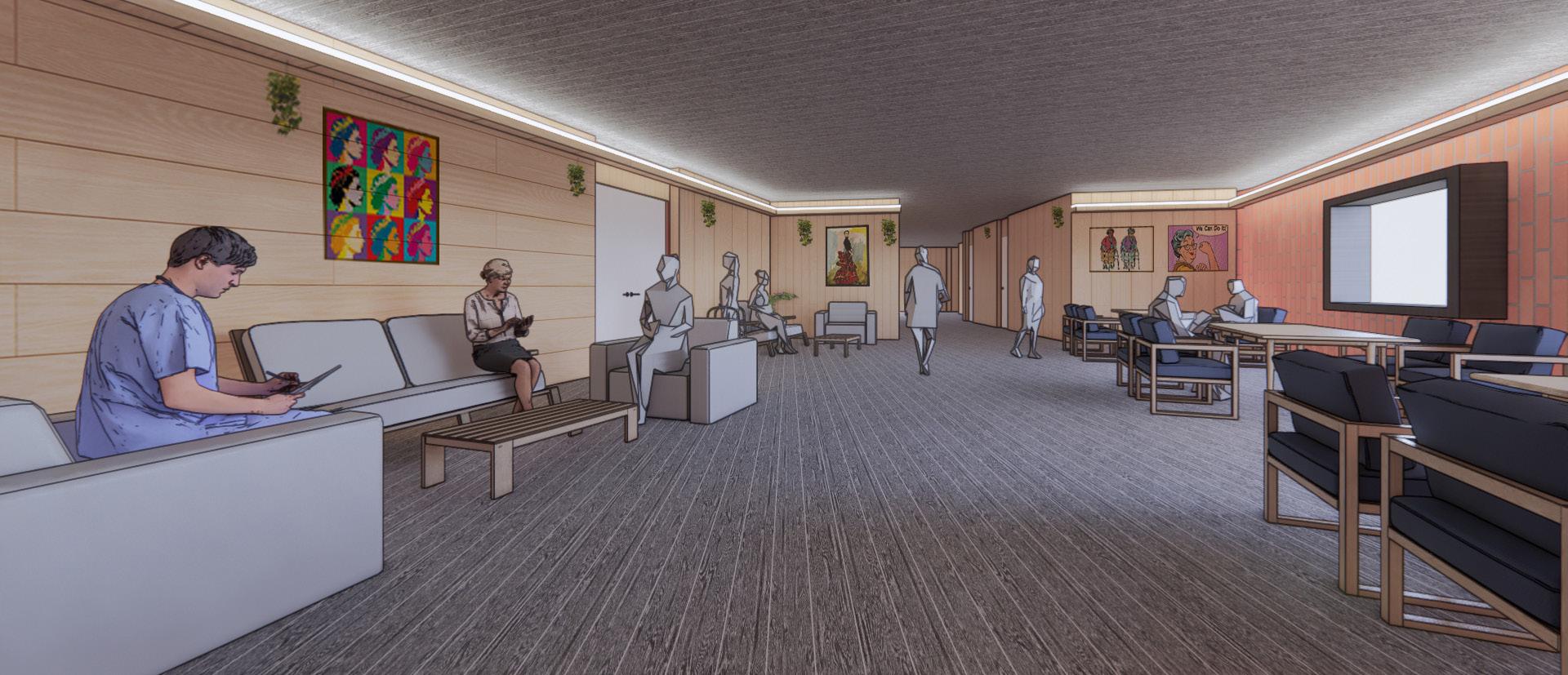 Dementia ward view
Entrance view
Dementia ward view
Entrance view
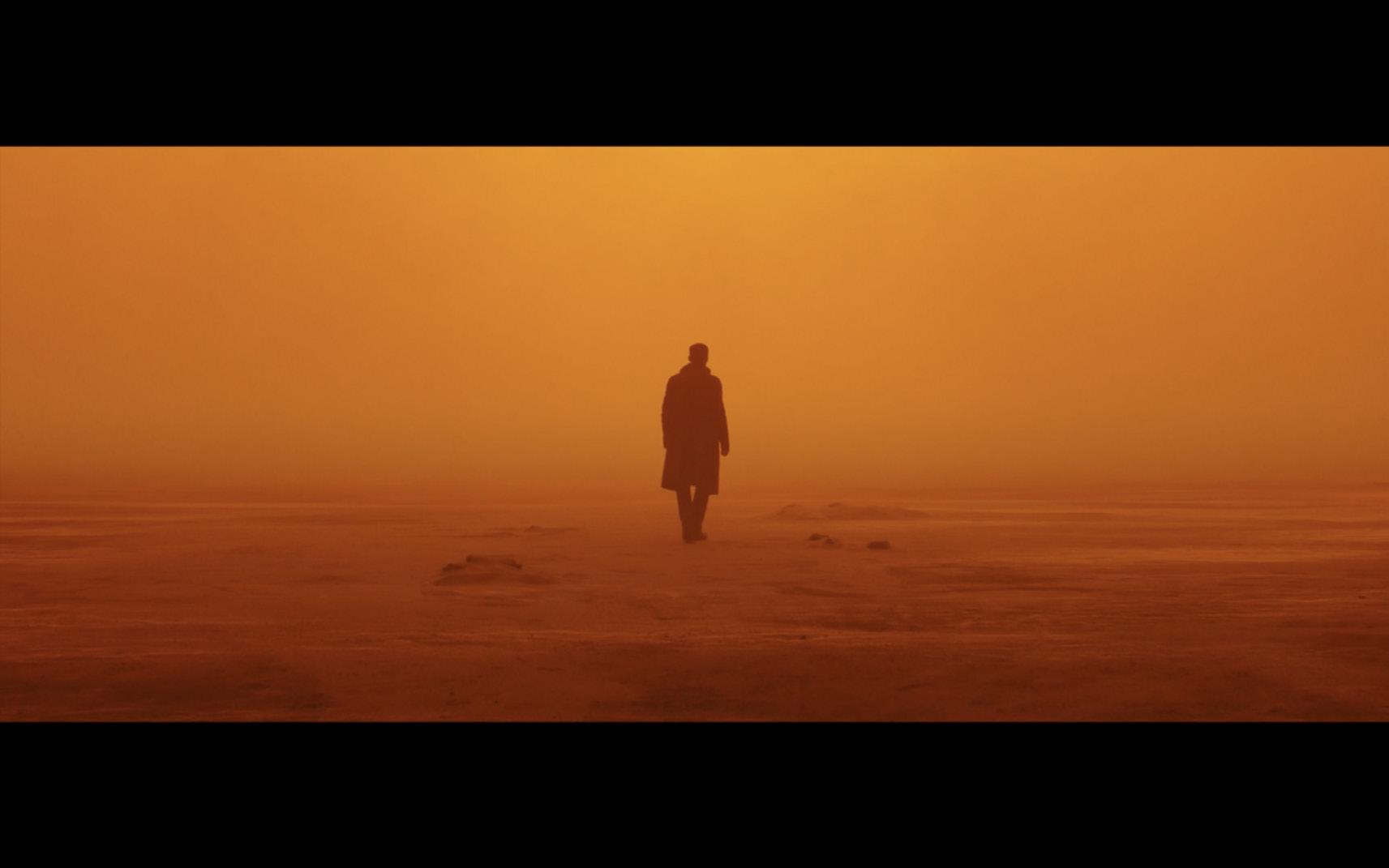
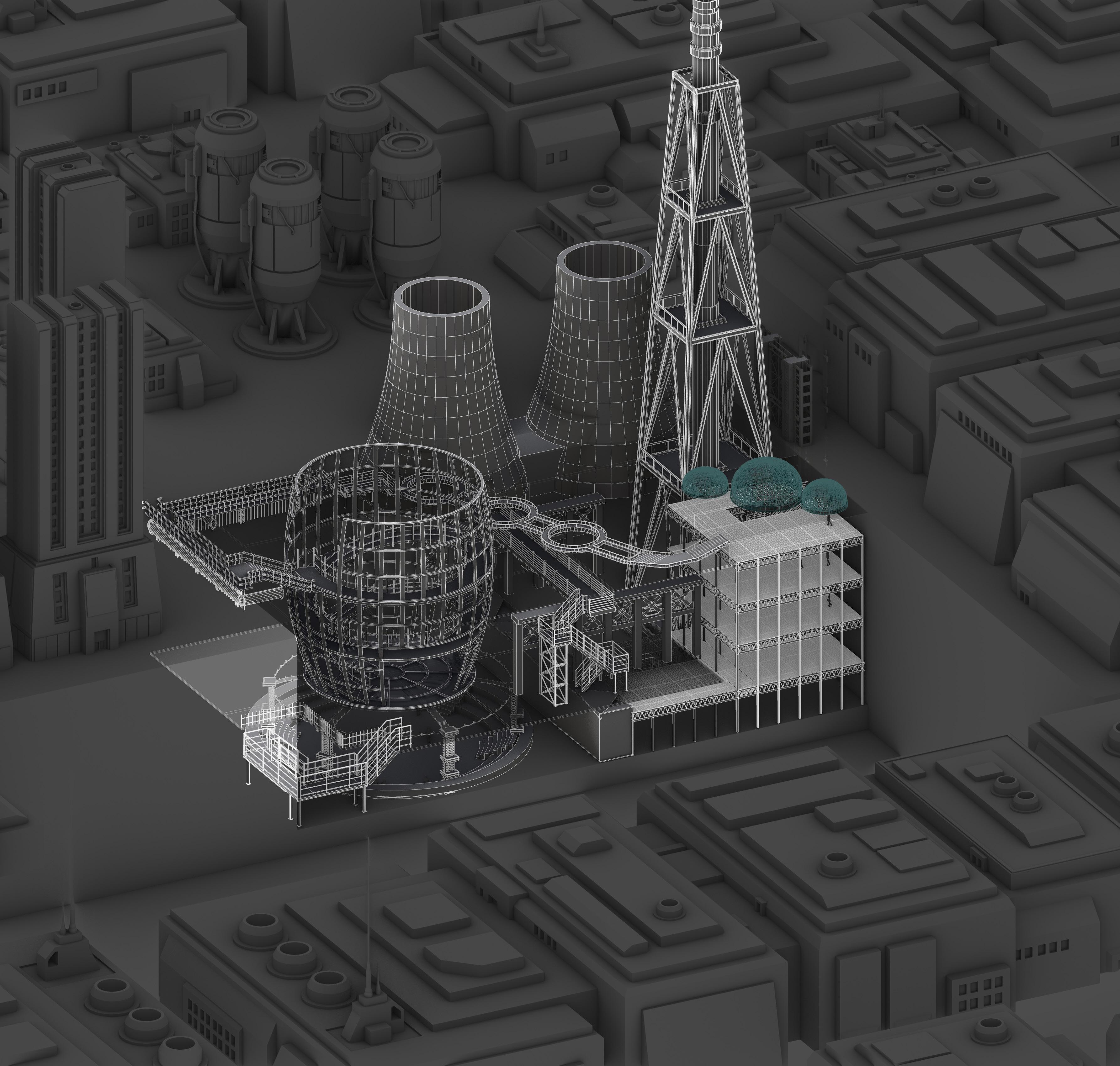
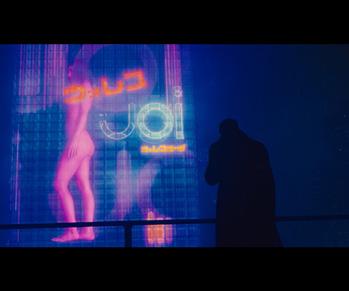
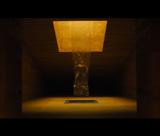
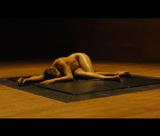
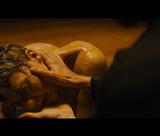
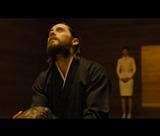
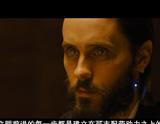
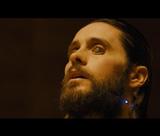
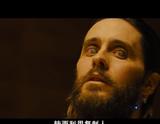
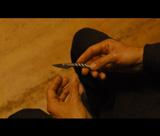
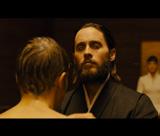
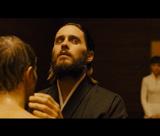
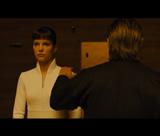
Architecture is generally about a practical project. However, with the development of digital technology, digital modeling provides designers with more possibilities to explore the architectural concept. This project was an individual exploration base on the movie ‘Blade Runner 2049’, through analysis of the cinematographic language and transform into a conceptual architectural work. The project aimed to unfold the ecstatic elements, which approached from the construction of the characters and storyline, using the corresponding spatial language to create a conceptual architecture interactive space.
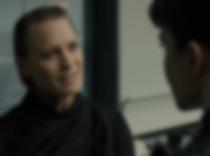
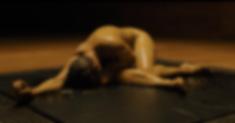
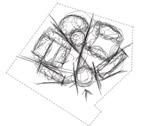
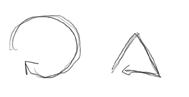
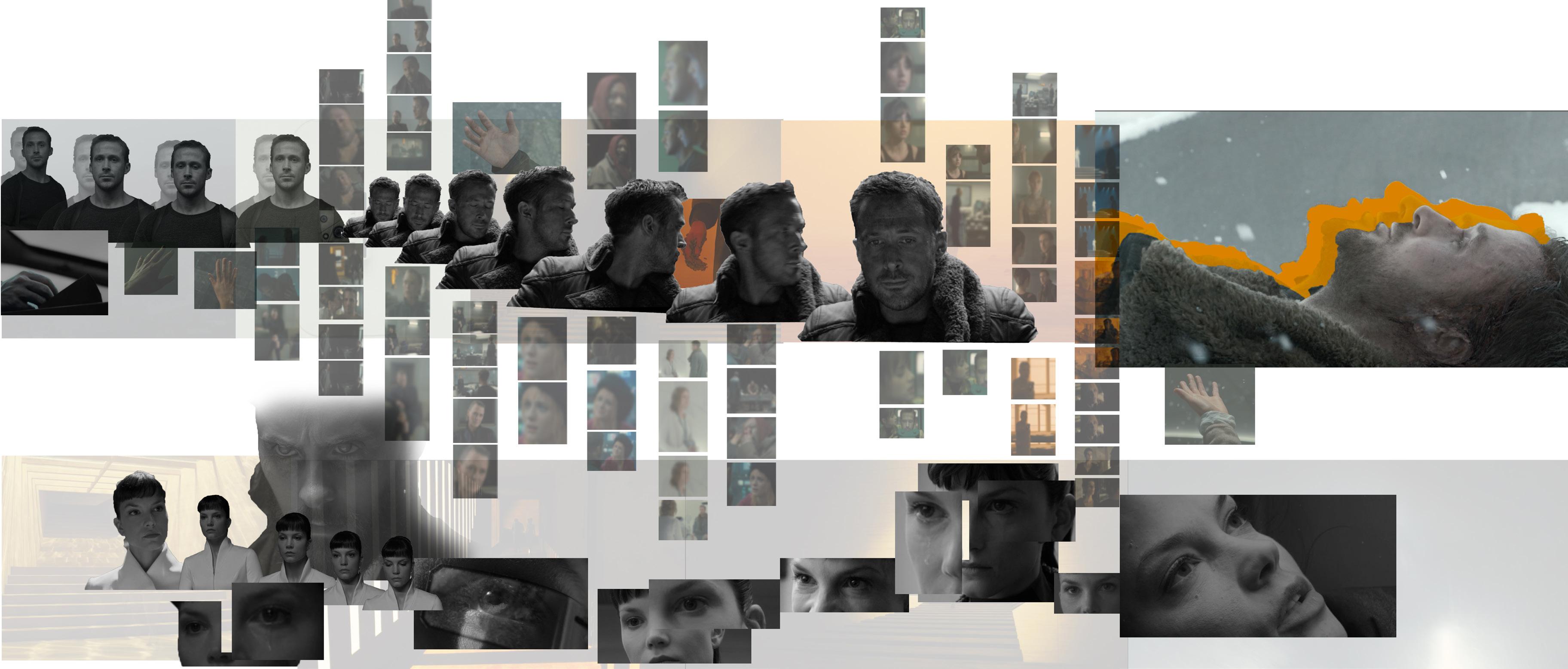
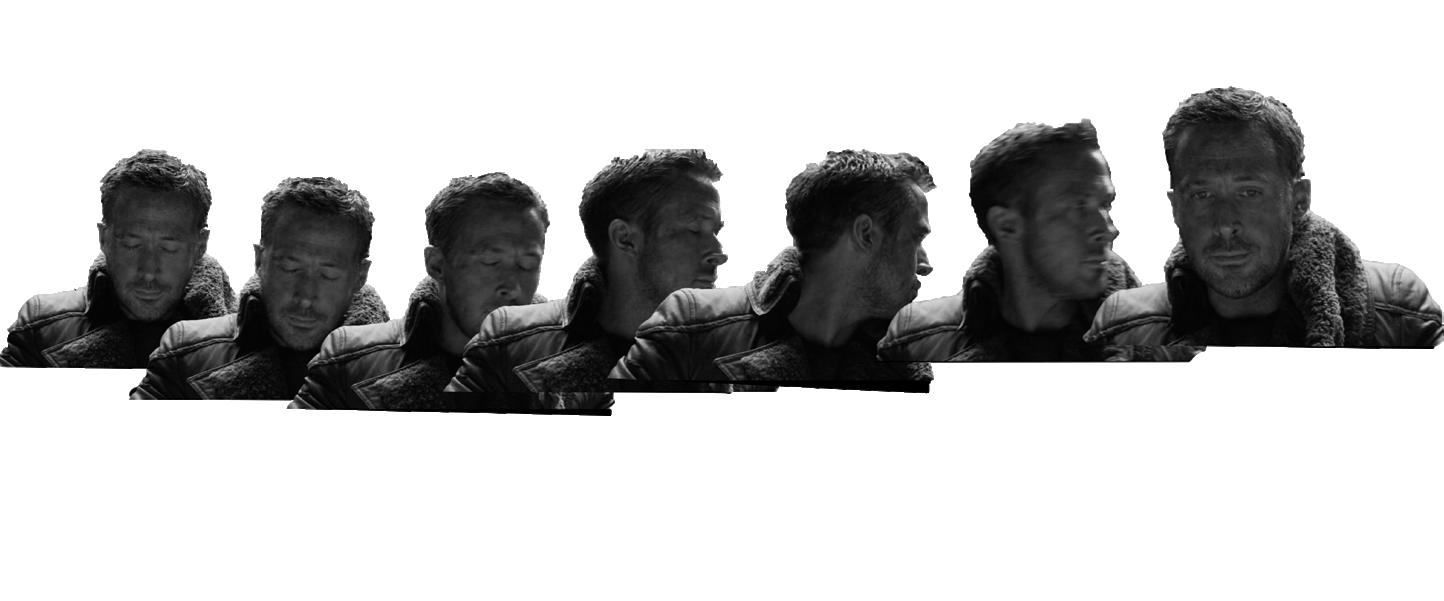
This collage illustrates the experience of two characters. Two lines connect and interlink, representing the emotional changes after different plots. The line of the leading actor emphasizes introspection, representing the connection of different periods of a lifetime. Where the duplicate female line represents an incomplete introspection line and contrasts with the leading actor The collage includes the images of the supporting roles, representing the elements that push the leading characters' emotional iteration.
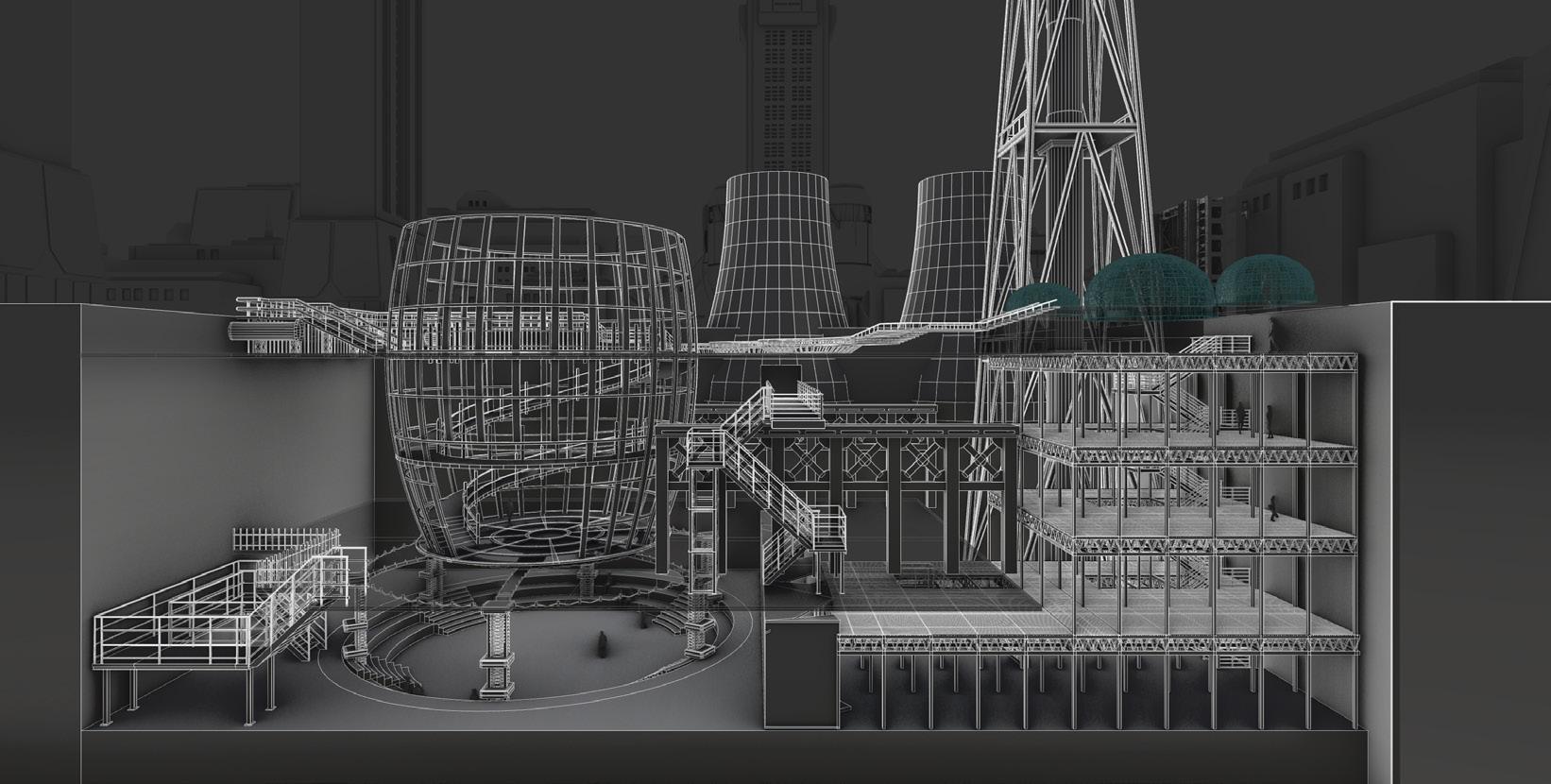
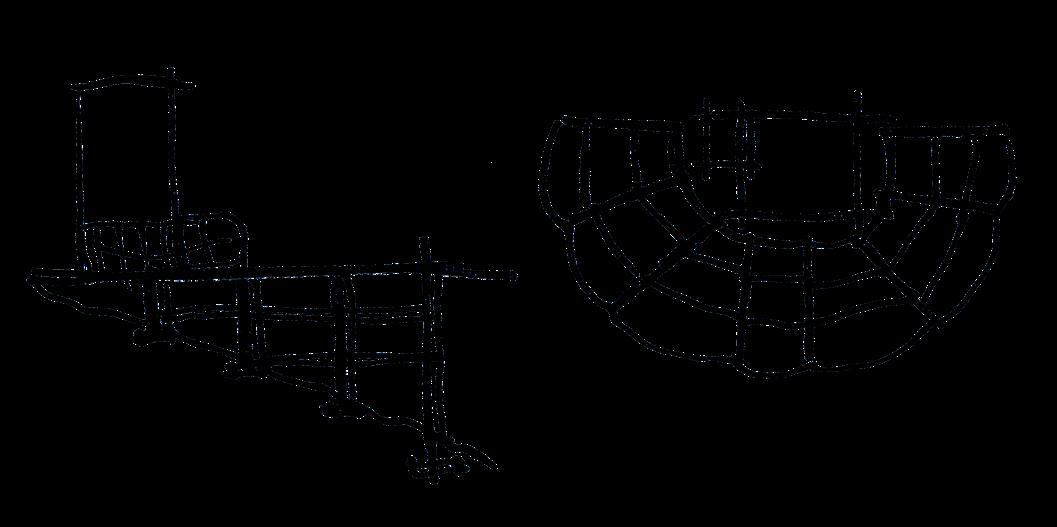
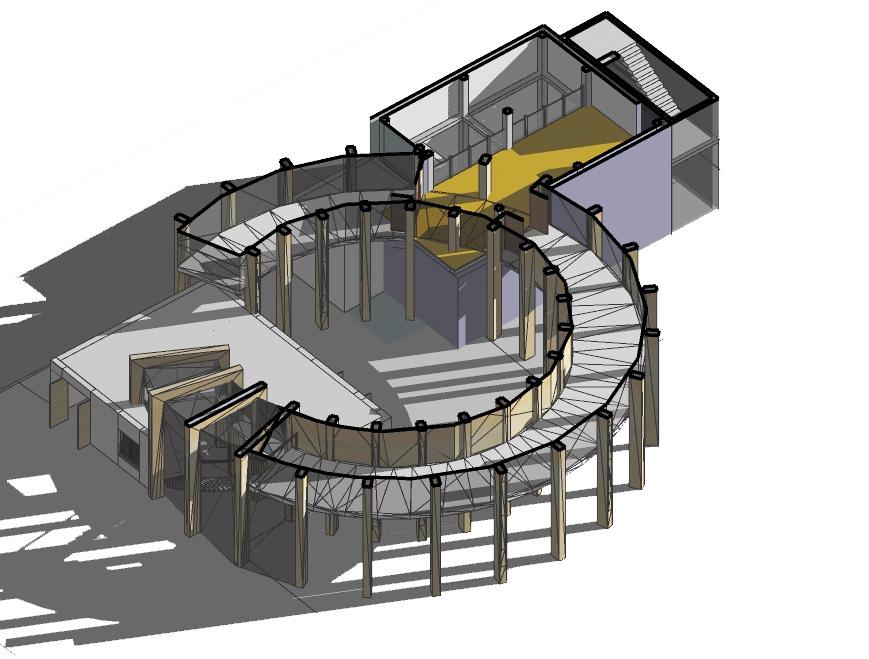
The Introspection journey in this film is transformed into a group building located at cracks representing a possible urban fabric in the future under high technology. The building is half-buried in the ground, which creates a vertical spatial experience that implies a life experience of searching and introspecting. These group buildings encourage visitors to explore the paths individually and quietly as part of the introspecting process.
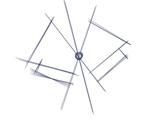
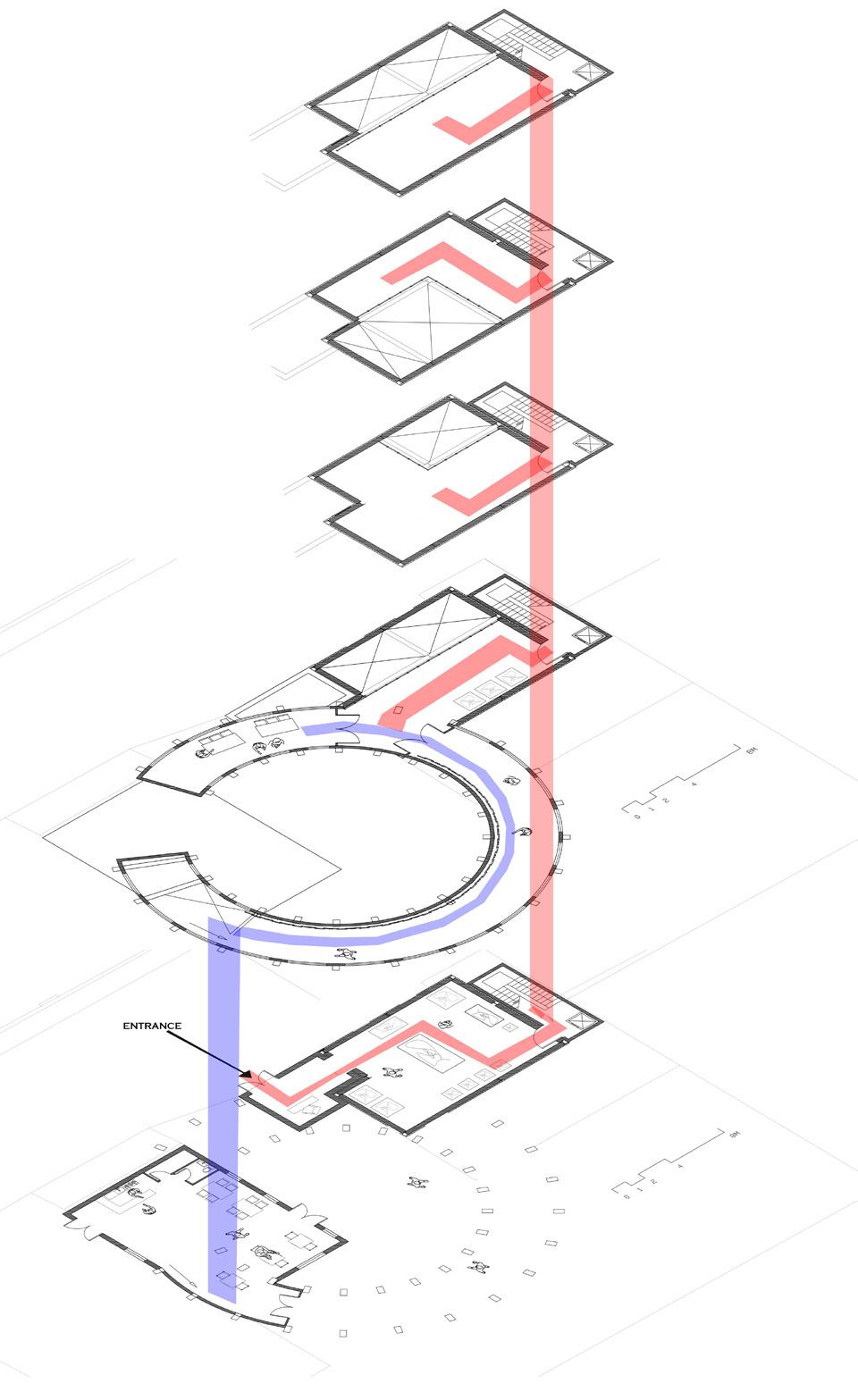
The storyline of Blade runner 2049 guides the concept of this building. Two characters reflect two possibilities of life experience. The director emphasized the line that includes self-questioning and introspection and integrated positively. Thus, the building consists of different circulation that emphasizes searching in the lifetime.
CHIMNEY ROOM
OBSERVATION TOWER
Circulation diagram
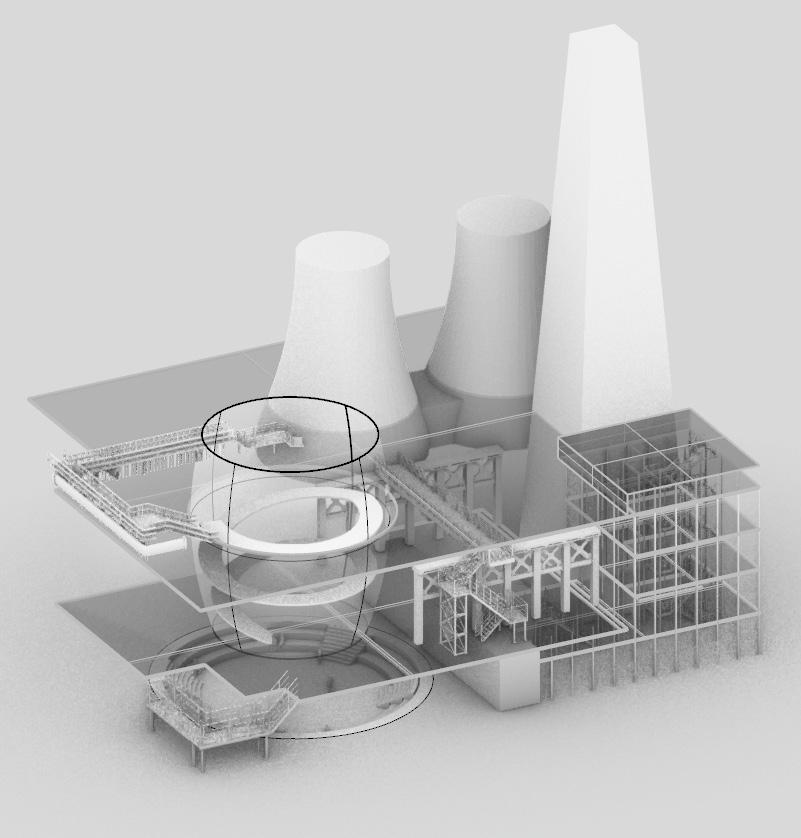
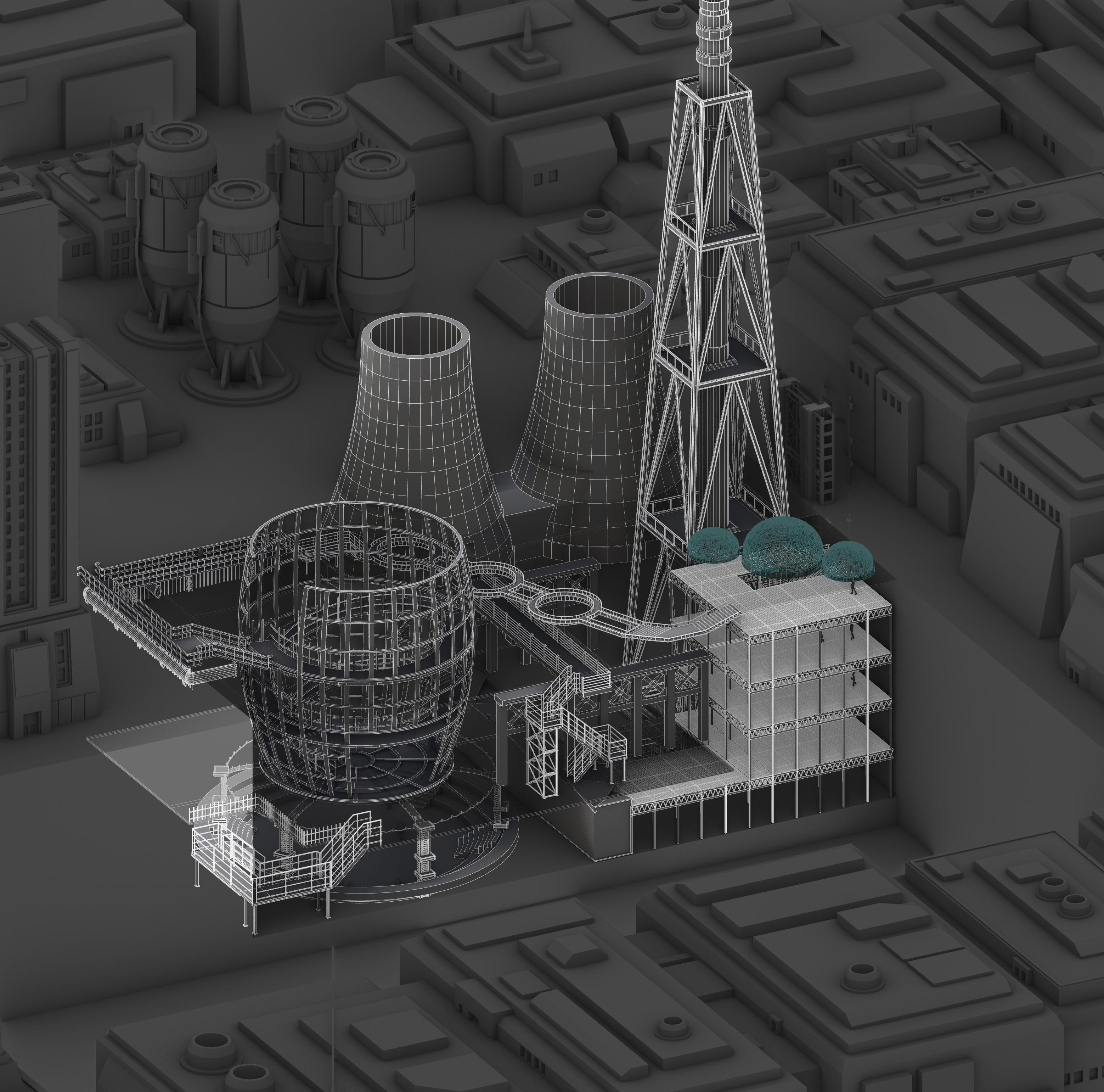
RECONCILIATION BUBBLE
SPIRAL CENTER TOWER
THE CLIMB
INTROSPECTION CORRIDOR
BOTTOM THEATRE
This building group consists of a room with a different spatial atmosphere. Free movement could allow visitors to experience the space of their interests. The first bubble chamber with three levels representing the period before 25yo; the chamber uses ladders as the circulation to provide an exciting experience. The next bubble room is linked by a bridge that allows people to move to the other side of the crake. The chimney room is a semi-open space that will enable people to have a visual connection to the sky. Finally, the people were brought back to the ground level, where the tower could provide a view of the whole journey.
Provides specific visual effects, representing the role of authoritative power in the domination of society.
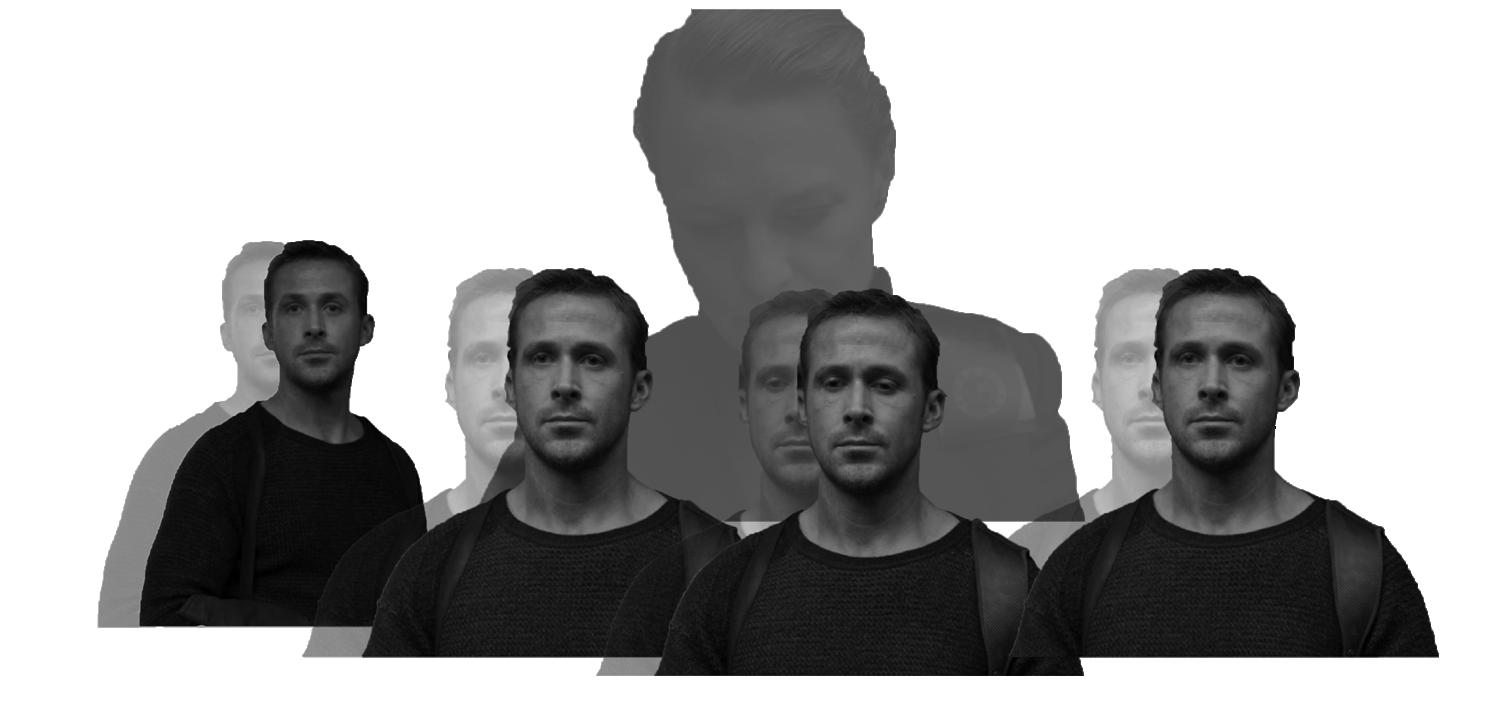
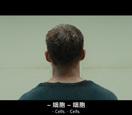
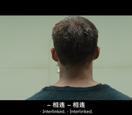
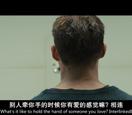
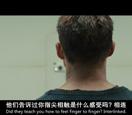
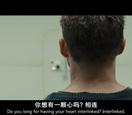
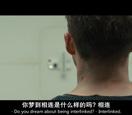
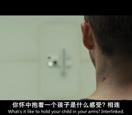
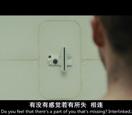
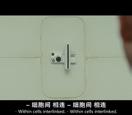
Represents the rebellious forces oppressed under authority
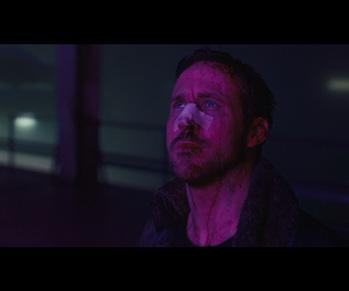
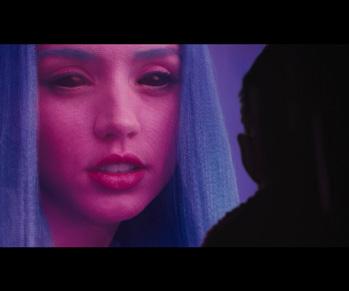

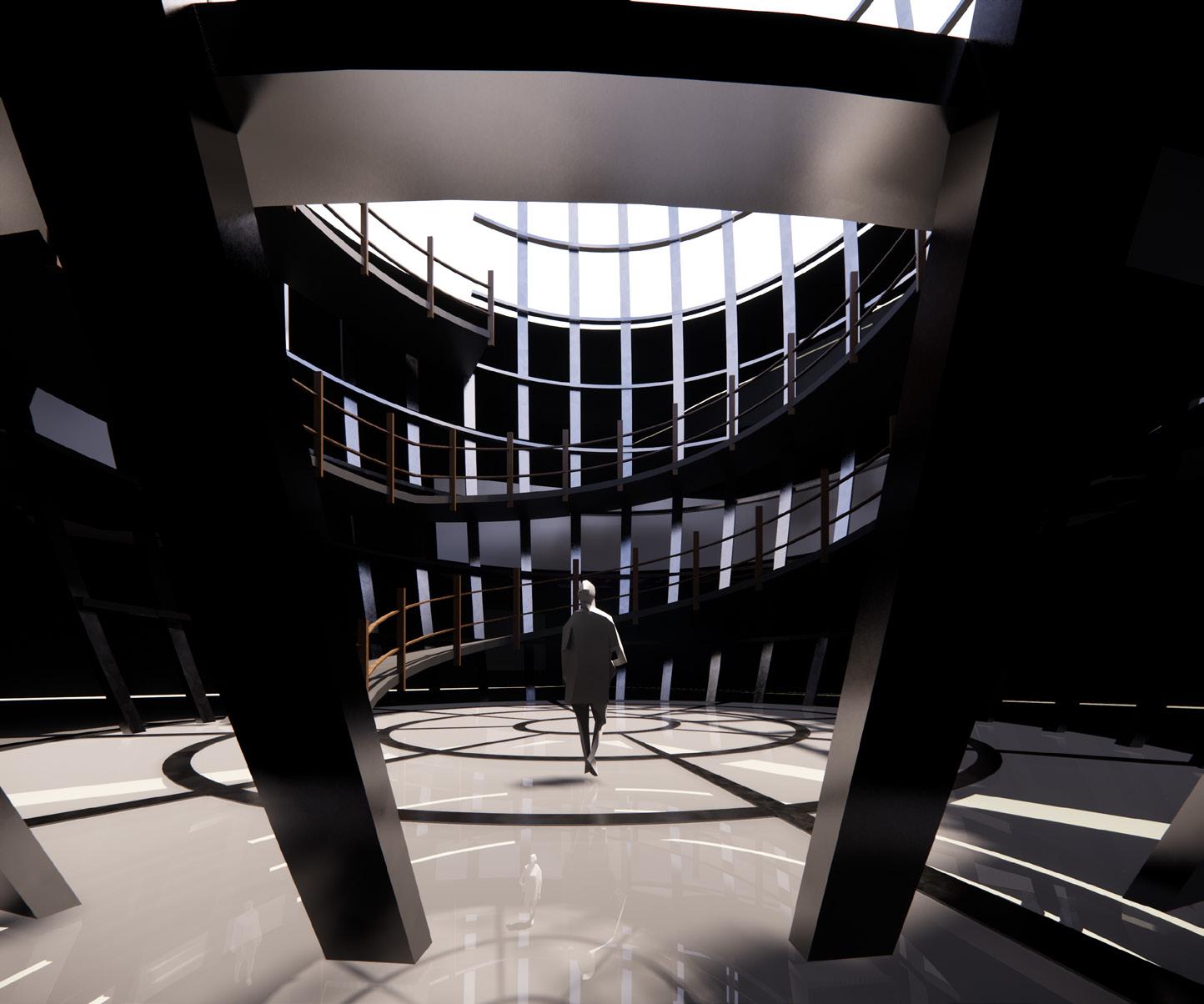
 Key Space 1, Iron cage
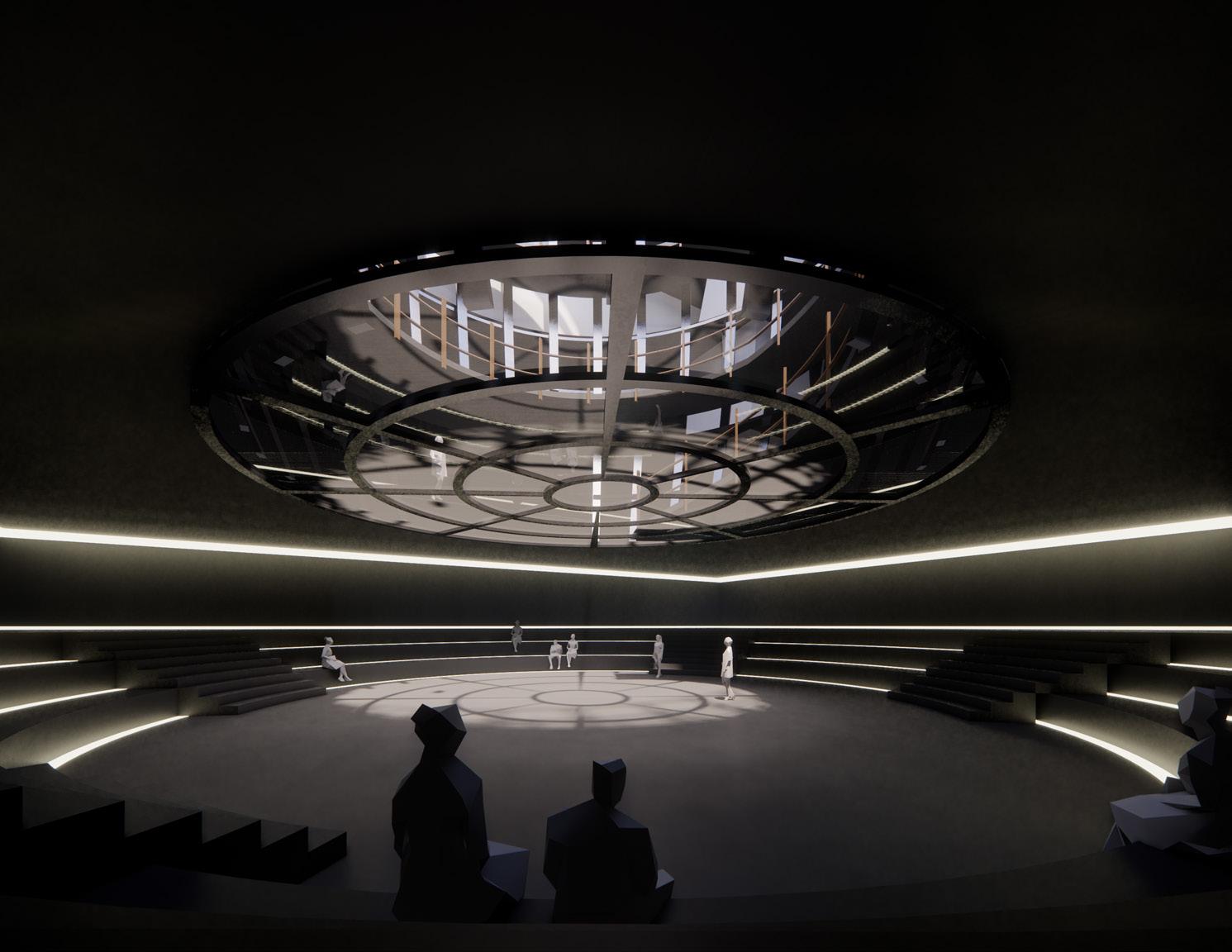
Key Space 2, Underground theater,
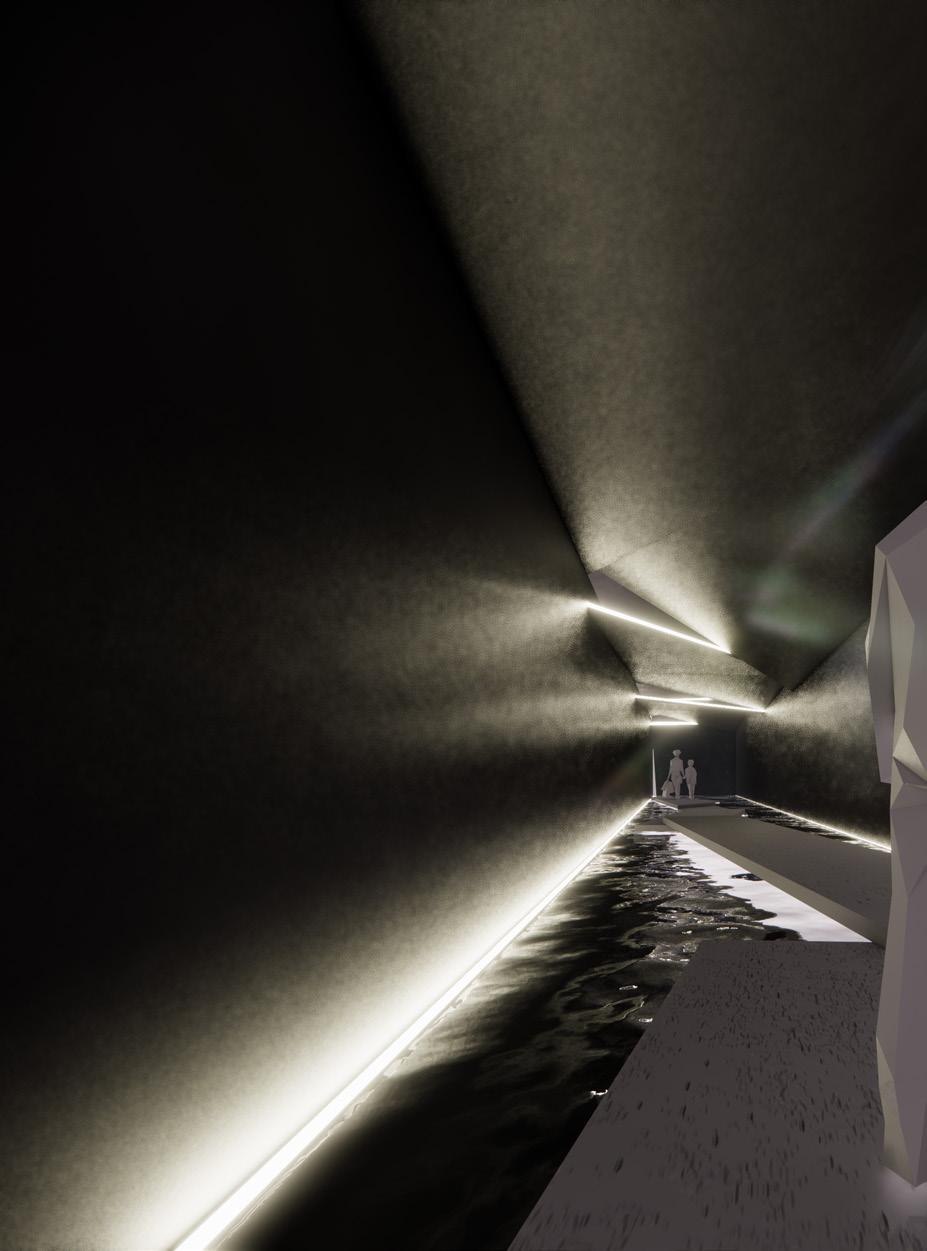
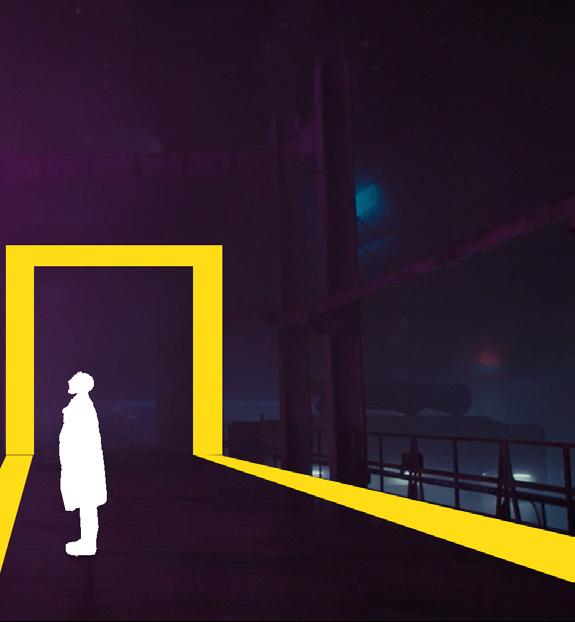
Key Space 3, The introspective corridor, where visitors must pass through a narrow path of isolation caused by social division.
Key Space 1, Iron cage
Key Space 2, Underground theater,
Key Space 3, The introspective corridor, where visitors must pass through a narrow path of isolation caused by social division.
alone, symbolizes the sense
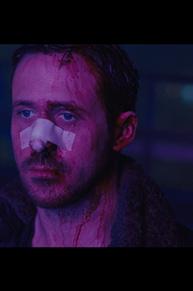
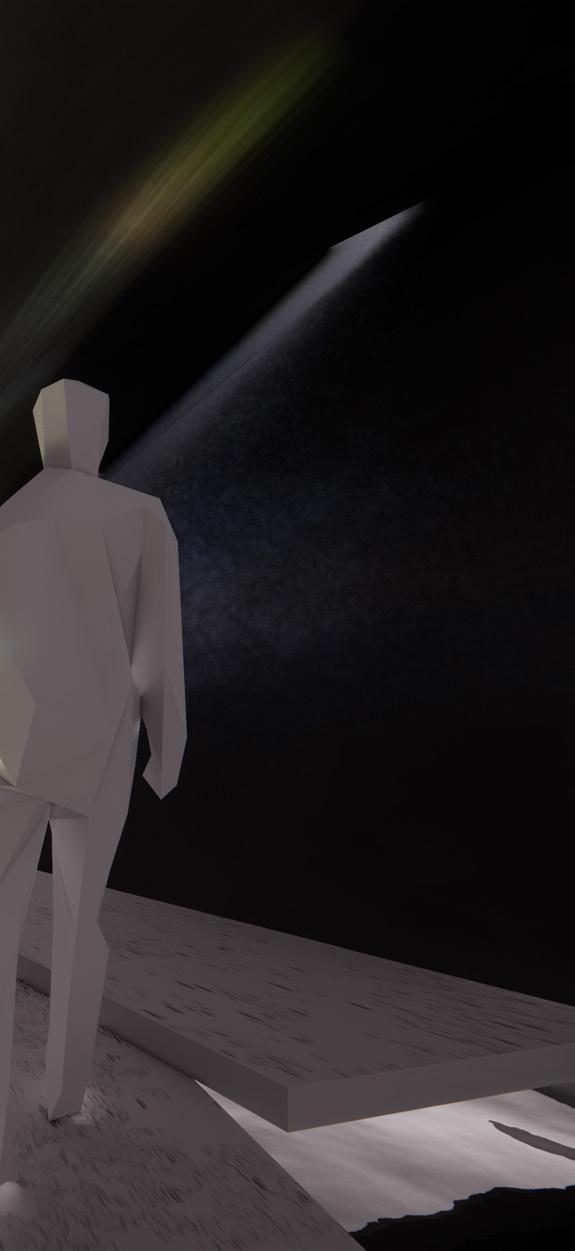
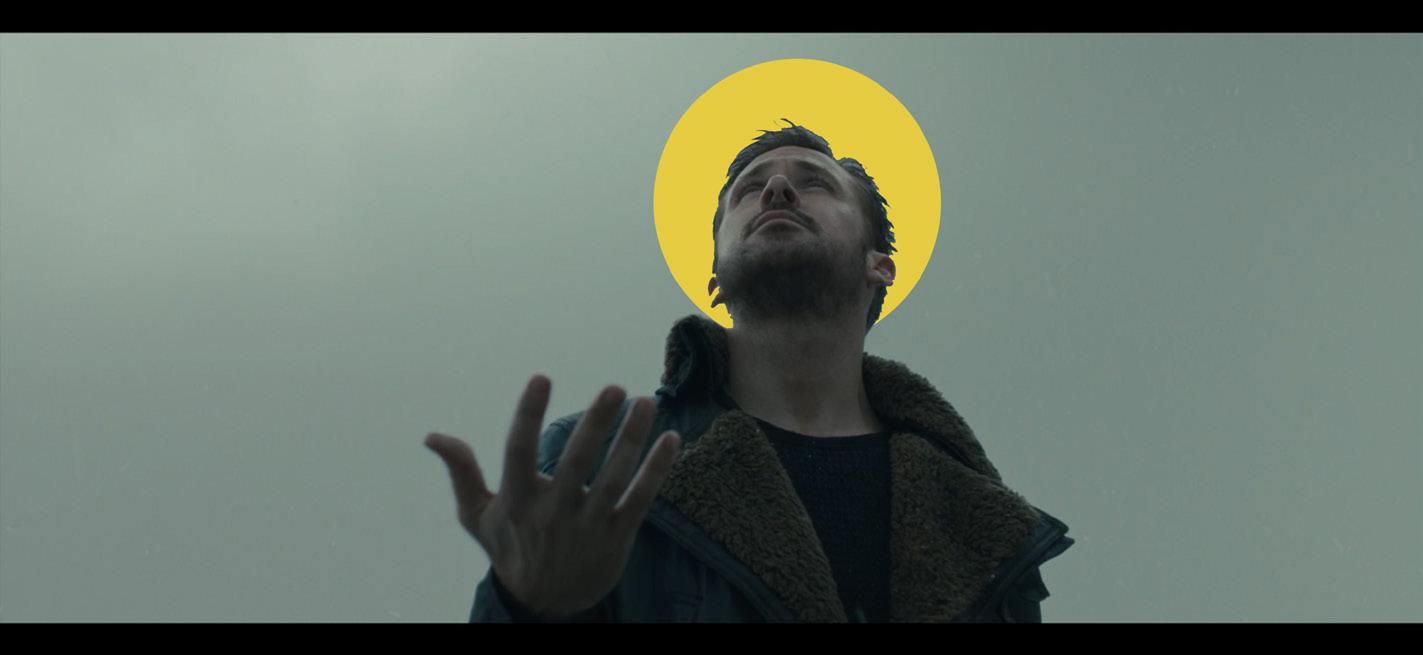
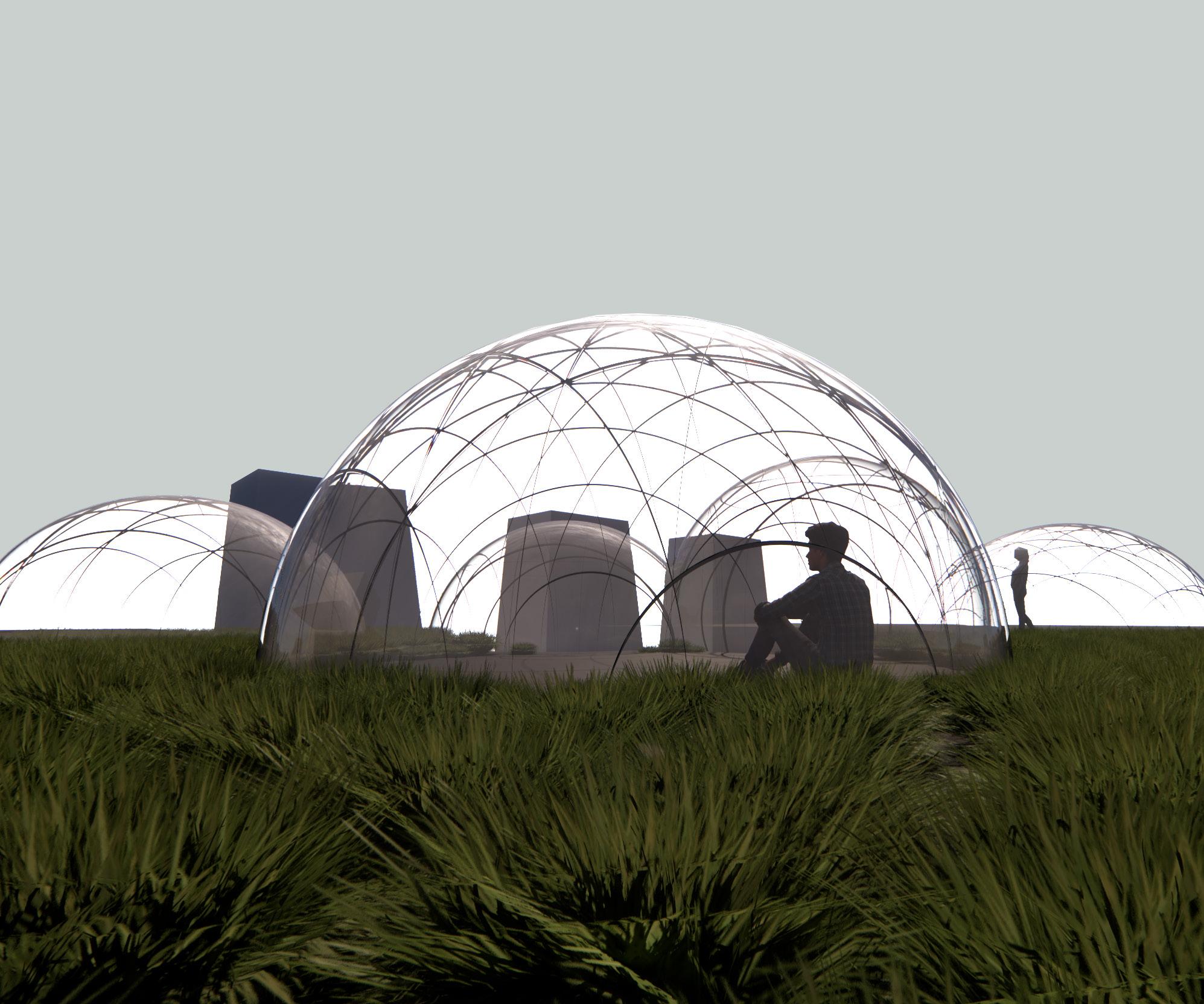
Key Space 5, Reconciliation, Where visitors finally return to the ground level, but the glass semicircle shelter provides a place for them to sit and meditate, implying a sense of relief from resolving contradictions.
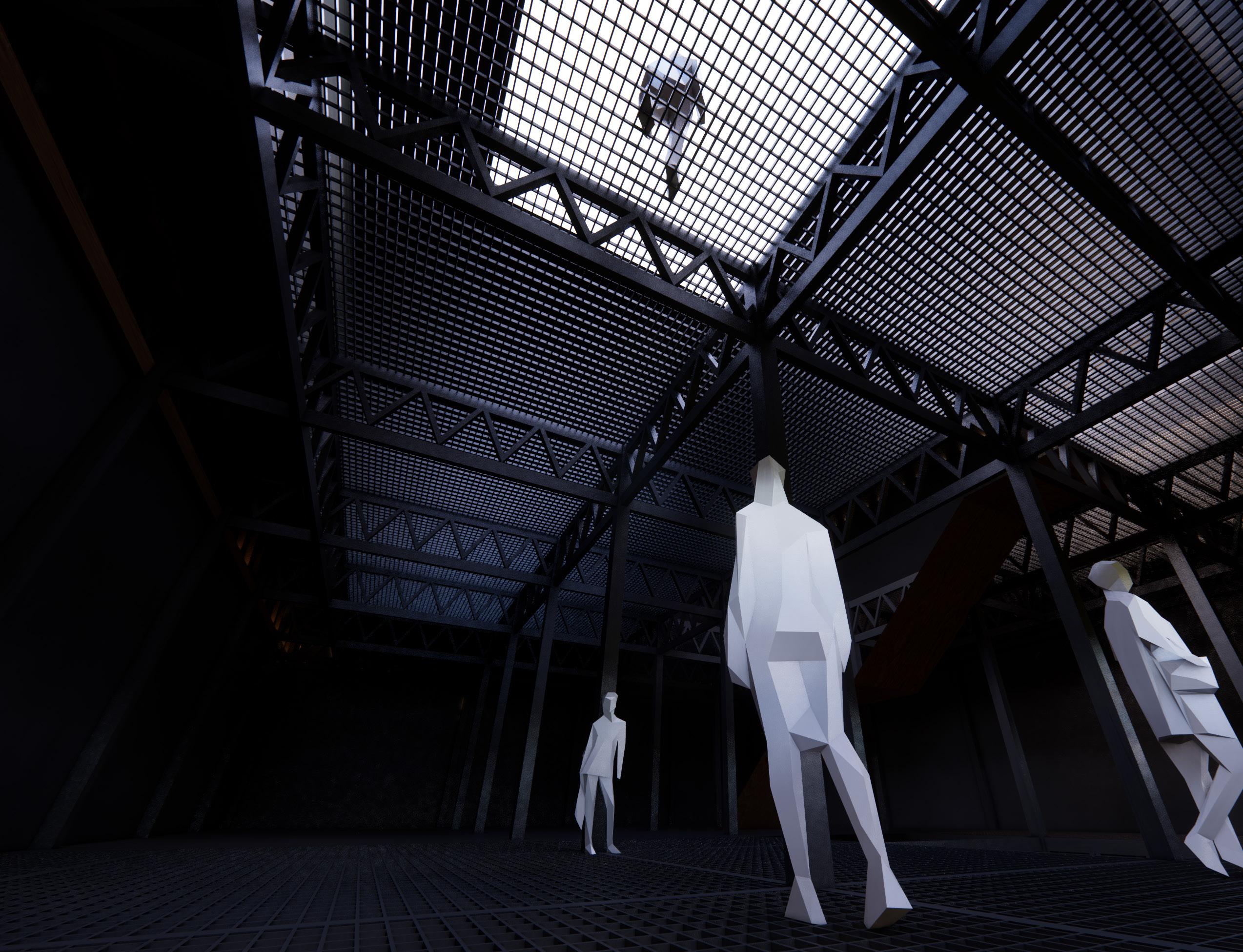
Key Space 4, The climb, Where different levels can observe each other, suggesting the desire of people to climb up the social hierarchy.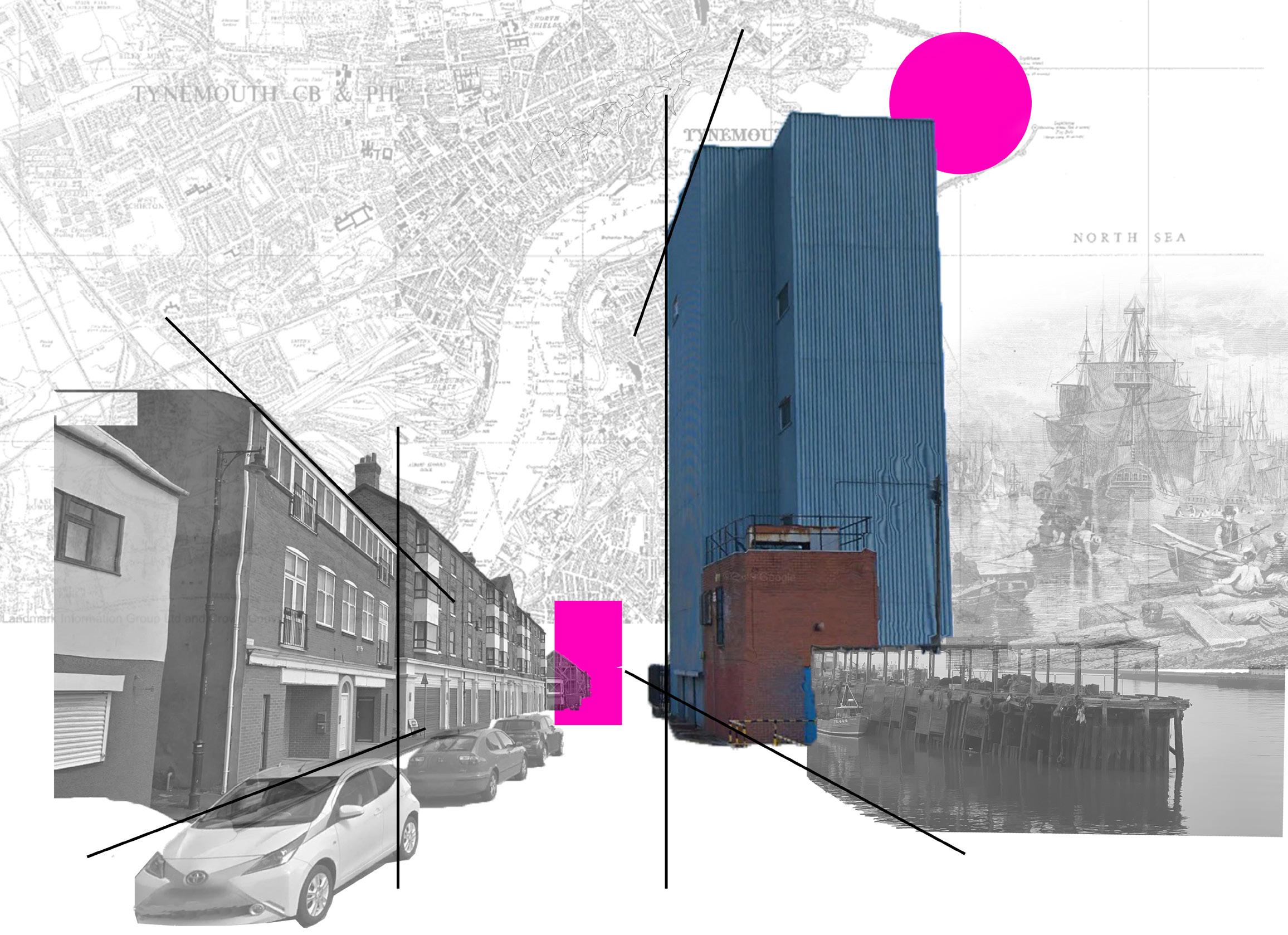

The project site of 'Species and Spaces' is located at the North Shield in the UK. The site is an abandoned old ice factory tower that served the fish industry back in the 19-20th century which has a significant connection to the fish industry past of North Shield. The studio F theme is creating a facade that offers inhabitant space for chosen species, emphasizing the concept of co-existing. The species I choose to focus on is the swallow and accommodates a historical museum that focuses on the fish industry’s past.

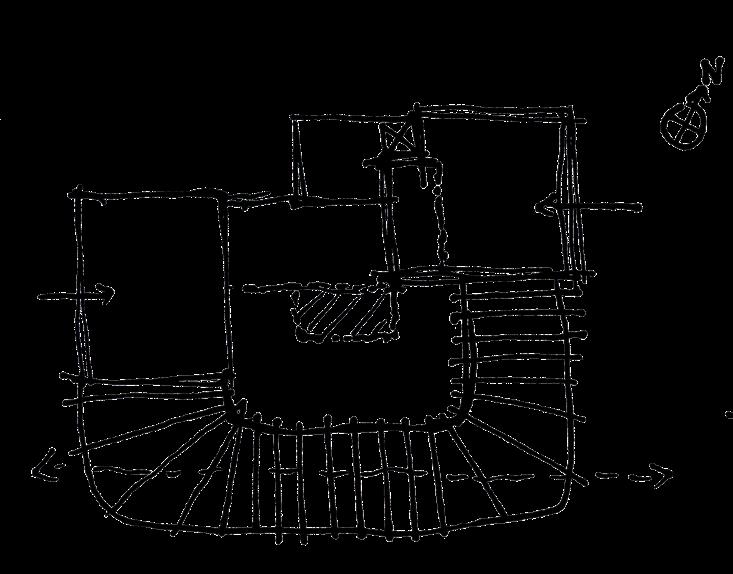

The client for this project is the owner of the old ice tower. The building are using refurbished ice tower to exhibit historical objects, mainly focusing on the fish industry collection and art painting to enhance the connection between local residents and history. It also will provide a coffee and small workshop that allows 5-7 people in simultaneously. The workshop will focus on research about swallow inhabitants for various age groups.
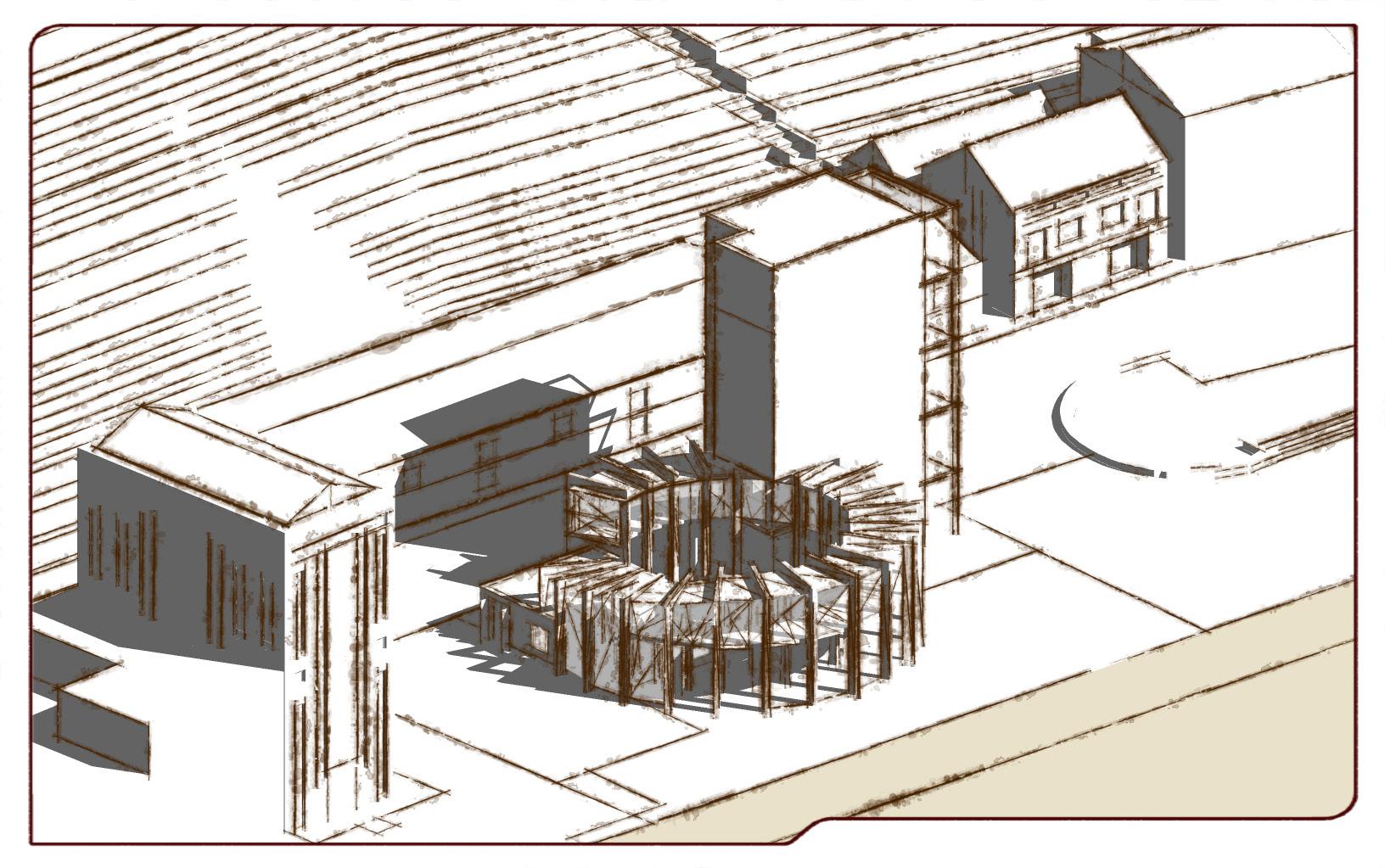
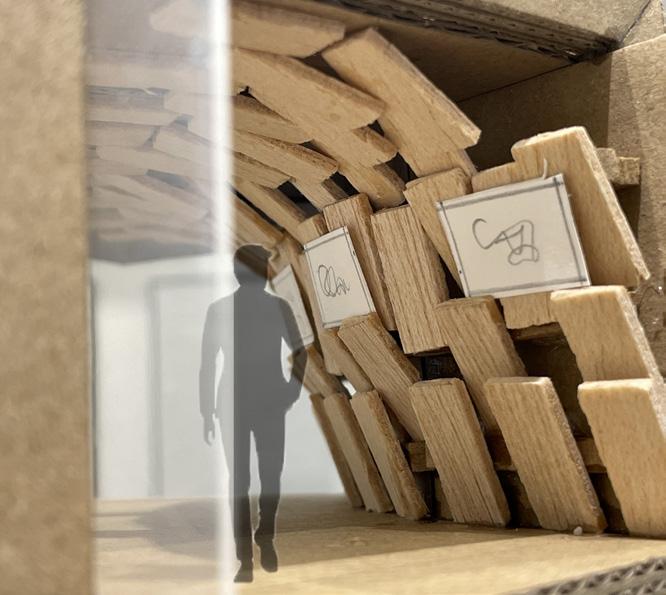
In order to ensure the quality of swallow’s living condition, the interior wall of the gallery space is completely closed without any windows on the wall. Only the observation point has few windows that allow people to observe the nesting.
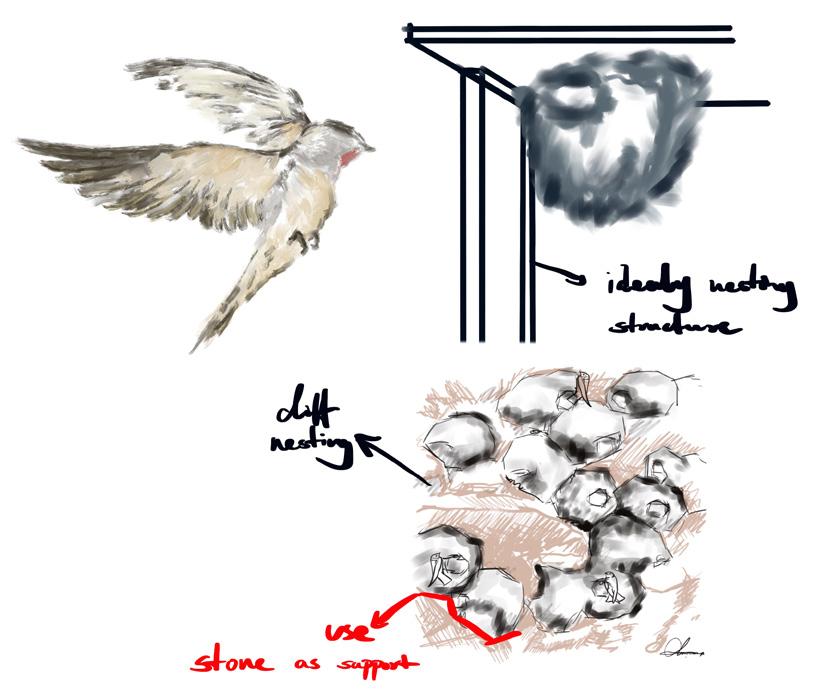
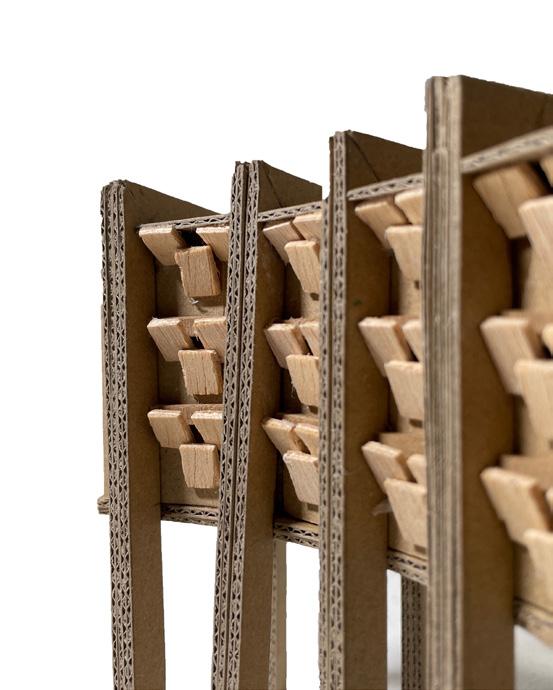
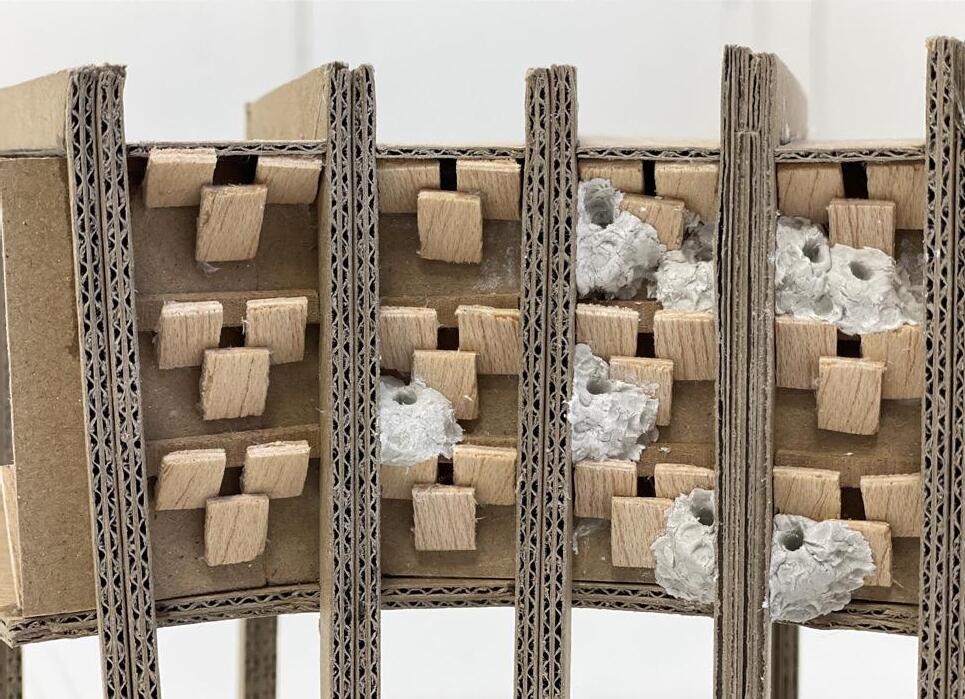
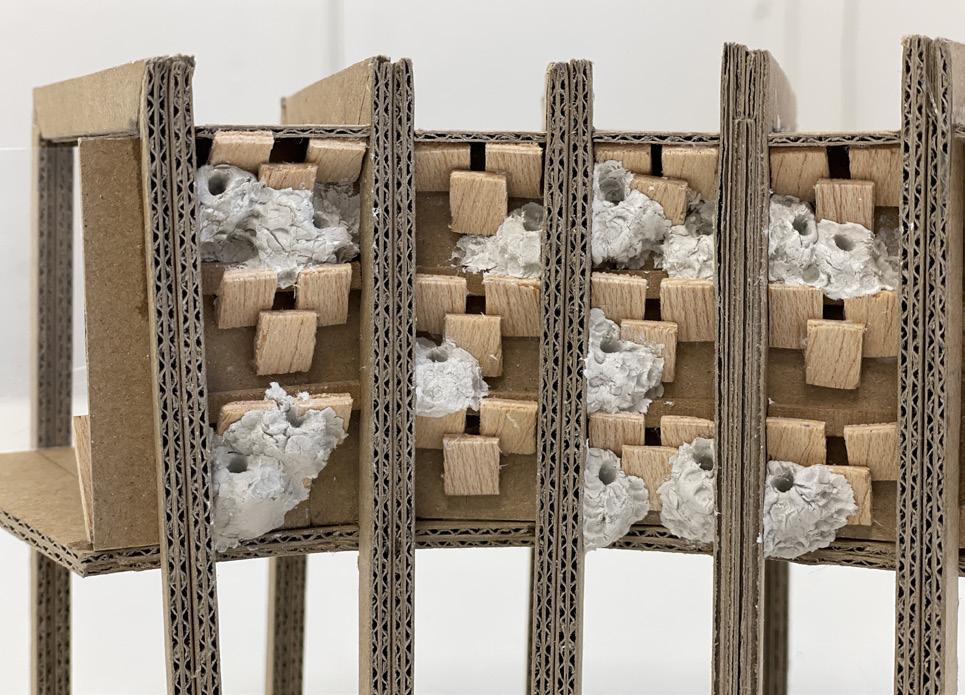
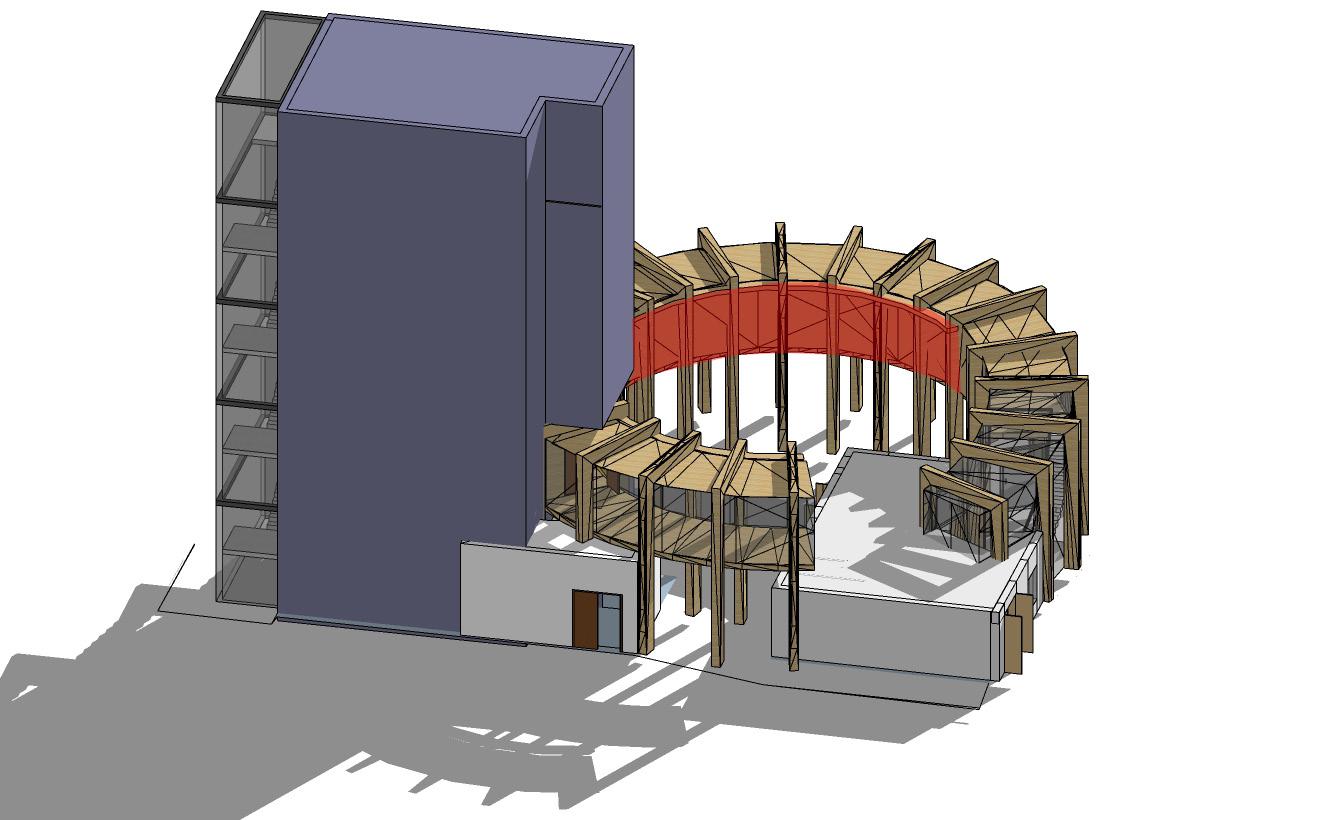
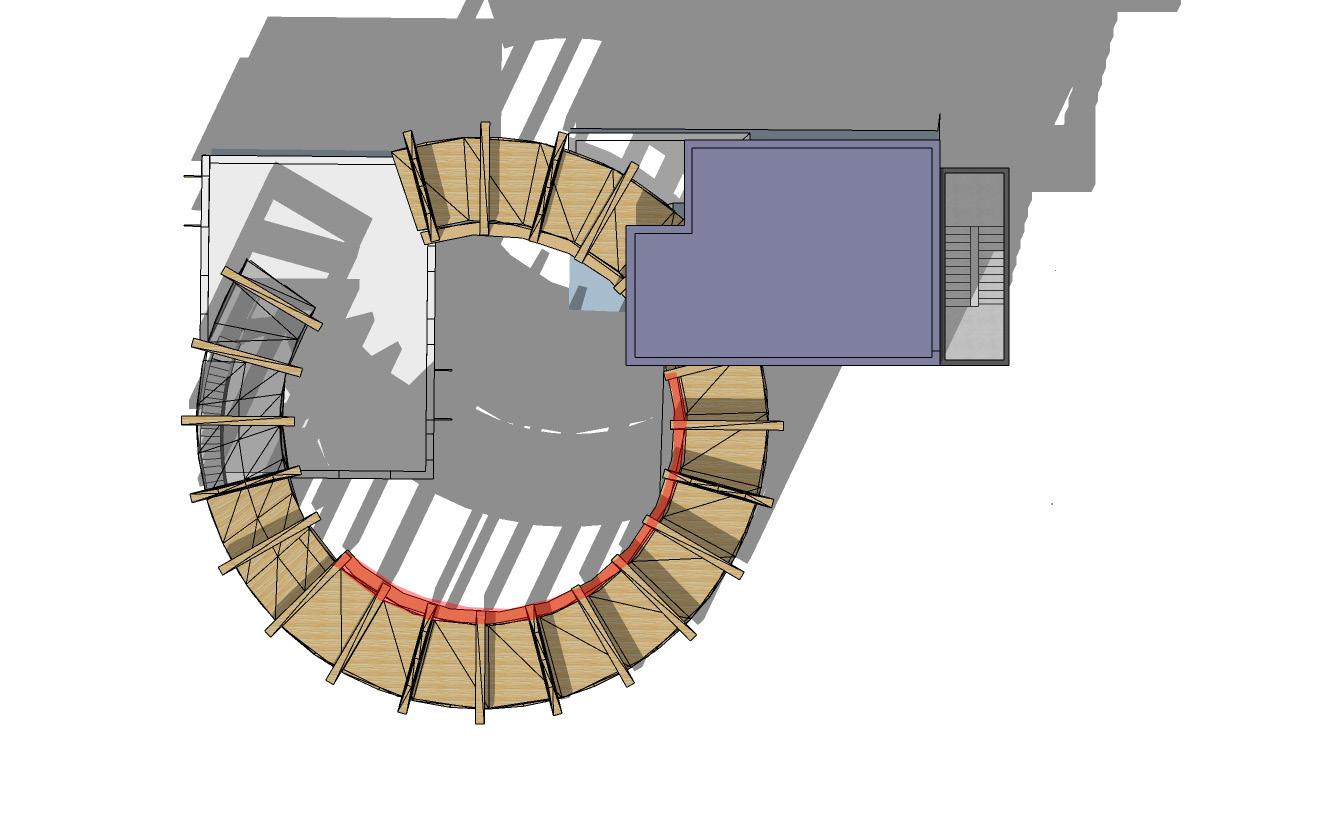
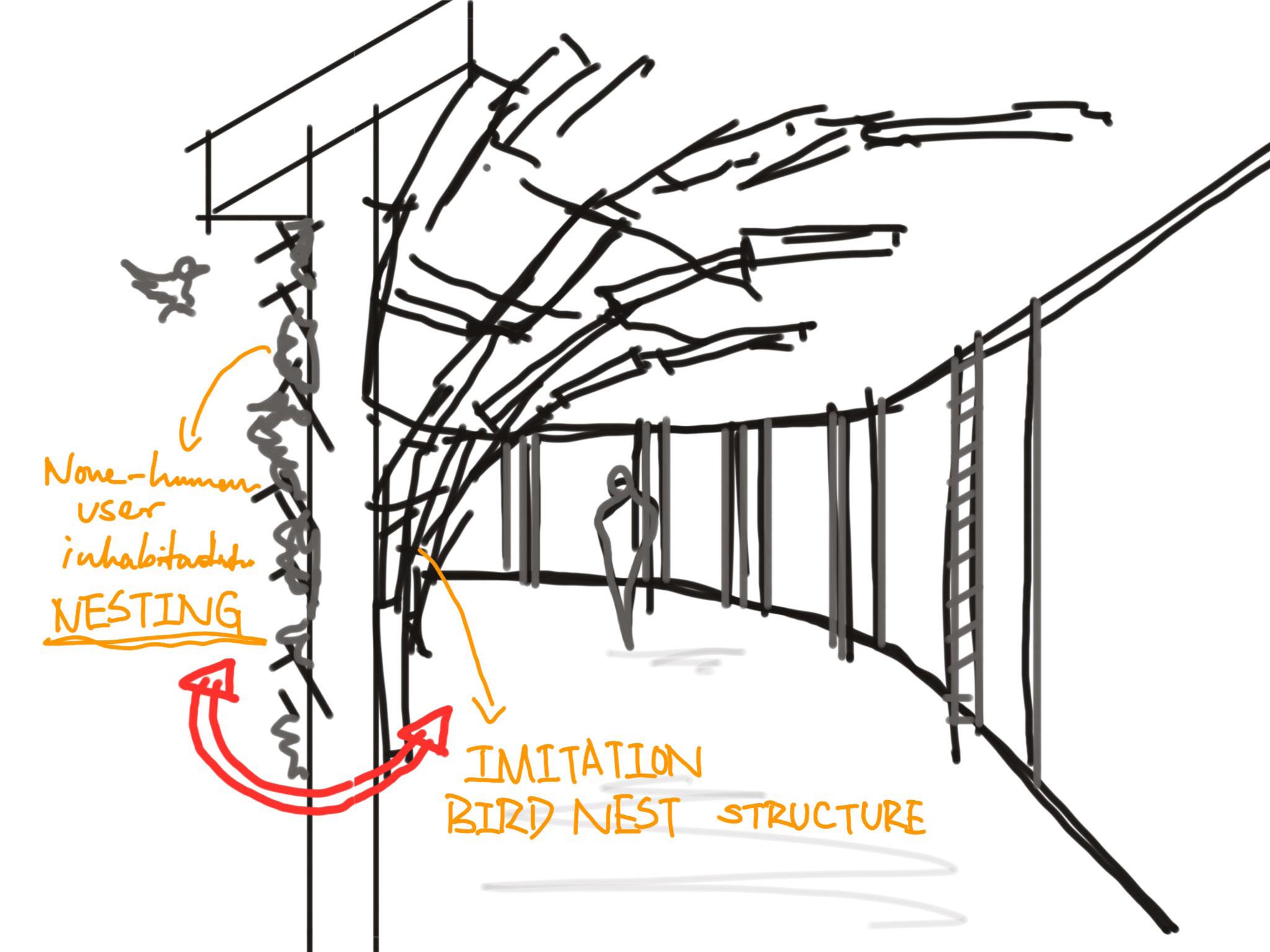
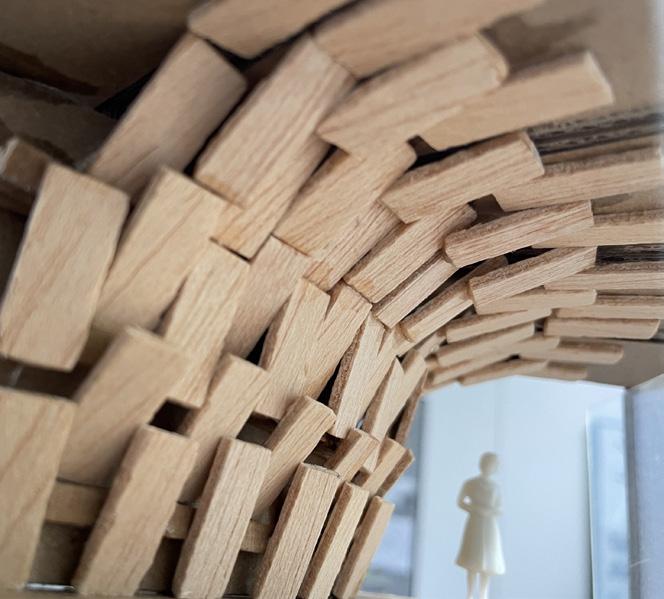
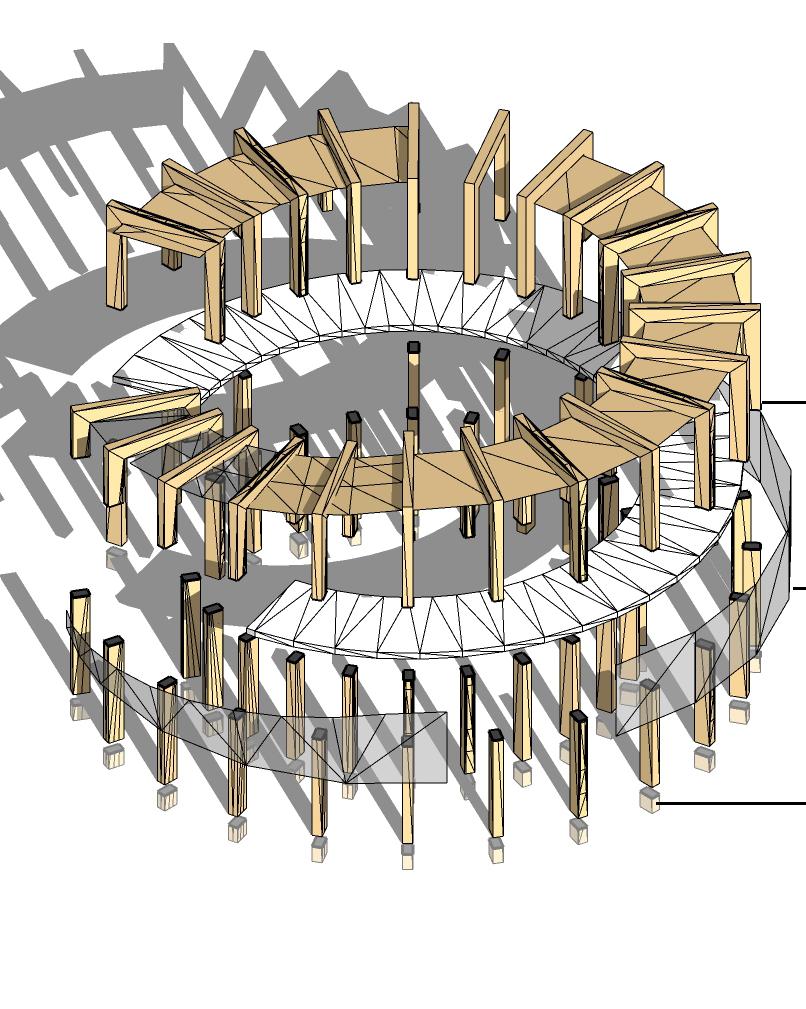
As I mentioned before, the corridor is a part of the circulation that connect two existing building blocks. In the corridor I choose to apply the original concept language, which is imitate the form of bird nest. The language would apply on both side of the facade, for human and none-human user, co-existing under the same architectural language.
 Swallow inhabitant area
Observation opoint/work shop
Glass Timber wall without windows
Swallow inhabitant area
Observation opoint/work shop
Glass Timber wall without windows
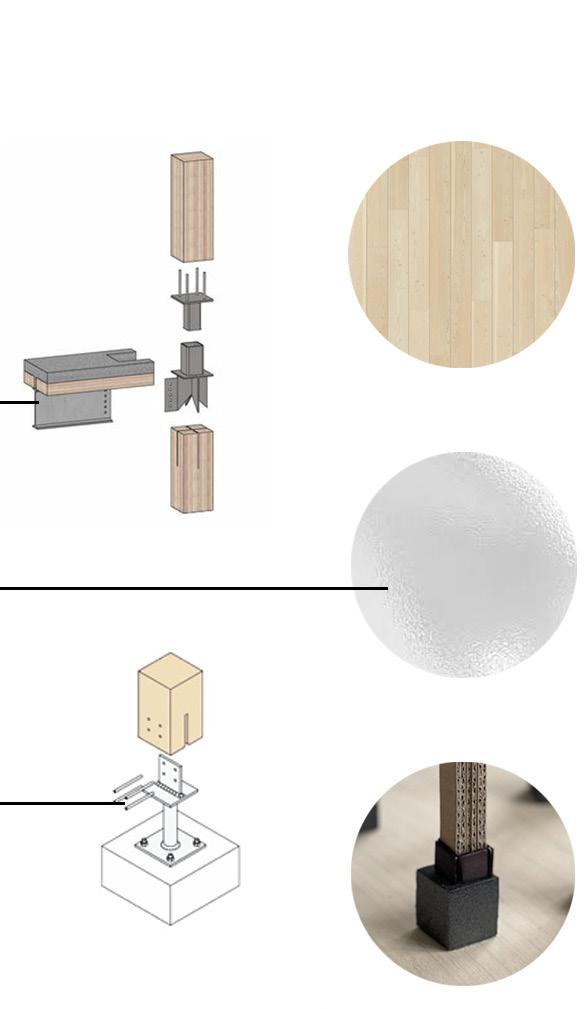
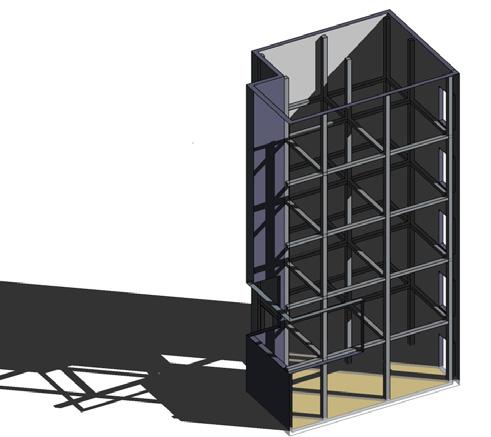
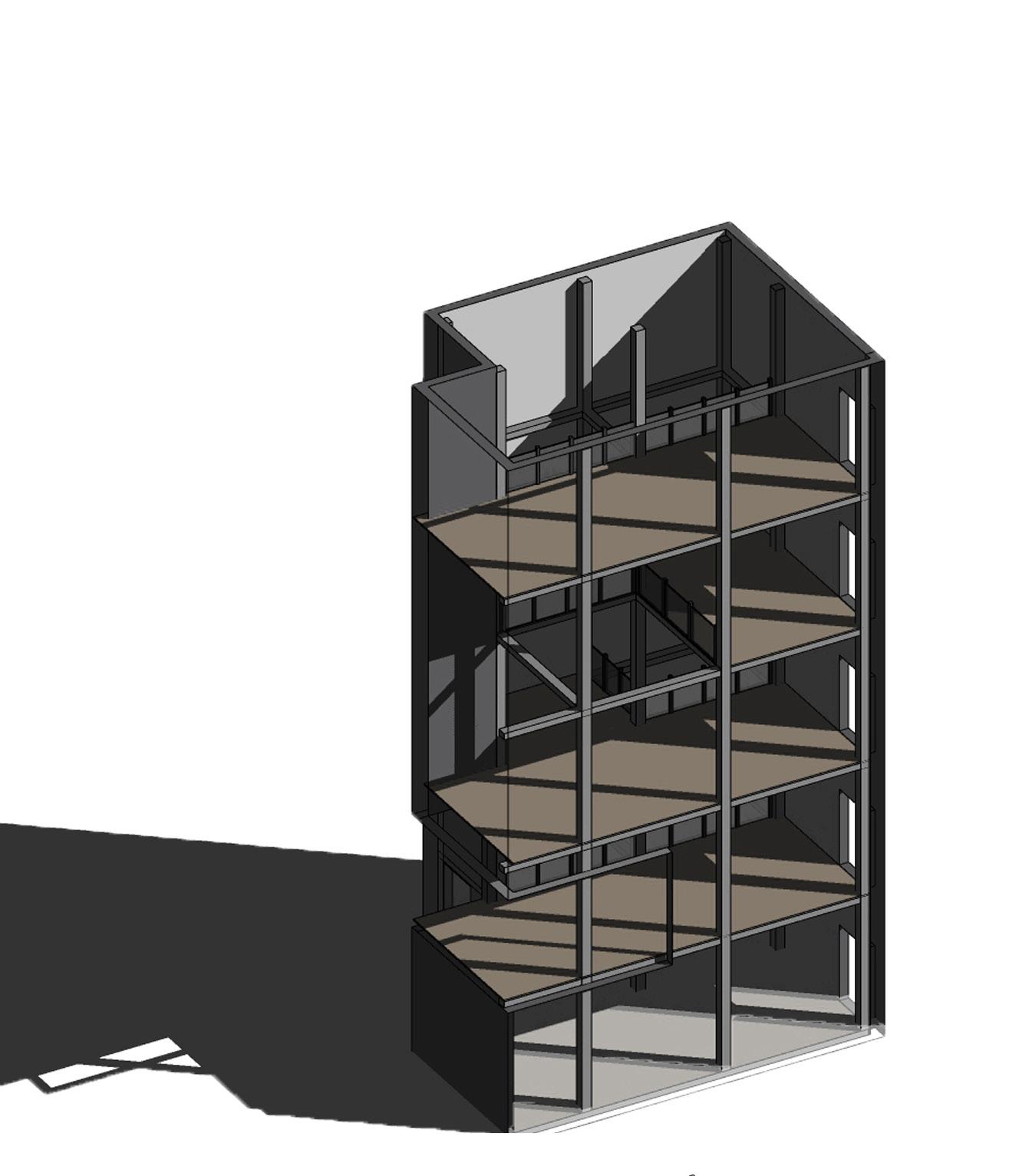
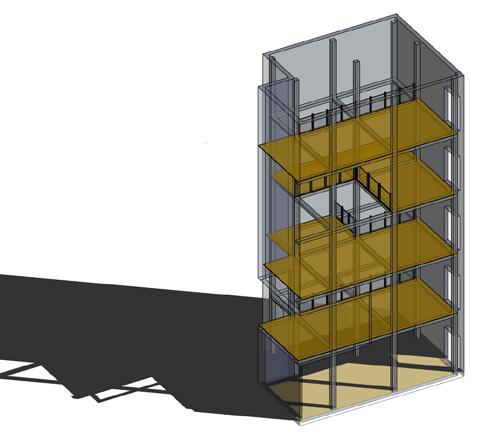
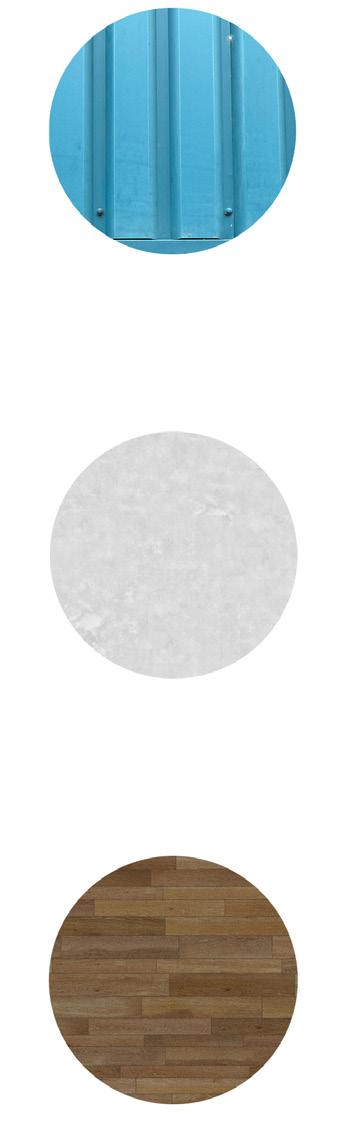
The tower museum retains most of the original materials. Some concrete floors are overlaid between the original structures, and some wooden planks are added

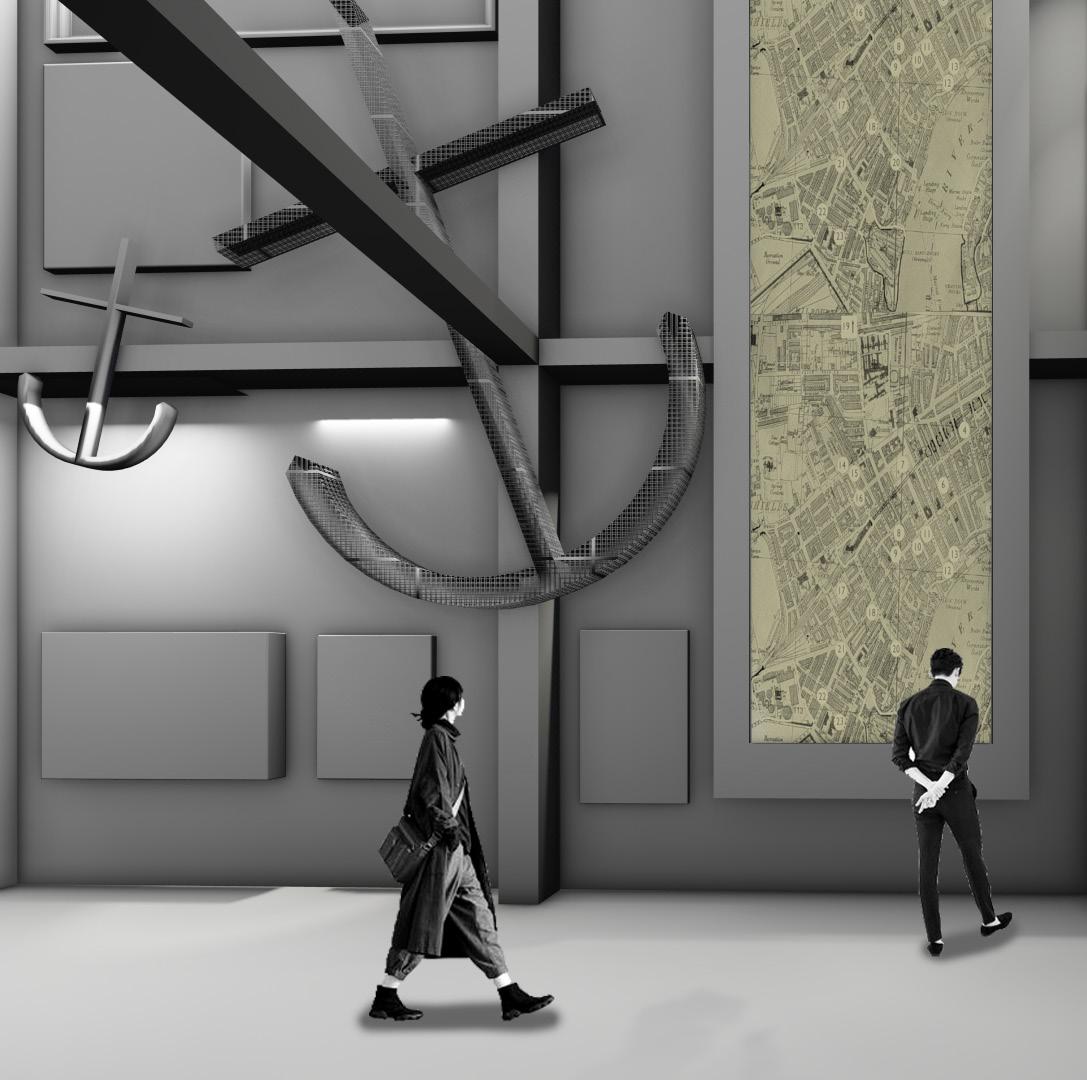
ground level
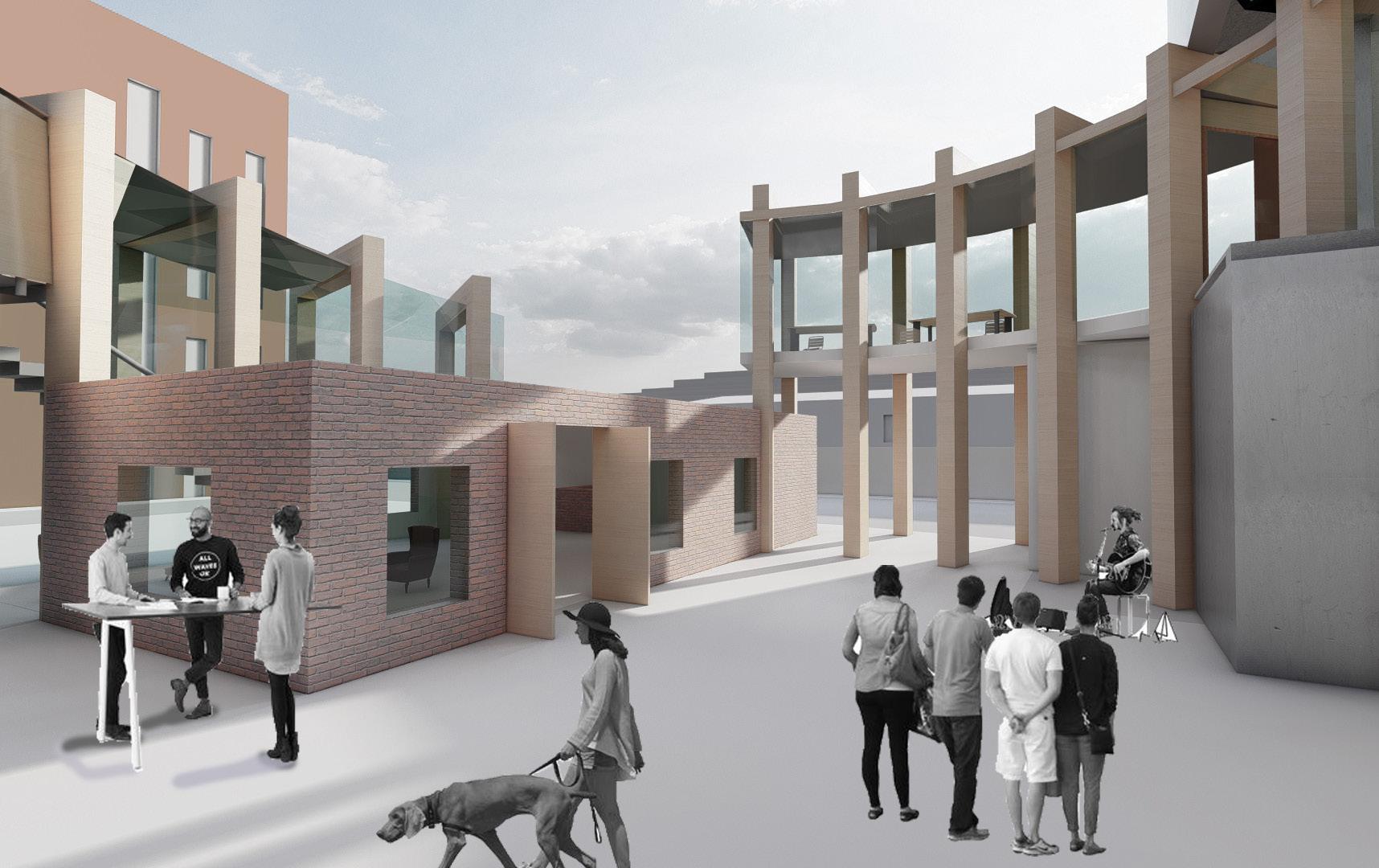
of courtyard
Views Museum Existing steel cladding CLT structure column Glass Steel tie support column Concrete floor panel Timber floor finish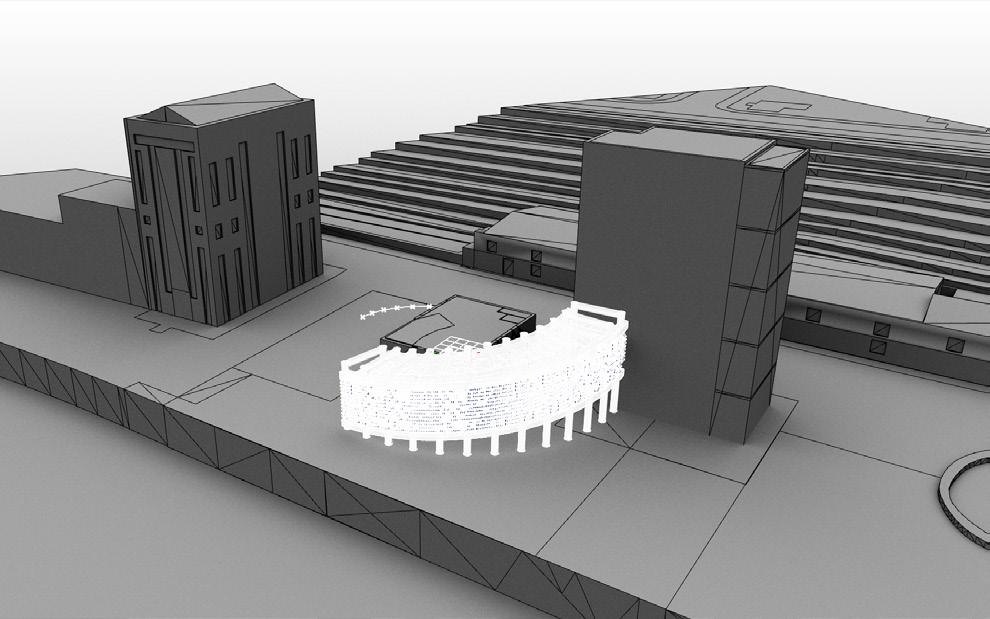
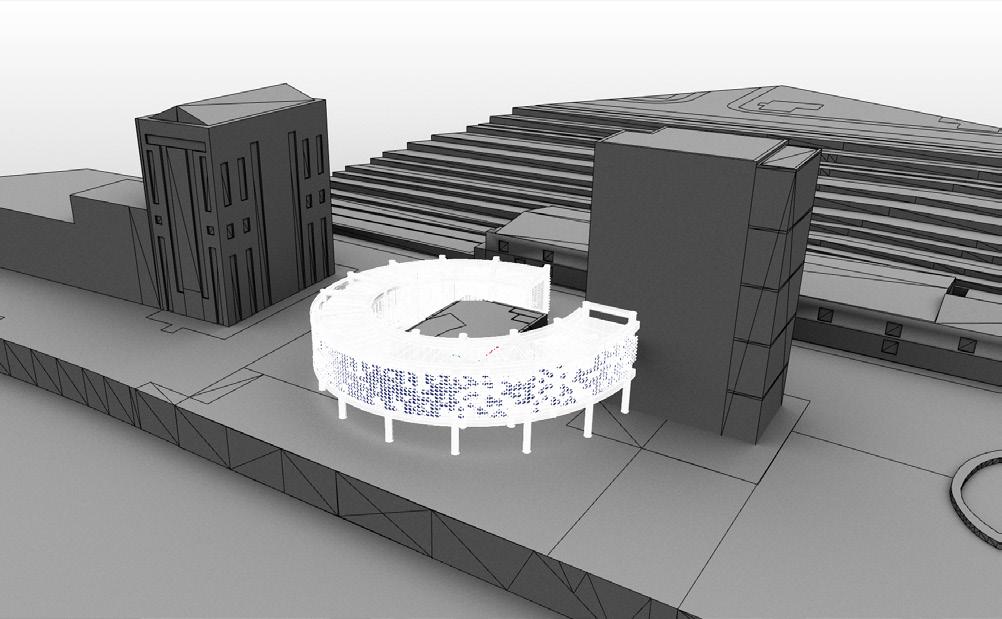
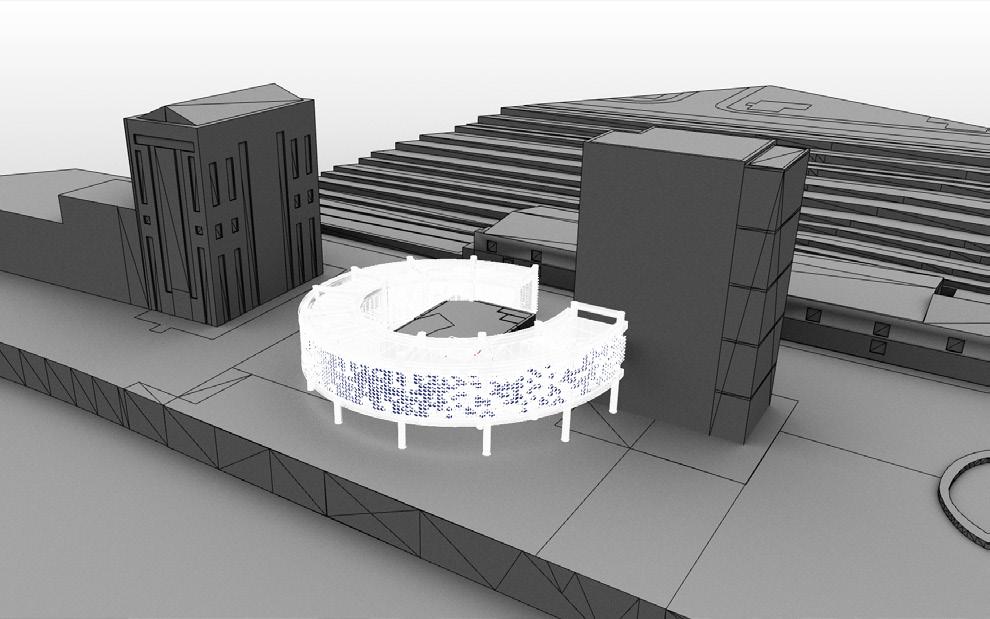

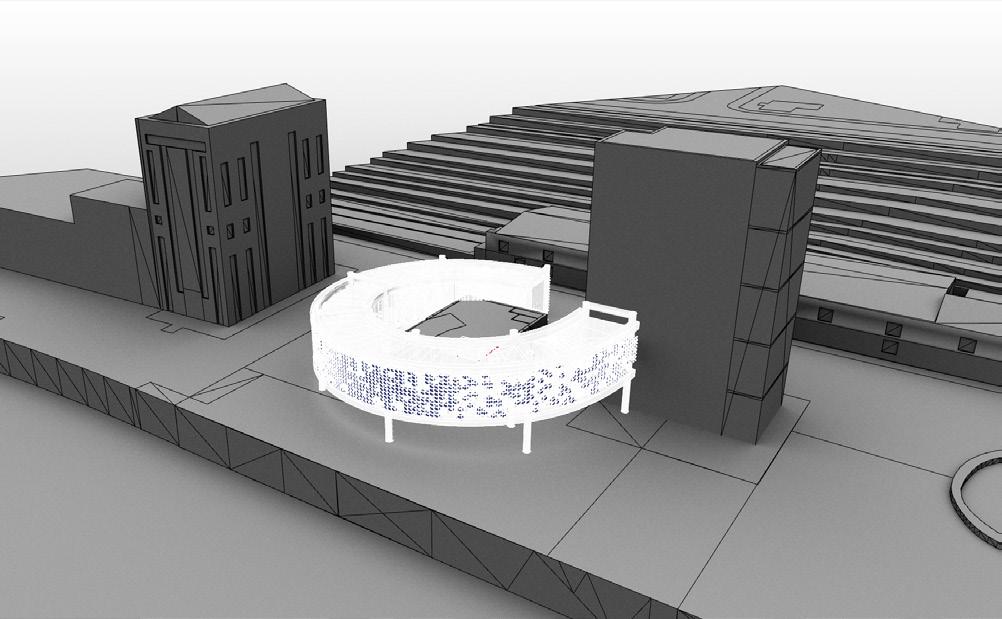
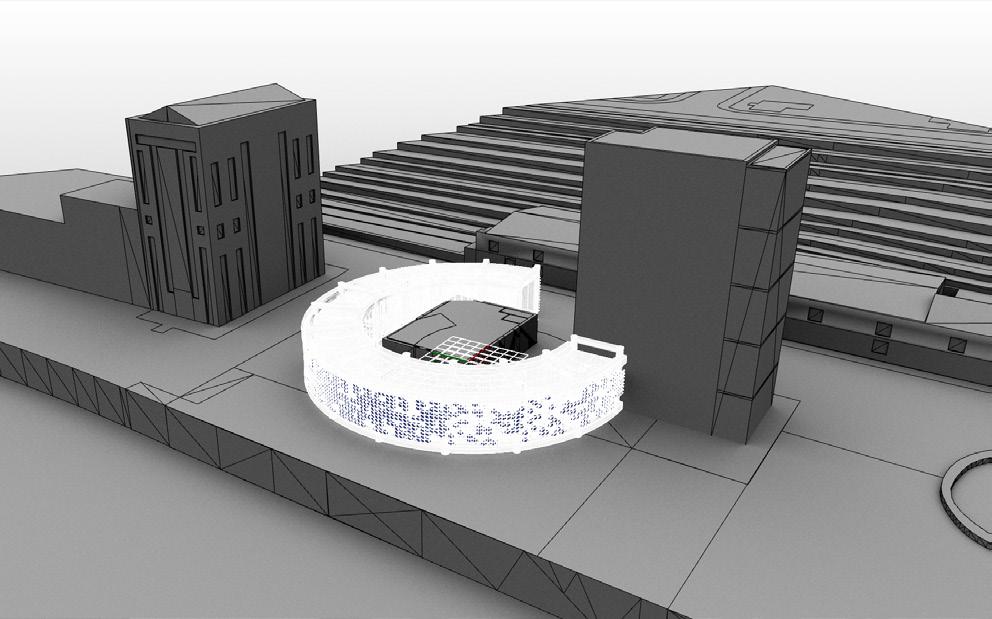
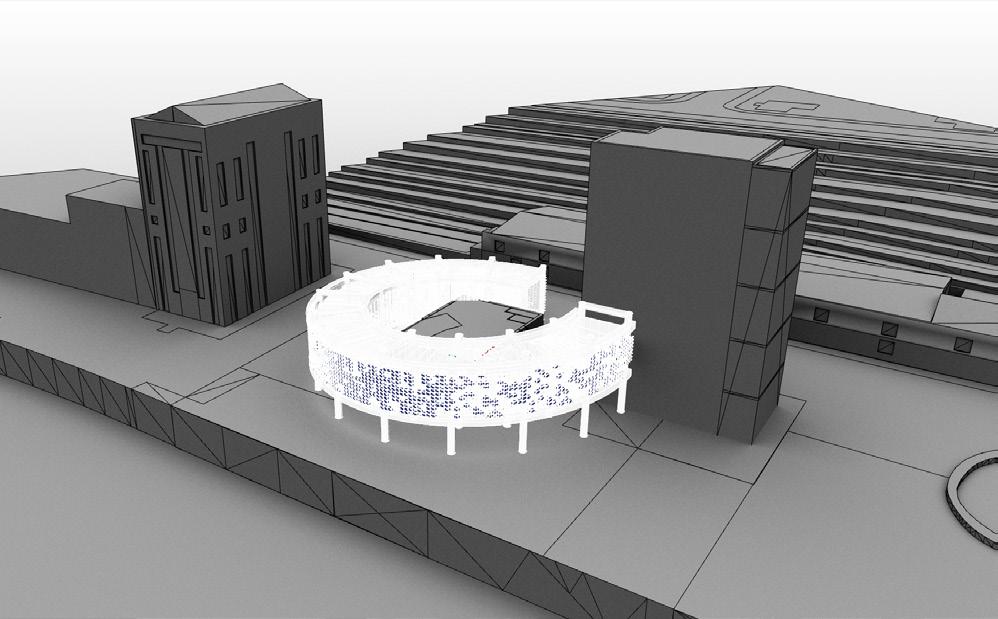
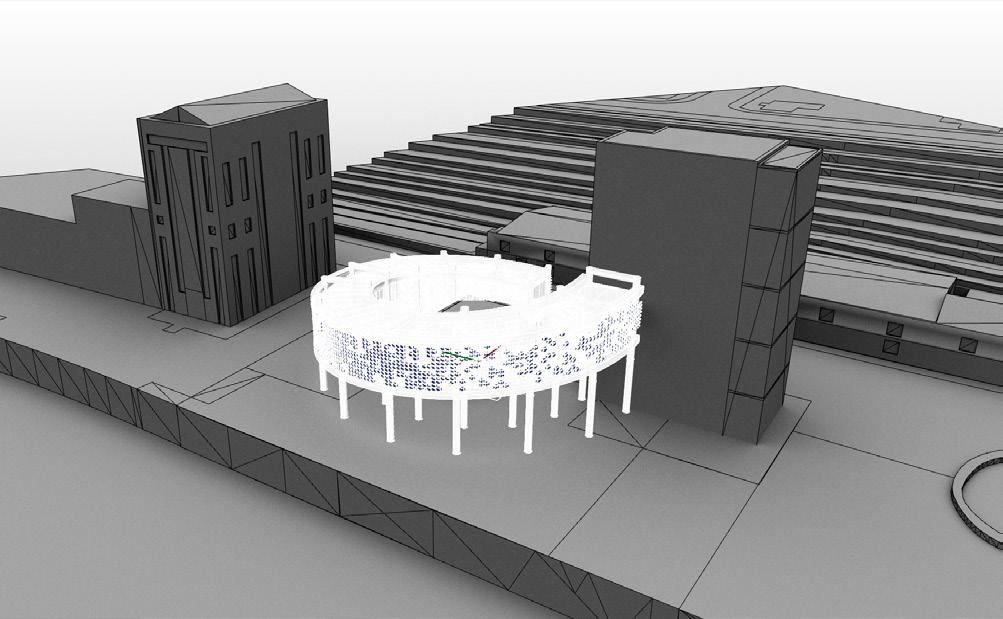

Coordinate work on the exploration of architectural form and possibility.
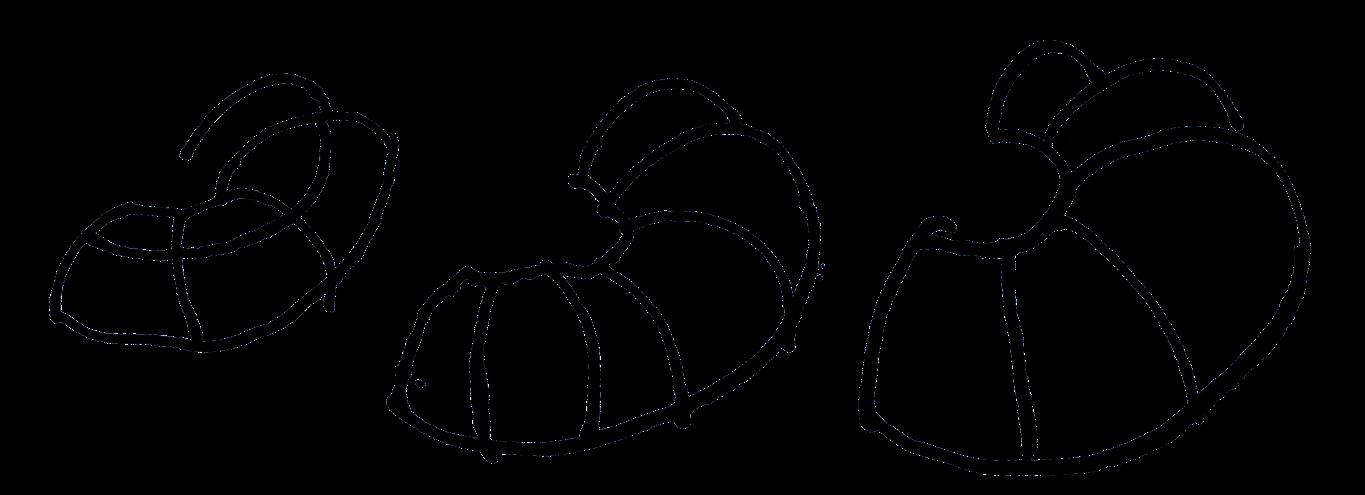
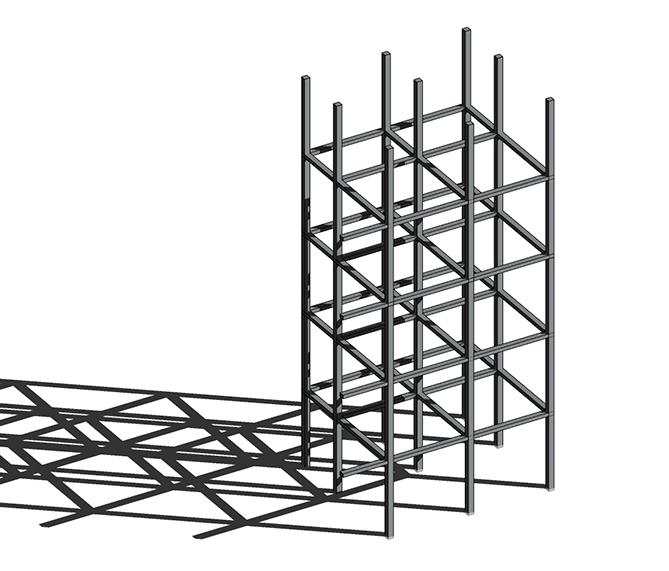
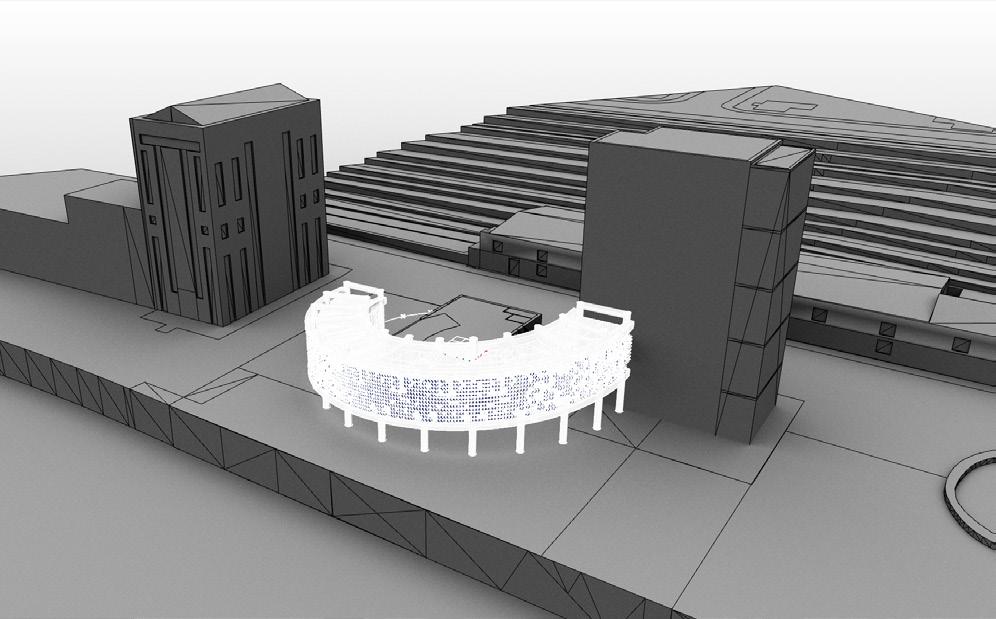
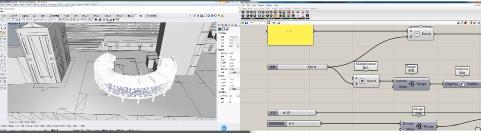
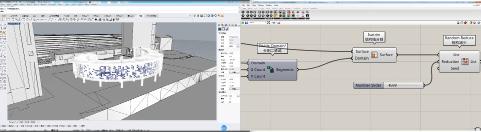
This part is a collaborative group work based on my design, using a softer grasshopper to re-edit the new structure. These images show the variation of angle, the number of columns, and building height. The help of computer coding allows the designer to explore more possibilities of building form. Additional study is that the model could support the structural engineer in providing load-bearing information and the number of materials used. However, this study is quite simple and not perfectly precise. I believe this exploration is rather meaningful for my future study, providing more possibilities on
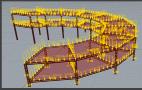
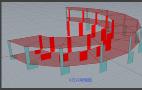
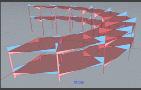
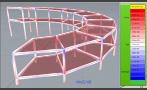
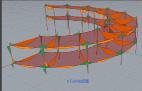
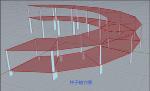
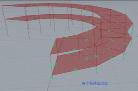
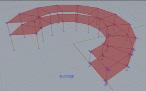 Variation of rotate angle
Number of columns
Variation of building height
Structural analysis
Coding process
Variation of rotate angle
Number of columns
Variation of building height
Structural analysis
Coding process
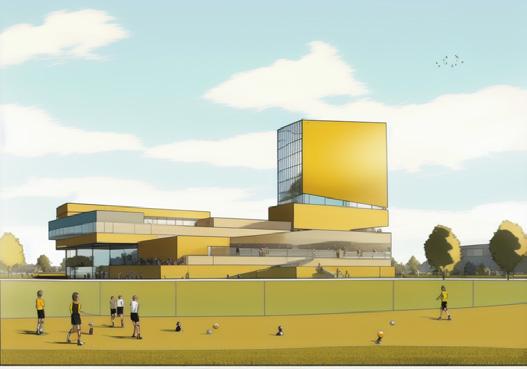
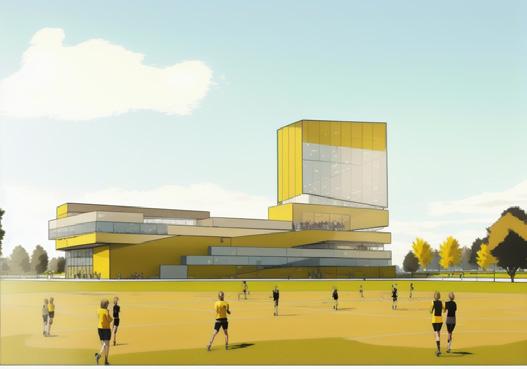
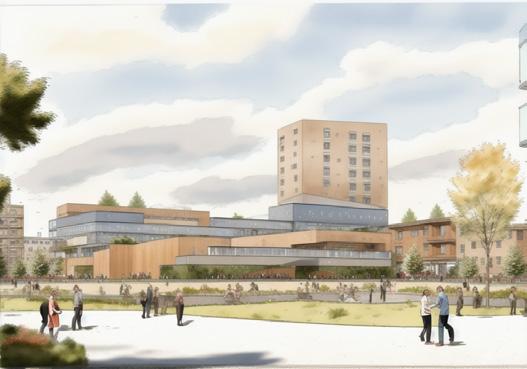
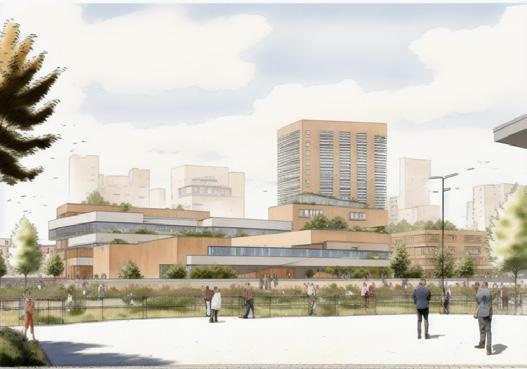
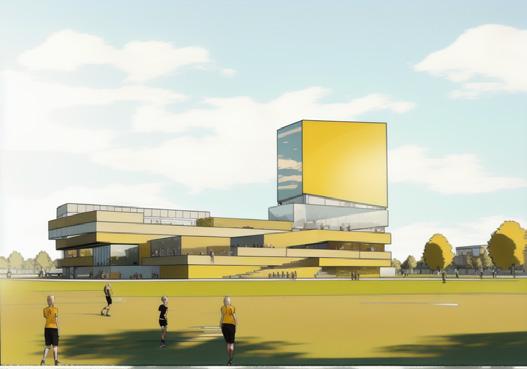
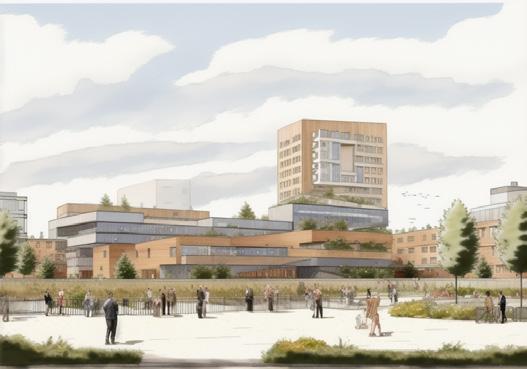
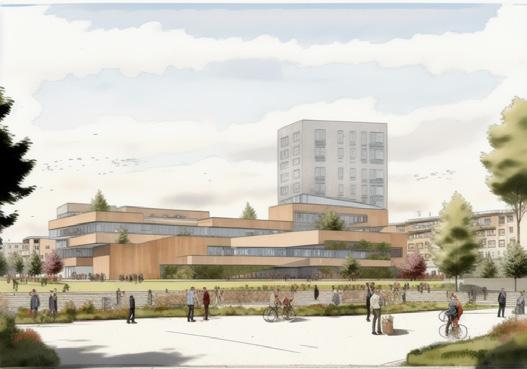
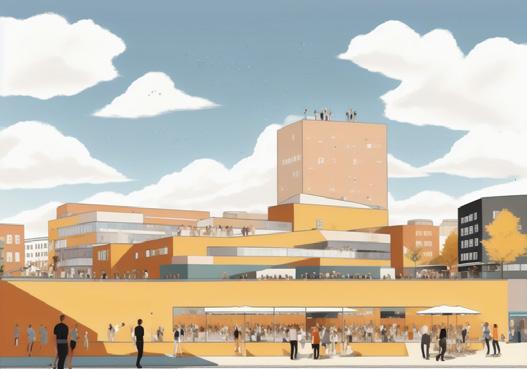
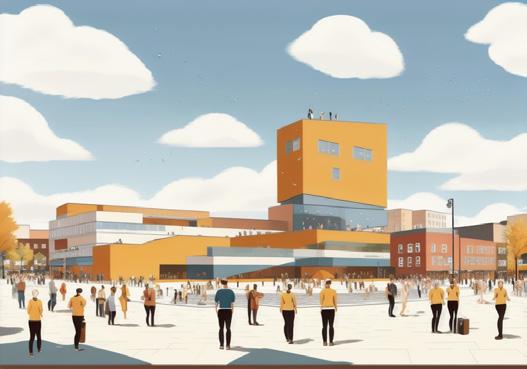
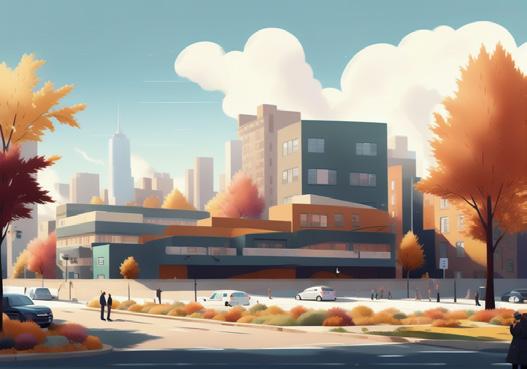
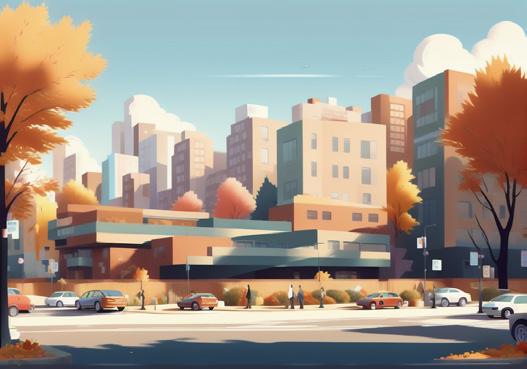
Massing line drawings, edit prompt words, confirm rendering style.
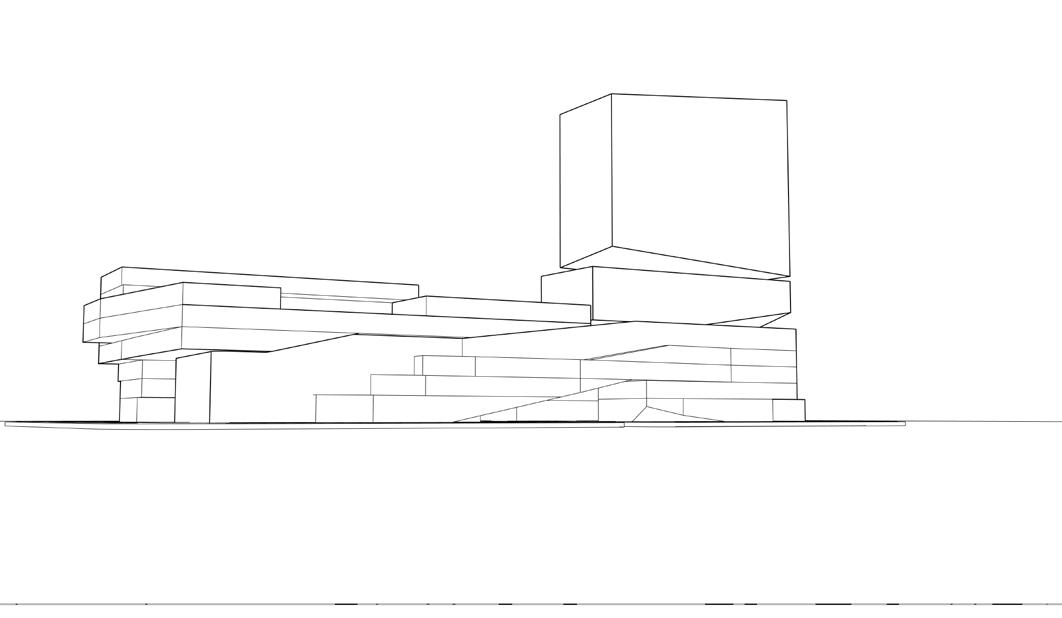
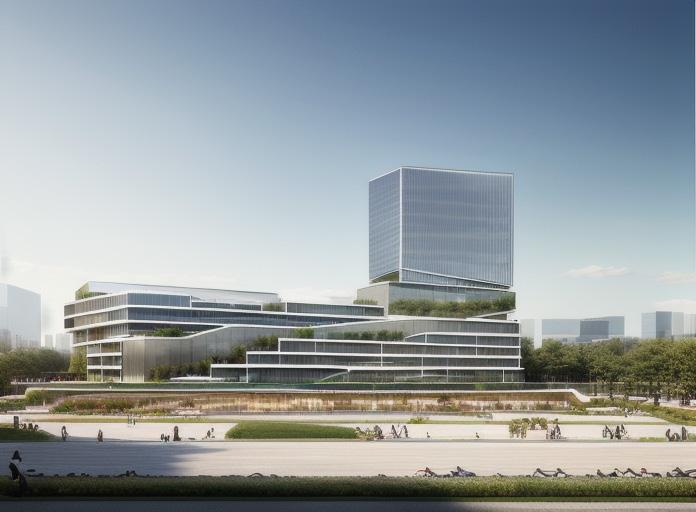
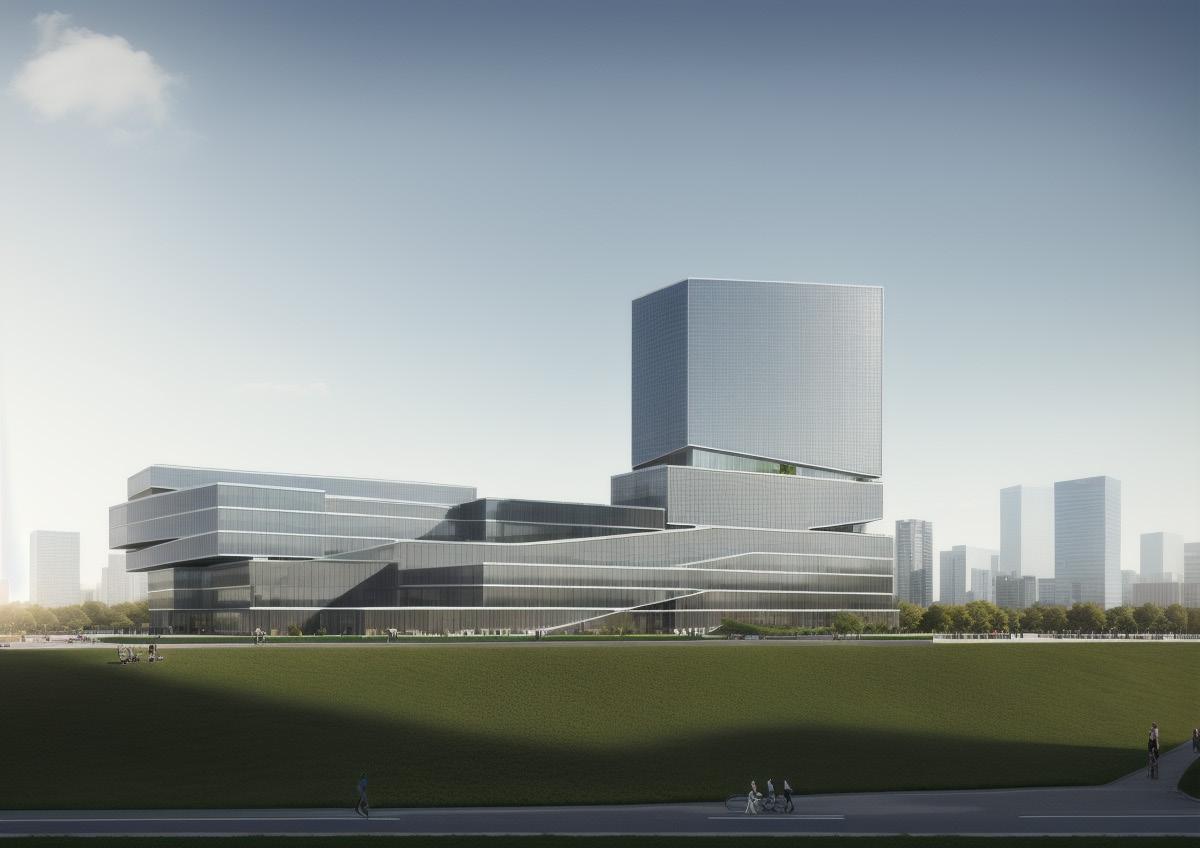
This project is based on the existing AI drafting software Midjourney and Stable Diffusion, as well as the development of an architectural workflow in collaboration with ChatGPT. Currently, this workflow is mainly applied in rendering and personalized imaging. The current capabilities of AI are not yet able to participate in design decisions, but some unexpected creative ideas can
Adjust the participation weight of the Lora model to achieve variation of building form.
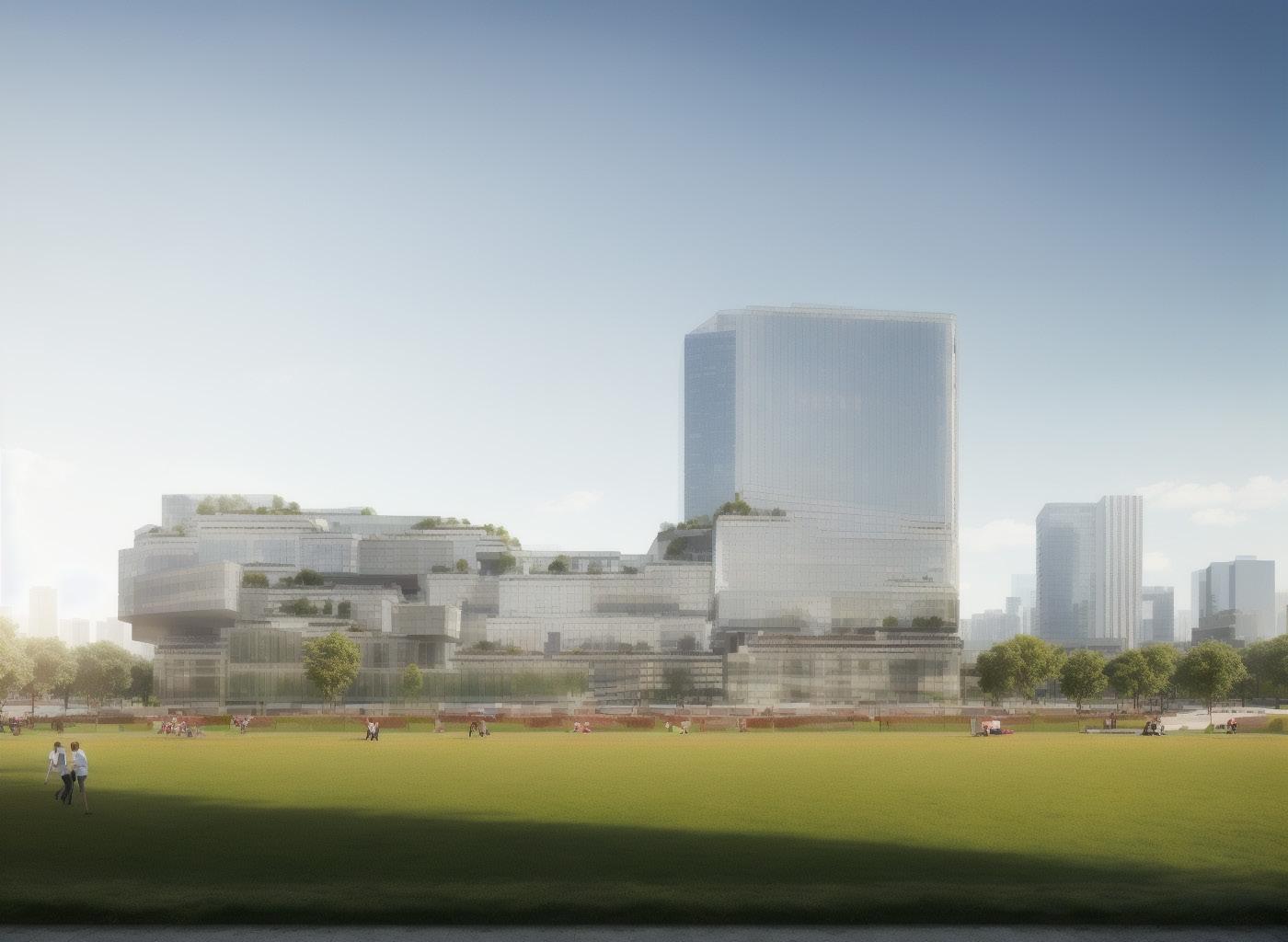
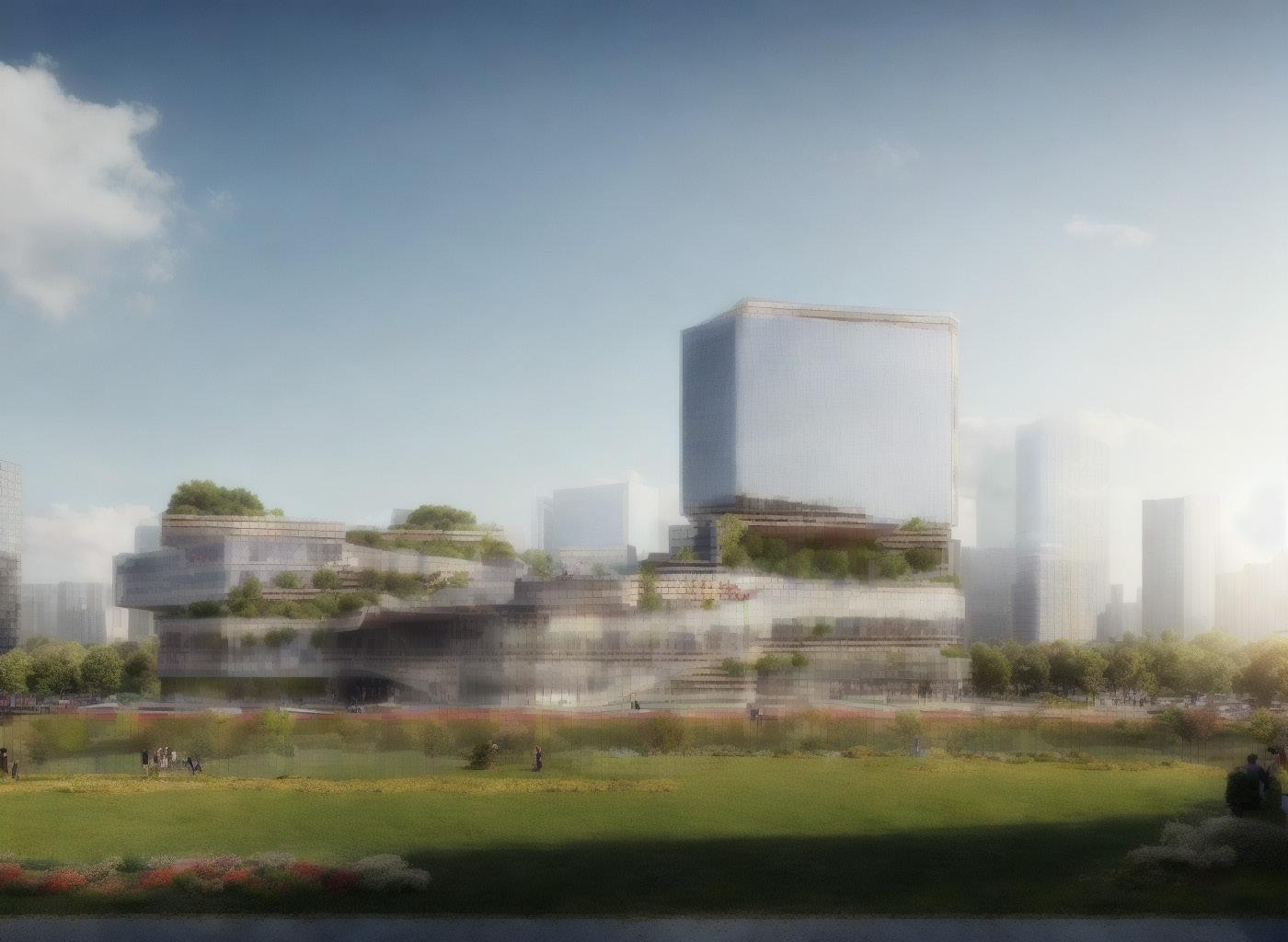
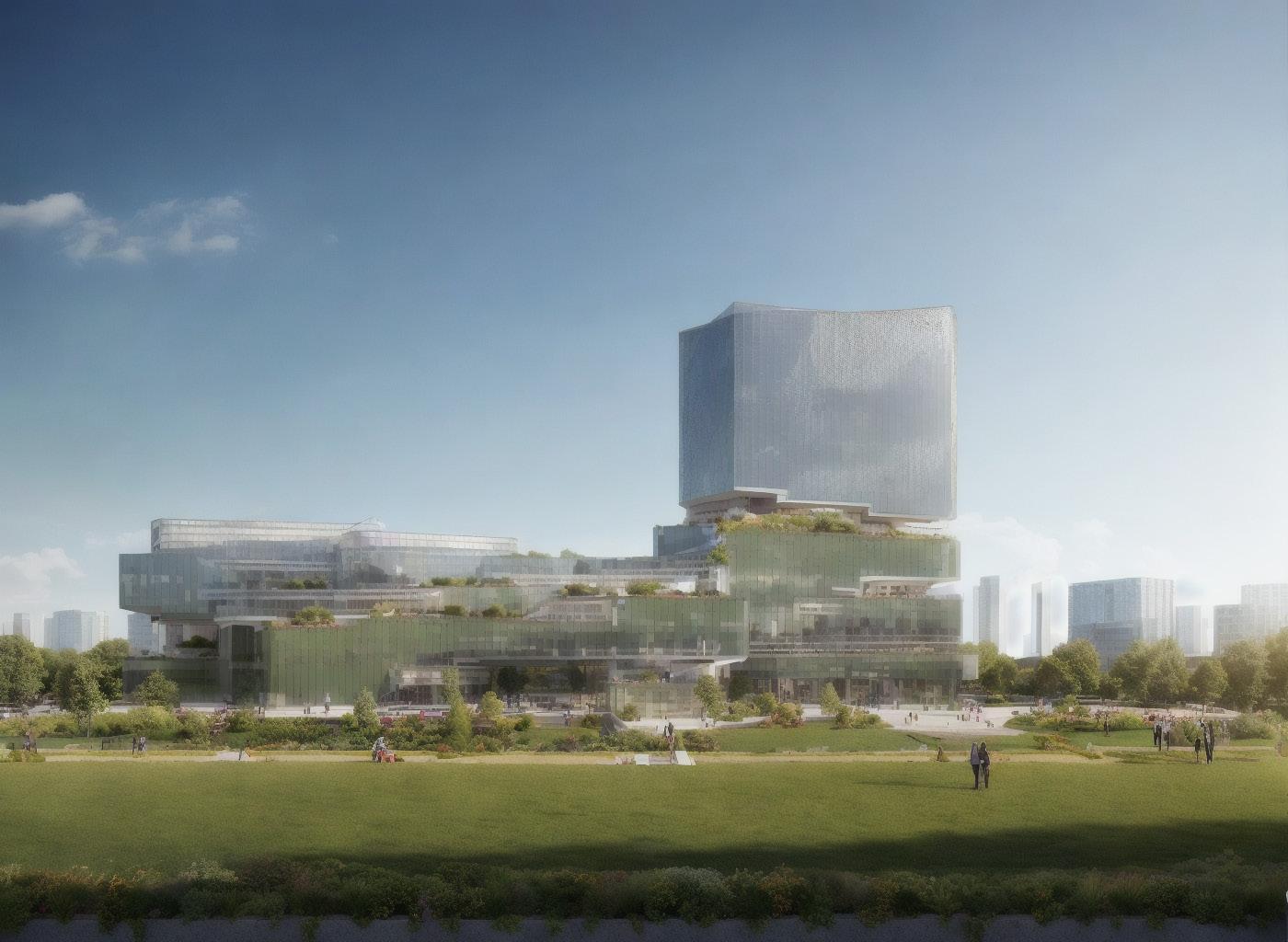
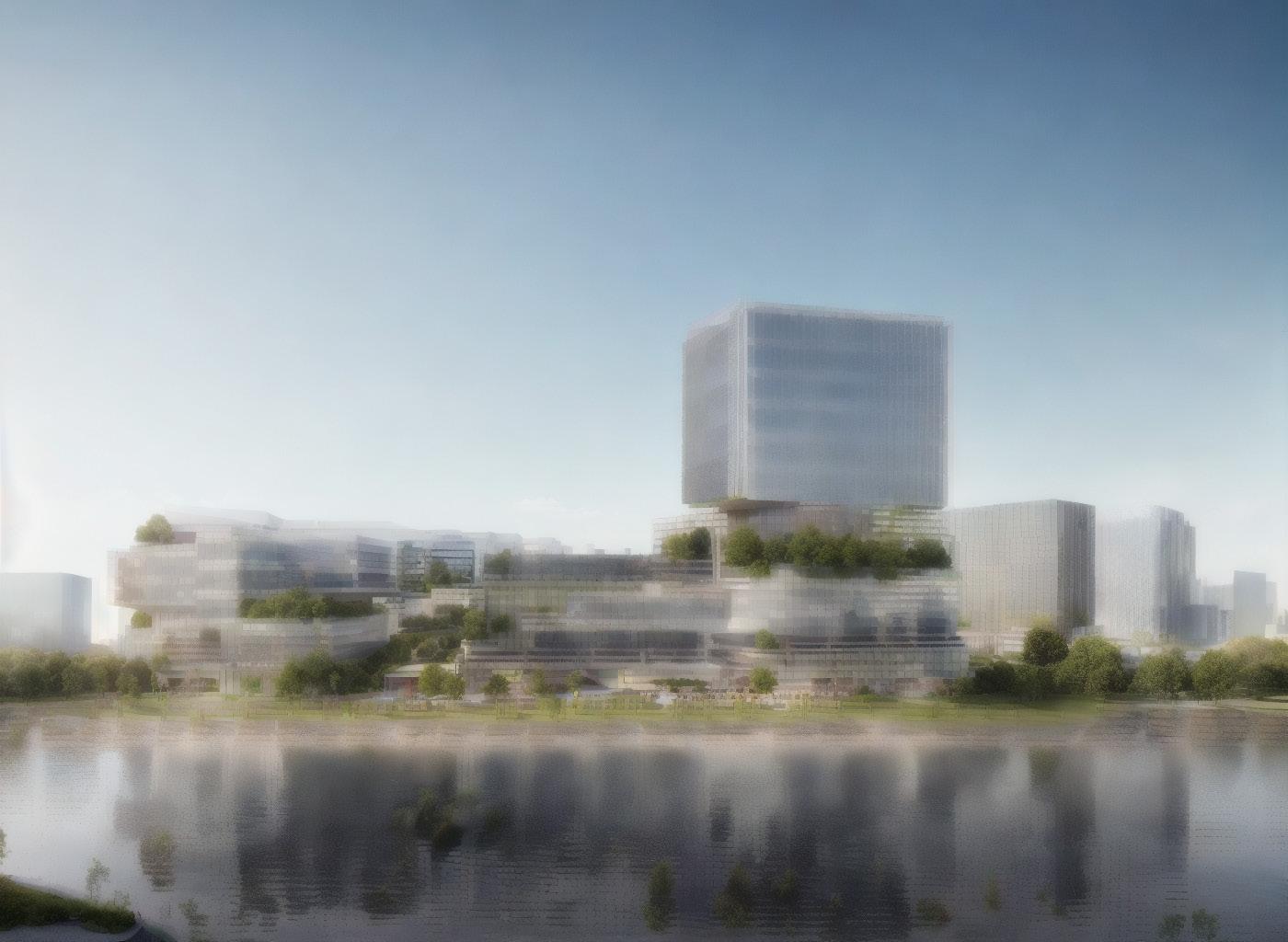
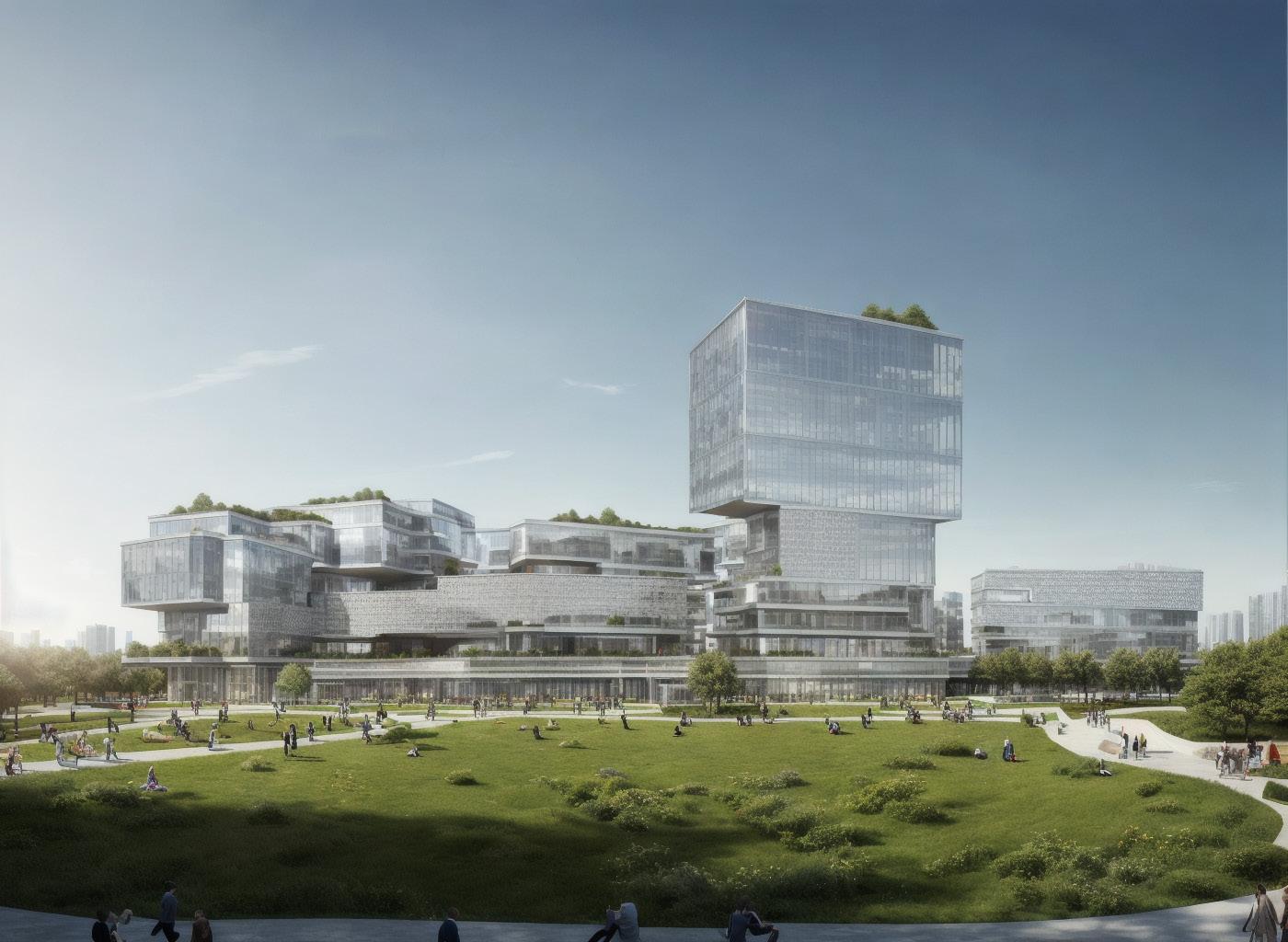
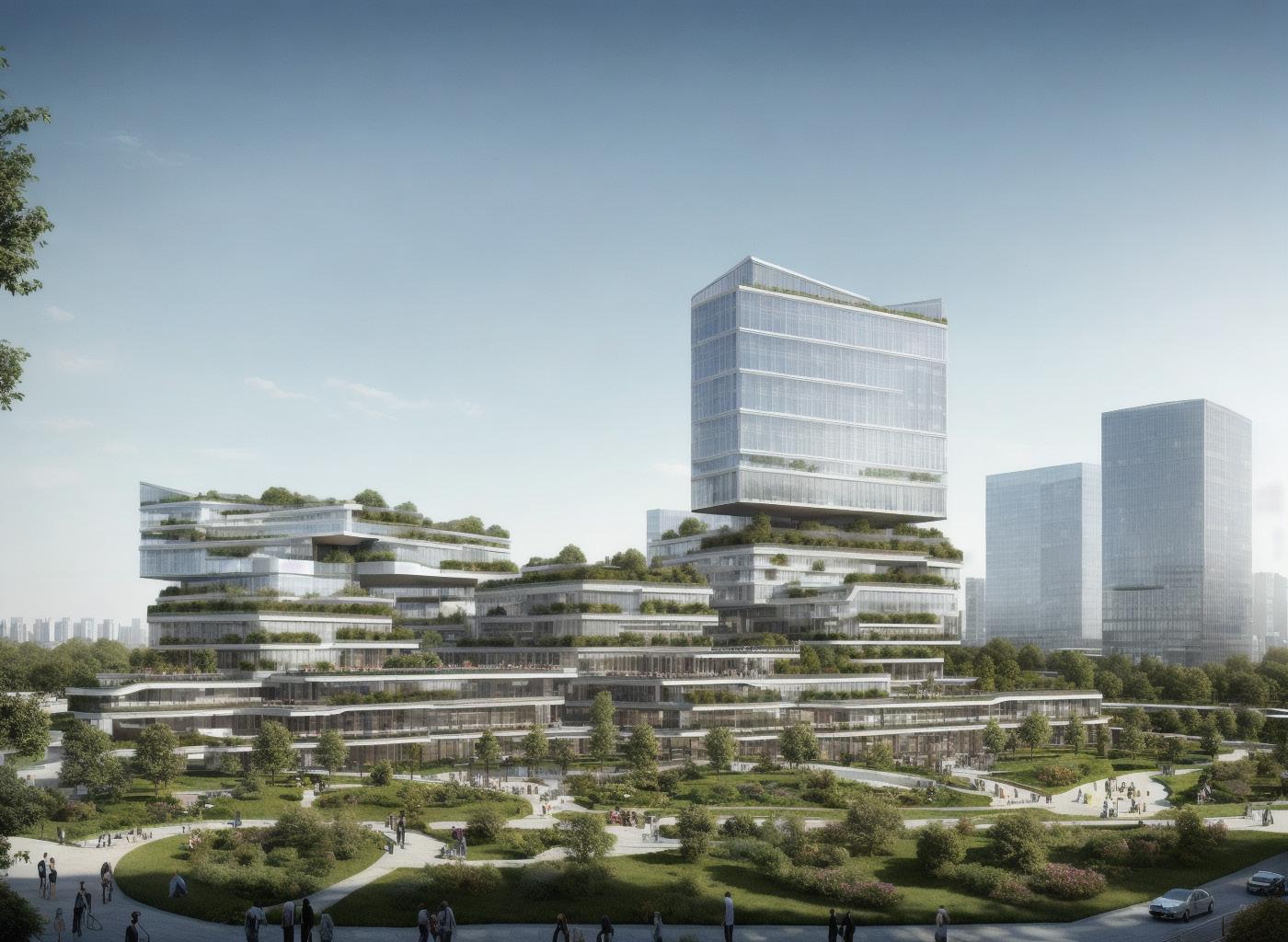
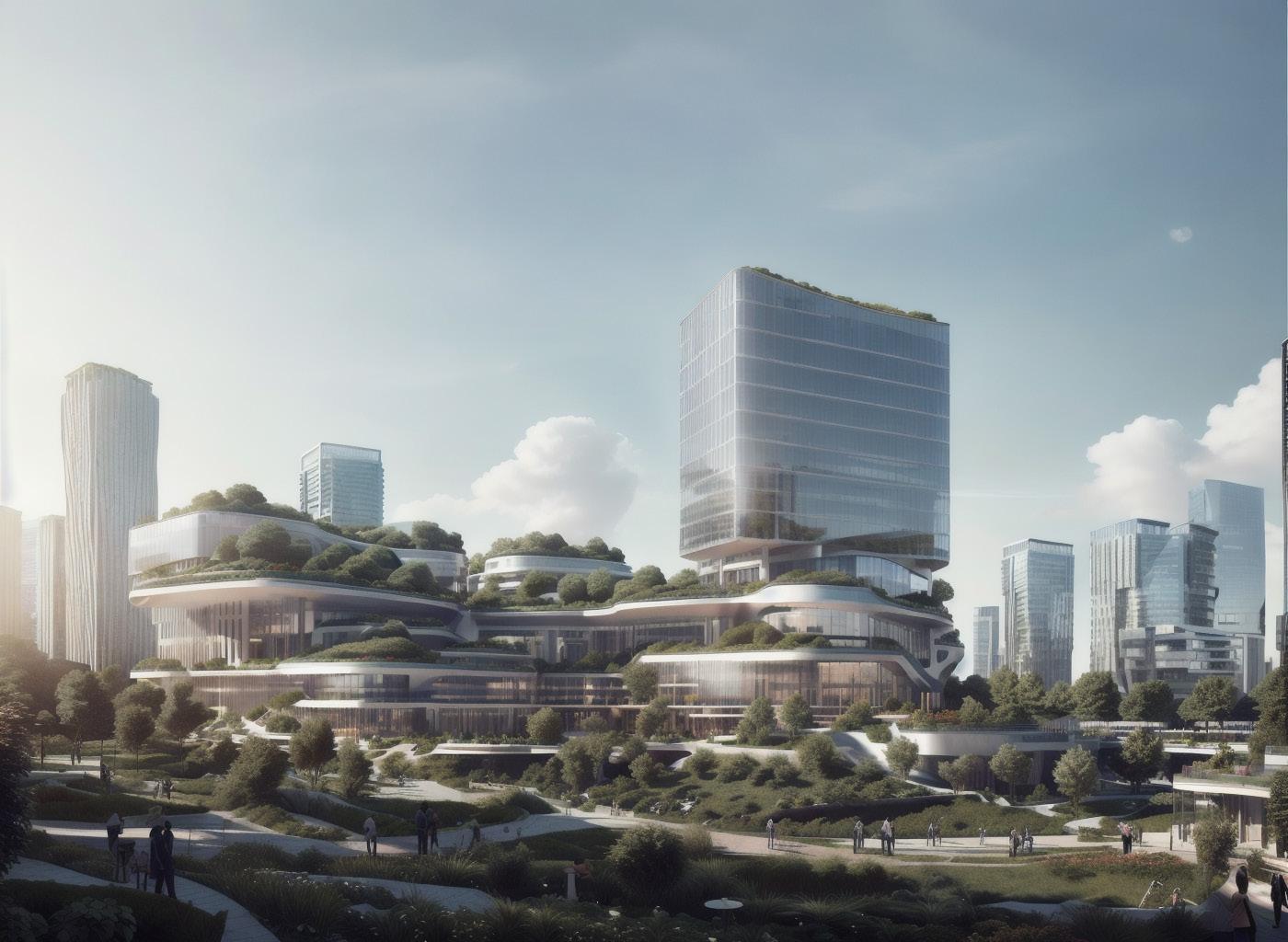
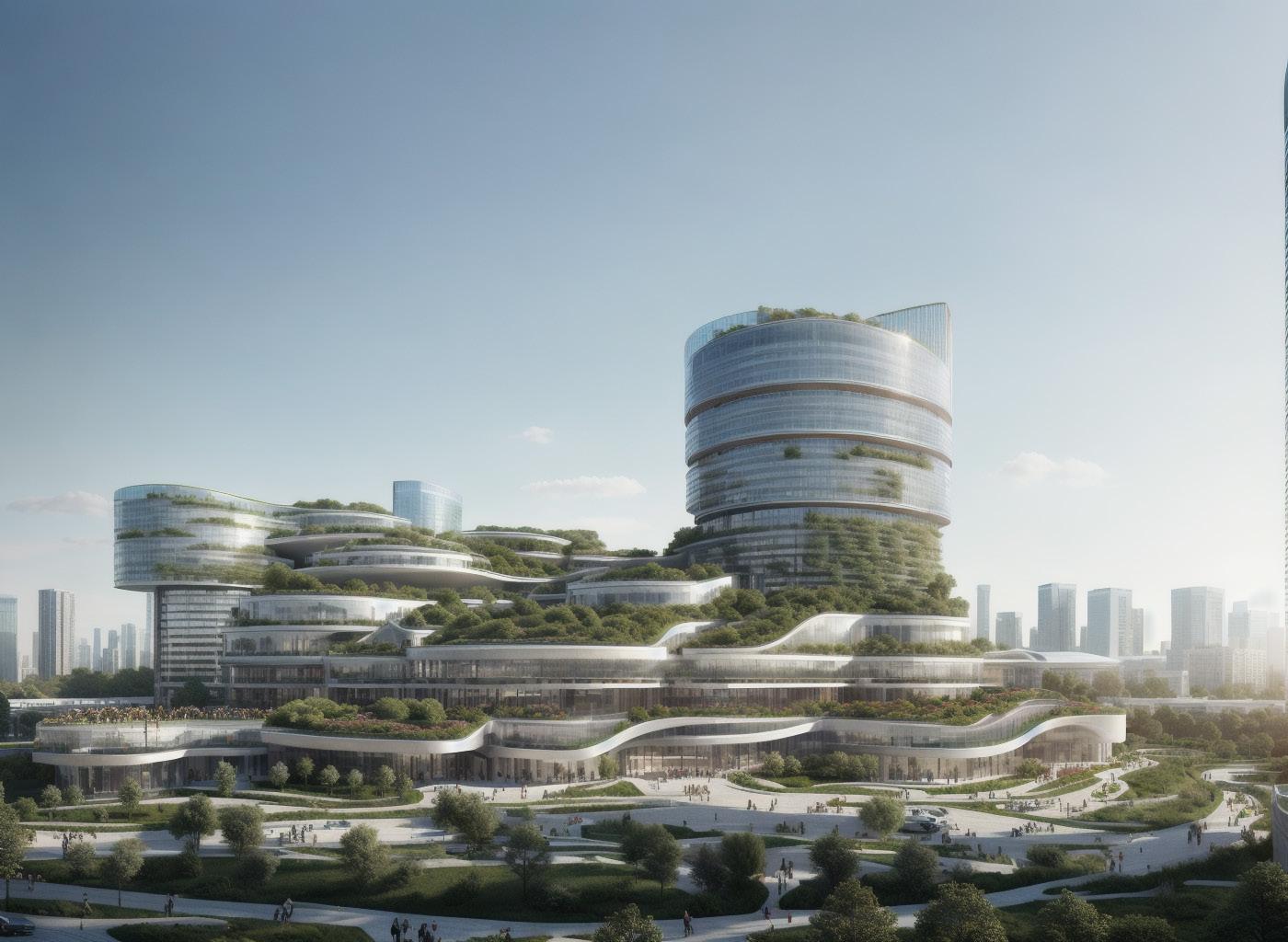
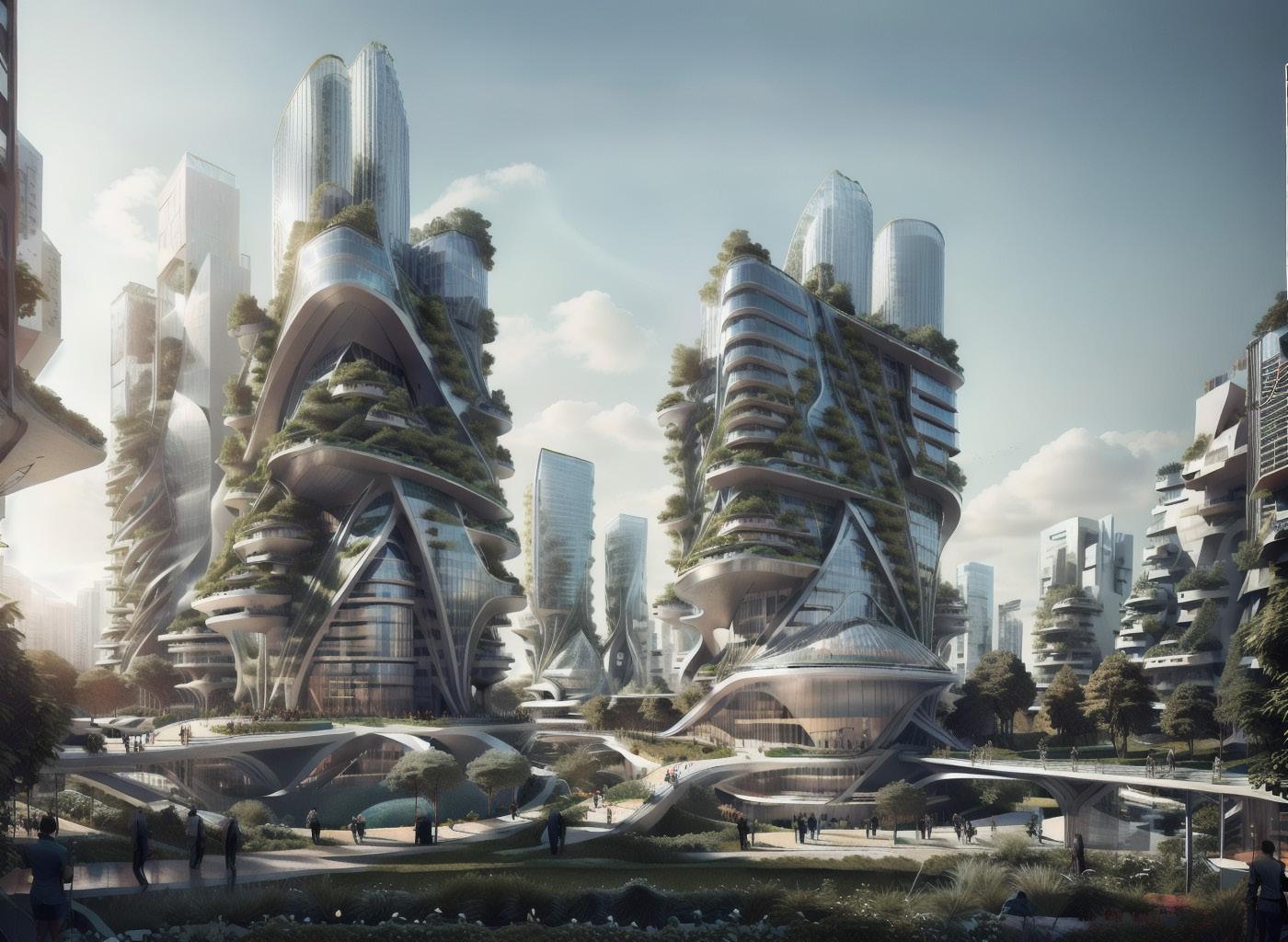
Personalized drawing style to the line drawings.
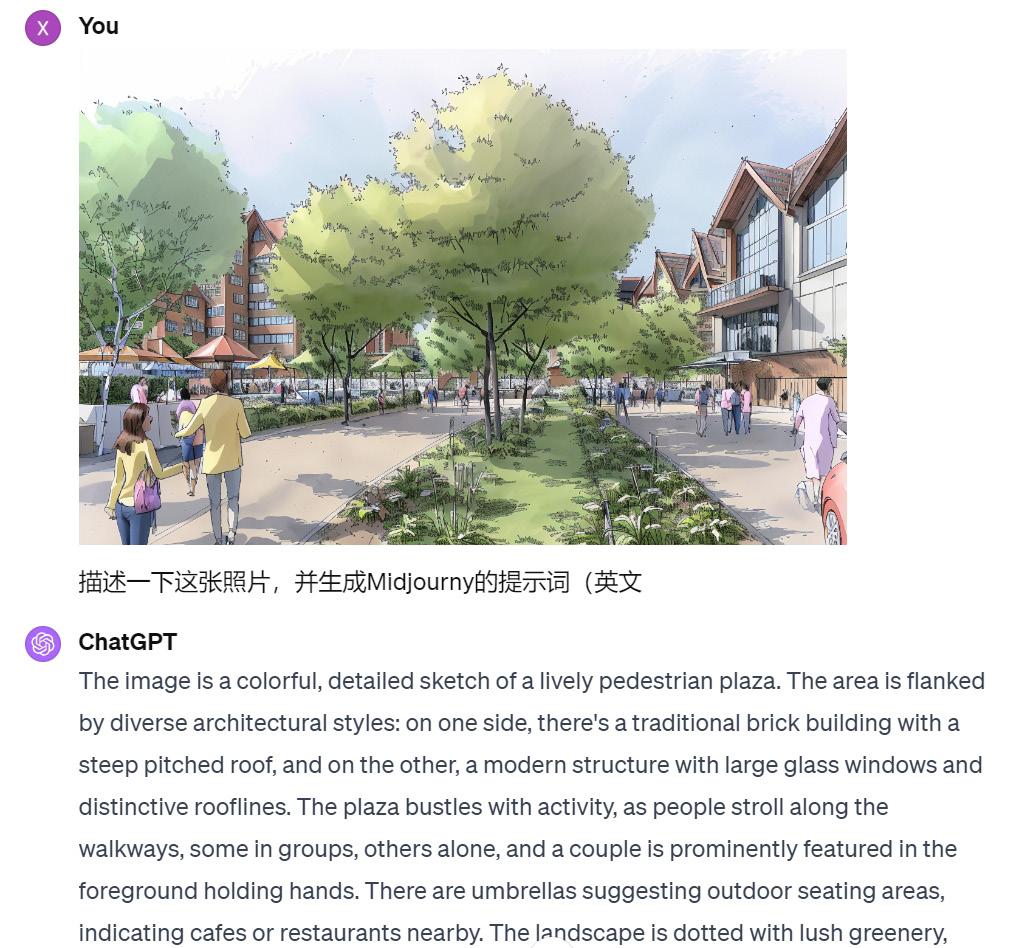
Submit the reference image to ChatGPT and ask it to describe the picture, generating Midjourney prompt words.
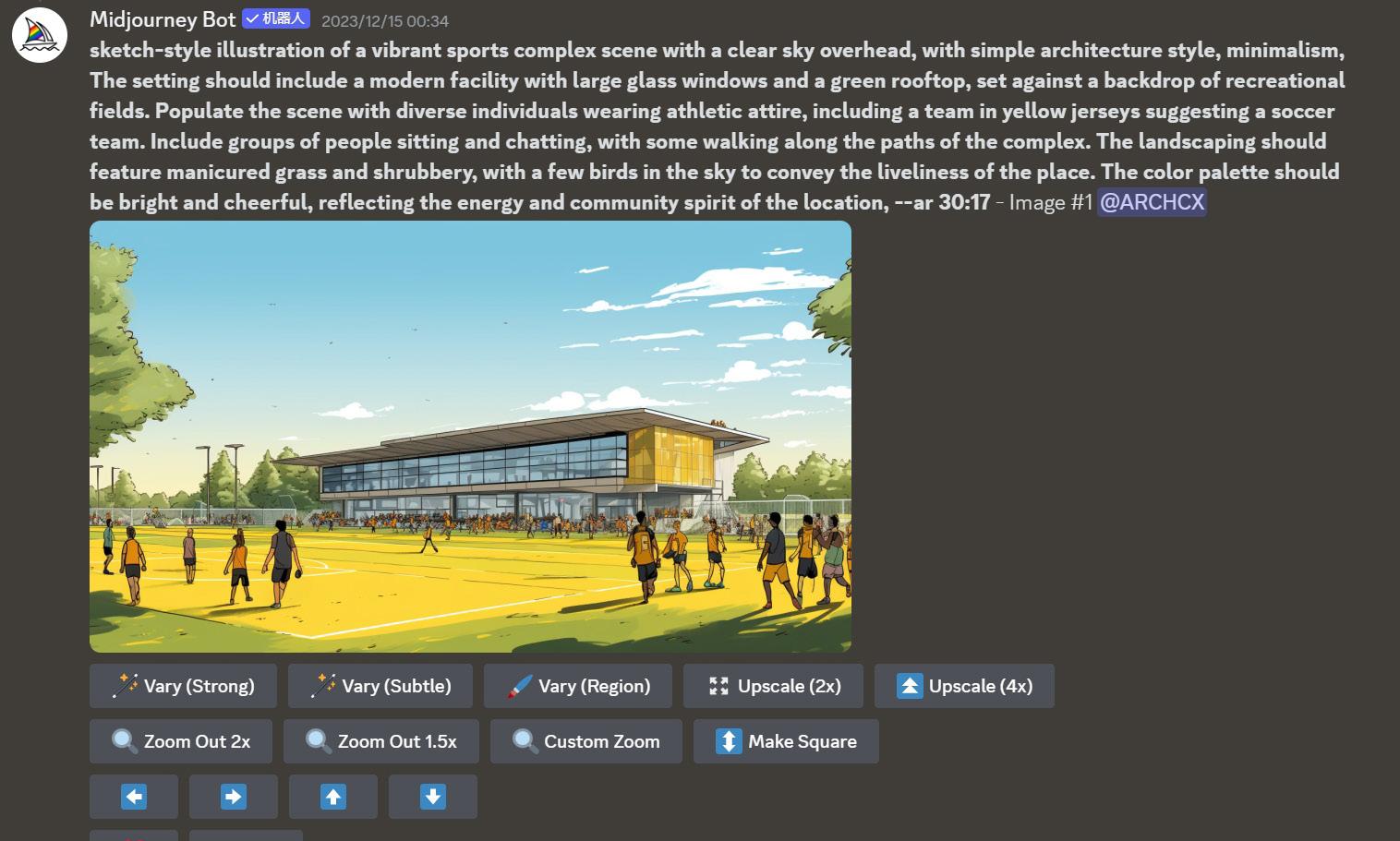
Use the prompt words to generate Midjourney images, and refine the images to your desired style as needed.
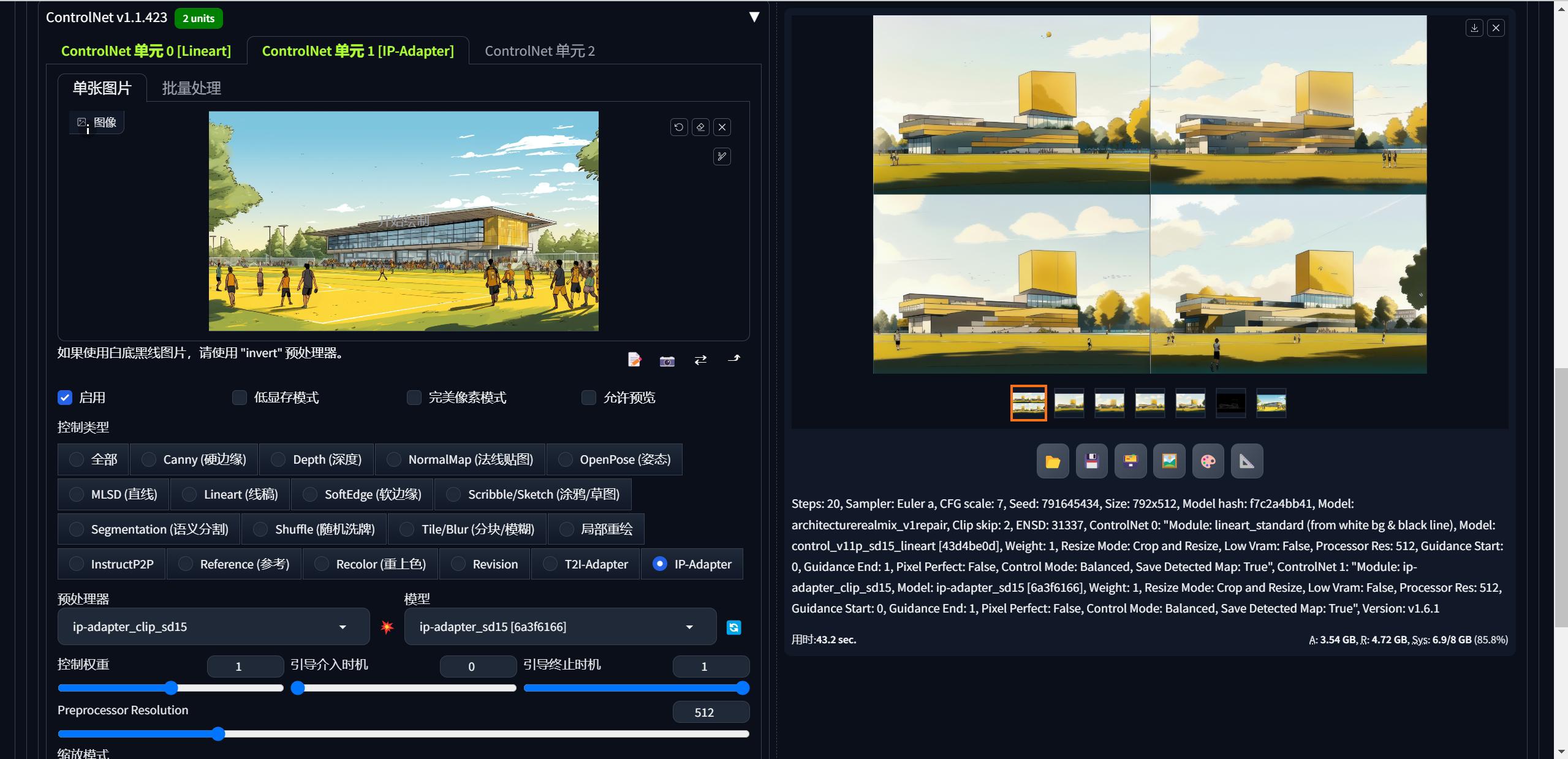
The final step is to blend the image into the line drawing using Stable Diffusion's IP adapter.
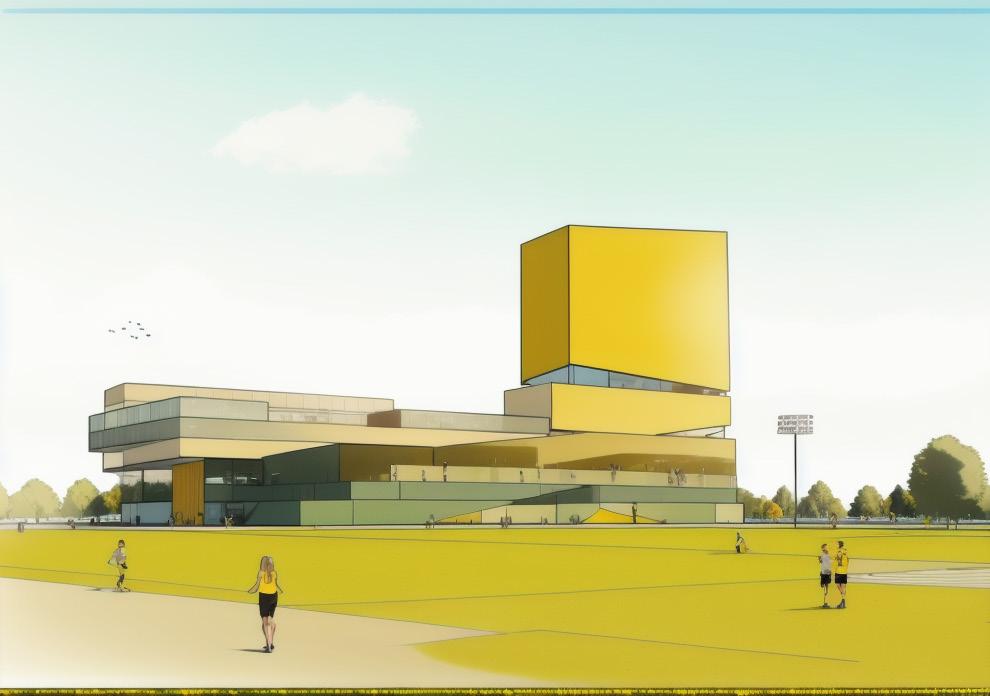
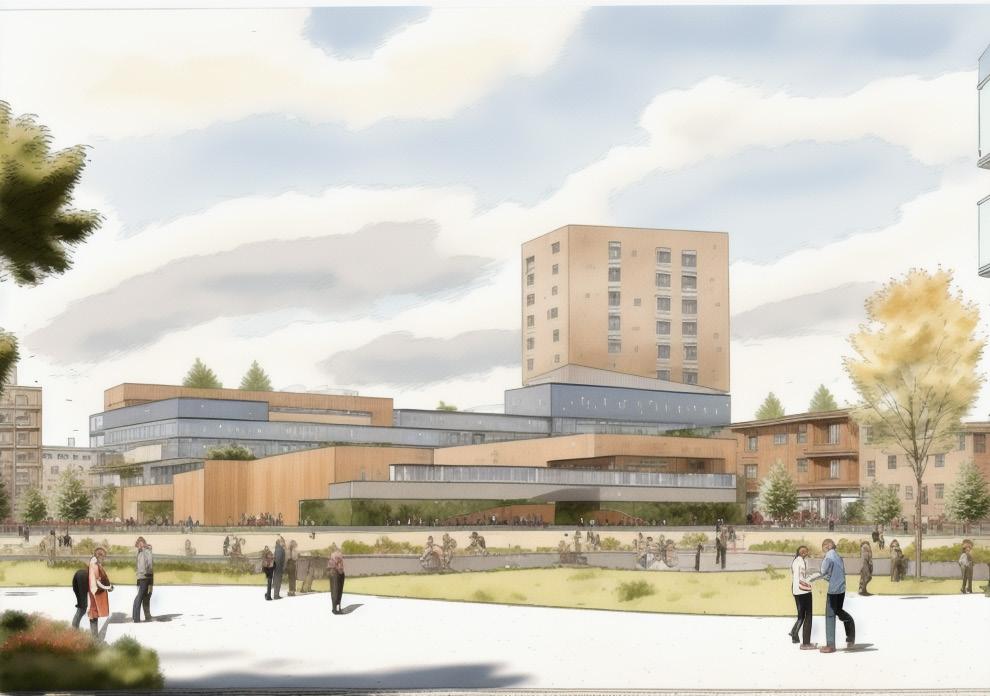
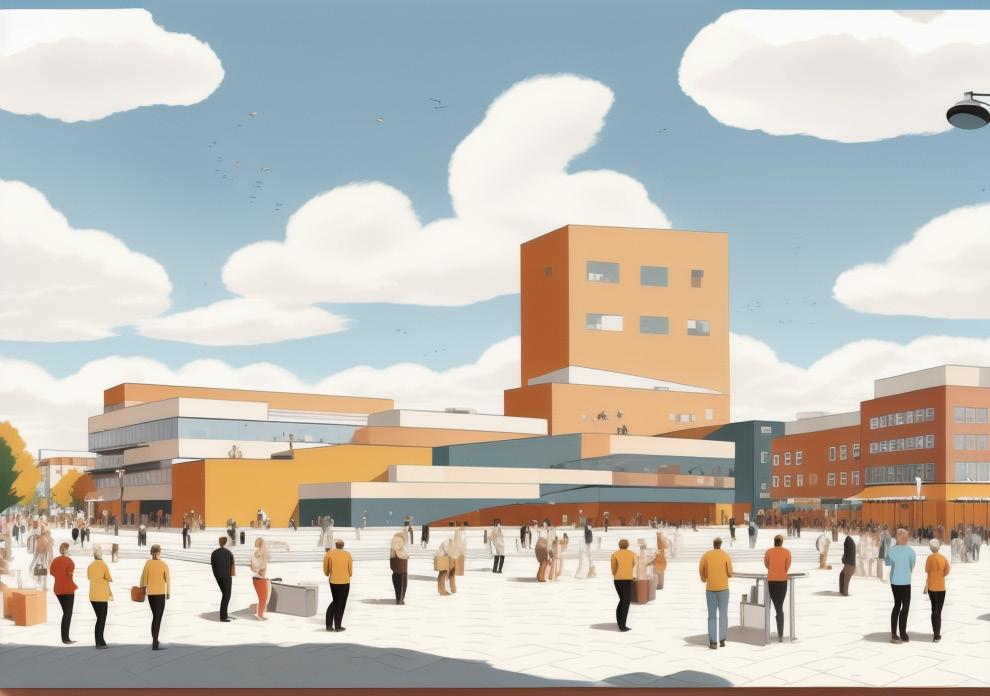
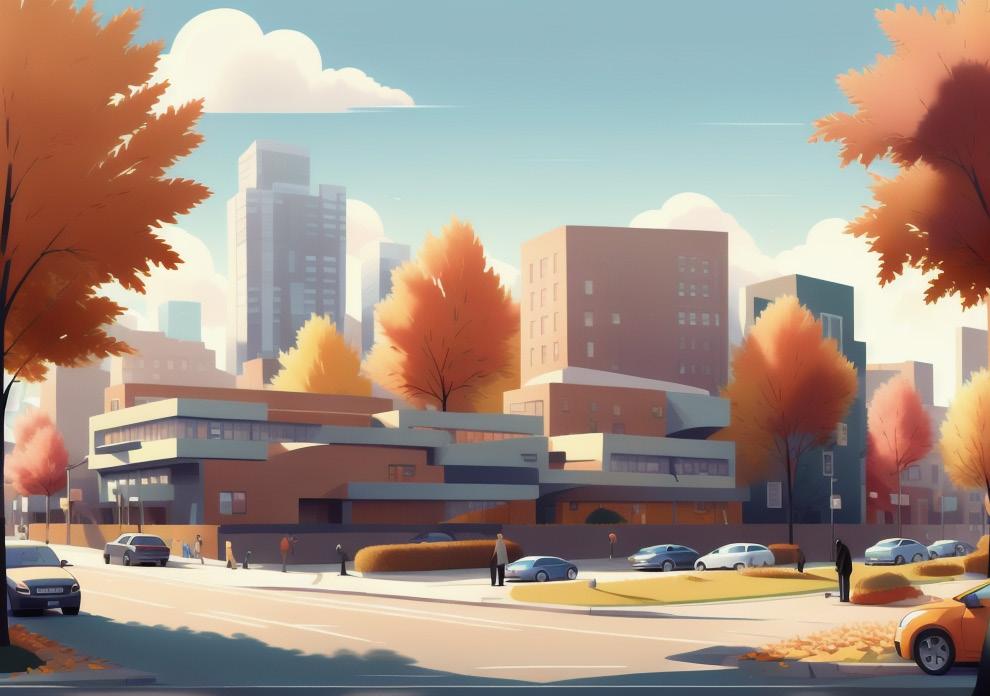
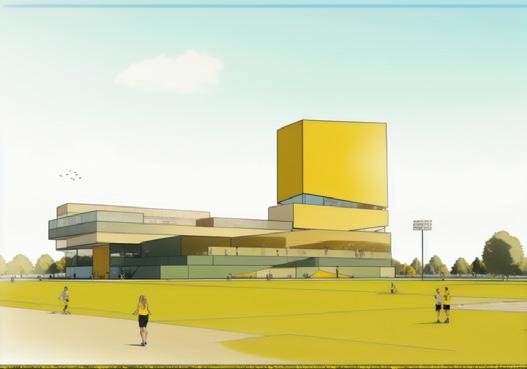
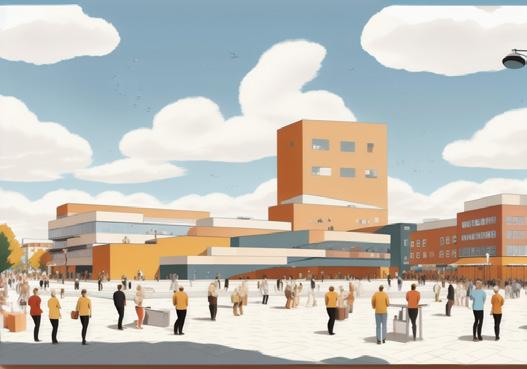
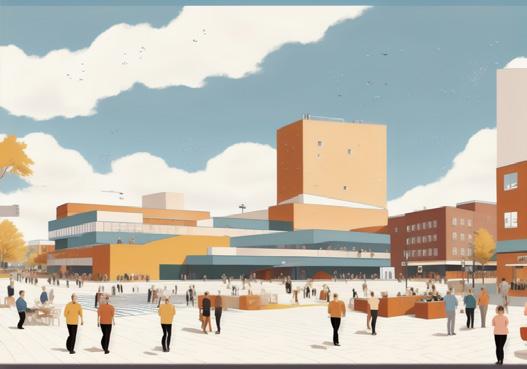
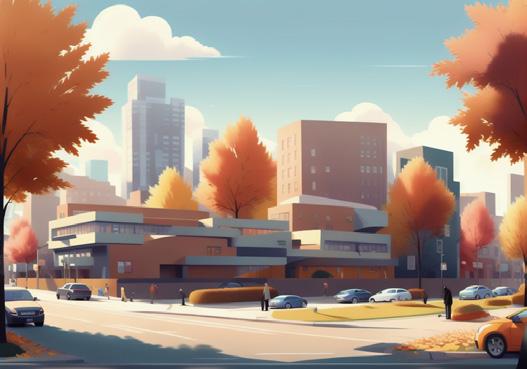
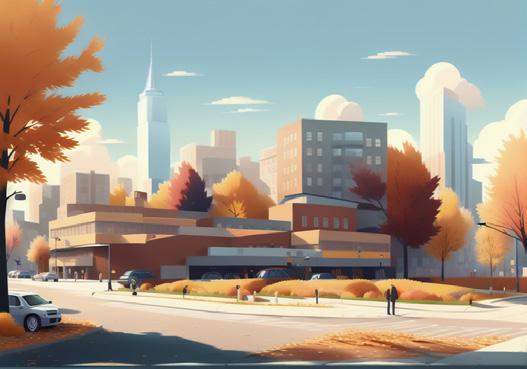
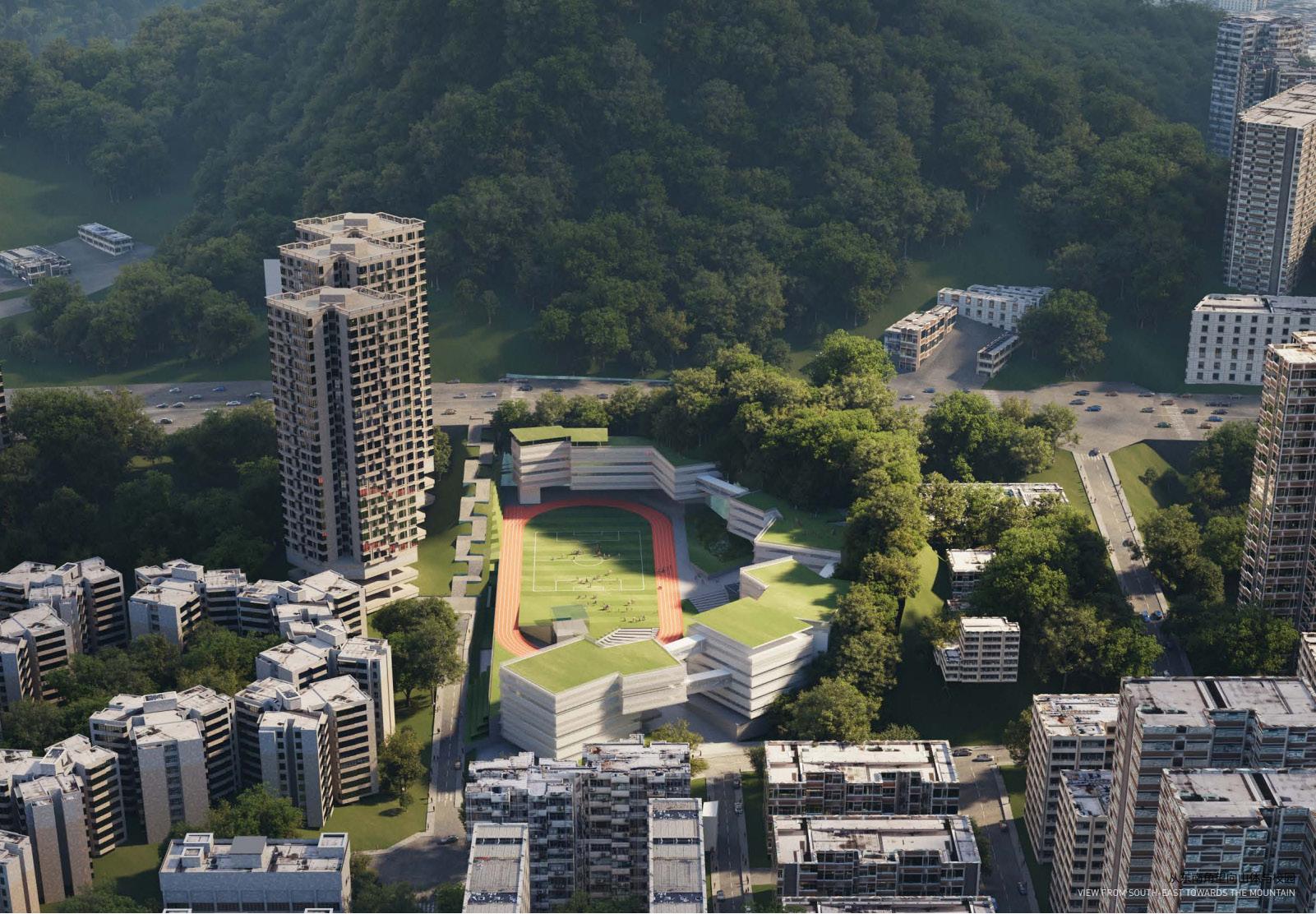
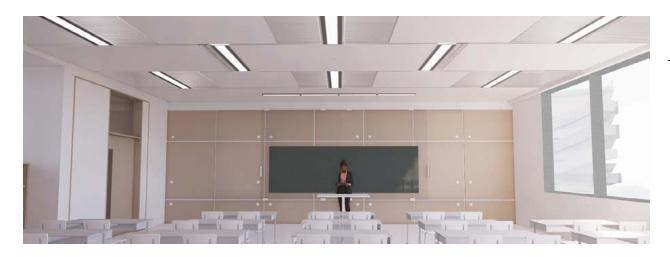
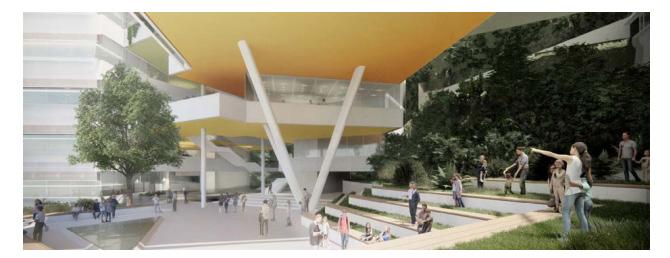
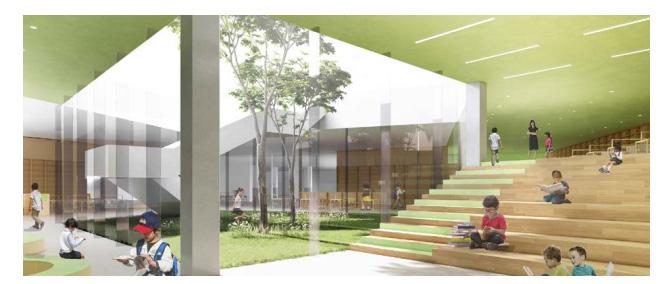
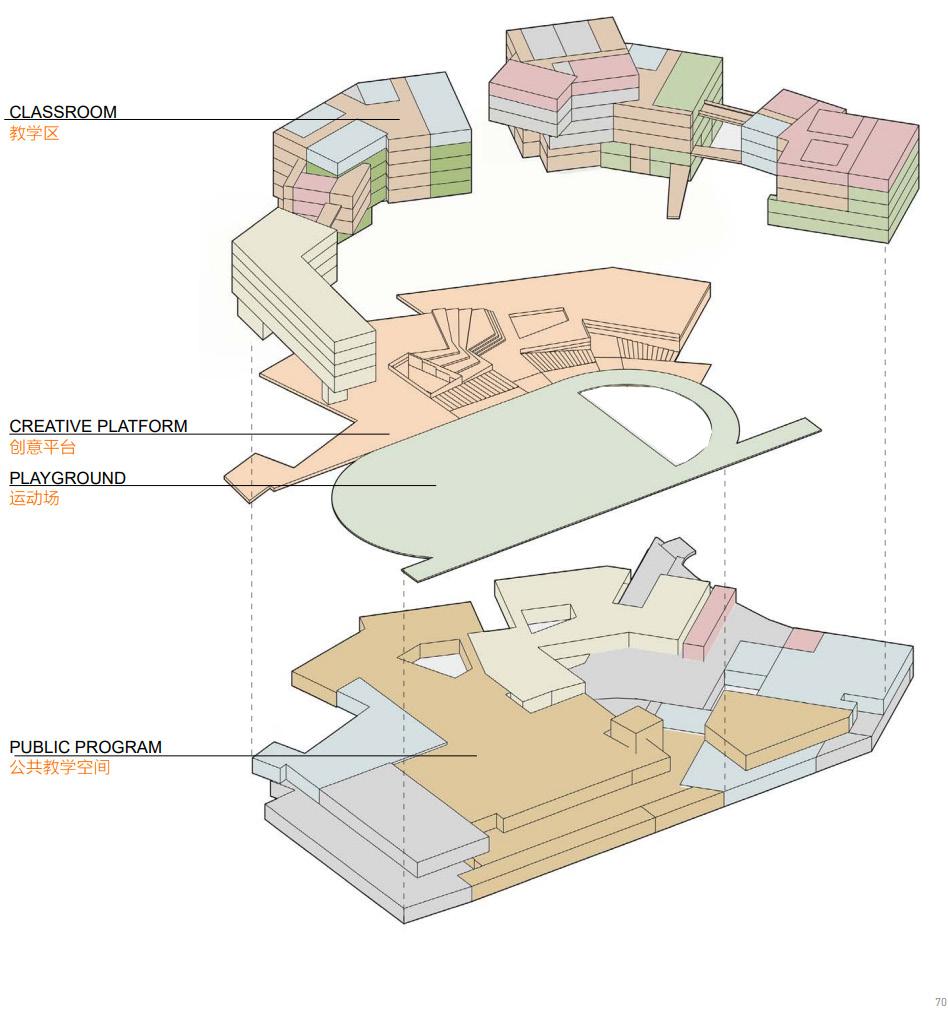

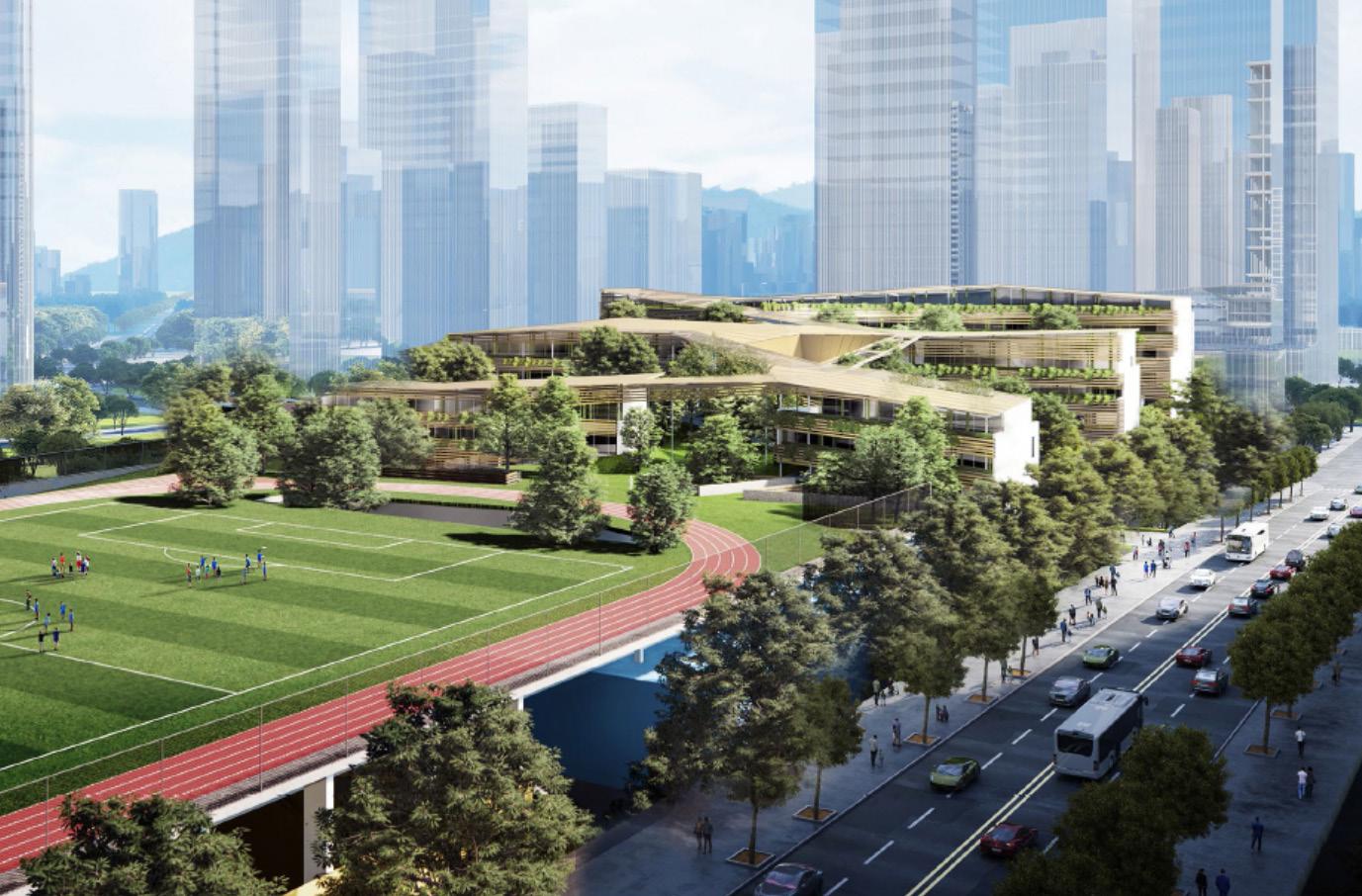
This project is one of the main projects I participated in as an intern at Studio Link-arc Shanghai. During the internship, I assisted my firm to complete the schematic design and reporting to clients. I am mainly responsible for drawing analysis diagrams, enriching the details of rendering diagrams and drawing master plans. This project provides me with a basic understanding of the education building regulation, and also a preliminary skill of working with contractors and consultants.
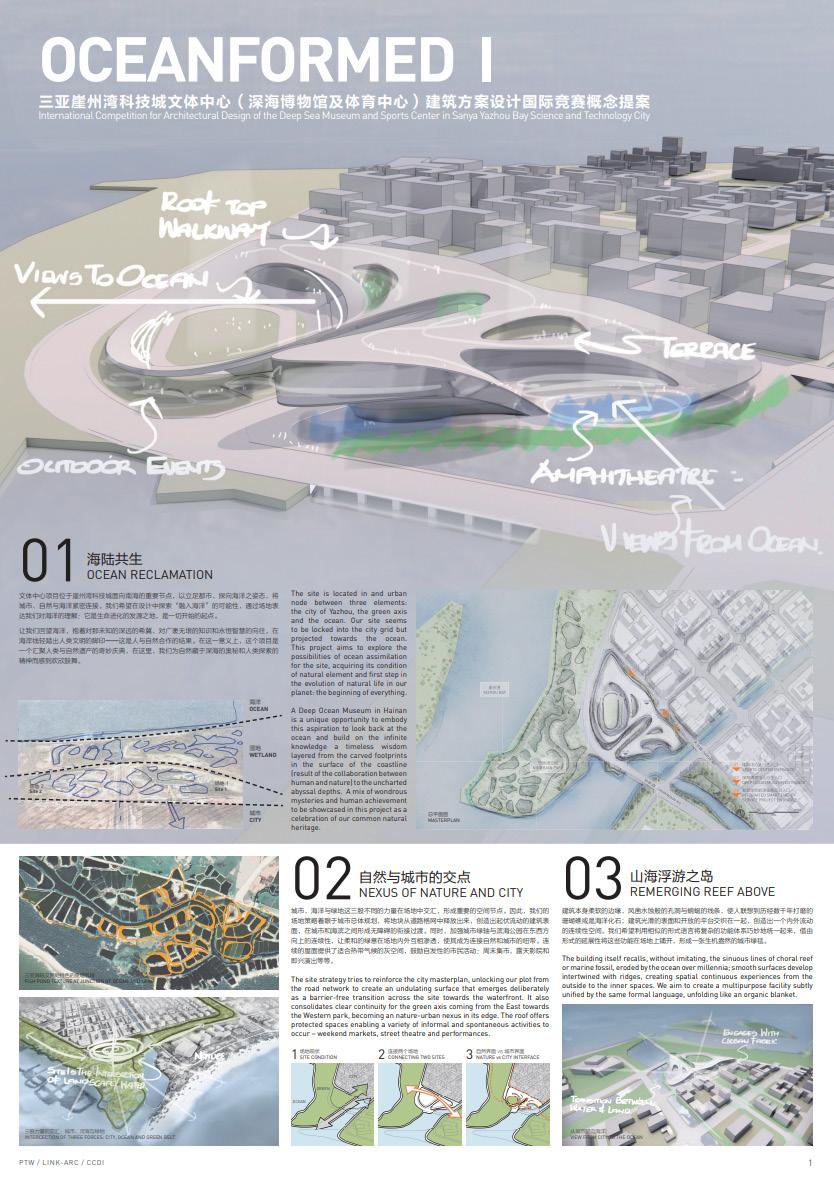
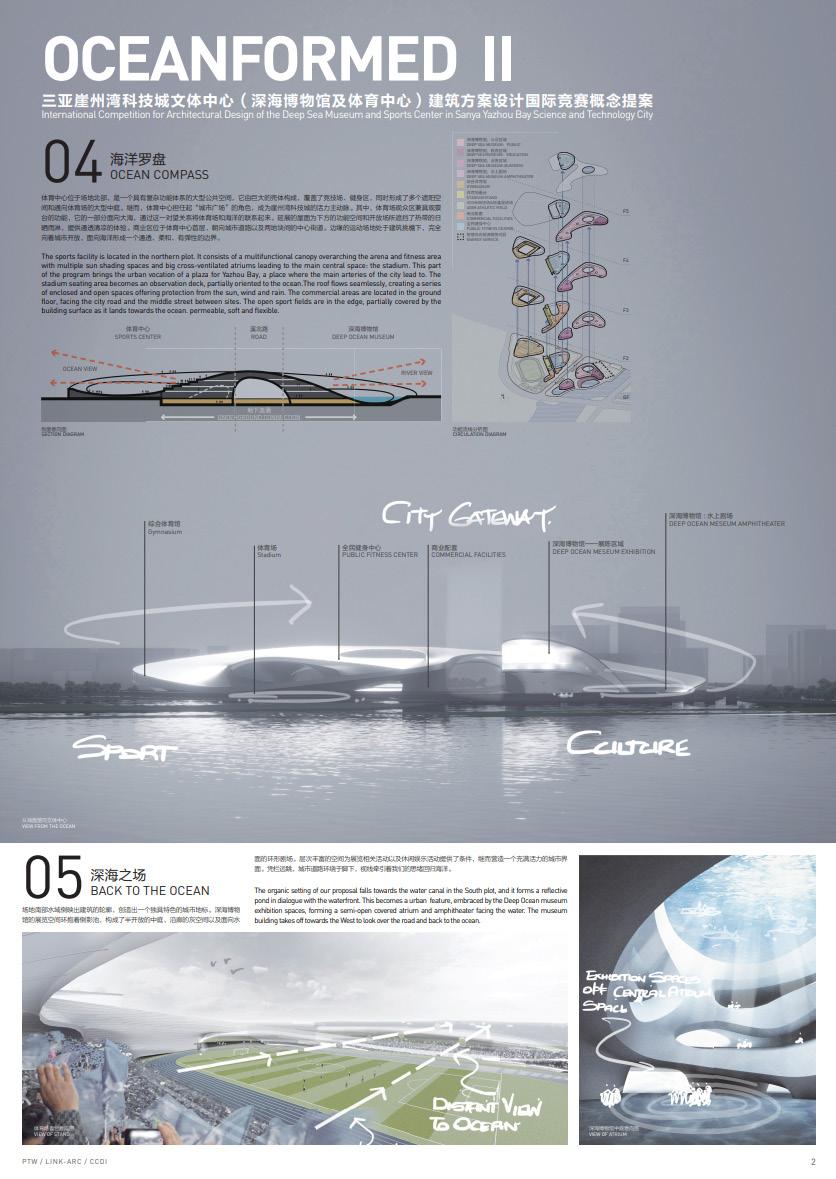
Our firm mainly gets a contract by tendering. In the first two seasons of 2023, we participated in four competitions, including school, museum and landmark tower design. My role in competition is doing site research and building site models both digitally and physically, also lots of programs and massing study according to the brief.
Because we are not a big firm, so I can participate in almost every stage of the competition. This allows me to adapt to a fast working pace, as well as communication between departments, even internationally.
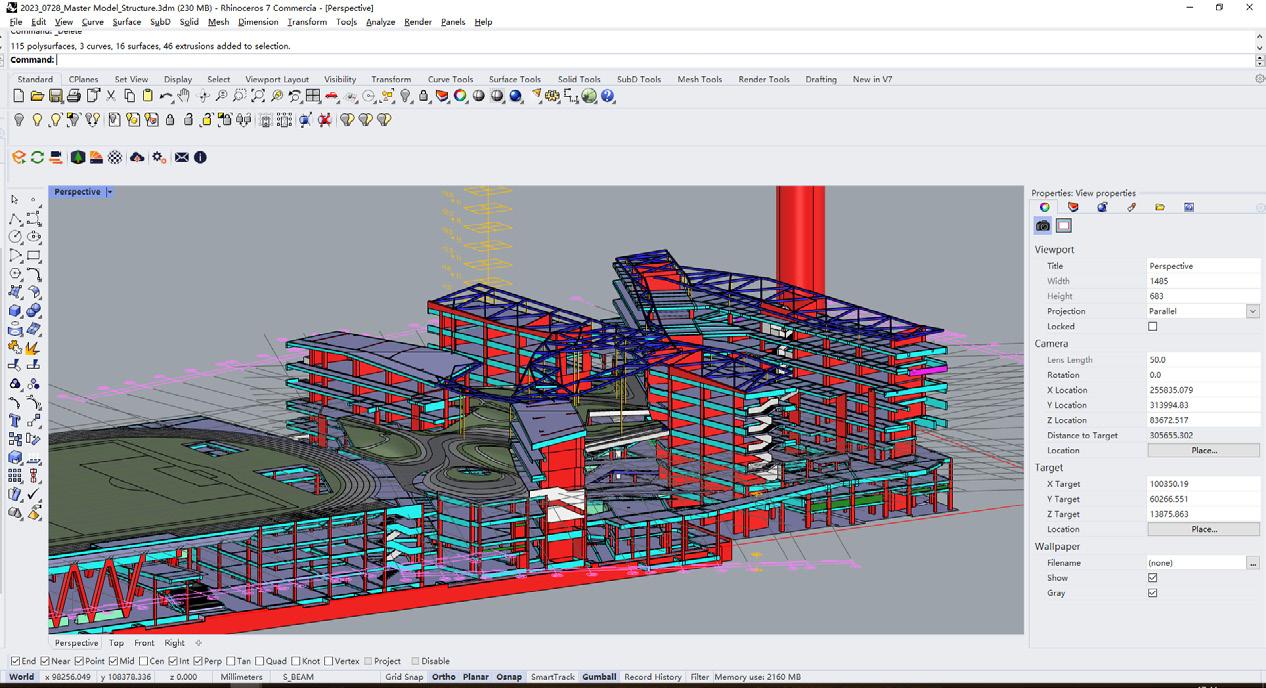
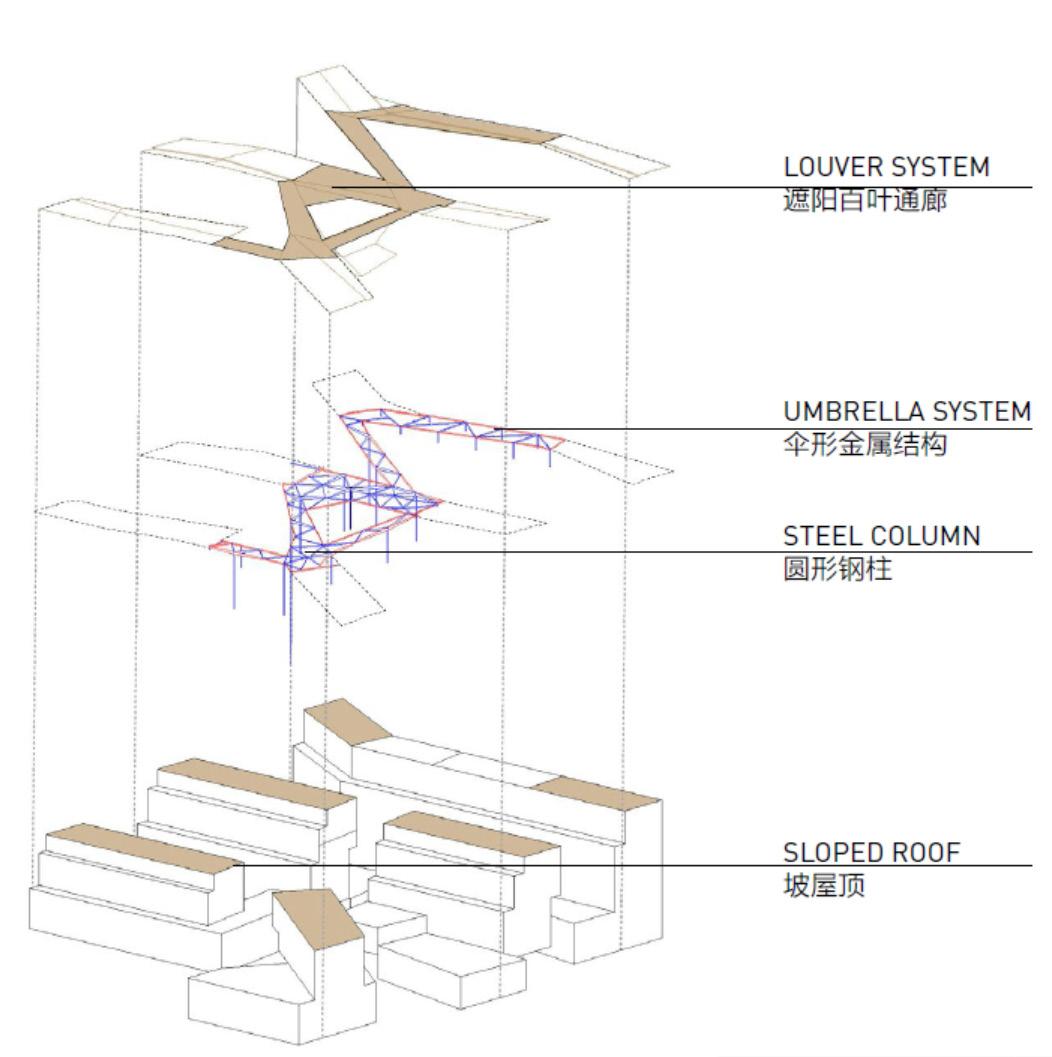
This project is the Shenzhen Middle School that is currently under construction, which includes 72 classes. Since the project has already started construction, my main role in this project is to assist the architects in building structural models and coordinating facilities and space. The most challenging part of this project is the roof truss connecting the teaching buildings. In order to achieve a reasonable spatial plan below, designers and engineers are constantly compromising and adjusting.
 Sanya deep sea museum competition, collaborate work with PTW and CCDI China
Longgang school competition by Studio Link-arc
Sanya deep sea museum competition, collaborate work with PTW and CCDI China
Longgang school competition by Studio Link-arc