PAUL WRIGHT

PAUL WRIGHT
BUCHANAN CHRISTIE
STUDIO ENQURIES
Mobile / Cell +44 7803 296 356
Website www.buchananchristie.com
Email info@buchananchristie.com
GALLERY ENQUIRIES
Quantum Contemporary Mobile / Cell +44 7765 255800
Website www.quantumart.com

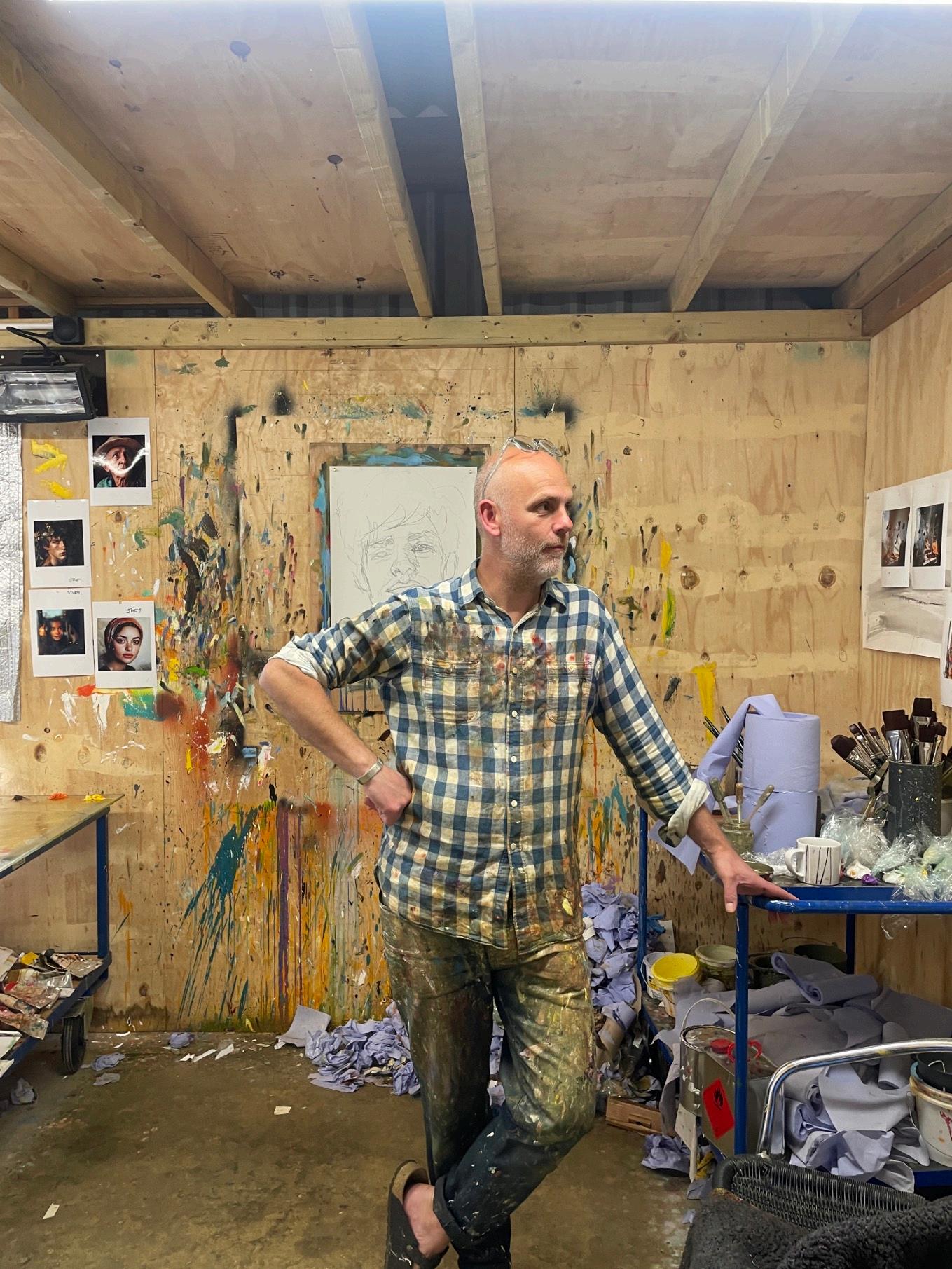
About the Studio and the Work
Painting has always been where I work things out, somewhere I try to make sense of people and place. My own studio is still at the centre of that. It’s where everything begins: paint, gesture, instinct. The process hasn’t changed much over the years, but what has changed is how wide the conversation around it has become.
Over time, that conversation led to the creation of Buchanan Christie Studio, which I run with writer and collaborator Jeni Weinberger. It grew naturally from the questions that sit inside the paintings: how empathy works, how we see each other, and how those ideas might reach further than a gallery wall.
The studio gives us room to test that and to explore how the same attention that shapes a painting might also shape how we build or care for other things in life. We work with others: artists, researchers, technologists, anyone interested in how creativity can be used to understand rather than to impress.
This book sits between those two spaces. It’s first and foremost about painting: the work that comes out of my own studio, made with the same drive to catch something human and alive. But it also shows what’s possible when that way of seeing becomes shared, when the ideas and instincts behind the paintings are carried further through Buchanan Christie.
For me, that overlap is where things get interesting. It keeps the work grounded in the physical act of painting, but it also opens the door to what painting can do beyond itself.
Paul Wright
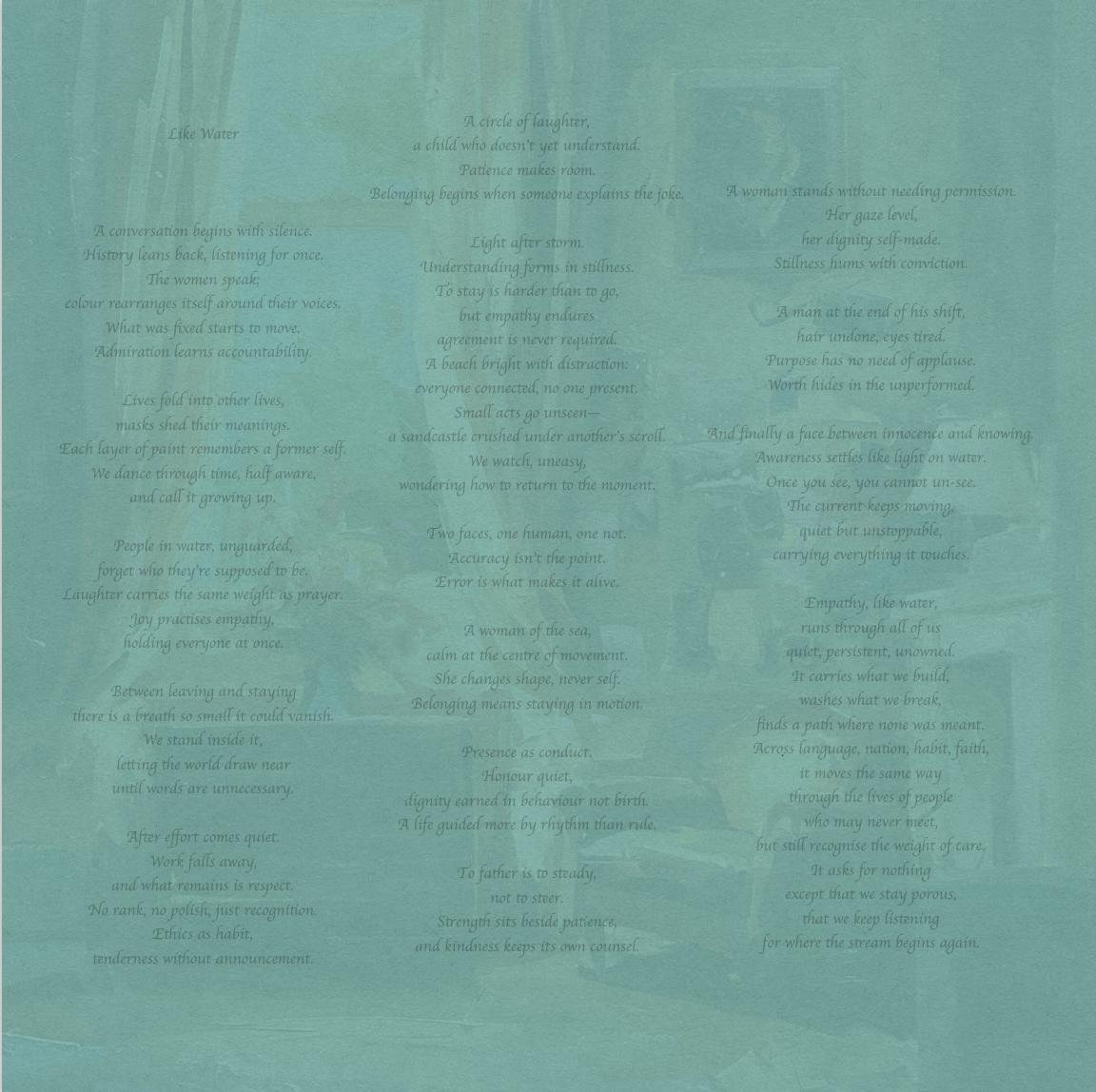
A conversation begins with silence. History leans back, listening for once. The women speak; colour rearranges itself around their voices. What was fixed starts to move. Admiration learns accountability.
LEGACY
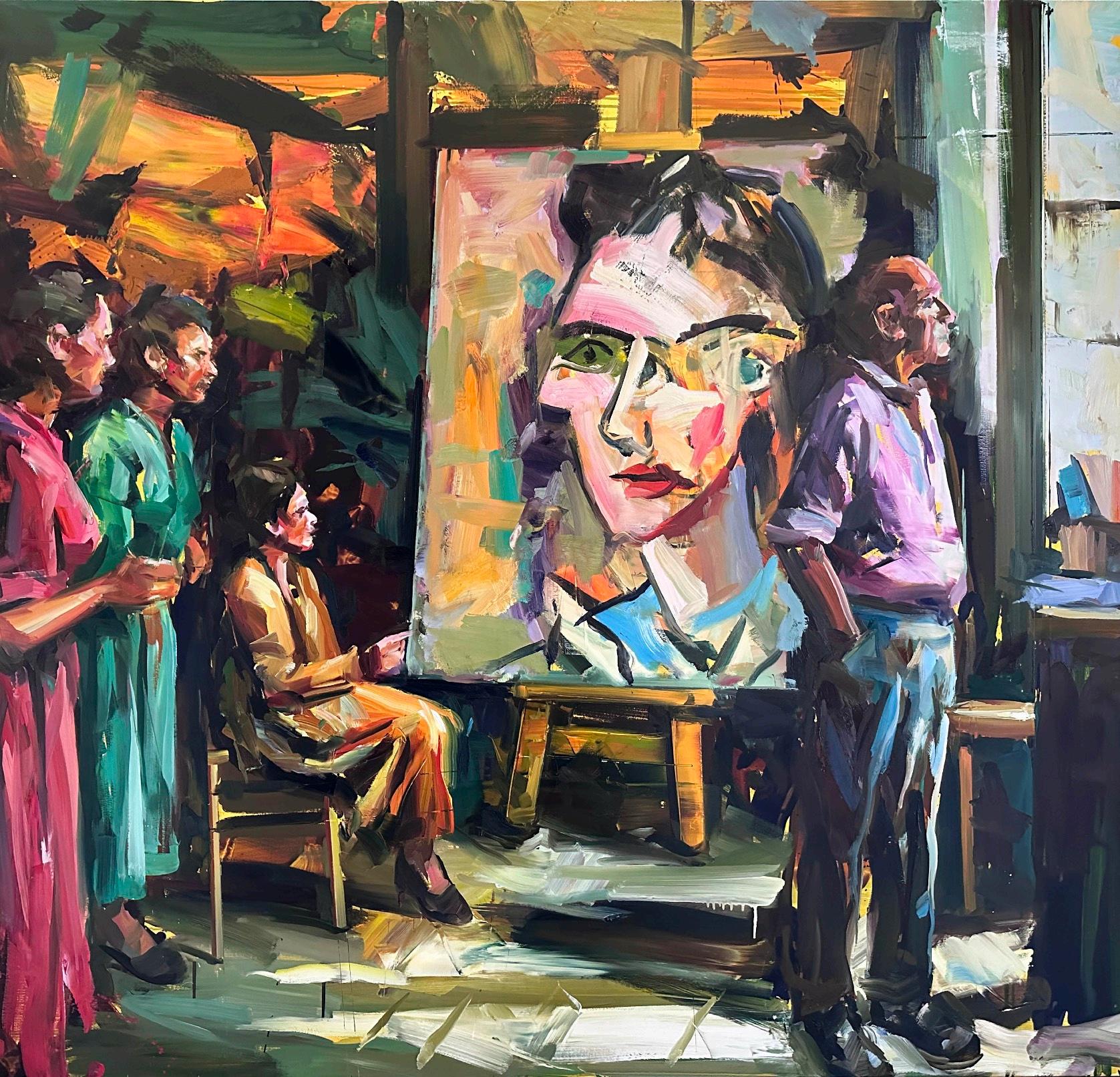
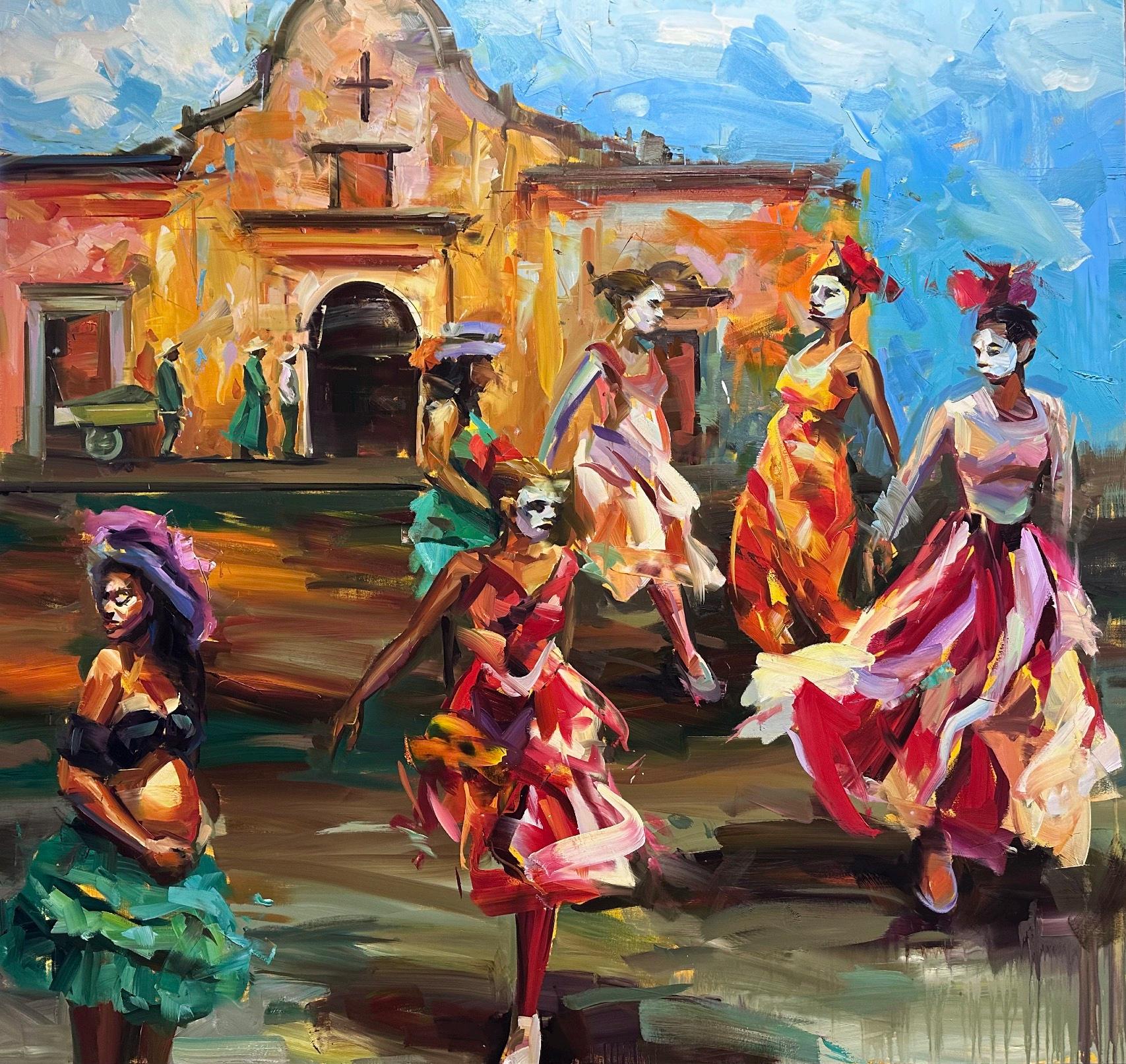
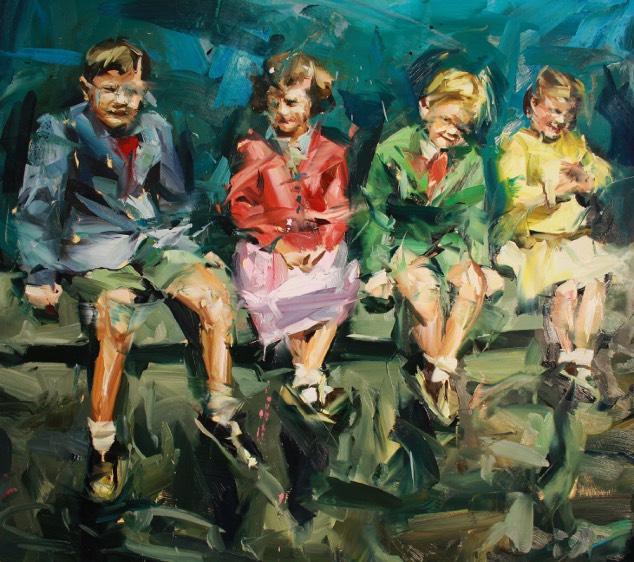
Lives fold into other lives, masks shed their meanings. Each layer of paint remembers a former self. We dance through time, half aware, and call it growing up.
INCARNATE Oil on Linen 63 x 67 in | 160 x 170 cm
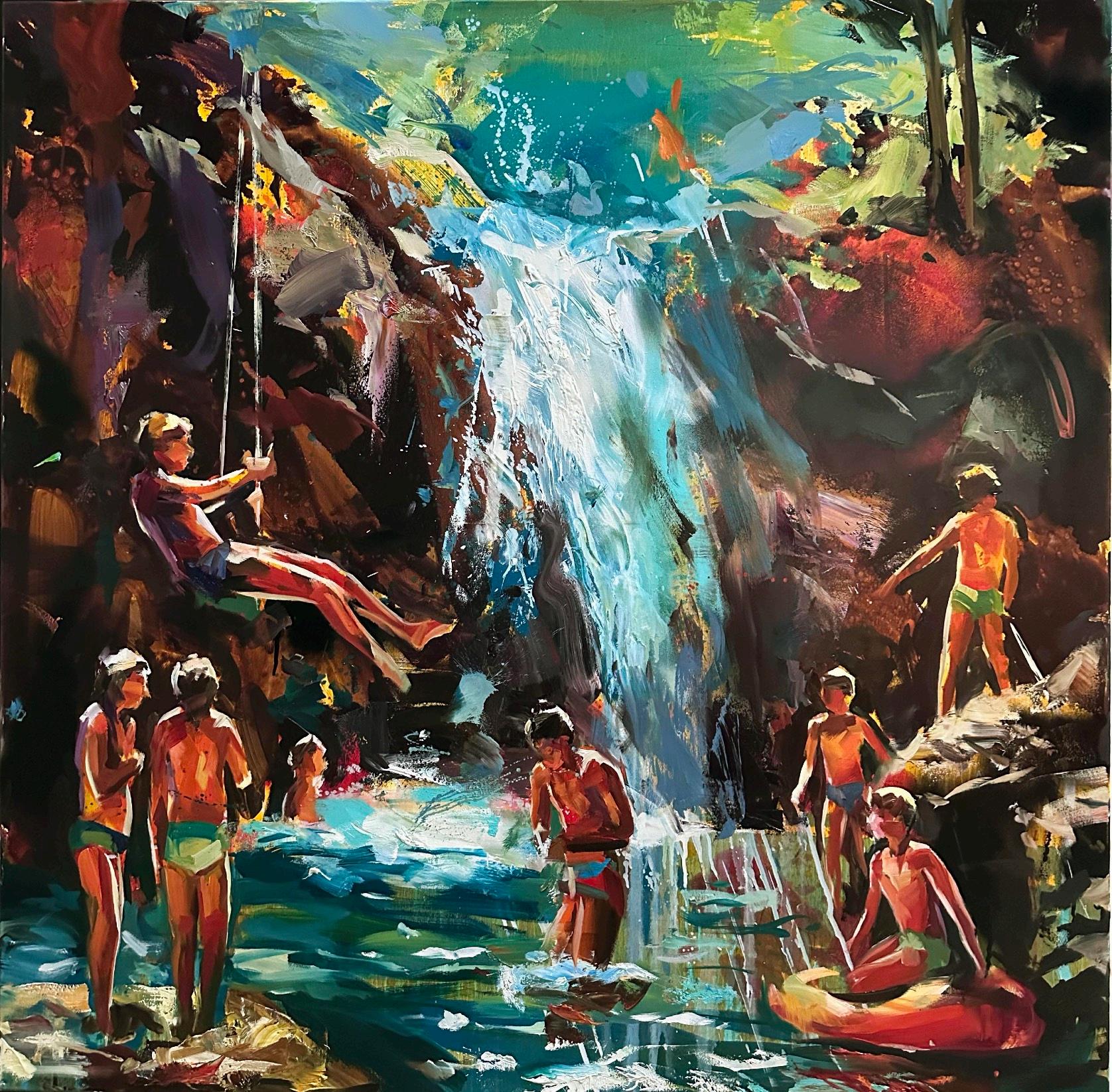
People in water, unguarded, forget who they’re supposed to be.
Laughter carries the same weight as prayer.
Joy practises empathy, holding everyone at once.
THE EMERALD COVE
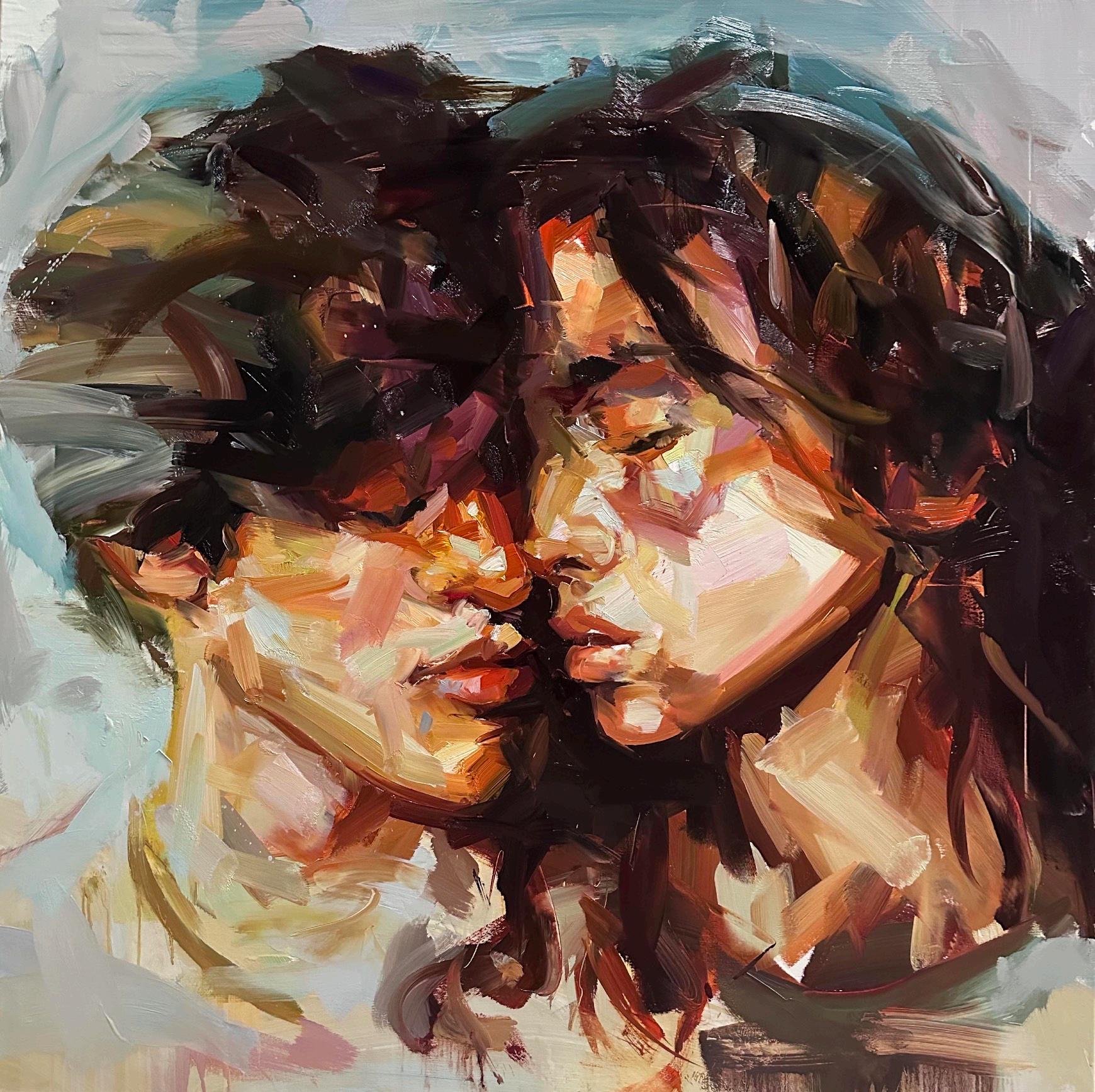
Between leaving and staying there is a breath so small it could vanish. We stand inside it, letting the world draw near until words are unnecessary.
UNTIL NEXT TIME
Oil on Linen
35 x 35 in | 90 x 90 cm
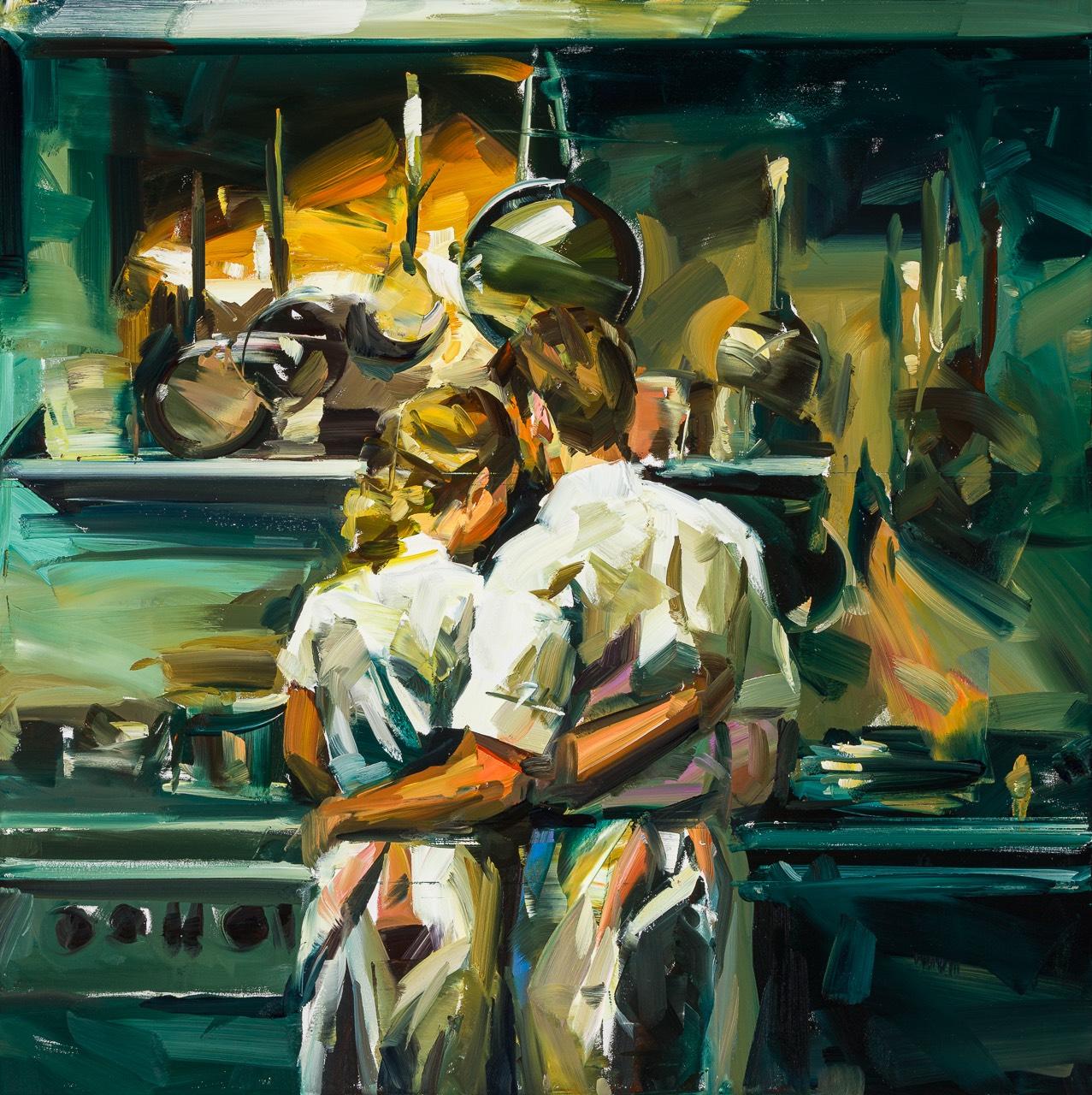
After effort comes quiet. Work falls away, and what remains is respect. No rank, no polish, just recognition.
Ethics as habit, tenderness without announcement.
END OF SERVICE
Oil on Linen
36 x 36 in | 91 x 91 cm
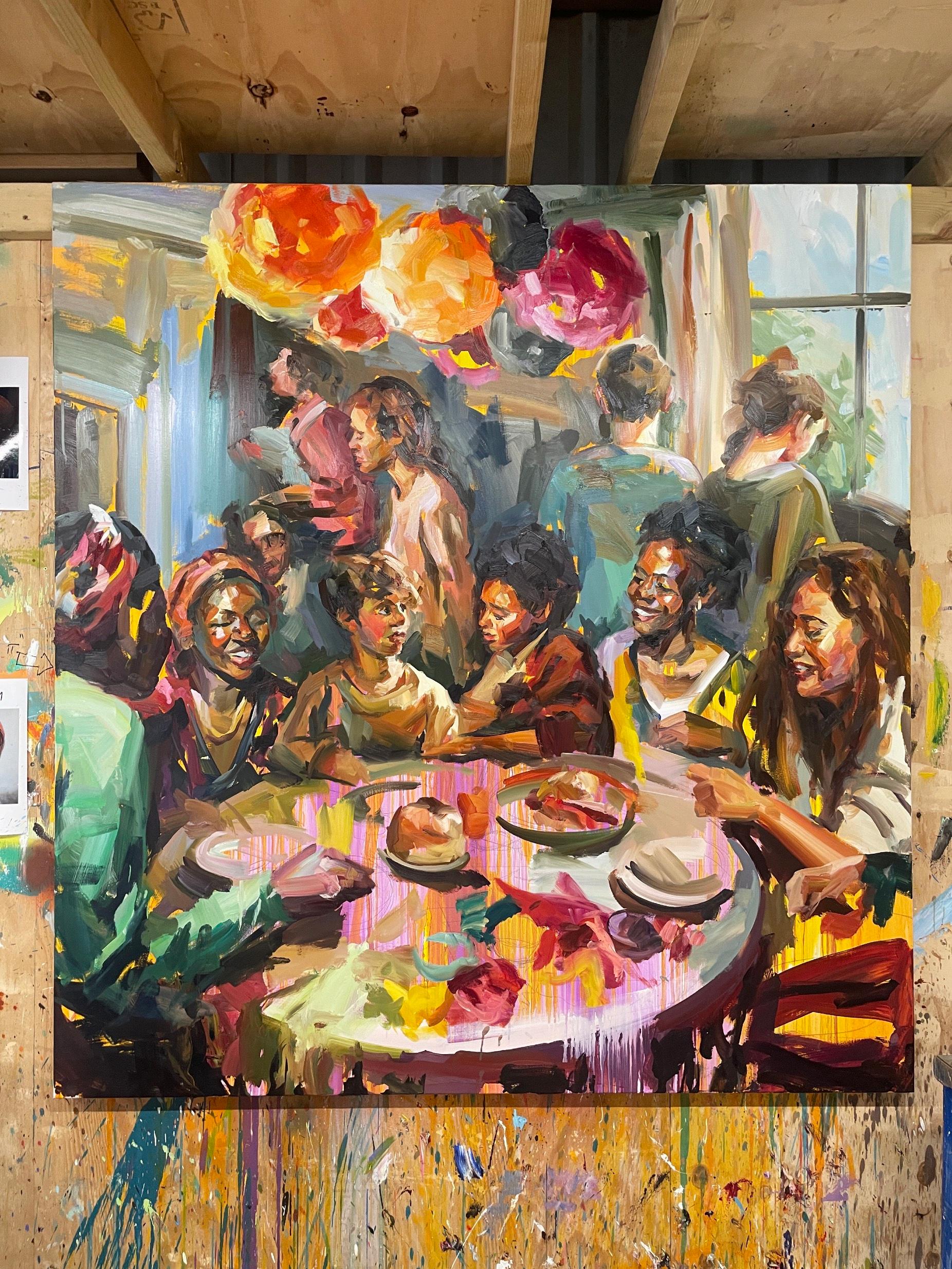
A circle of laughter, a child who doesn’t yet understand. Patience makes room.
Belonging begins when someone explains the joke.
I DON’T GET IT
Oil on Linen 51 x 47 in | 130 x 120 cm
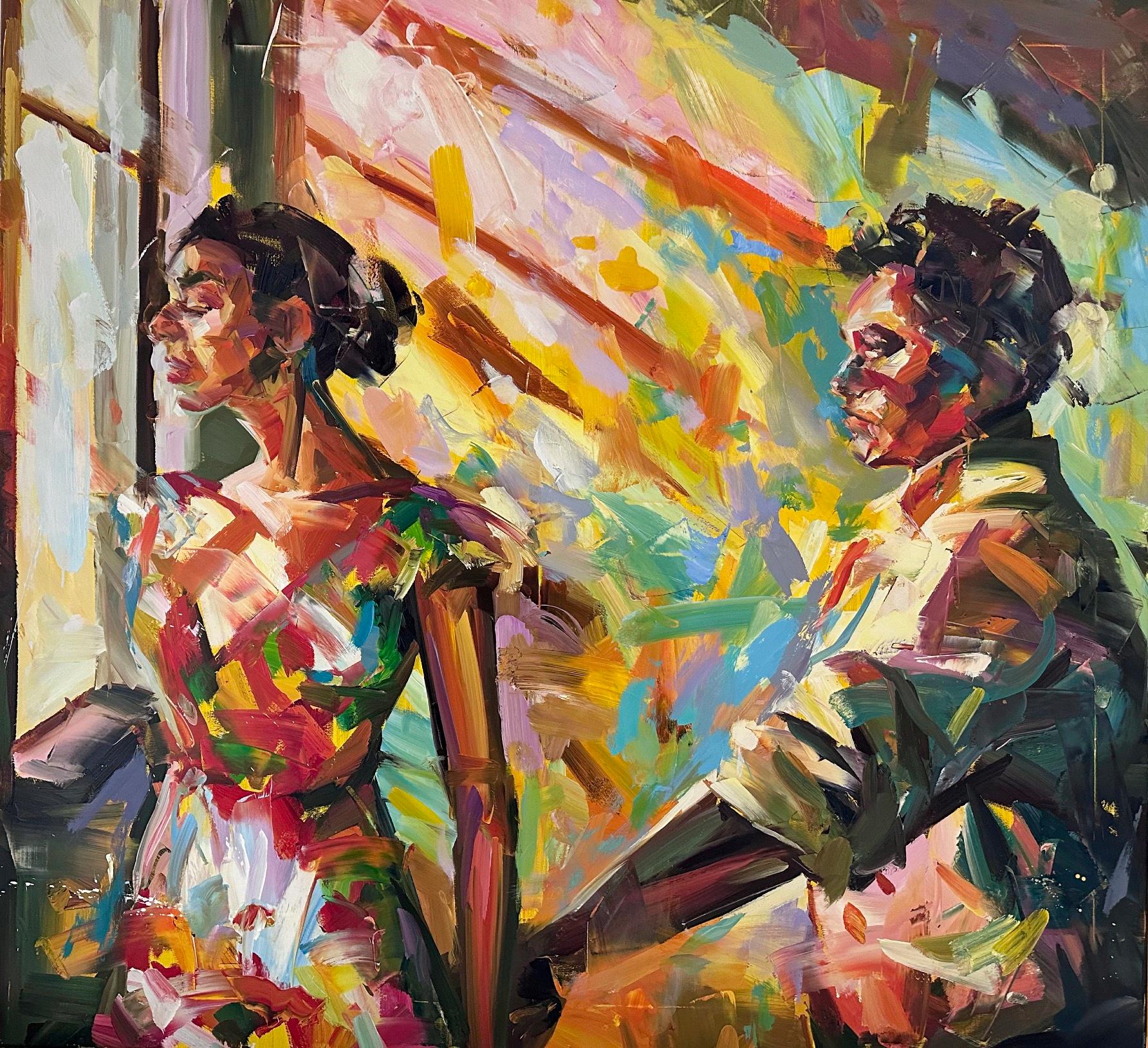
Light after storm. Understanding forms in stillness. To stay is harder than to go, but empathy endures agreement is never required.
47 x 51 in | 120 x 130 cm
NEW DAY Oil on Linen
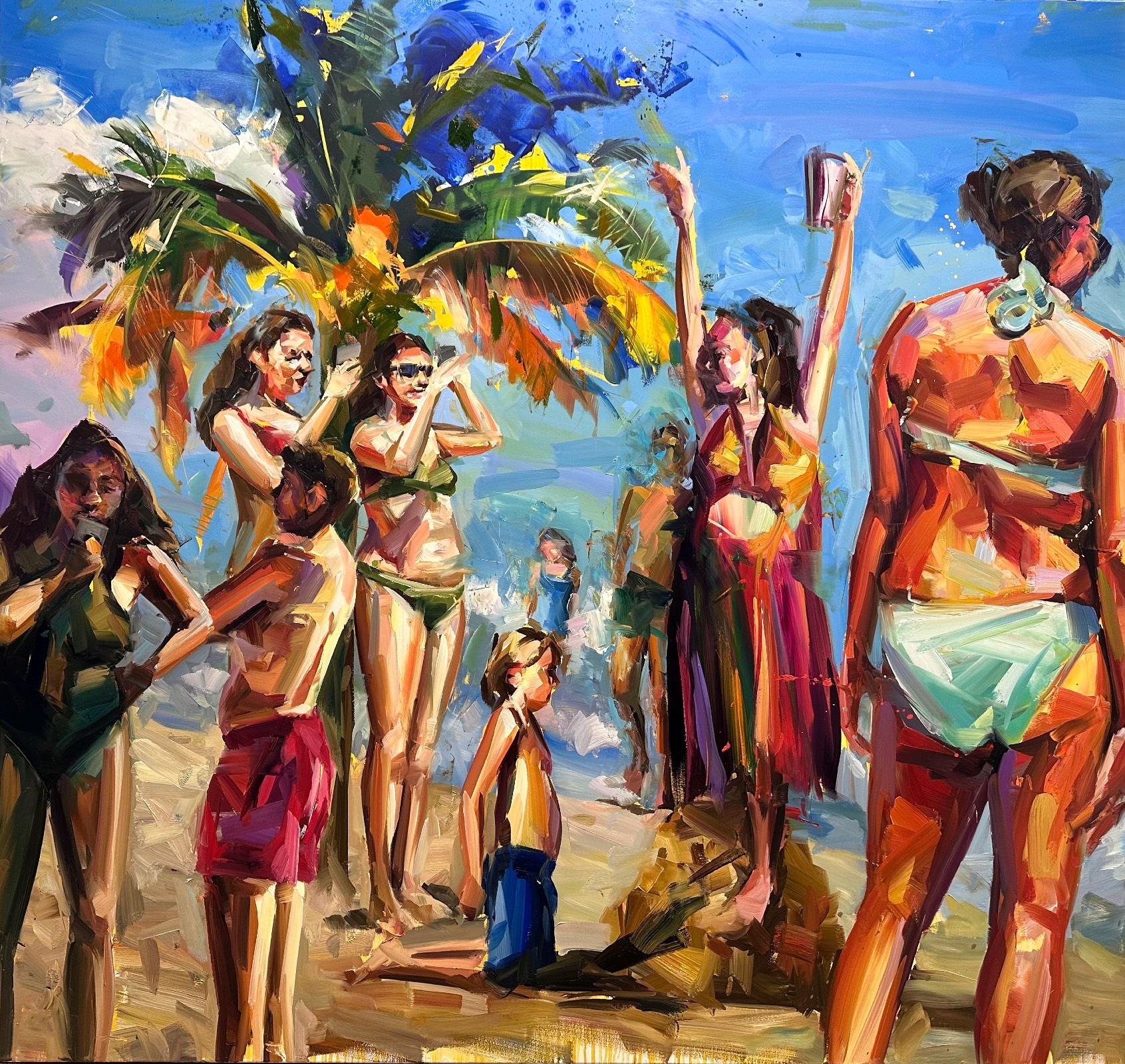
A beach bright with distraction: everyone connected, no one present.
Small acts go unseen, a sandcastle crushed under another’s scroll.
We watch, uneasy, wondering how to return to the moment.
HERA’S DANCE
x 67 in | 160 x 170 cm
Oil on Linen
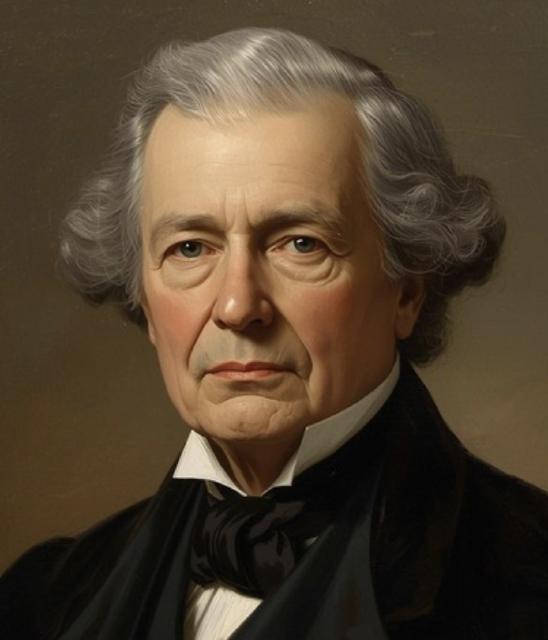
AI Generated
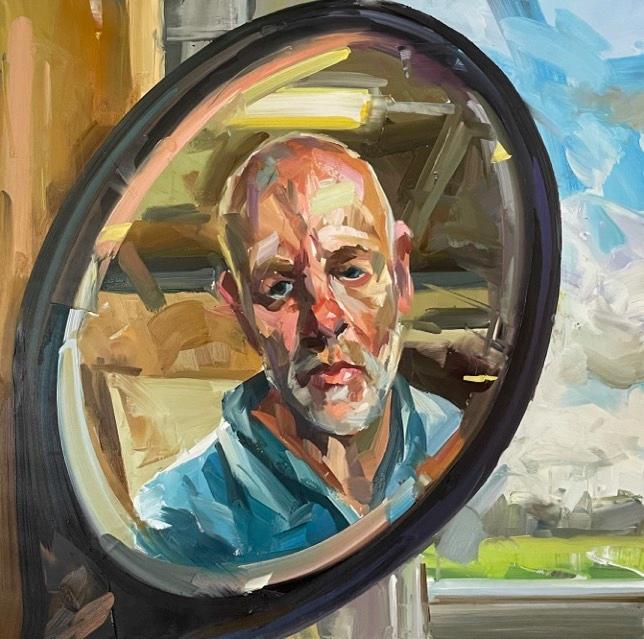
Two faces, one human, one not.
Accuracy isn’t the point.
Imperfection is what makes it alive.
Portraiture is a strange form of dialogue. It looks, and is looked at, simultaneously. For centuries it served power — mirrors for the already seen.
But we are interested in something else: what happens when the portrait becomes a conversation, rather than a commemoration.
The old guard painted power,
The new order paints presence.
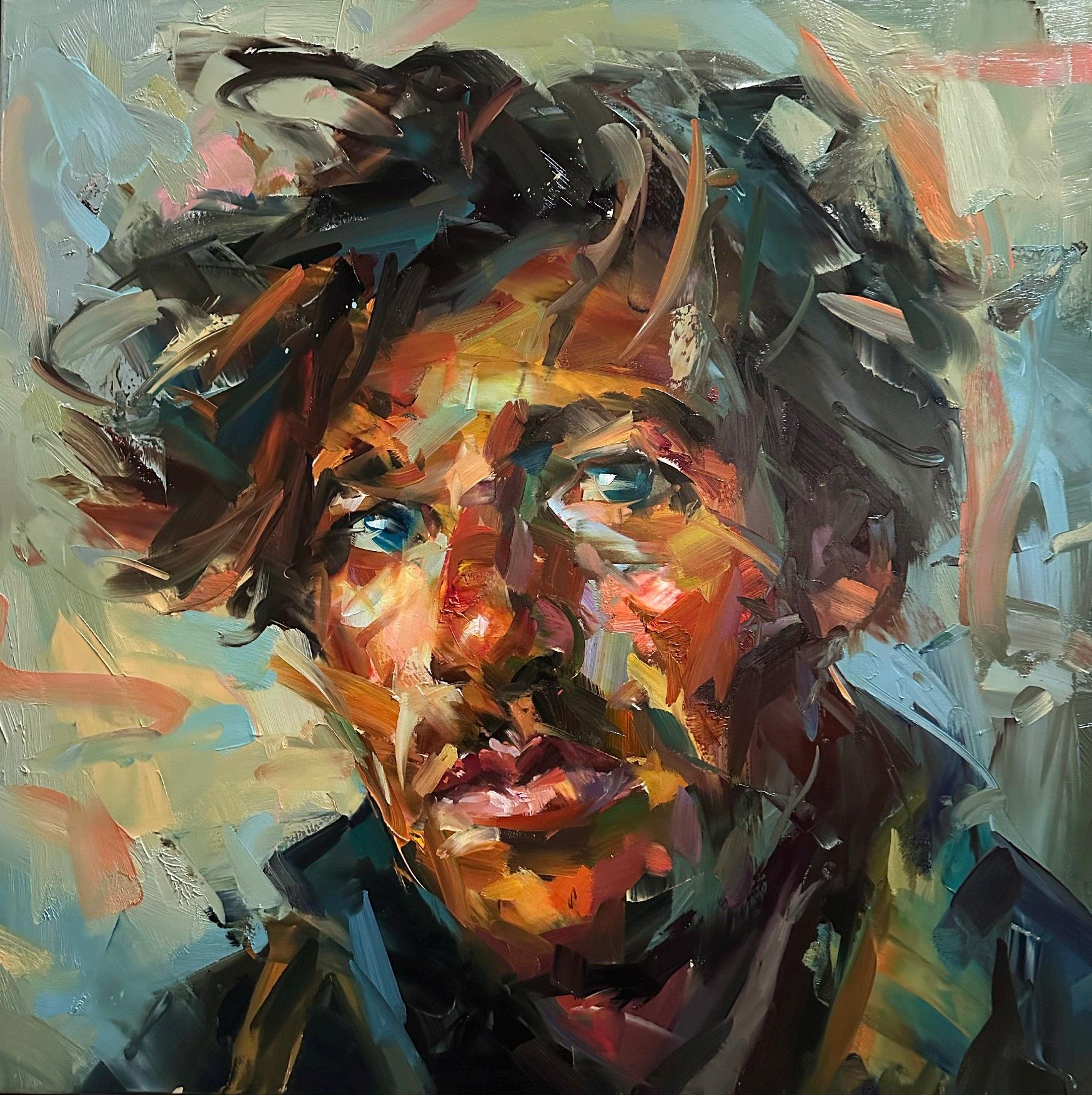
Portraiture at its best is not about likeness; it’s about permission to be seen as we are, not as the world requires.
Each face becomes a site of translation: emotion rendered visible, individuality held without isolation. We paint to remember what it feels like to belong.
THE SHARED GAZE
Portraiture
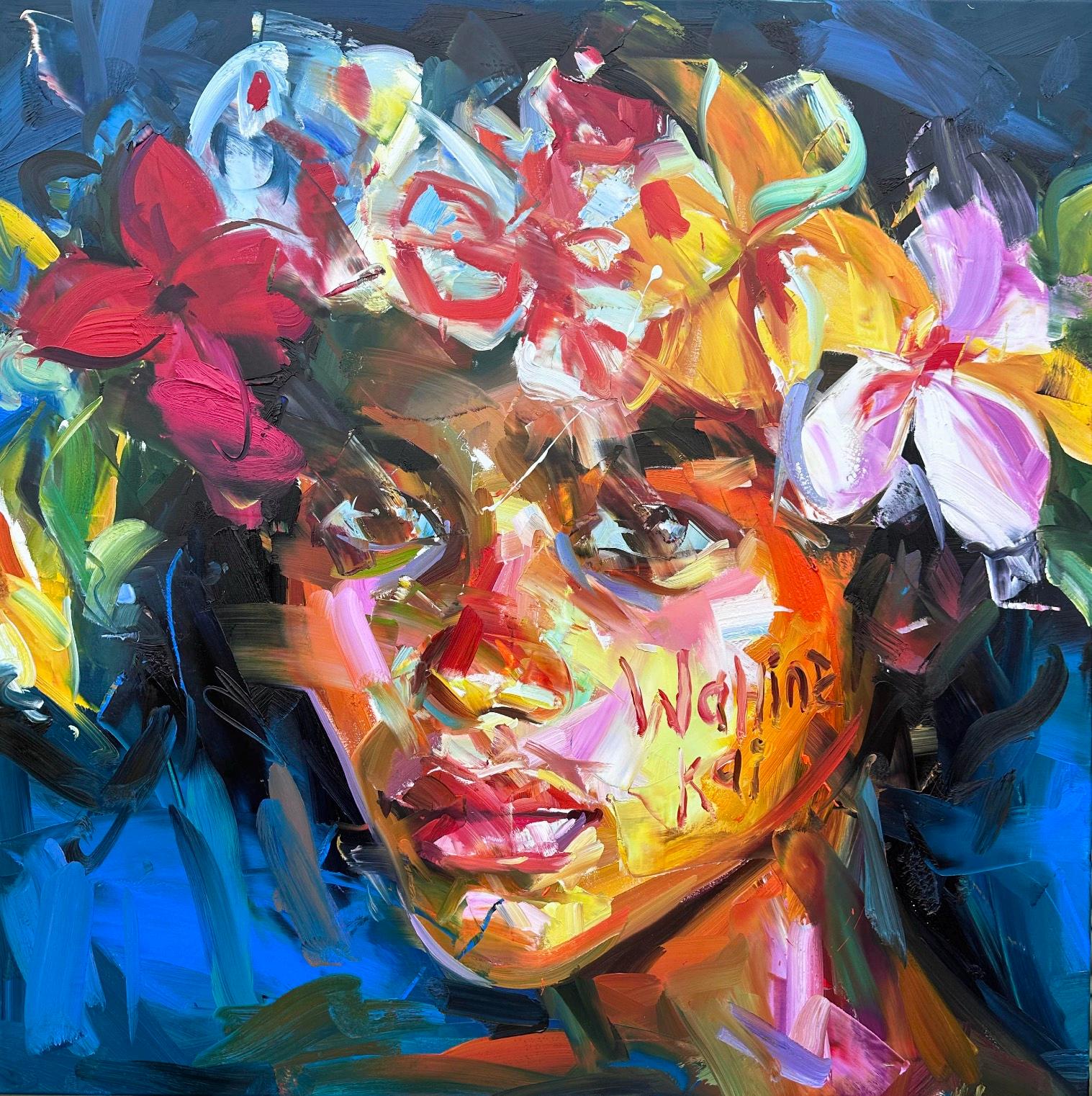
A woman of the sea, calm at the centre of movement. She changes shape, never self.
Belonging means staying in motion.
WAHINE KAI
Oil on Linen
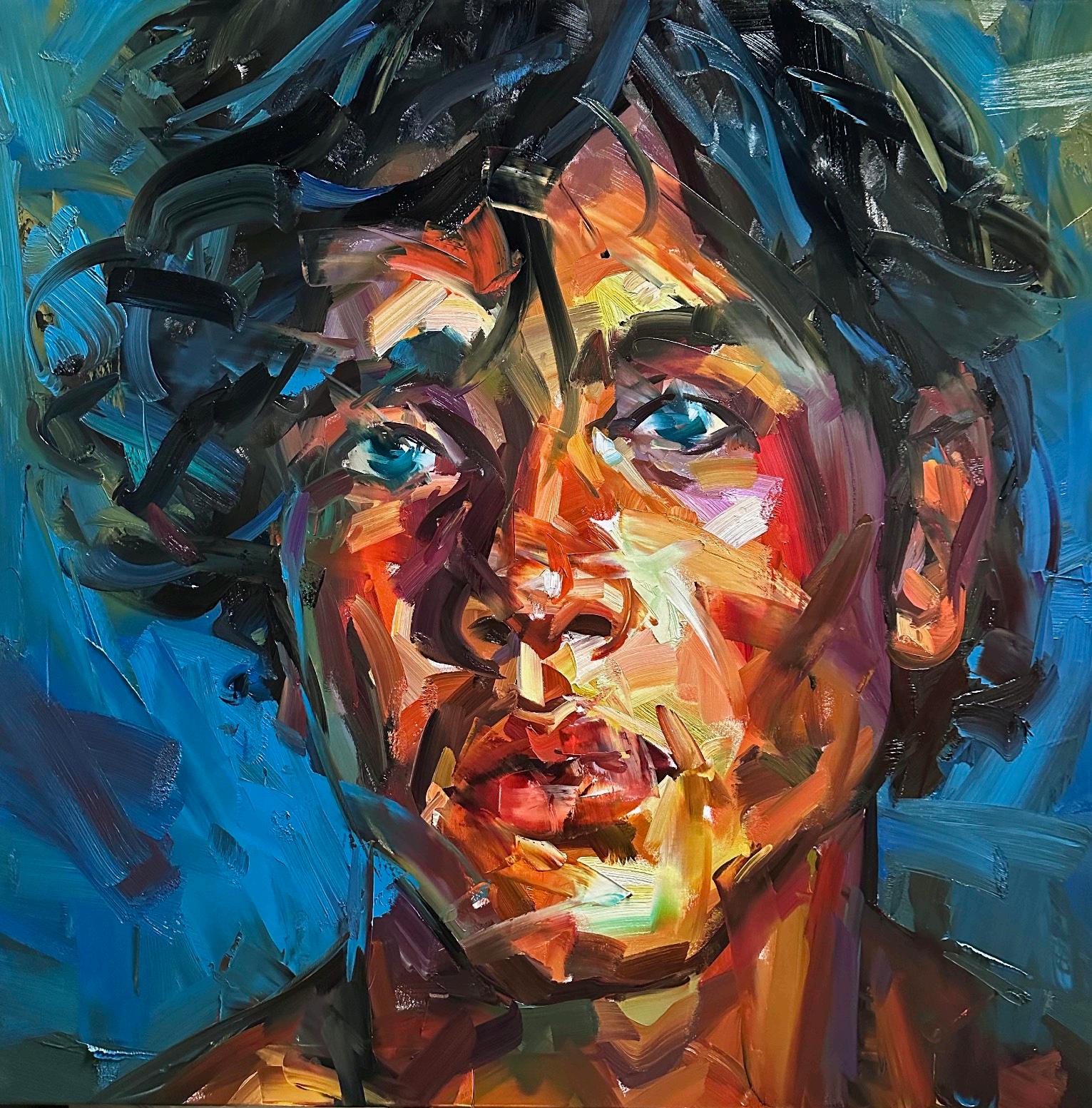
Presence as conduct.
Honour quiet, dignity earned in behaviour not birth.
A life guided more by rhythm than rule.
Oil on Linen
43 x 43 in | 110 x 110 cm
HIDALGO
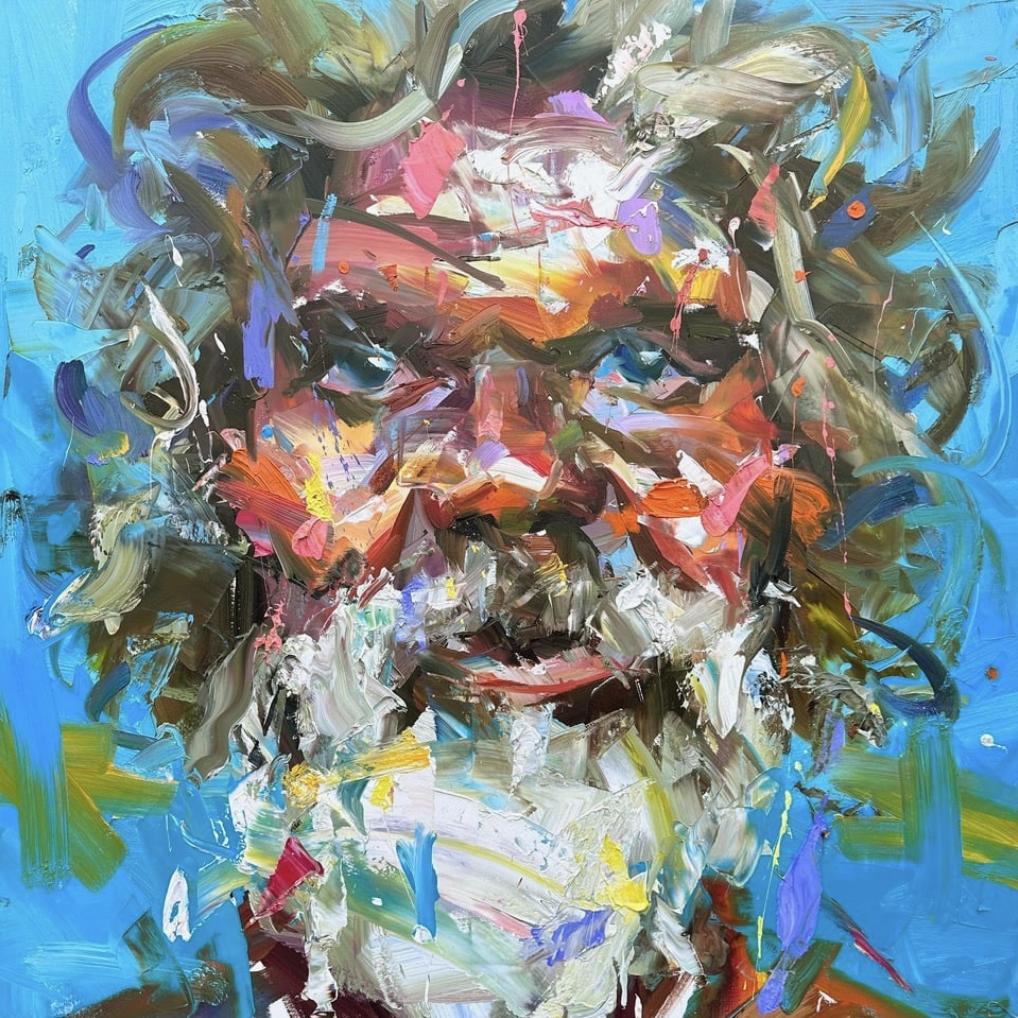
To father is to steady, not to steer.
Strength sits beside patience, and kindness keeps its own counsel.
THE FATHER
Oil on Linen
37 x 37 in | 95 x 95 cm
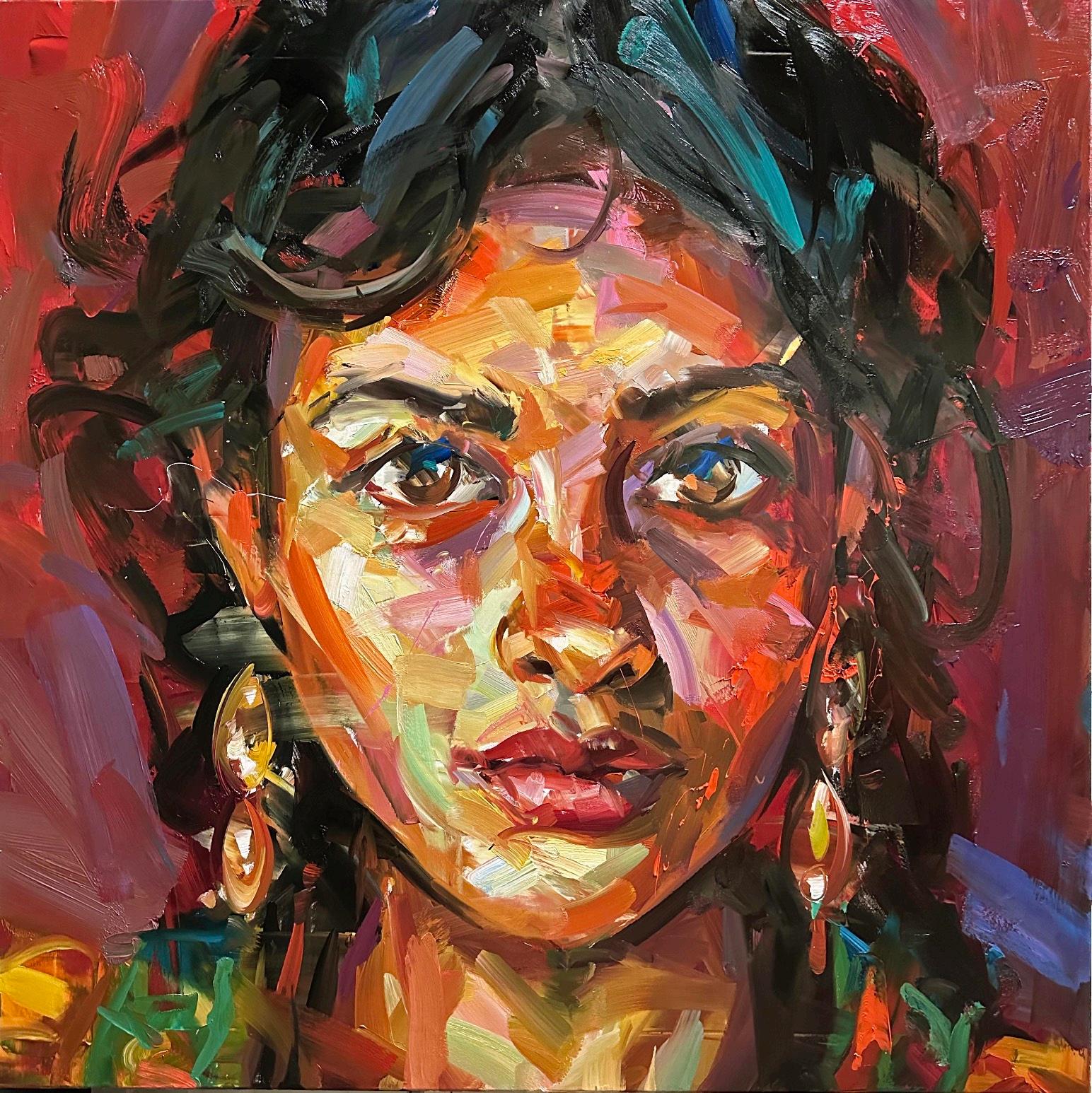
A woman stands without needing permission. Her gaze level, her dignity self-made. Stillness hums with conviction.
Oil on Linen
43 x 43 in | 110 x 110 cm
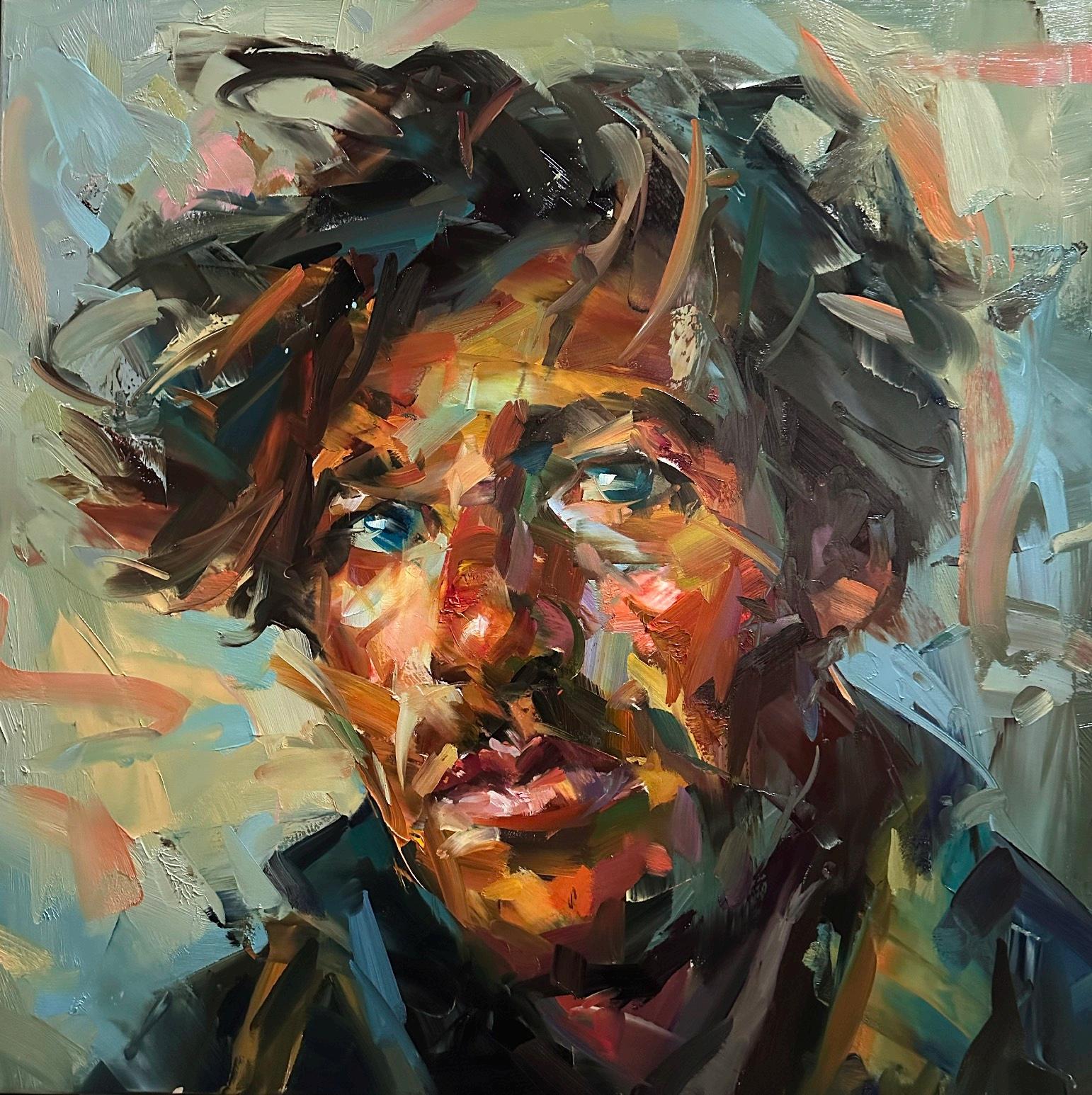
A man at the end of his shift, hair undone, eyes tired. Purpose has no need of applause. Worth hides in the unperformed.
THE LATE SHIFT
Oil on Linen
35 x 35 in | 90 x 90 cm
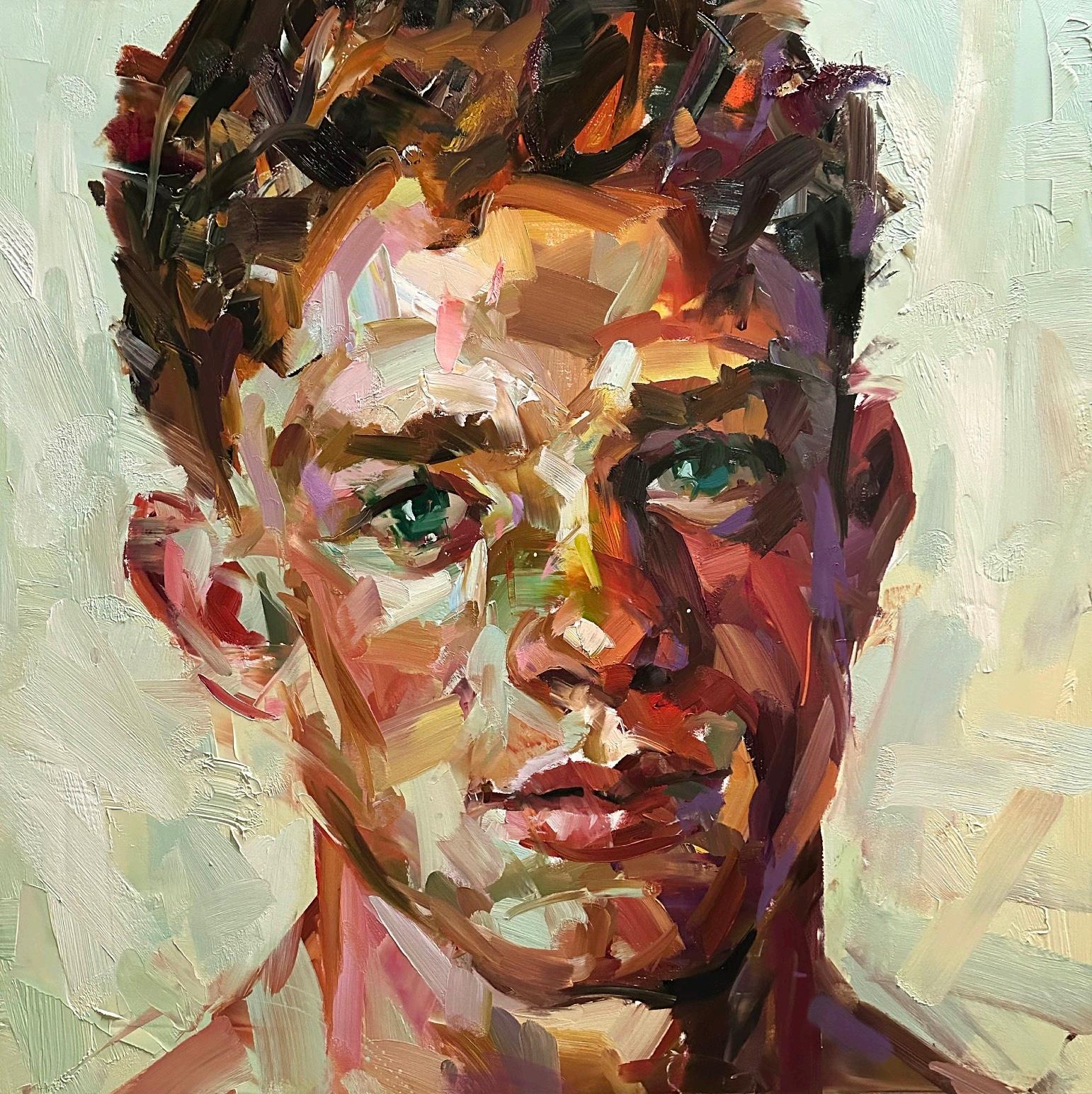
A face between innocence and knowing. Awareness settles like light on water. Once you see, you cannot un-see. The current keeps moving, quiet but unstoppable, carrying everything it touches.
THE END OF THE BEGINNING
Oil on Linen
35 x 35 in | 90 x 90 cm

And so we conclude here, for now Empathy, like water, runs through all of us quiet, persistent, unowned. It carries what we build, washes what we break, finds a path where none was meant. Across language, nation, habit, faith, it moves the same way through the lives of people who may never meet, but still recognise the weight of care. It asks for nothing except that we stay porous, that we keep listening for where the stream begins again.
LIKE WATER
Jeni Weinberger
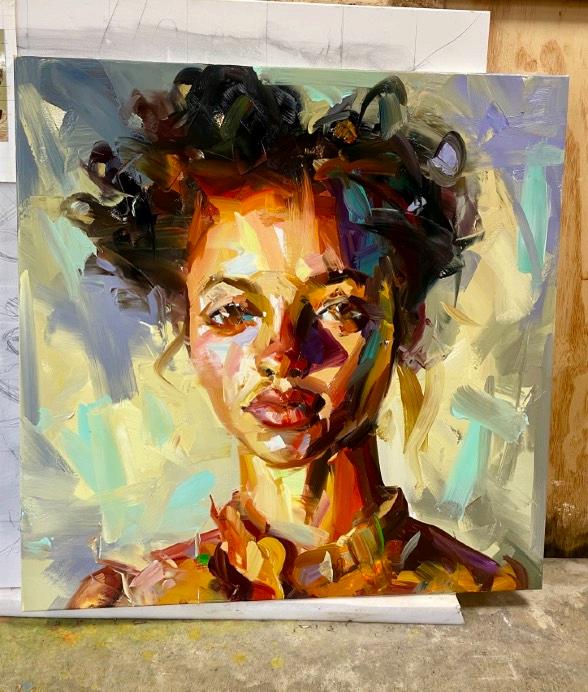
Each of these faces holds a facet of empathy: presence, agency, endurance, care.
And together they pose a question larger than painting:
If attention can reveal humanity on canvas, could it also help us repair the systems that shape our lives?
Our Collaborative Studio: From Portraiture to Prototype
That question is where our Buchanan Christie Studio began.
We didn’t plan a studio; we followed a conversation that refused to stop.
Painting and writing became a kind of mirror work, Paul tracing human texture in paint, Jeni tracing human understanding in words.
Eventually the two blurred, and the idea emerged: What if the ethics of portraiture could guide the ethics of design?
The projects that followed: Smaller World and The Asklepion are built on that premise.
That empathy is not a mood but a metric.
That attention, when structured well, can heal as much as it describes.
The partnership with the NHS is the next stage of that same inquiry: testing whether aesthetic intelligence and the very skills honed through decades of mark making can inform how care environments listen, soothe, and respond.
BUCHANAN CHRISTIE CREATIVE INTELLIGENCE
CREATIVE COLLABORATION
Culture as Infrastructure
.
We believe the creative mind belongs at the centre of system design, not at the edges.
Because culture sets the thermostat for what a society tolerates.
Change the temperature, and everything shifts.
“We practise care every time we slow a decision until it becomes humane.”
This is not about making technology “creative.”
It’s about keeping people human while we use it.
Systems that explain themselves.
Interfaces that slow down when stakes rise.
Design that feels like conversation, not command.
None of this happens by accident.
It happens when artists, coders, doctors, and policymakers sit together
and ask, gently, where does the story break?
The NHS prototype is one such gathering place — a living portrait built not of paint, but of empathy mapped into form. It’s where our inquiry meets the public good: testing whether care can be engineered with the same attentiveness as a brushstroke on skin. And that’s the point of all this.
The paintings, the words, the spaces — they are one continuous act of seeing.
“The next portrait may not hang on a wall.
It might be a room, a system, a moment of connection designed with care. This is where our work also lives, beyond Fine Art.
From painting people to rebuilding the places where we all might be seen.

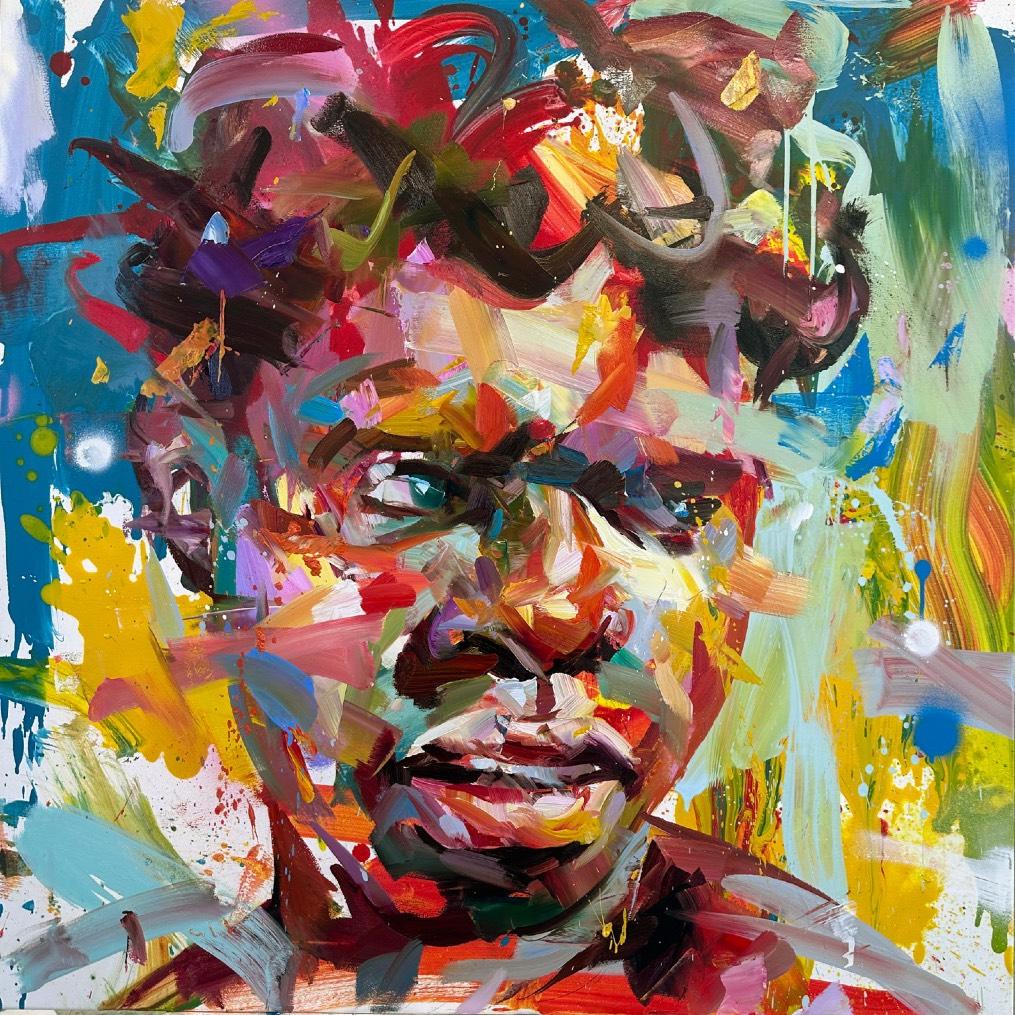
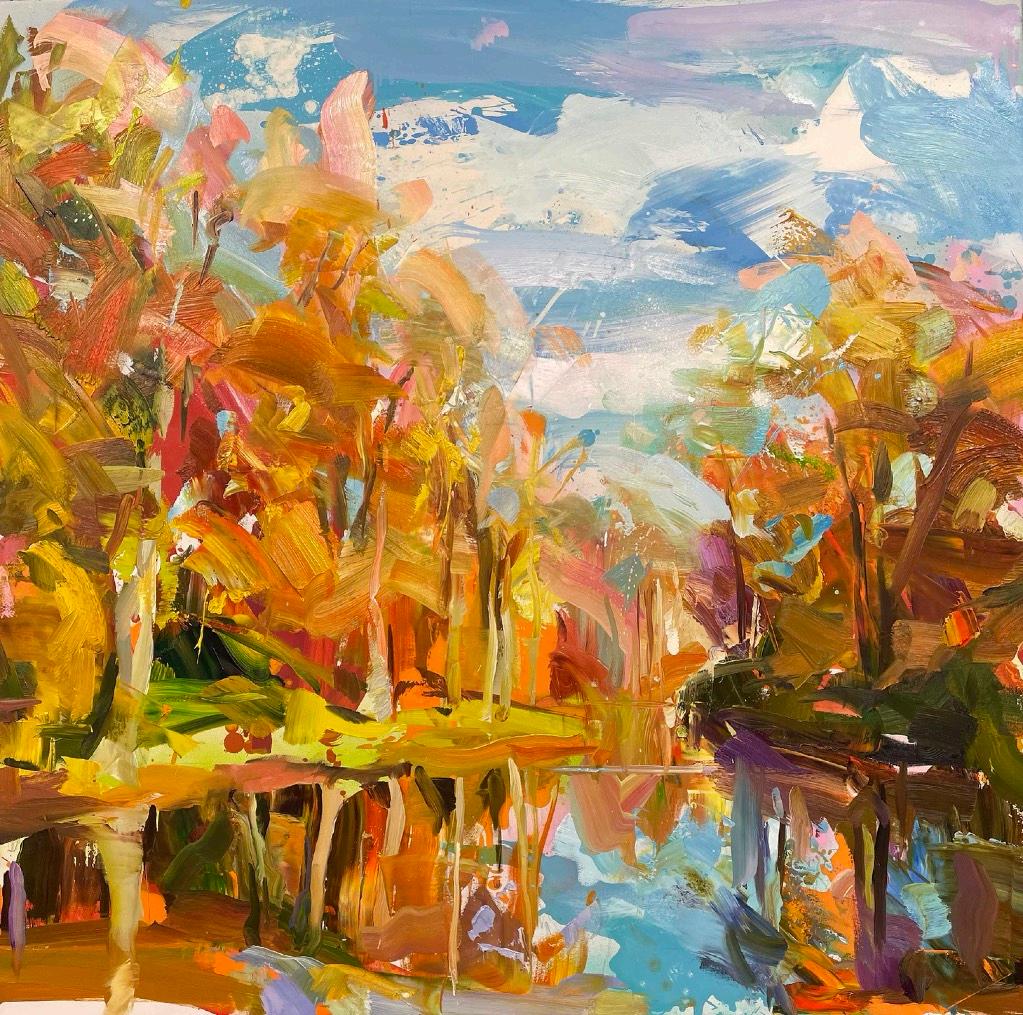
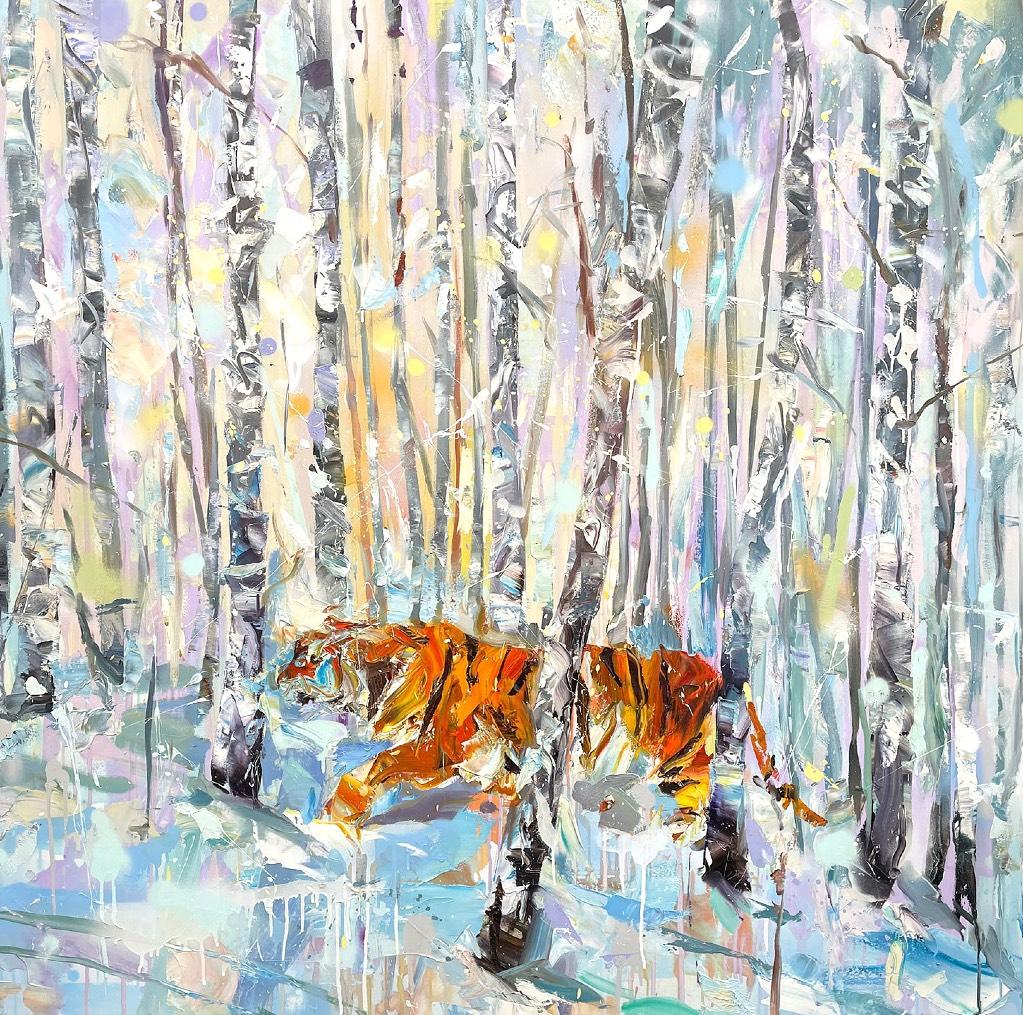
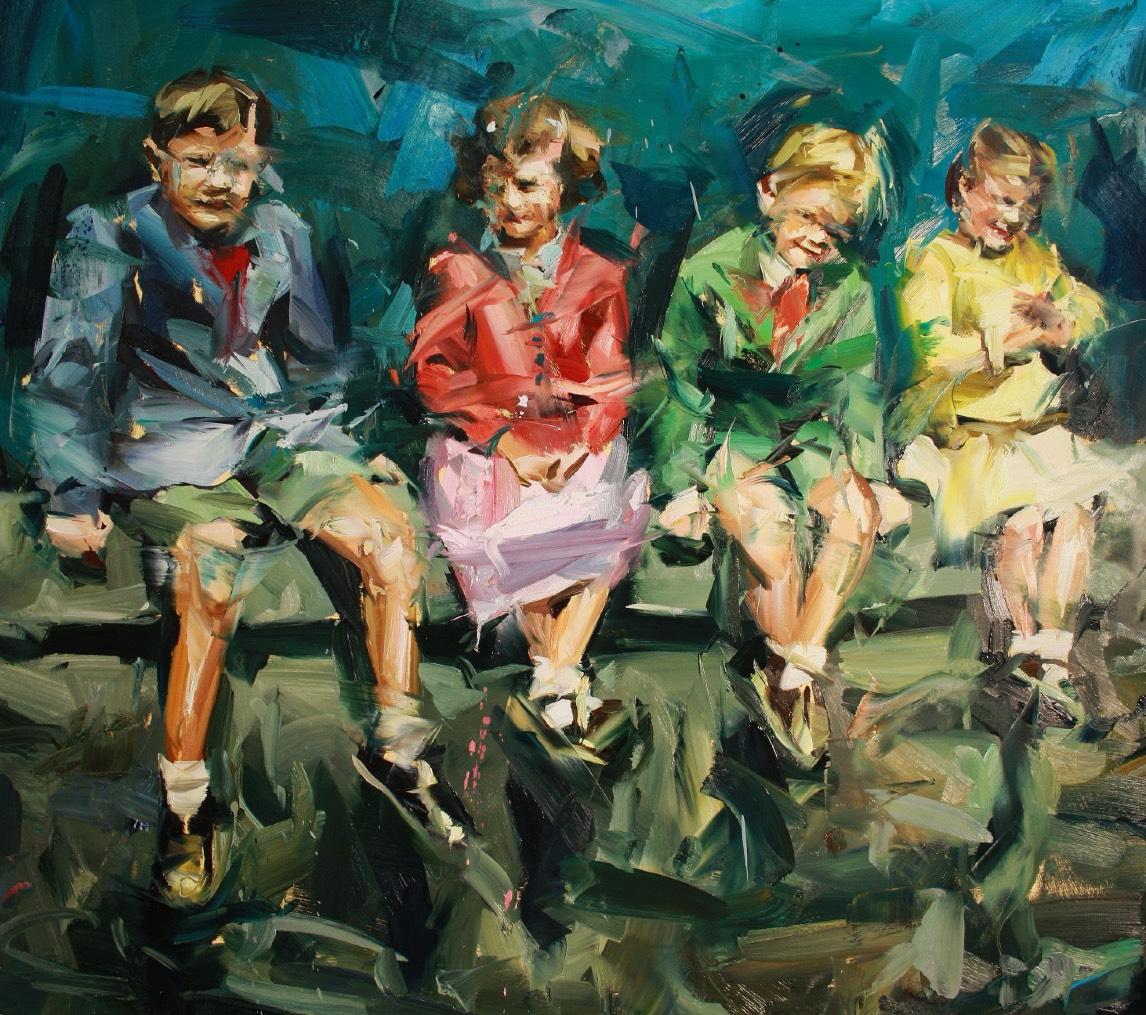
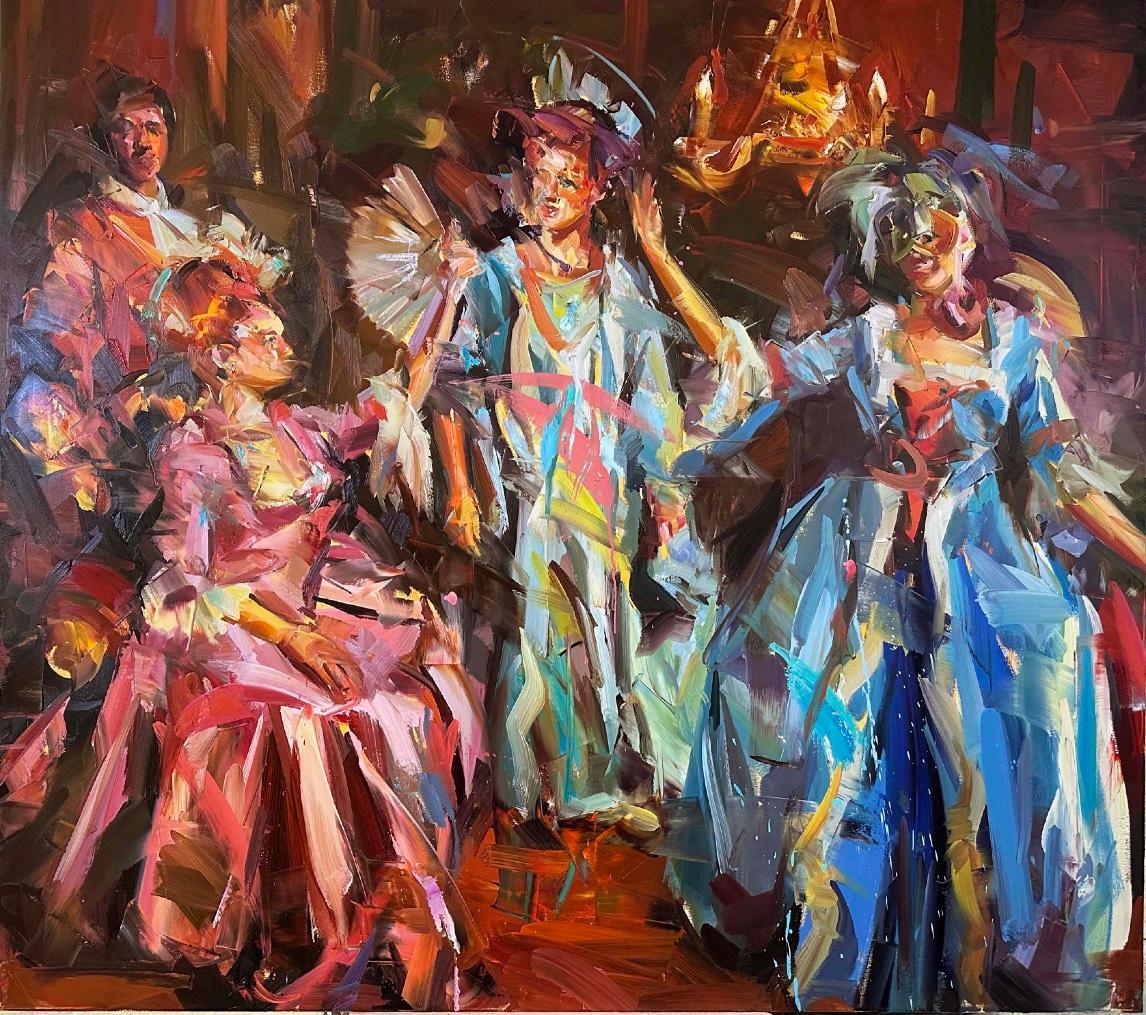
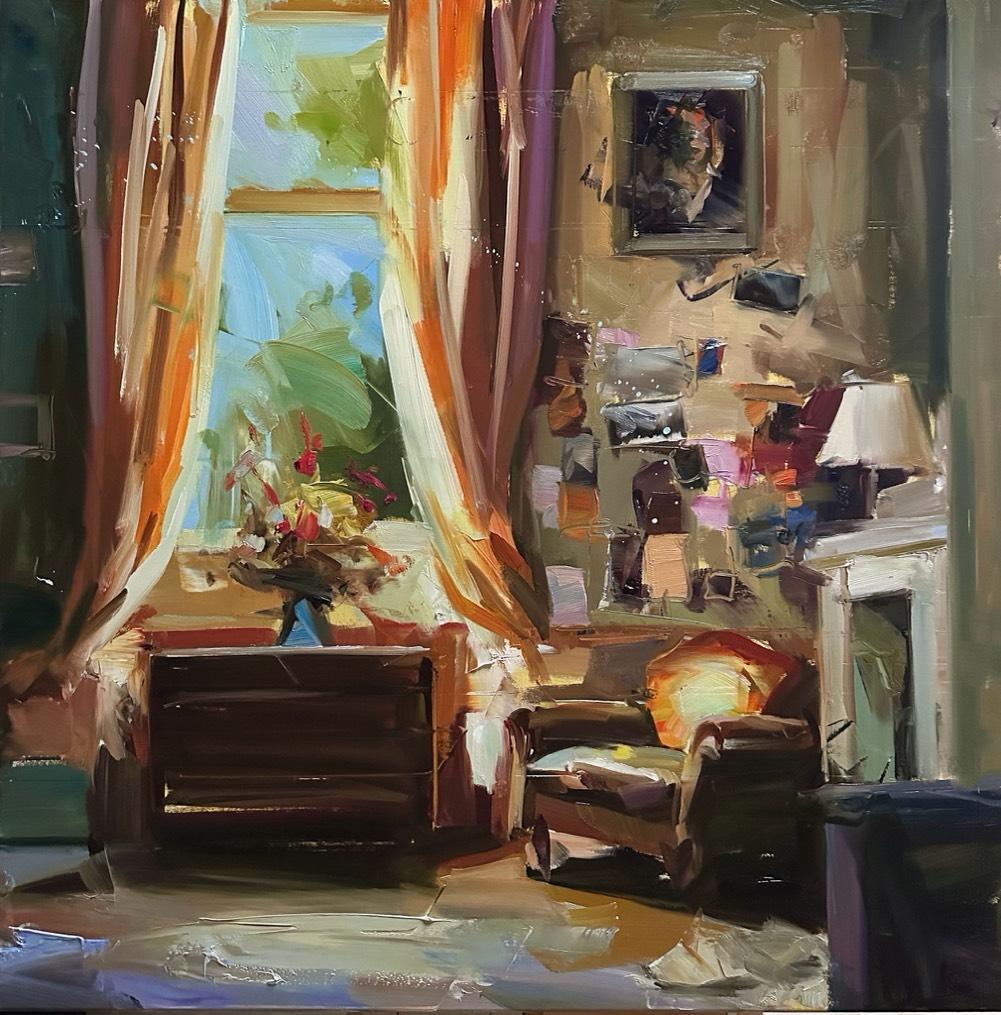
Focussing on the Human does not ignore exploring the world around us. Nor should it.
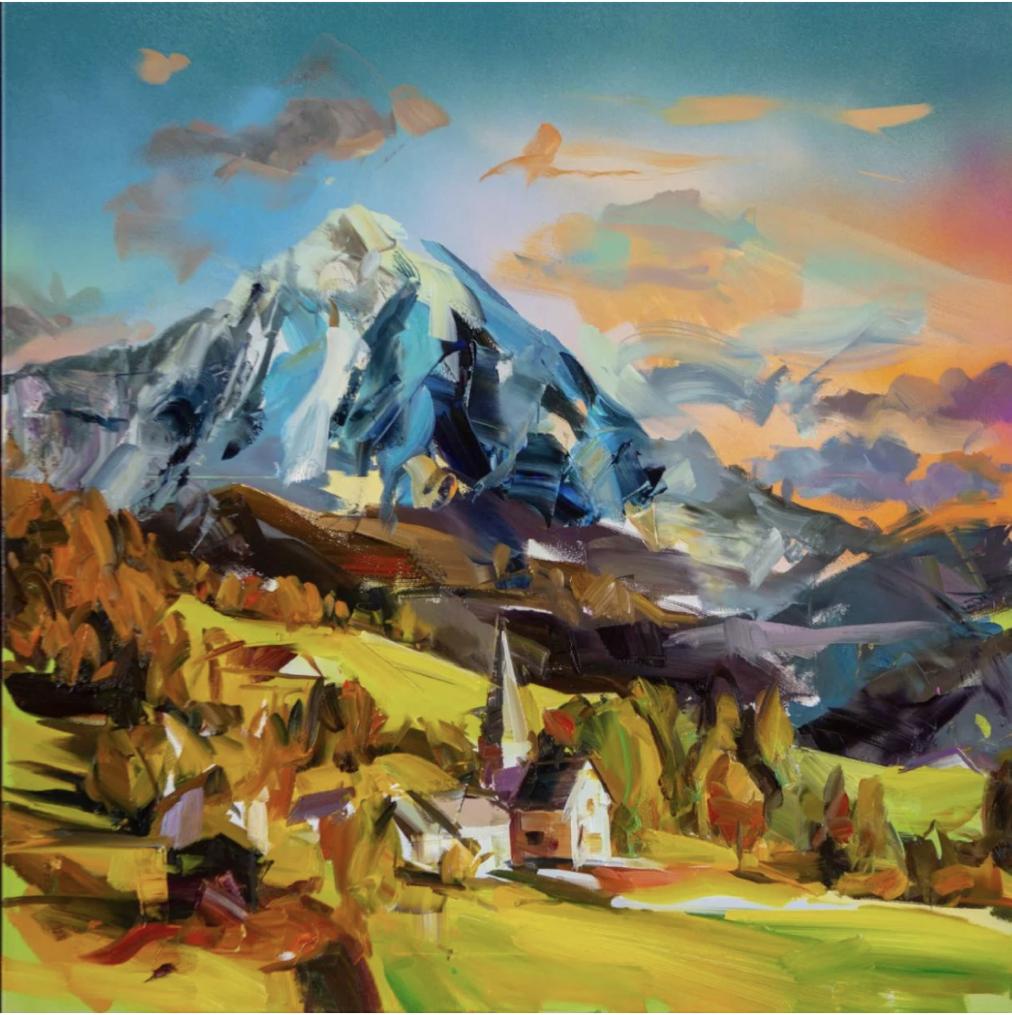
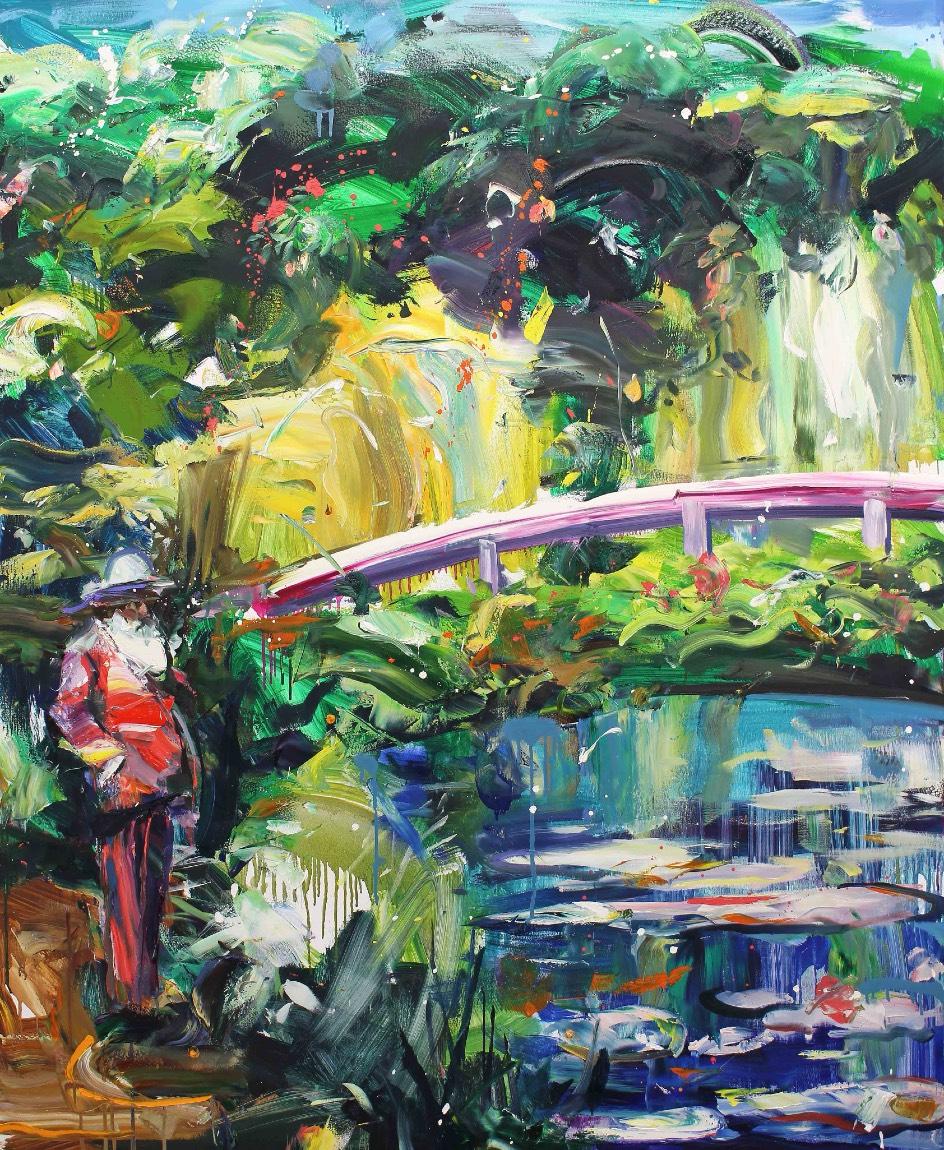
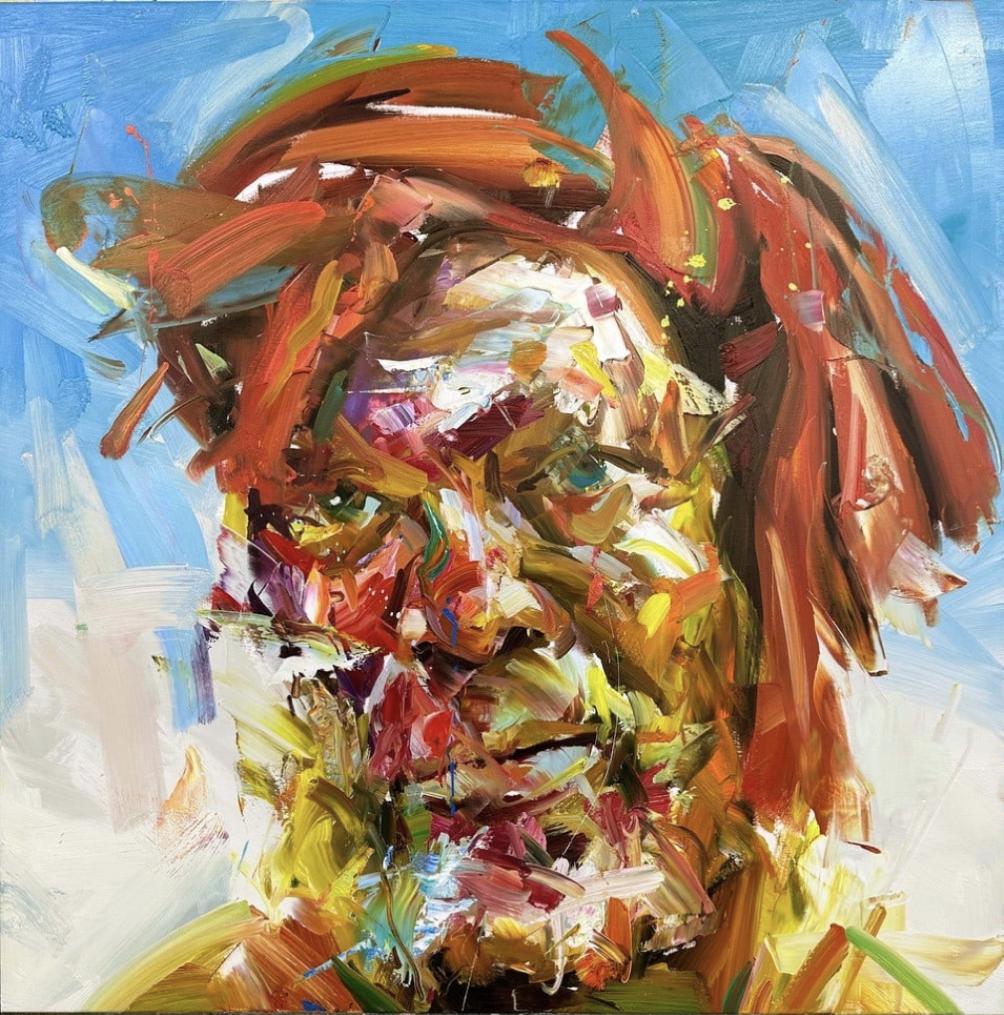
In his own personal studio, Paul explores all facets of the figurative and the fragile world around us.
Here are some examples of that work.
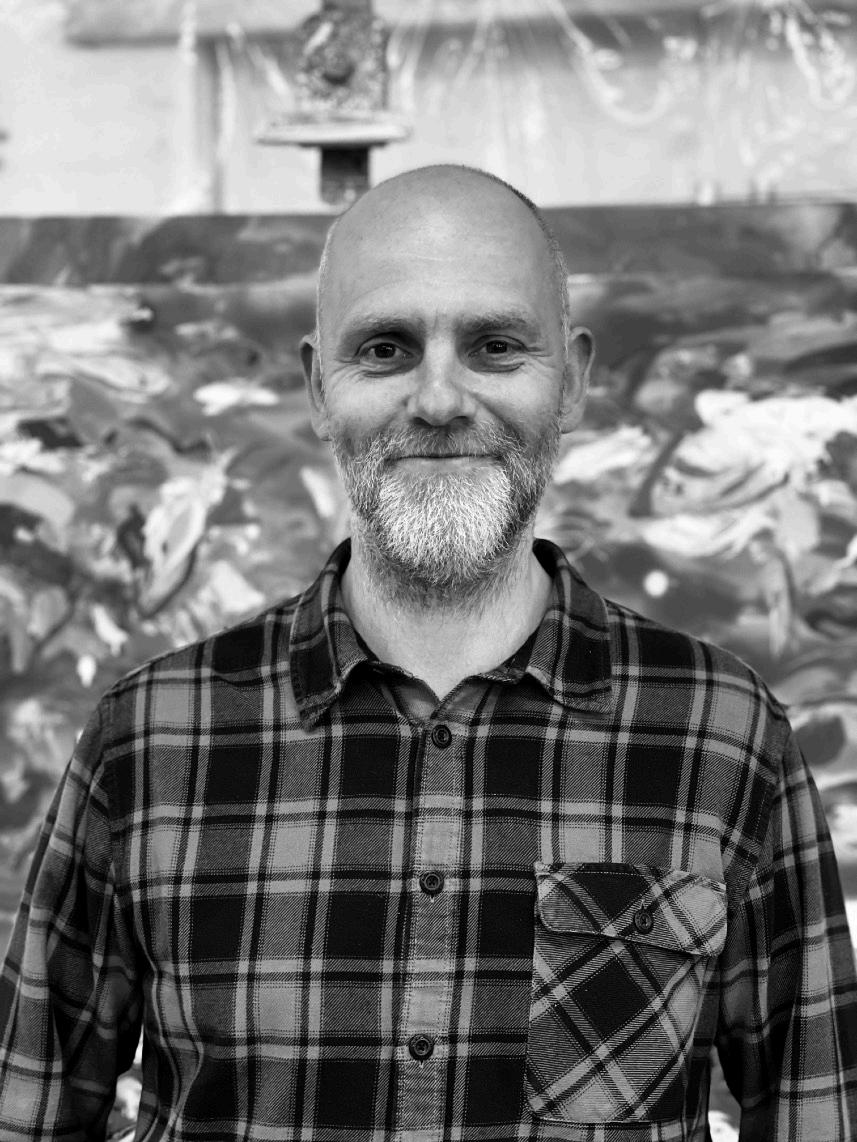
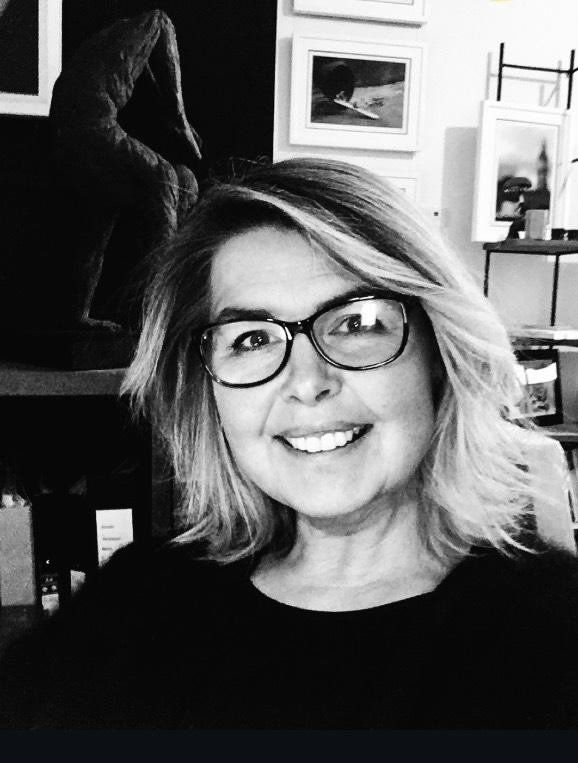
Paul Wright and Jeni Weinberger
THE ART OF BEING SEEN
To be seen is one of our most basic human needs, and one of the hardest to meet. In a world built on performance and perfection, being seen as we truly are has become almost radical. Portraiture has always held that potential. At its best, it is an act of mutual recognition: one person looking at another and saying, I see you. Yet somewhere along the line, that promise narrowed. The faces most often painted were those already recognised: the powerful, the approved, the admired. The rest of us became background. It isn’t that these works lack merit; many are exquisite. But they belong to a tradition that mistook admiration for understanding, status for soul. The institutions that uphold it, the portrait societies, academies, juries and patrons, have too often guarded hierarchy instead of widening it.
There are glimmers of change. The National Portrait Gallery’s most recent prize suggested a shift, a recognition that portraiture must rejoin the living. It was a quiet breath of progress, a sign that the art of likeness can move from commemoration toward empathy, from representation toward relationship.
Beyond those walls, it is already happening. Painters, photographers, and digital makers are turning their gaze toward the unvarnished human friends, neighbours, strangers, the self in reflection. These works are imperfect by design: gestures of care rather than claims of mastery. To paint or photograph someone is to admit connection and to see without hierarchy.
At its core, portraiture isn’t about faces; it’s about recognition. And recognition is political. When people feel unseen, societies fracture. The loneliness, the anger, the withdrawal from public life, these are all symptoms of not being witnessed. Art can’t solve them, but it can soften them. It can remind us how to look again, slowly and with intent.
This is not the death of tradition but a renewal of purpose. Craft still matters; the drawing, the structure, the discipline, but it must serve something larger than flattery. It must point back to life.
The art of being seen is also the art of seeing, a loop of empathy between artist, sitter, and viewer. It insists that every person, regardless of title or circumstance, carries a story worth attention, and that beauty often lives in the same irregular places as truth.
Perhaps this is where the new portrait begins: in rooms, studios, and screens where artists look without agenda and subjects are met not as symbols, but as selves.
Smaller World
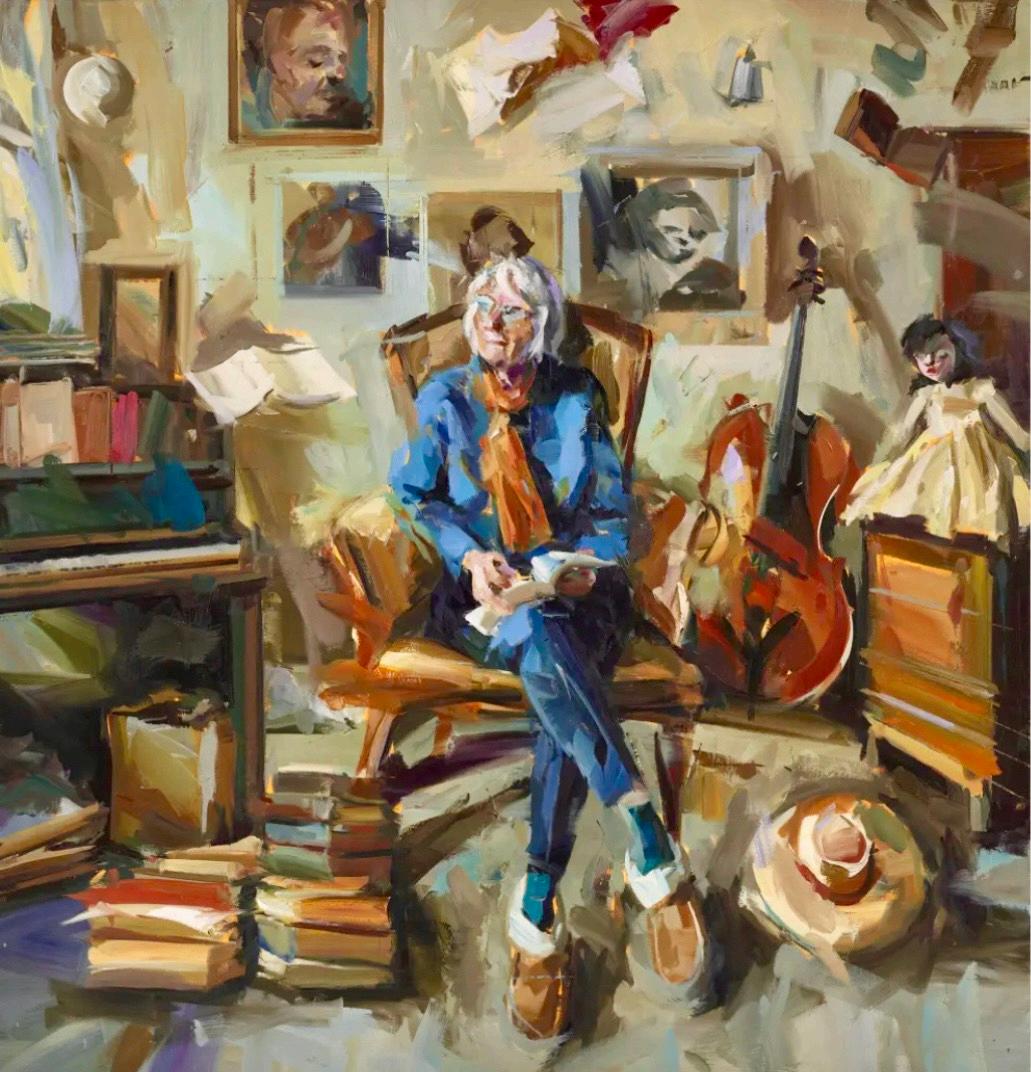
Portrait of the Artist’s Mother National Portrait Gallery, London
Painted by Paul Wright Written by Jeni Weinberger