What does Duffy’s fast-track mean for transportation policy? We break down what happened, what’s next, and why advocates should be paying attention. OUR TOP TIPS FOR BIKE MONTH
Bike Month is just around the bend and we’ve rounded up some of our favorite ideas on ways to celebrate the biggest month in biking.
THE POWER OF PUBLIC ART: creative placemaking in chattanooga, tennessee
Murals, movement, and momentum — discover how one city is using public art to transform streetscapes and spark community connection. ROLLING WITH THE EXPERTS: stories from league cycling instructors
They’ve taught thousands how to ride smarter and safer. Now, they’re sharing the stories, surprises, and why they keep rolling.
“UNCERTAINTY” IS A WORD YOU’VE PROBABLY BEEN HEARING A LOT LATELY. What I’m certain of is the uniting, grounding power of the bicycle. Because when we ride, by ourselves and with others, we feel the bike joy, the freedom, the possibilities. That’s why now we are in a critical moment one where we must fight for a future in which everyone, in every community, can safely bike for transportation, recreation, and the pure joy of it. To do that, I think it’s important to first acknowledge how far we’ve come, both in the last year and over the last 25.
This spring issue of the magazine highlights some of the best stories from our blog in 2024. No surprise, but the most inspiring stories are about individuals like you putting in the work for better bicycling. And not only will you read about the cycling educators who are empowering new riders, you’ll also discover the Bicycle Friendly Communities building better places to ride and the important policy and advocacy work the League does every day.
I want to take a moment to put these past year’s stories in the context of our bike movement’s growing power over the decades. Since 2000, we have achieved major wins for better bicycling together: a quintupling of federal funding for biking
LET’S RIDE UNITED THIS YEAR
BY BILL NESPER
and walking projects; cities from Minneapolis to Miami, Sacramento to St. Louis investing in low-speed streets, connected bike networks, education, and encouragement programs, reaching more people than ever; and the shifting perception of cycling — through your everyday advocacy and our network of state and local member organizations, we’ve successfully made the case that safe biking isn’t a luxury but a critical component of low-cost, sustainable transportation, public health, and economic development.
Yet, despite these successes, we still face a transportation system that prioritizes vehicle speed over people’s safety. Progress is happening, but it’s uneven and not reaching enough people. The wins we’ve achieved are because of you. You show up at community meetings. You lead Bicycle Friendly Community efforts. You teach people how to bike safely. You advocate for policies that make streets safer and expand opportunities to ride. And you show up here to meet, to grow, to amplify the voices of our communities.
Now more than ever, these local efforts will preserve our progress and bolster our work on Capitol Hill.
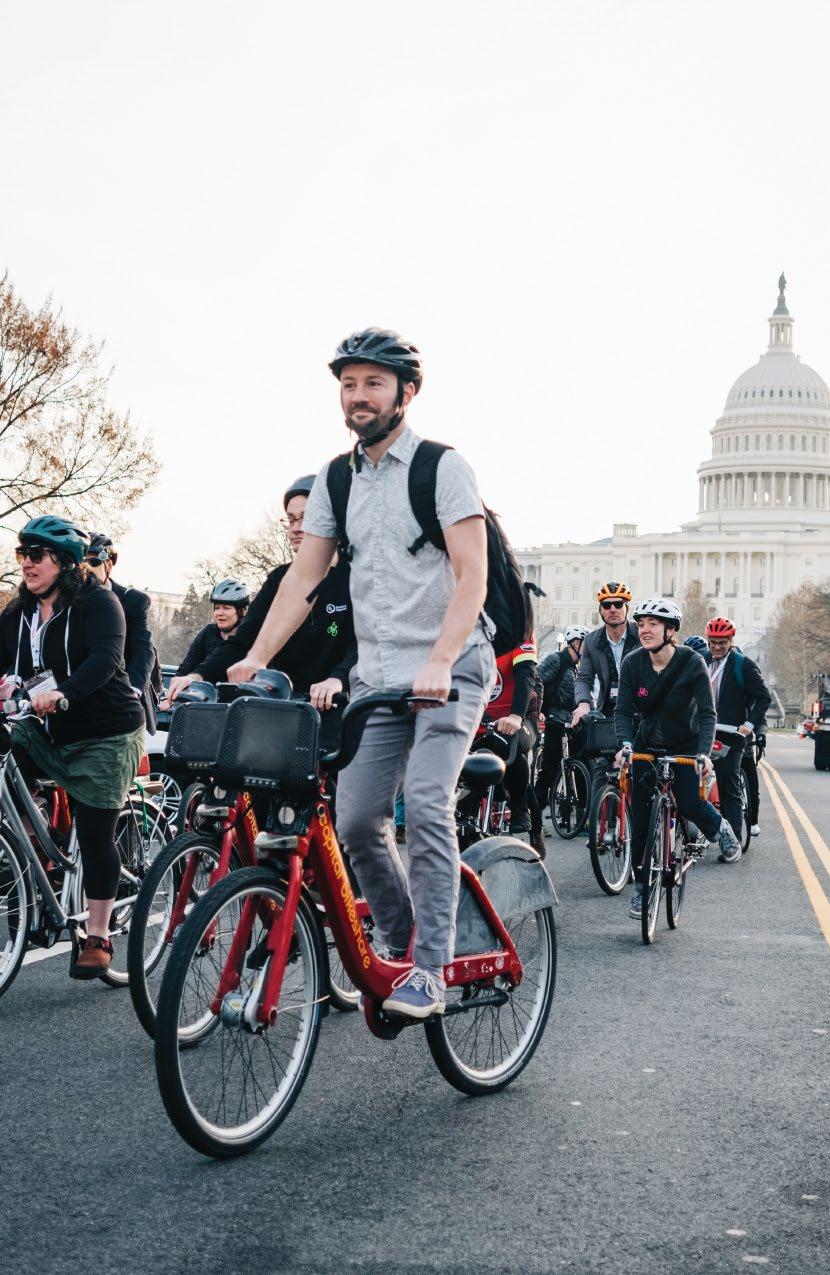
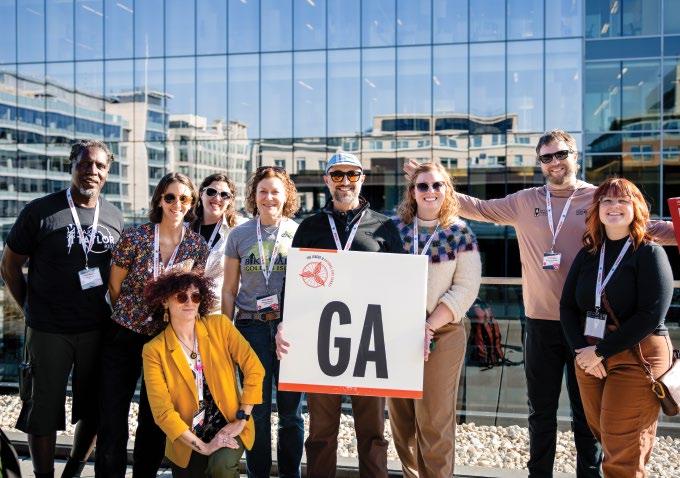
Bill Nesper rides with Travis Counsell, executive director of Hawaii Bike League, during the Congressional Bike Ride at the 2025 National Bike Summit.
SEAN DUFFY’S NOMINATION SAILS THROUGH COMMITTEE
BY CARON WHITAKER
ON JANUARY 16TH, PRESIDENT TRUMP’S NOMINEE FOR TRANSPORTATION SECRETARY, REP. SEAN DUFFY (R-WISC.) TESTIFIED IN FRONT OF THE SENATE COMMERCE COMMITTEE. The tone of his confirmation hearing was one of a friendly homecoming as Duffy served in Congress with 14 of the 28 senators on the committee and had worked with many of them personally. He was introduced and recommended by both of his Wisconsin home state Senators (Rep.) Ron Johnson and (Dem.) Tammy Baldwin. Senator Baldwin also sits on the Commerce Committee.
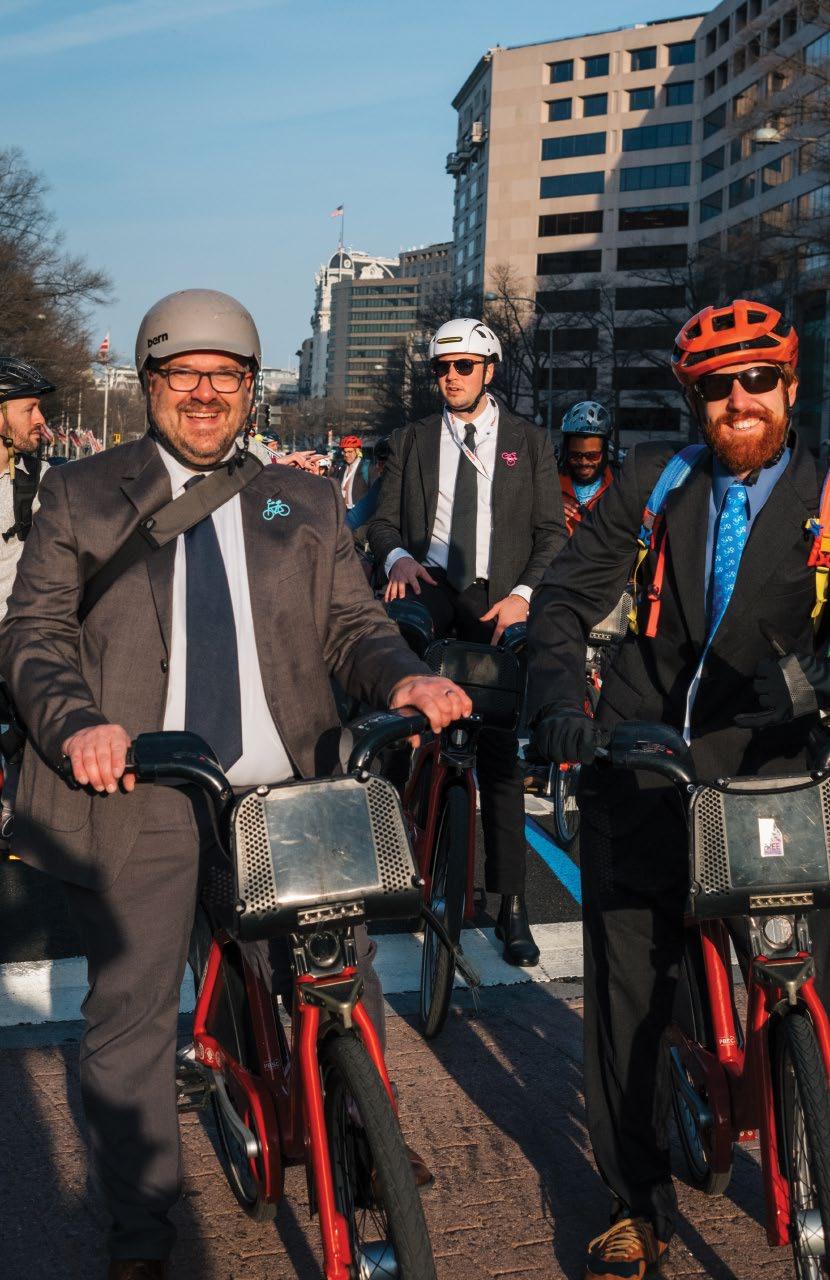
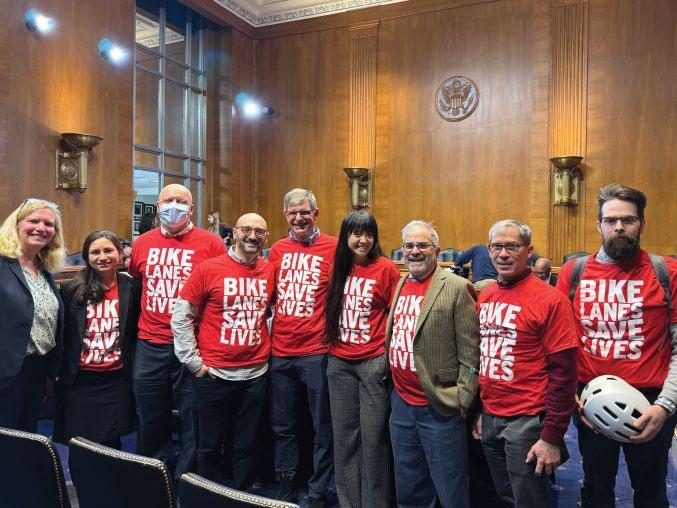
Advocates from the League of American Bicyclists and the Washington Area Bicyclist Association make the statement that Bike Lanes Save Lives at the Senate Environment and Public Works Committee hearing with Secretary of Transportation Sean Duffy.
In addition to being a former congressman, Duffy has also served as a lobbyist, financial adviser, Fox News host, reality TV star, and a lumberjack sportsman. While he does not come from a transportation background, that is not unusual for a Transportation Secretary nominee.
In the votes on his confirmation, Duffy continued to receive support from the committee and full Senate. The committee voted 28–0 in support of his nomination and he was confirmed by a vote of 77–22 in the Senate on January 28 and sworn in the same day.
Duffy’s Priorities
Duffy testified that his priority in the role would be safety. His wife was in a severe car crash when she was a young adult and he understands how crashes can change lives. Several senators asked specifically about the safety of bicyclists, pedestrians and other vulnerable road users, to which Duffy committed to working with them to address the safety of “pedestrians, bikers, scooter-ers” and everyone using our roads.
Questions from the Dais
Here are some highlights of notable questions from senators on the committee:
• Senator Baldwin specifically asked about the Sarah Debbink Langenkamp bill which would make it easier for states and local governments to use highway safety dollars to build biking and walking safety infrastructure.
• Senator Brian Schatz (D-Hawaii) commented about the false dichotomy between cars and pedestrians, saying you will be the “Secretary of Transportation” and not the “Secretary of Cars.”
• Senators Ben Ray Lujan (D-N.M.) and Amy Klobuchar (D-Minn.) discussed distracted and impaired driving, asking Duffy to reinvigorate efforts to end distracted driving and to push the National Highway Traffic Safety Administration (NHTSA) to move on technology to stop drunk drivers. (As a father of nine, Duffy noted he is specifically concerned with distracted driving of young people.)
• Senators Tammy Duckworth (D-Ill.) and Baldwin brought up accessibility for people with disabilities. Duffy’s ninth child has Down syndrome and he discussed his understanding of the need for accessible transportation.
There were a few other comments of note regarding bicycling and walking. Senator Klobuchar brought up her strong support for the Recreational Trails Program. Senator (Rep.) Bernie Moreno, the new senator from Ohio, made a point of saying almost all Americans drive cars and depend on cars.
In addition to safety, senators raised questions about several issues we expect to hear more about in the forthcoming reauthorization debate. Duffy’s answers were pretty nondescript, along the lines of “I support safety” or “I will look into that.” Questions touched on a number of themes:
• Project Delivery: Members on both sides are concerned with how long projects take
• Autonomous Vehicles: There is bipartisan support for creating a regulatory framework
• Electric Vehicles: Both their lack of ‘paying in’ and that they cause more wear and tear to the roads because of their weight, and their benefit to the environment and air quality
• How to Pay for Transportation Infrastructure: Duffy is against raising the gas tax
• “Buy America” Policies: Everyone is for it in general terms, but concerns exist for specific industries
• Disaster Relief: The need for fast deployment was underscored
Another topic, more hinted at than deeply discussed, was that of good governance. Senator Maria Cantwell (D-Wash.), the Ranking Democrat on the committee, brought up her concerns over the policy recommendations in Project 2025, and asked Duffy if he would implement the Infrastructure Investment and Jobs Act as written by Congress. Senator Ed Markey (D-Mass.) also asked if Duffy would ensure NHTSA would prosecute Tesla as necessary despite its owner’s relationship with President Trump. Duffy committed to following the law, and he stated that President Trump would set the Administration’s policy.
On the day of Duffy’s hearing, President Trump nominated Steven Bradbury for DOT’s Deputy Secretary (the number two position formerly held by Polly Trottenberg) position. Bradbury was the Chief Counsel at DOT under the first Trump Administration. Between Trump Administrations he was at the Heritage Foundation where he was an author of Project 2025.
NEW BICYCLE FRIENDLY STATE RANKINGS HIGHLIGHT PROGRESS AND CHALLENGES FOR SAFER CYCLING ACROSS AMERICA
BY MARLEE TOWNSEND
THE LEAGUE OF AMERICAN BICYCLISTS HAS RELEASED ITS 2024 BICYCLE FRIENDLY STATE RANKINGS, A COMPREHENSIVE EVALUATION OF STATE EFFORTS TO IMPROVE CONDITIONS FOR BICYCLING.
The Bicycle Friendly State Rankings measure state performance on the League’s five Bicycle Friendly Actions and across key categories: Infrastructure, Safety, Funding, Planning, Laws, #EveryRideCounts, and Capacity & Support. Each category reflects the policies, resources, and practices that contribute to safer and more accessible biking for everyone.
Creating a Bicycle Friendly America for everyone starts with leadership at the state level. In the states at the top of the list, we see places where advocates, lawmakers, and decision makers are united in their belief that better bicycling benefits everyone. This year’s rankings celebrate the progress some states have made, but the record number of bicyclist deaths is a stark reminder that more must be done to protect people who bike.
Key Findings from the 2024 Rankings Report
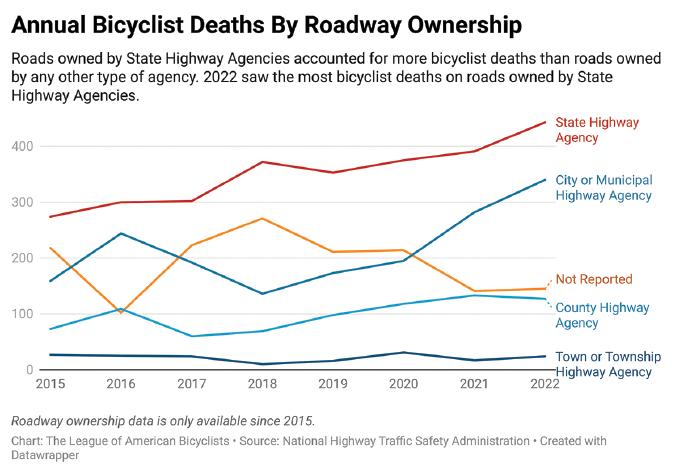
Record Bicyclist Fatalities: Preliminary estimates indicate 1,149 bicyclists were killed in 2023, the highest number ever recorded, continuing an alarming trend. Nationwide, roads owned by state Departments of Transportation account for more bicyclist deaths than any other type of roadway owner. These roads often have higher posted speed limits than locally owned roads.
Every Ride Counts: The category in which states scored the lowest reveals a troubling lack of comprehensive efforts to count and understand bicycle ridership, underscoring the need for better data.
New Focus on Safe Speeds: The League introduced a new scoring category this year, assessing state laws that enable communities to adopt safer speed limits. Nineteen states received credit for implementing policies allowing and/or promoting 20 mph speed limits.
Infrastructure Investment: States have spent record federal funds on biking and walking projects thanks to the Infrastructure Investment and Jobs Act. However, as a percentage of overall transportation spending, biking and walking investments did not increase much as other roadway investments.
“At the League of American Bicyclists, we believe that education is a critical part of building a future where people can bike safely and where drivers know how to interact safely with people biking. We’re excited to see states like Washington commit to in-school bicycle education, and that more than half of all state DOTs support bicycle education programmatically in some way.”
– Bill Nesper, executive director of the League of American Bicyclists
Notable States
Washington reclaimed the #1 ranking from Massachusetts on the strength of a signature youth education initiative and perfect scores in the Planning and Infrastructure categories. It was the only state with top ten scores in every category.
Kentucky had the largest ranking improvement of any southern region state on the strength of a new statewide bike plan and strong performances in our Policies and Capacity & Support categories.
Maine, Oklahoma, and South Carolina adopted or shortly will adopt their firstever statewide bike plan! At this time, only five states have never adopted a statewide bike plan.
Kansas improved its ranking more than any other state. Keys to this improvement included adopting a new statewide bike plan, creating a program to help communities access the federal Safe Streets and Roads for All grant program, and state department of transportation staff being recognized for their efforts by the Association for Pedestrian and Bicycle Professionals.
New Hampshire had one of the ten largest ranking improvements thanks to being the only state recognized for taking two Bicycle Friendly Actions it had not taken in our last ranking by adopting a new statewide bike plan and spending more than 2% of its federal transportation funds on bicycling and walking.
The 2024 Bicycle Friendly State Rankings are not just a report — they are a roadmap to building a more Bicycle Friendly America for everyone. The League encourages state leaders and advocates to:
1. Benchmark Progress: Use the rankings to identify strengths and areas for improvement.
2. Celebrate Successes: Look to leading states’ successes for inspiration.
3. Take Action: Engage with state decision-makers to advocate for better policies, programs, and investments.
This year’s findings show that progress is possible, but it requires commitment and collaboration. Now is the time for state leaders to take action — by enacting better laws, investing in safe and connected infrastructure, expanding access to bicycling education, and prioritizing proven safety measures — to reverse troubling trends and build a safer future for everyone who bikes.
For more information about the 2024 Bicycle Friendly State Rankings, visit bikeleague.org/states
THE POWER OF PUBLIC ART: CREATIVE PLACEMAKING IN
CHATTANOOGA, TENNESSEE
BY MARLEE TOWNSEND
WHENA COMMUNITY APPLIES FOR A BICYCLE FRIENDLY COMMUNITY AWARD, ONE RELATIVELY NEW QUESTION WE ASK ON THE APPLICATION IS ABOUT LOCAL EFFORTS TO “INCORPORATE PUBLIC ART OR MURALS ALONG YOUR COMMUNITY’S BICYCLE NETWORK.”
Why do we ask this? For one, it’s worth reflecting on the level of investment a community is putting into creating creative, interesting, and welcoming public spaces. Planners call this placemaking, a philosophy and practice that “inspires people to collectively reimagine and reinvent public spaces as the heart of every community.” In other words, investments in local public art make active transportation better by making the places we walk and bike more interesting and enjoyable. Public art like murals and sculptures can also celebrate local culture, acknowledge historical events, and commemorate people who came before us.
“Placemaking inspires people to collectively reimagine and reinvent public spaces as the heart of every community. Strengthening the connection between people and the places they share, placemaking refers to a collaborative process by which we can shape our public realm in order to maximize shared value. More than just promoting better urban design, placemaking facilitates creative patterns of use, paying particular attention to the physical, cultural, and social identities that define a place and support its ongoing evolution.”
— Project for Public Spaces
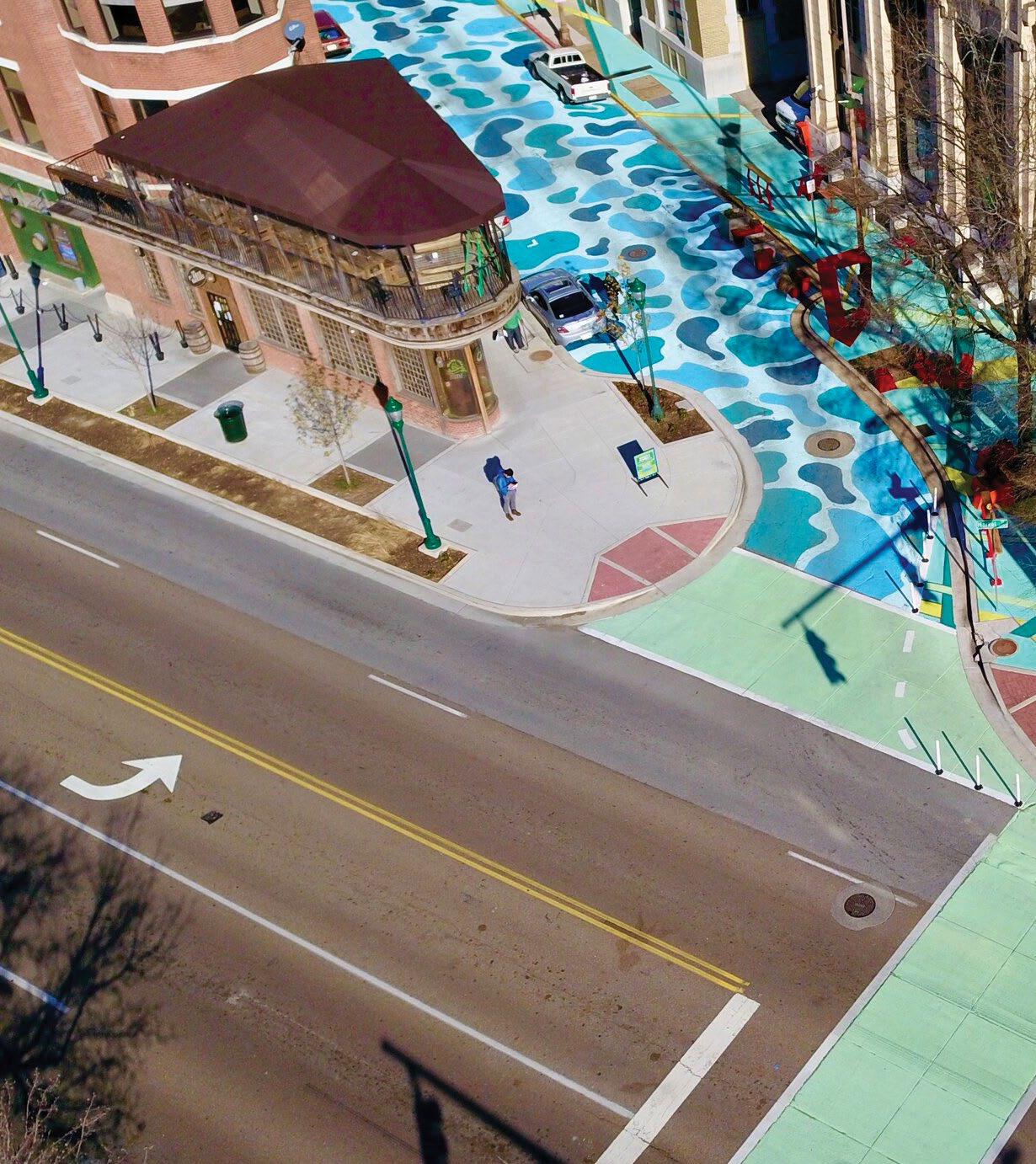
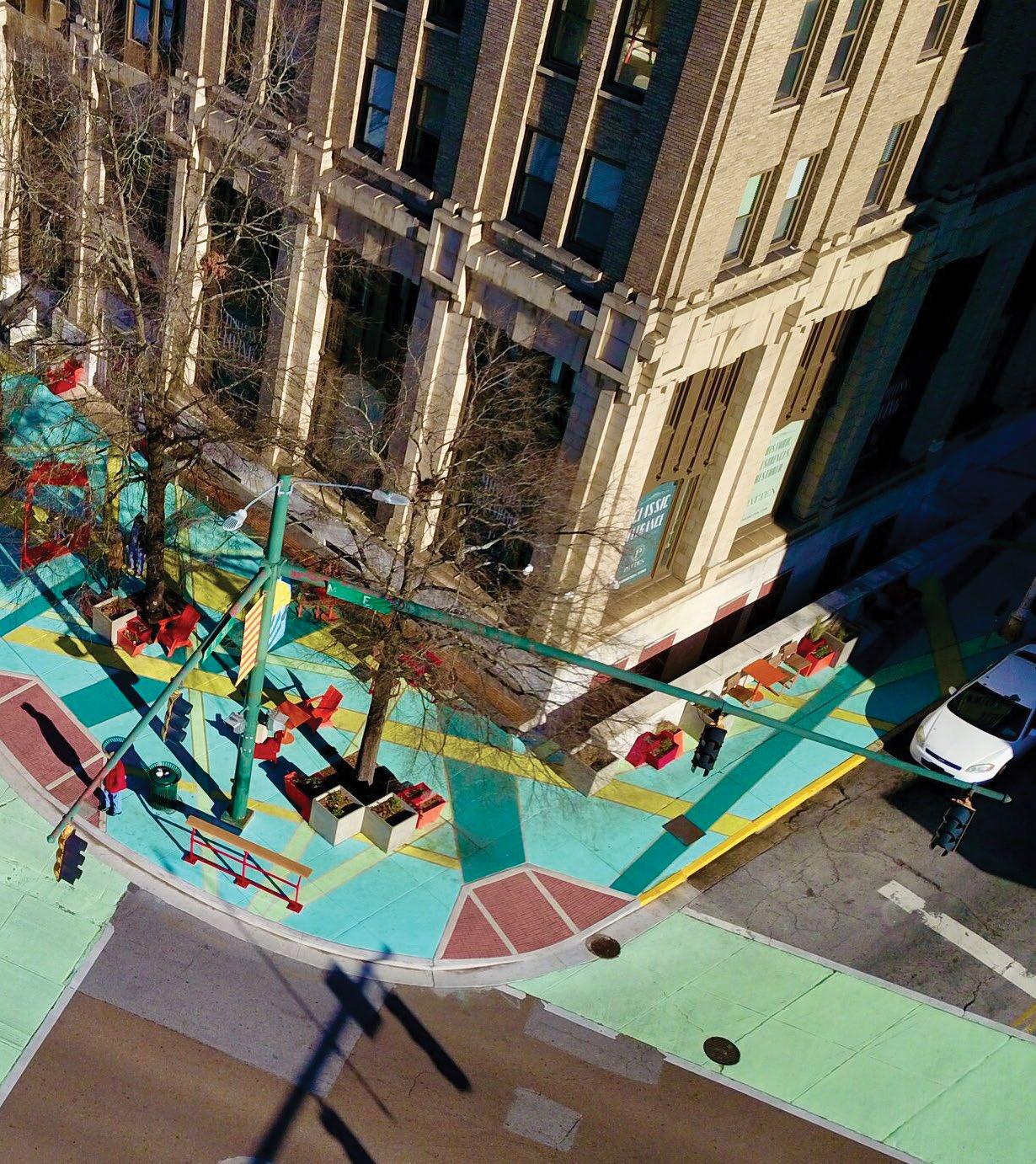
Patten Porch near MLK & 11th St bike facilities in Chattanooga, TN
Chattanooga, a Silver-level Bicycle Friendly Community in southeastern Tennessee, shared how they use art, history, and placemaking initiatives to celebrate their city’s heritage while enhancing the quality of life for its residents.
From
the Riverwalk
to Patten Porch: Infusing Creativity, History, and Culture
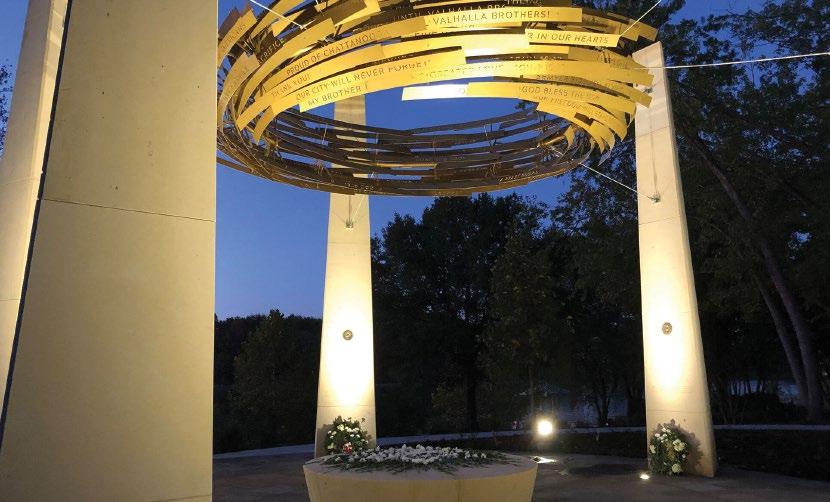
One of the key initiatives driving Chattanooga’s transformation into a better place for people to work, live, and bike is its commitment to public art. Perhaps the most iconic example of this effort is the Tennessee Riverwalk — described as “a vital recreational and transportation link in our community [that] weaves together a number of cultural experiences through interpretive signage and placement of the greenway.” The Tennessee Riverwalk, stretching 13 miles from Chickamauga Dam to the St. Elmo neighborhood, serves as a canvas for an array of artistic expressions and historical reflections. Signage and memorials along the greenway pay homage to pivotal moments in the city’s history, from the Trail of Tears to more recent tragedies like the Fallen Five Memorial.
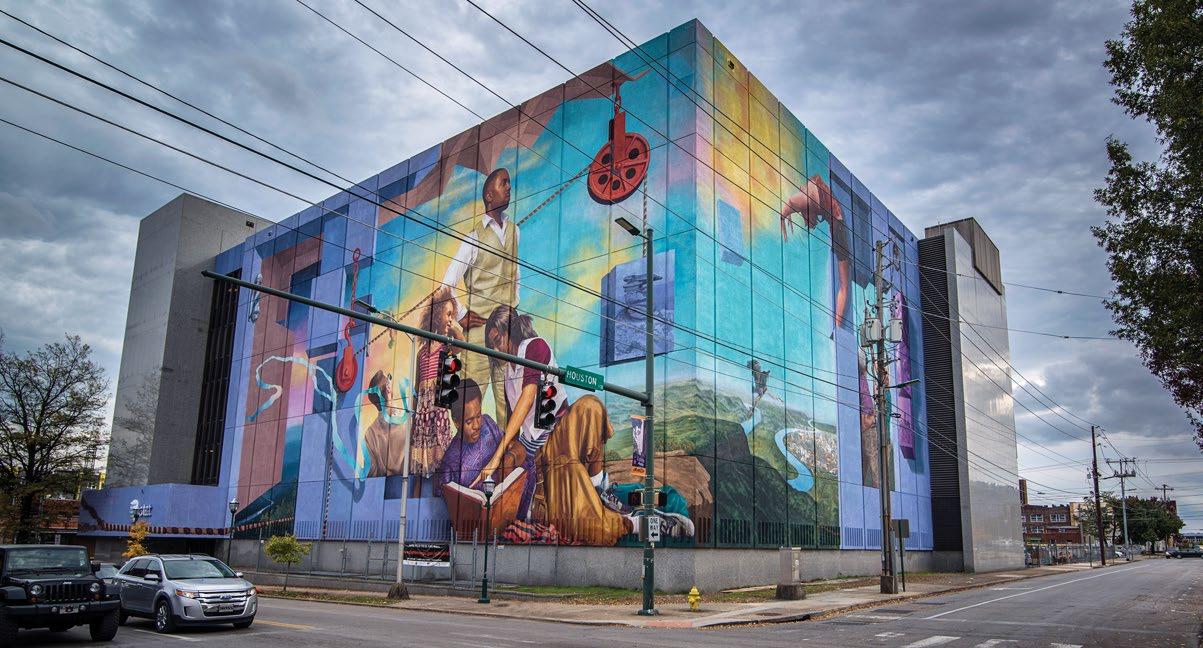
Beyond the Riverwalk, colorful murals adorn the streets — particularly along
E. Martin Luther King Boulevard — celebrating the city’s African American community. In 2020, a “Black Lives Matter” mural was painted on the roadway in front of the Bessie Smith Cultural Center and African American Museum. But these initiatives aren’t just decorative — the creative installations act in concert with a road diet that added bicycle facilities. That’s the key here: ensuring that placemaking initiatives are part of a larger strategy to make a community safer, easier, and more enjoyable for everyone to move through.
Heading westward on the E. Martin Luther King Boulevard bike lanes, you’ll find yourself at Miller Park — the city’s central park space where community events are hosted throughout the year. One of the most popular events held at Miller park is “Nightfall,” a free outdoor summer concert series that attracts diverse crowds looking to explore new music on balmy summer evenings.
Along with infrastructure and community events, another way to make local streets more welcoming is to invest in projects that engage residents with nature and their community. One notable placemaking project in Chattanooga that aims to create a welcoming space is Patten Porch, which
was transformed in 2020 after community feedback called for “a true neighborhood meeting ground with space to rest, relax, and socialize.” After the project was completed, they saw “an increase in diversity of users and increased enjoyment of the space….The swings and mural have become hot spots for selfies and social media posts, bringing new faces to the area. There is an increased perception of safety for pedestrians and cyclists and overall comfort level.”
Looking Ahead: Placemaking for Sustainable Communities
By embracing public art, honoring history, and prioritizing placemaking, Chattanooga has not only made biking more enjoyable but has also transformed its urban landscape into a living, breathing work of art. This effort to get more people to choose active transportation is just one part of their larger Climate Action Plan, which sets a goal of achieving a city-wide net zero carbon footprint by 2050. Naturally, public art isn’t the only approach: “The plan identifies specific actions related to multimodal
transportation to accomplish that goal, including expanding pedestrian and bicycle infrastructure, especially in high modeshift potential areas and low-income and underserved neighborhoods.”
Between placemaking projects and community outreach, the city has seen a boost in local support for their efforts: “Chattanooga’s support for bicycling has broadened the appeal and desirability of bicycle facilities from the relatively small group of active bicyclists and active transportation advocates to include everyone who cares about and wants to live, work, and play along people-centered, as opposed to car-centered, streets.”
In the journey towards sustainable and equitable urban development, Chattanooga reminds us that the path to a more Bicycle Friendly America is paved and painted with creativity, inclusivity, and a deep appreciation for the places we call home. We hope other places across the country can learn from places like Chattanooga and other Bicycle Friendly Communities as we all work towards making biking better.
“Wreath of Honor” Fallen Five Memorial at Tennessee Riverpark
bikeleague.org/bikemonth
Our Top Tips For Bike Month
HOP ON THE SADDLE
The most obvious way to celebrate? Just ride your bike! It doesn’t matter if it’s a quick spin around the block, a leisurely cruise through the park, or a challenging mountain bike adventure. Every pedal stroke counts!
BIKE BASICS
Share our Smart Cycling H videos with your friends, family, and community members! Our videos cover the basics of biking, from checking your tire pressure to shifting gears to changing lanes. We even answer questions drivers may have like, “why is that bicyclist in the middle of the road?”
MARK YOUR CALENDARS
National Bike Month offers several key dates to focus your riding adventures:
• National Ride a Bike Day: This falls on the first Sunday of May, that’s May 4 in 2025. Plan a fun ride with friends and family, explore a new bike path, or simply enjoy a solo journey.
• Bike to Work Week: This is the third week of May, May 12–18, 2025. Maybe you’re an everyday commuter or maybe you’re a weekend warrior wondering about ditching the car during the week: this is your chance! Many workplaces offer incentives and support for bike commuters, so check with your employer (this is especially true if they are a Bicycle Friendly Business!)
• Bike to Work Day: This happens the Friday of Bike to Work Week, May 16 in 2025. It’s a national day of celebration where communities come together to promote cycling as a healthy and sustainable mode of transportation. Your
region, city, or town might have a “pit stop” or event for you to ride to and pick up free gear — find your local bike advocacy group on our map to get started: bikeleague.org/map E
BEYOND THE BASICS
While simply riding is fantastic, there are more ways to celebrate your love of bicycling:
• Bike Clubs: You can find our League member bike clubs on our map. Clubs often host big yearly rides and weekly group rides, which can be a great way to get motivated to put in the miles or to meet fellow cyclists and explore new routes.
• Bike Safety Events: League Cycling Instructors and local advocacy organizations often host classes to help you hone your cycling skills classes, whether that’s city riding tips or learning to ride. Find LCIs near you on our map!
• Advocacy Organizations: While the League works at the national level to build a Bicycle Friendly America for everyone, local organizations are on the ground leading initiatives in your neighborhood. Connect with your state and local advocacy groups by checking out — you guessed it — our map!
SPREAD THE BIKE JOY
National Bike Month isn’t just about transportation and exercise. It’s about celebrating the joy of cycling. Post your rides on social media, share your favorite routes, lead a party pace ride — the ideas are endless!
National Bike Month is a chance to experience the freedom, fitness, and fun that cycling offers. So, get out there, explore your world on two wheels, and join the celebration!
Cut out the next two pages and use them to inspire your bike joy or share with a friend!
Overcoming Bike Commuting Concerns
• Start at an easy, comfortable pace and take as many breaks as you need. Keep riding, and over time, you'll build confidence and endurance!
I’M OUT OF SHAPE
IT TAKES TOO LONG
IT’S TOO FAR
NO BIKE PARKING
MY BIKE IS BEAT UP
NO SHOWERS
I HAVE TO DRESS UP
IT’S RAINING
THE ROADS AREN’T SAFE
I HAVE TO RUN ERRANDS
• Ride your route on a weekend to find the easiest way to work.
• Consider an e-bike (lots of bikeshare services have them now!) or bike part of the way and take transit for the rest.
• The average commuter travels at 10 mph (and faster by e-bike) — the more you ride, the faster you will get.
• Trips of less than three miles will be quicker by bike than by car.
• Trips of five to seven miles in urban areas may take the same time or less as by car.
• Try riding to work and taking mass transit home, then alternating the next day.
• Combine riding and mass transit to shorten your commute.
• Ride to a coworker’s house and carpool to work.
• Look around for a storage area in your building or office.
• Stash your bike in a covered, secure place such as a closet or even your office.
• Formally request that your employer provide bike parking or lock it up outside.
• Tell a reputable bike shop that you are commuting and have them tune up your bike.
• If you can’t maintain your bike yourself, identify bike shops near your route.
• Make sure that your bike is reliable and in good working order before you start riding.
• Most commuters don’t shower at work; ride at an easy pace to stay cool and dry.
• Ride home at a fast pace if you want a workout; shower when you get there.
• Health clubs offer showers; get a discounted membership for showers only.
• Keep multiple sets of clothing at work; rotate them on days you drive.
• Have work clothes cleaned at nearby laundromats or dry cleaners.
• Pack clothes with you and change at work; try rolling clothes instead of folding.
• Fenders for your bike and rain gear for your body will keep you dry.
• If you are at work, take transit or carpool to get home; ride home the next day.
• Take transit or drive if you don’t have the gear to ride comfortably in the rain.
• Join bike advocacy groups to join our work for safer streets.
• Obey traffic signs, ride on the right, signal turns, and stop at lights.
• Plan a route ahead of time to utilize low-stress bike networks and protected bike lanes.
• Wear a helmet every time you ride.
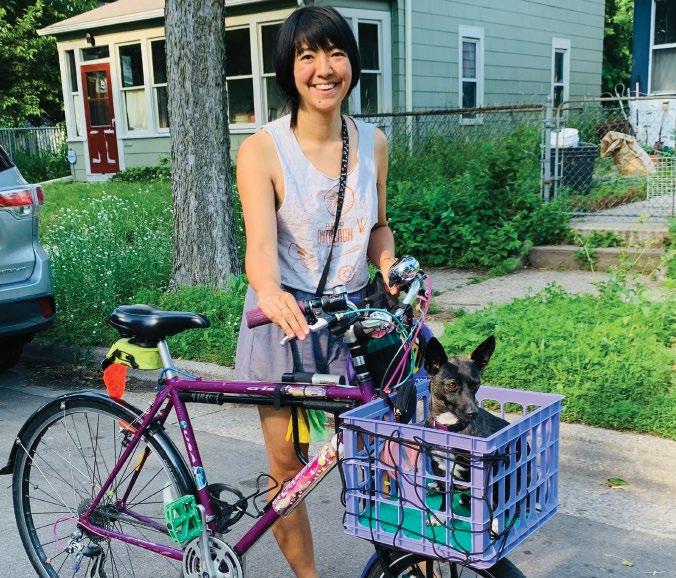
• Add accessories like a cargo rack, basket, or handlebar bag to add carrying capacity.
• Make sure that you have a lock to secure your bike while you are in a building.
• Allow extra time to get to scheduled appointments and find parking.
• Encourage your employer to provide a bicycle fleet for office use.
Wash/tune up your bike
Ride to see live music
Ride to ice cream
Join a group ride, bike party, or meet-up
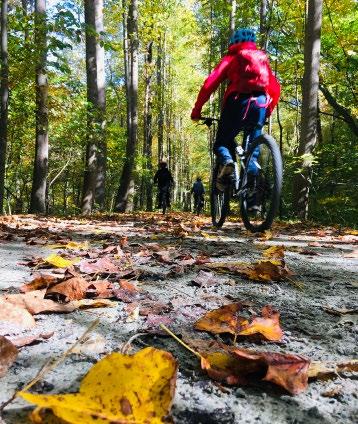
Ride on a trail
Encourage a friend to ride
Participate in a special Bike Month event!
Say hello to another bicyclist
Ride to school or work
Ride to someplace new
Post to social media about Bike Month
Explore new bike infrastructure
Visit bikeleague.org
Ride to a friend's house
Draw a bike from memory
Ride to the grocery store
Ride someplace you usually drive to
Ride to a community meeting
Ride with a kid
Change a flat tire
Learn a new bike maintenance skill
Ride an e-bike
Shop at a local bike shop
Ride to the farmers market
E.
D. B.
F.
C.
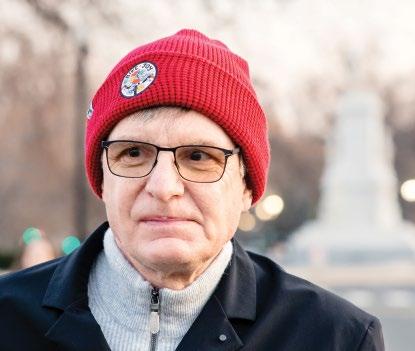
A. Bike Joy Beanie, $30
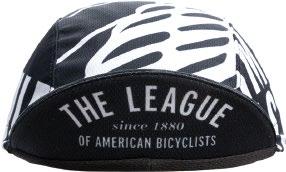
B. Classic League Cycling Cap, $39
C. Retro League Cycling Cap, $39
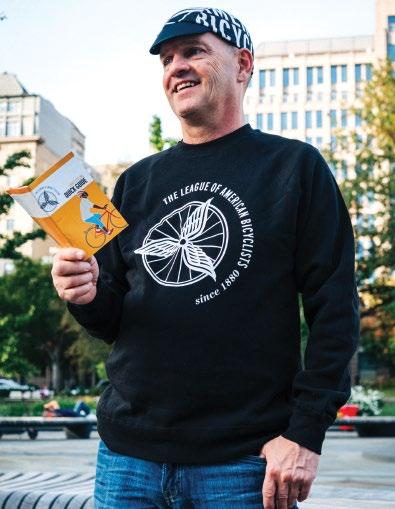
D. Winged Wheel Crew Sweatshirt, $60
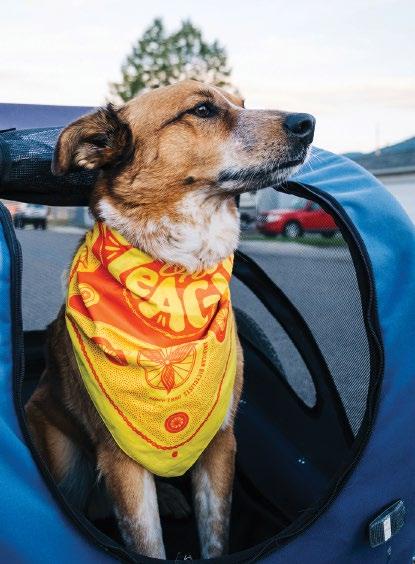
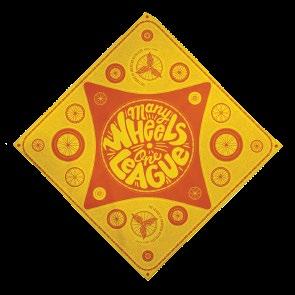
E. League Bandana, $15
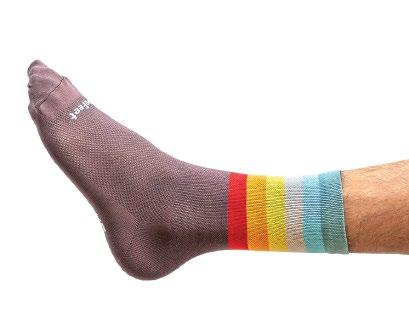
F. Retro Socks, $18
G. Bike League Short Sleeve Patch Jersey, $110
H. Bike League Short Sleeve Jersey, $80
Because safety is urgent™
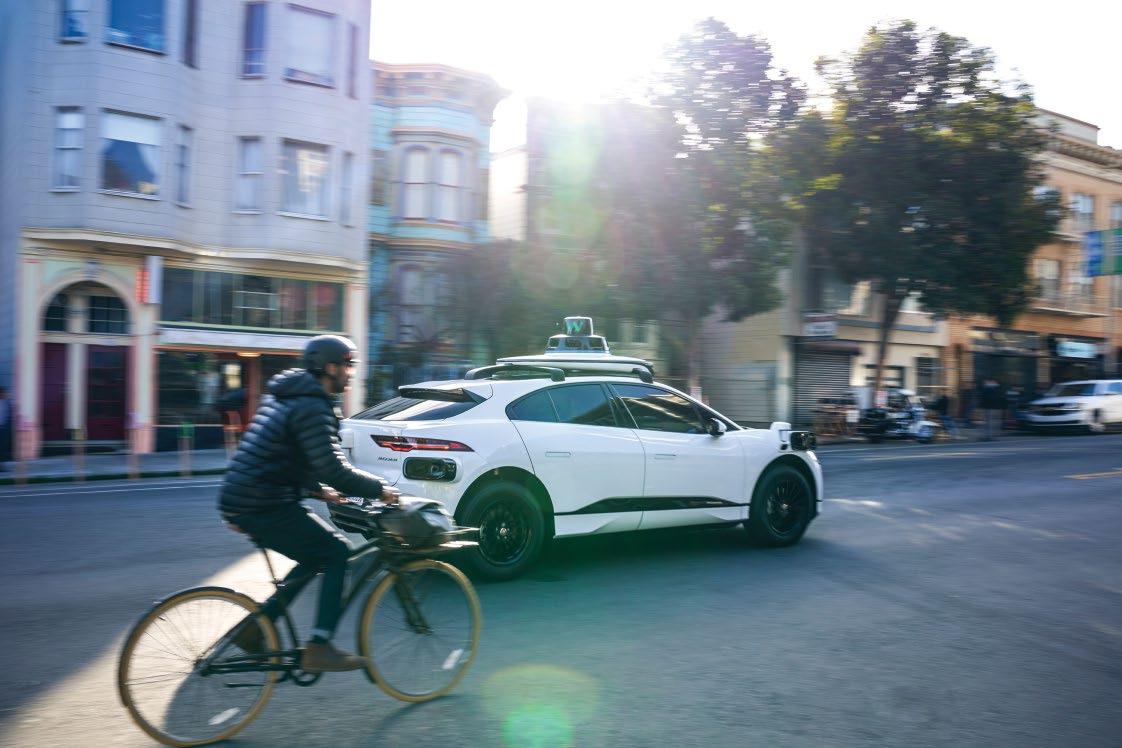
Learn more at waymo.com, and follow us on social media @waymo Waymo’s autonomous driving technology is designed to safely #ShareTheRoad and protect cyclists, pedestrians and other vulnerable road users
ROLLING WITH THE EXPERTS:
STORIES FROM LEAGUE CYCLING INSTRUCTORS
BY LEAGUE STAFF
BEHIND EVERY CONFIDENT NEW RIDER, EVERY WELL-RUN BIKE EDUCATION CLASS, AND EVERY COMMUNITY EMBRACING SAFER STREETS, THERE’S LIKELY A LEAGUE CYCLING INSTRUCTOR (LCI) OR TWO HELPING TO MAKE IT HAPPEN.
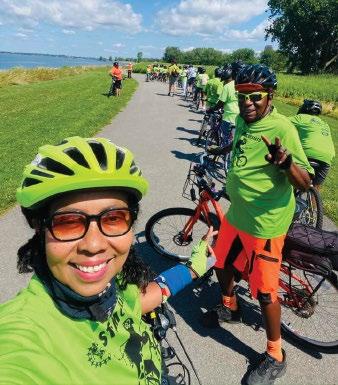
Across the country, thousands of LCIs are teaching Smart Cycling classes, leading rides, and empowering people of all ages with the confidence to navigate their streets. In this piece, we’re spotlighting some of their stories — their passion for biking, their dedication to education, and the ways they’re inspiring more people to ride.
What first motivated you to become an LCI?
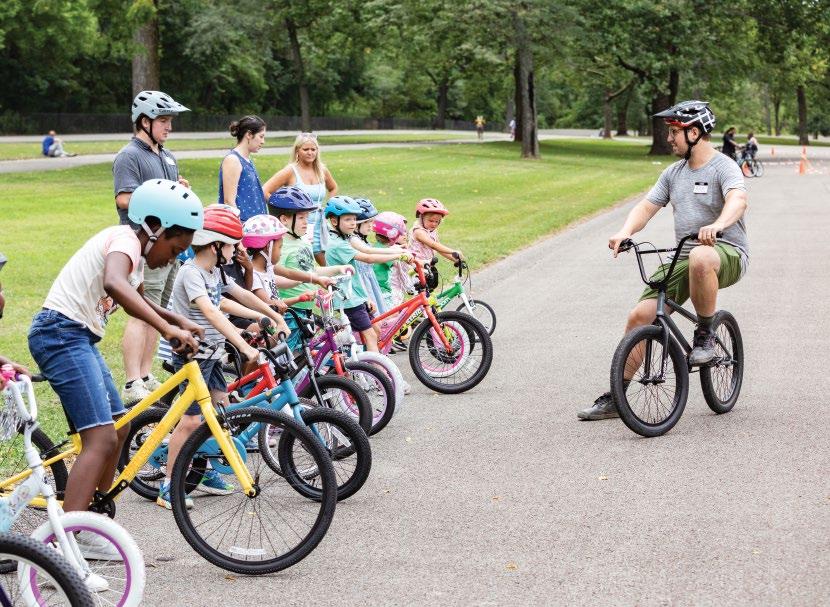
LZoe Scott: Through my work with Bike Walk Knoxville, I had the privilege of watching and helping young folks learn bike handling, maintenance, and safety skills through our Kids Love Bikes program. The classes were so fun, and I loved knowing that kids went home, not only with the knowledge and ability to ride safely, but also with the resources they needed to do so, including a certificate for a free bike from a local community bike shop and a helmet provided by a local nonprofit. I wanted to be able to support that work, and becoming an LCI empowered me to share my love of cycling with others!
LMichael Potoczny: As a longtime bike educator, I seek out certification programs to learn a range of subject matters, curriculums, etc, to develop a bigger variety of tools in my toolbelt. I’m a PMBIA-certified instructor and before I became an LCI, I was mostly teaching mountain biking and BMX. So when the opportunity came up to work with BikePGH, I had the skills but not the certification to teach road cycling. Honestly, the road insurance that comes with LCI certification was a big factor!
LDr. Noemi Waight: GoBike Buffalo and the East Side Bike Club funded an LCI Seminar aimed at getting more Black and Brown LCIs in Buffalo. I was selected with a few others who became LCIs last year. Until that opportunity, I had no idea this was a pathway for us. Recognizing the League — and the bicycling community as a whole — has historically excluded people of color, it’s important for us to take up space, to be loud and show up as ourselves in the bike movement. And it’s happening! I already have another one of my friends becoming an LCI. I am so appreciative of these clubs for giving us this platform because it has been amazing to have this experience.
What has been your greatest reward so far in teaching bike education?
Dr. Noemi Waight: For me, the reward is to simply have more people of color on bikes. During our bike ride last week, there were two young women riding next to each other, relaxed and having wonderful conversations, just being themselves. I want that representation in our community. I want to see Black and Brown students thriving, having fun and just being joyous. I think about representation a lot, even in the winter when I’m out snowshoeing, I look around to see — who’s on the trails? Who is having this experience? It is so important to see people who look like you out there.
KHelena Howard: People are sometimes surprised that I am a bike mechanic because I look different than they’d expect. This was frustratingly common when I worked in a bike shop, but now that I’m
not a full-time mechanic I can usually see it as an opportunity to gleefully defy expectations and show them that anyone can fix bikes (including them!). I especially love giving kids, BIPOC, and FTW (femme, trans, and women) riders the confidence to repair and care for their own rides.
Michael Potoczny: I think of all the summer camps where I’ve worked with kids who don’t play traditional sports and discovered a new passion in biking. I’ve probably heard a hundred parents say, little Quentin found his passion and biking is all he wants to do now! Even if they only stick with the sport for a few years, I feel honored that I helped them learn those skills, make new friends, and facilitate a positive experience. I have such a passion for biking and seeing that grow in someone else is incredible.
What is something all LCIs should know about teaching bike education?
Zoe Scott: Especially when working with youth, understand that you might need to explain things a few different ways before it “clicks.” Being patient is key, but so is being creative and trying to find a new perspective to give a student to help them really understand, especially when discussing the mechanics of how the bike works and how they need to move their body for certain bike safety skills.
IJamie Miernik: Finding students for a cycling class can be challenging. Sometimes a large company or hospital may have a health initiative to encourage their employees to ride bikes or to commute by bike, and they would sponsor a class. If you can find interest in teaching cycling in PE classes, that’s a good audience. Scheduling bike rodeos at other events is a way to reach kids, too!
RIDES WE’RE LOOKING FORWARD TO
JULY 19-26
(COME VISIT THE LEAGUE AT THE PRE-RIDE EXPO!)
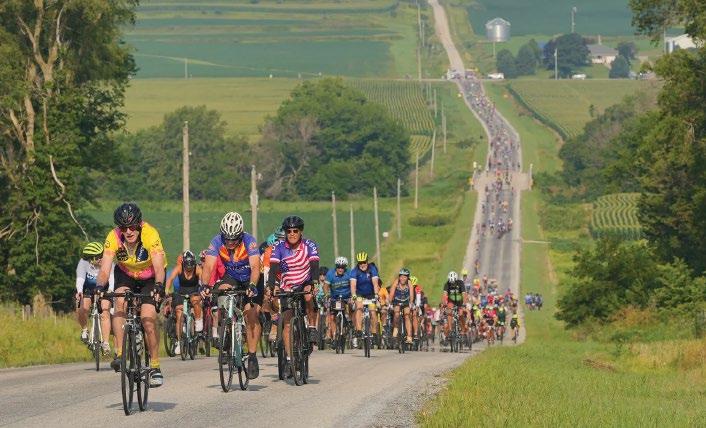
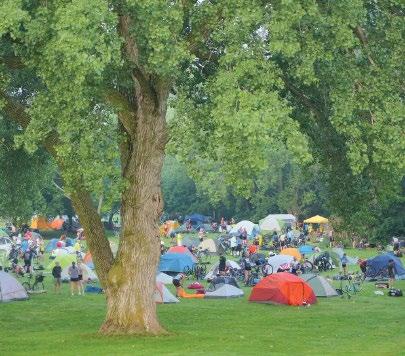
RAGBRAI
RAGBRAI, the world’s oldest, largest, and longest recreational multi-day bicycle ride, has been a cherished Iowa tradition since 1973. What began as a challenge between two Des Moines Register writers to cycle across the state and share their experiences, quickly blossomed into an iconic event drawing riders from all over the world.
Over the years, RAGBRAI has grown far beyond its humble origins, with thousands of participants each year, traversing Iowa’s scenic landscapes, encountering notorious hills, enjoying local hospitality, and celebrating community spirit. As the ride celebrates its history and milestones, it continues to embody the passion, camaraderie, and adventure that make RAGBRAI a true American cycling legend. ragbrai.com
Zach Boyden-Holmes/The Des Moines Register
Zach Boyden-Holmes/The Des Moines Register
JUNE 5-8
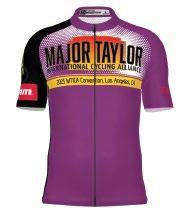
MAJOR TAYLOR INTERNATIONAL CYCLING CONVENTION
Set against California’s beautiful landscapes, this event in Los Angeles is a chance for cyclists of all backgrounds to come together and celebrate the legacy of Major Taylor. Over three days, we’ll connect through scenic rides, dive into insightful sessions, and enjoy time with a community that shares our dedication to the values of resilience, inclusion, and advocacy.
mticalliance.redpodium.com/2025mticaconvention
JULY 5
RED WHITE AND BLUE RIDE
A Memphis tradition for 30 years thanks to the Memphis Hightailers. Enjoy routes from 20 miles up to metric century, riding with one of the best bike clubs in the country. The event raises funds for Oasis of Hope Bike Shop.
memphishightailers.com
JULY 12-20
CYCLE THE ERIE CANAL
Parks and Trails New York’s Cycle the Erie Canal brings riders of all ages and abilities on an 8-day, 400-mile expedition from Buffalo to Albany July 12-20. Embrace the unique history of New York State out on the trail as we celebrate the bicentennial of the Erie Canal in 2025!
ptny.org
LEAGUE SAG WAGON
SAG WAGON
MEET THE LEAGUE: STAFF WHO JOINED US IN 2024
BY MARLEE TOWNSEND
IT TAKES A TEAM TO PUSH THE PEDALS FOR BETTER BIKING— AND OVER THE PAST YEAR, WE’VE ADDED A FEW MORE TALENTED FOLKS TO OURS! In 2024, we welcomed five new staff members who bring fresh ideas, diverse expertise, and a shared passion for making biking safer and more accessible for everyone. So, who are the newest folks helping to power the movement? Let’s roll out the introductions!
Kelly Gray, Membership Coordinator, brings a wealth of experience in marketing and broadcast operations to our growing team, along with over two decades of biking and commuting in the DC area.
Ally Mabry, Graphic Designer, joins us with talent and experience in spades as former Art Director of Adventure Cyclist magazine at Adventure Cycling and self-proclaimed dirtbag bikepacker.
Monique Hyatte, Operations Specialist, joins the League with 30+ years of experience in supporting nonprofits and membership organizations, bringing a deep well of vibrant energy and a can-do attitude.
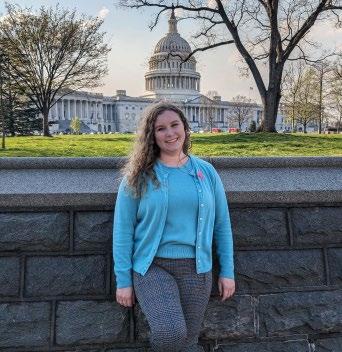
Shelby Ottengheime, Roger Herz Memorial Federal Policy Fellow, brings insights from her experience as a campus bike shop leader and mechanic as well as her background in environmental conservation.
Chris Vaughan, Bicycle Friendly America Program Coordinator, joins us as an educator, poet, and advocate for sustainable transportation. From his studies at Stanford to his years as an ESL/multilingual teacher and school administrator, Chris is passionate about making communities more inclusive, human-centered, and livable for everyone.
With introductions out of the way, let’s hear a little more from our new staff about the important stuff: the bikes they ride, routes they like to explore, and what inspires them:
What inspires you most about cycling?
Shelby: There is something so freeing and wonderful about getting lost in a ride; where you can either be vividly present in the scenery around you, or disappear into your head and explore whatever has been top-of-mind as of late. I strongly believe that everyone should have access to outdoor spaces and experience the wonder of nature, and cycling is an incredible vehicle for that immeasurable connection.
Kelly: Every day you can ride your bike is like a gift as far as I’m concerned. When the weather and the route and a few other factors all align, even a simple commuting ride can feel transformative.
Ally: Cycling has connected me to some of the coolest people on the planet. It’s a great conduit for adventurous, selfsufficient, tenacious folks — and I find a lot of opportunity for creativity in cycling. From building up a bike using my parts bin, to catalyzing a fully-fledged cycling community, there are so many avenues for involvement.
What are some of your favorite places and routes to explore?
Monique: I love outdoor activities, especially walking. I live in Maryland, not too far of a commute to D.C., and love being able to explore the excitement of the city. My husband and I go to the park almost every day to walk!
Chris: These days, all the routes around the Twin Cities! In addition to excellent and growing urban bike infrastructure, we have an extensive set of trails in the broader region that enable longer rides.
Kelly: One of my favorite mountain bike trails is almost in my backyard: The Cabin John Trail in Montgomery County, Maryland. It’s easy to get to, and within minutes, you’re next to the creek, listening to all the birds as you pedal up and down the hills.
What bike are you riding now?
Ally: My favorite bike was welded in Missoula in 2019 by frame builder Eli Hannon. Missoula has a super cool history of niche framebuilding and I’m proud to ride a bike made here, in my friend’s garage, just miles away from my house. All of my bikes are really special to me and come with their fair share of stories.
Shelby: Since moving to D.C., I have acquired a vintage Bianchi for daily commutes and longer road rides. In case you are wondering, he is named “Feniul” (after a dragon from my favorite childhood book). I am still getting used to the skinny tires and city riding, but I always have fun on two wheels!
Chris: I ride three bikes these days: a Surly Cross-check which has been much overhauled to make it more upright, comfortable, and commuting-oriented; a road bike for longer recreational rides; and an e-cargo bike with my 6-year-old twins on the back — it’s my family’s “car”!
Making Campuses Safer For
You
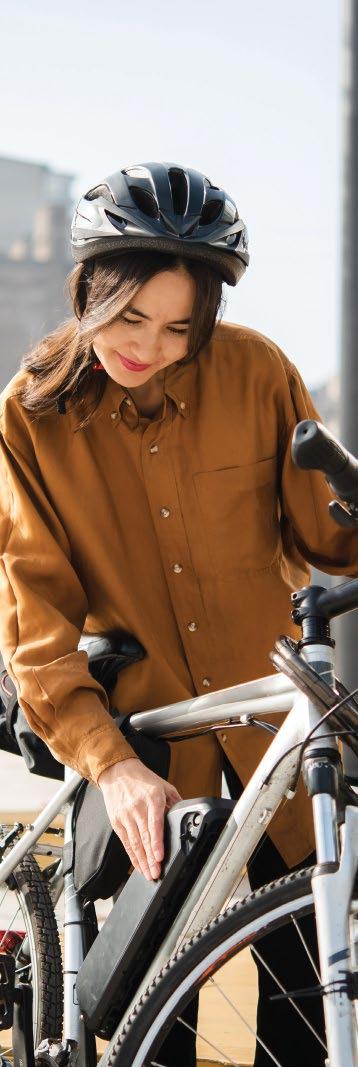
A study by UL Standards & Engagement and the League of American Bicyclists revealed that 39% of Bicycle Friendly UniversitiesSM report daily e-bike use. However, only 41% have policies in place to support e-bike riders, leaving gaps in safety and infrastructure.
OUR MISSION
is to lead the movement to create a Bicycle Friendly America for everyone.
OUR VISION
is a nation where everyone, whether they bike or not, recognizes and enjoys the many benefits and opportunities of bicycling and where everyone can experience the joy of bicycling.