Advancing University Student Health and Wellbeing Through Peer-Led Health Promotion: A Quality Improvement Project
Merani, R., BSN, Page, E., BSN, Roth, E., BSN, Morse, E., DNP, MPH, Phillippi, R. D., PhD, Davis, T., M.Ed, Pace, A., Pharm. D Belmont University Doctor of Nursing Practice Program
• The effectiveness of peer-led health promotion is well established, yet few frameworks describe how to institute and sustain peer-led programs within university settings.
• This project applied Quality Improvement (QI) principles to develop a structured process for recruiting, training, and mentoring Peer Health Ambassadors (PHAs) who collaboratively advanced student wellbeing through peerto-peer education in mental health, sexual health, and substance use awareness.
OUTCOMES
• This QI project focused on how to build and sustain engagement among student leaders through structured mentorship, collaborative program design, and continuous quality improvement.
• Doctor of Nursing Practice (DNP) students applied nursing leadership and innovation to mentor undergraduate PHAs and establish a sustainable model for peer-led health promotion on campus.
PROJECT DESIGN/FRAMEWORK
• Quality Improvement (QI) project guided by the Implementation Research Logic Model (IRLM).
• Implemented Certified Peer Educator (CPE) training, developed by NAPSA, an evidence-based program to strengthen peer leadership skills.
Follows a four-phase QI process:



Interest in Program: Common Themes with Quotes
Commitment to Service
"I wanted to positively impact the Belmont community as someone who wants to be involved in the health and wellness of my peers!"
Personal & Professional Growth
"I took this as an opportunity to grow in leadership skills and be able to communicate effectively with others."
PRACTICE IMPLICATIONS
• This QI project demonstrates a replicable framework for implementing peer-led health promotion within university settings.
• Integrating DNP mentorship, pre recruitment, and structured sustainability planning supports ongoing capacity for peer promotion.





Passion for Education & Advocacy
"To get a better understanding of how to communicate and educate my peers and myself about topics I'm passionate about."



KEY FINDINGS
Ø 217% recruitment achieved over goal: primarily pre-health majors, demonstrating alignment with campus health goals.


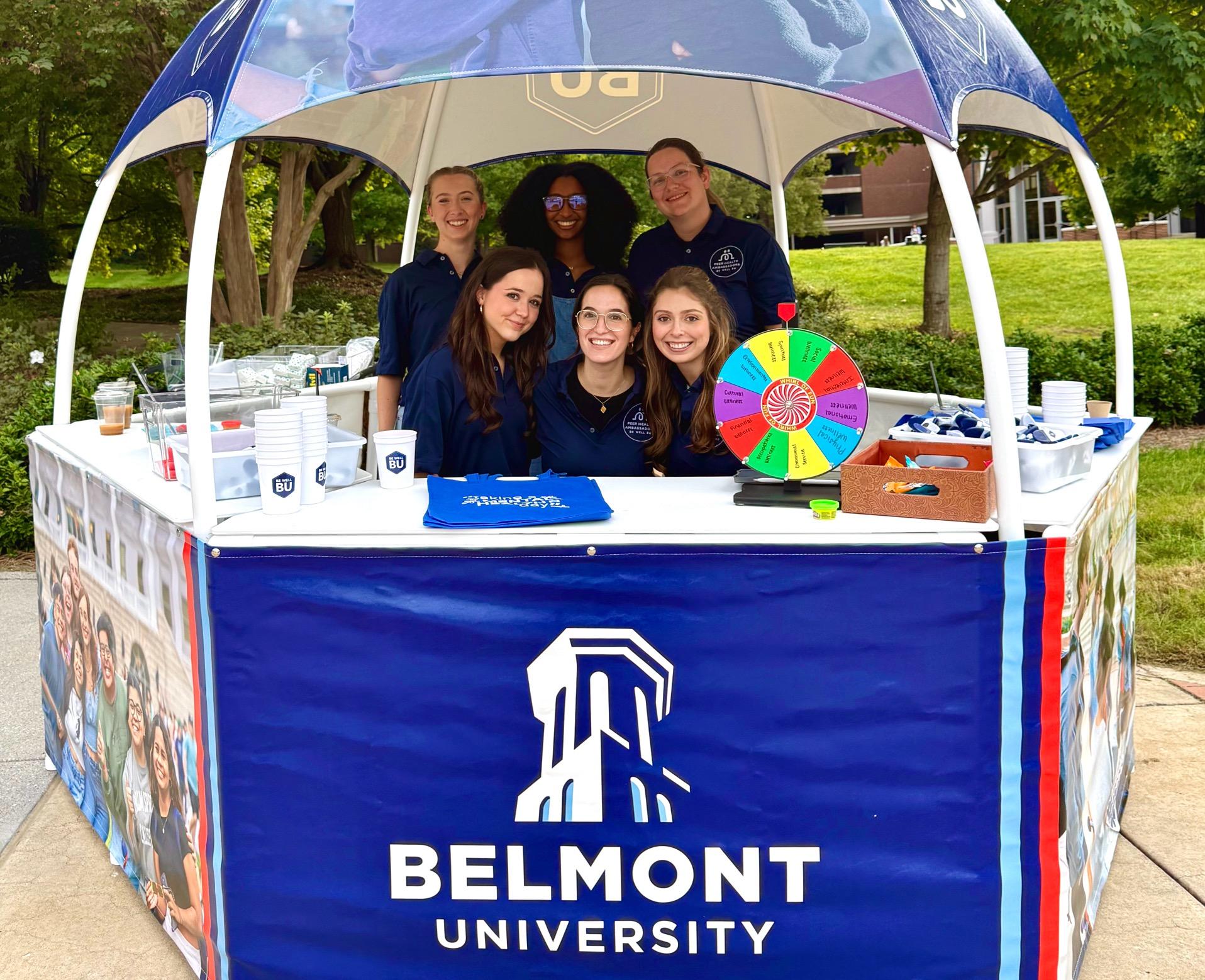
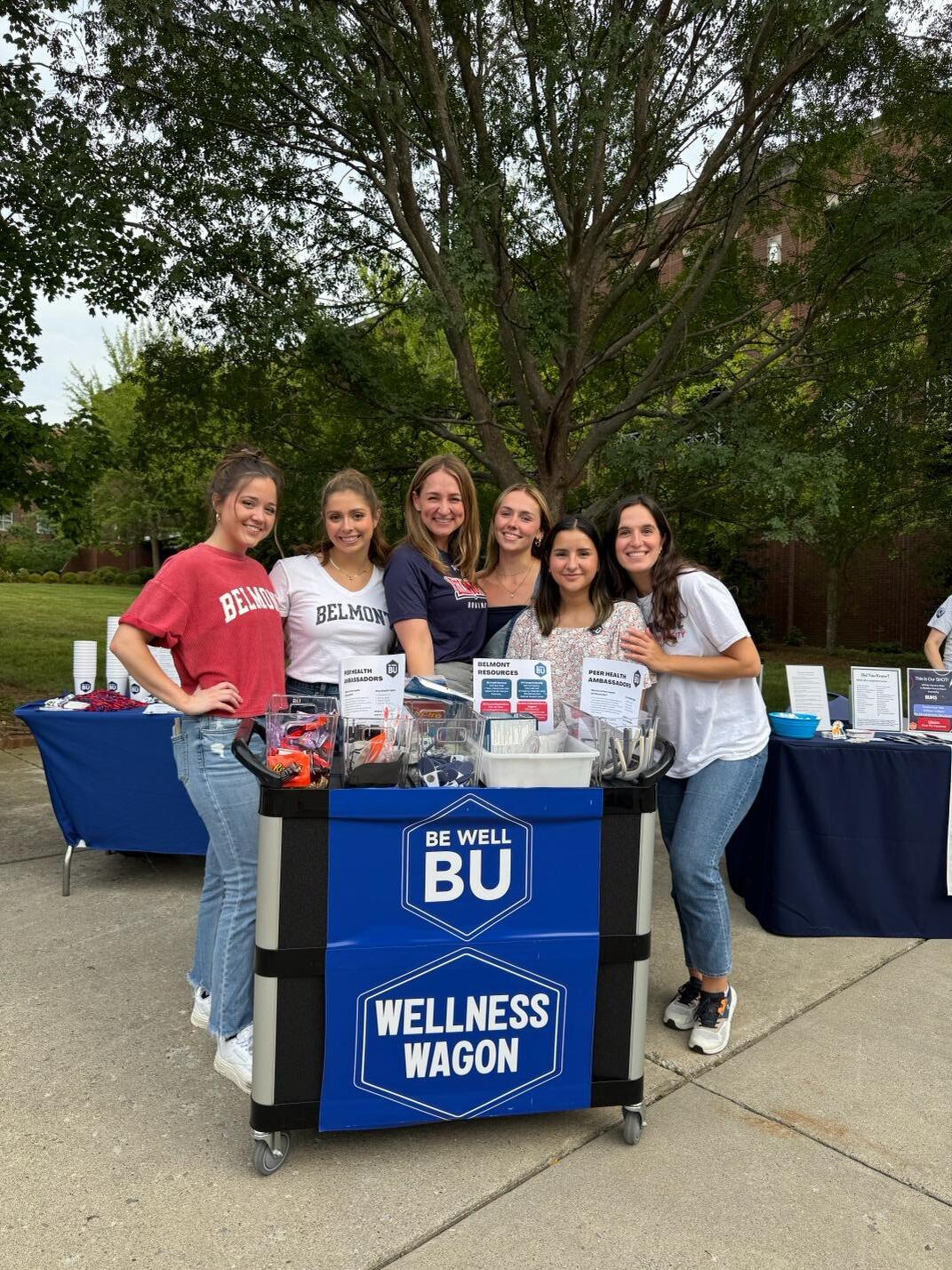
Ø 6 peer-led outreach events in one semester alone, addressing sexual health, mental health, and substance use, increasing visibility of health resources and reducing stigma.
Ø 85% CPE training completion underscored strong engagement. Ø 100% of PHAs reported increased leadership skills through advisor check-ins and workshops, highlighting graduate nursing mentorship as a key engagement driver.



• Future iterations will expand student leader outreach, establish health promotion guides for replication, and refine evaluation tools to monitor impact and reach on campus.