

Madison Foss, B.S.N., RN, Laura Gray, Ph.D., RN, R. David Phillippi, Ph.D., M.S.
Belmont University Doctor of Nursing Practice Program
A rural primary care clinic in Shelbyville, TN that lacked a standardized process for screening women of childbearing age (15-44 years) for contraceptive needs. Contraception discussions usually occur only when patients initiate them. The clinic provider identified, on average, eight new female patients monthly with growing interest in discussing contraception, recognizing the need for routine, proactive screening.
Purpose: Assess the feasibility and effectiveness of implementing the Self-Identified Need for Contraception (SINC) screening tool in a clinic without a prior structured screening system. The tool asks patients, “Do you want to talk about contraception or pregnancy prevention during your visit today?”, with a “yes” or “no” response (SINC, 2025). If a patient response “yes”, then the clinic provider provider contraception counseling.
Aim: By September 1, 2025, 80% of women of childbearing age (15–44 years) at the clinic will receive a contraceptive needs screening, utilizing the SINC Screening Tool, during new patient visits or wellness visits.

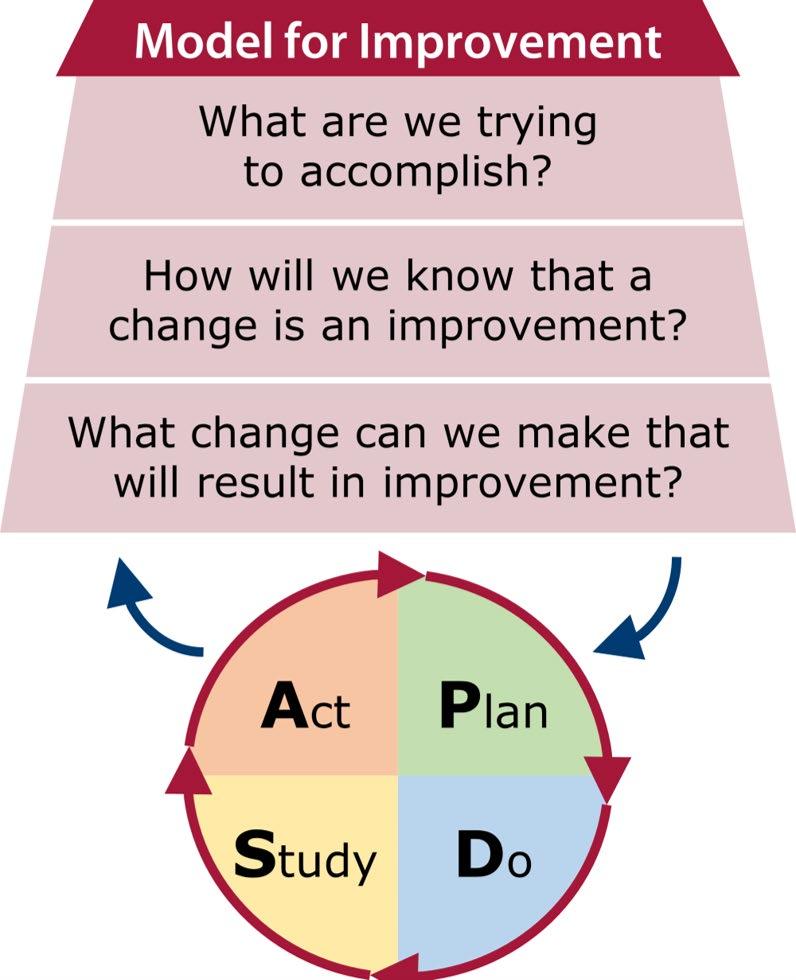
This QI project evaluated weekly implementation rates of the SINC tool to screen women aged 15–44 years at the clinic for contraceptive needs during new patient and wellness visits, fostering ongoing reproductive health discussions and annual follow-ups per evidence-based guidelines (SINC, 2025). This project utilized two PDSA Cycles that occurred before implementation and then two weeks after initial implementation. During the second PDSA cycle, patients were screened at both new patient and wellness visits, whereas in the first PDSA cycle, screening was limited to new patient visits and physicals. This was changed because the scheduling calendar did not differentiate if a patient was being seen for a physical.
• Screening implementation varied from 20% to 42.8% throughout a six-week implementation period. The variation can be explained by the only clinic provider being gone 1-2 days throughout weeks 2-6.
• Mean screening implementation rate of 26.17%, up from a baseline of 0%.
• Demonstrates the feasibility of integrating the tool into a primary care clinic with measurable improvement based on percentages of women screened during the project.
Usefulness:
• Facilitates early identification of contraceptive needs.
• Encourages open communication between patients and providers.
• Enhances continuity and quality of care using EBP. Sustainability:
• Easily integrated into existing clinic workflows.
• Requires minimal time and resources once staff are trained.
• Can be difficult to maintain if clinic only has one provider. Spread Potential:
• Standardized and adaptable for other primary care settings.