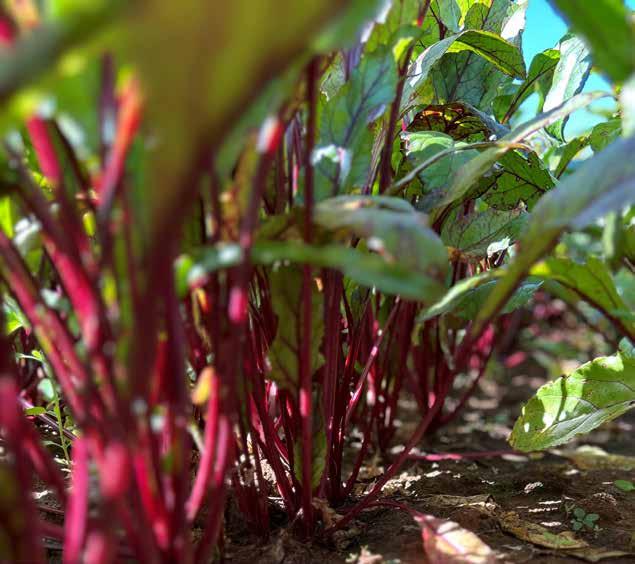


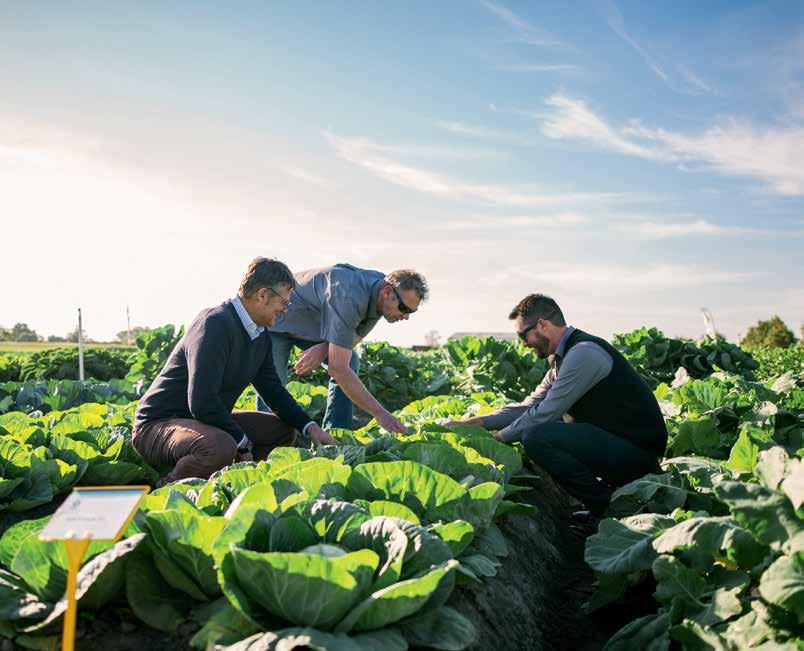
Bejo has been successfully breeding beetroot for decades.
Varieties such as
Pablo and Boro have
been household names since the
1990s and more recently the company has also had successful introductions. More will follow, expect breeders Jack van Dorp and Katerina Kontidou. They discuss various topics at play within breeding and also look ahead: "Thanks to new breeding techniques, we can save time."
Van Dorp is Breeding Manager of the beet team, which is also responsible for celery, celeriac and carrot parsley. Kontidou is a Junior Breeder on that team. When you sit at the table with two breeders, an obvious question is: why do you actually breed? In other words, what traits do you ultimately want to see reflected in the varieties? "Reliability, robustness, health, mainly that," lists Van Dorp. "We want to develop varieties of good quality: with a good shape and a nice internal and external colour. And of course we have to take into account resistances and the challenges posed by climate change. In addition, the market is also asking more and more about contents, such as brix."
The fact that global temperatures are slowly but surely rising means that there is also extra work for breeding. For example, diseases such as viruses and fungal diseases can spread faster, something breeders are trying to guard against by adding resistances to varieties. Breeders are paying particular attention to resistance to Rhizomania virus, which leads to yellow discoloured leaves and root deterioration, among other things.
"Once it is in the ground, this virus is virtually impossible to get rid of," Van Dorp explains. "It's an
increasing problem, with hot summers accelerating its spread. We also spend a lot of time developing resistance to Cercospora, a fungus that infects leaves."
The process of crossing parental lines, doing trials and incrossing resistances can take five to six years with traditional breeding methods. With marker technology, breeders can research DNA and make an early choice. DNA testing allows us to see immediately which plantlets are interesting for a follow-up step, Van Dorp explains: "Because we can skip a whole cycle of tests, the time savings are enormous. It can give us the same result in half the time."
Bejo's global success with beet is also because it is a "relatively strong crop". It is resilient and thrives well in different climates. The latter in particular appeals to Kontidou. "We work for an area so much wider than just Europe, the whole world is part of our market. And as breeders, we face many challenges, which we tackle together with our colleagues." As the biggest challenge in her work, she mentions, "When we introduce a variety that becomes a global success and guarantees growers a reliable yield."
Classic examples of such successful introductions are varieties like Pablo, from the early 1990s: a nice uniform beet, which added value in the market. Boro, dating from 1995, was an even stronger grower that did better in difficult climate conditions.
These two names name the varieties with which Bejo gained a good position in the market. In recent years, breeders have faced additional challenges, especially the fight against Rhizomania Manzu was the first variety to have a high tolerance against this: a beet with similar characteristics to Boro, with that resistance as an important additional feature. Rhizu*, in turn, can be seen more as a successor to Pablo
In their activities, Bejo's breeders work closely with representatives within Bejo, but also listen to insights from the industry, Van Dorp and Kontidou indicate. "That is most interesting for all parties involved. Sales and Processing often visit trials around the world together. The wishes and insights from Sales and the upcoming developments from Breeding can thus be optimally aligned."
The slogan 'Exploring nature never stops' can be found on all Bejo's communications. It refers to the sustainable use of scarce natural resources. Beet is a crop that fits perfectly within this sustainable ambition. It is strong, easy to grow organically and needs relatively little fertiliser and chemicals.
"Because Bejo varieties are grown over large parts of the world, they include areas with higher disease pressure," Kontidou points out. "In addition, our trials are also in various countries; all this information together is very interesting for us and helps us make decisions."
Of course, all the time invested in beet at Bejo ultimately serves only one purpose for the grower: to deploy even better, more reliable varieties. Van Dorp, about this: "It is a challenge to put all the strong characteristics into one variety, but we always strive to breed robust varieties that can be used in many areas and on which the grower can rely. The crop should not be good one year and not the next, that is of no use to him. A good crop should be the standard."
The breeders conclude with a useful tip: looking for a variety that is tolerant to Rhizomania? That trait is already hidden in the variety's name. In fact, all varieties ending in a 'u' possess this resistance.
This article is from the first edition of our Beet Magazine. This issue delves into the multifaceted world of this vibrant root vegetable, covering everything from the latest challenges in seed production to the cultural significance of beets in different corners of the world. View the entire magazine here.
https://www.bejo.com/beetmagazine

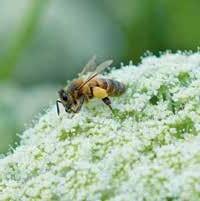
Factors like pollen quality, strict timing of pollination, flower structures and colours, and pollinating insects are all crucial for successful pollination. We conductresearch in optimising these factors resulting in high-quality seed.
To maximize seed quality and yield, we apply treatments to induce earlier flowering of the plant, explore the most optimal harvest moment and post-harvest dr ying methods, and strictly control seed moisture content
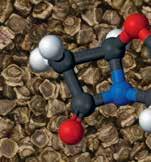
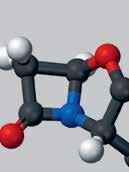
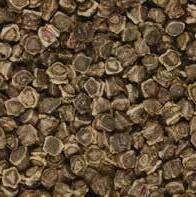

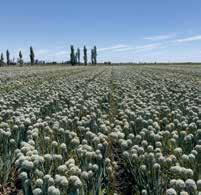
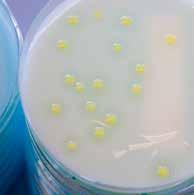
We test our seeds for the presence of seed transmitted diseases and continually improve and optimise existing techniques and develop new ones. is is not an easy task since a test needs to be sensitive, specific, reliable,reproducible, repeatable, robust, easy and fast and should detect biologically relevant infections. 1 2 3 4 5 6
Each single seed is acomplex system of DNA, plant hormones, water, proteins, minerals, carbohydrates…etc. All have their impact on seed quality. We develop molecular tools and markers to guideseedproduction and processing to obtain high-quality seed.
We provide digital support to facilitate the decision-making of colleagues and growers. For example to determine timing of actions such as pollination, treatment applications and irrigation. Drones,climate sensors, computer algorithms, imaging tools and specially equipped cameras are used in this process.
Seed borne diseases can infect seeds and result in infected seedlings or plants. Bejo studies disease cycles to prevent seed infection andensure healthy seeds.

Want to discover more? Please check the QR code, and find 10 most interesting facts about seed research technology
article by thea van der eng
Seeds can be infected by pathogens like fungi, bacteria and viruses, which may result in infected seedlings. Physical seed disinfection techniques like steam vacuum andhot watertreatment often rely on heat to kill seed borne pathogens. ese are very delicate and precise processes. We develop cropspecificrecipesfor various crop-pathogen combinations to ensure healthy and high quality seeds.
An integrated pest management approach with beneficials like biopesticides and biostimulants plays an increasingly important role in seed production and treatment. It can substitute for the decrease in chemical pesticides available and contribute to more sustainable agriculture. We have already been investing for more than 20 years in developing alternative treatments that lead to better overall health and improved stress tolerance.
Seeds start to deteriorate as soon as they are harvested. It is important to maintain high seed quality duringdistribution, storage, drying and packing of the seed. We conductresearch on factors that influence seed shelf-life, like temperature, humidity and oxygen and explore methods for predicting seed ageing to support seed stock management
High quality seeds canbe enhanced to improve seed performance and sowability. It especially enables the seed to perform better under stressful conditions. Examples are priming B-Mox®, coating and encrustment. We continually explore new enhancing technologies.
Ensuring Bejo seed quality requires development of tests and procedures to measure, predict and improve seed performance for our customers. We develop reliable repeatable tests, combine results to predict ability of seeds to establish a good plant and explore how seed volume and dimensions shape seed quality.
We tr y to find methods to control and accelerate plant development in order to accelerate the introduction of new varieties. ink of synchronizing flowering of male and female plant to improve seed production. 12 11 10 9 8 7
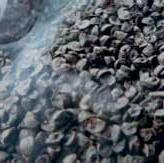

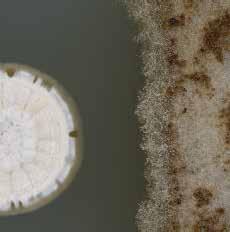

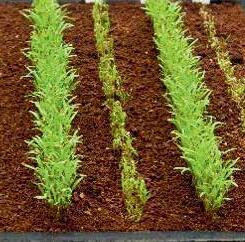
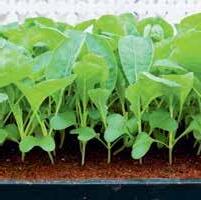
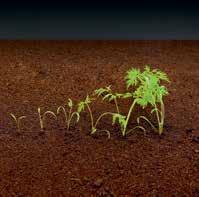
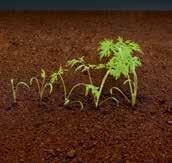
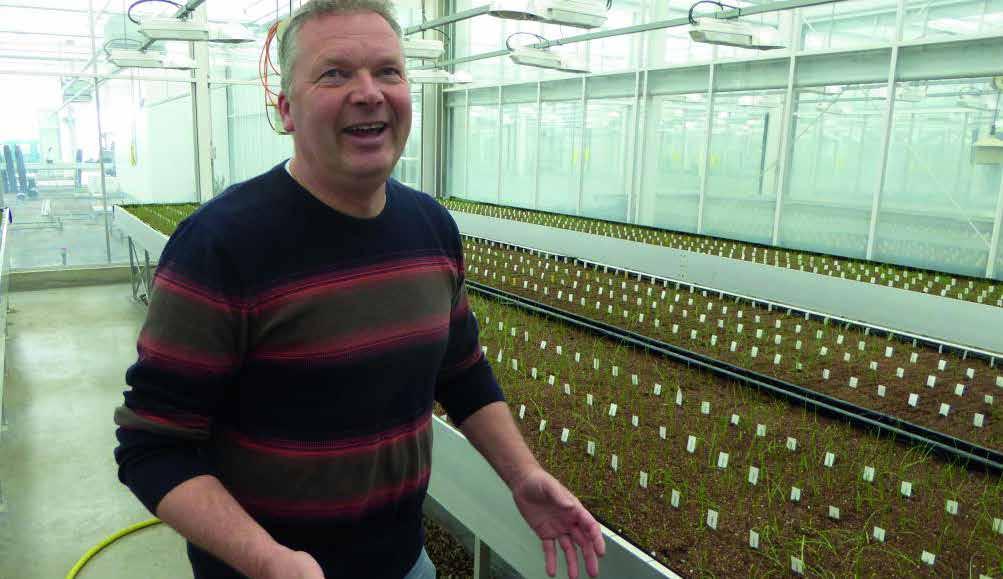
When Jan Hoogland walks through the field with an account manager from De Groot en Slot, he immediately notices all kinds of diseases. That is not always nice for the grower, but for us it is interesting to see which diseases you find in the field, he says. "When differences in susceptibility between varieties can be observed, there is also a genetic basis to further improve varieties."
bejo zaden b.v.
Growers who see something strange in their crops can have it examined at Bejo's research centre. Some disease signs are typical, others more indirect, says the phytopathologist. "Then you get a result you don't actually expect," he says.
Fusarium is still the most common disease in onions, says Hoogland. He cuts an onion to show how the disease continues inside the bulb. "The nice thing about this profession is that we use all kinds of different techniques, depending on the organism we are working with. With Fusarium, it is interesting to see how the disease moves through the root to the bulb. We can then isolate the disease and test it back on plants, for example. Some Fusarium species grow secondarily on the onion, for example if it has been attacked by the onion or bean fly."
Bejo's research centre has several tasks: diagnostic service, understanding pathogens, resistance breeding and content matter research. Diagnostic service involves looking at what could be the cause of disease symptoms. Onion growers with an unknown disease symptom in the crop can have it investigated here. Various techniques are used, including visual assessment, pathogen isolation and PCR methods. Relevant isolates also come in this way. These in turn can be used in breeding programmes, Hoogland says.
Another task of the research centre is to understand resistance mechanisms, the interaction between pathogens and varieties. This is different for each type
of pathogen (fungi, viruses, insects and bacteria). In addition, pathogens and pests are maintained and propagated for conducting trials. Trials are carried out both in the lab and in the field. With resistance breeding, the best resistant plants are selected and planted out in the field and with backcross breeding, the best resistances are combined with the highest quality. Content analysis focuses on content matters such as vitamins/minerals, colour/pigment and flavour components in vegetables.
When a grower sends in a sample of a disease condition, it can take one to six weeks before a diagnosis can be made. That depends on the response time of the research, says Hoogland, although he understands that growers want to know what is going on in the field as soon as possible. "Sometimes we know what is going on within a week; sometimes it can take four to six weeks before we can make a proper diagnosis. Often several organisms grow from a cultured sample. All of these have to be tested if you want to do the research properly."
As mentioned, Fusarium is the most common disease in onions. What is the most unusual disease Jan Hoogland has ever encountered in his working life? Root burn in onion, he says. "That is a soil-borne fungus that occurs on soils with high organic matter content and can only infect a plant in the first five days of emergence. The most fun samples are samples of pathogens that even people who have worked here for a long time don't recognise."
Bejo produces beet seed in France, Australia, and New Zealand. With cultivation in both the Northern and Southern hemispheres, we spread risks to ensure that we always have a certain amount of harvest. Even still, producing beet seed remains a challenge. In a conversation with Jos Doodeman (Global Seed Production Specialist) and Julien Jouanneau (Production Manager in France), we asked what risks and challenges they are currently facing.
“Spreading risk is important. After all, we work with nature and are therefore dependent on weather conditions. And yes, we too are seeing climate change,” says Doodeman. He continues, “Until ten years ago New Zealand and Australia had the perfect climate for Beet seed production, but we are now facing problems because of climate change. Heavy rainfalls are affecting the standard operations on the field, which is something you don’t want for seed production.” Jouanneau also sees this trend in France. “We are experiencing heavier rainfall more often. In addition, it freezes less or not at all in the winter months and we have more frequent heat waves in summer. Seed production has always been risky work, climate change makes the challenge even greater. We therefore have frequent contact with our breeders and researchers to develop robust varieties that are resistant to diseases.”
Despite the changing climate and associated risks to yield, Bejo has seed production in the Northern Hemisphere, but only in France. Doodeman explains why: “This has two main reasons. As Bejo, we work with growers who produce seed for us. For this, long-term relationships are essential. Through
good cooperation with reliable partners, there is the trust to share knowledge with each other. Sharing knowledge and experiences helps both parties to optimize productions. The second reason is that the French government has a strict legal system to ensure isolations between production fields. Wind can carry pollen from sugar beet, for example, into a red beet field. This can have enormous consequences for the quality of the seed, which can even lead to whole seed lots having to be destroyed.”
“Indeed, in France, we have a special system that ensures that isolation between production fields is regulated,” Jouanneau confirms. He continues, “This is managed and controlled by an organization called SEMAE. Agricultural companies are required to declare what they grow, where it is planted and when. This is how the distances between different fields are determined, which can vary between 5, 10 or sometimes even 20 kilometers, depending on the risk. This system ensures that we can grow in a controlled way and prevent pollination between different fields.” It is important to add, continued Doodeman, “That all production companies respect the restrictions of SEMAE. You can think of it as a kind of 'gentlemen's agreement,' together we ensure that we keep all production fields sufficiently isolated.”
"Seed production has always been risky work, climate change makes the challenge even greater. We therefore have frequent contact with our breeders and researchers to develop robust varieties that are resistant to diseases."

Julian Jouanneau Director Adjoint Production H/F
Jouanneau continues, “In addition, our technical team has the important task of continuously monitoring and roguing our fields. From early March to mid-April, all production fields are checked at least two, sometimes even three times to investigate whether there are plants in the field which are not true to type. This takes a lot of time and with today's labor shortages, it is difficult. Nevertheless, this is an essential process to keep our production fields clean. We are now investigating the possibility that AI powered drones can support us in the monitoring of fields and identifying plants which are not true to type. For the second year in a row, we are testing how a drone can help us with certain processes.”
Dealing well with all these challenges and risks ensures that we can keep the high quality of our production seed. Indeed, the goal is always to provide not only the highest quantity, but also the highest quality production seed. We continue to respond to changes in nature and prepare for the future. We do this by staying in close contact with breeders and researchers. For this reason, a 'Beet Expert Team' has been established with the aim of sharing knowledge and learning from each other. By joining forces, we stay informed of what is happening in the market, keeping an eye on climate developments, and discuss how we as Bejo can respond to them.
bejo zaden b.v.
"Especially in europe, the laws and regulations surrounding pesticides are becoming more stringent, while we still have to deal with diseases such as mildew, we have noticed these challenges in seed production."

Strict laws and regulations have also brought additional challenges. Jos explains, “Especially in Europe, the laws and regulations surrounding pesticides are becoming more stringent, while we still have to deal with diseases such as mildew, we have noticed these challenges in seed production. Jouanneau adds: “We see it working to our advantage that Bejo has been investing in organic seeds for years. All the knowledge we have gained we not only use for organic seeds, but where possible we also apply it to the production of our conventional seed. In doing so, we try to minimize the use of pesticides. Doodeman summarizes, “A good motivation to invest in organic cultivation is the big challenge. If you can manage to produce enough high-quality organic seed then you should certainly succeed with conventional seed.”
There is clearly a lot to consider in beet seed production, as this conversation with colleagues has revealed. While it can be strenuous, both agree, “Above all, it is what makes our work very enjoyable. And we look to the future in good spirits; Bejo has prepared excellently.”
Earlier in this Bejo Echo, Head of Operations Remco Witte talks about the growth and developments within the department. There is a lot going on within Operations, also in terms of projects; some are current, while others are planned further into the future. Project Manager Operations Bas Schuit discusses two important projects, the first of which will be built at Bejo around the time this Echo comes out.
“Incrustment?!?!?”, the insider here will think ... isn’t the correct spelling of the term éncrustment? That’s absolutely correct; the pun indicates that Bejo is going to do the encrusting of seeds in-house.
And for those who don’t know the meaning of the term: encrusting is the application of an extra layer of natural agents that makes the seed bigger, heavier, smoother and rounder. In doing so, we make, especially smaller seeds, more sowable.
“The idea of encrusting seeds originated several years ago when Bejo was working with growers to find a way to sow small carrot seeds more precisely,” Bas explains. “By then combining the technique of encrusting with our B-mox® priming, a premium product was created. This allows us to provide our customers with the best seed technology while maximizing our seed production. A very sustainable solution!!!
Currently, the process takes place at an outside supplier. A necessar y choice because Bejo has no experience in this field, but also one that is costly, inefficient and not ver y sustainable. “By bringing this technique to Warmenhuizen we are able to improve on this and see long-term opportunities to further optimize the recipe and technique,” Bas says.
According to schedule (this article was written several months before publication), the machine will be built in April. Bas: “ e design process is finished, realization can now begin. We will initially start with carrots, but there are plans to also use the machine in the future for encrusting or pilling onion, rooted parsley and fennel.”
e plant features a dr ying system that regulates “smartly ” based on demand and air conditions. Heat and cold is exchanged so that no energy is lost. is way, we also contribute to Bejo’s sustainability goals and save on costs. We also expect to get a better grip on quality and can respond more quickly to customer requests because of the shorter lead time.
bejo zaden b.v.
In this two-part article we will look at the different aspects that plays a role during carrot crop establishment.
In Part One (featured in Oppiplaas 15, pages 21–22), we laid the groundwork for understanding the fundamentals of carrot crop establishment. In this follow-up, we focus on optimising the seedbed to give your crop the best possible start. We’ll look at the key factors that influence strong germination, explore how to avoid environmental and soil extremes that can hinder early growth, and wrap up with practical tips to bring it all together. A well-prepared start is the foundation of a healthy, high-yielding carrot crop — and in this stage, every detail counts.
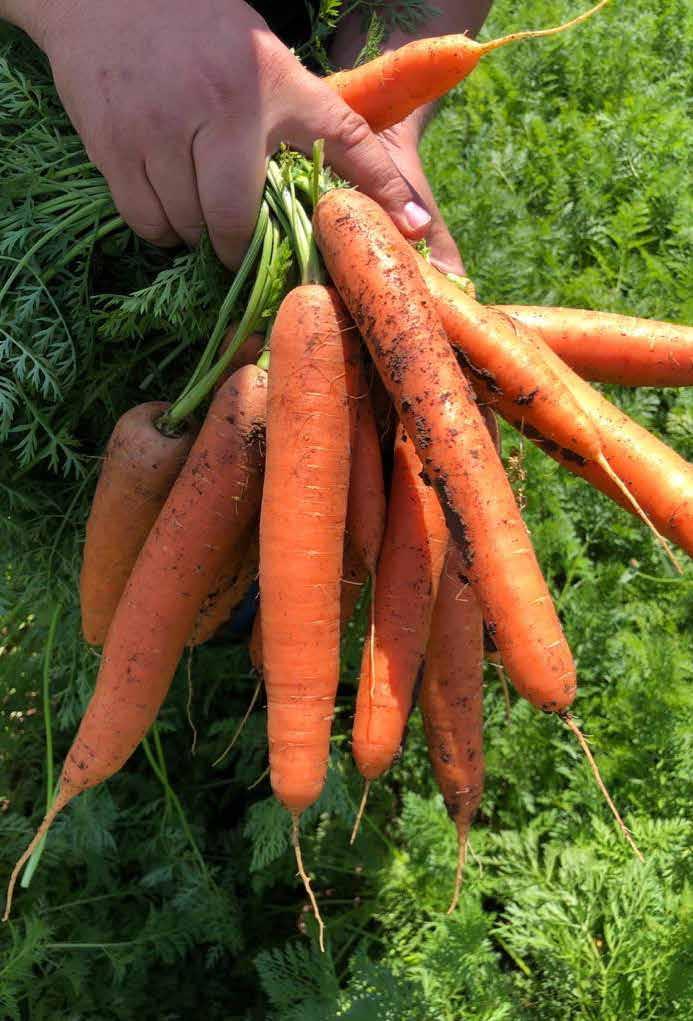
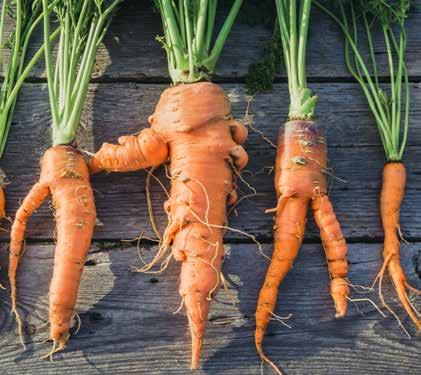
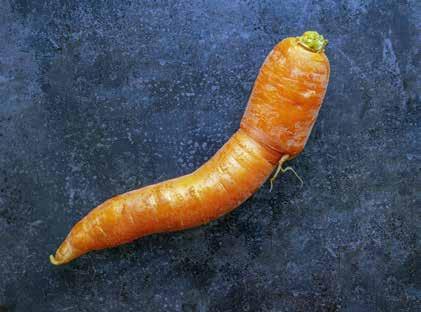
Due to the small energy reserves contained in carrot seed, germination, emergence and early growth of seedlings are particularly sensitive to poor seedbed conditions7,8. During the first 40–60 days, carrots are sending their main taproot down. At the end of this period, when secondary growth begins, taproot length is set. It is especially important to have the soil worked deep, as compact areas (including stones) will either cause the taproot to stop growing down or result in bent or forked carrots.
To ensure that seed germination and establishment are maximised, consideration should be given to the factors outlined in the table.
Soil type
Seed bed structure
Seed placement
Soil moisture
article by lindie oberholzer
Select paddocks with suitable soil, i.e. well-drained clay loams with greater than 40cm profile depth7. Soil with large stones (>200mm diameter) can make seed bed preparation difficult and damage carrots8.
Soil should be friable (easily crumbled) for unrestricted and good water infiltration. Compacted soils will restrict root growth. Consider controlled traffic to minimise compaction. Deep rooted cover crops sown before carrots as they can help break up compacted soils.
Depth should enable good seed soil contact and generally ranges from 5 to 15mm. Depth may be adjusted to maximise soil moisture while avoiding planting too deep as this will deplete seed energy reserves and delay emergence, particularly in crusted soils.
If possible, pre-irrigate to ensure adequate soil moisture available to the seed for germination. Early irrigation should be carefully managed to avoid moisture stress in seedlings. In contrast, overwatering will shorten taproot length and can also lead to hairy carrots with excess root scars. Use of soil-moisture monitoring sensors can help apply the right amount of water at the right time.
Soil temperature
Soil chemistry and fertility
Sow seed at a time when soil temperature is a minimum of 7°C but preferably 10°C or more, which will encourage rapid germination and emergence.
Carrots can be grown in acid or alkaline soils, with an optimal range of pH 5.5–7. Soil tests should be conducted to determine if any soil amendments are necessary. Carrots are good scavengers of nutrients however synthetic fertilisers or composts may be considered to address any major deficiencies. Recommended fertilisers application methods include pre- plant incorporation into the soil or post-plant application via fertigation or topdressing. Excess nitrogen or excessive wetting and drying cycles should be avoided as it promotes both growth and harvest splitting of carrots. Cracked carrots
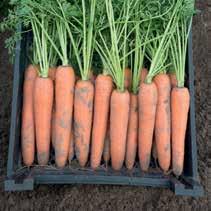
• A large, mid-early variety
• Strong, healthy leaves with good resistance against Alternaria
• Very cylindrical, well-rounded roots
• Very uniform cylindrical carrot
• Good tolerance to Alternaria
• High yield potential
• Suitable for the 1, 3, and 5 kg packing market
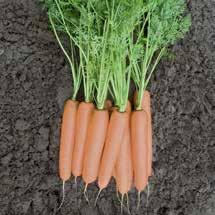
• Productive and uniform Berlicum carrot
• Large, bulky and cylindrical
• Strong, healthy leaves with good resistance against Alternaria
• Highly adaptable variety
• An early, cylindrical, smooth, well filled Belicum carrot
• Strong leaf attachment
• Is suitable for mechanical harvesting
• Harvest ready after 100 to 110 days
• Suitable for the fresh and processing market

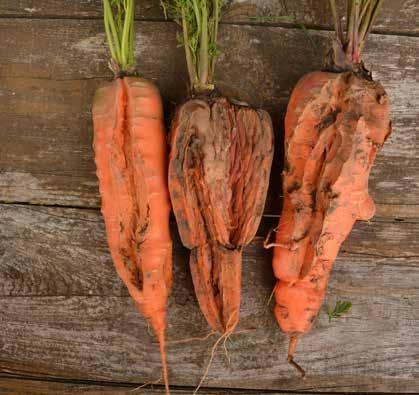
Carrot seedlings are very vulnerable to extreme environmental conditions, such as high wind, frost or extreme rainfall events. Where feasible, steps should be taken to minimise such risks, for instance planting in paddocks that are less exposed or have wind breaks. Also, select planting dates with minimal risk of frost events during early crop establishment. Carrots can crack due to inconsistent moisture levels. Fluctuations in soil moisture, especially during the later stages of development, can cause the carrot root to absorb water rapidly and split or crack. This can be triggered by periods of drought followed by heavy rainfall or excessive watering after a dry spell10 While inconsistent moisture is the main culprit, other factors like soil density, nutrient availability (excess nitrogen can contribute), and even the strength of the carrot's outer layer can play a role in cracking.
• Uniform crop emergence and rapidly growing seedlings set the foundation for a uniform highyielding carrot crop.
• Using high-quality, uniform carrot seed improves germination and seedling establishment.
• Grading seed can help reduce variability in seedlings.
• Carrot seeds have small energy reserves, so a wellprepared seed bed and adequate soil moisture immediately post-sowing is vital for good crop establishment.
1. Pereira, M. D., Dias, D. C. F. D. S., Dias, L. A. D. S., & Araújo, E. 2. F. (2009). Primed carrot seeds performance under water and temperature stress. Scientia Agricola, 66(2), 174-179.
3. Processing Vegetables New Zealand. Understanding carrot establishment. (2016)http://www.processvegetables. co.nz/ assets/Research/Carrots/Carrot-BOOKLET-Carrot- Establishment-Guidelines-Oct-2016.pdf.
4. Gray, D., Steckel, J. R. A., Drew, R. L. K., & Keefe, P. D. (1991). The contribution of seed characters to carrot plant and root size variability. In Proceedings of the International Seed Testing Association. Chicago.
5. Boersma, M. (2000). Commercial implementation of innovative carrot production technologies, Field Fresh Tasmania, Project Number: VG01095, Horticultural Australia Ltd, Level 1, 50 Carrington Street, Sydney NSW 2000.
6. Dellow, S.J., Hunt, A., Gillespie, R.N., Johnstone, P.R., Reid, 7. J.B., Hedderley, D., Sorensen, I., Arnold, N. and Finlayson, 8. C. (2016). Improving yield and quality of process carrots through better crop establishment. Agronomy New Zealand, 46, 31-44.
9. Salter, P. J., Currah, I. B., & Fellows, J. R. (1980). Further studies on the effects of plant density, spatial arrangement and time of harvest on yield and root size in carrots. The Journal of Agricultural Science, 94(2), 465-478.
10. Tamet, V., Boiffin, J., Dürr, C., & Souty, N. (1996). Emergence and early growth of an epigeal seedling (Daucus carota L.): influence of soil temperature, sowing depth, soil crusting and seed weight. Soil and Tillage Research, 40(1-2), 25-38.
11. Cotching, B. (2012) Carrot growing in Tasmania - Suitability factors for assisting in site selection. Wealth from Water Fact Sheet. Tasmanian Institute of Agriculture.
12. http://www.utas.edu.au/ data/assets/pdf_file/0003/3543 87/ Growing-Carrots-In-Tasmania_factsheet.pdf.
13. Beck, J. (2025). Why Carrots Crack: Tips for Preventing Split Roots. https://gardenerspath.com/plants/vegetables/prevent-cracking-carrots/#:~:text=Carrots%20are%20fragile%20plants%20and,too%20much%20water%20and%20 split.
As a beet market leader, we like to share our knowledge and expertise with customers. We have a wide assortment we are proud of and good genetics for the future. We get to show this to the world.
In 2024, we chose beet as Bejo crop of the year and developed some great promotions! See in the overview what we did.
The beet magazine is full of interesting interviews, tips, advice and fun facts.
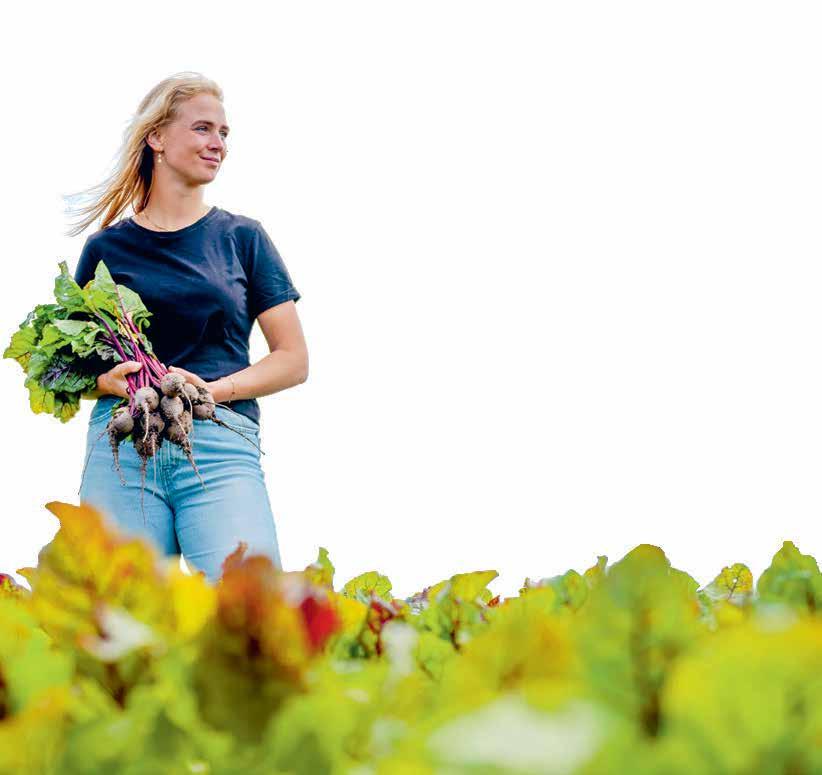

The Boro variety is known among beet growers worldwide. In the Boro film, several growers tell why they choose Boro.

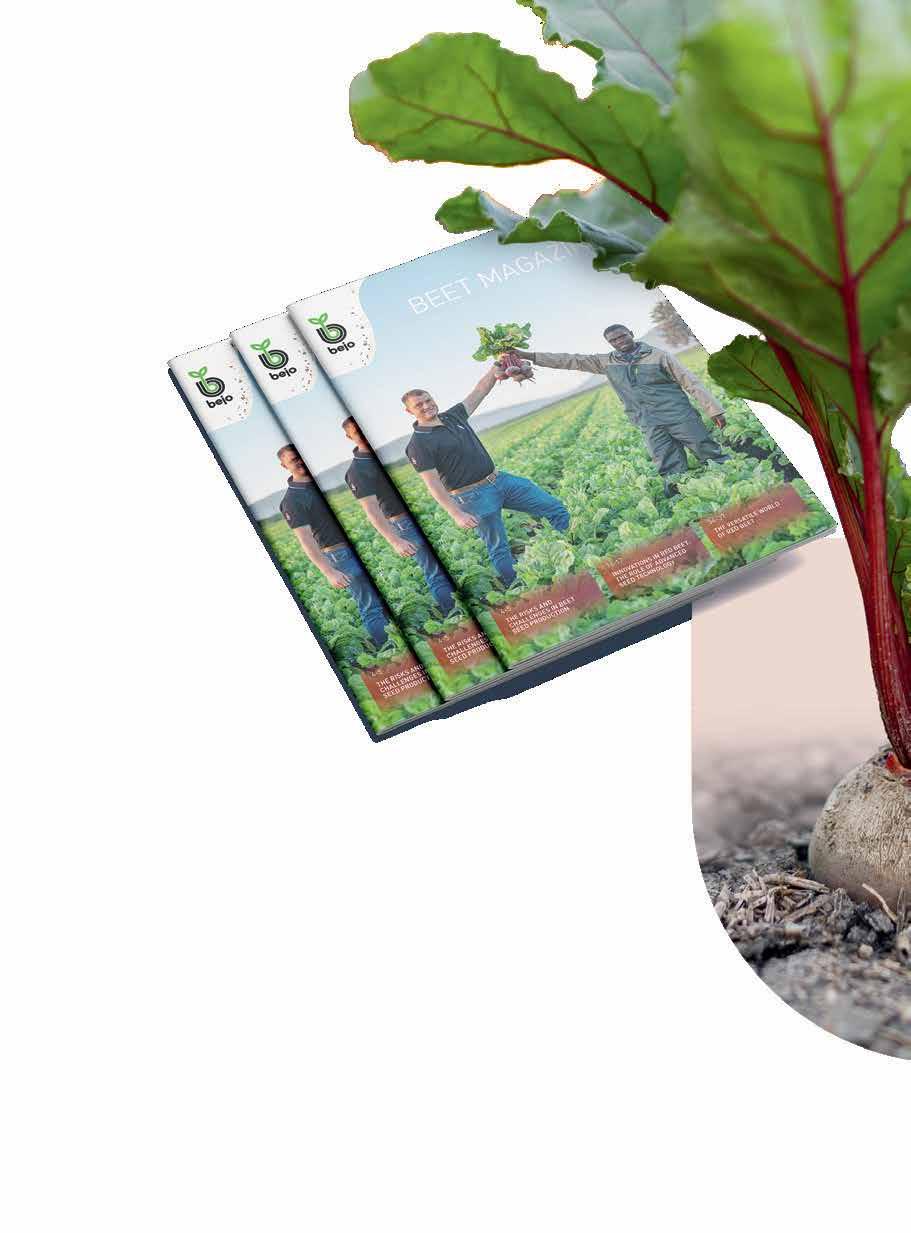
SCAN TO READ THE BEJO BEET MAGAZINE IN DIFFERENT LANGUAGES
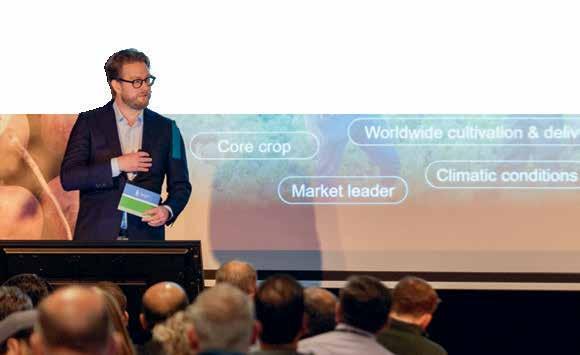

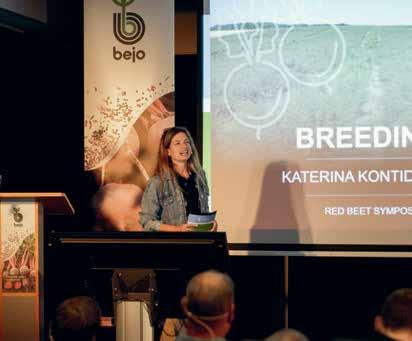
Breeders, researchers and other beet experts shared their knowledge and expertise during the symposium at the Open Days in Warmenhuizen.

“I LOVE BEET, BORO IS GOOD”
bejo zaden b.v.
Of course, the characteristics of our varieties are regularly highlighted during the campaign.
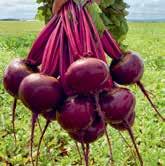
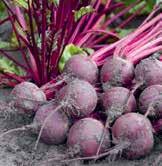
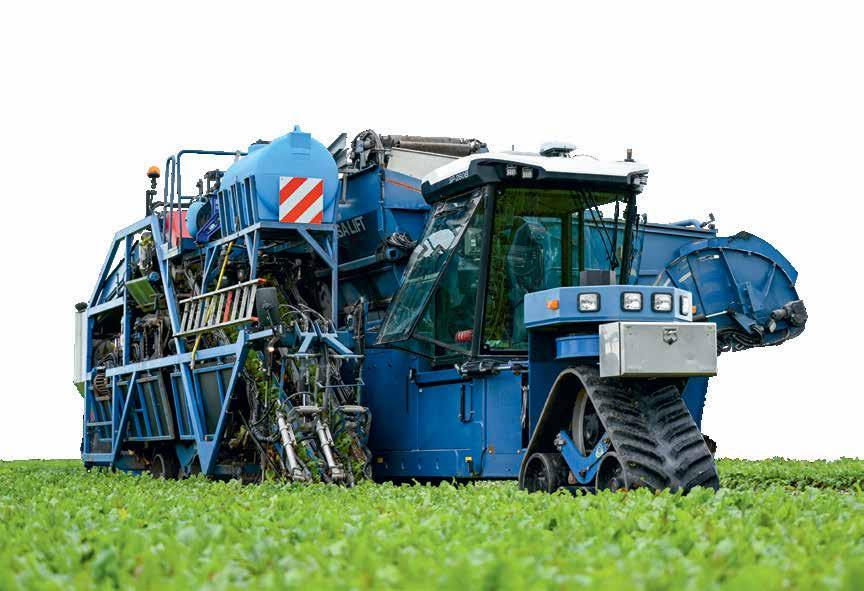
There were several beet harvesting demonstrations during the Open Days. Several machines showed how to mechanically harvest beets.
On our website and Social Media channels, we regularly publish valuable content on beet.
#bejobeet
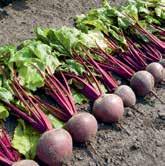
This year is all about our leafy crops. We are again working on a beautiful campaign to highlight our leafy crops.
Stay tuned via Yapp!
Vartikel deur robert janse van rensburg
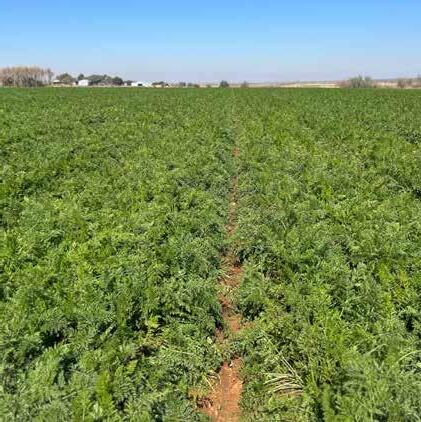
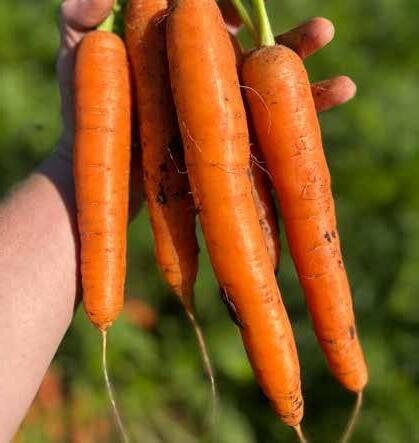
ir kommersiële wortelboere in Suid-Afrika is die keuse van die regte wrotel variëteit van kardinale belang vir kwaliteit, konsekwentheid en winsgewendheid. Een van die toppresteerders is Natuna, ’n baster Nantes-tipe wortel wat deur Bejo ontwikkel is — ’n wêreldleier in groentesaadproduksie. Natuna lewer uitstekende resultate — beide op die land en in die mark.
Uitsonderlike Wortelkwaliteit
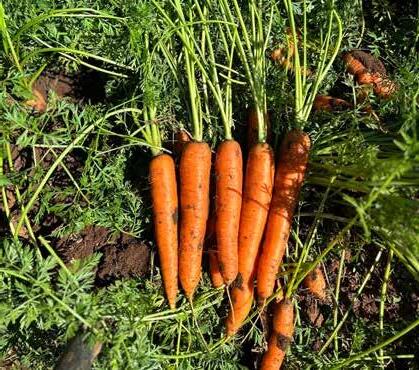
Natuna produseer eenvormige, silindriese wortels met ’n gladde, dieporanje skil en ’n aantreklike afgeronde punt — ideaal vir varsmarkte. Die wortels is tipies 16–20 cm lank en 2.5–3.5 cm in deursnee, met uitstekende interne kleur, tekstuur en ’n dun kern. Die hoë karoteen inhoud en soet, ryk geur maak dit gewild onder verbruikers, sowel as handelaars wat topkwaliteit verwag.
Onder optimale toestande, met goeie besproeiingsbestuur en voeding, behaal boere opbrengste van 70–80 ton per hektaar, met bemarkbare opbrengste wat dikwels meer as 90% van die totale oes uitmaak. Die variëteit is geskik vir beide winter- en someraanplantings.
Kontak jou Nuvance bemarker vir die korrekte saai tye in jou area.
• Early indeterminate round variety
• Good set and high production potential
• Average fruit size of 140 - 160g
• Very well suited for open field production
• Able to grow across regions with different climatic conditions
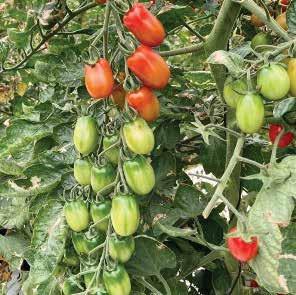
• Excellent cherry plum combined with high yield potential
• Strong plant with very early maturity
• Suited for single fruit or cluster picking
• Firm fruit offer extended shelf life
• Average fruit size of 22 – 24g
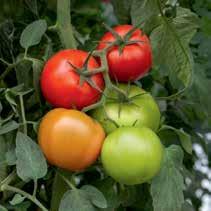
• Vigorous plant with good disease resistance
• Firm fruit with great taste and long shelf life
• Average fruit size of 180 – 200g
• Very well suited for undercover production
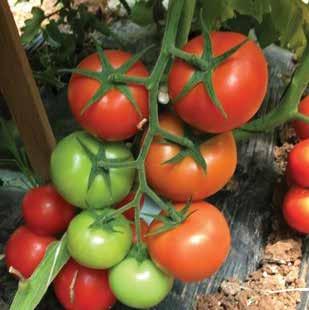
• Early indeterminate round variety
• Good set and high production potential
• Average fruit size of 170 - 200g
• Very well suited for open field production
Rhizomania-weerstand: ’n Belangrike Voordeel
Groot voordeel van Palau* is sy weerstand teen Rhizomania (veroorsaak deur die Beet necrotic yellow vein-virus), een van die mees vernietigende siektes in beetverbouing. Rhizomaniaveroorsaak verkrimpte groei, vergeel van blare, misvormde wortels en groot opbrengsverliese, veral in besmette grond waar die virus vir jare kan oorleef.
Palau* se ingeboude genetiese weerstand teen Rhizomania bied boere ’n belangrike beskerming teen langtermyn-oesverlies, veral in gebiede waar die siekte algemeen voorkom of waar wisselbou beperk is. Hierdie weerstand help om gesonde wortelontwikkeling te handhaaf en verminder die behoefte aan chemiese beheermaatreëls, wat bydra tot volhoubare boerderypraktyke.
Agronomiese Voordele
Palau* staan uit vir sy kragtige, gesonde loof, wat sterk fotosintese en wortelontwikkeling ondersteun. Hierdie sterk bo-groei help ook met meganiese oes. Die loof toon goeie weerstand teen algemene blaarsiektes soos Cercospora, wat dit voordelig maak in gebiede met hoë siektedruk.
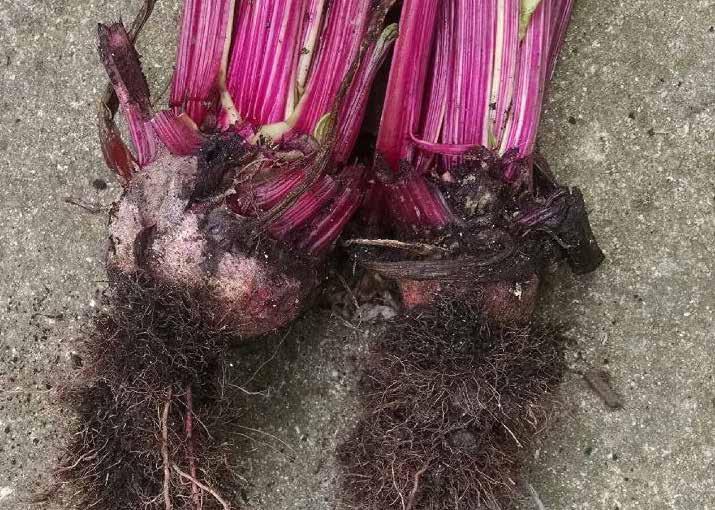
Rhizumania geaffekteerde beet1
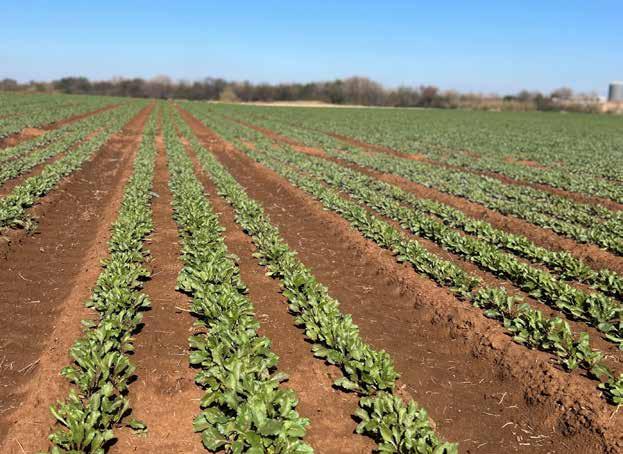
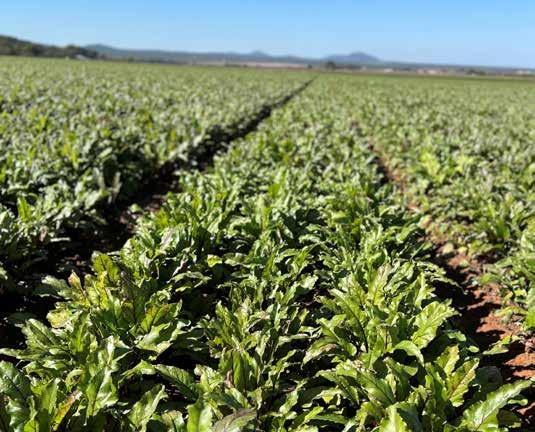
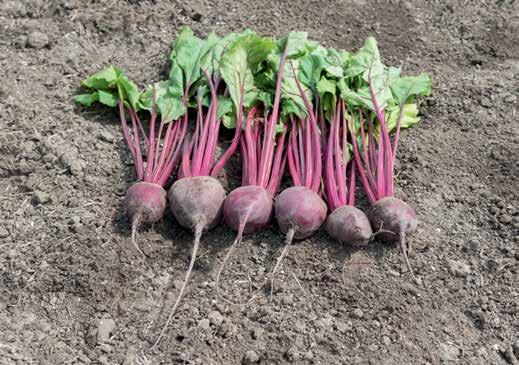
Palau* in die lande Eenvormigheid
artikel deur robert janse van rensburg
Palau* is ’n medium-groeityd variëteit, gewoonlik gereed vir oes in ongeveer 90 tot 100 dae, afhangende van klimaat en grondtoestande. Dit presteer goed in ’n wye reeks matige tot warm klimaatstoestande en is geskik vir regdeur-die-jaar aanplantings in baie streke.
Een van Palau* se mees aantreklike eienskappe is sy uitsonderlike eenvormigheid. Die beet is rond, glad en eenvormig, wat dit ideaal maak vir varsmarkverkope. Hierdie eenvormigheid vergemaklik oes en sortering, wat arbeids- en hanteringskoste verlaag.
Palau* is bekend vir sy diep, lewendige rooi (pers) kleur met minimale wit ringe — ’n gesogte kenmerk in vars beet. Hierdie ryk pigmentasie is nie net visueel aantreklik nie, maar dui ook op ’n hoë inhoud van betalaïene — natuurlike antioksidante wat die beet se voedingswaarde verhoog.
Mark- en Verbruikersaantrekkingskrag
Met verbruikers wat toenemend belang stel in superkos en natuurlik gekleurde groente, is Palau*-beet goed geposisioneer om aan moderne markvereistes te voldoen. Die intense rooi kleur en soet, aardse geur maak dit gewild onder sjefs, gesondheidbewuste verbruikers en sapvervaardigers.
Ondersteun deur Bejo Zaden se Innovasie
Palau* is die resultaat van Bejo se dekades lange toewyding aan innovasie en volhoubare landbou. Bejo belê voortdurend in navorsing en ontwikkeling om seker te maak hul variëteite voldoen aan die veranderende behoeftes van boere en markte wêreldwyd.
Gevolgtrekking
Of jy nou ’n boer is wat winsgewendheid wil verhoog of ’n verbruiker wat smaak en voeding waardeer — Palau*-beet van Bejo lewer op alle vlakke. Sy kombinasie van agronomiese sterkpunte, siekteweerstand, markaanvaarbaarheid en konsekwente prestasie maak dit ’n uitstekende keuse in moderne beetproduksie.
1. Rhizomania foto: https://www.canr.msu.edu/news/symptoms-ofrhizomania-a-new-disease-for-michigan-red-beets
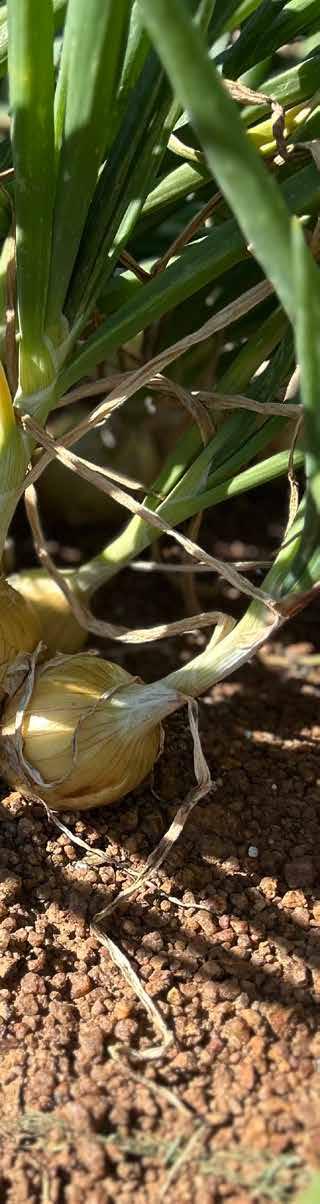
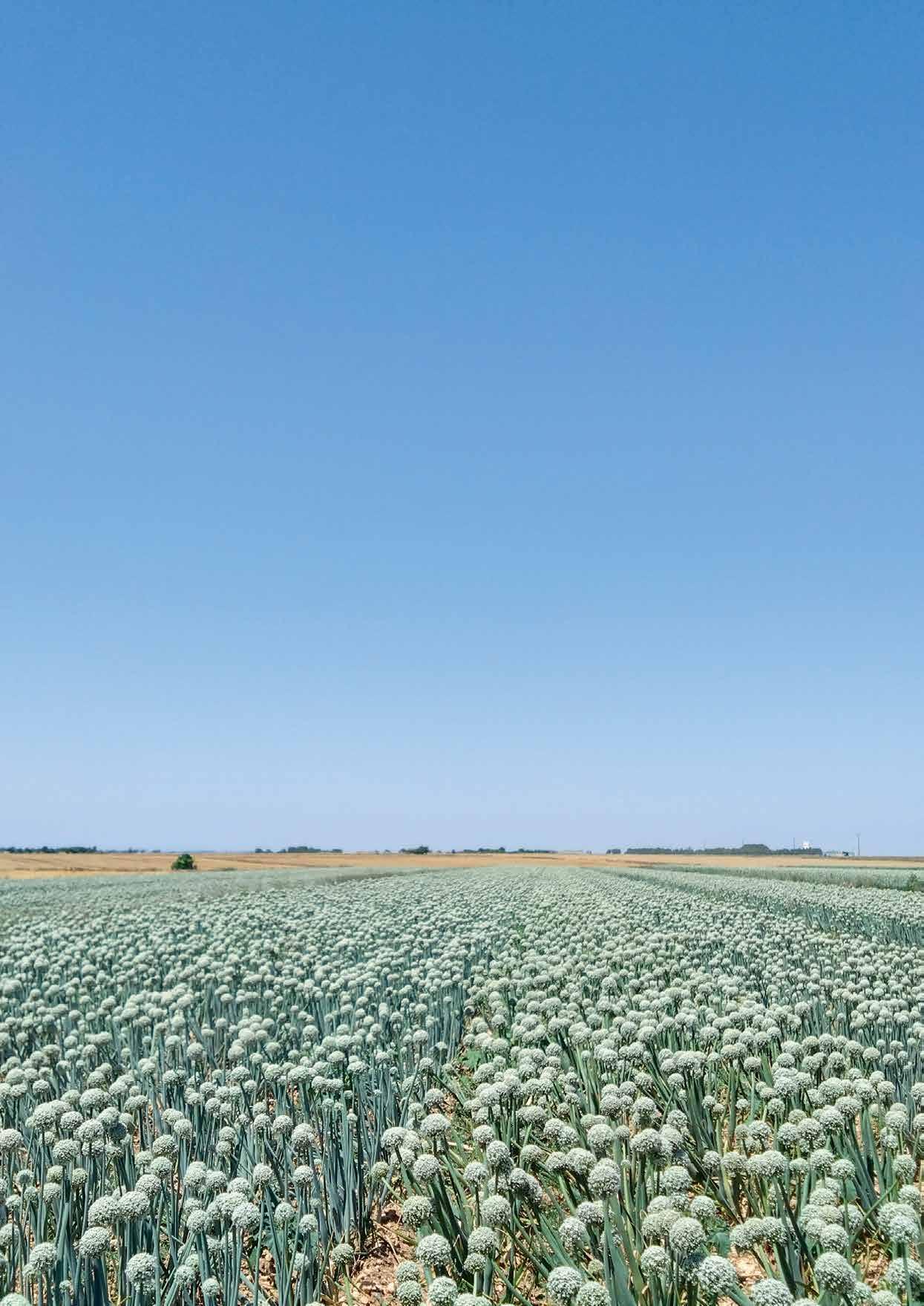
De Groot en Slot (DGS), ’n gesogte Nederlandse saadteler van uie, is wêreldwyd bekend vir hul intensiewe navorsings- en ontwikkelingsprogram. Met meer as 200 uiteenlopende variëteite – insluitend kort-, intermediëre en langdag-uie – bied hulle spesifieke kultivars aan vir verskillende klimaat- en daglengtegebiede.
Wat is kortdag-uie?
Kortdag-uie begin bol vorm wanneer die daglengte sowat 10–12 ure lank is. Hierdie variëteite is veral geskik vir suidelike halfrondgebiede en streke suid tot en met 30˚breedtegraad, soos Suid-Afrika, waar winterdaglengtes onder hierdie grens daal.
Waarom kortdag-uie van DGS?
• Spesiaal aangepas vir klimaatstoestande met kort winterdaglengtes
• Hoë gehalte saad: streng kwaliteitsbeheer
• Langtermynontwikkeling: nuwe variëteite neem 10–18 jaar om te ontwikkel
Prestasie van kortdag-uie
- Sterk bolvorming binne 6–8 weke
- Goeie opbrengste: 50–70 ton/ha onder goeie bestuur
- Siekteweerstand teen Fusarium,pienkwortel, ens.
Landboupraktyk en bestuur
• Saaidatum: Februarie tot April vir winteraanplantings
• Grond: Goed gedreineerde, vrugbare grond met pH 6–7
• Bemesting: Stikstof in vroeë stadiums; fosfaat en kalium vir bolontwikkeling
• Waterbestuur: Gereëlde besproeiing sonder oorbesproeiing
• Oes: Na 135–150 dae; droog behoorlik voor verpakking en stoor
Voor- en nadele van kortdag-uie
Voordele:
• Vinnige groei met dun nekke
• Winterverbouing maak dit moontlik om arbeid besig te hou
• Minder chemiese insette danksy siekteweerstand
artikel deur robert janse van rensburg
Nadele:
• Sommige variëteite het korter stoorlewe
• Benodig spesifieke bestuur
Ondersteuning deur DGS
• Tegniese advies van Nuvance-span
• Proefplase en navorsingsaanlegte in Suid-Afrika
• Hoë saadkwaliteit en goeie ontkieming
Kortdag-uie tans beskikbaar in Suid-Afrika:
Revolution
Revolution is ’n hoëpresterende kortdag-ui variëteit wat bekend is vir sy uitstekende bolvorming en eenvormige, vinnige groei. Hierdie kultivar is spesiaal ontwikkel vir produksie in warmer streke met kort daglengtes, soos groot dele van Suid-Afrika se somerreënvalgebiede.
Die bolle is groot, ferm, rond van vorm, met ’n diepbruin, blink buiteskil en uitstekende pakbaarheid. Revolution het goeie bergingsvermoë (vir ’n kortdag ui) en lewer opbrengste van 50–70 ton/ha. Die kultivar is bestand teen pienkwortel, en Fusarium, en presteer goed onder hoë temperature.
Itaparica
Itaparica is ’n kortdag-ui van uitstekende gehalte en het homself bewys as ’n betroubare keuse vir kommersiële boere in Suid-Afrika.
Die ui vorm medium tot groot, ferm bolle met ’n strooibruin skil en ’n eenvormige ronde vorm. Itaparica blink uit in groeikragtigheid, aanpasbaarheid en goeie veldprestasie, selfs in moeilike toestande soos hoë humiditeit en reënval.
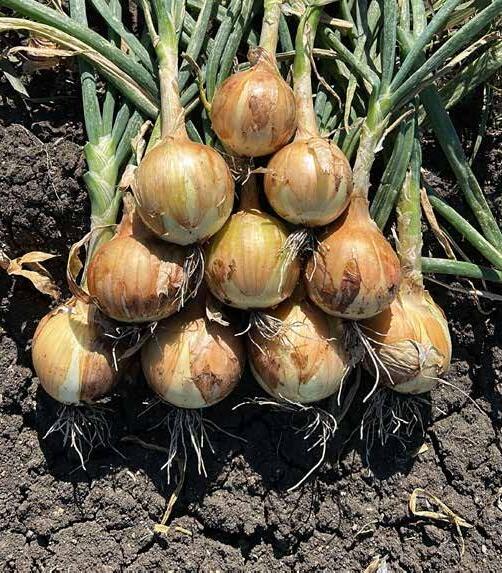
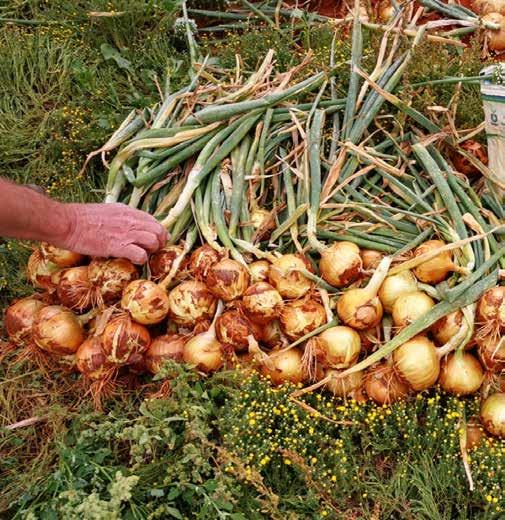
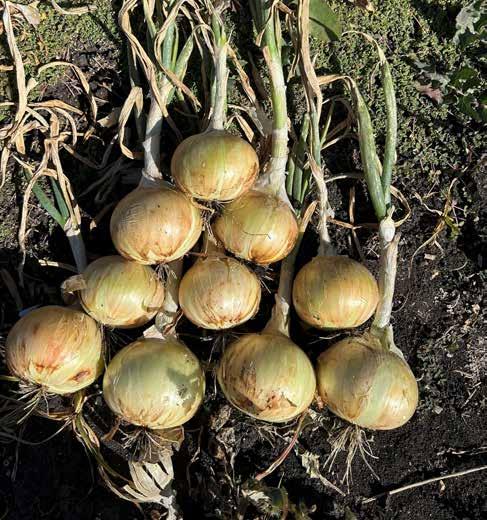
Die groeiseisoen is ongeveer 135–140 dae dae, met opbrengste van 55–65 ton/ha. Die kultivar toon goeie weerstand teen Fusarium en droog goed af – ideaal vir die varsmark.
Maragogi
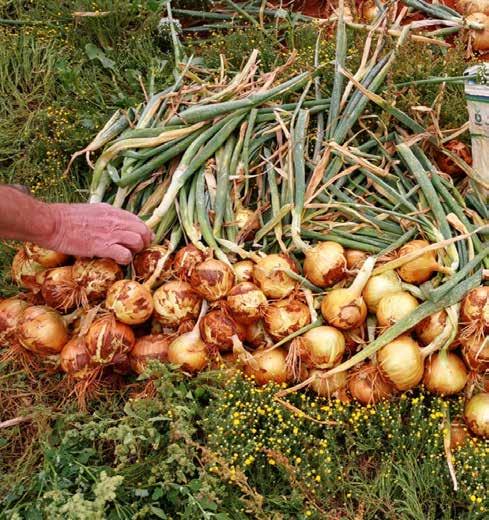
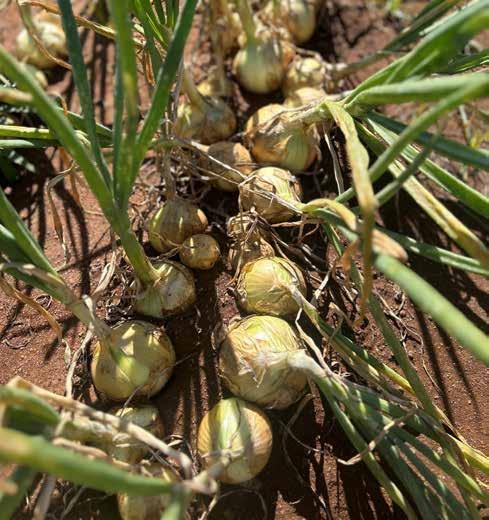
Maragogi is ’n kortdag-ui variëteit wat uitstaan met sy uitstekende opbrengs, en baie goeie kwaliteit bolle.
Hierdie variëteit is gewild in warm gebiede waar hoë-opbrengs uie met goeie skileienskappe benodig word. Die bolle is rond, medium in grootte, en het baie dun nekke wat vinnig afdroog.
Onder optimale toestande kan Maragogi binne 125–135 dae oesbaar wees, met opbrengste tot 70 ton/ha. Die variëteit is bestand teen Fusarium en vertoon goeie eienskappe vir die varsmark.
Maragogi
Afsluiting
Vir boere in Suid-Afrika wat in kortdaggebiede boer, bied De Groot en Slot se kortdag-uie ’n uitstekende balans tussen opbrengs, siekteweerstand en bemarkbaarheid. Met volgehoue navorsing en ondersteuning help DGS om ’n sterk, winsgewende uiebedryf te bevorder – van saad tot oes.

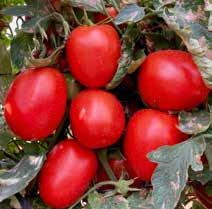
• Medium early semideterminate variety
• Matures in 85 - 90 days
• Firm fruit with deep red colour
• Average fruit size of 120 - 140 g
• High resistance to Fol:0,1,2, Va0, Ss and ToMV
• Intermediate resistance to TYLCV
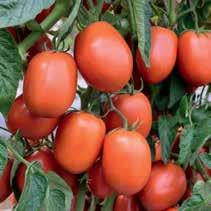
• Early semi-determinate variety
• Matures in 75 - 85 days
• Produces large oval fruits
• Average fruit size of 130 - 170 g
• High resistance to Fol:1, Va0, Ss, ToMV and Pst
• Intermediate resistance to TYLCV
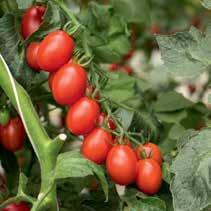
• Early indeterminate cherry plum
• Matures in 65 - 70 days
• Average fruit size of 15 - 20 g
• Features resistance to Fol:1-3, Ss, Va:0
• Strong, tall plants with good yield potential
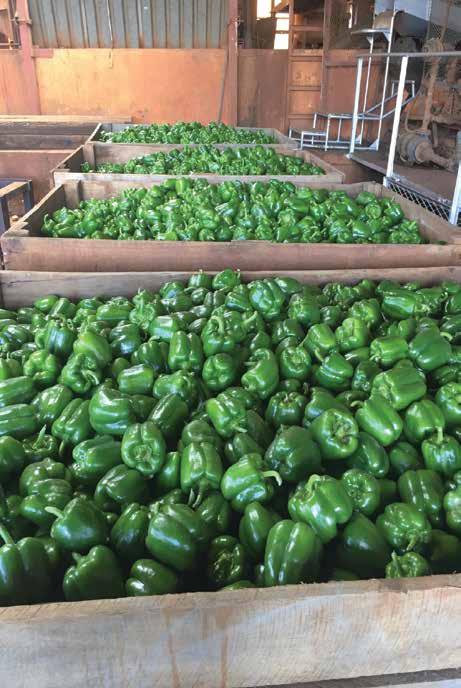
• Good shelf life
• Average fruit size of 10 x 10 cm
• Blocky sweet pepper
• Suitable for the fresh market
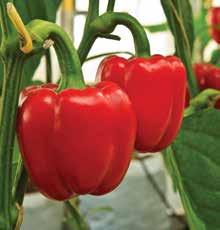
• Tolerant to Phytophthoracapsici
• Extended harvest periods
• Improved marketable yield
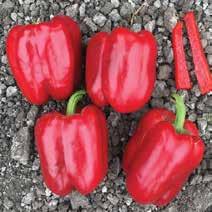
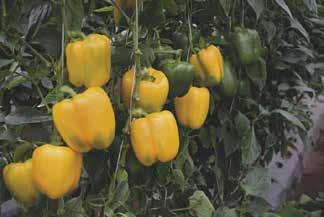
• Attractive fruit colour
• High-quality fruit with high yield potential
• Compact plants with a concetrated fruit set
• Vigorous plant featuring large leaves that produce excellent cover
• Bright colour
• Excellent and high potential
• Attractive shape
• Vigorous short
• Best suited undercover
DNizao*
Bright yellow fruit
colour
article by heigers campher
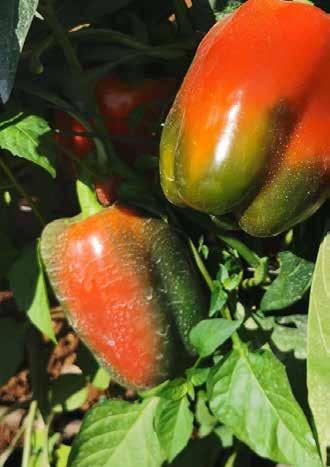
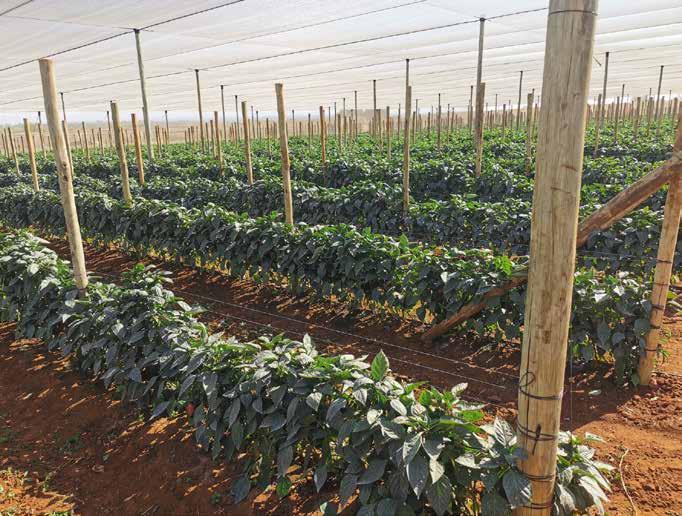
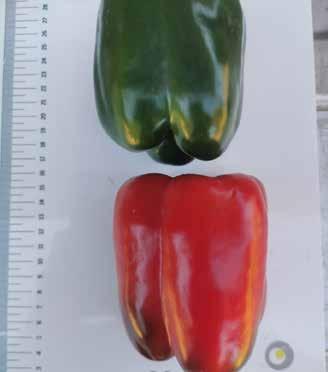
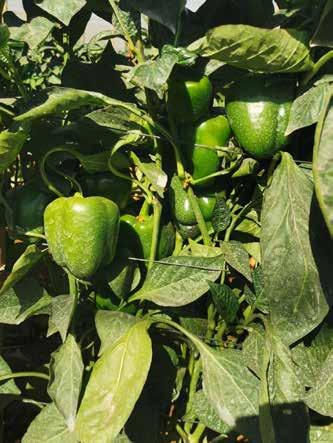
unbar performed well this season in the Northern regions of South Africa. Dunbar is a red bell pepper featuring compact plants with large leaves and a concentrated fruit set ideal for the fresh market. It has a good disease package, wide planting windows and potential high yield of good-quality fruit make it desirable for growers. Dunbar is a sweet pepper that ripens from green to red.
Dunbar features the following characteristics:
• Vigorous plant featuring large leaves that provide good cover
• A good disease package – HR: PVY:0/T:0-3 and IR: TSWV:0
• Compact plant with a concentrated fruit set
• Attractive interior colour makes this variety ideal for the fresh market
• High yield potential of good-quality fruit
• Wide planting window across South Africa
It is clear that Dunbar will have a place in net house cultivation in the future. What stands out about Dunbar is the size and uniformity of the fruits, which makes it easier for the farmer when it comes to packaging –its easy to use one large box. Dunbar also delivers high yields, with a good disease package that includes TSW.
Excellent fruit quality high yield potential Attractive blocky fruit shape with thick walls Vigorous plants with internodes suited for undercover production

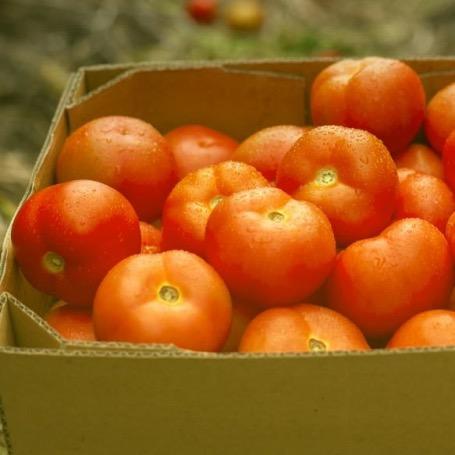
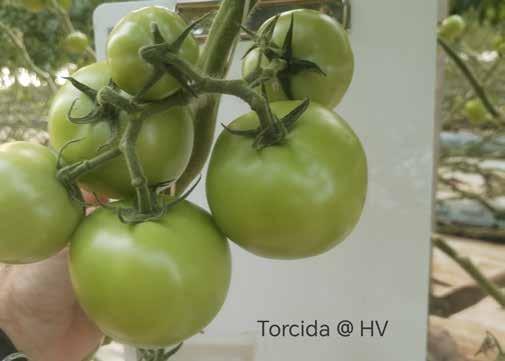
Under cover growers in the East London area are traditionally looking for a flat round tomato graded in the 140 - 180g range, hence the SV4129TH grown to its potential is a perfect and popular fit for market requirements.
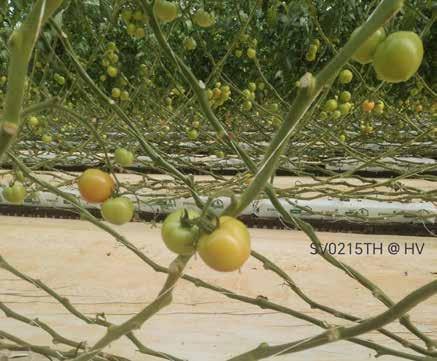
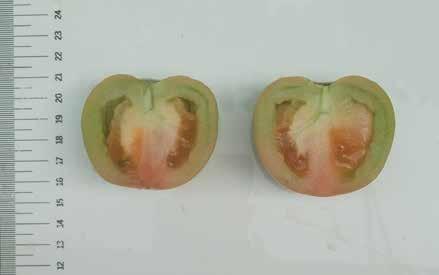
At Happy Veg, Mark is also looking for a slightly smaller, consistent tomato for a large portion of his market supply requirements. At Nuvance we also have access to a new variety (SV0215TH) which has the same plant vigor as SV4129TH and fruit characteristics except that its fruit size is choked to a maximum 160g. This allows Mark to grow the crop with the same cultural practices but resulting in a different outcome in terms of market spec. Currently, Mark is trialing the SV0215TH variety with the aim of dropping the plant for as long as possible notwithstanding the continued health and production of the prolonged growth period. Mark aims to carry the crop for 11 months to fit in with his production cycle. We are confident that this is achievable with the correct practices in place.
SV0215TH also has a strong disease package, namely Tomato Spotted Wilt Virus (TSWV), Fusarium 3 (Race 0,1 & 2) and medium resistance to TomatoYellowLeafCurl(TYLC).
article by howard champ
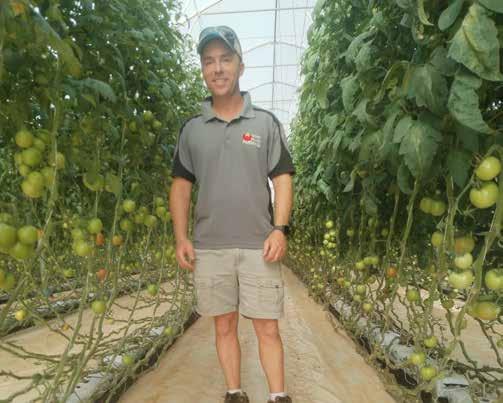
Planted - November 2024
Visit Date - April 2025 (5 Months in)
At the time of going to print, the current trial is still in production so we are excited to learn of the crop statistics when complete.
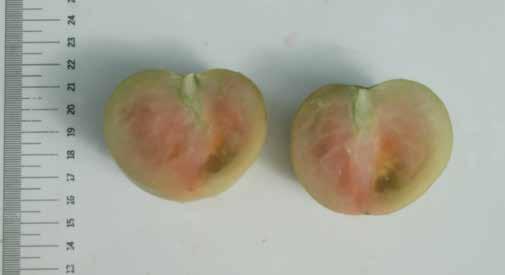
Mark has also by default trialed a new variety from Nuvance also planted at the same time. The variety in question, Torcida*, is a larger tomato competing directly against the spec held by SV4129TH. The plant vigor, disease package and production is identical to that of SV4129TH. The only slight difference we have observed in the end product is that Torcida* has a distinct round fruit appearance as opposed to the slightly flatter round of SV4129TH. This is attributed merely to retailer preference, but the yield is the same.
Mark Horman, Happy Veg, Nuvance Trials…… watch this space.
Iartikel deur harold lindeque

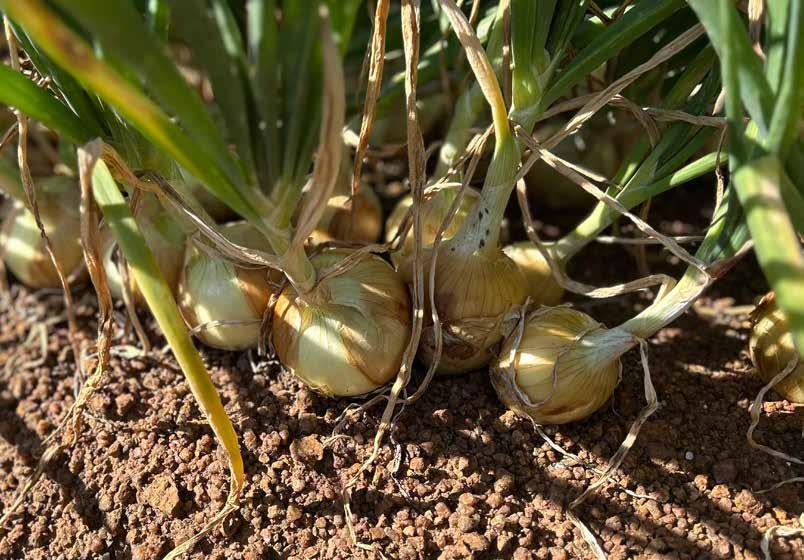
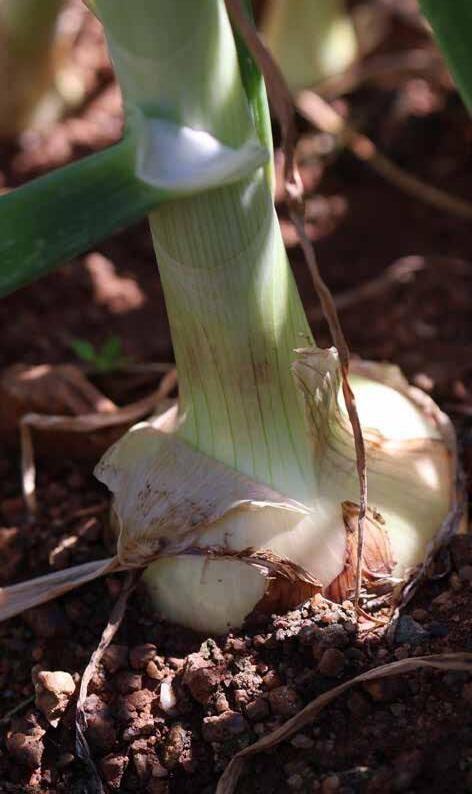
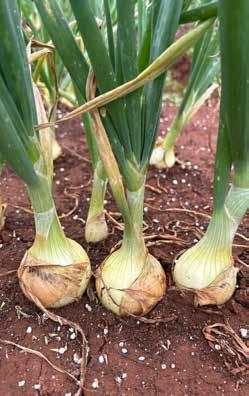
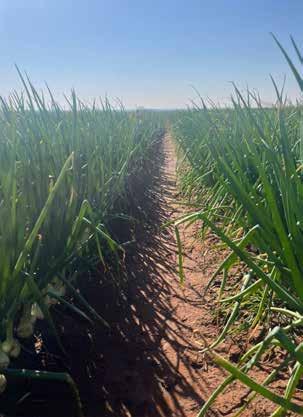
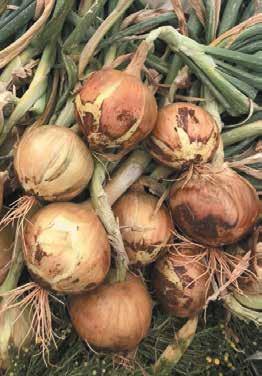
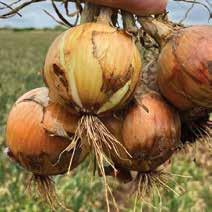
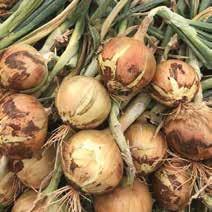
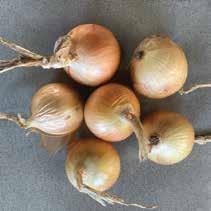
taparica het die afgelope uie seisoen weer merkwaardelik presteer in die Noordelike gedeelte van die land se middel Febuarie tot middel April tydsgleuf. Soos voorheen gemeld in ’ n vorige uitgawe/artikel in Oppiplaas 13, het ons weereens gesien dat Itaparica sy man staan in die veld. Itaparica is ’n vroeë, kortdag-ui geskik vir die varsmark. Itaparica het regop, sterk en gesonde blare, en produseer baie eenvormige bolle van uitstekende gehalte, diep rond van vorm en strooi bruin van kleur. Itaparica het ook goeie aanpassingsvermoë.
Die kenmerklikke dun nekke en ongelooflikke hoë opbrengs was een van die meer merkwaardelikke einskappe wat Itaparica in die veld laat uitstaan het die seisoen.
Itaparica was hierdie uie seisoen in Limpopo middel Maart tot die 18de April geplant met groot sukses t.o.v kwaliteit en opbrengs en mooi kleur. Kliënte in Limpopo was baie tevrede met Itaparica uie oor die goeie kwaliteit wat hy bemark het. Nietemin het hulle ook ‘n rekord opbrengs gehad waarmee hulle baie tervrede is. Kliënte het ook baie kostes gespaar aangesien hulle vroeër op die mark kon wees met ’n uitstaande kwaliteit ui. Nog ’n uitstaande eienskap van die De Groot en Slot uie (onder andere Itaparica), is die bo gehalte ontkieming wat daartoe lei dat die stand ook perfek is.
Kliënte in Limpopo is ook baie gelukkig om klas 1 uie te kon bemark met die merkwaardige mooi kleur en kwaliteit. In kort opgesom: Uitstekend mooi….
• Early intermediate-day onion
• Uniform brown bulbs with high yield potential
• Intermediate resistance to pink root(Pt) and medium tolerance to Fusarium(Foc)
• Ideal for an early harvest and quick sale
• Early short-day onion suitable for the fresh market
• Very uniform bulbs of excellent quality
• Very thin neck to ensure quick drying
• Deep round shape with straw-brown skins
• Good range of adaptation
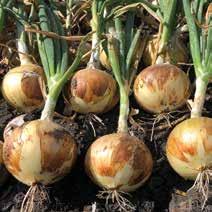
• Vigorous early intermediate onion
• Large, uniform, round medium brown bulbs
• Excellent productivity and great adaptation to the summer growing conditions in Limpopo province (sowing in December)
• Early short-day onion
• Firm with small root attachment
• Very thin neck
• Suitable for the fresh market

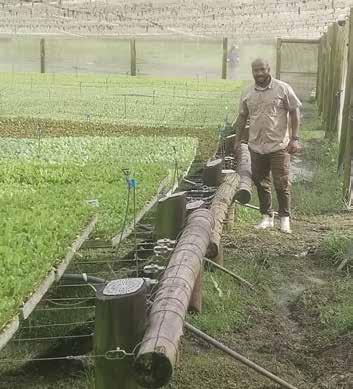
At Nuvance we are energised by the interest of cabbage production within the Transkei area. For many years we have partnered with Vuyisa who manages the Uphuliso Lwethu Project in Mthatha. He is involved with supplying an extensive area with cabbage seedlings from Dutywa up to Port St Johns.
He runs a tight nursery on the northwest side of Mthatha. Traditionally supplying a large spec cabbage that yields good size in return. Its not an easy market to manage, as the growers traditionally do not order ahead in terms of planning but when the planting season arrives they demand ready-to-go seedlings (4 to 5 weeks old) immediately.
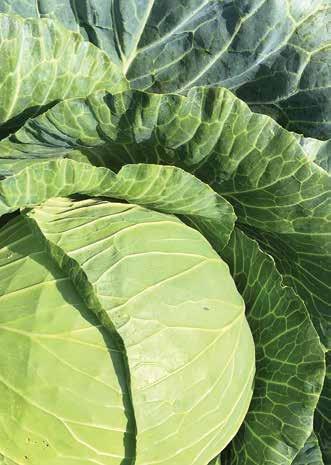
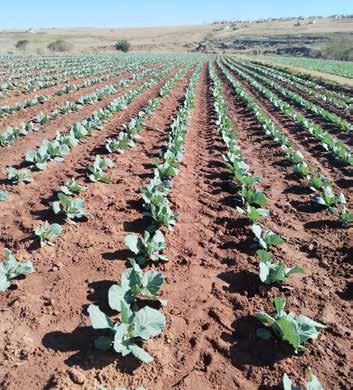
Vuyisa supplies a range of different varieties all with large size and cost in mind. Currently he has also chosen our flagship cabbage ‘Megaton’ as part of his arsenal. Megaton performs best in the winter months and yields a cabbage size on avaerage of 6 to 10kgs. It matures in 110 to 125 days and has excellent Bolting resistance. As the coastal belt can enjoy extensive days of overcast weather during the Summer season, we recommend that he uses more suited varieties during this period but during the winter we are confident Megaton competes as good as or better than the other varieties available on the market
My last visit to Vuyisa in April 2025, he was ready with seedlings despite having suffered heavy damage to 80% of his stock due to a heavy windstorm in January. Undedterred, he had regrouped and had a new impressive batch of seedlings available only days away from delivery.
I also had a chance to visit one of his growers in the Mbuti area to see for myself the progress and performance in the field. Its evident that there are a lot of new generation farmers in the Transkei from traditional small scale backgrounds that are making strides to become traditional commercial growers. Its pleasing to see Megaton being a part of that transition as it has also been popular among the small scalers originally.
We are excited to see the continued growth in the Transkei Trade regarding large head cabbage with Megaton being a leader in its field.
article by howard champ
2
3
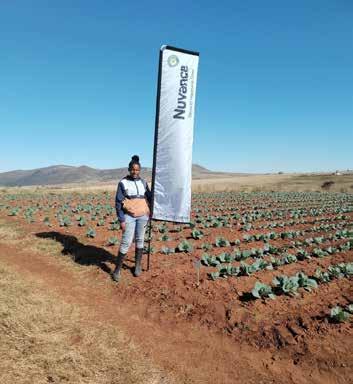
1: Vuyisa and the seedlings 2 & 3: Megaton
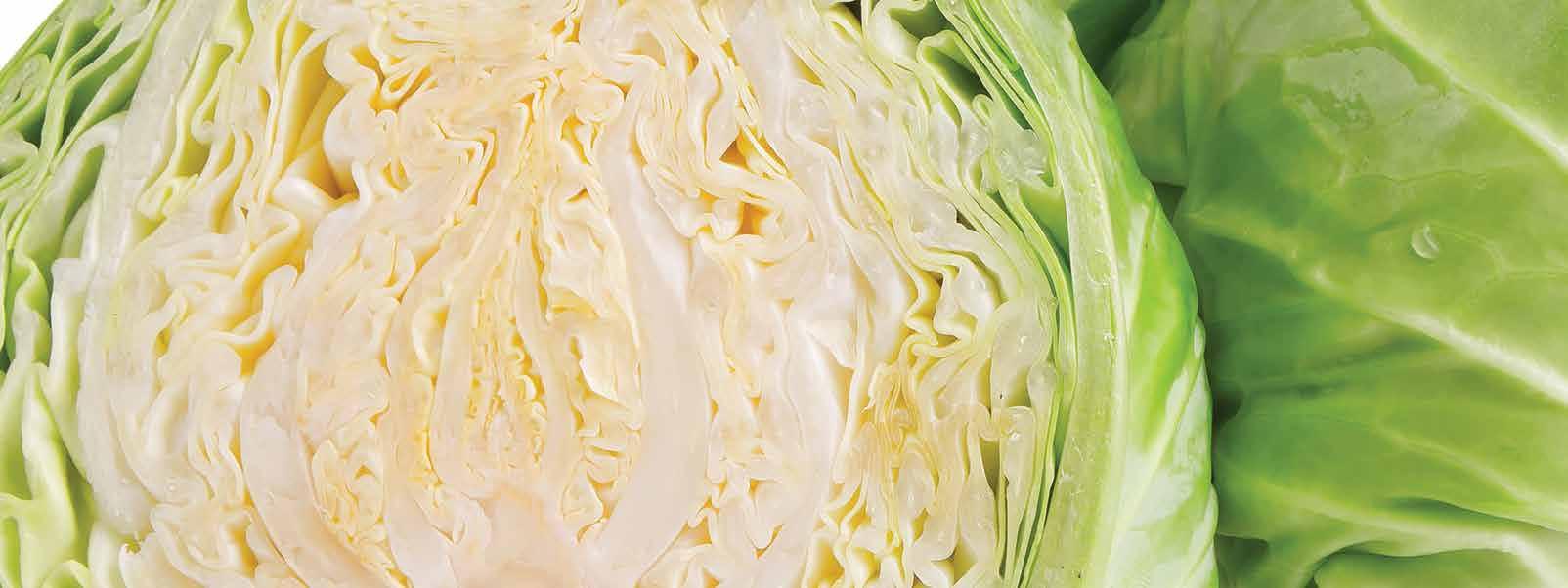
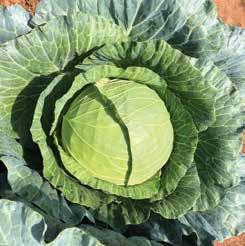
• Late variety producing large round heads
• Very good field storage
• Highly productive with dense internal structure and small core
• Average head weight: 1.5 - 2 kg
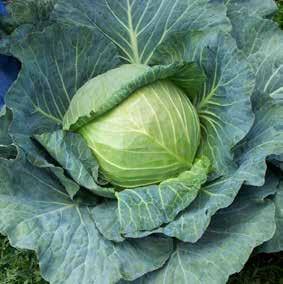
• Ideal for the fresh market and bagging
• Well adapted for the highveld summer and winter in warmer areas
• Average head weight: 3 - 6 kg
• Excellent winter cabbage with large uniform heads
• Ideal for the informal market
• Average head weight: 5 - 8 kg
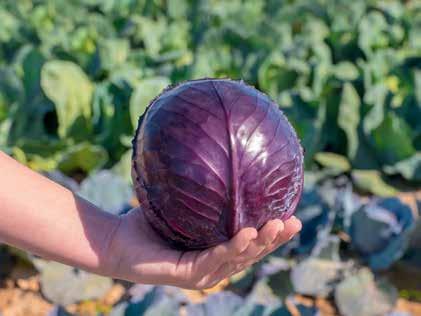
• Red baby cabbage
• Suitable for the fresh and pre-pack markets
• Average head weight: 0.5 - 1 kg
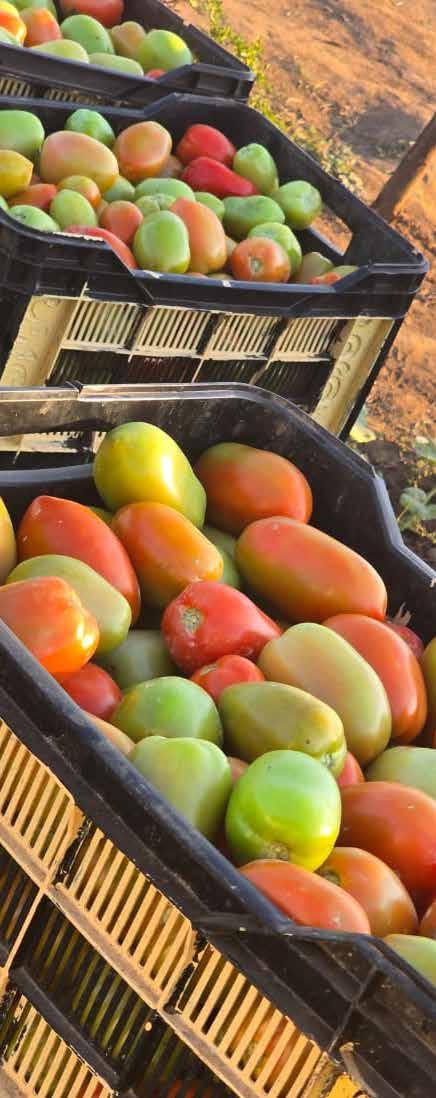
Jaliscience* fruit
Jaliscience* tomato stands out as a high-performance variety that thrives in open-field environments. This tomato is recognized for its consistent quality, excellent disease resistance, and adaptability, making it a preferred option for commercial growers looking for a reliable crop with strong market appeal.
• Fruit Quality: Jaliscience* tomatoes are known for their firmness, smooth skin, and vibrant red colour. This tomato maintains its shape well during handling and transportation, making it an ideal choice for fresh-market consumption. Their long shelf life helps reduce waste, ensuring they reach consumers in excellent condition.
• Size and Shape: Jaliscience* produces saladette/oval-shaped fruits, offering uniform size that ensures easy packing and attractive presentation. This consistency makes them highly desirable in the retail market, where appearance plays a key role in consumer choice.
• Disease Resistance: Jaliscience* features high resistance to a broad range of tomato diseases, making it highly resilient and reliable for growers. It offers HR (High Resistance) to Fol:0 / Fol:1 (Fusarium wilt), Pst (Pseudomonas syringae), Ss (Stemphylium blight), ToMV (Tomato mosaic virus), Va:0 (Verticillium wilt), and has IR (Intermediate Resistance) to TYLCV (Tomato yellow leaf curl virus). This robust disease resistance reduces the need for chemical spraying, making cultivation more sustainable.
• High Yield Potential: Jaliscience* is known for its high yield potential, producing large quantities of uniform fruit over an extended harvesting period. This makes the variety an excellent choice for growers who need to meet high-volume demands consistently throughout the season.
The Jaliscience* tomato performs best in warm climates, and it thrives in open-field cultivation.
Soil Requirements: To achieve optimal growth, Jaliscience* tomatoes require well-drained, fertile soils rich in organic matter. Proper soil management ensures strong root development and maximizes fruit quality.
article by jacques louw
• Watering Needs: Regular irrigation is essential, particularly during the fruiting stages. Jaliscience* tomatoes require consistent moisture to support fruit development, but it’s important to avoid overwatering, as this can lead to root rot and other water-related issues.
• Temperature Preferences: Jaliscience* flourishes in warm to hot growing conditions making them well-suited for many regions and climates. Their ability to withstand fluctuations in temperature gives it a significant advantage in the open-field.
The versatility of Jaliscience* makes it a top choice for the fresh market. The consistent size, attractive colour, and irmness make Jaliscience* an ideal product for fresh consumption. They are commonly used in salads, sandwiches, and as a topping for various dishes.
The Jaliscience* tomato is a standout choice for growers seeking a high-yield, disease-resistant variety that performs well in open-field environments. Its exceptional fruit quality, robust nature, and strong market potential make it a valuable addition to any commercial cultivation operation. Jaliscience* tomato offers reliable results that meet the demands of modern agriculture.
bejo open days 2025: innovation in vegetable varieties, seed technology & mechanisation
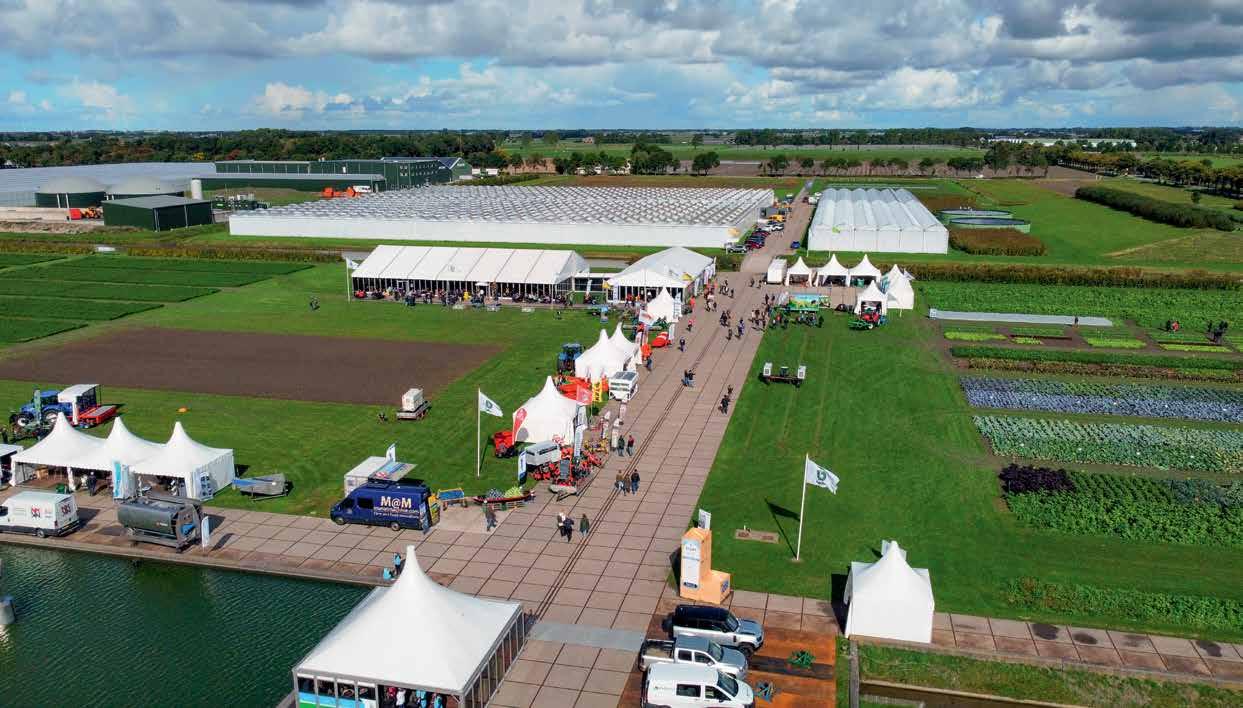
From 23 to 26 September 2025, Bejo organised its annual Open Days in Warmenhuizen, The Netherlands. Growers and chain partner from all over the world discovered the latest varieties, innovations in seed technology and sustainable mechanisation. The event offered plenty of opportunity to discuss opportunities and challenges within the field.
Discover new varieties
Together with customers and partners, Bejo constantly researched what was going on in the field, in the market, and among consumers. These insights formed the basis for the development of new and improved vegetable varieties that enabled growers worldwide to harvest healthy and tasty vegetables. The demo fields at the Open Days featured varieties with focus on disease resistance, storage quality, yield, appearance and taste. Promising new varieties that was available for discovery during the Open Days included the following:
Strongexpansionincarrots
Their carrot range has been expanded with Belfast* (Bejo 3497), a highly productive variety in the Berlikum segment. With its vigorous, robust leaf growth, Belfast* (Bejo 3497) provided a reliable yield and an easy harvest. Within the colour segment, Bejo presented Purple Harmony* (Bejo 3266), a purple Flakkee-type with intense colour and high bolting tolerance. For baby carrot production, Astralis* stood out: an exceptionally sweet-tasting carrot variety, ideal for processing.
Newleekvariety:
Bejo introduced Snooker* (Bejo 3612), a late autumn variety with good field presentation. The variety is distinguished by high yields, excellent quality and strong tolerance to thrips.
Organiccauliflower:
Within the organic range, Alcantara* (Bejo 3603) was a promising midearly cauliflower for early and summer cultivation. The variety produced a medium-sized white cauliflower with a flat-rounded head.
Known newcomers:
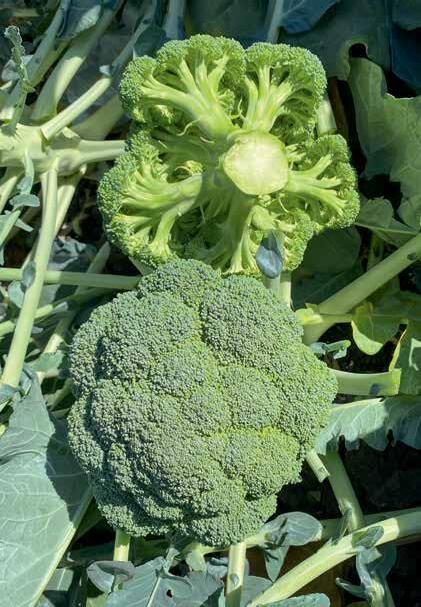
In addition, attention continued to be paid to relative newcomers to the market. Fennel Positano*, an autumn variety, had a white colour and very good uniformity and productivity. Broccoli Salinas* was a productive broccoli in different climatic conditions, producing a consistently highquality crop with an open plant structure. The event also highlighted the strong range of beet varieties, including Rhizu*, Pablo, Boro, and Manzu
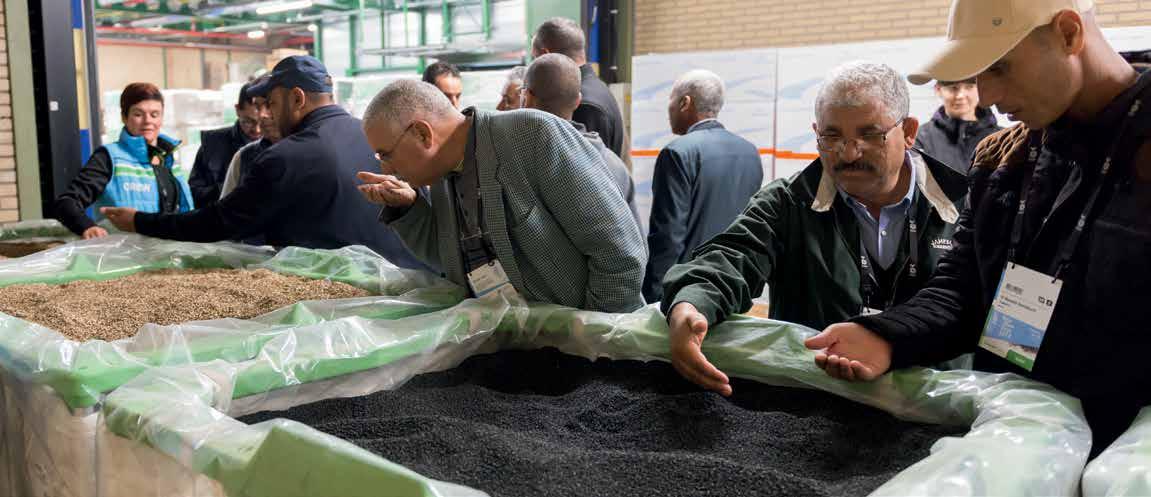
Bejo's leafy crops: ready for the future
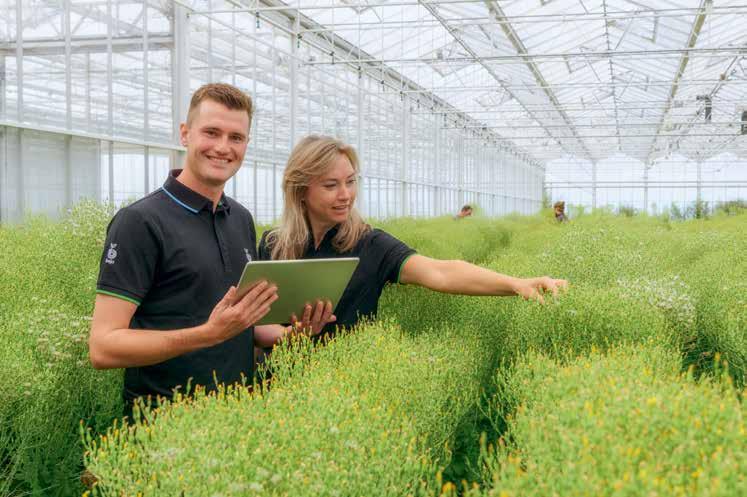
Bejo showcased a wide and strong range of leafy crops that can be grown and marketed worldwide. The varieties mini romaine Cologne*, batavia Grazina*, butterhead Elvis*, iceberg lettuce Jeannice*, endive Krokos*, radicchio Canova* and celery Bejo 3751* were developed with an eye on flavour, uniformity and cultivation certainty. With the slogan "Allyouneedfor salad, Bejo has it!" , Bejo underlined its commitment to innovation, quality and resistance, and offered growers opportunities to respond to current market trends and sustainable production. Thanks to its wide range of leafy crops, Bejo demonstrated its readiness to make a difference together with the chain.
During the Open Days, Bejo organised an exclusive leafy crops symposium under the same slogan. Internal and external speakers shared their knowledge and insights from various angles. Participation was by invitation only.
Guided tours and demonstrations
A strong variety starts with good genetics. In the Research Tour, visitors learned how research in disease resistance, genetics and tissue culture contributed to developing strong, tasty and sustainable varieties. The Seed Quality Tour showcased the extensive process each seed went through before it was sent as high-quality seed to growers worldwide.
The Seed Research Expo offered in-depth information on different aspects of seed research and how they contributed to the quality of Bejo seed. There was also a focus on bee health: beekeepers demonstrated the importance of bees and explained ongoing initiatives around bee breeding.
During the Bejo Open Days, various innovative vegetable concepts were presented, focusing on taste, health and convenience. Snack vegetables such as carrot, kohlrabi and celery demonstrated how vegetables can be part of every meal in an accessible way.
The extensive range of new pointed cabbage varieties also offered growers and chain partners inspiration for new applications. One standout was Red Power* (Bejo 3661). Thanks to its unique characteristics, the variety delivered added value for growers, cutters, caterers, chefs and consumers. Red Power* stood out both in the field and in processing and presentation, adding value to the existing range.
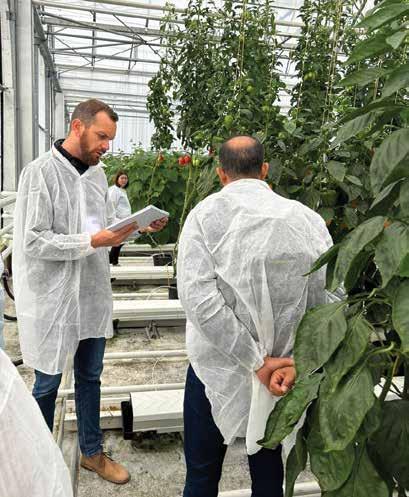
A wide and international range of tomatoes, peppers, cucumbers and gherkins was displayed in the foil greenhouse for fruit crops. The varieties presented were developed for a variety of markets, including Mexico, Guatemala, Spain, China and Turkey. The focus was on the latest developments and innovations within these crops.
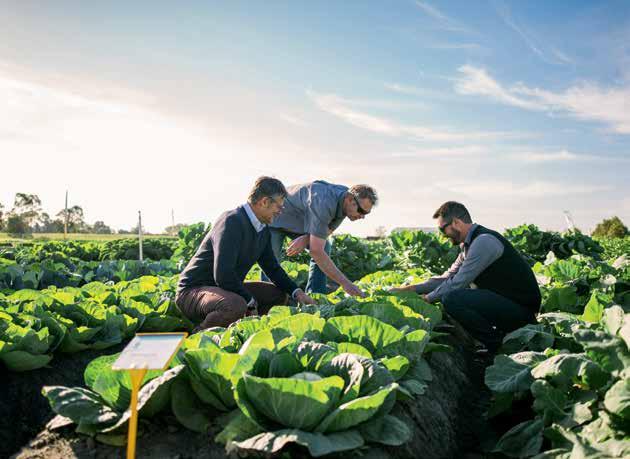
Both conventional and organic varieties were showcased on the vast demo fields, where various demonstrations took place in cooperation with Bejo partners. Several weed robots drove through the carrot, beet and spinach crops to demonstrate the operation of innovative solutions for biological weed control. Several mechanisation companies presented their latest techniques and machines for sustainable solutions within the sector.
Especially for jobseekers, Bejo opened the doors of the ‘Discover Bejo careers’ pavilion during the Open Days. It was an excellent opportunity to explore career possibilities within the various fields of work and to experience the atmosphere at the Open Days site.
During the Open Days, the renewed Cropalyser was presented. This practical app offered growers support in recognising and monitoring pests and diseases in crops.
The Bejo Open Days took place from Tuesday 23 to Friday 26 September 2025 and were exclusively open to business clients and relations. A special open
day for family and neighbours was held on Saturday 27 September at Trambaan 2, Warmenhuizen.
Bejo is active in breeding, production, processing and sales of quality seeds for vegetable cultivation. With a range of around 40 crops and more than 1,000 varieties, Bejo offers a full assortment for a wide variety of markets and diverse climates. The seed finds its way to more than 100 countries through the global network of Bejo companies and dedicated distributors. Over 2,200 employees are committed to providing optimal service and quality. With a focus on sustainability, health and innovation, the company supports growers worldwide to harvest healthy and tasty vegetables.
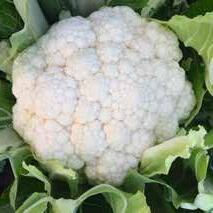
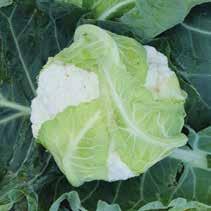
• A smooth growing summer cauliflower
• Produces heavy, dense heads
• Highly resistant to the most common races of Clubroot
• A medium early variety

• A late summerautumn variety in the highveld region
• Uniform and productive
• Excellent for pre-packing market
• Average head weight: 750 - 900g

is a practical search tool for growers to help identify pests and diseases.
The app provides information about the health and growth of your crop!



CROPALYSE FUNCTION
CROPALYSE FUNCTION
THE APP TO ANALYSE YOUR PESTS & DISEASES
THE APP TO ANALYSE YOUR PESTS & DISEASES
NEW CROPS
NEW CROPS
LANGUAGES & DISCLAIMER
LANGUAGES & DISCLAIMER
DIRECT SEARCH
DIRECT SEARCH
CONTACT OFFICE DIRECTLY
CONTACT OFFICE DIRECTLY
"Agriculture not only gives riches to a nation, but the only riches she can call her own."
- Samuel Johnson
• Oesgereed binne 100 dae
• Het 'n diep donkerrooi kleur
• Beskik oor intermediêre weerstand teen Rhizumania(BNYVV)
• Geskik vir die varsmark
• Goeie toleransie teen blaarvlek
• Uitstekende somerkultivar
• Boro is geskik vir die verpakkingsmark
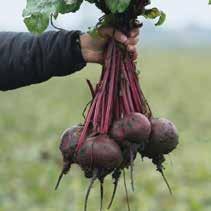
• Oesgereed binne 80 tot 100 dae
• Geskik vir die verpakkings- en bossiemark
• Goeie toleransie teen Rhizomania
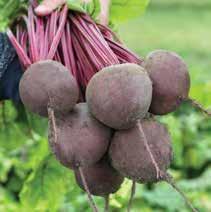
• Medium-vroëe kultivar
• Regop groeiwyse
• Uistekende somerkultivar
• Geskik vir die varsmark
• Hoë toleransie teen blaarvlek