Hello and I hope that you were able to switch off over the holiday period and have come back to the new year feeling refreshed.
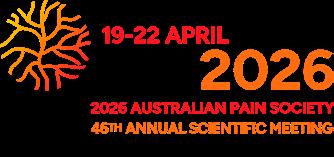
We are delighted to bring you this first edition of our newsletter for 2026, offering a first look at the exciting program for the 2026 Adelaide Annual Scientific Meeting (ASM).
This year’s ASM explores a diverse range of timely and impactful topics, including women’s pain, emerging novel treatments for neuropathic pain, and an important update on the new Australian Standards for Health Practitioner Pain Management Education. We are also pleased to showcase our exceptional keynote speakers, each bringing fresh insights that will challenge thinking and enrich our practice. ASM 2026 also features a vibrant social program designed to foster collegiality and connection. Check out the full program here.
In this edition, you’ll also find updates from both the current Australian Pain Society (APS) President, Bernadette Smith and the incoming President Elect, Dr Laura Prendergast. There is also news about enhancements to the APS website that will improve access to key resources and member information. We share breaking news of First Nations Peer Workers joining The Sunshine Coast Persistent Pain Management Service. This is a significant development in culturally responsive pain care. You will also find a report on opioid prescribing for non‑cancer pain, as well as a recap of the recent Victorian social networking event, which brought members together to share experiences and strengthen connections.
We also mark a changing of the guard within the newsletter editorial team. On behalf of the entire team, I would like to extend our heartfelt thanks to Tracy Hallen and Kylie Dark for their dedicated
and committed work on the e‑newsletter. Their contribution has shaped the quality and consistency of every edition. At the same time, we warmly welcome Sue Belino, whose support has made this transition seamless.
HAVE YOU REGISTERED YET?
If you have not yet registered for the APS Conference, we warmly encourage you to do so. This year’s program promises to be one of our most exciting and inspiring yet. We look forward to welcoming you to Adelaide for an engaging, enriching, and truly memorable ASM.
REGISTER HERE
See you at the 46th ASM.
AProf. Kylie Bailey
President’s Message
Bernadette Smith
Happy New Year.
As we begin 2026, I’d like to welcome you to the year ahead.
I’d also like to reflect on what continues to define the Australian Pain Society: a strong multidisciplinary membership, a shared commitment to improving pain care, and a willingness to evolve so APS remains relevant, credible, and effective.
Building on these strengths, one of the Board’s key responsibilities is the careful stewardship of APS’s resources and governance. This is to ensure the Society remains relevant and well positioned to serve its purpose now and into the future. In this update, we share how the Board is putting this responsibility into action
STRENGTHENING APS FOR THE FUTURE
Over the past few years, as part of APS’s ongoing evolution, the Board has focussed on strengthening how the Society operates and its financial governance in line with contemporary not for profit practice. This has included transitioning to a more flexible operating model that enables APS to be adaptable and remain responsive to members, while protecting the reserves built over many years through prudent stewardship
These steps allow us to invest more directedly in our core purposes:
• Supporting education:
• Research:
• Advocacy: and
• Meaningful member engagement.
By doing so we are building the momentum needed for the future.
At the same time, we are investing in improved systems, including a new website and education platform. We are also wanting to better showcase the work of our members, support high quality learning, and strengthen our capacity for effective advocacy on behalf of people living with pain, and the professionals who care for them.
LOOKING AHEAD TO 2026
With this stronger foundation in place, there is a great deal to look forward to in 2026. A key highlight will be our Annual Scientific Meeting (ASM) in Adelaide APS’s flagship event and a valued opportunity to connect, learn and engage as a professional community.
The program for the ASM highlights why APS is uniquely positioned to lead in pain care. Our multidisciplinary membership reflects contemporary, evidence based models of practice, bringing together medical, nursing and allied health professionals to translate research into meaningful improvements in patient care across the full spectrum of pain, from acute presentations to chronic, disabling conditions.
The Conference will also provide valuable opportunities to connect and collaborate across the broader pain sector, including a Combined Pain Sector Boards Breakfast focused on women’s health, a face to face meeting of the APS Relationships Committee to progress advocacy priorities, and the inaugural meeting of the APS Medical Advisory Council. We’ll share more about these initiatives in future newsletters and look forward to catching up with many of you in Adelaide.
WITH SPECIAL THANKS
As APS moves into a new chapter, we want to acknowledge the long and valued relationship the Society has shared with the DCC&A team, led by Dianna Crebbin. Over many years, their work has played an important role in supporting APS and helping to build the strong professional community we have today.
We would also like to extend our sincere thanks to Kylie Dark and Tracy Hallen, who for many members have been familiar and welcoming points of contact. Their professionalism, reliability, and steady support through periods of growth and change have been greatly appreciated. Their deep knowledge of the Society and the quiet work they’ve done behind the scenes have made a lasting contribution to APS.
Kylie, Tracy, and the broader DCC&A team remain an important part of APS’s history. We thank them sincerely for their service and wish them all the very best in the next stage of their professional journeys.
Bernadette Smith
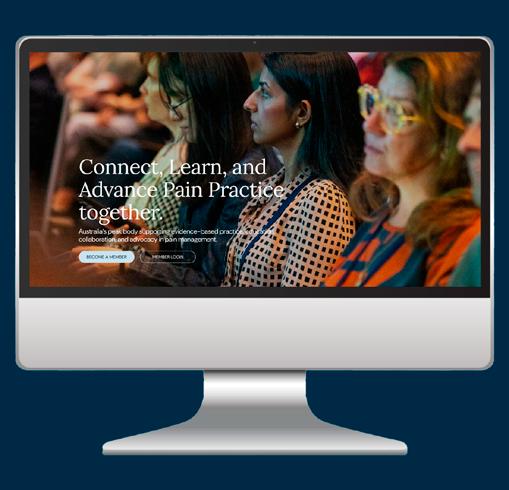
Website Update & New Education Portal — Coming Soon
Dr Duncan Sanders
Following the overwhelming feedback we received at the Darwin conference and through our recent member survey, we are pleased to share that the long awaited update to the APS website is now well underway and on track to launch at the Adelaide Conference.
Thanks to the many members who took the time to share their views, we now have a refined colour palette that respects the heritage of the APS brand while introducing a more modern, contemporary look and feel.
We have also begun building a significantly more user friendly website structure, with every design decision guided by one clear priority: improving your experience as an APS member.
A NEW APS EDUCATION PORTAL
A key feature of the new website will be a dedicated APS Education Portal, bringing all APS learning content together in one central location. Our aim is to make it easier for you to access education, manage learning activities, and track your professional development.
Once completed, educational activities will automatically link to your member profile, allowing CPD hours to be recorded and tracked seamlessly — reducing administrative burden and simplifying CPD reporting.
APS MONTHLY WEBINAR SERIES
We are also developing a monthly APS webinar series, delivered live and featuring engaging speakers from across the clinical, research and lived experience communities. These sessions will provide regular opportunities to hear the latest evidence, gain practical insights, and connect with leaders in pain management.
As this series is designed for you, we would greatly value your input on topics and formats that would best support your practice.
HAVE YOUR SAY – WEBINAR TOPICS
Please take one minute to tell us:
• Topics you would like covered
• Speakers you would be interested in hearing from
• Your ideas for the webinar series name (e.g. APS Distinguished Webinar Series)
• The best day and time each month for live webinars
Your feedback is invaluable as we build a more modern, member-centred digital experience for 2026 and beyond.
HAVE YOUR SAY
COMING SOON!
Convenor’s Message
Prof. Tasha Stanton
The countdown is on for the biggest – and dare I say, the best – national pain conference: the 2026 Australia Pain Society 46th Annual Scientific Meeting (APS 2026)!
Join us in beautiful Adelaide, on the lands of the Kaurna people, as we come together to share cutting edge science, celebrate clinical excellence, and most importantly, strengthen the connections that sustain our pain community.
The Scientific Program Committee has curated an outstanding program that puts our Global Year Theme of Neuropathic Pain front and centre. We are honoured to welcome two world leading experts as international keynotes. Professor Annina Schmid (University of Oxford) will present her groundbreaking work on entrapment neuropathies and challenge prevailing views of whiplash by reframing it through a neural lens. Professor Yves De Koninck (Laval University) will take us to the cutting edge of pain science, exploring the next frontier in pain therapeutics and how light may be used to decode—and ultimately control—nociceptive pathways.
We also welcome an outstanding line up of national invited speakers who will challenge how we think about pain. Their presentations span topics from pathological limb pain and osteoarthritis to cutting edge treatments, such as novel immunotherapies for neuropathic pain and structured pain management pathways for pancreatic cancer. They will also propel us forward in how we treat and study pain. Their work offers insights into shared decision‑making, the integration of social factors into pain research, and the translation of evidence into practice.
Remember, the early bird gets the worm! Our pre conference workshops on Sunday 19 April offer a fantastic opportunity to deepen your knowledge and sharpen your skills across key areas of pain and its management.
And the fun doesn’t stop there! We’re introducing a brand new Monday afternoon session – Pitch Perfect. Here, leading Australian researchers will take to the plenary stage and pitch their vision for the future of precision neuropathic pain care to an interdisciplinary expert panel. Expect bold ideas, rapid fire questioning, and serious science.
The program is packed with through provoking topical sessions, and with so many outstanding submissions, your biggest challenge will be choosing which to attend. We’re also continuing our popular free paper and rapid communication sessions. The latter complete with the much anticipated Grammy style wrap up song (we can’t wait to hear what it will be this year!).
And of course, the social program will deliver. Join us for Meet the Minds on Monday night to pick the brains of leading pain researchers. This will be followed by a relaxed social catch up at the notoriously cool Bank Street Social. There is also the APS 2026 Gala Dinner on Tuesday night, where epic dance floor moments are guaranteed.
Do consider arriving early or staying on a little longer. Adelaide is perfectly positioned for unforgettable wine region day trips, and with vineyards in almost every direction, You can’t go wrong, we have: the Barossa to the north, McLaren Vale to the south, and the Adelaide Hills just to the east. Add to that our celebrated food scene, picturesque Botanic gardens, and vibrant arts community, and a bit more time here is a necessity.
If extra days aren’t possible, even a few extra hours will do. Be sure to add your name to the Cultural Connections Hosted Wine Tour, held immediately after the conference, where you can sample wines from across Australia in the stunning surroundings of the National Wine Centre.
On behalf of the local organising committee, I am honoured to welcome you to our beautiful city in April. We can’t wait to see you!
Professor Tasha Stanton Convenor, Local Organising Committee
Women’s Pain
— Feature Stories
In 2025, the Victorian Government established the first ever Government inquiry into Women’s Pain in Australia.
The enquiry engaged deeply with the community and health sector, conducting 41 focus groups and receiving 324 written submissions from individuals, professional bodies and healthcare organisations.
A TOTAL OF 12,792 SURVEY RESPONSES WERE SUBMITTED, INCLUDING 418 FROM HEALTHCARE PROFESSIONALS, WITH THE MAJORITY COMING FROM WOMEN, GIRLS, AND THEIR CARERS.
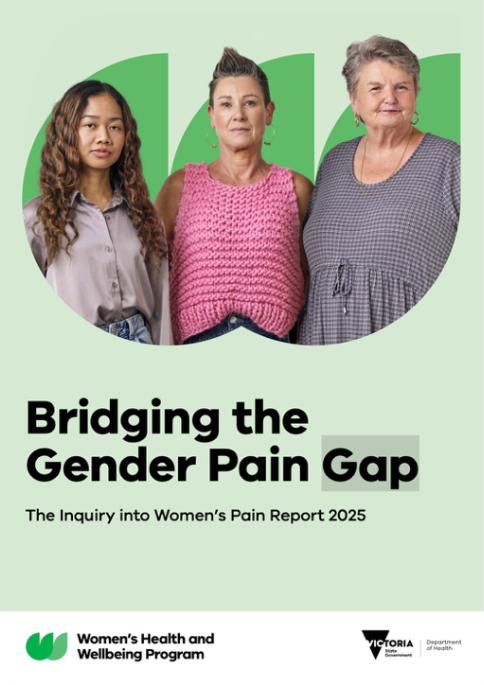
Following the release of the Victorian Government’s Report, Bridging the Gender Pain Gap: The Inquiry into Women’s Pain in November 2025, five peak professional bodies came together to consider the findings and coordinate a unified national response. Those peak bodies include the Australian Pain Society (APS), New Zealand Pain Society (NZPS), Faculty of Pain Medicine (FPM), Royal Australian and New Zealand College of Obstetricians and Gynaecologists (RANZCOG), and the Australasian Gynaecological Endoscopy and Surgery Society (AGES)—chttps://ranzcog.edu.au/news/victorian inquiry into womens pain/
The following articles by Bernadette Smith and Dr Karin Jones explore the challenges, implications, and opportunities arising from both the Inquiry’s findings and the joint professional response. Together, they highlighted the scale of unmet need, the consequences of gender bias in pain care, and the importance of multidisciplinary leadership in shaping reform. In the third article, Dr Marilla Druitt steps back to ask a deeper question: how did we reach a point where women’s pain could no longer be ignored? Drawing on clinical practice, research, advocacy, and policy change, she traces the intersecting forces, patient activism, political representation, health system reform, and evolving pain science that have brought women’s pain to a national tipping point.
Together, these articles demonstrate how grassroots advocacy, interdisciplinary collaboration, and sustained professional leadership have converged to make meaningful reform possible. They position the Inquiry not as an isolated moment, but as the culmination of years of collective effort that has provided a direction with key learnings on how women’s pain care must take.
For further information, please see on the right, an overview of the five key findings.
5 KEY LEARNINGS FROM THE INQUIRY INTO WOMEN’S PAIN
From surveying thousands of women and girls and listening to their stories, the scope and impact of women’s pain became abundantly clear:
1 UNMET HEALTHCARE
NEEDS
While most women seek medical care, many respondents stated their needs are not met. Experiences of dismissal, disrespect, and inadequate treatment are widespread, leading to distrust in the system.
2 GAPS IN RESEARCH AND REPRESENTATION
Limited local and international research available on sex and gender disparities contributes to inconsistent and inequitable pain management, leaving many women and girls without appropriate care.
3 GENDER BIAS IN HEALTHCARE
Bias in pain perception leads to women’s pain being underestimated and inadequately treated. Cultural norms, language barriers, and stereotypes about women’s biology contribute to limited access and engagement with healthcare services.
4 BARRIERS ACROSS COMMUNITIES
Women living in regional and rural Victoria, Aboriginal and Torres Strait Islander women, LGBTIQA+ communities, and women with disabilities face greater challenges in accessing and navigating healthcare, often travelling long distances or experiencing systemic discrimination.
5 A CALL FOR CHANGE
Women want to be heard without bias or judgment, treated with empathy and respect, empowered to make informed decisions about their health, and able to access affordable, effective care easily. Pain is multifaceted and experienced by girls and women in many ways. Interventions are reguired on physical, psychological and social levels to make a lasting difference for Victorian airls and women. Women, girls and gender diverse people with living and lived experiences of pain deserve to live fulfilling lives and participate fully in the economy and society.
From Evidence to Action – Putting Women’s Pelvic Pain on the Pain Sector Agenda
Bernadette Smith
For decades, women’s pain has been present in our health system, but not always visible. Too often, women and girls living with persistent pelvic pain have been told their symptoms are “normal,” “exaggerated,” or simply “something to live with.” The Victorian Government’s Bridging the Gender Pain Gap inquiry has brought these experiences into sharp focus.¹ For the Australian Pain Society (APS), this visibility matters, because meaningful change can only occur when the problem is clearly recognised and collectively addressed.
As a multidisciplinary organisation representing researchers, clinicians, and health professionals across more than 40 disciplines (including medicine, nursing, physiotherapy, psychology, pharmacy, and other allied health professionals) — the APS understands that pain does not sit within one specialty or one part of the health system. Persistent pelvic pain (PPP), like other chronic pain conditions, reflects complex interactions between biological, psychological, and social factors that evolve over time.² Effective care must therefore be multidisciplinary, coordinated, and grounded in contemporary pain,
The evidence supporting this approach is now clear. Two women may share the same diagnosis, imaging findings, or even a technically “successful” intervention, yet experience very different outcomes. When pain persists, the explanation is rarely found in tissue alone. Contemporary pain science increasingly recognises persistent pelvic pain as a complex pain condition, often involving altered pain processing, and requiring more than procedural or pharmacological solutions.3 5
This understanding is reflected in the Australian Living Evidence Guideline: Endometriosis, developed by the Royal Australian and New Zealand College of Obstetricians and Gynaecologists (RANZCOG). 6 The guideline reinforces that optimal pelvic pain care requires coordinated, multidisciplinary approaches. Systematic reviews suggest that multidisciplinary models can improve pain related disability, function,
and patient experience compared with single discipline care, although models and outcomes vary.7 8
The challenge for the health system is not a lack of evidence but translating this evidence into everyday practice.
The Bridging the Gender Pain Gap inquiry has highlighted this implementation gap into sharp focus at a policy level. Its findings echo what APS members have long observed in research and clinical practice: women’s pain is frequently dismissed, diagnosis is delayed, and access to pain informed, multidisciplinary care remains limited.¹ The inquiry emphasises the importance of workforce capability, trauma informed and culturally responsive care. It also recognises women with lived experience as experts in their own pain.9
APS ADVOCACY: A COLLECTIVE PAIN SECTOR ISSUE
APS is uniquely positioned to respond. As a genuinely multidisciplinary society, APS brings together expertise across research, clinical care, education, and policy. This breadth enables APS to advocate for system level reform that reflects how pain is experienced and managed across primary, community, and specialist settings — rather than within siloed services.
APS’s participation in a recent joint statement alongside the Australian and New Zealand Society for Gynaecological Endoscopy (AGES), the Faculty of Pain Medicine, the Royal Australian and New Zealand College of Obstetricians and Gynaecologists, and the New Zealand Pain Society reflects a shared commitment to closing the gender pain gap.10 No single discipline or organisation can achieve this alone. Progress depends on coordinated advocacy, consistent standards of care, strengthened referral pathways, and systems that support multidisciplinary, evidence based pain management.
Importantly, APS is working to ensure that women’s pain is not siloed as a “women’s health issue,” but recognised as a core pain care issue. As part of this work, APS will continue to progress discussion of women’s pain within the Pain Sector Leadership forums. This will allow APS to continue supporting shared dialogue on policy reform, service models, and workforce development.
EDUCATION AS A SPRINGBOARD FOR CHANGE Advocacy alone is not enough. Education remains one of the most powerful levers for translating evidence into practice. This principle is embedded in the Faculty of Pain Medicine’s National Pain Education Standards, which emphasise contemporary pain science, interdisciplinary practice, and workforce capability across the health system.¹¹
In response to growing momentum around evidence based care for persistent pelvic pain, the APS Annual Scientific Meeting (ASM) Scientific Program Committee is showcasing pelvic pain with two dedicated topical sessions this year. We will also hold a poster session, providing opportunities to springboard further collaboration across the sector.
One of these sessions, led by Dr Karin Jones, Pain Medicine Specialist focusses on the rationale and objectives underpinning contemporary pelvic pain services and emerging models of care. As pelvic pain clinics expand across regional, rural, and metropolitan settings, services are navigating increasing system complexity — including variation in models of care, questions of long term sustainability, misaligned incentive structures, and challenges unique to younger patient populations. This variability is reflected in the literature, with a recent scoping review noting that “interdisciplinary care programs for women with persistent pelvic pain varied widely in structure, disciplines involved, and models of coordination, highlighting a lack of consistency in service design and delivery.” 8
There is also growing recognition that pelvic pain does not always fit neatly within existing Pain Program models. As a result, adaptation, rather than replication, is often required to meet patient needs.8
Another topical session at the 2026 ASM is “The Great Debate: Is Screening for Endometriosis a Nocebo?” This topical is led by Dr Marilla Druitt
REFERENCES:
1. Victorian Department of Health. Bridging the Gender Pain Gap: Inquiry into Women’s Pain. 2025.
2. International Association for the Study of Pain. ICD 11 Classification of Chronic Pain.
3. Kosek E, Cohen M, Baron R, et al. Do we need a third mechanistic descriptor for chronic pain states? Pain. 2016;157:1382–1386.
4. Kosek E, Clauw D, Nijs J, et al. Chronic nociplastic pain: clinical criteria and grading. Lancet Rheumatol. 2021;3:e738–e748.
5. Woolf CJ. Central sensitization: implications for diagnosis and treatment. Pain. 2011;152(Suppl):S2–S15.
and Amelia Marden, which looks to be a lively and thought provoking debate that tackles a contested issue in pelvic pain care today. That is, whether screening for endometriosis can inadvertently cause harm by reinforcing illness expectations and anxiety, or whether it remains a necessary step toward timely diagnosis and care.
Drawing on clinical experience and current evidence, the session with Dr Marilla Druitt and Amelia Marden will challenge assumptions and explore unintended consequences about screening. The audience will be invited into a balanced and respectful discussion about risks, benefits, and patient centred decision making in endometriosis care.
By bringing women’s pain conversations into the ASM program, APS is using education as a practical tool to support clinicians and researchers navigating the realities of pelvic pain care. These sessions aim to bridge evidence and practice, fostering interdisciplinary dialogue that reflects where care is most often delivered - in primary and community settings.
MOVING FORWARD TOGETHER
The science underpinning persistent pelvic pain care is sufficiently mature. What is required now is sustained collective action, through advocacy, education, and leadership to ensure multidisciplinary, evidence based pain care is accessible earlier and more consistently. By embedding women’s pain within its strategic priorities, APS aims to move from visibility to action, supporting system reform, strengthening workforce capability, and ensuring that women and girls living with pelvic pain receive timely, compassionate, evidence informed care.
6. RANZCOG. Australian Living Evidence Guideline: Endometriosis. Living guideline.
7. McReynolds D, et al. Multidisciplinary care for chronic pelvic pain: systematic review and meta analysis. Pain. 2025.
8. Andrews C, Bird ML, Jose K, Van Niekerk L. A scoping review of interdisciplinary care programs for women with persistent pelvic pain. Eur J Pain. 2025;29:e70060.
9. Victorian Government. Bridging the Gender Pain Gap – Recommendations. 2025.
10. RANZCOG. Joint statement on women’s pain and pelvic pain reform. 2025.
11. Faculty of Pain Medicine, ANZCA. National Pain Education Standards. Melbourne: ANZCA; 2021 (updated).
Pelvic Pain: It’s Time To Lean Into The Challenge
Dr Karin Jones
Dr Karin Jones is a Pain Medicine Specialist and Anaesthetist working in Melbourne.
She has focused her practice on female pelvic pain for over 10 years and is the Clinical Lead of the Chronic Pelvic Pain Clinic at The Women’s Hospital, Melbourne. At The Women’s Hospital, Karin has been involved in developing innovative models of care to provide patients with timely access to multidisciplinary care. Karin was a Faculty of Pain Medicine representative on the Endometriosis Practice Guideline Working Group and is a Board Member of Pelvic Pain Victoria, a not for profit organisation providing educational events for health care professionals working in pelvic pain. Karin is also a proud Pain Revolution rider, having completed her fourth Rural Outreach tour with Pain Revolution in 2025.
In November 2025, the Australian Pain Society (APS), New Zealand Pain Society (NZPS), Faculty of Pain Medicine (FPM), Royal Australian and New Zealand College of Obstetricians and Gynaecologists (RANZCOG), and the Australasian Gynaecological Endoscopy and Surgery Society (AGES) collaborated to review the Report of the Victorian Government’s Enquiry into Women’s pain. The joint response is encouraging and signals meaningful progress for those affected by pelvic pain in Australia.
Historically, the understanding and management of pelvic pain has lagged behind other pain conditions, and the unmet needs of this patient group are well documented. {Villegas Echeverri, Juan Diego, 2025} This gap reflects an interplay of issues: the complexity of pain, the anatomical and physiological intricacies of the pelvic region, and the societal and systemic influences highlighted in the Inquiry’s report.
Pelvic pain has emerged as a priority issue for both the community and professional respondents to the Inquiry, with clear calls for increased resourcing and the development of a workforce able to better serve the needs of women experiencing these conditions.
Pelvic pain is an umbrella term encompassing a wide range of conditions affecting both sexes, though predominantly females at a rate at least double that of males. (M. Pitts et al., 2008; M. K. Pitts et al., 2008). Organising this wide variety of conditions into a meaningful classification can facilitate progress in clinical and research and educational settings.
In 2025, the International Federation of Gynecology and Obstetrics (FIGO) in collaboration with the International Pelvic Pain Society (IPPS), introduced a new classification system following a Delphi process involving international experts and professional organisations. (Lamvu, G. et al 2025) This system builds on earlier frameworks from the European Association of Urology, the International Continence Society, The Rome Group, and the International Association for the Study of Pain (IASP).
The FIGO IPPS classification defines pelvic pain as persisting for more than three months and being unresponsive to initial management. It incorporates both cyclical and non cyclical pain, organises diagnoses into 12 categories and allows integration with other classification systems to support greater clinical detail. Utility testing and future revisions are planned.
This classification adopts a multilayered approach embracing complexity rather than reducing it, which is consistent with real world pelvic pain presentations. Patients often experience multiple overlapping symptoms, leading to diagnostic uncertainty, repeated presentations to multiple providers, and only partial resolution of symptoms leading to ongoing search for answers.
The pelvis contains multiple viscera alongside somatic structures which dictate the patterns of symptoms seen in people experiencing pelvic pain. Visceral pain differs markedly from somatic or neuropathic pain as the innervation is sparse,
localisation is vague, and autonomic features such as nausea are common. Sensitisation of visceral afferents can result in “cross talk” between organs, disrupting bladder, bowel, sexual function, and physical activity. As with all persistent pain, multiple domains of life including work, social life and mental health are impacted.
These challenges are often occurring at times of transition in a person’s life. Symptoms may begin with the onset of adolescence. Others emerge at the transition from adolescence to adulthood, when competing demands of study, work, relationships and moving away from home are already at play. For those who do desire a family, concerns about fertility and pregnancy further compound uncertainty and distress. Additional barriers including neurodiversity, gender diversity, a lack of support from family, and living remotely can be further barriers to being able to access treatment.
One
message from patients is clear: Being Heard Matters.
{Wygant,
Jenna N., 2019}
Many present with long standing symptoms and well considered theories about the aetiology of their symptoms. Depending on their journey with health care to that point their expectations may be high, but more often are very modest. They want answers, not vague reassurance but once they have these, they are often ready to engage in a holistic management approach.
Addressing this complexity involves clinicians unpacking biological, psychological, and contextual factors and reassembling them in a coherent framework that offers both hope and treatment options. Effective management begins with understanding what the patient wants or is most concerned about followed by education about pain, pelvic pain, endometriosis, fertility and a whole lot of topics that were never part of our pre or post graduate studies.
Thanks to the hard work of researchers, there is now evidence supporting multidisciplinary treatment and care. Systematic reviews demonstrate the effectiveness of physiotherapy for both chronic pelvic pain and pain associated with endometriosis. (Starzec Proserpio et al., 2024) as well as improved outcomes with multidisciplinary care for pelvic pain compared to single discipline care (McReynolds et al., 2025).
Despite these advances, substantial challenges remain. Hopefully more evidence will emerge in the future regarding the role of dietetics and other therapies. We do not have knowledge about how much treatment is effective for different types of pelvic pain or which patients are likely to benefit from which approaches. Training pathways for clinicians working in pelvic pain is not well defined, nor are there consistent mechanisms to measure therapeutic outcomes of newly funded pelvic pain services. There are challenges about how we best provide care to those in rural and remote areas and whether models of care can be adapted from urban to rural areas.
19 April
1:30pm – 5:00pm Sunday
Registrations fess start from $160
This year’s APS Annual Scientific Meeting in Adelaide will include sessions that look at some of these questions and provide opportunities to share experiences and knowledge between clinicians working at the coal face. Many of the issues are common across the pain landscape and those with insights from other pain domains will be welcome to contribute their expertise to the discussions.
Now is the time to engage. Make a note to come to these sessions, contribute your expertise, and be part of the collective effort to improve care for our patients experiencing pelvic pain.
Basic Pain Research
Pre-Conference Workshop
Occupation-based Approaches for What Matters
The Basic Pain Research Workshop will bring together lab-based pain researchers, clinicians, and students interested in the latest advances in pain science. The first session will feature three leading speakers exploring mechanisms and clinical translation of treatments for endometriosis pain. The second session will present three talks on fundamental pain signalling pathways and their therapeutic implications. To support the next generation of pain researchers, the workshop will also host a Three Minute Thesis competition, with a prize sponsored by APAC Scientific.
2025 — A Tipping Point for Women’s Health in Australia
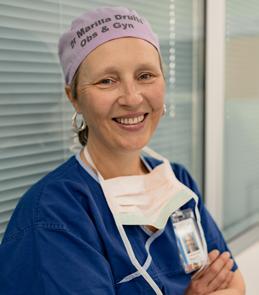
Dr Marilla Druitt
So, 2025 was a very good year for women’s health in Australia and it feels like we are at a tipping point of increased interest, particularly in women’s pain. Over the past year we have seen the following changes in women’s care. This includes new PBS hormone listings, new Medicare rebates, policy reform, updated guidelines and a landmark Inquiry in Victoria. There is much to commend, and these changes have important implications for pain care, research and advocacy. Here’s why the changes matter.
1 PBS HORMONE LISTINGS – FACILITATES ACCESS, CHOICE AND EQUITY
2 MEDICARE REBATES – RECOGNISING COMPLEXITY AND TIME
3 POLICY REFORM AND RESEARCH EQUITY
4 GUIDELINES AND TRAINING – PAIN-INFORMED CARE AT LAST
5 PAIN PUBLICATIONS
6 LISTENING TO LIVED EXPERIENCE – THE INQUIRY INTO WOMEN’S PAIN
HOW DID WE GET HERE?
How we got here is due to a million butterflies beating their millions of wings.
From the top down, female parliamentarians have undoubtedly played a role – representation that has increased from around 20 30% to closer to 30 50%. Research has shown that “greater female political representation is associated with better health for everyone and smaller inequalities.” The gender mix of the Australian public service has also shifted over the decades, with more women than men now working in health departments.
REFERENCES:
Being able to discuss these problems without stigma (my grandmother couldn’t even say “period”) has also enabled men to advocate for their wives, daughters and patients. I see dads bringing their daughters, partners speaking up to help their girlfriends tell their pain story, and I am hopeful that this open discussion improves everyone’s health. Words are, of course, the most powerful drug.
From the bottom up, we have a national movement of patient advocates lobbying politicians for equity in health provision – like the breast cancer screening movement of the 1990’s. The movement shift in perceptions from private suffering to a public problem and brought the state and federal governments together in the jointly funded Breast Screen program.
Over the past decade, women in pain have also harnessed new media to also move this issue from private suffering into the public lens. They have shared immensely compelling stories of lived experience and have capitalised on the zeitgeist of outrage. There has been plenty to be outraged by, particularly the repeated dismissal of pain and the insistence that severe period problems are normal.
Clinicians and advocates have increasingly teamed up. With combined communities of practice, Victoria is slowly changing the gynaecology clinic structure to offer allied health and psychology care for pelvic pain in a similar way to diabetes and stroke services. South Australia published their report of the Select Committee on Endometriosis and funding structures increasingly favour contributions from those with (lived) experience.
LOOKING AHEAD
So, imagine if your anatomy was not necessarily your Freudian destiny, healthcare was equitable and the medical approach to women’s pain finally embraced the biopsychosocial model first published in the 70s, known since, like, forever.
May you have a wonderful New Year researching, advocating and treating human suffering. Let’s continue in the right direction.
4 Well, yes – period pain is normal in that it is common, but if it is disabling then, like, isn’t the whole point of medicine to address this? ALSO, the total number of periods in a lifetime these days is evolutionarily unprecedented: cue the Beverley Strassman story eg see https://www.journals.uchicago.edu/doi/abs/10.1086/204592
5 https://www.dropbox.com/scl/fi/8744i41r2kvkh2gy8537k/FINAL REPORT OF THE SELECT COMMITTEE ON ENDOMETRIOSIS 19 March 2025 2.pdf?rlkey=u57dbucy80con0eknp8jcofmh&e=2&st=8ptd5qp8&dl=0
6 Is this a tautology
Australian Pain Society Strengthens Advocacy with Submission to NSQHS Standards Review
Dr Laura Prendergast
Advocacy has long been a core pillar of the Australian Pain Society (APS).
Following the discussions at our Strategic Planning Meeting last August, we have continued to strengthen this work and invest in submissions that elevate the voice of the pain community. Recent initiatives, including the establishment of the APS Medical Advisory Committee, and the reinforcement of our commitment to informed, coordinated and strategic advocacy at a national level.
In this context, APS has lodged a comprehensive submission to the Australian Commission on Safety and Quality in Health Care. The submission is part of the first consultation round for the NSQHS (National Safety and Quality Health Service) Standards 3rd Edition.
Our message is clear and consistent with calls we have made to key stakeholders and governments over many years: Pain management must be recognised as a core component of healthcare quality and safety in Australia.
WHY THE NATIONAL SAFETY AND QUALITY HEALTH SERVICE STANDARDS MATTER
The NSQHS Standards comprise of eight national benchmarks designed to minimise patient harm and improve the quality of care. They provide the framework for accreditation and improvement in hospital settings, and outline expectations across clinical governance, infection control, communication, and acute deterioration. The delivery of patient centred, comprehensive care is also a primary focus of these standards.
Despite pain being one of the most common and influential factors shaping a person’s healthcare experience, it is mentioned only once across the 92 pages of the current Standards. This is striking given that up to 80% of hospital inpatients experience acute, post surgical, or chronic pain. Further, we know that pain remains under assessed and undertreated, particularly among older adults, people with cognitive impairment, and culturally and linguistically diverse communities.
BUILDING ON A LEGACY OF PERSISTENCE
Persistence has always been one of APS’s defining strengths. This latest submission builds on that legacy presenting a strong, evidence based case for the inclusion of a dedicated Pain Management Standard. You can view our comprehensive submission, available on the APS website. The submission represents APS’s third major attempt to have pain formally embedded within the national standards. Earlier efforts with APS partners from the pain sector, and led by former presidents Professor Malcolm Hogg, Dr Geoffrey Speldewinde and Fiona Hodson, together with former directors Joy Burdack and Diann Black, laid the groundwork for this renewed push.
WHAT THIS MEANS FOR CLINICIANS
For clinicians working in hospital settings, where the NSQHS Standards underpin accreditation, a dedicated Pain Management Standard would provide clearer expectations and a more consistent framework for delivering safe, evidence based care. It would reduce variation, strengthen communication across teams, and reinforce the importance of multimodal and interdisciplinary practice. It would also hopefully reduce stigma with the assessment and treatment of pain.
While the Standards apply primarily to hospitals, they also set a nationally consistent benchmark that influences practice in other healthcare environments. A dedicated standard would highlight the essential role of medical pain specialists and support national alignment in pain education. Ideally, it would, ensure that the Australian Standards for Health Practitioner Pain Management Education become embedded in professional development across disciplines.
BENEFITS FOR CONSUMERS
For consumers, the benefits are equally significant. Pain shapes recovery, mobility, mental health, trust in care, and overall quality of life. A dedicated Pain Management Standard would help ensure for them:
• Timely and culturally safe pain assessments;
• Improve access to non pharmacological and multidisciplinary care;
• Strengthen continuity across hospital, primary, and community settings; and
• Help address inequities, ensuring that vulnerable populations receive consistent, high quality pain care wherever they seek treatment.
THANK YOU AND INVITATION
APS extends sincere thanks to the Faculty of Pain Medicine for their valued support and collaboration. As the Commission on Safety and Quality in Health Care progresses to the next phase of planning for the 3rd edition of the NSQHS Standards, we look forward to continued engagement and a positive response.
INVITATION TO MEMBERS
As consultation progresses, APS welcomes the involvement of members who wish to contribute to this important reform and help bring pain management to the forefront of safety and quality in Australian healthcare. Please email us if you are interested: aps@apsoc.org.au
EMAIL YOUR INTEREST
HAVE YOU RECENTLY HAD AN ARTICLE ACCEPTED OR PUBLISHED?
We love celebrating the achievements of APS members and sharing new pain research across our community.
If you’ve recently had a paper accepted or published, we warmly encourage you to submit it for inclusion in the APS Newsletter. This is a great way to highlight your work and keep colleagues informed about the latest developments in pain research and care.
Please contact our Assistant Editor, Joanne Harmon, via the APS Secretariat
(aps@apsoc.org.au) with the article title, authors, and reference details (journal, volume, DOI), and we will send you the submission template.
We also welcome a short commentary (up to 300 words) to help readers quickly understand the key messages from your publication.
We look forward to showcasing your work in an upcoming issue.
EMAIL US
JOIN US ONLINE
24th February, 2026
REGISTER NOW
IMPORTANT DEADLINES
Topical Sessions
Rising Star Award
Free Papers & Posters
2 September 2025
7 October 2025
7 October 2025
Late Breaking Abstracts 5th February 2026
VIEW DETAILS HERE
INCLUDING
• National and International Speakers
• Pre Conference Workshops
• Topical Sessions
• Extensive Industry Exhibition
• Sponsored Sessions
• Mentor Sessions
• Welcome Reception
• Conference Gala Dinner
• Additional social activities to help delegates connect and network with like minded peers
INTERNATIONAL KEYNOTE SPEAKERS
INTERNATIONAL
Professor Yves De Koninck
Professor Yves De Koninck
Yves De Koninck is Professor of Psychiatry and Neuroscience at Université Laval
Professor Annina Schmid
Annina Schmid is Professor of Pain Neurosciences and a Specialist Musculoskeletal Physiotherapist at the Nuffield Department of Clinical Neurosciences at Oxford University, UK.
She leads the Neuromusculoskeletal Health and Science Lab which uses a translational and interdisciplinary approach to study the pathophysiology of neuromusculoskeletal conditions with the ultimate goal to improve management for patients.
For sponsorship and exhibition opportunities or more information please contact the APS Conference Secretariat:
KEYNOTE
For sponsorship please contact
REGISTRATION FEES STARTING FROM $160
19 April
8:30am - 5:00pm
Sunday
Acute Pain Day
Pre-Conference Workshop
The Acute Pain workshop is open to all pain clinicians, nurses and allied health members with an interest in acute pain. Attendees can attend as the full day or two half day workshops with exciting practice leaders speaking on topics that are at the forefront of our minds in day to day practice.
Psychology In Pain Management
Pre-Conference Workshop
19 April
8:30am – 12:30pm
Sunday
Managing Pain in the Context of Functional Neurological Disorder (FND)
The pre-conference workshop provides an opportunity for multi-disciplinary discussion around key areas associated with managing the broader psychological issues in pain management. This workshop acknowledges the complexity of managing pain and FND, with three key learning objectives:
• To provide a deeper understanding of FND, where pain is a significant factor.
• To establish principles for the effective assessment and management of patients with FND who experience chronic pain; and
• To identify the management and treatment options for pain associated with FND.
Pain In Childhood
Pre-Conference Workshop
19 April
8:30am - 12:30pm
Sunday
Effective pain communication with children requires creativity, adaptability, and confidence in using language, imagery, and interactive modalities. This workshop will provide participants with opportunities to practice and refine their communication skills with children of different ages, abilities, and cultural backgrounds.
Participants will learn to use hypnotic and mind–body techniques; explain pain and coping creatively; and how to integrate digital technologies into children’s pain care. Participants will leave with practical tools and strategies; greater communication Confidence and adapt communication to age and needs.
19 April
8:30am - 12:30pm Sunday
Purpose Beyond Pain
Pre-Conference Workshop
Occupation-based Approaches for What Matters Most
This workshop explores the value of occupation-based approaches in persistent pain management through a biopsychosocial lens. Participants will explore theoretical models of practice, debate the role of goals and values in care planning, and apply trauma-informed principles to foster safety and collaboration.
The session will highlight evidence-informed therapy approaches, including single session interventions, to support meaningful engagement and function despite ongoing pain. Attendees will gain practical strategies to enhance therapeutic effectiveness, address psychological and social influences on pain, and increase confidence on using occupation as a therapeutic tool. By the end of the workshop, participants will be equipped to deliver holistic, person-centred, occupationbased care for individuals living with persistent pain.
Pharmacology In Pain Management
Pre-Conference Workshop
19 April
1:30pm - 5:00pm Sunday
19 April
1:30pm – 5:00pm Sunday
19 April
1:30pm - 5:00pm Sunday
This interactive workshop is designed for health professionals involved in perioperative and chronic pain management. Led by experts in anesthesiology, pharmacy, and clinical pharmacology, the session will explore evidence-based use of ketamine, lidocaine, dexamethasone, NSAIDs, and skeletal muscle relaxants.
Participants will engage in case-based discussions and panel Q&As to deepen understanding of pharmacologic strategies and identify future priorities for improving medication use. Drawing on lessons from opioid stewardship, the workshop aims to equip attendees with practical insights to reduce medication-related harms and enhance patient outcomes through tailored, multidisciplinary approaches.
Basic Pain Research
Pre-Conference Workshop
Occupation-based Approaches for What Matters
The Basic Pain Research Workshop will bring together lab-based pain researchers, clinicians, and students interested in the latest advances in pain science. The first session will feature three leading speakers exploring mechanisms and clinical translation of treatments for endometriosis pain. The second session will present three talks on fundamental pain signalling pathways and their therapeutic implications. To support the next generation of pain researchers, the workshop will also host a Three Minute Thesis competition, with a prize sponsored by APAC Scientific.
Physiotherapy In Pain Management
Pre-Conference Workshop
Clinical Reasoning for Pain Physiotherapists
This workshop will be focussed on developing the clinical reasoning skills for physiotherapists working with people with complex and/or chronic pain.
We will critically review current existing clinical reasoning frameworks, and present and evaluate a new model that captures a biopsychosocial approach to the assessment and treatment of pain. Using clinical vignettes, participants will be invited to evaluate the usability, clarity, and potential implementation into their clinical setting of a newly developed clinical reasoning tool for physiotherapists working with complex and/or chronic pain. There will also be plenty of time for facilitated question timr with our expert panel.
VIC Social Networking Event held Wednesday, 26 November 2025
Alison Sim, VIC Director
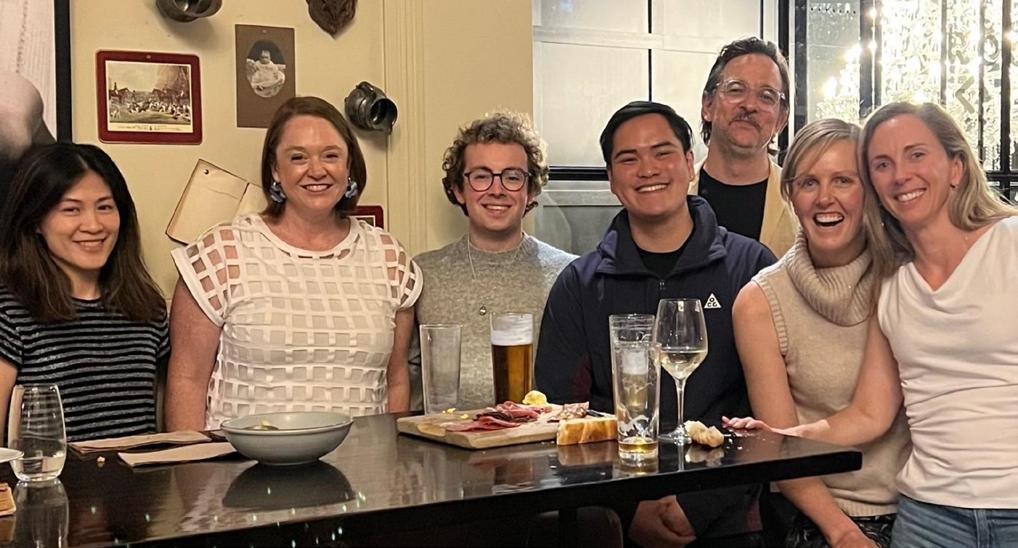
The recent Victorian networking evening, held on 26 November 2025 at State of Grace, brought together a cosy crowd, and the energy in the room was fantastic. What we lacked in numbers we more than made up for in enthusiasm, with conversations flowing easily between familiar faces and new connections.
The highlight of the night was hearing from researchers who are exploring beyond the boundaries of what we know about pain. Attendees were treated to glimpses into the future of pain science
from the use of artificial intelligence to accelerate the discovery of new treatments, through to innovative work examining how pain signals operate at the most fundamental cellular levels. These insights sparked plenty of curiosity and lively discussion around the room.
Of course, it was not all serious science. There were moments of humour too, as we reminisced about standout APS conferences, shared stories from painSTAR, and collectively laughed at the realisation that we had all been chatting so intently that no one had actually ordered a drink yet.
If you were not able to join us, stay tuned as we have more events planned for next year. We would love to see even more of our Victorian community coming together. Keep an eye on our social channels and newsletters for updates.
Photo L to R: Suzanne Lim, Alison Sim, Thomas Lonsdale, Eric Le, Nik Veldhuis, Tess Heine, Laura Prendergast
Opioid Deprescribing In Patients With Noncancer Pain
Prof. Christine Lin and Dr Aili Langford
ARTICLE FIRST PUBLISHED ONLINE: November 5, 2025
JOURNAL REFERENCE:
Lin C WC, Langford AV. Opioid Deprescribing in Patients with Noncancer Pain. New England Journal of Medicine. 2025;393(18):1833 42.
DOI: 10.1056/NEJMcp2414789
OBJECTIVE/BACKGROUND/AIMS/INTRODUCTION
Opioids are commonly used to treat noncancer pain, but provide limited benefit compared with placebo or nonopioid analgesics and carry substantial risk of harm. Opioid deprescribing (medication dose reduction or cessation) is recommended when these risks outweigh the potential benefits. This Clinical Practice Review summarises evidence on the benefits and harms of opioids and strategies for opioid deprescribing in patients with noncancer pain.
METHODS
The review begins with a case vignette illustrating a common clinical presentation of persistent pain managed with opioids. It then defines principles of deprescribing and summarises evidence on benefits and harms in patients with noncancer pain, practical deprescribing strategies, guideline recommendations, and key areas of uncertainty, drawing evidence mainly from published systematic reviews and guidelines. The review concludes with the authors’ clinical recommendations.
RESULTS
Opioid deprescribing may be appropriate when the risks of ongoing opioid use outweigh the expected benefits. Safe and effective deprescribing requires shared decision making and an individualised approach, as rigid or inflexible tapering can worsen outcomes and lead to harm. Key strategies for opioid deprescribing include forming an agreed on and individualised deprescribing plan that includes tailored and gradual dose reduction with pauses if required, frequent monitoring to assess patient response and progress, and offering treatments to minimise withdrawal symptoms and other negative effects (e.g., provision of naloxone to
mitigate the risk of overdose). Maximising the use of nonpharmacologic and noninterventional pain management strategies and providing psychosocial support and multidisciplinary care are also recommended, although trial evidence on their effectiveness is often limited.
CONCLUSIONS
In practice, implementation of opioid deprescribing is frequently challenged by contextual factors, with patients and clinicians commonly reporting limited knowledge, restricted access to alternative therapies, fragmented care, and broader health system inefficiencies. Addressing these barriers may require improved education, enhanced service availability, and system level change.
IMPLICATIONS/DISCUSSION
Existing trials of opioid deprescribing are small and heterogeneous, limiting the certainty of evidence. Multicomponent interventions appear most promising for chronic noncancer pain, but it remains unclear which components drive benefit. This uncertainty complicates implementation, especially given the complexity and resource demands of these interventions. Evidence is particularly limited for populations at higher risk of opioid related harm, including those undergoing involuntary tapering, individuals on high dose opioids or concurrent psychotropic medications, people who are socioeconomically disadvantaged or culturally diverse, older adults, and people with disability. The challenge of advancing the evidence base in this area and implementing evidence into practice is that one size does not fit all — strategies and interventions need to be tailored to individual circumstances, clinical contexts, available resources, health systems, and policies.
DECLARATION
Professor Lin and Dr Langford are supported by NHMRC Investigator Grants (#1193939 and #2025289).
Reflections on Children’s Cancer Pain and the Families Who Care
Dr Karin Plummer
Dr Karin Plummer is an internationally recognised paediatric pain researcher focused on reducing pain and distress for children with cancer.
She holds joint roles at Griffith University and the Queensland Children’s Hospital and is Chair elect of the Australian Pain Society’s Paediatric Pain Special Interest Group. Karin has secured over AUD$750,000 in research funding, including the Cold Reynolds Early Career Research Fellowship, and led the co design of a national online learning program for oncology health professionals. She is passionate about integrating research with clinical care and amplifying consumer voices in children’s cancer research.
—
Pain is one of the most prevalent, persistent, and distressing experiences for children undergoing cancer treatment.
Although advances in paediatric oncology now mean that most children in high income countries survive cancer, pain remains a defining feature of treatment for many children and, for some, continues long after treatment ends(4) .
As pain clinicians and researchers, we are well versed in the biological mechanisms that drive cancer related pain. Yet my research with children and families shows that biology alone cannot explain the complexity of pain experienced during cancer treatment(4 8). Improving pain related outcomes requires attention not only to the mechanisms of injury that cause pain, but also how pain is experienced, communicated, and managed within the realities of medically complex care and family life. Central to this challenge is the role of parents. Empowering parents as active partners in pain care is fundamental to transforming pain from something children and families endure into something they are supported to manage with confidence(6)
THE COMPLEXITY OF CHILDREN’S CANCER PAIN
Children’s pain during cancer treatment is rarely singular or straightforward. Rather, it is best understood as the convergence of multiple, overlapping contributors that evolve over the cancer trajectory(4). Physical pain arises from the painful complications of cancer and its treatment, such as mucositis, neuropathic pain and treatment related toxicities. This pain is compounded by the cumulative burden of invasive medical procedures, including frequent needle related interventions, dressing changes and investigations, which may occur daily over prolonged periods(1, 8). Alongside physical and procedural pain is psychological pain; the fear, anticipatory anxiety, loss of control and emotional toll of living in a highly medicalised environment. These contributors do not occur in isolation. Instead, they interact and amplify one another, creating a complex and persistent pain experience that evolves over time(4)
RECOGNISING CHILDREN’S PAIN
During cancer treatment, children are often medically unwell and rely heavily on adult caregivers to recognise their pain and intervene appropriately(7) . Yet children’s cancer pain is frequently under recognised(3). Many children are too unwell to self report pain reliably. Others minimise or deny pain to protect their parents, or because acknowledging pain may signal yet another intervention or raise fears of relapse. Behavioural cues can be subtle or absent, particularly when pain becomes persistent, leading clinicians and families alike to underestimate pain severity(5)
The emotional impact of bearing witness to children’s pain further complicates assessment. Healthcare providers and parents may unconsciously inflate judgements of pain severity to justify escalation of care, or discount pain as a way of psychologically defending against the ongoing distress of witnessing a child suffer(6, 7) .
PAIN MANAGEMENT IN PAEDIATRIC CANCER CARE
Pain management in paediatric cancer care remains heavily reliant on opioids, which are often necessary and appropriate given the intensity of pain many children experience(3). However, opioid based strategies alone are frequently insufficient and may inappropriately target psychological contributors to the pain experience. Healthcare providers have expressed concerns that they are inadvertently contributing to harm to children. In the absence of effective alternatives, they may inadvertently
contribute to harm by escalating pharmacological treatments in an attempt to manage distress, fear, and trauma that are not primarily nociceptive in origin(6). This can leave both clinicians and families feeling that pain is being treated, yet suffering remains unresolved(4)
Children and families consistently express a desire for gentler and less toxic approaches to managing pain(10) Non pharmacological interventions which encompass psychological, physical, and behavioural strategies, remain underutilised despite potential to reduce pain, distress, and medical trauma with minimal side effects(12). Pain management must address the full spectrum of children’s pain experience and integrate pharmacological and non pharmacological interventions within a trauma informed, family centred framework(6)
PAIN AS A FAMILY EXPERIENCE
Paediatric cancer pain does not affect children in isolation. Parents are deeply involved in pain care and often value this role, yet many feel under supported as they navigate its emotional and ethical burden(6) Families frequently describe experiences consistent with vicarious trauma, as they repeatedly witness their child’s suffering while feeling powerless to prevent it. Parents speak of holding their child during painful procedures, consenting to interventions they know will hurt, and suppressing their own distress in order to remain emotionally strong for their child(2, 4) .
This repeated exposure has consequences. Parents report emotional numbing, hypervigilance, intrusive memories, as well as decision conflict and regret(2).
REFERENCES:
1. McCarthy M, Glick R, Green J, Plummer K, Peters K, Johnsey L, et al. Comfort First: an evaluation of a procedural pain management programme for children with cancer. Psychooncology. 2013;22(4):775 82.
2. Plummer K, Kotzur C, Foster M. Rethinking procedural holding through a trauma informed lens. J Pediatr Nurs. 2025;83:A1 a4.
3. Plummer K, McCarthy M, McKenzie I, Newall F, Manias E. Pain assessment and management in paediatric oncology: a cross sectional audit. J Clin Nurs. 2017;26(19 20):2995 3006.
4. Plummer K, McCarthy M, McKenzie I, Newall F, Manias E. Experiences of Pain in Hospitalized Children During Hematopoietic Stem Cell Transplantation Therapy. Qual Health Res. 2021;31(12):2247 59.
5. Plummer K, McCarthy M, Newall F, Manias E. The influence of contextual factors on children’s communication of pain during pediatric Haematopoietic Stem Cell Transplantation: A qualitative case study. J Pediatr Nurs. 2022;64:e119 e29.
6. Plummer K, McCarthy M, Newall F, Manias E. The management of pain during pediatric hematopoietic stem cell transplantation: A qualitative study of contextual factors that influenced pain management practices. Pediatr Blood Cancer. 2023;70(11):e30614.
Paradoxically, this is often the same period in which parents are expected to participate in complex pain related decisions. When parents lack the knowledge, support, or emotional space to engage in these decisions, pain management may become delayed, conflicted, or conservative, not due to lack of care, but because exposure to medical trauma and emotional fatigue constrains decision making.
SHARING PAIN CARE DECISIONS
Shared decision making offers a powerful way forward as a practical, trauma informed approach to supporting families and improving pain outcomes for children with cancer. When done well, it does not shift responsibility onto parents. Instead, it builds capacity by recognising parents as essential partners and providing clear, evidence based guidance to support timely and confident decisions in collaboration with healthcare providers(11)
Shared decision making can be further strengthened through e health interventions such as digital pain decision aids. These tools can help parents understand pain mechanisms, recognise pain signals, and weigh pharmacological and non pharmacological options. Importantly, they have the potential to reduce decisional conflict, increase confidence and satisfaction, and minimise future regret, without increasing harm(9) .
When parents feel informed and supported, pain management becomes more timely, collaborative, and less traumatic for children, families, and clinicians alike.
7. Plummer KJ, McCarthy MC, Newall FH, Manias E. “Their Bodies Just Give It Away”: A Qualitative Study of Pain Assessment in the Context of Pediatric Hematopoietic Stem Cell Transplantation Therapy. Cancer Nurs. 2024;47(2):151 62.
8. Rich V, Plummer K, Padhy S, Barratt T, Tran J, Treadgold C, et al. Captains on call: A qualitative investigation of an intervention to support children with retinoblastoma undergoing regular eye examinations. Psychooncology. 2024;33(3):e6315.
9. Stacey D, Légaré F, Boland L, Lewis KB, Loiselle MC, Hoefel L, et al. 20th Anniversary Ottawa Decision Support Framework: Part 3 Overview of Systematic Reviews and Updated Framework. Med Decis Making. 2020;40(3):379 98.
10. Susie A, Rachel H, Bob P, Ashley B G, Alex B, Julia C, et al. Research priorities for children’s cancer: a James Lind Alliance Priority Setting Partnership in the UK. BMJ Open. 2023;13(12):e077387.
11. Toupin April K, Huber AM, Duffy CM, Proulx L, Morgan EM, Cohen JS, et al. Development and Acceptability of a Patient Decision Aid for Pain Management in Juvenile Idiopathic Arthritis: The JIA Option Map. Patient. 2020;13(6):719 28.
12. van Veelen S, Vuong C, Gerritsma JJ, Eckhardt CL, Verbeek SEM, Peters M, et al. Efficacy of non pharmacological interventions to reduce pain in children with sickle cell disease: A systematic review. Pediatr Blood Cancer. 2023;70(6):e30315.
Advancing Back Pain Care: Developing and Implementing New Approaches
Dr Aidan Cashin
Chronic back pain is one of the most common and burdensome health problems worldwide.1 It remains the leading cause of disability despite decades of research and enormous investment in healthcare. This in part is driven by a lack of efficacious treatments that deliver sustained benefits.2 When current treatments help, their effects are usually small to moderate and short lived. For years, the prevailing view has been that back pain must be managed rather than cured, with long term recovery seen as an unrealistic goal. Patients and clinicians alike have called for change; treatments that provide lasting relief and address the underlying mechanisms of pain.
Recent advances in understanding of the biopsychosocial factors that contribute to and maintain chronic pain has promoted the development of new explanatory models for chronic back pain and new treatment strategies.3 Accumulating evidence now highlights the role of a plastic and adaptive neuroimmune system on clinical symptoms. In addition, contemporary models emphasise that both held information about the structural integrity of the body, whether it is “fit for purpose”, and ongoing somatosensory information from the body are important in shaping the emergence of pain and associated disability.
Based on this new understanding of chronic pain, we developed the RESOLVE program, combining education and graded sensorimotor retraining. The program was designed to target the factors believed to contribute to and maintain pain, including maladaptive pain beliefs, altered sensory and motor function, and distorted self perception of the back.
The RESOLVE program includes three treatment components: pain science education to help people understand that movement is safe and
Burden of Disease Study 2021. The Lancet Rheumatology. 2023;5(6):e316 e329. doi:10.1016/S2665 9913(23)00098 X
2 Cashin AG, Furlong BM, Kamper SJ, et al. Analgesic effects of non surgical and non interventional treatments for low back pain: a systematic review and meta analysis of placebo controlled randomised trials. BMJ Evidence Based Medicine. Published online March 18, 2025:bmjebm 2024 112974. doi:10.1136/ bmjebm 2024 112974
beneficial; premovement sensory and motor tasks to normalise altered neural processing and reduce pain sensitivity; and graded movement and loading tailored to patient goals, promoting confidence and positive tissue adaptation.
When tested in a world first placebo controlled randomised trial4 on 276 people living with chronic back pain, RESOLVE produced statistically significant and clinically meaningful results. People in the RESOLVE arm of the trial were twice as likely to recover from chronic back pain than people in the placebo arm. Through this rigorous placebo controlled design, which is uncommon for non drug treatments, we ensured that the observed benefits of RESOLVE were above and beyond those produced by placebo and other non specific effects of receiving care. Further research by our team showed these improvements were driven by changes in key mechanisms such as beliefs about back pain, reduced pain related fear, and improved self efficacy, supporting the underlying program theory.5
The RESOLVE program has since been further refined by working with people with lived experience of back pain, clinicians, and industry partners to adapt the intervention ready for real-world practice.
With new Australian Government funding, we will be testing the effectiveness and implementation of this model of care in clinical settings. Developed and refined based on evidence and following the research translation pipeline, the RESOLVE program aims to deliver what patients and clinicians have been asking for: safe, effective treatment with lasting benefits.
If you are interested in finding out how you can contribute to this work, we invite you to get in touch via our email: resolved@unsw.edu.au
3 Wand BM, Cashin AG, McAuley JH, Bagg MK, Orange GM, Moseley GL. The Fit for Purpose Model: Conceptualizing and Managing Chronic Nonspecific Low Back Pain as an Information Problem. Physical Therapy. 2023;103(2):1 13. doi:10.1093/ptj/pzac151
4 Bagg MK, Wand BM, Cashin AG, et al. Effect of Graded Sensorimotor Retraining on Pain Intensity in Patients With Chronic Low Back Pain. JAMA. 2022;328(5):430. doi:10.1001/jama.2022.9930
5 Cashin AG, Lee H, Wand BM, et al. Mechanisms of education and graded sensorimotor
Make 2026 the year you transform your chronic pain care.
Start with OPEN — An online Clinical Pain Training Program for all healthcare professionals, in partnership with the Australian Pain Society.
PRACTICAL TOOLS FOR ALL HEALTHCARE PROFESSIONALS
EVIDENCE BASED
“OPEN equips clinicians with the confidence and skills to apply their knowledge at the coal face, enabling pain care to be delivered directly at the point of care.”
JOYCE
MCSWAN, CEO OPEN & PAINWISE
Strengthening interdisciplinary pain care.
ENROL NOW
How confident do you feel working with Functional Neurological Disorder (FND) patients who experience pain?
Michelle Martin
Prevalence rates for this complex disorder vary, with estimates of 79 per 100,000 Australians (AIHW, 2025), predominantly female, living with this condition.
High rates of Emergency Department presentations are reported, and overnight hospital admissions are trending upwards.
Pre-Conference Workshop
19 April
8:30am - 12:30pm Sunday
FND can present with a range of movement, sensory, cognitive and psychological symptoms, with pain a significant and troubling feature of many cases. As we see presentations increasing, learning to assess and manage pain in FND is essential, with a multidisciplinary approach required to ensure effective rehabilitation. Join our multidisciplinary panel to discuss the perspectives of Pain Medicine,
Psychiatry, Physiotherapy and Psychology, and follow a case throughout the workshop, identifying the unique perspectives of each discipline. Learn how to bring a multidisciplinary perspective to FND and pain, to ensure a comprehensive rehabilitation approach for these patients.
Psychology In Pain Management
Managing Pain in the Context of Functional Neurological Disorder (FND)
The pre-conference workshop provides an opportunity for multi-disciplinary discussion around key areas associated with managing the broader psychological issues in pain management. This workshop acknowledges the complexity of managing pain and FND, with three key learning objectives:
• To provide a deeper understanding of FND, where pain is a significant factor.
• To establish principles for the effective assessment and management of patients with FND who experience chronic pain; and
• To identify the management and treatment options for pain associated with FND.
Physiotherapy in Pain Management — Clinical Reasoning for Pain Physiotherapists
Zoe Harper
We are excited to be presenting a new clinical reasoning tool for use in exploring the individual and often complex presentations encountered by pain physiotherapists.
In this workshop, we will use this tool to explore:
• Pain physiotherapy assessment fundamentals
• Pain mechanisms and determining their relevance
• Shared goal setting
• Treatment planning
We will use real life patient vignettes and small group work to apply this new clinical reasoning tool.
The development of this clinical reasoning tool is part of a research project in collaboration with the University of Sydney. Attendees will be invited to provide feedback on the day, as well as via a future Delphi survey.
Physiotherapists working in chronic and/or complex pain, no matter your experience or skill level, will benefit. This workshop will be especially helpful for anyone embarking on the Evidence Portfolio Pathway for Pain Titling via the Australian Physiotherapy
Pre-Conference Workshop
19 April
1:30pm - 5:00pm Sunday
Physiotherapy In Pain Management
Clinical Reasoning for Pain Physiotherapists
This workshop will be focussed on developing the clinical reasoning skills for physiotherapists working with people with complex and/or chronic pain. We will critically review current existing clinical reasoning frameworks, and present and evaluate a new model that captures a biopsychosocial approach to the assessment and treatment of pain. Using clinical vignettes, participants will be invited to evaluate the usability, clarity, and potential implementation into their clinical setting of a newly developed clinical reasoning tool for physiotherapists working with complex and/or chronic pain. There will also be plenty of time for facilitated question timr with our expert panel.
REGISTER NOW
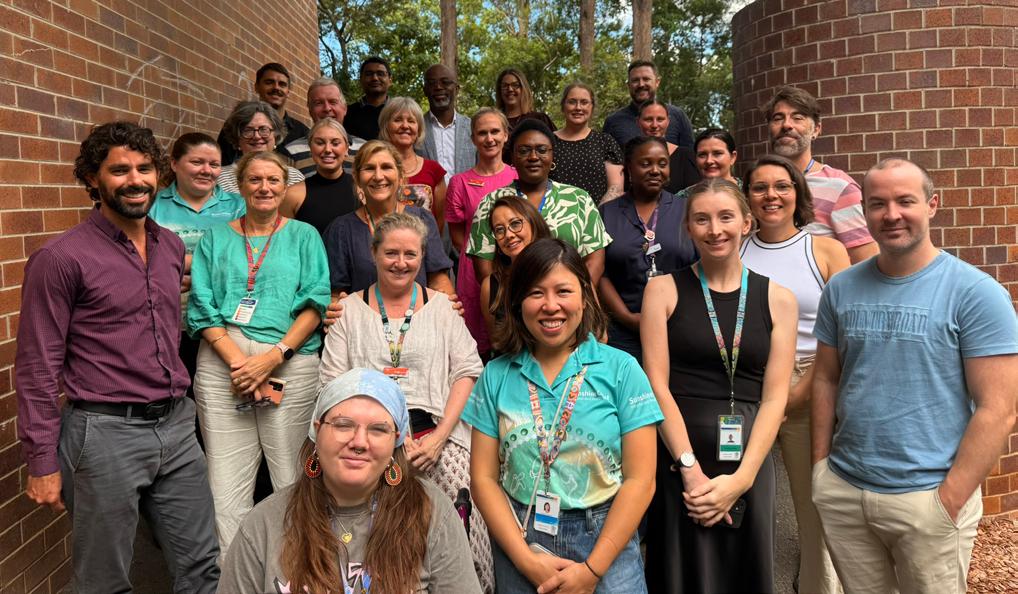
Peer Workers at The Sunshine Coast Persistent Pain Management Service
Dr Paul Cadzow is the director from The Sunshine Coast Persistent Pain Management Service at Nambour General Hospital. Paul is a consultant psychiatrist who is an accredited member of the Faculty of Addiction Psychiatry and is also a Fellow of the RANZCP. He has worked with chronic pain for over two decades.
BREAKING NEWS: FIRST NATIONS PEER WORKER POSITIONS
The Sunshine Coast Persistent Pain Management Service is one of six publicly funded multidisciplinary pain services in Queensland, covering the Sunshine Coast and Wide Bay health districts. We provide individual and group clinics for all ages. We are Queensland’s largest provider of Persistent Pain telehealth services.
Our team includes Pain Specialists, Pain Medicine trainees, Psychiatry, Rehabilitation Medicine, Clinical Nurse Consultants, Nurse Navigator (First Nations Identified), and a Clinical Nurse. Our allied health team include (Occupational Therapy, Psychology, and Physiotherapy. We have an Advanced Allied Health Assistant and two First Nation Identified Lived Experience Peer Workers.
The First Nation Peer Worker roles are novel, paid positions. The Peer Workers use their lived experience with intention to facilitate hope. Within the service, they take part in our Pain 101 and multiweek group programs and provide individual peer work support as social prescribing link workers. They also help facilitate our links with the local Aboriginal and/ or Torres Strait Islander communities, including representing the service at community events. They provide an invaluable lived experience and cultural lens at our multidisciplinary case discussions, and they contribute development of our programs and patient materials. We have found it very powerful to have paid First Nations Identified positions in our team.
Instilling Hope: Experiences of a Persistent Pain Clinic Peer Worker
Emma Randall
Emma Randall (She/her) is a proud Yaegl woman and lived experience Peer worker.
She works as an Aboriginal Persistent Pain Peer Worker in the Sunshine Coast Persistent Pain Management Service (SCPPMS), as well as working in other roles across the spaces of chronic health and First Nations suicide peer support.
At Sunshine Coast Hospital and Health Service (SCHHS) Persistent Pain Management Service (PPMS), a different funding stream created an exciting possibility to provide pain management solutions to our patients. This funding created the role for two full time Identified (Aboriginal and/or Torres Strait Islander) Lived Experience Persistent Pain Peer Workers. To our knowledge, we are the only Peer Workers employed in a pain service in Australia. Peer Work, which is a growing workforce, usually work in mental health or alcohol and other drugs services (AODS) roles, so to expand into persistent pain was an inquisitive step into an uncertain space. Peer Work in a persistent pain setting, at its core, is about connection through storytelling, instilling a sense of hope and support positive change for our patients. We share our stories of hope and recovery and create a light at the end of the tunnel. In this piece, I hope to give readers insight into my experiences as a Peer Worker for the SCHHS PPMS.
It is deeply meaningful and rewarding to use my lived experience of persistent pain to support others through some of their toughest moments. I started experiencing chronic pain when I was 16. I had no idea about chronic pain, pain education or what was even happening to me. I was told by medical professionals that it was unsafe for me to move, and I ingrained that into my brain. So, to hear about pain science at first was shocking. Working as a Peer Worker with the SCHHS PPMS for over a year and sitting through countless pain education groups has even been beneficial to my own persistent pain, as I now have access to pain education and pain science that have never heard about before.
To be able to be a part of patient’s pain education and support them to gain an understanding of what
is happening to them is profoundly important. Having experienced firsthand a sense of shock when first exposed to pain education, and knowing that change can be slow, hard and difficult to sustain gives me a unique perspective. I know what it’s like for our patients who are a part of our groups, and how this new information challenges everything they have been previously told. It was difficult for me to trust what was being said, and our patients likely feel similarly. I can use my experience of shock and processing, and share my story of being untrusting at first, but then embracing curiosity.
With a referral from a clinician and consent from the patient, we can work one on one with PPMS patients. One way is to support patient engagement by attending PPMS appointments with patients who may feel anxious or confused about their appointments, we can act as a bridge. Our lived experience can either be from our own personal journey or being a part of the journey of a loved one. I often share the story of how when I began in my role, I was a wheelchair user, but thanks to my own hard work and what I learnt through this job, I now don’t use mobility aids and am engaging in exercise physiology to build back my strength. This story sticks with patients, and they often bring it up with me throughout their journey with SCHHS PPMS. Our stories as Peer Workers influence people and can be a tool in their recovery. We see both sides of the coin as professionals working in the persistent pain space, but also of what it is like to be a persistent pain service user.
Being a Peer Worker is not limited to supporting patients in the clinical setting. We also work to connect patients back to community through hobbies and interests, as we know people with persistent pain are often isolated. We can do the background research, and then attend activities in the community with patients, helping to build patients’ confidence to attend by themselves and connect back with community. We also provide a consumer perspective to clinical work, as well as quality improvement and research activities. We co facilitate the running of our pain education groups, being the middleperson between patients and clinicians, using our story to back the running of the group.
We hope that the role of Persistent Pain Peer Workers continues to expand through other pain services and community services and welcome any one curious about how they might introduce Peer Work roles into their setting to reach out to us. Hope can be life changing, when often persistent pain extinguishes it. We hope we can relight that fire through lived experience story sharing.
New Scientific Program Committee Members for APS 2027
The Australian Pain Society is pleased to announce the appointment of new members to the Scientific Program Committee (SPC) for the 2027 APS Conference.
The 2027 SPC brings together a diverse group of emerging and established leaders across clinical practice, research, and education, reflecting APS’s strong multidisciplinary foundation and commitment to excellence in pain science and care.
NEW SCIENTIFIC PROGRAM COMMITTEE MEMBERS INCLUDE:
Dr Karin Plummer (Co Chair) Griffith University
Dr Duncan Sanders (Co Sydney University
Taylor Jane Hermes The Health Effort
Dr Joshua Pate University of Technology Sydney
Dr Scott Tagliaferri University of Melbourne
Dr Sze Yan Cheung University of Adelaide
Dr Simon J Summers Queensland University of Technology
Harrison J Hansford UNSW Sydney
Dr Tania Gardner University of Sydney
Professor Zhen Zheng RMIT University
Dr Irina Hollington CALHN QEH
Jack Devonshire University Of New South Wales
Dr Emma Karran University of South Australia
Associate Professor Fereshteh Pourkazemi The University of Sydney/ Discipline of Physiotherapy; Principal Physiotherapist
Associate Professor Emma RPAH pain management centre
Associate Professor Wendy Imlach (BPRSig Rep) Monash Biomedicine Discovery Institute & Department of Physiology
The APS thanks all members for their willingness to contribute their expertise and leadership to the development of a high quality scientific program for 2027.
ESTABLISHMENT OF THE APS–ISPP SPEAKER ADVISORY BOARD
In preparation for the 2027 APS–ISPP Joint International Conference, APS is establishing a Speaker Advisory Board to provide strategic guidance to the Scientific Program Committee on keynote selection, emerging scientific themes, and international engagement.
The inaugural members of the APS Speaker Advisory Board include:
• Professor Kevin Keay
• Professor Mark Hutchinson
• Professor Lorimer Moseley
• Professor Helen Slater
• Professor Peter O’Sullivan
• Associate Professor Roger Goucke
• Professor Glen King
• Professor Damien Finniss
• Professor Michael Nicholas
• Professor Fiona Blyth
• Professor Andrew Rice – President, International Association for the Study of Pain (IASP)
This advisory group brings exceptional depth of experience and international standing, further strengthening APS’s commitment to delivering a world class scientific program and showcasing Australian pain expertise on the global stage.
15 – 19 NOVEMBER 2026
NOVOTEL BAROSSA VALLEY RESORT, ADELAIDE HILLS
painSTAR brings together a group of exceptional clinical and early-mid career academic pain researchers to participate in an intensive program. Here, we focus on linking the bench to the bedside and the boardroom.
Pain Schools foster interdisciplinary collaboration, accelerated translation of research findings to care delivery, and the development of skills to help influence political/health service systems. These topics are critical for high quality translational pain research that are rarely covered in standard teaching/conference curriculum.
Amy Reynolds and Peter Rudland, our valued consumer representatives, will be joining us again. They ensure that the painSTAR program is centred in the voice of those with lived experience.
Our core faculty – Anne Burke, Rainer Haberberger, Wendy Imlach, Trudy Maunsell and Tasha Stanton – are back for another round and this year. We welcome Andrew Watson to the team!
Fiona Blyth returns as the 2026 IASP representative, and we’re thrilled to welcome Kevin Keay (University of Sydney) as our inspiring national keynote speaker.
2026 Australian Placebo Nocebo Symposium
20th February 2026
University of Sydney
Click here to register or scan the QR code:
Pain is common in older people, yet it is often missed or undertreated in residential and community aged care settings.
WHY PAIN TRAINING MATTERS
IF STAFF DON’T KNOW THE SIGNS OF PAIN, IT CAN EASILY GO UNNOTICED — IMPACTING QUALITY OF LIFE, MOBILITY, MOOD, AND CARE OUTCOMES.
WHAT IS PAINACT?
• 7 short, pain focused training modules
• Practical and realistic videos and conversations with staff and residents in care settings
• Designed to be delivered as simple in service sessions by a Registered Nurse
• Suitable for residential aged care, home care, community care and NDIS providers
• Listen to residents’ concerns
• Validate and acknowledge pain experiences
• Recognise when pain requires further action or escalation THROUGH PAINACT, PERSONAL CARE WORKERS LEARN TO:
Improve pain care across your facility with this accessible, evidence based training program.
Calendar of Events
February
13 FEBRUARY 2026
Dietitians Australia
National Nutrition & Dietetics Research Summit
2026 (In-Person & Virtual)
Deakin Downtown, Collins Square, Melbourne, VIC
20 FEBRUARY 2026
Sydney Placebo Lab
2026 Australian Placebo Nocebo Symposium
University of Sydney New Law Building Annex (F10A), Camperdown, Sydney, NSW
March
18–21 MARCH 2026
New Zealand Pain Society (NZPS)
NZPS26 – The Right Fit
Christchurch Town Hall, Otautahi Christchurch, NZ
April
17–18 APRIL 2026
Pain in Child Health (PICH)
PICH2GO Adelaide 2026
University of South Australia, Adelaide, SA
19–22 APRIL 2026
Australian Pain Society
2026 Australian Pain Society 46th Annual Scientific Meeting
Adelaide Convention Centre, Adelaide, SA
May
1 MAY 2026
Australian and New Zealand College of Anaesthetists & Faculty of Pain Medicine
2026 FPM Symposium – Kotahi tatou i te waka: United in the journey of pain care
JW Marriott Auckland Hotel, Auckland, New Zealand
1–5 MAY 2026
Australian and New Zealand College of Anaesthetists (ANZCA)
ANZCA 2026 Annual Scientific Meeting – Herenga Waka Herenga Tangata (From Home to Home)
New Zealand International Convention Centre (NZICC), Auckland, New Zealand
June
23–24 JUNE 2026
Occupational Therapy Australia
OT Exchange 2026: From Ideas to Impact
Brisbane Convention and Exhibition Centre, Brisbane, QLD
July
19–22 JULY 2026
Rehabilitation Medicine Society of Australia & New Zealand
RMSANZ 2026 9th Annual Scientific Meeting –Bridging the Rehabilitation Gaps
Darwin Convention Centre, Darwin, NT
August
07–09 AUGUST 2026
Neuromodulation Society of Australia & New Zealand
2026 NSANZ 19th Annual Scientific Meeting
Sheraton Grand Mirage Resort, Gold Coast, QLD
September
14–16 SEPTEMBER 2026
National Rural Health Alliance 18th National Rural Health Conference
International Association for the Study of Pain (IASP)
IASP 2026 World Congress on Pain
Bangkok International Trade & Exhibition Centre (BITEC), Bangkok, Thailand
November
15—19 NOVEMBER 2026
Australian Pain Society
2026 PainSTAR — Pain School for Translation and Research
Novotel Barossa Valley Resort, Adelaide Hills
Renew your APS membership for 2026 — be part of an exciting year ahead
Thank you for being a member of the Australian Pain Society (APS) in 2025, and for your ongoing commitment to improving pain care across Australia. Your membership plays an important role in strengthening our collective voice in advocacy, education, and research.
Membership renewals for 2026 are now due, and a reminder email has been sent to all members.
AS AN APS MEMBER, YOU HELP ENSURE WE CAN CONTINUE TO:
Advance best practice pain research and clinical care
Influence national policy, standards, and advocacy priorities
Build a strong, multidisciplinary pain community
We have many exciting initiatives, events, and opportunities planned for 2026. Renewing now ensures you remain fully connected and at the centre of APS activities in the year ahead.
MEMBERSHIP FEES
Members are asked to select their level of membership, as APS has operated on self reporting subscription categories since 2009. Before renewing, please take a moment to update your membership profile online.
RENEW NOW
INVITE A COLLEAGUE TO JOIN APS
By inviting a colleague to become a member of APS, you can directly help our community grow, broaden our reach, and strengthen our influence in shaping better pain care across Australia.
Every new member amplifies our collective voice and increases our capacity to advocate for clinicians, researchers, and people living with pain.
Encourage your colleagues to join Australia’s leading multidisciplinary pain community and connect with the professionals and advocates shaping the future of pain care.
APS IS A REGISTERED CHARITY
The Australian Pain Society is a registered charity with the Australian Charities and Not for profits Commission (ACNC).
Any donation you choose to make is fully tax deductible and directly supports APS in advancing best practice pain research, education, and clinical care.
Thank you for your continued support and membership of the APS.
Please note:
1 We understand that circumstances change, so each year we ask you to select your appropriate level of membership.
2 This system of self reporting subscription levels was implemented in 2009 for the benefit and fairness of all members.
3 Membership fees have NOT increased
Please refer to the rates below for your 2026 membership
Australian Pain Society Directors
President Mrs Bernadette Smith
Psychology Plus
South Burnie TAS 7320 03 6431 9959 03 6431 9950
President Dr Laura Prendergast
Persistent Pain Management Service
Northern Health Broadmeadows VIC 3047 03 8345 5166
Workdays Mon & Thu
Secretary Ms Jacintha Bell
Lifeworks Occupational Therapy
Mount Lawley WA 6050 0451 178 880 08 6323 3329
Treasurer Dr Duncan Sanders
Pain Management Unit, Sydney Medical School, University of Sydney/Managing Pain Clinic and E3 Physio Gold Coast QLD 07 5620 1234 07 3009 0420
ACT Director
Mr Anjelo Ratnachandra
Beyond Pain Pty Ltd
Belmont VIC 3216 0400 202 803
NSW Director
Dr Connor Gleadhill
Department of Health and Aged Care
Primary Care Division
Newcastle NSW 2308 0405 203 661
NT Director
Dr Amelia Searle
Flinders Medical Centre Pain
Management Unit Bedford Park SA 5042 08 8204 5499 08 8204 5440
University of Sydney Camperdown NSW 2006 Fiona.blyth@sydney.edu.au
Communications Coordinator
Mrs Bernadette Smith
Psychology Plus
South Burnie TAS 7320 03 6431 9959 03 6431 9950
Newsletter Editor
Clinical A/Prof Kylie Bailey
Sagacity Services
Mount Hutton NSW 2290 0447 905 085
Newsletter Assistant Editor
Dr Joanne Harmon
School of Clinical and Health Sciences
University of South Australia
Adelaide SA 5000 08 8302 1442
Grant Selection Subcommittee Co Chairs
Emeritus Professor Maree Smith AC
Centre for Integrated Preclinical Drug Development
University of Queensland St Lucia QLD 4072
Professor Luke Henderson
Anatomy & Histology, School of Medical Sciences
Brain & Mind Centre
University of Sydney Camperdown NSW 2006
The Australian Pain Society is a multidisciplinary association whose purpose is to advance pain management through education, research, and advocacy for transformational improvements in clinical care.