


UCC’s
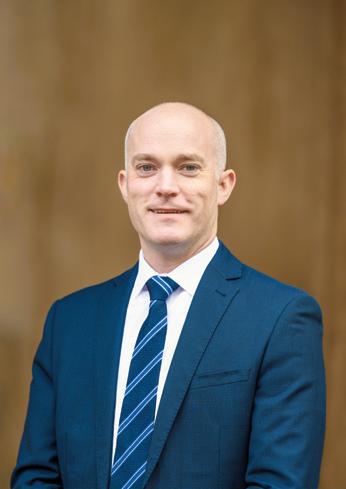
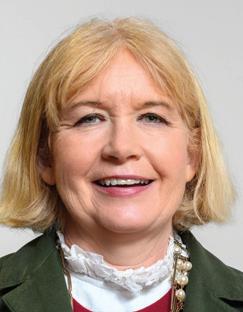
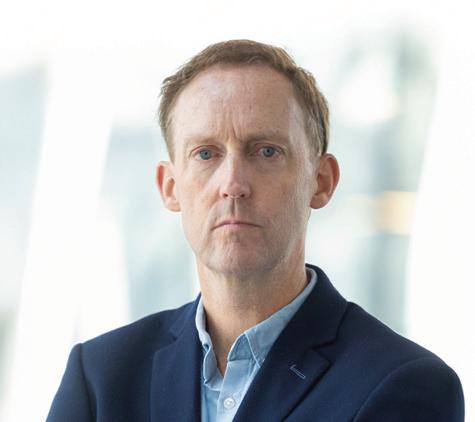
Deepak Chaudhari

UCC’s
Tuesday 24 February 2026 • Croke
Sponsored by

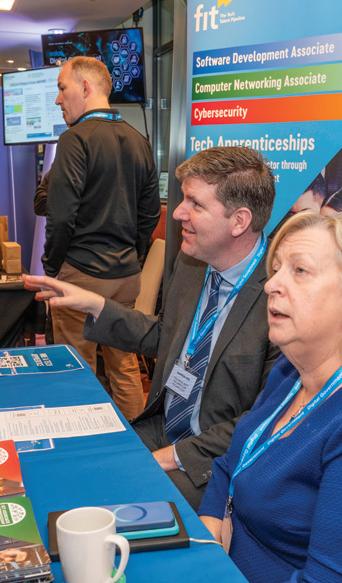
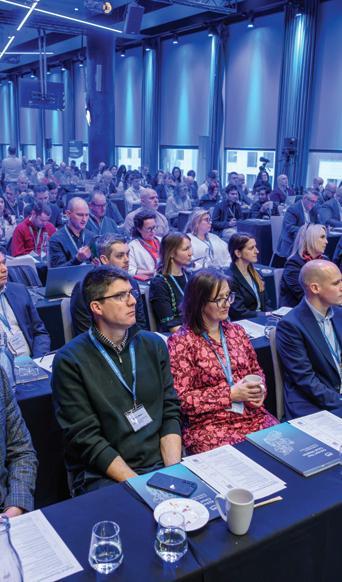
This popular, interactive conference is a must-attend event. It provides a valuable opportunity to bring together key stakeholders to gain insight into the government’s objectives for digital transformation and hear directly from those responsible for driving this forward. Take the time to reconnect and network with your peers and colleagues, key senior policy makers and decision takers. The conference also features a busy exhibition zone featuring some of Ireland’s leading expert solution providers.
Speakers include:






Frank Feighan TD Minister of State for Public Procurement, Digitalisation and eGovernment
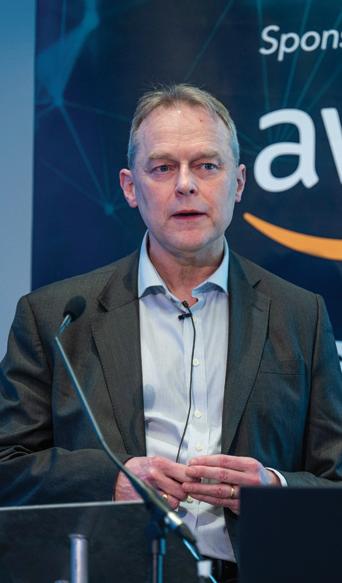
Barry Lowry Department of Public Expenditure, Infrastructure, Public Service Reform and Digitalisation
Petra Holm e-Estonia
Mihai Bilauca
Department of Housing, Local Government and Heritage
Abeba Birhane
AIAL and Trinity College Dublin
William Flanagan
OpenSky Data Systems






Graeme Roche Transport Infrastructure Ireland
Gary Comiskey EY
Brian McKeon
National Ambulance Service
Hazel Murray Munster Technological University
Danny Lynch Longford County Council
Garrett Blaney ComReg
Bill McCluggage Laganview Associates

Sponsorship and exhibition opportunities available!
There are a limited number of available sponsorship and exhibition opportunities at this conference which will be of interest to companies and organisations with products or services they wish to promote. For further information and to learn how your organisation can benefit, contact Jillian.Wallace@eolasmagazine.ie
To register



Donald Trump’s web of deceit continues to generate global consequences. COP30 reminded us that while most governments at least pretend to take climate change seriously, others, notably the United States, have dropped the veneer.
Before the conference, President Trump dismissed climate change as “the world’s greatest con job”, an especially ironic claim given his own record, including the $25 million settlement over fraudulent practices at Trump ‘university’. By labelling climate change a hoax, the US forfeits any credibility in urging major polluters such as China and India to reduce emissions.
Much more damaging, however, is Trump’s handling of the Gaza genocide. Since the 13 October 2025 ‘peace’ summit, nearly 400 people have been killed in Gaza and at least 591 violations of the agreement have been committed by the Israeli Defense Forces, including more than 280 bombings. Europe, divided on how to respond, has been unable to intervene meaningfully, and Israel continues to face no meaningful consequences.
The broader lesson for Europe is that the United States under Trump does not value its European partners. His administration repeatedly prioritises domestic political gain over international stability, whether by enabling atrocities in Gaza or promoting fossil fuel expansion with dire climate consequences. His actions reveal a disregard for human life, multilateral norms, and European cooperation. Europe cannot rely on US leadership.
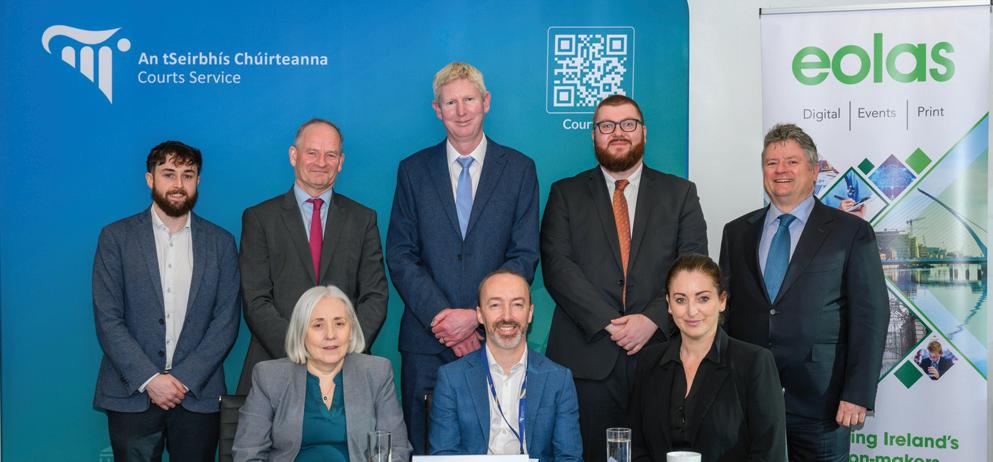
In these unstable times, focused attention on domestic priorities is essential. In this 73rd issue of eolas Magazine, we hear from several leaders, including Minister for Justice, Home Affairs and Migration Jim O’Callaghan TD. Our cover story with Tata Consultancy Service’s Deepak Chaudhari and our Courts Service round table highlight the need for digital solutions. Our annual reports showcase leaders driving improvements across public services.
I wish all our readers a happy new year, and thank you for your continued support through 2025.
Joshua Murray Deputy Editor
Jan 2026
Editorial
Owen McQuade, Managing Editor owen.mcquade@eolasmagazine.ie
Joshua Murray, Deputy Editor joshua.murray@eolasmagazine.ie
Ciaran Brennan ciaran.brennan@eolasmagazine.ie
Gareth Hamill gareth.hamill@eolasmagazine.ie
Advertising Sam Tobin sam.tobin@eolasmagazine.ie
Design
Gareth Duffy, Head of Design gareth.duffy@eolasmagazine.ie
Jamie Hogan jamie.hogan@eolasmagazine.ie
Events
Lynda Millar lynda.millar@eolasmagazine.ie
Become a subscriber!
Annual subscriptions:
€30.00 + €5.00 P&P
Contact: Sharon Morrison Email: subscriptions@eolasmagazine.ie Online: www.eolasmagazine.ie/subscribe
eolas Magazine
bmf Business Services
Clifton House
Lower Fitzwilliam Street
Dublin, D02 XT91
Tel: 01 661 3755 Web: www.eolasmagazine.ie
Printed by: GPS Colour Graphics







84 Interview: Department of Enterprise Assistant Secretary Jean Carberry
96 Revenue Commissioner Ruth Kennedy discusses how Revenue has integrated AI into its operations
Sponsored by Sponsored by
106 The Government’s priorities for education
110 Education at a Glance : The OECD’s assessment of education in Ireland
122 Barry Andrews MEP: ‘Trump’s tariffs make Mercosur deal a necessity’
124 European Commission study: How repurposing commercial buildings can increase housing affordability
132 What is the Council of State?
134 Political platform: Sinn Féin’s Conor McGuinness TD
136 Interview: Northern Ireland deputy First Minister Emma Little-Pengelly MLA
140 Back page: DCU’s Dónal Mulligan on higher education’s ‘uncomfortable’ GenAI crossroads


The State has exceeded the 295 MtCO2eq target of the first carbon budget for 2021 to 2025 by around 10 million tonnes, the Cross Sectoral Annual Review 2025 has found.
The Climate Change Advisory Council, which published the review in November 2025, has warned that this surplus will need to be paid back in the next carbon budget period and that failure to meet the EU’s emissions reduction targets by 2030 may result in compliance costs of up to €26 billion.
The review highlights that progress in the agriculture and transport sectors, which collectively account for approximately 55 per cent of the State’s emissions, is particularly slow.
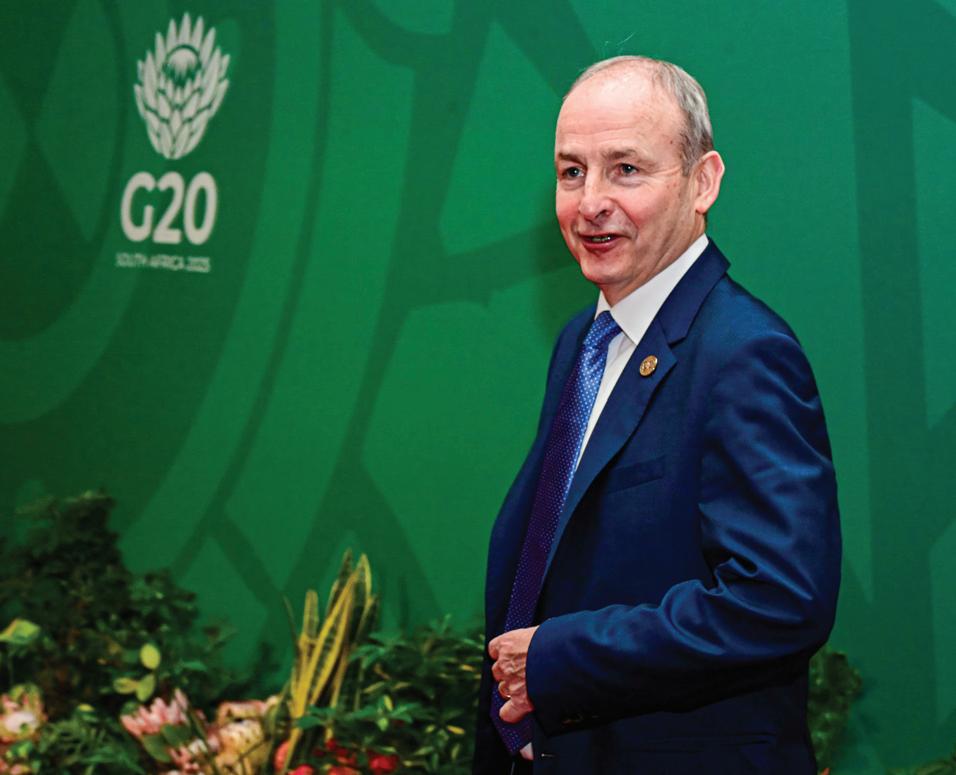
Taoiseach Micheál Martin TD called for an end to Russia’s “illegal invasion of Ukraine”, the “horrors of Gaza”, and the “appalling situation in Sudan” as he addressed the 2025 edition of the G20 Summit in Johannesburg, South Africa.
The event, which took place on 22 and 23 November 2025, is usually reserved for the world’s 21 largest economies but Ireland received an invitation from South

There are several recommendations made by the council including increased grants for less expensive electric vehicles, additional expenditure on public transport, and the immediate end of fossil fuel subsidies.
Chair of the council Marie Donnelly says: “We have the opportunity and the resources to transform Ireland, both in terms of reducing emissions and preparing for future climate events.
“We must act now because if we do not, we will pay the financial and societal price by losing out on secure and affordable energy, a healthier and more sustainable society, both today, and for future generations.”
FOREIGN AFFAIRS
Africa due to the two states’ strong diplomatic relationship.
While the Taoiseach also noted the importance of increasing trade and economic development, he advocated for growth to “be inclusive, be resilient, and to be environmentally sustainable”.
The Taoiseach also announced Ireland will pledge €72 million of funding to the ‘global fund’ over the next three years,
which is the primary tool in the fight against HIV/AIDS, TB, and malaria.
This was the first time in the G20’s 26year history that the world’s largest economy, the United States, which is set to host the 2026 summit, did not send any delegation. The 2026 hosts boycotted the event over President Donald Trump’s false claim of a “white genocide” in South Africa.

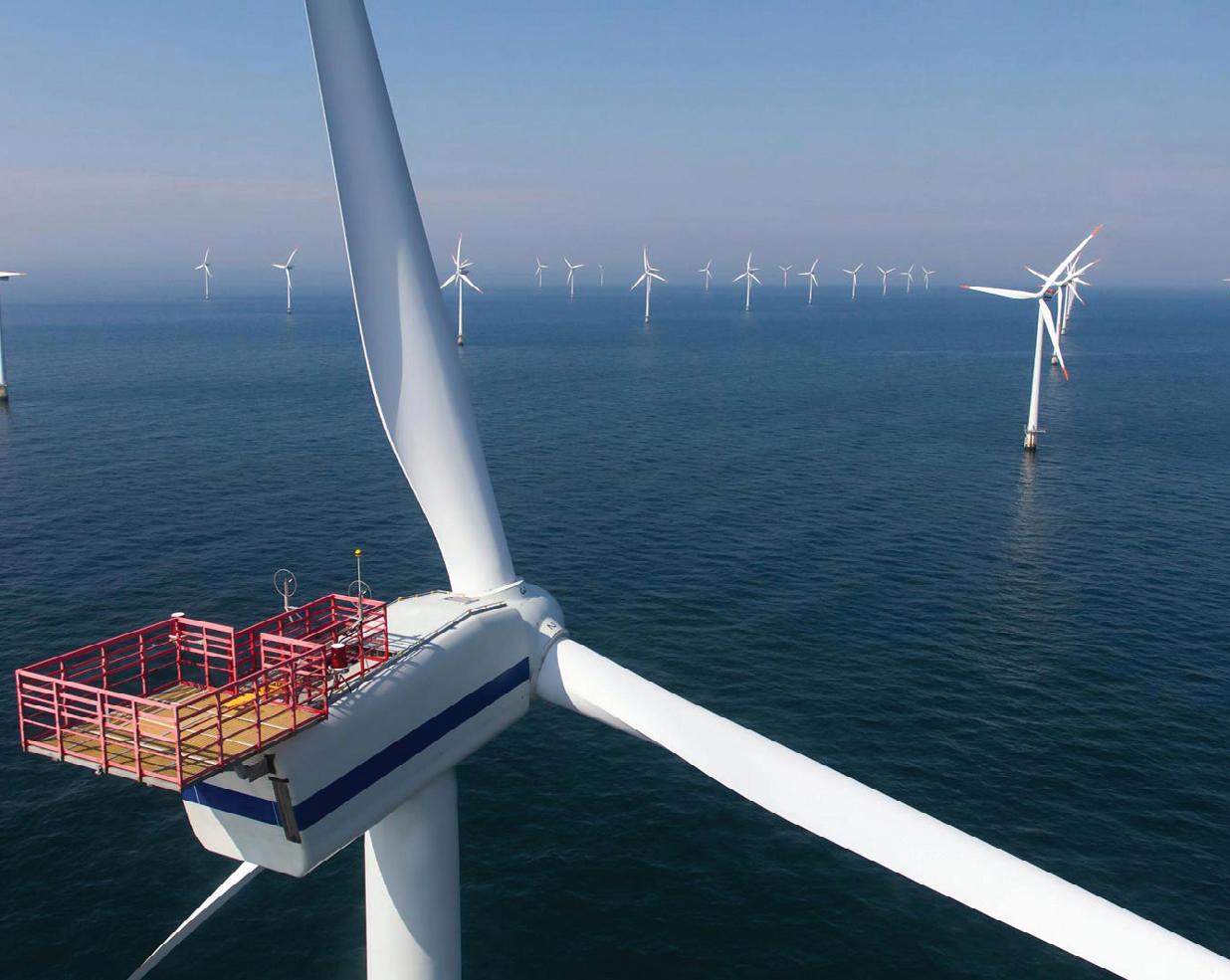
Denmark-based renewable energy developer Ørsted has won the auction for the Tonn Nua maritime site off the coast of County Waterford as part of a joint venture with ESB.
The site is set to produce 900 megawatts (MW) of clean energy, enough to power almost 1 million homes. Following its construction, the development will also save 1.8 million tonnes of CO2 emissions per year.
The winning bid secured a renewable energy price of €98.719 per megawatt hour, which is significantly cheaper than the average wholesale electricity price in Ireland in 2025 of €114 per megawatt hour.

Homelessness in the State increased for the 11th consecutive month as the total number of people in emergency accommodation hit 16,766 in October 2025. This is an increase of 152 from September 2025 as the number of people in emergency accommodation increased by approximately 1,800 in the 12 months to October 2025.
It is also important to note that these statistics only refer to those who are in state-funded emergency accommodation and do not include rough sleepers, people in squats or domestic violence refuges, or those who are in situations of hidden homelessness.
As the auction’s winner, Ørsted will contribute €140 million over a 20-year period to the Tonn Nua fund which will be used to support the local community.
Minister for Climate, Energy and the Environment Darragh O’Brien TD says the results “mark an important milestone in the State’s offshore renewable energy ambitions”.
“The highly competitive price secured represents positive news for Irish energy consumers and our nation, bringing us closer to overcoming the challenges of energy security and affordability, and towards achieving energy independence.”
Speaking at the launch of the new housing plan in October 2025, Minister for Housing, Local Government and Heritage James Browne TD announced his intention to publish a new child and family homelessness action plan to tackle all aspects of child and family homelessness. Browne states that this will include “increased funding as well as €100 million in 2026 for a ground-breaking acquisition programme for long-term homeless families”.
The Minister also says that the Government will implement a national homelessness prevention framework.
INFRASTRUCTURE

A Critical Infrastructure Bill and an ‘emergency powers’ framework are to be introduced in 2026 as part of plans to improve the delivery of key infrastructure such as water, electricity, and transport.
The bill aims to create a legal obligation for state bodies to recognise and accelerate key projects through the prioritisation of all decisions, licences, permits, and consents.
The emergency provisions would allow the Government to speed up specific critical infrastructure by bypassing certain stages like impact assessments.
These actions are contained within the Government’s Accelerating Infrastructure report which contains a list of 30 time-bound actions to remove 12 previously identified barriers to the development of key infrastructure.
These actions are categorised into four different sections: legal reform; regulatory reform and simplification; coordination and delivery reform; and public acceptance.
Minister for Public Expenditure, Infrastructure, Public Service Reform and Digitalisation Jack Chambers TD says: “This report and action plan set out a bold vision for accelerating the delivery of infrastructure that underpins Ireland’s future.
“By removing barriers and streamlining processes, we are creating the conditions for faster, more efficient development that supports housing delivery, enterprise, and social progress.
“These measures will not only transform how critical projects are delivered but will strengthen the foundations for sustainable growth and prosperity for generations to come.”
OBITUARY
One of the pre-eminent photographers of his generation, documentary photographer Martin Parr passed away aged 73 on 6 December 2025 in his home in Bristol.
A Magnum Photos Member, Parr was known for his biting observations of everyday life, usually in vivid colour, that were taken in his own unique style. He had a strong connection with Ireland, living in Leitrim for a couple of years in the early 1980s, and continued to document Irish life throughout his career.
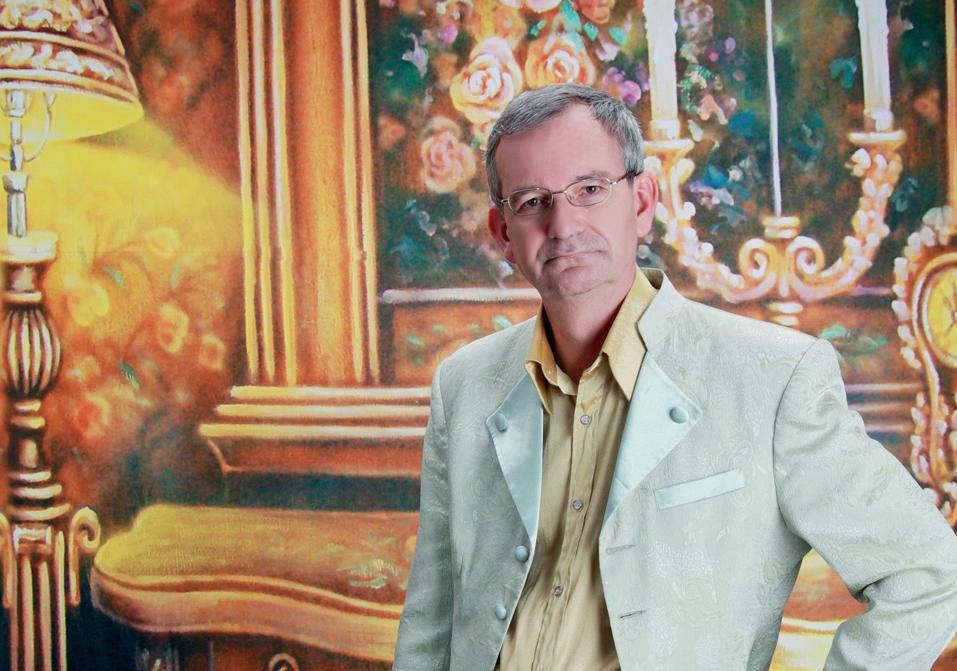
A prolific artist, he published over 100 photobooks in his lifetime and edited another 30. His Irish work was summarised in From the Pope to a Flat White, Ireland 19792019, published in 2020.
Parr was a visiting professor at Ulster University from 2008 to 2013 and was interviewed in eolas Magazine in 2022. He also spoke at the QFT in Belfast on the release of the documentary about his life, I am Martin Parr, in May 2025.

“I am going to end the housing crisis in my term.”
Minister for Housing James Browne TD prior to the publication of the Government’s new housing plan, Delivering Homes, Building Communities.
“As I assume the privilege of office, we face the existential threat of climate change and the threat of ongoing wars; both of course are inextricably linked.”
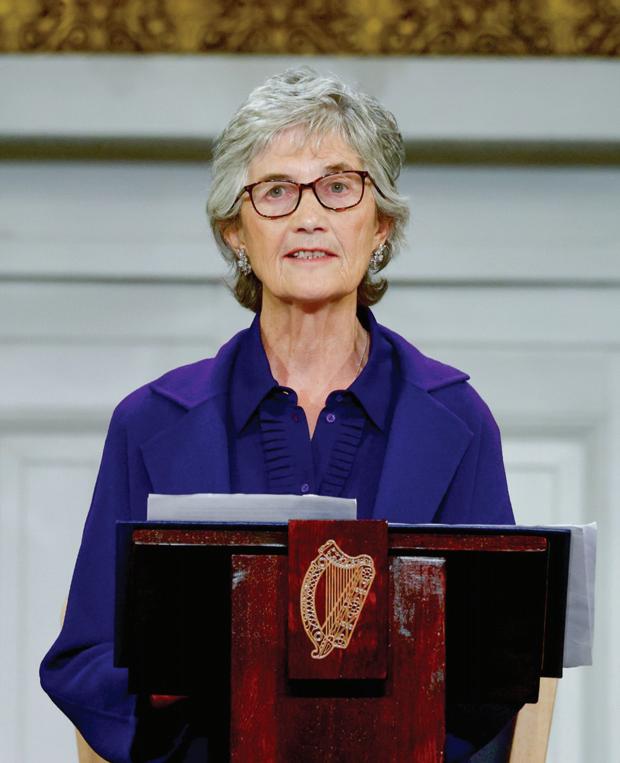
Uachtarán na hÉireann Catherine Connolly during her inauguration speech in November 2025.
“It’s nonsense, it’s not true, it’s propaganda.”
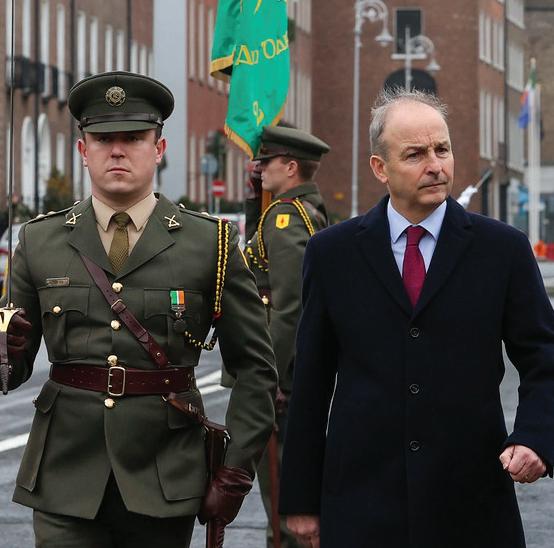
Taoiseach Micheál Martin TD on the Kremlin’s claim that Ireland is losing its neutrality.
“Modern Ireland is a beautiful country with great scenery but unfortunately it has become a cesspool of antisemitism.”
US Republican Senator Lindsey Graham on a motion before Dublin City Council to change the name of Herzog Park which was named after Irish-born former Israeli President, Chaim Herzog.


In November 2025, Minister for Housing, Local Government and Heritage James Browne TD announced the Government’s new housing plan, Delivering Homes, Supporting Communities 2025-2030, after multiple delays through the year. The plan outlines the Government’s ambition to build 300,000 new houses by the year 2030.
Delivering Homes, Supporting Communities was originally supposed to be announced in July 2025, some six months after the Government was formed. However, it was not until November 2025 that the Government set a target of building 300,000 homes by 2030, which would require 60,000 homes to be built per year. Achieving this would require the number of dwelling completions to almost double from the 2024 figure, in which the CSO reports that 30,330 homes were built.
In June 2025, The Irish Times reported that senior government sources were claiming that the delay was due to the fact that multiannual funding could not be secured until the publication of the review of the National Development Plan (NDP).
However, the plan was announced prior to the NDP review, which was itself delayed by several months.
With increasing supply, rather than government interventionism in the market itself, underpinning the Government’s housing ambitions, the new plan sets out two pillars, with one focused on ‘activating supply’ while the second centres on ‘supporting people’.
Pillar one outlines a system of measures intended to activate the supply of 300,000 homes by ensuring a consistent pipeline

of zoned and serviced land. The plan sets out an objective to increase the availability of suitably zoned land across the State while providing greater procedural certainty in the planning system.
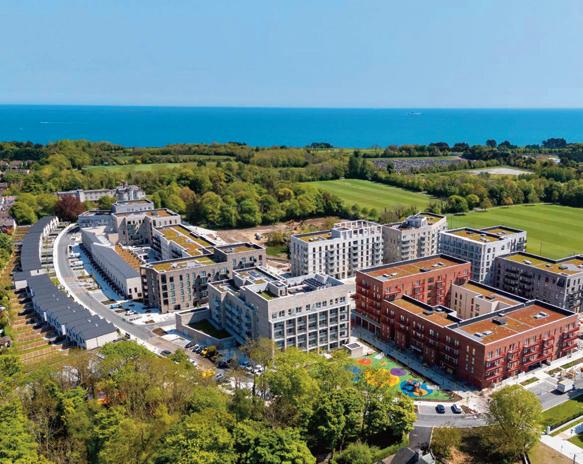
Key actions include zoning additional land to meet projected housing requirements and implementing the Planning and Development Act 2024 to streamline planning timelines and simplify processes. The plan also identifies the need to accelerate the development of new urban communities, building on the established models in locations such as Clonburris and Adamstown, where integrated planning and infrastructure sequencing have proven effective in facilitating largescale housing development.


Infrastructure provision is treated as a prerequisite for housing activation. The plan aims to increase investment in water, wastewater, electricity, and road infrastructure to ensure that land can be brought to ‘development ready’ status. Funding allocations include €12.2 billion for the water sector and €3.5 billion in equity funding for electricity grid infrastructure for the period 2026-2030.
The introduction of a €1 billion Infrastructure Investment Fund is intended to reduce delays associated with upfront infrastructure delivery on strategic sites. The full embedding of the Housing Activation Office is intended to support improved coordination between infrastructure providers, local authorities, and developers, ensuring that infrastructure is delivered in a manner aligned with housing need.

An Ac琀on Plan on
Targe琀ng
The plan identifies the need to create conditions that support inward investment from domestic and international sources to fund new housing development. It outlines significant exchequer commitments, including almost €20 billion for social and affordable housing delivery, alongside further capitalisation of the Land Development Agency (LDA) through an additional €2.5 billion to support its expanded delivery role.
A focus is placed on addressing viability challenges, particularly for apartment and higher-density developments. Measures include reducing VAT on apartments from 13.5 per cent to 9 per cent, introducing a corporation tax exemption for cost rental homes, and applying enhanced corporation tax deductions. These mechanisms are presented as tools to influence construction costs downward and improve the feasibility of new housing across tenures.
Meeting projected housing output requires increases in construction capacity, skills, and productivity. The plan aims to expand the sector’s skill base through a renewed action plan to promote careers in construction and a new five-year action plan for apprenticeships.
Parallel to skills development, greater adoption of modern methods of construction (MMC) is identified as essential in achieving efficiency, quality, and cost improvements. Actions include optimising NSAI’s Agrément certification processes to support innovative products, doubling investment in the Built to Innovate programme, and applying MMC to at least 25 per cent of new social and affordable homes. These measures are designed to create a more efficient construction ecosystem capable of meeting scaled delivery targets.
AnAc琀on Plan on Housing Supply and Targe琀ng Homelessness
Returning derelict and vacant buildings to use is presented as a key element of supply activation and urban regeneration. The plan sets an objective of increasing the volume of homes brought back into use through measures such as a new derelict property tax administered by the Revenue Commissioners, the target of returning 20,000 vacant homes to use supported by the Vacant Property Refurbishment Grant, and an expanded Living City Initiative covering all residential properties built before 1975. These initiatives aim to address dereliction, improve place quality, and increase residential capacity in towns and cities.
Pillar two outlines actions intended to improve outcomes for people experiencing homelessness and to support populations with specific housing needs. Homelessness is identified as the most pressing social challenge, and the plan aims to improve service coordination through an integrated, cross-government approach.
Actions include allocating €100 million in capital funding for the acquisition of second-hand properties to support families who have spent prolonged periods in emergency accommodation, developing a Child and Family Action Plan, and delivering more than 2,000 Housing First tenancies for individuals with complex needs. Local authorities are expected to make sufficient social housing allocations to reduce long-term family homelessness.
“I am going to end the housing crisis in my term.”
Minister James Browne TD
In addition to homelessness, the plan addresses the needs of older people, disabled people, and the Traveller community. Key measures include increasing the supply of suitable accommodation options for older people, progressing the National Housing Strategy for Disabled People 2022-2027 alongside the National Human Rights Strategy for Disabled People 2025-2030, expanding the Housing Adaptation Grant for Older People and Disabled People, and continuing investment in Travellerspecific accommodation.
The plan sets out an objective to deliver an average of 12,000 new social homes per year. To support this, it aims to streamline administrative processes through a single-stage approval mechanism for qualifying projects and to expand and simplify the operation of the Land Acquisition Fund. Financial incentives for local authorities are intended to encourage them to exceed their “own build” targets.
Revised housing delivery action plans are expected to ensure that the mix of social homes delivered by local authorities, approved housing bodies (AHBs), and the LDA align with locally identified needs and demographic profiles.
Affordability supports are outlined to address challenges associated with the undersupply of homes, population growth, and price inflation. The plan aims to deliver an average of 15,000 affordable housing supports annually through the Starter Homes Programme. The LDA’s remit will be expanded to scale up its
delivery of affordable homes, and continued support for the Help to Buy Scheme and First Home Scheme is intended to assist buyers with deposit and financing gaps.
In relation to the rental sector, the plan sets out actions aimed at increasing supply, stabilising rents, and strengthening tenant protections. Measures include national rent controls, reforms to the Rent Pressure Zone system to support investment in the rental market, and new legislation to enhance tenant security.
Oversight by the Residential Tenancies Board will be strengthened, a national rent price register will be established to improve market transparency, and the regulation of short-term letting will be expanded to protect long-term rental availability.
The plan aims to enhance quality of life in existing communities through targeted investment in the built environment. Actions include supporting small and medium-sized builders to deliver mixedtenure developments on serviced sites in towns and villages, implementing remediation schemes for defective concrete blocks and defective apartments, and publishing a National Planning Statement on rural housing. The Town Centre First model will continue to receive funding to support the revitalisation of rural towns and promote increased residential occupancy in town centres.
In 2021, there was significant fanfare when then-Minister for Housing, Local
Government and Heritage Darragh O’Brien TD set out a government housing plan with unprecedented levels of targets and state interventionism.
Housing for All set out an annual construction target of 33,000 per year and aimed to reduce homelessness. It failed spectacularly with homelessness at a record high and housing supply decreasing in 2024. The data shows that completion rates somewhat improved, albeit significantly below demand, and homelessness continued to rise sharply.
On completions, Central Statistics Office (CSO) figures indicate 32,695 new dwelling completions in 2023, up 10 per cent from 2022. In 2024, completions dropped to 30,330, a 6.7 per cent fall compared with the previous year, and significantly below the 33,450-home target set for 2024. Even though 2022 and 2023 saw figures close to or slightly above earlier interim targets, the overall annual output remained below the levels that many observers regard as necessary to ease supply pressures.
Despite this building activity, homelessness, measured by numbers in emergency accommodation, has worsened to record levels. In September 2024, there were 14,760 individuals in such accommodation. By March 2025, that figure had climbed to 15,378 people, including thousands of children. By mid-2025, the total reached 15,747. The latest increase in homelessness means that homelessness has increased in every month since the Fianna Fáil-Fine GaelRIG government took office one year ago.
In addition, although the then-minister continually boasted through 2024, prior to the election, that the Government would not only meet its 33,000 target but exceed 40,000, the real figures, released by the CSO shortly after the general election, showed that only 30,330 homes were built, a contraction of 6.7 per cent on the previous year.

The 2024 general election campaign, the end of which saw Fianna Fáil and Fine Gael returned to office, saw housing remain a significant topic of debate. However, the introduction of immigration into national discourse, alongside the repeated citation of dubious dwelling completion delivery projections by senior government ministers, meant that the verbosity with which housing was debated in the 2020 campaign was not repeated in 2024.
On 25 August 2024, then-Taoiseach Simon Harris TD said: “This year [2024], we will exceed our housing targets with almost 40,000 homes built.”
On 24 October 2024, then-Housing Minister Darragh O’Brien TD responded to a question addressed to him in the Dáil by Sinn Féin’s Eoin Ó Broin TD saying: “I still confidently predict – the Deputy and his colleagues in Sinn Féin will be disappointed – that it will be in the high 30,000s to low 40,000s this year.” The official Housing for All target at that point was 33,450 homes.

On 11 November 2024, O’Brien posted on X (Twitter): “Housing delivery has risen from 20,000 in 2020 approaching 40,000 homes this year.” On the following day, then-Finance Minister Jack Chambers TD stated in a television debate: “This year we will have over 35,000 homes being
However, on 6 November 2024, an internal Department of Finance briefing, Monthly Housing Update November 2024, circulated to Minister Chambers, indicated that housing completions for the year were expected to be similar to or slightly lower than the 32,695 completions achieved in 2023. The document, later released under the Freedom of Information Act, said that completions were broadly aligned with the Central Bank’s revised forecasts.
The general election was held on 29 November 2024, with the two main parties in the then-triparty coalition returned to office just two seats short of an overall majority in the Dáil.
When the CSO released its final dwelling completions data for 2024 in January 2025, it confirmed that only 30,330 homes had been completed in the year, significantly below the figures cited during the election campaign.
Following the publication of the final figures, Sinn Féin leader Mary Lou McDonald TD, speaking in Leaders’ Questions in the Dáil on 5 February 2025, described the Government’s projection of 40,000 homes as an attempt to mislead the public.
Taoiseach Micheál Martin TD responded that the statements made during the campaign were based on “a genuine belief that we were heading for the high thirty-thousands”. He said: “There was no attempt to mislead anybody in that regard. We got the figure wrong in terms of what we thought might happen. The target was 33,000 [sic]. We thought it would be much higher than that. I regret that.”
Tánaiste Simon Harris TD was asked on RTÉ’s Claire Byrne Live on 7 February 2025 whether the 40,000-figure had “misled the public”. He said: “You can only mislead people if you provide information to the public that you know to be untrue.” He acknowledged, however, that the figure should not have been provided to the coalition leaders in August 2024: “I think that is true that they should not have given the figure.”
Harris added that the projection had been provided in good faith, based on projections and analysis from Deutsche Bank, EY, and Cairn Homes.
The Government has been bold in asserting that this plan will resolve the housing crisis, which is now entering its 13th year. Ahead of release of the plan, Minister Browne said: “I am going to end the housing crisis in my term and I believe that can be done.”
Speaking after Delivering Homes, Supporting Communities was published, the Minister said: “Already this year [2025], the Government has delivered a Revised National Planning Framework, enabling the zoning of significantly more land. We have introduced unprecedented reform of Rent Pressure Zones and the revision of Apartment Standards Guidelines. This is along with a reduced VAT rate on apartments, all aimed squarely at making badly-needed delivery of apartment building more viable so supply is ramped up.
“Any move which will provide more homes is on the table and this plan captures the necessary and appropriate actions needed. In particular, under this plan, we will deliver 72,000 social homes to ensure those with a real need have access to a high quality, safe and secure home of their own.”
On homelessness, Browne said: “Homelessness numbers remain far too high and I will rapidly implement a new dedicated Child and Family Homelessness Action Plan to tackle all aspects of child and family homelessness. This will include increased funding as well as €100 million in 2026 for a ground-breaking acquisition programme for long-term homeless families.
“I am determined to place an increased emphasis on homelessness prevention, and we will implement a National Homelessness Prevention Framework which will set out measures and actions to address the causes for how and why people become homeless.”
The opposition has been less optimistic, with Sinn Féin housing spokesperson Eoin Ó Broin TD describing the new plan as one written by and for “big investors, big developers to benefit their private interests”. He described it as “the emperor with no clothes” and accused the Government of “brazenly trying to rebrand unaffordable private homes as somehow affordable”.
The Labour Party, Social Democrats, and People Before Profit added their objections, as did the Government’s former coalition partners, the Green Party, which branded the plan ‘delivering homelessness, blaming communities’.

Deepak Chaudhari, Country Head for Ireland at Tata Consultancy Services (TCS), speaks with Joshua Murray about the company’s expanded Irish footprint, its growing role in national transformation programmes, and how cloud, AI, and regional talent development are shaping Ireland’s digital future.
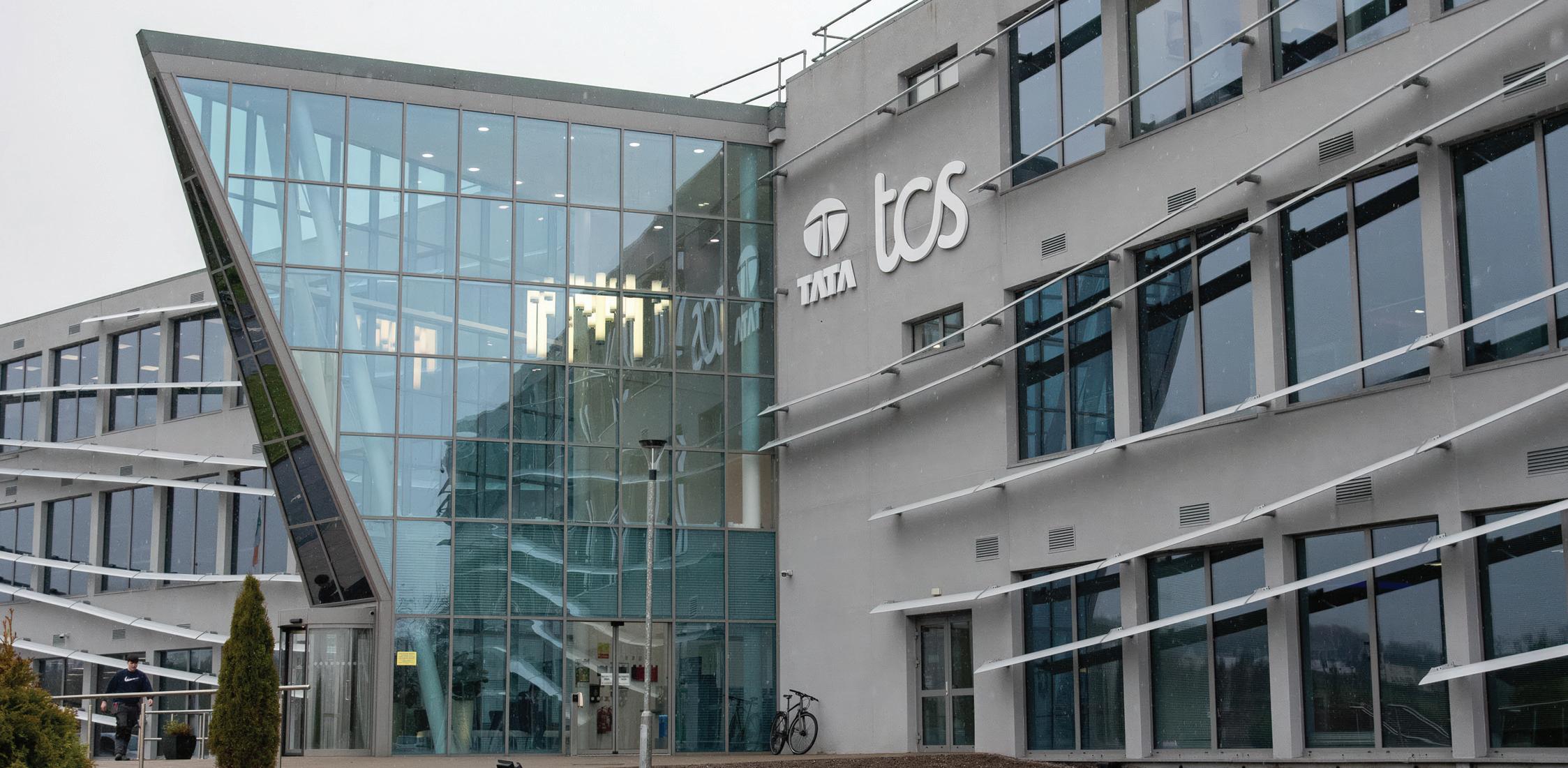
More than two decades after TCS first established an Irish presence, the company’s trajectory has entered a new phase. Deepak Chaudhari explains that TCS’ earliest operations in Ireland were primarily designed to support global contracts that required an Irish delivery component.
“TCS started its journey 20 years back, but the real growth started only in the last six years, where we focused on a number of local brands and local businesses that we could invest into and focus towards.”
This pivot toward Irish clients spanning the sectors of financial services, the public sector, insurance, and more has significantly expanded the company’s footprint. “We have been working with a number of national brands for their technology needs and business operations, and as a key milestone, in 2020 we invested to create a global delivery centre in Letterkenny, which gave us a further boost in terms of our geographical presence. We are now serving more than 50 customers in Ireland across several industry segments, providing associates with the opportunity to work on new customer projects and expand their knowledge base.”
Choosing Letterkenny as the site of TCS’ major delivery centre marked an
important strategic departure from industry norms. Chaudhari outlines why it was the right choice.
“Letterkenny gives us a unique advantage,” he explains. “First, it gives our people a good work-life balance. It also matches the drive that IDA has to go out of Dublin. It gives us access to talent across the region, rather than fighting for talent in the top cities within Ireland.”
He describes the Letterkenny facility as “a fantastic modern setup”, with infrastructure “of absolute top standards”, enabling teams based there to support national and international clients. “It benefits people working there to get global opportunities while working in a remote site,” he adds.
The regional investment, he stresses, is not a symbolic gesture but the backbone of TCS’ delivery capability. “Local investments really have helped to serve the country, because it is only through those investments that such large programmes of work can be delivered.” TCS currently employs over 1,000 people in Ireland, with 80 per cent of them being locally employed.
Chaudhari describes his core purpose as “bringing global experiences and delivering them locally”. With TCS
operating across major sectors worldwide, the company’s ambition is to ensure that Irish organisations benefit from the scale and capabilities developed across its global network.
“TCS has been working with top clients across different sectors, and we have a lot of expertise, experience, capabilities, and scale available,” he says. “My focus is to ensure that TCS is at the forefront of any discussions that take place for initiatives clients want to take, whether it be growth and transformation, cost optimisation, or innovation.”
Ireland, he asserts, is an attractive market because of its collaborative innovation ecosystem. “It is wonderful to do business here,” he says. “Ireland brings together academic institutes, innovation funding, and an excellent ecosystem of national and international brands, all supported by strong government backing through IDA. That gives companies a great advantage to be based here.”
TCS has declared its global ambition to become the world’s largest AI-enabled technology services organisation, an ambition with direct relevance to its operations in Ireland.

“TCS has set its goal to be the world’s largest AI-enabled organisation,” Chaudhari says. “We have invested a lot in training our associates, providing AI tools, and engaging with clients with different proof of concepts and intelligent architecture designs.”
He emphasises that AI interest is broad and accelerating. “AI is a board-level agenda across different sectors. We have seen clients at different stages of evaluation, and they are in discussions with TCS to look at proven skills and available models.”
Rather than being industry-specific, he observes that demand tends to follow functional needs. “It is across industries, but it is much more functional-driven than industry-driven. Back-office areas, for example, are where we see much more prominence.”
TCS has developed industry-wide libraries of AI use cases, allowing clients to “pick and choose different AI models that could be applicable”.
One of TCS’s most significant engagements is its role in delivering and operating the pensions auto-enrolment
system on behalf of the Department of Social Protection, a programme Chaudhari describes as a “national dream for decades”.
“It is going to help the financial wellbeing of several hundred thousand Irish workers. Pensions auto-enrolment only picked up momentum in the last few years, and TCS was selected as a partner after a very lengthy government procurement process.”
The company is drawing on its experience supporting the UK’s National Employment Savings Trust (NEST) and private pension providers. “We are bringing our global experiences and deploying them for the Irish needs for the pension schemes,” he explains. “From Letterkenny, we have been supporting NEST as well, and this adds to our portfolio of activities in pensions autoenrolment.”
For Chaudhari personally, the programme is an opportunity for TCS to demonstrate how large, complex national systems can be delivered effectively. “We want to make sure it is well echoed that TCS can take up large, strategic national programmes of work and deliver them on time, within budget, and at the best quality possible,” he says.
The programme’s importance goes beyond technology. “By the time employees retire, they will have a wellinvested pension to support them and mean that they are not relying only on the state pension. It is a very meaningful initiative, and we are proud of our role in bringing that to people in Ireland.”
Cloud transformation and automation are key areas where TCS is seeing accelerating demand, and the company is investing heavily in graduates entering these areas. “We hire graduates from ATU in Letterkenny and Sligo, from Galway, and from Northern Ireland. They get trained early in their careers and these are long-term, sustainable investments in people.”
Tooling and automation are becoming increasingly important. “We are seeing a desire for AI to help weed out the noise in threat categories, to understand what needs human attention versus what can be dealt with by AI or automation.”
Cloud transformation is deeply connected to these efforts. “We are seeing cloud-only projects now. Some clients have no traditional infrastructure at all; everything is designed, deployed, and supported in the cloud.”
Chaudhari says that many organisations are still in early stages of cloud adoption. “There is a desire to go to cloud, but the leap has not been taken by many companies in a very big way. We can help clients take that leap.”
Despite the technology focus, Chaudhari is emphatic about the role of people. “People are our biggest asset,” he says. “TCS has always believed in investing in talent.”
Learning is central to the company’s approach. “There is a lot of focus on learning, and employees enjoy vast learning opportunities,” he explains. “We provide time and support for learning and open up different opportunities across roles and progression paths.”

Mobility across industries and clients is encouraged. Community engagement also features strongly. “Involving employees in community initiatives and engaging programmes creates a vibrant ecosystem where our people can excel.”
This culture of development and empowerment, he says, is key to TCS’ ability to deliver large-scale transformation.
Looking ahead, Chaudhari states that his long-term ambition for TCS in Ireland is to “collaborate with all the national brands within Ireland for their strategic digital roadmaps”.
“In the public sector, there is a lot of legacy architecture and technical debt. TCS wants to be the partner that enables organisations to move to cloud, adopt AI, innovate, and achieve more efficient operations.”
For global organisations based in Ireland, the ambition is no different: “We want to support their global ambitions, either through Ireland or through their wider roles.”
What differentiates TCS, he believes, is its ability to scale, its sustained investment in regions like Letterkenny, and its openness to partnership.
“Come and talk to us,” he says. “If you have an idea or a project, we are open to discussions about how we can help.”

Deepak Chaudhari is the Country Head for Ireland at Tata Consultancy Services (TCS). He has over 25 years’ experience in the technology industry. Having begun his career in India and worked across the US and UK, he moved to Ireland six years ago. He is also Chair of the Ireland India Business Association (IIBA).
The portfolio of Justice, Home Affairs and Migration is large and ambitious, reflecting the public’s most fundamental need to feel safe and secure in their homes and communities, writes Minister for Justice, Home Affairs and Migration Jim O’Callaghan TD.
Since taking office in January 2025, I have prioritised building a modern and efficient justice system and delivering a rules-based international protection process.
I am doing this through investment in resources, progressive legal reforms, and significant policy shifts.
I am also supportive of An Garda Síochána in the pursuit of law and order. A strong, highly visible Garda presence in our cities and towns is the most effective measure for preventing crime and ensuring safety. That is why strengthening Garda numbers and delivering on the Government’s commitment of recruiting 5,000 additional gardaí over the next five years has been an immediate focus for me.
I launched two recruitment campaigns this year and the result has been significant, attracting over 11,100 applicants. This is a resounding vote of confidence from a new generation ready to serve.
My commitment to An Garda Síochána goes beyond recruitment numbers. I secured a record allocation in Budget 2026 for investment in Garda technology, equipment, and innovation. Next year the national rollout of body-worn cameras will begin at scale, the Garda fleet will be strengthened and cybersecurity and Garda intelligence bolstered.


Modernising our policing is complemented by wider reforms under my portfolio particularly for victims of crime and survivors of domestic, sexual, and genderbased violence.
Victims must be at the heart of a modern justice system. Significant work has been undertaken under the Supporting a Victim’s Journey plan to reform the system so that a full range of supports are available from the moment an offence is reported through to the investigation, trial, and beyond.
A 50 per cent funding increase for free legal advice centres in Budget 2026 will support access to justice for all, and work to establish a statutory victims compensation tribunal is well underway.
I am also building on the progress of recent years to ensure that survivors of domestic, sexual, and genderbased violence are supported, perpetrators are held accountable, and the toxic attitudes that fuel this abuse are no longer accepted.
A fundamental change in attitudes and the eradication of sexual violence from our society is driven by a zerotolerance policy approach.
This commitment is not just a slogan, it is backed by legal reforms in parallel with the outstanding work of Cuan and so many other organisations and services working relentlessly in communities across the country. Under the Zero Tolerance Strategy, key legal reforms have been introduced including a doubling of the maximum sentence for assault causing harm to 10 years and criminalising stalking and non-fatal strangulation.
Among the areas I am currently focused on is the removal of guardianship rights from a person who has been convicted of killing their intimate partner.
This legislation is well advanced. The primary aim is child protection and welfare. The court will consider in these cases whether a revocation of guardianship would be in the best interests of the child. Revocation of guardianship is not automatic, and the court will have discretion to take all matters into account.
I am also finalising The General Scheme of the Criminal Law and Civil Law (Miscellaneous Provisions) Bill 2025 to ensure that a victim’s counselling records are only released where the court decides they contain material relevant to ensuring a fair trial.
The disclosure of counselling records is a complex and highly sensitive balancing of individuals’ rights. I must ensure that legislative provisions balance the victim’s right to personal privacy and the accused person’s right to a fair trial. As the Supreme Court has noted, the intended legal mechanism simply has not worked, placing undue pressure on complainants and allowing confidential records to be disclosed far too casually.
This is a stark failing of the system, and I am correcting it.
The Bill will also introduce two new specific criminal offences around ‘sex for rent’; offering accommodation in exchange for sex and the advertising of accommodation in exchange for sex. The provisions cover both rental agreements between landlords and tenants, and ‘rent-a-room’ situations. It is the offer or advertisement that is being criminalised.
In October 2025, I was very pleased to secure Cabinet approval to draft new legislation to introduce ‘Jennie’s Law’.
Jennie’s Law, named in honour of Jennifer Poole who was murdered by her ex-partner in 2021, will provide for those convicted of domestic violence against an intimate partner to be named on a publicly accessible Domestic Violence Register of Judgements published by the Courts Service.
But legislation alone cannot end sexual violence perpetrated on women. We must drive cultural change. Men and teenage boys have a significant role to play in achieving this. Silence is complicity, so I will continue to call on all men to speak out, to challenge toxic behaviours, and to model respect and empathy within society.
My department assumed responsibility for all aspects of the international protection process in May 2025, including sourcing and providing accommodation for people applying for international protection and for people fleeing the war in Ukraine.
I have approached this issue with a clear overriding purpose: to ensure integrity, efficiency, and public confidence. My actions have been driven by a firm resolve to build a rules-based system that is fair to those truly in need and firm with those who exploit it.
The right to claim asylum is an important principle of international law dating back to 1951. To protect that system for the very people who need it, i.e., those fleeing war and persecution, it has to work. 4
When people make illegitimate claims for international protection, they do a disservice to the truly persecuted and undermine the very integrity of the system designed to protect them.
The challenges we face in our international protection system are not abstract. They have been felt directly by communities across Ireland, and in the unacceptable costs to our Exchequer.
Prior to the pandemic, there were typically 3,000 to 5,000 applications for international protection in Ireland each year.
Between 2022 and 2024, this pattern changed quickly and substantially, with a surge in the numbers arriving rising to over 13,500 in both 2022 and 2023, and 18,500 in 2024. At the same time, over 114,000 people arrived in Ireland fleeing the war in Ukraine. Consequently, a total of 159,000 people arrived in Ireland claiming temporary protection or international protection in that three-year period from 2022 to 2024.
These numbers created a crisis. They threatened to overwhelm the ability of the International Protection Office to process cases and placed the State in a very weak negotiating position as it needed to expand dramatically the accommodation available to both international protection applicants and Ukrainian citizens.
In response the State invested in hiring more staff to process the applications. I am continuing this investment. In 2019, there were 143 people working in the International Protection Office. Today, there are 620 which is an increase of 334 per cent.
“Balancing competing rights is complex and often contested, but I am committed to delivering a coherent and fair justice system for all.”
My central policy objective is to expedite the decision-making process. Faster decisions will allow those who need our protection the ability to get on with their lives rather than waiting in limbo. It also means those who are not entitled to protection leave the country much sooner.
It sends a clear message that applying for international protection is not a back door to economic migration. The 40 per cent reduction in international protection applications in 2025 indicates this message is being heard.
We have legitimate, structured pathways for economic migration. Respecting this distinction is a matter of fairness to the persecuted and essential to maintaining public trust in the system.
The same resolve is being applied to our accommodation strategy. Our new direction is focused on state-owned solutions that deliver value for money for taxpayers. We need to move away from the emergency use of hotels to a more sustainable and costefficient state accommodation model.
A rules-based system demands firm enforcement. For those whose claims are found to be without merit after a comprehensive and robust process, the consequences are voluntary returns or deportations. More than double the number of deportation orders have been signed this year compared with those signed in the same period last year; 3,029 compared with 1,400.
I derive no pleasure from deporting people, but it is the right thing to do. It is a necessary and principled stand, supported by the UNHCR, to maintain the integrity of our asylum system.
Unquestionably Ireland has been enhanced by immigration, so we must seek to avoid the divisive and toxic debate which has developed in other parts of the world on this topic.
Balancing competing rights is complex and often contested, but I am committed to delivering a coherent and fair justice system for all.
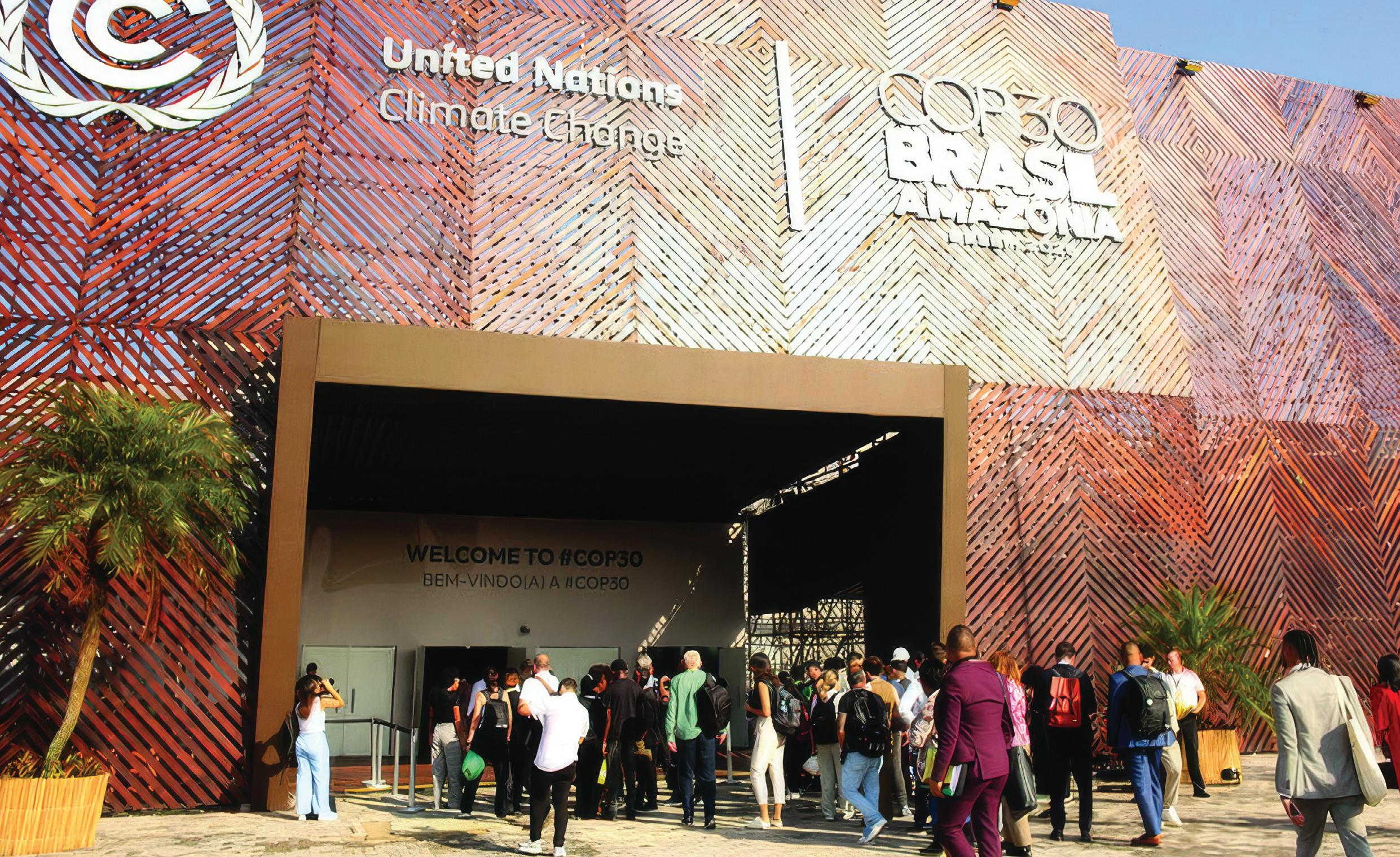
The annual UN climate summit which was hosted in the mouth of the Amazon rainforest in Belém, Brazil in November 2025 made some gains on climate adaptation but ultimately fell short in phasing out fossil fuels.
Following late-night negotiations which took the event past its deadline, a compromise deal was finally agreed between delegates from nearly 200 countries. The source of most contention at the summit was debate over a roadmap for the end of fossil fuels. This was an attempt to build on the agreement at COP28 to “transition away from fossil fuels” which had been rolled back on at the 2024 summit in Baku, Azerbaijan.
More than 80 countries including Ireland, the EU member states, and the UK supported a roadmap for phasing out fossil fuels to be agreed on at the summit. However, they faced strong opposition, with 1,600 fossil fuel representatives attending the event along with delegates from states who hope to continue their use of coal, oil, and gas. Ultimately, the final agreement secured at COP30 makes no reference to fossil fuels at all.
This was the first COP summit since the return of Donald Trump as US President, and his administration refused to send any high-level delegates to the event, reflecting the climate change denialism expressed by Trump on numerous occasions. In a speech at the UN General Assembly in September 2025, Trump described climate change as the “world’s greatest con job”.
The most significant proposals agreed to at the summit related to climate adaptation, including a call for financing to triple by 2035 and agreement on the list of indicators used to measure adaptation progress. Although both were weaker than many states had hoped for, they represent a commitment to tackling the effects of climate change.
Minister for Climate, Energy, and the Environment Darragh O’Brien TD gave reluctant support, but said the agreement “falls short of meaningful
ambition on the most critical issue of our time; reducing emissions to mitigate the worst effects of climate change”, adding: “In particular, it fails to include a credible roadmap for the phase-out of fossil fuels.”
Minister O’Brien added that “we look forward to continuing work, outside of the COP process, with the EU and other international partners on shaping a roadmap for the energy transition and the phase-out of fossil fuels”.
To this end, the Government pledged €15.2 million in funding for Irish climate finance partners including €10 million to the Adaptation Fund for 2026. This multilateral fund finances projects that help vulnerable communities in developing countries adapt to climate change, which will become increasingly necessary in a world which refuses to leave fossil fuels behind.
Garrett Blaney, Chairperson of the Commission for Communications Regulation (ComReg) reflects on the challenges of change.
ComReg is Ireland’s communications regulator. ComReg has been in existence since 2002 and in the intervening period we witnessed a vast amount of change in the electronic communications sector. The market has gone from a small number of companies providing electronic communications to a sector where investment and choice is provided by a wide range of fixed and mobile companies.

ComReg seeks to empower consumers by ensuring the availability of independent information, advice, and online resources, while also offering an effective complaint handling process
Regulatory clarity since 2002, based on ComReg and EU rules, has created a level playing field for the market and provided adequate radio spectrum and numbering resources to enable multi-platform competition. There has been major investment in the market by the private sector and through government intervention. The telecoms market continues to be very dynamic with further regulatory change expected with new European legislation expected in 2026.
The postal services market has recently evolved from where letters were the predominant product, to a market today where parcels and packages are now a critical part of the market.
ComReg has been asked by government to take on a range of new functions in addition to our existing roles. These are significant roles that will mean the largest change to our organisation since we were founded in 2002. The new responsibilities are in areas such as the second Network and Information Systems (NIS2) Directive, the Critical Entities Resilience (CER) Directive, the European Accessibility Act, the Data Act, and the Artificial Intelligence (Al) Act.
These new responsibilities include new sectors such as digital infrastructure, cloud providers, digital providers of ICT service management and space. We will need to further develop expertise in these new areas to address this expanding remit, particularly in the digital infrastructure sector. ComReg has been actively preparing for these new functions.
Even as our responsibilities grow, we remain focused on our commitment to promoting competition, resilience and protecting the interests of end-users.
The challenges facing the digital sector that could be summed up in four Rs: reliance, resilience, robust, and radical.
Covid was a step change in the level of digitalisation adoption in Ireland, which is now above average for EU member states. ComReg took urgent action during Covid to underpin the resultant increase in network traffic, and while society has returned to normal after the pandemic, the network traffic continues to grow. The consequence of pervasive digitalisation has been a significant increase in Ireland’s reliance on connectivity and the digital infrastructure to ensure that end-to-end digital services can be delivered to customers.
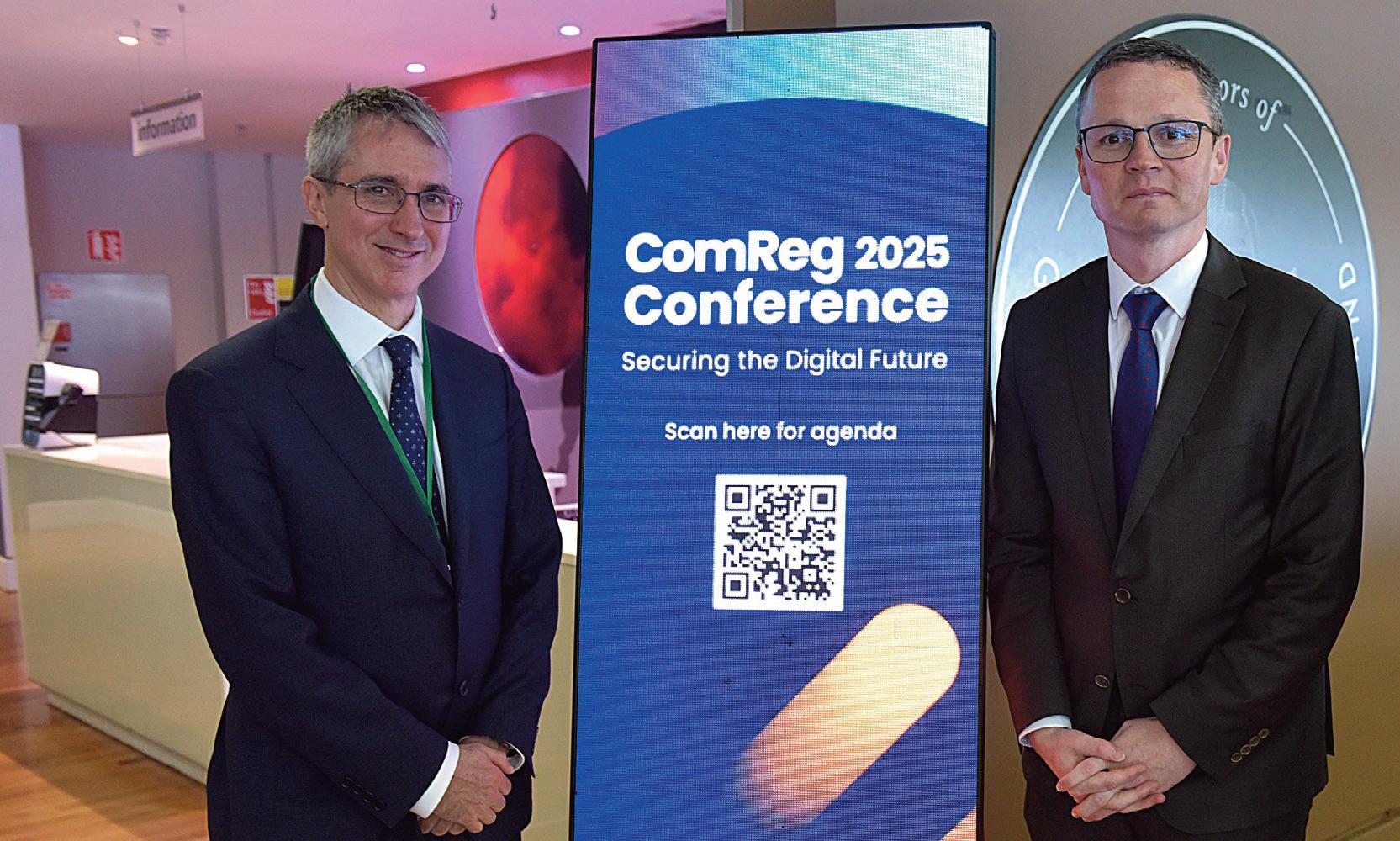
A number of recent incidents indicates that the resilience of Ireland’s fixed and mobile networks, and broader international digital infrastructure is not as resilient as we would like.
Storm Éowyn was a portent of the likely types of storms we may face in the future as climate adaptation becomes increasingly important. ComReg and the Department of Culture, Communications and Sport have worked with industry to identify key lessons from this major storm in order to enhance resilience of the networks in anticipation of future storms.
Recent outages in late 2025 of global cloud providers show that while cloud systems are designed to be very reliable, they are still subject to interruptions, which can have disruptive implications for a wide range of digital service users.
ComReg’s regulatory supervision responsibilities under the second Network and Information Systems (NIS2) Directive which takes an all-hazards approach to cyber security and resilience will focus on reducing cyber risk and increasing resilience, working closely with the National Cyber Security Centre and relevant government departments.
Digital services, and the underpinning connectivity and digital infrastructure, must be protected against bad actors, whether motivated by ill-gotten commercial gain or nation state threat actors operating in a more febrile geopolitical landscape.
Ireland has an enviable position currently in the global ecosystem of digital infrastructure that underpins Europe but this brings increased risk that we could be a target for attack. The forthcoming legislation will also be key to ComReg, working with others, to ensure that we reduce the cyber risk to our critical infrastructure.
We will always seek to provide regulatory stability and predictability to support long-term investment and plans for the market. What is meant by radical is the radical change in technological development that we have experienced in recent years which is continuing at pace.
An example of this radical change is the rise in generative Al. We know that major change is happening but it is very difficult to predict what impacts it will have in the future. The new technology is providing fantastic new opportunities for customers and society but unfortunately each new technology also introduces a range of new problems as well as solutions. Our job as regulators is to maximise the benefit for users while minimising any downsides.
We are working closely with other Irish digital regulators in a grouping called the Digital Regulators Group (including Coimisiún Na Meán, Competition and Consumer Protection Commission, and Data Protection Commission) to work collaboratively with each other and government to secure Ireland’s position as a centre of excellence internationally in best practice regulation of new digital technologies.
W: www.comreg.ie

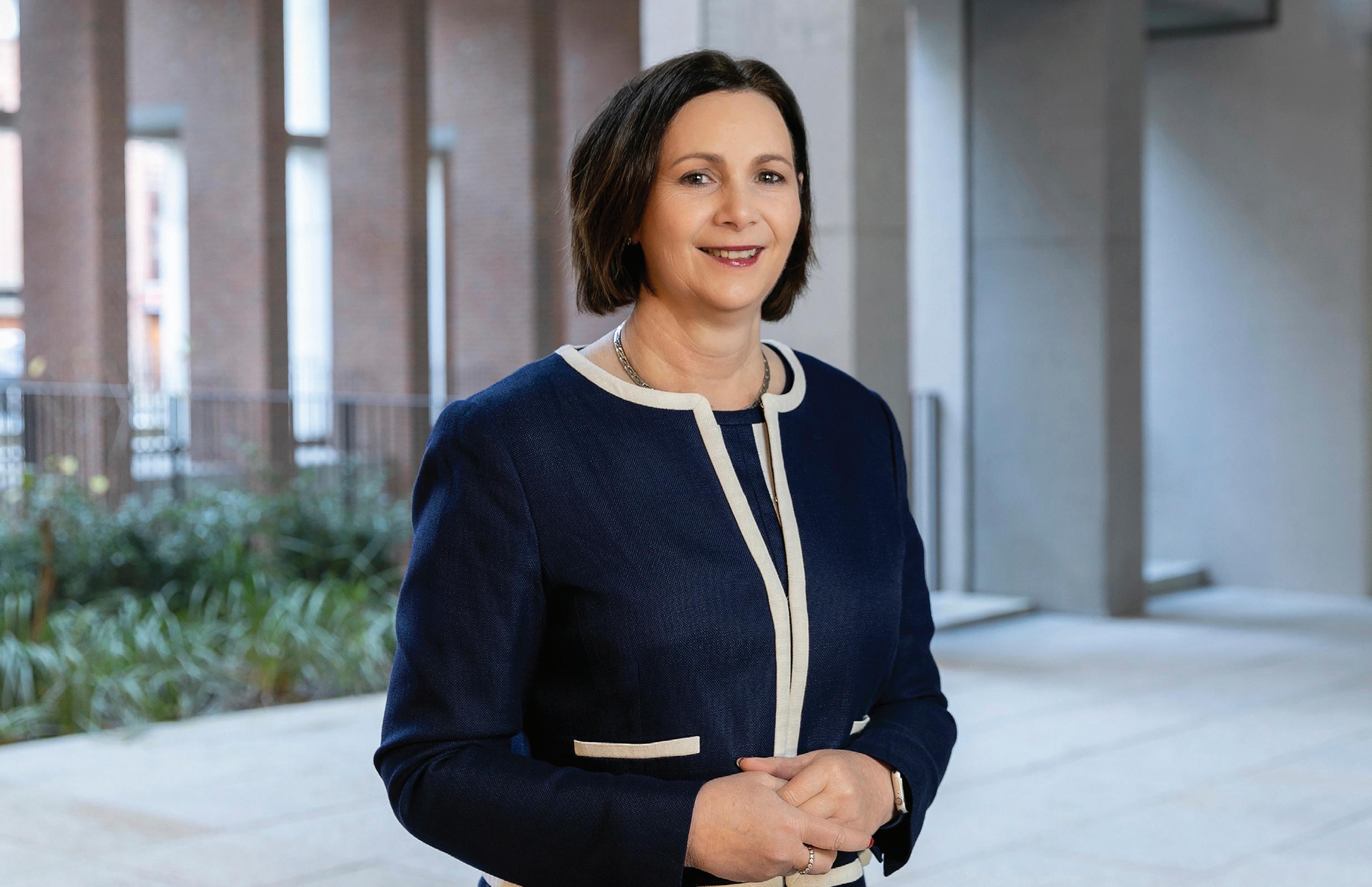
Jane Stout, professor of ecology in the School of Natural Sciences and vice-president for biodiversity and climate action at Trinity College Dublin, outlines the stats behind Ireland’s biodiversity crisis and the steps that must be taken to address it.
Setting the global context for biodiversity, Stout references Planetary Health Check 2025, published in September 2025, which finds that seven out of nine planetary boundaries have been breached. The planetary boundaries are critical global processes that regulate Earth’s stability and resilience.
Ocean acidification is the latest boundary to be breached and Stout indicates that this is attributable to CO2 build-up. She explains that this has “massive ramifications for marine life”, which in turn “has consequences for humanity”.
Stout outlines how The World Economic Forum’s Global Risks Report 2025, published in January 2025, identifies
environmental issues as the top four long-term risks. Biodiversity loss and ecosystem collapse is the second biggest risk.
Stout asserts that the Citizen’s Assembly on Biodiversity Loss held in 2022 should be celebrated. She also lauds the opening of two new national parks, and peatland rehabilitations by Bord na Móna. Nearly all local authorities on the island now have a biodiversity officer and are developing local biodiversity plans. Furthermore, species such as corn crakes and curlews are “coming back in areas that have been restored”.

“We must not ignore nature in our decision-making. We need to embed the financial and non-financial values into our decision-making processes.”
Stout continues: “We can restore nature, it costs a lot of money and it takes a lot of people working together to do so.”
The biodiversity expert also labels the All-Ireland Pollinator Plan, which she co-developed with senior ecologist at the National Biodiversity Data Centre Úna FitzPatrick, a “success story”. Stout says it facilitates an environment where pollinators can “survive and thrive”.
“This has influenced what is happening at a European level. Ireland is seen as a leader in pollinator conservation because of the Pollinator Plan.”
Stout acknowledges that there are “still an awful lot of challenges” including water quality and nitrates. She continues: “We have issues with funding. Nature restoration is extremely expensive. We see a lot of public and political apathy.”
However, Stout asserts that there is ample policy regarding biodiversity at global and national level despite repeated calls for the Government to provide more policy. “The EU Nature Restoration Regulation could be an absolute game-changer,” she continues.
The regulation is a “long-term holistic plan for restoration of nature with specific targets across urban, agricultural, and forest ecosystems”. It sets targets to restore at least 20 per cent of land and sea by 2030 and all ecosystems in need of restoration by 2050.
The Trinity professor states that plants make up most of the Earth’s biomass while insects are “the most diverse group of animals on the planet”. Asserting that “nature still has a PR problem”, Stout explains that this is partly because plants and insects are “mostly silent”, and virtually invisible. “A lot of our insects are very highly mobile, so we do not notice when they are gone,” she adds.
Stating that 70 per cent of Ireland is farmed, Stout explains that the majority of farmed land “is improved agricultural grassland” which means there is a low diversity of species. She says this is “a shame”, adding
that biodiversity “can really benefit farming” and provide “extra benefits for society”.
She asserts that farming can be done “in a more biodiverse way”, adding that biodiversity can be engineered into more intensive farming as well. The Trinity professor discusses Farm Zero C, a project which aimed to make an intensive dairy farm in Shinagh, west Cork become carbon neutral while remaining economically viable. Stout indicates that this project proves that “you can increase biodiversity in very intensive farmland”.
Stating that there is a cost to this, Stout discusses how another project titled ReFarm aims to address this by directing “finance from corporates to farmers so that they can do something for nature on their farmland”.
The biodiversity expert asserts that education at all levels “is absolutely key”. She states that people are well-educated on biodiversity at primary school level, but this wanes as they progress through the education system. By the time people enter the workforce, they demonstrate a “lack of urgency, lack of knowledge, and apathy for nature”.
“We must not ignore nature in our decision-making. We need to embed the financial and non-financial values into our decision-making processes,” she says.
Stout outlines five key things that can be done to address the biodiversity crisis, the first of which is to implement existing policy. Second is that there is engagement with the private sector “in a more meaningful way” to acquire investment, but also to ensure the private sector “pays for the damage that it does”.
Thirdly is that farming needs to be done in a more environmentally, socially, and economically sustainable way. Fourth is that communities need to be involved. Fifth is that lifelong education is provided and the need for biodiversity awareness is increased at all levels.
Concluding, Stout says: “We are lucky in Ireland, we have fantastic diversity of nature. We see it all around us every day. It is a hard to believe we are in a crisis but we are, so we do need to take these steps to address it.”
ESB Deputy Chief Executive Marguerite Sayers talks to eolas Magazine about ESB’s priorities and highlights progress against the background of a major acceleration in renewable energy generation, grid infrastructure buildout, and public investment in the energy transition.
How would you describe ESB’s strategic vision for Ireland’s future energy system as we work toward net zero by 2050?
First and foremost, our vision is for clean, home-grown electricity to be at the heart of Ireland’s future energy system. This is built on two core pillars: one, decarbonise the electricity we generate by building and connecting renewables at scale; and two, roll out electrification across sectors like transport, heating and industry as far as is technically possible.
This model is not unique to Ireland and is being adopted right around the world as countries race not only to cut their carbon emissions but to grow their energy security, particularly after the geopolitical events of the past number of years. In addition to climate benefits, the more we can use our own natural
resources and make homegrown renewable electricity our primary energy source, the more we increase our energy independence and end our reliance on imported fossil fuels, over which we do not have any cost control.
ESB will be launching a publication in early 2026 that will set out this vision for Ireland’s future energy system, underpinned by modelling carried out by the MaREI energy research centre at UCC. The research shows that over 70 per cent of our final energy needs in Ireland can be met by electricity in 2050, up from less than 25 per cent currently. Most primary energy needs can be met by indigenous renewables, complemented by interconnection and energy storage, with the remainder of energy demand met by zero carbon fuels like green hydrogen or biofuels. The study also shows how the vast majority of energy needs in transport, heating and industrial applications can be met in
future by clean electricity. Take industry, which has long been considered the hardest sector to electrify. By deploying heat pumps and electric boilers, it is now possible to use electricity for applications up to 400 degrees Celsius, which creates clean energy opportunities that were not there in the past.
For this vision to materialise, it will not be enough for ESB and the electricity sector to take action alone. We will need to encourage customers and communities to embrace an all-electric lifestyle. It would be ideal to be in a situation where it was an easy decision to opt for an EV over a petrol car, or choose a heat pump when your gas boiler needs replacing, but between misinformation, cost issues, and some perceived inconvenience issues, we are not there yet. Changing the decision tree in favour of clean energy will require continued investment in infrastructure, for EV charging, for example, and additional supports to

“Democratisation of energy will be so important, as our future system will rely on consumers taking greater control over their energy use and using electricity in a more flexible way.”
ensure the adoption of low-carbon technologies.
Through engaging with our customers, and our own personal experience, it is clear that once people do get engaged in their own energy transition – if they buy an EV, or install solar panels or a home battery – they become so clued in to when renewable energy is available, when the best rates are available to charge their car or run their appliances, when to import and when to use their batteries, they naturally get more and more interested in learning what next step they might take.
This democratisation of energy will be so important, as our future system will rely on consumers taking greater control over their energy use and using electricity in a more flexible way, so we can match demand to available renewable electricity as much as possible, maximising its use and bringing down costs for consumers.
What progress has ESB made in building a renewable-led electricity system, and what are the key priorities for scaling generation, storage, and zero-carbon dispatchable solutions?
It is over three years now since we launched our strategy Driven to Make a Difference: Net Zero by 2040, which set out our commitment to decarbonise our

operations by 2040. This has significance beyond ESB, as a net zero electricity system by 2040 is essential for Ireland to reach its legally binding 2050 climate goals.
Taking stock of our progress so far, the carbon intensity of the electricity we generate in ESB has fallen by almost one-fifth since 2021. Going back further, total carbon dioxide output from our electricity generation has fallen by 65 per cent since 2005, despite all of the challenges. Our renewables and storage portfolio has also increased by almost 40 per cent in the past three years from 1.3GW in 2021 to 1.8GW today and we have a very significant pipeline of future projects.
In addition, all renewable projects, including those not owned by ESB, have to be connected to the network, which requires the construction of a lot of additional high and medium voltage lines and stations. The volume of zero-carbon generation connected by ESB Networks has grown by over one-third in recent years to reach over 6.3GW, which is
equivalent to Ireland’s peak electricity demand. Not many countries can say their installed renewables capacity matches their peak demand, unless they have very significant natural hydro resources.
Of course the challenge is that not all renewable sites can generate all the time, as they are very reliant on weather and, in the case of solar, the time of the day. One solution to help increase the volume of available renewable electricity is energy storage, and ESB’s portfolio of battery energy storage systems (BESS) is now one of the largest in Europe at 300MW.
We also have a very significant pipeline of renewable energy projects totalling more than 10GW, and there is great excitement in the company since ESB’s JV with Ørsted won the most recent Irish offshore auction. We now have some really valuable experience in this space, as our first offshore wind farm, Neart na Gaoithe, located off the coast of Fife in Scotland and co-owned with EDF Energy, became fully operational 4


last summer with a capacity of 450MW. Construction is underway on a second larger offshore joint venture (with Red Rock), Inch Cape, which is also in Scotland. While the timelines for offshore development here in Ireland are now longer than originally expected, the experience and skills ESB is gaining through projects in Great Britain will be invaluable in delivering in Ireland.
This will be the real game-changer, unlocking the potential of the incredible natural wind resources right off our shores.
Solar is an area that has seen astounding growth in Ireland over the past five years, and it is a technology that we are really focusing on, with planned investments of around €1 billion over the coming years. ESB’s first wholly-owned solar farm in Bullstown, County Meath, began generating during the summer, along with a new site at Timahoe, County Kildare, part of our solar co-development agreement with Bord na Móna.
How is ESB approaching the need for greater system resilience and security of supply as renewable penetration increases?
Resilience and security of supply are absolutely crucial priorities as the energy transition progresses. As people become more and more dependent on electricity to power their lives, the electricity system must be highly reliable and

robust, especially as we ask households and industries to electrify more and more. This can be particularly challenging given increased incidents of extreme weather events.
For ESB, this means focusing on two things. First, investing in the electricity transmission and distribution networks on a scale that is far beyond what has gone before. The upcoming Price Review 6 (PR6) period will be crucial for ESB Networks to provide adequate future grid capacity and replace some ageing assets, with an investment of upward of €13.6 billion planned over five years. This will deliver on two fronts: it will enable decarbonisation, building out the network needed to integrate renewables and low-carbon technologies like EVs and e-heat; and crucially, it will enable new connections for our growing population and economy.
Second, we need to ensure a secure, stable generation supply in a renewables-dominated system. On the one hand, this is about having the backup generation in place to keep the power flowing when the wind is not blowing and the sun not shining. Our modelling has shown that green hydrogen – which could be produced from excess renewable energy and stored in subsea caverns – would be the optimal solution to deliver this security with zero carbon emissions. Other options include bioenergy, largescale longer-term battery storage – an area where there is lots of innovation happening at present – or dispatchable gas with carbon capture and storage technology.
system services are needed to keep the system stable as more variable renewables are added to the grid. One challenge is maintaining inertia in the grid, which acts as a buffer against momentary dips in supply. In a fossilbased system, this is provided by massive spinning generators which are not present in wind or solar power, so we need something else to provide that stability. This was why ESB installed a €50 million synchronous compensator at our Moneypoint station a few years back. It does not generate any electricity, but it provides that mechanical inertia for system stability. These are well-tested solutions that can be rolled out more widely as we add more renewables.
With electricity demand rising, how is ESB balancing the energy trilemma of security, affordability, and sustainability for customers and the wider economy?
While sustainability and the drive to decarbonise are at the heart of our strategy, the energy we deliver must be reliable and affordable.
In our vision for Ireland’s future energy system, achieving these three aims will not involve the same trade-offs as today. A highly electrified system where renewables deliver most of the power can deliver on all three: low- or nocarbon generation; a new kind of energy security, as we are no longer relying on imported fossil fuels, and with that will also come stable, predictable pricing.
But we are not there yet, and from where we stand today, affordability remains a really central challenge. Our energy supply business, Electric Ireland, is acutely aware of the pressures facing customers, and announced last autumn that it would cut its gas prices and that residential electricity prices will be kept unchanged for its almost 1.1 million residential customers from November. This is positive news for those customers through the winter period. However, it is probably not well understood that well over 90 per cent of the costs that make up electricity bills are not controlled by suppliers, and so there is not a huge amount of wriggle room.


On the other hand, new technologies and
At a more macro level, we have been working with other stakeholders to explore the key drivers of electricity prices in Ireland, how we compare to other European countries and what strategies might help. One thing that is
clear from the analysis is the outsized role played by the wholesale price of gas, which has shot up since the invasion of Ukraine in 2022. Compared to other countries, Ireland is particularly reliant on gas for our electricity generation as we have limited hydro resources, do not have nuclear power and no longer have coal or peat, so as more renewables come onstream, we can hopefully reduce that gas reliance which will put downward pressure on prices in the medium term.
What role will innovation play in Ireland’s energy transition, and which technologies or initiatives do you believe will be most transformative in the coming decade?
One aspect of my role at ESB is heading up the innovation and transformation section of our business, so it is a topic close to my heart. It might not be the first thing people associate with a longestablished company like ESB, but I am proud to say we have a really strong reputation for innovation in the energy sector internationally and that has been recognised by external agencies.
Undoubtedly, many of the advances we are seeing in energy are being driven by digital and data, with new hardware solutions being used to gather the data. One pilot we successfully trialled recently was using drones to survey sections of the electricity network, capturing the information digitally and using AI to identify areas that might be susceptible to significant storm damage.
Other innovations will support the move to a renewables-led system: for example, we are involved in a project to develop underwater chambers that make it possible to repair subsea cables, the kind needed for interconnectors or offshore wind farms, on the seabed, instead of needing to bring them up to the surface, which can be a lengthy process as it requires the availability of specialist ships.
One way we keep informed on the latest tech developments is through our involvement with Free Electrons, a startup innovation hub that was founded by seven international utilities (including ESB) almost a decade ago. It links established utilities, who have experience and capital, with startups who bring fresh ideas and new ways of approaching the challenges facing the sector. ESB hosted the Grand Finale of the Free Electrons competition in Dublin in October. Currently, there are 48 live projects that had their genesis in Free Electrons, and they are expected to
“There is also a growing realisation of the importance and necessity of investing in the electricity network, which will be a real workhorse for the energy transition in every sector.”
deliver value of somewhere around €30 million.
What message would you share with policymakers, industry partners, and communities about the importance of accelerating delivery now?
We are starting from a good place, in that there is a strong understanding and support in Ireland of the need for decarbonisation. There is also a growing realisation of the importance and necessity of investing in the electricity network, which will be a real workhorse for the energy transition in every sector. This is something we have seen reflected in the decision by the Government, ESB’s majority shareholder, to make an equity investment of €1.5 billion in support of ESB Networks planned capital expenditure under PR6. For renewable generation, too, there is broad consensus that we need to build more, faster. The recent changes to planning legislation should have a positive impact on the pace at which we can roll out critical infrastructure.
What will be crucial to accelerate the momentum we have built over the past number of years is gaining buy-in from customers and communities. We know there is overwhelming support for the clean energy transition in a general sense, but many are hesitant when it comes to accepting new infrastructure or making specific changes to their lifestyles, particularly when it comes with additional costs and needing to make fast decisions, on the replacement for a gas boiler, for example. Making these choices easier and more affordable for people is something we need to work on together across government and industry.
We will all have to make some accommodations to make the transition a success and to position Ireland as having a stable and reliable electricity system. If we can achieve that, it will be a game-changer for the country. Not only will we deliver our climate targets, but we will increase our energy independence – providing secure, home-grown power to underpin our economy and deliver sustainable growth in Ireland for generations to come.
Marguerite Sayers was appointed ESB Deputy Chief Executive in July 2022. Immediately prior to this, Sayers held the role of Executive Director, Customer Solutions at ESB from 2018. She has worked in various technical and managerial positions in ESB for over 30 years, including generation manager, head of asset management for ESB Networks and managing director of ESB Networks DAC. She holds a degree in electrical engineering from University College Cork (UCC), is a chartered engineer, a fellow and past president of Engineers Ireland, a fellow of the Academy of Engineers, a chartered director, a member of the Board of Energy UK, and a Trustee of The Irish Times
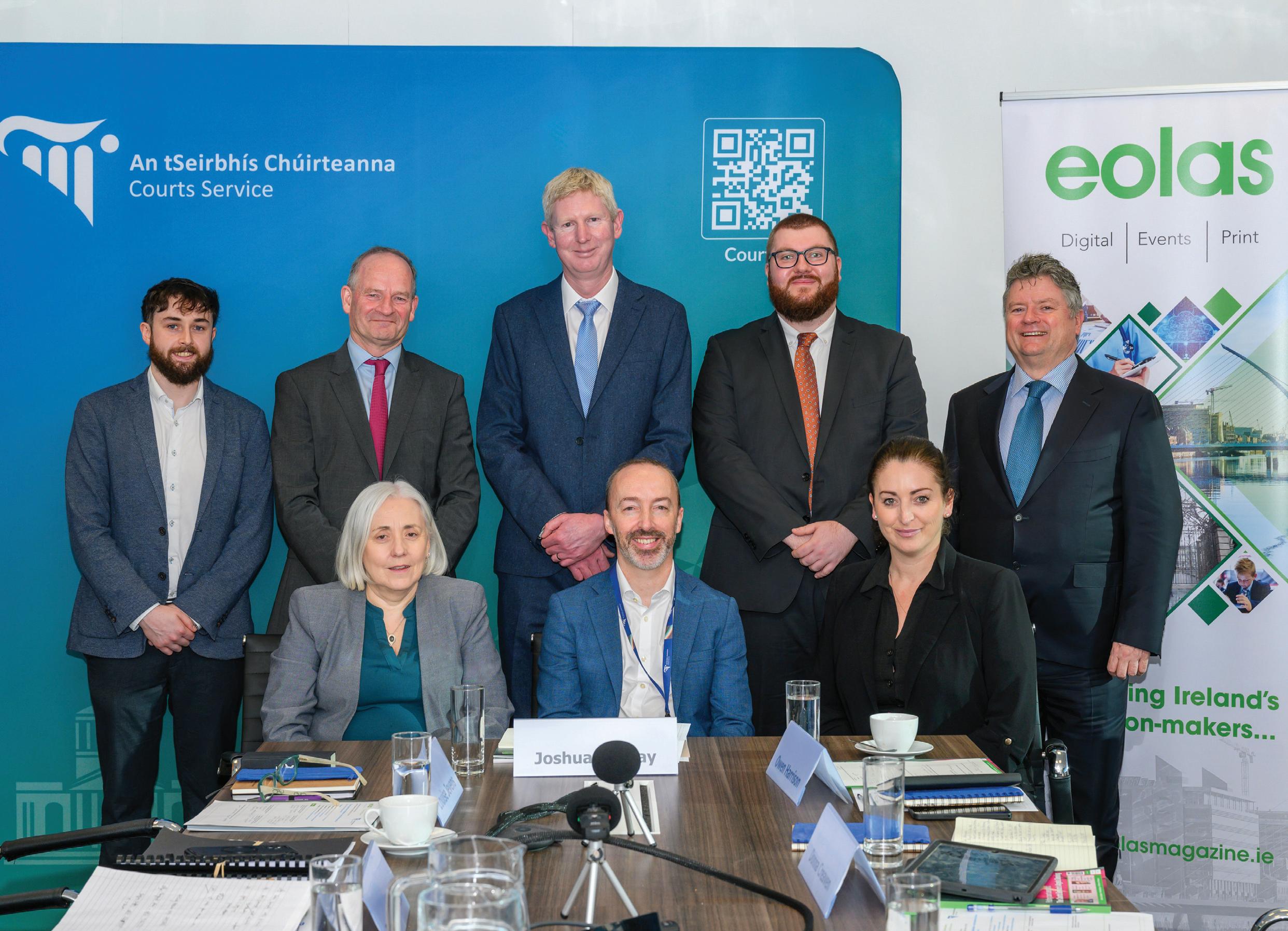
The Courts Service hosted justice sector leaders and experts for a round table discussion on digitalisation of the sector and what tomorrow looks like.
What has been the most significant IT advancement in the last five years within your organisation/to impact your work?
Owen Harrison
Our transition to cloud has been instrumental in enabling us to respond to challenges with agility. It is the bedrock of everything we do. Cloud services have been a game-changer for us across the board allowing us to respond to application needs right through to security threats in a very coherent way. The cloud also underpins our new Unified Case Management System which is one of the biggest strategic decisions we have taken in the past five years.
Donna Creaven
Virtual video conferencing was initially introduced as an emergency measure during Covid but it has fundamentally changed our operations. On average, 380 virtual court appearances, 60-plus legal consultations, and hundreds of family video visits take place each week. This has had a positive impact on transport operations, escort demands, and disruption to prison routines.
Justice Liam Kennedy
Although it is still a work-in-progress, electronic filing is a game-changer. The amount of paper produced in a typical case is increasing all the time but electronic tools will help us deal with such information more efficiently. Video
Round table discussion hosted by
conferencing is also increasingly significant. Its use in live court hearings during Covid helped ensure continued access to justice during lockdown but since then it has continued to prove itself as valuable for callovers and directions hearings which could otherwise require barristers and solicitors to spend hours in court waiting for a listing that might only take minutes. It is also helpful when dealing with expert witnesses like doctors testifying in personal injury actions and overseas witnesses. Such technological changes should lead to significant efficiencies and savings both for the Courts Service but also for parties appearing before the Irish courts.
Paul Spring
Digital evidence has become significantly more prevalent in the last few years. This has hugely impacted our work. There is an enormous volume of data that must be stored, processed, and transmitted. Some of this evidence is highly technical which presents its own challenges, particularly for some defence solicitors who, in some cases, may not have the capacity to store huge volumes of data.
Brendan Dillon
Coincidentally, right before lockdown measures were imposed during Covid, we had replaced old computers with laptops across the organisation. We have also transitioned to the cloud which has been significant for remote working. We have hugely improved our case management and aligned our case management system. This has streamlined our operations. We are also utilising AI dictation. It is not perfect but it is a huge improvement. This accelerates the workflow and frees up staff to complete other tasks which delivers more efficiencies.
Louise Jevens
Low code platforms and cloud adoption have enabled us to expedite front-end digital delivery of applications and forms. They provide us with functionality to deliver quick wins. This has helped us address challenges in recent years such as the four-fold increase in international protection applications and has enabled efficient processing of those coming to Ireland seeking temporary protection fleeing the war in Ukraine.
What has been the greatest challenge in implementing new IT initiatives?
Paul Spring
We have actually had great buy-in from staff. The organisation is expanding rapidly. Timing has been the challenge for us. Staff are keen to use modern tools and services, and they are eager for us to introduce more. But this must be balanced with training and scaling capacity. It can be difficult to keep up with the demands and expectations of incoming and existing staff. We have a big challenge with our Case Management System which is end of life. This is a long-term project.
Justice Liam Kennedy
The great challenge has been the digital divide; both internally and externally. Externally we have a diverse range of stakeholders who have varying digital capacities and computer literacy levels. Not every organisation has the foundations in place to upscale digital implementation. Internally, we must ensure that incoming judges are trained to utilise new technology.
Louise Jevens
The greatest challenge for us is ensuring that the entire organisation moves together in the digitalisation journey. Moving to an agile methodology puts additional asks on the organisation when it is already dealing with high demands. There is a lot of enthusiasm for tech and digital so digital literacy needs to be supported. In cross agency projects, ensuring priorities are aligned is another challenge. This is crucial to ensure that the sector can deliver value.
Owen Harrison
The ‘people’ part of the people-process-technology triangle has been one of the biggest challenges. To implement a user-centric service design, you need 4
Donna Creaven
Donna Creaven is Director of ICT, Governance and Corporate Services at the Irish Prison Service, responsible for ICT operations, organisational governance, and strategic development. Her background spans law, IT, risk, project management, and public administration. She holds degrees in commerce, law, and corporate governance, along with postgraduate qualifications in data protection, strategy, and innovation, and is a chartered company secretary. Creaven is a council member of the Association for Criminal Justice Research and Development, chair of the ICT Network for the International Corrections and Prisons Association, and a member of international ICT and research groups focused on corrections, technology, and rehabilitation.

Brendan Dillon
Brendan Dillon has been a member of the Guidance and Ethics Committee for the last 19 years. He is the former Chairman of the Guidance and Ethics Committee. Dillon is also a member of the Family Law Committee of Law Society and is Chair of the Family Lawyers Association.
Owen Harrison
Owen Harrison is CIO and Assistant Secretary of the Courts Service of Ireland, leading digital, data, and organisational transformation across the courts system. Formerly Principal Officer in the Office of the Government CIO, he delivered gov.ie, the Build-to-Share Applications platform, and the Public Service Data Strategy, and helped implement the Data Sharing and Governance Act 2019 while advancing public-service eID adoption. Before public service, he cofounded and ran a software services firm for 13 years. Harrison holds a PhD from Trinity College Dublin and a BSc in Computer Science from DCU, with published research in high-performance computing and cryptography.
Louise Jevens

Louise Jevens is Assistant Secretary and CIO at the Department of Justice, Home Affairs and Migration, leading digital transformation, service delivery and ICT strategy across the Department and associated agencies. She previously served as Head of IT in the Department of the Taoiseach and the Public Appointments Service, contributing to major national systems including ISTS, PULSE, eCabinet, and Brexit-related certification services. Her remit covers operational delivery, governance, business process design, innovation, and major programmes in immigration and international protection. Jevens holds a BSc in information systems, professional awards in analytics and digital government, and is a fellow of the Irish Computer Society and IoD member.
Justice Liam Kennedy
Justice Liam Kennedy began his legal career in New Zealand before practising in London, later moving to Ireland in 1992 to join A&L Goodbody, where he became Partner and Head of Litigation with a strong focus on technology in legal practice. Appointed to the High Court in 2023, he presides over chancery matters, bankruptcy, examinerships, and proceeds-of-crime litigation. He also serves on the Courts Service’s Modernisation Committee and holds responsibility, alongside the President of the High Court and the Chief Justice, for judicial technology and innovation initiatives aimed at modernising court processes and improving digital capability within the judiciary.
Paul Spring
Paul Spring was appointed CIO of the Office of the Director of Public Prosecutions in 2024, where he leads a wide-scale ICT modernisation programme, including the replacement of the Office’s Case Management System. Previously Head of ICT at the Department of the Taoiseach, he delivered services supporting Brexit, Covid-19 response, the Ukrainian crisis, and key national bodies. Earlier, he managed ICT at SUSI, building services for over 100,000 students annually. Spring contributed to national digital strategy and cybersecurity policy, including Connecting Government 2030 and Public Sector Cybersecurity Baseline Standards. He holds an MSc from Dublin City University and a BSc in Computer Science from Dublin Institute of Technology.
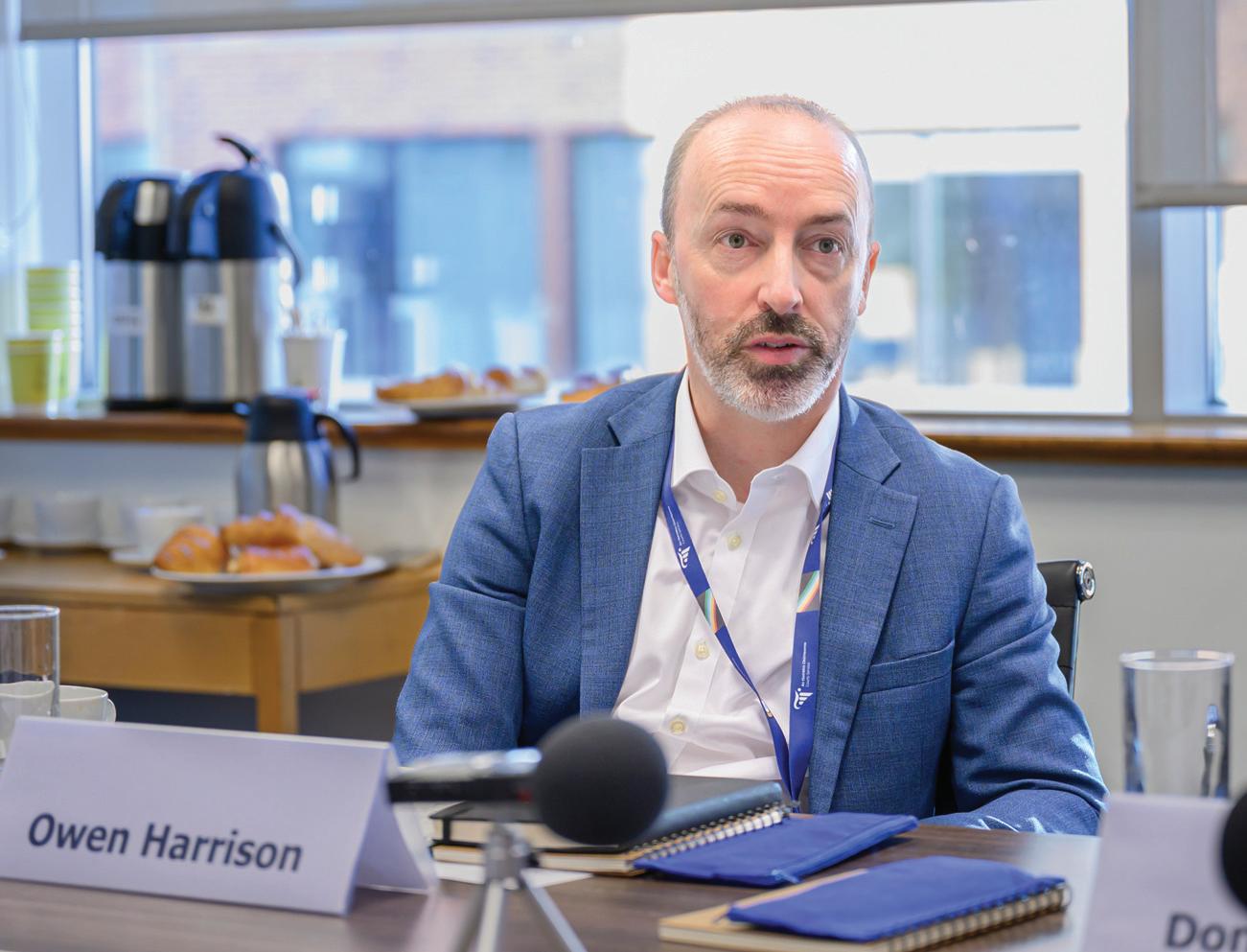
“Collaboration means decisions are not made in isolation; instead, solutions are built from the ground up to meet collective needs.” Owen Harrison
users’ time, but they have limited capacity. Therefore, you need highly skilled IT staff that can extract the value out of users during the limited time they have with them. Identifying, hiring, and retaining such staff has been a constant challenge for us.
Donna Creaven
Supporting people through change management and fostering trust in new systems have been significant challenges. Sometimes, there will be duplication of processes because there is not enough trust in the new system. Additional challenges include escalating ICT costs, perpetual licenses needed for cloud subscription models, and the cybersecurity threat. Furthermore, we have legacy systems, fragmented data, and underdeveloped data modelling capabilities which create further obstacles when you attempt to implement new systems as you need strong foundations in the first place.
Brendan Dillon
Everything you want to implement comes at a cost but each organisation must consider if not implementing new technology incurs a greater cost. This
also ties in with security. The prospect of someone hacking into our client account is the single biggest threat we face. Cyber threats are becoming increasingly sophisticated and each organisation is endeavouring to implement adequate security, but ultimately you do not know how effective it is until it is tested. Ensuring that staff are correctly processing information digitally is a challenge.
Donna Creaven
Many prisons are located in Victorian estates and the buildings are over 100 years old. Rolling out new services requires improved WiFi and upgraded physical structures which in turn require extensive building works and cabling in the first instance, so there is a need for underpinning infrastructure in order to meet our digitalisation needs.
How has IT collaboration across the justice sector benefitted your organisation/work?
Brendan Dillon
The Covid-19 pandemic highlighted the value of justice sector IT collaboration. In the early months of the pandemic, family law proceedings almost halted, but remote consent hearings helped restore access and proved hugely effective. Hybrid hearings continue in some areas, and the new online filing system being piloted has transformed workflow and efficiency. While the full potential of digital systems is not yet realised, we now have a strong proof of concept. The pandemic showed that new models can work, and with continued collaboration, there is considerable scope to streamline processes further and deliver faster, more accessible family law services.
Louise Jevens
The Hub project has significantly improved collaboration across the Courts, prisons, and An Garda Síochána by enabling secure, real-time message and data exchange. This has introduced
“By sharing information electronically rather than manually, the sector has created clearer workflows, fewer delays, and better service outcomes.”
Louise Jevens
development challenges but the outcome for users has been overwhelmingly positive with greater speed, reduced error rates, and smoother data transfer between agencies. We now have full visibility of who is due in which venue and when, supporting more efficient case progression and prison management. By sharing information electronically rather than manually, the sector has created clearer workflows, fewer delays, and better service outcomes. Collaboration has made processes faster, more accurate, and more joined up.
Justice Liam Kennedy
Cross-sector collaboration enabled the development of a unified legal diary, something which is long overdue. Previously, more than 150 different databases had evolved organically and operated separately, creating gaps, confusion, and risk. With a single digital diary, the chance of errors, such as the wrong prisoner being released, is reduced, and efficiency increases across the system. This progress was built on the foundations of the Unified Case Management System, which has become the engine for transformation. While nondigital routes must remain available, fears of a digital divide have not materialised to the degree once expected. Scaling and strengthening digital services now offers the greatest benefit.
Owen Harrison
Many collaborative gains stem from the Unified Case Management System, which aims to replace over 150 legacy systems with one integrated platform. This shared approach has enabled developments like the legal diary but, more importantly, ensures design is centred around users with judges, prison services, gardaí, legal representatives, and others. Collaboration means decisions are not made in isolation; instead, solutions are built from the ground up to meet collective needs. As this platform expands, the benefits will continue to grow: streamlined information sharing, reduced duplication, and more consistent, reliable data across the justice sector.
Donna Creaven
Courts list integration has greatly benefitted the Prison Service by reducing unnecessary transport and giving us clear, timely access to court data. This means more efficient detailing of staff, officers can be redeployed to more meaningful duties, and fleet and operational risks are reduced. Collaboration has also helped shift our
“Our aim is a modern prison environment equipped for secure digital services and improved prisoner access to support.” Donna Creaven
culture away from paper-based operations. The Department of Justice, Home Affairs and Migration’s Innovation Ambassador Programme, in which we participated, supported projects like digital journals and new digital service design approaches. Shared learning, training, and sector-wide problem-solving have changed how we view technology and enabled more user-focused digital development within prisons.
Paul Spring
Sector collaboration has been exceptionally strong and continues to grow. The Criminal Justice Hub has created valuable working groups, including one led by the Courts Service on Common Data Registries. This group involving the DPP, the Courts Service, An Garda Síochána, the Department, and the Central Statistics Office is tackling longstanding inconsistencies in how offences are classified and coded. A standardised approach would vastly reduce duplication, errors, and inefficiencies across the system. The Courts Service has produced excellent groundwork, and although implementation will be challenging, the foundations for a shared data model are in place. The potential benefits are substantial and widely supported.
What key IT developments are planned for your organisation/do you envisage for your work over the next two to three years?
Donna Creaven
Our organisation is currently facing significant overcrowding, and a major Capital and Capacity Development Programme is underway for the next five years. As we modernise our physical estate, we want to ensure new and refurbished prisons are built to support modern digital services. This includes expanding in-cell technology, improving WiFi and digital access throughout landings, and building on the successful rollout of in-cell telephony. Alongside infrastructure upgrades, strengthening cybersecurity, improving network resilience, and increasing staff awareness of digital risks will be key priorities. Our aim is a modern prison environment equipped for secure digital services and improved prisoner access to support.
Owen Harrison
For the Courts Service, our primary development is the Unified Case Management System. This will enable
“AI could streamline the administrative sections of judgments, allowing judges to focus on interpretation, reasoning, and outcomes.”
Justice Liam Kennedy
digital filing for court users and legal practitioners, modernising how information flows through the courts. Beyond efficiency in submissions, we expect significant wider benefits as digital processes reshape how cases progress. A judicial interface is also being introduced, allowing judges to access documents electronically and work with cases more effectively. Feedback so far has been positive. Over the next few years, expanding this system will be central to improving access to information, case preparation, and court administration.
Justice Liam Kennedy
I fully support the Unified Case Management System and see it as a foundation for further development. Looking ahead, artificial intelligence will influence judicial work, and guidance will be issued for legal professionals to ensure safe and appropriate use. AI will not decide cases, but it could support judges by processing factual material, summarising documents, and speeding up the preparation of judgments. Given the current delays in judgment production, particularly in the High Court, AI could streamline the administrative sections of judgments, allowing judges to focus on interpretation, reasoning, and outcomes. Used carefully, it could accelerate justice delivery.
Paul Spring
Our organisation is progressing through a broad modernisation programme. While much of the foundational work has been completed, expansion and scalability remain priorities. Cybersecurity is a major focus, with further advancements needed to match evolving risks. Our largest planned development is rebuilding our Case Management System to improve our own business processes, data sharing, reduce duplication, including a
reduction of paper based processes. Currently, information is re-entered across systems, particularly between An Garda Síochána and our own teams. A redesigned platform will streamline information flow, incorporate digital evidence more effectively, and integrate material such as body-worn camera footage directly into case files.
Louise Jevens
We are progressing two major modernisation programmes, one in immigration services and one in international protection, with core phases already delivered. Key developments include a digital contact centre, selfservice applicant portal and modernised back-office systems, simplifying complex proofing processes. Upcoming phases of work are driven by ambitious EU Migration Pact deadlines for firstdecisions and appeals. We are replacing legacy systems and building solutions on secure cloud platforms. Looking forward, a Smart Borders project aims to streamline movement at airports through pre-travel notification and digital entry and exit, reducing manual interactions and improving efficiency.
Brendan Dillon
Security remains a continuous focus as we ensure systems are fully utilised and resilient. We are enhancing our case management processes, particularly client onboarding, AML checks, and file opening, making them more seamless and less manual. A major new development is an AI-supported intake system for our family law services. Given
“Collaboration will be essential to design, adopt, and govern this safely across the sector.” Paul Spring
the sensitivity of these matters, the goal is to gather key information in advance so early meetings are less stressful and more productive for clients. By improving the initial contact experience and streamlining administrative steps, we hope to deliver a more efficient, supportive service and a stronger client journey.
What future collaboration do you expect across the justice sector in the next few years?
Justice Liam Kennedy
I expect future collaboration to continue along the same path, building on unified systems, reducing inefficiencies, and improving integration across the sector. The Unified Case Management System will remain central, enabling more video hearings and smarter scheduling.
Remote listings are ideal for short or procedural matters, while in-person hearings will still be essential where liberty is at stake. The sector will need to balance stakeholder needs, work practices, and hearing formats while expanding digital capability. Ultimately, closer collaboration will improve efficiency for courts, prisons, practitioners, and the public, delivering better outcomes system-wide.
Paul Spring
I agree that the next phase is about progressing what has already begun. System interoperability and data sharing will be major priorities, reducing duplicate entry and improving accuracy. One significant area will be digital evidence, particularly as body-worn cameras become standard. A centralised digital evidence management system could transform how material moves between gardaí, prosecution, defence, and courts, replacing current manual processes and improving chain-of-custody and auditability. This will require cultural, operational, and technical changes, but the efficiency, security, and consistency gains are substantial. Collaboration will be essential to design, adopt, and govern this safely across the sector.
Louise Jevens
There is strong potential for further collaboration through the Criminal Justice Operational Hub and the Criminal Justice Strategic Committee, which drives crosssystem reform. Continued use of shared innovation networks will help identify common pain points and support development of digital solutions. A critical future step will be progressing a sector-wide identifier to improve data flow, supported by policy, legislation, and
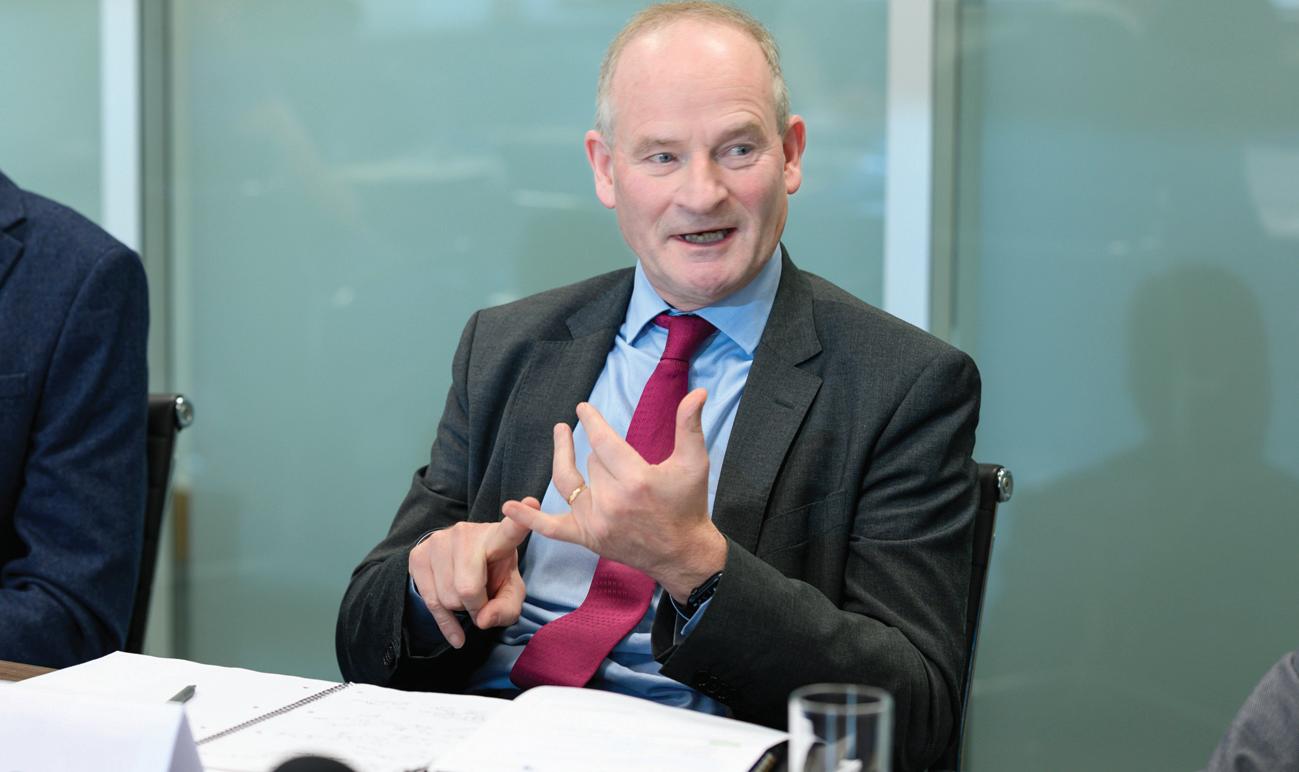
“The pandemic showed that new models can work, and with continued collaboration, there is considerable scope to streamline processes further and deliver faster.” Brendan Dillon
operational frameworks. AI will also feature, but governance, skills, and responsible deployment will be key. As systems become more efficient, we must also plan for downstream effects, acknowledging that gains in one area can increase pressure in another. Collaboration ensures balance.
Brendan Dillon
Engagement between practitioners, courts, and justice agencies has significantly increased, giving confidence that deeper collaboration is now achievable. The legal diary and online filing pilots show real progress, but future work could focus on expanding remote administrative hearings. Many lawyeronly directions and procedural matters could be handled online, reducing court waiting time, lowering costs for clients and easing pressure on physical courtrooms. With 150 systems already being consolidated into one, we have proven that large-scale cooperation is possible. If this momentum continues, further efficiency gains and access to justice improvements should follow with relative ease.
Donna Creaven
Future collaboration will likely expand video link use and strengthen data sharing under the Criminal Justice Strategy, particularly through cleaner data foundations and a unique identifier. Cross-agency work on analytics and projection models could help long-term resource planning, including prisoner
forecasts and policy development. Ewarrants present another major opportunity, reducing delays and improving traceability. AI holds potential for security monitoring, interpreting multilingual communication and supporting operational decision-making, but must be used ethically, safely, and with a human-centric lens. Efficiency gains are valuable, but decisions should reflect real-world impact on people and not just technical possibility.
Owen Harrison
Sustained collaboration across the justice ecosystem will be essential. Shared reform reduces cost, duplication, and administrative burden, which are benefits felt not only internally, but by users, taxpayers, and society. AI will be a defining feature of the next phase, with enormous promise and equal risk. Its capability can be remarkable, but it also fails unpredictably, so collective governance, risk assessment, and decision-making will be critical. Working as one sector allows opportunities to be developed safely and consistently, ensuring courts, prisons, gardaí, legal practitioners, and government progress together. Continued cooperation will improve outcomes, efficiency, and accessibility across justice.



Ireland cannot meet its power sector decarbonisation targets while simultaneously maintaining or upscaling data centre development and the Government must set strategic priorities to address this fact, Paul Deane, senior researcher in clean energy futures in University College Cork, tells eolas Magazine.
“What is possible is not always achievable,” says Deane, translating the Latin phrase “a posse ad esse”. He links this to the Government’s contradictory efforts to develop data centres while achieving decarbonisation targets. “We cannot have it all because we cannot do it all,” he adds.
Deane asserts that strategic national priorities must be set for data centres by 2030, and choices must be made between those that deliver economic value and those that help achieve decarbonisation targets. He states that “scarce resources” must be allocated to deliver infrastructure and that priorities must be established regarding energy, renewables, and economic development.
“The Government has too many number one priorities,” says Deane. “That is admirable, but when you have scarce resources, it is not possible. A posse ad esse.”
The senior researcher states that data centres benefit economic development, the labour market, and society. “So, what is the problem?” asks Deane.
The answer: “Ireland is very quick at building data centres, but very slow at building renewables. This puts pressure on grid delivery, system operation, renewable targets, energy efficiency targets, and climate targets.”
“In our effort to try and please everyone and do everything, we will probably end up getting nothing done over the next four years.”
Paul Deane, Senior Researcher, University College Cork
Stating that Ireland is currently at around 40 per cent renewable electricity penetration, the senior researcher explains that Ireland must achieve the legally binding target of 80 per cent by 2030 outlined in the Climate Action Plan
However, the 2030 target is influenced by data centre build-out, renewable supply, and demand. Deane outlines three scenarios of data centre build-out and their impact on renewable electricity penetration by 2030.
• low-build out: 74 per cent RES-E;
• medium build-out: 65 per cent RES-E; and
• high build-out: 59 per cent RES-E.
Deane says Ireland is currently following a medium build-out of data centre demand. If this continues, the state must deliver 700MW in onshore renewables every year from 2025 to 2030 to achieve its 80 per cent target. He states that Ireland usually delivers between 400MW and 500MW a year.
Deane asserts that Ireland’s slow build-out of renewables has “spillover effects into climate targets”. Ireland’s Low Carbon Development Act 2021 embedded the carbon budgets into law, limiting Ireland’s power sector to the production of 60 MtCO2eq over two periods, 2021-2026 and 20262030.
Deane references an EirGrid study submitted for Climate Action Plan 2023 which found that this target will be missed if a high build-out of data centre development is followed. This, he says, highlights that Ireland must pursue a low build-out to achieve these legally binding targets.
The senior researcher acknowledges that technologies like EVs and heat pumps will increase GHG pollution in the power sector, but adds that they will remove “about three times” this amount from transportation and residential sectors respectively. In contrast, data centres are an additional load to the power sector. Deane says this presents two questions: “What are we doing? Where are our priorities?”
He also addresses how the Government can reconcile decarbonisation targets with economic ambition by monetising GHG pollution using a concept called ‘the social cost of carbon’. This is a method to monetise the damage caused by one tonne of carbon to society, humanity, and the environment.
The senior researcher outlines that the social cost of carbon Ireland is between €400 to €500 per tonne. Deane says that to compensate for the 1.2 MtCO2eq data centres are forecast to produce between 2026 and 2030, their economic return would need to exceed €500 million. As resources must already be applied to decarbonise existing loads, data centre developments exacerbate the problem, making it “a social issue”.
Demonstrating this, Deane says ESB Networks was tasked with developing Ireland’s distribution network. Due to a lack of government policy and guidance on data centre development, the build-out of the distribution grid responds to organic population and economic growth, but not data centre growth. This can result in data centres taking parts of the network developed for housing.
“We have got these competing and conflicting social, economic, environmental, and climate obligations that are all worthy, worthwhile, necessary, and admirable, but we have limited resources to achieve them,” says Deane. “In many ways we have to run very, very fast just to stand still.”
Deane asserts that the CRU and EirGrid “have been put in very difficult positions by the Government”, adding that the Government needs to provide guidance on how data centres are strategically chosen, and how scarce resources are allocated. The senior researcher also indicates that the Government must acknowledge that it “cannot back every horse in this race”.
Concluding, he says: “In our effort to try and please everyone and do everything, we will probably end up getting nothing done over the next four years.”
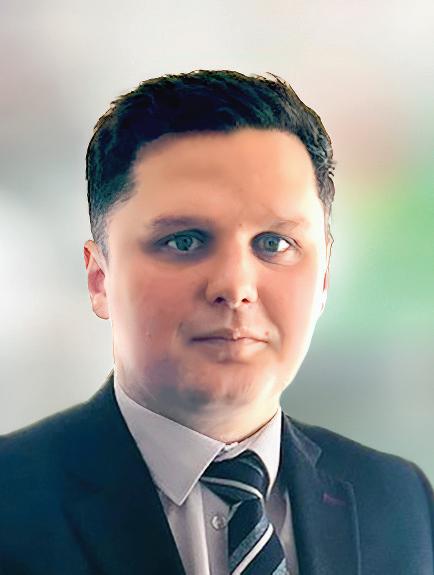

The Protected Disclosures (Amendment) Act 2022, which came into effect on 1 January 2023, marked a significant overhaul of Ireland’s whistleblowing framework, write Cian Clifford, Solicitor; and Pat McInerney, Partner and Head of Public Sector and Regulatory at Beauchamps.
Introduced to transpose the EU Whistleblowing Directive (2019/1937) into Irish law, the 2022 Act strengthened the protections originally provided under the Protected Disclosures Act 2014. These reforms were designed to create a more robust system for reporting wrongdoing, enhancing transparency, and imposing clearer obligations on employers, particularly public sector bodies.
In 2025, the Minister for Public Expenditure, Infrastructure, Public Service Reform and Digitalisation Jack Chambers TD published a report detailing the number of protected disclosures submitted to public bodies in 2023. A total of 1,162 reports were received by public bodies during that year, demonstrating that the culture around whistleblowing is evolving, in part due to
the reforms introduced by the 2022 Act. As we approach the third anniversary of the 2022 Act’s commencement, it is timely to reflect on the key changes introduced and their impact on public sector organisations.
One of the most significant reforms was the expansion of the definition of “relevant wrongdoing”. The Protected Disclosures Act now covers a wider range of breaches, including infringements of EU law in areas such as public procurement, consumer protection, and environmental regulation. This expansion has closed loopholes that previously existed under the 2014 Act. The Minister’s annual report highlights that of the 1,162 reports received by public bodies in 2023, 211 related to breaches of EU law. Without the reforms introduced by the 2022 Act, these reports may have gone unreported, as the individuals concerned would not have been afforded protection under the previous legislation.
In addition to expanding the scope of wrongdoing, the 2022 Act widened the category of individuals entitled to protection. Under the 2014 Act, employees, consultants, contractors, agency workers, and those on work experience were protected from penalisation for making a disclosure. The 2022 Act extended these protections to non-executive directors, shareholders, volunteers, interns, and even job applicants. This acknowledges that wrongdoing can be observed by individuals outside traditional employment relationships and ensures they are not deterred from reporting due to fear of retaliation.
The 2022 Act also introduced a new section 5(5A) into the 2014 Act, which clarifies that purely personal grievances, such as interpersonal disputes, do not constitute protected disclosures. In practice, this distinction can be challenging for public bodies, as disclosures often overlap with personal grievances, requiring careful assessment to determine whether the matter falls within the statutory framework.
Another major reform was the establishment of the Office of the Protected Disclosures Commissioner, an independent body with oversight powers. The Commissioner can receive and redirect disclosures, monitor compliance, and publish annual reports. In 2023, the Commissioner received 283 reports in addition to those submitted directly to public bodies, underscoring its growing role in Ireland’s whistleblowing regime. The creation of this office provides an additional layer of accountability and ensures that disclosures are handled consistently and appropriately across the public sector.
The 2022 Act also broadened the definition of “penalisation” to capture a wider range of retaliatory actions. It now includes withholding training, failing to convert a temporary contract into a permanent one where there was a legitimate expectation, failure to renew or early termination of temporary employment contracts, harm, including harm to a worker’s reputation, blacklisting, the early cancellation or termination of services contracts, cancellation of licences or permits, and even psychiatric or medical referrals. This expanded definition closes gaps that previously allowed certain behaviours to fall outside the scope of protection, reinforcing the principle that whistleblowers should not suffer any detriment for speaking up.
It is also worth noting that the 2022 Act amended the 2014 Act by introducing section 12(7C), which reverses the burden of proof in penalisation claims,
“Implementing robust systems, prioritising confidentiality, and fostering a culture of openness are essential steps in meeting statutory obligations and strengthening public trust.”
placing it on the employer. Under section 12(7C), any act or omission is presumed to have occurred as a result of a worker making a protected disclosure unless the employer can demonstrate that the action was taken on “duly justified grounds”.
The 2022 Act introduced a new section 6A into the 2014 Act, setting out detailed requirements for internal reporting channels and procedures. Public bodies must ensure that these channels are secure and maintain the confidentiality of the reporting person and any individuals referenced in the disclosure. They must acknowledge receipt of a disclosure within seven days and provide feedback within three months, with further updates at three-month intervals if requested. A designated person must be appointed to manage communications, conduct an initial assessment, and determine whether there is evidence of wrongdoing. Where evidence exists, appropriate action must be taken. Organisations must also provide clear and accessible information on how to make a disclosure, and reports should be capable of being made orally or in writing.
These procedural requirements impose significant obligations on public bodies, requiring investment in systems, training, and resources to ensure compliance. Failure to meet these standards could expose organisations to legal liability and reputational damage.
The 2022 Act represents a decisive shift in Ireland’s approach to whistleblowing. The changes introduced have not only expanded the scope of wrongdoing and broadened protections for individuals but have also imposed stricter obligations on public bodies to manage disclosures effectively and confidentially. The reporting figures for 2023 suggest that these reforms are having a tangible impact on the culture of whistleblowing in Ireland.
For public sector bodies, compliance is not merely a legal requirement but a strategic imperative. Implementing robust systems, prioritising confidentiality, and fostering a culture of openness are essential steps in meeting statutory obligations and strengthening public trust. Organisations that embrace these reforms will be better positioned to demonstrate integrity, accountability, and resilience in the years ahead.
W: www.beauchamps.ie
eolas Magazine is organising its 11th annual Housing Ireland Conference, which will examine the key challenges facing Ireland’s housing policymakers and senior practitioners across the sector.
Expert speaker panel includes:






James Browne TD Minister for Housing, Local Government and Heritage
Martin Whelan, Chief Executive Officer The Housing Agency
Averil Power, CEO Clúid Housing
Catherine Thomas, Chief Corporate Affairs Officer Clarion Housing Group
Mushtaq Khan Chief Executive, Housing Diversity Network
Eddie Taaffe Chief Executive Wexford County Council





Fidelma McManus Partner and Head of Housing, Beauchamps
John Coleman Chief Executive Land Development Agency
Aoife Watters Chief Executive Respond
Christina McGill Director of Social Impact & External Affairs Habinteg Housing Association
Mary Hayes Director Dublin Region Homeless Executive Dublin City Council






Sponsorship and exhibition opportunities available!
Sharon Cosgrove Chief Executive Oaklee
Seán Moynihan Chief Executive ALONE
Kathleen Cottier Chief Executive Fold Housing
Derval McDonagh Chief Executive Inclusion Ireland
Sean O’Connor Chief Executive Tuath Housing
Julie Cruikshank Head of Support Services Hail Housing
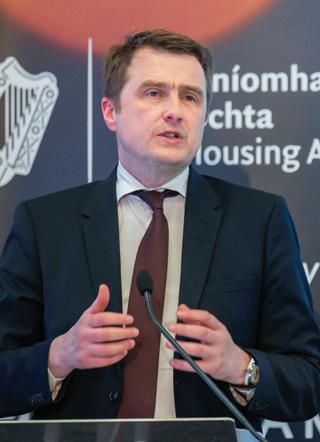
There are a number of opportunities for interested organisations to become involved with this conference as sponsors or exhibitors. This is an excellent way for organisations to raise their profile with a key audience of senior decision-makers from across the housing sector in Ireland. For further information on how your organisation can benefit, contact Lynda Millar on 01 661 3755 or email lynda.millar@eolasmagazine.ie
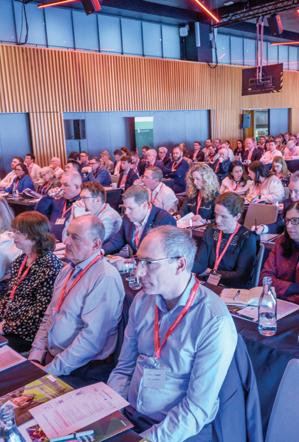

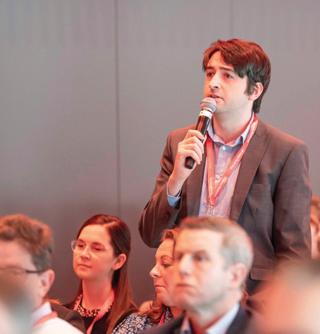




Projections of an ageing population and rising demand have pushed the Government to adopt a bold reform agenda on health, aiming to expand capacity, reduce waiting times, add to the workforce, and reshape care delivery.
Ireland’s health service now supports around 15,372 hospital inpatient beds, a 2.4 per cent increase since 2022. However, despite this incremental growth, there are roughly 716,573 patients currently on the active hospital scheduled care waiting list.
The Programme for Government 2025, Securing Ireland’s Future, and Autumn Legislation Programme reflect a multi-pronged approach aiming to bolster the workforce and infrastructure, expand hospital and community care capacity, reset waiting list standards, and invest in prevention, digital health, and patient-centred care.
Underpinning this ambition is recognition of structural strains and a realisation that without decisive action, even added beds and staff will struggle to keep pace. An earlier 2025 report from the Economic and Social Research Institute (ESRI) forecasts that by 2040, the

State will need up to 6,800 additional inpatient beds in acute public hospitals, as a result of projected population growth, from 5.3 million to between 5.9 million and 6.3 million, and ageing, from one-in-seven aged 65+ to one-in-five.
In this context, the Government’s health agenda is as much about catching up as it is about preparing for future pressures.
At the heart of the plan is capacity expansion and waiting list reduction. The May 2025 waiting list report confirms that scheduled care lists remain high, but also that targeted policies are beginning to lead to incremental progress, with a 5 per cent reduction in the number of patients waiting over 12 months compared to the same time last year, and a 12 per cent drop for those waiting over 18 months.

In parallel, outpatient (OPD) attendances and inpatient/day-case (IPDC) attendances increased by between 9 per cent and 10 per cent and between 4 per cent and 5 per cent, respectively, over 2024/2025, signalling a ramping up of hospital activity. However, despite the increase in bed capacity, more than 1,122 public hospital beds remain temporarily closed or delayed in opening due to staffing shortages, construction delays, or regulatory compliance issues.
Emergency and urgent care are also cited as priorities. Overcrowding remains a visible symptom as, on many days in 2025, more than 600 patients nationwide were reported waiting on trolleys for beds. The Government is aiming for seven-day care, increased consultants, improved after-hours rostering, and expanded diagnostics, aiming to reduce both demand surges and cancellations.
In tandem, workforce expansion is a cornerstone. The plan envisages scaling up recruitment of doctors, nurses, allied health professionals, and consultants, aiming to reduce reliance on agency staff, expanding public-only consultant posts, and growing training capacity in medical, nursing, dental, pharmacy, and allied health courses. By investing in supply and retention, the Government aims to avoid the familiar cycle of “beds built, but no staff to operate them”.
However, capacity and staffing are only part of the equation. The 2025 agenda also embraces system reform, patient-centred care, and better governance. Legislative proposals in the autumn 2025 package include bills on patient safeguarding, reform of prescribing and pharmacy practices, and a National Research Ethics Bill, indicating a structural commitment to modernise how healthcare is regulated and delivered.
Meanwhile, on care delivery, the governance of waiting list performance is being tightened. The 2025 multi-annual Waiting List Action Plan (WLAP) aims to embed new operational standards and transparent metrics. There is also growing recognition of the need for longterm care, post-acute care, and community supports.
Delayed discharges remain a persistent challenge. By August 2025, more than 5,500 patients had stayed in hospital longer than medically necessary, occupying beds while awaiting homecare, residential care, or community supports, resulting in over 85,000 lost bed days. Until such bottlenecks are addressed, through expanded community supports, better home care provision, and faster transitions, there is consensus in the sector that adding hospital capacity alone will not resolve overcrowding or waiting list pressures.
The ESRI’s 2040 projections make clear that the current expansion is necessary but not sufficient. Outpatient attendances, inpatient discharges, and bed day demand are all set to grow by between 20 per cent and 60 per cent over the next 15 years, meaning that increasing the number of beds and staffing is critical.
Minister for Health Jennifer Carroll MacNeill TD has described her main task as “continuing to extend our hospital and care capacity”. She adds: “We are committed to ensuring there are more beds for our hospitals and to removing some elective procedures from acute hospitals into new surgical hubs, and then elective hospitals.”
• Reduce waiting times to between 10 and 12 weeks through new elective hospitals,surgicalhubs,and increased hospitaloperating hours.
• Expand nationalbed capacity including up to 4,500 new orupgraded inpatientbeds and 100 additionalICU beds.
• Increase health workforce supply and retention.
• Digitalise the healthcare system with universalelectronic health records,e-prescribing,a nationalpatientapp,and an AI-supported digitalcare strategy.
• Strengthen patient safety and advocacy through safeguarding legislation,improved complaints structures,expanded patientsupport services,and clinicalquality tools.

Under the leadership of the Chief Technology and Transformation Officer (CTTO), the Sláintecare Transformation and Innovation Office (STIO) advances transformation across the healthcare system by enabling sustainable reform and better outcomes for patients, service users, and communities.
We provide national leadership, oversight, and governance of health innovation projects, ensuring alignment with strategic priorities and the HSE Framework for Health Innovation.
Our role is to support, enable, coordinate, and report on reform programmes across the health system. In partnership with the Department of Health, HSE programme leads, and key stakeholders, we ensure robust governance, accountability, and delivery of reforms that matter, the framework is pending approval and due for release early 2026.
Sláintecare 2025+ is Ireland’s integrated reform programme for health and social care services. Its goal is to improve services, optimise patient outcomes, and ensure responsiveness to
community needs nationwide.
Implemented between 2025-2027, with reforms extending further, it builds on progress from earlier Programmes for Government and Sláintecare Implementation Strategies (2018-2024).
Developed through extensive stakeholder engagement and overseen by the Sláintecare Programme Board, this ambitious programme addresses systemic challenges and advances Ireland toward universal healthcare. The STIO works closely with the Sláintecare Programme Management Office (SPMO) and HSE programme leads to ensure effective delivery and support for this reform agenda.
The Sláintecare Integrated Innovation Fund (SIIF) tests and evaluates innovative, integrated models of care, leveraging technology where possible.
By funding projects as ‘proof of concept,’ SIIF supports early-stage initiatives, identifies those suitable for mainstreaming, and helps them scale. This strengthens the health system’s ability to respond to future challenges while improving patient care.
Project themes are drawn from health policy, government priorities, and ministerial objectives, fully aligned with Sláintecare reform. The programme adopts a cross-sectoral approach, embedding innovation within new HSE Health Regions. Currently, 11 projects are funded, with potential for mainstreaming in late-2025 or end-2026.
STIO, in partnership with the Department of Health and Pobal, leads coordination, governance, and oversight of SIIF projects, ensuring accountability and alignment with the wider reform programme.
The HSE is managing a significant number of complex change programmes with interdependencies requiring executive-level oversight. Success over the next three to five years will be measured by improved outcomes for patients and the public through targeted initiatives.
Approved in December 2024, the HSE Transformation Portfolio brings together 12 Transformation Programmes and 27 Strategic Programmes, representing the
CEO’s strategic priorities. These align with Sláintecare reforms and the five commitments of the Corporate Plan 2025-2027: healthy communities, right care, right place, right time, and strong foundations.
Governance is led by the CEO, with the Deputy CEO ensuring accountability. Each programme has a designated senior responsible owner (SRO). STIO plays a central role in supporting delivery and reporting to the HSE board’s Strategy and Reform Committee, ensuring transparency and robust governance across the portfolio.
Ireland’s health and social care system faces critical challenges: an ageing population, rising demand, and the need for sustained investment. The HSE is advancing reforms such as digital transformation and Sláintecare implementation, but innovation is essential to keep pace.
Innovation improves patient care, enhances efficiency, and ensures the health service can meet future needs. The Covid-19 pandemic demonstrated the power of centrally led initiatives rolled out nationwide, while also highlighting local ingenuity. Without a unified, system-wide approach, many promising innovations risk remaining fragmented and failing to achieve national impact.
To address this, the HSE Framework for Health Innovation, commissioned by the CTTO and CCO and led by STIO, provides a clear national strategy. Its vision is to cultivate a dynamic ecosystem where new ideas are systematically identified, developed, and scaled. The framework aims to enhance patient outcomes, improve service delivery, and foster a culture of continuous learning and adaptation, embedding innovation across the health system in a sustainable way.
Lou O’Hare,
Assistant National Director
Lou O’Hare leads strategic transformation, innovation, and patientcentred care across the health system. With over 35 years’ experience in senior clinical, managerial, and leadership roles in acute hospitals and Section 38 agencies, she is known for her commitment to operational excellence and reform. O’Hare fosters a culture of enablement and co-design, shaping a responsive health ecosystem that delivers improved outcomes for patients, service users, and communities.
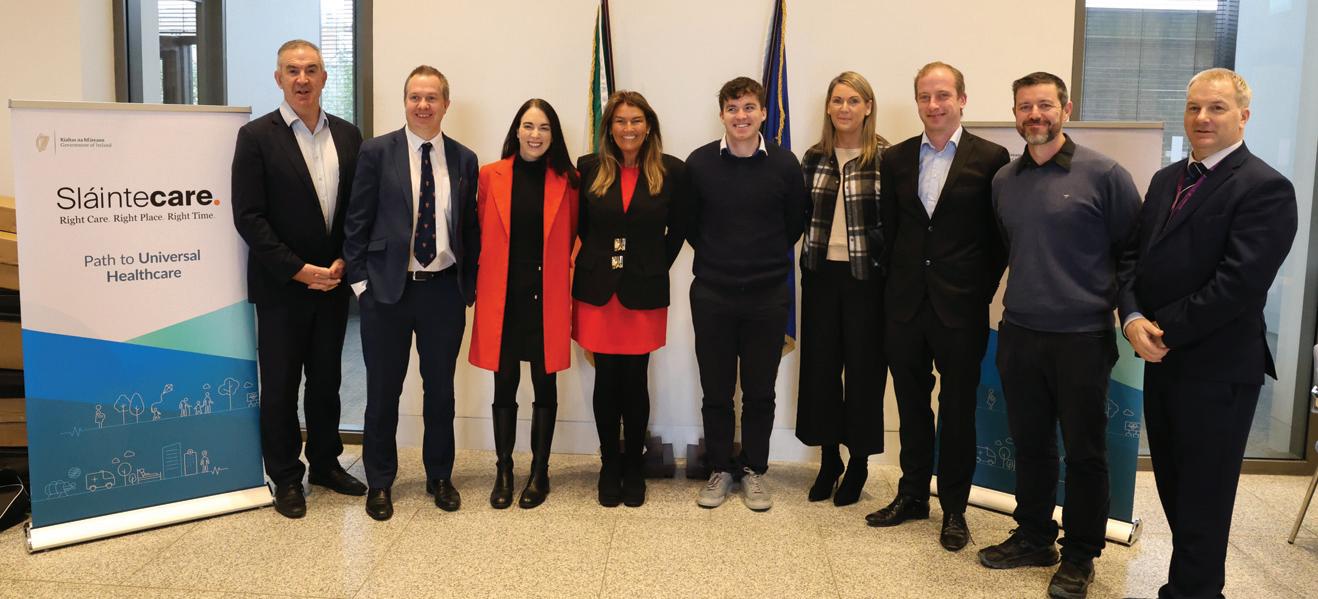
Sinead Dooner, Business Manager
Sinead Dooner oversees STIO operations, including Sláintecare and Innovation programmes. With 24 years’ experience in community and business health settings, she brings expertise in strategic planning, performance management, and governance. Her leadership in change management and business transformation consistently drives efficiency and enhances organisational impact.
Marguerite Sinnott, Project and Finance Manager
Marguerite Sinnott manages the Sláintecare Integrated Innovation Fund, STIO finance, and project governance. A Strategic Management Accountant with 20 years’ private sector experience, she excels in financial planning, performance analysis, and strategic delivery. Her work supports innovation, drives efficiency, and ensures measurable results across reform initiatives.
Orla Bannon, Project and Business Manager
Orla Bannon delivers the Sláintecare Action Plan and manages key projects. With 21 years in healthcare administration and leadership, she brings deep expertise in service delivery,
strategic planning, and stakeholder engagement. Her collaborative approach ensures high-quality outcomes across hospital and national health programmes.
Nora Heavey, Administration and Business Support
Nora Heavey supports cross-functional delivery of STIO programmes. With 24 years in healthcare administration and business support, spanning Community Services and HSE Innovation.
Fergal Collins, Administration Support
Fergal Collins supports finance and operational support across STIO programmes.
W: www.about.hse.ie/our-work/digitalhealth/slaintecare-transformation-andinnovation-office-stio

The Irish health system is undergoing a profound digital transformation. In May 2024, the Department of Health launched Digital for Care: A Digital Health Framework for Ireland 2024 2030, setting out a national vision for modernising health and social care, writes Emily O’Sullivan, Partner and EY EHR Lead.
Within this framework, the Health Service Executive (HSE) published a companion strategic plan, the Digital Health Strategic Implementation Roadmap, outlining how digital tools, including nationwide electronic health records (EHR), shared care records, and patient-facing services will enable better, safer, more integrated care.
This plan is built around six guiding principles: making the patient an empowered partner, enabling connected care, fostering a digitalhealth ecosystem, promoting datadriven services, ensuring secure, foundational infrastructure, and supporting a digitally capable workforce.
The vision is to provide Irish patients and care-givers seamless, digital health records, whether they are in hospital, community care, or primary care, with care coordinated more smoothly, and data flowing securely across the system.
Despite great progress, Ireland is still on the lower scale of digital maturity in healthcare. It remains the only EU country without universal patient access to digital health records. Fragmentation persists, with multiple systems operating in silos, and rural areas face significant connectivity gaps. The 2021 cyberattack on the HSE exposed vulnerabilities in cybersecurity and accelerated calls for reform.
An EHR is not just a digital version of a paper chart. It is a backbone for clinical transformation: a fundamental reworking of how healthcare is delivered, coordinated, and managed.
Used well, there is evidence that EHR’s enable improved quality of care, patient safety, timeliness of information, efficiency, and cost-effectiveness of care.
Implementation of an EHR in support of clinical transformation of this scale and complexity is not easy. EHR projects involve the integration of a complex web of organisational, human, and technological factors underlying success, including appropriate governance and leadership, clinician engagement and training, adequate infrastructure, usability, interoperability, and alignment with local workflows. While technology is the enabler of these transformations, the wrap-around services like standardisation, change management, communications, and
governance are key to achieve the results of usability, adoption, and sustainability.
If these factors are missing, the risk is a system that is designed without clinical workflow in mind which can therefore introduce risk to the patient.
Looking beyond Ireland’s shores can offer a glimpse into who did it right. Ireland can leverage lessons learned from others in support of success.
What works:
• Strong governance, clinician engagement, changemanagement, and training are essential success factors: Success depends on organisational culture, leadership, enduser involvement, adequate resourcing, well-designed workflows, and workflow-based training. When all is said and done, usability comes down to process redesign and optimised clinical workflow. Policymakers must follow through with stable funding and clear governance for these concepts which are often short-changed if the design and build phases extend, which they often do. Without stable funding and clear governance, ambitions risk falling short.
• Interoperability and standardisation matter: Bringing key pieces of information together as opposed to forcing clinicians to go find the data they need to deliver patient care is a key concept of usability. Where fragmentation exists (which is a persistent problem in many jurisdictions who have rolled out EHRs), such as multiple systems and incompatible data standards, will undermine the promise of seamless cross-provider care. To fulfil the promise of integrated care, data must be consistent, shareable, secure, and flow smoothly across organisations, hospitals, clinics, community care, and social care.
• Ensure the underpinning technology works: Think wireless networks, user access, and safeguards for protecting patients’ data in the form of cybersecurity strategies and technology.
• Ongoing adaptation and continuous improvement cannot be neglected: EHR implementations are not a one-off project but a process over many years. The ongoing refinement of workflows, user feedback loops, continuous training, and responsiveness to changing clinical practices and technology advances are critical concepts in support of usability.
• Make sure benefits can be measured/monitored: Even with a predominantly paper-based ecosystem as a starting point, there are ways to ensure you are measuring a baseline in support of demonstrating benefits post go-live. This is important for funders and taxpayers to understand the benefit in the large investment that is required for the scale of a national clinical transformation.
The above themes ring true when we look at international examples of who did it right. Across Denmark, Finland, Estonia, Israel, Singapore, and Canada/Alberta, the same core themes repeat:
1. central or coordinated governance with clear accountability;
2. interoperability built early, not added later;
3. clinician leadership and structured change management embedded throughout;
4. phased rollout strategies that emphasise adaptation, not perfection, at launch; and
5. transparent measurement and benefits realisation to sustain political and public confidence.
Clinical transformation is more than a technology rollout. It is about remaking how care is delivered: shifting from siloed, paper-heavy, fragmented services to integrated, data-driven, patient-centred care. This is clinical transformation in its truest sense. Ireland’s digital health transformation roadmap signals a pivotal moment. With the 2024-2030 framework, the HSE and the Department of Health are laying the foundation for a transformed health service: digital, connected, patient-centred, and ready for the challenges of the 21st century.
Ireland’s late start may prove advantageous. Free from legacy constraints, the country can leapfrog to modern, cloud-enabled, interoperable systems. The Health Information Bill 2024 provides a strong legal foundation, while the Digital for Care roadmap offers clarity on priorities.
But success will not be granted by technology alone. It will require strong leadership, deep clinician engagement, ongoing investment, and, above all, a willingness across the health system to change how care is delivered. If Ireland can get those pieces right, the result could be nothing short of a revolution in how health and social care delivery works for people.
E: Emily.OSullivan@ie.ey.com W: www.ey.com/en_ie




Siobhán Manning, service innovation and design lead at the Mater Misericordiae University Hospital, explores how collaborating with designers is improving medical processes and patient outcomes.
In 2013, the Mater Transformation unit was established to work with frontline staff to codesign solutions. The unit has driven transformational change across multiple service areas.
In 2016, the unit collaborated with masters students from the National College of Art and Design (NCAD) to introduce a new approach to problem-solving. Manning says this collaboration “has grown exponentially” since then.
A project called StrokeLINK emerged from this collaboration. It aims to educate stroke patients and provide them with personalised support tools as they recover.
Explaining the rationale of the project, Manning says patients are provided with “loads of information” when they are discharged, such as how to prevent a second stroke. Patients are likely to forget this information as they have limited processing capacity at the point of
discharge. This leads to patients later stating that they were not provided with the necessary information, despite stroke ward staff doing so.
“But of course that was the point when we were running up to them and telling them 50 million important things to remember,” says Manning.
To address this weakness in the system, the Mater Transformation unit employed a designer to “flip the whole lens on the problem”. The designer collected data on what information patients sought at various stages of their care journey. Two nurse specialists were employed to redesign the service based on this data. This was done in close collaboration with the designer.
Under the new service, patients were not overloaded with information at the point of discharge. Staff only connected with them to inform them of immediate steps they must take and to arrange a call the following day. A week later, staff would meet with the patient to “begin the education process” and provide them with a book containing necessary information.
“Our patients hold that book like a bible. It has become a critical asset,” says Manning. “In the last couple of years, we have been developing a website that is more targeted at the wider family.”
Demonstrating the project’s success, Manning says the proportion of people satisfied with the service at the point of discharge improved from 63 per cent to 98 per cent. The proportion of those who felt they had been provided with enough information rose from 70 per cent to 96 per cent. Those who felt they knew which danger signals to look out for grew from 28 per cent to 89 per cent.
Additionally, the proportion of people monitoring their blood pressure increased from 8 per cent to 98 per cent. The proportion of those that stopped smoking rose from 14 to per cent to 64 per cent. Those that improved their diet rose from 43 per cent to 93 per cent.
Before the project, one in 10 patients were visiting A&E with problems that “could have been prevented”, with one in 25 being admitted. Manning asserts that StrokeLINK succeeded in reducing both of these figures to 0.
Another project to emerge from the collaboration was Skinnovate which sought to create a potential solution to reduce the 54,000 people on waiting lists for dermatologists throughout the State. To develop the solution, Skinnovate targeted the Mater’s dermatologist waiting list of 4,000.
Using ‘lean’ thinking, Mater Transformation’s research found that a lack of a centralised
referral system contributed to the lengthy waiting lists. Lean thinking is an approach that aims to optimise value for customers while cultivating an efficient workplace built on respect and teamwork. When referrals were addressed to specific consultants, they were placed on that consultant’s wait list. This created disparity in the length of the different consultants’ lists and some patients were “waiting way longer for an urgent appointment” than others.
“One of the things that we found was that there were duplicate referrals on the list,” adds Manning.
Working with the Mater Transformation unit, the dermatology team achieved a 40 per cent reduction in waiting lists. A key part of this was gaining consultant support to move to centralising the referrals. However, the rate of referrals continued increasing. “We were going to be back where we started in a few years. We knew we needed to think wider,” says Manning.
Patients must sit on waiting lists when their doctor refers them to a consultant if they are unable to find the root cause of their ailment.
“The doctor’s hands are tied because they have run the course of what they can think of,” says Manning.
To address this, they are currently testing the use of Siilo, which Manning describes as an “encrypted safe version of WhatsApp”. If GPs are unsure of how to treat a patient, they describe the symptoms with an accompanying picture in the group, and consultants outline what steps they should take.
The Mater Transformation unit also introduced an active discharge letter to be provided by consultants to GPs. It includes details on the medication patients are on, and instructions for potential next steps.
Furthermore, the unit employed an NCAD student to interview patients about their experience on a waiting list. The interviews found that patients attempted to track their symptoms but felt “fuzzy and rushed” when outlining them to consultants. This led to consultants being provided with vague symptoms. To address this, the unit developed an app called DermaDiary which enables patients to track their symptoms.
“When you go into the peer-first consultation, you are two steps ahead. You are brining much better information and you are bringing pictures,” says Manning.
Projects such as StrokeLINK, Skinnovate, and DermaDiary demonstrate the potential for collaboration and design thinking to improve health outcomes. Concluding, Manning says: “This is now commonly the way we work. No matter what methodology we are using, we are problem-solving with staff.”
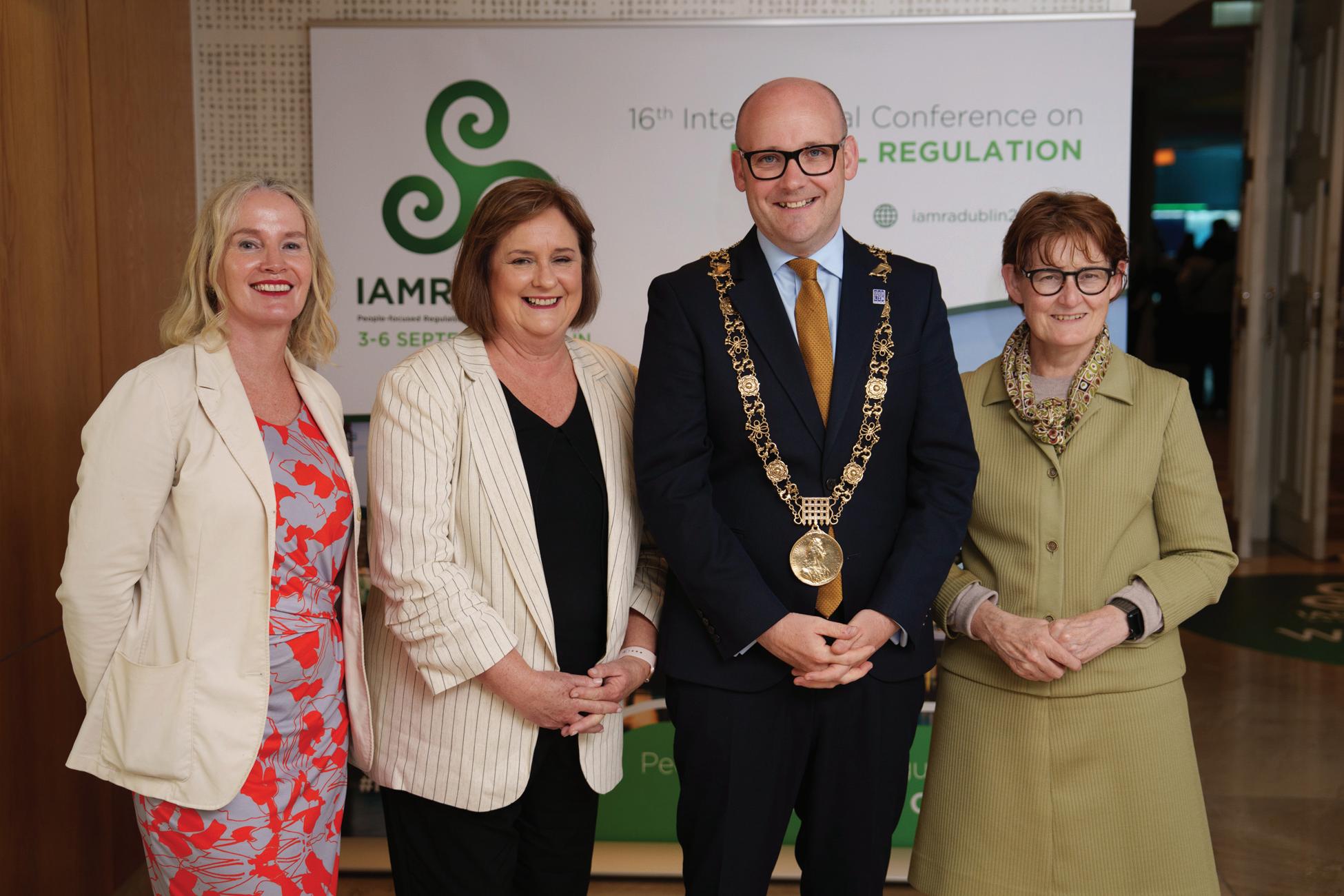
Patient safety is not a standalone goal, but the thread that connects every aspect of modern medical regulation, writes Maria O’Kane, CEO, Medical Council.
Trust is the cornerstone of the doctorpatient relationship, and as the regulator, we hold the privileged role of maintaining that public trust in the medical profession.
Since stepping into the role of CEO of the Medical Council this summer, I have championed a clear vision to uphold that trust – with patient safety the guiding principle for everything we do, and robust governance and accountability strongly embedded into our work.
This year we launched the Medical Council’s 2025-2028 Statement of Strategy, built around four strategic themes: Transform, Balance, Empower and Support, and Invest. Patient safety is the common thread that ties in every
aspect of good medical regulation. In tandem, we recognise that as an organisation we must continue to evolve, adapt, and embrace new technologies.
Our role is not simply reactive, and we are increasingly emphasising prevention, proactivity and early identification of risks in practice. A key area of concern is antimicrobial resistance (AMR), one of the top 10 global public health threats by the World Health Organisation. Although the Medical Council does not issue clinical guidance, we do have information in our SafeStart guide for doctors who may be
newly working in Ireland or less familiar with prescribing practices here. We are committed to working with our stakeholders to drive awareness of AMR amongst those who may be unaware of the risks, or resistant to change.
With artificial intelligence (AI), we have an obligation to show regulatory leadership in order to prevent gaps in governance and mitigate risks associated with AI-driven healthcare. Earlier this year, the Medical Council published our position statement on AI, which serves as a foundation for its responsible use in clinical practice. AI is just another tool in a doctor’s medicine bag, and it requires a doctor’s clinical judgement and experience when using it. Professional competence is a key professional responsibility of doctors using AI.
The regulatory challenge with AI is finding the balance between supporting doctors and protecting the public, without stifling innovation. In my view, as the regulator, we must explore practical AI pilots while engaging with

Maria O’Kane is CEO of the Medical Council. She commenced her role in June 2025. Previously, O’Kane was CEO of the Southern Health and Social Care Trust in Northern Ireland, responsible for the effective running of an integrated health and social care organisation. Prior to this, she held a number of medical management and clinical and educational leadership roles across Northern Ireland.
O’Kane studied medicine in Queen’s University Belfast before qualifying as a consultant psychiatrist, specialising in General Adult Psychiatry and Psychotherapy. With over 30 years’ experience working in healthcare leadership, O’Kane has also held senior leadership roles in the British Medical Association and the Royal College of Psychiatrists.
The Medical Council is the regulator of doctors in Ireland and maintains the Register of Medical Practitioners – the register of all doctors who can practise medicine in Ireland.
The Medical Council also sets the standards for medical education and training in Ireland. It oversees lifelong learning and skills development throughout doctors’ professional careers through its professional competence requirements. It is charged with promoting good medical practice.
The Medical Council is also where the public may make a complaint against a doctor.
doctors and stakeholders to reduce fear around AI. It is certainly one of my key priorities as CEO, both for the organisation and the profession.
In line with our Strategy, proactive stakeholder engagement will ensure greater collaboration, understanding, and stronger partnerships, all of which contribute to better outcomes for patients. In September 2025, we hosted the International Association of Medical Regulatory Authorities (IAMRA) 16th International Conference on Medical Regulation in Dublin. More than 460 participants from 37 countries attended IAMRA’s first European conference in over a decade. Under the theme, ‘people-focused regulation for a safer global community,’ we united around our shared commitment of placing patients and communities at the centre of health practitioner regulation.
The conference provided an opportunity to benchmark Irish regulatory practice against international standards and identify areas where the Council can enhance its strategic and operational effectiveness. For me, the overarching need for strong collaboration was clear, as was focusing on shared outcomes rather than shared processes to achieve people-focused regulation.
Regulation must be visible, proportionate and accountable. At times, the Medical Council has to make
difficult decisions or speak out on issues that are uncomfortable, but necessary. I am acutely aware that these decisions affect not only the medical profession, but the public’s trust in doctors and in us as a regulator. That is why it is important that the public understands why we make these decisions. Fairness, clarity, and transparency must underpin everything we do.
I believe that accountability starts from within. This year, I have focused on clarifying our internal structures, enhancing oversight, and embedding risk management and learning into the organisation. My vision is that all our regulatory processes reflect the same consistency and high standards that we ask of others.
The purpose of regulation is not simply to implement rules. Part of the right touch regulation model identifies priorities to work towards, and once priorities are identified, the regulatory framework is designed to solve it. Equally, in a complex, pressurised health system, regulation must stand strong to earn public trust.
The Medical Council’s task is to ensure that trust is not assumed, but earned each day through integrity, transparency, and a commitment to patient safety.
You can find out more about the Medical Council’s work by visiting:
W: www.medicalcouncil.ie
Budget 2026 delivers the largest health allocation in the history of the State, providing €27.4 billion in funding as the Government aims to expand capacity, improve regional access, and advance the shift toward a ‘performance-led’ and ‘community first’ model of care.
In Budget 2026, announced on 7 October 2025, the Government allocated a record €27.4 billion health budget for 2026, representing a €1.5 billion (6.2 per cent) increase in current expenditure. The allocation is intended to support faster access to services, strengthen prevention and public health, and enhance the delivery of care across all six health regions.
Minister for Health Jennifer Carroll MacNeill TD has emphasised the need to “spend smarter” as well as to invest substantially, stating that Budget 2026 marks a decisive move toward aligning resources with performance and patient outcomes. Under the new funding model, each health region will have increased autonomy to plan, staff, and deliver services in line with local needs.

Workforce remains a central focus.
The Health Service Executive (HSE) will recruit an additional 3,300 whole-time equivalent (WTE) staff in 2026.
According to the Department of Health, improved deployment of existing staff, including the expansion of seven-day services, will play a key role in reducing regional variation in access and addressing waiting times.
The Government’s ongoing regionalisation programme continues to form a major pillar of the reform agenda. Six health regions – Dublin and north east, Dublin and midlands, Dublin and south-east, south-west, mid-west, and west and north-west –are now responsible for planning and delivering the full continuum of public health and social care services for their populations.
Budget 2026 supports the further development of the regional executive officers’ governance and financial control responsibilities, alongside the progressive devolution of recruitment authority to regions. By granting each region more oversight of its workforce planning, service capacity, and partnership arrangements, the Government aims to enhance accountability and drive locally tailored decision-making.
Funding has been allocated to strengthen core ICT infrastructure and maintain progress on flagship programmes including the HSE App, further rollout of the Shared Care Record, and expansion of the National Integrated Staff and Pay Records System.

In addition, more organisations will transition to the Integrated Financial Management System (IFMS), intended to improve data quality and provide more granular reporting of expenditure. The Department states that digital investments will support better decision-making, improved clinical outcomes, and enhanced value for money across the system.
An important strand of Budget 2026 is the expansion of primary and community care, with the aim of shifting activity away from acute hospitals. Investment includes funding for new primary care centres, strengthening of advanced practice roles, and increased capacity for home support, community nursing, and allied health services.
The budget includes €217 million in additional spending for the Primary Care Reimbursement Service (PCRS), including €30 million for new medicines. The Government has signalled that enhanced out-of-hours GP services and expanded community diagnostic access will form part of the wider effort to reduce pressure on hospital services.
Mental health sees a targeted increase in staffing and service development. An additional 300 WTE staff will be recruited in 2026, with a strong emphasis on crisis response. Specialist nursing teams will be deployed in all model four emergency departments out-of-hours, while new crisis resolution teams and “crisis cafés” will be established in Donegal, Kerry, and the midlands.
Child and Adolescent Mental Health Services (CAMHS) will receive funding to open 21 new acute inpatient beds, alongside 12 additional suicide crisis assessment nurses operating within community GP practices. The National Forensic Mental Health Service will also open 10 new intensive care rehabilitation unit beds.
Reflecting demographic challenges, Budget 2026 includes a €215 million increase for older persons’ services, a 7.1 per cent year-on-year rise. This covers €82 million to support an additional 1.7 million hours of home support, bringing the national total to 26.7 million hours for 2026.
The Fair Deal scheme receives €92 million to expand access to long-term residential care, including provision for 500 additional people. Capital investment will facilitate the opening of new beds in community nursing units, and a new scheme is being introduced to enhance environmental standards in nursing homes.
Further measures include €2 million in extra funding for Meals on Wheels, a 30 per cent increase, as well as €2.3 million aiming to improve dementia diagnostics and support services. The Government has confirmed that at least 22 per cent of all new home support hours in 2026 will be ringfenced for people with dementia.
The public health allocation for 2026 includes initiatives to increase immunisation and screening uptake, address harmful health behaviours, and support programmes focused on obesity, frailty, and chronic disease. Funding has been provided to enhance sexual health services, expand breastfeeding supports, and maintain access to PrEP medication.
An additional €11 million will support drugs and inclusion health services, expanding treatment capacity and targeting gaps in provision, particularly in rural areas. The Department also confirmed funding to increase environmental health officer staffing levels to strengthen inspection regimes, including supports for the Hot School Meals Programme.
Budget 2026 reflects a health system undergoing structural transformation, with regionalisation, digitalisation, and community-based care shaping the Government’s approach. The €27.4 billion allocation is the largest ever for the sector, and is designed to balance additional capacity with a tighter emphasis on performance management and value for money.
Minister for Health Jennifer Carroll MacNeill TD says: “This budget emphasises our commitment to maximising the value of every euro invested in health to enhance all areas of service provision. There is a strong focus on expanding community services, with additional staff supporting increased provision of older persons services and mental health supports in line with our commitment to deliver high-quality care as close to home as possible and as a better, more affordable means than in acute hospitals.”
Sinn Féin health spokesperson David Cullinane TD describes the Budget as “severely lacking in ambition, detail, and long-term vision”. He adds: “The budget talks about enhanced capacity but the Government’s plans seem to be the best kept secret. There is no breakdown of how they intend to spend €720 million in funding for ‘expansion of services’, and it is not clear how much of this funding is solely for new measures.”
Health Information and Quality Authority (HIQA) CEO Angela Fitzgerald sets out how HIQA regulates, sets standards, provides evidence to inform decision-making and uses its voice to advocate for change and improvement in service delivery in line with its Corporate Plan 2025-2027.
As the independent body to promote safety and quality in health and social care, HIQA aims to enable the best possible outcomes for all who use services.
HIQA’s remit and responsibilities have grown significantly since our establishment 18 years ago. Initially, we were charged with setting standards, monitoring public healthcare facilities, regulating nursing homes and providing evidence to support policy decisions within the wider health and social care landscape.
We have been trusted by successive governments and ministers to take on new functions, including regulating residential centres for people with disabilities and children’s special care. More recently we have been charged with regulating medical exposure to ionising radiation, inspecting designated international protection centres and monitoring private hospitals under the Patient Safety Act.
In line with recent EU Directives, HIQA has been designated the Competent Authority for assessing the preparedness of health and social care services to
protect critical services against external shocks. We are working with government on a number of new priority areas including regulation of home support services and post-mortem practice, and the introduction of healthcare licensing.
Our rapid expansion over the past five years is exciting but also challenging. It demands that we constantly adapt and evolve, while maintaining our core focus of positively impacting on the population we serve.
Within our new Corporate Plan, our priority is to promote and enhance the safety, dignity, and wellbeing of people across Irish health and social care. We use our powers, independent voice and experience to drive improvements in the quality of care and support delivered.
Our inspections seek to amplify good practice and identify where system and organisational changes are needed. Our function to conduct independent statutory reviews and investigations into patient safety issues has allowed us to enable system and policy changes that support improvements at national level. Our recent review of the governance of implantable medical devices at Children’s Health Ireland (CHI), including the use of non-CE marked springs in surgery, made key recommendations for both CHI and healthcare services nationally on corporate and clinical governance, management and oversight of clinical practice to ensure that new interventions are introduced and overseen safely and effectively.
Similarly, the Review to inform decisionmaking on the design and delivery of urgent and emergency healthcare services in the HSE Mid-West health region sets out advice for government to consider in terms of delivering safe and effective services for the region on a sustainable basis. We used our evidence synthesis experience to critically assess the best available evidence on addressing patient safety and capacity issues. Our regulatory lens allowed us to provide an independent and objective view to the advice, as we understand what is required to ensure services consistently deliver excellent standards of care and the best possible outcomes for the people of the mid-west.
This review encompassed wide engagement with stakeholders, receiving over 1,100 responses from patients and families, healthcare professionals and others sharing their experiences of healthcare services in the region. Their feedback informed our approach and findings.
In everything we do, it is vital that the voices of the public and service users are heard and reflected. Public and patient involvement is a crucial component of our work to ensure that
“Our rapid expansion over the past five years is exciting but also challenging. It demands that we constantly adapt and evolve, while maintaining our core focus of positively impacting on the population we serve.”
we always consider what matters to them in shaping our advice to government.
In terms of shaping the future direction of health and social services, it is important to consider international developments, particularly at EU level.
We represent the Irish health sector at European level to prepare for the European Health Data Space Regulation, a major health information initiative across the EU. In collaboration with the HSE, Department of Health, Health Research Board, and others, we are coordinating programmes of work to support the establishment of a health data access body service in Ireland. This will facilitate wider secondary use of data and provide secure access to data to support research, innovation, education, training, policymaking and service management.
Similarly, we work with European counterparts to support the implementation of the EU Health Technology Assessment Regulation and ensure a coordinated approach to the development of evidence-informed health policy.
Last year presented challenges for HIQA as a regulator. We are committed to be a learning organisation, reviewing our practices and adapting how we work to ensure we continue to have an impact. We are working closely with ministers and the Department to look at areas where the regulatory and policy framework can be strengthened.
Everyone working at HIQA is driven by our shared mission to deliver the best outcomes for all who use health and social care services. Our new Corporate Plan is ambitious in its focus, and sets out six clear outcomes for us to achieve. It also sets out the key enablers needed for us to achieve better outcomes for people using services with strategic organisational structure, technology, and our people.
Our People and Culture Strategy will support our people to achieve their potential within a positive organisational culture, while our Digital Strategy will enable us to take on new functions, optimise our research capabilities and have real-time access to data and analytics to inform our regulatory approach. These are vital to ensuring we continue to make a positive impact.
T: 021 240 9300
E: info@hiqa.ie
W: www.hiqa.ie

Established in late-April 2025, the Joint Oireachtas Committee on Health is tasked with shadowing the work of the Department of Health.

Pádraig Rice TD, Social Democrats (Cathaoirleach)
About: Elected to the Dáil in 2024 for Cork South-Central. He has a background in policy research and equality advocacy, having previously worked in community and NGO settings. Rice is the Social Democrats’ Health Spokesperson.
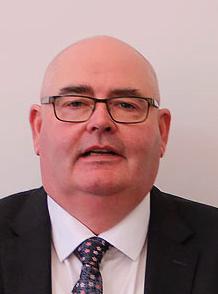
Senator Manus Boyle, Fine Gael
About: Appointed as a Fine Gael Senator in 2025, after being a member of Donegal County Council from 2024 to 2025.
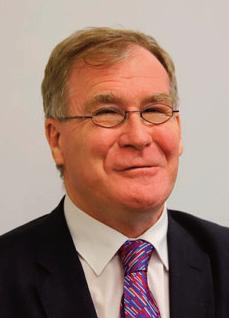
Colm Burke TD, Fine Gael (Leas-Chathaoirleach)
About: Served in multiple political roles over several decades, including as MEP, Senator, and TD. Solicitor by profession. Served as Minister of State at the Department of Health with responsibility for public health areas between 2024 and 2025.

Michael Cahill TD, Fianna Fáil
About: Elected as a Kerry TD in 2024, after having been a member of Kerry County Council since 1991. Runs a B&B in Rossbeigh, County Kerry.
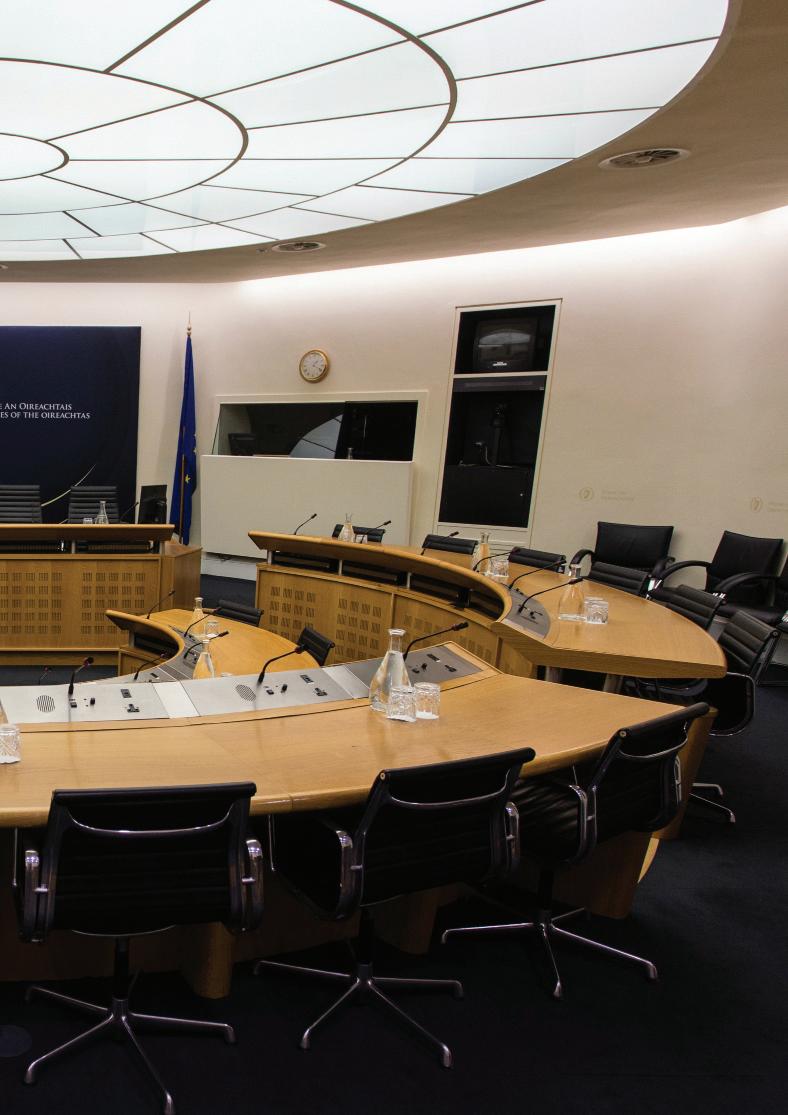
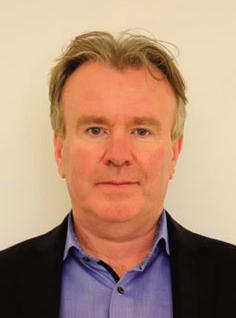
Senator Tom Clonan, Independent
About: Former Defence Forces officer and an academic with research expertise in institutional culture and equality issues. Entered the Seanad through a university panel. Has been active on disability and carer-related policy, informed in part by personal family circumstances involving long-term care needs.
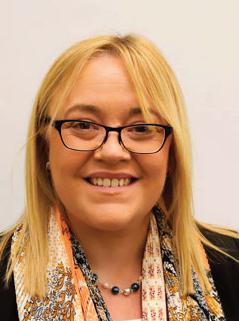
Sorca Clarke TD, Sinn Féin
About: TD since 2020, representing LongfordWestmeath. Previously served on Westmeath County Council. Serves as Sinn Féin’s mental health spokesperson. Her interest in disability and mental health policy is partly influenced by family experience.

David Cullinane TD, Sinn Féin
About: TD for Waterford since 2016 and previously served in the Seanad. Serves as Sinn Féin’s health spokesperson. Political focus includes health system governance, hospital services, and regulatory structures. Professional background before politics was in communications and community work.
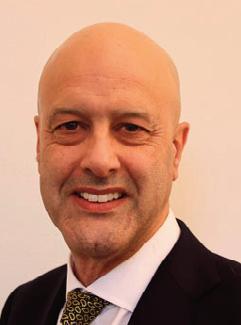
Martin Daly TD, Fianna Fáil
About: General practitioner and was elected as a TD for Roscommon-Galway in 2024. Previously served as President of the Irish Medical Organisation. Serves as Fianna Fáil’s spokesperson on health.
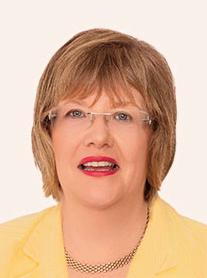
Senator Maria Byrne, Fine Gael
About: Senator since 2016 and has also served in local government, including a term as Mayor of Limerick. Fine Gael’s Seanad spokesperson on health. Background before national politics included small business and community involvement.

Senator Teresa Costello, Fianna Fáil
About: Elected to the Seanad in 2025 after serving on South Dublin County Council since 2019.
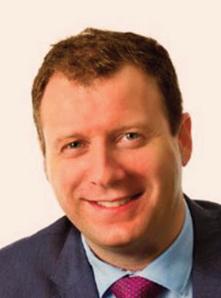

Pádraig O’Sullivan TD, Fianna Fáil
About: TD for Cork North-Central since 2019 and previously served on Cork County Council. Before politics, he worked as a secondary school teacher.
Peter Roche TD, Fine Gael
About: Elected as a TD for Galway East in 2024. Previously served on Galway County Council and chaired the Regional Health Forum West. Has been active on mental health and suicide prevention issues. Professional background includes agriculture and community leadership.

Senator Nicole Ryan, Sinn Féin
About: Elected to the Seanad in 2025. Her public profile is shaped by her work in drug education and harm reduction initiatives, established following the death of her brother due to synthetic drug use. Has spoken publicly about family trauma, informing her focus on mental health and youth services.

Marie Sherlock TD, Labour Party
About: Elected to the Dáil in 2024 after serving on Dublin City Council. She previously worked in the trade union sector on equality and labour market policy. Serves as the Labour Party’s Health Spokesperson.
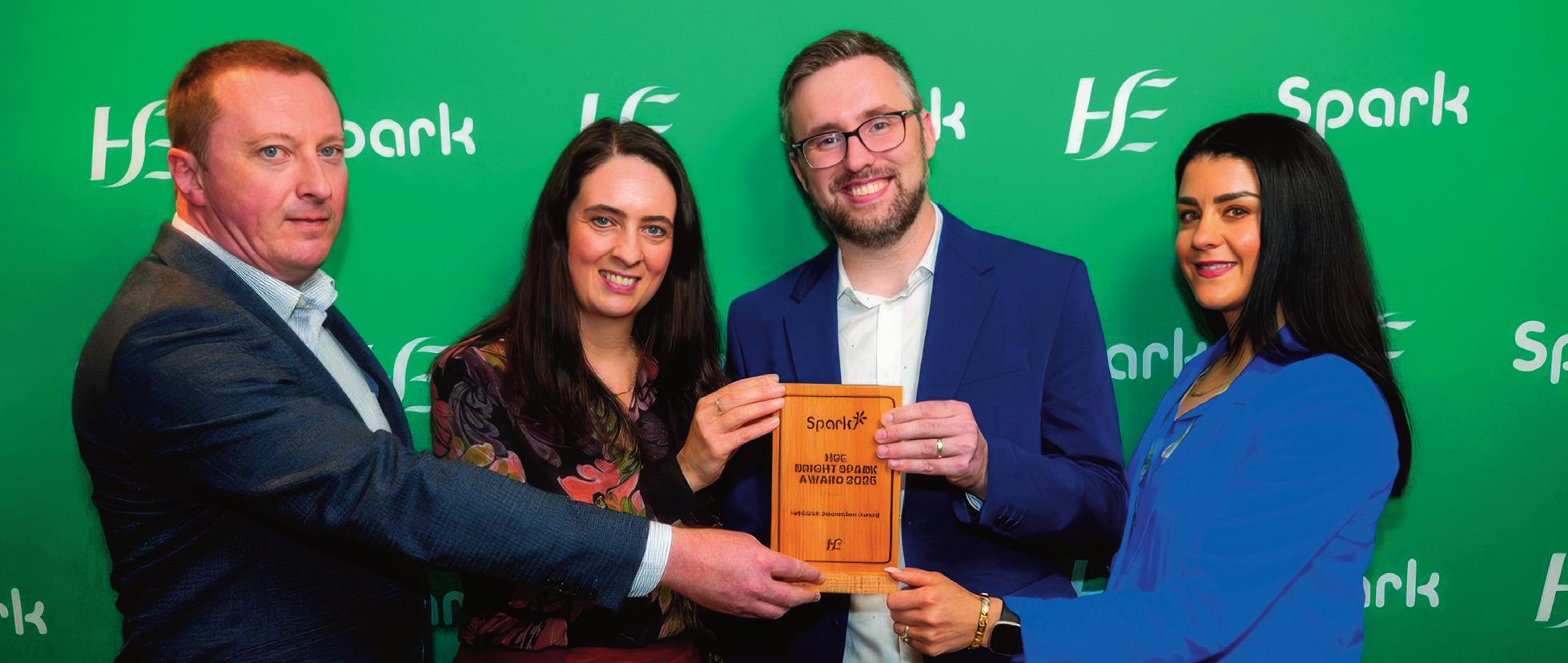
L-R:
Is í ár bhfís a bheith mar phríomhsholáthraí seirbhís cúram sláinte ina bhfuil nuálaíocht agus sármhaitheas ag croílár eispéireas an othair.
Our vision is to be a leading provider of healthcare service where innovation and excellence are at the heart of the patient experience.
Central to how we work at St John’s is the belief that patients come first, to act with integrity at all times and to strive for excellence. Our strategic plan is built around the hospital’s vision of being a leading provider of healthcare services where innovation and excellence are at the heart of the patient experience. It was developed following deep consultation with all staff, healthcare partners, University of Limerick, GPs, our Patient Partnership Forum and the wider public.
The five-year plan 2022-27 outlines our vision to deliver high-quality, patientcentred care while strengthening collaboration, innovation, and staff wellbeing. The strategy ultimately focuses on the hospital proactively responding to healthcare needs by ensuring it has the capacity to safely
deliver services, reduce public waiting lists and accelerate, where possible, the further development of integrated care pathways between the hospital and wider health region.
CEO of the hospital Emer Martin says that “our plans emphasise the connections between the high-quality services we provide while working with our HSE partners to achieve better outcomes, more effectively”.
2025 was dominated by high demand for our services, complex operational pressures, financial and staffing challenges. Despite these pressures, our staff have continued to work tirelessly to deliver compassionate, high-quality care whilst meeting rising service demands.
The hospital is an intensive generator and user of digital information and makes extensive use of a wide range of

information and communications technologies in the delivery of its healthcare services and in the general administration and running of the Hospital.
On quality and innovation, we were delighted to gain national recognition by HSE Spark for a quality improvement initiative to boost patient flow tracking. Led by Mairead O’Donoghue, registered ANP in Emergency Medicine and Alan O’Connor, deputy information systems manager, this involved rolling out a major new in-house program in the Injury Unit titled InjuryNet, a bespoke digital patient clinical record and unit worklist. It streamlines patient flow tracking, enhances the accuracy and legibility of clinical documentation, and facilitates efficient e-referrals to GPs, physiotherapy, and the fracture clinic. By eliminating paper-based processes, we have reduced clinician fatigue, expedited patient care, enabled customised reporting for discharge coding and unit activity, and supported our sustainability goals. The project was put forward for the HSE 2025 Spark Summit award and won the Best Digital Product award.
Undoubtedly, our patients and staff benefit significantly from collaborative working relationships. We value the opportunity to have played a key role in this project initiative, strengthening our working partnerships internally and with the HSE national innovation team.
The Pharmacy service delivers a wide range of services including clinical pharmacy, antimicrobial stewardship, medication safety, medication reconciliation, anticoagulation stewardship, supporting appropriate prescribing and patient education and follow-up. Pharmacy team members contribute to the work of 14 different committees, including four internal, two within University of Limerick hospitals and two at national level.
Through its key partnerships and other opportunities, the department enjoys links with the Affiliation for Pharmacy Practice Experiential Learning (APPEL), the School of Pharmacy at University College Cork, the University of Limerick graduate entry medical school (GEMs) and, through facilitating a pharmacy student for work experience, Queen’s University Belfast School of Pharmacy. Building research capability and best practice in care of the elderly patients
‘Building partnerships’ is identified as an important theme of the hospital’s strategy 2022-2027. One of our 2024 goals was to develop research capability in dementia and Care of the Elderly with a university partner and begin to implement National Clinical Guideline Two (Appropriate Prescribing of Psychotropic Medication for Noncognitive Symptoms in People with Dementia). The realisation of this goal is well under way. One of our pharmacists successfully applied for a work-based funded PhD in UCC while working as a clinical pharmacist in St John’s Hospital. The partnering university is UCC School of Pharmacy.
A continuous quality improvement model helps to deliver our internal departmental goals of:
• safe, effective and economic use of medicines;
• promotion of medicines optimisation for best possible patient outcomes; and
• delivery of excellence in the practice of pharmacy.

Medicines governance regulator compliance Dispensary service
Antimicrobial stewardship Clinical pharmacy
Medication safety
Recent development of a pharmacy dispensary tool allows tracking of medications at patient level plus easy documentation and management of patient care. Pharmacists obtain patient data through PID patient search and apply dispensary comments behind authenticated logged-in accounts for auditing purposes. Investment in digital transformation of clinical pharmacy workflow and process reaps rewards, allowing patients with the highest need and greatest risk to be reviewed first. The approach reflects international best practice in clinical pharmacy and is of growing interest in Ireland. St John’s Hospital Pharmacy is at the pioneering edge with its digital approach, with increasing opportunities to present its work to a wider clinical audience.
Reducing interruptions: increasing communication; a safety initiative
From the Human Factors perspective, spoken and written communications are crucial to maintaining patient safety. Effective communication is essential when a medication query is handed over to a clinical pharmacist for follow-up and timely response. Multiple phone calls led to multiple interruptions, a well recognised risk factor for medication error.
Warfarin & DOAC
Anticoagulation clinic
In order to reduce interruptions and maintain a safe working environment for ward pharmacy staff and the dispensary, an excel file was created for two-way communication. A trial period to evaluate its effectiveness was undertaken. Phone calls and interruptions reduced significantly; written communication ensured timely information transfer to enable the right drug to be dispensed for the right patient at the right time.
However, use of an excel file by multiple users had limitations and the next step taken was to ask the IS Department to build a programme from the excel file. This became the ‘Pharmacy Communication Whiteboard’, with individual password access and timestamped communications. The experience of using this programme has already delivered a verdict – the best work-environment quality improvement we have experienced in the Pharmacy, notwithstanding medication and patient safety benefits.
St John’s might be among Limerick’s and the country’s oldest hospitals, but it is very much at the pioneering edge with a clear plan for a vibrant future at the heart of Mid-West healthcare.
W: www.stjohnshospital.ie

Estimated cancer incidence in Ireland is the second highest among EU countries but mortality rates have “improved significantly in the last decade”, a report has found.
Country Cancer Profile: Ireland 2025, published by the OECD and European Commission in February 2025, estimates that 733 new cancer cases per 100,000 men were expected in Ireland in 2022 compared with an EU average of 684 per 100,000. It also estimates that 561 new cancer cases per 100,000 women were expected in Ireland in 2022 compared with an EU average of 488 per 100,000.
In 2021, cancer caused 248 deaths per 100,000 population; 17 per cent lower than 2011 when it stood at 299 per 100,000. Between 2011 and 2021, avoidable mortality rates decreased by 9 per cent among women in Ireland while they rose by 4 per cent across the EU. Rates decreased by 31 per cent among men in Ireland compared with a 27 per cent decrease in the EU.
In 2022, the proportion of daily smokers in Ireland stood at 14 per cent, below the EU average of 18 per cent. According to the Irish Health Survey 2024 by the Central Statistics Office (CSO), 10.2
per cent of those aged 18 years and over smoked tobacco products daily.
Between 2013 and 2023, annual alcohol consumption per capita among those aged 15 and over decreased by 7 per cent to 9.9 litres, slightly below the EU average of 10 litres. The Irish Health Survey 2024 finds that 40.6 per cent of people aged 18 and over drank at least once weekly.
The OECD finds that more than half of the State’s adult population is overweight or obese. However, the percentage of adults classified as overweight or obese declined from 57 per cent in 2017 to 53 per cent in 2022. This is a larger decrease than the EU average, which declined from 52 per cent to 51 per cent. However, the Irish Health Survey 2024 finds that 58.9 per cent of people aged 18 and over were overweight or obese.
The report asserts that both adults and adolescents in Ireland “exhibit healthier dietary habits and engage in more physical activity than the EU average”. It also finds that exposure to air pollution in Ireland is lower than the EU average.

Regarding occupational exposure, 29 per cent of people aged 15 and over reported exposure to chemical products and substances in 2021, placing Ireland in the bottom third among EU+2 countries; the 27 member states plus Iceland and Norway.
The National Screening Service’s five-year strategic plan for 2023 to 2025, Choose Screening, aims to achieve participation rates of 70 per cent for breast cancer screening, 80 per cent for cervical cancer screening, and 50 per cent for colorectal cancer screening among the eligible population.
Between 2020 and 2022, the participation rate in breast cancer screening decreased from 78 per cent to 70 per cent, partly due to the pandemic. Despite this, it remains higher than the EU average of 56 per cent.
Participation in cervical cancer screening rose from 61 per cent in 2011 to 80 per cent in 2017. Despite a fall to 73 per cent in 2022, it remains above the EU average of 55 per cent. Participation in colorectal cancer screening in Ireland stood at 34 per cent in 2022.
Approximately 80 per cent of cancer care patients are treated in designated cancer centres and other public hospitals with the remaining 20 per cent provided in private hospitals.
The report asserts that there are experience shortages in specific fields of the healthcare workforce. While the number of physicians and nurses in Ireland is higher than the EU averages, there is a shortage of GPs, radiologists, and radiation therapists among others.
The OECD finds that the five-year net survival rate in Ireland rose from 57 per cent amongst those diagnosed between 2004 and 2008 to 65 per cent for those diagnosed between 2014 and 2018.
Survival rates also differ based on socioeconomic status. On average, people in the most deprived areas faced a 43 per cent higher risk of mortality within five years following a cancer diagnosis compared with those in the least deprived regions.
The report finds that expenditure on cancer medications “has been experiencing a notable rise”. Spending on cancer medications under the High Tech Drug Arrangement Scheme grew by 15 per cent annually between 2012 and 2020. Spending on hospital oncology medicine tripled from 2018 to 2022, reaching €151 million.
Between 2023 and 2050, the report projects that total health expenditure in Ireland is expected to reach €382 per person per year, above the EU average of €242. Additionally, per capita health expenditure on cancer care in Ireland is expected to grow by 80 per cent during this period, compared with 59 per cent across the EU. A loss of 159 full-time equivalent workers per 100,000 is also expected.
Highlighting paediatric cancer, the OECD finds that the State had an estimated incidence rate of 15.5 per 100,000 children aged 0-14, higher than the EU average of 13.7. However, the State had a lower mortality rate with a threeyear average mortality rate in 2021 at 1.6 per 100,000 children compared to 2.1 across the EU.
During a Dáil debate on cancer services in November 2025, Minister for Health Jennifer Carroll MacNeill TD insisted that progress has been made under the National Cancer Strategy 2017-2026
“Very significant progress has been made in improving cancer services and there are now over 220,000 living with or beyond cancer, 50 per cent more than a decade ago,” said Minister MacNeill.
“We are seeing tremendous advances in cancer care and I am committed to ensuring that patients can take advantage of these developments.”





Health and Social Care Advisory Committee (HSCAC) Action Plan 2025 – 2027
Health and Social CommitteeAdvisoryCareAction(HSCAC) Plan 2025 – 2027

eolas Magazine hears how the Health and Safety Authority (HSA) is working collaboratively to safeguard employees working in the health and social care sector.
As a regulator under the aegis of the Department of Enterprise, Tourism and Employment, the Health and Safety Authority plays a key role in promoting safety in the workplace, enhancing our regulatory frameworks, and supporting the competitiveness and sustainability of Ireland’s economy. The Authority’s broad mandate includes occupational safety and health, chemicals and industrial products regulation, as well as providing the national accreditation service.
One of the Authority’s primary responsibilities is the regulation and promotion of occupational health and safety. In 2024, the Authority conducted over 11,600 inspections and investigations throughout the year. These spanned all economic sectors, with a particular focus on high-risk industries including the Health and Social Care sector. The Authority provides resources for employers and workers, equipping them with tools and guidance to uphold health and safety standards. Our online learning portal provides accessible training for thousands of workers.
The HSA has a dedicated team of inspectors in the Health and Social Care Unit under the Occupational Health Division. The inspectors focus on regulating and promoting occupational health and safety in the health and social care sector. Inspections are undertaken across all health and social care settings focusing on improving occupational health and safety and compliance with legal requirements. The HSA provides a wide range of information, advice and supports for the health and social care sector. Resources for the sector include webpage information, guidance documents, information sheets, risk assessments for health and social care business types and a suite of health and social care e-learning courses.
The health and social care sector is a significant employer in Ireland. The sector accounted for 13.7 per cent of all employed persons in 2024 and is the largest employment sector in Ireland. Central Statistics Office (CSO) data indicate that 382,500 persons are employed in human health and social work activities (CSO Labour Force Survey (LFS) Q4 2024).
Approximately two-thirds of the health and social care sector’s workforce is female (CSO LFS 2024), with nurses and midwives comprising the largest occupational group (CSO Census 2022). The sector reports the highest number of non-fatal work-related ‘over three days’ incidents to the Health and Safety Authority. CSO data indicates that the reported work-related injury and illness rates are significant when compared with other NACE economic activity sectors.
Workplaces in this sector are diverse, including hospitals, nursing homes, dental clinics, primary care centres, offices, residential care facilities, and workers providing care for people in their own homes. Due to the complex nature of the work involved with patients and service users, for example, use of complex equipment, caring for those with behaviours of concern, the challenges facing the health and social care sector must be considered.
Health and social care workers are exposed to a wide range of occupational hazards, such as, psychosocial hazards (violence and aggression, lone working, shift work), ergonomic hazards from lifting loads and prolonged standing, exposure to biological agents and chemical agents, and physical hazards such as slips, trips and falls and ionising radiation.
In 2023, the HSA established the first Health and Social Care Advisory Committee (HSCAC). The Committee is comprised of representatives from a wide range of health and social care settings and includes a diverse array of experience and knowledge of the sector. The role of the HSCAC is to advise and support the HSA in promoting occupational health and safety in this sector through the actions identified in the Action Plan. The HSCAC represents a collaborative effort between employers, employees, government representatives and health and safety experts.

The HSCAC has identified five goals to be implemented overthe 3-yearperiod from 20252027.
Goal1:Enhance information and intelligence to inform interventions.
Goal2:Promote a positive health and safety culture in the workplace.
Goal3:Promote and supportsafety representatives and safety consultation in health and socialcare workplaces.
Goal4:Undertake initiatives to reduce the risk ofinjury to employees from work-related violence and aggression,this includes challenging behaviours from service users where there is a risk ofinjury to staff.
Goal5:Enable employers and employees to implementbestpractice in managing the risk ofwork-related psychosocialhazards,in particular work-related stress and work-related bullying.
In 2025, the first Health and Social Care Advisory Committee Action Plan 20252027 was published. This action plan will support the sector in reducing the risk of work-related injury and illness and promoting a positive health and safety culture.
Each goal in the Action Plan lists the actions to achieve the objectives of the plan. In 2025 the Advisory Committee focused on the actions set out in Goal 1 and Goal 3. The Advisory Committee will continue to work on the actions outlined in the Action Plan in 2026 and 2027.
The work of the HSCAC will support the ongoing work of the HSA in driving positive change across this sector.
To download a copy of the Health and Social Care Advisory Committee Action Plan 2025-2027 visit: W: www.hsa.ie
An tÚdarás Sláinte agus Sábháilteachta Health and Safety Authority

For every 1 per cent increase in green space, preventable deaths decrease by between 37 and 41 per cent, according to research led by Ruth Hunter, professor of public health and planetary health at Queen’s University Belfast.
Emphasising how this finding “really highlights the importance of these spaces, particularly in our most deprived communities”, Hunter outlines how life expectancy is set to increase in the UK over the coming decades. In 2010, there were approximately 10 million people aged 65 and over. This is expected to grow to 15.5 million by 2030, and 19 million by 2050.
“It is not just important that we are adding years to those lives, but we also must add life to those years,” says Hunter.
She indicates that cognitive health, encompassing dementia risk and reducing cognitive impairment, is crucial for healthy ageing. Hunter outlines that the number of people living with dementia globally is set to triple by 2050.
The 2024 Commission on Dementia Prevention by The Lancet shows that 40 per cent of dementia cases could be prevented or delayed by targeting 14 risk factors throughout the life course. These are less education, hearing loss, hypertension, smoking, obesity, depression, high cholesterol, uncorrected vision loss, physical inactivity, diabetes, excessive alcohol consumption, traumatic brain injury, air pollution, and social isolation.
Hunter further demonstrates the positive impacts of green spaces on cognitive health by citing June 2019 research she led on the Connswater Community Greenway in east Belfast. It shows that those living closest to the greenway experience improved quality of life, mental wellbeing, and social environment than those living further away.
Over a 40-year period, Hunter indicates that the number of new chronic diseases and
preventable deaths would reduce significantly if those living near the greenway became physically active. The professor outlines that this can lead to economic benefits for the rest of society, citing a January 2023 study she led:
“What we see here is that for every £1 invested in the greenway, there is an expected £1.34 and £1.59 return which gives us a social present value of between £56.8 million and £67 million.
“If just 2 per cent of that local population become more active, then the greenway essentially pays for itself in terms of the reduced costs to the NHS in terms of deaths and new cases of chronic diseases.”
Hunter is Principal Investigator of the SPACE project which studies the living environment’s impact on dementia and brain health. The project explored environmental factors influencing healthy ageing and cognitive health and methods to promote both.
SPACE assessed the impact of air pollution, proximity to natural environments, noise and light pollution, soil pollution, access to public transport, access to road networks, climate change, proximity to climate resilient infrastructure, and epigenetics.
On air pollution, Hunter outlines the spatial distribution of particulate matter sources of PM2.5 in Northern Ireland. PM2.5 is the smallest known particle of air pollution that can cross the bloodbrain barrier and is association with a rise in dementia risk and other cognitive impairments. Sources of PM2.5 included agriculture, traffic, energy, industry, wildfires, and windblown dust.
Hunter asserts that coal and traffic are PM2.5 sources particularly associated with cognitive decline. The study found that those living close to major road networks have an accelerated biological ageing by four to five years compared to those who live furthest away.
“This is due to the impact of traffic emissions from exhausts, tyre wear, and brake fluid. We see increased traces of zinc, molybdenum, led, and mercury in the soil closest to those road networks than we do soil furthest away. These different elements have impacts for cognitive, cardiovascular, heart, and respiratory health,” says Hunter.
“We do not need to just change how we travel for health reasons. We also need to change how we travel to meet our carbon budgets,” she adds.
Carbon budgets set the maximum amount of greenhouse gas emissions permitted over a fiveyear period. Hunter outlines how car use and dependency in Belfast could be reduced using recommendations from a January 2023 study by a study funded by the Medical Research Council:
• introduce a “universally safe, accessible, reliable, affordable, and properly resourced” public transport network;
• fast-track planning decision to support “longterm, sustainable, affordable, accessible city centre housing”;
• decrease car dependency for school runs;
• build a network of cycle access and dedicated cycle lanes connecting with the Greater Belfast Area and integrated with other transport policies and solutions;
• educate the public about the importance of reducing car usage; and
• incentivise reducing car dependency and usage.
Concluding, Hunter states that “the role of the environment in health prevention is really lacking” on the policy agenda. “But if we can address poor transport infrastructure, absence of green spaces and poor housing, it will have an impact on healthy ageing, general health, and environment and climate crises,” she adds.
As the Health Research Board (HRB) marks its 40th anniversary in 2026, its new CEO Gráinne Gorman reflects on four decades of progress powered by research, collaboration, and innovation.
When the HRB was established in 1986, it was born out of clear necessity. At the time, Ireland lagged behind many peers in both economic performance and public policy, including in health and social support.
Unemployment and emigration were high, economic growth was low; and compared to countries like the UK, Denmark, or the Netherlands, our public services were under-resourced and fragmented.

Bodies like the HRB laid the groundwork for future reforms. Evidence-based approaches to policy became a foundational part of what later drove the Celtic Tiger. Economic and public policy advanced hand in hand.
Our first corporate plan in 1986 focused on R&D for health, postgraduate training, and linking academia with industry. The budget was modest, just IR£2.3 million. Fast forward to today and our annual investments are worth about €65 million, supporting hundreds of projects.
The HRB was established to address knowledge gaps hindering effective health and social care planning by providing robust evidence and research to inform decision-making for government, health services, and NGOs.
The research we funded or conducted provided the evidence and data needed to ensure science, innovation and public demand translated into better health outcomes and smarter policy.
From our earliest days, we understood that meaningful progress in health research and policy could only be achieved through collaboration. Over the past four decades, this principle has shaped our approach and delivered transformative results.
In 1998, we formalised our partnership with the Department of Health, ensuring that research priorities were aligned with national strategies. This collaboration created a direct link between evidence generation and policymaking, embedding research at the heart of planning.
We also supported initiatives arising from the Good Friday Agreement, tapping into broader all-island research initiatives and collaborating on specific programmes in areas such as cancer, palliative care and clinical trials.
By 2007, we took a major strategic step in strengthening Ireland’s clinical research infrastructure through partnerships with universities and hospitals, providing the foundation for world-class clinical trials.
In the same year we began strengthening Ireland’s global research footprint and later, as National Contact Point for health research funding under Horizon 2020, the EU’s flagship research and innovation programme. This enables Irish researchers to access multi-billioneuro funding streams and collaborate with leading experts driving innovation across Europe.
In 2014, we introduced a joint-funding scheme with Health Research Charities Ireland, a unique initiative that has invested over €28 million in patientfocused research into conditions such as rare diseases, cancer and epilepsy.
By 2017 we led on Public and Patient Involvement (PPI) initiatives, most notably the PPI Ignite programme, in collaboration with the Irish Research Council. This ongoing programme supports researchers involving the public and patients from the start of their projects.
These partnerships contributed to today’s research ecosystem by working hand-in-hand with government, academia, charities, and international organisations.
The HRB Evidence Centre established in 2011 has become a driver of evidencebased policymaking providing reports and analysis of subjects as diverse as women’s health and water fluoridation.
Continually expanding our five national health information systems supports research, enables long-term service planning and informs policy, while giving a clear picture of the day-to-day demands on our health services.
That data is a driver of positive outcomes is beyond question but putting it to good use is complex. The HRB has been instrumental protecting the public interest by overseeing the development and monitoring of health research ethics and consent considerations by supporting national committees established by the Department of Health.
And we continue this type of work in the present day working with the Health Information and Quality Authority and the Department of Health in preparing the ground for the EU’s forthcoming European Health Data Space which will enable patient data sharing across the EU, while ensuring data privacy and consent is overseen at national level.
Seamus Heaney wrote in The Cure at Troy that “hope and history rhyme”, and that has proved to be the case. Since our foundation 40 years ago, key public
health indicators have been going in the right direction.
Our life expectancy is now the fifth highest in the EU at 82 years, up from 72 in the 1980s. Over the same period, infant mortality halved, and mortality rates for cancer, cardiovascular and respiratory disease have fallen by double digits.
These are real-life impacts, achieved through research and data – often funded or produced by the HRB – and we will continue to inform Ireland’s approach to ageing, chronic and rare disease, addiction, mental health and much more.
While we can put figures on, and recall milestones that contributed to improvements in public health and social care over the past 40 years, the human value of the life-enhancing and lifesaving research the HRB funds and conducts is inestimable.
But health research is not confined to societal well being. It is also about economic resilience. According to the European Commission, every euro invested in health research yields multiple returns in reduced costs for treatments and enhanced productivity.
When the HRB was founded, WA Watts, our first chairman, said: “In the long term, our health system will be a reflection of the research base underpinning it.” Forty years later, that statement rings true.

In recent years, the OECD noted Ireland has strengthened international collaboration, data infrastructure and support for evidence-based policy; and achieved “substantial improvements in population health over recent decades”. The connection between the two is selfevident.
Every improvement in public health, every policy informed by evidence, every life saved: these are the dividends of research.
As CEO, I am proud to now lead a state agency that has achieved so much working alongside many partners. But the journey is far from over. The next 40 years will bring new challenges such as the aging population and new opportunities such as AI.
Maintaining the same spirit of collaboration and innovation; further integrating national and international data, and strengthening the infrastructure for evidence-informed decision-making, the HRB can continue to improve health outcomes for individuals and society. We look forward to building on a legacy where today’s research delivers tomorrow’s care.
W: www.hrb.ie

The Government’s latest Sláintecare roadmap outlines a phased but far-reaching programme of reform, centred on timely access to care, enhanced patient experience, and the expansion of health system capacity through 2025-2027.
Published under Path to Universal Healthcare: Sláintecare and Programme for Government 2025+, the document outlines the Government’s longstanding ambition of delivering a health service that is accessible, affordable, highquality, and free at the point of need.
The programme sets out 23 projects to be realised over the term of government, enabled by new health regions, digital transformation, and increased investment in workforce and infrastructure.
Reducing waiting times and expanding treatment capacity forms the core objective of the first phase of implementation. The 2025 Waiting List Action Plan aims to ensure that half of all patients are seen to within Sláintecare target times (12 weeks for inpatient and daycase procedures and 10 weeks for outpatient appointments) by year-end. Weighted average waits are targeted to fall to 5.5 months, supported by €420 million allocated for HSE and NTPF delivery.

Urgent and emergency care reform moves to an all-year operational footing. Updated measurement metrics were introduced in Q2 2025, aiming to build on an 11 per cent reduction in trolley waits achieved in 2024 despite growing demand. New surge protocols, senior clinical presence, extended rostering, and strengthened governance in EDs form the backbone of the Government’s intended actions.
A continued shift toward community-based treatment is anticipated. The Enhanced Community Care programme aims to deliver over 1.6 million contacts through community healthcare networks, alongside 141,000 interactions for older persons and 334,000 for chronic disease management teams in 2025, a 46 per cent rise on the previous year.
Telehealth programmes, including Attend Anywhere, are being expanded nationally, and a new Virtual Care Governance Group aims to shape regional models for remote monitoring and virtual wards. Access to community diagnostics remains central, with capacity for 240,000 radiology scans and 161,000 chronic disease tests available by GP referral.
The Public Only Consultant Contract aims to advance the long-term goal of using public hospitals solely for public patients. By end-2024, 2,770 consultants had transitioned, with extended evening and weekend availability providing new capacity for public treatment. Ongoing monitoring through the DIME system will guide uptake and service impact from 2025 onwards.
Enhanced patient experience is positioned as a pillar equal to access. A National Patient and Service User Strategy is to be co-designed, accompanied by regional participation councils and the continued expansion of the National Care Experience Programme. Health literacy measures, including a national toolkit, aim to support user navigation and decision-making.
Public health continues to widen in scope under Healthy Ireland. Renewed sexual health, physical activity, obesity, and tobacco replacement strategies are scheduled across the mandate, alongside the development of a national public health strategy and strengthened preparedness structures through the Health Threats Management Committee.
Population ageing and demand growth frame long-range planning priorities. Sláintecare outlines increased workforce recruitment, surgical hubs, elective treatment centres, pharmaceutical service expansion, and future capacity modelling to 2027 and beyond. Infrastructure requirements are to be aligned to demographic projections, with workforce supply identified as a determining variable.
Life expectancy in Ireland now stands at 82.6 years, while 79.5 per cent of the population report good or very good health, the highest in the EU. At the same time, people aged over 65 are projected to rise to over one million by 2034 and 1.8 million by 2054, doubling today’s cohort.
While the programme suffered from perceived losses of momentum during the previous government’s term amid several high-profile resignations from the relevant authorities, Sláintecare 2025+ aims to chart a path to accommodate this demographic transition, combining short-term access improvements with long-term structural transformation.
Over the span of this government’s term, waiting list reform, community treatment expansion, and digital enablement are expected to be the top challenges, while investments in infrastructure and workforce capacity aim to lay the foundation for a universal system in the long term.
In her ministerial foreword, Minister for Health Jennifer Carroll MacNeill TD says: “We are developing healthcare that is accessible, affordable, high-quality, and focused on achieving the highest possible standards of care for the people of Ireland when they need it, where they need it, and at minimal cost or free at the point of service.”
The Minister adds that the announced measures “will forge the way towards delivery of world class universal health and social care services for the people of Ireland, where the patient is at the centre of all of our collective efforts”.
During a Dáil debate in February 2025, Sinn Féin health spokesperson David Cullinane TD argued that there is a need for strengthening primary care, home-care supports, and community services to reduce hospital burden. He added: “I want to see progress being made. I want to see waiting times reducing. I do not want to see hospital appointment cancellations.”
Fiona
the
(NTPF), speaks to eolas
about leadership in healthcare, the role of the NTPF, patientcentred innovation, digital transformation, and her vision for the organisation.
In July 2023, Fiona Brady joined the NTPF as its first female CEO, and the first with a clinical background. She brought extensive leadership experience, having served five years as Chief Executive of Our Lady of Lourdes Hospital, Drogheda, and Louth County Hospital. Prior to that, she was Chief Operations Officer and Director of Unscheduled Care and worked with the Emergency Medicine Programme.
Brady began her career in clinical practice, training as a nurse and midwife, with over 20 years’ experience in emergency nursing and management. She is also a trained coach and mentor. Her appointment presented an opportunity to “put a more patient centred focus on NTPF commissioning of scheduled care, by bringing her clinical experience from the coalface of hospital management where the emphasis generally tends to be on unscheduled care and patients on trolleys”, she says.
She continues to promote a patientcentred approach, emphasising that “behind every waiting list number and metric is a patient awaiting access to care”.
Since becoming CEO, Brady has stressed that “public patients, public waiting lists and public funding form the foundation of everything the NTPF does”. Too often, this central principle is lost in translation in the wider healthcare and public arena. The organisation is in fact an independent public body that carries out several important functions within the Irish health service”.
The NTPF plays a vital role by gathering, organising, and reporting information on outpatient, inpatient, and day case waiting lists. This ensures hospitals have reliable data to plan services and respond to patient needs. Each month, national waiting list reports are published via the NTPF’s enhanced reporting dashboard, offering transparency for patients, families, and healthcare staff. Brady highlights that “every year, we process over 53 million patient waiting list records and produce more than 25,000 reports to support hospitals, the wider health system, and other partners in improving access to care”.
NTPF data is used to identify longwaiting public patients across all specialties. This information supports the commissioning function of the NTPF and helps guide national healthcare reform efforts. National waiting list protocols ensure patients are managed safely, fairly, and on time, promoting governance, clear patient information, equity of access, standardisation, efficiency, and reduced wait times. The NTPF audits hospitals to confirm compliance with these protocols and adherence to reporting requirements based on the principles of integrity, objectivity, competence, due care, and confidentiality.
Brady is keen to correct the misconception that the NTPF’s administrative validation of public hospital waiting lists is not about removing patients from waiting lists. She explains that “in reality, it involves contacting patients to confirm their readiness and availability for care”. With 87 per cent engagement, validation strengthens hospital-patient communication, updates records, and ensures waiting lists remain accurate. Following validation, the commissioning process identifies and procures capacity across public and private hospitals to
arrange treatments for public patients.
“The NTPF’s approach to providing access to care, fully aligns with the ambitions and targets set out under Sláintecare, to meet the needs of this and future generations,” Brady says, while emphasising the importance of collaboration across agencies to improve access.
Another key aspect of the NTPF’s work is setting the maximum prices for longterm residential care in private or voluntary nursing homes under the Nursing Homes Support Scheme (NHSS). “This responsibility is essential, not only for protecting residents but also for ensuring the responsible use of public funds” states Brady.
Since Brady’s arrival, innovation and digital transformation have been a key focus informed by a patient-centred approach.
In the last two years, digital transformation has become a cornerstone of the NTPF’s strategy, enabling better data use and therefore more patient-centred care. Brady says that “one of the most recent NTPF developments of the Patient Online Automated Response (POLAR) for both validation and commissioning has yielded an overwhelming response with 66 per cent of patients choosing now to engage online”.
To understand and address patients declining NTPF offers of treatment, Brady established a call centre to proactively contact patients and provide information to ensure patients are making informed decisions. This innovation has seen a marked improvement in the number of patients now accepting these offers.
In October 2024, the NTPF published the first National Radiology Diagnostic Waiting List Management Protocol, ensuring that patients seeking access to radiology diagnostic services are administratively managed in line with all other national waiting lists. Brady looks forward to the NTPF publication of radiology diagnostic waiting lists in 2026.
She is proud that these innovations demonstrate how “ultimately the work of the NTPF directly benefits the patient”.
Since joining the NTPF, Brady has been impressed by her team’s unique skillsets, expertise, and the significant national impact they have made in supporting patients on public hospital
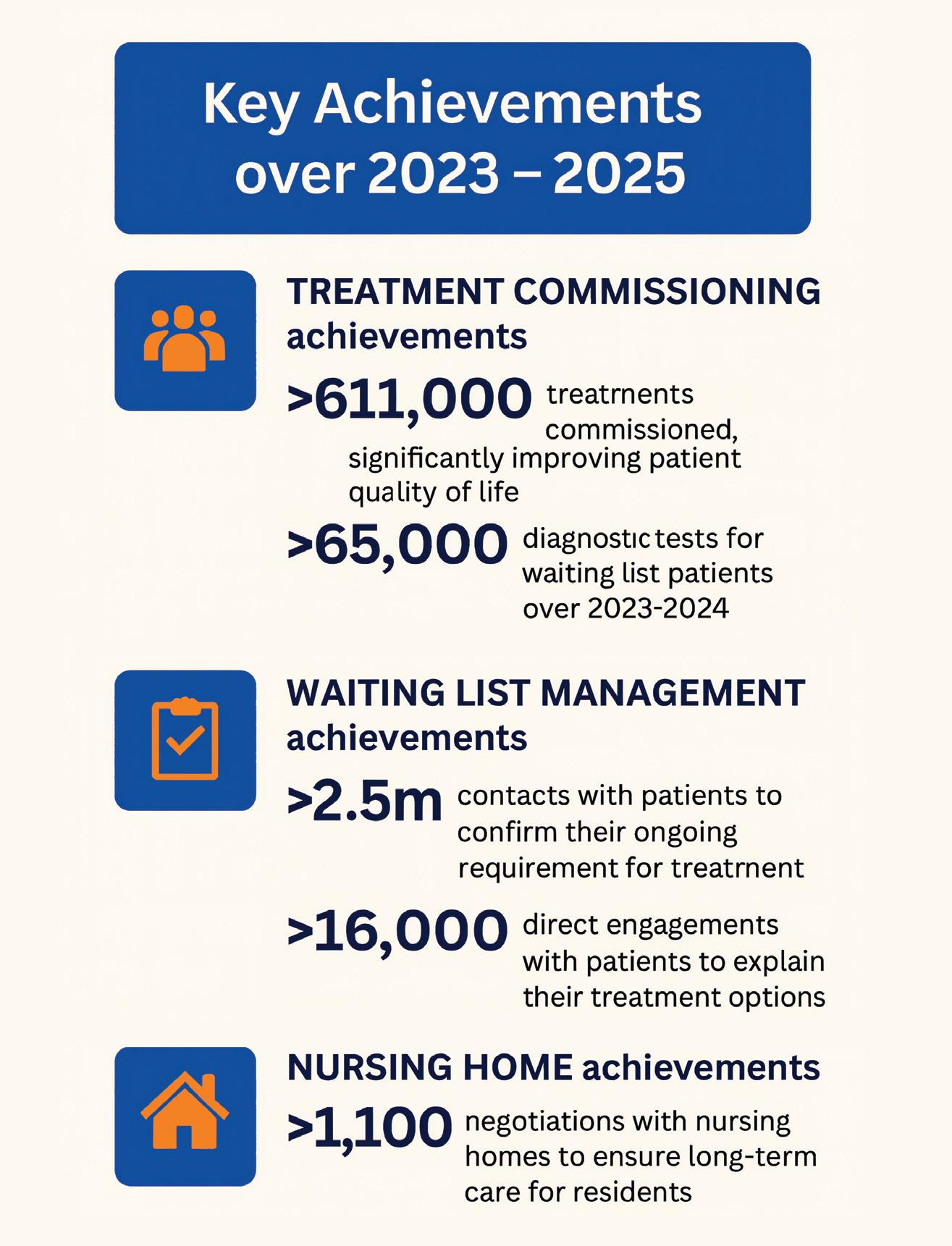
“Public patients, public waiting lists and public funding form the foundation of everything the NTPF does.”
waiting lists and those awaiting access to private and voluntary nursing home care.
Looking ahead, the NTPF is committed to continuing to work with the Department of Health, HSE, HIQA, nursing home bodies, and new regional structures to deliver a more collaborative approach to managing waiting lists.
Every initiative reflects the belief that “good health is a shared responsibility,” and Brady acknowledges that “the achievements of 2023-2025 would not have been feasible without the support
of the NTPF Board and commitment from the Department of Health and the HSE”.
Brady’s vision for the future is to continue leading the NTPF as a “patientfirst, data-driven, innovative organisation that is central to improving access to care, ensuring transparency, and driving healthcare reform in Ireland”.
T: 01 6427101
E: ask@ntpf.ie
W: www.ntpf.ie
• 84.7% of females visited a GP in the previous 12 months compared with 74.2% of males
• 81.1% of adults drank alcohol in the last 12 months; 40.6% drink at least weekly
• Weekly alcohol use:
o 26.7% of 18–24-year-olds
o 55.9% of 55–64-year-olds
• 10.2% smoke tobacco daily
• 7.1% vape daily
• Vaping (daily or occasional) is highest among 18–34-year-olds
These figures have been compiled using the Central Statistics Office’s annual Irish health survey, published in July 2025.
• 75.8% of people report their general health as “good or very good”
• 4.7% report their health as “bad or very bad”
• 23.8% of adults are obese (BMI-based)
• Obesity by age:
o 30.1% of 55–64-year-olds
o 13.6% of 18–24-year-olds
Medical conditions
A neck disorder or other chronic neck defect
Lower back disorder or other chronic back defects
Arthrosis (arthritis excluded)
Stroke or the consequences of a stroke
High Blood Pressure
Coronary heart disease or angina pectoris
Heart attack or chronic consequences of a heart attack
Chronic bronchitis, COPD, emphysema
High blood lipids Cancer
Depression
Kidney problems
Urinary incontinence, problems in controlling the bladder
Diabetes
Asthma (allergic asthma included)
Allergies (excluding allergic asthma)
Prevalence of selected medical conditions [%]
• 7.7% of adults used cannabis in the last 12 months.
• Cannabis use among 18–24-year-olds: 22.1% in the past year.
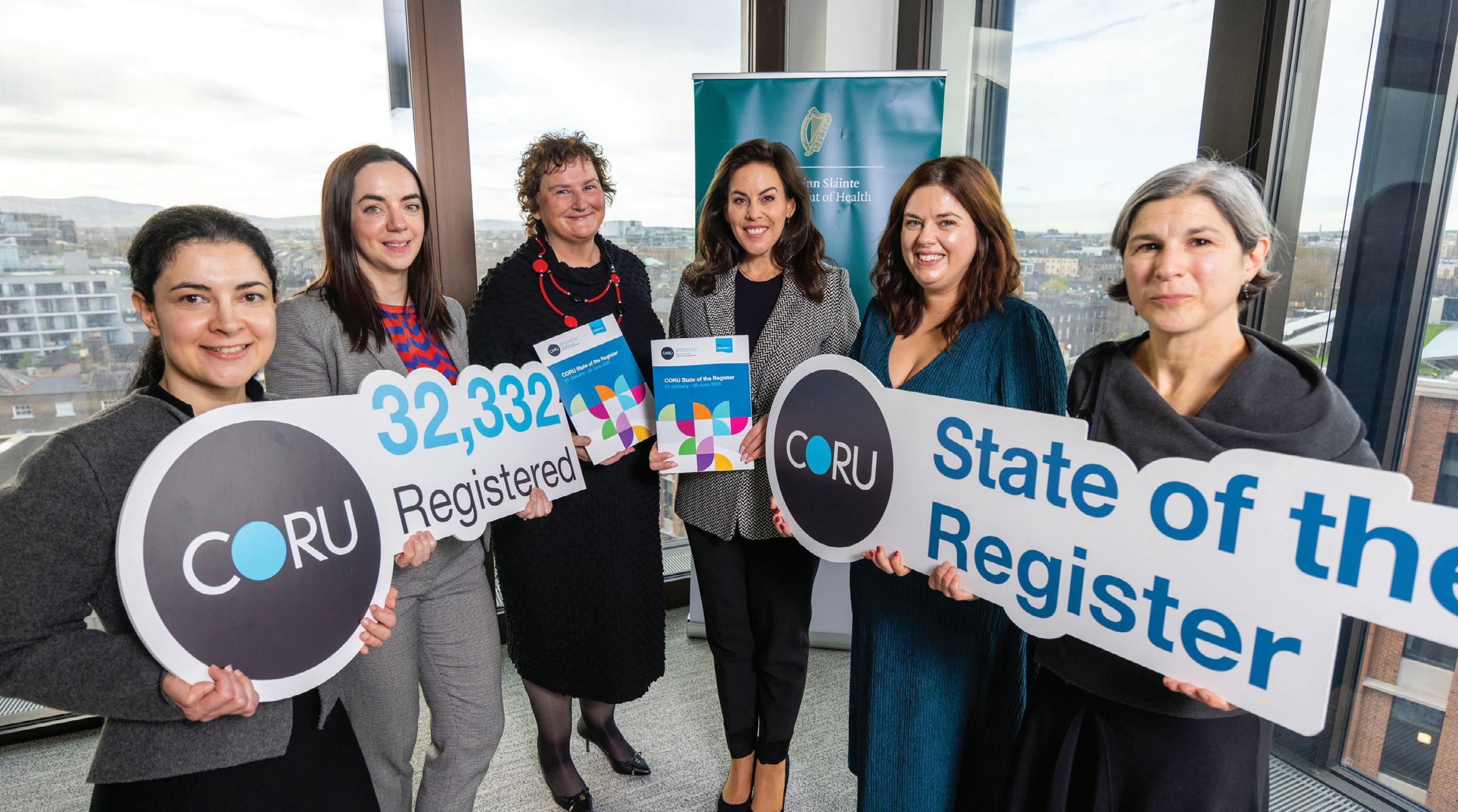

Each day, people across Ireland depend on the expertise, compassion and care of health and social care professionals, writes Claire O'Cleary, CEO of CORU.
There are now over 32,000 practitioners registered with CORU across 12 professions. The largest of these, with 6,676 registered is physiotherapists, which will soon be surpassed by social care workers who completed their transition to regulation at the end of November 2025.
We also regulate the work of 1,652 dietitians; 3,358 medical scientists; 3,900 occupational therapists; 1,057 optometrists and a further 226 dispensing opticians; 532 podiatrists; 3,694 radiographers and 584 radiation therapists; 5,757 social workers and 2,561 speech and language therapists.
Many of us and our families will rely on these professionals throughout our lives. The public needs to know that the people providing this care are qualified and accountable. That is our role.
CORU checks that every registrant has the required CORU-approved education and training. We set the standards for best practice. We take action when those standards are not met and while this is rare, in 2024 we held 19 fitness to practice inquiries to uphold accountability.
Being CORU registered is a public promise to put safety first and to act with professionalism and integrity. It is how we protect the public and build trust in health and social care.
Members of the public can check CORU’s registers online to ensure their care provider is registered.
When all social care workers who have applied to join CORU are formally registered we will have over 40,000
registrants, doubling our number of registrants in just five years. This reflects the importance of trusted regulation in our healthcare system to protect the public we serve.
For those of us receiving care it means that when you meet one of the professionals, we regulate you can be confident they are trained to a high set of standards. It means they are accountable for their behaviour. If something goes wrong, we have clear processes in place to investigate and take action.
For professionals, being registered is a mark of pride. It shows they meet high standards and are committed to ethical care. It gives confidence to the people and communities they serve every day. We also work with education providers to ensure future graduates are ready to practise safely.
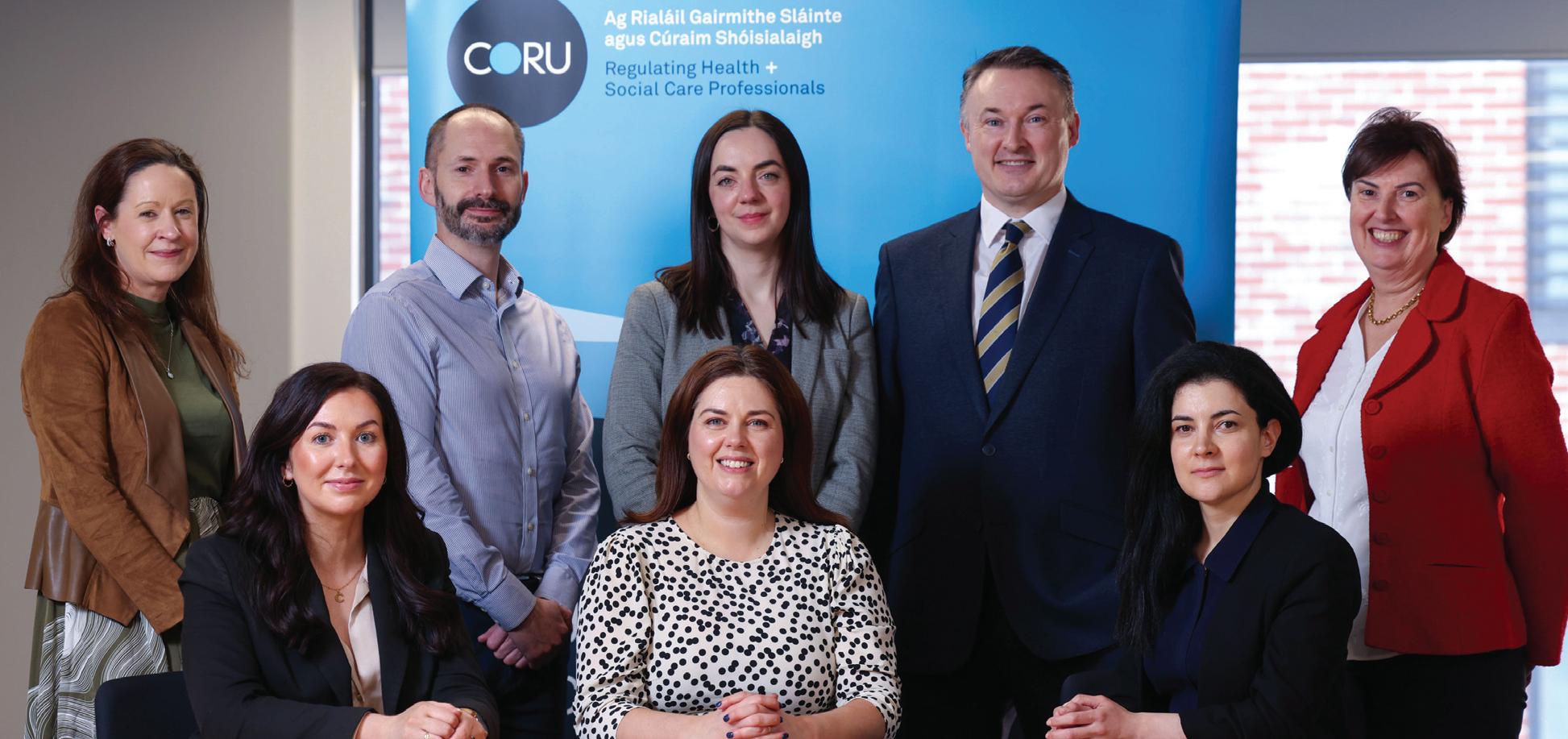
Regulation must evolve to serve both the public and the professions. Our responsibility is to uphold high standards while removing unnecessary barriers. That is why we are focused on making registration clear, straightforward, and supportive.
For graduates, this means a clear route from completing their qualification to entering the workforce without delay.
With 13 per cent of our registrants coming from overseas and many Irish professionals qualifying abroad, we provide a clear and efficient process to recognise international qualifications and support safe entry into practice. This ensures every applicant meets our standards, has verified professional conduct, and can start working with confidence in Ireland.
Regulation continues beyond the point of entry. Practice develops over time, and our framework adapts with it. A recent milestone now allows experienced physiotherapists to refer patients for radiological examinations. This shows how regulation can support safe expansion of roles while keeping public protection at its core.
We promote and assess ongoing learning through continuing professional development (CPD) framework and audits. We address concerns through transparent fitness to practise processes. We will continue to simplify systems while never compromising the high standards the public deserve and expects.
Health and social care is changing. Roles are advancing, technologies are increasing, and care is becoming more connected. Regulation must change with it.
We are preparing to regulate new professions including psychologists, counsellors and psychotherapists. We have just completed the full transition to regulate social care workers, bringing one of the country’s largest health and social care professions into the regulatory framework that protects the public.
We are continuing to explore advanced practice in more areas where professionals will take on greater responsibility in safe, accountable ways.
Our focus is always forward-looking. As health and social care evolves, the need for trusted regulation remains constant. We are committed to being a regulator that is responsive, collaborative, and firmly rooted in public protection.
Our promise is simple: to protect the public and to promote trust in health and social care in Ireland. We do this by setting clear standards, checking qualifications, and ensuring accountability when things go wrong.
We make this promise openly. Our standards are published online, and our public register is available for anyone to check.
That transparency gives assurance that every CORU-registered professional is competent, qualified, and held to the highest levels of professional behaviour.
Being CORU registered is a promise in itself.
It is a commitment from each practitioner to act with integrity, put people first and deliver safe and ethical care. We recognise and support every professional who makes that commitment and we stand with the public to ensure that this promise is kept, now and in the future.
CORU - Regulating Health & Social Care Professionals
Infinity Building, George’s Court, George’s Lane, Smithfield, Dublin 7, D07 E98Y
E: info@coru.ie
T: 01 293 3160
W: coru.ie


www.linkedin.com/company/healthand-social-care-professionals-council


Demand for general practice services will rise sharply over the coming two decades, requiring between 24 and 31 per cent more GPs and 33 to 38 per cent more general practice nurses (GPNs) by 2040, according to research published by the Economic and Social Research Institute (ESRI).
The report, released in June 2025, provides the most up-to-date national projections of activity and workforce needs in general practice. Using the ESRI’s Hippocrates model, researchers estimate that GP consultations will grow by between 23 per cent and 30 per cent, while GPN consultations will increase by between 32 per cent and 36 per cent. The projected increase is driven primarily by population growth, an ageing demographic profile, and recent policy reforms expanding access to care.
These findings underline substantial capacity challenges for primary care services and highlight the need for long-term strategic workforce planning.
Ireland’s population has grown more rapidly than expected in recent years, due in large part to high inward migration and increased life expectancy. Under the ESRI’s central scenario, the State’s population is expected to grow by 900,000 people by 2040, with particularly sharp increases in older age cohorts.
General practice is especially sensitive to demographic change. Consultation rates rise significantly with age, and attendance among children under the age of six is also comparatively high. The ESRI estimates that population
growth alone will account for the majority of increased demand, with population ageing contributing a further substantial share.
“A growing and ageing population is the dominant source of future pressures on general practice services,” the authors state, adding that demographic forces are “structural, predictable, and largely unavoidable”.
While demographic change is the primary driver, recent policy reforms have also increased, and will continue to increase the volume and complexity of work in general practice.
Three developments are particularly influential:
1. Expansion of free GP care: In 2023, eligibility for GP visit cards was widened significantly, including automatic entitlement for children aged six and seven and increased income thresholds. This expansion added roughly 500,000 eligible individuals. Uptake assumptions in the ESRI projections indicate that newly eligible groups will use GP services at rates similar to existing cardholders, further increasing consultation volumes.
2. Growth of the Chronic Disease Treatment Programme (CDTP): The CDTP, which aims to manage chronic conditions such as diabetes, COPD,
asthma, and cardiovascular disease within general practice, has seen strong uptake: 83 per cent of eligible patients over the age of 65 had enrolled within two years. Each enrolled patient requires a minimum of four structured consultations per year (two GP and two GPN). This adds substantial workload, although the ESRI notes that effective chronic disease management may reduce unplanned or acute attendances in the longer term.
3. System-level reforms under Sláintecare: Sláintecare’s ambition to shift care from hospitals to the community will further increase the scope and intensity of general practice services. While these reforms are ongoing, the authors highlight that much of this change is occurring “in a data vacuum”, complicating accurate forward planning.
Using the Hippocrates model, the ESRI forecasts:
• GP consultations: +23 per cent to +30 per cent by 2040
• GPN consultations: +32 per cent to +36 per cent over the same period
GPN services are projected to grow faster due to increased involvement in chronic disease management,

childhood vaccinations, preventive services, and care for older populations.
These projections reflect a range of scenarios drawn from assumptions on population growth, eligibility uptake, healthy ageing, and CDTP participation.
A consistent theme throughout the report is Ireland’s lack of comprehensive, nationally representative data on general practice activity. Most existing utilisation data comes from surveys, which cannot capture the totality of GP work, including out-of-hours activity or practice-level variation.
This limits the State’s ability to monitor shifts in demand, evaluate reforms, and plan effectively.
The authors recommend prioritising robust data collection systems in general practice, including consistent reporting on consultations, workforce activity, and programme participation.
The ESRI identifies a series of policy implications arising from its findings:
1. Substantial expansion of training pipelines: The report says that while GP training places have increased in recent years, the projected scale of demand raises questions about whether current expansion plans are sufficient. A long-term strategic workforce plan is required to align training output with projected need.
2. Enhanced roles for GPNs and practice staff: The report suggests that broader deployment of GPNs, health assistants, practice managers, and allied health professionals could help absorb rising demand, particularly if GP consultation capacity becomes constrained.
3. Sustainability of expanded benefits: The broadening of free GP care significantly increases workload. The sustainability of these benefits must be considered alongside workforce growth and practice capacity.
4. Chronic disease management in community care: Given the scale of chronic disease, the ESRI highlights the need for resourcing and system design that supports stable, long-term management in primary care settings.
Responding to the report, Minister for Health Jennifer Carroll MacNeill TD says: “The report will make an important contribution to our work in increasing the supply of GPs, GP nurses, and other staff essential to general practice over the next 15 years. The report highlights the challenge we face in ensuring that our population continues to have access to quality GP services.
“The ongoing Strategic Review of General Practice, due to complete its work this year, will outline new ways to ensure we have the capacity to provide essential GP services.”

General practitioners (GPs)
• 2023 GP headcount: 3,928
• Additional GPs required by 2040: 9431,211
• Workforce increase needed: 24-31 per cent
practice nurses (GPNs)
• 2023 GPN headcount: 2,288
• Additional GPNs required by 2040: 761868
• Workforce increase needed: 33-38 per cent
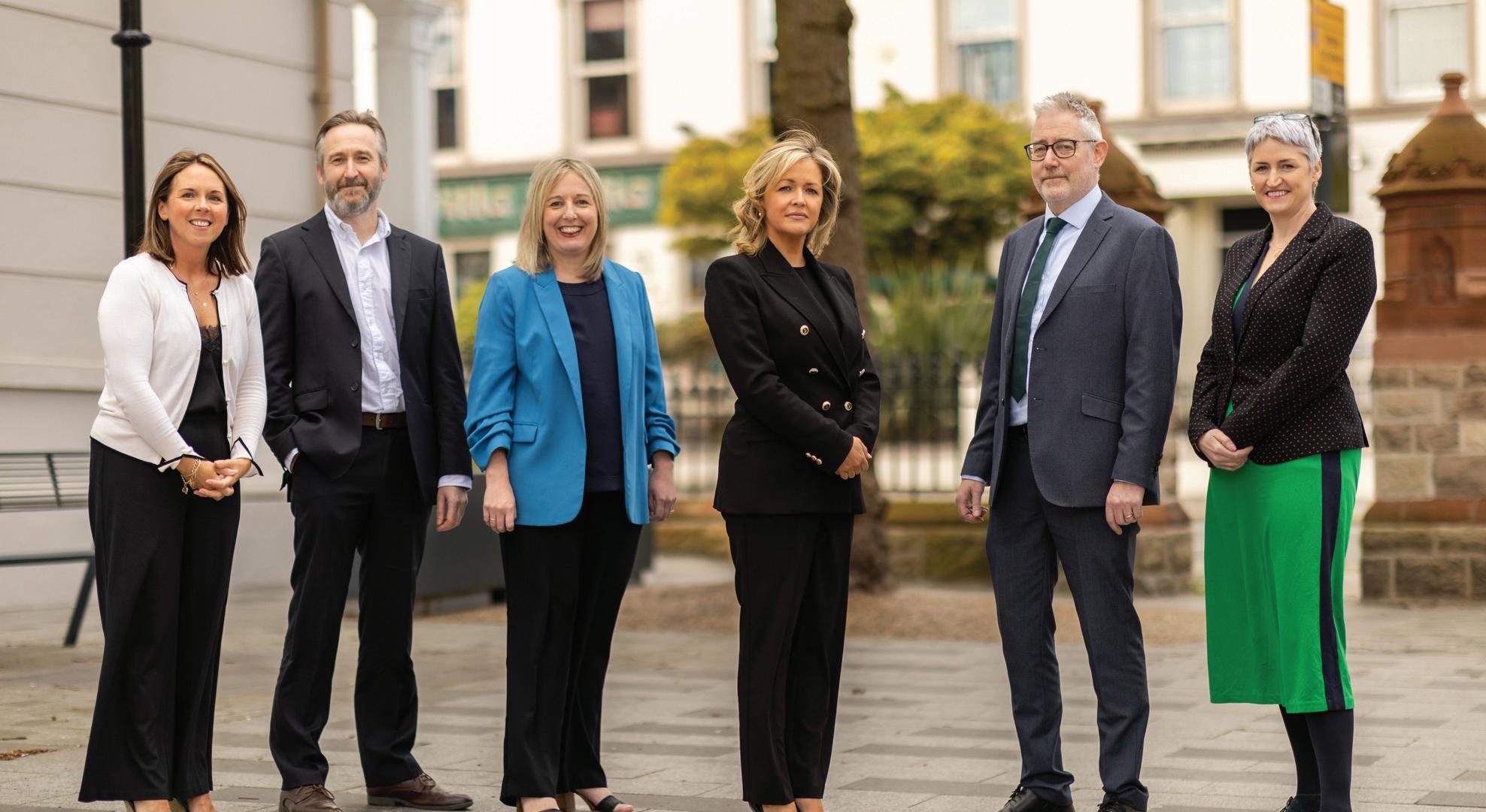
Praxis Care has unveiled its strategy to 2030 for the Republic of Ireland, outlining a bold roadmap to expand residential, respite, and day services, invest in its workforce, and elevate standards in response to rising demand for disability support. As a registered Section 39 charity, Praxis Care is dedicated to providing high-quality, person-centred care, ensuring that individuals and families can access the support they need to live with dignity, independence, and opportunity.
Latest data from the National Ability Supports System (NASS) shows a significant rise in the number of people availing of disability services in Ireland. Between 2023 and 2024, registrations jumped by over 4,600, a 13 per cent year-on-year increase.
Prevalence estimates suggest autism among children has risen from around 1.5 per cent to as high as 5 per cent in less than a decade, placing additional pressure on specialist education, therapy, and support services.
This growth places pressure on services that are already stretched. Current estimates indicate that over 3,200 additional people will require day services in 2025, while at least 2,053 new residential placements and 1,300 overnight respite beds will be needed. Forecasts from the Department of Health’s Disability Capacity Review to 2032 highlight an ageing population as a key driver of increased need, particularly adults aged 55 and over, and warn of a “substantial backlog of need” in disability services.
Praxis Care is responding at scale. With decades of experience supporting adults and children with
disabilities, the organisation is uniquely positioned to expand essential services while aligning with government priorities and sector planning.
Praxis Care’s strategy to 2030 is anchored in a clear vision: a society where every person supported can live independently, with dignity, purpose, and meaningful community connections.
“Our mission is simple,” says Carol Breen, Chief Executive of Praxis Care. “We provide personalised, compassionate support that empowers people to live fulfilling and meaningful lives. This strategy is our blueprint for delivering that mission at scale, expanding services, raising standards, and creating a sustainable model of care for the decade ahead.”
Praxis Care’s core values of integrity, respect, ambition, care, and innovation guide every decision, ensuring growth and expansion remain personcentred.
Ireland’s rising demand for care services requires bold, targeted action. Praxis Care’s strategy to 2030
is built around three strategic priorities; each designed to tackle these challenges head-on: empowering people, elevating standards, and enhancing efficiency. Together, they provide a clear roadmap for delivering high-quality, person-centred care, strengthening the workforce, and ensuring sustainable, long-term impact across the region.
People lie at the centre of Praxis Care’s strategy. Services will be co-produced with individuals and families, tailored to meet their unique needs. Workforce investment is central: enhanced learning and development, career pathways, and staff wellbeing programmes will equip staff to deliver the high-quality care the Republic of Ireland urgently needs.
Quality and accountability are nonnegotiable. Praxis Care is embedding a culture of continuous improvement, strengthening governance, and modernising care environments. Success will be measured not just by outputs, but by meaningful improvements in independence, wellbeing, and inclusion for the people supported.
Sustainability underpins the strategy. Digital transformation, data-driven decision-making, and research-informed practice will enable services to be more responsive and efficient. Financial prudence ensures long-term resilience, while innovations in care delivery will influence sector-wide improvement.
Praxis Care is already putting the strategy into action. This year, it opened new services across Navan, Dunboyne, Meath, and Donegal providing residential and day support for people with disabilities. Further expansions are planned for Louth, Cork, Mayo, and Meath.
These facilities exemplify the strategy in practice: personalised, communitybased, and built around individual needs.
Further developments planned in 2026 will expand access to residential, supported living, and community-based
1,200+ people supported across disability, mental health and autism
1,200 staff delivering high-quality, person-centred care
53 services operating across the Republic of Ireland, 136 across the Island of Ireland
£70 million annual turnover, underpinning sustainable, highquality provision
New state-of-the-art supported living services already opened, with further developments planned across the region
Behind every number is a real story: Declan, a father of a 15year-old son with autism and complex care needs, shares how Praxis Care's respite services have been life-changing for his family. Through personalised care, Alex has flourished in a structured and understanding environment, and Declan and his wife have found much-needed time to relax and recharge.
Declan says: “Praxis Care for me has been life-saving, because I did not realise how much damage I was doing to my mental health. It has given us a chance to breathe, to take care of ourselves, and to reconnect as a couple. We never thought we could take a proper break from caregiving, but now we can.”
Read Declan’s full story:
services, aligned with government commissioning priorities and evidence of rising need.
Driving this delivery is Praxis Care’s new senior leadership team, featuring strong female representation. Their expertise, experience, and collaborative leadership signal a fresh chapter in the organisation’s growth and reflect the strategy’s values of innovation and inclusion.
Praxis Care recognises that no single organisation can meet these challenges alone. Success requires partnership with government, the Health Service Executive, housing bodies, and the voluntary sector.
Breen says: “The challenges are significant, but so is the opportunity. With the right investment and collaboration, we can support a social care system that delivers dignity, independence, and opportunity for every individual.”

Ireland’s disability services are at a critical juncture. Rising demand, demographic change, and long-standing service backlogs require immediate, coordinated action. Praxis Care’s strategy to 2030 offers a clear, valuesdriven roadmap: scaling services, uplifting standards, and embedding efficiency and innovation.
With a committed workforce, an empowered leadership team, and a plan rooted in evidence and impact, Praxis Care is ready to lead the way; ensuring that by 2030, people across Ireland can live empowered, independent, and fulfilling lives.
Explore the strategy: www.praxiscare.org/strategy-to-2030
W: www.praxiscare.org E: communications@praxiscare.org.uk

Ireland’s next national suicide reduction strategy must put service integration, accessibility, and consistent quality of care at its centre, according to a consultation report published by the Department of Health.
The public consultation report, prepared to inform the Government’s next suicide prevention strategy, asserts that there is widespread support for a “proactive” and “coordinated” approach by government. 85 per cent of survey participants state that suicide reduction should be a high national priority.
The top-ranked recommendation (selected by 33 per cent) is to improve access to services and join them up more effectively; in second place came safer, higher-quality services.
Beyond this, respondents identified five overarching policy priorities:
1. establishing accessible, highquality care, particularly community-based options outside of hospitals;
2. a need for systemic reform and better integration so that care pathways communicate across sectors;
3. tailored interventions for groups at elevated risk, including Travellers, LGBTQ+ people, neuro-divergent individuals, and people bereaved by suicide;
4. stigma reduction via education; and
5. addressing upstream social determinants as part of a suicideprevention strategy.
The consultation report also emphasises the role of lived experience expertise in designing and governing services. Respondents consistently call for people with direct experience of suicidality, self-harm, or bereavement to be embedded in all parts of policy formation and service delivery.
Suicide remains a significant public health challenge in Ireland. The agestandardised suicide rate fell from 12.9 per 100,000 in 2000 to 9.2 per 100,000
by 2021, a reduction of nearly 28 per cent. Preliminary data suggests a rate of about 8.6 per 100,000 in 2022. For comparison, recent data from England and Wales shows a suicide rate of approximately 11.4 per 100,000, indicating that while Ireland’s rate is improving, there is still considerable ground to cover.
Ireland’s existing national framework, Connecting for Life, has delivered many gains; however, the public consultation responses suggest that the upcoming strategy must go further. Specifically, many respondents want more emphasis on prevention in community settings, and less reliance on hospital-centric or crisis-only models.
If you have been affected by suicide or distress, Samaritans Ireland can be contacted at +353 1 671 0071
Sponsored by


Ireland’s Digital Public Services Plan 2030 represents the most ambitious digital transformation agenda the Irish public sector has ever undertaken, writes Ailish Hansen, Chief Commercial Officer, Fexco Managed and Advisory Services.
The targets are clear: 100 per cent of key public services available online and 90 per cent digital consumption by 2030. The vision is compelling: a life events approach that reimagines how citizens interact with government around the moments that matter most in their lives.
But ambition without enablement risks becoming aspiration without achievement. As public bodies begin implementing this transformative agenda, the question is not whether the vision is right, it is whether the enablers for success are in place.
The plan identifies 189 key public services across 17 life events, from the birth of a child to supporting the bereaved. While 58 per cent of these services are already online or due to be by the end of 2026, being ‘online’ is merely the starting point. True transformation requires services that are integrated, intuitive, and designed around user needs, not around the internal structures of government departments.
Consider the life event of becoming employed. This currently involves engaging with up to 22 separate services. Even when digitally available, these services remain disconnected. Citizens must repeatedly provide the same information, navigate different systems, and understand which department does what. The ambition is to transform this into a seamless journey where government proactively offers relevant supports at the right time.
Delivering this ambition requires more than technology upgrades. It demands fundamental shifts in capability, culture, and collaboration. The plan acknowledges these complexities explicitly, recognising that life eventsbased services are inherently challenging because they span multiple departments, systems, and legislative frameworks.
What, then, are the critical enablers that will determine whether Ireland achieves its 2030 targets?
Strong governance structures are essential to ensure digital transformation initiatives are delivered in line with policy commitments. The plan establishes a clear governance framework: the Public Service Leadership Board providing

oversight, a strategic working group for Pillar One coordinating delivery, and Life Events Working Groups bringing together stakeholders across departments and agencies.
This structure is sound, but success depends on execution. Each life event has a lead department responsible for coordinating efforts across multiple public service bodies. These leaders must navigate complex stakeholder landscapes, align competing priorities, and maintain momentum across organisations with different cultures, systems, and constraints.
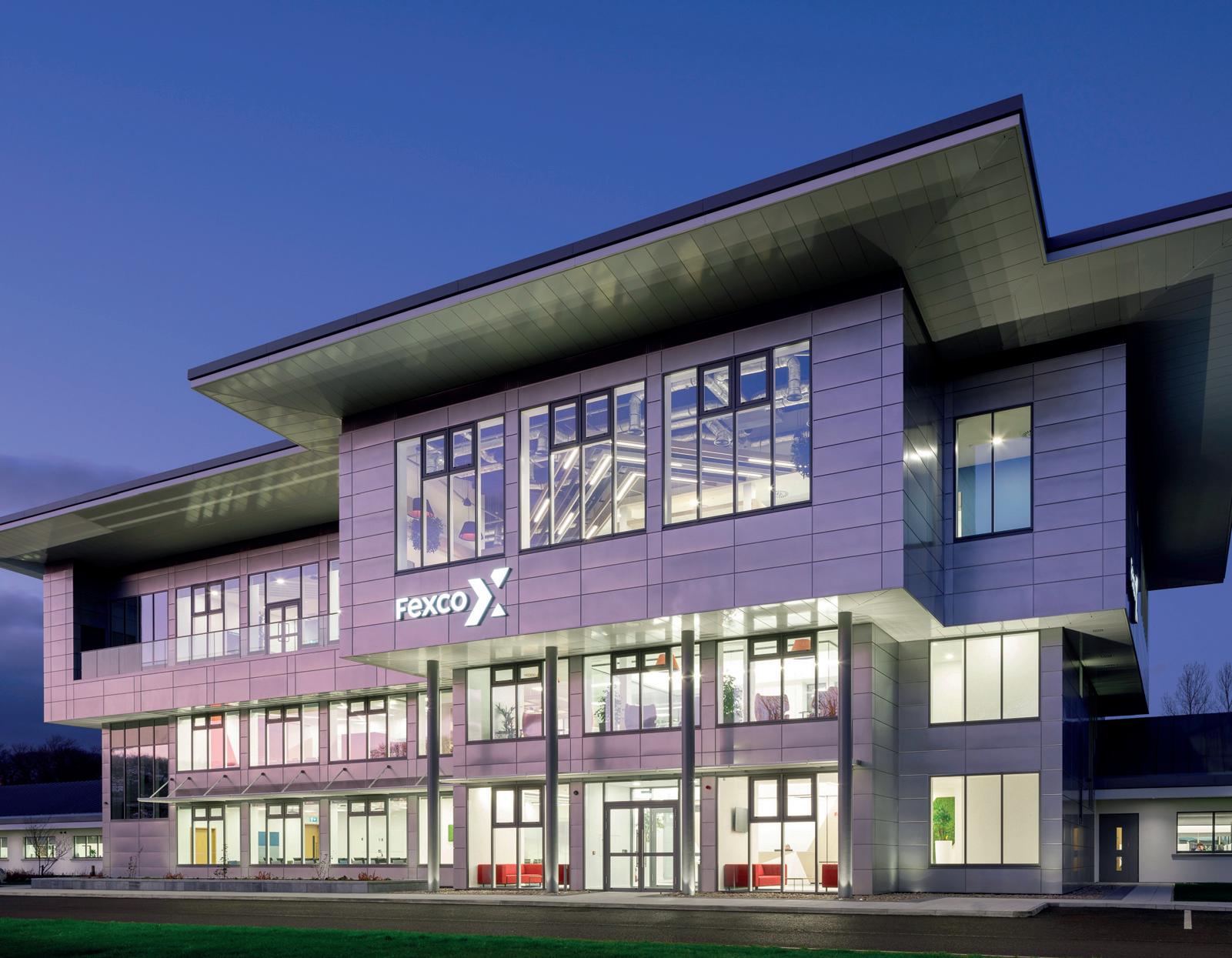
Effective governance requires more than formal structures. It demands dedicated resources, clear decision-making authority, and mechanisms for resolving blockers quickly. It also requires transparency: regular reporting through tools like the ePPM project management building block ensures progress is visible and issues are surfaced early.
For senior civil servants and technology leaders, the question is whether their organisations have allocated sufficient leadership attention and resources to these coordination roles. Transformation at this scale cannot succeed as a sideof-desk activity.
At the core of the life events approach is user-centred design, a fundamental shift from process-oriented service delivery to understanding and meeting citizen needs. The plan recognises this explicitly, committing to build service design capability across the public sector through training programmes, design playbooks, a service standard, and a central design team in DPER.
These are necessary foundations, but the scale of the challenge is significant. Delivering 17 life events by 2030, each involving multiple services across numerous public bodies, requires design capability that is widespread, embedded, and continuously improving.
Building this capability takes time. Training programmes and recruitment of designers at all grades will strengthen internal expertise, but capacity constraints remain. The plan’s ‘learning by doing’ approach, where teams gain expertise through practical application, is pragmatic. However, it requires supporting structures: access to experienced practitioners who can guide teams, frameworks and tools that accelerate design work, and protected time for staff to develop new skills.
The design procurement framework outlined in the plan provides an
important mechanism for accessing external expertise when needed. Public bodies should view this not as outsourcing design work, but as a capacity multiplier that enables internal teams to deliver more ambitious transformation while building long-term capability.
The Accessing Social Housing case study demonstrates what is possible when rigorous design methods are applied. The ‘as is’ analysis identified 12 key operational and technological challenges, from inconsistent processes across 31 local authorities to manual effort required by both citizens and staff. The target service offer defined a transformed experience: centralised information, online applications, streamlined back-office processing, and automated updates. This work provides a template for other life events, but
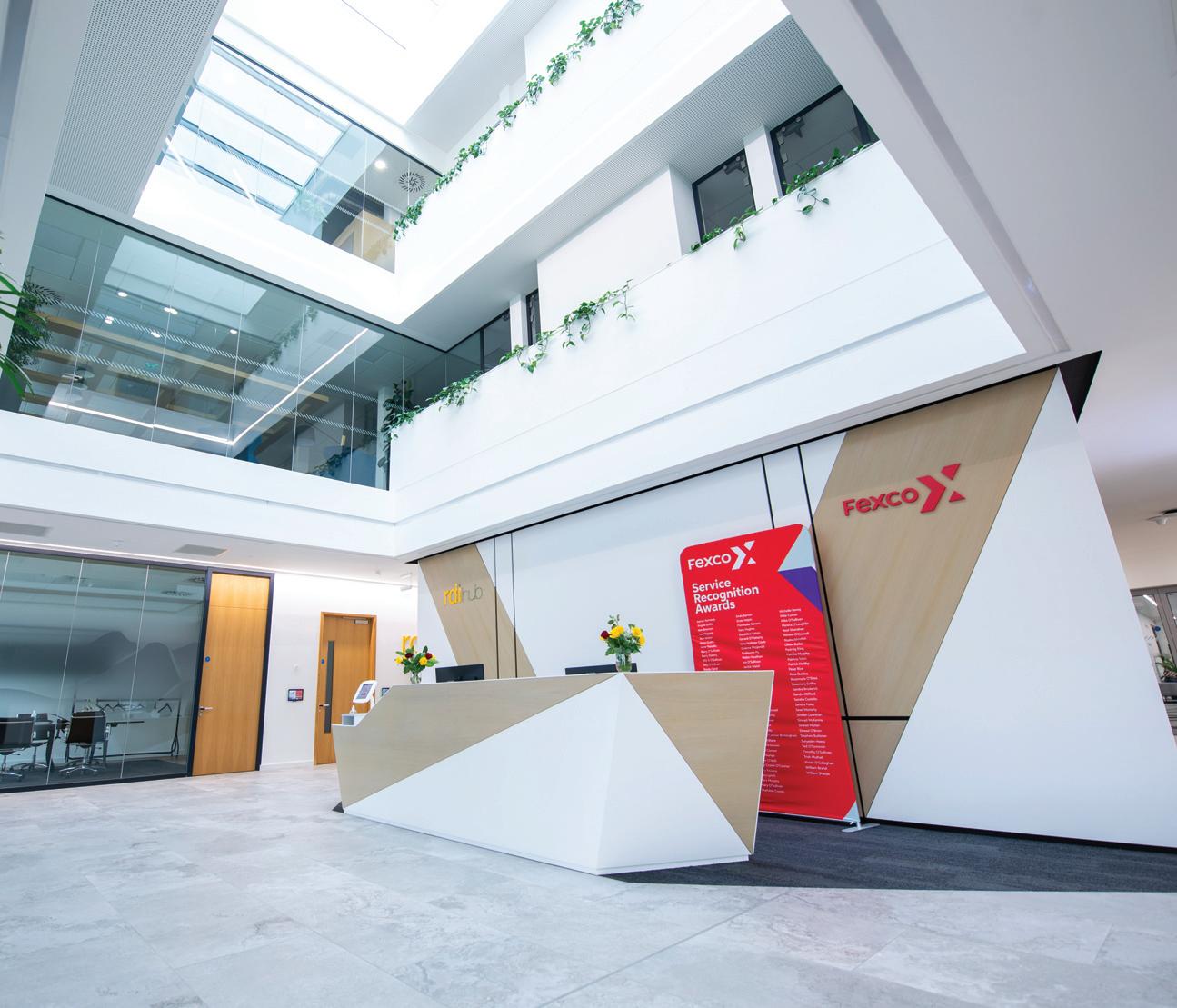
replicating it across all 17 priority areas demands substantial design capacity.
The plan’s emphasis on shared digital infrastructure is one of its strongest elements. Rather than each public body building bespoke systems, DPER (OGCIO) is providing reusable digital building blocks with identity management through MyGovID, a life events portal, a government digital wallet, data collection tools, payment systems, and more.
This approach offers significant advantages: consistency of user experience, interoperability across services, cost efficiency, and faster time to market. The successful digital wallet pilot demonstrated the potential of these building blocks to enable trusted, userfriendly digital interactions.
However, infrastructure is only as valuable as its adoption and integration.
Public bodies must design services to leverage these building blocks effectively, ensuring they are not simply bolted onto existing processes but integrated into redesigned service journeys. This requires technical capability: understanding how to implement these tools, integrate them with legacy systems, and ensure data flows securely across government.
It also requires standards and governance around data sharing. The Plan references the Public Service Data Strategy 2030 as a key enabler, establishing secure data infrastructure and interoperable standards. Realising the ‘once only’ principle, where citizens provide information once for reuse across services, depends on responsible data sharing with appropriate safeguards and compliance with GDPR regulations.
The ePPM project management building block deserves particular attention. By providing a common tool for tracking progress, milestones, and resources, it
creates transparency and enables coordinated delivery across departments. But its value depends on adoption and discipline: consistent use, accurate reporting, and embedding it into regular governance processes.
Digital transformation requires investment. The plan notes that departments and public service bodies will continue to fund their own digitalisation efforts as part of business as usual. Additionally, DPER has established a targeted Public Service Digital Transformation Fund for 2024 to 2026 to drive cross-cutting collaboration and accelerate priority life events.
This blended funding model is pragmatic, but it creates coordination challenges. With multiple funding streams and competing priorities, there is a risk of fragmented delivery or duplication of effort. Strong programme management and visibility of investment across life events will be essential to ensure resources are deployed where they deliver greatest impact.
The fund’s focus on co-design, skills transfer, and outcome-based partnerships is particularly important. Funding should not simply pay for deliverables but should build capability and drive measurable improvements in service experience and operational efficiency. Structuring investments to reward adoption and user satisfaction, not just activity or outputs, will focus effort on what matters most: delivering value for citizens.
As the plan evolves beyond 2026, sustainable funding mechanisms will be crucial. Transformation is not a one-off investment but an ongoing commitment. Public bodies must embed transformation capability into their operating models, ensuring they can continue innovating beyond the initial programme phases.
The scale and complexity of the Digital Public Services Plan mean that public bodies cannot deliver it alone. Strategic
partnerships with experienced advisory and consultancy providers offer critical enablers: proven expertise in service design and agile delivery, capacity to surge resources at critical moments, and cross-pollination of best practice across life events and organisations.
The most effective partnerships are genuinely collaborative. Rather than transactional outsourcing, where work is simply handed off to external providers, successful engagements involve codesign, joint problem-solving, and explicit knowledge transfer. Partners work alongside internal teams, building capability while delivering tangible outcomes.
Fexco’s experience demonstrates the value of this approach. Our strategic partnership with the Sustainable Energy Authority of Ireland, recognised with the CCMA Outsource Partnership of the Year award in 2024, exemplifies how collaboration focused on the right blend of people, process, and technology can deliver sustainable transformation. Similarly, our work with the PrizeBonds Company, a 50:50 joint venture with An Post operating since 1989, shows how long-term partnerships can reliably deliver complex services.
For public bodies navigating the Digital Public Services Plan, the question is not whether to engage external partners, but how to structure those partnerships to maximise value. Relationships should be aligned around outcomes, designed to build internal capability, and flexible enough to adapt as priorities evolve.
This is where Fexco Advisory Services can play a key role in supporting Digital Public Services Plan. Our approach to Advisory services is grounded in decades of hands-on expertise in running multinational financial service operations and providing outsourced managed service operations primarily to Irish public sector partners. Our advisory Services leverage all this practical, reallife experience to support clients in achieving tangible outcomes that align with their strategic objectives.
The plan’s life events working groups provide an ideal structure for collaborative partnerships. With lead departments coordinating efforts across multiple agencies, there is both the governance framework and the practical
imperative for partners who can work effectively in complex, multi-stakeholder environments.
The plan is designed as a dynamic framework, intended to evolve based on feedback, emerging challenges, and new opportunities. This adaptive approach is essential in a rapidly changing technological and policy landscape.
Enabling continuous learning requires several elements: mechanisms to capture insights from early life events and propagate lessons to later phases, regular evaluation of what is working and what needs adjustment, transparency in reporting progress and challenges, and openness to changing course when evidence suggests a better path.
The plan’s phased approach, with priority life events scheduled for delivery in 2026, 2027, and 2028, creates natural learning cycles. Insights from Phase One life events like birth of a child and accessing social housing should directly inform Phase Two and Phase Three delivery. But this only happens if there are structured processes for knowledge capture and transfer.
Advisory partners working across multiple life events can play a valuable connective tissue role, identifying patterns and helping propagate effective approaches across government. Combined with the plan’s commitment to monitoring and evaluation, this creates the conditions for an increasingly sophisticated and effective transformation programme.
The plan’s emphasis on the OECD recommendation on human-centred public administrative services provides an important North Star. The recommendation urges governments to design services around people’s needs and life events rather than institutional silos, reduce administrative burden, enhance access, and improve equity. Regular benchmarking against these principles and against peer countries pursuing similar approaches ensures Ireland learns from international best practice.
The Digital Public Services Plan 2030 is bold and necessary. The life events approach has the potential to fundamentally improve how citizens experience government services while driving efficiency through reduced duplication and better use of public resources.
But vision must be matched with pragmatism about delivery. Success depends on getting the enablers right: clear governance and accountability, service design capability at scale, robust digital infrastructure, sustainable funding, strategic partnerships, and mechanisms for continuous learning. These enablers are interconnected. Strong governance creates the conditions for effective partnerships. Digital building blocks enable service designers to deliver integrated experiences. Funding that rewards outcomes drives behaviour toward what matters most.
For senior civil servants and technology leaders across the public sector, the opportunity is significant and the challenge is real. The questions to ask are: Does my organisation have the governance, capability, infrastructure, and partnerships in place to deliver on our commitments? Where are the gaps, and how do we address them?
The pathway to success runs through deliberate attention to these enablers, treating them not as background conditions but as active priorities requiring leadership, investment, and sustained focus. Get these right, and Ireland’s digital transformation ambitions become achievable. Get them wrong, and 2030 targets remain aspirations rather than outcomes.
The plan provides the roadmap. The enablers will determine whether we reach the destination.
Fexco Advisory Services works with public and private sector organisations to design and deliver transformation programmes grounded in operational reality and focused on sustainable outcomes.
W: www.fexco.com/businessservices/advisory-services/
Jean Carberry, Assistant Secretary at the Department of Enterprise, Tourism and Employment with responsibility for Digital, EU, and Climate, talks to Ciaran Brennan about how the Department is driving AI adoption.
Ciaran Brennan (CB): What is your department is doing to drive AI adoption?
Jean Carberry (JC): The first thing we are doing is putting guardrails in place for ethical and safe use of AI because we think that trust is really important. We are also raising awareness of AI and its use cases among SMEs because the most important thing is that they recognise that this is something that can save them money and time; that there is something in it for them. The Department has a range of supports for businesses who want to adopt AI. We provide grants and advice, and vouchers that allow firms to retain consultants. We have also put in place a network of European digital innovation hubs which provide training and advice, and allow businesses to test AI solutions before they invest in them.
CB: What AI adoption efforts are working well?
JC: The Department is responsible for implementing the EU AI Act which provides the governance framework for ethical use of AI across Europe. Public sector bodies and regulators have cooperated very well with us on this. This means we can successfully implement the act in a coherent way in time for the deadlines that have been set by the EU.
CB: What challenges has the Department encountered?
JC: The big challenge is driving awareness and understanding of AI. There is so much misinformation out there; people are nervous of AI. They know it is an important development but they are not quite sure how to approach it. We have programmes to demystify AI and help people understand what they need to know, what they need to worry about, and what they do not need to worry about. Also, we appointed an AI ambassador, Patricia Scanlon, who has done great work in making it easy for people to understand AI and what it means for them.
CB: How can job security be assured as AI is adopted?
JC: The important thing to remember is that AI is coming anyway. It is not something that we can stop. What government needs to do is ensure is that there are programmes in place for people to get the skills they need to use AI properly. Ideally, AI should rise all the boats and help business to grow. That will drive increased employment. To not prepare for AI and for businesses not to adopt AI would actually be the worst thing they could do, because their competitors will and that would have a more negative impact on jobs.
CB: What unique aspects of the economy position the State well to adopt AI?
JC: Our biggest selling point is our young, skilled population and our attractiveness as a destination for talent. We are great at innovation which means that this is a great place to be an AI startup, it is a great place to invest if you are an AI company. That is why we have attracted so many new, big AI businesses, our skills base is so good and our people are so good.
Jean Carberry
Jean Carberry is the Assistant Secretary of the Digital, EU and Climate Programme Division at the Department of Enterprise, Tourism and Employment. She leads Ireland’s positions on the EU digital economy platform and AI policy. Carberry led the development of Ireland’s AI Strategy, published in July 2021, and is responsible for implementation of the enterprise strand of the strategy.

My name is Niamh Hodnett and in 2023, I became Ireland’s first Online Safety Commissioner. The same year, Coimisiún na Meán was established with the ambition to develop and regulate a thriving, diverse, safe, and trusted media landscape for Ireland.
Working alongside my four Commissioner colleagues, An Coimisiún is Ireland’s online safety regulator, we also regulate broadcasters and video-on-demand service providers, and we provide funding support for television and radio programming and high-quality independent journalism.
Since our establishment, Coimisiún na Meán have accomplished a lot in a relatively short amount of time. We have grown from an organisation of 40, to over 260 today, and have built our capacity across our functions, including policy, research and strategy, platform supervision and investigations, media development and broadcasting and video-on-demand licensing and regulation.
As Ireland’s Online Safety Commissioner, I am responsible for the development of Ireland’s regulatory regime for online safety – the Online Safety Framework. Since July 2025, the Framework is now fully in place, consisting of the EU Digital Services Act (DSA), the EU Terrorist Content Online Regulation (TCOR) and the Online Safety and Media Regulation Act, the basis for our Online Safety Code. The Online Safety Framework makes online platforms accountable for how they protect people, especially children, from harm online.
This Framework has rebalanced the relationship between users and online platforms, and has provided new rights for people, and additional obligations on platforms. This includes the right for users under the DSA to report illegal content through a user-friendly and accessible reporting mechanism, and the obligation for platforms to deal with these reports. Platforms also have to establish terms and conditions which outline what content and activity they do and do not allow on their services, and to enforce these terms and conditions diligently. Further, if you report content and the platform decides not to take action on it, you have a right to appeal that decision.
The Online Safety Code was the final piece of the puzzle and is fully in force since the summer. Under the Code, several of the large video-sharing platforms are required to provide additional protections for children. These include restricting videos which promote eating and feeding disorders, suicide and self-harm, dangerous challenges and cyber bullying. It also restricts video content which incites hatred or violence on the grounds of protected characteristics as well as child sex abuse material and terrorism. Videosharing platforms that allow adult-only video content, including pornography
and extreme violence, must have in place effective age verification to ensure that children do not encounter these types of content.
The Code was developed following extensive consultation with the public and civil society organisations and was made with the protection of children in mind. Our own Youth Advisory Committee was central to the development of the Code and serves as an important forum for us to hear the views of children and young people when developing policy with their interests in mind.
With the Framework fully in force, we are now supervising the online platforms established in Ireland for their compliance. Our ambition is to drive behavioural change from the online platforms and for platforms to develop their systems with safety in mind. If a platform fails to meet their obligations under the Framework, we will not hesitate to act, with significant financial sanctions as a potential consequence.
A crucial part of my role as Online Safety Commissioner is meeting with other regulators, establishing opportunities for co-operation and listening to those most at risk of harm online. Since I started, I have met with teacher organisations,
parents’ groups, cyber safety advocates and representatives of minority communities. We have also established several co-operation agreements with other regulators including the Competition and Consumer Protection Commission (CCPC), the Data Protection Commission (DPC) and the Advertising Standards Authority (ASA). In November 2025, I was selected as Chair of the Global Online Safety Regulators Network, where regulators and observers from across the world work together to ensure that online safety is not limited by national borders.
Our Contact Centre plays a vital role in keeping us informed of people’s online experiences and can provide advice and support for people who see or hear something online that they do not think is right. The information gathered by the Contact Centre helps us to build a case for enforcement where we can identify patterns of non-compliance by platforms.
As a regulator, our priority is keeping people, especially children, safe from harm online and informing people about their rights and how to use them. Our message is clear; users have new rights online, and platforms have new obligations that did not previously exist.
By reporting content that you believe to be illegal, or against a platform’s terms and conditions, you help us to put the platforms on notice and to hold them accountable. If you have difficulty in reporting content online, or if you are unhappy with the response from the platform then please get in touch with us and we can help provide you with the right kind of support. Every report and every contact we have contributes to our supervision and enforcement work with the online platforms. In turn this helps to make the online space safer for everyone. Your report matters.
Coimisiún na Meán’s Contact Centre is open from 8am-6pm, Monday to Friday
T: 01 963 7755
E: usersupport@cnam.ie
W: www.cnam.ie

The Programme for Government (PfG), Securing Ireland’s Future, sets an aim to ensure the State is a global innovation leader by expanding research capacity and increasing research and development (R&D), while it presents AI as the foremost focus for technology.
The PfG outlines commitments to reform the Smart Regions Enterprise Innovation Scheme, develop an all-island innovation and entrepreneurial ecosystem, and review and simplify the existing business and enterprise tax system.
It states that funding of Taighde Éireann, the research and innovation funding agency established in August 2024, will continue. The PfG also commits to the expansion of EU research and innovation partnerships with SMEs. Additionally, it outlines an aim to introduce new academic career paths, contracts, and professorships in technological universities to enable their transformation.
The PfG asserts that the State will ensure it is a leader in in the digital economy and artificial intelligence. It contains aims to update the National Digital Strategy and to work with EU partners to ensure the State and the EU are positioned to benefit from new technologies such as AI.
The Government also commits to ensuring skills necessary for AI deployment, innovation, and support are provided through education and professional learning networks.
Central Statistics Office (CSO) figures from April 2025 show that R&D expenditure in 2023 stood at €7 billion, 81 per cent higher than 2021. Current expenditure accounted for €4.6 billion (66 per cent), while capital expenditure accounted for €2.4 billion (34 per cent).
Of total R&D expenditure in 2023, 16 per cent (€1.1 billion) came from Irish-owned
enterprises. The top 10 enterprises accounted for 58 per cent (€4 billion) of total R&D expenditure, compared with 37 per cent in 2021.
CSO figures from February 2025 indicate that 15.2 per cent of all enterprises used AI technologies in some capacity in 2024. The most common use of AI was for natural language generation at 7.4 per cent, followed by data mining (6.5 per cent), and automating workflows or assisting in decision-making (6.4 per cent). In 2024, 51.2 per cent of large enterprises used AI, compared with 25.1 per cent of medium, and 12 per cent of small enterprises.
The Digital Public Services Plan 2030, published in November 2025, sets two key policy targets. The first is to achieve 100 per cent accessible provision of key public services by 2030 as set out in the EU Digital Decade Policy Programme 2030. The second is to have 90 per cent of applicable services consumed online by 2030 as set out in the National Digital Strategy: Harnessing Digital Aligned with this is the rollout of a life events online portal. This would consolidate government services for administrative processes of life events in one place. The portal will be based on ‘digital building blocks’, including a new Digital Wallet. This is a platform where citizens’ digital credentials, such as their driving licence and birth certificate, can be stored.
Under Budget 2026, €1.3 billion was allocated to the Department of Enterprise, Trade and Employment. This includes an R&D Tax Credit increase from 30 per cent to 35 per cent, with the first-year payment threshold increased €75,000 to €87,500. This is aimed at supporting smaller research and development projects.
An increase for the existing capital gains tax revised entrepreneur relief from €1 million to €1.5 million was also announced. Budget 2026 states that funding for Enterprise Ireland will be increased to support business in scaling innovation, but does not specify the amount. It also allocates €1.4 million to establish a national artificial intelligence office.
The Department has stated that it will use budget funding to support Enterprise Ireland in delivering green innovation, enable IDA Ireland to invest in innovation, and drive innovation through the Disruptive Technologies Innovation Fund.
Over the lifetime of the revised National Development Plan (NDP) for 2026 to 2030, the Department will oversee a spend of €4.88 billion, which includes €1.2 billion of projected income from enterprise agencies. Of this, €50 million has been allocated for scaling technology centres to drive innovation and commercialisation.
Under Budget 2026, the Department of Further and Higher Education, Research, Innovation and Science was allocated €4.9 billion. This includes a €810 million capital allocation to fund key infrastructure projects including Taighde Éireann, and the development and operation of 11 technological university facilities.
The Department was allocated €4.55 billion over the five-year period of the NDP. Aligned with this, the Department published the Tertiary Sector Capital Investment Plan 2026-2030 in December 2025. Over €2.45 billion will be invested into research and innovation.
The plan contains the following measures aimed at strengthening innovation and research capacity:
• delivery of new infrastructure programme to replace ageing equipment and enhance institutional capacity;
• invest in a new high-performance computing system with the University of Galway and the Irish Centre for High-End Computing;
• support for Tyndall National Institute in deeptech research, development, and graduate training;
• €1.4 billion in funding for Taighde Éireann in implementing its first five-year strategy; and
• €60 million contribution to maintain Ireland’s membership in international research organisations, including CERN.
Upon publication of the plan, Minister of Further and Higher Education, Research, Innovation and Science James Lawless TD said: “This plan represents the largest capital injection ever delivered to the tertiary sector. It will strengthen Ireland’s research and innovation ecosystem, expand capacity in higher education to meet workforce demands, and support balanced regional development.”

The 84th Public Meeting of the Internet Corporation for Assigned Names and Numbers (ICANN), was held in Dublin, Ireland, from 2530 October 2025.
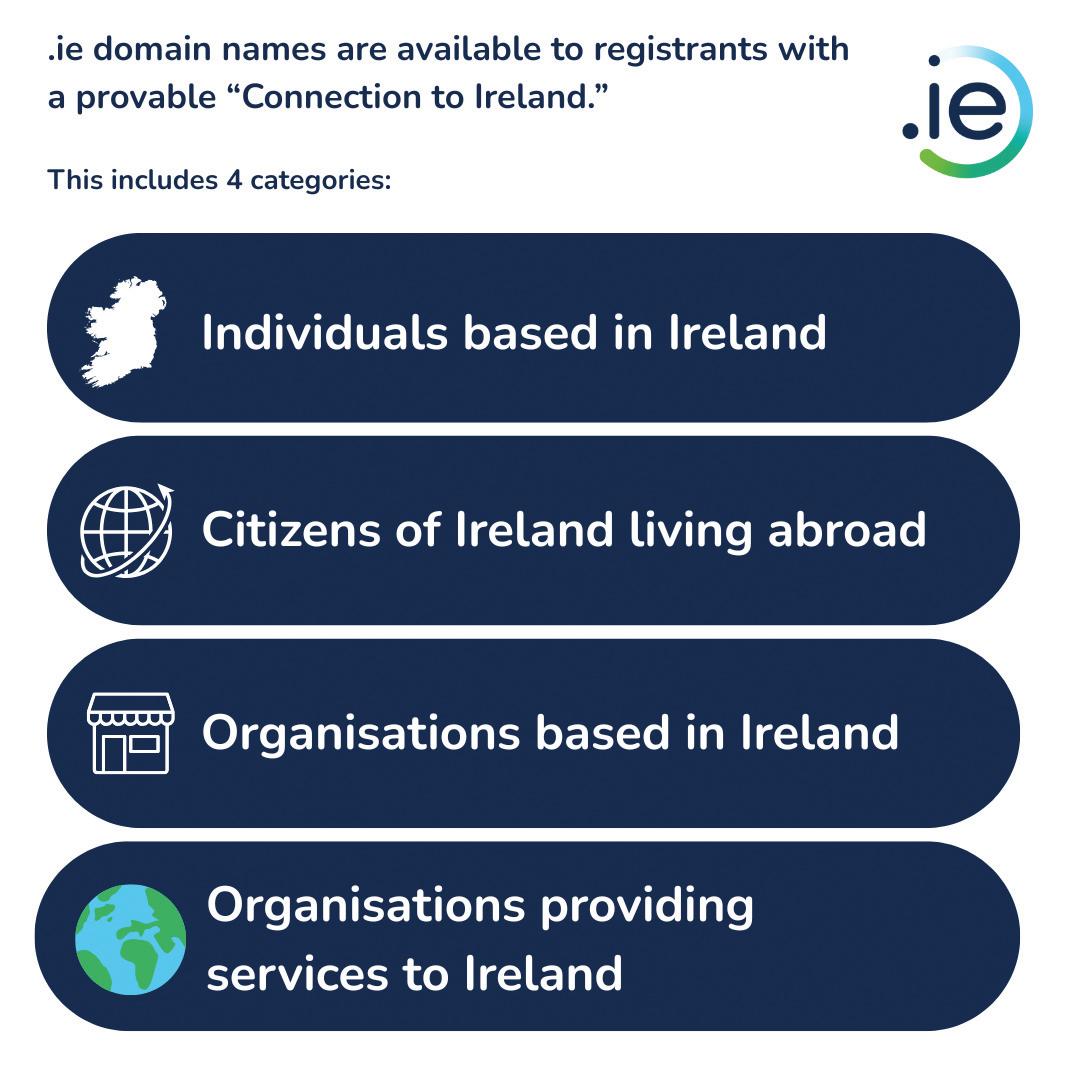
ICANN works to maintain a stable, secure, and unified global internet by managing the Domain Name System (DNS), assigning IP addresses, and accrediting domain name registrars. During this, I was invited to give the host country presentation to the Government Advisory Committee (GAC).
Rather than simply outlining the policies and processes .ie uses to combat instances of abuse, the presentation highlighted how a prevention framework (borrowed from the public health sector can help shape effective measures to address technical and online abuse.
The .ie domain is unique, even among other country-code top-level domains (ccTLDs), due to one of its longstanding policies: the Connection-toIreland. Every registrant must
demonstrate a “real and substantive connection to the island of Ireland.”
This policy is not only to ensure that the .ie domain name remains a trusted asset for Ireland, it is also a preventative measure. According to the DNS Research Federation, the .ie domain name has one of the lowest rates of abuse among European ccTLDs NetBeacon’s August 2025 report shows the .ie namespace remained highly secure, with just one detected instance of technical abuse.
Ourselves in .ie take a somewhat “broader view” of abuse as opposed to the classic ICANN definition of “DNS Abuse.” ICANN defines DNS Abuse as phishing, malware, botnets, pharming and spam when used as a delivery mechanism. However, .ie views three types of abuse:
• Technical abuse: Traditional DNS threats that largely aligns with ICANNs definition of ‘DNS abuse’.
• Content abuse: Displaying or distributing illegal content in the .ie namespace.
• Registration abuse: Domain name registrations that are carried out in bad faith or maliciously.
While definitions and how we frame issues is important, it is also essential though, that registries have different measures in place to appropriately and proportionately respond to situations. For example, it would not be appropriate for the registry to proactively determine what constitutes a crime, or what is in bad faith. But it is appropriate for the registry to have processes in place to respond to complaints or court orders.
A helpful acronym is ATOM, appropriate technical and organisational measures. There is no silver bullet for online safety, and the registry does not rely solely on any one single technical tool or policy to help mitigate abuse. Having a mix of appropriate and complementary measures is essential.
Things like domain name suspensions, for example, are often called a blunt instrument (similar to a hammer). Using that analogy, if one wants to build a birdhouse, but only uses a hammer, it will likely be a very poor-quality bird house. A mix of complementary and layered tools, instruments, and policies are required to create and maintain a safe .ie namespace.
In the world of public health, ‘prevention’ is often divided into layers, but it is fundamentally about having proportionate interventions that stop

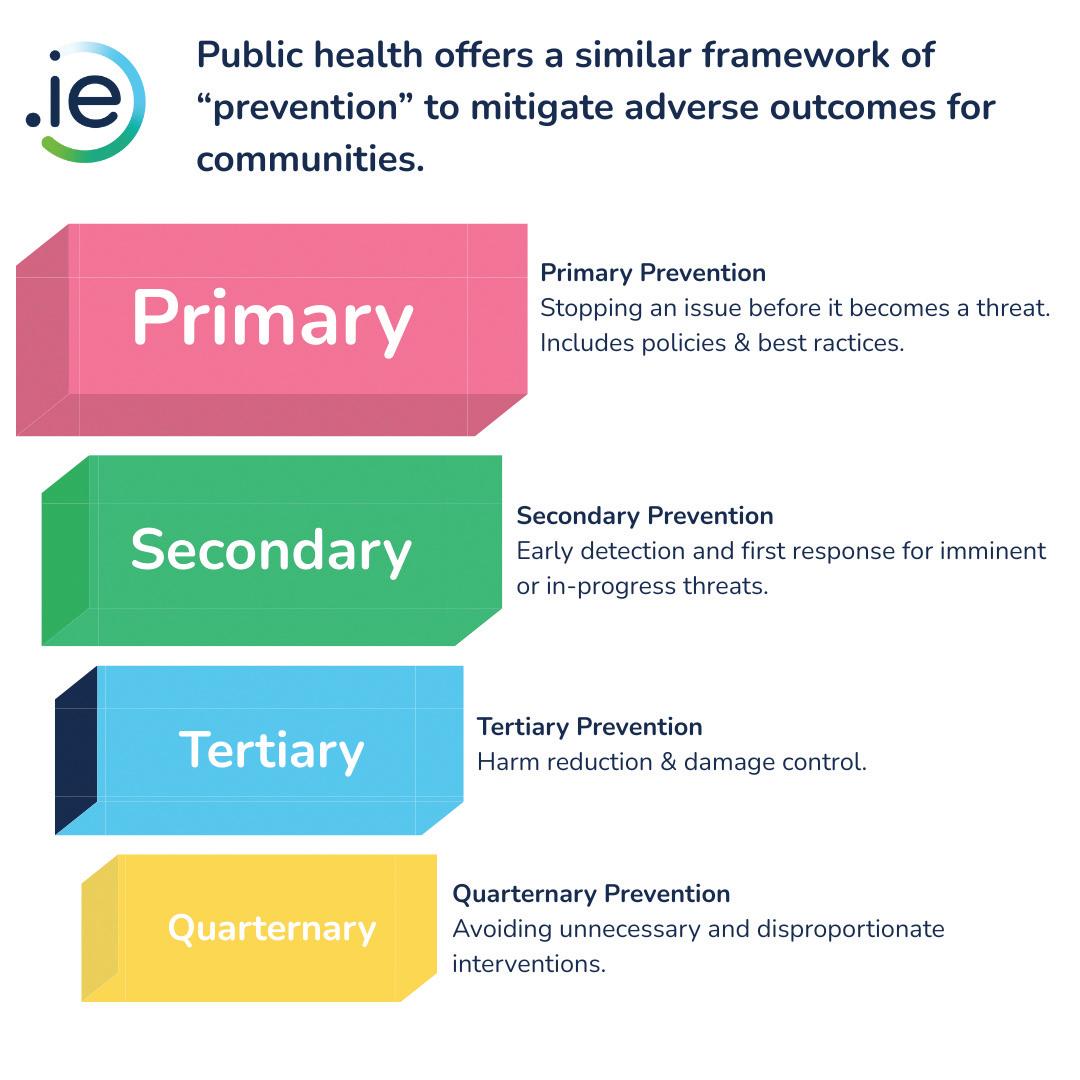
something bad from happening. This framework is also helpful for the registry to view the different measures in place to prevent abuse from happening.
• Primary prevention: Primary prevention is stopping an issue before it becomes a threat. This is preventing a heart attack at 60, by being active at 20. At the organisational level, this is about having the policies, processes, and governance practices in place that stop threats from developing.
• Secondary prevention: Secondary prevention is about early detection and first response to an imminent threat. If someone has an illness, secondary prevention is about detecting that illness. In the DNS world, this is about having measures in place that can detect abuse happening and having the ability to rapidly respond in a proportionate way.
• Tertiary prevention: Tertiary prevention is about responding to an event that has already happened, or is currently happening, and preventing further damage. In the most extreme situations, for instance, this could be having the ability to perform domain name suspensions or takedowns when necessary.
• Quaternary prevention: The last layer of prevention, but just as important as the others, is quaternary prevention. This is about having measures and processes in place to avoid intervening when it is not necessary, or in a way that is not appropriate. These are things like due diligence checks, appeals processes, or policy advisory committees.
An effective example for .ie, is the Regulatory Authority Protocol (RAP). This is an established process where regulatory authorities submit complaints to the .ie registry about problematic domain names. The registry has an established process to conduct due diligence checks, respond to the incident accordingly, and works with the regulator to reach a satisfactory outcome.
The main takeaways are that effective mitigation requires both technical and organisational measures, that interventions must be appropriate and proportionate, collaboration with regulators is essential for .ie to maintain a safe and trusted namespace, and it is essential to avoid unnecessary interventions and overreach.
Topics like these will be discussed at the second Ireland Internet Governance Forum taking place in 2026. This event brings together leaders across government, private sector, civil society, and the technical community to discuss internet and digital policy issues affecting Ireland.
W: www.weare.ie

Ireland has further cemented its status as one of Europe’s leading innovation economies, rising one position to 18th in the World Intellectual Property Organization’s (WIPO) Global Innovation Index 2025 and remaining firmly within the global top 20.
One of the most significant findings is Ireland’s exceptional performance in digital and intellectual-propertyintensive sectors. The State ranks first globally in ICT services exports and first in intellectual property (IP) payments. These indicators reflect the deep integration of Ireland’s economy into global value chains, which is underpinned by the State playing host to multinational corporations.
Ireland also ranks second in intangible asset intensity and third in software spending. The report also outlines how Dublin has emerged as a top 100 global innovation cluster for the first time.
Ireland’s strong standing within Europe is further highlighted in the regional analysis. The continent continues to dominate the upper tiers of the index, and Ireland is one of 13 European economies to improve its ranking through the year. Across the continent,


Ireland ranks in a similar standing to well-established innovation leaders Denmark, Estonia, and Norway.
However, the GII also offers a more nuanced picture of Ireland’s innovation ecosystem. While the State achieves a solid overall performance score of 0.83 under the index’s data-envelopment analysis (DEA) efficiency model, the report reveals that Ireland relies heavily on its strengths in business sophistication, which accounts for 20 per cent of its DEA score, as well as a moderate contribution from knowledge and technology outputs (10 per cent).
Additionally, while Ireland continues to score strongly on inputs related to digital infrastructure, human capital, and business sophistication, the report points to untapped potential in transforming these inputs into broader innovation outputs. The national innovation model remains
disproportionately reliant on foreignowned corporations, and there are gaps abound around scaling indigenous research, commercialisation capacity, and domestic R&D intensity.
However, overall, the report’s finding are positive for Ireland. Its performance aligns with a Europe that remains the most innovative region globally, and its ongoing upward momentum signals resilience at a time when global R&D growth and venture capital activity are slowing.
The rise in ranking along with Dublin’s entry into the world’s top innovation clusters, suggests that the State’s strategic focus on advanced digital sectors, higher-value exports, and strong research-industry linkages is paying dividends.
1. Switzerland
Top 20 European innovation economies
1. Switzerland
2. Sweden

2. Sweden
3. United States
4. South Korea
5. Singapore
6. United Kingdom
7. Finland
8. Netherlands
9. Denmark
10. China
11. Germany
12. Japan
13. France
14. Israel
15. Hong Kong
16. Estonia
17. Canada
18. Ireland
19. Austria
20. Norway

Source: GII 2025 rankings table
3. United Kingdom
4. Finland
5. Netherlands
6. Denmark
7. Germany
8. France
9. Estonia
10. Ireland
11. Austria
12. Norway
13. Belgium
14. Luxembourg
15. Iceland
16. Cyprus
17. Malta
18. Italy
19. Spain
20. Portugal
Source: GII 2025 rankings table

Irish language translation is not just a strategic imperative; it is at the heart of Ireland’s digital public service and it is being built into the tech used to make Ireland’s top public sector websites, writes Stella Power, Managing Director of Annertech.
In Ireland, the imperative for digital services to be fundamentally multilingual is driven by heritage and law.
The Official Languages Act mandates high standards for Irish translation across all digital touchpoints, recognising the language as a vital part of the nation’s cultural fabric.
For the public sector, this is more than just compliance; it is about social equity, heritage and pride. It is also about ensuring every citizen, especially those in the Gaeltacht, can access essential services and democratic processes online, in their preferred language.
The challenge lies in guaranteeing accuracy and accessibility. The multilingual feature of LocalGov Drupal offers the proven, strategic foundation required to transform this legal duty into a successful, inclusive and cost-efficient digital reality.
does this multilingual feature work?
The foundation for a successful multilingual strategy is the platform itself. LocalGov Drupal, which is built on the powerful open source Drupal CMS, is created by councils for councils.
Although LocalGov Drupal started in the UK, it is now used by numerous Irish councils. Tipperary County Council, Carlow County Council, Galway County Council, Galway City Council, and Laois County Council have embraced it to implement robust, scalable and compliant multilingual digital platforms.
Tipperary was the first Irish council to use LocalGov Drupal, and laid the translation foundations for other councils to use. Galway City Council added some improvements to the multilingual feature in 2023.
The LocalGov Multilingual feature is designed to seamlessly integrate translation capabilities into the existing LocalGov Drupal platform. It offers:
• Integrated content management: The feature enables translations for LocalGov Drupal content types like service pages and guides and other entities like alert banners.
• Structured data: Translated content retains the correct structural elements, making it simple to maintain and update.
• Readability and accessibility: By providing dedicated fields for humanreviewed translations, the feature protects the quality and accuracy of the content, upholding the crucial standards of readability and accessibility. Partial or missing translations are easily identified and managed, preventing a poor user experience.
Although sophisticated AI tools offer speed, they have significant limitations. AI translation frequently fails to capture the precise, formal and often legalistic language required in government communications.
It still requires a human resource for thorough review to avoid embarrassing or critical errors, which is a requirement that overlay tools cannot currently meet.
True digital transformation requires advanced service data handling. To fully serve citizens, data models must accommodate country-specific or localised information.
For example, when integrating with data sources and APIs (like those for planning applications), the platform must be able to retrieve or display translated metadata, ensuring a cohesive experience that is not broken by reliance on a single backend language.
Managing static documents is critical. PDFs, still popular in the public sector, often pose accessibility and translation challenges. Leveraging the LocalGov Drupal community’s integrated PDF importer tool allows councils to address this.
It enables the rapid ingestion and management of translated documents, simplifying compliance burdens and ensuring content is available to everyone.
It is not only for Irish. The multilingual feature can be, and has been, extended to include other languages, such as Welsh, for example.
Looking ahead, the next generation of multilingual services promises to leverage technology while strictly maintaining human oversight. While current general AI remains insufficient for the precise, often legalistic language required in public sector communications, the future lies in sophisticated automated translation. This will rely on highly refined machine translation models that can be specifically trained on government terminology and standardised schemas, dramatically

improving output quality beyond generic overlay tools.
However, success will ultimately depend on establishing standard ways of marking up government content. This necessitates standardised schemas and mandated human review.
By defining clear content structures, automated translation tools can be effectively deployed. Crucially, this must be followed by mandated human review to ensure absolute accuracy and prevent critical errors in key service information, balancing the speed of technology with the reliability citizens require.
The path is clear: follow web best practices and standards and adopt a proven, community-supported solution like LocalGov Drupal.
The goal is to move beyond merely meeting compliance, and to instead build a truly inclusive, efficient and future-proof digital platform that serves every citizen.
Annertech is Ireland’s leading opensource digital agency and has become the ‘go to’ experts for Drupal and LocalGov Drupal. Annertech’s mission is to help companies to embrace open-source technology to deliver ambitious digital experiences for their customers.
Founded in 2008, Annertech works with many clients in both the private and public sectors.
Annertech’s work has won all of Ireland’s most prestigious digital awards, including multiple Spider Awards (including the coveted Grand Prix award), National Digital Awards and Digital Media Awards.
T: 01 524 0312
E: hello@annertech.com
W: www.annertech.com/localgovdrupal

In 2012, Revenue won a Public Service Excellence Award from the Government for its PAYE real-time risk system which used predictive analytics to detect fraud in PAYE tax refund claims.
“In Revenue, our mission is to serve the community by fairly and efficiently collecting taxes and duties, and implementing customs control,” says Kennedy, who asserts that an organisation’s AI use must align with its mission.
The Commissioner says trust is essential for Revenue to deliver on this mission as its operations hinge on a culture of ‘voluntary compliance’.
Kennedy outlines Revenue’s bespoke governance framework underpinning its use of AI. The framework is shaped by the EU AI Act and public sector guidelines. It is designed to ensure there is oversight of AI use, and safeguard human agency and data privacy.
“You can take those overarching guidelines, but you have to localise them and you have to build them into your own corporate governance,” explains Kennedy.
The Commissioner explains why the technology “is actually not intelligent”. She states that AI “does not understand the words you put in”, adding that “each word is merely a token”. The technology then “comes back with a set of tokens that it thinks represent the answer”.


“It does not understand the question nor does it understand the answer,” says Kennedy.
Organisation’s must understand how large language models (LLMs) work, the guardrails they require, and the skills staff need to use them. Decision-making and verification skills must be built into staff to ensure they can use LLMs.
“With the governance and the training in place, we have gone from the pilot stage to rolling things out enterprise-wide,” says Kennedy. “Pilots are quite easy to do. When you need to scale up, that is where it is much trickier.”
Revenue has implemented multiple AI solutions such as RevAssist which was rolled out in June 2024. RevAssist is an LLM used by staff to answer questions on the organisation’s tax and duty manuals (TDMs), of which there are approximately 1,500. It is trained exclusively on these manuals which ensures the data is high quality as it is not built on unverified sources. RevAssist answers also include links to the sources of the manuals used to create the answer, and staff are obliged to verify the answer provided. A feedback loop is in place for staff to log when RevAssist provides an incorrect answer to ensure it is continuously improving.
“It is extremely useful because if you are answering a phone, you could get a question on absolutely anything,” says Kennedy, who explains that it enables staff to answer queries quickly.
She states that Revenue “took that to the next level” by building an agentic AI model to create or update TDMs. Every year, Revenue must create new and update existing manuals on foot of the Finance Bill which underpins changes to tax legislation following the Budget.
The agentic AI model is trained on Revenue’s processes and guides for creating or updating manuals. It produces draft manuals which Kennedy says “will get you 70 per cent of the way” to a final document.
The same governance applies in that staff must review these drafts, and TDMs are only published after review at senior level. The AI generated draft significantly reduces the time it takes for guidance on new legislation to be created.

As the capabilities of AI evolve, Kennedy says a future development that could be explored is removing the need for TDMs, as AI assistants trained on Irish tax legislation would answer questions without a need for a TDM.
Furthermore, Revenue is using LLMs to identify how users’ enquiries should be directed, analyse documents, and craft legislation. The organisation is developing an AI-enabled selfservice hub to include these activities. Crucially, these will be trained using curated data and will provide links to the sources for answers.
Revenue is also assessing how AI can improve every facet of the customer service journey. Currently, clerical staff must summarise each customer call and cannot answer the phone while doing so. AI can be used to complete summaries, freeing up staff.
Kennedy asserts that there is a discipline required in using any technology. This discipline must be exerted during analysis, testing, operations, and ongoing maintenance of technology.
Organisations must also commit to technological developments which require “ongoing investment”. Kennedy continues: “The total cost of ownership is about 20 per cent to implement and 80 per cent to maintain.”
Committing to these developments is also made difficult by their rapid rate of change. Revenue has implemented models in some cases which subsequently needed to be changed “because the underlying vendor has changed what they are doing”.
AI is mostly cloud-based and Kennedy asserts that organisations must be comfortable with their data being processed in the cloud. Because AI use is on a pay-per transaction basis, organisations must budget carefully to ensure continuity of service. Kennedy asserts that providing staff with the requisite skills is critical. “You must ensure that you do not outsource AI. You need to start building the skills internally.”
Concluding, Kennedy states that organisations must ask themselves: “How can we transform public service to be different? If we were designing public service from the get-go using AI, how would we design it?
“We would not design it the way we have it now, so do not automate what we have now using AI because then we are missing a trick.”
Ronan Stafford, CEO of Codec, discusses the four decades of his organisation’s growth from a start-up in the 1980s to one of Ireland’s leading digital transformation partners and one of Microsoft’s most awarded collaborators.
When Codec first opened its doors in 1985, the workplace looked very different. “PCs were only on about 5 per cent of the desks,” recalls CEO Ronan Stafford. “We kicked off in a totally different world.”
Four decades later, the Dublinheadquartered company has grown from a small technology reseller into one of Ireland’s leading digital transformation partners and one of Microsoft’s most awarded collaborators. Ask Stafford

what continues to define Codec, and the answer is simple: its people, its partnership with Microsoft, and its longstanding commitment to the Irish public sector.
Today, Codec’s 300-strong team, of which the majority is based in Ireland, works across both public and private sectors to help organisations modernise, secure and accelerate their digital operations. “Codec is a Microsoft partner, and our job is to transform our
customers through digital transformation and AI transformation,” Stafford explains. “We work closely with our customers to understand what their strategy and priorities are. We help them to become more efficient, serve their customers better, operate faster, and become leaner.”
Codec’s journey mirrors the evolution of Ireland’s technology landscape. “We have been through all the crazy changes from an economy and technology perspective over 40 years, and we are probably in one of the craziest at the moment because of AI and security,” Stafford reflects. “It has been an amazing 40-year journey. It is brilliant to see people come to Codec, stay for a long time or go on to great things.”
That people-centric culture is central to how Codec sees itself. “We are a people company,” Stafford emphasises. “AI is going to change everything, but what we get motivated by is people. We love working together, taking on challenges and overcoming them. But we also love working with the people in our customer organisations.”
Nowhere is that more evident than in Codec’s extensive work with the public sector, a relationship that has spanned most of the company’s existence. “We have been in business 40 years and for most of those years we have been working with the Irish public sector,” Stafford says. “We love working with them, we have great experience, we have great respect for the sector.”
That depth of experience can be seen in the company’s long partnership with the Health Information and Quality Authority (HIQA). About two years ago, HIQA went to tender for a major digital transformation programme, a project that Stafford describes as both complex and high-stakes.
“HIQA wanted to implement a new digital system to regulate health and social care services that is their responsibility,” he explains. “They wanted it to be in the cloud, to be secure, but they also wanted their users to be able to change the system to

reflect changes in their environment as they go along, so it is quite a challenging system.”
Codec’s approach was rooted in deep collaboration. “We had to work closely with the business to understand what they want to achieve, how their business works, what their business processes are, and then our solution architects work with that information to build the technology architecture behind it,” Stafford says.
“Because the project is multi-year, this alignment is continuously revisited. Throughout the whole build we are continually working with the business owners. If our job was just technical, it would be much more straightforward, but the bigger challenge is delivering what the business wants.”
The result is a platform designed not only on the latest Microsoft technologies but also to reflect the real-world regulatory processes that HIQA must manage every day.
Codec also partnered with the Mental Health Commission (MHC) to launch the Decision Support Service (DSS), a new statutory service for people who face difficulties exercising decision-making capacity to support their rights and autonomy under the 2015 Act. The MHC needed a secure, scalable and easy-touse online portal that would integrate with its existing systems and support a growing national user base.
Codec developed a greenfield solution to enable the DSS to operate as a modern, digital-first service. The platform now supports 53,000 registered MyDSS users, has facilitated 90,000 queries through the contact centre, and has enabled the registration of 6,000 decision support arrangements, with a further 2,600 already underway. The move from century-old paper processes to a digital, 24/7 online service has transformed how people access and manage support.
“Codec worked very closely with the MHC to understand the requirements for this system: what was important in terms of security, data capture, and how the system would interact with vulnerable people and the people around them,” Stafford explains. “It had to satisfy full legislation. That system is live now, it is successful. The MHC have a modern, digital platform based on Microsoft technologies which runs their DSS.”
Codec’s longstanding collaboration with Microsoft underpins every project it delivers. The company holds some of the highest accreditations in the market, something Stafford sees as core to Codec’s mission.
“We take it really seriously what our role in all of this is,” he says. “Our role is to take very clever products that Microsoft develop and skill ourselves up to the highest accreditation in all of those. Then our role is to advise and work with the

public sector so that they can properly harness these technology products to get the best value out of them.”
Looking ahead, Stafford believes that cybersecurity and AI will dominate the public sector’s transformation agenda. “Security is going to become more of a key issue in the public sector. It is going to continue to become more important,” he notes. “AI will be adopted and it is a question of to what extent the Irish public sector are comfortable adopting it. To take advantage of AI, they need to first digitalise everything and put it in the cloud. AI will not work on-premise, so there is a greater incentive for the public sector to adapt.”
After 40 years, Codec is entering its next chapter with the same values that built its reputation: respect for its customers, belief in its people and commitment to delivering meaningful, measurable transformation.
“Codec’s 40-year journey reflects our commitment to innovation and partnership,” Stafford says, emphasising that as the public sector prepares for the next wave of digital change, Codec stands ready to help shape it.
W: www.codec.ie
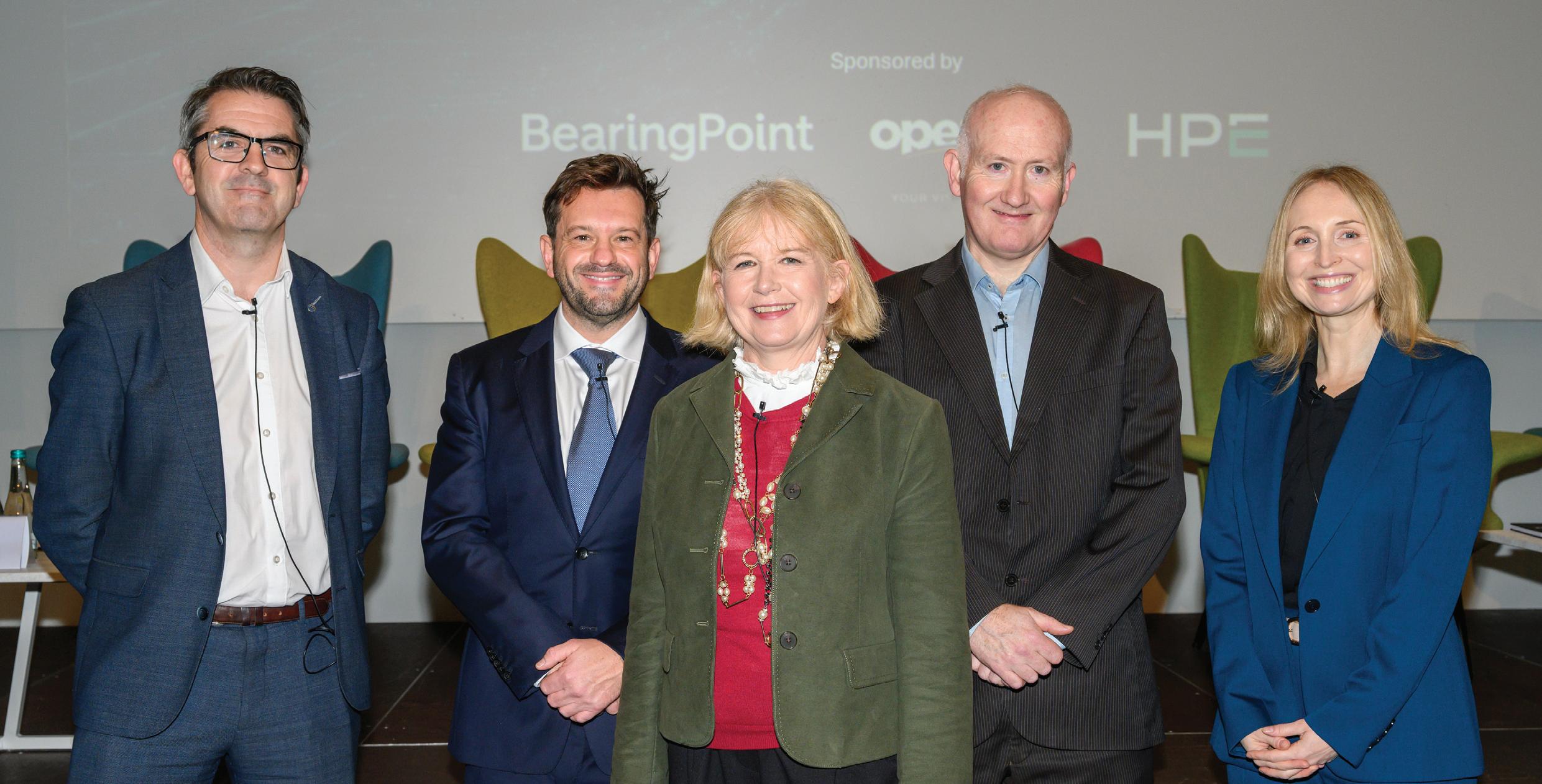
The eolas AI Forum 2025, sponsored by BearingPoint, OpenSky Data Systems and HPE took place on Thursday 6 November in Croke Park, Dublin. Around 180 delegates attended the event, learning about the latest developments in AI. The Forum examined how AI can make an impact on organisations and examined how we can deliver the principles of AI: Here for Good; AI that is trustworthy, people-centred, and ethical. Delegates in attendance heard from speakers, both visiting and local, from organisations including the Department of Enterprise, Tourism and Employment; European Commission; OECD; Department of Public Expenditure, Infrastructure, Public Service Reform and Digitalisation; and Revenue.
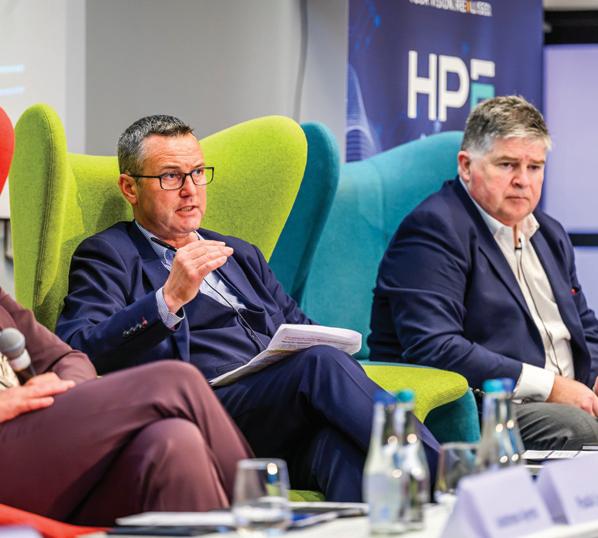
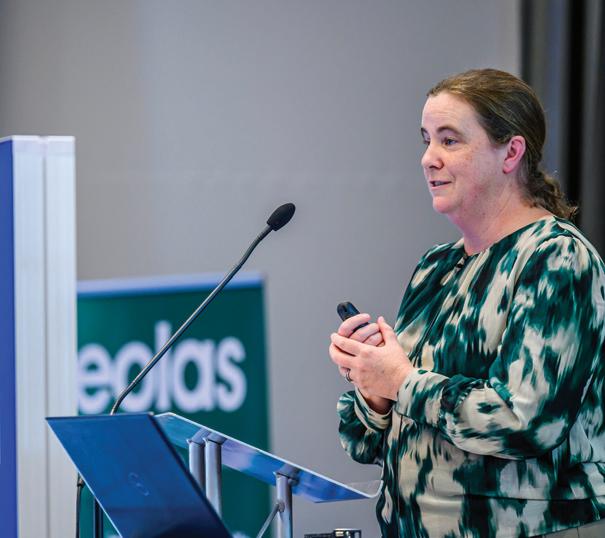
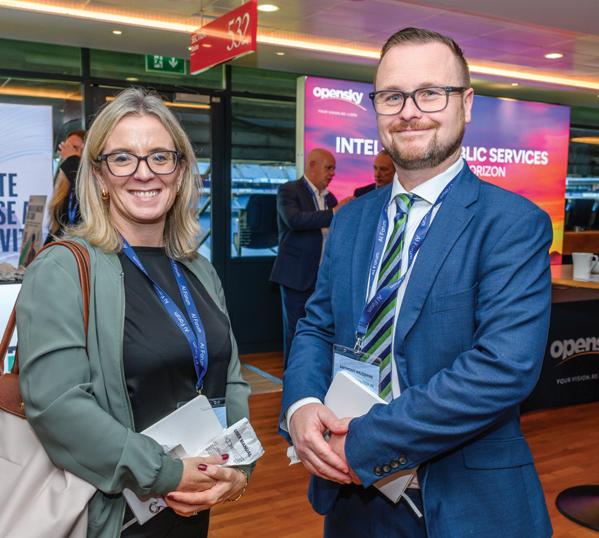
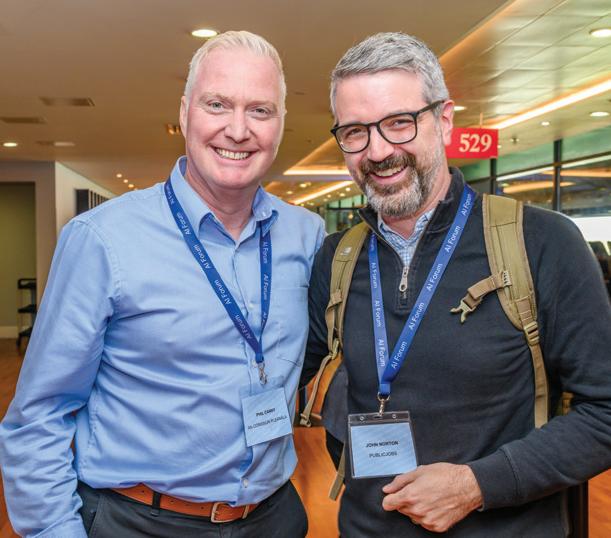
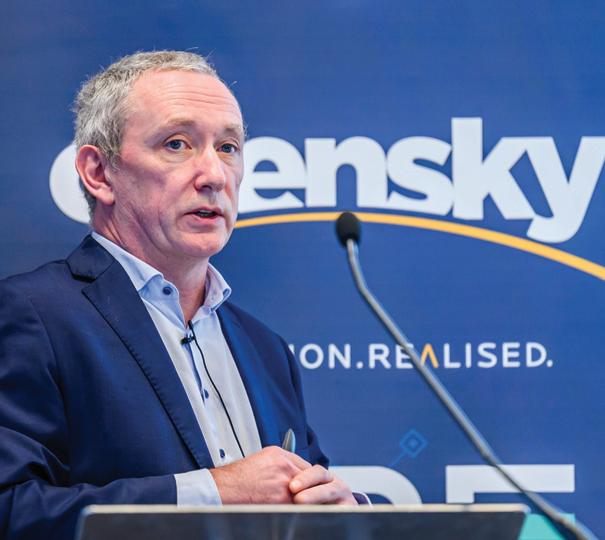

Sponsored by


Ireland’s education system is changing, shaped by forces that extend far beyond the classroom.
The country operates in an open, globally connected economy that is being disrupted by artificial intelligence, shifting demographics, evolving labour markets, and growing demands on public services. These shifts are no longer abstract. They show up in how workplaces are organised, in the skills employers look for, and in the
expectations people have of public services.
The Government’s Future Forty analysis clearly highlights these trends, noting the need for a workforce that can adapt quickly and contribute confidently in a world where technology and global competition will influence almost every sector.
At the same time, Irish society is becoming more diverse. Young people present with a broader mix of learning profiles. Adults return to education at different stages of their lives. Families bring a wider range of cultural and educational backgrounds. This evolution reflects a society that is more open, more complex and more ambitious about ensuring that education works for everyone.
Policy has begun to shift to match this reality. The Department of Education and Youth’s Strategy for 2025 to 2028 places inclusion, digital competence and flexible pathways at its core. These ambitions are backed by €7.55 billion in capital investment between 2026 and 2030, which will modernise buildings, broaden provision and deliver more than 14,000 additional places in special classes and special schools.
Policy, investment, and population change are pushing the system to evolve. The direction is there; delivery is the test. The challenge and opportunity are in turning these ambitions into the everyday lived experience of students and teachers.
Ireland’s learner profile has changed in ways that reflect wider positive shifts in society. There is more recognition that many children need tailored support. More families expect a broader set of options. More adults see learning as something that happens across a lifetime rather than at a single stage.
National data reinforces this. More than 972,000 children and young people are enrolled in primary and post-primary schools, supported by almost 3,000 special classes and a steady increase in specialist staff. The demand for accessible, well-designed educational environments is rising because more
children are being identified, supported and included than ever before.
Further education has also expanded. Colleges and training providers now offer flexible routes, shorter courses and skills-focused programmes that fit around work and family life. People move in and out of education as modern careers require. This broader approach values practical, applied and community-based education alongside traditional academic routes, helping Ireland remain competitive while providing real choices.
Technology is also reshaping what learners need. AI is not only transforming how people work and the skills they require, but it is also prompting educational institutions to adapt their programmes. This raises questions about how to responsibly integrate new tools and content, and how best to support staff. How education responds to AI matters. Learners are preparing for jobs that will look very different from today’s.
Inclusion is now a design principle for a modern, competitive system, not a separate strand. The Department’s strategy links inclusion to decisions on curriculum, buildings, teacher support, wellbeing and data, shaping how the system grows and how resources are prioritised.
This is not about “accommodating” diverse needs. It is about recognising that diversity is part of Ireland’s present and future. A more inclusive system is also more effective and economically resilient. When learners see themselves reflected in the system, they participate more confidently. When supports are joined up, they achieve more. When pathways are clear, people stay engaged throughout their lives.
The practical steps that create inclusion are often small and very concrete: admissions processes that are easy to follow; assessments that happen early enough to be useful; clear communication between schools, families and services; buildings designed for accessibility; support services that talk to one another; and data that follows the learner rather than sitting in separate systems. These details create a system that feels navigable rather than overwhelming. When they are in place,

the impact shows up in confidence, attendance and progression.
Meanwhile, the nature of work is shifting. AI is automating routine tasks, changing job profiles and requiring new forms of digital fluency. At the same time, the skills that matter most are the ones humans do best: critical thinking, creativity, communication, collaboration and curiosity.
Curriculum reform is moving in this direction. Digital competence is a priority, and higher education is updating programmes for emerging industries. Ireland’s current capital investment aligns physical spaces with modern learning. When buildings are designed for actual teaching and learning needs, supportive, flexible and digital-first environments follow.
Policy speaks to ambition. Investment shows commitment. But change becomes real only when people experience the system as it is meant to work.
That happens when a child moves between supports without delay. When a parent understands their options without needing to navigate a maze. When a
teacher uses digital tools naturally, without extra administrative strain. These moments often look small from the outside. They feel significant to the people living them.
I did not begin my career expecting to work in education. What changed was a pivotal project that exposed me to the realities faced by learners, families and staff striving to succeed within complex systems. The delivery of this project was not a minor task, it was a meaningful initiative that demonstrated how clear processes, accurate information and coordinated support can transform experiences and outcomes. That project shaped my understanding of the sector and its potential for impact. It opened a door into a sector that felt purposeful in a very tangible way, and that experience has stayed with me.
Over time, my work has spanned schools, colleges, universities, public agencies and government departments. That breadth has shown me how decisions in one area affect many others. Curriculum reform relies on digital tools that need to function reliably. Support models depend on funding and staffing. The implications of national policies are felt at the local level, in busy offices and classrooms. Large ambitions only succeed when small details align.

“Education has an opportunity to shape a more inclusive and competitive future.”
Educational work is now multidisciplinary. Teaching relies on digital infrastructure, inclusion in coordinated support, and digital transformation in understanding behaviour as much as technology. Finance, HR, operations and design are all essential.
What becomes obvious across the system is that real change depends on the operational spine of education. Consistent processes, good information, clear decision-making and strong communication are the daily mechanics that determine whether a system feels supportive or complicated. When operations are strong, reform becomes achievable. When they are unclear, even well-designed policies can falter.
Education reform now requires broader skills. Curriculum, digital infrastructure, staffing, wellbeing and investment all interact. Organisations and advisers must expand their expertise to address these interconnected shifts.
At Grant Thornton, integrating specialists across education, finance, technology, and organisational design has created a more rounded approach. Solutions have to address funding, digital tools, the workforce, the learner experience, and community impact together if they are to last.
One of the biggest shifts in our work over the past year has been the move towards deeper international collaboration. Since Grant Thornton Ireland became part of a wider multinational platform, there is more opportunity to work alongside colleagues whose perspectives are shaped by other systems and contexts. That has changed how I think about reform and what I see as possible.
Every country is wrestling with its own version of similar questions. How do you prepare learners for an economy shaped by AI? How do you build capacity fast enough to keep pace with demographic change? How do you consistently design supports that reach a more diverse population? How do you stay competitive while keeping education human and accessible?
These international approaches underscore a key point: the ability to adapt, learn from others, and make thoughtful, locally tailored decisions will define Ireland’s educational future. As reform progresses, the task is to stay open to new ideas while ensuring the system remains responsive, inclusive and competitive. The road ahead is complex, but through collective effort, practical focus and innovative thinking, the promise of a stronger, more accessible education system can become a lasting reality for all.
Being part of a multinational platform also influences how we work as a team. It has brought together people with expertise in technology, finance, organisational design, behavioural insight and public-sector delivery. That mix has made our approach more practical and more grounded. It reflects the direction in which education itself is moving. No single discipline can carry the weight of modern reform. Solutions now need to account for funding, data flows, digital tools, workforce capacity and learner experience, all at the same time.
What I value most in this global work is the shared ambition. Everywhere, people
want education systems that are more inclusive, more flexible and more resilient in the face of change. Being part of an international platform means learning from those efforts, sharing our own experience and supporting Irish organisations with a view that is both local and global. It gives me confidence that Ireland can not only respond to change, but shape its own future in a way that matches who we are becoming as a society.
Ireland is more diverse, more connected and more dynamic than at any point in recent memory. The economy demands flexibility and innovation. Learners need confidence, curiosity and digital fluency. Families expect a system that works for them. Policy and investment reflect these expectations.
The next step is to ensure that delivery keeps pace. That means creating learning environments that reflect modern needs, designing pathways that feel navigable and supporting teachers through change.
It means building systems that value people’s time and help them focus on what matters. And it means continuing to see diversity not as a pressure but as a strength that enriches education, makes it fairer and better able to meet future challenges.
Ireland has a strong foundation. It also has a clear sense of direction. The task now is to build a system that reflects the country we are becoming, not just the one we have been.
Education shapes futures and communities. That is why the details and delivery matter. The way the next phase of the system is built will determine not only what education looks like, but how it feels for the people who rely on it every day.
Ali O’Sullivan is a Consulting Director and Head of Education for Grant Thornton Ireland W: www.grantthornton.ie

2025 was a positive year for Irish universities in a global context, as eight universities increased their global ranking, while two – the University of Galway and Ulster University –recorded a decline in QS World University Rankings.
University College Dublin had another successful year, rising by eight places, and is now close to being ranked as one of the 100 top universities in the world, while Trinity College
1. Trinity College Dublin
Rank: 75 h12
Status: Public
Research output: Very high
Academic faculty staff: 1,589
Total students: 18,325
4 . University College Cork
Rank: 246 h 30
Status: Public
Research output: Very high
Academic faculty staff: 950
Total students: 16,972
7. Dublin City University
Rank: 410 h 11
Status: Public
Research output: High
Academic faculty staff: 1,290
Total students: 15,503

Dublin remains the top-ranked university in the country. After rising by seven places, Queen’s University Belfast is now in the top 200 universities in the world.
The rankings are determined by key indicators which include academic reputation, staff-to-student ratios, citations per faculty, and the international dimensions of the workforce and student populations.
2. University College Dublin
Rank: 118 h 8
Status: Public
Research output: Very high
Academic faculty staff: 1,818
Total students: 24,177
5. University of Galway
Rank: 284 i 8
Status: Public
Research output: High
Academic faculty staff: 1,984
Total students: 15,533
8. Ulster University
Rank: 609 i 50
Status: Public
Research output: High
Academic faculty staff: 1,215
Total students: 19,775
3. Queen’s University Belfast
Rank: 199 h7
Status: Public
Research output: Very high
Academic faculty staff: 1,775
Total Students: 21,045
6. University of Limerick
Rank: 401 h 20
Status: Public
Research output: High
Academic faculty staff: 987
Total students: 12,017
9. Maynooth University
Rank: 771-780 h 21-79
Status: Public
Research output: Very high
Academic faculty staff: 814
Total students: 12,272

10. Technological
University Dublin
Rank: 781-790 h 61-119
Status: Public
Research output: High
Academic faculty staff: 1,387
Total students: 19,088

In the Programme for Government (PfG), the Government sets out a vision for education which emphasises system reform, inclusion, capital investment, and workforce expansion, with a particular focus on special education and tackling educational disadvantage.
A central strand of policy is the modernisation of the student learning experience. Senior cycle reform continues, involving updated curricula, alternative assessment methods, and work to reduce examination-related stress.
Literacy and numeracy remain priority areas. The Government plans to increase ICT investment in schools, integrate digital skills and coding into teaching, and support online safety education. Policies also aim to expand foreign language uptake, progress the SPHE/RSE curriculum, and provide enhanced access to music education, creative programmes, Gaelscoileanna, and Gaelcholáistí.
A significant focus is placed on school supports and staffing. Commitments include increasing capitation funding, lowering the primary pupilteacher ratio to 19:1 over the Government’s term, and trialling administrative supports for school leaders to reduce non-teaching workload.
Additional measures include a national project for small schools, expanded childcare and after school provision on school sites, and workforce planning to ensure adequate teacher supply. Digital learning and professional development supports will continue to be updated, particularly in the context of emerging technologies such as artificial intelligence.
The Government also intends to increase capital investment in school infrastructure. Plans include supporting over 300 school building projects currently under construction and progressing approximately 80 additional projects across 2026 and 2027. Capital investment is to prioritise demographic growth areas, special education capacity, refurbishment, ICT and climate-action upgrades, and sports facilities. The PfG states that annualisation of the Minor Works Scheme and continuation of the Summer Works Scheme form part of this approach.
A substantial portion of policy relates to educational inclusion and disadvantage. A new DEIS Plus scheme, due to begin in September 2026, will target schools with the highest levels of need, aimed at narrowing performance gaps and introducing new interventions.
Additional proposals include strengthening school attendance strategies, expanding the Home School Community Liaison Scheme, extending the JCSP Library Project, and improving guidance services. The free hot school meals and free schoolbooks programmes will continue and expand. Broader participation measures include actions relating to the Transition Year programme, uniform swap initiatives, and additional supports for Traveller and Roma students.
The special education area remains one of the largest policy and funding priorities. Budget 2026 allocates funding for 1,717 additional special needs assistants and 860 additional special education teachers, bringing total dedicated staff to more than 46,500 in 2026.
Commitments include further increasing special class and special school places, providing modular accommodation in advance of each school year, and promoting collaboration between mainstream and special schools.
A national therapy service is to be developed to provide in-school access to speech and language therapy, occupational therapy, and other professional supports, with an associated expansion in relevant higher education places. Additional measures include admissions reform, more structured transition planning for students with additional needs, enhanced teacher training, expansion of summer programmes, and updates to legislation such as the EPSEN Act.
On student wellbeing and safety, policies include extending mental health pilots, implementing antibullying initiatives such as the FUSE programme, and developing a holistic wellness programme centred on
physical activity, nutrition, and social behaviour. The Government also outlines its ambitions to make schools smartphone-free and to strengthen digital literacy and online safety education.
In further and higher education, the Government’s priorities are focussed on closing the core funding gap by using the National Training Fund and providing a clearer financial framework for technological universities, including borrowing capacity for capital projects. Actions to widen access include increasing further education places, reducing student contribution fees, increasing SUSI maintenance, exploring placement grants, expanding free part-time courses, and improving financial support for postgraduate students.
Work is also underway to simplify entry routes, including the introduction of a single application process for apprenticeships, further education and higher education, and reforms to the CAO system.
Research and innovation policy includes commitments to increase research funding across disciplines, encourage greater collaboration between higher education institutions and industry, expand PhD and postdoctoral supports, and enhance participation in EU programmes.
The Government also proposes expanding micro credential provision, increasing STEM uptake, strengthening north-south academic collaboration, and supporting the development of technological universities, including new academic career structures.
Student accommodation forms a separate policy area, with the PfG outlining plans for a multi-annual programme to deliver new purpose-built student accommodation, enabling TUs to borrow for oncampus construction, and aligning leases with the academic year. Measures to increase uptake of the Rent-a-Room scheme are also being examined.
In November 2025, Hildegarde Naughton TD was appointed Minister for Education and Youth, replacing Helen McEntee TD who was promoted to the roles of Minister for Foreign Affairs and Trade and Minister for Defence. Naughton, a TD for Galway West, has previously served as Government Chief Whip and as Minister of State with responsibility for Transport, Broadband and Communications.
Speaking on RTÉ’s Morning Ireland upon her appointment, the Minister said that from her work in the Department of Disability and previously as a minister with responsibility for special education, “I have a 360 degree understanding of disability in particular”. Naughton, a former schoolteacher, added that progress has been made in reducing the teacher/student ratio and said she believed that teachers are being paid enough.
“I know there is extra pressures [sic]… right across every single sector, but I know from my own time as a teacher, yes they are [paid enough] and we need to make sure that we are continuing to educate our teachers... and preparing for the needs of our students coming down the track and that includes special education as well.”
Ireland’s classrooms are at the heart of a society that is changing faster than ever before. Children attending our primary and special schools are growing up in a world shaped by climate change, the ubiquity of social media and streaming services, transformative technologies like AI, and rapid geopolitical shifts, and they have lived through a pandemic.
At the National Council for Curriculum and Assessment (NCCA), we have been asking: What is the purpose of a primary school education in today’s world? What knowledge, skills, dispositions, and values will help children thrive and flourish? And what then are the types of experiences children will need in schools?
As part of our statutory role in advising the Minister for Education and Youth on curriculum and assessment, we have recently completed a major redevelopment of the curriculum for all primary and special schools. This marks a significant moment in Irish education, shaping what children learn, and how they learn, for a new generation of learners.
Since the 1990s, research into children’s learning has developed significantly. We now have a deeper understanding of how children experience the world, how they learn most effectively, and the factors that help them reach their full potential. The redeveloped curriculum reflects these insights and responds to the realities of a modern, diverse, and rapidly changing society, ensuring that children are supported to thrive in today’s world.
The redevelopment was undertaken by the NCCA through years of extensive research, consultation, and collaboration with education partners and stakeholders including teachers, and school leaders. Through citizen-centred policy design, children, their parents and the general public were able to have their say. Importantly, the voices of children played a central role, highlighting the need for a curriculum that responds to their lives today while preparing them for the future.
Launching the curriculum on 22 September 2025, the then-Minister for Education and Youth, Helen McEntee TD said: “This new curriculum is designed for the children of today and tomorrow. It reflects the world they are growing up in; one that is fast-changing, interconnected, and full of opportunity. Our goal is to ensure every child in Ireland receives an education that is inclusive, empowering, and deeply relevant to their lives.”
The redeveloped curriculum aims to provide a strong foundation for every child to thrive and flourish, supporting them in realising their full potential as individuals and as members of communities and society. The curriculum
includes the Primary Curriculum Framework and new specifications for five curriculum areas. The framework sets out the nature, structure and content for the curriculum. It forms the basis for high-quality learning, teaching and assessment for all children.
One of the most visible changes is in the structure of the curriculum. The first four years of primary school will now focus on five broad curriculum areas rather than 11 separate subjects. From third class onwards, these areas will gradually become more subject-based to reflect children’s growing understanding and interests. Building on the strengths of the previous curriculum, the five curriculum areas respond directly to today’s challenges, changing priorities, and the evolving needs of children. New aspects of learning are also being introduced. These include engineering, modern foreign languages (from third class), a broader approach to arts education, and learning about religions, beliefs and worldviews within history and geography. Digital learning will also feature more prominently across the curriculum:
• Language: English, Irish, and modern foreign languages (from third class)
• STEM education: Science,
technology, engineering; and mathematics
• Wellbeing: Social, personal and health education (SPHE); and physical education (PE)
• Arts education: Music; drama; and art
• Social and environmental education: History; and geography incorporating learning about religions, beliefs and worldviews
Amongst the priorities for children’s learning are a set of seven key competencies. These refer to the knowledge, skills, attitudes and values that children develop as they progress through school. They include being an active citizen; being an active learner; and being creative. These competencies will support children to grow and develop intellectually, personally, socially, morally and physically.
The redeveloped curriculum has strong connections with Aistear: the Early Childhood Curriculum Framework and with the Framework for Junior Cycle This will help to ensure better progression in what children learn, and a smoother and a more positive journey for them from early childhood settings through to post-primary school. This helps create a smoother, more positive learning journey from early childhood right through to secondary school.
Curriculum areas and subjects.
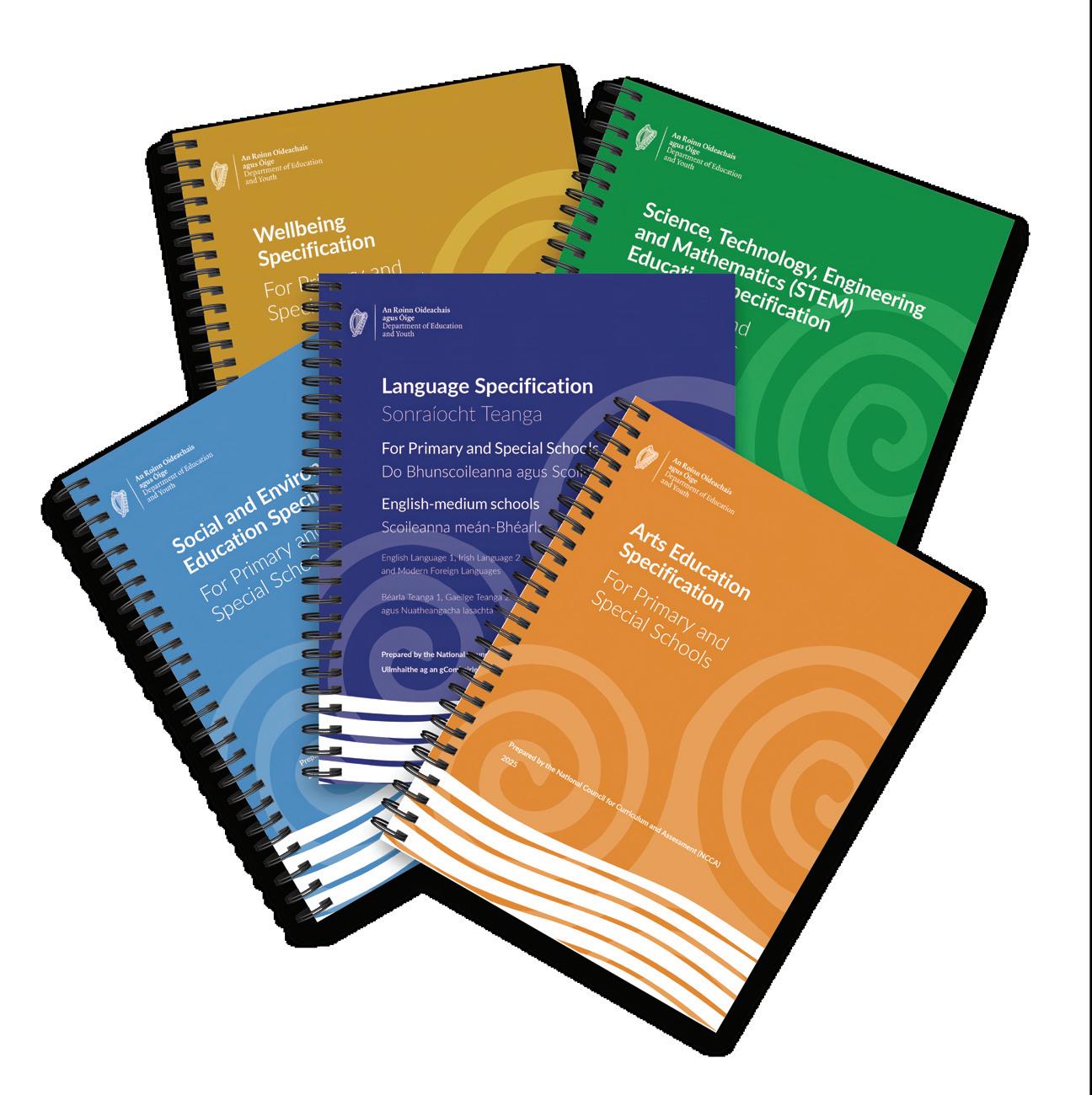
The NCCA will provide comprehensive online curriculum toolkits to support schools and teachers as they work with the redeveloped curriculum. The toolkits will be available at www.curriculumonline.ie and contain:
“Curriculum, the story one generation tells to the next.”
Anne Looney
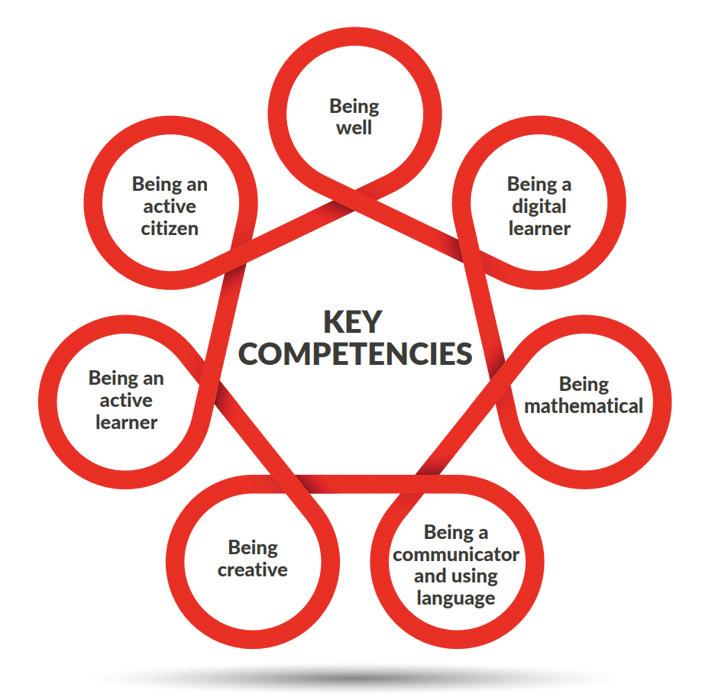
• guidance on important aspects of primary education such as assessment, and school and classroom planning;
• examples of children’s learning across the curriculum areas and subjects; and
• examples of effective teaching approaches, to foster rich learning experiences and encourage connections with the home and community.
The Department of Education and Youth has developed an extensive and phased plan to support schools as they introduce and enact the curriculum, supported by guidance and resources. This phased approach will allow teachers and school leaders to familiarise themselves and begin working with the curriculum’s content and approaches to learning, teaching and assessment, at a pace that is manageable for them.
Mar a deir an seanrá, is de réir a chéile a thógtar na caisleáin
T: +353 1 661 7177
E: info@ncca.ie
W: www.ncca.ie

strongly in higher education attainment and adult skills participation. However, challenges remain in learner progression, skill proficiency, and equal access to educational opportunity.
The OECD publication Education at a Glance 2025 examines education systems across member and partner countries. The report identifies Ireland as a high attainment country, particularly among younger adults, while also drawing attention to areas where performance and access remain uneven.
Ireland’s tertiary education participation is above the OECD average. Almost half of young adults across the OECD hold a tertiary qualification. The OECD says that Ireland continues to rank ahead of many comparable systems. Growth in tertiary attainment has slowed internationally since 2021 and Ireland reflects this trend. Between 2000 and 2021, tertiary education attainment increased by roughly 1 per cent point per year on average across the OECD. Since 2021, annual gains have averaged 0.3 percentage points.
Education at a Glance 2025 also states that qualification levels do not always correspond with proficiency. The OECD indicates that 13 per cent of tertiary educated adults internationally did not reach baseline literacy skills in 2023. Baseline proficiency refers to the ability to understand and interpret short texts. The report says that this disconnect appears across many countries and cannot be measured by attainment alone.
The OECD continues to highlight differences linked to socioeconomic background. Across member countries, 26 per cent of young adults whose parents did not complete upper secondary education have a tertiary qualification. This

compares to 70 per cent of young adults with at least one tertiary educated parent. The OECD notes that this gap has changed little in recent years. It also identifies jurisdictions where progress has been made. Denmark, England, and the Flemish Community of Belgium have recorded improvements in tertiary attainment among young adults from lower educational backgrounds.
Education at a Glance 2025 states that equitable access remains central to improving longterm outcomes. The OECD links higher attainment to higher earnings, stronger labour market participation, and greater lifetime income. Adults with tertiary qualifications earn on average 54 per cent more than those with upper secondary education. The OECD calculates that the average lifetime financial return from tertiary attainment exceeds US$300,000. Earnings premiums are highest for those with masters and doctoral qualifications, averaging 83 per cent above upper secondary.
The OECD states that entry to tertiary education is no longer sufficient to ensure successful outcomes. New completion data from Education at a Glance 2025 shows that 43 per cent of bachelor’s students finish within the expected programme duration. Completion rises to 59 per cent after one additional year and 70 per cent after three. The report also highlights gender variation. Across the OECD, 63 per cent of men complete within three years beyond the scheduled duration. The equivalent figure for women is 75 per cent.
The OECD identifies several factors associated with completion. These include academic preparation, student support structures, programme sequencing, and financial barriers. The report notes that recognition of skills earned during partially completed programmes may increase labour market transparency. It states that micro credentials can enable learners to document knowledge obtained without degree completion.
Education at a Glance 2025 incorporates data from the OECD Survey of Adult Skills. Adult skill performance is measured in literacy, numeracy, and adaptive problem solving. The report finds that literacy and numeracy levels have stagnated or declined in many countries since 2012.
Across the OECD, 61 per cent of adults with below upper secondary education score at or below level one literacy. level one corresponds to understanding short and simple texts. Among adults with upper secondary or post-secondary/non-tertiary education, 30 per cent score at or below this level. Among tertiary educated adults, 13 per cent score at or below level one. The OECD classifies level three and above as a threshold for interpreting more complex written material.
The report states that skill levels differ significantly between countries. Finland, Japan, Norway, and Sweden record the highest literacy proficiency. Chile and Portugal record the lowest. Ireland performs above average for literacy proficiency among tertiary educated adults, though the OECD outlines that there is variation across educational groups.
Education at a Glance 2025 reports that teacher shortages are a growing challenge across multiple education systems. The OECD states that around 7 per cent of secondary teachers internationally are not fully qualified. Availability of qualified teachers varies by region and school context. Some jurisdictions report more unfilled teaching posts than others.
The report identifies the age profile of teaching workforces as an important metric. Retirement rates, mid-career exits, and recruitment patterns influence staffing continuity. Among OECD countries with available data, annual teacher resignation ranges between 1 and 10 per cent. Lower resignation rates increase workforce stability. Higher resignation rates require increased recruitment.
Sixteen countries offer alternative pathways to teaching for career changers. The OECD asserts that these programmes increase entry routes into the profession. It states that structured professional development contributes to teacher effectiveness and retention. The report also references workload, career progression, and support systems as factors affecting staffing.

#SMDublin is back for 2026!
Now in its 12th year,SocialMedia Dublin is the majoreventforthe Irish socialmedia and communications industry.Bringing togetherover350 attendees,the conference willlook attrends and case studies in 2026 and onwards.A highlightof#SMDublin is showcasing successfulsocial media campaigns from Ireland and beyond.As wellas being significant in terms ofsocialmedia expertise and case studies,#SMDublin has developed a strong networking dimension.Ithas become an event where the key communications and socialmedia players meetfora day ofnetworking and discussion. 29.01.26


speakers include…
Aaron Rodericks Head ofTrustand Safety Bluesky
Adalbert Jahnz Head ofSocialMedia and Visual Communication European Commission
Bree Treacy SeniorSocialManager RTÉ




Laura Cummings
PR and Communications Manager RNIB Northern Ireland
Elan Iâl
Co-founderand Creative Director Libera Studio
Alun Jones
Co-founderand Operations Director Libera Studio
Amy Lynch
Digitaland ContentManager AldiIreland





Samantha Andrades
SocialMedia and Online Content Coordinator Oxfam Ireland
PaulMcGarrity Managing Director Octave Digital
NiallCowley Managing Director We the People
Christine Murphy SeniorManager,Marketing and Communications The Open University
Ciara McGowan
SeniorDigitalMarketing Manager Irish League of Credit Unions
Darragh Doyle Strategic Communications Dublin City CouncilCulture Company

A National Convention on Education is to be established to develop a long-term education strategy informed by stakeholders from across the sector.
The Convention will mainly focus on primary and post-primary education. It will also explore the transition from early childhood to primary education, and from post-primary to further and higher education.
An agenda for the convention is due to be approved by the Government in 2026 following a national conversation and consultation between the public, early childhood education and school communities, and other stakeholders. The Government committed to the convention’s establishment in the 2025 Programme for Government, Securing Ireland’s Future.
Former executive dean of Dublin City University’s Institute of Education, Anne Looney, will chair the convention. The Convention’s secretariat was appointed in November 2025. Deputy chairs were also appointed in the areas of children and young
people; parents and guardians; school staff and early childhood educators; and education stakeholders.
As part of the next steps, an inter department group chaired by the Department of Education and Youth will be established. It will also comprise the Department of Children, Equality and Disability, and the Department of Further and Higher Education, Research, Innovation and Science.
The convention was due to begin with a plenary session in mid-November 2025, but this session has not taken place as of early December 2025. Sessions will be held during 2026 and the convention’s findings are expected to be concluded in early 2027. Budget 2026 allocated €2 million to the convention.
“As we face new challenges and opportunities in today’s world, it is vital that as many voices as possible are heard and have the chance to help shape a world-class education system.”
Former Minister for Education and Youth Helen McEntee TD
Upon announcement of the convention, thenMinister for Education Helen McEentee TD said: “I am delighted to announce that this Convention on Education will commence later this year.
“It will be a truly inclusive process engaging with children, young people and their parents, school communities, education stakeholders, along with other stakeholders from within and outside the education system. All of the views gathered will be of great value in helping to inform and shape education policy now and into the future.”
This is only the second National Education Convention in the history of the State. The first convention took place from 11 to 21 October 1993 at Dublin Castle and followed a period of significant momentum for education policy in the late 1980s and early 1990s.
In January 1994, the report following the convention was published, after which a white paper titled Charting Our Education Future was published in April 1995. These contributed to the passing of the Universities (Ireland) Act in 1997, and the Education (Ireland) Act in 1998.
Subsequently, the Universities Act 1997 outlined universities’ objects and functions, and provides for key aspects of governance and accountability. It establishes the rights of universities to decide and charge fees, along with requirements for universities regarding budgeting and financial reporting. The Act also provides for the protection of academic freedom.
The Education Act 1998 aims to enable a childcentred education system. It affirmed the importance of meeting the needs of children and young people including those with SEN, those at risk of educational disengagement, and those who may struggle to access education. Additionally, the Act provides for delivery of “a level and quality of education appropriate to meeting the needs and abilities” of people resident in the State.
Commenting on the 1993 convention and outlining how the upcoming event can be a catalyst for change, Minister McEntee said: “The last National Education Convention happened in 1993 and resulted in a number of significant reforms and developments.
“As we face new challenges and opportunities in today’s world, it is vital that as many voices as possible are heard and have the chance to help shape a world-class education system that breaks down barriers and supports every child and young person to thrive.”
Speaking to eolas magazine, Áine Hyland, emeritus professor of education at University College Cork, outlines the three outcomes from the 1993 convention she deems most significant:
1. the Department’s recognition of Educate Together and An Foras Pátrúnachta as patrons of national schools;
2. recognition of the rights of all children including those with special educational needs and/or disabilities; and
3. acknowledgement of the opinions of parents and citizens.
Regarding the differences between the education and policy climate between 1993 and today, Hyland states: “A re-reading of the report of the National Education Convention 1994 shows that many of the issues and concerns that existed in 1993 still exist, and many of the recommendations of the 1993 convention were never implemented.”
The creation of regional education structures was one proposed measure arising from the convention that was not implemented. These were to be an intermediate tier between the Department of Education and schools. This was envisioned to free the Department up to concentrate on policy formation, strategic planning, and research.
Hyland says: “The Department of Education and Youth continues to be involved in minutiae and in details relating to individual schools, instead of focusing on broad policy formulation, and longerterm planning.”

Philip Connolly, Director of Services with Student Universal Support Ireland (SUSI) tells eolas Magazine how SUSI is broadening its remit to support more higher education students than ever.
SUSI is Ireland’s national awarding authority for further and higher education grants. A business unit of City of Dublin ETB, SUSI administers student funding in line with legislation set out by the Department of Further and Higher Education, Research, Innovation and Science (DFHERIS).
Established in 2012 to replace 66 regional awarding authorities, SUSI created, for the first time, a single, centralised awarding authority for student funding in Ireland. SUSI’s mission is to empower students to transform their lives through tertiary education and since 2012, has processed over 1.37 million applications, awarded over one million grants to students, and paid over €4 billion in funding.
Now in its 14th year of operations, SUSI’s commitment to supporting students in further and higher education has strengthened as its remit expands beyond the Student Grant Scheme. SUSI administers funding for specified part-time courses, tertiary education programmes, the PLC Bursary for Displaced Persons Ukraine Scheme and the International Protection Student Scheme
and is the paying authority for DFHERIS scholarships and bursaries including the All Ireland Scholarship. SUSI also assists in the delivery of the 1916 Bursary following receipt in 2023 of Ministerial consent under the Education and Training Boards Act 2013.
The 1916 Bursary is a key element of the National Access Plan. This plan sets out a strategy to achieve equity of access, participation and success in higher education with the aim to increase the diversity of the student body and support student success.
Co-funded by the Government of Ireland and the European Union through DFHERIS, the 1916 Bursary aims to encourage participation and success by students from the most socioeconomically disadvantaged and most underrepresented groups in higher education.
The Bursary is a financial award to support a student’s undergraduate study on either a full or part-time basis. Each participating college has a limited number of bursaries which are awarded to the eligible applicants that present the greatest


“By building an agile organisation and harnessing cutting-edge digital systems, we are proactively leading the advances necessary to further improve service delivery for students.”
need. Applicants are required to meet financial, target group and college entry eligibility to be considered for a Bursary.
Commenting on SUSI’s involvement in the 1916 Bursary Philip Connolly, Director of Services with SUSI says: “We are always exploring ways to innovate and enhance our service so that students can quickly and easily access funding and are delighted to expand our services by supporting more students in higher education through the 1916 Bursary. By collaborating with DFHERIS, the HEA and the higher education institutions (HEIs), we share our unique experience and insights on the administration of student grant funding and together deliver an excellent service for applicants across Ireland.”
By harnessing its wealth of experience and knowledge in the administration of student grant funding, SUSI has helped to enhance the Bursary’s end to end application process. Connolly adds: “Placing the student at the heart of our service, we have streamlined the application process and implemented procedures that help to ensure students receive their supports as early as possible.”
He continues: “We understand the need to create an application process for students in a format that is sustainable, inclusive, accessible and easy to understand. To do this we drew on our expertise across a number of key areas including grant operations, payments, ICT, governance, training and customer care.”
SUSI worked collaboratively with all stakeholders to ensure the successful operational planning and execution of the timelines which resulted in an efficient and student focused service delivery.
Recognising the students’ need for an accessible and convenient way to submit an application, SUSI collaborated with a technology partner to develop a solution which enables the student to complete the application process digitally. From the beginning, this collaboration required innovative thinking to quickly test ideas and gather early feedback. This approach saved time and resources by allowing SUSI to quickly identify a solution with prebuilt components as the preferred solution. Designed with user experience at its core, the solution enables selfservice functionality. This reduces the
administrative burden on the applicant by enabling them to directly upload documents to support their application.
The solution also enables the management of the end-to-end processing of all applications and payments swiftly and consistently through a centralised system. This brings further benefits as by being fully integrated, detailed reporting and analyses are readily available capabilities.
“As a public service, digital by default design is a core element of our strategic approach and this was fully adopted in our design of the 1916 Bursary application solution. We also utilised our strong governance procedures to ensure the security of all information shared with us. This was underpinned by the implementation of data sharing agreements and technical information sessions with the HEIs,” says Connolly.
SUSI processes have secured the direct payment of the grant to students’ bank accounts via electronic fund transfers to ensure eligible students receive their payment as quickly as possible.
The addition of a responsive customer care team highlights SUSI’s commitment to providing an applicant focused service. Applicants can contact the team with any queries regarding their application and receive information and updates in a timely manner.
Planning is now underway for academic year 2026/27 and as he looks ahead to the future Connolly concludes: “By building an agile organisation and harnessing cutting-edge digital systems, we are proactively leading the advances necessary to further improve service delivery for students. We look forward to building on these in the years to come and supporting more students in their education.”
W:
www.susi.ie

A Department of Education review of teacher payroll in March 2025 found that there were 1,847 vacant posts across schools in the State.
Of this figure, 1,228 posts were at primary level, and 619 were at secondary level. This is an increase from November 2024 when a similar review found that there were approximately vacant 1,600 posts.
An October 2025 survey by the Irish National Teachers’ Organisation (INTO) found that 43 per cent of Gaelscoileanna, 35 per cent of Deis band two, and 32 per cent of Deis band one schools reported long-term vacancies. This compares with 10 per cent of mainstream schools.
Of 565 schools that responded to the survey, 19 per cent stated that they had been unable to fill all vacant permanent, temporary, and long-term substitute positions. Additionally, 60 per cent reported that they had been unable to source a substitute for an absence.
The INTO also finds that the practice of splitting classes to cover for absent colleagues “remains wide spread”.
Of responding schools, 215 reported splitting classes, resulting in 735 days of disruption to children’s learning in the first six weeks of the school year.
The INTO asserts: “The shortage of teachers continues to disproportionately impact children with special educational needs. In addition to unfilled posts in special schools, children in special schools are more likely to be taught by unqualified substitutes.”
INTO General Secretary John Boyle criticised the Department of Education and Youth for the teacher supply shortage: “They have failed miserably to back up their claim that this Government is ‘committed’ to ensuring that every child has access to qualified and engaged teachers who are dedicated to supporting their learning.”
To address teacher supply shortages, the revised Teaching Council Registration Regulations were signed into law in October 2025. The revised regulations reinstate a mechanism
whereby those who have completed teaching qualifications outside the State but have not completed any mandated period of induction of post-qualification induction in that jurisdiction, can complete their induction in the Republic of Ireland up to 31 December 2027.
The revised regulations also formally incorporate the mechanism enabling student teachers to register with the Teaching Council, a measure first introduced in 2023. This allows student teachers in the third or fourth year of their programmes to undertake limited substitute teaching work.
Upon announcing the measures, thenMinister for Education and Youth Helen McEntee TD said: “These measures ensure that we continue to maintain high professional standards while also addressing supply challenges in our schools.
“They represent a practical and balanced approach to supporting our teaching workforce and ensuring that appropriately qualified teachers remain available to students across the country.”

These pressures show up in how decisions are made; how fast issues move and how well teams work together. In this environment, organisational design is not a side project. It is the structure that helps people solve problems with pace and clarity.
When the design is unclear, everyday work becomes harder. Decisions bounce between teams. Tasks are duplicated. Legacy structures slow down digital or blended delivery. Roles blur, making it tougher to build and keep the right skills. These gaps drain time and attention from the core task of supporting learners.
A clear organisational design steadies the system. It links structure, governance and people so that accountability is understood and resources are used where they matter most. When these basics are in place, teams can respond to shocks such as funding changes or new regulations without losing focus on long-term goals. For education providers working under scrutiny and constrained budgets, this clarity supports better learner experience and greater resilience.
Our work with Student Universal Support Ireland (SUSI) shows this in practice. We examined how governance worked day to day, how responsibilities were shared and how future technology might alter the flow of work. We spoke with staff, compared structures with leading practice and modelled possible workforce needs.
Education organisations are working through rapid change. Funding is tighter, learner needs are shifting, and digital expectations are rising.
The result was a clearer governance model, a capability framework that sharpens role clarity and a phased plan to embed changes at a manageable pace. These shifts give SUSI a structure that can adapt as demands evolve.
We have also used tools such as Anaplan to support strategic workforce planning, helping teams make evidencebased decisions about staffing and resources. Used well, these tools give leaders a sharper view of where demand is rising and how to deploy people effectively.
Across the sector, several trends are shaping how organisational design is evolving. Digital-first models are becoming standard, with automation reducing manual tasks and analytics helping to anticipate enrolment patterns and plan resources. Cloud platforms are making collaboration easier for dispersed teams.
Workforces are also becoming more flexible. Hybrid learning and uneven demand mean organisations need the ability to test scenarios, plan for multiple outcomes and access specialist skills without long-term commitments.
Culture and capability remain central. Structure alone cannot deliver change. Leaders need support to think adaptively, staff need space to learn and teams need shared habits that build resilience. Continuous learning, microcredentials and joined-up support systems all play a part.
Governance is shifting too. With closer regulatory scrutiny, organisations need data that is accurate, accessible and able to show performance in real time. Predictive tools can flag risks early so that issues are dealt with before they affect learners.
Sustainability and social impact are also shaping design choices. Many organisations are embedding ESG considerations into decision-making and building structures that support fair access to education.
Our work across education and other public services reflects these shifts. The organisations that adapt best are the ones that consider structure, technology, workforce, and culture together. Each element shapes the others.
Organisational design is not simply about reporting lines. It affects how people experience their work, how decisions are made and how quickly services improve. When the design is clear, teams feel supported and can focus on learners rather than navigating internal complexity.
As the pace of change accelerates, education providers need structures that help them stay steady and responsive. Rethinking governance, planning future workforce needs and adopting digitalfirst models all play a part.
With the right design, organisations can move through change with confidence and stay focused on what matters: delivering for learners today while preparing for tomorrow.
Áine Logan serves as an Advisory Partner at Grant Thornton, where she leads the firm’s Transformation Excellence service line and heads the People and Change team.
W: www.grantthornton.ie

The Department of Education and Youth has launched a multimedia campaign to improve school attendance, following the publication of data showing that over one-in-five students miss more than 20 days in a school year.
The campaign, developed in partnership with the Tusla Education Support Service (TESS), aims to reduce absenteeism by providing schools, families, and communities with resources to support consistent attendance.
According to the TESS Annual Attendance Report for 2023/24, primary schools recorded 6,247,325 days lost, down from 8,689,829 in 2021/22, representing 8 per cent of total school days. Chronic absenteeism, defined as students missing 20 or more days, fell from 25.1 per cent in 2022/23 to 22.1 per cent in 2023/24. However, rates remain above pre-pandemic levels.
At post-primary level, the total number of days lost rose slightly to 6,029,243, largely due to an increase of 24,000 students in the overall post-primary population. Chronic absenteeism affected 21.2 per cent of students, compared with 22.3 per cent in 2022/23. A significant proportion of absences at post-primary level remain unexplained, while illness continues to be the main cause of absence at primary level.
The campaign also includes a phased rollout of the Anseo Framework, a school-based programme designed to identify attendance patterns and implement targeted interventions. The
framework is initially being introduced in 60 schools, with potential expansion to all schools in the State by 2028.
While attendance rates have improved for a second consecutive year, gaps remain, particularly in DEIS primary schools, where 11 per cent of school days were lost in 2023/24.
Overall, the data indicates that absenteeism continues to be a significant challenge across Ireland and highlights the need for coordinated efforts to ensure that students can access the full benefits of education, both academically and socially.
Launching the campaign prior to being reshuffled as Minister for Foreign Affairs and Trade and Minister for Defence, then-Minister for Education and Youth, Helen McEntee TD, said: “Children and young people in communities across Ireland are missing a concerning number of school days each year. These days add up quickly, and as a result, there is a real risk that many students will not achieve their full potential from education.
“Regular school attendance is essential not just for academic achievement, but also for wellbeing, social development, and long-term life outcomes.”

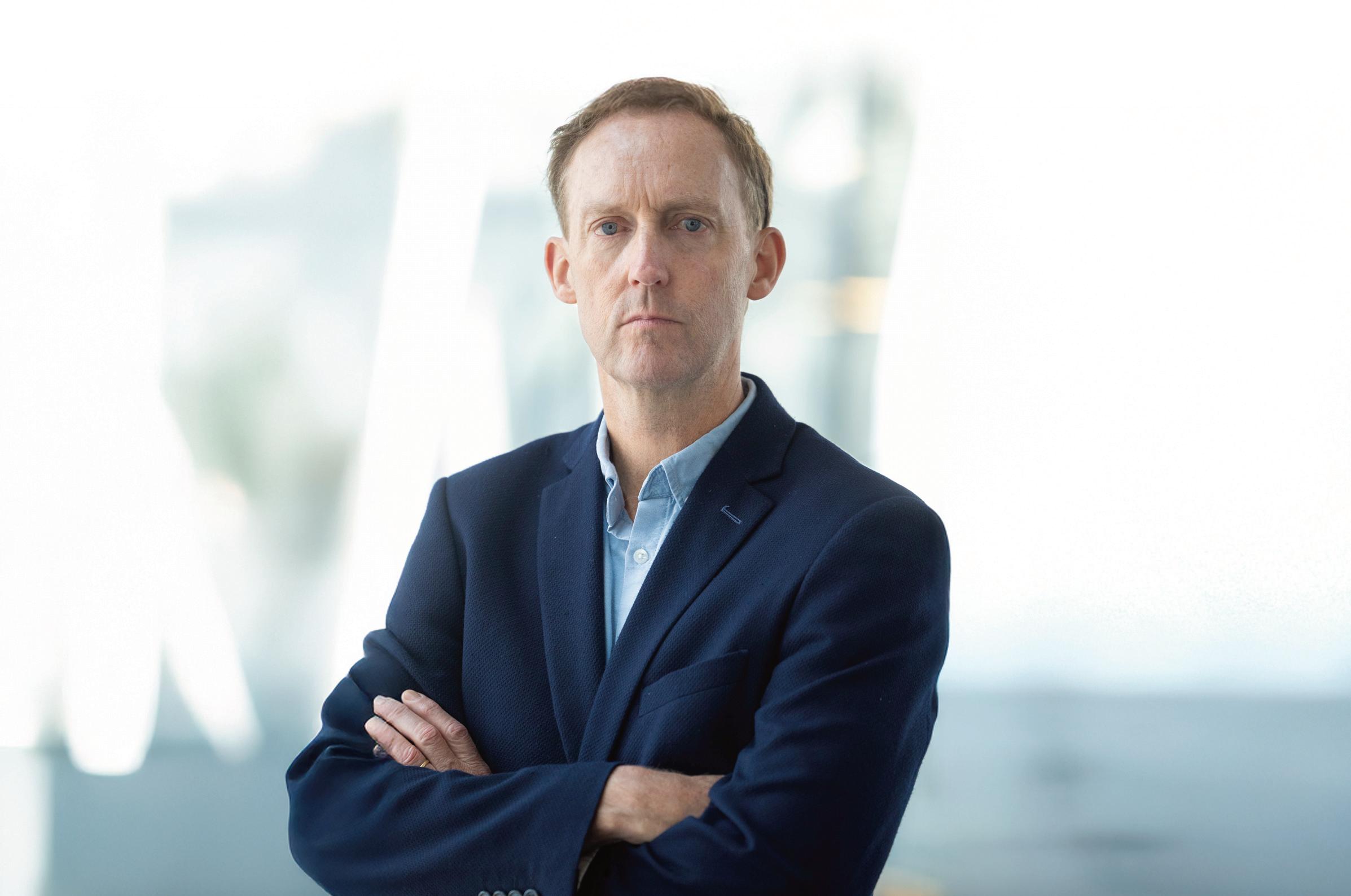
In a world where the social media posts of one man in Washington, DC can wipe trillions off global stock exchanges, where tariffs can be ordered or lifted on the back of a single phone call or a meeting at a golf course, now is the time to diversify our trade network, writes Fianna Fáil’s Barry Andrews MEP.
The United States will always be an incredibly important trade partner for Ireland and the EU, but it is important that we are no longer reliant on a country that has ripped up the rules of international trade twice in the last decade.
We know that as a small island nation with limited natural resources,
international trade is our lifeline. Nonetheless, for a part of the population, there has been, and always will be, a reason not to trade with others.
During the referendum to join the EEC in 1973, one of the main arguments of the ‘No’ campaign was that the EU’s Common Agricultural Policy would create “widespread unemployment, greater
emigration and the destruction of the social fabric of Irish society”. That did not age well.
International trade, inward investment and a stable regulatory framework here in Ireland has turned us from the ‘sick man of Europe’ in the 1980s, into one of the best performing economies in the EU.
The Programme for Government states that the Government will “support an ambitious EU trade agenda” and promote new free trade agreements. Yet it also commits the Government to opposing the only large-scale trade agreement currently available (the EUMercosur agreement) in its current form. I believe this is a mistake, focusing too narrowly on defending certain sectors at the cost of many other Irish exporters which stand to gain.
If the Mercosur Agreement comes into force, it will create a free trade area of nearly 800 million people and can help us offset the impact of Trump-imposed tariffs.
When the buzzword of the day is competitiveness, I cannot understand why anyone would be against creating the world’s largest free-trade zones (even if tariffs and quotas will still apply in many areas). The 2021 European Commission Trade and Jobs Report highlights that international trade and investment supports 1.3 million jobs in Ireland, with 67 per cent of these jobs in the services sector.
According to the Government’s Trade and Investment Strategy 2022-2026: “Ireland is a small open economy and relies on trade as a principal source of economic growth and improvement of living standards. It is a source of resilience that has allowed our small and adaptable economy to realise opportunities through international trade and multilateralism.”
It would be wrong to say that there are no losers in trade. The rust belt in the US, part of northern England, and northern France are all testament to where we have gone wrong in the past. This is not an inherent fault of international trade; it is a failure of their national governments’ redistribution and retraining policies. Wholesale industries left these areas as globalisation meant that cheaper labour was available elsewhere. The result has been increased poverty, higher levels of unemployment, and a clear pattern of voting for the political extremes.
The EU-Mercosur Agreement is not going to result in this. There are concerns from the agricultural sector that beef imports are going to displace Irish meat in export markets. However, the deal will mean increased imports corresponding to about 0.7 per cent of total European
Union beef production. Quoting from the same Department of Trade report, an upper-end estimate of the impact on production is a 0.08 per cent reduction in output. This translates to a reduction of around €50 million in the beef sector, while at the same time the deal holds the potential to increase Irish manufacturing exports by €1.4 billion.
And yet, in correctly listening to these concerns, the European Commission has proposed a unity safety net fund of €6.3 billion in compensation for those farmers who are affected by the agreement, as well as a specific bilateral safeguard mechanism that can be initiated swiftly in the case of a dramatic rise in imports or drop in prices.
Ireland, and the EU as a whole, cannot continue to rely on the same factors that have supported growth for the last 30 years. The first shots in a global trade war have been fired, Chinese demand for European goods and services may start to cool, and the World Trade Organisation is crumbling (or has already crumbled depending on who you speak to).
Whether we like it or not, trade has become weaponised. Wars of the past were fought on battlefields; they are now often fought in boardrooms. The EU has recognised this and is pushing to reindustrialise Europe, by bringing manufacturing back in a number of key sectors. This is not necessarily a bad thing. Ireland can seize the opportunities presented. Paired with the right amount of trade, this is a recipe for a better functioning European single market, that has autonomy where it needs it, and a resilient and diversified trade network for those areas where it is not self-sufficient.
Ireland’s openness to trade, investment, people and ideas is a key national strength. With the new safeguards in place, we should be doing all we can to ensure that the EU-Mercosur Agreement is ratified as soon as possible.
For now, that is one good answer to President Trump’s late-night tweeting.

The conversion of commercial buildings into affordable housing achieves lower costs than equivalent new-build projects without compromising on living standards while resulting in lower emissions and higher energyefficiency, according to a report by the European Commission.
The report, Conversion of offices into affordable housing, examines four cases of office to-residentialconversions in Ireland, Belgium, France, and Spain.
The conversions created an opportunity for the development of more needs-based homes as sizes, features, and functions of the units can be tailored to the needs of tenants. It should be noted that office conversions “do involve greater risks and uncertainties” than new construction due to the potential for unforeseen structural flaws or hazardous materials to be present.
The report outlines some key criteria for successful conversion projects and
encourages future adoption of these where possible. Support from local actors in both the public and private sectors, as well as additional funding programmes which support increased energy efficiency or social housing, were found to be novel ways to make conversion projects more financially viable. The report also notes that streamlined permitting is an important success factor as “overly detailed building regulations require complex adjustments which drive up costs”.
There are several large-scale recommendations in the report to increase and improve the conversion of offices into affordable housing across Europe. The European Union is encouraged to “adopt policies that
prioritise conversion over new construction” alongside the development of a plan to collect data on vacant office buildings. The report also calls for the upcoming Affordable Housing Plan to coordinate initiatives across Europe which are converting offices into social housing to allow for exchange of guidance and advice. As well as these recommendations for the EU, there is also a suggestion for local governments to introduce taxes on vacant office buildings.
The report states that “housing has recently moved to the forefront of the European policymaking agenda”. The

shift to a more interventionist housing strategy, which has become a key focus of the second Ursula von der Leyen Commission, represents a recognition of the scale of the EU’s housing crisis by their policymakers.
In her State of the Union Address in September 2025, the President of the Commission said that “for too many Europeans today, home has become a source of anxiety”. “It can mean debt or uncertainty.
“The numbers tell a painful truth. House prices are up by more than 20 per cent since 2015. Building permits down by over 20 per cent in five years. This is more than a housing crisis. It is a social crisis.” In her speech, von der Leyen also called for a “radical overhaul of the way we tackle this issue”.
This new approach was signalled by the appointment of Dan Jørgensen as the first ever Commissioner for Housing, as well as the European Commission’s European affordable housing plan, which is expected to be published in the first quarter of 2026.
A core part of the forthcoming affordable housing plan is the revision of the EU’s state aid rules to allow member states to contribute funding to increase their supply of affordable housing. Currently, EU treaty rules only allow for state aid to be used for economic development in exceptional circumstances, which supporting affordable housing projects would not be categorised as. Jørgensen told Euronews “that in the situation that we are in now
and the way the rules are now, they are way too strict. So, we need to transform them”.
Another area the European Commission is targeting to alleviate the housing crisis is short-term rents. Following the update to European legislation requiring all landlords to register their short-term rental properties, further changes are expected to tackle the growing issue affecting housing supply for local residents. In 2026, the European Commission is planning to introduce additional proposals to tackle one of the key drivers of the crisis as part of the affordable housing plan.
The European Commission has also opened a call for evidence on its proposed Construction Services Act. This is intended to reduce the regulations related to cross-border market access in the building sector to encourage the production of more new homes. The adoption of the act is scheduled to be completed in the final quarter of 2026.
The European Commission’s reason for action is clear, as across the EU, the housing crisis is affecting millions of people. Adjusted for inflation, investment in residential buildings has fallen by 6 per cent since 2022 and house prices have risen by 24 per cent since 2015 which has contributed to 17 per cent of people living in overcrowded homes. Now that this shift in housing strategy has become apparent, the success of the Commission’s initiatives, chiefly the Affordable Housing Plan, will be necessary if the ongoing crisis is to be arrested.

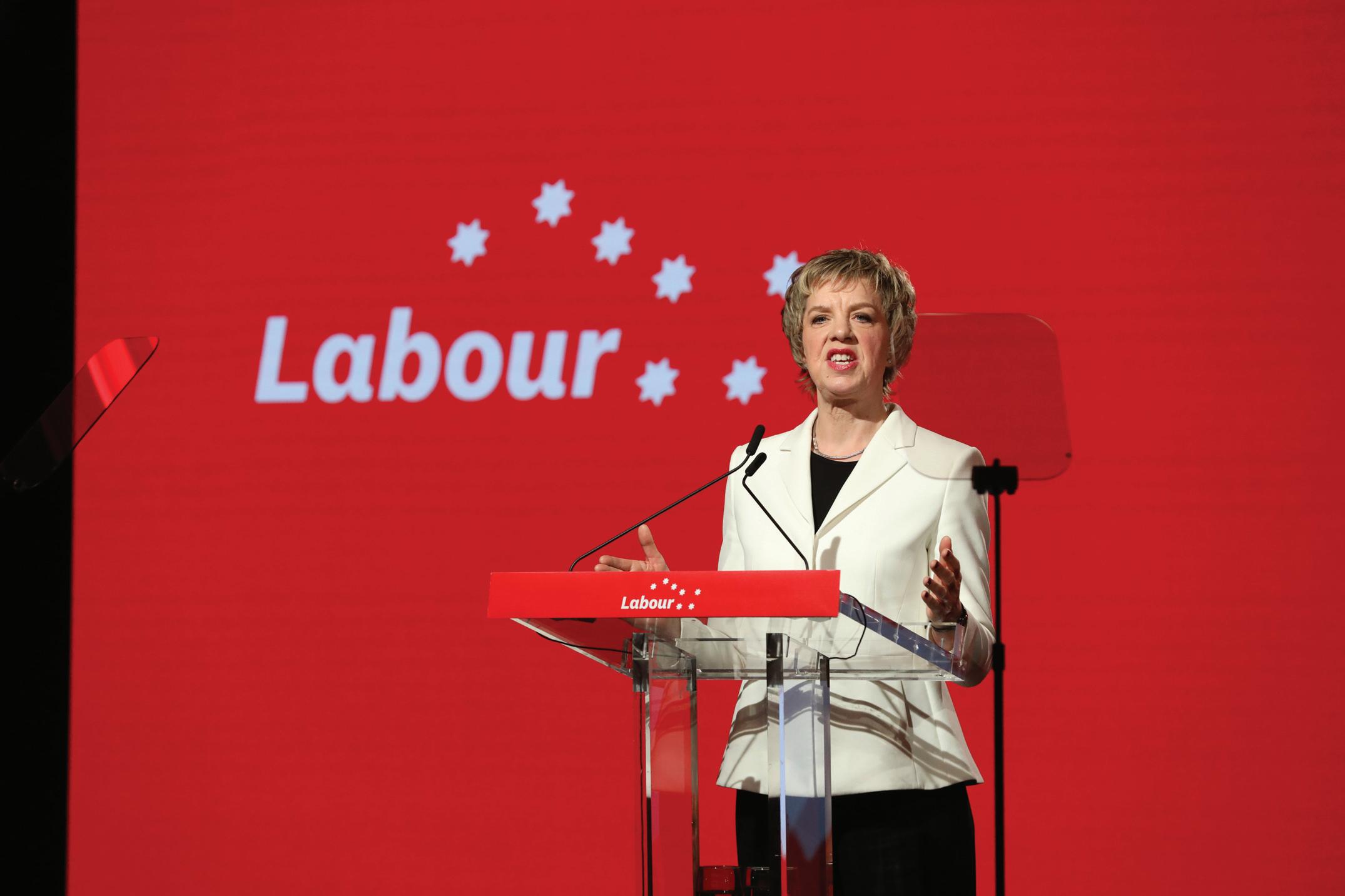
‘We are a party of Connollyite republicans’
In the Labour Party’s first conference since the 2024 local, European, and Dáil elections as well as Seanad and presidential elections in 2025, leader Ivana Bacik TD called for government action on housing, cost-ofliving, and preparations for Irish unity.
Bacik began her address to party members at its 74th national conference in the Radisson Blu in Limerick on 15 November 2025, by hailing what she describes as Labour’s recent election successes.
In truth however, the elections proved to be a mixed bag for Labour. While the party increased its number of TDs from six to 11, its vote share was the second worst in its history, only improving by 0.3 per cent from the 2020 election. The party also lost one and three seats in the local and Seanad elections, respectively.
Since becoming the Labour leader, Bacik has sought to emphasise the party’s leftist credentials, reintroducing the Starry Plough as its logo, playing up its association with James Connolly and describing the party as “Connollyite republicans”, and supporting Catherine Connolly’s presidential campaign as party
of a ‘united left’ coalition. In her speech, Bacik told delegates: “With Catherine’s campaign, we have shown that an alternative politics, an alternative Ireland, is possible, when we unite together. An end to the politics of the past, represented by Fianna Fail, Fine Gael, and the ‘Lowry lackeys’.”
Bacik then turned her attention to what she describes as the “Government of failure” which she claimed has “no answers” for the housing and cost of living crises which have resulted in “thousands of hard-working families driven into enormous debt, another generation of young adults yet again facing emigration, and thousands of children homeless”.
Labour’s leader was particularly critical of the Government’s recent Housing Plan as well as October’s budget which she said contained “reckless tax cuts, massive
giveaways to corporate chains, and nothing for working families”.
In addition to reforming the party’s leftwing image, the Labour leader has also sought to increase its republican credentials. In her speech and, breaking with the position set out by previous Labour leaders, Bacik called on the governments in Ireland and Britain to set out a timeline for a border poll. While Bacik said that there is no urgency for a vote on Irish unity, she called for “substantial work” to commence on the preparation: “We know better than to run a referendum in haste, without sufficient preparation or groundwork, but we do need a clear timeframe to allow for preparation of a Green and White paper, for citizens’ assemblies, and for respectful and considered debate to start that process of preparation towards a united Ireland,” adding: “That is why we need a dedicated government department to carry out the necessary work of reconciliation and unity planning.”
Among the other topics in Bacik’s speech were housing, racism, the cost-of-living, the ‘triple lock’, the genocide in Gaza, healthcare, and climate.
Bacik also called on the Government to ensure passage of the Occupied Territories Bill.
Sponsored by


The Renewable Energy Summit 2026 will provide a valuable opportunity to bring together the key stakeholders from across the energy sector, and those who interact with it, to discuss how the contribution from renewable energy can be accelerated. The objective is to create a genuine in-depth understanding of the alternative paths open to Ireland in increasing the contribution from renewable energy sources. It will look at the challenges and opportunities including the planning system, the need for long term energy storage and the skills gaps impacting on the sector.
Featured speakers:

Thomas Spencer Energy Policy Analyst International Energy Agency

Richard Rodgers Deputy Secretary, Head of Energy Department for the Economy, Northern Ireland

Paul Lennon Head of Offshore Wind Hydrogen and Long Term Storage ESB
Clive Bowers Energy Policy Manager ESB

Brendan Kelly Commercial Manager BnM

Duncan Matthews Power Market Modeller MaREI, University College Cork
Sponsorship and exhibition opportunities

Muireann Lynch Senior Research Officer Economic and Social Research Institute
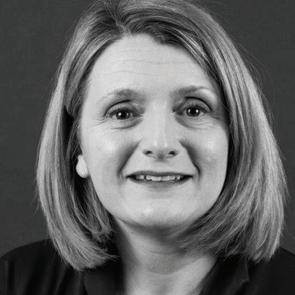
Michelle Quinn Director of Offshore Wind Scottish Government

Lisa Foley Head of Ireland and Northern Ireland Cornwall Insight Ireland

Therese Murphy Senior Business Development Manager Cornwall Insight Ireland
Join Ireland’s leading organisations in partnering with the Renewable Energy Summit 2026. An excellent way to showcase your organisation at Ireland’s major annual renewable energy conference, there are a small number of high-profile sponsorship and exhibition packages available. For further information on how your organisation can benefit, contact us directly on +353 (0)1 661 3755 or email jillian.wallace@energyireland.ie.
T:+353 (0)1 661 3755 • W:www.irishrenewableenergysummit.ie • E:registration@energyireland.ie



The Committee of Public Accounts is a standing Dáil committee that scrutinises how departments and certain public bodies manage and spend public money.
Working closely with the Comptroller and Auditor General (C&AG), it examines audited annual accounts and reports to ensure transparency, accountability, and value for taxpayers’ money. The C&AG audits around 287 sets of public accounts, excluding commercial semi-
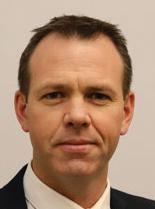

state bodies and local authorities. The committee also reviews the C&AG’s annual and special reports, including value-for-money examinations and issues affecting multiple public bodies.
Operating under Dáil Standing Order 226, the committee focuses strictly on how
John Brady TD, Sinn Féin (Cathaoirleach)
About: Elected TD for Wicklow in 2016, having previously served on Bray Town Council and Wicklow County Council. A former carpenter, Brady focuses on public spending oversight, housing, and transport. As Chair of the Public Accounts Committee, he leads scrutiny of departmental accounts and accountability in state-funded programmes.

Catherine Ardagh TD, Fianna Fáil
About: TD for Dublin South-Central, elected in 2024 after serving as Senator and Leader of Fianna Fáil in the Seanad. A qualified solicitor, Ardagh has legal and parliamentary experience.
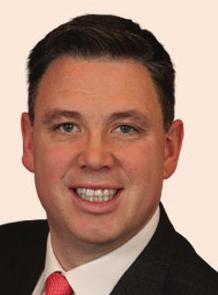
public funds are used, not on government policy. It cannot intervene in individual cases, legal matters, allegations of criminality, or issues involving local authorities, which fall under different oversight bodies.
Paul McAuliffe TD, Fianna Fáil (LeasChathaoirleach)
About: TD for Dublin North-West since 2020 and former Lord Mayor of Dublin (2019-2020). A long-serving local councillor and party whip, McAuliffe brings experience in local government to national oversight. He focuses on public accounts, housing, and transport, contributing to the committee’s examination of public expenditure.
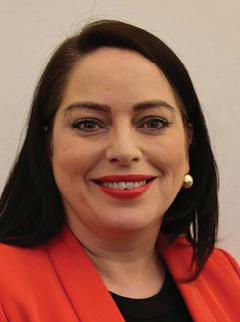
Cathy Bennett TD, Sinn Féin
About: Elected TD for Cavan-Monaghan in 2024, previously a Monaghan County Councillor. With a background in biopharmaceutical science and community engagement, Bennett brings local, rural, and sectoral perspectives to the committee.



Grace Boland TD, Fine Gael
About: Elected TD for Dublin Fingal West in 2024. A practising solicitor and daughter of former minister John Boland, she combines legal expertise with a family political legacy.

Albert Dolan TD, Fianna Fáil
About: Elected TD for Galway East in 2024 and former Galway County Councillor. In an interview with eolas Magazine (issue 72), he discussed his early life, family’s political roots, and ambitions to improve accountability and transparency in public finance.
James Geoghegan TD, Fine Gael
About: Elected TD for Dublin Bay South in 2024, previously Lord Mayor of Dublin and city councillor. Geoghegan brings legal and public service experience to committee work, contributing to oversight of public spending and accountability while representing urban and constituency interests in national financial scrutiny.
About: Serves as TD and committee member with previous local government experience. McGrath focuses on rural and regional development, public-spending oversight, and improving accountability in state services, bringing constituency knowledge and practical governance experience to the work of the Public Accounts Committee.
Joanna Byrne TD, Sinn Féin
About: Elected TD for Louth in 2024, previously a Louth County Councillor. Byrne brings grassroots experience to the committee, focusing on public spending, local government oversight, and financial accountability.
Aidan Farrelly TD, Social Democrats
About: TD for Kildare North since 2024, previously a Kildare County Councillor and community development professional. Farrelly applies his experience in social policy and local government to the committee, concentrating on public finance transparency, equality in service delivery, and oversight of state-funded programmes.
About: Labour TD for Cork North-Central, elected in 2024 as the youngest TD in the 34th Dáil. A former teacher, Kenny emphasises transparency, youth-focused policy, and public finance accountability. In an eolas Magazine (issue 71) interview, he spoke about his goals to improve governance in state-funded programmes and ensure oversight protects citizens’ interests.

About: TD for Dublin South-West and former MEP. A long-time activist on housing, energy, and social justice, Murphy brings a left-wing perspective to committee scrutiny. In an interview with eolas Magazine (issue 38), he spoke of the need for accountability, public spending oversight, and challenging mismanagement in state programmes.
About: Prior local government experience, Neville focuses on oversight of public expenditure, ensuring departmental accountability, and representing constituency interests. He contributes to scrutiny of government programmes and the integrity of statefunded projects.
Following Paschal Donohoe’s departure from politics to take a new job at the World Bank, Tánaiste Simon Harris TD made the surprising decision to appoint himself as the new Minister for Finance, while there were two other appointments among the Fine Gael ministerial team.
The Fine Gael leader will now occupy the second most powerful position in government after the Taoiseach, as he becomes the first Tánaiste to also hold the office of Minister for Finance since Brian Cowen in 2008. Harris will now be responsible for all financial matters in the State including the delivery of the annual budget, although he will not have to do so until October 2026.
The Tánaiste has previous experience at the Department of Finance from when he was a Minister of State with a responsibility for the Office of Public Works, Public Procurement and International Banking for two years, although he last held this post in 2016. This experience, however, pales in comparison to the
departing Donohoe, who has previously been Minster for Finance on two separate occasions, where he delivered seven budgets. In this time, Donohoe gained a strong reputation in the financial world, evidenced by his five year-tenure as President of the Eurogroup from 2020 until his resignation from government.
The move by the Fine Gael leader meant that there were vacancies at his previous roles as Minister for Defence and Minister for Foreign Affairs and Trade. These positions will both be filled by Fine Gael deputy leader Helen McEntee TD as she becomes the fourth consecutive minister to oversee both roles and is the first woman to hold either.
This is McEntee’s third senior ministerial position following a five-year period as Minister for Justice, Home Affairs and Migration which ended in January 2025. Since then, she served as Minister for Education and Youth, until this reshuffle. The move by Harris to appoint his longtime rival to these positions may be met with some surprise, in the same way that his decision to keep McEntee on as Minister for Justice, Home Affairs and Migration after he became Fine Gael leader in March 2024 was.
Following her appointment, McEntee told RTÉ that she is “committed to passing” the Occupied Territories Bill and said, “it is one of the first things I will be speaking to the Department about”.
The role of replacing McEntee is being undertaken by first-time Cabinet minister Hildegarde Naughton TD, although she has attended cabinet as a Minister of State since 2020 and was Chief Whip from 2022 to 2025. Naughton has worked in a series of departments including Health, Transport, and most recently at the Department of Children, Disability and Equality, where she had a responsibility for Disability.
Emer Higgins TD has replaced Naughton as the Minister of State with responsibility for Disability and will now attend government meetings. She had previously served as a Minister of State at the Department of Public Expenditure, Infrastructure, Public Service Reform and Digitalisation with a responsibility for Public Procurement, Digitalisation and eGovernment, although this will be her first time attending cabinet.
In a speech to the Dáil announcing the reshuffle, Harris insisted that this move will not result in any stagnation and said: “There will be no pause in the momentum we must demonstrate in the business of government. There is always more to do.”
Former role
New role
Minister of State at the Department of Children, Disability and Equality with responsibility for Disability (attending cabinet)
Emer Higgins TD Minister of State at the Department of Public Expenditure, Infrastructure, Public Service Reform with responsibility for Public Procurement, Digitalisation and eGovernment (not attending cabinet)
Frank Feighan TD
Backbench TD for Sligo-Leitrim
Minister for Education and Youth
Minister of State at the Department of Children, Disability and Equality with responsibility for Disability (attending cabinet)
Minister of State at the Department of Public Expenditure, Infrastructure, Public Service Reform with responsibility for Public Procurement, Digitalisation and eGovernment (not attending cabinet)
President Catherine Connolly is set to announce her Council of State “early in the new year”, according to a spokesperson for Áras an Uachtaráin. eolas Magazine examines the role, remit, and history of the Council of State.
As described in Bunreacht na hÉireann, the Council of State’s purpose is to “aid and counsel” the President. The President must consult with the council before exercising certain presidential powers. Those powers include:
• convening a meeting of either or both Houses of the Oireachtas;
• communicating with the Oireachtas “by message or address on any matter of national or public importance”;
• addressing a message to the nation “at any time on any such matter”;
• deciding to appoint a committee of privileges to assess if a bill is a money bill;
• deciding if a bill should be expedited through the Oireachtas in emergencies or if the bill is “immediately necessary” to preserve public peace and security;
• referring a bill to the Supreme Court for a decision on whether it is repugnant to Bunreacht na hÉireann; and
• deciding if bills must be subject to a referendum.
Bunreacht na hÉireann stipulates that the President must convene a meeting of the council and be heard by members present at the meeting before performing any of these powers. The President decides when and where to convene a meeting with the Council of State.
If the Dáil and Seanad disagree on whether or not a particular bill is a money bill, the Seanad may ask the President to refer the question to a committee of privileges. Before deciding on whether the committee should be appointed, the President must consult the Council of State. The President must also consult with the Council of State on appointees to the committee, which comprises an equal number of members of the Dáil and Seanad, and is chaired by a Supreme Court Judge.
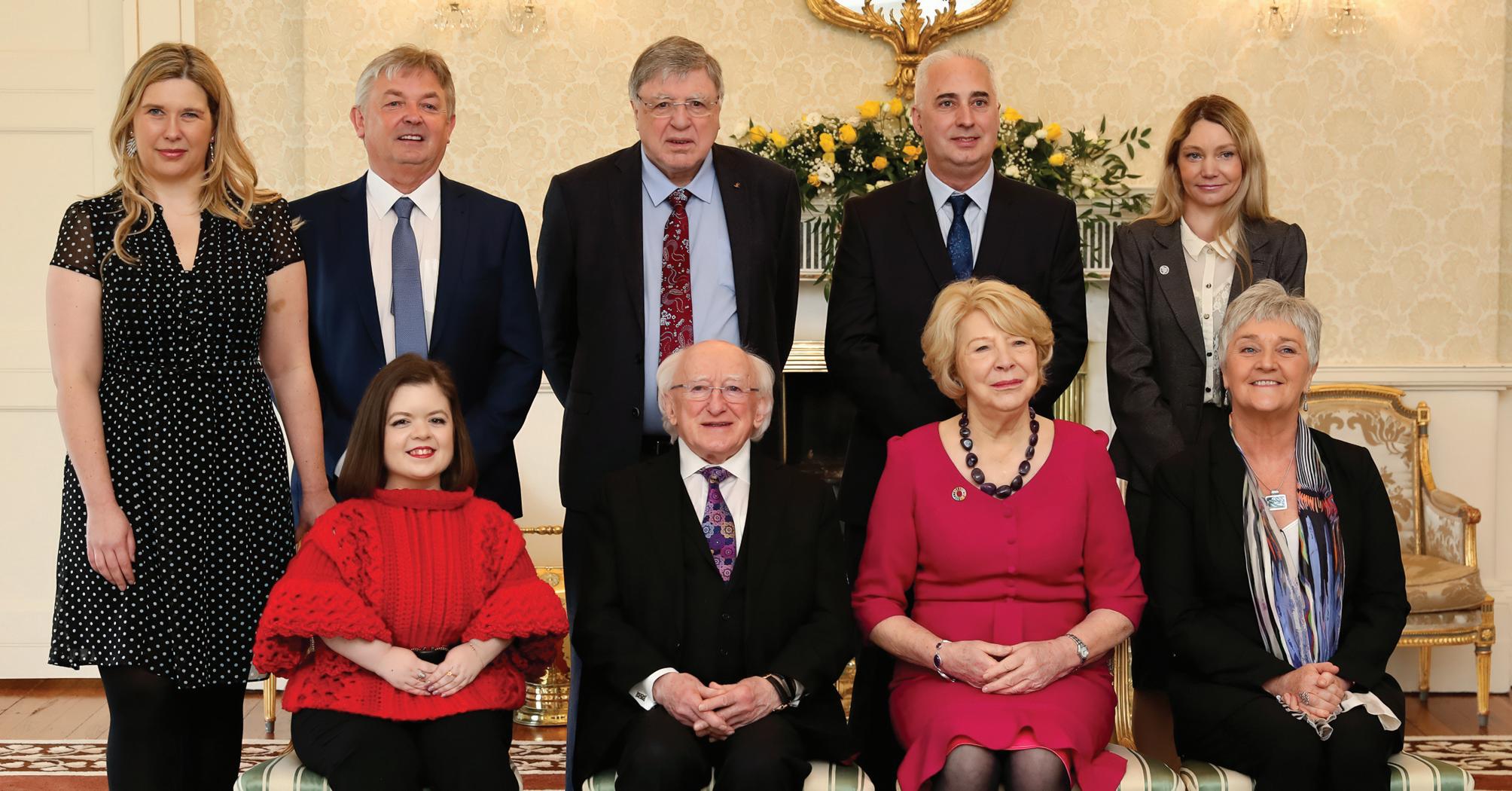
Previous presidents have referred bills to the Supreme Court on 16 occasions. This is done when the President believes that a bill may be unconstitutional. The Supreme Court has upheld the constitutionality of referred bills on nine occasions, while seven have been deemed unconstitutional. Although the President must consult with the Council of State, the decision to refer the bill is the President’s alone.
The Council of State comprises three categories of members: ex oficio, former office holders, and appointed members.
Ex officio members include the Taoiseach, Tánaiste, Chief Justice, President of the Court of Appeal, President of the High Court, Ceann Comhairle, Cathaoirleach of the Seanad, and the Attorney General. As of early December 2025, ex oficio members that will sit on President Connolly’s Council of State include:
• Taoiseach Micheál Martin TD;
• Tánaiste Simon Harris TD;
• Chief Justice Donal O’Donnell;
• President of the Court of Appeal Justice Caroline Costello;
• President of the High Court Justice David Barnivile;
• Ceann Comhairle Verona Murphy TD;
• Cathaoirelach of the Seanad Senator Mark Daly; and
• Attorney General Rossa Fanning.
Former office holders include anyone who has previously held office as President, Taoiseach, or Chief Justice that is able and willing to act. The President can also appoint up to seven members to sit on the Council. Bunreacht na hÉireann stipulates that the President can do this “at any time and from time to time”. It also states that the President can terminate the appointment of any member of the council they have appointed.
Connolly has not yet appointed any members to the Council of State but is expected to do so in early 2026. During her campaign, she indicated she would appoint someone to represent disabilities in Ireland.
Appointed members indicate a president’s priorities over their seven-year term. Michael D Higgins, who was in office from 2011 to 2025, appointed the following seven members:
• Cara Augustenborg: Irish-American environmental scientist;
• Sinéad Burke: Writer, academic, and disability activist;
• Sindy Joyce: Irish Traveller human rights activist;
• Maurice Malone: CEO of the Birmingham Irish Association;
• Johnston McMaster: Adjunct Assistant Professor at the Church of Ireland Theological Institute;
• Mary Murphy: Senior lecturer in Irish Politics and Society at Maynooth University; and
• Seán Ó Cuirreáin: Former journalist and former Irish language commissioner.
Although Bunreacht na hÉireann provides the President with the power to terminate the appointment of any member of the council they have appointed, this does not extend to members that are ex oficio or former office holders. The Constitution also states that appointed members may resign from the office. It provides no basis for the resignation of ex oficio members or former office holders.
This became significant towards the end of Mary Robinson’s presidency, which spanned from December 1990 to September 1997. Former Taoiseach Charles Haughey came under scrutiny as a council member in the lead up to the 1997 presidential election following the 1997 McCracken Tribunal. The Tribunal investigated payments to Haughey and Michael Lowry TD by businessman Ben Dunne.
It found that Haughey received numerous payments from Dunne that totalled close to IR£2 million; that he attempted to hide these payments from Revenue; and that much of the evidence he provided to the Tribunal was unacceptable.
Independent presidential candidate Derek Nally called for Haughey to resign from the Council in October 1997 due to the Tribunal’s findings. Haughey did not resign but did not attend another meeting.

Conor McGuinness was first elected as a Sinn Féin TD in November 2024 having previously served on Waterford City and County Council since 2019. He is the party’s spokesperson on rural affairs, community development and Gaeltacht, and is Cathaoirleach of the Committee on Fisheries and Maritime Affairs. McGuinness, a former Dungarvan trade union activist, outlines his political journey to eolas Magazine
What inspired you to get into politics?
I became involved in politics from a very young age. I joined my Sinn Féin local cumann at 15 because I have always believed in the huge, transformative potential that a united Ireland can offer our people. Irish republicanism shaped my worldview from early on, and the US and British invasion of Iraq was a seminal moment in my political development. It sharpened my sense of international justice and deepened my belief that Ireland must have an independent, principled voice on the world stage.
The Irish language has also been central to my political identity. I grew up with a strong connection to our culture, and that
“Every day, I feel the responsibility and honour that comes with the job. Walking through the gates of Leinster House and seeing our national flag above our parliament is a constant reminder of the trust the people of Waterford placed in me.”
Conor McGuinness TD
connection reinforced my commitment to building a republic rooted in equality, dignity, community, and national selfdetermination.
Trade unionism played a major part too. I became active in the movement in my teens, and those early experiences taught me the power of collective organisation and the importance of standing up for workers and communities whose voices are too often ignored.
Being elected to the Dáil last year [2024] was an enormously proud moment for me personally, for Sinn Féin in Waterford, and for the people who put their trust in us. Winning two of the four seats was a major achievement for our party locally.
Every day, I feel the responsibility and honour that comes with the job. Walking through the gates of Leinster House and seeing our national flag above our parliament is a constant reminder of the trust the people of Waterford placed in me. I will always be grateful to everyone who supported me, to my campaign team and especially to my family. Their support is what allows me to do this work.
I have huge respect for anyone who puts their head above the parapet to make life better for their community, especially people for whom public life was not the
obvious or easy path. I admire parents who find themselves advocating, campaigning, and, all too often, fighting for their children’s basic rights and services. That kind of leadership is rarely acknowledged but it is powerful and deeply inspiring.
I also hold enormous admiration for the medical personnel who have volunteered in Gaza in recent months and years. They have stepped into an bhearna bhaoil out of a profound commitment to humanity and the dignity of life. Their work on the ground, and their passionate and often heartbreaking advocacy for justice and peace when they return home, represents public service at its highest level.
Sinn Féin is a republican party in the fullest sense. We are absolutely serious about achieving an end to partition and building a united Ireland. For me, that is a historic imperative, not an abstract aspiration. Unity is the key to unlocking Ireland’s full potential, socially, economically, and culturally.
I joined Sinn Féin because it is a movement with a clear mission: to unite our country and to build a fair, equal, and ambitious society that serves all our people. I am motivated every day by the responsibility to contribute to that mission.
Housing is the single biggest issue facing people across Waterford. A whole
generation is locked out of home ownership, families are experiencing homelessness at levels we have never seen before, couples are living apart, and parents are raising children in their own childhood bedrooms because they have no other option.
In the Gaeltacht and in coastal villages like Ardmore and Bonmahon, demographic decline is accelerating. Affordable housing is out of reach, rents are among the highest in the country, and rural couples with the ability to build on their own land are being blocked by an outdated planning regime.
My priorities are clear: deliver affordable homes, fix planning, invest in rural and coastal communities, protect our Gaeltacht, and ensure that Waterford receives its fair share of national investment. These issues are not abstract. They are shaping people’s lives every day.
I have a young family, so most of my down time is spent exploring our beautiful county with my children. We make great use of our beaches, the Waterford Greenway, Mahon Falls, and Colligan Wood. Trips to Dungarvan library are a regular highlight. These simple moments, being outdoors, enjoying time together, and connecting with the place we call home, are an important balance to the pressures of political life.


In an interview with eolas Magazine’s Joshua Murray, Northern Ireland’s deputy First Minister Emma Little-Pengelly MLA has said that the Good Friday Agreement is a “political reality” for her once-sceptical party, and that Taoiseach Micheál Martin TD “understands the stranded approach” to north-south relations better than Leo Varadkar.
Halfway through a turbulent, and as far as policy outcomes are concerned, anticlimactic term of government as the North’s deputy First Minister, Emma Little-Pengelly MLA is in reflective mood, discussing north-south relations and detailing the DUP’s nuanced views on the Good Friday Agreement.
Much like her party’s relationship with the agreement, Little-Pengelly’s political path has been choppy, having lost both a seat each in the Northern Ireland Assembly and the British Parliament, spending three years outside politics, before being co-opted into an Assembly
seat which had been won in 2022 by her former party leader Jeffrey Donaldson.
While significant fanfare surrounded the history in Michelle O’Neill becoming the first nationalist First Minister, there was less enthusiasm for the equally notable history being made by Little-Pengelly in February 2024, as she became the first unionist deputy First Minister of the North. In practical terms, this means little beyond symbolism as the Executive Office is a joint office that is co-led by both O’Neill and Little-Pengelly.
The last 10 years have been, to put it mildly, challenging for the DUP. Since the
Brexit vote, the party has seen its vote share decline from a peak of 36 per cent to the low 20s, has been forced to concede on issues ranging from abortion and same-sex marriage to Irish language rights. Adding insult to this already significant injury was the imposition of customs checks on goods travelling between Britain and Northern Ireland, as the UK Government under Boris Johnson prioritised ensuring that there was no hard border on the island of Ireland.
A political survivor, Little-Pengelly presents a more positive outlook on north-south relations than virtually all of her unionist predecessors, and while failing to explicitly say she supports the Good Friday Agreement, reveals a tacit support which again was absent from most of her predecessors.
Asked about her relationship with Taoiseach Micheál Martin, Little-Pengelly says that she has “engaged very constructively” with the Taoiseach, adding: “I do believe engagement with the Taoiseach is incredibly important and the Irish government is incredibly important, that that is respected when there is not overreach.”
Expanding on this ‘overreach’, the deputy First Minister says: “We have seen that overreach before with the likes of Leo Varadkar, whereas I think with Micheál Martin, he understands the stranded approach much better.
“The Republic of Ireland are our closest neighbours, and we are theirs. I think it makes sense to have positive and constructive relationships when we can. But of course, we will also call out where we believe that there is overreach, and where we believe that they are wrong.”
Rationalising the need for a level of northsouth interaction, Little-Pengelly says: “The Belfast-Good Friday Agreement sets out the stranded approach, the parameters of engagement.”
“At times, some people might find that frustrating. They want to push the boundaries of that. They want to have more engagement on more areas and issues. The reality is that those parameters create the space for constructive engagement in a very structured way which recognises that there are certain issues in which we engage with the Irish government, but there are other issues which are entirely matters internal to Northern Ireland or internal to the United Kingdom.”
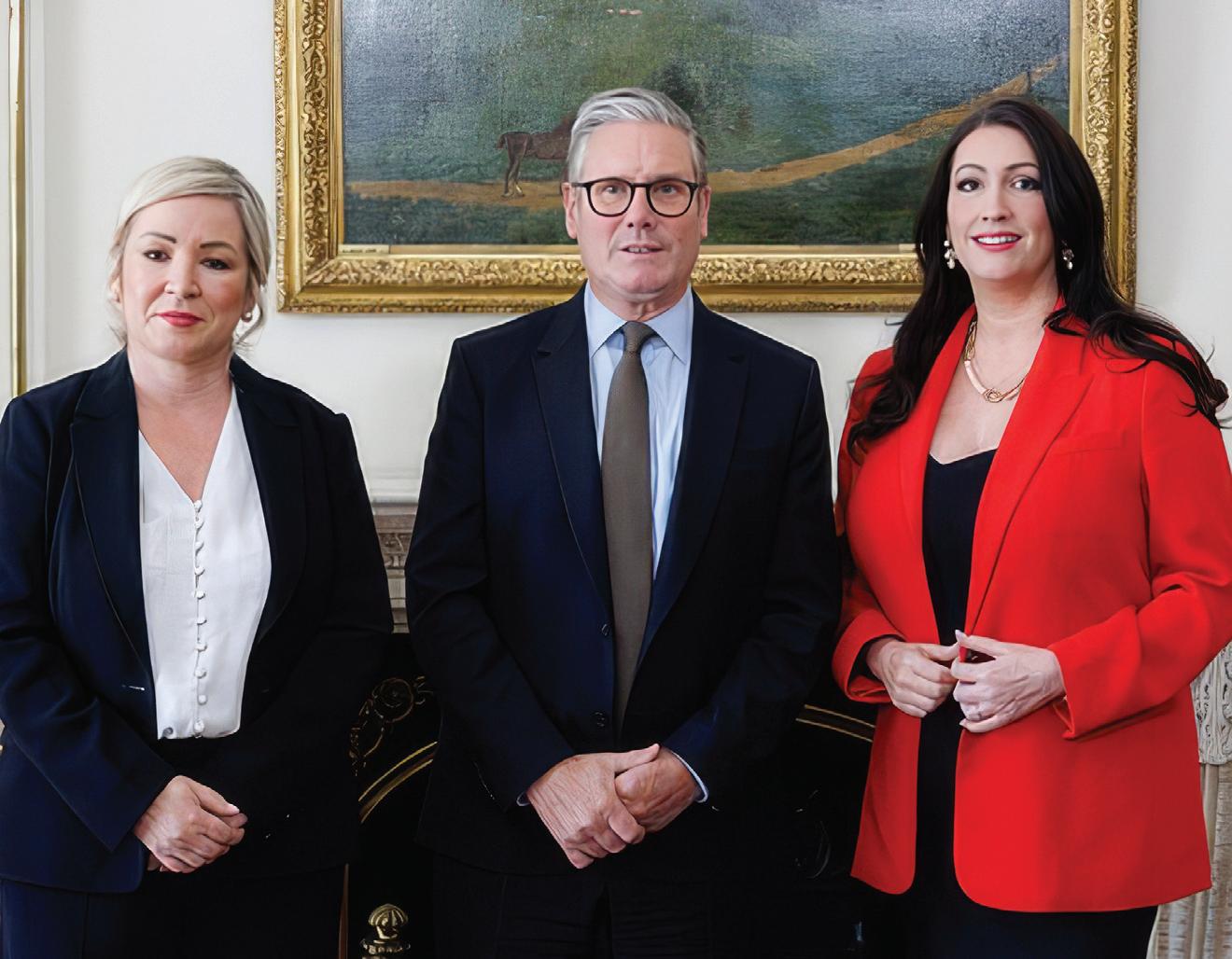
Arguably the main reason for the DUP usurping the Ulster Unionist Party as the leader of unionism in 2003 was the former opposition to the Good Friday Agreement under Ian Paisley’s leadership. Since then, the party has negotiated reforms to the agreement, most notably in 2007 and 2015, but has fallen short of ever outlining support for the agreement under its five leaders since Paisley.
While Little-Pengelly does not explicitly say she supports the agreement, she also refuses to dismiss support for it: “The Belfast-Good Friday Agreement is a political reality. It was voted on by people in Northern Ireland and the Republic of Ireland. It is in place. When I refer to the Belfast-Good Friday Agreement. I refer to it as a legal reality. It is the context in which we operate, and it is the document that created the structures that we have here in Northern Ireland.”
She adds: “When people say, ‘Look, do you support the Belfast-Good Friday Agreement?’ What we operate right now is the Belfast Agreement as amended by and, in my view, improved by the St Andrews Agreement.”
The deputy First Minister is keen to convey the message that her party was opposed to the agreement, rather than the peace process. “The DUP opposed the Belfast-Good Friday Agreement at the time not because we opposed peace; we were very supportive of [peace] and in fact we always believed that there was no justification for the violence.
“Our concern was around some of the compromises and the balance within that document. We did not believe it was right, for example, that you would have a political party come into the executive without decommissioning. We did not agree that it was right that you had all of those [paramilitary] prisoner releases.
“I think when you saw it played out with the triumphalism around that. We did not believe it was right that you would have some of those pathways set out, and disagreeing with some of the substance of that does not mean that the DUP was against peace.”
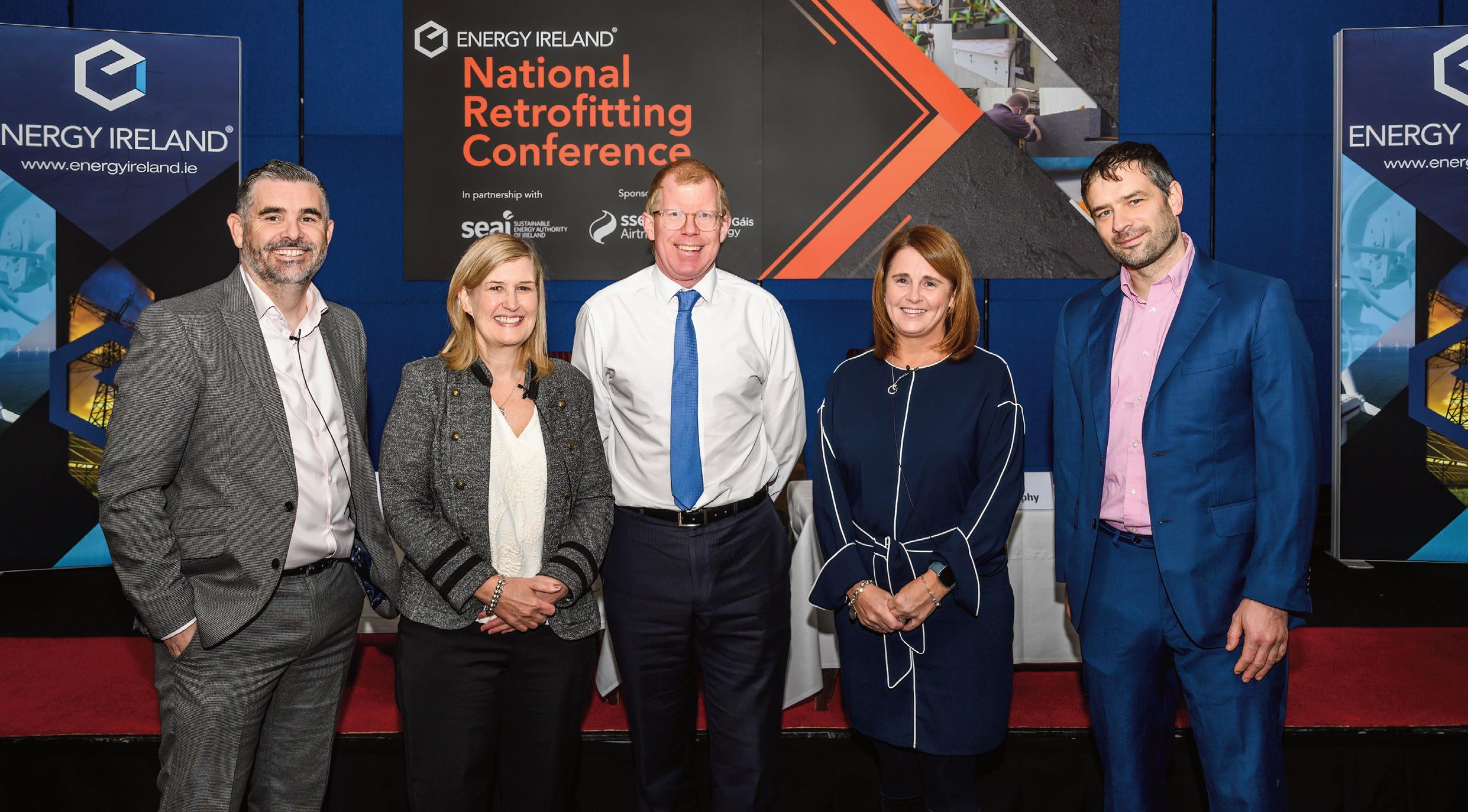

The fifth Energy Ireland National Retrofitting Conference took place on 25 November 2025 at the Talbot Hotel Stillorgan, Dublin. Around 180 delegates attended the conference which was held in partnership with SEAI and sponsored by SSE Airtricity and Bord Gáis Energy.
Delegates in attendance heard from speakers, both visiting and local, from organisations including the Department of Climate, Energy and the Environment; University of York; Clúid; TU Dublin; Irish Green Building Council; CIF; and ESRI.
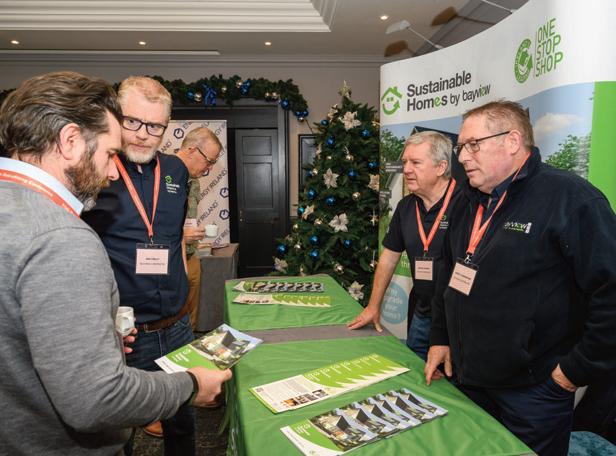
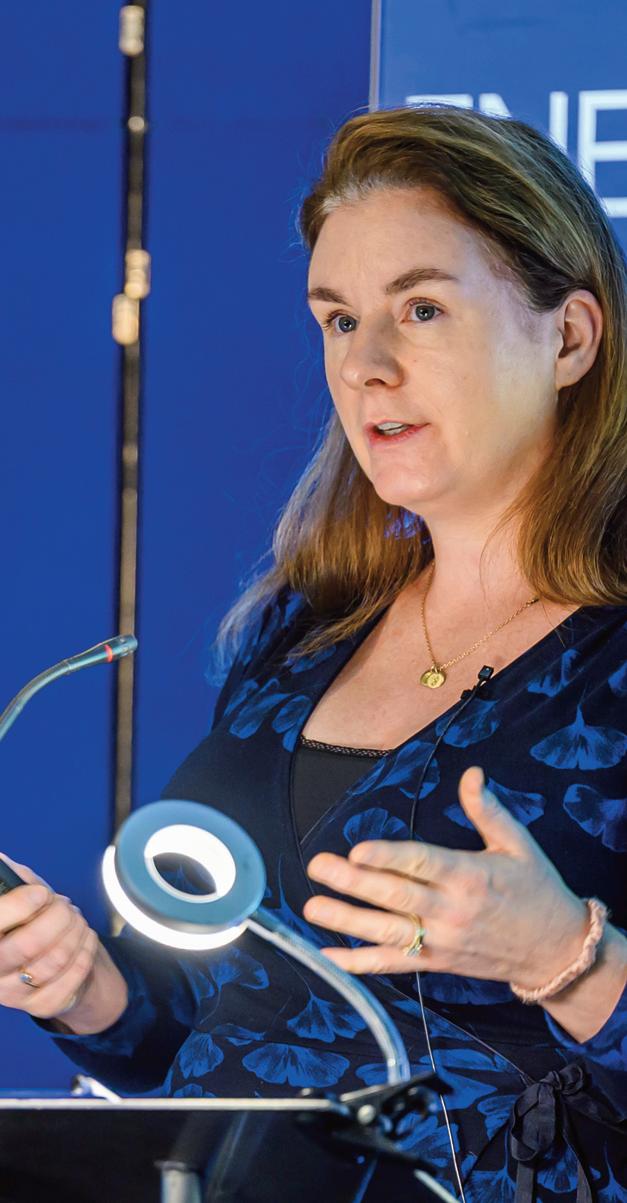
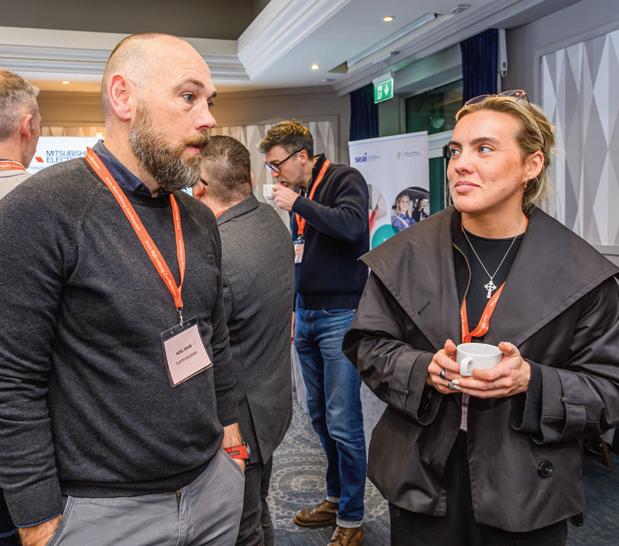

While our universities are expected to be the critical conscience of society; interrogating the hype, weighing labour and climate impacts, defending intellectual integrity; there is also a duty to deliver relevant and responsive education now, writes Dublin City University’s Dónal Mulligan.
Students, employers, and policymakers understandably want to see AI-ready graduates with critical AI literacy and operating competency, often faster than universities can plausibly deliver. GenAI evolves on quarterly cycles, but curricula move on multi-year ones. That mismatch means universities can appear slow or evasive, even as they begin structured responses. Yet some slowness may be valuable.
MIT’s NANDA initiative reported that roughly 95 per cent of enterprise GenAI pilots delivered no measurable financial return, despite significant spending. For Irish and European academia, this is a warning against rushed AI-washing of programmes just to look modern. It takes time to distinguish enduring capabilities and genuine transformations from expensive distractions.
The same rapid pace of change also makes staff professional development tricky; colleagues who are genuine experts in their discipline can feel permanently behind on the latest implications of AI for their field.
The answer is not to turn every lecturer into a prompt-engineering guru, but to resource cross-institutional expertise, shared exemplars, and realistic, regularly updated guidance. Ideally, this should be coordinated across the third-level sector rather than reinvented campus by campus as academics try to respond to the same challenges in separate silos.
GenAI models also sit uneasily with core academic norms. Hallucinations are a structural feature of current large
language model architectures, fundamentally at odds with commitments to accuracy, traceability, and reasoned argument. AI systems often produce confident and plausible inaccuracies mixed with valuable responses. Reliance on LLMs to collate and synthesise ideas promises convenience and productivity, but risks fracturing established practices of referencing and connecting to real, reliable fact. At worst, GenAI tools facilitate plagiarism-as-a-service, replacing original composition and threatening the credibility of assessment.
Emerging longitudinal work from MIT’s Media Lab on the “cognitive debt” of AIassisted learning adds a deeper worry; students who repeatedly offload writing tasks to LLMs show weaker neural engagement, poorer recall, and more homogeneous outputs than peers who write without AI assistance. If that pattern holds, uncritical use of GenAI becomes explicitly anti-educational, robbing opportunities to learn and outsourcing analytical thinking.
Other externalities remain unresolved. Universities that proudly commit to net zero goals are being asked to normalise tools whose training and usage rely on energy and water-intensive data centres with non-trivial environmental impacts. Assessment regimes demand originality and authorship even as mainstream GenAI systems are built on opaque, large-scale ingestion of human texts, images, and performances without attribution or compensation. For European institutions, the concentration of control over these systems in a small
set of US tech firms is also deeply concerning.
So, what should academia do? We should lean into our traditional strengths: slower, rigorous, collective scrutiny of evidence, including honest scrutiny of evidence that GenAI often under-delivers. Academia has a duty to provide thoughtful debate and communicate both the benefits and pitfalls of the technology in applied contexts.
At the same time, many GenAI tools are already embedded in students’ lives and workplaces. An urgent task is building “critical AI literacy” so students can evaluate these systems. We should help students ask better questions of tools that sound authoritative but may be wrong. Accuracy, citation, and understanding of model limitations should become explicit learning outcomes now, even as longer-term curricular development continues. We should also connect AI to wider debates on labour, climate justice, and intellectual property, rather than treating it as a neutral study aid.
Crucially, this cannot be done by universities alone. We should deepen collaboration with media-literacy networks with decades of experience in misinformation, platform power, and critical digital practice, and engage partners committed to ethical, evidencebased deployment rather than hype. Academia’s mission has always been to model structured, careful, and creative thought. Our response to GenAI should bring those critical traditions to bear.