Periodico mensile registrato presso il Tribunale di Firenze al n. 6215 in data 10/03/2025
Iscrizione al ROC n. 42813 Spedizione in Abbonamento Postale Aut. n° CN-NE/00754/04.2025
Art Direction and layout Pilar Roca – pilarroca.com
Printer
Faenza Printing
Via Vittime Civili di Guerra, 35 48018 Faenza (RA), Italy
All rights of reproduction and translation of the published articles are reserved. Any reproduction, even partial, is strictly prohibited without the publisher's prior written authorization. All content is protected under copyright law. The editorial board assumes no responsibility for the opinions expressed by the authors of editorial and advertising texts.
Zootecnica ensures the confidentiality of personal data collected for subscriptions and purposes related to specialized publishing, in compliance with the General Data Protection Regulation (GDPR – EU Regulation 2016/679). Subscribers have the right to access, modify, or delete their personal data by submitting a written request to the publisher. Personal data will not be shared with third parties without explicit consent.
Scan to visit our website
EDITORIAL
➤ Marianna Caterino
The global poultry market once again proves to be one of the most resilient segments in the livestock sector. Growth for 2025 is projected at around 2.5%, according to the latest Rabobank outlook - broadly in line with last year's performance. In the short term, chicken remains the most affordable animal protein, even compared to eggs, whose prices have risen sharply in many markets. The sector continues to benefit from firm demand and easing production costs, supported by lower feed prices.
Yet several headwinds persist. In key regions such as Europe, the Middle East, Africa and Latin America, supply growth is constrained by a shortage of parent stock, a bottleneck unlikely to ease before 2026. Avian influenza also remains a major concern, particularly with the arrival of the winter season in the Northern Hemisphere, keeping biosecurity and flock management high on the industry's agenda.
Asia continues to lead global expansion, with notable increases in China, Turkey and across Southeast Asia. On the trade front, while Brazil, the EU and the United States have seen export volumes slip, emerging players such as Thailand, Russia and Ukraine are rapidly gaining ground.
Overall, 2025 is shaping up to end on solid footing, though not without uncertainty. Strong demand, limited supply, lower costs and renewed disease pressure are defining features of the current landscape, where adaptability, strategic planning and resilience will remain essential watchwords for producers worldwide.
When the gut rebels: the challenge of chronic inflammation in laying hens
FOCUS
How much dietary protein is too much
MARKETING
The dynamics of the Brazilian poultry industry - A review of the decade 2013–2023
TECH COLUMN
Hatching eggs: the importance of assessing internal egg quality
Female persistency post-peak
VETERINARY
Practical guide for evaluating day-old chick quality: key standards and health monitoring
MARKET GUIDE
UPCOMING
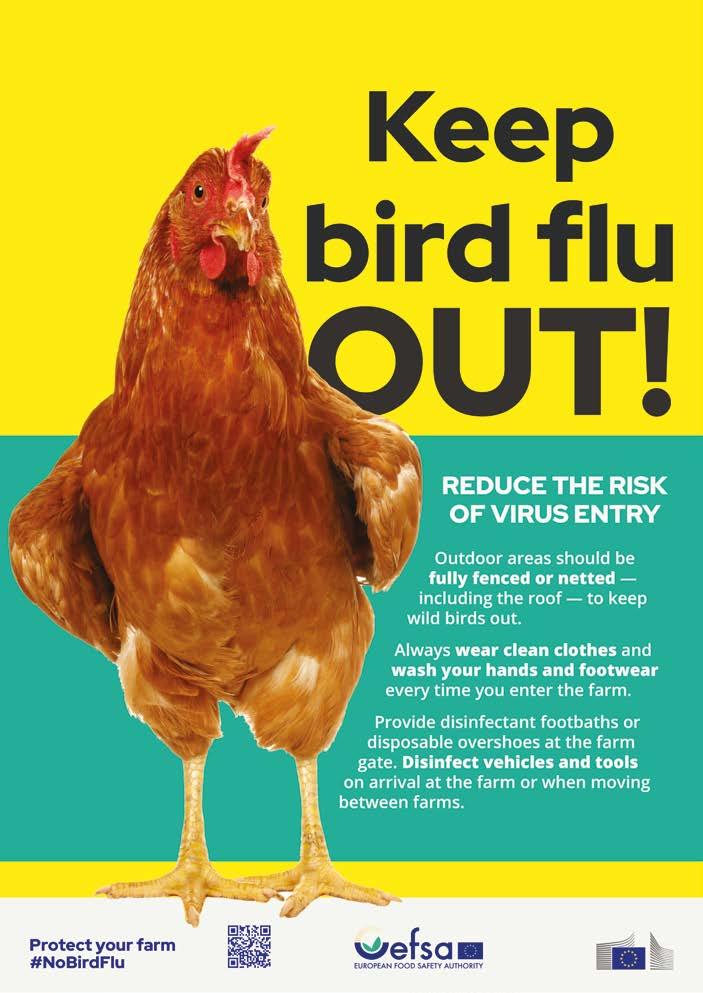
#NOBIRDFLU: CLEAR COMMUNICATIONS FOR BETTER BIOSECURITY
The European Food Safety Authority (EFSA) and the European Commission have joined forces to release a new communication toolkit designed to help farmers and anyone coming into contact with farms to safeguard poultry, other animals and people from avian influenza.
The #NoBirdFlu toolkit, launched to coincide with the start of the new migratory season in Europe, aims to raise awareness about the importance of applying simple biosecurity steps, particularly on small and medium-sized farms. By adopting these measures, farmers will help to protect animal and public health, ensure food production stability, and minimize disruptions to trade.
“The launch of #NoBirdFlu highlights how preparedness today can prevent crises tomorrow,” said Nikolaus Kriz, EFSA's Executive Director. “By working together we can protect our animals, secure food systems and build resilience against future health threats. EFSA is committed to providing the scientific advice needed to keep bird flu out of European farms.”
“With winter approaching, and the threat of avian influenza rising, everyone must play their part in preventing new outbreaks. From farmers, workers and small flock holders, to vets and farm visitors, simple precautions can make a real difference in reducing the spread of this serious disease. This campaign provides practical guidance to help protect flocks and safeguard Europe's poultry sector,” said Claire Bury, Deputy Director General for Food Sustainability at the European Commission.
The toolkit includes several communication materials, translated into all EU languages, that support farmers in preventing the introduction and spread of avian influenza on their farms.
Main features
• A detailed infographic with guidance on hygiene, protective equipment, and movement control for farmers, animals, tools, workers and visitors.
• Posters with visual reminders of key actions to integrate into daily routines.
• Ready-to-use content (stickers, posts) for social media to reach out to farming communities and beyond.
Why now?
Avian influenza outbreaks can devastate poultry populations, disrupt supply chains, and harm farmers' livelihoods, as well as to have an impact on public health. Incidents of avian influenza in Europe typically rise during the winter months as migratory birds travel and cluster across the continent and proactive measures are critical to prevent the virus from entering or spreading on farms. Every individual interacting with a farm — whether a worker, supplier, or visitor — plays a role in keeping poultry safe. The toolkit is the result of a joint effort with the European Commission, reflecting a shared commitment to preventing outbreaks before they start and ensuring the sustainability of the EU poultry farming sector.
What's next?
The European Commission has requested that EFSA conducts research into the risk perception of farmers, veterinarians, and farm workers in Europe on avian influenza to understand how to best tailor future awareness campaigns. This data will inform a broader EU-wide initiative in 2026, designed to strengthen preparedness plans against avian influenza and help reduce the risk of future pandemics.
How to get involved
Support the dissemination of these resources! By sharing clear and consistent messages on improving farm biosecurity, stakeholders and partners across Member States and beyond can play a crucial role in halting the spread of avian influenza in Europe. Download the toolkit now and join us in saying #NoBirdFlu.
WEO CELEBRATES GLOBAL EGG INDUSTRY EXCELLENCE AT THE 2025 AWARDS
At its Global Leadership Conference held in Cartagena, Colombia, the World Egg Organisation (WEO) honoured leading figures and companies from the international egg sector with the 2025 edition of its prestigious awards. The recognitions celebrated innovation, marketing success, leadership and product excellence across the global egg industry.
International Egg Person of the Year
This year's Denis Wellstead Award went to Marcus Rust of Rose Acre Farms (USA). From a small family flock of 500 hens, Rose Acre Farms has grown to become one of the world's largest privately held egg producers, with 25 million people consuming its eggs every day. Rust was praised for his vision, innovative ideas and hands-on leadership throughout his career.
Golden Egg Award for Marketing Excellence
The Golden Egg Award was presented to FENAVI (Colombia) for its impactful national campaign that succeeded in increasing egg consumption by 31 eggs per capita within just one year. The initiative stood out for its strong, consistent messaging across platforms and its ability to reach segmented audiences.
Egg Products Company of the Year
The Clive Frampton Award was awarded to Ovobrand S.A. (Argentina), a relatively young company founded in 2008 that has developed into a key player in the egg processing industry. The company produces a wide portfolio of egg powders, liquids, and fresh shell eggs, meeting the highest international quality standards.
Vision 365 Egg Innovation Award
Finally, the Vision 365 Innovation Award recognised APF Holdings (Latvia) for its innovative Egg White Protein Smoothies. This new product line demonstrates the versatility and nutritional value of eggs while appealing to modern consumer trends.
The WEO Awards once again highlight the strength and dynamism of the global egg sector. By showcasing successful examples of leadership, innovation and consumer engagement, they offer benchmarks and inspiration for the industry worldwide.
For more information about the WEO awards and this year's winners, please visit: www.worldeggorganisation.com/our-work/awards
President of FENAVI, Gonzalo Moreno, welcomed all Colombian producers & FENAVI team members in the audience to join him on stage to share the celebration
Marcus Rust (middle), accepting his award with his son, Stefan Rust (Left), and his wife, Suzan Hageman (right)
SPACE 2025 BREAKS ATTENDANCE RECORDS
SPACE 2025 took place from Tuesday 16 September to Thursday 18 September at the Rennes Exhibition Centre. This 39th edition broke all previous records, welcoming 1,230 exhibitors from 40 countries and 102,528 visitors, including 14,011 international attendees from 125 countries — an 11% increase from the previous year. Wednesday alone saw 45,781 visitors, the highest attendance in the Show's history. The diversity of countries represented by the 125 visitor nations also set a new record. Organisers felt the strong enthusiasm for the event as early as exhibitor registration, when they were sometimes unable to accommodate requests for larger spaces or additional booths in some halls.
These three days were a tremendous success, giving the animal farming sectors of Western France the chance to fully showcase their strength in a truly global setting, which was echoed by the participation from many international delegations.
A political showcase for the animal farming industry
Many political figures attended SPACE, highlighting the show's major role in the industry. Annie Genevard, Minister of Agriculture and Food Sovereignty, officially opened the Show and met with industry leaders and farmers. For the first time, an African Minister took part in the opening ceremony: Mabouba Diagne, Senegalese Minister of Agriculture, Food Sovereignty and Livestock. SPACE also hosted a delegation from the National Assembly's Economic Affairs Committee, led by its President, Aurélie Trouvé. Loïg Chesnais Girard, President of the Brittany Region, and Arnaud Lécuyer, Vice-President in charge of Agriculture, hosted a round table on the future of the CAP, and announced support measures for young farmers and suckler farms. Nathalie Appéré, Mayor of Rennes and President
of Rennes Metropolis, was also able to meet with the various stakeholders present at SPACE during her dedicated visit.
Unprecedented international and media participation
SPACE further cemented its role as a global platform for innovation and strategic partnerships for the agriculture of tomorrow. The Top Buyers initiative, in partnership with Business France, brought together 25 high-potential investors from around the world. Numerous West African professionals with investment and development projects also came to Rennes for the three-day event. Delegations came from Senegal, Benin, Côte d'Ivoire, Guinea, Cameroon, Nigeria, and others — all with concrete animal farming development plans. Young Africans also participated in the first poultry training programme tailored for hot-climate countries. This initiative, run with Innôzh, marked another step in SPACE's commitment to helping Africa develop its animal farming sectors. A new agreement with the Maison de l'Europe aims to strengthen the presence of European decision-makers at
SPACE and facilitate local-European exchanges during the event. International media will once again echo the event's massive success, with 70 journalists from 30 countries in attendance. French media also provided comprehensive coverage throughout the event — another record.
Putting youth and their skills at the heart of SPACE
Young people were front and centre at SPACE 2025. The Youth Forum was a real think tank, hosting debates that allowed them to speak out, exchange ideas, and build the future. As an undeniable part of this generation's culture, agricultural influencers were present, happily engaging with attendees and signing autographs. The Tech'Agri Challenge enabled participants to collaboratively design tools to help farmers with time-consuming and repetitive tasks. Agricultural students guided 120 middle and high school students, showing them around the Exhibition and sharing their passion for farming. At SPACE, young people co-create the agriculture of tomorrow.
Artificial intelligence at the core of Espace for the Future
Run by the Chambers of Agriculture, the Espace for the Future focused this year on artificial intelligence. Round tables, expert workshops, and equipment demonstrations helped visitors discover AI solutions for farmers and explore the potential of these new technologies. Topics focused primarily on farmer and animal well-being, but also on time saving, less labour-intensive work, better herd management, and reducing environmental impact. Visitors discovered innovations like a robot dog, a smartwatch for cows, and more — all designed to make farmers' work easier and boost the attractiveness of agricultural careers. In line with this year's theme, SPACE hosted its first "Agreen Challenge” AI Hackathon, addressing topics like predicting heat stress in cows, automated milk delivery slips, multiple agronomic data source dashboards, and more. The whirlpool of ideas at Hackathon led to the creation of working prototypes with promising potential.
A special 30th anniversary for Innov'Space
Innov'Space celebrated its 30th anniversary by highlighting the most awarded companies over the years. This retrospective showcased the advances made available to farmers by these suppliers. Digital tools and predictive analysis technologies are growing rapidly, as shown by this year's 43 award winners. At SPACE, animal farming innovation truly shines.
Top-level animal competitions and presentations
Despite a complex context and thanks to a strict health protocol, animal presentations and contests were able to take
place, featuring cattle, sheep, and goats from various breeds. The Salers National Show was held on Tuesday, and the many animals from the breed's heartland on display made for a highenergy atmosphere. Breeders' commitment alongside SPACE generated interest and contacts for expanding the breed in Western France.
The Prim'Holstein competition crowned a cow from Marne by the name of Madison as the SPACE 2025 Grand Champion. The Supreme Championship brought together five dairy breeds: Montbéliarde, French Brown, Jersey, Prim'Holstein, and Normande. The winner was the gorgeous Susette, a French Brown from Maine-et-Loire, crowned 2025 Supreme Champion.
The genetic and meat auctions were also a great success. The Genomic Elite auction reached record prices, with an average of €6,470 for the 20 heifers sold. Among the seven breeds, Prim'Holstein topped the charts with a record average of €8,933 — and for the first time, three heifers sold for over €10,000, with the highest price being €17,500 for Afrique IL P.
Unique content offering a wealth of information and inspiration
The aisles and the booths were buzzing from the extensive content of SPACE 2025, which offered a record number of conferences, SPACE TV shows (more than 50), and debates. Over 120 sessions took place over the three days, covering topics such as: farm succession, reducing the carbon footprint, land ownership and data exchange issues, precision feeding, water quality, adapting to climate change… and much more. This made SPACE a unique hub for knowledge sharing and innovation to support progress in animal farming sectors.
Showcasing women in agriculture + a Pink October initiative
Thanks to a partnership with FRSEA and JA Bretagne, SPACE honoured the role of women in agriculture in several ways. Portraits of female farmers were displayed in the halls, showcasing their stories and the key milestones they passed to gain recognition. Pink October was also highlighted, with SPACE TV broadcasts, info corners, and a limited-edition beanie sale benefiting the French Cancer League.
This 2025 edition of SPACE will go down in history not only for its record-breaking numbers, but also for its constant energy. These three days generated enthusiasm and passion in every aisle — a dynamic that attendees will carry back to their own regions and countries. It's a powerful sign of SPACE's influence and its ability to bring together all sectors, showcasing the expertise of our farmers and exhibitors.
We look forward to seeing you at SPACE 2026 from 15 to 17 September at the Rennes Exhibition Centre.
Source: press release from www.space.fr/en
EUROPEAN CHICKEN COMMITMENT: ECONOMIC AND SUSTAINABILITY INSIGHTS FROM NEW RESEARCH AND INDUSTRY PRACTICE
At the 5th Premium Forum organized by Hubbard, industry experts shared new perspectives on the transition from conventional broiler production systems to the European Chicken Commitment (ECC) model. The discussions highlighted both the economic impacts and the sustainability opportunities tied to ECC adoption.
Higher costs identified in new study
Dr. Peter van Horne, poultry economist at Wageningen University & Research (Netherlands), presented the first results of a new study examining the economic consequences of ECC implementation in six of the EU's largest broilerproducing countries: Poland, Germany, Spain, France, Italy and the Netherlands.
According to his analysis, the main drivers of higher ECC costs are housing, feed and labor. When comparing ECC to conventional systems (both including thinning), the estimated cost differences were:
• Farm level (live broilers): NL +20% / EU +18.5%
• After slaughter (carcass): NL +17% / EU +16%
• After processing (meat): NL +20% / EU +19% These figures underline the scale of the challenge in maintaining competitiveness while transitioning to higher welfare standards.
Norsk Kylling: a case study in sustainability
Providing a practical perspective, Merete Forseth of Norwegian integration Norsk Kylling outlined the company's full switch to ECC in 2018. Their experience shows that it is possible to balance welfare improvements with sustainability goals. Key results included:
• Needing fewer broilers to produce the same volume of meat, due to higher slaughter weights, better livability and a greater proportion of saleable meat per bird.
• Welfare improvements achieved without increasing the climate footprint, thanks to adjusted feed composition,
lower feed use in breeders, improved survival, and reduced transport linked to heavier broilers.
Ambitious 2030 sustainability targets
Norsk Kylling has committed to reducing its carbon footprint by 44% between 2020 and 2030, with a comprehensive plan that includes:
• 100% renewable energy in hatcheries, farms and processing plants (including heat recovery)
• 100% renewable fuels in transport across the value chain
• Using 60% of manure for biogas
• Reducing food waste by 75%
• Switching to 100% recycled packaging
• Eliminating soy from feed and cutting emissions 50% by using more local raw materials
Forseth stressed that feed remains the key challenge, requiring responsibility and action across the entire value chain. A systematic, integrated approach is needed to balance sustainability goals with predictable farmer incomes and affordable prices for consumers.
Looking ahead
The discussion at the Premium Forum made clear that while the ECC model carries additional production costs, it also creates opportunities for better welfare outcomes and more sustainable food systems. The combination of economic data and real-world case studies offers valuable insights for policymakers, integrators, and producers as the European poultry industry navigates its next phase of transformation.
RATIFICATION OF THE EU-MERCOSUR AGREEMENT AND UPDATE ON THE TRADE DEAL WITH MEXICO
On September 3, the European Commission approved the agreement with Mercosur (EMPA, EU-Mercosur Partnership Agreement) and, at the same time, the update of the trade deal between the EU and Mexico. The political agreement with Mercosur had been reached in December 2024 after negotiations that began in 1999. Mercosur, it should be recalled, stands for Mercado Común del Sur and refers to the South American organization, established in 1991 following the example of the European single market, which created a free trade area among Argentina, Brazil, Paraguay, and Uruguay.
The agreement
The deal concerns the removal of trade barriers and the liberalization of exchanges for many products coming from Latin America: from beef to poultry, from sugar to honey, and from rice to tropical fruits. The agreement also redefines the rules for European exports to South American countries of industrial products (cars, machinery, pharmaceuticals) and agri-food products (wines, spirits, chocolate, and cheeses), as well as clothing, leather shoes, and textiles. It is expected that, if implemented, EU agrifood exports to Mercosur will increase by nearly 50%.
Thanks to the protection of 344 European Geographical Indications (GI), the agreement will also put an end to unfair competition from Mercosur products that imitate authentic EU products.
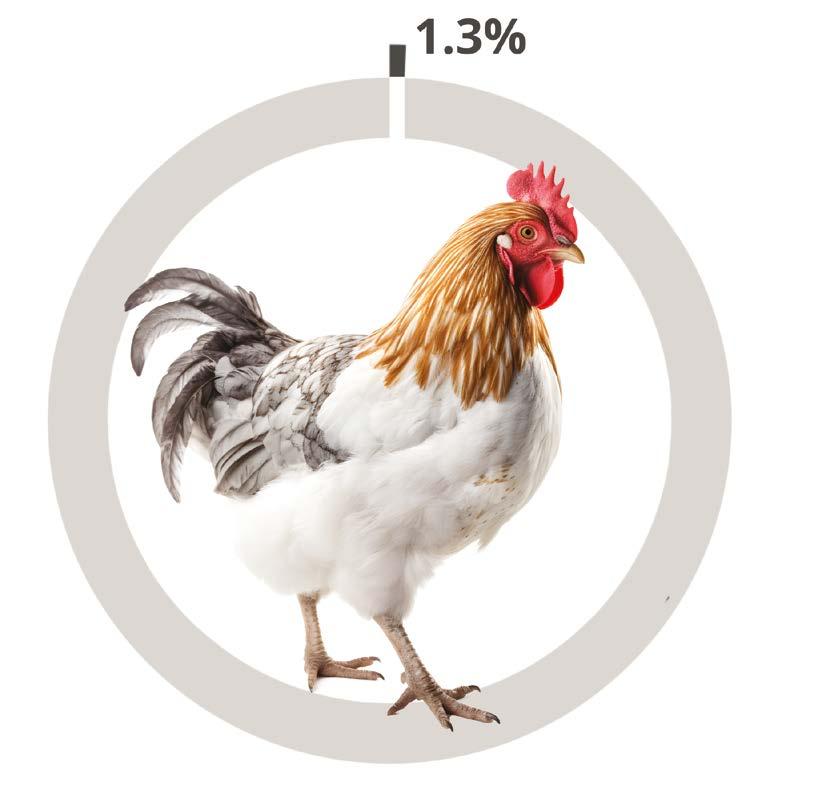
Going into more detail, the agreement provides full protection for all EU strategic agricultural sectors. First, it limits preferential agri-food imports from Mercosur to a fraction of European production (for example, 1.5% for beef and 1.3% for poultry). Second, it establishes robust safeguard measures to protect sensitive European products against any harmful increases in imports from Mercosur. In this regard, the Commission proposes to complement the agreement with a legal act to make the chapter on bilateral safeguards of the EMPA operational. This act, to be adopted by the European Parliament and the Council, aims in particular to protect the EU's most important and sensitive agricultural sectors, acknowledging the concerns of European farmers. The Commission will engage with Mercosur countries to ensure the proper implementation of the agreement.
Update of the trade deal between the EU and Mexico
The new agreement between the EU and Mexico will further support economic growth and strengthen competitiveness on both sides. Mexico is one of the EU's longest-standing trading partners and the second-largest EU trading partner in Latin America, with the original agreement dating back to 2000. Under the current trade
deal, the EU exports goods and services worth over €70 billion annually to Mexico, supporting more than 630,000 jobs in the EU.
As a net importer of food products (a country that imports more than it exports), Mexico will greatly benefit from European agricultural exports. The revised EU-Mexico agreement will eliminate the remaining prohibitive tariffs on European agri-food exports to Mexico, including cheese, poultry, pork, pasta, apples, jams, as well as chocolate and wine. The removal of these tariffs, which currently reach up to 100% on some European exports, will make EU agricultural products much more competitive in the Mexican market.
In addition, simpler procedures will make it faster and more cost-effective for agri-food exporters to sell their products in Mexico. The agreement also extends protection against imitations to 568 traditional and high-quality European food and beverage products (Geographical Indications)
Impacts on the poultry industry
According to the European Commission, the EU will allow the duty-free import of a quota of 180,000 tonnes of poultry to be phased in over five years.
• This represents 1.3% of the EU's total production.
• It is lower than current imports from Mercosur (293,000 tonnes in 2024).
• It is largely offset by the EU's global exports, which amounted to 2.1 million tonnes in 2024.
• Poultry consumption in the EU is expected to increase each year by an amount similar to the new preferential quota.
Nevertheless, there has also been criticism in Italy. Antonio Forlini, president of Unaitalia, expressed concerns about serious repercussions, particularly regarding disparities in production standards:
“While we are aware that this is one of the most significant trade agreements ever signed, we believe that the EU-Mercosur deal represents a concrete and unacceptable threat to the European poultry sector, which once again seems to be sacrificed for the benefit of other industries within trade agreements”.
Next steps
The agreement has been signed, but it has not yet entered into force. The European Union will have to approve it through two steps:
• a qualified majority vote in the Council of the EU;
• a simple majority vote in the European Parliament.
The Japanese poultry sector continues to show resilience this year, despite rising production costs and repeated outbreaks of avian influenza.
➤ Eugene Gerden Freelance writer
This winter, Japan faced one of the most severe bird flu outbreaks in recent decades, resulting in the culling of up to 6 million birds and a sharp rise in poultry and egg prices. Although the situation has since stabilized, farmers remain under heavy pressure from the risk of new outbreaks and persistently high costs. Avian influenza is now regarded as one of the industry's biggest threats, constraining growth even as demand for poultry products remains strong. With Japan's rapidly aging population and shifting household structures, chicken meat and portioned products have become increasingly popular with consumers.
Development of the sector
Compared with other developed countries, Japan's poultry industry developed relatively late, largely due to its agrarian structure dominated by large landholdings until the end of World War II. The traditionally low efficiency of Japan's agricultural sector, including poultry, has long necessitated strong government support. Even today, domestic food and agricultural products remain more expensive than imports, in part because of higher production costs.
The 2011 earthquake and tsunami caused a sharp drop in poultry output, though the industry rebounded by 2012–2013. Since the early 2020s, both poultry and egg production have been on the rise, supported by steady demand for affordable, healthy protein despite the challenge of rising feed prices.
Bird flu threat and high costs
According to a recent study by IMARC Group and the Japan Poultry Association, 2024 was a relatively strong year: egg production reached 2.48 million tons, up 2.2% from the previous year, alongside higher poultry output. However, prospects for 2025 remain uncertain, given the continuing threat of avian influenza and the likelihood of further outbreaks.
The number of poultry farms in Japan has declined in recent years. Today, there are about 1,620 farms nationwide, housing a total of 129 million birds. Largescale farms with more than 50,000 chickens account for only 3% of operations but produce 33.5% of national output. Key production areas include Kagoshima, Chiba, and Ibaraki prefectures.
Analysts warn that rising costs are likely to accelerate consolidation, with smaller producers being squeezed out by larger competitors.
The need for reform
The Japanese government has acknowledged the challenges facing the sector and is planning reforms to improve efficiency and stem the loss of farmers. There is also growing emphasis on animal welfare, reflecting increasing social awareness of production conditions.
Toshiaki Saito, president of the Japan Poultry Association, stressed the urgency of these measures:
“The ever-rising cost of raw materials, especially feed, has severely reduced profitability. After the large-scale outbreak of highly pathogenic avian influenza in 2022, we are now facing a similar situation. Producers have suffered heavy losses from culling at affected farms, and supplies of eggs and poultry meat have yet to return to pre-outbreak levels.”
Government support measures
Outlook: bright prospects ahead
The government has announced additional measures against avian influenza, including wider vaccination of poultry flocks starting this autumn. Financial support will also be expanded, with subsidies directed toward both disease prevention and improved compensation schemes in case of future outbreaks. Several of these measures have already been approved by the Ministry of Agriculture, Forestry and Fisheries.
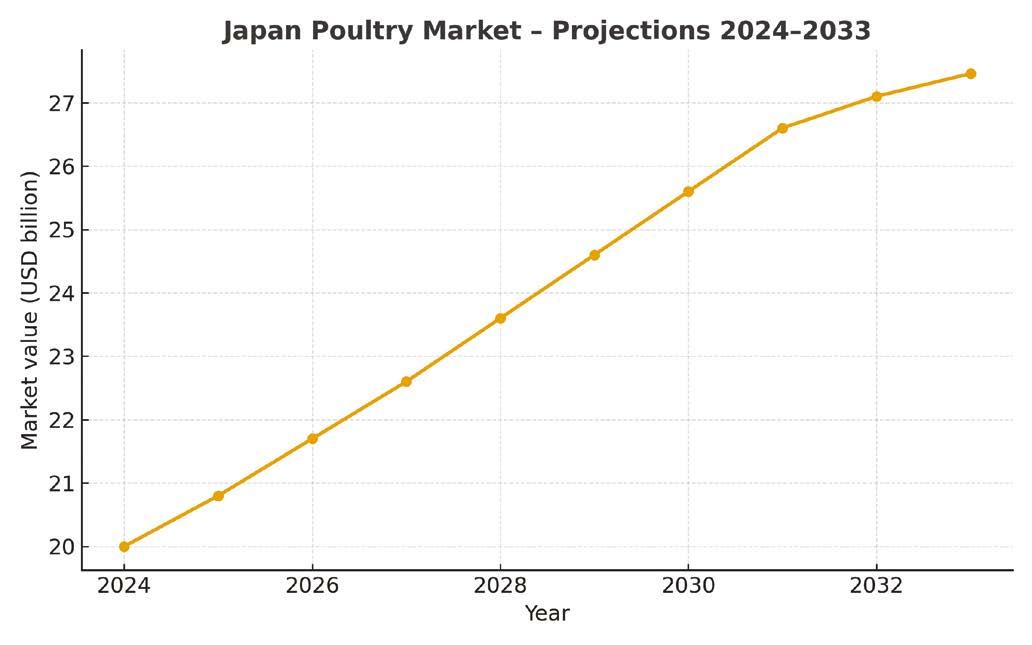
Despite ongoing challenges, analysts remain optimistic about the sector's long-term outlook. IMARC Group projects that Japan's poultry market will grow from about USD 20 billion in 2024 to USD 27.46 billion by 2033, with an average annual growth rate of around 4%.
To maintain quality while boosting output, farmers are increasingly adopting advanced technologies such as automation, precision feed management, and improved breeding practices. These innovations, combined with sustained government support, are expected to ensure a sustainable and competitive future for Japan's poultry industry.
WHEN THE GUT REBELS: THE CHALLENGE OF CHRONIC INFLAMMATION IN LAYING HENS
In the poultry industry, intestinal health is a cornerstone for achieving high production yields, feed efficiency, and disease resistance. One of the issues that most affects laying hens throughout their life cycle, undermining their performance, is chronic intestinal inflammation. This article will explore this complex, multifactorial condition, exploring its potential causes, its interactions with the organism, and possible strategies to mitigate its effects.
➤ Luca Bianco Veterinarian, specialist in poultry and animal nutrition
The complex web of causes behind chronic inflammation
Chronic intestinal inflammation represents one of the most significant health challenges for laying hen farms. This often-multifactorial condition not only compromises animal welfare (behavioral alterations, stress) but also has a considerable impact on several parameters: productivity, egg quality, and immunosuppression. These factors have direct consequences, including increased disease susceptibility and mortality. It is now well established that inflammation is a physiological response which, within certain limits, provides benefits at the systemic level. It triggers an immediate response to various injurious stimuli affecting the intestinal barrier, through the activation of the NF- κ B (nuclear factor kappa B) cascade system and interleukin pathways. However, an excessive immune response entails a high energy depletion — energy that could otherwise support growth and/or egg laying.
Chronic inflammatory processes can arise when several factors, including diet, pathogens, and stress, alter the delicate
balance between the microbiota and the intestinal (mucosal) barrier. This condition initially manifests with enteritis (the acute phase), where the intestinal barrier's integrity is compromised. This leads to increased permeability and the consequent infiltration of exo-/endotoxins and/or pathogens into the bloodstream. Damage to the enteric mucosa exposes Toll-like receptors in the lamina propria to substances in the intestinal lumen (lipopolysaccharides, peptidoglycans,
flagellins, etc.), causing further oxidative stress of the epithelium (Durand et al., 2022).
A multifactorial process
Intestinal inflammation often stems from undigested feed material and heightened enteric barrier permeability. Let's explore the key contributing factors: Enteropathogenic agents
Bacteria like Clostridium perfringens (linked to necrotic enteritis), Brachyspira spp. (in particular B. pilosicoli, which targets the ceca), Salmonella spp., E coli; viruses such as coronaviruses, astroviruses, rotaviruses, etc.
Parasites. Coccidiosis ranks among the most harmful diseases, damaging the intestinal wall cells; protozoa replication triggers an inflammatory process that paves the way for secondary bacterial infections. Intestinal worms, such as ascarids, Heterakis spp., Capillaria spp., can contribute to a chronic inflammatory process that affects the intestinal mucosa, by competing for nutrients and potentially causing intestinal obstructions.
Feed quality. Rigorous analysis of raw materials used for diet formulation is essential to mitigate risks from exposure to abnormal mycotoxin and/ or microbiological levels; even low levels, through synergy, can have a negative effect on various organs, primarily the intestine and liver. Poor raw material checks at feed mills can lead to a range of issues in animals. For example, antinutritional factors (caused by an incorrect cooking process) in soy cause organic imbalance, with significant deficiencies and/or diseases; sieving corn before processing removes most of the material that could potentially be contaminated (mycotoxins, etc.).
feeding process among farmed animals, predisposing them to inflammatory phenomena, nutrient imbalances, and behavioral alterations (cannibalism).
Particle size of finished feed. Critical for the laying hen; since feed is usually in meal form, particular attention must be paid to homogeneity. Variations in volume (in percentage) between coarse and fine fractions can contribute to a selective
Formulation. Diet digestibility is fundamental, both from an economic standpoint and from a technical-health perspective. Unbalanced diets can lead to an excess of nutrients (e.g., proteins) in the gastro-enteric tract, contributing to a pro-inflammatory state and dysbiosis, with proliferation of microorganisms such as Clostridium perfringens and subsequent development of a pathological
condition. The process of diet formulation, for precision nutrition, should be based on the use of its digestible components, especially proteins and amino acids, but also carbohydrates, fats, and fiber. In addition, several studies have shown that excessive calcium levels in poultry diets contribute to worse digestion overall.
Water quality. As a vital resource, poor water quality (whether microbiological and/or physicochemical) can lead to inflammatory states with increased intestinal permeability. Elevated levels of metals, such as copper, iron, and manganese, can contribute to diarrheic phenomena and to the development of pathogenic bacterial populations, which use these substrates for their proliferation. Regular analytical monitoring of any abnormal microbiological components, such as total bacterial count, coliforms, enterococci, etc., is also important.
Stress. During the laying cycle, hens undergo several periods in which they may be subject to specific stress factors; typically, problems are observed during the first weeks after arrival until peak laying is reached. Enteric disorders often develop during this period due to exposure to a new environment after transferring post-rearing and to highprotein diets designed to support egg production. After 40–45 weeks, increased egg weight and hepatic degeneration contribute to chronic inflammatory processes. Heat stress in
warmer months causes a reduction in intestinal barrier integrity, leading to immunosuppression. Behavior . Chronic inflammation contributes to the development of behavioral alterations, with phenomena such as feather pecking and cannibalism, creating a vicious circle. Feather ingestion worsens digestive processes, with alterations in peristalsis and inflammation of the intestinal wall. These issues can begin in the pullet rearing phase, and poor early management may lead to chronicity, degrading production quality.
Environmental conditions. Wet litter, alternative housing systems (e.g., aviaries, where ensuring correct environmental parameters is more challenging compared to conventional floor systems), inadequate and/or incorrect ventilation, and uneven feed distribution throughout the day, with resulting feed selection, heighten the risk of chronic intestinal inflammatory states.
Biosecurity. Robust prophylaxis, hygiene, cleaning, and disinfection (especially during sanitary downtime) help to reduce environmental bacterial and viral loads, lowering the risks of inflammatory and/or pathological phenomena.
Clinical and diagnostic aspects
The clinical presentation of chronic intestinal inflammation in laying hens manifests with a range of nonspecific symptoms: animals show poorer and ruffled plumage, combs that are initially flaccid then pale and shrunken, diarrheic feces (catarrhal, at times foamy, with reddish mucous material due to sloughing cells of the intestinal mucosa, of an orangereddish color), feathers soiled at the cloacal level, possible increased mortality (due to the onset of secondary bacterial complications and/or parasites), body weight loss with prominent keel, reduction of body fat, decrease or increase in feed intake (depending on the cause and/or phase of the process), drop in egg production and egg quality (affecting shell strength, weight, and color), and overall increase in feed conversion. Feces may also show undigested material from malabsorption and a strong odor from abnormal fermentative. The anatomical-pathological findings in most cases include:
• Externally: poor body condition, paler skin and integuments, varying degrees of dehydration, muscular atrophy (especially of the pectoral muscles), reduced or absent body fat, brittle bones.
• Organs: enteritis of varying severity and appearance (from sero-catarrhal to fibrino-necrotic), with varying degrees of inflammation of the intestinal mucosa, abnormal fermentation causing altered volume and peristalsis of some intestinal tracts (ballooning), lack of elasticity and thinning of the wall (nearly transparent), mucous or liquid contents (sometimes hemorrhagic), with or without undigested material in the distal tract, pathognomonic alterations (e.g., coccidiosis).
• Stomach: inflammatory and/or ulcerative changes in the glandular and/or muscular walls (including burns of the koilin itself).
• Additional findings: aerosacculitis and femur necrosis (due to intestinal contiguity), potentially leading to respiratory and/or septicemic conditions, alongside ovarian atrophy/regression.
For diagnosis, to help rule out and/or address concomitant pathological factors, fecal coprological examination (for the detection of intestinal parasites), microbiological tests (bacteriological, virological), histological examinations, and PCR may be used. For proper analytical monitoring of mycotoxins, it may be useful to rely on more recent technologies, such as blood biomarkers; this is a valuable tool for capturing and measuring the different levels of mycotoxin metabolites in the bloodstream during the hen's production cycle, building a detailed profile with a range of values to categorize the potential risk to which animal groups are exposed.
Strategies for modulating the inflammatory process
The acute phase of the process is a “natural” response to the various stressors to which laying hens are subjected to during their long production cycle. However, if not properly modulated, this can escalate into chronic inflammation, leading to adverse effects. The adoption of different strategies to manage acute inflammatory processes is based on the concept of prevention; effective systems are needed to reduce the risk of developing these conditions, especially in the most sensitive groups. Therefore, prevention should start with data analysis and flock history: performance, past and recent anamnesis of the animals and the environment (origin, productive performance, problems, sanitary downtime, biosecurity, etc.), season, and feeding. This gathers all the data needed to assess exposure risk level and study intervention methods through the adoption of technicalhealth strategies and different market-available solutions for drinking water and/or feed.
These include products based on plant extracts, consisting of one or more phytocomplexes (a set of phytomolecules, the active compounds) that act in different ways: products based on carvacrol (found in oregano and thyme plants), for example, provide antimicrobial and antioxidant properties (Botsoglu et al., 2002), as well as anti-inflammatory and immunostimulatory effects (Acamovic and Brooker, 2005). Salicylic acid derivatives (polyphenols) have antiinflammatory, antipyretic, and analgesic effects, reducing the formation of pro-inflammatory PGE2 (prostaglandins) (IL-6) and NF-kB activity, while boosting inflammatory action (IL-10). Licorice (Glycyrrhiza glabra) has antiinflammatory, antiviral, and antibacterial properties, as do products containing high amounts of tannins, which inhibit cyclooxygenase formation to limit the formation of proinflammatory prostaglandins.
CARFED INTERNATIONAL LTD Italian headquarters: Piazza Oberdan 3, 20129 Milano (Italy) Italian warehouse: Via Basilicata 10, 20098 San Giuliano Milanese (Italy) Ph.: +39 02 9881140 – Fax: +39 02 98280274 Email: carfed@carfed.it – Website: www.carfed.it UK headquarters: 2nd Floor Gadd House, Arcadia Avenue, London, England, N3 2JU, UK
Probiotics and prebiotics positively influence the intestinal flora, providing nourishment for existing bacterial populations and/or introducing favorable microorganisms (e.g., lactobacilli, which inhibit the secretion of proinflammatory IL-6). Beyond stimulating the immune system, they indirectly increase the coefficient of apparent digestibility, and by preventing colonization by pathogens, they help reduce inflammatory reactions (Jha et al., 2020). Interestingly, it has been observed that groups of laying hens with high levels of reactivity (fear response) have a more sensitive immune system and richer microbiota, factors that could have positive effects in adapting to more complex environments, such as aviary systems (Wang et al., 2024). The role of enzymes in promoting efficient use of nutrients is now well established. One of the most widely observed effects is that of reducing the amount of indigestible compounds in the diet, decreasing the viscosity of digesta and irritations of the enteric mucosa that cause chronic enteric inflammatory processes. Another advantage, beyond pure formula economics, lies in the development of microbial diversity that helps maintain a stable intestinal environment and, consequently, inhibits the development of pathogens (Kiarie et al., 2013).
Organic acids also help, reducing water pH and facilitating nutrient digestion. Butyric acid in particular, in addition to being an energy source for enterocytes, also acts as a cellular mediator that contributes to the regulation of several intestinal functions, modulates the immune system, and reduces oxidative stress.
Some mycotoxins predispose the intestinal environment to inflammatory processes because they increase the persistence of certain pathogens, weakening intestinal barriers, and heightening oxidation by generating free radicals. Fat rancidity is linked to the pathogenesis of enteric diseases (Collet, 2005), making mycotoxin-targeted and antioxidant products essential for mitigation.
A virtuous future: reducing antibiotic use and extending the 100-week production cycle
Alarming levels of resistance to the use of antibiotics have been reported in several countries around the world, driven by overuse that fuels pathogens with high antimicrobial resistance. Timely and effective control of intestinal disorders associated with chronic inflammation can reduce the occurrence of associated pathological episodes (e.g., necrotic enteritis caused by clostridia) and, consequently, the therapeutic use of antibiotics.
In conclusion, a holistic approach to managing intestinal inflammation should encompass changes in nutrition, farming practices, and the use of alternatives to antibiotics like phytogenics, to promote animal welfare, intestinal health (avoiding potential related diseases), and the economic viability — helping flocks of laying hens reach the coveted 100-week production cycle without major setbacks.
Customer Support
A well-travelled suitcase is the hallmark of our globally mobile Aviagen® Turkeys experts who are always available worldwide to support customers and help optimise birds’ genetic potential. You can always rely on us for exceptional knowledge and experience designed to help maximise your performance and profitability. For more information about our entire range, visit www.aviagenturkeys.com
Our knowledge gives you power to perform
HOW MUCH DIETARY PROTEIN IS TOO MUCH
Dietary protein accounts largely for most of broiler feeding costs which in return shrink revenue if protein is not used efficiently. Tuning dietary protein to poultry performance is not only essential to maximize profits but also to lower nitrogen emissions from poultry barns. So, matching protein intake to broiler metabolic amino acid requirements can then benefit farmer's wallet while producing more environmentally sustainable production.
➤ Aitor Arrazola Research biologist, Ph.D. in Animal Behaviour & Welfare
Key promoters of muscle accretion
Current meat chickens are genetically prone to achieve a fast, lean growth rate in a few weeks due to accelerated muscle development. The higher the metabolic pressure for muscle growth, the greater the need for dietary crude protein (CP) for maintenance and development (and vice versa). Thence, feeding well-balanced diets to broilers is essential to support protein synthesis necessary for muscle gain. In the case of growing broilers, their demand for dietary protein is remarkable during the first weeks of life at 23% CP, lowering to 18% CP during finishing due to higher daily feed intake. Protein recommendations also differ across genetic backgrounds to achieve line-specific performance objectives. Recommended protein content can range from 15% CP for slow-growing broilers to 21.5% CP for fast-growing broilers due to different growth curves. Still, going beyond their metabolic recommendations will not further support muscle development beyond genetic constraints.
Beside crude protein content, amino acid concentration and their balance is paramount to attain fast, muscle growth in broilers. Upon digestion, dietary proteins are broken down into peptides and amino acids for absorption and, once inside, these amino acids are assembled for protein synthesis. Proteins are 3D structures made of certain amino acids, and protein synthesis can collapse if specific amino acids are missing, acting as limiting nutrients to reach performance objectives. In fact, poultry cannot synthesize some amino acids (e.g., lysine) which need to be acquired regularly through diet to support proper functioning and performance, therefore so-called essential amino acids.
Suboptimal concentration of essential amino acids (and their ratio) can halt protein synthesis, growth rate, and feed efficiency regardless of crude protein intake. Grainbased diets (wheat, barley, oats, corn) mixed with protein-
rich ingredients (legumes) can boost dietary crude protein levels yet being deficient in essential amino acids for poultry because of inadequate amino acid balance. Thus, broiler diets are often supplemented with essential amino acids to meet requirements resulting in a well-balanced diet with greater nutritional value. For current fast-growing broilers, research over the last decade supports that lysine concentration can be a limiting nutrient for breast yield and dietary amount of this essential amino acid (and its ratio to other amino acids) should be closely monitored to breed nutrient specifications and feed intake. Despite adding cost to poultry diets, inclusion of essential amino acids should be seen as an investment to safeguard adequate amino acid balance for broiler performance.
Matching dietary amino acids to metabolic requirements
Once daily metabolic needs of dietary amino acids are met (for protein digestibility, maintenance, and muscle growth), extra amino acids are discarded and metabolized into carbohydrates and fatty acids. So, exceeding protein content and essential amino acid concentration beyond broilers' metabolic needs can be cost-efficient due to high feeding cost for same performance outcomes. Certainly, broiler performance does not improve when CP content is increased above 20% in finisher diets and can be metabolically demanding for birds to get rid of extra amino acids in the blood.
Dietary protein content should be then viewed as a reference value to satisfy non-essential amino acids while checking feed protein quality (amount, balance, and digestibility of essential amino acids) and to supplement diets with essential amino acids as needed. Particularly since birds fed low crude protein diets can convert essential amino
acids into non-essential if the latter ones become limiting nutrients for body functions (which is also cost-effective and disadvantageous). Feed formulation based amino acid requirements is therefore suggested to lower CP and boost performance. However, balancing the economic cost of ingredient selection and carcass price is also important when it comes to weighing protein source, dietary level, and amino acid supplementation.
Attaining protein efficiency
Maintaining adequate levels of protein and amino acid intake is essential for maintaining and developing muscle mass while going above metabolic needs is expensive, inefficient, and less environmentally friendly. Unnecessary amino acids are broken down to urea and then converted to uric acid for excretion which degrades to ammonia in litter. This leads to greater concentration of ammonia in poultry barns which can become a risk for respiratory diseases and other health disorders in broilers and staff. Indeed, best management practices for broilers suggest that a 1% crude protein cut (while maintaining essential amino acid requirements) can lower ammonia emissions by 10–20% without side-effects on broiler performance.
Moving away from high-protein diets towards just the right amount of protein and amino acids can be a practical feeding strategy to maximize broiler protein efficiency (how much protein goes in vs out). In line with this, phase-feeding can help match dietary protein and amino acids to metabolic requirements as daily feed intake increases with age. Keeping this concept of protein efficiency in mind can help broiler producers reduce protein waste, mitigate nitrogen footprint, improve litter and air quality (and health-related problems), and cut feeding expenses while maintaining high-yielding performance outcomes.
THE DYNAMICS OF THE BRAZILIAN POULTRY
INDUSTRY – A REVIEW OF THE DECADE
2013–2023
Brazil's poultry industry has undergone a remarkable development over the past decade. While the production of chicken meat and eggs has risen sharply, the production of turkey meat has declined significantly since 2017 after an initial increase. The reasons for this will be discussed in more detail later. The export of chicken meat developed particularly dynamically. In contrast, turkey meat exports more than halved between 2013 and 2023. Foreign trade in eggs was insignificant compared to chicken meat. The aim of this article is to trace the dynamics in the individual areas of the poultry industry and identify the driving factors.
➤ Hans-Wilhelm Windhorst Professor Emeritus at the University of Vechta, Germany
Brazil's position in the global poultry industry
In 2023, Brazil ranked second behind the USA in the production of chicken meat, fifth in eggs and ninth in turkey meat (Table 1). It was the undisputed leader in chicken meat exports and ranked fourth in turkey meat exports behind the USA, Poland and Germany. Brazil already held this position in 2013, albeit with a much higher trade volume. It ranked fifth in egg production, but exports of eggs were quite insignificant, as over 99% of production was consumed domestically.
The following analysis will focus primarily on the development in the production and trade of chicken and turkey meat and will only consider the situation in egg production in terms of the dependence of the production volume on the per capita consumption (Table 2).
Chicken meat - exports grew faster than production
Between 2013 and 2023, the production of chicken meat increased from 12.3 million mt1 to 14.8 million mt, or by
1Mt = metric tonne, 1,000 kg.
■ Table 1 – Brazil's role in the global production and trade of broiler meat (2023) (source: ABPA Relatório Annual 2024)
■ Table 2 – Brazil's production and export of poultry meat and eggs (2023); data in 1,000 mt (source: ABPA Relatório Annual 2024)
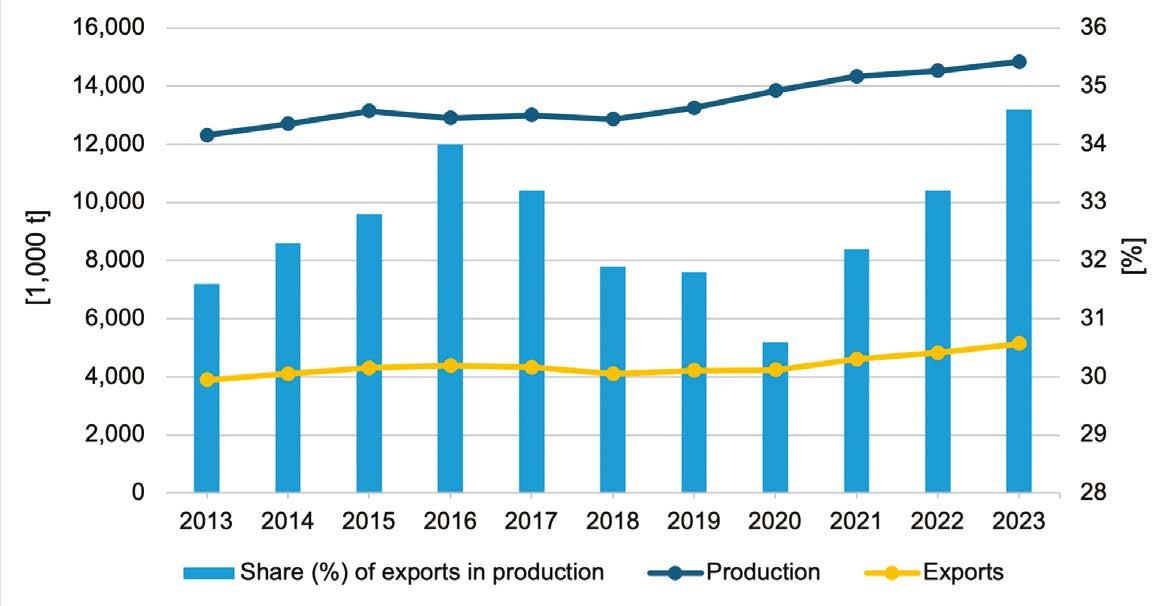
20.5%. Figure 1 shows that the continuous increase was interrupted between 2016 and 2018. Exports increased in the same period from 3.9 million mt to 5.1 million mt or by 32.0%. There was a decline in export volumes in 2017 and 2018, with exports only increasing again from 2021 onwards. A more detailed analysis of the development of the per capita consumption shows that there was also a slight decline from 42.1 kg to 42.0 kg in 2018, but that consumption then rose by almost 3 kg to over 45 kg from 2020 and remained at this level. What were the reasons for this downward trend in 2017 and 2018 and the renewed increase?
In March 2017, the Brazilian federal police launched Operation “Carne Fraca” (Operation Weak Meat). Leading companies in the production and marketing of meat were accused of extending the expiry dates, mixing spoilt meat with fresh meat and distributing it nationally and internationally. Government inspectors were arrested because they had been bribed by companies and had issued clearance certificates. Leading politicians were also involved in the scandal. When the fraud was publicised by the media and legal proceedings began, not only did domestic consumption decrease, but numerous countries also banned meat imports from Brazil. There was a massive loss of confidence and it took several years for the situation to stabilise again. The meat industry suffered losses running into billions. Broiler meat exports were significantly less affected than turkey meat, as will be shown in a later section.
The Covid-19 pandemic also played an important role. Because many restaurants, school and university canteens were closed, more meals were prepared in private households, which led to an increase in meat sales in the food retail sector and a decline in exports. Exports then rose again significantly once the pandemic ended.
Export success with cuts and whole broilers
Brazil's success on the global market for chicken meat is partly due to the composition of the product.
Figure 1 – The development of Brazil's broiler meat production and broiler meat exports between 2013 and 2023 (design: A. S. Kauer based on ABPA data)
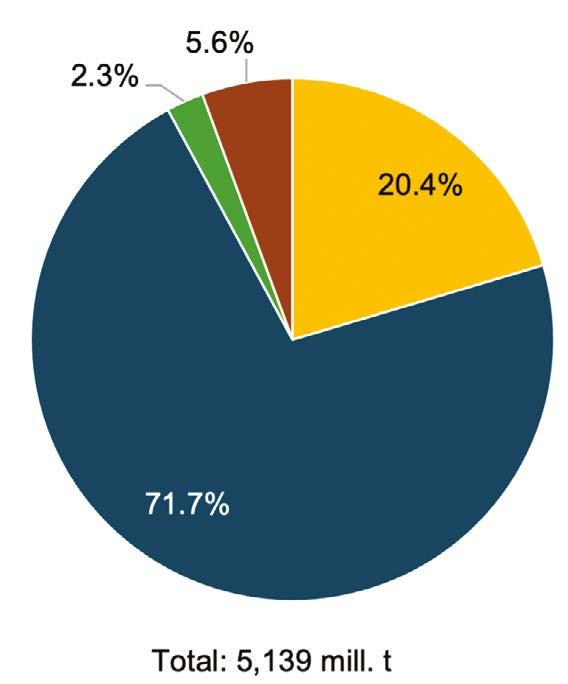
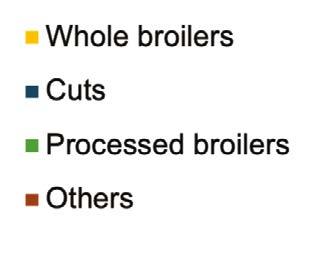
Figure 2 shows that while cuts were by far the most important export product with a share of 71.7%, whole carcasses still accounted for 20.4%. This differentiated Brazil from the USA, which only exported small quantities of whole carcasses. Demand for the latter was particularly strong in the countries of West Asia, especially on the Arabian Peninsula. Here, Brazilian companies dominated the market. In contrast, cuts were mainly exported to East and Southeast Asia as well as South Africa and Mexico (Table 3).
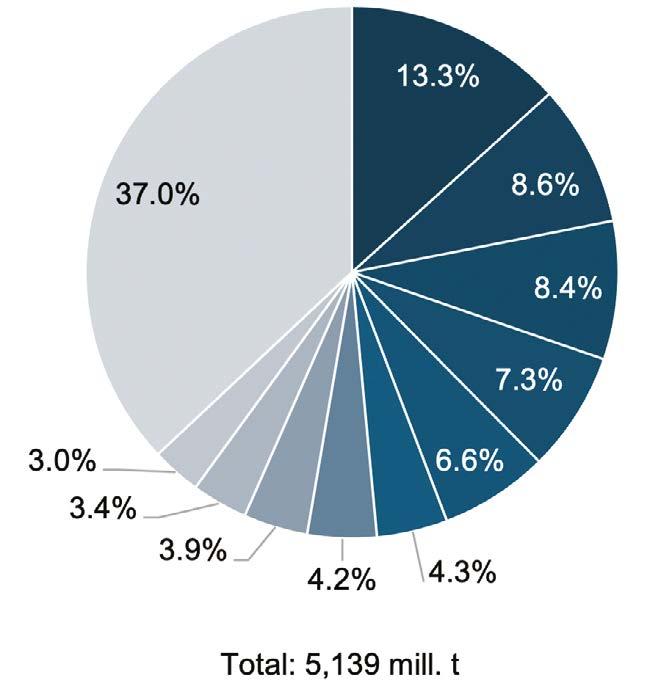
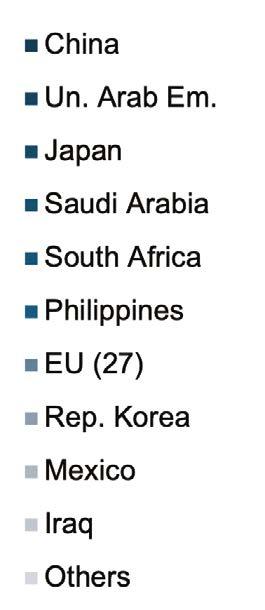
As can be seen from Figure 3, China, Japan and the Republic of Korea accounted for over a quarter of total
▲
exports, with China being the unchallenged leader. It remains to be seen whether this will change in the coming years given the strong increase of China´s production (Windhorst, 2024). Some countries on the Arabian Peninsula have also invested heavily in chicken production; nevertheless, demand has increased faster than production in recent years. Rapidly growing international tourism in Qatar and the United Arab Emirates also played a role in this. As chicken meat is not subject to a religious ban on consumption, it dominated the menus.
Turkey meat - sharp drop in production and trade
▲ Figure 3 – The share of the ten leading countries of destination in Brazil's broiler meat exports (2023) (design: A. S. Kauer based on ABPA data)
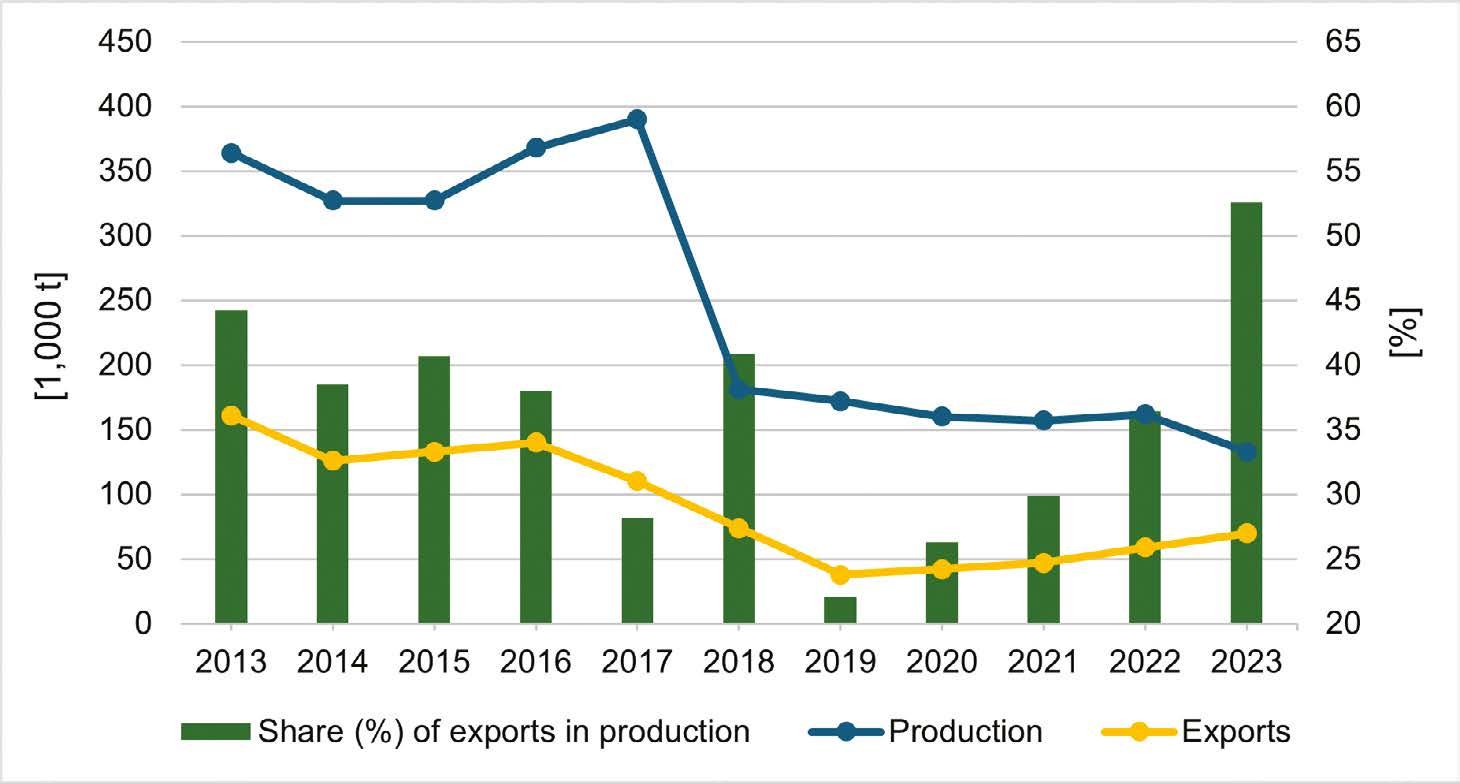
In contrast to the stable development in the production and export of broiler meat, there was a massive slump in turkey meat from 2017 onwards. Figure 4 shows that production increased between 2013 and 2017 and peaked at 390,000 mt. Production volumes then fell dramatically from 2018 onwards, reaching a low of just 133,000 mt in 2023, a drop of 66% since 2017. Turkey meat exports developed in parallel. This reached its highest level in 2016 at 140,000 mt, but then fell to just 38,000 mt by 2019, before recovering to 70,000 mt in the following years. The changes in the share of exports in production are remarkable. Here, the lowest value was reached in 2019 at 22.1%, rising to 52.6% by 2023. This increase is closely linked to the decline in per capita consumption from 0.6 kg to just 0.3 kg between 2020 and 2023. The exceptional dynamics is a consequence of the aforementioned Operation “Carne Fraca”. It had a much stronger impact on production, domestic consumption and exports than broiler meat. Between 2017 and 2019, the export volume fell from 110,000 mt to 38,000
■ Table 3 – The eight leading countries of destination for Brazil´s exports of whole carcasses and cuts (2023) (source: ABPA Relatório Annual 2024)
▲ Figure 2 – Brazil's broiler meat exports, by product (2023) (design: A. S. Kauer based on ABPA data)
■ Table 4 – The five leading countries of destination in Brazil's turkey meat exports (2023); data in mt (source: ABPA Relatório Annual 2024)
*sum does not add because of rounding
mt, or by around two thirds. The leading export regions of Africa and Europe were particularly affected. Exports to the EU (27) decreased from 43,584 mt to just 8,027 mt between 2017 and 2019, with exports to the Netherlands alone, the main buyer country, falling from 31,848 mt to 7,221 mt or by 77.2% and to Germany from 3,228 mt to 248 mt or by 92.3%. Exports to Africa decreased from 36,315 mt to 19,484 mt or by 46.4%. Exports to South Africa fell by 57.0%, to Gabon by 80.0% and to Angola by 45.4%. It took several years for Brazilian turkey meat exporting companies to recover from this scandal, regain confidence and increase exports again.
Here, the shortage of turkey meat as a result of the massive outbreaks of avian influenza in turkey flocks in the USA in the winter half-year 2022/23 played a role. Table 4 shows the five most important countries of destination in 2023.
As domestic demand declined from 2020 onwards, the leading companies increasingly focussed on exports. The most important target regions were America and Africa. They accounted for more than three quarters of total exports in 2023, with just over 15% going to EU member countries. Asia was of minor importance, as the consumption of turkey meat has no tradition there and is predominantly only offered in urban centres that play a role in tourism.
Cuts were mainly exported in 2023. Their share was 82.4%. The most important buyer countries were Mexico, the Netherlands, South Africa and Chile. Processed products accounted for 10.8% of exports. The Netherlands, Germany, Chile and South Africa were the most important destinations. Whole turkeys shared only 6.8% in the overall exports. They were mainly requested from Mexico and Singapore.
High growth rates in egg production and consumption
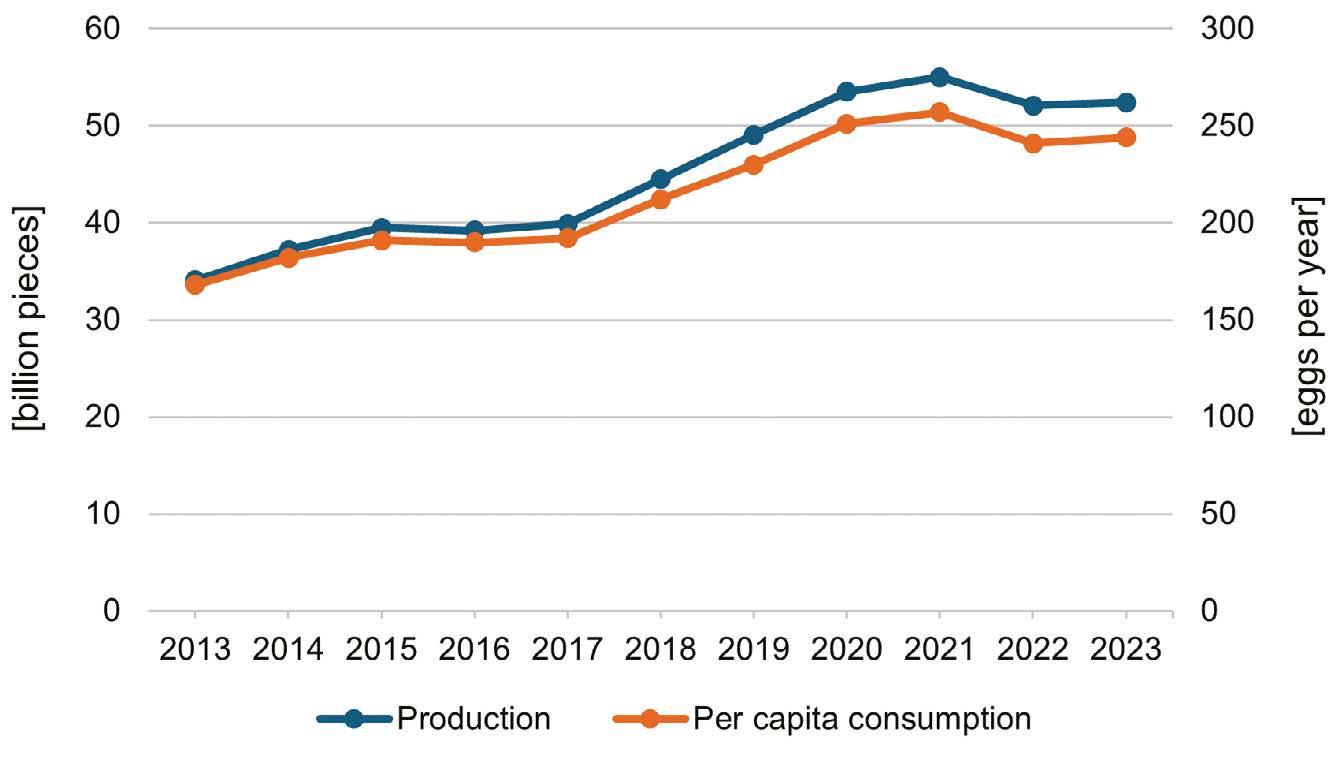
Brazilian egg production increased by 20.9 billion eggs, or 61.2%, between 2013 and 2021, when it peaked at 55 billion
▲ Figure 4 – The development of Brazil's turkey meat production and turkey meat exports between 2013 and 2023 (design: A. S. Kauer based on ABPA data)
eggs. Figure 5 shows that production increased particularly rapidly between 2019 and 2021, but fell again in the following two years, levelling off at around 52 billion eggs. It is obvious that the Covid-19 pandemic played a decisive role in the rapid growth of the per capita consumption from 230 to 257 eggs between 2019 and 2021. The increased preparation of food in households was the decisive steering factor. When the wave of infections subsided and restaurants reopened, per capita consumption fell by 6.8% until 2023. Exports were only of minor importance for Brazilian egg producers. In 2023, over 99% of the eggs produced were consumed domestically. In total, only 25,407 mt were exported, 65% of which as shell eggs and 35% as processed products (egg powder and liquid egg). The main buyers were Japan and Taiwan; processed products were mainly imported by Japan, the USA and Qatar. It is noteworthy that the export volume of hatching eggs, at 25,427 mt, was almost as high as that of eggs for human consumption. Mexico took slightly more than half, followed by Senegal, Paraguay and
▲ Figure 5 – The development of Brazil's egg production and per capita egg consumption between 2013 and 2023 (design: A. S. Kauer based on ABPA data)
South Africa. The trade value of hatching eggs was more than twice as high as that of eggs for consumption. Overall, foreign trade in eggs was comparatively insignificant for the Brazilian egg industry.
Summary and outlook
The previous analysis documented the remarkable dynamics of the Brazilian poultry industry between 2013 and 2023. Very high absolute and relative growth rates were achieved in the production of broiler meat and eggs, at least until 2021. With the end of the Covid-19 pandemic, production declined slightly. While exports of broiler meat reached a new high of over 5 million mt in 2023, exports of eggs were comparatively insignificant. The production and export of turkey meat developed in a completely different way. Following a peak in production in 2017, both production and exports collapsed by 2019. This decline was caused by a meat scandal that
was uncovered in 2017. Numerous countries stopped importing turkey meat and it took several years for exports to increase again. However, production volumes continued to decline, not least due to the falling per capita consumption. While the production and export of broiler meat will continue to develop dynamically in the coming years due to increasing demand on the global market, the perspectives for the turkey industry are less optimistic because of the declining domestic consumption. The dynamics in egg production will be determined by the development in per capita consumption.
Data sources and supplementary literature
ABPA (ed.). Relatório Annual 2020. São Paulo.
ABPA (ed.). Relatório Annual 2024. São Paulo.
Windhorst, H.-W. (2022). Patterns and dynamics of global egg and poultry meat trade. Part 2: Poultry meat trade. Zootecnica International, 44(3), 24–27.
Windhorst, H.-W. (2019). The dynamics of global poultry meat trade between 2006 and 2016 at continent and country level. Zootecnica International, 41(3), 26–31.
Windhorst, H.-W. (2021). The Champions League of the egg producing countries. Zootecnica International, 43(1), 26–29.
Windhorst, H.-W. (2023). Patterns and dynamics of global turkey meat production and trade. Part 2: Turkey meat trade. Zootecnica International, 45(3), 22–26.
Windhorst, H.-W. (2024). Was it the decade of Asia? The dynamics and patterns of global meat and egg production between 2012 and 2022. Zootecnica International, 45(5), 26–31.
HATCHING
EGGS: THE IMPORTANCE OF ASSESSING INTERNAL EGG QUALITY
Hatching egg quality has a significant impact on hatchability and chick quality. By making egg quality control a part of the routine procedures in your hatchery, you will be able to improve your hatch results. Although it is fairly easy to evaluate external egg quality by checking the egg's exterior, it can be more challenging to perform deeper checks on a regular basis. This article describes the most important interior quality factors to help you assess internal egg quality.
➤ Gamie Gundran
Petersime incubation consultant
Why perform a deeper check?
A hatching egg is a protected space for the chicken embryo to develop in. Inside the egg are all the essential nutrients and mechanisms to support an optimal development and growth of the embryo. However, while the egg is formed in the reproductive tract of the hen, various events can occur that cause irregularities in eggs. Some of these irregularities affect
the internal quality of the egg, which is why it is important to perform both external and internal quality controls. An overview of the most important interior quality factors is given below.
1. Egg fertility
A first parameter is whether the egg has been fertilised or not. Hatching eggs can be analysed before incubation on arrival at the hatchery to distinguish fertile eggs from infertile eggs. This requires a specific technique that needs
▲ Figure 1 – A fertile egg with blastoderm on the left; an infertile egg with blastodisc on the right
to be built up by practice. When applied, however, a disadvantage of the technique is the loss of valuable hatching eggs due to the destructive procedure. A fertile egg is characterised by a blastoderm that has a clearly defined ring-shaped appearance (seen as a white symmetrical ring with a clear area in the centre). If for whatever reason the egg is infertile, a blastodisc is visible with a ruffled, irregular shape. A blastodisc is also lighter in colour and smaller in size compared to a blastoderm (Figure 1). It is a well-known fact that the fertility goes down as flock age increases, but a sudden drop in fertility could be an indication of a breeder problem and a reason to perform deeper analysis. Having said that, it is important to ensure a correct handling and storage of hatching eggs, so good-quality embryos can remain in perfect condition. An embryo's cell division begins from the moment the egg is fertilised. After the point of lay, the blastoderm consists of approximately 60,000 cells. Inappropriate handling and storage at the breeder farm, during transportation or at the hatchery will dramatically reduce the chances of producing a healthy day-old chick from that same egg.
2. Yolk quality
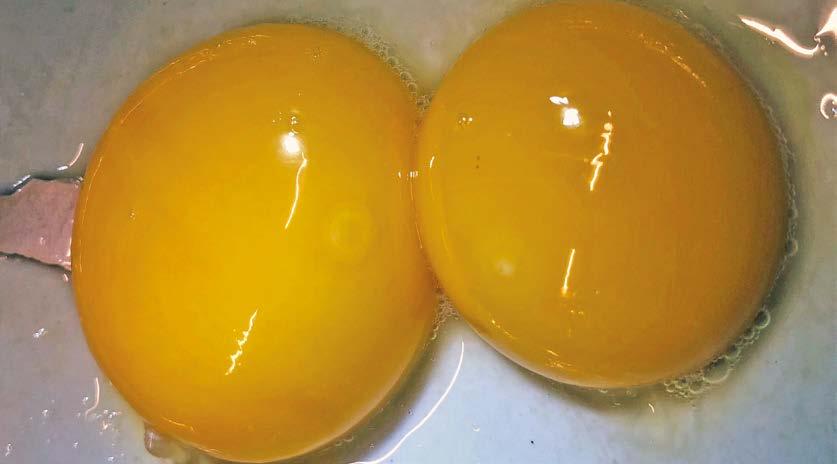
The yolk is an essential part of the hatching egg and constitutes an important food source for the developing embryo. The yolk's condition can be investigated by performing a fresh egg breakout analysis. The yolk must be clear and not mottled (Figure 2). Mottled yolk is an indicator of stress at the breeder farm. Bad yolk increases the risk of early embryonic mortality during incubation.
3. Albumen quality
The albumen (egg white) provides essential proteins for the developing embryo. It also protects the embryo from any bacteria that could get into the egg. The most common test for albumen quality — conducted during a fresh egg breakout analysis — was invented by Raymond Haugh. After weighing, an egg is broken onto a flat surface. A micrometer caliper is used to determine the height of the albumen surrounding the yolk. The height, correlated with
▲ Figure 2 – An example of mottled yolk with cloud-like spots underneath the vitelline membrane
the weight, determines the Haugh Unit. The higher the number, the better the albumen quality of the egg (Table 1).
■ Table 1 – Albumen quality of the egg
Calculated Haugh Unit Egg quality
90 and above Excellent 80-89
Very good 70-79 Fair
69 and below Poor
The Haugh Unit can be calculated by using the formula below:
HU = 100 * Log10(H – 1.7W0.37 + 7.6)
HU: Haugh Unit
H: observed height of albumen (in millimetres)
W: egg weight (in grams)
4. Vitelline membrane strength
The vitelline membrane encloses the yolk and keeps it separate from the albumen. Keeping this protective membrane intact throughout embryo development in the egg is crucial to its survival. This membrane should not be wrinkled - characterised by small scratches on the membrane surrounding the yolk. If the vitelline membrane is damaged or broken, the yolk can mix with the albumen, ultimately leading to embryonic mortality (Figure 3).
5. Pathogen-free eggs
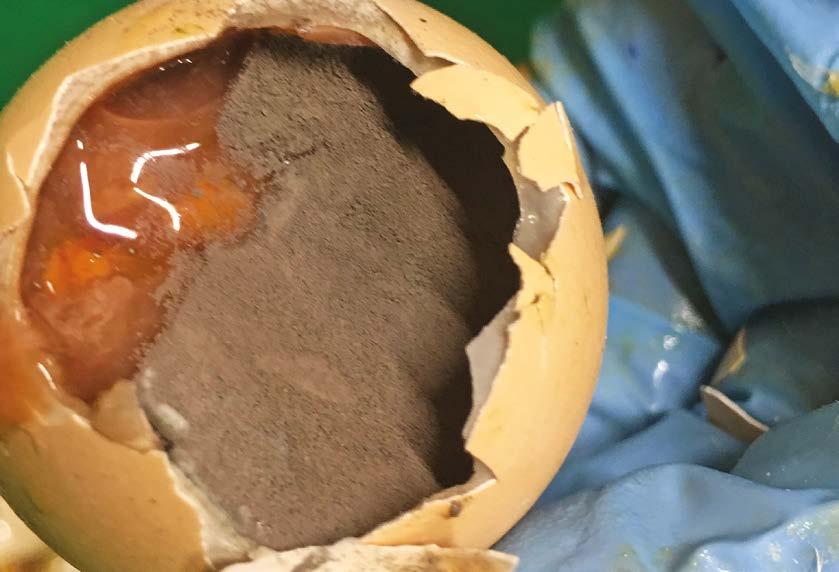
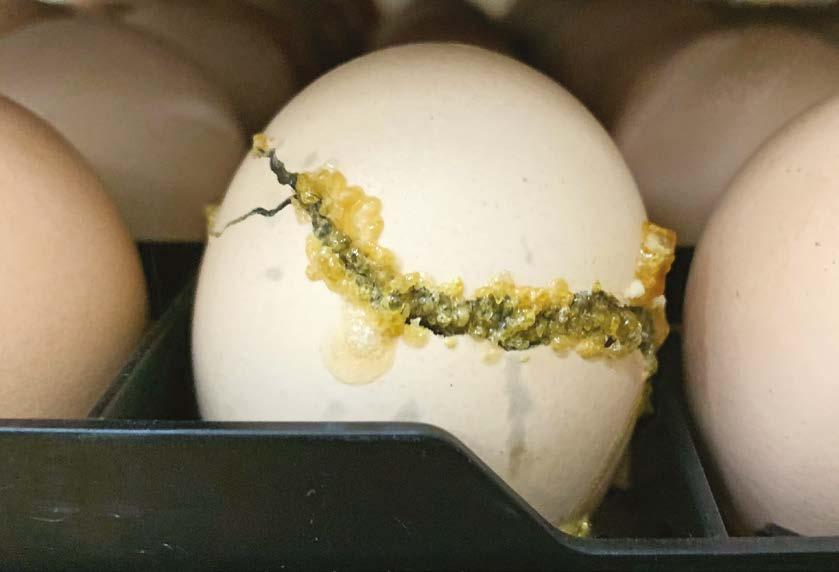
There are some important groups of pathogens that can be problematic: bacteria, Escherichia coli (E. coli), Salmonella, Pseudomonas (Figure 4) and Aspergillus (Figure 5). They hinder the development of the embryo and can even destroy
It is important to ensure a correct handling and storage of hatching eggs, so goodquality embryos can remain in perfect condition
the egg during incubation. That is why it is extremely important that hatching eggs are free from pathogens. Although it is impossible to check an egg for pathogens when it is fresh (unless a laboratory analysis is undertaken), their presence will be clearly revealed after hatch. The contamination level can vary between 0–0.5% for young to middle-aged flocks (25-35 weeks) and between 1–2% for flocks older than 36 weeks (depending on the breeder farm management). By conducting a post-hatch breakout analysis, the level of contamination can be determined. A sudden increase in contamination characterised by exploders ('bangers') can indicate egg management issues either at the farm or at the hatchery. The hatchery breakout data sheet containing the accurate number of contaminated eggs is to be shared with the farm team and hatchery team to take appropriate action. Flocks with contamination records higher than 0.5% should get special attention with regard to egg handling and sanitation procedures.
In conclusion
It is necessary to evaluate internal egg quality on a routine basis. Ensuring that there are procedures in place to evaluate the internal quality of incoming hatching eggs will greatly assist in safeguarding the hatchery from quality issues.
If you want to know more about hatching egg quality, breakout analyses or other best practices for your hatchery, contact training@petersime.com.
▲ Figure 4 – An egg contaminated with Pseudomonas
▲ Figure 5 – An egg contaminated with Aspergillus
▲ Figure 3 – An egg with a damaged vitelline membrane
TECHNICAL COLUMN
FEMALE PERSISTENCY POST-PEAK
Managing fertility and production
INTRODUCTION
Managing breeding stock fertility and egg production is critical to achieving good breeder production and welfare. However, maintaining persistent egg output and hatchability remains challenging, especially between 40 and 60 weeks of age. This article highlights the main reasons why breeding stock flocks may exhibit egg production and hatchability post-peak persistence and aims to provide advice on how to overcome them.
During production, a well-performing flock has:
• A predictable and uniform onset of egg production in response to light stimulation.
• Pin-bone spacing of around 2–2.5 fingers (3.8–4.2 cm, 1.5–1.7 in) for more than 85–90% of the females prior to first light stimulation.
• A steady, regular increase in daily egg production from 5% .
• A peak hen-housed egg production level of greater than 90%.
• Cumulative hatchability greater than 87% to 64 weeks of age.
• Good feather cover for age.
• Positive net energy balance for males and females considering body weight and egg production level.
All traits above play critical roles in achieving hen-housed chick numbers close to the current performance objectives. In most cases, when targeted cumulative chick production is not achieved, poor egg production persistency and fertility are the main drivers. Monitoring the following key management points must be part of a daily management routine. It can make the difference between a top and bottom quartile result. Each area is discussed in more detail in the next section.
▲
KEY MANAGEMENT POINTS
1. Rearing conditions.
2. Environment — temperature, ventilation, and lighting.
3. Sexual synchronization and mating ratio.
4. Body-weight and egg-weight control.
5. Feed management — nutrient intake and feeding management.
6. Production house conditions.
Rearing conditions
The rearing period forms the foundation for the future performance of the flock. Without detailed management of all aspects of the rearing period, from brooding to mating-up, and particularly the uniformity (skeletal, body weight, and sexual) of a flock, future egg production performance can be compromised. A poorly-reared flock is less predictable, with a quicker decline in persistency post-peak and, therefore, a lower hatching egg and chick output than a well-reared flock.
A good performing flock in rear should have the following:
• A weight-gain profile closely following the breed bodyweight standards throughout rear and that achieves female and male target body weight at 20 weeks.
• Appropriate fleshing and body conformation for age.
• Good sustained female and male uniformity throughout rear, with a coefficient of variation (CV) of <8% or uniformity >79% at the end of rear.
The relationship between effective temperature (the temperature the bird perceives) and its effect on bird performance is often overlooked. Many managers feed the same feed amount for age throughout the year, regardless of the effective temperature that the birds are experiencing. During winter or cooler months, feed may need to be increased or held at a higher, more static level as production progresses through the colder period. Adjustments in the digestible lysine content proportionate to an energy increase are crucial to keep up with higher feed volumes to overcome low temperatures without resulting in excessive body-weight gain.
During hot seasons, birds may reduce feed intake in response to the hot weather. Providing cooler water can be helpful. Reformulate the diet to balance the feed intake so that nutrient intake fulfills the birds' requirements, such as:
• Providing a good physical feed form (less fines).
• Using feed ingredients with higher digestibility.
• Increasing the proportion of the feed energy that comes from fat.
Temperature effect on energy requirements
In addition, feed intake must be altered as the operating temperature differs from 23 °C (73 °F). Energy intakes should be adjusted pro rata as follows:
• Increased by 6 kcal of energy (1.2 kcal/1 °C, 2.14 g/0.075 oz extra feed based on a 2,800 kcal ME/kg diet) per bird per day if temperature is decreased by 5 °C (9 °F) from 23–18 °C (73–64 °F).
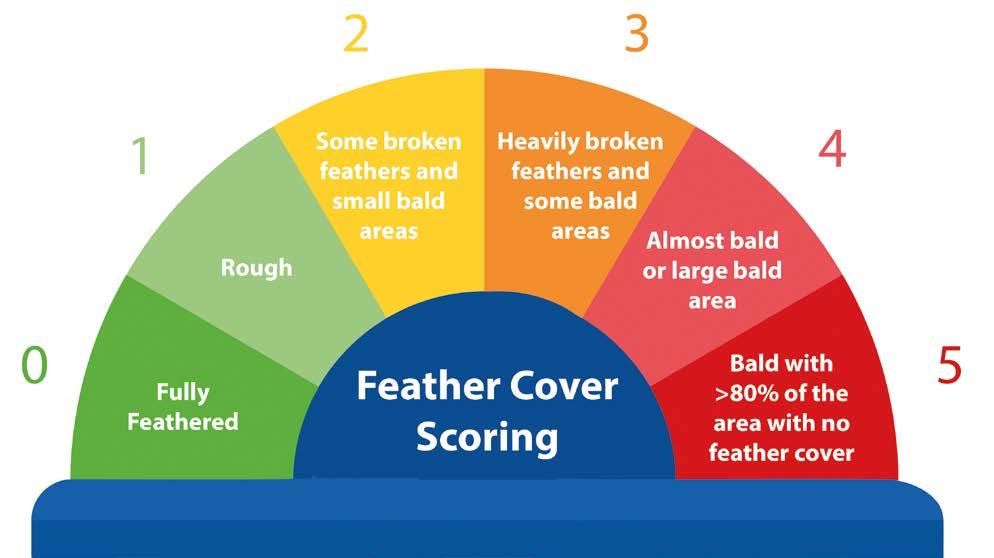
• Reduced by 7 kcal (1.4 kcal/1°C, 2.5 g/0.88 oz less feed based on a 2,800 kcal ME/kg diet) per bird per day if temperature is increased from 23–28 °C (73–82 °F). However, the influence of temperatures above 23 °C (73 °F) on feed allocation is not as straightforward as the effect of cold. The birds' need to dissipate heat prevents them from adjusting feed intake despite the increased daily energy requirement. Parameters such as egg production levels, egg weight, egg mass, body weight, and feather coverage must be considered before any feed allocation changes are made. When feather cover is poor at lower temperatures, an additional increase in feed allocation (above levels mentioned earlier) is essential to maintain production traits. For example, in addition to the increase in the maintenance requirements under cold weather, there is another slight increase in feed between a well-feathered (score 0) and a poor-feathered (score 5) bird (Figure 1).
Lighting
Breeding stock males and females are photorefractory when they hatch (juvenile photorefractoriness). Juvenile
A poorly-reared flock is less predictable, with a quicker decline in persistency postpeak and, therefore, a lower hatching egg and chick output than a well-reared flock
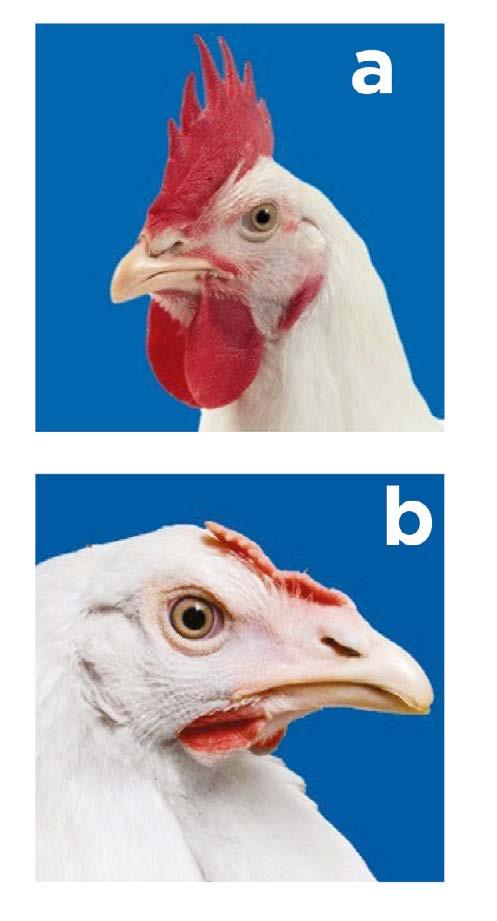
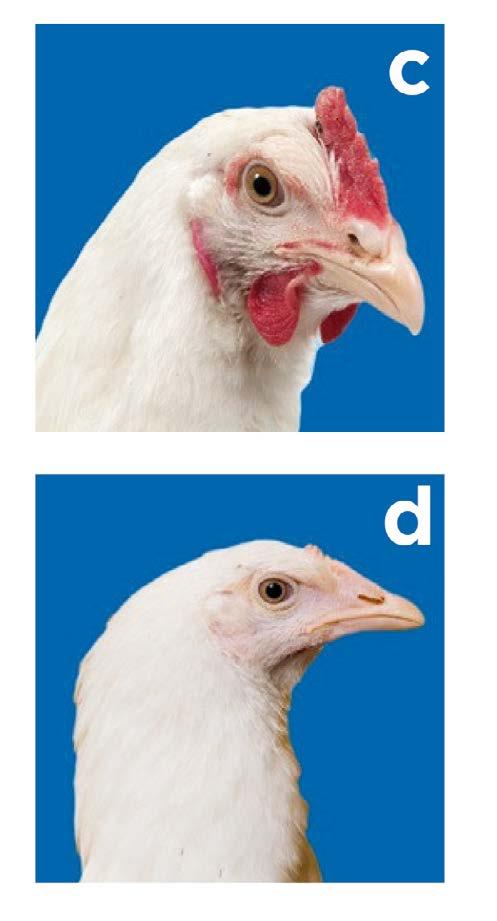
▲ Figure 2 – An example showing: (a) a mature young male with a well-developed, red comb and wattles; (b) an immature male with an underdeveloped, pale comb and wattles; (c) a young female with a well-developed, red comb and wattles; and (d) an immature female with an underdeveloped comb and wattles
photorefractoriness must be dissipated for sexual development to occur. To dissipate photorefractoriness, birds must experience at least 18 weeks of short day lengths (8 hours) during rear. Birds can then be given and respond to increased day length (light stimulation), thus initiating production. If prolonged exposure to
long daylengths in rear (>11 hours), birds will not dissipate their juvenile photorefractoriness, causing a delayed onset of production.
It is recommended that a daylength of 13–14 hours of light be provided during production. Providing more than 14 hours of light during production generally leads to that flock exhibiting poorer persistency because the onset of adult photorefractoriness advances, and production declines more rapidly.
When open-sided production houses are used, the daylength should preferably be kept to 13–14 hours, using blackout curtains at the beginning and end of each day. Trials and field examples have shown an improvement in egg production by adding 2 hours post-50 weeks, which can have the effect of late light stimulation in environmentally controlled housing where the photoperiod does not exceed 14 hours. If a positive response in total egg production is seen after providing the additional 2 hours of light, a small temporary feed increase of 2–3 grams (commensurate with the level of increased production seen) may further support the response.
Ventilation
■ Table 1 – A guide to typical mating ratios
AGE OF FLOCK
22–24 weeks
(154–168 days) 9.50–10.00
24–30 weeks
(168–210 days) 8.50–9.50
30–35 weeks
(210–245 days)
35–40 weeks
(245–280 days)
40–50 weeks
(280–350 days)
50 weeks–depletion
8.00–8.50
7.50–8.00
7.00–7.50
(350 days–depletion) 6.50–7.00
Ventilation is a key part of the management system and should be monitored as closely as possible for the whole life of the flock. It is essential to highlight the importance of ventilation and its link with production persistency. Ventilation must be accurately matched to bird biomass, feather cover, and external environmental conditions. Incorrect ventilation can increase floor eggs and ocular discharge and reduce egg production, daily livability, and fertility.
Sexual synchronization and mating ratio
Males that are reared more mature than females (not sexually synchronized) or excessive mating ratios can cause damage in females early in the production cycle and reduce production and fertility persistency later on. A female feather cover can be a good indicator for this damage. Normal mating behavior is affected when a female does not have the protection of a layer of feathers. A poorly-feathered female becomes less receptive to male mating activity; therefore, fertility reduction is observed as the flock ages. The process of mating impacts feather loss; however, it is important to monitor and understand the normal pattern of feather loss and respond appropriately if it becomes excessive. Ensure males and females are synchronized in sexual maturity before mating up (Figure 2). If the facility has separate male pens, and variation exists in sexual maturity within the male population, the more mature males should be mixed with the females first, as the less mature males can easily access female feeders during feeding time.
In many cases where flocks exhibit lower fertility levels through peak and particularly post-peak, mating ratios are above those recommended (Table 1).
Initial mating ratios (22–35 weeks) are often higher than recommended due to the incorrect belief that this improves early and peak hatch. Avoid having high male numbers, as this leads to over-mating, feather damage, non-receptive females (due to poor feather cover and overly-eager male mating behavior), and poorer persistency of fertility post-peak.
Body weight
Body-weight control is critical in day-to-day management practices, but in many cases, feed allocation follows a set company profile from one flock to the next. Adjusting feed levels according to set company guidelines to stay within budgetary constraints may not allow for what a flock requires when it is over or under standard weight.
Body weight, persistency, and feed levels must be managed quantitatively:
• Reducing feed too aggressively or without allowing or compensating for an overweight flock can cause a drop in production persistency, altering the balance of body- weight gain, egg production, and maintenance.
• Increasing feed too quickly to bring a flock back to target when it is underweight generally pushes birds overweight and reduces egg production.
• When making any adjustments in feed level, it is essential to consider the impact that this has on total nutrient intake, rather than just grams of feed per bird per day.
Figure 3 shows a high-peaking flock with a peak feed amount of 172 g per bird (37.9 lb/100 birds):
(i) The flock remains on this feed level until 33 weeks, and feed withdrawal is 5.2% from peak to 59 weeks.
(ii) Persistency is good even though body weight is higher than standard.
The increased feed level and appropriate feed withdrawal allowed this flock to maintain body weight without compromising production.
For example, if a flock is overweight, the weight difference from the standard must be maintained if persistent production levels are also to be maintained. Giving more feed over the life of the flock but ensuring correct total nutrient intake maintains egg production as a reward.
Following the Aviagen recommended production diets is important to balance the changing and opposed nutritional requirements of reducing crude protein (especially digestible lysine) to control fleshing while maintaining sufficient energy to sustain egg production persistency. It is significantly more favorable to move to the next breeder diet phase to control the nutritional needs of the flock as it ages, compared with aggressive feed withdrawals to control the fleshing status of the birds.
Egg weight
Along with body weight, monitor egg weight closely during the post-peak production period. Monitoring egg weights daily allows trends against the standard to be plotted so that feed amounts can be adjusted appropriately. A change in the increasing egg weight trend is often seen before a reduction in egg production and can be the first indication of a potential problem. Egg weights should be recorded daily starting from 10% hen-day production. The sample from the second
collection of 120–150 hatching eggs (to avoid using eggs laid the previous day) should be bulk-weighed each day. All small, double-yolk, cracked, and abnormal eggs should be removed before weighing.
A flock performing below standard for post-peak egg production and being overfed can show consistently (over at least 4 days) higher-than-expected increases in daily egg weights away from the standard. Over-feeding a poor-performing flock has a negative impact, not only on production but also on overall hatchability due to poorer eggshell quality in larger eggs. In this case, further feed removal may be required.
If the feed is withdrawn too quickly or at too high a level for the egg output of the flock, a reduction in egg weight can precede a production drop. If a consistent drop in egg weight (over at least 4 days) occurs, feed should be carefully given back to the flock, and the results should be closely monitored over the following 4–6 days.
Housing conditions
Breeding flocks may be challenged to varying degrees daily. Identifying the ongoing, lesser challenges that may only be observed as a gradual change in flock persistency or reported fertility, particularly during the later stages of production, is challenging. Housing conditions (see Table 2) should be monitored regularly, and adjustments should be made where possible.
Figure 3 – Relationships between body-weight control, feed amount, and production
▲
SUMMARY
Breeding flocks have been changed rapidly over the years. With primary breeding companies simultaneously selecting for improved broiler traits and reproductive performance, providing detailed management practices for the day-to-day operation of facilities and breeding flocks has become even more essential.
Measuring and monitoring changes in environmental temperature, lighting, ventilation, body condition, bodyweight and egg-weight profiles compared to standards, housing conditions, and external challenges are necessary to react efficiently and effectively to how the flock performs. Adjusting feed levels correctly, reacting to incorrect mating ratios, and minimizing challenges within the flock allow post-peak persistency in egg production and fertility to be improved and maintained.
Reduced egg production, increased water consumption.
Improve water availability and quality.
Adjust to ensure a 75–85° drinking angle for adult birds using nipples.
Adjust to correct drinker and feeder height using a winchable system.
Ensure adequate/correct ventilation to keep litter dry and friable.
Keep vermin away and closely monitor health status.
PRACTICAL GUIDE FOR EVALUATING DAY-OLD CHICK QUALITY: KEY STANDARDS
AND HEALTH MONITORING
Evaluating the quality of day-old chicks (DOC) is crucial for successful poultry production. This practical guide outlines the key physical indicators, health factors, and laboratory testing protocols necessary for hatchery managers, veterinarians, and poultry professionals to ensure optimal chick performance. It incorporates recognized standards for Ross 308 and Cobb 500 commercial breeds, and highlights the importance of diagnostic methods such as PCR, ELISA, and microbiological testing. Together, these measures serve as a comprehensive framework for improving flock uniformity, reducing mortality, and preventing disease outbreaks.
➤ Nader Rangsaz
Poultry Veterinarian (DVM), Faculty of Veterinary Medicine, Islamic Azad University, Shahrekord, Iran, member of the Young Researchers Club n.rangsaz@gmail.com
Introduction
The foundation of profitable poultry farming lies in the quality of day-old chicks. Both physical characteristics and health status determine early growth, feed efficiency, and survival. This guide presents practical methods to evaluate chick quality, integrate health monitoring, and apply laboratory diagnostics, helping poultry professionals maintain high standards throughout production.
Importance of day-old chicks physical inspection
Visual and physical inspection of day-old chicks in hatcheries is a critical step to ensure chick quality and flock performance. This process involves assessing external features such as chick appearance, feathering, navel closure, leg condition, and overall vitality. Healthy chicks should be alert, active, free from deformities, and have clean, dry plumage with a well-healed navel. Identifying and removing weak, dehydrated, or abnormal chicks at this stage reduces early mortality and promotes uniform growth in the flock. Such inspections are essential for maintaining hatchery standards and improving production outcomes.
Feather quality Dry, fluffy Dry, fluffy No wet patches
Eye condition Bright, clear Bright, clear No discharge
Beak & legs Normal, clean Normal, clean No deformities
Activity test Stands ≤3 seconds
Stands ≤3 seconds Strong reflex
Navel condition Closed, dry, clean Closed, dry, clean No swelling/discharge
Maintaining a disease-free status is essential for chick vitality and growth. Viral and bacterial diseases commonly affect day-old chicks and must be monitored.
The role of laboratory testing in quality control of day-old chicks
Laboratory testing plays a vital role in hatchery quality control, ensuring the health and uniformity of day-old chicks. Among the most important diagnostic tools, the enzymelinked immunosorbent assay (ELISA) is widely used to evaluate maternal antibody transfer and immune status against critical pathogens such as Newcastle disease virus (NDV), infectious bursal disease virus (IBDV), avian influenza virus (AIV), Mycoplasma gallisepticum (MG), Mycoplasma synoviae (MS), and Salmonella spp. Accurate ELISA results provide insights into breeder vaccination effectiveness and biosecurity performance. Additionally, detecting positive ELISA results or PCR confirmation for Mycoplasma and Salmonella in day-old chicks indicates vertical transmission, signaling serious management failures that can lead to early chick mortality and economic losses. Therefore,
▲ Figure 1 – Visual and physical inspection of dayold chicks at the hatchery
integrating serological, molecular, and microbiological testing into hatchery and breeder flock protocols is essential to maintain high-quality chicks, reduce disease risk, and optimize flock performance.
Additional quality factors
• Yolk sac absorption: residual yolk should be less than 10% of body weight for optimal immunity and energy.
■ Table 2 – Health assessment and common diseases
Disease
Omphalitis
Salmonellosis
Newcastle disease
Infectious bursal disease
Mycoplasmosis
Infectious bronchitis
Runting-stunting syndrome
Test type
Purpose
Causative agent
E. coli, Staphylococcus
Salmonella spp.
Newcastle disease virus
Birnavirus
Mycoplasma spp. (MG/MS)
Coronavirus
Astrovirus
Target pathogens
Microbiology Identification of bacterial infections E. coli, Salmonella
PCR Detection of viral/ bacterial DNA and RNA
ELISA Detect antibodies and immunity status
Histopathology Examination of tissue pathology for infections
Mycoplasma, viral, and bacterial diseases
Mycoplasma, viral, and bacterial diseases
Mycoplasma, viral infections diseases
Impact
Navel infections, increased mortality
Septicemia, diarrhea, poor growth
Respiratory symptoms, mortality
Immunosuppression
Respiratory disease, growth delay
Respiratory disease
White chick disease, growth retardation
– Laboratory testing protocols
• Internal organ health: liver, heart, and intestines should be well-developed and free of lesions.
• Environmental management: proper incubation temperature, humidity, egg storage, and early feeding improve chick quality.
Aviagen. (2022). Ross broiler management handbook. Huntsville, AL: Aviagen Group.
BioChek. (2021). Practical guide to serology in poultry. Reeuwijk, The Netherlands: BioChek UK Ltd. Cobb-Vantress. (2022). Cobb 500 broiler management guide Siloam Springs, AR: Cobb-Vantress, Inc. Decuypere, E., & Bruggeman, V. (2007). The endocrine interface of environmental and egg factors affecting chick quality. Poultry Science, 86(5), 1037–1042. https://doi. org/10.1093/ps/86.5.1037
EFSA Panel on Biological Hazards (BIOHAZ). (2021). Salmonella control in poultry flocks. EFSA Journal, 19(4), e06573. https://doi. org/10.2903/j.efsa.2021.6573
Fasenko, G. M. (2007). Egg storage and the embryo. Poultry Science, 86(5), 1020–1024. https://doi.org/10.1093/ ps/86.5.1020
Glisson, J. R., Hofacre, C. L., & McDougald, L. R. (2013). Mycoplasma gallisepticum and Mycoplasma synoviae infections. In Y. M. Saif, H. J. Barnes, J. R. Glisson, A. M. Fadly, L. R. McDougald, & D. E. Swayne (Eds.), Diseases of poultry (13th ed., pp. 877–893). Wiley-Blackwell. IDEXX Laboratories. (2021). ELISA testing guide for poultry health. Westbrook, ME: IDEXX Laboratories.
North, M. O., & Bell, D. D. (1990). Commercial chicken production manual (4th ed.). New York: Van Nostrand Reinhold.
Swayne, D. E. (Ed.). (2013). Avian influenza (2nd ed.). Wiley-Blackwell.
Swayne, D. E. (Ed.). (2020). Diseases of poultry (14th ed.). Wiley-Blackwell.
Tona, K., Onagbesan, O., Bruggeman, V., & Decuypere, E. (2004). Effects of age of broiler breeders and egg storage on egg quality, hatchability, chick quality, chick weight, and posthatch growth to forty-two days. Poultry Science, 83(5), 736–743. https://doi.org/10.1093/ps/83.5.736
Hatcheries
Breeders
◗ Upcoming Events
Email: asculthorpe@ippexpo.org
Kris Early, Media/Press/Sponsorship Coordinator
Tel.: +1 770 493 9401
Email: kearly@uspoultry.org
NOVEMBER, 25 to 27
VIV MEA
International Trade Show From Feed to Food for the Middle East and Africa
ADNEC, Abu Dhabi
Abu Dhabi, UAE
For information contact: VNU Exhibitions Europe
Tel.: +31 (0) 30 295 2999
Email: viv.mea@vnuexhibitions.com
Web: www.vivmea.nl
NOVEMBER, 26 to 28
Poultry India
Hitex Exhibition Complex, Hyderabad, Telangana, India
For information contact: Email: info@poultryindia.co.in office3@poultryindia.co.in Web: www.poultryindia.co.in
2026
JANUARY, 25 to 26
IPC Annual Meeting 2026
International Poultry Council
Georgia World Congress Center
Andrew Young International Atlanta, Georgia USA
Tel.: +353 874735976
Email: caroline@ internationalpoultrycouncil.org
Web: www.internationalpoultrycouncil. org
JANUARY, 27 to 29
IPPE
International Production & Processing Expo
Georgia World Congress Center
Atlanta, Georgia USA
For information contact: Anne Sculthorpe, CEM, Senior Exhibit Manager
Email: info@ippexpo.org
Web: www.ippexpo.org
FEBRUARY, 9 to 11
37th Annual Australian Poultry Science Symposium
University of Sydney Business School
– Belinda Hutchinson Building (H70)
Sidney, Australia
Web: www.apss.sydney.edu.au
MARCH, 10 to 12
18th Turkey Science and Production Conference
Carden Park Hotel and Golf Resort Chesire, United Kingdom
Web: www.tspc-turkeys.com
MARCH, 10 to 12
Victam Asia 2026
BITEC Exhibition Center
Bangkok, Thailand
Email: expo@victam.com Web: www.victamasia.com
MARCH, 16 to 18
WPDC
Western Poultry Disease Conference Hyatt Regency Mission Bay Spa and Marina San Diego, CA, USA Web: www.wpdcfoundation.org
APRIL, 14 to 16
PEAK 2026
Minneapolis Convention Center
Minneapolis, MN, USA
Tel.: +1 763 284 6763
Email: info@midwestpoultry.com
Web: www.midwestpoultry.com
APRIL, 22 to 24
9th International Conference on Poultry Intestinal Health Haliç Congress Center
Istanbul, Turkey
Tel.: +1 763 284 6763
Email: info@icpih.com
Web: www.icpih.com
JUNE, 2 to 4 VIV EUROPE
Jaarbeurs Exhibition Centre Jaarbeursplein 6 NL-3503 RM Utrecht
Vencomatic Group B.V. info@vencomaticgroup.com www.vencomaticgroup.com
Victoria victoria@victoria-srl.com www.incubatricivictoria.com
VIV Europe viv.europe@vnuexhibitions.com www.viveurope.nl
VIV worldwide www.www.viv.net
Publisher Administration and Editorial Office Zootecnica di Marianna Caterino Via del Forestello n. 8 50063 Figline Incisa Valdarno (FI) Italy VAT number IT 07439250486
Subscription Each copy 10,00 € (1 year / 11 issues): Print Subscription € 99,00 Digital Subscription € 49,00
Print + Digital € 109,00
To subscribe online by credit card, visit: zootecnicainternational.com/ subscription
If you prefer choosing other methods of payment please send an e-mail to: subscription@zootecnica.it
Stay connected with us and follow us on social media: