
PORTFOLIO

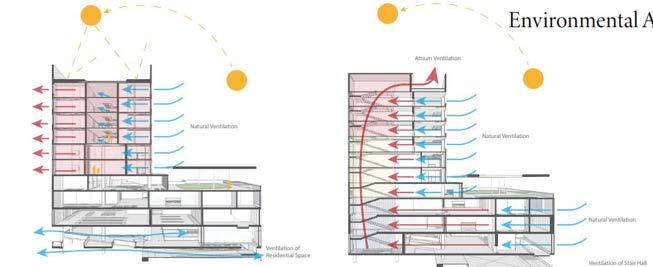
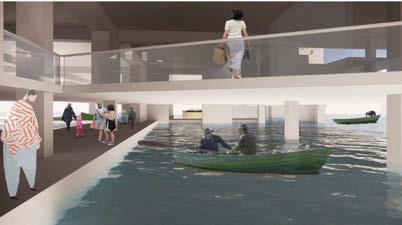
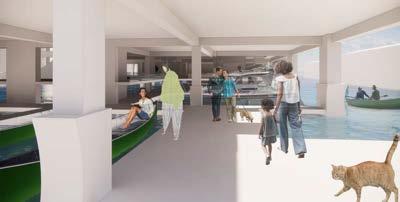
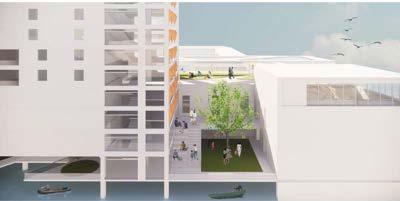
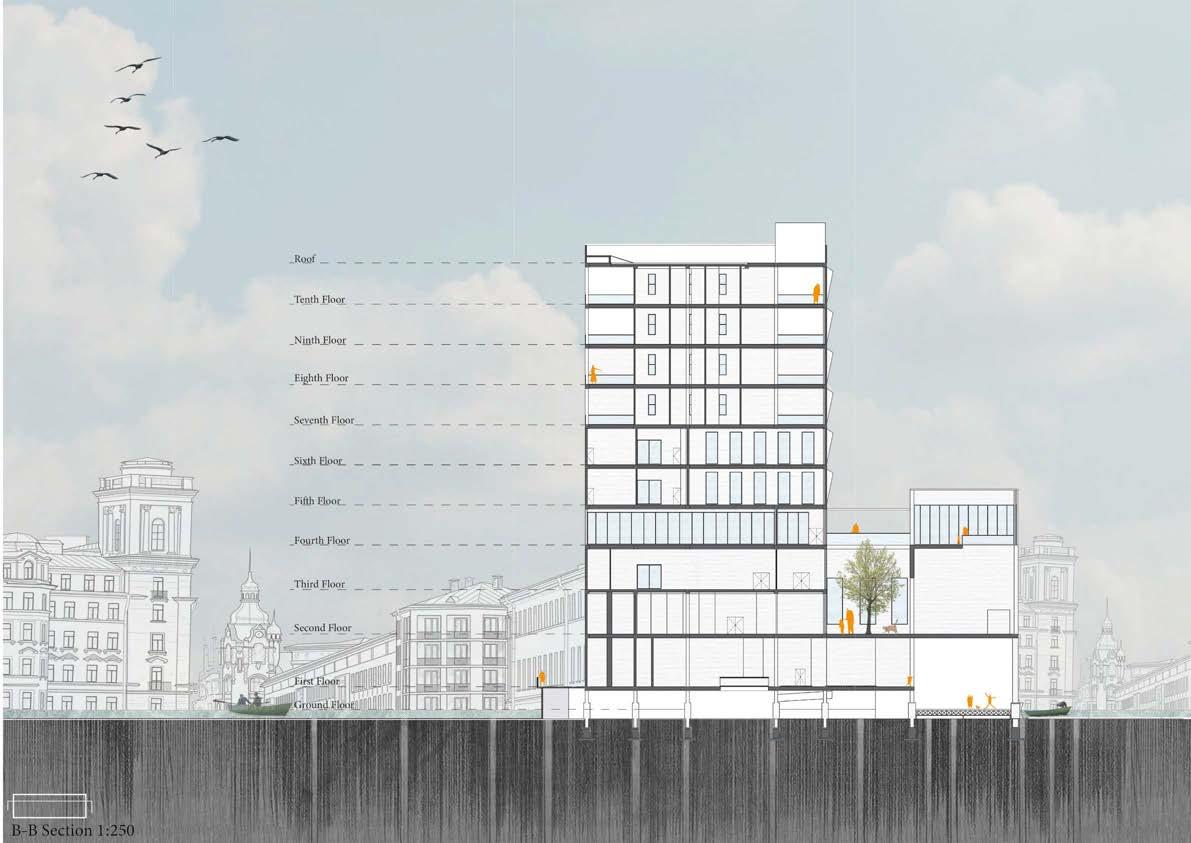
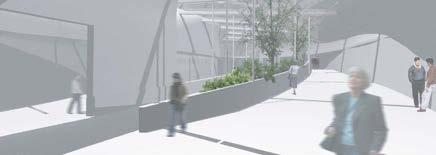
The people of Hull are expected to be living with water within the next 20 years, and as lands begin to submerge, the people need to start developing the vertical space to satisfy the demand for living space. Living with water is a lifestyle that people in Mae Nam Delta, Thailand have lived with for decades, making the city the perfect inspiration for my project. When walls of a standard post and beam buildings of Hull are removed, the resemblance with the vernacular stilt houses of Mae Nam is uncanny.
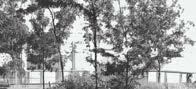





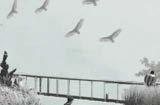

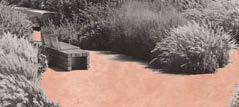

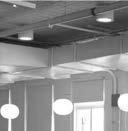

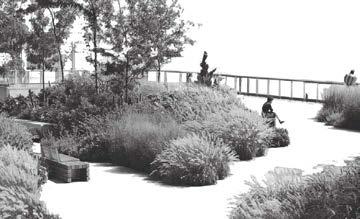





















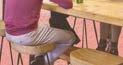


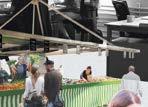
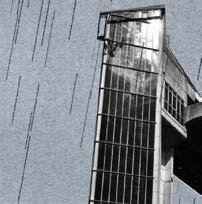

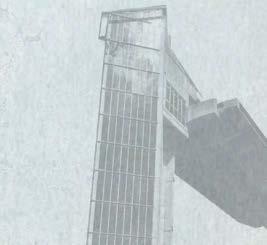









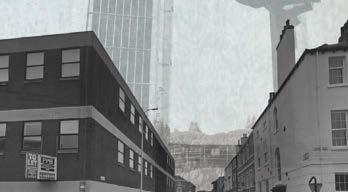










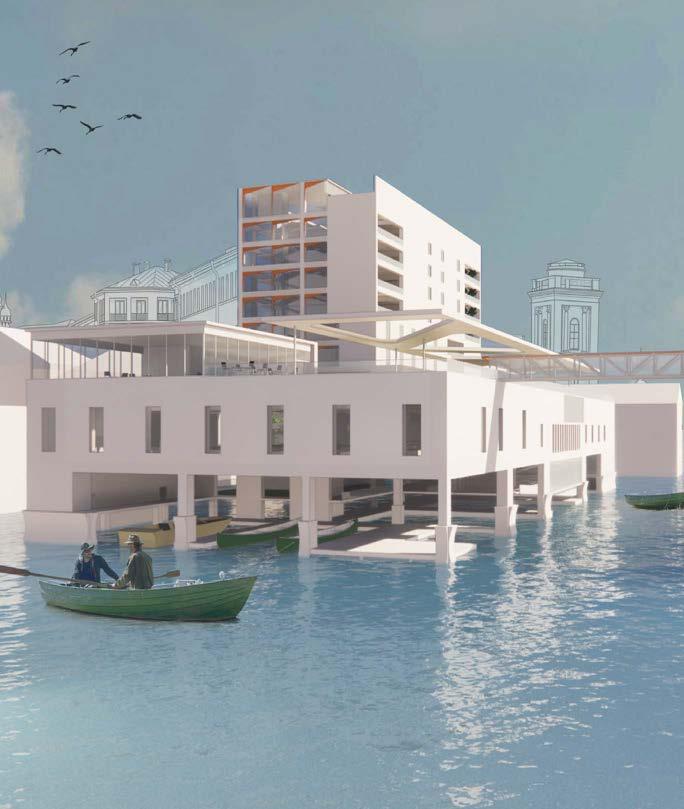
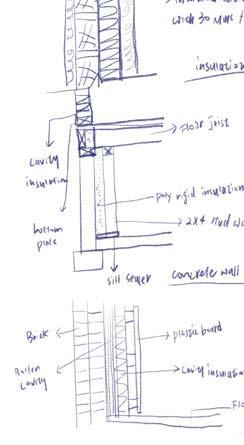
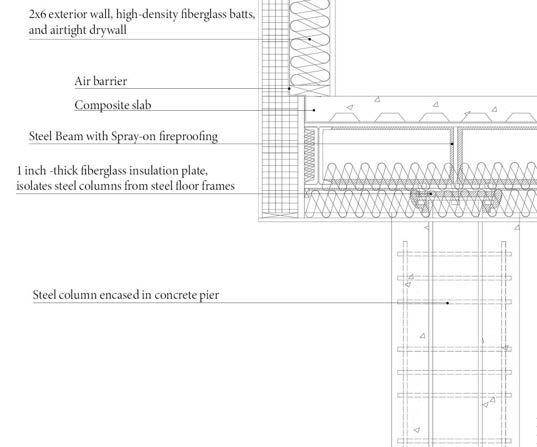
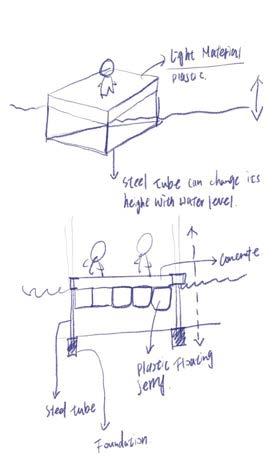
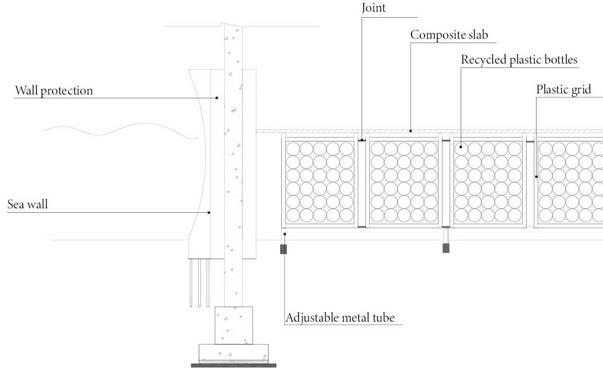
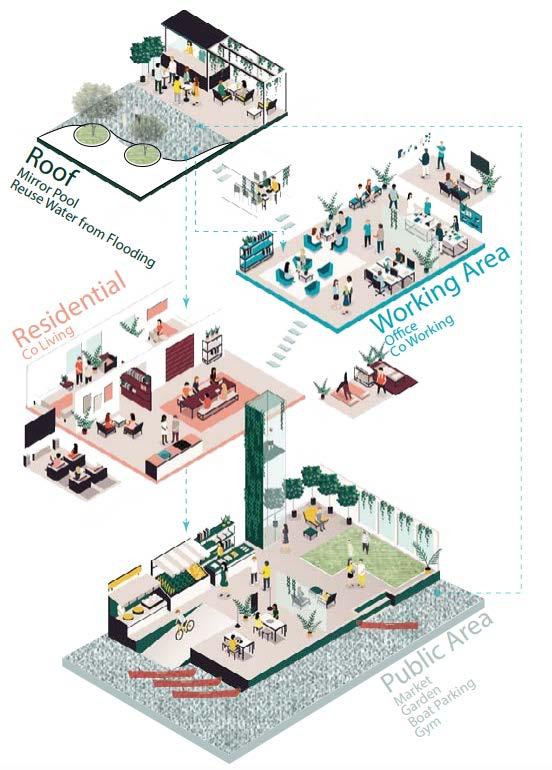
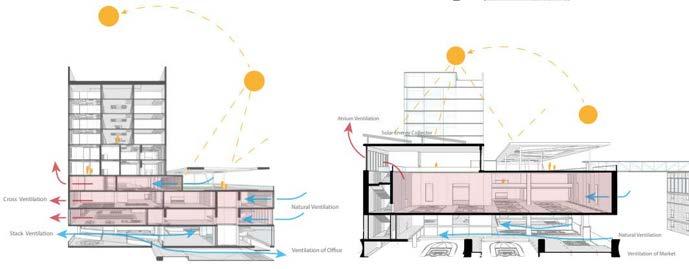
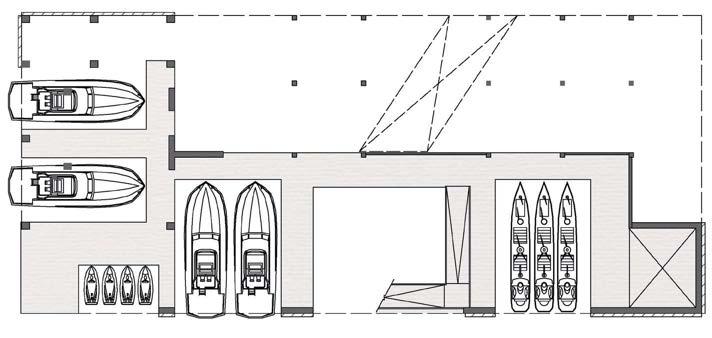
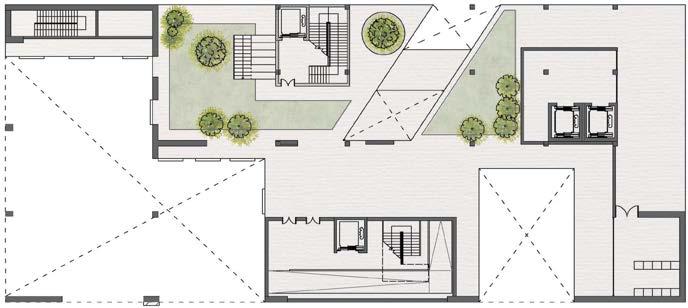
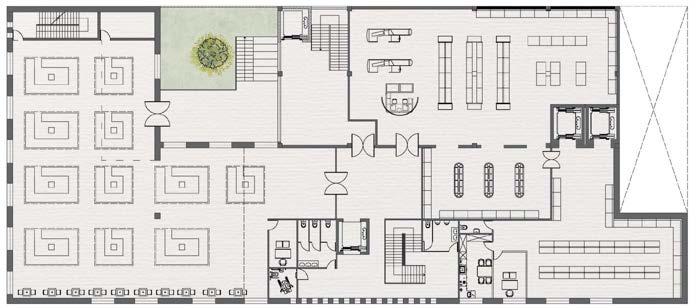
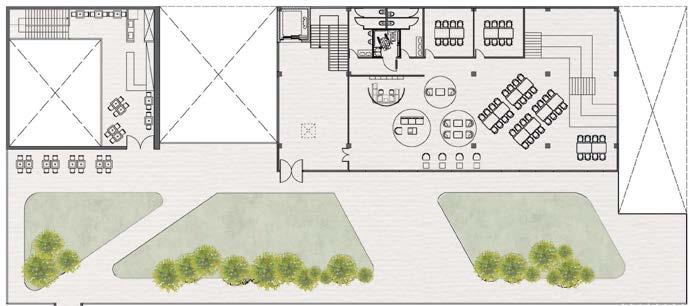
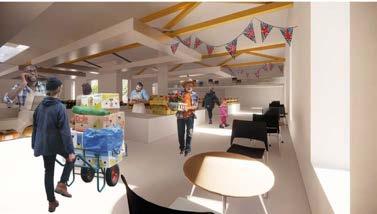
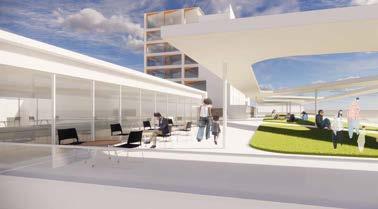
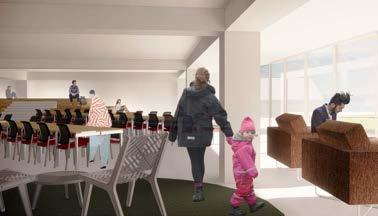
This building will involve a co-living residential space, market, working area, gym and green garden. Predictably, people can be satisfied their daily needs are met in the vertical city centre. Due to the flooding making rent increase, coliving residential space is aimed to help the residents in the city to have affordable housing. The market is one of the important spaces for this project, the market not only provides a space for residents to buy the products but also invite the people in the city to start their business; the balance between living and economic development can coexist harmoniously.
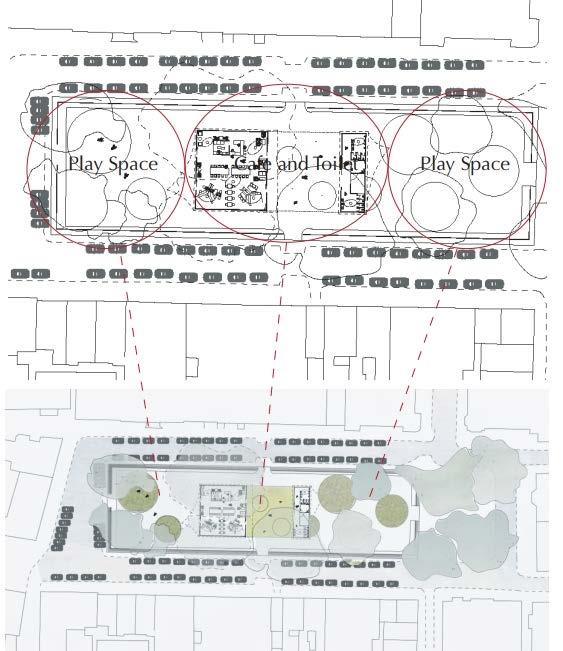
After World War ll, European people looked forward to the new life in the peace period; they would like to go back to life as it was before the war. A Dutch architect Aldo van Eyck and his team started to design several projects all about the play space in Amsterdam, Netherlands (Withagen and Caljouw, 2007); he tries to create a space where the residents in the city can gather together and spend time with friends and family, allowing them to forget the sadness brought by the war. This moment is the first time people realised that play space could create a sensation of happiness for people.
With the changing times, play space has a new function in the city for the resident besides increasing happiness; place space provides the space for people to catch their breath in this high pressure working society. Balancing work and life is a new trend in the present day, people understand gradually that mental and physical health are equally important (Eusuf et al., 2014).
According to the research from the department of children, schools and families (DCSF) (Shackell et al., 2008) the play space was defined as a playground or play area; this place should provide a safe and interesting space for the children in the city. The play spaces are normally located in the city centre, green belts, and parks; hereby, the play space not only belongs to children but also creates a space for adults to relax and gather with friends and family (Withagen and Calijouw, 2017).
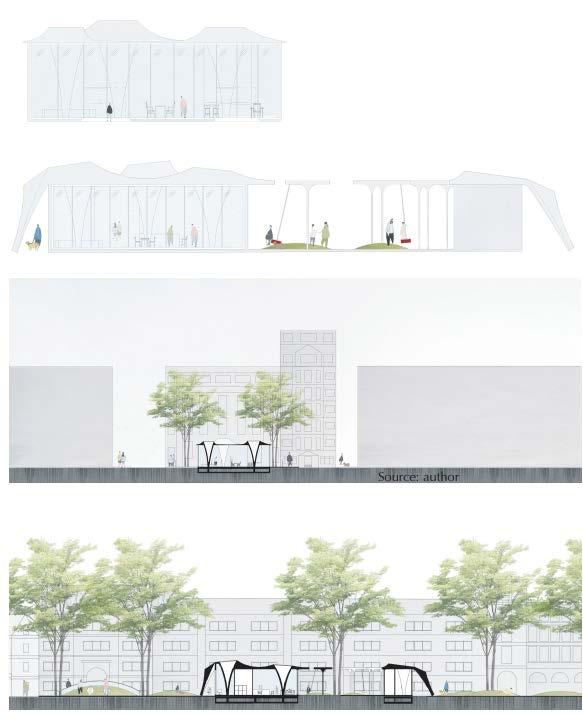
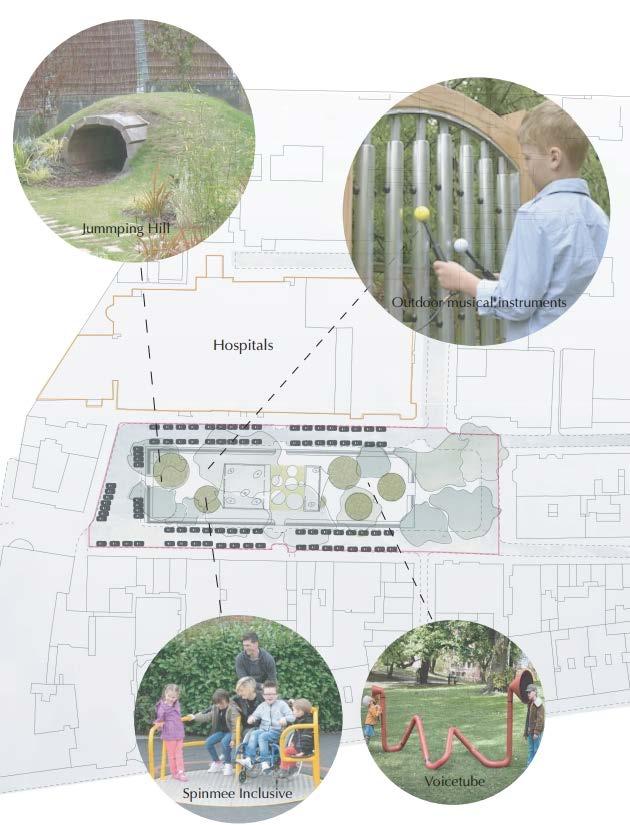
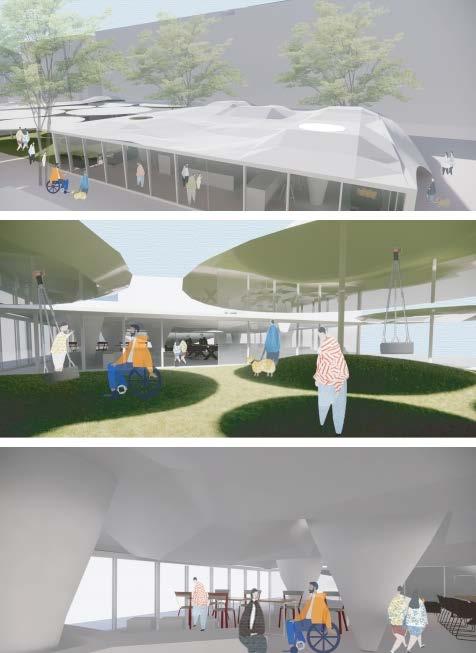
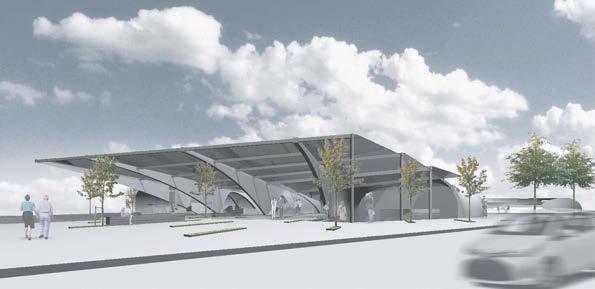
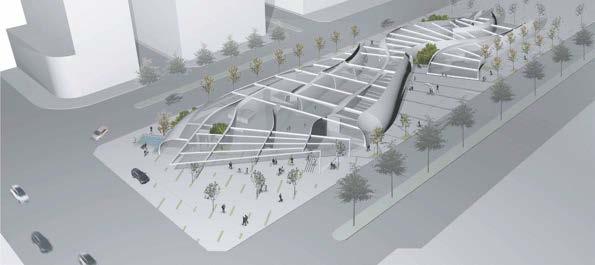
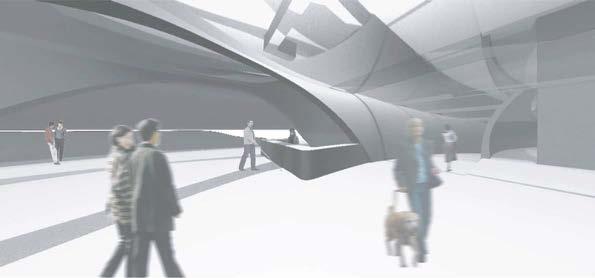
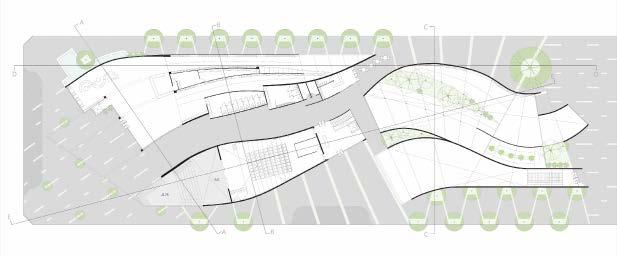
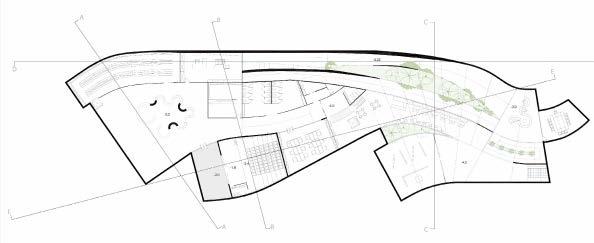
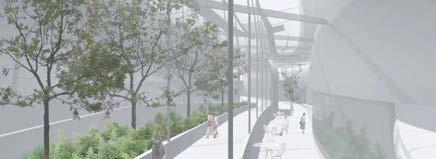
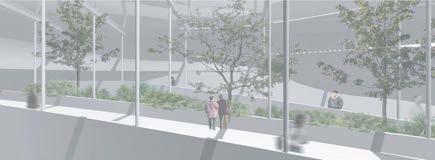
Sight determines much of how the sighted perceive space and navigate through space. Yet, for the blind, the same is done through mainly touch, echolocation and memories. Sadly, much of our public spaces are built in favor of the former, at expense of the latter. What if our public spaces are designed to accommodate the needs of not only the sighted, but the blind as well, creating an equal platform for learning, establishing social connections, and gaining experiences through sensory stimulations. What will the architecture be like?
A learning space where the blind can feel like everyone else.

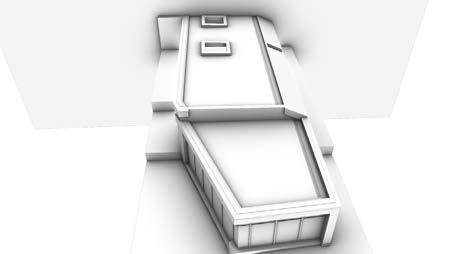
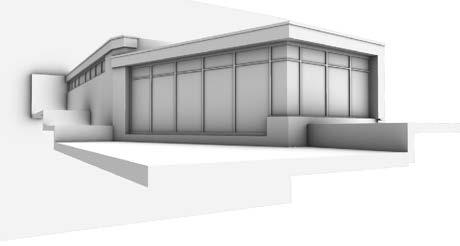
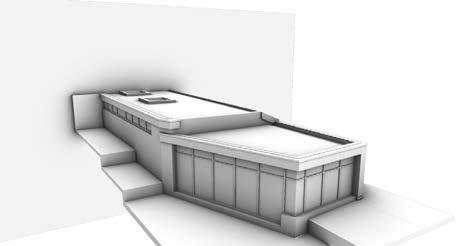
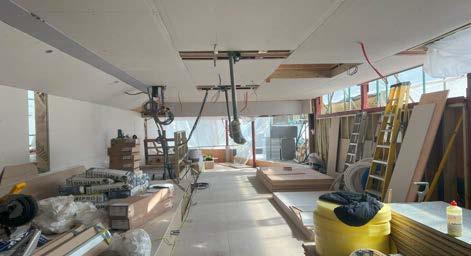
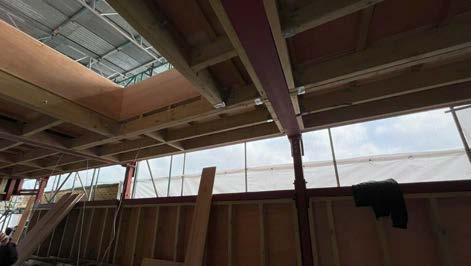
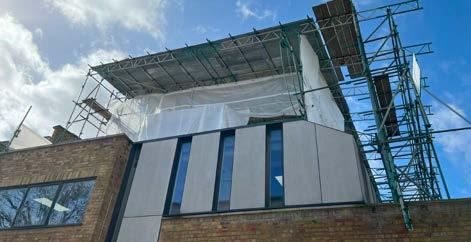
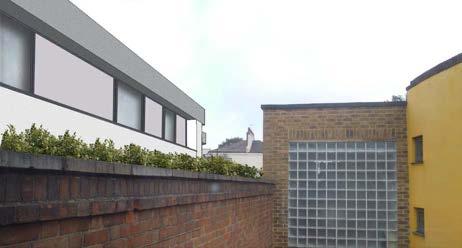
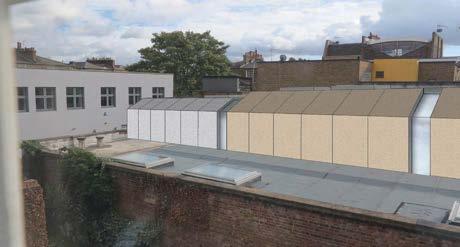
This is an extension project on Rochester Road, Camden where we did an extension on the top floor. As the client is a entrepreneur, he wanted to separate his home from his office.
The biggest challenge of this project was figuring out how to communicate with the planner and city council. We needed to consider the fire regulations for both a workplace on the first floor and residential space, that being the new extension on the top floor.
As this was a complicated project, I didn’t put all drawings here. However, I put some of the drawings that I felt demonstrated my architecture knowledge. As well as that, I have included some pictures of the site as a working record.
Cantilevered parapet supporting steels to S.E spec.
Fibre cement fascia with hidden fixing
8
75
390 120
Rev. B
Outside
PPC aluminium double double glazed opening window system & cill
100mm thick Sto insulated render system in colour to approval. fitted as per manufactures recommendations (self coloured)
Tyvek breather membrane
18mm WBP plywood
Insulated render to Detail 310
Existing soprema roofing
Lead grey Soprema Roofing system to spec on 200mm roofing insulation on 18mm WBP plywood on tanalised timber furrings to min 1:40 falls
Fall Furrings
200
150mm 50mm tanalised timber roof joists at 200 centres with staggered noggins
layers of 12.5mm SoundBloc board
Steel structure to S.E specification
Dotted line shows steel structure beyond
Slimline PPC Aluminium glazed grey spandrel panel
Solid timber window cill 20mm thick
18mm WBP plywood
12.5mm duplex plasterboard
Insulated dry lining to specification
150 x 150mm tanalised timber noggins mid-height
150x50mm tanalised timber framework with vertical studs @ max 400mm centres
New office space (Second floor)
Existing joists to remain
Existing plasterboard to remain
18mm WBP Plywood
Sto Render or similar approved insulated render system fitted as per manufacturers recommendations
Colour as per elevations
150mm Rockwool insulation
240
150 DPM
12.5mm Duplex plasterboard
150x50mm tanalised timber structural member
Aluminum trims with shadow detail
Fibre cement panel
Scale:1:2 6
Fibre cement panel
Fibre cement panel
Scale:1:2
Aluminum corner trim (no shadow joint)
Secret fixings back to structure
Fibre cement panel
Rev:
317- 383 These particulars do not constitute, nor constitute any part of, an offer or contract. All statements contained these particulars as this property are made without the responsibility on the part of Norton Ellis Architects Ltd. the Vendors Lessors. None of the statements contained in these particulars as this property are to be relied on as statements or representations fact. All measurements are approximate and no responsibility is taken for any error, omission, mis-statement and any intending purchaser or tenants must satisfy themselves by inspection otherwise as to the correctness of each of the statements contained in these particulars/ plans.
Date: 21.03.23
This is the first time I had a chance to join a team working on a big scale project, when I had just graduated from my undergraduate degree.
During this time, I helped architects to revise the drawing and did research on the building regulations.
Even though I did not stay long enough for it to finish, it helped me gain the foundation knowledge of working on a large scale project, which helped me realise how important good circulation is.

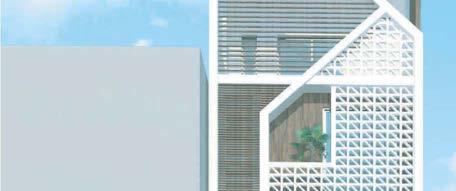



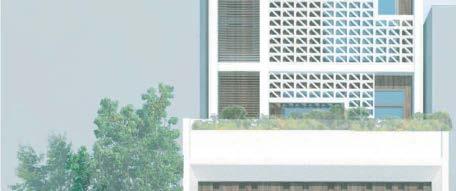

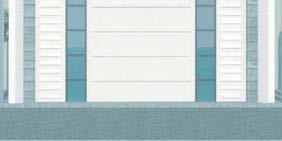
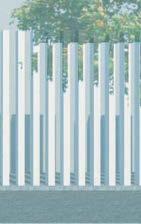
Takao Long House, 5 floors building combining work and family life. Through void space, nature is led into the middle of the longhouse.
A porous facade permeates air flow while limiting the sunlight and reducing heat adsorption, minimising the use of air conditioning.
Construction commenced in Jan 2019, expected to finish in Feb 2020.
Position: Project Architectural Designer
Job Description: Site Planning, Architectural design, law review, and apply for permission.
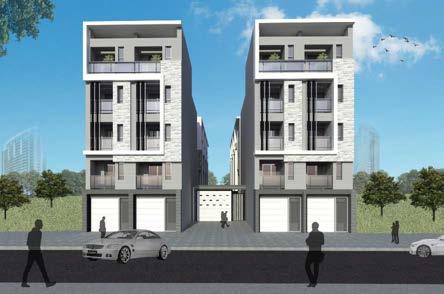
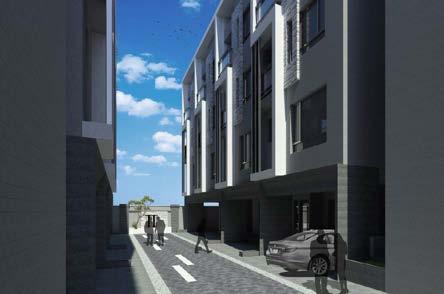
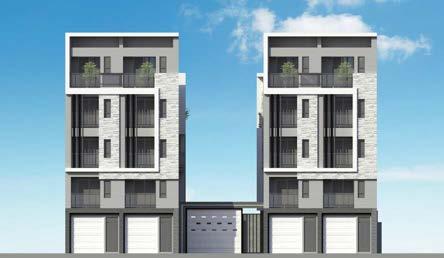
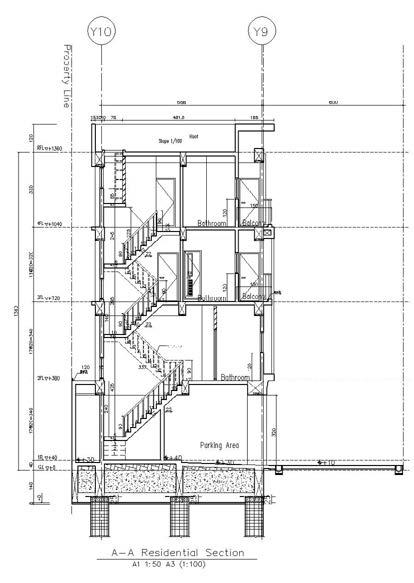
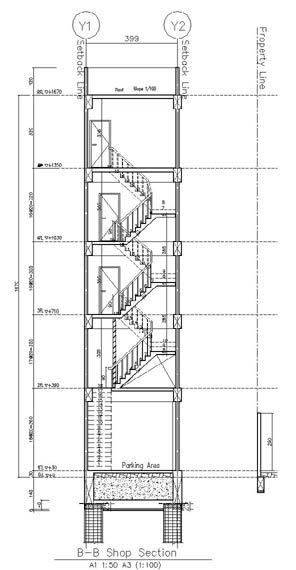
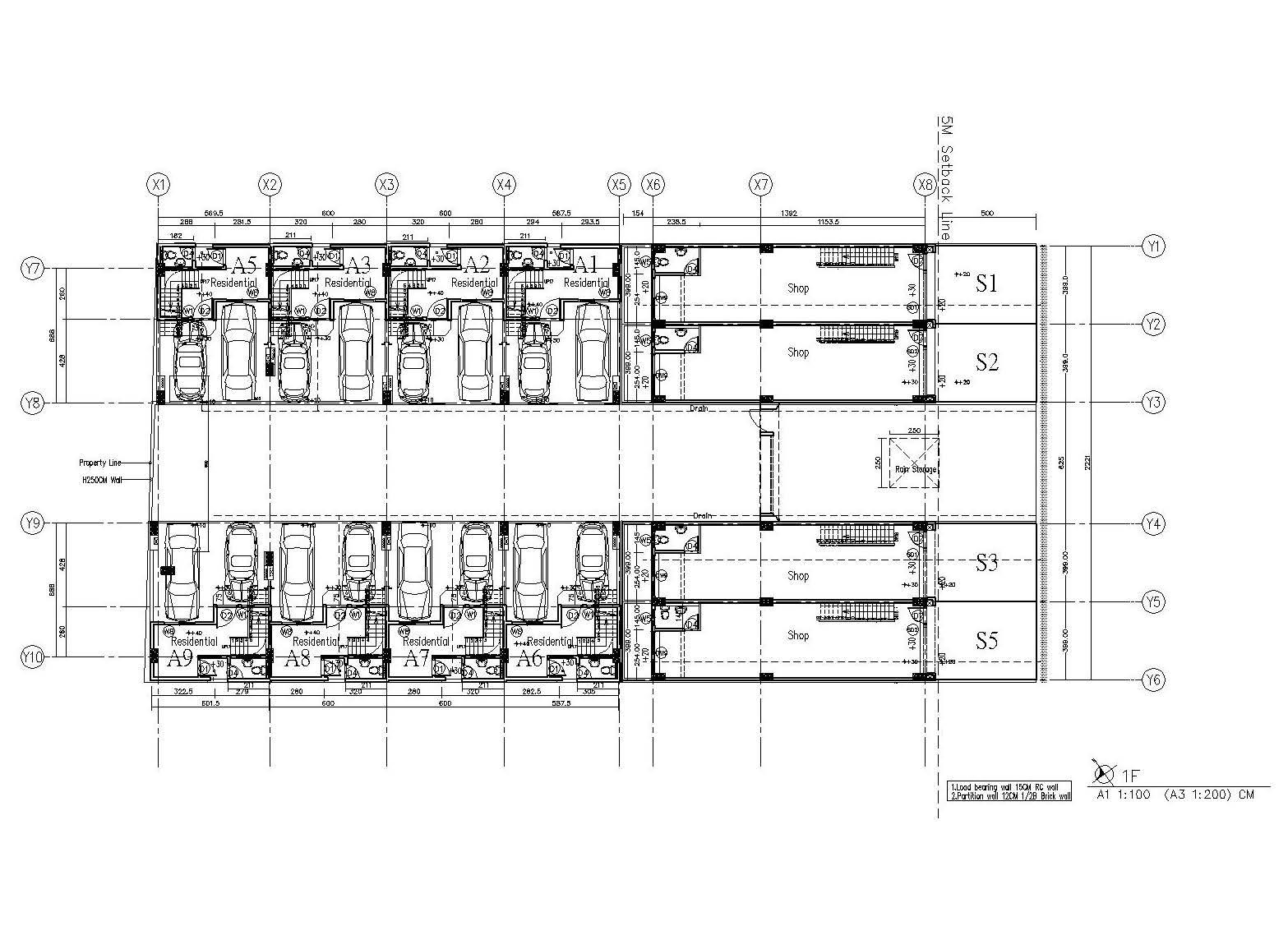
This was in cooperation with a real estate development company. In this project, we mixed the residential and shopping areas together.
Construction commenced in Jan 2019, expected to finish in Feb 2020.
Position: Project Architectural Designer
Job Description: Site Planning, Architectural design, law review, and apply for permission.
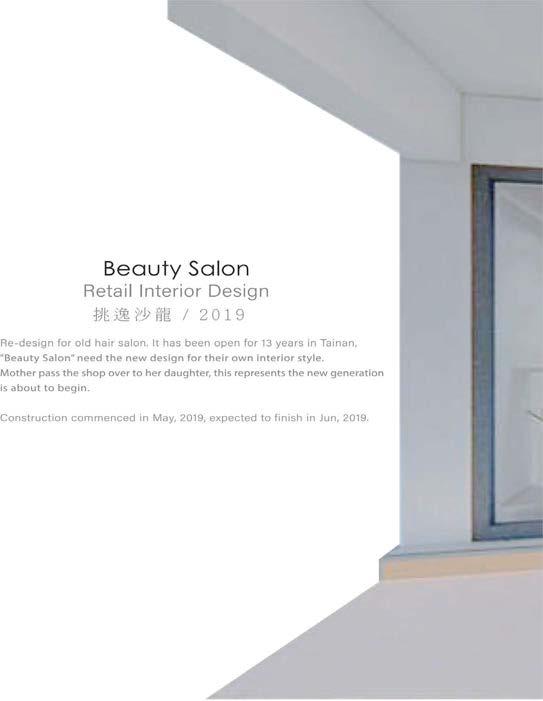
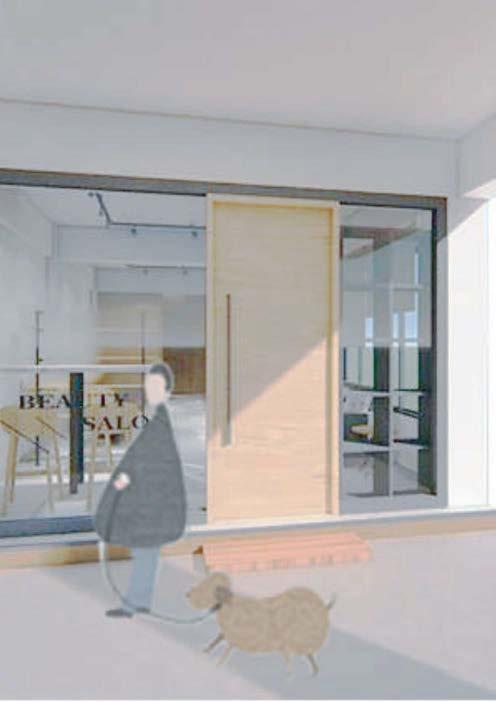
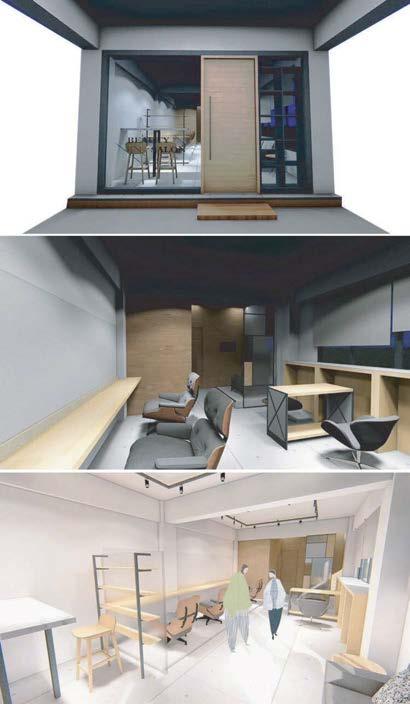
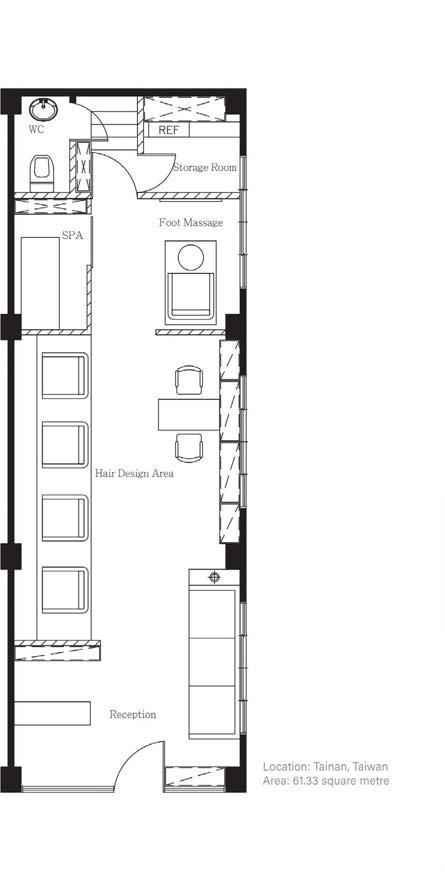
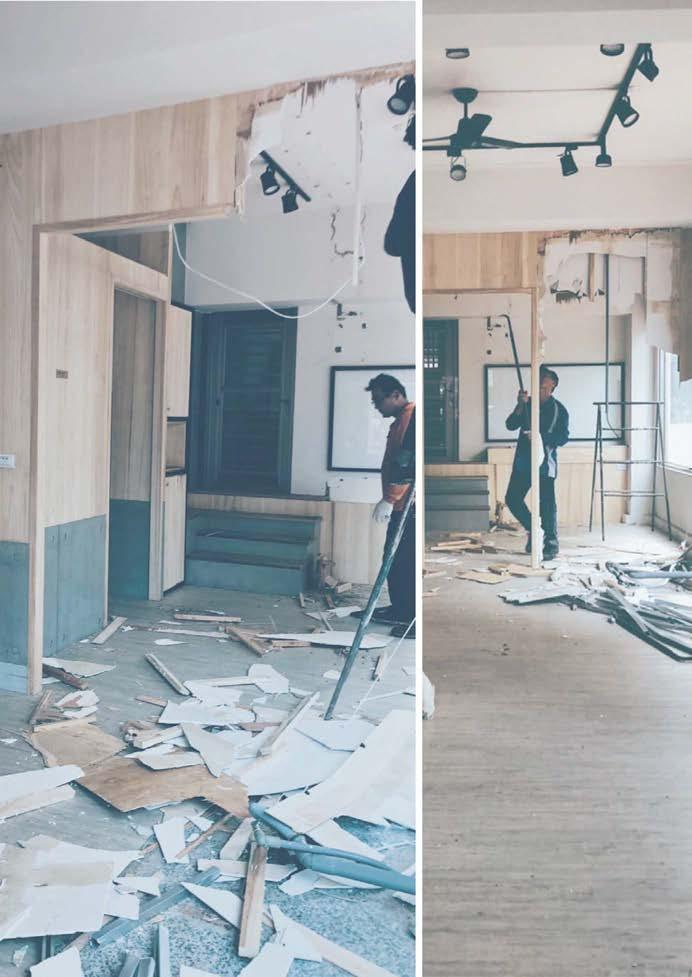
Interior design project. Re-design for old hair salon, it has been open for 13 years in Tainan. “Beauty Salon” needs a new design for its own interior style. The mother passed this over to her daughter, which represents the beginning of the new generation.
Construction commenced in May 2019, expected to finish in June 2019.