
Local yeshivot take different paths to voting
By Yvette Dweck Editor-in-Chief
With a frontrunner in the NYC mayoral race widely viewed as antisemitic, Flatbush is one of many local Jewish institutions urging members of the community to register to vote.
Toward the end of the summer, Flatbush sent out emails encouraging parents to register to vote. The same week, Magen David went a little further and announced that, in order to get their children’s class cards, parents would have to show proof of voter registration.
In an email to parents, the Yeshivah of Flatbush’s leadership explained the importance of voting and steps they will take to make voter registration accessible to everyone in the Flatbush community. The email explained that “Voting is not only a civic duty but a powerful expression of our values and our commitment to shaping the future.” The email then stated that voter registration drives will be included at a few upcoming Flatbush events.
Voter registration tables similar to those at Flatbush events appeared at community events, like Midnight Festival and Center Court, throughout the summer. Rita Setton, senior at Flatbush and intern for New York State Senator Sam Sutton, worked at many of these booths through-
out the summer. In explaining the importance of voting, Setton said that “the community, historically, chose to stay out of politics. However, in the wake of October 7 we realized that it was imperative we have a say in what happens to us.”
Yeshivah of Flatbush President Ralph Shamah explained that the school’s position is nothing new: “Voter registration has been important for all of Flatbush’s 98 years in the community,” he said.
Flatbush has been requiring graduating seniors to register for the past several years.
Magen David’s email stated that voter registration was required from both parents of a child in order for that child to receive their class card. Initially, a few parents were upset, not at the requirement to register but at the timing of the email. Many believe the tardiness of the email can be explained by how the movement to get community members to register did not gain traction until late in the summer.
One Magen David parent even went on to write in a grade chat, “It’s giving me covid vibes. Show your vax card or else.” Another pushback against this requirement was parents’ fear of being called for jury duty. While registering to vote may increase a person’s chance of being called for jury duty, Renee Husney, a parent of
continued on page 2
Students, teachers, parents react to new phone ban
By Sylvia Mizrahi Junior Editor
Dropping off phones at the building entrance each morning and picking them up at the end of the day is taking some getting used to, and reactions to the strict new limits vary across the student body.
Freshmen have the least to adjust to, as many middle schools (including Flatbush) had already banned phone usage during the school day. Freshman Rebecca Minyan explained, “I’m used to not having my phone because my middle school had the same policy, but it gets annoying not having it sometimes. It’s also annoying how I can’t use Apple Pay and how I can’t text people during the day.”
For junior Ben Zelenko, the phone ban hasn’t been the end of the world. He adjusted faster than expected, leaning on his laptop at lunch to keep in touch with friends. What he does miss, though, is the quick convenience of pulling up his schedule with one tap. As for improved focus? He’s not convinced. “I was fine before, and I’m fine now,” he explained.
Teachers have noticed a difference in their students’ behavior. Ms. Kaplowitz praised the ban, pointing out that phones create an undercurrent of anxious energy: students constantly itching to get them back or wandering the halls with their eyes glued to screens. Without them, she
feels the school atmosphere has grown calmer.
Several teachers also expressed relief at no longer spending class time and mental energy policing phone placement and use. Several students expressed annoyance at the crush to retrieve phones at the end of each school day. A similar crush occurred in the morning on the first day of school, but morning entry is much quicker now that students know which slot is theirs and are used to the procedure.
But the policy doesn’t just stop at classroom doors. It has reshaped student behavior in other ways. Fewer students have been staying inside the building for lunch now that they are only allowed to have their phones during that time if they leave the building, which means that the Chanis have been struggling to keep up with the changing policy. Additionally, the convenience of Apple Pay is gone, which had previously been a major part of the Chanis’ income. Most students are adjusting by bringing cash or cards, but the energy of lingering and socializing, as the Chanis explained, has dipped as the quick digital transactions vanish.
Similarly, the Crawford’s staff said that the phone policy has slowed things down a bit, but students are adjusting. More are bringing cash, and the staff has set up a system where they can type in a student’s
continued on page 3
Six faculty members get enhanced titles
By Avital Rokhkind
Sophomore Editor
Flatbush introduced multiple new staff leadership positions this year. A Rabbinical Leader position, Mashgiach Ruchani position, and four Grade Dean positions have been introduced at the high school.
The grade deans, Ms. Levavi (Freshmen), Ms. Chattah (Sophomore), Ms. Benzaken (Juniors) and Mr. Berkowitz (Seniors), “are charged with ensuring the oversight, growth and wellbeing of all students in their grade,” Dr. Atlas said. The position was previously known as Grade Advisor, and has changed slightly in practice in addition to title. Grade deans’ responsibilities include holding students accountable for following the dress code and
attending minyan and classes, and supporting teachers when students misbehave. Additionally, they have student-parent meetings when necessary and monitor academics, ensuring that students meet their academic requirements.
Beyond these tasks, the deans strive to improve the energy of student life through activities and events. Expanding on this idea, Dr Atlas adds that, “they build relationships, ensure students’ wellbeing, and create a strong grade culture” by planning activities and creating a sense of community in the school. Similarly, Ms. Chattah explained that her aim as sophomore dean this year is to “enhance the grade experience to make sophomore year memorable and enjoyable” and to be a “‘mini-principal’ for the grade.”

Another key role introduced this year is the Rabbinical Leader, a position held by Rabbi Avi Harari. As Rabbi Beyda explained, Rabbi Harari’s responsibility is to “serve as a source of guidance for both the Elementary and High School buildings.” He handles rabbinical questions and is ready to make Halakhic decisions for the school when necessary. His role not only provides clarity on religious matters, but also unites the Yeshivah under Rabbi Harari’s guiding voice of Torah, which the community considers a privilege.
Another significant change this year is the creation of the new Mashgiach Ruchani position, held by Rabbi Avi Churba. Part of his role includes running the senior shacharit minyan every morning, a selective session in which students deliver

a daily Dvar Torah after prayers. In addition, Rabbi Churba also leads the nightly learning program for all high school boys in the Beit Midrash, a responsibility that he says he greatly enjoys and takes pride in guiding.
Despite these new roles being introduced to the school this year, many students are still unfamiliar with what the positions are or what they involve. Gary Feldman, a senior, said, “I don’t even know who to go to anymore. There’s way too many new positions and it’s super confusing.”
While the new roles are intended to strengthen the school community, it may take time before students fully understand the new leadership structure. However, the impact of these positions will become more visible as the year progresses.

A Student Publication of the Yeshivah of Flatbush Joel Braverman High School • 1609
A pop culture guide to your teachers
By Yvette Dweck and Emily Tarrab Editors-in-Chief
Looking for ways to connect with your teachers? Get on their level—culturally speaking, of course. Watch their favorite shows, read their favorite books, and listen to their favorite artists. Here are all the pop culture references you need to know to get on yoxur teacher’s good side.
The Summer I Turned Pretty wasn’t just a summer favorite for Gen Z. Ms. Doris Anteby and Coach Robyn Chattah both watched the trilogy. Ms. Anteby explained that, in addition to watching the show, she read the books and is super excited for the movie. However, while The Summer I Turned Pretty is a great way to connect with teachers, proceed with caution when speaking about Team Jeramiah and Team Conrad. One wrong comment and you’re at the bottom of your teacher’s list.
A handful of teachers like mainstream classic movies. Rabbi Sklarin loves sports movies, especially ones that make him cry. His favorites are Hoosiers, Rudy, Field of Dreams, and The Mighty Ducks. Both Mr. Berkowitz and Rabbi Blumenthal are big fans of the prison redemption classic The Shawshank Redemption. Rabbi Blumenthal prefers family films like Home Alone
and Honey, I Shrunk the Kids, while Mr. Berkowitz gravitates towards more renowned serious movies like The Matrix, Good Will Hunting, Saving Private Ryan, and Christopher Nolan’s films Additionally, Mr. Berkowitz loved the documentaries Jiro Dreams of Sushi and Kings of Pastry. We don’t know if we would suffer through a documentary just to connect with a teacher, but clearly, based on those choices, Mr. Berkowitz loves food, so maybe talk to him about that.
The Yeshivah of Flatbush has far more hopeless romantics than anyone could have imagined—and we’re not talking about the students. Ms. Carolina Cohen is absolutely in love with Bridgerton and also liked Emily in Paris, while Ms. Mikhli sticks to classics like Dirty Dancing and Gone With the Wind. Romantic teen dramas are popular too: some of Ms. Doris Anteby’s favorites are Felicity and Dawson’s Creek. Coach Chattah is rewatching One Tree Hill (a Ms. Marcus favorite) and just finished reading Broken Country by Clare Leslie Hall.
If you love a fast-paced action film, talk to Rabbi Kramer or Ms. Mikhli. Rabbi Kramer loves spy thrillers such as James Bond, 24, and Fauda, while Ms. Mikhli loves good blockbusters like Top Gun and the Marvel movies, especially The Avengers. And if you’ve been humming the
catchy tune “Golden” from the animated musical-action K-Pop Demon Hunters, make sure to do it near Dr. Shahar. If you prefer a low-action cozy mystery, read and watch Thursday Murder Club, then discuss it with Ms. Wielgus who absolutely loved the books and Netflix adaptation. Or, if you prefer more gritty crime dramas, Ms. Bloom will happily chat about her favorite Scandinavian noirs, which she claims “makes our world seem a bit more colorful.”
Reality TV isn’t so popular with the teachers, so no, we wouldn’t bring up Love Island in class. However, the last thing one should ever do is get between Ms. Bloom, her tea, and The Great British Bakeoff That’s like asking to be failed. And do inquire with Ms. Hidary about her Korean soap operas, and maybe she’ll clear your cut.
The best way to some teachers’ hearts is music. Walk into Ms. Kaplowitz’s class just casually listening to the Beatles on your iPad and act surprised when she compliments you on your music taste— then bring up Paul McCartney. You can even pull out all the stops and give Rabbi Kramer a blast from the past by listening to Simon and Garfunkel. And while everyone pretends to hate “Mystical Magical,” (aka moonbeam ice cream), Ms. Carolina Cohen is brave enough to admit that
Faculty Freshman: Mr. Granger Titcomb
By Olivia Shamah School News Editor
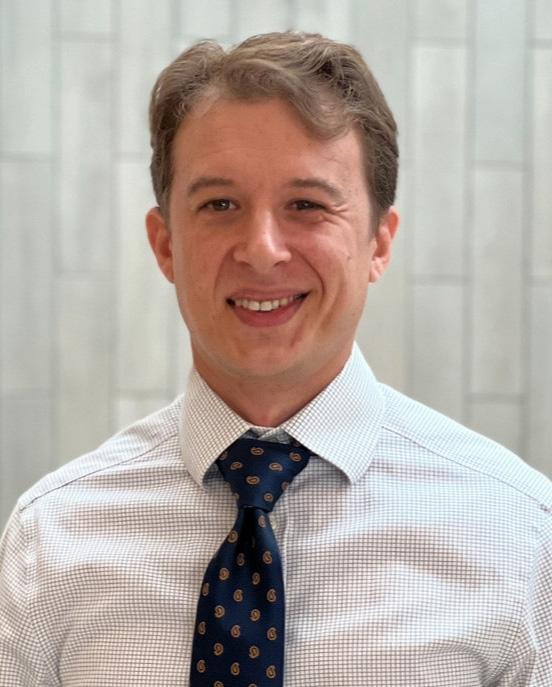
Since he first discovered physics in high school, the subject has always been a core aspect of Mr. Granger Titcomb’s life. Physics is more than just a science for him: as a young student it inspired him, allowing him to explore both his interests and his sense of self, which ultimately inspired him to become a teacher.
“[I hope] I can have the same effect on students that my old physics teacher had on me,” Mr. Titcomb said.
Growing up on Long Island, Mr. Titcomb had worked in several different schools over the years, but what drew him to Flatbush wasn’t our academics or prestige, but our values. Finding that Yeshivah of Flatbush instills not only intellect but also meaning and purpose in its students, and fosters values such as community and kindness, he was drawn to this environment. “I chose to work at Flatbush because I wanted to go to a school specifically where the focus of the school is both the intellectual, social, and moral growth of its students rather than just trying to get them into college,” he said.
In addition to the values that Flatbush stands for, Mr. Titcomb was also drawn to the tight-knit community here. He appreciates the warm and encouraging at-
mosphere, especially in the way it relates to the students. “My favorite part of the school so far has been how welcoming and friendly everyone is… [All the] students seemed to be a part of something greater than just their own scholastic achievements,” he shared.
Although Mr. Titcomb has been teaching for many years, coming to Flatbush is a big adjustment for him. Coming from a non-Yeshivah background, the structure of the day has been a challenge for him to get used to. Additionally, understanding all of his students’ religious obligations and accommodating them has been a learning curve for him. However, he is still excited for the opportunity to overcome this challenge, which will ultimately help him develop as a teacher.
Although his new students have somewhat differed from ones he has taught in the past, Mr. Titcomb still looks forward to finding ways to connect with them outside of the classroom. “I connect with students by responding to their interests, whether it’s athletics, video games, summer programs, etc.; students have a lot of things going on in their lives, there is always something to grab on to,” he shared.
Mr. Titcomb values having a good relationship with his students so that he can be a mentor for them and teach them lessons that might pertain to things great-
er than physics. In his experience, the number one challenge that students face is fear, and he hopes to help his students overcome this. “If I can only teach one thing to students all year, I would want them to know how to be comfortable being uncomfortable,” he said.
Outside of school, Mr. Titcomb enjoys spending time outdoors, whether it’s hiking or camping during school breaks. He also enjoys exploring the city with his wife, which is one of the reasons that he is happy to be working here. “I am excited to meet a brand new group of students from a community and part of the city that I am not terribly familiar with,” he said.
her daughter got her into Benson Boone. If you’re a die-hard Yankees fan, you’ll be extremely disappointed to hear that Mr. Rothbort, Rabbi Harari, Mr. Hofstetter, Rabbi Sklarin, and Ms. Alyssa Shamah are huge Mets fans. I’d be careful mentioning the Yankees’ historical dominance and World Series ring count compared to the Mets (we all know who’s winning in those comparisons). You can compare the Nets and Knicks with Mr. Saadia, as the only TV he likes to watch is basketball. If you follow college football, you automatically have an in with Ms. Kaplowitz. Just watch what you say about The Ohio State University, Ms. Kaplowitz’s alma mater.
Not all teachers keep up with pop culture. You may have to discuss the latest New York Times Pips puzzle with Ms. Freedman or recap a Broadway show with Ms. Savdie. But if you can, bring up songs, music, books, films, sports, or anything to build a connection with your teachers.
Yeshivot encourage voting
Continued from page 1
both Magen and Flatbush students, explained that “People get called up for jury duty for having a license and they’re still driving,” highlighting the irony in this argument.
In comparing the two schools’ methods to get community members registered, Husney stated, “I do [think Magen had a better approach]. … I feel like it’s unfortunate that we have to use a heavy hand, but sometimes you have to use a heavy hand because we are in a very crucial time.”
Yaffit Greco, mother to a Magen David student, explained that “Irresponsible people don’t need a choice. If they [eligible voters] don’t do anything it’s going to be bad for schools and shuls.”
Although not requiring registration, Flatbush went so far as to send individual texts to parents. These texts said “Hey [name of parent] it’s Ralph Shamah, President of Yeshivah of Flatbush… Don’t worry, I’m not asking you for money, just asking you to register to vote! I noticed you aren’t registered…” Many parents, some of whom were in fact registered, were uncomfortable with this text. It implied that someone in Flatbush searched up a parent’s name and private information to determine whether the parent is registered.
The movement to get more members of the community to vote is an important one. So much so that Sharee Zion, one of the largest Sephardic shuls in Brooklyn, followed in the footsteps of Magen and required voter registration for holiday seat purchases and membership.
All of this effort to increase registration raises the question: will increased registration affect the number of voters and the outcome of this mayoral election?
Editors-in-Chief: Yvette Dweck, Emily Tarrab
School News Editors: Olivia Shamah, Olivia Shamayeva
Religion Editor: Salomon Dayan
Features Editor: Marcus Mezrahi
World News Editor: Lili Hanan
Entertainment Editors: Sarah Kezra, Emme Nidam
Fun and Games Editor: Leslie Mishaan
Fashion Editor: Rachael Kopylov
Sports Editor: Elliot Cohen
Business Editor: Baruch Elmann
Photography Editor: Viviane Baghdadi
Junior Editors: Lyla Ashkenazie, Vera Esses, Jenny Khabih, Jaclyn Lazerowitz, Sylvia Mizrahi, Joseph Shamayev, Valerie R. Tabush
Sophomore Editors: Avital Rokhkind, Ben Sutton
Design: Carolina Cohen
Faculty Adviser: Adam Hofstetter
High School Administration
Rabbi Joseph Beyda, Head of School
Ms. Esther Hidary, Associate Principal
Rabbi Yigal Sklarin, Associate Principal
Dr. Michael Atlas, Associate Principal
Rabbi David Galpert, Assistant Principal

The Phoenix Staff
New Guidance system sparks controversy
By Lyla Ashkenazie Junior Editor
The Guidance Department has shifted to a new model this year in an effort to better serve the students and work within a team framework. Currently, one guidance counselor is assigned to each grade, whereas before, the Guidance Department made an effort to assign whole homerooms to each counselor. This year, Dr. Teddy Chattah will be working with the freshmen, Dr. Etty Mizrahi with the sophomores, and Mrs. Eva Dayan with the juniors.
For seniors, while most will continue working with their previously assigned counselors due to their strong connections they’ve already developed, a handful of them will get new counselors as substitutes for the two counselors who left in June.
Guidance has also modified the length of their meetings to half a period instead of the full 46-minute period, in order to allow time to meet with more students.
The Guidance Department is always thinking about ways to improve how they work and to best meet the needs of their students, Dr. Mizrahi explained. It has mostly operated in the same way since the department was created. However, as Dr. Mizrahi states, “Flatbush is always looking to grow. They don’t like to do things just because that’s the way we’ve always done it.”
The administration and the Guidance Department brainstormed how to make the system more streamlined, easier to navigate, and more accessible to students. They agreed that trying out a grade model was the next step. Dr. Mizrahi explained that, under this new system, guidance counselors are able to “support the kids better, know the culture of the grade and get to know everyone, and teachers and principals now know who to go to when they need to check on a student.” She also
explained that, now that she has a whole grade, she is better able to pop into her student’s classes from time to time to check up on them.
Although the new system seems to be beneficial for Guidance on paper, students have some serious concerns about the new change. Sophomore Sarina Beyda expressed her concerns: “The new changes in the department don’t seem to be effective. Shortening the meetings to 20 minutes feels very rushed, and the fact that we have to start over with a new counselor every year is very odd. Also, the fact that the whole grade has the same guidance counselor sounds like it could get messy.”
Senior Olivia Shamah also expressed her concerns, stating that, “My guidance counselor left this year, so even though I’ve been assigned a new one, who I know is great, it’s inconvenient that I have to get a whole new guidance counselor who is unfamiliar with me and my history, especially in my last year of high school.”
It’s still unclear as to how Guidance will be operating next year. Will the guidance counselors be moving up with their grade, or will students be assigned a new one each year?
The department is also unsure if this change will ultimately be the best fit for the students. Dr. Mizrahi explained that it’s only the first year of this system, and everyone is still learning how to navigate it, both counselors and students alike. As time goes on, the new system will be easier to get used to and the department and administration will evaluate how things are going and how the model can continue to be improved.
She also said, “Our goal here is to be more present. We know our whole department is based on being a space where kids can trust; we work hard to prioritize this. Guidance is always open to hearing your thoughts and feedback on how the new system is working for you, so pass by to let us know how things are going.”
Ave J restaurant scene changing

By Ben Sutton Sophomore Editor
The restaurant scene on Avenue J is constantly evolving, with new restaurants opening and other establishments suddenly closing down. Since September of last year, two restaurants have shut their doors, while four new eateries have popped up in their place.
It’s time to say goodbye to your thincrust pizza and student specials at Benny’s. After 16 years, you’ll now have to travel to Ave M to enjoy their cheesy moz-
Flatbush eliminates HS nurse position
By Valerie R. Tabush Junior Editor
Students walked into Flatbush on the first day of school with multiple new policies, but one of the most impactful changes was the elimination of a high school nurse. A large portion of students would agree that they miss their visits to Nurse Fayge’s office.
Many students are confused as to why the high school nurse position was eliminated. Students’ minds are filled with questions as to what they should do in a medical emergency, or how the school will operate without Nurse Fayge or simply a nurse at all. Students are questioning where to go if they just need an ice pack or a Band-Aid. Other students are wondering if they should be concerned for their safety without a medical professional present in the building like they were used to.
Senior Raquel Attar expressed her concern, “In case of an emergency who’s going to help us? The teachers who were trained with one session of CPR?”
During the first week of school, an email was sent to address these and other concerns. As explained in the email, the medical supply closet is now located in a more central location, in the College Guidance office, which is accessible for anyone in need of basic medical supplies. Additionally, Ms. Sarita Katash and Ms. Helen Kuznicki have been given the responsibilities of taking care of students when they are injured or sick. They are always available to help a student, reach out to a parent, or make a decision as to how to best proceed. The email also stated that, just like in past years, a trained EMT will take the nurse’s place at seminars and at sports games.
Rabbi Beyda explained that, after a tough deliberation process, as Nurse

If instead you prefer meat, you’ll be disappointed to find out that Amsterdam Burger’s wide range of options will no longer be available. To get your fix for a fried chicken sandwich or a juicy burger with a side of fries, head over to the recently opened Smash House, a new burger chain on Coney Island, near Ave J. The store offers customers a chance to win cool prizes by entering a giveaway each time an item is purchased. These prizes include a signed jersey, a Rolex watch, and a free year’s worth of Smash House, creating

Fayge had been universally loved and valued, the school decided to let her go due to a “combination of whether there was a need for a full time nurse, as well as budget-related concerns.”
Rabbi Beyda also emphasized that different people on staff have more specific types of medical training, some regarding allergies, which is a top concern of many students. On top of that, every faculty member has received extensive CPR training in the past year, ensuring a safer environment for all of the students. However, he said that the most important thing to have in mind is that what has not changed is that in any serious emergency, Hatzalah will be contacted immediately to provide emergency medical intervention.
Hatzalah has already been called once this year after senior Salomon Dayan had an allergic reaction. After accidentally consuming nuts, Dayan had to be taken to the hospital via Hatzalah. He explained, “There was no nurse to go to so we [he and his mother] went to Helen Kuznicki… but Helen wasn’t authorized to administer stuff like the EpiPen, so my mom called Hatzalah and they determined I was having an allergic reaction based on very low oxygen levels.”
Overall, the administration has not had any difficulties so far after this change was implemented. Although it is “early on to tell, so far things have been working out,” Rabbi Beyda stated.
Students, teachers, and parents react to new phone ban
Continued from page 1
number and send a reminder to pay once phones are back in hand, making the transition easier for both students and staff.
Parents, meanwhile, reveal a more complicated picture. When asked if they feel better knowing their child isn’t on their phone all day, 85 out of 124 surveyed Flatbush parents said yes, while 39 said no. When asked if it made contacting their child harder, 84 said yes and 40 said no.
On the surface, the percentages appear consistent, but the individual responses reveal a contradiction. Many parents answered “yes” to one question and “no” to the other, exposing a split mindset. Those who answered “yes” to the first question and “no” to the second support the idea of reduced phone use and don’t feel that the policy affects communication. Those who
an experience that makes this restaurant unique.
To satisfy your sweet tooth afterward, walk around the corner to try out Urban Pops, another chain that offers nondairy artisanal ices like limonana and a strawberry pop drizzled with chocolate.
For those students looking for a healthier lunch option, you’ll be excited to know that you can now get Jus by Julie’s salads, muffins, and paninis just a few
answered “no” to the first question and “yes” to the second don’t see much benefit in the phone ban itself but do care about staying in contact.
The complexity deepens when parents answered the same for both questions. Those answering yes/yes support the principle but dislike the practical fallout, while those answering no/no aren’t invested in the principle and also aren’t bothered by the effect on communication.
One unexpected behavior is that some students now stop by to “visit” their phones between periods, taking a quick peek at messages and notifications while standing next to the phone cubbies and then returning their phone to the slot. The principals said they are discussing ways to minimize such habits among students.
blocks away from school.
The 2025 Ave J restaurant expansion doesn’t end there because of course, everyone needs chocolate once in a while. Cafe Chocolat is the answer for a toasty croissant or chocolate chip cookie.
The restaurant business on Ave J is transforming, adjusting to YOF students’ daily cravings and erratic appetites, while nourishing them so they can perform to their best abilities.
zarella sticks.
Medical supplies are behind Ms. Kuznicki
Left: Amsterdam Burger has closed permanently; right: shelves at Cafe Chocolate
Nepal’s Gen Z protests against corruption
By Lili Hanan World News Editor
Nepal, a country in South Asia that borders China and India, has seen radical anti-government protests this month, predominantly driven by Gen Z. The immediate trigger to these protests was a government ban on many social media platforms imposed under new censorship rules. As a result of the ban, the anger that was already fueled by the government’s corruption has finally erupted.
These protests are deep grievances regarding Nepal and its murky parliament: corruption, nepotism, lack of economic opportunities (especially for youth), visible inequality between politicians and citizens, and frustration with political instability.
unjust inequality. Excessive nepotism has led to unemployment, lack of steady jobs—especially for educated youth—and limited prospects for upward mobility, all of which are not new problems.
As of yet, Nepal has been watching their country crumble and Gen Zers are the only ones strong enough to speak up and act upon this injustice. But the protestors aren’t just reacting; they have articulated demands and aims. They plan to restore and defend freedom of expression by lifting the ban and pushing back against laws that are designed to curtail speech and dis-

What has been the most striking about this revolt is not the revolt itself; rather, it is the violent manner in which the youth chose to protest. There have been clashes with security forces, property destruction, arson, arrests, and so far over 70 deaths. Protesters just recently set fire to Nepali Prime Minister Sharma Oli’s private residence, forcing him to evacuate via helicopter.
Gen Z Nepalis are playing a critical and central role in this revolution for many reasons. Considering that this generation is deeply engaged with social media and that social media is a major platform for expression, information sharing, and protest, the Nepali youth are using it to their advantage. Clips of dances, comedy skits, and the burning parliament building could be seen all over TikTok and Instagram.
Many young Nepalis are especially frustrated with political elites’ behavior involving nepotism, displayed privilege, unfulfilled promises, poor public service, and economic stagnation. The phrase “nepo babies” has become a symbol of
They hope for major political reforms: changes to how leaders are chosen, expectations of good governance, and less tolerance for exclusivity, nepotism, and rent-seeking. Some calls go as far as dissolving parliament, setting elections, and putting in place an interim government, which has already started to happen. The interim government could lead to meaningful changes, however, whether deeper structural change (judiciary reform, anti-graft institutions, equitable economic policies) will happen is uncertain. If demands are not met, Gen Z may become even completely disillusioned or radicalized. With dozens of deaths and injuries, state response has already begun to largely escalate. There is a high danger of spiraling instability.
Nepal is at a crossroad. A youth-led uprising, triggered by a technocratic decision, has exposed much larger grievances. Gen Z is stepping up not only to demand restoration of specific freedoms but to challenge deeper government issues. The question now is whether the interim government can translate this protest’s energy into real reforms, justice, and a responsive political system, or whether this will be a moment of radical protest that fades without meaningful change.
D’var Torah: Making ourselves whole
By Marcus Mezrahi and Victor Kbariti Features Editor and Contributing Writer
The etrog, a central symbol of Sukkot, invites us to reflect on the themes of completeness and connection. As we hold this beautiful fruit, we remember the journey that Am Yisrael undertook nearly 3,000 years ago. The etrog represents not only the physical blessings of the harvest season but also the spiritual lessons of relying on God for sustenance and protection. Its unique shape and vibrant color remind us that true beauty lies in wholeness. The Gemara teaches that an etrog must be complete in order to be used for the mitzvah. When the word etrog is broken up, its four letters suggest four essential aspects of Jewish life that call for completeness: האופר,
and
The first letter, א, represents our faith and trust in Hashem, which sustains our lives. When discussing faith in Judaism we often use the term “הנָומא המלש,” complete belief in Hashem. A life of complete faith means a life without doubt that Hashem will guide and support us in everything we need. Emunah in Hashem means an unwavering, wholehearted love for God, reflecting the boundless love and protection He shows us every day.
The second letter, ת, represents complete repentance for our sins. In the Amidah we ask Hashem, “ונָריזחהו המלש הבושתב” to help us return to Him in full teshuvah. This fits perfectly with Sukkot, which follows the Days of Awe, Yamim Noraim, and marks the culmination of our teshuvah. When someone does teshuvah, it should flow from the depth of the heart and a true desire

to grow. The final day of Sukkot, Hoshanah Rabbah, carries special significance. While the earlier days of Sukkot focus on joy and celebration, Hoshanah Rabbah is a time of heartfelt prayer for the year ahead. In the Siddur, the prayers of Hoshanah Rabbah ask for the sealing of judgments and blessings for the new year, giving us a final, hopeful moment to elevate our prayers.
The third letter, ר, stands for “האופר המלש” a complete recovery. When someone is not feeling well, we not only pray for them but also do what we can to lift their spirits so they may return fully to health. We don’t wish each other partial recovery but full restoration of body and spirit. This shows our deep care and our belief that wholeness is possible, reminding those we care for that they are never alone on their journey toward wellness.
The fourth and final letter, ג, represents the complete redemption of the Jewish people. In our daily prayers we again use the word “המלש,” asking for “המלש הלואג.” When the Messiah comes and announces that the time of redemption has arrived, we long for a full and lasting redemption. We trust that Hashem, in His goodness, will bring about that complete redemption.
As we shake the lulav and embrace the etrog, let us commit ourselves to nurturing wholeness in our own lives and strengthening the bonds within our community during this joyful time of Sukkot. Let us not only honor the past but also embrace the present, our families, our friends, our communities, and above all Hashem so that we may live with fullness, connection, and joy.
Chag Sameach!
Polo bans genetically modified horses
By Emily Tarrab Editor-in-Chief
Is genetically modifying polo horses the new, more “natural” form of doping? The sport is divided.
Polo features two teams of four players on horseback using mallets to hit a small ball into the other team's goal.
Almost a year ago, five horses were genetically engineered using CRISPR technology—for the first time ever. Unlike chemical doping, which artificially boosts performance after birth, CRISPR edits the animal’s DNA itself. In these horses, the myostatin gene, which limits muscle growth, was suppressed, thus producing more muscle fibers for stronger, faster horses with more explosive movements.
Kheiron Biotech, the Argentine mastermind behind the project, edited copies of Polo Pureza, (translated
as “Polo Purity”) an award-winning, hall-of-fame mare, by altering just that one gene. To many, this seemed less like breeding and more like engineering an advantage. Fearful of its unfairness, the Argentine Polo Association banned these horses from competition. Given that Argentina is considered the headquarters of polo since it was popularized in 1882, and has already permitted cloning to breed elite horses, it is striking that they drew the line at genetic modification.
“I wouldn’t like [the modified horses] to play polo,” said Benjamin Araya, the association’s president. “This takes away the charm, this takes away the magic of breeding. I like to choose a mare, choose a stallion, cross them, and hope that it will turn out very well.”
Professional breeders echo that concern, wary that they will lose business. Marcos Heguy, a breeder and former
polo champion, compared it directly to artificial intelligence: “It’s like painting a picture with AI. The artist is finished.”
In response to the backlash, Kheiron announced its labs would pivot toward other animals, such as cows and pig embryos for human transplants. Yet the company insists that, just as cloning was once controversial and is now accepted, gene editing will one day earn the sport’s trust.
Humans have been “enhancing” animals for thousands of years. As early as 8000 BCE, cross-breeding and selective breeding altered genetic material to create stronger, faster, and more resilient organisms. The difference is speed: CRISPR compresses centuries of breeding into a single generation. These horses are no less healthy than their traditionally bred counterparts; they are simply enhanced more directly.
Other industries are already moving
forward. Acceligen, a cattle engineering company, created “PRLR-SLICK” cows with a gene edit that shortens hair, helping them withstand hotter climates and adapt to climate change. The U.S. Food and Drug Administration approved these cows in 2022, granting the go-ahead necessary to hopefully boost the global supply and accessibility of meat and dairy.
Still, critics caution that gene editing, like chemical doping, carries risks. Edits may unintentionally affect other genes, creating side effects for both consumers and future animal populations, since the changes are hereditary. Over the next two to three years, as the genetically modified Polo Purezas begin training, the sport will face its biggest test: will this be remembered as progress or as the moment polo lost its creativity and tradition?
Entertainment Everything you need to know about this season of Dancing with the Stars
By Emme Nidam Entertainment Editor
Dancing with the Stars, one of the most anticipated reality shows of the year, is about to celebrate its 20th anniversary with the premiere of Season 34. With a star-studded cast, returning fan favorites, and plenty of behind-thescenes peeks, this season is bound to be an unforgettable one.

Julianne Hough, a retired DWTS pro and Alfonso Ribeiro, comedian and Season 19 winner, are returning as cohosts this season. They are not the only returning castmates, as the judges will be Carrie Ann Inaba and Bruno Tonioli, who have been judging the show since its inaugural season, as well as 6-time Mirrorball champion Derek Hough.
Season 34 features a wide and impressive range of celebrities, from athletes and actors to reality stars and even wildlife conservationists.
Robert Irwin is an Australian wildlife conservationist and the son of the late Steve Irwin. His sister, Bindi, took home the mirrorball trophy in 2015 and he hopes to do the same. “I just thought, ‘One day that’s gonna be me.’ I have these little dreams, and now that dream is a re-
ality. I am over the moon. Let’s do this,” Irwin said.
Other notable contestants include TikTok star Alix Earle and actress Danielle Fishel, who is using the competition as a comeback following her recent battle with breast cancer. Fans are also excited to see Jordan Chiles, Olympic gymnast, utilize her athleticism in the ballroom.
Unfortunately, many fans are dismayed and have voiced concern with some of the contestants and their backgrounds. Hilaria Baldwin, wife of actor Alec Baldwin, is facing criticism from the public because of her past controversies, such as her “fake” Spanish accent. Being coupled up with Dancing with the Stars pro Gleb Savchenko has only made matters worse. He is also under scrutiny
following his messy, public breakup from model Brooks Nader, who was his dancing partner last season.
Fans are also concerned over the imbalance in dancing experience amongst the stars. Both Hilaria Baldwin, who was on NYU’s ballroom dance team, and Whitney Leavitt, one of the stars on the reality show The Secret Lives of Mormon Wives, have dance experience. There always seems to be someone on every season of Dancing with the Stars that has some sort of dancing experience; Take Charli D’amelio, a TikTok star who gained fame for her dancing skills and won season 31 of the show, as an example.
The show has changed drastically since it first premiered 20 years ago. Social media and behind-the-scenes content had made Dancing with the Stars more popular than ever. Between TikTok and Instagram, the stars and pros are gaining the most traction for the show from the virality of their videos. Additionally, where in previous seasons there wasn’t a space for influencers as stars, there are now so many influencers bringing a younger audience to the show.
Cardi B trial provides entertainment value and exoneration
By Jenny Khabih Junior Editor
Cardi B’s trial over an assault allegation stemming from a 2018 incident began on August 28 and concluded this month, providing much more entertainment to spectators than most lawsuits.
She was sued for $24 million dollars by a former Beverly Hills building security guard, Emani Ellis. Ellis claimed that Cardi allegedly cut Ellis’s cheek with a three-inch fingernail and spat at her outside Cardi’s doctor’s office. Cardi, who was pregnant with her first child then, denied these allegations. She did acknowledge that Ellis followed her to her doctor’s floor in the building and was recording her, which led to a heated argument with profane language. But she denied ever touching Ellis, claiming, “She couldn’t get a scratch from me because I didn’t touch her.” Ellis testified that the incident caused scarring that required cosmetic surgery, left her traumatized, and resulted in job loss.
During her testimony, Cardi’s expressive face and quick, witty responses went viral on social media. For example, when
she was asked if she was physically capable of attacking Ellis while pregnant, she replied, “I was pregnant. I couldn’t protect myself, even if I wanted to. She’s like twice my size.” When Rosen, Ellis’s attorney, followed up by asking if Cardi believed the security guard was overweight, Cardi glanced around the room instead of answering—appearing to some observers that she did.
Another viral moment came when Rosen asked about her hair on the day of the incident. Rosen asked her, “Yesterday you had black hair, short hair. Today it’s blonde and long. Which one is your real hair? Or are they both real?” To this, Cardi responded, “They’re wigs!” Rosen admitted that he had not realized, saying, “It’s a good wig today then.” Her remarks gained attention online, with many suggesting she should appear on SNL. Meanwhile, Ellis criticized Cardi B’s behavior on the stand as “totally unprofessional.”

di B of any legal liability, finding that Ellis had not proven assault or emotional trauma. Even the doctors and the receptionist at the obstetrician’s office testified that they saw no physical fight or assault.
On September 2, the jury cleared Car-
However, Ellis said that, despite the outcome, she was not disappointed. She stated, “I had my day in court, I showed up, I held my head high.” She explained that the justice system is sometimes flawed and that she plans to file an appeal.
Mom Died Letter of Recommendation:

I’m Glad My
By Sarah Kezra Entertainment Editor
It is not often that one comes across a book that they can wholeheartedly say changed their life, but in the case of Jennette McCurdy’s best selling memoir I’m Glad My Mom Died, that statement actually reigns true. Packed with depth, humor, and incredible, poignant writing, McCurdy’s memoir has proved itself to be a fan favorite amongst readers.
I’m Glad My Mom Died is a New York Times bestselling memoir that follows the life of award-winning actress Jennette McCurdy, or as some may know her, Sam Puckett from Nickelodeon’s iCarly. The book follows her journey from a young girl on the sets of commercials and TV shows, to a mature woman who has chosen to escape that life and all the negativity that came with it. As McCurdy faced extreme challenges including, but not limited to, many phases of disordered eating, an abusive mother, various mental health issues, and the pressure of being a Hollywood actress at such a young age, she writes about her experience as an adolescent, and empowers readers with a story of overcoming all of those obstacles.
A book titled I’m Glad My Mom Died would likely raise assumptions of a dark, haunted story but, on the contrary, McCurdy’s writing style features humour most authors can only wish to accomplish. She tells the story of her troubled and trauma-filled childhood in a playful tone, reminiscing about the hardship she faced with rose colored glasses. This comedic quality that she adds to her writing allows the reader to have an easier time reading such triggering details, without diluting the power of her story. Additionally, McCurdy has a knack for getting sentimental and creating nuance around her writing without making the reader feel like she’s complaining. Given that McCurdy’s story is so devastating and somber, avoiding that whiny quality is something not many memoirists can achieve.
Although she is a celebrity, McCurdy also makes her memoir relatable. Obviously, McCurdy doesn’t skimp on any of the details from the sets of her hit TV shows iCarly and its spin-off, Sam And Cat. Still, she manages to show the reader that she too is human, and is not defined by the characters she plays on screen. The things she has gone through and the emotions she has processed through her life could be relevant to any person, no matter how many instagram followers they may have. Regardless of the distance that exists between a story like hers, and that of a regular person, the exploration of themes involving eating disorders and depression can be relevant to any reader, and are not limited to someone with fame of such magnitude. With an average rating of 4.7 stars from 83.4K reviews on Amazon, a book like that is bound to be a special—worth picking up to keep a good reading streak or to break out of a reading slump.
Who will receive the highest scores in season 34?
Business
Cooling labor market sets stage for Fed’s first rate cut since 2024
By Baruch Elmann Business Editor
Job growth has slowed to its weakest pace since 2024, unemployment is climbing, and markets are betting the Federal Reserve has no choice but to cut rates.
The U.S. labor market showed signs of slowing in August. The Bureau of Labor Statistics reported only 22,000 new nonfarm payroll jobs, far below July’s 79,000 and well under what economists expected. At the same time, the unemployment rate rose to 4.3%, the highest since December 2024. The number of people either working or looking for work, known as the labor force participation rate, slipped to 62.3%.
Economists are calling this a period of “slow hiring, slow firing.” Companies aren’t laying off many workers, but they’re also being careful about hiring new employees because they are aiming to find the best candidates during a time where there is not a high percentage of people who fit the job criteria. Now people looking for jobs have fewer options and less power to negotiate higher pay or better conditions. Overall, the labor market is still working, but it’s losing the energy it had when companies were hiring quickly and workers were in high demand.
The slowdown in hiring has investors and economists watching the Federal Reserve closely. The Fed sets interest rates,

which affect how much it costs to borrow money for things like homes, cars, and credit cards. When the economy shows signs of weakening, the Fed often cuts rates to encourage spending and investment in businesses, homes, and consumer goods. With job growth slowing and unemployment creeping higher, many expect the Fed to lower its benchmark rate soon.
The question is, once the Fed cuts rates, what will it mean for the economy? Experts say there are both potential benefits and risks.
On the positive side, lower interest rates make borrowing cheaper for businesses and consumers. Companies may be more willing to invest in new projects, hire more workers, or expand operations. Homebuyers could find mortgages more
Ask Merle
Dear Merle,
I bought so many hoodies this summer for school, but now I can’t even wear them! What do I do with them?”
—Struggling Sophomore
Great Question, Struggling! A lot of Flatbush students have way too many hoodies just rotting in their closet because of the new policy. I would say this is a great opportunity to clean out your closet! Get rid of your least-favorite hoodies: the ones in the back of your closet that you kept for school, but didn’t really love. Then, wear the hoodies you love on the weekends, and it’ll feel like a treat. That’s what I’m doing, at least.
Merle,
How am I supposed to buy Crawford's or Chanis without my phone? Help!
—Confused Junior
Hey, Confused! I’ve myself struggled with this one, and the only solution I came up with is to just get a credit card. It’s time. Whether it was going to be now or in a few years, reality was going to hit: you can’t rely on Apple Pay forever. So bring it up at dinner with your parents, and make the appointment at Chase Bank.
ing.
On the flip side, cutting rates too quickly can fuel inflation, causing prices for food, gas, and other essentials to rise faster. If inflation spikes, consumers may actually feel poorer, even with cheaper loans. Additionally, lower rates don’t guarantee that companies will start hiring immediately: some may remain cautious due to global trade uncertainty or supply chain problems.
affordable, potentially boosting the housing market. Even everyday consumers might see lower rates on car loans and credit cards, giving them more money to spend. All of this increased spending can help the economy grow, supporting job creation and consumer confidence. Additionally, lower rates can encourage innovation and entrepreneurship. Startups and small businesses often rely on loans to fund new ideas or scale operations, so cheaper borrowing could spark a wave of new products and services. Investors may also be more willing to put money into stocks, small businesses, or infrastructure projects, which can stimulate economic activity. Overall, the ripple effect of rate cuts can touch multiple parts of the economy, creating opportunities beyond just immediate consumer spend-
Fun & Games
Merle,
How can I manage school work and extracurriculars?”
—Overwhelmed Freshman
Great question. It’s difficult to be a student while taking on afterschool activities, but I found it makes time in school even more enjoyable. As cliche as this might sound, you need a planner or a calendar— or any device that will track all of your responsibilities in one place. I recommend Google Calendar because it is the easiest way to input everything into one app, and you even get notifications that remind you of any upcoming events. But still, choose wisely which extracurriculars you decide to do, and don’t take on too much!
Dear Merle, How do I make the principals like me?”
—Worried Freshman
This is a question I wish I knew the answer to. I would say to not pass by the office too much, but not too little, stay away from the phone cabinet during mincha (don’t want to seem suspicious), smile for all of Michelle Kopylov’s pictures, gift Rabbi Sklarin some snacks here and there, and wave to Dr. Atlas when you see him in the halls. That’s definitely a good start.
Economists note that while rate cuts can help stimulate growth, they are not going to completely fix the economy. The economy’s health depends on how businesses, consumers, and global markets respond. Cutting interest rates can give the economy a short-term boost by encouraging spending and hiring, but long-term recovery depends on whether businesses and consumers feel confident about the future. For instance, despite the last Federal Reserve’s rate cuts in 2024, the economy continued to face challenges such as high inflation and a weakening labor market, indicating that rate cuts alone may not be sufficient to stabilize the economy.
The coming months will test how resilient the U.S. economy truly is. Businesses, consumers, and markets will need to adjust to slower growth, and the Fed’s actions will play a key role in shaping whether the economy regains momentum or faces continued challenges.
Yearbook quotes that ALMOST made it …
By Leslie Mishaan Fun & Games Editor
Standard of Fabulous
What to wear instead of hoodies
By Olivia Shamah School News Editor
Hoodies had been a staple in the Flatbush student’s wardrobe, so when news of a ban started circulating, many students were frustrated and stumped on what to wear.
“I used to mostly wear hoodies to school, and now I don’t know what to wear,” senior Louise Alhadeff said.
Many members of the administration viewed hoodies as a symbol of laziness. And so the hoodie ban came to the table as a way to promote self-respect and propriety in school, increasing the studious nature of the environment.
“While hooded sweatshirts may feel comfortable, the way we dress shapes how we carry ourselves and how others see us. We’re looking to raise the sense of [self] respect in the building and hooded sweatshirts often look sloppy and tend to be paired with sweatpants, which lowers the sense of respect and seriousness we expect in our Yeshivah environment,” Dr. Atlas shared.
However, because hood ies were such a well-es tablished staple in the unofficial Flatbush uni form, many students are unsure of what to wear now, but we’re here to help!
Crewneck sweatshirts are a great alternative to hoodies for both girls and boys. Paired with a collared shirt un derneath for a classy touch (or wearing it on its own, for girls) is a great way to feel as comfortable as you would be wearing a hoodie while still complying with the school dress code. Similarly, quarter-zips and half-zips are a flattering and comfortable alternative to zip-up hoodies, since they also have a zipper that can both adjust the fit to flatter your body and help control the temperature, just like a zip-up does. They also offer a more clean-cut look than most crewnecks while retaining all of its most comfortable aspects.

are great options for when the weather is warmer, but not quite warm enough to wear short sleeves. Usually made of thinner, more breathable fabric, these options prevent you from getting too hot or cold while still looking stylish and flattering. You can also layer them with a lighter jacket, which is perfect for when the weather starts to get cold.
Where to buy:
Brandy Melville, Mango, PacSun
Unpacking Paris Fashion Week
By Jaclyn Lazerowitz Junior Editor
Paris Fashion Week of Fall 2025 will showcase a major shift in the fashion industry, with new iconic debuts and farewells to timeless pieces. With Haider Ackermann at Tom Ford, Sarah Burton designing for Givenchy, and Demna’s final Balenciaga couture, this past season embraced a brand-new mood. It blended classic fashion with fresh, bold trends, suggesting a sophisticated and timeless style for the upcoming season.
Ackermann’s debut at Tom Ford, produced a new collection that shed light on the brand’s legacy in a nightclub setting. The collection was able to preserve Ford’s style through the collection’s signature tailoring and flawless drapes. A favorite among critics was a shiny scale-like fabric, which recognized Ford’s historical use of exotic prints while still seeming fresh and interesting. Some thought the model’s makeup was bold, but Ackermann’s vision brought all the striking elements of the collection together into a cohesive and stylish whole. Ackermann’s new approach is innovating the fashion industry and steering the Tom Ford enterprise in a whole new direction.

Hubert de Givenchy’s early, nearly-forgotten patterns. The “makeup case dress,” an armorlike gown, became an iconic piece, loved for its innovative mix of form and function. While her craftsmanship and confidence in the piece were admired by many, some wondered if the piece lacked the dramatic element of the creative debut. Nevertheless, it was a solid foundation for the new path she paved for the brand.
Demna’s final couture collection for Balenciaga serves as a poetic and heartfelt farewell to his transformative decade at the house. The collection was a polished summary of his signature elements and unique take on fashion, showcasing technical skill with exaggerated, dramatic silhouettes and corsetry. Demna avoided flashy, show-stopping pieces in favor of a more authentic and personal tribute. Some appreciated the focus on craftsmanship and the subtly classy look, while others missed his past, more rebellious designs. Signature pieces like Goth outerwear and structured corsets confirmed his technique, giving it a more dystopian look.
Where to buy: alo, Aviator Nation, Aritzia
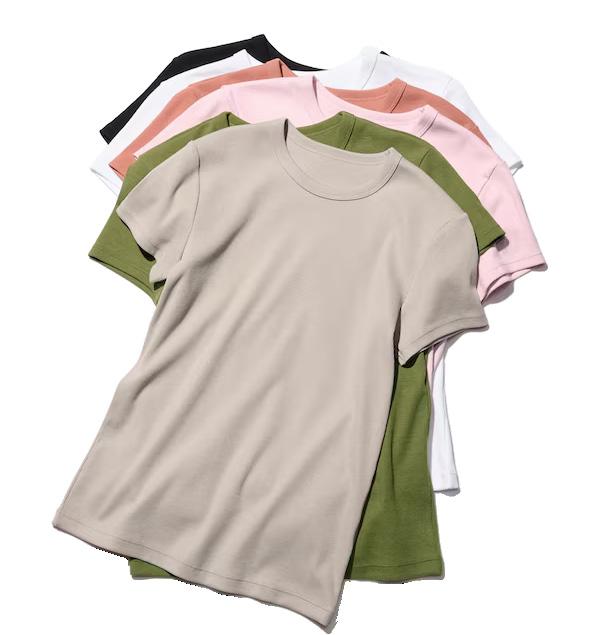
Rugby shirts and long-sleeve T-shirts
An unprecedented bonus to this new rule is that T-shirts and other short-sleeve options are becoming more popular than they have ever been. It has become somewhat of an unofficial rule that girls cannot wear short sleeves to school, which results in girls opting for heavy sweatshirts, even when the weather is warm. However, T-shirts are a great alternative to wearing hoodies, especially while it’s still warm enough out to enjoy the weather. Although we have seen girls wearing T-shirts to school during finals, the hoodie ban has propelled girls to wear T-shirts at other times during the year as well. “I like wearing T-shirts because it’s very hot outside, so why waste this last hot month wearing sweaters?” senior Kelly Fatiha shared. Where to buy: Uniqlo, H&M, Zara

At Givenchy, Sarah Burton’s first collection presented a thoughtful journey of the brand’s heritage. Her designs focus on elegant, architectural pieces, inspired by
The message of these Paris shows indicated a shift toward a more thoughtful and grounded approach to luxury. The trends for this season appreciate craftsmanship, new textures over commonly used prints, and pieces that carry an intentional attitude, likely defining the direction of fashion this fall.
Vogue heads in a new direction
By Rachael Kopylov Fashion Editor
This June, Anna Wintour, the editor-in-chief of Vogue since 1988, announced that she would be stepping down from the magazine in order to help “the next generation of impassioned editors storm the field with their own ideas.”
Wintour does not intend to leave the company entirely. She just began her new role as chief content officer for Vogue publisher Condé Nast, overseeing brands like WIRED, Vanity Fair, GQ and more. She hopes that stepping down from American Vogue will allow her to turn her attention to the company’s “multifaceted growth across its global audiences and publications and events.” Wintour confirmed that she will still oversee the magazine’s Met Gala and help chart the course of its future.
Wintour named Chloe Malle, former editor of Vogue.com and co-host of Vogue’s weekly podcast The Run-Through, as her successor at American Vogue. However, Malle will not be getting the title of editor-in-chief. Instead, she will work as Head of Editorial Content, still reporting directly to Wintour.
“In her new role, Malle will lead the creative and editorial direction of the title and join the leadership team of ten Heads of Editorial Content globally,” the press release reads. “Her appointment is effective immediately.”
Malle joined Vogue as the magazine’s social editor in 2011, and after a few other positions, was promoted to editor of Vogue.com in 2023, where online traffic has doubled since. Recently, she interviewed Lauren Sanchez Bezos for a June cover story. She has also edited several books, including Vogue Weddings: Brides, Dresses, Designers
As Malle put it to The New York Times, she knew that “whoever took on this job would not succeed if what they produced was ‘Anna lite.’” She plans to put her “own stamp” on the magazine, saying that “there has to be a noticeable shift that makes this mine.”
Malle pitched the idea of releasing Vogue’s print issues around certain themes or pivotal moments in culture instead of on a monthly basis. For Vogue.com, she plans on focusing on a “more direct, smaller, healthier audience.”

Have NFL defenses found the solution to ‘speed demons’?
By Elliot Cohen Sports Editor
If you told NFL defensive coordinators that they would have to completely readjust their schemes due to a 5’10” kid from community college, they’d probably tell you to take a hike.
But now, Tyreek Hill, the Garden City Community College graduate who just so happens to run a 4.2 40 yard dash, is making those dreams (or nightmares for defensive coordinators) into a reality.
In the early days of football, at the very beginning, trenches were key. A great ground-and-pound game won championships. Take Paul Brown and the way he ran his team. The late Otto Graham was under the helm for the Browns, fostering the run game, and leading them to success. For years upon years, this Smashmouth Offense seemed like the way to go.
Eventually, as everything does, the game evolved. West Coast style offenses, like the early Bengals offenses (due to the ingeniousness of Bill Walsh and later perfected by 49ers legendary 80’s offenses) found success in the short and stout route game. Quick reads from quarterbacks helped teams win championships. These offenses are talked about often. The processes and origins of each playbook is common knowledge for most NFL fans. However, nobody really talks about what it took to get rid of these eras of dominance. How were each of these styles put to rest? Which systems built counters to these Super Bowl-winning strategies?
And how does that impact Dolphins wide receiver Tyreek Hill?
The Smashmouth concept was weakened by many different tactics, such as the 4-3 Nickel set and zone blitzes, but were truly put to rest by the 1985 Bears defense. Stacking the box caused third downs, forcing teams into throwing situations.
The West Coast Offenses were subdued by bump-and-run press man concepts. These concepts, employed best by the early 2000s Patriots defenses, allowed corners to be up and inside of wide receiver’s short routes, while also getting back to cover anything over the top.
Today, motion heavy vertical option offensive style is exactly what has allowed a player like Tyreek Hill to succeed. Hill moves like 2016 Stephen Curry pre-snap. This is just what allowed him to succeed at a high level. After coming set behind the line of scrimmage, the confused defense is unable to obtain Tyreek, allowing for huge explosive plays over the top due to his incredibly impressive speed.
However, within the past season and a half, NFL defenses have seemingly figured out a way to stop him.
Earlier, it seemed like the solution to Hill was simple: put the team’s fastest cornerback on him, and pray. Now, the idea seems a little more concrete: Cover 2.
A Cover 2 defensive scheme uses a base of two high safeties patrolling the deep part of the field, with corners covering the flats (any outwards routes), and linebackers covering the middle of the field for any slants or digs.
This scheme is beginning to become a cheat code for NFL defenses, allowing them to cover anything teams have to throw at them.
Let’s dive into the Dolphins vs. Chiefs game in Munich from 2023. This was one of the first showings of a team being able to stop Hill’s reign. The two high shells from KC allowed them to cover anything deep, while big hits from linebackers and corners pressing successfully stopped Hill from going nuclear. Hill finished the game with about 60 yards. While this was by no means a dud, this scheme showed the beginning of how teams would match up against Tyreek going forward.
Receding Tide: The fall of the Alabama Crimson Tide
By Sam Gindi Contributing Writer
The year before Nick Saban took over as head coach of the University of Alabama Crimson Tide football team, they had 6 wins and 7 loses. In Saban’s first year as head coach, his team went on to lose more than 3 games for the first time in his 16year coaching career. During his years coaching Alabama, the team won the SEC 9 times, appeared in the National Championship game 9 times, won the championship 6 times, and had 13 bowl wins. They also had 2 undefeated seasons and 4 Heisman Trophy winners. Needless to say, Alabama was unstoppable during this stretch.

Alabama under Nick Saban was one of the best college football programs the game has ever seen. Saban retired in 2023, and Alabama has been lost ever since. In their week one game against FSU, a team that only won 2 games the year before, Alabama should have been able to easily take care of business. They lost 31-17, the first time they had lost in week one in 24 years.
So, that begs the question: what happened to Alabama? Obviously, they lost the greatest college football coach of all time, but could that really turn a perennial national championship contender into a fringe-playoff team, even with the playoffs expanded to 12 teams?
The short answer is yes. Anyone who watched week one could see that Alabama was not the team they were under Saban.
Now, in 2025, Hill is being quieted by defenses willing to cover him using those same two high safety shells.
Will Hill still be a productive receiver?
Their play looked sloppy, their attention to detail was nonexistent, and they did not have the grit that was so crucial to a Saban-coached team. One thing that was special about Nick Saban and his coaching was his obsessive focus on the small details, from a players diet to their sleep schedule. Saban also emphasized having a vision for the season and doing what was necessary each day to achieve that goal. In week one, Alabama did not do that. While Alabama still holds the second-most NCAA titles overall and the most in the poll era, they are certainly not the program they used to be. So, even though the Alabama Crimson Tide are one of the most well known college football programs in the country, don’t be surprised if they don’t make the playoffs this year, and don’t be surprised if Alabama does not hoist the trophy for a while.
Probably so, but not like before. The future of NFL defenses is clear: the Cover 2 High Safety Shell is here to stay.
the student-athlete balance
By Ilana Kroub
Contributing Writer
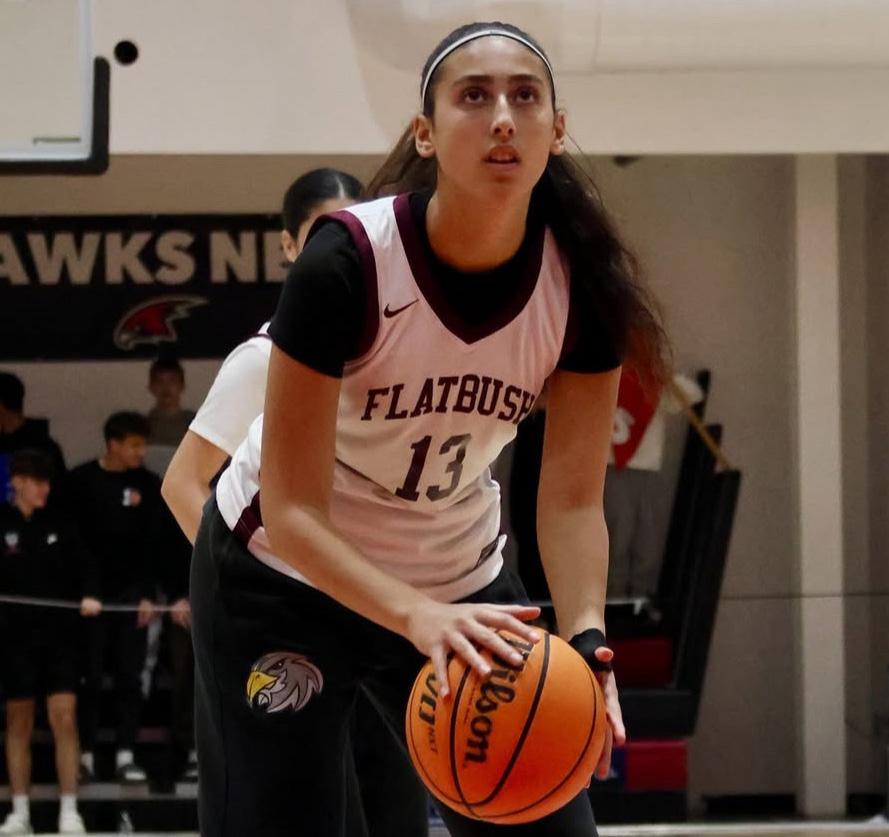
Since joining varsity basketball in her sophomore year, senior Kelly Fatiha has steadily risen through the ranks due to her skills, charisma, and strong work ethic. Now a team captain, alongside Esther Kroub and Lili Hanan, Fatiha embraces the responsibility of helping her teammates grow both on and off the court.
Fatiha explained that “being named captain was such a meaningful moment for me. It gave me a new perspective on what it means to be part of this team. Suddenly, it wasn’t just about my personal growth as a player, but about helping to bring out the best in everyone around me.”
Fatiha’s dedication extends beyond basketball, as she is not only an exemplary player, but successful off the court as well. As part of the high-honors class, she
works hard to maintain top grades while managing rigorous two-hour daily basketball practices, remaining a vital part of her team.
The balance between sport and school was especially tough for Fatiha. As a sophomore, she had to build new relationships on varsity, while also juggling a more demanding practice schedule. “There were times when I came back to class and felt behind, or saw my classmates scoring higher because they had more time to study. That was hard, but it also forced me to work harder and become more disciplined,” Fatiha shared. The determination and responsibility that she developed through playing basketball allowed her to bounce back with poise and blazing passion.
In pursuit of her aspirations in medicine, and after three energy-consuming years, Fatiha shows no signs of slowing
down any time soon: “I love the game of basketball just as much as I love excelling in school, and that balance pushes me to give my all in both.”
And now, as captain, Fatiha is ready to assume new responsibilities and more pressure than before; as hard as it is, through practical prioritization and schedule planning, she is able to maintain a practical student-athlete life.
Fatiha embraces the belief that if you love what you do and are willing to make sacrifices for your passion, anything is possible. “When I step on the court, the rest of my life—school, stress, responsibilities—just fades away. It’s the one place where I can truly be myself, push past my limits, and feel completely free. That’s why I love it so much, because it’s not just a sport for me—it’s a passion that grounds me and shapes who I am.”
In hopes of finally raising the cham-
pionship trophy, Fatiha expressed that, “This year, I really believe our team has so much potential. The girls and I bring such different strengths to the court. With enough practice and dedication, I think we can go far into the season. Of course, the ultimate goal is always to make it to the championships, but I also know the real joy is the journey.”