Saudi
2021 4 Quarterth
Arabia appeals to beware of a setback regarding Covid and the possibility of increasing production from Iran and Venezuela Oil prices are rising and may reach $100 per barrel by the end of 2021 Magazine Issued by MECEI Middle East Center for Energy Information Developments of the energy sector in the Arab Gulf states and North Africa Within this issue : www.mecei.org
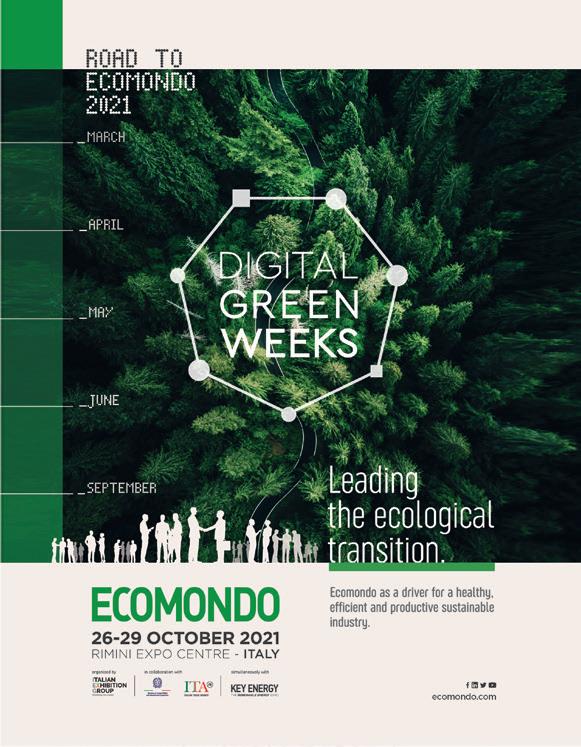
The OPEC+ alliance, which includes 23 coun tries, continues to work to control the oil mar ket and withdraw the oil glut from it, and has succeeded in restoring nearly 40% of the pro duction that fell when the Corona virus smashed demand a year ago. There are expectations of continued improvement in global demand for oil during the remaining years of this decade.
The world’s economies have begun to actually recovering from the Corona pandemic, espe cially in the United States and China, which are the largest consumers of oil in the world, and this is confirmed by what we see in the recovery of the use of oil in the industrial and transpor tations sectors at the global level. According to OPEC forecasts, world oil consumption will rise from 90.7 million barrels per day in 2020 to 107.2 million barrels per day in 2030. The International Energy Agency has also mon itored the continued high performance of vac cinations, and the emergence of indications of a decline in cases of coronavirus, and it expects that this will lead to an actual improvement in oil demand by about 1.6 million barrels per day in October 2021, and that it will continue to grow in demand until end of the year. The agency warned of higher prices if the group did not raise its production rates, as Brent crude futures are trading above $70 a barrel in London.
But the governments of the (OPEC+) group are still concerned about the global demand for oil in the long run due to the impact of the increas
Mohamad Hasan Salem CEO - Oil & Gas World Magazine


ing global activity in climate issues and the ex pansion of the use of alternative fuels, and they also have concerns about factors affecting the strength of oil demand in the short term, includ ing the shift after the pandemic to working from home and conducting remote meetings instead of commuting, in addition to improving efficien cy and switching to electric cars.
Prince Abdulaziz bin Salman, Minister of Energy in the Kingdom of Saudi Arabia, said that the oil market has shown some improvement and oil prices have increased to cross the $70 per barrel barrier, but he does not rule out any evil return to Covid issues or the spread of the mutated strain Delta, and takes into account the possibil ities of reviving production from Iran And Ven ezuela which are supposed to put pressure on prices.
Prince bin Salman warns not to be over-opti mistic because it is not clear whether oil prices are rising because of “real supply and demand” or because of “excessively optimistic expecta tions.” Therefore, he stressed the importance of the demand in the market showing strong and clear increases before the coalition raises sup plies.
For these considerations, OPEC and its allies gradually eased the record oil production cuts that it started last year 2020, when the pandem ic ravaged demand. OPEC+ agreed on cautious and monthly gradual increases in production by 400,000 barrels per day, starting from August 2021.
EditorialDid the oil-producing countries overcome the consequences of Corona?
th
Contents
• Huge new investments with internation al companies
• The delivery of Egyptian natural gas to Lebanon via Jordan and Syria.
Bahrain
• Assigning the tasks of (NOGA) to the Ministry of Oil
• Heading to drill 900 oil and gas wells in the next five years
• Ending the disputes between the Oil Corporation and the Ministry of Oil
• Supporting cooperation between Libya and Algeria in the energy field
Kuwait
• KOC signs contracts to treat polluted soils in the north and south of Kuwait.
• Inauguration of gas flow lines from KIPIC facilities
UAE
• $10 billion for oil sector investments in 2023
Egypt Libya Algeria Saudi Arabia
12-15 16-18 20-24
• The growth of liquefied natural gas exports
• Transition to a low-carbon economy (blue ammonia projects, Barakah nuclear plants, and the partnership between Mubadala and Eni).
• Continuous growth in ADNOC’s Logistics and Services to support the energy sector
• Aramco is considering allowing foreign investors to participate in huge gas project
• Focusing on projects to reduce carbon emissions for energy sector
Qatar
• Notable activity in the gas sector
• Continuous support for giant liquefied gas projects
2021 4-9
26-27
30-32
34-39 40-44
4 Quarter
Chairman: Mohamad Hasan Salem
Editor in chief: Ahmed Yakout
Media and Editing: Ashraf Al Saeed Dr. Sadek Abul. Azza M. Salem Ali Hassan Salem Shaimaa El-Nady Yara Al Samarrae
Marketing and distribution: Abdelsalam Karrar Ahmed M. Hassan Mohamad Abdulsadeq
Website Management: Mostafa ElKholy
Art Director: Ahmed Abdelmoiez
Correspondence: P.O. Box 30 First Settlement, code 11477 – New Cairo, Cairo, Egypt
Tel. : + 202 2308 4311
Mob : + 2 01004610131
Email : info@mecei.org Mohamad.hasan@mecei.org
Website: www.mecei.org
NO: Oil & Gas World Magazine (Print) 2090 -3588
Oil & Gas World Magazine (Online) 2090 -3596
The National Library and Archives Deposit No: 18365
Subscriptions & Advertisements:
ISSN
50-55Iraq • A plan to increase oil production to 8 million b/d by the end of 2027 • A strategic partnership between Iraq and TOTAL worth $27 billion 46-48Oman • Opening of the first biodiesel and biofuel plant • BP raises its gas production to 1.5 billion cubic feet per day Subscribe to our weekly Newsletter: Send to: info@mecei.org
Egypt enters the Guinness Book of Records for the world largest tank for petroleum products
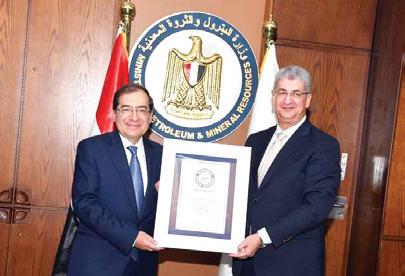
Petrojet, the executive arm of the Egyptian petroleum sector, obtained a certificate from the Guinness Book of World Records for its implementation of a crude oil storage in Ras Badran, as it is the largest floating tank in the world with a capacity of 175,000 cubic meters, equivalent to about 1.1 million barrels of crude oil, in addition to its implementation of the project.
Tarek El Molla, Minister of Petroleum and Mineral Resources, explained that this project comes within the national project to establish 29 crude oil tanks in a number of regions in Egypt, which are characterized by large storage ca
pacities and ease of trading according to the latest operational technologies, within the framework of supporting in frastructure and efforts to transform Egypt into a regional center for oil and gas trading.
For his part, Engineer Walid Lotfy, Pres ident of Petrojet, explained that the company succeeded in manufacturing the storage depot in Petrojet’s centers specialized in local manufacturing, and it was implemented according to inter national specifications by adopting a new and unprecedented technology in construction works with a double and movable floating ceiling system.
Engineer Walid Lotfi, President of Petrojet, was honored by Tarek El Molla, Minister of Petroleum and Mineral Resources
Egypt 4 Oil & Gas World Magazine
New investments worth billions of dollars with international companies
Despite the challenges of the Corona pandem ic, Egypt has succeeded in concluding many new agreements to search for oil and gas, whether with a number of major companies operating for the first time in Egypt, such as Chevron and Exxon Mobil, or with already op erating companies such as BP, Shell and Total.
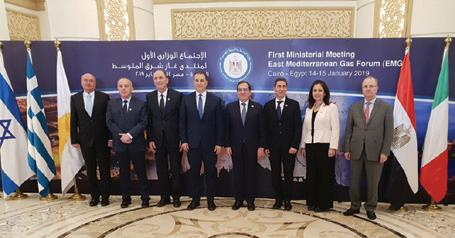
The framework of cooperation and integration between the seven countries affiliated with the Eastern Mediterranean Forum (including producing, consuming and transit countries) has also contributed to increasing investments from foreign companies.
Tarek El Molla, Minister of Petroleum and Min eral Resources, says that Egypt was able to successfully manage the crisis of the repercus sions of the Corona pandemic, especially since the economic reforms implemented by Egypt
in recent years, in which the oil and gas sector was a mainstay, contributed to containing the effects of the pandemic on the economy and the oil and gas sector and the continuation of non-stop work in the fields Egyptian Petrole um in light of the application of precautionary measures and safe operating standards.
El Molla affirms the link between developing the investment atmosphere in the petroleum industry and paying the dues of foreign part ners over the past years, in order to achieve credibility in front of international companies, and supports the efforts made by the Egyptian government to amend investment legislation and implement a program to expand the infra structure to attract investments. These steps have led to attracting new investments of more than 30 billion dollars over the past four years.
The framework of cooperation between the seven countries affiliated with the Eastern Mediterranean Forum has contributed to increasing investments from foreign companies.
5www.mecei.org
Engineer Tarek El Molla, Minister of Petroleum and Mineral Resources
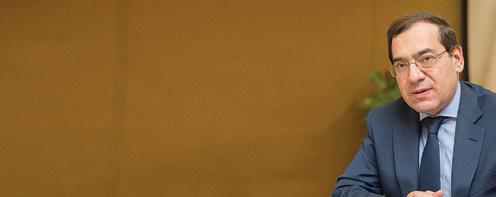
Egypt has taken actual steps to enter the hy drogen industry and produce it as a clean source of fuel, and the petroleum sector is currently communicating with countries and international companies with technical ex pertise in this field to explore opportunities for cooperation.
Engineer Tarek El Molla, Minister of Petroleum and Mineral Resources, says that Egypt has great potentials that qualify it to enter the hydrogen in dustry, the most impor tant of which is the avail ability of natural gas that supports the production of blue hydrogen and thus enables the production of green hydro gen effectively and with high economic fea sibility.
He explained that Egypt has a large local market in need of hydrogen, and also enjoys a strategic location and ports on the Med
iterranean and Red Seas to meet the local, regional and global demand for hydrogen, in addition to its long experience in the tech nologies used in hydrogen production and its extended partnership with companies providing production technologies, in ad dition to the availability of infrastructure for product transport and availability of technical expertise to han dle and store it.
This comes in line with the Egyptian state’s orientations to shift towards clean ener gy, reduce carbon emissions and achieve sustainable de velopment within the frame work of Egypt’s Vision 2030, which focuses on energy as an economic component to achieve sustainability, Egypt’s energy strategy until 2035, which is currently being updated, and the Paris Climate Agree ment to counter the risks of climate change, which Egypt has ratified.
Egypt begins actual steps to attract investments in the green hydrogen industry.
Engineer Tarek El Molla, Minister of Petroleum and Mineral Resources: “Egypt has great potentials that qualify it to enter the hydrogen industry”
Egypt has a large local market in need of hydrogen, and also enjoys a strategic location and ports
6 Oil & Gas World Magazine
The American Bechtel Group has signed two agreements with the Egyptian petroleum sec tor to implement the basic engineering works and designs for the Red Sea Petrochemical Complex project in the Ain Sukhna Economic Zone, and to form a consortium to implement the largest petrochemical project in Egypt and Africa with $7.5 billion investments.
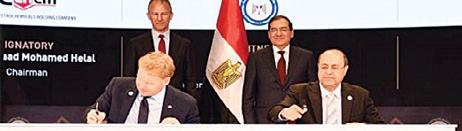
Bechtel has joined coalition with Enppi and Petrojet, which are affiliated with the Egyptian petroleum sector, in order to implement the engineering works and designs and the subse quent construction work and tasks necessary to implement the project. The three companies will cooperate together for the first time in or der to complete the engineering works and de signs for this huge project.
The agreement for the implementation of en gineering and design works was signed by Brendan Bechtel, Chairman and Managing Director of the American Bechtel Group, and Eng. Karim El-Desouky, General Manager of Bechtel Egypt, and for the petroleum sector, Eng. Mohamed Abadi, President of the Red Sea National Refining and Petrochemical Com pany, Eng. Ashraf Bahaa, President of Enppi, and Engineer Walid Lotfy, President of Petro
jet. The president of the American Bechtel and the presidents of Enppi and Petrojet signed the agreement to form the coalition for the imple mentation of the project.
It is worth noting that Bechtel has achieved re markable success around the world, and has recorded a history of success and commitment to work with Egyptian companies in the petro leum sector over nearly fifty years of work in Egypt.
For his part, Brendan Bechtel, Chairman and CEO of Bechtel Corporation, said, “It is a great honor to have been chosen for this historic mega project, which enhances President Sisi’s vision of unlocking new capabilities and diversi fication in the Egyptian petrochemicals market.
I am grateful for the confidence that the Minis try of Petroleum has given us.” We are very ex cited to deepen our long-term relationship with Enppi and Petrojet through this consortium.”
US Ambassador to Egypt Jonathan Cohen stat ed, “From the perspective of the US govern ment, we are pleased to see Bechtel, one of the leading engineering and construction compa nies in the United States, take a leading role in the most important investment in petrochemi cals in Egypt, which enhances the commercial component of the US-Egypt strategic partner ship, which is flourishing in many directions.
Egypt and Bechtel sign a $6.7 billion contract for the Red Sea Petrochemical Complex in the Ain Sukhna Economic Zone
Serious steps in cooperation with the American Bechtel within the scope of the Red Sea Petrochemical Complex project
7www.mecei.org
Signing 4 contracts to search for gold with the second largest company in the world
Engineer Tarek El-Molla, Minister of Petroleum and Mineral Resources, witnessed the signing of 4 contracts to search for gold between the Mineral Resources Authority and the Canadian Barrick Gold Company, which is ranked second in the world in gold search activity.
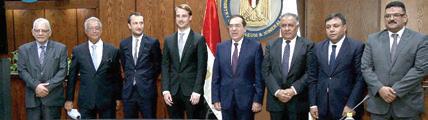
Under the contracts, the Canadian company invests for the first time in the search for gold in 19 new sectors in the Eastern Desert, with a total investment estimated at $8.8 million, after winning the first round of global bidding put forward by the Ministry of Petroleum and Min
eral Resources in 2020 with its modern system. The contracts were signed by geologist Khaled El-Sheshtawy, head of the Mineral Resources Authority, with Joel Holiday, Vice President of Barrick Gold Exploration.
For his part, the Vice President of Barrick Gold Exploration Company confirmed that it seeks to build a strong and long-term partnership with Egypt, praising the great development witnessed by its mining sector during the re cent period, which confirms that Egypt is on its way to building a strong mining industry.
Completion of updating the national plan for the petrochemical industry until 2040
The Egyptian petrochemical industry is wit nessing increasing activity thanks to the new projects being implemented with investments estimated at about 8 billion dollars, foremost of which is the project of the Red Sea Refining and Petrochemicals Complex in the Suez Canal Economic Zone, whose investments are esti mated at about 7.5 billion dollars.
The update of the national plan for the petro chemical industry until 2040 has been complet ed, and a number of new petrochemical pro jects are being studied to start implementing
them during the coming period to provide the local market with petrochemical products and export the surplus of those products in a way that supports the national economy.
The Egyptian Petrochemical Holding Company is following up on the commitment to the spe cific timetables for the implementation of new projects and working to overcome all obstacles that may face their implementation, taking into account the application of the highest quality standards, occupational safety and health re quirements, and environmental protection.
Canadian Barrick Gold Company wins the first round of global bidding put forward by the Ministry of Petroleum and Mineral Resources in 2020
8 Oil & Gas World Magazine
Delivering Egyptian natural gas to Lebanon via Jordan and Syria
In a meeting hosted by Jordan on 9/8/2021 in Amman, which included Egypt, Syria and Leba non, the ministers of the Arab Gas Pipeline coun tries agreed to deliver Egyptian natural gas to Lebanon via Jordan and Syria, and to present an action plan and timetable for its implementation.
The Jordanian Minister of Energy and Mineral Resources, Hala Zawati, affirms the cooperation of the ministers participating in the meeting in the field of re-exporting Egyptian natural gas to Lebanon through Jordanian and Syrian territo ries, through the Arab Gas Pipeline.
Zawati says that “technical meetings were held on the sidelines of the ministerial meeting, dur ing which the readiness of the infrastructure needed to transport natural gas in each of the four countries and the necessary technical re quirements were studied, and it was agreed to present a clear action plan and timetable for the delivery of Egyptian natural gas to Lebanon, provided that the team finishes his work within a specified period, and that the results are submit ted to be approved by consensus of the parties and to work on their content as soon as possible. For his part, the Egyptian Minister of Petroleum and Mineral Resources, Tariq El-Molla, said that Egypt is addressing the issue under direct direc tives from President Abdel Fattah El-Sisi, with the support of Lebanese people to overcome their energy crisis.
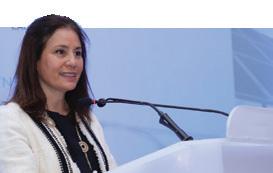
In turn, the Syrian Minister of Oil and Mineral Re sources Bassam Tohme said that the Arab Gas Pipeline project, which has been clearly embod ied on the ground since 2003, is one of the most important joint Arab cooperation projects, add ing that Syrian President Bashar al-Assad direct ed to help overcome the difficulties faced by the Lebanese people in the field of energy.
The Lebanese Minister of Energy and Water, Raymond Ghajar, expressed his appreciation for the initiative to revive the quadripartite agree ment to deliver Egyptian gas to Lebanon.
He expressed his hope that this cooperation would lead to the delivery of Egyptian gas to feed the 450-megawatt Deir Ammar plant, and that the agreement to connect electricity from Jordan would be revived.
It should be noted that the Egyptian gas was pumped through the Arab Gas Pipeline to Leba non through Syria and Jordan from 2009 to 2011. The length of the Arab Gas Pipeline is about 1200 km and its beginning is from El-Arish in Egypt and then passes through Jordan through Aqaba Governorate, and then north to the Syri an border and from there To Homs, where he is then transferred to Lebanon. The pipeline has a capacity of more than 10 billion cubic meters of gas annually, but Egypt stopped pumping gas in 2011 due to the political and security conditions in the region.
The Jordanian Minister of Energy and Mineral Resources, Hala Zawati
9www.mecei.org




MAGAZINE ISSUED BY MECEI www.mecei.org Goals Distribution - To establish a successful media relationship with oil & gas institutions. - To be a basic reference for Oil and Gas latest information (events, projects, investments and companies update). - To publish Oil and Gas reports about MENA countries. Profile Middle East Center for Energy Information - MECEI & Oil and Gas World Magazine: Working from Cairo since 2008 and has a data-bank covering oil and gas sectors in the Middle East area. It offers a bilingual (English and Arabic) website (mecei.org), magazine (Oil and Gas World Magazine) and Newsletter (OGWM Newsletter) The magazine is Distributed among Universities, Academic Institutions, Oil & Gas companies and related businesses in MENA region mainly Egypt, Libya, Iraq, Kuwait, Saudi Arabia, UAE, Qatar, Oman, and Bahrain. Contact: Mohamad Hasan +2 01004610131mohamad.hasan@mecei.org info@mecei.org
Ending the disputes between the Oil Corporation and the Ministry of Oil
Libyan Prime Minister Abdel Hamid al-Dabaiba issued a decision to cancel a previous decision of the Minister of Oil to suspend the work of the head of the Na tional Oil Corporation, Mustafa Sanalla.
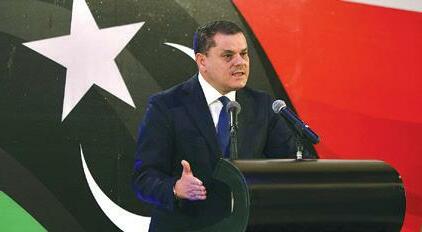
The prime minister said Mustafa Sanalla, head of the state-run National Oil Cor poration, would remain in his post. Mustafa Sanalla had been in office since
2014, seeking to distance the National Oil Corporation from the political strug gle between the two rival governments in the east and west.
The oil minister, Mohamed Aoun, want ed to change the board of directors of the National Oil Corporation and dismiss Sanalla, a move that Libyan Prime Minis ter Abdel Hamid al-Dabaiba resisted.
 Abdel Hamid al-Dabaiba - Prime Minister
Libya 12 Oil & Gas World Magazine
Serious steps to support cooperation between Libya and Algeria in the field of energy
The Libyan Minister of Oil and Gas, Mr. Mohamed Ahmed Aoun, met his Al gerian counterpart, the Minister of En ergy and Mines, Mr. Mohamed Arkab, in the presence of the two presidents and general managers of Sonelgaz and Sonatrach.
The two sides discussed ways to strengthen bilateral relations between the two countries, especially in the field of energy.
They also discussed partnership and investment opportunities available be tween the two countries in various oil ac tivities such as research and exploration, training, development, and oil and gas transportation. The two sides praised the quality of relations between the Liby an National Oil Corporation and the Na
tional Company Sonatrach and called on the two sides to strengthen and expand areas of cooperation between them.
During this meeting, the two sides dis cussed prospects of cooperation be tween them in the field of electricity production in Libya, transmission, distri bution, strengthening the electrical net work, maintenance, training and others.
This cooperation falls within the frame work of the continuation of the cooper ation that took place between Sonelgaz and the Libyan General Electricity Com pany after the intervention of the techni cal team of Sonelgaz in October 2020 in order to repair and restart the Al-Khums power plant in Libya.
The Libyan side expressed its hope to develop partnership opportunities with Sonelgaz, which has experience that en abled it to achieve successes in this field.
Serious steps to support cooperation between Libya and Algeria in the field of energy
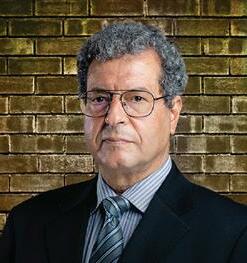
Mohamed Ahmed Aoun - Minister of Oil and Gas,
13www.mecei.org
The new directions of the Ministry of Oil and Gas in Libya
The Libyan Minister of Oil and Gas, Mohamed Aoun, who was installed as the first oil minister in Libya since 2014, explained the new directions of his ministry as follows:
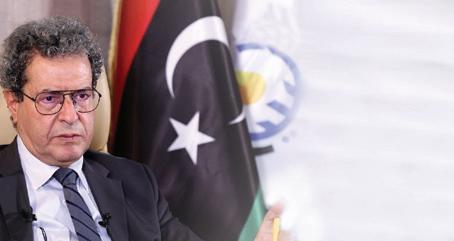
- Financial allocations for oil sector ac tivities will be sufficient to cover the sec tor’s requirements until the end of 2021.
- The Ministry of Oil and Gas and the National Oil Corporation will do their ut most to maintain the country’s increased production of oil and gas and support exploration, development and sustaina ble development projects in various off shore and onshore areas.
- The Ministry of Oil, in cooperation with the Ministry of Environment, are working together to combat environmental pol lution at oil sites and ports, with the aim of reducing the bad effects of gaseous emissions in all locations of the country.
- The Ministry of Oil will work to raise the level of youth, support them to de velop the areas surrounding the oil sites.
- Giving all thanks to the Petroleum Fa cilities Guard for its role in securing the site of the National Oil Corporation in Tripoli, the sites, fields, platforms and seaports, and all the workers in the oil sites for their wonderful efforts during the past years and enduring difficulties and hardships in order to maintain pro duction levels even in the darkest condi tions the country faced.
- Libya’s pride in its membership in OPEC and the (OPEC+) alliance, and officials in Libya appreciate the organi zation’s decisions that take into account the exceptional circumstances of Libya, and the organization’s agreement to exclude Libya from participating in the agreed cuts. On the other hand, Sau di Energy Minister Prince Abdulaziz bin Salman, expressed the organization’s appreciation of the conditions that the State of Libya is going through, and their permanent support for it, and his wishes for Libya to enjoy social and economic stability.
14 Oil & Gas World Magazine
The great potential of the Libyan oil sector
Mustafa Sanalla – CEO of the National Oil Corporation
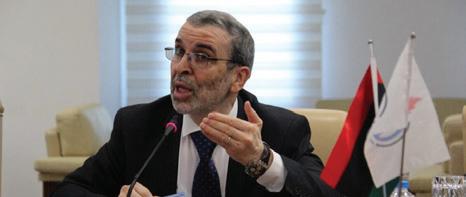
Libya possesses 48.4 billion barrels of proven oil reserves (2.8%) of the world’s oil reserves. Its oil reserves are the larg est in Africa and the tenth largest in the world. Libya is also an important supplier of light, low-sulfur crude. The Libyan oil sector accounts for 95% of the country’s export earnings and about 60% of GDP.
Production rates: With its production of 1.6 million barrels per day before the overthrow of the Gaddafi regime, Lib ya was the fourth largest oil producing country in Africa after Nigeria, Algeria and Angola. Libya can still return to its previous production levels if the political situation stabilizes and the infrastructure improves.
The Sirte Basin, located in eastern Libya, is considered one of the most important oil basins in Libya. It includes 16 produc ing fields, including the Sarir field, one of the largest Libyan oil fields. The Ghad ames basin is located in northwest Libya,
and parts of it extend into the territories of Tunisia and Algeria.
The El Sharara oil field is also the largest in Libya, with reserves of approximately 3 billion barrels of oil and a production of 300,000 barrels per day. The field is located in the Murzuq desert, south of Tripoli, and is currently managed by the Spanish company Repsol. The field had fallen under the control of the Libyan National Army in February 2019, and production from it was halted in January 2020 as a means of pressure in negoti ations with the Government of National Accord, which is thirsty for the field’s rev enues.
The Libyan National Oil Corporation un dertakes the tasks of exploration and production operations through its sub sidiaries, or in partnership with other companies, in addition to the opera tions of marketing oil and gas locally and abroad.
15www.mecei.org
The Prime Minister declares that the investment in oil will rise to 10 billion dollars in 2023
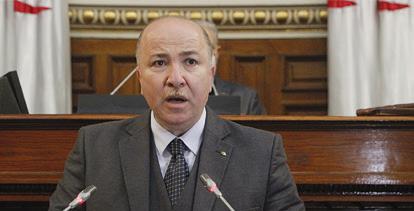
ALGERIA
Algerian Prime Minister and Finance Minister Ayman Ben Abdel Rahman said that Algeria continues to increase investment in extraction and develop ment in the oil sector, to rise from $7.4 billion in 2021 to about $10 billion in 2023.
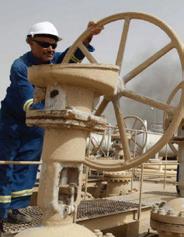
He added that these investments will allow increasing the primary commer cial production of oil from 187 million tons of oil equivalent to about 196 mil lion tons. He also announced the en deavor to produce 15,000 megawatts of renewable energies in 2025, stress ing the importance of exploiting the mining wealth, which suffered earlier from the lack of a regulating strategy.
Bin Abdul Rahman, who also holds the position of Minister of Finance, focused on the importance of reduc ing the import bill and rationalizing
spending to achieve sustainability, us ing a new support mechanism based on targeting beneficiaries from vulner able groups.
Algerian Prime Minister and Finance Minister - Ayman Ben Abdel Rahman
16 Oil & Gas World Magazine
Expectations of growth in LNG exports during the second half of 2021
Algerian liquefied natural gas exports will witness a growth during the second half of this year 2021, according to the latest report of the General Secretariat of the Organization of Arab Petroleum Exporting Countries (OAPEC).
The organization, of which Algeria is a prominent member, indicated in its report entitled “Developments of LNG and hydrogen during the second quarter of 2021” that Algeria’s exports of LNG amounted to about 3.1 million tons during the second quarter of 2021, compared to 2.9 million tons in the same quarter From 2020.
This growth is mainly due to the entry
of the gas liquefaction facility in Skikda into full operation after a hiatus for several months during the past year, as it exported about one million tons during the second quarter of 2021, while about 2.1 million tons were exported from the operating liquefaction facilities of Barzio, with expectations that LNG exports from Algeria will witness growth during the second half of 2021.”
It is worth noting that Algeria’s oil production, according to what was stated by Algerian Minister of Energy Mohamed Arkab, is currently running at 932 thousand barrels per day for the month of September 2021, and it is expected to rise to 942 thousand during the month of October 2021.
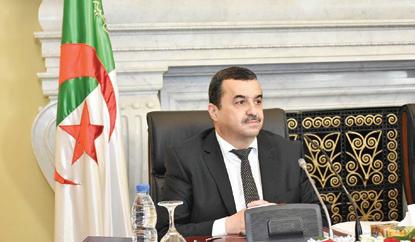 Mohamed Arkab - Algerian Minister of Energy
17www.mecei.org
Bilateral cooperation in the field of renewable energies between Algeria and Italy
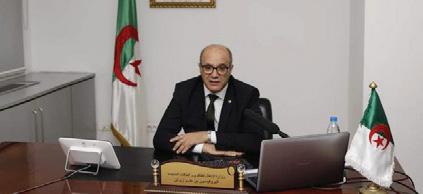
The Minister of Energy Transition and Re newable Energies, Benatou Ziyan, met in Algiers with the Italian Ambassador to Algeria Giovanni Bodleese, where he re viewed with him the issue of cooperation in the field of renewable energies. During this meeting,
the two sides discussed the general frame work of bilateral cooperation between the two countries and the applied modalities that allow the development of joint ener gy programs and projects in the field of energy transition, renewable energies and energy efficiency.
On this occasion, Mr. Benatto presented Algeria’s strategy in the field of renewable energies, referring in this regard to the im portant projects included in the sector’s road map, such as the national program for the development of renewable ener gies, which includes large projects for so lar energy,
the development of thermal energy and the energy valuation of waste, as well as the establishment of a national laboratory for testing and monitoring energy perfor mance procedures, and establishing an institute for energy transition and renew able energies. In this regard, he explained that the Italian side’s support
“is very important in view of its experience and expertise in these areas.”
For his part, the Italian ambassador to Al geria affirmed the common interests of the two countries and his desire to enhance cooperation projects with Algeria within the framework of its energy transition.
He also highlighted the proposed joint initiatives, referring to the holding of the Fourth Intergovernmental Summit in Jan uary 2022 and the organization of an eco nomic forum in Algeria.
The Minister of Energy Transition and Renewable Energies, Benatou Ziyan
18 Oil & Gas World Magazine
Saudi Arabia
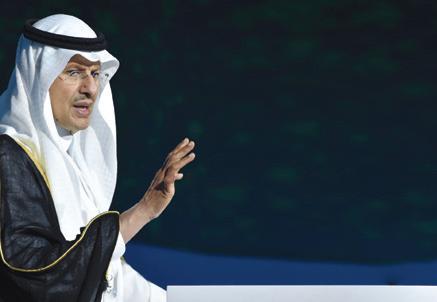
His Highness Prince Abdulaziz bin Salman, Minister of Energy of Sau di Arabia, said that it is not clear the real reason for the rise in oil prices to $75 a barrel, and whether it is due to “real supply and demand” factors or because of “excessively optimistic ex pectations and paths”.
Prince Abdulaziz said the OPEC+ group should remain vigilant because the oil market has not yet emerged from the “stagnation” caused by the coronavirus pandemic. At the same time, he warned traders not to confuse caution with inaction.
His Highness added: “We have to be
warns against over-optimistic explanations for the rise in oil prices to $75 a barrel
careful, but caution does not mean that we do not have to do something.”
Although Prince Abdulaziz acknowl edges the decline in global oil stocks and better expectations for demand during the second half of this year 2021 and until 2022, he added that OPEC+ can not rule out any evil return to Covid is sues, and appealed to caution against the possibility of reviving production from Iran and Venezuela, which are matters unconfirmed, but im portant and influential and the OPEC+ group should take it into account.
Saudi Energy Minister :
His Highness Prince Abdulaziz bin Salman, Minister of Energy of Saudi Arabia, warns against over-optimistic explanations for the rise in oil prices over $70 a barrel
20 Oil & Gas World Magazine
Saudi Aramco records profits of nearly 300% in the second quarter of 2021
Saudi Arabia is the world’s largest oil exporter, and Aramco is the world’s largest oil producer and one of the most important companies in the world in terms of financial value.
The Saudi oil company, Aramco, recorded a nearly four-fold increase in profits, thanks to the increase in crude oil prices by more than 30% since the beginning of this year. This increased its net income by 288% to $25.5 billion in the second quarter of 2021.
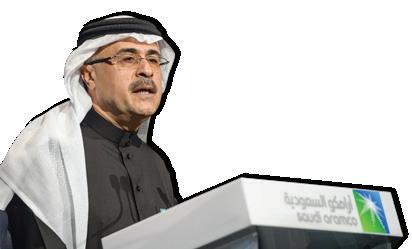
ARAMCO’s CEO, Amin Al-Nasser, says that the company’s results for the second quar ter reflect a strong return to global energy demand, and that there is increasing confi dence that the coming period will be better. Nasser added that the company is entering the second half of 2021 more flexible and
able to adapt, especially with the strength ening of the global recovery thanks to the easing of Corona restrictions, the availability of vaccines, stimulus measures, and the re turn of economic activity.
The global recovery in demand has left its clear positive imprints on oil prices, as the price of Brent crude rose to exceed $70 a barrel after the OPEC Plus group, which includes the Organization of Petroleum Exporting Countries, OPEC and its allies, agreed to reduce its oil production.
The financial conditions of the major global energy companies also improved. The giant American energy company, ExxonMobil, an nounced that its income rose by $4.7 billion in the second quarter, compared to losses of more than one billion dollars in the same period last year. In Europe, Royal Dutch Shell reported the company’s highest quarterly profit in more than two years.
ARAMCO’s CEO, Amin Al-Nasser
21www.mecei.org
The “Namaat” program is a cornerstone of Aramco’s plans for local industrialization to support growth and promote economic diversification that the Kingdom seeks to achieve within Vision 2030.
Aramco has concluded agreements at various levels with a number of international companies in industry, technology, energy services, logistics services and advanced materials, which included evaluating opportunities for carbon capture and storage, in addition to studying the establishment of a waste management company, and a joint venture for the manufacture of seamless pipes and stainless steel pipes.
The “Namaat” program is considered a complement to the “EKTEFA” program launched by the company in 2015 to localize goods and services and provide job opportunities for citizens. Aramco CEO Amin Nasser says: “The Namaat
Program offers our global and national investor partners great opportunities to participate in Saudi Aramco’s strategy to achieve future growth and sustainability, and play a vital role in increasing value addition in the energy and chemicals supply chain.”
Nasser explained that Aramco’s partners can benefit from a wide range of financial and infrastructure incentives through the government partner program, and these initiatives will contribute to supporting the Namaat program and encourage increased investments that enhance the technical and environmental aspects.
In March 2021, Saudi Crown Prince Mohammed bin Salman launched the “SHAREK” program to strengthen the partnership between the public and private sectors in the Kingdom, and the program will result in new investments worth 12 trillion Saudi riyals (about 3 trillion US dollars) until 2030.
Within the framework of the Royal Commis sion’s endeavour to diversify investment in Yanbu Industrial City in order to achieve the Kingdom’s Vision 2030, the Royal Commis sion in Yanbu signed an investment agree ment with a national company for steel in dustries, with an investment value of SR145
million, to establish a factory for the produc tion of wind power generation towers. This industry is a qualitative addition to the industrial city of Yanbu, and the factory is expected to start commercial production by the end of the second quarter of 2023, and to provide 145 new job opportunities.
Aramco supports its industrial investment program (Namaat) by signing 22 memoranda of understanding and joint venture agreements
The Royal Commission in Yanbu to establish a factory for the production of wind power generation towers
22 Oil & Gas World Magazine
Electricity generation begins at the first wind power plant in Saudi Arabia
The Dumat Al-Jandal wind power plant,
The Dumat Al-Jandal wind power plant, which was designed with a capacity of 400 megawatts, has been successfully connected to the main electricity grid in the Kingdom. The plant is considered the first wind power plant in the Kingdom of Saudi Arabia and the largest of its kind in the Middle East, as the operation began to produce the first megawatt of carbon-free electricity.
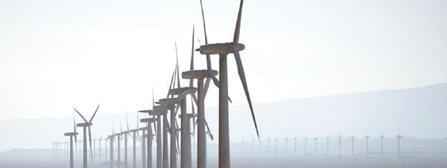
The plant includes 99 wind turbines, each with a capacity of 4.2 MW. A consortium led by EDF Renewables and Masdar, the world’s leading carbon-neutral energy companies, is tasked with developing the Dumat Al Jandal wind power plant at the utility level. . The project will contribute to supporting the Saudi electricity network in meeting the increasing need for electricity during the summer season, which is the time of peak consumption.
The plant will generate enough energy to consume 70,000 homes in Saudi Arabia and will contribute to avoiding the emission of 988,000 tons of carbon dioxide annually, to support the Kingdom’s goals to address the repercussions of climate change, and support the achievement of Saudi Arabia’s Vision 2030, which aims to reduce the carbon footprint in
the country.
Osama Al-Othman, the representative of “Masdar” in Saudi Arabia, expressed Masdar’s pride in harnessing its expertise in the field of renewable energy to develop the first wind power plant in the Kingdom in cooperation with its partners, stressing that connecting the plant to the electricity grid represents an important step on the path to achieving this prominent project in the Kingdom. He added that Masdar is committed to employing clean technology through its projects across the region, and that it will continue its efforts to support the Kingdom’s ambitious energy program.
The Dumat Al-Jandal wind power plant contributes to enhancing economic activities within the region, providing more than 600 local jobs during the construction phase.
Dumat Al-Jandal station provides electricity for a period of twenty years, according to the power purchase agreement signed with the Saudi Power Purchase Company, a subsidiary of the Saudi Electricity Company responsible for power generation and distribution in the Kingdom.
23www.mecei.org
Aramco focuses on reducing carbon emissions from the oil and gas sector
The Acting Senior Vice President of Ex plora tion and Production at Aramco, Engineer Nasser Al-Naimi, stressed the importance of reducing carbon dioxide emissions by oil and gas com panies, and that this matter constitutes the basis for achieving a real transformation in the energy sector.
Engineer Al-Naimi says, “The new energy sys tem is an important axis, but it has time before it assumes a large part of the burden of the in creasing global demand for energy, and this means that the current and new energy will con tinue to go hand in hand for a long time to come, accompanied by our attention to what is facing our world from challenges related to climate and carbon emissions. And if we take into account that current energy will continue to play its fun damental role along with alternatives that take time to grow, we must focus on reducing carbon emissions in the oil and gas sector, which is what Saudi Aramco and our business are doing “. He added that to ensure energy security and reliability for the world in the future, the crit ical factors for success are: innovative technol ogies, innovation, cooperation between oil and gas companies, new energy companies, energy equipment manufacturers, service providers, technology developers and all stakeholders in cluding governments.
He stressed the importance of technology in particular, describing it as a “key element” in the development of the energy sector, and that this stems from our belief and confidence that tech nology is an integral part of our efforts to devel op innovative solutions that bring us economic benefits that support the continuous supply of energy.
He also clarified that oil will continue to be an important element in the global energy mix, but he identified other areas that Saudi Aramco pays attention to that will contribute to accelerating the pace of achieving its goal of reducing car bon emissions in the company’s energy business system.These areas are: “Increasing the refining and marketing business, to reach 8 to 10 million barrels per day, a significant increase in the pro duction of chemicals that will be incorporated into the company’s refineries, and benefit from the company’s research efforts on converting crude oil into petrochemical products, as well as focusing on non-metallic materials due to the presence of significant opportunities in the huge end-use sectors.
The company plans to develop the clean gas sec tor at the local and international levels, and that there is huge potential in the fields of hydrogen and blue ammonia from oil and gas, in addition to carbon extraction, exploitation and storage.
According to sources of Bloomberg Interna tional, Saudi Aramco is considering opening the door to one of the largest unconventional gas fields in the world (the Jafurah field de velopment) for foreign investors. The compa ny is looking to finance a $110 billion project to diversify oil sales. The Jafurah field is one of the Kingdom’s pri orities to increase gas production and reduce dependence on crude oil exports. The field is estimated to contain 200 trillion cubic feet of rich raw gas, and Aramco expects production
to begin in 2024. This approach is unique and is one of the rare times that Aramco allows foreign investors to own stakes in its oil and gas assets. The company began reviewing the fields’ work earlier this year, as a first step to such a potential move. Aramco has increasingly opened its doors to foreign investors since it offer its shares for public subscription in 2019 to help fund both its $75 billion dividend commitment and significant capital spending requirements.
Aramco is set to allow foreign investors to participate in a $110 billion gas project
24 Oil & Gas World Magazine
Bahrain to abolish the National Oil and Gas Authority (NOGA) and transfer all its tasks to the Ministry of Oil.
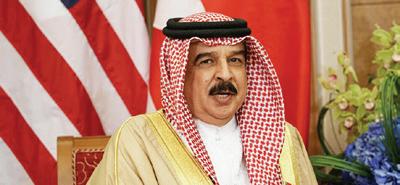
he official Bahrain News Agency re ported that His Majesty King Hamad bin Isa Al Khalifa, King of Bahrain, issued a royal decree to abolish the National Oil and Gas Authority (NOGA) and transfer all its tasks to the Ministry of Oil.
According to the decree, all the fi nancial appropriations allocated to the authority in the state’s general budget and all its rights and obliga tions will be transferred to the Minis try of Oil,
and all the authority’s employees will also be transferred to the minis try while preserving their rights and benefits.
The National Oil and Gas Authority has raised funds in the debt mar kets several times over the past few years, including the issuance of an eight-year Islamic bond last April, in
order to raise $600 million at a rate of 5.25%. NOGA has given initial price guidance of between 5.75% and 5.875% for the Sukuk.
 His Majesty King Hamad bin Isa Al Khalifa , King of Bahrain
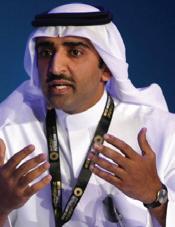
Sheikh Mohammed bin Khalifa Al Khalifa, Minister of Oil
His Majesty King Hamad bin Isa Al Khalifa , King of Bahrain
Sheikh Mohammed bin Khalifa Al Khalifa, Minister of Oil
Bah rain 26 Oil & Gas World Magazine
Tatweer Petroleum plans to drill about 900 oil and gas wells over the next five years. The com pany is currently preparing its needs of materials and equipment for drilling operations.
Thirteen companies from the private sector competed for a tender to supply the compa ny’s needs for flotation equipment and well cap accessories.
Two months ago, Tatweer Petroleum issued a tender to supply underground safety valves in accordance with quality standards, provid ed that these valves are to be installed in all gas wells located in the Bahrain oil field.
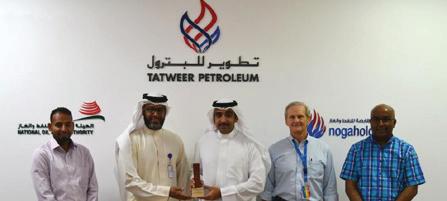
Tatweer Petroleum is wholly owned by the Oil and Gas Holding Company, the commer cial and investment arm of the National Oil and Gas Authority in the Kingdom of Bahrain, which is responsible for government invest ments in a variety of energy-related compa nies. Tatweer Petroleum is also responsible for all exploration and production operations in the Kingdom, including oil and gas explo ration, development and production activi ties, as well as gas distribution and sale. The company’s primary objective is to in crease oil production and gas availability to
meet the future energy requirements of the Kingdom of Bahrain, in line with the coun try’s Economic Vision 2030.
The company uses the latest oil exploration, production and recovery technologies while maintaining its commitment to the highest standards of health, safety, environmental protection, and development for Bahraini citizens.
It is worth noting that Bahrain had previously announced in April 2018 the discovery of a large field of shale oil, with an oil reserve es timated at 80 billion barrels, which is the sec ond largest deposit of shale oil in the world, and it can be extracted at low costs around $35 a barrel, a figure equivalent to half the current oil prices.
Shale oil extraction operations were supposed to start at the beginning of the year, but the coronavirus pandemic caused delays for the Italian company responsible for the field.
Bahrain plans to drill 900 oil and gas wells over the next five years.
27www.mecei.org
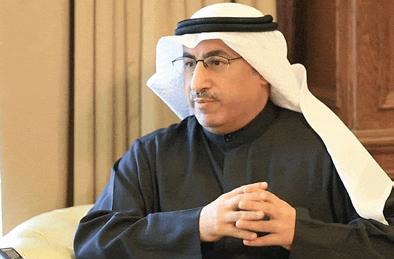
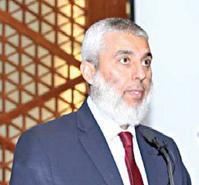
 Dr. Muhammad Al-Faris
The Minister of Oil and Minister of Higher Education in the State of Kuwait
The Minister of Oil and Minister of Higher Education in the State of Ku wait, Dr. Muhammad Al-Faris, reiter ated that the prudent and balanced (OPEC+) management of oil markets has succeeded in supporting the glob al oil industry during the Corona pan demic crisis.
Al-Faris stressed the organization’s constant endeavor to secure oil sup plies in the markets and the success of its efforts in achieving balance and re storing stability to the global economy. He praised the (OPEC+) decision, which was unanimously approved, stipulating to continue the group’s agreement and
the increase in the supply of oil mar kets by 400,000 b/d for the month of October 2021, pointing out that the share of the State of Kuwait from this increase is 27 thousand b/d during the month of October 2021.
It is worth noting that the OPEC+ group ended its meeting by agreeing to keep the production policy unchanged, to emphasize the plan to increase pro duction by 400,000 barrels per day every month, and agreeing on October 4, 2021 as the date for the group next meeting. The non-compliant countries should submit compensation plans no later than September 17, 2021.
Kuwait’s share of the increase in OPEC production is 27 thousand b/d during October 2021
Kuwait 30 Oil & Gas World Magazine
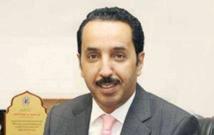
KOC has signed two new contracts to remediate soil contaminated by oil spills in North and South Kuwait, as part of the Kuwait Environmental Re habilitation Program (KERP).
CEO Emad Mahmoud Sultan represented the Company in signing the contracts. DCEO (Major Projects & Technical Services) Khalid Al-Otaibi, DCEO (Commercial & Common Services) Abdul Wahab Al-Mithin, in addition to senior officials from KOC and the two contracting companies Hangzhou Zaopin and HEISCO, attended the signing ceremony.
It is noteworthy that the contracts aim to imple ment projects to remediate and repair polluted soil in the second and third area in North and South Kuwait due to the Iraqi invasion.
Emad Mahmoud Sultan CEO of Kuwait Oil Company
KOC inaugurates the gas flow lines from KIPIC’s facilities
meet the requirements of power plants and water distillation from clean gas fuel.
He said that this project was made possible through the efforts of all oil production em ployees over many years, adding that from the beginning, KOC, in cooperation with K-com panies, has been providing the best solutions aimed at covering the energy needs of con sumers, while supporting and strengthening the industry sector.
KOC recently inaugurated the gas flow lines from KIPIC’s permanent gas import facilities to its pipeline systems, which is managed by the Gas Operations Group to cover all light gas needs in the State of Kuwait.
On this occasion, Manager Gas Operations Hamad Al-Zuwayer stressed the economic and environmental feasibility of the project, wherein one of the strategic objectives of Kuwait is to
For his part, Abdulwahab Al-Rifai, who is re sponsible for consumer networks stated that the operation of the project and the gas pumping into the network was the result of strong team work between oil companies as well as the cooperation and coordination with the Ministry of Electricity and Water, which in turn helped to operate the project in a way that demonstrated the high efficiency of the national cadres and sought to meet the ener gy requirements of Kuwait .
KOC signs two contracts to remediate contaminated soil in North & South Kuwait
Hamad Al-Zuwayer - Manager - Gas Operations
31www.mecei.org
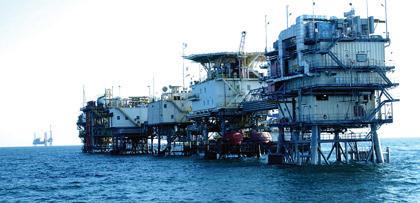
Fitch: Kuwait will continue to depend on oil until 2040
According to Fitch Solutions Group, the oil and gas sector will continue to play an important role in the Kuwaiti economy, as financial revenues from the sector constitute 90% of Kuwait’s annual revenues, and oil export revenues will be necessary to help the country implement the “Kuwait 2035” vision, in which it seeks to diversify its economy, reduce its dependence on oil, and transform it into a financial and commercial center at the international and regional levels.
The agency has determined that the ma jority of Kuwaiti non-oil sectors such as manufacturing and services are still in the development stage, which means that any major economic transformation away from oil will be a high-risk project that requires a large investment.
As a result, it is expected that Kuwait’s cur rent account surplus will be almost entirely supported by the oil sector for the remain der of the decade, indicating that fiscal rev enues from oil production and exports will remain necessary to meet Kuwait’s future development needs in conjunction with increased spending on infrastructure pro jects laid out within the Kuwait 2035 plan. “Fitch Solutions” pointed out that Kuwait
will need large oil investments at home to achieve the ambitious and required pro duction levels by 2040. It expected that the production of crude oil, natural gas and refined petroleum materials will grow by 3.4% to reach 3.68 million barrels per day in 2030, and that Kuwait maintains the targeted growth path for 2040 to produce 4 million barrels per day of oil, provided that the country continues investing in new technologies to increase production from its existing fields.
Fitch stressed that in the long term, tech nical challenges in extracting heavy crude oil from Kuwait’s northern fields continue to pose a threat to Fitch expectations for Kuwait’s oil production.
32 Oil & Gas World Magazine
The UAE is steadily moving towards a low carbon economy
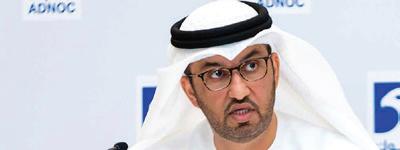
His Excellency Dr. Al Jaber, stressed that the transition to a low-carbon economy creates feasible opportunities for eco nomic growth, noting that the MENA region Africa possesses abundant re sources, expertise and distinguished vi sions, which enhances the position of the region as a basic and pivotal pillar in this transformation.
His Excellency explained that benefiting from the transformation in the energy sector and heading towards a low-car bon future are among the pillars of the UAE’s request to host the twenty-eighth session of the Conference of Parties (COP28) in Abu Dhabi in 2023, stressing the UAE’s keenness to make the most benefit of this event. and that joint and continuous climate action will provide opportunities for sustainable economic growth for the region and for the world.
He said: “Thanks to the vision of the wise leadership, the UAE was one of the first countries in the region to benefit from its leading position in the production of hydrocarbon resources to achieve lead ership positions in various energy fields. Fifteen years ago, the wise leadership of the UAE directed the establishment of the Abu Dhabi Future Energy Compa ny.”To focus on creating and promoting
promising economic opportunities in the renewable energy sector inside and out side the country.At that time, renewable energy was considered an emerging technology with limited potential and expensive.but this investment proved its economic feasibility with the passage of time, and today the UAE operates three One of the largest and least expensive solar energy projects in the world.”
He added, “The UAE has invested in solar and wind energy projects in many countries of the world, and in countries in the region, such as Morocco, Jordan, Egypt, Saudi Arabia and the Sultanate of Oman.”
He said: “In addition to the promising fu ture in the field of renewable energy, the Middle East and North Africa region has ideal capabilities and capabilities that qualify it to benefit from emerging solu tions for low-carbon and carbon-free en ergy, such as blue and green hydrogen”.
He added: “In UAE and through the leadership’s vision, we focus on achiev ing prosperity and growth by building smart and quality partnerships as a fun damental pillar to continue sustainable economic growth during the next fifty years.”
Dr. Sultan Al Jaber, Minister of Industry and Advanced Technology, CEO of the Abu Dhabi National Oil Company (ADNOC) and its group of companies
UAE 34 Oil & Gas World Magazine
Partnership project in reducing emissions between the UAE’s “Mubadala Petroleum” and the Italian “Eni”
The UAE’s Mubadala Petroleum Company, owned by the Abu Dhabi government’s sovereign wealth fund, has signed a memorandum of understanding with the Italian energy company Eni, in the field of energy sector transformation to reduce carbon emissions.
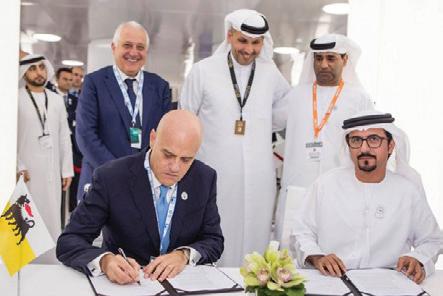
Mubadala Petroleum will look for joint opportunities with Eni in the Middle East, North Africa, Southeast Asia and Europe.
It is worth noting that the new trends of international energy companies and the Gulf oil-producing countries focus on diversifying energy sources so that their effects become less harmful to the environment within the
framework of their commitment to confront climate change.
Mubadala Petroleum stated that this partnership comes within the framework of its focus on a business portfolio that relies on natural gas, which constitutes two-thirds of its assets, and indicated its success in reducing the level of greenhouse gas emissions by 25% during the past three years.
On the other hand, Claudio Descalzi, CEO of the Italian company Eni, said: “We will work with our strategic partner, Mubadala Petroleum, to find ways to achieve common goals to decarbonize the world.”
Coperation between the UAE’s Mubadala Petroleum Company and the Italian company Eni, in the field of energy sector transformation to reduce carbon emissions.
35www.mecei.org
ADNOC Logistics & Services, the marine shipping and logistics arm of the Abu Dhabi National Oil Company (ADNOC), announced today the acquisition of six new mooring boats to provide marine services through the oil ports in Abu Dhabi.
Captain Abdul Karim Al-Masabi, CEO of ADNOC Logistics and Services, said: “The acquisition of these modern boats from Al Bawardi Damen Company comes as part of our strategy to expand ADNOC Logistics and Services’ fleet, and enable the company to provide highly specialized marine servic es, including comprehensive port operations to customers in the UAE. We are committed to strengthening and expanding our opera tions while contributing to the development of advanced shipbuilding and maintenance capabilities within the UAE.”
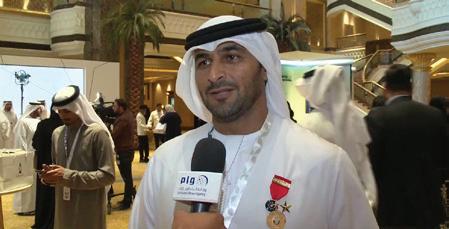
ADNOC Logistics & Services uses multi-pur pose mooring boats in its integrated ma rine and logistics operations, which include
docking and mooring of ships in petroleum ports.
This acquisition will support a 25-year agree ment that ADNOC Logistics and Services signed last year with the Petroleum Ports Authority to provide specialized marine ser vices in all petroleum ports in Abu Dhabi.
It is noteworthy that Al Bawardi Damen Company has so far delivered 33 ships to all ADNOC Group companies. The company is part of the Damen Group, a global ship building, defense and engineering company headquartered in the Netherlands.
ADNOC Logistics and Services is currently implementing an expansion strategic pro gram, in order to provide a broader service to its customers as well as support and ena ble the growth of the production capacity of the ADNOC Group and the expansion of its operations in the field of refining and petro chemicals.
Captain Abdul Karim Al-Masabi, CEO of ADNOC Logistics and Services
ADNOC Logistics & Services acquires six new mooring boats
36 Oil & Gas World Magazine
ADNOC Logistics & Services is currently implementing a major expansion program to increase its fleet size, which will support the ADNOC Group’s ability to ship its growing crude oil produc tion and products to global customers and the transition to trading. The company op erates more than 240 vessels and provides integrated and unique logistics solutions and specialized marine ser vices in all sectors of activity of the ADNOC Group.
Focusing on three main business segments: Ship ping, Integrated Logistics and Marine Services, the company’s shipping arm en sures the reliable supply of crude oil, products, gas and industrial raw materials to more than 50 countries. The integrated logistics unit pro vides solutions that enable the entire oil and gas sup ply chain in the UAE, from
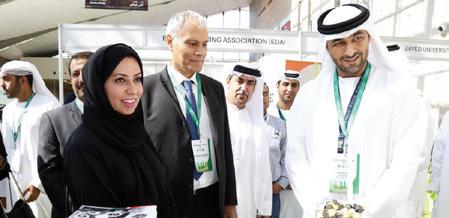
ADNOC Logistics & Services is the largest integrated ma rine logistics company in the Middle East. The company provides logistics, shipping and offshore operations, and plays an important role in enabling the oil and gas sector in the UAE, and sup porting ADNOC’s goal of maximizing value from every barrel of oil produced, re fined and sold.
exploration and production to refining and petrochemi cals. The company’s marine services segment provides a full range of port manage ment services across all Abu Dhabi’s petroleum ports, including oil spill response services in the UAE.
By combining its services across these three sectors and leveraging its long expe rience in providing safe and efficient operations interna tionally, spanning over four decades, ADNOC Logistics & Services has emerged as a leading provider of integrat ed shipping and logistics for the energy sector in the Gulf region.
The company focuses on three main business segments: Shipping, Integrated Logistics and Marine Services
The continued growth of ADNOC Logistics and Services is a strong supporter of the energy sector.
37www.mecei.org
The company is currently expanding its op erations through a major fleet modernization program, increasing cargo capacity, and intro ducing growth plans that focus primarily on meeting the needs of its customers within the ADNOC Group and internationally.
The ADNOC Group, a major customer of AD NOC Logistics and Services, expects to in crease its crude oil production capacity to more than 5 million barrels of oil per day. In the refining and petrochemical sector, it will also expand refining capacity and petrochemical production, as it works to develop its opera tions to meet the increasing local and glob al demand. In addition, the ADNOC Group launched two new trading companies, ADNOC
Trading and ADNOC Global Trading. In 2020 and early 2021, ADNOC Logistics & Services added 20 cargo ships to its fleet, sig nificantly increasing the size of the company’s owned fleet compared to 2019, in addition to contracting five new vessels under construc tion, and a recently built giant gas tanker. For its joint venture, AW Navigation, 4 bulk carriers and 8 VLCCs have been added to its fleet.
By acquiring VLCCs, ADNOC Logistics & Ser vices is entering the crude oil market with its vessels. With the recent acquisitions, the total number of ADNOC Logistics & Services owned cargo ships today reaches 48. With the addi tion of chartered vessels, the company oper ates more than 120 cargo ships at any one time
As part of the UAE’s approach to low-carbon fuels, ADNOC continues its plans to build a large blue ammonia project with a capacity of one million tons per year. The project will be developed in the new Tazeez Industrial Complex and Chemical Center in Ruwais, in the west of the country. A final investment decision for the project is expected in 2022, with the target operation starting in 2025.
Earlier this year, ADNOC signed a number of agreements to explore hydrogen supply opportunities with customers in key demand hubs, including Japan’s Ministry of Economy, Trade and Industry and South Korea’s GS Energy.
Meanwhile, Russia and the UAE recently reached an agreement to create a joint working group on hydrogen energy. The Russian Energy Ministry said that “Russia and the UAE agreed, in the context of joint consultations, to establish a joint working group on hydrogen energy. The two countries within the group will work
to develop bilateral cooperation in the field of hydrogen.”
It is worth noting that the Supreme Petroleum Council last year gave the state-owned giant ADNOC a mandate to explore opportunities in hydrogen and hydrogen carrier fuels such as blue ammonia that can be used as a lowcarbon fuel across a wide range of industrial applications, including transportation, power generation and production of Steel, Cement and Fertilizer.
ADNOC is already a major producer of hydrogen and ammonia, and produces more than 300,000 tons per year of hydrogen at the Ruwais industrial complex. The company also operates Al Reyada, the world’s first fully commercial carbon dioxide facility, and the first commercial carbon capture, utilization and storage project in the Middle East. Al-Riyadah captures up to 800,000 tons of carbon dioxide annually from its steel production operations in the UAE.
The “Blue Ammonia” project in the new Tazeez Industrial Complex:
38 Oil & Gas World Magazine
In its latest report, the UN Intergovernmental Panel on Climate Change focused on the urgent need for the world to accelerate the pace of action for climate, in light of the global rise in temperatures caused mainly by carbon emissions, which in turn leads to more challenges and difficult climatic conditions.
The report also referred to the statement issued by the Economic Commission for Europe that it is not possible to achieve the goals related to facing the challenge of climate change globally without relying on clean energy sources such as nuclear energy.
In this regard, His Excellency Dr. Abdullah bin Muhammad Belhaif Al Nuaimi, Minister of Climate Change and Environment, explained that switching to environmentally friendly energy sources is one of the best ways to significantly reduce greenhouse gas emissions. His Excellency expressed his appreciation and pride for the UAE’s commitment to investing in clean and environmentally friendly energy
sources for many years. He said that the UAE, after the start of the commercial operation of the first plant of the Barakah Nuclear Energy Plant at the beginning of this year 2021, has taken the lead as a leading country in the Arab world in the production of peaceful nuclear energy, as the plant works to provide the country with safe, reliable, economic and carbon-free energy, through the provision of electric energy to homes and businesses, to be a great example of sustainable solutions that ensure a better future.
He added that the environmentally friendly electrical energy produced by the Barakah peaceful nuclear power plants will be able to reduce carbon emissions by 21 million tons annually. Also, with the start of operation of the second station, the UAE is enhancing its ability to produce environmentally friendly electricity to support a sustainable and longterm transformation of energy sources, ensure energy security in the country, and mitigate the impact of the repercussions of climate change.
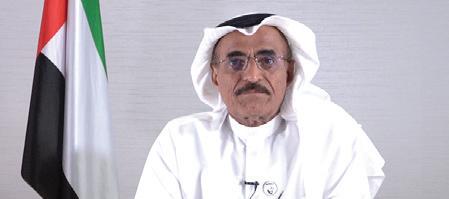 Operating the peaceful nuclear power plants of Barakah is a mainstay towards sustainable clean energy
Dr. Abdullah bin Muhammad Belhaif Al Nuaimi, Minister of Climate Change and Environment
Operating the peaceful nuclear power plants of Barakah is a mainstay towards sustainable clean energy
Dr. Abdullah bin Muhammad Belhaif Al Nuaimi, Minister of Climate Change and Environment
39www.mecei.org
QATAR
After an effective membership of 57 years in OPEC, the State of Qatar with drew from the organization as of Janu ary 1, 2019, and has effectively focused on activities that enhance its position as the largest producer of liquefied natural gas in the world.
Ensuring the demand for LNG is cru cial for Qatar, which is classified by the International Monetary Fund as one of the richest countries in the world. The
GDP per capita in Qatar is $ 53,000 in 2020.
In early 2021, Eng. Saad bin Sherida Al Kaabi, Minister of State for Energy Affairs and CEO of Qatar Petroleum, issued a final investment decision re garding the project to expand the pro duction of liquefied natural gas from the eastern sector of the North Field, which is the largest free gas field in the world.
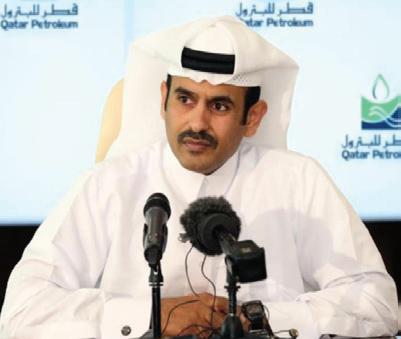 Eng. Saad bin Sherida Al Kaabi, Minister of State for Energy Affairs and CEO of Qatar Petroleum
40 Oil & Gas World Magazine
Oil and Gas reserves and production
The State of Qatar has the third largest nat ural gas reserves in the world after Russia and Iran. Its proven natural gas reserves are about 880 trillion cubic feet, most of which is located in the North Field shared with Iran.
In 2019, natural gas production reached 178.1 billion cubic meters (about 6.3 trillion cubic feet), which constitutes 4.5% of the world. Qatar ranks fourth in natural gas pro duction worldwide after the United States, Russia and Iran.
Its production of liquefied natural gas (LNG) amounts to 77 million tons annually. Qatar is currently facing strong competition for the
leadership of LNG exports with the United States and Australia. However, when the mega expansion projects currently under way are complete, Qatar will undisputedly become the world’s most important suppli er of LNG over the next two decades.
As for oil, its reserves are estimated at 25.2 billion barrels, which constitute about 1.5% of the world’s reserves. The production of crude oil is about 600 thousand barrels per day, while the overall production of crude, condensates and gas liquids is about 1.9 mil lion barrels per day constituting 2% of the world.
Crude oil and petroleum derivatives
The first shipments of crude oil from Qatar began in 1949, followed by the successive discovery of many fields, the most impor tant of which was the Al Shaheen field, lo cated 80 km north of Ras Laffan, containing about 300 wells and 30 oil platforms, and is considered one of the largest oil fields in the world with its production capacity of 300 thousand barrels per day representing 45% of Qatar’s total oil production.
Qatar produces about 600 thousand bar rels of crude oil per day, and it exports
Qatar Energy Company
Qatar Petroleum (QP), wholly owned by the state, carries out all the oil and gas oper ations in Qatar. The company was estab lished in 1974, and it is exclusively respon sible for marketing and selling exports of Qatari crude oil to international markets, and it has succeeded in cooperation with its subsidiary companies in expanding oil and gas production, whether by adopting new projects or restructuring companies.
In January 2018, it announced the official start of the new Qatar Gas Company, fol
about 520 thousand barrels per day to the Asian markets, while maintaining about 80 thousand barrels per day to meet the local market requirements.
In 1958 Qatar Petroleum established a re finery that has been expanded in stages to become a modern refining complex with a capacity of 430 thousand barrels per day. The refinery produces all kinds of gasoline, naphtha, jet fuel, diesel, marine bunker fuel and other low-sulfur petroleum products that are compatible with the environment
lowing the successful completion of the process of combining the activities of Ras Gas and Qatar Gas, which had been an nounced in December 2016.
The main activities of Qatar Petroleum and its subsidiaries and joint ventures include exploration, production, transportation, storage, marketing and sale of crude oil, natural gas liquids, LNG, refined products, petrochemicals, fertilizers and other related services.
41www.mecei.org
Qatari gas is a history of continuous work
Ras Laffan Industrial City, which is the largest gas-to-liquid plant in the world
The North Gas Field (or South Pars Field) was discovered in 1971 and its production started in 1989. The field is located in the waters of the Arabian Gulf in the northeast of the Qatar Peninsula and reaches a wa ter depth ranging between (15-70) meters and is shared by Qatar and Iran because it is located in the territorial waters between them
The field is the largest non-associated “free” natural gas field in the world, as it contains 1,750 trillion cubic feet (51 trillion cubic meters) of natural gas and about 50 billion barrels (9.7 billion cubic meters) of natural gas condensates. Expansions in the field have continued with the addition of gas liquefaction facilities. In 1997, Qatar began exporting LNG by send ing its first shipment to Spain. After that, export shipments to Japan, South Korea and India followed as major destinations for
Qatari LNG exports, in addition to opening up to European markets.
In July 2007, Qatar launched the Dolphin Gas Project, which is based on the produc tion, processing and supply of large quanti ties of natural gas, exceeding 3 billion cubic feet per day, to the United Arab Emirates. Natural gas exports from Qatar by pipe lines amount to about 18.5 billion cubic meters annually.
Qatar Petroleum has adopted four gas de velopment projects, the first of which is Gulf Gas to supply sales gas and condensate to homes, followed by the Barzan Gas Project which began work in 2012 to supply sales gas to the local market. The third was the Dolphin project, then the fourth was Pearl GTL project in cooperation with Shell in Ras Laffan Industrial City, which is the largest gas-to-liquid plant in the world.
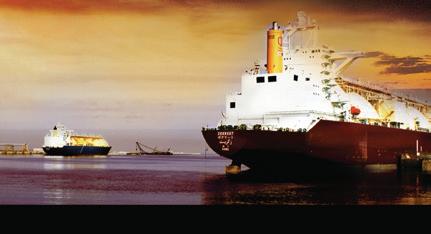
42 Oil & Gas World Magazine
Liquefied gas mega projects
While new energy projects are shrinking globally due to lower demand among the spread of the Corona virus, the governmental compa ny “Qatar Petroleum” took a final investment decision in early 2021 regarding the project to expand LNG pro duction from the eastern sector of the North Field, which is the largest non-as sociated gas field in the world.
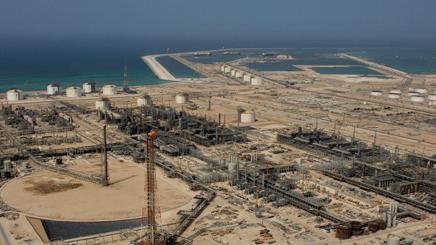
Qatar relies on gas produc tion from the North Field to build the largest LNG pro ject in the world. According to the state’s plan, LNG pro duction capacity will be in creased from 77 million tons
per year currently to 110 million by the end of 2025, and then increased in the second phase to 126 million tons by 2027.
The project will also pro duce large quantities of condensate, LPG, ethane, sulfur and helium. It is ex pected that production of the project will start before the end of 2025 and that its total production will reach about 1.4 million barrels of oil equivalent per day.
Qatar is also making large external investments in plants to re-convert lique fied gas to its gas form in some countries, most nota
bly Belgium, France and the United Kingdom. The decision to expand the project was announced dur ing the signing ceremony of the main engineering, pro curement and construction contract for the project’s onshore facilities, between Qatar Petroleum and a con sortium that includes Chi yoda and Technip compa nies, where the contract was signed by HE Eng. Saad Al Kaabi, Minister of State for Energy Affairs, the CEO of Qatar Petroleum, and Mr. Kaouzchi. Okawa, Chairman and CEO of Chiyoda Corpo ration, and Mr. Arno Pieton, President of Technip Energy, in the presence of a number
Qatargas - the fortress of the gas industry in the world
43www.mecei.org
of senior officials from the companies participating in the project.
The contract covers the construction of four giant LNG production lines with a capacity of 8 million tons per year each, in addition to gas processing facilities, natural gas liquids recov ery, and helium extraction and refining facilities in Ras Laffan Industrial City.
Engineer Saad Al Kaabi says that the signing of this contract represents a milestone in the sustaina ble strategic growth path of the State of Qatar. The total cost of the expansion
project is about 105 billion Qatari riyals ($ 28.4 billion), which makes it one of the largest energy investments in the world, in addition to being the largest and most competitive LNG project ever.
It is worth noting that the project will contribute to strengthening the nation al economy of Qatar with huge financial returns over decades. The construction works and other activities related to the implementa tion of the project will also have a significant impact on stimulating economic activ ity in various local sectors.
When the first phase of the
expansion project is com pleted, Qatar will be able to produce liquefied gas at a low cost, and thanks to its gas revenues, it will be able to adapt to low levels of crude oil prices, even if it reaches less than $ 20 a barrel.
The aforementioned pro jects coincide with what the world is witnessing in re cent years in terms of shift ing from oil and coal to oth er energy sources that are less polluting to the envi ronment. These mega pro jects will ensure that Qatar becomes the largest pro ducer of LNG in the world for decades.
Marketing prospects for Qatari LNG
Exports of liquefied gas from the State of Qatar are estimated at about 107 billion cubic meters annually (constituting about a quarter of the world’s exports of this vital product ) .
Engineer Saad Al-Kaabi, Minister of Energy and CEO of Qatar Petroleum, says that he is optimistic about the future demand and prices of natural gas due to the growing de mand of it, even despite the global trends towards renewable energy.
He added that the world will still need natu ral gas to complete the transition to renew able energies, and this reduces the impor tance of what some analysts are promoting that the demand for liquefied gas, such as
the demand for oil, are approaching their peak.
He said also that despite the environmen tal advantages enjoyed by liquefied gas compared to oil and coal, most gas sup ply agreements are still dependent on the price of crude oil, and this link is unlikely to change anytime soon.
LNG prices fluctuated significantly during the year 2020, and this had a negative im pact on the two parties, buyers and sellers.
Qatar prefers to sells its LNG production through long-term contracts with its main partners such as Japan, and it also sells few percentage of its production (not exceed ing 10%) on the spot markets.
44 Oil & Gas World Magazine
The British Oil and Gas Company (BP) announced that it will raise the volume of gas production in the Sultanate of Oman in the Khazzan and Ghazir fields, from one billion cubic feet per day to one and a half billion cubic feet per day.
This comes as part of Oman’s plan to increase gas production through sev eral mega projects. BP is scheduled to raise the production of associated con densate, so that the increase will con stitute a significant additional value for the national economy and for partners in the concession area, Oman News Agency reported.
The head of BP Oman, Eng. Yousef Al-Ajili, says that the company is work ing to build a balanced portfolio that will allow it to continue generating vi able and high-value revenues, while
transforming from an international oil company into an integrated energy company. He noted that the company’s strategy is to produce flexible hydro carbons in more sustainable ways. Al-Ajili stressed the company’s keen ness to enhance the local added value in all its operations; During its devel opment of Block 61 concession area, it worked closely with local companies to develop their capabilities and help them compete at the local and region al levels.
Al-Ajili explained that the block 61 con cession area is capable of providing more than 30% of the total demand for gas in the Sultanate, adding that the gas extracted from this area is a key part of the integrated energy value chain, and will play a pivotal role in the sustainable development of the Oman.
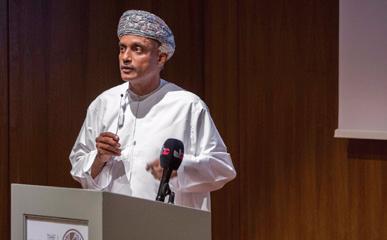 The head of BP Oman, Eng. Yousef Al-Ajili
BP raises gas production from its fields in Oman to 1.5 billion cubic feet per day
Oman 46 Oil & Gas World Magazine
Synergy Bio Fuels has announced the start-up of Oman’s first biodiesel plant in the Samail Industrial Area. The plant suc cessfully produced the first batch of 30 tons of biodiesel from used cooking oil (UCO) compliant with international stand ards.
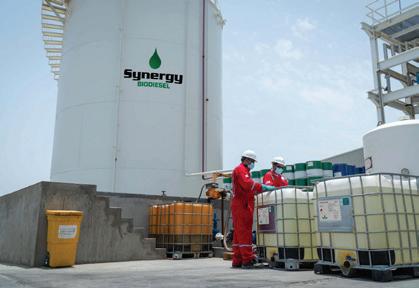
Anthony El Helou, CEO of Synergy, not ed: “This is a significant milestone in our journey to support Oman’s green econo my and Vision 2040. Establishing a stateof-the-art biofuel plant and producing the first batch of biodiesel in Oman is a major achievement, and we would like to thank Oman Holding Company Environmental Services (Bee’ah) for their support on our journey.”
He added: “Our team has a big vision for
the biofuel project. The biodiesel plant is just the beginning; we have established the first and only biofuel center in Oman and the region. We are working with a great team to innovate in the entire field. The biodiesel plant is only one part of the Oman Biofuel Center that Synergy has built. In addition to the biodiesel manufac turing plant, the Biofuel Center includes a research center focusing on biofuels and renewable fuels in collaboration with local researchers and universities.
Furthermore, in cooperation with local companies, biodiesel from the plant will be used to operate PDO’s first oil and gas well in Saih Rawl. This will be the first oil and gas well in Oman and the Middle East to use biodiesel as a fuel.
Synergy Bio Fuels - Oman
Inaguration of the first plant for biodiesel and biofuels
47www.mecei.org
Fahud Oilfield & Energy Services Company Successfully Completes Its First Well Test in Block 61
Fahud Oilfield Services has successfully com pleted its first well test operation in Block 61 without any product burns, after being awarded a well test contract in August 2020.
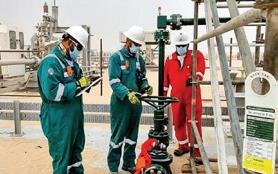
The award of this contract to Fahud Oilfield Services comes as part of BP Oman’s com mitment to enhance value local added in the Sultanate, where the process of testing wells was previously managed by one of the inter national companies.
Muhammed Nagwani, Vice President Wells at BP Oman said that the Khazzan field was the first field in the Sultanate to use the “green completion” well-testing technology without any harmful emissions.
In the year 2020, the company was able to reduce more than 148,000 tons of carbon dioxide, noting that by developing the ca pabilities and skills of Fahud Oilfield Services Company in well testing and green comple tion technology and the exchange of knowl edge and experience, the company seeks to support them to compete in this field at the international level and not only locally. He added that Fahud Oilfield Services Ser
vices will be testing and cleaning wells in Block 61 for the next five include testing of approximately 50 wells during the term of the contract.
For his part, Tariq Al Kasbi, CEO of Fahud Oilfield Services, said that during the term of this contract, the company has developed the skills of the team to test wells using green completion technology, which in turn will help them support BP’s journey. BP Oman aims to achieve net zero carbon emissions by 2050 or earlier.
He added that working with BP Oman Help improve Fahud’s systems, processes and standards that will enable the company to grow and expand its services globally in a highly competitive environment and is con stantly on the lookout for new technologies. BP Oman has spent about $610 million with registered Omani companies in 2020, equiv alent to 90% of its total spending. It also awarded contracts worth $28.6 million for small and medium-sized companies either through direct contract award or through contracted services with a third party.
48 Oil & Gas World Magazine

A strategic agreement between Iraq and France’s Total worth 27 billion dollars
Mustafa Al-Kazemi - Iraqi Prime Minister
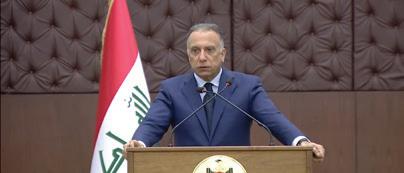
Under the patronage of Prime Minister Mustafa Al-Kadhimi, the Iraqi govern ment signed a huge agreement worth 27 billion dollars with the French com pany TOTAL to invest associated gas with oil in the southern fields, as well as to strengthen the path of clean energy projects, after signing a contract with the Emirati company “Masdar”. The agreement includes 3 contracts be tween the Iraqi Ministry of Oil and the French Total, and the fourth contract for the solar energy project between the Ministry of Electricity and the French To tal.
The agreement aims to achieve optimal investment of Iraq’s wealth, including oil and gas reserves and water resources, and to secure a high degree of stability for electrical energy, as well as raising oil production capacity. All projects involve using and introducing modern technolo gy, training national cadres, and provid ing job opportunities for Iraqi citizens. The first project includes developing the Artawi oil field, with a production of 85,000 barrels per day, to raise its pro duction rate to 210,000 barrels per day.
The second project includes the con struction of an Artawi gas complex with a capacity of 600 million standard cubic feet; For the purpose of investing gas burned from oil fields, which leads to reducing gas imports from neighboring countries, producing a quantity of con densate estimated at about 12 thousand barrels per day, and producing a quanti ty of liquefied petroleum gas estimated at about 3000 tons per day for the local market.
The third project includes the supply of sea water and the establishment of a treatment plant with a capacity of 7.5 million barrels of water per day. The fourth project includes the con struction of an electric power plant that relies on solar energy, to produce elec trical energy at a cost of less than 45% of the cost of energy production from current power stations, with a total pro duction capacity of 1000 megawatts.
The Paris-based Total Company is one of the six largest oil companies in Iraq, and it has investments in different parts of Iraq.
Iraq 50 Oil & Gas World Magazine
Serious directions to expand investment in solar energy projects
Under the patronage of Prime Minister Mustafa Al-Kazemi, an agreement of principles was signed between the Ministry of Electricity and the Chinese Power China Company to establish solar power plants with a capacity of 2000 megawatts.
The solar energy project, which is being implemented for the first time, is considered one of the first pilot projects in Iraq, and the project will contribute to increasing the production of electrical energy, to support the system with clean renewable energy.
In June 2021, the Iraqi Ministry of Oil signed the largest contract for the production of clean energy, with the UAE (Masdar) with the aim of producing 2,000 megawatts of energy, in the center and south of the country.
The Iraqi government is moving towards the exploitation of clean solar energy; In an effort to radically change the nature of the economy and reduce dependence on Iranian gas. Over the past years, Iraq has repeatedly suffered from severe and recurring crises in electric power due
to the slowdown in gas imported from Iran. According to local officials, the new Iraqi trend was strengthened after the neighboring countries summit held last month, where Prime Minister Mustafa Al-Kazemi discussed this path with the Egyptian and French presidents, and they welcomed the new approach, in addition to the previous agreement with the UAE in this regard.
The current Iraqi government is convinced of the need to invest in renewable energy projects, especially solar energy, which Iraq has delayed in its field, despite the success of its projects in neighboring Arab countries due to the suitability of the atmosphere for solar projects in addition to the urgent need for them.
The new trend includes strengthening Iraq’s position on the list of countries that adopt renewable energy sources, such as wind and solar energy, and the Iraqi government preempted the Baghdad summit by announcing the change of the name of the Ministry of Electricity to become the Ministry of Electricity and Renewable Energy.
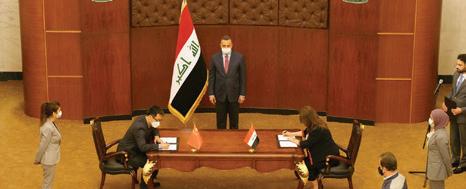 Iraq signs an agreement with China to build solar power plants
51www.mecei.org
Iraq plans to increase its oil production to 8 million barrels per day by the end of 2027
The Iraqi Oil Minister, Ihsan Abdul-Jabbar, confirmed that Iraq plans to increase its oil production to 8 million barrels per day by the end of 2027. He said that the OPEC + group agreed to increase the production quota of Iraq and Kuwait by 150 thousand barrels per day, while allowing the UAE to increase its production to 3.5 million bar rels per day.
The Director-General of the Iraqi Drilling Company at the Ministry of Oil, Basem Ab dul Karim, says that Iraq has signed con tracts with foreign oil licensing companies and direct efforts to drill 131 new oil wells and reclaim dozens of currently producing wells in oil fields in the governorates of Kirkuk, Baghdad, Basra, Maysan and Na siriyah in the north, central and south of the country. He stated that these contracts come within the framework of a long-term plan to increase the production capacities of crude oil in Iraq to eight million barrels per day by the end of 2027.
He explained that the companies that were
contracted to drill oil wells are the Italian company Eni in the Zubair oil field, the Brit ish company BP in the West Qurna field, and the Chinese company CINOC, the op erator of the Bazargan field east of Maysan, in partnership with the Chinese company Bohan.
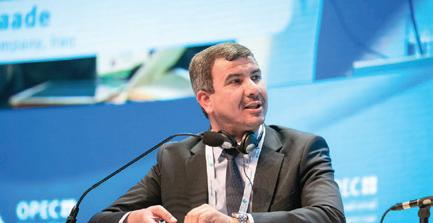
The Iraqi Drilling Company is also currently implementing a plan to drill 20 oil wells in the Nasiriyah field, north of Dhi Qar, with the participation of the American compa ny, Weatherford, to enhance the strategy of raising production and export capacity in the future.
The Iraqi Oil Wells Drilling Company has the support of the Ministry of Oil to devel op its capabilities and make it able to re sume negotiations and work with foreign oil companies operating in the country to enhance Iraq’s oil capabilities, especially after the countries’ economies recovered and the restrictions imposed on public activities in many industrialized countries were lifted.
Iraqi Oil Minister, Ihsan Abdul-Jabbar
52 Oil & Gas World Magazine
Plans to invest 4 billion cubic feet of gas per day
The Ministry of Oil held talks with international companies to develop several gas fields, and also disclosed its plan to invest gas fields in all governorates, to reach an investment of 4 billion cubic feet per day. The Undersecretary for Gas Affairs, Hamid Yunis, stated that Iraq invests more than 50% of the gas, and the largest part of it is associated in the oil fields and its production is linked to oil, meaning that the higher the oil production leads to greater quantities of gas, while the other part is non-associated natural gas and it is called free gas such as the Okaz fields in the western region of Anbar, the Mansouriya field in Diyala province and Siba in Basra. He pointed out that the ministry has made progress in gas projects, as it was able to achieve an investment of more than 1500 million standard cubic feet per day, and the production of the Basra Gas Company, which was established years ago, has reached nearly 1000 million standard cubic feet per day.
He explained that the ministry’s plan aims to invest all gas fields, as it was agreed with American companies to invest gas in Dhi Qar governorate, as well as an agreement with a Chinese company to invest gas in Maysan governorate, pointing out that the two governorates will provide more than 500 million standard cubic feet. per day. He added that there is an initial agreement with the French company Total to invest gas in the Artawi fields in two phases, each phase will achieve 300 million cubic feet per day, in addition to the assigning the Mansouriya field to a Chinese company, These projects will contribute to stopping gas flaring operations.
Also there are talks with international companies to develop the Okaz field, which is the largest gas field in Iraq. The oil ministry aims through its plans to achieve an investment of approximately 4 billion standard cubic feet per day during the coming years, in addition to stopping gas flaring operations.
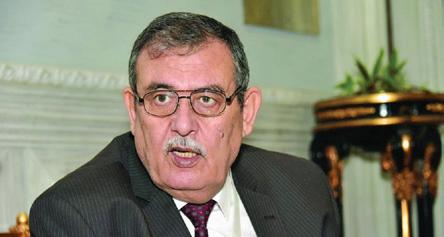 Dr.. Hamid Younis Al-Zobaie - Undersecretary of the Ministry of Oil for Gas Affairs
53www.mecei.org
Sales of Iraqi crude oil by the Oil Market ing Company, which represents the fed eral government,
from the southern ports of Basra oil, as well as from the northern port of Kirkuk crude from the Kurdistan region through the Turkish port of Ceyhan, achieved a total of 33 billion dollars during the first half of 2021, and at a monthly rate of about 5.5 billion US dollars.
Most of Iraq’s crude oil exports are heading to the promising Asian market, which is witnessing a growth in refining capacities and oil consumption, despite the negative conditions currently facing the global economy.
China is ranked first due to the increase in refining capacities in it, and the de
mand for oil in China to reach high levels that are competing the volume of de mand in the United States of America. India also comes in second place, as Iraq is one of the largest exporters of crude oil to India, even despite the prospects of Iranian crude returning to Asian mar kets soon.
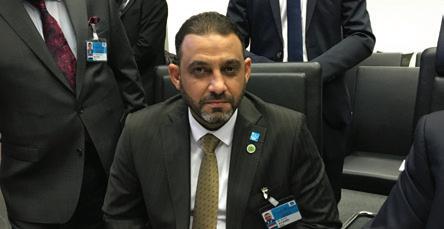
The European market, followed by the American market, occupies the next po sition after the Asian markets, to which Iraqi crude oil exports are heading.
The Oil Marketing Company is keen to maintain a marketing position in these markets because they are considered alternative markets that Iraq can rely on if any of its traditional markets suffers financial, economic, or even political or geopolitical setbacks.
Alaa Al-Yasiri - General Manager of the Oil Marketing Company (SOMO)
33 billion dollars for Iraqi crude oil sales by the state company (SOMO) during the first half of 2021
54 Oil & Gas World Magazine
The International Monetary Fund mission commends financial reforms in Iraq
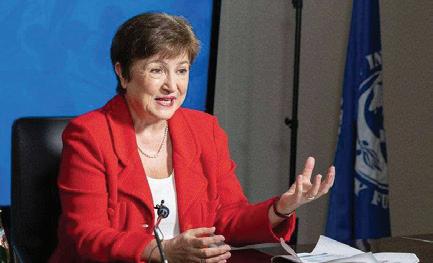
The International Monetary Fund mission in Iraq commends the efforts of the Iraqi government and its approval to implement the financial reforms.
Iraq is currently facing many difficulties in financing public expenditures, domestic and foreign payments, including wages and pensions due to the circumstances sur rounding the Covid-19 pandemic and the resulting decline in oil demand, and conse quently the decline in its prices and reve nues.
The government of Iraq adopts the imple mentation of a package of important finan cial reforms, and the International Monetary Fund mission in charge of Iraq praised the efforts of the Iraqi Council of Ministers and its approval of the draft budget law for the fiscal year 2021, which includes the imple mentation of important financial reforms.
Despite the difficulty of implementing
these reforms, in addition to the recently announced exchange rate reduction, they constitute critical steps to help reduce ma jor imbalances in the general budget and the external balance of payments to ensure stability for the Iraqi economy.
The IMF mission statement stated that while the Iraqi authorities are working to allevi ate direct financial tensions, especially on the poor classes, the plan they have drawn up for the short term should be followed by subsequent steps that include deeper structural reforms in order to strengthen the resilience of the economy, and expand reconstruction and social spending, laying the foundation for higher growth that pro vides more job and project opportunities for all groups.
55www.mecei.org