
GENE EDITING ELIMINATES HIV FROM
JUNE/JULY 2024 VOL.35 NO.2 PP100008671
CELLS BOOST YOUR MICROBIAL EXPOSURE WITH INDOOR GARDENING FASTER, MORE CONVENIENT PLASMA ISOLATION








2 This issue is sponsored by | AMS Instrumentation & Calibration Solutions | www.ams-ic.com.au
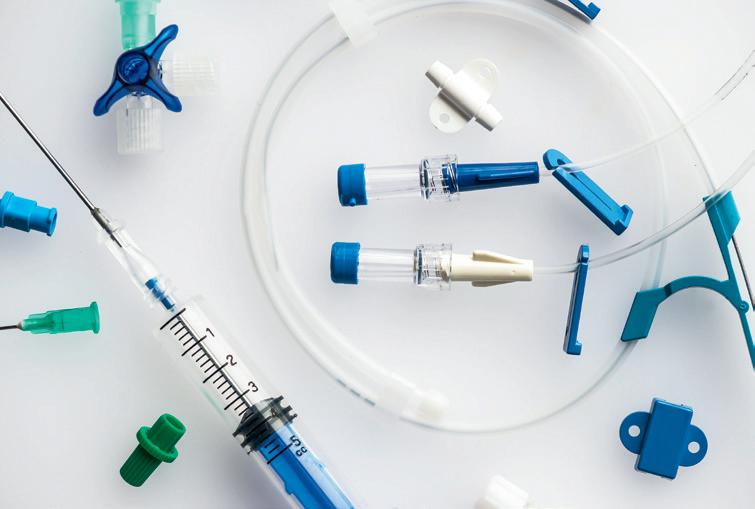
6 FROM LAB TO LIFE: TRANSFORMATIVE APPLICATIONS OF MEDICAL PLASTICS
Demand for medical plastics is on the rise worldwide, due to their indispensable role in ensuring the safety and hygiene of healthcare settings.
12 CRISPR-CAS GENE EDITING ELIMINATES HIV IN LAB
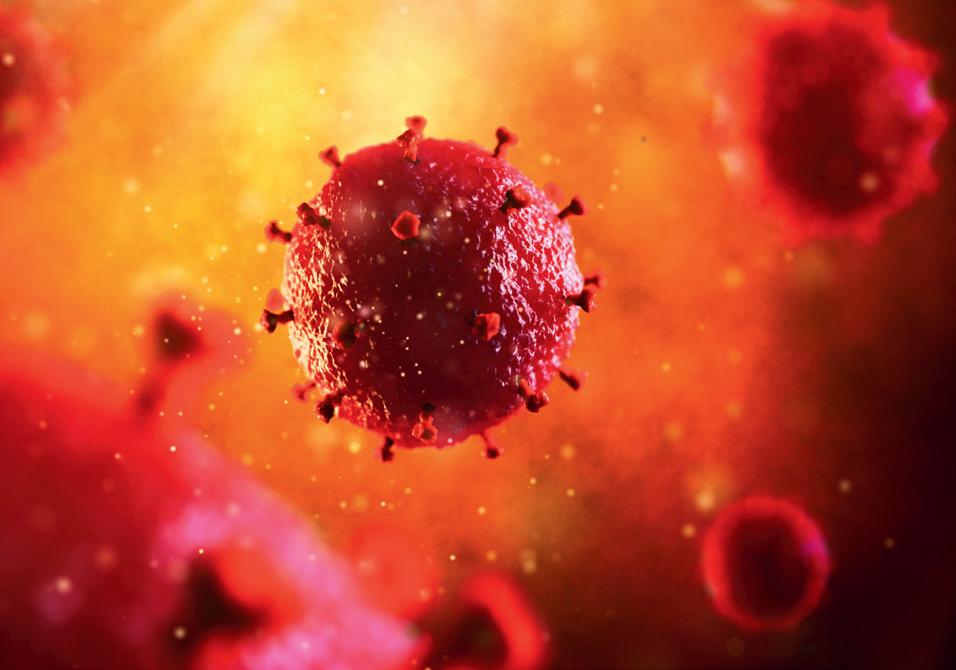
Scientists deployed CRISPRCas molecular scissors and two gRNAs against ‘conserved’ HIV sequences, and achieved cure of HIV-infected T cells.
17 INDOOR GARDENING BENEFICIALLY BOOSTS OUR MICROBIAL EXPOSURE

Indoor gardening can increase the bacterial diversity of the skin and boost levels of anti-inflammatory molecules in the blood.
21 CLINICAL TRIAL TRANSFORMATION: RECENT CHANGES AND FUTURE PREDICTIONS
Accelerated by the COVID-19 pandemic, we have seen a shift in clinical trials, with changes to the way they are conducted, regulated and perceived.
25 STICKY PESTICIDE TO PROTECT CROPS FROM INSECTS
The sticky substance protects plants from diseases and pests by trapping them when they land on plant leaves, incapacitating them.
28 SMARTPHONE COMPASS USED TO MEASURE GLUCOSE
Researchers have used an ordinary smartphone’s built-in magnetometer, or compass, to measure concentrations of glucose — a key marker for diabetes.
30 ONE-TWO PUNCH TREATMENT KNOCKS OUT ACUTE MYELOID LEUKAEMIA
Researchers paired venetoclax, a current standard-of-care anticancer drug for acute myeloid leukaemia, with a STING agonist, an emerging class of immunotherapy drug
32 COIN-SIZED DEVICE CAN ISOLATE PLASMA, REPLACING CENTRIFUGES
Named ExoArc, the coin-sized chip can achieve high blood plasma purity by removing more than 99.9% of blood cells and platelets precisely and gently in just one step.


This issue is sponsored by | AMS Instrumentation & Calibration Solutions | www.ams-ic.com.au 3
Contents
30 jun/jul 2024
12
6 17 Proudly sponsored by AMS Instrumentation & Calibration Solutions https://ams-ic.com.au This issue is available to read and download at READ ONLINE! www.labonline.com.au/magazine Cover image: iStock.com/CIPhotos
Don’t be a chicken!

Afew issues back, Lab+Life Scientist featured an article on how gene editing can be used to create chickens that are partially resistant to infection by avian influenza. With bird flu now back in Australian headlines at the time of writing, thanks to outbreaks on several Victorian egg farms (as well as one human case in a returned traveller), it seems appropriate to check in on the latest research in this area.
In some good news, researchers at the University of Pennsylvania have developed an experimental mRNA vaccine against the highly pathogenic H5N1 strain of avian influenza. Unlike traditional influenza vaccines, which rely on replicating (and then inactivating) viruses in fertilised chicken eggs over a period of months, mRNA vaccines can be quickly and easily adapted to protect against different strains of influenza viruses and don’t require eggs for their development. This means scientists can start creating an mRNA vaccine within hours of sequencing a new viral strain with pandemic potential.
Having developed an mRNA vaccine targeting a subtype of the H5N1 virus that is circulating widely in birds and cattle, the researchers found that the vaccine elicited a strong antibody and T cell response in mice and ferrets, with the animals maintaining high levels of antibodies even a year after vaccination. Vaccinated animals who were
subsequently infected with H5N1 cleared the virus more rapidly and displayed fewer symptoms than unvaccinated controls, and also survived longer.
In some less good vaccine news, researchers from the University of Cambridge and Fudan University have discovered that a single dose of the measles vaccine is up to 2.6 times more likely to be ineffective in children born by caesarean section, compared to those born naturally. With a C-section birth, children aren’t exposed to the mother’s microbiome in the same way as with a vaginal birth, and so miss out on the immune system boost that comes with it.
The researchers analysed data from previous studies of over 1500 children in China, which included blood samples taken every few weeks from birth to the age of 12. While many of the children born by C-section did mount an immune response following a single vaccine dose, 12% had none, compared to 5% of children born by vaginal delivery. A second dose did induce robust immunity against measles in C-section children — but while everyone needs two doses of the vaccine in order for the body to mount a long-lasting immune response, a lot of children don’t end up having their second jab. The researchers are now pushing for this second dose in C-section babies in particular, since their first dose is more likely to fail.
Microbiota of course have a huge influence on our wellbeing, as we’re continually learning
— and in this issue, we reveal how healthpromoting microbial exposure can be easily achieved through indoor gardening (page 17). Other highlights include an oil-based pesticide that traps and incapacitates pest insects when they land on leaves (page 25); glucose monitoring using an ordinary smartphone (page 28); and gene editing that can eliminate all traces of HIV from infected cells (page 12) — which brings us right back to the technology I mentioned at the start of this editorial!
It’s a testament to all scientists that they are so willing not only to imagine new ways of doing things, but to develop, test and perfect those new ways. It just goes to shows that when it comes to science, you can’t hold back. You have to be willing to put yourself out there — quite simply, you can’t be a chicken!

4 This issue is sponsored by | AMS Instrumentation & Calibration Solutions | www.ams-ic.com.au
Lauren Davis
editorial
Regards, Lauren Davis LLS@wfmedia.com.au
iStock.com/wildpixel

Demand for medical plastics is on the rise worldwide, due to their indispensable role in ensuring the safety and hygiene of healthcare settings. And with a growing global population and increasing chronic diseases, the healthcare sector is expanding rapidly. This is projected to create a surging demand for medical equipment and devices.
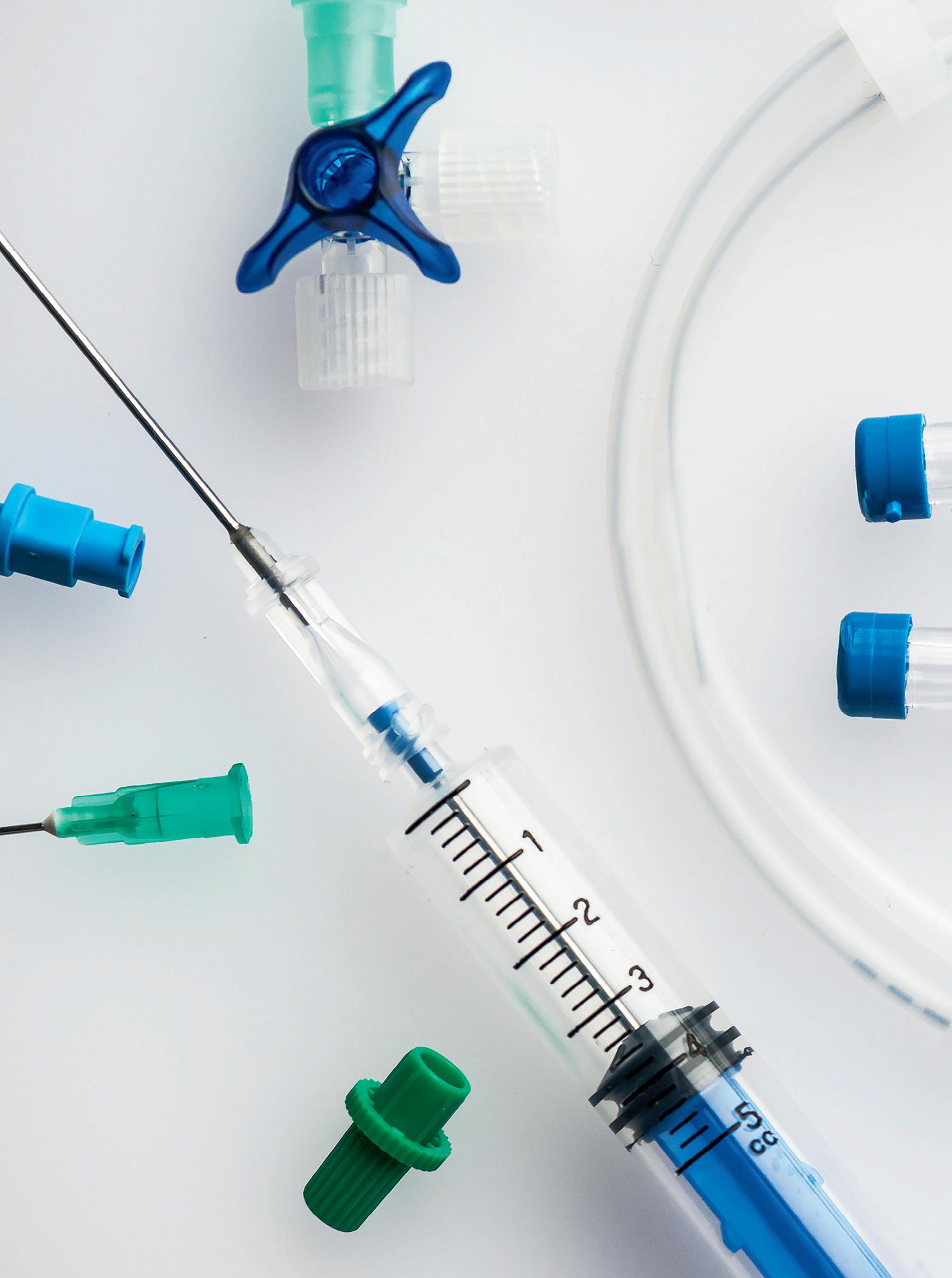
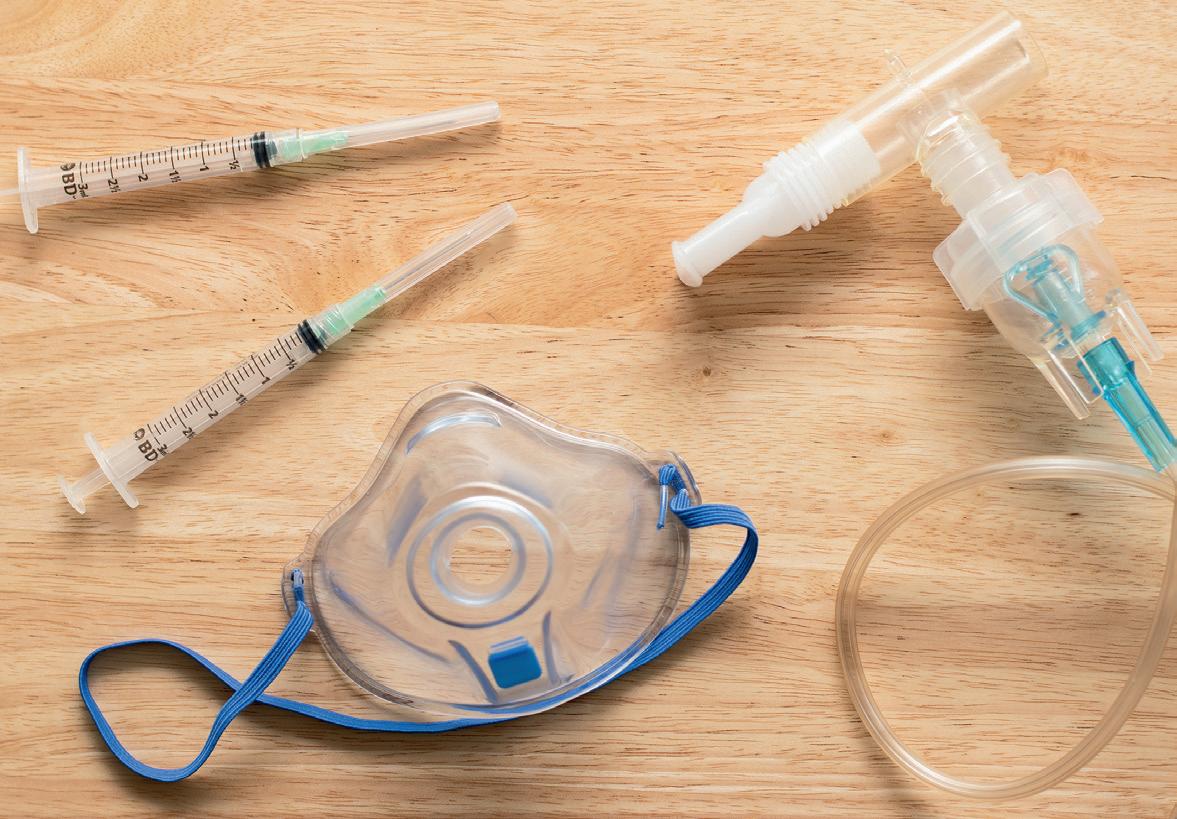
Medical plastics serve as a critical component in the manufacturing of a wide range of products, including syringes, IV tubes, catheters, surgical instruments and diagnostic devices. These are projected to contribute to the growth in demand.
Advancements in medical technology and innovations are set to propel demand for medical plastics. As medical research progresses, there is a constant need for improved and specialised medical devices that are lightweight and durable.
Demand for unique medical devices that are compatible with various sterilisation methods might also expand. Medical-grade plastics are set to offer an ideal solution. They can be moulded into complex shapes, incorporate unique features and maintain their functionality under demanding medical conditions.
Global focus on infection control and patient safety has further fuelled demand for medical plastics. Hospitals and healthcare facilities are continuously seeking ways to minimise the risk of infections and improve patient outcomes. Medical plastics possess inherent antimicrobial properties and can be easily cleaned and sterilised. They can help in reducing the potential for contamination and infection transmission, making them a preferred choice for medical equipment and disposable items.
From lab to life:
transformative applications of medical plastics
6 This issue is sponsored by | AMS Instrumentation & Calibration Solutions | www.ams-ic.com.au Future Market Insights
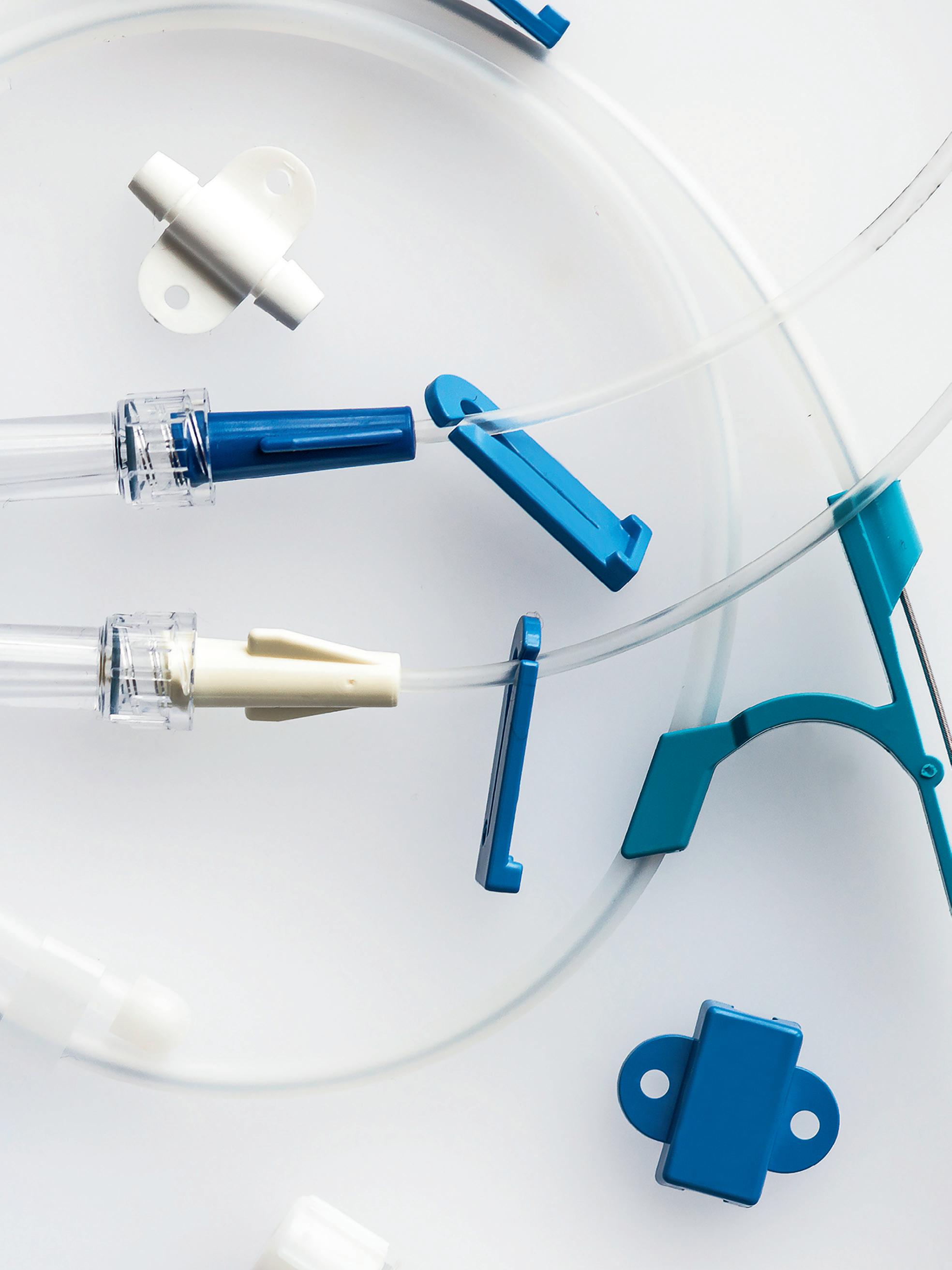
Environmental considerations might also play a significant role in driving the demand for medical plastics. As sustainability becomes a priority for various sectors, including health care, there is a growing demand for ecofriendly medical solutions. Medical plastics have evolved to be more environmentally friendly as manufacturers are projected to use biodegradable and recyclable materials, reducing the environmental impact of medical waste.
Increasing focus on personalised medicine and minimally invasive procedures is likely to push demand for medical plastics worldwide. As health care shifts toward patient-centric approaches, there is a growing need for medical devices that can be customised to individual patient requirements. Medical-grade plastics offer the versatility required to develop personalised implants, prosthetics and surgical tools. Additionally, a trend towards minimally invasive surgeries might augment demand for precision-engineered medical plastics.
Demand for innovative plastics that can deliver optimal performance while reducing trauma and scarring might increase. Versatility and adaptability of medical plastics would make them a crucial component in meeting the evolving demands of modern healthcare practices.
Which factors are pushing medical plastic demand worldwide?
Rapid shift towards minimally invasive procedures
A shift towards minimally invasive procedures has been a significant driver for growth in the medical plastics market. Minimally invasive procedures involve using small incisions or natural body openings to perform surgeries or medical interventions, instead of traditional open surgeries. This approach offers numerous advantages, including reduced trauma to patients, faster recovery times, shorter hospital stays and minimal scarring.
Medical plastics play a crucial role in enabling these procedures by providing the necessary tools and equipment. They are used to make a wide range of medical supplies and devices such as catheters, surgical instruments, implants, medication delivery systems and diagnostic gadgets. These devices require materials that are sterile, biocompatible and lightweight.
Materials that have exceptional mechanical properties are also required. Medical plastics
This issue is sponsored by | AMS Instrumentation & Calibration Solutions | www.ams-ic.com.au 7 medical devices
iStock.com/ivan68
can be utilised to create instruments and devices needed for minimally invasive procedures as they satisfy these requirements.
Rising demand for these procedures, driven by patient preferences and advancements in medical technology, has led to a corresponding increase in the demand for medical plastics. Manufacturers and healthcare providers’ efforts to satisfy demands of the expanding minimally invasive surgery sector are likely to accelerate the medical plastics industry. Self-administration of drugs and development of new drug delivery technologies
As patients increasingly take an active role in their health care, there is a rising demand for user-friendly and convenient drug delivery systems. This trend has led to the development of innovative medical devices such as auto-injectors, inhalers and wearable injectors. These might allow patients to self-administer medications at home or on the go. These devices often rely on medical plastics due to their versatility, biocompatibility and ability to meet stringent regulatory requirements.
Medical plastics enable the production of components such as drug cartridges, syringes and inhaler parts, ensuring precise drug delivery and patient safety. The integration of electronics, sensors and connectivity features in drug delivery devices might further enhance their functionality and patient monitoring capabilities.
The expanding space of self-administered drug delivery, coupled with advancements in technology, would present lucrative opportunities for the medical plastics industry. It is projected to develop innovative solutions that cater to patient needs, improve treatment adherence and enhance healthcare outcomes.
Country-wise insights
Why is medical plastic demand increasing rapidly in the United States?
In North America, the United States is expected to lead the medical plastics industry by 2033. North America is estimated to hold around 34.1% of the global medical plastics market share in 2023.
Medical plastic demand is expected to surge in the United States due to the increasing aging population. As the baby boomer generation continues to age, there is a higher prevalence of chronic diseases and a greater need for medical treatments and procedures.
Medical plastics might play a crucial role in various medical devices, equipment and implants. They are likely to help in meeting the growing
demand for healthcare solutions among the elderly population.
Emphasis on infection control and patient safety in healthcare settings has also led to an increased adoption of medical plastics. The United States healthcare sector is keen on preventing hospital-acquired infections and improving patient outcomes.
Medical plastics possess inherent antimicrobial properties and are easily sterilisable. This might make them an ideal choice for producing medical devices and equipment that adhere to the highest hygiene standards.
Why are medical plastic sales surging in China?
Medical plastic sales are experiencing an astonishing surge in China due to the country’s rapidly expanding healthcare infrastructure. With a growing middle-class population and increased government investment in healthcare facilities, demand for medical devices has skyrocketed.
Medical plastics have become a preferred choice for manufacturers and healthcare providers in China. Ongoing modernisation and development of hospitals and clinics across the country have further fuelled the need for medicalgrade plastics. These are set to help equip these facilities with cutting-edge medical technologies.
Another significant factor pushing the remarkable growth in China is the country’s thriving medical tourism sector. China has emerged as a popular destination for medical tourism, attracting patients from around the world seeking high-quality medical treatments at competitive prices.
As medical tourists flock to China for various procedures, there is a rising demand
for medical devices and equipment, including those made from medical plastics. The ability of medical plastics to offer a balance between costeffectiveness and performance might make them a key component in catering to diverse needs of patients. This burgeoning medical tourism sector is set to contribute substantially to the astonishing rise in medical plastic sales in China.
Competitive landscape
Medical plastic manufacturers are investing in research and development to create innovative medical plastics that offer unique features, improved performance and enhanced functionality. Developing new materials and technologies allows them to offer cutting-edge solutions to healthcare providers, giving them a competitive advantage over traditional products.
They are increasingly focusing on offering customised and personalised solutions to meet specific needs of healthcare facilities and end users. By providing tailor-made products and services, they can better address diverse demands of the healthcare sector and strengthen their customer relationships.
To remain competitive, a few manufacturers are optimising their production processes to reduce costs while maintaining high-quality standards. Cost-effectiveness is crucial in a competitive market as it enables them to offer competitive pricing to customers without compromising on product quality.
These insights are based on the report ‘Medical Plastics Market’, written by Nikhil Kaitwade for Future Market Insights.
8 This issue is sponsored by | AMS Instrumentation & Calibration Solutions | www.ams-ic.com.au
medical devices iStock.com/Diomedes Cordero

Gentler form of IVF found to improve success
rates
A gentler form of IVF that can improve success rates is set to become more widely available, after the largest Australian study into the breakthrough technology delivered promising findings.
The ‘soft touch’ technique, known as Piezo-ICSI, works by gently penetrating an egg using high-speed vibration, rather than the standard cutting action used in conventional ICSI (Intracytoplasmic Sperm Injection). Hundreds of babies have been born as a result of Piezo-ICSI since Monash IVF introduced the Japanese-developed technique to Australia as part of a set of clinical trials in 2019.
In its latest study, Monash IVF recruited 108 patients from NSW, Victoria and Queensland to take part in the biggest study into PiezoICSI in Australia comparing Piezo-ICSI to standard ICSI. Half of the participants’ eggs were fertilised using standard ICSI technology and the other half through Piezo-ICSI. The type of injection used first was randomised to prevent bias.
The researchers found Piezo-ICSI resulted in a fertilisation rate of 71.6%, compared with 65.6% for standard ICSI. The results, published in the journal Fertility and Sterility, also showed half as many eggs suffered damage after fertilisation with the gentler method, while the quality of the embryos produced was higher.
“While pregnancy and birth rates are similar for both forms of ICSI, our research has found the soft touch technique can potentially reduce the number of rounds of IVF a woman needs to conceive,” said Dr Jinny Foo, Monash IVF Parramatta fertility specialist and researcher.
“We now have strong evidence from three separate trials that PiezoICSI can improve fertilisation success rates and hopefully help more couples and single women achieve their dreams of having a family.”
The technology is currently available at some of Monash IVF’s clinics in NSW, Queensland, Victoria and South Australia, with plans to introduce it into more clinics and states where it is currently not available. The treatment can only be accessed by eligible patients who may benefit from a gentler form of ICSI via the Therapeutical Goods Administration (TGA) special access scheme.
“For our fertility patients, particularly those who are older and do not have time on their side, it’s exciting to be able to offer this technology,” Foo said. “Even one extra embryo could make the world of difference to them — it could just be the one that makes their baby dreams come true.”
Nano carrier could enable oral insulin for diabetics
A research team led by The University of Sydney (USyd) has used nanotechnology to develop a new type of oral insulin, which could offer a needle-free approach to managing diabetes. The researchers say their oral insulin, described in the journal Nature Nanotechnology, could be contained in a tablet or even embedded within a piece of sugar-free chocolate.
It is estimated 422 million people worldwide have diabetes and approximately 75 million of these inject themselves with insulin daily. But the development of a safe and effective form of oral insulin has been a challenge since insulin was discovered over a century ago, as noted by USyd’s Dr Nicholas Hunt.
“A huge challenge that was facing oral insulin development is the low percentage of insulin that reaches the bloodstream when given orally or with injections of insulin,” Hoult said. “To address this, we developed a nano carrier that drastically increases the absorbance of our nano insulin in the gut when tested in human intestinal tissue.”
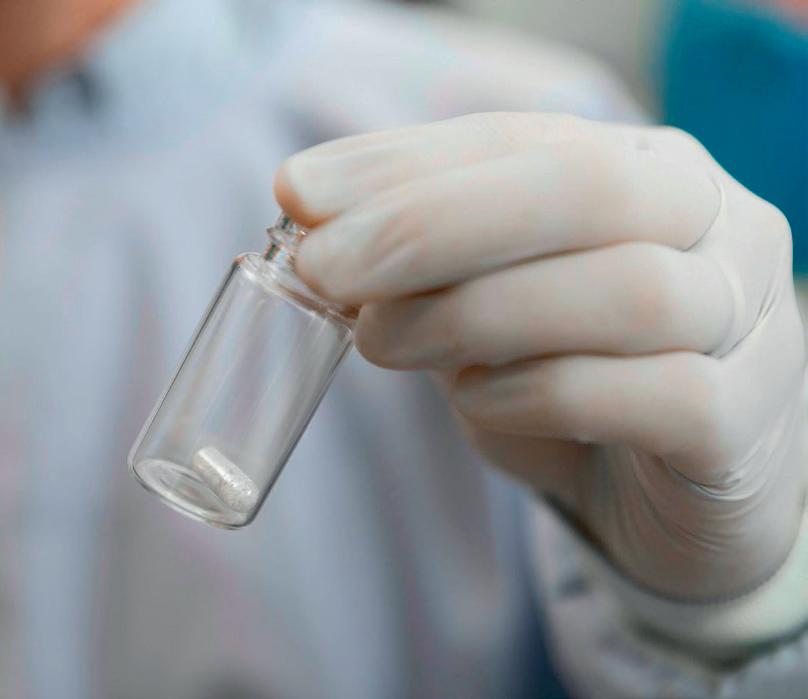
The team’s oral insulin utilises a nanoscale material that is 1/10,000th the width of a human hair. This material acts similarly to acid-resistant coating on tablets — which protects them from being destroyed by stomach acid — but instead surrounds individual insulin molecules and becomes a nano carrier, acting like a courier to ferry these molecules to the places they need to act.
Studies in mouse, rat and baboon animal models have shown that the greatest strength of the nanoscale material is that it can react to the body’s blood sugar levels. The coating dissolves and releases the insulin only when there is a high concentration of blood sugar, not in low blood sugar environments. There is also no toxicity or weight gain.
“Our oral insulin has the added benefit of greatly reducing the risk of hypoglycaemic episodes,” Hunt said, referring to a low blood sugar event where too much insulin has been injected. “For the first time, we have developed an oral insulin that overcomes this major hurdle.”
Human trials are expected to start in 2025, led by spinout company Endo Axiom.
This issue is sponsored by | AMS Instrumentation & Calibration Solutions | www.ams-ic.com.au 9 movers&shakers
iStock.com/MangoStar_Studio
R&D version of the oral insulin capsule.
University of Sydney/Stefanie Zingsheim.
New facility to deliver human challenge trials
Australia’s first facility specifically commissioned to deliver human challenge trials, Doherty Clinical Trials, has been opened by Victorian Minister for Medical Research Ben Carroll and Professor Sharon Lewin, Director of The Peter Doherty Institute for Infection and Immunity. As a not-for-profit registered charity and subsidiary of The University of Melbourne, Doherty Clinical Trials has been established by the Doherty Institute to accelerate the development of novel medicines and vaccines through bespoke early-phase clinical trials solutions, including human challenge trials.
A human challenge trial allows researchers to test the effectiveness of vaccines and therapeutics for infectious diseases by administering a well-characterised infectious agent to healthy volunteer participants, with the aim of speeding up drug development.
Professor James McCarthy, Chief Medical Officer of Doherty Clinical Trials, said human challenge trials are one of the most efficient ways to evaluate the efficacy of novel vaccines and therapeutics.
“By providing early and rapid efficacy data using small cohorts of participants, human challenge trials can produce more reliable and reproducible results than studies in affected patients where variables are less controlled,” McCarthy said.
“With these type of studies, vital information about the efficacy of vaccines and potential treatments can be received very quickly and at a significantly lower cost.
“As most drugs and vaccines fail along the clinical development pathway, it is advantageous to rapidly determine if development of a candidate vaccine or treatment should continue, or if the researchers should pivot to an alternative candidate with a higher chance of success.”
The establishment of Doherty Clinical Trials was made possible by generous contributions from the Victorian Government and philanthropic funding via the Doherty Institute. The 25-bed facility is currently located in the former Peter Mac building in East Melbourne, but in the future it will be housed in the Australian Institute for Infectious Disease (AIID), set to be completed in 2027.

“While human challenge trials have been used to develop new medicines and vaccines globally for decades, our purpose-built facility is the first of its kind in the Southern Hemisphere, and will build capabilities right here in Victoria enabling rapid research translation,” Lewin said.
“The COVID-19 pandemic highlighted the need to accelerate how new vaccines and treatments are developed. This will help us all to get lifesaving medicines more rapidly in future pandemics.”
Upcoming human challenge trials will include influenza, Strep A, gonorrhoea and malaria, and will be conducted in partnership with Australian and global research teams.
Machine learning identifies 800,000+ antimicrobial peptides
Nature has always been a good place to look for antibiotics, as bacteria have evolved numerous antibacterial defences — often in the form of short proteins (peptides) that can disrupt bacterial cell membranes and other critical structures. Now, an international research team has used machine learning to search for antibiotics in a vast dataset containing the recorded genomes of tens of thousands of bacteria and other primitive organisms — and identified over 800,000 potential antibiotic compounds in the process.
The study was co-led by researchers at the University of Pennsylvania, including co-senior author Assistant Professor César de la Fuente. In recent years, de la Fuente and colleagues have pioneered AI-powered searches for antimicrobials, identifying preclinical candidates in the genomes of contemporary humans, extinct Neanderthals and Denisovans, woolly mammoths and hundreds of other organisms.
“AI in antibiotic discovery is now a reality and has significantly accelerated our ability to discover new candidate drugs,” de la Fuente said. “What once took years can now be achieved in hours using computers.”

For this new study, the researchers used a machine learning platform to sift through multiple public databases containing microbial genomic data. The analysis covered 87,920 genomes from specific microbes as well as 63,410 mixes of microbial genomes, or metagenomes, from environmental samples spanning diverse habitats around the planet.
This extensive exploration succeeded in identifying 863,498 candidate antimicrobial peptides, more than 90% of which had never been described before. The identified compounds originated from microbes living in a wide variety of habitats — including human saliva, pig guts, soil and plants, corals, and many other terrestrial and marine organisms
— validating the team’s broad approach to exploring the world’s biological data.
To validate their findings, the researchers synthesised 100 of the peptides and tested them against 11 disease-causing bacterial strains, including antibiotic-resistant E. coli and Staphylococcus aureus. They found that 79 disrupted the protective bacterial membranes and 63 completely eradicated the growth of at least one of the pathogens tested, and often multiple strains.
“In some cases, these molecules were effective against bacteria at very low doses,” de la Fuente said. Promising results were also observed in preclinical mouse models, where treatment with some of the peptides produced results similar to the effects of polymyxin B — a commercially available antibiotic which is used to treat meningitis, pneumonia, sepsis and UTIs.
The team’s repository of putative antimicrobial sequences, which they call AMPSphere, is freely available to access at https://ampsphere.bigdata-biology.org/. Their research has also been published in the journal Cell
10 This issue is sponsored by | AMS Instrumentation & Calibration Solutions | www.ams-ic.com.au
movers&shakers
The Australian Institute for Infectious Disease is set to be the future home of Doherty Clinical Trials. Artist impression by Wardle.
Gene editing could make quolls resistant to cane toad toxin
Scientists from de-extinction company
Colossal Biosciences and The University of Melbourne are on a quest to save the endangered northern quoll from the invasive cane toad, using proprietary tools to introduce genetic resistance against the cane toad toxin into marsupial cells.

Ever since the introduction of invasive cane toads to Queensland in the 1930s, northern quolls have seen their populations plummet by 75%. This is because the toads — which have since spread into coastal NSW, the Northern Territory’s Top End and the Kimberley region of Western Australia — are an attractive food source for the northern quoll, which is especially vulnerable to the toad’s neurotoxins.
“We need northern quolls to have a balanced ecosystem in mainland Australia,” said Professor Andrew Pask, who leads Melbourne’s Thylacine Integrated Genetic Restoration Research (TIGRR) Lab. “By using Colossal’s technology, we’re giving our conservation partners a fighting chance of succeeding in restoring that balance.”
Observations of other genetically resistant species by Dr Stephen Frankenberg, a member of Pask’s lab, led the researchers to hypothesise
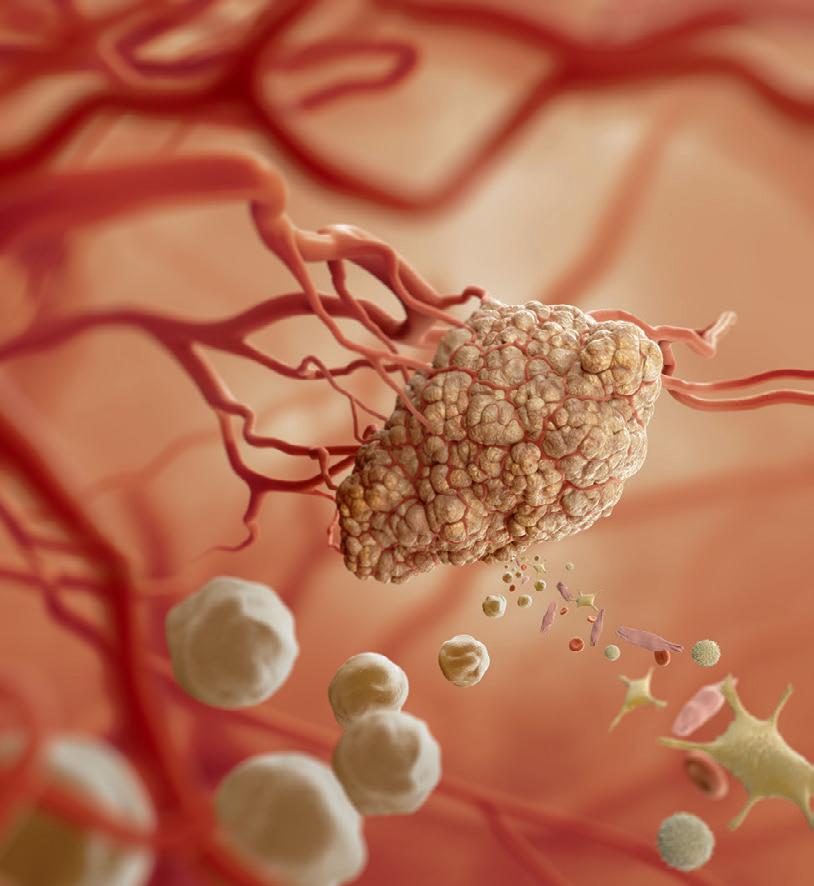
that northern quolls could become genetically resistant with a very small genetic intervention. After building resources from northern quoll tissue samples and introducing different genetic edits to the cells of a dunnart, which is closely related to the northern quoll and serves as a useful model species, the team successfully engineered resistance in dunnart cells (which Colossal has used for its research into thylacine de-extinction) by introducing genetic features found in other natural predators of toads. The edited cells are 10-fold more toxin-resistant in the context of cell culture, with the team predicting this resistance will extend to the whole animal.
As a next step in introducing toxin resistance to the northern quoll, the team has established eight northern quoll cell lines from pouch young. They are now working to reprogram those quoll fibroblasts into induced pluripotent stem cells (iPSCs); once the iPSCs are generated, the scientists can correct the toxin susceptibility at the cellular level. The offspring of these quolls, and their offspring again, should inherit this resistance against cane toad toxins, which theoretically means that no further intervention will be necessary to protect the species.
The team not only hopes that the quolls will become toxin-resistant, but that they will become a primary predator of cane toads and so help to slow the toads’ growing population. The researchers also hope to save other threatened species who consume and can die from cane toads.
This issue is sponsored by | AMS Instrumentation & Calibration Solutions | www.ams-ic.com.au 11 movers&shakers

CRISPR-Cas gene editing eliminates HIV in lab
New research presented at this year’s European Congress of Clinical Microbiology and Infectious Diseases (ECCMID 2024), held in Barcelona from 27–30 April, shows how the latest CRISPR-Cas gene editing technology can be used to eliminate all traces of HIV from infected cells in the laboratory. The studies, conducted at Amsterdam University Medical Center (Amsterdam UMC), present a significant breakthrough in the search for a cure for HIV.
CRISPR-Cas gene editing technology is a groundbreaking technique that allows for precise alterations to the genomes of living organisms, enabling scientists to accurately target and modify specific segments of an organism’s DNA. Functioning like molecular ‘scissors’ with the guidance of guide RNA (gRNA), CRISPRCas can cut the DNA at designated spots. This action facilitates either the deletion of unwanted genes or the introduction of new genetic material into an organism’s cells, paving the way for advanced therapies.
One of the significant challenges in HIV treatment is the virus’s ability to integrate its genome into the host’s DNA, making it extremely difficult to eliminate. Numerous potent antiviral drugs are currently in use for treating HIV infection — but despite their efficacy, lifelong antiviral therapy is essential, as HIV can rebound from established reservoirs when treatment is halted. CRISPR-Cas genome editing thus provides a new means to target HIV DNA.
“Our aim is to develop a robust and safe combinatorial CRISPR-Cas regimen, striving for an inclusive ‘HIV cure for all’ that can inactivate diverse HIV strains across various cellular contexts,” the Amsterdam team said. With HIV able to infect different types of cells and tissues in the body, each with its own unique environment and characteristics, the researchers are searching for a way to target HIV in all of these situations.
The scientists deployed CRISPR-Cas molecular scissors and two gRNAs against ‘conserved’ HIV sequences, meaning they focused on parts of the virus genome that stay the same across all known HIV strains, and achieved cure of HIV-infected T cells. By focusing on these conserved sections, the approach aims to provide a broad-spectrum therapy capable of combating multiple HIV variants effectively.
However, the team found that the size of the vehicle or ‘vector’ used to transport the cassette encoding the therapeutic CRISPR-Cas reagents into the cells presented logistical challenges, as it was too large. Thus, they trialled various techniques to reduce the size of the cassette — and therefore the vector system itself. In simpler terms, they’re attempting to pack oversized luggage into a compact car for a journey to the infected cell, leading them to find ways to downsize the ‘luggage’ (cassette) for easier transport. Another issue they wanted to overcome was reaching the HIV reservoir cells that ‘rebound’ when HIV antiretroviral treatment is stopped.
The researchers further evaluated various CRISPR-Cas systems from different bacteria to determine their effectiveness and safety in treating CD4+ T cells infected with HIV. They shared results from two systems, saCas9 and cjCas. SaCas9 showed outstanding antiviral performance, managing to completely inactivate HIV with a single guide RNA (gRNA) and excise (cut out) the viral DNA with two gRNAs. The strategy of minimising the vector size was
successful, enhancing its delivery to HIV-infected cells. Moreover, they were able to target ‘hidden’ HIV reservoir cells by focusing on specific proteins found on the surfaces of these cells (CD4+ and CD32a+).
“We have developed an efficient combinatorial CRISPR-attack on the HIV virus in various cells and the locations where it can be hidden in reservoirs, and demonstrated that therapeutics can be specifically delivered to the cells of interest,” the scientists stated. They said their findings represent a pivotal advancement towards designing a cure strategy for HIV, while acknowledging that their work at this stage is only a proof of concept.
“Our next steps involve optimising the delivery route to target the majority of the HIV reservoir cells,” the researchers said. “We will combine the CRISPR therapeutics and receptortargeting reagents and move to preclinical models to study in detail the efficacy and safety aspects of a combined cure strategy. This will be instrumental to achieving preferential CRISPRCas delivery to the reservoir cells and avoiding delivery into non-reservoir cells. This strategy is to make this system as safe as possible for future clinical applications.
“We hope to achieve the right balance between efficacy and safety of this cure strategy. Only then can we consider clinical trials of ‘cure’ in humans to disable the HIV reservoir. While these preliminary findings are very encouraging, it is premature to declare that there is a functional HIV cure on the horizon.”
12 This issue is sponsored by | AMS Instrumentation & Calibration Solutions | www.ams-ic.com.au
iStock.com/Artem_Egorov gene editing


This issue is sponsored by
Structural characterisation of RNA and thermal ramping
RedShiftBio’s Aurora TX, powered by microfluidic modulation spectroscopy (MMS), fully characterises the structure and stability of RNA, proteins, peptides and other biomolecules at the touch of a button, including thermal ramping to unlock a range of insights.
The product is designed to set a new standard in biomolecular analysis, with background-subtracted measurements of a wide range of biomolecules in the formulation of interest and in concentrations ranging from 0.1 to >200 mg/mL. This level of accuracy and versatility, coupled with an easy, automated workflow, utilisation of 96-well plates and fully integrated analytical software, addresses the limitations of existing technologies such as CD and FTIR.
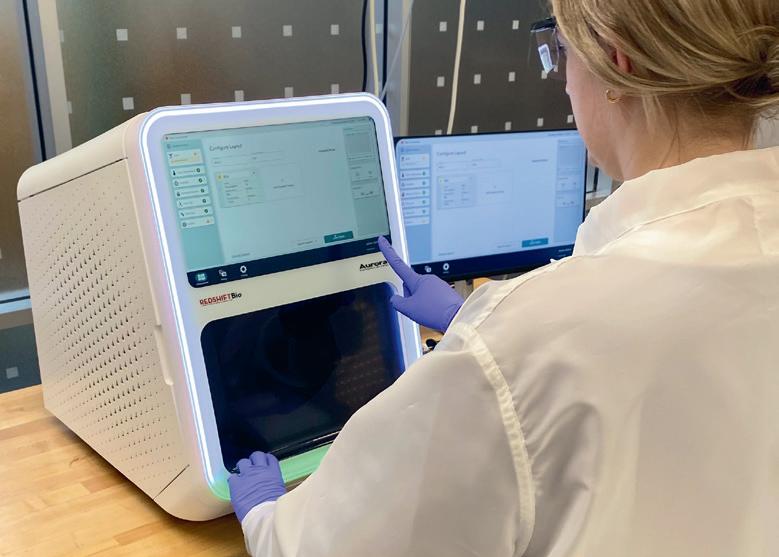
Aurora TX empowers researchers to delve deep into the characterisation of nucleic acids, proteins and other biomolecules without the need for spectroscopy expertise. With the ability to compare higher-order structures, stability profiles and similarity profiles, it facilitates informed decision-making across various stages of biopharmaceutical drug development, from discovery to quality control.
The most significant development of Aurora TX is its growing application in RNA analysis. Researchers can use the device to detect structural changes to RNA due to sequence modifications, formulation changes and thermal stress. Even structural differences in the payload upon LNP encapsulation and RNA-to-LNP ratio are now measurable, all with walkaway automation.
The integration of thermal ramping in Aurora TX adds an extra dimension to biomolecular analysis by enabling researchers to induce high-resolution temperature stress, which should facilitate the detection of structural changes with precision and repeatability. This feature streamlines the analysis process, saving time and resources for researchers engaged in drug discovery and development.
ATA Scientific Pty Ltd www.atascientific.com.au
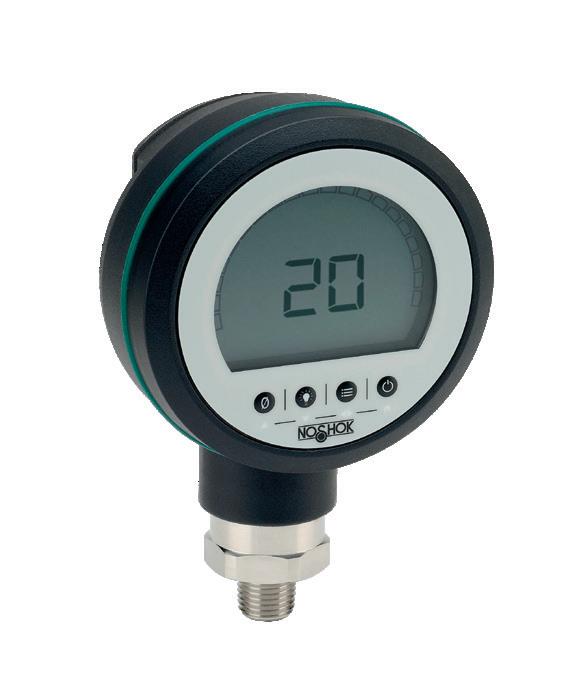
Digital pressure gauge
NOSHOK has announced the rugged PGE20 Series general-purpose digital pressure gauge, which replaces its legacy 1000 Series digital gauge and provides additional features and benefits. The optional enhanced features that were available on the 1000 Series digital gauge are now standard on the PGE20 Series, including the configuration software.
Gauge, compound, absolute and vacuum ranges are available from 35 kPa to 100 mPa. The gauge features a 4½-digit display with a 0–100% bar graph and 316L stainless steel wetted parts.
The menu functions include a min/max alarm (visual), auto power-off, tare offset, battery status display and backlighting. An optional integrated data logger is also available and can be field activated. The range of applications for the gauge are numerous and include hydraulics and pneumatics, leak detection, water management, hydrostatic pressure testing, burst testing and setting pressure switch set points.
AMS Instrumentation & Calibration Pty Ltd www.ams-ic.com.au


14 This issue is sponsored by | AMS Instrumentation & Calibration Solutions | www.ams-ic.com.au
what’s new
Western blot imager
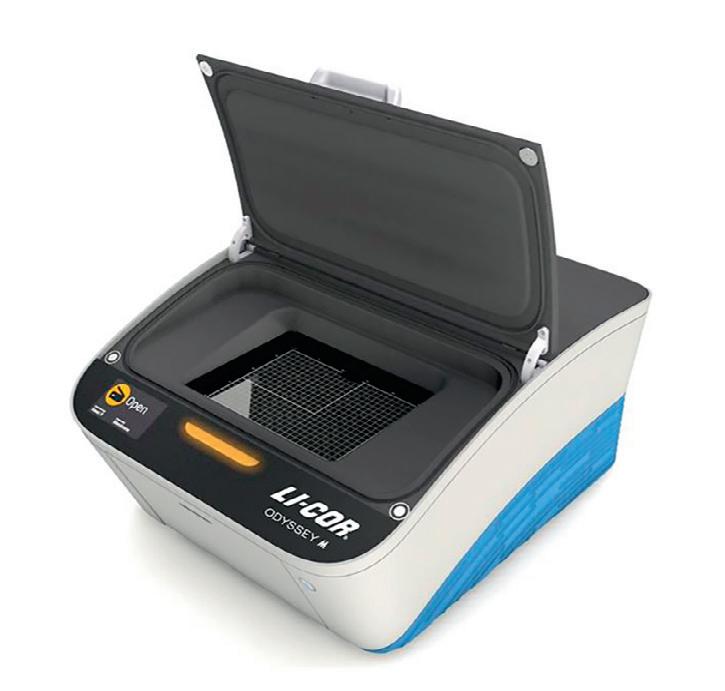
Maintaining data integrity is paramount in scientific research. The LI-COR Odyssey M Western blot imager has been designed to uphold high standards of imaging throughout every stage of research, from data acquisition through to analysis and publication.
The Odyssey M goes beyond traditional imaging systems to offer considerable versatility as a Western blot imager, plate reader, slide scanner, luminescence imager and much more. It accommodates membrane, plate, gel and slide-based assays, consolidating multiple imaging tasks into a single system.
With 18 imaging channels, including near-infrared and visible fluorescence, bio- and chemiluminescence, and RGB true colour, it facilitates a wide range of research possibilities from virus and cancer research to microbiome studies.
The instrument features a true 6-log dynamic range, empowering researchers to achieve good productivity in the lab without compromising data integrity. In a single data acquisition, capturing a full depth of data in less than 3 min provides high efficiency.
Utilising a line scanning system enhanced with sCMOS sensor technology, the Odyssey M delivers high resolution and sensitivity. This technology means that researchers can capture intricate details with clarity, whether examining tissue sections or probing molecular interactions.
With the Odyssey M, researchers can obtain highquality images for analysis and interpretation, reinforcing the validity of their research findings.
Millennium Science Pty Ltd www.mscience.com.au
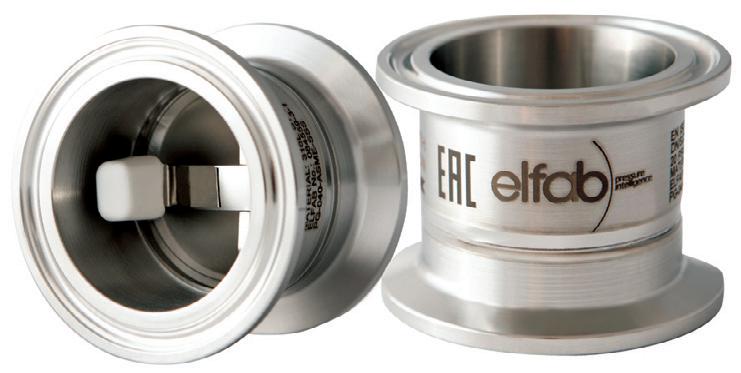
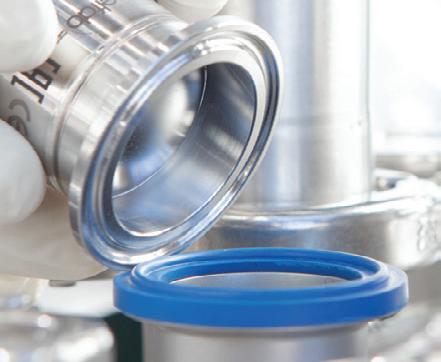
• PURE-GARD FOR CLEANABILITy
- CREVICE AND DIMPLE FREE DEsIGN
• PURE-GARD FOR sTRUCTURAL sTABILITy
- ONE PIECE AssEMBLy PROTECTs THE DIsC
- ALLOWs FOR MINOR PIPE MIsALIGNMENT
• PURE-GARD FOR EXTENDED PRODUCT LIFE
- ALLOWs FOR REGULAR GAsKET CHANGEs
• PURE-GARD Is TAG FREE
- ALL TECHNICAL DETAILs ETCHED ON BODy
• PURE-GARD HAs OPTIONAL BURsT DETECTION
PURE-GARD: 1”–4” Ø 40 – 300 psig
PURE-GARD SOLO: 1”–8” Ø 18 – 75 psig
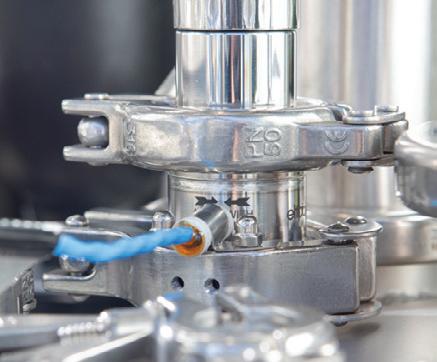
This issue is sponsored by | AMS Instrumentation & Calibration Solutions | www.ams-ic.com.au 15 what’s new Tel: (03) 9699 7355 www.pressureandsafetysystems.com.au 9504P&SSP harma We handle Pressure ® PROTECTING BIOPHARMA MANUFACTURING... ALL NEW PURE-GARD sANITARy
PREssURE RELIEF
TEChNICaL SUPPOrT
aUSTraLIaN aGENT &
Benchtop meter for pH and ORP
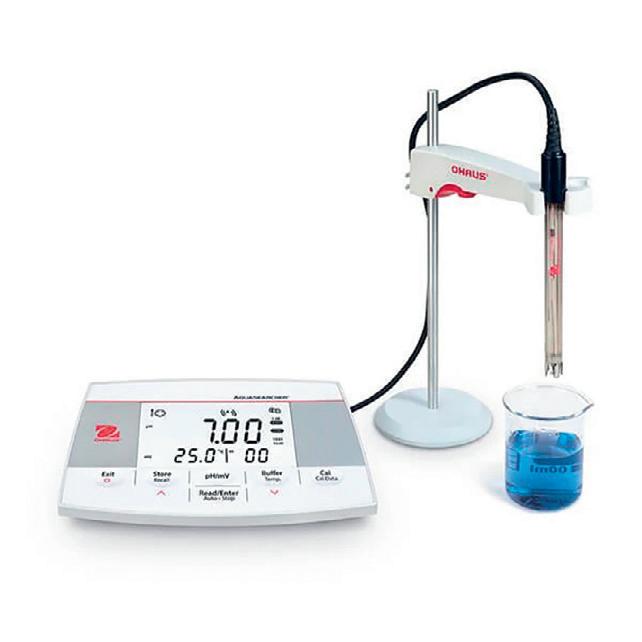
Designed with a large LCD display and six instructional menu buttons, the AB23PH, distributed by Pacific Labs, is a simple and straightforward pH meter. Auto buffer recognition and a three-point calibration capability help to provide an appropriate calibration result, while a standalone holder increases flexibility for routine experiments and helps to save space in the lab. A 99item memory for pH measurements enables efficient data documentation.
Spike-in normalisation
Variations across data may obscure true differences between samples in ATAC-Seq, CUT&RUN or CUT&Tag assays. Active Motif has now developed, validated and published spike-in reagents for ChIP-Seq, and has introduced this valuable tool for ATAC-Seq, CUT&RUN, CUT&Tag and CUT&Tag R-loop assays. Now variation between datasets can be normalised to enable sample comparison and reveal true biological differences.
The pH meter model AB23PH-F has a measurement range of 0–100°C, 0.00–14.00 pH and -1999–1999 mV, with a measurement resolution of 0.1°C/0.01 pH/1 mV. It features an LCD with backlight; a buffer and beaker are not included.
Pacific Laboratory Products www.pacificlab.com.au
Sterile silicone adhesives
With spike-in normalisation control, scientists can compare datasets between samples in ATACSeq, CUT&RUN or CUT&Tag assays. Users simply need to add spike-in nuclei to their samples and perform the assay together in one reaction — this will enable them to obtain the normalisation factor and reveal the true differences between samples.
United Bioresearch Products Pty Ltd www.unitedbioresearch.com.au
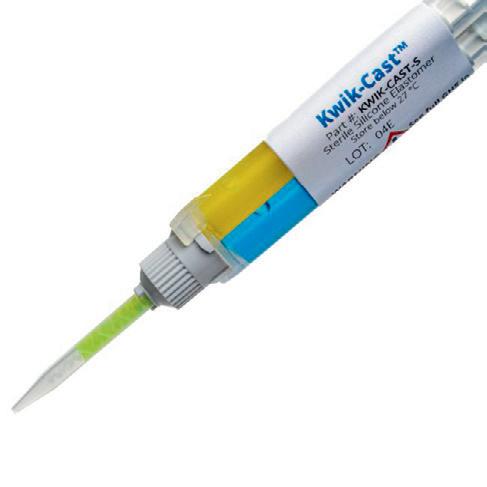
When looking for a low-toxicity adhesive with some elasticity and good moisture resistance, a silicone adhesive is particularly suitable. These work well with living tissue, as they are non-toxic, fast curing and able to adhere to organic and inorganic surfaces.
Coherent Scientific has now introduced the sterile KWIK-SIL and KWIK-CAST silicone adhesives from World Precision Instruments (WPI). The sterile versions of these adhesives are suitable for laboratories that cannot sterilise KWIKCAST/KWIK-SIL in their facilities.
The properties of the biocompatible surgical adhesives make them useful for neuroscience applications, peripheral nerve studies and similar biomedical applications. The silicone elastomers also eliminate the mess and time involved in pre-mixing other commonly used formulations.
Coherent Scientific Pty Ltd www.coherent.com.au








16 This issue is sponsored by | AMS Instrumentation & Calibration Solutions | www.ams-ic.com.au
what’s new
Indoor gardening

Researchers at the University of Helsinki, Natural Resources Institute Finland and Tampere University have demonstrated that indoor gardening can increase the bacterial diversity of the skin and boost levels of anti-inflammatory molecules in the blood. The results of their research have been published in the journal Environment International
As part of his doctoral thesis, Helsinki’s Mika Saarenpää investigated how microbial exposure that promotes the health of urban residents, particularly enhancing their immune regulation, could be increased easily through meaningful activities integrated into everyday life. According to Saarenpää, urbanisation has led to a considerable increase in immune-mediated diseases such as allergies, asthma and autoimmune diseases, as we live too ‘cleanly’ in cities.
Knowing from previous studies that contact with nature-derived, microbially rich material can alter the human microbiota, Saarenpää instructed

beneficially boosts our microbial exposure
his research subjects to commit to urban gardening for one month. The experimental group used a growing medium with high microbial diversity emulating forest soil, while the control group used a microbially poor peat-based medium.
“One month of urban indoor gardening boosted the diversity of bacteria on the skin of the [experimental] subjects and was associated with higher levels of anti-inflammatory cytokines in the blood,” Saarenpää said. In contrast, no changes in the blood or the skin microbiota were seen in the control group. This suggests that peat — the most widely used growing medium in the world and a large contributor to greenhouse gas emissions — does not bring any health benefits similar to a medium mimicking diverse forest soil.
“We know that urbanisation leads to reduction of microbial exposure, changes in the human microbiota and an increase in the risk of immune-mediated diseases,” Saarenpää said. “This is the first time we can demonstrate that meaningful and natural human activity can increase the diversity of the microbiota of healthy adults and, at the same time, contribute to the regulation of the immune system.”
Saarenpää’s study shows that microbial exposure can be increased easily and safely in the home, with only a small amount of space and financial investment required. The gardening took place in regular flower boxes, while the plants cultivated, such as peas, beans, mustards and salads, came from the shop shelf. Changes were
observed in just one month, but as the research subjects enjoyed the gardening, many of them said they would continue the activity and switch to outdoor gardening in the summer.
“We don’t yet know how long the changes observed in the skin microbiota and antiinflammatory cytokines persist, but if gardening turns into a hobby, it can be assumed that the regulation of the immune system becomes increasingly continuous,” Saarenpää said.
Saarenpää stated that microbe-mediated immunoregulation can reduce the risk of immunemediated diseases or even their symptoms — so if health-promoting microbial exposure could be increased at the population level, the healthcare costs associated with these diseases could be reduced and quality of life increased. He said it is particularly important to invest in children’s exposure to nature and microbes — as the development of the immune system is at its most active in childhood — and so suggested introducing planter boxes filled with microbially rich soil in kindergartens, schools and hospitals, especially in densely built urban areas.
“My research emphasises the dependence of our health on the diversity of nature and that of soil in particular,” he said. “We are one species among others, and our health depends on the range of other species. Ideally, urban areas would also have such a diverse natural environment that microbial exposure beneficial to health would not have to be sought from specifically designed products.”
This issue is sponsored by | AMS Instrumentation & Calibration Solutions | www.ams-ic.com.au 17
microbiota
iStock.com/s-cphoto
Mika Saarenpää
High-density microelectrode array (HD-MEA) system
MaxOne, from MaxWell Biosystems, is a CMOS-based HD-MEA; an electrical imaging system for neuroscience, drug discovery and cell assessment applications. It captures high-quality signals at subcellular resolution from acute tissue experiments (eg, brain slices, retina) and long-term culture experiments. Simultaneous recordings can be performed by running up to four recording units in one system.
A powerful electrophysiology platform for recording and stimulating electrogenic cells in vitro, MaxOne is a high-density microelectrode array system in a single-well format that allows for easy and vibrationfree insertion of the MEA device. It can operate inside cell-culture incubators and accessories are available for perfusion compatibility. Microscopy of samples on the HD-MEA surface can be performed using upright objectives.
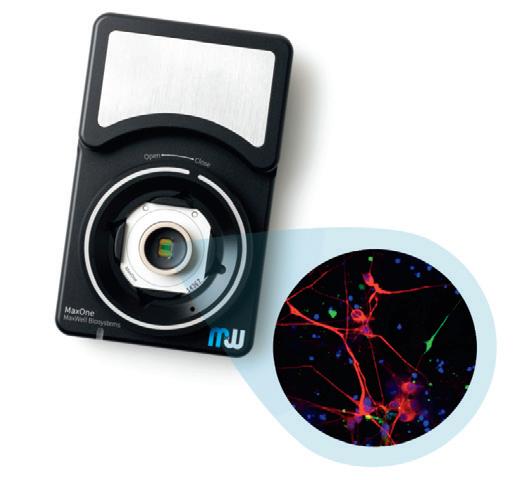
The system comes in two options. The MaxOne Full offers 1020 recording channels and 32 stimulation channels, while the MaxOne Basic offers 256 recording channels and no stimulation channels. The MaxOne Full also offers unlimited electrode configurations, whole sample electrical imaging, axon tracking and smart population recording. Both units offer MATLAB and Python data analysis tools.
SciTech Pty Ltd www.scitech.com.au
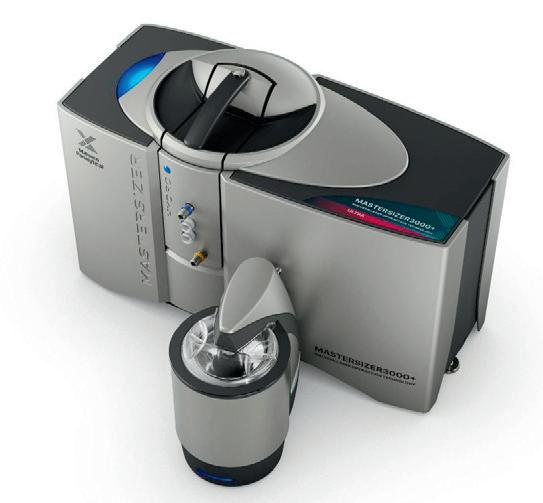
Particle sizing with integrated AI
Malvern Panalytical’s Mastersizer 3000+ range is designed to offer an advancement in particle size analysis, combining decades of expertise with state-of-the-art technology. Seamlessly integrating artificial intelligence (AI) and data science-driven software solutions, the cutting-edge instrument offers a helping hand to users at all proficiency levels. Software solutions for method development support, data quality feedback, instrument monitoring and troubleshooting advice help streamline operation and simplify the route to achieve high-quality particle size data, positively impacting product research, development and manufacturing.
Size Sure is a feature that delves deeper into sample analysis, which investigates both steady and transient states to enable the reproducibility of size distribution measurements while shedding light on potential contaminants and other critical factors.
SOP Architect, driven by machine learning algorithms, constructs optimal analytical methods for each sample, complemented by guided workflows. Embedded data quality guidance promptly alerts users to any issues, facilitating swift corrective action.
Smart Manager connectivity provides proactive advice on maintenance requirements, pre-empting part failures and replacements for uninterrupted optimal instrument performance and minimal analytical downtime.
The Mastersizer 3000+ Lab is an entry-level system offering robust size measurements from 0.1 to 1000 µm, empowered by the Mastersizer Xplorer software, while the Mastersizer 3000+ Pro is a mid-tier system providing robust size measurements with advanced software experience and automated dispersion options. The Mastersizer 3000+ Ultra offers the widest size range (0.01–3500 µm) and automation support, driven by the digitally enhanced Mastersizer Xplorer with AI-powered workflow applications, including the Size Sure measurement mode. ATA Scientific Pty Ltd www.atascientific.com.au
Digital PCR system
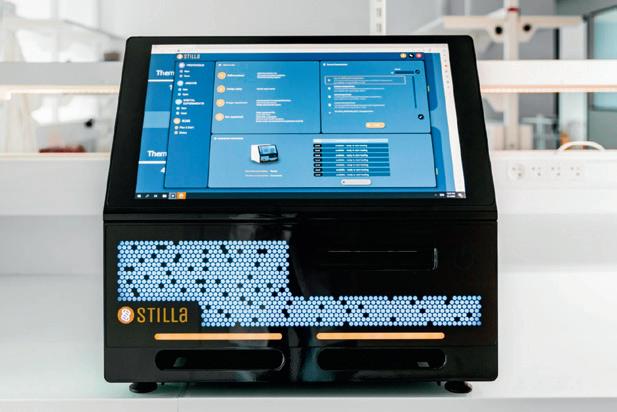
Stilla’s Nio is a versatile, all-in-one, fit-for-throughput, digital PCR instrument with high levels of user-friendliness. With features including a giant touchscreen interface and Crystal Digital PCR technology, the next-generation digital PCR system provides high partition density and allows persistent access to every individual PCR micropartition for full documentation, advanced assay QC and assay rescanning capabilities.
Multiplexing is the next frontier for digital PCR — and with seven channels, Nio has this covered. Besides full TaqMan support, a seven-colour probe chemistry from Stilla called Flex Probe supports 21-plex assays.
The system is suitable for busy labs with many users, as its continuous loading capability means a new assay plate can be added into the instrument at any time and it can process up to 768 samples in an 8 h workday. Even though the product is fully automated once a plate is loaded, automating upstream PCR plate set-up can be done with a variety of robotic liquid handling workstation options.
Bio-Strategy - Part of DKSH Group www.bio-strategy.com
18 This issue is sponsored by | AMS Instrumentation & Calibration Solutions | www.ams-ic.com.au what’s new
KE Select partners with Southern RNA to support biomanufacturing workforce planning

KE Select, a leading scientific and medical recruitment agency, has entered into partnership with Southern RNA, a ground-breaking biomanufacturing organisation, to source and select exceptional technical talent to further their research into mRNA technology and nucleic acid manufacturing.
“We’re thrilled to be working with Southern RNA and look forward to helping them find and recruit scientists who will work synergistically with their already excellent team to deliver innovative and effective solutions for their customers,” said Kerry McMahon, CEO of KE Select.
People are key to capitalise on the biomanufacturing boom
Over the past decade, Australia has become a global contender in the biomanufacturing landscape, contributing to lifesaving therapeutics, impacting global health. Our extraordinary research and clinical trial capabilities, coupled with streamlined and globally recognised regulatory pathways that expedite research from bench to bedside, have attracted unprecedented levels of funding from Government and the private sector.
For companies such as Southern RNA to capitalise on this boom in the industry, it’s vital that they hire the right people — scientists who will elevate their research, products and services to even greater heights, satisfying their customers and attracting greater investment.
“Infrastructure and funding are important, of course,” says Kerry, “but finding the right people is really the key to ensure that your company is ready to deliver the high standards of innovation, productivity and quality that today’s biomanufacturing industry demands.”
The team at KE Select is deeply engaged in the Australian biomanufacturing space and, therefore, able to draw on an extensive network
of contacts, spanning Australia, New Zealand and the rest of the world, to source top-tier talent to fill positions at every level within Southern RNA.
“For more than 12 years, we’ve helped companies in the biomanufacturing sector find the right people. So we know just how crucial it is to employ the right candidates to fill positions at all levels of the organisation,” Kerry adds.
Getting the right mix of experience and fresh ideas is paramount
“Positioned as it is in the heart of Australia’s research sector, it is crucial for Southern RNA to attract and employ the right mix of scientists and technical staff, including both seasoned professionals and university graduates,” Kerry explains.
“University and TAFE graduates bring fresh ideas and knowledge of the latest innovations, while more experienced scientists draw on wisdom and insights gained over years at the coalface. These individuals are invaluable as they provide the training and leadership necessary for younger members of staff to thrive.”
The science and medical recruitment agents at KE Select will assist Southern RNA with identifying the skill sets and levels of experience required for each role. They will then cast the net far and wide to yield a selection of highcalibre candidates from which Southern RNA will build a strong team to drive growth in this lucrative industry.
Southern RNA set to benefit from partnering with a science recruitment specialist
“Our partnership with Southern RNA, like all our partnerships, goes beyond merely filling vacancies,” says Kerry. “We form long-term relationships with our clients as this gives us an in-depth understanding of how the organisation functions and greater insight into the company ethos. This allows us to screen candidates for expertise and personality traits that will work best within the team. We also keep an eye out for subtle shifts in the industry and the impact these will have on our client’s needs, so we can work proactively with the client to ensure seamless transitions as people leave and join the company.”
This partnership shows Southern RNA’s firm commitment to hiring the best possible candidates who will further their already impressive molecular engineering, microbial cell bank production, plasmid DNA production (linear and supercoiled), and mRNA production services.
Founded in 2012 by Director Kerry McMahon, BSc Biomedical Science, KE Select is a leading Australian-based scientific and medical technology recruitment agency. Partnering with a wide range of organisations within the life science, medical, clinical, pharmaceutical, hospital and healthcare space, the agency sources and selects top-tier scientific and technical talent throughout Australia, New Zealand and the rest of the world.


KE Select www.keselect.com
This issue is sponsored by | AMS Instrumentation & Calibration Solutions | www.ams-ic.com.au 19
SPONSORED CONTENT
iStock.com/PeopleImages
Cyto-Mine transforms cell line development
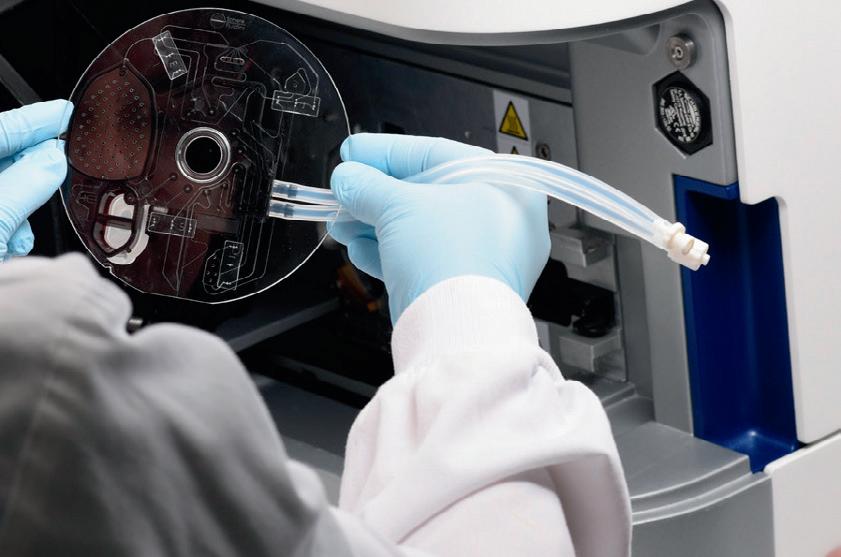
Scientists at FUJIFILM Diosynth Biotechnologies have transformed their cell line development processes through the incorporation of Cyto-Mine, a next-generation single-cell analysis system developed by Sphere Fluidics. The new processes are streamlined, compared with previous workflows, and productivity has been enhanced. Projects are now able to swiftly transition from the initial transfection phase through to development of highly productive cell lines within approximately 10 weeks.
Cell line development: critical objectives and challenges
Specialist contract development and manufacturing organisations (CDMOs) offer technical expertise and capacity in cell line and process development to optimise production of biological medicines for biotherapeutic manufacturers. In this commercially competitive field, CDMOs are under increasing pressure to deliver robust and productive stable cell lines within shortened timeframes, to drive faster transfer of therapeutic molecules into clinical development. This must be achieved while maintaining excellence concerning biological product quality.
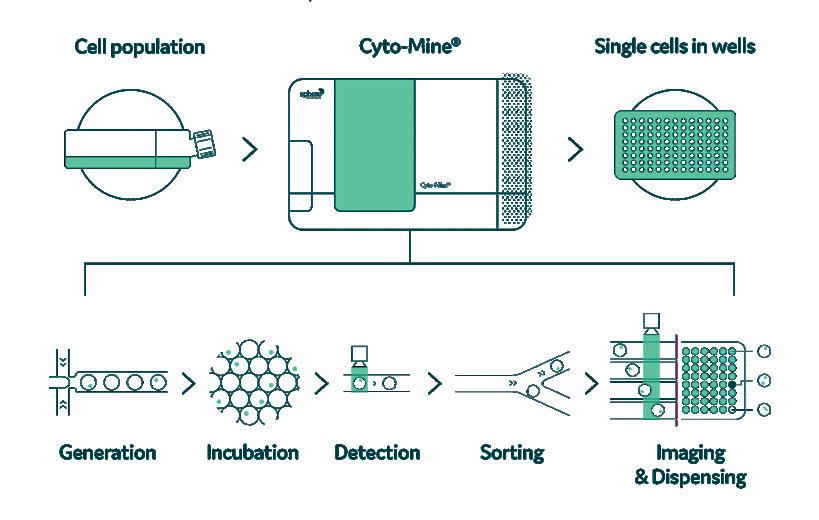
Figure 1: Cyto-Mine workflow — integration of productivity assay screening, sorting, isolation and verification using a fully automated picodroplet microfluidic process.
Technologies that provide better predictive screening capabilities and higher throughputs than those traditionally used in cell line development laboratories have been sought to meet the growing urgency and demand for unique biotherapeutic molecules. Conventional manual screening techniques, such as colony picking and limiting dilution cloning, are time-consuming, laborious and restricted concerning the number of cells that can be processed or analysed within a given period. Industry regulators, such as the Food


Figure 2: Example timeline highlighting the streamlining of workflows using Cyto-Mine.
and Drug Administration (FDA), require evidence of monoclonality regarding cell lines used in the production of biological medicines. Traditional approaches do not allow visualisation of individual cells upon initial seeding, making demonstration of monoclonality difficult or impossible in certain cases.
Cyto-Mine in practice: improving efficiency and ensuring quality
Cyto-Mine enables individual cells to be encapsulated within picolitresized aqueous droplets in a biocompatible carrier oil (picodroplets).
FUJIFILM Diosynth Biotechnologies has harnessed this technology to develop a single-step cloning process, which removes bottlenecks in the cell development process and improves both accuracy and efficiency. Each picodroplet provides a controlled, defined and adjustable environment that maintains cell viability. Single cells may be screened with speed and precision while secreted proteins are trapped within the picodroplets, making them easily accessible for characterisation.
Multiple procedures and assays within the cell line development pathway are miniaturised and integrated within Cyto-Mine (Figure 1), allowing tasks that would previously have taken weeks to complete to be undertaken within one day. Approximately 200,000 individual cells can be screened in a matter of hours using this approach, compared with around 10,000 cells with manual analysis techniques.
Quality and quantity of molecular product are enhanced as screening is now conducted at an early stage so that only cells expressing the protein of interest, and the best-performing cells within this pool, are taken forward in the development process. Workflows have been significantly shortened, from around 25 weeks to approximately 10 weeks (Figure 2). Importantly, single cells may be visualised using Cyto-Mine and monoclonality data can be provided to support regulatory submissions.
Overall efficiency and productivity in the cell line and process development team at FUJIFILM Diosynth Biotechnologies has been enhanced through the application of Cyto-Mine. Scientists spend less time conducting laborious manual procedures and are able to complete a greater number of projects within a given timeframe. This allows them to apply their specialist skills and expertise to other important aspects of their work. Motivated by the possibilities of Cyto-Mine, the scientists are now exploring further applications using this technology platform.
Capella Science www.capellascience.com.au
20 This issue is sponsored by | AMS Instrumentation & Calibration Solutions | www.ams-ic.com.au what’s happening
Clinical trial transformation
Recent changes and future predictions

Clinical trials play a pivotal role in advancing medical research and improving patient care, and are an essential part of new drug development. In recent years, clinical trials have undergone significant changes driven by technological advancements, regulatory shifts and a growing emphasis on patient-centricity.
Accelerated by the COVID-19 pandemic, we have seen a shift in clinical trials, with changes to the way they are conducted, regulated and perceived. In this article, we will explore the recent transformations in the world of clinical trials and offer insights into their potential future direction.
Recent changes in clinical trials
One of the most prominent recent developments in clinical trials is the increasing use of realworld evidence (RWE). RWE uses data from a variety of sources, including electronic health records, insurance claims and wearable devices. This allows researchers to gather data beyond traditional clinical trial settings, providing a more comprehensive view of a treatment’s effectiveness and safety.
The COVID-19 pandemic accelerated the adoption of remote and decentralised clinical trials,
also known as virtual, at-home or site-less trials. With the implementation of telemedicine and home-based monitoring, patients can take part in trials from the comfort of their homes, eliminating the need to travel to specific sites. This approach has shown increased patient participation and increased study effectiveness, and will ultimately help to get drugs to market faster.
There has also been a growing emphasis on patient-centricity in more recent clinical trials. Regulatory agencies and sponsors are actively involving patients in the trial design process to ensure that the research is aligned with patients’ needs and preferences. This approach not only enhances the relevance of the trials but also increases patient recruitment and retention rates.
Several countries have undergone significant changes in their clinical trial regulations to adapt to the changing landscape:
United States: In June 2023, the FDA announced the availability of a new draft guidance, ‘E6(R3) Good clinical Practice (GCP)’. The latest draft guidance includes updated recommendations and “encourages innovation,
focuses on quality, and establishes proportionate and risk-based approaches for conducting clinical trials, while minimizing unnecessary complexities”. New recommendations include encouraging the use of innovative digital health technologies (DHTs), such as wearable sensors, to increase the efficiency of data collection.
European Union: The EU has implemented a new Clinical Trials Regulation (CTR) to create a more unified and efficient framework for clinical trials across member states. The CTR, fully implemented in early 2023, simplifies the approval process, harmonises trial designs and establishes a single portal for trial submissions. These changes are expected to reduce administrative burdens and enhance the competitiveness of EU clinical research.
India: In 2019, the Ministry of Health and Family Welfare (MoHFW), Government of India released updated New Drugs and Clinical Trials Rules, designed to help streamline regulations and guide clinical trial conduct in India. These updated rules include new time limits for responses to submissions for application for clinical trials.
This issue is sponsored by | AMS Instrumentation & Calibration Solutions | www.ams-ic.com.au 21 clinical trials
Envirotainer
iStock.com/metamorworks
clinical trials
United Kingdom: Announced in October 2023, a series of new measures will be introduced by the Medicines and Healthcare products Regulatory Agency (MHRA) to streamline clinical trial approvals. Under the new framework, clinical trials application processes in the UK will be more streamlined and flexible without compromising on safety, helping to make it faster and easier to gain approval and to run clinical trials in the UK. The changes will also result in a framework that is responsive to diverse types of trials and designs, and supportive of new ways of conducting trials such as decentralised trials.
Predictions for the future of clinical trials
The future of clinical trials will continue to be shaped by ongoing developments and emerging trends. Here are some predictions on what we think will shape clinical trials in the coming years: Advanced data analytics: The integration of artificial intelligence and machine learning will revolutionise data analysis in clinical trials. Predictive modelling, data mining and real-time monitoring will enable more efficient
trial designs, better patient selection and early identification of safety concerns.
Expansion of decentralised trials: The trend of decentralised and remote trials will expand, making participation more convenient for patients. Regulatory agencies will further support this shift by providing clear guidelines for virtual trials.
Enhanced regulatory flexibility: Regulatory agencies are expected to keep a more flexible approach, enabling faster responses to emerging health crises. Collaborative relationships between the pharmaceutical industry and regulatory bodies are likely to continue evolving to streamline the approval process.
Personalised medicine: Advancements in genomics and biomarker discovery will drive the development of targeted therapies. Clinical trials will need to adapt to consider individual genetic profiles and treatment responses, paving the way for targeted therapies.
Real-world data will be critical in decisionmaking: Emerging technologies and new devices will enable companies to gather large amounts of real-world evidence. This data, along with data from
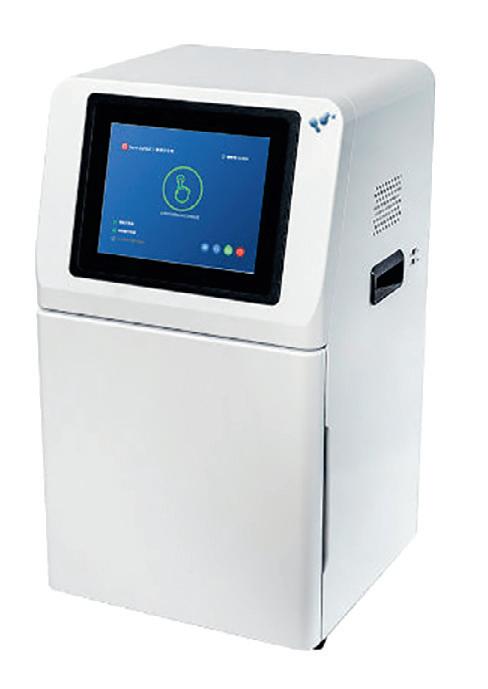
Gel imaging system and chemiluminescence instrument
The SCG-W5000 dual imaging system, available from Pacific Laboratory Products, is a device that uses chemiluminescence technology for imaging and also combines regular UV for general gel viewing. Equipped with a highsensitivity cooled camera with a resolution of 20 million pixels, it enables fast, high-throughput detection and imaging of samples without the need for additional light sources. It has extensive applications in life sciences, pharmaceuticals, environmental protection and more.
The chemiluminescence imaging system has a clever AI algorithm, capable of quickly calculating the optimal exposure time. With deep cooling, high sensitivity and a high-resolution camera, it is capable of detecting weak signals, reducing image noise.
The unit includes standard analysis software, capable of automatically identifying and analysing lanes; a large 10.4 ″ touchscreen computer, also compatible with external computers; a one-button control switch; and simple and intuitive operation. It has a resolution of 5440 x 3648, a pixel size of 2.4 x 2.4 µm and cooling to -40°C, making it a useful laboratory addition.
Pacific Laboratory Products www.pacificlab.com.au
clinical research, will help to guide pharmaceutical companies’ approach towards clinical trials.
The world of clinical trials has evolved significantly in recent years, with an emphasis on real-world evidence, patient-centricity, and streamlined regulatory processes. These changes have made clinical trials more efficient, patientfriendly and globally connected. The future holds even more promise with advanced data analytics, decentralised trials, global harmonisation and the rise of personalised medicine. As we continue to navigate the ever-changing landscape of clinical trials, the ultimate beneficiaries will be patients who receive safer and more effective treatments because of these innovations.
For more information, please visit www.envirotainer.com.
1. https://www.fda.gov/regulatory-information/search-fdaguidance-documents/e6r3-good-clinical-practice-gcp
2. https://www.ema.europa.eu/en/human-regulatoryoverview/research-and-development/clinical-trialshuman-medicines/clinical-trials-regulation
3. https://ijper.org/sites/default/files/ IndJPhaEdRes_53_4s_451_0.pdf
4. https://www.europeanpharmaceuticalreview.com/ news/187569/mhra-regulation-overhaul-new-schemefor-lowest-risk-uk-clinical-trials/
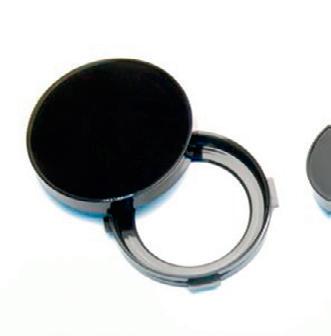
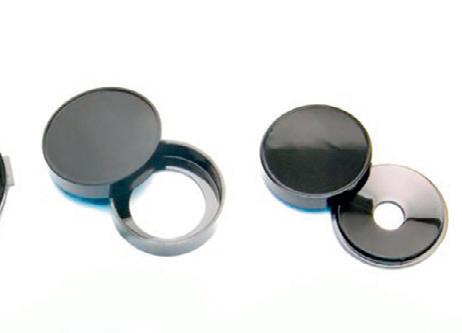
Black wall cell culture dishes
WPI’s FluoroDish black wall cell culture dishes are designed to reduce reflections by providing a barrier for the ambient light, providing clear fluorescent images. Their ability to reduce ambient light makes them useful for fluorescence live cell imaging.
As with other FluoroDish products from WPI, the optical-quality glass bottom is as thin as the coverslip to offer the least amount of distortions and good UV transmission. Each pack is individually packaged and gamma sterilised. Coherent Scientific Pty Ltd www.coherent.com.au
22 This issue is sponsored by | AMS Instrumentation & Calibration Solutions | www.ams-ic.com.au
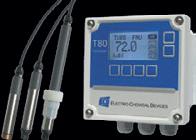
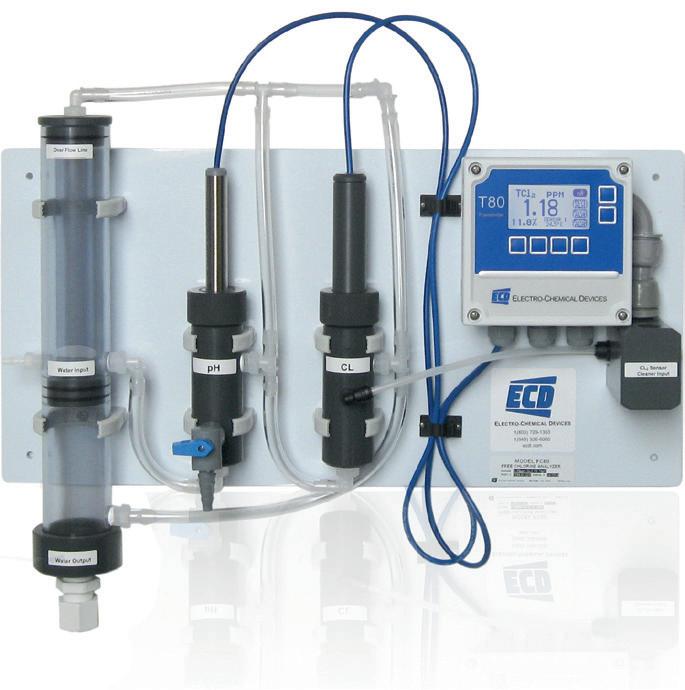
Total chlorine analyser
The TC80 Total Chlorine Analyzer from Electro-Chemical Devices (ECD) is designed to eliminate consumables, simplify installation and reduce maintenance with a selfcleaning design, lowering the total cost of ownership.
Panel mounted and ready-to-go out of the box, the easy-to-use device monitors total chlorine in drinking water, industrial cooling and rinse water, wastewater or other freshwater samples containing chlorine in the range of 0–20 ppm. Its Total Chlorine Sensor (TCS) is a three-electrode amperometric sensor that measures all chlorine species in the water, combined chlorine and free chlorine in a range of 0.05–20 ppm Cl2 (high range) or 0.005–2 ppm (low range).
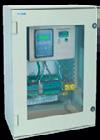
The analyser’s plug-and-play design incorporates a flow control device, a pH sensor and the T80 transmitter mounted on a PVC panel. Simply connect the sample and drain lines, then the power and outputs, and it is ready to use. The product is calibrated at the factory before shipment, and additional calibrations are accomplished by DPD comparison.
The analyser’s sensor technology and automatic pH compensation offer a reagentless design to keep the cost of ownership low without having expensive reagents. It has automatic flow control and large flow tubes and cells, which reduces clogs and blockages and allows for easy cleaning.
The product includes dual 4–20 mA output, Modbus and/or HART communication and three alarm relay outputs. It can be powered from 24 VDC or 110/220 AC power. An auto cleaning option is available to keep the chlorine sensor clean from contaminants for an extended period of time.
AMS Instrumentation & Calibration Pty Ltd www.ams-ic.com.au
This issue is sponsored by | AMS Instrumentation & Calibration Solutions | www.ams-ic.com.au 23 what’s new
HEPA filter terminal housing
The Camfil CleanSeal Extract Return Air Housing is designed for efficient air filtration systems. The HEPA filter terminal housing features tool-less filter clamping, enabling a secure and quick installation process.
With quick grid locking, accessing the filter for maintenance or replacement is convenient and hassle-free. The fully welded construction of the housing offers long-lasting robustness and tightness, providing optimal protection against corrosion and decontamination agents.
One of the key benefits of the housing is its ability to offer localised control of potent compounds, preventing contamination of downstream ductworks. Additionally, the scanning system integrated into the design allows for easy operation and filter integrity testing. Suitable for a variety of applications in industries such as pharmaceuticals, hospitals and animal facilities, the housing offers a comprehensive solution for maintaining clean and healthy indoor air quality.

The CleanSeal Extract is part of the CleanSeal range designed with pre-positioning filter retainers and a patented adjustable clamping system to handle all Camfil Megalam filter sizes (MG/MD/MX). This scalability allows for fast and easy upgrade of existing filters to maintain pressure cascades or manage energy savings.
CleanSeal products are open to adaptation to the user’s specific needs, from additional features and functions to specific finishes, custom formats and fully bespoke ceiling integration.
Camfil Australia Pty Ltd www.camfil.com.au
Premium

• Proprietary VirtuE™ Expression System
o Derived from a HEK293 human cell line
o Ensures native-like glycosylation and proper folding of antigens
o Maximises antigen specificity and performance in assays
• Diverse range of antigens and antibodies
o Over 60 viral and bacterial diseases
o Extensive range of human Coronavirus products
- Over 90 antigens and over 50 antibodies available for:
* Alpha and beta Coronaviruses
* MERS, SARS-CoV & SARS-CoV-2
o Japanese Encephalitis Virus (JEV)
o Ross River Virus and many more

• Contract and Custom Services
o Vector design
o Protein expression and purification
o Antibody generation
o ELISA development
o Virology testing
24 This issue is sponsored by | AMS Instrumentation & Calibration Solutions | www.ams-ic.com.au (02) 9484-0931 | info@bionovuslifesciences.com.au www.bionovuslifesciences.com.au
producer of infectious
disease antigens and antibodies
what’s new
Sticky pesticide insects to protect crops from
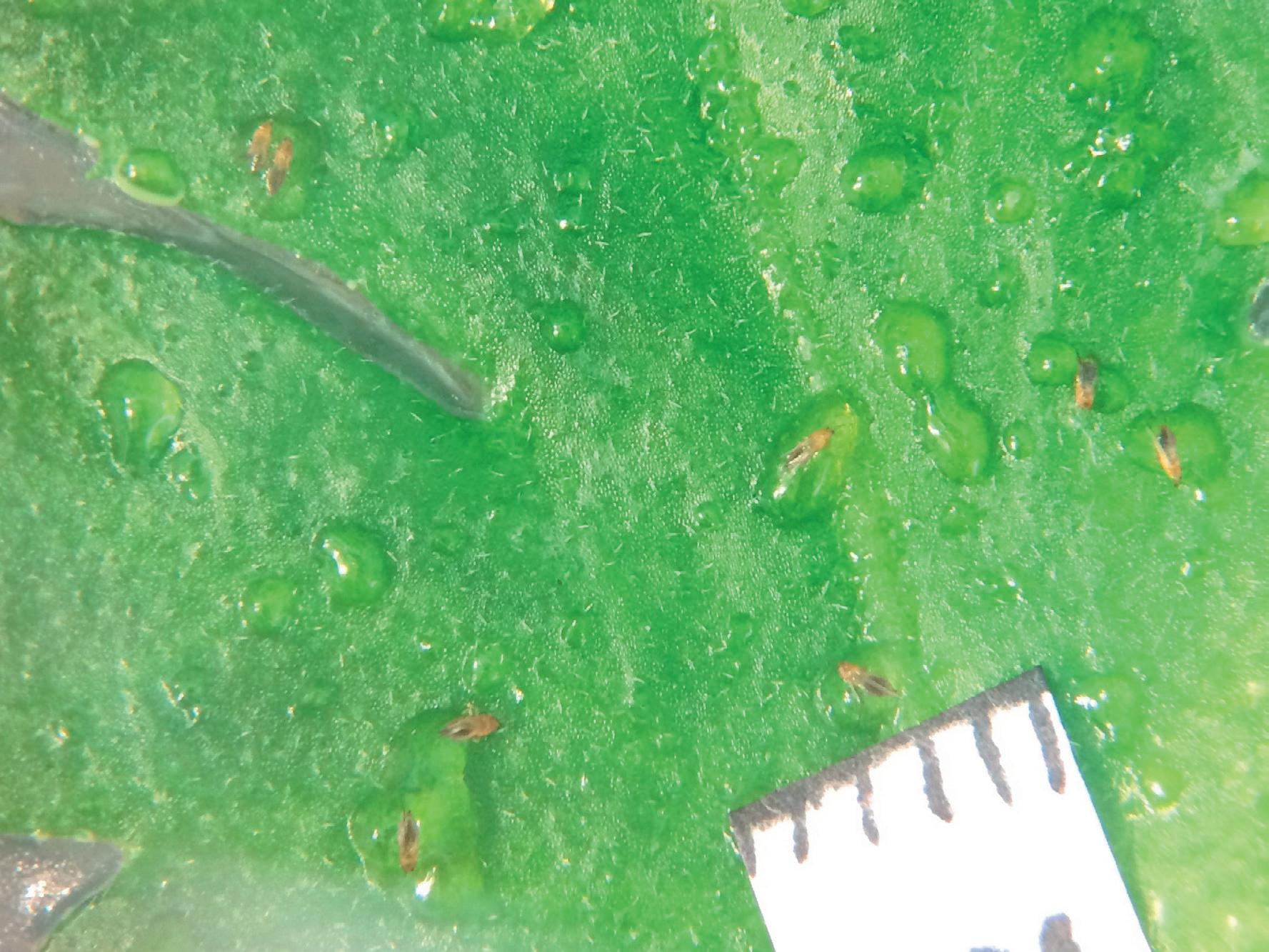
Dutch scientists have engineered a sticky substance that protects plants from diseases and pests by trapping them when they land on plant leaves, incapacitating them. The researchers hope that this ‘insect glue’, which they described in the journal PNAS, will help to reduce the use of toxic chemical pesticides.
In the search for alternatives to potentially harmful chemical pesticides, scientists from Wageningen University & Research (WUR) and Leiden University turned to nature for inspiration. As explained by Thomas Kodger, an associate professor at WUR, “The carnivorous sundew plant has so-called glandular hairs that secrete a sticky substance to catch insects. We wanted to mimic this to protect our plants and crops in a natural way.”
The researchers transformed vegetable oil into a yellow, sticky substance by blowing air over it and grinding it into small particles using a laboratory blender. This resulted in beads of about 1 mm in diameter that are as sticky as duct tape, and similar in size to Californian thrips ( Frankliniella occidentalis) — common pest insects that cause major problems worldwide in greenhouse horticulture.
The pesticide was sprayed as thick, sticky drops on plant leaves, with these drops catching the thrips inside them. By catching these insects, plants stay healthier and are less likely to become infected with fungi that the thrips carry with them. And the larger the drops, the greater the catch.
“The large drops are clearly more successful,” said Thijs Bierman, a PhD candidate at the Institute of Biology Leiden. “Presumably, the thrips need to get stuck with a minimum body surface area. This is also observed in carnivorous plants.”
So far the scientists have mainly focused on thrips, but the insect glue may also work against other pests, such as the Suzuki fruit fly that currently threatens cherry cultivation. At the same time, the drops are small enough that beneficial insects, such as pollinators, do not get stuck. Furthermore, pest insects are unlikely to develop resistance against this adhesive.
“Insects have already evolved so that they avoid adhesion, for example through hairs on their body and a bumpy surface, [so] increasing their body size remains one of the few escape methods from this sticky trap,” Kodger explained. This evolution is not nearly as easy as developing tolerance to a chemical substance; it would take many generations, if it happens at all, and would only occur if the insect glue is used on a large scale.
After application, the sticky substance remains on the leaves for three months, which is long enough to control pests until harvest. By spraying crops before the fruits develop, farmers minimise the chance of the pesticide getting onto the food
— although contact with food cannot be ruled out.
“The advantage of our pesticide over chemical pesticides is that you can see the small, yellow drops; you can wash it off with water and dish soap,” Kodger said. If the substance is ingested, Kodger expects it to be no more harmful than frying fat, given that it is derived from vegetable oil, but scientists still need to investigate how (un)healthy it is exactly.
In the future, farmers may be able to spray the sticky pesticide on their fields using existing chemical sprayers, as a special additive in the mixture ensures that the beads do not stick to each other or the machine. The researchers must, however, assess the environmental impact of this, as they would rather not dump large amounts of cooking oil onto the fields. They are also looking to understand how the substance will affect the natural enemies of thrips, which are often used by farmers for biological control.
In addition, the scientists are exploring possibilities to incorporate repellent or attractive scents into the pesticide to make it even more effective, and to utilise various waste oils based on availability, adapting their process accordingly. They aim to launch a spin-off company to further develop and market their innovation, with plans to start up by the end of the year.
This issue is sponsored by | AMS Instrumentation & Calibration Solutions | www.ams-ic.com.au 25
pesticide
Thijs Bierman.
Thrips caught in sticky droplets on a chrysanthemum leaf.
High-throughput autoclave
A quality autoclave is essential for almost any type of laboratory, and it is crucial for users to choose the product that will best suit their needs. Secure sterilisation and time savings are high priorities to consider for researchers, and TOMY autoclaves are designed with innovative features as standard.
The TOMY high-throughput autoclave FLS-1000 makes large-volume sterilisation easy and accommodates unusually shaped articles like bioreactors, fermenter vessels and animal cages. It also supports the user with secure sterilisation in compliance with their facility’s guidelines and global standards like GLP/GMP.
The autoclaves are powered from a 240 V, 50 Hz, 15 A supply and require no plumbing, so they can be moved to anywhere required. Two stainless steel mesh baskets are included as standard and there is a range of accessories available, including punched metal stainless steel baskets, solid stainless steel baskets, printer and external sensor (wandering probe).
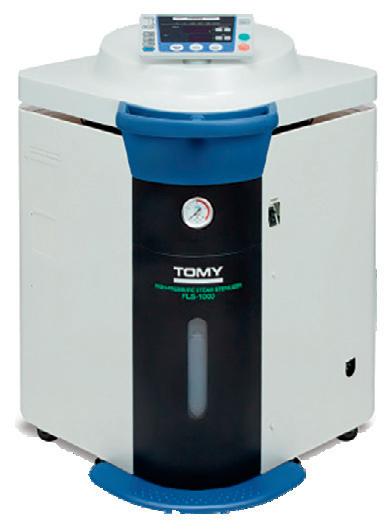
Key features include an integrated condensate bottle to trap condensate from a chamber during venting, full safety features including water level detection and lid interlock, 100 L chamber capacity for bulk or large-volume items and a maximum sterilising temperature to 123°C. The product is made in Japan.
Bio-Strategy - Part of DKSH Group www.bio-strategy.com
R-loop assay kit
R-loops are three-stranded nucleic acid structures that are formed when a single-stranded RNA invades the DNA double helix to hybridise with a complementary DNA strand, leaving the non-template DNA strand unpaired. These structures form normally during transcription initiation, IgG class switching and mitochondrial DNA replication. R-loops play a role in chromatin dynamics and can also be used as biomarkers in some cancers.
The CUT&Tag-IT R-loop Assay Kit from Active Motif is optimised to profile R-loops genome-wide and has several advantages. It is designed to be faster and more efficient than DNA:RNA immunoprecipitation (DRIP) and chromatin immunoprecipitation (ChIP) methods, and is compatible with 200,000 to 500,000 fresh or cryopreserved cells. The kit comes with all reagents necessary, including an optimised protocol.
United Bioresearch Products Pty Ltd www.unitedbioresearch.com.au
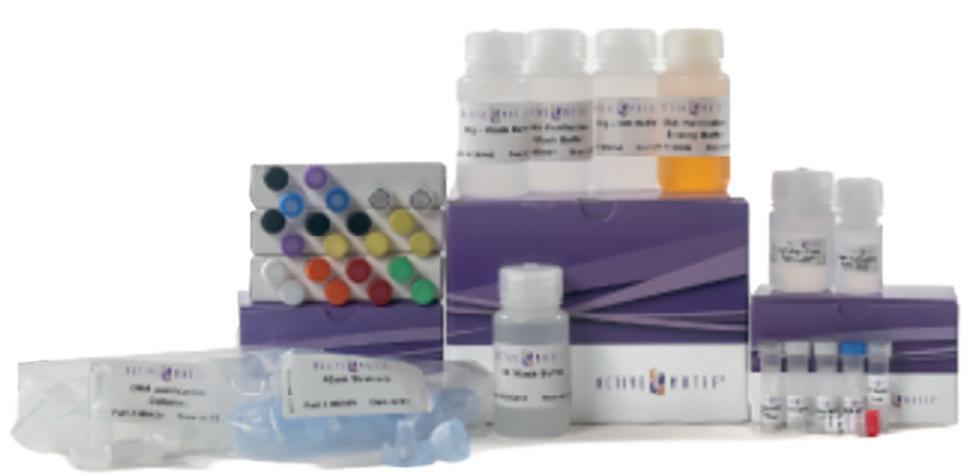
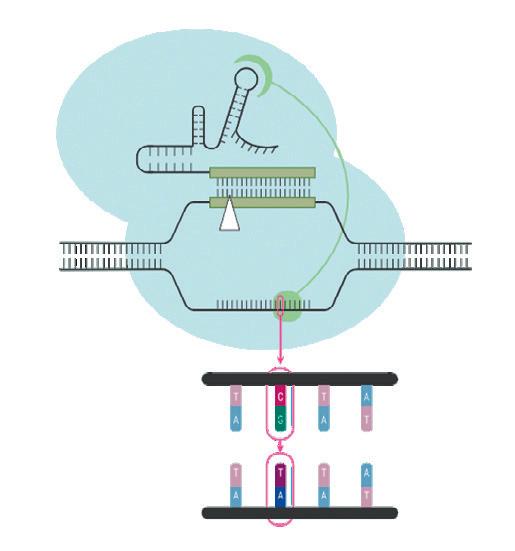
Next-generation gene editing platform
The Horizon Discovery Pin-point Base Editing platform from Revvity, with its novel three-part design and strong safety profile, is designed to enhance base editing’s capabilities by enabling simultaneous modification of several genes at once, thereby expanding its application in human disease modelling.
Base editing is a CRISPR-Cas9-based technology that allows researchers to make precision base changes in genomic DNA. Editing with such precision can be used to silence disease-causing genes, correct disease-associated mutations and optimise cell therapies.
Pin-point base editing requires three key components: guide RNA with patented and proprietary aptamer; modified Cas9 (nickase Cas9, or nCas9); and deaminase fused to an aptamer binding protein. The gRNA guides the modified Cas9 to a specific location in the genome where a single strand ‘nick’ is made in the DNA. Meanwhile, the deaminase enzyme is recruited to the site and modifies bases on the non-nicked strand, for example, C>T conversions. The modified DNA strand is then used as a repair template for the nicked strand to complete the base pair conversion. Compared to traditional CRISPR technologies that create double-stranded breaks in the DNA, base editing only nicks one strand of the DNA making it safer for therapeutic use. Key applications include: the creation of gene knock-out/SNP correction; proprietary concurrent knock-out and knock-in demonstrated; multiplexed gene editing for complex cell models; the ability to edit cells sensitive to the DNA damage response pathway; mutagenesis for functional gene characterisation; and orthogonal validation (RNAi, CRISPRi, traditional CRISPR/Cas9).
Millennium Science Pty Ltd www.mscience.com.au
26 This issue is sponsored by | AMS Instrumentation & Calibration Solutions | www.ams-ic.com.au
what’s new
Coral-counting robot to assist with reef restoration
Researchers at the Queensland University of Technology (QUT) have developed a robot to count and capture images of baby tank-grown corals destined for the Great Barrier Reef, saving thousands of hours of time. It has been created as part of the Coral Growout Robotic Assessment System (CGRAS) project — a collaboration involving the Australian Institute for Marine Science (AIMS), the Reef Restoration & Adaptation Program (RRAP) and the QUT Research Engineering Facility (REF).
According to QUT’s Dr Dorian Tsai, most coral restoration techniques are primarily focused on fragmenting existing corals — but this method is typically constrained to about 50 fragmented corals per origin or donor colony, limiting scalability.
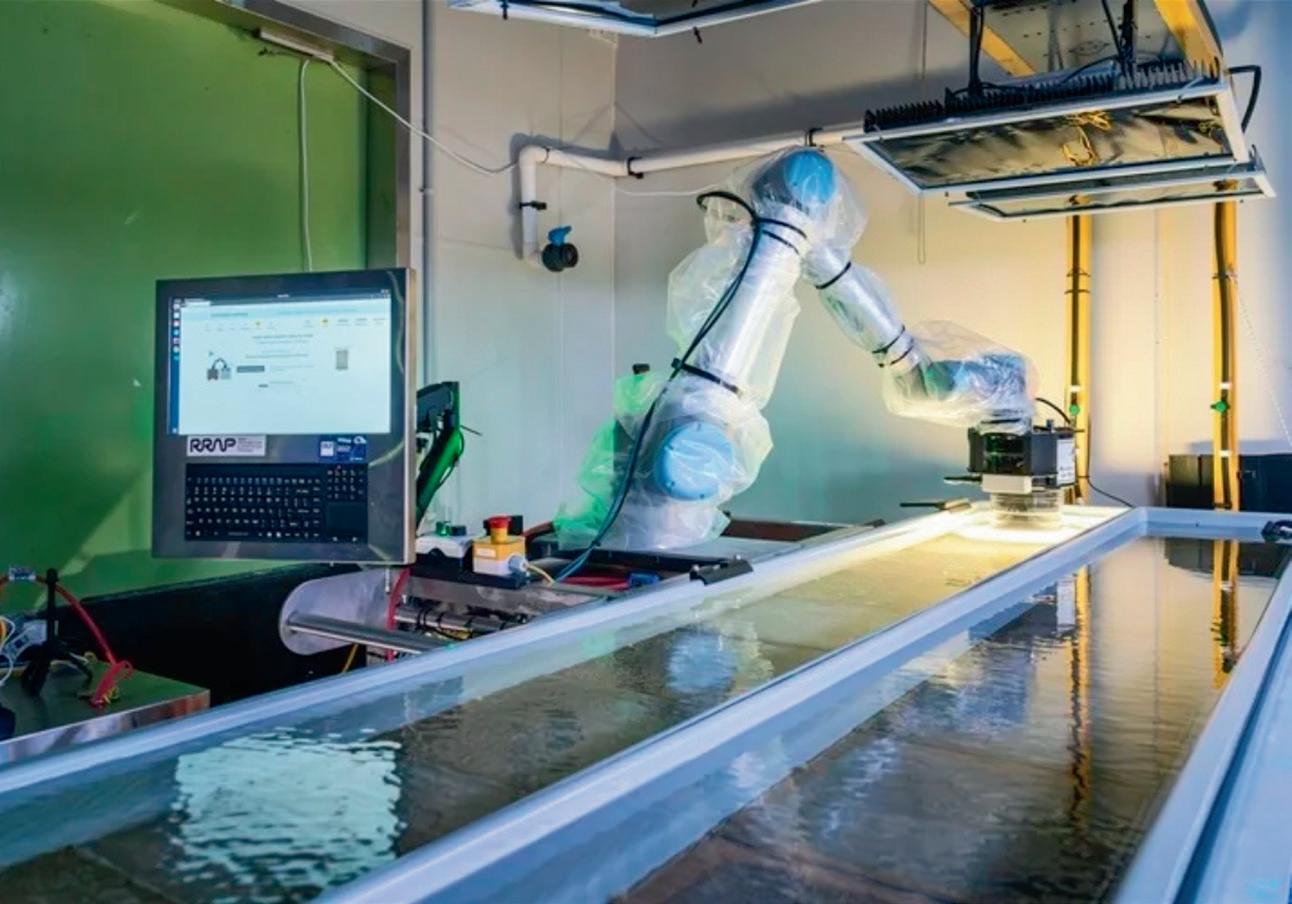
“We’re aiming to mass-reproduce corals via sexual reproduction, where parent colonies can produce over a million corals each, which allows us to ensure the corals can diversify and adapt to changing environments, and has much better scalability,” Tsai said.
“The difficulty is that we have to then be able to grow and monitor these baby corals in order to keep the corals happy and healthy, which CGRAS aims to solve.”
The challenge, Tsai explained, is that when the corals are grown en masse inside tanks on flat tiles, the corals are tiny — about 1 mm in diameter. He noted, “There are hundreds of thousands of these corals, and it takes on average 45 minutes for a trained expert to count a single coral tile, which is 28 x 28 cm2. Eventually there will be over 9600 such tiles.”
To count these corals manually, over 7200 hours would have to be devoted to counting every week, which would be highly repetitive and end up costing around $500,000 per week in labour, or $6 million over a 12-week grow-out period.
“That’s why we’ve developed a robot prototype to capture images of the baby corals in the tanks as they are growing in a repeatable, precise and flexible manner,” Tsai said.
“We’re also leveraging state-of-the-art artificial intelligence algorithms to automatically detect and count these coral babies and track their growth over time.
“This will allow scientists to have a much clearer correlation analysis between their treatment strategies and coral growth, leading to higher coral survival rates, which is higher coral yield, which will allow RRAP to reach their large-scale deployment scenarios of over a million corals out to the Great Barrier Reef each year.”
As explained by REF Senior Research Engineer Riki Lamont, the current design of the robot prototype houses a high-resolution
submersible camera with a macroscopic lens — basically a waterproof microscope — mounted at the end of a robotic arm. The arm is wrapped up to prevent corrosion in the saltwater environment that is the aquaculture facility, and the whole thing is mounted atop a mobile platform that moves manually and houses all of the computers.
While the ideal approach could be to build a fully autonomous robot that could drive itself through the aquaculture facility, Tsai said that was not a cost-effective or necessary solution.
“Moving the robot manually between tanks only costs a fraction of the time compared to imaging, interpreting the images and counting the corals,” he said.
“Furthermore, the costs, challenges and risks of a fully automated system for a still-developing coral conservation process are orders of magnitude more expensive than we currently have budget for.
“Instead, we aim to hit the sweet spot of what is achievable with a complement of robotics and humans together to maximise operational and developmental costs for coral yield.”
Tsai said CGRAS was actively deployed in the National Sea Simulator (SeaSim) at AIMS near Townsville early this year, and its next iteration will be deployed for the next coral spawning in December 2025. AIMS researchers will be the eventual operators of the technology, as part of their efforts to help the Great Barrier Reef better cope with the effects of climate change.
“Projects like CGRAS are essential parts of the technology toolkit needed to deliver scale in this work,” said AIMS’s Research Program Director of Reef Recovery, Adaptation and Restoration, Dr Line Bay.
“We clearly need strong emissions reduction to provide the best future for coral reefs. But with a fifth mass coral bleaching event since 2016 unfolding on the Reef, research into restoration and adaptation is also important.
“Projects like this will turbo-charge R&D into conservation aquaculture methods that aim to help the Reef cope with increasing temperatures.”
This issue is sponsored by | AMS Instrumentation & Calibration Solutions | www.ams-ic.com.au 27 what’s happening

Smartphone compass used to measure glucose
Researchers at the US National Institute of Standards and Technology (NIST) have used an ordinary smartphone’s built-in magnetometer, or compass, to measure concentrations of glucose — a key marker for diabetes. Described in the journal Nature Communications, their method also has the potential to measure other biomedical properties as well as environmental toxins.
In their proof-of-concept study, NIST researchers Gary Zabow and Mark Ferris clamped to a smartphone a tiny well containing the solution to be tested and a strip of hydrogel — a porous material that swells when immersed in water. The researchers embedded tiny magnetic particles within the hydrogel, which they had engineered to react either to the presence of glucose or to pH levels by expanding or contracting. Changing pH levels can be associated with a variety of biological disorders.
As the hydrogels enlarged or shrank, they moved the magnetic particles closer to or further from the phone’s magnetometer, which detected the corresponding changes in the strength of the magnetic field. Employing this strategy, the researchers measured glucose concentrations as small as a few millionths of a mole (the scientific unit for a certain number of atoms or molecules in a substance). Although such high sensitivity is not required for at-home monitoring of glucose levels using a drop of blood, it might in the future enable routine testing for glucose in saliva, which contains a much smaller concentration of the sugar.
‘Smart’ hydrogels like the ones the NIST team employed are inexpensive and relatively easy to fabricate, Ferris said, and can be tailored to
react to a host of different compounds that medical researchers may want to measure.
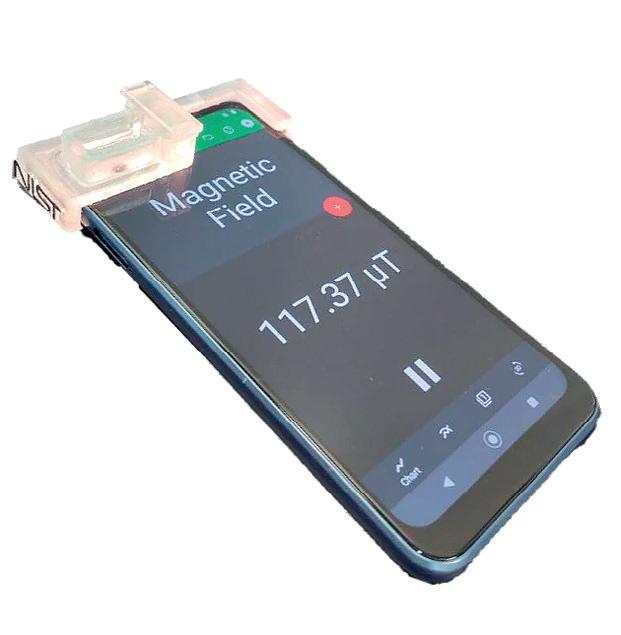
Photograph of a prototype sensor platform attached to a phone. Image has been cropped from the original and appears courtesy of the study authors under CC BY 4.0
In their experiments, he and Zabow stacked single layers of two different hydrogels, each of which contracted and expanded at different rates in response to pH or glucose. These bilayers amplified the motion of the hydrogels, making it easier for the magnetometer to track changes in magnetic field strength.
Because the technique does not require any electronics or power source beyond that of the phone, nor call for any special processing of the sample, it offers an inexpensive way to conduct testing — even in locations with relatively few resources. Future efforts to improve the accuracy of such measurements might allow detection of DNA strands, specific proteins and histamines — compounds involved in the body’s immune response — at concentrations as low as a few tens of nanomoles (billionths of a mole). At present, histamine measurement requires a 24-hour urine collection and a sophisticated laboratory analysis.
“An at-home test using a cellphone magnetometer sensitive to nanomolar
concentrations would allow measurements to be done with much less hassle,” Ferris said. More generally, enhanced sensitivity would be essential when only a small amount of a substance is available for testing in extremely dilute quantities, Zabow added.
Similarly, the team’s study suggests that a phone magnetometer can measure pH levels with the same sensitivity as a thousand-dollar benchtop meter but at a fraction of the cost. A home-brewer or a baker could use the magnetometer to quickly test the pH of various liquids to perfect their craft, and an environmental scientist could measure the pH of groundwater samples onsite with higher accuracy than a litmus test strip could provide.
In order to make the phone measurements a commercial success, engineers will need to develop a method to mass produce the hydrogel test strips and ensure that they have a long shelf life, Zabow said. The hydrogel strips should also be designed to react more quickly to environmental cues in order to speed up measurements, he added.
28 This issue is sponsored by | AMS Instrumentation & Calibration Solutions | www.ams-ic.com.au
iStock.com/Kosamtu glucose testing
Dissociation of tumor tissue samples for single-cell genomics
Unraveling the diversity of cell types and understanding the complexity of the tumor microenvironment are critical milestones to advance cancer research and the development of both diagnostics and therapeutics for cancer.
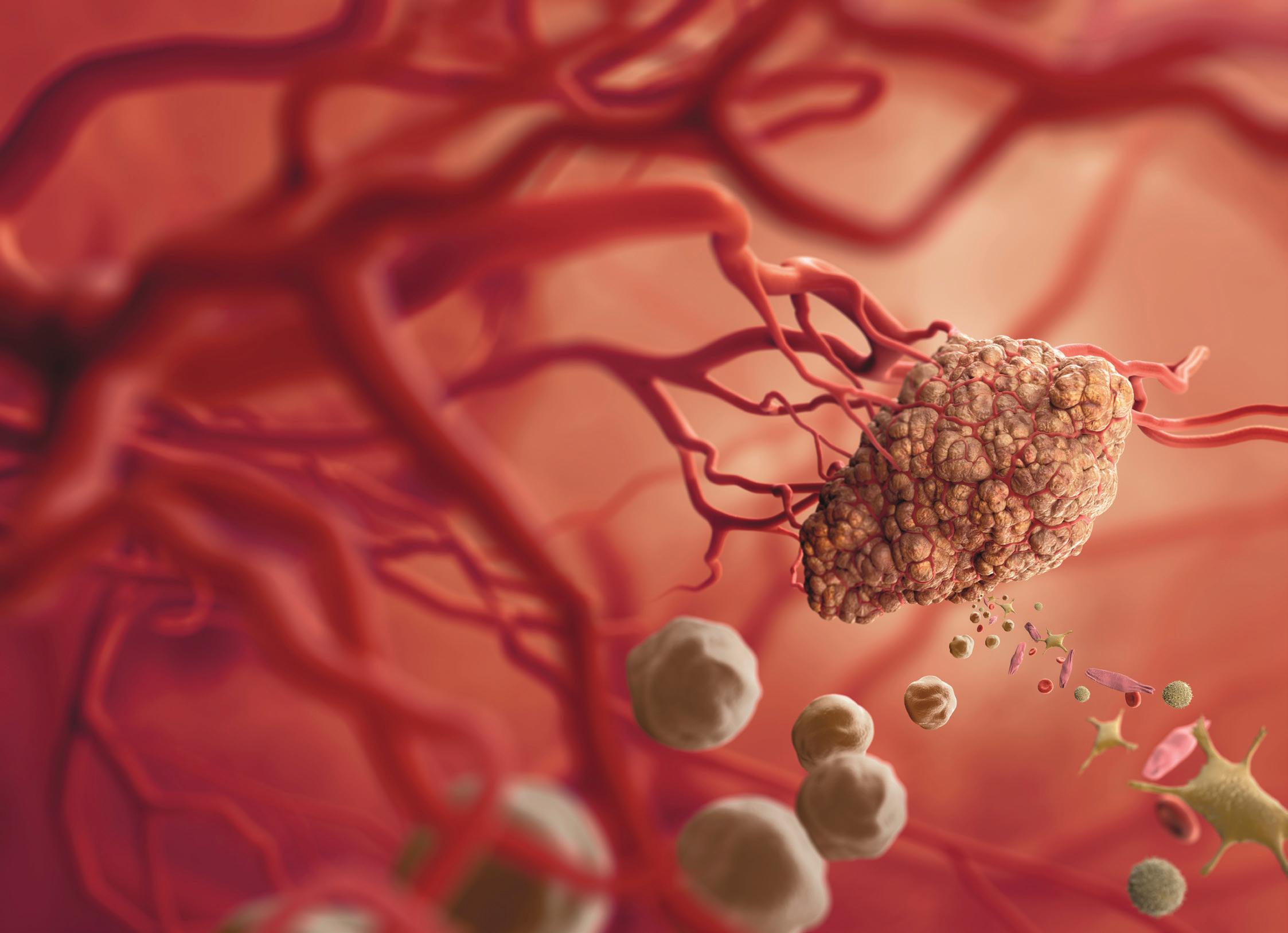
Within the tumor microenvironment there are numerous cells types, such as infiltrating immune cells, inflammatory cells, cancerassociated fibroblasts, vascular cells, stromal cells, extracellular matrix, and tumor cells. Tumor cells are highly evasive due to their elasticity and ability to adapt to environmental modifications. As a result of these properties, improving our understanding of a tumor’s dynamic cellular composition and gene expression profile will enhance the research community’s ability to develop more effective diagnostics and treatments for cancer.
In recent years, single-cell RNA sequencing (scRNA-seq) has become a popular analytical tool to significantly augment characterization of the tumor microenvironment. In contrast to RNA sequencing of bulk cell populations, scRNAseq allows for the transcriptomic profiling of hundreds, thousands, or potentially millions of individual cells. The ability to detect transcriptomic signatures unique to an individual cell greatly increases the diversity of transcripts that can be detected in a sample. This is in comparison to bulk sequencing, whereby the average signal across the entire sample obscures transcripts from rare cell populations. As a result, the use of scRNAseq has the potential to facilitate advances, such as the discovery of new cell subpopulations and the identification of clonal tumor cell subsets responsible for resistance to treatment.
The dissociation of a tumor in order to release intact individual cells is a critical step in every
scRNA-seq experiment. Ideally, the sample for a scRNA-seq experiment is a suspension consisting of fully dissociated, intact, viable cells. Attributes of a poor quality sample include clumps, dead or dying cells, extracellular debris, and ambient free-floating RNA. These cellular and molecular contaminants can negatively impact data quality and increase overall sequencing costs. Therefore, it is important to consider the sample preparation process and utilize an approach that does not produce a low-quality sample that adversely impacts scRNA-seq data.
To address this challenge, Miltenyi Biotec and 10x Genomics designed a collaborative study to demonstrate the impact of sample preparation on scRNA-seq. For this work, our research teams combined methodologies for sample storage, tumor tissue dissociation, and sample cleanup from Miltenyi Biotec, with the 10x Genomics technology for single-cell sequencing. As a result, we validated an endto-end workflow for preparing solid tumor tissue for single-cell RNA sequencing. For this study, solid tumors from syngeneic mouse models were collected and preserved in MACS® Tissue Storage Solution, then dissociated using the gentleMACS™ Octo Dissociator with Heaters and the Tumor Dissociation Kit, mouse. Following dissociation, a series of steps was performed to remove debris, red blood cells (RBCs), and dead cells prior to analysis of the samples using the 10x Genomics Chromium
System and an Illumina sequencing platform. Starting with the MACS Tissue Storage Solution for tumor sample collection and transport, followed by sample processing with gentleMACS Octo Dissociator with Heaters and the Tumor Dissociation kit, mouse, we were able to produce high quality single-cell suspensions with adequate performance in scRNA-seq. However, additional cleanup steps including RBCs and dead cell removal significantly improved different quality metrics for single-cell gene expression data generated using the 10x Genomics Chromium Platform. Our data indicates that the reduction of RBCs and dead cells from the dissociated tumor tissue samples leads to:
• An increased number of reads confidently mapped back to one cell
• A higher number of genes detected per cell
• Maximal cell recovery with the 10x Chromium System
For all the details on this collaboration, please use the QR code

Miltenyi Biotec Australia Pty Ltd www.miltenyibiotec.com
This issue is sponsored by | AMS Instrumentation & Calibration Solutions | www.ams-ic.com.au 29
SPONSORED CONTENT
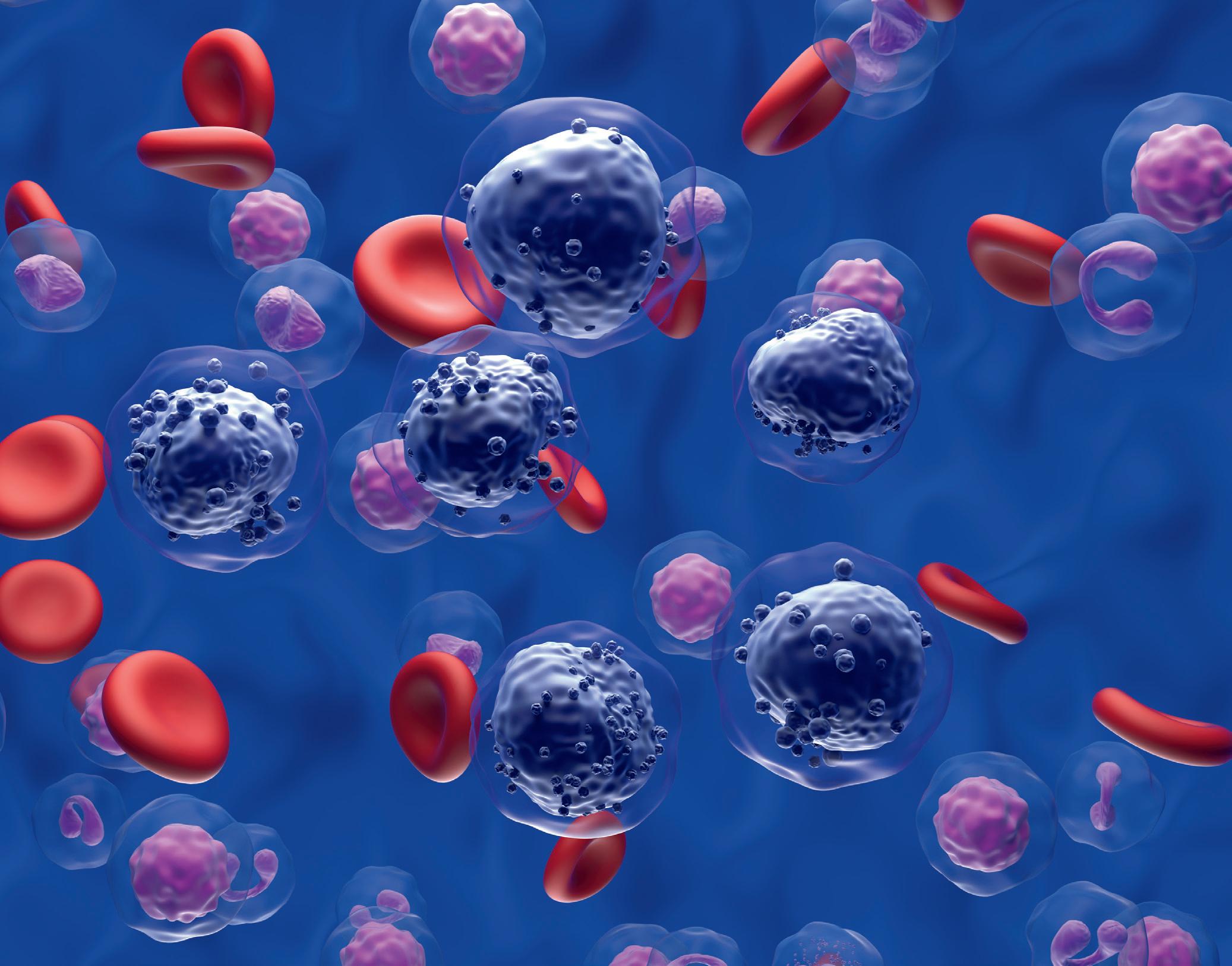
One-two punch treatment knocks out acute myeloid leukaemia
A novel combination of two cancer drugs has shown great potential as a future treatment for patients with acute myeloid leukaemia (AML), one of the most common types of blood cancer. The discovery, published in the journal Cancer Cell, could soon lead to clinical trials, providing hope for the 1100 Australians diagnosed with AML annually.
Researchers at the Walter and Eliza Hall Institute (WEHI) paired venetoclax, a current standard-of-care anticancer drug for AML, with a STING agonist, an emerging class of immunotherapy drug. This marks the first time that a STING agonist has been used to directly target mechanisms within the cancer cells themselves, stimulating the natural processes that cause these cells to die.
Until now, STING agonist immunotherapy drugs have been chiefly used to attack solid
tumours by activating the body’s immune response. But the new research indicates that they could be deployed against blood cancers, by directly targeting the cancer cells intrinsically.
The WEHI team examined samples from a range of different blood cancers, including AML, and treated them in the lab with the drug combination. As explained by co-senior author Associate Professor Gemma Kelly, a laboratory head in WEHI’s Blood Cells and Blood Cancer division, both venetoclax and the STING agonists played complementary roles in killing the cancer at the cellular level.
“Within a cancer cell, venetoclax blocks the machinery of the cell that is keeping it alive,” Kelly
said. “In certain blood cancers where this response is suboptimal, STING agonists can supercharge this effect to deliver cancer a deathly blow.
“This is the one-two punch combo that could be the knockout blow for AML,” added co-first author Dr Sarah Diepstraten. “You could almost paraphrase the famous boxer Muhammed Ali and say this treatment floats like a butterfly and STINGs like a bee.”
Critically, the combination treatment showed promise in AML that was driven by a mutated p53 protein, which is generally more aggressive and harder to treat. The p53 protein is supposed to prevent the formation of cancerous cells by enforcing the death, or arresting the growth, of cells that have become damaged or abnormal — but when the protein is mutated and becomes defective in groups of cells, it can significantly boost a person’s risk of developing cancer.
“For AML patients that do not have as much therapy-induced death of their leukaemia cells due to this mutated protein, combining venetoclax with a STING agonist causes more killing of AML cells than treating with venetoclax alone,” Diepstraten said.
“The treatment was highly effective at killing cancer cells in samples with and without the p53 mutation, which is exciting given the lack of effective treatments for aggressive cancers driven by mutations in p53.”
WEHI lab head Professor Andrew Wei, co-senior author on the study, said that while further research is needed, the findings are highly promising.
“While early clinical trials in solid cancers have suggested STING agonists are well tolerated in the body, these results offer exciting new hope for patients with the most resistant forms of leukaemia,” Wei said.
“Given STING agonists are currently in clinical trials, we hope to conduct human studies using STING agonists in combination with venetoclax in the near future.
“The research findings … will inspire a completely new clinical approach for patients affected by the most resistant and deadly forms of acute leukaemia.”
WEHI is now translating these findings into a new clinical trial in AML patients in collaboration with Aculeus Therapeutics, a local biotechnology company which has spent the last several years developing a potent STING agonist. The proprietary drug, dubbed ACU-0943, is expected to enter clinical development for the treatment of AML later this year.
30 This issue is sponsored by | AMS Instrumentation & Calibration Solutions | www.ams-ic.com.au
cancer treatment
iStock.com/Nemes Laszlo
Is MMS the key to RNA analytics?

Introduction
Riboswitches are small, well-folded mRNA sequences that regulate protein production by controlling the translation of specific mRNA segments. Each riboswitch has a unique small molecule that induces structural changes upon binding, activating the riboswitch. In this study, X-ray crystallography data and Microfluidic Modulation Spectroscopy (MMS) was used to characterise the structural changes of the SAM-I riboswitch upon ligand binding and determine the apparent dissociation constant (Kd). MMS provides a comprehensive understanding of RNA-ligand binding and structural changes, offering potential for developing novel small molecule RNA regulators for therapeutic purposes.
Background
RNA molecules play versatile roles beyond mediating gene expression. RNA riboswitches are critical regulatory components that govern gene expression in response to small molecule ligands. Understanding RNA-ligand binding through riboswitches can reveal gene regulation mechanisms for targeted therapeutics.
The S-adenosylmethionine (SAM)-I riboswitch regulates gene expression in response to intracellular SAM concentrations. SAM is a key metabolite involved in various cellular processes, including transmethylation, transsulfuration, and polyamine synthesis. The SAM-I riboswitch comprises an aptamer domain for SAM recognition and a downstream expression platform governing gene expression. Upon SAM binding, the aptamer domain undergoes conformational rearrangements, transmitting signals to modulate transcriptional or translational outputs.
Study Overview
Structural studies of the SAM-I riboswitch have provided insights into RNA-ligand interactions. Techniques such as X-ray crystallography, NMR spectroscopy, and cryo-electron microscopy have detailed the SAM-binding pocket and
allosteric communication pathways. However, these techniques only provide either structural information or binding information on the RNAligand complex.
In this study, MMS was used to study the structural changes of the SAM-I riboswitch upon binding. MMS probes the nucleic acid bases in the Amide-I IR range to examine base pairing and stacking during RNA folding and unfolding. This technique provides real-time background correction, making it useful for quality control and compatible with various formulation buffers. The Apollo MMS system, equipped with a highpower Quantum Cascade Laser, was used for this study, offering greater sensitivity compared to traditional FTIR and CD methods.
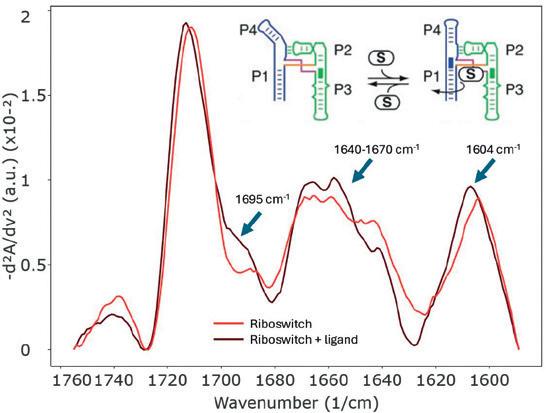
MMS spectra (Similarity plot) is used to quantitate similarity between samples.
Methods
SAM-I riboswitches (apo and ligand-bound) were obtained from Arrakis (Waltham, MA). The RNA samples were buffer-exchanged to their formulation buffer and run in triplicate on the Apollo MMS system at a concentration of 0.67 mg/mL (22 µM). A backing pressure of 5 psi was used to move the samples into the flow cell, where they were modulated at 1 Hz between sample and reference buffer for background subtraction. Differential absorbance was measured between 1580–1765 cm-1. Data processing involved converting raw absorbance to absolute absorbance, normalising by concentration and optical pathlength, and analysing the second derivatives of the spectra.
Results and Discussion
MMS results indicated subtle but detectable structural changes due to ligand binding on the SAM-I riboswitch. Specific peaks in the spectra corresponded to changes in base pairing and stacking, with notable changes observed at 1690, 1640–1670, and 1604 cm-1. These peaks were primarily assigned to guanine, uracil/ cytosine, and adenine, respectively. A dosedependent titration of SAM into the SAM-I riboswitch demonstrated gradual spectral changes, suggesting guanine base-pairing and interactions with adenine residues.
The spectral changes observed were significant, indicating conformational changes in the RNA due to ligand binding. A plot of the spectral difference showed that changes plateaued at around 20 µM SAM concentration, suggesting a 1:1 ligand-to-riboswitch molar ratio. This study demonstrated MMS as a quick and effective tool to detect structural changes and determine Kd values for RNA-ligand binding.
Conclusions
This work highlighted MMS as a viable orthogonal assay for detecting RNA structural changes in the presence of small molecule ligands. It also demonstrated the potential of MMS to determine the apparent Kd of RNA-ligand binding in the micromolar range, sensitively distinguishing structural changes in the RNA riboswitch due to ligand binding.
For more information, please contact ATA Scientific Pty Ltd (phone: +61 2 9541 3500, email: enquiries@atascientific.com.au and website: www.atascientific.com.au)
1. Huang, R., & Colins, V. (2024, May 8). Structural Characterization of RNA and Detection of RNA-ligand Binding Using Micro uidic Modulation Spectroscopy. Redshiftbio.com. Retrieved May 23, 2024, from https://www.redshiftbio.com/resources/structuralcharacterization-of-rna-and-detection-of-rna-ligandbinding-using-micro uidic-modulation-spectroscopy
ATA Scientific Pty Ltd www.atascientific.com.au

This issue is sponsored by | AMS Instrumentation & Calibration Solutions | www.ams-ic.com.au 31
SPONSORED CONTENT
istock.com/BlackJack3D
Coin-sized device can isolate plasma, replacing centrifuges
Scientists at Nanyang Technological University, Singapore (NTU Singapore) have developed a coin-sized chip that can directly isolate plasma from a tube of blood in just 30 min, which is more convenient and user-friendly than the current gold-standard, multi-step centrifugation process.
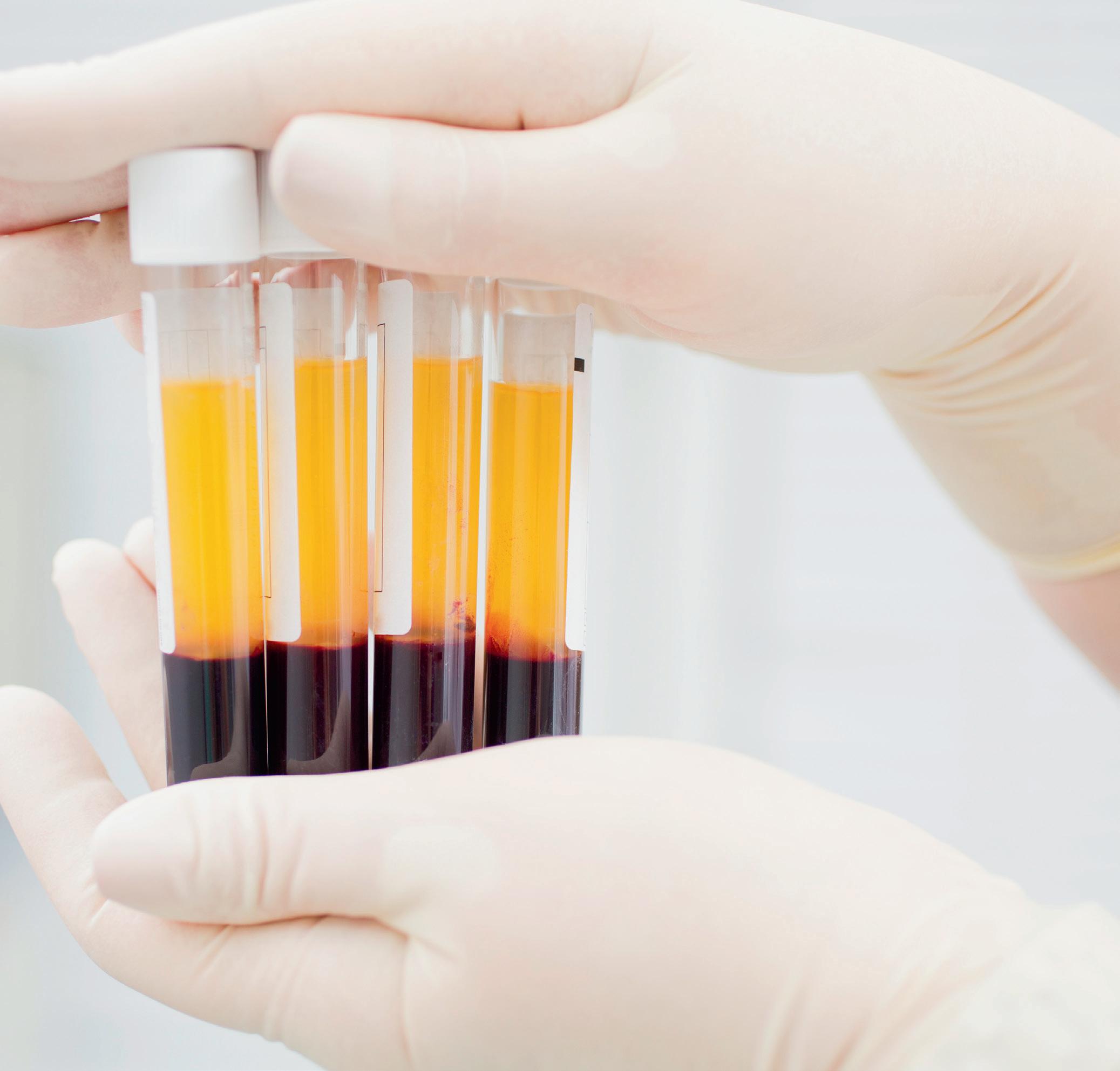
Named ExoArc and described in the journal ACS Nano, the chip can achieve high blood plasma purity by removing more than 99.9% of blood cells and platelets precisely and gently in just one step. This should greatly speed up clinical analysis of the cell-free DNA and RNA molecules as well as extracellular vesicles, which are often used to screen for biomarkers that are telltale signs specific to certain cancers and diseases.
The current gold-standard method of isolating blood plasma relies on a centrifuge, which spins blood samples at high speeds, separating the blood cells from the plasma. But even after two rounds of spinning in the centrifuge, which can take up to an hour, there will still be some cells and platelets present in the blood plasma which can break down or degrade, leading to unwanted materials that affect the accuracy of diagnostic tests. This is one of the reasons that blood tests are time-sensitive, requiring processing within a day or even a few hours to prevent this rapid degradation of biological material.
Laboratories typically wait to accumulate multiple blood samples before using the centrifuge, extending the isolation process by several hours. This delay, combined with the extended duration of centrifugation and operator variability, sometimes makes it challenging to compare scientific findings between different research labs. Associate Professor Hou Han Wei, lead scientist on the new study, said the NTU team aimed to find a quicker solution that could replace the centrifuge, while still yielding highquality plasma for disease screening and research.
“It has been nearly 160 years since the invention of the first centrifuge and about 50 years since modern high-speed centrifuges became a standard tool in laboratories for preparing blood samples,” Hou said. “Despite these advancements, separating complex liquids like blood, which
iStock.com/Fly_dragonfly
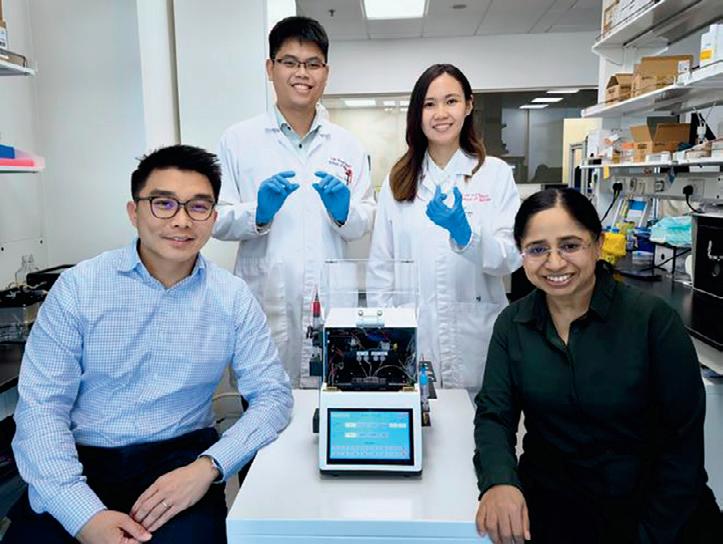
Assoc Prof Hou Han Wei holding the patent-pending ExoArc chip, which uses microfluidic channels to separate the blood plasma from the blood cells and platelets.
comprises various cell types and a diverse range of biological materials, remains a challenge.
“By leveraging unique flow phenomenon in tiny channels in a chip that is about the size of a dollar coin, we can now efficiently separate small biological materials based on their size without using any physical membrane or filters. We have transformed this breakthrough technology into a device about the size of a small desktop printer, featuring disposable plastic chips to prevent crosscontamination in clinical testing.”
As a proof of concept, the NTU team built a portable prototype device (measuring 30 x 20 x 30 cm) to house the ExoArc chip (3.5 x 2.5 x 0.3 cm), which has a large touch-screen interface to adjust settings, as well as internal pumps and pipings for the processing of blood samples and collection of
the isolated blood plasma. Unlike a centrifuge, which usually processes multiple tubes of blood samples, ExoArc technology can be scaled up by designing multiple channels to simultaneously isolate blood plasma as and when blood samples are received in clinics or hospitals in a faster and more consistent manner.
Together with clinicianscientists from the National Cancer Centre Singapore (NCCS), Tan Tock Seng Hospital (TTSH) and the Agency for Science, Technology and Research (A*STAR), the team clinically validated ExoArc by analysing the microRNA profile of blood plasma in healthy people and cancer patients using a biomarker panel and found it was able to diagnose non-small cell lung cancer with a sensitivity of 90%. Co-author Professor Darren Lim, Senior Consultant in the Division of Medical Oncology at NCCS, said reducing contamination from degraded blood cells is crucial for the accuracy of diagnostic tests.
“Our study shows that this device allows quicker and more precise clinical diagnoses, significantly decreasing the waiting time for test results, reducing patients’ anxiety and ultimately improving their overall care,” Lim said. “This is particularly significant for cancer treatment.”
In another demonstration of its application, the team used ExoArc to study microRNA
Total organic carbon analyser
Beckman Coulter Life Sciences’ QbD1200+ Total Organic Carbon (TOC) Analyzer, offering simplified validation and reporting on encrypted data, is designed to support 21 CFR Part 11 requirements and major global pharmacopeia regulations: USP, EP, JP, IP and KP. The product has been designed to make measuring and analysing total organic carbon simple, reproducible and intuitive, all with one reagent.
molecules from blood plasma samples from healthy individuals and those with type 2 diabetes mellitus using quantitative polymerase chain reaction (PCR). From just one tube of blood, they identified 293 different microRNA molecules. The research team also found that the microRNA profile from plasmas and extracellular vesicles from individuals with type 2 diabetes had a different composition as compared to healthy participants. This suggests the potential of ExoArc in helping to isolate and identify disease-related biomarkers.
Associate Professor Rinkoo Dalan, Senior Consultant specialising in diabetes and endocrinology at TTSH, said the initial results are promising and show the potential of ExoArc being able to help drive precision medicine.
“This technology can help clinicians better predict and manage complications of chronic metabolic conditions like diabetes, by providing more accurate, timely and individualised information,” Dalan said. “By detecting specific biomarkers accurately, we can tailor treatments to the unique needs of each patient, potentially improving outcomes and enhancing the quality of care.”
With two patent applications now filed for the ExoArc innovation through NTUitive, NTU’s innovation and enterprise company, it is believed that the method has the potential to significantly reduce the time needed to prepare samples for testing and streamline diagnostics, potentially helping to reduce overall cost. By adjusting the size cut-off, the platform can also be used to isolate bacteria or viruses from blood or other biofluids.
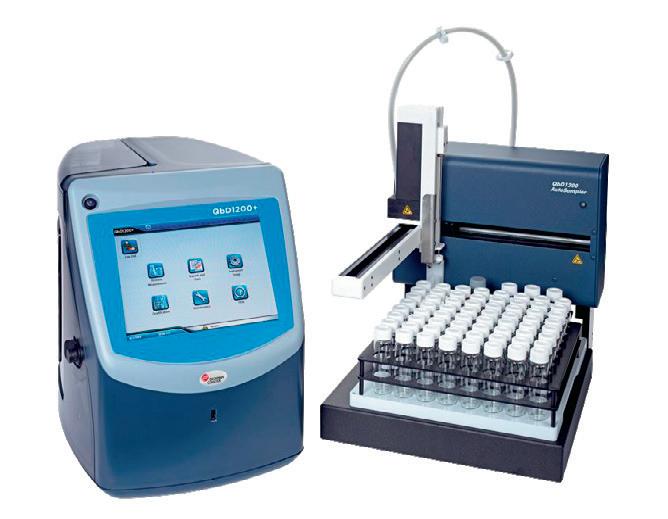
The analyser features a digital non-dispersive infrared sensor (NDIR) with auto-correct drift to provide long-term stability. It delivers reproducible results with control of the UV reactor temperature, dynamic endpoint detection and reduced sample-to-sample carryover. To help minimise maintenance and simplify workflows, seven different sensors enable automatic system checks each time the instrument is powered on and monitor the instrument continuously.
An active directory allows encrypted data to be exported to a shared network directory to keep auditable information safe, secure and paperless without the need for a PC. The intuitive user interface, along with the large colour touchscreen, facilitates daily operations, simplifying workflows and making the product easy to use while reducing the need for intensive personnel training in laboratories.
Beckman Coulter Australia www.beckman.com.au
This issue is sponsored by | AMS Instrumentation & Calibration Solutions | www.ams-ic.com.au 33
plasma isolation
Biomolecular Horizons 2024
September 22–26, Melbourne
Biomolecular Horizons 2024 will bring together three prestigious congresses, each with a strong history of attracting the bioscience and biotechnology communities: the 26th Congress of the International Union of Biochemistry and Molecular Biology (IUBMB); the 17th Congress of the Federation of Asian & Oceanian Biochemists & Molecular Biologists (FAOBMB); and the 22nd ComBio Conference (ComBio).
This will be the first time the IUBMB Congress will be held in Melbourne and only the third time in the Southern Hemisphere. It will join with FAOBMB and ComBio to create a truly global forum bringing together renowned scientists from across the world, from Nobel laureates to early-career scientists. The overarching theme of the forum is ‘Discover, Create, Innovate’. www.bmh2024.com/
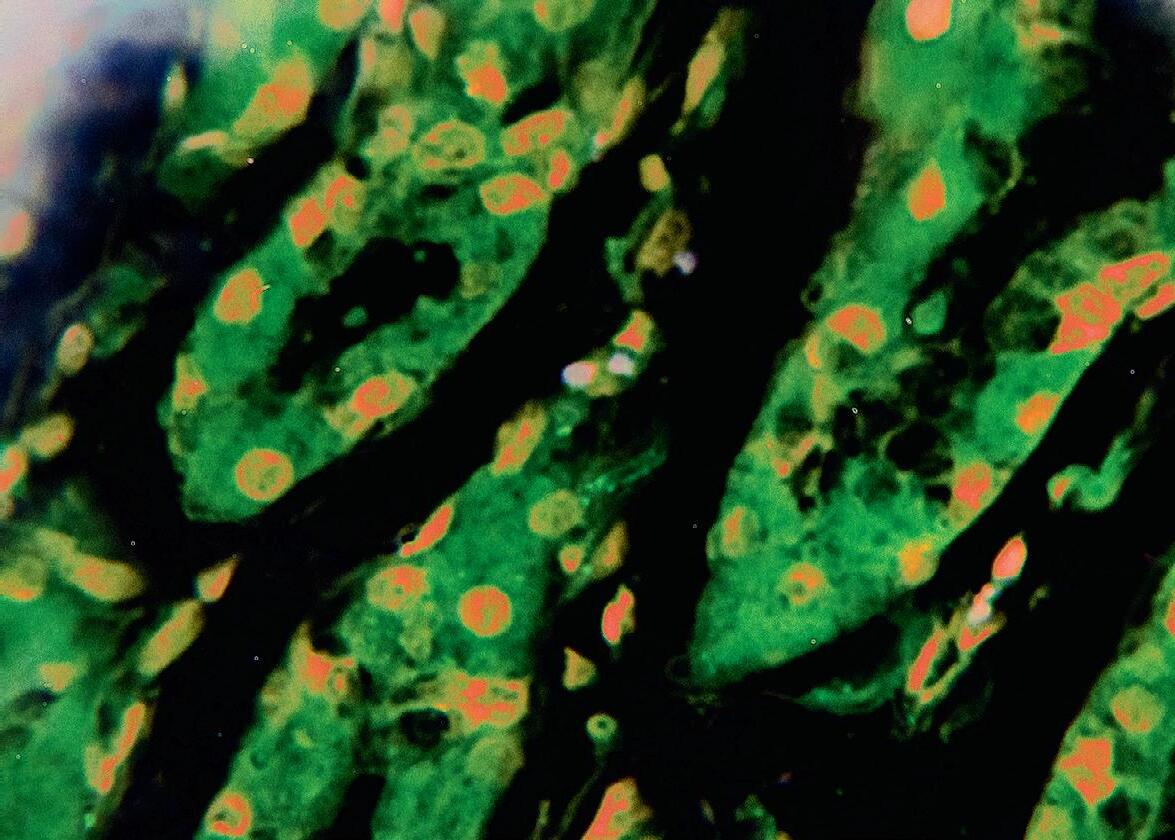
ASM National Meeting 2024 July 1–4, Brisbane www.theasmmeeting.org.au
Joint AAAP & AAAS Animal Production Congress 2024 July 9–12, Melbourne www.aaap2024.com
72nd CSANZ Annual Scientific Meeting August 1–4, Perth www.csanzasm.com
AIFST24 Convention
August 6–7, Sydney www.aifst.asn.au/AIFST24-Convention
Ending Plastic Waste Symposium 2024 August 6–7, Melbourne events.csiro.au/Events/2024/May/3/Ending-PlasticWaste-Symposium-2024
Beaker Street Festival 2024 August 6–13, Hobart www.beakerstreet.com.au
National Science Week 2024 August 10–18, Australia-wide www.scienceweek.net.au
The XVIth Quark Confinement and the Hadron Spectrum Conference August 19–24, Cairns confinement24.org.au
AIMS National Scientific Meeting August 21–23, Adelaide aimsnsm2024.com
Acoustics 2024 — The Acoustical Society of New Zealand
September 2–4, Christchurch www.acousticsnz2024.co.nz
ASCIA 2024 Conference
September 3–6, Adelaide and online ascia2024.com
Science at the Shine Dome 2024 September 9–12, Canberra www.science.org.au/news-and-events/events/ science-shine-dome/science-at-the-shinedome-2024
AMSA-NZMSS 2024
September 15–20, Hobart www.amsa2024.amsa.asn.au
2024 APHRS Scientific Sessions
September 26–29, Sydney aphrs2024.com
11th International Conference on Legume Genetics and Genomics
September 30–October 3, Brisbane www.iclgg2024.org/
Australian Society of Cytology Annual Scientific Meeting
October 11–13, Melbourne www.cytology.com.au/annual-scientific-businessmeeting
Australasian Cytometry Society Conference October 20–23, Hobart cytometryconference.org.au
Australasian Radiation Protection Society (ARPS) 2024 Conference October 20–24, Coffs Harbour arpsconference.com.au
AusBiotech 2024
October 30–November 1, Melbourne www.ausbiotechnc.org
17th APFCB Congress
October 31–November 3, Sydney apfcbcongress2024.org
ANBUG-AINSE Neutron Scattering Symposium 2024
November 4–6, Lucas Heights www.ansto.gov.au/whats-on/aanss2024-anbugainse-neutron-scattering-symposium-2024
the world about your event: email LLS@wfmedia.com.au
Westwick-Farrow Media
A.B.N. 22 152 305 336 www.wfmedia.com.au
Head Office Unit 5, 6-8 Byfield Street, (Locked Bag 2226) North Ryde BC NSW 1670, AUSTRALIA Ph: +61 2 9168 2500
Editor Lauren Davis LLS@wfmedia.com.au
Acting Publishing Director/MD: Janice Williams
Art Director/Production Manager Linda Klobusiak
Art/Production
Marija Tutkovska
Circulation
Dianna Alberry circulation@wfmedia.com.au
Copy Control Mitchie Mullins copy@wfmedia.com.au
Advertising Sales
Sales Manager: Kerrie Robinson Ph:0400 886 311 krobinson@wfmedia.com.au
Ben Calvo Ph: +61 2 9168 2516 bcalvo@wfmedia.com.au
Tim Thompson Ph: 0421 623 958 tthompson@wfmedia.com.au
If you have any queries regarding our privacy policy please email privacy@wfmedia.com.au
34 This issue is sponsored by | AMS Instrumentation & Calibration Solutions | www.ams-ic.com.au Tell
event horizon
All material published in this magazine is published in good faith and every care is taken to accurately relay information provided to us. Readers are advised by the publishers to ensure that all necessary safety devices and precautions are installed and safe working procedures adopted before the use of any equipment found or purchased through the information we provide. Further, all performance criteria was provided by the representative company concerned and any dispute should be referred to them. Information indicating that products are made in Australia or New Zealand is supplied by the source company. Westwick-Farrow Pty Ltd does not quantify the amount of local content or the accuracy of the statement made by the source. Printed
bound by Dynamite Printing Print Post Approved PP100008671 ISSN No. 2203-773X
and
iStock.com/jxfzsy










This issue is sponsored by | AMS Instrumentation & Calibration Solutions | www.ams-ic.com.au 35 www.WFMedia.com.au/subscribe The magazine you are reading is just one of 11 published by Westwick-Farrow Media. To receive your free subscription (magazine and eNewsletter), visit the link below. FREE to industry and business professionals


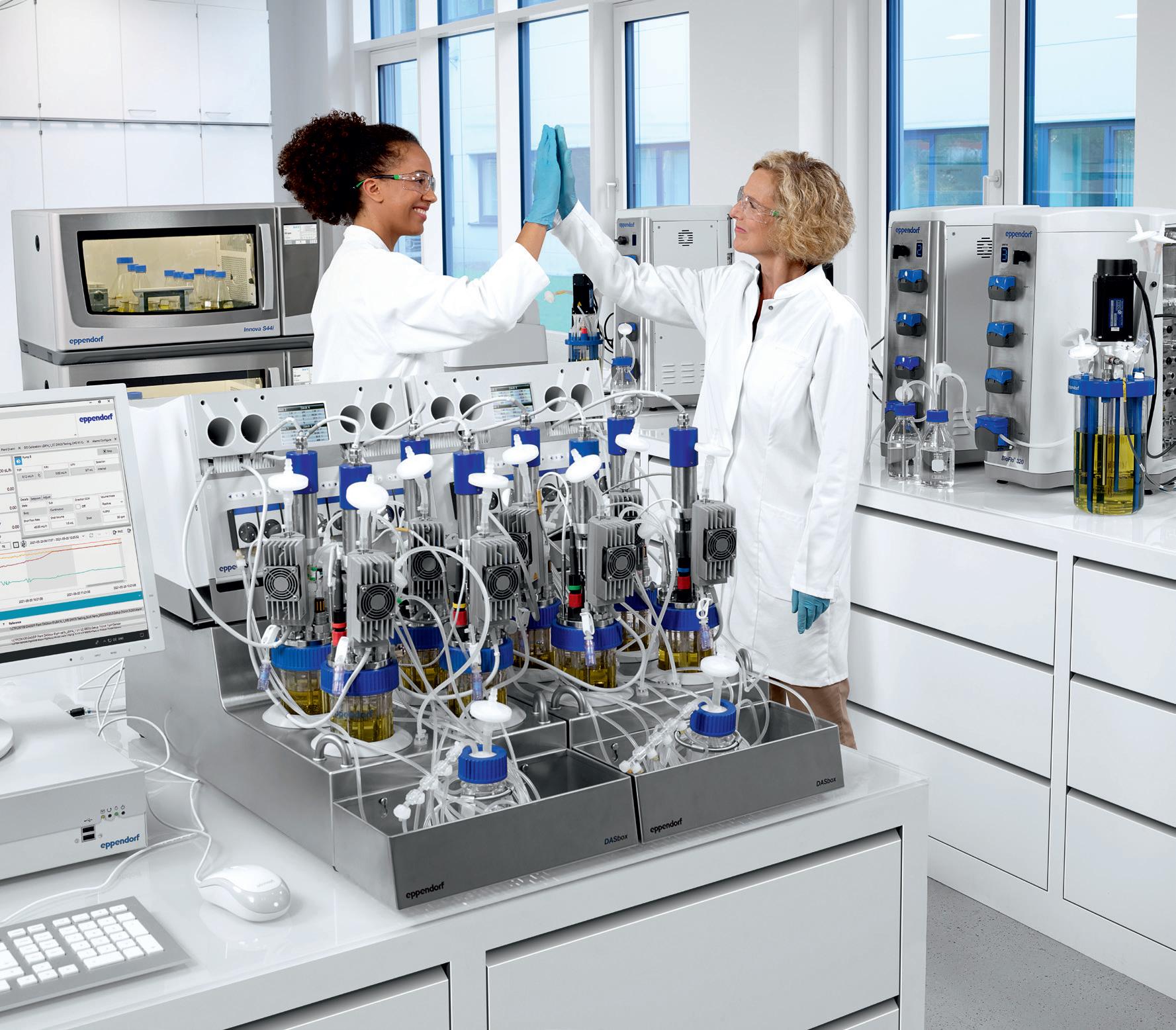
36 This issue is sponsored by | AMS Instrumentation & Calibration Solutions | www.ams-ic.com.au
