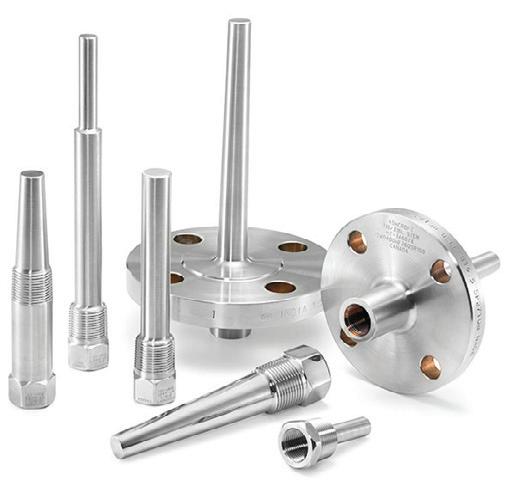
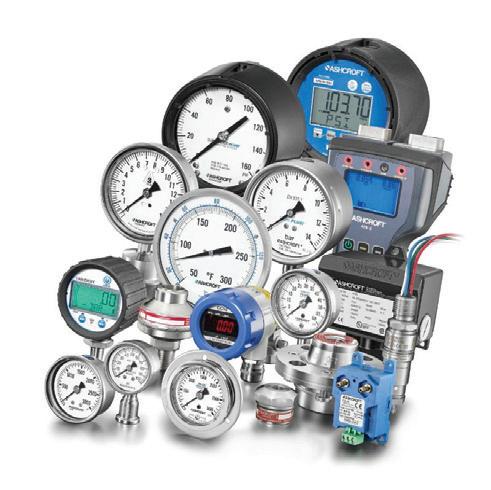
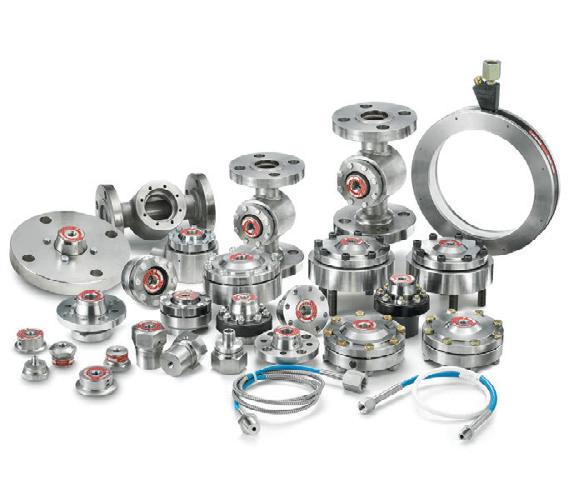
ASHCROFT are the CRITICAL APPLICATION SOLUTION EXPERTS ® in PRESSURE and TEMPERATURE INSTRUMENTATION.
When Failure Is Not An Option, consider ASHCROFT Instruments for unrivalled performance, ruggedness and quality. ASHCROFT offer thousands of Product configurations for pressure and temperature gauging, switching and transmitting, with IEC and SIL Certification where required.
Through the recreation of process and environmental conditions, along with in-house metallurgical expertise, ASHCROFT Product Proving can be undertaken to verify Product Quality and Optimal Performance in the most harshest of environments.
Don’t take a risk… ASHCROFT have been protecting Plant and People since 1852.
Contact us at POWERFLO SOLUTIONS for local technical
and all aspects of After-Market service.
Welcome to the 2026 Insights issue where we explore the impacts of AI technology on the sustainable management of water, waste and energy. We also hear from industry leaders in this special issue that combines content from three magazines in one — Process Technology, Sustainability Matters and ECD.
Westwick-Farrow Media
A.B.N. 22 152 305 336 www.wfmedia.com.au
Head Office
Unit 5, 6-8 Byfield Street, North Ryde Locked Bag 2226, North Ryde BC NSW 1670 AUSTRALIA ph: +61 2 9168 2500
Tim Thompson – 0421 623 958 tthompson@wfmedia.com.au
If you have any queries regarding our privacy policy please email privacy@wfmedia.com.au Westwick-Farrow Media is committed to using environmentally responsible
THE ENVIRONMENTAL IMPACT OF AI A HELP OR HINDRANCE FOR INDUSTRY?
Glenn Johnson, Editor, Process Technology
AI offers powerful tools to improve sustainability in water, waste and energy systems, but its own energy, water and infrastructure demands pose significant environmental trade-offs.
Artificial intelligence (AI) is often framed as a technological silver bullet — able to squeeze inefficiency out of supply chains, predict failures before they happen and optimise scarce resources. Yet the same AI systems driving those improvements are themselves energy-intensive, thirsty for water (for cooling), and dependent on materials-heavy infrastructure.
For industries wrestling with sustainability challenges in water, waste and energy, the real question is not whether AI can help, but whether it will be deployed in ways that reduce net environmental harm.
WHERE AI HELPS: PRECISION, PREVENTION AND SYSTEMS THINKING
First of all, we should consider how AI can help optimise environmental sustainability in various industries.
Among the strongest arguments for the use of AI are: detailed sensing and prediction
• fast optimisation of complex systems
• automation that reduces human error and labour costs for repetitive, hazardous tasks.
Some examples of these capabilities have already found use cases in water, waste and energy-related systems.
Water
and wastewater
Machine learning models coupled with IoT sensors can predict demand, detect leaks and optimise pumping schedules — all of which reduce unnecessary water withdrawals and energy used to move water.
In agriculture, AI-driven irrigation systems determine when and how much to water based on soil moisture, weather forecasts and crop models, cutting consumption while protecting yields.
Waste
Automated sorting systems powered by computer vision and robotics improve recycling rates: AI-powered sorting robots are capable of sorting up to 1000 items per hour, compared with humans who generally manage 80–100 items per hour.
AI can also assist by identifying and separating materials more accurately than manual sorting — reducing contamination that places limits on the success of recycling.
Energy
AI excels at forecasting renewable generation and demand, enabling smarter grid balancing, battery dispatch and demand response. This is one area where AI can have the greatest impact: taking into account numerous factors to optimise the electricity grid as load and other conditions change throughout the day.
Machine learning controllers in industrial energy management systems (EMS) can also be used to squeeze more useful work from the same inputs, cutting both energy consumption and emissions.
THE PROBLEM WITH AI IS ITS OWN RESOURCE FOOTPRINT
Notwithstanding AI’s great potential in assisting with environmental sustainability, the sheer power of the computing infrastructure required to drive AI is pushing energy grids and challenging water resources in many parts of the world.
According to an Australian Government committee of enquiry in 2024, the “environmental impacts of artificial intelligence (AI) are significant and arise across the AI lifecycle, from the development and training of AI models; the deployment of AI systems for various >>
uses in industry, business and society; and the building, decommissioning and renewal of the Information Technology (IT) infrastructure and equipment that support and comprise AI technology.”1
Training and running large AI models requires vast computing resources, which consume electricity and produce greenhouse gas emissions depending on the electricity’s carbon intensity. Hyperscale data centres — the backbone of modern AI — also use significant water for cooling, sometimes in water-stressed regions. These infrastructure impacts introduce trade-offs: deploying AI to save energy in a factory (for example) could still increase net emissions if the compute and cooling footprint is large and powered by fossil fuels.
The global electricity consumption of data centres has grown by around 12% each year since 2017, according to the IEA, and companies such as Google, Meta and Microsoft have reported large emissions spikes over the past few years due to data-centre expansion, despite their netzero pledges.
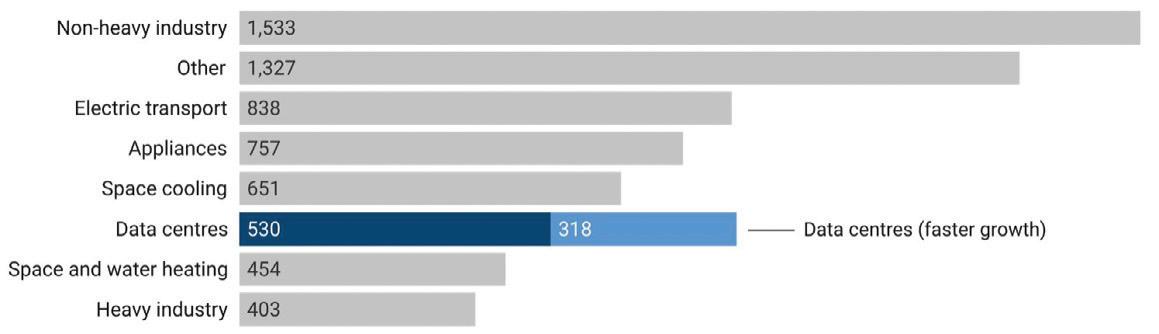
One thing is certain: although data centres currently account for around 1% of electricity consumption and around 0.5% of global carbon emissions at present, the International Energy Agency has predicted2 that they will be the fastest growing consumers of electricity from now until 2030 (Figure 1).
THE LATEST NEWS: GOOGLE AND MICROSOFT CHASING NUCLEAR ENERGY
To counter the energy sustainability problem, and knowing the extent of the growing need for energy, tech giants Google and Microsoft recently announced that they will invest in the reopening of mothballed nuclear power plants in the US to feed their ever-growing energy needs.4
Google has announced a plan with NextEra Energy to restart the Duane Arnold Energy Center in Iowa, a nuclear power plant that closed in 2020. The company has signed a 25-year power-purchase agreement (PPA) to secure electricity for its expanding network of data centres. Meanwhile, Microsoft has partnered with the famous Three Mile Island Nuclear Generating Station in Pennsylvania — which was shut down in 2019 — under a new name, the Crane Clean Energy Center.
For countries such as the US that already have established nuclear energy infrastructure this may seem an obvious solution, but for countries such as Australia,
the drive to renewable energy becomes even more important in sustaining AI infrastructure growth.
In August, Treasurer Jim Chalmers announced that the development of data centres was in the national interest, and others have suggested that Australia could become a ‘sustainable AI hub’ for the Asia–Pacific. However, the power-hungry nature of data centres poses major problems for the current energy grid in Australia, and is seen as one of the reasons for the slight downgrade of Australia’s climate target to a 62–70% cut in carbon emissions below 2005 levels by 2035 — slightly below the previous target of 65–75%.5
NET IMPACT: THE CONTEXT MATTERS
Whether AI is a net help or hindrance depends on context and design choices:
• Energy sources: AI powered by grids dominated by renewables has far lower lifecycle emissions. In Australia, this reveals a problem: of the current 274 data centres in Australia, 149 are in Sydney and Melbourne: in the states with the least percentage of renewable energy generation.6
• Model size and usage pattern: Smaller, efficient models carry far lower overhead than massive generative models.
For individual organisations such as manufacturing sites, utilising their own smaller, business-specific AI models is both more reliable and trustworthy in the context of the business, and consumes far fewer resources than general-purpose AI infrastructure.
• Size of the benefit: If AI reduces industrial energy use by 10–30%, the saving can outweigh the compute footprint, especially when smaller private models are used.
• Location and water stress: Placing dataintensive infrastructure in water-scarce regions can create local sustainability crises. As the driest continent on Earth, this is an issue that Australia will also have
to deal with at some stage in the near future, but there appears to have been far less discussion of this issue than of electricity consumption.
A BALANCED CONCLUSION: AI IS HERE TO STAY
It is now too late to be worrying about how AI may affect environmental sustainability — the AI juggernaut appears to be unstoppable already. However, the technology itself can offer tools to cut water consumption, raise recycling yields and improve energy system flexibility — all vital for sustainable industry and a sustainable grid.
While the environmental costs of training and operating large models are real, growing and unevenly distributed, the net outcome will be determined by choices: model architecture, where compute happens, which energy sources are used for power and whether industries commit to measuring and offsetting the full footprint.
For industry leaders, the pragmatic path is clear: harness AI where it delivers measurable resource savings, design deployments to minimise computation and water intensity, and push for clean energy and smarter cooling at the infrastructure level.
1. Australian Parliament 2024, Select Committee on Adopting Artificial Intelligence (AI): Final Report, Chapter 6: Impacts of AI on the environment <<https://www.aph.gov.au/Parliamentary_Business/ Committees/Senate/Adopting_Artificial_ Intelligence_AI/AdoptingAI/Report/Chapter_6_-_ Impacts_of_AI_on_the_environment>>
2. International Energy Agency 2025, ‘Energy and AI’, <<https://iea.blob.core.windows.net/ assets/601eaec9-ba91-4623-819b-4ded331ec9e8/ EnergyandAI.pdf>>
3. Gabbatis J 2025, ‘AI: Five charts that put datacentre energy use – and emissions – into context’, CarbonBrief.org, <<https://www.carbonbrief.org/ ai-five-charts-that-put-data-centre-energy-use-andemissions-into-context/>>
4. Australian Business Journal 2025, ‘Google and Microsoft Turn to Nuclear Power for AI Energy Needs’, 29 October 2025,<<https://theabj.com. au/2025/10/27/google-microsoft-nuclear-power-ai/>>
5. The Conversation 2025, ‘Power-hungry data centres threaten Australia’s energy grid. Here are 3 steps to make them more efficient’, <<https:// theconversation.com/power-hungry-data-centresthreaten-australias-energy-grid-here-are-3-steps-tomake-them-more-efficient-266992>>
6. Data Center Map 2025, ‘Australian Data Centers’, <<https://www.datacentermap.com/australia/>>
Figure 1: IEA projections of electricity demand growth 2024-2030, TWh.3
AI IS DRIVING THE CIRCULAR ECONOMY
AMCS is the market leader in Performance Sustainability, the way companies and resource-intensive industries sustain their businesses while demonstrating environmental and social responsibility. Eliminating the choice between profitability and sustainability, our AI-enabled technology powers the circular economy while conserving resources, creating safer workplaces, and protecting the planet.
JIMMY MARTIN
CHIEF EXECUTIVE OFFICER, AMCS GROUP
What growth opportunities do you predict for your industry in 2026?
The biggest growth opportunities in waste and recycling lie in the intersection of artificial intelligence and the circular economy. AI enables our customers to use resources efficiently, automate processes, and create smarter systems for waste and recycling management. By leveraging AI, our customers ensure that products and materials circulate at their highest possible value, extending their life cycle and minimising environmental impact.
In 2026, I see more operators embracing the power of AI-driven analytics for predicting material flows, automating sorting, and creating more transparent supply chains. This is a combination of technology and sustainability which not only reduces costs but also unlocks new business models and revenue streams that thrive on efficiency and environmental responsibility. AMCS customer Auckland Council reaffirmed its commitment to eliminating landfill disposal by 2040 by adopting AMCS Vision AI to replace manual identification and reduce contamination of recycling collections. The council has recognised that this technology is a key enabler of its zero-waste strategy.
In the face of current global uncertainty, what are the three biggest challenges or threats facing your industry?
There are three big challenges we’re watching closely. Firstly, economic ups and downs like market swings and inflation make it harder to plan and invest in circular infrastructure and new technologies. But they also remind us why these investments pay off over time. Circular systems keep resources circulating within communities, providing stability and making them less dependent on volatile global supply chains.
Second, regulations are continuously changing. This can feel complicated and tiring but it’s a sign we’re moving toward a more consistent approach to tackling climate and waste, which is a positive step. Sustainability isn’t just about ticking boxes, it’s a performance strategy that improves operations while meeting environmental goals, delivering real business results.
The third challenge is the rapid rise of AI. Up to 90% of AI projects fail to deliver real business value, usually due to poor planning, unclear goals, and integration complexity. That’s why AMCS is building agentic AI as a complete system: governance and compliance for trust, agentic layers for scalability, and ROI discipline to ensure every project drives measurable value.
What plans have you implemented to progress artificial intelligence solutions in 2026?
AMCS has been enabling waste operators with Vision AI, which is fully integrated into the AMCS Platform. This technology records overfill and contamination events and enters them into the platform workflow. A Vision AI dashboard then provides actionable, up-to-date insight on overfill and contamination trends and sources.
Vision AI also detects other exceptions like gas canisters, resulting in improved safety and financial outcomes for our customers.
We use AI machine learning when selecting parameters to optimise route planning and schedules, which is more accurate than a traditional consultant lead approach. A prime example of performance sustainability in action; optimising routes delivers significant fuel, driving time and emissions savings.
In 2026, we are also looking to adopt agentic AI automation in our core enterprise management system. Agentic AI is a growing type of AI that can autonomously reason, plan and act towards goals, making it promising for enterprise software as it supports workers in their daily tasks.
What’s your outlook for the industry in 2026?
The outlook for Australia’s waste and recycling industry in 2026 is one of transformation and opportunity. Major regulatory changes will reshape how businesses operate and national packaging reforms are moving toward mandatory design standards and extended producer responsibility that will push companies to adopt more sustainable practices. In New South Wales, for example, food organics and garden organics (FOGO) mandates will start applying to large businesses from mid-2026, accelerating the shift toward circular solutions.
At the same time, consolidation is picking up pace. I expect we’ll see more mergers and acquisitions as companies look to scale, optimise routes, and invest in advanced infrastructure. This trend is already visible with major players acquiring specialist waste firms to strengthen service offerings and improve efficiency.
Technology will be a game changer. AI and automation are moving from pilot projects to mainstream adoption, whether it’s smart bins, AI-driven sorting systems, or predictive analytics for fleet management.
Overall, 2026 will be about collaboration and innovation. Businesses that embrace regulatory change, invest in technology, and build strong partnerships will be well-positioned to lead in a market that’s becoming more competitive, more sustainable, and more data-driven.
Martin is the CEO and
of
AMCS is a leading global technology provider in the waste, recycling and resource industries, and aims to help customers digitise their businesses to improve operational efficiencies, drive margin expansion, reduce business and operational risk, enhance their customer experience, and deliver environmental sustainability.
Jimmy
co-founder
AMCS, headquartered in Limerick, Ireland.
TOWARDS GREENER AND ECONOMICAL DESALINATION SOLUTIONS
Somboun Narpoolmin, Director for Major Projects & Commercial Development, Veolia Asia
In an era where water scarcity looms as one of humanity’s greatest challenges, the Asia-Pacific (APAC) region faces an evolving crisis. Home to some of the most water-scarce areas globally, over 2.6 billion people now face difficulties accessing potable water sources — more than double the number from 19751
With rising demand, dwindling resources and climate volatility, sustainable seawater desalination is no longer a backup plan — it’s a vital part of water security.
Veolia, a desalination service provider capable of delivering 6.75 million m3 of desalinated water worldwide daily through advanced membrane technology, is transforming long-held perceptions of desalination as energy-intensive and environmentally taxing — and proving that sustainable, cost-effective alternatives are possible at scale.
Currently, Veolia can design, build and operate a Seawater Reverse Osmosis plant achieving less than 3 kWh/m3 specific energy consumption. Here’s how Veolia addresses the environmental and economic stakes and pushes boundaries toward greener and more affordable desalination solutions.
DESIGNING FOR MINIMAL ENVIRONMENTAL IMPACT
Environmental protection begins with a comprehensive Environmental Impact Assessment (EIA), which forms the foundation of Veolia’s sustainable desalination approach. The EIA process ensures the protection of biodiversity and natural resources by evaluating ecosystem impacts, while maintaining transparency and public participation in development decisions to prevent irreversible environmental damage and social conflict.
This environmental commitment is demonstrated through innovative subsurface intake systems utilising engineered screens and cleaning technologies, which maximise seawater harvesting efficiency. These systems serve as natural filters, preventing large floating objects from entering and reducing marine life mortality by up to 100%.
IMPROVING ENERGY EFFICIENCY IN EVERY DROP
Energy optimisation is central to making desalination both sustainable and cost effective. According to industry data, energy
typically accounts for approximately 45% of operational costs in desalinated water production. This significant cost factor makes energy efficiency optimisation paramount for both ecological and financial sustainability.
SMARTER MEMBRANES, LOWER COSTS
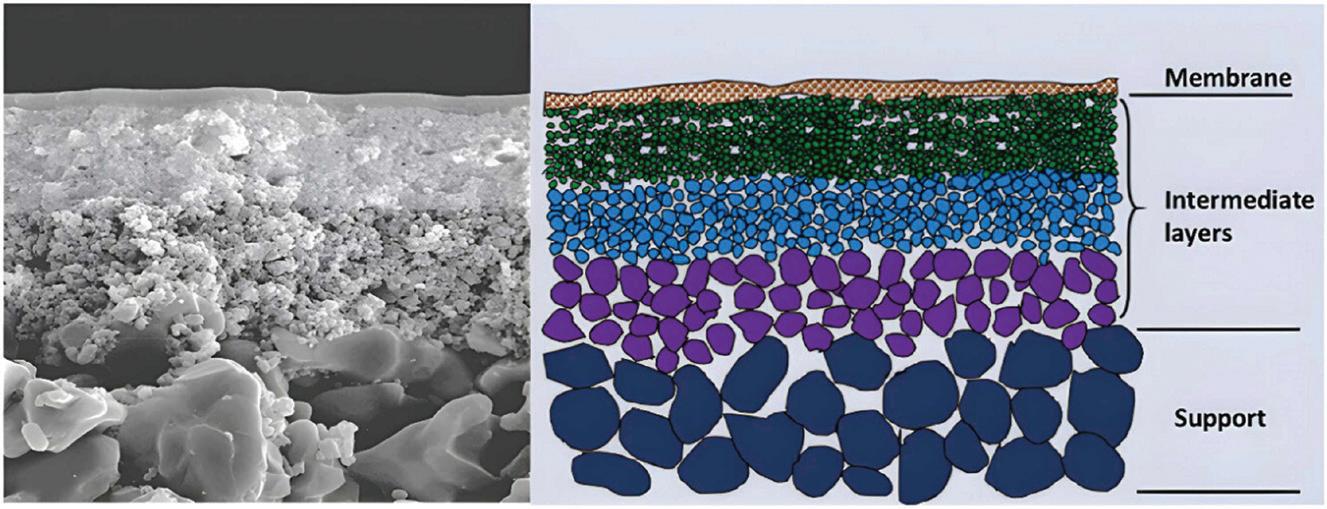
That said, energy efficiency is only part of the equation. The membranes themselves are just as critical to reducing cost and consumption. The latest membrane technologies contribute to cost reduction through several mechanisms: high-permeability designs that require less energy for water passage, enhanced surface characteristics that minimise fouling, and improved durability that extends operational lifespan. These advanced membranes can achieve 10–15% energy savings compared to conventional options. Through Veolia’s dedicated centre of expertise, ARAMIS, the company conducts comprehensive assessments of available membrane technologies, enabling optimal selection for specific geographic conditions independent of manufacturers. This strategic approach combines cutting-edge membrane innovations with smart monitoring systems to maximise cost efficiency.
Veolia’s integration of digital solutions, through its Hubgrade platform, takes membrane optimisation to the next level. AI-driven monitoring systems provide real-time status updates and predictive maintenance insights, enabling operators to make data-driven decisions about equipment replacement and maintenance schedules. This smart approach to membrane management not only extends membrane life but also enables optimal performance while minimising energy consumption and operational costs (reduced cleaning).
CAPTURING ENERGY TO LOWER COSTS AND EMISSIONS
Energy recovery systems are a key enabler of more sustainable desalination operations. In the pre-treatment stage, seawater undergoes clarification and filtration to remove suspended solids, sediment and other particles using Veolia’s conventional and membrane-based filtration technologies. These systems, coupled with energy recovery devices, reduce overall power consumption and the need for traditional chemicals. Following pre-treatment, the filtered seawater is fed at high pressure to the
membrane process — typically involving Seawater Reverse Osmosis (SWRO), or Brackish Water Reverse Osmosis (BWRO), or a combination of both, depending on site-specific needs. It is during the SWRO stage that energy recovery plays its most significant role.
Pressure exchangers capture energy from the high-pressure brine stream and transfer it to the incoming feedwater, substantially lowering energy demands. This approach has proven to be highly effective, with Veoliamanaged desalination plants in Australia demonstrating energy recovery rates of up to 97% from brine flow.
STABILISING WATER QUALITY FOR SAFE USE
Building on the efficiencies achieved during energy recovery, effective posttreatment is equally critical to ensure the safety and usability of desalinated water. pH is adjusted and minerals are added to stabilise the desalinated water and make it non-corrosive, improving the Langelier Saturation Index (LSI) for industrial and/or potable use. Remineralisation processes and residual chlorine maintenance vary globally, depending on client requirements and local chemical availability. Common methods include the injection of carbon dioxide and the use of calcium-based salts, such as lime or calcite, which neutralise pH and increase water hardness to minimise corrosiveness.
Veolia’s expertise in large-scale desalination — encompassing both preand post-treatment stages — has enabled a 35% reduction in reverse osmosis energy consumption in just 10 years.
PAIRING AI AND RENEWABLES FOR NEXTGEN DESALINATION
Desalination is evolving. The integration of artificial intelligence (AI) and renewable energy technologies is transforming seawater desalination from an energyintensive process into a more sustainable, cost-effective solution.
Digitalisation through AI enables three key improvements: scalable systems that adapt to changing seawater conditions through advanced sensors and analysis software; predictive maintenance capabilities that identify potential issues before they cause unplanned downtime. This technological integration has shown
concrete results, as demonstrated at Veolia’s Gold Coast SWRO plant, which achieved a documented 1.1% improvement in energy efficiency over its baseline operations.
Renewable energy integration has become equally crucial in modern desalination operations, significantly reducing the carbon footprint by eliminating dependence on fossil fuels. A prime example is Veolia’s Kurnell SWRO plant, which operates on 100% renewable electricity and has achieved near-zero carbon emissions during peak solar hours. The combination of AI optimisation and renewable energy integration is not just improving operational efficiency; it’s making sustainable desalination more accessible and economically viable across diverse global markets.
The numbers tell a compelling story: reduced energy consumption, lower operational costs, and minimal environmental impact are making desalination an increasingly attractive solution for water-stressed regions worldwide. This technological renaissance isn’t just optimising operations; it’s democratising access to fresh water and writing a new chapter in humanity’s quest for sustainable water solutions.
SHAPING THE FUTURE OF SUSTAINABLE WATER ACCESS
As global water scarcity intensifies, sustainable innovations in desalination technology are proving crucial for ensuring long-term drinking water security. These advancements are particularly vital in helping communities better cope with water shortages and extreme climate events. The integration of renewable energy, AI-driven operations, and advanced membrane technology is transforming desalination from an energy-intensive process into an environmentally conscious solution for water security.
At the forefront of this shift, Veolia is demonstrating that environmental sustainability and commercial viability can coexist successfully. By combining technological innovation with environmental stewardship, the company is contributing to long-term solutions that will serve communities for generations to come.
1. Food and Agriculture Organization of the United Nations (FAO), Managing Water Scarcity in Asia and the Pacific — A Summary (2023)
iStock.com/wilpunt
A Multi-Story Office Building Deployment with WBT’s
HypaConnect Solution
End-to-end connectivity systems
25 year certified site warranty
Seamless integration with existing infrastructure
Innovative & technology leading solution
CAT6, CAT6A and fibre optic hardware
HypaConnect™ x IT Connect Project: Multi-Story Office Building Deployment
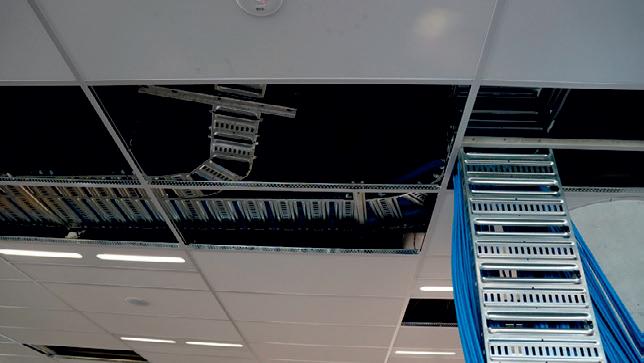
Warren & Brown Technologies (WBT) is proud to showcase our HypaConnect™ Category 6A U/FTP Solution deployed at a new multi-story office building for IT Connect in Melbourne, Victoria. As modern businesses rely on robust network infrastructure, the demand for high performance, future-ready solutions has never been greater. This project required a digital backbone capable of supporting enterprise-grade connectivity, bandwidthintensive applications, and intelligent building systems — while providing the flexibility of CAT6A U/FTP cabling for future growth.
Project Overview and Key Players
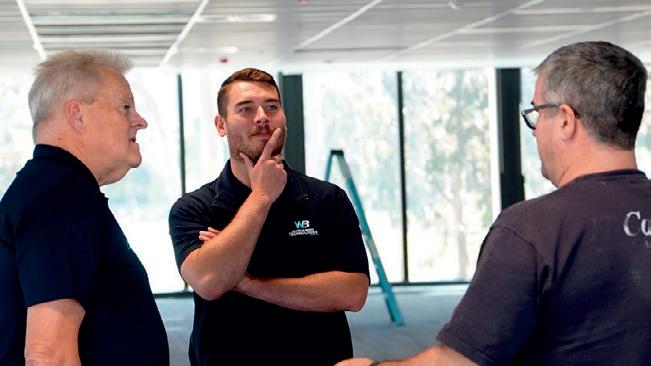
Led by Terry Huybens, Director of IT Connect and an early HypaConnect Academy graduate, the installation was executed to the highest standards. Terry has deployed WBT’s structured cabling solutions across multiple Victorian sites, including schools, offices, and commercial facilities, ensuring both immediate performance and long-term reliability.
Why Upgrade to CAT6A Cabling?
Structured cabling is the backbone of every network, and CAT6A provides a reliable, future-proof solution. Supporting 10 Gigabit Ethernet and 500 MHz bandwidth, CAT6A ensures fast, stable connectivity across high-density workspaces. Businesses benefit from:
• Reduced network downtime
• Seamless multi-application support
• Enhanced productivity for employees relying on high-speed, stable connections
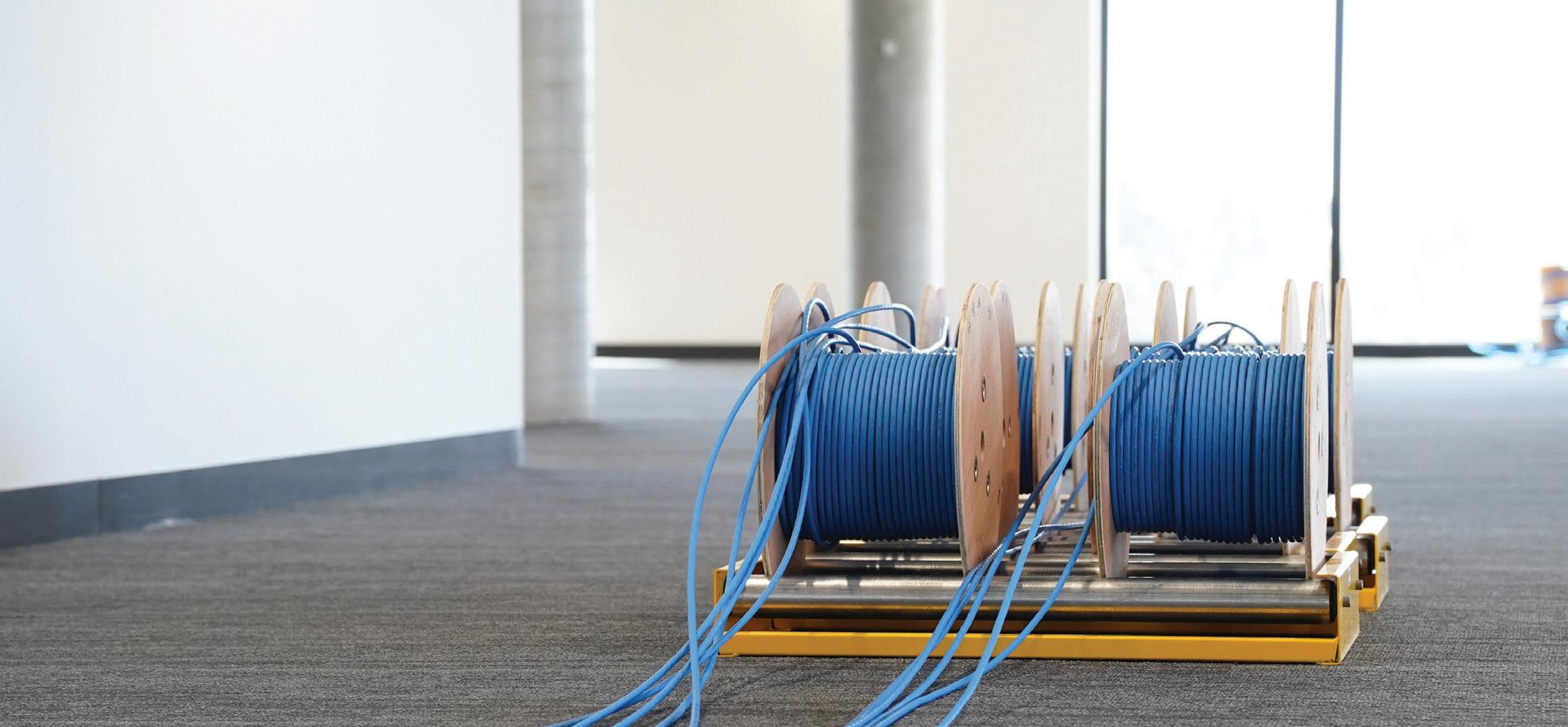
The flexibility of CAT6A U/FTP also protects your long-term investment, supporting modern technologies like Wi-Fi 6/6E/7, IoT, AI-driven workloads, and smart building systems. Unlike competitors who require made-to-order solutions, our HypaConnect CAT6A cables are in stock and ready to go, delivering fast deployment without delays.
HypaConnect CAT6A U/FTP Solution
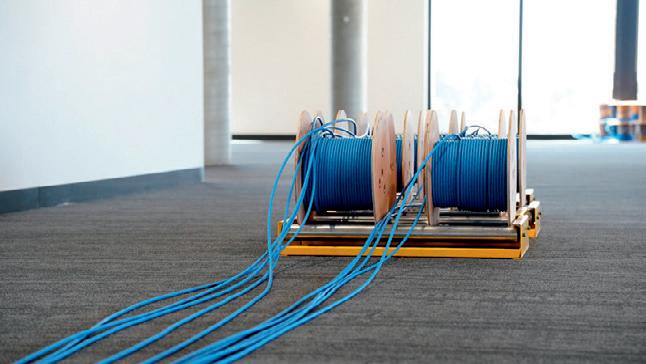
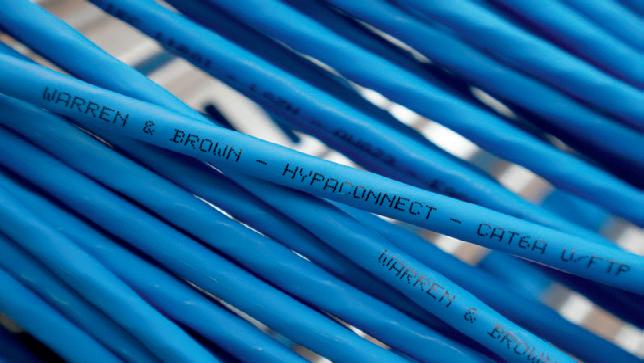
At the core of this network is WBT’s HypaConnect Category 6A U/ FTP Cable — Indoor, LSZH. Key features include:
• Individually shielded twisted pairs (U/FTP) for maximum noise immunity and superior signal integrity
• 23 AWG solid bare copper conductors for stable high-speed data transfer
• LSZH jacket for fire safety and low-toxicity emissions
• PE cross-separator to maintain pair geometry and minimise interference
• Sequential metre markings for precise cable management
• Compatibility with PoE, PoE+, and PoE++ applications
This premium cabling ensures consistent Class EA performance and provides the fl exibility of CAT6A U/FTP for future network expansion, Wi-Fi access point backhaul, intelligent building integration, and converged ICT systems.
HypaConnect ICS: Fast, Scalable, and Reliable
The HypaConnect Integrated Cabling System (ICS) streamlines installation with a modular, standards-based architecture. Enhanced modular jacks reduce termination times, improving on-site efficiency and enabling rapid deployment. The scalable design supports network growth without disruption.
All HypaConnect solutions undergo rigorous testing and in-field validation to ensure exceptional signal integrity, bandwidth performance, and compliance with ISO/IEC 11801, ANSI/TIA, and AS/NZS standards. Every installation is completed by WBT-certified ICS integrators, delivering verified performance and long-term reliability.
Upskill with HypaConnect Academy
Terry Huybens’ completion of the HypaConnect Academy was a key differentiator. The program equips IT professionals with the skills to plan, install, and certify HypaConnect systems, ensuring networks are high-performing, compliant, and future-proof.
End-to-End Digital Infrastructure
HypaConnect provides a unifi ed, standards-based platform that supports multiple applications over a single cabling architecture:
• Enterprise voice and data networks
• Security and surveillance systems
• Smart building automation
• Audio-visual and unified communications
By consolidating these systems onto a single, high performance backbone, HypaConnect reduces complexity, lowers lifecycle costs, and simplifies network management — all while offering the flexibility of CAT6A U/FTP cabling for future expansion.
Discover HypaConnect
Explore WBT’s HypaConnect solutions, and learn how our premium CAT6A U/FTP cabling and modular ICS systems deliver future-proof, high performance, fully tested, and flexible digital infrastructure at wbt.com.au/resources-hypaconnect.
Warren & Brown
NEWPRODUCTS
INDUSTRIAL PCs
The Vecow ECS-4700 Series of industrial PCs provides a fanless, wide-temperature industrial PC platform designed for AIoT, machine vision, automation and edge computing applications.
The ECS-4700 Series is powered by Intel 12th/13th Gen Core i9/i7/i5/i3 processors, and is certified for marine and rail applications with EN 50121-3-2 and IEC 60945 certifications.
The range is AI and GPU ready, supporting full-length NVIDIA GPUs (up to 300 W), enabling AI inference, real-time video analytics and deep learning tasks at the edge.
The PCs also offer fanless operation with a wide –40 to 75°C operating temperature range, 9–50 VDC input, and resistance to vibration and shock.
Up to six GbE LAN ports are available (four with PoE+), along with dual PCIe/PCI slots, triple-display output, M.2 NVMe and optional 5G/4G/Wi-Fi support.
LAPP Australia Pty Ltd lappaustralia.com.au
UPS MODULE
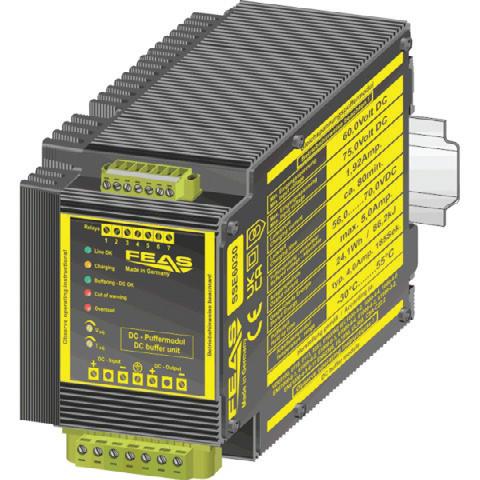
FEAS GmbH is expanding its SSE30 DC UPS series with the addition of the 60 V SSE6030 model, offering a comprehensive supercapacitor solution for industrial 24, 48 and 60 V systems. The new module enables uninterruptible power supply in demanding DC voltage applications — from automation technology to telecommunications infrastructures.
A key feature is the complete elimination of batteries, with supercapacitor technology enabling maintenance-free operation in extreme environmental conditions (-30 to +55°C) and high power density in a compact design. The SSE6030 stores 24.1 Wh (86.2 kJ) and typically offers 158 s of buffer time at 4 A current draw — sufficient for controlled shutdowns or emergency power switching. Due to its aluminium housing and full encapsulation, the SSE series offers a high degree of protection against environmental influences such as moisture, vibrations, etc, making it suitable for harsh industrial environments.
The series enables companies to secure all their critical systems with the same technology; parallel switchability of multiple modules also allows for scalable solutions.
The system is designed to reduce life cycle costs, as it does not require battery replacement or maintenance intervals. Additionally, compact DIN rail mounting and high efficiency in mains operation support energy-efficient installations. The series is available in Australia via Automated Control or direct from FEAS GmbH.
FEAS GmbH www.feas.com
PLC DIGITAL COMMS MODULES
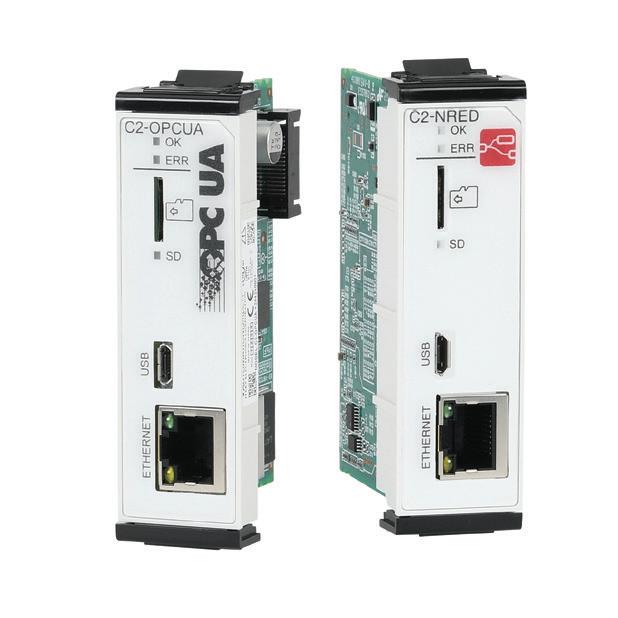
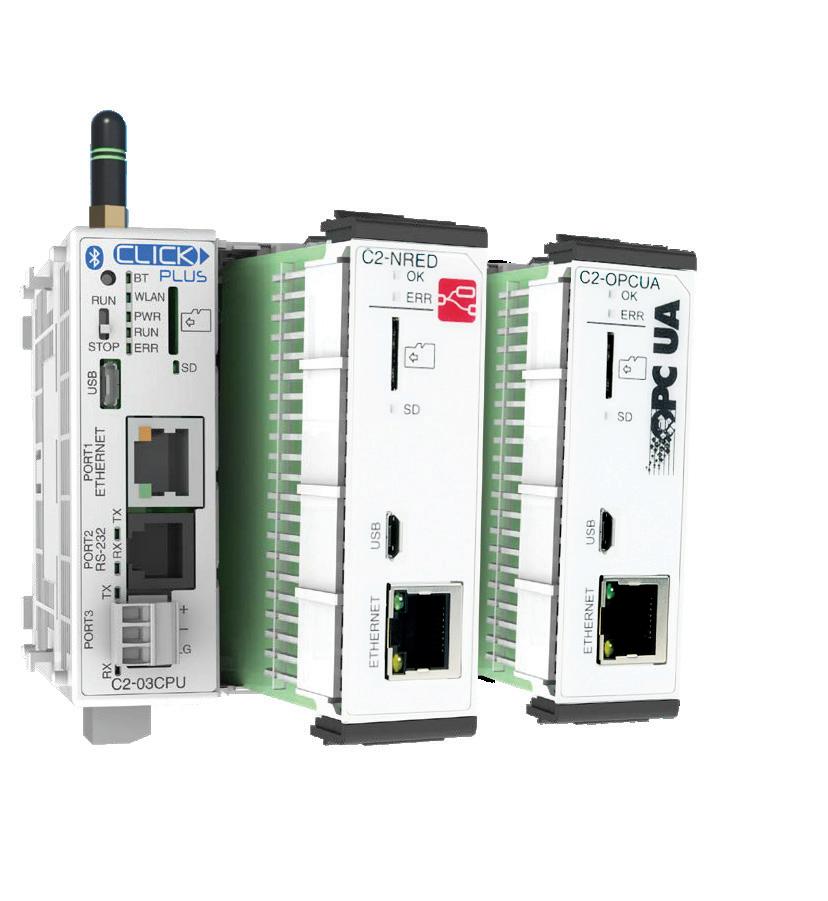
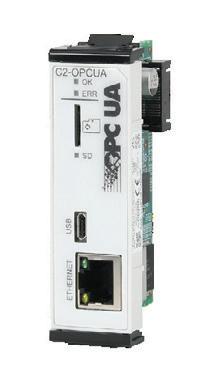
Two specialty modules have been added to the CLICK PLUS PLC range: the C2-NRED and C2-OPCUA option slot modules.
The C2-NRED module provides an industrial interface to Node-RED, a popular open-source tool for developing IIoT applications. The C2-OPCUA module provides connectivity using the OPC UA communication standard. Both modules are designed to expand the communication capabilities of CLICK PLUS CPUs without affecting the performance of the main controller.
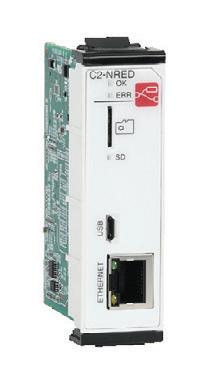
The C2-NRED includes a microSD card slot, a Micro-B USB port and an Ethernet 10/100Base-T (RJ45) port. The C2-OPCUA features a Micro-B USB port and an Ethernet 10/100Base-T (RJ45) port. Both modules can be used with all CLICK PLUS PLCs.
The modules are suitable for industrial applications where reliable communication between plant-floor PLC systems and higherlevel IT or SCADA environments is required. Typical applications include manufacturing, utilities, infrastructure and remote monitoring installations.
The C2-NRED module includes its own processor and provides direct access to PLC memory, enabling data exchange with external systems through low-code Node-RED flows. It also supports custom JavaScript programming for more complex logic. The C2-OPCUA module enables seamless integration with a wide range of OPC UA-enabled devices and systems, allowing CLICK PLUS PLCs to participate in standardised data-sharing architectures. Both modules offer streamlined integration while maintaining PLC performance.
Direct Automation Pty Ltd www.directautomation.com.au
ECD Turbidity Measurement Sensor
Designed with an innovative multi-beam optical sensor, highly intelligent electronics and self-cleaning technology, the new ECD Triton TR8 Turbidity Analyzer sets a new standard for precise, highly reliable water quality monitoring with virtually no maintenance.
The Triton TR8 TA’s sensor measures turbidity with a unique multi-beam optical assembly. The fi rst light beam is a reference detector that compensates for changes in the LED light source caused by aging or other variables. The second light beam detects the short path length, which is best for high concentration measurement. The third light beam measures the longer path length, which is best for lower concentrations.
With its highly intelligent microprocessor-based design, the Triton TR8 TA’s sensor electronics constantly adjusts turbidity signal readings versus the reference detector for superior measurement accuracy. A built-in digital filter helps to suppress potentially interfering signals while self-monitoring diagnostics assure high reliability.
The Triton TR8 TA’s sensor assembly relies on a long-life near infrared LED light source (880 nm), and the 90-degree scattered light method in accordance with ISO 7027/EN 27027. The sensor is factory calibrated in formazine, FNU (Formazine Nephelometric Units), and is plug-and-play ready for applications. Two non-volatile memory banks are also available onboard to store user-initiated calibration data.
The highly accurate Triton TR8 TA operates over a wide measurement range with output in multiple units: 0.000 to 9999 FNU, or 0.00 to 3000 ppm, or 0.0 to 3.0 g/L, or 0 to 20%. The TR8 TA sensor features an error rate of less than 5% of reading with repeatability greater than 1% percent of reading.
The rugged Triton TR8 TA’s sensor assembly features an inclined face that is oriented into the liquid flow for optimum self-cleaning, which greatly reduces plant maintenance requirements to the occasional manual sensor swiping with a soft cloth. An optional automated mechanical wiper also is available for heavy-duty service environments or for difficult-to-reach sensor locations.
Developed for rugged water treatment environments, the tough Triton TR8 TA sensor is designed to operate at ambient temperatures from -5 to 50°C (20–120°F). It withstands pressures up to a maximum of 6 bar at 25°C and 1 bar at 50°C.
The TR8 TA’s controller digitally communicates with the turbidity sensor and provides a 4–20 mA output and alarm relay. The TR8 TA’s controller features ECD’s multi-bus architecture, with up to 4 inputs, 6 outputs and 8 SPDT relays. It includes a configurable local graphics display and HART protocol communication is available as well.
Accurate measurement of turbidity with the Triton TR8 TA is important in a wide range of surface water, municipal water and industrial water treatment applications. Turbidity is the cloudiness or haziness of a water sample, caused by suspended particles in the water that are typically clay and silt. Viruses and bacteria attach themselves to the particles and are a critical indicator of overall water quality.
What is the ECD 6 Point Advantage
Electro-Chemical Devices offers a complete line of liquid analytical sensors — pH, ORP, Specific Ion, Dissolved Oxygen, Conductivity, Resistivity, Chlorine, and Turbidity.
The ECD technical advantage has 6 points of design flexibility to configure the sensor to best fit your application.
ECD 6 Point Advantage:
1. Multiple individual measurement parameters in the same mechanical configuration.
2. Readily available application specific sensor cartridges.
3. Long life replaceable sensor cartridges lower the overall operation cost.
4. Various process fittings with adjustable insertion lengths.
5. Industrial housing materials for compatibility with process fluid.
6. Built-in electronic signal conditioning for noise-free signal transmission.
For further information contact AMS Instrumentation & Calibration Pty Ltd on (03) 9017 8225, or Freecall (NZ) 0800 442 743, alternatively on e-mail: sales@ams-ic.com.au or visit our website at www.ams-ic.com.au
NEWPRODUCTS
BATTERY ENERGY STORAGE SYSTEMS-AS-A-SERVICE
ABB has launched its Battery Energy Storage Systems-as-aService (BESS-as-a-Service) — a flexible, zero-CapEx solution designed to accelerate the shift to clean, resilient and affordable energy. It is the first in a range of next-generation service models being developed by ABB to remove the barriers to clean technology adoption and accelerate industries’ transition to net zero.
With demand for energy storage expected to surge, ABB’s BESS-as-a-Service claims to provide a turnkey path to energy independence and sustainability. Requiring no upfront investment, the service enables companies to benefit from advanced energy storage through a quarterly service fee.
It includes all hardware, software and lifecycle support, with ABB managing deployment, maintenance and optimisation so businesses can focus on their core operations while improving energy efficiency, resilience and long-term sustainability.
Designed to be technology-agnostic, BESS-as-a-Service works with any type of battery technology, giving customers flexibility without being tied to a single system.
ABB Australia Pty Ltd www.abbaustralia.com.au
THREE-PHASE POWER ANALYSERS
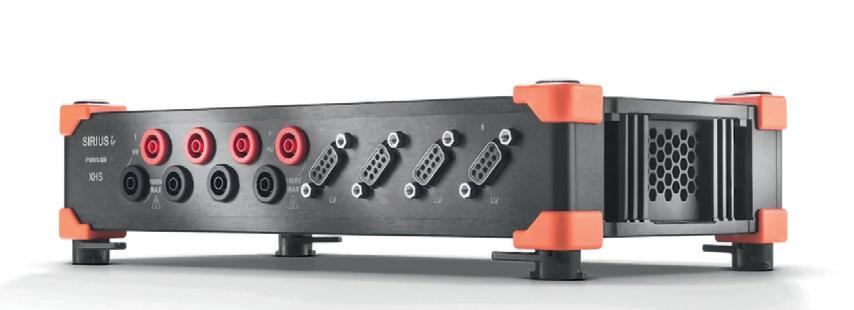
The Dewesoft SIRIUS XHS 4xHV and 4xLV are three-phase power analyser data acquisition (DAQ) systems.
Utilising by Dewesoft’s HybridADC signal-conditioning technology, each channel offers an ultra-high bandwidth mode — up to 5 MHz bandwidth and 15 MS/s sampling — suitable for capturing fast inverter switching and high-frequency transients — and high-dynamic alias-free mode with up to 2 MS/s sampling with 150 dB dynamic range, for greater precision in harmonic, efficiency and long-term power quality measurements.
With four high-voltage (HV) and four low-voltage (LV) isolated inputs, the system provides true three-phase plus reference channel capability — making it suitable for inverter, motor-drive, renewable energy and grid-power analysis.
In terms of connectivity and scalability, the SIRIUS XHS supports USB 3.0, Gigabit LAN with PTP time synchronisation, OPC UA, XCP, CAN and CAN FD protocols — allowing integration with real-time controllers, PLCs and distributed data systems.
Engineers can stack, daisy-chain, or distribute units via Ethernet, with data and time synchronisation handled through a single cable. The system’s modular design allows for straightforward expansion — from compact portable set-ups to large laboratory test benches.
Metromatics Pty Ltd www.metromatics.com.au
IoT GATEWAY SOLUTION
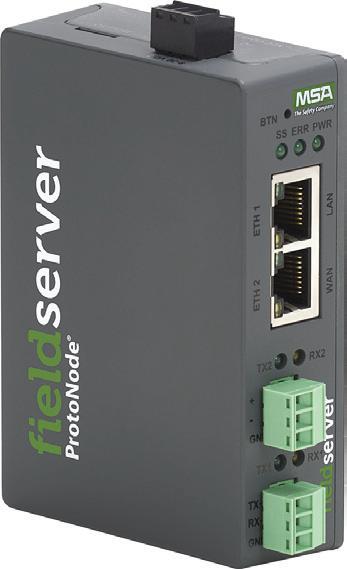
MSA Safety’s FieldServer ProtoNode Gateway industrial connectivity solution is now available in the Asia–Pacific region. The gateway provides remote monitoring capabilities via cloud communications to various fixed detection monitoring systems, including all MSA Safety Modbus and BACNet protocol Fixed Gas and Flame Detectors in the field, as well as devices from other manufacturers.
The gateways are designed to be versatile, cybersecure, easy-to-configure devices that serve as entry points to the cloud for data communication and processing between internet-connected products and network protocols. Available connectivity options for the FieldServer ProtoNode Gateway are Modbus RTU (serial) and Modbus TCP (Ethernet) protocols, and BACNet IP protocols.
The system’s connectivity enables remote monitoring and control; cloud-based alarm notifications via email for faults or alarms; and data visualisation through MSA Grid dashboards. It also facilitates compliance insights and management, helping to streamline inspections via calibration audits and functional verifications.
MSA Australia Pty Ltd au.msasafety.com
INVERTERS
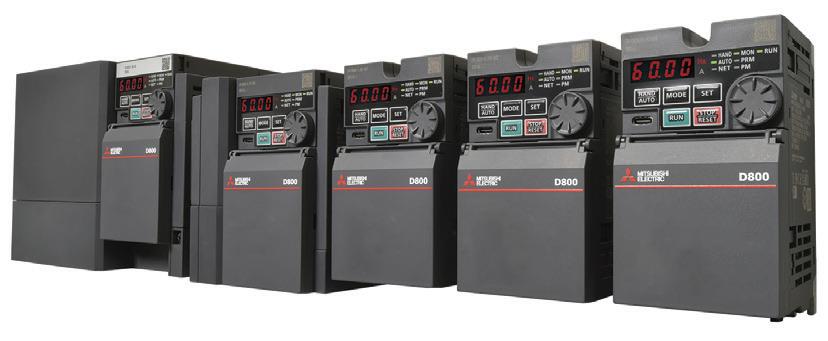
Mitsubishi Electric has launched its latest FR-D800 series inverters, designed to provide better performance, easy operation and improved energy efficiency for a wide range of industrial applications.
Compact and intuitive with a focus on user-friendliness, the inverters feature a door-style surface cover and integrated wiring for faster and easier installation.
The inverter is claimed to be up to 37% smaller than its equivalent predecessor; reducing enclosure size requirements, and allowing for more flexible mounting and reduced installation costs.
A USB Type-C interface lets users set parameters directly from a PC without powering up the inverter, streamlining both setup and maintenance.
The inverters are engineered to help save energy with advanced synchronous motor control, which reduces power consumption and cuts operating costs.
A high-efficiency motor drive and lower standby power consumption also contribute to a reduced carbon footprint, supporting more sustainable production practices.
The series is suitable for a wide range of applications, from conveyors and pumps to food processing equipment and textile machinery. Selected models are also suitable for harsh, corrosive environments, thanks to circuit board protection meeting IEC 60721-3-3:1994 3C2/3S2 standards. Furthermore, the inverters can control both induction and permanent magnet (PM) motors, eliminating the need for multiple inverters for different motor types.
Built-in support for popular Ethernet protocols including CC-Link IE TSN, Modbus/TCP and EtherNet/IP enables integration into existing industrial networks, so users can quickly integrate the inverters into their digital manufacturing and smart production environments.
The series is designed for easy maintenance and has models for different voltage requirements, including single-phase 100 V and 200 V, and three-phase 400 V options.
Mitsubishi Electric Australia www.mitsubishielectric.com.au
FIBRE SOLUTIONS RANGE
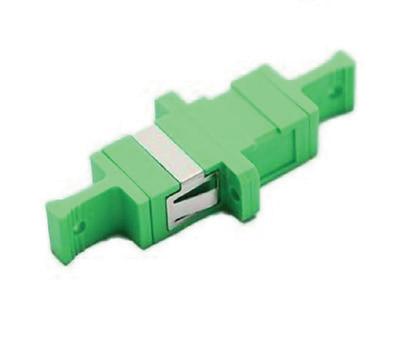
Used by some of Australia’s major carriers, WBT’s fibre solutions are designed to deliver precision, performance and reliability — from the backbone of a company’s infrastructure to the smallest connection.
Built to withstand tough conditions, WBT’s fibre connectors support stable, high-quality performance in a range of environments. The company’s modular and scalable network design allows businesses to be flexible and to futureproof their set-up via universally compatible adaptors and SFPs — engineered for seamless integration.
Smarter signal management helps to protect and optimise a network, with precision attenuators that keep signal strength stable and interference at bay.
Warren & Brown Technologies wbt.com.au
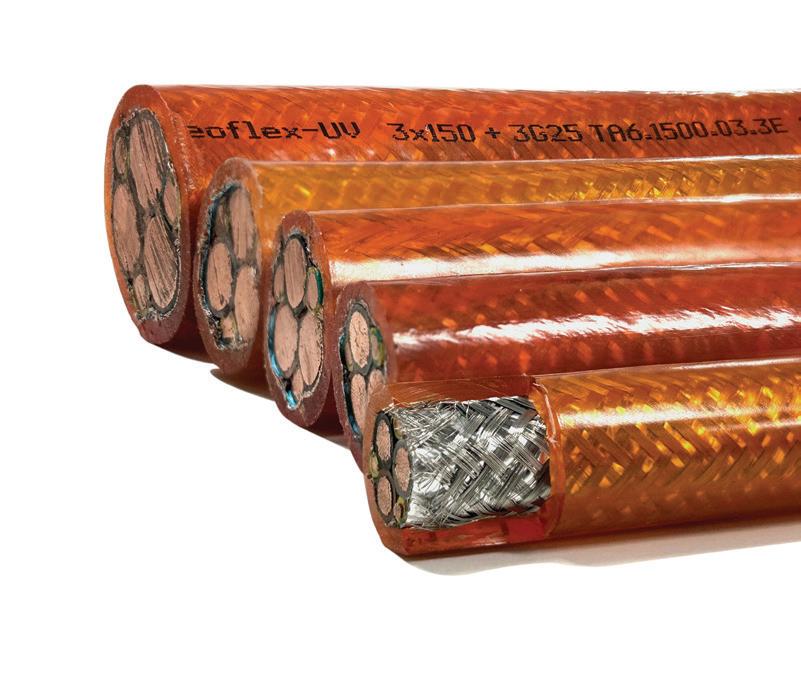
Treoflex
• Australian standards compliant.
• Data processing and process control
• Instrument-to-instrument connections
• Protects signals from interference caused by other electrical circuits
• Connects electrical measuring devices to instrument panels
• Links electrical sensing devices to control cabinets
• Transmits signals in remote control, indication, telemetering, monitoring, and analysis systems
NO CUT CHARGES
NEW ENERGY PATHWAYS WHAT’S NEXT FOR AUSTRALIA’S FOSSIL FUEL WORKERS?
The gradual phasing out of Australia’s coal-fired power stations is an inevitable part of the nation’s renewable energy future. However, their closure creates immense upheaval for the workers who serve them. Fortunately, the energy transition also provides a range of opportunities for power plant workers to reskill and become part of a new renewable energy workforce. In this interview, Anthea Middleton, CEO of Powering Skills Organisation, discusses the pathways and opportunities available.
What renewable energy careers are an option for workers at retiring coal-fired power plants?
Australia is in the midst of the largest transition of our economy since the Industrial Revolution, with current modelling indicating a predicted shortfall of over 42,000 energy trades workers by 2030 to reach Australia’s energy superpower ambitions. While the retiring of these plants will cause disruption to workers, [and] also their families and community, there has never been a better time to transition these workers into other skilled, meaningful, competitively salaried energy careers.
While local industry and project pipelines determine the specific demand across Australia, the combination of technical expertise and practical industry knowledge makes these workers ideally suited for roles in high-demand areas such as electrical trades, lines workers, heating, ventilation and air conditioning, instrumentation, and renewables
— whether in solar, battery, wind or other renewable energy technologies.
Given their experience, power-station workers can also play a critical role in building the next generation of the clean energy workforce — there are significant opportunities in the vocational education and training (VET) sector, which faces an acute shortage of qualified teachers and trainers in electrotechnology, and is critical to addressing skills shortages.
What sort of skills and training will support these workers in their career transition? And what kinds of institutions or programs are currently available? The skills and training needed will depend on the worker’s existing experience and the type of role they are transitioning into. Many workers already have a strong technical foundation that can be built upon through targeted upskilling in renewable technologies and safety standards.
Potential pathways to upskill include nationally accredited qualifications, targeted short courses, and structured on-the-job training focused on areas such as solar installation, battery storage, electrical safety and wind turbine operations.
There are many established training providers capable of delivering this upskilling, including TAFEs, registered training organisations (RTOs) and employer-led programs, often supported by transition initiatives.
Will workers be able to remain working locally?
Large-scale renewable energy zones (REZs) are planned across multiple metropolitan and regional locations along the eastern and southern coast, which will all require a significant workforce to build, commission and maintain them.
As well, there is strong, growing demand for electrotechnology workers in construction
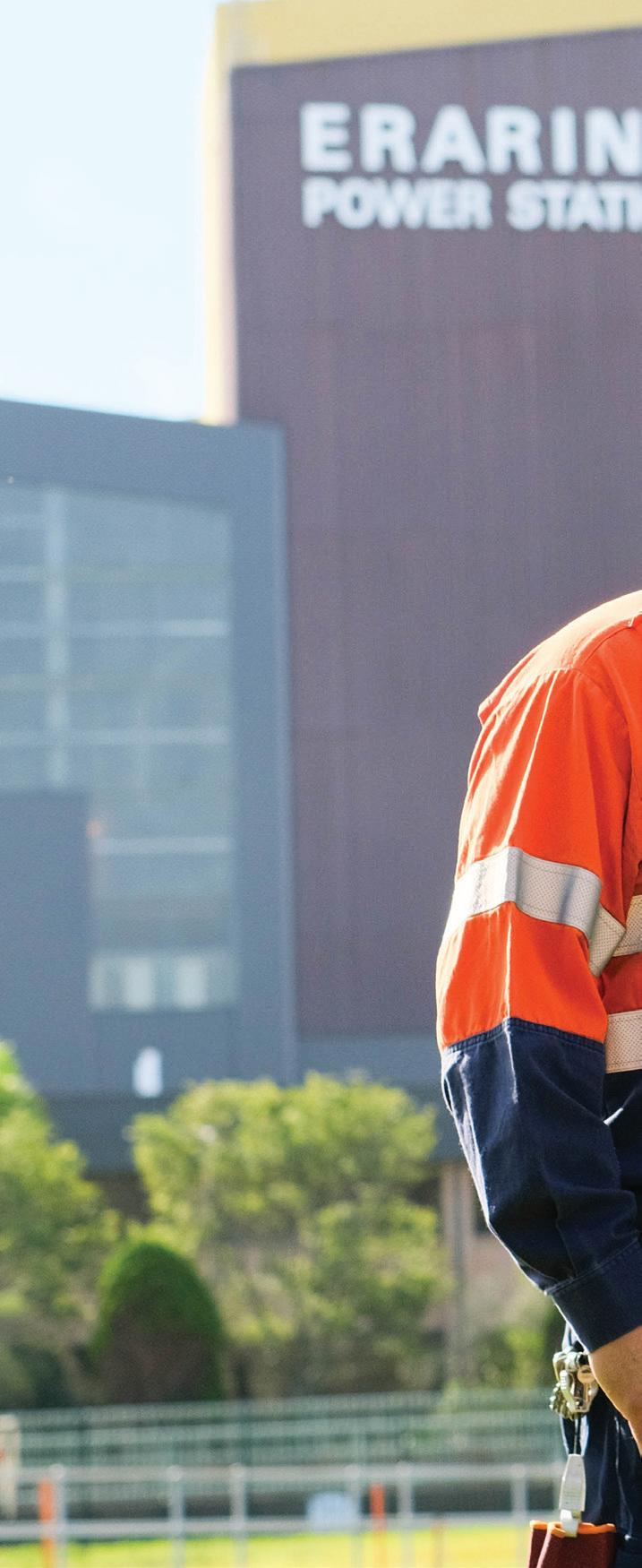
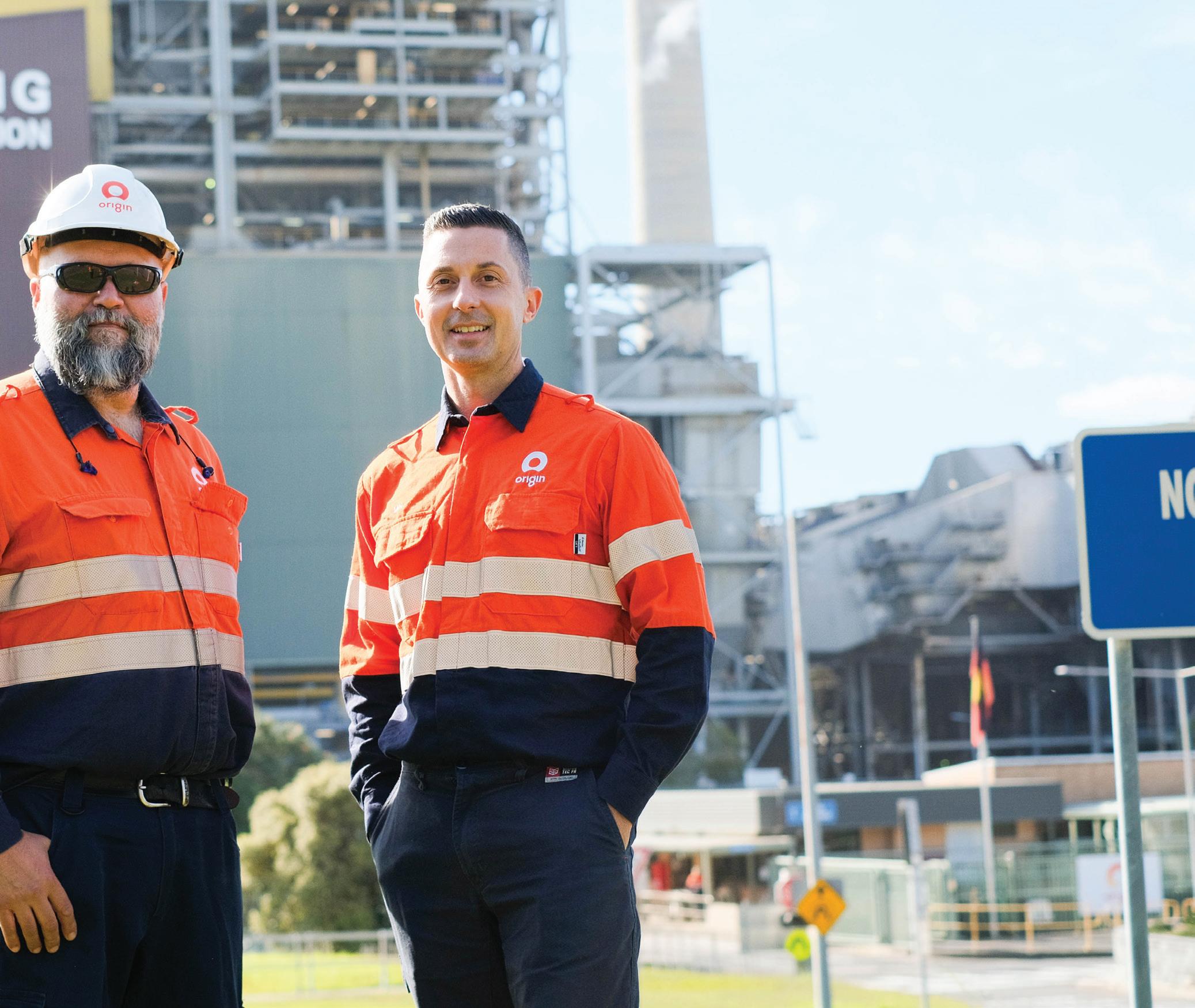
Brett Harvey, instrumentation and control technician at Eraring, with Ian Crowhurst, Head of Future Capability & Talent at Origin Energy.
INSIGHTS 2026
CASE STUDY: ORIGIN ENERGY
With its Eraring Power Station set to close in the next few years (the most recently announced closure of August 2027 potentially being pushed back until 2029, according to reported comments from Origin Chairman Scott Perkins), Origin Energy is developing initiatives to support its workers into careers beyond the coalfired power industry.
The company’s Future Directions Program has so far seen its workers adopt a variety of adventurous career changes, including from systems control engineer to wilderness guide and from nurse to coxswain. However, of the 98% of eligible employees who are engaged with the program, 80.5% are currently training for or are interested in staying in the energy sector. Out of those, 19 people have chosen an electrical career, and two people have chosen to train as a VET assessor.
and domestic electrification initiatives underway right across the country. These present strong opportunities for transitioning workforces, but the specific opportunities and scale of demand are dependent on the region and local investment.
What progress have you seen so far, in terms of successful training programs and job transitions?
There are already strong transition plans in place at many power stations due to be decommissioned — implemented and supported by the operating organisation, community and all levels of government.
For example, PSO’s 2025 Workforce Plan highlighted one of these at the Eraring Power Station, where operator Origin Energy is supporting workers to upskill or transition into new career pathways. PSO spoke with Brett Harvey, an instrumentation and control technician at Eraring, about the support Origin was providing in career consultation
and upskilling. The Western Australian Government has also implemented the Collie Just Transition, investing more than $662 million, supporting jobs and attracting investment into the region.
What has been the general reaction from workers to upskilling initiatives?
Overall, workers have responded positively to upskilling initiatives, recognising the broad range of career opportunities. While the transition understandably brings concerns and anxiety for some workers, there is generally strong engagement for programs that are practical, locally delivered, and adaptable. Operators of these retiring power stations, along with both state and federal governments, have put in place substantial support systems — including wellbeing and mental health support, career counselling, financial assistance and access to accredited training — to help workers seize new opportunities in a changing energy landscape.
“It has been a balance of reskilling and upskilling people whilst managing a critical operation to provide reliable and affordable energy to our customers,” said Ian Crowhurst, Head of Future Capability & Talent at Origin Energy.
“We realised it could be a little overwhelming for some of the staff to think about new careers after working here for so long, so we started by running career coaching and talking about possibilities.
“Many were restrained by location, so we looked in the local area to see what might be available in the future workforce for this area, as well as mapping people’s talents and interests.”
Crowhurst added that Origin would also be launching the largest battery currently under construction in the Southern Hemisphere, located at the power plant site.
“Some staff will remain on to operate and manage it, and we also expect there will be opportunities here during site demolition and rehabilitation,” he said.
Image: Supplied
history
For more than 80 years, Seiko Epson Corporation has created the technologies that shape our industries.
SQ-2000: The first commercial Epson inkjet printer
The Epson brand is founded
Daiwa Kogyo Ltd. (the predecessor of Seiko Epson Corporation) is established
EP-101: The world’s first miniature digital printer, from which the Epson brand was born
EPSON AUSTRALIA IS FOUNDED
VPJ-700: Launch of Epson’s first compact, fullcolour liquid crystal video projector
PaperLab: An in-office paper recycler that uses Dry Fibre Technology
Seiko Epson Corporation celebrates 80 Years in business and opens the Epson Museum Suwa
GS6000: A largeformat printer with stunning image quality
Epson Stylus 800: The first inkjet printer equipped with Micro Piezo technology
Epson’s 2050 net-zero target has been approved by the Science Based Targets initiative (SBTi) as aligned with the Paris Agreement’s 1.5°C goal
Epson celebrates a 50-year legacy with progress in sustainable innovation
2025 sees Epson celebrate 50 years since the creation of the company’s brand. With origins in Japanese precision watchmaking, Epson has continually pushed the boundaries of efficient, compact and precise technology — while upholding its founding principles of integrity, effort, creativity and challenge.
Today, Epson is globally recognised for printers, projectors and other technologies that reflect its legacy of innovation and commitment to a more sustainable future.
At a group level, Epson has achieved significant decarbonisation milestones through its transition to 100% renewable electricity across all global sites, including manufacturing sites and all Australian and New Zealand offices. At its manufacturing sites, Epson also prioritises the use of locally generated renewable electricity wherever possible.
The company is also decarbonising their logistics through initiatives such as adopting alternative fuels and using maritime transport to further reduce their greenhouse gas emissions.
But where did it all start and how?
Well, Epson has had and achieved many notable milestones in the last 50 years.
In fact, the company was founded in 1942 and started life as Daiwa Kogyo. Epson at that time was a brand that was yet to be born.
Daiwa Kogyo made the company’s first mechanical watch, developed and manufactured the first electronic recording systems for sporting events such as the Olympic Games and produced the revolutionary EP-101, the world’s first miniature digital printer.
The 1970s saw one of the company’s first real sustainability and environmental initiatives come into action as it began treating wastewater discharged from its manufacturing site to avoid polluting the beautiful and nearby Lake Suwa.
The company’s sustainability journey had now begun in earnest and in 1975 EP (from EP-101 fame) had a “son” and the Epson brand (literally the son of EP) came into being.
With its traditional energy and vigour Epson then developed the world’s first hand-held computer, the HX-20, in 1982, by bringing together Epson’s core technologies and the same year saw them produce world’s first television-equipped watch — a gadget seen and used by none other than James Bond himself in the movie, Moonraker
The HX-20 led to the ET-10 (no relation to the cute little alien) but instead the world’s first commercial liquid crystal pocket colour television. This groundbreaking television was easily portable thanks to a conveniently small, thin shape that allowed it to be slipped into a pocket and taken anywhere.
Then 1984 saw a real breakthrough in printing as the company’s famous SQ-2000 was commercialised in Japan as Epson’s first inkjet printer. This development was to take the company forward to a number one market share in many printing categories across the world over the coming years.
In 1988, Epson became the world’s first company to announce that it would completely phase out the use of chlorofluorocarbons (CFCs) in its global operations. Thanks to an intensive Epson groupwide effort they became CFC-free in Japan in 1992 and worldwide the following year.
This was a groundbreaking step for Epson and one followed by companies across the globe.
In 1989, Epson developed the technology for the world’s fi rst compact, full-colour liquid crystal video projector. Again and similar to its development of inkjet printer technology, this development in projection technology led to Epson becoming a market leader in projectors the world over in coming years.
In 1992, Epson was recognised by the US Environmental Protection Agency (EPA) for its efforts to eliminate CFCs from its operations. This recognition was one of many that were to be awarded to the company as its efforts in sustainable and environmentally friendly and responsible business practices progressed.
Monsieur, an ultraminiature (think the size of a 20-cent coin), self-propelled mobile robot was developed in March 1993 and was a product born of the watch-related technologies cultivated at Epson over many years. It was recognised by the Guinness Book of Records for being the smallest robot at the time and internally as an adorable little fellow.
In 1994, the Epson Stylus Color was the world’s fi rst 720 dpi, high-image quality, colour inkjet printer to be mass produced. Using Epson’s advanced and patented Micro Piezo print head technology, it provided faithful reproductions of graphics and photographs with capabilities of expression, leaving competitors’ earlier offerings well behind. Epson had truly taken printing to the next level and they didn’t stop there.
In fact, as the Epson Stylus Color made significant waves on Earth, in 1998 the Epson Stylus Color 800 inkjet printer became the fi rst printer in space as it was used to carry out experiments on the Space Shuttle.
The printing innovation continued as in 2010 Epson developed the world’s first printers to use high-capacity ink tanks (70 mL for each colour) instead of ink cartridges. A development that would eventually lead to the birth of their EcoTank range — the global phenomenon that has sold over 100 million units and is the clear market leader in consumer and home office large ink tank printing.
Only a year later the company branched out and manufactured the Monna Lisa, an industrial inkjet digital textile printer jointly developed by Epson and the leading Italian textile manufacturing equipment manufacturer Robustelli. Epson was later to acquire Robustelli, bringing all of their large format and textile printing expertise in-house.
2014 saw Epson announce office printers featuring a high-yield replaceable ink pack system and a managed print service. A set of high-yield ink packs, producing up to 75,000 pages, solved a number of concerns and issues in the office and all of this cheaper and cleaner than comparable laser printers.
The company also expanded into many other different industries including wearables, robotics and micro devices over these defining years.
In 2008, Epson established Environmental Vision 2050, a statement of the company’s environmental goals up to the year 2050. In 2021, they further revised it to set specific goals that reflect their strong commitment to become carbon negative1 and underground resource free2 by 2050.
Then, in 2018, Epson won the first of many awards in recognition of the paper recycling technology excellence and innovativeness of its PaperLab product, as well as for its use in producing environmental education materials, its use by local governments as a symbol of their environmental policies and its contributions to resource recycling awareness.
PaperLab is the world’s first in-office paper secure recycler that turns wastepaper into new paper using a virtually dry process powered by Epson’s unique Dry Fibre Technology. This groundbreaking solution stands to become one of the most significant developments in Epson’s history. PaperLab’s Dry Fibre Technology is not limited to paper and is also used in the manufacture of products including packaging, face masks and textile yarn.
PaperLab is a real “watch this space” product that is scheduled to arrive in Australia in the not-too-distant future.
It was in 2023 that Epson achieved the transition to 100% renewable electricity at almost all Epson group sites worldwide 3 With a total annual electricity consumption of approximately 876 GWh, this has resulted in a reduction in greenhouse gas (GHG) emissions of approximately 400,000 tonnes.
Earlier this year the Science Based Targets initiative (SBTi) approved Epson’s net-zero target and interim goals. This built on the company’s earlier target, approved in 2018, for well below 2°C and later raised to align with the 1.5°C goal.
Epson has also been recognised for its efforts and initiatives centred around sustainability by organisations including EcoVadis, FTSE4Good and the Responsible Business Alliance and it is also on the CDP A List for both climate change and water security.
The company has also established local partnerships with The Botanical Gardens of Sydney, Citizen Wolf, The Social Outfit, First Nations Fashion + Design and the Australian Fashion Council.
This year, Epson Australia also co-launched The Victorian Textile, Clothing and Footwear Manufacturing Report with the Australian Fashion Council and RMIT University. This critical report provides a strategic roadmap to revitalise and futureproof local manufacturing, identifying five key areas to boost productivity, cut waste and drive innovation through sustainable technology.
So, how to sum up Epson Australia and Epson NZ over the last 50 years, now and in the future?
As a global technology leader and the fi nal link in a global value chain, Epson plays a vital role in driving the adoption of more sustainable technologies. Their energy-efficient technologies, spacesaving designs and ultra-high precision helps reduce environmental impact while enriching communities.
By highlighting the practical advantages of these innovations, Epson enables people and businesses to work smarter, create with impact and operate more sustainably.
Over the last 50 years and moving forward, Epson’s purpose and values have driven and continue to drive innovation that delivers both sustainability and quality. These long-standing principles are central to the company’s success, informing decisions, shaping strategy and inspiring positive outcomes for their staff, customers and the environment.
Epson prioritises strong partnerships and customer-centric solutions and believes that what’s good for the planet is good for business.
Sustainability is at the heart of Epson’s purpose to create a better world and they have been committed to working with those who have shared their passion for building a more sustainable economy, environment and society for the last 50 years. Their future strategy, plans and goals clearly tell us that they wholeheartedly expect to do so for the next 50 and beyond.
1. Reduce emissions by at least 90% and then remove from the atmosphere an amount of CO2 corresponding to the remaining GHGs to then remove even more carbon.
2. Underground resource free means eliminating use of non-renewable resources such as oil and metals, except where such resources have been recycled.
3. Excludes some sales sites and leased properties where electricity use cannot be determined.
NEWPRODUCTS
NON-INVASIVE THERMOMETER
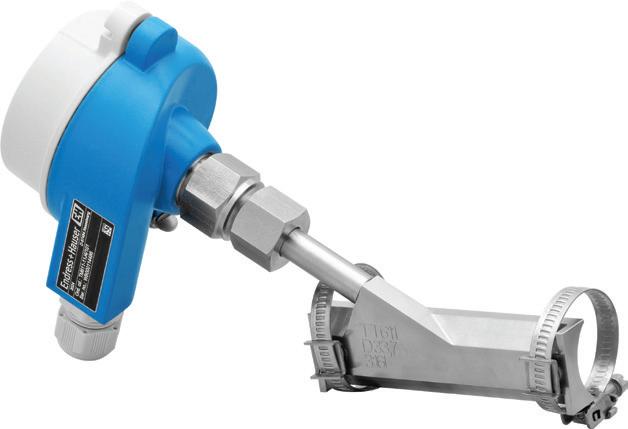
The Endress+Hauser iTHERM SurfaceLine TM611 non-invasive thermometer is designed to be used across all industries for a wide range of demanding industrial applications. The surface-mounted thermometer measures process temperature without the risk of leakage and flow disruption. A specially designed thermal coupling element is designed to provide optimal thermal conductivity to the sensor and reduce ambient influences.
Non-invasive thermometers measure the process temperature on the surface of a pipe without penetrating the pipe wall. This eliminates the risk of leakage, process contamination and flow disturbance. In addition, there is no wear on thermowells or influence from vortex-induced vibration, reducing the risk of failure and plant downtime.
The company says the iTHERM SurfaceLine TM611 features a thermal coupling element with advanced geometry specifically designed for the pipe diameter, providing a large contact surface that optimises heat transfer to the sensor. An RTD/TC sensor with low thermal mass that fits precisely into the coupling element is used, eliminating any air gaps, and a special heat transfer material applied to the coupling element compensates for any pipe imperfections.
The thermometer comes with all relevant international certifications, including explosion protection according to ATEX, IECEx, CSA and NEPSI and functional safety (SIL). In addition, it is available with the full range of Endress+Hauser iTEMP temperature transmitters, including all common analog and digital communication protocols, optional Bluetooth connectivity and diagnostics according to NAMUR NE107. The stainless steel clamps provide easy and safe installation, making it suitable for retrofitting or temporary measurements.
Endress+Hauser Australia Pty Ltd www.au.endress.com
IP66 INDUSTRIAL COMPUTER
MODULAR SOLAR BATTERY
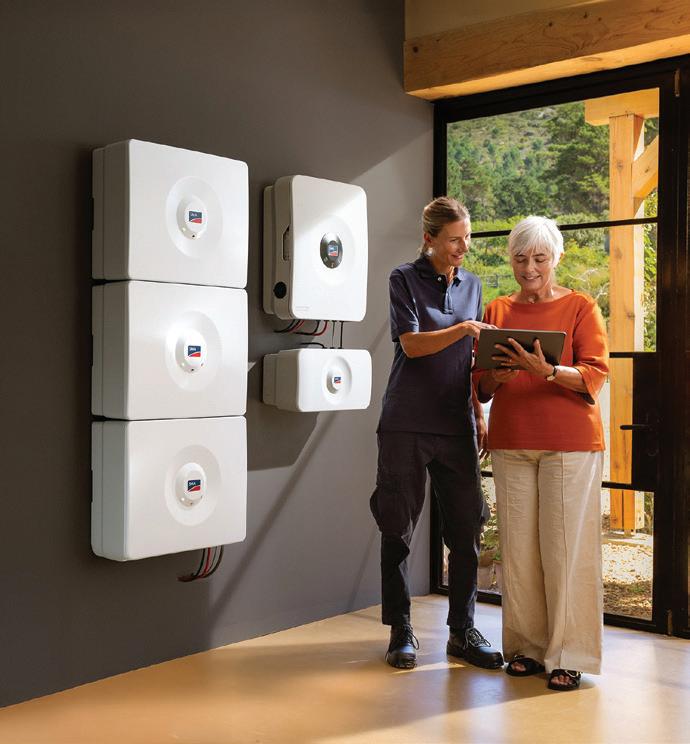
SMA Home Storage, SMA Australia’s modular battery and the final addition to the SMA Home Storage Solution, is now available to the Australian market, following recent Clean Energy Council listing. The battery is eligible under the Australian Government’s Cheaper Home Batteries Program.
In addition to the battery, the SMA Home Storage Solution includes a Sunny Boy Smart Energy hybrid inverter, and SMA Backup 1P to support secure energy supply during grid outages.
In the most recent HTW Berlin Energy Storage Inspection, the SMA Home Storage Solution achieved a System Performance Index (SPI) of 92.8% in the up-to-5 kW power class, an independent ranking that places SMA among the best of its class for hybrid inverters.
SMA Australia Pty Ltd www.SMA-Australia.com.au
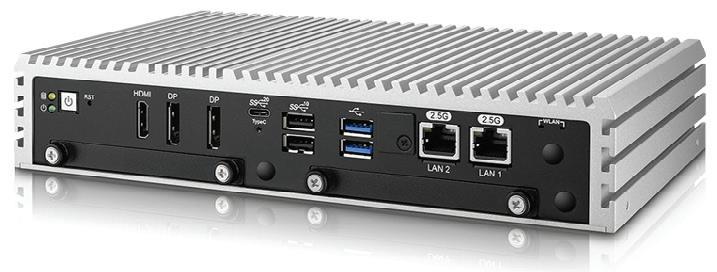
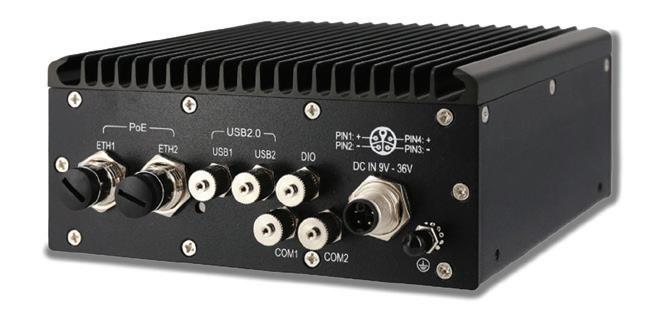
The SINTRONES SBOX-2624P-IP66 is a compact, fanless and fully IP66-rated industrial computer designed to deliver reliability in harsh and outdoor environments.
Powered by the AMD Ryzen Embedded R2312 processor with integrated Radeon graphics, the SBOX-2624P-IP66 is designed to provide strong computing performance for edge AI and industrial automation applications. Its robust design offers protection against dust and water ingress, making it suitable for deployment in mobile and outdoor control systems.
The system supports dual HDMI 2.0b (4K at 60 Hz), dual GbE ports with PoE, dual COM ports, and multiple M.2 slots for NVMe/SATA storage and wireless connectivity. It also has a wide DC input of 9–36 VDC, reverse-polarity protection, an operating temperature range of –30 to +60°C, and it is certified to EN 50155 standards.
Backplane Systems Technology Pty Ltd www.backplane.com.au
TWO-CHANNEL INTRINSIC SAFETY BARRIER
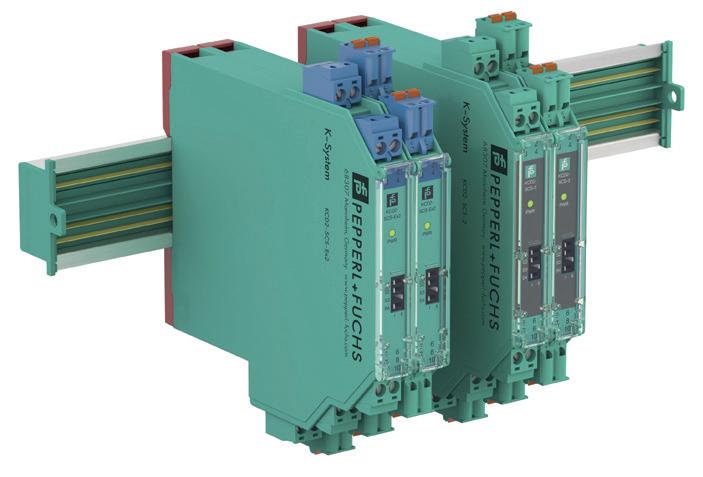
Pepperl+Fuchs has expanded its K-System range with the launch of the KCD2-SCS* interface module, a two-channel analog I/O intrinsic safety barrier with dual functionality. Traditionally, separate modules were required to handle input and output signals, but this solution combines both in one compact 12.5 mm housing, offering a packing density of just 6 mm per channel. The result is a module that saves space in the control cabinet while streamlining integration and reducing system complexity.
Each channel can be configured individually for analog input or analog output, which means one channel can be used for position monitoring while the other simultaneously controls a positioner. The KCD2-SCS* is also fully HART-compatible, functioning as a SMART transmitter power supply or SMART current driver, and can be operated in either current sink or current source mode with DIP-switch adjustments. Flexibility enables compatibility with a wide range of control systems while also delivering long-term investment return, since modules can be repurposed elsewhere in the system as requirements evolve.
Certified to ATEX, IECEx and UL standards, and meeting SIL 2 (SC 3) requirements — with redundancy up to SIL 3 — the KCD2-SCS* is suitable for demanding process industry applications.
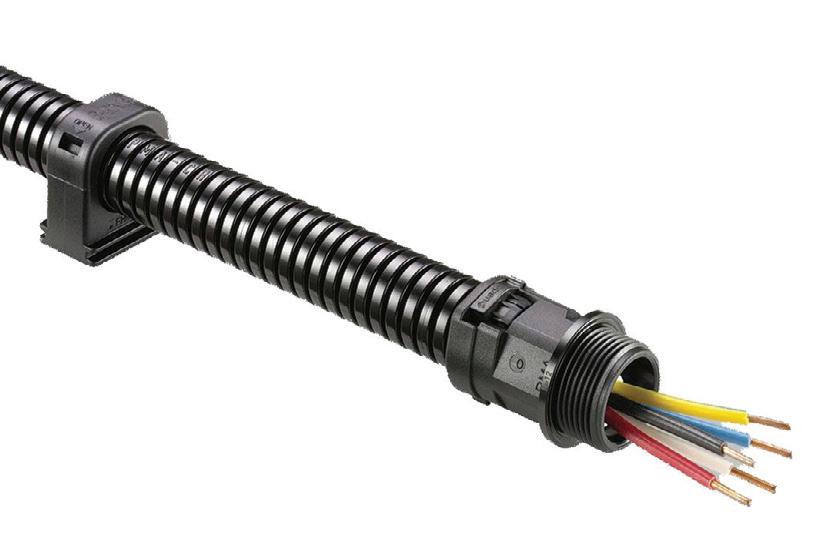
The PMA EcoGuard PA6 cable protection solutions are manufactured from 50% recycled polyamide mainly from recovered fishing nets. Engineered for strength, durability, compatibility and recyclability PMA EcoGuard solutions are designed to protect power and data cables in a range of applications, including machine building, renewable energy and infrastructure.
PMA EcoGuard PA6 RPPA conduit is part of PMA’s EcoSolutions range of sustainable solutions, meets key performance indicators defined in ABB’s circularity framework, and carries an external, third-party verified Lifecycle Assessment (LCA, Type III).
A sustainable alternative to conventional plastic-based systems, PMA EcoGuard PA6 RPPA conduit requires less energy and water to produce, reducing 30% of upstream Scope 3 greenhouse gas emissions and 50% of net freshwater use.
EcoGuard PA6 gives users a post-consumer, recycle-based nylon cable protection solution that can easily integrate with machinery and systems and help reduce risk, waste and negative environmental impact.
PMA EcoGuard cable protection products include Envalior’s Akulon RePurposed, a 100% recycled-based polyamide from fishing nets recovered from coastlines. In addition to benefiting local economies and the environment, the Akulon RePurposed compound is UL2809 ECVP-certified for OceanBound Plastic (OBP) content and employs production processes that are said to result in a 70% lower carbon footprint than similar fossil-based nylon 6 materials.
PA6 RPPA conduit is a flexible and lightweight corrugated nylon conduit that is UV- and weather-resistant, while BRND fittings help prevent liquid and dust ingress and are IP66 rated, and the compact, one-piece BFHRP conduit holder lends support and adjusts for easy installation and maintenance.
A smart, interactive running trail in Suzhou Industrial Park, China, has netted two prestigious design awards.
The Jinji Lake Luminous Trail was awarded the Gold Award in the Innovative Lighting Design category at the international 2025 MUSE Design Awards — one of only two recipients to be honoured in the category this year.
The Trail also received the Award of Excellence in the Control Innovation category at the IES Illumination Awards in August of the same year. The IES Illumination Awards are presented annually by the Illuminating Engineering Society of North America (IES), an organisation with over a century of history.
A key urban renewal initiative for the Suzhou Industrial Park in 2024, the project involved upgrading the lighting systems of the Jinshuiwan Trestle Bridge and the lakeside walkways.
By integrating technologies such as smart running poles and Bluetooth sensors, two distinctive trails were created: a 15 km smart running trail and a 3.5 km light-chasing interactive trail. The former combines smart planning and AI cameras to enable light interaction and cultural tours, while the latter utilises DMX512 and Bluetooth dual-mode control, allowing users to select lighting effects via a mobile app for an immersive and interactive experience.
Nuvoton
powers interactive lights and smart sensors
Within the trail’s overall smart system, the core control unit is powered by the NUC1311 series microcontroller from electronics company Nuvoton.
The NUC1311’s 5 V operating voltage enhances its stability and high noise
immunity in harsh outdoor conditions. The microcontroller also supports the Bosch-licensed CANbus IP, supporting reliability and industrial-grade communication security during high-speed data transmission. These features enable the NUC1311 to provide real-time, stable smart lighting control for the Jinji Lake Trail’s interactive lighting systems and smart sensing devices, even in the humid and high-interference environment of the lakeside.
“Our years of partnership with Nuvoton have given us a deep appreciation for the high stability of their products, their comprehensive hardware and software ecosystem, and their excellent real-time service,” said a representative from Suzhou Tianping Advanced Digital Technologies, codesigner of the project with Huanguzhidao (HG) Lighting Technology Co.
“These advantages are key reasons why we continue to choose Nuvoton products for our large-scale projects. We look forward to deepening our collaboration with Nuvoton in more areas in the future.”
As well as recognising the successful integration of technology and art, the international awards received by the Jinji Lake Luminous Trail have boosted the profile of Nuvoton’s MCUs in the fields of smart cities, smart lighting and interactive design.
The company intends to continue providing high-quality MCU solutions to help more partners create innovative applications and drive the development of smart cities to new heights.
Nuvoton www.nuvoton.com
Images courtesy of Nuvoton.
Jinji Lake Luminous Trail.
NEWPRODUCTS
LIVE LINE INDICATORS
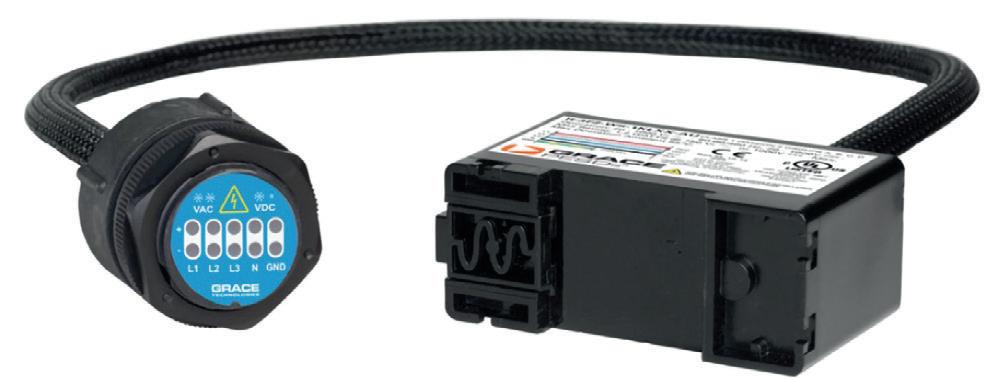
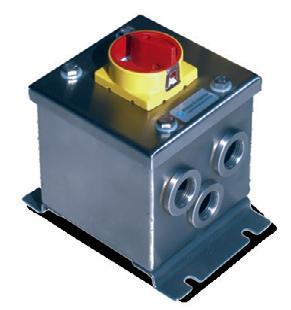
Grace Technologies’ Fiber Optic Live Line Indicator Series is now available in two dedicated models for 4- and 5-wire wye (Y) power systems. Known in the Australian market as live line indicators, these advanced permanent electrical safety devices (PESDs) are designed to align with AS/NZS 3000:2018 standards, addressing the evolving safety and compliance needs of Australian industries.
Each model is engineered for its specific wye configuration, delivering visual voltage presence indication at the enclosure door with zero volts brought to the door — supporting safer mechanical and electrical lockout/tagout procedures. This thru-door indication approach allows workers to confirm voltage status without direct exposure to live energy, reducing arc flash and shock hazards while maintaining compliance with Australian safety regulations.
The devices are certified CAT III 1000 V, CAT IV 600 V, and Class I, Division 2 hazardous location rated, with an operational rating up to 1100 VAC/VDC. They install through a standard 30 mm knockout and are available in two cable lengths (36 ″ and 72″ ) for flexible panel set-ups. They are durable, with fully potted construction and an IP69 rating for demanding environments.
Applications include panel boards, disconnect switches, power distribution panels, motor starters, MCCs/MCC buckets and variable frequency drives (VFDs). The devices are suitable for high-risk environments such as mining, infrastructure, utilities and manufacturing, and for panel builders, OEMs and system integrators seeking safety-first designs without compromising performance.
Designed to reduce incident energy exposure by keeping panel doors closed during voltage verification, the series also improves maintenance efficiency. Additional troubleshooting capabilities include phase loss indication and detection of stuck blades or unexpected current paths to ground.
Grace Technologies www.graceport.com
AI-ENABLED IPCs
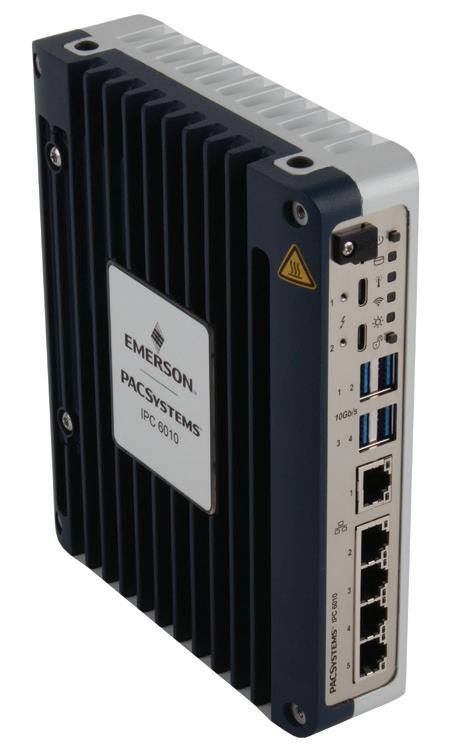
Emerson has released the PACSystems IPC 6010, IPC 7010, and IPC 8010 industrial computing platforms. This updated line features the first CPU in the latest generation of processors designed specifically to support AI-enabled capabilities such as predictive maintenance, process optimisation, quality inspection, decision support and supply chain management.
The IPCs use the latest generation of soldered industrial-rated 13th Generation Intel Core Processors with up to 64 GB soldered ECC memory, for maximum resistance against shock and vibration. Their compact form factor employs fanless cooling for an extended operating temperature range up to 70°C, with thermal monitoring and an optional fan available for high-temperature environments.
With solid-state drive (SSD) storage options ranging up to 4 Tb, multiple gigabit Ethernet interfaces, up to four PCIe slots, and other interfaces, PACSystems IPCs can be tailored to deliver computing required for vision systems, advanced analytics, data processing, historisation/visualisation, and other similarly rigorous functions for process optimisation. Operating system options include Windows IoT Enterprise LTSC 2021, PACEdge, and Linux. Software options include PACEdge, Movicon Connext, and Movicon WebHMI. Alternatively, users can load their own OS or software. Built-in Trusted Platform Module (TPM) crypto-processors and Secure Boot software help with data and operational security.
Emerson www.emerson.com/au/automation
LIQUID COOLING PORTFOLIO FOR DATA CENTRES
The Motivair by Schneider Electric portfolio of liquid cooling solutions is designed to handle the thermal management requirements of next-generation high-performance computing (HPC), AI and accelerated computing workloads.
Available globally, these solutions meet the power and GPUintensive demands of high-density data centres. The complete liquid and air-cooled portfolio comprises both physical data centre infrastructure and software and services. The physical infrastructure includes coolant distribution units (CDUs), rear door heat exchangers (RDHx), liquid-to-air heat dissipation units (HDUs), dynamic cold plates, chillers and more.
Motivair’s CDUs are designed for seamless integration with next-gen processors and accelerators. The CDU family scales from 105 kW to 2.5 MW, is certified for NVIDIA’s latest hardware, and is well-equipped for future increases in rack density. The ChilledDoor Rear Door Heat Exchanger cools rack densities up to 75 kW, and its rack-agnostic design makes it a versatile solution for different HPC environments.
Suitable for AI accelerators, colocation environments, or labs where water is not readily available, the Motivair HDU delivers 100 kW of heat rejection in a footprint just 600 mm wide. It is also capable of creating a water loop with up to 132 kW of cooling capacity — a 1:1 ratio with NVIDIA’s NVL144 computing architecture.
Deploying liquid cooling technology is complex and requires a true end-to-end approach that accounts for technology sourcing and installation, as well as ongoing maintenance. This comprehensive portfolio is designed to address these challenges.
Schneider Electric www.se.com/au
MOTOR CABLE FOR VFD APPLICATIONS
The Treoflex TA6 EMC-UV cable from Treotham is a highperformance motor cable (MMC) designed for variablefrequency drive (VFD) applications. It features a transparent orange, UV-stabilised PVC outer sheath, providing both durability and visual appeal by allowing the braid to remain visible. Internally, the conductors are insulated with crosslinked polyethylene (XLPE), which enhances current-carrying capacity while ensuring low cable capacitance relative to traditional PVC-insulated cables.
Structurally, the cable features a symmetric 3+3PE core arrangement, with conductors spaced at 120° intervals, which promotes balanced voltage distribution across the motor terminals. For improved electromagnetic compatibility (EMC), the TA6 includes a double screening system, combining aluminium foil and a tinned copper braid. It is designed to operate in temperatures ranging from –40 to 90°C and to withstand 0.6/1 kV voltage, having passed rigorous test voltages of up to 2.5 kV.
Available in a wide range of sizes — from 1.5 to 300 mm2 — the cable is adaptable for both fixed and mobile installations in dry or damp industrial environments. Its low capacitance, UV resistance, flexible structure and robust EMC shielding make it a suitable choice for delivering clean, interference-free power to motors driven by inverters.
Treotham Automation Pty Ltd www.treotham.com.au
Flexible cables rise to meet the demands of modern automation
Simon Pullinger, Managing Director, LAPP Australia
In today’s industrial landscape, the demands on electrical and data cabling have changed dramatically. Manufacturing plants, warehouses, and automated facilities rely heavily on equipment that moves, bends, and twists during operation. As automation and robotics become increasingly prevalent, the need for flexible cables capable of withstanding continuous movement has grown significantly.
Flexible cables diff er from standard fi xed installations in their construction and performance characteristics. Unlike traditional wiring, which is primarily designed for static use, fl exible cables are engineered to endure repeated bending, torsion, and mechanical stress over long periods. This makes them essential for a range of applications, from robotic arms and conveyor systems to drag chains and automated guided vehicles.
Applications across industries
Industries such as automotive manufacturing, packaging, food and beverage processing, and energy production rely on flexible cabling to ensure equipment operates safely and effi ciently. In a modern production line, cables are no longer just passive connections; they are critical components that must maintain electrical integrity under constant motion.
For example, a robotic arm in an automotive assembly plant may perform hundreds of movements per minute. The cables supplying power and transmitting signals must endure millions of bending cycles without failure. Similarly, in energy sectors like
wind power, fibre optic cables experience torsion as turbine blades rotate, demanding materials that can tolerate extreme stress and environmental exposure.
The consequence of using inadequate cables is significant. Cable failures can lead to production downtime, costly repairs, and in some cases, safety risks for personnel. Flexible cables are therefore not just a convenience — they are a critical aspect of operational reliability.
Types of motion in cables
The stresses placed on cables in dynamic environments are not all the same. Depending on the application, cables may face different forms of mechanical load:
• Bending: The cable is continuously flexed back and forth, sometimes millions of times, such as in drag chains or conveyor systems.
• Torsion: The cable is twisted lengthways. Pure torsional movements are most common in wind turbines, where cables run from the rotating nacelle down into the tower. More often, however, applications involve both bending and twisting simultaneously.
• Rewinding and unwinding: Common in event technology or live television broadcasting, where cables are repeatedly unrolled from drums, then rolled back up and stored after use.
Understanding these mechanical stresses is essential for selecting the right cable for each task.
Flexible cables are not just a convenience — they are a critical aspect of operational reliability.
Categories of flexible cables
Flexible cables are available in a range of types, each tailored to specific industrial requirements:
• Power and Control Cables: For motors, actuators, and sensors requiring reliable energy and control signal delivery.
• Data Cables: Designed for low-frequency signal and control transmission in industrial environments. Ideal for process control, sensors, and communication between devices.
• Ethernet and Network Cables: High-speed cables for reliable data transmission in industrial Ethernet networks, including flexible and moving applications such as cable chains and robotic systems.
• Fibre Optic Cables: High-performance cables for fast, interference-free communication across long distances, built to withstand bending and torsion in dynamic industrial applications.
What sets robot cables apart
Not all flexible cables are created equal. Special robot cables differ in many ways from other robust cables for moving applications.
The most important difference is that robot cables can withstand both bending and torsion over their entire service life. They are fundamentally designed differently during development compared with a drag chain cable.
Three parameters are especially important when engineering robot cables:
• Stranded conductor class: Robot cables exposed to torsional loads often use “fi ne-stranded” Class 5 strands. Highly fl exible cables used in pure bending applications, such as energy chains, may use Class 6 strands. However, even Class 6 is not always sufficient for the highest demands. Some manufacturers use ultrafine wires — with diameters as small as 0.05 mm — outside the standard to achieve the required flexibility.
• Torsion angle: Expressed in degrees per metre of cable length. A typical value is 360°/m, meaning a cable can be twisted once around its axis per metre without damage. Shielded cables usually tolerate only half this, at around 180°/m.
• Bending radius: Ideally between 4 and 7.5 times the cable’s outer diameter, allowing routing in tight radii and dense hose packages without compromising durability.
By considering these parameters, engineers can ensure that cables perform reliably over years of demanding use.
Engineering for longevity
The design of flexible cables incorporates features that enhance durability and service life. Conductors are stranded or finely braided for greater flexibility, while jacketing materials are chosen for resistance to abrasion, oils, heat, and UV exposure. Many cables are tested to simulate millions of bending and torsion cycles, ensuring they can withstand real-world demands.
In addition, modular design and standardisation are becoming more common, making cable replacement and system upgrades faster and less disruptive. This approach supports uptime and helps extend the service life of industrial equipment.
Sustainability considerations
As in many areas of manufacturing, sustainability is an important factor. Longer-lasting cables reduce the frequency of replacements, thereby decreasing material consumption and waste. Some manufacturers are incorporating recyclable materials and optimising production processes to lower the carbon footprint of their operations.
By combining durability with environmental responsibility, the industry is finding ways to support both operational efficiency and sustainability goals.
Meeting the demands of modern industry
As automation, robotics, and smart manufacturing continue to transform operations, the role of flexible cables is becoming increasingly critical. They are no longer an afterthought but a core component of industrial reliability.
For engineers and facility managers, the key is understanding the specific stresses involved in each application and selecting cables designed to withstand them. When this is done correctly, flexible cables can help minimise downtime, reduce costs, and ensure safe, reliable operation.
In this way, flexible cabling is not just a connector — it is a vital enabler of modern industrial performance.
Designing a robust cable for aquaculture
These days, a large proportion of the world’s seafood comes from aquaculture, which provides an alternative to wild fishing and helps to protect overfished stocks. In aquaculture, fish and other seafood are produced efficiently and with high yields in cages or tanks. As global demand for seafood grows, more and more aquaculture facilities are being built.
To ensure the health of farmed marine animals and their food supply, the various components of an aquaculture system must work together optimally. This is usually achieved using automatic feeders and water mills that constantly transport air into the water so that shrimp, for example, are sufficiently supplied with oxygen. All of this requires a safe and reliable energy supply. This prompted cable and connector company LAPP to develop the new ÖLFLEX AQUA 510 P, a highly robust cable especially designed for aquaculture.
Built for rough handling and multiple climates
The ÖLFLEX AQUA 510 P is particularly suitable for use in harsh weather conditions, such as those found in oceans. The robust, ozone-resistant, halogen-free and plasticiser-free PUR cable has been built to withstand the excretions of marine animals as well as UV radiation, mineral oil-based lubricants, ammonia and other chemical influences. Thanks to its reinforced, cut- and notch-resistant heavy-duty cable design, the product can also withstand rough handling onsite.
A special feature is the smooth, non-porous outer sheath surface, which can reduce algae and mussel infestation and is easy to clean. The cable’s low-capacity core insulation is suitable for long, loss-free transmission paths with fixed installation and occasional movement.
“Up to now, standard rubber cables have mainly been used in the aquaculture sector,” said LAPP Product Manager Frank Hörtnagl. “However, these pipes are usually not particularly durable and can become brittle in salt and, above all, waste water.
“Shell limestone could settle more easily in the pores of the rough outer
sheaths, which meant that mechanical cleaning had to be carried out again and again, which can also have a negative impact on the service life of the pipes. With the ÖLFLEX AQUA 510 P, we have developed a pipe that can easily withstand all these influences.”
As fish and seafood are farmed in all oceans, the line is designed for use in all climate zones (subpolar, temperate, subtropical and tropical) and is standardised for use in fresh water up to 10 m deep and 40°C in temperature. In addition to aeration systems and automatic feeders for aquacultures, other applications include moorings in harbours, fountains, construction sites, event technology and agriculture.
Treotham Automation Pty Ltd www.treotham.com.au
Fish farm in Norway.
The cable is characterised by its extra smooth outer sheath.
NEWPRODUCTS
COMPACT COOLING SYSTEM FOR DATA CENTRES
STULZ’s CyberRack SideCooler is precision-engineered to meet the cooling demands of data centres in space-constrained or remote locations. The closed-loop water-cooled unit suits environments with higher heat loads, where efficient air conditioning is essential for optimal operation and uptime.
Designed for flexibility, the cooling system can be seamlessly integrated between server racks or within a micro data centre, delivering efficient cooling directly at the heat source. Its compact footprint maximises space efficiency, while front and rear service access points simplify maintenance work. Additionally, the use of hot-swappable fans is designed to enable quick, safe replacement without interrupting operations.
Mitigating the need for hot and cold aisle separation, the cooling system operates via a closed-loop server rack. It utilises three horizontal zones to maintain the required airflow and supply air temperature. This helps prevent the formation of hotspots without creating energy-intensive oversupply. By targeting cooling directly in the rack itself, high water temperatures are possible alongside the extended use of free cooling.
To minimise environmental impact, the system uses intelligent control for energy efficiency, and electronically commutated (EC) fan and motor technology with low noise emissions. This complements an advanced control system with optional touchscreen display that enables intuitive operation with a clear menu structure. The system is also equipped with warning and alarm systems, and can be integrated into an existing building management system interface.
STULZ Australia Pty Ltd www.stulz.com.au
PREMIUM SWITCHES AND POWER POINTS
Clipsal by Schneider Electric has introduced a brushed brass finish to its Clipsal Solis series of switches and power points. The new range is intended to combine the old-school appeal of toggle switches and brushed metal with modernist, square edges and thin, flush covers.
Designed to present a luxury spin on everyday switches and power points, the series is now available in four premium offerings: Brushed Brass; Platinum Aluminium; Ebony Aluminium; and White Ceramic. It is fully compatible with the Wiser Smart Home system. Schneider www.clipsal.com
We specialise in Industrial Test & Measurement Sensors/Transducers: Pressure, Temperature, Laser Displacement, Flowmeters, Water Meters, Pneumatic Controls, Joysticks, Rotary Encoders, Accelerometers and LVDTs
Instrumentation: Dataloggers, DAQ Systems and Digital Display Units.
NEWPRODUCTS
SOUND LEVEL ANALYSER
Senseca has announced the release of the XPT800 series of Advanced Frequency Sound Level Analysers featuring IEC 6167:2013 compliance with standard colour 4.3″ touch screen — for intuitive navigation and clear data display.
The XPT800 series is built with robust materials to provide continuation of performance under extreme conditions. The 4 GB internal memory is expandable via USD card or USB stick for optimal data management, and advanced wireless connectivity is provided with Wi-Fi, 4G, LAN, USB-C and RS232/485 interfaces for fast and secure data transfer.
A dynamic range of over 125 dB allows accurate measurements in both quiet and noisy environments, while a long battery life provides over 24 hours of continuous measurement due to intelligent power management.
Automatic event identification capability automatically records noise, making the XPT800 suitable for long-term environmental monitoring, while intelligent recording and triggering provide improved analysis efficiency.
Support for vibration measurement is also supported, and the XPT800 is compatible with triaxial sensors for precise vibration monitoring.
Fujitsu General’s two-model R32 Multi 5 Rooms Systems are a good option for spaces where ducted systems aren’t practical. They connect up to five indoor units to a single compact outdoor unit, supporting both individual comfort and centralised control with space-saving installation benefits. The systems accommodate diverse room sizes and layouts, and are suitable for multi-storey homes, renovations, and dwellings with architectural constraints.
Heating and cooling capacity is provided across 10 and 12.5 kW models, supporting 19 indoor unit models across six types, including wall-mounted, slimline duct, mini duct, bulkhead, ceiling and compact cassette. Homeowners can select the right fit for every room based on size, design and usage, with compact indoor units and side service access on the outdoor unit supporting flexible installation for both new builds and retrofit projects. This diverse indoor line-up allows installers to tailor configurations to maximise comfort, airflow and efficiency across multiple living zones.
A built-in test mode checks wiring and piping connections automatically, helping installers commission systems more efficiently and reducing installation errors to improve onsite set-up. A central evacuation point on the outdoor units further streamlines commissioning, while the optional central controller offers a large backlit display, individual unit management and support for nine languages. The central controller can also activate features such as quiet mode, economy mode and error code monitoring.
The systems are compatible with Fujitsu General’s anywAiR Wi-Fi adaptor II, giving users the ability to monitor and adjust settings remotely via a smartphone or smart speaker. This functionality supports smart energy use and improves convenience for households managing climate control throughout the day.
The units run on R32 refrigerant, which has a 67% lower global warming potential than the commonly used R410A refrigerant. It delivers both sustainability and operational benefits, achieving an energy efficiency ratio (EER) of 4.10 and a coefficient of performance (COP) of 4.86 for the 36-class model. The systems are available through Fujitsu General’s authorised Australian dealer network.
Fujitsu Australia www.fujitsu.com.au
CASE STUDY
Highly precise and safe control of hydrogen testing
As the world increasingly looks to hydrogen as a clean energy solution, the companies developing these technologies face a critical challenge: safely and accurately testing their innovations before they reach the market. Greenlight Innovation, headquartered in Burnaby, British Columbia, says it has emerged as a global leader in meeting this need.
In 1992, Greenlight was founded as a supplier to the fuel cell industry. “Since then, electrolysis has become a major focus,” said Greig Walsh, Chief Commercial Officer at Greenlight. “As the hydrogen industry evolved, we saw increased demand for equipment to test hydrogen production technologies.”
Among Greenlight’s product range are test stations for industrial-scale electrolysers. The company’s largest systems, capable of testing 4 MW electrolyser stacks, represent its most complex engineering challenge.
“The equipment is very complicated and technologically demanding,” said Christian Bosio, Managing Director at Greenlight. “The machine has thousands of components that we're putting together, and it has to work as one. Everything has to be top notch, very high quality, and reliable.”
These test stations must control high-pressure gases up to 50 bar, regulate temperature across multiple zones, and manage potentially explosive hydrogen-oxygen mixtures — all while ensuring continuous operation with minimal operator intervention. Under these conditions, safety presented the most demanding challenges.
“Electrolyser test equipment operates at higher pressures, so the safety requirements are significant,” Bosio said. “As we get into these megawatt-class systems, the safety requirements have been compounded, making safety a critical factor in all of our designs.”
Greenlight’s systems needed to support different safety protocols depending on deployment location while maintaining the same high performance standards as well as meeting customer-specific requirements.
“We were very conscious that this equipment needs sophisticated electronics and control systems, so we wanted to make an educated choice at the beginning,” Walsh explained.
Kriss Koutzarov, Electrical Engineer at Greenlight, highlighted the technical advantages that drove the decision to select Beckhoff.
“The modularity and flexibility were key factors. With Beckhoff, we had different options for I/O module channel density,” he said. “Also, each module
was very compact — they were just half an inch compared to five inches with other solutions. As a result, we managed to save a lot of space in the cabinet.”
To connect the hundreds of sensors, valves and controls needed in its systems, Greenlight uses various EtherCAT I/O terminals throughout its machines. These terminals handle everything from basic valve control to sophisticated analog measurements, with systems often incorporating up to 500 data points.
To address the safety challenges, Greenlight implemented Beckhoff’s TwinSAFE terminals to create comprehensive safety systems. The TwinSAFE architecture integrates digital inputs and digital outputs, providing SIL 3 protection. The system also utilises TwinSAFE SC terminals to monitor analog parameters such as temperature, pressure, and other critical parameters to ensure safe operation under all conditions up to SIL 2 level.
For areas with potential hydrogen exposure, Greenlight uses the Beckhoff ELX terminals with intrinsically safe inputs and outputs. These terminals integrate isolation barriers and remote I/O in a single housing, eliminating the need for external barriers while enabling direct connection to field devices in hazardous environments up to Zone 0/20.
At the heart of Greenlight’s 4 MW electrolyser test station is the CX5130 Embedded PC, which manages the testing process, handling everything from data acquisition to complex control algorithms while offering the connectivity needed to integrate with the company’s I/O network. The ability to perform PLC and measurement tasks simultaneously makes the controller particularly well-suited to Greenlight’s test sequences, where precise timing and coordination are essential.
The impact of Greenlight’s standardised Beckhoff control platform has been significant for both the company and its customers. Greenlight’s test stations now provide comprehensive data collection and analysis capabilities that enable manufacturers to validate and improve their system designs.
“The key to our success has been adaptability, which allows us to meet the changing needs of this growing industry,” Brosio said.
Beckhoff Automation Pty Ltd www.beckhoff.com
Greenlight electrolysis test stations are critical for fuel cell development to validate and ensure safety under various loads.
PAPER-THIN LEDS THAT ARE KINDER TO THE EYE
A new, experimental LED is nearly as thin as paper and emits a warm, sun-like glow.
The design, developed by scientists reporting in ACS Applied Materials & Interfaces, could be used in next-gen phone and computer screens as well as other lighting applications — all while minimising sleep disruption caused by harsh artificial light.
“This work demonstrates the feasibility of ultrathin, large-area quantum dot LEDs that closely match the solar spectrum,” said Xianghua Wang, a corresponding author on the study. “These devices could enable next-generation eye-friendly displays, adaptive indoor lighting, and even wavelength-tunable sources for horticulture or wellbeing applications.”
To achieve indoor lighting that feels natural and soothing, earlier approaches have used flexible LEDs with red and yellow phosphorescent dyes to mimic a candlelike warmth. A newer alternative relies
on quantum dots — tiny semiconductor particles that transform electrical energy into coloured light. Some research teams have already used quantum dots to make white LEDs, but replicating the complete spectrum of sunlight has remained difficult, particularly in the yellow and green regions where sunlight is strongest.
To address this challenge, Lei Chen and colleagues developed quantum dots that could recreate that balanced, sun-like glow in a thin, white quantum dot LED (QLED). Meanwhile, Wang’s group proposed an efficient conductive material design that could operate effectively at relatively low voltages.
The team began by synthesising red, yellow–green and blue quantum dots coated with zinc–sulfur shells. They determined the precise colour ratio needed to match the spectrum of natural sunlight as closely as possible. Next, they assembled the QLED on an indium tin oxide glass substrate, layering conductive polymers, the quantum dot blend, metal oxide particles, and finally a top coating of aluminium or silver. The quantum dot layer measured only a few dozen nanometres in thickness — much thinner than standard colour conversion
layers — resulting in a white QLED with an overall profile comparable to wallpaper.
In initial tests, the slim QLED performed best under a 11.5 V power supply, which enabled it to give off the maximum bright, warm white light. This light had more intensity in red wavelengths and less intensity in blue wavelengths, which is better for sleep and eye health, according to the researchers. Objects illuminated by the QLED also appeared close to their true colours, scoring over 92% on the colour rendering index.
In subsequent experiments, the researchers made 26 white QLED devices, using the same quantum dots but different electrically conductive materials to optimise the operating voltage. These light sources required only 8 V to reach maximum light output, and about 80% exceeded the target brightness for computer monitors.
The researchers received funding from the National Natural Science Foundation of China, the Natural Science Foundation of Anhui Province, and the Major Science and Technology Special Project of Zhongshan City. Their paper can be read at DOI: 10.1021/acsami.5c10632.
Tackling pharma pollution in wastewater
A comprehensive review of scientific literature has identified nanofiltration (NF) membrane technologies as the most effective method for removing pharmaceutical contaminants from water sources, according to researchers from the University of Sharjah.
“The NF membranes show high efficacy in removing a broad spectrum of pharmaceuticals, particularly high-molecular-weight and charged compounds,” the scientists reported in the journal Cleaner Water
FN membranes are pressure-driven filtration systems widely used in removal technologies to extract pollutants like pharmaceuticals from wastewater and water treatment processes. With a pore size of 1–10 nanometres, these membranes allow water and small ions to pass through, effectively blocking various pollutants, including residual and unused pharmaceuticals.
The authors’ research involved a systematic search of peer-reviewed journals, government reports and industry publications. Their target behind the review was to collect as much data as possible to detect the presence of pharmaceuticals in water systems, assess their adverse impact on the environment and human health, and provide a foundation for future risk assessments.
Importantly, the review was not confined to NF membranes. It also evaluated the performance of various membranes in removing pharmaceuticals, including commercial NF membranes, polymeric NF membranes produced through interfacial polymerisation and layer-by-layer (LbL) assembly, ceramic NF membranes, and hybrid NF membranes.
“Data on removal efficiencies, fouling tendencies and operational conditions were extracted from relevant studies to compare the effectiveness of each membrane type,” the researchers explained. They added that the review examined the limitations and challenges associated with each membrane category, including fouling mechanisms, economic feasibility and scalability for large-scale applications.
“The review also incorporated studies on the socio-economic aspects and future projections for nanofiltration membranes, providing a comprehensive understanding of their feasibility and sustainability for pharmaceutical removal,” the scientists noted.
The authors emphasised that, unlike previous reviews in the field, which predominantly focus on adsorption techniques and general membrane technologies for pharmaceutical removal, their study presents an in-depth analysis of the role of FN membranes specifically. The study also highlights a significant surge in relevant publications between 2014 and 2024.
“This emphasis reflects the rapid expansion of NF applications, particularly in the removal of pharmaceuticals,” they said.
The researchers maintained that NF technologies are experiencing exponential growth as part of the global effort to meet demands for sustainable wastewater treatment processes that can sustainably remove pharmaceutical pollutants. They stressed that innovations such as organic solvent nanofiltration (OSN), surface charge tuning, and the integration
of nanomaterials are paving the way for more efficient and adaptable NF systems, providing avenues for the treatment of pharmaceutical-laden wastewater.
Organic solvent nanofiltration (OSN), a pressure-driven membrane technology, uses solvent-resistant nanofiltration. The technology is gaining recognition as it is economically viable and has proven to be more environmentally friendly than traditional separation technologies like distillation. “OSN, in particular, has emerged as a viable method for molecularlevel purification in solvent-rich environments due to its enhanced solvent stability and selectivity,” the authors said.
The scientists highlighted the significance of academic investigation into NF technologies, particularly in the context of removing pharmaceutical contaminants from wastewater. They underscored that more focused research and intensified efforts are needed and that a higher degree of concentration and considerable effort are required on the part of researchers investigating removal technologies that use various types of membranes.
“For commercial NF membranes, there is a pressing need to assess scalability and performance under real wastewater conditions,” the authors said. These conditions often involve “complex mixtures of pharmaceuticals and co-contaminants such as nutrients, organic foulants, heavy metals, PFAS and microplastics, an area that remains insufficiently explored”.
The authors demonstrated that, unlike other pressure-driven filtration systems, NF membranes can be tailored to effectively treat wastewater contaminated with a wide array of pharmaceutical compounds. However, they said, NF membrane performance is closely tied to several variables, including membrane composition, operational parameters and the physicochemical properties of the target pollutants.
Of the advanced NF technologies reviewed, the authors advocated for the use of ceramic NF membranes, citing their exceptional thermal and chemical resistance, which makes them particularly suitable for demanding treatment scenarios. However, their adoption is limited mainly due to the higher costs involved in their production.
The authors recommended the integration of polymeric NF membranes with enhanced fouling resistance to improve performance. In contrast, they strongly discouraged reliance on conventional wastewater treatment methods, such as coagulation, UV disinfection and basic biological degradation due to their consistently limited removal efficiencies (<70%) for recalcitrant pharmaceuticals.
Schematic of an asymmetrical ceramic membrane cross-section.
Managing Aging Water Infrastructure: A Proactive Approach
Keaton Clay, National Account Executive: Oldcastle Infrastructure CivilSense™
Beneath our communities lies a complex network of pipes, pumps, and treatment infrastructure essential for public health, economic stability, and daily life. Much of this critical water infrastructure is aging, deteriorating, and increasingly vulnerable to failure. The consequences of failure are significant, including disruptive service interruptions, catastrophic main breaks and substantial financial losses through non-revenue water (NRW). For municipalities and water managers, shifting from a reactive repair model to a proactive asset management strategy is now a necessity.
The challenge is immense. Many of our nation’s water systems were built decades ago, with some pipes dating back over a century.
The American Society of Civil Engineers (ASCE) consistently gives the nation’s drinking water infrastructure a “C-” grade, pointing to a water main break every two minutes and an estimated loss of six billion gallons of treated water each day. This NRW represents a massive drain on resources. It is water that has been abstracted, treated and pressurized at a significant cost, only to leak back into the ground without ever reaching the customer.
Addressing this issue requires a fundamental change in mindset, moving beyond emergency repairs to embrace a forward-thinking, data-driven approach to infrastructure management.
The High Cost of Reactive Maintenance
Historically, many water utilities have operated on a “run-to-failure” basis. Assets are repaired or replaced only after they break. While this might seem cost-effective in the short term, the long-term consequences are severe and multifaceted.
• Financial Strain: Emergency repairs are significantly more expensive than planned maintenance. They involve overtime labor, expedited material procurement, and often result in more extensive damage to surrounding public and private property like roads and buildings.
• Disruption: Unplanned shutdowns inconvenience residents and can cripple businesses that rely on a consistent water supply, such as restaurants, hospitals, and manufacturing plants, while main breaks directly disrupt and reduce access to businesses, infrastructure, and essential services.
• Public Health Risks: Main breaks can lead to pressure loss in the system, creating a risk of contamination from groundwater infiltration. This can trigger boil-water advisories and pose a serious threat to community health.
• Resource Depletion: Every gallon of water lost through leaks is a waste of the energy, chemicals, and labor used to treat and
distribute it. In an era of increasing water scarcity and focus on sustainability, this level of waste is untenable.
The issue of NRW exacerbates these problems. It silently drains utility budgets, forces rate hikes for paying customers, and places unnecessary strain on water sources. Effectively managing an aging system means getting a handle on NRW.
The Power of Proactive Asset Management
A proactive approach to water infrastructure management focuses on understanding the condition of assets, predicting potential failures, and prioritizing maintenance and replacement activities to maximize system reliability and minimize lifecycle costs. This strategy empowers water managers to make informed decisions that extend the life of existing infrastructure while planning for future needs.
The benefits are clear and compelling:
1. Reduced Operational Costs: By identifying and repairing small leaks before they become major breaks, utilities can save millions in emergency repair costs, reduce water loss, and lower energy consumption for pumping.
2. Enhanced System Reliability: A planned maintenance schedule ensures that the most critical components of the network are in good working order, significantly reducing the frequency and impact of unexpected service interruptions.
3. Improved Capital Planning: With a comprehensive understanding of asset health, utilities can develop accurate, longterm capital improvement plans. This allows for strategic budgeting and prevents the financial shock of a sudden, large-scale failure.
4. Increased Sustainability: Conserving water by minimizing leaks is a powerful act of environmental stewardship. It protects precious water resources, reduces the carbon footprint associated with water treatment and distribution, and builds community resilience. Implementing a proactive strategy is about moving from guesswork to data-driven certainty and requires the right tools and technologies.
Leveraging Technology for Intelligent Water Management
Modern advancements in sensor technology and data analytics have revolutionized how underground infrastructure is monitored and managed. These smart solutions provide the real-time visibility needed to transition from a reactive to a proactive operational model, allowing managers to see what’s happening within their distribution network without expensive and disruptive excavation.
This is where solutions like Oldcastle Infrastructure’s CivilSense™ prove invaluable. This AI-driven technology operates alongside existing systems, using network and sensor data to analyze network performance, identify risks, and optimize asset management. By temporarily deploying sensors that gather data to identify the telltale acoustic signature of an undetected leak, CivilSense transforms passive structures into active data collection points across the water network.
To further empower water managers in making informed investment decisions, Oldcastle Infrastructure offers the CivilSense ROI Calculator. This user-friendly tool enables utilities and municipalities to evaluate the financial impact of adopting proactive solutions, including early leak detection and predictive maintenance. By inputting system-specific variables, decision-makers can quantify potential cost savings, reductions in non-revenue water, and improved operational efficiency. The ROI Calculator provides clear, data-backed guidance, demonstrating how technologies like CivilSense deliver measurable value over time — making it easier to justify investments and prioritize projects.
With access to precise ROI data, water managers can transition confidently from traditional practices to advanced asset management models, ensuring sustainability and long-term savings.
This constant stream of data and actionable insights provides unprecedented system performance visibility. For water managers, this provides the ability to:
• Detect Leaks Early: Subtle changes in flow patterns or water levels detected by sensors can indicate a leak long before it surfaces. This early warning allows crews to perform a targeted, planned repair at a fraction of the cost of an emergency response.
• Monitor System-Wide Health: Aggregating data from multiple points provides a holistic view of the entire distribution network. This helps identify systemic issues and pinpoint areas of high water loss.
• Predict Failures: Advanced analytics can process historical and real-time data to identify trends that signal an impending asset failure. This predictive capability allows utilities to intervene proactively and replace a vulnerable pipe or valve before it leads to a catastrophic event.
By equipping decision-makers with this insight into the health of their water infrastructure systems — and leveraging fi nancial evaluation tools like the CivilSense ROI Calculator — building a smarter, more resilient foundation for our communities can become a reality. It’s an investment in prevention that pays dividends through reliability, cost savings, and sustainability.
Building the Resilient Communities of Tomorrow
The challenge of aging water infrastructure is not going away. As pipes continue to age and climate change places additional stress on water resources, the need for intelligent, proactive management will only intensify. The cost of inaction is far too high to ignore. Municipalities and water managers must take decisive steps to get ahead of the problem. This involves securing funding for infrastructure renewal, adopting comprehensive asset management plans, and embracing innovative technologies that provide critical operational insights.
Oldcastle Infrastructure is committed to engineering solutions that help build stronger, safer, and more sustainable communities. By integrating smart monitoring like CivilSense into the very fabric of our water systems, Oldcastle Infrastructure provides the tools necessary to manage these vital resources effectively. A proactive approach protects our infrastructure, conserves water, and ensures that our communities can continue to thrive for generations to come. The future of water management is not about reacting to the past; it’s about intelligently preparing for the future.
Keaton Clay is a water asset consultant at Oldcastle Infrastructure. He holds certifications from the AWWA in Controlling Non-Revenue Water in Water Utilities and sits on the GAWP Water Loss Committee.
Iron and steel are essential materials used to build almost everything in the world — from skyscrapers and cars to bridges and wind turbines. But did you know that the current methods of iron and steelmaking account for approximately 7–9% of all global carbon dioxide emissions?
That’s why, in the drive to reduce the rise in global average temperatures, finding a cleaner and greener way to make these important products becomes evermore important.
Professor Yansong Shen, who leads the UNSW SCoPE Lab for Green Metals (SCoPE), is spearheading research to develop low-cost and low-emission ironmaking technologies. He said that finding the right solution quickly to the challenge of producing iron and steel in a more sustainable way is vital, given how abundantly such metals are used and because manufacturing plants are likely to last for decades.
In the steel industry, dominantly, iron is first produced by smelting iron ore at very high temperatures in a blast furnace powered by fossil fuels — specifically coke (a form of carbon made from coal). Then, steel is made through a secondary process that takes the molten iron and removes impurities in a basic oxygen furnace or electric arc furnace.
“Steel underpins almost all the structures and machines that we use every day, and demand for these metals is expected to persist well into the future,” said Shen, a Fellow of the Australian Academy of Technological Sciences and Engineering.
“An iron-and-steelmaking plant lasts for decades, so when you build one you are actually locking in the level of greenhouse gas emissions for many years into the future.
“So that is why it is so important to find viable solutions to the problem as fast as we possibly can, to produce greener versions of quality iron and steel that also maintain the levels of supply needed for the global market. That’s the only practical pathway for change.
“These green metals have the same properties as ‘normal’ iron and steel. That is, they are just as strong, just as durable and look the same.
“So car manufacturers, builders and engineers can use these in exactly the same way with no compromise in safety or performance.”
Shen explained the various options to transform the iron and steelmaking industry and what challenges still need to be overcome, in terms of decarbonisation potential and, more importantly, production cost.
THE SIZE OF THE PROBLEM
As mentioned earlier, iron and steel production is responsible for around 7–9% of global CO2 emissions. That’s more than any other industrial sector, including aviation (~2.5%), shipping (~2.3%) and even mining (4–7%).
As populations grow and urbanisation accelerates, the global demand for steel and iron shows no sign of slowing. This makes the need for greener production of these metals so important.
‘Green iron’ and ‘green steel’ are general terms used to describe those that are produced using significantly less fossil fuels — and in some cases, even none at all.
THE PATHWAYS TO GREEN IRON AND STEEL
There are several main pathways being explored and developed for producing green iron and steel, each with its own characteristics, advantages and challenges.
Hydrogen-based direct reduced iron
One promising route for dramatic emissions cuts is hydrogen-based direct reduced iron (H-DRI) paired with an electric arc furnace (EAF).
In this process, the iron ore reacts with green hydrogen to yield pure iron, almost entirely eliminating carbon dioxide emissions. The iron is then converted into steel in an electric arc furnace powered by renewable electricity.
While this approach promises emissions reductions of 80–90%, it currently depends on a steady and affordable supply of all high-grade iron ore, green hydrogen and renewable energy — resources that face significant cost and extreme supply constraints in most regions.
Waste-steel recycling
Another approach is simply to melt and recycle scrap steel in electric arc furnaces. This technique, when powered by green electricity, bypasses the need for iron ore reduction and therefore can reduce emissions to nearly zero. It is also one of the most mature and widely available ‘green steel’ methods today.
However, its scalability is limited by the availability and quality of steel scrap. Fast-growing economies often need more ‘new steel’ than recycled material can provide, especially for major infrastructure projects.
This process can also be done with polymers injected. This aims to transform waste tyres and plastics by leveraging high-temperature reactions in electric arc furnace steelmaking.
However, substantial investment is required in new infrastructure and adaptations to existing steel plants.
Iron ore electrolysis
A frontier technology is the electrolysis of iron ore, in which renewable electricity splits iron ore directly into iron and oxygen, removing the need for carbon-based fuels altogether.
If powered by clean energy sources, this could allow for truly zero-emission ironmaking, although efficiency and commercial-scale feasibility are still in the early-stage experimental phase.
Blast furnaces reinvention by renewable injectant and sustainable burden technologies
Most steelmakers propose upgrading existing blast furnaces with renewable injectant and sustainable burden (RISB) technologies, combined with carbon capture, utilisation and storage.
This process, being developed by Shen, substitutes part of the coal input with renewable feedstocks and also traps some of the resulting carbon dioxide that would still be emitted (but much less), for storage or industrial use.
The RISB technology has proved its effectiveness in industry practice in helping decarbonise existing sites without a full rebuild.
Although some residual emissions will still occur, this process is a viable solution for substantial decarbonisation of existing large-scale plants, with the lowest cost and highest feasibility.
Shen’s team is working with the global leaders across the entire
supply chain, including steelmakers (Baowu, BlueScope), iron ore producers (Rio Tinto) and fuel producers (BHP), as well as many SMEs.
THE BENEFIT TO SOCIETY
Producing iron and steel with vastly lower emissions can obviously make a significant impact in terms of fighting against climate change.
In addition, switching from coal-dominated processes to clean energy slashes industrial pollution. This results in cleaner air and water, reducing rates of respiratory illness and improving community health — particularly for those living near factories and industrial ports.
Economically, the move toward green iron and steel promises to unlock new industry, exports and skills.
Regions rich in renewable energy resources, like outback Australia, can support renewable fuels production and supply chain hubs, generating high-value manufacturing jobs.
Investment in green steel enables these regions to diversify beyond raw mineral exports and capture more value through advanced manufacturing. In doing so, economies grow not just from more jobs, but from building expertise and intellectual property in clean industrial technologies.
OVERCOMING THE CHALLENGES
Despite the promise, several challenges must be overcome for green iron and steel to become the global norm. Many new technologies remain at the pilot or demonstration stage, and scaling up to meet the enormous global appetite for steel presents a huge technical and logistical challenge.
The cost of a reliable supply of green hydrogen and renewable electricity is still higher than conventional energy, making green steel as much as 20–50% more expensive than its traditional counterpart for now.
The supply of scrap metal, a key feedstock for the cleanest and cheapest green steel process, is also limited — especially in fastdeveloping regions.
“We know that steelmaking is the world’s biggest industrial CO2 polluter. Producing just this one metal alone causes up to 9% of global emissions,” Shen said.
“Most of the pollution from making steel comes just from ironmaking — the step of turning iron ore into iron — mostly in blast furnaces that burn coal.
“If we want truly green metals, fixing this ironmaking step, which is coal-based, is the main challenge, rather than mining and mineral processing, which are largely electricity-based.
“The best way to develop new technologies for heavy industries is to use a step-by-step R&D method that starts with safe and lowcost computer simulations to test and refine ideas, followed by lab experiments to confirm the results, and finally large-scale plant tests to show the technology works in practice.
“We call this approach NLP, meaning we do numerical experiments, lab experiments, and then plant tests. This is much more efficient than the old trial-and-error method, which is expensive and often misses the best designs.
“To make it work, accurate and fast computer models are needed to simulate how materials and reactions behave in the first stage and throughout the process.
“All of this is why researchers and industry are trying to find new, feasible and cleaner ways for ironmaking — to cut out coal, which is the key to a net zero future of green steel.”
Microbes turn food waste into energy
When 115,000 tonnes of food waste hit Surrey’s processing facility in British Columbia each year, billions of microbes convert everything from banana peels to leftover pizza into renewable natural gas (RNG). Now, researchers at The University of British Columbia (UBC) have identified a previously unknown bacterium in the Natronincolaceae family that plays a crucial role in this process.
The discovery, published in Nature Microbiology, was led by Dr Ryan Ziels, an associate professor in UBC’s Department of Civil Engineering, who studies how to turn waste into useful resources using biological treatments.
“We were studying microbial energy production in the Surrey Biofuel Facility when we noticed something odd: the microbes that usually consume acetic acid had vanished, yet the methane kept flowing,” Ziels said. “Traditional methods couldn’t identify the organisms doing the heavy lifting.”
To solve the mystery, the team fed microbes nutrients containing a heavier form of carbon. Microbes use carbon to build new proteins — so by tracing the carbon in proteins, the researchers could tell who was doing the work.
“Converting waste to methane is a cooperative process involving multiple interacting microbes,” explained Dr Steven Hallam, a professor in UBC’s Department of Microbiology and Immunology and a co-author on the paper. “This newly identified bacterium is one of the key players making it happen.”
Protein-rich food waste naturally produces ammonia as it breaks down, but too much ammonia can halt methane production and cause acetic acid to build up, turning waste tanks acidic and unproductive. The newly discovered microbes, however, tolerate high ammonia levels that would shut down other methane producers, keeping the system running when it would normally fail.
“Municipal facilities owe a lot to these organisms,” Ziels said. “If acetic acid builds up, tanks have to be dumped and restarted — an expensive, messy process.”
The findings help explain why some digesters sputter while others, like Surrey’s, continue producing energy under challenging conditions. The discovery also suggests that high-ammonia environments may actually benefit these key microbes, offering insights for more efficient designs.
The molecular tagging approach could also detect other elusive microbes. Ziels and his colleagues are now using the same technique to study microbial communities breaking down microplastics in the ocean.
As cities worldwide wrestle with waste management and low-carbon energy transitions, the team believes some of nature’s smallest organisms may hold the keys to our biggest environmental challenges.
“Next time you toss your scraps in the compost bin, remember: you’re not just composting. You’re feeding microscopic powerhouses that help produce cleaner energy,” Ziels said.
The research was conducted in collaboration with FortisBC and Convertus. Researchers at the US Department of Energy’s Joint Genome Institute and Environmental Molecular Sciences Laboratory also contributed to the study.
“We’re delighted to help support British Columbia’s research ecosystem that has the potential for real-world impact. Advancements like this — that deepen our understanding of anaerobic digestion — may have the potential to enable facilities like Surrey Biofuels to produce more renewable natural gas from the same amount of organic waste,” said Jamie King, Director, Innovation and Measurement at FortisBC. “Collaborations between UBC, FortisBC and the Surrey Biofuel Facility continue to strengthen our ability to support lower carbon energy solutions.”
Felizia Crozier, Process Support Engineer at Convertus Group, said, “At our Surrey facility, we strive to maintain a stable microbial community in order to achieve the benefits of RNG as a clean biofuel. If stability is compromised, this has significant financial implications as production schedules must be adjusted and we would have to restart from scratch.”
SOLAR CELL BREAKTHROUGH COULD LEAD TO BATTERYFREE DEVICES
An international team, led by researchers at University College London (UCL), has developed a solar cell that is capable of harvesting energy from indoor light — meaning devices such as keyboards, remote controls, alarms and sensors could soon be battery-free.
To make the cell, the researchers used perovskite: a material that is being increasingly used in outdoor solar panels. However, unlike traditional silicon-based solar panels, perovskite has the potential to be used indoors as well, as its composition can be adjusted to better absorb the specific wavelengths of indoor light.
There’s a catch, though, as perovskite contains tiny defects in its crystal structure — known as ‘traps’ — which can cause electrons to get stuck before their energy can be harnessed. These defects not only interrupt the flow of electricity but also contribute to the material’s degradation over time.
In a study published in the journal Advanced Functional Materials, the team describes how they used a combination of chemicals to reduce these defects, potentially making perovskite indoor solar panels viable.
The team said that the perovskite photovoltaics they engineered are about six times more efficient than the best commercially available indoor solar cells. They are also more durable than other perovskite devices and could be used for an estimated five years or more, rather than just a few weeks or months.
“Billions of devices that require small amounts of energy rely on battery replacements — an unsustainable practice. This number will grow as the Internet of Things expands,” said senior author Dr Mojtaba Abdi-Jalebi, who is an Associate Professor at the UCL Institute for Materials Discovery.
“Currently, solar cells capturing energy from indoor light are expensive and inefficient. Our specially engineered perovskite indoor solar cell can harvest much more energy than commercial cells and is more durable than other prototypes. It paves the way for electronics powered by the ambient light already present in our lives,” he said.
Abdi-Jalebi said the team was currently in discussions with industry partners to explore scale-up strategies and commercial deployment.
“The advantage of perovskite solar cells in particular is that they are low-cost — they use materials that are abundant on Earth and require only simple processing. They can be printed in the same way as a newspaper.”
A major problem with earlier perovskite solar cells was a high density of traps in the material and its interfaces with charge-collecting layers, which disrupted the flow of charge and caused energy to be lost as heat.
To combat this challenge, the research team introduced a chemical, rubidium chloride, that encouraged a more homogeneous growth of perovskite crystals with minimal strains, reducing the density of traps.
Two other chemicals1 were added to stabilise two types of ions (iodide and bromide ions), preventing them from migrating apart and bunching into different phases, which degrades the performance of the solar cell over time, again by disrupting the flow of charge through the material.
“The solar cell with these tiny defects is like a cake cut into pieces,” said lead author Siming Huang, a PhD student at UCL’s Institute for Materials Discovery. “Through a combination of strategies, we have put this cake back together again, allowing the charge to pass through it more easily. The three ingredients we added had a synergistic effect, producing a combined effect greater than the sum of the parts.”
RESULTS
When put to the test, the team’s solar cells were found to convert 37.6% of indoor light (at 1000 lux — equivalent to a well-lit office) into electricity, which they said was a world record for solar cells that have been optimised for indoor light.2
The researchers also tested the solar cells to see how well they resisted degradation over time.
After more than 100 days, the newly engineered cells retained 92% of their performance, compared to a control device (perovskite whose flaws had not been reduced) that retained only 76% of its initial performance.
In a harsh test of 300 hours of continuous intense light at 55°C, the new solar cells retained 76% of their performance, while the control device dropped to 47%.
The team’s study can be read at DOI: 10.1002/adfm.202502152.
2. This sort of solar cell has a bandgap of 75 eV, which is tuned to absorb the higher-energy, mostly visible wavelengths of light emitted from indoor sources. The bandgap represents the minimum energy required to excite an electron so that it joins the electrical charge through the solar cell.
iStock.com/photoman
THE LAST WORD
EVERY TIME YOU UPDATE AN OT NETWORK YOUR CYBER RISK INCREASES
Modern OT networks aren’t built and left static. Periodic updates are being constantly applied to them — and with any update comes additional cyber risk. For example, the update itself could contain a malicious payload, or malware may be delivered via an infected portable data source like a USB stick.
Unfortunately, OT network owners often don’t have the required visibility on these updates to be able to manage them effectively and restrict the way network changes can be applied. As a result, insecure file-sharing practices become commonplace in organisations, which causes a range of cybersecurity risks to emerge.
Consider the common scenario where an OT environment consists of terminals without any direct internet connection. Operators are required to transfer files including updates, projects and software from a remote source, such as a shared server or by copying and pasting from another device. With no direct connection to IT available, operators often resort to insecure removable media to transfer data, such as USB flash drives which are proven to be risky as they frequently carry malware.
This issue is driving the need for more secure file transfers into OT networks, coupled with stricter organisational governance policies that dictate who can deploy these updates, and ensure that any updates are scanned for potential malware before they make their way into OT networks.
To date, many organisations have also relied on solutions like VPNs, which pose considerable cybersecurity risks as they provide direct access to the entire OT network. This is precisely the opposite effect of what organisations should be trying to achieve.
Best-practice cybersecurity policies are specifically designed to prevent direct communication between certain levels in the network, ensuring a layered defence. However, VPNs bypass these layers, breaking the segmentation, exposing crucial control systems, and creating potential pathways for cyber attacks. This direct, unsegmented connectivity extends the organisation’s attack surface, allowing potentially less secure or
compromised devices to connect to sensitive OT systems. If an attacker were to gain access through a VPN, this could give them free rein to move laterally within the OT network and disrupt critical processes such as energy supply, water treatment and more.
On the other hand, alternative solutions like jump servers are extremely inefficient, costly to manage and time-consuming, further amplifying the challenges of secure remote access.
The best practice when deploying OT network updates is to utilise a secure access mechanism with no direct connectivity into OT network devices — whether they are pure OT devices like PLCs, or IT devices running inside OT networks, like engineering workstations.
Having a corporate-sanctioned mechanism for these file transfers allows all other less secure methods to be eliminated. Furthermore, it allows organisations to monitor who is accessing OT systems and making updates, what exactly is being uploaded into OT networks, and to scan every file uploaded to ensure it does not contain malicious code.
By deploying an OT-specific tool to upload files, OT network operators can have greater control over every file entering their network and ensure they are uploaded without any malicious code. Furthermore, operators can accurately log and monitor every connection, allowing their networks to remain up to date, with minimal complexity and great cyber safety.
Leon Poggioli is Regional Vice President ANZ at Claroty, a technology company focused on cybersecurity for industrial and healthcare environments. In his role, Leon is committed to protecting Australian organisations against cyber attacks, particularly the critical infrastructure that keeps our nation running.