Drones with defibrillators could respond to cardiac arrests
European Space Agency launches deep space antenna in WA
Critical security flaws uncovered in global mobile networks
Wi-Fi routers turned into surveillance devices
INSIGHT LEADERS
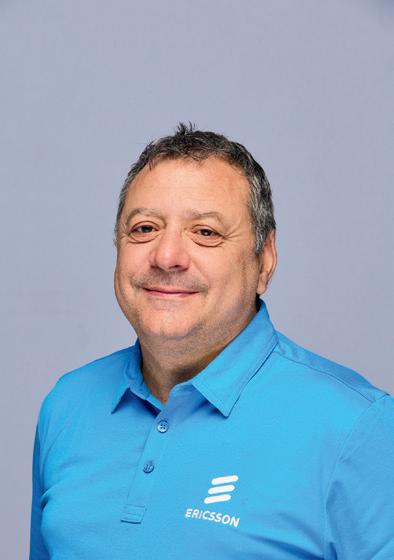
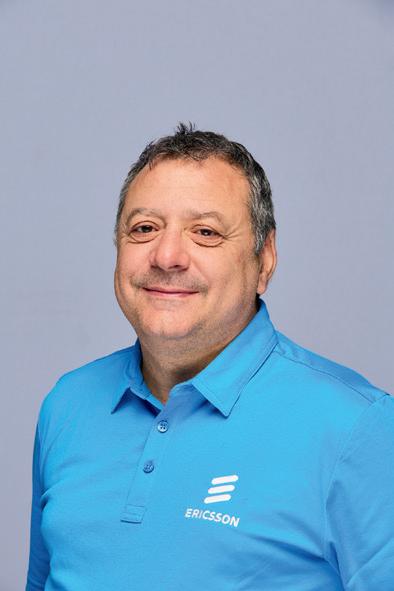
13 Tim Karamitos, Major Account Manager ANZ Emergency Services, Enterprise Wireless Solutions, Ericsson
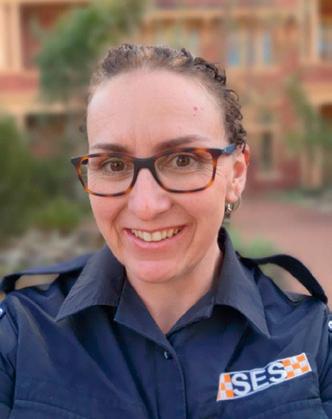
20 Ruth Tovo, ICT Infrastructure Coordinator, South Australian State Emergency Service
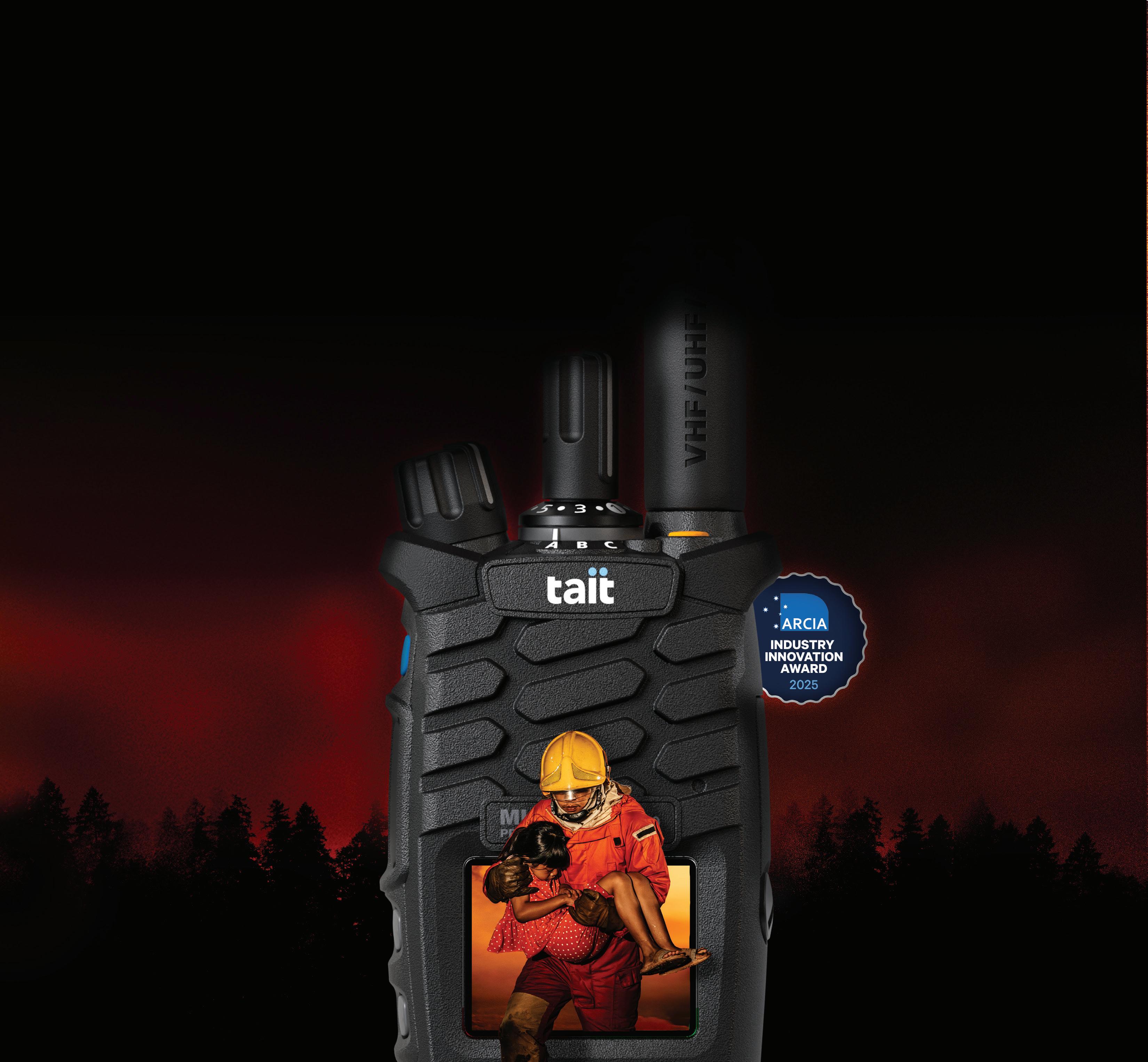
Every day, people in critical roles rely on their radios to do something extraordinary — to keep others safe, to stay connected, and to make fast, confident decisions when it matters most. That’s why communication tools need to be more than reliable: they need to be intuitive, flexible and built to perform in every moment that counts.
The Tait range of communication solutions is created with that mission in mind — delivering seamless interoperability, durability and flexibility across P25, DMR and analog networks. Whether on the frontline or managing operations, users can depend on clear, secure voice and data connections that work anywhere, anytime.
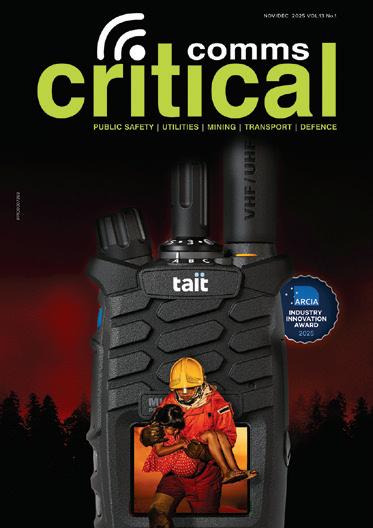
We’re proud to be recognised with the Industry Innovation Award at the 2025 ARCIA Excellence Awards for our TP9900 Multiband, Multiprotocol Portable Radio — a world-class innovation improving interoperability, safety and efficiency in the mission-critical communications market. This achievement reflects the dedication and ingenuity of the team behind the innovation, whose work continues to push the boundaries of what’s possible in critical communications.
From portables to infrastructure, every Tait solution is built to keep teams talking, informed and in control. Because in critical communications, it’s not just about technology — it’s about the people who depend on it to make every mission possible.
Tait Communications www.taitcommunications.com
Do you read me?
It’s fair to say that the last couple of months have not been great for Optus, with the telco’s 13-hour Triple Zero outage — ostensibly caused by human error during a routine firewall upgrade back in September — being just the start of its problems. As if over 600 failed Triple Zero calls and three deaths wasn’t enough, Optus has also experienced at least two, smaller outages in the time since the incident: one affecting a mobile phone tower site in the Dapto area of the NSW South Coast on 28 September, and another linked to the vandalism of a tower in the Hunter region on 5 November.
But it’s the first of these outages that caused the most controversy — not only as a result of its extent, but also due to the terrible irony of a telecommunications company failing to adequately communicate the severity of the outage to the government, the ACMA and the public in a timely manner. The incident has since sparked an investigation by the ACMA, a Senate inquiry, the introduction of new powers for the Triple Zero Custodian, new rules to strengthen the Triple Zero ecosystem (including the creation of a real-time public outage register), and more; and while nothing will be able to bring back those who lost their lives, we can but hope that nothing like this — or, indeed, like Optus’s nationwide outage of November 2023 — ever happens in Australia again.
You can read more about the passage of the Triple Zero Custodian Bill on page 14 of this issue, but there’s also plenty more content to keep you engaged. Turn to page 27 to learn about Western Australia’s hosting of a new deep space antenna for the European Space Agency, or to page 34 for the latest updates on New Zealand’s Public Safety Network. Our lead story, on page 6, meanwhile provides a few choice highlights from October’s Comms Connect Melbourne event, which was by all accounts a great success once again.
We are also excited to showcase an interview with Comms Connect panellist Ruth Tovo on page 20, where Ruth discusses the technical and logistical challenges of coordinating hundreds of SES volunteers across South Australia; meanwhile, on page 13, Ericsson’s Tim Karamitos provides his predictions for the year to come. Till next time!
Lauren Davis, Editor cc@wfmedia.com.au
Westwick-Farrow Media
A.B.N. 22 152 305 336 www.wfmedia.com.au
Editor: Lauren Davis cc@wfmedia.com.au
Publishing Director/MD: Janice Williams
Art Director/Production Manager: Linda Klobusiak
Art/Production: Marija Tutkovska
Circulation: Alex Dalland circulation@wfmedia.com.au
Copy Control: Ashna Mehta copy@wfmedia.com.au
Advertising Sales
Tim Thompson Ph 0421 623 958 tthompson@wfmedia.com.au
Liz Wilson Ph 0403 528 558 lwilson@wfmedia.com.au
Head Office
Unit 5, 6-8 Byfield Street, North Ryde Locked Bag 2226, North Ryde BC NSW 1670 Ph: +61 2 9168 2500
Westwick-Farrow Media is committed to using environmentally responsible print services to produce our publications. This edition is made with a mixture of materials from FSC-certified forests, recycled materials, and/ or FSC-controlled wood. While controlled wood doesn't come from FSC-certified forests, it mitigates the risk of the material originating from unacceptable sources. It is delivered in a totally degradable plastic wrapper.
Calendar
December
2025 IEEE Global Communications Conference
8–12 December 2025
Taipei International Convention Center, Taiwan globecom2025.ieee-globecom.org
Critical Control Rooms World Congress 2025
9–11 December 2025
Madrid Marriott Hotel Princesa Plaza, Spain congress.criticalcontrol.org
4th International Conference on 6G
Networking (6GNet 2025) 17–19 December 2025
Paris, France
6g-conference.dnac.org/2025
January
6th IEEE International Symposium on Joint Communications & Sensing 13–15 January 2026
Hotel Mirella, Italy, and online jcns-symposium.org
March
WONS 2026
2–4 March 2026
Les Roches Crans Montana, Switzerland 2026.wons-conference.org
MWC Barcelona 2026
2–5 March 2026
Fira Gran Via, Spain mwcbarcelona.com
SATShow Week 2026
23–26 March 2026
Walter E. Washington Convention Center, USA satshow.com
The BAPCO Annual Event 25–26 March 2026
Coventry Building Society Arena, UK bapco-show.co.uk
IWCE 2026
16–19 March 2026
Las Vegas Convention Center, USA iwceexpo.com
April
EENA Conference & Exhibition 2026 15–17 April 2026
Radisson Blu Latvija Conference & Spa Hotel, Latvia eenaconference.org
Critical Communications Asia 22–23 April 2026
Kowloon Shangri-La, Hong Kong critical-communications-asia.com
Further event information can be found at criticalcomms.com.au/events
AT COMMS CONNECT MELBOURNE 2025
Ashna Mehta
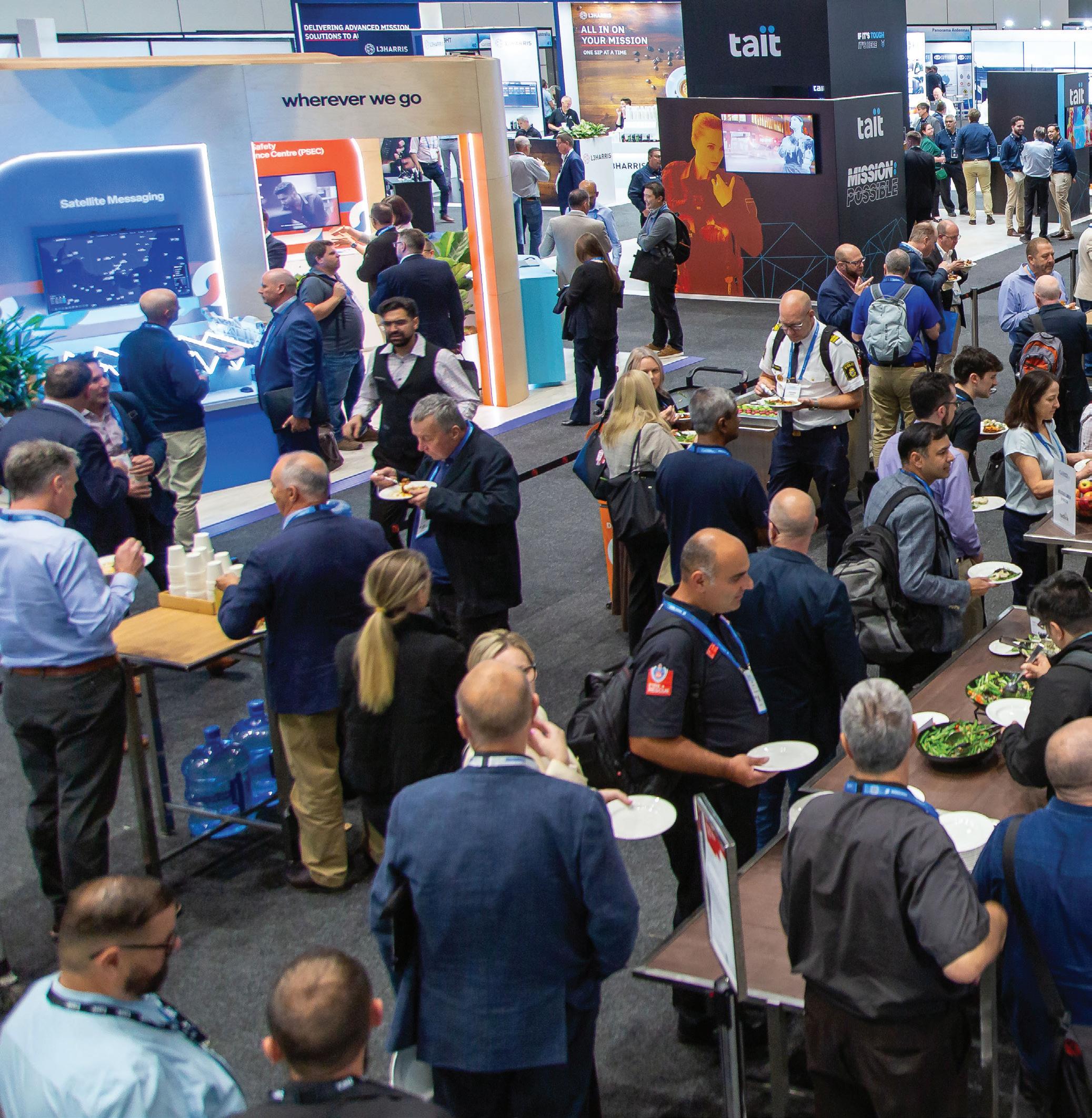
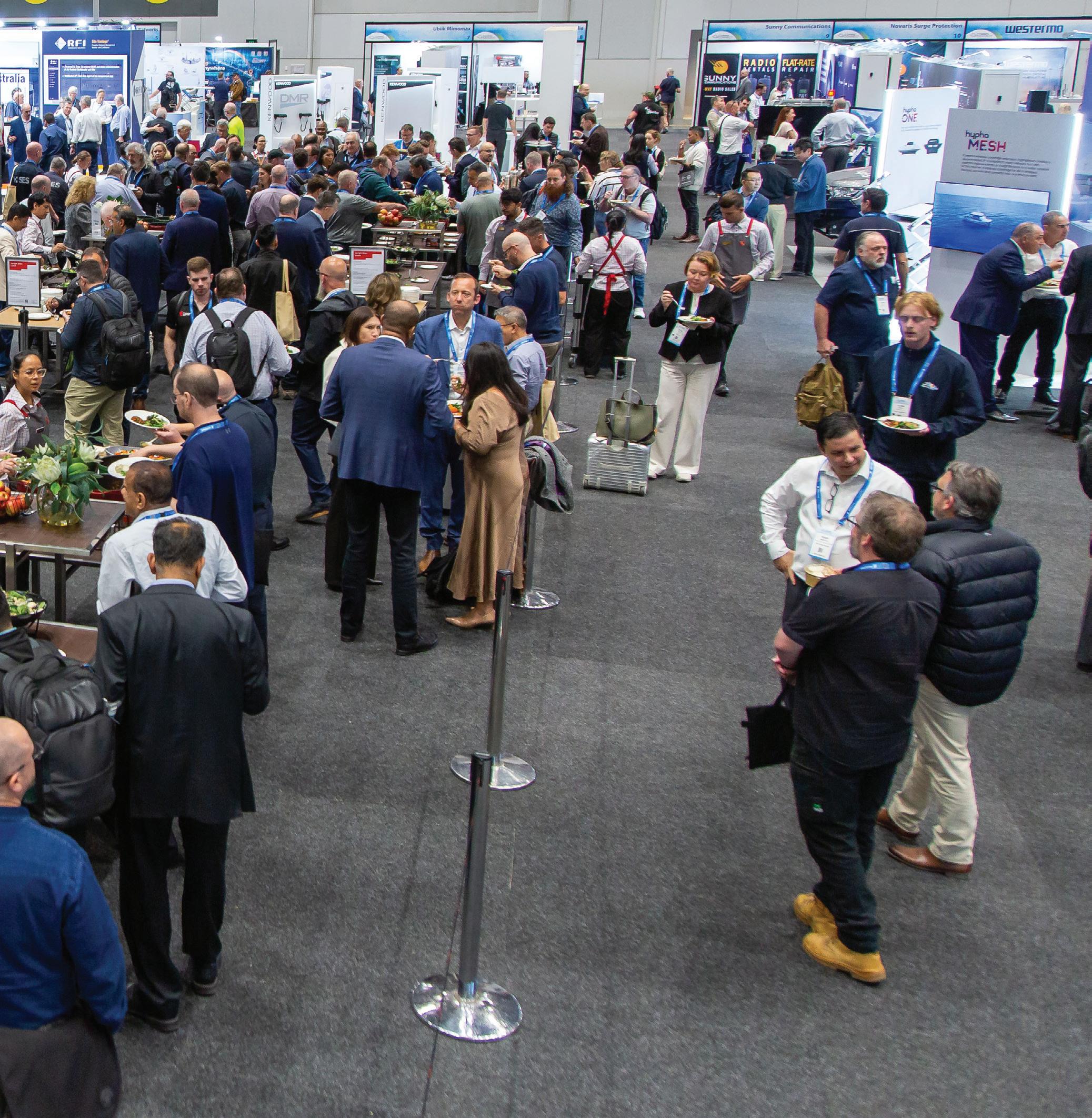
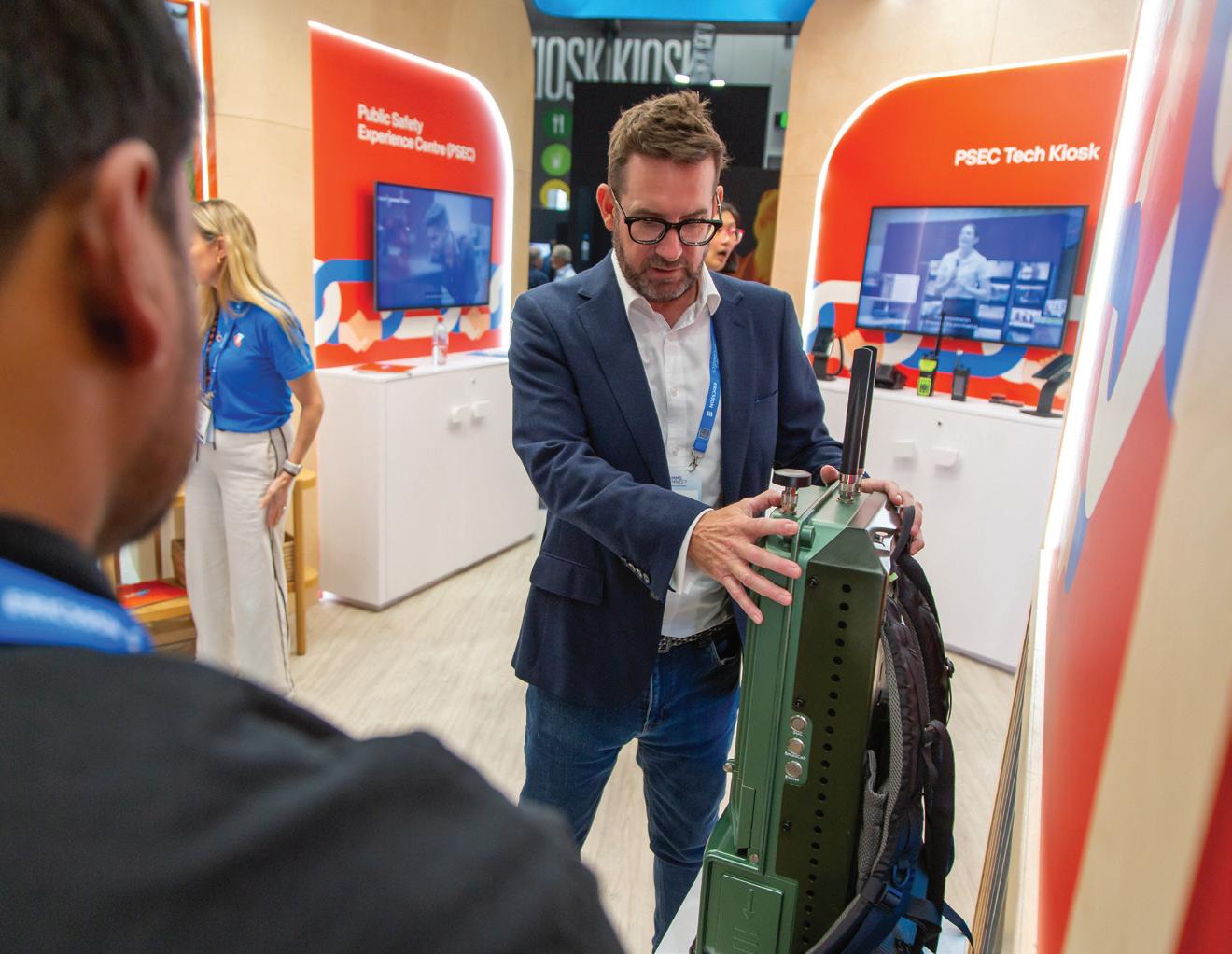
Comms Connect has returned to the Melbourne Convention and Exhibition Centre with renewed energy and an unmistakable sense of momentum, reaffirming its position as the region’s leading event for critical communications professionals.
Over two packed days from 15–16 October, the event brought together a diverse and influential mix of industry leaders, technology providers, frontline responders, policymakers and innovators from across Australia, New Zealand, Singapore, France, the US and the UK. This international representation set the stage for a powerful exchange of ideas and solutions, reflecting the truly global nature of the challenges and opportunities facing the sector.
MELBOURNE CONVENTION & EXHIBITION CENTRE
“This year’s conference program is packed with more international speakers than we’ve ever had before and includes a series of genuine end user case studies, the first ever Women in Critical Communications panel session and an international public safety fireside chat session, along with a lot of great content from global and regional experts in critical communications and public safety,” said Events Director Geoff Hird in the leadup to the show.
From live technology demonstrations and expert panel sessions to a bustling exhibition floor, Comms Connect Melbourne served as both a showcase and a sounding board for the next wave of secure, resilient and interoperable communications technologies. With critical infrastructure, emergency response, utilities, transportation and public safety all under the spotlight, the event made clear that collaboration, innovation and readiness remain at the heart of the industry’s evolution. Whether exploring advancements in land mo-
bile radio (LMR), mission-critical broadband, satellite integration or AI-enhanced network management, attendees left with a clearer view of what’s next and what’s needed to keep critical communications connected in an increasingly complex world.
The conference offered an extensive and dynamic agenda, showcasing the breadth of innovation and collaboration shaping the critical communications sector. Delegates explored a range of topics — from the evolution of LMR in Australia and the US, to emerging strategies in public safety, resilience and emergency response. One of the standout sessions, ‘Energy Company Responding to a Cyclone’, saw James Lowe from Ergon Energy detail the network recovery efforts before, during and after Ex-Tropical Cyclone Alfred in Queensland, providing valuable insights into disaster preparedness and field response. Equally compelling was the presentation ‘Keeping Communities Connected with Rapidly Deployable Connectivity When
it Matters Most’, which examined the role of cells on wheels (COWs) in maintaining vital communication links when traditional infrastructure fails in disaster-affected areas of NSW. Together, these sessions reflected the conference’s commitment to connectivity when it counts most.
Another highlight of Comms Connect Melbourne 2025 was the inaugural ‘Women in Critical Communications — Progress with Purpose’ panel, which brought together five influential leaders shaping the direction of public safety and critical communications. Moderated by Telstra’s Natalie Kolodziej, the discussion featured Rania Wannous (NSW Telco Authority), Ruth Tovo (South Australia State Emergency Service), Cheryl Giggetts (P25 Technology Interest Group), Bidar Homsey (Australian Critical Communications Forum) and Genie Tan (Connectivity Innovation Network). The panel explored how diversity, collaboration and purpose-driven leadership are redefining success across the sector.
THE CONFERENCE HIGHLIGHTED THE SECTOR’S COMMITMENT TO STRENGTHENING COMMUNICATION NETWORKS WHEN IT MATTERS MOST.
Together, the speakers reflected on the industry’s evolution from highly technical, male-dominated environments to a more balanced and inclusive ecosystem where innovation and inclusion go hand in hand. Their insights reinforced a clear message: advancing gender diversity and fostering inclusive leadership are not only essential to equity, but fundamental to building a stronger, more innovative communications future.
Reflecting on the industry’s evolution since the 1990s, Giggetts noted the progress that greater diversity has brought to the sector. “It’s wonderful to come to conferences like this and see all of the diversity; not just male and female, but different ethnicities too,” she said. “I think this helps us all learn more and we develop better technologies when we listen to each other. Having other women in your corner and being your support system, and having a mentorship program, is something that I feel passionately about. Every organisation I join, I move them in that direction so that we can start to lift other women up — and young people too.”
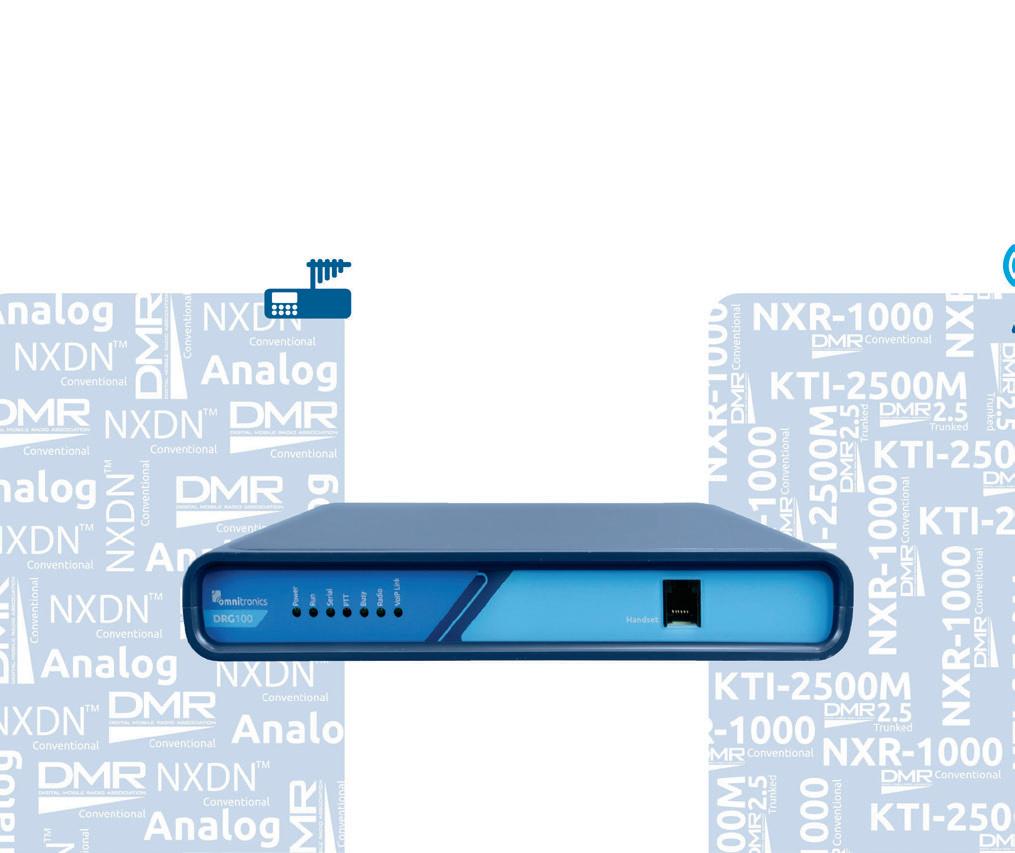
That focus on collaboration and shared responsibility carried through to other sessions across the conference, including ‘Cybersecurity & Digital Radio — Protecting Mission-Critical Comms’ led by Paul Whitfield, Research & Development Manager at Omnitronics. Whitfield reminded attendees that cybersecurity threats are real and growing, and that LMR and mission-critical systems are not exempt. While the industry’s specialised nature offers some protection, its role in controlling essential services makes it a double-edged sword. His message was clear: security must be a shared priority
across the ecosystem, from vendors and consultants to end users, to ensure robust, secure deployments that protect vital communication networks.
As Comms Connect Melbourne 2025 drew to a close, one message resonated across every session: the critical communications community continues to evolve through collaboration, innovation and shared purpose. From exploring the future of LMR and emergency connectivity to advancing diversity and cybersecurity, the conference highlighted the
sector’s commitment to strengthening communication networks when it matters most.
The conversations and connections formed in Melbourne will continue into 2026, with the next Comms Connect conference set to take place in Wellington, New Zealand, before returning to Melbourne. Both events promise to build on this year’s momentum, bringing together leaders and innovators to further shape the future of mission-critical communications across the region. For updates, keep an eye on www.comms-connect.com.au.
WA GOVT FUNDS UNDERSEA MESH SYSTEM TO BOOST DEFENCE COMMS
Wi-Fi, allowing devices deep in the ocean to connect in real time.
As explained by ECU Associate Professor Iftekhar Ahmad, the system enables real-time connections between devices deep in the ocean.
Edith Cowan University (ECU) and Proteus Maritime have been awarded a $200,000 grant from the Western Australian Government to develop an undersea mesh system to transform defence communication. The two partners worked on the idea of undersea mesh communications last year within the Exercise Western Dawn innovation program, where it was named the overall winner.
Currently, standard radio-frequency communications have limitations underwater, because radio waves don’t travel through water. An undersea mesh communication system is like underwater
Rather than relying on a single hub, which could fail, each device links with others nearby, forming a resilient web of communication that keeps information flowing even in the depths.
“The underwater communication research team at ECU is developing advanced technologies to enhance the reliability and robustness of underwater communication across Australia’s diverse undersea environments,” Ahmad said. “This grant will enable the ECU team to collaborate with its industry partner in addressing critical challenges in underwater surveillance applications.”
WA Industries Minister Paul Papalia said the innovation will not only bolster communication between submarines, subsea drones and sensors, but also potentially
UWA COMPLETES TERANET OPTICAL GROUND STATION NETWORK
The University of Western Australia (UWA) has announced the successful completion of TeraNet, understood to be the first operational optical ground station network in the Southern Hemisphere. This achievement places Australia at the cutting edge of global space communications and national security capability, and occurred when the TN-2 ground station achieved first light in September 2025 at the Yarragadee Geodetic Observatory.
Comprising three interconnected ground stations located across Western Australia, TeraNet combines advanced optical communications and precision timing technologies into one coordinated system:
• TN-1 (UWA Perth Campus) — supporting investigations into laser communications with spacecraft in deep space, including upcoming commercial missions to the Moon.
• TN-2 (Yarragadee Geodetic Observatory) — a state-of-the-art station incorporating UWA’s coherent optical technology and adaptive optics system, enabling efficient single-mode fibre coupling.
• TN-3 (Mobile Jeep Gladiator Platform) — understood to be the world’s first fully mobile optical ground station, designed for rapid deployment in disaster-affected regions and delivering quantumassured timing to strengthen national security.
Together, these three nodes create a network capable of enabling communication at data rates thousands of times faster than typical space systems and satellite positioning thousands of times more precise than what is achievable today.
TeraNet is helmed by UWA, with project partners Thales Australia, Thales Alenia Space and Geoscience Australia. The project is led by
support scientific research as well as search and rescue operations.
“This technology will potentially give our submarines and sea drones the upper hand with a clear line of communication even in hostile waters,” he said.
The highly competitive Defence and Research Teaming grant was administered through Defence West’s Defence Science Centre, which seeks to foster engagement between industry and academia to address real-world problems in the defence sector. Submissions were assessed by an independent panel against the criteria of novelty, feasibility, value for money, effect and collaboration.
“This work by Proteus Maritime and ECU could prove to be a game changer for creating reliable pathways in undersea communications for submarines, subsea drones and sensors,” said WA Science and Innovation Minister Stephen Dawson.
“This funding is an example of how the Cook government is working to ensure WA is at the forefront for new innovative technologies.”
Professor Sascha Schediwy at UWA’s node of the International Centre for Radio Astronomy Research (ICRAR).
“The completion of TeraNet is a transformational milestone,” Schediwy said. “It is the first time the Southern Hemisphere has an operational optical ground station network. By combining permanent facilities with a fully mobile node, we have created a globally unique platform that strengthens international space communications and enhances Australia’s sovereign capability in geodesy, satellite positioning and national security.”
The timing capabilities at the core of TeraNet were directly enabled by technologies developed for the Square Kilometre Array (SKA) radio telescope project, which required precise synchronisation of hundreds of antennas across vast distances. By translating this expertise into free-space optical communication, it is believed that UWA and its partners have created new pathways for ultrahigh-speed data transfer, resilient connectivity during natural disasters, and secure timing critical for defence and navigation.
131 PROJECTS COMPLETED UNDER BROADCASTING RESILIENCE PROGRAM
The Australian Government has announced the delivery and completion of 131 projects through its $20 million Broadcasting Resilience Program (BRP), designed to strengthen local radio broadcast services in order to keep communities connected during emergencies. Delivered by BAI Communications, the program followed the release of the 2020 Royal Commission on National Natural Disaster Arrangements Report, which highlighted how important broadcast media was during disasters and identified how power outages could affect this service.
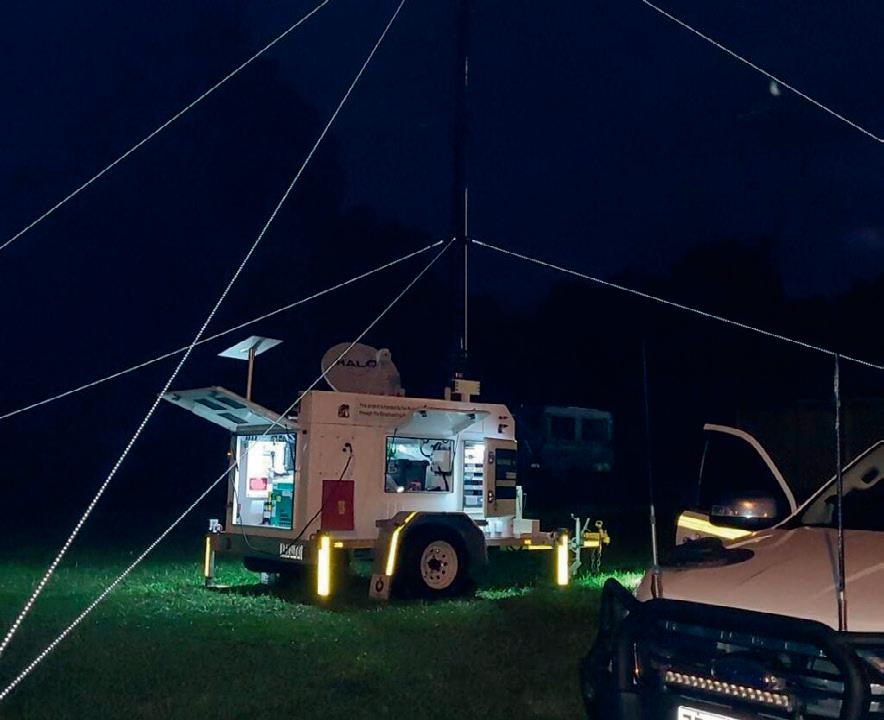
The BRP has resulted in the upgrade of 98 ABC AM and FM broadcast sites to help keep communities connected, safe and informed during times of emergency. Five mobile broadcasting assets have also been rolled out, which can be rapidly deployed during emergencies to communities if ABC local radio transmission fails — including during power outages caused by severe weather.
The effectiveness of these critical emergency response units was demonstrated in June on Queensland’s Dunk Island, following a mains power cable cut that caused widespread outages across the community. The mobile broadcasting asset, stationed at Mount Bellenden Ker in Cairns, was deployed to Dunk Island and had local broadcast services and mobile charging capabilities for the community back up and running in about 24 hours.
Upgrades delivered through the BRP have also kept local radio on the airwaves during the floods in Tasmania last year, the Wilcannia storms in NSW and the Dimbulah bushfires. Almost all of the 48 sites that received emergency power upgrades under the program have been used, providing 1215 hours of emergency power.
“We’re proud that the Albanese government’s $20 million Broadcasting Resilience Program has delivered innovative and resilient communications infrastructure across the country,” said Minister for Communications Anika Wells.
“It’s important our broadcasting infrastructure keeps running to keep all Australians safe and up to date with essential information during an emergency.
“The upgrades and infrastructure delivered through this program is helping keep our regional and remote communities safe and emergency broadcasts on the air when Australians need them most.”
UQ DRONE PLATFORM TO HELP AUST RESEARCH SOAR
A highly specialised drone research fleet is providing the opportunity for Australian researchers to fast-track a range of projects — from solving daily traffic snarls to targeted monitoring and protection of coral reefs.
The University of Queensland (UQ) Drones Collaborative Research Platform offers both aircraft and significant piloting and technical expertise to assist with corporate, government and academic projects. Platform Director Associate Professor Steven Micklethwaite said the goal was to “democratise drones” and help researchers across the country to harness the many potential uses they offer.
“Our aim is to provide highly specialised gear that they normally couldn’t afford, so they can collect data in new and more effective ways,” Micklethwaite said.
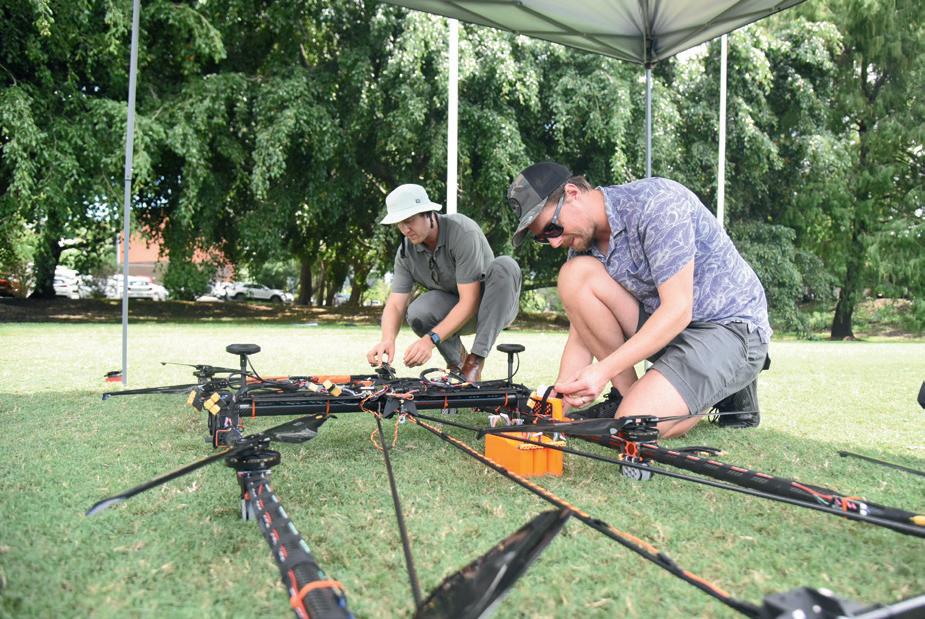
The expanding fleet of about 30 drones is managed by a team at UQ’s Sustainable Minerals Institute, with custom models built in UQ labs including the heavy-lift ‘Earthdrone’. About the size of a single mattress, it features eight rotors and can drop and retrieve sensors used for geoscience research using a retractable arm, with applications including remote water sampling and ground scanning.
The drone platform is backed by AuScope — a geoscience research support body funded by the Australian Government — and has already received dozens of requests for assistance since its launch earlier this year, mostly from academic researchers.
Indeed, Micklethwaite said the drone team has proved their worth in the field, conducting high-resolution hyperspectral imaging to map and monitor waste at the Mount Morgan and Mary Kathleen mines in Queensland. Projects currently in the pipeline include an aerial survey of coral reefs in Vanuatu, and using drones for traffic management studies and to help with bushfire and sustainable forestry research.
“The sky is really the limit when it comes to how drones can add value to research in Australia and really help to move forward projects in a broad range of areas,” Micklethwaite said.
“We’re looking to add long-distance drones and those that can carry heavier cargo, including drones able to cover long distances and carry heavy payloads, ranging from machines below 25 kg to heavy duty drones weighing nearly 150 kg.
“Our expert staff are able to guide researchers through the technical intricacies of safe and effective drone operations, different sensors and the processing of data.”
Anyone interested in using the services of the Drones Collaborative Research Platform is invited to email drones@uq.edu. au or call 0432 210 232.
BAI Communications.
Chief Remote Pilot Reilly Williamson and Maintenance Controller Craig Jarvis work on the Earthdrone.
The University of Queensland.
NEXT-GEN FIRE TRUCKS DELIVERED TO NSW RURAL FIRE SERVICE
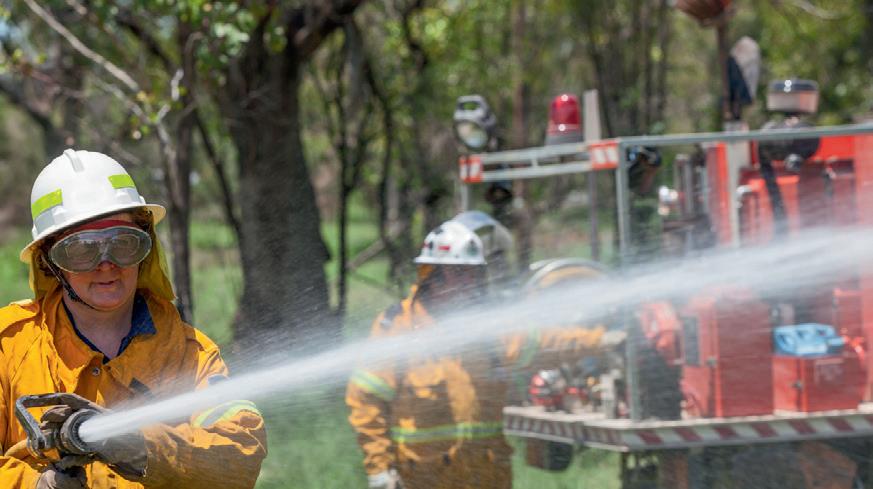
The NSW Government is seeking to protect communities from bushfires and other emergencies, having delivered 290 new and refurbished firefighting vehicles to NSW Rural Fire Service (RFS) brigades across the state over the past year or so.
In addition, the RFS has recently taken possession of six ultra-large firefighting trucks from specialist vehicle manufacturer Tatra, weighing up to 26 tonnes and carrying up to nearly 9000 litres of water — making them the biggest firefighting trucks in the RFS fleet. The RFS has also refurbished its Mobile Command Centre and upgraded base camps to accommodate not only frontline personnel, but evacuated residents during a crisis.
Building on the NSW Bushfire Inquiry and other inquiry recommendations to modernise the RFS fleet, the new trucks are equipped with mobile data terminals (MDTs) to improve crews’ communication, connectivity and safety in remote and disaster-
NEW TOOL HELPS NZ EMERGENCY SERVICES LOCATE PEOPLE AT RISK
New Zealand’s Next Generation Critical Communications (NGCC) has delivered a new digital tool that will help emergency services to more quickly locate people who may be in danger, enabling them to send help faster.
Around one in five calls to 111 are people calling about someone else who may be missing or considered to be in danger. Thanks to the new Device Location Information (DLI) service, emergency services can now quickly locate the approximate area of the mobile phone of a person where there are grave fears for their health or safety. This streamlined capability is considered a significant improvement on the previous process, which required manual requests to be made to mobile network operators and relied on them having people on call 24/7 to assist.
DLI serves as an extension of the existing Emergency Caller Location Information (ECLI) service, also provided by NGCC, which provides emergency services with the location of a mobile device used to make a 111 call. It can be used by Fire and Emergency New Zealand, Wellington Free Ambulance, Police, and Hato Hone St John; Maritime New Zealand and New Zealand Search and Rescue can also request use of DLI through Police.
“When every second counts, having access to real-time digital technology is a game changer for our emergency services, and for the public’s safety,” said Police Minister Mark Mitchell, who launched the service alongside Associate Police Minister and Associate Health Minister Casey Costello.
impacted areas. To date, MDTs have been installed in 3600 vehicles across 30 RFS districts.
The new equipment and resources expand the RFS’s capability and versatility, as the agency prepares to move its home base for equipment and infrastructure. The RFS will upgrade from its Glendenning logistics warehouse to a new, larger State Logistics Facility in nearby Marsden Park.
“This government is committed to providing frontline volunteers with the equipment and technology they need and the strongest support possible,” said NSW Minister for Emergency Services Jihad Dib.
“These new trucks and the logistics support demonstrate the versatility of the RFS; regardless of the wet weather, they’ve been undertaking vital work with the SES over recent months, and I thank our volunteers.”
“These trucks are more than just vehicles,” added NSW Premier Chris Minns. “They’re vital tools protecting lives, supporting our firefighters and strengthening community safety across NSW.
“In recent months we have seen the best of our emergency volunteers who have come out in force to support communities across NSW and the investment in this new equipment is vital.”
“The rollout of these modern, purpose-built vehicles is part of a long-term strategic program to futureproof our fleet and better protect our members,” concluded NSW RFS Commissioner Trent Curtin.
“These vehicles feature the latest in crew protection systems, improved safety design and communications equipment helping our crews to operate in the toughest conditions. This work will help make sure our volunteers will come home safely after fighting bushfires across the state.”
“This will be a very useful tool for search and rescue operations, for example when someone is reported missing in the bush. Provided they’re carrying a mobile device that’s switched on and connected to a cellular network, emergency services can use the DLI service to get immediate access to information about the area they are in and send help.”
Costello said the new system will also assist people experiencing health emergencies, noting that the service can help if a call is transferred to an emergency service from another operator.
“For example, if someone on the phone to Healthline falls unconscious and the call drops, then the Device Location Information service can locate the mobile device they were calling from and send this information to ambulance teams,” she said.
TIM KARAMITOS
MAJOR ACCOUNT MANAGER ANZ EMERGENCY SERVICES, ENTERPRISE WIRELESS SOLUTIONS, ERICSSON
What opportunities do you predict for the growth of your industry in 2026?
Some of the connectivity challenges that our emergency services customers are telling us they face include inconsistent connectivity, deficient analytics, substandard security, cost control and demanding environments. We envisage growth in the following areas:
• 5G WAN connectivity across fleets of emergency services vehicles and the IoT devices within those vehicles. Emergency services are really starting to see the benefits of a cloud-delivered, central network management platform, because this remote management capability eliminates travel to vehicles in the field and prevents cellular data plan overages — saving on IT costs.
• Demand for network slicing is growing, because without it, a dedicated physical network is needed to support emergency service communications. It provides end-to-end segregation and prioritisation of mission-critical traffic as well as simplified deployment of new services with end-to-end orchestration.
• Emergency services need networks on the move. We already see strong demand for 5G nomadic solutions, where emergency services have an all-in-one enclosure that can travel with them wherever they go, providing 5G and LEO satellite connectivity on the move. We see demand for these continue to grow in 2026 as hybrid connectivity on the move becomes more utilised.
Following Cyclone Alfred and various flooding events, what can comms companies do to provide more resilient communications solutions during natural disasters?
Resilience during natural disasters can be significantly enhanced by leveraging multi-SIM and hybrid connectivity strategies.
Multi-SIM capabilities allow devices to connect to multiple mobile networks simultaneously or switch between them automatically when one network is degraded or unavailable. In disaster scenarios where one operator’s infrastructure may be compromised, this ensures an alternative network can still maintain connectivity.
Hybrid connectivity integrates cellular (4G/5G) with other technologies such as satellite links, private wireless networks and Wi-Fi. This creates multiple layers of redundancy, so even if terrestrial infrastructure is damaged, satellite or local mesh networks can step in to keep communications running.
There have been longstanding calls for a rapidly deployable public cellular network for the general public to connect to in disaster situations, which the industry is working towards.
Are there any new or growing sectors that will be particularly reliant on critical communications in 2026 and beyond?
We’ve seen a lot of demand from utilities this year. The sector experiences similar connectivity challenges to those faced by emergency services and has the same requirement for always-on connectivity. In addition, some of the other more industry-specific needs utilities might have, where reliable connectivity is imperative, include:
• Security monitoring: Ensuring persistent oversight and security is just as critical for physical facilities as it is for the network. With surveillance cameras and sensors providing on-demand feeds — available in real time through LTE- and 5G-enabled wireless edge routers — utilities teams can quickly conduct video, thermal and LiDAR-based inspections across widely distributed sites.
• Edge computing: Utilities can get closer to real-time visibility of systems and infrastructure by shifting key components of application workload and computing to the network’s edge. Wireless edge routers connecting SCADA system sensors, RTUs (remote terminal units) and controllers can be monitored and managed centrally, but also process analytics, run applications and more in the field.
• Predictive maintenance: With utility systems going digital and wirelessly connected sensors and smart meters streaming realtime data, information about leakage, diversion, downed wires, faults and grid imbalances can be collected and analysed quickly and automatically. Machine learning and AI subsequently enable predictive maintenance to decrease outages and identify where investment is needed.
What are the biggest challenges or threats facing your industry in 2026?
Cybersecurity is an ever-present and evolving threat that all industries must face. Ericsson mitigates cybersecurity risks by taking a multi-layered approach to network security and by embedding protections throughout the telecom ecosystem. Some of the ways we do that include:
• Security by design — building security features directly into our hardware, software and services from initial design stages rather than adding them later.
• AI-driven threat detection — implementing advanced analytics and AI-powered systems to monitor network traffic in real time and detect anomalies indicative of intrusions or attacks.
• Zero trust architecture — ensuring that all connections, internal and external, are verified, and limiting access privileges strictly based on necessity.
• Telco carrier alignment — being in lockstep with telecommunications carriers’ security standards means that configuration changes on a SIM, device or network can be carried through from end to end.
With a strong technical background and a focus on driving business innovation for Ericsson’s customers, Tim Karamitos offers organisations years of experience and analytical thinking. He has worked with many customers on their digital transformation journeys, including Australian universities and emergency services organisations.
TRIPLE ZERO CUSTODIAN BILL PASSES
Lauren Davis
Minister for Communications Anika Wells has announced the passage of the Telecommunications Legislation Amendment (Triple Zero Custodian and Emergency Calling Powers) Bill 2025 through Parliament, designed to strengthen oversight of Australia’s Triple Zero system. Introduced in the wake of Optus’s Triple Zero outage on 18 September, the new legislation cements the powers of the Triple Zero Custodian, which has been established administratively within the Department of Communications since March.
The new laws give the Custodian the power to demand information from telecommunications providers, through the Australian Communications and Media Authority (ACMA), so it can monitor Triple Zero performance, identify risks, respond more quickly to outages and make improvements. It will also increase the maximum penalties faced by telcos for failing to follow the Triple Zero rules to $30 million — which reflects the seriousness of Triple Zero failures, according to Wells.
Wells said these new powers are part of the direct action the Albanese government is
taking to strengthen the Triple Zero system. This will include:
• real-time reporting of outages to ACMA and emergency services;
• new rules forcing telcos to test Triple Zero during upgrades and maintenance;
• new requirements on providers to ensure Triple Zero calls fall back to other networks;
• mandatory improvement plans after Triple Zero outages;
• the issuing of additional performance requirements to telcos within six months of the commencement of the laws, to assure Australians of best practice; and
• ensuring telcos maintain a public register of network outages.
“Australians must have confidence that Triple Zero will be there when they need it most,” Wells said.
“With these new powers for the Triple Zero Custodian, there will more active and effective monitoring to make sure this vital service meets their needs.
“Telcos must be held accountable for any failures in their obligation to deliver this vital service to Australians, and a strengthened Triple Zero Custodian will do that.”
The ACMA has welcomed the passage of the Bill, noting that it complements a range of measures implemented in response to the review into the Optus outage of 8 November 2023 — including establishing enforceable regulatory obligations on telcos to:
• communicate with customers and other key stakeholders in the Triple Zero ecosystem during major and significant local outages;
• improve network and device testing requirements; and
• enhance complaints-handling requirements for network outages.
With the new legislation giving ACMA the power to direct action from the telco industry to ensure the effective functioning of the Emergency Call Service (ECS), Acting Chair Adam Suckling said this is the next important step in improving the resilience and oversight of Australia’s emergency call system.
“Australians need confidence that Triple Zero will work when they need it most,” Suckling said. “The ACMA looks forward to working with the Custodian as it works with telcos and other stakeholders in the Triple Zero ecosystem to improve preparedness for ECS outage events and oversights the effective functioning of emergency call services.
“These changes complement ACMA’s regulatory role and will help protect Australians when they are at their most vulnerable, including in life-threatening situations.”
Consumer body ACCAN (the Australian Communications Consumer Action Network) was particularly pleased to hear that it will be mandatory for telcos to maintain a public outage register and update it in real time, having recently published a policy paper calling for the establishment of a consolidated, national register for telecommunications outages.
ACCAN CEO Carol Bennett thanked Wells for acting in response to calls from the community, ACCAN and others to inform consumers where and when telco outages occur and ensure a transparent public register of outages.
“Confidence in Triple Zero and telco services overall has taken a significant hit over recent times,” Bennett said. “This register is so important to stabilise community concerns.
“Information about even the most impactful of outages is inconsistently spread across telco websites and social media pages, but all too often these communications are unreliable, and consumers are forced to turn to updates from third-party media and social media forums.
“It is vital that the outage register is searchable, current and transparent. Ideally we would also prefer a centralised database to one which varies across providers. This would mean that customers with multiple providers do not need to jump between different registers to access the information about their services that they need.
“We thank the Minister for taking action on this important issue.”
ACCAN looks forward to working with the regulator and industry on the creation and implementation of the outage register. The organisation anticipates that this measure “can be quickly implemented, with minimal additional compliance costs for the industry, but important accountability obligations”, Bennett concluded.
But Shadow Minister for Communications Melissa McIntosh said the new register doesn’t go far enough, describing the government’s plan as a watered-down, telco-run register that lets the companies mark their own homework.
“The register the Albanese Labor government is putting forward is not public nor run by the government’s Triple Zero Custodian; rather, it will be self-operated by the telcos,” McIntosh said. “This mechanism is not transparent. The Coalition’s public Triple Zero outage register would ensure the telcos must report outage data in real time in a central location for all Australians to view which will provide additional accountability measures on the telcos.”
In addition to establishing a truly public Triple Zero outage register, McIntosh said the Coalition’s proposed amendments to the Triple Zero Custodian Bill included reducing reporting times from six months to every three months — and having these reports published publicly — as well as increasing the maximum financial penalties for Triple Zero outages from $10 million to $40 million. The Greens have since taken credit for the agreed $30 million penalty amount.
ACMA strengthens Triple Zero rules
Passage of the legislation came just days after the ACMA formally approved the registration of new rules to further strengthen the Triple Zero ecosystem.
This includes a new Emergency Calling – Network and Mobile Phone Testing Industry Code. This Code requires carriers to provide network equipment and support testing arrangements, which the Australian Government is facilitating through the University of Technology Sydney’s (UTS) National Telecom Resilience Centre.
UTS will undertake testing of the behaviour of mobile networks and a range of mobile phones in various scenarios, including network wilting and camp-on. The testing should enable industry and government to make better-informed operational, policy and regulatory decisions.
The ACMA has also registered a variation to the Emergency Call Service Requirements Industry Code to update telco industry rules. The new rules require telcos to maintain remote access to network management tools and to have sufficient redundancy to activate those tools in the event of a core network failure. The Code also includes requirements to thoroughly test proposed changes that may affect the carriage of emergency calls.
The ACMA said it would be taking action to understand the status of mobile network operators’ preparation for the commencement of these new rules and would not hesitate to act if any operator is not ready to comply.
Registration of the Network and Mobile Phone Testing Industry Code addresses recommendation 3 of the review into the November 2023 Optus outage, while the changes to the Emergency Call Service Requirements Industry Code address recommendation 16 of that review. This testing regime, combined with changes to the Telecommunications (Emergency Call Service) Determination 2019 that came into effect in October 2024, also implement recommendation 4 of the review.
The new rules complement additional changes to the Telecommunications (Emergency Call Service) Determination 2019 which came into effect on 1 November 2025 and follow the making of the Telecommunications (Customer Communications for Outages) Standard 2024 and changes to the Telecommunications (Consumer Complaints Handling) Industry Standard 2018, also made in response to recommendations of the review.
The Emergency Calling – Network and Mobile Phone Testing Industry Code and Emergency Call Service Requirements Industry Code are available on the Australian Telecommunications Alliance website.
Hybrid Communications: A Smarter Path to MCX
As organisations across Australia seek to modernise their mission critical communications, the transition to hybrid models combining Land Mobile Radio (LMR) platforms with Mission Critical LTE o ers a strategic path forward. Hybrid solutions unlock advanced capabilities such as video sharing, enhanced data transmission, and improved situational awareness, while maintaining the reliability of established communications technology like TETRA.
To ensure a smooth migration to hybrid or full Mission Critical Services (MCX), organisations must take a practical, phased approach that considers operational needs, budget constraints, and user readiness. Whether operating in public safety, mining, transport or utilities, organisations can bene t from these ve practical considerations to ensure a smooth and cost-e ective migration.
Start with a Phased Strategy
A phased transition allows organisations to manage costs and reduce disruption. Rather than a full system overhaul, incremental upgrades enable teams to test new features, gather feedback, and optimise processes. is approach supports risk management and ensures operational continuity, especially during the shift from LMR to LTE. By segmenting the rollout and deploying a hybrid solution, organisations can align training, troubleshoot issues early, and adapt systems gradually laying the groundwork for long-term success.
Reuse Existing Equipment
Cost-e ective migration starts with making the most of what you already have. Reusing accessories
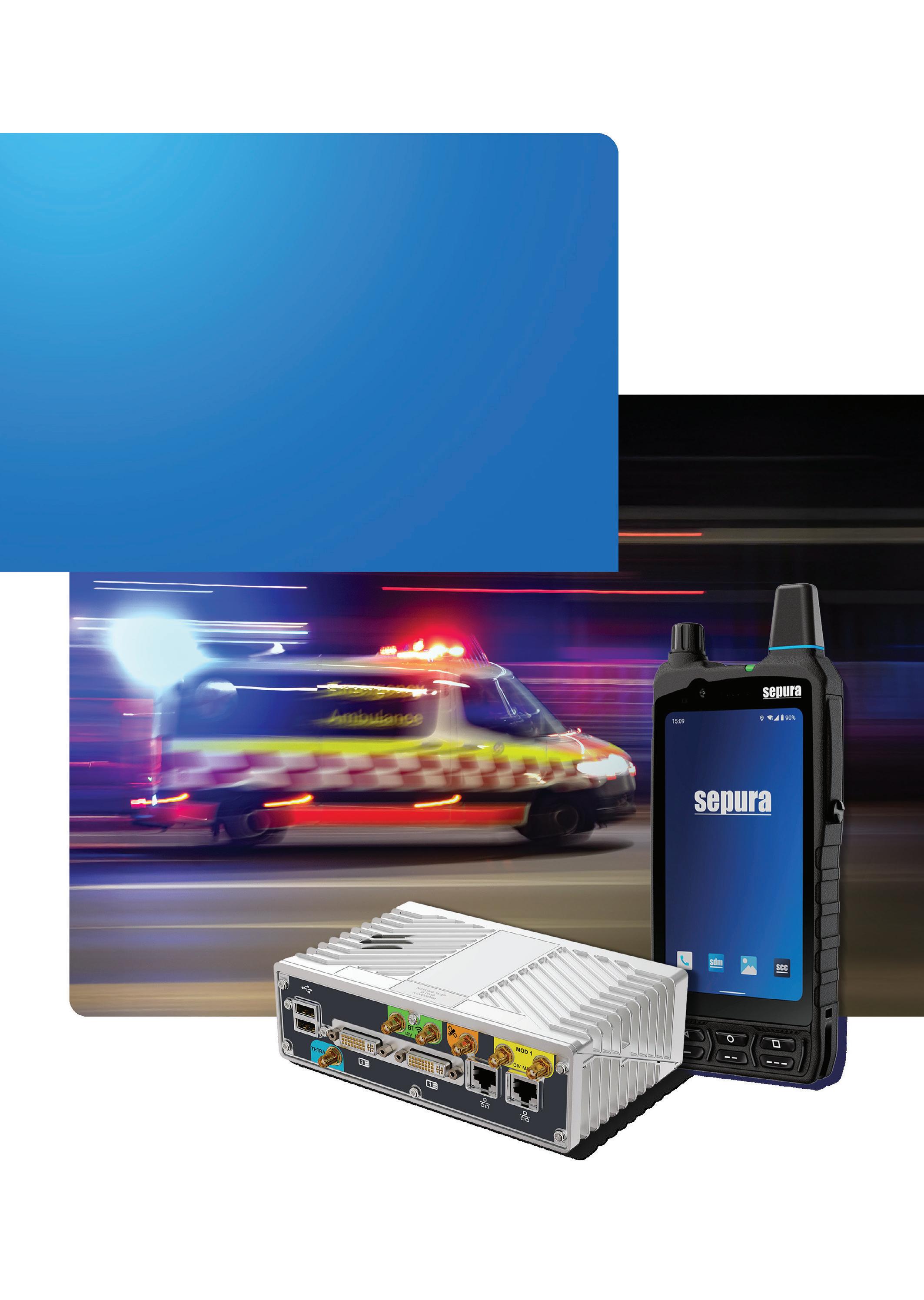
and existing equipment reduces expenditure and simpli es deployment. is strategy also supports backward compatibility, helping teams transition without needing to replace entire eets of devices. Hybrid solutions, like Sepura’s SCU3 vehicle device and SCL3 handheld, are designed to integrate smoothly into existing systems and are compatible with many of Sepura’s existing audio accessories, enabling organisations to enhance capabilities while managing budgets e ectively.
Plan for Vehicle Upgrades Early
Vehicle installations can often be the most timeconsuming part of MCX migration. For large organisations, this can de ne the overall timeline and become a major bottleneck. For example, upgrading 5,000 vehicles at a rate of three per day could take over ve years.
Early planning and installation is essential. Organisations should assess installation timelines, budget for downtime, and engage vendors to understand costs, logistics and options. A hybrid device, for example, like Sepura’s SCU3 vehicle hub, can be a powerful, cost-e ective solution to simplify installation. It combines TETRA and LTE voice communications, routing, Android OS, and data-intensive applications into one unit.
A well-coordinated strategy ensures vehicles are MCX-ready without disrupting operations with unnecessary or ine cient installations.
Tailor Training to Your Teams
Training is key to successful adoption. Structured programmes, whether in-person workshops or online modules, should be tailored to di erent user groups. is helps build con dence, reduce
resistance to change, and ensure teams can fully leverage new technology.
To reduce adoption friction, organisations should opt for a provider that can deliver tailored training and designs devices that have a familiar user interface across the portfolio, regardless of network technology.
Ensure Connectivity in Remote Areas
In Australia’s vast and varied terrain, reliable communication is non-negotiable. Hybrid models offer the flexibility to switch between LTE, LMR and Satellite broadband when available, ensuring connectivity even in areas with limited broadband coverage.
Device-to-device communication remains essential during emergencies or in remote locations. Sepura’s hybrid solutions provide a robust fallback using proven, trusted TETRA voice communications, maintaining operational integrity when 4G/5G is unavailable.
Conclusion
Transitioning to MCX or a hybrid communication model is a strategic move that demands careful planning, phased implementation, and user engagement. By reusing equipment, starting vehicle upgrades early, and tailoring training, organisations can unlock the full potential of LTE technologies while minimising disruption.
IP transceiver
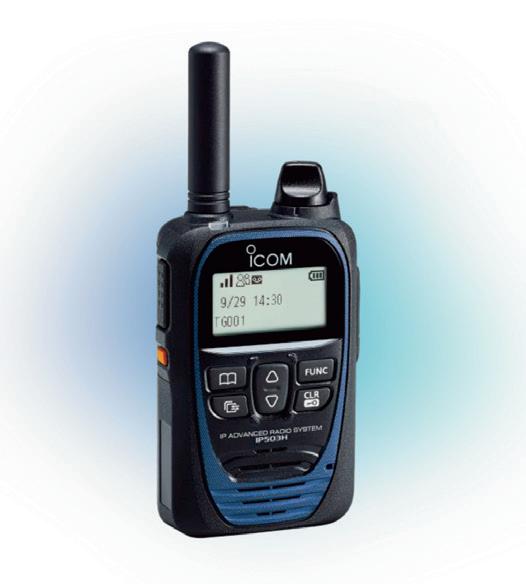
The Icom IP503H Lite is designed to deliver secure and seamless communication tailored to the user’s location and industry needs. Powered by Icom partner multicarrier SIM cards, it seamlessly connects to the strongest available network if the current carrier loses coverage — making it suitable for environments where stable communication is essential.
The palm-sized (59 x 95 x 32 mm), compact and lightweight (240 g) transceiver delivers instant wide-area LTE coverage without requiring licences or additional infrastructure. With a private APN, only authorised users can connect to the network. This makes it suitable for schools, event management, security, utilities, construction and more.
Designed and manufactured in Japan, every Icom radio is designed to embody the precision, quality and reliability expected by the company’s users worldwide.
Icom Australia Pty Ltd www.icom.net.au
Wireless network nodes
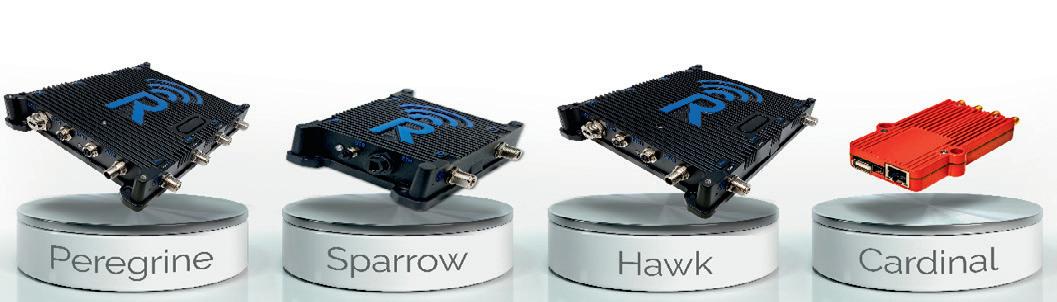
Rajant’s Kinetic Mesh network is designed to be unlike other wireless mesh systems on the market, providing fully mobile broadband connectivity that is simple, instantaneous and fault-tolerant for any application. The network’s power lies in Rajant’s wireless BreadCrumbs: the compact, lightweight, industrial-grade nodes that form adaptable wireless infrastructure.
Rajant BreadCrumbs are designed to perform seamlessly in emergency environments, making them suitable for critical operations. They integrate with existing network infrastructure, including satellite, SDWAN, drones or crawlers as part of VaaN Solutions.
Rajant BreadCrumbs can hold multiple simultaneous connections over multiple frequencies, eliminating the need for a control node. Compact and lightweight, they can be affixed to static equipment or deployed on moving assets — meaning machines and personnel can take connectivity with them everywhere.
All BreadCrumbs have Rajant’s patented InstaMesh networking software onboard, which dynamically evaluates and directs traffic via the best available path(s) in real time. InstaMesh enables the nodes to adapt in real time to constantly moving network elements; no connections are broken in order for new ones to be made, resulting in resilient mobility.
If new BreadCrumbs are added, they automatically begin meshing with neighbouring nodes and strengthen the network by providing additional traffic paths. The industrial design of the nodes, coupled with IP67 enclosures for most models, allows them to operate continuously in virtually any environment.
RSN Solutions
www.rsnsolutions.com
Platform for digitising railway communications
Frequentis’s MissionX is a holistic communication platform connecting every user in the missioncritical communication chain — from control rooms to trackside and onboard teams. As rail networks across Australia and New Zealand modernise aging systems and embrace digital technologies, MissionX provides a future-ready platform designed to simplify this transformation and provide long-term operational continuity.
Purpose-built for mission-critical rail environments, the platform combines flexibility and scalability to meet the stringent requirements of today’s railway operations. Based on open standards — including 3GPP specifications — it enables secure, interoperable communication across all operational domains. The unified environment supports voice, data and video services, while its modular architecture allows operators to evolve step by step, integrating new technologies at their own pace without compromising safety or performance.
Beyond communication, MissionX acts as a catalyst for operational innovation. It integrates seamlessly with technologies such as incident management, dronebased infrastructure inspection, real-time video feeds and data analytics, enhancing situational awareness and informed decision-making.
With good performance in safety-critical sectors worldwide, the product enables Australasian rail operators to bridge the gap between legacy and next-generation communication, accelerating the transition to FRMCS and beyond. The result is a connected, resilient and futureproof rail network that enhances coordination, boosts efficiency and supports the region’s vision for safer, smarter and more sustainable rail transport.
Frequentis Australasia www.frequentis.com
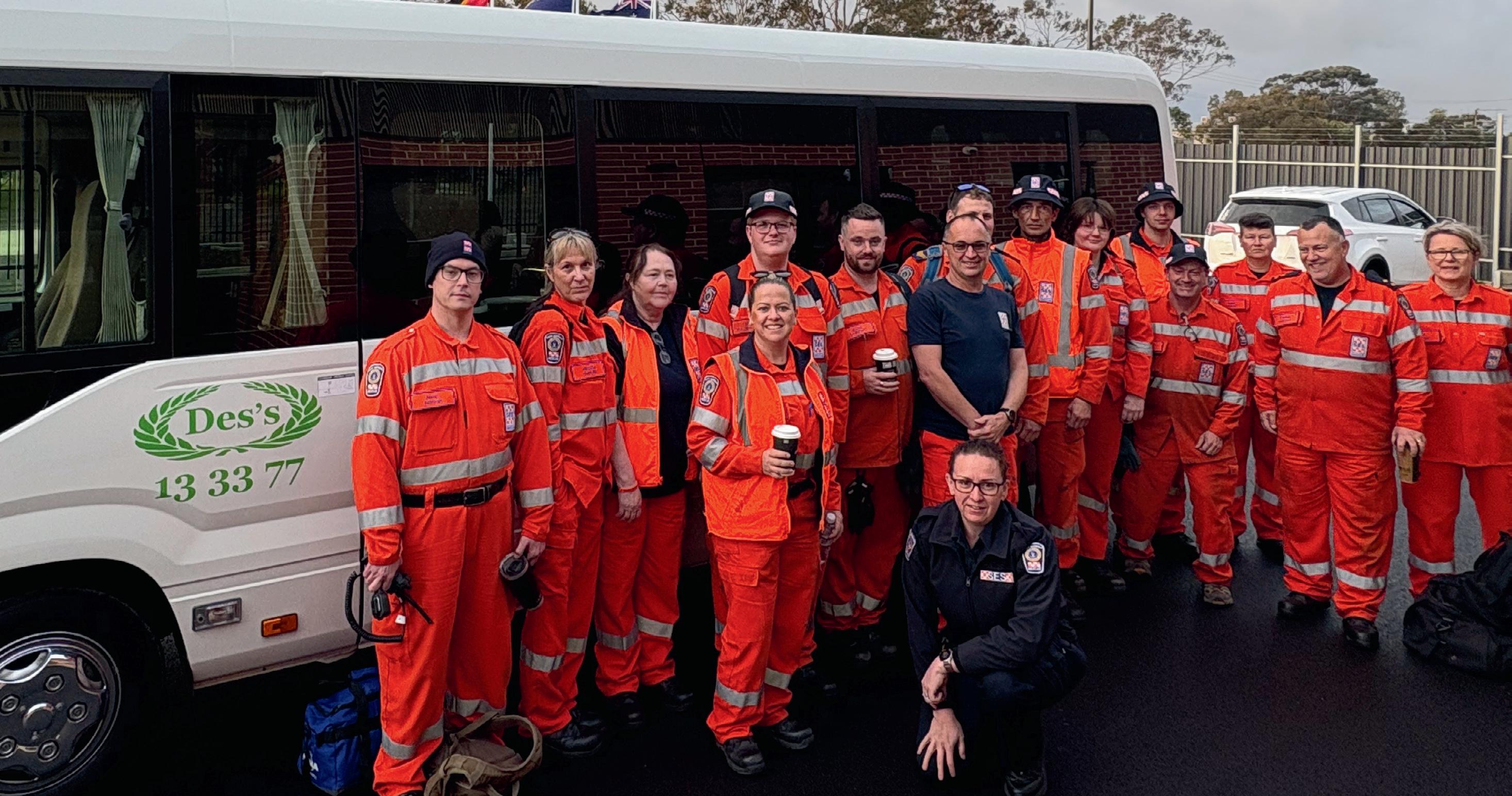
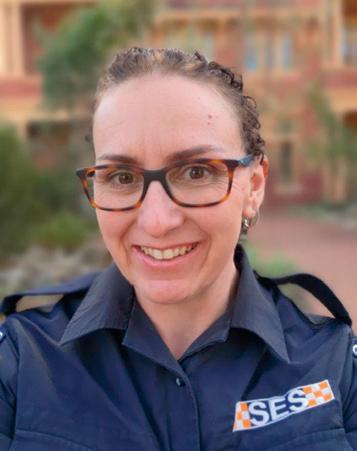
RUTH TOVO
ICT INFRASTRUCTURE COORDINATOR, SOUTH AUSTRALIAN STATE EMERGENCY SERVICE
How did you come to join the SES, and what’s kept you there?
I began my career in emergency services at just 16 as a volunteer firefighter with the SA Country Fire Service, and it quickly became a defining part of who I am. By my mid-20s, I realised that emergency management was my true calling, which led me to pursue postgraduate studies and deepen my understanding of the sector. Soon after, I joined the SES as a paid staff member in the Operations Support team before recently moving into Emergency Management. Eight years on, I am still as passionate as ever, largely because of our incredible volunteers. They are the heart of what we do, and their commitment inspires me every day. My motivation is simple: to ensure they have the best tools, equipment and support to respond effectively and help our communities when they need us most.
What are some of the unique challenges of coordinating hundreds of SES volunteers across South Australia?
Coordinating SES volunteers across SA is no easy task and it’s certainly never done in isolation. The state’s vast landscape can make communication and logistics tricky. Considering different availability and a variety of skills, good planning and safety oversight become essential. Remote areas often mean limited connectivity, and during major events, quickly moving equipment while supporting volunteers’ wellbeing, managing fatigue and addressing mental health adds another layer of complexity. It can sometimes feel chaotic, but that’s when the strength of an experienced ground crew really shows. These teams not only know how to get the job done; they share their knowledge, mentor others, and lead with the kind of lived experience that keeps everything running smoothly. When everyone works together, it’s challenging but deeply rewarding.
How do you balance the strategic side of resourcing (planning, forecasting, logistics) with the on-the-ground realities of emergency response?
Balancing strategic resource planning with ground realities demands flexibility and teamwork. We base our plans on data-driven forecasts, logistics and defined timelines; however, emergencies rarely unfold exactly as expected. Therefore, proactive communication and realtime intelligence are crucial for swift adjustments. Giving field crews confidence and authority enables rapid decision-making. Learning from each operation helps refine our strategies. In the end, strategic planning forms the foundation, but the success depends on our people’s experience and adaptability.
You’ve admitted to not being a particularly technical person, so how do you find it being part of an industry that’s so reliant on comms equipment?
Effective communication is certainly the backbone of almost every incident response. When crew safety is on the line, having reliable communication tools isn’t just convenient — it’s critical. Staying connected means teams can coordinate seamlessly, respond quickly, and keep everyone safe while achieving the mission.
Honestly, most of my learning has come through practical experience and learning from subject matter experts who have become informal mentors. For me, the key has been knowing who the subject matter experts are and not hesitating to ask the right questions. Every chat is an opportunity to fill a knowledge gap and boost confidence, and that willingness to learn from others makes all the difference.
Looking ahead, what emerging challenges or opportunities do you see for the South Australian SES in the next few years?
One of the biggest challenges for South Australia’s SES is keeping up with rapidly evolving technology and finding ways to incorporate it into our operations sustainably and cost-effectively. Tools like AIdriven real-time data platforms have significant potential. However,
it’s not just about having the technology; it’s about making sure the information is collected, understood, and used in ways that genuinely support our frontline crews and decision-makers. Our members often work in risky, unpredictable environments, so innovations such as virtual reality could be game changers for training, especially for volunteers in remote areas who can’t always access hands-on sessions. Looking ahead, we anticipate climate-related events will become more frequent, and community expectations will continue to rise. That means adaptability and innovation aren’t just nice to have; they’re crucial for building resilience and ensuring we can continue to do what we do best: protect lives and property.
Why would you recommend people join the SES, whether technically minded or not?
It genuinely doesn’t matter if you’re technically minded or not; the core of SES is about serving the community and being part of something bigger than yourself. It’s a chance to meet people from all walks of life, learn new skills and support others when they need it most. Reflecting on my own journey, the friendships, experiences and skills I’ve gained are priceless.
Ruth has over 20 years of experience in emergency management and currently supports critical communications at the South Australian State Emergency Service. Her work includes coordinating ICT systems, radio networks and operational technologies to ensure volunteers are equipped with reliable resources to respond safely and effectively.
Ruth is a longstanding emergency services volunteer and a passionate advocate for inclusive leadership, with a focus on empowering young people and women in the emergency services and communications sector. She spoke at Comms Connect Melbourne 2025 as part of the inaugural ‘Women in Critical Communications — Progress with Purpose’ panel.
Industry Talking
As has been the case for almost 20 years now, the ARCIA Annual Gala Dinner and Excellence Awards took place during the same week as Comms Connect in Melbourne — and this year, for the first time in many years, the night was hosted in a new venue, The Sofitel Melbourne on Collins. It’s always a big call moving venues, especially when what you had works, but October being the busiest time for events, our usual venue unfortunately wasn’t able to host us. But a change is as good as a rest, as they say, and The Sofitel certainly didn’t let us down, being the great venue that it is.
It was amazing to see over 500 people attend on the night, and while most found their way from across the city, or from interstate, there were many guests who joined us from Europe, the USA and Asia, and we were of course very pleased that they chose to spend the evening with us. As always, this is the night when the industry shines and comes together, joining partners, end users and their peers to celebrate all that is good about this fantastic sector we represent. Our host for the evening was James O’Loghlin and he quickly adjusted to the notion that what our industry does is extremely important and perhaps underappreciated.
The primary reason for this event is to recognise excellence around Australia, with both individuals and organisations represented in the award categories. There were a large number of very strong nominations this year, with the judging panel blown away by many of the award submissions made. With this in mind, thanks must go to BAPCO COO Duncan Swan and Chief Superintendent Matthew Wormald, Fire and Rescue NSW’s Commander of Operational Communications, who contributed significantly to the judging process this year with their knowledge of the critical communications market.
Whilst there is no doubt that there are some incredible people in our industry doing some amazing work — as demonstrated by the strong nominations — on the night there can be only one winner of each award. ARCIA congratulates all the 2025 winners:
• ARCIA Life Membership — Roger Webber
• Small Business Award — SAT Pty Ltd
• Emerging Talent Award — Elnaz Karimpour, Simoco
• Outstanding Professional of the Year — Robert Hockings
• Major Project Award — Vocus
• Industry Innovation Award — Tait Communications
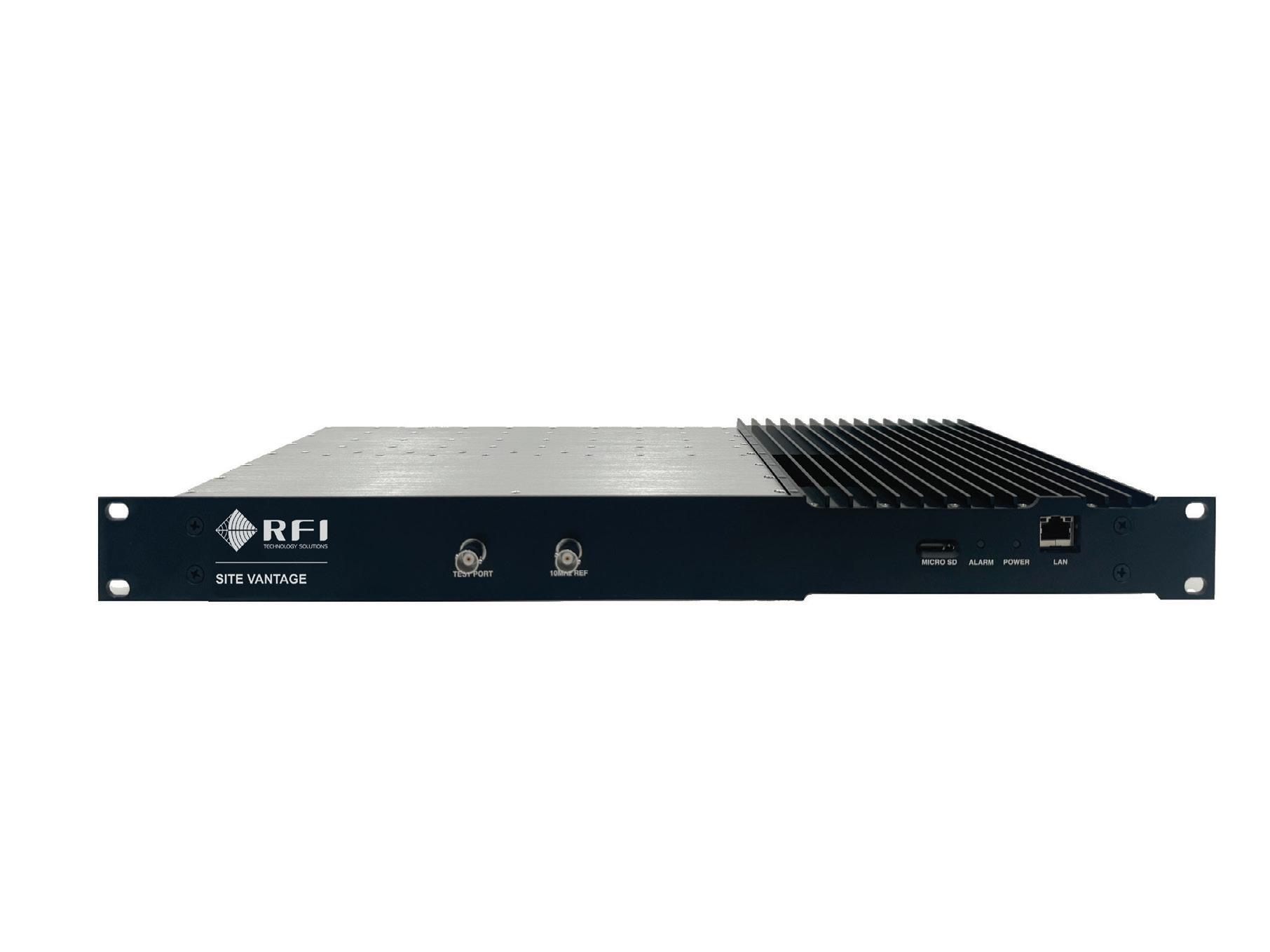
• Local Manufacturing Award — RFI Technology Solutions
• Outstanding Critical Communications Project Award — Life Saving Victoria
• Jonathan Livingstone Seagull Recipient — Scott Manson
And finally, on behalf of the ARCIA committee, I would like to thank our CEO Paul Davis and his team for bringing this world-class evening together. The amount of work and the attention to detail involved, so that 500 people can come together so seamlessly to celebrate excellence in our industry, is amazing.
Hamish Duff President (Hon), ARCIA – Australia’s Radio & Critical Communications Association
High-gain ground independent antenna
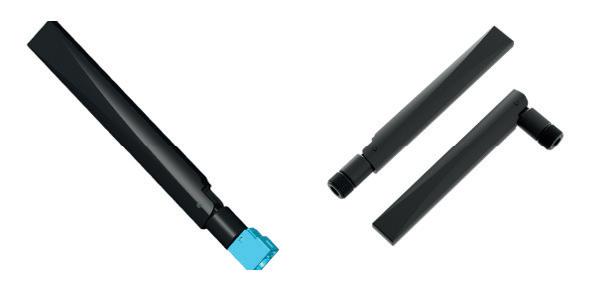
RFI Technology Solutions has released the CD64 UHF High Gain Mopole Antenna, a high-gain ground independent antenna engineered to deliver enhanced RF performance across the 450–470 MHz frequency range. Pre-tuned to this band, the antenna has been specifically designed to meet the needs of emergency services and private LMR (land mobile radio) networks, where reliability and performance are critical. The design incorporates RFI’s matching circuit technology, which enables high efficiency while maintaining full ground independence.
The antenna’s key advantage lies in its 6 dBq peak gain, designed to provide greater coverage and improved signal strength compared to many wideband antennas. This makes it particularly valuable in regional and low-coverage environments where higher gain is necessary to extend communication range. By focusing on the 450–470 MHz band, the antenna achieves high performance while still offering wideband capability within this spectrum.
Engineered for straightforward integration, the antenna features an MBC mount, enabling seamless replacement or upgrade of existing installations without the need for significant modifications. Its ground independent design reduces reliance on vehicle or mounting surface ground planes, enabling consistent performance across a wide range of deployment scenarios. This versatility makes it a practical solution for both mobile and terminal applications within private radio networks.
Durability and operational resilience have been central to the design. The antenna incorporates a flexible stainless steel whip, which provides resistance to physical impacts and harsh operating conditions often encountered in field and fleet environments. Combined with RFI’s highquality manufacturing standards, this enables the antenna to maintain long-term service life even in demanding operational roles.
Overall, the antenna delivers a technical balance of high gain, wideband operation and rugged construction. With its 6 dBq peak gain, ground independence and durable whip design, it offers an efficient solution for emergency services, private LMR networks and fleet operators requiring enhanced communications in challenging environments.
RFI Technology Solutions www.rfi.com.au
Digitising railway communications for Australasia with MissionX
Experience Frequentis’ holistic solution connecting every end-user point in the mission-critical communication chain – fr om control rooms to the field. As rail networks from Australia to New Zealand face aging systems and growing pressure to adopt emerging technologies faster, MissionX provides a future-ready platform supporting FRMCS migration and integration with innovations like drone operations for enhanced situational awareness and efficiency. Discover how MissionX helps rail operators bridge the gap between legacy and next-generation communication.
https://www.frequentis.com/public-transport
DRONES CARDIAC ARRESTS WITH
DEFIBRILLATORS COULD RESPOND TO
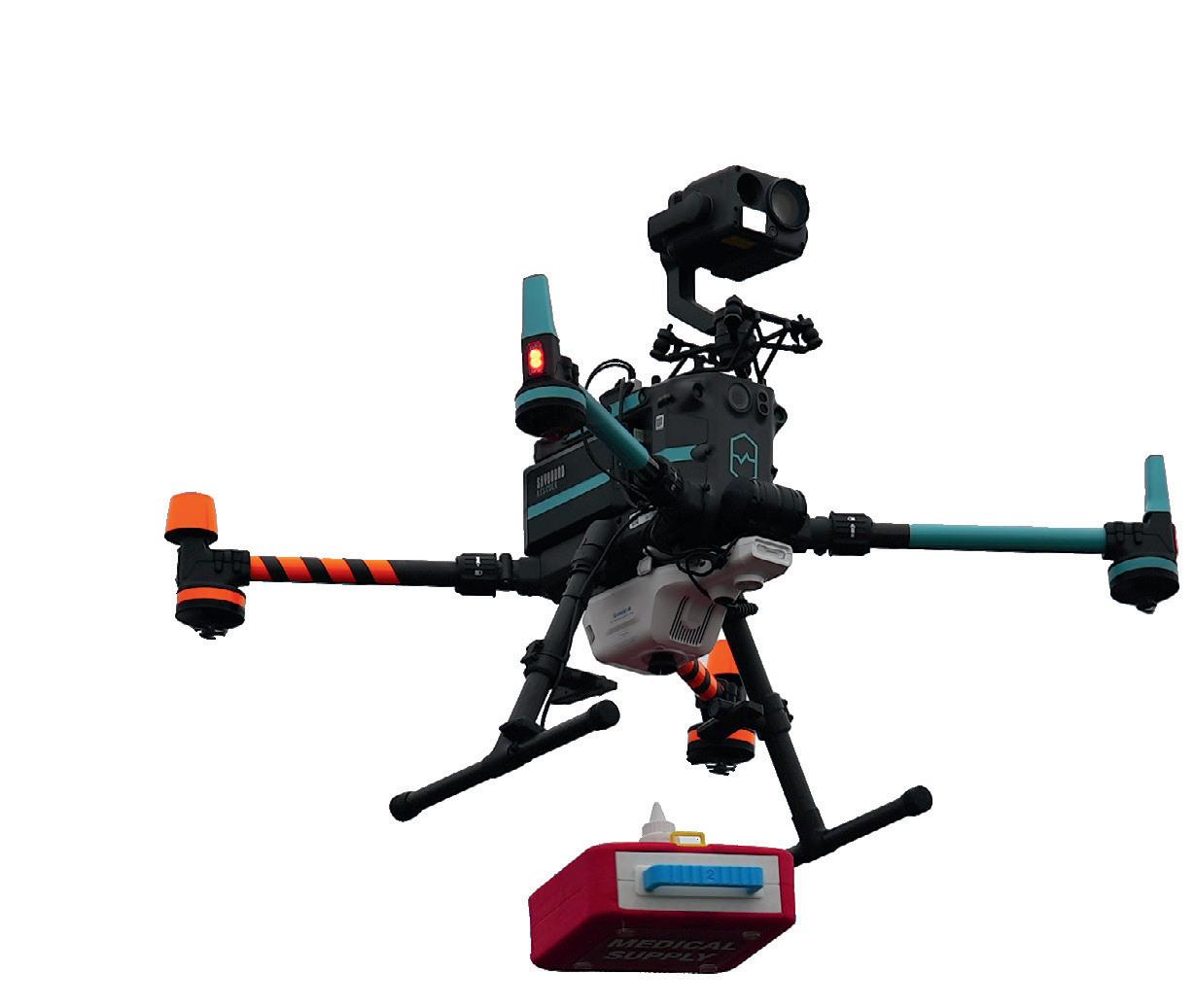
In the UK there are more than 40,000 out-of-hospital cardiac arrests (OHCA) annually, but fewer than 10% of people survive. In an effort to increase chances of survival, researchers at the University of Warwick have teamed up with the Welsh Ambulance Services University NHS Trust and autonomous drone specialist SkyBound to test the feasibility of drone-delivered automated external defibrillators (AEDs).
The researchers used drones to fly defibrillators in response to 999 calls as part of emergency simulations in a remote countryside location which ambulance crews would usually be delayed in reaching by road, having designed a system to deliver an AED attached by a winch to a DJI M300 drone (Skybound’s automated drone software activated and controlled the drone’s flight). The AED was lowered to a member of the public to help them carry out resuscitation on a CPR mannequin, all while receiving instructions from ambulance service call handlers.
“Ambulance services work as swiftly as possible to get to patients who have suffered cardiac arrests; however, it can sometimes be difficult to get there quickly,” explained chief investigator Dr Christopher Smith, from the University of Warwick. “AEDs can be used by members of the public before the ambulance gets there, but this rarely happens. We’ve built a drone system to deliver defibrillators to people having cardiac arrest, which could help save lives.”
The National Institute for Health and Care Research (NIHR) study, which recruited 11 participants and was published in the journal
Resuscitation Plus , involved assessing realtime communications between the drone pilot, call handler and public bystander. Experts observed how those taking part behaved and interacted with each other. They also timed how quickly the mock cardiac arrest patient would be reached.
The researchers found that drone startup procedures were quick: it took just 2.18 minutes from emergency call to drone take-off. The drone flew autonomously and safely, with good links to the ambulance service and effective real-time communication. Participants also reacted positively to drone delivery of the AED.
However, there were delays once the drone arrived on the scene. It took a further 4.35 minutes after the drone had arrived before a shock was given to the simulated patient using the AED. Hands-off CPR time was 2.32 minutes, but only 0.16 minutes of this was spent retrieving the AED.
The researchers concluded that bystanders interacted well with the drone but struggled using the AED, showing that bystanders and call handlers need more support to use drone-delivered AEDs for this to be effective. The next stage will involve funding larger
studies to test the technology and evaluate whether it can be used in the NHS.
“We have successfully demonstrated that drones can safely fly long distances with a defibrillator attached and maintain real-time communications with emergency services during the 999 call,” Smith said. “We are in a position where we could operationalise this system and use it for real emergencies across the UK soon.”
Retired surgeon Steve Holt and his son Mark both see great potential for delivering defibrillators by drone, with Steve having collapsed in a remote country pub in the Lake District in 2019. Mark began CPR and used the defibrillator located outside the pub, but bad weather thwarted an air ambulance, so it took 25 minutes for paramedics to arrive by road.
“While I was resuscitating Dad it felt like an eternity waiting for help,” Mark said. “Ambulances can be delayed, especially when trying to get to remote areas like those we were in. But in the future a call handler may be able to explain that help is on the way with a drone, which can arrive much quicker.”
Carl Powell, Clinical Lead (Acute Care) at the Welsh Ambulance Service, concluded: “In a cardiac arrest, every second counts. We will always send an ambulance as quickly as possible, but starting chest compressions and delivering an electric shock with a defibrillator in the meantime could mean the difference between life and death.
“We’re grateful to NIHR and others for funding this research, which has demonstrated that the technology shows a great amount of promise.”
University ofWarwick.
Broadband amplifiers
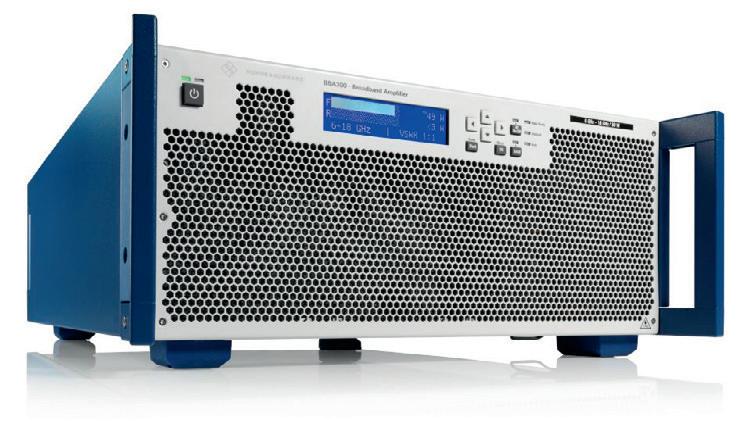
Rohde & Schwarz has expanded its R&S BBA300 broadband amplifier portfolio with the BBA300-F for 6 to 13 GHz and BBA300-FG for 6 to 18 GHz. This means the company now offers compact dual-band amplifiers covering the entire frequency range from 380 MHz to 18 GHz in 4HU desktop models only.
The BBA300 family is a range of compact, solid-state broadband amplifiers, designed for high availability and a linear output across an ultra-wide frequency range. Supporting amplitude, frequency, phase, pulse and complex OFDM modulation modes, the range is robust under all mismatch conditions, providing test results in all circumstances.
Typical applications include EMC, co-existence and RF component tests during development, compliance test and production. The very wide frequency range makes the amplifiers suitable for wireless and ultra-wideband testing.
The two latest amplifier series can be used for ultra-wideband applications as well as to address various EMC standards within mobile communications (FCC, ETSI), automotive (ISO), aerospace (DO-160) and military (MIL-STD-461) applications. Both series are available in the power classes 30, 50, 90, 180 and 300 W.
The broadband amplifiers offer two powerful tools for tailoring the RF output signal to the application: adjusting the amplifier either for optimal linearity or faithful reproduction of pulse signals by shifting the operating point between class A and class AB, and setting the amplifier for maximum tolerance to output mismatch or for maximum RF output power to utilise the power reserves for the application.
This allows users like developers, test engineers, integrators and operators to optimise the output signal and react flexibly to a wide variety of requirements. Both parameters can be changed during amplifier operation.
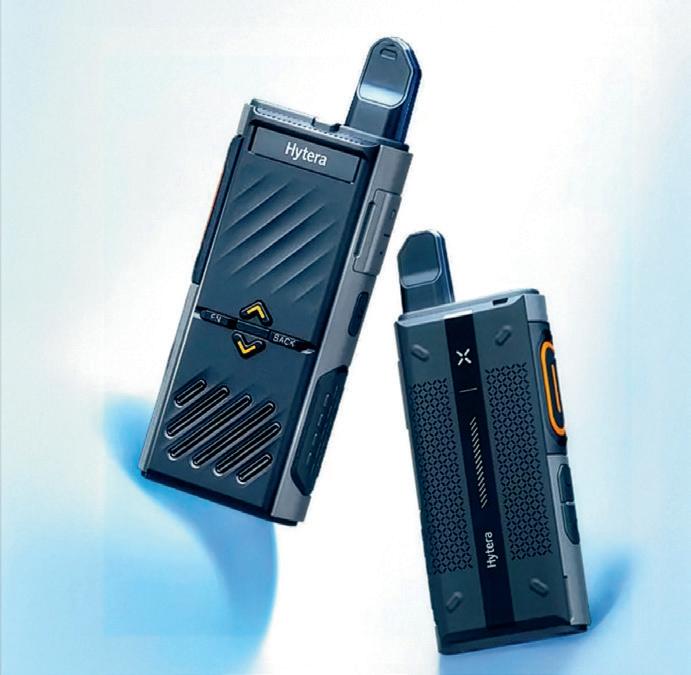
Hytera has released the P30 Lite PoC Radio — a compact and durable push-to-talk device designed for professionals in security, retail, hospitality, transportation and facility management. Featuring stable connectivity, intuitive operation and multifunctional NFC capabilities, the device helps teams stay coordinated and efficient in fast-moving operations.
Weighing just 170 g, the radio is tailored for comfortable, one-handed use throughout long shifts. Its integrated text-to-speech (TTS) functionality provides instant updates on battery level, network status and talk group without requiring a glance at the screen — useful for personnel who need to keep their eyes on their surroundings.
Powered by the Hytera HyTalk PoC Platform, the product provides stable connection to nationwide cellular networks, automatic audio recovery, and location tracking using GPS, GLONASS or BDS — with positioning accuracy within 10 m, even in areas with weak signals. Its 36 mm speaker and 3 W audio output, delivering up to 105 dB of distortion-free sound, allow messages to come through clearly, even in noisy settings like event venues, transport hubs or public areas.
The product’s programmable NFC feature transforms it into a versatile operational tool that goes far beyond basic patrols. Depending on the scenario, NFC tags can be deployed for security patrols, access control, or task and attendance logging. The NFC system supports up to five custom profiles, each with up to 20 tagged points, allowing one device to adapt to multiple roles — from hotel guest service coordination to large-scale event security.
Rated IP54 for dust and water resistance and tested for 1.2 m drops, the device is built for daily wear and tear. Its 3300 mAh detachable battery delivers up to 33 h of operation in a typical cycle of 80% time standby and 10% time for receiving and transmitting respectively. It supports hot-swapping, for uninterrupted performance during extended or overlapping shifts.
Hytera Communications Co. Ltd www.hytera.com.au
EUROPEAN SPACE AGENCY LAUNCHES DEEP SPACE ANTENNA IN WA
The European Space Agency (ESA) is expanding its capability to communicate with scientific, exploration and space safety missions across our Solar System, having inaugurated a new, 35 m-diameter deep space antenna on 4 October.
Located at ESA’s ground station in New Norcia, about 115 km north of Perth in Western Australia, the ‘New Norcia 3’ antenna should help meet the agency’s fast-increasing data download needs and secure Europe’s independence and leadership in space. When it enters service in 2026, it will support ESA’s current flagship missions flown as part of its scientific, exploration and space safety fleets — including Juice, Solar Orbiter, BepiColombo, Mars Express and Hera — and will be a critical enabler for upcoming missions including Plato, Envision, Ariel, Ramses and Vigil.
The antenna will also play a part in ESA’s Estrack deep space tracking network, serving the agency’s efforts towards international collaboration. As part of mutual cross-support arrangements with ESA’s partners, the antenna can support other space agencies such as NASA, Japan’s JAXA and India’s ISRO, as well as commercial space missions.
As ESA’s fourth deep space antenna, New Norcia 3 is understood to be its most technologically sophisticated antenna to date. It incorporates advanced deep space communication capabilities, including components cryogenically cooled to around
-263°C, near absolute zero. This sensitivity allows it to detect extremely weak signals from distant spacecraft and to maximise data return.
A 20 kW radio-frequency amplifier meanwhile enables transmission of commands to spacecraft millions and even billions of kilometres away from Earth. The antenna also features advanced clock and timing systems and world-class radio frequency communication tools and techniques to support deep space communication.
Construction of the antenna commenced in 2021 and was led by European industry, with Thales Alenia Space (France) and Schwartz Hautmont Construcciones Metálicas (Spain) as co-prime contractors. A significant portion of the budget was spent in Australia, with a contribution of €3 million from the Australian Space Agency allocated to the evolution of the New Norcia station.
“This new deep space antenna is a cornerstone for European and Australian space industries,” said Hervé Derrey, CEO of Thales Alenia Space. “Its inauguration demonstrates our capacity to build strategic, world-class space infrastructure anywhere. It required implementing advanced technologies and
shows we are able to deliver the mission operations infrastructure that enables European scientists to go where they wish to explore.”
A symbol of ESA’s partnership with Australia
Opened in 2003 and locally operated by CSIRO, ESA’s station at New Norcia provides a strategic geographical position allowing around-the-clock coverage for deep space missions, complementing ESA’s stations in Malargüe (Argentina) and Cebreros (Spain). Once the new addition is made operational, New Norcia will become ESA’s first ground station equipped with two deep space antennas. It will also continue to enable significant economic, technological and scientific benefits for both ESA and Australia, and will pave the way for further collaboration in areas such as communications, space safety and mission operations.
“Australia is well known as a trusted, experienced and capable operator in deepspace communications,” said Enrico Palermo, Head of the Australian Space Agency. “This investment by ESA and the Australian Government will unlock millions of dollars in local economic value as well as employment over the projected lifetime of 50 years.
“It’s another chapter in the story of Australian and European partnership in space, which we will grow further as we begin to negotiate a new Cooperation Agreement between Australia and ESA.”
ESA’s New Norcia ground station in Western Australia.
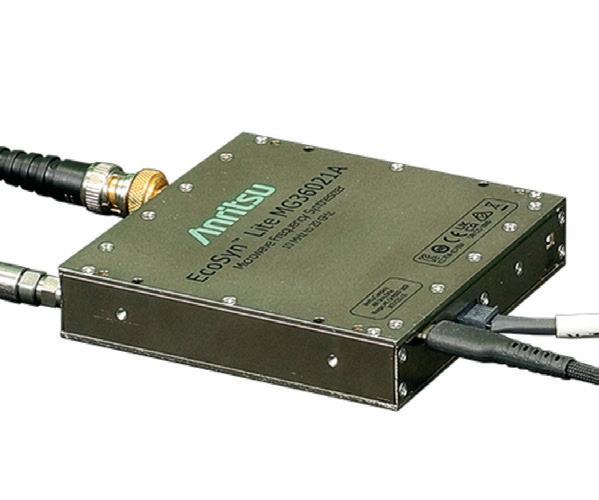
Microwave synthesiser module
Anritsu is expanding its signal generator product line with the introduction of the EcoSyn Lite microwave synthesiser module, designed to deliver good phase noise, ultrafast switching speed and compact size. It complements the company’s highperformance Rubidium benchtop signal generators for use in a wide range of applications.
Automotive-grade, Class-D audio amplifier
Nuvoton’s NAU83U25YG automotive-grade Class-D audio amplifier, featuring high-efficiency stereo and digital input, delivers up to 3 W (4Ω load) or 1.7 W (8Ω load) output power. Featuring a two-wire gain adjustment interface, it is suitable for automotive electronics applications such as dashboards, eCall and T-Box systems.
The device covers the 10 MHz to 20 GHz frequency range and delivers +18 dBm output power, making it suitable as LO for up/down converters in RF/microwave transceivers. Its nonharmonic spurious of –60 dBc delivers ultralow jitter and can be used as a clock source for Gbit ADC/DAC testing and in high-speed optical systems. It features phase noise performance of –126 dBc/Hz (typical) at 10 GHz and 10 kHz offset.
The product has ultrafast frequency switching time of less than 50 µs in Triggered list mode, making it suitable for use in ATE (automatic test equipment) rack applications where fast frequency switching speed saves testing time. Switching speed is also important in radar cross-section (RCS) measurements necessary to establish radar signatures for known targets, such as aircraft, ships and missiles, as well as in antenna testing.
The module is housed in a portable, compact, 4 ″ x 4 ″ x 0. 8″ form factor, making it suitable for use in space-constrained applications which require an instrumentation-grade CW signal source. It supports USB and SPI interfaces for remote control and is powered using a +12 VDC source. It supports standard SCPI and QuickSyn native commands, which make developing scripts for remote control and automation easy and user-friendly. Anritsu Pty Ltd www.anritsu.com
Nuvoton strictly adheres to automotive industry standards, offering AEC-Q100 qualified products for automotive applications. To simplify system design, the company’s products support digital I2S audio signal input from the vehicle’s main controller, reducing the need for external components and minimising PCB size. Additionally, its digital amplifiers help prevent circuit interference and effectively solve EMI issues.
Class-D topology represents a leap forward in both power efficiency and noise minimisation in audio devices, according to Nuvoton. By generating a binary square wave, Class-D amplifiers efficiently amplify the signal through power device switching. Class-D amplifiers thus offer power efficiencies that are twothirds better than Class-AB devices, the company claims, with the NAU83U25YG having 90% efficiency.
The amplifier eliminates the need for an external output filter, due to its spread-spectrum-oscillator technology and slew-rate control, effectively reducing EMI. Moreover, it offers enhanced immunity and power supply rejection ratio (PSRR) of >80 dB at 217 Hz, making it suitable for wireless and AM frequency band applications. Other features include ultralow quiescent current (ie, 2.1 mA at 3.7 V for two channels), low distortion, low background noise and wide dynamic range.
The amplifier can drive a 4 Ω load with a high output power of up to 3 W and fast start-up time of just 14 ms. Additionally, it supports comprehensive device protection (overcurrent protection, undervoltage lockout, overtemperature protection, clock termination protection).
Arrow Electronics Australia Pty Ltd www.arrowaustralia.com
Firmware enabling radio interoperability
The latest firmware released for the Omnitronics DRG100 Digital Radio Gateway includes serial integrations for Kenwood’s NX-5000 series mobile radios operating in DMR T2 Conventional, NXDN Conventional and Analog modes.
Operation of the DRG100 AIS firmware was proven with the Kenwood NXR1000 repeater operating in DMR Tier 2 Conventional mode and the Kenwood KTI-2500 DMR ‘tier 2.5’ system, with official testing at the Kenwood Test Lab in Texas confirming available radio functionality for each of the protocols. An interface to NXIP Gen1 is coming soon. Adding the Kenwood radio interoperability to the gateway not only allows users to connect their NX-5000 Kenwood radios to the Omnitronics suite of radio dispatch management solutions, but also serves as a means to interconnect Kenwood radios with other vendor networks — be it as a temporary solution for network migration, or as a permanent option to connect communications from diverse vendor networks long-term.
The expansion of the DRG100 Digital Radio Gateway to support the Kenwood NX-5000 series and other key models showcases Omnitronics’ commitment to seamless communication across diverse radio networks, helping to empower users with greater flexibility and futureproofing for their mission-critical operations. Omnitronics Pty Ltd www.omnitronicsworld.com
5G antennas
Quectel Wireless Solutions has expanded its comprehensive antenna portfolio with the launch of two 5G antennas, the YECT004W5AM and YECT005WFA.
The YECT004W5AM is a terminal mount external dipole antenna measuring 140 x 15.6 x 13 mm. It delivers 5G connectivity while supporting 2G, 3G and 4G networks, and comes equipped with a Fakra female Code Z connector for secure and versatile integration. Suitable for applications where discretion is required, the low-profile, terminal mount, omnidirectional antenna is easy to install and offers maximised durability with its IP67-rated blended polycarbonate (PC) and acrylonitrile butadiene styrene (ABS) enclosure. It is both REACH and RoHS compliant.
The YECT005WFA is a terminal mount whip dipole antenna offering 5G coverage as well as backwards compatibility to support previous generations of cellular connectivity. The device has dimensions of 135 x 15.6 x 13 mm, weighs approximately 16 g and operates in the -40 to +85°C temperature range. It is terminated with a reverse polarity sub-miniature version RP SMA male connector, which makes the antenna suitable for use cases where discreet positioning is required. The device also features a PC and ABS enclosure that can withstand harsh weather conditions and handle high and low temperatures.
Both 5G antennas operate in the ultra-wide 600–6000 MHz frequency band to bring 5G connectivity to a range of use cases, and are suitable for applications in gateways and routers, smart meters, vending machines, Industrial IoT, smart homes and connected enterprises. Their operating efficiency means they can support power- and space-constrained devices in these sectors while also enabling low-latency, high-speed 5G coverage.
Incorporating hinged RP SMA male connectors helps deployed devices to achieve the optimum position. The hinged structure adopted by the antennas further assists in avoiding signal interference from other antennas or obstructions from objects by enabling rotation to different directions when mounted on the terminal. Quectel www.quectel.com
Defence smartphone
As 5G technology accelerates battlefield digitalisation, defence forces require end-user devices capable of harnessing their full potential. The Nokia Mission-Safe Phone is a purpose-built defence smartphone engineered for resilience, security and performance in harsh operational environments.
Developed and manufactured in Europe, the product features a long-lifecycle chipset from Qualcomm. It is an open, customisable platform designed to seamlessly integrate new features, applications and accessories, adapting to diverse customer needs and preferences. For demanding conditions, Savox Communications’ complementary solutions can deliver improved audio performance and clear communication.
Validated with the Nokia Banshee portfolio of 4G and 5G tactical communications solutions, the phone offers military-grade durability and supports high-bandwidth applications, including multimedia and data-intensive operations. It is available in three versions, each adapted to support a range of missions and operational needs. All variants are MIL-Standard 810H and IP68 certified, providing resilience and mission readiness in any environment. Its rugged design and strong security make it a suitable choice for defence teams operating in demanding operational scenarios. Nokia Solutions and Networks Australia Pty Ltd www.nokia.com
Scalable rack infrastructure
With reliability and uptime paramount in Australia’s critical communications and public safety sectors, infrastructure design must meet rising technical and environmental demands. Rittal’s VX IT system platform is engineered to deliver scalable performance, environmental protection and secure integration in mission-critical applications.
The product is a globally tested, modular 19 ″ rack platform engineered for rapid deployment across communications rooms, edge data centres and mission-critical infrastructure. Built to IEC standards, it delivers high-density performance with a consistent, flexible framework.
Key benefits include: scalable load and depth options to suit a wide range of deployment needs; flexible baying and interior layout for easy expansion and integration; and support for PDUs, cable management, access control and monitoring.
Whether used in network shelters, remote telemetry units or public safety control environments, the product offers a repeatable system architecture that simplifies configuration and enables infrastructure readiness. Designed for resilience, flexibility and digital integration, and backed by Rittal’s local support and engineering tools, it is suitable for critical communications environments.
Rittal Pty Ltd www.rittal.com.au
CRITICAL SECURITY FLAWS
UNCOVERED IN GLOBAL MOBILE NETWORKS
In an era where cyber attacks on major telecommunications providers have highlighted the fragility of mobile security, researchers at the Korea Advanced Institute of Science and Technology (KAIST) have identified a class of previously unknown vulnerabilities that could allow remote attackers to compromise cellular networks serving billions of users worldwide.
The research team, led by Professor Yongdae Kim, discovered that unauthorised attackers could remotely manipulate internal user information in LTE core networks — the central infrastructure that manages authentication, internet connectivity and data transmission for mobile devices and IoT equipment. Their findings, presented at the 32nd ACM Conference on Computer and Communications Security in Taiwan, earned the team a Distinguished Paper Award.
The vulnerability class, which the researchers termed a ‘context integrity violation’ (CIV), represents a fundamental breach of a basic security principle: unauthenticated messages should not alter internal system states. While previous security research has primarily focused on ‘downlink’ attacks — where networks compromise devices — this study examined the less-scrutinised ‘uplink’ security, where devices can attack core networks.
“The problem stems from gaps in the 3GPP standards,” Kim explained, referring
to the international body that establishes operational rules for mobile networks. “While the standards prohibit processing messages that fail authentication, they lack clear guidance on handling messages that bypass authentication procedures entirely.”
The team developed CITesting, understood to be the world’s first systematic tool for detecting these vulnerabilities, capable of examining between 2802 and 4626 test cases — a vast expansion from the 31 cases covered by the only previous comparable research tool, LTEFuzz. Testing four major LTE core network implementations — both open-source and commercial systems — revealed that all contained CIV vulnerabilities, with the results as follows:
The research team demonstrated three critical attack scenarios: denial of service by corrupting network information to block reconnection; IMSI exposure by forcing devices to retransmit user identification numbers in plaintext; and location tracking by capturing signals during reconnection attempts. Unlike traditional attacks requiring fake base stations
or signal interference near victims, these attacks work remotely through legitimate base stations, affecting anyone within the same MME (Mobility Management Entity) coverage area as the attacker — potentially spanning entire metropolitan regions.
“Uplink security has been relatively neglected due to testing difficulties, implementation diversity and regulatory constraints,” Kim said. “Context integrity violations can pose serious security risks.”
Following responsible disclosure protocols, the research team notified affected vendors. They say that Amarisoft deployed patches, while Open5GS integrated the team’s fixes into its official repository. Nokia apparently stated that it would not issue patches, asserting compliance with 3GPP standards and declining to comment on whether telecommunications companies currently use the affected equipment.
The research team now plans to extend their validation to 5G and private 5G environments, where it could prove particularly critical for industrial and infrastructure networks — environments where breaches could have consequences ranging from communication disruption to exposure of sensitive military or corporate data. Their discovery thus underscores the ongoing challenge of securing systems designed in an era where sophisticated cyber attacks were barely conceivable — and the urgent need for updated standards to address them.
Caltta powers comms for military parade
Caltta Technologies, a provider of missioncritical communications solutions, has successfully delivered end-to-end communication support for China’s 80th Anniversary of Victory in the World Anti-Fascist War — highlighted by a grand military parade held in Beijing on 3 September.
The commemorative event, designed to showcase national defence strength and historical remembrance, gathered over 50,000 participants on site and attracted hundreds of millions of online viewers. The massive scale and high density of onsite activities placed exceptional demands on network stability, real-time performance, and anti-interference capability. As the core communications support provider, Caltta was tasked with ensuring smooth and reliable operations throughout the event.
The communication system for the event faced the dual challenges of managing sudden high-density traffic while maintaining zero interruption for command communications. Caltta deployed its narrowband digital trunking system, delivering full-area coverage and stable service across Tiananmen Square and surrounding areas.
Leveraging software-defined radio (SDR) technology, the narrowband trunking system provided extensive coverage, strong anti-interference capability and high adaptability. Through dynamic software configuration of frequencies and signal parameters, the system enabled uninterrupted voice communications and the realtime relay of command instructions in a complex radio environment.
The narrowband trunking network worked in tandem with the Beijing Wireless Government Broadband Private Network to form an integrated ‘voice + video’ communication network, effectively meeting the intricate requirements of this large-scale national commemoration.
It successfully supported more than 40 organisations and over 22,000 active users, covering 29 event procedures without a single communication interruption or failure.
Meticulous planning and teamwork went into ensuring the success of the event. During the preparatory phase, Caltta collaborated with relevant departments to establish a joint expert task force. The team conducted multiple rounds of onsite inspections and simulations to refine the technical plan, followed by three comprehensive drills to validate equipment performance and emergency procedures.
On the day of the event, Caltta’s technical experts operated on 24-hour standby, monitoring network performance in real time. Every operational detail — from equipment status to signal quality assurance — was managed by assigned personnel, with the aim of ensuring zero failure, zero interruption and zero complaint.
Caltta Technologies en.caltta.com
Point-of-load converter for LEO applications
The emerging New Space industry, driven by private-sector companies, is enabling services such as communication and Earth observation, delivered from satellites built and launched into low Earth orbit (LEO). STMicroelectronics’ LEOPOL1 pointof-load step-down converter has been optimised for LEO satellites, leveraging automotive best practices including statistical process control.
The product has been radiation hardened to withstand the hazards encountered in LEO altitudes, leveraging ST’s BCD6-SOI (silicon-on-insulator) technology. Key hardness parameters include 50 krad(Si) total ionising dose (TID) and 3.1011 proton/cm2 total non-ionising dose (TNID). Single-event effects (SEE) performance is characterised up to 62 MeV.cm2/mg.
The device provides extended flexible features including out-of-phase current sharing, which permits multiplying the current to the load with multiple converters working in parallel. In addition, its synchronisation capability allows easy sequencing to power up equipment with multiple voltage rails. The converter delivers up to 7 A, accepts an input voltage up to 12 V at ground level, and has demonstrated 5 A at 6 V at 62 MeV.cm 2/mg s.
STMicroelectronics Pty Ltd www.st.com
WI-FI ROUTERS TURNED INTO SURVEILLANCE DEVICES
If you pass by a cafe that operates a Wi-Fi network, you can potentially be identified — even if you do not carry a mobile phone with you.
That’s according to researchers from Karlsruhe Institute of Technology (KIT), who have found a way to identify people solely through recording Wi-Fi communication. The team presented their findings at the 2025 ACM Conference on Computer and Communications Security (CCS), held in Taipei in October.
The method works by exploiting the communication of legitimate users of a WLAN, whose devices are connected to the Wi-Fi network. These regularly send feedback signals within the network, also called beamforming feedback information (BFI), to the router — in unencrypted form so that it is readable by anybody in range. This creates patterns comparable to images shot by cameras from different perspectives — just based on radio waves — which can serve to identify the respective persons. Once
the underlying machine-learning model has been trained, the identification only takes a few seconds.
“By observing the propagation of radio waves, we can create an image of the surroundings and of persons who are present,” said Professor Thorsten Strufe from KIT’s KASTEL – Institute of Information Security and Dependability. “This works similar to a normal camera, the difference being that in our case, radio waves instead of light waves are used for the recognition. Thus, it does not matter whether you carry a Wi-Fi device on you or not.”
Unlike attacks with LiDAR sensors or previous Wi-Fi-based methods, which use channel state information (CSI) — ie, measured data that indicate how a radio signal changes when it reflects off walls, furniture or persons — the new method does not require any special hardware outside of a standard Wi-Fi device. Furthermore, switching off your own device does not help: “It’s sufficient that other Wi-Fi devices in your surroundings are active,” Strufe said.
In a study with 197 participants, the team could infer the identity of persons with almost 100% accuracy — independently of the perspective or their gait. As noted by KIT’s
Julian Todt, “This technology turns every router into a potential means for surveillance. If you regularly pass by a cafe that operates a Wi-Fi network, you could be identified there without noticing it and be recognised later — for example, by public authorities or companies.”
KIT’s Felix Morsbach acknowledged that there are easier methods for secret services or cybercriminals to observe people right now — for example, by accessing CCTV cameras or video doorbells.
“However, the omnipresent wireless networks might become a nearly comprehensive surveillance infrastructure with one concerning property: they are invisible and raise no suspicion,” he said. Indeed, Wi-Fi networks exist in most homes, offices, restaurants and public spaces today.
“The technology is powerful, but at the same time entails risks to our fundamental rights, especially to privacy,” Strufe said. The researchers said this is particularly critical in authoritarian states where the technology might be used for the observation of protesters. Therefore, they are urgently calling for protective measures and privacy safeguards in the forthcoming IEEE 802.11bf Wi-Fi standard.
Spectrum
NZ emergency services approach cyclone season with better comms
When Earth Sciences NZ (ESNZ) released its annual Southwest Pacific Tropical Cyclone Outlook recently, most New Zealanders probably missed it. But its message deserves attention. The forecast of five to nine tropical cyclones between November and April is a serious reminder for emergency services gearing up for the season.
For many of us, the experiences and images of Cyclone Gabrielle remain vivid. Responders wading through floodwaters, communities cut off, and power and communication networks under strain.
But those same emergency services will face this cyclone season with a vital new advantage: vastly improved cellular communications capability, thanks to the government’s $1.4 billion investment in the Public Safety Network Te Kupenga Marutau, delivered by Next Generation Critical Communications (NGCC).
Over the past two years, NGCC has delivered three new world-class, resilient and reliable national cellular communication services for our police, paramedics and firefighters. And we’ve done it on time and budget thanks to a globally acknowledged collaborative and technically innovative approach, working with emergency services and Spark and One NZ through their joint venture, Hourua. Comparable solutions in the majority of other countries, including Australia, remain in either the planning or delivery phases.
There are now nearly 25,000 frontline responders who, thanks to a Public Safety Network (PSN) SIM card in their phone or mobile device, can roam across both Spark
and One NZ networks. Critically, this provides a backup network if one goes down and has delivered around 28,000 km2 of additional coverage. The PSN Priority Service means when cell sites get congested or degraded like during a large emergency or gathering, emergency services’ cellular traffic is pushed to the ‘front of the queue’ for available coverage. The PSN Network Visibility Service provides ambulance, fire and police operational planners with a real-time status view of Spark and One NZ cellular coverage in any location. This means they can plan safe, effective operations, including to provide alternate communication technologies for responders if there is no cellular coverage.
The PSN Network Visibility Service was put to good use in the serious storms at the bottom of the South Island recently when Emergency Management Southland and the National Emergency Management Agency used it help to plan where and when they would send out operational and welfare teams, and to check whether they could rely on cellular coverage to access readings from their riverlevel monitoring devices.
Next up, NGCC is delivering a national network of small portable cell sites the emergency services will be able to quickly deploy to create ‘in-fill’ coverage when they need it.
These advances give the emergency services a significant operational boost at a time when they are increasingly using their phones and broadband-powered devices to do their jobs, including for things like coordinating with others involved in a response, sharing incident images and videos, checking forecasts, and sharing patient status information with hospitals. Good information at the right time means everything to the emergency services and their ability to make good decisions, ultimately resulting in support for the public.
NGCC is also developing and operating other hi-tech public safety communications services — with more in the pipeline. And we know the PSN Cellular Services will offer value to the wider web of organisations that work alongside the emergency services, getting ready for when the next Cyclone Gabrielle hits.
Since 2020, Steve Ferguson has been Director of Next Generation Critical Communications (NGCC), working alongside a high-performing team to develop a new Public Safety Network (PSN) for the emergency services. Steve comes from a 25-year career leading transformational change and growth in a range of disciplines and across sectors including financial services, local and central government, banking and energy. He’s at his best innovating, creating change and disrupting the current state to make things better for customers, staff and service users. A graduate of the New Zealand Leadership Programme, Steve is driven to empower and enable people in all their diversity to fulfil their potential by providing a vision, creating energy and helping to remove barriers. Mentoring others is a passion.