Edition #9
In this issue you’ll find:
• Discounts on The Bridge CPD and events, new online CPD courses, conferences, workshops, in-person CPD and coaching courses
• Iain Henderson’s Human Flourishing in the age of AI
• A preview of the upcoming China Festival of Education
• Karen Taylor’s Global Citizenship survey
• The latest article to be published in the Journal of Educational Research and Theory
• Harkness and Dialogic Teaching Practices
• The Bridge’s study of Wellington College International’s provision for English Language Acquisition and Multilingualism.
Happy reading!
The Bridge offer discounts to state and partner schools on our CPD and Events:
50% discount to all state schools
80% discount to our partner schools in the Wellington College Learning Alliance and Forest Learning Alliance Discounts are automatically applied at the checkout
Please contact us at thebridge@wellingtoncollege.org.uk for further information
Anne de Leon
On Emergence, Uncertainty & the Art of Thinking Together. A 4-Week Course for Reflective, Adaptive, and Slightly Rebellious Educators. In most courses, you ask: What will we cover? In this one, we ask: What might we uncover together?
• 4 x 2hr online sessions
• Primary focus sessions starting Tuesday 27th January 2026
• Secondary focus sessions starting Thuirsday 29th January 2026
Register or find out more: Here
Katy Granville-Chapman
&
Emmie Bidston
What is the nature of school leadership in the twenty-first century? What personal qualities are required to lead in a way that empowers high performing, flourishing teams and best serves the public good? What exactly is it that good leaders do to enable their teams to succeed? How do they think? What do findings from neuroscience teach us about effective leadership?
• 3 x 1.5hr online sessions
• 20th, 27th January and 3rd February 2026, 9am - 10:30am UK time
Register or find out more: Here
Prof. PatrickAlexander
Why do we dedicate our lives to teaching? Join a global community of engaged practioners to explore the big questions and challenges at the heart of what it means to be a teacher.
This flexible, 9-part programme is an opportunity to reconnect with the ethical foundations of what it means to be an educator in a complex and troubling world, while developing the skill set to turn thoughts into action.
Next online session: Tuesday 13th January 2026, 4 - 5pm UK time
Register or find out more : Here
Katy Granville-Chapman & Emmie Bidston
Creating and presenting a vision and strategy. Contributing to a flourishing school. Understanding the challenges and opportunities of senior leadership. Getting the best out of your team. Raise awareness of key issues in senior leadership. Increase confidence and competance. Encourage reflection and critical evaluation.
• 3 x 1.5hr online sessions
• 10th, 24th February and 3rd March 2026, 9:30am - 11am UK time
Register or find out more: Here
https://thebridge.wellingtoncollege.org.uk/events
Maria Arpa
Words can be Windows or Walls. Is staff conflict inevitable? In this workshop Maria unleashes the power of the Dialogue Road Map to navigate conflicts between staff in schools.
• Tuesday 27th January 2026, 10am3pm
• In-person at Wellington College, UK
Register or find out more: Here
Maria Arpa
Words can be Windows or Walls. Positive Parental Engagement is an asset to a school yet in today’s complex world, it can be hard to meet the demands or expectations set by parents. Through the lens of the Dialogue Road Map, Maria shares her lived experience in schools as a parent, a school governor, a consultant, a trainer, mediator and facilitator, with examples of best practice in parental involvement and lessons learned.
• Tuesday 24th March 2026, 10am - 3pm
• In-Person at Wellington College, UK
Register or find out more: Here
Harvard University
The Flourishing Summit aims to inspire and connect members of The Flourishing Network, hosted by The Human Flourishing Program, at Harvard University’s Institute of Quantitative Social Sciences.
• Wednesday 18th and Thursday 19th March 2026
• In-Person at Harvard University, USA
Register or find out more: Here
Worcester
Our annual conference will focus on leadership in education and beyond as a catalyst for ecosystem-wide flourishing, bridging academic research on leadership’s impact with scientific and philosophical insights into what it means to be human . We will explore the role of love in leadership.
• Monday 15th and Tuesday 16th june 2026, 9:30am - 5pm
• In-Person at Worcestor College, Oxford, UK
Register or find out more: Here
The Bridge CPD and events are available at:
https://thebridge.wellingtoncollege.org.uk/events
Katy Granville-Chapman and Emmie Bidston
• Monday 23rd March 2026, 9:30am3pm
• In-person at Wellington College, UK
Register or find out more: Here
Katy Granville-Chapman and Emmie Bidston
• Wednesday 4th February 2026, 9:30am - 3pm
• In-person at Wellington College, UK
Register or find out more: Here
Karen Taylor
• Wednesday 11th February 2026, 9am4pm
• In-person at Wellington College, UK
Register or find out more: Here
Katy Granville-Chapman and Emmie Bidston
• Thursday 22nd January 2026, 9:30am - 3pm
• In-person at Wellington College, UK
Register or find out more: Here
Naima Charlier
• Thursday 5th February 2026, 9:30am3pm
• In-person at Wellington College, UK
Register or find out more: Here
Katy Granville-Chapman
• Wednesday 6th May 2026, 10am - 3pm
• In-person at Wellington College, UK
Register or find out more: Here
James Ellis
• Wednesday 28th and Thursday 29th
January 2026, 9am - 4pm
• In-person at Wellington College, UK Register or find out more: Here
James Ellis and Dean Clayden
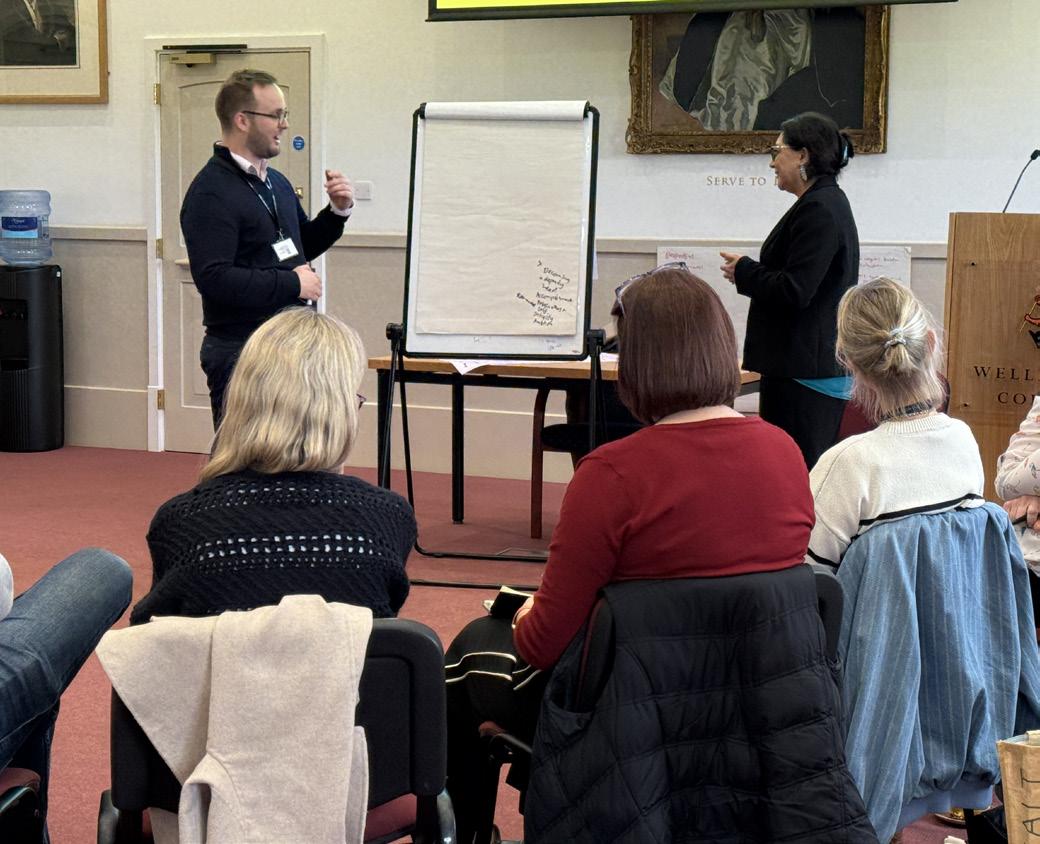
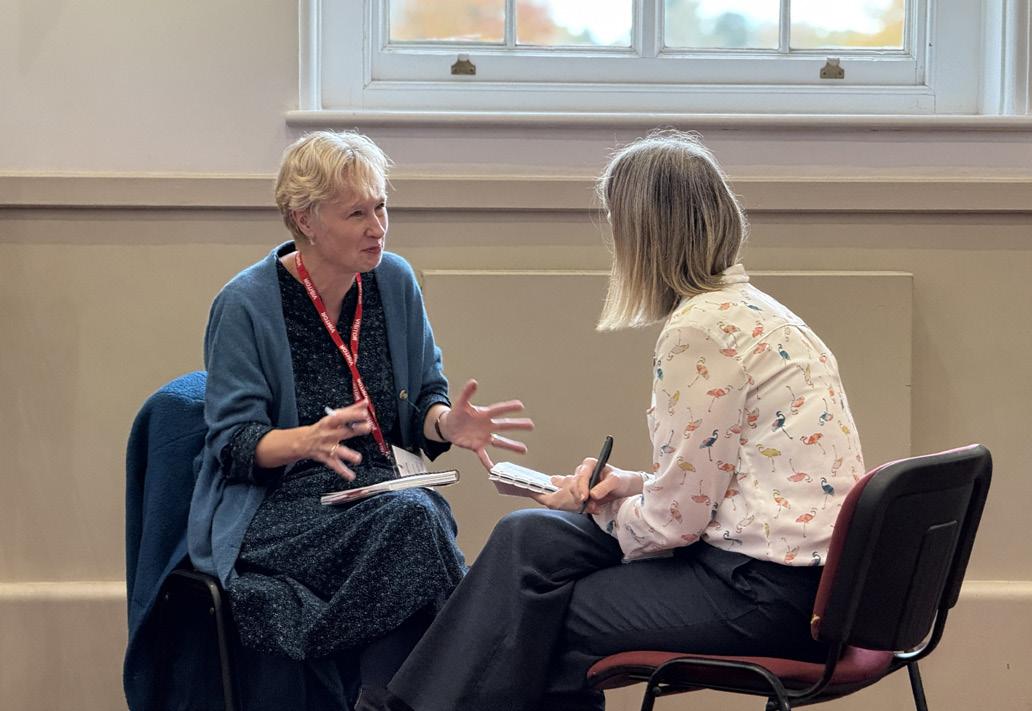
The Bridge hosts a coaching community of reflective practice for those who have completed its advanced coaching course.
• Next online session: Wednesday 21st January 2026, 8am UK time Register or find out more: Here
James Ellis
• Wednesday 11th and Thursday 12th February 2026
• In-person at Wellington College, UK Register or find out more: Here
Further information on The Bridge courses and events are available at:
https://thebridge.wellingtoncollege.org.uk/events
Iain Henderson Director of The Bridge
For some time, education has had aimed at it the following series of 3 non sequitur critical statements:
• School leavers and graduates don’t have any of the skills that make them employable
• The jobs of the future haven’t been invented yet
• So schools should more explicitly educate kids for the future which really isn’t much help to anyone seeking a logical argument.
However, to see the role of education as to enable people to go into the world and to lead a thriving, flourishing life, with fulfilment, purpose and meaning, when that world is in turn more changeable than ever before, sounds more sensible, even if it is still not clear exactly how.
During last year, we at The Bridge determined that the central focus of our work in the coming years had to be in the areas of Human Flourishing and AI – not that these topics required anything exceptionally prescient from us to alight upon them as priorities – and especially that the two were not separate but intertwined.
The imperative for Human Flourishing is all the more urgent given the rise of AI in our world.
It has thus been a joy to start working in close alliance with the Wellington Human Flourishing Institute, led by its founding director, Michael Stevenson, and with the Wellington Institute for AI, led by Chris Rothwell and Andy Dax.
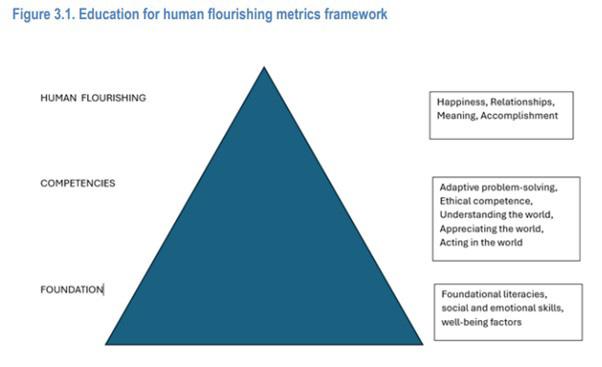
Michael’s pioneering work to create a framework for Human Flourishing has resulted in the hot-off-thepress publication of the OECD Paper which so clearly encapsulates the foundational and hierarchical interaction between literacies, knowledge, skills and competencies which lead to Human Flourishing. It is impossible to encapsulate all of that in one paragraph or even one newsletter, but if one simple diagram serves to spark your curiosity to read more, it might be this one:
Chris and Andy have just returned from a hectic and invigorating few days in China visiting WCEC Central Office and WCEC schools to plan the development of beneficial and ethical implementation of AI in education.
Human Flourishing in the Age of AI therefore seems set to be the central theme binding together the Wellington College Education Forum in Shanghai in April, and at The Bridge we will be doing whatever we can to support this.
Watch this space!
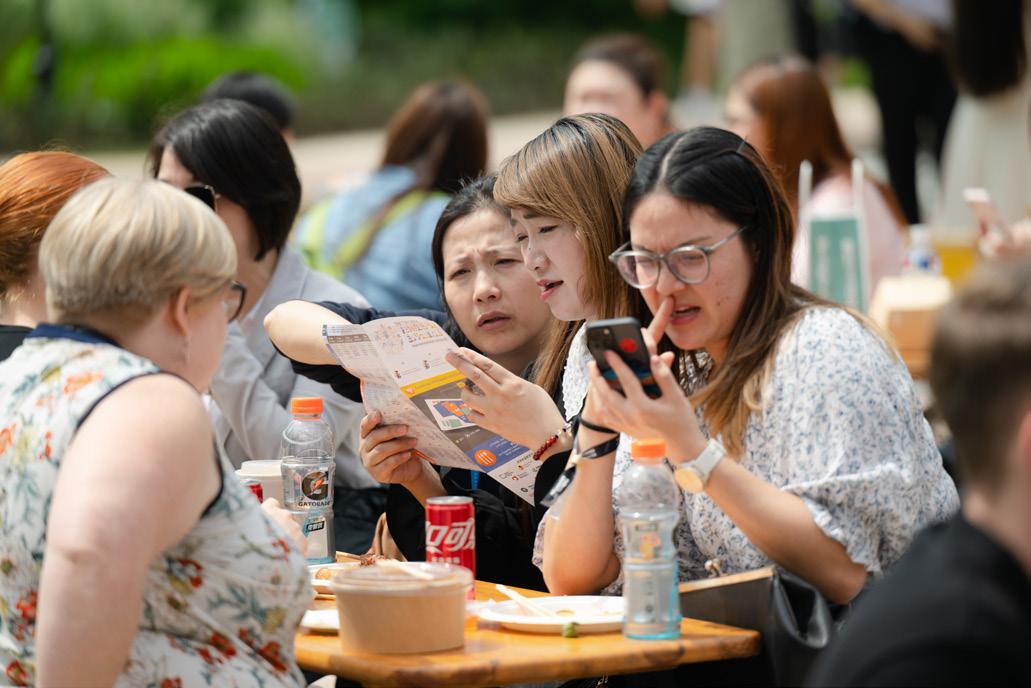
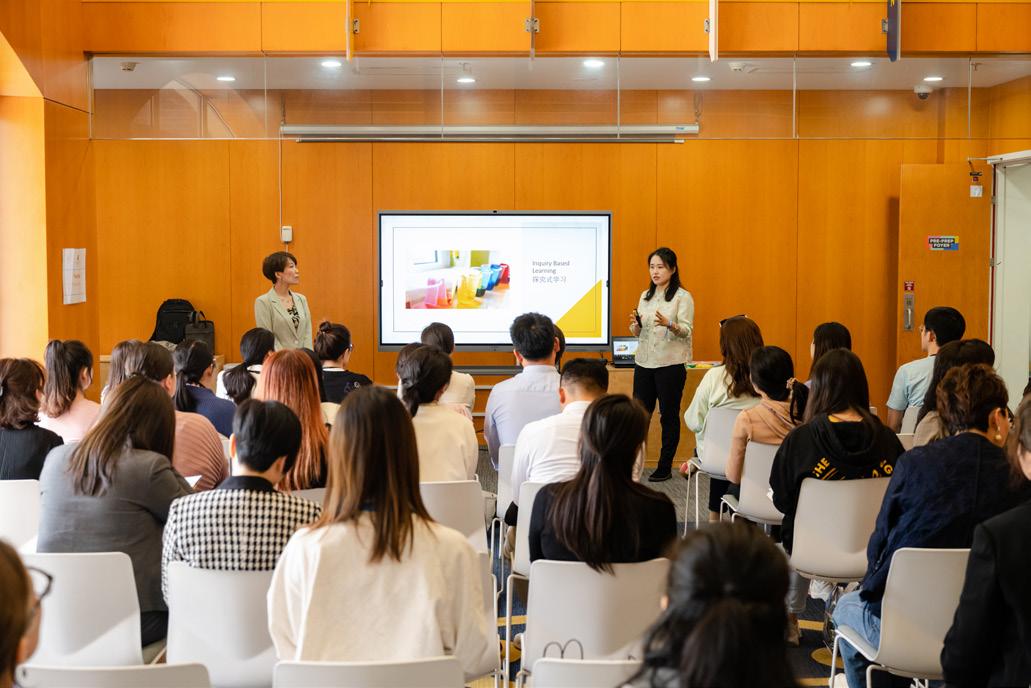
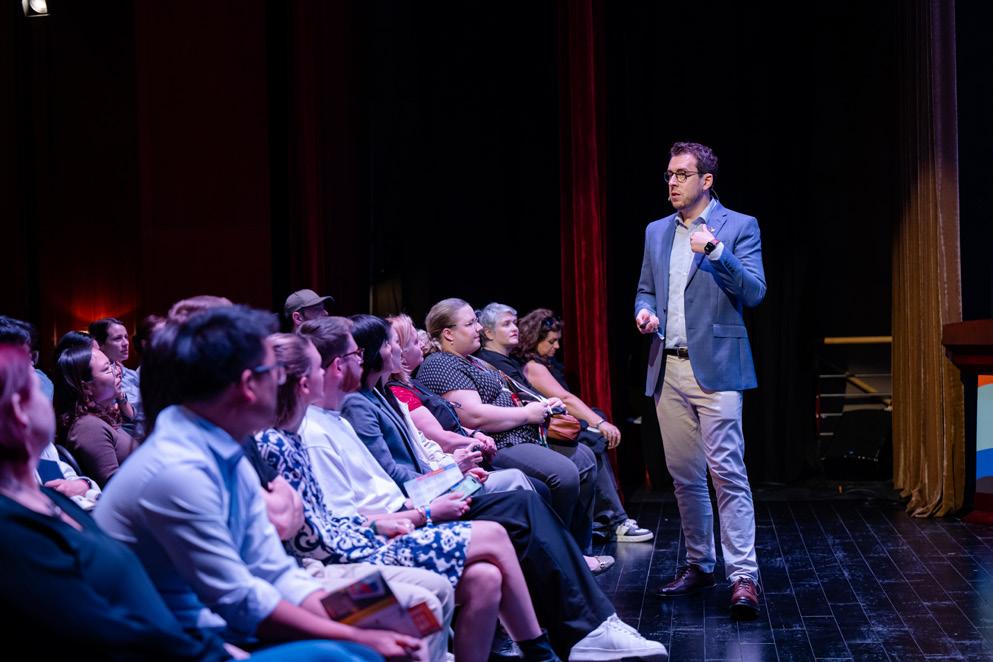
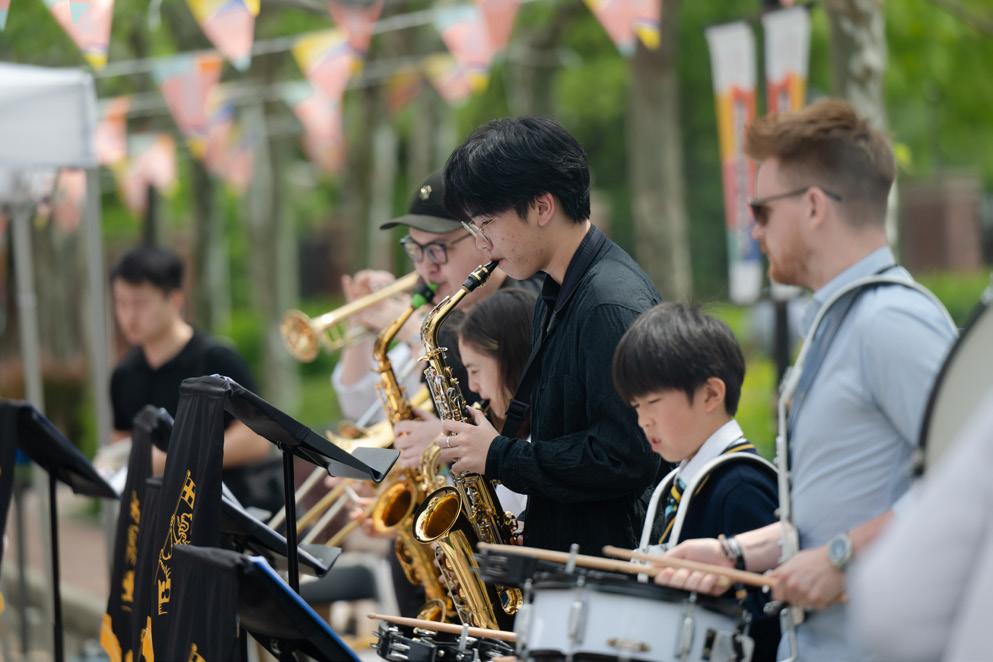
Wellington College Education China is excited to bring you a preview of the upcoming China Festival of Education. It will be hosted once again at Wellington College International Shanghai, on Saturday April 18th, 2026.
The ongoing collaborative partnership between The Bridge (China), The Bridge and EducationScape ensures that the Festival will continue to grow its reach and its influence, that it mirrors the purpose of the other Festivals around the world, and that it develops into the most exciting showpiece of educational thought leadership in the region.
Wellington College Education China has built its culture around pushing boundaries at the forefront of educational thinking, and the Festival embodies that ethos throughout. It is a vibrant event that welcomes educators from across the sector, which magnifies the power of sharing expertise, and which does so with a celebratory festival spirit.
This year, three other gatherings in the days beforehand will bring experts in education together for the Festival:
• AISH (The Academy for International School Heads) OASIS Day
AISH is the largest professional association for school heads of elite international schools. This intensive, day-long summit offers current and aspiring school heads a unique opportunity for deep professional learning, centred on leadership challenges and emerging trends in global education. This year’s event will focus on the rapid changes brought by AI and will be expertly facilitated by Eblana Learning. The Bridge (China) is proud to launch this new partnership, hosting AISH OASIS Day for the very first time in Asia.
• Wellington College Education Forum
• Boarding School Association (BSA)
To further strengthen WCEC’s flagship boarding school and showcase best practices in residential education, Hiba Academy Nantong will proudly host a regional BSA conference. This event will bring together boarding school leaders and educators to share insights and explore effective practices that enhance the boarding experience. By hosting this conference, Hiba Academy Nantong reinforces its commitment to excellence in residential education and its role as a thought leader among international boarding schools in China.
Wellington College Education China looks forward greatly to welcoming delegates from these events to the China Festival of Education.
The planning team is in the process of confirming all the Keynote Speakers as this newsletter goes to press, and these will be announced shortly on the website: https://educationfestchina.com/ and across all our social media channels.
Tickets: book your tickets here: https://educationfestchina.com/tickets/
Content themes:
• The Science of Teaching: Evidence-Based Strategies for Empowered Learners
Using evidence-based methods to develop autonomy, critical thinking, and self-directed growth — transforming students into confident, empowered learners prepared for a complex world.
• The Art of Bridge-Building: Fostering Connection in a Polarized World
Exploring practical strategies to encourage meaningful dialogue, active listening, and empathy as tools to bridge ideological and cultural divides.
• China in Transition: Global Trends, Local Impacts, and Cross-Cultural Exchange
Understanding China’s evolving role in education, innovation, and global collaboration.
• Leadership and Coaching: Essential Strategies for Impact
Developing leadership and coaching skills to inspire teams, drive performance, and create lasting organizational impact.
• Educating to Heal the Planet: Equipping Learners as Agents of Change
Advancing climate literacy, critical thinking, and actionable skills to empower students — of all ages — to address environmental crises, advocate for sustainability, and lead restorative solutions in their communities.
• Thriving People and Communities: Well-Being, Belonging, and Collective Resilience
Exploring how schools can cultivate well-being, foster belonging, and build resilience — creating inclusive communities where every member thrives, learns, and grows together.
Dr Karen Taylor
Head of Educational Research, The Bridge
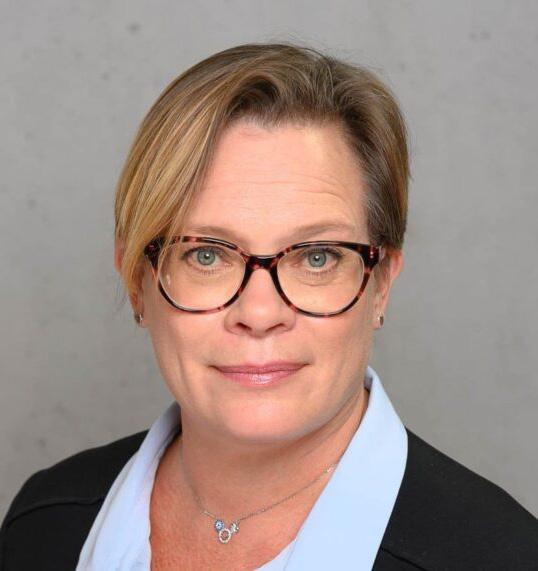
I recently had the pleasure of giving a lecture on Global Citizenship Education to International PGCE and MA students at Oxford Brookes University. It is worth noting that there are seven staff members from the Wellington family of schools (Pune, Shanghai, Nantong and Hangzhou) undertaking the IPGCE this year under the expert and personalized guidance of Dr. Jo Skelton. This is a strong, truly international programme and we are hoping to see this collaborative relationship continue to grow. If you would like more information, please contact ktaylor@wellingtoncollege.org.uk
Given the dynamics of the global economy, increased mobility and the ongoing challenges posed by cultural and political conflicts, few would dispute that Global Citizenship, Intercultural Learning or Intercultural Understanding is an essential focus in education. Yet it is also a contentious one—hence the “conundrum.”
A Journey through Ideas
In the lecture I shared my evolving thinking about global citizenship, tracing a line from Aristotelian ideas on the virtuous citizen to the virtue ethics that underlies much of the current discourse on global citizenship and related educational issues. Aristotle’s legacy shapes many Western assumptions about citizenship and moral education. But applying virtue ethics in a global context raises difficult questions:
• How do we define the collective today? Local community, nation-state, continent, planet, by economic status or social class…? All of the above?
• Where do our rights and responsibilities lie in a globalised world?
• Do we have a duty to act or to modify our actions for the collective good?
There are no simple answers to these questions.
Power, Privilege and the Hidden Curriculum
Another layer of complexity lies beneath the surface. Whether we look at the work of Oxfam, UNESCO or any number of other curriculum frameworks, GCE content is often organized into three domains: cognitive, socio-emotional and behavioural. But it is important to ask whether these frameworks carry with them assumptions about pedagogy that reflect dominant cultural norms in education, whether national or international.
Paolo Freire’s concept of critical consciousness is particularly relevant here. Freire argued that emancipation begins when we become aware of the systems that sustain social inequalities. He encouraged educators to question dominant ways of thinking—often embedded in the written, taught or hidden curriculum. This, I believe, is central to GCE, but also one of its most challenging aspects.
The students attending the lecture work in diverse settings around the world, and our conversation soon turned to the classroom realities of GCE. Many described moments of tension when students express views on global issues that conflict sharply with one another or, potentially, with the teacher’s own values. We discussed the importance of creating space for productive disagreement and empathetic listening and reflective dialogue. These practices are essential, but far from easy.
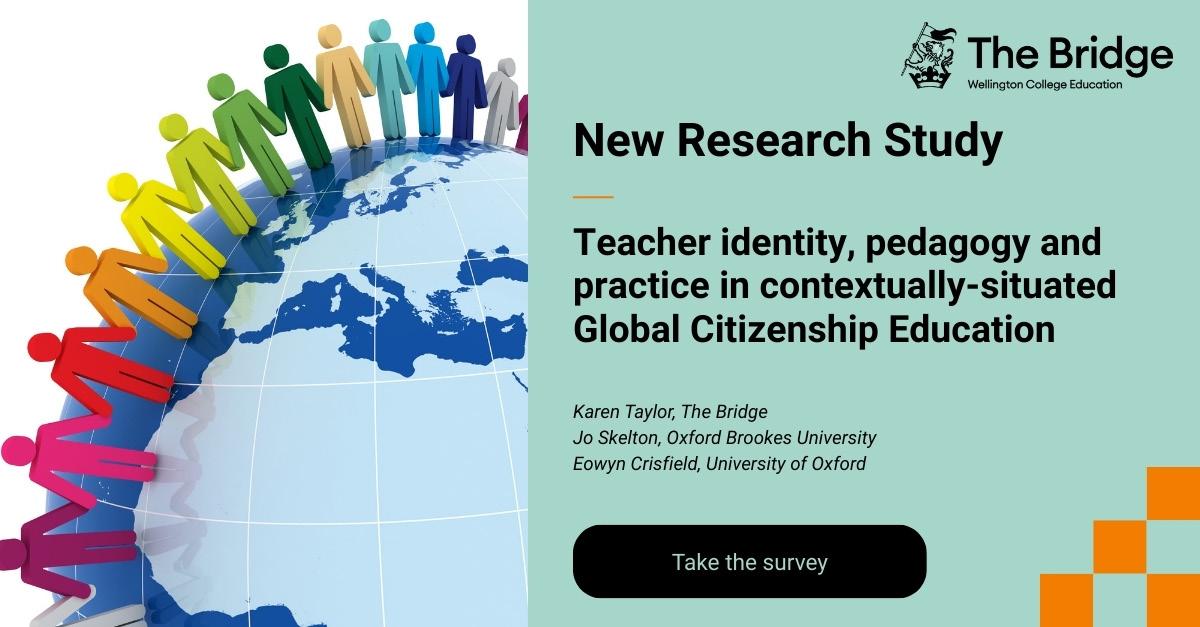
In response to these ongoing challenges, Dr. Jo Skelton, Dr. Eowyn Crisfield and I have recently launched a new research project: “Teacher identity, pedagogy and practice in contextuallysituated Global Citizenship Education.” Our aim is to understand how educators working in different international contexts interpret, define and enact GCE. By exploring the assumptions, tensions and opportunities that arise in varied settings, we hope to contribute to a more nuanced and contextsensitive understanding of global citizenship in schools.
An invitation to participate in research
We warmly invite you to contribute to this study. Your insights into the teaching and learning of global citizenship—wherever you are in the world—will help us build a richer picture of how GCE works in practice. Here is the link to the survey, or you can click the link in the image below and we would be grateful to learn from your experiences.
The Bridge is excited to share the latest article to be published in the
Preparing for the Future: Embracing Neurodiversity and 21st-Century Competencies for Human Flourishing.
Maria De Los Santos and Nathan Roberson
Click here to read the full article or scan the QR code.
Would you like to submit an article for the Journal of Educational Research and Theory?
We encourage you to share your research interests and theoretical or philosophical musing with us. We explicitly welcome submissions in a wide range of media so long as they are grounded in theory and/or well evidenced so don’t hesitate to be creative! We are also seeking peer reviewers for submissions. Simply send an email with your address, institutional affiliation, and area of interest or expertise to:
ktaylor@wellingtoncollege.org.uk
Read the submission guidelines here
Karen Taylor
Dialogic teaching is an educational approach that emphasizes collaborative knowledge construction through structured classroom dialogue. Beginning with the Harkness method adopted at Wellington College, this paper explores theoretical foundations, key research findings, and practical implementation strategies. The evidence suggests that dialogic teaching positively impacts student outcomes across multiple domains, including critical thinking, language development, and academic achievement. While implementation challenges exist, research indicates that the benefits justify institutional commitment to dialogic practices.
The Bridge provides Dialogic Teaching sessions to schools. Please get in touch with thebridge@wellingtoncollege.org.uk if you would like further information.
Our principal aim is to fully support the academic, social, and emotional development of our students. By undertaking a study of pedagogical approaches currently used to support bilingual and multilingual learners in participating Wellington College Schools, our goal is to ensure a language learning experience that is research-informed, tailored to each student’s linguistic profile, and inclusive of the cultural and linguistic diversity within our schools.
This diversity places Wellington College International in a privileged position to take a global lead on ethical, rigorous, and sound approaches to bilingual education in line with Wellington’s stated aim: “By sharing research and knowledge of educational excellence across all sectors and regions, we stand in the vanguard of pedagogical debate and play an active role in the future development of the educational landscape both in the UK and beyond.”
The proposed self-study, to be conducted by designated staff at each school, has been developed by Dr. Eowyn Crisfield (PhD, MA Applied Linguistics, BEd TESL), a specialist in teaching English as a second/foreign language, teacher-training and bilingualism. Since 2003, she has specialised in parent and teacher education for bilingualism, including curriculum development and professional development for EAL/home languages/host country language teaching and bilingual immersion. Based in Oxford, Dr. Crisfield is an accredited educational consultant working with schools internationally and an honorary Norham Fellow at the University of Oxford.
The self-study (audit) will allow us to:
• Engage in critically reflective practice
• Share best practices across the school network • Identify areas for growth, including staff professional development needs.
We further recommend developing a follow-up position paper on language acquisition across the school network.
Our understanding of language acquisition is grounded in key research areas, including but not limited to:
• The centrality of language in learning—learning of, about, and through language (Halliday, 1980).
• The intrinsic link between language, culture, and identity (Siraj-Blatchford & Clark, 2011; García, Johnson & Seltzer, 2017).
• The equal value of all languages and the importance of respecting linguistic diversity (Beacco & Coste, 2018).
• The vital role of home language(s) in academic development (de Angelis, 2007).
• The cognitive and social benefits of bilingualism and multilingualism (Baker & Wright, 2021; Cummins & Schecter, 2007).
• The role of linguistic diversity as a learning resource that enhances outcomes for all students (Hamayan, Genesee & Cloud, 2013; Paulsrud et al., 2017).
• The contribution of language learning to intercultural competence and global citizenship (García, 2009).
If you would like further information or you would like to know how you can get involved with this project please email ktaylor@wellingtoncollege.org.uk
The Bridge
Wellington College
Dukes Ride
Crowthorne
RG45 7PU
Follow us on: LinkedIn
Email: thebridge@wellingtoncollege.org.uk
Web: thebridge.wellingtoncollege.org.uk
Phone: +44(0)1344 444 238