Challenges Veterans Face During Transition and How Support Programs Address Them
The transition from military to civilian life is one of the most significant challenges veterans face. After years of structured service, many struggle with finding employment, pursuing education, or adapting to a less regimented lifestyle. One major hurdle is translating military skills into civilian job qualifications. Employers often fail to recognize the value of leadership, discipline, and problem-solving developed in service. This mismatch can lead to unemployment or underemployment.
Beyond career struggles, veterans may encounter mental health challenges, including posttraumatic stress, anxiety, and depression, which can complicate their reintegration. The loss of a close-knit military community also creates feelings of isolation and disconnection. Financial stress and difficulties navigating benefits add further burdens.
Support programs play a critical role in addressing these obstacles. Organizations like the Department of Veterans Affairs, VETS2INDUSTRY, and nonprofit career networks offer free
career services, mentorship, and skills workshops. These resources not only connect veterans with employers but also provide guidance on resume building, interview preparation, and educational opportunities. Additionally, mentorship programs help bridge the cultural gap between military and civilian life, offering encouragement and direction.
By providing holistic support, these programs empower veterans to successfully transition, restoring purpose and stability in their civilian lives.
Are Free Veteran Career Services Enough? The Need for Long-Term Career Development Strategies
Free career services for veterans such as resume workshops, job fairs, and interview coaching play a vital role in easing the transition to civilian employment. These programs help veterans gain immediate access to job opportunities and equip them with tools to navigate the hiring process. For many, these services serve as a much-needed first step toward rebuilding their civilian careers.
However, free career services alone are not enough. Veterans often face ongoing challenges that extend beyond landing their first job. Issues such as career stagnation, underemployment, and limited opportunities for advancement highlight the need for long-term career development strategies. Unlike the military, where promotion is structured and predictable, the civilian workforce requires continuous skill-building, networking, and professional development to progress.
Long-term strategies must include mentorship programs, industry-specific training, and access to higher education or certifications. Additionally, employers should invest in veteran retention programs, recognizing the unique skills veterans bring and providing pathways for leadership development. Partnerships between nonprofits, government agencies, and private sector companies are essential in sustaining these efforts.
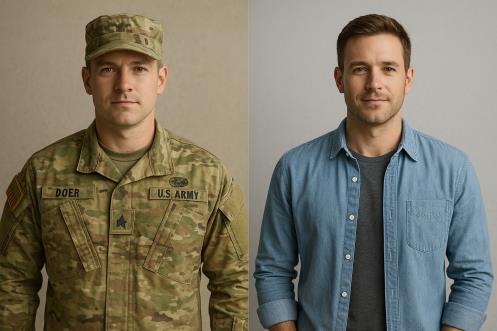
Ultimately, while free career services offer an important starting point, a comprehensive, longterm approach ensures veterans not only find jobs but also build meaningful, sustainable careers.
The Economic and Emotional Impact of Military Spouse Career Instability
Military spouses play a critical role in supporting service members, yet they often face career instability that significantly affects both their financial security and emotional well-being. Frequent relocations, unpredictable deployment schedules, and limited access to local employment opportunities make it difficult for many military spouses to sustain long-term careers. As a result, they experience higher rates of unemployment and underemployment compared to the national average.
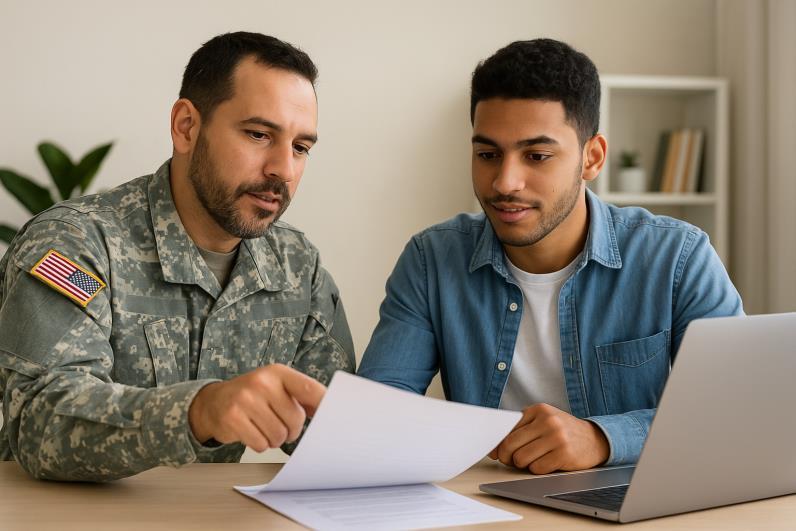
The economic consequences are substantial. Lost income, inconsistent career growth, and limited retirement savings can place military families under financial strain. Many spouses accept part-time or lower-paying jobs simply to maintain flexibility, sacrificing career advancement. This instability not only impacts household income but also reduces long-term economic stability for families transitioning out of military service.
Equally important are the emotional effects. Career instability often leads to feelings of frustration, isolation, and diminished self-worth. For spouses who are highly educated or skilled, being unable to fully utilize their talents can be discouraging. The lack of professional identity also adds stress to family life, particularly when service members are deployed.
To address these challenges, military spouse employment programs must prioritize remote work opportunities, career continuity support, and partnerships with employers committed to hiring military spouses.
The Power of Peer Support: How Veteran Mentorship Programs Foster Success
Transitioning from military service to civilian life can be overwhelming, and many veterans struggle to navigate new career paths, educational opportunities, and community connections. Veteran mentorship programs address these challenges by pairing experienced veterans or
supportive professionals with those just beginning their post-service journey. This peer-to-peer guidance provides not only practical support but also a sense of belonging.
Mentorship programs foster success by helping veterans translate their military skills into civilian career language. Mentors often assist with resume reviews, networking strategies, and interview preparation, ensuring veterans feel confident entering the job market. Beyond career support, these relationships offer emotional encouragement, helping mentees cope with the loss of military camaraderie and the stress of adapting to civilian culture.
The power of peer support lies in shared experience. Veterans are more likely to trust and connect with mentors who understand the unique challenges of military life. This trust builds strong, lasting relationships that motivate veterans to pursue ambitious goals.
By providing guidance, networking access, and emotional reassurance, veteran mentorship programs empower service members to thrive in civilian society. They not only bridge gaps in career development but also restore a sense of purpose and community.
The Role of VETS2INDUSTRY in Building Career Pathways for Veterans and Military Families
VETS2INDUSTRY org has emerged as a vital nonprofit resource dedicated to supporting veterans, transitioning service members, and their families. By offering free access to career resources, networking opportunities, and mentorship, the organization helps bridge the gap between military service and civilian employment. Unlike traditional career services, VETS2INDUSTRY provides a comprehensive platform that addresses both immediate job-seeking needs and longterm career development.
One of the organization’s strengths is its commitment to connection. Through virtual networking events, veterans and military spouses can engage directly with recruiters, industry leaders, and peers who understand their challenges. This opens doors to career pathways that might otherwise be difficult to access. Additionally, the platform hosts a vast library of resources, including job boards, education opportunities, and information on veteran-friendly employers.
For military families, VETS2INDUSTRY offers critical support in navigating employment barriers caused by frequent relocations and lifestyle disruptions. Spouses benefit from career guidance and networking opportunities, helping them achieve professional growth alongside their service member partners.

By fostering community and equipping veterans and their families with tools for career success, VETS2INDUSTRY plays an essential role in creating sustainable futures. Its impact extends beyond employment it restores confidence, purpose, and stability in post-military life. PEOPLE FIRST, VETERANS AND THEIR FAMILIES ALWAYS
https://vets2industry.org/