The Role of Technology in Improving Senior Care Services
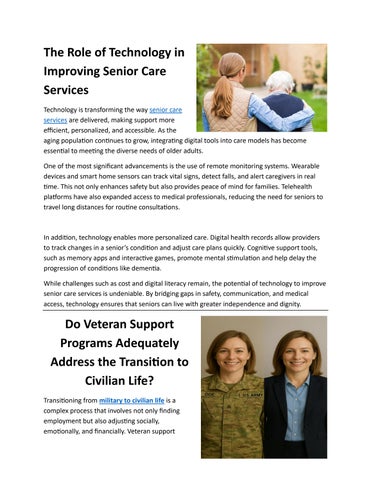
Technology is transforming the way senior care services are delivered, making support more efficient, personalized, and accessible. As the aging population continues to grow, integrating digital tools into care models has become essential to meeting the diverse needs of older adults.
One of the most significant advancements is the use of remote monitoring systems. Wearable devices and smart home sensors can track vital signs, detect falls, and alert caregivers in real time. This not only enhances safety but also provides peace of mind for families. Telehealth platforms have also expanded access to medical professionals, reducing the need for seniors to travel long distances for routine consultations.
In addition, technology enables more personalized care. Digital health records allow providers to track changes in a senior’s condition and adjust care plans quickly. Cognitive support tools, such as memory apps and interactive games, promote mental stimulation and help delay the progression of conditions like dementia.
While challenges such as cost and digital literacy remain, the potential of technology to improve senior care services is undeniable. By bridging gaps in safety, communication, and medical access, technology ensures that seniors can live with greater independence and dignity.
Do Veteran Support Programs Adequately
Address the Transition to Civilian Life?
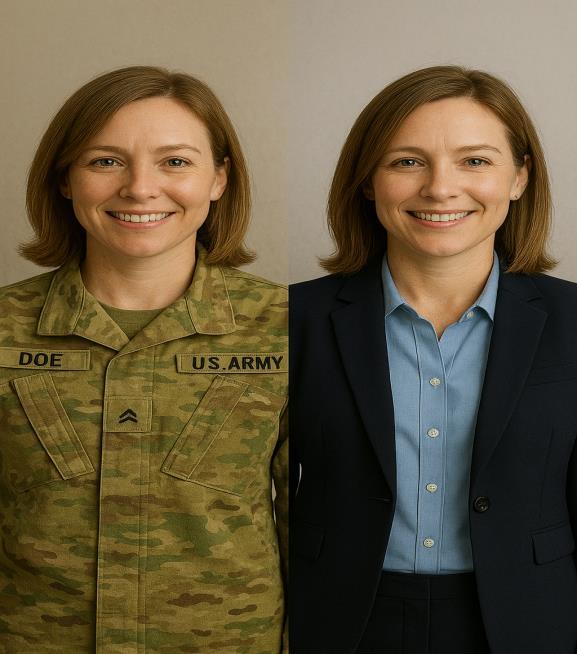
Transitioning from military to civilian life is a complex process that involves not only finding employment but also adjusting socially, emotionally, and financially. Veteran support
programs are designed to ease this shift, yet questions remain about whether they adequately meet the needs of those they serve.
On one hand, government initiatives such as the GI Bill, VA healthcare, and career placement programs provide critical assistance. These resources help veterans access education, healthcare, and training opportunities that can open doors to civilian careers. Community-based organizations and mentorship networks also play an important role by offering peer support and local connections.
However, many veterans continue to face challenges. Employment mismatches are common, as military skills are not always recognized by civilian employers. Mental health support, while available, is often limited by stigma, long wait times, or inadequate outreach. Furthermore, navigating multiple programs can be overwhelming, leading some veterans to miss out on benefits entirely.
To truly address the transition, support programs must become more integrated, accessible, and personalized. Expanding employer education, strengthening mental health resources, and improving outreach are essential steps. While current programs provide a foundation, much work remains to ensure every veteran transitions with dignity and stability.
Funding Challenges in Expanding Home Health Care for Veterans
Home health care has become an increasingly vital service for veterans, especially those living with chronic conditions, disabilities, or age-related health concerns. It allows them to receive medical attention and personal support in the comfort of their homes, promoting independence and dignity. However, expanding these services faces significant funding challenges that limit access for many veterans.
One major issue is the complexity of funding sources. While the Department of Veterans Affairs (VA) covers some home health services, eligibility requirements are often restrictive, leaving
many veterans to rely on private insurance or out-of-pocket expenses. Budget limitations within the VA also create long wait times and regional disparities in service availability.
Additionally, the rising demand for skilled home health workers increases costs. Recruiting and retaining qualified caregivers requires competitive wages and benefits, which many programs struggle to finance. Rural veterans face even greater challenges, as the cost of delivering care in remote areas is higher and often underfunded.
Addressing these funding obstacles requires stronger collaboration between federal programs, state initiatives, and community organizations. Expanding reimbursement options, streamlining eligibility, and investing in workforce development are crucial steps. Without sustainable funding, the promise of accessible home health care for all veterans will remain unfulfilled.
Balancing Affordability and Quality in Senior Personal Care Services
As the demand for senior personal care services rises, families and providers face the challenge of balancing affordability with quality. Seniors often require daily assistance with activities such as bathing, grooming, and meal preparation, but the costs of reliable care can be overwhelming, especially for those on fixed incomes. Ensuring that services remain both accessible and highquality is a pressing concern in today’s aging society.
Affordability is often tied to workforce issues. Personal care aides are among the lowest-paid healthcare workers, leading to high turnover and staffing shortages. While lowering wages may reduce costs for families, it can compromise the quality of care seniors receive. On the other hand, raising wages without increasing funding makes services unaffordable for many households.
Quality care goes beyond physical assistance it includes compassion, consistency, and respect for a senior’s dignity. Training programs, certification standards, and ongoing supervision are essential to maintaining this level of care, but these add costs that providers must pass on to clients.
Solutions lie in innovative funding models and public policy support. Expanding insurance coverage, subsidizing caregiver wages, and investing in training can help strike the right balance. Ultimately, seniors deserve care that is both accessible and worthy of their trust.
Hahn March: Founder of Signal Health Group and VETS2INDUSTRY
Hahn March is a social entrepreneur and advocate whose work has redefined care and support for two often-overlooked communities: seniors and veterans.
As Founder, CEO, and Chairman of Signal Health Group, she leads one of the nation’s fastestgrowing networks in personal care, home health, hospice, wellness, and mental health services. Her mission is rooted in equity ensuring that seniors, disabled individuals, low-income families, and veterans have access to compassionate, high-quality care.
Her journey into healthcare began with a small agency serving Medicaid recipients and disabled veterans. From that foundation, she built Signal Health Group into a multi-state franchise system that now empowers other entrepreneurs to deliver vital health services in their own communities.
March also founded the VETS2INDUSTRY Foundation, a nonprofit dedicated to easing the transition from military to civilian life. The organization offers free educational resources, mentorship, and career connections, while also supporting housing, mental health, and basic needs for veterans and their families. By creating a safe and inclusive network, VETS2INDUSTRY helps service members not just survive but thrive after their time in uniform.
Her background is as unique as her mission. As the daughter of a Vietnam War veteran and a Black and Vietnamese woman, March draws on personal experience to advocate for equity and opportunity. With degrees in business administration and public health, and a certificate in women’s entrepreneurship from Cornell University, she combines professional expertise with a deep personal commitment to service.
Through Signal Health Group and VETS2INDUSTRY, Hahn March continues to champion dignity, access, and opportunity for seniors, veterans, and underserved communities across the country.