Lions spring to action amid elevator breakdown at senior apartments
BY JASON STARR Observer staff
An elevator is one of those things you don’t realize how much you need until it stops working. This is especially true in a three-story senior citizen apartment building, where climbing flights of stairs is out of the question for some residents.
At Falcon Manor, a senior apartment building off Blair Park Road in Williston, the lone elevator has spent the better part of the past three months out of service. Residents with mobility challenges were stuck on the upper floors for weeks, unable to attend the social events and meetings in the first floor community room and reliant on others for groceries.
“I didn’t even try to go up and down the stairs,” said a third-floor resident who uses a walker and asked to remain anonymous. “I haven’t been down to bingo for a long time.”
Another resident who uses oxygen for help with breathing said he has fallen while walking the stairs.
“I can’t breathe when I go up and down the stairs, but I still do it,” he said. “No matter how bad it gets, I do it anyways.”
The elevator returned to service last week, but residents remain wary. Some have had instances in the past where they were stuck inside and had to call for help.
“It’s working now,” resident Helen Woodruff said Tuesday, “but the door acts strange. It isn’t closing or opening normally. When you get in it and the door finally closes, you wonder if it’s going to open when you get to your floor. There is still something functionally wrong with it.”
It didn’t take long after the elevator stopped working in October for Joyce Goodrich to figure out a way to help the
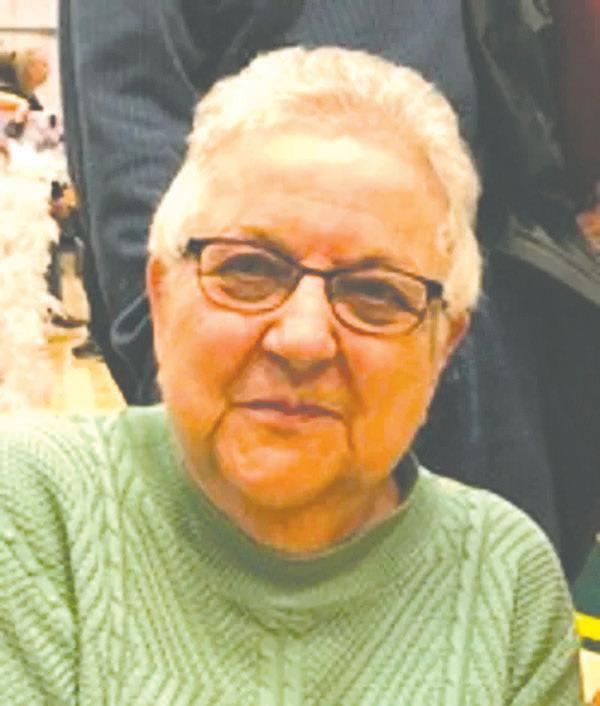
Joyce Goodrich is a resident of Falcon Manor apartments and secretary of the Williston Area Lions Club. She has organized food shelf deliveries for senior residents of the apartment building during the extended period of time that its elevator has been out of service.
residents. Goodrich lives in the building and is the secretary of the Williston Area Lions Club, a service organization that covers Williston, St. George and Hinesburg. The club was founded by her father, Herb Goodrich.
Since October, Joyce Goodrich and
fellow Lions Club members have connected Falcon Manor residents with the Williston Community Food Shelf. Every Tuesday, she distributes a food shelf order sheet that offers dozens of food and personal hygiene items. She then collects see ELEVATOR page 3
Isham to leave selectboard
Candidates running unopposed at Town Meeting Day
BY JASON STARR Observer staff
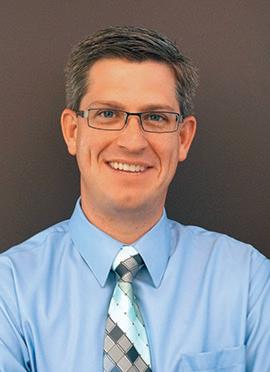
Mike Isham plans to step down from the Williston Selectboard in March. McKew Devitt, a UVM professor and Williston resident since 2015, is running uncontested to replace him.
The deadline for candidates to file petitions with the Town Clerk to be on the Town Meeting Day ballot passed Jan. 26. Devitt is the only candidate for a twoyear seat on the board. Board member Jeanne Jensen is running unopposed for re-election for a three-year seat.
All elections on this year’s ballot will be uncontested. Running to retain their current seats are Stephen Perkins (Board of Library Trustees); Liz Royer (Champlain Water District Board); Erin Henderson (Champlain Valley School Board); and Sarah Mason (Town Clerk).
Town Meeting Day voting will take place March 3. Early voting will be available starting mid-February through the Town Clerk’s office.
Isham has served three years on the selectboard. Since October, he has Zoomed in to board meetings while on a road trip through Texas and Mexico with his wife, Helen Weston. They plan to return to Vermont in the spring. The trip is a preview of the couple’s retirement plans (next summer, Alaska!), as they transition ownership of their Isham Family Farm to a younger generation.
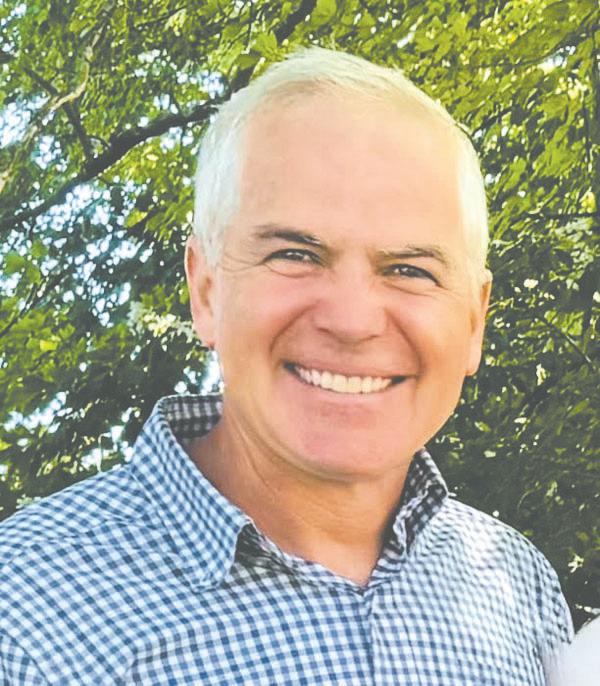
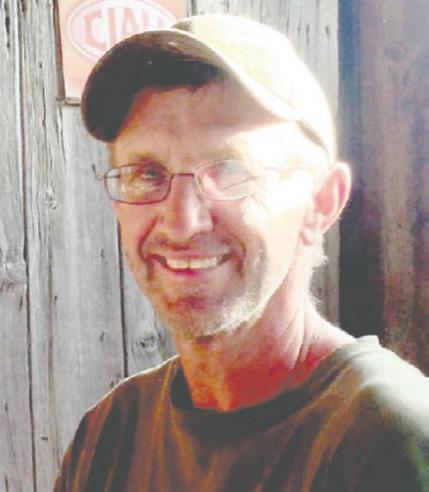
Mike Isham McKew Devitt
OBSERVER PHOTO BY JASON STARR
Love Out
| chappellsflorist.com
Around
Town
“New Neighbors” making the rounds
A documentary by Williston filmmaker Jim Heltz — “The Beavers of Allen Brook” — will air on Mountain Lake PBS throughout the month of February. The showings kick off this Friday, Feb. 6 with an interview of Heltz airing at 8 p.m. The interview will re-air Feb. 7, followed by a showing of the film, which documents a beaver population living on the Allen Brook in Williston.
The film is also screening on Vermont Public, Maine Public and the Media Factory, as well as one-off screenings across the state.
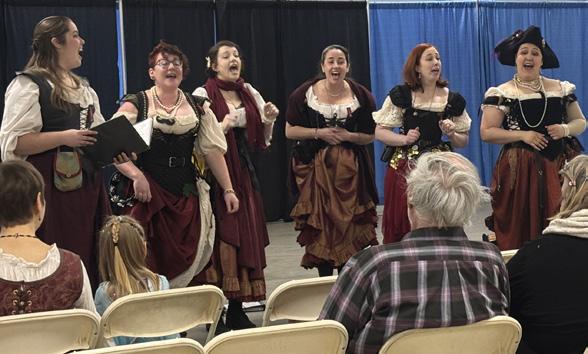
Performances, vendors and food offerings punctuate this weekend’s Renaissance Faire at the Champlain Valley Expo in Essex Junction.
OBSERVER COURTESY PHOTOS
Renaissance Faire returns to Expo
The Ninth Annual Winter Renaissance Faire brings merriment for the whole family this weekend at the Champlain Valley Exposition in Essex Junction.
The event features performances, artisan craft vendors and a variety of food offerings.
Doors open at 10 a.m. both
Saturday and Sunday, Feb. 7-8, at the Expo, 105 Pearl St. in Essex Junction. Tickets are available at the door. Parking and children under 6 are free. Email info@vtgatherings.com for more information.
A French Canadian food fest
Get out and taste some authentic French Canadian food at the Richmond Knights of Columbus’ Annual French Canadian Supper.
The supper will be held in the Parish Hall of Our Lady of the Holy Rosary Church on West Main Street in Richmond from 5-6:30 p.m. Proceeds benefit the various charities supported by the Knights. The cost is $17.
Featured food items include pea soup, meat pie (tourtiere), mashed potatoes, green beans, dessert and beverages.
Register by calling (470) 588-5515 or email at KK1L@ comcast.net.
CORRECTIONS
A caption for a photo on the front page of the Jan. 29 edition of the Observer misidentified a person as a Williston Police Officer. The person pictured is an officer of the Department of Homeland Security, according to Williston Police.
Also in the Jan. 29 edition, a caption for a group of photos from the Jan. 14 hockey game between the Chittenden Charge and Bellows Free Academy mistakenly said that the Charge won the game 5-0. In fact, Bellows Free Academy won the game 5-0.
Elevator
continued from page 1
the orders and drops them off at the food shelf.
Food shelf volunteers pack the orders, and on Thursdays, Lions Club members pick them up and deliver them to the residents.
“They are the only help we’ve had,” said resident Dana Warner. “They have to carry those big heavy boxes up the stairs. They are always very polite, and they’ve been doing it quite a while. I think they should be thanked publicly.”
Woodruff echoed that sentiment: “I’m very grateful for everything that the Lions Club has done for us,” she said.
The grocery deliveries have been so well-received that the Lions Club plans to continue offering them to Falcon Manor residents, even if the elevator becomes more reliable.
“There are people here that
“I’m
very grateful for everything that the Lions Club has done for us.”
Helen Woodruff
Falcon Manor resident
need the service,” Goodrich said. “We are a service organization and we’re here to help.”
Falcon Manor is owned by Evergreen Real Estate Group out of Chicago. The company’s on-site property manager did not return a request for comment. Nathan Banyea, the on-site maintenance manager, said Evergreen relies on Otis Elevator Company to service the elevator.
“We’re at the mercy of when they can get here,” Banyea said. “They are pretty much the only elevator company around. We can call them, but if they are booked out, there is very little we can do to
Good Vibes
The 16-and-under Vermont Vibe volleyball team took second place in the recent Snow Brawl Tournament held in Providence, R.I. The team includes (back row from left), Coach Cliff Collins and CVU junior varsity players Charlie Fortune, Luke Halverson, Izyk McGuire and Even Peryea. Pictured in the front row (left to right) are players Bao Nguyen and Joseph Nguyen of Burlington.
CONTRIBUTED PHOTO
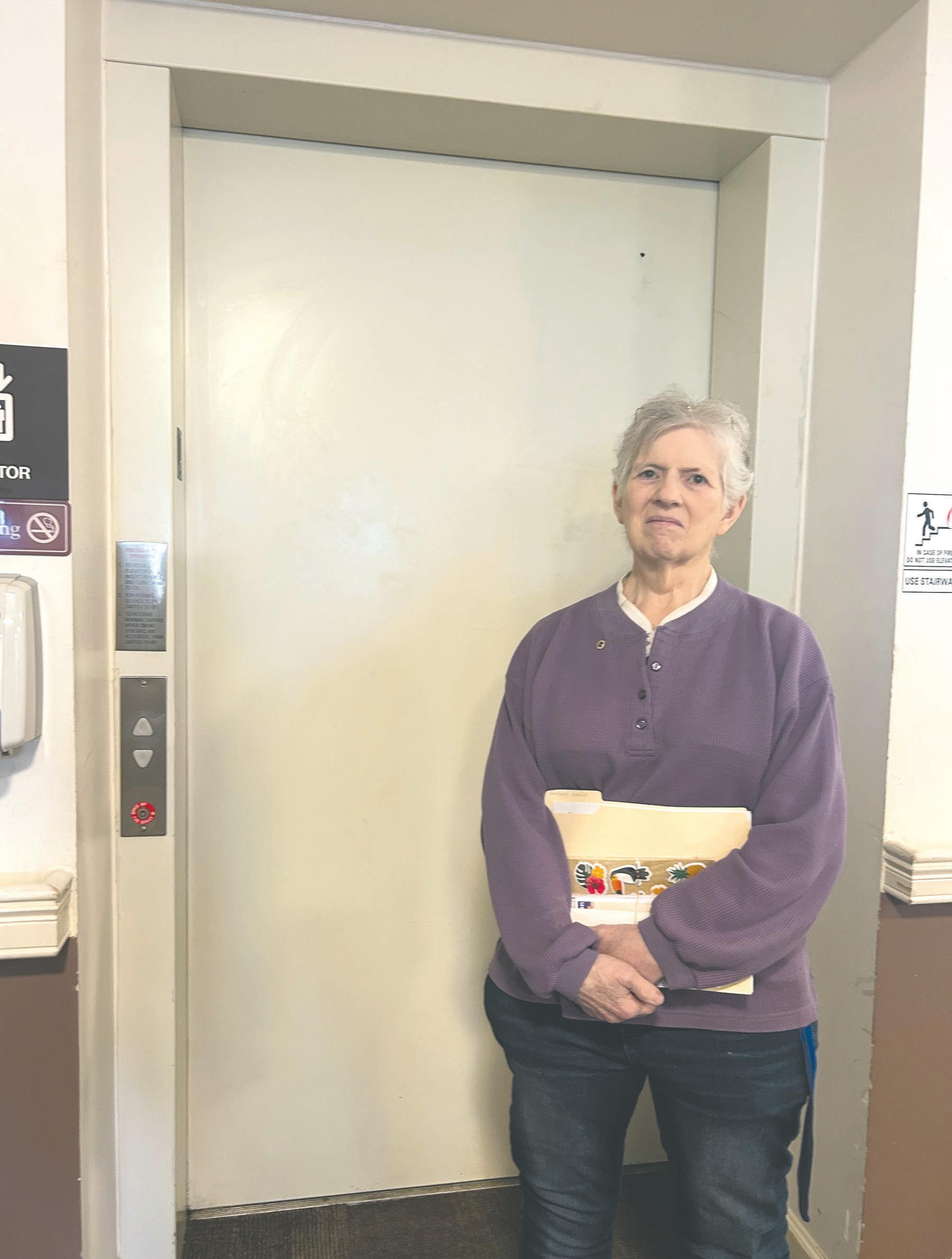
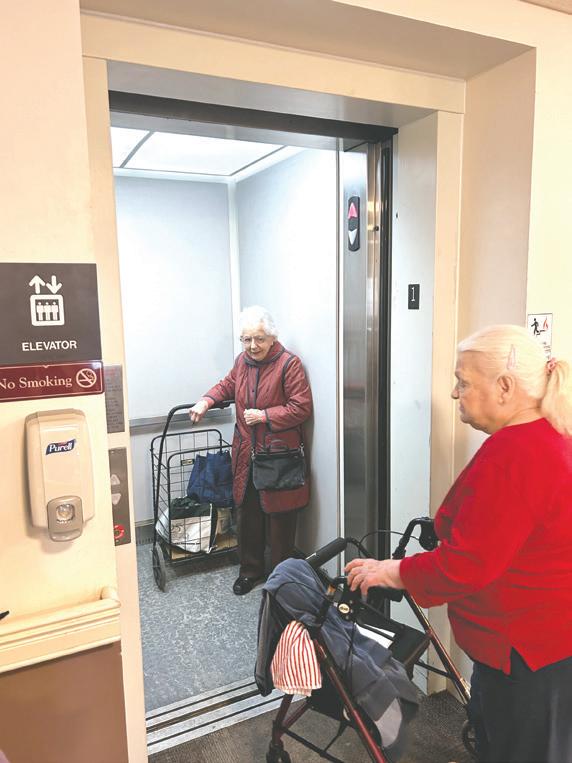
After three months out of service, the elevator at Falcon Manor senior apartments is back online. However, ‘There is still something functionally wrong with it,’ said one resident.
OBSERVER PHOTO BY JASON STARR
get them here sooner.”
The “Certificate of Operation” posted inside the Falcon Manor elevator expired three years ago. It is a conditional certificate issued by the Vermont Department of Public Safety’s Division of Fire Safety.
The Division of Fire Safety’s most recent inspection record of the unit is from October 2024, and it shows three violations. The inspection was conducted by Vermont Elevator Inspection Services, which has since been acquired by Atis Elevator out of Missouri.
According to Atis administrator Victoria Bennett, company inspectors visited the unit in October 2025. That inspection concludes: “Unit not operational … No current certificate … Wrong certificate of operation posted in car.”
The Vermont Division of Fire Safety mandates annual inspections of elevators but has no record of Atis’ 2025 visit.
“Since Atis has been (operating) in Vermont, we have not issued a certificate for that location,” Bennett said.
Goodrich said she has been in contact with the U.S. District Attorney’s office about Evergreen Real Estate Group’s failure to provide a functioning elevator.
Selectboard
continued from page 1
“I am really honored that the town of Williston trusted me to be a representative,” Isham said. “I feel like I’m representing rural Williston. As a longtime resident, I feel like I can speak from their point of view.” (See page 7 for more from Isham).
Devitt last ran for the selectboard in 2018, when he lost a contested election to Ted Kenney, the current board chair. With his four children eight years older and more self-sufficient and with experience volunteering on the Friends of the Library board, Devitt feels more prepared to take on a selectboard seat now compared to when he first ran.
He’s also animated by the current state of political discourse.
“Things are kind of terrible with the way politics have been going, and I feel like, instead of hunkering down and ignoring what’s going on, to be more engaged is important to me,” he said. “This is a great way for me to contribute to the community.”
Devitt is a New York native who lived in Burlington before moving to Williston Village. At UVM, he teaches Spanish language and literature. His profession has fostered a cultural awareness that he believes will serve him well on the board.
“There’s something to be said for working in the humanities and learning about cultures other than your own,” he said. “People I believe are less likely to demonize others if they are more aware of cultural diversity and certain historical factors that have led to racist and oppressive ideologies.”
Although he is running unopposed, Devitt plans to introduce himself to voters through online forums and neighborhood meetings in the weeks leading up to Town Meeting. On the selectboard, he said he will advocate for local business, community spaces and improved walkability and bikeability.
New bill calls for ICE agents, police to unmask
BY MONA ABOU Community News Service
Vermont lawmakers are considering a bill that would bar law enforcement officers from concealing their faces while interacting with the public.
The bill, S.208, was introduced amid rampant immigration enforcement in Minnesota, where masked federal agents have fatally shot two U.S. citizens in recent weeks.
Supporters of the Vermont bill say the proposal is about public trust, while law enforcement officials have raised questions about how it would be enforced.
“We all deserve to feel safe in our communities,” Jordan Souder, a policy advocate for the American Civil Liberties Union of Vermont, told the Senate Judiciary Committee in January. “Community safety requires public trust in law enforcement.”
Sponsored by Sen. Nader Hashim, D-Windham, a former Vermont state trooper, and 12 other state senators, the bill would prohibit law enforcement officers from wearing masks or disguises while on duty, with few exceptions. Officers would also be required to display their name, badge number or both on their uniforms.
Exceptions could be made for wearing masks to protect against illness, smoke and other hazards or if officers are working undercover,
which some officials argue could create loopholes that make enforcement more difficult.
Officers who violate the requirements could face a fine of up to $1,000 and lose their law enforcement certification. If signed into law, the bill would take effect July 1.
In testimony to the Senate Judiciary Committee on Jan. 14, Souder said federal immigration officials frequently wear uniforms that say “police” but without other identifying
The feds would likely sue the state if the bill becomes law.
details. He suggested the bill be amended to require officers to also display the name of their agency on their uniforms.
People lose trust when they can’t tell who is carrying out an arrest, he said.
“Trust can be undermined when we have armed, masked federal agents wearing plain clothes, driving around in unmarked vehicles, going around arresting members of our community without warrant, warning or identification,” Souder said. “Without identification, they seem to act with impunity, with very little oversight or accountability.”
Will Lambek of the advocacy group Migrant Justice testified Jan. 14 that federal agents in
Vermont have been seen wearing masks and civilian clothing and driving unmarked vehicles. Immigration and Customs Enforcement agents aren’t wearing lanyards with identifying information as they had in the past, Lambek said.
Meanwhile, there’s been a sharp increase in enforcement, according to Lambek. He said enforcement activity in the state has increased more than tenfold and that federal agents have detained more than 100 people in Vermont in the past year.
“It’s really quite difficult to underscore the sense of crisis and psychic trauma that that number of detentions brings,” he said. “Detention represents a family that’s being separated and a community that’s being terrorized.”
But some state officials aren’t sold on the bill, including Jennifer Morrison, commissioner of the Vermont Department of Public Safety, who spoke to the Senate Judiciary Committee on Jan. 15. She suggested the Vermont Criminal Justice Council, which establishes a code of conduct for police officers, could take up the issue instead of addressing it in a lengthy statute with numerous exemptions. Allowing officers to wear medical-grade masks, for instance, could easily be abused, Morrison said.
“I actually think there’s a better path forward to achieve the same goal,” she said.
“The exceptions make it more likely that you’re going to get people who wear them and claim an exception that is not necessarily what
you were after in drafting this bill,” she later added.
Committee members also discussed potential legal challenges to the bill. The U.S. Department of Justice sued the state of California last fall after lawmakers there approved a similar bill. The suit says that the mask ban is unconstitutional and subjects officers to harassment.
“Law enforcement officers risk their lives every day to keep Americans safe,” U.S. Attorney General Pam Bondi said in a statement at the time. “They do not deserve to be doxed or harassed simply for carrying out their duties.”
Columbia Law School professor Jessica Bulman-Pozen, who also testified to the committee, told the Community News Service that the feds would likely sue the state if the bill becomes law. But she thinks the bill is legally sound because it would treat all law enforcement officers equally.
“I think Vermont has very strong arguments if it passes the current version of (the bill) or something similar into law about why the federal government is wrong,” she said.
The Senate Judiciary Committee is scheduled to discuss and possibly vote on the bill Friday, Jan. 30.
Community News Service is a University of Vermont journalism internship.
Baruth proposes funding for anti-ICE protest policing
BY SHAUN ROBINSON VTDigger
When Vermont lawmakers set aside $50 million in this year’s budget to help plug feared future federal funding cuts made by the Trump administration, they weren’t sure exactly what that pot of money would be used for, or when. Now, a year into Trump’s second term, they’ve started drawing on some of the money — and are continuing to debate when to draw on the rest.
In the wake of Trump’s deadly immigration crackdown in Minneapolis, Senate President Pro Tempore Phil Baruth, D/PChittenden Central, is proposing a new potential use for those funds. He wants to make at least some of the cash available to reimburse the state or municipalities for public safety costs they could incur if a similar operation took place here.
Baruth told his colleagues on the Senate Appropriations Committee Tuesday that the proposal stemmed from discussions with leaders in Burlington and Winooski, which are among the state’s most diverse
communities. If federal immigration agents targeted those cities, he said, many members of the public would turn out to protest. And judging by recent events, he said, a “greatly increased” state or local police presence would be needed “to make sure that nothing spirals out of control.”
The pro tem wants his idea included in this year’s midcycle budget tune-up legislation, which modifies state spending through June. Senate Appropriations started taking testimony on the “budget adjustment” bill, H.790, on Tuesday. The House approved its version of the bill Friday.
Baruth’s proposal comes as state lawmakers have already spent, or proposed spending, about a quarter of that $50 million for other uses.
Last fall, they used some $6 million to fund food assistance for tens of thousands of Vermonters in the first half of November as federal funding lapsed during the government shutdown. They also sent $250,000 to the Vermont Foodbank to help address the temporary surge in need.
More recently, the House’s version of the
2026 budget adjustment bill proposes taking another $5 million from that pot. That money would be used to slow the loss of vouchers that help thousands of Vermonters cover rent amid federal funding cuts to the Section 8 program.
It’s difficult to say how much it would cost the state or municipalities to police a major protest against an immigration enforcement surge. According to the City of Minneapolis, local police have worked thousands of hours of combined overtime during Trump’s crackdown there. The
estimated cost of overtime between Jan. 8 and 11, the city said, was more than $2 million.
No members of the Appropriations Committee expressed immediate disapproval of Baruth’s idea Tuesday. The pro tem said he expects there will be more discussion of it in the coming days, when the details could be tweaked. Sen. Andrew Perchlik, D/P-Washington, the committee’s chair, said he hopes the panel will finish its work on the budget adjustment by early next week.
Protesters gather last week on Church Street in Burlington.
PHOTO BY GLENN RUSSELL/VTDIGGER
Time to talk telecom towers and radiation
BY ALISON DESPATHY
There are currently numerous cases of Vermonters opposing proposed telecommunication towers due to inadequate setbacks from homes, schools and sensitive areas; scientifically documented harms and negative health impacts of radiation on humans, wildlife, ecosystems and the environment; decreases in property values; and their desire to steward local areas and protect Vermont’s scenic beauty.
Here are some examples.
A couple in Tinmouth are fighting for their health and safety trying to oppose a proposed radio tower roughly 500 feet from their home of 50-plus years.
Westmore residents are collaborating to protect the natural beauty of their homes and Vermont’s beloved Lake Willoughby from a recently approved radio tower.
A family in Pownal has spent a year dealing with the tortuous telecom siting process called Section 248a, trying to relocate a proposed cell tower away from their children and home in the woods of Vermont.
Rochester residents have organized to share research and concerns regarding environmental and health impacts of a proposed tower in their community.
(A) court order and the massive compilation of peer reviewed research demonstrating harms from wireless radiation exposures have been blatantly ignored by the FCC and the FDA.
Marshfield, Manchester, Washington — the list goes on with many communities pushing back on an unprecedented telecom infrastructure roll out.
Currently, here in the U.S., any and all considerations of negative health impacts are prohibited in the siting of cell towers and telecommunication infrastructure.
Rick Cote, Associate Publisher rick@willistonobserver.com 802-373-2136
EDITOR
Jason Starr editor@willistonobserver.com
PRODUCTION & DESIGN
Jan Kenney
jan@willistonobserver.com
PUBLISHER
Susan T. Cote susan@willistonobserver.com
BILLING INQUIRIES
ADVERTISING SPACE DEADLINE
Friday at 5 p.m. for the next Thursday issue rick@willistonobserver.com, 802-373-2136
CLASSIFIED ADS
Deadline is Friday 5 p.m. There is a fee for business, real estate, help wanted and legal ads. Free classifieds must be 25 words or fewer and are printed on a space available basis.
SUBMISSIONS & LETTERS
Deadline is Monday noon for Thursday issue. News/ story tips are welcomed. Letters to the Editor should be 300 words or fewer and include your name, address and a daytime phone number so that we can verify the letter’s author.
The Williston Observer reserves the right to edit or refuse submissions or advertising. Opinions expressed in the paper are those of the writer and do not necessarily reflect the opinion of the paper.
Michael McCaffrey office@willistonobserver.com A publication of Twin Ponds Publishing LLC
Member:
This was preempted by the 1996 Telecom Act, which mandates ignoring the reality of negative health effects when considering telecom siting.
People have had enough of this betrayal. The 1996 Telecom Act is a three-decades-old law that has miserably failed to address rapidly escalating radiation and its documented and well understood harms.
A lawsuit did emerge, and on Aug. 16, 2021, Environmental Health Trust won a landmark case resulting in a federal court ordering the Federal Communications Commission (FCC) to explain why it ignored scientific evidence showing harm from wireless radiation.
The National Institute of Environmental Health Sciences also published its National Toxicology Program Study, which assessed tumors and heart damage in rats due to radio-frequency
radiation. It concluded that FCC limits should be strengthened up to 200-400 times the current level in order to protect children.
To date, this court order and the massive compilation of peer reviewed research demonstrating harms from wireless radiation exposures have been blatantly ignored by the FCC and the FDA. Zero action has been taken to address this overwhelming body of research.
Even more egregious, the United States allows 10-100 times higher levels of radio-frequency radiation from cell towers and wireless infrastructure than most countries. Other countries have developed transparent accountability frameworks through monitoring and compliance enforcement to provide protections for communities, the environment and vulnerable populations.
Why is the U.S. not taking action to protect the health of
the people, the environment and wildlife from the known and documented health effects of radiofrequency radiation?
The past two decades have seen an explosion of radio-frequency radiation exposure via personal wireless devices, wearables, environmental and weather research and experimentation, sensor technology, mega frequency expansions, surveillance enhancements and proliferation of communications infrastructure, including thousands of launched satellites, cell towers and small cell antennas in our environment and communities.
The FCC and other agencies’ reluctance to actually regulate and ensure thorough reviews of the ongoing research on harms related to wireless frequencies should not be surprising.
In 2015, Harvard University’s Edmund J. Safra Center for
Understanding wants vs. needs
BY MIKE ISHAM
As a collective, the American society has deeply continued to express desires beyond basic needs, often prioritizing wants over necessities. Discussions frequently focus on desires, and much of the selectboard’s conversations center on discretionary items within the budget. For example, there is a proposal to allocate nearly $600,000 from the town budget for the library expansion, which some consider a non-essential expenditure. At the same time, funding for events such as the July Fourth fireworks and for the food shelf may be at risk.
There are significant savings that could be achieved by prioritizing essential needs over discretionary wants in budget management. Excessive pursuit of non-essential desires tends to perpetuate further unnecessary consumption.
Despathy
continued from page 6
Ethics published Norm Alster’s book, “Captured Agency: How the Federal Communications Commission is dominated by the industries it presumably regulates.” This book details rampant conflict of interest, revolving door issues and funding concerns. The primary message is summarized in this statement, “The FCC sits at the core of a network that has allowed powerful moneyed interests with limitless access a variety of ways to shape its policies, often at the expense of the fundamental public interests.”
Currently, the FCC is drafting rules that, if passed, would prohibit states and towns from holding any jurisdiction over the siting of towers, antennas and other wireless infrastructure. The National Call for Safe Technology also recently alerted the public to Congressional Bill, HR 3557 described by telecom Attorney Andrew Campanelli as “designed to strip all powers from state and local governments ... over the placement of [wireless] facilities.”
Many long-time Vermonters now face significant challenges, including the inability to afford to live or retire in the communities where their families have resided for generations.
There is a growing perception that American society has shifted toward excess and an emphasis on fulfilling wants rather than needs. Reflecting on this trend, it is worth considering how we would address the present-day challenges faced by longtime residents in
will take a dive while the health of humans and ecosystems will literally be placed in harm’s way.
Solving this problem will require the creation of state level regulations that guarantee the use of peer reviewed scientific research on safe setbacks and allow the scientific evidence of radiofrequency harms to be considered when determining placement of wireless infrastructure.
Vermont must claim statewide jurisdiction over telecom infrastructure, establish safe and acceptable radiation emission and
communities like Williston and Vermont — those whose families have been rooted here for over a century. If we were to recognize these individuals as indigenous to the area, our approach to their needs might be more thoughtful and responsive.
At the same time, as more newcomers settle in our towns and across the state, we often seek to re-create the environments that have been left behind. This desire to import familiar amenities and lifestyles can inadvertently reshape Vermont, sometimes at the expense of the character and priorities valued by longtime residents.
While there is frequent discussion about supporting the indigenous Abenaki people, it is also important to acknowledge the struggles of multi-generational Vermonters. Many long-time see ISHAM page 9
power output levels, and create a framework for monitoring, compliance and enforcement of these levels in our communities. It is urgent that this issue be addressed before more harm and damage are done.
Alison Despathy of Danville is the community & environmental health director for Vermonters for a Clean Environment (VCE). This article first appeared in VCE’s December newsletter. For a list of resources and scientific articles used to compile this article, email Alison.despathy@vce.org.
LETTERS TO THE EDITOR
Ideas for affordable schools
Real reform of educational funding should include consolidation of school administrative districts to one per county, with commensurate reductions in administrative staff. In addition, we urge the adoption of a statewide teacher contract and a universal, enforced per pupil spending cap (set annually), only to be exceeded in cases of documented special needs.
Finally, there needs to be a serious consideration of alternatives to the reliance on the property tax for school funding.
We are amazed to hear repeatedly that there is no evidence that cutting the number of districts would save any money. This does not seem credible. Each district has a superintendent with a six-figure salary, plus assistants for finance and administration whose numbers could obviously be reduced if county districts are created.
Statewide salary levels for staff could be implemented through a statewide school staff contract. This would provide a level playing field for all school districts to hire staff and could reduce staff turnover in less affluent districts.
Longer term, a serious review should be made of funding the schools through the income tax, rather than continuing to rely upon property taxes. As it stands, renters escape direct payment of school taxes. While ultimately taxes on renters are part of the cost for their housing, those costs are invisible when renting and do not necessarily change each year in amounts that directly reflect property tax increases. All Vermonters should directly and knowledgeably pay for education, not merely property owners.
We only can control education spending by insisting on mandatory budget caps, administrative reform and a fair tax basis through a truly universal income tax. We could support use of property taxes only for school construction and bonds. But at the end of the day, we cannot continue to see ongoing large increases in the property tax.
We both are educators who have taught at the secondary and community college level and wish to see a stronger education system developed. “Local control” is no longer effective and must change to “affordable control.”
Carl and Barbara Fowler Williston
If these become law, the telecom industry will effectively govern itself and place unregulated and unmonitored radiating wireless infrastructure wherever they please. Property values and scenic beauty
SPRING/SUMMER PROGRAM GUIDE
The Rec Department’s Spring/ Summer Program Guide will be mailed out starting Thursday, Feb.
5. Registration opens on Monday, Feb. 9 at 8 a.m. for all programs in the guide.
SPONSORS WANTED
Do you own a Williston business? Do you want to support the community? Are you looking for an event your employees can help with?
If yes, we are looking for you!
Become a sponsor of the special events that we offer each month. The goal is to provide the events free to the community, but there are costs involved. Your sponsorship will help with this.
Special events that need sponsorship are: Family Play Day in June, Movie in the Park
in September, Glow Fun Run in October, Turkey Trot & Toss in November, and Drive-in Movie in December. Contact the Recreation Department to discuss how we can get your business name out in front of the community as you help to benefit it.
SPECIAL EVENTS
FAMILY BINGO NIGHT
All Ages. Friday, Feb. 20, 6-8 p.m. at the R.E.C. Zone, 94 Harvest Lane. Join a fun-filled evening of family bingo, and see if you’re lucky
enough to win a prize. Free. No registration required.
ACTIVE AGERS PROGRAMS
SENIOR COMMUNITY MEALS
Ages 60-plus. Pre-registration is required; space is limited. The Recreation Department and Age Well are offering meals on Tuesdays from 12–12:30 p.m. Check-in begins at 11:30 a.m. Following lunch, enjoy a free senior-focused program. Check out the meal menu online at willistonrec.org.
ADULT PROGRAMS
DOG TRAINING CLASSES
Work with your dog and review skills. If you have an aggressive dog, learn what you can do at home. Basic: Sundays, Feb. 22-March 29, 1-2 p.m., $195. Beyond: Sundays, Feb. 22-March 22, 3:30-4:30 p.m., $185.
JAZZERCISE CARDIO SCULPT PROGRAMS
Jazzercise New Year sale: $99 for two months of unlimited
call 802-857-5296
Isham
continued from page 7
Vermonters now face significant challenges, including the inability to afford to live or retire in the communities where their families have resided for generations. Their needs deserve attention as part of any conversation about community and belonging. This also relates to our youth in Vermont who are struggling as well to afford to live here.
There is ongoing discussion about expanding libraries, community centers, and other big ticket amenities. However, it is important to also consider challenges such as affordability, homelessness, substance abuse, and mental health issues that affect many individuals in our society. The strength of our community is ultimately reflected in how we support its most vulnerable members.
Rec Dept
continued from page 8
classes. Programs are geared to people ages 50-plus but open to all ages. Instructors will show you how to take it high or low. Cardio Sculpt Low/Low — Tuesdays and Fridays, 8:30-9:30 a.m.; Mondays and Wednesdays, 11 a.m.-12 p.m. Cardio Sculpt Low/High — Tuesdays and Wednesdays, 4:45-5:45 p.m.; Sundays, 8:30-9:30 a.m. Instructor: Kit Sayers.
Our society has reached a point where over half of the electorate voted for Donald Trump. It is important to reflect on the factors that have contributed to this outcome. Drawing inspiration from Michael Jackson’s song “Man in the Mirror,” I encourage everyone to consider their own role and responsibility within our collective decisions, which bring about the cyclical nature of societal development or decline.
Ultimately, the situations we face today are the result of actions we have taken collectively, and acknowledging this shared responsibility is essential for understanding and addressing societal challenges.
Mike Isham is a member of the Williston Selectboard and retiring owner of the Isham Family Farm. He is not seeking re-election to the board this year. His term will end in March.
Ages 55-plus. Active Aging Cardio. Fridays 11 a.m.-12 p.m. $10 per visit. Instructor: Ciara Gregory
YOUTH PROGRAMS
SUMMER CAMP REGISTRATION
Resident and Non-resident registration for day and enrichment camps for the Summer of 2026 is now available at www. willistonrec.org. Hard copies of the Camp Guide are available at Town Hall, the
Letter Policy
A few ground rules: We ask that letters run no longer than 300 words. We edit for length, clarity, style, spelling and grammar.
Include your name, town/city where you live and a phone number (which we won’t print) so we can verify you wrote the letter.
The deadline is Monday at noon for letters to be printed in Thursday’s paper.
editor@willistonobserver.com or mail to Williston Observer, P.O Box 1401, Williston, Vt. 05495
library, the Recreation Department and the R.E.C. Zone.
CREATIVE SWEET TREATS
Ages 8-16. Candy, cupcakes and desserts are the features of this program. Ever tried to make your own gummy worms for a pudding dirt cup? Rice Crispies treats in the shape of musical instruments or sports equipment? A forest or beach scene on a cake? Participants will be given an example of a finished product and then let loose to create their personal version. Monday, Feb 23 through Friday, Feb. 27, 1-4:30 p.m. $348
ZUMBA GOLD
Counting Birds
Twenty-nine years ago, when the internet was brand-new, bird experts at National Audubon Society and Cornell Lab of Ornithology had a question: Would ordinary people count birds and contribute their results to an online survey?
Word Nerd Ornithology is the study of birds.
Of course! In 1997, Great Backyard Bird Count (GBBC) found 13,000 people from North America entering checklists of birds. The 2026 Great Backyard Bird Count will take place Feb. 13-16. Will you help count birds?
Why count birds?
Birds are always on the move. Many species migrate, or travel, to find warmer weather or better sources of food. It would be impossible for one scientist or even one team of scientists to study the movements of so many birds over a short time. With information collected from bird counts such as the GBBC over many years, scientists can answer questions they have about birds and their environments. What have we learned?
In 2025, the GBBC counted almost 8,100 species of birds from 217 countries or
Try ’n’ Find
Next Week: Citizen scientists
They’re counting on you!
Mini Fact: This Iceland gull was photographed in Cleveland Harbor, Ohio.
subregions. The Cornell Lab estimates that more than 830,000 people participated.
Past GBBCs have provided useful information not only about birds, but also about our environment.
Scientists look at a species’ range, or where it’s spotted, to learn about climate change and diseases, such as the West Nile virus. How to join in
You can get involved in the Great Backyard Bird Count on your own or with your family, either in your yard or away from home. You can also make the GBBC a project for your Scout troop, classroom or youth group.
1. Count birds anywhere you want for at least 15 minutes. Keep track of the kinds of birds you see and how long you watch. Include the type of count you did. Traveling means you walked a trail or drove around a wildlife refuge. Stationary means you stayed in one place (perhaps watching a feeder from your window). Incidental means you saw a bird while doing something else.
2. Make an estimate of how many birds you see of each species.
3. Create an online account at birdcount. org. Enter your data there.
Words that remind us of counting birds are hidden in this puzzle. Some words are hidden backward or diagonally, and some letters are used twice. See if you can find:
Are you ready to count? The Mini Page provides some ideas to help you get started.
To watch birds, you might use:
• a guidebook to help you identify species
• a camera
• comfortable clothing
• binoculars
• a small notebook or checklist to record birds you’ve seen.
It’s important to use good birding manners, including:
• Be quiet! This will also help you listen for bird calls.
• Take extra care when you come upon nesting areas.
When setting up a feeder:
• Make sure there’s cover close by for the birds, such as a bush.
• Also provide water for birds.
• Use several different types of bird feed and different kinds of feeders if possible. This will help you attract different kinds of birds.
Good luck counting!
On the Web: • bit.ly/4qlA0yI
At the library: • “Kids’ Field Guide to Birds” by Daisy Yuhas • “Bird Count” by Susan Edwards Richmond
Mini Jokes
Bina: What bird is known to be very rude? Bobby: A mockingbird!
Barry: Why do birds fly south? Brenda: Because it takes too long to walk!
Scientists say millions of migratory birds traveling between Europe and Africa are carrying less energy for
Founded by Betty Debnam
photo by Victor W. Fazoio III
This Carolina chickadee was photographed in Houston, Texas.
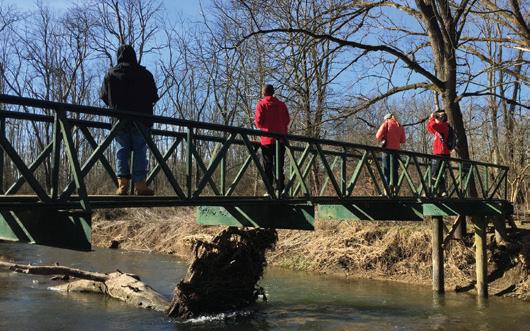
These bird watchers headed into the woods to count birds.
photo by Dan Pancamo
photo by WCN 24/7
What have we learned?
In 2025, the GBBC counted almost 8,100 species of birds from 217 countries or
Try ’n’ Find
Words that remind us of counting birds are hidden in this puzzle. Some words are hidden backward or diagonally, and some letters are used twice. See if you can find:
Mini Spy and her friends are putting up feeders for their backyard birds. See if you can find the hidden pictures. Then color the picture.
Mini Jokes
Bina: What bird is known to be very rude?
Bobby: A mockingbird!
Barry: Why do birds fly south?
Brenda: Because it takes too long to walk!
Eco Note
Scientists say millions of migratory birds traveling between Europe and Africa are carrying less energy for their journeys, raising concerns about their ability to survive long-distance migration. A study by Durham University and the British Trust for Ornithology, analyzing 40 years of data from 286 sites, found declining “migratory fuel loads,” or fat reserves, among 33 species of birds that fly between Europe and Africa during fall migration. The decline was not seen in spring, suggesting worsening European summer conditions are limiting birds’ ability to build energy stores. Researchers also found that birds in northern Europe are fattening earlier.
For later:
Look in your local newspaper for items about the GBBC in your area.
letter D
duck
number 3
bell
letter C
hamburger
ladder
lips
teapot
strawberry
word MINI
puppy
sailboat
dragon
needle
sea horse
dolphin
question mark
butterfly
By Jim Miller
Dear Savvy Senior,
To avoid any future health care surprises, can you tell me what original Medicare doesn’t cover in 2026?
New Beneficiary
Dear Beneficiary,
While original Medicare (Part A and B) covers a wide array of health care services after you turn 65, it doesn’t cover everything.
If you need or want services that aren’t covered, you’ll have to pay for them yourself, unless you have other insurance or you enroll in a Medicare Advantage health plan,
SAVVY SENIOR
What Medicare won’t
which may provide some additional benefits.
Here are some commonly needed medical services that original Medicare doesn’t pick up the tab for.
Most dental care: Routine dental care, including checkups, cleanings, x-rays, fillings, root canals, tooth extractions and dentures are not covered by original Medicare.
Routine vision care: Medicare does not cover routine eye exams, eyeglasses and contact lenses (except following cataract surgery), but tests, treatments and surgeries for medical eye diseases like cataracts, glaucoma and macular degeneration are covered.
Hearing aids: Original Medicare will not pay for hearing exams or hearing aids but may cover a hearing and balance exam if your doctor determines it’s necessary.
Prescription drugs: Medicare (Part A and B) doesn’t provide coverage for outpatient prescription drugs — you can buy a separate
Part D prescription-drug policy that does.
Alternative medicine: Acupuncture (except to treat low back pain), chiropractic services (except to correct a vertebral subluxation of the spine), and other types of alternative or complementary care.
Cosmetic surgery: Most cosmetic procedures are not covered, however, if the surgery is due to an injury or deformity, it might pay. For example, Medicare will cover a breast prosthesis for breast cancer survivors.
Foot care: Medicare does not cover most routine foot care, like the cutting or removing of corns, calluses and toenails. But they do cover medically necessary podiatrist services for foot problems like hammertoes, bunions and heel spurs, along with exams, treatments and therapeutic shoes or inserts if you have diabetic foot problems.
Long-term care: Nursing home care and assisted living facilities
are not covered by Medicare. But Medicare will help pay up to 100 days of skilled nursing or rehabilitation care immediately following a hospital stay of three or more days.
Personal home care: If you need to hire help for bathing, dressing or getting out of bed, Medicare typically won’t cover these costs either, unless you are homebound and are also receiving skilled nursing care. Housekeeping services, such as shopping, meal preparation and cleaning are not covered either, unless you are receiving hospice care.
Adult diapers: Medicare does not cover the cost of adult diapers or other incontinence supplies. These items are considered to be for personal hygiene rather than medical treatment.
Overseas coverage: In most cases, health care outside of the United States is not covered by Medicare except for very limited circumstances — such as on a cruise ship within six hours of a U.S. port.
WHAT’S COVERED
The best way to find out what original Medicare covers is to talk to your health care provider, visit Medicare.gov/coverage and type in your test, item or service, or download the Medicare “What’s covered” app on the App Store or Google Play. Also keep in mind that, even if Medicare covers a service or item, it doesn’t pay 100 percent of the cost. You will have to pay a monthly Part B premium (which is $202.90 for most beneficiaries in 2026), and unless you have supplemental insurance, you’ll have to pay your annual deductibles and copayments too.However, most preventive services are covered 100 percent by Medicare with no copays or deductibles.
Send your questions or comments to questions@savvysenior.org, or to Savvy Senior, P.O. Box 5443, Norman, OK 73070.
TODAY’S HISTORY:
• In 1917, overriding President Woodrow Wilson’s veto, Congress passed the Immigration Act of 1917, banning persons from an “Asiatic Barred Zone” from entering the country; the act was amended in 1924 and 1952.
• In 1919, Charlie Chaplin, Mary Pickford, Douglas Fairbanks and D.W. Griffith launched United Artists.
• In 1994, white supremacist Byron De La Beckwith was convicted of the 1963 murder of civil rights leader Medgar Evers.
• In 2020, President Donald Trump was acquitted by the Senate in his first impeachment trial.
TODAY’S FACT:
• United Artists co-founder Charlie Chaplin, who directed, produced, scored and starred in most of his own films, reshot one scene in “City Lights,” featuring his Little Tramp character, 342 times.
and Hearings Town Hall Beckett/McGuire Meeting Room (7900 Williston Road, use rear entrance) or Zoom Webinar ID 813 6162 7981 on www.zoom.us/join 6:00 PM
7:00 PM Public Forum
7:00 PM Public Hearing
DP 26-08 Richard and Sue Brownell request pre-application review of a proposed four-lot subdivision of a 26.7-acre lot into one existing dwelling, two new dwellings, and one open space lot at 518 Lincoln Road in the Agricultural Rural Residential Zoning District.
DP 24-08.1 Jim & Lucy McCullough, LLC request pre-application review of a proposed development with 32 dwelling units at 88 Mountain View Road in the Residential Zoning District. Continued from Jan. 27, 2026 OTHER BUSINESS
DP 24-01 Final Plan Filing Deadline Extension Request. Continued from 1/27/2026
Project details and site plans are available on the website, town. williston.vt.us, under “Public Records and Documents”, then “Agendas & Minutes”, and “Development Review Board”. Contact Planning & Zoning Office for more information: 802-878-6704 or email planning@ willistonvt.org
Want to advertise?
James Bruce Fortier
James Bruce Fortier (78) of Essex Junction, passed away surrounded by family on Jan. 23, 2026 at McClure Miller Respite House.
Jim was born on Nov. 29, 1947 in Burlington, Vt., one of eight children born to Adrian and Rita (Robear) Fortier.
Jim graduated from Champlain Valley Union High School, class of 1966. After graduation he joined the Air Force, and later the Vermont Air National Guard. During his time of service he received his associate’s degree in criminal justice from the Community College of the Air Force, along with numerous Commendation Medals for outstanding service. After retirement from the VTANG he worked as a private investigator and also at the Burlington Free Press delivering newspapers.
Jim had a passion for his family, especially his two sons, Craig and Ian Fortier, and his four grandchildren. He was always willing to lend a helpful hand. He was a collector of coins and stamps. He enjoyed riding his motorcycle, estate sales and playing card games.
Jim is survived by his sons Craig Fortier and wife Kristine; Ian Fortier and wife Mary; and his grandchildren, Caitlyn, Emily, Zephyr and Adeline Fortier. He is also survived by his siblings, Allan (Shirley), Darrell (Mary), Dean (Andrea), Marlene Collins, and Kelly Allen, and many nieces and nephews.
Jim was predeceased by his parents, Adrian and Rita, and his siblings, Lyndon Fortier and Cheryl Kennedy and his nephew, Christopher Coleman.
To honor Jim, a celebration of life will be held at the Eagles Club, 42 Centre Drive, Milton on Friday, Feb. 13, 2026 between 3:30PM-6:30PM.
A graveside memorial will be held at the East Cemetery in Williston, in the spring or summer.
In lieu of flowers, donations can be made to the McClure Miller Respite House. Please visit www.awrfh.com to share your memories and condolences.
Sandra Jean (Aikey) Clapper
Sandra Jean (Aikey) Clapper, 63, of St. George, passed away peacefully on Nov. 24, 2025, at UVM Medical Center after a long struggle with heart failure. She was surrounded by three generations of her loving family.
Sandra was deeply devoted to her late husband, Wallace George Clapper, who passed on July 9, 2024; life and the holidays were never the same for her without him.
Born to Christine Carole Aikey, now Struble and Edward Aikey, Sandra grew up in a caring home alongside her loving siblings. She was the proud mother of Lindsey, Kaylee, and Alexandra, who were her greatest joy.
Sandra and Wallace especially cherished being grandparents to Mathew Edward Aikey and Katana Jean Phillips, a role that filled their lives with laughter and meaning. The names Granny and Pop Pop were ones they took pride in.
Known for her gentle heart, quiet strength, and resilience, Sandra touched many lives. Her memory will live on in the love she shared with her family and everyone fortunate enough to know her.
Interment will be with her husband in Greenwood Cemetery, Bristol.
Paulita Frances (Palermo) Irish
Paulita Frances (Palermo) Irish passed on Jan. 28, 2026 after many years of declining health.
She was born in Richmond, Vt. to Vincenzo James Palermo and Rose (Parent) Palermo Nov. 14, 1942 and grew up on Main Street in Richmond, the
youngest of five children.
She married Harold Irish at Holy Rosary Parish on May 26, 1962, and they made their home in Richmond for over 60 years.
Paulita and Harold were long-time parishioners at Holy Rosary and enjoyed being involved in church events, especially the spaghetti dinners. “Pete,” as she was known to many, started working at General Electric Credit Corporation in Burlington after high school before accepting a part-time role as secretary to the Richmond Town Clerk in 1967. She was recognized for her 25 years serving the Town of Richmond in many roles, retiring as Town Clerk. For a few years Pete and Harold also co-owned the Richmond Corner Market.
Pete was proud of achieving membership in “The 251 Club,” having visited all of Vermont’s cities and towns with her friends Rogene and Nancy, with Harold as their chauffeur. She enjoyed her travels to Italy, and was able to visit her father’s childhood home in Pozzallo, Sicily. She was proud of her Italian heritage and loved cooking big meals for her family and friends. But her favorite things to make were sweet treats for her grandchildren. She loved being a grandma and could be seen cheering (loudly!) for her grandchildren at various sporting events and attending their school programs. She is survived by her son Kevin Irish (Angela) and daughter Cathy Tremblay (Tom), grandchildren Thomas Tremblay (Melissa), Meghan Gibbons (Patrick), Erica Weed (Jason), Lauren Irish (Zachary Hicks), and Jessica Irish, as well as great-grandchildren Isabelle and Arthur Gibbons, Hudson Hicks, and Wesley Weed. She is also survived by her sister-in-law Sharon Irish, and former daughter-in-law Lisa Irish, as well as many nieces and nephews. She leaves behind her Green Mountain Nursing & Rehab community where she was treated as a family member for the past 4 years.
She was pre-deceased by her husband Harold on Oct. 20, 2025, her parents Vincenzo and Rose Palermo, brother Vince Palermo and his wife Rosalie, sister Angelina Palmer and her husband Thomas, sister Rosalie Lovett and her husband Abbott, sister Frances Palermo, in-laws Beverly and Bill Mashia, brother-in-law Roy Irish, and brother-in law Howard Irish.
Funeral services were held Feb 3 at Our Lady of the Holy Rosary Parish in Richmond with Father Lance Harlow presiding. A private burial will take place in the spring.
Pete had great pride in the Town of Richmond, including Cochran’s Ski Area where Kevin & Cathy learned how to ski. In lieu of flowers, those who wish may remember her with a donation to Cochran’s Ski Area, PO Box 789, Richmond, VT 05477.
Rabies is a deadly viral disease of the brain that infects mammals. It is most often seen in raccoons, skunks, foxes, and bats, but unvaccinated pets and livestock can also get rabies. The virus is
raccoons, skunks, foxes, and bats, but unvaccinated pets and livestock can also get rabies. The virus is spread through the bite of an infected animal or contact with its
SPORTS
Wild for Wildcats
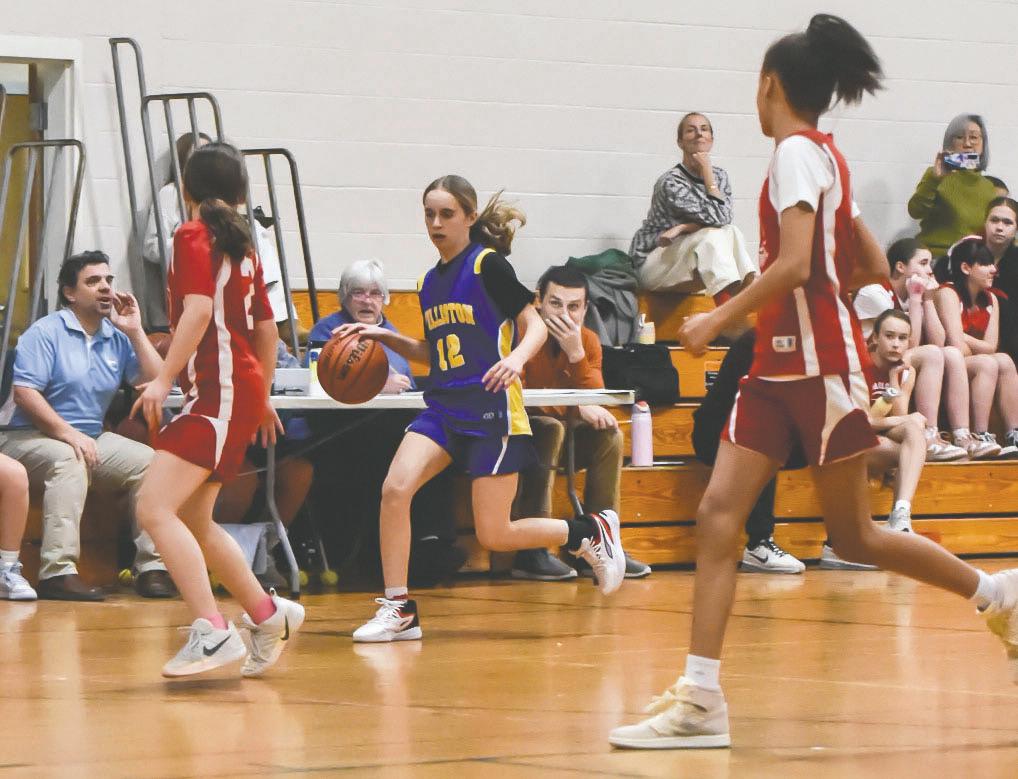
Genevieve Henry and Mia Zimakas (left), on the Williston Central School Wildcat girls A-team, help earn a win over Charlotte on Sunday in Williston. For the B-team, Nora Trevithick and Natalie Devine (right) contributed to their teams’ effort, also resulting in a win.