
Reflecting on the theme of Harmony, I’m reminded of the quote by Martin Luther King: “We must all learn to live together as brothers [neighbours/siblings], or we will all perish together as fools.”
I think about this quote in relation to harmony in two contexts. The first is in the inner work that needs to be done to live the profound truth in this quote. The second is how we then engage in the world around us, recognising our inescapable interdependence with each other and our natural environment.
For the inner work, harmony begins with alignment in bringing intention, word and action together. In my own spiritual tradition growing up, I learned to understand life as a relationship between dīn and dunyā: the compass that faith provides and its application to everyday life. From youth through to young adulthood, that pairing helped me see that study, friendship, laughter, family and sports were not distractions from inner meaning but places where meaning could be found. To help me deepen my understanding of this relationship between dīn and dunyā, I would practice bundagi. It is a method of meditation and reflection that often takes place in the quiet hours of the morning. Before the noise of commitments, bundagi caused me to pause, remember what matters and step into the day with intention. It helped me to find the harmony between my spiritual life and my physical one. More profoundly, it helped me to understand that there are no irreconcilable contradictions because all of life and experience comes from One source. While I may have different interpretations of this today, this inner work helped me understand harmony during those formative years.

From this inner work, the second context follows: engaging a world that is, in fact, deeply entangled. We are not parallel lives moving past each other; we are a collective organism coinhabiting this earth. The same is true of our relationship with nature. When rivers are polluted or soils are exhausted, it is not some faraway problem. it is a change in the water we drink and the food we share (ask those of you who were doing research on the Ogmore river). Harmony here is not a soft sentiment; it is a practical ethic. If we want to apply that ethic, then must ask who benefits and who is marginalised in our entangled web? How do our choices cause ripples around us? Do our solutions repair or simply relocate harm?
At UWC Atlantic, we are lucky to practise both sides of harmony. In classrooms and Houses, we learn the skills of listening across difference; on the seafront and in the valley, we learn that the non-human living world is a teacher too. Service activities, conservation activities on campus and student-led dialogues provide platforms to live MLK’s challenge. When our inner compass is regularly renewed and our outer actions are attuned to the whole, harmony stops being an ideal and becomes a habit. That is the invitation of our time here at the College - to become people whose daily choices make it easier for others to thrive alongside us.
By Naheed Bardai

Clink, clonk, bang. The firsties arrive, and that's all they hear. The sound of their suitcases rattling against stone, the slam of doors as they find their room, the shuffle of feet trying to keep up with new accents, new faces, new everything. The auburn leaves begin to bloom as a new season of life begins at AC yet again. For the first years, AC seems chaotic initially, but for us, second years, watching from the other side, we know this is the sound of a new season beginning. It is the familiar melody of AC starting over again, the new weaving with the old.
Outside, the chestnut leaves begin to bloom, signaling change. Yet the deeper, old green leaves remain, holding their place just as we, second years, remain rooted, ready to guide and steady those who are stepping into this world for the first time. Harmony, I’ve come to realize, does not mean monotony. It is the way two different notes, stories, voices can play together and still sound beautiful.
Life at AC hums with these notes: house chants that rattle the jousting fields, unashamed and loud, firsties laughing nervously as they try to remember the words. The first day of codes, when timetables are clutched like treasure maps and names are repeated until they stick. Awkward house bondings ending with inside jokes that other houses would never understand.
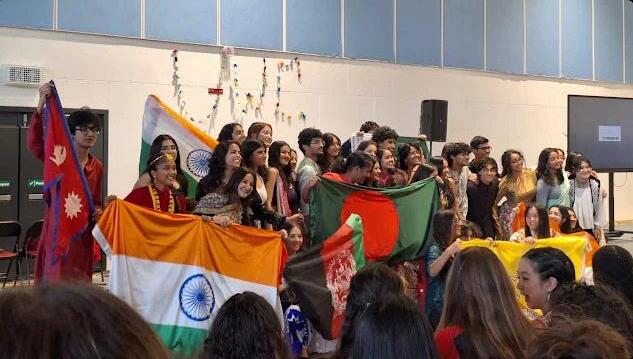
Harmony is not something we build in one day, but something that blossoms as accents mix, voices blend, and laughter layers on top of more laughter until awkward silence feels impossible It’s there in the small things: sitting together at lunch under the tall glass windows of the dining hall, where the buzz of conversation never quite fades; in the CAS sessions where paint stains our fingers and our laughter fills the room; in the way national evenings bring us all together, different countries, different songs, but one rhythm of pride and belonging.
It’s in the moments between moments: house-hopping until the last minute of check-in on Friday nights, nights that stretch longer than they should, when firsties and second years stay in the dayroom long after check-in; serenading on open house days, looking for whoever’s baking cookies or serving ice cream. The walls of each dayroom hold our stories: from deep conversations about life after AC, to arguments about which toppings to put on a Domino’s order. We bond over the little adventures: walking to Llantwit on a Sunday for a run or ordering Majors for the 100th time. These moments may seem simple, but together they form the song of our community, which makes it seem like “home” is starting to mean here, too.
What moves me most is the harmony that lives in the simplest gestures; a second-year student showing a first-year student how to work the dryer, saving them from shrinking their favorite sweater or jeans. Cozying up under one blanket during a movie night in the dayroom Helping someone through homesickness with a quiet hug and a soothing whisper of “You’re not alone.” Or in the comforting silence of studying together in the quiet rooms, with the firsties feeling welcome to ask any questions and the second years helping them out, no matter how busy their schedules look. These are the tiny acts of care that stitch our two years together.
And slowly, the chaos softens. The clink, clonk, bang that once sounded like noise transforms into rhythm. The firsties, who came in with wide eyes and hesitant steps, begin to settle, find their place, and we, the second years, see ourselves reflected in them, the same combination of wonder and fear that we carried once, and now we smile, knowing that those before us once held us the same way. It’s a full cycle, a passing of torches, a reminder that harmony is not static but ever-evolving.
Harmony, here at AC, is not about a life free from conflict or about perfect balance It’s the beauty in coexistence, the ability to hold each other up when the work feels too heavy, to remind each other of joy when things get tough, to turn noise into music simply by being together. It is about knowing that no matter how different we are by culture, language, and background, we are bound together by the rhythm of this place.
When I sit in the dining hall, surrounded by conversations and laughter in ten different languages, when I see a firstie and a second year walking side by side, talking about life, I realize harmony is not just something we hear, it’s something we live. And as I look around at the auburn leaves swaying above, the ocean stretching beyond the cliffs, the dayroom glowing with stories and tired smiles, I know that this is what harmony sounds like. It’s the heartbeat of AC itself: different notes, one song.
By Athena Rahman


Harmonious is the word to describe Weyes Blood’s fifth studio album And In The Darkness, Hearts Aglow (2022). If the singer's 2019 Titanic Rising held a feeling of foreboding and impending doom, Hearts Aglow finds the singer and her audience stuck in the middle of the fog, blinded and seemingly unable to escape. However, as seen in the album cover (which resembles the Sacred Heart of Jesus), there is still a light at the end – a heart aglow. Human connection.
It’s Not Just Me, It’s Everybody opens with a soft bed of piano accompanied by Blood’s equally as soft singing. I had a long and meaningful conversation with Sara Creber a couple of weeks ago in which she told me the story of an EAL (English as an Additional Language) Powys kid who seemed to everyone an introverted and quiet kid, however when around the people who spoke his home language he was the life of the party. “Sitting at this party / W if anyone knows me / Really sees who I am / Oh, so long since I felt really known”: upon revisitin album, the thought of this Powys kid kept comin me. How many other students must be going thr exact, same thing? Not being able to show them others due to a language barrier? Feeling misund unknown?

The answer: “It's not just me, it's everybody”. Blood explores the feeling of loneliness that stems from isolation and overwhelming change, something everyone on campus seems to experience at some point. It is easy to get buried under feelings of melancholy, particularly a couple of months after arriving on campus: feeling that no one truly knows you or even cares about who you are. It’s Not Just Me, It’s Everybody presents a philosophy that, personally, helped me overcome feelings of remoteness as a first year. It’s not just me, it’s everybody else as well. Your anxiety, fear, homesickness, everyone else is feeling it as well. If you’re feeling lonely, what better option than to talk to someone else who might be feeling lonely as well? You can really find comfort in human interaction.
A call to action to stand up for what is right: my personal favourite, baroque-pop song Children of the Empire. Living at Atlantic College for a bit more than a year now, I’ve made deep connections with many whose home is threatened by the bloody hands of those in power. I can’t stop the feeling of frustration and helplessness that takes over my body as I identify the sadness in his eyes as he recalls his experiences. “Won't the fire burn us in / Before we get a chance to love again?”. As cheesy as it might sound, all UWC students and alumni are indeed connected by the anger, the frustration, the carnal urge to be the leaders of change. There cannot be harmony in a world dominated by hatred and division. “Oh, we don't have time anymore to be afraid, anymore”. Quoting my roommate who campaigned for PeaCo: we need less talking and more action.
Yet it is impossible to not become overwhelmed by it all God Turn Me Into a Flower explores the annoying fragility of human kind: it is a beautiful desire to be granted the opportunity to go soft like a flower, to not have to remain strong forever. “It's such a curse to be so hard / You shatter easily and can't pick up all those shards”. The atmosphere of this song evokes a contrasting mix of despair and hope, Blood’s voice sounding as fragile as the mirror breaking into pieces on the floor There is so much happening in the world, so much happening in our lives, that we don’t have the chance to let our head down and go soft. Blood’s plea to God is both tragic and beautiful.
The title track Hearts Aglow is a beautifully romantic track, a beautiful ode to someone who seems to be that light at the end “I've been without friends, oh, I've just been working / For years and I stopped having fun / Oh, but, baby, you're the only one”. Human connection is the main theme of Blood’s album, the solution to our constant feelings of despair and isolation. Late at night I often think about friendships at Atlantic College, how two people who were geographically never meant to meet each other can create such a deep connection. Some friendships on campus truly make me believe that Twin Flames are a real concept (Blood explores Twin Flames in a rather pessimistic way: to remain happy and optimistic, I decided to skip this track. (Listen to it if you want to shed a tear or two).
The light at the end of the fog, the solution to all of our issues. The heart aglow at the end of the journey is human connection. We cannot escape our instinctive necessity of being loved and appreciated by others. We are all angry and frustrated, we all wish we could be the change that we wish to see in the world. We need to stand and take action. Harmony can only exist in a world where human connection is at the heart of everything we do.
By Sebas Orué

In the world full of challenges, harmony is fragile between people, nations and even within ourselves. Yet, harmony is still deeply rooted in history, philosophy and people’s practice. A common and powerful way different cultures have sought harmony is through meditation, which calms minds, cultivates peace and builds inner balance. This article explores several meditation practices from a variety of countries and how they illustrate humans’ shared harmony.

Tai Chi and related practices such as Qigong come from ancient Chinese traditions, especially Daoism. The philosophy of Daoism emphasizes balance between Yin and Yang, the active and the passive, the soft and the strong. In contrast with the general static meditation, Tai Chi is a meditation in motion. Rather than sitting still, people perform movements slowly, coordinating breath, mind and body.

People practice Tai Chi to get a more harmonious mind and body as the moving demands mindfulness, bodily awareness, alignment and calm. Harmony is also created between nature and environment. Many practitioners do it outdoors, morning or evening, in gardens or parks. Furthermore, China’s exporting of Tai Chi worldwide shows how culture can build connections.
India has many meditation traditions. One famous example is Yoga, which can go back thousands of years. Another practice is Vipassana, also known as insight meditation. When Buddhists engage in meditation, they believe that they can see the true nature of things. This enables them to have epiphanies and understand the impermanence of things and the essence of reality. It is not merely about focusing on breathing - it is also about focusing on exploration. Even while walking, such meditation can be practiced.
Yoga meditation: Could include breath-work (pranayama), sitting and focusing on breath or a mantra, or even moving meditative forms. Vipassana meditation: Periods of silence, sitting meditation sessions, walking meditation, observing breath, bodily sensations. Regular practice over days encourages deeper insight.
The practices promote one’s inner harmony, calming the fluctuations of mind, reducing anxiety and stress People achieve enlightenment in this way. The meditation also contributes to social harmony. Yoga has become a worldwide practice bringing people of different cultures together. Insight meditation often brings people from many countries together, sharing the belief and silent practices.
Sufism is the mystical branch of Islam, emphasizing the purification of the heart, love, and remembrance. One central practice is Dhikr, meaning remembrance. People try to cultivate inner stillness by repeating names of God, phrases, prayers either aloud or silently. Dhikr can be individual or communal. Sometimes it includes music, chant, movement, or dance, aiming to transcend ordinary consciousness and align practitioners with something deeper.
A person will sit and repeat a name of God, like “Allah” for many times, using beads to count. When communal Dhikr takes place, the group will recite verses from the Quran, sing, or even dance. One may alternate between silent internal repetition and vocal external chanting. Time may vary – from only a few minutes to much longer times. Intention, sincerity, and focus coming from the heart are emphasized.
Dhikr brings heart and mind into alignment. This contributes to reducing distraction, ego, harshness but cultivating love. Dhikr is also a session which brings people together to unite and share spiritual experience. Intercultural understanding is promoted in this way: many people outside Islam are interested in the poetic and mystical dimensions of Sufism. Harmonious and universal peace is achieved in this way.
All of these meditation practices are different in style, language, and philosophy, yet they have features in common: mindfulness of individuals, focus on body, and cultivation of harmony. When we try to study and even, if possible, practice the meditations, we will have the opportunity to realize that harmony is not local, it is universal instead. People from different areas feel connected and aligned by practicing similar meditations. Harmony is filled in the whole world, starting with only one breath.
By Feifei Liu

“You can’t be gay, Allah doesn’t make Muslims like that.” I love my mum, but what she said to little me as a 12-year old girl all those years ago still rings in my ears when I look at her sometimes.
I learnt how to read Arabic way before I ever learnt English or my native language. The ebbs and flows of Quran verses accompanied me through my entire early childhood; every evening, without fail: my hijab and some surah or the other. I learnt to know the stories of Prophets and Angels better than I knew myself and there was peace in that. There was peace in daily prayer, peace in the community I found in Islam. So, when I started having feelings towards women that I probably should not have been having, I wasn’t exactly sure what to do.
I knew gay people existed of course, I grew up an iPad kid with a… curiosity towards fanfiction. But I never thought that I could be like one of the white, blonde, bisexuals I saw on TV. I had never heard of anyone from my country, let alone from my continent being queer at all. Talking to my friends didn’t help at all— they were kids too, and while they tried their best not to be outwardly hateful, they didn’t know how to deal with meeting a queer person for the first time either. And thus I did the only thing I could think to do at the time, I turned to my mother.
Even though our extended family is fairly religious, my parents typically weren’t. My grandmother had always taken charge of my religious education, in a manner which came across as overzealous to even my parents sometimes. I really thought that when I said the word to my mother she would get it. That she would have some kind words to say to put my inner turmoil at ease. I won’t recount in detail how that night and the following days went, but I know, with zero doubt, that it was the worst decision I’ve ever made. From then on, I knew (although I’ve since been disproven) that I was the only person that would ever love me enough to not care about this weird, “perverted” side of me. I had to build my own peace within myself. I hopped on Discord. I gave up on finding people in real life that would accept and understand me, to be honest I didn’t even expect to find those people online I simply wanted to talk about my favourite TV show and have people talk back to me. Imagine my shock when I met Zainab. Zainab was a British-Pakistani hijabi girl, about five years older than me. She loved DC Comics and, most importantly, she was a proud lesbian. She had no intentions of ever coming out to her parents, but she was okay with that: she had friends in real life, even a girlfriend who loved her. I had never met anyone as incredible as that before. For the first time in my life, I had someone that I could talk to. I knew it was okay to be Muslim and like girls, because Zainab did it and Zainab was cool. She took me under her wing and explained that people like us are more common than I know, and more beautiful than I could imagine. All this was great! As a tween, this was the reassurance I needed to be able to wake up in the morning and go about my day without breaking down from guilt or confusion. But something still didn’t sit quite right. Regardless of what Allah thought, how could I be a part of a religion where the majority of people believed that I was wrong for being who I am?
Fast forward a few years to life at AC. I prayed occasionally, but had “forgotten” my worn copy of the Quran at home. The conflict between the two sides of my identity raged on, but if I didn’t think about it too hard it couldn’t hurt me. That was until Ramadan. Back home, none of my friends were all that religious, but we all did Ramadan at school together anyway; for us, it was more of a community thing, a tradition, than anything religious. Suddenly being at AC, with none of my close friends fasting, and none of the Muslim at school having a relationship to religion similar to mine, I felt unanchored. Floating away from the flimsy excuses I had created for still identifying as Muslim, I realised… I don’t need to be.
I’m not particularly compelled to believe in an afterlife, the thought of a higher power really didn’t compel me in any way. I had put pressure on myself to stay Muslim because that’s what I had always been, but at AC, with nobody from home watching over me, it no longer had to be that way. I could finally free myself from this lifelong internal battle queer, religious, whatever.
By - Anonymous
When we talk about well-being, we often bring up the same three topics: self-care, journaling or mindfulness. But to me at its core, wellbeing is also about what surrounds us. It's about the feeling that we belong, that our existence matters to a group of people who accept us as we are. True well-being is nurtured by our surroundings where we feel seen, supported and connected. It's not just peace of mind; it's the harmony in living.
In UWCAC, belonging takes on an even deeper meaning We're away from home and as a result every friendship, conversation and concept of familiarity feels distant. This distance can quietly strain our sense of well-being. Which is why concepts like Queer Focus Week, National Evenings, and Student Council Gatherings aren't just marks on our calendars. They're proof that belonging can be built, nurtured and celebrated
During Queer Focus Week, we host multiple events but these are about far more than awareness. They create a space where belonging takes shape through visibility, dialogue, and celebration. Each discussion, performance, and shared story opens the floor for students to express who they are without fear of judgment It reminds us that being queer isn’t something to merely tolerate, but something to embrace, celebrate, and understand. For many, this week becomes a rare moment of safety—a space where identity is not questioned but recognized. That sense of recognition, of being understood without needing to explain yourself, is one of the deepest forms of belonging.


Belonging isn’t only found in who we are, but also in where we come from a truth that National Evenings beautifully embody. In a world that often pressures (and reduces) us to conform to a single, western lens, these performances become subtle acts of resistance. They remind us that taking pride in our roots is something powerful and our identity isn't something to hide or dilute but something to share. Watching our peers laugh, sing and move in rhythms that echo their homes fosters a sense of unity that goes beyond borders. National evenings show us that belonging doesn't mean being the same, it means finding harmony in difference.
And then there are the councils the embodiment of belonging through a voice. Each council provides a space where passion meets purpose. These councils allow students to influence the environment we live in, shaping the school through the values and causes they care about most. Having a platform to advocate for change gives students not only confidence but also agency the feeling that their voices carry weight and meaning. When opinions evolve into real initiatives or tangible improvements, it reinforces the idea that belonging extends beyond social connection; it is woven into the very structure of the community The councils also foster dialogue spaces where differing, and sometimes shared, perspectives can be exchanged with respect and empathy. In those conversations, belonging takes on a deeper form: one built on understanding, collaboration, and the courage to speak and listen in equal measure.
Yet, it's important to remember that not everyone feels a sense of belonging right away, and that's okay. Finding your place is not a race or a competition. Sometimes, it can start quietly, through small acts of kindness, or a simple conversation that feel easy. Your sense of belonging doesn't have to arrive loudly, it can just be subtly there in the background until we realize it's always been there Belonging, after all, isn't about fitting in, its about feeling at home whatever "home" means to you. And when we find that we don't just feel well; we feel whole.
By Saanjhi Dubey
Well-being is something complicated for most people around AC. For me, it’s about being in harmony with yourself and with the people around you. But what happens when you go out with your friends while also juggling a thousand things at once? I often wish I had more time, for myself, for the second years, the first years, but sometimes it feels impossible to do it all. There were moments during my UWC experience when I felt like I was still discovering a part of myself in different ways.
What kept me grounded was Argentina, especially my co-years (thank you for bringing me Argentina when Argentina was far). You often hear that Argentinians are passionate (sometimes even “crazy”) about their country, and honestly, it’s true. We complain about things like inflation and the chaos of our daily lives, yet we always end up returning to where we came

We raise our flag whenever we can, we speak with passion, we shout for our country until we lose our voices. We drink mate on street corners and find ways to make every place a little more enjoyable.
Because being Argentinian is not only a nationality: it’s a feeling. It’s the warmth of sharing a meal with family that always lasts longer than planned because the conversation never ends. It’s cheering together for a football team as if the entire nation’s spirit depended on that match. It’s finding humor even in the hardest moments, and turning problems into stories that make us laugh later. It’s the music, the tango, the asado on Sundays, and the deep sense of belonging we carry wherever we go. We are loud, emotional, proud, and endlessly resilient. That, to me, is how you may recognize an Argentinian.
I’ve always had a deep fondness for nature, especially the river in my hometown, Neuquén. Its grassy banks, touched by sunlight, feel like a sanctuary of peace and beauty. When I went back to Argentina during the summer, the first thing I asked my parents was to take me there. Just to stay. Just to breathe.
Yet, that peace disappears as soon as you step back into the city center. The traffic, the noise, the rush– it can all be overwhelming, a sharp contrast to the serenity by the river. I’m not even from the capital, but things still move fast in my city. I realized my city has a little bit of everything. Harmony and chaos. And I realized that is also inside everybody as well. Isn't it that beautiful? We are “Everything Everywhere All at Once”. Yes, as the film that I watched in Sunley's dayroom with some firsties (shout out to the person that chose the movie and co-years).
Here are some photos that show a little bit of how I saw my city, country, and life when I came back home:
That was my first impression after coming back. As the weeks passed, I realized time was flying. I met up with friends, relatives, even people I hadn’t spoken to in years. And some would ask me:
“So, how was England?”
I’d smile and gently correct them: “Actually, I was in Wales…”
Then I’d tell them how wonderful the college is, how incredible my education has been, how much I miss the people, the seafront, saying hi to everyone I pass (even if not everyone replies). I’d talk about how I can truly be myself there, how I’ve heard the most inspiring stories, how love seems to live on campus. I’d tell them about “Hideout” on Fridays, about how much I love my roommates, how excited I was to meet the firsties, how much I miss my second years, how the educational system is so different from Argentina’s, and how those ten months went so fast.
And as I spoke, I realized how deeply I love that place, and how grateful I am for the opportunity to be there. But then I’d notice that some people weren’t really listening. Some didn’t have time to meet me at all. That hurt a little. When I was about to leave again, some even apologized for not seeing me sooner.
That’s when it hit me: nothing was the same anymore. Everyone was caught up in their own worlds. My brother had grown taller. My parents’ hair had turned grayer. The shops had changed. Most of my friends were already in university. The people from my old school were different. Everything had changed– and so had I.
I realized that what once felt like home wasn’t mine anymore. Even though I still feel Argentinian, I no longer feel entirely part of it. I can talk to my friends and family from afar, but it’s never the same. Something is always missing. However, I realized that home is wherever I choose to make it. Even AC.

I didn’t really know who to talk to about this. So I decided to share it here, hoping that maybe someone will understand what I mean. It’s not an easy feeling to describe. But if you ever see me and want to talk about it, I’d love that.
Because maybe home isn’t a single place anymore.
Maybe it’s the river that raised me and the sea that listens to me now.
Maybe it’s the people who made me feel seen, wherever they are.
And maybe coming back “home” isn’t about returning to where you were, but about realizing how far you’ve come.
By - Giuliana Clementin





I still don’t know. But I w r determined I was to tell m I’m from Taiwan. However, as I grew older, I got stuck in the things in a singular lens. Seeing China as the Seeing the grandma selling vegetables underprivileged. Seeing the young offenders hopeless. Seeing myself as someone who academics, who really needs validation from
It has always been a part of my life, this thought the lens would break after coming to could feel the way when I write something believe in a Glopo paper. Liberating and inte Yet the box seems to only enlarge, it’s just a to myself and the society.
Drowning in this delusion, I went back to T end of first year, with a growing superiority my new “UWC education”, I felt better around me, more sophisticated
However, in July, my delusions began to slip. I went to an elementary school to give a workshop. I taught, asked interactive questions, designed group projects, I was proud because no one would ever find out the lack of substance underlying those activities. I was just simply dumping information on them, because the most important thing was the big picture I took in the end. I remembered walking around and seeing this girl, around ten, seem absolutely not interested in drawings at all.
I sat down next to her under the blackboard, behind us is the poster of the world map. She said ‘You went to school in the UK right?’ After hearing my yes, she said ‘You know, my aunt took me to every single country on earth. I’ve been to every single one of them.” I was surprised and excited, asking, “Omg, then what’s your favorite one in Europe.” She didn’t answer for a while and said, “I don’t know I love all of them.” Then I asked, so curiously, “what’s your favorite dish!” She said: “some bread.” I knew I couldn’t continue pushing her her tone was becoming desperate, angry from a place of humiliation. Only she could say that Disneyland in New York was her favorite place.
Of course she had been to every country.
I ended the workshop, with the big group picture of course. A mid-age teacher approached me, saying “Sorry if the kids are not that controllable, they are all under specific care during this summer because of domestic violence and poverty.”
Honestly, I knew the girl was lying but I didn’t know that the ‘daydream’ she weaved is the only thing in life that shelters her. The only thing she could escape to when her reality became too much. I was sad, but more numb. The sufferings, the sufferings that happen to a ten year old girl were not cared for or even transmitted to me, who studies in the UK, can order takeouts, and is full of privileges.
I couldn’t ‘see’ her, and that really broke me. She weaves the dream because she wants to get validation from someone who has actually been to the place. She wants my WOW yet I only left her with “I see” cuz I was so proud that I discovered a secret that a kid was trying to hide.
But the girl is also a part of the land that I grew in, I cried in, that I made my childhood friends in. The girl is also a part of the world we live in, we cried in, and met people all over the world that makes our life meaningful. Shared humanity seems like a joke nowadays, where it’s so so easy to just choose a side and not give a fuck. But have you ever see the people around you? I mean actually “see” them. Not with the lens of social status, not with the lens of skin colours, wealth, or academic achievement. But see their sufferings and hear their voice for peace, whether loud or subtle, and echo back with your soul that chooses to reside in this world.
Peace, in my new lens, is not the fancy political talks where we are just obsessed with our own voices. It is the girl under the blackboard, lying to survive. If we cannot see her, then we have no right to say we see peace.
By Debby Chen

I was two years old when my parents made the bravest decision of their lives: to leave Eritrea. In my country, mandatory military service never ends. The government decides when you are released and families are torn apart for decades. My parents looked at my tiny hands and said:
“Not him, not our children.”
Ethiopia refugees with suspicion. You could feel the stigma like a shadow. After a of moving from place to place, tried Kenya. But even there refugee policies were tightening: security fears, limited resources, complicated politics. So we kept moving. Uganda, Sudan, South Sudan. Each border was a reminder that survival sometimes meant “a no map.”
We crossed into Ethiopia — but Eritrean refugees there were viewed with suspicion. You could feel the stigma like a shadow. After a year of moving from place to place, my parents tried Kenya. But even there refugee policies were tightening: security fears, limited resources, complicated politics. So we kept moving. Uganda, Sudan, South Sudan. Each border was a reminder that survival sometimes meant “a traveller with no map. ”
I used to think roots were only for trees I used to think roots were only for trees
In Sudan, my father could finally provide me with the basics, like food, a shelter, a school. I learned Arabic, made friends and began to believe stability was possible. But later on, South Sudan descended into civil war. Once again my father said:
“It’s not safe. We move.”
Now we live in southwestern Uganda, in Nakivale Refugee Settlement. There I’ve played football with Somalis, shared meals with Angolans, studied alongside Rwandans. I’ve learned new languages: Tigrinya, Amharic, Arabic, Luganda, Kiswahili and English. I’m not fluent in any of them, but I’m fluent in understanding
In the refugee camp, governments’ conflicts don’t decide who we play with. I pass the ball to Ethiopians, the same people I was supposed to grow up hating. The only time we argue is when someone fouls too hard.
Peace, for me, is simple. It’s living without fear of persecution.
It’s freedom to speak, to worship, to love without chec who’s watching.
It’s knowing your neighbour as a friend, not an enemy chosen for you by politics. If war’s thought was to tear, football taught me to unite. In Kokobay, borders divided us. In Nakivale, a single football pitch unites us.
My voice for peace is this if we can share a ball, maybe, just maybe, our countries can share a future.
By Aman Gebremarian
Some days, harmony is a along the shore of the Coastal salt spray brushing thoughts




Other days, it’s a clash voices rising, colliding on a dining hall, until the difference comes understanding. We tune ourselves to a world much wider than our own, learning that to belong is not to blend, but to balance: to sing our truth and still leave space for another’s s

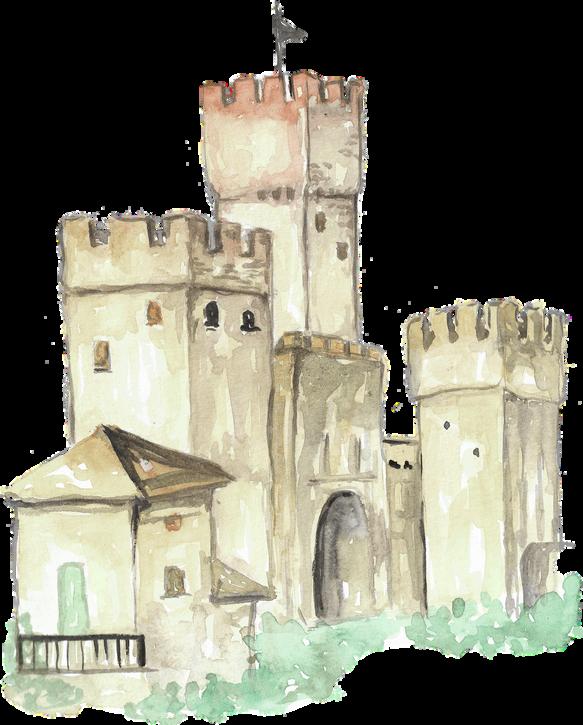
I see people laughing, I see people sitting alone, I see people falling in love, I see people observing, I see people sit silently, ee people smiling at each other, see a story behind every face, etimes I even resonate with them. And that's where, I discover why do I want to be where I am now.
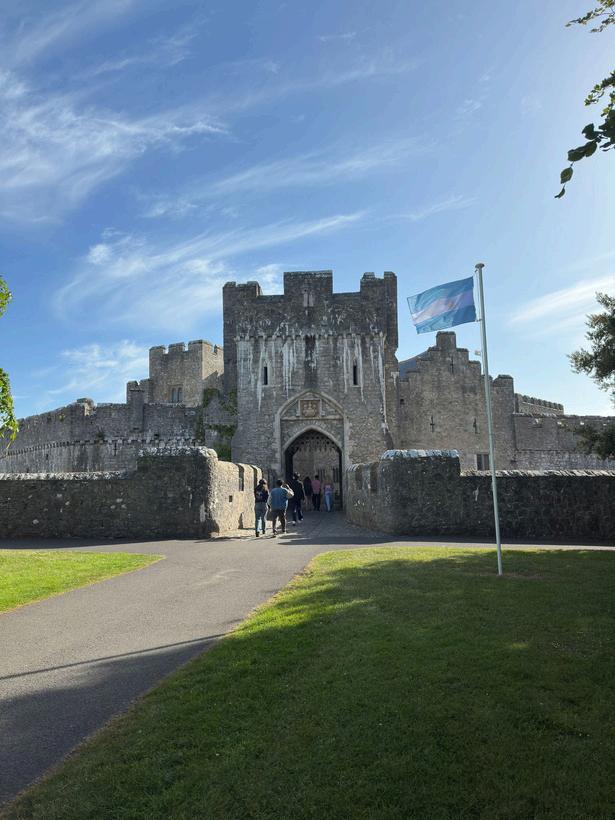
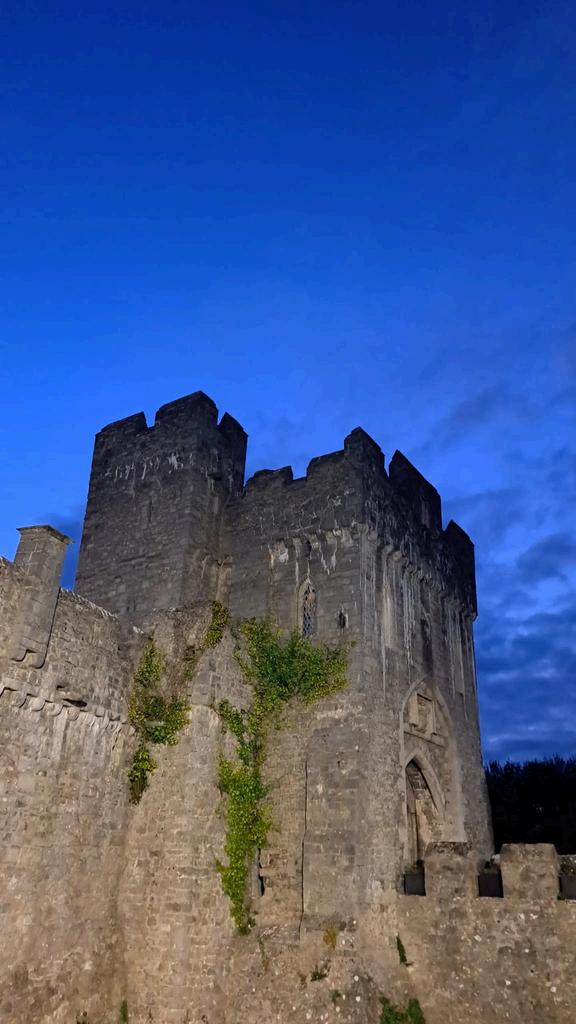
And when night folds over the castle, the waves hum the same refrain: that harmony is not found, it’s made, together, again and again, on corners around a castle at the edge of the sea.
By: Giuliana Clementin
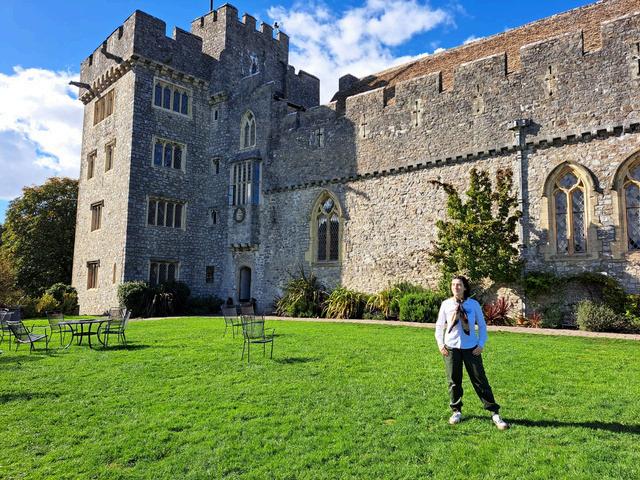
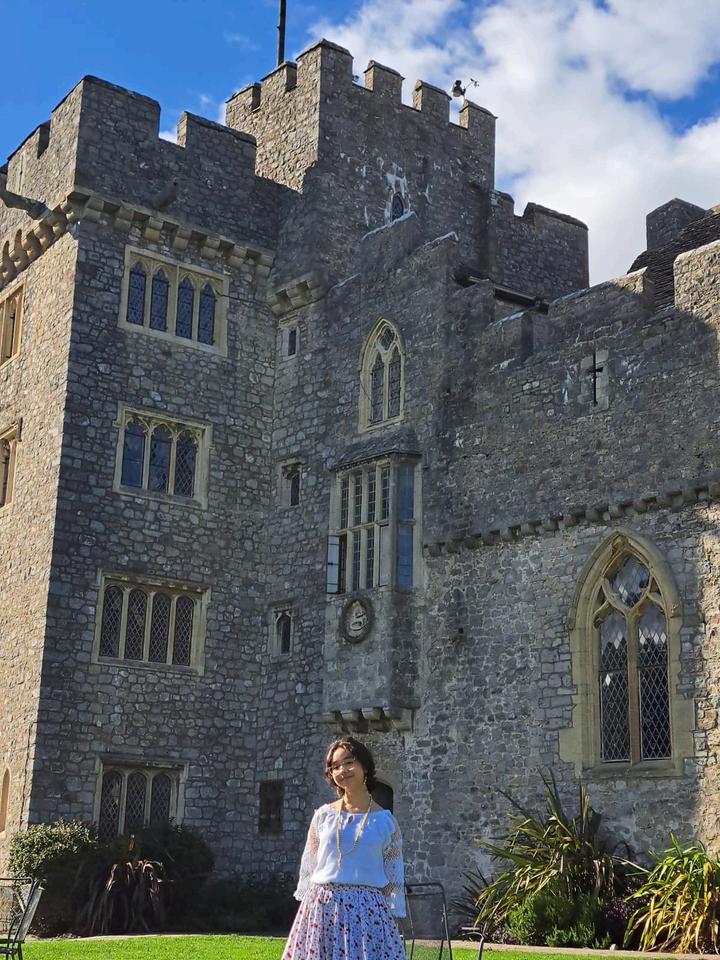
UWC’s mission - to make education a force to unite people, nations and cultures for peace and a sustainable future - is one that resonates deeply with me. It’s why I was so excited to apply to AC back in 2024. As an IB2, I have had over the past two years the privilege of participating in deep and enriching conversations with my fellow students. I’ve learnt about their different perspectives and also had the opportunity to express my own views, in the spirit of the UWC passion of promoting cultural understanding. Recently, I was privileged to be invited to share my thoughts in a student-led forum. This experience left a lasting impression on me, and I would like to share some of my reflections here, in our ‘Harmony’ edition of INK. Harmony doesn’t mean everyone singing together in unison; harmony is the blending together of many voices, in order to create a beautiful sound. Through this article, I want to inspire people with unique opinions across AC to speak up in a constructive and respectful way, in order to make a beautiful sound to echo across our campus.
Peaco is a vital and safe space where students come to discuss hardhitting issues. It does important work and it is an integral part of the promotion of UWC values. I was therefore flattered when I was invited by the soon-to-be co-chair to speak at a take-over, which focused on the recent US Presidential election. It was no secret that the co-chair and I had differing opinions about politics; I think it’s fair to say that in the College overall, my views are different to the majority. However, I think that difference is something to celebrate and applaud, and a desire to promote is ultimately what inspired me to participate and share my views.
Going into the session, I remember I felt a little defensive. I think that’s a fairly natural response - when you know that someone else holds different opinions to you, it’s human nature to want to argue your point. However, I was touched with the open-mindedness of the audience, who listened respectfully to all the views expressed. After an hour long open discussion and debate, I felt that harmony was achieved on many issues. We didn’t agree, but we acknowledged that the other side had valid and logical arguments. I think this is the true meaning of open-mindedness and the mission statement behind UWC. It is not about convincing people about your opinions, or judging others for having different ones, it’s about having an educational and respectful debate, backed by logic and compromise, in order to try to achieve a balanced solution to the global problems we face.
So, what have I learned about the promotion of harmony here on campus? Listening to other peoples’ opinions requires consistent effort and the provision of spaces safe enough for students to feel comfortable, to speak and to be heard. My experience tells me that harmony can indeed be enhanced within the study body of the United World College of the Atlantic if we collectively envisage it.
By Nasko Shtonov

Starting your IB journey is no easy thing, particularly if you’ve never done any preparation before. No pre-IB year, no summer courses, no past-paper practice. Much like myself, this is the case for many first years. And yes, the IB is stressful and very daunting, but it is not impossible. The IBDP is a system that was made to help students excel. Think of it like a friend – that you will occasionally have boxing matches with – but a friend nonetheless!
I've had conversations about subjects with many of my coyears since we got here, and almost all of them seem to have one thing in common: they're all afraid of taking up specific subjects. And I want to address that “fear”. Let’s look at possible reasons as to why the first years are afraid to choose certain subjects – it’s possible that the first years saw how their second years struggled with that particular subject, or maybe they decided to search for students that took the subject online and saw their grades were low, or even that they failed. It’s also possible that they heard from other IB students taking the same subject that it’s hard. Or maybe they’re simply unsure how they would be able to manage their time if they took a time-consuming subject. And these are all completely valid fears, but they shouldn't be controlling your subject choices or your confidence!
There are many ways to combat these fears. The first and most important thing you should do is to stop comparing yourself to second years. Whether they're your second years from your country, your house, your tutor group, or your dorm, because they have been here before, seems obvious but I fell into that trap and so have many. Second, make sure you sleep enough, and I’m sure this has been – and still is – getting drilled into your head since orientation week, but it is 100% effective and arguably the best advice you will get in your two years here. Did you know that not getting enough sleep lowers your learning capacity? Which means it reduces your brain's ability to absorb information and retain it. Try to aim for 9 hours a night, I know that's unattainable for everyone, but falling short of your sleep goal is always a possibility, and falling short of 9 hours is better than falling short of 4.
One other crucial thing for your IB journey is planning. Please don’t say “Oh, I’ll remember what I have for the week!” You will not. Especially if you're sleep-deprived. Here's a funny story: on Thursday the 16th of October, I had my Round 0 for the British Physics Olympiad. Sounds like a big deal, right? And it's something fairly new that I had been wanting to do. Except, one tiny detail went wrong; I completely forgot about it. I just didn't show up to the exam after a week of barely any sleep. So, no physics Olympiad for me this year! Woohoo!
If there's anything you should take away from this article, it's this: term one is hard, you need time to adjust, and you will struggle. So please take care of yourself, there will be no IB if you don't survive.
By Hala Mughrabi

In Peru, food is more than just a daily staple for people. Since childhood, food has represented a way of saying ‘Anchata riqsiykullayki,’ which is Quechua for ‘I greatly appreciate what you did for me.’ So if you want to genuinely appreciate something someone else did for you, food is the best way. This way of perceiving food comes from the seeds that sprout from the earth, which is valued and celebrated as another living being. The ‘pachamama’ or ‘mother earth’ that is an important part of the Quechua and Aymara culture in Peru, refers to the fact that everything it gives us is valued, from the seeds to the final fruits of the trees. So if someone invites you to eat in the future, take it as a sign of appreciation for you, because everything that comes from respect and harmony with the earth is the best, purest and most sincere way to say thank you.
1. Slice the potatoes (from the valley!)
2. Beat the eggs in a bowl.
3. Prepare the grated cheese in a separate bowl.
4. Begin assembling the pie by first placing down a layer of potatoes.
5. Next, add a layer of egg and cheese mixture.
6. Add another layer of potatoes on top of the previous one.
7. Continue adding the cheese and egg mixture.
8. Build a stack of cheese, eggs, and potatoes, until you are out of ingredients.
9 Place the pan in the air fryer for 25 minutes
10. Enjoy!

A nutritious, delicious twist on pizza using eggs, fresh ingredients, and flavorful seasonings!
5 eggs
8–10 cherry tomatoes, sliced
50g cheese of choice (mozzarella for a melty texture, or feta for a tangy taste)
30g fresh basil leaves (optional)
3 slices of ham or protein alternative (shredded chicken, tofu, or mushrooms – optional)
1 small onion, diced (optional)
1/2 tsp salt
1/2 tsp black pepper
1/2 tsp oregano (or Italian seasoning)
1 tsp olive oil or butter
Collect cherry tomatoes and fesh basil leaves from the VALLEY
Whisk the eggs – In a bowl, beat the eggs with salt, black pepper, and oregano.
Assemble the pizza: Pour the egg mixture in a bowl Sprinkle cheese, tomatoes, onions, and ham (if using).
Cook in the air fryer for 8–10 minutes at 180°C (350°F) until the eggs are fully set and the cheese is melted.
Garnish & serve – Top with fresh basil and enjoy immediately!
Milagros Espinoza Jimenez