
Moving Forward in a New Era
Letter from the Director
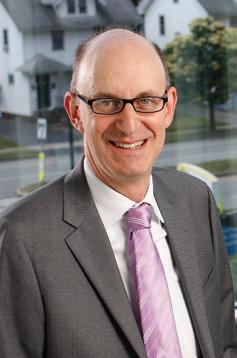
Jonathan W. Friedberg, MD, MMSc Director, Wilmot Cancer Institute
Editor / Writer
Leslie Orr Leslie_Orr@urmc. rochester.edu
Contributors
Barbara Balcaen, Tyler Bowers, Ruth Harper-Rhode, Kristina Hawes, Kristine Thompson
Graphic Design
Beth Carr
Feature Photography
Erich Camping, Adam Fenster, Jeff Witherow, Matt Wittmeyer
The Wilmot Cancer Institute is a component of Strong Memorial Hospital.
Hello friends of the Wilmot Cancer Institute,
What a year it’s been. At the start of 2025, we were full of anticipation about whether the National Cancer Institute would officially declare Wilmot as the 73rd designated cancer center in the country. We were able to share the exciting news in March — we took a minute (or two!) to celebrate and let it sink in — and then we all went back to work.
On these pages you will read about the first major impact of NCI designation: We recruited four faculty members in recent months who would not have come to Wilmot Cancer Institute had we not been designated. They bring an astounding breadth of expertise, from surgery to translational medicine, to basic science and collaborative investigations, to streamlining workflow and improving patient experiences. Their stories provide a glimpse at why Wilmot is a special place to work, and I am thrilled to have them on board. We are still in recruitment mode, and I am confident that more talent will join our outstanding team in the months ahead.
You can also read an inspiring story about improvements in brain cancer treatment and how one patient is thriving as he takes advantage of nextgeneration therapy. Stories like this are deeply gratifying and keep us motivated to do our best for patients and the community.
On a personal note, I also want to thank one of my patients, Bob Goergen, who is a tremendous supporter of the University of Rochester. Read about his gift on page 14. I am touched by his generosity, and the timing of his Wilmot gift will only accelerate our positive momentum.
With gratitude,

Jonathan Friedberg, MD, MMSc Director, Wilmot Cancer Institute
About Wilmot Cancer Institute
Wilmot Cancer Institute at the University of Rochester is a National Cancer Institutedesignated center in upstate New York. Its goal is to prevent and conquer cancer through innovation in science, patient care, education, and community outreach.
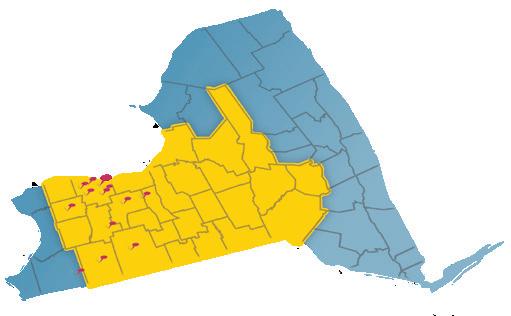
Based in Rochester, N.Y., as part of the University of Rochester Medical Center system, Wilmot serves approximately 3 million people in a 27-county region in western and central New York. Wilmot features an 88-bed flagship cancer hospital, 13 locations, and one of the state’s largest Blood & Marrow Transplant (BMT) programs. Wilmot is a component of Strong Memorial Hospital and home to the area’s first
13 locations 3M people 27 counties
cancer survivorship clinic, one of the nation’s first specialized geriatric oncology clinics, and an integrative oncology center free to all patients.
Established in 1974, Wilmot has a long history of outstanding clinical and research breakthroughs — including pivotal contributions to the pioneering HPV cancer vaccine, and the study of cancer-related nausea and the role of antinausea drugs.
Wilmot is proud to be part of the NCI National Clinical Trials Network, and to serve as a hub for the NCI Community Oncology Research Program.

Pushing for Progress
Earlier this year, the Wilmot Cancer Institute stepped into a new era when the National Cancer Institute designated it as one of the 73 premier cancer centers in the United States for research and innovation. As Wilmot and the University of Rochester joined the elite club, the designation jump-started recruitment of top scientists, adding depth to a strong team and planting roots for the future.
Already, Wilmot’s leaders have signed several exceptional new members to the cancer institute. On the following pages, the spotlight shines on four of these big thinkers, who bring fresh ideas and an outsider’s perspective. They share an “it” factor—an ability to be visionary, to challenge the status quo, while also managing an impossible number of details to build programs, streamline operations, and achieve more for cancer patients.
Read how Ryan Fields, MD; Tanya Mayadas, PhD; David McConkey, PhD; and Lori Medeiros, MD, are making an impact.
“I can assure you that if we weren’t an NCI-designated cancer institute, none of them would be here today.”
– Jonathan Friedberg, MD, MMSc
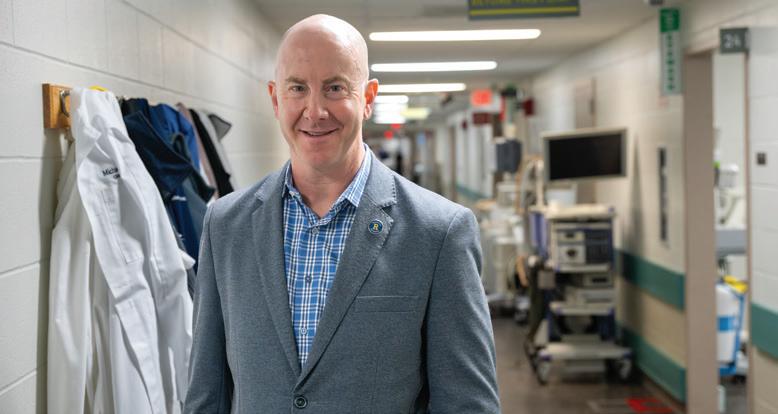
Ryan Fields, MD
Ryan Fields jokes that as he looks out at the possibilities at the Wilmot Cancer Institute: “I feel like I’m here for the birth of a child. We can really craft something new.”
On July 1, 2025, he became chair of Surgery at the University of Rochester Medical Center and started in a newly created position at Wilmot, associate director of Translational Research. A surgeon-scientist, he investigates immune-system-related cancers such as melanoma and gastrointestinal tumors and performs surgeries.
His connection to cancer is personal: When he was a first-year student at the University of Michigan, his mother was diagnosed with early-stage breast cancer. She received treatment and is doing fine today, but decades later he is still intrigued by the unanswered questions about the disease. Here in Rochester, in his Translational Research role, he is focusing on speeding up discoveries by bridging the gaps between laboratory scientists who study nuanced cell pathways or why cancer behaves the way it does, with researchers at the other end of the spectrum—those who design clinical trials to evaluate new treatments.
“And in the middle is this idea of ‘translation,’” Fields says, “or how do we take something that’s an idea in a lab and get it to the point where it’s a clinical trial that may benefit patients?”
“Instant collaboration. New grant. Opportunity. Success.”
Some of that work happens in back rooms, improving infrastructure to knock down workplace barriers— for example, making sure all researchers have the same access to the right tissue samples to conduct their studies. He also wants to create more “aha moments” by connecting smart people, he says: “Oh gosh, there’s somebody working in the geriatrics group studying aging and I’m interested in cancer in an aging population, and they study that too. Okay? Instant collaboration. New grant. Opportunity. Success.”
It’s better if this happens by design rather than by accident, he says. “When you bring people together intentionally at a place like this, we see a lot of success.”
Fields also has his eye on improving bridges between the University’s RNA biologists and Wilmot investigators, and other closely related areas such as biomedical engineering and imaging. Broad collaboration is the sign of a great cancer center, he believes.
Fields came to Rochester from Washington University in St. Louis, where he achieved national prominence, and says he is already smitten with the UR: “It’s the people. You can build the nicest building and put the fanciest toys in there for everybody… but if you don’t have the right people, it won’t work well. And from day one, I was just captivated by the people here.”
“When you come here, you won't want to leave.”
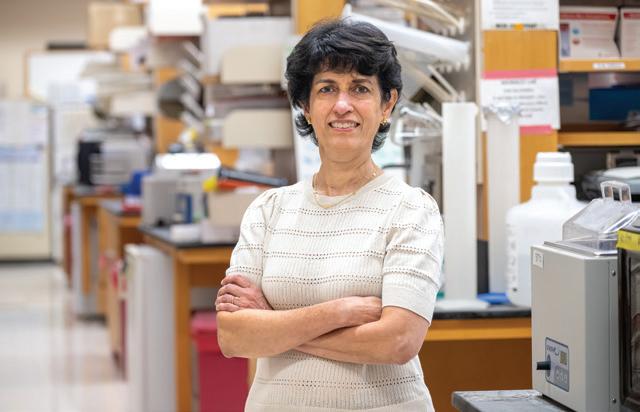
Tanya Mayadas, PhD
Tanya Mayadas first landed in Rochester as a child in 1976 when her parents moved the family from India. Her father had taken a job as assistant manager of the Rochester Philharmonic Orchestra. She attended Our Lady of Mercy High School and the University of Rochester as an undergraduate. She loved it and decided to stay for her graduate degree, but she ended up following a mentor to Boston.
She didn’t want to leave. However, work bound her to the Boston area for 37 years: First to Tufts University, then to Massachusetts Institute of Technology for post-doctoral research with a world-renowned investigator, and then to Harvard Medical School and Brigham and Women’s Hospital, where she rose to the rank of tenured professor of Pathology. While there, among other achievements, Mayadas discovered a promising cancer immunotherapy treatment and will continue that investigation here.
She built a career studying the immune system, how immune cells interact and obtain the proper balance in the body, and what she calls the unique “triggers and breaks” within the immune system that can prompt diseases such as cancer. At the University of Rochester, Mayadas is the new chair of Microbiology and Immunology and director of the inaugural crosscampus Institute for Immunological Science.
She came back home to Rochester with great enthusiasm.
“The University of Rochester is a remarkable community, defined by its inclusiveness of people… and what I call the quiet confidence and deep expertise of the investigators, which creates the foundation for truly collaborative science,” Mayadas says.
She is planning extensive collaborations with others at Wilmot who are studying innovative combination therapies that both ramp up the immune system to attack the tumor and directly kill tumors.
Mindful of the national scientific landscape, Mayadas is also recruiting researchers with a cancer focus to join Wilmot. “I tell them, ‘Come to the haven of Rochester.’ When you come here, you won’t want to leave,” she says.
As Mayadas moves her Boston lab 400 miles west, settles in, and establishes herself as a mentor for the next generation—a deep commitment—she is grateful to be where her career began.
Her favorite hobby even has Rochester roots, harkening back to the days when Mayadas attended RPO concerts with her father, handing out programs. “I love music, and I play the piano. I took classes at the Eastman School as a high school student and an undergraduate, and I play whenever I have time” she says. “It keeps my mental energy in the right place.”
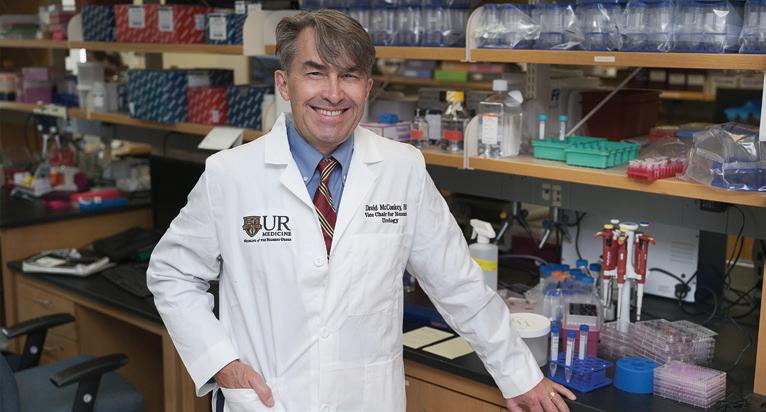
David McConkey, PhD
David McConkey moved to Rochester just a few months ago from Johns Hopkins University in Baltimore, but his professional impact is coming in fast.
Topping the list: The National Cancer Institute recently awarded McConkey and co-investigators across the U.S. a prized PO1 grant worth $10 million ($1.7 million of which will come directly to the University of Rochester). It’s a type of funding that is exceptionally difficult to get, as it requires multiple scientific projects with different research teams that all lead to one goal. In his case, the goal is tackling bladder cancer— specifically, mapping DNA and RNA in bladder cancer tumors, understanding the impact of inflammation on bladder cancer, and improving gene therapy for bladder cancer.
Earlier in his career, McConkey shaped his own vision and mission while working with several scientific rock stars in prestigious places—including a fellowship in Sweden where he studied under Nobel Prize winners investigating cancer-cell death; a three-year stint at Dana-Farber Cancer Institute in Boston; and many years at the distinguished MD Anderson Cancer Center in Texas, where he focused on how bladder cancer cells spread. He and his team discovered molecular subtypes of bladder cancer and developed new treatment approaches.
But McConkey was born in Buffalo and was delighted that Rochester offered a terrific opportunity to come
“Sometimes fate sends you in the right direction for complicated and wonderful reasons.”
home to western New York, he says.
“There’s so much excitement here,” McConkey says. “The leadership at Wilmot and the University Medical Center are all on the same page and embracing the same vision.”
McConkey is the new vice chair for Research in Urology and co-director of Wilmot’s Genetics, Epigenetics, and Metabolism (GEM) basic science program.
He’s also leveraging the advantages of the “small world in cancer research,” he says, relishing being near one of his lifelong professional role models: Ed Messing, MD, a trailblazer at the University who has revolutionized bladder cancer care. McConkey also praised Urology Chair Jean Joseph, MD, for empowering him to make changes.
He is renovating outdated lab space, introducing new ideas for clinical trials at Wilmot, and launching a project to recruit scientists who understand microbiomes and links to bladder cancer. Importantly, he also recruited to Rochester a prominent physicianscientist from MD Anderson, Colin Dinney, MD, to collaborate on the latest PO1 grant.
“This feels right,” he says, reflecting on settling in at Wilmot. “The timing was perfect. It was just serendipitous. Sometimes fate sends you in the right direction for complicated and wonderful reasons.”
(See story on page 12.)
“Strategy is a living, breathing thing.”
Lori Medeiros, MD
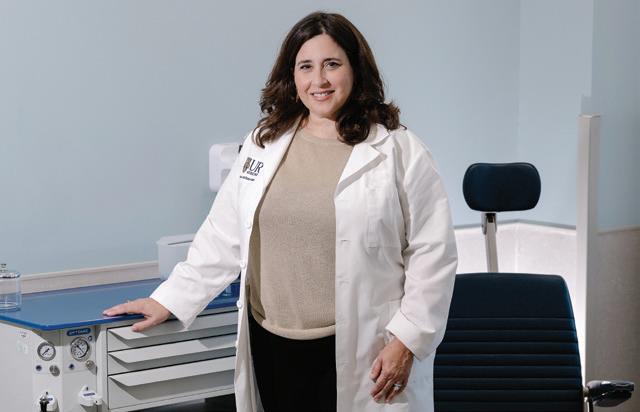
Lori Medeiros joined the Wilmot Cancer Institute from just a few miles away, having led the breast cancer service line and business development at Rochester Regional Health. Moving to an academic setting gave her the chance to amplify her skills, she says.
Medeiros is a revered breast surgeon—but at Wilmot she’s also tapping into the strategic side of her brain, the part fueled by an MBA and a knack for digging into workflow issues and operations. She is serving in a newly created role as Wilmot’s associate medical director, Regional Surgical Services and director of Cancer Surgery Business Development.
Her vision? “It’s about marrying an enthusiasm for academics and science with practicalities. How people actually experience being a patient at Wilmot. When you’re diagnosed, you’re worried about cancer, so we want to move everything else out of your hands and into those of a well-oiled team.”
Efficiency and access are the keys. Breast cancer patients now have access to streamlined appointments for surgeons and medical oncologists at Wilmot’s Pluta Comprehensive Breast Care Center. Many will now also have access to genetic profiling at the first point of cancer care, rather than later in the process. Medeiros also helped to lead efforts to open a new office in Farmington, Ontario County, in a UR Medicine multipurpose building that’s closer to residents in the Finger Lakes region.
A native of Canada, Medeiros earned a medical degree and completed specialty training at McGill University in Montreal. She is comfortable wearing many hats. As a new doctor, she ran her own solo practice: “You learn pretty quick about everything,” she says.
The Rochester Institute of Technology awarded her the MBA. She studied banking, manufacturing, and did a consulting project in hydroelectricity for a construction company in South Africa. Her takeaway? Most industries, including healthcare, have the same problems to overcome—and it often boils down to changing workplace culture.
“It becomes very easy to have ‘group think’ when you’re immersed in one industry,” she says. “There is some benefit to looking at things from different viewpoints. How are you making an impact? Are you achieving any of the things that you set out to do? Where are you in this process?”
Organizations must be flexible, she says. And, although she is still learning about Wilmot, she is excited to be offering innovative ideas at an NCIdesignated cancer center that has already embraced change.
“A vision is like your North Star,” she says. “But how you get there is going to be very different from what you think it’s going to be when you start out. Strategy is a living, breathing thing.”
Community Outreach and Engagement improves the health of local and regional residents through partnerships.
Community Retreat Highlights
Attendees discussed research priorities, emerging issues, cancer advocacy.
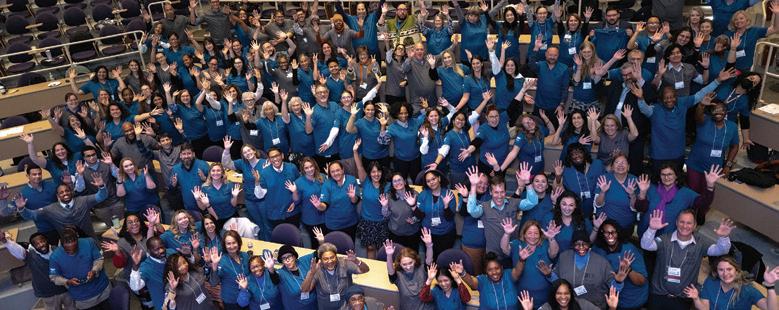
“Together for Tomorrow” was the theme of an annual retreat on October 17, 2025, that connected more than 200 community members with Wilmot Cancer Institute scientists and healthcare professionals. The theme emphasized the need to unite in the face of challenges to lessen the burden of cancer. Wilmot serves a 27-county area of upstate New York with more than three million residents.
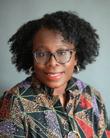
Keynote speakers were Hayley Thompson, PhD, professor of Oncology at Wayne State University and the Karmanos Cancer Institute in Michigan, with a current research focus on increasing genetic counseling among high-risk African American cancer survivors, and Jerome Underwood, president and CEO at Action for a Better Community in Rochester. They spoke about the importance of community participation in cancer centers.
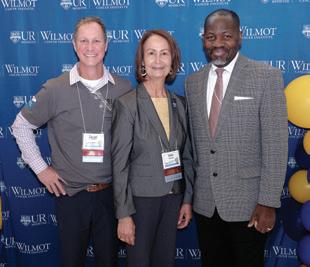

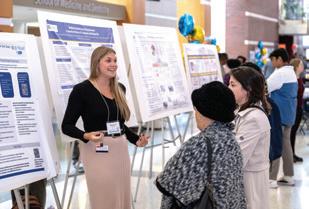
Breakout sessions addressed artificial intelligence in healthcare, misinformation on social media, and community-initiated research. A “policy town hall” also educated participants about legislation and advocacy.
Wilmot’s Community Outreach and Engagement (COE) office and its Community Cancer Action Council (CCAC) conducted the retreat. The CCAC engages with Wilmot to identify research priorities, foster clinical trial participation, and to help with outreach and education about cancer. Wilmot researchers shared posters that summarized their work and community partners shared their own activities in the fight against cancer.
At the end of the retreat, a celebration applauded the community for its partnership in obtaining a milestone earlier this year—when the National Cancer Institute designated Wilmot as one of the premier cancer centers in the U.S. for research and innovation.
Hayley Thompson, PhD
Jerome Underwood
CCAC co-chair-elect Jason Coleman, and current co-chairs Elisa DeJesus and Jeffrey Freeman.
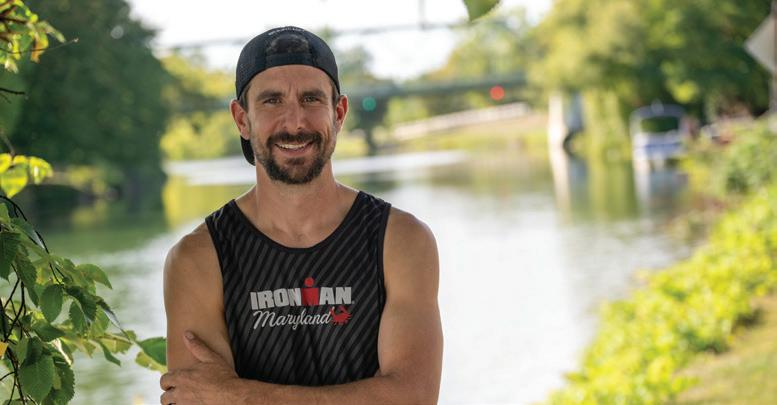
Art Sullivan, of Spencerport: "I am finally getting my feet under me."
First Advance in 20 Years for Rare Brain Cancer
A
Wilmot physician helped write the national guidelines for new therapy.

When doctors diagnosed Art Sullivan, a 38-yearold Ironman athlete, with a brain tumor called an astrocytoma, it rocked his world. But now he is benefiting from the first new treatment for this cancer in decades—and it’s changing his life.
“I feel super lucky,” Sullivan says. “The way the drug was approved when I needed it—it was almost like it was for me. Having some hope is nice.”
The U.S. Food and Drug Administration approved vorasidenib to treat astrocytoma in August 2024.
The drug is a daily pill that targets a pathway where this cancer grows. It has few or no side effects for most people, aside from fertility concerns.
A few weeks after the drug’s approval, Sullivan started taking it. Being able to avoid chemotherapy and radiation, for now, has given him the chance to regain normalcy, including regular morning runs along the Erie Canal in Spencerport, NY.
Leadership in Brain Cancer Care
Wilmot Cancer Institute neuro-oncologist Nimish Mohile, MD, has 30 patients using the new medication.
In 2021, Mohile was part of the expert panel who wrote the first-ever national guidelines for treating brain cancer, and in 2025 Mohile and the national group published new guidance about the practicechanging research supporting vorasidenib.
Astrocytoma tumors can range from low-grade types—as in Sullivan’s case–to aggressive, highgrade gliomas, such as the glioblastoma suffered by Senator John McCain and Beau Biden, son of the former president. People can live many years with low-grade tumors. That’s why the new drug with fewer side effects than chemotherapy and radiation is important: It could make survivorship easier.
“When radiation becomes a core part of brain cancer treatment, eventually it causes cognitive issues— memory and emotions, for example—which interferes with work and relationships, and in rare cases puts patients at risk for later cancers,” Mohile says. “So, whatever we can do to delay or avoid radiation therapy to the brain, especially in younger people, is a good thing.”
Nimish Mohile, MD
Brain Cancer Symptoms and Treatment
Sullivan’s only symptom of brain cancer was a seizure that came unexpectedly in December of 2023, while he was watching cartoons with his two little boys. An ambulance rushed him to the hospital. After stressful days of waiting for test results, he got official confirmation of a grade 2 cancer, which surgeons quickly removed.
A longtime endurance athlete, Sullivan was physically fit prior to surgery and ran the Buffalo Marathon in May 2024, four months to the day after his craniotomy.
However, turning the emotional corner has been more difficult, he says. He credits Mohile and the new treatment for brightening his outlook.
“From day one, Dr. Mohile has been personable, knowledgeable, and takes the time to explain everything and not sugar-coat things,” Sullivan says. “I’m straightforward. I just want answers.”
“It’s been a big change, big adjustment,” he adds. “I’m still working on it. But I’m finally getting my feet under me. Everyone at Wilmot has been great, from the check-in people to the nurses.”
FDA approval of vorasidenib for individuals ages 12 years or older came after 331 patients took part in a clinical trial that measured how long they remained stable before needing to start traditional chemotherapy and radiation. Results showed that compared to a placebo, vorasidenib extended the time until patients needed to switch treatments.
Aside from this latest development, most brain cancer treatments used today are from the 1990s.
The slow progress, Mohile says, is primarily because brain cancer of all types is rare. The number of patients who get rare cancers is so small that it’s difficult to obtain the data necessary for scientific advances and drug approvals.
Community Awareness of Brain Cancer Treatment Options
Wilmot serves a 27-county region across western and central New York, which is larger than Vermont and New Hampshire combined. One of the challenges, particularly in smaller towns and rural areas, is making sure that community doctors and patients know about the latest cancer treatments available.
The nationally published guidelines, available online through the Journal of Clinical Oncology, can be a useful tool.
“We have huge neuro-oncology deserts,” Mohile says. “If a medical oncologist sees 200 new patients, maybe one of them will have brain cancer, and so they are not necessarily up to date on the latest surgical techniques or the most modern treatments.
That’s why guidelines are important. When they have that patient in front of them, they can get quick access to knowing: what are my options?”
Although there is excitement around vorasidenib, it is not a cure. “It’s a big step forward in a rare disease that’s hard to study,” says Mohile, the Ann Aresty Camhi Professor in Neurology at the University of Rochester.
Brain Cancer Research
Scientists are continually working towards new options for patients.
In addition to vorasidenib, the FDA recently approved a second new treatment for another rare type of brain tumor: dordaviprone for gliomas that have a specific gene mutation.
“Whatever we can do to delay or avoid radiation therapy to the brain, especially in younger people, is a good thing.”
Several Wilmot adult patients and children participated in clinical trials in past years that evaluated dordaviprone—giving them access to a groundbreaking therapy before it was widely available. David Korones, MD, led those studies.
Another important initiative is to expand a currently available cellular treatment called CAR T-cell therapy, which harnesses a patient’s immune system to fight cancer. Oncologists use it primarily to treat blood cancers, but now researchers are investigating CAR T-cell therapy for solid tumors such as brain, breast, and lung cancer—and Wilmot recently joined with four other research institutions in New York state to advance this effort more quickly.
In those cases when radiation therapy to the brain is necessary, Kerry O’Banion, M.D., Ph.D., a professor at the UR Del Monte Institute for Neuroscience and a Wilmot member, is also investigating how to protect the brain by stopping damage to the nerve cells as the brain attempts to rewire itself after radiation exposure.
People with astrocytoma can live up to 20 years. The goal is to be “constantly moving ahead,” Mohile says, to ensure new options for patients.
Seeing the Future
As Sullivan endures his health challenges, running has been a source of comfort. “It has always been meditative,” he says. “Everything else just goes away.”
That’s why he awakens at dawn to head to his favorite trail before going to work as a superintendent at Heat & Kool, a commercial HVAC contractor. In October, he and his younger brother, Russ, ran a 50-mile race around Canandaigua Lake, and someday he wants to try a 100-miler.
For now, Sullivan is focusing on time with his wife, Jennifer, two boys, ages 7 and 4, and his loving parents and supportive extended family.
newsbriefs
Research Roundup
Wilmot Investigators Join Prominent Research Groups
Team science is the key to advancing cancer research and patient care. Wilmot Cancer Institute and the University of Rochester recently joined two outstanding collaborative teams:
The Empire State Cellular Therapy Consortium officially launched this summer, focused on improving gene and cellular therapy, a type of immunotherapy that works by harnessing a person’s own immune system to fight cancer. In the past two years, the U.S. Food and Drug Administration has approved more than 15 cellular and gene-based immunotherapies. Most are for blood cancers such as leukemia, lymphomas, and multiple myeloma. The consortium aims to expand discoveries for this treatment in solid tumors such as breast, lung, and pancreas cancer.
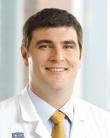
Patrick Reagan, MD, represents Wilmot in the Empire Consortium. It also includes scientists from Roswell Park Comprehensive Cancer Center in Buffalo and three institutions in New York City: The Icahn School of Medicine at Mount Sinai, NYU Langone Health, and Weill Cornell Medicine. The teams will share data and have plans to open new clinical trials within two years for patients treated at these institutions.
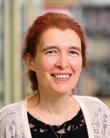
The University of Rochester also joined the prestigious ranks of the Nathan Shock Centers of Excellence in the Basic Biology of Aging. Led by Wilmot scientist Vera Gorbunova, PhD, the Nathan Shock five-year, $5 million grant elevates the work of discovering how individuals age and prevention of age-related diseases like cancer. The UR has one of only eight Shock Centers nationally.
Gorbunova and her team will collaborate with scientists at the other centers and share access to biological samples and data from more than 50 species of mammals with lifespans ranging from two to more than 200 years. Gorbunova has already made breakthrough discoveries in longlived naked mole rats, bats, and other animals that have biological systems with superpowers that can fend off diseases. The goal is to apply these findings to humans to promote healthier longevity without cancer.
Taurine, an Ingredient in Energy Drinks, Can Drive Leukemia Growth
A Wilmot blood cancer investigator published data in a high-impact journal this year that drew attention from scientists across the globe and made a splash in the media.
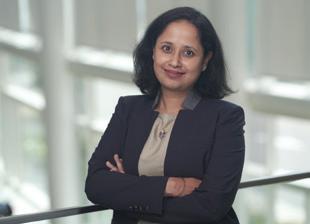
Jeevisha Bajaj, PhD, and her team were mapping what happens as leukemia stem cells spread within the bone marrow and interact with other cells. They found that taurine—which is made naturally in the body and consumed through foods—fuels leukemia growth. Normal cells produce taurine in the bone marrow microenvironment. Leukemia cells are unable to make taurine themselves, and the Bajaj lab showed that the malignant cells rely on a taurine transporter (encoded by the SLC6A6 gene) to grab taurine from the microenvironment and deliver it to cancer cells. Leukemia cells drink up taurine for energy.
Researchers were also able to block the growth of leukemia in mice and in human cell samples by using genetic tools to prevent taurine from entering cancer cells. The journal Nature published the study.
It’s a hot area of research that’s still developing— and where context matters, Bajaj says. For example, a different scientific team investigating gastric cancer found that taurine supplements could possibly benefit some patients by boosting the immune system. Foods such as meat, fish, and eggs contain taurine, as do some protein powders and energy drinks.
What should a person facing cancer do with this information?
There’s still a lot to learn, and in the meantime Bajaj and oncologists at Wilmot suggest that leukemia patients are cautious about using taurine supplements, and that all cancer patients and survivors should be telling their doctors about any supplements they are taking.
Patrick Reagan, MD
Vera Gorbunova, PhD
Jeevisha Baja, PhD
Two Breast Cancer Studies Offer Fresh Approaches to Care
In the first of two new, peer-reviewed studies, nurse practitioners (NPs) and physician assistants (PAs) were just as effective as physicians at prescribing medications that can dramatically reduce the risk of breast cancer in people at elevated risk.
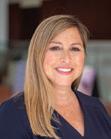
Anna Weiss, MD, a surgeon-scientist and director of the Pluta Comprehensive Breast Program at Wilmot, ran the study to evaluate the best way to offer anti-cancer drugs such as tamoxifen to women as a prevention tool. Many women are reluctant to take these drugs due to their side effects, even though the medications can cut breast cancer risk in half. Reported in Annals of Surgical Oncology, the study showed that patients relate well to PAs and NPs when discussing treatment options.
The research was aimed at benefiting people who have either stage 0 breast cancer (known as DCIS or ductal carcinoma in situ, which is not invasive) or a strong risk of invasive breast cancer. It included data from more than 500 individuals treated at a specialized breast health clinic at Wilmot, the first of its kind in the region.
A second study showed that when properly screened before surgery, women ages 65 and older—including women in their 90s—can safely leave the hospital on the same day as having a mastectomy for breast cancer without suffering post-surgical complications. When the patient is otherwise healthy and has access to a nearby healthcare facility, same-day discharges after surgery have become a national trend. It began during the Covid-19 pandemic to free up hospital beds for the sickest individuals.
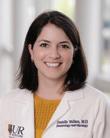
Jessica Gooch, MD, the surgeon who led the Wilmot study, says it is the first to challenge the longtime practice of keeping all people ages 65 and older overnight after a mastectomy. “We have an aging population that is living longer and healthier,” Gooch says. “It turns out that our quote-unquote elderly patients can do well at home, too. And if they have other medical issues that are well-managed and they have a good support system, they recover better in familiar surroundings.”
No one was discharged early who needed to be in the hospital, she emphasized—all patients were carefully screened for frailty, function, and conditions that could lead to complications such as diabetes or heart disease. The vast majority were relieved and excited to go home quickly, Gooch says.

Awards and Achievements
Wilmot Team Receives $3M to Further Study Pancreatic Cancer, New Treatment Scheme
Cancer of the pancreas is the most lethal of all major cancers. Why? Factors both inside pancreatic cancer cells and in the neighborhood around the cells create an environment that allows cancer to spread easily and resist treatment.
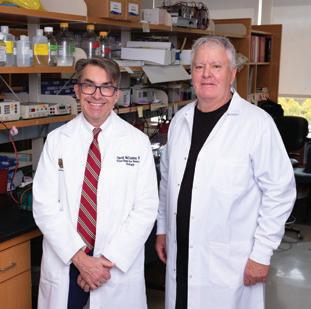
Wilmot Cancer Institute researchers Darren Carpizo, MD, PhD, and Scott Gerber, PhD, are studying these factors and recently won a $3 million award from the National Cancer Institute to develop a new generation of treatments.
Their one-two punch pairs an immunotherapy with localized stereotactic body radiotherapy (SBRT) to target the tumor’s surrounding environment, and an experimental drug, NP137, to target the cancer cells’ internal drivers. They believe their approach can kill cancer cells while also reprogramming the surrounding environment to become less hospitable to cancer returning.
The Gerber-Carpizo team plans to launch a clinical trial for patients as soon as regulatory approvals are complete.
Both Wilmot scientists have been investigating pancreatic cancer for years and have already published several important steps to advance research and patient care. Earlier research by David Linehan, MD, a surgeon-scientist, and CEO of the University of Rochester Medical Center, laid the foundation for this latest project.
Carpizo, a surgeon, serves as co-leader of Wilmot’s Genetics, Epigenetics, and Metabolism (GEM) research program. Gerber is a tumor immunologist and co-leader of Wilmot’s Cancer Microenvironment (CM) research program.
Anna Weiss, MD
Jessica Gooch, MD
Darren Carpizo, MD, PhD, and Scott Gerber, PhD
Preventing and Easing Brain Fog from Cancer Treatment
Cognitive decline associated with cancer and its treatment, also known as “chemo brain,” is a side effect reported by nearly 75% of people with advanced cancer. Researchers from Wilmot’s Cancer Prevention and Control program have been studying chemo brain for years, bringing awareness to physicians and publishing study results on treatment opportunities.
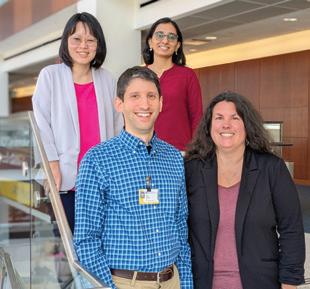
Recently, these researchers won the 2025 Wilmot Warrior Weekend Team Science award. Led by Michelle Janelsins, PhD, MPH, they are working to pinpoint who is most at risk for cognitive side effects and develop ways to prevent or ease symptoms such as memory loss, trouble concentrating, and inability to multitask. They are also investigating the biology behind why chemo brain occurs in some people more than others, with a focus on two emerging culprits: disruption of circadian rhythms (the sleep-wake cycle) and dysfunction in the immune system. Janelsins is collaborating with basic scientist Brian Altman, PhD, geriatric oncologist Melissa Loh, MD, and Julie Thakar, PhD
New Clinical Trial
For the first time, funds raised during Wilmot Warrior Weekend also supported a new clinical trial. Danielle Wallace, MD, is leading that study, which aims to improve outcomes for older adults with diffuse large B-cell lymphoma, by using an immune treatment that can attack trace amounts of cancer cells left behind by chemotherapy.
Study Goal: Getting a Grip on Bladder Cancer Before It Becomes Life-Threatening
Bladder cancer rates are high in western New York, and a multidisciplinary research team—funded by a major award from the National Cancer Institute worth $10 million—aims to answer key molecular questions, find ways to prevent the disease, and improve precision treatment.
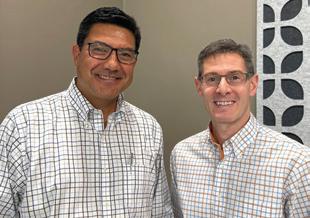
David McConkey, PhD, vice chair or Urology Research at the University of Rochester and a leader at the Wilmot Cancer Institute, is a co-principal investigator in the collaborative grant. It includes three projects, with one based in Rochester. The other two are at MD Anderson Cancer Center in Houston and Columbia University in New York City.
Locally, McConkey and his team will focus on improving a promising type of bladder cancer treatment called interferon gene therapy. This involves delivering a gene to cancer cells, sparking cell death, and boosting the immune system. The other projects are focused on better understanding the microscopic changes in bladder tissue as it evolves into cancer and identifying where bladder cancer is vulnerable.
The goal? New targeted therapies that can eliminate precancerous lesions before they become true cancers, and intercepting early cancers before they become life-threatening, McConkey says.
Joining McConkey to run the Rochester arm of the research project is Colin Dinney, MD, who recently joined the University faculty from MD Anderson. Dinney is an expert on metastatic bladder cancer and will be a member of Wilmot’s Genetics, Epigenetics, and Metabolism (GEM) research program.
Danielle Wallace, MD
David McConkey, PhD and Colin Dinney, MD
Michelle Janelsins, PhD, on the bottom right, and her team.
Nursing Notes
Striving to Bring a New Mindset to Wilmot Nursing Practice
Julie Berkhof, FNP, director of nursing at Wilmot Cancer Institute’s regional nursing practice, saw something repeatedly on the front lines: No two 80-year-olds are alike. One may play pickleball, take only one pill a day, and drive herself to social activities. The other may rarely leave the house due to illness or frailty.
Because older people have unique needs when cancer arises, she turned her 2022 doctorate project into a real-world problem-solving tool that’s making big gains in 2025.
Berkhof implemented a validated screening tool that allows ambulatory care technicians and nurses to objectively measure each person’s frailty level at their first oncology appointment. Called the Geriatric 8 or “G8,” it delivers a score that is neither good nor bad— but serves as a conversation starter between patient and healthcare provider.
Why is G8 important?
“It’s changing the mindset of nursing, recognizing that with a screening tool we can identify patients that may benefit from further assessments,” Berkhof says. She notes that oncology nurses know how to care for patients with complex medical problems, but many have not received additional training in caring for an aging population. G8 is a straightforward way to acquaint them with the needs of adults with cancer aged 70 and older. The G8 survey asks questions about mobility, appetite, medications, and other health problems.
Patients also give the G8 a thumbs up. They appreciate that the survey is a quick, objective measure and gives them a voice in their care—and that no one is assuming anything because they are of a certain age, feedback shows.
Wilmot has unique expertise in this field. Berkhof’s mentor is Supriya Mohile, MD, a Wilmot oncologist and research leader, who is also nationally lauded for developing comprehensive assessments of older adults with cancer.
Only a small fraction of older people with cancer receives G8-type screening across the U.S. at new patient visits. At Wilmot’s regional clinics, only about 10 percent were screened at the beginning of 2024— but that number soared to almost 70 percent in mid2025 across all regional locations, thanks to Berkhof and the nursing team.

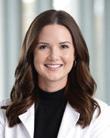
“We are so proud of this. Wilmot nursing is leading a new best-practice initiative,” she says. “Everyone involved is engaged and takes great pride in saying, ‘we’ve screened everybody this month.’ “
Most other cancer centers do not have nurses involved in geriatric screening, Berkhof says. To spread the word, she will present her work at international oncology meetings including Canadian Association of Nurses in Oncology (CANO) and the International Society of Geriatric Oncology (SIOG).
Nurse practitioner Allison Cima is also working towards bringing innovative ideas to Wilmot’s regional clinics.
Cima is quite familiar with many areas within the cancer institute: As a new nurse, she worked on the fast-paced 7th floor at Wilmot’s inpatient hospital, caring for adults with a variety of cancers from initial diagnosis to end-of-life. While there, she completed an advanced degree to become a nurse practitioner. At that point, Cima began working in the infusion center at the flagship Wilmot location in Rochester while also rotating between regional sites. In May of 2024, she transitioned to a general oncology clinic, caring for patients at Wilmot’s Webster location.
No matter where she is, one thing stands out— advances in research and patient care are endless and exciting. “The old standard-of-care treatments are long gone,” Cima says. “There’s always something new.”
This forces nurses to understand the latest data and make appropriate changes to clinical care. This fall, Cima won a scholarship to attend a prominent national meeting conducted by the Journal of the Advanced Practitioner in Oncology (JADPRO). She will go with a Wilmot colleague, Michelle Maronian, PA.
“I want to take what I learn at the conference and bring it back to best serve our patients,” Cima says. “Webster is away from the mothership and for me, it’s different from being in a large hospital where you are constantly interacting with many colleagues. More often, our patients are being treated in satellite centers closer to their homes and I hope to be able to share ways to implement the newest ideas there.”
Julie Berkhof, FNP
Allison Cima, NP
FORWARD: Survivors Night Friday, July 31, 2026
Wilmot
Receives
$2M Gift from Bob and Pam Goergen
University of Rochester Board Chair Emeritus
Robert “Bob” Goergen and his wife, Pam, recently gave $2 million to establish an endowed professorship at the Wilmot Cancer Institute, recognizing its director and Goergen’s oncologist, Jonathan Friedberg, MD, MMSc.
Wilmot achieved a milestone in March 2025 when the National Cancer Institute designated Wilmot as one of the premier cancer centers for research, community engagement, education, training, and life-saving clinical care. Following the designation, Friedberg presented highlights to the University’s Board of Trustees on Wilmot’s long and demanding journey towards this goal—and Goergen says he was struck by the remarkable effort.
“Dr. Friedberg’s leadership over the past eight years has been extraordinary,” he says. “The way he reorganized, refocused, and inspired his team—it has positioned Wilmot to achieve more grants, attract outstanding students and physicians, and move cancer research and care forward. This gift is really a recognition of his exceptional leadership.”
The couple’s gift will initially create the Robert B. Goergen Distinguished Professorship in Cancer Care. When Friedberg is no longer the cancer center’s director, it will be renamed the Jonathan W. Friedberg, MD, MMSc Distinguished Professorship in Cancer Research.
An entrepreneur and venture capitalist, Goergen is also a grateful patient. He has been under Friedberg’s care for nearly a decade for chronic lymphocytic leukemia.
Growing up in a working-class family, Goergen was the first to attend college, arriving at the University in
Survivors Night 2025
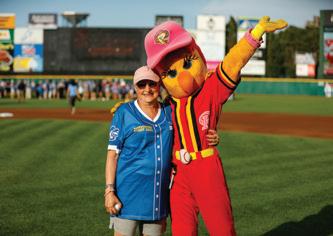
Wilmot faculty, staff, cancer survivors, and family members celebrated with a night of baseball, fireworks, food, and fun with the Rochester Red Wings last summer. Survivors took part in an annual pregame flag ceremony on centerfield, and the crowd was welcomed by Susan Dent, MD, director of the Judy DiMarzo Cancer Survivorship Program at Wilmot. More than 2,100 Wilmot supporters attended.
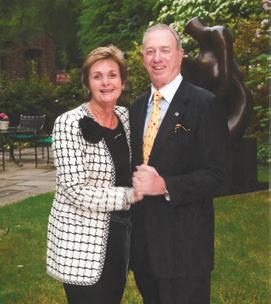
1956 on a full scholarship and graduating in 1960. He has been generous to the University for decades, having worked with four presidents through times of challenges and transformation. For example, he and his wife were the momentum behind the Robert B. Goergen Hall for Biomedical Engineering and Optics, and the Goergen Institute for Data Science and Artificial Intelligence, on the University’s River Campus. He also serves as an honorary chair For Ever Better: The Campaign for the University of Rochester, which aims to raise $1.75 billion for Rochester’s future and engage 250,000 people.
Goergen, 87, sums up his positive attitude, longterm commitment to the University, and approach to cancer treatment: “I’m still here, and I’m grateful for that.”

Wilmot Warriors Break Records for Fundraising and Participation
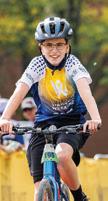
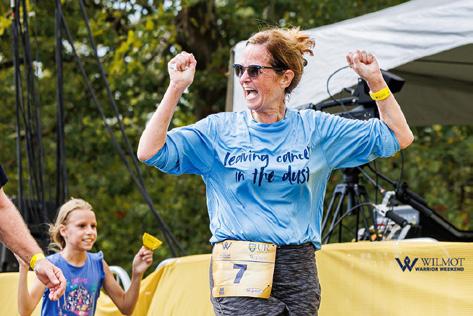
The 2025 Wilmot Warrior Weekend was an unmatched celebration of strength, community, and hope. This year’s event brought together more supporters than ever before, as more than 2,000 participants rode bicycles, ran, walked, and took part in a spinning class toward a common goal: advancing cancer research and survivorship programs at Wilmot.
The September 2025 event raised more than $770,000 (and counting), setting a new all-time fundraising record for the Warrior Weekend. A record 167 teams participated, including 10 with 30-plus members: Harter Secrest & Emery, WeR Surgeons, Go Gold for Pediatric Cancer, Clinical Trials Crusaders,
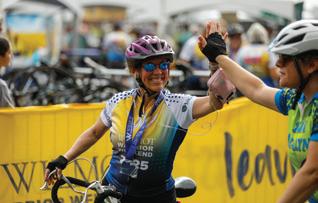
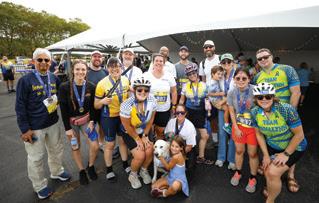
All money raised goes toward research, clinical trials, and survivorship care.

Dobrzynski Family and Friends, Team Tompkins, The Chemo-sabes, UR DOMinators, and Bone Marrow Marchers – WCC6.
Thirteen years ago, the event began as a small 5K run and walking opportunity to show support for Wilmot. It has since grown into a full weekend, connecting survivors, families, friends, and researchers in a powerful show of solidarity. Whether cycling long distances—four courses were available ranging from 12.5 miles to 75 miles—or spinning with energy and purpose, or crossing the 6K finish line, every participant contributed to an unforgettable atmosphere.
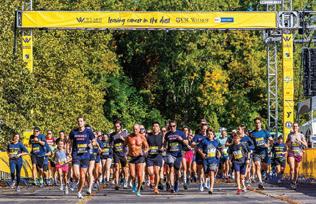
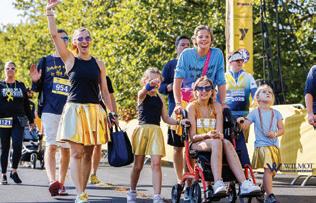
We are grateful! So far in 2025, over $250,000 has been raised at small events across the 27-county area.
Community Events Benefit Wilmot and Keep Memories Alive
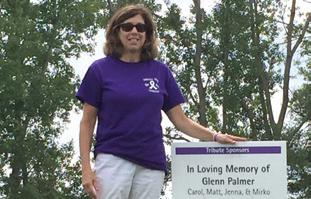
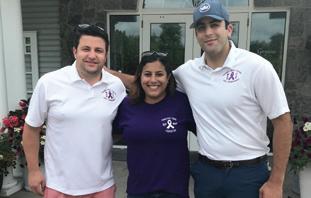
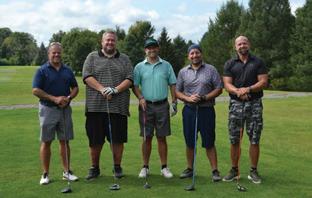
Many community groups have come together with family, friends, and supporters to honor the memory of loved ones through a day of golf. But that’s only part of the story. Behind each event is a long-standing commitment to Wilmot Cancer Institute, fueled by deep, personal reasons. The Palmer/Head-Strong Tournament and the John J. Invitational are two powerful examples of this dedication. For the past nine years, each group has faithfully supported Wilmot, helping to advance cancer research and patient care in meaningful ways.
Palmer/Head-Strong Annual Golf Tournament
What began in 2015 as a simple idea among friends to honor the memory of Glenn Palmer, who passed away from non-smoker’s lung cancer, and to support Mark Head following his pancreatic cancer diagnosis, has grown into an annual, sold-out golf tournament benefiting Wilmot Cancer Institute.
Now in planning for their 10th year, the Palmer/HeadStrong Golf Tournament has become an example of compassion and commitment. In 2025 alone, the event raised $18,000. To date, the tournament has given nearly $200,000 in support of non-smoker’s lung cancer and pancreatic cancer research.
“I know my husband, Glenn, would be so proud of this endeavor,” says Carol Palmer.
John J. Invitational
The John J. Invitational was launched in September 2017 with just 24 participants. Since then, it has grown into an annual tradition, now welcoming a full field of golfers and supported by more than a dozen community business sponsors. This year they raised $10,000.
The tournament honors the life and memory of John J. Marino, who was diagnosed with sarcoma in 2008, and sadly passed away that same year. Created by his children, Eric Marino and Heather Langan, the event reflects both John’s love of golf and the gratitude his family feels toward Wilmot Cancer Institute.
“My dad was treated with such kindness and care by Wilmot,” Marino says. “Raising support through this tournament is the best way I know to keep his legacy alive. During every tournament, I think of my dad looking down, and I know he’s thankful for the friends and family who make this support possible.”

FROM BOLD SCIENCE


WILMOT WARRIOR WEEKEND

Ronald
Erika
Steve