In 2025 we launched our new strategy ‘Innovating to Enrich Lives’ and articles throughout this issue are testament to how together we are fostering a collaborative, inclusive and purposeful culture. It makes me extremely proud to see the ways our colleagues, students and far-reaching alumni are innovating towards a more sustainable, equitable and prosperous world around us.
Read ahead to explore how our alumni are thriving and contributing to a better society for all. From Nursing alumna Agimol Pradeep’s journey from student to award-winning healthcare campaigner, to Electronic Computer Systems alumnus Richard Tang’s mission to use business as a force for good.
Being a civic university is a role we take seriously, and we are doing everything we can to advance the social and economic standing of the communities around us. Keep reading to learn more about our civic goals, including our support for local neighbour Salford Youth Zone and our pivotal role in shaping the city's creative and cultural life.
Inside you will also find lots of exciting updates on our ever-expanding Campus Connectivity Plan. With a world-class acoustics facility and community facing health and wellbeing building in the pipeline, we are proud to be at the forefront of driving economic prosperity for Salford.
Finally, we couldn’t innovate to enrich lives without the fantastic work of our researchers in finding solutions to the difficult problems facing the world around us. Discover how we are working with partners to improve healthcare, help people with their energy bills, make the world sound better and influence policy.
We hope you enjoy our highlights from the past year. As always, thank you for your continued support – it is your advocacy which makes our progress possible.
Best wishes, Nic
Professor Nic Beech, Vice-Chancellor
In July, we were named a University of Sanctuary, recognising our outstanding support for refugees and sanctuary seeking people.
University of Sanctuary awards are granted to universities who demonstrate a commitment to creating a culture of inclusivity for refugees and asylum-seekers. The title was awarded by City of Sanctuary UK, a nationally coordinated network of organisations and services that welcome and support refugees and people seeking asylum.
Higher Education Institutions in the UK have a proud tradition of supporting refugees and people in the asylum system, with Salford being one of the first universities in the UK to offer Article 26, needs-based scholarships back in 2012. Since then, Salford has supported over 50 of these scholars and recently expanded the scheme to offer 10 scholarships per year.
The panel were impressed by initiatives taken by the University, including events organised to amplify the stories of war and persecution survivors, critical research to better understand the lives and impact of sanctuary seekers, and ensuring that crucial support processes have been in place to help with sanctuary seekers’ employability.
A student who received a recent Sanctuary Scholarship said;
“The Sanctuary Scholarship holds deep meaning for me because it opens doors to higher education for individuals who may otherwise be unable to afford it. It represents opportunity, resilience and the power of community support. This scholarship isn’t just financial aid; it’s a pathway to empowerment and a brighter future.”
Salford now joins universities such as Leeds, Liverpool, and Queen’s College, Belfast in attaining a 2025 accreditation.
The University also works closely with Salford City Council, who were awarded City of Sanctuary status in 2023, and will continue to support the Council in fostering a culture of welcome and inclusion across the city.
We have a strong tradition of working closely with our city and wider region to create opportunities with and for our communities. By bringing people together and combining our expertise and resources with those of local and regional partners, we aim to make a real difference. Through the Greater Manchester Civic University Agreement, we join forces with other local universities to tackle shared challenges and help build a brighter future for everyone.
This year saw the opening of an inspiring new youth centre - Salford Youth Zone. Just a stone’s throw from campus, this state-of-the-art facility offers young people a safe, vibrant space to develop skills, explore creativity and build confidence.
We are proud to see such a critical space and impactful programme open on our doorstep, supported by Salford City Council. Through our educational offer, connections and networks, we hope to support the centre’s vital work in creating opportunities for young people and developing clear pathways into education, training and employment.
The centre’s facilities include a climbing wall, music studio, employability workshops and free meals, making it a genuine game changer for thousands of local young people.
The launch event brought together community leaders, funders and young people to celebrate the start of something special. Vice-Chancellor Professor Nic Beech said: “It was great to meet so many supporters and hear from Salford Youth Zone, who are committed to providing young people with opportunities to develop, explore and be inspired, with a mission to open doors to creativity, culture and community for all young people in Salford.”
Our civic work also reaches into national conversations about education. This year, we were proud to host the National Education Opportunities Network (NEON) Summer Symposium 2025. The event explored the role of place in widening access and supporting student success. Delegates also heard from Salford students who shared their own inspiring journeys into higher education, showing first hand the difference access routes can make.
Alongside this, we are part of Salford’s wider Child Friendly City initiative, working to ensure that children and young people’s voices help shape the future of our city and the opportunities it offers.
As a key member of the Salford Culture and Place Partnership, the University plays a pivotal role in shaping Salford’s creative and cultural life. By collaborating with partners, we contribute to cultural programmes with local, regional and national impact.
One example is OFFSHOOT, a collaboration between the University of Salford Art Collection, RHS Garden Bridgewater and Open Eye Gallery Liverpool, generously supported with public funding by the National Lottery through Arts Council England. Three artists, including a current student and an alumna from our Socially Engaged Photography MA, are working within the gardens. Partnering with horticultural experts, the Health and Wellbeing and Community Grow gardens, and Salford Youth Service, they will use photography as a creative tool to broaden access to and engagement with nature.
Internationally recognised artist Yan Wang Preston is also undertaking a year-long residency. The work produced by all participating artists will be presented in 2026 across partner venues and at Salford Museum and Art Gallery.
Together, these initiatives reflect our deep commitment to working hand in hand with our partners and communities to create lasting positive change for Salford and beyond.

BA Television and Radio Production graduate Issy Brand interviewed current and past members of the rock band Kaiser Chiefs for her final project, which aired on Virgin Radio on Sunday 25 May.
The documentary ‘A Record of Employment: The Kaiser Chiefs Story’ is a celebration of twenty years since Kaiser Chiefs released their multi-platinum award-winning album Employment, with key testimonies from lead singer Ricky Wilson, original band members Nick Hodgson and Simon Rix and 14 other noteworthy guests.
Issy said: “Employment is the kind of album that awakens a lot of old feelings in music fans. It creates real nostalgia.”
The University of Salford’s Centre for Sustainable Innovation (CSI) has received an Ingenious Award to educate Year Five pupils in Salford and Blackburn on eco-friendly construction.
Funded by the Royal Academy of Engineering, the Department for Science, Innovation and Technology, and the Friends of Energy House 2.0 Impact Fund, the project addresses climate change and the UK’s predicted one-million-engineer shortfall by 2030.
Pupils will design and build miniature eco-homes, learn about retrofitting, renewables, and biodiversity, and visit Salford’s Energy House 2.0. The aim is to inspire future engineers, promote sustainable development, and highlight careers in green engineering while tackling skills and environmental challenges.
The University of Salford and Greater Manchester Combined Authority (GMCA) have launched a two-and-a-half-year Knowledge Transfer Partnership (KTP), backed by a £220k Innovate UK grant, to overcome barriers to information sharing.
The project aims to develop and pilot a business change toolkit to improve data access, enabling more efficient working and supporting Greater Manchester’s ambitions for growth and reduced inequality. The toolkit will help councils, health, education, and community services navigate regulations like GDPR, fostering a culture where data is viewed as an asset.
Leaders say the framework will transform siloed approaches into collaborative ones, unlocking innovation and improving public services. The KTP supports GMCA’s vision for a city-region that uses data responsibly to tackle challenges and benefit all communities.
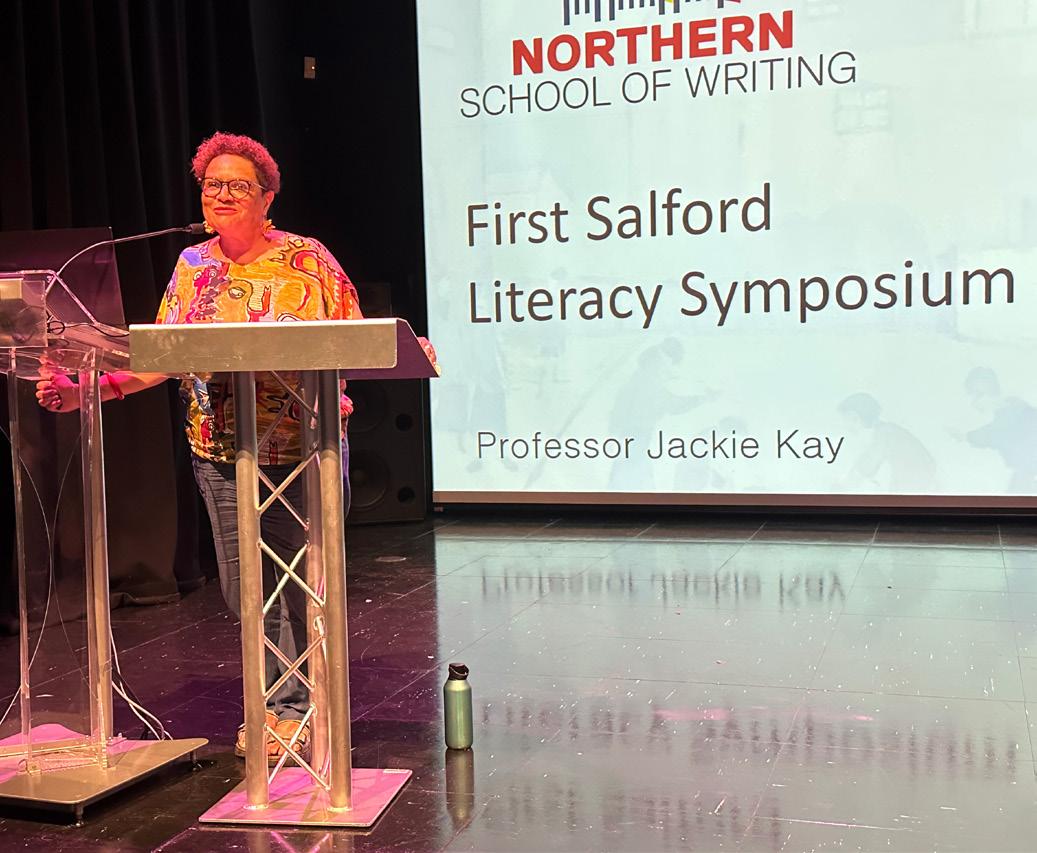
Over 150 educators from across the city descended on our MediaCity campus this June for a landmark symposium to tackle falling literacy rates in Salford.
Organised by the Northern School of Writing at Salford, the symposium saw schoolteachers, librarians and other literary professionals attend a full day of lectures, workshops and panels to explore steps the city could take as a collective.
The symposium was introduced by Vice-Chancellor Nic Beech and Salford professor Jackie Kay CBE, who said: “I’m really passionate about trying to make reading and writing a go-to experience for everybody, particularly in the times we live in.”
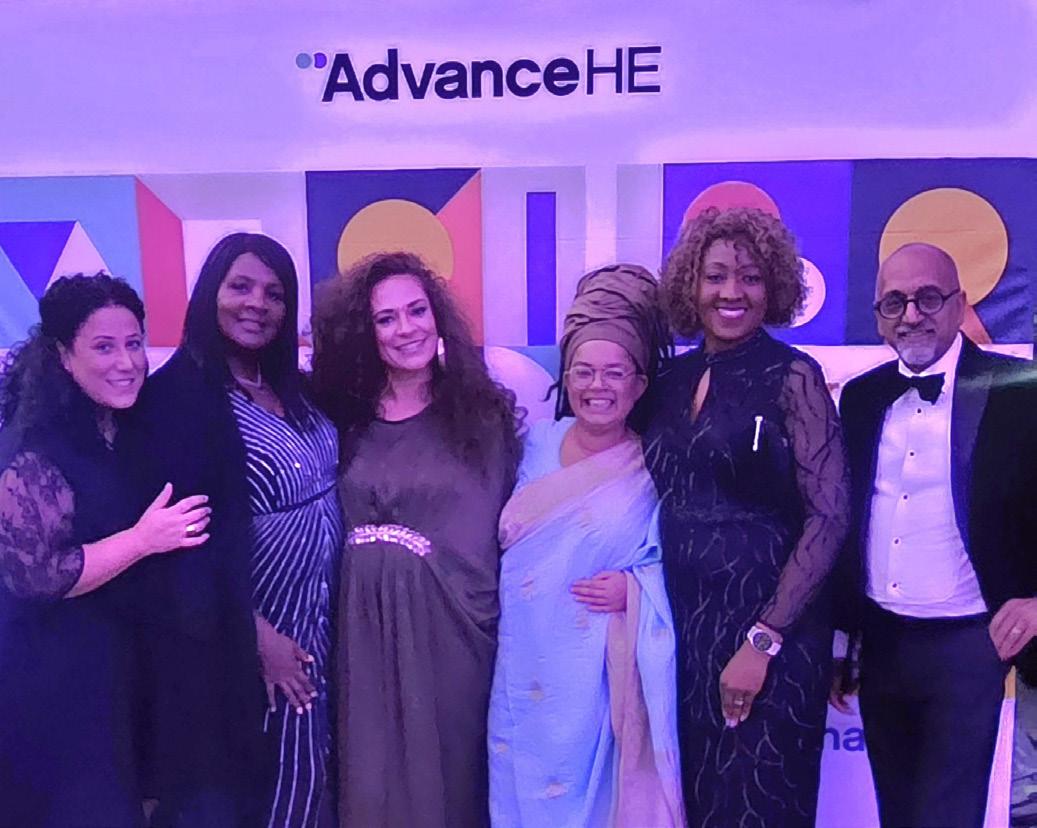
The Collective is a vital source of support for minoritised ethnic students, and is a model of best practice in inclusivity, belonging and partnership.
It was formed in response to how structural racism manifests and is perpetuated in higher education institutions.
The Collaborative Award for Teaching Excellence (CATE) is one of the most sought-after accolades in higher education. It recognises and rewards collaborative work with a demonstrable impact on teaching and learning.
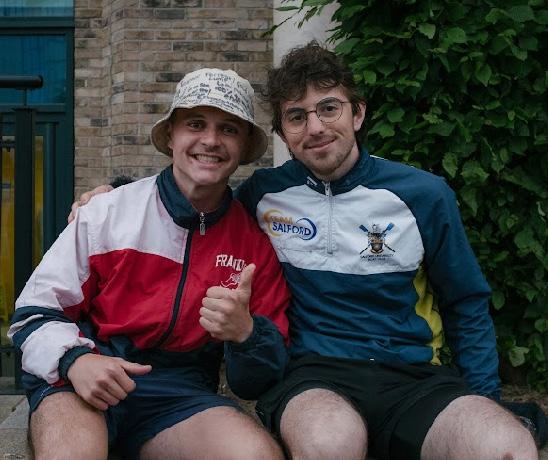
Salford alumni Alfie Mulligan and Harry Warner ran a 124mile ultramarathon from Salford in Oxfordshire to Salford in Greater Manchester to raise funds for the mental health charity Mind.
The charity supported them following the tragic passing of their friend and former BA Journalism course mate Daniel Sugrue, who passed away in 2024. The duo completed six 20-mile stints over two days this May, raising over £3,000 in total for Mind.
Alfie said: “Daniel was always someone who made me feel better, who saw the good in people. This felt like the best way for us to do something good.”
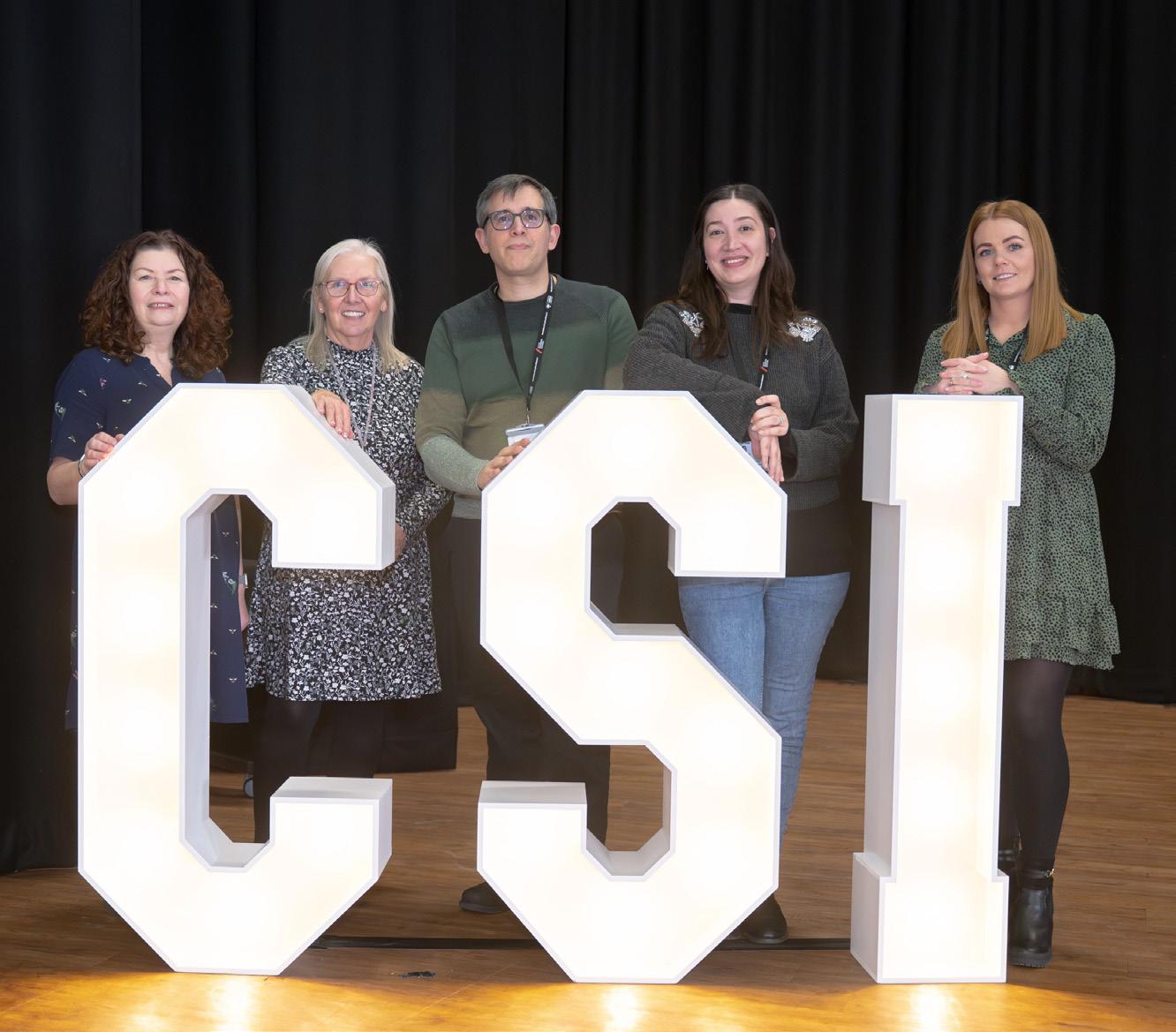
In February, the University of Salford’s Centre for Sustainable Innovation (CSI) celebrated its first year since opening to the public.
Over 12 months, CSI has supported more than 260 businesses, helped develop 19 innovations, secured £1.6m in funding, and collaborated with 16 academic and 15 industry partners, including Microsoft and The Growth Company. The centre has also won two prestigious industry awards, including second place at the 2024 European Triple E Awards.
CSI programmes address digital skills gaps, support entrepreneurs, and drive sustainable growth across the North West. Director Sara Boswell praised the team’s collaborative efforts and ambitious plans for the future.

The MediaCity Immersive Technologies Innovation Hub (MITIH) has secured funding as part of Innovate UK’s £30m Innovation Accelerator programme, supporting start-ups, scale-ups and innovators in Greater Manchester.
Launched in 2023, MITIH fosters collaboration between businesses, researchers and local government, providing access to expertise, funding and cutting-edge facilities. To date, it has supported over 250 businesses, delivered £1m to 26 projects, and launched an innovation lab and Cultural Accelerator programme.
The investment will enable MITIH to assist at least 40 more businesses, grow its expert network, and strengthen the region’s creative economy. Leaders from Salford City Council, the University of Salford and MediaCity hailed the funding as vital to driving technological advancement and boosting the North’s innovation ecosystem.
The University of Salford is working with Oldham Personal Advocacy Limited (OPAL) on a two-year Innovate UK Knowledge Transfer Partnership to modernise operations and improve services for people with learning disabilities and autism.
By embedding a digital transformation management system, OPAL has already replaced paper processes, saving 5.25 staff hours weekly, improving client ratios, and increasing income by 30%. Projected outcomes include £660k extra income over five years. The partnership is developing dashboards, business models, and exploring facial recognition to promote independence. This transformation is enabling OPAL to respond faster, expand reach, and better support hard-to-reach communities.

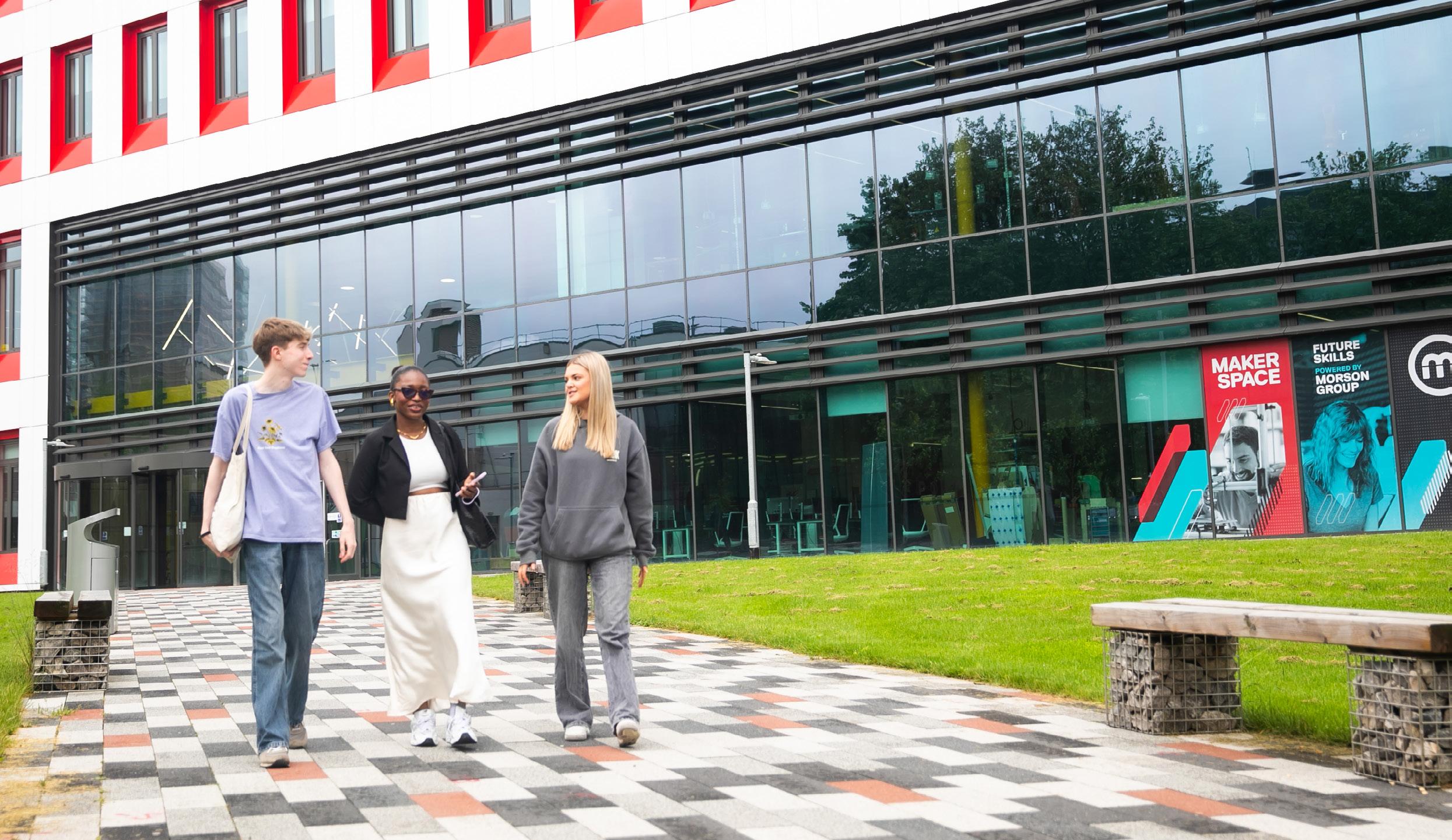
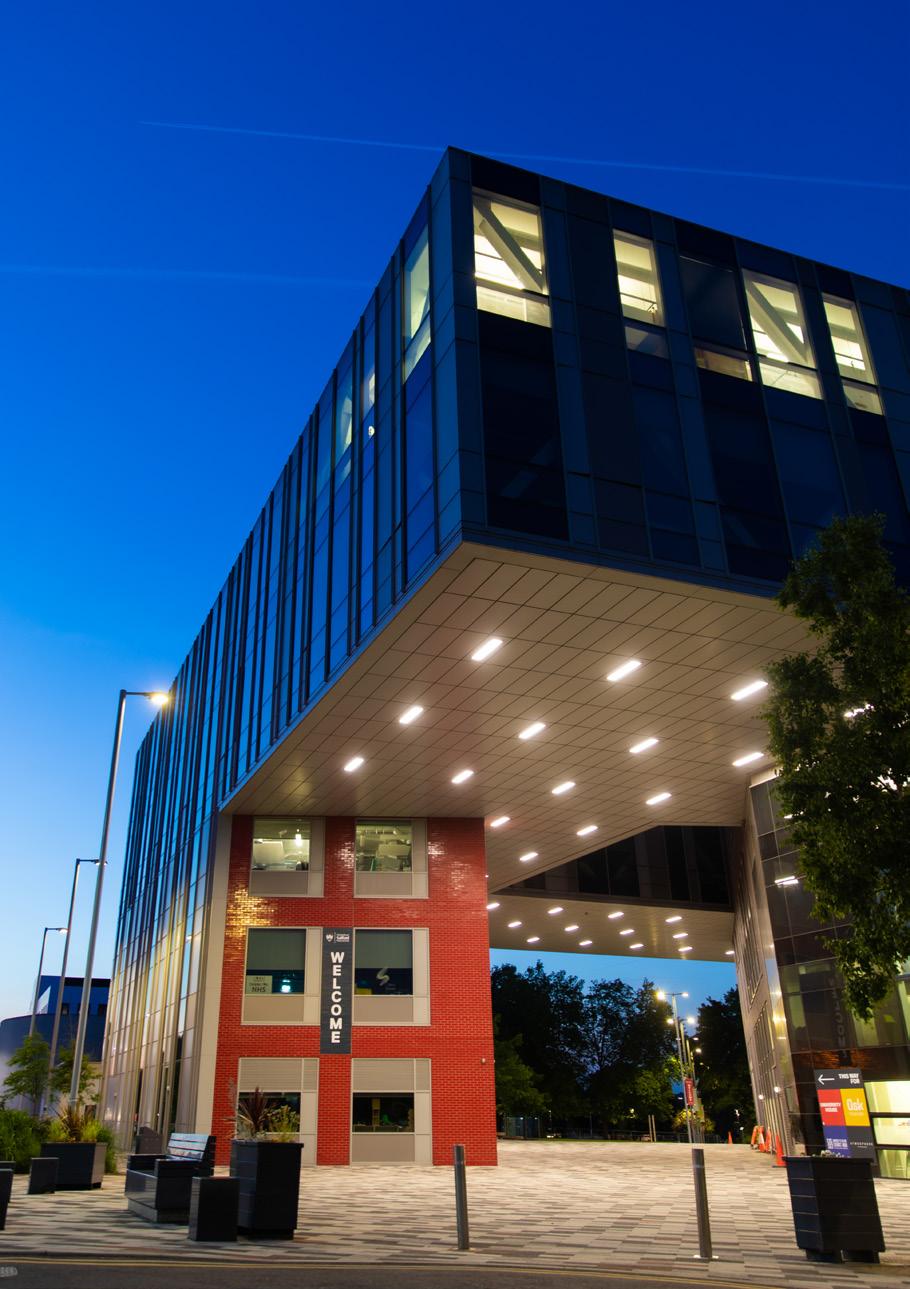
We are proud to have a diverse community of supporters who share our vision for creating a better future for our students, colleagues and local communities.
This year, we celebrated a record-breaking achievement, receiving over £4.6 million in philanthropic gifts and pledges from alumni, volunteers, donors, corporate partners and charitable foundations. These vital funds will transform lives through research, student support, outreach and community programmes.
None of this would be possible without our dedicated Philanthropy, Alumni and Supporter Engagement Team, who work tirelessly to nurture lifelong connections with our graduates and supporters. Our 220,000+ alumni community are our largest stakeholder group and most powerful ambassadors, giving back not only through funding but also through volunteering, mentoring, guest lectures, curriculum advice and professional networks.
Securing this level of support takes collaboration across the University, from academic leaders to professional services and local organisations. This year also saw our largest single philanthropic gift ever, demonstrating the impact of alumni and philanthropy in helping us deliver our Innovating to Enrich Lives strategy.
Sophie Thorp, Head of Philanthropy, Alumni and Supporter Engagement, said: “This success reflects years of relationship building and is a clear endorsement of our commitment to sustainable growth, social impact and inclusive innovation.”
One such philanthropic gift - a generous £600k donation from the Garfield Weston Foundation - is helping Salford take a big step toward greener homes.
The gift will support Energy House Labs in building one of two traditional-style houses inside their world-leading Energy House 2.0 facility where researchers can simulate everything from snowstorms to heatwaves.
This marks the Foundation’s largest donation to Salford to date and will help launch a brand-new Centre for Retrofit, focused on making older homes more energy efficient. With 80% of the homes we’ll live in by 2050 already built - and most before 1990 - this research couldn’t be more timely.
Energy House 2.0 already features two modern new-build homes, tested in extreme conditions to improve energy performance. Now,
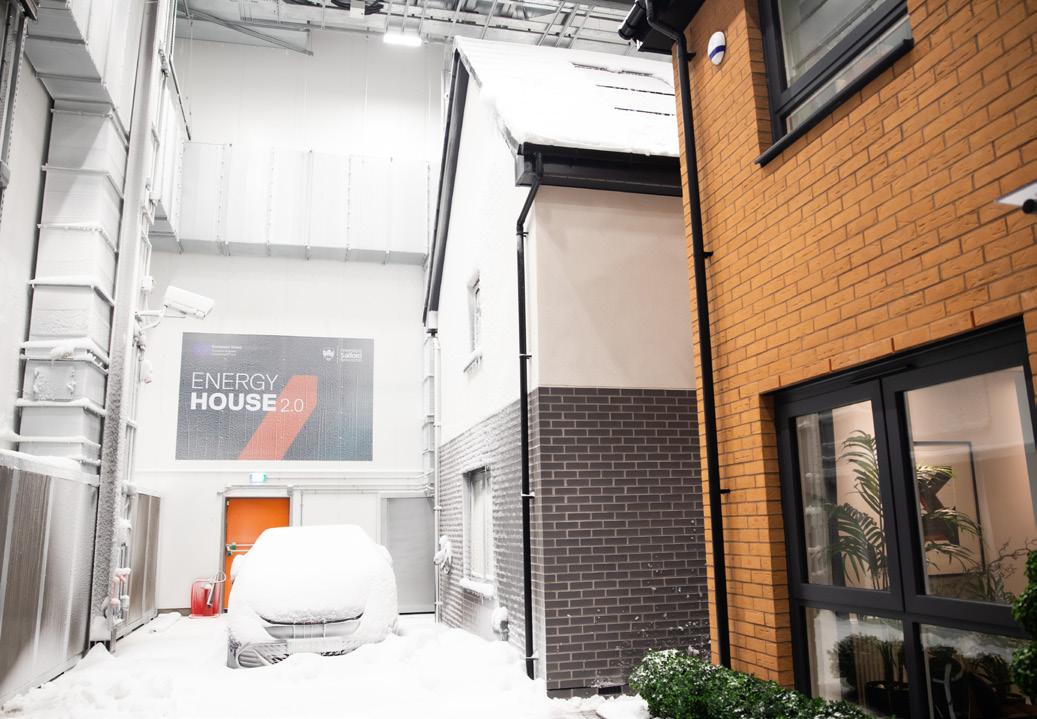
the team is turning its attention to the UK’s older housing stock, aiming to find practical, affordable retrofit solutions that help people stay warm and cut carbon emissions.
Professor Will Swan, Director of Energy House Labs, said: “This work is vital. If we’re going to tackle fuel poverty and hit Net Zero, we need to know what really works.”
The new Centre for Retrofit will put Salford at the heart of the UK’s green housing revolution.
Supporter-funded scholarships are transforming lives across STEM, business, and environmental studies. Here, we present some of their stories, showing how these initiatives open doors, provide mentoring and work experience, and help students achieve their potential.
This year marks a decade of the Gerry Mason Engineering Scholarships, a partnership between the University of Salford and Salford-based Morson Group, one of the world’s leading engineering recruitment firms. Launched in 2015 by the Mason family, the programme has supported more than 65 students in STEM disciplines, providing funding, career opportunities, and skills development that set them on the path to successful careers.
The scholarships are part of the wider Morson STEM Foundation, which also supports Salford’s Maker Space, IntoUniversity, the Go Beyond mentoring programme, Salford Racing, the Morson STEM Ambassador programme, and the IGNITE summer schools. Students have studied fields from Aeronautical to Civil Engineering, and many have gone on to varied roles across industries.
Philip Beswick, graduating in Aircraft Engineering with Pilot Studies, said: “The scholarship gave me freedom to take part in opportunities that enriched my student life, from volunteering to work experience, without worrying about finances.”
Vice-Chancellor Professor Nic Beech praised the partnership as “extraordinary,” while Ged Mason, Group CEO, described it as a fitting legacy for his father, after whom the scholarships are named, promising another 10 years of funding.
Dr Maria Stukoff, Maker Space Director, added: “This scholarship is a game-changer, building a vital STEM talent pipeline and keeping Gerry Mason’s legacy alive.”
This scholarship is a game-changer, building a vital STEM talent pipeline and keeping Gerry Mason’s legacy alive.
Dr Maria Stukoff, Maker Space
Director

Thanks to the generosity of our alumni, friends and industry partners, donor-funded awards relieve financial demands, and create opportunities that transform futures. Many of our scholarships give students access to professional mentoring, work shadowing, placements and industry networks, equipping them with experience and insight that enhances their learning and boosts their employability.
We are proud to celebrate the wide range of scholarships currently available, supported by: The Aziz Foundation, Asian Media Awards, Barratt Redrow, Bellway, David Tupman, Farrat, Fraud Lawyers Association, Gamma Telecoms, GHD Foundation, Gittins Family Charitable Trust, Hg Capital, IRIS Software, Landsec, MGF, Morson Group, The Roysia Foundation, RSK, Santander, Steve Pearce, Temporary Works Forum, and Veronica and David Russell. Each of these scholarships reflects the transformative impact of education when matched with the vision and generosity of our donors.
From September 2025, we are delighted to welcome new support through the Harrington Foundation Environmental Scholarship, co-designed with students, alongside an expansion of Hg Access to Tech. In addition, the Robert and Ann Oxley Scholarship will support students in Engineering, and the Jim Jackson Foundation Scholarships will be open to those studying within the Business School. Together, these gifts ensure barriers to access and participation in higher education are being removed, and more of our students can excel.
Since 2021, our partnership with the Harrington Foundation and Hg has supported students from disadvantaged backgrounds to study STEM degrees. 14 students have already benefited, including Benjamin Lowe from Boothstown, Salford, the first in his family to go to university.
Benjamin, who is dyslexic, studied Biological Sciences with a year in the USA. “When I got picked, it felt like the first time anyone had ever noticed me,’ he said. ‘It’s no exaggeration to say it’s been life-changing.”
Fiona Humphries, Managing Director at the Harrington Foundation, was inspired by Benjamin’s story to expand the programme to include environmental sustainability scholarships. “After seeing the positive impact on students, we decided to expand. I got talking to Benjamin and we identified an opportunity to create a more specialist environmental programme. Environmental studies are increasingly relevant, it feels like the right next step.”
In 2025/26, ten new scholarships will be offered, five in tech and five in environmental degrees.
Each scholarship includes funding, mentoring, paid internships and career support. Benjamin, now working at RHS Bridgewater and starting a master’s in Wildlife Conservation, will help shape the programme as a student ambassador. Discover how you can support the next generation of talent and make a lasting impact through Salford scholarships, by contacting us at supporters@salford.ac.uk
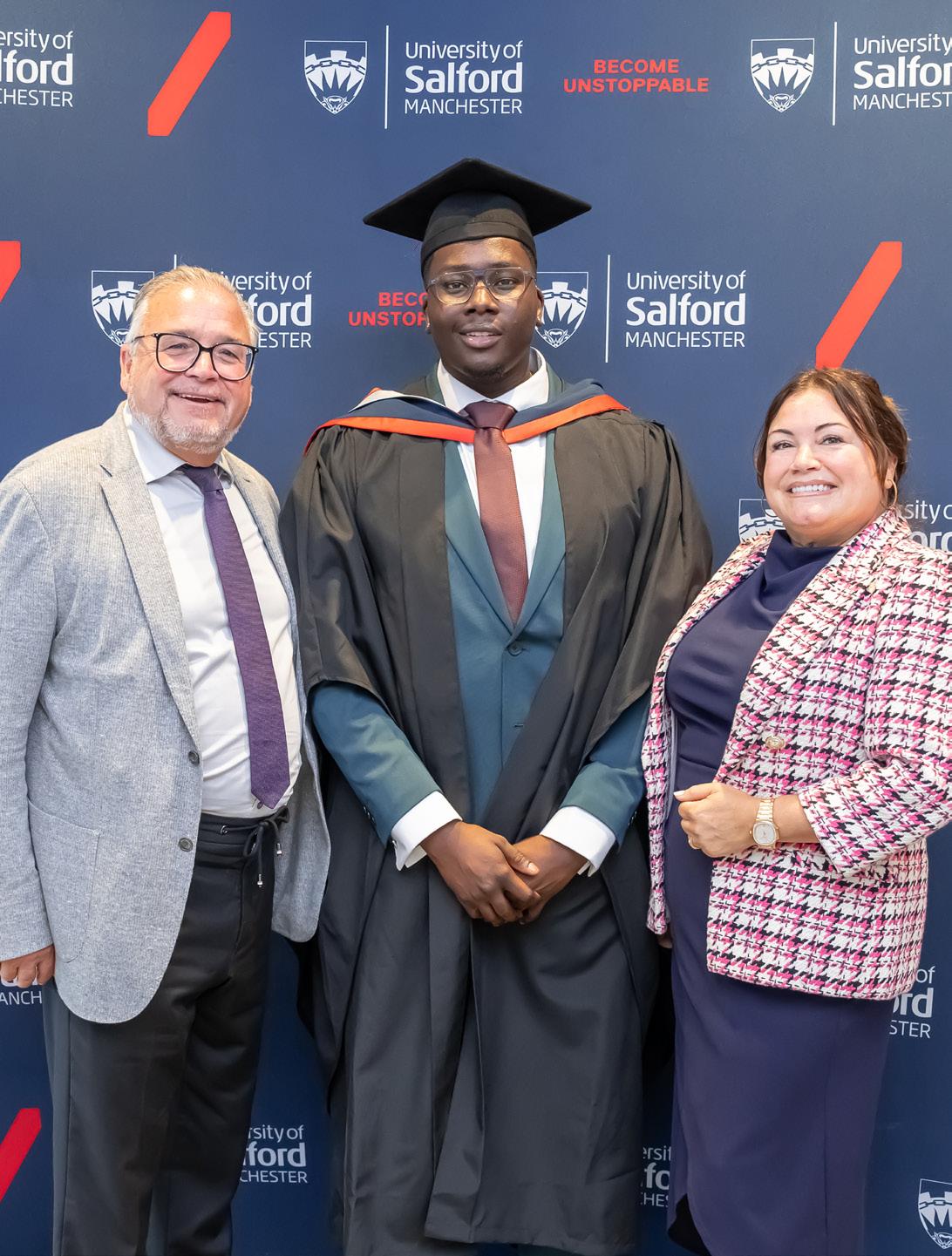
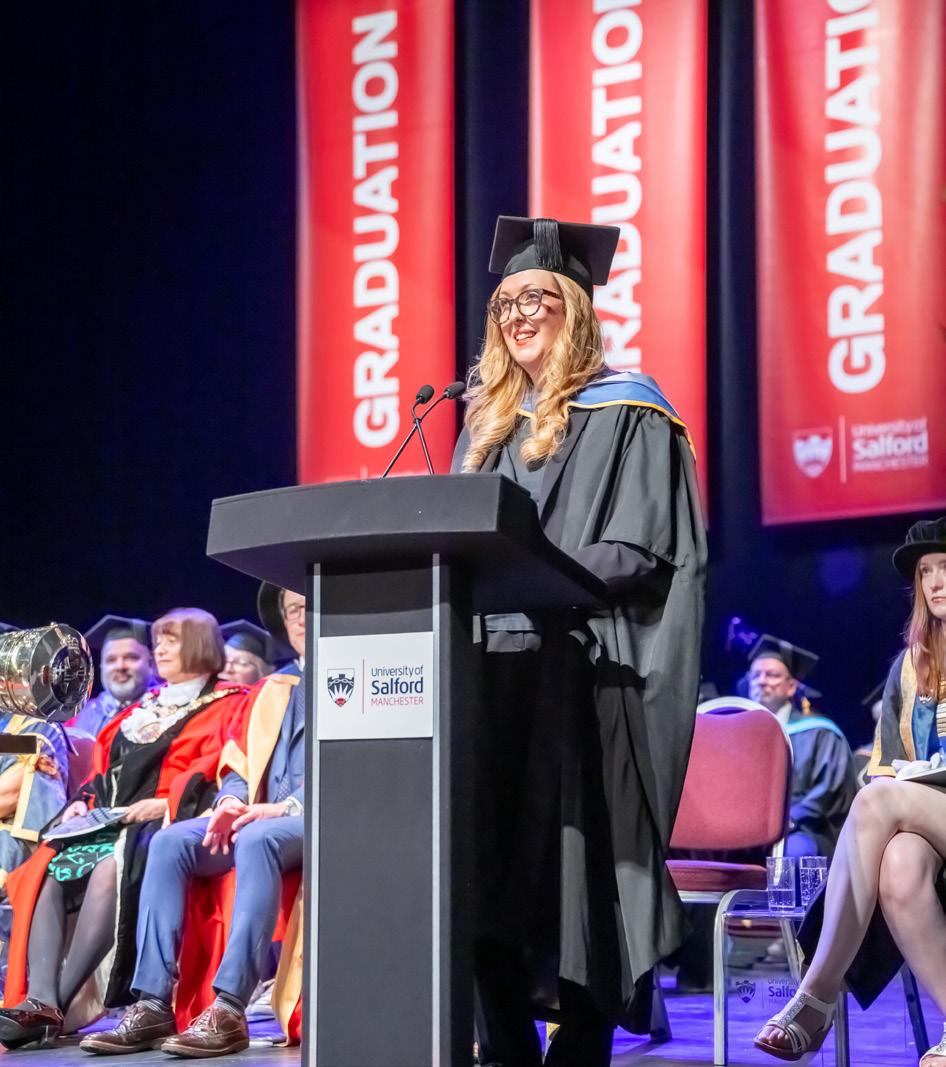
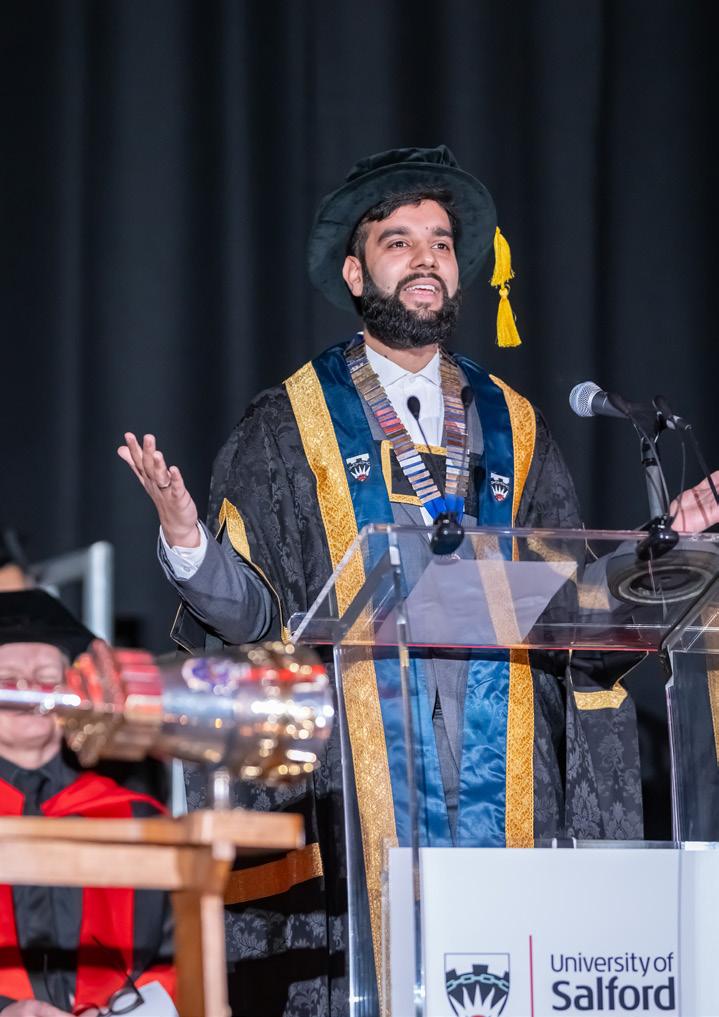
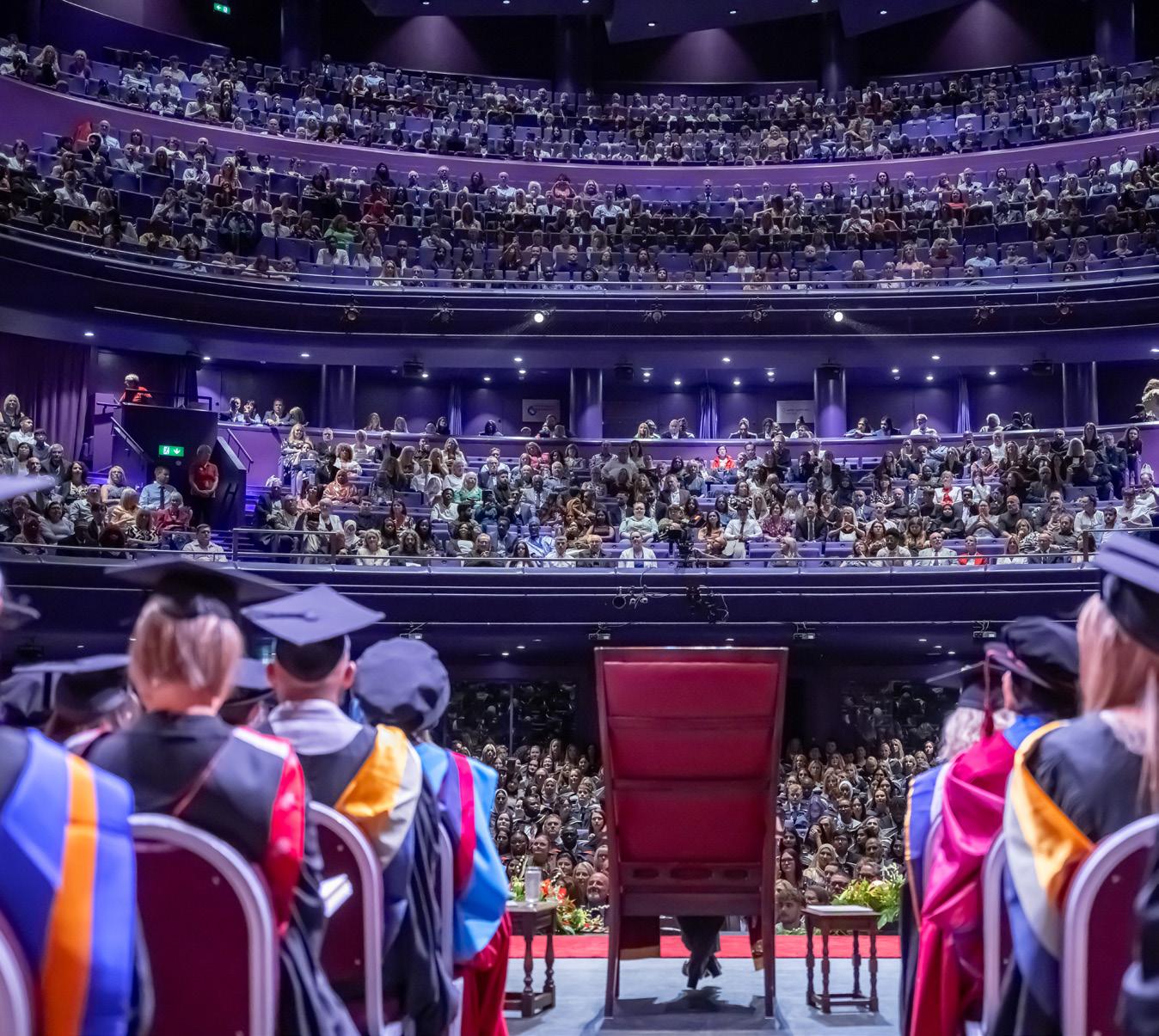
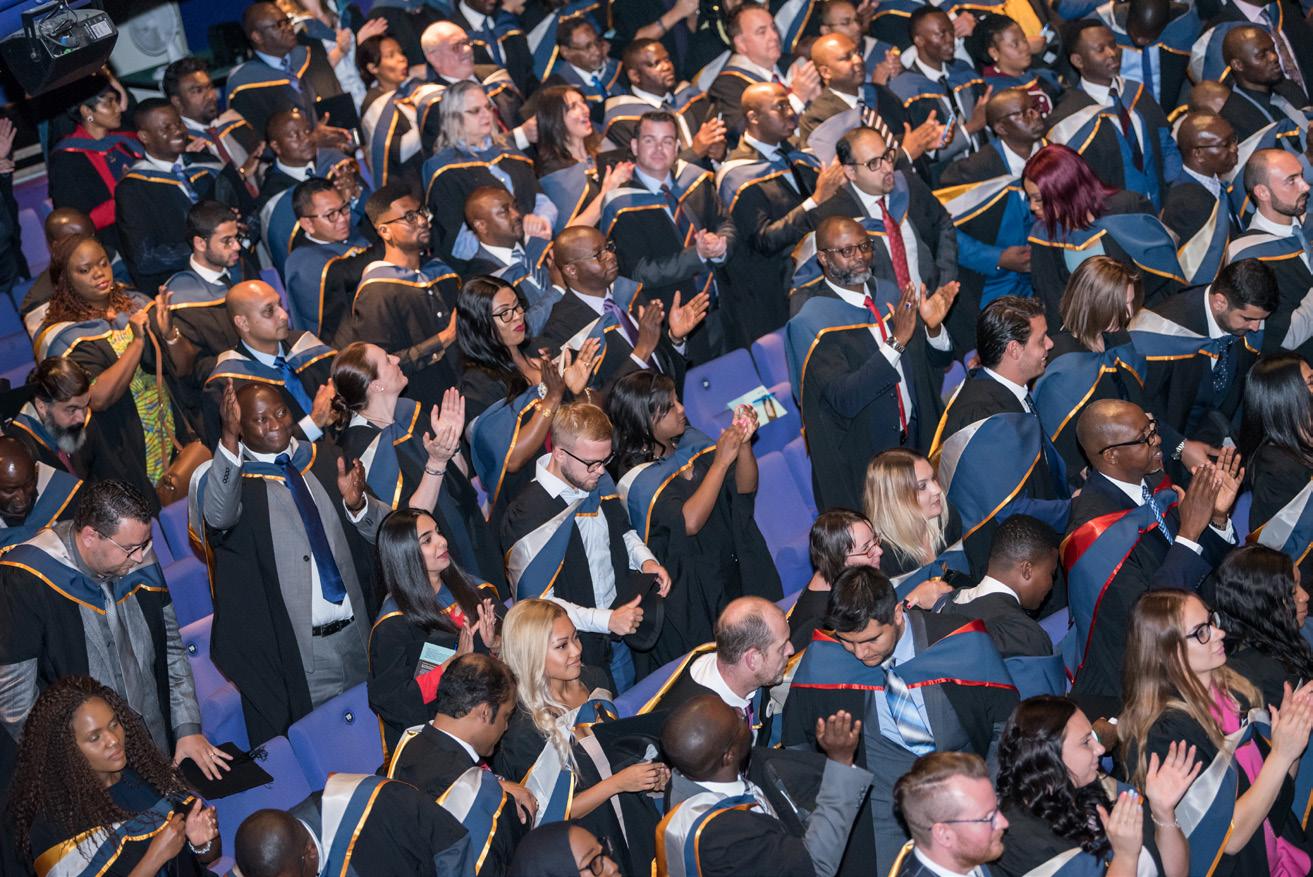
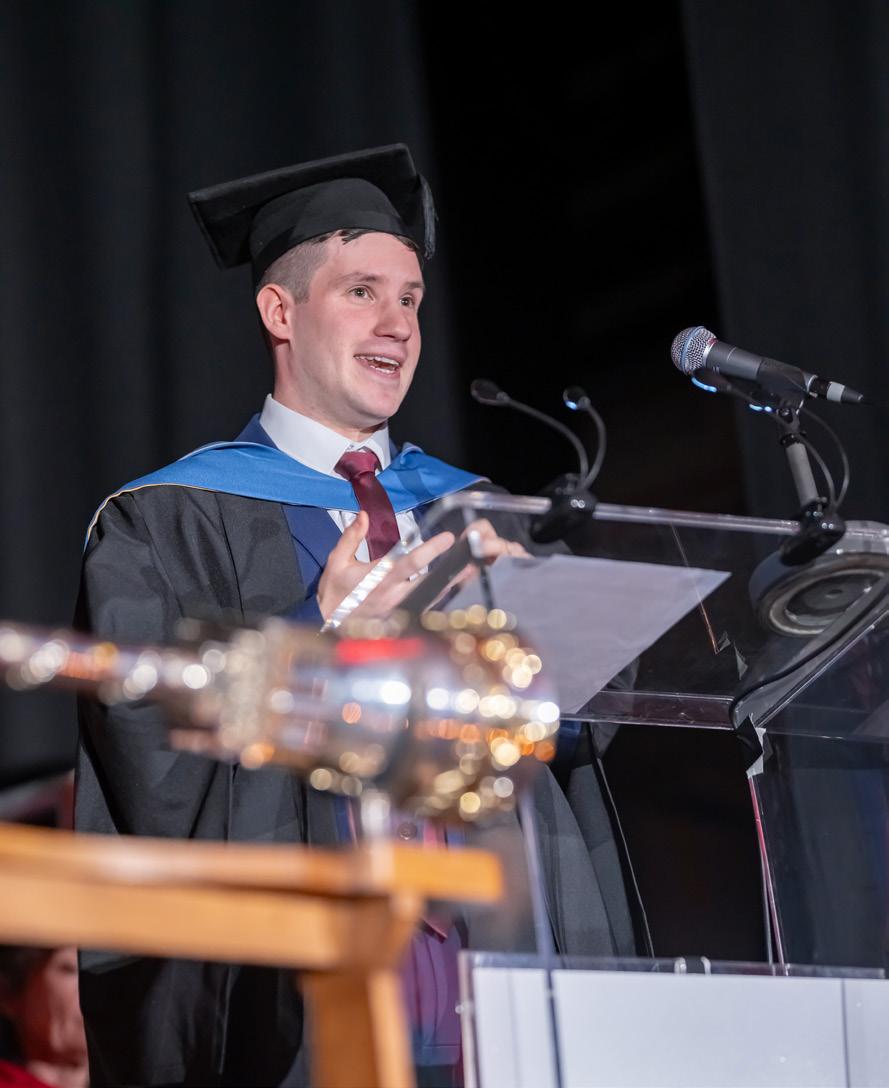
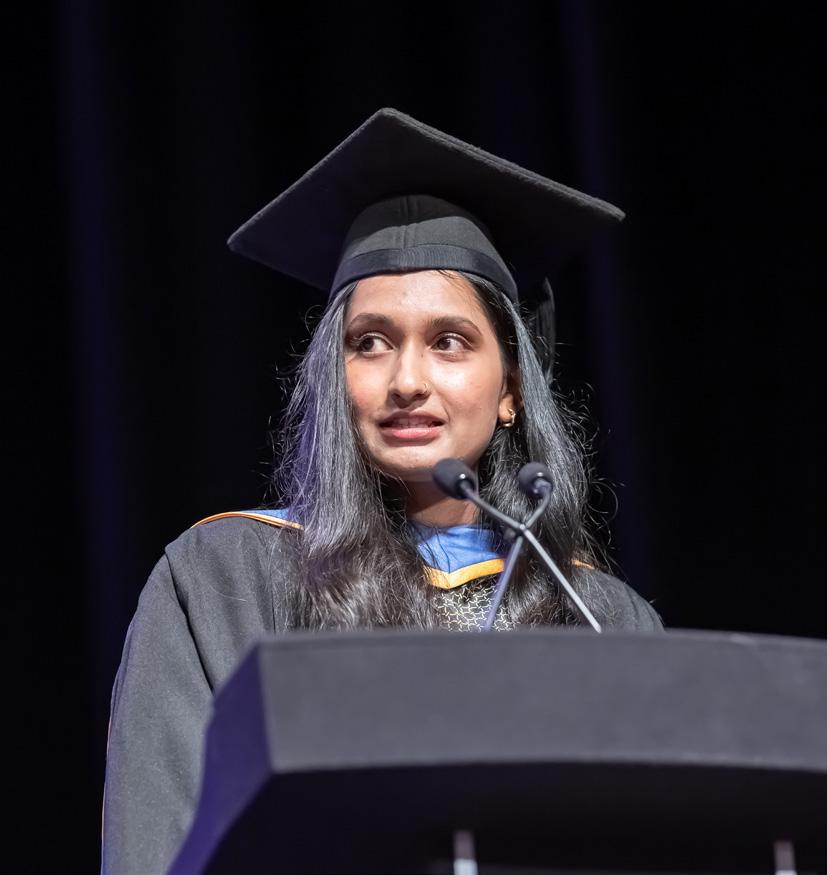
This year, our graduation ceremonies were made even more special by the return of some of our recent graduates, who took to the stage to share their stories. Their speeches were filled with honesty, inspiration and encouragement, reflecting on resilience, the twists and turns of non-linear careers and the power of saying yes to new opportunities. We are proud to celebrate some of their words here and grateful for the energy and insight they brought to our ceremonies. Each one embodies the Salford spirit: Become Unstoppable.
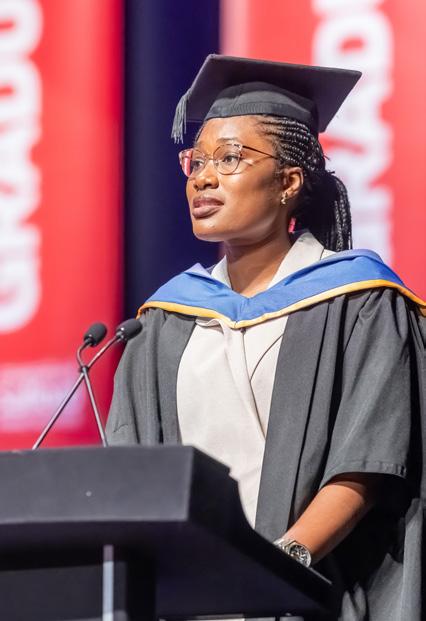
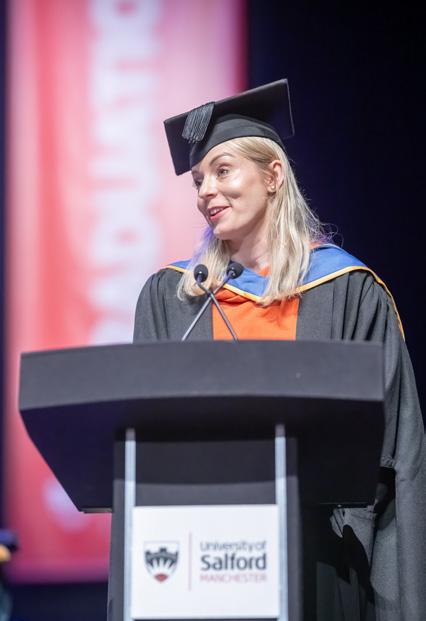
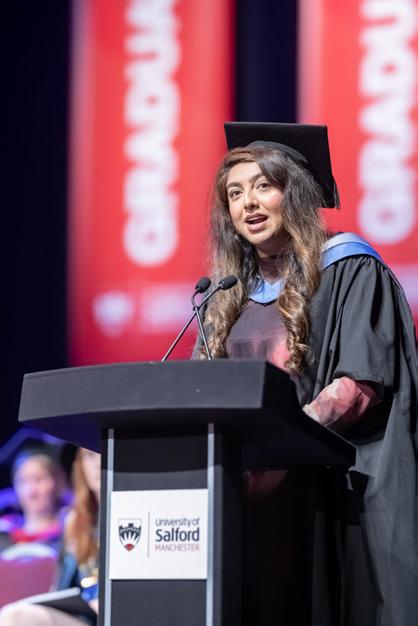
Do not rush your journey. Growth takes time. Mastery takes patience. You don’t need to have all the answers today – but stay curious, stay kind, and stay committed.
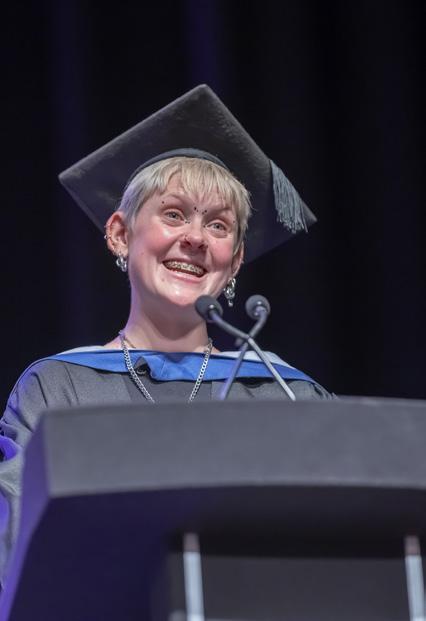
And if no one’s ever told you – let me be the first: You belong here. You earned this. You are enough.
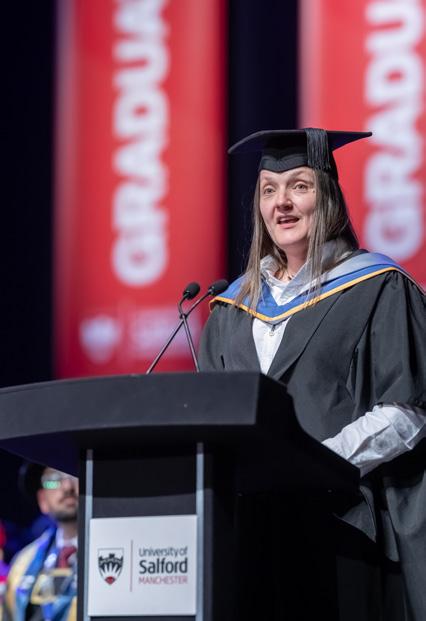
Keep using your craft and your power to make art that keeps you afloat, keeps other people shining and holds up your values, light and life!
When someone says you can’t, remember that you can! Because you already have.
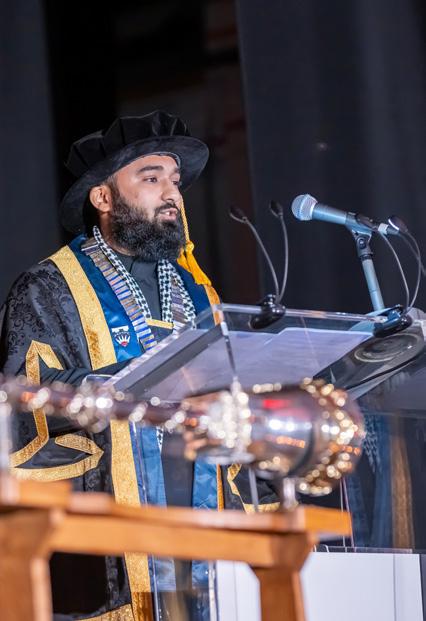
Be the change you want to see in the world. Things get better with change and doing the right thing, even when it is hard. Inspire others to change and accept and support and engage.
Wherever you go, remember the power of community to uplift, inspire and make a lasting difference
We would like to thank each of our alumni speakers for making our ceremonies so memorable.
Adam Bailey, BA Contemporary Military and International History, 2020
Adnan Sabir, Postgraduate Diploma in Cyber Security, Threat Intelligence and Forensics, 2024
Ahmad Ali, BSc Business Management
Alishba Malik, BSc Psychology and Criminology, 2024
Alvina Imran, BSc Biomedical Science, 2024
Goshe Khan, BEng Aeronautical Engineering, 2022
Joshua Fletcher, Postgraduate Certificate in Cognitive Behavioural Therapy, 2021
Kimberly Preston-Bond, Master of Business Administration, 2021
Kolawole Abolarin, MSc Cyber Security, Threat Intelligence and Forensics, 2023
Mike Jones, BSc Occupational Therapy, 2019
Sara Sara, BA Fine Arts, 2024
Suzann Harrison, BSc Nursing (Adult), 2012
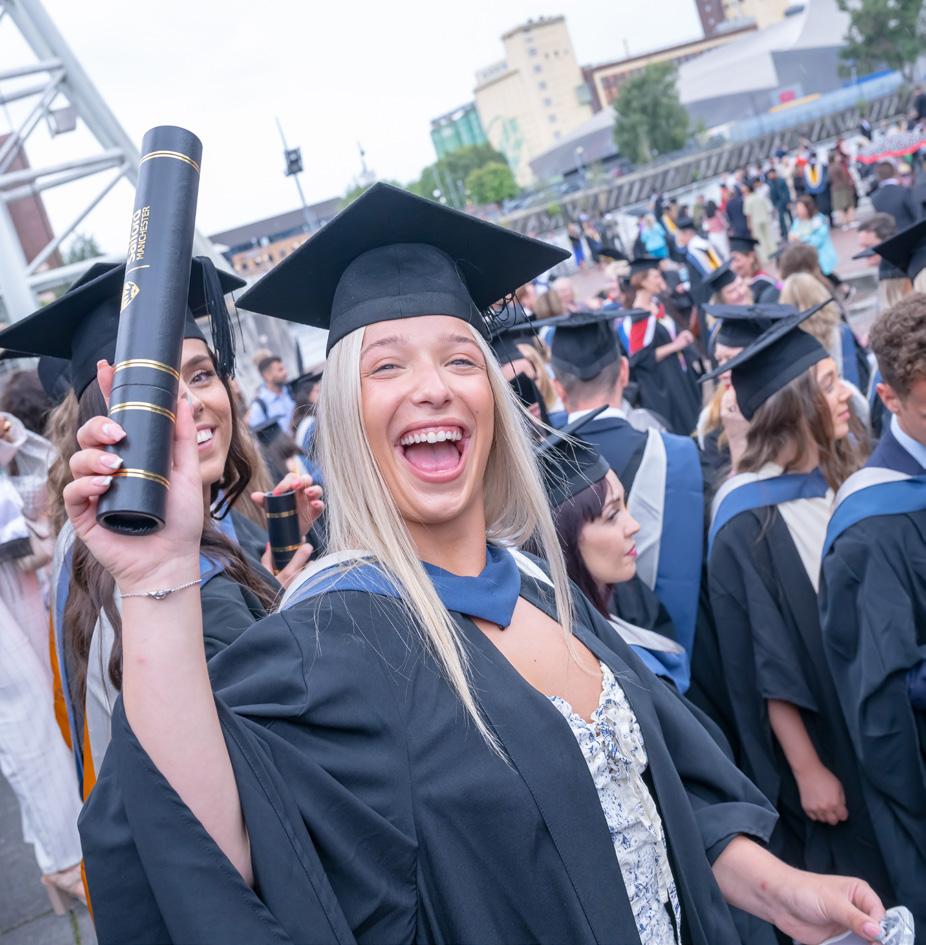
Shwetaa Raaj, MSc Aerospace Engineering, 2024
Grant Henshaw, MPhys Physics, 2019
Lianne Barclay, MSc Building Surveying, 2022
Alvina Imran, BSc Biomedical Science, 2024
Stefan Carney, BSc Sport Rehabilitation, 2023
Chisom Chizoba-Eke, MSc Adult Nursing, 2023
Kai Ojo, BEng Electronics and Computer Systems Engineering, 2000
David Oyekunle, MSc Project Management, 2022
Zuzanna Briant, MSc Finance, 2021
Dr. Idrees Mohammed, Doctor of Philosophy in Business Management, 2024
Lucy Fish, BA Dance, 2023
Oliver Bennett, BA Graphic Design, 2022
Matty Johnson, BA TV and Radio Production, 2023
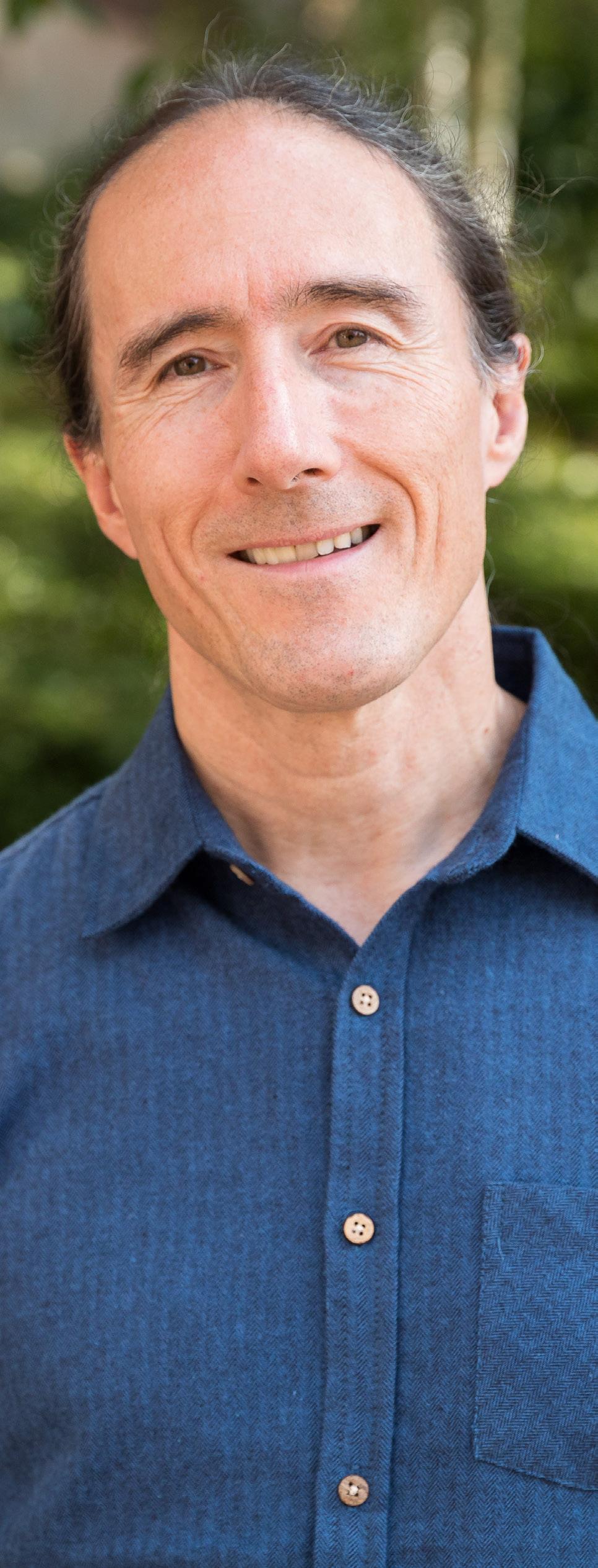
When Richard Tang looks back on his university experience, he admits Salford wasn’t his first choice, but he wouldn’t change a thing about the place he eventually landed. “The course was excellent, the teaching relevant, and I came away with skills I used throughout my career,” he said.
Richard studied Electronic Computer Systems, graduating with a first class degree in 1989 after taking two industrial placement years, one with Plessey and another with IBM. He said, “Those experiences were invaluable. At the start, I was staring at radar circuit diagrams pretending I understood them; I didn’t have a clue. By the time I graduated, I was designing computer hardware for my first job. The placements and the course gave me the theory and the practice I needed.”
Richard’s first role was designing graphics cards for flight simulators, but he was already thinking about starting his own business. After a nine-month trip around Asia, reading management books and seeing the world, he returned to the UK ready to take the leap. In 1995, he launched Zen Internet, one of the UK’s first internet service providers. “Back then, the internet was tiny! No social media, no smartphones. We started with six modems on an IKEA shelf and charged £10 a month for dial-up. It’s incredible to think how much things have changed!”
But Richard insists his Salford years were about more than academic success. “I came from a modest background and realised university was my chance to prove myself. In my final year I pushed harder than I had before. It taught me the value of focus and what can be achieved when you give something your all.”
Richard reflected on how Salford prepared him for his career, saying: “For a technical subject, theory is essential. Without it, you don’t fully understand why things work the way they do. Salford gave me that grounding, and the degree itself opened doors that would otherwise have been closed.”
Today, his focus extends far beyond internet services. “My main goal is to help evolve capitalism to be more people and environment focused. We’re in the middle of a climate crisis and the sixth mass extinction. Businesses, perhaps even more than governments, have a responsibility to lead change. At Zen we try to run things differently, proving that business can be a force for good.”
That belief drew him back to Salford recently, where he contributed to the University’s ethics and sustainability module. “It’s a brilliant initiative, and it’s mandatory on many courses. Business is about much more than profit, and if I can share my experience and plant some seeds of thought with students, that’s worthwhile.”
Asked for his advice to today’s undergraduates, Richard is thoughtful: “Enjoy the journey. Don’t just chase the next goal, the next grade, the degree, the job. Push yourself, work hard, but also embrace the joy of learning. And never stop. Whether it’s work, a hobby, or something like chess, keep challenging yourself. That’s what makes life rich.”
Enjoy the journey. Don’t just chase the next goal, the next grade, the degree, the job. Push yourself, work hard, but also embrace the joy of learning. And never stop. Whether it’s work, a hobby, or something like chess, keep challenging yourself. That’s what makes life rich.

Through our research, we find solutions to the really hard to solve problems facing the world around us.
From our unique position at the heart of the community, we empower those around us to transform the everyday lives of people in Salford and beyond.
We work with our partners to improve healthcare, help people with their energy bills, make the world sound better, boost the economy and influence policy.
It starts in Salford. A place where ideas are formed that shape the world.

We are at the forefront of research on the four-day working week – a bold policy designed to reduce weekly working hours without any reduction in pay. Rigorous independent analysis, led by Salford researchers, showed that most services improved or were maintained under the policy.
As a result, South Cambridgeshire District Council became the first council in the UK to permanently adopt a four-day week. Since its introduction in 2023, the Council has seen statistically significant improvements across key services, including:
/ The percentage of calls answered by the Contact Centre.
/ The average number of days to update Housing Benefit and Council Tax Support claims.
/ The average time to decide householder planning applications.
/ The percentage of planning applications decided within target timescales.
/ The percentage of Council house repairs completed within 24 hours.
/ The percentage of complaints responded to on time.
The trial also transformed workforce dynamics: applications for roles rose by more than 120%, the number of staff leaving fell by over 40%, and budget savings were achieved by filling vacancies permanently rather than relying on expensive agency staff.
Daiga Kamerāde, Professor in Work and Wellbeing, said:
“In today’s knowledge and service-based economy, evidence shows that smarter working can deliver equal or better results for residents, taxpayers and staff. We will continue to expand our research, publishing peerreviewed findings and feeding evidence back into practice, because good science and policy evolve together.”
Salford’s expertise in this area continues to grow. A major new study led by University Fellow Dr David Frayne, alongside the Autonomy Institute, tested the policy in Scotland’s public sector. Two large organisations – Accountant in Bankruptcy (AiB) and South of Scotland Enterprise (SOSE), with a combined workforce of 259 staff – moved to a 32-hour week over four days, with staff staggering days off to preserve five-day services.
The results were striking: both organisations met their Key Performance Indicators (KPIs) while reporting higher productivity, driven by smarter work planning, digitalisation, and new approaches to meetings and task-sharing. Staff wellbeing also improved across the board. At AiB, self-assessed mental health rose by 18.4% and stress levels fell by the same percentage. At SOSE, satisfaction with work–life balance surged from just 4% to 84% in nine months. Sick leave also dropped significantly, especially for psychological reasons.
Dr Frayne reflected:
“The University of Salford has been at the forefront of research on the four-day working week. Our research is helping to demonstrate the exciting potential of this policy, deepening understanding of its impacts, and unearthing best practice to help organisations and employees to implement the change successfully and fairly.”
These findings build on Salford’s involvement in the UK’s landmark 2022 private sector trial and reinforce the University’s role as a global leader in shaping smarter working practices.
Dr Andrew Rowland
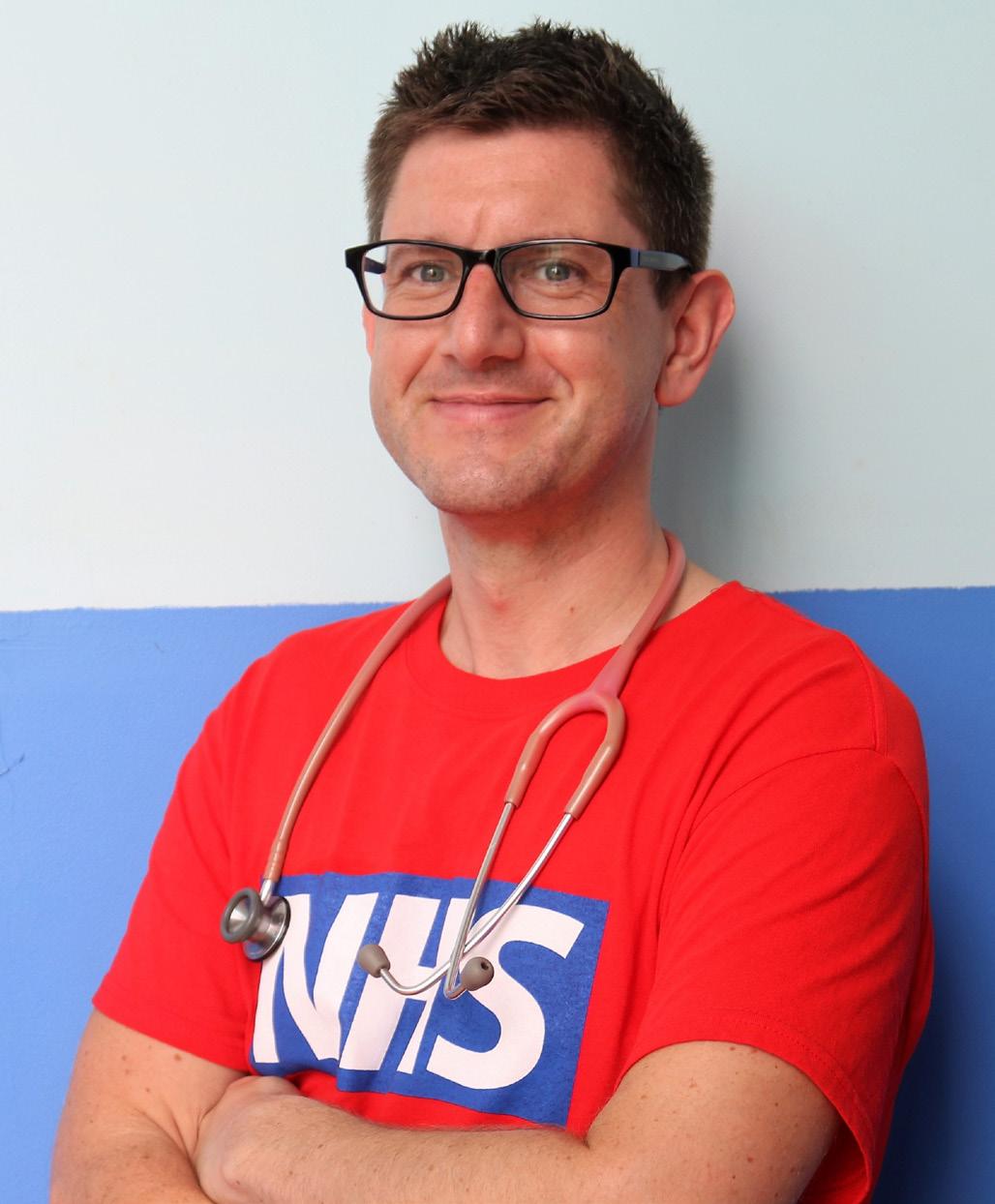
The research of Dr Andrew Rowland, Honorary Professor (Children’s Rights, Law, and Advocacy), and Dr Felicity Gerry KC (Honorary Professor) calls on the government to change the law to protect children from physical punishment.
The current law varies across the UK. In Wales, Scotland and Jersey, any type of physical punishment of a child, such as smacking, is unlawful. However, in England and Northern Ireland it is still legal for a carer or parent to discipline their child physically if it is a “reasonable” punishment.
Andrew, who is also Officer for Child Protection at the Royal College of Paediatrics and Child Health, said: “Within the UK, children in England and Northern Ireland are the only people who are not fully protected in law from assault. There is overwhelming academic evidence demonstrating that physical punishment is ineffective and in fact has harmful effects on children’s mental and physical health, as well as leading to social, behavioural and emotional difficulties. We also see that children who are physically punished are at a heightened risk of serious physical assault.”
In a new paper, Andrew and fellow researchers propose legislative change as a deterrent to prevent cases of physical punishment of children in England and Northern Ireland, and to make assessment of children and engagement with families more efficient.
The paper also recommends education and support be provided for parents and carers to help them in using positive, non-violent methods to handle challenging behaviour.
Dr Felicity Gerry KC explained: “Our research provides balance in protecting children from assault and having a non-conviction outcome for some parents.”
New research at Energy House 2.0 suggests that current UK Building Regulations may not go far enough to protect households from extreme heat.
Working with Barratt Redrow and Saint-Gobain UK & Ireland, our scientists tested eHome2, a typical threebedroom house, under simulated heatwave conditions of 32–35°C. The findings revealed that dangerous overheating can occur even without direct sunlight, raising concerns that Part O Building Regulations— designed to limit solar gains and remove excess heat— may be insufficient in the face of climate change.
Professor Lubo Jankovic, leading the research, said: “The results show that Part O would not have the required effect under high and sustained external temperatures. We recommend the regulations are reviewed to reflect the reality of more frequent heatwaves.”
The study found that closing windows during hot weather blocked out up to 85% of outdoor heat, while opening them allowed much more hot air in. Recommendations to improve resilience include clearer advice to homeowners, secure night-time ventilation, increased insulation, and heat pumps with cooling capability.
Oliver Novakovic of Barratt Redrow added: “We’re working with Salford to ensure homes of the future are prepared for rising temperatures, reducing overheating risks and protecting wellbeing.”

A generous £50,000 donation from The Mohapatra Family Foundation is funding vital research to help children with Fetal Alcohol Spectrum Disorder (FASD) succeed in mainstream education.
FASD is a lifelong condition caused by prenatal alcohol exposure. It can affect memory, attention, speech, planning and decisionmaking, making learning in a typical classroom especially challenging.
Salford is home to the UK’s largest research team dedicated to FASD. Thanks to this new funding, researchers will study The Animation Curriculum, a strengths-based, multi-sensory teaching approach designed to support children with FASD and other neurodivergent behaviours.
Created by Dr Jessica Rutherford through over a decade of research and lived experience, the curriculum helps teachers deliver lessons in ways that highlight children’s strengths and support their needs. The study will trial the curriculum in a Year 3–4 class where at least one pupil has diagnosed or suspected FASD.
Dr Alan Price, Lecturer in Psychology, said: “Many children with FASD are misdiagnosed or undiagnosed, and don’t get the support they need. This project will help us understand how the curriculum works in practice, and how it might benefit all pupils.”
Dr Surya Mohapatra, Salford alumnus and founder of The Mohapatra Family Foundation, said: “We’re proud to support this novel intervention. FASD research is severely underfunded, and I’m delighted my alma mater is leading the way in raising awareness and understanding. We look forward to seeing how this can be scaled further.”
You can read more about our research in action and its real-world impact at salford.ac.uk/research
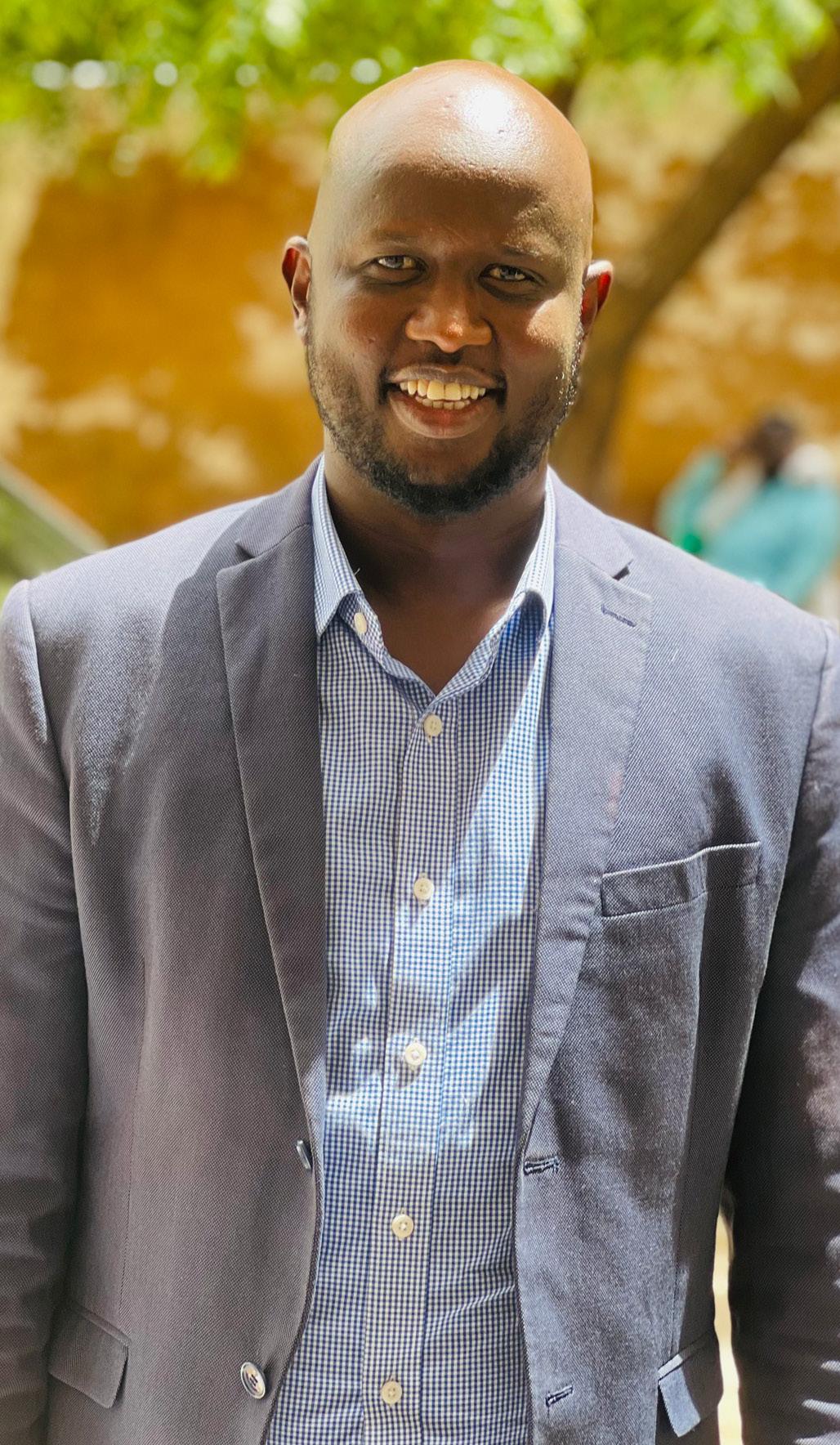
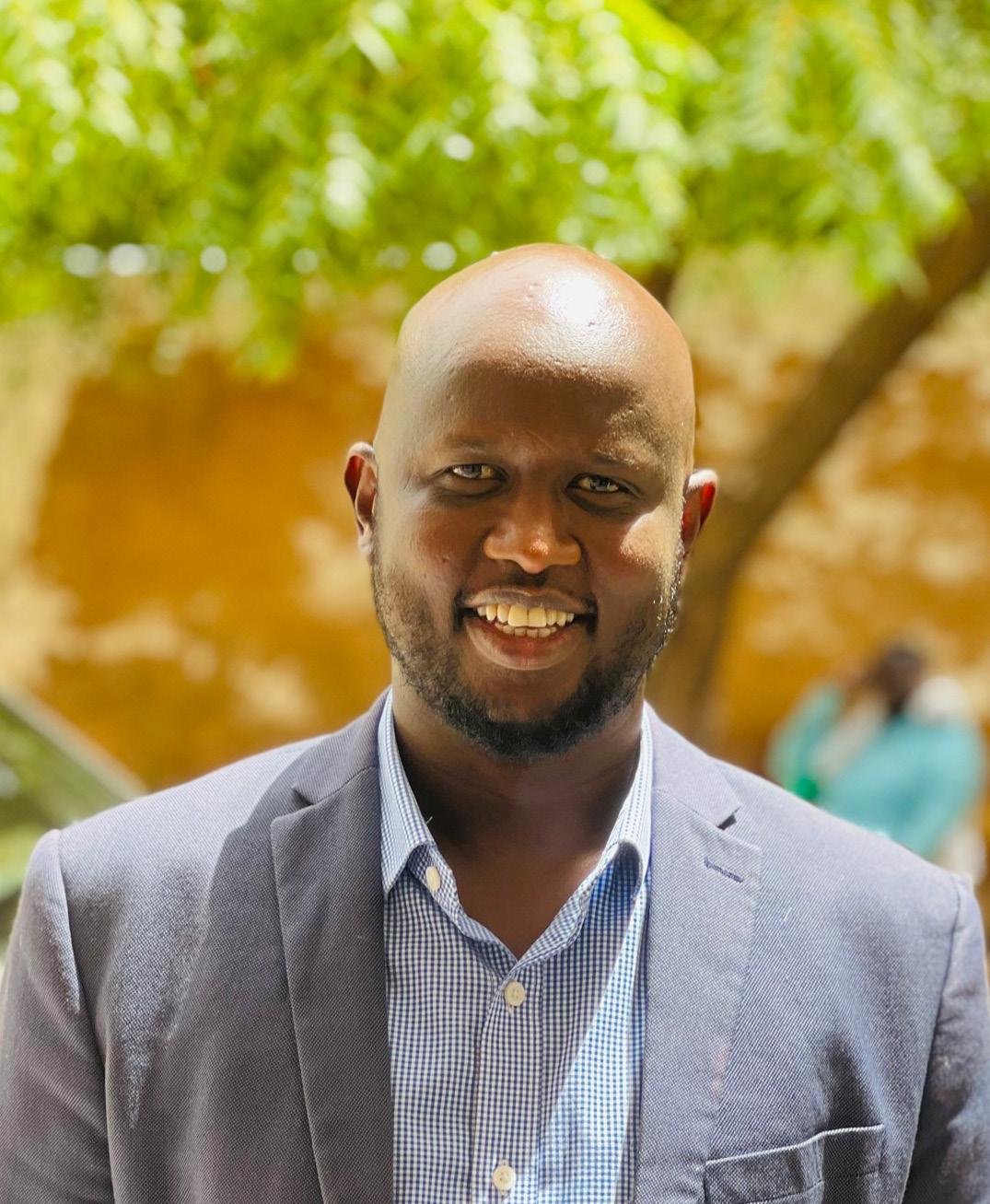
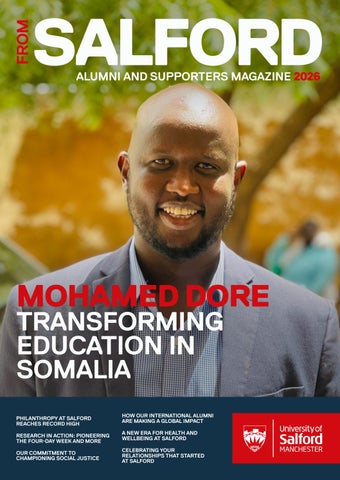
Losing his dad at a young age and growing up in a poverty-stricken, war-torn country, alumnus Mohamed Dore defied all odds to become Minister for Education, Culture and Higher Education of the Galmudug state of Somalia.
Mohamed is transforming the educational system in Somalia, to widen access to those from poverty-stricken backgrounds, whilst tackling traditional gender stereotypes to provide more girls with an opportunity for education.
Losing his father in 1991 in his early childhood years, Mohamed faced many significant challenges on his educational journey to success. He faced many difficulties in an economically underdeveloped country, due to a significant lack of resources as a result of political instability caused by decades of civil war.
Many young people in Somalia don’t have access to an education, with an average of only 30% attending primary school, which dips to just 18% in secluded regions. However, Mohamed strived relentlessly for a great education, enabling him to continue his university journey with Salford. On this experience, he commented: “My priority was to invest in myself. I wanted to get out into the wider world so that I could make a real difference and change things for the next generation when it comes to access to education.”
Mohamed enrolled at Salford in 2014, achieving his masters in Procurement, Logistics and Supply Chain Management. On this journey, he continued: “Studying with a western university was momentous for my confidence, as the ability to speak English is crucial for the success of many people from my country. It opens many doors. It allowed me to really develop my writing skills and ultimately helped me to land in the position that I am in now.”
Once Mohamed graduated, he worked with the Somali Stability Fund, a multi-donor organisation that aims to support the development of a more peaceful, stable and secure Somalia. Mohamed led activities which aim to establish trust between the people of Somalia and the government, reinforcing democratisation.
It was through this role that Mohamed was nominated to become Minister for Education, Culture and Higher Education in the newly formed Galmudug state. Mohamed added: “When the Galmudug state cabinet was being formed, the President wanted people who he believed were highly educated and so my degree from Salford was critical to me being selected for this position.”
“Political instability due to the civil war prevented the progression of education in Somalia for decades, meaning that there was no curriculum and restricted access for many children. It’s my goal to change this. I’m now in the midst of developing and implementing educational policies to drive change, including policies to ensure universal access to education, particularly for the displaced families and the rural, poorer communities.”
Mohamed is particularly passionate about developing educational access for girls, many of whom are not given this opportunity in Somalia. Cultural norms and traditional gender roles mean that many girls are not encouraged or even allowed to attend school. Of the small number of primary school-aged children who are receiving an education, only a quarter are girls.
Dr Yiannis Polychronakis, Head of Supply Chains, Procurement and Project Management at Salford Business School, concluded:
“Mohamed is one of our greatest success stories. He graduated with strong values and has gone on to make the world a better place. He really is an exemplary figure, who is already impacting thousands of young lives for the better.”
I wanted to get out into the wider world so that I could make a real difference and change things for the next generation when it comes to access to education.
Mohamed Dore
Social justice is at the heart of what we do. From being ranked in the top five for social mobility to pioneering research that tackles inequality, we are committed to creating opportunities for all. This feature highlights how our staff, students and partners are breaking down barriers, supporting communities and shaping a fairer world.
We have been ranked fifth in England in the Higher Education Policy Institute’s 2024 Social Mobility Index, up seven places from last year. The Index measures how far socio-economically disadvantaged students progress through access, continuation and outcomes.
Vice-Chancellor Professor Nic Beech said: “This accolade reflects our commitment to widening opportunities and ensuring students from all backgrounds can succeed. I am proud of our staff and students for their dedication to making society fairer.”
Salford works closely with schools and colleges across Greater Manchester, partnering with IntoUniversity and the Tutor Trust to raise aspirations and provide support. These initiatives build on the University’s long history of outreach, inspiring young people to realise their potential.

Our research is driving social justice, tackling inequalities and building a fairer, more inclusive society. We work with the NHS, local authorities, charities and community groups to address health disparities, social exclusion and economic injustice, while ensuring new technologies are used ethically. A quarter of our research focuses on social justice themes such as sustainability, welfare and equity. Through collaboration and our strong community links, we are creating lasting change and shaping a fairer world.
Traditionally, modernism is seen as a European or American phenomenon, associated with figures like Pablo Picasso, T.S. Eliot or James Joyce. South African writers have also produced modernist literature. However, their work is less well known, created from colonial peripheries rather than metropolitan centres.
We’re working with 16 to 18-year-old learners and their teachers to introduce South African literatures, decolonising and postcolonial theories into the study of English Literature – broadening horizons while still preparing students for assessments such as the A-level.
Developing artificial intelligence ethically is one of the most pressing challenges facing businesses today. For AI products to be adopted and trusted, ethical considerations must be embedded from the start.
Our work aims to illuminate potential ethical risks - such as bias - that can lead to real-world harm. We have developed a comprehensive Ethical AI Framework, with inclusivity at its core, which is being applied to support businesses to develop AI products with ethical compliance.
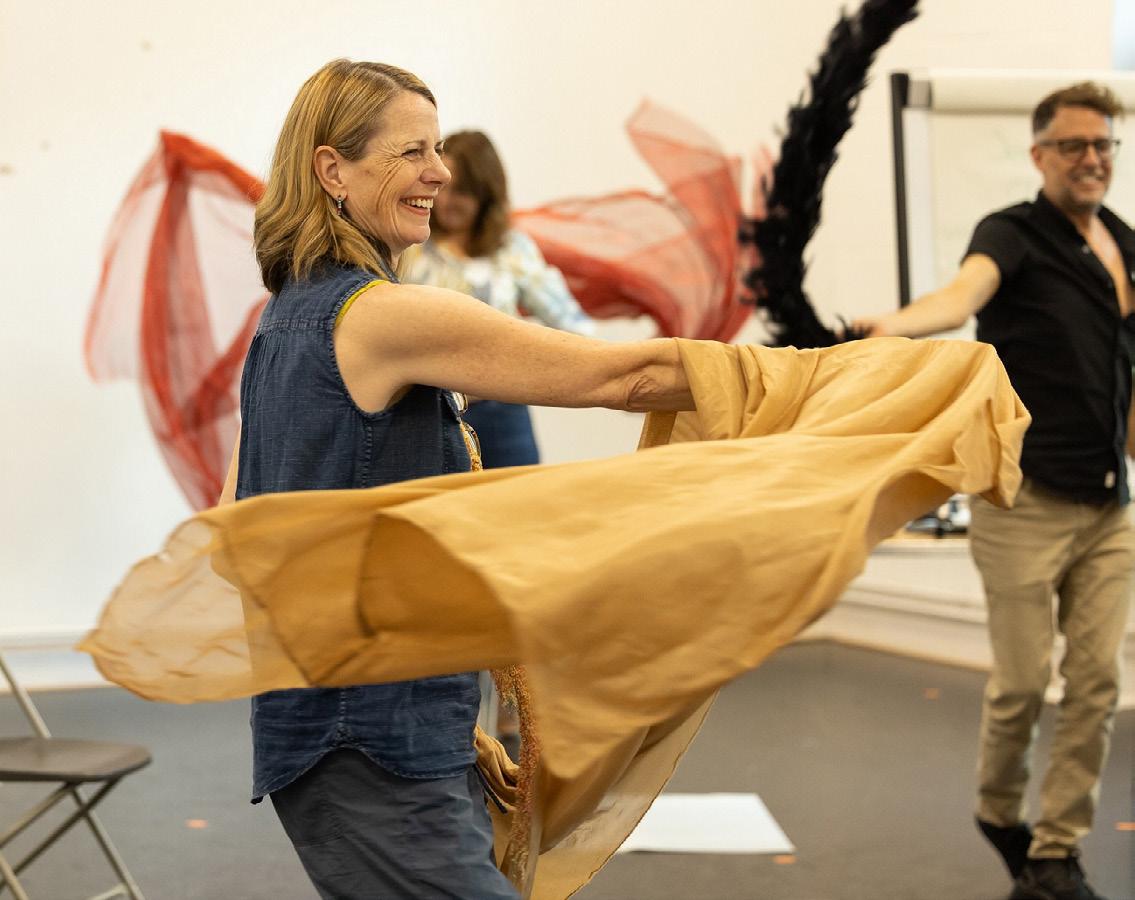
Arts for the Blues is a creative group psychotherapy model developed to treat adults with depression. The ambition is to make creative therapy available to the widest number of people possible.
Co-founded by the University of Salford and Edge Hill University, Arts for the Blues provides an alternative form of treatment to talking therapies using creative methods such as movement, painting and creative writing.
In partnership with National Association of Psychiatric Intensive Care (NAPICU), our ground-breaking research project aims to shape the urgent and intensive care provision for children and young people experiencing acute and complex mental health needs.
The project is focused on developing the evidence base to improve care quality and outcomes for children and young people requiring intensive therapeutic mental health care. It will directly contribute to NHS England’s drive to transform health services.

It starts in Salford. A place where ideas are formed that shape the world. Find out more about how our research is championing social justice via the QR code.

We have stepped up our support for our local community with a new initiative that’s all about giving school pupils a boost and giving our students a chance to shine.
In partnership with award-winning charity The Tutor Trust, for the past year, our students have provided tuition to Year 6 pupils in local schools, helping them build confidence and skills in maths and English as they prepare for secondary school. Pupils from the local area receive high-quality support from relatable role models, and our undergraduates gain valuable experience, training and financial remuneration for doing something meaningful. This initiative builds on Salford’s strong track record of supporting young people from disadvantaged backgrounds.
In our first pilot year we have successfully recruited 24 students as tutors and reached 429 school pupils. While we don’t have separate figures for the impact our Tutor Trust recruits are having, the Tutor Trust’s overall work in Salford is already making a real difference after just twelve months. In reading, 73.6% of socially disadvantaged pupils who received tuition achieved the expected standard in their SATS, compared to 62% of socially disadvantaged pupils the previous year, and 69% of pupils achieved the expected standard in Maths compared to 59% last year.
Vice-Chancellor Professor Nic Beech says the programme is central to Salford’s mission: ‘We want to enrich lives and help people from all backgrounds achieve their academic and career ambitions. This partnership is a powerful way to do just that.’
The scheme is being led by Lynne Barrow, Director of Student Recruitment at Salford Business School. “I am exceptionally proud of all our students have achieved over the past year. It is clear our students feel much more connected to their local community, have grown in confidence, developed teaching skills, and hugely benefited from their interaction with local primary school pupils.”
Thanks to generous support from the Donner Family and the Harrington Foundation, the programme is delivered at minimal cost to schools, making it even more accessible. If you would like to learn more about how you can support the project from September 2026, please get in touch at supporters@salford.ac.uk
We are proud to champion equity in higher education. Building on our success in supporting undergraduate widening participation (WP) scholarships, we are now expanding opportunities for underrepresented students to pursue postgraduate research.
Our WP PGR scholarships empower talented individuals, many from low-income and diverse backgrounds, to explore research that reflects their lived experiences and communities, bringing fresh perspectives to real-world challenges, enriching our research culture and driving meaningful change.
With your support, we can offer more scholarships, remove financial barriers, and nurture the next generation of researchers and academics. If you would like to find out more, please get in touch at supporters@salford.ac.uk
We are proud of the progress we have made in championing social justice through our teaching, research and community partnerships. But this is only the beginning. Building on these strong foundations, we are committed to doing even more to widen opportunity, tackle inequality and create lasting change in the years ahead.
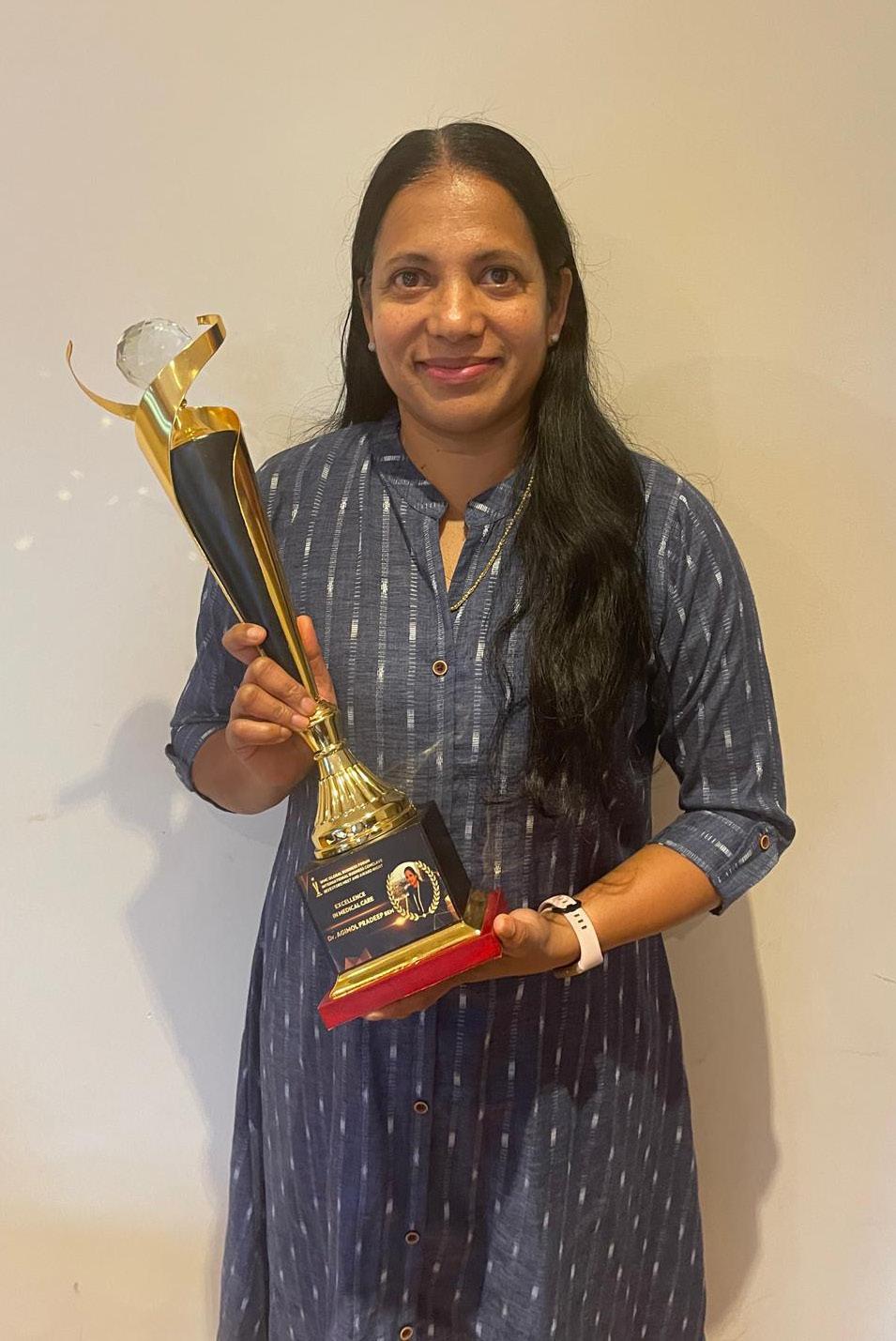
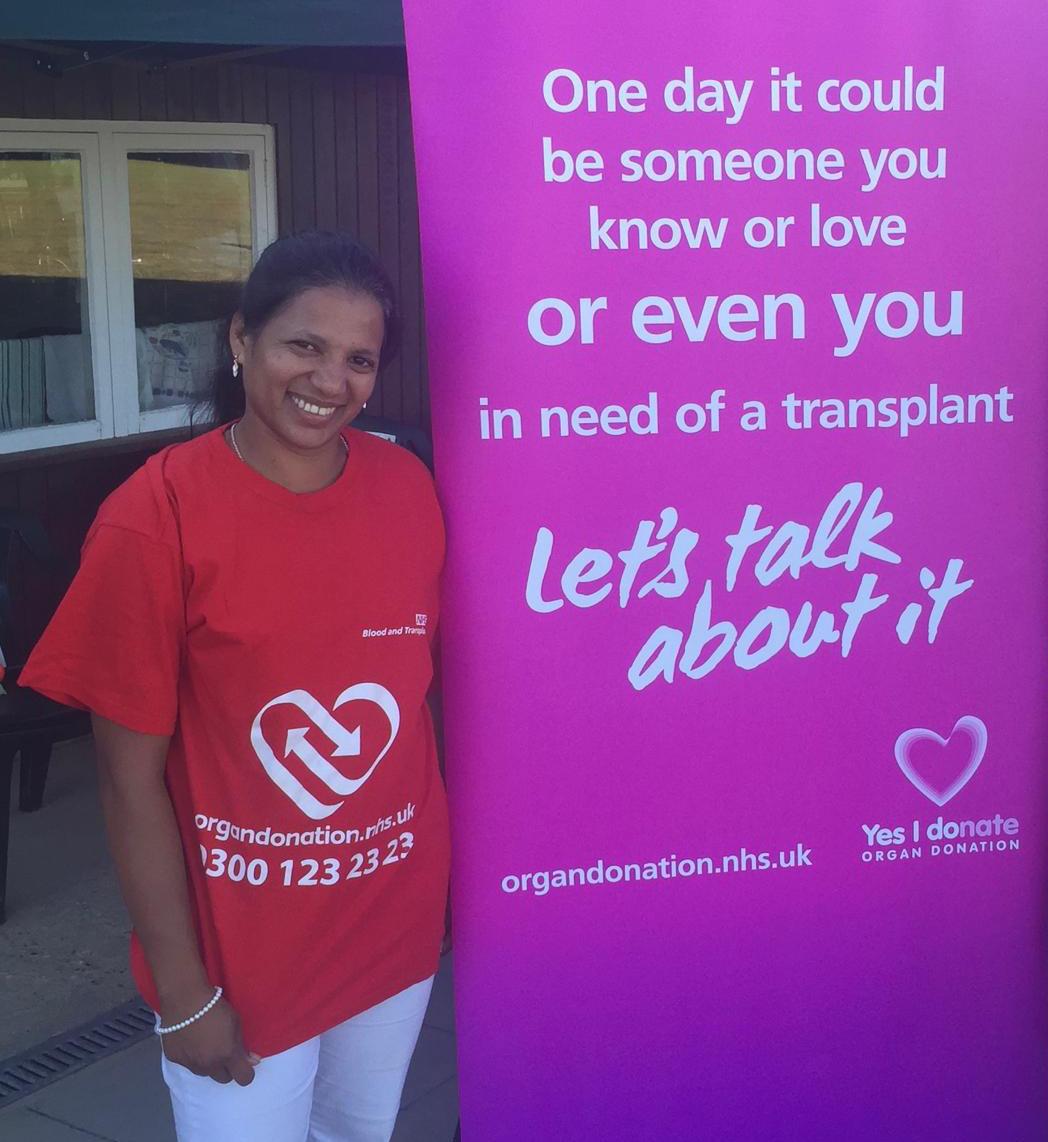
Nursing alumna, Agimol Pradeep, shares her path from student to award-winning healthcare campaigner.
When Agimol Pradeep arrived in Salford to begin her Master’s in Nursing, she could not have imagined the ripple effect her studies would have.
Today, she is a Senior Transplant Recipient Coordinator at King’s College Hospital in London, a British Empire Medal recipient, and a tireless campaigner whose work has saved lives and changed policy at a national level.
In her spare time, Agimol runs community campaigns to raise awareness of organ, blood, and stem cell donation, particularly within minoritised ethnic communities. She is one of the Trustees of charity Upahaar and leads over 70 volunteers across the UK, spreading the “Gift of Life” message. Her work has inspired thousands of Asian organ donor registrations – a change that means more people get the transplants they desperately need.
Her advocacy extends far beyond her day-to-day work. She is Chair of the Alliance of Senior Kerala Nurses (ASKeN) Group, Vice-President of the Ashford Malayali Association (AMA), and a committee member for Jeevan, which promotes happy and healthy living within the UK’s Malayali community. At a national level, she sits on the Nursing and Midwifery Council’s English Language Review Implementation Group, the Royal College of Nursing’s International Committee, the NHS Blood and Transplant (NHSBT) Community Grants programme judging panel and steering group, and the National BAME Transplant Alliance (NBTA) steering group.
Supporting Information from Employer (SIFE) pathway. Now, nurses with over 12 months’ UK experience can register without sitting another test.”
The results have been extraordinary, with over 8,000 internationally educated nurses having now joined the UK register since the policy change. The campaign was recognised with the Health Services Journal’s prestigious Workforce Initiative of the Year award – a moment Agimol describes as “both humbling and energising.”
Her contributions have also been celebrated at the highest levels. In November 2023, she was invited to a reception at Buckingham Palace to mark His Majesty King Charles III’s 75th birthday, in recognition of her service to healthcare and the community.
Her journey from Salford student to changemaker started with an unexpected twist. “When I began my Master’s, I didn’t plan to do a PhD,” she says. “But my dissertation won an award, and my professors encouraged me to carry on. With the support of Professor Ormandy and Professor Brittle, I completed my PhD part-time in just three years.”
My lecturers gave me the confidence and skills to make a difference.
Agimol Pradeep
But that is only part of her impact. In 2020, Agimol began a campaign for the rights of internationally educated nurses (IENs) working in the UK. Many had trained and practised in Englishspeaking countries but were still required to take another English language test before joining the Nursing and Midwifery Council (NMC) register. This left skilled nurses working for years as unregistered practitioners.
“I wanted justice for thousands of IENs,” Agimol explains. “After three years of intense campaigning, with incredible support from University of Salford colleagues, the NMC introduced the
Her doctoral research increased awareness of organ and stem cell donation in the South Asian community and brought national recognition, including the British Empire Medal in 2018. “All of this started with baby steps at Salford,” Agimol reflects. “My lecturers gave me the confidence and skills to make a difference.”
Her Salford connection remains strong. Recently appointed Honorary Senior Lecturer, she visited South India to launch the COIL (Collaborative Online International Learning) programme, linking students and colleagues at Salford with their counterparts in a partner nursing college to gain international experience and cross-cultural learning online. She is also developing joint projects with another leading institution in India.
Through it all, her commitment to patient care remains at the heart of everything she does. “I am proud to work for the NHS. We treat people equally, regardless of background, and I am humbled to be part of life-saving procedures every day. It is truly the most rewarding place to work in the world.”
From Kerala to Salford to Buckingham Palace – and now influencing nursing policy and saving lives across the UK – Agimol’s story proves just how far passion and persistence can take you.
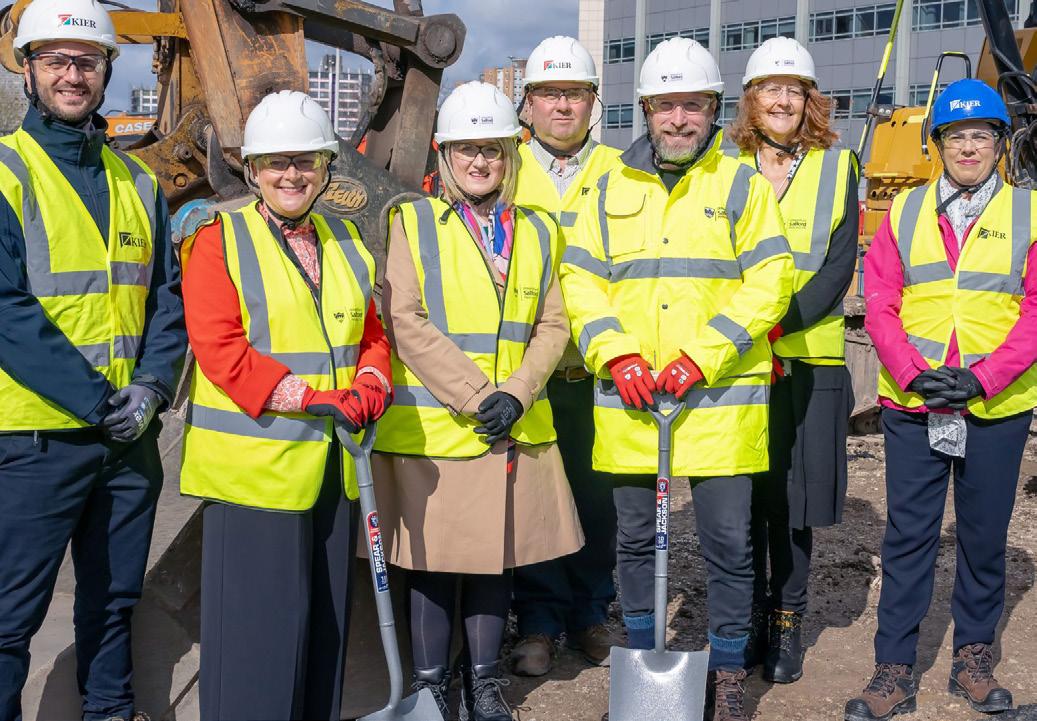
Paul Marsh, Regional Health Sector Lead, Kier / Vicky Halliwell, PVC Dean of School, University of Salford / Rebecca Long-Bailey MP for Salford / Chris Duffy, Senior Project Manager, Kier / Mark Wantling, Chief Infrastructure Officer, University of Salford / Jane McAdam, Professor of Industry Collaboration in Health Care and Interim Dean, University of Salford / Sarah Morton, Regional Director, Kier
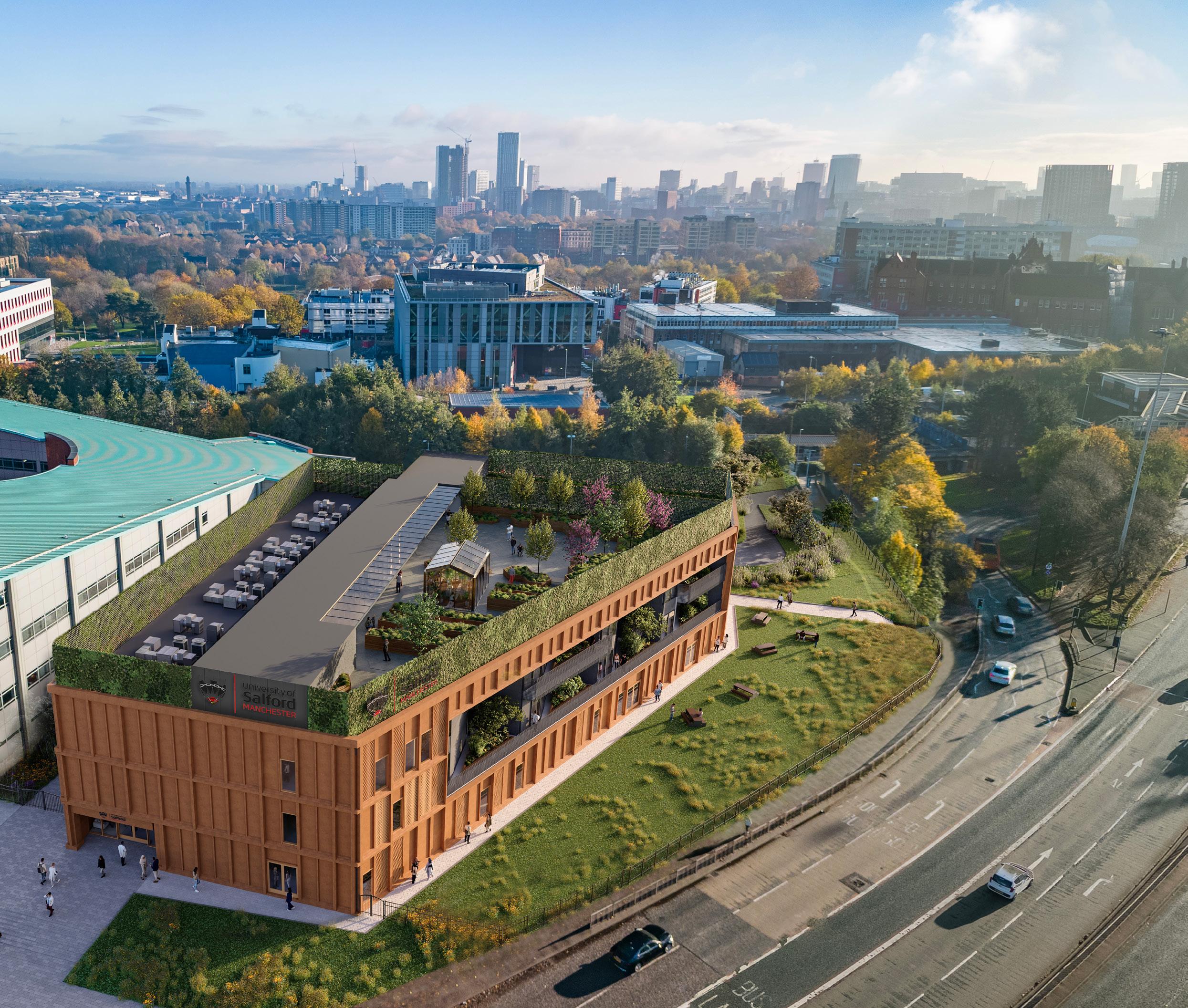
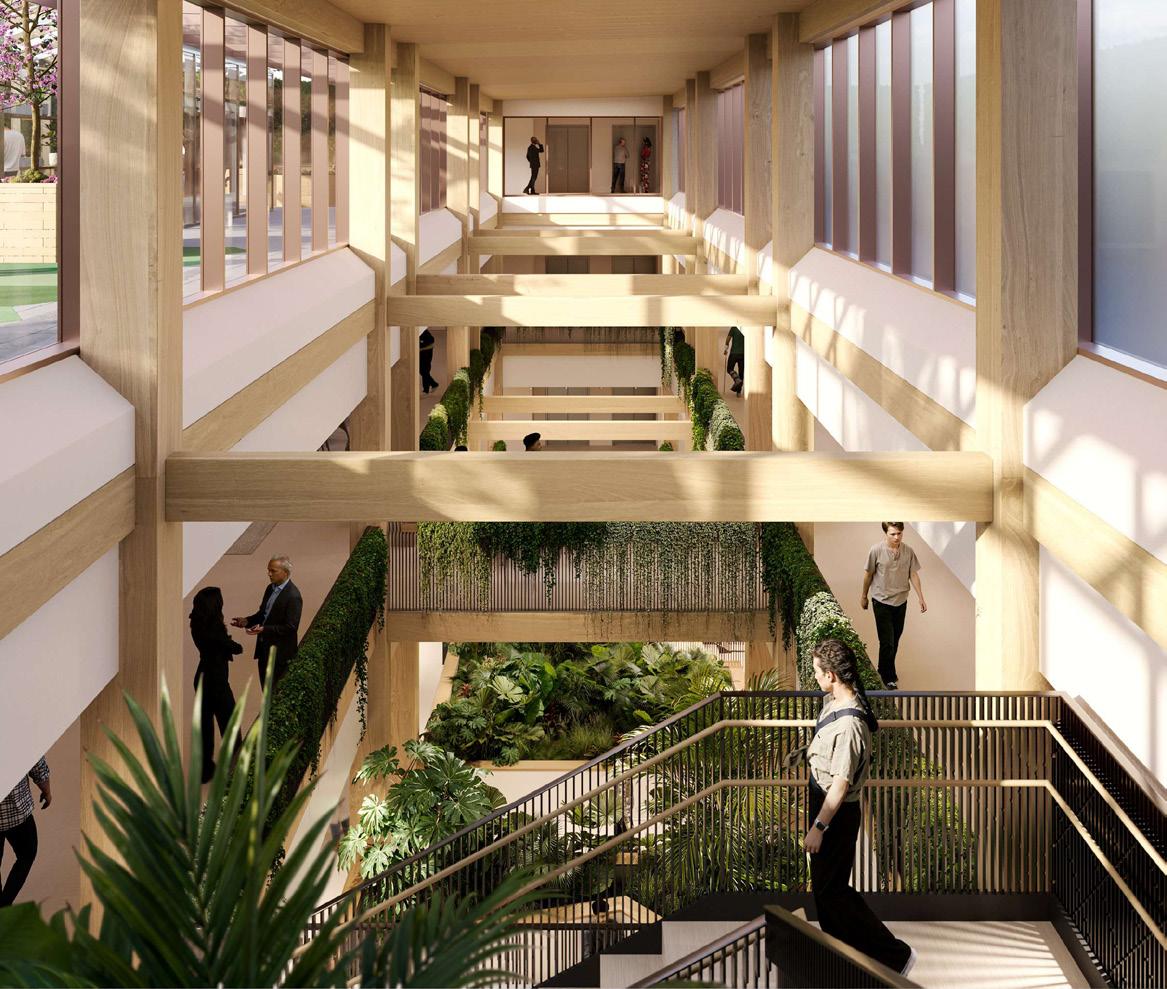
Construction of Thrive, our £54 million Health and Wellbeing Building, is well underway near Salford Crescent station, with Kier as main contractors. Designed by AHR Architects, the fully electric, low-carbon building is targeting BREEAM Excellent and WELL Gold standards.
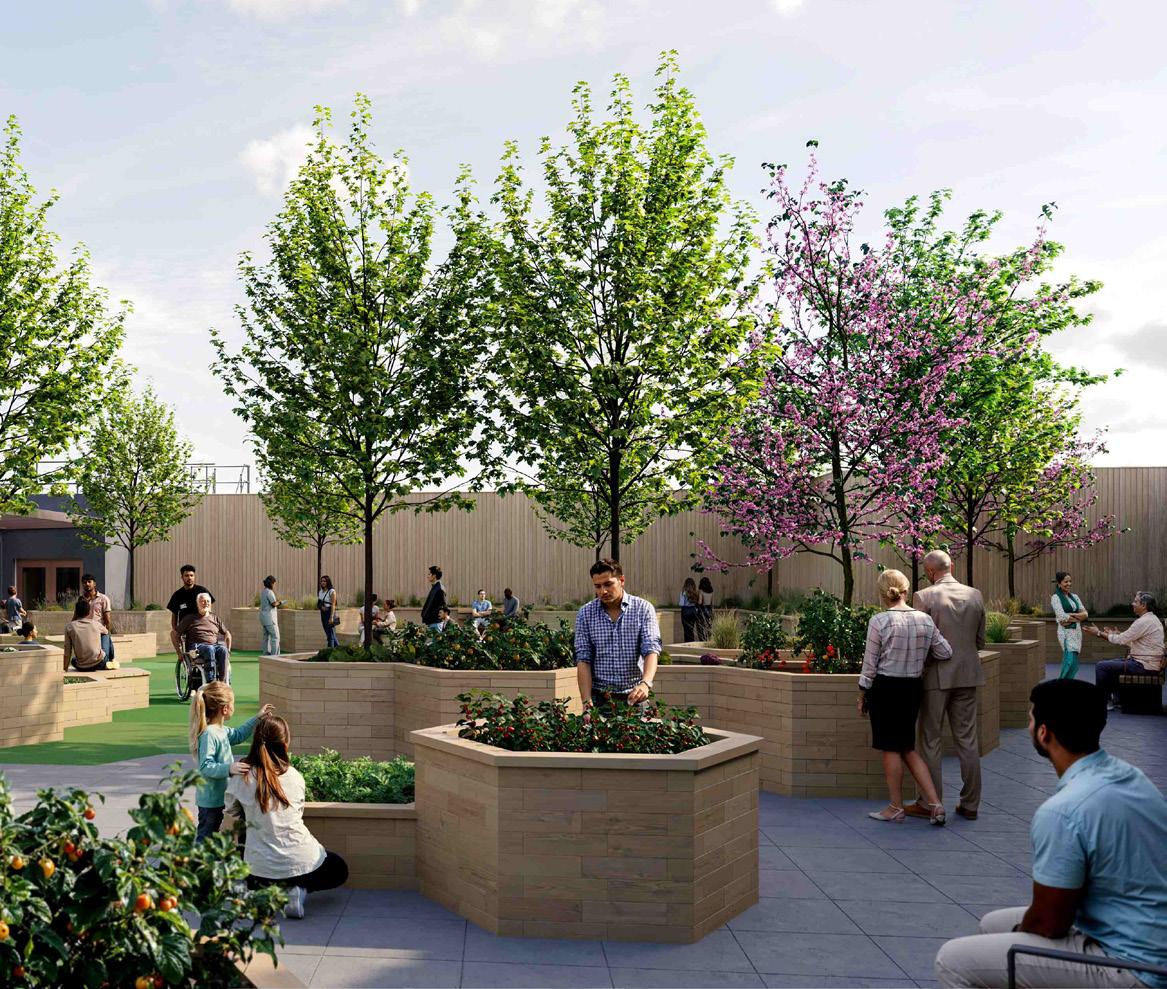
Thrive will house popular health and wellbeing courses and clinics, with a roof garden and outdoor spaces for students, staff, and the public. Cutting-edge research will take place in a new Human Movement Analysis Centre, funded by the Wolfson Foundation. Completion is scheduled for October 2026, with clinical-grade facilities giving students hands-on experience in NHS-style settings.
PVC Dean Vicky Halliwell said: “Thrive will be a visible reminder that the University is here not only to educate future health professionals but also to enrich the lives of the people of Salford. NHS and private patients will benefit from our clinics, building on our popular Podiatry and Sports Injury services.”
Salford City Mayor Paul Dennett added: “Thrive will be another impressive addition to the city skyline and showcases low-carbon construction, complementing the wider Crescent Salford masterplan.”
Rebecca Long Bailey, MP for Salford, said: “It will be ecofriendly, harness the power of nature, and create a wellbeing space for staff, students, and the community.”
We have been awarded a £700,000 grant from the Wolfson Foundation, the largest we have ever received from them, to help fund cutting-edge equipment for a brand-new research centre focused on human movement.
The REMEDY Centre (Rehabilitation and Movement Evaluation and Development) will be part of our new £54 million Health and Wellbeing Building and is set to become a hub for world-class research and clinical work, tackling real-life challenges like fall prevention, diabetes-related mobility issues and amputee rehabilitation.
This generous grant builds on Salford’s global reputation in gait analysis and prosthetics testing. Our researchers are already helping people live more independently, and REMEDY will take that work even further, with purpose-built labs and clinic spaces where experts can monitor progress and improve outcomes over time.
Vice-Chancellor Professor Nic Beech says: ‘This award is a fantastic endorsement of our research. It’s all about enriching lives, and REMEDY will help us do that on a whole new level.’
Paul Ramsbottom, Chief Executive of the Wolfson Foundation, adds: ‘Designing and testing the next generation of prosthetics is a global challenge. Salford’s team is well placed to lead the way.’
With over 30 years of training prosthetics and orthotics professionals, many of whom have worked with Paralympians and developed life-changing tech, Salford continues to shape the future of mobility, both here and around the world.
If you would like to learn more about the opportunities to support the new Health and Wellbeing hub, contact us at supporters@salford.ac.uk
A transformational philanthropic donation has been secured to advance Engineering at Salford. The funding will be directed at supporting 32 Scholarships in Engineering for Widening Participation students over 5 years, a Professorial Chair in Engineering as well as support for our local learning centre, IntoUniversity Salford. We look forward to sharing more details with you in due course.
At Salford, we’ve always been proud of our strong global community. With over 30,000 alumni living abroad, whether they came from overseas to study here or left the UK to chase new adventures, our graduates are shaping lives, industries and communities across the world. Here are three inspiring journeys.
UK-born Phil Vickers’ story began in 1978 when he enrolled in Applied Biochemistry, one of only two biochemistry sandwich courses in the country at the time. Not content to take the placement offered, he jumped on a train to London and walked into New Scotland Yard, securing a year analysing crime scene evidence – long before DNA testing was standard practice.
The experience sparked a love of research. With encouragement from a colleague, he applied to 30 North American universities – each application typed and posted individually in the pre-internet age. His determination paid off with a fellowship at the University of Toronto, where he completed a PhD on folic acid metabolism, followed by postdoctoral research at the US National Cancer Institute.
Phil went on to hold senior roles at Merck, Pfizer, Boehringer Ingelheim and Shire, leading the development of treatments for cancer, immune disorders and rare paediatric diseases. He built and led global teams, navigated the complex path from laboratory discovery to regulatory approval, and helped deliver life-changing medicines to patients worldwide.
Today, as President and CEO of Boston-based Solu Therapeutics, he is pioneering a new class of drugs, with the first now in clinical trials for certain forms of leukaemia. “It’s an emotional moment when you treat the first patient with a new drug,” he says. “It’s a mixture of hope, relief and the knowledge that you’re part of something that could change lives.”
You grow by taking calculated risks and stepping outside your comfort zone.

Living and working in the US has given him a truly international perspective on science and healthcare, but the spark began in Salford. “You grow by taking calculated risks and stepping outside your comfort zone,” he says – advice that has shaped his career from that train ride from Salford to London that sparked it all.

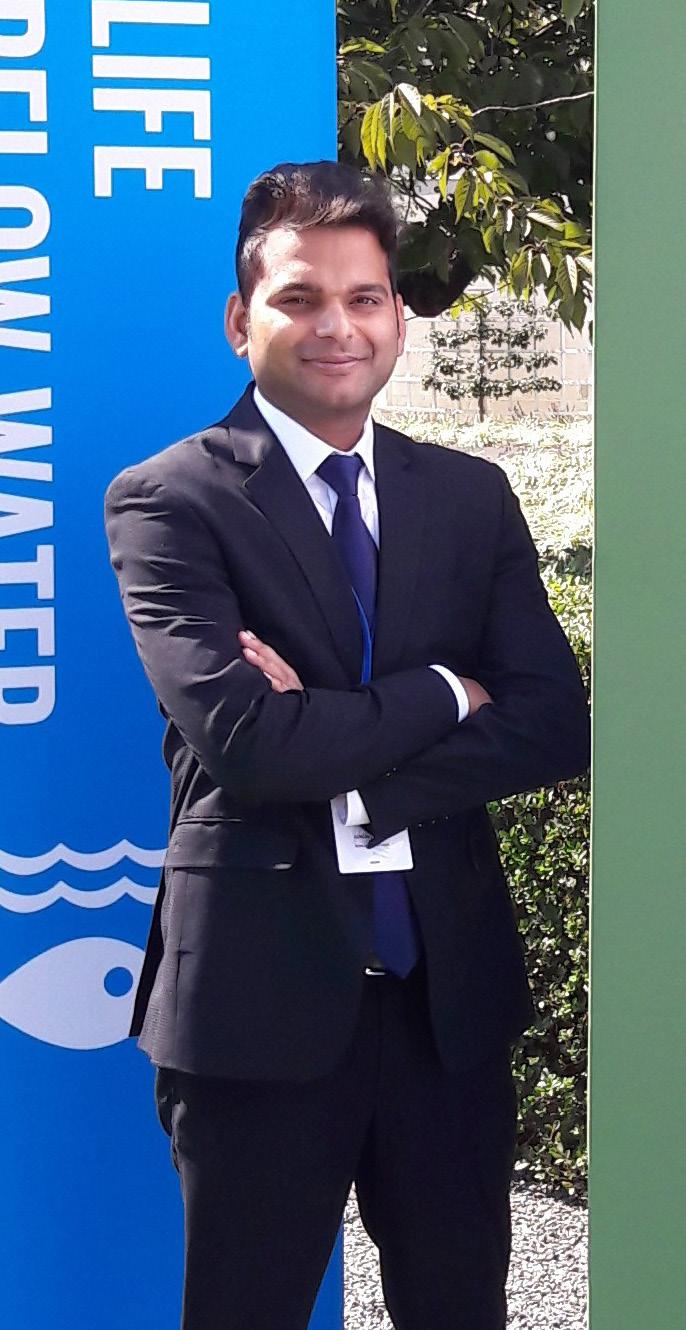
For MSc Accounting and Finance graduate Deborah Olayiwola, Salford was the perfect launchpad. A scholarship brought her to the course, and she thrived in the diverse, supportive environment, gaining technical expertise alongside critical thinking and problemsolving skills.
The bonds and relationships I formed at Salford will stay with me forever.
After graduating in 2014, she completed her ACCA qualifications in the UK before returning to Nigeria to join EY. She later moved to the Cayman Islands with PwC, then to Canada with the same firm. Now a Senior Manager at BPM, she has risen from entry-level associate to senior leadership in just a decade.
“The bonds and relationships I formed at Salford will stay with me forever,” she says. “They gave me the confidence to pursue opportunities across the world.”

Her programme’s one-module-at-a-time structure helped her focus deeply, while group and individual projects built her ability to research, analyse and develop solutions – skills she still uses today. She also worked part-time in a pawnbroking shop, developing her interpersonal and customer service skills.
When electronics engineering graduate Prashant Shekhar Yadav found Salford’s MSc Environmental Assessment and Management, it felt like the perfect fit. The course welcomed candidates from varied backgrounds, and its blend of fieldwork and theory gave him the skills and confidence to pursue a global career.
After graduating, Prashant joined the United Nations in New York, working in diplomacy and sustainable development for six years. As Adviser on Sustainable Development Goals to the Ambassador of Palau, he represented Small Island Developing States at summits, climate negotiations and high-level forums. He also contributed to the adoption of the 2030 Agenda for Sustainable Development through work with UN-Habitat, the Permanent Mission
of Vanuatu, and the UN Institute for Training and Research.
Salford gave me the knowledge, confidence and international perspective I needed.
Now back in India, he is building partnerships for sustainable development while continuing to work on global initiatives. “Salford gave me the knowledge, confidence and international perspective I needed,” he says.
Each of these alumni show how a Salford education can spark change, opening doors to opportunities that make a lasting difference worldwide.
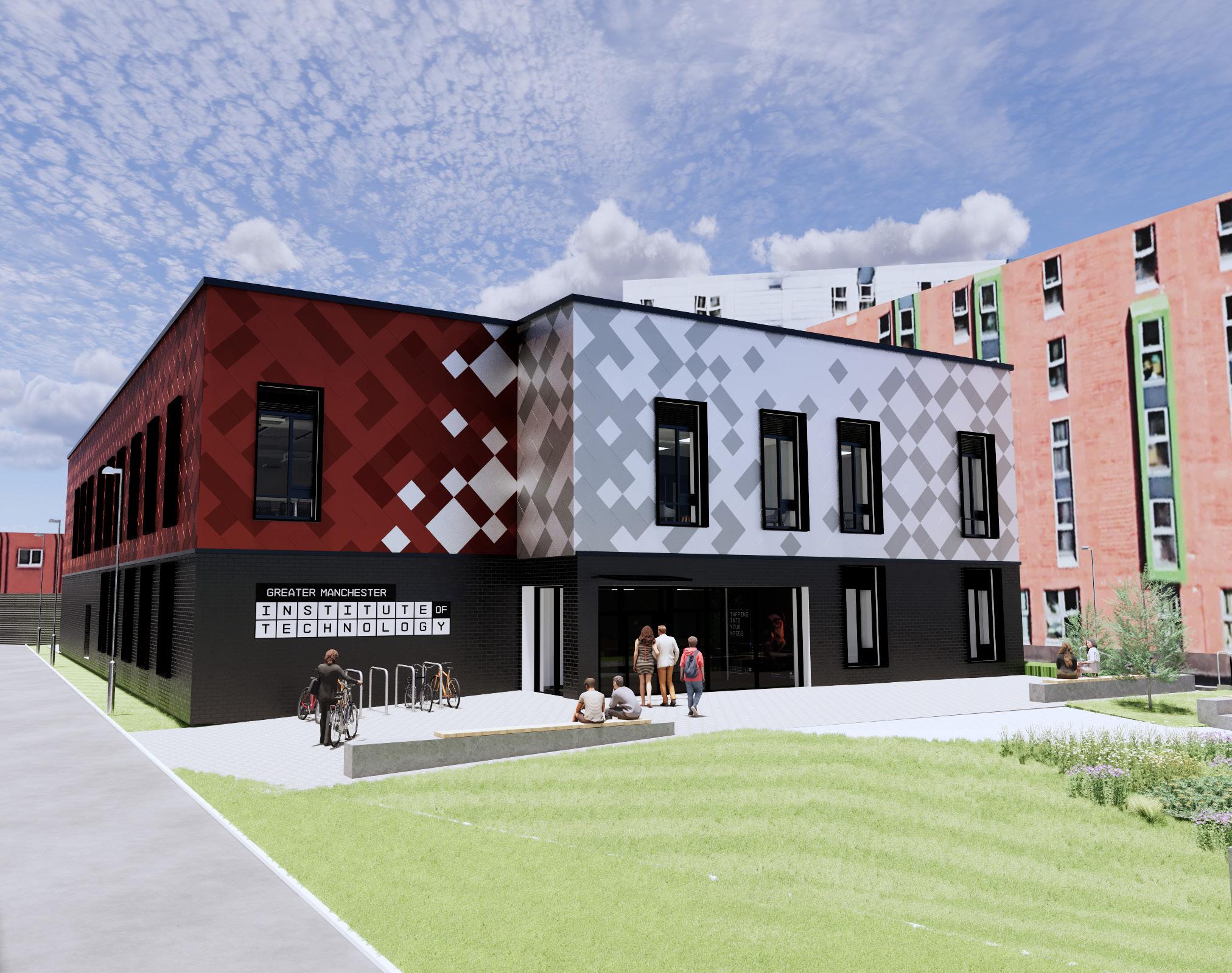
Since 2020, our Campus Connectivity Plan (CCP) has focused on advancing the social and economic goals of our community, supporting the government’s call for universities to act as anchor institutions and drive growth through partnerships and strategic links.
Our CCP is central to our ‘Innovating to Enrich Lives’ strategy, as we shape our campus and forge new alliances which help improve life chances for people from all backgrounds.
Mark Wantling, Chief Infrastructure Officer says: “We want to create the right infrastructure to enable the best possible teaching and research to take place, as well as creating better public spaces which enrich lives for everyone to enjoy.”
The CCP is linked to our partnership with Salford City Council and English Cities Fund in the wider Crescent Salford Masterplan, which will see the biggest redevelopment of this area of the city ever undertaken.
Here is an update on our latest major projects:
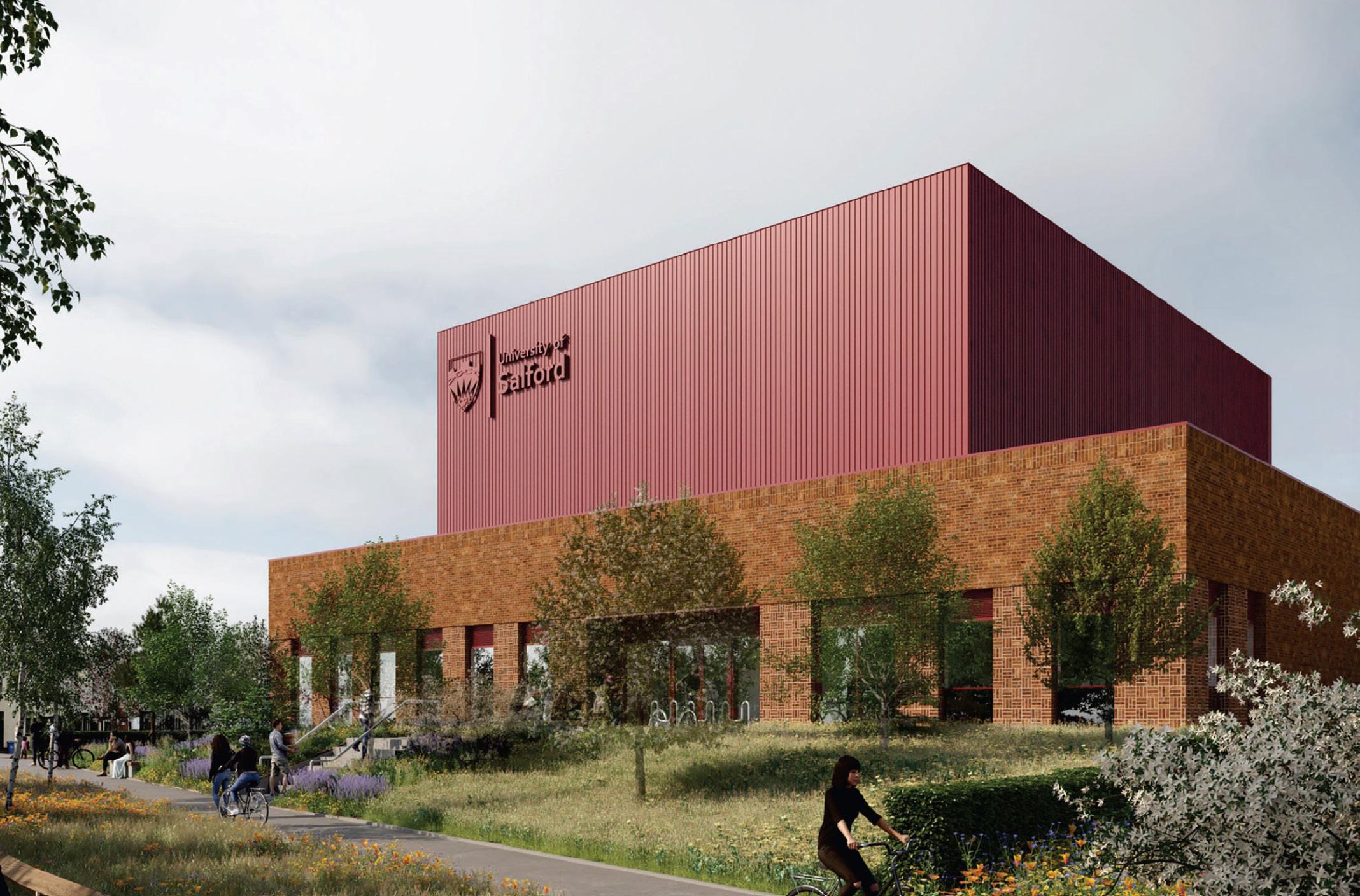
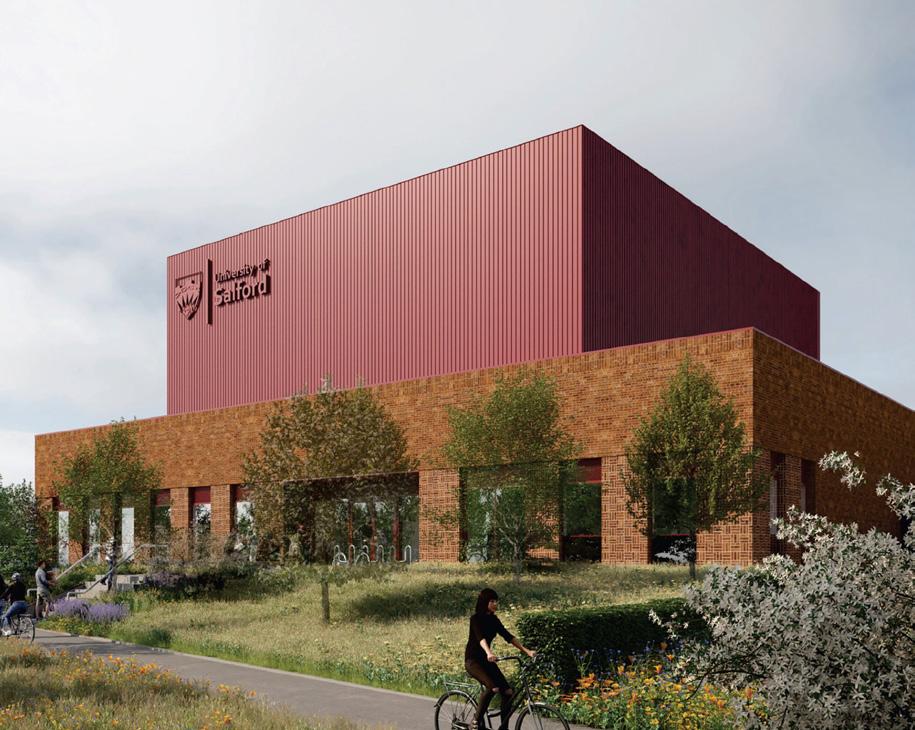
Building started this Autumn on our state-of-the-art Acoustics Building. The world-class facility will be next to Salford Rise and will house the research, commercial and teaching activities of our globally recognised Acoustics department. It’s a flagship centre within the newly conceived Innovation Zone, part of the Crescent Salford Masterplan.
Our £54 million Health and Wellbeing Centre is well underway and set to open in Autumn ’26. It will house some of the University’s most popular health and wellbeing courses, and will also welcome NHS and private patients, building on our existing popular Podiatry and Sports Injury public clinics. Cutting edge research will take place in a new Human Movement Analysis Centre, thanks to a generous grant from the Wolfson Foundation (read more on page 28).
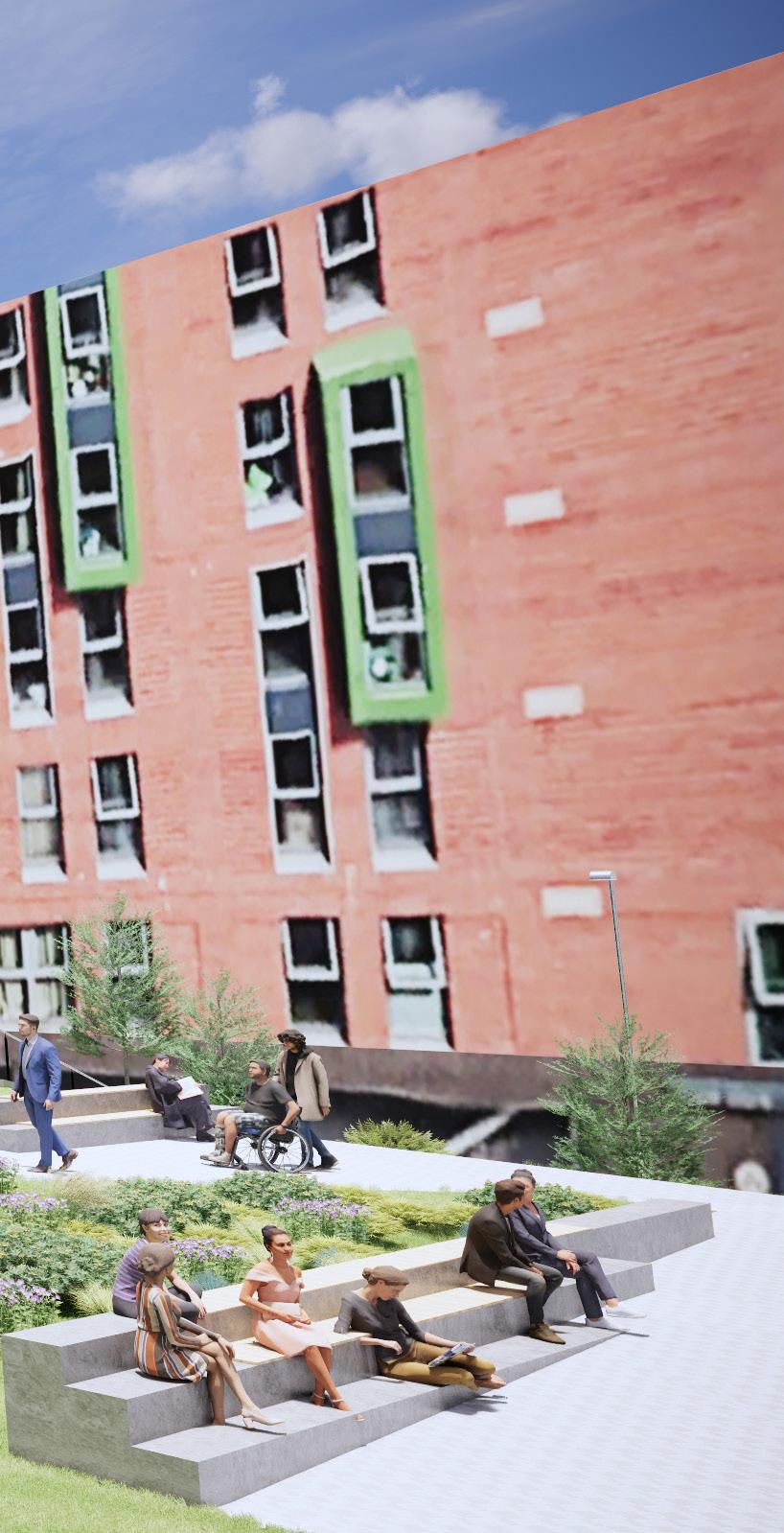
The building is nearing completion and will officially open early in 2026. The £14 million Greater Manchester Institute of Technology (GMIoT) will be a hub for teaching people real-world skills to help get them learning and earning.
Artist’s plans for the
The planning for a brand new building to house our growing Business School has finalised its RIBA stage 2 outputs and is progressing to the next stage.
All new buildings will be fully electric and low-carbon and will be targeting BREEAM Excellent plus WELL Gold in some cases.
Each building will support Salford City Council’s vision for a fairer, greener, healthier, and more inclusive city.
In June, we appointed urban designers Planit to help present a new vision for our public spaces. Planit’s recent work in Greater Manchester includes landscape architecture for Ancoats Green, as well as MMU’s All Saints Park. Keep eyes peeled as their creative flair maximises the potential of our beautiful grounds.
As part of the wider Crescent Salford Masterplan, the University’s development will help create up to 7,000 full-time jobs and generate an estimated £350 million in annual Gross Value Add by 2040. This investment reflects the lasting impact of the Crescent regeneration and the opportunities it will bring to Salford for decades to come.
Our alumni play a vital role in shaping the student experience, supporting employability, and acting as inspiring role models for our community. We’re proud to celebrate your achievements and the positive change you continue to create locally, nationally and globally.
Each award reflects the University’s priorities, and this year’s winners and highly commended shine brightly as examples of our mission: Innovating to Enrich Lives.
This award recognises alumni who go above and beyond to support Salford students, sharing their time, expertise, and encouragement to raise aspirations and boost employability.
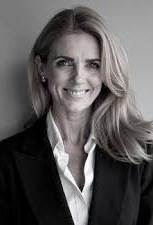
WINNER: SUZANNE ROBINSON, BSC FINANCE AND ACCOUNTING, 2001
Chief Finance Officer at Northern Care Alliance NHS Group, Suzanne has been tireless in supporting Accounting and Finance students. She has created internships and placement opportunities, provided professional guidance, and spoken at student events. As a member of University Council and the Employer Advisory Board, she continues to help shape opportunities for the next generation.
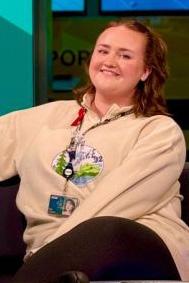

HIGHLY COMMENDED: ERIN HUGHES, BA TELEVISION AND RADIO, 2022
An Assistant Producer at BBC Sport, Erin regularly returns to campus for networking days, careers panels and Next Steps events. Her approachable style and honest advice help students better understand how to break into the television industry.
HIGHLY COMMENDED: SAMI BEN-ALI, BSC HR MANAGEMENT AND DEVELOPMENT, 2017
Sami is a DEI and HR leader at Amazon, influencing global inclusion practices. He gives back through his membership of Salford Business School’s Industry Advisory Board and by sharing insights on inclusive leadership, AI and diversity. His contributions inspire students and connect the curriculum to industry.
These awards celebrate alumni who exemplify our Salford values, leading change and making a difference across health, sustainability, inclusion, global engagement and creativity.
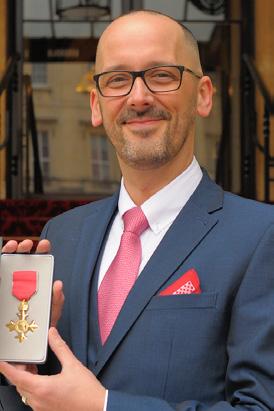
WINNER: DUNCAN CRAIG OBE, CERTHE COUNSELLING, 2007
Founder and CEO of We Are Survivors, Duncan has built a charity supporting male, trans and non-binary survivors of sexual abuse. He has influenced national policy and advised government and justice bodies, while raising awareness through media and theatre.
HIGHLY COMMENDED: JOE KIRWIN, BA POLITICS, 2012
Joe is Chief Executive of the Aplastic Anaemia Trust, driving changes to research, patient support and diagnostic pathways that could save thousands of lives each year.

WINNER: MARTINA COGGINS, HND PHYSICAL THEATRE AND DANCE, 2006
Founder of Tracing Steps Theatre & Dance, Martina champions inclusive access to the arts. She creates opportunities for people of all backgrounds to explore theatre and movement, and plays a key role in developing cultural networks in her hometown.
HIGHLY COMMENDED: RYAN JOYNSON, BSC 2010, MSC 2012, PHD 2015
A bioinformatics leader in agricultural genomics, Ryan advances global food security through genetic research, while mentoring the next generation of scientists.
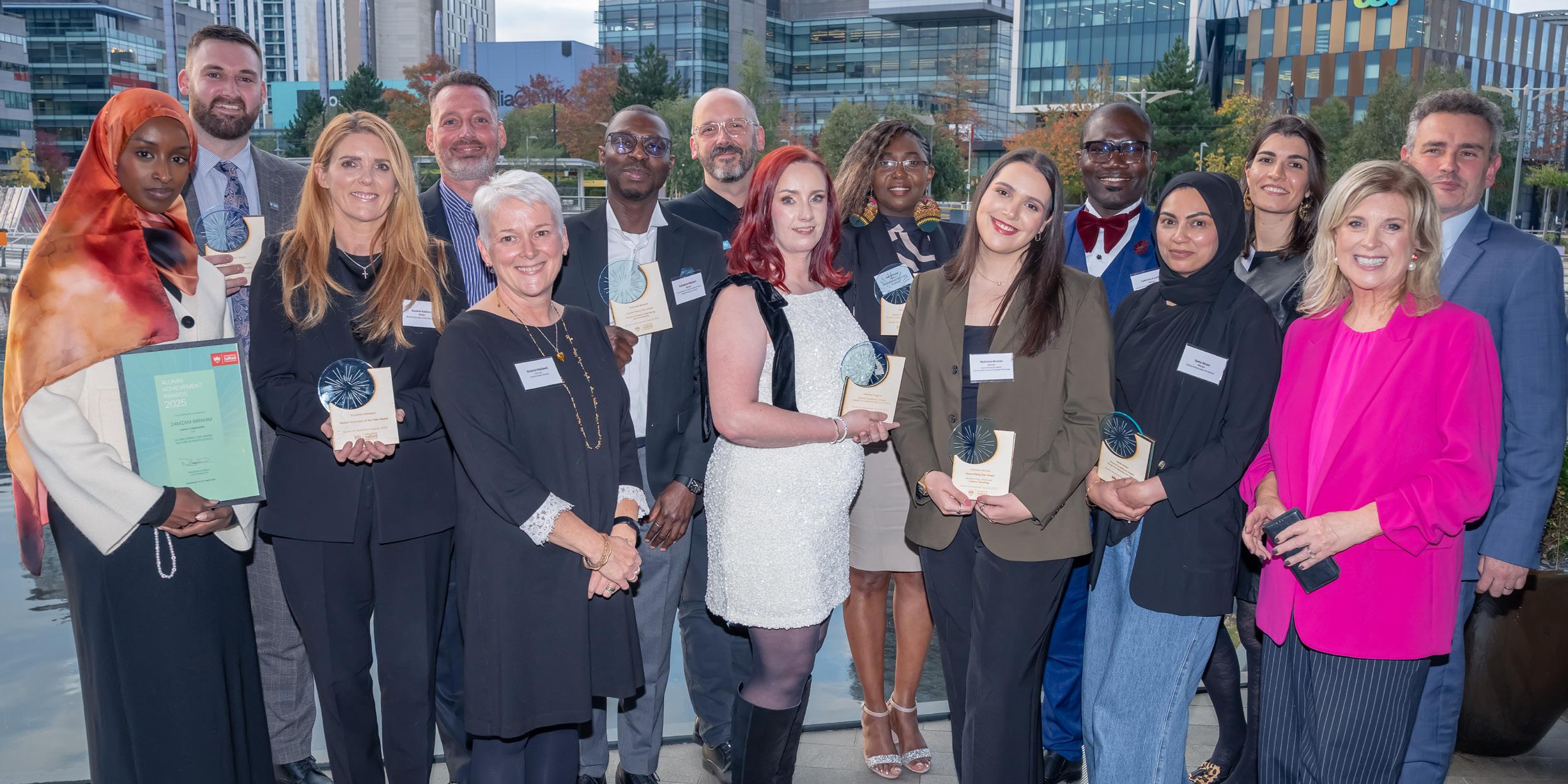
WINNER: SANDY KOUJOU, BA MODERN LANGUAGES, 2008
Head of Delivery and Services at the Caribbean and African Health Network (CAHN), Sandy leads advocacy and domestic abuse programmes across the UK. She continues to support Salford students through talks and mentoring while influencing local and national policy.
HIGHLY COMMENDED: MOHAMED DORE, PGDIP PROCUREMENT, LOGISTICS AND SUPPLY CHAIN MANAGEMENT, 2018; MSC 2022
Mohamed is Minister for Education in Galmudug State in Somalia, working to expand education access for disadvantaged children and challenge gender barriers. Read more about Mohamed on page 20.
CHANGEMAKER IN ENVIRONMENTAL SUSTAINABILITY
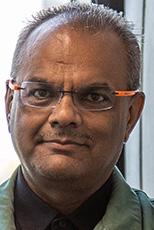
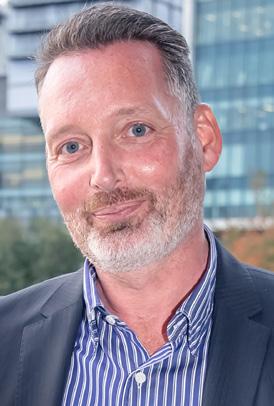
WINNER: HANIF KARA OBE, BSC ENGINEERING, 1981
As co-founder of engineering practice AKT II and a Harvard Professor, Hanif is a global leader in sustainable, low-carbon design. His projects include Bloomberg’s European HQ and the Masdar Institute, and he mentors future engineers while shaping infrastructure policy.
HIGHLY COMMENDED: MARK FRITH (CERTHE WILDLIFE AND PRACTICAL CONSERVATION, 2019)
Mark is a community gardener and activist, transforming local green spaces, including Buile Hill Park and Salford campus, into sustainable and inclusive places for people and nature.
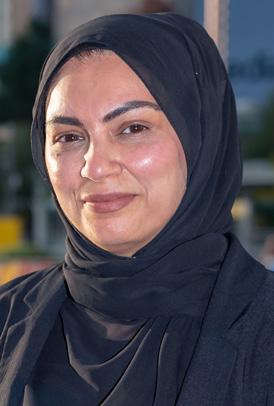
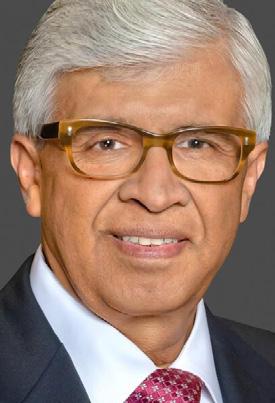
WINNER: SADIA AKRAM, PGDIP HOUSING PRACTICE, 2007
Programme Director at the Forum for Discussion of Israel and Palestine, Sadia facilitates dialogue across faiths and communities on issues of conflict, cohesion and equality. She empowers women, young people and underrepresented groups while shaping national conversations on refugee rights and hate crime.
HIGHLY COMMENDED: DR SURYA MOHAPATRA, MSC MEDICAL ELECTRONICS, 1975
Former CEO of Quest Diagnostics, and a leader in healthcare innovation, Surya continues to support research and student opportunities, including a recent family foundation donation to Salford, funding vital research to help children with Fetal Alcohol Spectrum Disorder. Read more on page 19.
Our Rising Stars are graduates in the first few years of their careers who are already making their mark.


WINNER: MADALENA NICOLAU, MA DOCUMENTARY PRODUCTION, 2024
Now a Junior Development Researcher in unscripted television, Madalena works with the team behind The Traitors and Gogglebox. Her early career includes roles at ITV and Studio Lambert, following placements during her studies.
HIGHLY COMMENDED: LAURA PENNAFORT, MA WILDLIFE DOCUMENTARY, 2021
Laura is a wildlife camera operator with credits for Nat Geo and the BBC, and an award-winning film on Brazil’s wildfires.
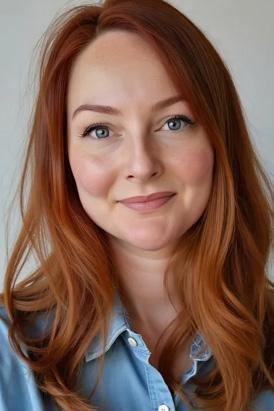

WINNER: SAMANTHA HARRINGTON, MA HUMAN RESOURCE MANAGEMENT, 2018
Head of Organisational Development at the Equality and Human Rights Commission, Sam leads cultural transformation projects and champions inclusive workplaces. She is also known for her “Return Stronger” series on parental leave and reintegration.
HIGHLY COMMENDED: ZAMZAM IBRAHIM, BSC BUSINESS AND FINANCIAL MANAGEMENT, 2017
Zamzam is a former NUS President and climate activist, founder of Somalis for Sustainability, and an international advocate for youth-led climate action.

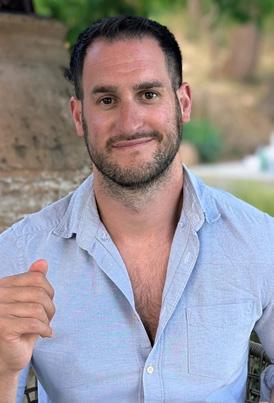
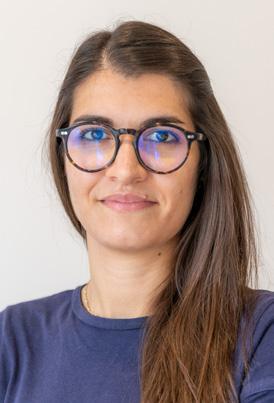
WINNER: KOLAWOLE ABOLARIN, MSC CYBER SECURITY, 2023
Founder of Cyber Aware Group, Kolawole combats cybercrime through AI solutions, education and awareness, while training young people and underrepresented groups in digital skills.
HIGHLY COMMENDED: DR LIAM PENDLEBURY, BSC BIOMEDICAL SCIENCE, 2016
Liam is a GP registrar and mentor, co-founder of GEMMS-PA, supporting students into medicine and healthcare careers.
HIGHLY COMMENDED: ANNA PACE, PHD BIOENGINEERING, 2020
Anna is a researcher in prosthetics, contributing to the award-winning SoftFoot prosthetic foot and active in mentoring and outreach.
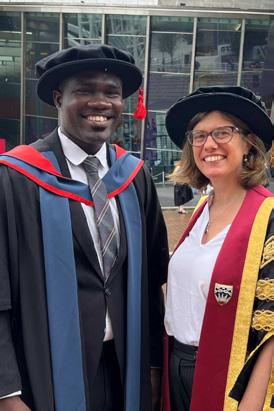


WINNER: LAWRENCE LARTEY, PHD PUBLIC HEALTH, 2024
Deputy Director of Port Health in Ghana, Lawrence has developed national infection prevention strategies and cross-border health initiatives, while also teaching at Ensign Global University.
WINNER: MATTHEW TORBITT, BSC SOCIAL POLICY, 2017
Political commentator and anti-homelessness campaigner, Matthew regularly appears on national media and speaks at major events while supporting charities tackling homelessness and mental health.
HIGHLY COMMENDED: ABEL BROOKS, MSC COUNSELLING AND PSYCHOTHERAPY, 2024
Abel is a queer trans therapist and founder of T4T Counselling, offering accessible therapy for trans and marginalised communities.
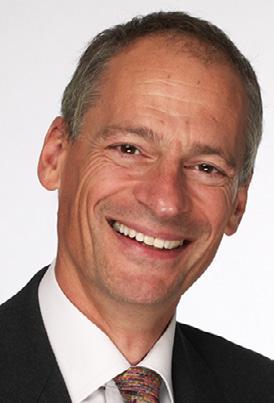
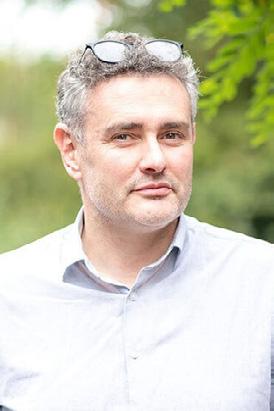
WINNER: PROFESSOR SIMON FISHEL, BSC BIOCHEMISTRY AND PHYSIOLOGY, 1975
A global pioneer in IVF, Simon worked alongside Robert Edwards and Patrick Steptoe on the world’s first IVF birth and went on to co-found CARE Fertility. His career has transformed fertility treatment worldwide and continues to influence science and policy.
HIGHLY COMMENDED: IAN PRESTON, BSC SURVEYING, 1999
Founder of Gallaway Construction, Ian has delivered major projects nationwide while mentoring young professionals and strengthening community links.
Know an inspiring Salford graduate? Keep your eyes peeled for information on next year's Alumni Achievement Awards when nominations open in Spring 2026.
Read more about this year’s winners and highly commended alumni at salford.ac.uk/alumni/alumniachievement-awards
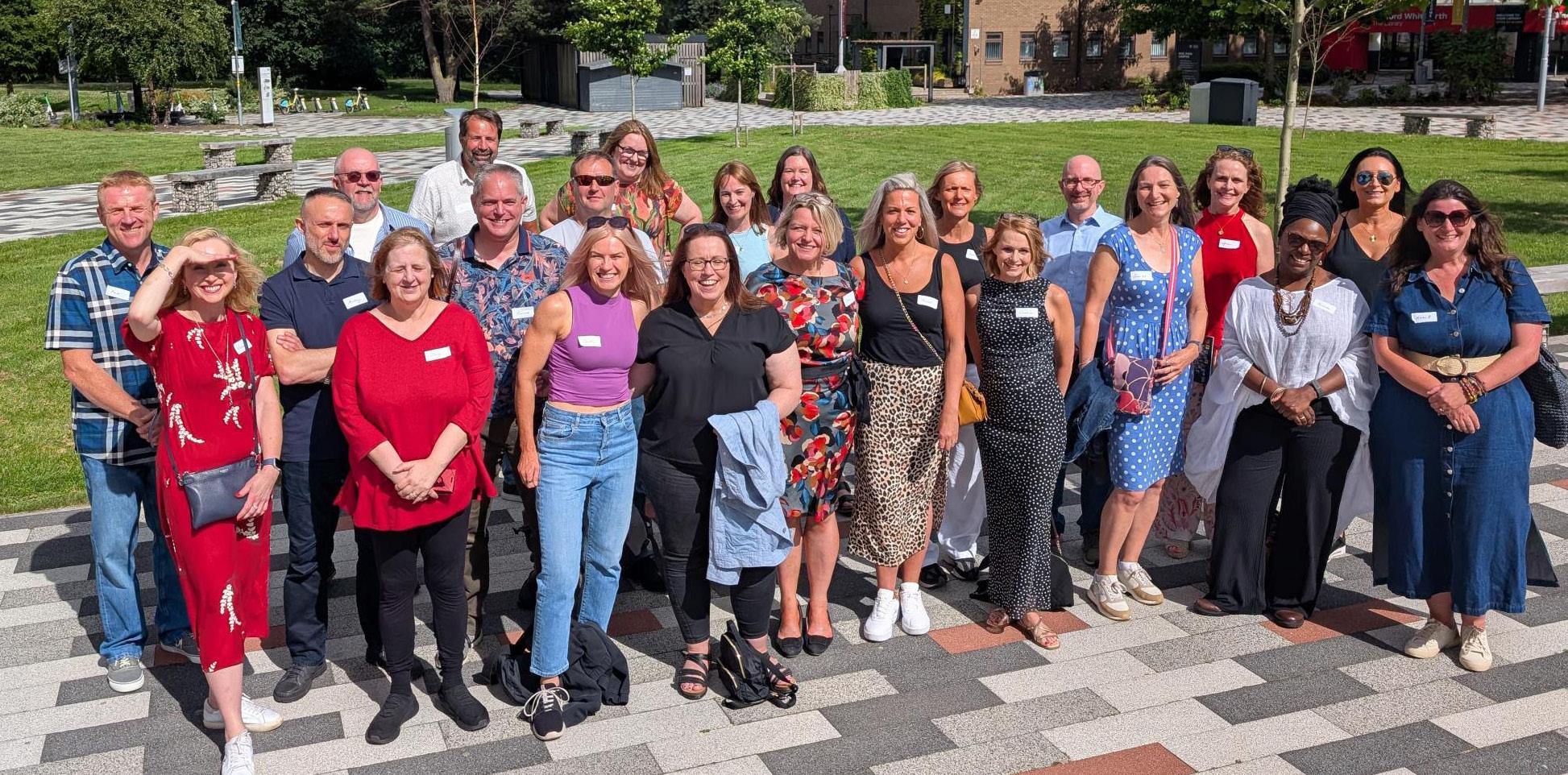
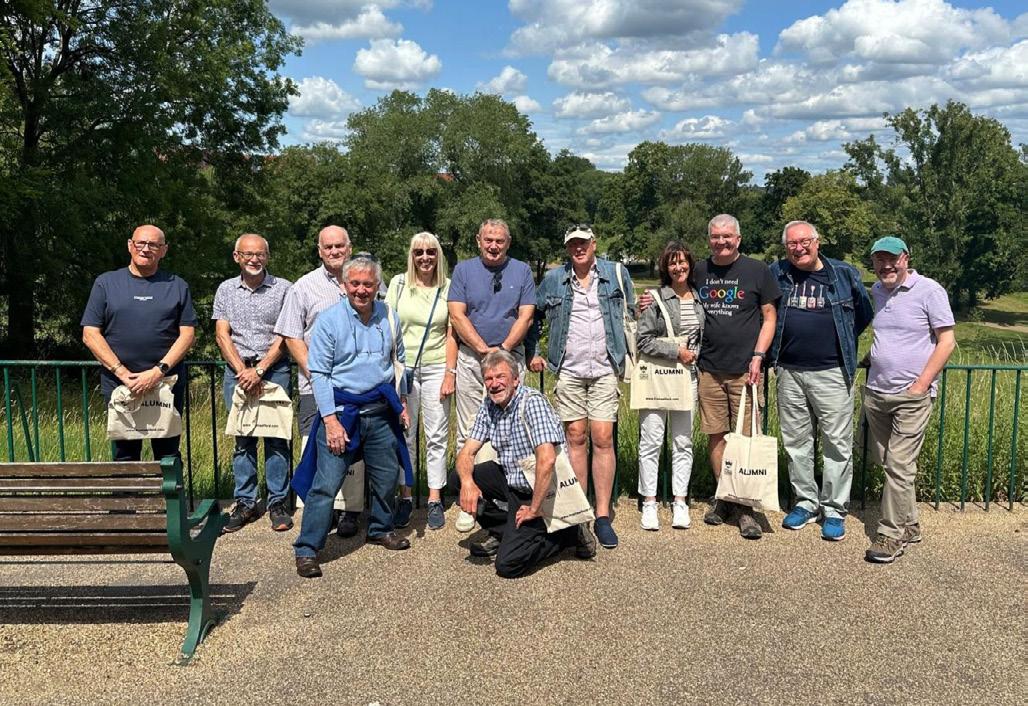
This summer, Salford welcomed back groups of alumni celebrating milestone anniversaries since their graduation. From nearly 50 years after first meeting as students, to 30 years since completing their courses, their reunions were filled with warmth, laughter and a shared love of Salford.
The gatherings brought together graduates from different decades, courses, and corners of the world, all eager to reconnect, explore campus, and see how much had changed since their student days. But beyond the buildings and new facilities, it was the lifelong friendships that made these visits truly special.
One group returned to campus after nearly five decades. Some had stayed in touch, while others were reunited for the first time since graduation. Alumni travelled from across the UK and as far as Ireland and Germany, to relive memories and see the campus’s transformation.
Led by current student ambassadors, the group was struck by the modern facilities and how the campus has grown into a connected, welcoming community. “It has much more of a campus feel than in our day,” said one alum. “But what really made the day special was seeing old mates again.”
The Environmental Science graduates of 1995 also came together this summer, enjoying a nostalgic campus tour before continuing their celebrations off-campus. Rachel Winfield, who helped organise the reunion, fondly recalled favourite spots like University House, Peel Park, and the Maxwell Building, as well as the nowdemolished Telford building where many of them studied.
Rachel offered a heartfelt tip to current students: “Knock on the door of the person next door — they could end up being your friend 30 years later, like many of us have found.”
Inspired to plan your own reunion or visit? Contact the Alumni Engagement Team at alumni@salford.ac.uk




Salford has a special knack for sparking lasting connections. This year, alumni have shared their heartwarming stories of lifelong friendship, romance and mentorship that began on campus. Here we share just a few highlights.

Tell us about how you met.
We met during our second year of our Mechanical Engineering studies - on the back row of the B2 lecture theatre in the Newton Building. We ended up sitting next to each other and got chatting. We moved in the same circle for the next two years, then started dating after running into each other in the Conti Club.
Tell us about your life together after uni.
We married in 1989 and lived in Bristol, before moving to Boise, Idaho for Jon’s work. A few years ago, we became US citizens and are now happily retired and enjoying life, travelling, taking part in sports and volunteering.
My journey at Salford began with a pivotal phone call from Qazeem, a Student Ambassador who would become an invaluable friend. As an international student from Ghana, I needed a supportive environment. Qazeem provided exactly that, addressing all my concerns about university life, accommodation, and opportunities with genuine care and insight. His guidance inspired me to follow in his footsteps and become a Student Ambassador.
Tell us about your friendship after uni.
Our connection has evolved into a powerful professional and personal alliance. Today, Qazeem serves as a trustee for my charity, Anijie Global Foundation, as we extend operations to the UK.

How did you meet?
We met on the first day of the same course, shared some northern banter and playful jabs at each other, and later that day found out we were living in the same block of flats just one floor apart. We’ve been together ever since, pretty much. It was a proper meet-cute.
Tell us about your life together after uni.
We started a business together based on our shared passion for supporting emerging artists, called Short Supply. We have two border terriers together, and last year we got married 8 years to the day we met for the very first time in the Peel Building on campus.
How did you meet?
We met in 1973 when my flatmate fainted in the registration queue, and he helped her. Our relationship grew at the Tuesday night Discos. Our relationship survived my year abroad in Spain and Russia, and his sandwich course. We also survived him going to Aberdeen to work and me going to London after we graduated.
Tell us about your life together after uni.
I finally joined Rod in Scotland, and we married in 1978. We celebrate our 47th wedding anniversary this year. We now live in Sussex and have one daughter.
What is your advice for those looking for romance on campus?
There are plenty of opportunities if you are open and friendly— and if you have low blood sugar and feel faint!


We want to thank our alumni who have shared their Salford connections. You can read even more of their stories on our Graduate Voice blog: blogs.salford.ac.uk/ graduate-voice
If you have a story to share, we would love to hear from you. Please get in touch at alumni@salford.ac.uk.
Every year, hundreds of Salford alumni step forward as volunteers to give back with their time, expertise and lived experience. In the 2024/25 academic year, alumni volunteering reached new heights, with an inspiring wave of first-time volunteers and a growing community of repeat contributors helping shape the student experience and strengthen the University’s future.
The past academic year saw:
An incredible 1,067 volunteer hours donated across a wide range of activities
Whether you have an hour to spare or want to build a lasting connection with the University, there’s a way to contribute that fits your schedule and interests. Opportunities include:

/ Delivering guest lectures or talks to share your career journey and insights
385 alumni volunteers, with a remarkable 92% volunteering for the first time
/ Writing testimonials or blogs to inspire prospective students
/ Providing workintegrated learning
placements to offer valuable experience to students
/ Supporting events such as careers fairs, panels, or student competitions
/ Joining advisory boards to shape curriculum and strategy
121 alumni returned to volunteer more than once
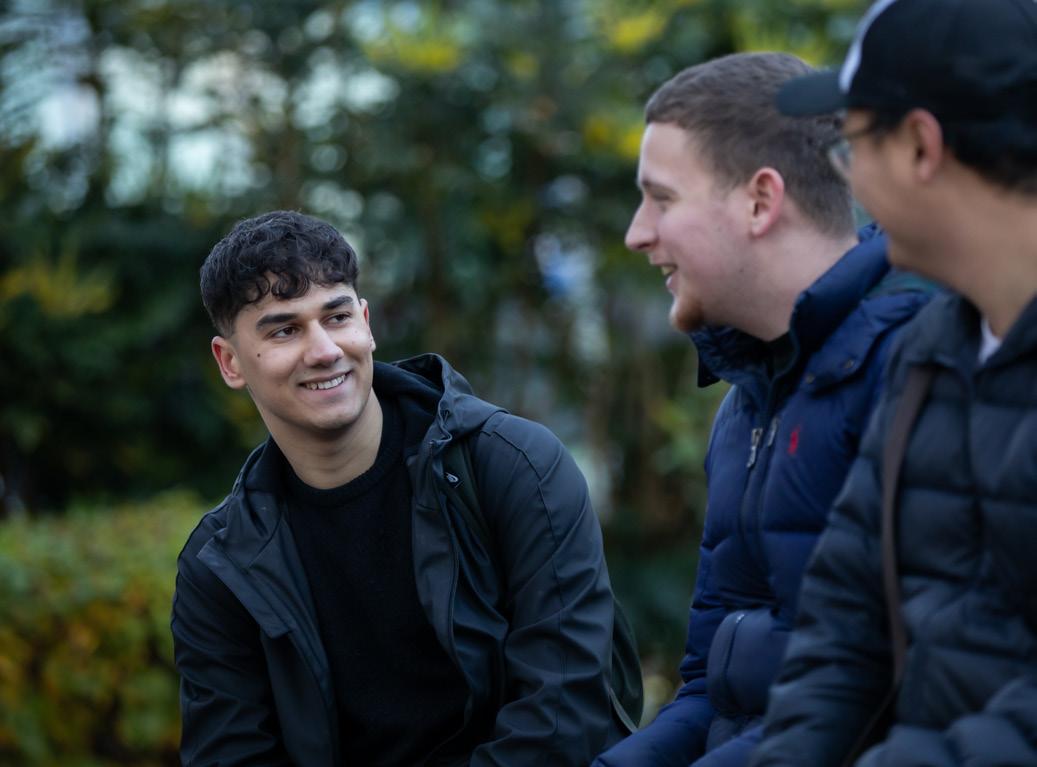
Our alumni are our most valuable ambassadors, role-models and connectors, and alumni contributions are more than just hours logged; they’re moments that spark ambition, build confidence, and open doors. Students gain access to real-world perspectives, industry insights, and networks that help them navigate their academic and professional journeys. The University benefits from alumni expertise that helps keep teaching relevant and connected to evolving industries.
And for alumni? Volunteering offers a chance to reconnect, reflect, and make a tangible difference in the lives of future graduates.
Whether you’re a seasoned professional or just starting out, your story matters - and it can make a lasting impact. If you’d like to explore volunteering opportunities, we’d love to hear from you.
Contact us today to get involved and help shape the next generation of Salford graduates alumni@salford.ac.uk
This year, we hosted two special events in London, each with its own unique purpose, yet rooted in the same values of building community, shared ambition and an unwavering belief in the power of education to change lives.
The first was a celebration held at the House of Lords, hosted by Vice-Chancellor Professor Nic Beech in the Cholmondeley Room overlooking the Thames. The evening brought together more than 100 guests from business, politics, the arts and beyond, alongside alumni, partners and supporters of the University.
At the heart of the event was a conversation about the role civic universities play in driving positive change, both regionally and nationally. One of the highlights was hearing from Aeronautical Engineering student Serena Akudolu Peters, a Gerry Mason / Morson Scholar, who spoke with Chancellor Lucy Meacock about her time at Salford and her hopes for the future. Cat McCusker from PwC also addressed the room, describing Salford as “a national example of best practice” when it comes to innovation, civic leadership and collaboration. It was an inspiring evening that showcased the University’s values in action.
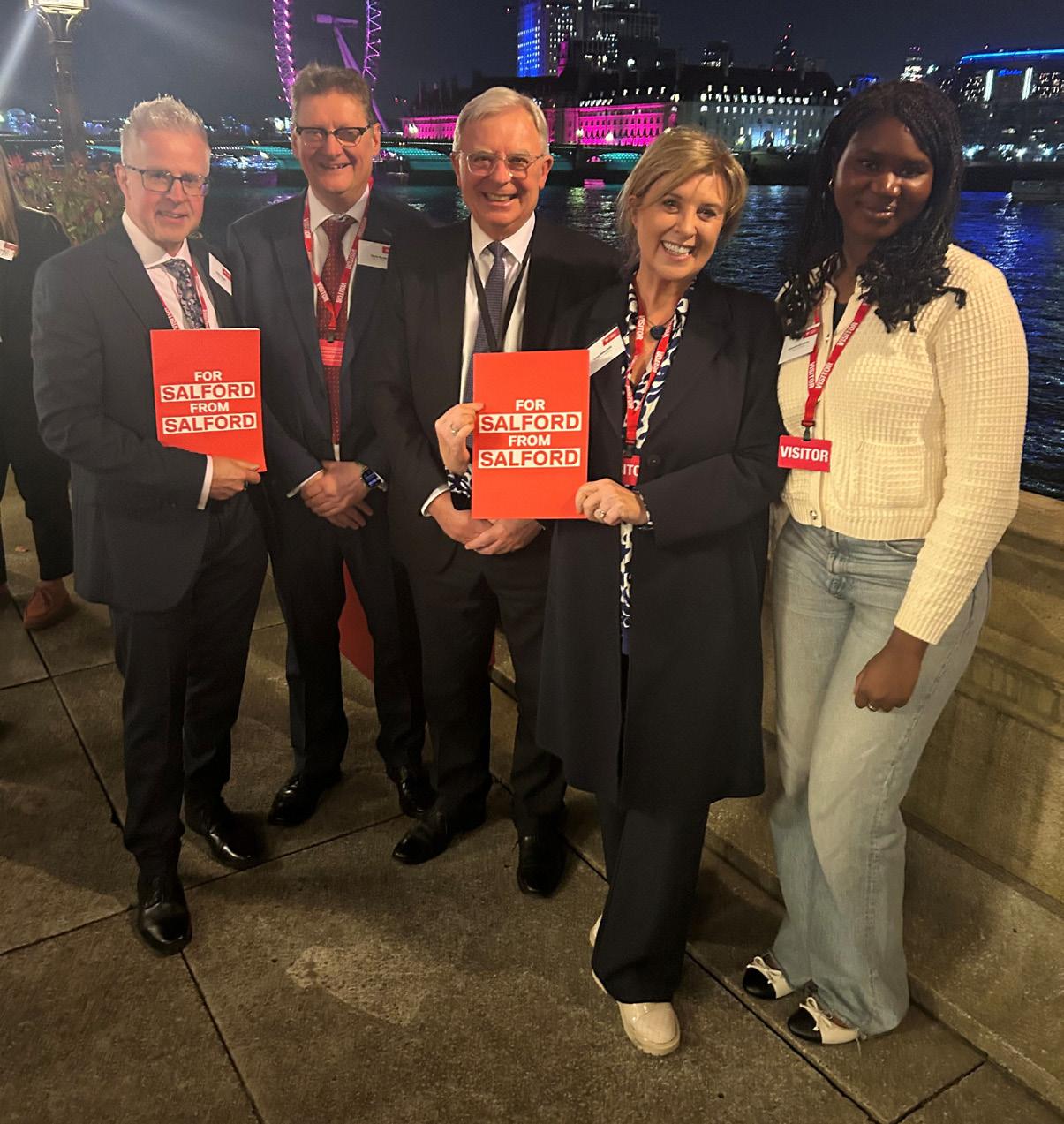
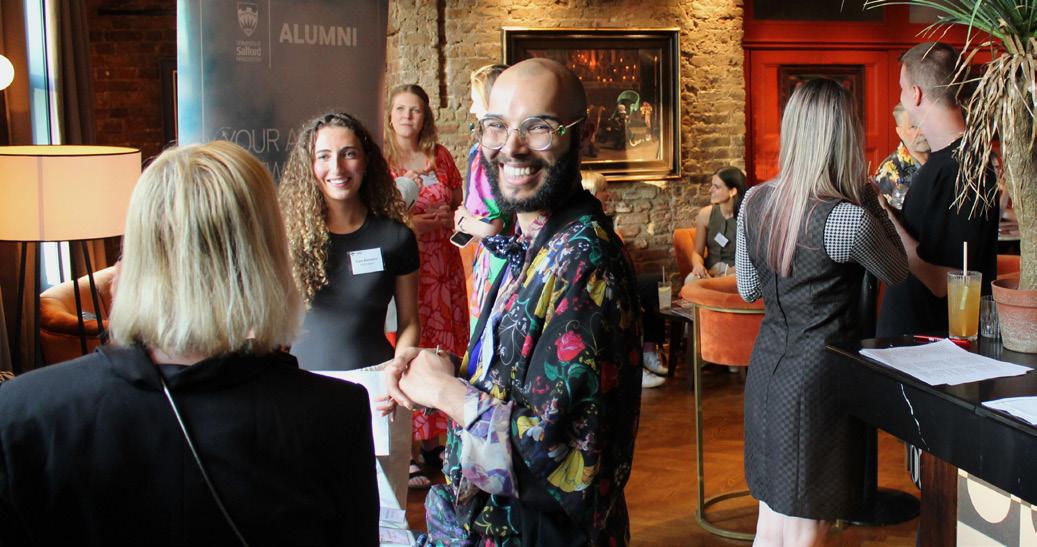
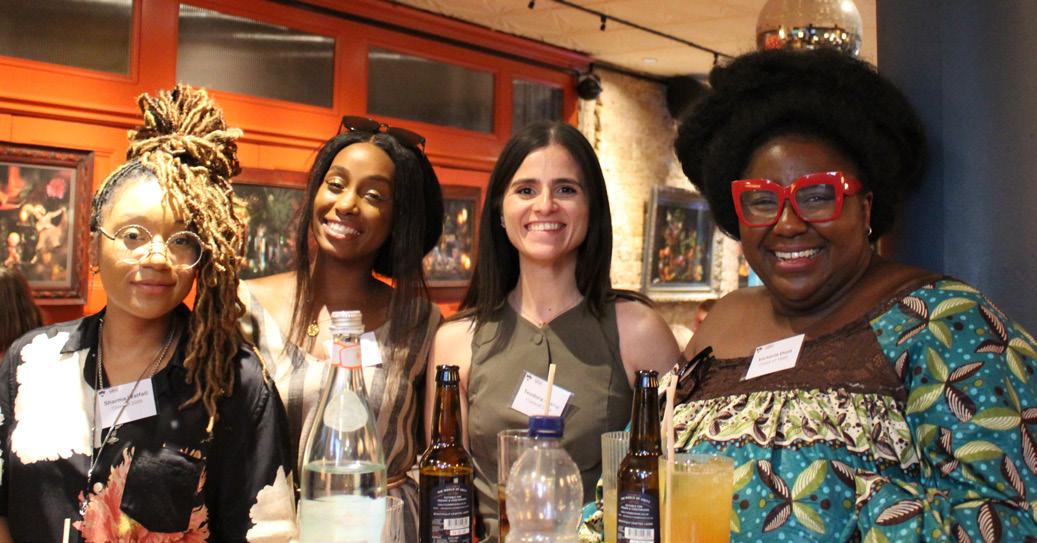
Later in the year, we also hosted an informal alumni meetup at the Century Club in Soho, bringing together graduates from a range of industries for a relaxed evening of networking, stories and connection.
Dr Pradeep Passi, Pro Vice-Chancellor for Social Justice and Equity, gave a warm and passionate update on our ongoing commitment to widening participation. There was plenty of laughter too, as alumni swapped memories of their time at Salford — from unforgettable gigs at Maxwell Hall (including the legendary Sex Pistols), to the quirks of student accommodation in decades past. One alumna from the 1970s recalled arriving at her temporary accommodation to find five mattresses on the floor and no bathroom. Quite the contrast to today’s modern student living!
Both events marked an exciting step forward in growing our London alumni network. They reminded us of the strength of the Salford community and the impact we can have when our community comes together.
The Salford Digital Archives open a window onto student life from the late 1940s through to the 1970s, capturing the voices, creativity and everyday experiences of generations of students. For alumni who were there, these pages may hold familiar names, faces, or even your own words and artwork. For younger readers, it’s a chance to experience the sights, sounds and stories of Salford student life long before social media.
Before the days of websites and Instagram, handbooks were the essential guide to student life. From freshers’ advice to society listings, these booklets give us a glimpse into what it was like to start your Salford journey in the 1950s and beyond.
Some of the most eye-catching pieces in the collection are handdrawn posters and leaflets created by student societies. They show the passion and creativity that fuelled events, gigs, campaigns and clubs – the kind of grassroots energy that gave Salford its community spirit.
These publications capture the heartbeat of student opinion, debate and culture. The earliest, Colunion (1947–1950), was followed by Amus News (1961–1971) and The Gazette (1972–1981). Each issue shines a light on what students were talking about, protesting, celebrating or challenging at the time. It’s important to note that some content reflects outdated and offensive attitudes. The University makes these materials available not to excuse them but to help us learn from the past and build a more inclusive future.
Produced between 1977 and 1981, this journal covered all things sport at Salford. From football and cricket to mountaineering, ice-skating, sailing, rowing, karate, hockey and netball, its pages are packed with match reviews, scores and letters to the editor. Most issues date from 1977–78, when the energy of student sport was at its peak. Flicking through, you can almost hear the cheers on the sidelines and the post-match banter.
The Salford Digital Archives bring together these fascinating records so we can celebrate our student heritage, spark conversations about change, and appreciate how far we’ve come. Explore the archive at salford.ac.uk/ student-union-archives or scan the QR code.
We’d love to grow this collection even further. If you’ve held onto any publications, posters, photos or keepsakes from your student days, we would love to hear from you at alumni@salford.ac.uk

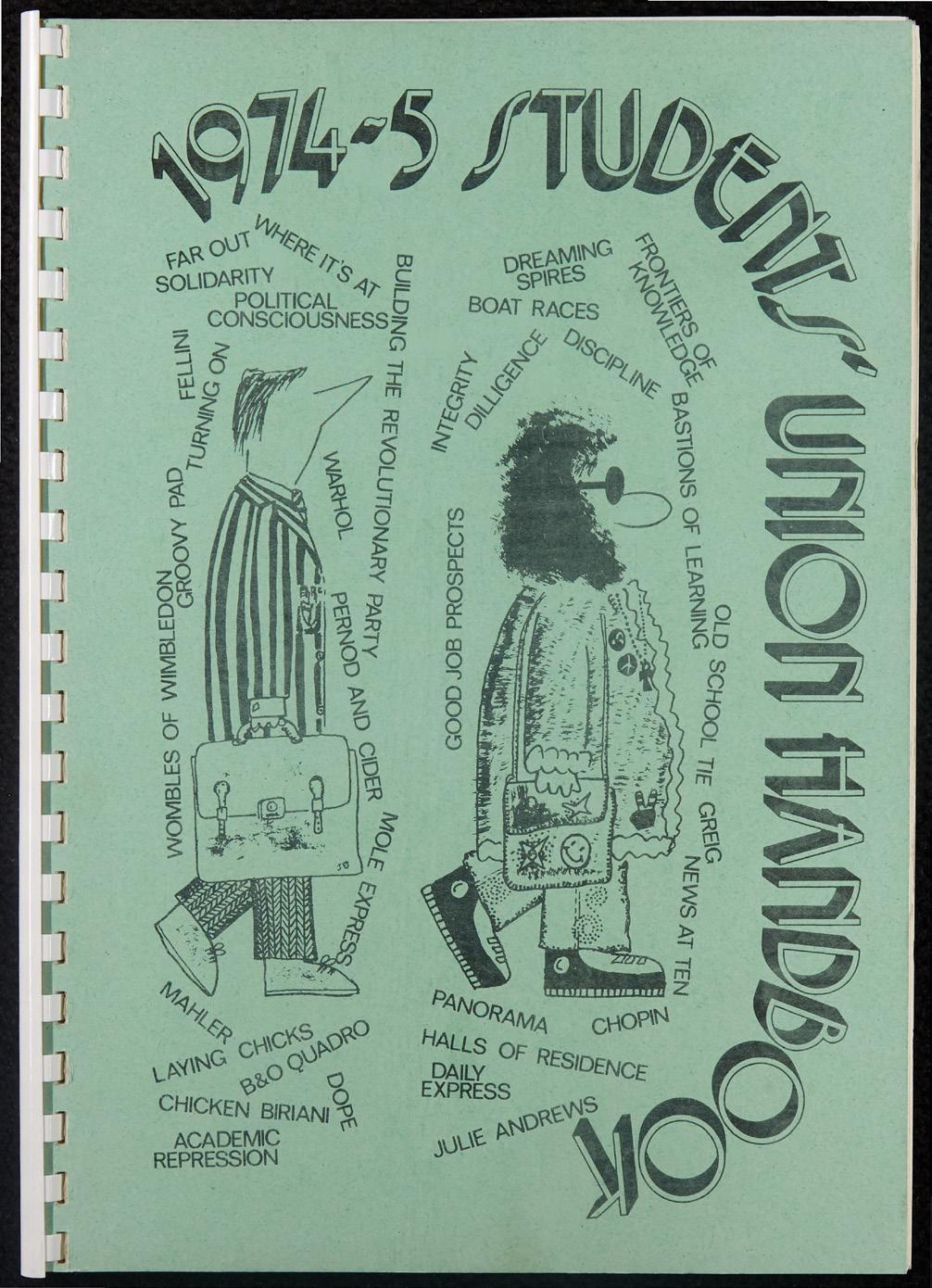

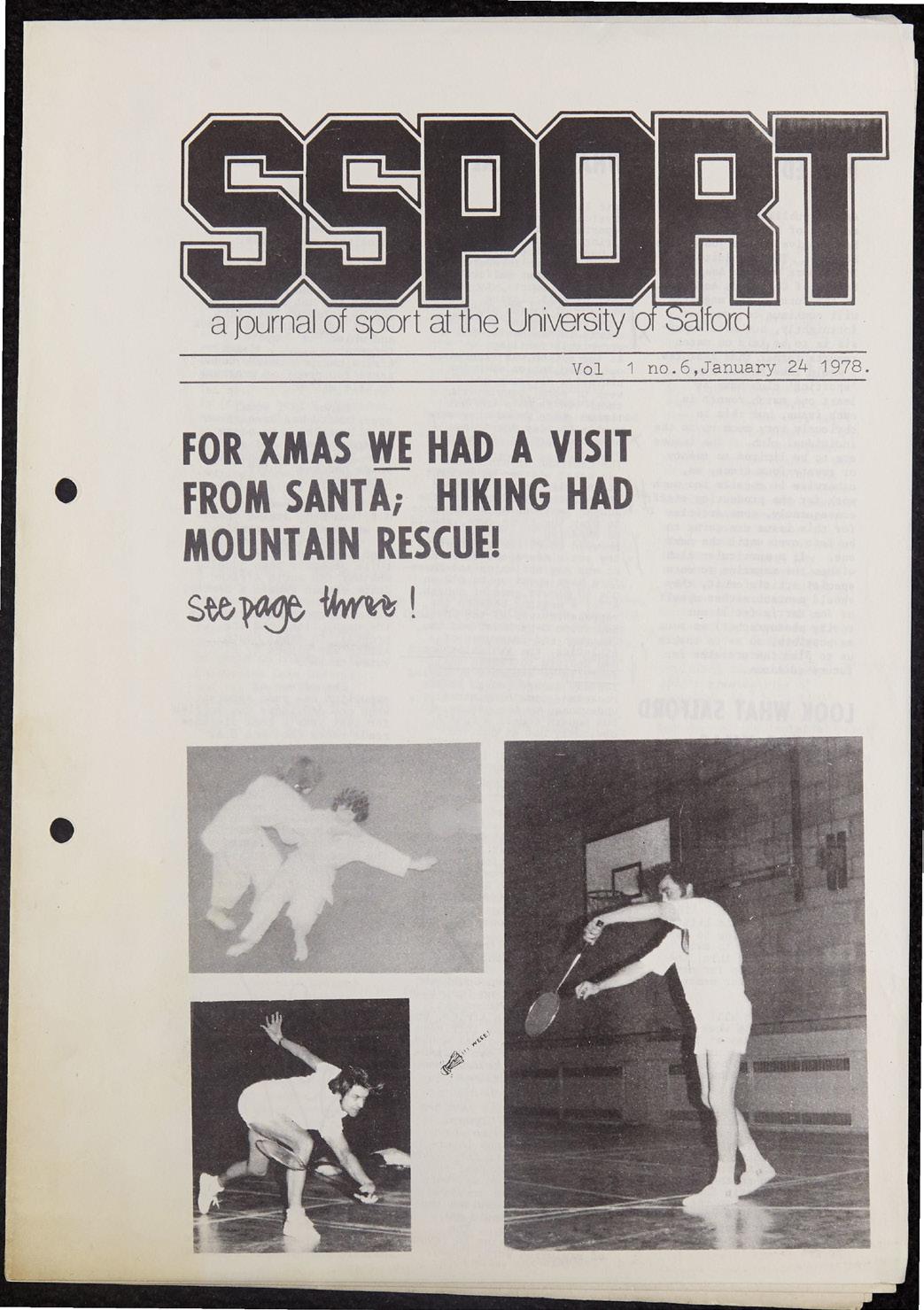




Third issue. Magazine of the Students Union of the Royal Technical College, April 1949

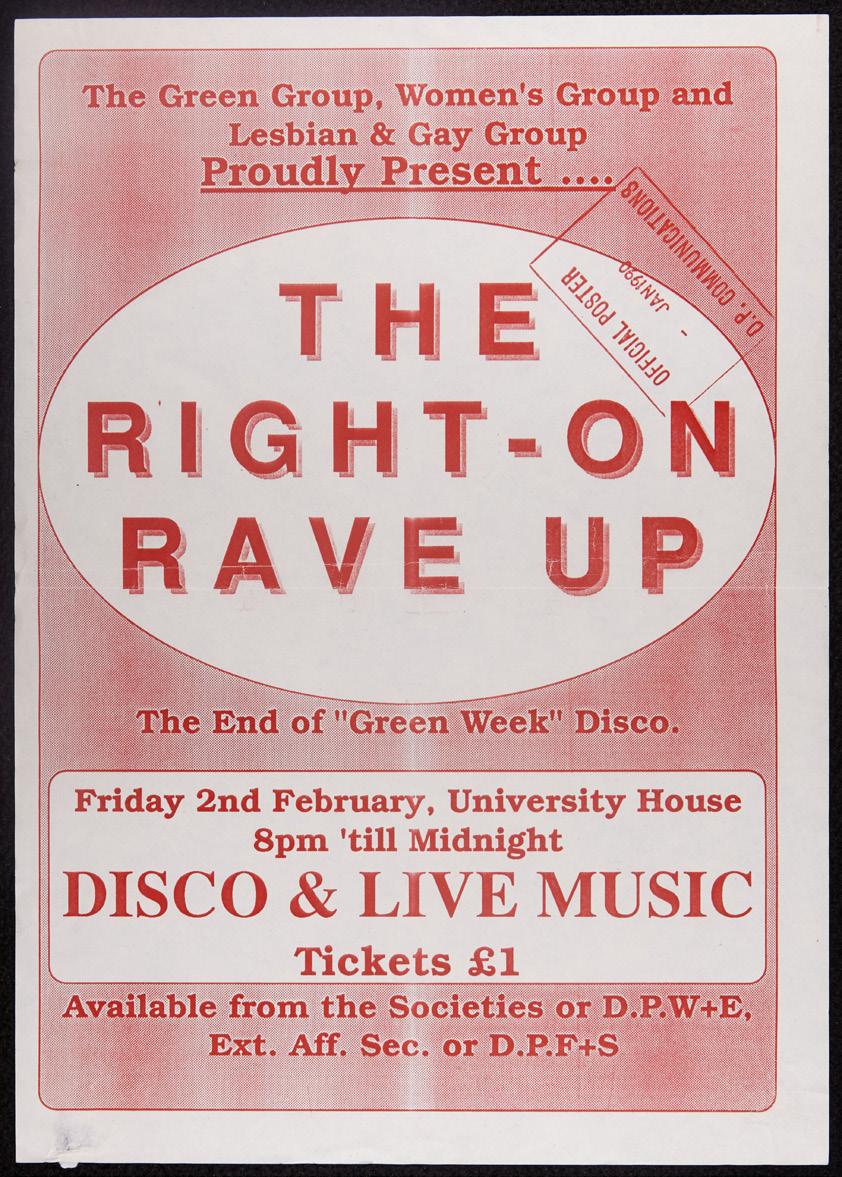



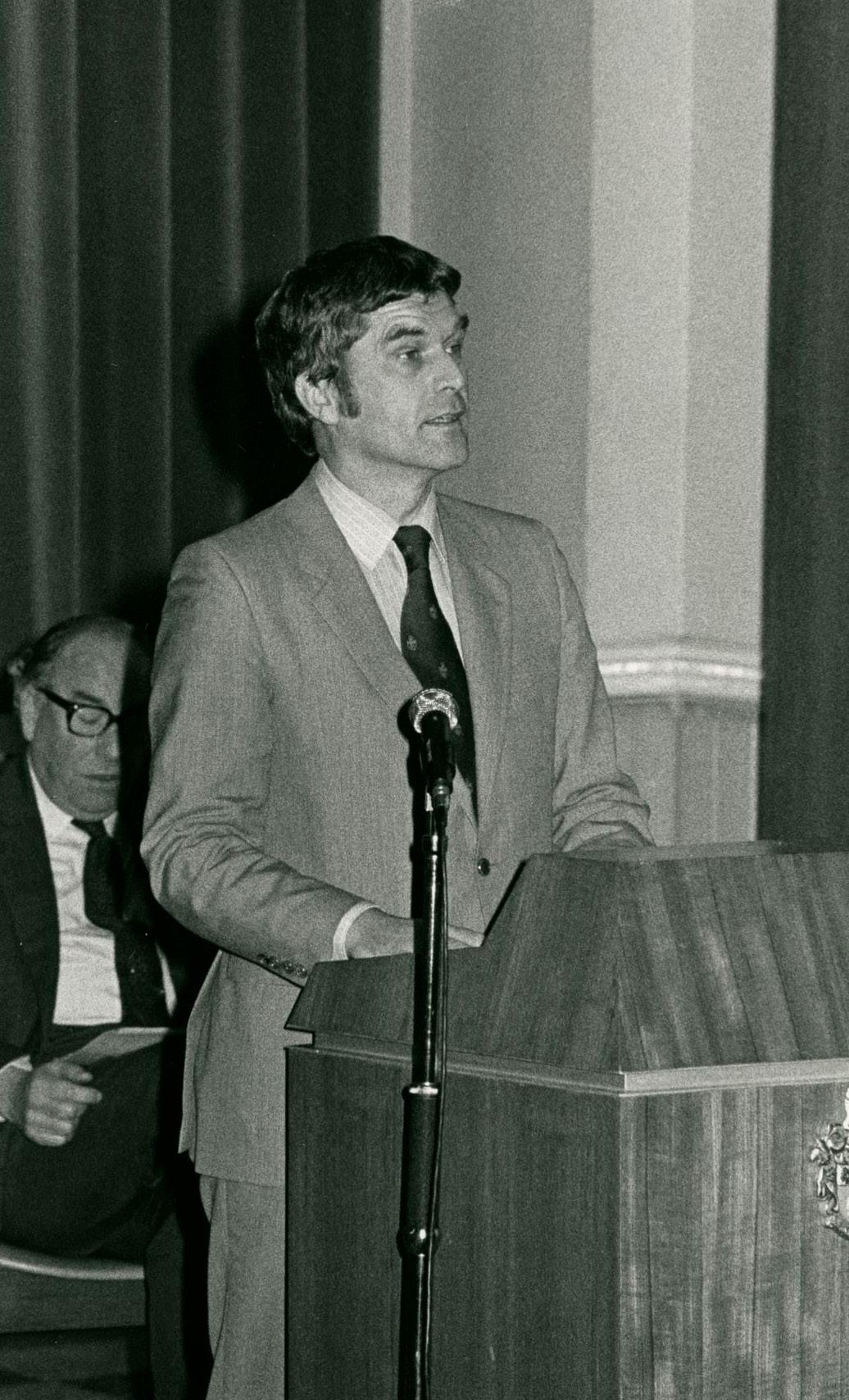
FORMER VICE-CHANCELLOR
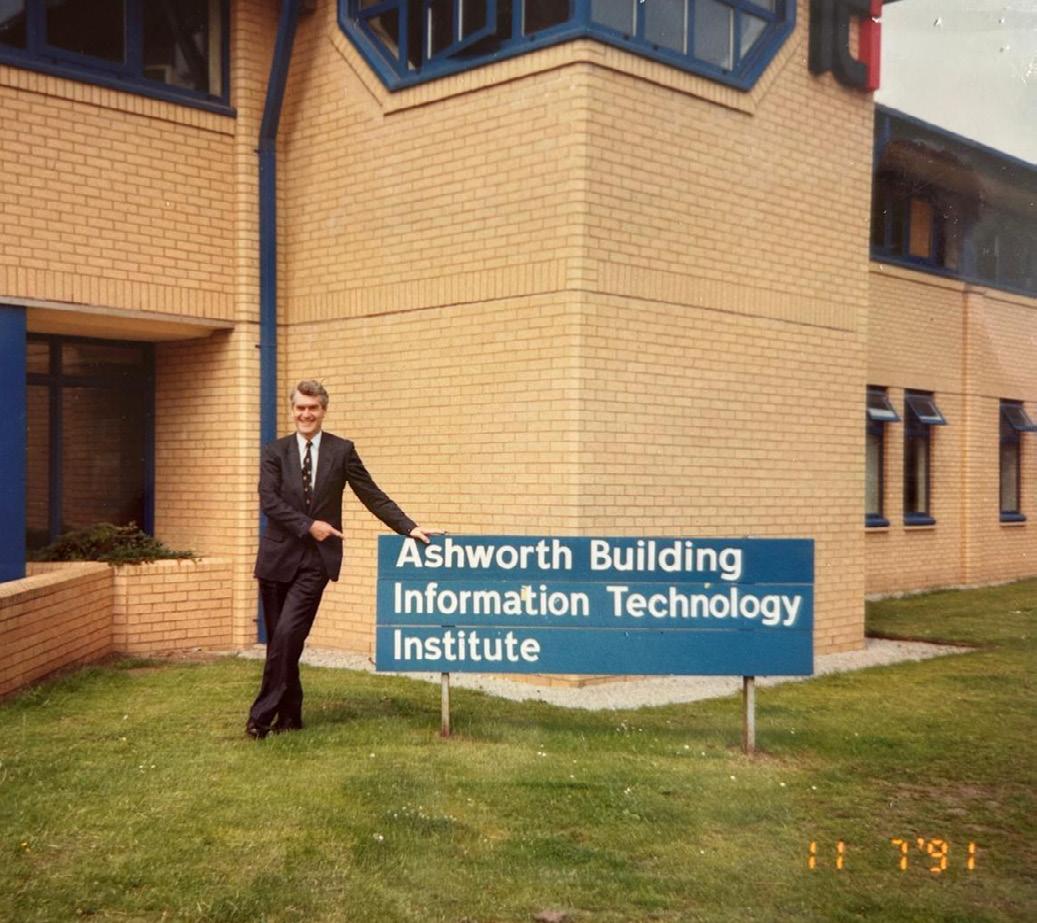
We are saddened to share the news that Professor Sir John Ashworth, former Vice-Chancellor of the University of Salford, passed away on 3 March 2025 at the age of 86.
Sir John led the University from 1981 to 1990, arriving during one of the most challenging periods in UK higher education. He took up the role shortly after a Conservative government, led by Prime Minister Margaret Thatcher, announced unprecedented funding cuts to universities. In 1981, the University Grants Committee revealed that Salford faced a 44% reduction in funding and would need to reduce student numbers, creating a potential deficit of £6.5 million and low staff morale.
Despite this, Sir John provided steady, visionary leadership. Under his stewardship, Salford became less dependent on government funding and forged closer links with industry. Initiatives included CAMPUS, a supporters’ club connecting the University with corporate and industry partners, the development of the Industrial Centre, and new research grants. By 1984–85, 30% of the University’s income came from external sources—a major increase from 16% in 1981—helping reduce the projected deficit of over £8 million to just £256,000.
Cost-saving measures included an early retirement scheme, course reductions, and the demolition of the Chemistry Tower. New developments included the Information Technology Institute, opened by Margaret Thatcher in 1988, the Advanced Robotics Research Centre, and Salford University Business Services, which became the largest university consultancy company in the country. The University also pioneered ‘Integrated Chairs,’ allowing academics to split their time between the University and industry partners, further strengthening ties with the external world.
Before joining Salford, Sir John had already built a distinguished scientific and public service career. He completed his PhD in Biochemistry at Leicester University and became known for his pioneering research in cell biology. In 1976, he joined the UK Cabinet Office as Chief Scientific Adviser and later served as an undersecretary.
Following his time at Salford, Sir John became Director of the London School of Economics, continuing to champion academic excellence. He later served in senior roles at the British Library, the Institute of Cancer Research, Barts and the London NHS Trust, and as President of the Council for Assisting Refugee Academics.
Sir John never lost his affection for Salford. In 1991, he returned to visit the Ashworth Building, named in his honour. His daughter Emily recalled, “Dad had a huge fondness for Salford University. He always talked about it with great affection.”
Outside of work, he was deeply involved in his local community of Wivenhoe and remained passionate about sailing throughout his life. Sir John was knighted in 2008 for his outstanding public service. He is remembered as a thoughtful leader, a supportive mentor, and someone who truly believed in the power of education to change lives. His legacy at Salford will be felt for generations to come.

The severe funding cuts of the early 1980s did not go unchallenged. Salford students were deeply affected, and they responded with organised activism that reflected both concern for their education and solidarity with staff. In a leaflet titled Towards a New University, the Students’ Union endorsed “Choice 3,” supporting closer engagement with industry and external funding—showing a pragmatic recognition of the University’s financial pressures.
Salford students also led the way for protest across the North-West. On 17 October 1981, a March for Education set off from Irwell Place car park, drawing students alongside prominent trade union figures including Arthur Scargill, local MP Frank Allum, and Neil Kinnock. The demonstration highlighted the widespread opposition to cuts and the potential impact on academic jobs and opportunities.
Perhaps the most striking moment came on 15 January 1982, when Prime Minister Margaret Thatcher visited the University to open the Industrial Centre. Around 300 students staged a silent vigil, dressed in black, carrying black flags and a coffin. They reportedly turned their backs as the Prime Minister emerged, a “vigil of mourning” for what the Students’ Union described as the “imminent death of Salford University, of higher education, of educational opportunities and of thousands of jobs.” The protest remains a powerful symbol of student engagement and the high stakes faced by the University community during this challenging period.
Each year, the University of Salford awards honorary degrees to individuals of distinction. Our honorary graduates are recognised for their outstanding achievements in public life, industry, culture, voluntary service or science, or for their significant contribution to the University itself. These awards celebrate people who embody Salford’s values and whose work has made a lasting impact on society.
At our Winter Graduation ceremonies in 2024 and Summer Graduation in 2025, we were proud to welcome a new group of honorary graduates. Their achievements and contributions truly reflect the spirit of Salford.
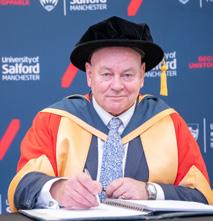
Eamonn John Boylan OBE - Doctor of Business Administration honoris causa
Eamonn is a dedicated public servant with over four decades of leadership across Greater Manchester, driving major initiatives in transport, innovation, and local government. His visionary work, including the creation of the Bee Network, has transformed regional connectivity and earned him an OBE for services to local government.
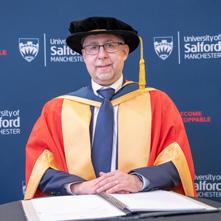
Justin Kelly – Doctor of Business Administration honoris causa
Justin is the CEO of Glass Futures, leading global innovation in sustainable materials and manufacturing. His influential career spans executive leadership, responsible business, and advocacy for technology, education and environmental progress.
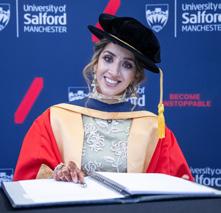
Ria Meera Munshi - Doctor of Arts honoris causa
Ria is a multi-award-winning dancer, entrepreneur, and alumni volunteer whose work blends Indian cultural heritage with contemporary innovation. Her ongoing support for the University of Salford — from mentoring students to judging competitions — continues to inspire and uplift the university community.
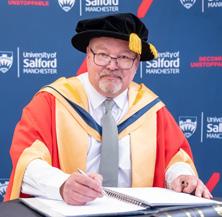
Sean O’Hara - Doctor of the University honoris causa
Sean is a seasoned commercial leader and former Deputy Chair of the University of Salford Council, where he played a key role in shaping the university’s strategic direction and financial resilience. His dedication to higher education and student experience has left a lasting legacy across the Salford community.
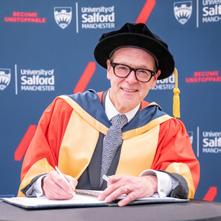
Lord Simon McDonald - Doctor of the University honoris causa
Lord McDonald is a Salford-born diplomat and former Head of the UK Diplomatic Service, with a career spanning key ambassadorial roles and senior leadership at the Foreign and Commonwealth Office. Now a life peer and Master of Christ’s College, Cambridge, he is widely respected for his insight into global affairs and public service.
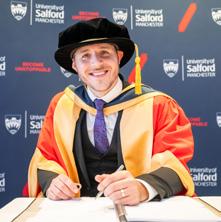
Ben Andrews – Doctor of Science honoris causa
Ben is a passionate advocate for disability inclusion and founder of Beyond Empower, a social enterprise helping disabled people lead healthy, active lives. His award-winning work in health, accessibility, and education continues to drive meaningful change across Greater Manchester and beyond.
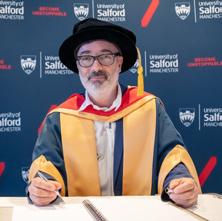
Craig Easton - Honorary Fellow
Craig is an internationally acclaimed photographer whose powerful portraits and landscapes explore themes of identity, social justice, and cultural history. His award-winning work is celebrated for its emotional depth, narrative richness, and commitment to amplifying underrepresented voices.
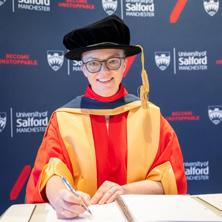
Jeanette Gamble - Doctor of Business Administration honoris causa
Jeanette is a global technology leader and Managing Director at Morgan Stanley, known for her trailblazing career in data infrastructure and her advocacy for diversity in tech. Her commitment to mentoring, innovation, and responsible business has earned her international recognition and a lifetime achievement award for empowering women and girls in STEM.
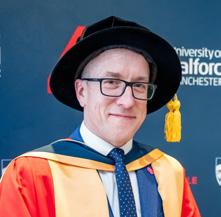
Tom Stannard - Doctor of the University honoris causa
Tom is Chief Executive of Manchester City Council, leading one of the UK’s largest and most dynamic cities with a focus on inclusive growth and public service excellence. His nationally recognised leadership in regeneration, health, and economic development continues to shape Greater Manchester’s future.
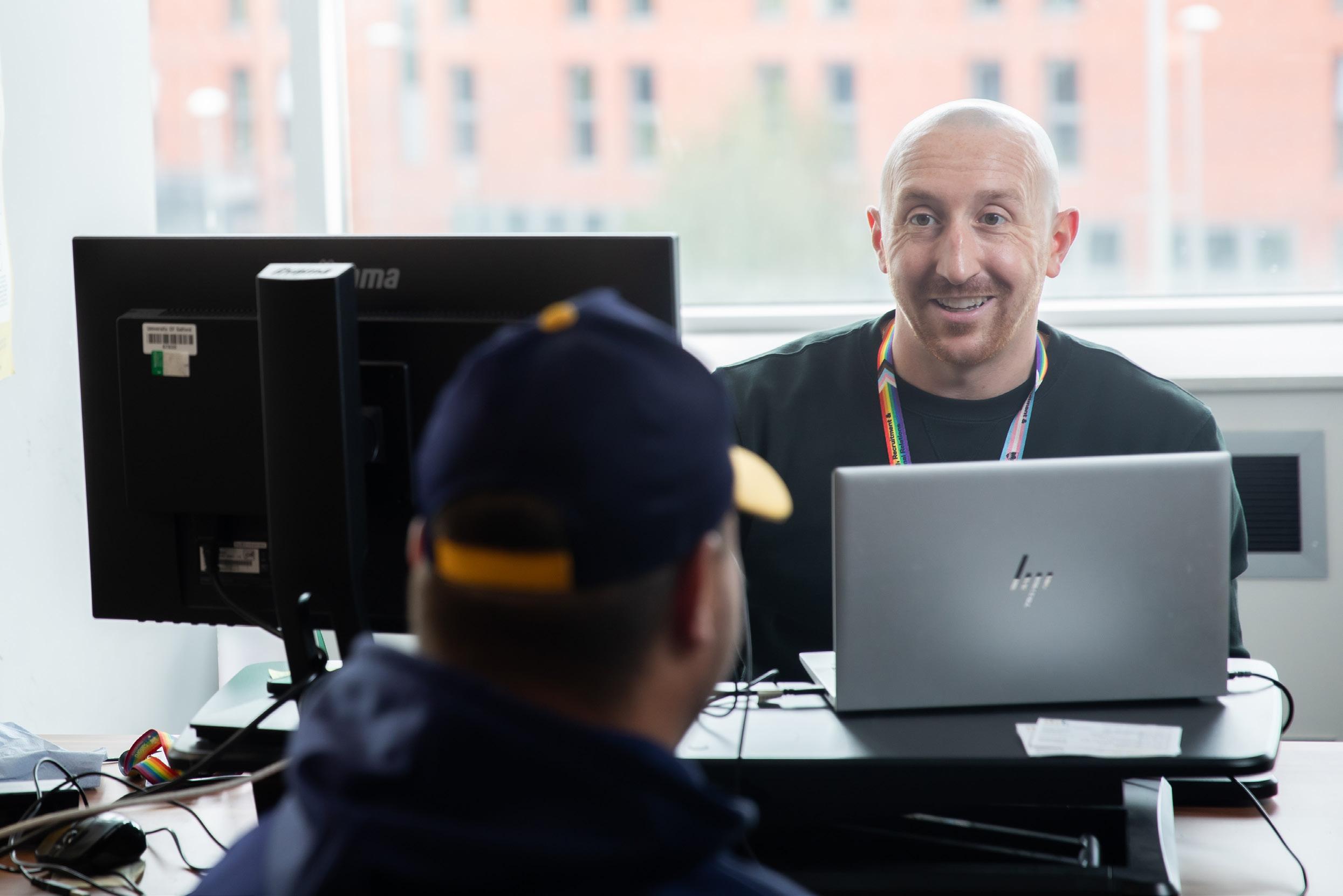
At Salford, your journey doesn’t stop at graduation. You are part of our community for life, and that means our Careers and Enterprise Service is always here for you. Whether you’re aiming for a promotion, planning a career change, or dreaming of starting your own business, we’ll help you make it happen.
Here’s how we can support you:
/ One-to-one appointments with our expert careers advisers
/ Weekly live workshops on CV writing, interview skills, networking, working for yourself and more
/ Exclusive access to our graduate vacancy portal
/ Engaging employability events including careers fairs and employer pop-ups
/ Mock interviews and personalised CV feedback
/ Graduate Gateway: a three-day employability programme every August, packed with skills sessions and recruiter insights
/ Santander Universities Employability Programme (available to graduates within the last three years)
/ Funding opportunities to support your career goals, start-up or project
If you’d love to be your own boss, set up a social enterprise, or work freelance, we’ll help you get your idea off the ground. Employers value entrepreneurial thinking, and our enterprise offer helps you develop just that.
What’s on offer:
/ One-to-one mentoring with an Enterprise Adviser
/ Start Up School: a full day of workshops, discussions, and guest entrepreneur panels
/ Pre-recorded masterclasses on business planning, market research and pitching via LinkedIn Learning
/ Weekly workshops in-person, online and through LinkedIn Learning
/ A monthly newsletter with the latest enterprise news and events
We know careers aren’t always straightforward. That’s why this support is lifelong. Whether it’s been three months or thirty years since you graduated, we’re still here for you.
Find out more at salford.ac.uk/careers/support/our-offer-toyou/graduates-and-alumni
Graduating doesn’t mean saying goodbye. As part of our alumni community, you can keep enjoying exclusive benefits designed to support your career, studies and wellbeing.
From CV workshops and careers fairs to business start-up advice, our Careers team offers lifelong support to help you land your next big opportunity.
Alumni get 20% off most postgraduate courses – whether you’re aiming for a master’s or PhD. With flexible and part-time options, you can study your way.
Our online alumni hub helps you grow your network, find a mentor, join groups, promote your business and access academic journals.
Discounted health clinics
Alumni can access a range of reduced-rate clinics run by the School of Health and Society. You’ll benefit from professional supervision while giving students the chance to practice their skills.
Update your details and we’ll keep you posted with the latest news, events and volunteering opportunities.
Discover all the benefits and services available at salford.ac.uk/alumni/benefits-services
This edition of From Salford was printed in December 2025. /salfordalumni @SalfordAlumni Search University of Salford. Join Salford Alumni (Official) group
Philanthropy, Alumni and Supporter Engagement
The University of Salford 35-36 Crescent Salford M5 4PF
alumni@salford.ac.uk 0161 295 4265