Víctor Hugo Alcocer Yamanaka Comisión Nacional del Agua
Erick R. Bandala González Desert Research Institute, EE. UU.
Benito Corona Vázquez udlap
Johanness Cullmann World Meteorological Organization Geneva
Carlos Díaz Delgado Centro Interamericano de Recursos del Agua, uaem
Carlos Escalante Facultad de Ingeniería, unam
Matthew Larsen Smithsonian Tropical Research Institute, EE. UU.
Humberto Marengo Mogollón Instituto de Ingeniería, unam
Einar Moreno Quezada udlap
Carlos Patiño Gómez udlap
Sofía Ramos University of Arizona. EE. UU.
María Elena Raynal Gutiérrez udlap
José Ángel Raynal Villaseñor udlap
José D. Salas Colorado State University, EE.
Jim Thomas Desert Research Institute, EE.
Juan Valdes University of Arizona, EE. UU.
Urban and rural areas experience important water challenges. On the one hand, there are cases of excess precipitation requiring the rapid quantification of damages and the quick recovery of infrastructure; on the other hand, there are droughts that raise the price of the vital resource and generate public health problems. In both cases, to mitigate the risk, the option of acquiring insurance is available.
In anticipation of the 2018 Mexico Household Income and Expenditure Survey (enigh, for its Spanish acronym),
we can contrast the results of the previous study with the rates that insurance companies such as Afirme, Banorte, Banco del Bajío, Royal & Sun Alliance, Inbursa, Banamex, Santander, hsbc, and bbva Bancomer offer in terms of household insurance.
Although all insurers include coverage of hydrometeorological risks, careful reading of the general coverage conditions is recommended before contracting any service as the insurance’s characteristics and conditions will be described therein.
Dr. Einar Moreno Quezada
In accordance with the comparative tables published by the National Commission for the Protection and Defense of Users of Financial Services (condusef), the following information is available for 2017:
The 2016 ENIGH results estimate that in Mexico, there are 33.5 million households with an average of 3.7 inhabitants, 23.2% of which reside in rural areas and 76.8% in urban areas. To show the household income, the total figure was divided into 10 equal parts, obtaining the following distribution:
As shown in the table, in some cases, changing the risk area mean more than doubles the cost of the policy (Casa Afirme) although there are also cases with no cost differences (Inbursa and bbva Bancomer). On average, the annual cost to acquire household insurance is $8,890 pesos for a home with a value of up to $1,500,000 pesos. 3.3
Source: ENIGH 2016.
Considering the average annual cost of $8,890 to acquire household insurance, the percentages that each decile of households would have to allocate from their current total annual income would be the following:
percentage of total annual household income to acquire home insurance
Source: Created by the authors with data from the 2016 enigh and 2017 condusef
Each decile represents 3.35 million households in our country; hence, more than 10 million would have to allocate more than 11% of their total income to insure their home. The percentage reaches of 27.22% for the decile with the lowest income. Households that would have to allocate more than 11% of their total annual income are unlikely to actually do so, not due to the lack of awareness or low risk aversion but to insufficient disposable income.
23.2% AREAS AREAS reside in rural reside in urban 76.8%
Now, let’s observe the behavior of expenditure percentages and categories per household according to the same 2016 enigh:
Let’s now look at the same expenditure terms but by state—the annual percentage for home insurance acquisition per household, considering the same average insurance cost:
The table above considers an average annual expenditure of $112,572 at the national level; hence, the insurance cost of $8,890 previously observed represents an average allocation of 7.9% per household. Of course, the average is only a reference data that does not allow us to delve into the problem.
Source: Created by the authors with data from the enigh (2016) y condusef (2017).
THE COLLECTION MECHANISMS CAN EVEN BE INSTITUTED USING ALREADY ESTABLISHED CONTRIBUTIONS SUCH AS PROPERTY TAX PAYMENTS OR PAYMENTS THROUGH DRINKING WATER AND SEWAGE COMPANIES.
The table above shows 18 states that are above 7.9% of the national average, with Chiapas even going up to 13.7%. In addition to Chiapas, the states of Veracruz, Hidalgo, Guerrero, and Oaxaca exceed 10%.
It is time for insurers to offer products that consider customized coverage, that is, those that address risk mitigation specifically concerning the customer. Thus, insurance company products will be more competitive in terms of price, maximizing the possibility for the customer to be mainly protected from the impact of hydrometeorological phenomena.
In public policy matters, federal, state, and municipal governments can take action by budgeting for the acquisition of insurance that covers hydrometeorological risks of communities, cities, or entire regions. A funding option for this type of initiative could consider joint participation between the society and the government. The collection mechanisms can even be instituted using already established contributions such as property tax payments or payments through drinking water and sewage companies.
The population’s low purchasing power to contract household insurance that considers weather risks should be sufficient reason to calibrate the insurance available. Currently, home insurance includes general coverage for the following:
FIRE AND/OR LIGHTNING (BUILDING AND CONTENTS)
EXTENDED COVERAGE (BUILDING AND CONTENTS)
HYDROMETEOROLOGICAL PHENOMENA (BUILDING AND CONTENTS)
THEFT OF JEWELRY AND/OR ITEMS THAT ARE DIFFICULT TO REPLACE
EXTRAORDINARY EXPENSES (BUILDING AND CONTENTS)
GLASS BREAKAGE (BUILDING AND CONTENTS)
THEFT OF CONTENTS
THEFT OF JEWELRY AND/OR ITEMS THAT ARE DIFFICULT TO REPLACE
CASH
AND
SERVICES
EARTHQUAKE AND VOLCANIC ERUPTION (BUILDING AND CONTENTS)
WATER AND THE FOURTH INDUSTRIAL REVOLUTION
Participation in an international forum organized by UNESCO
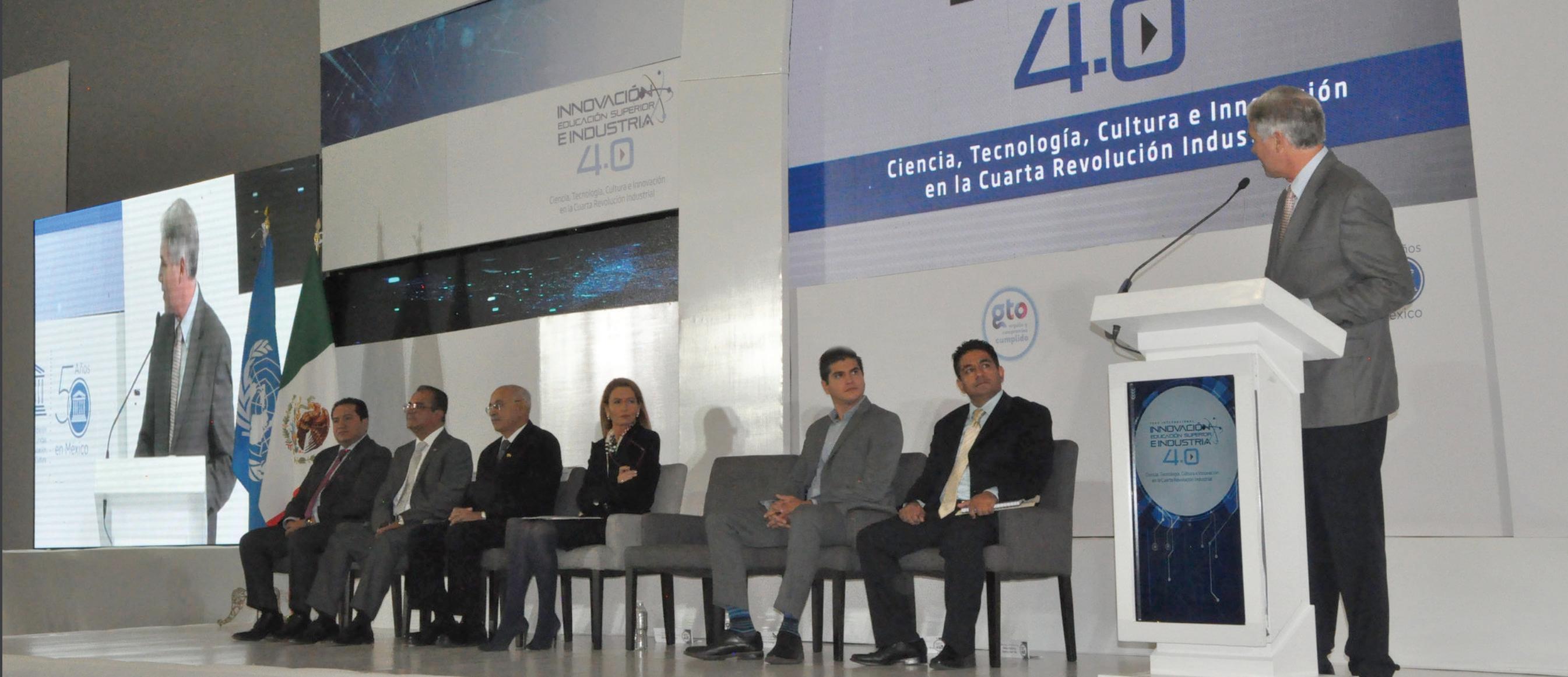
From August 27 to 29, the International Forum on Public Policies for Innovation 4.0 was held in the city of León, Guanajuato, where the impact of the fourth industrial revolution on human beings and on various aspects of society, the economy, and industry were analyzed.
The International Forum was co-organized by unesco and the Guanajuato state government and was attended by experts from various countries such as Canada, the United States, Spain, and India.
IN THE INTERNATIONAL FORUM ON PUBLIC POLICIES FOR INNOVATION 4.0, THE IMPACTS OF THE FOURTH INDUSTRIAL REVOLUTION WERE ANALYZED
In the workshop, a session on the impacts of the Industrial Revolution on water management was held, which was coordinated and moderated by Dr. Polioptro Martínez Austria, Professor at the udlap School of Engineering, and Director of the udlap-unesco Chair on Meteorological Risks.
Speakers included Dr. Exequiel Ezcurra, UC Mexus Director of the University of California; Dr. Nahún García Villanueva, Irrigation and Drainage Coordinator of the Mexican Institute of Water Technology; Víctor Bourguett, Manager of the Technical Advisory of conagua; and Dr. Carlos Patiño Gómez, Professor at udlap.
The importance of new water management technologies is reflected in the expected growth in demand, where many regions are already suffering from conditions of scarcity or overexploitation of water resources. For example, it is estimated that food production will have to double by 2050, while the overall demand for meat will increase by 50% by 2025–2030. The urban demand for water will also grow significantly, considering that the population will increase from 7.5 billion inhabitants to more than 9 billion in 2050. In this context, the technological applications that are developed as part of the fourth industrial revolution will be indispensable toward achieving water security.
Big Data applications were analyzed in this session, both in the measurement of hydro-climatic variables and in the analysis using tools such as geographic information systems. Another application analyzed was the scada system in managing networks in the urban environment and in managing hydraulic infrastructure in watersheds. Likewise, there was a presentation on the application of drones in ag-
IN THE WORKSHOP A SESSION WAS HELD ON THE IMPACTS OF THE INDUSTRIAL REVOLUTION ON WATER MANAGEMENT
riculture. Also highlighted were advances in robotics implemented in fertilization, planting, and harvesting in mechanized irrigation agriculture.
WATER CULTURE AND EDUCATION WORKING GROUP IN LATIN AMERICA AND THE CARIBBEAN
WATER SECURITY
DEVELOPMENT GOALS AND SUSTAINABLE
DISTANCE LEARNING COURSE FOR DECISION MAKERS
Water is a unique element in nature. Besides being the most abundant substance that exists on earth, it is also the main component of all living beings.It is an essential resource for life and the socioeconomic development of nations. However, problems and conflicts over water are increasingly frequent. Climate change and variability; inadequate management strategies; the lack of technical capacity; the prevalence of a sectoral and/or disciplinary approach; and weakness in governance frameworks are some of the causes that, when put together, result in the lack of water and sanitation, waterborne diseases, droughts, landslides, and floods, etcetera.
THE WATER
IT IS A DECISIVE FACTOR IN THE PLANET’S CLIMATE CONTROL FOR HUMAN EXISTENCE, IN FORMING LANDSCAPES, AND IN INFLUENCING PEOPLE’S PROGRESS.
To a large extent, the key to facing these situations and guaranteeing water security for society is to become aware of the individual responsibilities about water. This leads to a change in the way we see ourselves—from simple users and observers who accept decisions to taking responsibility as actors in water issues management. This change is not minor and requires the concurrence of two fundamental elements: on the one hand, opportunities for participation— provided by laws, government institutions, and public policies—and on the other hand, the development of capacities, where the role of education is key.
The unesco International Hydrological Program (ihp) is the only intergovernmental program in the United Nations System that is exclusively devoted to water sciences, hydrological research, management, education, and the development of capacities related to water resources. Its update contributes to achieving the Sustainable Development Goals (SDGs), particularly SDG 6: “Ensure access to water and sanitation for all.”
This course emerges as an initiative undertaken by the unesco ihp Water Culture and Education Working Group in Latin America and the Caribbean to establish the need for promoting the development of professional and technical capacity in government agendas with a comprehensive vision as a key strategy to achieve water security and compliance with the SDGs.
TARGET AUDIENCE
The course is aimed at people who have an impact on public policies, strategic plans, and management, particularly in relation to water, the environment, and education, including ministers, deans of universities, legislative or parliamentary committees, national/provincial/state water and/ or environment authorities, judges, and legislators. Educators and students are also candidates to take the course.
Its update contributes to achieving the Sustainable Development Goals (SDGs), particularly SDG 6: «Ensure access to water and sanitation for all.».
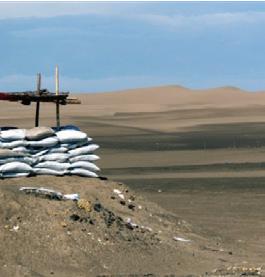
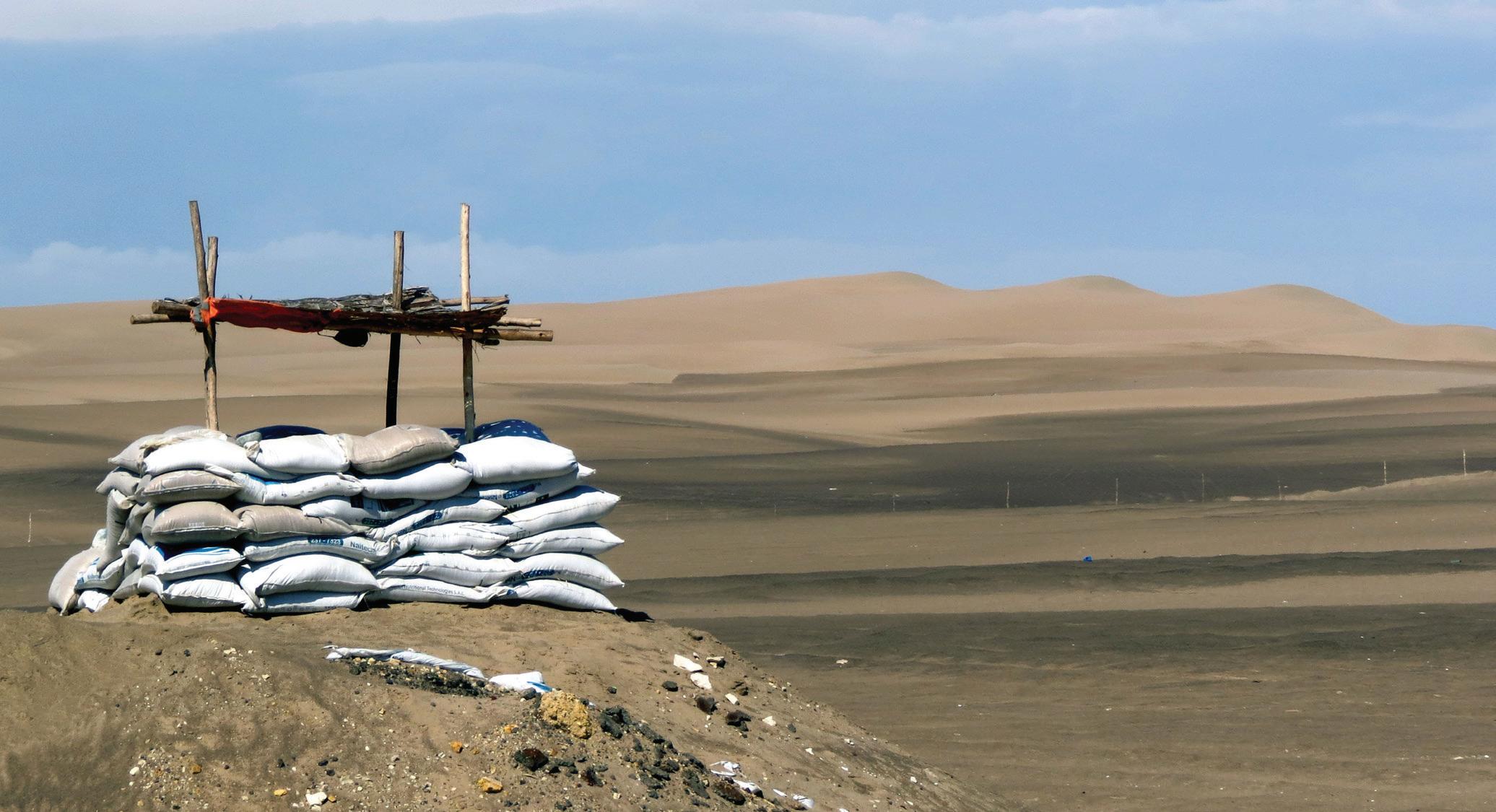
«WATER WELL» DIEGO GENTINETTA
First prize in 2015 Photo Contest (fich-unl)
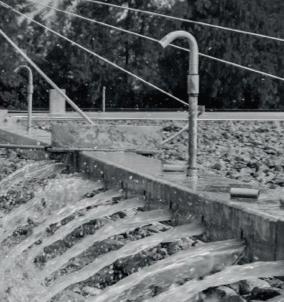
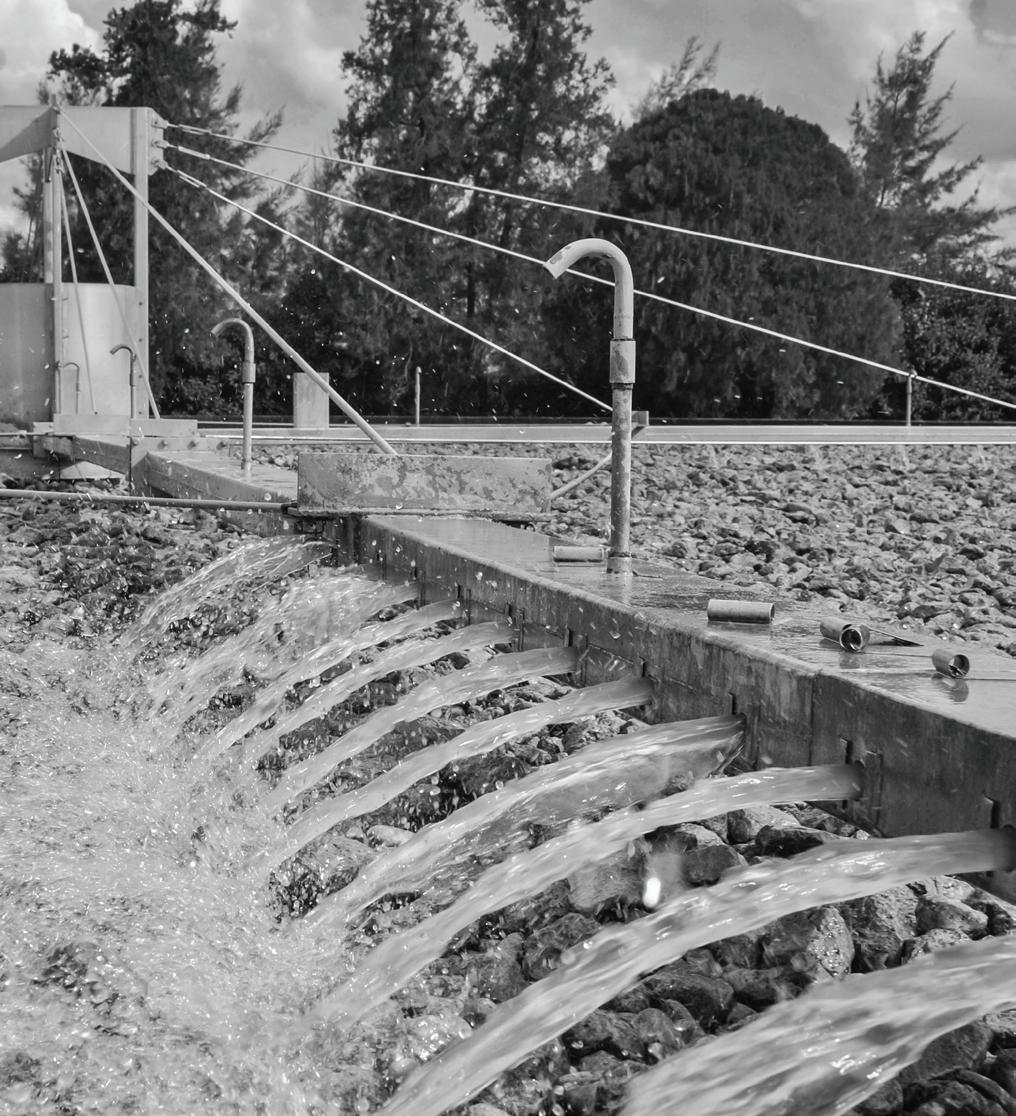
«TREATMENT»
SERRA MARCELA
Selected for the exhibition in the 2017 Photo Contest (fich-unl)
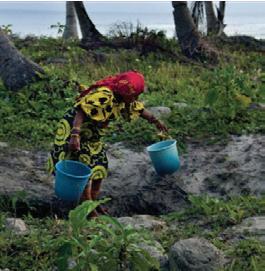
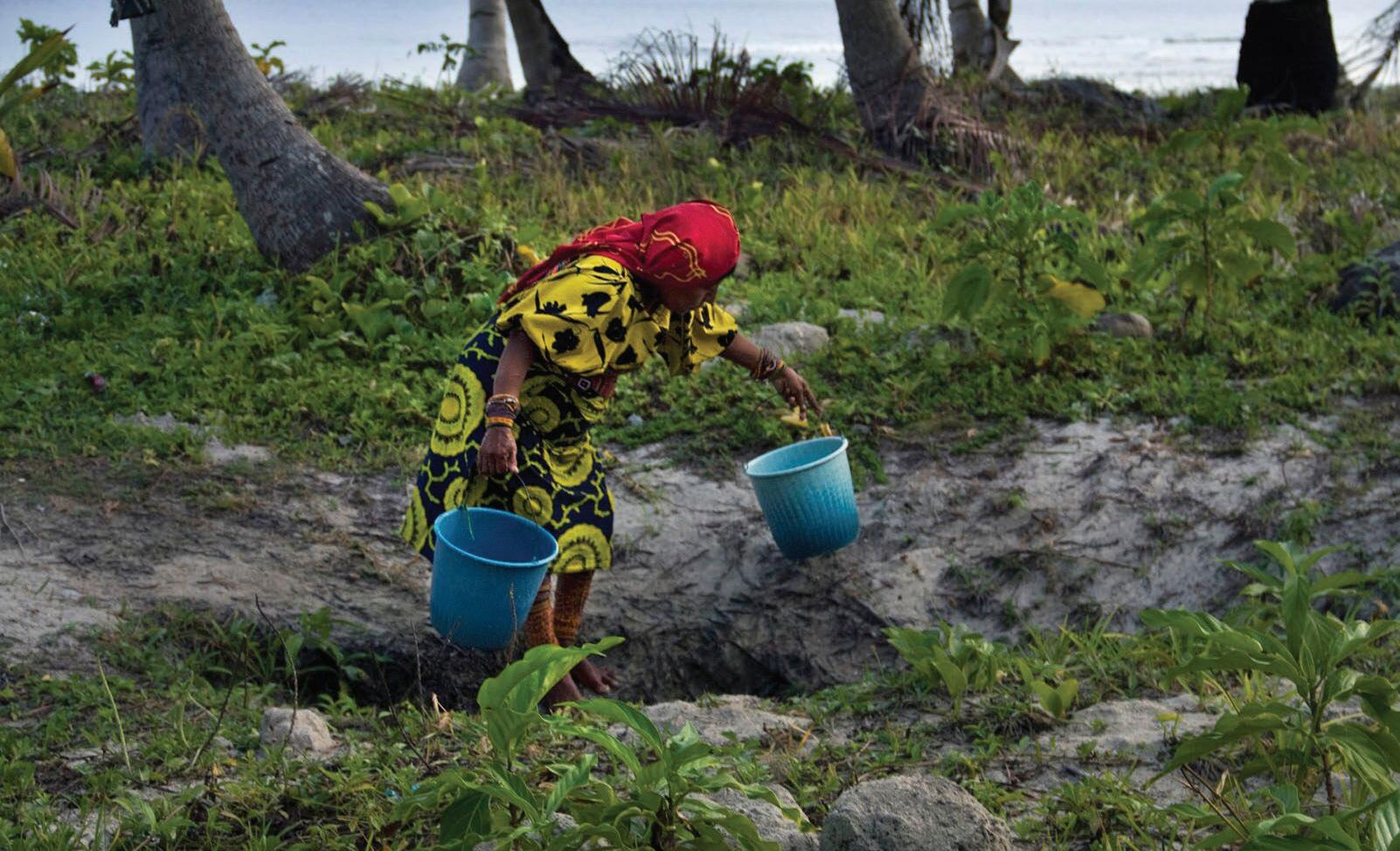
«KUNA COLLECTING FRESH WATER ON HIS PANAMA ISLAND» AGUSTÍN ABAD
Selected for the exhibition in the 2015 Photo Contest (fich-unl)
GOALS
THE PROMOTE the development of capacities with a comprehensive vision that contributes to guaranteeing water security as a way to achieve the SDGs in Latin America and the Caribbean.
GENERAL SPECIFIC SPECIFIC
TO PRESENT the conceptual framework of water security and integrated management of water resources.
TO ESTABLISH the need for the adaptation of undergraduate and postgraduate curricula for professional and technician careers into government agendas to ensure a comprehensive vision and interdisciplinary work capacity.
TO PROMOTE AND FACILITATE
concrete training actions to channel strategies for the development of capacities in Latin America that take advantage of the academic, scientific, and institutional capital of the region according to these concepts.
EXPECTED OUTCOMES
The development of this course is expected to contribute to the specification of the actions identified in the three focal areas of IHP Phase VIII:
Mobilizing cooperation to improve knowledge and innovation to face the challenges of water stress.
Strengthening the dialog between science and policies to achieve water security at the local, national, regional, and global levels.
Developing institutional and human capacities regarding water security and water sustainability.
CONTENTS AND METHODOLOGY
The contents are organized into themes that correspond to the focal areas of the IHP Phase VIII:
Theme 1: The multidimensionality of water problems; water security and sustainable development goals; basic concepts, principles, and general framework of the IWRM; and course introduction and presentation.
Theme 2: Disasters related to water and hydrological changes
Theme 3: Groundwater in a changing environment
Theme 4: Addressing water scarcity and quality
Theme 5: Water and human settlements in the future
Theme 6: Ecohydrology – creating harmony for a sustainable world
Theme 7: Water culture and education as key to water security; the importance of training courses for professionals; the gender approach in education for water management; the diversity of cultures in water management and its relationship with education.
The course will be taught remotely from the International Hydroinformatics Center (IHC) platform. The content will be presented using asynchronous video presentations, and supplementary reading material in digital format.
INSTRUCTORS
The course instructors will be determined in collaboration with the unesco Regional Science Office for Latin America and the Caribbean in Montevideo (Uruguay); the National Committees and Focal Areas; the Working Groups related to unesco Programs; and the Chairs and Centers that make up the unesco Water Family in Latin America and the Caribbean.
ENROLLMENT
Course enrollment is open from September 26th to October 26 th, 2018.
Those interested should register at the following web address: http://hidroinformatica.itaipu.gov.py/aulavirtual/
See registration instructions: http://e-fich.unl.edu.ar/fs/curso_seguridad_hidrica.pdf
Logo: International Hydroinformatics Center –IHC-]
Mobilize cooperation to improve knowledge and innovation to face the challenges of water stress.
AXIS2
Strengthen the dialogue between science and policies to achieve water security at the local, national, regional and global levels AXIS3
Strengthen the dialogue between science and policies to achieve water security at the local, national, regional and global levels.
7 CALL FOR PROFESSOR IN WATER SCIENCES
Universidad de las Américas Puebla
Academic Vicepresidency
VACANCY NOTICE
Title: Full-time professor
Field of Knowledge: Water Resources Management, Hydrology, Civil Engineering
Organizational Unit: School of Engineering, Department of Civil and Environmental Engineering
Primary location: Universidad de las Américas Puebla at San Andrés Cholula, Puebla. México.
URL: www.udlap.mx
Type of contract: Fixed term
Salary: Commensurate with qualifications and experience.
Fringe benefits: Health insurance, pension and retirement benefits.
Teaching load: 6-8 courses per year, depending on research duties and productivity.
REQUIRED QUALIFICATIONS
OVERVIEW OF THE FUNCTIONS OF THE
POSITION
THE APPLICANT WILL TEACH, CONDUCT RESEARCH AND ADVISE IN HIS/HER AREA(S) OF EXPERTISE. ESSENTIAL RESPONSIBILITIES INCLUDE:
To teach at undergraduate and graduate levels and lead instructional activities specified in the approved curriculum and in the faculty bylaws. These activities include lecturing, leading seminars, individual and group tutoring, writing and correcting exams, correcting papers and reports and conducting and supervising evaluation activities;
To participate in departmental and school activities, including meetings, committees, course and program evaluation, curriculum development, and grant preparation;
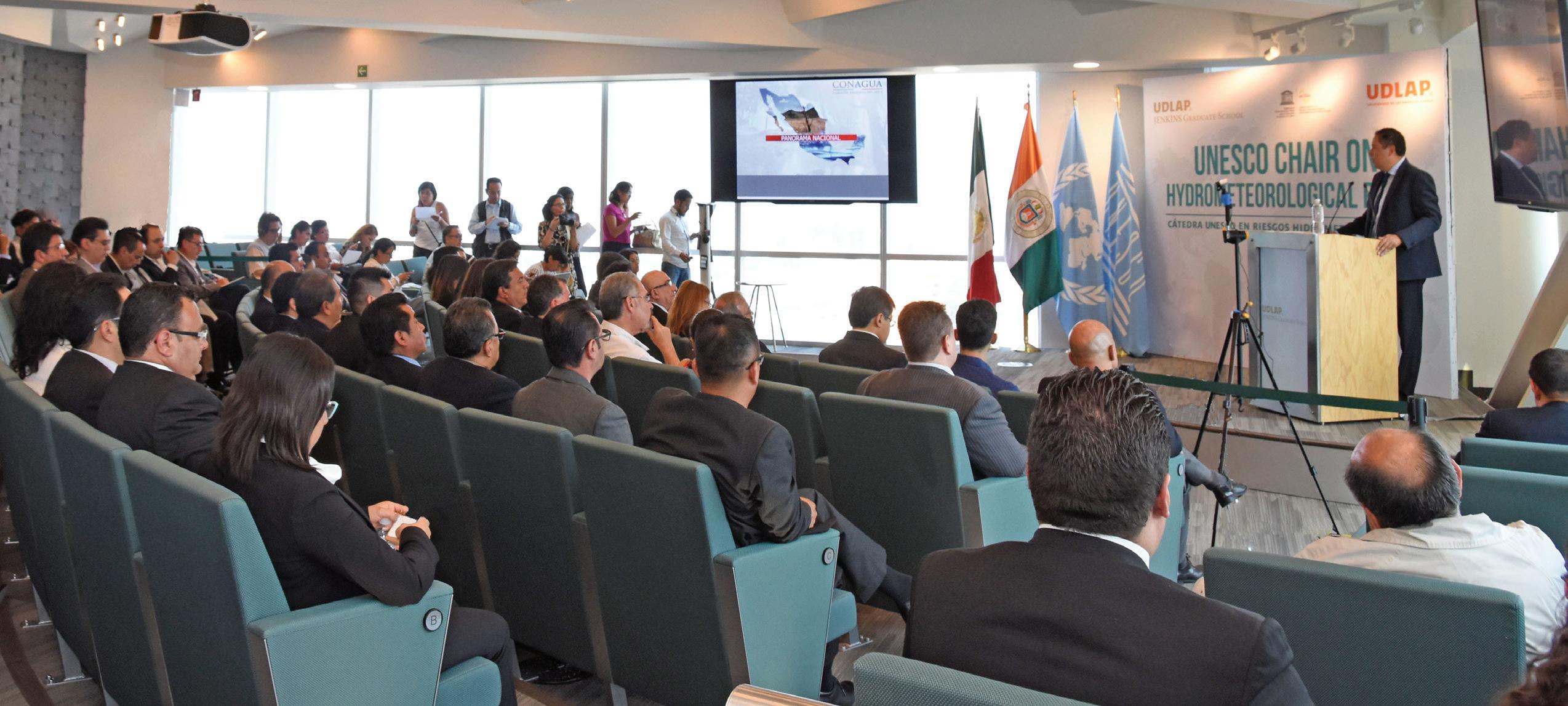
To participate actively in the activities of the UNESCO Chair on Hydrometeorological Risks hosted by the university (https://www.udlap.mx/ catedraunesco/)
To provide academic support and advising to students;
To undertake cutting-edge research in order to contribute to the intellectual mission of the university and to the consolidation of the Doctoral program in Water Sciences and the corresponding research line in hydrological modeling;
To participate in calls for research proposals;
To participate in inter-institutional and/or interdisciplinary research projects linked to regional and national companies and/or to internationally recognized institutions;;
To participate in the National System of Researchers (SNI - Sistema Nacional de Investigadores);
To publish research achievements.
EDUCATION
Advanced university degree (Ph.D., Doctoral degree, in the area of knowledge as requested)
Area of expertise: Water Resources Management
WORK EXPERIENCE
At least 4 years of relevant scientific research experience at national and international levels.
At least 4 years of undergraduate or graduate teaching.
Experience in the design, implementation and management of research projects in the field of expertise.
Demonstrated professional experience in the field of expertise.
SKILLS/COMPETENCIES
At least 4 years of relevant scientific research experience at national and international levels.
At least 4 years of undergraduate or graduate teaching.
Experience in the design, implementation and management of research projects in the field of expertise.
Demonstrated professional experience in the field of expertise.
LANGUAGES
English and Spanish.
Posting date: August 31st, 2018
Applications must be sent by email no later than: October 31st, 2018
WORK EXPERIENCE
Proven experience in teaching and/or mentoring undergraduate or graduate students.
Proven experience in conducting applied research and/or technology development.
Member of the National System of Researchers (Sistema Nacional de Investigadores, CONACYT).
The University will contact you as soon as the application process concludes Position to start: Spring 2019 semester.
Application instructions: Send cover letter, curriculum vitae (CV) and three letters of recommendation to the Office for Research and Graduate Studies: direccion.investigacion@udlap.mx and to Dr. Benito Corona-Vasquez, Academic Director of Civil and Environmental Engineering: benito.corona@udlap.mx
THE
BASIN and
Recently, thanks to the participation of members from the unesco Chair on Hydrometeorological Risks, and in cooperation with other distinguished guest authors, the Chair has published the book La Cuenca del Río Bravo y el Cambio Climático (The Rio Bravo basin and climate change), one of the products of the “Integrated management of the Rio Grande basin under climate change scenarios” project, which is funded by the National Council for Science and Technology, the support of which we recognize and appreciate.
While water security has always been a dream for all societies, it has now been put at risk in many regions because of both anthropogenic and environmental factors. Good water management, therefore, has become a permanent challenge for water managers, decision makers, and public policymakers. Achieving water security is now considered the strategic objective of water management at the national, basin, and regional level.
By its very nature, the relationship between human beings and water is an archetypal problem of complex thinking, which, by definition, involves holistic analysis, and in which the social, environmental, and economic aspects must be considered, not in isolation, but on the basis of their structure and systemic behavior.
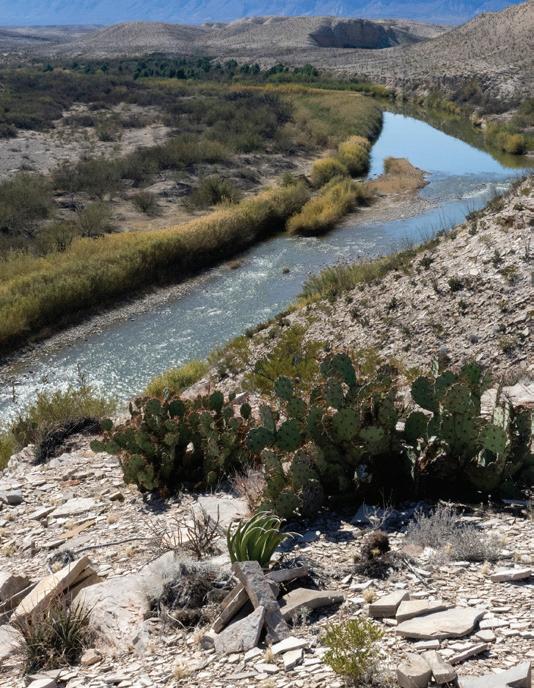
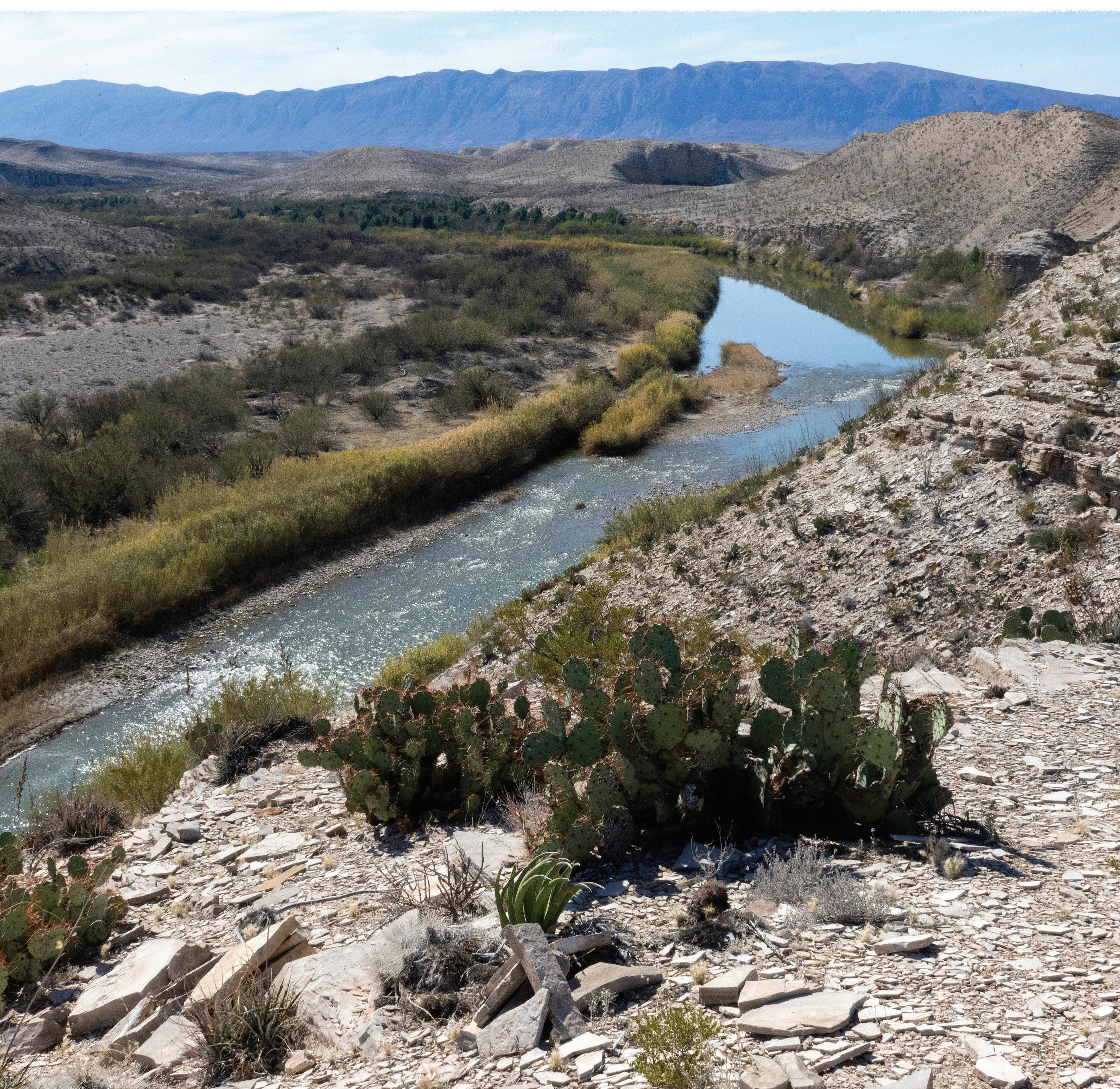
The Rio Bravo basin, as it is known in Mexico, is one of the most complex ones in the world because of its size; its predominant location in an arid region; its transboundary watershed condition; the fact that it encompasses large areas of two of the most important economies on the planet, the United States and Mexico; its role as the supply source for large cities; the high economic and industrial growth that distinguishes it, with important consequences on demand; and unfortunately, the impact it will suffer from the effects of climate change.
THE RIO GRANDE BASIN AND CLIMATE CHANGE
A HOLISTIC ANALYSIS WAS CARRIED OUT, WHERE THE FOLLOWING SHOULD BE TAKEN INTO ACCOUNT:
SOCIAL ASPECTS ENVIRONMENTAL ASPECTS ECONOMIC ASPECTS
This book brings together studies and perspectives from prominent water management specialists who also have extensive experience in the water management of the Rio Grande basin. Throughout 11 chapters, starting with providing an overview of the basin (Chapters 1 and 2) and covering the impact of climate change (Chapters 3 to 5), followed by a focus on the governance of water (Chapters 6 to 8), and finally, by a modeling section (Chapters 9 to 11), it provides a broad vision of the water system situation in the basin and the challenges it faces with the perspectives of both the expected demographic changes, such as those that will occur due to climate change, as well as advanced methodologies to provide feasible solutions.
In this book, readers will find a complete overview of the problems that affect the basin, from a historical perspective—necessary in complex systems with hysteretic proper-
ties—to future predictions modeled with the most modern methodologies and a dynamic systems approach. The content of this text covers very diverse disciplines: economic; social, with an emphasis on social participation; hydrological; water management-related; dynamic systems modeling; and geographic information systems, among others, all of which are combined to achieve an integrative approach. Each chapter, however, has been written in such a way that the reader can access the knowledge found in them without having to read the whole book and without losing the context of the topics dealt therein.
The book can be accessed for free, in its electronic version, on the Chair’s website at https://www.udlap.mx/catedraunesco/bibliotecaDigital.aspx and can also be purchased in its printed version in the publishing department of the University of the Americas Puebla.
THE RIO GRANDE BASIN, AS IT IS KNOWN IN MEXICO, IS ONE OF THE MOST COMPLEX IN THE WORLD DUE TO ITS EXTENSION
CONTENTS
PART A: OVERALL VISION
1. Overview of the Rio Bravo/Grande basin
Polioptro F. Martínez Austria
2. Assessment of water treatment systems and technologies and their quality in the Rio Grande basin
Erick R. Bandala, José Luis Sánchez-Salas
PART B: CLIMATE CHANGE
3. Extreme phenomena and climatic variability
Polioptro F. Martínez Austria, Federico Irula Lutzow, Alberto Alatriste Domínguez, and Francisco D. Ortiz Rodríguez
4. Reconstrucción de la variabilidad de sequías de largo plazo en territorio mexicano de la cuenca del río Bravo/Grande
Daniel Núñez-Lopez, Eduardo J. Treviño-Garza, Víctor M. Reyes-Gómez, Maritza A. Macías-Corral, Marisela Pando-Moreno y Oscar A. Aguirre-Calderón
5. Spatiotemporal analysis of climate change in the irrigation districts of the Rio Grande basin (1910–2100)
Miguel Ángel Gómez-Albores, Carlos Alberto Mastachi-Loza, Carlos Díaz-Delgado, Rocío Becerril-Piña, Héctor Martínez-Valdés y Khalidou M. Bâ
PART C: WATER GOVERNANCE
6. Social participation in the Rio Bravo basin
Gonzalo Bravo
7. Institutional arrangement
Manuela Armas Carrillo
8. Economic and financial aspects
Manuela Armas Carrillo
PART D: MODELING
9. Bi-national geographic information system of the Rio Bravo/Grande basin
Carlos Patiño-Gómez Paul Hernández-Romero
10. Dynamic modeling for the management of the Rio Grande basin
Polioptro F. Martínez-Austria
11. Hydrological modeling of the upper Rio Conchos basin
P. Hernández-Romero, C. Patiño-Gómez
Upcoming national meeting of UNESCO CHAIRS
IN 2017, WITH THE COORDINATION OF THE UNESCO OFFICE IN MEXICO, THE CHAIRS MET WITHIN THE FRAMEWORK OF THE «INNOVATION FOR SUSTAINABLE DEVELOPMENT»
The United Nations Organization for Education, Science and Culture (unesco) coordinate a network of unesco Chairs whose objective is to improve research development, knowledge transfer, and inter-institutional cooperation promotion for the purposes of fostering sustainable development within the framework of the UN’s 2030 Agenda for Sustainable Development.
Mexico has a significant number of unesco Chairs focused on a wide variety of topics. In 2017, with the coordination of the unesco office in Mexico, the Chairs met within the framework of the “Innovation for Sustainable Development” High Level International Forum and drafted a document with recommendations for innovation, research, and education made for decision makers in Mexico.
On that basis, the University of the Americas Puebla (udlap) and the unesco Chair on Hydrometeorological Risks, in collaboration with the unesco office in Mexico, will coordinate the 2018 National Meeting of unesco Chairs, which is to be held from October 15 to October 17 of this year at the University of the Americas Puebla.
During the meeting, representatives of the unesco Chairs will assess the situation of the sustainable development goals in the country and will make recommendations that will be sent to those responsible for the preparation of the next Mexico’s Development Plan, which the new administration should develop by law.
THE FOLLOWING CHAIRS WERE INVITED:
unesco Chair in Water in the Knowledge Society
unesco Chair in Research on Intangible Cultural Heritage and Cultural Diversity
UNESCO Chair in Intercultural Education for Harmonious Coexistence, Social Cohesion and Reconciliation in a Globalized World
UNESCO Chair in Bioethics
UNESCO Chair on Developing a Model for the Defence of Academic Rights in Higher Education
UNESCO Chair in Migration, Development and Human Rights
Cecilia Braslavsky Chair in Teaching Training for Innovation and Professional Development
UNESCO Chair in Citizenship, Education and the Environmental Sustainability of Development
UNESCO Chair in Youth
UNESCO Chair on Biosphere Reserves and Urban Environment
UNESCO Chair in Climate Change and Sustainable Development in Latin America
unesco Chair on Hydrometeorological Risks
UNESCO Chair-IMTA (Mexican Institute of Water Technology)
UNESCO Chair- UNAM, Regional Center for Multidisciplinary Research
Cátedra UNESCO - uaeh (Universidad Autónoma del Estado de Hidalgo)
UNESCO Chair University of Monterrey
UNESCO Chair-UNAM
UNESCO Chair Autonomous University of Zacatecas
UNESCO Chair National Pedagogic University
UNESCO-UV Chair, Institute of Educational Research
Cátedra unesco Universidad de Guadalajara
UNESCO Chair Institute of Ecology A.C.
UNESCO Chair -UAEM (Autonomous University of the State of Morelos)
Chair -udlap Ethics, Culture of Peace and Human Rights Chair
Chair -ITESM (Mexico City campus)
Chair in Afro-descendants in Mexico and Central America: Recognition, Expressions and Cultural Diversity
UNESCO/ICDE
The meeting will be held in sessions organized around various thematic focal areas, in which the various Sustainable Development Goals (SDGs) have been grouped together for analysis purposes as shown below.
Chair-INAH
NEW CHAIR MEMBERS
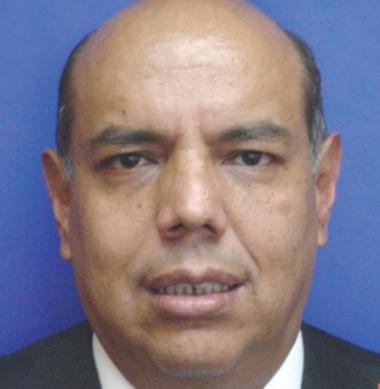
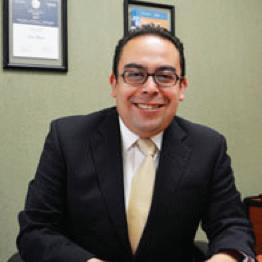
e are pleased to announce the incorporation of two new members to the unesco Chair on Hydrometeorological Risks, Dr. Humberto Marengo Mogollón and Dr. Einar Moreno Quezada.
Dr. Humberto Marengo Mogollón is an internationally recognized specialist in dam design and security, and Dr.
Einar Moreno Quezada is a specialist of international renown in financial sciences, who is working with the Chair on the costs of water-related disasters. This newsletter issue opens with an article written by him.
DR. HUMBERTO MARENGO MOGOLLÓN
EDITORIAL COORDINATIONS
Editor
Polioptro F. Martínez Austria
Style correction
Aldo Chiquini Zamora
Andrea Garza Carbajal
Editorial design
Angélica González Flores
Andrea Monserrat Flores Santaella
Katia Victoria López
The unesco Chair on Hydrometerological Risks
Newsletter is a quarterly publication which reports on the activities of the Chair and its members, unesco news related to it, as well as general information on disasters and hydrometeorological risks. It is elaborated by the Universidad de las Américas Puebla. Ex hacienda Sta. Catarina Martir s/n. C. P. 72810, San Andres Cholula, Mexico.