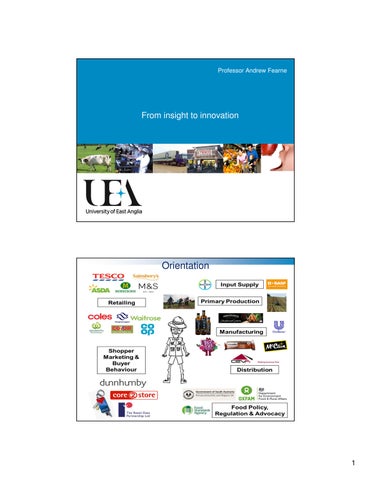
Partnership between NBS, dunnhumby, Tesco and InvestNI
• Mission
To help small food producers improve their businesses by increasing their understanding of shopper behaviour
• Delivery Model
UEA -Research assistant, students (PG & UG)
InvestNI–shopper insight team
Key Shopper Insights
1. Key Performance Indicators (KPIs):
• Sales Growth
• Customer Penetration
– % of shoppers
• Customer Loyalty
– Repeat purchase rate
3. Shopper Profiles
• Meeting a distinct need?
– Segmentation (lifestage, lifestyle, family)
4. Store Performance
• Distribution
– Core Stores
5. Glossary of Terms
What’s the catch?
• There are no catches!
• NBS invest in the data access, infrastructure and research capability, supported by InvestNI
• Our network of 130+ small food and drink producers is an exclusive ‘laboratory’ in which we explore the value of shopper insight for SMEs and the barriers/enablers to its exploitation
Research (publications)
Extension (case studies and webinars)
Impact (relevance, rankings and revenue)
Outline
• Context
• Behaviouralinsight
• Who buys my food?
• Lessons learned
• Discussion
What will you remember?
● Unparalleled complexity and uncertainty in the agrifood sector means organisations are increasingly vulnerable and sustainable food systems are an elusive goal
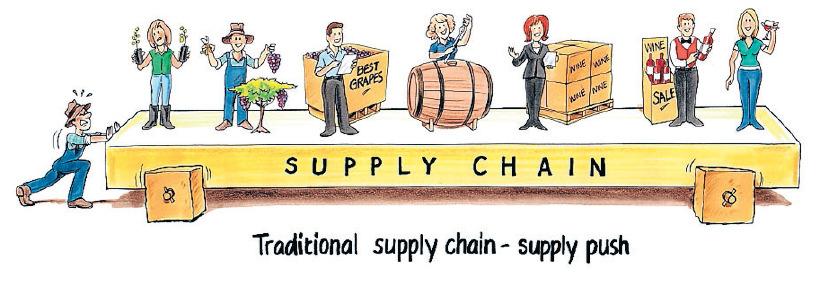
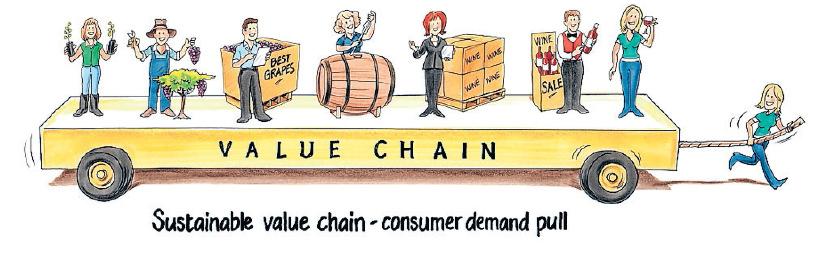
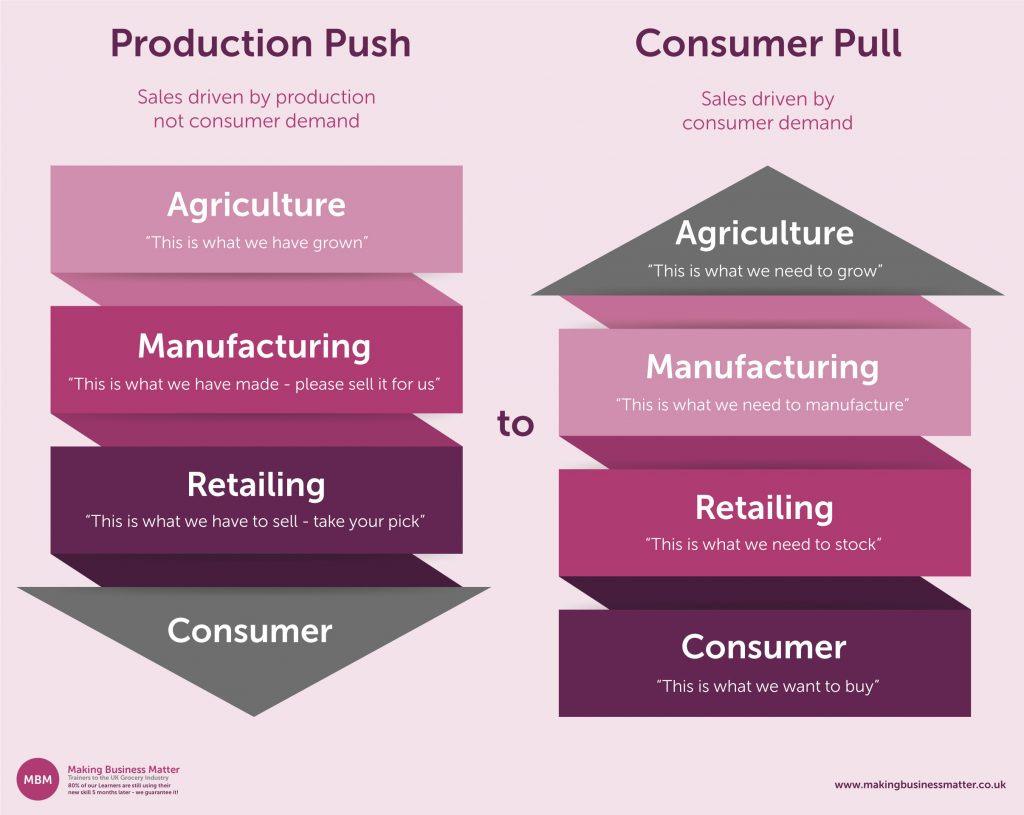
● Sustainable competitive advantage (SCA) requires a paradigm shift –from strategies based on opportunism and supply chain ‘push’ to strategies based on collaboration and value chain ‘pull’
● This means business leaders need to change the way they think, allocate resources and incentivise people, in order to change the way their organisations behave
● Customer insight is a critical ingredient for ‘success’
Sustainability
Sustainability
Commoditisation
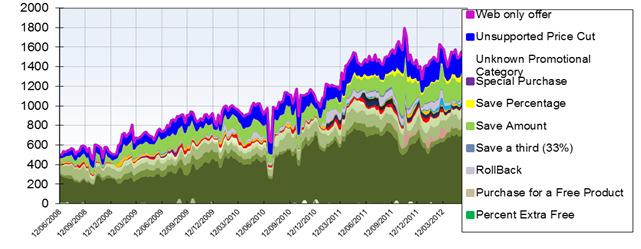
“Between us, marketers and retailers have trained an entire generation of shoppers to only buy on promotion. It’s not that they need to, but why shouldn’t they when price deals are available on key brands so often?
Future generations may well look back on this as a time of anti-marketing unless we take action now.”
Jacqui Hill: Unilever Marketing Development Director
Shifting Focus
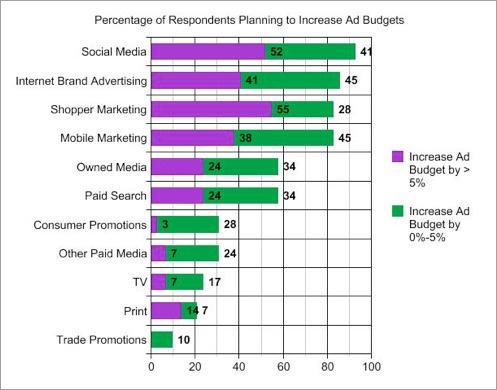
•Despite the billions of dollars spent on branded advertising to build customer loyalty, the Grocery Marketing Association of America (GMA) estimates that 70% of purchase decisions are made at the point of purchase, resulting in:
•significant shift in advertising expenditure
•significant growth in price promotions
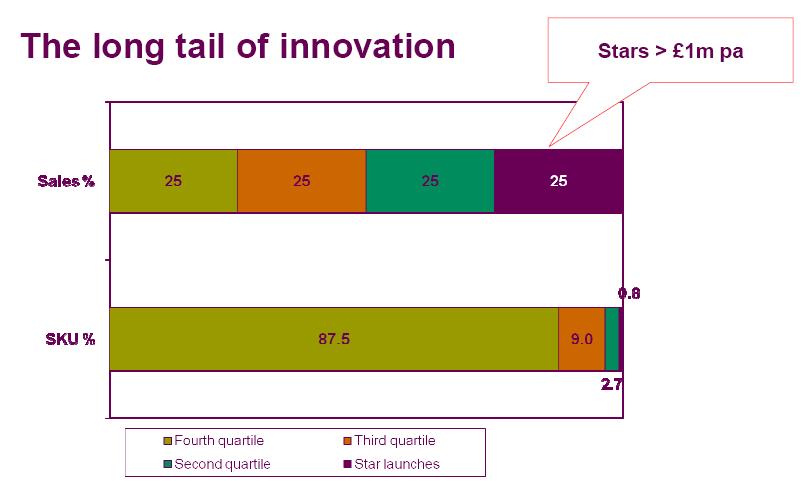
The long tail of innovation
•25% of new product introductions de-listed within first 12 months
•Only 6% achieved weekly peak sales > £60k
Where is the focus?
Sustainable Innovation
• Collaborative resource allocation that increases the sustainability of the chain as a whole
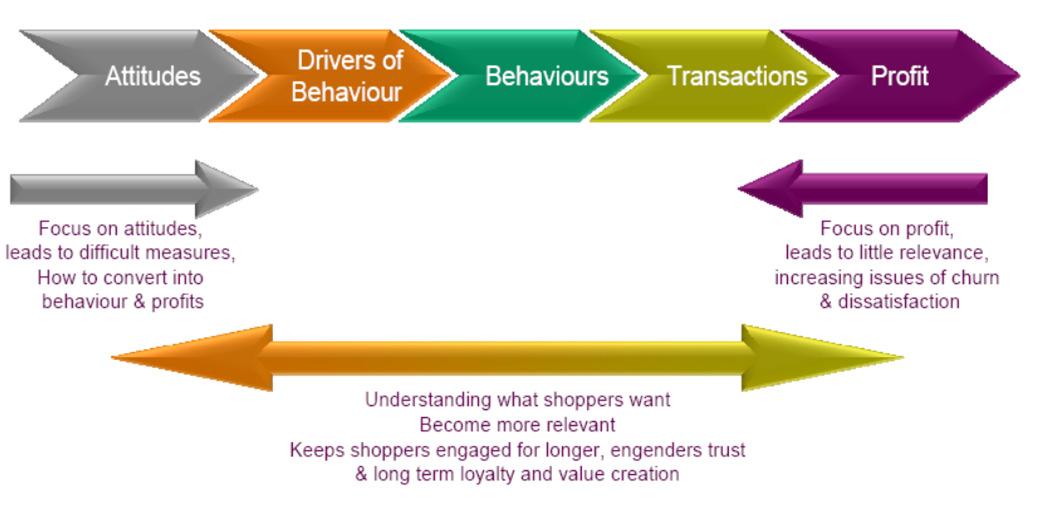
• Richer information flow (attitudinal & behaviour data)
• Value-adding business model (outward facing)
Value Chain Innovation
Adapted from Osterwalder & Pigneur(2010)
Value for Whom?
The only way to grow the pie is by getting consumers to pay more ….
Segmentation par excellence?
Any Surprises?
BEHAVIOURAL INSIGHT
Definition
Insight is… “the understanding of cause and effect based on identification of relationships and behaviours within a model, context, or scenario” (Stone et al, 2005)
Descriptive
Statements of fact (what?)
Diagnostic
Analytical and Explanatory (why?)
Predictive
Insight
Forecasting the results of a planned marketing decision (what if?)
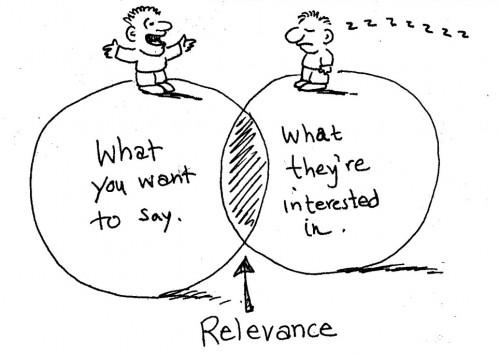
Relevance
We may believe (and even have proof) that our products are better than our competitors BUT what matters most is getting retailer buyers, shoppers AND consumers to believe it!
The more relevant the product the greater the demand
Fragmentation & Differentiation
• Differences in purchasing behaviour between market/customer/consumer segments may be significant and should not be assumed
• Different market/customer/consumer segments require different treatment
Type 1 and Type 2 thinking
•Most buying decisions for FMCG (low involvement) are driven by Type 1 thinking
–fast –instinctive –emotional
•Type 2 thinking more relevant for capital/investment goods (high involvement)
–slower –more deliberate –more rational
•Ehrenburg’s theory -“Building real and virtual availability is the sole goal of the marketer”
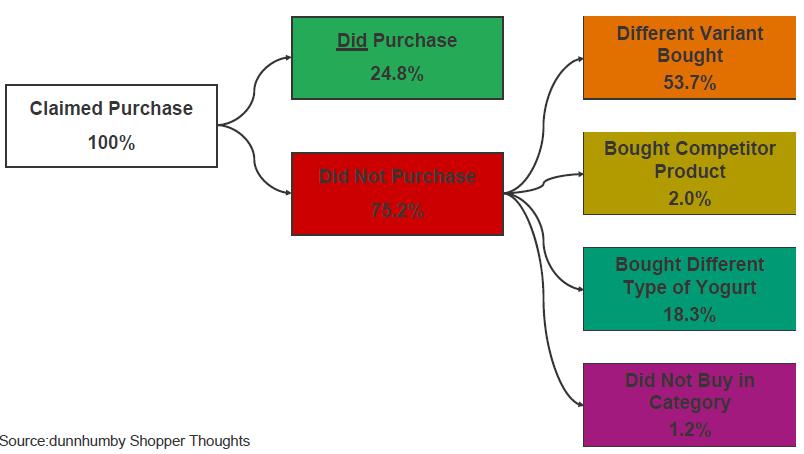
People don’t always do what they say
Tesco Healthy Living Natural Greek Yoghurt
Changing Behaviour
Necessary but not sufficient
Point of Purchase (Behaviour)
Change behaviour
Attitude –Intention -Behaviour Gap
Change attitudes
Increase Knowledge Raise Awareness
Pre-store (Intensions)
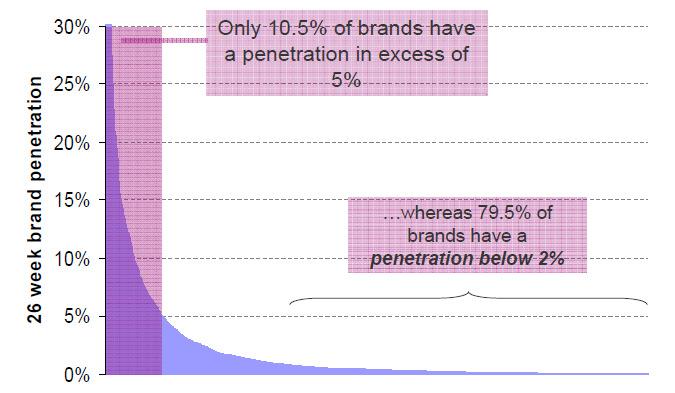
Big numbers matter in a long tail market
Behavioural insight –extends the line of sight
Everyone in the value chain needs a much better understanding of
Who buys What? and Why?
Dunnhumby2019
Behavioural insight –drives resource allocation
The more limited the resources the more important it is to target Cannot afford to ‘hit and hope’
Behavioural insight -shifts the balance of power
• Informs
Strategic planning
Supply chain design
Marketing planning
NPD
• Supports
Account management
Relationship development
• Enables
Consumer segmentation
Targeted resource allocation
Behavioural insight keeps your product on the supermarket shelf!
Tesco’s Customer Priority Score
Repeat Rate (30%)
•Do customers like the product? Are they repeat purchasing it?
Penetration (30%)
Favourite Share (20%)
•Is the product bought by many customers in the category?
•Is this the most commonly bought product in the category?
Share of Wallet (20%)
•What share of customers’ expenditure is on this product?
Clubcard Data -Summary
2 years of weekly supermarket transactions
•1.9 million shoppers (10% sample)
•30,000 food products (but shrinking)
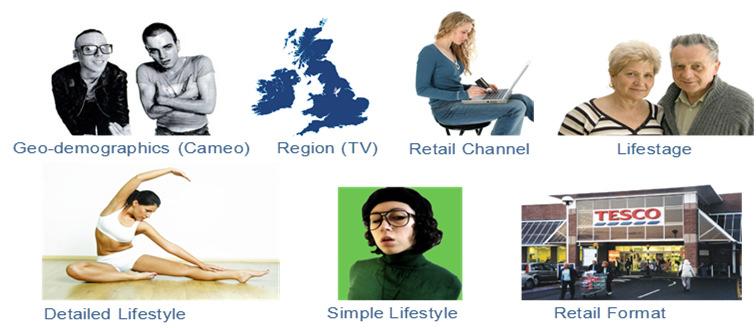
•Segmented by…
Tesco Lifestyle Segmentation
•Each product is categorised using a series of attributes
•Low Price
•Tesco Own
•Value range
•Multipack
•Fresh
•Loose
•Vegetarian
•Adventurous
•Healthy
•Tesco Own
•Pre-packed
•Convenience
• They look for the balance of key attributes in each customers shopping basket
“The project has become such a valuable resource in enabling us to punch above our weight” “The webinars have been brilliant and it has been great to have such intelligent direction rather than felling you’re bumbling along”
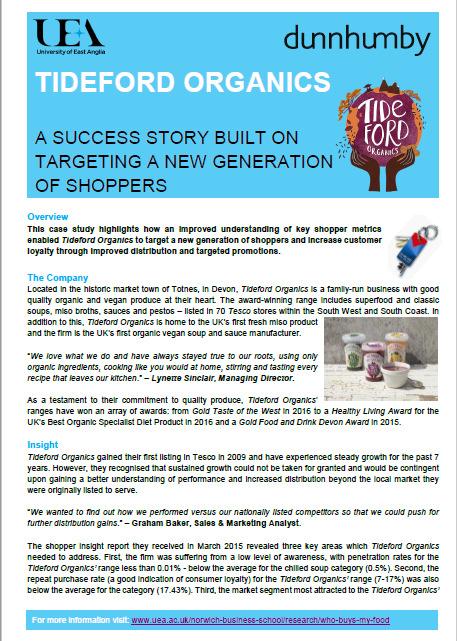
Case Study
Coastal Grains
• 81 farmers - Cold-pressed rapeseed oil
─62,000t of committed cereal storage
─11,000t of oilseed rape
Seeking to:
•improve the marketing of members’ grain
•add-value where possible
The story of how they moved From This To ThisTo This
The decisions they had to take and the help we gave them
Various ideas explored... but limited knowledge of consumers and market potential to guide their decision-making
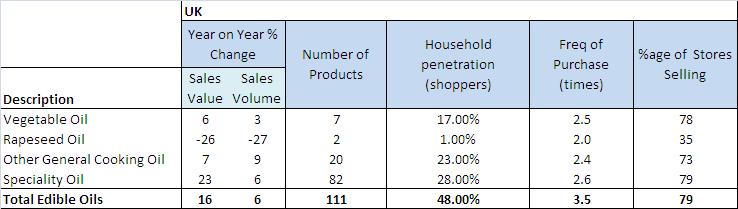
Spotting a Gap (speciality oils)
Spotting a Gap (speciality oils)
Developing the concept/Focus Groups
Lack of understanding of rapeseed
Young families
Older adults
Younger adults
Rapeseed Oil
Developing the concept/Focus Groups
‘Health’ and ‘Local’ sufficient to drive trial purchase (provided the bottle catches the eye!)
but tasteand functionalitywill determine repeat purchase
One year later…
Olifeirawas born
4 farmers, with support from a further 12 Full-time sales assistant and PR officer
‘Oleifera’ culinary oil
•£6/bottle (600 bottles/tonne)
•2,000% added value
Two years later…
Fits on the shelf!
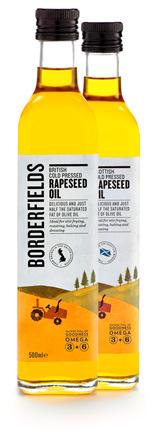
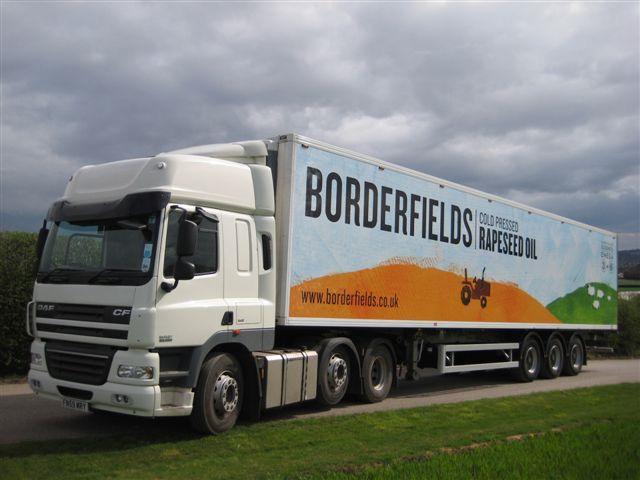
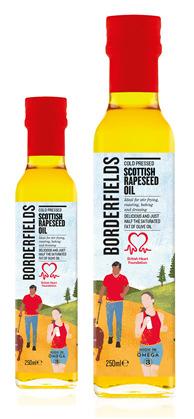
The product is called English Cold Pressed Rapeseed Oil and has a St George’s crossprovenance appeal
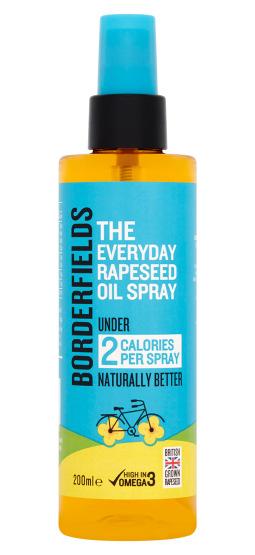
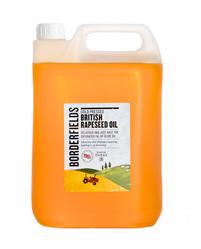
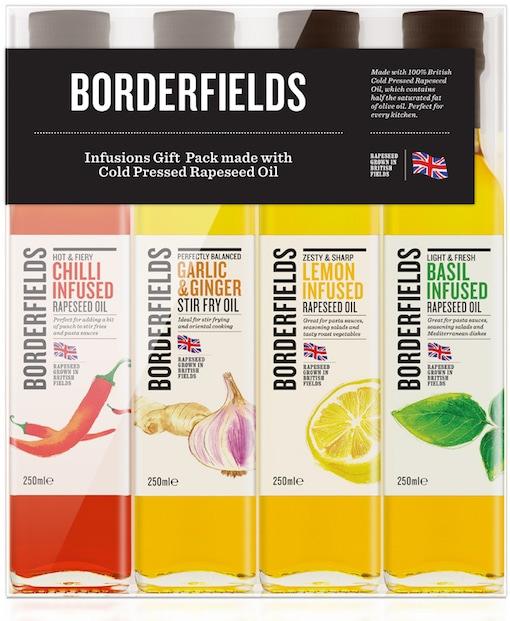
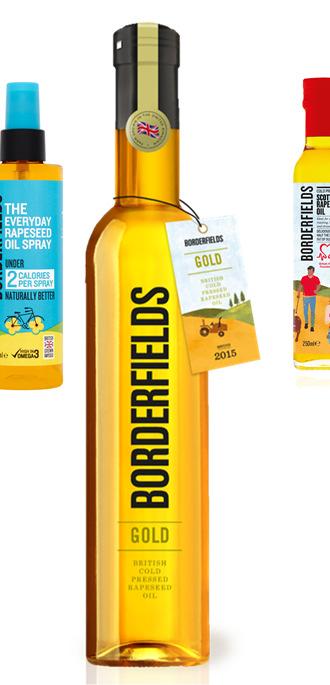
Borderfieldswas born
Borderfields: Launched in supermarkets in 2009
Highlights the fact that it is rich in Omega 3
£3.99 per bottle
Where are they now?
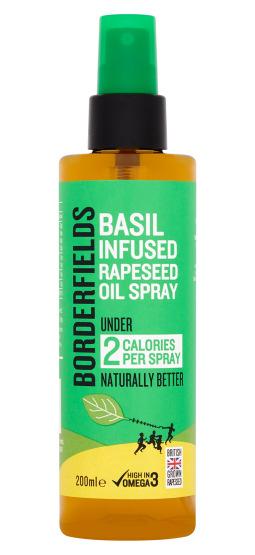
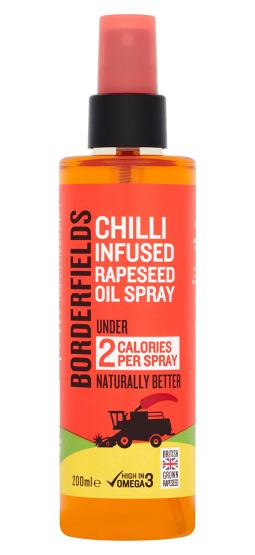
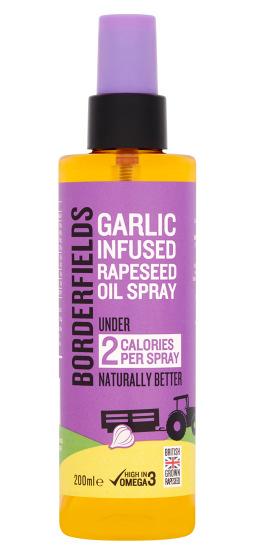
Borderfields-Re-born
No.1 Cold Pressed Rapeseed Oil in the UK
LESSONS LEARNED
Assumptions are the mother of all c*** ups!
Looking at markets in aggregate, from a distance, leaves us blind to the multiple ‘realities’ of people, products and process
Strategic orientation is a critical barrier/enabler for success
Businesses that prioritise (long term) marketing orientation over (short term) sales orientation are more likely to achieve ‘success’
•Sustainable sales growth
•Business loyalty (B2B)
•Brand loyalty (B2C)
•More efficient (cost-reducing) and more effective (value adding) allocation of scarce resources
A strategic marketing orientation requires…
•Investment of time, effort and financial resources to establish a shared understanding (within and between organisations) of consumer demand and buyer behaviour
•Development of business routines (policies & processes) that embed the habit of evidence-based decision-making
–Challenge the status quo
–Search for continuous improvement
–Trust in the process (‘Its not what you do buy how you do it’)
Agri-food sector has been slow to embrace the paradigm shift
Prof.Andrew FEARNE
University of East Anglia
Norwich Business School
Norwich
Norfolk NR47TJ
℡ 01603597239
a.fearne@uea.ac.uk
Further Reading
Didonet, S., Fearne, A. & Simmonds, G. 2020. Determining the presence of a long-term/short-term dilemma for SMEs when adopting strategic orientations to improve performance. 2020.International Small Business Journal, Accepted for publication.
Petrovici, D., Obal, M., Walton, B. & Fearne, A. 2020. The role of market knowledge type on product innovation performance, International Journal of Innovation Management, Accepted for publication.
Malik, S., Fearne, A. & O’Hanley, J. 2020. The use of disaggregated demand information to improve forecasts and stock allocation during sales promotions: A simulation and optimisation study using supermarket loyalty card data, InternatiionalJournal of Value Chain Management, Accepted for publication)
Golgeci, I., Santana, R. & Fearne, A. 2019. Customer Categorization, Relational Justice and SME Performance in Supermarket Supply Chains, Supply Chain Management: An International Journal, Vol.24, No.3, pp417-429.
Donnelly, C., Simmons, G., Armstrong, G. & Fearne, A. 2015. Digital loyalty card ‘big data’ and small business marketing: Formal versus informal or complementary? International Small Business Journal, Vol. 33(4), pp 422–442
Hornibrook, S., May, C. & Fearne, A. 2015. Sustainable Development and the Consumer: Exploring the role of Carbon Labelling in Retail Supply Chains, Business Strategy and the Environment, Volume 24, Issue 4, pages 266–276.
Yamoah, F., Duffy, R., Petrovici, D. & Fearne, A. 2014. Towards a Framework for Understanding Fairtrade Purchase Intention in the Mainstream Environment of Supermarkets, Journal of Business Ethics, 10.1007/s10551-014-2509-9
Yamoah, F. Fearne, A. & Duffy, R. 2014. Exploring Supermarket Loyalty Card Analysis To Identify Who Buys Fairtrade, The International Review of Retail, Distribution and Consumer Research, Vol. 24 Issue 3, pp328-346.
L.Cacciolatti, L. & Fearne, A. 2013. Marketing Intelligence in SMEs: Implications for Industry and Policy Makers. Marketing Intelligence & PlanningVol.31, No.1, pp4-26.
Duffy, R., Hornibrook. S., Fearne, A., Hutchison, K. & Read, A. 2012. Engaging suppliers in CRM: The Role of Justice in Buyer-Supplier Relationships, International Journal of Information Management, Vol.3, No.1, pp20-27.
Felgate, M., Fearne, A. Di Falco, S. and García Martinez, M.2012.Using Supermarket Loyalty Card Data to Explore the Moderating Impact of Shopper Segments on Promotional Response, International Journal of Market Research, Vol. 54, Issue 2, pp. 221-240
Donnelly, C. Simmonds, G., Armstrong, G. & Fearne, A. 2012. Small business marketing planning and retailer loyalty card marketing intelligence: Informal versus formal or complementary? Marketing Intelligence and Planning, Vol.30, Issue No. 5, pp515-534.