Víctor Hugo Alcocer Yamanaka Comisión Nacional del Agua
Erick R. Bandala González Desert Research Institute, EE. UU.
Benito Corona Vázquez udlap
Johanness Cullmann World Meteorological Organization Geneva
Carlos Díaz Delgado Instituto Interamericano de Ciencias del Agua, México.
Carlos Escalante Facultad de Ingeniería, unam
Matthew Larsen Smithsonian Tropical Research Institute, EE. UU.
Humberto Marengo Mogollón Instituto de Ingeniería, unam
Einar Moreno Quezada udlap
Carlos Patiño Gómez udlap Consultant
Sofía Ramos
President Luminario Education Strategies, USA.
José Ángel Raynal Villaseñor Consultant
José D. Salas Colorado State University, EE. UU.
Jim Thomas Desert Research Institute, EE. UU.
Juan Valdes University of Arizona, EE. UU.
COVID19: Water - The Other Front Line Polioptro F. Martínez Austria
http://www.udlap.mx/catedraunesco/
Change and Infectious Diseases Eduardo Guevara Polo
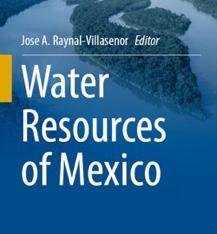
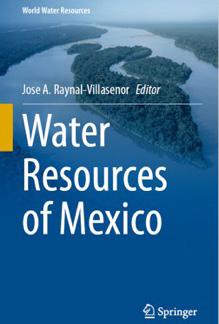
cting as editor, Chair member Dr. José Ángel Raynal Villaseñor recently published the Water Resources of Mexico anthology book at Springer Nature, with collaborations from other Chair members as chapter authors.
Due to its geographical extension and location, orography and socio-environmental conditions, water management issues are extremely complex in Mexico. Therefore, their problems must be approached from a broad and indepth perspective that encompasses several aspects affecting this essential natural resource. Within this context, this publication addresses a wide variety of subject matters, including physical aspects such as precipitation, runoffs, and
THE BOOK ALSO DISCUSSES FUTURE PERSPECTIVES. IN PARTICULAR, IT EXPLORES THE EXPECTED IMPACTS FROM GLOBAL WARMING AND PROPOSES SEVERAL ACTION ITEMS THAT COULD LEAD TO BETTER FUTURE SCENARIOS.
water quality. In addition, the work includes assessments of the links between water and its uses, with special emphasis on the water–energy–food nexus. The book also discusses future perspectives. In particular, it explores the expected impacts from global warming and proposes several action items that could lead to better future scenarios. Since the present cannot be understood without some understanding of the past, the collection also includes a chapter on the Mexican water history.
For any reader, whether an expert or just someone with an interest in the topic, Water Resources of Mexico is a necessary reference for understanding the current water situation in Mexico, as well as the challenges faced by the country in achieving water security.
The book is organized in the following chapters. All of them can be read independently or, better yet, in sequential order and in their entirety.
1. Precipitation in Mexico
José de Anda Sánchez
2. Groundwater Resources of Mexico
Carlos Gutiérrez Ojeda and Oscar A. Escolero-Fuentes
3. Hydrogeology of Mexico
Ignacio Reyes-Cortes and Abundio Osuna-Vizcarra
4. The Water–Energy–Food Nexus in Mexico
Carlos R. Fonseca-Ortiz, Carlos A. Mastachi-Loza, Carlos Díaz-Delgado and María V. Esteller-Alberich
5. Data Models for River-Basin Management in Mexico
Carlos Patino-Gomez and Paul Hernandez-Romero
6. Water Use and Consumption: Industrial and Domestic
Maria E. Raynal-Gutierrez
7. Water Resources in Mexico: Some Proposals for the Future Humberto Marengo Mogollón
8. Wastewater Treatment in Mexico
Cynthia G. Tabla-Vázquez, Alma C. Chávez-Mejía, María T. Orta Ledesma and Rosa M. Ramírez-Zamora
9. Climate Change and Water Resources in Mexico
Polioptro F. Martinez Austria
10. Water Security and Sustainability in Mexico
Felipe I. Arreguin-Cortes and Claudia Elizabeth Cervantes-Jaimes
11. Expected Impacts on Agriculture Due to Climate Change in Northern Mexico
Carlos Escalante-Sandoval
12. Dam Operation Policy During Hurricane Season
Using Regional Flows with Canonical Correlation Analysis
Juan Pablo Molina-Aguilar, Alfonso Gutierrez-Lopez and Ivonne Cruz Paz
13. Hydrologic and Hydraulic Works of the Aztec Civilization
Jose A. Raynal-Villasenor
14. Analysis of Spatial Dependence of Rainfall Fields
In the Southeast of Mexico, Using Directional Variograms
Alfonso Gutierrez-Lopez, Marilú Meza-Ruiz and Jose Vargas-Baecheler
15. Possible Scenarios of Global Warming Impacts on Evaporation in Mexico
Jose A. Raynal Villasenor, Maria E. Raynal Villasenor and Bryan Zegarra-Ibarra
COVID-19:
Polioptro F. Martínez Austria
IN THE MIDST OF THE COVID 19 PANDEMIC, WE HAVE ALL REPEATEDLY HEARD THAT THE MOST EFFECTIVE PREVENTIVE MEASURES AGAINST THE VIRUS ARE FREQUENTLY WASHING OUR HANDS, IMPROVING OUR PERSONAL HYGIENE HABITS, AND EXERCISING GREATER CARE IN WASHING AND PREPARING OUR FOOD.
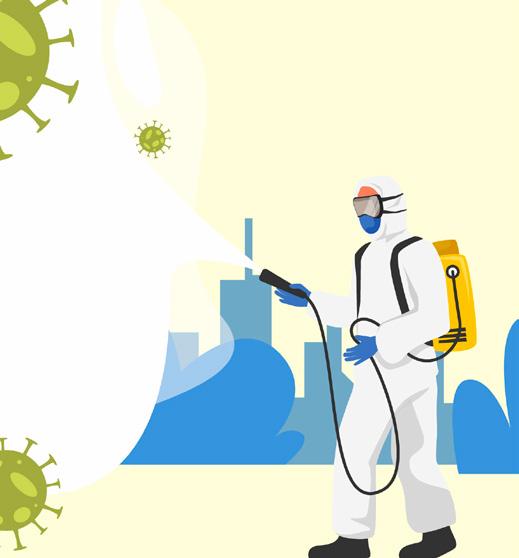
In the midst of the covid 19 pandemic, we have all repeatedly heard that the most effective preventive measures against the virus are frequently washing our hands, improving our personal hygiene habits, and exercising greater care in washing and preparing our food. However, water and sanitation services in Mexico are far from being in optimal conditions to face the pandemic.
WATER - THE OTHER FRONT LINE
At this point, we must remember that risk magnitude not only depends on hazard severity but also on population vulnerability. In terms of water availability, the lack or limited availability of good quality water in Mexico represents a serious vulnerability factor for the country when facing the dangers posed by covid 19.
In fact, the relationship between water and health has been extensively discussed. For example, following the 1991 cholera outbreak, which reached alarming proportions, the Mexican government created the “Clean Water” program. This program, which is still currently in operation, basically consists of applying chlorine to the water distributed in urban areas. The success of this program has demonstrated the importance of having sufficient quantities of good clean water available. In particular, as a result from this program and increased drinking water coverage levels, child mortality rates caused by diarrheal diseases have decreased from 122.7 children under the age of 5 per each 100,000 people in 1990 to 7.3 in 2015 (conagua, 2018).
Today, according to data from the National Water Commission, 99.4% of Mexican homes and buildings have access to piped water, with a 97.2% distribution level in urban areas and 85% in rural areas. However, having the infrastructure in place does not necessarily mean that the service is provided as it was planned. For instance, according to the National Institute of Geography and Statistics (INEGI), tap water is available 24 hours per day to 68% of households nationwide, while 25% only receive water services occasionally (i.e., every three days or “from time to time”). Furthermore, 7% of households, or approximately 9 million people, have no access to piped water and must obtain water from other sources (inegi, 2018).
As reported by conagua , due to increasing temperatures and especially increased water usage during the quarantine and the pandemic, water demands have increased between 20% and 30% (conagua, 2020), which aggravates water shortages. conagua itself has urged citizens to protect water resources, eliminate waste and leaks, and, as much as possible, to discontinue non-essential activities, such as car washing.
In Mexico, potable water and sanitation services rely on municipalities, which usually provide these services through “water operators.” However, these entities generally do not have sufficient economic resources to adequately maintain the networks, let alone increase service coverage and quality. Consequently, due to leaks and other water losses, these networks report their average efficiency at 55% (i.e., an average of 45% of the water is lost). In addition, for political rea-
sons, the turnover of technical and management personnel in these water operators is extremely high and, quite often, those in charge do not have the knowledge and experience in managing potable water systems.
Furthermore, municipalities, states, and the federal government lack sufficient resources to subsidize water supply services. Hence, most water operators rely on water bills as their main source of income, which also carry their own set of problems. First, water tariffs are commonly politicized in Mexico as politicians almost unanimously reject the idea of charging water and sanitation services at realistic rates. Therefore, the money collected from water bills is rarely enough to cover costs associated with pumping water from their sources, treating it, and delivering it to households. The second great obstacle is that some Mexican users unfortunately refuse to pay their water bills. In fact, water operators usually operate at 75% commercial efficiency, which means that approximately 25% of users commonly default on water bill payments.
Still, water sector executives and officials, both at the federal Mexican government and at water operators, struggle on a daily basis to deliver the maximum possible supply rates to the Mexican population. This is a battle they are fighting with depleted resources on all fronts and not just economic—one example being layoffs caused by ill-conceived austerity measures. Currently, due to the emergency, we must first acknowledge their effort and then do our part by using water responsibly, removing leaks, abandoning non-essential uses, and, of course, continuing to pay our water bills on time.
Once the pandemic is over, a complete reform of the water supply and sanitation system would be critically required.
References
conagua (2018). Estadísticas del agua en Mexico, edición 2018. Ciudad de México: Comisión Nacional del Agua.
conagua (2020). Comunicado de prensa 6 de abril de 2020. Recuperado de https://www.milenio.com/politica/coronavirus-por-pandemia-hay-mayor-demanda-de-agua-conagua
inegi (2018). Estadísticas a propósito del Día Mundial del Agua. Comunicado de prensa núm. 132/18, 20 de marzo de 2018. México: INEGI.
Since the beginning of the year, the topic at hand has been the novel coronavirus pandemic outbreak which has been thought to originate from China, the covid-19. As of this writing, more than 1.37 million cases and 64,500 deaths have been reported practically all across the globe. In addition, the pandemic has seriously impacted several industries and financial markets, thus affecting the economies of most countries around the world. As its name implies, covid-19 is part of the coronavirus family. However, viruses are not the only biological agents capable of causing infections.
AND INFECTIOUS DISEASES CLIMATE CHANGE
Eduardo Guevara Polo
Infectious diseases are produced by microorganisms known as pathogens, which lodge in a host organism and cause damage. Some examples of these microorganisms are bacteria, viruses, fungi, parasites, and prions. Throughout history, the world has faced multiple epidemics, which has driven the scientific community to develop vaccines, antibiotics, antivirals, and pharmaceutical products for the treatment and prevention of these diseases. On the contrary, even though it is widely known that these diseases are transmitted by vectors, such as mosquitoes, fleas, or flies, we must not forget that they can also be transmitted through water.
There are two basic climate factors that may influence the behavior of pathogenic microorganisms: rain, which facilitates the transportation and spread of infectious agents; and temperature, which facilitates their growth and survival (World Health Organization, 2020). As climate change will undoubtedly alter patterns for both factors, it will also change the way these diseases are transmitted. Several studies have already discussed the nexus between infectious diseases and climate change. In fact, according to the World Health Organization, these studies can be divided into three categories: evidence of recent associations between climatic variability and infectious diseases; indicators of emerging infectious diseases associated with climate change; and, finally, pre -
dictive models using evidence collected from the two previous categories and climate change scenarios.
Some indicators of the links between climate change and infectious diseases include increased geographic vector dissemination, such as tick-borne encephalitis in Sweden, Lyme disease in eastern Canada, and malaria in the Kenyan highlands. In addition, the causal relationships between cholera outbreaks and high temperatures caused by the El Niño phenomenon are currently being studied.
It is also interesting to reflect upon how the relationship between climate and epidemics has been known since the 19th century, as clearly manifested in the etymology of some words. For example, the word “malaria” comes from the Latin word “bad air” and whenever we experience certain symptoms commonly caused by cold weather, such as nasal congestion, sore throats, coughing, or headaches, we say that we have a “cold.” Now, in addition to the increased number of disease-transmitting vectors in the geographical scope, we must also consider another climate change effect that could eventually trigger a pandemic.
There are some areas around the world where the ground remains continuously frozen for a long period of time. In these areas, soil materials are amalgamated through ice to constitute a permanent frozen soil layer, known as permafrost, due to low temperatures. Now, in
these layers, some bacteria and viruses have been trapped for thousands or millions of years. The reader may wonder how these bacteria and viruses got there in the first place. Well, in some cases, Homo sapiens has certainly played a part since it was customary to bury epidemic victims in places near these permafrost areas. As an example, we may cite the Bacillus anthracis bacteria outbreak in Siberia, which took place between 1897 and 1925. Certainly, these frozen soils may contain several ancient potentially dangerous viruses and bacteria which may be relatively unknown to us. As it has been well reported, global warming has increased in different regions of the planet, especially in these areas. Consequently, old and new viruses and bacteria could potentially be released and cause global outbreaks. In short, climate change will clearly affect human health directly due to heat waves, floods, and the exacerbation of problems caused by pollution. However, we must not lose sight of the close relationship of climate change, infectious disease vectors, and pathogenic microorganisms. In fact, to assure our survival, we must not only gain a deeper understanding of these relationships but also implement mitigation measures against climate change. Otherwise, fate will catch up with us and, unlike viruses and bacteria, we will not be able to thaw Alexander Fleming to help us solve the next pandemic outbreak.
References
Chen, P. y Shakhnovich, E. I. (2010). Thermal adaptation of viruses and bacteria. Biophysical Journal 1109-1118.
Fox-Skelly, J. (2017). There are diseases hidden in ice, and they are waking up. Recuperado de http://www.bbc.com/earth/story/20170504there-are-diseases-hidden-in-ice-and-they-are-waking-up
Howard, C. y Huston, P. (2019). The health effects of climate change: Know the risks and become part of the solutions. Canadian Communicable Disease Report, 114-118.
Leman, J. (2020). Welp, scientists found 28 new virus groups in a melting glacier. Recuperado de https://www.popularmechanics.com/ science/health/a30643717/viruses-found-melting-glacier/
McMichael, A. J. (2013). Globalization, climate change and human health The New England Journal of Medicine 1335-1343. doi:10.1056/ NEJMra1109341
Meyer, R. (2017). The zombie diseases of climate change. Recuperado de https://www.theatlantic.com/science/archive/2017/11/ the-zombie-diseases-of-climate-change/544274/
Pikuta, E. V., Marsic, D., Bej, A., Tang, J., Krader, P. y Hoover, R. B. (2005). Carnobacterium pleistocenium sp. nov., a novel psychrotolerant, facultative anaerobe isolated from permafrost of the Fox Tunnel in Alaska. International Journal of Systematic and Evolutionary Microbiology, 473-478.
Revich, B. A. y Podolnaya, M. A. (2011). Thawing of permafrost may disturb historic cattle burial grounds in East Siberia. Global Health Action. doi:10.3402/gha.v4i0.8482
Taubenberger, J. K., Hultin, J. V. y Morens, D. M. (2007). Discovery and characterization of the 1918 pandemic influenza virus in historical context. Antiviral Therapy, 581-591.
World Health Organization. (2003). Climate change and human health (A. J. McMichael, D. H. Campbell-Lendrum, C. F. Corvalán, K. L. Ebi, A. K. Githeko, J. D. Scheraga, y A. Woodward, eds.).
World Health Organization. (2020). Climate change and human health. Recuperado de https://www.who.int/globalchange/climate/summary/en/index5.html
MICROPLASTICS IN WATER
Andrea Arredondo Navarro
Microplastics (mps) are nothing new. Globally, this material has been known to pollute our rivers, oceans, and even our food (yes, MPs have even found their way into several varieties of fish and shellfish) (Greenpeace, 2019). In this light, this paper seeks to reveal some atmospheric transport data for microplastics, since this is the least explored area of the situation.
Microplastics in the Hydrological Cycle
Many scientists are starting to consider mps as a new atmospheric pollutant, because recent studies have proven that mps can easily be conveyed in the air, rain, and snow.
Therefore, living beings drink, breathe, and coexist with mps more than we could ever think (their effects on human bodies are still uncertain, but we may suspect that they are not positive).
Until now, only two studies have been published on the transportation of mps in the water cycle. The first study provides evidence of MPs found in a remote mountain area in the Pyrenees, a region anecdotally regarded as virgin due to its far away distance from large towns and industrial areas. This study explains how mps can be transported in the rain or snow to regions at least 100 kilometers away from their original emission location (Allen et al., 2019).
The second study, conducted in the city of Shanghai and in the Western Pacific Ocean, suggests that mps found in the ocean may come not only from rivers or discharged waste water, as originally believed, but also from suspended particulate matter and rainfall (K. Liu et al., 2019).
Although very few studies have directly addressed the transportation of mps, there are several works that prove the existence of MPs in remote and isolated areas, such as Alpine or Tibetan glaciers (Ambrosini et al., 2019) (Zhang et al., 2020). In these cases, mps could have been transported in the wind or snow to these areas.
Much still remains to be discovered about the movement dynamics of this emerging pollutant. For example, we still have to determine how much air, rain, and snow contribute to the total amount of MPs in the ocean, the actual distance MPs can travel and other similar questions. An alarming issue is that some studies have proven that MPs can also carry harmful pollutants, such as polychlorinated biphenyls (PCBs), polycyclic aromatic hydrocarbons (PAHs), and pesticide residues such as DDT or HCH, which pose a direct threat to our health (Greenpeace, 2019),
What can we do from home?
• We can make sure that we only use recyclable plastics and that we indeed recycle plastics at the end of their lifespan.
• Only use products from responsible companies that preferably implement a circular economy model (example: many companies currently recycle synthetic fibers from clothes in bad condition).
• Avoid buying products containing MPs (some detergents, toothpastes, and beauty products use MPs to improve their “effectiveness”).
• Avoid single-use plastics (disposable containers, straws, bags, etc.) and buy in bulk as much as possible; preferably shop at local stores.
• As previously mentioned, MPs must already be considered as an atmospheric pollutant. However, several developments are still required to have a clearer picture of the current situation and the health problems likely caused from continued exposure to this pollutant.
• In fact, our hunger as human beings for learning may prove extremely useful in solving these types of unknown and new problems.
Referencias
Allen, S., Allen, D., Phoenix, V.R. et al. (2019). Atmospheric transport and deposition of microplastics in a remote mountain catchment. Nat. Geosci. 12, 339–344. doi: https://doi.org/10.1038/s41561-019-0335-5
Ambrosini, R., Azzoni, R. S., Pittino, F., et al. (2019). First evidence of microplastic contamination in the supraglacial debris of an alpine glacier. Environmental Pollution. doi: 10.1016/j.envpol.2019.07.005
Greenpeace (2019). Estudio sobre el impacto de la contaminación por microplásticos en peces de México . Recuperado de https://storage. googleapis.com/planet4-mexico-stateless/2019/10/ 01f918b5-estudio-sobre-el-impacto-de-la-contaminacion-por-microplasticos-en-peces-de-mexico. pdf?_ga=2.233883614.1949418601.15880240082123208562.1588024008
Liu, K., Wu, T., Wang, X., et al. (2019). Consistent transport of terrestrial microplastics to the ocean through atmosphere. Environ. Sci. Technol. 1–12. doi: https:// doi.org/10.1021/acs.est.9b03427.
Zhang, Y., Kang, S., Allen, et al. (2020). Atmospheric microplastics: A review on current status and perspectives. Earth-Science Reviews, 203, 103–118. doi: 10.1016/j. earscirev.2020.103118
WATER SECURITY IN MEXICO
The article on “Water Security in Mexico: General Diagnosis and Main Challenges,” published in 2019 by Chair members in the Ingeniería del Agua (Water Engineering) journal, has been recognized as the most widely viewed article in this prestigious journal, with more than 4,000 visits during its first year of publication.
Ingeniería del Agua is co-published by the Universidad Politécnica de Valencia and the International Water Association (IWA), an international organization of water researchers and professionals dedicated to the dissemination and exchange of knowledge through water research studies. This organization brings together researchers and experts from practically all water science disciplines around the world, and one of its most important goals is the publication of specialized journals, which are commonly considered as some of the best of their class in international rankings.
The article was co-written by Chair Director, Polioptro F. Martínez Austria, Dr. Carlos Díaz Delgado (The Inter-American Institute of Technology and Water Sciences), and Dr. Gabriela Moeller Chávez (Universidad Politécnica de Morelos), which are also Chair members and internationally renowned subject matter experts.
The article emphasizes that water security must be the strategic objective of water policy in Mexico. In fact, the current water resource situation must be assessed against this normative principle in terms of quality and quantity, as well as water management in practice. In this text, a general diagnosis of water security in Mexico is presented, as well as the main challenges it faces now and in the near future. Water availability and scarcity is analyzed with a territorial approach, as well as the condition of the aquifers, the quality of surface water and underground water, and water uses. In addition, the main challenges for water security and trends
in the most relevant modeling forces are addressed. To focus on the problems described, specific actions are proposed, and, as a general conclusion, the need for a water reform in Mexico is suggested.
Water security in Mexico is currently compromised. There are an increasing number of hydrological basins that report scarcity, as well as a large number of aquifers being overexploited by the country’s main cities. Water quality is another concern, as most streams have some degree of pollution, with some even being highly polluted, such as the Lerma and Atoyac rivers.
These challenges are mainly manifested in water scarcity, environmental deterioration of basins and aquifers, contamination of water bodies, adverse effects of extreme hydrometeorological events, and growing conflicts over water. The main factors that induce or increase water security risks are demographic processes, which include population growth and urbanization, increased food production, and demands as a result from population growth and dietary changes; an increased demand for water for energy production; the effects of climate change; and poor water management.
pects, with some even transcending the national sphere, such as climate change, which is expected to decrease natural water resources throughout the country. Even though this problem must be addressed at the international level, the solution must be implemented at the national level through adaptation measures.
Simply put, the response to this difficult situation must necessarily be comprehensive with engagement from all society sectors. In a nutshell, we must change our water consumption habits to implement responsible use of water-related goods and services. Hence, we must reduce our water footprint, both individually and as a society. In addition, all government levels must invest more in water; not only in infrastructure but also expanding the water sector workforce. Likewise, governments must assume a much more proactive attitude toward regulatory compliance seeking to protect water quality and reverse the overexploitation of water resources. In this sense, innovation shall become critical for achieving water security and, therefore, both the public and private sectors must significantly increase (in several orders of magnitude) their investments in water-related science, technology, and human resources training. Finally, there is an urgent need to modernize water legislation, from the general water law to official regulations.
Facing these challenges is extremely complex because they involve multiple hydrological, economic, and social asMartínez-Austria, P.; Díaz-Delgado, C.; Moeller-Chavez, G. (2019) Seguridad hídrica en México. Diagnóstico general y desafíos principales. Ingeniería del Agua. Vol. 23, núm. 2. Páginas 107-121. Doi: https://doi.org/10.4995/ia.2019.10582 eISSN 1886-4996 ISSN 1134-2196. El artículo es de acceso abierto, y se puede consultar en: https://polipapers.upv.es/index.php/IA/article/view/10502
The bibliographical references used in this article are:
La Universidad de las Américas Puebla convoca
A los egresados de Instituciones de educación superior nacionales y extranjeras interesados en ingresar, en agosto 2020, en los siguientes programas académicos pertenecientes al Programa Nacional de Posgrados de Calidad:
Doctorado en Ciencia de Alimentos
Doctorado en Ciencias del Agua
Doctorado en Creación y Teorías de la Cultura
Doctorado en Sistemas Inteligentes
Doctorado en Biomedicina Molecular
requisitos generales:
A presentar junto con la Solicitud de Admisión al proceso de selección, en copias simples:
1. Certificado oficial de estudios o documento oficial en el que se dé constancia de haber obtenido un promedio mínimo de 8.5 en la licenciatura.
2. Copia simple de Título y Cédula Profesional de Licenciatura (En caso de no contar con estos documentos, tendrá que acercarse al área de Servicios Escolares para revisar la situación académica y poder continuar con el proceso).
3. Currículo en extenso, con fotografía reciente.
4. Carta de intención, en la que se argumenten las razones por las que ha elegido la institución, el programa de doctorado y el área de estudios.
5. Tres cartas de recomendación emitidas por profesores o autoridades vinculadas con el desempeño académico y/o profesional del aspirante, escritas en hojas membretadas y entregadas en sobre sellado (máximo un año de antigüedad).
6. Comprobante de resultados del examen EXADEP con puntaje mínimo de 570 o GRE con puntajes mínimos de 150 en razonamiento verbal, 130 en razonamiento cuantitativo y 3.5 en redacción analítica. (La vigencia de los comprobantes no debe ser mayor a 5 años).
7. Comprobante del examen TOEFL Institucional (puntaje mínimo 550) o cualquiera de los siguientes: TOEFL IBT (puntaje mínimo 79), IELTS (puntaje mínimo 6), o Cambridge English: Advanced (CAE). La vigencia del comprobante no debe ser mayor a 2 años.
Los interesados que hagan su solicitud por vía remota, deberán enviar en un solo correo la documentación completa en formato digital (PDF). Todos los interesados que hayan aprobado las evaluaciones deberán realizar los trámites de ingreso y los trámites relativos a su beca requeridos por la Universidad ante las instancias correspondientes. Una vez que los interesados hayan completado satisfactoriamente todos los trámites, su status será de admitido al Doctorado correspondiente y deberán dedicar tiempo completo a sus estudios y actividades de investigación previstas en su plan de estudios.
requisitos adicionales
Los siguientes requisitos son necesarios para aquellos interesados en ingresar al Doctorado en Creación y Teorías de la Cultura:
1. Certificado oficial de estudios de maestría o su equivalente con un promedio mínimo de 8.5 y constancia de título de grado que muestre el promedio.
2. Copia simple de Título y Cédula profesional de Maestría (En caso de no contar con estos documentos, tendrá que acercarse al área de Servicios Escolares para revisar la situación académica y poder continuar con el proceso).
3. Tesis de maestría o en su defecto un trabajo extenso escrito (35 págs).
4. Presentación del protocolo del proyecto de Investigación a desarrollar durante el doctorado.
procedimiento (consta de 3 etapas)
Etapa Inicial
Presentar su Solicitud de Admisión y documentación mencionada en Requisitos
Generales y Requisitos Adicionales, de acuerdo al doctorado de interés, en la:
Dirección de Investigación y Posgrado
Oficina NE 201
Universidad de las Américas Puebla
Ex Hacienda Santa Catarina Mártir
Cholula Puebla · C.P. 72810
O bien de manera electrónica al correo: informes.doctorados@udlap.mx
El formato de Solicitud de Admisión se puede obtener en esta liga o también se puede solicitar directamente al correo electrónico antes señalado.
1. Una vez analizada la solicitud y los documentos que la acompañan, la Dirección de Investigación y Posgrado procederá a informar al Coordinador del Doctorado correspondiente, quien agendará una cita directamente con el solicitante.
Etapa Académica
1. El solicitante acudirá el día y la hora fijada con el Coordinador del Doctorado, quien le informará las líneas de investigación y tutores disponibles, así como el procedimiento a seguir.
2. Al finalizar la etapa académica los aprobados, serán notificados por la Dirección de Investigación y Posgrado para continuar con la etapa administrativa.
Etapa Administrativa
1. Los candidatos presentarán ante la Dirección Escolar la documentación complementaria que esta área les indique.
2. Una vez que esta Dirección apruebe toda la documentación, el candidato cambiará su status a admitido y será notificado por Dirección Escolar.
becas
Todos los candidatos admitidos contarán con una Beca Académica UDLAP Investigación que cubre la colegiatura y manutención mensual durante todo el programa, esta última en caso de no contar con otra beca que la cubra. No existe la posibilidad de ingresar o permanecer en el doctorado sin contar con la Beca Académica UDLAP Investigación. En el caso de estudiantes extranjeros que hayan sido aceptados a alguno de los doctorados, deberán contar con visa de estudiante tramitada en su país de origen.
En el caso de los solicitantes a Becas de Excelencia del Gobierno de México para Extranjeros, estos deberán apegarse a los lineamientos de la convocatoria vigente de la Secretaría de Relaciones Exteriores, así como a los tiempos y formas del proceso de admisión descrito en la presente convocatoria.
fechas
Entrega de documentación complementaria, trámites de inscripción y beca Junio y julio de 2020
Inicio de clases 10 agosto de
BOLETÍN DE LA CÁTEDRA UNESCO EN RIESGOS HIDROMETEOROLÓGICOS
NEWSLETTER OF THE UNESCO CHAIR ON HYDROMETEOROLOGICAL RISKS
EDITORIAL COORDINATIONS
Editor Polioptro F. Martínez Austria
Style correction
Aldo Chiquini Zamora Andrea Garza Carbajal
Editorial design
Andrea Monserrat Flores Santaella
United Nations Educational, Scientific and Cultural Organization
UNESCO Chair on Hydrometeorological Risks, Universidad de las Américas Puebla
The unesco Chair on Hydrometerological Risks Newsletter is a quarterly publication which reports on the activities of the Chair and its members, unesco news related to it, as well as general information on disasters and hydrometeorological risks. It is elaborated by the Universidad de las Américas Puebla. Ex hacienda Sta. Catarina Martir s/n. C. P. 72810, San Andres Cholula, Mexico.
The authors are responsible for the choice and presentation of the opinions contained in this newsletter. Likewise, of the opinions expressed therein, which are not necessarily those of UNESCO and do not commit the Organization.