





identified as 48-year-old Gerald Deschamps of no fixed address, left the scene on foot.
HAMILTON - A Hamilton man has now been charged with Manslaughter after the victim that he assaulted earlier this week succumbed to their injuries.
On January 20, 2026, at approximately 4:00 p.m., officers were called to a building in the area of King Street West after security guards located an unconscious male suffering from head injuries. Paramedic services attended the scene and transported 67-year-old Jerzy Nataluk to hospital.
Through investigation, officers determined that Nataluk was assaulted by the suspect and fell to the ground. The suspect, now
Police located Deschamps in the immediate area and took him into custody without incident. He was originally charged with Fail to Comply with Probation as well as Aggravated Assault. The latter charge has now been upgraded to Manslaughter.
This investigation remains ongoing. If you have any information that you believe will assist in this investigation, please contact Staff Sergeant John Obrovac of the Homicide Unit at 905-546-2458. To provide information anonymously, please contact Crime stoppers at 1-800222-TIPS (8477) or visit crimestoppershamilton. com
tribal identification as proof of their identity or status.
With the escalation of Immigration and Customs Enforcement (ICE) tactics reaching fever pitch in the United States over the past month, the Jay Treaty Border Alliance (JTBA) is advising Indigenous people of their rights under the centuries-old treaty.
The Jay Treaty of 1794 is an agreement allowing Indigenous people to unfettered travel across the Canada and United States border.
The JTBA says if you are an Indigenous person born in the United States, ICE has no jurisdiction over you.
But videos across social media has shown ICE targeting Indigenous people in the United States and refusing to accept their
The JTBA advises carrying all identification with you, including tribal ID, driver’s licenses, a passport or state-issued ID).
If you are born in Canada, you are legally protected by the Jay Treaty.
The JTBA says you have lawful status and are legally authorized to live and work in the United States under section 289 of the Immigration and Nationality Act (1359).
It protects the rights of “American Indians” born in Canada to cross the border between the two countries if they have 50 percent blood quantum.
Qualified individuals are able to live, work and travel in the United States without having to comply with standard immigration laws and procedures. However, individuals
in question may need to show certain documents at the border to prove blood quantum, says the JTBA.
The JTBA advises carrying documentation at all times confirming at least 50 percent of native blood quantum, or a Secure Certificate of Indian Status (SCIS), a long-form birth certificate or government-issued photo ID.
Six Nations Lands and Membership says people can contact their office if they are seeking a blood quantum letter.
There are also websites and numbers to call if people feel their rights were violated, if they were unlawfully detained or if are trying to locate someone they believe was captured by ICE.
There is an ICE locator Website available to find a detained person at https://locator.ice.gov
When asked to enter information in the search query, it offers two mandatory parameters: the birth country of origin and an A-number (Alien Registration Number).
However, there is no option to enter “United States” as your birth country of origin. Neither of these parameters apply to Indigenous people born in the United States.
Videos circulating online document how members of various tribes have been captured and detained, or stopped and questioned, by ICE, and asked if they were legal citizens under suspicion they were “illegal aliens” from Mexico or other Hispanic countries in central and South America.

-aggravated assault

An unnamed Ohsweken man has been charged with attempted murder after a disturbance in a heavily populated area of the village over the weekend.
Police were called to a home for reports of an assault on Bicentennial Trail around 1:12 a.m. early Sunday morning (Jan. 24).
Police said after an investigation, they determined that two people were assaulted after an “interaction” inside the home.
One of the individuals asked nearby neighbours for help.
Police said the individ-


ual sustained “severe injuries” was taken to a local hospital for treatment.
Nearby witnesses detained the suspect prior to police arrival.
Police said the suspect, 31, of Ohsweken, was arrested and charged with the following criminal offences:
-two counts of attempted murder
-assault with a weapon -assault
-breach of probation, two counts
-possession of a weapon for dangerous purposes
-obstructing a peace officer
-strangulation
Police said they are not releasing the name of the accused or their identity to protect the identity of the victims. The accused was held in custody for a later court date.
Six Nations Police thanked the community for their help in the investigation.
“Their cooperation reflects a strong commitment to keeping our community safe.”






Seeing Red Media is building bridges between Indigenous culture and global audiences through media, events, and innovative collaborations
stories are told and where they live.
In 2026, Seeing Red Media is no longer just producing stories—it’s building the systems that allow Indigenous stories to circulate, endure, and grow.
Based on Six Nations of the Grand River, the Indigenous-owned company has spent the past year expanding its role well beyond film and content creation. What’s emerging instead is something closer to cultural infrastructure: physical spaces that acknowledge Indigenous presence, technology that supports language survival, and creative programs designed to bring new Indigenous voices forward.
For the Haudenosaunee community and other Indigenous creators connected to Six Nations, that shift matters. It signals a move from visibility to agency— having not just representation, but control over how

One of Seeing Red Media’s most visible recent contributions is the Rezilience Gate at Hamilton’s TD Coliseum, unveiled as part of the venue’s reopening. The gate is more than symbolic branding. It’s a permanent acknowledgment of Indigenous culture embedded into a major public entertainment space, welcoming thousands of visitors through an entry point explicitly tied to Indigenous resilience and leadership.
Projects like this reflect a broader strategy: ensuring Indigenous culture isn’t treated as an add-on or a special feature, but as a foundational part of shared spaces. In that sense, Seeing Red’s work feels less like advocacy and more like design—quietly reshaping how institutions present themselves and who they acknowledge.
At the same time, the company is pushing into digital territory. In a


2026 partnership with AI firm Camb.ai, Seeing Red Media is helping develop tools aimed at Indigenous language preservation, including text-to-speech and language models built with Indigenous communities in mind. While technology is often framed as neutral, this collaboration recognizes that tools themselves shape whose voices are heard—and which languages are supported in the digital world.

For communities where language is deeply tied to identity and continuity, the stakes are high. The project positions Indigenous languages not as artifacts of the past, but as living systems capable of existing—and evolving— online.
Creative development is another area where Seeing Red is investing heavily. Through initiatives like the Indigenous Creator Lab, the company is support-
ing emerging filmmakers, storytellers, and digital creators with hands-on training and mentorship. These programs emphasize Indigenous perspectives and community accountability, offering alternatives to mainstream creative pipelines that often marginalize Indigenous worldviews.
Seeing Red’s national partnerships continue to grow as well. Its ongoing collaboration with Canada’s Walk of Fame brings Indigenous storytelling into one of the country’s most recognizable cultural institutions, opening doors for young creators to connect with mentors, resources, and audiences that might otherwise feel out of reach.
While fashion showcases, sound symposia, and cultural events remain part of the company’s footprint, the through-line in 2026 is integration. Whether through arenas, AI tools, or training cohorts, Seeing Red Media is weaving
Indigenous presence into places where it hasn’t always been centred.
Notably, the company doesn’t frame this work as corrective or confrontational. Instead, it approaches storytelling with confidence—assuming Indigenous voices belong in these spaces because they always have.
That approach resonates strongly at Six Nations, where community members see familiar values reflected in new platforms. It also reaches outward, inviting broader audiences into Indigenous stories without flattening or simplifying them.
In a media environment still learning how to represent Indigenous realities responsibly, Seeing Red Media offers a clear model for what comes next. The company isn’t waiting for permission or validation. It’s building the lanes itself—and inviting others to walk through.





Iroquoian citizenship proof), but new federal status holders often apply for band membership, pressuring services.
BRANT COUNTY – January 27, 2026 Federal moves to scrap the Indian Act’s “second-generation cut-off” via Bill S-2 amendments—passed by the Senate in late 2025 and now before the House—could restore indefinite status transmission through one parent, potentially adding hundreds of thousands to eligible registrants nationwide. For Six Nations of the Grand River, this raises alarms over band membership growth straining limited resources, especially housing and health care, amid already severe shortages.
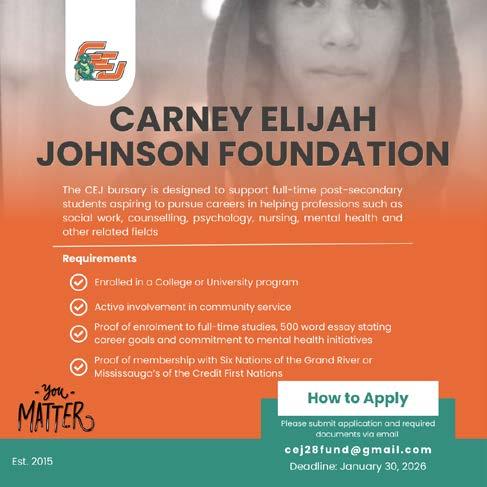
The cut-off has long limited status inheritance after two generations of non-status partnerships, a rule critics label “legislative extinction.” Removing it could see surges in federal registrations, influencing band affiliation and access to on-reserve benefits funded per capita by Indigenous Services Canada (ISC). Six Nations maintains a strict membership code (50%+ native blood quantum,
Housing is a flashpoint. On-reserve, waitlists for adequate homes stretch 10 years or more. Reports from 2023–2025 note 400 families waiting, with times often 5–10 years, discouraging applications.
Habitat for Humanity collaborations highlight chronic underfunding and overcrowding, with many single mothers, small families, seniors, and youth affected. Limited reserve land—far short of the Haldimand Tract promise—exacerbates the crisis as population grows and off-reserve costs rise.
In nearby Brantford, Brantford Native Housing (BNH) serves urban Indigenous residents, many from Six Nations. BNH manages over 200 transitional and affordable units but faces a lengthy waitlist, with average waits of 7–10 years. High Indigenous homelessness rates (over 50% in recent point-in-time counts, despite Indigenous people being ~5% of the population) underscore the urgency, driven by urban migration for housing.
An influx of new members could intensify these pressures without matching funding. Health services—like Iroquois Lodge, mental wellness, and child/youth programs—rely on population-tied transfers. More registrants mean longer wait times, overburdened staff, and stretched facilities, compounding issues like post-2025 flooding recovery.
Assembly of First Nations leaders call for new funding, land, and consultation. ISC’s ongoing process stresses equitable resourcing. Locally, debates may arise over membership code tweaks, but without support, communities bear the load.
An elder shared: “Housing and health care are our lifelines—rooted in sovereignty. More members mean more kin to care for, but without resources, our people suffer most.” As Bill S-2 progresses, engage ISC consultations to voice Haudenosaunee priorities.
For membership/ housing info: sixnations. ca/lands-membership or brantfordnativehousing. com. Share experiences: editorial@tworowtimes. com.

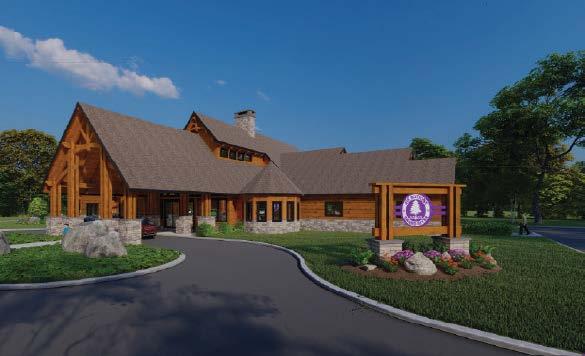
Six Nations Band Members are invited to apply to serve as a Board Member for Six Nations of the Grand River Development Corporation.
Committed individuals prepared to dedicate the time, energy, and respect required for meaningful Board and committee participation.
Six Nations Band Members who have expertise in areas such as Finance & Banking, Real Estate, Investments, and Information Technology are strongly encouraged to apply.
Visit sndevcorp.ca/boardapplication for info, or introduce yourself to Kristin Prince with a short letter of interest to kprince@sndevcorp.ca, or call 519-753-1950 ext. 6450

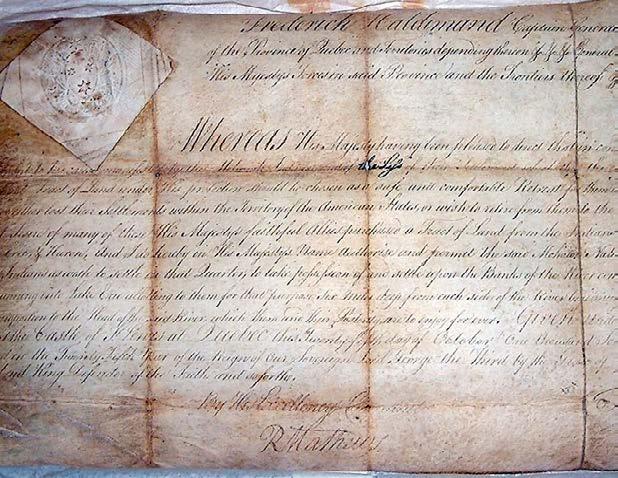
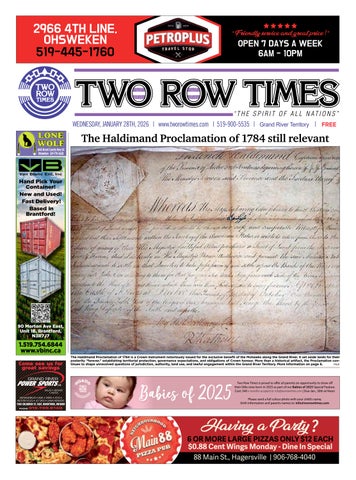
There has been increasing discussion about legal action concerning the Haldimand Proclamation of 1784 and the rights of Mohawk Loyalist posterity along the Grand River. It is important to be precise at the outset: no writ has yet been filed.
That decision is intentional.
What is underway is a preparatory process focused on community dialogue, transparency, and the construction of a complete public record. This work is designed to clarify duties, authority, and assumptions that have accumulated over centuries—often without serious examination—and to do so openly, before courts are asked to intervene.
Two legal instruments frame this approach: mandamus and quo warranto. These are not modern inventions. They are supervisory tools of the common law, developed for moments when government refuses to perform duties imposed by law, and when institutions exercise power without lawful warrant.
To understand why these writs are appropriate, it helps to look beyond contemporary litigation habits and return to constitutional fundamentals.
The relationship between the Mohawks and the Crown did not begin in 1784. By the early 1700s, Mohawks were recognized as military allies and diplomatic partners.
During the reign of Queen Anne, Crown instructions
and orders addressed the protection of Mohawk interests and the restraint of colonial overreach. That context matters because it shows a long-standing pattern: when local authorities exceeded their remit, the Crown historically had to be called back to its own obligations.
The writ of quo warranto literally asks a single question: by what authority? Historically, quo warranto was used to test whether offices, corporations, and charters were being exercised lawfully. Its modern relevance is sharpened by the Statute of Anne (1710), 9 Anne c. 25, which reformed quo warranto from a purely prerogative weapon of the Crown into a regularized legal proceeding—one capable of testing whether power claimed by an institution or officeholder rests on lawful warrant.
That reform is directly relevant to the present day. When provincial or municipal bodies assert jurisdiction on lands that were constitutionally dedicated to Mohawk posterity, quo warranto is the correct inquiry. It does not assume wrongdoing. It tests the legal foundation for the authority being claimed.
Mandamus addresses the other side of the equation. Where quo warranto tests authority, mandamus compels the performance of duties already owed. Mandamus does not create new obligations. It enforces existing ones.
The duty at issue here arises from the constitutional chain formed by the Haldimand Pledge (1779), the Haldimand Proclamation (1784), and the confirmation of that Proc-
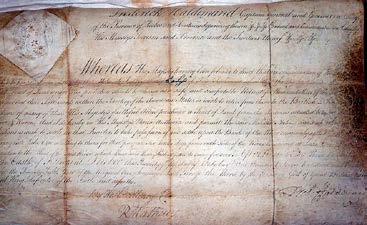
lamation in 1791. In our position, when Canada confirmed the Proclamation to uphold the faith of the Crown, the commitment ceased to be discretionary. It became a duty imposed by law.
Canadian courts have emphasized that constitutional obligations do not disappear through neglect. In Reference re Manitoba Language Rights, the Supreme Court of Canada addressed a sweeping failure to comply with constitutional language requirements. The Court did not treat that long-standing failure as evidence that the Constitution had become optional. The opposite occurred: the Court recognized that constitutional duties remain enforceable until fulfilled. That principle matters here because it speaks to the core problem: the passage of time does not cure a breach of constitutional obligation.
Likewise, McAteer v. Canada (Attorney General) confirms that oaths of
office and allegiance are not symbolic. They are binding legal obligations. Officials who swear to uphold the Constitution undertake enforceable duties, and those duties necessarily include the obligations carried forward through Canada’s constitutional order, including pre-Confederation instruments confirmed by the Crown.
This is why mandamus and quo warranto are ideal tools for the problem at hand. Much contemporary legal discussion attempts to fold the Haldimand Proclamation into section 35 Aboriginal rights analysis. But the Haldimand instruments speak in a different legal register: allegiance, posterity, exclusivity, and perpetuity. In plain terms, the Proclamation sets out exclusive use and enjoyment for Mohawk Loyalist posterity, vested through hereditary lineage and expressed in “for ever” language. Treating that constitutional dedication as a generic Aboriginal rights
claim alters the nature of the obligation and shifts the burden back onto those to whom the Crown pledged its faith.
Mandamus and quo warranto do not ask courts to invent new rights or to apply modern cultural tests. They ask courts to do what supervisory courts exist to do: enforce duties that already exist and examine whether authority is being exercised with lawful warrant.
That is the legal theory. The practical work is happening now—and it is deliberately public.
We, the Loyalist Mohawk posterity, have prepared a draft application framework and a draft Memorandum of Fact and Law (dated January 21, 2026) as an internal working instrument. It is not being presented as a filed pleading, but as a structured way to identify issues, evidence requirements, and the precise questions that community members and stakeholders should be discussing.
The draft is framed for the Superior Court of Justice (sitting in Ontario – jurisdiction contested) and contemplates paired extraordinary remedies, including an application for mandamus to compel enforcement of the Haldimand Proclamation and quo warranto to test the warrant by which asserted jurisdiction and offices are exercised on Mohawk lands.
The draft also identifies the wider set of questions that follow from those writs if the Haldimand dedication is treated seriously as a duty imposed by law. These include: the invalidity of provincial and federal legislation on Mohawk lands where it conflicts with the constitutional dedication; the need for determinations related to failures to uphold constitutional duties; the restoration of sovereignty and lands to the Mohawk Nation of Grand River; and—where unauthorized control over dedicated lands is established—the classification of errant office holders and others as trustees de son tort, triggering accounting consequences.
It also contemplates a forensic approach: a forensic audit of unjust enrichments and a structured assessment of compensation for economic, mental, and physical harms suffered over generations. These are not rhetorical “damages claims.” They are a recognition that constitutional breaches have material consequences, and that equity has mechanisms— accounting, constructive trust, fiduciary reme-
dies—to address unauthorized control of property interests.
The key legal focus in the draft is straightforward and consistent with what we have been saying publicly: treaty obligations, oaths of office and allegiance, the exclusion of Aboriginal rights tests and collective rights frameworks where they misclassify the instrument, affirmation of exclusive use and enjoyment for Mohawk lands and posterity, and invalidity of conflicting legislation under the Haldimand Proclamation.
At the same time, we are building the record that any responsible writ process requires. Freedom of information requests and direct correspondence are being used to assemble a full inventory of communications with all stakeholders—ministries, municipalities, police services, land registry actors, and other agencies. This is not “gotcha” politics. It is institutional memory recovery. If public bodies claim jurisdiction, issue
permits, levy taxes, enforce laws, or approve developments on dedicated lands, there should be documentation explaining how that authority was justified and whether the Haldimand instruments were considered. Where those records do not exist—or show that foundational instruments were ignored—that absence is itself evidence.
This is why we describe the current phase as building a clearing house. Too often, each generation is forced to re-explain the same foundational instruments because records are fragmented, assumptions go unchallenged, and institutional memory erodes. A clearing house approach preserves correspondence, decisions, and historical references in one place, cross-referenced and accessible, so dialogue can be grounded in primary sources rather than hearsay or caricature.
Support for this work does not require endorsement of a particular outcome. It requires com-
mitment to transparency, constitutional literacy, and accountability.
We are asking community members to contribute documents and institutional memory. We are asking journalists and researchers to engage primary sources. We are asking public bodies to disclose how authority has been exercised and how constitutional obligations have been interpreted. We are asking legal scholars to examine whether the Haldimand Proclamation has been consistently misclassified and therefore consistently mishandled.
If writs are eventually filed, they will not arrive suddenly. They will follow dialogue, disclosure, and record-building—exactly as the common law intended. Before mandamus, there must be a duty shown.
Before quo warranto, authority must be examined. And before either, there must be a record.
That is the work underway now.

The Grand R iver Conser vation Authority (GRC A) will be hosting a Public Information Centre for the Brantford Ice Jam Mitigation Class Environmental Assessment (EA):
Date: Februar y 11, 2026 from 4:00 - 6:00 p.m.
Location: Brantford City Hall Council Chambers (58 Dalhousie St, Brantford)
The information session will include a presentation of study findings beginning at 4:00 p m , followed by an open house, where members of the projec t team will be available to answer questions
The GRCA initiated a Class EA in the spring of 2025 to investigate methods to reduce impac ts from ice jam flooding on the Grand R iver in Brantford. A significant ice jam event occurred in Februar y 2018 that resulted in ex tensive damages to public and private infrastruc ture and evacuations of thousands of Brantford residents. Multiple studies have been completed since to better understand the causes of ice jam flooding and explore possible solutions
The current Class EA is a continuation of these previous studies and will identify a preferred solution to mitigate the risk of ice jams in the area
The projec t is being carried out in par tnership with the City of Brantford, with Montrose Environmental as the study consultant. The focus of this session is to share background information on the projec t and study area, present the evaluation of alternative solutions and gather feedback from the public. Future steps in the projec t will include detailed design and construc tion. Public and First Nations engagement will be a par t of any future projec ts.
More information is available at: https://w w w grandriver ca/ brantford-ice -jam-study
Interested in participating in a Community Health Survey? We want to hear f rom you! $50 in gift cards
Up to $75 in additional gift cards for referring friends/family
Automatically entered into our monthly draw!
1000 sur veys completed)


By 2RT Staff
OHSWEKEN – January 27,
2026 The Six Nations Elected Council (SNEC) voted at its January 13 General Council meeting to endorse the Permanent Peoples’ Tribunal (PPT) session on Missing Indigenous Children and Unmarked
Graves. This independent international opinion tribunal will convene public hearings in Montreal from May 25–29, 2026, at the Daphne Art Centre, hosted by the Native Women’s Shelter of Montreal and partners like Amnistie internationale Canada francophone. SNEC also
requested funding from the Future Generations Fund to assist the proceedings.
Established in 1979, the PPT evaluates human rights violations under international standards, including potential crimes against humanity and genocide related to Canada’s Indian Residential Schools. It will
consider survivor testimonies, archival evidence, and expert input to issue a non-binding advisory opinion that can bolster advocacy, policy reform, and global accountability where domestic systems have been insufficient.
This endorsement resonates with the Truth and
Reconciliation Commission’s (TRC) 94 Calls to Action (2015), especially Calls 71–76, calling for thorough investigations into missing children, unmarked burial identification, full records disclosure, and commemoration. The TRC documented thousands of deaths and disappearances, leaving

many families without answers.
The legacy hits close to home for Six Nations and Haudenosaunee people. Many attended the Mohawk Institute (“Mush Hole”) in Brantford (1828–1970), facing abuse, neglect, and cultural erasure. Intergenerational trauma continues through fractured families, lost languages, and unresolved grief.
Local pursuit of truth has faced obstacles. In 2011, community members from Mohawk Nation/Kahnawake-linked groups sought to conduct a forensic examination of the Mohawk Institute grounds amid concerns over potential unmarked graves and deaths. Equipment was borrowed for the effort, but then-Six Nations Elected Chief Bill Montour retrieved the lent equipment and wrote a clarifying letter. He stated that, since Mohawks had pursued criminal charges regarding the allegations, the council (or related entities) would not support or add to the examination—highlighting tensions over jurisdictional roles, legal processes, and resource priorities at the time.
These early challenges reflect broader barriers to justice. Renewed drive emerged in 2021 when survivors presented a letter to Six Nations Police Chief Darren Montour detailing abuse and deaths, leading to a multi-jurisdictional criminal investigation (Six Nations Police, Brantford Police, OPP) and ground-penetrating radar searches coordinated by the Survivors’ Secretariat. Archival research has identified nearly 100 known deaths—twice the official record—with searches ongoing.
“This tribunal brings international eyes to voices long suppressed, pushing Canada toward genuine accountability,” a local advocate said. It advances local reconciliation by connecting survivor initiatives to global human rights frameworks, complementing TRC calls and current investigations.
Community members are invited to submit testimonies or support funding. As hearings near, this may inspire local education, survivor events, and healing circles.
Free, confidential help, advice and support for Indigenous women, by Indigenous women


By Jazz Fuller
Greetings! Welcome back to this week’s episode of scoreboard watchin’! We had an eventful week of sports to recap from last week, so let’s get crackin’! In NFL football news, we have two absolute gems played between the New England Patriots vs Denver Broncos & LA Rams vs Seattle Seahawks. The New England Patriots were gridlocked with the Broncos in a defensive battle, but came out on top with a gritty 10-7 road win.
The Patriots will be heading to the Super Bowl for the first time in 7 years. This will be their first time playing in the Super Bowl without Bill Belichick and Tom Brady led them last in 2019 when they came out with a 13-3 Super Bowl win over the Los Angeles Rams. This will be the 12th Super Bowl appearance for the New England Patriots. Out of the 11 previous trips to the Super Bowl, the Patriots have won 6 times, all being led by Tom Brady. No team in the NFL has been to the Super Bowl more times then the New England Patriots.
This year the Patriots are led by sophomore QB Drake Maye and head coach Mike Vrabel who played for the Patriots from 2001-2008. The Seattle Seahawks went back and forth in their game with the LA Rams, in an offensive shootout. The Seahawks led the game 17-13 at halftime and went on to win the game with a final score of 31-27. The Seahawks who are led by Sam Darnold have a great defence which should match up nicely against the Patriots. On offense the Seahawks are led by wideout superstar Jaxon Smith-Njigba who led the NFL in receiving yards this season with 1793 receiving yards to go along with 10 receiving touchdowns. This will be the Seahawks third trip to the big dance, with one Super Bowl win in 3 attempts. This year is Super Bowl 60. The game will be played at the San Fransisco 49ers “Levi Stadium” in Santa Clara, California.
The game is set for Sunday February 8th, 2026, with a 6:30 est start time and a halftime show starring Pop Music



Superstar Bad Bunny. The Seahawks are currently a -4.5 favourite as of right now, and should go onto win this year’s Super Bowl by a field goal I’d say. It should be a close game, where I think the Patriots cover to spread of +4.5, but the Seahawks win by a field goal! More news on the Super Bowl will be followed up next week before the big game!
In NHL Hockey news, The Sabres continue their path towards the top of the eastern conference with 3 straight wins and 7 wins in their past 10 games! The Sabres have been a force to be reckoned with the past 2 months climbing out of the eastern conference basement to the #4 spot in the eastern conference playoffs standings.
The Sabres currently are on a 3 game winning streak with victories over the Nashville Predators, Montreal Canadiens & New York Islanders. The sabres have some tough games this week, they matchup against the Toronto Maple Leafs, LA Kings, Montreal Canadiens, Florida Panthers & eastern conference juggernaut
Tampa Bay Lightning to close out the week. The Toronto Maple Leafs have lost 4 straight games. They currently have a record of 24-19-9 and sit 11th place in the eastern conference 4 points out of the final playoff spot.
The Leafs have a game Tuesday night vs the Buffalo Sabres in their highway series matchup then hit the road for 6 straight road games. This western road trip will be a 6 game banger with some tough opponents along the trip such as the Seattle Kraken, Vancouver Canucks, Calgary Flames, Edmonton Oilers, Tampa Bay Lightning & the Florida Panthers. Although the leafs have had an up and down season, there are still plenty of games to be played, and it will be fun to watch how they matchup against the Canadian teams on this western road trip. The Leafs have currently played 52 games so far this season, and have another 30 games to be played to try and creep up in the standings to secure a playoff spot.
This would be the first time in 9 seasons that the
leafs don’t make the playoffs if they don’t get buckle down and start piling up some wins. Most fans are used to them golfing after round one of the NHL playoffs but this could be the year they don’t even get the tease us with a playoff run. Either way, good luck to them!
In NBA basketball news, The Toronto Raptors have won 4 straight games! They are currently heating back up, coming off of a massive road win over the defending NBA Champion OKC Thunder 103-101 sunday night! The Raptors were led Immanuel Quickley who had 23 points, 11 rebounds and 2 assists. Quickley was also named Eastern Conference player of the week.
Last week Quickley averaged 25.2 ppg, 6.8 rebounds per game and 6.8 assists per game as the Raptors had wins over the Warriors, Kings, Trailblazers and Thunder. The Raptors currently have a record of 29-19 which is good for 3rd place in the eastern conference standings thus far with 34 games left to play in the regular season.
This week the Raptors welcome in the NY Knicks for a home game in Toronto at 7:30pm est tonight, with two matchups the rest of the week against the Orlando Magic on Sunday & Utah Jazz back at home in Toronto this Sunday night at 6pm. Currently leading the NBA are the Detroit Pistons in the eastern conference with a record of 33-11 and the OKC Thunder in the western conference with a record of 37-10.
We are 10 days away from the 2026 Winter Olympics! In next week’s edition we will have a break down of exciting events to look forward to during the winter olympics, along with when and where to watch the opening ceremonies. It’s been 4 long years since the winter olympics have taken place and there are a couple new events that will be taking part this year. That’s it for this week’s edition. It’s been a crazy cold week! Keep warm and keep calm! Enjoy your sports week, as always thanks for tuning in to read. We’ll cya in a jiffy, spiffy.





















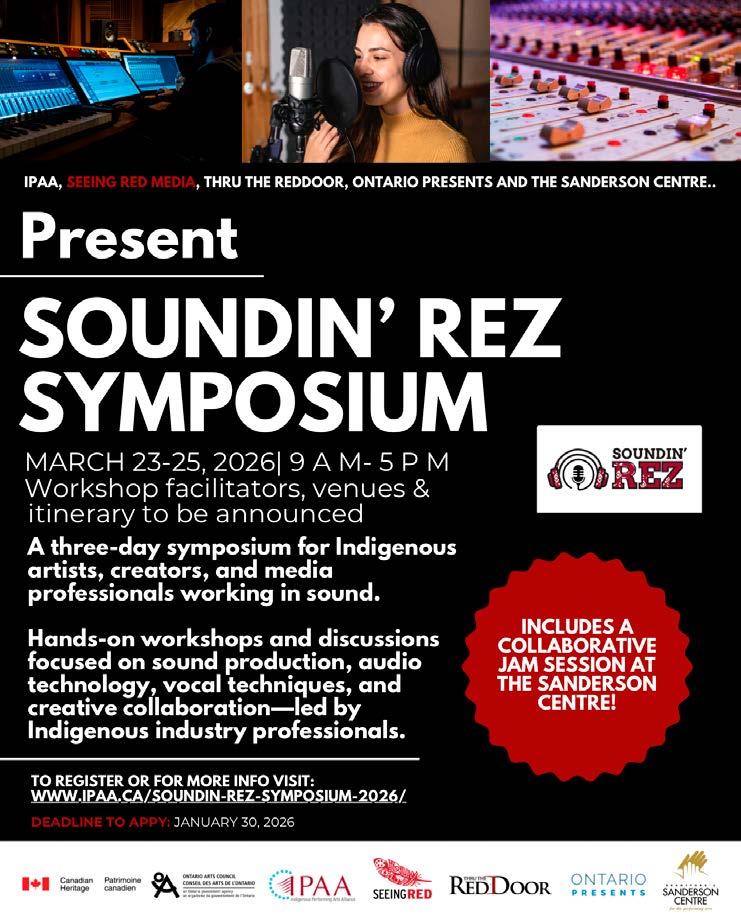

SATURDAY, FEBRUARY 7, 2026
Gathering Place by the Grand 2593 Chiefswood Road, Ohsweken (Six Nations) Pipe Ceremony & Feast to follow: 5pm Round Dance: 6pm - 2am
Emcees: Gary Parker, Tonawanda Seneca Meeg Snake, Ojibwe/Potowatomi from Aamjiwnaang/Rama
Pipe Carrier: Biindigegizhig Deleary, Anishinabe/Onyota'aka, residing on Walpole Island
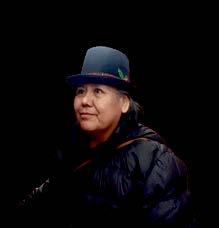
Stickman: Everet (Chase) Sayer, Plains Cree from Piapot First Nation
OPEN INVITATION TO ALL

Grand River Mavericks Hockey is seeking community sponsors to help our U7, U13 & U15 teams attend the 2026 Little Native Hockey League Tournament.
Funds raised will support the purchase of team uniforms, tournament registration, practice ice time, and travel accommodations.
Any contribution helps our Six Nations youth athletes proudly represent our community
To donate or learn more, please contact: �������� t-bomberry@hotmail.com ��������519-732-3509


CAYUGA: Crystal Gayle January 21, 1986 - January 25, 2026
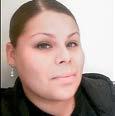
rino), Victoria (Vick-terr) and brother bear Kato (Kyle). Sister-in-law to Josh. Auntie to Węhnihsrí:yô:, Ganędasé, Kiana, Elaina, Amelia and Miss Reign. Will be missed greatly by special Aunties Shell and Marcia Jo, along with her loving families from Six Nations, California, Tuscaro ra, and Ottawa. She will be dearly missed by all her special friends and family. Special thank you to Rachel Martin, lifelong friend of Crystal. Special thank you to the Simcoe ICU Nursing staff that were so caring and attentive. Will be missed dearly by her special friend Rob. Predeceased by parents Lorraine Bradley and Daniel Cayuga; grandfa thers Don Cayuga and Don Bradley, grandmother, Barb Bradley and many passed Bradley and Cayuga families. Crystal was a music enthusiast, enjoyed playing baseball and loved her Ogweho:weh culture.
Resting at Styres Funeral Home, 1798 4th Line, Ohswek en from 10 a.m. to 3 p.m. on Friday, January 30, 2026, where friends and family are welcome to share their memories. Gathering with potluck to follow immediately with location to be announced. Cremation to follow. In lieu of flowers, donations can be sent to Native Horizons Treatment Centre, 130 New Credit Rd, Hagersville.
In lieu of flowers, donations can be made to Crystal’s chil dren at seancayugwhite@gmail.com
Arrangements by Styres Funeral Home, Ohsweken. www. rhbanderson.com
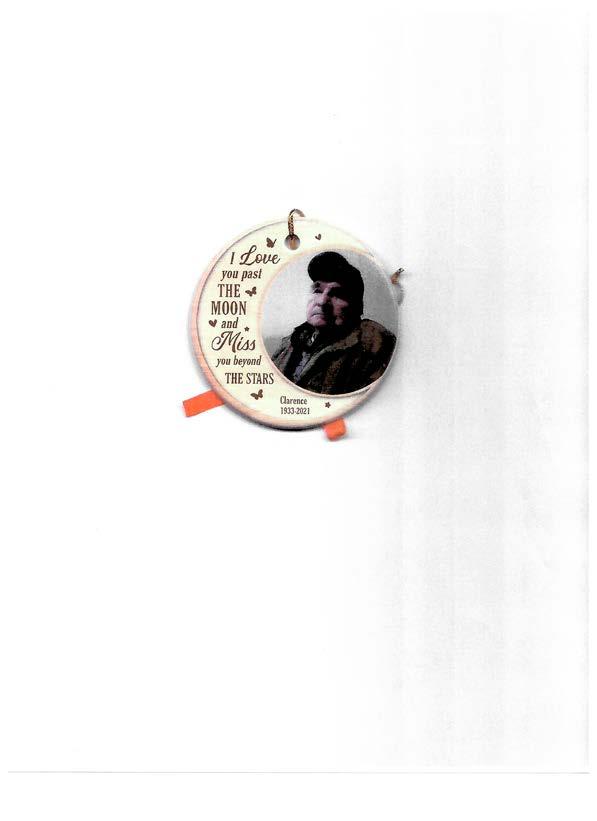

In loving memory of our father, grandfather, great-grandfather and great-great grandfather, Carmen Porter, who left us on January 30th, 2021
Some broken hearts never mend
Some memories never end
Some tears will never dry
My love for you will never die
Forever remembered by Kathy, Rod Hill and family and the Porter kids.
CLUES ACROSS
1. Racket sport pros
4. Make tea
8. City South of Moscow
10. Spanish bullfighting term
11. Egg-shaped
12. Could not remember
13. French modernist painter
15. Persons
16. Painful intestinal obstruction
17. Professions
18. Is up to the task
21. Wood or metal bolt
22. Tax collector
23. A way to save for the future
24. Georgia rockers
25. Midway between north and northeast
26. High schoolers’ test
27. Does not accept responsibility
34. One who prepares
35. Gout-indicative deposits
36. Place to play games
37. Book of Genesis character
38. Cleans oneself
39. Unloaded for money
40. Genus of flowering plants
41. Take a puff
42. Congressmen
43. God of battle in Scandinavian mythology
CLUES DOWN
1. Type of bomb
2. South Pacific islands
3. Celestial body
4. Negotiates
5. Consider in a specified way
6. Type of group in organic chemistry
7. Buddhist monasteries
9. Inhabitant of Bering Sea island
10. Body part
12. Milestone birthday
14. Thyroid-stimulating hormone
15. More (Spanish)
17. Chicago ballplayer
19. Leaves a place
20. Cannot be found
23. One’s internal body parts
24. Tell on
25. North American peoples of southwest
26. Soviet Socialist Republic
27. Extract used for jams and jellies
28. Greek goddess of the dawn
29. Old English letter
30. A way to exaggerate
31. Get up and leave
32. “Boardwalk Empire” character
33. More generous
34. Hanging cloth used as a blind
36. Ancient Greek sophist


ARIES – Mar 21/Apr 20
You are unstoppable this week, Aries. Your famous pioneering spirit is magnified, giving you the green light for major breakthroughs. Take the lead in situations that excite you.
TAURUS – Apr 21/May 21
Prepare for a week of unexpected results, Taurus. A significant financial opportunity may appear out of the blue, or you might find yourself feeling extra secure at work.
GEMINI – May 22/Jun 21
Gemini, your social life is booming right now. You are a magnet for excellent ideas and exciting connections this week. Expect conversations that lead to professional opportunities.
CANCER – Jun 22/Jul 22
Right now you are hitting a major professional high point, Cancer. All eyes are on you, and your efforts may lead to some well-deserved recognition and rewards.
LEO – Jul 23/Aug 23
Prepare for adventure this week, Leo. The cosmos is urging you to expand your horizons and seek new inspiration. Your optimism is contagious as you make your plans.
VIRGO – Aug 24/Sept 22
This week brings a powerful sense of personal transformation and empowerment to you, Virgo. You have the energy to tackle complex matters and emerge feeling stronger and wiser.
LIBRA – Sept 23/Oct 23
Libra, your relationships are very strong this week. You’ll find mutual respect and exciting shared goals through these alliances. If you’re single, expect an unforgettable encounter.
SCORPIO – Oct 24/Nov 22
This week is perfect for optimizing your worklife flow and implementing small changes that will yield huge, positive results, Scorpio. You may need help mapping out goals.
SAGITTARIUS – Nov 23/Dec 21
Sagittarius, your sector of creativity, fun and romance are illuminated this week. Plan a date, unleash your artistic side or simply dedicate time to pure play. Delightful experiences await.
CAPRICORN – Dec 22/Jan 20
Home is the launchpad for success this week, Capricorn. Focus on developing your domestic environment. A refresh or redecoration can work wonders, especially to banish cabin fever.
AQUARIUS – Jan 21/Feb 18
Prepare for several days of remarkable connections, Aquarius. Your ideas and innovative concepts are sharp, which will compel others to aspire to be in your orbit.
PISCES – Feb 19/Mar 20
Your personal finances are set for an upward trajectory, Pisces. A new income stream may surface, or you might discover a hidden talent that you can monetize.