Call of Duty
TSCRA Special Rangers reflect on flood emergency response and generous hearts.
American Hat Company captures the spirit of rural America through dedicated craftsmanship.
TSCRA Special Rangers reflect on flood emergency response and generous hearts.
American Hat Company captures the spirit of rural America through dedicated craftsmanship.

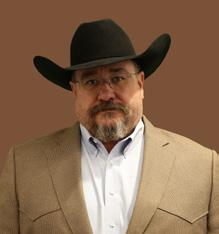
Birdwell Plainview, TX (806) 681-3667
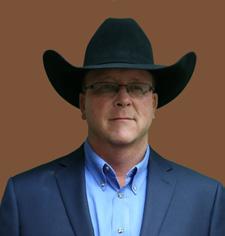
Griffin Atoka, OK (580) 271-1333
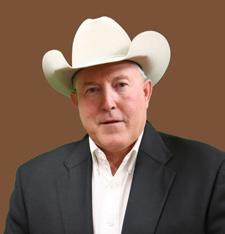
Johnson Dallas, TX (214) 384-2653
TSCRA Special Rangers respond to historic July flood.
By Paige Holbrooks

The legacy and craft of American Hat Company.
By Shelby Kirton

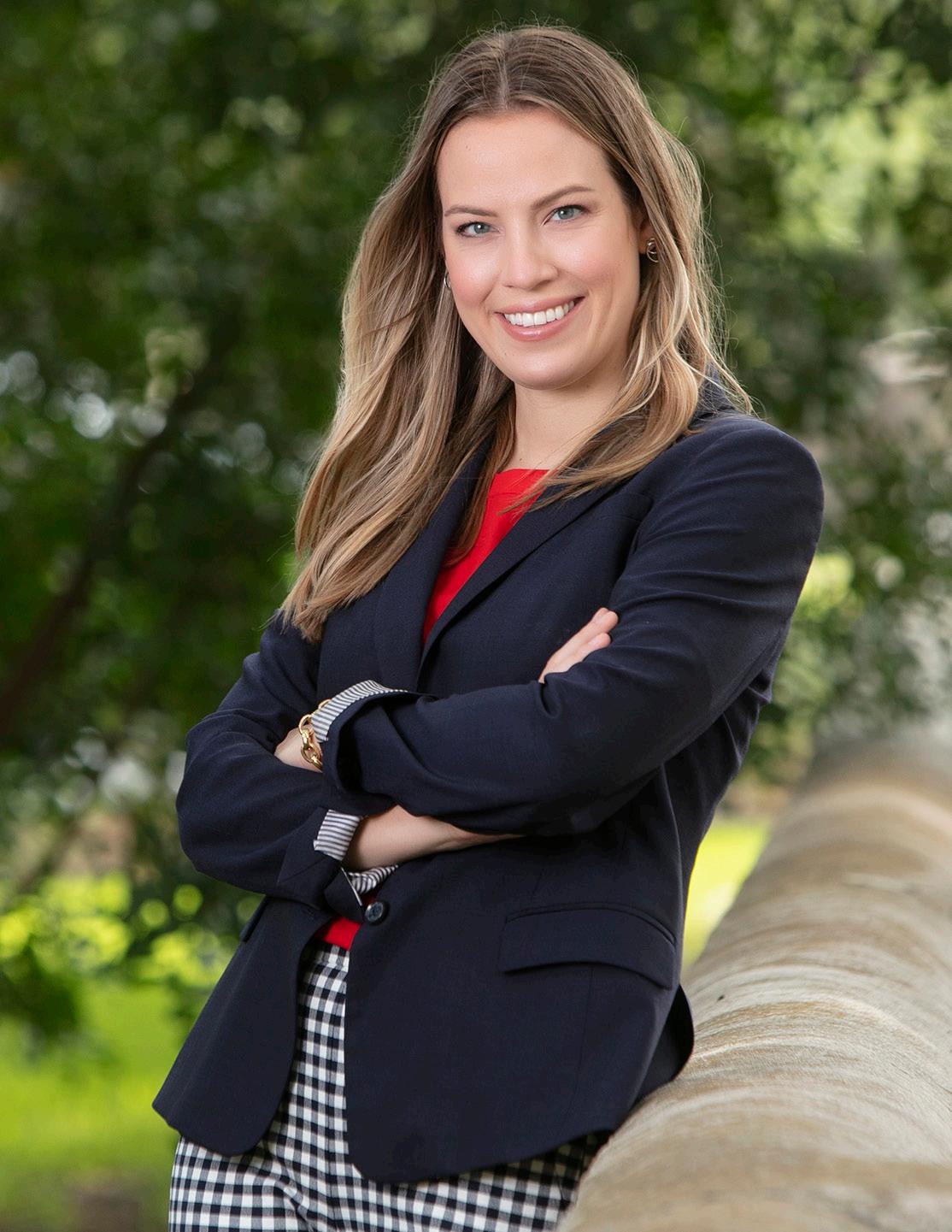
As the year winds down, it is only fitting that we celebrate the people and traditions that make our industry and this region so special.
In this issue, you’ll find stories capturing both the grit and grace of the cattle industry. In Through It All, we explore the role Texas & Southwestern Cattle Raisers Association Special Rangers served in response to the historic July flooding, and a special family who took these heroes in. We also spotlight American Hat Company, a Texas-rooted brand in Bowie that has built its reputation on craftsmanship, faith and family, in the feature Positive Times.
This season also brings you The Cattleman Holiday Collection starting on page 49, which features historic ranch traditions, recipes and the Cavender’s Gift Guide. You’ll also find other brands offering great gifts for the rancher, landowner and cattle raiser on your list.
And don’t miss one of the best perks of association membership: the Fort Worth Stock Show & Rodeo grounds
pins. These exclusive pins grant complimentary access to the stock show all season long, but pins are limited. Reference page 29 for registration details before they sell out.
From all of us at Texas & Southwestern Cattle Raisers Association and The Cattleman, thank you for being part of our story this year. We wish you all a very special Christmas season! T C
Jaclyn Roberts Parrish Executive
Director of Communications, Marketing & Partnerships/Editor-in-Chief, The Cattleman jaclyn@tscra.org • 817-916-1794

December 2025 / / Vol. CXII, No. 7
Published by Texas & Southwestern Cattle Raisers Association
P.O. Box 101988, Fort Worth, Texas 76185
Phone: 817.332.7064 • Fax: 817.394.1864 tscra.org
EDITORIAL
Editor-in-Chief Jaclyn Roberts Parrish
Managing Editor Jena McRell
Associate Editor
Shelby Kirton
Copy Editors Kayla Jennings, Elyssa Foshee Sanders
Graphic Designer Ryan Barten
EXECUTIVE DIRECTORS
Executive Vice President/CEO Jason Skaggs
Communications, Marketing & Partnerships Jaclyn Roberts Parrish
Events, Education & Leadership Development Emily Lochner
Finance & Human Resources Megan Wills
Interim Government Relations Peyton Schumann
Law Enforcement, Brand &
Clay
Membership & Operations Lisa Walker
OFFICE LOCATIONS
Fort Worth 2813 S. Hulen St., Suite 150 Fort Worth, Texas 76109 Austin 919 Congress Ave., Suite 750 Austin, Texas 78701
Subscription Inquiries: tscra@tscra.org or 800-242-7820
Advertising Sales: sales@tscra.org or 817-332-7064
Counting our many blessings as the sun sets on another year.
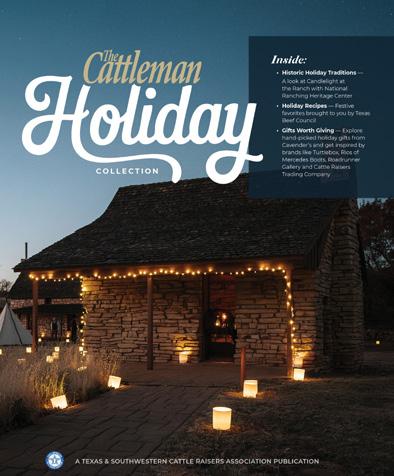
The Cattleman Holiday Collection curates the best of Western lifestyle for the season — traditions, flavors and inspired gifts that feel as authentic as they do thoughtful.
by Adrian Hawkins, National Ranching Heritage Center



By Paige Holbrooks
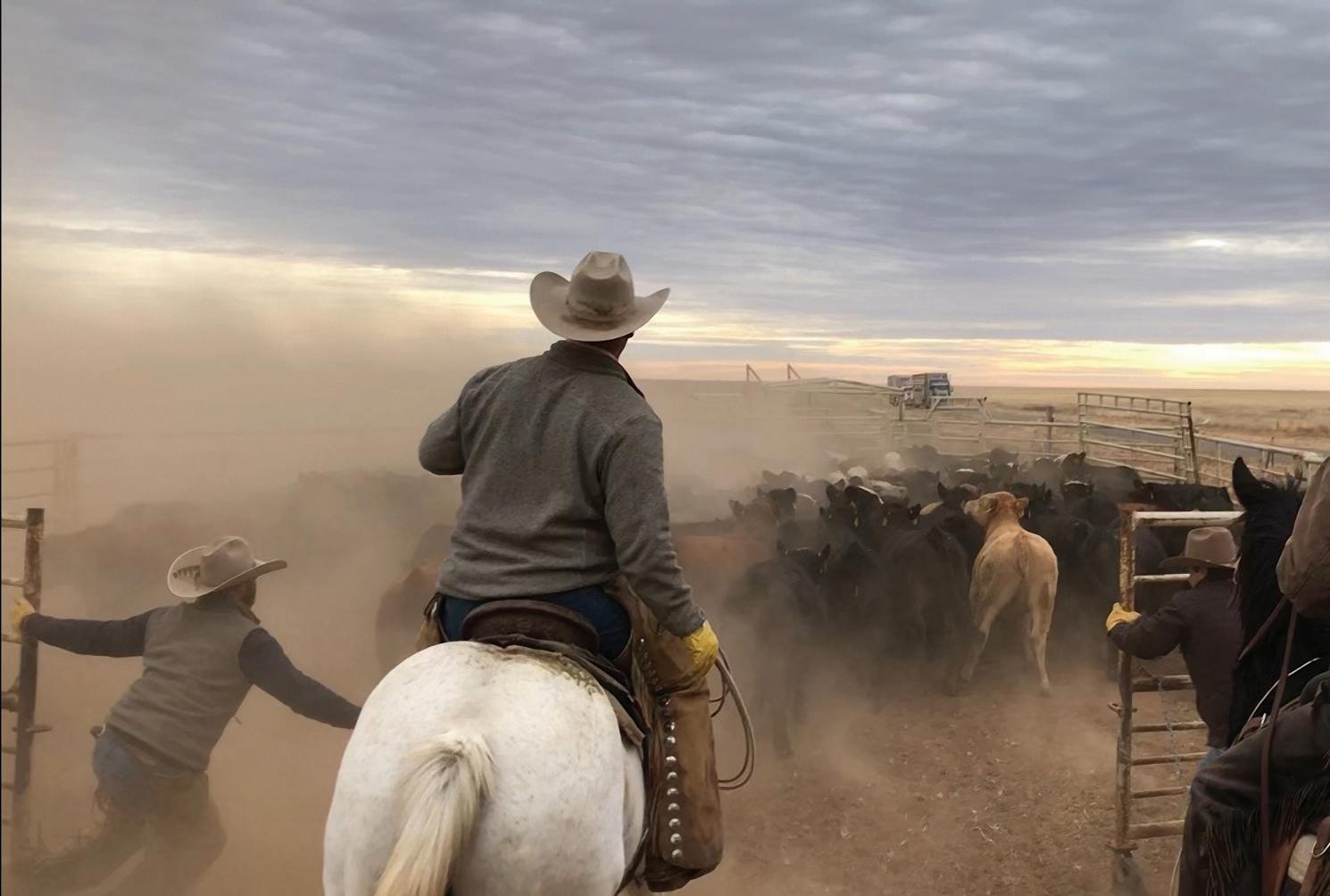
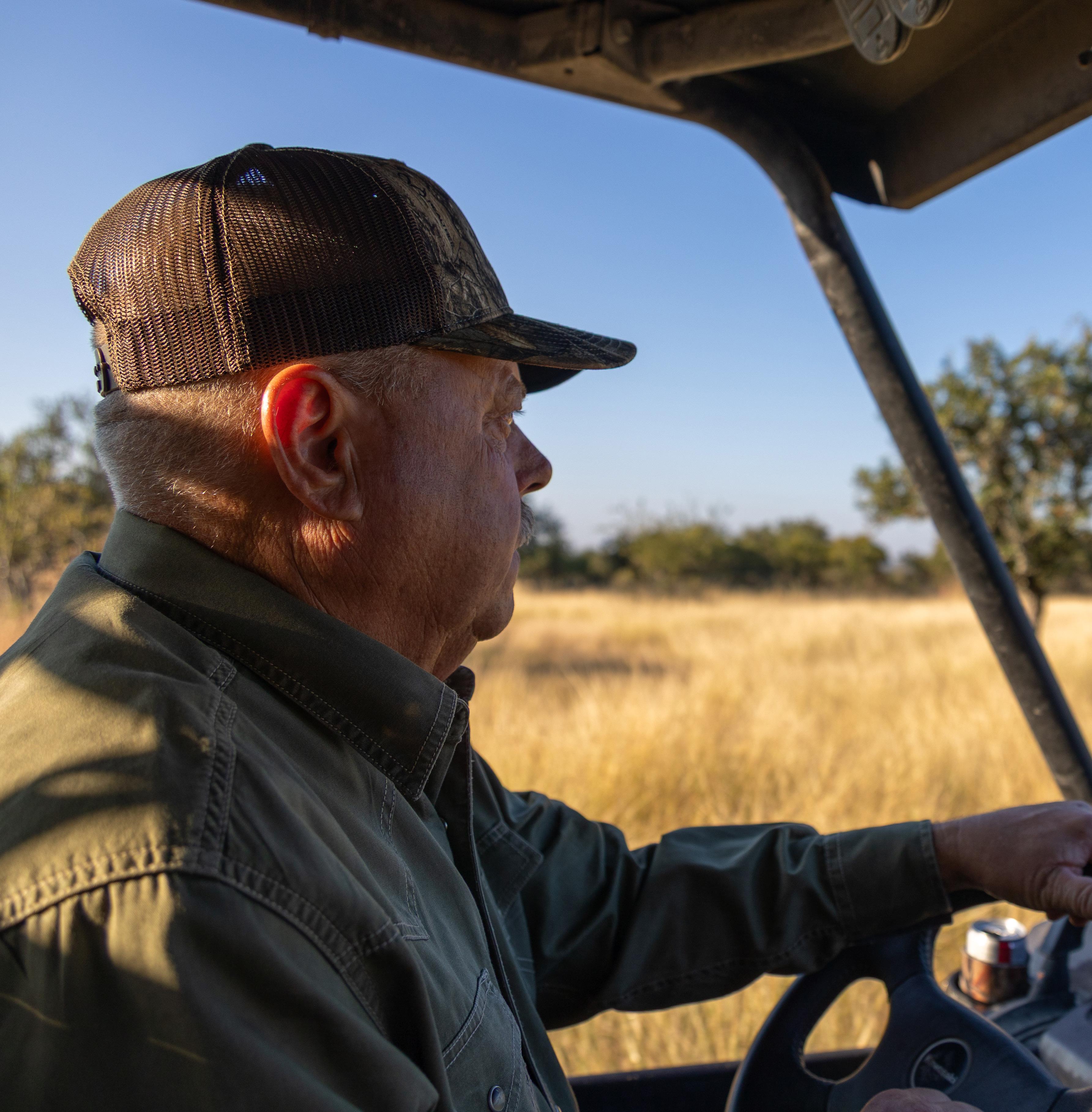
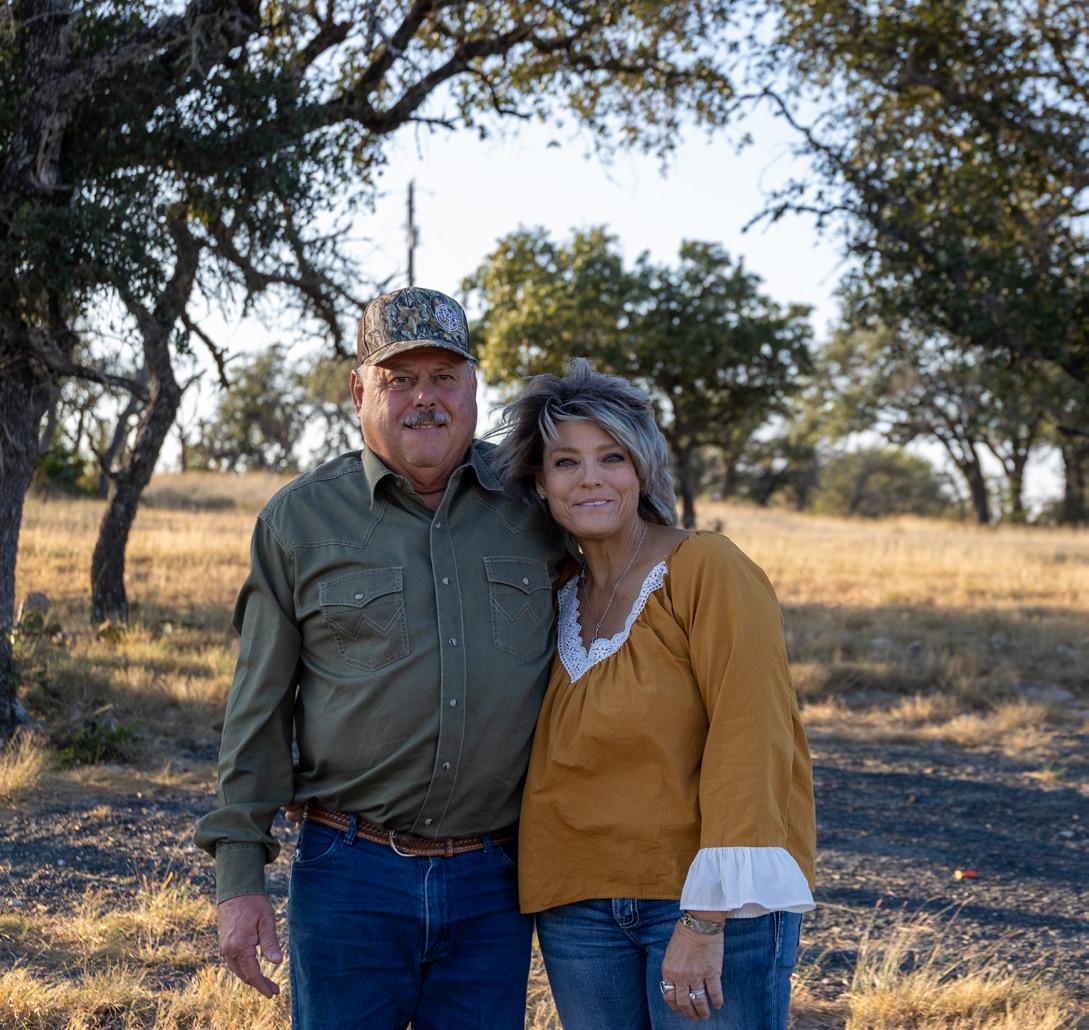
As rancher Chip Keeney maneuvered his way through washed out roads, he didn’t know what he was coming home to. While on vacation last July, he saw the ominous headlines, and many friends and family had reached out to check on him and his wife, Tawnia.
Texas Hill Country, known for centuries-old trees, soughtafter river recreation and Independence Day festivities, was making national news as 10 to 20 inches of rain — more than four months’ worth — fell in just a few hours.
No words would ever do justice to the loss and devastation the region experienced during the historic flood that took the lives of 137 people.
A Hill Country native, Chip owned a welding company in Houston for 20 years before moving back. In 2016, he found a place in Mountain Home to hunt and graze cattle and quickly transformed the property into Keeney Ranch, an exotic game operation.
He and his wife consider themselves lucky because the floodwaters remained 8 miles from their property. They, like many others, had friends who were completely wiped out by the rushing water of the Guadalupe River, which ballooned to four times its normal width during the rains. River waters rose 26 feet in 45 minutes during the early hours of July 4, leaving little time to escape what would become the sixth-deadliest freshwater flooding disaster in the U.S.
As soon as word of the floods got out, Texas & Southwestern Cattle Raisers Association Special Ranger H.D. Brittain, who serves as the region supervisor inclusive of the communities impacted by the floods, began receiving calls.
He alerted Clay McKinney, the association’s executive director of law enforcement, brand and inspection services, who assembled two teams for a week-long deployment. The 13 special rangers packed their bags and headed out, unsure of what awaited them.
On July 4, Texas & Southwestern Cattle Raisers Association Special Ranger Michael Looney got a call from his supervisor.
“He said, ‘Saddle up, you’re headed down there,’” Looney recalls. “‘Be expecting a call tomorrow but get everything together.’”
He knew it would not be an ordinary assignment. The region had been hit hard, and without power and displaced families, lodging was uncertain. He brought his bed roll, extra snacks and some water, with the plan to sleep in the bed of his pickup if necessary. Little did he know, this would not be the case.
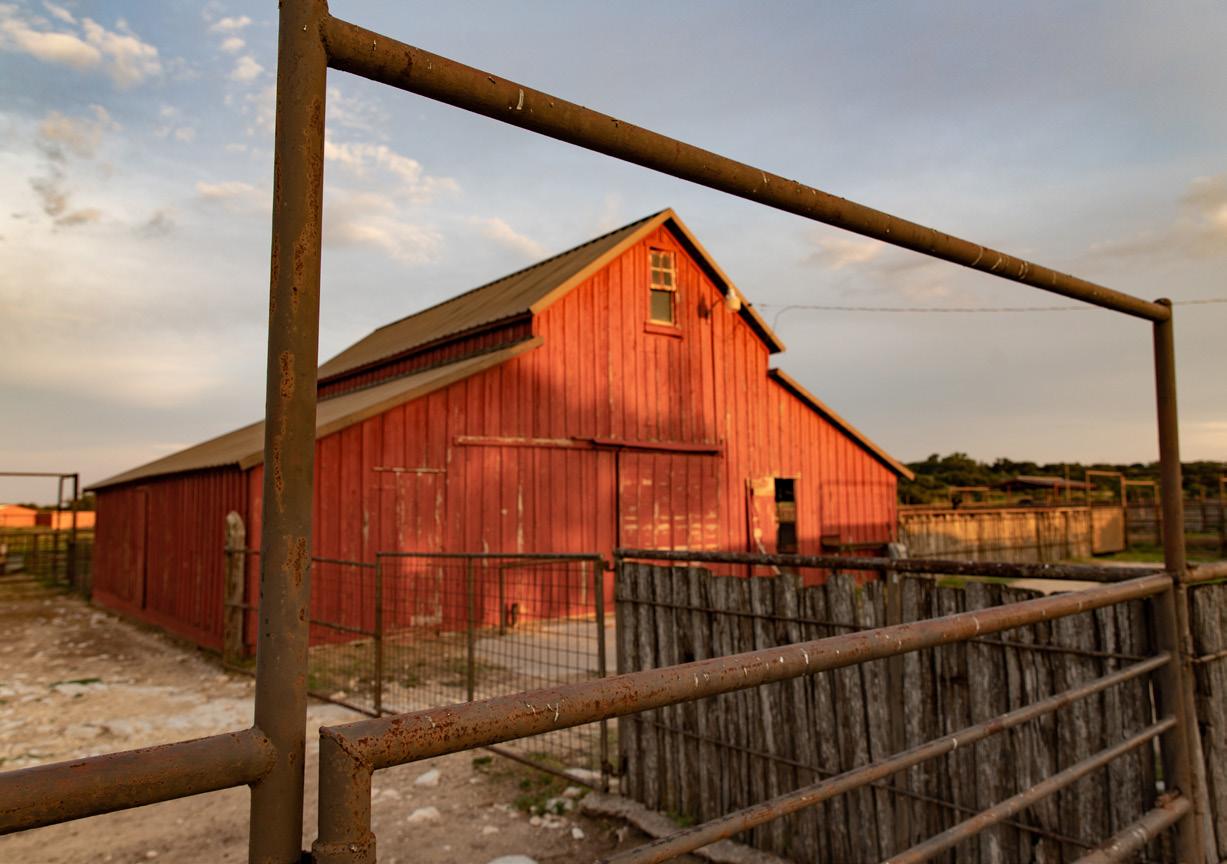
Before he headed out, Special Ranger Chace Fryar had an idea. His longtime friend, Chip, was near the flood site. Having visited before, Fryar knew a barn at Keeney Ranch could serve as a dry place for the special rangers to lay their bed rolls down in the evening.
Fryar called in a favor. Even though Chip was away from the ranch at the time, he immediately called Tawnia’s sister to help prepare for the first team’s arrival. This meant opening the gates, tidying the hunting cabin and calling a close friend from Louisiana who volunteered to prepare meals until Chip made it back.
“He immediately shot down the idea of us staying in the barn, and insisted we take his hunting cabin,” Fryar says.
Emergency response is not foreign for Texas & Southwestern Cattle Raisers Association. Special rangers have engaged in disasters including the Smokehouse Creek and Windy Deuces wildfires and Hurricane Ike, with many having prior experience in paramedic training or specialized police work before joining the association.
Special Ranger Tod Reed expected washed out fences and stranded cattle, the kind of aftermath from previous disasters he had worked. But as reports came back from the first group of the rangers and the rain continued, it became clear this was different.
“The flood caught those people by surprise,” Reed says. “With a hurricane, people can kind of prepare — they can see it coming.”
The situation was much more severe and mostly isolated to campground and recreational sites. Few livestock were lost; instead, human recovery became paramount.
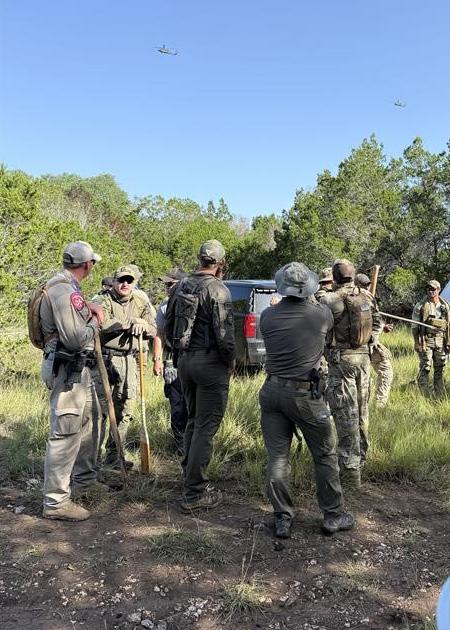
The special rangers assisted the Texas Department of Public Safety with search and rescue for the next seven days.
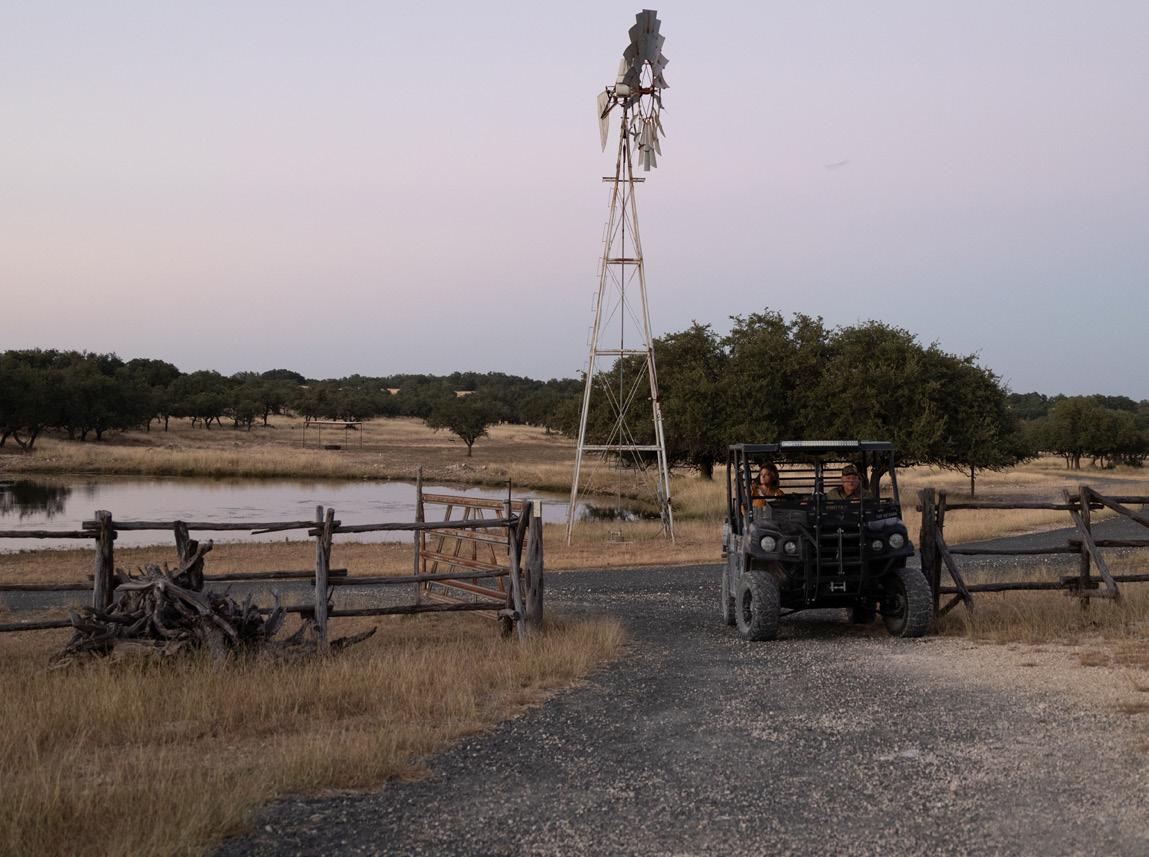
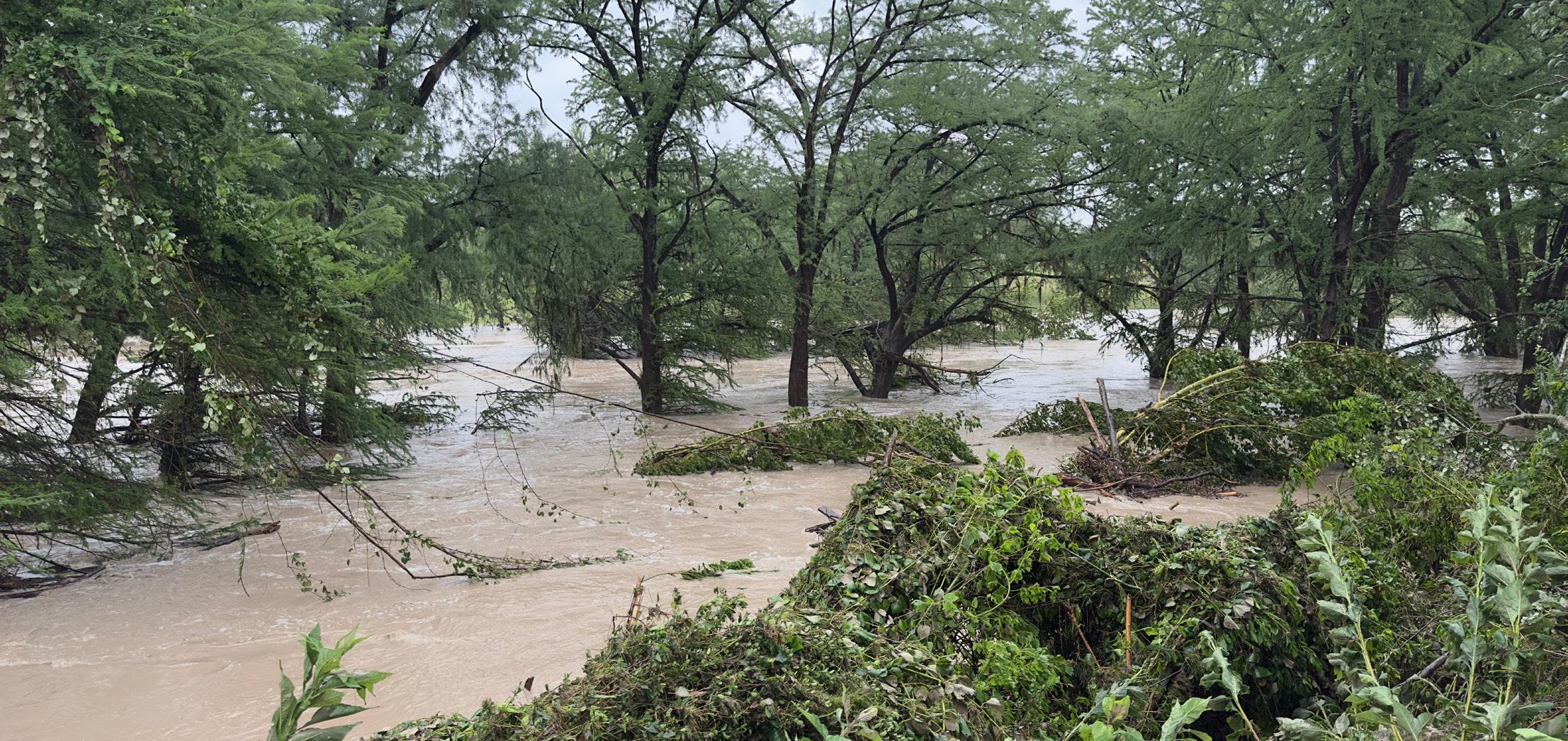
“Some of those trees will never come back, at least not in our lifetime,” says Chip Keeney, recalling the devastation.
Realizing the special rangers may not be equipped with the necessary gear, the chief deputy in Walker County reached out to Fryar, explaining that the sheriff’s department recently received new swift water equipment and would like to supply life vests and throw ropes for the team.
“We felt honored to be there, to help in any way we could and to show respect for our neighbors — it was truly rewarding to feel we’d made a difference,” McKinney says.
Texas & Southwestern Cattle Raisers Association Special Rangers started each day at 7 a.m. for a briefing with emergency management and the Texas
Department of Public Safety. From there, they were assigned to a team of public safety officers. Together for 12-plus-hour shifts, they would painstakingly comb through a three-mile stretch of the Guadalupe River while up to their thighs in river silt.
“Nobody complained. Every one of us knew what we had to do and everybody took care of one another,” Looney says. “It’s special when you work for an organization spread out across two entire states, and you can all still come together with the same mission, same mindset and work together so well.”
Because of their knowledge of the region and rural throughways, the special rangers were also called on to transport other responders.
“We felt honored to be there, to help in any way we could and to show respect for our neighbors.”
— Clay McKinney, TSCRA Executive Director of Law Enforcement, Brand and Inspection Services
With few accessible roads, this was no small feat. Fryar and some of his team were looking for alternate routes for pickups versus leaving by boat. In their search, they found a gate with a Texas & Southwestern Cattle Raisers Association POSTED sign.
“Right here in the middle of all this, we saw somebody with our membership sign posted and we were able to utilize that property and get us out of there,” Fryar recalls.
At the end of each day, Chip and Tawnia made sure dinner was hot and on the table, no matter how late the crew arrived. As plates of food were shared, the crew processed the heaviness of the day.
“They had a tough job,” Chip says. “Some nights we didn’t eat supper until 11:30 p.m. and they were back up at 5 a.m. After talking with them each night, I don’t know how they do what they do.”
The chance to share in a meal together and recount what they experienced is not typically an option during emergency deployments. Looney emphasized how mentally taxing it can be to contemplate the aftermath of such a tragedy while alone in a hotel room.
“The destruction out there was devastating, but the loss of life was what truly made it difficult, especially when it came to the children,” Special Ranger Robert Fields says. “Finding their personal belongings with their names on them, that’s something that stays with you.”
After the first day trekking through miles of floodwater, the special rangers draped their mud-soaked clothes on the balcony of the hunting lodge. With no washer and dryer handy, this was the next best option. Before they knew it, Chip was walking up to the hunting cabin, laundry basket on his hip.
“I don’t think the Keeneys realized how much their hospitality mattered, but looking back, seeing the guys unwind, recharge and decompress like that — it was a huge morale booster,” McKinney says.
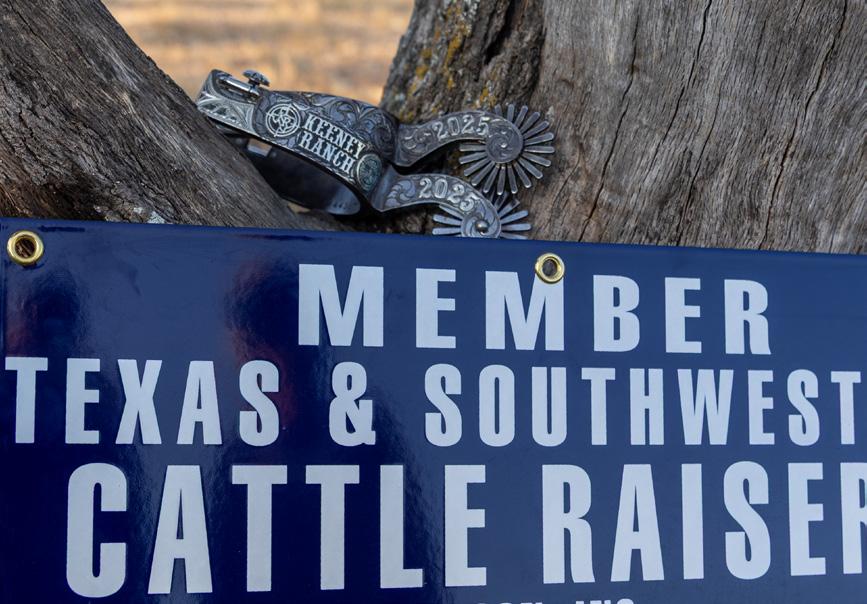
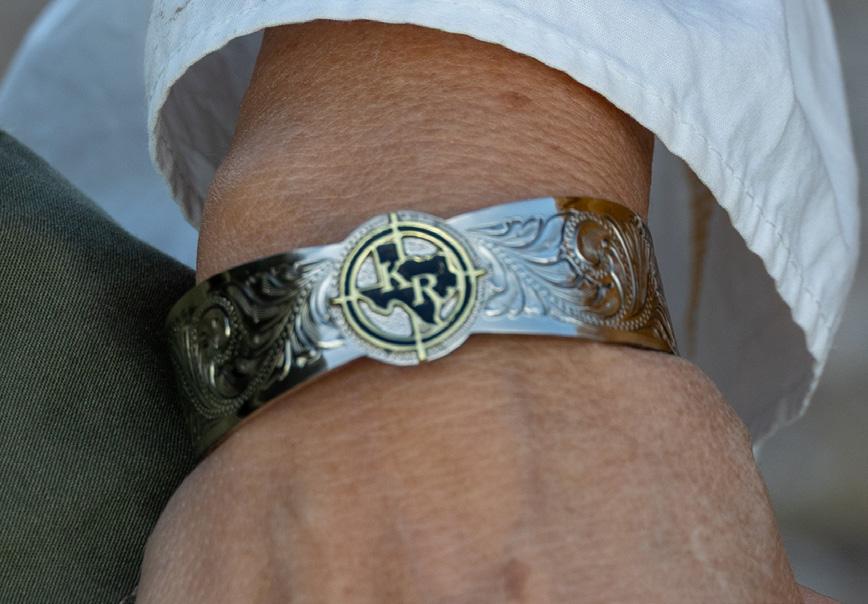
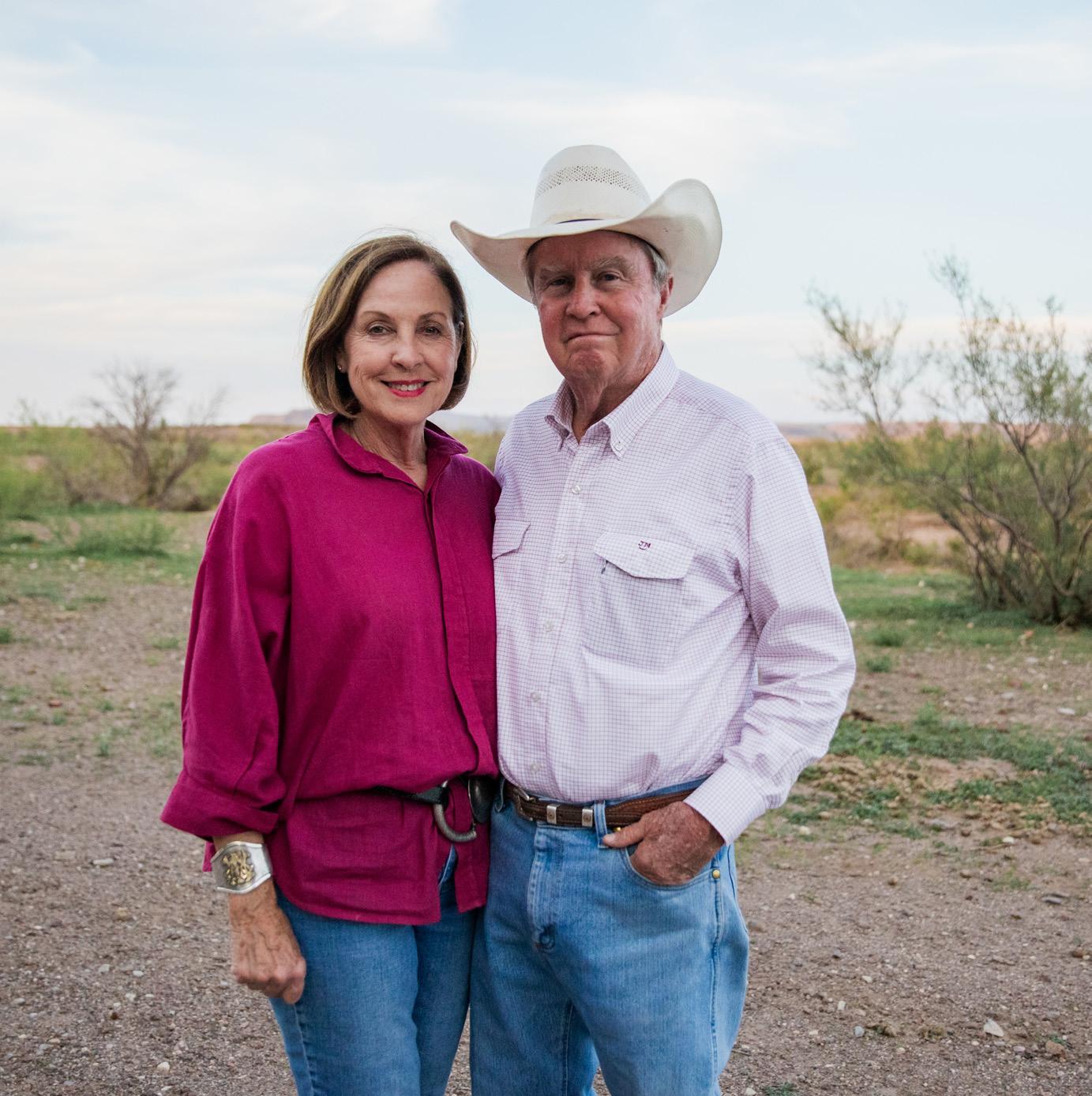
Texas & Southwestern Cattle Raisers Association recognized the Keeney Ranch during the Fredericksburg Ranch Gathering Oct. 16 at the Gillespie County Fairgrounds. Clay McKinney presented Chip and Tawnia Keeney with a personalized POSTED gate sign, custom spurs and a bracelet as tokens of appreciation from the 13 special rangers who responded to the Texas Hill Country floods in July.
The spurs and bracelet hold a special story. They were made in the prison craft shop at the Texas Department of Criminal Justice Walls Unit in Huntsville — the state’s oldest prison. While there, inmates skilled in traditional leatherworking and silversmithing produce custom, handmade pieces. In 2023, a fire damaged part of the historic prison, leading to the excavation of iron bars. Today, the salvaged iron is used to make unique pieces like the spurs and bracelet gifted to Chip and Tawnia.

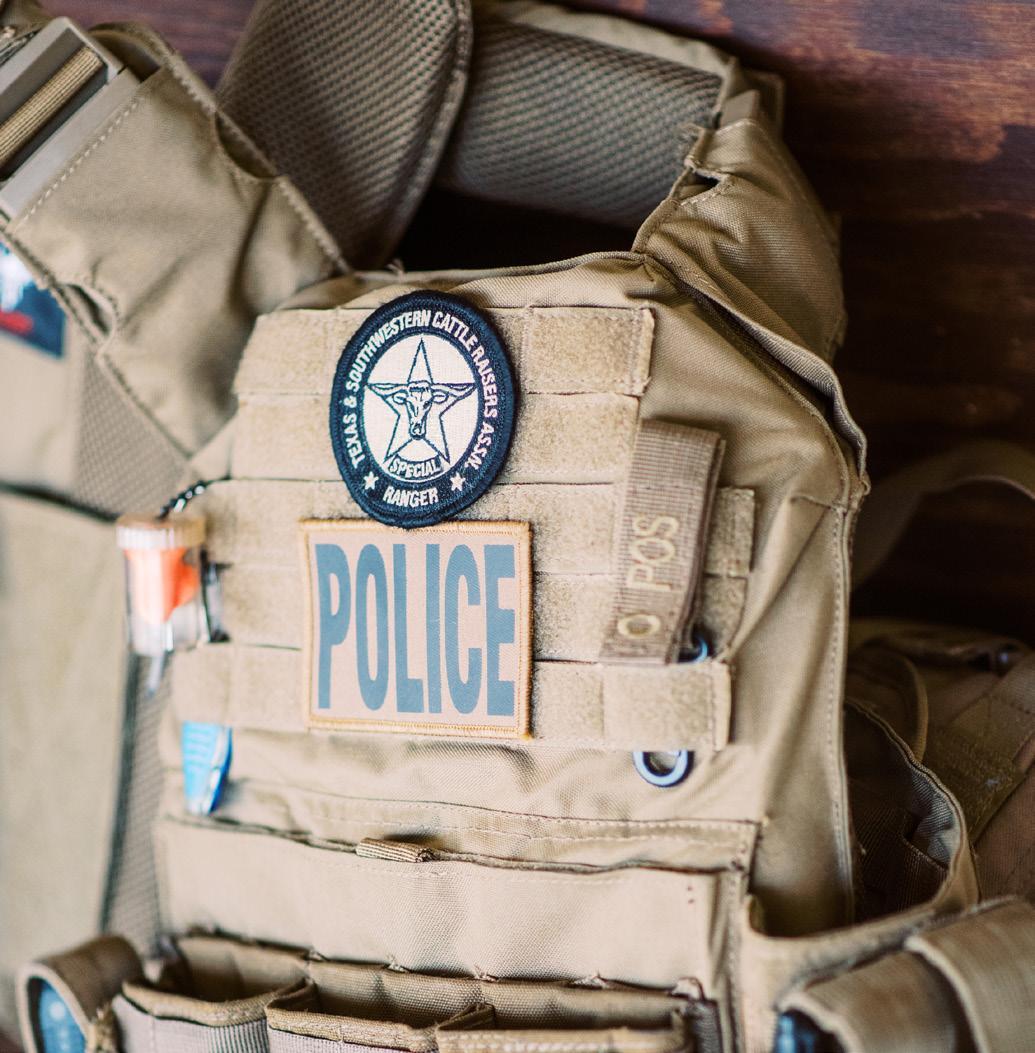
Response to the Hill Country floods revealed the ultimate call of the Texas & Southwestern Cattle Raisers Association Special Rangers. Their mission may involve livestock, but it is really about people.
Special rangers are protectors of the rural Southwest, looking out for cattle, individuals and communities. They bring justice, but also compassion, grit and a deep sense of duty.
Texas & Southwestern Cattle Raisers Association Special Rangers involved in the recovery efforts were: Clay McKinney, executive director of law enforcement, brand and inspection services; Howard Brittain, Region 2 supervisor; Joey Aguilar, Region 4 supervisor; Brent Mast, Region 5 supervisor; Michael Looney, District 7; Zack Havens, District 9; Tod Reed, District 17; Kenny Murchison, District 20; Chace Fryar, District 21; Nathan Hale, District 24; Robert Fields, District 25; Matt Sigur, formerly of District 27; and Kevin Marmor, District 28.
While the special rangers say they will never forget the destruction and tragedy witnessed during the Hill Country flood response, they found a sense of hope in the warmth and hospitality of the Keeney family.
“I’ve been in law enforcement almost 39 years, and that is what has always made the rural ranching community so great — putting others first, helping out when you can,” Special Ranger Brent Mast says.
For the Keeneys, offering meals, a washing machine and a few extra beds was their way of supporting their community and those aiding in response efforts.
“We enjoyed talking with them, hearing their stories and building new relationships with people we otherwise wouldn’t have gotten to know,” Chip says. “It will take the community time to rebuild, but we are humbled to have played a part in the special rangers’ response efforts.” T C
Paige Holbrooks is the director of policy and political communications for Texas & Southwestern Cattle Raisers Association.
The TSCRA Special Ranger Foundation exists to ensure 28 rangers are properly equipped. When disaster strikes and rural areas need extra hands, the Special Ranger Foundation is what makes their response possible. Scan the QR code to give to the Special Ranger Foundation or participate in the silent auction during the 2026 Cattle Raisers Convention & Expo. Donations can also be mailed to P.O. Box 101988, Fort Worth, Texas 76109.
Your support helps fund:
• Cutting-edge communication tools
• High-quality training
• Essential equipment

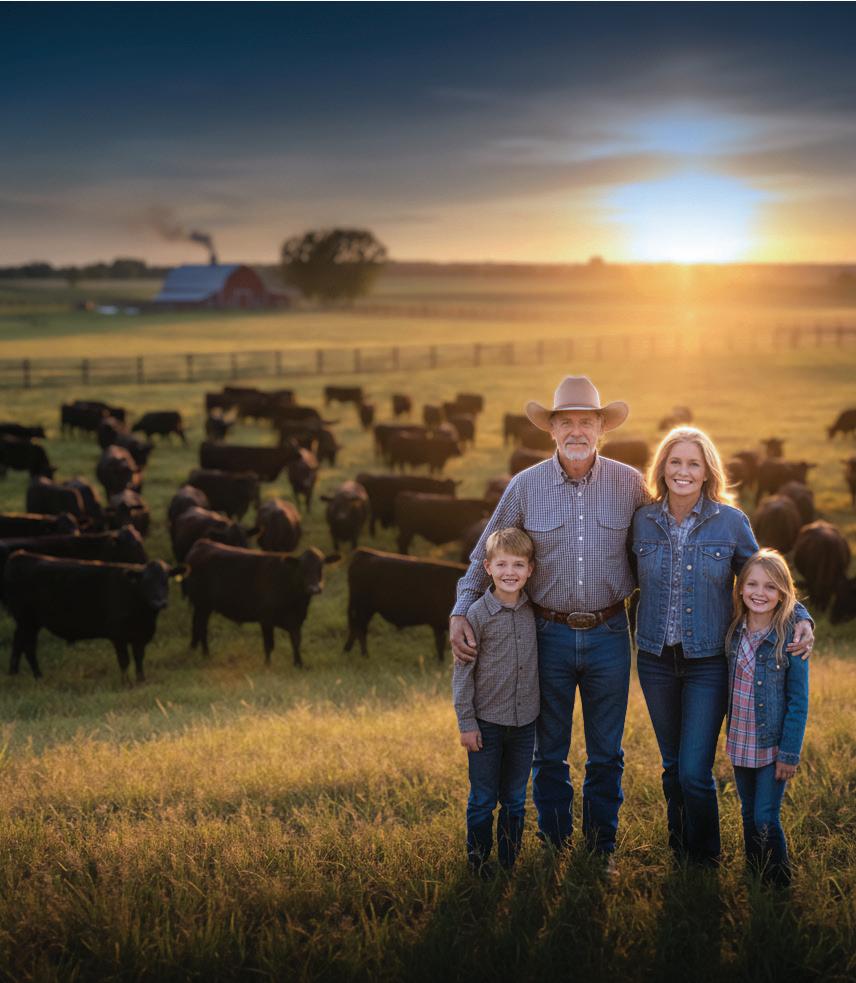
As might be expected, the road to reestablishing American Hat Company wasn’t smooth for the Maddoxes.
When they purchased the company, the production facility was located in Conroe. They realized the area’s high humidity was not ideal, so they began to look northward for a new home. They found it in a vacant Hagar Slacks factory in Bowie.
James K. “Rooter” Brite Jr., a Texas & Southwestern Cattle Raisers Association director who runs JA Ranch near Bowie, recalls the transition.
“That old Hagar Slacks plant was sitting empty, and it had been a real loss for our town,” says Brite, who also chairs Bowie’s economic development board. “When American Hat came in, it was like breathing life back into this place. You could feel the optimism again.”
A few years later, tragedy struck. A devastating fire in 2005 destroyed $13.5 million in raw materials and inventory. However, rather than cutting their losses, Keith decided to fully invest in the future.
“He bet it all on American Hat,” Mundee recounts. “He took money from his 401(k), remortgaged his house and shoved all his chips to the middle of the table. That was Keith. He believed in this company, and he believed in his people.”
Brite echoes that the entire community was impressed by the level of grit required to keep American Hat Company afloat following the incredible set-back.
“Most folks would’ve folded,” Brite says. “Not Keith. He had a vision, and he refused to let it die. That’s the kind of spirit small towns like ours are built on.”
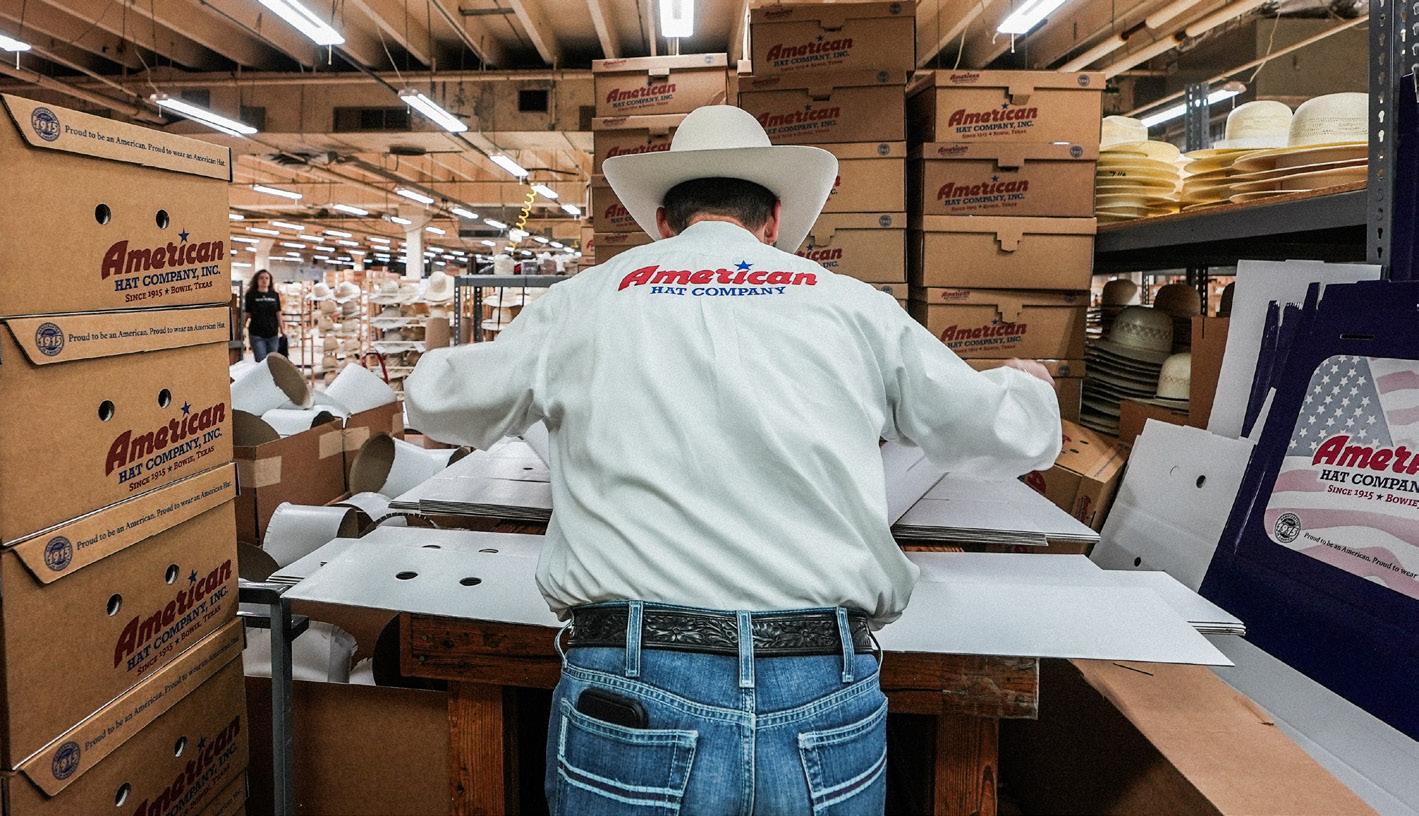
In the decades since, the company has expanded the original building three times, totaling 48,000 square feet. Its presence also extends beyond the factory. American Hat Company supports the community through rodeos, the high school booster club, and purchasing vehicles and advertising locally.
“They don’t just talk about supporting local — they live it,” Brite says. “They are feeding our economy in every sense of the word.”
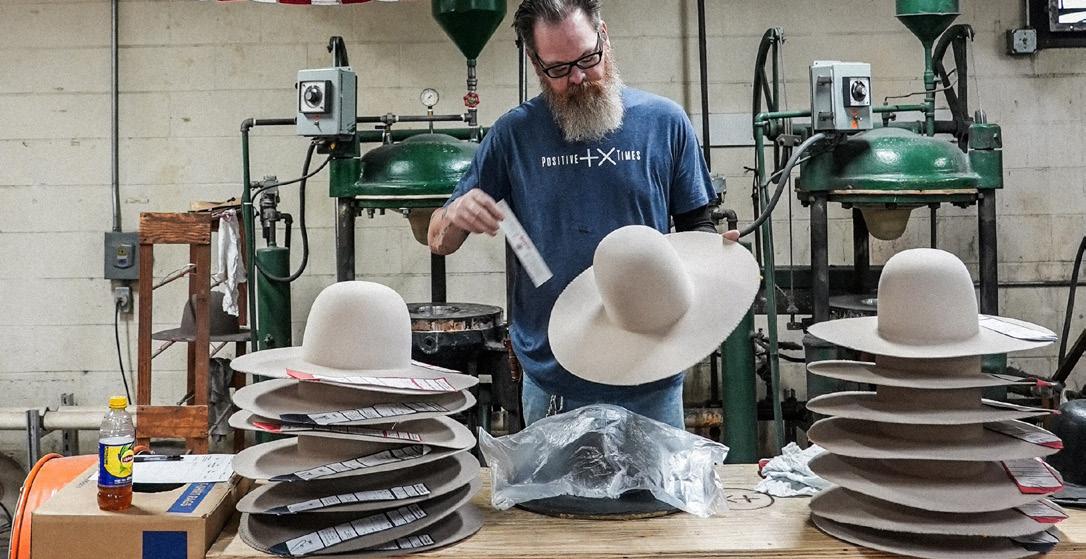
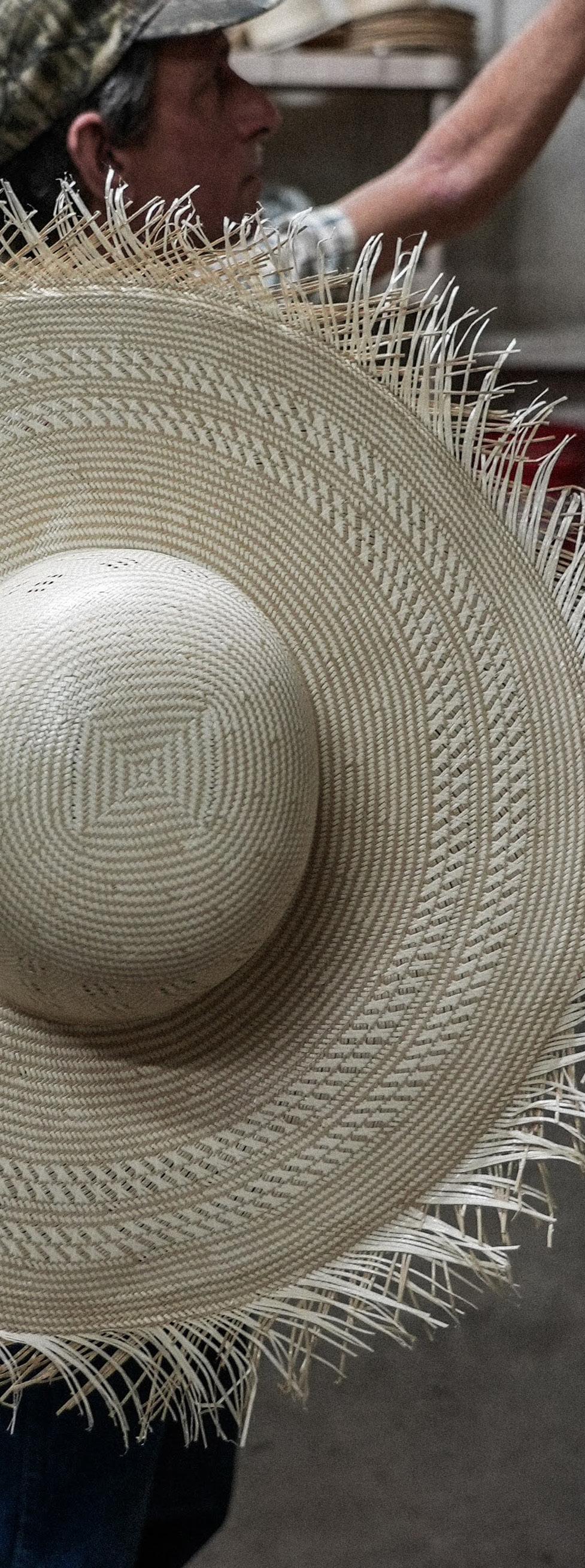
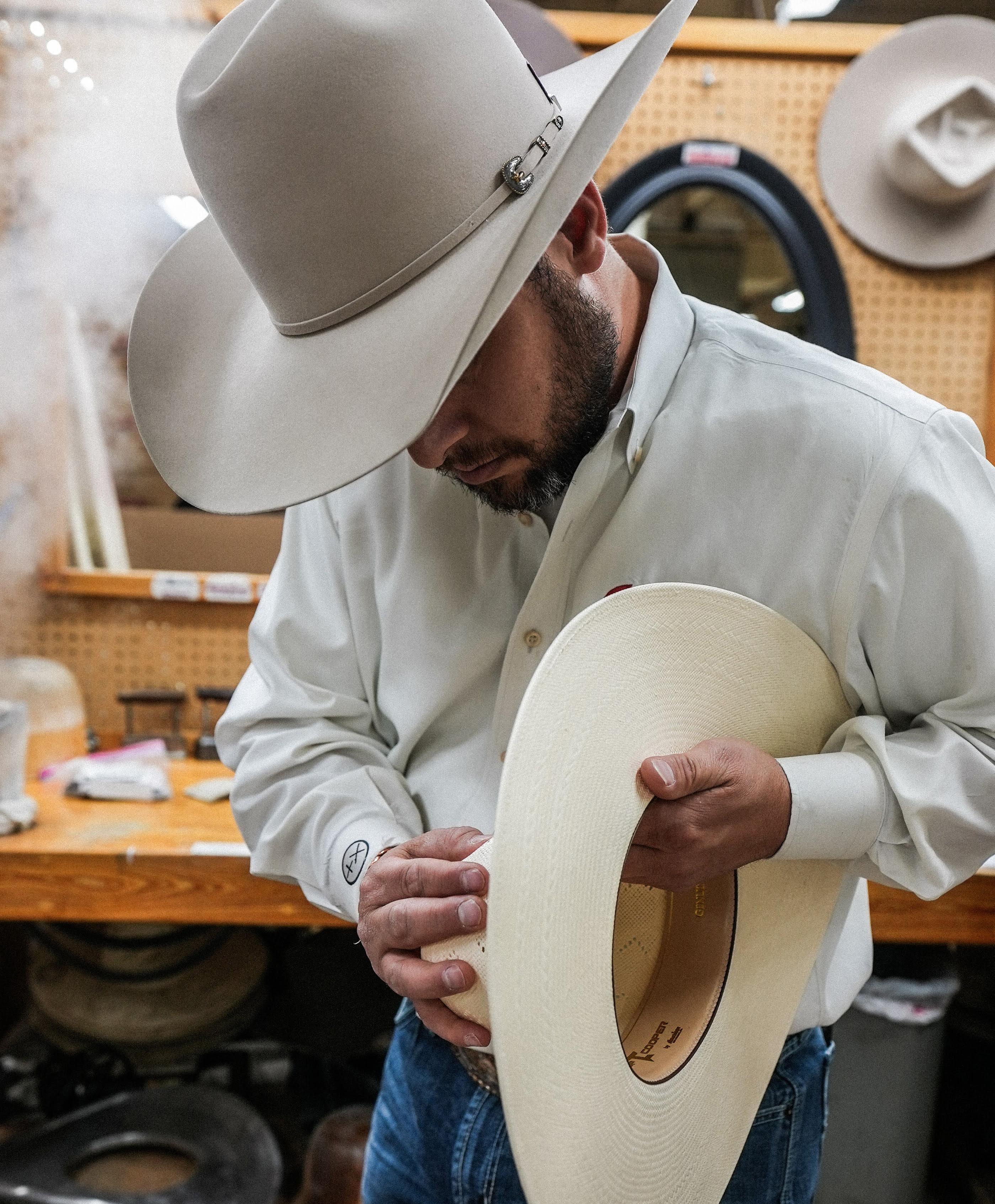
Above all, American Hat Company prides itself on high-quality craftsmanship.
Hats are shipped with open crowns and flat brims so wearers can custom-shape them. Straw hats are double-lacquered and double-pressed, and the felts hand-finished and inspected.
“You start with a great body,” Mundee explains, running his hand across a stack of felt. “We buy a more expensive raw body than anyone else. It’s about beaver content and the blend. You can feel the difference. Let your hands tell you.”
The attention to detail defines every hat that leaves Bowie.
“When you buy an American Hat, it’s not just something you wear, it’s something that goes with you through life,” Mundee says. “On your worst days, it’s there to shield you from the sun and rain. On your best days, like walking your daughter down the aisle, it’s part of the moment. Then someday, it hangs on the wall as a reminder of who you were.”
Inside the factory, that sense of purpose runs deep. Steam rises from shaping stations as craftsmen mold felt bodies into form, trim and smooth brims, and stitch ribbons and liners into place. The hiss of steam and hum of sewing machines blend into a steady rhythm — not just of production, but of tradition. Nearly 150 employees are involved in the production process.
“We compete for employees like everyone else,” Mundee says. “We invest in our people — health insurance, good working conditions, every other Friday off. When they’re happy, the hats are better.”
As American Hat Company continues to grow, now producing nearly 1,000 felt and straw hats per day, Mundee says he remains committed to the philosophy that bigger is not always better. Better is better.
“There’s a sweet spot in everything. We’ve found ours,” he says. “Now it’s about small improvements — making 1,000 things 1% better.”
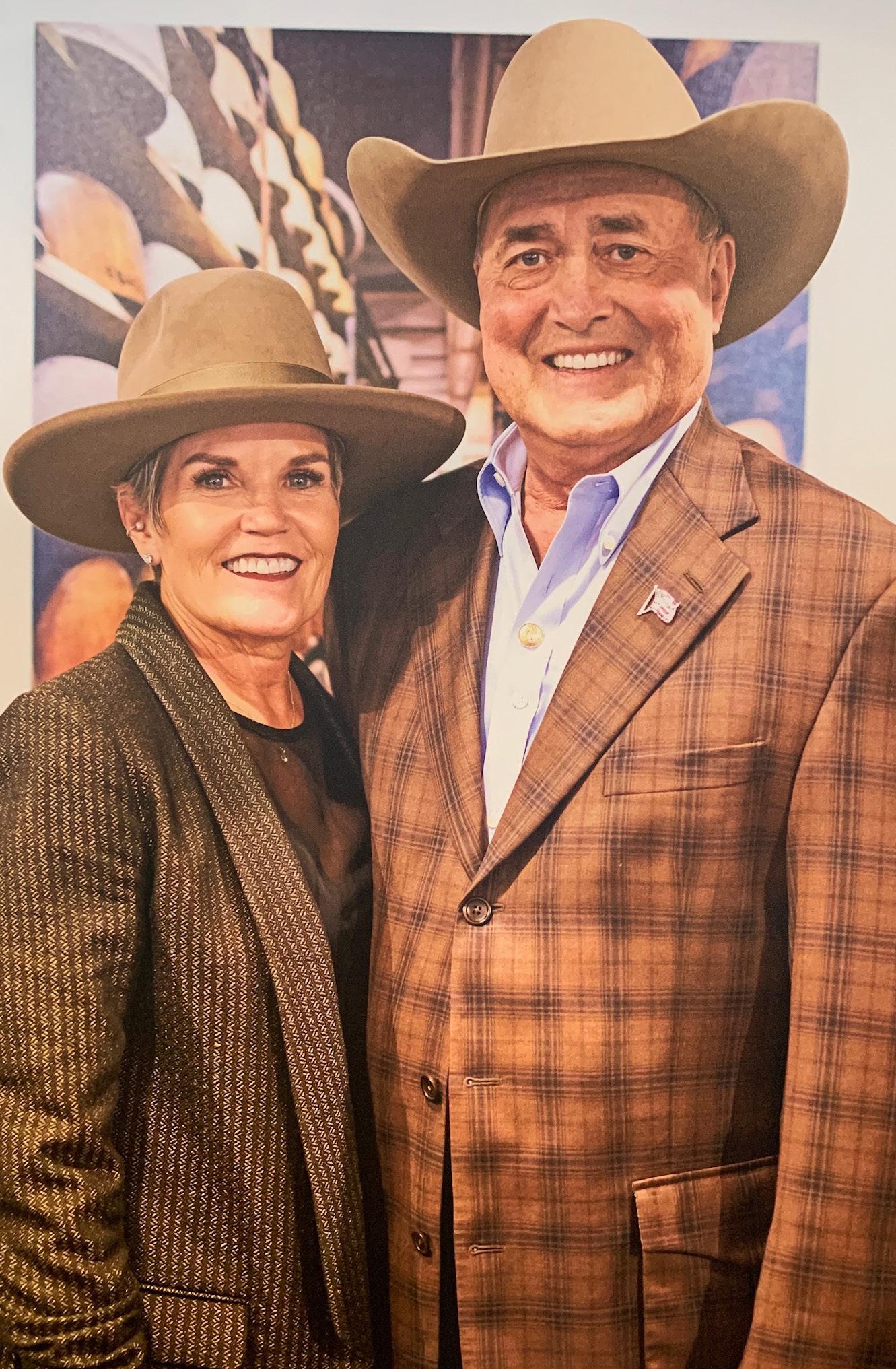
While faced with rebuilding the company, Keith confronted a personal struggle of his own. He had been diagnosed with cancer, yet his determination to lead and build never faltered. Always one to look to the future, he reached out to Mundee, who had an established career developing brands like Cinch at Miller International.
“When Keith called me, he said, ‘I’ve got cancer, and I need someone who can take over if something happens to me,’” Mundee recalls. “I tried to think of someone to recommend, and finally I realized — I want to do it.”
The two struck a deal written on a napkin, and Mundee joined American Hat Company in 2010. When Keith died in 2019, Susan and the team carried on his mission.
“Our goal is to continue the legacy Keith and Susan built together,” Mundee says. “She’s unbelievably
generous and strong. Everything we do still carries their fingerprints.”
Brite sees that continuity clearly. “You can tell they’re still driven by the same heart,” he says. “Keith Maddox may be gone, but his spirit is alive, and his wife, Susan, and Keith Mundee have kept that fire burning.”
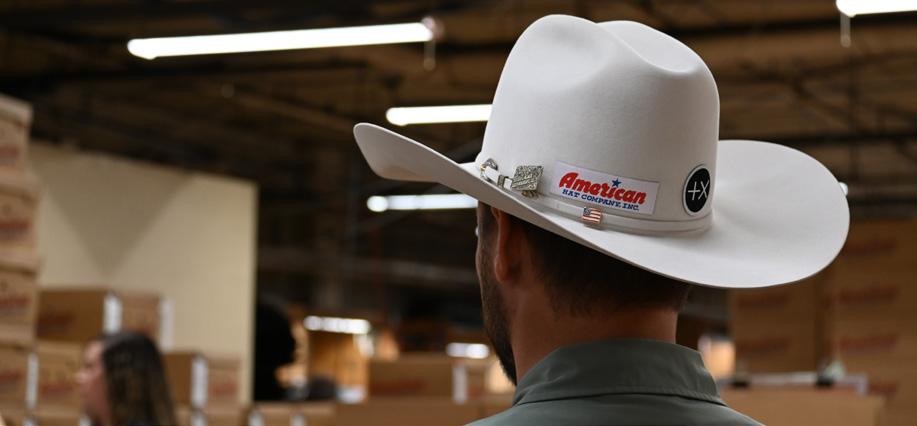
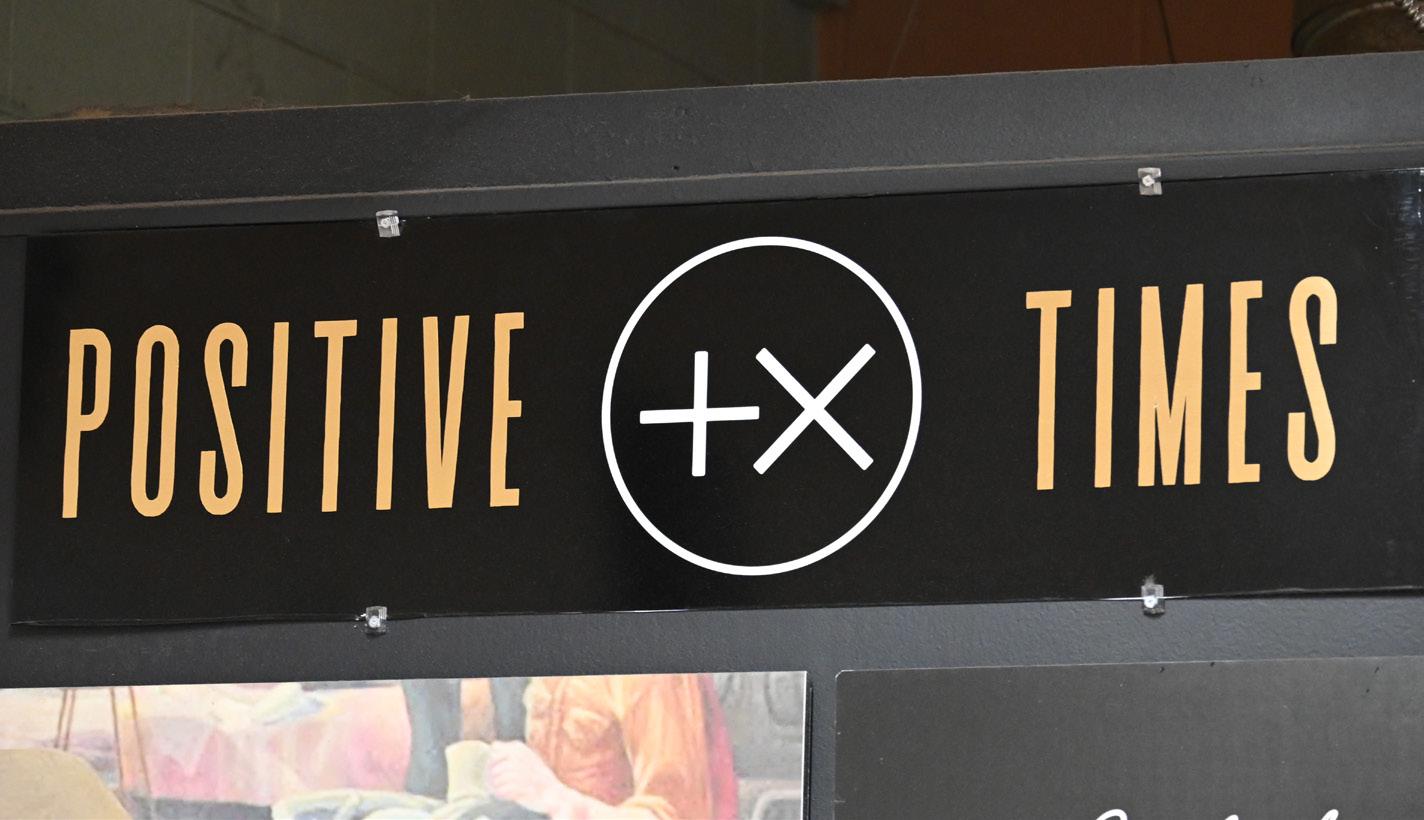
If the building represents the company’s body, Positive Times, the symbol “+ X,” is its beating heart. Originally the Maddoxes’ cattle brand, the emblem and phrase became a guiding philosophy after Keith’s passing.
“I asked Susan if we could use it as a tribute,” Mundee says. “I thought it might last a few months, like when a football team wears a patch after losing a player. But it took off.”
From that moment forward, Positive Times became central to American Hat Company, representing Keith’s ability to find joy no matter the hardship.
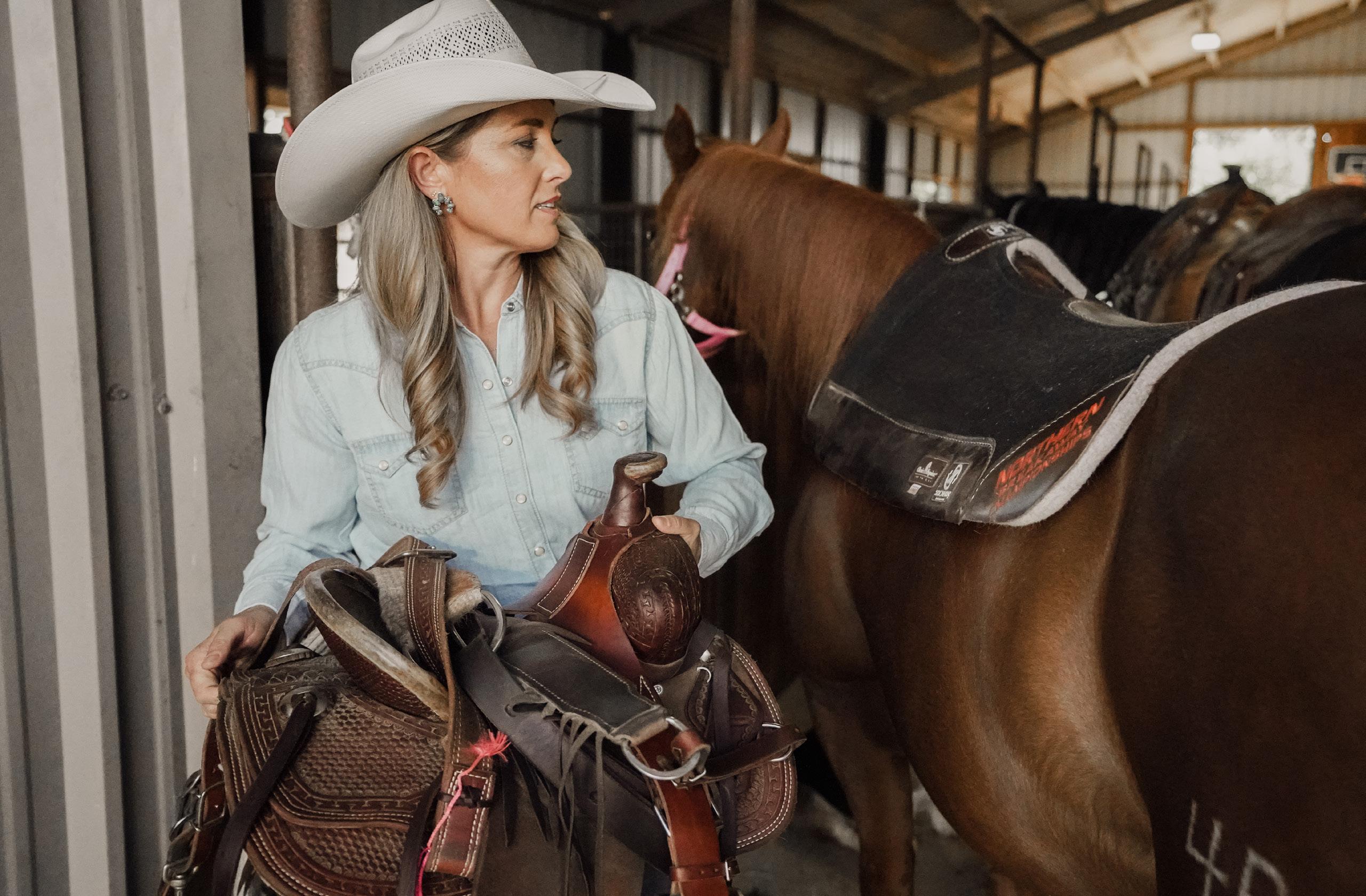
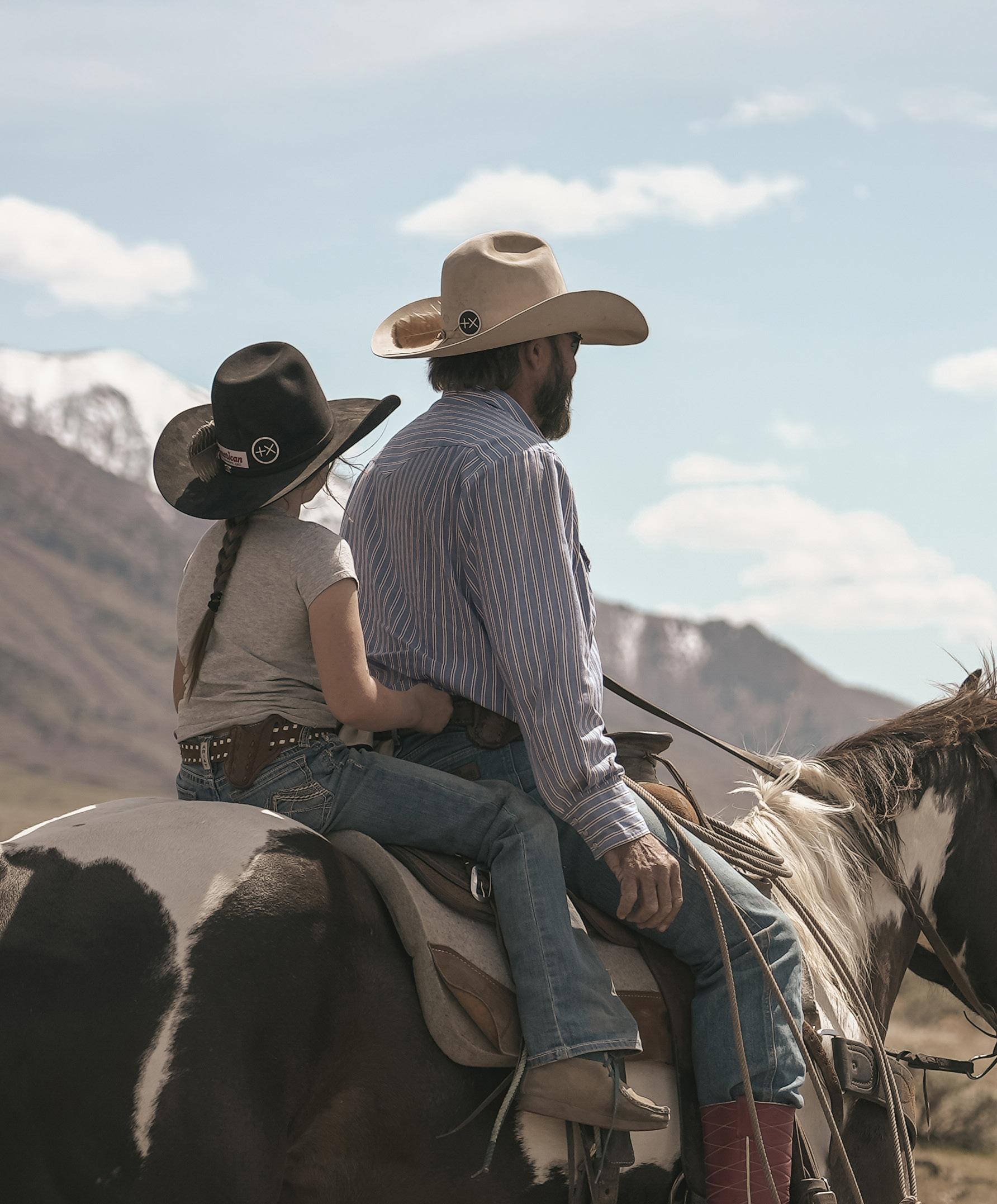
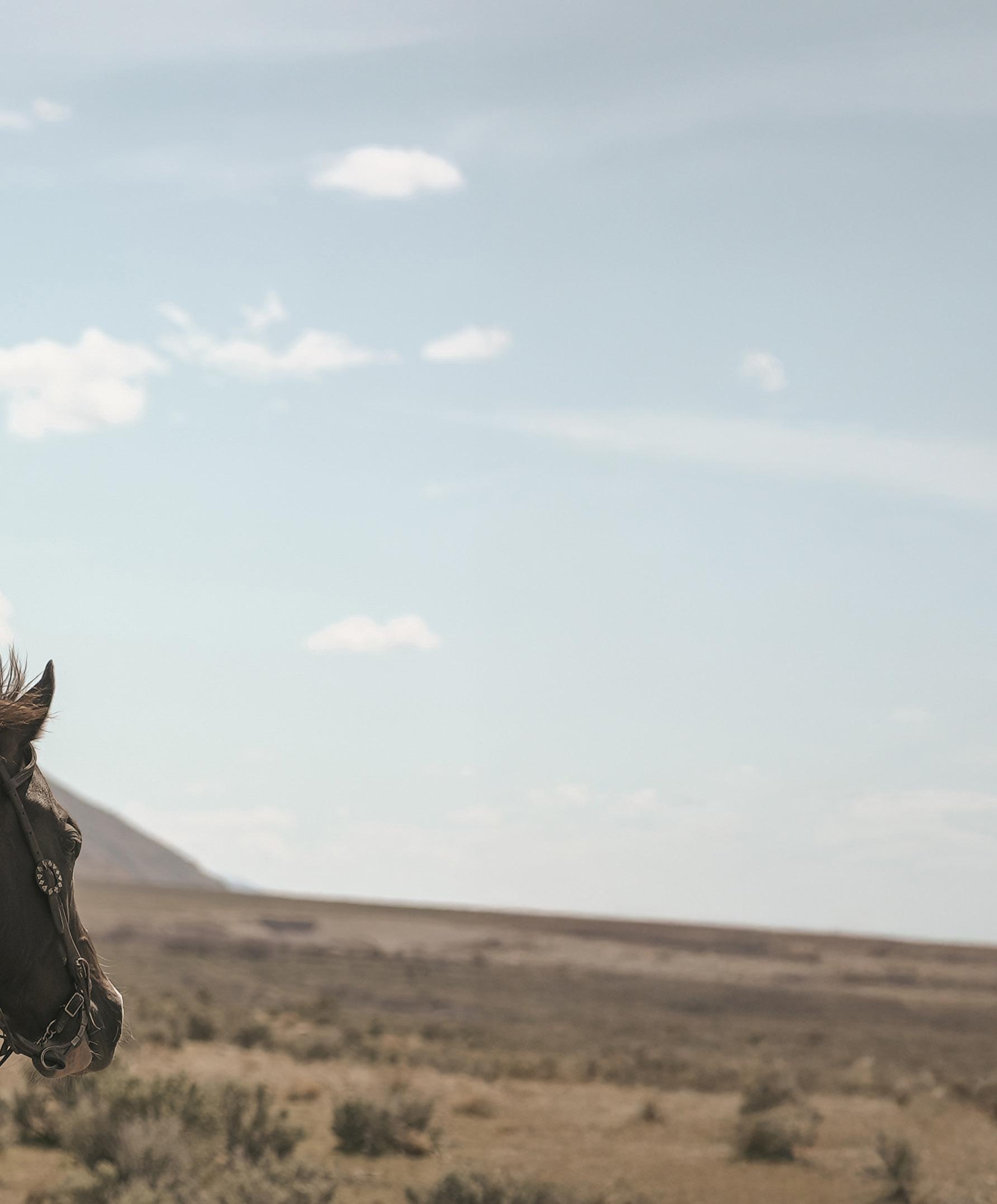
Women’s Professional Rodeo Association World Champion Jackie Hobbs-Crawford saddles a horse wearing her custom American Hat. When describing what a cowboy’s hat stands for, American Hat Company President Keith Mundee says: “Hard work, taking care of animals, taking care of the land and being a good steward.”
“He used to say, ‘I had a bad 15 minutes one time. I’ll never do that again,’” Mundee says with a laugh. “He found the positive in everything.”
The company continues to inspire, not only through the brands on its hats, but also through actions. During the COVID-19 pandemic, American Hat Company began posting daily positive thoughts on social media.
“[It’s] a little encouragement each morning, something to start your day right,” Mundee says. “That’s what Positive Times means — it’s about renewing your mind every day.”
Brite notes the effect extends beyond the factory. It has expanded throughout the entire community.
“Their motto fits our whole town,” he says. “It’s an attitude that’s changed the way folks around here look at challenges. It’s contagious in the best way.”
Even during his final days, Keith’s focus was on the company’s progress, not his prognosis.
“He told me, ‘I’m not afraid to die. There are worse things than dying. I’ve had a great run,’” Mundee recalls. “That’s Keith — grateful to the end.”
Susan continues to guide the company with that same optimism, investing in children’s charities and keeping Positive Times alive. Among other donations and support, American Hat Company sponsors the Texas Rattlers PBR team, youth rodeo associations, and the National Anthem and opening prayer at 100 rodeos in 100 days through The Cowboy Channel
“We’re not really selling hats,” Mundee says. “We’re selling patriotism, respect for the flag, military, first responders and youth. That’s what this hat stands for.”

Throughout generations, the cowboy hat has symbolized honesty, grit and quiet dignity. Brite says it is refreshing to see a heightened commitment to those values and this lifestyle.
“In a world that feels like it’s changing too fast,” Brite adds, “they’re keeping the cowboy values alive. They remind folks that hard work, faith and a handshake still mean something.”
Those principles don’t just guide the people behind the brand, but shape the product itself. Keith’s legacy is stitched in every hat that leaves Bowie — a symbol not just of craftsmanship, but of character.
“Keith always said, ‘Do the right thing. When you’re done with that, do the next right thing,’” Mundee says. “If we can do that every day, then we’re right where we’re supposed to be.” T C


By
As we reflect on 2025, it’s clear this has been a year that tested the voice of Texas cattle raisers. Despite the challenges, Texas & Southwestern Cattle Raisers Association members delivered. From decisive wins in Austin and Washington, D.C., to standing guard against threats to our land, livestock and livelihoods, our members have proven that Texas & Southwestern Cattle Raisers Association is committed to making a difference.
Our work began early with a strong showing at the ballot box. Through Cattle Raisers PAC, association members helped elect leaders who understand the importance of beef production, ranching and private property rights. In the 2024 general election, 139 of the 140 candidates endorsed by the PAC were victorious — a remarkable 99% success rate. That kind of outcome doesn’t happen by chance. It reflects the power of engaged members investing in advocacy that seeks to protect our way of life. As we look ahead to the 2026 midterms, maintaining that influence will be essential to keeping industry champions in office.
Few issues drew more attention this year than the debate over cell-cultured protein. Thanks to the association’s leadership, Texas took a firm stand for beef with the passage of Senate Bill 261, which temporarily bans the sale of cell-cultured protein products in the state. This two-year moratorium provides time to evaluate the health and safety implications of these lab-based products while reinforcing the unmatched value of real Texas beef.
In April, cattle raisers reached another milestone: the transition of Texas’ livestock brand registration system into the digital era. We are working with Texas Animal Health Commission to ensure a secure online registry is up and running by the next brand registration period in 2031. The change will benefit producers, county clerks and law enforcement by making registration accessible online, while maintaining an online repository of brand records to access and verify. Texas & Southwestern Cattle Raisers Association’s advocacy ensured modernization didn’t bring more red tape, just more efficiency.
The association’s vigilance was tested again last November with the discovery of New World screwworm in southern Mexico. Working alongside federal and state partners, we helped secure a $750 million USDA commitment to combat the pest before it reaches U.S. soil. With cases as close as 70 miles south of Texas’ border, at time of press, the association is continuing to equip producers and landowners for NWS response, unifying Texas agriculture by creating the Screwworm Coalition of Texas and collaborating with federal and state agencies.
When wildfires scorched more than a million acres in 2024, the devastation served as a stark reminder of what’s at stake. Since 2006, more than 60% of all wildfires in the Texas Panhandle trace back to electrical failures. Texas & Southwestern Cattle Raisers Association supported key wildfire prevention measures championed by Rep. Ken King and Sen. Kevin Sparks in the Texas Legislature. Their policy packages, now signed into law, strengthen
oversight of electric utilities and improve emergency response coordination. These reforms are a strong start, but our work continues to ensure Texas never faces such preventable devastation again as these legislative changes are implemented.
Not every fight went our way.
In Cactus Water Services LLC v. COG Operating LLC, the Texas Supreme Court ruled that groundwater produced during oil and gas operations belongs to the operator. We see this as a significant setback for private property owners. This decision weakens long-standing protections for landowners and further complicates the state’s already contentious water landscape.
Texas & Southwestern Cattle Raisers Association remains steadfast in defending private property rights and ensuring landowners retain authority over the natural resources beneath their land. As we move into 2026, water and property rights will remain at the forefront of our advocacy efforts.
At the federal level, the One Big Beautiful Bill Act, signed by President Donald Trump in July, brought meaningful wins for ranchers. The bill raised the estate tax exemption, made the 20% small business deduction permanent, and extended funding for voluntary conservation programs and the Livestock Indemnity Program. While these provisions may have been overshadowed by other headlines, they represent tangible relief for producers. The association’s continued engagement in Washington ensures our members’ priorities are heard.
The past year reminded us that progress doesn’t come by chance, but from strong leadership, persistence and passion. Every success was built on the dedication of our association members who showed up, spoke out and supported our mission.
As challenges to private property, water rights and natural resource conservation grow in 2026, our association will continue defending cattle raisers, landowners and wildlife conservationists in the Southwest. T C
Alifelong resident of Lubbock, Speaker Dustin Burrows has represented District 83 in the Texas House of Representatives since 2014 and was elected by his colleagues as the 77th Speaker of the Texas House in January 2025.
Before becoming speaker, he chaired several influential committees, including Ways & Means and Calendars, and played key roles on committees addressing higher education, agriculture and land & resource management. During his tenure as chair of Ways & Means, he passed the Texas Taxpayer Transparency Act of 2019, which requires voter approval for property tax increases above a set threshold, ensuring private property owners are protected from excessive tax hikes.
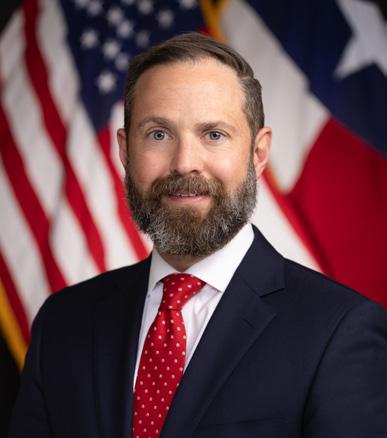
Burrows championed the establishment of the School of Veterinary Medicine at his alma mater, Texas Tech University, securing more than $1 billion to help address a critical shortage of large-animal veterinarians in rural Texas. He has been a friend of Texas & Southwestern Cattle Raisers Association, with his chamber passing many of priority measures throughout the 89th Legislative Session.
Rep. Dustin Burrows
He and his wife, Elisabeth, live in Lubbock with their three sons and remain active in their local community, where he also serves as a partner at Burrows Law Firm.
Burrows is a graduate of Texas Tech University, where he earned both his MBA and Juris Doctor after completing his undergraduate degree at Rhodes College. T C
Texas & Southwestern Cattle Raisers Association announced the TSCRA Disaster Relief Fund approved funding to support the volunteer fire departments that assisted in relief efforts amid July’s historic flooding in the Texas Hill Country. Available representatives from volunteer fire departments were presented with the donation during the TSCRA Ranch Gathering held Oct. 16 in Fredericksburg at the Gillespie County Fairgrounds.
The volunteer fire departments, along with Texas & Southwestern Cattle Raisers Association Special Rangers and other first responders, provided lifesaving assistance in flood-affected communities, locating missing persons and helping stranded residents reach safety.
The funding reflects the association’s ongoing commitment to strengthen disaster response capabilities in rural Texas. Funding replenishes resources and operational costs needed to prepare for future emergencies.
TSCRA Disaster Relief Fund donated to the following volunteer fire departments:
• Brady Volunteer Fire Department
• Carlsbad Volunteer Fire Department
• Cherokee Volunteer Fire Department
• Comfort Volunteer Fire Department
• Divide Volunteer Fire Department
• Dove Creek Volunteer Fire Department
• East Concho Volunteer Fire Department
• Grape Creek Volunteer Fire Department
• Hunt Volunteer Fire Department
• Ingram Volunteer Fire Department
• Lohn Volunteer Fire Department
• Mereta Volunteer Fire Department
• Mountain Home Volunteer Fire Department
• Quail Valley Volunteer Fire Department
• Richland Springs Volunteer Fire Department
• San Saba County Volunteer Fire Department
• Sisterdale Volunteer Fire Department
• Turtle Creek Volunteer Fire Department
• Voca Volunteer Fire Department
• Wall Volunteer Fire Department
• Water Valley Volunteer Fire Department
The TSCRA Disaster Relief Fund was established to provide financial assistance to ranchers in Texas and Oklahoma experiencing distress and financial hardship in the wake of a natural disaster. In addition to supporting ranchers, the fund aids first responders and designated groups who contribute to disaster response and recovery.
For more information about the TSCRA Disaster Relief Fund or to contribute to ongoing relief efforts, visit tscra. org/disaster-relief-fund.
Payton Schertz joined Texas & Southwestern Cattle Raisers Association Oct. 1 as the events coordinator. In her role, she oversees planning, coordination and execution of events that advance the association’s mission and bring cattle producers together across the region.
Raised in Denton, Schertz grew up immersed in agriculture, raising and showing cattle through 4-H and FFA. These early experiences gave her a strong foundation in livestock production, responsibility and leadership — skills that have transferred to her academic and professional careers.
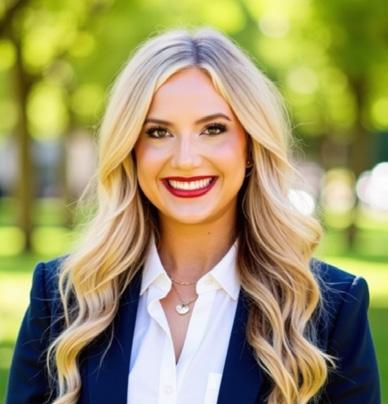
A graduate of Texas Tech University, Schertz earned a bachelor’s degree in animal science and was an active student leader and member of the meat judging team. Building on her passion for leadership and industry, she also earned her MBA from the Rawls College of Business.
Her career began in higher education, where she served as the administrative assistant to the dean of the Texas Tech School of Veterinary Medicine. In this position, she managed travel arrangements, event planning, procurement reconciliation and day-to-day operations, while supporting student and faculty initiatives.
Now based in Fort Worth, Schertz blends her agricultural roots, organizational expertise and business insight into her work for Texas & Southwestern Cattle Raisers Association. She is committed to fostering opportunities for ranchers and ensuring the success of industry events.
In her free time, she enjoys spending time with family and friends, discovering new destinations and running her own small business, a mobile beverage service.
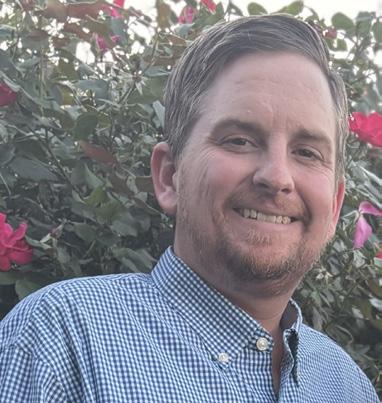
Cody Trimble joined Texas & Southwestern Cattle Raisers Association Oct. 2 as the director of youth. In his role, he leads youth engagement efforts and educational programming that connect the next generation to the cattle industry and the association.
hosting the largest agricultural event in the Southwest.
The summer 2026 Gilly Riojas Memorial Internship Program offers college students the opportunity to spend a semester interning in Fort Worth or Austin. Participants can broaden their network while collaborating with association personnel and industry partners.
Cody Trimble
Trimble brings nearly a decade of experience in youth and agricultural education. For the past nine years, he served as the county Extension agent for agriculture and natural resources in Glasscock County, where he helped develop one of the most competitive 4-H programs in Texas.
A graduate of Blinn College and Texas A&M University, Trimble was a member of both schools’ livestock judging teams before earning his master’s degree from Texas Tech University. These experiences deepened his understanding of animal science and his commitment to developing young leaders in agriculture.
Originally from West Texas, Trimble and his wife, Lexi, share a passion for youth development through agriculture. In his new position, Trimble says he looks forward to continuing and expanding the association’s youth initiatives, helping young people thrive in the cattle industry and beyond.
Through a longstanding partnership with Fort Worth Stock Show & Rodeo, Texas & Southwestern Cattle Raisers Association members are eligible to receive two free commemorative pins per membership, which grant complimentary access to the entire 23-day run of the 2026 Fort Worth Stock Show & Rodeo. Visit tscra.org to claim FWSSR Ground Pins by Dec. 15.
Members are also invited to attend the TSCRA Rodeo Roundup Party, Saturday, Jan. 17, from 4:30 p.m. to 6:30 p.m., in the Michelob Ultra Roadhouse. There will be food and entertainment, and commemorative pins will be available to pick up.
College students looking to gain experience with Texas & Southwestern Cattle Raisers Association and the cattle industry are invited to apply for the following spring and summer internship opportunities.
The 2026 Cattle Raisers Convention & Expo internships will be held March 27-29 in Fort Worth. This internship program allows students to gain hands-on experience while making connections with industry leaders. Students will build their communication and networking skills, acquaint themselves with a wide range of departments, and get a behind-the-scenes look at
An internship with Texas & Southwestern Cattle Raisers Association allows students to develop skills in various departments such as administration, education, events, association marketing and more. Applications for both are due Dec. 31. Visit tscra.org/employment to learn more.
The Texas & Southwestern Cattle Raisers Association Leadership Development Foundation, a 501(c)(3) organization committed to fostering future generations of land and livestock stewards and leaders, is accepting applications for the TSCRA Leadership Development Foundation Working Grant Program through Dec. 31.
Applications are open to entrepreneurs in Texas and Oklahoma including cow-calf operations, stockers, feeders, packing plants, large animal veterinary clinics and other industry segments.
Details about the TSCRA Leadership Development Working Grant Program, including the application and eligibility requirements, can be found at tscra.org/ leadership-development-foundation.
Through Dec. 31, Texas & Southwestern Cattle Raisers Association is issuing a call for leadership, inviting members to consider serving on one of the association’s four policy committees for the 2026–2028 term.
To be nominated, members must be recommended by a current director. Final appointments will be made based on leadership needs, diversity of experience and commitment to active participation. Committee selections will be confirmed in February 2026.
Participation on a TSCRA policy committee includes: attending in-person meetings twice a year; testifying and participating in legislative fly-ins to represent cattle raisers’ interests in Austin and Washington, D.C.; helping identify experts or speakers on key policy topics; and attending committee-sponsored educational sessions at the annual Cattle Raisers Convention & Expo.
To learn more about serving on an association policy committee, email tscra@tscra.org. The application form can be found by scanning the QR code to the right. T C

Texas A&M AgriLife and the Office of Radiological Security, part of the National Nuclear Security Administration, are teaming up on a national effort to combat New World screwworm, including producing sterile flies in the U.S. via electron beam, or eBeam, technology to halt fly reproduction.
Texas A&M AgriLife and the National Nuclear Security Administration are exploring safer alternatives to highradioactivity technologies to address NWS and other parasites. The effort will expand collaboration with other academic institutions to advance the best radiological security practices nationwide.
“This collaboration demonstrates how research and innovation can drive solutions to protect human and animal health,” said Phillip Kaufman, Ph.D., head of Texas A&M University’s department of entomology. “We must continue advancing critical science so we are prepared not only for the New World screwworm, but for other invasive arthropods that will challenge us in the future.”
The National Center for Electron Beam Research, which was instrumental in the development of eBeam protocols for the sterile insect technique, will lead sterilization efforts against NWS. The technique involves releasing large numbers of sterilized male screwworms into the environment to halt their reproduction and populations. It is a proven solution to eradicate NWS and is essential to U.S. agriculture security.
Researchers at the eBeam center and Texas A&M University’s department of entomology, with the support of National Nuclear Security Administration, identified eBeam technology as a potential alternative to cobalt-60 gamma sterilization for NWS. After extensive modeling and testing on a surrogate species, Cochliomyia macellaria, with similar biology to NWS, Texas A&M researchers are now confident that eBeam can effectively sterilize male screwworms, Cochliomyia hominivorax, without relying on high-activity radioactive material.
The National Nuclear Security Administration collaboration with Texas A&M AgriLife aims to increase U.S. prosperity and open new doors to the industry in building eBeam infrastructure — advancing investment in the U.S. and safeguarding vital food systems.
The 2026 Redbook from National Cattlemen’s Beef Association is now available. The pocket-sized booklet can help cattle producers effectively and efficiently record their daily production efforts by simplifying recordkeeping, which can enhance profitability and reduce stress levels.
In addition to Beef Quality Assurance practices and proper injection technique information, the 2026 Redbook includes current information about the judicious use of antibiotics in cattle, fitness for transport and how to build a biosecurity plan. Additional pages have been added to this updated version providing plenty of room to record calving activity, herd health, pasture use, cattle inventory, body condition, cattle treatment, AI breeding records and more. It also contains a calendar and notes section.
Redbooks can be purchased online at store.ncba.org for $8.25 each, plus shipping. Customization, including adding a company logo on the cover, is available in quantities of 100 books or more.
The Cattlemen’s Beef Board will invest approximately $38.1 million into programs for beef promotion, research, consumer information, industry information, foreign marketing and producer communications during fiscal year 2026, subject to USDA approval.
In action at the end of its Sept. 3-4 meeting in Denver, Colorado, the Beef Promotion Operating Committee approved Checkoff funding for a total of 14 authorization requests, or grant proposals, for the fiscal year that began Oct. 1.
The committee, which includes 10 producers and importers from the Cattlemen’s Beef Board and 10 producers from the Federation of State Beef Councils, also recommended full Cattlemen’s Beef Board approval of a budget amendment to reflect the split of funding between budget categories affected by their decisions.
Nine contractors and three subcontractors brought 14 authorization requests worth approximately $49 million to the Beef Promotion Operating Committee, approximately $10.9 million more than the funds available from the Cattlemen’s Beef Board budget.
The full fiscal year 2026 Cattlemen’s Beef Board budget is approximately $42.4 million. Separate from the authorization requests, other expenses funded include $305,000 for program evaluation; $762,000 for program development; $280,000 for Checkoff education resources; $575,000 for USDA oversight; $220,000 for state services; $200,000 supporting services and litigation; and approximately $2.0 million for CBB administration.
The fiscal 2026 program budget represents an increase of slightly less than 1.0% percent, or $195,000, from the $42.2 million fiscal year 2025 budget. Read more at beefboard.org. T C

Join Texas & Southwestern Cattle Raisers Association for the next Ranching 101 webinar at 1 p.m., Tuesday, Dec. 16. During the hourlong Zoom webinar, participants will learn how practical ranch management strategies can turn efforts into earnings by improving efficiency, boosting herd performance and building longterm profitability.
Ranch profitability begins with making every effort count. The webinar will cover how to turn hard work into measurable returns by focusing on management strategies that improve herd performance, reduce costs and strengthen longterm sustainability. Learn how to make informed decisions that maximize efficiency and boost the operation’s bottom line.
Ranching 101 webinars provide participants with practical, sound guidance on the tools and equipment needed to get started in ranching or land ownership. The webinars are available online on the third Tuesday of every month.
Registration is complimentary for any association member. Visit tscra.org to learn more. T C


Join or renew your membership today.
Member benefits include the support of TSCRA Special Rangers, government relations advocacy, educational programs, networking and social events, member-only discounts, The Cattleman magazine and phone app, and insurance services.
To learn more about membership, scan the code above or visit TSCRA.org.
Companies whose values and mission align with Texas & Southwestern Cattle Raisers Association are invited to join the organization and engage directly with our 28,000+ members. As a TSCRA Business Partner Member, your company will be part of a community that shares a commitment to advancing the cattle industry and its future.




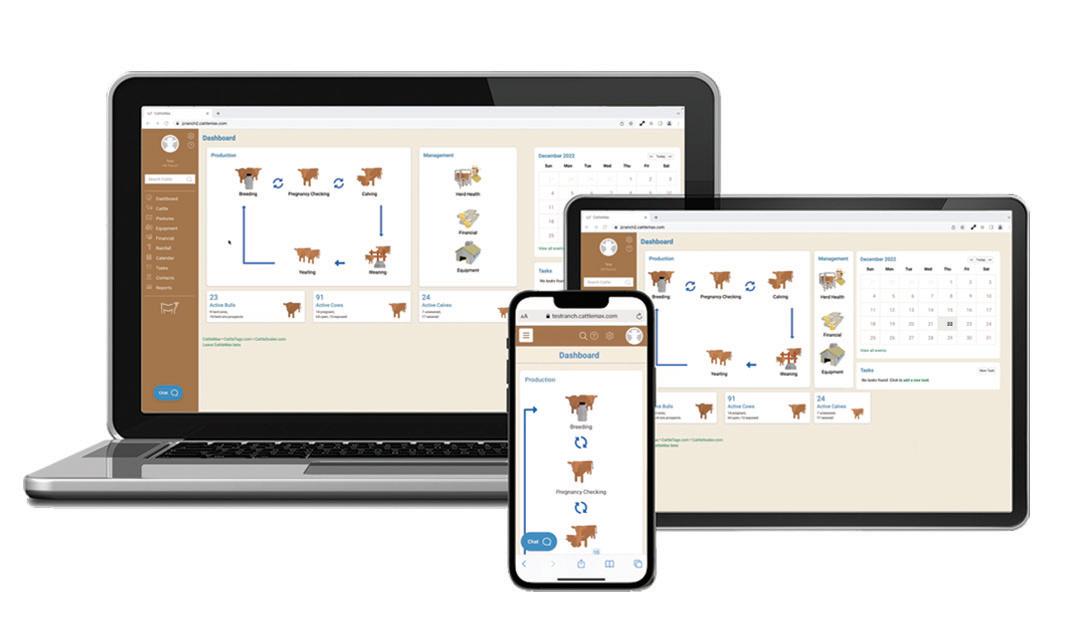
30% OFF at Cabela's and Bass Pro Shop 10% OFF CattleMax Software 15% OFF Ranchbot products John Deere Rewards upgrade

A Gaines County man was arrested Oct. 1 by Texas & Southwestern Cattle Raisers Association Special Ranger Michael Looney. Anthony Xavier Flores faces charges of theft of property for unlawfully taking possession of several loads of hay in Terry County without paying for them.
Looney opened the investigation in May. He obtained evidence and witness statements indicating Flores had unlawfully taken possession of more than 100 tons of hay without paying for them. The victim sold hay to Flores with the understanding that payment would be made after the hay was picked up. When Flores failed to pay by the agreed deadline, the victim contacted Looney to report the incident.
After a warrant was issued for his arrest, Flores repeatedly evaded Looney and fellow Texas & Southwestern Cattle Raisers Association Special Ranger Tod Reed’s attempts to make contact before later surrendering at the Gaines County Sheriff’s Office.
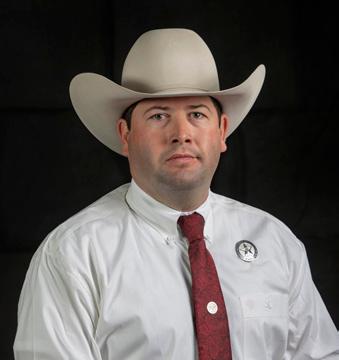
Looney and the Texas & Southwestern Cattle Raisers Association would like to thank the Terry County District Attorney’s Office, Terry County Sheriff’s Office and Gaines County Sheriff’s Office for their joint efforts in this investigation, which successfully led to Flores’ arrest and prosecution. T C

Saturday,December6,2025
@10:00a.m.–SanSaba Booksareclosed!
Saturday,January24,2026
@10:00a.m.–SanSaba Consignmentswelcome!
Inconjunctionwithourregularsale.Bullswillsellat10a.m. Bullswillbefertilitytested,meettrichrequirements,and readytogotowork.
Thursday,December18,2025
@10:00a.m.–SanSaba Leachman’sTexasFallStabilizerBullSale–60StabilizerBulls Booksareclosed!
Thursday,January8,2026
@10:00a.m.–SanSaba FeaturingSchaeferFarmsAngusBulls
Thursday,February12,2026
@10:00a.m.–SanSaba FeaturingMartin-BruniBrangus&STSRanger RegisteredAngusBulls
WEEKLY SALES HELD AT 11:00 a.m.
Monday – Mason
Thursday – San Saba
Formoreinfoonabove salesoronlineviewing andbidding,pleasecall orvisitourwebsite.
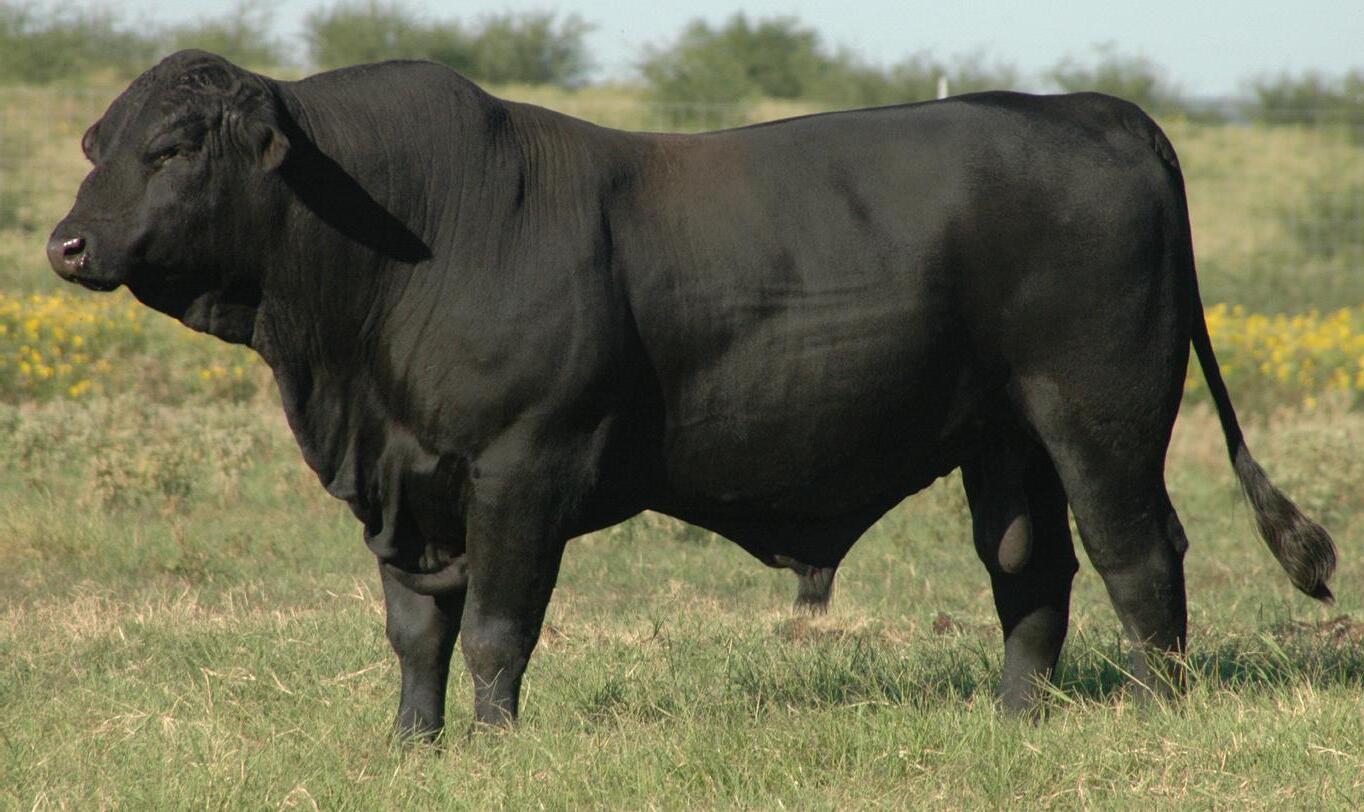
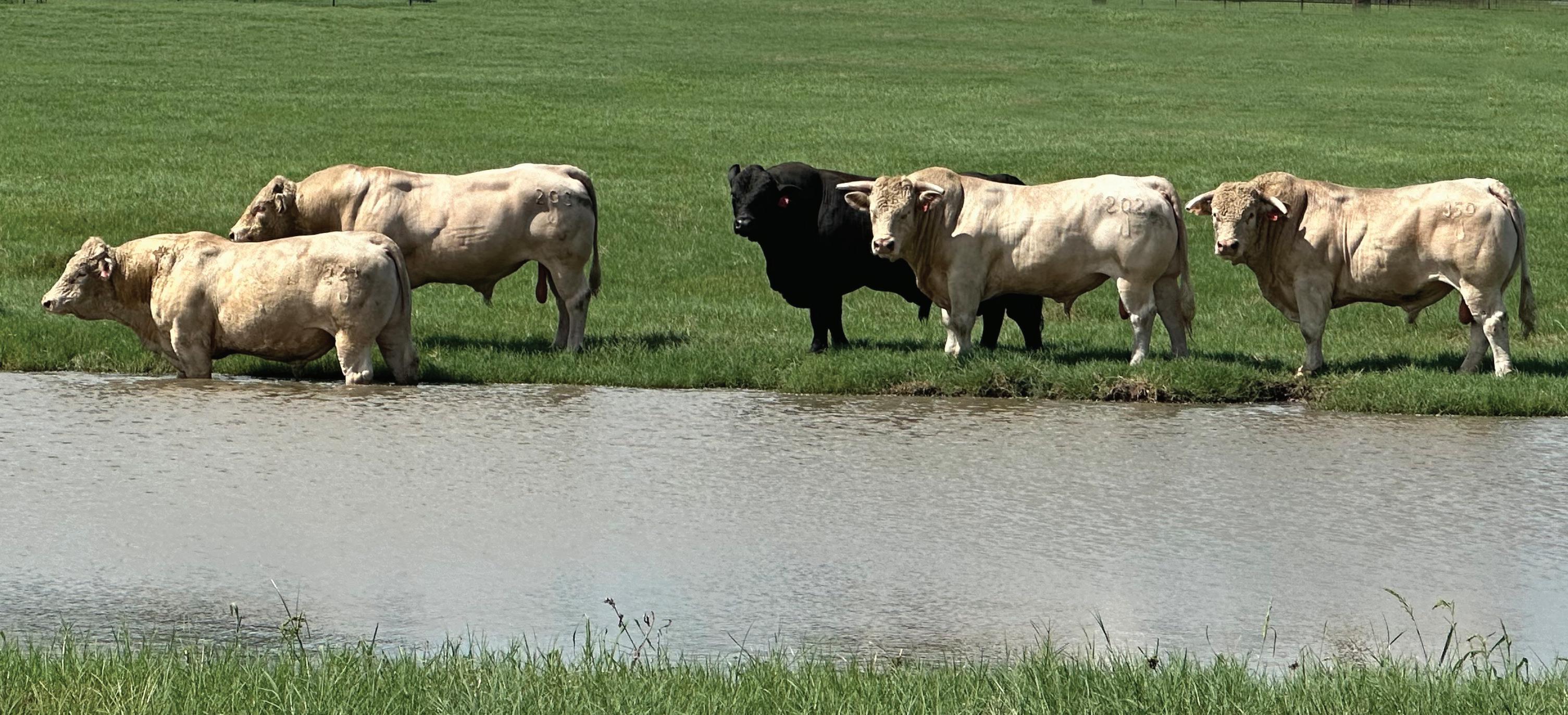
Red Angus bull missing in Donley County.
Texas & Southwestern Cattle Raisers Association Special Ranger Chris Ward reports a Red Angus bull missing from a property near the intersection of Highway 273 and County Road T in Donley County. The 4-year-old bull has a “Knight’s Shield” branded on his right hip. He was last seen Aug. 25. Anyone with information on this case is urged to contact Ward at 806-205-0119.
Calves missing in Dickens County.
Texas & Southwestern Cattle Raisers Association Special Ranger Michael Looney reports three black calves missing from a property one mile northwest of County Road 129 and 136 in Dickens County. The calves have a yellow ear tag in their left ear and an “under 7” notch in their right ear. They were last seen Aug. 15 and discovered missing Sept. 15. Anyone with information on this case is urged to contact Looney at 806-778-2585.
Kubota tractor stolen in Rusk County.
Texas & Southwestern Cattle Raisers Association Special Ranger Larry Hand reports a 2014 orange Kubota 8560 tractor stolen from a property off FM 850 in Overton. The cabbed tractor has tinted windows and a front-end loader. It was stolen Sept. 26.
Tractor and side-by-side stolen in Smith County. Hand also reports a 2014 John Deere 6115D cab tractor and a black Can-Am Defender side-by-side stolen from a property off FM 757 in Winona. The equipment is described as:
• A 2014 John Deere 6115D cab tractor with a front-end loader and hay forks. The last four digits of the VIN No. are 1880.
A black Can-Am Defender side-by-side, single row seating, 4×4. The last four digits of the VIN No. are 1829.
The tractor was stolen on the night of July 19 and the side-by-side was stolen the morning of Sept. 20. Anyone with information on these cases is urged to contact Hand at 903-571-3488.
Seventeen heifers and two steers reported missing in Caldwell.
Texas & Southwestern Cattle Raisers Association Special Ranger Brent Mast reports 17 heifers and two steers missing from a property in Caldwell. The missing livestock are as follows:
• Five Brahman heifers with white Navasota Livestock preconditioned tags that weigh 600 pounds;
• One Brahman heifer weighing 800 pounds;
• One Jersey-Brahman cross heifer weighing 400 pounds with a purple ear tag;
One Jersey-Brahman cross heifer weighing 800 pounds;
• One Jersey-Brahman cross heifer weighing 900 pounds;
• One black motley faced steer weighing 700 pounds;
• One black steer weighing 700 pounds; and
• Six to eight head of longtail Brangus heifers with white Alford Cattle Co. ear tags ranging from 750-850 pounds.
The missing livestock were last seen on Sept. 25. It is possible that two pickups with trailers are involved in this theft. Anyone with information on this case is urged to contact Mast at 714-714-6619.
Black Angus bull missing in Guadalupe County.
Texas & Southwestern Cattle Raisers Association Special Ranger Robert Fields reports a black Angus bull missing from a property off Wilke Road in Kingsbury. The bull has a “0050 over 2 bar C” freeze branded on his left hip. He was last seen in July. Anyone with information on this case is urged to contact Fields at 361-207-5207.
Angus bull calves missing in McCulloch County. Texas & Southwestern Cattle Raisers Association Special Ranger Todd Jennings reports 18 head of Angus bull calves missing from a property in McCulloch County. The calves are 9 to 11 months old and weigh 700 to 800 pounds. The cattle have the following left ear tag numbers: 1W, 127, 128, 131, 136, 605, 611, 622, 624, 631, 635, 641, 644, 651, 676, 688, 704 and 755. They have an underbit notch and a fly tag in their right ear. The cattle are not branded. They were last seen before the July 4 flood. Anyone with information about this case is urged to contact Jennings at 830-997-7585. T C
TSCRA offers a cash reward for information leading to the arrest and/or grand jury indictment of individuals for theft of livestock or related property. Anonymity is guaranteed. To provide information, call the Operation Cow Thief tip line at 817-916-1775.

















and landowners are advised to consider precautionary measures to
Ask questions, plan now to guard against NWS.
By Jena McRell
New World screwworm, which had been eradicated for decades, reentered the conversation more than a year ago for ranchers, landowners and policymakers. While there have been no confirmed U.S. cases in livestock as of October 2025, the parasite’s rapid advance through Mexico, reaching Nuevo León and Veracruz, just hundreds of miles from the border, has heightened alarm.
Texas & Southwestern Cattle Raisers Association Director Wayne Cockrell joined the TSCRA Talk podcast in October to share insights on the risks and proactive steps cattle raisers can take should NWS arrive in the southwestern U.S.
“Our parents and grandparents who dealt with this [NWS] certainly understand what a threat it is,” said Cockrell, who lives near College Station and serves as chair of the association’s cattle health and well-being committee. “I would like everyone to keep in mind that, when we get the first case, that doesn’t have to be the start of 2.5 million cases a year like we had in the ’50s and ’60s.”
The main driver of the NWS movement is through infected livestock or wildlife. When animals are transported, the fly can cover more ground than its natural migration ability. “They are low numbers in the environment, but they hitch a ride on cattle, then they pupate and that lifecycle starts,” Cockrell explained.
A single NWS fly can lay 200 eggs, with an equal split of male and female offspring, leading to a potential population surge from 100 to more than one million flies within three to four lifecycles, spanning roughly 60 to 80 days.
He explained how, in later years, the NWS would move north from Mexico and South Texas to account for anywhere from 4,000 up to 90,000 annual cases. That peak was from 1972, an extremely tough year, Cockrell said.
Lessons learned during those days inform today’s response. The sterile fly technique, which involves releasing irradiated, sterile male flies that mate with females to produce non-viable eggs reducing the population over time, remains the only proven way to eradicate the pest. The winter season’s cooler temperatures are also expected to help slow the pace of the pest’s northward spread.
“We had sterile flies then to help,” Cockrell explained. “We will have those now. We had winter back then. We have winter now to help, and we have more resources in terms of products to treat it with.”
“I would like everyone to understand how important it is to report this [a suspected NWS case],” Cockrell said. “If you report it, they’re going to have sterile flies dropped in your area within 48 hours to provide you some protection for your wildlife and your cattle, and the best treatment protocol you can have are these sterile flies.”
Cockrell said the greatest threat to cowcalf operations is death loss, especially for newborn calves. Their umbilical cords or navels are among the ideal targets for NWS larvae to infest as they seek out open wounds on warm-blooded hosts.
Growth and performance loss are also major concerns for any animal that becomes infected. In these cases, early detection is critical for any chance of recovery. Wildlife, especially white-tailed deer, face similar risks, with fawns’ navels targeted. Texas A&M AgriLife Extension estimates annual wildlife losses at $9.6 billion, along with a $1.2 billion livestock impact.
With cattle inventories already low, Cockrell explained how any loss could be a challenge for the beef cattle industry. “If you’re talking about 10% less inventory, that’s a big number that has a trickle-down effect as well,” he said.
The U.S.-Mexico border has been closed to livestock imports since May to prevent infestation. While
necessary, the closure has disrupted Texas feedyards, where Cockrell said up to 20% of the inventory is comprised of Mexican-origin cattle. Stocker operations also feel the strain, with fears of low inventories forcing plant closures, like in decades past.
“The real issue that needs to be addressed would be Mexico’s southern border,” said Cockrell, citing friends in Chiapas who see 250 to 300 truckloads of cattle coming north daily from Central America, often with an inconsistent inspection process.
Enhanced protocols there, mirroring U.S. standards, are critical. “Our state borders are going to be ground zero for control efforts,” Cockrell stressed, urging cooperation to push the NWS back to the Darién Gap.
Cockrell added that, according to the latest reports from USDA Animal and Plant Health Inspection Service staff, Mexico’s inspection, surveillance and treatment procedures have improved and their government officials and producers are responding to the urgency to stop the NWS threat where it is currently confined.
With the ever-present threat of NWS crossing the Southern border, Cockrell urged cattle raisers to think about how their herd and property might be affected. Advanced planning now will be paramount should an outbreak occur.
Topping the list is regular surveillance. Producers will need to inspect cattle daily or as often as possible for visual signs of lesions or wounds. Screwworm myiasis, the condition caused by an infestation of living tissue by NWS larvae, also has a distinct smell.
“You will hear the old timers from pre-1960s say it’s the smell you notice first,” Cockrell said. “The wound, especially on a navel, may not be very big, but those animals are going to be depressed, and most likely they’re going to be in the shade, hiding in the brush wherever they can find a nice cool place.”
If an NWS-infected wound is suspected in livestock or wildlife, it should be reported immediately. Be sure to
have an established relationship with a veterinarian to coordinate with the Texas Animal Health Commission for sampling. Even if it seems like the wound was caused by a blowfly or other parasites, collect the sample and get it tested.
“I’d rather to be safe than sorry, because the key to stopping or controlling this is going to be how soon those first cases are found and reported,” Cockrell said.
Other considerations for cattle raisers include aligning calving or other management practices like branding or castrating with cooler months. Cockrell said he has seen it reported that 81 degrees is the perfect temperature for the NWS fly.
“They don’t like it too hot, and they can’t survive the cold,” he said. “Be aware of what your climate conditions are. If you are in deep West Texas or New Mexico during the monsoon season of July to September, that may be your highest risk.”
Also ensure facilities like pens and chutes are ready, and train cows to feed sacks for easier monitoring. Technology, including drones, thermal imaging and game cameras, helps, especially if landowners are not always on the property.
“Every deer feeder that’s out there has a game camera on it now,” said Cockrell, adding that examining photos may help spot wounds.
Having a conversation with a veterinarian about the available treatment is also beneficial. Current options include permethrin spray that is listed for screwworms, which can be used to treat larvae found within an open wound, Cockrell said. After they are sprayed, the larvae need to be taken out, making sure they do not fall on to the ground.
“Those larvae need to be collected — every one of them,” he stressed.
Earlier this fall, FDA also conditionally approved the use of Dectomax-CA1, a doramectin injection, for NWS prevention and control.

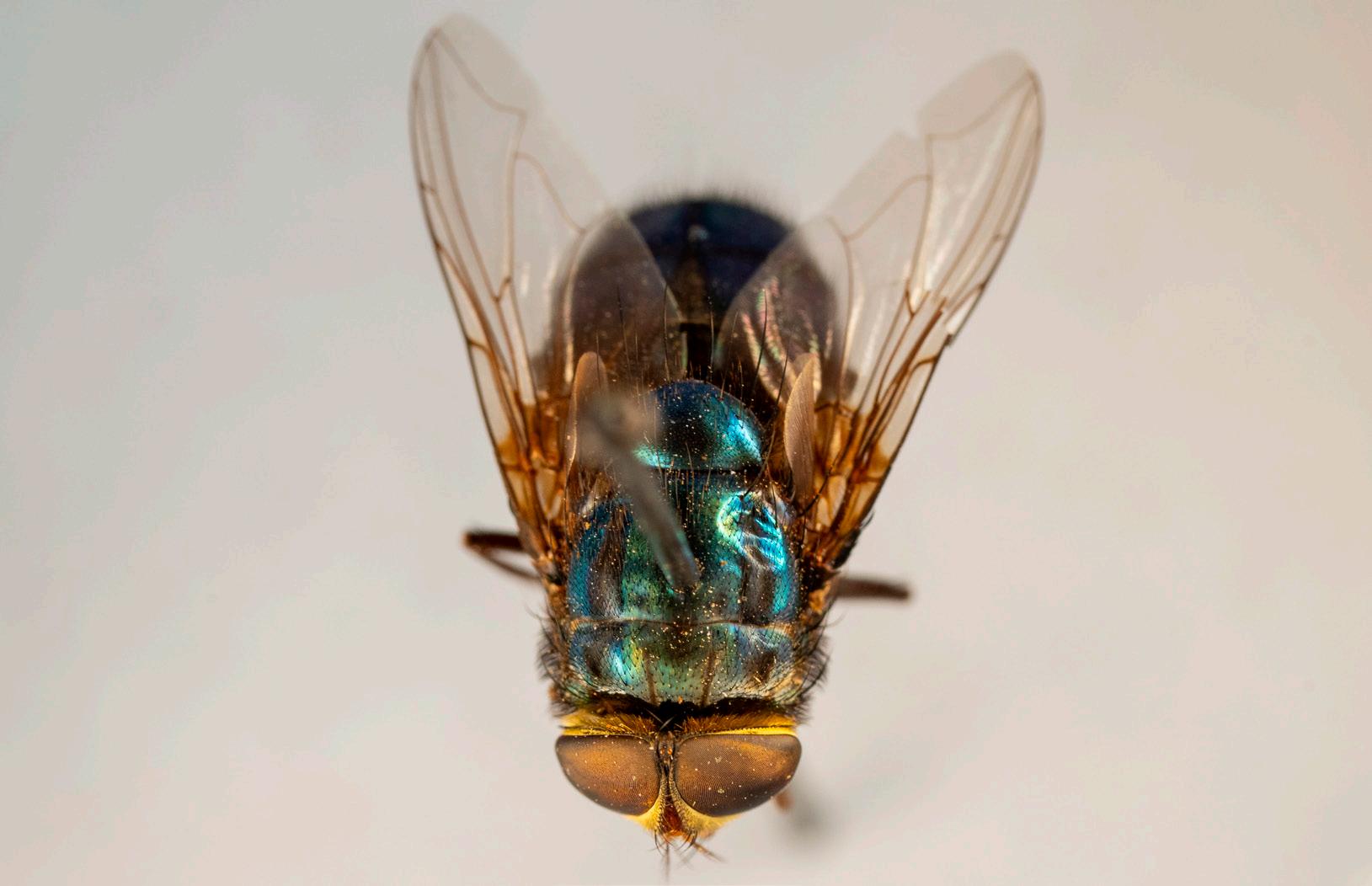
NWS is a parasitic fly whose larvae infest and feed on the living tissue of warm-blooded animals, causing severe wounds, economic losses and potential death in livestock and wildlife. Photo courtesy of Texas A&M AgriLife.
“Dectomax is going to give that animal 21 days of protection,” Cockrell said. “If you don’t do something like that, then additional screwworm flies can come and lay additional eggs in that wound. It is going to be imperative that we treat them and get those animals back as quickly as we can, so that we don’t lose performance.”
engaged
No matter what the future may bring, Cockrell told podcast listeners to remain active and involved with organizations like Texas & Southwestern Cattle Raisers Association. The group helped establish the Screwworm Coalition of Texas; stays in close contact with state and federal officials; and hosted 20 in-person NWS educational programs to educate cattle raisers and landowners.
The association also advocated and secured funding for a U.S.-based sterile fly production facility in Mission, which Cockrell said is critical. In August, Secretary of Agriculture Brooke Rollins announced USDA’s plans to build the production facility, which is expected to produce 300 million sterile flies per week to help eradicate NWS.
With time-tested and modern tools, cooler temperatures and diligent reporting, Cockrell said NWS outbreaks can be contained. Texas & Southwestern Cattle Raisers Association will continue to keep its members and the beef industry informed.
“We love the land. We love this industry,” Crockrell said. “Let’s take care of it, and let’s be good stewards and stamp this out and not let it get out of control.”
For more of the conversation on NWS, download TSCRA Talk on Apple Podcasts, Google Podcasts, Spotify or Stitcher. Additional resources are available through screwwormtx.org, a multi-industry coalition focused on the threat of NWS. T C
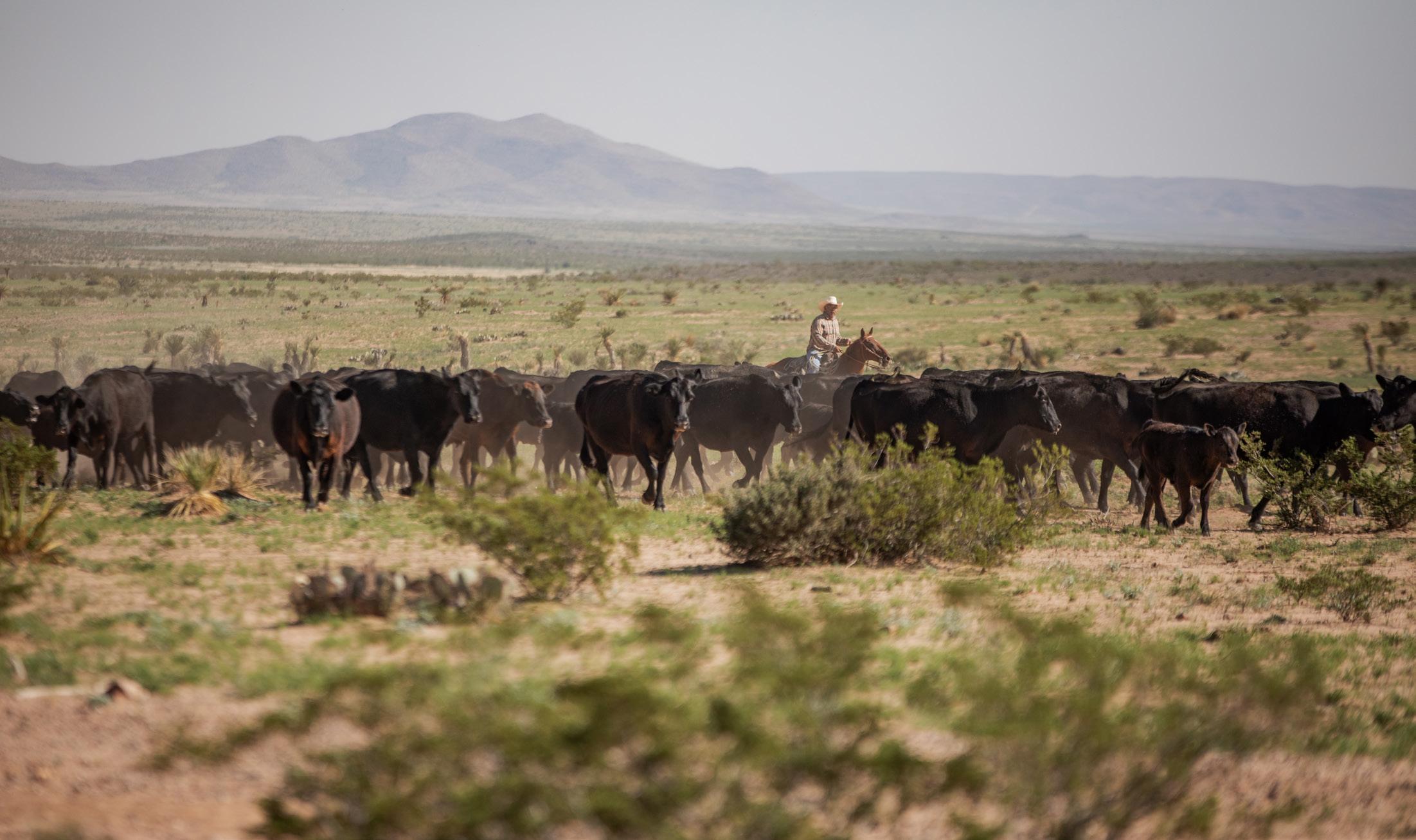
Story by Lindsay Graber-Runft
Photos courtesy of Certified Angus Beef
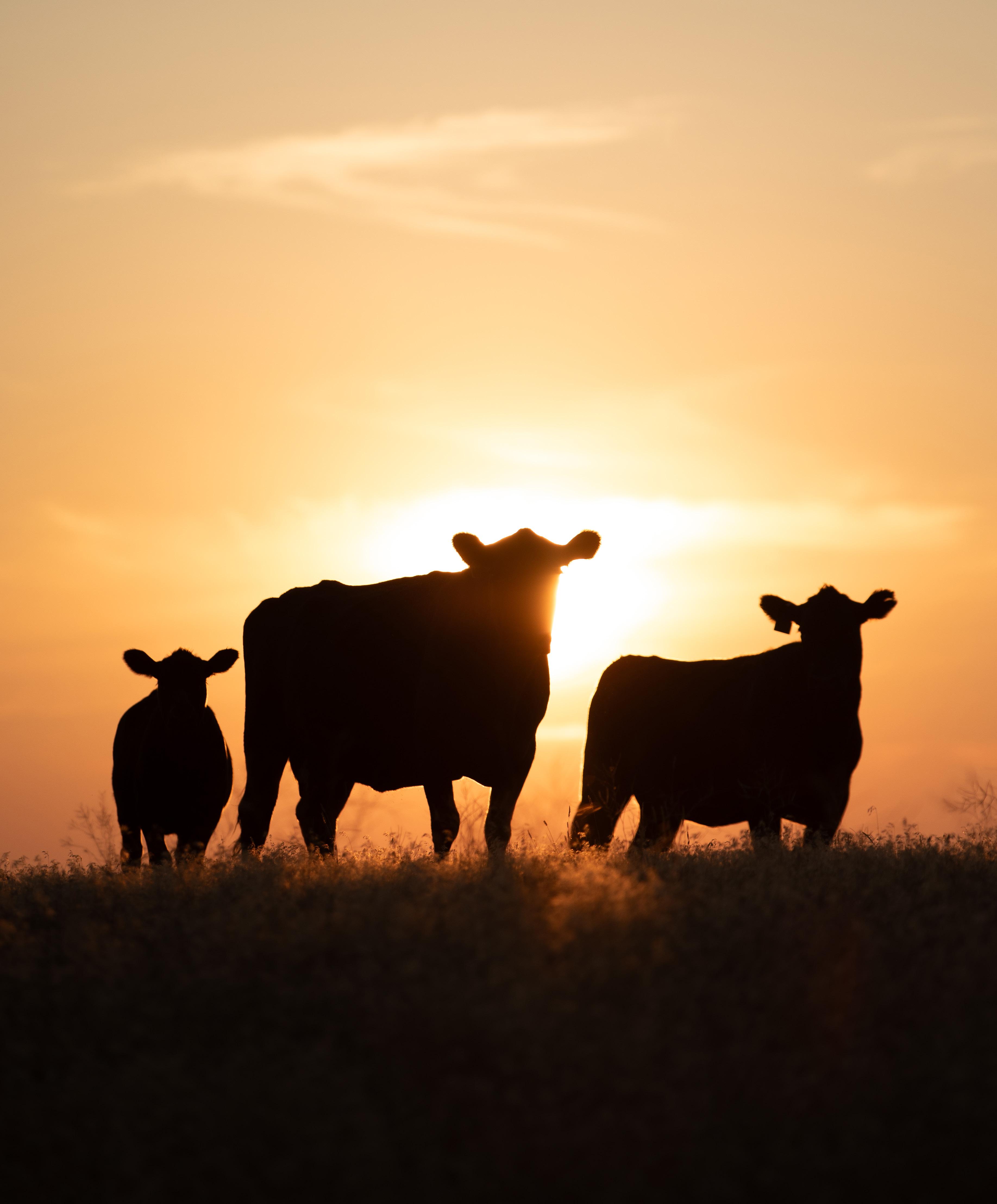
Afar horizon swallows the sky across sparse grama and greasewood that sway under a pitiless sun while jackrabbits dart between cactus spines. Just over the Davis Mountain foothills, cowboys drive Angus cows toward catch pens.
It’s ranching, romanticized. Until you live it. On the Means Ranch, beauty is a thin veil over a desolate land. For four generations, the Means family has ranched in Texas. With a commitment to environmental sustainability, alongside quality Angus genetics, they earned the 2025 Certified Angus Beef Sustainability Award.
What makes a ranch sustainable?
To Jon Means, a past president of Texas & Southwestern Cattle Raisers Association, it is simple: the same family, ranching on the same land, for the last 140 years. They could not have done that without sustainability. Responsible use of water, caring for the land and wildlife, destocking the herd for drought recovery and building back with an eye toward grid premiums.
When Jon and his wife, Jackie, married in 1979, Jackie moved three hours east of El Paso to Moon Ranch, which she likened to a desert. “Don’t call it that,” Jon had bantered. “It’s not a desert. We have grass.”
Joined with the Chispa Ranch to span 90,000 acres, Moon Ranch comprises a big chunk of the Means Ranch Company, a decades-old enterprise owned by the couple. The original Y-6 Ranch, established in the 1880s, was only split once and remains in the family’s possession.
“This land here is diverse,” says Clay Miller, a longtime Means Ranch cowboy. “And unforgiving.”
Gravel roads wind through wide-open spaces, bending around mountains to catch pens and cowboy camps. It all looks the same, and although framed plat maps line Jon’s office wall, he knows it like the back of his hand — where and why fencelines were drawn, shifted to share a water tank with the Y-6 or to let cows get to the other side of a mountain.
Ranching revolves around the environment. Cow numbers are down from the typical 1,200 head because of long, extreme drought. Jackie says running the ranch takes constant management with the diligence of operating on the margins.
And probably some faith, too, that enough rain will fall at the right time. The 40 types of native grass are resilient but still need some moisture, and summer rains are key.
Thirty to 40 years ago, average annual rainfall was 10 inches, but Jackie cannot remember a year in this century when they got that much. Multi-year droughts have challenged natural resources, making rotational grazing and water conservation a necessity.
“We use every inch of this ranch as best we can,” Jackie says.
Jon says they’ve been deliberate with pasture use, careful not to overgraze and allowing time for the land to heal. Standard stocking allows 60 acres per cow, but they add range cake when necessary.
When Jon’s grandfather was growing up, the combined Y-6 and Moon Ranches had only six wells. Today, the Moon Ranch has more than 150 miles of pipeline running water to troughs for cattle. Solar panels replaced windmills on all 22 wells, while covers limit evaporation on storage tanks.
Birds and wildlife benefit from sustained conservation too, Jackie says. Lacking native trees on the ranch, the Means family planted adaptable, multi-purpose trees to provide shade for cattle and habitat for birds. They added programs to feed quail and deer. Everything works in harmony.
“How else would we use it?” Jon says. “The land needs the cattle and the cattle have to have the land to survive.”
In the early 1960s, Jon’s father was among the first in the area to begin switching from Herefords to Angus. Fifty years of striving to breed hardy Angus cattle to fit the terrain led to good structure, with sound feet and legs to travel long distances over rough terrain.
Through the years, Jon and Jackie have traveled the U.S. to find new genetics and expand their bull battery. Besides phenotype, Jon uses EPDs, looking closely at birthweight, fertility and carcass traits.
“We buy bulls that will work for us here first,” he says, noting essential fertility. “We’ve got to have a live calf and get that live calf to the feedyard.”
He culls cows that do not breed back. Angus cows are dual-purpose within the herd, with mothering ability as well as terminal traits. To stay in production, cows must be thrifty, have nice udders and raise a calf that performs in the feedyard and on the rail.
After processing and weaning, steers and heifers part. The latter are developed for replacements while steers are shipped to wheat pasture until they average 800 pounds. Then it’s on to the Triangle H feedyard at Garden City, Kansas, where the Meanses retain ownership and sometimes partner with the yard.
“All of our cattle go through that program and they do amazingly well,” Jon says, noting years of data.
They’re predictable, and they perform well on feed. It all ladders up to profitability. In recent years, Means Ranch Company cattle have had a 53% Certified Angus Beef acceptance rate and 48% graded Prime, including those qualifying for Certified Angus Beef Prime.
“It always surprises us that our cattle can be as healthy and big as they are, in a land that’s as arid as this,” Jackie says.
It’s a humble statement. Jon and Jackie do what it takes to raise high-quality cattle in a challenging environment — no excuses. T C
Lindsay Graber-Runft is the director of producer communications for Certified Angus Beef.
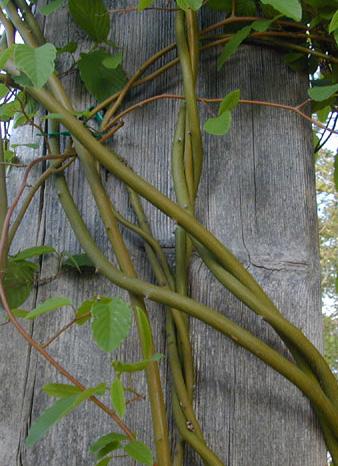
Alabama supplejack (Berchemia scandens)
By Kent Ferguson
Photo by Joseph Marcus , Lady Bird Johnson Wildflower Center
Alabama supplejack is a warm-season native, climbing vine that is a member of the buckthorn family. The plant can be found growing in thick wooded areas, bottomlands and wetlands in most states. It grows to the top of trees or other support.
The plant, also known as rattan vine or supplejack:
• Has smooth stems with many branches. New stems will be shiny and green while older stems are green to gray.
• Has alternate, oval to elliptical dark green leaves that are up to 1.5 inches wide and 3 inches long. The leaves are pinnately veined with prominent parallel veins on the underside.
• Produces small green-yellow flowers in loose terminal panicles with five petals.
• Produces small seeds, which are fleshy, about 0.25-inch long and contain a two-celled stone, that are green to black as they mature. If crushed, the fruit will produce a purple stain.
Alabama supplejack is sought-after browse by livestock and deer. The seed is also consumed by deer, as well as songbirds and game birds.
The plant is used in furniture crafting to make rattan and wicker furniture. T C
Kent Ferguson, a retired rangeland management specialist from the USDA Natural Resources Conservation Service, provides plant identification photo stories to help ranchers.

Have you ever found a container in the barn and were not sure what was inside?
Items on a ranch or farm should never be stored in unmarked containers. Over time, it is easy to forget the contents. Also, if something happens to you, how will someone else know what was in the container?
It is safest to store animal health products, feed additives, herbicides, insecticides, fertilizers, soil amendments and other products in their original containers that clearly identify what the product is. This helps prevent accidental exposure that could lead to injury, death or residue issues. T C

Cactus Feedyard
Matthew Turney, Manager
Cactus, TX
office: (806) 966-5151 cell: (806) 282-7077
Centerfire Feedyard
Adam Gerrond, Manager
Ulysses, KS office: (620) 356-2010 cell: (806) 390-9034
When Our Folks Drive Through the Gate They Think and Act Like Owners Because They Are Owners - They Have a Vested Interest in the Cattle They Care For
Frontier Feedyard
Jon Vanwey, Manager Spearman, TX office: (806) 882-4251 cell: (719) 251-2381
Stratford Feedyard
Pistol Audrain, Manager
Stratford, TX office: (806) 396-5501 cell: (806) 753-7133
Burlington Feedyard
Logan Hardin, Manager
Burlington, CO office: (719) 346-8532 cell: (620) 575-6702
Southwest Feedyard
Kacey Graham, Manager
Hereford, TX office: (806) 364-0693 cell: (806) 316-8799
Hale Center Feedyard
Rusty Jackson, Manager
Hale Center, TX
office: (806) 879-2104 cell: (806) 773-9457
Ulysses Feedyard
Adam Gerrond, Manager
Ulysses, KS office: (620) 356-1750 cell: (806) 390-9034

Wolf Creek Feedyard
Keith Brinson, Manager
Perryton, TX
office: (806) 435-5697 cell: (806) 282-7588
Wrangler Feedyard
Randy Shields, Manager
Tulia, TX
office: (806) 583-2131 cell: (806) 290-0559
Syracuse Feedyard
Phil Moreman, Manager
Syracuse, KS
office: (620) 384-7431
cell: (806) 340-4790


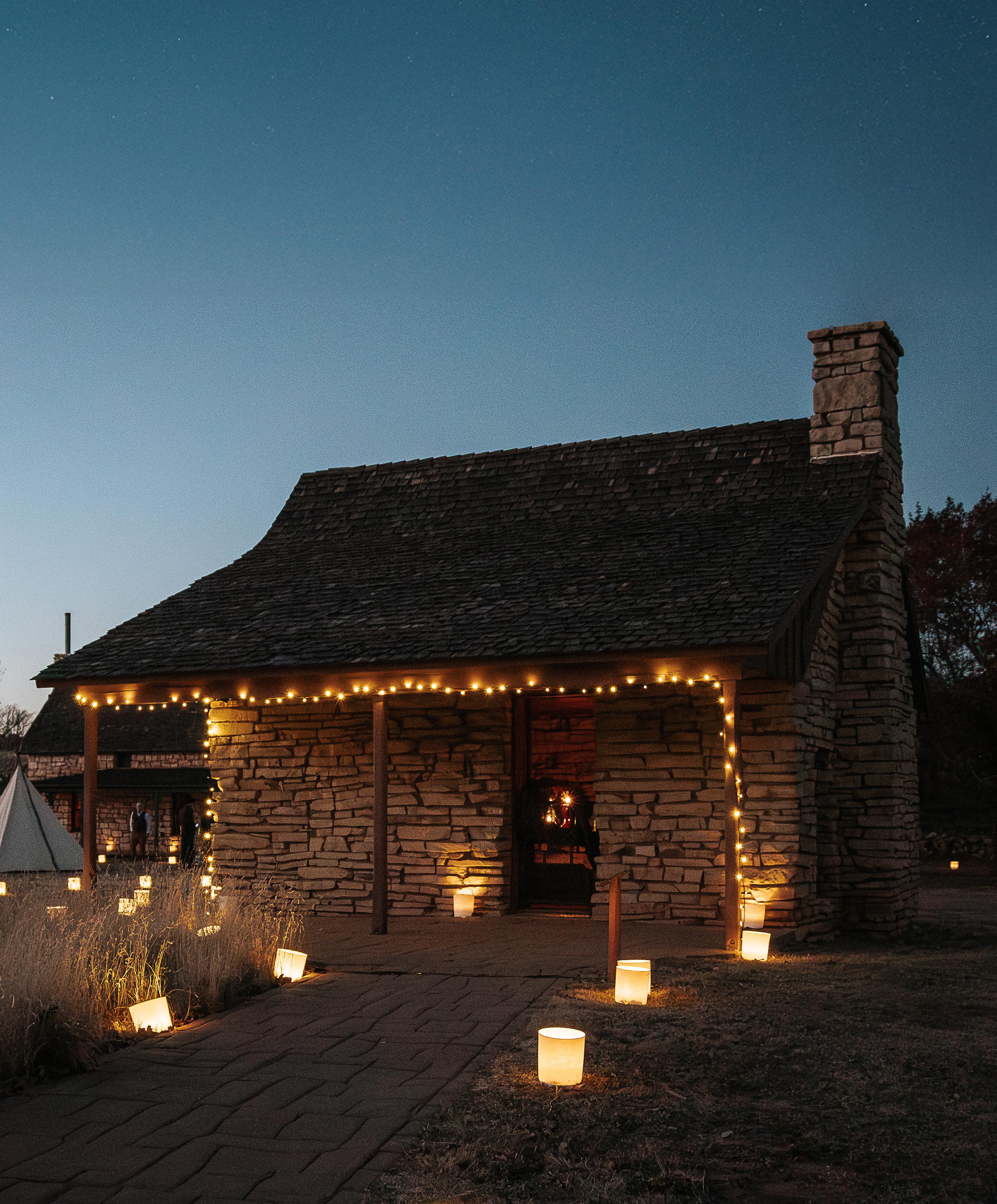
Story and photos courtesy of National Ranching Heritage Center
On the Western Frontier, Christmas was a time to bring warmth, cheer and community to the rugged, often isolated landscape of ranches, schoolhouses, bunkhouses and small settlements.
Families, cowboys and settlers created their own holiday traditions with what they had, trimming trees with handmade decorations, sharing songs and stories, baking simple treats and gathering around woodburning stoves or open fires.
From the one-room Bairfield Schoolhouse to the Barton House, the Hedwig’s Hill House, line camps and
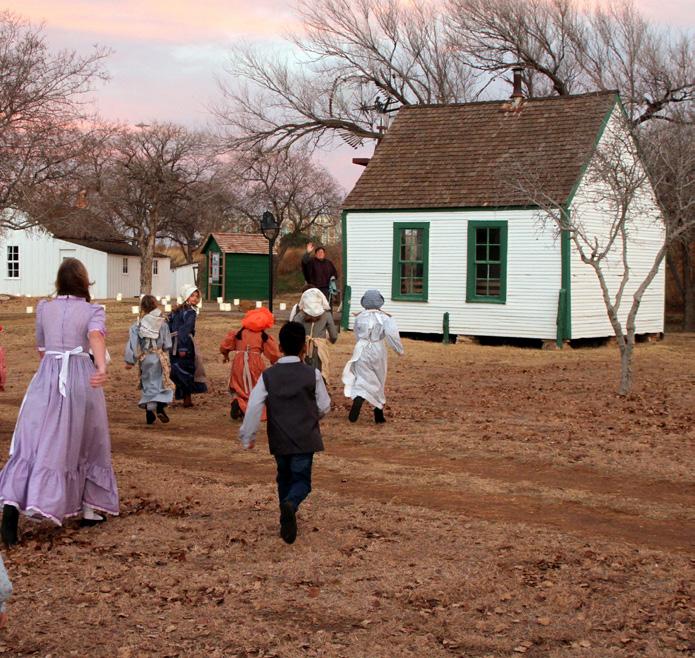
In the 1890s to early 1900s, Christmas at the Bairfield Schoolhouse would have been simple but heartfelt. Schoolchildren gathered in the one-room building to share Christmas songs during the school day. They also rehearsed Christmas recitations and short plays by lantern light, their voices carrying across the cold prairie. Handmade paper chains and strung popcorn adorned the walls. With no electricity, the space was lit by lanterns and warmed by a pot-bellied stove that burned coal or cow chips, which was often started early in the morning by a student assigned to tend to the fire. For ranching families who built and sustained the school, such celebrations offered a welcome moment of joy, faith and community amid a rugged frontier life.
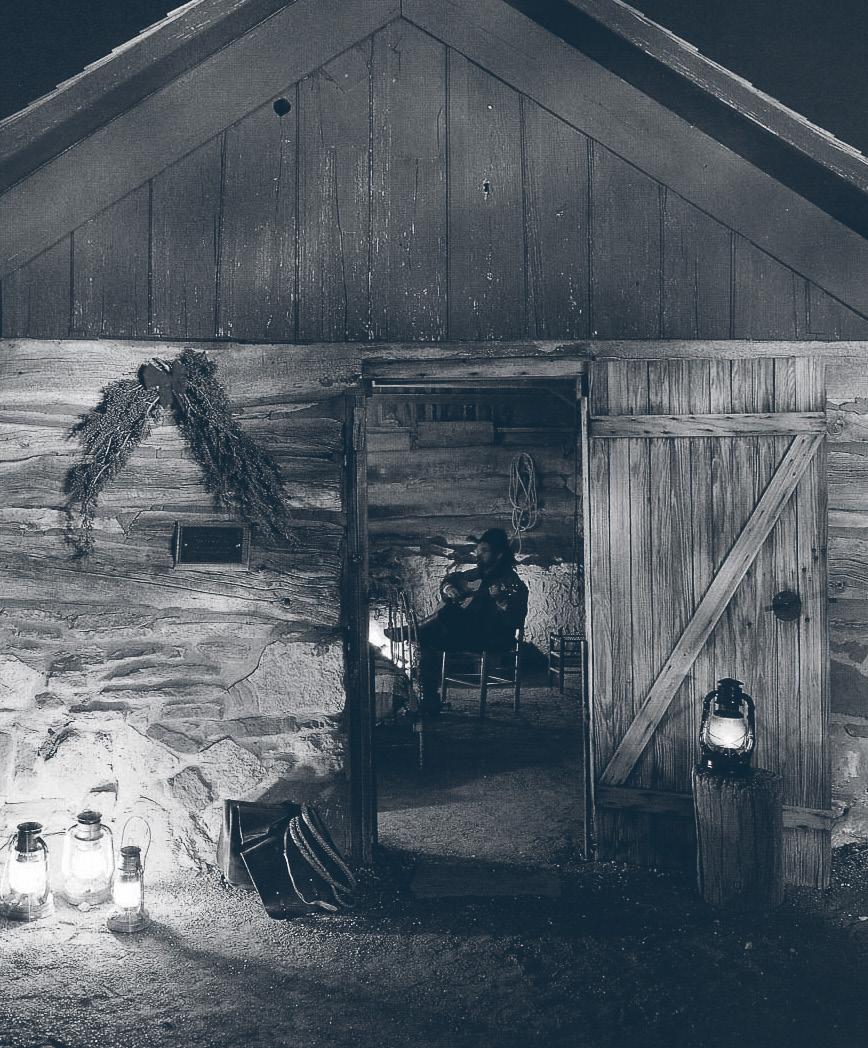
bunkhouses like the J.Y. and Matador Half-Dugout, each building preserved at the National Ranching Heritage Center offers a window into the ingenuity, resourcefulness and festive spirit of frontiers.
Together, they tell the story of how early settlers, ranch hands and communities celebrated Christmas long before electricity, modern decorations or storebought gifts made the season familiar to us today. Each year, these holiday traditions are brought to life with the help of numerous volunteers during Candlelight at the Ranch at the National Ranching Heritage Center in Lubbock.
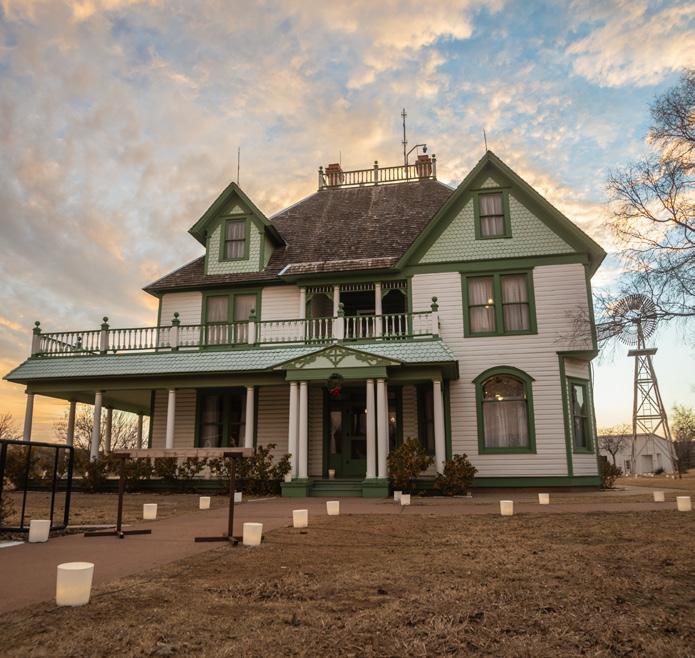
In the early 1900s, Christmas on the Texas frontier was defined by simple, hands-on traditions. Families gathered to trim the tree, bake gingerbread and play games like dominoes, all by the soft glow of acetylene gaslight. These celebrations turned the home into a center of community and festivity, a rare moment to pause and connect in a life shaped by hard work, long winters and constant change. The Barton House, built by Joseph James Barton as the centerpiece of the short-lived town of Bartonsite, provides a vivid window into these holiday customs. It shows how settlers created joy, shared labor and made Christmas meaningful long before electricity, modern decorations or store-bought gifts.
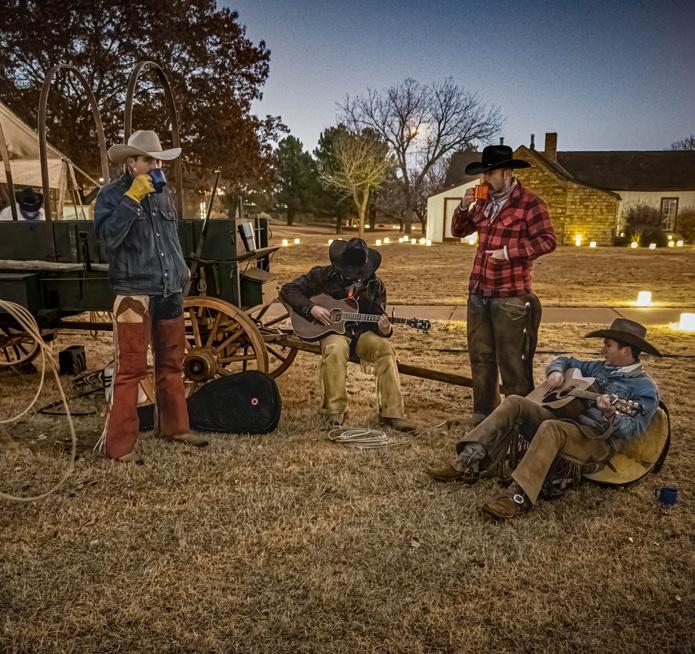
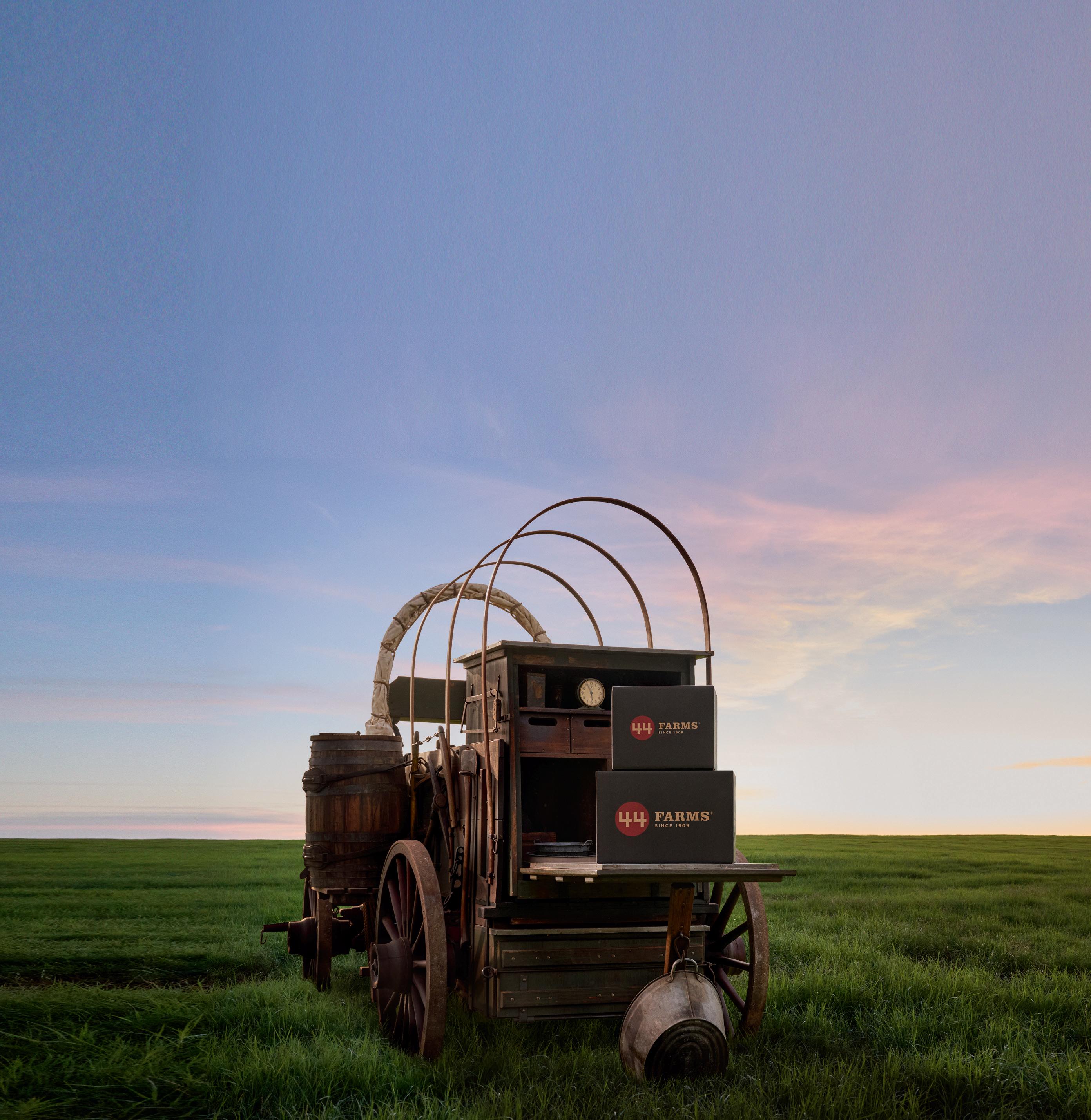
In the early 1900s, Christmas on a ranch often meant gathering around the chuckwagon after a long day on the range. Cowboys and ranch hands shared simple meals cooked over open fires, with biscuits, stews and seasonal treats like fruit and molasses cookies. Even without modern conveniences, the chuckwagon became a hub of celebration where stories were told, songs were sung and small handmade gifts were exchanged. These gatherings offered a brief but cherished break from the hard work of ranch life, creating camaraderie and holiday cheer on the wide-open plains.
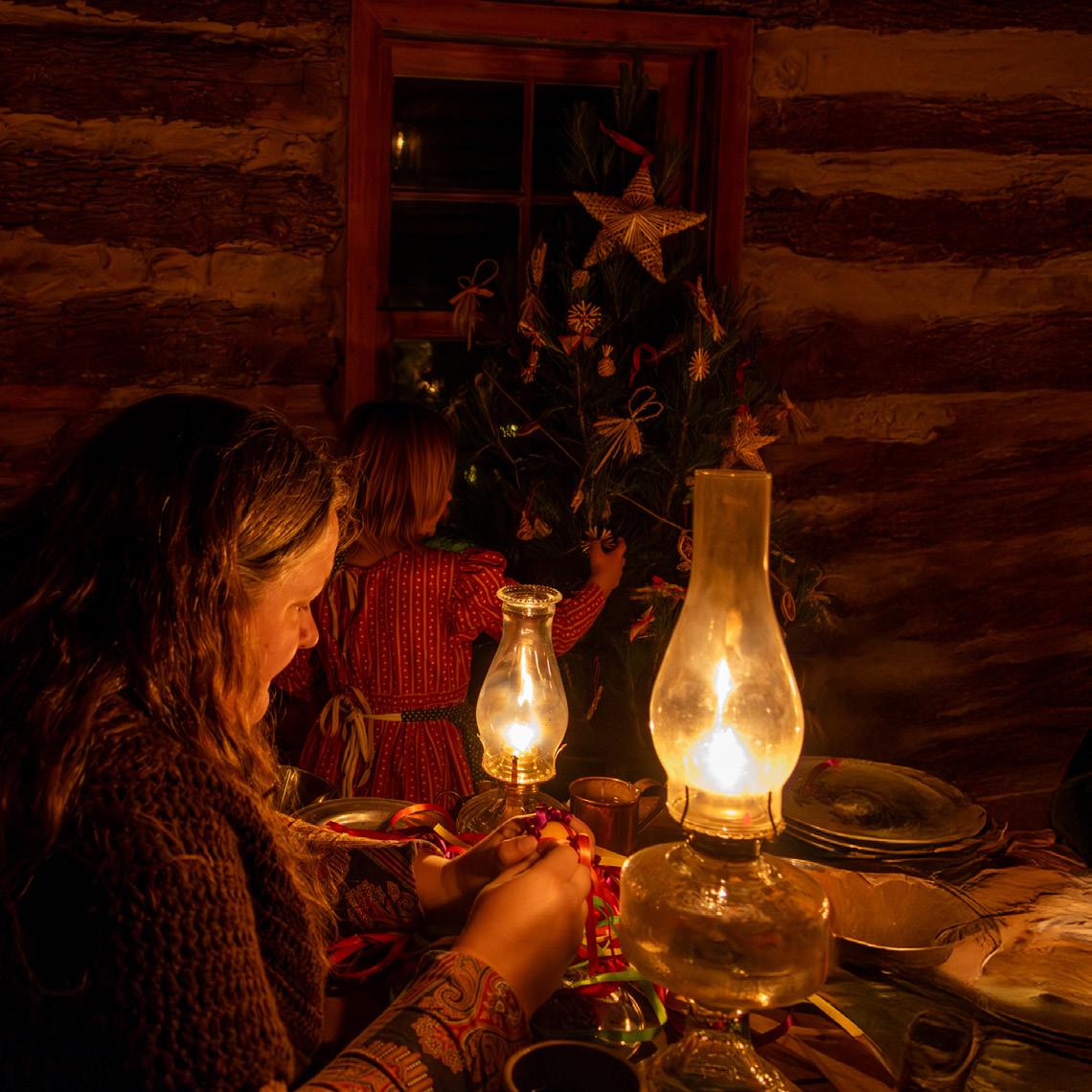
In the mid-1800s, German immigrant families on Hedwig’s Hill celebrated Christmas with traditions that brought warmth and cheer to frontier life. Trees were decorated with handmade ornaments — often strung popcorn, paper chains or small crafted gifts, reflecting the resourcefulness of settlers. Music, storytelling and simple feasts filled the dogtrot home, creating a sense of community in the harsh Hill Country winter. Many of these customs, from decorated trees to festive treats, were brought from Germany and form the foundation of many modern Christmas traditions in the U.S. Built around 1855 by Louis Martin, a key figure in the settlement, the Hedwig’s Hill House provides a window into how German Texans maintained cultural heritage while shaping life on the frontier.
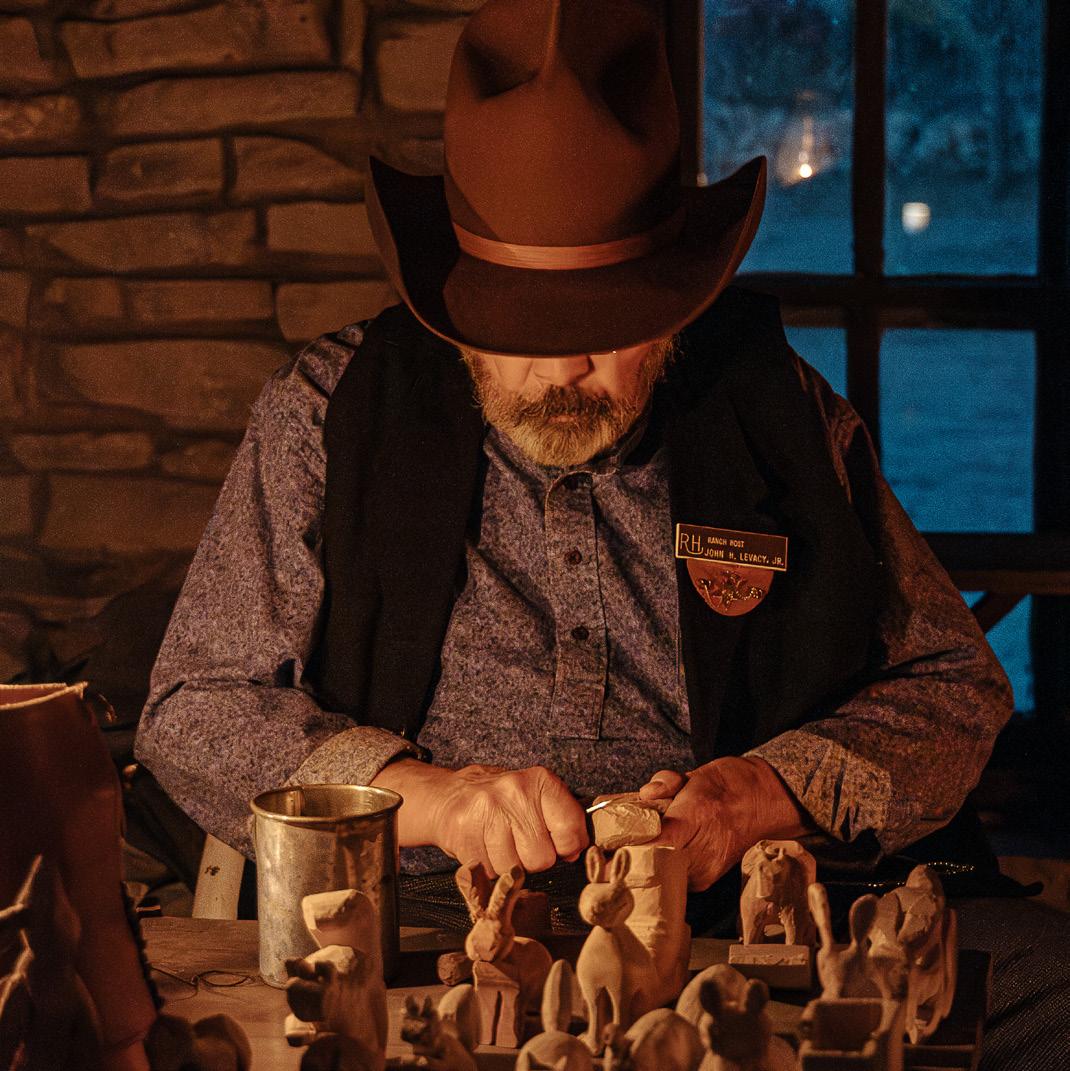
In the late 1800s, cowboys on the open range near Guthrie brought a touch of holiday cheer to life in the J.Y. Bunkhouse, their home base between long days riding and herding cattle. With few resources and no family nearby, the men carved wooden toys, shared simple meals and told stories around the warmth of the fire. Even in a rugged, crowded space built of native limestone and furnished with iron beds and cowhide chairs, these small traditions created festive cheer. The J.Y. Bunkhouse, part of Robert Ben Masterson’s ranching empire, now stands at the National Ranching Heritage Center as a window into how cowboys celebrated Christmas on the frontier.
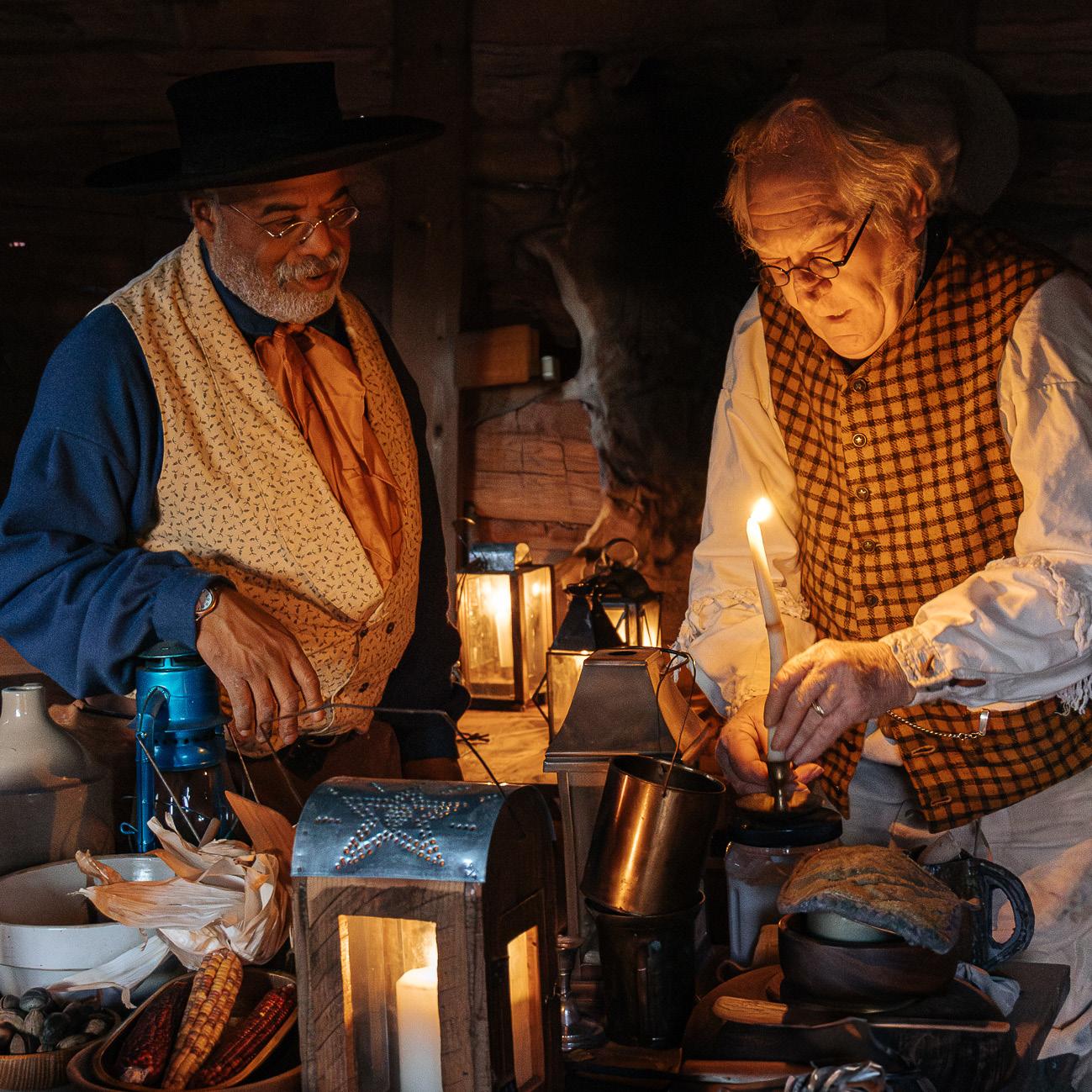
In the 1830s and 1840s, cowboys tending cattle along the range might mark the holiday with a small celebration at a cabin like El Capote. There was no family at hand, but the men brought a sense of community to the rugged frontier, gathering around an open fire to cook a special meal. Stories were shared, songs were sung and for a few hours, the harshness of the prairie gave way to camaraderie and cheer. The El Capote Cabin, built around 1838, offers a glimpse into this life, showing how cowboys created their own holiday traditions while enduring long days, isolation and the challenges of early ranching in Texas.
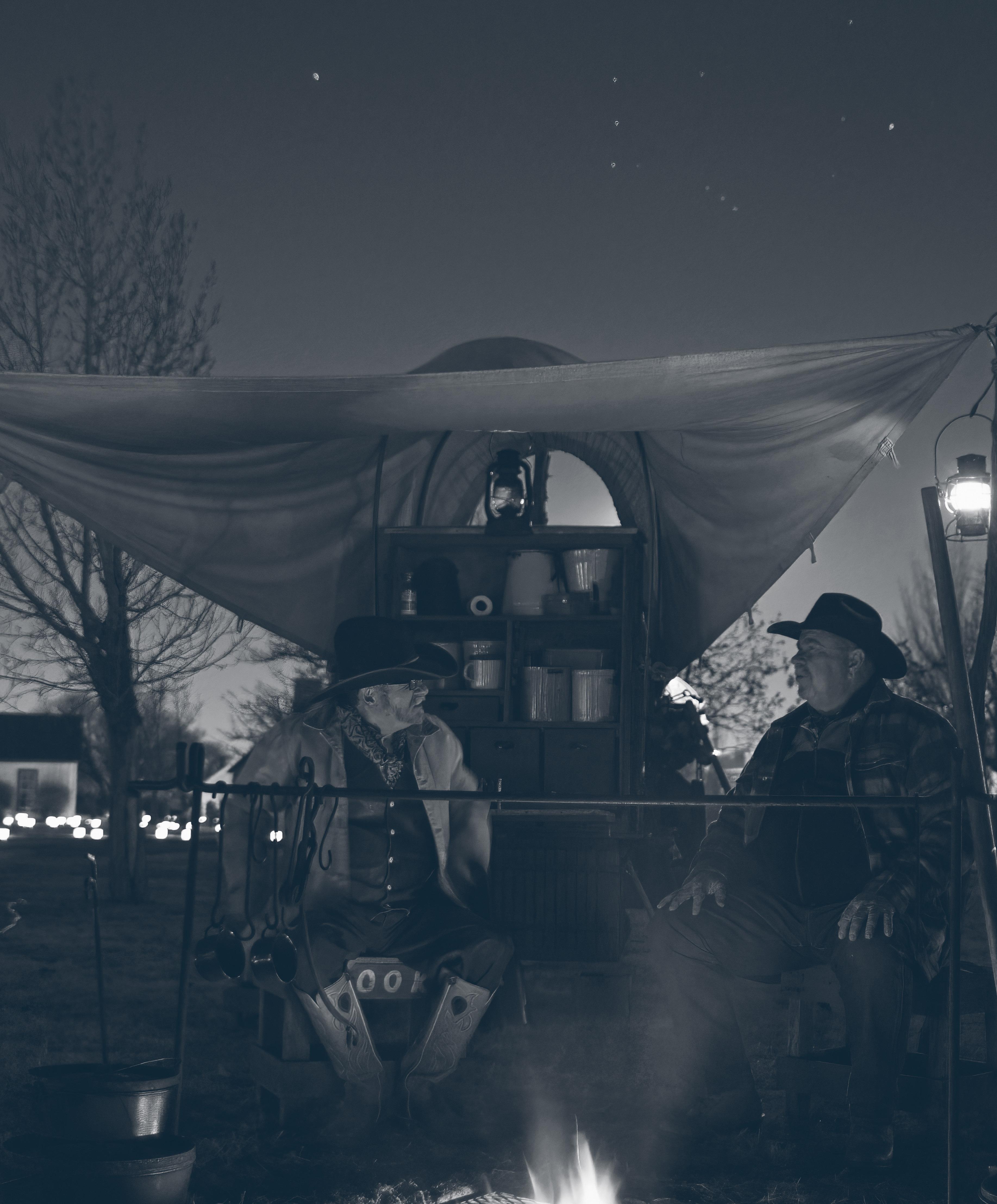
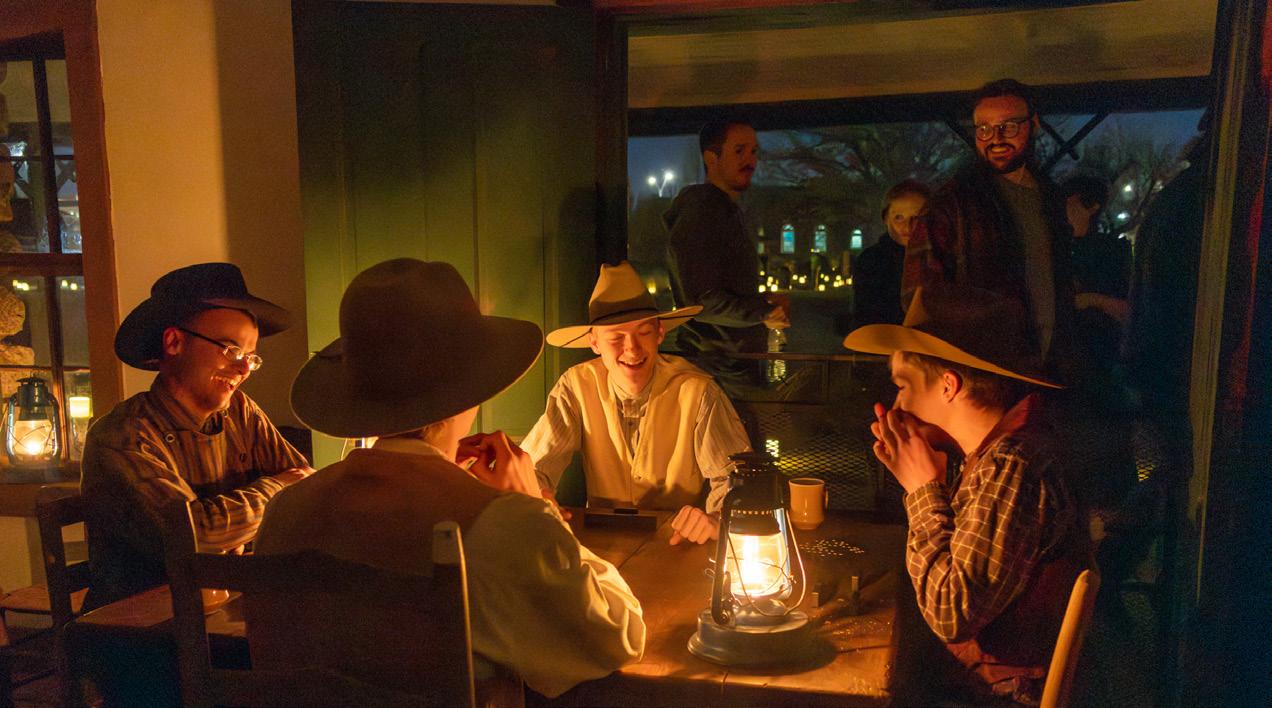
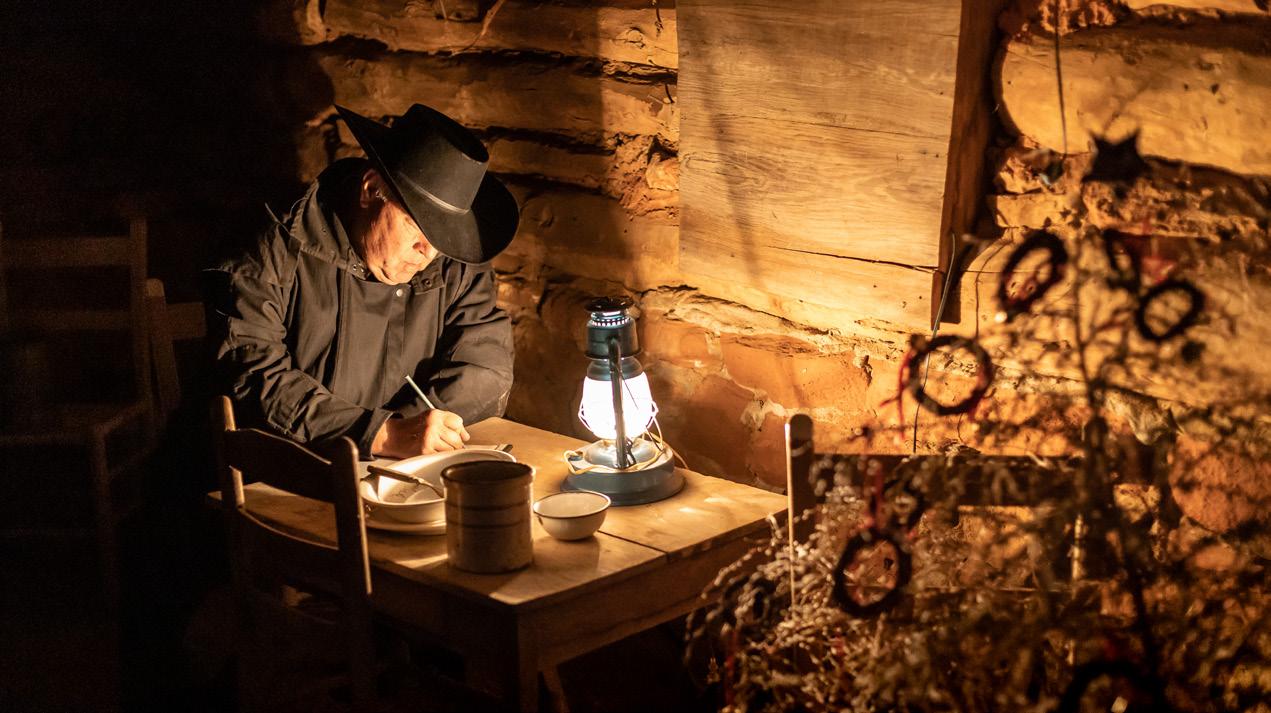
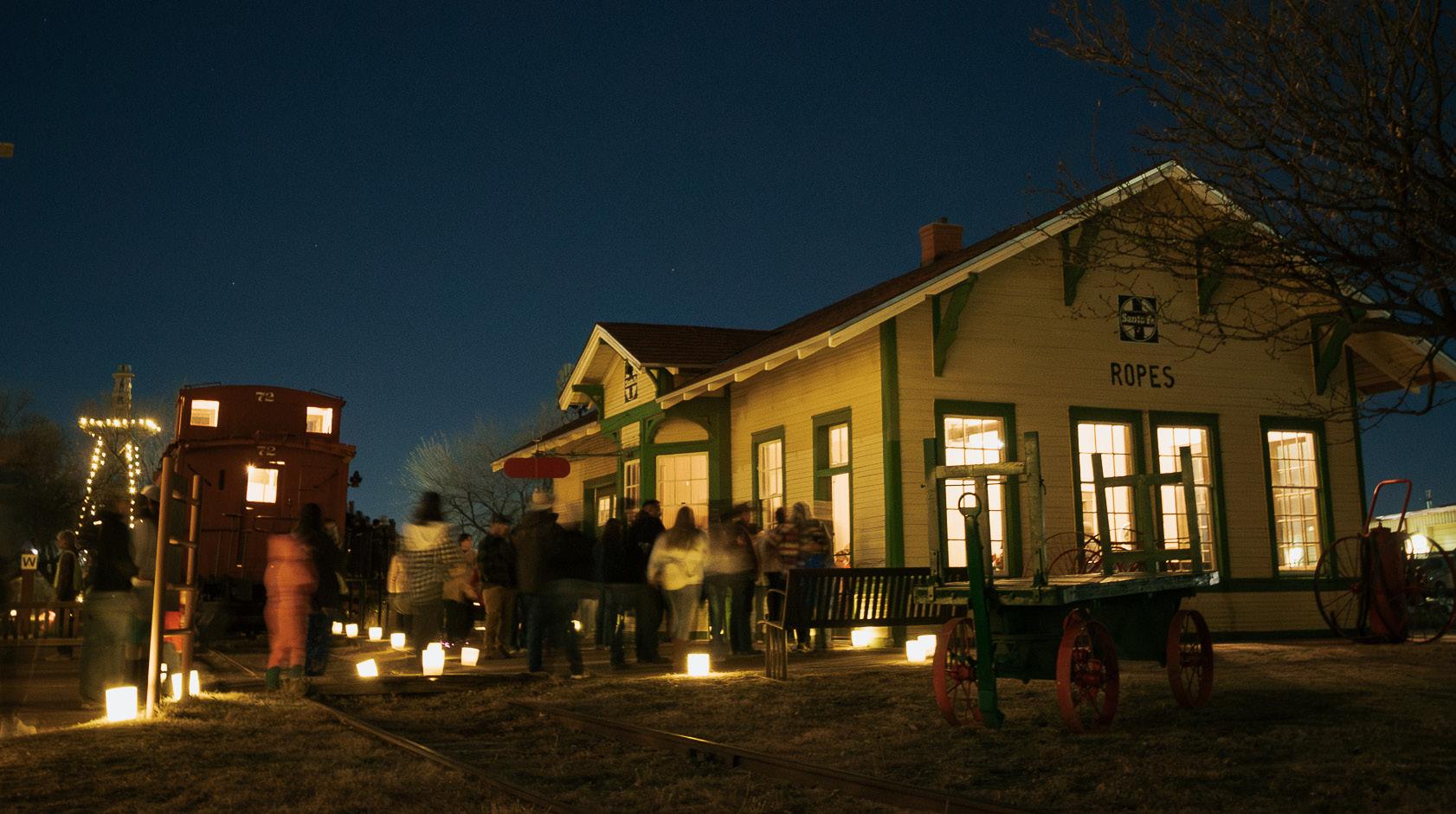
In the late 1800s, cowboys and ranch hands at Las Escarbadas brought festive spirit to life in the rugged Texas Panhandle. During the holidays, they prepared special meals over open fires, including waffles and other treats, and gathered in the shared dining hall or open spaces for music and dancing after long days on the range. Life at Las Escarbadas was demanding — long hours, unpredictable weather and the constant care of tens of thousands of cattle — but these celebrations offered moments of camaraderie, joy and relief. Built in 1886 as a division headquarters for the massive XIT Ranch, the limestone building housed cowboys, foremen and their families.
In the harsh, treeless plains of the late 1800s, cowboys at the Matador Half-Dugout found ways to bring holiday cheer to their rough, earth-sheltered bunkhouse. With few resources, they fashioned a Christmas tree from tumbleweeds, decorated it with handmade ornaments and gathered around the fireplace to share meals, play music and read from the Bible after long days on the range. The half-dugout, built into a hillside around 1888, provided warmth and shelter during winter roundups and is a window into the ingenuity and spirit of frontier cowboys, who created holiday traditions even in the most rugged conditions.
During the early 1900s, the Ropes Depot buzzed with holiday activity as ranchers, settlers and families traveled across the Texas Panhandle to be home for Christmas. The depot was crowded, noisy and full of excitement and occasional delays, much like an airport during the holidays today. Passengers carried gifts, seasonal foods and homemade decorations, while telegraphers and railroad workers kept schedules moving so travelers could reach loved ones in time for celebrations.
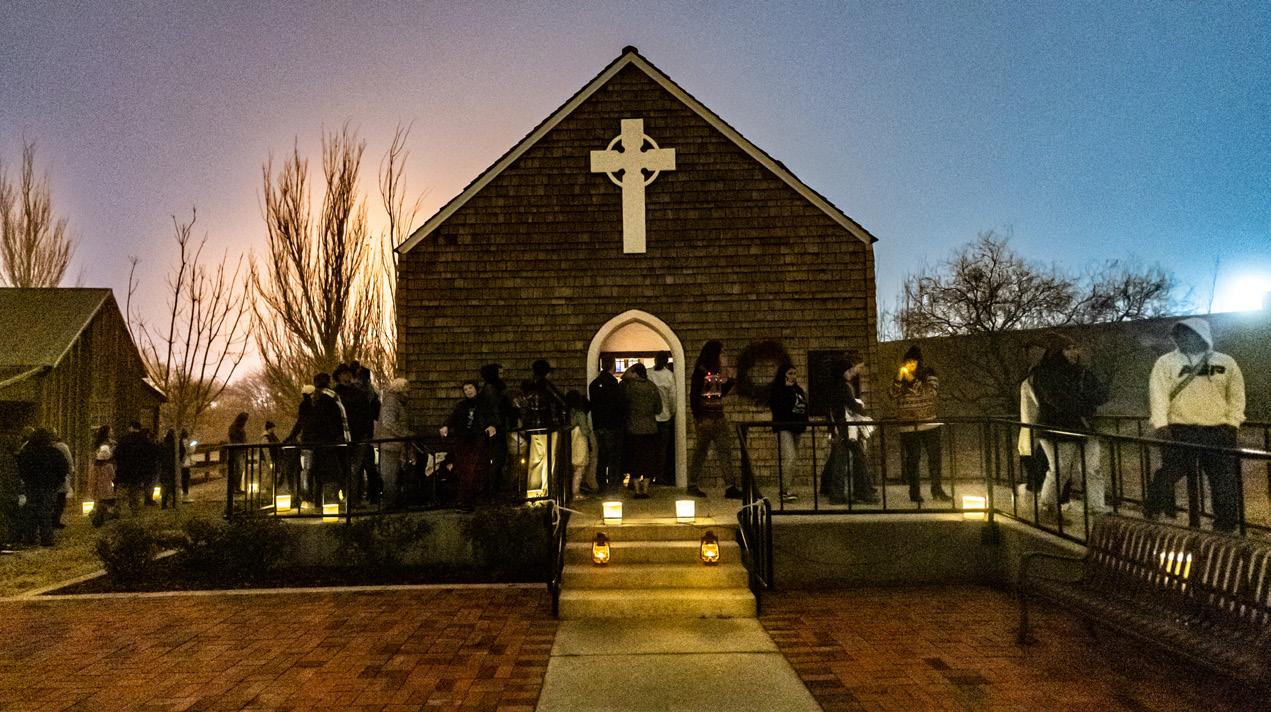
In the 1920s, settlers in rural Texas gathered at Trinity Mission for Christmas Eve services, where Methodists, Baptists, Catholics and Episcopalians alike came together in shared celebration. The modest wood-frame chapel, warmed by a single wood-burning stove and lit by kerosene lamps, offered a cozy refuge from the winter cold. Families sang carols, listened to Scripture readings and joined in prayers, finding community and comfort. Trinity Mission, which also served as a schoolhouse and meeting hall, stands today at the National Ranching Heritage Center as a reminder of how frontier churches nurtured faith, fellowship and holiday traditions in even the most remote settlements.
If you, like many others, crave the simple moments of joy that make the holidays special, look no further than the dinner table. Whether your seasonal gatherings are spent with family, friends or neighbors, you can discover new traditions that focus on the food at the center of it all.
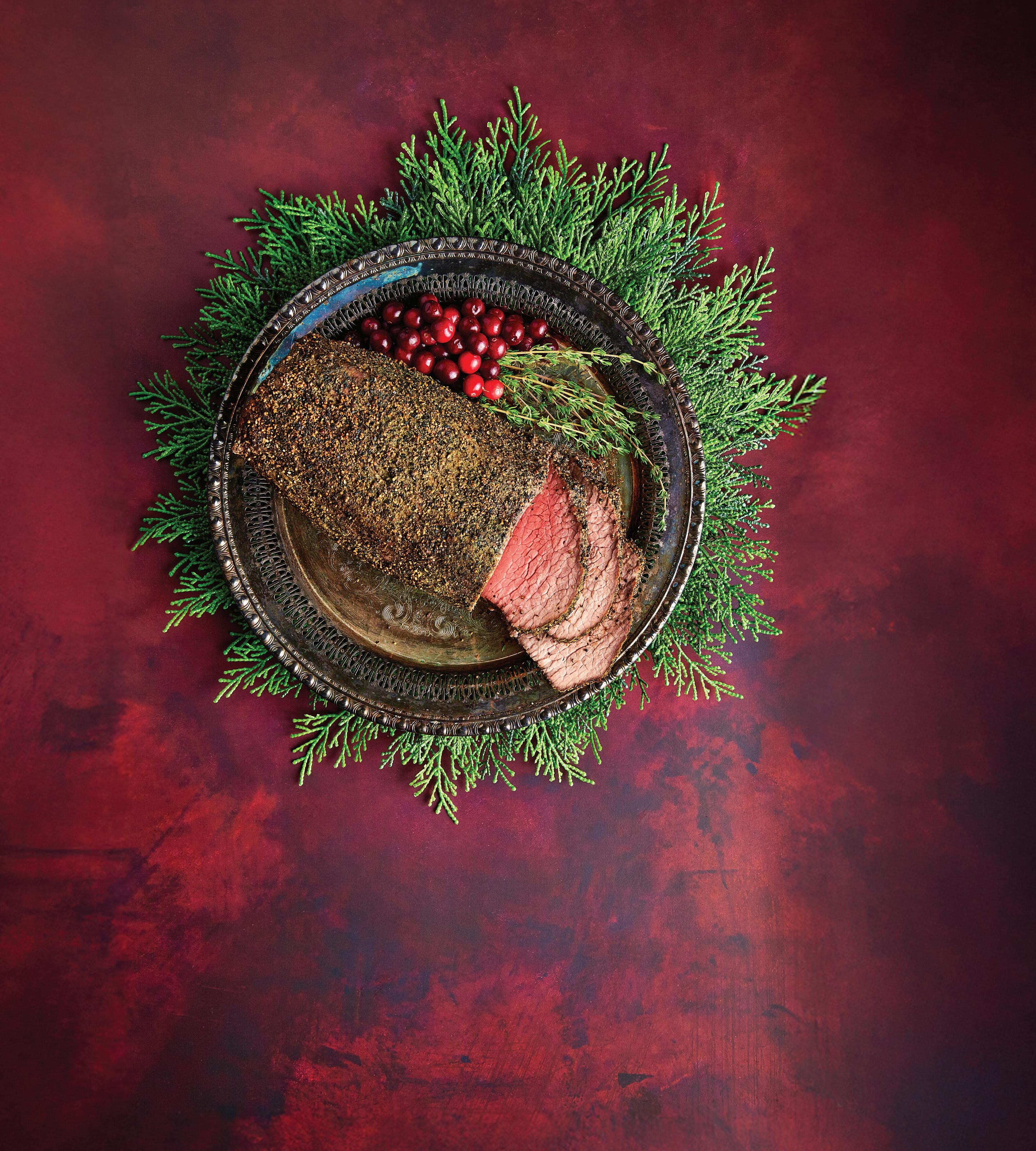
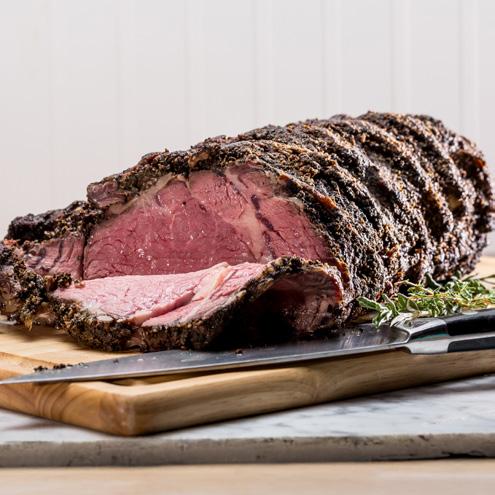
Creating inviting, inspiring and irresistible dishes can start with the real, honest flavor of beef with delicious and diverse recipes that remind you of good times together. This smoked prime rib recipe from Beef Loving Texans — a community funded by beef producers built to celebrate the endless flavors, possibilities, stories and experiences that make beef a Texas tradition — offers a hearty, satisfying way to feed a crowd.
Just remember the keys to cooking prime rib: Smoke or grill to 10-15 F below your desired finish (145 F for medium-rare or 160 F for medium), keeping in mind the beef will continue to rise in temperature as it rests.
If a quiet meal with your nearest and dearest is on the menu, prime rib pasta with broccoli and cheese is the type of holiday specialty you can enjoy year after year. Made with leftover prime rib, it’s the perfect solution for using those holiday leftovers in the days following the big celebration.
Every meal can be a moment savored, a shared story told in flavors as a testament to a passion for beef and where it comes from — after all, beef is a Texas tradition.
Recipe courtesy of Beef Loving Texans
Cook time: 4 hours
Servings: 30
6-8 pounds prime rib
2 tablespoons kosher salt
2 tablespoons coarse ground
black pepper
vegetable oil spray
• Season prime rib generously with salt and pepper.
• Lightly coat grill grates with vegetable oil spray. Close cooking chamber lid.
• Place 3-5 pounds charcoal in center of firebox. Open firebox air vent approximately 1-2 inches and smokestack damper halfway. With firebox lid open, stand back, carefully light charcoal and burn until covered with light ash, approximately 20 minutes.
• Once coals ash over, add wood chunks. Do not shut firebox lid until smoke is clean, often called blue smoke.
• Close firebox lid. Adjust firebox air vent and smokestack damper to regulate cooking temperature until it reaches ideal smoking temperature between 325-350 F.
• Place prime rib on cooking grate in cooking chamber. Maintain consistent cooking temperature by adding wood chunks as needed. Monitor internal temperature of prime rib throughout cooking process. Smoke 3-4 hours; rotate and flip every hour.
• Remove roast when meat thermometer registers 135 F for medium-rare; 145 F for medium.
• Transfer roast to carving board; tent loosely with aluminum foil. Let stand 15-20 minutes. Temperature will continue to rise 10-15 F to reach 145 F for medium-rare; 160 F for medium.

6 tablespoons butter, divided
1 pound cooked leftover prime rib, cut into 1/2-inch pieces
1 tablespoon minced garlic
1 pound penne pasta, cooked
1 pound broccoli, blanched
Recipe courtesy of Beef Loving Texans
Cook time: 10 minutes
Servings: 2
1/2 cup julienned sun-dried tomatoes
1/2 cup cherry tomatoes, halved
1/2 cup beef broth
1 teaspoon salt
1 teaspoon freshly ground black pepper
1/4 cup fresh lemon juice
1 tablespoon white truffle oil
1/2 cup shredded Parmesan cheese
1/4 cup chopped fresh parsley
• Preheat large skillet over medium heat until hot. Add 2 tablespoons butter. When melted, add leftover prime rib; cook 3-5 minutes, or until lightly browned.
• Add garlic and cook 1-2 minutes, or until fragrant. Stir in cooked pasta, broccoli, tomatoes and remaining butter. Add broth, salt and pepper. Cook 2-3 minutes, or until warmed through. Drizzle with lemon juice and truffle oil; sprinkle with cheese and parsley before serving.
• Cooking tip: Drizzle with extra truffle oil before serving to enhance aroma.
Story courtesy of Texas Beef Council. Find more recipes to celebrate the season at beeflovingtexans.com.

Gifts that bring the Western Spirit home for the holidays. Find something for everyone on your list―wrapped in tradition, style and a little bit of holiday cheer.




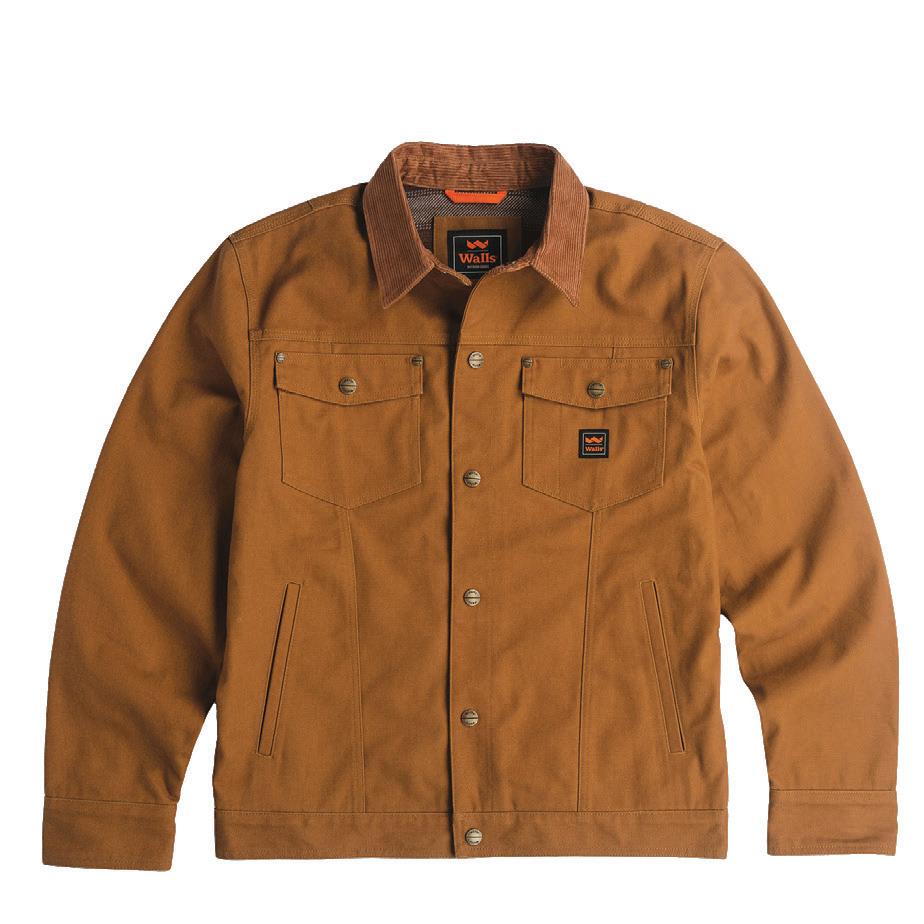
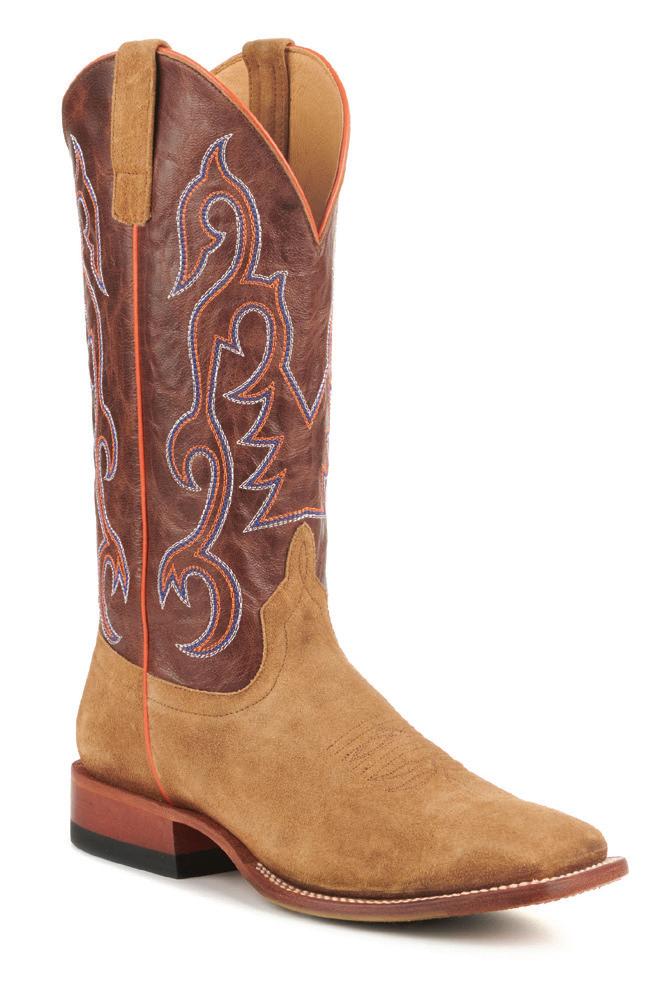


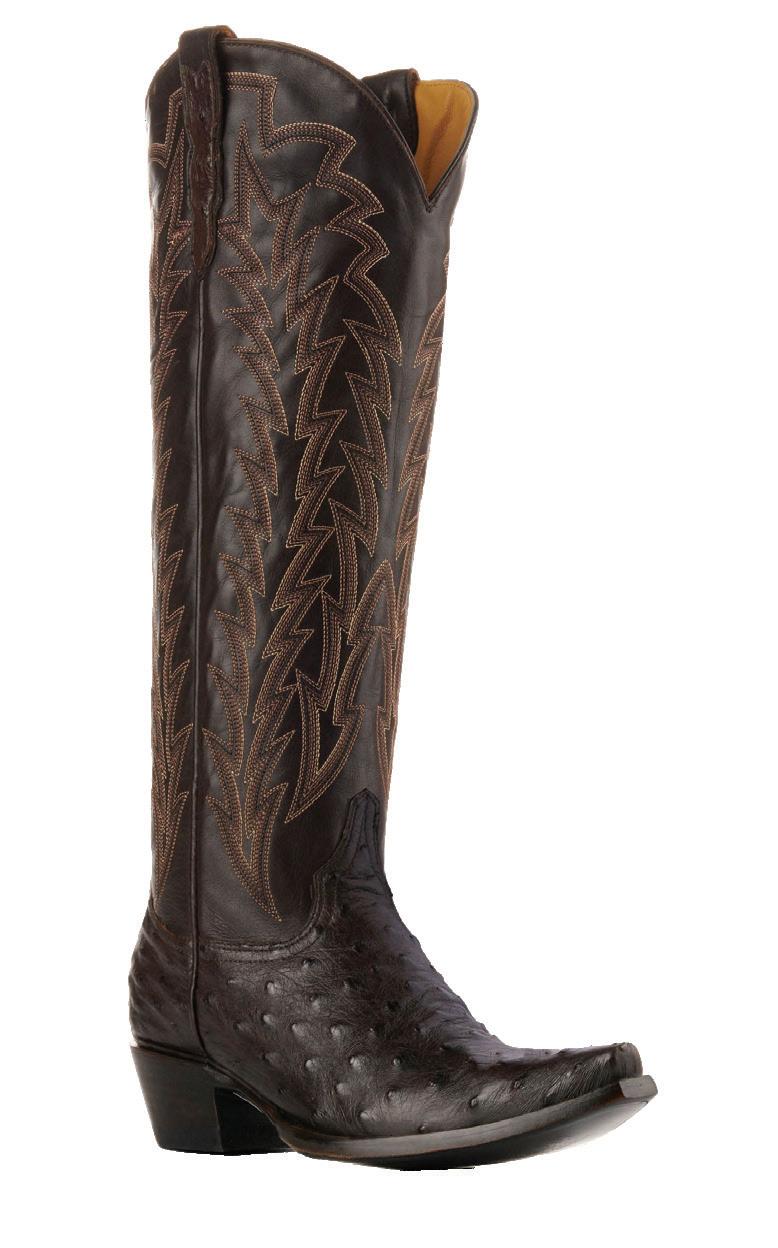



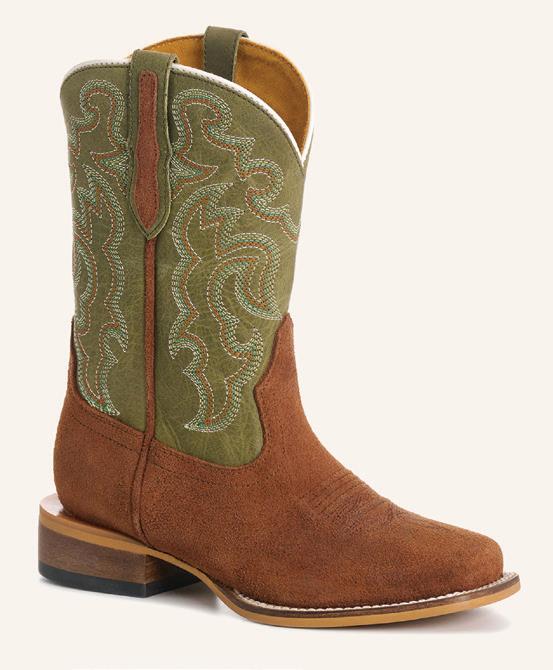
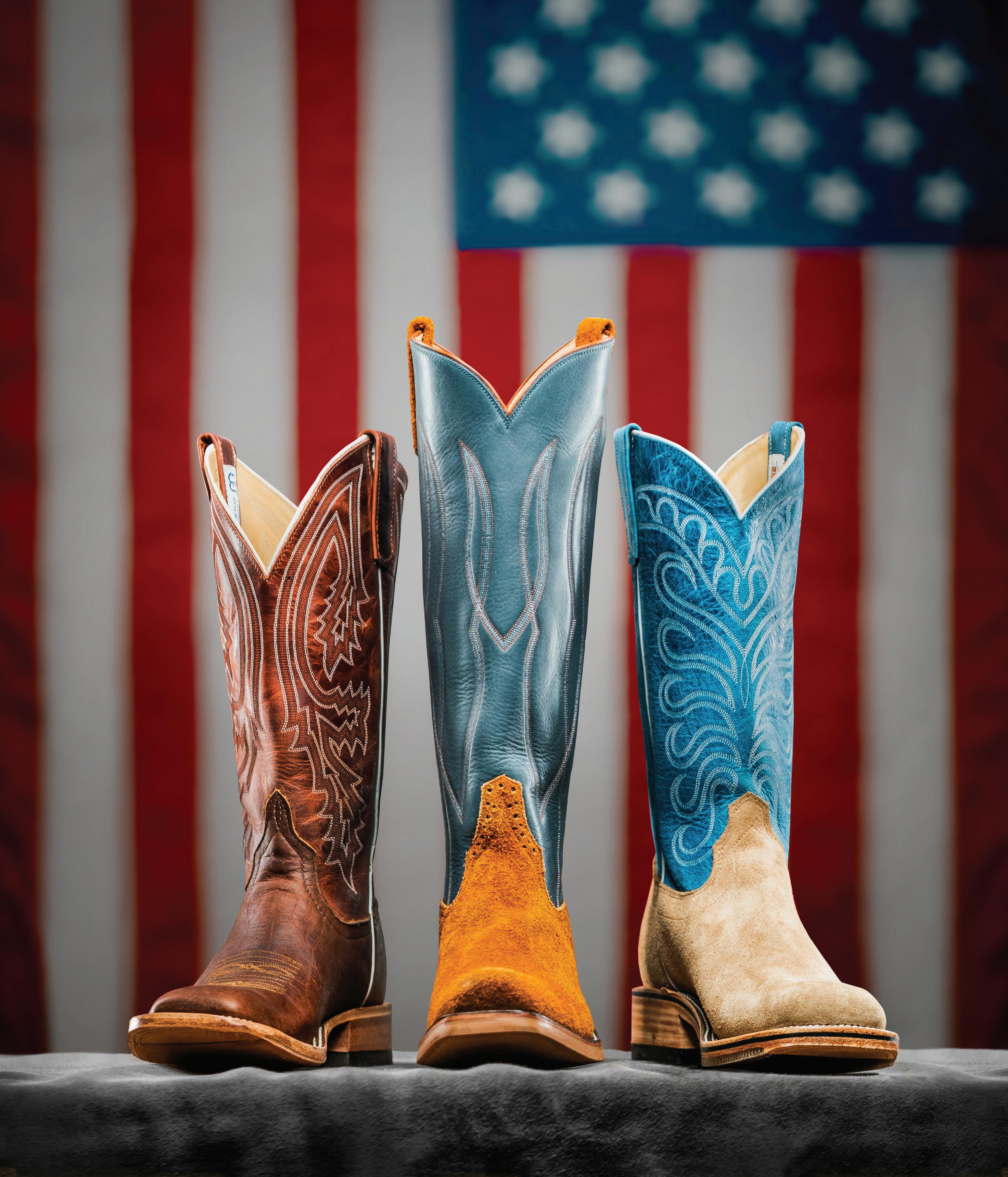

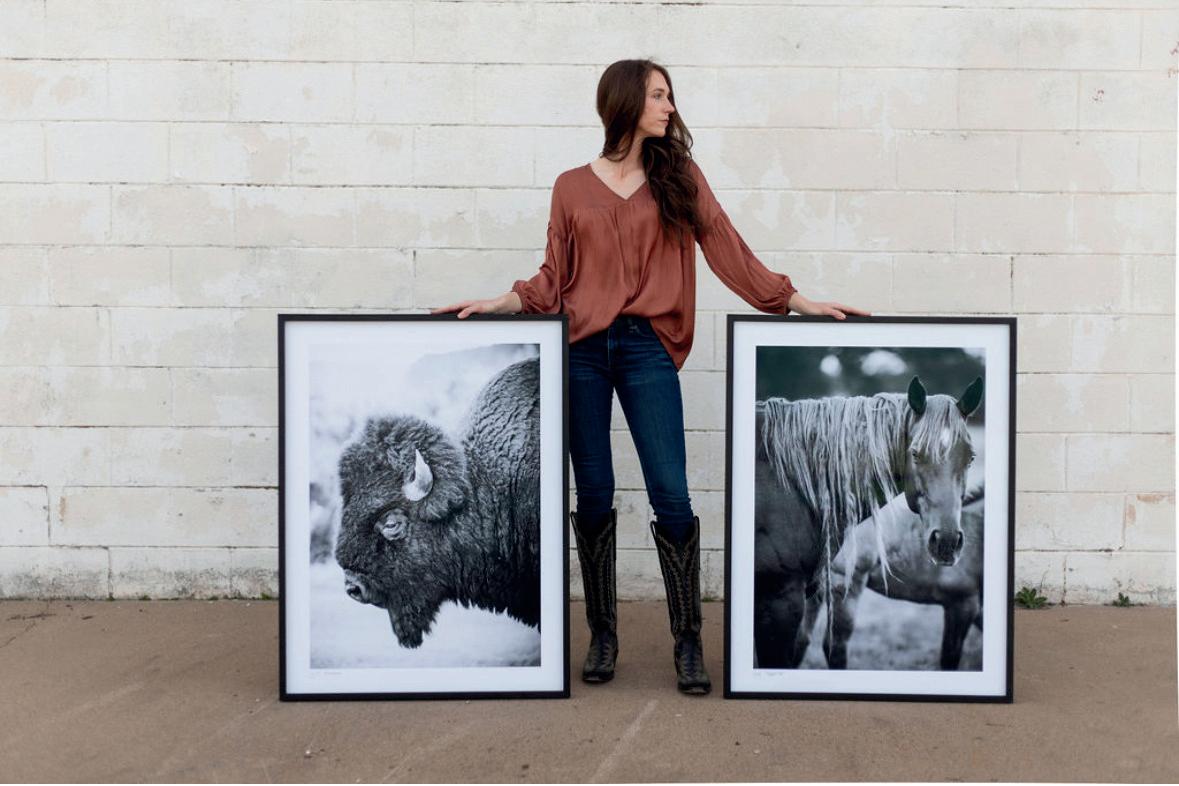
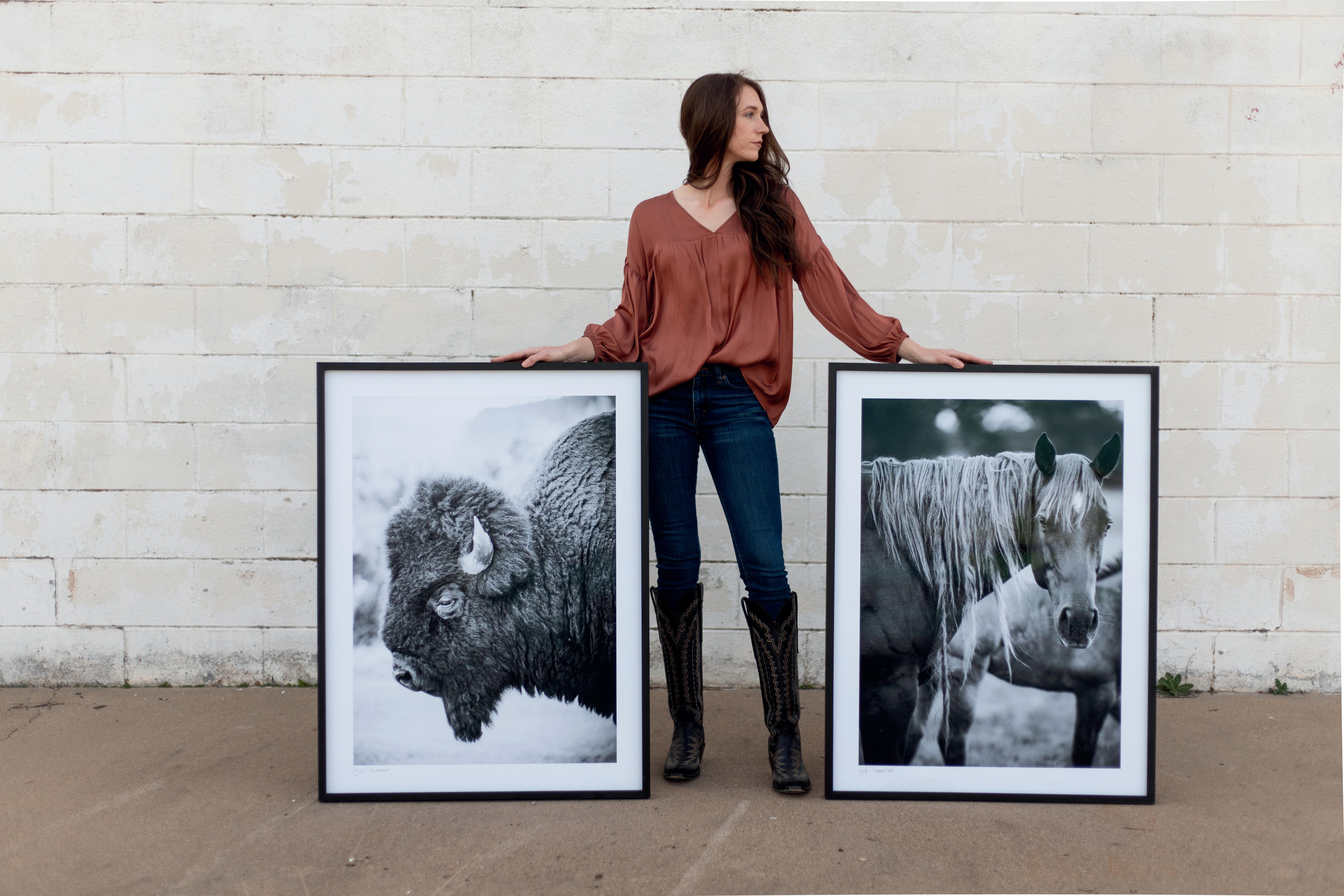









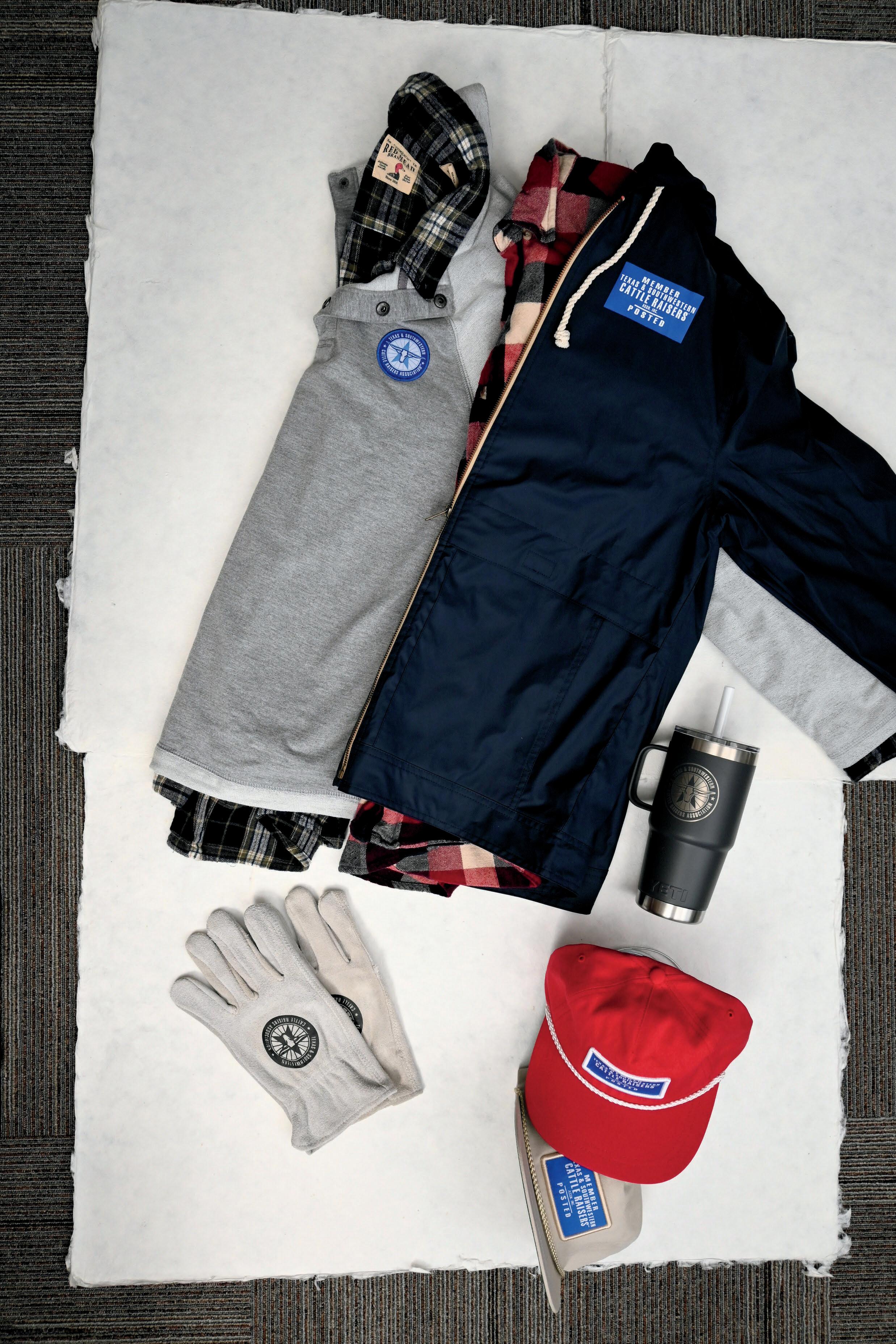



By Diane Meyer
For James Uhl, ranching has always been about learning from the people around him. From his earliest days, he’s absorbed lessons from family and mentors who shaped both his work ethic and his outlook. His ranching experience comes through his mother Lorrie’s side of the family. Growing up in San Antonio, Uhl spent summers and countless holidays at Powell Ranches, working alongside his grandfather, Jimmie Powell; his father, Arthur Uhl; and the ranch’s longtime manager, David Neal.
“Most everything that I’ve learned has been through experience,” he says. “I learn from everybody who surrounds me.”
After earning a bachelor’s degree in economics with a minor in business from the University of Texas at Austin, Uhl returned to the ranch in 2015. He’s spent the last decade taking a hands-on approach to whatever the day requires. He and his wife, Hannah, are raising their son, Joseph “Hunt,” and are expecting another child in 2026.
The same desire to learn from those around him now extends beyond fence lines. As a region 2 director for Texas & Southwestern Cattle Raisers Association, Uhl values gathering with fellow cattle raisers who share his commitment to the industry and each other. “The sense of community you feel at any of the TSCRA events is something that makes it special and unique,” he says.
Growing up, Uhl often tagged along with his family to cattle raisers events. His father and grandfather are both past presidents of the association. Watching the passion and dedication of members made a lasting impression.
“It naturally led to me being involved as a young producer and wanting to take an active part in the organization, and hopefully be a productive member of it,” he reflects.
As someone who’s personally drawn to policy, Uhl enjoys learning about the work being done in Austin and Washington, D.C., to create a better agenda for producers. He also serves as vice chair of the leadership development
committee, a newly established group aimed at fostering engagement among younger members.
“We’re making a concerted effort to bring young people into the fold, and hopefully, through our membership across the Southwest, we can help create a better, stronger industry,” he says.
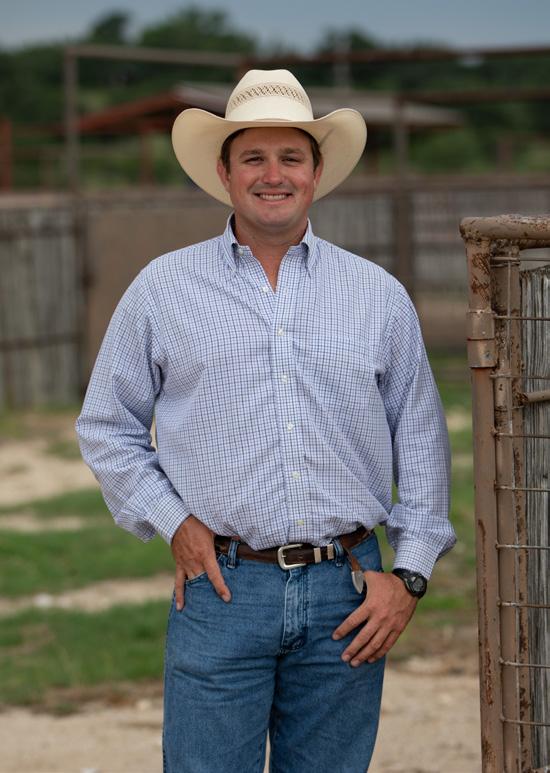
Uhl believes the association’s strength lies in its ability to bring people together to confront challenges. Whether the issue is weather, labor or the recent threat of the New World screwworm, he sees value in producers sharing ideas and solutions.
“The value of the association is that you have all these people who come together and discuss challenges, and as soon as somebody recognizes a solution for one, they are able to share it,” he says.
That collaborative spirit, he notes, has been part of the Texas & Southwestern Cattle Raisers Association’s mission since its founding.
“The association was originally formed to confront the problem of the day, which then was cattle theft,” Uhl says. “That’s exactly what it provided — a form with which to confront serious problems. It’s pretty cool that it is still as relevant today as it was when it started over a century ago.”
Uhl credits the association’s special rangers and capable staff as essential to its ongoing success. Maintaining strong leadership and engaged membership, he says, will keep the organization thriving for generations to come.
Whether in the boardroom or on the ranch, honesty and integrity guide how Uhl approaches both business and leadership. “A leader of any capacity ought to be willing to put the work in that they ask of their employees,” he says.
Looking ahead, he’s focused on helping ensure the association remains strong through his efforts every day to keep it relevant for cattle raisers across Texas and the Southwest.
“I want to make sure that it’s in a place that is as good as or better than it is today,” he says. “Hopefully our membership numbers are still very high, and the members still think of this association as favorably as they do now.” T C
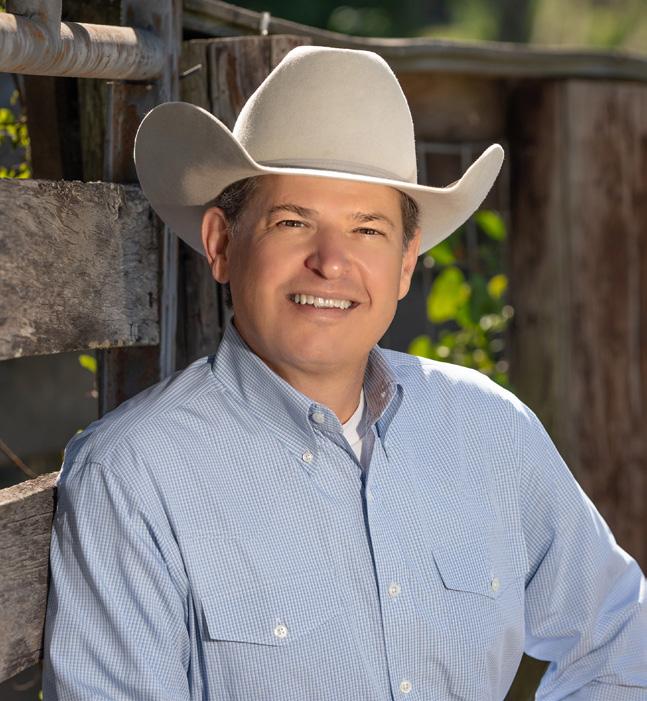
CARL RAY POLK JR.
President P.O. Box 155108 Lufkin, Texas 75915
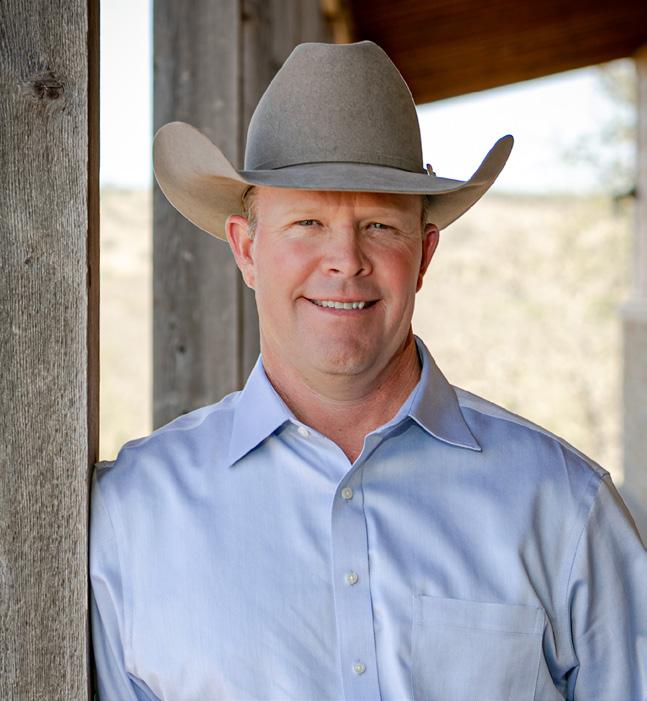
STEPHEN DIEBEL
First Vice President 3907 Salem Rd. Victoria, Texas 77904
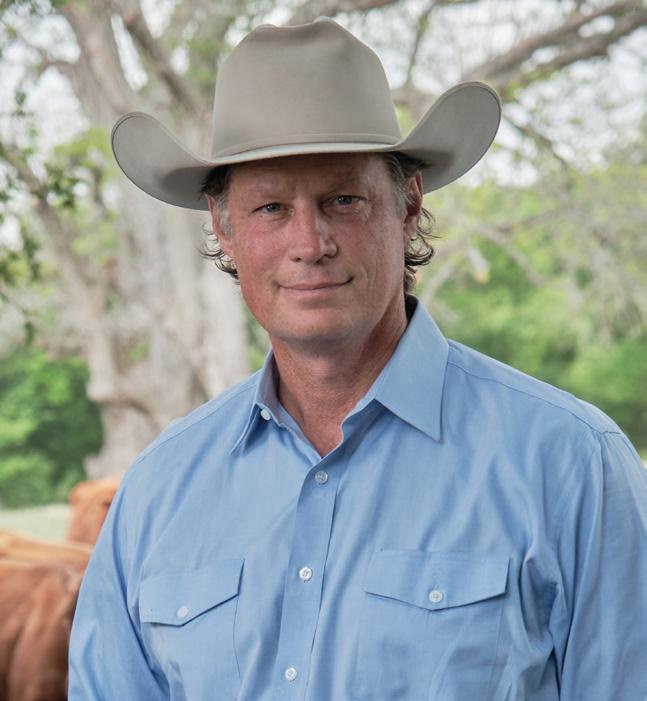
DAN GATTIS
Second Vice President and Secretary/Treasurer 213B W. 8th St. Georgetown, Texas 78626
James L. Powell San Angelo, 1988-1990
Tom Beard Alpine, 1994-1995
C. Coney Burgess Amarillo, 1997-1999
J. Mark McLaughlin San Angelo, 1999-2001
John E. Dudley Comanche, 2001-2003
Joe M. “Jody” Bellah, Throckmorton
Blake Birdwell, Canyon
E. S. F. “Swasey” Brainard II, Pampa
J. K. “Rooter” Brite Jr., Bowie
Donnell Brown, Throckmorton
Campbell Burgess, Amarillo
Deborah Clark, Henrietta
Lynn Cowden, Skellytown
Jake Cowen, Benjamin
J. B. Daniel, Crowell
James Henderson, Memphis
Bob McCan Victoria, 2003-2005
C.R. “Dick” Sherron, MD Beaumont, 2005-2007
Jon Means Van Horn, 2007-2009
G. Dave Scott Richmond, 2009-2011
Joe J. Parker Jr. Byers, 2011-2013
Clayton Henry, Wichita Falls
Brooks Hodges, Guthrie
Joe Leathers, Guthrie
Frank McLelland, Tahoka
Jeff Mitchell, Amarillo
Gage Moorhouse, Benjamin
Diaz W. Murray, Wichita Falls
J. Malcolm Shelton IV, Amarillo
Dale A. Smith, Amarillo
Jim Thompson, Breckenridge
Ross Thompson, Iowa Park
Wesley Welch, Lubbock
Pete Bonds Saginaw, 2013-2016
Richard Thorpe III, MD Winters, 2016-2018
Robert E. McKnight Jr. Fort Davis, 2018-2020
G. Hughes Abell Austin, 2020-2022
Arthur G. Uhl III San Antonio, 2022-2024
Kevin Busher, Winters
Charles M. “Charley” Christensen Jr., San Angelo
C.A. “Chili” Cole IV, San Angelo
Alan F. Curry, San Angelo
James H. Dudley IV, Horseshoe Bay
Amanda Dyer, Fort Davis
Johnny Ferguson, Big Lake
DA Harral, Fort Stockton
Ron Helm, Van Horn
Heath Hemphill, Coleman
Shelby W. Horn, Fredericksburg
Larry R. Horwood, Sterling City
Grant Jones, Rochelle
Mark W. Jones, Brady
W. Clay Jones, Brady
Ty Keeling, Boerne
Lorenzo Lasater, San Angelo
Brian T. McLaughlin, Midland
David L. Neal, San Angelo
Gerald Nobles Jr., Brady
James Oliver, Ozona
Wade Perks, San Angelo
Jessica Tate, Marfa
James Uhl, Fort McKavett
Cody Webb, Barnhart
C. Clark Welder, Fredricksburg
Ray W. Willoughby III, Eldorado
Ford Drummond, Pawhuska, Oklahoma
Edward Bordovsky Jr., Riviera
Austin Brown III, Beeville
W. Christopher Bush, Refugio
James Clement lll, Kingsville
David S. Crow, Corpus Christi
Dustin Dean, Floresville
David DeLaney, Kingsville
Robert “Bobby” Dobson, Birmingham, Alabama
James L. “Jamie” Donnell Jr., Fowlerton
J. David Eppright, Cost
Benjamin Eshleman III, Corpus Christi
Joseph B.C. Fitzsimons, Carrizo Springs
Robert “Robbie” Graff, D’Hanis
Parke Greeson Jr., Goliad
Bret Griffith, Del Rio
Heath Grigg, Kingsville
Marty R. Harris, Tilden
Anson Howard, San Antonio
William Whitby Jones III, Hebbronville
Leslie Kinsel, Cotulla
Claude Koontz, San Antonio
Steven J. Mafrige, Tilden
Richard Marbach, Victoria
Federico “Freddy” Nieto, Raymondville
T. Michael O’Connor, Victoria
Jason Peeler, Floresville
J.R. Ramirez, La Pryor
Michael Sasser, Corpus Christi
Lew Thompson, Pearsall
John E. Zacek, Victoria
Bill Cawley, Crockett
Wayne Cockrell, College Station
Herff Cornelius Jr., Wadsworth
Carlos Detering III, Houston
Gardner H. Dudley, Houston
Lloyd French IV, Houston
Cody Fry, College Station
Kelley Sullivan Georgiades, College Station
George Harrison, Bay City
Robert Hodgen, Houston
Colt Hoffmann, Marlin
Clay Kenley, Crockett
John Malazzo, Caldwell
Clive Runnells III, Austin
John Sumner Runnells III, Bay City
Tony Spears, Rosanky
John “Rocky” Sullivan, Galveston
Claudia Scott Wright, Richmond
April Bonds, Saginaw
Missy Bonds, Saginaw
John L. Cantrell, Cresson
Ian Chapman, Madill, Oklahoma
Hunter Crow, Dallas
James A. Dangelmayr, Muenster
Seth Denbow, Weatherford
Crawford Edwards, Fort Worth
John Greer, Henrietta
Jason Harlow, Dallas
Pete Hudgins, Sherman
Tom Johnson, Wortham
Ken Leiber, Fort Worth
Stefan Marchman, Fort Worth
William H. McCall, Fort Worth
Dan Nance, Haslet
Susan Roach, Fort Worth
Stephen S. “Steve” Sikes, Fort Worth
Bragg Smith III, Dallas


Texas & Southwestern Cattle Raisers Association directors represent six geographical regions across Texas and Oklahoma. Reference the special rangers page for a link to an interactive online map.


William M. “Buck” Arrington, Pampa
Van Baize, Nocona
Bradford S. “Brad” Barnes, Fort Worth
Steve G. Beever, Pearsall
George Beggs IV, Fort Worth
Richard H. Bennett, San Antonio
Emry Birdwell, Henrietta
Mary Lou Bradley-Henderson, Childress
Chip Briscoe, Carrizo Springs
R.A. “Rob” Brown, Throckmorton
J.D. Cage, Muleshoe
Presnall Cage, Falfurrias
John W. Carpenter III, Dallas
Barrett D. Clark, Breckenridge
Martin W. Clement II, Kingsville
Thurman S. Clements Jr., Victoria
C.A. “Chip” Cole III, San Angelo
James T. Dangelmayr, Muenster
Nixon Dillard, Pleasanton
William C. “Billito” Donnell Jr., Alpine
Markham B. Dossett, Waco
Bob Drake, Davis, Oklahoma
James H. “Jim” Dudley, Comanche
Jay C. Evans, Dripping Springs
Trainor Evans, Mercedes
Leroy Ezer, Anahuac
Jim L. Gates, Pearsall
Richard Gates, Marfa
Mike Gibson, Paducah
Ronald J. “Ron” Gill, Chico
Frank Green, Liberty
W. H. “Billy” Green III, Albany
Milton S. Greeson Jr., Victoria
Thomas J. “Tommy” Haegelin, Concan
Dr. Philip C. Hardee, Beatrice, Alabama
Rafe Hargrove, Rotan
Tom J. Haynie, Navasota
Dr. Joe Pat Hemphill, Coleman
Ken Jordan, San Saba
Don Keeling, Fredericksburg
David W. Killam, Laredo
John Z. Kimberlin Jr., Dallas
Dan W. Kinsel III, Cotulla
Chris Lacy, Fort Davis
Steve C. Lewis, San Antonio
James E. “Jim” Link, Crowley
Coleman H. Locke, Hungerford
Ben Love, Marathon
Katharine Armstrong Love, Austin
Richard M. Lucas Jr., Houston
Robert B. Mansfield, Amarillo
Jon David Mayfield, Dublin
Jim McAdams, Seguin
James A. McAllen, Linn
William “Alan” McNeill, Beaumont
Len P. Mertz, San Angelo
Evalyn Moore, Richmond
Raymond E. Moore IV, Richmond
Bob Moorhouse, Weatherford
Tom Moorhouse, Benjamin
Beth Knolle Naiser, Sandia
Russell Noble, Ardmore, Oklahoma
Les Nunn, Pauls Valley, Oklahoma
Boots O’Neal, Guthrie
James Palmer, Roaring Springs
Rick Peebles, Baytown
Tim Pennell, Westhoff
Tom Perini, Buffalo Gap
Jim Peters, Quemado
Scott Petty Jr., San Antonio
Bill Phinizy, Gail
Frank Price, Sterling City
Gary Price, Blooming Grove
Mary Joe Reynolds-Montgomery, Fort Worth
Tom L. Roach III, Bozeman, Montana
Charles R. “Butch” Robinson, Navasota
Nolan Ryan, Round Rock
M. Stuart Sasser, Corpus Christi
Gordon E. Sauer, Fredericksburg
Wilson Scaling, Henrietta
Chris Scharbauer, Amarillo
Frates Seeligson Jr., San Antonio
Ed Small, Austin
Danny B. Stewart, Sterling City
Gerald Sullivan, Galveston
Stephen T. “Steve” Swenson, Dallas
Rick Tate, Marfa
Cliff Teinert, Albany
Richard Traylor, Batesville
Robert J. Underbrink, Houston
Tom Watson, Muleshoe
Dennis W. Webb, Barnhart
John Welch, Wolfforth
Richard Wortham, Austin
Ken Welch, Baird
Roger F. Welder, Victoria
A.B. Wharton, Vernon
W.C. “Billy” Williams, Mertzon
David W. Winters, Del Rio
Dr. M. R. “Mike” Wirtz, Brenham
Tom Woodward, Decatur
Bart Wulff, Dallas
Curtis A. Younts Jr., Belton
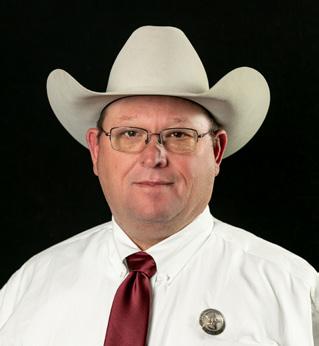
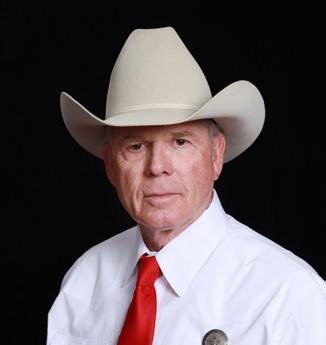

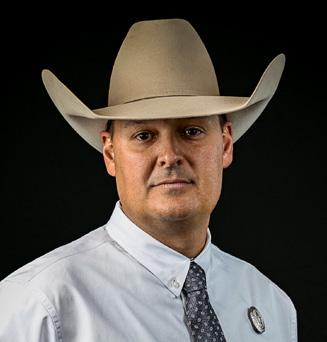
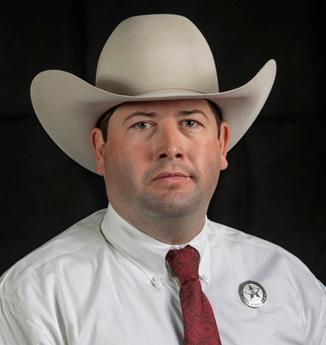
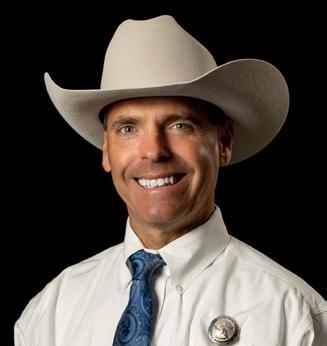
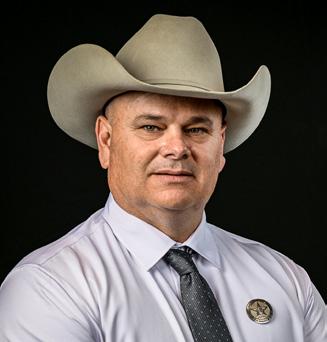
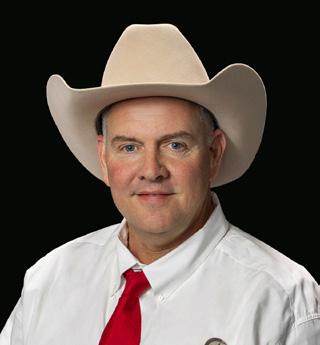
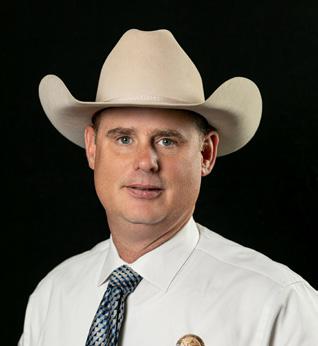
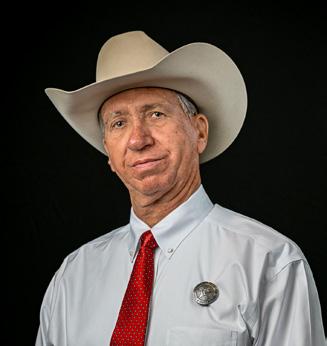
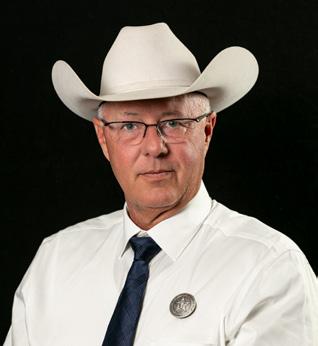
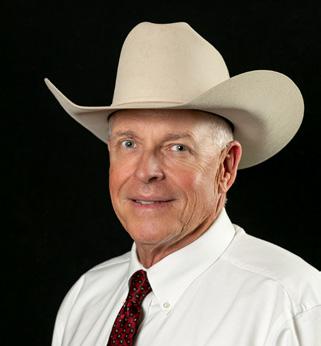
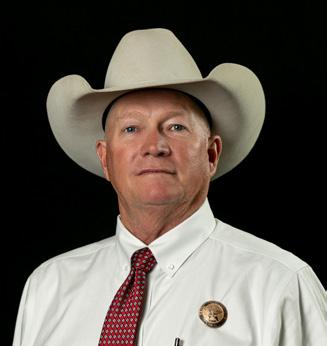
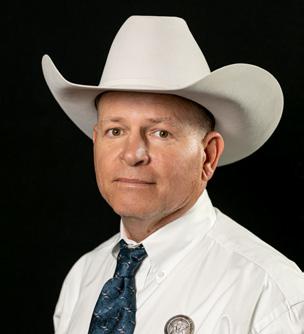
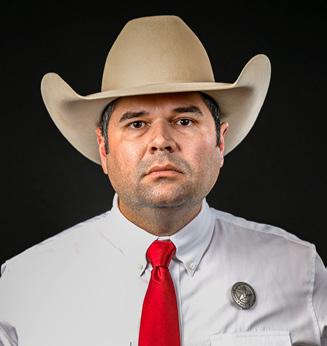
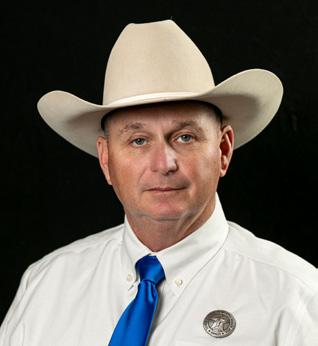
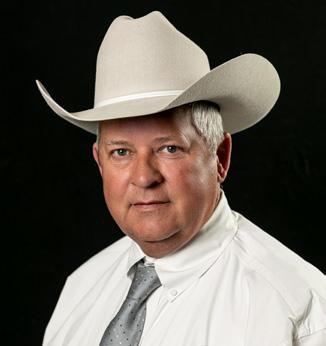
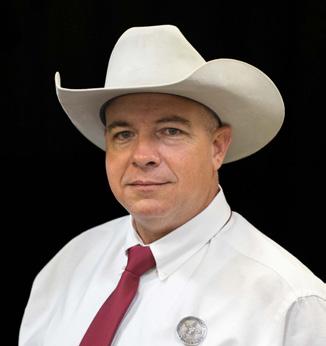
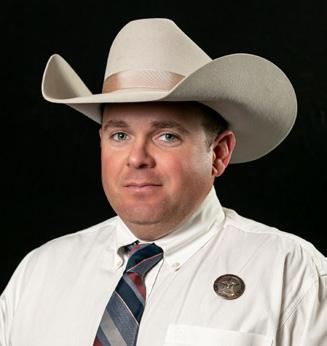
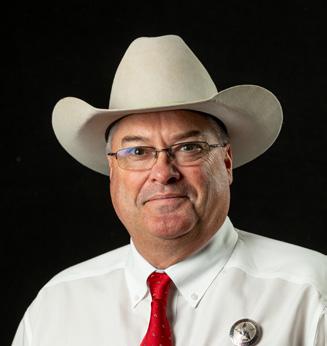
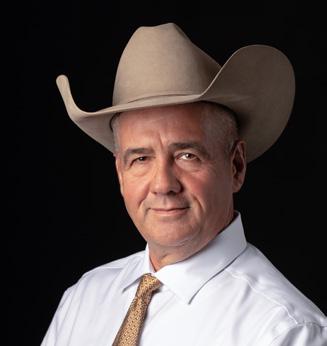
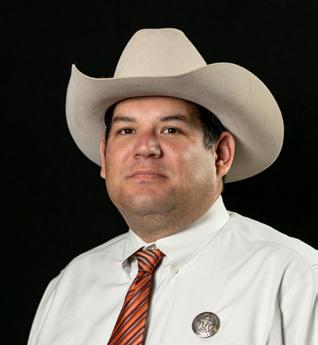
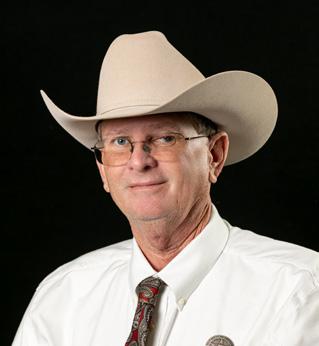
3 G Ranch
Benbrook
4M Fancy Cattle Co.
Bridgeport
4 Phillips Ranch
Willis
6S Management TR
Austin
Olivia Augustus
Mount Angel, Oregon
Austin General Dentistry
Austin
Ball Farms
Anson
Bar Fork Ranch
San Antonio
Barker Ranches
Andrews
Bee Moore Ranch LLC
Graham
Blake Behrens
San Angelo
Emily Bellew
Katy
Berry Family Trust Amarillo
Bottom Farms
Ravenna
Brandon Bradbury
Marshall
Brazos Moon Ranch
Dallas
Brent Murray Farms
Bronson
Briarwood Longhorns
Blue Ridge
Canaan Cattle Co.
Whitewright
Carter Carnes
Tyler
Cole Carr
Huntsville
Caswell Farms
Snyder
Charley Neal Ranch LLC
Vernon
Childress Cattle Co. Lubbock
CJMoore/Holtkamp Navasota
Cowpuncher Coffee Gilmer
Cresswell Cattle Co. Axtell
Darry Cross San Angelo
D&K Cattle Lamesa
Daugherty Ranches LLC Salt Flat
Jacob Davis Brownwood
Berklee Davis Lubbock
Double R Ranch
Houston
Driver Farms Winnsboro
Gary Dubuisson Rochelle
DWR Land & Cattle Co. LLC
Austin
El Capricho Cattle Co.
Charlotte
Envu Range & Pasture Pittsburgh, Pennsylvania
Kristian Fernandez Cimarron, New Mexico
Brooke Fewox Floresville
Isabelle Fewox
Isabelle Fewox
Floresville
Floresville
Gandy Farms
Gandy Farms
Denton
Denton
Golden Standard Cattle
Golden Standard Cattle
Allen
Allen
Samuel Hadley
Samuel Hadley
Montgomery
Montgomery
Halbert Farms
Halbert Farms
Whitney
Whitney
Hanna Ranches Fort Worth
Hanna Ranches Fort Worth
Hagen Hobson Bedias
Hagen Hobson Bedias
Chayce & Callie Holcombe
Chayce & Callie Holcombe
Lufkin
Lufkin
Joan Huggins Hico
Joan Huggins Hico
JAS Ranch
JAS Ranch
San Antonio
San Antonio
JE Cattle Hempstead
JE Cattle Hempstead
Kyle & Kristin Johnson
Kyle & Kristin Johnson
Clyde
Clyde
Jessica Karlsruher
Jessica Karlsruher
Austin
Austin
Marc & Elizabeth Keese
Marc & Elizabeth Keese
Llano
Llano
La Chiripada Fredericksburg
La Chiripada Fredericksburg
Leonard Oil & Ranch LLC
Leonard Oil & Ranch LLC
Richardson
Richardson
Lowery & Associates Security
Consulting
Lowery & Associates Security Consulting Granbury
Granbury
Emma Marshall Yoakum
Emma Marshall Yoakum
Chris Martin
Chris Martin
Weatherford
Weatherford
Wesley Paul Martin
Wesley Paul Martin
Vega
Financial capital to support individuals establishing, operating or growing a beef business.
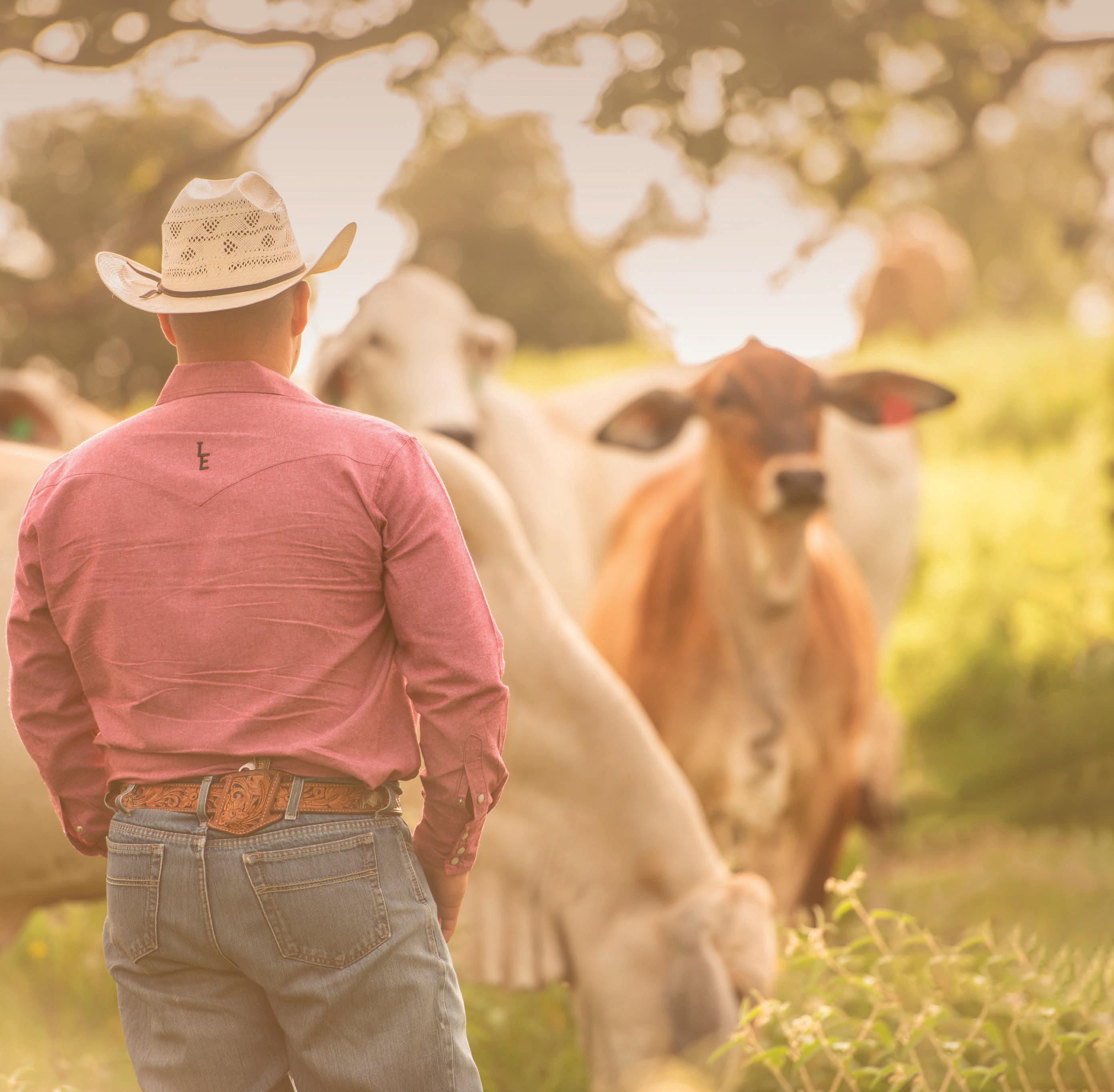
TSCRA Leadership Development Foundation Working Grant Program is now accepting applications from Texas and Oklahoma entrepreneurs in the beef value chain seeking financial support in economically disadvantaged areas.
Apply by Dec. 31 to establish or grow your beef business.

LEARN MORE
Amber McCalister Eustace
Merck Animal Health Fort Worth
Harlan Metting Yorktown
MMT Livestock LLC San Angelo
Greg Nicholson Woodville
Noel Acres LLC Denison
P&R Ranch San Antonio
Julia A. Palmer, DVM Spring
Petty Farms Commerce
Pfiester Family Georgetown
Jacob Proctor Port Lavaca
Purpose Driven Ranch Fredericksburg
RAJMz Lytle
Beatriz Queiroz Dos Reis Lubbock
Mark Roberts Smithville
Rocker 7 Cattle Co. LLC Vinson, Oklahoma
Rockin C4 Cattle Co. Midland
Rousser Cattle Amarillo
Schroeder Lakes Bryan
Kenneth Schumacher Cuero
Tyler Scott Porter
Claire Sechelski Hempstead
Section Seven Cattle Co. Gruver
Pat Shields Bryan
Steve Small Pawnee
Solomon Family Gilbert, Arizona
Southwest Realty & Outdoors Pagosa Springs, Colorado
Square B Cattle Trenton
Stuart Land & Cattle Yorktown
Stuart Speck Ranch Lohn
Sutton Farms Salado
Swinging A Ranch Buffalo
Brad Tegeler Breham
TG Cattle Co. Caldwell
Lauryn Thomas Rogers, Arkansas
Tobin Scarborough Farms Gen. Ptr. Bishop
Tolbert Cattle Co.
Blue Ridge
TPW Family Enterprises
Dallas
Don Trahan San Saba
Cody Trimble Fort Worth
Urban Ranch LLC Buda
Kassandra Varela Harker Heights
Koen Vasquez Lubbock
Wagstaff Ranch Abilene
Walker Livestock Moody
Bruce Walston Moulton
Westmark Trust Cresson
Whistler Ranch Grand Prairie
Windy Ridge Ranch Leonard
Ken Winters Altus, Oklahoma
Woman Hollerin Ranch Brookshire
Laney Young Cooper


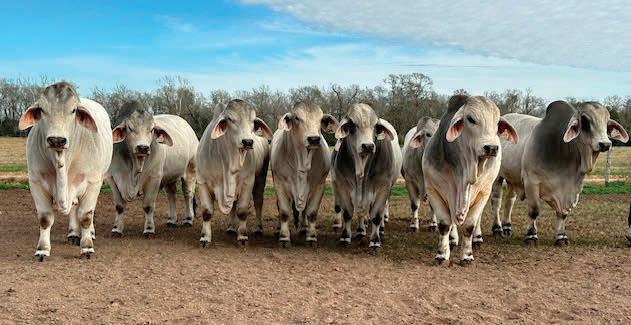

Elkhart Horse Auction
Where: Elkhart
Phone: 903-764-1495
Sale Day: Saturday
Contact: Tiffany Patterson, 903-388-7288
Atascosa Livestock Exchange
Where: Pleasanton
Phone: 830-281-2516
Sale Day: Tuesday
Contact: Brandon Armstrong, 210-259-1780
Four County Auction
Where: Industry Phone: 979-357-2545
Sale Day: Tuesday
Contact: Lisa Sebastian, 979-270-3041
BAILEY
Muleshoe Livestock Auction
Where: Muleshoe
Phone: 806-272-4201
Sale Day: Friday
Contact: Leo Aviles, 956-437-3899
BEE
Beeville Livestock Comm.
Where: Beeville
Phone: 361-358-1727
Sale Day: Friday
Contact: Daniel Keese, 361-449-7942
Clifton Livestock Comm. LLC
Where: Clifton
Phone: 254-675-7717
Sale Day: Wednesday
Contact: Ray Davis, 254-718-5512
Meridian L/S Comm. Co.
Where: Meridian Phone: 254-435-2988
Sale Day: Monday
Contact: Larry Brown, 254-265-1920
BOWIE
J & J Livestock Auction
Where: Texarkana
Phone: 903-832-3576
Sale Day: Saturday
Contact: Cheri Beal, 903-280-4554
BRAZOS
Brazos Valley Livestock Comm.
Where: Bryan
Phone: 979-778-0904
Sale Day: Tuesday
Contact: Nina Nygard, 512-281-6753
Caldwell Livestock Comm.
Where: Caldwell Phone: 979-567-4119
Sale Day: Wednesday
Contact: Mark Nygard, 512-281-6330
Lockhart Auction
Where: Lockhart
Phone: 512-398-3476
Sale Day: Thursday
Contact: Nina Nygard, 512-281-6753
Bruce Overstreet Livestock
Where: Pittsburg
Phone: 903-856-3440
Sale Day: Monday
Contact: Michelle Willeford, 903-767-0670
Tri County Livestock Market
Where: New Summerfield
Phone: 903-322-4940
Sale Day: Saturday
Contact: Jerry Boulware, 936-465-1597
Coleman Livestock Auction
Where: Coleman
Phone: 325-625-4191
Sale Day: Wednesday
Contact: Dave Williams, 325-669-2030
Cattleman’s Columbus Livestock Auction
Where: Columbus
Phone: 979-732-2622
Sale Day: Wednesday
Contact: Wes Martin, 281-782-4412
Comanche Livestock Exchange
Where: Comanche
Phone: 325-356-5231
Sale Day: Saturday
Contact: Michael Davis, 254-879-3121
The New Gainesville Livestock Auction
Where: Gainesville
Phone: 940-665-4367
Sale Day: Friday
Contact: Robin Gibbs, 903-227-0791
Coryell County Comm.
Where: Gatesville Phone: 254-865-9121
Sale Day: Wednesday
Contact: Larry Brown, 254-265-1920
Cattleman’s Livestock Comm.
Where: Dalhart
Phone: 806-249-5505
Sale Day: Thursday
Contact: Clifton Miller, 806-570-7439
Hereford Livestock Auction
Where: Hereford
Phone: 806-240-3082
Sale Day: Tuesday
Contact: Joe Bob Via, 806-452-9280
Cuero Livestock Comm.
Where: Cuero
Phone: 361-275-2329
Sale Day: Friday
Contact: Kaylee Malatek, 979-942-0323
Texas Cattle Exchange
Where: Eastland Phone: 254-629-2288
Sale Day: Tuesday
Contact: Shondra Davis, 325-642-5542
Dublin Livestock Auction
Where: Dublin Phone: 254-445-1734
Sale Day: Friday
Contact: Mike Heck, 806-886-6554
Erath County Dairy Sale
Where: Dublin Phone: 254-968-7253
Sale Day: Friday Contact: Bob McBryde, 940-859-6217
Stephenville Cattle Co.
Where: Stephenville Phone: 254-968-4844
Sale Day: Wednesday Contact: Bob McBryde, 940-859-6217
Flatonia Livestock Comm.
Where: Flatonia Phone: 361-865-3538
Sale Day: Monday
Contact: Vance Weltner, 210-473-9099
Schulenburg Livestock Auction
Where: Schulenburg Phone: 979-743-6566
Sale Day: Saturday Contact: Vance Weltner, 210-473-9099
Floydada Livestock Sales
Where: Floydada Phone: 806-983-2153
Sale Day: Wednesday
Contact: JE Stone, 806-777-4396
Pearsall Livestock Auction
Where: Pearsall
Phone: 830-334-3653
Sale Day: Wednesday
Contact: Clarence Stevens, 210-415-0441
Gillespie Livestock Co.
Where: Fredericksburg Phone: 830-997-4394
Sale Day: Wednesday
Contact: Larry Bowden, 210-846-0380
Gonzales Livestock Market
Where: Gonzales
Phone: 830-672-2845
Sale Day: Saturday
Contact: Doug Brunet, 830-708-6537
Nixon Livestock Comm.
Where: Nixon
Phone: 830-582-1561
Sale Day: Monday
Contact: Landyn Maguglin, 361-492-9484
Longview Livestock
Where: Longview
Phone: 903-235-6385
Sale Day: Thursday
Contact: Paul Pruitt, 903-725-6200
Mid-Tex Livestock Auction
Where: Anderson
Phone: 936-825-3970
Sale Day: Thursday
Contact: Rick Faught, 936-442-1039
Navasota Livestock Auction
Where: Navasota
Phone: 936-825-6545
Sale Day: Saturday
Contact: Rick Faught, 936-442-1039
Seguin Cattle Co.
Where: Seguin
Phone: 830-379-9955
Sale Day: Wednesday
Contact: Elizabeth Cortez, 830-857-1945
Hamilton Livestock Comm.
Where: Hamilton
Phone: 254-386-3185
Sale Day: Tuesday
Contact: Bob McBryde, 940-859-6217
Gore Family Auction Center
Where: Silsbee
Phone: 409-782-0612
Sale Day: Saturday
Contact: Christy McCoy, 409-782-0612
Athens Comm. Co.
Where: Athens
Phone: 903-675-3333
Sale Day: Friday
Contact: Brandy Baughman, 903-440-4382
Edinburg Livestock Auction
Where: Edinburg
Phone: 956-383-5671
Sale Day: Saturday
Contact: Coney Alvarez Jr., 956-437-3899
Hubbard Livestock Market
Where: Hubbard
Phone: 254-576-2584
Sale Day: Monday
Contact: Patrick Romine, 254-723-0950
Sulphur Springs Livestock Comm.
Where: Sulphur Springs
Phone: 903-885-2455
Sale Day: Monday
Contact: Paul Pruitt, 903-725-6200
East Texas Livestock Auction
Where: Crockett
Phone: 936-544-2246
Sale Day: Tuesday
Contact: Cheyenne London, 936-222-3689
Big Spring Livestock Auction
Where: Big Spring
Phone: 432-267-5881
Sale Day: Wednesday
Contact: Bruce Brandenberger, 254-977-5763
Edna Livestock Auction
Where: Edna
Phone: 361-782-7666
Sale Day: Monday
Contact: Galynn Mazoch, 979-578-1823
Kirbyville Auction Barn
Where: Kirbyville
Phone: 409-423-2612
Sale Day: Saturday
Contact: Erica Morgan, 409-509-1946
Gulf Coast Livestock Market
Where: Alice
Phone: 361-664-4395
Sale Day: Tuesday
Contact: Ramiro Garcia, 361-460-0008
Johnson County Cattle Auction
Where: Cleburne
Phone: 817-556-9090
Sale Day: Saturday
Contact: Lee Snyder, 254-707-1682
Karnes City Auction
Where: Karnes City
Phone: 830-780-3382
Sale Day: Wednesday
Contact: Douglas Brunet, 830-708-6537
Karnes County Livestock Exchange
Where: Kenedy
Phone: 830-583-2574
Sale Day: Thursday
Contact: Elizabeth Cortez, 830-857-1945
Cattlemen’s Livestock Comm.
Where: Paris
Phone: 903-784-2238
Sale Day: Saturday
Contact: Lana Caldwell, 903-908-0530
Paris Livestock Auction
Where: Paris
Phone: 903-739-2575
Sale Day: Wednesday
Contact: Robin Gibbs, 903-227-0791
Hallettsville Livestock Comm.
Where: Hallettsville
Phone: 361-798-4336
Sale Day: Tuesday
Contact: Kaylee Malatek, 979-942-0323
Giddings Livestock Comm.
Where: Giddings Phone: 979-542-2274
Sale Day: Monday
Contact: Nina Nygard, 512-281-6753
Lexington Livestock Comm.
Where: Lexington Phone: 979-773-2922
Sale Day: Saturday
Contact: Nina Nygard, 512-281-6753
Buffalo Livestock Comm.
Where: Buffalo Phone: 903-322-4940
Sale Day: Saturday
Contact: Cheyenne London, 936-222-3689
Raywood Livestock Market
Where: Raywood Phone: 936-587-4941
Sale Day: Monday
Contact: Harvey Williamson, 963-334-5325
Groesbeck Auction & Livestock
Where: Groesbeck Phone: 254-729-3277
Sale Day: Thursday
Contact: Mallory Steen, 903-390-0594
Live Oak Livestock Auction
Where: Three Rivers
Phone: 361-786-2553
Sale Day: Monday
Contact: Brandon Armstrong, 210-259-1780
Jordan Cattle Auction
Where: Mason Phone: 325-347-6361
Sale Day: Monday
Contact: Warren Ottmers, 830-669-2262
West Auction
Where: West
Phone: 254-826-3725
Sale Day: Thursday
Contact: Ray Davis, 254-718-5512
Union Comm.
Where: Hondo
Phone: 830-741-8061
Sale Day: Monday
Contact: Clarence Stevens, 210-415-0441
Milam County Livestock Auction
Where: Cameron Phone: 254-697-6697
Sale Day: Friday
Contact: Rick Faught, 936-442-1039
Nacogdoches Livestock Exchange
Where: Nacogdoches
Phone: 936-564-8661
Sale Day: Thursday
Contact: Michael Witcher, 936-556-0992
Corsicana Livestock Market
Where: Corsicana
Phone: 903-872-1631
Sale Day: Tuesday
Contact: Katy Webb, 903-388-4390
Carthage Livestock Auction LLC
Where: Carthage
Phone: 903-693-6361
Sale Day: Tuesday
Contact: Lori Blankenship, 936-234-3441
Livingston Livestock Exchange
Where: Livingston Phone: 936-327-4917
Sale Day: Saturday
Contact: Harvey Williamson, 963-334-5325
Lonestar Stockyards
Where: Amarillo
Phone: 806-677-0777
Sale Day: Tuesday
Contact: Gary McClellan, 806-334-0517
Emory Livestock Auction
Where: Emory
Phone: 903-473-2512
Sale Days: Tuesday & Saturday
Contact: Brandy Baughman, 903-440-4382
Calvert Livestock Co.
Where: Calvert
Phone: 979-364-2829
Sale Day: Friday
Contact: Ray Davis, 254-718-5512
Hunt Livestock Exchange
Where: Henderson
Phone: 903-657-2690
Sale Day: Monday
Contact: Samuel Steadman, 318-617-1141
Jordan Cattle Auction
Where: San Saba
Phone: 325-372-5159
Sale Day: Thursday
Contact: David Munden, 325-456-7253
Center Auction Co.
Where: Center
Phone: 936-598-4395
Sale Day: Wednesday
Contact: Michael Witcher, 936-556-0992
Triple G Livestock Auction LLC
Where: Rio Grande City
Phone: 956-437-1988
Sale Day: Friday
Contact: Coney Alvarez Jr., 956-437-3899
Tulia Livestock Auction
Where: Tulia Phone: 806-995-4184
Sale Day: Thursday
Contact: Tommy Thompson, 806-690-4080
Abilene Auction
Where: Abilene
Phone: 325-673-7865
Sale Day: Tuesday
Contact: Dave Williams, 325-669-2030
Stone Livestock Comm.
Where: Mt. Pleasant
Phone: 903-575-9099
Sale Day: Tuesday
Contact: Paul Pruitt, 903-725-6200
Producers Livestock Auction
Where: San Angelo
Phone: 325-653-3371
Sale Day: Thursday
Contact: Bruce Halfmann, 325-315-5972
Southwest Livestock Exchange
Where: Uvalde
Phone: 830-278-5621
Sale Day: Thursday
Contact: Clarence Stevens, 210-415-0441
Mort Livestock Exchange
Where: Canton Phone: 903-287-6386
Sale Day: Special Sales Only
Contact: Paul Pruitt, 903-725-6200
Brenham Livestock Auction
Where: Brenham
Phone: 979-836-3621
Sale Day: Friday
Contact: Lisa Sebastian, 979-270-3041
El Campo Livestock Exchange LLC
Where: El Campo
Phone: 979-543-2703
Sale Day: Tuesday
Contact: Galynn Mazoch, 979-578-1823
Wharton Livestock Auction
Where: Wharton Phone: 979-532-3660
Sale Day: Wednesday
Contact: Megan Stavena, 979-320-4228
Wichita Livestock Sales
Where: Wichita Falls Phone: 940-541-2222
Sale Day: Wednesday Contact: R.C. Langford, 832-330-7279
Decatur Livestock Market
Where: Decatur Phone: 940-627-5599
Sale Day: Monday
Contact: Rebecca Benson, 940-389-6382
Winnsboro Livestock Auction
Where: Winnsboro
Phone: 903-365-2201
Sale Day: Friday
Contact: Alan Pruitt, 903-725-6200
Graham Livestock Comm. LLC
Where: Graham Phone: 940-549-0078
Sale Day: Monday
Contact: Ronnie Ober, 817-371-7071




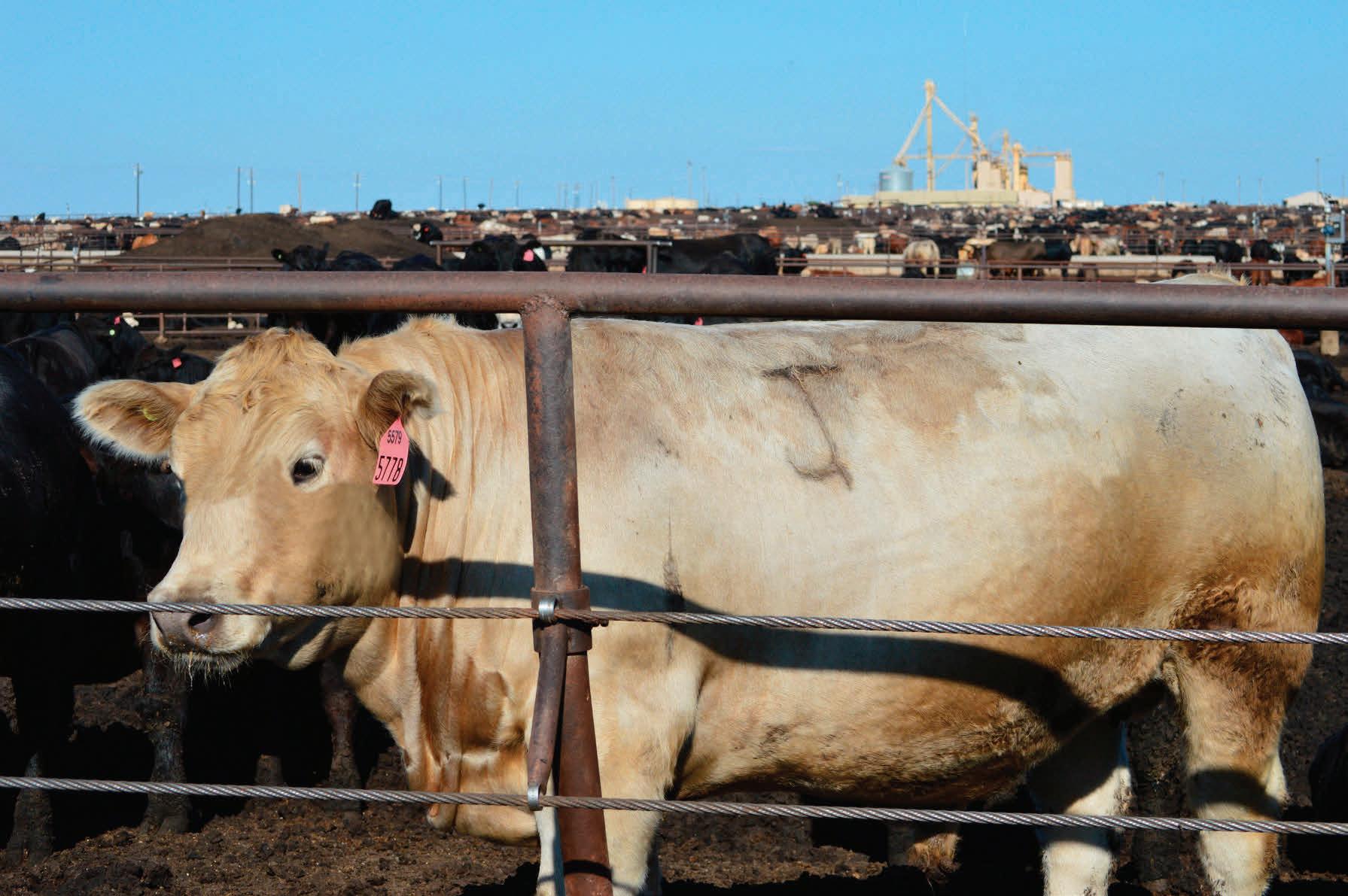





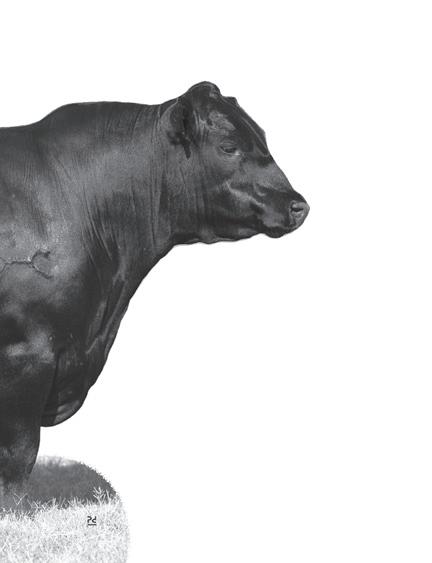



Sartwelle Brahman Ranch Ltd P O Box 27, Campbellton,



Beefmasters Quality Beefmaster Cattle Ranches in Webb, Wilson and Kendall counties Mailing Address: P.O. Box 2947 Laredo, Texas 78044 Phone: 361/586-5067


T HOMAS CHAR O LAIS, INC . P.O. Box 595 • Raymondville, Texas 78580
Mitch Thomas: 956-535-0936
Tonnyre Thomas Joe: 956-535-0942 thomasra@gte.net www.thomascharolais.com
Ranch located six miles north of Big Lake, Texas on Highway 137. Steve Wayne Coates Box 645 Mertzon, TX 76941 325/835-2531
Registered Polled Herefords www.DoubleDiamondHerefords.com
Herefords

We
Ka dd atz Au cti one eri ng and Far m Eq ui pm ent Sa les
254-582-3000 Lic #TXS6676 • AR Lic #2283

Order parts online at
Sell your equipment in our next online auction, your location or ours Farmstore.online www.kaddatzequipment.com
Registered Black Herefords bacicafarms.com


Mike & Carla Bacica 11707 FM 2868 Flint, TX 75762
Mike: 903-520-0390 mbpga@aol.com
Carla: 903-530-8551 wtnca@aol.com
“Registered Herefords Since 1938” Email: john@dudleybros.com
John 325-642-0745 • Tom 325-642-0748 Comanche, Texas; Ph 325-356-2284
Lee & Jacqui Haygood

923 Hillside Ave. Canadian, TX 79014 806-323-2906 lee@indianmoundranch.com www.indianmoundranch.com
J .T . E chols DVM P.O. Box 709 Breckenridge, TX 76424 Of: (254) 559-9739 • Cell: (254) 559-0156 muleshoeranch@gmail.com
“Quality Registered Herefords” Est.1921 – Bulls for sale at all times out of good milking cows
Office: 512-446-6200 Cell: 979-218-0065

4609 Airport Freeway Fort Worth, Texas 76117 817/831-3161

Theuret Herefords Horned Bulls and Females 2348 CR 165, Kenedy, TX 78119 theuret@sbcglobal.net




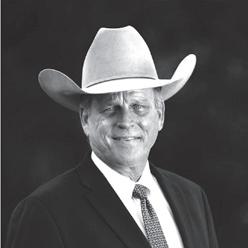
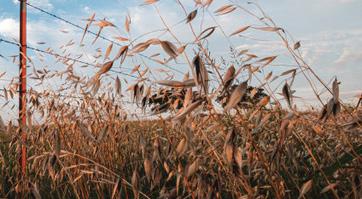




We need your listings on any types of ag properties in TX., NM, OK & CO.

Gramma & buffalo grasses. Broker Owned.
APACHE FEEDERS – Union Co., NM – Just out of Clayton, a large feedyard w/four circles irrigated by ¼ mile sprinklers, five irr. wells, one domestic well for office & feedyard & just across the hwy. an 800 ac. grass lease.


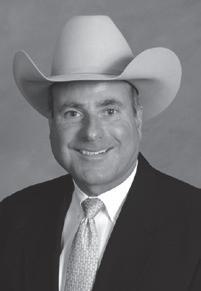
Borchers Southern Y Ranches, L.P. Charla Borchers-Leon • Mary Kay Borchers 2401 N. Wheeler St. • Victoria, Texas 77901 • 361-575-1297

Santa Gertrudis • Braford F-1 Purebred • Star 5 • Crossbred Cattle Steven Boothe 361-575-1297 O • 361-571-9728 M Harris Riverbend Farms
Gertrudis
RANCHES P.O. Box 1417 Victoria, Texas 77902 361/573-7141
Traylor Division San Roque DivisionSan Carlos Division Bloomington, TX Catarina, TXRio Grande City, TX Joe Jones-Manager • 361/897-1337

(806) 983-7225 mbl. / fosterbros@att.net David & DarLee Foster (806) 652-3824 (806) 983-7221 mbl. Jody & Shawnda Foster (806) 652-2383 (806) 983-7225

Be part of the legacy at the premier Master of Science in Ranch Management program. Through a systems approach to ranch management, we teach those with ranching experience to become progressive leaders and exceptional managers. Applications to the two-year master’s program are open December 1, 2025 through March 31, 2026. All KRIRM students will receive a $48,000 fellowship annually and may be eligible for additional scholarships.
Core Experiences:
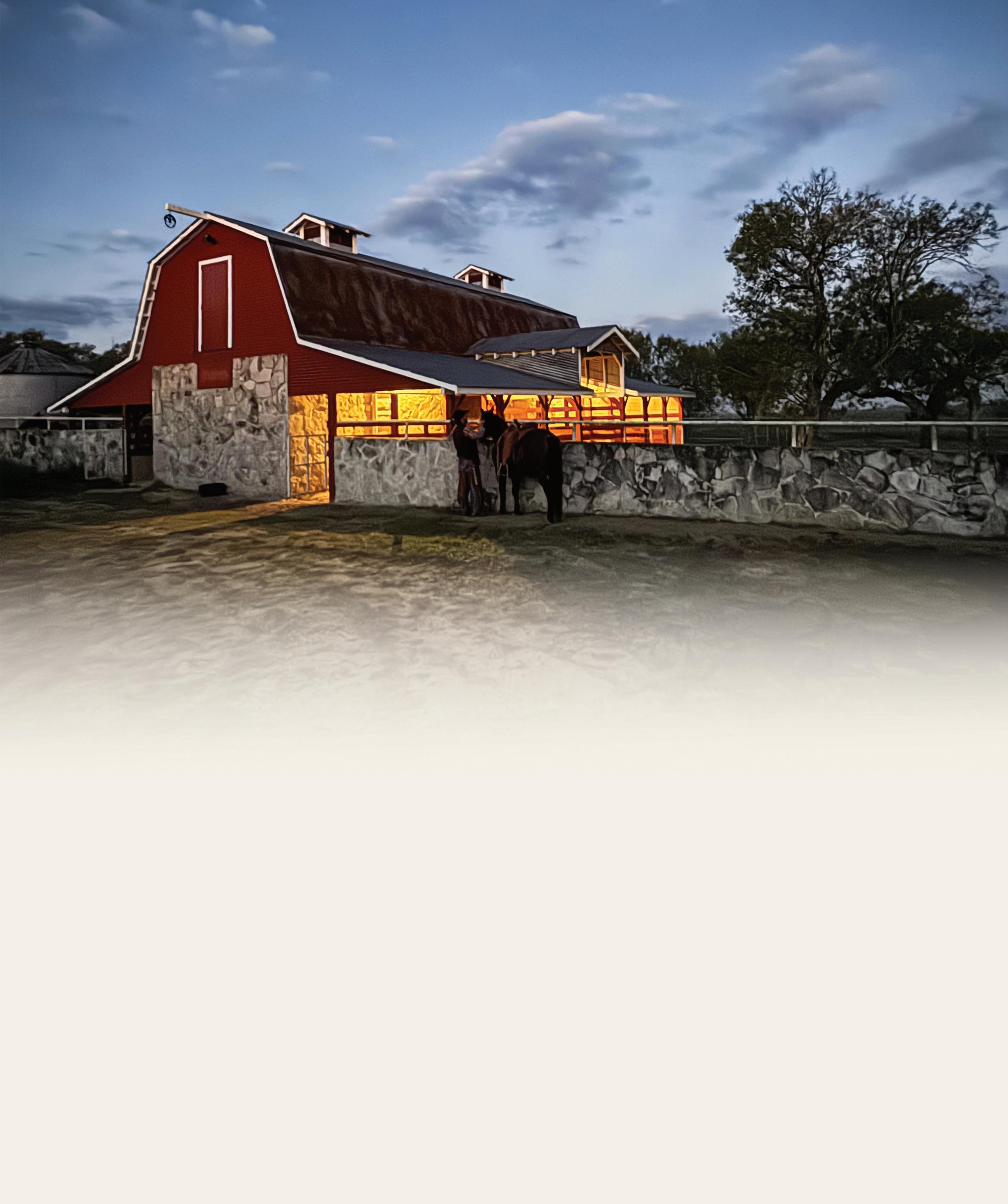
•
•
•
•
Addressing real-world ranch management challenges
Roundtable discussions with industry professionals
Experiential learning on the TAMUK H.R. Smith
Ranch
On-ranch summer internship
• Our graduates complete a minimum of 30 hours of coursework; however, the most impactful learning opportunities occur outside the classroom:
Industry tours support network building
59 KRIRM alumni collectively manage:
• • •
9 million acres of ranchland and wildlife habitat
190,000 head of breeding cows
850 ranch employees

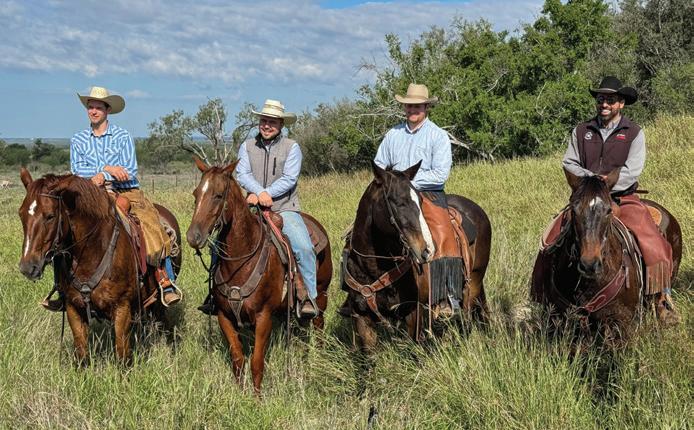
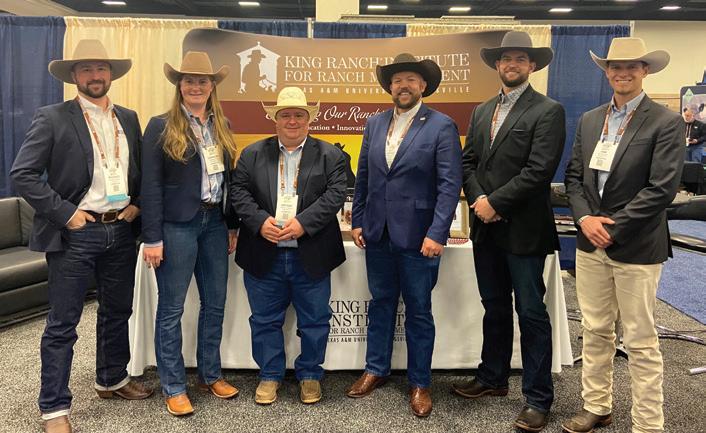
“Investing two years at the Institute moved my career forward at least ten years, and will continue to pay dividends the rest of my professional career.”
Tyler Gardner ‘20 || Ranch Manager, TA Ranch, WY
Learn more and apply today at: http://krirm.tamuk.edu/masters-program or call 361-593-5401


Connect
WEDNESDAY, DEC. 3
TSCRA Ranch Gathering Where: Kingsville When: 5:30 p.m.
FRIDAY, DEC. 5
J Bar Angus: 25th Annual Bull & Select Female Sale Where: Hallettsville When: 1 p.m.
SATURDAY, DEC. 6
Jordan Cattle Auction: Special Replacement Female Sale Where: San Saba When: 10 a.m.
GKB Cattle: Brangus Production Sale Where: Desdemona When: 1 p.m.
THURSDAY, DEC. 11 -
SATURDAY, DEC. 13
Tulsa Farm Show Where: Tulsa, Oklahoma
FRIDAY, DEC. 12 -
SATURDAY, DEC. 13
Candlelight at the Ranch Where: National Ranching Heritage Center, Lubbock When: 6:30 p.m.
SATURDAY, DEC. 13
3rd Annual GKB Cattle & Barber Ranch Female Event Where: Desdemona When: 12 p.m.
TUESDAY, DEC. 16
Ranching 101: Turning Efforts into Earnings - Make Your Operation Profitable Where: Online When: 1 p.m.
THURSDAY, DEC. 18
Jordan Cattle Auction: Leachman Texas Fall Stabilizer Bull Sale Where: San Saba When: 10 a.m.
WEDNESDAY, DEC. 31
TSCRA Applications Close: Summer Internships, Policy Committees and Working Grant Program
THURSDAY, JAN. 1
Cattle Raisers Convention & Expo Registration Open
First Day to Apply for Mail Ballot
SUNDAY, JAN. 4WEDNESDAY, JAN. 14
Cattlemen’s Congress Where: Oklahoma City, Oklahoma
THURSDAY, JAN. 8
Wichita Falls Luncheon Where: McBride’s Steakhouse, Wichita Falls When: 11:30 a.m.
FRIDAY, JAN. 9
Cattlemen’s Congress: Commercial Female Sale Where: Oklahoma City, Oklahoma When: 1 p.m.
FRIDAY, JAN. 9SATURDAY, JAN. 10
KNID AgriFest Farm Show Where: Enid, Oklahoma
THURSDAY, JAN. 15
Cattle Raisers Insurance Open Enrollment Ends
FRIDAY, JAN. 16SATURDAY, FEB. 7
Fort Worth Stock Show & Rodeo
SATURDAY, JAN. 17
FWSSR: Rodeo Roundup Party Where: Fort Worth When: 4:30 p.m.
MONDAY, JAN. 19
Van Newkirk Herefords: 52nd Annual Bull Sale Where: Oshkosh, Nebraska When: 12:30 p.m.
TUESDAY, JAN. 20
Ranching 101: Planning Your Ranch Year Where: Online When: 1 p.m.
MONDAY, JAN. 26
Gardiner Angus Ranch: 9th Annual Early Bird Sale Where: Ashland, Kansas


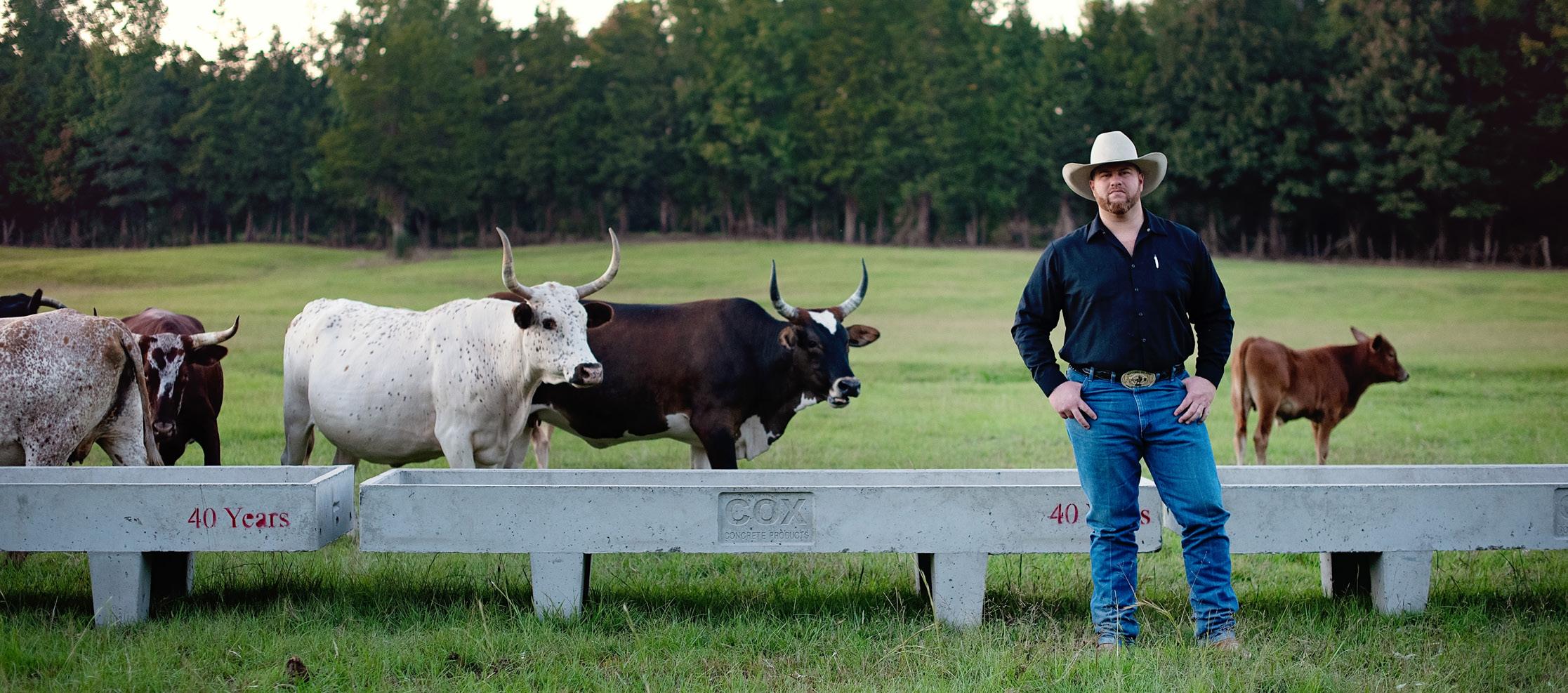



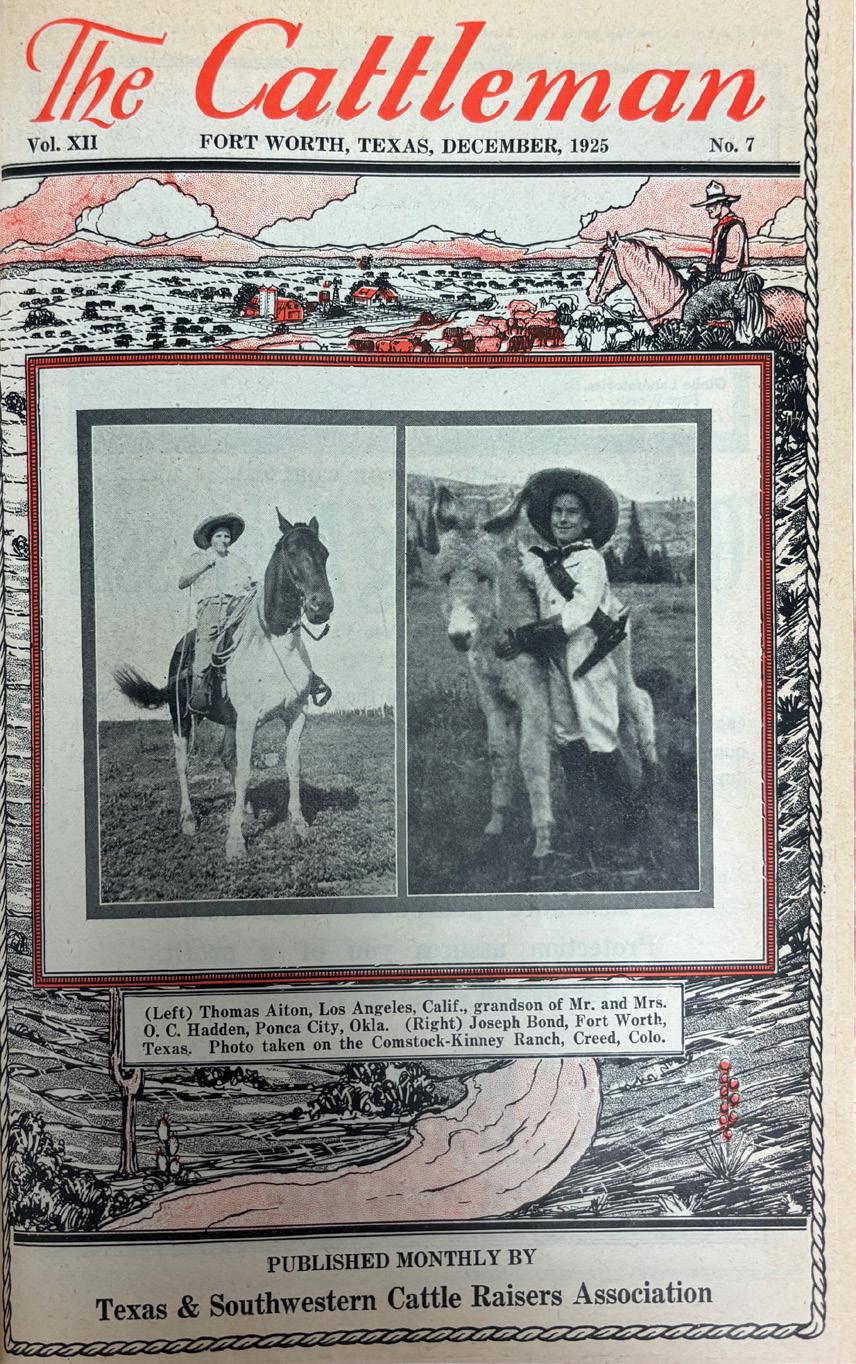
Edward Everett Dale authored a piece reflecting on the booming growth of the cattle ranching industry following the Civil War, calling the agricultural expansion “one of the most remarkable things in American economic history.”
During those grueling four years of the Civil War, Texas remained the least touched of any Southern state, he wrote.
“While the armies of Sherman were laying waste a broad strip through Georgia and the Carolinas, while the border states were being devastated by the troops on both sides, and while the fields of the Cotton Kingdom were
lying fallow for want of laborers to till them, the cattle herds of Texas remained undisturbed and were increasing rapidly under the favorable conditions surrounding them.
“The result was that when the Texas soldiers returned to their homes at the close of the war, they found their ranges overflowing with fine fat cattle for which they had no market, though cattle and beef were selling at high prices in the North.”
From there, the northern drives were born. It is estimated between 5-6 million head cattle were driven north from Texas during the 18 years following the Civil War. T C