

Disclaimer: This
guidance from
2:
Section 3: Product ads
Section 4: Applying the rules to TikTok Creative Interpretation

TikTok has worked closely with IAB UK, the industry trade body for digital advertising, to produce this guidance. IAB UK helps businesses stay ahead of changing policy by translating complex regulatory developments into clear, practical insights. Through timely updates, expert analysis and industry-focused resources, the IAB supports its members in understanding what new rules mean in practice and how to adapt with confidence.
As a reminder, in 2022, the Government passed legislation to restrict online ads for ‘less healthy food and drink’ (LHF) products in the UK. The restrictions are scheduled to have legal effect from 5 January 2026. However, the Government has asked that advertisers comply voluntarily from 1 October 2025 - you can find more details on why here. The regulator has now published official guidance which brands should refer to first and we suggest that this document is read alongside this.

The restrictions apply to paid-for online ads for identifiable ‘less healthy’ food and drink (LHF) products.
It’s important that you understand how the restrictions apply if:
You’re planning to run a paid online ad for a food/drink brand or product.
You’re planning to partner with a food/drink brand on an ad campaign.
You’re planning to show food/drink products in a paid ad.
When thinking about ‘less healthy’ products, there are two terms you need to be aware of: HFSS and LHF.
HFSS products (i.e. products high in fat, salt or sugar)
To work out whether a food/drink product is classed as HFSS, you need to score it against the Government’s Nutrient Profiling Model. If the product reaches the required score, it is HFSS. For more information see the Advertising Standards Authority’s explainer. (ASA)
Online ads for HFSS products must follow the CAP Code, which prevents targeting of under-16s.
LHF products (i.e. ‘less healthy’ food and drink products)
LHF products are a subset of HFSS products. The LHF category is new – it was created specifically for products that have been deemed particularly ‘less healthy’.
To be classed as LHF, a product must:
Be HFSS, and;
Appear in one of the ‘less healthy’ product categories set out in the Advertising (Less Healthy Food Definitions and Exemptions) Regulations 2024.
You can find examples of the kinds of products that fall within each category in this explanatory guidance from the Department for Health and Social Care.
The LHF categories capture product types that you may not typically think of as ‘less healthy’ - including products like granola and probiotic yoghurts - so if your product is HFSS it’s always best to check. The British Retail Consortium has published detailed guidance on the kind of products that fall within each LHF category here.
The advertiser – i.e. the party that pays to place the ad online – is always responsible for ensuring compliance. If your business engages in the sale or promotion of food and drink, either directly (such as offering a food product) or indirectly (such as a retailer or food delivery service) it is important to be aware of these new rules as your ads may be restricted.
When the law comes into force, the ASA (the advertising regulator) will be responsible for enforcement. If an ad is found to break the rules, the advertiser will have two options: amend the ad or remove it. Brands should seek their own legal advice on repercussions.
The formal guidance published by the regulator states that the advertiser will be held responsible for compliance. That means that other businesses in the online ad ecosystem that facilitate campaign optimisation and delivery, including agencies, are not legally responsible for ensuring that an ad is compliant. If the ASA identifies a non-compliant ad online, the advertiser who paid to place the ad is responsible and will need to take action.



To determine whether an ad will be restricted, we recommend taking a step-by-step approach.

The restrictions only apply to paid-for online ads. ‘Paid for’ means that the party placing the ad has provided compensation, whether monetary or non-monetary, that results in the placement of an ad.
What ‘Paid For’ Includes:
Gifting a creator a product, service or experience where the gift results in content being posted online.
Paying to ‘boost’ content on social media.
Providing a creator with an affiliate link to use in content relating to a product, service or experience. If the creator earns commission through the affiliate arrangement, any content in which affiliate links appear is likely to be considered a ‘paid for’ ad.
A retail media arrangement between a brand and a retailer that results in that brand or its products being promoted/ given enhanced prominence on a retailer’s site or socials.aid For’
What ‘Paid For’ Excludes:
Non-paid marketing in a brand’s owned media.
Payment between an advertiser and an agency for creative production.
To summarise, non-boosted content that a brand posts to its own social media pages is not subject to the restrictions as it isn’t ‘paid for’. That means that brands can post about LHF products on their own pages and can share organic product-focussed content posted by customers. However, paying to boost content that promotes an LHF product will bring that content into scope of the rules.
Note that content posted by creators will need to comply with the rules if there was some form of ‘payment’ between the brand and the creator that resulted in the content being posted online.
The table below outlines key ad types legally exempt from the restrictions. If an exemption applies, the ad is not restricted.
Ads placed by food or drink SMEs
Food and drink SMEs can continue to pay to place ads online for LHF products that they make or sell when the restrictions take effect.
To qualify, the SME must be:
Involved or associated with the manufacture or sale of food and drink in the financial year when the ad is placed, and;
Employ less than 250 people for the purpose of that business as of the first day of that financial year (including international and franchisee staff numbers).
The exemption only applies if the SME is paying to place the ad. If a nonSME – like a large delivery service or shopping centre – pays to place the ad on behalf of an SME, the exemption won’t apply.
Ads not intended to be accessed principally by a UK audience
Ads intended to be accessed principally by non-UK audiences are not subject to the LHF restrictions. When determining the intended audience for an ad, the ASA considers a wide range of factors, including:
Content of the ad – for example, the language used in the ad and any mentions of currency.
Use of location-based targeting tools. The location of the advertiser’s business.
Brand ads that do not depict specific LHF food or drink products
Go to step 3.

Paid-for brand ads (including ads for product ranges) are exempt from the LHF restrictions, provided that they do not depict specific LHF products. For more detail, refer to Section 3.
If you’re advertising a food/drink product, you need to consider the content of the ad. Content means all the elements – images/ audio/ text/ video/ jingles etc – that are present in the creative.
In very simple terms, if the content of the ad results in an average consumer identifying the ad as an ad for a LHF product, the ad will be prohibited. This test is set out in law and is called the ‘identifiability test’. An ad will meet the test if it shows, directly refers to, or gives the viewer enough clues to identify a specific LHF product.
If the ASA investigates an ad to determine whether it breaks the LHF rules, it will apply the ‘identifiability test’. If the ad meets the test but one of the legal exemptions applies, the ad will be out of scope, and the ASA will not investigate any further. However, if the ad doesn’t fall into any of the exempt categories and satisfies the ‘identifiability test’, it will be non-compliant and the advertiser will need to take action. See section 4 for more information about the product advertising rules.




See section 4 for more information about the product advertising rules.
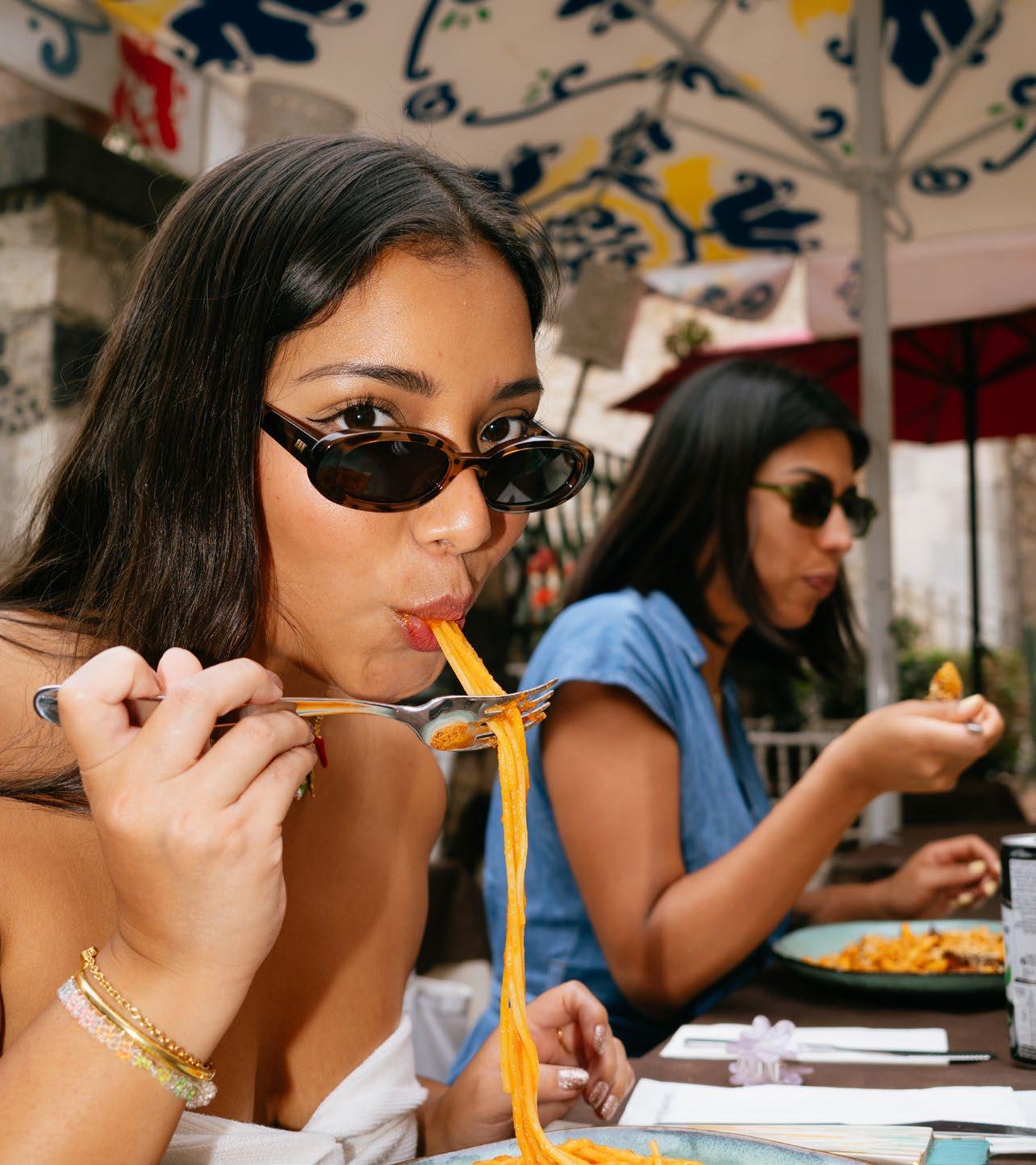
Brand ads are legally exempt from the LHF rules, but there are controls on what can be included in these ads. The brand exemption potentially applies to all food and drink brands. It doesn’t matter if a brand sells predominantly LHF products or is particularly known for an LHF ‘hero’ product – what is important is that the brand ad itself is compliant. That means that all food and drink brands can potentially benefit from the brand ad exemption, but care needs to be taken with the creative approach.
Brand ads – what you need to know.
To qualify for the brand exemption, an ad must comply with 2 rules.
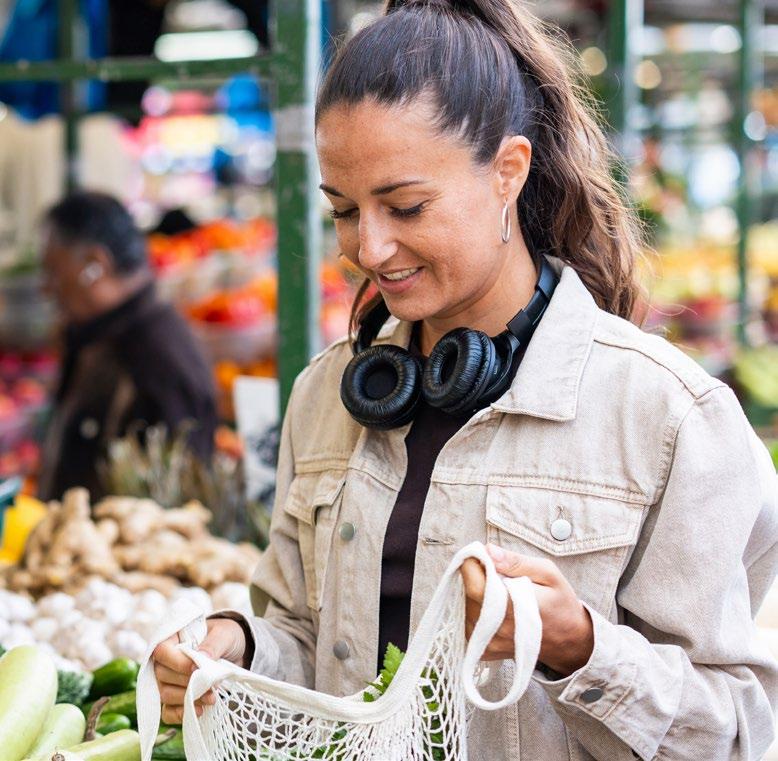
This is the single most important consideration for food/drink advertisers planning to run paid-for brand ads or ads for branded product ranges.
‘Depict’ means showing or referring to a product by name, text, imagery, audio cue, jingle or other branding technique or combination of branding techniques.
A ‘specific LHF product’ means a product that is uniquely identifiable, can be bought in a shop and that is different from other product variations. So, for example, if a brand sells a range of ice cream flavours, “[brand name] caramel ice cream” is a ‘specific’ product, but “[brand name] ice cream” is not!
A ‘range of products’ means a group of related food or drink products, like a range of crisps or ready meals. A range can include LHF and non-LHF items, but must feature variants of a product, e.g. different flavours. A single product that is sold in various pack sizes or formats does not constitute a range.
An ad will ‘depict a specific LHF product’ if it:
Shows product packaging that is specific to an LHF product.
Shows a specific LHF product without its packaging.
Includes the name of a specific LHF product.
Includes branding related directly to a specific LHF product (e.g. a specific product logo).
Provides enough ‘clues’ – for example, ingredients or product colours – to identify a specific LHF product.
Includes a realistic image of a food/drink product without packaging that is indistinguishable from a specific LHF product (see rule 2 for more).
However, the following would not be considered ‘depictions of a specific product’:
Generic product packaging that is not specific to an LHF product – for example, a pizza box that does not identify the product inside.
Generic product imagery (i.e. images of products that cannot be specifically identified).
References to a non-specific product type – for example, references to ‘ice cream’ or ‘chicken wings’ (provided that the brand running the ad doesn’t only make one specific product of that type!).

Do not include a ‘realistic image’ of any food/ drink product outside of its packaging if the product is indistinguishable from a specific LHF
product
Without packaging, many food and drink products look very similar – for example, a diet version of a soda generally looks exactly like the nondiet version. To ensure that there is no confusion about which ‘version’ of a product is being shown in an ad, the brand exemption legislation stipulates that brand ads should not include realistic images (meaning photos, video, or realistic CGI) of products outside their packaging if they are indistinguishable from a specific LHF product.
To give an example – a brand makes a range of chocolate biscuits which includes both non-LHF and LHF variants. Outside of the packaging, all the biscuits look the same. If the brand ran an ad for the range that included a photo/ video of an unidentified biscuit in the range without packaging, that ad would be prohibited, because the ad would appear to include a depiction of a specific LHF product.
So, if you want to show a realistic image of a non-LHF food/ drink product outside of its packaging that looks exactly like an LHF product, you need to clearly indicate what the product is. How you identify the specific product shown is up to you – you could show the packaging, use a voiceover or include text – but you must make sure that it’s absolutely clear that the specific product that is depicted in the ad is not the LHF variant.
Including the full name of a specific LHF product in an ad constitutes a depiction of the product, which is not permitted. So, if the name of a brand or product range is exactly the same as the full name of a specific LHF product, the brand name should not be used in paid for ads.
There are 2 exceptions to this rule. The brand exemption will still apply to ads for brands which name a specific less healthy product where the full name of that product::
Is the name (or is included in the name) of a company, franchise or commercial entity that was established before 16th July 2025 and held that name immediately before that date, or
Is the name of a brand of a range of products that was in use before 16th July 2025 or held that name immediately before that date.

1. Use brand name, colours and fonts: There are no restrictions on using brand name or brand logos in ads, as long as there is no depiction of a specific LHF product.
2. Focussing on non-product related attributes of the brand: A brand ad could explore how a company is working with local farmers or supporting charity initiatives. It could also focus on the history of the company – a great approach for heritage brands.
3. Highlighting non-LHF products in a range: Ads for a brand/range can show non-LHF food/drink products. So if a range includes non-LHF products, you are free to show these – just make sure no LHF products are shown or referenced.
4. Hinting at a product type offered by the brand: For example, if a brand is particularly known for offering ‘crunchy’ LHF products, you could include a ‘crunch’ sound in the brand ad. You would just need to make sure that the ad didn’t inadvertently depict a specific LHF product. Remember, the more ‘clues’ you provide in the ad about a specific product (e.g. references to specific product attributes like ingredients), the more likely it is that the ad will be non-compliant.
5. Brand sponsorships: The same rules apply to ads sponsored by food or drink brands. There are no restrictions on the sponsoring brand including its name, logo or other branding in the sponsored content, provided the ad does not depict a specific LHF product.

If the ASA investigates an ad to determine whether it breaks the LHF rules, it will apply the ‘identifiability test’. To recap, the identifiability test is whether an average UK consumer could be reasonably expected to identify the ad as being for a ‘less healthy’ product or products.
If the ad meets the test but one of the legal exemptions applies, the ad will be out of scope, and the ASA will not investigate any further. However, if the ad doesn’t fall into any of the exempt categories and satisfies the ‘identifiability test’, it will be prohibited.
Remember, brand ads are exempt from the LHF restrictions provided they do not depict a specific LHF product. See section 3 of this doucment for more info.
There are a number of possible scenarios where the ‘identifiability test’ could be met – these are broken down below:
Simply put, paid for online ads for LHF products will be illegal when the restrictions come into effect, unless one of the exemptions set out in section 2 applies (e.g. if a food/drink SME is the party paying to place the ad online).
Remember, even if the ad doesn’t explicitly show or name the LHF product, the ad will still be prohibited if the average consumer could identify it as an ad for that product.
If an ad features an LHF product extremely briefly, or if the LHF product is shown distantly in the background, that is less likely to be an issue. In order for the ‘identifiability test’ to be met, the average consumer must identify the ad as being for an LHF product, which means the ad must draw the consumers attention to the product and give them time and opportunity to identify it.
The LHF restrictions do not impact ads for non-LHF products. That means ads for these products are not restricted. However, to ensure that your ad doesn’t inadvertently meet the ‘identifiability test’, if you’re showing a non-LHF product without its packaging that looks like an LHF product, you should clearly identify what the product is – e.g. by using a voiceover, text or including product packaging.
In summary, the best way to approach food/drink product ads is to ensure that no LHF products are present or referenced. If you’re working with a brand that has a predominantly LHF inventory, you will need to identify non-LHF options for productled ads. And remember – the more creative ‘clues’ you give the consumer about a specific LHF product, the more likely it is that the identifiability test will be met.
The following outlines how LHF rules may apply to various advertising scenarios on TikTok.
Paid-for ads placed by food and drink SMEs are exempt from the restrictions. If your business employs less than 250 people, you can pay to place ads for LHF products on TikTok, including paying creators to post content about those products.
Refer to section 2 of this document for more info on the SME exemption.
Content a brand posts on its own page isn’t ‘paid for’ and therefore is not subject to the restrictions.
This means that businesses of all sizes can:
post content featuring LHF products that they make or sell to their own pages
Post content on their own pages that was filmed on behalf of the brand by creators/ celebrities/ brand ambassadors etc, that features LHF products.
Share organic user-generated content about LHF products.
However,
if you’re a creator or retailer you should not post any content to your own page that meets the definiton of a ‘paid for ad’ for an LHF product (see section 1 for more info).
There are no restrictions on brands working with creators on paid-for ads for:
Non-LHF products.
Food/drink brand ads that don’t depict specific LHF products.
There are also no restrictions on creators posting non-paid for organic content about an LHF product.
However, paid-for creator-led content is subject to the LHF rules. That means that:
If a non-SME brand pays a creator to make ad content about a specific LHF product, the ad will be prohibited.
If a non-SME brand gifts a creator a product, service or experience (for example a visit to a restaurant), any resulting content that depicts a specific LHF product is likely to be prohibited as it will be seen as being as a result of this gift. The ASA will assess content on a case-by-case basis and will consider factors such as whether there is any expectation from the brand that the creator posts about what they receive, as well as the specific content within the creator’s post.
If a brand has an underlying contractual arrangement (written or spoken) with a creator that results in content about an LHF product being posted online, the resulting content will be prohibited.
If a creator has an affiliate arrangement with a food/drink brand, and uses affiliate links in content that refers to/includes specific LHF products, the resulting content will be prohibited.
If you’re working with a creator, remember:
The UK’s advertising rules say that creators must always declare when content is paid for.
Under the LHF rules, the advertiser– the party playing to place the ad – is always responsible for ensuring ads are compliant, so if you partner with a creator, it’s up to you to ensure that the resulting content does not break the rules.
The LHF restrictions apply in ‘live’ online environments. There are 2 categories of ‘livestream’ on TikTok:
Creator Lives: If a creator is paid by a non-SME to promote a specific LHF product on a livestream, that content will be restricted. Remember, the brand paying to place the ad is responsible for making sure that content doesn’t break the rules.
Self-Lives: Livestreams hosted on a brand-owned TikTok account can promote LHF products sold by that brand because there is no ‘paid for’ element. However self-lives cannot include ‘paid-for’ promotion of LHF products not sold by the brand hosting the livestream unless unless the party paying to place the ad is an SME.
If a creator makes commission from clicks on an affiliate link, any content which the link appears in is ‘paid for’. That means that any content funded in this way must not depict a specific LHF product. Remember, the name of a specific LHF product is a ‘depiction’, so if an affiliate link includes a specific LHF product name, the link will make the content non-compliant unless the unless the party paying to place the ad is an SME..
So, if you work with creators on affiliate content, remember:
Affiliate-funded content (including any links) must not depict a specific LHF product. That means creators should not show or talk about any in-scope LHF products in this content.
However, content can refer to non-LHF products and the brand.
If a user clicks on any link and is taken to another, external online environment – for example, TikTok Shop or an online retailer’s site – they have left
the ‘paid for’ ad. The LHF rules only apply to the content of the paid for ad, so provided the ad is compliant there are no restrictions on using a link that directs a user away from the ad to a retail environment where they can buy an LHF product.
TikTok Shop is subject to the LHF advertising rules, which means that paid-for ads for LHF products are not permitted on the platform unless one of the exemptions applies. Refer to section 2 for more info on the SME exemption.
The LHF restrictions only apply to paid-for ad content, so if a compliant paid ad is then linked to TikTok Shop, it is okay to do so.
However, any content which is funded by an underlying affiliate arrangement is ‘paid for’, so if you’re working with a creator who is using an affiliate link you need to be sure that the link itself and any surrounding content does not name or depict a specific LHF product.
A brands’ own store on TikTok Shop is treated as a retail environment under the control of the brand. That means that the brand can list LHF products for sale in their store.
However, be aware that paying to ‘boost’ an LHF product listing on TikTok Shop is not permitted. In this scenario, paying to boost a listing gives it enhanced prominence, so the boosted listing is treated as a ‘paid for’ ad.
SME stores on TikTok Shop
Food and drink SMEs are exempt from the LHF restrictions. That means that they can pay to boost listings for LHF products on TikTok Shop.
This section presents a curated selection of creative concepts developed to illustrate potential advertising and promotional strategies that can work within the current guidance, as laid out in previously report for TikTok. It is crucial to understand that these examples are intended purely as guidance and interpretations of the new legal framework. They are not directives or prescribed solutions, but rather starting points designed to spark internal discussion and demonstrate a range of possibilities for communicating product value and engaging consumers within the new regulatory boundaries. These creatives showcase how brands might adapt their messaging to maintain compliance while seeking effective engagement, providing a valuable resource for teams to consider when developing their own compliant and impactful campaigns.

A non-SME café brand has paid a creator to post content promoting new menu items. This idea shows how the creator could approach filming the content.
Likely best fit for:
QSR Brands
CPG, Food and Beverage Brands
The café environment, including another customer, is shown, but no specific LHF products are captured by the person filming.
All food/drink products shown on the creators table are non-LHF. As the café brand is paying for this content, the brand is responsible for advising the creator in advance about which items can be included in content.
While we see the menu, it isn’t opened. That means that no specific LHF item names are shown. The text on the menu cover, including the word ‘cakes’, is acceptable because the text does not name any specific LHF products.
All items shown on the creator’s table are LHF products. Even if the creator had only included 1 LHF menu item in the content, the content would be non-compliant.
In this example we are using text inside the menu (‘cakes/fizzy drinks’ etc) as a proxy for specific LHF menu items offered by the brand. When the creator opens the menu the names of these specific products are visible, which is prohibited.
Disclaimer: The white-labelled products shown are illustrative only. References to 'compliant' and 'non-compliant' products are placeholders used for demonstration purposes and do not constitute legal advice or creative requirements. The contents of this video do not constitute legal advice.

Creator could show and talk about non-LHF menu items.
Creator could talk in general terms about the menu or a new range (e.g. ‘there’s a range of cakes and hot drinks’) but must avoid talking about specific products, e.g. ‘I love the new salted double caramel cake’.
Creator could show shots of generic branded cups and generic product packaging.
Creator could show footage of the cafe, provided there are no specific LHF products that are very visible and identifiable in the background.

Brands looking to showcase a compliant product as part of an ‘experience’. This idea shows how a soft drink advertiser could show their diet fizzy drink as an accompaniment to a takeaway with friends.
Likely best fit for:
CPG - Food and Beverage Brands
The ad is for the drink, which is clearly identified as the non-LHF ‘zero’ variant.
No specific LHF products are depicted. All food items shown are generic and cannot be specifically identified.
The ‘zero’ on the can is not clearly visible, so the soft drink appears to be an LHF, non-compliant variant.
Food items are shown in branded packaging. The packaging identifies the products shown as specific LHF items.
Disclaimer: The white-labelled products shown are illustrative only. References to 'compliant' and 'non-compliant' products are placeholders used for demonstration purposes and do not constitute legal advice or creative requirements. The contents of this video do not constitute legal advice.
Brands looking to promote a new LHF product. This idea shows how a brand can tease at a new product and build interest without giving any details that identify what the product is.
QSR Brands
CPG, Food and Beverage Brands
Does not show the product in its end state as it can be purchased.
Does not show packaging that identifies the product.
Does not mention the product name in dialogue or text.
Does not talk about/ show ingredients that specifically identify the product. The liquid chocolate is not a specific LHF product, and is a generic ingredient used in many of the brands’ products.
Creative could also use the brand name, colours and strapline identifiable product provided there is no depiction of a specific identifiable product.
Shows the product in its end state as it can be purchased.
Identifies the product by name in dialogue and text. Talks about ingredients that identify a specific product.
Disclaimer: The white-labelled products shown are illustrative only. References to 'compliant' and 'non-compliant' products are placeholders used for demonstration purposes and do not constitute legal advice or creative requirements. The contents of this video do not constitute legal advice.
Focus primarily on the brand.
Use the brand name and brand colours (provided no specific LHF product is identified).
Include a brand strapline (provided the strapline doesn’t mention a specific LHF product by name).
Include an outline/shadow of the product, provided the product doesn’t have a unique/distinctive shape that’s different to other bars sold by the brand.
Include packaging generic to a range.

Brands looking to show how a food/ drink brand can collaborate with a nonfood/drink brand. This idea shows how a brand can maximise a sponsorship arrangement with a festival company and create a brand ad including non-LHF products.
CPG, Food and Beverage
Showcases a range of specific non-LHF products non-LHF baked range.
Crisps are shown out outside of packaging/ being eaten’ and remove the bullet point below about eating the product but are identifiable as packaging is shown in same shot.
Does not show any LHF products.
Does show product being eaten. Does not show packaging for specific LHF crisps.
Shows a number of specific and identifiable LHF products LHF crisps.
Disclaimer: The white-labelled products shown are illustrative only. References to 'compliant' and 'non-compliant' products are placeholders used for demonstration purposes and do not constitute legal advice or creative requirements. The contents of this video do not constitute legal advice.
Show non-LHF crisps in packaging that are sold by the brand.
Show non-LHF crisps outside their packaging, provided it is absolutely clear that the product is identified as a non-LHF variant. To ensure the product is clearly identified, the advertiser could name the product in voiceover or text or include the specific product packaging in shot.
Include the crisp brand logo or strapline, provided it doesn’t mention a specific LHF product.
Include crunching sounds or the sound of a crisp packet being opened.
Include the word ‘crisps’.
Include the shape or shadow of a generic crisp packet.
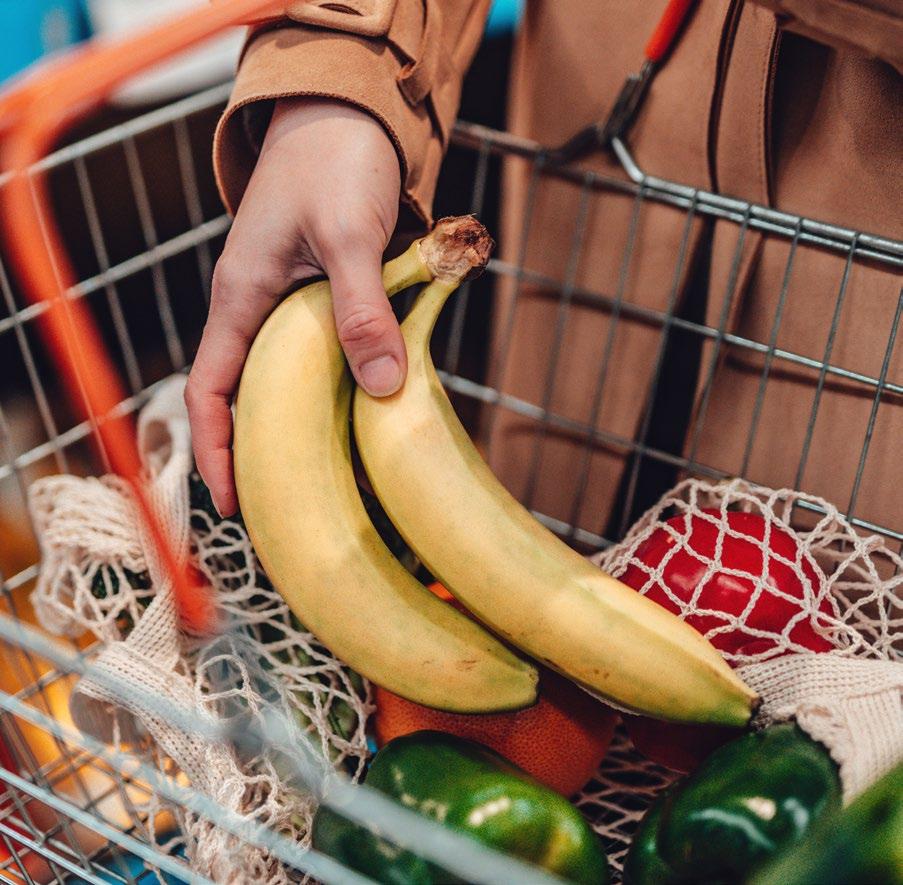
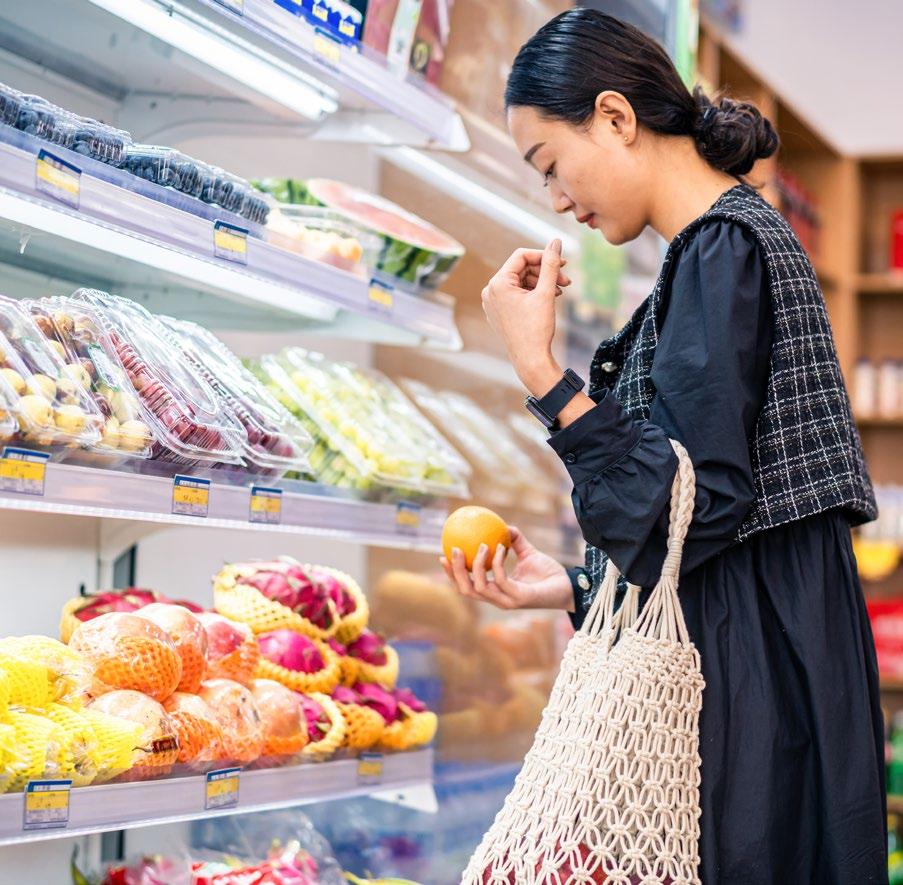
Non-SME retail brands looking to make compliant creative in an environment where a mix of non-compliant/compliant products are on the shelves, while still showcasing the shopping/in-store experience. This idea shows how a creator could approach filming in-store where both compliant and non-compliant products present.
All products shown by the creator are non- LHF.
No LHF products are visible in the environment around the creator.
The text on the sign in the background (‘cakes & biscuits’) does not identify any specific LHF products so the sign can be shown here.
Creator shows specific and identifiable LHF products.
Specific identifiable LHF products are clearly shown on the shelves around the creator.
Disclaimer: The white-labelled products shown are illustrative only. References to 'compliant' and 'non-compliant' products are placeholders used for demonstration purposes and do not constitute legal advice or creative requirements. The contents of this video do not constitute legal advice.
interpretations that could work for this scenario, where the ad could:
Show non-LHF products.
Show customers carrying retailer branded shopping baskets or bags. Include retailer branding.
Show LHF products on shelves in the distance, provided they are not prominent or clearly identifiable.

Brands looking to showcase the range of products that are available through their platform.
Likely best fit for:
Retail Brands
QSR Brands
All unbranded food items shown are generic and are not identifiable as specific LHF products.
The branded food item (poke bowl) is non-LHF. As the product is compliant it is appropriate to identify it as a specific, branded item from a named retailer.
Does focus on the speed and convenience of the delivery retailer’s in-app experience.
Does include variety in food shown.
Does show specific and identifiable LHF products.
Does show product packaging that identifies specific LHF products.
Disclaimer: The white-labelled products shown are illustrative only. References to 'compliant' and 'non-compliant' products are placeholders used for demonstration purposes and do not constitute legal advice or creative requirements. The contents of this video do not constitute legal advice.
Show a variety of generic food and drink items, provided they are not identifiable as specific LHF products.
Talk about the delivery service itself – e.g. delivery times, how the brand works with a range of partners, how the delivery company can meet the needs of consumers in real-time.

Brands looking to partner with a creator on ‘cook with me’ content, even when the dish being prepared appears to be unhealthy. This idea shows how a creator could approach filming paid-for content in partnership with a food/drink brand.
CPG - Food and Beverage Brands
QSR Brands
Retail Brands
Here the creator has partnered with a dairy brand to showcase how branded cream cheese (a non-LHF product) could be used to make a generic cheesecake.
Non-LHF product provided by brand (cream cheese) is clearly identified and is the focus of the content.
Does not show any specific LHF products or specific LHF product packaging
Does show the creator cooking with generic biscuits. These are not produced or sold by the brand paying for the content so are non-specific and non-identifiable.
Does show generic non-LHF ingredients (e.g. sugar/ strawberries).
Final product (cheesecake) is home made so cannot be bought in a shop. That makes the product generic and non-specific.
Here the creator has partnered with a brand to showcase how branded LHF biscuits can be used to make a generic cheesecake.
LHF product provided by the brand (biscuits) is clearly identified and is the focus of the content. This content is therefore an ad for an LHF product, so would be prohibited.
Disclaimer: The white-labelled products shown are illustrative only. References to 'compliant' and 'non-compliant' products are placeholders used for demonstration purposes and do not constitute legal advice or creative requirements. The contents of this video do not constitute legal advice.
where the ad could:
Show the creator making a meal which may appear to be less healthy, provided no LHF products are shown or referenced. So, for example, if the brand provided spice mixes, the creator could use them to make a home-made curry. In this example, the curry isn’t a specific product that you could buy in a shop so it would be fine to showcase that, provided no identifiable LHF products were shown in the cooking process.
Include the creator talking generally about other products offered by the brand that aren’t shown, for example ‘I love a slice of [brand] cake for desert if I’m treating myself’. However, any mentions of products should be non-specific, i..e. the creator couldn’t say ‘I love a slice of the [brand] red velvet cake’.
Brands looking to participate in TikTok trends in a compliant way.
Likely best fit for:
CPG - Food and Beverage Brands
Retail Brands
Does not show or name specific LHF items sold by the retailer.
Creative does show an image of a product outside its packaging that looks exactly like an LHF product sold by the retailer (mince pies), but here the text clearly identifies the product shown as a non-LHF variant (e.g. we use text to clarify that the product shown is ‘Supermarket Brand Wholesome Winter Apple &Cranberry Mince Pies’ which are not LHF.
Does show two specific and identifiable LHF products (LHF roast potatoes and LHF mince pies).
Disclaimer: The white-labelled products shown are illustrative only. References to 'compliant' and 'non-compliant' products are placeholders used for demonstration purposes and do not constitute legal advice or creative requirements. The contents of this video do not constitute legal advice.
interpretations that could work for this scenario, where the ad could:
Show any non-LHF items sold by the retailer. If the item is obviously not LHF (e.g. carrots), you don’t need to give the product name, but anything that looks exactly like an LHF product sold by the retailer needs to be clearly identified as non-LHF by including packaging/product name
Alcohol is not in scope of the LHF restrictions so that can be shown.
Brand characters can be shown, provided the character isn’t associated with a specific LHF product.
Ad can include general remarks about the spread – for example ‘have a delicious roast dinner with [brand] this year’.
General references to product types are also okay – so, for example, ‘get your cakes, deserts and treats from [brand] this year’ would be acceptable.
CAP: Committee of Advertising Practice
HFSS: high in fat, salt and sugar
LHF: Less Healthy food and drink
SME: Small and medium enterprises
ASA: Advertising Standards Authority